CUMBERLAND VILLAGE CARE
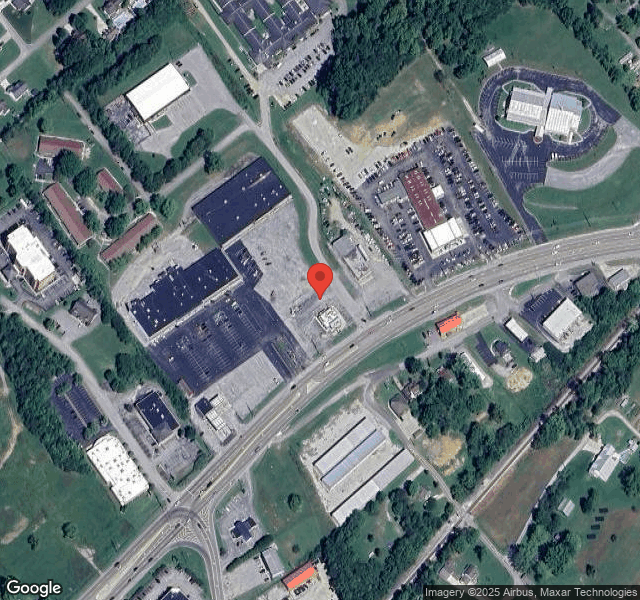

136 DAVIS LANE, LAFOLLETTE, TN 37766 (423) 562-0760
For profit - Limited Liability company 182 Beds GENESIS HEALTHCARE Data: November 2025
Trust Grade
58/100
#116 of 298 in TN
Last Inspection: January 2025

Within standard 12-15 month inspection cycle. Federal law requires annual inspections.

Overview

Cumberland Village Care in LaFollette, Tennessee has a Trust Grade of C, indicating an average performance among nursing homes, meaning it falls in the middle of the pack. It ranks #116 out of 298 facilities in Tennessee, placing it in the top half, and is the best option among the three facilities in Campbell County. However, the trend is concerning as the number of issues found increased from 3 in 2024 to 5 in 2025. Staffing is a notable strength, with a turnover rate of 29%, which is lower than the state average, but the facility has received fines totaling $30,398, which is higher than 80% of Tennessee facilities, suggesting ongoing compliance issues. Despite some strengths, there are significant weaknesses; for example, a resident developed serious pressure ulcers due to inadequate monitoring and care, resulting in hospitalization, and the facility failed to properly dispose of expired medications and maintain a clean environment around waste disposal areas.

Trust Score
C
58/100
In Tennessee
#116/298
Top 38%
Safety Record
Moderate
Needs review
Inspections
Getting Worse
3 → 5 violations
Staff Stability
✓ Good
29% annual turnover. Excellent stability, 19 points below Tennessee's 48% average. Staff who stay learn residents' needs.
Penalties
✓ Good
$30,398 in fines. Lower than most Tennessee facilities. Relatively clean record.
Skilled Nurses
⚠ Watch
Each resident gets only 21 minutes of Registered Nurse (RN) attention daily — below average for Tennessee. Fewer RN minutes means fewer trained eyes watching for problems.
Violations
⚠ Watch
19 deficiencies on record. Higher than average. Multiple issues found across inspections.
★★★☆☆
3.0
Overall Rating
★★☆☆☆
2.0
Staff Levels
★★☆☆☆
2.0
Care Quality
★★★☆☆
3.0
Inspection Score
Stable
2024: 3 issues
2025: 5 issues

The Good

  • Low Staff Turnover (29%) · Staff stability means consistent care
  • Full Sprinkler Coverage · Fire safety systems throughout facility
  • No fines on record
  • Staff turnover is low (29%)

    19 points below Tennessee average of 48%

Facility shows strength in staff retention, fire safety.

The Bad

3-Star Overall Rating

Near Tennessee average (2.8)

Meets federal standards, typical of most facilities

Federal Fines: $30,398

Below median ($33,413)

Moderate penalties - review what triggered them

Chain: GENESIS HEALTHCARE

Part of a multi-facility chain

Ask about local staffing decisions and management

The Ugly 19 deficiencies on record

1 actual harm
Jan 2025 1 deficiency
CONCERN (E) 📢 Someone Reported This

A family member, employee, or ombudsman was alarmed enough to file a formal complaint

Potential for Harm - no one hurt, but risky conditions existed

Room Equipment (Tag F0908)

Could have caused harm · This affected multiple residents

Based on facility policy review, interviews, and observation, the facility failed to ensure the kitchen equipment was maintained in good working order for 1 dishwasher and 1 hot water heater for the k...

Read full inspector narrative →
Based on facility policy review, interviews, and observation, the facility failed to ensure the kitchen equipment was maintained in good working order for 1 dishwasher and 1 hot water heater for the kitchen to ensure proper sanitization of kitchen and foodware, which had the potential to affect 156 of 158 residents. The findings include: Review of the facility's policy titled, Equipment, dated 9/2017, revealed .all foodservice equipment will be .in proper working order . During an interview on 1/30/2025 at 7:31 AM, the Maintenance Director stated the facility utilized one dishwasher in the kitchen that relied upon the hot water heater (hot water heater designated for the kitchen area) to supply the hot water and the booster temperature regulator (built-in mechanism within the dishwasher to boost water temperatures) to ensure water temperatures met regulations to sanitize dishes. The Maintenance Director stated the hot water heater for the kitchen was only working .half the time . which resulted in an increased workload for the booster temperature regulator box to heat water temperatures to the appropriate level for sanitization. The Maintenance Director stated the hot water heater had not been working properly for .about a week [specific date unknown] . and the dishwasher did not have a consistent hot water supply to provide adequate dishwashing services. The equipment failure had the potential to result in improper sanitaztion of the dishware and cookware. During an observation in the dish room on 1/30/2025 at 7:42 AM, with District Manager (DM) #1 and DM #2, revealed the industrial dishwashing machine was loaded with a test tray to observe the dishwasher functioning. Further observation revealed the test tray was loaded into the right side of the conveyor belt, the belt carried the tray into the wash machine to start the wash cycle, the wash cycle began, and the dishwashing machine made a loud metal on metal sound. The wash cycle continued to finish the rinse cycle however the water temperature gauges for the wash and rinse cycle did not rise above 40 degrees Fahrenheit (F). The test tray came out on the conveyor belt on the left side of the dish machine with cold water present on the surface of the tray. The test tray was ran through the dish machine two additional times with the same results of the temperature gauges for both the wash and rinse cycles which were not reading above 40 degrees F. The water temperature did not reach the 120 degrees to sanitize dishes during the wash or rinse cycles. During an interview in the dish room on 1/30/2025 at 7:49 AM, DM #1 stated since the hot water heater was not working properly in the kitchen, the kitchen staff had to run dishes through the dish machine multiple times to get the booster temperature regulator up to the appropriate temperature (over 120 degrees F) for sanitizing the dishes since it was a low temperature with chemical sanitization dishwashing system. DM #1 stated the dish washer was not working properly and was not reaching the appropriate temperature. DM #1 stated since the dishwasher was .broken . the kitchen would have to initiate a contingency plan to wash and sanitize the dishes using their 3-compartment sink area in the kitchen and disposable foodware. During an interview in the dish room on 1/30/2025 at 7:55 AM, DM #2 stated the booster temperature regulator was not working and was .probably overloaded . from having an increased workload to run multiple dishwashing loads to rise to the appropriate temperature since there was no supply of hot water to the dishwasher. During an interview on 1/30/2025 at 7:57 AM, the Maintenance Director confirmed the dishwasher and hot water heater in the kitchen was not in a good working order and needed immediate repairs
Jan 2025 4 deficiencies
CONCERN (D)

Potential for Harm - no one hurt, but risky conditions existed

Deficiency F0698 (Tag F0698)

Could have caused harm · This affected 1 resident

**NOTE- TERMS IN BRACKETS HAVE BEEN EDITED TO PROTECT CONFIDENTIALITY** Based on facility policy review, medical record review, observations, and interviews, the facility failed to obtain a physician'...

Read full inspector narrative →
**NOTE- TERMS IN BRACKETS HAVE BEEN EDITED TO PROTECT CONFIDENTIALITY** Based on facility policy review, medical record review, observations, and interviews, the facility failed to obtain a physician's orders for dialysis site monitoring, failed to document dialysis site assessments for thrill, bruit, and infection, and failed to complete dialysis communications records for 1 resident (Resident #71) of 1 resident reviewed for dialysis. The findings include: Review of the facility's policy titled, Dialysis: Hemodialysis (HD)- Communication and Documentation, dated 6/15/2022, revealed .Center staff will communicate with the certified dialysis facility regarding the ongoing assessment of the patient's condition by monitoring for complications before and after hemodialysis (HD) treatments .Prior to patient leaving the center .licensed nurse will complete the top portion of the Hemodialysis Communication Record .send with patient to .HD facility . Following completion of the HD, the dialysis facility nurse should complete and return the form .to the Center with the patient .Upon return of the patient to the Center, a licensed nurse will: Review the certified dialysis facility communication .Complete the post-hemodialysis treatment section on the Hemodialysis Communication Record .Notify the certified dialysis facility if the form is not returned with the patient .Maintain the Hemodialysis Communication Record .in the patient's medical record . Review of the facility's policy titled, Clinical Record: Charting and Documentation, dated 2/1/2023, revealed .Document .routine observations .Documentation will be .complete . Review of the medical record revealed Resident #71 was admitted to the facility on [DATE] with diagnoses including End Stage Renal Disease, Dependence on Renal Dialysis, and Hypertension. Review of an admission Minimum Data Set (MDS) assessment dated [DATE], revealed Resident #71 scored a 10 on the Brief Interview for Mental Status (BIMS) assessment which indicated the resident had moderate cognitive impairment. Further review revealed Resident #71 received dialysis. Review of the comprehensive care plan for Resident #71 revised 12/31/2024, revealed the resident was at risk of impaired renal function with complications related to hemodialysis, received dialysis 3 times per week with interventions to monitor dialysis access site for bruit and thrill every shift and as needed. Review of an Order Summary Report for Resident #71 dated 1/12/2025, revealed an order for hemodialysis treatments 3 times per week. Further review revealed there was no order to assess the dialysis access site (fistula) for bruit, thrill, and signs of infection or bleeding every shift. During an interview on 1/12/2025 at 3:03 PM, Resident #71 stated she received dialysis at an outside dialysis center 3 times per week. Resident #71 stated she had a fistula to her left arm and the nurses at the facility check her dialysis access site every shift and before and after her dialysis treatments. During an observation in Resident #71's room on 1/13/2025 at 8:05 AM, Licensed Practical Nurse (LPN) C assessed Resident #71's fistula to the left arm for signs of bleeding, bruit, and thrill. Resident #71's dialysis site to the left arm had the presence of the bruit and thrill and had no signs of infection or bleeding. During an interview on 1/13/2025 at 8:10 AM, LPN C stated Resident #71 's dialysis access site (left arm fistula) was assessed every shift for bruit, thrill, and signs of infection or bleeding. LPN C stated Resident #71's assessment of her bruit and thrill was documented on the Hemodialysis Communication Record. Review of the Medication Administration Record (MAR) for Resident #71 dated 1/2025, revealed no documentation present for dialysis access site assessment for bruit, thrill, signs of infection or bleeding. During an interview on 1/13/2025 at 8:45 AM, the Assistant Director of Nursing (ADON) stated Resident #71 received dialysis treatments 3 times per week and had a fistula site to her left arm. The ADON stated Resident #71's fistula to left arm was assessed for signs of infection with bleeding and the presence of the bruit and thrill by the licensed nurse before and after each dialysis treatment and every shift. The ADON stated the licensed nurses documented the presence of the bruit and thrill for Resident #71 on the Hemodialysis Communication Record and on the MAR. The ADON confirmed the Physician's Order was not entered into the medical record to trigger on the MAR for the nurses to sign off documentation to acknowledge the assessment of the dialysis access site had been completed. Review of the Hemodialysis Communication Records for Resident #71 dated 12/2/2024 through 1/8/2025, revealed incomplete documentation on the following dates: 12/2/2024, 12/4/2024, 12/6/2024, 12/9/2024, 12/11/2024, 12/13/2024, 12/16/2024, 12/18/2024, 12/23/2024, 12/24/2024, 12/30/2024, 1/1/2025, 1/6/2025, and 1/8/2025. Further review revealed the forms were not completed in the following areas on the document .To be completed by Center licensed nurse .prior to hemodialysis treatment .AV Shunt only bruit [blank] .thrill [blank] .To be completed by center licensed nurse post hemodialysis treatment .AV shunt only .Bruit [blank] .thrill [blank] . Contiued review revealed there were no Hemodialysis Communication Records available for review on 12/20/2024, 12/27/2024, and 1/3/2025. During an interview on 1/13/2025 at 3:30 PM, the Director of Nursing (DON) stated the Hemodialysis Communication Record for Resident #71 was to be completed to entirety, including sections for pre and post dialysis treatment. The DON confirmed the Hemodialysis Communication Records dated 12/2/2024 through 1/8/2025 were not completed to entirety and did not reflect the dialysis access site assessments completed by the licensed nurses. During an interview on 1/14/2025 at 10:18 AM, LPN E stated she cared for Resident #71 and checked her fistula site to her left arm every shift and before and after her dialysis treatments. LPN E stated Resident #71's dialysis access site was assessed for the presence of bruit and thrill and for any signs of bleeding or infection. LPN E stated the physician would be notified promptly if any abnormalities were present. During an interview on 1/14/2025 at 10:22 AM, Registered Nurse (RN) D stated she cared for Resident #71 and checked her fistula site to her left arm for bruit, thrill, and signs of infection or bleeding. RN D stated Resident #71's dialysis access site was assessed every shift, before and after dialysis, and as needed. RN D stated the physician would be notified promptly if any abnormalities were present.
CONCERN (D)

Potential for Harm - no one hurt, but risky conditions existed

Garbage Disposal (Tag F0814)

Could have caused harm · This affected 1 resident

**NOTE- TERMS IN BRACKETS HAVE BEEN EDITED TO PROTECT CONFIDENTIALITY** Based on facility policy review, observation, and interview, the facility failed to ensure garbage and refuse were properly cont...

Read full inspector narrative →
**NOTE- TERMS IN BRACKETS HAVE BEEN EDITED TO PROTECT CONFIDENTIALITY** Based on facility policy review, observation, and interview, the facility failed to ensure garbage and refuse were properly contained in 2 of 3 dumpsters (dumpsters #1 and #2) and the outside dumpster area was not maintained in a sanitary condition. The findings include: Review of the facility's policy titled, Dispose of Garbage and Refuse, dated 8/2017, revealed .all garbage and refuse will be collected and disposed of in a safe and efficient manner .ensure the area surrounding the exterior dumpster area is maintained in a manner free of rubbish or other debris . During an observation of the outside dumpster area and interview on 1/12/2025 at 11:46 AM, with the Assistant Dietary Account Manager ([NAME]), revealed 3 dumpsters present for waste disposal. Further observation revealed dumpsters #1 and #2's top left panels had fallen into both dumpsters and did not properly cover both dumpsters' contents. The large openings from the improper covering to the top left panels of dumpster #1 and #2 resulted in the dumpsters' contents exposure to the elements and pests. Continued observation of the area around dumpster #2 revealed the open, left side of the dumpster was overfilled with garbage and resulted in 1 cardboard box, 2 foam boxes, and one plastic drinking cup on the ground behind the dumpster. The [NAME] confirmed dumpsters #1 and #2's contents were not properly contained and the area surrounding dumpster #2 was not maintained in a sanitary condition.
CONCERN (D)

Potential for Harm - no one hurt, but risky conditions existed

Infection Control (Tag F0880)

Could have caused harm · This affected 1 resident

**NOTE- TERMS IN BRACKETS HAVE BEEN EDITED TO PROTECT CONFIDENTIALITY** Based on facility policy review, observation, and interview, the facility failed to offer hand hygiene assistance to residents p...

Read full inspector narrative →
**NOTE- TERMS IN BRACKETS HAVE BEEN EDITED TO PROTECT CONFIDENTIALITY** Based on facility policy review, observation, and interview, the facility failed to offer hand hygiene assistance to residents prior to meals for 6 residents (Residents #88, #57, #105, #94, #99, and #302), of 6 residents observed on 1 of 3 hallways observed for meal tray distribution and failed to ensure staff donned appropriate Personal Protective Equipment for 1 resident (Resident #35) of 4 residents observed on Enhanced Barrier Precautions (EBP). The findings include: Review of the facility's policy titled, Patient Hand Hygiene, dated 5/1/2024, revealed .Staff should assist patients/residents .with hand hygiene after toileting and before meals .Wash hands with soap and water when hands are visibly soiled .Use alcohol based hand rubs for routine decontamination .when hands are not visibly dirty, alcohol-based hand rubs are preferred method for hand hygiene . Review of the facility's policy titled, Enhanced Barrier Precautions, dated 12/16/2024, revealed .In addition to Standard Precautions, Enhanced Barrier Precautions (EBP) will be used .(EBP) are an infection control intervention designed to reduce the transmission of novel or multidrug resistant organisms. It employs targeted personal protective equipment (PPE) use during high contact patient/resident .activities . Review of the medical record revealed Resident #88 was admitted to the facility on [DATE], and readmitted on [DATE] and 8/26/2024 with diagnoses including Dementia, Polyosteoarthritis, and Anxiety. Review of the comprehensive care plan for Resident #88 dated 4/13/2022, revealed .Provide resident/patient with limited to extensive assist of staff for personal hygiene . Review of a quarterly Minimum Data Set (MDS) assessment dated [DATE] revealed Resident #88 scored a 00 on the Brief Interview for Mental Status (BIMS) assessment which indicated the resident had severe cognitive impairment. Resident #88 required supervision or touching assistance for eating and was dependent on staff for personal hygiene. During an observation on 1/12/2025 at 12:18 PM, Resident #88 was lying in bed resting. Certified Nursing Assistant (CNA) A entered the room to deliver the lunch meal tray. CNA A repositioned Resident #88 in bed, set up the lunch tray, and exited the room without offering hand hygiene assistance to Resident #88. Review of the medical record revealed Resident #57 was admitted to the facility on [DATE] and readmitted on [DATE] with diagnoses including Alzheimer's Disease, Dementia, and Cognitive Communication Deficit. Review of the comprehensive care plan for Resident #57 dated 6/29/2017, revealed .requires assistance for ADL [Activities of Daily Living] care in .personal hygiene .extensive assist of staff for personal hygiene . Review of the quarterly MDS assessment dated [DATE], revealed Resident #57 scored a 3 on the BIMS assessment which indicated the resident had severe cognitive impairment. Resident #57 required Setup or clean-up assistance for eating and substantia/maximal assistance for personal hygiene. During an observation on 1/12/2025 at 12:19 PM, CNA A delivered the lunch meal tray to Resident #57. CNA A set up the meal tray and exited the room without offering hand hygiene assistance to Resident #57. Review of the medical record revealed Resident #105 was admitted to the facility on [DATE] and readmitted on [DATE] with diagnoses including Dementia, Major Depressive Disorder, and Anxiety. Review of the comprehensive care plan for Resident #105 dated 1/13/2022, revealed .requires assistance .in ADL care .assist for personal hygiene . Review of the quarterly MDS assessment dated [DATE], revealed Resident #105 scored a 00 on the BIMS assessment which indicated the resident had severe cognitive impairment. Resident #105 required setup or clean-up assistance for eating and substantial/maximal assistance for personal hygiene. During an observation on 1/12/2025 at 12:20 PM, CNA F delivered the lunch meal tray to Resident #105. CNA F repositioned the resident in bed, set up the resident's tray, and exited the room without offering hand hygiene assistance to Resident #105. Review of the medical record revealed Resident #94 was admitted to the facility on [DATE] and readmitted on [DATE] with diagnoses including Alzheimer's Disease, Dementia, and Major Depressive Disorder Review of the comprehensive care plan for Resident #94 dated 6/16/2021, revealed .requires assistance for ADL care in .personal hygiene .extensive assist of staff for personal hygiene . Review of the quarterly MDS assessment dated [DATE], revealed Resident #94 scored a 00 on the BIMS assessment which indicated the resident had severe cognitive impairment. Resident #94 required setup or clean-up assistance for eating and substantial/maximal assistance for personal hygiene. During an observation on 1/12/2025 at 12:23 PM, CNA A delivered the lunch meal tray to Resident #94. CNA A repositioned Resident #94 in bed, set up the lunch tray, and exited the room without offering hand hygiene assistance to the resident. Review of the medical record revealed Resident #99 was admitted to the facility on [DATE] with diagnoses including Dementia, Delusional Disorders, and Osteoarthritis. Review of the comprehensive care plan for Resident #99 dated 12/27/2024, revealed .decreased ability to perform ADL(s) in .personal hygiene .limited to extensive assist of staff for personal hygiene . Review of the admission MDS assessment dated [DATE], revealed Resident #99 scored a 10 on the BIMS assessment which indicated the resident had moderate cognitive impairment. Resident #99 required setup or clean-up assistance for eating and supervision or touching assistance for personal hygiene. During an observation on 1/12/2025 at 12:24 PM, CNA F delivered the lunch meal tray to Resident #99. CNA F repositioned Resident #99 in bed, set up the tray, and exited the room without offering hand hygiene assistance to the resident. Review of the medical record revealed Resident #302 was admitted to the facility on [DATE] with diagnoses including Dementia, Traumatic Subarachnoid Hemorrhage (bleeding in the space between the brain and tissues that cover the brain), and Major Depressive Disorder. Review of the comprehensive care plan dated 1/9/2025, revealed .decreased ability to perform ADL(s) in .personal hygiene .Provide .set-up assist of 1 for personal hygiene . During an observation on 1/12/2025 at 12:25 PM, CNA F delivered the lunch meal tray to Resident #302. CNA F set up the meal tray and exited the room without offering hand hygiene assistance to the Resident #302. During an interview on 1/12/2025 at 12:26 PM, CNA F stated residents were to be taken to the bathroom to wash their hands prior to meals. CNA F confirmed she had not offered hand hygiene assistance to Residents #105, #99, and #302 prior to their lunch meal on 1/12/2025. During an interview on 1/12/2025 at 12:28 PM, CNA A stated residents were to be offered hand hygiene prior to meals using either a wipe or rag with soap. CNA A confirmed she had not offered Residents #88, #57, and #94 hand hygiene assistance prior to their lunch meal on 1/12/2025. During an interview on 1/12/2025 at 4:04 PM, the Director of Nursing (DON) confirmed staff were to offer hand hygiene assistance to all residents prior to meals using either sanitizer or wipes. Review of the medical record revealed Resident #35 was admitted to the facility on [DATE] and readmitted on [DATE] with diagnoses including Alzheimer's Disease, Bipolar Disorder, Stage 2 Pressure Ulcer of the Right and Left buttock, and Unstageable Pressure Ulcer of the Left Heel. Review of the comprehensive care plan initiated on 7/1/2024, revealed .Enhanced Barrier Precautions: Use gown and gloves when performing high-contact activities .providing hygiene .changing linens, changing briefs or assisting with toileting . Review of the Order Recapitulation (Recap) Report revealed an order clarification dated 1/14/2024 for .Requires Enhanced barriers precautions .open wounds . During an observation on 1/14/2025 at 10:50 AM, there was a sign posted on Resident #35's door that read .ENHANCED BARRIER PRECAUTIONS .Wear Gown and Gloves prior to these activities .During high-contact resident care activities .Providing hygiene .Changing linens .Changing briefs or assisting with toileting . CNA A and CNA B were observed in Resident #35's room providing incontinence care. The CNAs did not don or wear gowns during the incontinence activity. During an interview on 1/14/2025 at 11:11 AM, CNA A stated Resident #35 was in EBP due to wounds and required a gown and gloves for patient care activities. CNA A confirmed she and CNA B had been in Resident #35's room providing incontinence care and had not worn a gown during the patient care encounter. During an interview on 1/14/2025 at 11:23 AM, CNA B stated Resident #35 had wounds and was in EBP. Residents in EBP require a gown and gloves when providing incontinence care. CNA B confirmed she had not worn a gown while providing incontinence care to Resident #35. During an interview on 1/14/2025 at 11:24 AM, the DON stated Resident #35 required EBP due to wounds. The DON confirmed staff were to don gown and gloves for incontinence care.
CONCERN (E)

Potential for Harm - no one hurt, but risky conditions existed

Food Safety (Tag F0812)

Could have caused harm · This affected multiple residents

**NOTE- TERMS IN BRACKETS HAVE BEEN EDITED TO PROTECT CONFIDENTIALITY** Based on facility policy review, observations, and interviews, the facility failed to ensure the kitchen cooking and serving equ...

Read full inspector narrative →
**NOTE- TERMS IN BRACKETS HAVE BEEN EDITED TO PROTECT CONFIDENTIALITY** Based on facility policy review, observations, and interviews, the facility failed to ensure the kitchen cooking and serving equipment was maintained in a sanitary condition and failed to ensure 3 dented cans and 2 containers of expired juice were discarded, which had the potential to affect 148 of 152 residents. The findings include: Review of the facility's policy titled, Equipment, dated 9/2017, revealed .All foodservice equipment will be clean, sanitary, and in proper working order .All food contact equipment will be cleaned and sanitized after every use .All non-food contact equipment will be clean and free of debris . Review of the facility's policy titled, Receiving, dated 2/2023, revealed .Safe food handling . All canned goods will be appropriately inspected for dents .Damaged cans will be segregated and clearly identified for return to vendor or disposal . During an observation of the dry storage area on 1/12/2025 at 11:05 AM, with the Assistant Dietary Account Manager ([NAME]), revealed 3 dented cans (one 6.5-pound can of applesauce, one 3.1-pound can of corned beef hash, and one 6.6-pound can of marinara sauce) with dents present to the side of each can. Further observation revealed the 3 dented cans were stored and available for resident use. During an interview on 1/12/2025 at 11:10 AM, the [NAME] stated the kitchen staff routinely checked for dented cans weekly and if dented cans were observed, the dented cans should be separated and discarded. The [NAME] confirmed the dented cans of applesauce, corned beef hash, and marinara sauce were .missed . during the weekly check and should have been discarded. During an observation of the cooking area and interview on 1/12/2025 at 11:16 AM, with the [NAME], revealed a grease-like, brownish black food debris with multiple splatters of a brown substance present to the top perimeter of the deep fryer, the left side of the hot holding cabinet, and the right side of the griddle. The [NAME] confirmed the deep fryer, left side of hot holding cabinet, and the right side of the griddle needed .deep cleaning . and was not maintained in a sanitary condition. During an observation of the food preparation area and interview on 1/12/2025 at 11:22 AM, with the [NAME], revealed one 4-inch serving pan with crusty, white food debris present to the inner parameter of the pan. The [NAME] confirmed the 4-inch serving pan was not stored in a sanitary condition. During an observation and interview on 1/12/2025 at 11:25 AM, with the [NAME], revealed the reach-in cooler #1 had two 1-quart plastic containers of lemon juice expired on 12/16/2024 available for resident use. The [NAME] confirmed the two 1-quart jugs of lemon juice were expired and should have been discarded.
Oct 2024 1 deficiency
CONCERN (D) 📢 Someone Reported This

A family member, employee, or ombudsman was alarmed enough to file a formal complaint

Potential for Harm - no one hurt, but risky conditions existed

Quality of Care (Tag F0684)

Could have caused harm · This affected 1 resident

**NOTE- TERMS IN BRACKETS HAVE BEEN EDITED TO PROTECT CONFIDENTIALITY** Based on facility policy review, medical record review and interviews, the facility failed to ensure physician orders were follo...

Read full inspector narrative →
**NOTE- TERMS IN BRACKETS HAVE BEEN EDITED TO PROTECT CONFIDENTIALITY** Based on facility policy review, medical record review and interviews, the facility failed to ensure physician orders were followed for 1 resident (Resident #3) of 5 residents reviewed for elevated fingerstick blood sugar (BS) levels. The findings include: Review of the facility policy titled, Procedure: Fingerstick Glucose Measurement, revised 6/15/2022, revealed .Report .test results to the physician/advanced practice provider .Document .notification and response . Review of the medical record revealed Resident #3 was admitted to the facility on [DATE] and readmitted on [DATE] with diagnoses including Cerebral Infarction, Hypertension, Diabetes Type 2, Epilepsy, and Non-compliance with Medical Treatment. Review of a Physician's Order for Resident #3 dated 8/21/2024, revealed to administer Humalog (injectable insulin medication used to treat Diabetes) before meals and at bedtime per the sliding scale. Further review revealed for fingerstick BS levels above 401, administer 12 units of Humalog and notify a medical provider. Review of a quarterly Minimum Data Set (MDS) assessment dated [DATE], revealed Resident #3 scored a 13 on the Brief Interview for Mental Status (BIMS) which indicated the resident was cognitively intact. Further review revealed the resident received 3 days of insulin injections when reviewing the past 7 days since readmission. Review of the Medication Administration Record (MAR) for Resident #3 revealed the resident had an elevated BS above 401 on the following days: 9/22/2024 - BS level 410, treated with 12 units of fast acting insulin; further review revealed no documentation the doctor had been notified of the elevated BS. 9/28/2024 - BS level 425, treated with 12 units of fast acting insulin; further review revealed no documentation the doctor had been notified of the elevated BS. 10/2/2024 - BS level 453, treated with 12 units of fast acting insulin; further review revealed no documentation the doctor had been notified of the elevated BS. 10/6/2024 - BS level 402, treated with 12 units of fast acting insulin; further review revealed no documentation the doctor had been notified of the elevated BS. 10/12/2024 - BS level 411, treated with 12 units of fast acting insulin; further review revealed no documentation the doctor had been notified of the elevated BS. 10/13/2024 - BS level 417, treated with 12 units of fast acting insulin; further review revealed no documentation the doctor had been notified of the elevated BS. 10/20/2024 - BS level 435, treated with 12 units of fast acting insulin; further review revealed no documentation the doctor had been notified of the elevated BS. During interview on 10/23/2024 at 11:19 AM, Nurse Practitioner (NP) A and NP B stated it was the expectation for nurses to notify the provider when a resident had a BS level above 401, to determine if additional insulin coverage was needed based on Resident #3's condition and diet for the day. NP A and NP B could not recall being notified of an elevated fingerstick BS level above 401 for Resident #3 on the following dates: 9/22/2024, 9/28/2024, 10/2/2024, 10/6/2024, 10/12/2024, 10/13/2024 and 10/20/2024. NP A and NP B stated Resident #3 frequently refused BS fingersticks and long-acting insulin which contributed to the elevated BS levels. During an interview on 10/23/2024 at 2:30 PM, the Director of Nursing (DON) stated it was the expectation of the facility for nurses to follow physician orders for elevated fingerstick BS levels above 401. Continued interview revealed there was no documentation a medical provider was notified of elevated fingerstick BS levels above 401 for Resident #3 on dates on 9/22/2024, 9/28/2024, 10/2/2024, 10/6/2024, 10/12/2024, 10/13/2024 and 10/20/2024. The DON confirmed the facility failed to follow a physician's order when the provider was not notified of Resident #3's elevated fingerstick BS levels.
Sept 2024 2 deficiencies
CONCERN (D) 📢 Someone Reported This

A family member, employee, or ombudsman was alarmed enough to file a formal complaint

Potential for Harm - no one hurt, but risky conditions existed

Free from Abuse/Neglect (Tag F0600)

Could have caused harm · This affected 1 resident

**NOTE- TERMS IN BRACKETS HAVE BEEN EDITED TO PROTECT CONFIDENTIALITY** Based on facility policy review, medical record review, facility investigation review, observations, and interviews the facility...

Read full inspector narrative →
**NOTE- TERMS IN BRACKETS HAVE BEEN EDITED TO PROTECT CONFIDENTIALITY** Based on facility policy review, medical record review, facility investigation review, observations, and interviews the facility failed to protect the residents' right to be free from physical abuse by another resident for 4 residents (Resident #17 and #5, #3, and #10) of 14 sampled residents reviewed for abuse. On 4/11/2024, Resident #18 hit Resident #17 and caused a laceration above his right eye and abrasion to his left elbow. On 1/31/2024, Resident #6 hit Resident #5 in the face causing a nosebleed. On 1/11/2024, Resident #4 struck Resident #3 in the head. On 4/29/2024 Resident #11 struck Resident #10 in the arm. The findings include: Review of the facility's policy titled, Abuse Prohibition, revised 10/24/2022, revealed .Centers prohibit abuse .This includes .physical .Abuse is defined as the willful infliction of injury .Instances of abuse of all patients .irrespective of any .physical condition, cause physical harm .It includes .physical abuse .Willful, as used in this definition of abuse, means the individual must have acted deliberately, not that the individual must have intended to inflict injury or harm .Physical Abuse includes hitting, slapping, pinching, kicking, etc . 1. On 4/11/2024, Resident #18 hit Resident #17 and caused a laceration above his right eye and abrasion to his left elbow. Review of the medical record revealed Resident #17 was admitted to the facility on [DATE] and was discharged on 4/12/2024 with diagnoses including Congestive Heart Failure, Diabetes Mellitus, Dementia, and Generalized Anxiety Disorder. Review of the admission Minimum Data Set (MDS) assessment dated [DATE], revealed Resident #17 scored a 10 on the Brief Interview for Mental Status (BIMS) assessment which indicated the resident had moderate cognitive impairment. Review of a comprehensive care plan for Resident #17, revised 3/15/2024, revealed Resident #17 required staff assistance with all activities of daily living. Resident #17 .exhibits or has the potential to exhibit physical behaviors related to cognitive loss and having a diagnosis of dementia . Review of the Nurse's Note for Resident #17 dated 4/11/2024, revealed .Nurse went to speak with [Resident #17] of situation with [Resident #18], [Resident #17] stated [Resident #18] had stolen his drink so [Resident #17] swung at [Resident #18] making contact .[Resident #18] swung back at [Resident #17] making contact causing an abrasion on his right eye and left elbow . Review of the Nurse Practitioner (NP) Note for Resident #17 dated 4/11/2024, revealed .[Resident #17] got into altercation with [Resident #18] for thinking the other resident [Resident #18] stole his [soda] .[Resident #17] was hit by [Resident #18's] fist and [Resident #17] hit the other resident with his fist .Abrasions noted on [Resident #17's] right eye both above and below, abrasion on left elbow . Review of the Psychologist's Note for Resident #17 dated 4/12/2024, revealed .Resident #17 initiated confrontation with another resident [Resident #18] .[Resident #17] hit the other resident [Resident #18] on the head .[Resident #17] incurred .injuries from the aggressive exchange . The residents were separated, and the injury was attended to for Resident #17. Review of a Social Service Note for Resident #17 dated 4/12/2024, revealed .[Resident #17] was involved in an altercation with his roommate [Resident #18] .[Resident #17] voiced that his roommate [Resident #18] had stolen one of his drinks. [Resident #17] struck [Resident #18] and [Resident #18] acted in response. The two have resolved the issue. This resident is scheduled to discharge home 4/12/2024 with his daughter . Review of the medical record revealed Resident #18 was admitted to the facility on [DATE] with diagnoses including Psychosis, Schizoaffective Disorder, Major Depressive Disorder, and Dementia. Review of a quarterly MDS assessment dated [DATE], revealed Resident #18 scored a 12 on the BIMS assessment which indicated the resident had moderate cognitive impairment. No behaviors were exhibited during the assessment period. Review of a comprehensive care plan revised 4/11/2024, revealed Resident #18 required staff assistance with activities of daily living. Resident #18 .exhibit physical behaviors related to cognitive loss and dementia .defended himself after being stuck by another resident . Review of the Nurse's Note for Resident #18 dated 4/11/2024, revealed .[Resident #17] approached [Registered Nurse (RN) A] and stated that [Resident #18] accused him of stealing his [soda] .[Resident #17] swung at [Resident #18] with [Resident #17's] hand making contact .[Resident #18] stated that he swung back at [Resident #17] . Review of the Facility Investigation dated 4/11/2024, revealed .Resident [#17] ambulated to the dining room from his room and informed [RN A] that [Resident #17] had just got into a fight with his roommate [Resident #18]. [Resident #17] stated he thought [Resident #18] was drinking his [soda] and [Resident #18] got mad and hit him. [RN A] assessed [Resident #17] and noted [a] small laceration [to the resident's] right eye, and [an] abrasion on left elbow .[RN A] went to [Resident #18's] room to assess him .no injuries occurred .Immediate head to toe assessment completed on both residents. First aid was done for [Resident #17's] laceration .both residents feel safe, residents were separated immediately and moved to a different room .15 minute checks were started on both residents . Review of the Nurse's Note for Resident #18 dated 4/11/2024, revealed Resident #18 was transferred to a different room for a resident-to-resident altercation that occurred on 4/11/2024. The resident's responsible party was notified. Review of the NP's Note for Resident #18 dated 4/11/2024, revealed .[Resident #18] was in an altercation .[Resident #17] and [Resident #18] both hit each other . [Resident #18] has no visible injury and denies pain .altercation without injury . Review of the Psychologist's Note for Resident #18 dated 4/12/2024, revealed .[Resident #18] had a soft drink in his hand when he was falsely accused by [Resident #17] of taking the residents drink .[Resident #17] hit [Resident #18] on the head .[Resident #18] hit the other resident in return . The residents were separated, and the injury was attended for Resident #17. Review of the Social Service's Note for Resident #18 dated 4/12/2024, revealed Resident #18 was involved in a resident-to-resident altercation.His roommate [Resident #17] thought [Resident #18] had taken one of his drinks and struck him [Resident #18]. [Resident #18] acted in response striking back defending himself. Asked if [Resident #18] still feels safe here. [Resident #18] stated yes. [Resident #18] stated they cleared everything up after it happened . During an interview on 9/10/2024 at 2:00 PM, Resident #18 stated he had been in an altercation with Resident #17 (unable to give exact date). Resident #18 stated Resident #17 punched him (Resident #18) because Resident #17 thought someone took his (Resident #17's) drink. Resident #18 stated he punched Resident #17 back. Resident #18 denied injuries. During an interview on 9/10/2024 at 2:15 PM, RN A stated on 4/11/2024 at approximately 10:00 PM, Resident #17 came into the day room and accused Resident #18 of stealing his [brand name soda #1]. RN A stated staff attempted to redirect Resident #17 and told Resident #17 his drink was a [brand name soda #2] and Resident #18's drink was a [brand name soda #1]. Resident #17 had blood on his face from a laceration to his right eye and an abrasion on his left elbow. Resident #17 and Resident #18 were immediately separated. Resident #18 was moved to another room, families notified, and fifteen-minute checks were initiated. During an interview on 9/10/2024 at 2:35 PM, the Director of Nursing (DON) stated RN A notified her of the incident which occurred between Resident #17 and Resident #18 on 4/11/2024. The DON confirmed Resident #18 caused injury to Resident #17 when he punched Resident #17 causing a laceration to his right eye and an abrasion to his left elbow. 2. On 1/31/2024, Resident #6 hit Resident #5 in the face causing a nosebleed. Review of the medical record revealed Resident #5 was admitted to the facility on [DATE] with diagnoses including Dementia with Behavioral Disturbance, Wandering, Anxiety Disorder, and Altered Mental Status. Review of the quarterly MDS assessment dated [DATE], revealed Resident #5 scored a 3 on the BIMS assessment which indicated the resident had severe cognitive impairment. No behaviors were noted during the assessment period. Review of the Incident Report for Resident #5 dated 1/31/2024, revealed .As I [Licensed Practical Nurse D] was finishing my charting before the shift change, I was having a discussion with [Psychologist] then [Certified Nursing Assistant (CNA) F] ran up to the counter saying .I need you to come down here [Resident #6] has hit [Resident #5] .I immediately ran down the hall to meet them at the end of the hall where the altercation had occurred. I witnessed [Resident #6] screaming and pointing at everyone saying, 'She did it!!' [CNA F] gave a statement saying she was coming down the hallway with another resident to take them to bed and said she [Resident #6] stated, 'I ain't afraid to hit you [Resident #5]!' Then [Resident #6] proceeded to smack [Resident #5] in the face .[Resident #5] was able to point at her nose where she was hurt .I immediately had .CNA [unknown] to do a one-on-one observation with her [Resident #6] while I assessed [Resident #5] for any signs of injury and attempted to get a statement. [Resident #5] was then place [placed] on neuro [neurological] checks for precaution due to her being hit on the face . Review of the Telehealth Note for Resident #5 dated 1/31/2024 at 7:19 PM, revealed .Chief complaint: Nosebleed/Injury .History of Present illness: Patient was hit in the face by another Resident [#6] had some bleeding from nose which has since stopped. No other injuries .does not appear to be in pain .Epistaxis (nosebleed) .resolved at present .no bruising or deformities .Bleeding has stopped and resident not indicating pain . Review of a comprehensive care plan for Resident #5 dated 1/31/2024, revealed the resident was at risk for alteration in comfort related to acute pain after Resident #5 was struck in the face by Resident #6. The care plan revealed to medicate the resident as ordered for pain, monitor for effectiveness, monitor for side effects, monitor for change in mood or status, and report to physician as indicated. Manage Pain by providing ice packs or cold compresses to applicable area. Review of a witness statement from CNA F dated 2/1/2024, revealed on 1/31/2024 at 6:45 PM, the CNA was walking with another resident to her room when she heard Resident #6 and Resident #5 arguing. The CNA heard Resident #6 say .I'm not afraid to hit you . Resident #6 raised her hand and struck Resident #5 in the face. CNA F immediately separated the residents and stayed with Resident #6. Review of the NP's Note for Resident #5 dated 2/1/2024, revealed .Advanced Dementia with behavioral disturbance (wandering, falls, agitation, violent) .Nature of Presenting Problem: Nosebleed .Reviewed on-call service report from last night. Indicates that resident was hit in the face by another resident and had nosebleed .she is unable to recall any events from yesterday and indicates that she does not remember any type of nose bleeding .No acute distress .Nose midline no tenderness with manipulation of orbits, nose, face. She has small amount of dried blood in the left nare. No edema or ecchymosis to nose or face . Review of the medical record revealed Resident #6 was admitted to the facility on [DATE] with diagnoses including Dementia with Behavioral Disturbance, Major Depressive Disorder, Anxiety Disorder, and Alzheimer's Disease. Review of a quarterly MDS assessment dated [DATE], revealed Resident #6 scored a 3 on the BIMS assessment which indicated the resident had severe cognitive impairment. Review of the Telehealth Note for Resident #6 dated 1/31/2024 at 9:17 PM, revealed .Patient was in an altercation with [Resident #5] earlier this evening .recommendations for ER [Emergency Room] transfer and then placement in Geri [Geriatric] psych [psychiatric] facility for behavioral issues . Review of the comprehensive care plan for Resident #6 dated 1/31/2024, revealed .has the potential to exhibit physical behaviors related to having a diagnosis of dementia. She had an altercation on 1/31/2024. Every 15-minute checks as needed to abate aggressive behavior . Review of an Incident Report for Resident #6 dated 1/31/2024, revealed .[CNA F] ran up to the counter saying .[Resident #6] has hit [Resident #5] .[CNA F] witnessed [Resident #6] screaming and pointing at everyone saying, 'She did it' [CNA F] gave a state [statement] saying she was coming down the hallway with another resident to take them to bed and said [Resident #6] stated, 'I ain't afraid to hit you [Resident #5]!' [Resident #6] proceeded to smack [Resident #5] in the face .The resident [#6] stated, 'She knows what she done, and I hit her!' [CNA F] immediately took [Resident #6] away from the situation and from [Resident #5] .and took her to her room. Then I placed her on a one-on-one observation with .[CNA F] .notified [Psychologist] while he was on the hallway, and he is attempting to find her a place to stay in the geri psych unit at [hospital] . During an interview on 9/4/2024 at 12:25 PM, Licensed Practical Nurse (LPN) D stated, .[Resident #6] accused [Resident #5] of being with her husband. [CNA F] witnessed [Resident #6] hit [Resident #5] in the nose. [Resident #5] had a small nosebleed .[Resident #5] is confused and didn't realize what happened .there has not been any change in her routines .the psychologist .made the recommendation to send her [Resident #6] to the ER, she came back later that night with a diagnosis of a UTI [Urinary Tract Infection] .the incident was witnessed [Resident #6] hit [Resident #5] intentionally . During an interview on 9/10/2024 at 2:45 PM, the DON confirmed Resident #5 received a nosebleed after a witnessed altercation with Resident #6. Resident #6 willfully struck Resident #5 in the nose causing injury to Resident #5. 3. On 1/11/2024, Resident #4 struck Resident #3 in the head. Review of the medical record revealed Resident #3 was admitted to the facility on [DATE] with diagnoses including Dementia with Behavioral Disturbance, Bipolar Disorder, and Major Depressive Disorder. Review of a quarterly MDS assessment dated [DATE], revealed a staff assessment was completed for Resident #3 and indicated the resident had short and long term memory problems. No behaviors were noted during the assessment period. Continued review revealed a BIMS assessment was not completed. Review of an Incident Report for Resident #3 dated 1/11/2024, revealed .[Resident #4] was observed striking [Resident #3] on the head with her fists .[Activities Assistant] observed .and separated them .[Nurse Practitioner] notified .Vital signs and neuro checks obtained and within normal limits. Resident is showing no signs of bruising and no complaints of pain. Nurse Practioner referred her [Resident #3] to psych services. Does not appear to have any adverse psychosocial distress . Review of the NP's Note for Resident #3 dated 1/11/2024, revealed .Nursing reports [Resident #3] was hit in the head close fisted by another female resident [Resident #4] .Reports that this resident provided no provocation for the altercation . Review of a Change in Condition Evaluation for Resident #3 dated 1/11/2024, revealed .[Resident #3] was struck on top of the head by [Resident #4] . Review of a comprehensive care plan dated 1/11/2024, revealed Resident #3 was struck on top of the head by another resident. Monitor mood state or behavioral symptoms impacting social relationships and evaluate need for Psychological/Behavioral Health consult. Review of the Psychologist's Note for Resident #3 dated 1/17/2024, revealed Resident #3 was seen for changes in behavioral status since being hit by Resident #4.It does not appear that there was any lasting effect from being hit by another resident . Review of the medical record revealed Resident #4 was admitted to the facility on [DATE] and readmitted on [DATE], with diagnoses including Vascular Dementia with Behavioral Disturbance, Hemiplegia and Hemiparesis following Cerebral Infarction affecting Left Non-Dominant Side, and Major Depressive Disorder. Review of a quarterly MDS assessment dated [DATE], revealed Resident #4 scored a 9 on the BIMS assessment which indicated moderate cognitive impairment. Verbal behavioral symptoms directed toward others were exhibited 1 to 3 days during the assessment period. Review of a Change in Condition Evaluation for Resident #4 dated 1/11/2024, revealed .[Resident #4] .dementia .behavioral changes: Physical aggression .other behavioral symptoms .aggression (biting, hitting, kicking, or spitting) .Resident observed striking another resident [Resident #3] in the head with her fists. NP was notified and is on one-on-one observation .referred to psychiatric services . Review of the Nurse's Notes for Resident #4 dated 1/11/2024 at 4:25 PM, revealed .[Resident #4] remains on one-on-one observation .will keep resident on one on one until she is transport [transported] to ER [emergency room] . Review of the NP's Note for Resident #4 dated 1/11/2024, revealed .Nursing reports [Resident #4] hit [Resident #3] closed fisted in the head .prior to being able to redirect. [Resident #4] went into community room and began to hit the other resident. [Resident #4] indicates she hit [Resident #3] because she was making fun of [Resident #4] . Review of a comprehensive care plan for Resident #4 dated 1/11/2024, revealed the resident exhibited physical behaviors related to Cognitive Loss/Dementia, resident to resident altercation. One on one observation was implemented until transportation to emergency room. Refer to psychiatric services. During an observation on 9/4/2024 at 9:45 AM, revealed Resident #3 conversed with another resident. Resident #3 did not appear withdrawn, fearful, or tearful and was not exhibiting any behaviors. During an interview on 9/4/2024 at 12:40 PM, LPN D stated, .The activities assistant .saw [Resident #4] hit [Resident #3] in top of the head .I had not heard of or seen [Resident #4] be aggressive with any resident before, but she was very feisty, and she could be uncooperative with staff and combative but she was easily calmed. She had her good days and her bad days .[Resident #3] was just shocked and didn't realize what had happened .there was no physical injury, her head wasn't red, and she did not develop any bruising .within minutes she couldn't recall anything had happened . During an interview on 9/5/2024 at 4:00 PM, CNA E stated, .it happened in the dining room [Resident #3] .usually just sits in the dining room in a chair and says random words, mainly about a dog .all of a sudden [Resident #4] hit [Resident #3] on top of the head .[Resident #3] was fine we distracted her and she didn't seem to remember anything happened she wasn't upset and she didn't change any after the incident . During an interview on 9/10/2024 at 1:25 PM, the Administrator stated, .this was a witnessed event [Resident #3] did not suffer any physical or psychosocial harm, however [Resident #4] was observed willfully hitting [Resident #3] and the facility failed to prevent abuse despite our best efforts . 4. On 4/29/2024 Resident #11 struck Resident #10 in the arm. Review of the medical record revealed Resident #10 was admitted to the facility on [DATE] with diagnoses including Traumatic Hemorrhage, Traumatic Subarachnoid Hemorrhage, Traumatic Arthropathy, Anxiety Disorder, and Cognitive Communication Deficit. Review of an admission MDS assessment dated [DATE] revealed Resident #10 scored a 9 on the BIMS assessment which indicated moderate cognitive impairment. No behaviors were observed during the assessment period. Review of the facility's investigation dated 6/20/2024, revealed Residents #10 and #11 were separated. Resident #11 denied hitting Resident #10's arm and stated she hit the wheelchair. Resident #11 had a diagnosis of dementia and a stroke with hemiplegia affecting her left non dominant side. Resident #11 was unable to open her eyes and used her right hand to hold her eye lid open. Resident #11 stated she thought she was hitting Resident #10's wheelchair. Resident #10 did not have any physical injuries due to the incident. Resident #11 was sent to the ER and found to have a urinary tract infection and place on antibiotics. She was on 1:1 supervision until she left for the ER. After she returned from the ER she was evaluated by psychiatric services and remained on every 15-minute checks for 24 hours with no further behaviors. Both residents were evaluated by the nurse practitioner and psychiatric services. Review of the Nurse's Note for Resident #10 dated 6/20/2024 at 3:21 PM, revealed .[Social Services] spoke with [Resident #10] after a physical altercation with another resident. [Resident #10] stated she stopped and said Hello to her. [Resident #10] stated [Resident #11] said, You're not on your hallway, and hit her in her left arm . Review of a comprehensive care plan for Resident #10 dated 6/20/2024, revealed the resident had an altercation when another resident (Resident #11) hit her on the arm. Review of the NP's Note for Resident #10 dated 6/20/2024, revealed .[Resident #10] reports [Resident #11] hit her on her left upper arm with their fist. She indicates that the hit was unprovoked. Staff indicating the same .No acute distress .No areas of ecchymosis or erythema to the left upper arm . Review of the medical record revealed Resident #11 was admitted to the facility on [DATE] and readmitted on [DATE], with diagnoses including Chronic Obstructive Pulmonary Disease, Vascular Dementia Severe with Behavioral Disturbance, Impulse Disorder, Hemiplegia and Hemiparesis, Cerebral Infarction, Anxiety Disorder, and Major Depressive Disorder. Review of the quarterly MDS assessment dated [DATE] revealed Resident #11 scored a 10 on the BIMS assessment which indicated moderate cognitive impairment. No behaviors were observed during the assessment period. Review of the NP's Note for Resident #11 dated 6/20/2024, revealed .Nurse requesting evaluation related to a witnessed altercation with another Resident [Resident #10]. Staff reporting that [Resident #11] hit another [Resident #10] on the arm. No provocation from the other [Resident #10] .Nurse assisting with exam. [Resident #11] reports that she hit the other [Resident #10's] wheelchair and not the resident. She denies soreness of her own hand . Review of a comprehensive care plan for Resident #11 dated 6/20/2024, revealed .potential to exhibit physical behaviors related to Cognitive Loss/Dementia .1 on 1 observation until resident is sent to geriatric psychiatric . During an interview on 9/4/2024 at 10:35 AM, CNA B stated, .I heard a conflict and turned and saw [Resident #11] striking [Resident #10's] arm. I separated them immediately and got the nurse .there was no redness on [Resident #10's] arm and she did not complain of pain .[Resident #11's] arm is crippled, and she was not able to hit her hard .[Resident #10] stated I haven't done anything to you .[Resident #10] is alert .[Resident #11] has dementia .neither resident was upset after the incident . During an interview on 9/4/2024 at 11:15 AM, Resident #10 stated she did recall the incident and she was not sure why the other resident had hit her arm. Resident #10 stated she felt safe in the facility. During an interview on 9/5/2024 at 10:25 AM, Resident #11 stated she did recall the incident and stated, .I didn't touch her I just touched her wheelchair arm . During an interview on 9/10/2024 at 11:25 AM, LPN C stated, .[Resident #10] did not have any redness, scratches or any marks on her arm .she wasn't upset she was actually laughing but to be jolly is her normal .I did not see the incident . During an interview on 9/10/2024 at 1:25 PM, the Administrator stated, .this was a witnessed event and abuse was substantiated . During the interview the Administrator confirmed the facility failure to prevent abuse of Resident #10.
CONCERN (D) 📢 Someone Reported This

A family member, employee, or ombudsman was alarmed enough to file a formal complaint

Potential for Harm - no one hurt, but risky conditions existed

Quality of Care (Tag F0684)

Could have caused harm · This affected 1 resident

**NOTE- TERMS IN BRACKETS HAVE BEEN EDITED TO PROTECT CONFIDENTIALITY** Based on facility policy review, medical record review and interviews, the facility failed to ensure physician orders were follo...

Read full inspector narrative →
**NOTE- TERMS IN BRACKETS HAVE BEEN EDITED TO PROTECT CONFIDENTIALITY** Based on facility policy review, medical record review and interviews, the facility failed to ensure physician orders were followed for 1 resident (Resident #3) of 5 residents reviewed for elevated fingerstick blood sugar (BS) levels. The findings include: Review of the facility policy titled, Procedure: Fingerstick Glucose Measurement, revised 6/15/2022, revealed .Report .test results to the physician/advanced practice provider .Document .notification and response . Review of the medical record revealed Resident #3 was admitted to the facility on [DATE] and readmitted on [DATE] with diagnoses including Cerebral Infarction, Hypertension, Diabetes Type 2, Epilepsy, and Non-compliance with Medical Treatment. Review of a Physician's Order for Resident #3 dated 8/21/2024, revealed to administer Humalog (injectable insulin medication used to treat Diabetes) before meals and at bedtime per the sliding scale. Further review revealed for fingerstick BS levels above 401, administer 12 units of Humalog and notify a medical provider. Review of a quarterly Minimum Data Set (MDS) assessment dated [DATE], revealed Resident #3 scored a 13 on the Brief Interview for Mental Status (BIMS) which indicated the resident was cognitively intact. Further review revealed the resident received 3 days of insulin injections when reviewing the past 7 days since readmission. Review of the Medication Administration Record (MAR) for Resident #3 revealed the resident had an elevated BS above 401 on the following days: 9/22/2024 - BS level 410, treated with 12 units of fast acting insulin; further review revealed no documentation the doctor had been notified of the elevated BS. 9/28/2024 - BS level 425, treated with 12 units of fast acting insulin; further review revealed no documentation the doctor had been notified of the elevated BS. 10/2/2024 - BS level 453, treated with 12 units of fast acting insulin; further review revealed no documentation the doctor had been notified of the elevated BS. 10/6/2024 - BS level 402, treated with 12 units of fast acting insulin; further review revealed no documentation the doctor had been notified of the elevated BS. 10/12/2024 - BS level 411, treated with 12 units of fast acting insulin; further review revealed no documentation the doctor had been notified of the elevated BS. 10/13/2024 - BS level 417, treated with 12 units of fast acting insulin; further review revealed no documentation the doctor had been notified of the elevated BS. 10/20/2024 - BS level 435, treated with 12 units of fast acting insulin; further review revealed no documentation the doctor had been notified of the elevated BS. During interview on 10/23/2024 at 11:19 AM, Nurse Practitioner (NP) A and NP B stated it was the expectation for nurses to notify the provider when a resident had a BS level above 401, to determine if additional insulin coverage was needed based on Resident #3's condition and diet for the day. NP A and NP B could not recall being notified of an elevated fingerstick BS level above 401 for Resident #3 on the following dates: 9/22/2024, 9/28/2024, 10/2/2024, 10/6/2024, 10/12/2024, 10/13/2024 and 10/20/2024. NP A and NP B stated Resident #3 frequently refused BS fingersticks and long-acting insulin which contributed to the elevated BS levels. During an interview on 10/23/2024 at 2:30 PM, the Director of Nursing (DON) stated it was the expectation of the facility for nurses to follow physician orders for elevated fingerstick BS levels above 401. Continued interview revealed there was no documentation a medical provider was notified of elevated fingerstick BS levels above 401 for Resident #3 on dates on 9/22/2024, 9/28/2024, 10/2/2024, 10/6/2024, 10/12/2024, 10/13/2024 and 10/20/2024. The DON confirmed the facility failed to follow a physician's order when the provider was not notified of Resident #3's elevated fingerstick BS levels.
Apr 2023 1 deficiency
CONCERN (D) 📢 Someone Reported This

A family member, employee, or ombudsman was alarmed enough to file a formal complaint

Potential for Harm - no one hurt, but risky conditions existed

Free from Abuse/Neglect (Tag F0600)

Could have caused harm · This affected 1 resident

**NOTE- TERMS IN BRACKETS HAVE BEEN EDITED TO PROTECT CONFIDENTIALITY** Based on facility policy review, medical record review, review of facility investigation, observation, and interviews, the facil...

Read full inspector narrative →
**NOTE- TERMS IN BRACKETS HAVE BEEN EDITED TO PROTECT CONFIDENTIALITY** Based on facility policy review, medical record review, review of facility investigation, observation, and interviews, the facility failed to ensure 1 resident (# 9) was free from abuse of 10 residents reviewed for abuse. The findings include: Review of the facility policy OPS300 Abuse Prohibition revised 10/24/2022, revealed .Centers prohibit abuse, mistreatment, neglect, misappropriation of resident/patient (hereinafter 'patient') property, and exploitation for all patients. This includes, but is not limited to freedom from corporal punishment, involuntary seclusion, and any physical or chemical restraint not required to treat the patient's medical symptoms .Abuse is defined as the willful infliction of injury, unreasonable confinement, intimidation, or punishment with resulting physical harm, injury, or mental anguish .Willful, as used in this definition of abuse, means the individual must have acted deliberately, not that the individual must have intended to inflict injury or harm . Record review revealed Resident #8 was admitted to the facility on [DATE] with diagnoses including Alzheimer's Disease, Benign Prostatic Hyperplasia, Pseudobulbar Affect, and Major Depressive Disorder, Recurrent. Record review of Resident #8's annual Minimum Data Set (MDS) assessment dated [DATE] revealed the resident had both short- and long-term memory loss. The resident required extensive assistance for bed mobility and activities of daily living (ADLs) of 2 staff members. Record review of Resident #8's comprehensive care plan revealed the facility identified the resident with the potential to demonstrate verbal and physical behaviors related to Cognitive loss/Dementia with a history of physical aggression. Facility implemented interventions intended to redirect the resident immediately if he approaches another resident. Record review revealed Resident #9 was admitted to the facility on [DATE] with diagnoses including Dementia, Chronic Heart Disease, Hypertension, and Cardiomyopathy. Record review of a Significant Change in Status MDS assessment dated [DATE] revealed Resident #9 was able to make self-understood and able to understand others. The resident required extensive assistance for bed mobility and activities of daily living (ADLs) of 2 staff members Review of a nurse's note dated 3/27/2023 at 10:30 AM revealed .CNA [Certified Nursing Assistant] stated that resident [Resident #9] was standing in front of the desk holding an article of clothing when another resident [Resident #8] approached her and attempted to grab it out of her hand. Other resident began shaking the shirt and .[Resident #9] stated 'No, that's mine' CNA .attempted to redirect .but he [Resident #8] drew his fist back and struck this resident [Resident #9] on the right lower arm .she informed the LPN [Licensed Practical Nurse] and he [Resident #8] was placed 1:1 [one to one staff supervision] . Review of the facility investigation dated 3/27/2023 revealed Resident #8 was placed on 1:1 supervision, the family, and Nurse Practitioner (NP) were contacted, and the NP gave an order to send resident out to the emergency room for evaluation. Observation of Resident #8 on 4/11/2023 at 8:58 AM, in the resident's room, revealed resident resting in the bed. Continued observation revealed a door alarm placed at the resident room to alert staff of resident movement. Observation of Resident # 9 on 4/11/2023 at 9:01 AM, in the resident's room, revealed an alert and confused resident very talkative to surveyor with observed bruising to right lower forearm. Resident does not recall how she got bruise when asked by surveyor. Interview with LPN #1 on 4/10/2023 at 2:34 PM, in the conference room, revealed the LPN was notified by a CNA of Resident #8 hitting Resident # 9 on the arm. Continued interview revealed the LPN contacted the Nurse Practitioner who was in the building and the NP gave an order to send Resident #8 out to the emergency room for an evaluation. Interview with the Nurse Practitioner #1 on 4/11/2023 at 10:46 AM, in the conference room, revealed the NP was in the building and she assessed both residents and ordered an x-ray for Resident #9 which was negative. Continued interview revealed Resident #8 was also aggressive with the NP and an order was given to send resident out. The NP stated the resident came back to the facility on 3/29/2023 with medication changes. Interview with CNA #1 on 4/11/2023 at 12:48 PM, in the conference room, revealed Resident #9 came out of the shower room on 3/27/2023 with her dirty shirt in her hand, wanting to take it to her room with other dirty clothes. Resident #8 then walked out of his room walked up to Resident # 9 and Resident #8 went to reach for Resident #9's shirt. Resident #9 then told Resident #8 no, its mine and before CNA #1 could stop it, Resident #8 hit Resident #9 in the arm. Continued interview revealed she escorted Resident #8 back to his room and notified the nurse and Resident #8 was placed on 1:1 supervision until transferred to the hospital. Interview with the Administrator and Director of Nursing (DON) on 4/12/2023 at 9:02 AM, in the conference room, confirmed the facility plan of correction with alleged compliance date of 3/14/2023 was not effective in preventing the abuse of Resident #9 on 3/27/2023.
Feb 2023 2 deficiencies 1 Harm
SERIOUS (G) 📢 Someone Reported This

A family member, employee, or ombudsman was alarmed enough to file a formal complaint

Actual Harm - a resident was hurt due to facility failures

Pressure Ulcer Prevention (Tag F0686)

A resident was harmed · This affected 1 resident

**NOTE- TERMS IN BRACKETS HAVE BEEN EDITED TO PROTECT CONFIDENTIALITY** Based on review of facility policies, medical record review, review of manufacturer instructions, and interviews, the facility f...

Read full inspector narrative →
**NOTE- TERMS IN BRACKETS HAVE BEEN EDITED TO PROTECT CONFIDENTIALITY** Based on review of facility policies, medical record review, review of manufacturer instructions, and interviews, the facility failed to prevent pressure ulcers for 1 resident (#3) of 3 residents reviewed for wounds, of 15 sampled residents. The facility failures to closely monitor and document changes in Resident #3's integumentary status, the resident's compliance with the treatment plan, and the status of pre-existing wounds in accordance with facility policy, led to the failure to timely detect and intervene to address changes in the condition of a pre-existing sacral pressure ulcer and to prevent the development of new pressure ulcers. The facility's failure resulted in harm to Resident #3, who was hospitalized on [DATE] due to sepsis (blood stream infection) attributed to an infected chronic sacral ulcer and infected bilateral, unstageable pressure ulcers of the ischial tuberosities. Resident #3 underwent surgery under general anesthesia on 12/6/2022 to treat the infected wounds. The findings included: Review of the facility policy Treatments, effective 6/1/2009, revised 6/1/2021, showed .Policy .A licensed nurse .will perform ordered treatments .accepted standards of practice will be followed .Document .Administration on Treatment Administration Record (TAR) .Patient's response .refusal of treatment if applicable .Notification of Physician .if applicable . Review of the facility policy, Skin Integrity and Wound Management, effective 7/1/2001, revised 2/1/2023, showed .Staff will continually observe and monitor patients for changes and implement revisions to the plan of care as needed .Identify patient's skin integrity status and need for prevention or treatment interventions through review of appropriate assessment and information .The Nursing Assistant will observe skin daily and report any changes or concerns to the nurse .The Licensed nurse will .evaluate any reported or suspected skin changes or wounds .Document newly identified skin/wound impairments as a change in condition .document skin/wound findings in the 24 hour report .Perform and document skin inspection on all newly admitted /readmitted residents .weekly thereafter .and with any significant change in condition .Perform daily monitoring of wounds or dressings for presence of complications or declines .Document daily monitoring of ulcer/wound site with or without dressing .Monitor .status of the dressing .status of the tissue surrounding the dressing .adequate control of wound associated pain .signs of decline in wound status .if unanticipated decline in wound, surrounding tissue, or new or increased .pain .complete a wound re-evaluation, change in condition .notify interdisciplinary team members .notify the physician .obtain orders . Review of the facility policy Changes in Condition: Notification of, effective 11/28/2016, revised 6/1/2021, showed .A center must immediately inform the patient .consult with the patient's physician .when there is .a significant change in the patient's physical, mental or psychological status .a deterioration in health .or clinical complications .when making notification of above .the Center must ensure all pertinent information is available and provided upon request of the physician . Medical record review showed Resident #3, had a history of spinal cord injury, secondary to a motor vehicle crash in 2020, and was admitted to the facility on [DATE] with diagnoses including Unspecified Quadriplegia, Stage 4 Pressure Ulcer (the most severe form of pressure ulcer, with wound involvement reaching the muscles, ligaments or bones) of the Sacral Region, Polyneuropathy, Neuromuscular Bladder Dysfunction, Major Depression and Unspecified Constipation. Continued medical record review showed Resident #3 was also diagnosed with Autonomic Dysreflexia (a syndrome that emerges after spinal cord injuries that results in exaggerated reflexive increases in blood pressure in response to a stimulus, usually bowel or bladder distention, originating below the level of the neurological injury, causing severe headaches, slowed heart rates, sweating, pallor, cold skin, and hypertensive crisis, a potentially life-threatening complication). Medical record review of the admission Minimum Data Set (MDS) dated [DATE] showed Resident #3 was cognitively intact and independent in decision making, with a Brief Interview of Mental Status (BIMS) score of 15 out of 15. Resident #3 was paralyzed below the levels of the 4th through 6th cervical vertebrae (base of the neck), had an indwelling urinary catheter, was incontinent of bowel and was dependent upon one or two persons for all activities of daily living (ADLs). Review of the admission Skin and Wound Evaluation performed by the facility wound nurse Registered Nurse (RN) #5 dated 11/15/2022 showed Resident #3 was admitted to the facility with a non-healing Stage 4 Pressure ulcer of the sacrum. The wound had undermining present from the 9 o'clock position to the 5 o'clock position. Continued review showed no signs of swelling, or induration (thickening or hardening of the periwound skin), and no signs of infection were documented as present. No additional wounds, or skin breakdown in other areas were noted. Review of the Nurse Practitioner (NP) progress note dated 11/16/2022 showed .Initial Evaluation .admitted to [facility] following hospitalization .available records reviewed and indicate treatment for abdominal pain secondary to constipation .community acquired pneumonia .stage 4 sacral ulcer .present on hospital admission .BM [bowel movement] documented yesterday and BM present during wound care .Wound care RN present for dressing change .Wound Type .sacral pressure ulcer .stage 4 .size 3.08 [centimeters, cm] [length] by 2.17cm [width] by 2 cm [depth] .status new evaluation .wound base .granulation, scant area of slough .wound edges rolled [an indicator of chronic, non-healing wounds] .no erythema [redness] .odor .none .exudate .small. serous .periwound [tissue surrounding a wound], intact .Plan .Will order to continue to clean sacral wound with normal saline, pat dry, pack with silver alginate [a specialty wound product to prevent infection] then cover with bordered dressing .change daily and PRN [as needed] .will order to report any decline in wound . Continued review of the NP progress note showed Resident #3 with an abrasion to the .left posterior thigh . Continued review showed .will order to apply Sure Prep [skin protectant] to the dried abrasion .until healed .order .report any decline in area . Review of the Care Plan for Resident #3 showed .provide preventative skin care i.e. lotions and barrier creams as ordered .assist resident by turning and positioning every 1 to 2 hours .Observe skin for signs of skin breakdown .evaluate for any localized skin problems .observe skin condition daily with ADL care and report abnormalities . Review of the corresponding Treatment Administration Record (TAR) for November 2022, showed the NP orders for wound care were transcribed accurately and were documented as performed daily per the care plan. No PRN dressing changes were documented as having been required on the TAR. No skin abnormalities or changes in condition reported to the Physician were noted on the TAR. Review of the daily narrative nursing notes from 11/16/2022 through 11/21/2022 (5 days) showed no specific references to Resident #3's sacral wound. There were no entries related to Resident #3's sacral wound appearance, wound healing, condition of the peri wound skin, status of the dressings in use to treat the sacral ulcer, or references to Resident #3's abrasion on the posterior left thigh or its condition documented by floor nursing staff assigned to Resident #3's care. There were no references to integumentary status in her gluteal region or elsewhere documented, or of preventative measures used or reports of changes in condition to the Physician documented. During this 5- day period, 4 different Licensed Nurses cared for Resident #3. Review of ADLs documentation (Documentation Survey Report V-2) for November 2022 showed Certified Nurse Aides (CNAs) did not document preventative skin care provided on 11/17/2022 and 11/22/2022 on the day shift and did not document preventative skin care provided on 11/19/2022 and 11/21/2022 on the evening shift. Continued review showed staff did not assess and document the status of Resident #3's pressure relieving mattress and chair cushions in use on the day shift of 11/17/2022 and 11/19/2022 and on the evening shifts of 11/19/2022 and 11/21/20222, and on the overnight shift of 11/15/2022. Continued review showed staff also did not document incontinence care in the electronic medical record, on the day shifts of 11/17/2022 and 11/22/2022, and the evening shift of 11/19/2022 and 11/21/2022. Review of a Nurse Practitioner Progress Note dated 11/20/2022 showed Resident #3 was re-evaluated for chief complaints of Bladder Spasms, Nausea, and Allergic Rhinitis. There were no references to Resident #3's pressure ulcer or integumentary status in the review of systems portion of the assessment and no indications of staff reported issues with Resident #3's skin or wound to the Advance Practice Nurse. Review of the daily narrative nursing notes dated 11/22/2022 and 11/23/2022 showed documentation indicative Resident #3 was non-compliant with turning and positioning, and ADLs/incontinence care. Resident #3 was documented to have refused turning and positioning and other pressure relief modalities on the day and evening shift of 11/22/2022 and 11/23/2023. Review of nursing notes dated 11/22/2022 at 3:16 PM showed .Resident refused all Q2 HR [every 2 hours] repositioning this 7 to 3 shift [7:00 AM to 3:00 PM shift], Resident will only allow staff to pull up in bed .refuses to be turned on either side to relieve pressure to buttocks . Review of the nursing note dated 11/22/2022 at 11:40 PM showed .Resident educated on advantages of turning off wound, Resident continues to refuse Q [every] 2 hour turning and repositioning this 3-11 [3:00 PM to 11:00 PM] shift . Continued review of the nursing notes showed no evidence Resident #3's non-compliance was reported to the Physician or Advance Practice Nurses, and no documentation pertinent to the appearance of the sacral wound, the wound dressing in use at the time, or impacts of Resident #3's non-compliance on the sacral wound or skin integrity to her gluteal area or abrasion on the left thigh, were documented by the floor nurse who wrote both notes. Review of the Weekly Skin and Wound Evaluation note dated 11/22/2022, completed by the facility wound nurse RN #5, showed the nurse documented Resident #3's sacral wound was filled 100 percent with granulation tissues and had no signs of infection. Two centimeters of undermining were noted as still present consistent with the initial wound assessment. Moderate amounts of wound exudate were present. The wound was free of odor with non-attached wound edges. Continued review revealed RN #5 documented the presence of erythema (redness of the skin) in tissues surrounding the wound. The nurse documented there was no induration present or edema to the wound and documented the wound was slow to heal or stalled, but stable. RN #5 documented the NP was informed of Resident #3's wound status. Review of a staff activity sheet showed between 11/23-24/2022 multiple CNAs and Licensed Nurses documented services rendered to Resident #3. Resident #3's non-compliance with turning and positioning was noted on the sheet once on 11/23/2022, twice more on 11/24/2022. CNAs documented incontinence care and other routine services provided with signatures of the involved personnel. Continued review showed Resident #3 received incontinence care multiple times during this period. No notations of skin breakdown were documented on the form. There was no evidence nursing staff were informed of Resident #3's continued non-compliance. Review of the TAR for 11/24/2022 to 11/28/2022 showed all ordered wound care to Resident #3's sacral pressure ulcer and abrasion to the posterior left thigh was documented as performed per the care plan. There were no indicators Resident #3 required extra dressing changes during this time. Review of the corresponding narrative nursing notes dated between 11/24/2022 through 11/28/2022 showed on 11/25/2022 at 4:24 PM, nursing staff documented education to Resident #3 related to continued non-compliance with turning and positioning interventions to prevent skin breakdown. There were no references to Resident #3's wound status, general skin condition, or treatments given in the entry, and no evidence Resident #3's non-compliance was reported to the Physician or NP on 11/25/2022. Review of narrative nursing notes dated 11/26/2022 to 11/28/2022 revealed no documentation related to Resident #3's integumentary status at all. Nor were there any specific references to the treatments administered to Resident #3's sacral wound, abrasion to the thigh and surrounding skin. There was no information noted in relation to the appearance of Resident #3's sacral wound, the dressings in use, her compliance status or responses to recent compliance teaching, and no evidence any complications at her wound site or skin breakdown were detected or reported to nursing staff by the CNA staff. Between 11/24/2022 and 11/28/2022, 4 different Licensed Nurses provided care to Resident #3. Review of the Nurse Practitioner Progress Note dated 11/28/2022 revealed Resident #3 was evaluated by the NP for complaints of insomnia, depression and Vitamin D deficiency. There were no indications the NP was informed of Resident #3's continued noncompliance with pressure ulcer prevention measures and ADLs. The NP noted the presence of Resident #3's sacral ulcer in the medical history portion of the note. Review of the Review of Systems section of the assessment showed .positive chronic sacral wound . but no evidence the NP evaluated the appearance of the wound was documented. The NP assessed Resident #3's insomnia, antidepressant regimen and history of Vitamin D use at home, ordered labs, reviewed the medication regimen and documented the resident's depression was stable and no changes were required, her insomnia was stable, and no changes were required, and ordered a Vitamin D level obtained on 11/29/2022. No changes to the wound care regimen were ordered. Review of the ADLs documentation (Documentation Survey Report V-2) for the time period 11/24/2022 to 11/29/2022 showed multiple CNA staff rendered incontinence care, positioning, and other personal hygiene to Resident #3. Continued review showed during this time Day shift (7:00 AM to 3:00 PM) staff documented they did not apply protective lotions or creams to Resident #3's skin per the care plan on 11/24/2022 and 11/25/2022. Overnight shift staff did not apply protective lotions or creams per the care plan on 11/24/2022, 11/26/2022, and 11/29/2022. Resident #3 refused application of protective creams on the overnight shift of 11/27/2022. Overnight shift staff also did not document the status of Resident #3's pressure reducing mattress on 11/24/2022, 11/26/2022, 11/28/2022 and 11/29/2022. Review of the weekly Skin and Wound Evaluation Form dated 11/28/2022 showed the wound treatment nurse (LPN #12) performed an assessment of and treatment to Resident #3's sacral wound. LPN #12's documentation of the sacral ulcer included, under the heading depth as not applicable and noted under the heading undermining as not applicable (which was inconsistent with the findings of the previous two weekly wound evaluations performed by RN #5). LPN #12 documented the sacral wound was free of signs of infection with moderate exudate and noted the wound edges to be rolled edge and noted the wound not healing. LPN #12 documented periwound tissues at the sacral ulcer site were normal at that time. Continued review showed LPN #12 documented the presence of 2 new unstageable pressure ulcers, located bilaterally at the location of the ischial tuberosities. Both lesions were documented to have slough and eschar (non-viable tissues) present in the wound bed. The right-side lesion was noted to be 2.3 cm by 3.3 cm by 0.1 cm in size. The date of onset on the form was left blank. The lesion was noted to have 50 % slough and 50% eschar in the wound bed, with light serous drainage and no odor after cleansing. The left side lesion was documented to be 3.8 cm by 2.1 cm with depth noted as not applicable and noted to have 50% slough and 50 % eschar in the wound bed with moderate serous drainage and no odor after cleansing. The date of onset for this lesion was also left blank. LPN #12 documented the Nurse Practitioner was advised of the new wounds, along with other members of the interdisciplinary team. Photographs of both wounds were obtained by LPN #12 and entered into the electronic record keeping system. Orders for treatment on the new wounds were obtained. Continued review showed the new wounds were treated by LPN #12 by application of Santyl Ointment (an enzymatic debriding agent) to both sites. The right sided lesion was covered with a composite primary dressing. The left side lesion was covered with a composite primary dressing, augmented by a dry foam secondary dressing. Review of the TAR showed 2 updated orders dated 11/29/2022, which read .Santyl External Ointment, 250 unit/gram .collegenase [an enzyme used to break down collagen in damaged tissue] .Apply to L [left] ischial tuberosity topically .every day .shift for open area .Santyl External Ointment 250 unit/gram .collegenase .Apply to R [right] ischial tuberosity every .day shift .for open area . Continued review showed no concurrent orders to cover the new wounds or interventions for protection of periwound skin at the new lesion sites with appropriate dressings once Santyl was applied to the lesions. Review of the Manufacturer Instructions as posted online and updated 2/3/2023 for the application of Santyl Ointment, read .Step 1 .Cleanse .2 .Apply Santyl directly to the wound surface once a day .at 2 mm [millimeter] thickness .about the thickness of a nickel .3. Cover .Wounds with sufficient .fluid will have enough moisture for product to be effective .dry wound may require additional moisture .add moisture, as with a saline moistened gauze .4. Change dressings daily as instructed . Review of the TAR entries dated 11/29/2022 to 12/2/2022 showed Santyl ointment was applied to Resident #3's bilateral ischial tuberosity wounds daily as directed in the orders transcribed by LPN #12. However, no evidence dressings were applied to the wounds after application of the enzymatic debriding agent were noted. Review of the corresponding narrative skilled nursing notes for 11/30/2022 through 12/2/2022 showed no references to Resident #3's wound care regimen, the status of any of her 3 wounds, no references to treatments performed, dressings applied, the response to treatment, or monitoring of her compliance with pressure reducing modalities. Review of the Change in Condition (SBAR) Summary for Providers dated 12/2/2022 at 2:30 PM showed Resident #3 was transported to a local emergency room by ambulance for evaluation of a suspected exacerbation of Autonomic Dysreflexia, which included alterations in Resident #3's vital signs, profuse sweating, and complaints of discomfort. Review of hospital emergency room records from the local hospital showed Resident #3 was evaluated by the attending emergency room Physician at 3:55 PM. The physician documented .is an unfortunate .with a past history of quadriplegia secondary to MVA [motor vehicle accident] who presents to the emergency department with complaints of headache, infected decubitus ulcers to the sacrum and bilateral glutes, and hematuria in foley catheter .she states .she was admitted at .was discharged to a skilled nursing facility at [named the facility] .States since she has been there that she has not received adequate care .she had incontinence of her bowels that cause her to have stools in her wounds .wounds have become very painful . Review of the emergency room Physician Note, Physical Examination showed .To the patient's sacrum she has a stage 4 decubitus ulceration that is roughly 8 cm by 4 cm .is oval shaped .borders are separated .significant amount of tunneling .do not appreciate any drainage from this ulceration .patient does have additional pressure ulcerations to bilateral inferior glutes .They are similar in size .approximately 4 cm by 4 cm and round in nature. Both of these do have a darkened appearance in the wound bed that does appear to be necrotic tissues .there is a foul-smelling purulent drainage coming from both of these wounds as well .Wound borders are erythemic but blanchable .does not appear to be tunneling at this time . Review of the hospital emergency records showed Resident #3 underwent numerous medical tests while in the emergency department which culminated in her admission to the intensive care unit pending transfer to a regional hospital the next morning. Resident #3 was diagnosed with Sepsis from infected sacral ulcer, and a Non-ST Elevation Myocardial Infarction (NSTEMI, a type of heart attack) of unknown etiology or time of onset. She was started on intravenous (IV) antibiotics and provided supportive care for the cardiac condition, then transferred by ambulance to a regional hospital affiliated with the local facility the following day. Review of regional hospital records showed Resident #3 arrived there at 1:06 PM on 12/3/2022. The Chief Complaint and admission Diagnoses were listed as Sepsis, Multiple Decubitus Ulcers, and Autonomic Dysreflexia. The Admitting Physician noted foul smelling discharge from Resident #3's sacral and ischial wounds. Continued review revealed .Assessment .Sepsis due to sacral decubitus and bilateral ischial ulcers infection . Continued review showed .Stage 4 Decubitus ulcer and unstageable bilateral buttocks ischial ulcers .consult wound care .consult general surgery to evaluate for debridement and diverting ostomy . Review of the regional hospital discharge summary showed Resident #3 was admitted on [DATE], administered additional IV antibiotics, wound care, and stabilized for surgery. Resident #3 underwent surgical treatment for wounds on 12/6/2023. Resident #3 also underwent surgery for diverting colostomy (a surgical opening into the colon to divert wastes to an appliance affixed to the abdomen) as recommended to facilitate wound healing. Review of the discharge surgical summary revealed Preoperative Diagnosis, Sacral Decubitus Wounds, Bilateral Ischial Wounds, Quadriplegia .Postoperative Diagnosis .same .Operation .Laproscropic diverting loop sigmoid colonostomy creation .debridement of skin and subcutaneous tissue on right ischial wound totaling 3x2 cm .debridement of skin and subcutaneous tissue on left ischial wound totaling 3x2 cm .findings .right ischial wound with nonviable skin and subcutaneous tissues .left ischial wound with nonviable skin and subcutaneous tissues .sacral decubitus wound with clean healthy base, no sign of infection . Review of the regional hospital discharge records showed Resident #3 was discharged home to the care of a significant other, with outpatient follow-up on 12/16/2023, after post-operative care, which included completion of antibiotic therapy, wound care and additional wound and general medical consultations. Interview with LPN #12 (the wound treatment nurse) on 2/2/2023 at 11:30 AM in the conference room revealed LPN #12 reported he performed sacral wound care on Resident #3, five consecutive days before discovery of the bilateral ischial tuberosity wounds. LPN #12 reported Resident #3 was frequently noncompliant with pressure offloading interventions and frequently required multiple sacral wound dressing changes in the same day due to fecal incontinence and at times also refused timely incontinence care which contributed to the onset of skin breakdown. LPN #12 did not recall if he performed PRN dressing changes on Resident #3 when asked. When asked why medical records reviewed did not reflect him performing dressing changes as he reported, based upon the only documents presented to the surveyor which were weekly wound assessments, one of which bore his electronic signature, LPN #12 reported though he frequently performed treatments on Resident #3, he had not documented them in the electronic records. When asked to explain why, LPN #12 reported the laptop he used to document care had broken, and not been replaced by the facility, then reported he used the nursing station computers or computers located off the clinical units to document care. When asked again why then were there no written records of him providing daily wound care in the skilled nursing notes reviewed as he stated he performed, LPN #12 reported frequently he would perform the treatments and then rely upon floor nursing staff to document the care. LPN #12 reported he performed daily treatments for Resident #3 on the sacral wound and insisted no skin breakdown was present in the area of her lower gluteal region until 11/28/2022. The photos of Resident #3's wounds were reviewed with LPN #12 on the conference room computer. LPN #12 reported the new lesions identified appeared to have occurred in areas of scarring caused by prior pressure ulcers. The photos bore this out. When asked why this wasn't documented in the initial wound assessments or any other place in the facility electronic records, and why there was no documentation present by floor nurses indicative of monitoring Resident #3's wounds or documenting PRN dressing changes, LPN #12 had no explanation. LPN #12 reported he did not mark off treatments as completed on the TARS, as that was the floor nurse responsibility. LPN #12 reported on days he performed wound treatments for Resident #3, floor nursing staff marked off the TAR themselves despite not observing the wounds/treatments themselves. Interview with Registered Nurse (RN) #20, the unit manager, on 2/2/2023 at 2:05 PM in the conference room revealed she was familiar with Resident #3 and her case history. RN #20 reported she provided wound care a couple of times to Resident #3 but could not recall exactly when. RN #20 reported nursing staff were expected to chart changes in wound conditions on the daily skilled notes, and mark off TARS when care was given, but did not recall if any narrative charting due to changes in condition was performed for Resident #3. The unit manager reported the facility electronic record keeping system had a component integrated within it which allowed staff to photograph wounds and note care provided, and this was done when changes in wounds occurred routinely. RN #20 could not recall any reports of changes in Resident #3's wound status before 11/28/2022. RN #20 reported to her knowledge no clinical staff (CNAs or Licensed Nurses) had reported deterioration of Resident #3's wounds prior to transfer to the hospital and stated had she been aware of that situation she would have informed the Physician or Nurse Practitioner herself. RN #20 reported she was aware of Resident #3's noncompliance with pressure reduction strategies and ADLs but did not recall assessing Resident #3's gluteal region or sacral wound in the days immediately before Resident #3 was hospitalized or reporting any concerns to the Nurse Practitioners herself. Interview with the Director of Nursing (DON) and review of the facility medical records on 2/4/2023 at 11:45 AM in the conference room, revealed the DON confirmed the facility nursing documentation on Resident #3's wounds and wound treatments provided did not adhere to the facility wound care policy. The DON agreed it was unlikely that wounds such as the ones identified on Resident #3's ischial tuberosities could have emerged overnight with no indicators of looming skin breakdown beforehand, given Resident #3's noncompliance with offloading interventions as LPN #12 stated in his interview. Continued interview revealed the DON confirmed there were no other electronic records available which indicated floor staff had assessed and documented the appearance and condition of the wound themselves as required in the facility policy, and additional copies of staff activity sheets made after 11/24/2022 to document Resident #3's noncompliance had been lost and were not recoverable. The DON confirmed the facility failed to follow its wound care policy related to Resident #3, and confirmed the facility wound documentation as presented to the surveyor was inadequate to assert compliance or Resident #3's new pressure ulcers were clinically unavoidable. Interview with NP #1 on 2/5/2023 at 11:05 AM in the conference room revealed NP #1 reported she relied on facility nursing notes and reports from staff to remain updated on resident conditions and needs for evaluation. NP #1 reported facility staff had not reported concerns with Resident #3's skin integrity or changes in her sacral wound status to her when she evaluated Resident #3 for symptoms of upper respiratory infection several days prior to her hospitalization. NP #1 reported she always followed-up on changes in condition in residents when they were reported and stated had concerns with Resident #1's skin integrity or compliance issues been reported to her, she would have personally assessed her wounds and attempted to intervene by educating Resident #3 herself on the need for compliance with offloading and ordering additional treatments to prevent skin breakdown. Interview with NP #2 (the admitting NP who assessed Resident #3 on admission with the wound nurse) on 2/5/2023 at 12:00 PM in the NP office, revealed she too reported facility staff had not informed her of any concerns with Resident #3's compliance with wound care modalities, offloading, or skin integrity prior to her development of new pressure ulcers on 11/28/2022. NP #2 stated she too relied on the facility electronic nursing records and reports from staff prior to every evaluation to determine areas of focus for each examination. NP #2 reported the facility wound care staff had not reported concerns with Resident #3 and no indicators of persistent compliance issues were present in the nursing notes she reviewed before each visit with Resident #3. NP #2 reported had she been aware of Resident #3's noncompliance with offloading and ADLs, she too would have attempted to intervene. When asked if Resident #3's ischial wounds were clinically unavoidable, NP #2 reported in her professional judgment they were not unavoidable. NP #2 reported during the initial wound evaluation she performed on 11/16/2022, in the presence of the wound nurse, she did not detect any signs of skin deterioration near the sacral wound and noted the abrasion to Resident #3's posterior left thigh was healing normally at the time and reported Resident #3 had no signs of skin breakdown near her gluteal region.
CONCERN (D) 📢 Someone Reported This

A family member, employee, or ombudsman was alarmed enough to file a formal complaint

Potential for Harm - no one hurt, but risky conditions existed

Free from Abuse/Neglect (Tag F0600)

Could have caused harm · This affected 1 resident

**NOTE- TERMS IN BRACKETS HAVE BEEN EDITED TO PROTECT CONFIDENTIALITY** Based on facility policy review, medical record review, review of facility investigations, and interviews the facility failed to...

Read full inspector narrative →
**NOTE- TERMS IN BRACKETS HAVE BEEN EDITED TO PROTECT CONFIDENTIALITY** Based on facility policy review, medical record review, review of facility investigations, and interviews the facility failed to prevent resident to resident abuse for 3 residents (#9, #10, #15) of 15 sampled residents for abuse. The findings included: Review of facility policy OPS300 Abuse Prohibition revised 10/24/2022 showed .Centers prohibit abuse, mistreatment, neglect, misappropriation of resident/patient (hereinafter 'patient') property, and exploitation for all patients. This includes, but is not limited to freedom from corporal punishment, involuntary seclusion, and any physical or chemical restraint not required to treat the patient's medical symptoms .Abuse is defined as the willful infliction of injury, unreasonable confinement, intimidation, or punishment with resulting physical harm, injury, or mental anguish .Willful, as used in this definition of abuse, means the individual must have acted deliberately, not that the individual must have intended to inflict injury or harm . Medical record review revealed Resident #8 was admitted to the facility on [DATE] with diagnoses including Alzheimer's Disease, Benign Prostatic Hyperplasia, Pseudobulbar Affect, and Major Depressive Disorder, Recurrent. Medical record review of Resident #8's annual Minimum Data Set (MDS) dated [DATE] revealed the resident had both short and long term memory loss.The resident required extensive assistance for bed mobility and activities of daily living (ADLs) with 2-person assist. Medical record review of Resident #8's comprehensive care plan revealed the facility identified the resident exhibited behavioral symptoms of wandering in and out of other residents' rooms and had the potential to exhibit physical behaviors towards others related to cognitive loss and dementia. Facility implemented interventions included to provide resident with opportunities for choice during care and activities, divert resident through activities, assess reasons for wandering, and redirect as needed. Medical record review revealed Resident #9 was admitted to the facility on [DATE] with diagnoses including Diabetes Type 2, Acute Kidney Failure, Hypertension, Major Depressive Disorder, and Dementia. Medical record review of Resident #9's admission MDS dated [DATE] revealed Resident #9 had a BIMS score of 6 which indicated a severe cognitive impairment. The resident required supervision for bed mobility, transfers, and eating with 1-person assist. Review of a nurse note dated 11/28/2022 at 2:15 PM revealed .CNAs [Certified Nurse Assistants] were doing a round when CNA heard someone saying 'help me'. CNAs entered room and Res [resident] [Resident #8] was standing over another resident with a walker in his hand hitting other res [Resident #9] .CNA took walker from res while another CNA was trying to sit res down & during that interaction res twisted CNA fingers. Other res stated that res was trying to take his blanket and he wouldn't let him. Residents have been separated and aggressor was 1-on-1 until staff got his room changed to a private room . Review of a facility investigation dated 11/28/2022 showed Resident #8 and Resident #9 were roommates beginning 11/17/2022. On 11/28/2022, Resident #9 was heard yelling for help. Staff entered the room and Resident #8 was observed hitting Resident #9 on the nose with his walker. The residents were separated. The residents were assessed for injury with none noted. Resident #8 was placed on one-to-one (1:1) supervision until he could be moved to a private room. Resident #9 was followed by psychological services and facility social services with no psychosocial concerns identified. Interview on 1/25/2023 at 1:10 PM with CNA #17 confirmed she had been working on 11/28/2022 and confirmed Resident #8 hit Resident #9. CNA #17 stated CNA #18 stayed with Resident #8 until he was moved to a private room. Medical record review revealed Resident #10 was admitted to the facility on [DATE] with diagnoses including: Alzheimer's Disease, Rheumatoid Arthritis, and Anxiety. Medical record review of Resident #10's comprehensive care plan dated 1/7/2023 showed the facility identified the resident had potential to exhibit verbal behaviors related to cognitive loss and dementia. Medical record review of Resident #10's Significant Change in Condition MDS dated [DATE] revealed a BIMS score of 3 which indicated the resident was severely cognitively impaired. The resident required extensive assist for bed mobility, transfers, and ADLs with 2-person assist. Review of a facility investigation dated 1/25/2023 revealed Resident #10 was seated in her wheelchair in the dining room. Resident #8 entered the dining room walked up to Resident #10 and hit her on the right side of the head with his fist. The residents were immediately separated and assessed for injury with no injuries noted. Resident #8 was placed on 1:1 supervision until he was transferred to an inpatient geropsychiatric unit. The facility conducted neurological checks for Resident #10 for 72 hours with no concerns identified. Observation and interview on 1/31/2023 at 1:10 PM with Resident #10's family member confirmed there was no bruising to Resident #10's head. Interview with the family member revealed Resident #10 did not recall the incident and Resident #10 had not exhibited a change in behavior after the incident with Resident #8. Interview on 1/31/2023 at 2:40 PM with CNA #15 confirmed she had escorted Resident #8 back to his room on 1/25/2023 and stayed with him until he was transferred to the hospital. Medical record review revealed Resident #15 was admitted to the facility on [DATE] with diagnoses including Hemiplegia and Hemiparesis following Cerebral Infarction, Chronic Obstructive Pulmonary Disease, Asthma, and Shortness of Breath. Medical record review of Resident #15's quarterly MDS dated [DATE] revealed a BIMS score of 9 indicating moderate cognitive impairment. The resident required extensive assist with bed mobility, transfers and ADLs with 2-person assist. Review of a facility investigation dated 2/1/2023 showed Resident #15 was seated in her wheelchair talking with other residents. Resident #6 wheeled up to the nurse station, leaned over, and grabbed Resident #15 by the arm tightly. The residents were immediately separated and assessed for injury. Resident #6 was placed on 1:1 supervision until he was transferred to an inpatient geropsychiatric unit. Resident #15 was noted to have a reddened area to her right arm, however no injury was noted. Medical record review showed Resident #6 was admitted to the facility on [DATE] with diagnoses including Diabetes Type 2, Dementia, Anxiety and Major Depressive Disorder, Recurrent. Medical record review of Resident #6's comprehensive care plan dated 7/1/2019 showed the resident exhibited or had the potential to demonstrate verbal behaviors of yelling and cursing at staff related to cognitive loss and dementia. The care plan also showed the resident had the potential to exhibit physical behaviors related to poor impulse control. Medical record review of the quarterly MDS dated [DATE] revealed Resident #6 had a BIMS score of 3 which indicated a severe cognitive impairment. The resident required extensive assistance for bed mobility, transfers, and ADLs with 2-person assist. Interview on 2/3/2022 at 9:15 AM with LPN #17 confirmed she witnessed the incident between Resident #6 and #15. The nurse stated she saw Resident #8 roll up to the nurse station and did not appear to be agitated. LPN #17 confirmed Resident #6 reached out and grabbed Resident #15 by the arm and called her names.
Oct 2021 1 deficiency
CONCERN (D)

Potential for Harm - no one hurt, but risky conditions existed

Medical Records (Tag F0842)

Could have caused harm · This affected 1 resident

**NOTE- TERMS IN BRACKETS HAVE BEEN EDITED TO PROTECT CONFIDENTIALITY** Based on medical record review and interview, the facility failed to maintain an accurate medical record for 1 resident (#131) o...

Read full inspector narrative →
**NOTE- TERMS IN BRACKETS HAVE BEEN EDITED TO PROTECT CONFIDENTIALITY** Based on medical record review and interview, the facility failed to maintain an accurate medical record for 1 resident (#131) of 32 medical records reviewed. Medical record review showed Resident #131 was admitted to the facility on [DATE] and readmitted on [DATE] with diagnoses including Peripheral Vascular Disease, Restless Leg Syndrome, and Vitamin B-12 Deficiency Anemia. Review of Resident #131's medical record showed a Tennessee Physician Orders for Scope of Treatment (POST) form from a local hospital dated [DATE] .CARDIOPULMONARY RESUSCITATION (CPR) . Further review showed the POST form had been signed by the Physician and Resident #131. Review of current active Physician Orders showed .FULL CODE . with an order date of [DATE]. Review of an admission Minimum Data Set (MDS) dated [DATE], showed Resident #131 had a Brief Interview for Mental Status (BIMS) of 12, indicating the resident was moderately cognitively impaired. Review of Resident #131's Comprehensive Care Plan dated [DATE], showed .FULL CODE Status . Review of Resident #131's medical record showed a POST form from another local hospital dated [DATE] .CARDIOPULMONARY RESUSITATION (CPR) .Do Not Attempt Resuscitation (DNR/no CPR) . Further review showed the POST form had been signed by a Physician but had not been signed by Resident #131 and/or a family representative. Review of a Post admission Patient-Family Conference meeting form dated [DATE], showed Resident #131 attended the conference/meeting. Further review showed the resident did not wish to change her code status from full code to a DNR status. During an interview on [DATE] at 2:12 PM, Registered Nurse (RN) #1 stated Resident #131's medical record had a POST form dated [DATE] indicating a full code status which had been signed by the hospital Physician and Resident #131. She also stated the resident had a post form dated [DATE] indicating a DNR status; the form was signed by the physician but not the resident and/or family representative; the [DATE] form was not complete; and Resident #131 was a full code status. During an interview on [DATE] at 2:50 PM, the Director of Nursing (DON) confirmed Resident #131's medical record had a POST form dated [DATE], indicated full code status, and the form had been signed by the Physician and the resident. The resident had another post form dated [DATE], from a local hospital which indicated a DNR status, the form had been signed by a hospital Physician; had not been signed by the resident and/or family representative; and the resident was a full code status. The DON confirmed the [DATE] POST form was inaccurate with Resident #131's wishes and not complete. During an interview on [DATE] at 9:00 AM, Resident #131 stated her wishes were for a full code status and did not have a discussion with the Physician at the hospital regarding a change of her code status.
Oct 2019 7 deficiencies
CONCERN (D)

Potential for Harm - no one hurt, but risky conditions existed

Deficiency F0554 (Tag F0554)

Could have caused harm · This affected 1 resident

**NOTE- TERMS IN BRACKETS HAVE BEEN EDITED TO PROTECT CONFIDENTIALITY** Based on the facility policy review, medical record review, observation, and interview, the facility failed to complete an asses...

Read full inspector narrative →
**NOTE- TERMS IN BRACKETS HAVE BEEN EDITED TO PROTECT CONFIDENTIALITY** Based on the facility policy review, medical record review, observation, and interview, the facility failed to complete an assessment for self-administration of medications for 2 residents (#4) and (#70) of 6 residents reviewed for medication administration. The findings include: Review of facility's Medication Administration Policy, revised 7/1/19, revealed .Administer medication .Remain with patient until administration is complete .Do not leave medications at the patient's bedside . Review of the facility's Policy, Medications: Self-administration revised 5/1/19, revealed .Patients who request to self-administer medications will be assessed for capability . Medical record review revealed Resident #4 was admitted to the facility on [DATE] with diagnoses including Depression, Anemia, Osteoarthritis, Hypertension, Heart Disease, Type II Diabetes, Cerebrovascular Disease, and Deficiency of Other Vitamins. Medical record review of a Quarterly Minimum Data Set assessment dated [DATE], revealed Brief Interview of Mental Status score was 8 indicating moderate cognitive impairment. Observation on 10/27/19 at 10:17 AM, in the resident's room, revealed Resident #4 lying in bed with eyes closed. Continued observation revealed medications in plastic cup 17 pills counted, 2 orange color tablets, 3 large white tablets, 4 small white tablets, 2 capsules brown and cream colored, 2 peach colored tablets, 4 oval shaped white tablets in a cup sitting on the bedside table in Resident #4's room unattended, no staff in room. Interview with a Licensed Practical Nurse (LPN) #1 on 10/27/19 at 10:20 AM, at the Central Nurse's station, confirmed .I thought he had taken the medications .no he has not been assessed for self-administration of medications . Interview with Resident #4 on 10/27/19 at 10:30 AM, on the Central hallway confirmed the resident had self-administered the medications that had been left at the bedside. Interview with LPN #3 on 10/28/19 at 8:15 AM, on the Central hallway during observation of medication adminstration confirmed the medications left at the bedside of Resident #4 on 10/27/19 at 10:17 AM, were the resident's 8:00 AM medications. Interview with the Director of Nursing (DON) on 10/28/19 at 3:45 PM, in the DON's office, confirmed Resident #4 had not been assessed for self-administration of medications. Continued interview confirmed medications should not have been left at the resident's bedside. Further interview confirmed the nurse did not follow the facility's policy for medication administration. Medical record review revealed Resident #70 was admitted to the facility on [DATE] with diagnoses including Depression, Heart Disease, Impulse Disorder, and Mood Disorder. Medical record review of an Annual MDS assessment dated [DATE] revealed resident did not complete the interview. Staff interview on the MDS revealed, Resident #70 was cognitively intact. Observation on 10/27/19 at 10:00 AM, in the resident's room revealed Resident #70 seated on the side of the bed. Continued observation revealed the resident took pills from a small plastic cup, placed the pills into his mouth. Further observation revealed 4 white pills remained in the plastic cup, and no staff supervision in the room. Interview with LPN #1 on 10/27/19 at 10:05 AM, on Central hallway, confirmed .I thought he had taken the medications, sorry my bad .no he has not been assessed for self-administration of medications .he is alert and oriented . Interview with the DON on 10/28/19 at 3:45 PM, in the DON office, confirmed Resident #70 had not been assessed for self-administration of medications. Continued interview confirmed medications should not have been left at the resident's bedside. Further interview confirmed the nurse did not follow the facility's policy for medication administration.
CONCERN (D)

Potential for Harm - no one hurt, but risky conditions existed

ADL Care (Tag F0677)

Could have caused harm · This affected 1 resident

**NOTE- TERMS IN BRACKETS HAVE BEEN EDITED TO PROTECT CONFIDENTIALITY** Based on facility policy review, medical record review, observation, and interview, the facility failed to provide nail care for...

Read full inspector narrative →
**NOTE- TERMS IN BRACKETS HAVE BEEN EDITED TO PROTECT CONFIDENTIALITY** Based on facility policy review, medical record review, observation, and interview, the facility failed to provide nail care for 1 resident (#36) of 31 residents reviewed. The findings include: Review of the facility policy, Activities of Daily Living (ADLs), dated 11/28/16, revealed .the Center must provide the necessary care and services to ensure that a patient's abilities in activities of daily living do not diminish . Review of the facility policy, Toe Nail Trimming, dated 3/1/18, revealed Toe nail trimming may be performed by a licensed nurse . Medical record review revealed Resident #36 was admitted to the facility on [DATE], with diagnoses including Schizophrenia, Heart Failure, Psychosis, Major Depressive Disorder, and Hypertension. Medical record review of a Quarterly Minimum Data Set (MDS) dated [DATE], revealed Resident #36 was moderately cognitively impaired, required supervision of 1 staff for personal hygiene, toilet use and dressing. Medical record review of Resident #36's care plan revised 8/7/19, revealed .provide Min-Ext (minimum-extensive) assist for grooming tasks . Observation and interview with Resident #36 on 10/27/19, at 11:04 AM, in the resident's room, revealed the resident was lying on her bed. Continued interview revealed the resident stated .look at my toe nails. Continued interview with the resident revealed she was supposed to get them cut. Further interview with Resident #36 revealed she was not able to wear her socks due to her long toe nails cutting through her socks. Continued observation revealed 10 long thick toe nails (greater than ¼ inch). Further observation revealed the great toe nail on both of the resident's feet were curled. Observation and interview with the Assistant Director of Nursing (ADON) on 10/29/19, at 8:25 AM, in Resident #36's room, confirmed the resident had 10 thick, long 1/2 inch toe nails. Continued interview with the ADON confirmed the toe nails needed to be trimmed.
CONCERN (D)

Potential for Harm - no one hurt, but risky conditions existed

Deficiency F0744 (Tag F0744)

Could have caused harm · This affected 1 resident

**NOTE- TERMS IN BRACKETS HAVE BEEN EDITED TO PROTECT CONFIDENTIALITY** Based on facility policy review, medical record review, observation, and interview the facility failed to monitor 1 resident (#1...

Read full inspector narrative →
**NOTE- TERMS IN BRACKETS HAVE BEEN EDITED TO PROTECT CONFIDENTIALITY** Based on facility policy review, medical record review, observation, and interview the facility failed to monitor 1 resident (#111) with wandering behaviors of 31 residents reviewed. The findings include: Review of the facility policy, Behaviors: Management Symptoms, revised 8/15/17 revealed .Patients exhibiting behavioral symptoms will be individually evaluated .Behavior rounds are recommmended as best practice to identify and manage symptoms .PURPOSE .To identify, prevent, and manage behavioral symptoms by .Promoting a therapeutic and safe enviroment . for patients with behavioral symptoms and /or dementia . Medical record review revealed Resident #111 was admitted to the facility on [DATE] with diagnoses including Dementia with Behavior Disturbance, Anxiety Disorder, Major Depressive Disorder, and Psychosis. Medical record review of a Quarterly Minimum Data Set (MDS) dated [DATE], revealed the resident had severe cognitive impairment, required limited assistance for walking and had wandering behavior daily. Medical record review of the current comprehensive care plan revealed .will wander into the hall and get in bed with other residents .4/30/18 . Continued review revealed the resident requires placement on a secure unit related to need for highest level of supervision due to wandering and elopement risk. Medical record review of a Psychiatric Progress Noted dated 2/13/19 revealed .She is very confused .Judgement and insight are poor . Medical record review of a nursing assessment dated [DATE], revealed Resident #111 wandered into other resident's rooms and was found in other residents beds. Observation of Resident #111 on 10/27/19 at 10:00 AM, on the secure unit, revealed the resident was ambulating in the hallway independently. Observation and interview with Licensed Practical Nurse (LPN) #4 on 10/27/19 at 11:35 AM, in the secure unit hallway, confirmed there are several residents who wander on the secure unit. Continued interview confirmed Resident #111 was seated in a recliner in another resident's room. Further interview confirmed .not much we can do about it . Observation of Resident #111 on 10/27/19 at 1:05 PM, revealed Resident #111 sleeping another resident's bed. Interview with LPN #2 10/28/19 at 2:20 PM, at the secure unit nurse's station, confirmed Resident #111 wandered into other resident's rooms and had been found in other resident's beds in the facility at various times. Interview with the Director of Nursing (DON) on 10/29/19 at 11:30 AM, in the DON's office, confirmed the facility failed to provide dementia treatment and services to monitor wandering behaviors for Resident #111.
CONCERN (D)

Potential for Harm - no one hurt, but risky conditions existed

Deficiency F0849 (Tag F0849)

Could have caused harm · This affected 1 resident

**NOTE- TERMS IN BRACKETS HAVE BEEN EDITED TO PROTECT CONFIDENTIALITY** Based on facility policy review, medical record review, and interview, the facility failed to obtain and maintain a hospice plan...

Read full inspector narrative →
**NOTE- TERMS IN BRACKETS HAVE BEEN EDITED TO PROTECT CONFIDENTIALITY** Based on facility policy review, medical record review, and interview, the facility failed to obtain and maintain a hospice plan of care and hospice visit notes in the medical record for 1 resident (#52) of 3 residents reviewed for hospice. The findings include: Review of the facility policy, Hospice, revised 3/1/18 revealed .Each patient's written plan of care includes both the most recent hospice plan of care and a description of the services furnished by the Center attain or maintain the patient's highest practicable physical, mental, and psychosocial well being .A Communication process, including the method for documenting the communicayion between the Center and hospice provider to ensure that the patient's needs are met 24 hours per day .plans for residents receiving hospice will include the most recent hospice plan of care as well as the care and services provided by the Center . Review of the facility policy, Person-Centered Care Plan, dated 7/1/19 revealed .The Interdisciplinary Team (IDT) includes .appropriate staff in disciplines or professionals as determined by the resident's needs . Medical record review revealed Resident #52 was admitted to the facility on [DATE] with diagnoses including Alzheimer's Dementia, Type II Diabetes, Hypothyroidism, and Hypertension. Medical record review of a Significant Change Minimum Data Set (MDS) dated [DATE] revealed resident had severe cognitive impairment. Resident #52 received hospice services. Medical record review of the Physicians Orders dated 8/7/19 revealed . Hospice Consult Care for End Stage Dementia . with a start date for hospice of 8/8/19. Medical record revealed no documentation of a hospice care plan or hospice visit notes for Resident #52. Interview with a Licensed Practical Nurse (LPN) #3 on 10/28/19 at 12:30 PM, at the Central Nurse's station, confirmed the hospice care plan for Resident #52 was not maintained on the resident's current medical record. Interview with the Director of Nursing (DON) on 10/29/19 at 9:45 AM, in the DON's office, confirmed the facility failed to maintain a hospice care plan and hospice visit notes in Resident #52's medical record. .
CONCERN (D)

Potential for Harm - no one hurt, but risky conditions existed

Infection Control (Tag F0880)

Could have caused harm · This affected 1 resident

Based on facility policy review, observation, and interview, the facility failed to maintain infection control guidelines during a meal service for 1 of 3 hallways. The findings include: Review of th...

Read full inspector narrative →
Based on facility policy review, observation, and interview, the facility failed to maintain infection control guidelines during a meal service for 1 of 3 hallways. The findings include: Review of the facility policy, Hand Hygiene, revised 11/28/17 revealed .Adherence to hand hygiene practices is maintained by all Center personnel .when hands are not visibly dirty, alcohol-based hand sanitizers are the preferred method for hand hygiene .Perform hand hygiene .After contact with the patient's environment . Observation of Certified Nursing Assistant (CNA) #1 on 10/27/19 at 12:09 PM to 12:13 PM, on the 200 hallway, revealed CNA #1 entered a resident's room to deliver a bowl of fruit and silverware for the lunch meal. Continued observation revealed CNA #1 touched the resident's bed controls to adjust the head of the bed and adjusted the over bed table then exited the room without performing hand hygiene. Further observation revealed CNA #1 then entered another resident's room to deliver a bowl of fruit and silverware for the lunch meal. Continued observation revealed CNA#1 adjusted the over bed table then exited the room without performing hand hygiene. Further observation revealed CNA #1 then entered another resident's room to deliver a bowl of fruit and silverware for the lunch meal to the other resident in the room. Continued observation revealed CNA #1 touched the bed controls to adjust the head of the bed and adjusted the over bed table then exited the room without performing hand hygiene. Further observation revealed CNA #1 then entered another resident's room to deliver a bowl of fruit and silverware for the lunch meal. Continued observation revealed CNA #1 adjusted the over bed table and then exited the room without performing hand hygiene Interview with CNA #1 on 10/27/19 at 12:13 PM, in the 200 hallway, confirmed she had not sanitized her hands after touching objects in multiple resident rooms while delivering the fruit cups and silverware for the lunch meal. Interview with the Director of Nursing (DON) on 10/29/19 at 9:33 AM, at the central nurse's station, confirmed it was her expectation for CNA's to sanitize their hands between each resident when delivering food and silverware for meals if they have touched any objects in the resident's room.
CONCERN (F)

Potential for Harm - no one hurt, but risky conditions existed

Deficiency F0761 (Tag F0761)

Could have caused harm · This affected most or all residents

Based on facility policy review, observation, and interview, the facility failed to ensure all expired medications were discarded for 1 of 3 medication storage rooms observed. The findings include: Re...

Read full inspector narrative →
Based on facility policy review, observation, and interview, the facility failed to ensure all expired medications were discarded for 1 of 3 medication storage rooms observed. The findings include: Review of the facility policy, Storage and Expiration Dating of Medications, Biologicals, Syringes, and Needles, dated 10/31/16, revealed .Facility should destroy or return all discontinued, outdate/expired, or deteriorated medications . Observation and Interview with the Assistant Director of Nursing (ADON) on 10/29/19, at 8:15 AM, in the central medication store room, revealed the following expired medications: 1. 2 bottles (full, unopened)-Zinc (supplement to treat zinc deficiency) 220 mg (milligrams) 100 tablets with an expiration date of 5/2018; 2. 2 bottles (full, unopened)- Vitamin B 6 (supplement to treat Vitamin B 6 deficiency) 150 mg, 100 tablets, with an expiration date of 5/2018; 3. 2 bottles (full, unopened)-Vitamin B 1(supplement to treat Vitamin B 1 deficiency), 100 mg, 100 tablets, with an expiration date of 9/2019; 4. 2 bottles (full, unopened) One A Day Vitamins (supplement to treat Vitamin deficiency), 100 tablets, with an expiration date of 8/2019; 5. 1 bottle (full, unopened) Slow Magnesium (supplement to treat Magnesium deficiency), 60 tablets, with an expiration date of 5/2019; 6. 1 bottle (full, unopened) Fiber Laxative (supplement to treat constipation) 625 mg, 90 tablets, with an expiration date of 10/2018; 7. 1 bottle (full, unopened) Fiber Laxative 625 mg, 90 tablets, with an expiration date of 9/2019; 8. 2 bottles (full, unopened) Vitamin E (supplement to treat Vitamin E deficiency) 1000 units, 100 tablets, with an expiration date of 3/2019; Continued interview with the ADON confirmed the facility had failed to discard the expired medications.
CONCERN (F)

Potential for Harm - no one hurt, but risky conditions existed

Garbage Disposal (Tag F0814)

Could have caused harm · This affected most or all residents

Based on facility policy review, observation, and interview the facility failed to dispose of garbage and refuse properly and failed to maintain a clean environment in the dumpster area for around 3 o...

Read full inspector narrative →
Based on facility policy review, observation, and interview the facility failed to dispose of garbage and refuse properly and failed to maintain a clean environment in the dumpster area for around 3 of 3 trash dumpsters and in 1 of 1 cardboard dumpster observed. The findings include: Review of the facility policy, Environment revised 9/2017 revealed .All trash will be contained in covered, leak-proof containers that prevent cross contamination .All trash will be properly disposed of in external receptacles [dumpsters] and the surrounding area will be free of debris . Observation and interview with the Dietary Manager (DM) and the District Dietary Manager (DDM) on 10/27/19 at 10:16 AM, of the dumpster area, surrounding the 3 dumpsters and 1 cardboard dumpster revealed the following; A) 1 plastic spoon. B) 2 plastic 30 milliliter (ml) medication cups. C) 1 metal fork. D) 1 pink sugar packet E) 1 white plastic glove. F) 1 plastic clear soufflé top off of a soufflé cup. G) 2 medium sized plastic blue bags. H) 1 plastic clear torn food wrapping paper. I) 1 medium brown plastic drinking cup top. J) 3 large white plastic drinking cup tops. K) 1 pink plastic straw. L) 10 cigarette butts. M) Several pieces of paper scattered on the ground. Continued interview with the DDM on 10/27/19 at 10:35 AM, in dumpster area, confirmed the facility failed to ensure garbage was properly dispose of and maintain a clean environment in the dumpster area.
Understanding Severity Codes (click to expand)
Life-Threatening (Immediate Jeopardy)
J - Isolated K - Pattern L - Widespread
Actual Harm
G - Isolated H - Pattern I - Widespread
Potential for Harm
D - Isolated E - Pattern F - Widespread
No Harm (Minor)
A - Isolated B - Pattern C - Widespread

Questions to Ask on Your Visit

  • "Can I speak with families of current residents?"
  • "What's your RN coverage like on weekends and overnight?"

Our Honest Assessment

Strengths
  • • 29% annual turnover. Excellent stability, 19 points below Tennessee's 48% average. Staff who stay learn residents' needs.
Concerns
  • • Multiple safety concerns identified: 1 harm violation(s), $30,398 in fines, Payment denial on record. Review inspection reports carefully.
  • • 19 deficiencies on record, including 1 serious (caused harm) violation. Ask about corrective actions taken.
  • • $30,398 in fines. Higher than 94% of Tennessee facilities, suggesting repeated compliance issues.
  • • Grade C (58/100). Below average facility with significant concerns.
Bottom line: Mixed indicators with Trust Score of 58/100. Visit in person and ask pointed questions.

About This Facility

What is Cumberland Village Care's CMS Rating?

CMS assigns CUMBERLAND VILLAGE CARE an overall rating of 3 out of 5 stars, which is considered average nationally. Within Tennessee, this rating places the facility higher than 99% of the state's 100 nursing homes. This mid-range rating indicates the facility meets federal standards but may have areas for improvement.
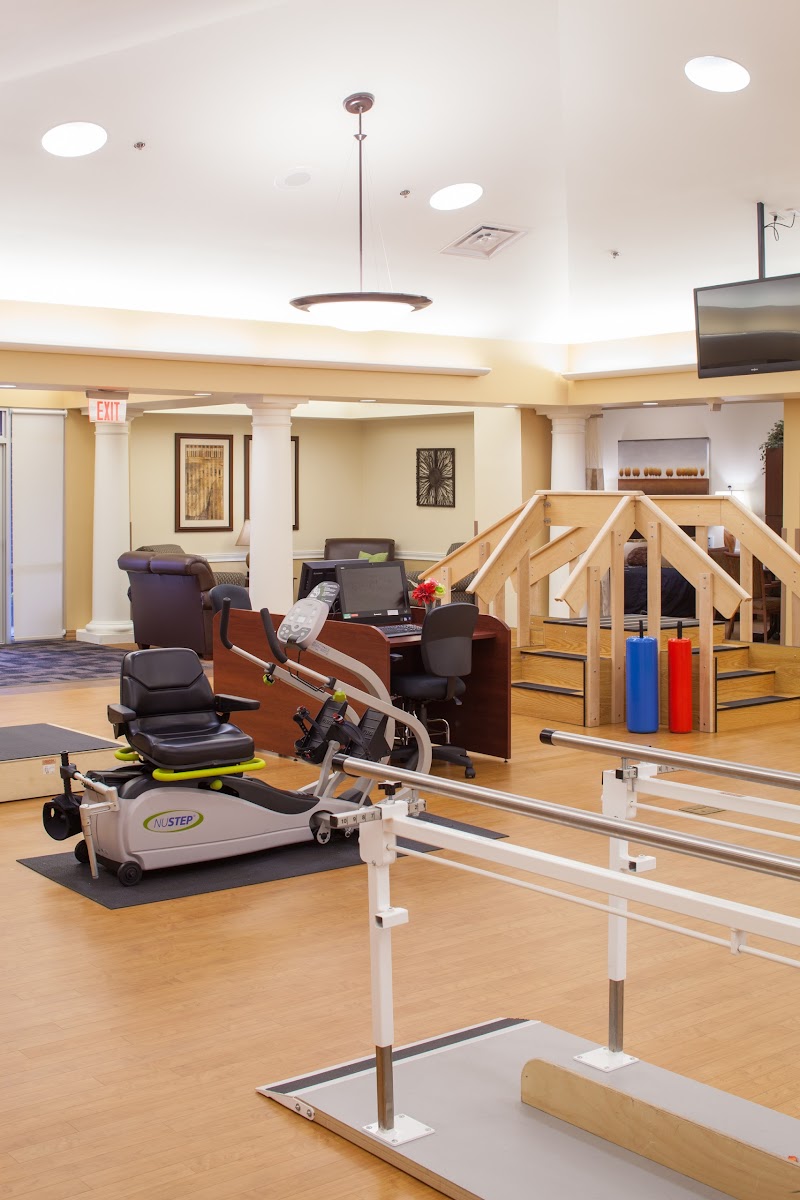
How is Cumberland Village Care Staffed?

CMS rates CUMBERLAND VILLAGE CARE's staffing level at 2 out of 5 stars, which is below average compared to other nursing homes. Staff turnover is 29%, compared to the Tennessee average of 46%. This relatively stable workforce can support continuity of care.

What Have Inspectors Found at Cumberland Village Care?

State health inspectors documented 19 deficiencies at CUMBERLAND VILLAGE CARE during 2019 to 2025. These included: 1 that caused actual resident harm and 18 with potential for harm. Deficiencies causing actual harm indicate documented cases where residents experienced negative health consequences.

Who Owns and Operates Cumberland Village Care?

CUMBERLAND VILLAGE CARE is owned by a for-profit company. For-profit facilities operate as businesses with obligations to shareholders or private owners. The facility is operated by GENESIS HEALTHCARE, a chain that manages multiple nursing homes. With 182 certified beds and approximately 157 residents (about 86% occupancy), it is a mid-sized facility located in LAFOLLETTE, Tennessee.

How Does Cumberland Village Care Compare to Other Tennessee Nursing Homes?

Compared to the 100 nursing homes in Tennessee, CUMBERLAND VILLAGE CARE's overall rating (3 stars) is above the state average of 2.8, staff turnover (29%) is significantly lower than the state average of 46%, and health inspection rating (3 stars) is at the national benchmark.

What Should Families Ask When Visiting Cumberland Village Care?

Based on this facility's data, families visiting should ask: "Can you walk me through typical staffing levels on day, evening, and night shifts?" "Can I visit during a mealtime to observe dining assistance and food quality?" "How do you handle medical emergencies, and what is your hospital transfer rate?" "Can I speak with family members of current residents about their experience?" These questions are particularly relevant given the below-average staffing rating.

Is Cumberland Village Care Safe?

Based on CMS inspection data, CUMBERLAND VILLAGE CARE has a clean safety record: no substantiated abuse findings (meaning no confirmed cases of resident harm), no Immediate Jeopardy citations (the most serious violation level indicating risk of serious injury or death), and is not on the Special Focus Facility watch list (a federal program monitoring the lowest-performing 1% of nursing homes). The facility has a 3-star overall rating and ranks #1 of 100 nursing homes in Tennessee. While no facility is perfect, families should still ask about staff-to-resident ratios and recent inspection results during their visit.

Do Nurses at Cumberland Village Care Stick Around?

Staff at CUMBERLAND VILLAGE CARE tend to stick around. With a turnover rate of 29%, the facility is 17 percentage points below the Tennessee average of 46%. Low turnover is a positive sign. It means caregivers have time to learn each resident's needs, medications, and personal preferences. Consistent staff also notice subtle changes in a resident's condition more quickly.

Was Cumberland Village Care Ever Fined?

CUMBERLAND VILLAGE CARE has been fined $30,398 across 3 penalty actions. This is below the Tennessee average of $33,383. While any fine indicates a compliance issue, fines under $50,000 are relatively common and typically reflect isolated problems that were subsequently corrected. Families should ask what specific issues led to these fines and confirm they've been resolved.

Is Cumberland Village Care on Any Federal Watch List?

CUMBERLAND VILLAGE CARE is not on any federal watch list. The most significant is the Special Focus Facility (SFF) program, which identifies the bottom 1% of nursing homes nationally based on persistent, serious quality problems. Not being on this list means the facility has avoided the pattern of deficiencies that triggers enhanced federal oversight. This is a positive indicator, though families should still review the facility's inspection history directly.