BRIARWOOD COMMUNITY LIVING CENTER
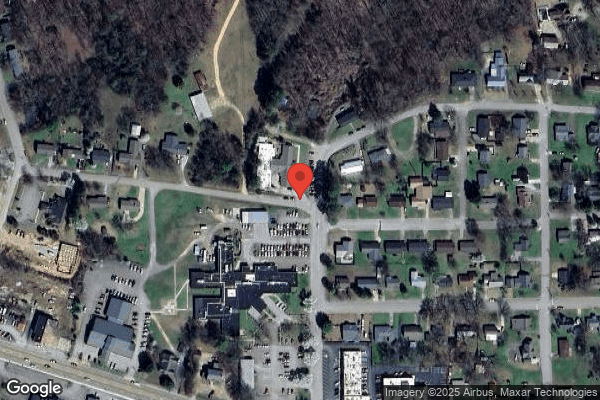
41 HOSPITAL DRIVE, LEXINGTON, TN 38351 (731) 968-6629
For profit - Limited Liability company 55 Beds COMMUNITY ELDERCARE SERVICES Data: November 2025
Trust Grade
50/100
#176 of 298 in TN
Last Inspection: May 2025

Inspected within the last 6 months. Data reflects current conditions.

Overview

Briarwood Community Living Center has a Trust Grade of C, which means it is average compared to other nursing homes. It ranks #176 out of 298 in Tennessee, placing it in the bottom half of the state, and #2 out of 2 in Henderson County, indicating only one other local option is available. The facility is showing improvement, with issues decreasing from 8 in 2024 to 4 in 2025. However, staffing is a concern, rated at 2 out of 5 stars with a 60% turnover rate, which is higher than the state average. While there have been no fines recorded, which is positive, the nursing home has faced several serious concerns. Recent inspections found that food was not stored or prepared under sanitary conditions, with dust and dirty surfaces in the kitchen area, and expired or uncovered food items. Additionally, nursing staff failed to properly clean reusable medical items, which could increase the risk of infection. Overall, while Briarwood shows some strengths, such as no fines, there are significant weaknesses that families should consider.

Trust Score
C
50/100
In Tennessee
#176/298
Bottom 41%
Safety Record
Low Risk
No red flags
Inspections
Getting Better
8 → 4 violations
Staff Stability
⚠ Watch
60% turnover. Above average. Higher turnover means staff may not know residents' routines.
Penalties
✓ Good
No fines on record. Clean compliance history, better than most Tennessee facilities.
Skilled Nurses
○ Average
Each resident gets 33 minutes of Registered Nurse (RN) attention daily — about average for Tennessee. RNs are the most trained staff who monitor for health changes.
Violations
⚠ Watch
14 deficiencies on record. Higher than average. Multiple issues found across inspections.
★★☆☆☆
2.0
Overall Rating
★★☆☆☆
2.0
Staff Levels
★☆☆☆☆
1.0
Care Quality
★★★☆☆
3.0
Inspection Score
Stable
2024: 8 issues
2025: 4 issues

The Good

  • Full Sprinkler Coverage · Fire safety systems throughout facility
  • No fines on record

Facility shows strength in fire safety.

The Bad

2-Star Overall Rating

Below Tennessee average (2.8)

Below average - review inspection findings carefully

Staff Turnover: 60%

14pts above Tennessee avg (46%)

Frequent staff changes - ask about care continuity

Chain: COMMUNITY ELDERCARE SERVICES

Part of a multi-facility chain

Ask about local staffing decisions and management

Staff turnover is elevated (60%)

12 points above Tennessee average of 48%

The Ugly 14 deficiencies on record

May 2025 4 deficiencies
CONCERN (D)

Potential for Harm - no one hurt, but risky conditions existed

Report Alleged Abuse (Tag F0609)

Could have caused harm · This affected 1 resident

**NOTE- TERMS IN BRACKETS HAVE BEEN EDITED TO PROTECT CONFIDENTIALITY** Based on facility policy review, facility investigation review, medical record review, and interview, the facility failed to rep...

Read full inspector narrative →
**NOTE- TERMS IN BRACKETS HAVE BEEN EDITED TO PROTECT CONFIDENTIALITY** Based on facility policy review, facility investigation review, medical record review, and interview, the facility failed to report a staff to resident allegation of verbal abuse for 2 of 2 (Resident #1 and #13) resident abuse allegations reviewed within the required timeframe. The findings included: 1. Review of the facility policy titled, Investigating Grievances and Concerns, dated 11/23/2016, revealed, .All reports of abuse, neglect, mistreatment, or misappropriation of property must be reported to the administrator within twenty-four (24) hours of their occurrence . 2. Review of the Facility Reported Investigation dated 1/2/2025, revealed an allegation of verbal abuse when Licensed Practical Nurse (LPN) F allegedly yelled at Resident #1 and #13. The alleged incident occurred on 12/28/2024. A call to the Director of Nursing (DON) was made by Registered Nurse (RN) G on 12/31/2024. The DON returned the call on 1/2/2025. The Administrator was notified, and the report was filed with the State agency on 1/2/2025, 5 days after the alleged incident. 3. Review of the medical record revealed Resident #1 was admitted to the facility on [DATE], with diagnoses including Hypertension, Dementia, and Anxiety Disorder. Review of the annual Minimum Data Set (MDS) assessment dated [DATE], revealed a Brief Interview for Mental Status (BIMS) score of 5, which indicated Resident #1 had severe cognitive impairment. 4. Review of the medical record revealed Resident #13 was admitted to the facility on [DATE], with diagnoses including Alzheimer's Disease, Delusional Disorder, and Hypertension. Review of the annual MDS dated [DATE], revealed a BIMS score of 9, which indicated Resident #13 had moderate cognitive impairment. During a telephone interview on 5/29/2025 at 6:51 PM, RN G was asked to recall an event of alleged verbal abuse between LPN F and Residents #1 and #13. RN G stated these 2 patients were arguing with each other when LPN F went into the room and started to yell and curse, saying, .'Oh hell, we are not doing this today' . RN G felt this was inappropriate and concerning and stated she called the DON immediately. When asked what time she notified the DON, RN G stated she could not remember exactly what time, but it was on the 3:00 to 11: PM shift toward the end of the shift. RN G was asked if LPN F worked the rest of the shift. She stated, .I believe she did . During a telephone interview on 5/30/2025 at 11:04 AM, the DON was asked about the alleged verbal abuse with LPN F and two sisters who reside at the facility. The DON stated RN G attempted to call on 12/31/2024. The DON was unable to answer the call and RN G left a message stating she needed to speak with her about LPN F. The DON returned the call on 1/2/2025, and after hearing about the allegation, reported it to the Administrator. The DON verified any allegation of abuse must be reported to the proper agency within 2 hours and within 24 hours, if no bodily harm occurred. During an interview on 5/30/2025 at 11:13 AM, the Administrator stated she was the Abuse Coordinator, and the DON was her backup Abuse Coordinator. Staff were educated on abuse upon hire, monthly, with any abuse allegation, and annually. She stated she was responsible to report abuse allegations to the state agency within 2 hours. When asked to recall the event that involved the allegation of verbal abuse, the Administrator stated the allegation occurred on 12/28/2024. RN G tried to contact the DON on 12/31/2024 but was unsuccessful. A message was left for the DON requesting a return call. The DON returned the call on 1/2/2025. The Administrator stated RN G had never worked in a nursing home before and may not have known to report the incident immediately.
CONCERN (D)

Potential for Harm - no one hurt, but risky conditions existed

Infection Control (Tag F0880)

Could have caused harm · This affected 1 resident

**NOTE- TERMS IN BRACKETS HAVE BEEN EDITED TO PROTECT CONFIDENTIALITY** Based on policy review, observation, and interview, the facility failed to provide a safe and sanitary environment to help preve...

Read full inspector narrative →
**NOTE- TERMS IN BRACKETS HAVE BEEN EDITED TO PROTECT CONFIDENTIALITY** Based on policy review, observation, and interview, the facility failed to provide a safe and sanitary environment to help prevent the development and transmission of communicable diseases and infections for 5 of 12 (Residents #14, #17, #22, #28, and #29) residents when 3 (Housekeeper B, Certified Nursing Assistant (CNA) E, and Licensed Practical Nurse (LPN) A) staff members failed to change mop water and mop head after cleaning an isolation room and failed to clean resident reusable equipment before use. The findings included: 1. Review of the facility policy titled, Cleaning and Disinfection of Resident-Care Items and Equipment revised September 2022, revealed, .Resident-care equipment, including reusable items and durable medical equipment will be cleaned and disinfected according to current CDC recommendations for disinfection and the OSHA Bloodborne Pathogens Standard .Reusable items are cleaned and disinfected or sterilized between residents .Reusable resident care equipment is decontaminated and/or sterilized between residents according to manufacturers' instructions .Durable medical equipment (DME) is cleaned and disinfected before reuse by another resident . 2. Review of the facility policy titled, Cleaning and Disinfecting Residents' Rooms, dated August 2013, revealed The purpose of this procedure is to provide guidelines for cleaning and disinfecting residents' rooms .Change mop solution water at least every three (3) rooms, or as necessary .When possible, isolation rooms should be cleaned last and water discarded after cleaning rooms . 3. Review of the undated facility policy titled, Mops, revealed Clean mop heads must be applied when changing areas of mopping and when used in isolation rooms. 4. Review of the medical record revealed Resident #17 was admitted to the facility with diagnoses including Hypertensive Heart Disease, Heart Failure, Hypertension, Diabetes, Neuropathy, Pseudomonas, and Pressure Ulcer Left Heel Stage 4. Review of the quarterly Minimum Data Set assessment dated [DATE], revealed Resident #17 has a Brief Interview for Mental Status (BIMS) score of 15, which indicated the resident is cognitively intact, diagnoses of Multi-Drug-Resistant Organism (MDRO), Stage 4 Pressure Ulcer, and an infection of the foot with an application of a dressing. Review of the Care Plan dated 3/17/2025, revealed .I [Resident #17] am in Contact isolation r/t [related to] Pseudomonas [a bacteria that can cause an infection on the skin and in open wounds] to bilateral heel wounds .Contact isolation precautions r/t MRSA [Methicillin-Resistant Staphylococcus Aureus, an infection resistant to many different antibiotics] to bilateral heel wounds .contact isolation .PPE [Personal Protective Equipment] on door .wound to her bilateral heels . Review of the facility Order Summary Report for Resident #17 revealed, .Contact Isolation precautions for pseudomonas R [right] heel .4/23/2025 . During an interview on 5/27/2025 at 10:18 AM, Housekeeper B confirmed Resident #17 was in isolation. Housekeeper B was asked what the process was when mopping a contact isolation room. Housekeeper B stated, We use a string mop [a mop head that can be reused] .we have an all-purpose cleaner that we put in our mop water . Housekeeper B confirmed she only changes her mop water twice a day and doesn't change it after mopping a contact isolation room. Housekeeper B was asked do you use the same mop and mop water in a non-isolation room after mopping an isolation room. Housekeeper B stated, Yes .we should be using the ones (disposable mop heads) that we throw away, but we don't . Housekeeper B confirmed she doesn't change the water unless it was visibly soiled. Housekeeper B was asked if bleach or any other cleaning agent was added to the water to clean an isolation room that kills things like HIV, C-Difficile, COVID, or any infectious diseases Housekeeper B stated, No . During observation and interview on the back hall on 5/27/25 at 10:40 AM, Housekeeper B exited Resident #17's room and entered Resident #22 and #28's room. Housekeeper B was asked did you change your mop water and the mop head prior to entering (named Resident #22 and #28's room). Housekeeper B stated, No. Housekeeper B was asked how many rooms you cleaned using the same mop water and mop head that was used in Resident #17's room. Housekeeper B stated, Three. During an interview on 5/27/2025 at 11:00 AM, the Maintenance/Environmental Services (EVS) Supervisor confirmed staff should be using bleach to clean rooms of residents who are in isolation. The Maintenance/EVS Supervisor confirmed that the mop water and mop head should be changed immediately after cleaning an isolation room and it should never be used in a non-isolation room once it has been used. During an interview on 5/28/25 at 9:59 AM, the Director of Nursing (DON) confirmed that isolation rooms should be cleaned at the end of the day and staff should change the mop head and mop water before using in another resident's room. 5. Review of the medical record revealed Resident #14 was admitted to the facility with diagnoses including Dementia, Bipolar Disorder, and Delusional Disorder. Review of the quarterly MDS dated [DATE], revealed Resident #14 had a BIMS score of 3, which indicated severe cognitive impairment. 6. Review of the medical record revealed Resident #29 was admitted to the facility on [DATE] with diagnoses including Traumatic Brain Injury, Mental Disorder, and Nontraumatic Subdural Hemorrhage. Review of the admission MDS dated [DATE], revealed Resident #29 had a BIMS Score of 11, which indicated moderate cognitive impairment. Observation on the back hall on 5/27/2025 at 11:32 AM, revealed CNA E was observed moving an overbed table from Resident #14's room down the hallway to Resident #29's room. LPN A was standing in Resident #29's room with his meal tray and placed it on the soiled overbed table. Neither LPN A nor CNA E cleaned the overbed table prior to placing the meal tray on it. Observation on the back hall on 5/28/2025 at 7:42 AM, CNA E was observed moving an overbed table down the hallway to Resident #14's room. During an interview on 5/28/2025 at 7:42 AM, CNA E was asked where the overbed table that was put in Resident #14's room came from. CNA E confirmed that it was removed from another resident's room. CNA E was asked when moving an overbed table from one resident's room to another what should be done. CNA E stated I probably should have wiped it down. I know I should have wiped it down. During an interview on 5/28/2025 at 10:22 AM, the Director of Nursing (DON) was asked if an overbed table was taken from one resident's room to another resident's room, should it be cleaned. The DON stated, It should be cleaned.
CONCERN (D)

Potential for Harm - no one hurt, but risky conditions existed

Safe Environment (Tag F0921)

Could have caused harm · This affected 1 resident

**NOTE- TERMS IN BRACKETS HAVE BEEN EDITED TO PROTECT CONFIDENTIALITY** Based on observation and interview, the facility failed to ensure a safe, sanitary, and comfortable environment for 2 of 5 (Resi...

Read full inspector narrative →
**NOTE- TERMS IN BRACKETS HAVE BEEN EDITED TO PROTECT CONFIDENTIALITY** Based on observation and interview, the facility failed to ensure a safe, sanitary, and comfortable environment for 2 of 5 (Resident #8, #12, #20, #24, #26, and #337) resident shared bathrooms observed. The findings include: 1. Review of the medical record revealed Resident #12 was admitted to the facility on [DATE], with diagnoses including Dementia, Chronic Obstructive Pulmonary Disease, Congestive Heart Failure, and Depression. Review of the quarterly Minimum Data Set (MDS) assessment dated [DATE], revealed a Brief Interview for Mental Status (BIMS) score of 5, indicating Resident #12 was severely cognitive impaired, and was dependent on staff for Activities of Daily Living skills (ADLs). 2. Review of the medical record revealed Resident #24 was admitted to the facility on [DATE], with diagnoses including Metabolic Encephalopathy, Anxiety, and Difficulty Walking. Review of the quarterly MDS assessment dated [DATE], revealed a BIMS score of 15, indicating Resident #24 was cognitively intact, and required staff set up for ADLs. 3. Review of the medical record revealed Resident #337 was admitted to the facility on [DATE], with diagnoses including Chronic Obstructive Pulmonary Disease, Vascular Implant, Thrombocytopenia, and Dissection of Artery. The MDS was incomplete and unavailable due to the projected completion date of 5/29/2025. Observation in the resident shared bathroom for Residents #12, #24 and #337 on 5/27/2025 at 9:50 AM, 11:48 AM, and 12:01 PM, revealed the following: a.1 bottle of Listerine mouthwash sitting on the paper towel dispenser, unlabeled and uncontained b. 1 clear plastic glass sitting on top of the vanity, unlabeled and uncontained c. 1 toilet plunger uncovered sitting on the floor beside the toilet, uncontained d. 1 packet of Wet One wipes on top of the toilet paper dispenser, unlabeled and uncontained e. 1 gray wash basin sitting on the floor underneath the sink, unlabeled and uncontained. During observation and interview on 5/27/25 at 12:01 PM, Licensed Practical Nurse (LPN) A confirmed the bathroom was a resident shared bathroom with Resident #12, #24, and #337. LPN A was shown the Listerine Mouthwash on top of the paper towel dispenser, unlabeled and uncontained, the Wet One wipes on top of the toilet paper dispenser, unlabeled and uncontained, the toilet plunger on the floor next to the toilet uncovered, one clear plastic drinking glass on top of the sink, and the gray wash basin underneath the sink, unlabeled and uncontained, and was asked how should these items be stored. LPN A confirmed that a resident's personal items should be put in the resident's drawer and should be labeled with their names on it, the plastic drinking glass should be taken to the kitchen to be cleaned and not be in the resident's bathroom, the mouthwash should be labeled with the resident's name and placed in the resident's drawer by their bed, and the gray wash basin should be wrapped in plastic and placed in the resident's drawer by their bed. 4. Review of the medical record revealed Resident #8 was admitted to the facility on [DATE], with diagnoses including Diabetes Mellitus, Neuropathy, Abnormalities of Gait and Mobility, and Bipolar Disorder. Review of the quarterly MDS assessment dated [DATE], revealed a BIMS score of 15, indicating Resident #8 had no cognitive impairment, and required substantial/maximal assistance to total staff dependence for ADLs. 5. Review of the medical record revealed Resident #20 was admitted to the facility on [DATE], with diagnoses including Bipolar Disorder and Chronic Pain Syndrome. Review of the quarterly MDS assessment dated [DATE], revealed a BIMS score of 15, indicating Resident #20 had no cognitive impairment, and was dependent on staff for ADLs. 6. Review of the medical record revealed Resident #26 was admitted to the facility on [DATE], with diagnoses including Hemiplegia and Hemiparesis, Cerebral Infarction, and Hypertension. Review of the quarterly MDS assessment dated [DATE], revealed a BIMS score of 10, indicating Resident #26 had moderate cognitive impairment, and required partial/moderate staff assistance for ADLs. Observations on the back hall in the shared bathroom for Resident # #8, #20,and #26 on 5/27/2025 at 9:30 AM and 11:25 AM, revealed 1 bedpan with a urinal inside it on the back of the toilet and 1 bedpan with a bath basin inside it on the bathroom floor next to the sink, unlabeled and uncontained. During an interview on 5/27/2025 at 3:15 PM, LPN A confirmed the bedpans, urinal, and bath basin should have been labeled.
CONCERN (E)

Potential for Harm - no one hurt, but risky conditions existed

Food Safety (Tag F0812)

Could have caused harm · This affected multiple residents

Based on policy review, observation, and interview, the facility failed to ensure food was stored, handled, prepared, and served under sanitary conditions, when large quantities of gray dust were foun...

Read full inspector narrative →
Based on policy review, observation, and interview, the facility failed to ensure food was stored, handled, prepared, and served under sanitary conditions, when large quantities of gray dust were found on overhead pipes, chains supporting the vent hood, and air conditioner/return vents; when plastic containers holding dry food items had dried substances and loose particles on top of the lids; when stainless steel tables, metal storage racks, and the steam table, were found with a brown substance that has the appearance of rust on the legs; and when the steam table had a black substance build up at the base of the legs; when a running streak of dried brown substance was found on the outside of the vent hood; when a discolored paper was found stuck underneath the rim of the vent hood; when white flakey and dark brown particles were found on the lower shelf of the milk cooler; and when a large round brown dried stain was found on the shelf paper in the cabinet where the plastic drinking glasses were stored. The facility had a census of 33 with 33 of those residents receiving a tray from the kitchen.The findings include:1. Review of the facility policy titled, Cleaning Schedule, with a revision date of 8/31/2018, revealed The Food and Nutrition Services staff shall maintain the sanitation of the Food and Nutrition Services Department through compliance with written, comprehensive cleaning schedules developed for the community by the Director of Food and Nutrition Services or other clinically qualified nutrition professional .The department responsible for maintaining the cleanliness of the satellite kitchen is up to the discretion of the Community . 2. Observation in the kitchen on 5/27/2025 at 9:05 AM, revealed the following: a. gray dust on the overhead pipes, chains supporting vent hood, and air conditioner/return vents. b. large plastic containers holding dry food items had dried substances and loose particles on top of lids. c. a dark brown substance that has the appearance of rust on the legs of a stainless-steel table, the metal storage rack near the hand sink, and the steam table. d. a black substance build-up on the base of the legs of the steam table. e. a dried brown substance running down the outside of the vent hood. f. discolored paper underneath the rim of the vent hood. g. a large, round, brown dried stain on the shelf paper in the cabinet where the plastic drinking glasses were stored. Observation in the employee break room in the milk cooler on 5/27/2025 at 10:20 AM, revealed a white flakey dried substance and brown dried substance on the lower shelf inside the milk cooler. During an observation and interview in the kitchen on 5/28/25 at 3:52 PM, the Certified Dietary Manager (CDM) was asked should dust particles be on the air conditioner vent. The CDM stated, No . The CDM confirmed that the return vent over the 2-compartment sink should not have dust particles on it. The CDM confirmed that the metal racks and stainless- steel tables should not have rust on them. The CDM was shown the round dark brown stain on the shelf liner in the cabinet where the glasses were stored and confirmed the stain should not be there. The CDM was shown the white and brown dried flakey particles on the bottom shelf of the milk cooler in the employee break room and confirmed it was probably dried milk dripping from the containers on the upper shelf and it should not be there.
Jul 2024 5 deficiencies
CONCERN (D)

Potential for Harm - no one hurt, but risky conditions existed

Assessment Accuracy (Tag F0641)

Could have caused harm · This affected 1 resident

**NOTE- TERMS IN BRACKETS HAVE BEEN EDITED TO PROTECT CONFIDENTIALITY** Based on the Resident Assessment Instrument Manual (RAI) User's Manual, medical record review, and interview the facility failed...

Read full inspector narrative →
**NOTE- TERMS IN BRACKETS HAVE BEEN EDITED TO PROTECT CONFIDENTIALITY** Based on the Resident Assessment Instrument Manual (RAI) User's Manual, medical record review, and interview the facility failed to accurately assess residents for smoking, medication review, and falls for 4 of 12 (Resident #28, #31, #34, and #38) sampled residents reviewed for accuracy of assessments. The findings include: 1. Review of the Resident Assessment Instrument (RAI) User's Manual dated October 2023, revealed .The RAI helps nursing home staff look at resident's holistically-as individuals for whom quality of life and quality of care are mutually significant and necessary . 2. Review of medical record review revealed Resident #28 was admitted on [DATE], with diagnoses including Cerebral Infarction, Hemiplegia, Aphasia, Nicotine Dependence, and Psychosis. Review of the Care Plan dated 7/1/2024 revealed, .I am a smoker . Review of the Smoking and Tobacco Evaluation, dated 11/19/2021 revealed Resident #28 does smoke. Facility is unable to provide an additional Smoking and Tobacco Evaluation, assessment until 7/2/2024. During an interview on 7/3/2024 at 2:46 PM, Licensed Practical Nurse (LPN) D Minimum Data Set (MDS) Coordinator was asked about Resident #28's smoking assessments. LPN D MDS Coordinator confirmed they aren't completed but should be and the last one documented was 11/19/2021. LPN D MDS Coordinator stated, .they should be completed quarterly. 3. Review of the medical record revealed Resident #31 was admitted to the facility on [DATE], with diagnosis including Cerebral Infarction, Hypertension, Chronic Obstructive Pulmonary Disease, Atrial Fibrillation and Epilepsy. Review of the quarterly MDS dated [DATE], revealed Resident #31 was not taking any of the high-risk drug classes, MDS: Section N-Medications, N0415: None of the above. Review of the Medication Administration Sheet dated 6/1/2024 - 6/30/2024, revealed Resident #31 is currently taking high-risk drug class medications including an anti-depressant, diuretic, anticoagulant, and opioid. During an interview on 7/3/2024 at 1:18 PM, LPN D MDS Coordinator was asked about Resident #31 and her medications on the MDS. LPN D MDS Coordinator confirmed Resident #31 was taking high-risk medications and should have been coded properly on the MDS. She confirmed none of the medications were on the MDS. LPN D MDS Coordinator stated, .Must have been a clerical error . 4. Review of the medical record revealed Resident #34 was admitted on [DATE], with diagnoses including Nicotine Dependence, Chronic Obstructive Pulmonary Disease, Schizophrenia, Acute Kidney Failure, and Anxiety. Review of the admission MDS dated [DATE], revealed Section J; Health Conditions, J1300: Current Tobacco Use, No. Review of a Smoking and Tobacco Evaluation, dated 4/13/2024, revealed Resident #34 was not a smoker. Review of a Care Plan dated 4/15/2024, revealed I am a smoker. During an interview on 7/3/2024 at 1:18 PM, LPN D MDS Coordinator confirmed the admission Smoking and Tobacco Evaluation was not assessed properly and the MDS was incorrectly coded. LPN D MDS Coordinator confirmed Resident #34 has been a smoker since his admission. 5. Review of the medical record revealed Resident #38 was admitted on [DATE], with diagnoses of Aphasia, Cerebral Infarction, and Anxiety. Review of the quarterly MDS dated [DATE], revealed Resident #28 was not coded for falls with major injury. Review of the progress note dated 3/30/2024, revealed Resident #38 had a fall and was sent to the emergency room. Review of a Fall Investigation dated 3/30/2024 revealed Resident #38 had .Injury location right trochanter(hip) . Review of the progress note dated 4/1/2024, revealed Resident #38 had surgery on hip. Review of the progress note dated 4/2/2024 revealed Resident #38 was readmitted to the facility on [DATE] with .Surgical incision on right hip has 10 staples . During an interview on 7/3/2024 at 12:39 PM, LPN D MDS Coordinator confirmed Resident #38 had a right hip fracture on 3/30/2024, and was not coded for fall with a major injury under section J1800 on the resident's quarterly MDS dated [DATE].
CONCERN (D)

Potential for Harm - no one hurt, but risky conditions existed

Quality of Care (Tag F0684)

Could have caused harm · This affected 1 resident

**NOTE- TERMS IN BRACKETS HAVE BEEN EDITED TO PROTECT CONFIDENTIALITY** Based on policy review, medical record review, and interview, the facility failed to follow Physician's Orders related to antips...

Read full inspector narrative →
**NOTE- TERMS IN BRACKETS HAVE BEEN EDITED TO PROTECT CONFIDENTIALITY** Based on policy review, medical record review, and interview, the facility failed to follow Physician's Orders related to antipsychotic medications for 1 of 5 (Resident #30) sampled residents reviewed for unnecessary medications. The findings include: 1. Review of the facility's policy titled, Physician's Orders dated 4/13/2021, revealed .Physician's orders are carried out unless the nurse or other licensed personnel believe the order to be inaccurate .Physician's orders are to be recorded in the medical record for each resident and are to be signed or initialed by the attending physician .Verbal or telephone orders are considered to be in writing when dictated by the physician or authorized health care professional and later signed .by said person . Review of the facility's policy titled, Antipsychotic Medication Use, dated 7/2022, revealed .Antipsychotic medications will be prescribed at the lowest possible dosage for the shortest period of time .All antipsychotic medications will be used within the clinically recommended dosage guidelines, or clinical justification will be documented for dosages that exceed guidelines for more than 48 hours .Residents will not receive PRN [as needed] doses psychotropic medications unless that medication is necessary to treat a specific condition that is documented in the medical record . Review of the facility's policy titled, Medication Administration General Guidelines dated 8/25/2014, revealed .Medications are administered as prescribed .If a dose seems excessive considering resident's age and condition, or medication order seems to be unrelated .the nurse contacts the prescriber for clarification . 2. Review of the medical record revealed that Resident #30 was admitted to the facility on [DATE], with diagnoses including Dementia, Chronic Obstructive Pulmonary Disease, Psychosis, and Polyneuropathy. Review of the quarterly Minimum Data Set (MDS) dated [DATE], revealed Resident #30 had a Brief Interview for Mental Status (BIMS) score of 5 which indicated resident was severely cognitively impaired. Review of the Physician's Order dated 9/27/2022, revealed Seroquel [used to treat mental and mood disorders] give 75 mg [milligram] by mouth one time a day . Review of the Provider's Progress Note dated 6/25/2024, revealed .Orders for this visit .Start Seroquel oral tablet 100 mg . Give 1 tablet by mouth one time a day .Stop Seroquel 75 mg . Review of the Physician's Order dated 6/25/2025, revealed .Seroquel (an antipsychotic) oral tablet 100 mg give 1 tablet by mouth one time a day . Review of the June 2024 Medication Administration Record (MAR) revealed Seroquel Oral 100 mg .1 tablet by mouth one time a day was administered at 8:00 PM per staff initials on the following dates of 6/25/2024 through 6/30/2024. Seroquel 75 mg 1 tab daily was also administered at 8:00 PM per staff initials on the following dates 6/1/2024 through 6/30/2024. During an interview on 7/1/2024 at 5:54 PM, Registered Nurse (RN A) confirmed the new order for Resident #30 was to increase Seroquel to 100 mg 1 tab daily and stop the Seroquel 75 mg per the Provider's visit note dated 6/25/2024. RN A confirmed that the Seroquel 100 mg was started on 6/25/2024 and the Seroquel 75 mg was not stopped. RN A was asked if Resident #30 should be on both doses of Seroquel at the same time. RN A stated, No. During an interview on 7/2/2024 8:40 AM, the Quality Assurance nurse confirmed that the nurse failed to transcribe the Seroquel 75 mg stop order on 6/25/2024.
CONCERN (D)

Potential for Harm - no one hurt, but risky conditions existed

Deficiency F0698 (Tag F0698)

Could have caused harm · This affected 1 resident

**NOTE- TERMS IN BRACKETS HAVE BEEN EDITED TO PROTECT CONFIDENTIALITY** Based on policy review, medical record review, and interview, the facility failed to have an order to monitor the dialysis shunt...

Read full inspector narrative →
**NOTE- TERMS IN BRACKETS HAVE BEEN EDITED TO PROTECT CONFIDENTIALITY** Based on policy review, medical record review, and interview, the facility failed to have an order to monitor the dialysis shunt site every shift for 1 of 1 (Resident #29) sampled residents reviewed for dialysis. The findings include: 1. Review of the facility's policy titled End-Stage Renal Disease, Care of a Resident with dated 9/2010, revealed .Residents with end-stage renal disease (ESRD) will be cared for according to currently recognized standards of care .The general medical nurse should document in the resident's medical record every shift as follows .location of catheter .condition of dressing (interventions if needed) .If dialysis was done during shift .any part of report from dialysis nurse post-dialysis being given .Observations post-dialysis . 2. Medical record review revealed Resident #29 was admitted on [DATE], with diagnoses including End Stage Renal Disease, Heart Failure, and Diabetes. Review of the quarterly Minimum Data Set (MDS) dated [DATE], revealed Resident #29's Brief Interview for Mental Status (BIMS) score of 15 indicating cognitively intact. Special treatments included dialysis. Review of the Care Plan dated 4/10/2024, revealed .I am on Hemodialysis r/t [related to] renal failure .12/2023 started Dialysis .I will have no s/sx [signs and symptoms] of complications from dialysis through the review date .Observe/document/report PRN [as needed] any s/sx of infection to access site, R [right] chest Permacath [catheter used for dialysis]: Redness, Swelling, warmth or drainage .Observe/document/report PRN for s/sx of the following: Bleeding, Hemorrhage, Bacteremia, septic shock. Review of Physician Order dated 3/8/2024, revealed .Dialysis Monday and Friday at [named] dialysis center . The facility was unable to provide documentation of an order for monitoring the dialysis site each shift for the thrill and bruit and infection. The facility was unable to provide documentation of dialysis access site monitored each shift for thrill, bruit, and infections. During an interview on 7/3/2024 at 12:11 PM, Licensed Practical Nurse (LPN) E was asked, where do you chart the dialysis site for the thrill and bruit, and for signs and symptoms of infection in the medical record. LPN E stated, I don't chart that, I look at it but don't chart it. LPN E was asked, do you have an order to monitor for the thrill and bruit, and for signs and symptoms of infection. LPN E stated, no I don't . LPN E was asked, if it should be documented. LPN E stated Yes. During an interview on 7/3/2024 at 12:45 PM, the Director of Nursing (DON) was asked if the nurses should be monitoring the dialysis shunt sight for the thrill and bruit, and for signs and symptoms of infection. The DON stated, .Yes we should have an order and monitoring the dialysis site each shift for the thrill and bruit and infection. The DON was asked if she could be sure the nurses were monitoring the site if it was not documented. The DON stated, No.
CONCERN (E)

Potential for Harm - no one hurt, but risky conditions existed

Food Safety (Tag F0812)

Could have caused harm · This affected multiple residents

Based on policy review, observation, and interview, the facility failed to ensure food was stored, prepared, and served under sanitary conditions related to expired foods, unlabeled, undated, and unco...

Read full inspector narrative →
Based on policy review, observation, and interview, the facility failed to ensure food was stored, prepared, and served under sanitary conditions related to expired foods, unlabeled, undated, and uncovered food items, and carbon build-up on the eyes of the stove. The facility had a census of 40 with 38 of those residents receiving a tray from the kitchen. The findings include: 1. Review of the facility's policy titled, FOOD STORAGE, dated 8/29/2023, revealed .Food items should be stored, thawed, and prepared in accordance with good sanitary practice. Any expired or outdated food products should be discarded .All products should be inspected for safety and quality and be dated upon receipt, when open, and when prepared. Use by dates on all food stored in refrigerators and use dates .Leftovers should be dated .Remember to cover, label, and date .Frozen Meat/Poultry and Foods .Label and date all food items .Fresh vegetables .should be checked and sorted for ripeness .Most vegetables should be used within 3 to 5 days .Potentially hazardous foods including cut-leaf greens or tomatoes should be inspected for decay or damage. If present should be returned . 2. Observation in the kitchen on 7/1/2024 at 9:24 AM, revealed in the freezer there was a package of cheese noodles with an expiration date of 3/24/2024, an undated pork loin, and 2 undated bags of hash browns. In the refrigerator was an unlabeled and undated pan of cooked meat, unlabeled lunch meat, and unlabeled meat patties. The stove had a black shiny build up on the 6 eyes of the stove, and an unknown buildup of black substance in the ovens. 3. Observation in the kitchen on 7/1/2024 at 5:28 PM, revealed a metal shelf that contained an uncovered bowl of pudding, an uncovered pot of gravy, an uncovered small pot of butter, and an uncovered plastic container of peanut butter. The 6 eyes of the cooking stove had a black shiny build up. The freezer contained 2 undated bags of hashbrown. 4. Observation in the kitchen on 7/2/2024 at 1:18 PM, revealed the 6 eyes of the cooking stove had a black shiny build up, the refrigerator had brown leaves of lettuce with a date of 6/21/2024, in the freezer was an undated pork loin, 2 undated bags of hash browns, and a clear plastic package of unlabeled and undated boneless chicken. During an interview on 7/2/2024 at 1:34 PM, the Dietary Manager confirmed items stored in the freezer and the refrigerator should be labeled to indicate what it is and dated to indicate when it was placed in the fridge or freezer and an open date. 5. Observation in the kitchen on 7/2/2024 at 4:53 PM and 7/3/2024 at 8:23 AM, revealed the 6 eyes of the cooking stove had a black, shiny build up on them. During an interview on 7/3/2024 at 10:21 AM, the Dietary Manager the confirmed the black, shiny build up on the 6 eyes of the stove was carbon and the buildup of carbon should not be there. The Dietary Manager confirmed the ovens needed to be cleaned. During an interview on 7/3/2024 at 10:45 AM, the Dietary Manager confirmed expired food items should not be available for use and should be thrown away.
CONCERN (E)

Potential for Harm - no one hurt, but risky conditions existed

Infection Control (Tag F0880)

Could have caused harm · This affected multiple residents

**NOTE- TERMS IN BRACKETS HAVE BEEN EDITED TO PROTECT CONFIDENTIALITY** Based on policy review, observation, and interview the facility failed to ensure practices to prevent the potential spread of in...

Read full inspector narrative →
**NOTE- TERMS IN BRACKETS HAVE BEEN EDITED TO PROTECT CONFIDENTIALITY** Based on policy review, observation, and interview the facility failed to ensure practices to prevent the potential spread of infection were maintained when 3 of 3 nurses (Registered Nurse (RN A) (Licensed Practical Nurse (LPN B and LPN E) failed to clean a reusable eye medication bottle before she replaced the bottle into the medication cart, after taking the bottle in to a resident room, and when LPN B failed to ensure a reusable eye medication bottle was not cleaned, and when LPN E failed to ensure a FlexPen [a disposable, prefilled insulin pen that contains multiple doses of fast-acting insulin] was not disinfected before replacing in the medication cart. The findings include: 1. Review of the facility's policy titled, Cleaning and Disinfection of Resident- Care Items and Equipment, dated September 2022, revealed Resident-care equipment, including reusable items and durable medical equipment will be cleaned and disinfected according to current CDC [Centers for Disease Control and Prevention] recommendations for disinfection .Non-critical items are those that come in contact with intact skin but not mucous membranes. Non-critical resident-care items include .blood pressure cuffs . Non-critical items require cleaning followed by either low- or intermediate-level disinfection following manufacturers ' instructions. Disinfection is performed with an EPA [U.S. Environmental Protection Agency]- registered disinfectant labeled for use in healthcare settings .Reusable items are cleaned and disinfected or sterilized between uses by a single resident and disposed of afterwards .Single resident-use items are cleaned/disinfected between uses by a single resident . Review of the facility's policy's titled, Administering Topical Medications, dated October 2010, revealed Trans-dermal patches .Clean and dry a selected area that is approved for application of the patch . Review of the facility's policy's titled, Instillation of Eye Drops, dated January 2014, revealed .Clean your equipment and return it to its designated storage area (i.e., beside stand .) .Clean the overbed table and return it to its proper position . 2. Review of the medical record revealed Resident #17 was admitted to the facility on [DATE], with diagnoses including Atrial Fibrillation, Congestive Heart Failure, Hypothyroidism, and Diabetes. Observations on 7/2/2024 at 7:37 AM, revealed RN A gathered the blood pressure (BP) wrist machine and pulse oximeter (pulse ox) (an electronic device that measures the saturation of oxygen carried in your red blood cells), carried them into Resident #17 ' s room, and laid them on the over bed table (OBT), without cleaning the table. After using these devices on the resident, RN A carried them back to the medication cart and placed them back in a drawer. RN A failed to clean or disinfect the BP machine or pulse ox device before placing them back in the medication cart drawer. RN A failed to change gloves after removing the old patch and failed to clean the area where the old trans-dermal patch was removed, prior to placing the new trans-dermal patch to the same area of Resident #17. 3. Review of the medical record revealed Resident #14 was admitted to the facility on [DATE], with diagnoses including Diabetes, Chronic Kidney Disease Stage 3, Bipolar Disorder, and Anxiety. Observations on 7/2/2024 at 4:12 PM, revealed LPN E gathered supplies including a FlexPen, entered Resident #14 ' s room, administered the FlexPen insulin, then gathered the FlexPen and returned it to the drawer of the medication cart. LPN E failed to disinfect the FlexPen after using it on Resident #14 and returning it to the drawer of the medication cart. 4. Review of the medical record revealed Resident #13 was admitted to the facility on [DATE], with diagnoses including Schizoaffective Disorder, Malignant Melanoma, Dementia, and Parkinson ' s Disease. Observations on 7/3/2024 at 8:04 AM, revealed LPN B removed an eye medication bottle that was in a plastic bag, from the drawer of the medication cart. LPN B placed the plastic bag on top of the medication cart without cleaning the top of the cart. LPN B entered Resident #13 ' s room laid a tissue on the OBT for a barrier and placed the bottle of eye medication on the tissue. LPN B also placed another pair of gloves on the OBT, not on the barrier. After LPN B administered the eye drop to the right eye and removed her gloves, she picked up the gloves from the top of the OBT and donned them to administer the medication to the left eye. When LPN B went back to the medication cart and sat the eye medication bottle on top of the cart. Then LPN B replaced the bottle in the plastic bag and placed it back in the drawer of the medication cart. LPN B failed to clean or disinfect the eye drop bottle after use. During an interview on 7/3/2024 at 3:42 PM, the Director of Nursing (DON) was asked, when should a resident's reusable equipment be cleaned and disinfected. The DON stated, Before and after use on a resident. The DON was asked, what is the process for applying a trans-dermal patch to a resident. The DON stated, Remove the old patch, change gloves, clean area after removed old patch and before applying a new patch. The DON was asked, what should staff do with eye drop bottles and FlexPens after use. The DON stated, If they take them in the room they should clean them off. The DON was asked should the OBT be cleaned prior to setting items on it for medication administration. The DON stated, Yes it should.
Mar 2024 3 deficiencies
CONCERN (D) 📢 Someone Reported This

A family member, employee, or ombudsman was alarmed enough to file a formal complaint

Potential for Harm - no one hurt, but risky conditions existed

Deficiency F0602 (Tag F0602)

Could have caused harm · This affected 1 resident

**NOTE- TERMS IN BRACKETS HAVE BEEN EDITED TO PROTECT CONFIDENTIALITY** Based on policy review, medical record review, and interview, the facility failed to ensure all residents were free of misapprop...

Read full inspector narrative →
**NOTE- TERMS IN BRACKETS HAVE BEEN EDITED TO PROTECT CONFIDENTIALITY** Based on policy review, medical record review, and interview, the facility failed to ensure all residents were free of misappropriation of resident money for 2 of 2 (Resident #1 and #2) sampled residents reviewed for misappropriation. The findings include: 1. Review of the facility's policy titled Abuse, Neglect, Exploitation or Misappropriation - Reporting and Investigating, dated 10/2022 revealed .All reports of resident abuse .misappropriation of resident property are reported to local, state and federal agencies .thoroughly investigated . documented and reported .if .misappropriation of resident property is suspected .suspicion must be reported immediately to the administrator .to the following agencies .state .agency responsible for surveying .ombudsman .resident's representative . Review of . Resident Rights, dated Nov. 28, 2016, revealed .facility shall exercise reasonable care for the protection of the resident's property from loss or theft . 2. Review of the medical record revealed, Resident #1 was admitted to the facility on [DATE], with diagnoses of Cerebral Infarction, Diabetes, Anxiety, Legal Blindness, and Heart Failure. Review of the admission Minimum Data Set (MDS) dated [DATE], revealed Resident #1 had a Brief Interview for Mental Status (BIMS) score of 12 which indicated the resident was moderately cognitively impaired. Review of the Monthly Grievance/Concern Log, dated February 2024, revealed Resident #1 filed a grievance on 2/10/2024, related to money missing from her purse. 3. Review of the medical record revealed Resident #2 was admitted to the facility on [DATE], and readmitted on [DATE], with diagnoses of Hypertension, Diabetes, Depression and Myocardial Infarction. The significant change MDS dated [DATE], revealed Resident #2 had a BIMS score of 15, which indicated she was cognitively intact. Review of the facility's Monthly Grievance/Concern Log for January 2024, revealed on 1/11/2024, a grievance was filed for Resident #2 regarding missing money. During an interview on 3/4/2424 at 11:00 AM, the Social Worker (SW) was asked where the report and investigations were for the missing money on the Grievance log. The SW confirmed that he had not conducted an investigation. 4. During an interview on 3/4/2024 at 3:30 PM the SW confirmed he should have reported and investigated the missing money. During an interview on 3/5/2024 at 10:33 AM the Director of Nursing confirmed misappropriation of property should be reported. During an interview on 3/5/2024 at 10:35AM, the Interim Administrator confirmed that there was no investigation or reporting of the alleged misappropriation of the resident's property The facility failed to identify allegations of misappropriation of property and failed to protect other residents from abuse.
CONCERN (D) 📢 Someone Reported This

A family member, employee, or ombudsman was alarmed enough to file a formal complaint

Potential for Harm - no one hurt, but risky conditions existed

Report Alleged Abuse (Tag F0609)

Could have caused harm · This affected 1 resident

**NOTE- TERMS IN BRACKETS HAVE BEEN EDITED TO PROTECT CONFIDENTIALITY** Based on policy review, medical record review, and interviews, the facility failed to identify and report an alleged violation o...

Read full inspector narrative →
**NOTE- TERMS IN BRACKETS HAVE BEEN EDITED TO PROTECT CONFIDENTIALITY** Based on policy review, medical record review, and interviews, the facility failed to identify and report an alleged violation of misappropriation regarding residents' property to the administrator of the facility, the State survey agency, local law enforcement, and the Long-Term Care Ombudsman for 2 of 4 sampled residents (Resident #1 and # 2) reviewed for misappropriation. The Findings Include: 1. Review of the facility's policy titled, Abuse, Neglect, Exploitation or Misappropriation - Reporting and Investigating, dated 10/2022, revealed .All reports of resident abuse .misappropriation of resident property is to be reported to local, state, and federal agencies .thoroughly investigated by facility management. Findings of all investigations are documented and reported .if .misappropriation of resident property .is suspected .must be reported immediately to administrator and to other officials according to state law .The administrator .immediately reports his or her suspicion to the state agency .local ombudsman .resident's representative .law enforcement .Immediately is defined as .within twenty four hours of an allegation .Upon receiving any allegations of .misappropriation of resident property .the administrator is responsible for determining what actions .are needed .All allegations are thoroughly investigated. The administrator initiates investigations .within five (5) business days of the incident, the administrator will provide a follow up investigation report . Review of the facility's policy titled, Grievance and Complaints, dated 2/14/2023, revealed .All grievances will be reported to Social Services .follow .procedure to investigate .and resolve the grievance .Upon receipt of a grievance, Social Services will complete a written report within 5 working days of the filed grievance and determine what corrective actions, if any, should be taken. If the grievance is related to any form of abuse, the administrator must be notified immediately .Social Service must notify .who filed the grievance, within 10 working days .in the form of a report .if not satisfied with the results of the investigation .may file a report with the local ombudsman . 2. Review of the medical record revealed Resident #1 was admitted to the facility on [DATE], with diagnoses of Cerebral Infarction, Diabetes, Heart Failure, Anxiety, and Legal blindness. The admission Minimum Data Set (MDS) dated [DATE], revealed Resident #1 had a Brief Interview for Mental Status (BIMS) score of 12, which indicated she was moderately cognitively impaired. Review of the facility's Monthly Grievance/Concern Log, for February 2024 revealed on 2/11/2024, a grievance was filed for Resident #1 regarding money missing from her purse. During an interview on 3/4/2024 at 3:30 PM, the Social Worker (SW) was asked if suspected misappropriation of a resident's property should be investigated and reported. The SW stated, Yes. During an interview in Resident #1's room on 3/5/2024 at 9:08 AM, the resident confirmed that she had money missing in February. She stated that the SW helped her search for the money, but was unable to locate. 3. Review of the medical record revealed Resident #2 was admitted to the facility on [DATE], and readmitted on [DATE], with diagnoses of Hypertension, Diabetes, Depression, and Myocardial Infarction. The significant change MDS dated [DATE], revealed Resident #2 had a BIMS score of 15, which indicated she was cognitively intact. Review of the facility's Monthly Grievance/Concern Log for January 2024 revealed on 1/11/2024, a grievance was filed for Resident #2 regarding missing money. During an interview on 3/5/2024 at 9:51 AM, the SW confirmed that he and Resident #2 searched for the missing money and was unable to locate it. He was unsure of the amount that was missing. 4. During an interview on 3/5/2024 at 10:33 AM The Director of Nursing was asked if misappropriation of property should be reported. She stated, Yes. During an interview on 3/5/2024 at 10:35AM, the Interim Administrator confirmed that there was no investigation or reporting of the alleged misappropriation of the resident's property. The facility failed to identify and report a situation as an alleged violation involving misappropriation of resident property.
CONCERN (D) 📢 Someone Reported This

A family member, employee, or ombudsman was alarmed enough to file a formal complaint

Potential for Harm - no one hurt, but risky conditions existed

Investigate Abuse (Tag F0610)

Could have caused harm · This affected 1 resident

**NOTE- TERMS IN BRACKETS HAVE BEEN EDITED TO PROTECT CONFIDENTIALITY** Based on policy review, facility investigation review, medical record review, and interview, the facility failed to thoroughly i...

Read full inspector narrative →
**NOTE- TERMS IN BRACKETS HAVE BEEN EDITED TO PROTECT CONFIDENTIALITY** Based on policy review, facility investigation review, medical record review, and interview, the facility failed to thoroughly investigate allegations of resident misappropriation for 2 of 2 (Residents #1 and #2) residents reviewed for allegations of a misappropriation. The findings included: 1. Review of the facility's policy titled Abuse, Neglect, Exploitation or Misappropriation -Reporting and Investigating dated 10/2022 revealed .All reports of resident abuse .misappropriation of resident property are reported to local, state, and federal agencies (as required by current regulations) and thoroughly investigated by facility management. Findings of all investigations are documented and reported .Investigating Allegations .All allegations are thoroughly investigated. The administrator initiates the investigation .The individual conducting the investigation as a minimum: reviews the documentation and evidence, reviews the resident's medical record to determine the resident's physical and cognitive status at the time of the incident and since the incidents, interviews the person reporting the incident; interviews any witnesses to the incident .interviews staff members (on all shifts) who have had contact with the resident during the period of the alleged incident; interviews the alleged resident's roommate .documents the investigation completely and thoroughly .The investigator notifies the ombudsman that an abuse investigation is being conducted .Upon conclusion of the investigation, the investigator records the findings of the investigation on approved documentation forms and provides the completed documentation to the administrator .Within five (5) business days of the incident, the administrator will provide a follow-up investigation report . 2. Review of the medical record revealed Resident #1 was admitted on [DATE], with diagnoses of Cerebral Infarction, Heart Failure, Anxiety, Blindness, and Diabetes. Review of the admission Minimum Data Set (MDS) dated [DATE], revealed Resident #1 had a Brief Interview of Mental Status (BIMS) score of 12, which indicated moderate cognitive impairment. Resident required minimal supervisory assistance with performing Activities of Daily Living (ADLs). Review of the Monthly Grievance/Concern Log dated February 2024, revealed Resident #1 reported money missing from her purse on 2/10/2024. The Social Worker documented on 2/11/2024, that only included the resolution of Facility replaced money. 3. Review of the medical record revealed Resident #2 was admitted to the facility on [DATE], and readmitted on [DATE], with diagnoses of Hypertension, Diabetes, Depression, and Myocardial Infarction. Review of the quarterly MDS dated [DATE], revealed Resident #2 had a BIMS score of 15, which indicated resident was cognitively intact. Resident required moderate assistance with ADLs. Review of the Monthly Grievance /Concern Log dated January 2024, revealed Resident #2 reported she had money missing on 1/10/2024. The Social Worker completed an investigation on 1/12/2024 with resolution documented as Facility covered money. 4. During an interview on 3/5/2024 at 10:30 AM, with the Interim Administrator confirmed that thorough investigations should have been completed regarding residents missing money on 1/10/2024, and 2/10/2024. The facility was unable to provide documentation the incidents of missing money for Resident #2 on 1/10/2024 and Resident #1 on 2/10/2024, were investigated.
Jun 2023 2 deficiencies
CONCERN (D)

Potential for Harm - no one hurt, but risky conditions existed

Quality of Care (Tag F0684)

Could have caused harm · This affected 1 resident

**NOTE- TERMS IN BRACKETS HAVE BEEN EDITED TO PROTECT CONFIDENTIALITY** Based on facility policy review, medical record review, observation, and interview, the facility failed to ensure medication par...

Read full inspector narrative →
**NOTE- TERMS IN BRACKETS HAVE BEEN EDITED TO PROTECT CONFIDENTIALITY** Based on facility policy review, medical record review, observation, and interview, the facility failed to ensure medication parameters were monitored in accordance with professional standards of practice for 2 of 2 sampled residents (Resident #10 and #15) reviewed for medication parameters. The findings include: 1. Review of the facility policy titled, Accucheck /Diabetic Policy and Procedure, dated 2/9/2005 revealed, It is the policy of this facility to perform Accuchecks and administer insulin as ordered by the resident's physician .If blood glucose is greater than (>) 451, implement the Diabetic Therapeutic Protocol . Review of the facility policy titled, Diabetic Therapeutic Protocol, dated 3/3/2005 revealed, .Hyperglycemia [elevated blood glucose level] .If asymptomatic (alert and able to follow directions) .and blood glucose is greater than .451 implement the following .If no sliding scale is ordered for resident, notify physician for further orders . 2. Review of the medical record revealed Resident #10 was admitted to the facility on [DATE] with diagnoses of Heart Failure, Hypertension, and Diabetes. Review of the Physician Order dated 5/2/2023, revealed .Metoprolol Tartrate Oral Tablet Give 1 tablet by mouth one time a day related to ESSENTIAL HYPERTENSION . Observation during medication administration on 6/7/2023 at 8:10 AM, Licensed Practical Nurse (LPN) #1 administered Metoprolol 25 milligram (mg) to Resident #10 without obtaining a pulse. During an interview on 6/7/2023 at 8:15 AM, LPN #1 was asked if Resident #10 had parameters for Metoprolol. LPN #1 confirmed no parameters were ordered for the medication. LPN #1 administered Metoprolol 25 mg to Resident #10 without obtaining a pulse. During an interview on 6/7/2023 at 9:15 AM, the Regional Nurse Consultant (RNC) was asked if Metoprolol should have pulse parameters prior to administration. RNC stated, .there should be parameters for the medication only if the Physician orders them . During an interview on 6/7/2023 at 9:29 AM, the Nurse Practitioner confirmed Resident #10 should have pulse parameters prior to the nurse administering Metoprolol. NP stated, .a pulse should be taken prior to administering Metoprolol. I have ordered parameters for the medication Metoprolol for the resident . Review of the Physician Order dated 6/7/2023, revealed .Metoprolol Tartrate Oral Tablet .Give 1 tablet by mouth one time a day related to .HYPERTENSION give 1 25mg tablet hold for SBP [systolic blood pressure] < [less than] 120 DBP [diastolic blood pressure] < [less than] 60 or hr [heart rate] < [less than] 60 . 3. Review of the medical record revealed Resident #15 was admitted to the facility on [DATE] with diagnoses of Diabetes Mellitus with Diabetic Neuropathy, Acute Kidney Failure, and Heart Failure. Review of the quarterly Minimum Data Set (MDS) dated [DATE] revealed Resident #15 had a Brief Interview for Mental Status (BIMS) score of 15, which indicated she was cognitively intact, and received insulin injections on 7 of 7 days. Review of the Physician's Order dated 2/23/2023 and recertified 5/2/2023 revealed, .Insulin Detemir .Inject 10 unit subcutaneously at bedtime for diabetes . There were no blood glucose parameters in the order and no sliding scale insulin ordered. Review of the Medication Administration Record (MAR) dated 6/1/2023 through 6/30/2023, revealed Resident #15 had a blood glucose level of 488 on 6/2/2023. Resident #15's regularly scheduled insulin was administered at that time. Review of the medical record revealed no documentation that Resident #15's blood glucose was rechecked, or the physician was notified, following her blood glucose level of 488 on 6/2/2023. Observation and interview in the resident's room on 6/6/2023 at 8:20 AM, revealed Resident #15 was in bed, awake and alert, and agreed to a resident interview. Resident #15 confirmed that she received Insulin injections daily. Resident #15 was asked if she had any problems with her blood sugars. Resident #15 stated, Yeah .problems with blood sugar .going high .I had some that went up to 400 the other day. Resident #15 was asked was she given insulin at that time. Resident #15 stated, I receive insulin anyway. Resident #15 was asked what staff did following the high blood sugar. Resident #15 stated, Nothing different. Review of the 24 Hour / Change of Condition Report dated 6/2/2023 and reviewed with Registered Nurse #1 on 6/6/2023 at 3:36 PM, revealed there was no documentation of Resident #15's blood glucose level of 488 on the report sheet. During an interview on 6/6/2023 at 3:36 PM, Registered Nurse (RN) #1 was asked to explain the facility's protocol for a hyperglycemic resident. RN #1 stated, Notify the doctor if it's [blood glucose] over the parameters in the computer and give their medication as ordered. RN #1 confirmed there were no blood glucose parameters documented in the computer for Resident #15. RN #1 was asked how she knew the parameters for Resident #15. RN #1 stated, If there are not any parameters on the order than you wouldn't know. RN #1 was asked how she knew when to notify the doctor. RN #1 stated, If the meter read high or it read over 500 .nursing judgment . RN #1 confirmed that she was Resident #15's nurse on 6/2/2023. RN #1 was asked what she did after she obtained a blood glucose level of 488 on Resident #15. RN #1 stated, I gave her medication [Insulin 10 units] and checked it a little bit later .she was asymptomatic . RN #1 confirmed that she did not document the recheck of Resident #15's blood glucose in the medical record, did not document the elevated blood glucose level on the 24-Hour report sheet, and did not notify the physician. During an interview on 6/6/2023 at 3:50 PM, Licensed Practical Nurse (LPN) #1 stated, I didn't want to wait until tomorrow so I called [named Family Nurse Practitioner (FNP)] and got an order for a parameter .[FNP] wants to be notified for [blood glucose] less than 60 and over 400. During an interview on 6/6/2023 at 3:56 PM, the RNC confirmed there should be parameters in the physician orders for all residents who received insulin. The RNC was asked what staff should do when a resident has a blood glucose lever of 488. The RNC stated, It would depend on if they're symptomatic, if they're symptomatic I would expect they would call the provider and notify them. The RNC was asked what staff should do if the resident was asymptomatic. The RNC stated, I think it's a reasonable expectation that they [provider] be notified. The RNC confirmed that if the blood glucose was rechecked it should be documented in the medical record. A copy of the 24-Hour / Change of Condition Report for 6/2/2023 was requested. Review of the copy requested of the 24 Hour / Change of Condition Report dated 6/2/2023 and provided on 6/6/2023 at 4:55 PM revealed the following had been added to the report, .[Named Resident #15] BG [blood glucose] 488 please Monitor for s/sx [signs or symptoms] asymptomatic at this time. During an interview on 6/6/2023 at 5:00 PM, RN #1 was asked when she documented the information about Resident #15's elevated blood glucose on the 24 Hour Report sheet. RN #1 stated, This afternoon [after the document was reviewed with the surveyor]. RN #1 confirmed that she was asked to add that information to the 24 Hour Report. RN #1 stated, I'm not going to lie to you. During an interview on 6/7/2023 at 9:35 AM, the FNP confirmed that she should have been notified on 6/2/2023 when Resident #15's blood glucose was 488.
CONCERN (E)

Potential for Harm - no one hurt, but risky conditions existed

Medical Records (Tag F0842)

Could have caused harm · This affected multiple residents

**NOTE- TERMS IN BRACKETS HAVE BEEN EDITED TO PROTECT CONFIDENTIALITY** Based on policy review, medical record review, and interview, the facility failed to maintain accurate medical records related t...

Read full inspector narrative →
**NOTE- TERMS IN BRACKETS HAVE BEEN EDITED TO PROTECT CONFIDENTIALITY** Based on policy review, medical record review, and interview, the facility failed to maintain accurate medical records related to bed bath and/or shower documentation on 3 of 3 sampled residents (Resident #4, #25 and #30) The findings include: 1. Review of the policy titled, ADL (Activities of Daily Living) MONITORING POLICY dated 4/29/2029, revealed .Purpose .To decrease chances of inaccurate ADL Coding on a daily basis .CNA's (Certified Nurse ' s Aide) will have charge nurse .verify ADL .sheets are filled out prior to end of shift .check for accuracy . Review of the policy titled, Charting and Documentation Guidelines dated 3/22/2021, revealed all questions or fields on documentation fields/forms .should be completed. If a question or field is not applicable [N/A], N/A entry should be made to show the question was reviewed and answered . 2. Review of the medical record revealed Resident #4 was admitted to the facility on [DATE] with diagnoses of Chronic Obstructive Pulmonary Disease, Pneumonia, Diabetes, Anxiety and Bipolar Disorder. Review of the significant change Minimum Data Set (MDS) dated [DATE], revealed Resident #39's bathing activity itself did not occur. Review of the Activity of Daily Living (ADL) Verification Worksheet dated 3/31/2023 - 6/6/2023 revealed incomplete documentation of the shower/bath completion for the following days: a. On 4/1/2023, 4/2/2023, 4/4/2023, 4/13/2023, 4/15/2023, 4/16/2023, 4/18/2023, 4/20/2023, 4/22/2023, 4/23/2023, 4/25/2023, 4/27/2023, 4/29/2023, and 4/30/2023. b. On 5/2/2023, 5/4/2023, 5/6/2023, 5/7/2023, 5/9/2023, 5/11/2023, 5/13/2023, 5/14/2023, 5/16/2023, 5/18/2023, 5/20/2023, 5/23/2023, 5/25/2023, 5/27/2023, 5/28/2023, and 5/30/2023. c. On 6/1/2023, 6/3/2023, 6/4/2023, and 6/6/2023. 3. Medical record review revealed Resident #25 was admitted on [DATE] with diagnoses of Hypertension, Bipolar, Depression, and Dementia. Review of quarterly MDS dated [DATE], revealed Resident #25 required extensive assist with bathing. Review of the ADL Verification Worksheet dated 3/31/2023 - 6/6/2023 revealed incomplete documentation of the shower/bath completion for the following days: a. On 3/31/2023. b. On 4/2/2023, 4/5/2023, 4/9/2023, 4/10/2023, 4/14/2023, 4/16/2023, 4/19/2023, 4/20/2023, 4/23/2023, 4/28/2023, and 4/30/2023. c. On 5/3/2023, 5/5/2023, 5/7/2023, and 5/8/2023. 4. Review of medical record revealed Resident #30 was admitted on [DATE] with diagnoses of Hypertension, Contracture Right Hand, Cerebral Infarction, and Depression. Review of quarterly MDS dated [DATE] revealed Resident #30 required total assist with bathing. Review of the ADL Verification Worksheet dated 3/31/2023 - 6/6/2023 revealed incomplete documentation of the shower/bath completion for the following days: a. On 3/31/2023. b. On 4/9/23, 4/10/2023, 4/14/2023, and 4/30/2023. c. On 5/3/2023. During an interview on 06/07/23 at 3:20 PM, the Regional Nurse Consultant confirmed the ADL Verification Worksheets sheets had blanks and were not being documented correctly.
Understanding Severity Codes (click to expand)
Life-Threatening (Immediate Jeopardy)
J - Isolated K - Pattern L - Widespread
Actual Harm
G - Isolated H - Pattern I - Widespread
Potential for Harm
D - Isolated E - Pattern F - Widespread
No Harm (Minor)
A - Isolated B - Pattern C - Widespread

Questions to Ask on Your Visit

  • "Why is there high staff turnover? How do you retain staff?"
  • "Can I speak with families of current residents?"
  • "What's your RN coverage like on weekends and overnight?"

Our Honest Assessment

Strengths
  • • No major safety red flags. No abuse findings, life-threatening violations, or SFF status.
  • • No fines on record. Clean compliance history, better than most Tennessee facilities.
Concerns
  • • 14 deficiencies on record. Higher than average. Multiple issues found across inspections.
  • • Grade C (50/100). Below average facility with significant concerns.
  • • 60% turnover. Above average. Higher turnover means staff may not know residents' routines.
Bottom line: Mixed indicators with Trust Score of 50/100. Visit in person and ask pointed questions.

About This Facility

What is Briarwood Community Living Center's CMS Rating?

CMS assigns BRIARWOOD COMMUNITY LIVING CENTER an overall rating of 2 out of 5 stars, which is considered below average nationally. Within Tennessee, this rating places the facility higher than 0% of the state's 100 nursing homes. A rating at this level reflects concerns identified through health inspections, staffing assessments, or quality measures that families should carefully consider.

How is Briarwood Community Living Center Staffed?

CMS rates BRIARWOOD COMMUNITY LIVING CENTER's staffing level at 2 out of 5 stars, which is below average compared to other nursing homes. Staff turnover is 60%, which is 14 percentage points above the Tennessee average of 46%. High turnover can affect care consistency as new staff learn residents' individual needs. RN turnover specifically is 89%, which is notably high. RNs provide skilled clinical oversight, so turnover in this role can affect medical care quality.

What Have Inspectors Found at Briarwood Community Living Center?

State health inspectors documented 14 deficiencies at BRIARWOOD COMMUNITY LIVING CENTER during 2023 to 2025. These included: 14 with potential for harm.

Who Owns and Operates Briarwood Community Living Center?

BRIARWOOD COMMUNITY LIVING CENTER is owned by a for-profit company. For-profit facilities operate as businesses with obligations to shareholders or private owners. The facility is operated by COMMUNITY ELDERCARE SERVICES, a chain that manages multiple nursing homes. With 55 certified beds and approximately 34 residents (about 62% occupancy), it is a smaller facility located in LEXINGTON, Tennessee.

How Does Briarwood Community Living Center Compare to Other Tennessee Nursing Homes?

Compared to the 100 nursing homes in Tennessee, BRIARWOOD COMMUNITY LIVING CENTER's overall rating (2 stars) is below the state average of 2.8, staff turnover (60%) is significantly higher than the state average of 46%, and health inspection rating (3 stars) is at the national benchmark.

What Should Families Ask When Visiting Briarwood Community Living Center?

Based on this facility's data, families visiting should ask: "How do you ensure continuity of care given staff turnover, and what is your staff retention strategy?" "Can you walk me through typical staffing levels on day, evening, and night shifts?" "Can I visit during a mealtime to observe dining assistance and food quality?" "How do you handle medical emergencies, and what is your hospital transfer rate?" These questions are particularly relevant given the facility's high staff turnover rate and the below-average staffing rating.

Is Briarwood Community Living Center Safe?

Based on CMS inspection data, BRIARWOOD COMMUNITY LIVING CENTER has a clean safety record: no substantiated abuse findings (meaning no confirmed cases of resident harm), no Immediate Jeopardy citations (the most serious violation level indicating risk of serious injury or death), and is not on the Special Focus Facility watch list (a federal program monitoring the lowest-performing 1% of nursing homes). The facility has a 2-star overall rating and ranks #100 of 100 nursing homes in Tennessee. While no facility is perfect, families should still ask about staff-to-resident ratios and recent inspection results during their visit.

Do Nurses at Briarwood Community Living Center Stick Around?

Staff turnover at BRIARWOOD COMMUNITY LIVING CENTER is high. At 60%, the facility is 14 percentage points above the Tennessee average of 46%. Registered Nurse turnover is particularly concerning at 89%. RNs handle complex medical decisions and coordinate care — frequent RN changes can directly impact care quality. High turnover means new staff may not know residents' individual needs, medications, or preferences. It can also be disorienting for residents, especially those with dementia who rely on familiar faces. Families should ask: What is causing the turnover? What retention programs are in place? How do you ensure care continuity during staff transitions?

Was Briarwood Community Living Center Ever Fined?

BRIARWOOD COMMUNITY LIVING CENTER has no federal fines on record. CMS issues fines when nursing homes fail to meet care standards or don't correct problems found during inspections. The absence of fines suggests the facility has either maintained compliance or corrected any issues before penalties were assessed. This is a positive indicator, though families should still review recent inspection reports for the full picture.

Is Briarwood Community Living Center on Any Federal Watch List?

BRIARWOOD COMMUNITY LIVING CENTER is not on any federal watch list. The most significant is the Special Focus Facility (SFF) program, which identifies the bottom 1% of nursing homes nationally based on persistent, serious quality problems. Not being on this list means the facility has avoided the pattern of deficiencies that triggers enhanced federal oversight. This is a positive indicator, though families should still review the facility's inspection history directly.