PERRY COUNTY NURSING HOME
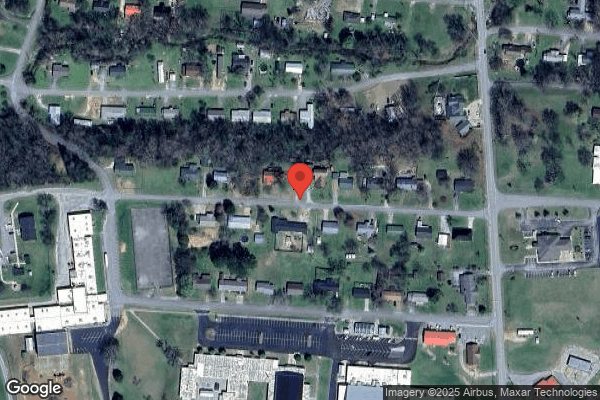
127 E BROOKLYN AVENUE, LINDEN, TN 37096 (931) 589-2134
For profit - Corporation 114 Beds Independent Data: November 2025 1 Immediate Jeopardy citation
Trust Grade
26/100
#275 of 298 in TN
Last Inspection: December 2024

Within standard 12-15 month inspection cycle. Federal law requires annual inspections.

Overview

Perry County Nursing Home has received a Trust Grade of F, indicating significant concerns about the quality of care provided. It ranks #275 out of 298 facilities in Tennessee, placing it in the bottom half, and is the only nursing home in Perry County. Although the facility is improving, with issues decreasing from 11 in 2023 to 10 in 2024, it still faces serious challenges, including $15,593 in fines, which is higher than 78% of Tennessee facilities. Staffing is a relative strength, with a turnover rate of 30%, significantly below the state average; however, the nursing home has less RN coverage than 98% of other facilities, which raises concerns about the level of medical oversight. Specific incidents include a critical failure to provide CPR for an unresponsive resident and concerns about food storage and infection control practices, such as staff not using proper hygiene protocols. Overall, while there are some positive aspects, families should be wary of the significant issues present at this facility.

Trust Score
F
26/100
In Tennessee
#275/298
Bottom 8%
Safety Record
High Risk
Review needed
Inspections
Getting Better
11 → 10 violations
Staff Stability
○ Average
30% turnover. Near Tennessee's 48% average. Typical for the industry.
Penalties
⚠ Watch
$15,593 in fines. Higher than 88% of Tennessee facilities, suggesting repeated compliance issues.
Skilled Nurses
⚠ Watch
Each resident gets only 13 minutes of Registered Nurse (RN) attention daily — below average for Tennessee. Fewer RN minutes means fewer trained eyes watching for problems.
Violations
⚠ Watch
23 deficiencies on record. Higher than average. Multiple issues found across inspections.
★☆☆☆☆
1.0
Overall Rating
★★★☆☆
3.0
Staff Levels
★☆☆☆☆
1.0
Care Quality
★★☆☆☆
2.0
Inspection Score
Stable
2023: 11 issues
2024: 10 issues

The Good

  • Full Sprinkler Coverage · Fire safety systems throughout facility
  • No fines on record
  • Staff turnover below average (30%)

    18 points below Tennessee average of 48%

Facility shows strength in fire safety.

The Bad

1-Star Overall Rating

Below Tennessee average (2.8)

Significant quality concerns identified by CMS

Staff Turnover: 30%

16pts below Tennessee avg (46%)

Typical for the industry

Federal Fines: $15,593

Below median ($33,413)

Minor penalties assessed

The Ugly 23 deficiencies on record

1 life-threatening
Dec 2024 10 deficiencies
CONCERN (D)

Potential for Harm - no one hurt, but risky conditions existed

Deficiency F0572 (Tag F0572)

Could have caused harm · This affected 1 resident

**NOTE- TERMS IN BRACKETS HAVE BEEN EDITED TO PROTECT CONFIDENTIALITY** Based on policy review, review of meeting minutes, medical record review, and interview, the facility failed to ensure resident ...

Read full inspector narrative →
**NOTE- TERMS IN BRACKETS HAVE BEEN EDITED TO PROTECT CONFIDENTIALITY** Based on policy review, review of meeting minutes, medical record review, and interview, the facility failed to ensure resident rights were reviewed during resident council meeting for 5 of 10 residents (Resident #10, #36, #38, #41, and #50) in attendance during resident council meeting. The findings include: 1. Review of the facility policy titled, Resident Rights, dated 9/2024, revealed The facility will inform the resident both orally and in writing, in a language that the resident understands, of his or her rights and all rules and regulations governing resident conduct and responsibilities during the stay in the facility . 2. Review of the medical record revealed Resident #10 was admitted to the facility on [DATE], with diagnoses including Chronic Obstructive Pulmonary Disease, Anemia, Anxiety and Kidney Failure. Review of the MDS dated quarterly MDS assessment dated [DATE], revealed a BIMS score of 15, which indicated Resident #10 was cognitively intact. 3. Review of the medical record revealed Resident #36 was admitted to the facility on [DATE], with diagnoses including Parkinsonism, Dysphagia, Chronic Obstructive Pulmonary Disease and Chronic Kidney Disease. Review of the quarterly MDS dated [DATE], revealed a BIMS score of 15, which indicated Resident #36 was cognitively intact. 4. Review of the medical record revealed Resident #38 was admitted to the facility on [DATE], with diagnoses including Anemia, Atrial Fibrillation, and Dysphagia. Review of the annual MDS assessment dated [DATE], revealed a BIMS score of 15, which indicated Resident #38 was cognitively intact. 5. Review of the medical record revealed Resident #41 was admitted to the facility on [DATE], with diagnoses including Chronic Kidney Disease, Heart Failure, and Depression. Review of the quarterly MDS assessment dated [DATE], revealed a BIMS score of 15, which indicated Resident #41 was cognitively intact. 6. Review of the medical record revealed Resident #50 was admitted to the facility on [DATE], with diagnoses including Chronic Kidney Disease, Depression and Diabetes. Review of the annual MDS assessment dated [DATE], revealed a BIMS score of 15, which indicated Resident #50 was cognitively intact. 7. Review of the Resident Council Minutes for August 2024 through November 2024, revealed no documentation that resident rights had been reviewed with residents in attendance. During an interview in Resident Council meeting on 12/11/2024 at 10:30 AM, Resident's #10, #36, #41, and #50 voiced concerns of staff not reviewing resident rights during the council meetings. During an interview on 12/11/2024 at 11:16 AM, the Activity Director confirmed Resident Rights are not reviewed during Resident Council Meetings.
CONCERN (D)

Potential for Harm - no one hurt, but risky conditions existed

Report Alleged Abuse (Tag F0609)

Could have caused harm · This affected 1 resident

**NOTE- TERMS IN BRACKETS HAVE BEEN EDITED TO PROTECT CONFIDENTIALITY** Based on policy review, medical record review, and interview, the facility failed to report an allegation of resident to residen...

Read full inspector narrative →
**NOTE- TERMS IN BRACKETS HAVE BEEN EDITED TO PROTECT CONFIDENTIALITY** Based on policy review, medical record review, and interview, the facility failed to report an allegation of resident to resident abuse for 2 of 2 sampled residents (Resident #18 and #32) reviewed for abuse. The findings include: 1. Review of the facility's policy titled, Abuse, Neglect, and Exploitation, dated 1/20/2023, revealed .Each resident has the right to be free from abuse .Response and Reporting of Abuse .When abuse .is suspected .Contact the State Agency and the local Ombudsman office to report the alleged abuse .The Administrator should follow up with the government agencies .to confirm the report was received, and to report the results of the investigation when final . 2. Review of the medical record revealed Resident #18 was admitted to the facility on [DATE], with diagnoses including Alcoholic Cirrhosis, Depression, and Paranoid Schizophrenia. Review of the Care Plan dated 9/19/2023, revealed .potential for behavior problem r/t [related to] paranoid schizophrenia, hepatic encephalopathy, psychotropic medication, depression .Monitor behavior episodes .Document behavior and potential causes . Review of the quarterly Minimum Data Set (MDS) assessment dated [DATE], revealed a Basic Interview for Mental Status (BIMS) score of 10, which indicated Resident #18 was moderately cognitively impaired. 3. Review of the medical record revealed Resident #32 admitted to the facility on [DATE], with diagnoses including Parkinsonism, Anxiety, Diabetes, Depression, Schizoaffective Disorder, and Bipolar. Review of the annual MDS assessment dated [DATE], revealed Resident #32 has a BIMS score of 15, which indicated Resident #32 was cognitively intact. During an interview on 12/09/2024 at 10:16 AM, Resident #32 stated he went into the bathroom and Resident #18 followed him and began beating him on the head. Resident #32 confirmed he reported to a nurse but was unsure of the nurses' name. The Administrator was notified on 12/9/2024 at 4:59 PM by the survey team of the allegation of resident to resident altercation that occurred on 11/26/2024 between Resident #18 and Resident #32. The Administrator confirmed the date of the incident was on 11/26/2024. During an interview on 12/11/2024 at 12:36 PM, the Administer was asked the status of the investigation for the resident to resident altercation between Resident #18 and Resident #32. The Administrator stated, .talked to [Resident #32] .asked if there was any physical contact and he [Resident #32] said no . The Administrator confirmed he had not spoken with the nurse assigned to give care to Resident #32. The facility was unable to provide documentation that the allegation of resident to resident altercation occurred on 11/26/2024 and was reported within 24 hours from the date of the alleged allegation. During interview on 12/11/2024 at 12:55 PM, Resident #32 confirmed to the Administrator and the Surveyor that Resident #18 hit him in the head several times. The facility failed to report the alleged resident to resident altercation between Resident #18 and #32 on 11/26/2024 and reported by Surveyors on 12/11/2024.
CONCERN (D)

Potential for Harm - no one hurt, but risky conditions existed

Investigate Abuse (Tag F0610)

Could have caused harm · This affected 1 resident

**NOTE- TERMS IN BRACKETS HAVE BEEN EDITED TO PROTECT CONFIDENTIALITY** Based on policy review, medical record review, and interview, the facility failed to investigate an allegation of resident to re...

Read full inspector narrative →
**NOTE- TERMS IN BRACKETS HAVE BEEN EDITED TO PROTECT CONFIDENTIALITY** Based on policy review, medical record review, and interview, the facility failed to investigate an allegation of resident to resident abuse for 2 of 2 sampled residents (Resident #18 and #32) reviewed for abuse. The findings include: 1. Review of the facility policy titled, Abuse, Neglect, and Exploitation, dated 1/20/2023, revealed When suspicions of abuse .or reports of abuse .an investigation is immediately warranted .Components of an investigation may include .if the residents response is incongruent .interview the resident's family .gather how .the resident would react to the incident .Obtain witness statements, according to appropriate policies. All statements should be signed and dated .all alleged violations involving abuse .are reported immediately, but not more that 2 hours after the allegation is made .to the administrator of the facility and to other official (including the State Survey Agency) .Have evidence that all alleged violations are thoroughly investigated . 2. Review of the medical record revealed Resident #18 was admitted to the facility on [DATE], with diagnoses including Alcoholic Cirrhosis, Depression, and Paranoid Schizophrenia. Review of the Care Plan dated 9/19/2023, revealed .potential for behavior problem r/t [related to] Paranoid Schizophrenia, Hepatic Encephalopathy, psychotropic medication, Depression .Monitor behavior episodes .Document behavior and potential causes . Review of the quarterly Minimum Data Set (MDS) assessment dated [DATE], revealed a Basic Interview for Mental Status (BIMS) score of 10, which indicated Resident #18 was moderately cognitively impaired. 3. Review of the medical record revealed Resident #32 was admitted to the facility on [DATE], with diagnoses including Parkinsonism, Anxiety, Diabetes, Depression, Schizoaffective Disorder, and Bipolar. Review of the annual MDS assessment dated [DATE], revealed Resident #32 had a BIMS score of 15, which indicated Resident #32 was cognitively intact. During an interview on 12/11/2024 at 3:30 PM the Administrator was asked when he was notified of the resident to resident altercation. He stated, Monday [12/9/2024]. When asked what the policy states about reporting he stated, .to do a report at the time we were notified . The facility investigation revealed the date of the incident was on 11/26/2024 and that a Certified Nursing Assistant (CNA) was aware of the resident to resident altercation and did not report the occurrence to the charge nurse or the abuse coordinator. The facility failed to investigate a resident to resident allegation of abuse timely and thoroughly.
CONCERN (D)

Potential for Harm - no one hurt, but risky conditions existed

Pressure Ulcer Prevention (Tag F0686)

Could have caused harm · This affected 1 resident

**NOTE- TERMS IN BRACKETS HAVE BEEN EDITED TO PROTECT CONFIDENTIALITY** Based on Center's for Medicare Services (CMS) Pressure Ulcer/Injury Coding Stages, policy review, medical record review, and int...

Read full inspector narrative →
**NOTE- TERMS IN BRACKETS HAVE BEEN EDITED TO PROTECT CONFIDENTIALITY** Based on Center's for Medicare Services (CMS) Pressure Ulcer/Injury Coding Stages, policy review, medical record review, and interview, the facility failed to ensure staff failed to correctly identify and stage a pressure ulcer and failed to notify patient representative for changes for 1 of 3 (Resident #53) sampled residents reviewed for pressure ulcers. The findings include: 1. The CMS undated pocket guide for Pressure Ulcer / Injury Coding Stages, revealed .Stage 3 .Full thickness tissue loss. Subcutaneous fat may be visible, but bone, tendon, or muscle is not exposed. Slough (dead tissue on the surface of the wound bed that prevents healing) may be present but does not obscure (prevent) the depth (deepness of the wound) of tissue loss .Pressure ulcer known but not stageable due to coverage of wound bed by slough and/or eschar . Unstageable pressure ulcers due to slough and/or eschar .Percentage of slough in a wound refers to the proportion of the wound bed that is covered by dead tissue [slough] .while the remaining .would be healthy granulation tissue .depth when referring to a wound means the deepest point of the wound .Stage 3 pressure injury always indicates depth in tissue loss, even if slough or eschar as long as the slough or eschar does not obscure the full extent of the tissue damage . 2. The facility's policy titled, Guidelines for Notifying Physicians/Family of Clinical Problems, dated 11/12/2024, revealed .These guidelines are to help ensure that .medical problems are communicated to the medical staff in a timely manner, efficient, and effective manner .all significant changes in resident status are assessed and documented in the medical record and family notified . 3. Review of the medical record revealed Resident #53 was admitted to the facility on [DATE], with diagnoses including Alzheimer's Disease, Parkinson's Disease, Osteoarthritis, Dementia, and Hemiplegia/Hemiparesis. Review of a Weekly Pressure Injury Record dated 8/14/2024, revealed .Abrasion to R [Right] buttock showing decline now presenting as Stage 2 . Review of a Skin Wound Evaluation note dated 8/26/2024, revealed .Type .Pressure .Stage 3 .Location .Coccyx .Exact Date [date developed in the facility] .8/14/2024 .Wound Measurements .Area .0.7 cm [centimeters] x [sign for by] Length 0.9 cm x Width 1.0 cm .Depth 0.2 cm .Notifications .Resident / Responsible Party notified .BLANK . The facility failed to notify the responsible party on 8/26/2024, when the Stage 2 declined to a Stage 3 pressure ulcer. Review of the quarterly Minimum Data Set, dated [DATE], revealed Resident #53 was severely cognitively impaired and had 1 unhealed Stage 3 pressure ulcer. Review of the Skin & Wound Evaluation sheet dated 9/11/2024, revealed .Pressure .Stage 3 .Location .Sacrum .Exact Date 8/14/2024 .Area .0.3cm x Length .0.8cm x Width .0.5cm .Depth .0.2cm .Granulation [healing tissue in the wound bed] .10% [sign for percent] .Progress .Deteriorating .Slough 90% wound filled .Notifications .Resident / Responsible Party Notified .[was blank and not completed] . Review of the Care Plan dated 9/18/2024, revealed .I have a potential for pressure ulcer development . Review of a Skin & Wound Evaluation sheet dated 9/18/2024, revealed .Pressure .Stage 3 Full Thickness Skin loss .Exact Date 8/14/2024 .Area .0.3cm x Length .0.8cm x Width .0.5cm .Depth [marked as Not Applicable] .Slough .100% of wound filled . Review of a Skin & Wound Evaluation sheet dated 9/25/2024, revealed .Pressure .Stage 3 .Sacrum .Exact Date .8/14/2024 .Area .0.5cm x Length .1.1cm x Width .0.6cm .Depth .Not Applicable [was not completed] .Slough .90% of wound bed filled . Review of a Skin & Wound Evaluation sheet dated 10/2/2024, revealed .Pressure .Stage 3 .Sacrum .Exact Date .8/14/2024 .Area .0.5cm x Length .0.8cm x Width .0.7cm .Depth [Not Applicable] Granulation .10% of wound filled .Slough .90% of wound filled . During an interview on 12/11/2024 at 2:02 PM, the Wound Nurse confirmed the resident had 90% slough in the wound bed and she was unable to see the wound bed to determine the depth with 90% slough. The Wound Nurse confirmed the family and physician should be notified of the wound changes. The Wound Nurse confirmed if the wound bed is not visible due to slough and unable to measure the depth then the wound would be Unstageable, and not a Stage 3. During an interview on 12/12/2024 at 1:39 PM, the Wound Nurse and the Wound Care Specialist confirmed that all wounds and pressure ulcers should be staged according to how they present, and their characteristics. The facility failed to properly identify the wound as an Unstageable due to 90% to 100% slough on the wound bed and the inability to see the wound bed to determine a depth, and failed to notify the physician and family representative when the wound started to decline in status.
CONCERN (D)

Potential for Harm - no one hurt, but risky conditions existed

Accident Prevention (Tag F0689)

Could have caused harm · This affected 1 resident

**NOTE- TERMS IN BRACKETS HAVE BEEN EDITED TO PROTECT CONFIDENTIALITY** Based on facility policy, medical record review, observation, and interview, the facility failed to ensure residents were free f...

Read full inspector narrative →
**NOTE- TERMS IN BRACKETS HAVE BEEN EDITED TO PROTECT CONFIDENTIALITY** Based on facility policy, medical record review, observation, and interview, the facility failed to ensure residents were free from accident hazards when sharps and hazardous personal items were found in 2 of 54 (Resident #19 and #56) resident occupied rooms and when in 1 of 3 (East Hall Shower Room) Shower Rooms was found unsecured and unattended with sharps and hazardous items. The findings include: 1. Review of the facility's policy titled, Care and Storage of Personal Care Items, dated 12/2024, revealed It is the policy of the facility to properly stored resident personal care items such as deodorant, shampoo, mouthwash, safety razors, fingernail clippers in a safe area to ensure safety .Resident mouthwash should be stored in a closed cabinet inside the resident room .Shampoo and bathing chemical should always be stored in a closed cabinet .If razors are used, discard in the sharps container or store in a locked cabinet . 2. Review of the medical record revealed Resident #19 was admitted to the facility on [DATE], with diagnoses including Spastic Hemiplegia, Tremors, and History Traumatic Brain Injury. Review of the quarterly Minimum Data Set (MDS) dated [DATE], revealed Resident #19 had a Brief Interview for Mental Status (BIMS) score of 15, indicating the resident was cognitively intact, required moderate assistance from staff for Activities of Daily Living skills, and required maximal assistance for personal hygiene. Review of the Care Plan dated 9/18/2024, revealed .impaired cognitive function .right hemiplegia/hemiparesis r/t [related to] brain injury .I have tremors, alteration in neurological status r/t traumatic brain injury .I have contractures of RUE . Observation in Resident #19's room on 12/9/24 at 10:53 AM, and at 2:03 PM, revealed the following items in a plastic basket, sitting on a bedside table: a.1 (one) 18 oz (ounce) plastic container of mouthwash. b. A pair of silver nail clippers. c. 1 4 oz can of aerosol body spray. 3. Observation in the 100 hall room shower room on 12/9/24 at 11:15 AM, and at 1:55 PM, revealed the door to the shower room and the door to the storage cabinet in the shower room were opened, unlocked, and unsecured with the following items accessible: a. 1 opened pack of disposable razors containing #5 razors. b. 3 cans of aerosol spray deodorant. c. 3 cans of 1.5 oz can of shaving cream. d. 1 10 oz can of aerosol hair spray. e. 1 8 oz bottle of shampoo. f. 1 gallon plastic jug of shampoo body wash without a lid. During observation and interview on 12/9/24 at 11:20 AM, Licensed Practical Nurse (LPN) G confirmed the shower room and the cabinet inside of the shower room should not be left unlocked and unsecured. LPN G confirmed these items should be locked inside the cabinet and the shower room should be locked at all times. During an interview on 12/9/24 at 11:23 AM, the Maintenance Director confirmed the doors to the shower room and the cabinet inside the shower room should be locked at all times. 4. Review of the medical record revealed Resident #56 was admitted to the facility on [DATE] with diagnoses including Dementia, Depression, Heart Failure. Review of the annual MDS dated [DATE], revealed Resident #56 had a BIMS score of 7, indicating the resident was severely cognitively impaired, requiring moderate assistance of staff with Activities of Daily Living (ADLs) and was ambulatory. Observations in Resident #56's room on 12/9/2024 at 8:53 AM, 10:29 AM, and 1:32 PM, revealed a large 32-ounce bottle of mouthwash, approximately 80% full was on the bathroom sink. During an interview on 12/9/2024 at 10:45 AM, LPN H confirmed the mouthwash should not be left in Resident #56's room. During an interview on 12/9/2024 at 1:45 PM, LPN I was asked if the large bottle of mouthwash should be unattended and left in Resident #56's room. LPN I stated, .no it definitely should not . LPN I removed the large bottle of mouthwash. 5. During an interview on 12/09/24 at 3:47 PM, the Director of Nursing (DON) confirmed the doors to the shower rooms should be locked and secured. The DON confirmed that the cabinets in the shower rooms should be locked and secured if not in use while staff are in the shower room. The DON confirmed all sharps and hazardous items should not be left in residents' room unattended and unsecured.
CONCERN (D)

Potential for Harm - no one hurt, but risky conditions existed

Tube Feeding (Tag F0693)

Could have caused harm · This affected 1 resident

**NOTE- TERMS IN BRACKETS HAVE BEEN EDITED TO PROTECT CONFIDENTIALITY** Based on medical record review, observation, and interview, the facility failed to provide care and services for residents with ...

Read full inspector narrative →
**NOTE- TERMS IN BRACKETS HAVE BEEN EDITED TO PROTECT CONFIDENTIALITY** Based on medical record review, observation, and interview, the facility failed to provide care and services for residents with a percutaneous endoscopic gastrostomy (PEG) tube (tube inserted into the stomach to administer medications, supplements and liquid food) when staff failed to ensure the enteral feedings and the flush solutions were properly labeled for 2 of 2 (Resident #51 and #59) sampled residents reviewed for enteral feedings. The findings include: 1. Review of the medical record revealed Resident #51 was admitted to the facility on [DATE], with diagnoses including Dementia, Dysphagia, and Anorexia. Review of the quarterly Minimum Data Set (MDS) dated [DATE], revealed no Brief Interview for Mental Status (BIMS) score but documented that her cognitive skills for daily decision making were severely impaired. Resident #51 was dependent on staff for all care and was coded for a Feeding Tube. Review of the annual MDS dated [DATE], revealed no Brief Interview for Mental Status (BIMS) score was assessed and Resident #59 was severely cognitively impaired, dependent on staff for Activities of Daily Living skills and the use of a Feeding Tube. Review of the Care Plan dated 9/23/2024, revealed .I have diagnosis of Anorexia .I have .swallowing issues . receives nutrition per peg .I require tube feeding r/t inadequate po [oral] intake and hx [history] of Weight Loss . Review of Physician's Orders dated 9/26/2024, revealed .every shift IsoSource [nutritional supplement administered through a PEG tube] 1.5 @ [symbol for at] 70 ml [milliliters]/cc [cubic centimeter] X [symbol for times] 16 hrs [hours] daily turn on @ 5pm and off @ 9am . Observation in the Resident's room on 12/9/2024 at 9:59 AM, revealed Resident #'51's enteral feeding bag used for the PEG was not labeled with a date, rate of delivery, or staff initials. Observation in the Resident's room on 12/9/2024 at 9:59 AM, revealed Resident #'51's enteral feeding bag and automatic flush water bag only had 12/9/24 written on them, and was not labeled with the rate for delivery or staff initials. During an interview on 12/09/24 at 3:47 PM, the Director of Nursing (DON) confirmed all enteral PEG feeding bags and automatic flush water bags should be labeled, signed, and dated. 3. Review of the medical record revealed Resident #59 was admitted to the facility on [DATE], with diagnoses including Senile Degeneration, Bipolar Disorder, Depression, Conduct Disorder, Autistic Disorder, and Dementia. Review of the quarterly MDS dated [DATE], revealed no BIMS score was assessed, the resident was severely cognitively impaired, was dependent on staff for eating, with active diagnosis of Dysphagia (difficulty swallowing), and the use of a Feeding Tube. Review of the Care Plan dated 6/13/2024, revealed .I require tube feeding r/t [related to] Resisting eating, Swallowing problem, Weight Loss .Provide Formula Rate, Flushes as ordered per Physician . Review of a Physician's Order dated 8/1/2024, revealed, .Enteral Feed every shift auto flush [automatic flush] @ 50cc an hour x 22 hours daily .every shift 2 Cal @ 45cc/hr X 22 hours . Observation in Resident #59's room on 12/9/2024 at 10:03 AM, revealed the enteral feeding bag and the flush bag was not labeled with the Resident's name, date, time or staff initials. During an interview on 12/9/2024 at 10:16 AM, LPN J was asked if the enteral feeding and flush bag should be labeled. LPN J stated, yes Observation in Resident #59's room on 12/11/2024 at 8:30 AM, revealed the enteral feeding bag was not labeled with the date, time, name or staff initials. The automatic flush bag dated 12/11/2024, was not labeled with the start time, the resident's name, the infusion rate or staff initials. During an interview on 12/11/2024 at 8:49 AM, the DON was shown the enteral feeding bag and automatic flush bag and asked what staff should do when hanging an enteral feeding with automatic flush. The DON stated .They should put the resident's name, date, formula, and the time it was hung . The facility failed to ensure that the enteral feeding and automatic flush bags were labeled appropriately.
CONCERN (D)

Potential for Harm - no one hurt, but risky conditions existed

Respiratory Care (Tag F0695)

Could have caused harm · This affected 1 resident

**NOTE- TERMS IN BRACKETS HAVE BEEN EDITED TO PROTECT CONFIDENTIALITY** Based on policy review, medical record review, observation, and interview, the facility failed to follow physician orders for th...

Read full inspector narrative →
**NOTE- TERMS IN BRACKETS HAVE BEEN EDITED TO PROTECT CONFIDENTIALITY** Based on policy review, medical record review, observation, and interview, the facility failed to follow physician orders for the use of oxygen and failed to ensure oxygen concentrators were clean for 2 of 2 (Resident #29 and #40) sampled residents reviewed for oxygen use. The findings include: 1. Review of the facility's policy Oxygen Administration dated 10/14/2024, revealed .Oxygen therapy is the administration of oxygen at concentrations greater than that in ambient air .with the intent of treating or preventing the symptoms and manifestations of hypoxia .Hypoxia means decreased perfusion of oxygen to the tissues .Oxygen is administered under orders of a physician .Staff shall document the initial ongoing assessment of the resident's condition warranting oxygen and the response to oxygen therapy .Cleaning and care of equipment shall be in accordance with facility's policies for such equipment . 2. Medical record review revealed Resident #29 was admitted to the facility on [DATE], with diagnoses including Chronic Respiratory Failure, Asthma, Tracheostomy Status, and Congestive Heart Failure. Review of the Physician Orders dated 8/29/2024, revealed, .PROVIDE TRACH CARE Q [every] SHIFT .O2 [oxygen] 2L [liters] / [symbol for per] min [minute] BNC [by nasal cannula] as needed for SOB [Shortness of breath], Hypoxia [low levels of oxygen in the body's tissue] . Review of annual Minimum Data Set (MDS) dated [DATE], revealed Resident #29 has a Brief Interview for Mental Status (BIMS) score of 14, indicating the resident was cognitively intact, dependent on staff for Activities of Daily Living Skills, and received oxygen therapy and tracheostomy care. Observation in Resident #29's room on 12/11/2024 at 3:15 PM, and on 12/12/2024 at 8:02 AM, revealed Resident #29 in his room, tracheostomy collar intact with oxygen patent and being administered per tracheostomy collar at 3L/min, and the oxygen concentrator with dust and white residue on the top, on the sides, and on the bottom of concentrator. During observation and interview in Resident #29's room on 12/12/2024 at 10:15 AM, the Director of Nursing (DON) confirmed the oxygen concentrator should be set at 2L/MIN. The DON was asked who is responsible for cleaning the oxygen concentrators and filters. The DON confirmed she was unsure whose responsibility it was to clean the oxygen concentrators and filters. 3. Review of the medical record revealed Resident #40 was admitted to the facility on [DATE], with diagnoses including Pneumonia and Dependent on Supplemental Oxygen. Review of a Physician's Order dated 7/10/2024, revealed .2L [liters]/min BNC as needed for SOB [shortness of breath] .Hypoxia . Review of the quarterly MDS dated [DATE], revealed Resident #40 had a BIMS score of 11, which indicted the resident was moderately cognitive impaired and required the use of oxygen. Observation in the resident's room on 12/9/2024 at 10:00 AM, 2:14 PM, and at 4:15 PM, revealed Resident #40 sitting on the bedside with oxygen cannula in bilateral nostrils, oxygen concentrator on and set at 4L/minute BNC. Observation in the resident's room on 12/10/24 at 8:02 AM, and at 4:13 PM, revealed resident in bed with eyes closed, oxygen cannula in bilateral nostrils and oxygen concentrator set at 4L/min BNC. During observation and interview in Resident #40's room on 12/11/24 at 8:48 AM, Licensed Practical Nurse (LPN) G was shown the oxygen concentrator set at 4L/min BNC and confirmed Resident #40 should be receiving her oxygen at 2 L/min BNC, and that the concentrator setting was incorrect. During an interview on 12/12/24 at 3:49 PM, the DON confirmed that staff should follow physician orders for the use of oxygen.
CONCERN (D)

Potential for Harm - no one hurt, but risky conditions existed

Deficiency F0761 (Tag F0761)

Could have caused harm · This affected 1 resident

**NOTE- TERMS IN BRACKETS HAVE BEEN EDITED TO PROTECT CONFIDENTIALITY** Based on policy review, medical record review, observation, and interview, the facility failed to ensure medications were proper...

Read full inspector narrative →
**NOTE- TERMS IN BRACKETS HAVE BEEN EDITED TO PROTECT CONFIDENTIALITY** Based on policy review, medical record review, observation, and interview, the facility failed to ensure medications were properly stored and secured when 1 of 3 (Licensed Practical Nurses (LPN) F) nurses observed during medication administration left medications unsecured and unattended and during a random observation medications were found unsecured and unattended in 1 of 54 (Resident #56) resident occupied bathrooms. The findings include: 1. Review of the facility policy titled, Medication Storage reviewed and revised on 10/2024, revealed .It is the policy of this facility to ensure all medications housed on our premises will be stored .according to manufacturer's recommendations and sufficient to ensure proper .segregation and security .all drugs and biologicals will be stored in locked compartments .medication carts, cabinets, drawers .medication rooms .During a medication pass, medications must be under direct observation of the person administering medications or locked in the medication storage area/cart . 2. Review of the medical record revealed Resident #17 was admitted to the facility on [DATE], with diagnoses including Depression, Obstructive Reflux Uropathy, Anxiety, and Venous Insufficiency, and Limitations of Activities. Review of the annual Minimum Data Set (MDS) dated [DATE], revealed Resident #17 was assessed with a Brief Interview for Mental Status (BIMS)Score of 8, which indicated the resident had moderate cognitive impaired, and required moderate to maximal assistance for Activities of Daily Living skills. Review of the facility's Order Review History Report dated 12/1/2024 to 12/31/2024, revealed .SYSTANE BALANCE 0.6% [percent] EYE DR [DROP] Instill 1 drop in both eyes three times a day for dry eyes . Observation during medication administration on the [NAME] Hall on 12/11/2024 at 8:30 AM, revealed Licensed Practical Nurse (LPN) F, knocked and entered Resident #17's room to administer her eye drops, placed the eye drops on the over the bed table, exited the room and entered another room to obtain gloves. LPN F left the eye drops on the over the bed table unsecured and unattended. LPN F then reentered Resident #17's room and administered the eye drops. 3. Review of the medical record revealed Resident #56 was admitted to the facility on [DATE], with diagnoses including Dementia, Depression, Heart Failure. Review of the annual MDS dated [DATE], revealed Resident #56 was assessed with a BIMS score of 7, indicating the resident was severely cognitive impaired. Review of Physician Order dated 10/22/2024, revealed .Antacid Oral Tablet Chewable [Calcium Carbonate antacid] give 2 tablets by mouth every 8 hours as needed for indigestion . Observations in Resident #56's room on 12/9/2024 at 8:53 AM, 10:29 AM and 1:32 PM, revealed an open undated, unattended, and unsecured bottle of antacids on the bathroom sink. During an interview on 12/9/2024 at 10:45 AM, LPN H confirmed Resident #56 has confusion and cannot self-administer her medication. LPN H was asked if medication should be left in Resident #56's room. LPN H stated No. During an interview on 12/9/2024 at 1:45 PM, LPN I was asked if a bottle of medication should be left in Resident's #56's room. LPN I stated No. LPN I removed the bottle of medication from the bathroom sink. During an interview on 12/12/2024 at 3:30 PM, the Director of Nursing (DON) verified medications should not be left at resident's bedside unattended and unsecured.
CONCERN (E)

Potential for Harm - no one hurt, but risky conditions existed

Food Safety (Tag F0812)

Could have caused harm · This affected multiple residents

Based on observation, and interview, the facility failed to ensure food was properly stored under sanitary conditions. In the kitchen, the vent hood was observed soiled, and 3 of 3 (West Hall, North H...

Read full inspector narrative →
Based on observation, and interview, the facility failed to ensure food was properly stored under sanitary conditions. In the kitchen, the vent hood was observed soiled, and 3 of 3 (West Hall, North Hall, and East Hall) nutrition refrigerators contained dead pests, opened, undated, unlabeled, and expired food items, and no thermometer. The findings include: 1. Observation in the kitchen on 12/9/2024 at 8:49 AM, revealed the following: a. a vent hood over the kitchen stove with dust and grease buildup. 2. Observation in the [NAME] hall nourishment refrigerator on 12/10/24 at 3:52 PM, revealed the following: a. dead gnats (tiny black pests) on the bottom of the refrigerator. b. 1 opened, undated bottle of ketchup. c. 1 opened, undated and unlabeled bottle ranch dressing. d. 1 undated and unlabeled red bowl with unidentified food item. e. 1 undated and unlabeled breakfast sandwich. f. 1 undated and unlabeled frozen dinner. g. 1 undated and unlabeled divided plate with food items. h. 1 expired Jell-O cup (gelatin cup) dated 9/30/2024. i. 1 opened, undated, unlabeled, expired pack of bologna dated 10/31/2024. 3. Observation in the North Hall nourishment refrigerator on 12/10/2024 at 3:30 PM, revealed the following: a. 1 opened, undated, and expired container of cottage cheese dated 10/22/2024. b. 1 opened, undated, and unlabeled plastic bottle of water. 4. Observation in the East Hall nourishment refrigerator on 12/10/2024 at 3:45 PM, revealed a. 1 unlabeled and undated plastic bag with grapes and a protein bar. b. no thermometer. c. 1 opened, undated, and unlabeled container of vanilla ice cream. d. 1 opened, undated, and unlabeled container of ice cream. 5. During an interview on 12/10/2024 at 10:30 AM, the Certified Dietary Manager was unsure how often the vent hood is cleaned and who cleans it. During an interview on 12/11/2024 at 3:50 pm, the Director of Nursing confirmed that no food items should be in the refrigerators unlabeled, undated, and expired and no pest should be found in the refrigerators.
CONCERN (E)

Potential for Harm - no one hurt, but risky conditions existed

Infection Control (Tag F0880)

Could have caused harm · This affected multiple residents

**NOTE- TERMS IN BRACKETS HAVE BEEN EDITED TO PROTECT CONFIDENTIALITY** Based on policy review, medical record review, observation, and interview, the facility failed to ensure practices to prevent th...

Read full inspector narrative →
**NOTE- TERMS IN BRACKETS HAVE BEEN EDITED TO PROTECT CONFIDENTIALITY** Based on policy review, medical record review, observation, and interview, the facility failed to ensure practices to prevent the potential spread of infection were maintained when 1 of 1 (Certified Nursing Assistant (CNA) C) staff members was observed administering perineal care without the use of Personal Protective Equipment (PPE), when 1 of 1 (CNA B) staff members walked down the hall adorned in PPE, and when 1 of 1 (Wound Nurse) staff members failed to use hand hygiene during wound care. The findings include: 1. The facility's policy titled, Hand Hygiene, dated 11/12/2024, revealed .Staff involved in direct resident contact will perform proper hand hygiene procedures to prevent the spread of infection to other personnel, residents, and visitors .Hand hygiene is a general term that applies to either handwashing or the use of an antiseptic hand rub, also known as alcohol-based hand rub .The use of gloves does not replace hand washing. Wash hands after removing gloves . 2. Review of the medical record revealed Resident #17 was admitted to the facility on [DATE], with diagnoses including Depression, Obstructive Reflux Uropathy, Anxiety, Hypertension, Venous Insufficiency, Limitations of Activities, Intervertebral Disc Degeneration. Review of the annual Minimum Data Set (MDS) dated [DATE], revealed Resident #17 was assessed with a brief Interview for Mental Status (BIMS) score of 8, indicating the resident was severely cognitively impaired, required staff assistance for Activities of Daily Living (ADLs), the use of an indwelling urinary catheter, and had an open lesion. Review of the Care Plan dated 10/10/2024 revealed, .Impaired Skin Integrity related to rash and nonspecific skin eruptions to my back and buttocks .I have an indwelling foley catheter [a tube inserted into the bladder to drain urine continuously] .I require Enhanced Barrier Precautions r/t [related to] Indwelling cath [catheter] & Wounds to L [Left] & [and] R [Right] buttocks . Observation in Resident #17's room on 12/9/2024 at 1:38 PM, revealed CNA C was administering perineal care without the use of PPE for the resident who has an open lesion on her left buttocks and who has an indwelling urinary catheter. Observation in Resident #17's room on 12/11/2024 at 9:35 AM, revealed CNA A and CNA B in the resident's room. CNA B exited the room donned in her PPE to retrieve a urinal to empty the resident's indwelling urinary catheter bag. CNA B returned to the room and removed her PPE. CNA A and CNA B assisted Resident #17 to her wheelchair. CNA A removed her PPE, both CNA A and CNA B exited the room to weigh Resident #17. Neither CNA A or CNA B washed or sanitized their hands after removing their PPE, nor prior to assisting the resident to be weighed. 3. Review of the medical record revealed Resident #53 was admitted to the facility on [DATE], with diagnoses including Alzheimer's Disease, Parkinson's Disease, Osteoarthritis, Dementia, and Hemiplegia/Hemiparesis. Review of the quarterly Minimum Data Set, dated [DATE], revealed Resident #53 was severely cognitive impaired, dependent on staff for all Activities of Daily Living skills, incontinent of both bowel and bladder, and had a Stage 3 pressure ulcer. Review of a Physician's Order dated 10/14/2024, revealed .Cleanse sacrum with normal saline, apply collagen particles, cover with dry dressing .until healed . Observation in Resident #53's room during wound care on 12/11/24 at 9:30 AM, revealed the Wound Nurse knocked and entered the resident's room, donned a clean pair of gloves and cleaned the over the bed table with a sani cloth bleach wipe, removed her gloves, entered the bathroom and washed her hands. The Wound Nurse then returned to the treatment cart, placed a barrier on the over the bed table that was in the doorway of Resident #53's room, and began to remove supplies for the administration of wound care for Resident #53. The Wound Nurse knocked on Resident #17's door, entered the resident's room, closed the door, pulled the privacy curtains, donned a clean pair of gloves, and adjusted the height of the resident's bed. The Wound Nurse assisted the resident onto her right side, removed her gloves, donned a clean pair of gloves and failed to wash or sanitize her hands after removing her gloves and before donning a clean pair of gloves. The Wound Nurse removed Resident #53's brief, removed her gloves and donned a clean pair of gloves, removed the old dressing to Resident #53's sacrum, removed her gloves and donned a clean pair of gloves and cleansed the Stage 3 Pressure Ulcer to Sacrum with normal saline soaked 4 x 4 moistened gauze, removed her gloves, donned a clean pair of gloves, applied collagen particles to wound bed, and covered with a border gauze. The Wound Nurse donned clean gloves, put on a clean brief, applied skin prep to the resident's left hip, removed her gloves, donned a clean pair of gloves, assisted the resident to her left side, applied skin prep to the resident's right hip, removed the resident's sock from her right foot and applied skin prep to the outer right foot, removed her gloves and donned clean gloves and reapplied the sock to the resident's right foot. The Wound Nurse removed the boot from Resident #53's left foot, removed her sock, applied skin prep to the left outer foot, replaced the sock and boot to the resident's left foot and repositioned the resident and removed her gloves and donned a clean pair of gloves. The Wound Nurse replaced the blanket back over Resident #53, adjusted the bed height, removed her gloves and donned a clean pair of gloves. The Wound Nurse then exited the room, walked down the hall and disposed of the trash bag and the biohazard bag, entered the bathroom and washed her hands. The Wound Nurse failed to perform hand hygiene each time between changing gloves. 4. During an interview on 12/11/24 at 2:16 PM, the Director of Nursing (DON) confirmed that staff should wash their hands or sanitize with alcohol-based hand gel after removing gloves and before donning a clean pair of gloves. The DON confirmed that staff should remove PPE before exiting the resident's room and should not wear PPE while walking down the hall.
Aug 2023 11 deficiencies 1 IJ
CRITICAL (J)

Immediate Jeopardy (IJ) - the most serious Medicare violation

Deficiency F0678 (Tag F0678)

Someone could have died · This affected 1 resident

**NOTE- TERMS IN BRACKETS HAVE BEEN EDITED TO PROTECT CONFIDENTIALITY** Based on policy review, review of the American Heart Association Provider Manual, medical record review, and interview, the faci...

Read full inspector narrative →
**NOTE- TERMS IN BRACKETS HAVE BEEN EDITED TO PROTECT CONFIDENTIALITY** Based on policy review, review of the American Heart Association Provider Manual, medical record review, and interview, the facility failed to initiate and provide Basic Life Support (BLS)/Cardiopulmonary Resuscitation (CPR) for 1 of 3 sampled residents (Resident #84) reviewed in accordance with the professional standards of care related to basic life support for healthcare providers. Resident #84 was found lying on the bed unresponsive, not breathing, and was a full code [if a person's heart stopped beating and /or they stopped breathing, all resuscitation procedures will be provided to keep them alive]. The facility failed to immediately initiate CPR according to the professional standard of practice. The facility's failure to immediately provide basic life support for Resident #84 resulted in Immediate Jeopardy (IJ). Immediate Jeopardy (IJ) is a situation in which the provider's noncompliance with one or more requirements of participation has caused, or is likely to cause serious injury, harm, impairment, or death to a resident. The Administrator and Director of Nursing (DON) were notified of the Immediate Jeopardy (IJ) for F-678 during the recertification survey on [DATE] at 6:23 PM, in the Social Services Office. The facility was cited Immediate Jeopardy at F-678. The facility was cited at F-678 at a scope and severity of J, which is Substandard Quality of Care. An extended survey was conducted on [DATE] and [DATE]. The Immediate Jeopardy began on [DATE] through [DATE]. An acceptable Removal Plan, which removed the immediacy of the jeopardy, was received [DATE] at 3:49 PM, and was validated onsite by the surveyors on [DATE] through review of in-services, audits, and staff interviews conducted. The findings include: 1. Review of the undated facility policy titled, CPR [Cardiopulmonary Resuscitation] POLICY, revealed, .It is the policy of [Named Facility] that .Upon cardiac arrest basic life support will be initiated immediately . Review of the facility policy titled, Cardiopulmonary Resuscitation (CPR), revised [DATE], revealed, .It is the policy of this facility to adhere to residents' rights to formulate advance directives. In accordance to these rights, this facility will implement guidelines regarding cardiopulmonary resuscitation .The facility will follow current American Heart Association (AHA) guidelines regarding CPR .facility staff will provide basic life support, including CPR, prior to the arrival of emergency medical services .In accordance with the resident's advance directives . 2. Review of the American Heart Association Basic Life Support Provider Manual dated 2020, revealed .No breathing or gasping, pulse not felt .Start CPR .Use AED [Automated External Defibrillator] as soon as it is available .The first rescuer who arrives .check the victim for responsiveness .should send another rescuer to activate the emergency response system and get the AED .Make sure the victim is face up on a firm flat surface .Perform chest compressions .Provide Breaths .Give breaths, watching for chest rise and avoiding excessive ventilation [oxygenation during cardiac arrest] .Early defibrillation increases the chance of survival for cardiac arrest . 3. Review of the medical record revealed Resident #84 was admitted to the facility on [DATE], with diagnoses of Chronic Obstructive Pulmonary Disease, Myocardial Infarction, Hypertension, Anxiety and Schizophrenia. Review of the Physician's Order dated [DATE], revealed .CODE STATUS .FULL . Review of the quarterly Minimum Data Set (MDS) dated [DATE], revealed Resident #84 had a Brief Interview for Mental Status (BIMS) score of 7, which indicated the resident had severe cognitive impairment. a. Review of staff interviews, Emergency Medical Services (EMS) Prehospital Care Report and RN #1's Nurse Progress Note documentation of investigation timeline for Resident #84 on [DATE] revealed the following: During an interview Certified Nursing Assistant (CNA) #1 confirmed she rounded at 1:20 AM-1:30 AM, Resident #84 was found unresponsive and not breathing. Review of the Nurses' Progress Notes dated [DATE] at 1:40 AM, revealed Registered Nurse (RN) #1 documented Resident #84 had unattainable vital signs and CPR was initiated. Review of the EMS Prehospital Care Report dated [DATE] at 1:46 AM, revealed EMS was enroute to the facility. At 1:51 AM, EMS arrived on the scene. At 1:52 AM, EMS was at the bedside. At 2:08 AM, EMS ended the code. Continued review of the EMS Report revealed the facility nursing staff informed EMS the resident was found with no vital signs at 1:30 AM. b. During an interview on [DATE] at 10:51 AM, RN #1, who was Resident #84's primary nurse and was not CPR certified, was asked about the code on [DATE] with Resident #84. RN #1 stated .[Named Certified Nursing Assistant (CNA) #1] .came to the desk and said he [Resident #84] did not look good .afraid he was not breathing .so I got the stethoscope and ran to the room .checked him .she [CNA #1] was with me .he was not breathing .told her to go to the other side and get the crash cart .I was trying to adjust the bed .he [Resident #84] was in low position .she [CNA #1] got [the] crash cart .2-3 other CNA's [CNA #2 and CNA #3] came .2 nurses [Licensed Practical Nurse (LPN) #1 and LPN #2] from the hall .I ran to the desk . RN #1 was asked who started CPR, chest compressions, and breathing. RN #1 stated .they started CPR, the nurse from the other hall .[LPN #1 and LPN #2] .I was not in the room .not aware .when they hit the room [entered] with the crash cart .I came to the desk .called EMS .called the ADON [Assistant Director of Nursing] .the family .it's just the way things worked out that night . RN #1 was not able to identify who started CPR for Resident #84. RN #1 was asked when he last saw Resident #84 prior to being notified by CNA #1 that the resident was unresponsive. RN #1 stated .I saw him around 8:00 PM .I gave his meds [medications] .last time I saw him .he was up in the wheelchair in the hallway around 9:00 PM .or a little later . RN #1 was asked if he or any other staff member called a code over the facility's paging system. RN #1 stated .No . Continued interview RN #1 could not identify which staff members started CPR and there was no documentation of how long it took RN #1 to adjust Resident #84's before staff arrived in the room. Review of RN #1's employee file revealed there was an expired CPR card dated [DATE] thorough [DATE] and RN #1's current CPR card was dated [DATE], 6 days after the code occurred on [DATE]. RN #1 did not initiate CPR when Resident #84 was found unresponsive and not breathing. During an interview on [DATE] at 4:10 PM, CNA #1 who was CPR certified, was asked about the code on [DATE] with Resident #84. CNA #1 stated, .I rounded on him .he was in the bed .he had blue hands and face .I went to [Named RN #1] .the charge nurse to see if he was a full code .[Named RN #1] was at the nursing station .he did not call the code .I told him he was not breathing .I think he is a full code .we looked in the book .he [Resident #84] was a full code .I ran to the east hall .she notified [Named LPN #2] .and got the crash cart .I went back to the room with [named CNA #3, CNA #2, and CNA #4] .and me .no one had started CPR .we were waiting on [Named RN #1] .so I went and got [Named LPN #1] .me and [Named LPN #1] put the back board under him [Resident #84] .I hooked [him] up to the [vital sign machine] .[Named LPN #1] .hooked him to the oxygen machine .the Ambu bag [Artificial manual breathing unit] .the AED [automated external defibrillator] .was not used .hooked him to a nasal cannula [tubing to administer an oxygen flow] .we started CPR .[Named LPN #1 and LPN #2] .took turns doing CPR .until EMS got here .EMS came .took over, got the Ambu bag and hooked [Resident #84] up to the machine that did the compressions, opened his airway, gave him meds . Continued interview revealed the staff members failed to immediately initiate CPR to Resident #84 who was unresponsive and not breathing. The staff members were waiting on RN #1 who was Resident #84's primary nurse to come to the room to assist in CPR. CNA #1 left Resident #84's room to get LPN #1 for guidance. Upon arrival LPN #1 instructed the staff members to start CPR. During an interview on [DATE] at 4:36 PM, LPN #2 was asked what happened during the code on [DATE] with Resident #84. LPN #2 stated .I was in the bathroom .came out, the CNA [CNA # 1] told me there was a code .they [CNA #1] had came .got the crash cart .I ran over there .when I arrived .[LPN #1, CNA #2, CNA #4 and CNA #1] .[LPN #1] was starting CPR .I relieved her .when I got in there .oxygen was on him .nasal cannula .it was my first code .when I got there his lips were blue .had pale skin .cold and clammy .EMS arrived .they asked questions .took over .put on the machine for compression [AutoPulse Resuscitation System provides high-quality circumferential chest compression without interruptions] .put in an air way .they did something with his veins .we did 30 minutes of CPR before they [EMS] got there . Continued interview revealed LPN#2 was unable to provide documentation of the 30 minutes of CPR. LPN #2 arrived in Resident #84's room after LPN #1, CNA #1, CNA #2 and CNA #4. During an interview on [DATE] at 4:52 PM, LPN #1 was asked about the code on [DATE] with Resident #84. LPN #1 stated .that night [I] was on the north hall .[Named CNA #1] came to the hall .told me that [Named Resident #84] was coding and need my help .I dropped what I was doing .went to his [Resident #84] room .there was multiple CNA's in the room .[Name CNA #4, CNA #2, and CNA #3] .they asked me what should we start with .what should we do .I tried to arouse him [Resident #84] .are you alright .he did not respond to me .I put oxygen on him .high flow oxygen, binasal cannula [a medical device used to provide supplemental oxygen to people who have lower oxygen levels] .we [LPN #1 and CNA #1] put the back board under him .told them [CNA #2, CNA #3 and CNA #4] .we need to start compressions .the AED was not on the crash cart .we did compressions .asked one of the CNA's to go and get the vital sign machine .I [LPN #1] checked the Vital Signs during the code .I could not get any VS on him .continued CPR till [until] EMS arrived . LPN #1 was asked where was RN #1 during the code. LPN #1 stated .he [RN #1] was at his desk .I [LPN #1] saw him on the phone .when I [LPN #1] passed going to [Named Resident #84's] room .came to give [us] the paperwork .[RN #1] sat the paperwork on [Named Resident #84's] Television .he [RN #1] left the room .EMS showed up, checked the VS .started an IV [Intravenous line], put the monitor on him for heart rhythm, and the automatic compression machine .I was jotting down the medications they gave him on the back of his paperwork .because they [EMS] asked me to . LPN #1 was asked if she heard a code called overhead. LPN #1 stated .I did not hear anyone call a code . During an interview on [DATE] at 4:32 PM, CNA #2 was asked about the code on [DATE] with Resident #84. CNA #2 stated .I was on the East Hall that night. [Named CNA #1] came to the East Hall to get the crash cart .she yelled for help .we went to the [NAME] Hall to [Named Resident #84's] room .he was unresponsive .[Name LPN #2] and myself followed her [CNA #1] to the room [Resident #84's room] .when got there it was [Named CNA #3] .one of us [CNA#1] called [Named LPN #1] .she came over .[Named RN #1] .was at the desk .he may have been getting paperwork together .not sure .[Named CNA #1] .checking for a pulse .then I remember everyone saying .they never ran a code before .[Named CNA #1] initiated the CPR .I don't remember, the night was so frantic .I just remember we all was doing CPR .ended up in the room together .[Named RN #1] was at the desk .when EMS came .the EMT [Emergency Medical Technician] asked .what happen .[Named CNA #1] said doing rounds .found him this way .he was not breathing .could not find a pulse .started CPR until they EMT arrived .it was 20 - 30 minutes .took them [EMS] a little bit to get here .we did not do the ambu bag .or AED .we did a nasal cannula .that was instructed by the nurse [Named LPN #1] . During an interview on [DATE] at 5:45 PM, CNA #4, who was not CPR certified, was asked about the code on [DATE] with Resident #84. CNA #4 stated .I was on the East Hall .brought to my attention .he was a full code .I went in the room .I performed chest compression .[Named CNA #2 and CNA #1] .[Named LPN #2] .was in the room .I went in the room .there was so much going on .there was some confusion about how many chest compressions to perform .I can tell you no one put the Ambu bag over the mouth for breathing .I think they did just the nasal cannula . CNA #4 was asked if someone called overhead and announced a code. CNA #4 stated .No, ma'am . CNA #4 was asked if staff used the AED. CNA #4 stated .I don't think so . During an interview on [DATE] at 6:26 PM, CNA #3 was asked about the code on [DATE] with Resident #84. CNA #3 stated .I was on the East Hall .got notified by [Named CNA #1] .she ran and got me .I took off running .went to [NAME] Hall to his room .[Named CNA #2] .was with us .[Named LPN #1] .met us .we all 4 went into the room together .[Named LPN #1, CNA #1, and CNA #2] and me [CNA #3] .we got him rolled over, put the back board under him .[Name LPN #1] .put on a binasal cannula .started compressions .we did 30 each . swapped out .he was on his back .he was warm .blue around his mouth .his hand was a darker color .he was hooked up to the [vital sign machine] .we did not call a code .EMS arrived .come [came] in and took over .strapped [the] compression machine around him .intubated [a tube inserted to help the patient breath] him .started an IV [intravenous] . CNA #3 was asked if staff used the Ambu bag and the AED. CNA #3 stated .No, ma'am .it's [AED] not on the crash cart .its [AED] in the room behind the door where the crash cart is located . Continued interview with CNA #3 was contradictory to what CNA#1 stated who was in Resident #84's room at the time CPR was started. CNA #1 interview revealed she left Resident #84's room to go and get LPN #1 for assistance. During an interview on [DATE] at 11:02 AM, the Medical Director was asked about Resident #84 and his code status on [DATE]. The Medical Director stated .the brother was the POA [Power of Attorney] .he [Resident #84] was sick and had a lot of problems .I asked him [the brother] how he wanted to proceed .he said 'it will kill our mom mentally [if they did not do everything]' .he is a full code . The Medical Director was asked how the facility should run the code. The Medical Director stated .they should call a code .initiate CPR .call EMS .notify the family . The Medical Director was asked should the staff use the Ambu bag and the AED if available. The Medical Director stated .Yes .if full code should do all those things . During an interview on [DATE] at 11:31 AM, the Director of Nursing (DON) was asked when the staff member identified Resident #84 was not responsive and was not breathing, what should have been done. The DON stated .verify the code status immediately .assess .alert for help .start CPR .on the crash cart it has a back board .suction .oxygen tank with the ambu bag .the AED . The DON was asked per the facility's policy should CPR be started immediately. The DON stated .Yes . The DON was asked should staff leave a resident who is not breathing and unresponsive. The DON stated .No . During an interview on [DATE] at 12:10 PM, CNA #1 was asked what time she found Resident #84 unresponsive and not breathing. CNA #1 stated .I was doing my 1:00 AM rounds .it was 1:20 AM .1:30 AM .at latest . The facility did not provide complete documentation of the [DATE] code conducted on Resident #84. CNA # 1 confirmed in an interview Resident #84 was found around 1:20 AM-1:30 AM and the Nurse Progress Notes documented CPR was initiated at 1:40 AM. In summary, review of the medical record and the facility staff interviews revealed the facility failed to provide completed documentation of Resident #84's code on [DATE]. The Nurse Progress Notes documented CPR was started at 1:40 AM. The EMS records revealed staff advised Resident #84 was found at 1:30 AM with no vital signs and he was a full code. Staff interviews revealed the facility staff arrived in Resident #84's room and was unsure of what to do while waiting for RN #1 to come to the room and provide direction. CPR was not provided immediately per the facility policy. CNA #1 left Resident #84's room a second time to alert LPN #1 for assistance with CPR. Upon LPN #1's arrival to Resident #84's room, CPR was initiated, and the resident was placed on a back board and binasal cannula. Facility staff failed to use the AED and the Ambu bag during CPR of Resident #84 on [DATE]. CNA # 4 who was not CPR certified provided CPR to Resident #84. RN #1 who was the primary nurse for Resident #84 was not CPR certified when the code occurred. Facility documentation did not show a clear indication of when CPR was started for Resident #84. The surveyors verified the Removal Plan by: 1. On [DATE], the Administrator hired a healthcare consultant, beginning [DATE], to evaluate and assist with the investigation, review of policies and procedures, assist with the Quality Assurance and Performance Improvement (QAPI) Program, develop an allegation of compliance, and other improvements as indicated. 2. On [DATE], the consultant reviewed the CPR event, medical record documentation, EMS documentation, statements from staff involved in the care of Resident #84 before and during the CPR event and completed an investigation. The timeline, findings of the investigation, and recommendations for improvement were presented to the DON, Administrator, and Medical Director. Identified areas for improvement were determined to be 1) no assignment of responsibility for recording the event leading to incomplete documentation of the Code Blue resulting in inconsistency of reports when determining the sequence of events and; 2) the method for delivering oxygen during the CPR event for the brief period prior to arrival of the ambulance was not as effective as when delivered by an Ambu-bag (hand-held device commonly used to provide positive pressure ventilation to patients). 3. A CPR Flow Sheet was developed by the DON on [DATE]. The flow sheet was approved by the Administrator on [DATE] and implemented on [DATE]. The surveyors confirmed by interviews and observations. 4. The Policy and Procedure for CPR/DNR(Do not resuscitate)/Post Form was reviewed by the Social Services Director, DON, and the Administrator. The policy was revised to include the Center for Medicare and Medicaid (CMS) and American Heart Association guidelines for signs of clinical death: rigor mortis and dependent lividity. The revision was approved by the Administrator on [DATE]. The surveyors confirmed by interviews and observations. 5. The Code Blue Team Responsibility policy and procedure was developed by the DON and approved by the Administrator on [DATE]. Key components of the policy include the Code Blue Flow Sheet and assignment of staff responsibilities. The surveyors confirmed by observations and interviews. 6. The crash cart inventory was reviewed and determined to need revision. The DON revised the inventory and location of supplies on the cart on [DATE]. The surveyors confirmed by observations and interviews. 7. The Emergency Crash Cart policy was developed by the DON and approved by the Administrator on [DATE]. Key components of the Emergency Crash Cart policy include crash cart inventory and the crash cart checklist. The surveyors confirmed by observations and interviews. 8. The orientation checklist for new staff members was revised by the DON to include CPR events and Code Blue response. The revision was approved by the Administrator on [DATE]. The revised orientation checklist will be utilized for all staff hired after [DATE]. The surveyors confirmed by observations and interviews. 9. Code Blue drills will be conducted by the DON/ADON/designee every shift on [DATE], then weekly for two weeks for each shift, monthly for two months for each shift and then quarterly thereafter. Staff performance with each drill will be evaluated after each drill by the DON/ADON/designee. Unacceptable performance will be addressed with re-education to all participating staff immediately after or during the drill. Code Blue drill reports will be compiled and reported to the Administrator and the quarterly QAPI Committee meetings. The surveyors confirmed by observations, interviews, and observed a training session and a CPR drill. 10. Staff response to actual CPR events will be evaluated by the DON/ADON/designee following each event. Unacceptable performance will be addressed with re-education to all participating staff immediately after or during the drill. Code Blue drill reports will be compiled and reported to the Administrator and the quarterly QAPI Committee meetings. The surveyors confirmed by observations and interviews. 11. A Code Blue Drill/CPR Event Response Evaluation Form was developed by the DON on [DATE]. The form was approved by the Administrator on [DATE]. The use of the form was initiated on [DATE] with Code Blue drills conducted by the DON/ADON/designee. The results of the drills will be compiled and reported to the quarterly QAPI Committee meeting. The surveyors confirmed by observations and interviews. 12. The Interdisciplinary Stand-Up meeting agenda was revised on [DATE] to include reporting of any CPR Events by the DON, ADON implemented [DATE]. The surveyors confirmed by observations and interviews. 13. A post-test was developed for measuring staff understanding of education provided regarding revised and new policies was developed by the DON and implemented [DATE]. The surveyors confirmed by observations and interviews. 14. A Code Blue competency checklist was developed on [DATE] by the DON. The checklist was approved by the Administrator. Competency evaluation was conducted for 100% of nursing staff and was completed on [DATE]. All other nursing staff members will be evaluated prior to beginning their next shift. The surveyors confirmed by observations and interviews. 15. Results of all competency evaluations will be compiled by the DON and reported to the QAPI Committee at least quarterly. The surveyors confirmed by observations and interviews. 16. An Ad Hoc (when necessary or needed) meeting of the QAPI Committee was held on [DATE]. The Allegation of Compliance and ongoing monitoring plan was reviewed with the Committee. The Allegation of Compliance and the Monitoring Plan were approved by the Committee and implemented on [DATE]. Ad Hoc QAPI Committee meetings will be held weekly until compliance is achieved. The surveyors confirmed by observations and interviews. 17. The Medical Director reviewed and approved the Policies and Procedures, Allegation of Compliance and Monitoring Plan on [DATE]. The Medical Director reviewed and approved the following: Code Blue Team Responsibility Policy, Emergency Crash Cart Policy, CPR (cardiopulmonary resuscitation) /DNR(do not resuscitate)/Post Form Policy, Code Blue Flow Sheet, Code Blue Drill and CPR Event Report, Emergency Crash Cart Inventory and Checklist on [DATE]. The surveyors confirmed with observations and interviews. The facility is required to submit a Plan of Correction.
CONCERN (D)

Potential for Harm - no one hurt, but risky conditions existed

Resident Rights (Tag F0550)

Could have caused harm · This affected 1 resident

Based on policy review, observation, and interview, the facility failed to maintain or enhance the resident's dignity and respect during dining when 2 of 20 staff members (Certified Nursing Assistant ...

Read full inspector narrative →
Based on policy review, observation, and interview, the facility failed to maintain or enhance the resident's dignity and respect during dining when 2 of 20 staff members (Certified Nursing Assistant (CNA) #2 and #5) stood to assist Resident #36 with meals. The findings include: 1. Review of the facility's policy titled, Promoting/Maintaining Resident Dignity During Mealtimes, dated 3/21/2023, revealed .It is the practice of this facility to treat each resident with respect and dignity .in a manner and .environment that maintains or enhances his or her quality of life .protecting the rights of each resident .All staff members involved in providing feeding assistance to residents promote and maintain resident dignity during mealtimes .All staff will be seated .while feeding a resident . 2. Observation in the resident's room on 7/24/2023 at 11:44 AM, revealed CNA #5 stood over Resident #36 while she assisted her with her meal. 3. Observation on 7/25/2023 at 4:15 PM, revealed CNA #2 stood over Resident #36 while she assisted her with her meal. 4. During an interview on 7/28/2023 at 2:09 PM, the Administrator confirmed staff should not stand to assist a resident with meals.
CONCERN (D)

Potential for Harm - no one hurt, but risky conditions existed

Report Alleged Abuse (Tag F0609)

Could have caused harm · This affected 1 resident

**NOTE- TERMS IN BRACKETS HAVE BEEN EDITED TO PROTECT CONFIDENTIALITY** Based on policy review, facility investigation review, medical record review, and interview, the facility failed to report an al...

Read full inspector narrative →
**NOTE- TERMS IN BRACKETS HAVE BEEN EDITED TO PROTECT CONFIDENTIALITY** Based on policy review, facility investigation review, medical record review, and interview, the facility failed to report an allegation of abuse for 2 of 2 sampled residents (Resident #31 and #45) reviewed for abuse. The findings include: 1. Review of the facility policy titled, Abuse, Neglect, and Exploitation, dated 1/20/2023, revealed .Each resident has the right to be free from abuse, neglect, misappropriation of resident property and exploitation .Response and Reporting of Abuse .When abuse .is suspected .Contact the State Agency and the local Ombudsman office to report the alleged abuse .The Administrator should follow up with the government agencies .to confirm the report was received, and to report the results of the investigation when final . 2. Review of the facility investigation dated 7/19/2023, revealed a physical altercation occurred on the smoking porch between Resident #31 and #45. The altercation was witnessed by Resident #69 and Certified Nursing Assistant (CNA #6). Facility staff immediately separated Resident #31 and #45 and placed both residents in every 15-minute checks following the incident. 3. Review of the medical record revealed Resident #31 was admitted to the facility on [DATE] with diagnoses of Schizoaffective Disorder, Chronic Pain, Benign Prostatic Hypertrophy, and Hypothyroidism. Review of the quarterly Minimum Data Set (MDS) dated [DATE], revealed Resident #31 had a Brief Interview for Mental Status (BIMS) score of 15, which indicated he was cognitively intact. During an interview on 7/26/2023 at 3:40 PM, Resident #31 confirmed he had an altercation with Resident #45 on the Smoking Porch. Resident #31 stated, He [Resident #45] kept playing some music and typed some wrong stuff [on his iPad] and I was having a bad day .I hit him [Resident #45] in the mouth and in the eye with my left hand .I was like let me go [named Resident #45] . Resident #31 confirmed that Resident #45 grabbed the sleeve of his hoodie and hit him on the hand before they were separated. Resident #31 confirmed that he and Resident #45 were placed on every 15-minute checks following the incident and the monitoring was still in place. 4. Review of the medical record revealed Resident #45 was admitted to the facility on [DATE] with diagnoses of Aphasia following Cerebrovascular Accident, Anxiety Disorder, Schizophrenia, Tobacco use, Personality Disorder, Major Depressive Disorder, and Psychoactive Substance Abuse. Review of the annual MDS dated [DATE], revealed Resident #45 had a BIMS score of 15, which indicated the resident was cognitively intact. During an interview on 7/24/2023 at 12:17 PM, Resident #45 communicated on his iPad that he was in an altercation with Resident #31 on the Smoking Porch. Resident #45 typed, .me and .[named Resident #31] we was fighting he hit me first in the mouth .about 3 days [ago] . Resident #45 confirmed facility staff witnessed the incident and separated them immediately. Resident #45 denied that he did anything to provoke Resident #31. 5. Review of the medical record revealed Resident #69 was admitted to the facility on [DATE] with diagnoses of Alcohol Abuse, Panic Disorder, and Cirrhosis of the Liver. Review of the admission MDS dated [DATE], revealed Resident #69 had a BIMS of 15, which indicated he was cognitively intact. During an interview on 7/26/2023 at 4:07 PM, Resident #69 confirmed that he witnessed the altercation between Resident #31 and #45. Resident #69 stated, .that [NAME] [named Resident #45] he's got this CD [iPad] he plays over and over, the same song .how's it feel .here goes [named Resident #45] turning his music up louder and louder until it's drowning [named Resident #31] out .[named Resident #45] has got [named Resident #31] left arm .[named Resident #31] is hitting him in the face .I got them by the arms and hollered stop. Resident #69 confirmed he did not see which resident threw the first punch. 6. During an interview on 7/24/2023 at 3:27 PM, the Administrator confirmed there was an altercation between Resident #31 and #45. The Administrator stated, I handled it, we had no other issues .no danger .[named Resident #45] has a way of getting under people's skin .they [Resident #31 and #45] went out to smoke together and [named Resident #45] was pushing the button over and over [Resident #45 is nonverbal and uses an iPad to communicate] .[named Resident #31] told him to stop .they got into it .they were stopped immediately .separated .put them in 15 minute checks, can't smoke together anymore . The Administrator was asked if he report the altercation to the state agency. The Administrator stated, No . The administrator was asked if it was the facility's policy to notify the state agency. The Administrator stated, Yes, it probably is, if in an abuse situation .I didn't deem it [abuse] . During a telephone interview on 7/26/2023 at 4:28 PM, CNA #6 confirmed she was present when the altercation occurred between Resident #31 and #45. CNA #6 stated, I was getting [named Resident #69's] cigarettes .happened within like a split second .I guess they probably hit each other as I was bent over . CNA #6 confirmed that she and another staff member separated the residents and staff immediately notified the Administrator and Director of Nursing (DON). The facility failed to report the resident-to-resident altercation between Resident #31 and #45 to the appropriate agencies per their policy and the federal regulation.
CONCERN (D)

Potential for Harm - no one hurt, but risky conditions existed

Assessment Accuracy (Tag F0641)

Could have caused harm · This affected 1 resident

**NOTE- TERMS IN BRACKETS HAVE BEEN EDITED TO PROTECT CONFIDENTIALITY** Based on review of the Minimum Data Set (MDS) 3.0 Resident Assessment Instrument (RAI) Manual v 1.17.1, October 2019, medical re...

Read full inspector narrative →
**NOTE- TERMS IN BRACKETS HAVE BEEN EDITED TO PROTECT CONFIDENTIALITY** Based on review of the Minimum Data Set (MDS) 3.0 Resident Assessment Instrument (RAI) Manual v 1.17.1, October 2019, medical record review, and interview, the facility failed to accurately assess residents for medications, diagnoses, bowel incontinence, and hospice for 4 of 20 (Resident #43, #48, #58, and #74) sampled residents reviewed for accuracy of Minimum Data Set (MDS) assessments. The findings include: 1. Review of the Minimum Data Set, 3.0 RAI Manual v 1.17.1, dated October 2019, page 1-7 revealed .Federal regulations . require that (1) the assessment accurately reflects the resident's status . 2. Review of the medical record revealed Resident #43 was admitted to the facility on [DATE] with diagnoses of Dementia, Hypertension, Altered Mental Status, Benign Prostatic Hyperplasia. Review of the quarterly MDS dated [DATE], documented Resident #43 received an antipsychotic medication on 7 of 7 days and did not receive opioid medication. Review of the Medication Record dated July 2023, revealed Resident #43 did not receive an antipsychotic medication during the 7 day look back period and received Hydrocodone (an opioid medication) on 7/5/2023, 7/6/2023, 7/7/2023, and 7/10/2023. 3. Review of the medical record revealed Resident #48 was admitted to the facility on [DATE], with diagnoses of Cerebral Infarction, Viral Hepatitis, Hypothyroidism, Schizoaffective Disorder, Bipolar Disorder, Head Injury, and Anxiety. Review of the Pre-admission Screening and Resident Review dated 7/3/2018, revealed a diagnosis of Anxiety. Review of the quarterly MDS dated [DATE] and 5/11/2023, revealed the diagnosis of Anxiety was not coded. During an interview on 7/28/2023 at 3:24 PM, the MDS Coordinator confirmed the MDS dated [DATE] and 5/11/2023, did not capture Resident #48's diagnosis of Anxiety. The MDS Coordinator was asked should the MDS dated [DATE] and 5/11/2023 include the diagnosis of Anxiety. The MDS Coordinator stated, Yes. 4. Review of the medical record revealed Resident #58 was admitted to the facility on [DATE], with diagnoses of Breast Cancer, Retention of Urine, Major Depressive Disorder, Anxiety Disorder, Hypertrophic Cardiomyopathy, and Osteoarthritis. Review of the Bowel Log dated 7/10/2023, revealed Resident #58 had a moderate sized bowel movement. Review of the admission MDS dated [DATE], revealed bowel continence was not rated. During an interview on 7/26/2023 at 11:38 AM, the MDS Coordinator confirmed that when she reviewed the Bowel Log, she missed the bowel movement documented on 7/10/2023. During an interview on 7/26/2023 11:43 AM, the Director of Nursing (DON) confirmed the MDS dated [DATE], was coded incorrectly for bowel continence. 5. Review of the medical record revealed Resident #74 was admitted to the facility on [DATE], with diagnoses of Anemia, Hypothyroidism, Adult Failure to Thrive, and Arthritis. Review of the admission MDS dated [DATE], revealed Resident #74 had a Brief Interview for Mental Status of (BIMS) score of 5, which indicated severe cognitive impairment. Review of the significant change MDS dated [DATE], revealed Resident #74 had a BIMS of 7, which indicated severe cognitive impairment. Continued review showed the resident was not coded for hospice services. During an interview on 7/25/2023 05:36 PM, the MDS Coordinator was asked why Resident #74 had a significant change MDS on 4/25/2023. The MDS Coordinator stated, It was because she went on hospice, but I failed to mark it on there.
CONCERN (D)

Potential for Harm - no one hurt, but risky conditions existed

PASARR Coordination (Tag F0644)

Could have caused harm · This affected 1 resident

**NOTE- TERMS IN BRACKETS HAVE BEEN EDITED TO PROTECT CONFIDENTIALITY** Based on Pre-admission Screening and Resident Review (PASRR) User Guide for Medicaid Certified Nursing Facilities, policy review...

Read full inspector narrative →
**NOTE- TERMS IN BRACKETS HAVE BEEN EDITED TO PROTECT CONFIDENTIALITY** Based on Pre-admission Screening and Resident Review (PASRR) User Guide for Medicaid Certified Nursing Facilities, policy review, medical record review, and interview, the facility failed to resubmit a PASRR after the resident had the addition of a new mental health diagnosis for 2 of 2 (Resident #4 and #45) sampled residents reviewed for PASRR. The findings include: 1. Review of the PASRR User Guide for Medicaid Certified Nursing Facilities, dated 12/11/2018, revealed .Resident Review-you will submit the Level I if the individual has .a significant change in status .Potential Outcomes--PASRR Level II . Review of the Resident Assessment-Coordination with PASARR Program, policy dated 3/31/2023, revealed .Any resident who exhibits a newly evident or possible serious mental disorder, intellectual disability, or a related condition will be referred promptly to a mental health or intellectual disability authority for a level II resident review . 2. Review of the medical record revealed Resident #4 was admitted to the facility on [DATE] with diagnoses of Schizoaffective Disorder, Depression, and Diabetic Mellitus. Review of annual MDS dated [DATE] revealed Resident #4 received antipsychotic, antidepressant, and opioid medications. Review of the PASRR dated 10/4/2011 for Resident #4 revealed that only a Level I PASRR was completed. During an interview on 7/26/2023 at 3:30 PM, the Director of Nursing (DON) confirmed the last PASRR was completed on 10/4/2011, a new diagnosis of schizoaffective disorder was given on 3/3/2017, and a new PASRR was not completed at that time. 3. Review of the medical record revealed Resident #45 was admitted to the facility on [DATE], with diagnoses of Anxiety Disorder, Depression, Schizophrenia, Major Depressive Disorder, Schizoaffective Disorder, Bipolar Type, and Psychoactive Substance Abuse. Review of the annual MDS dated [DATE], revealed Resident #45 had a documented diagnosis of Anxiety Disorder. Review of the quarterly MDS dated [DATE], revealed Resident #45 was documented for an Anxiety Disorder diagnosis. Review of Resident #45's Level I PASRR dated 8/2/2017, and Level II PASRR dated 8/17/2017, revealed the diagnosis of Anxiety Disorder was not present. During an interview on 7/25/2023 at 6:15 PM, the DON confirmed that a new PASRR should have been completed for Resident #45 when the Anxiety Disorder diagnosis was added.
CONCERN (D)

Potential for Harm - no one hurt, but risky conditions existed

Comprehensive Care Plan (Tag F0656)

Could have caused harm · This affected 1 resident

**NOTE- TERMS IN BRACKETS HAVE BEEN EDITED TO PROTECT CONFIDENTIALITY** Based on policy review, medical record review, observation, and interview, the facility failed to revise care plans for 3 of 20 ...

Read full inspector narrative →
**NOTE- TERMS IN BRACKETS HAVE BEEN EDITED TO PROTECT CONFIDENTIALITY** Based on policy review, medical record review, observation, and interview, the facility failed to revise care plans for 3 of 20 (Resident #45, #74 and #84) sampled residents reviewed for care planning. The findings include: 1. Review of the facility's policy titled, Comprehensive Care Plans, dated 3/31/2023, revealed .The comprehensive care plan will be reviewed and revised by the interdisciplinary team after each comprehensive and quarterly Minimum Data Set (MDS) assessment .measurable objectives and timeframes .objectives will be utilized to monitor the resident's progress . 2. Review of the medical record revealed Resident #45 was admitted to the facility on [DATE], with diagnoses of Anxiety Disorder, Depression, Schizophrenia, Personality Disorder, Major Depressive Disorder, Schizoaffective Disorder, Bipolar Type, and Psychoactive Substance Abuse. The annual MDS dated [DATE], revealed Resident #45 had a Brief Interview for Mental Status (BIMS) score of 15, which indicated Resident #45 was cognitively intact, with no behaviors exhibited. Review of the Comprehensive Care Plan dated 5/19/2023, revealed Resident #45 was care planned with a potential for behaviors related to Schizoaffective Disorder, Depression, Personality Disorder, and Anxiety with interventions to monitor behavior episodes and attempt to determine the underlying cause, and document potential behaviors. Review of the Behavior/Intervention Monthly Flow Record revealed Resident #45's behaviors were not monitored. Review of the Nursing, Social Services, and Physician progress notes revealed no documentation that behaviors had been monitored. During an interview on 7/26/2023 at 9:17 AM, the MDS coordinator confirmed Resident #45's care plan was not implemented. The facility failed to follow the care plan for behavior monitoring. 3. Review of the medical record revealed Resident #74 was admitted to the facility on [DATE], with diagnoses of Anemia, Adult Failure to Thrive, Insomnia, and Arthritis. Review of the Care Plan dated 7/11/2023, revealed Resident #74 did not have a care plan to address their code status. During an interview on 7/28/2023 at 3:12 PM, the Director of Nursing (DON) confirmed code status should be on the care plan. The facility failed develop a care plan to address the resident's code status for Resident #74. 4. Review of medical record revealed Resident #84 was admitted to the facility on [DATE] with diagnoses of Chronic Obstructive Pulmonary Disease, Hypertension, Anxiety, and Schizophrenia. Review of the quarterly MDS dated [DATE], revealed Resident #84 had a BIMS score of 7, which indicated the resident had severe cognitive impairment. During an interview on 7/28/2023 at 3:12 PM, the Director of Nursing (DON) was asked should Resident #84 be care planned to address their code status. The DON stated .Yes .ma'am . The facility failed to develop a care plan to address code status for Resident #84.
CONCERN (D)

Potential for Harm - no one hurt, but risky conditions existed

Quality of Care (Tag F0684)

Could have caused harm · This affected 1 resident

**NOTE- TERMS IN BRACKETS HAVE BEEN EDITED TO PROTECT CONFIDENTIALITY** Based on policy review, wound protocol, medical record review, observation, and interview, the facility failed to follow physici...

Read full inspector narrative →
**NOTE- TERMS IN BRACKETS HAVE BEEN EDITED TO PROTECT CONFIDENTIALITY** Based on policy review, wound protocol, medical record review, observation, and interview, the facility failed to follow physician's orders for wound/skin care as prescribed for 2 of 20 (Resident #48 and #84) sampled residents. The findings include: 1. Review of the undated facility policy titled, PHYSICAN SERVICES, revealed, .All orders will be followed as written . Review of the undated facility protocol titled, SKIN WOUND MANAGEMENT PROTOCOLS, revealed .SKIN TEAR/ABRASIONS .LACERATIONS .Change dressing every 3-5 days and prn [as needed] . 2. Review of the medical record revealed Resident #48 was admitted to the facility on [DATE] with diagnoses of Cerebral Infarction, Viral Hepatitis, Schizoaffective Disorder, Bipolar Disorder, and Head Injury. Review of the Physician's Order dated 6/29/2023, revealed WOUND CARE PER [Named facility] PROTOCOL TO EVAL [Evaluate] & [and] TX [treat] as indicated . Review of the WOUND CARE PROGRESS NOTES dated 7/18/2023, revealed Resident noted in lobby [symbol for with] L [left] lower leg bleeding. Cleaned [symbol for with] NS [normal saline] TAO [triple antibiotic ointment] applied & covered [symbol for with] telfa [non-adherent dressing pad]. Opsite [transparent adhesive dressing] . Review of the TREATMENT RECORD dated 7/18/2023, revealed .Cleanse with NS Apply TAO & telfa & opsite [symbol for change] q [every] 5-7 days . Observation in the resident's room on 7/24/2023 at 11:01 AM and 2:04 PM, revealed Resident #48 had a dressing on her left shin dated 7/18/2023. Observation and interview in the resident's room on 7/25/2023 at 9:04 AM, the Treatment Nurse confirmed Resident #48 had a dressing on her left shin dated 7/18/2023. The Treatment Nurse stated, .it [7/18/2023] was the last day I worked . During an interview on 7/26/2023 at 12:45 PM, the Assistant Director of Nursing (ADON) confirmed the facility protocol for treatment of skin tears, abrasions, and lacerations was to change the dressings every 3 to 5 days. The ADON confirmed the Treatment Record reflected that dressing changes were ordered every 5 to 7 days. The ADON stated, If it's [the treatment order] different from our protocol there should be a telephone order . During an interview on 7/26/2023 at 2:40 PM, the Director of Nursing (DON) confirmed she could not find an order to change Resident #48's dressing every 5-7 and the facility skin wound protocol should have been followed. The facility failed to follow Physician's Order to change Resident #48's dressing every 3 to 5 days and the dressing remained on her left shin for 7 days. 3. Review of the medical record revealed Resident #84 was admitted to the facility on [DATE] with diagnoses of Chronic Obstructive Pulmonary Disease, Hypertension, Anxiety, and Schizophrenia. Review of the quarterly MDS dated [DATE], revealed Resident #84 had a BIMS of 7, which indicated the resident had severe cognitive impairment. Review of the Physician's Orders dated 4/20/2023, revealed .VITAL SIGNS EVERY SHIFT . Review of the .VITAL SIGN FLOW SHEET, dated April and May 2023, revealed staff member failed to document a full set of vital signs on the following days: a. 4/26/2023 at 8:00 PM, 4/27/2023 at 8:00 PM, 4/28/2023 at 8:00 PM, 4/29/2023 at 8:00 PM, and 4/30/2023 at 8:00 PM. b. 5/3/2023 at 8:00 PM, 5/4/2023 at 8:00 PM, 5/5/2023 at 8:00 PM, 5/9/2023 at 8:00 PM, 5/10/2023 at 8:00 PM, 5/11/2023 at 8:00 PM, 5/12/2023 at 8:00 PM, 5/13/2023 at 8:00 PM, 5/14/2023 at 8:00 PM, 5/15/2023 at 8:00 PM, 5/16/2023 at 8:00 PM, 5/17/2023 at 8:00 PM, 5/18/2023 at 8:00 PM, 5/19/2023 at 8:00 PM, 5/20/2023 at 8:00 PM, 5/21/2023 at 8:00 PM, 5/24/2023 at 8:00 PM, 5/25/2023 at 8:00 PM, 5/26/2023 at 8:00 PM, 5/27/2023 at 8:00 PM, 5/28/2023 at 8:00 PM, 5/29/2023 at 8:00 PM, 5/30/2023 at 8:00 PM, and 5/31/2023 at 8:00 PM. During an interview on 7/28/2023 at 11:31 AM, the DON was asked what vital signs the staff members should record with a Physician's Order each shift. The DON stated .blood pressure, heart rate, pulse, oxygen saturation and temperature. The facility failed to follow Physician's orders to document Vital Signs every shift.
CONCERN (D)

Potential for Harm - no one hurt, but risky conditions existed

Pressure Ulcer Prevention (Tag F0686)

Could have caused harm · This affected 1 resident

**NOTE- TERMS IN BRACKETS HAVE BEEN EDITED TO PROTECT CONFIDENTIALITY** Based on policy review, facility SKIN/WOUND MANAGEMENT protocol review, medical record review, observation, and interview the fa...

Read full inspector narrative →
**NOTE- TERMS IN BRACKETS HAVE BEEN EDITED TO PROTECT CONFIDENTIALITY** Based on policy review, facility SKIN/WOUND MANAGEMENT protocol review, medical record review, observation, and interview the facility failed to provide pressure ulcer treatments for 1 of 2 residents (Resident #4) reviewed for pressure ulcers. The findings include: 1. Review of the undated facility policy titled, PHYSICAN SERVICES, revealed, .All orders will be followed as written . Review of the undated facility protocol titled, SKIN/WOUND MANAGEMENT PROTOCOLS, revealed .WOUNDS WITH ESCHAR .TREATMENT .Follow .physician recommendations . 2. Review of the medical record revealed Resident #4 was admitted to the facility on [DATE], with diagnoses of Schizoaffective Disorder, Insomnia, Depression, and Diabetic Mellitus. Review of the .Wound Assessment Form dated 6/15/2023, revealed .admitted with yes .pressure SDTI [suspected deep tissue injury] .R [right] heel .3.5 [centimeters (cm)] [length (l)] .2.5 [width (w)] .utd [unable to determine] [depth (d)] .purple boggy tissue .Necrotic [dead tissue] 100% [percent] .unstable .mushy .boggy .Apply skin prep to bilat heels q [every] shift . Review of the Physician's Order dated 6/15/2023, revealed .Skin prep to bilateral heels BID [two times a day] until healed . Review of the WOUND CARE PROGRESS NOTES dated 6/15/2023, revealed Resident #4 had a SDTI to both heels and .insisted on wearing his shoes the majority of the time even while in bed so he is ready .to go smoke . Review of the Care Plan with a revision date of 6/15/2023, revealed .SDTI to bilateral heels . Review of the .Wound Assessment Form dated 6/19/2023, revealed .R heel .unstageable .SDTI .3.1 cm [l] .2.4 cm [w] .utd [d] .Skin prep . Review of the WOUND CARE PROGRESS NOTES dated 6/19/2023, revealed .Heels skin prep applied . Review of the .Wound Assessment Form dated 6/26/2023, revealed .R heel .unstageable .3.1 [l] x [by] 2.4 [w] .utd [d] .Skin prep . Review of the WOUND CARE PROGRESS NOTES dated 6/26/2023, revealed .areas to heels bilat [bilateral] remains [symbol for no] drainage. [Symbol for no] open areas. Cont [continue] to prep q [every] shift . Review of the Physician's Order dated 6/27/2023, revealed Clean right heel [symbol for with] NS [normal saline], apply collagen [powder for wound healing] and dry dressing daily & [and] PRN [as needed] until healed. The facility was unable to provide a Treatment Record for Resident #4 for June 2023. Review of the .Wound Assessment Form dated 7/5/2023, revealed .R heel .unstageable .3.8 cm [l] .2.2 cm [w] .utd [d] .Cleaned .NS, collagen & wrapped .Kerlix [large roll dressing] . Review of the Communication Form dated 7/5/2023, revealed .wound to L [left] heel showing decline .would like for him to see a wound Specialist .He has been to wound clinic .Today L heel measures 3.8 [l] x 2.2 [w] x utd [d] 90% brown/black eschar [piece of dead tissue] wound edges irregular .due to his mental status (confusion) He forgets and puts shoes on. Foam boot provided . Review of the .Wound Assessment Form dated 7/10/2023, revealed .R heel .unstageable .3.1 cm [l] .2.3 cm [w] .utd [d] .Apply Santyl [ointment for wound healing/Collagen . Review of the .Wound Assessment Form dated 7/17/2023, revealed .R heel .unstageable .3.1 cm [L] .2.3 cm [W] .utd [D] .Apply Santyl/Collagen Review of WOUND CARE PROGRESS NOTES, dated 7/17/23, revealed .wound to L heel resolved today. R heel cleaned & [and] tx [treatment] per wound clinic orders .measures 1.5 [l] x 2.0 [w] .has soft stable eschar, 1+ [plus] edema noted to top of foot denies pain . Review of the Care Plan with a revision date of 7/17/2023, revealed Resident #4's left heel pressure injury was resolved. Observation in the resident's room on 7/26/2023 at 10:33 AM, revealed the pressure injury to Resident #4's right heel was covered in eschar and no drainage or odors were present. During an interview on 7/26/2023 at 11:44 AM, the Director of Nursing (DON) confirmed the facility was unable to find the June Treatment Record for wound care. The facility was unable to provide documentation that treatments were completed as ordered. The L heel SDTI resolved on 7/17/2023 and the R heel SDTI improved, with no decline in wounds.
CONCERN (D)

Potential for Harm - no one hurt, but risky conditions existed

Respiratory Care (Tag F0695)

Could have caused harm · This affected 1 resident

**NOTE- TERMS IN BRACKETS HAVE BEEN EDITED TO PROTECT CONFIDENTIALITY** Based on policy review, medical record review, observation, and interview, the facility failed to provide the necessary respirat...

Read full inspector narrative →
**NOTE- TERMS IN BRACKETS HAVE BEEN EDITED TO PROTECT CONFIDENTIALITY** Based on policy review, medical record review, observation, and interview, the facility failed to provide the necessary respiratory care and services when the facility failed to obtain a Physician's order for oxygen, and the oxygen tubing was lying on the floor for 1 of 1 sampled resident (Resident #74) reviewed for oxygen therapy. The findings include: 1. Review of the facility's policy titled .Oxygen Administration, dated 4/2018, revealed Oxygen is administrated to residents who need it, consistent with professional standards of practice, the comprehensive person-centered care plans .Oxygen is administered under orders of a physician .Cleaning and care of equipment of equipment shall be in accordance with facility policies for such equipment . 2. Review of the medical record revealed Resident #74 was admitted to the facility on [DATE], with diagnoses of Anemia, Hypothyroidism, Dysphagia, Adult Failure to Thrive, Insomnia, and Arthritis. Review of the admission Minimum Data Set (MDS) dated [DATE], revealed Resident #74 had a Brief Interview for Mental Status of (BIMS) score of 5, which indicated severe cognitive impairment. Resident #74 required extensive assistance to total dependence on staff for Activities of Daily Living (ADLs). Review of the Physician's Order dated June 2023 and July 2023, revealed no order for oxygen. Review of the Care Plan dated 7/11/2023, revealed the resident was not care planned for oxygen. Review of the Medication Record dated July 1, 2023, through July 31, 2023, revealed no documentation the resident was administered oxygen. Observation on 7/24/2023 at 10:35 AM, 2:26 PM, and 4:29 PM, on 7/25/2023 at 8:01 AM and 3:46 PM, and on 7/26/2023 at 8:09 AM, revealed Resident #74 had oxygen per binasal cannula (BNC) in place at 2 Liters (L)/minute (min) with the oxygen tubing lying on the floor on. During an interview on 7/25/2023 at 5:17 PM, The Director of Nursing (DON) was asked should the oxygen tubing be lying on the floor. The DON stated, No ma'am, it should not. During an interview on 7/26/2023 at 9:36 AM, the DON was asked if Resident #74 had an order for oxygen. The DON stated, No . The DON was asked if the resident's use of oxygen was included on the Care Plan. The DON stated, No, I don't see it. The DON was asked if the oxygen should be included on the care plan Yes . Do you see the oxygen on the MAR. The DON stated, No . Should the oxygen be on the MAR. The DON stated, Yes.
CONCERN (D)

Potential for Harm - no one hurt, but risky conditions existed

Deficiency F0761 (Tag F0761)

Could have caused harm · This affected 1 resident

Based on policy review, observation, and interview, the facility failed to ensure medications were properly stored and secured when externals and internals (Internal use only and External use only) we...

Read full inspector narrative →
Based on policy review, observation, and interview, the facility failed to ensure medications were properly stored and secured when externals and internals (Internal use only and External use only) were stored together in 1 of 6 (West Medication Room) medication storage areas. The findings include: 1. Review of the facility's policy titled .Medication Storage dated 6/12, revealed .Injectables, eye/ear medications, suppositories--are considered internal medications and are stored separately from external medication .All medications with routes other than PO [by mouth] --must be stored in separate compartments in the medication cart, medication room cabinets, or refrigerator . 2. Observation in the [NAME] Medication Room on 7/26/2023 at 2:43 PM, revealed the upper cabinet had 4 saline enemas (for constipation) and a small plastic tray containing 1 bottle of Biotene moisturizing spray (for dry mouth), 1 bottle Biotene oral rinse (for dry mouth), a tube of toothpaste, and 1 can of aerosol spray deodorant. During an interview on 7/26/2023 at 5:36 PM, the Director of Nursing (DON) was asked should internal and external medications be stored together. The Director of Nursing (DON) stated, No, ma'am .
CONCERN (E)

Potential for Harm - no one hurt, but risky conditions existed

Food Safety (Tag F0812)

Could have caused harm · This affected multiple residents

Based on policy review, observation, and interview, the facility failed to ensure food was stored, prepared, and served under sanitary conditions when the kitchen equipment and environment was not mai...

Read full inspector narrative →
Based on policy review, observation, and interview, the facility failed to ensure food was stored, prepared, and served under sanitary conditions when the kitchen equipment and environment was not maintained in sanitary conditions, and when opened and undated food was observed in the cooler and refrigerator. The facility served 77 resident lunch meal trays on 7/24/2023 and 78 resident dinner meal trays on 7/25/2023. The findings include: 1. Review of the facility's policy titled, Sanitization Inspection, dated 2023, revealed .conduct inspections to ensure food areas are clean, sanitary, and in compliance with applicable .regulations .food service areas shall be kept clean, sanitary, free from litter, rubbish, and protected from rodents, roaches, flies and other insects .The department shall establish a sanitation program for food services .dietary manager shall inspect all food service areas weekly to ensure the areas are clean and comply with sanitation and food service regulations .not limited to .dry storage, freezer, refrigerator .shall develop and provide food service personnel with standard operating procedures for sanitation and daily inspections Review of the facility's policy titled, Date Marking for Food Safety, dated 2023, revealed .Refrigerated, ready-to-eat .food .shall be held .for a maximum of 7 days .food shall be clearly marked to indicate the date or day by which the food shall be consumed or discarded .The Dietary Manager, or designee, shall spot check refrigerators weekly for compliance, and document accordingly . Review of the facility's policy titled Food Safety Requirements dated 2023, revealed .Food will also be stored, prepared, distributed and served in accordance with professional standards for food service safety . 2. Review of the undated CLEANING SCHEDULE revealed .CLEAN BINS IN STOCKROOM INCLUDING LIDS, BASES AND WHEELS (WEEKLY) .DEEP FRYERS CLEANED AS NEEDED (SATURDAY) .GARBAGE CANS WASHED AND CLEANED INSIDE AND OUT DAILY WITH BLEACH .MOP AND CLEAN BATHROOM (DAILY) . Review of the undated DIETARY CLEANING CHECKLIST revealed .BINS IN STOCKROOM FREE OF DUST AND BUILD UP .INSIDE FREE OF FOREIGN MATERIALS .GARBAGE CANS CLEAN .REFRIGERATORS CLEAN INSIDE AND OUT ALL ITEMS COVERED AND LABELED AND DATED .ICE MACHINE SCOOP STORED OUTSIDE OF ICE .FLOOR FREE OF FOOD AND SPILLAGE . 3. Observation on 7/24/2023 at 10:05 AM and on 7/25/2023 at 9:10 AM, revealed the following: a. The seal around the hand sink was peeling away with dark and brown stains. b. The trash can at the hand sink had dark stains on the inside of the lid and on the outside of the trash can. Observation on 7/24/2023 at 10:08 AM, revealed 4 undated chicken sandwiches in the reach in cooler. Observation on 7/24/2023 at 10:12 AM, revealed a fan mounted on the wall above the 3-compartment sink with a thick coating of brown colored build-up. Observation on 7/24/2023 at 10:15 AM, revealed the flat grill with carbon buildup [a dark brown/black buildup of soot] on the right side. Observation on 7/24/2023 at 10:17 AM and 7/25/2023 at 8:45 AM, revealed the deep fryer full of dark grease and a large amount of carbon build up on the back splash. Observation on 7/24/2023 at 10:18 AM and 7/25/2023 at 8:51 AM, revealed the flooring under the 2-compartment sink, deep fryer, and stove with a dark build-up and food particles on the floor close to the wall. Observation on 7/24/2023 at 10:19 AM, revealed 4 floor fans on the floor throughout the kitchen with a large amount of brown buildup. Observation on 7/24/2023 at 10:22 AM, revealed 6 sheet pans on the storage rack with carbon build up on the outside rims. Observation on 7/24/2023 at 10:23 AM, revealed the refrigerator contained a package of bologna dated 3/17/23, an opened and undated package of bologna, and an opened and undated package of ham. Observation on 7/24/2023 at 10:30 AM, revealed the reach-in cooler contained the following: a. 1 open and undated gallon of soy sauce. b. 1 bottle of Lemon Juice with an open date of 3/19. c. 1 Jar of sliced pickles with an open date of 6/30. d. 1 container of pickle relish with an open date of 1/17. e. 1 open and undated container of Italian dressing. f. 1 open and undated tub of vanilla icing with dark food crumbs on the inside of the container. Observation on 7/24/2023 at 10:30 AM and 7/25/2023 at 9:03 AM, revealed the double door cooler had 3 peeling racks with the metal exposed and brown stains. Observation on 7/25/2023 at 8:40 AM, revealed an ice scoop inside of the ice machine with a quarter size black area and the ice machine curtain had a dark stain along the lower ledge. Observation on 7/25/2023 at 9:07 AM, revealed the walk in freezer contained an opened and undated box of pizza. Observation on 7/25/2023 at 4:31 PM, revealed the following: a. 1 large white plastic bin containing thickener with brown stains and a yellow buildup around the outside and inside of the rim of the bin. b. 1 large white plastic bin containing flour with brown buildup on the outside and around the inside rim of the bin. c. 1 large white plastic bin containing sugar with a brown build up on the outside and around the inside rim. 4. During an interview on 7/26/2023 at 3:23 PM, the Certified Dietary Manager (CDM) was asked should there be opened and undated food in the storage areas. The CDM stated .No . The CDM was asked should trash cans have dirty build-up on the inside and outside of the can. The CDM stated .No . The CDM was asked should the seal around the hand sink be in disrepair. The CDM stated .No . The CDM confirmed the tub of icing should not contain food particles. The CDM was asked should the fans in the kitchen be covered with dirty build-up. The CDM stated, .No, ma'am . The CDM confirmed the sheet pans and kitchen equipment should be free of carbon build-up. The CDM was asked should the deep fryer contain dark grease. CDM stated .No, ma'am .the grease should have been changed Saturday . The CDM was asked should the floors under the kitchen equipment contain food particles and dark build-up. CDM stated, .No ma'am . The CDM was asked about the brown discoloration on the racks in the cooler. The CDM stated .looks like rust . The CDM confirmed the racks inside the reach-in cooler should not be peeling, have exposed metal, and contain rust. The CDM confirmed the ice scoop and the water curtain inside the ice machine should not contain black stains and the storage bins should be clean with no stains or build-up present.
Jul 2019 2 deficiencies
CONCERN (D)

Potential for Harm - no one hurt, but risky conditions existed

Deficiency F0604 (Tag F0604)

Could have caused harm · This affected 1 resident

**NOTE- TERMS IN BRACKETS HAVE BEEN EDITED TO PROTECT CONFIDENTIALITY** Based on policy review, medical record review, observation, and interview, the facility failed to monitor physical restraints fo...

Read full inspector narrative →
**NOTE- TERMS IN BRACKETS HAVE BEEN EDITED TO PROTECT CONFIDENTIALITY** Based on policy review, medical record review, observation, and interview, the facility failed to monitor physical restraints for 2 of 3 (Resident #27 and #39) sampled residents reviewed for physical restraints. The findings include: 1. The facility's Restraint Reduction Protocol policy dated 4/14/19 documented, .Residents will not be physically restrained unless it is deemed the best practice for the resident. The only time restraint will be used is if it is the last resort to prevent the resident from harming themselves or others around them and there are no alternatives . The facility's undated USE OF RESTRAINTS policy documented, .RESIDENTS IN RESTRAINTS WILL BE CHECKED EVERY 30 MINUTES AND RELEASED Q [every] 2 HOURS, REPOSITIONED, EXERCISED, AND OFFERED BATHROOM PRIVILEGES . 2. Medical record review revealed Resident #27 was admitted to the facility on [DATE] with diagnoses of Traumatic Subdural Hemorrhage, Anxiety Disorder, Cognitive Communication Deficit, Dementia, Osteoporosis, and Generalized Muscle Weakness. Review of Resident #27's April 2019, May 2019, and June 2019 Medication Administration Records (MAR) revealed no documentation of the restraint being released every 30 minutes or the resident being repositioned every 2 hours. Observations at the East Hall Nurses' Station on 7/15/19 at 11:00 AM, revealed Resident #27 was sitting in a wheelchair with a pelvic restraint to her lower torso with straps attached to the back of the wheelchair. Observations in Resident #27's room on 7/16/19 at 8:30 AM, revealed Resident #27 was sitting in a wheelchair with a pelvic restraint to her lower torso with straps attached to the back of the wheelchair. 3. Medical record review revealed Resident #39 was admitted to the facility on [DATE] with diagnoses of Schizoaffective Disorder, Cerebral Infarction, Unspecified Injury of Head, and Rhabdomyolysis. Review of Resident #39's April 2019, May 2019, and June 2019 Medication Administration Records (MAR) revealed no documentation of the restraint being released every 30 minutes or the resident being repositioned every 2 hours. Observations at the East Hall Nurses' Station on 7/15/19 at 10:30 AM, revealed Resident #39 was sitting in a high back wheelchair with a pelvic restraint to Resident #39's lower torso with straps attached to the back of the wheelchair. Observations in Resident #39's room on 7/16/19 at 10:00 AM, revealed Resident #39 was sitting in a high back wheelchair with a pelvic restraint to her lower torso with straps attached to the back of the wheelchair. Interview with the Director of Nursing (DON) on 7/18/19 at 1:05 PM, in the DON office, the DON was asked if there should be documentation of a restraint checked every 30 minutes and being released every 2 hours. The DON stated, .Yes it should be documented . The DON was asked if the restraint documentation was completed for Resident #27 and Resident #39 for April 2019, May 2019, or June 2019. The DON stated, No.
CONCERN (D)

Potential for Harm - no one hurt, but risky conditions existed

Medical Records (Tag F0842)

Could have caused harm · This affected 1 resident

**NOTE- TERMS IN BRACKETS HAVE BEEN EDITED TO PROTECT CONFIDENTIALITY** Based on policy review, medical record review, and interview, the facility failed to maintain complete and accurate medical reco...

Read full inspector narrative →
**NOTE- TERMS IN BRACKETS HAVE BEEN EDITED TO PROTECT CONFIDENTIALITY** Based on policy review, medical record review, and interview, the facility failed to maintain complete and accurate medical records for 2 of 22 (Resident #42 and #71) sampled residents reviewed. The findings include: 1. The facility's .Dialysis . policy revised 10/2018 documented, .This facility will provide the necessary care and treatment, consistent with professional standards of practice, physician orders .of residents receiving dialysis . 2. Medical record review revealed Resident #42 was admitted on [DATE] with diagnoses of Chronic Kidney Disease, Major Depressive Disorder, and Diabetes. Resident #42's care plan revised 5/24/19 documented, .I am receiving dialysis treatments r/t [related/to] renal failure . Review of Resident #42's current physician's orders revealed there was no order for dialysis. Interview with the Director of Nursing (DON) on 7/18/19 at 2:35 PM, in the Social Service Office, the DON was asked if there was a current order for dialysis. The DON stated, No. The DON was asked if there should be a current order for dialysis. The DON stated, Yes. 3. Medical record review revealed Resident #71 was admitted to the facility on [DATE] with diagnoses of End Stage Renal Disease, Morbid Obesity, and Cellulitis of the Leg. Resident #71's care plan dated 6/21/19 documented, .I am receiving Hospice services . Review of Resident #71's current physician's orders revealed there was no order for hospice. Interview with the DON on 7/18/19 at 2:30 PM, in the Social Service Office, the DON was asked if there was a current order for hospice. The DON stated, No. The DON was asked if there should be a current order for hospice. The DON stated, Yes.
Understanding Severity Codes (click to expand)
Life-Threatening (Immediate Jeopardy)
J - Isolated K - Pattern L - Widespread
Actual Harm
G - Isolated H - Pattern I - Widespread
Potential for Harm
D - Isolated E - Pattern F - Widespread
No Harm (Minor)
A - Isolated B - Pattern C - Widespread

Questions to Ask on Your Visit

  • "What changes have you made since the serious inspection findings?"
  • "Can I speak with families of current residents?"
  • "What's your RN coverage like on weekends and overnight?"

Our Honest Assessment

Strengths
  • • 30% turnover. Below Tennessee's 48% average. Good staff retention means consistent care.
Concerns
  • • Multiple safety concerns identified: 1 life-threatening violation(s). Review inspection reports carefully.
  • • 23 deficiencies on record, including 1 critical (life-threatening) violation. These warrant careful review before choosing this facility.
  • • $15,593 in fines. Above average for Tennessee. Some compliance problems on record.
  • • Grade F (26/100). Below average facility with significant concerns.
Bottom line: Trust Score of 26/100 indicates significant concerns. Thoroughly evaluate alternatives.

About This Facility

What is Perry County's CMS Rating?

CMS assigns PERRY COUNTY NURSING HOME an overall rating of 1 out of 5 stars, which is considered much below average nationally. Within Tennessee, this rating places the facility higher than 0% of the state's 100 nursing homes. A rating at this level reflects concerns identified through health inspections, staffing assessments, or quality measures that families should carefully consider.

How is Perry County Staffed?

CMS rates PERRY COUNTY NURSING HOME's staffing level at 3 out of 5 stars, which is average compared to other nursing homes. Staff turnover is 30%, compared to the Tennessee average of 46%. This relatively stable workforce can support continuity of care.

What Have Inspectors Found at Perry County?

State health inspectors documented 23 deficiencies at PERRY COUNTY NURSING HOME during 2019 to 2024. These included: 1 Immediate Jeopardy (the most serious level, indicating potential for serious harm or death) and 22 with potential for harm. Immediate Jeopardy findings are rare and represent the most serious regulatory concerns. They require immediate corrective action.

Who Owns and Operates Perry County?

PERRY COUNTY NURSING HOME is owned by a for-profit company. For-profit facilities operate as businesses with obligations to shareholders or private owners. The facility operates independently rather than as part of a larger chain. With 114 certified beds and approximately 78 residents (about 68% occupancy), it is a mid-sized facility located in LINDEN, Tennessee.

How Does Perry County Compare to Other Tennessee Nursing Homes?

Compared to the 100 nursing homes in Tennessee, PERRY COUNTY NURSING HOME's overall rating (1 stars) is below the state average of 2.8, staff turnover (30%) is significantly lower than the state average of 46%, and health inspection rating (2 stars) is below the national benchmark.

What Should Families Ask When Visiting Perry County?

Based on this facility's data, families visiting should ask: "What changes have been made since the serious inspection findings, and how are you preventing similar issues?" "Can I visit during a mealtime to observe dining assistance and food quality?" "How do you handle medical emergencies, and what is your hospital transfer rate?" "Can I speak with family members of current residents about their experience?" These questions are particularly relevant given the facility's Immediate Jeopardy citations.

Is Perry County Safe?

Based on CMS inspection data, PERRY COUNTY NURSING HOME has documented safety concerns. Inspectors have issued 1 Immediate Jeopardy citation (the most serious violation level indicating risk of serious injury or death). The facility has a 1-star overall rating and ranks #100 of 100 nursing homes in Tennessee. Families considering this facility should ask detailed questions about what corrective actions have been taken since these incidents.

Do Nurses at Perry County Stick Around?

PERRY COUNTY NURSING HOME has a staff turnover rate of 30%, which is about average for Tennessee nursing homes (state average: 46%). Moderate turnover is common in nursing homes, but families should still ask about staff tenure and how the facility maintains care continuity when employees leave.

Was Perry County Ever Fined?

PERRY COUNTY NURSING HOME has been fined $15,593 across 1 penalty action. This is below the Tennessee average of $33,235. While any fine indicates a compliance issue, fines under $50,000 are relatively common and typically reflect isolated problems that were subsequently corrected. Families should ask what specific issues led to these fines and confirm they've been resolved.

Is Perry County on Any Federal Watch List?

PERRY COUNTY NURSING HOME is not on any federal watch list. The most significant is the Special Focus Facility (SFF) program, which identifies the bottom 1% of nursing homes nationally based on persistent, serious quality problems. Not being on this list means the facility has avoided the pattern of deficiencies that triggers enhanced federal oversight. This is a positive indicator, though families should still review the facility's inspection history directly.