RIVER GROVE HEALTH AND REHABILITATION
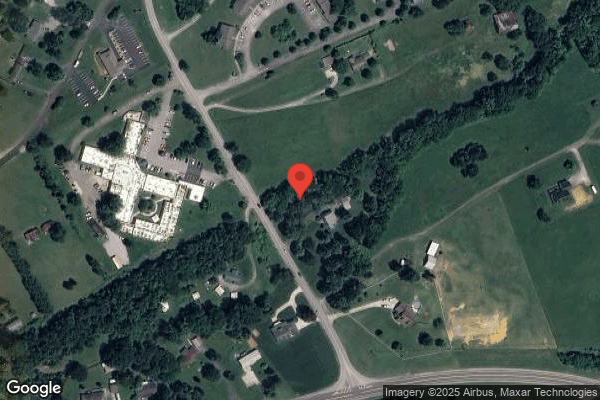

1520 GROVE ST BOX 190, LOUDON, TN 37774 (865) 458-5436
For profit - Limited Liability company 180 Beds SIMCHA HYMAN & NAFTALI ZANZIPER Data: November 2025
Trust Grade
45/100
#281 of 298 in TN
Last Inspection: May 2024

Within standard 12-15 month inspection cycle. Federal law requires annual inspections.

Overview

River Grove Health and Rehabilitation in Loudon, Tennessee has a Trust Grade of D, indicating below-average quality with some concerning issues. It ranks #281 out of 298 facilities in the state, placing it in the bottom half, but it is the only option in Loudon County. The facility is improving, having reduced its reported issues from seven in 2024 to two in 2025. Staffing is a weak point, with a poor 1/5 star rating and a turnover rate that is average at 49%. While the facility has not incurred any fines, recent inspections revealed concerns such as expired food items available for residents and a failure to maintain a clean, safe environment, suggesting ongoing areas for improvement despite the lack of serious violations.

Trust Score
D
45/100
In Tennessee
#281/298
Bottom 6%
Safety Record
Low Risk
No red flags
Inspections
Getting Better
7 → 2 violations
Staff Stability
⚠ Watch
49% turnover. Above average. Higher turnover means staff may not know residents' routines.
Penalties
✓ Good
No fines on record. Clean compliance history, better than most Tennessee facilities.
Skilled Nurses
⚠ Watch
Each resident gets only 22 minutes of Registered Nurse (RN) attention daily — below average for Tennessee. Fewer RN minutes means fewer trained eyes watching for problems.
Violations
⚠ Watch
17 deficiencies on record. Higher than average. Multiple issues found across inspections.
★☆☆☆☆
1.0
Overall Rating
★☆☆☆☆
1.0
Staff Levels
★★☆☆☆
2.0
Care Quality
★★☆☆☆
2.0
Inspection Score
Stable
2024: 7 issues
2025: 2 issues

The Good

  • Full Sprinkler Coverage · Fire safety systems throughout facility
  • No fines on record

Facility shows strength in fire safety.

The Bad

1-Star Overall Rating

Below Tennessee average (2.8)

Significant quality concerns identified by CMS

Staff Turnover: 49%

Near Tennessee avg (46%)

Higher turnover may affect care consistency

Chain: SIMCHA HYMAN & NAFTALI ZANZIPER

Part of a multi-facility chain

Ask about local staffing decisions and management

The Ugly 17 deficiencies on record

Aug 2025 2 deficiencies
CONCERN (D) 📢 Someone Reported This

A family member, employee, or ombudsman was alarmed enough to file a formal complaint

Potential for Harm - no one hurt, but risky conditions existed

Safe Environment (Tag F0584)

Could have caused harm · This affected 1 resident

**NOTE- TERMS IN BRACKETS HAVE BEEN EDITED TO PROTECT CONFIDENTIALITY** Based on facility policy review, observations, and interviews the facility failed to maintain a safe, clean, homelike environmen...

Read full inspector narrative →
**NOTE- TERMS IN BRACKETS HAVE BEEN EDITED TO PROTECT CONFIDENTIALITY** Based on facility policy review, observations, and interviews the facility failed to maintain a safe, clean, homelike environment for 1 resident (Residents #28) on 1 of 5 hallways observed. The findings include: Review of the facility's policy titled, Safe and Homelike Environment, revised 5/2025, revealed .In accordance with residents' rights, the facility will provide a safe, clean, comfortable and homelike environment . Environment refers to any environment in the facility that is frequented by residents, including (but not limited to) the residents' rooms . A homelike environment is one that de-emphasizes the institutional character of the building .allows the resident to use personal belongings that support a homelike environment .determination of homelike should include the resident's opinion of the living environment .Housekeeping and maintenance services will be provided as necessary to maintain and sanitary, orderly and comfortable environment . Medical record review revealed Resident #28 was admitted to the facility on [DATE] with diagnoses including Unspecified Focal Traumatic Brain Injury, Hemiplegia, Dysarthria (slurred slowed or distorted speech), Anarthira (inability to articulate speech despite cognitive abilities), Epilepsy, Mood Disorder with Depressive Features, and Anxiety. Review of a quarterly Minimum Data Set (MDS) assessment dated [DATE], revealed Resident #28 scored a 10 on the Brief Interview for Mental Status (BIMS) assessment which indicated the resident had moderate cognitive impairment. During an observation and interview in Resident #28's room on 7/28/2025 at 11:00 AM, revealed one missing tile pulled from the floor lying to the right side of the resident's bed and one loose tile under the resident's bed. Resident #28 shook his head no when asked if he recalled how long the floor tiles had been damaged. Resident #28 shook his head yes when asked if he like to have them repaired. During an observation in Resident #28's room on 7/29/2025 at 1:00 PM, revealed one missing tile pulled from the floor lying to the right side of the resident's bed and one loose tile under the resident's bed. During an observation and interview in Resident #28's room on 7/29/2025 at 3:00 PM, with the Administrator and Maintenance Director revealed one missing tile pulled from the floor lying to the right side of the resident's bed and one loose tile under the resident's bed. The Administrator and Maintenance Director confirmed Resident #28's room was not maintained in a safe, clean, homelike environment.
CONCERN (D) 📢 Someone Reported This

A family member, employee, or ombudsman was alarmed enough to file a formal complaint

Potential for Harm - no one hurt, but risky conditions existed

Deficiency F0657 (Tag F0657)

Could have caused harm · This affected 1 resident

**NOTE- TERMS IN BRACKETS HAVE BEEN EDITED TO PROTECT CONFIDENTIALITY** Based on review of the facility policy, review of the medical record, observations, and interviews, the facility failed to revis...

Read full inspector narrative →
**NOTE- TERMS IN BRACKETS HAVE BEEN EDITED TO PROTECT CONFIDENTIALITY** Based on review of the facility policy, review of the medical record, observations, and interviews, the facility failed to revise the comprehensive care plan for 3 residents (Resident #21, #72, and #83) of 25 residents reviewed for care plans. Review of the facility’s policy titled, “Comprehensive Care Plans,” dated 3/3/2025, revealed “ .It is the policy of this facility to develop and implement a comprehensive person-centered care plan for each resident, to meet a resident’s medical, physical, mental, and psychosocial needs .The comprehensive care plan will describe .The services that are to be furnished .Resident specific interventions that reflect the resident’s needs and preferences .The comprehensive care plan will be reviewed and revised by the interdisciplinary team after each comprehensive and quarterly MDS assessment .” Review of the medical record revealed Resident #21 was admitted to the facility on [DATE] and readmitted on [DATE] with diagnoses including Metabolic Encephalopathy, Chronic Obstructive Pulmonary Disease (COPD), Diabetes Mellitus, and Depression. Review of the admission Minimum Data Set (MDS) assessment dated [DATE], revealed Resident #21 required supervision or touching assistance for personal hygiene. Review of the quarterly MDS assessment dated [DATE], revealed Resident #21 was dependent on staff for personal hygiene. Review of the care plan for Resident #21 dated 6/13/2025, revealed “ .ADLs [Activities of Daily Living] Functional Status/Rehabilitation Potential .has an ADL self-care performance deficit r/t [related to] generalized weakness, oxygen dependence, and COPD .PERSONAL HYGIENE/ORAL CARE .requires supervision/touching assistance .for personal hygiene .” During a telephone interview on 7/30/2025 at 10:38 AM, the remote MDS Coordinator stated Resident #21’s quarterly MDS assessment dated [DATE] stated the resident was dependent on staff for personal hygiene. Resident #21’s current comprehensive care plan stated Resident #21 required supervision and touch assistance for personal hygiene. The remote MDS Coordinator stated “ .care plans are a work in progress right now .” The remote MDS Coordinator confirmed Resident #21’s care plan had not been revised to reflect that the resident was dependent on staff for personal hygiene. During a telephone interview on 7/31/2025 at 6:33 PM, the Regional Director of Clinical Reimbursement stated MDS staff were responsible to update the care plan after the MDS assessment. Review of the medical record revealed Resident #72 was admitted to the facility on [DATE] with diagnoses including Pneumonia, Cerebral Infarction, Type 2 Diabetes Mellitus, Severe Morbid Obesity, Dementia, Chronic Pain Syndrome, Dysphagia (difficulty or discomfort) in swallowing, Unspecified Psychosis, and Adjustment Disorder with Anxiety. Review of the care plan for Resident #72 dated 1/29/2025, revealed “ .[Resident #72] is a risk for alterations of nutritional status R/T [related to] DM [Diabetes Mellitus], mechanically altered diet, therapeutic diet .” Continued review revealed the care plan had not been revised after Resident #72's significant weight loss was identified. Review of the quarterly MDS assessment dated [DATE], revealed Resident #72 scored an 8 on the Brief Interview for Mental Status (BIMS) assessment which indicated the resident had moderate cognitive impairment. Further review revealed Resident #72 required set up/clean up assistance with eating. Resident #72 had a weight loss of 5% in the last month or loss of 10% or more in last 6 months and was not on a physician prescribed weight loss regimen. During an interview on 7/31/2025 at 6:33 PM, the Director of Nursing (DON) confirmed Resident #72 had significant weight loss and confirmed the resident’s care plan had not been revised to reflect the resident’s actual weight loss. During a telephone interview on 7/31/2025 at 6:33 PM, the Regional Director of Clinical Reimbursement stated the quarterly MDS assessment dated [DATE] revealed the resident had a weight loss of 5% or more in the last month or a loss of 10% or more in the last 6 months and was not on physician prescribed weight loss regimen. The MDS Coordinator was responsible for updating the care plan after an MDS assessment. The Regional Director of Clinical Reimbursement confirmed the care plan had not been revised to reflect Resident #72’s weight loss. Review of the medical record revealed Resident #83 was admitted to the facility on [DATE] with diagnoses including Diabetes, Hemiplegia and Hemiparesis affecting the Right Side, and Acquired Absence of Toe(s). Review of a quarterly MDS assessment dated [DATE], revealed Resident #83 scored a 13 on the BIMS assessment which indicated the resident was cognitively intact. Further review revealed the resident was dependent upon staff assistance for personal hygiene and mobility. Review of a Physician’s Order for Resident #83 dated 7/1/2025, revealed “ .Off-loading [pressure reducing] boots to be worn while in bed .” Review of the comprehensive care plan for Resident #83 revised 7/2/2025, revealed “ .at risk for skin breakdown R/T [related to] immobility, impaired physical limitations .eliminate risk factors to extent possible .ADL [activities of daily living] self-care performance deficit .requires total assistance from staff member .” Further review revealed Resident #83’s order and use of the offloading-pressure reducing boots was not revised on the care plan. During an observation on 7/28/2025 at 1:00 PM, in Resident #83’s room, revealed Resident #83 was lying in bed with the bilateral offloading boots present to both heels. During an observation on 7/29/2025 at 3:55 PM, in in Resident #83’s room, revealed Resident #83 was lying in bed with the bilateral offloading boots present to both heels. During an interview on 7/30/2025 at 9:30 AM, Certified Nursing Assistant A stated Resident #83 required the use bilateral off-loading boots while in bed. During an interview on 7/30/2025 at 9:35 AM, the Wound Care Nurse stated Resident #83 wore the bilateral off-loading boots while in bed to offload pressure to the bilateral heels. During an interview on 7/30/2025 at 10:00 AM, Resident #83 stated he wore the offloading pressure boots to both of his heels and stated he “ .wears them all the time .” During an interview on 7/30/2025 at 11:00 AM, the MDS Nurse stated the care plan should be revised and updated when new care interventions are ordered for each resident. The MDS Nurse confirmed the facility failed to revise and update Resident # 83’s comprehensive care plan to reflect the required use of the off-loading boots to bilateral heels. During an interview on 7/30/2025 at 11:04 AM, the Assistant Director of Nursing (ADON) confirmed the facility failed to revise and update Resident # 83’s comprehensive care plan to reflect the resident’s required use of the off-loading boots to the bilateral heels.
May 2024 7 deficiencies
CONCERN (D)

Potential for Harm - no one hurt, but risky conditions existed

Resident Rights (Tag F0550)

Could have caused harm · This affected 1 resident

**NOTE- TERMS IN BRACKETS HAVE BEEN EDITED TO PROTECT CONFIDENTIALITY** Based on facility policy review, medical record review, observation, and interview, the facility failed to maintain resident's d...

Read full inspector narrative →
**NOTE- TERMS IN BRACKETS HAVE BEEN EDITED TO PROTECT CONFIDENTIALITY** Based on facility policy review, medical record review, observation, and interview, the facility failed to maintain resident's dignity during meal assistance for 1 resident (Resident #5) of 4 residents observed for meals. The findings include: Review of the facility policy titled, Resident Rights, dated 3/22/2022, revealed, .The resident has a right to be treated with respect and dignity . Medical record review revealed Resident #5 was admitted to the facility on [DATE] and readmitted on [DATE] with diagnoses including Traumatic Brain Injury, Hemiplegia Affecting Right Dominant Side, Cognitive Communication Deficit, Muscle Wasting and Atrophy, and Altered Mental Status. Medical record review of a comprehensive care plan dated 5/17/2023, revealed Resident #5 had .ADL [Activities of Daily Living] self-care performance deficit r/t [related to] Hemiplegia, TBI [Traumatic Brain Injury], contractures, impaired mobility, cognitive deficit .EATING: The resident requires extensive assist from staff to eat . Medical record review of the physician's orders for Resident #5 dated 3/7/2024, revealed, .Dietary .Regular, Nectar [a liquid that is slightly thicker than water], Puree [modified food that has been ground to a pudding like consistency] . Medical record review of the physician's orders for Resident #5 dated 3/19/2024, revealed, .Assist with meals/meal supervision . Review of a significant change Minimum Data Set (MDS) assessment dated [DATE], revealed Resident #5 had severe cognitive impairment, impaired range of motion to the bilateral upper and lower extremities, and was dependent on staff for eating. During an observation in Resident #5's room on 4/30/2024 at 7:55 AM, Resident #5 was being fed the breakfast meal by Certified Nursing Assistant (CNA) B. CNA B stood over the resident, beside the bed, to feed Resident #5 the breakfast meal. CNA B removed the bedside table from the resident's reach and exited the room to obtain additional silverware. During an interview outside Resident #5's room on 4/30/2024 at 7:58 AM, CNA B stated staff that fed residents were to be seated in a chair beside the resident's bed to maintain positioning at the resident's eye level. CNA B confirmed she was not seated at the resident's eye leveal and further stated she should have been seated in a chair next to Resident #5's bed while feeding the resident. CNA B returned to Resident #5's room after the interview to continue assisting Resident #5 with the breakfast meal. During a second observation in Resident #5's room on 4/30/2024 at 8:02 AM, CNA B fed the resident oatmeal. CNA B continued to stand over the resident, beside the bed, while feeding the resident. During an interview on 4/30/2024 at 10:00 AM, the Director of Nursing confirmed it was her expectation that staff were seated and at eye level with the resident during feeding to maintain the resident's dignity.
CONCERN (D)

Potential for Harm - no one hurt, but risky conditions existed

Assessment Accuracy (Tag F0641)

Could have caused harm · This affected 1 resident

**NOTE- TERMS IN BRACKETS HAVE BEEN EDITED TO PROTECT CONFIDENTIALITY** Based on facility policy review, review of Centers for Medicare and Medicaid Services (CMS) Resident Assessment Instrument (RAI)...

Read full inspector narrative →
**NOTE- TERMS IN BRACKETS HAVE BEEN EDITED TO PROTECT CONFIDENTIALITY** Based on facility policy review, review of Centers for Medicare and Medicaid Services (CMS) Resident Assessment Instrument (RAI) Version 3.0 Manual, medical record review, and interviews, the facility failed to accurately complete a [NAME] Data Set (MDS) assessment for 3 residents (Resident #16, #8, and #20) of 27 residents reviewed. The findings include: Review of the facility policy titled, RAI Assessment - MDS 3.0 Completion, dated 3/23/2022, revealed, .Residents are assessed, using a comprehensive assessment process, in order to identify care needs .According to federal regulations, the facility conducts .a comprehensive, accurate and standardized assessment of each resident's functional capacity, using the RAI specified by the State . Review of the Centers for Medicare & Medicaid Services Long-Term Care Facility RAI 3.0 User's Manual dated 10/2023, revealed, .Code .renal dialysis which occurs at the nursing home or at another facility .Code residents identified as being in a hospice program for terminally ill persons where .services is provided for .terminal illnesses . Medical record review revealed Resident #16 was admitted to the facility on [DATE] with diagnoses including Dementia, Muscle Weakness, Chronic Kidney Disease, Myocardial Infarction, Congestive Heart Failure, and Cerebrovascular Accident. Review of a quarterly MDS assessment dated [DATE], revealed Resident #16 scored an 11 on the Brief Interview for Mental Status (BIMS) assessment which indicated the resident had moderate cognitive impairment and the resident did not receive hospice services. Medical record review of a Physician's Order for Resident #16 dated 12/19/2023, revealed .Hospice . Review of a hospice note for Resident #16 dated 4/24/2024, revealed .[named hospice company] .Plan of Care .Diagnosis .CVA [stroke] . During an interview on 5/1/2024 at 5:15 PM, MDS Coordinator A stated Resident #16 received hospice services and confirmed the MDS assessment dated [DATE] was inaccurate. Medical record review revealed Resident #8 was admitted to the facility on [DATE] with diagnoses including Diabetes, End Stage Renal Disease, and Dependence on Renal Dialysis. Review of a quarterly MDS assessment dated [DATE], revealed Resident #8 scored a 10 on the BIMS assessment which indicated the resident had moderative cognitive impairment. Continued review revealed Dialysis was documented on Resident #8's MDS assessment. Medical record review of a comprehensive care plan dated 3/6/2024, revealed Resident #8 .has renal failure Stage 5 chronic kidney disease and requires Dialysis 3 times a week . During an interview on 4/29/2024 at 11:30 AM, Resident #8 stated he received dialysis three times weekly. During an interview on 5/1/2024 at 4:10 PM, MDS Coordinator A confirmed Resident #8 received dialysis and the quarterly MDS assessment dated [DATE] was inaccurate. Medical record review revealed Resident #20 was admitted to the facility on [DATE] with diagnoses including Diabetes, Asthma, Morbid Obesity, Sleep Apnea, Atrial Fibrillation, and Chronic Kidney Disease. Medical record review of a Physician's Order for Resident #20 dated 11/30/2022, revealed .Hospice . Continued review revealed the hospice order was discontinued on 7/13/2023 .Reason .Condition resolved . Review of a quarterly MDS assessment dated [DATE], revealed Resident #20 scored a 15 on the BIMS assessment which indicated the resident was cognitively intact and received hospice care. During an interview on 5/1/2024 at 10:10 AM, Resident #20 stated she was receiving hospice, but it was discontinued .6 months to a year ago .because they said I wasn't dying . During an interview on 5/1/2024 at 10:13 AM, the Director of Nursing (DON) confirmed Resident #20's hospice services was discontinued on 7/13/2023 and the quarterly MDS dated [DATE] was inaccurate. During an interview on 5/1/2024 at 10:18 AM, MDS Coordinator A confirmed Resident #20 no longer received hospice services and the quarterly MDS assessment dated [DATE] was inaccurate.
CONCERN (D)

Potential for Harm - no one hurt, but risky conditions existed

Comprehensive Care Plan (Tag F0656)

Could have caused harm · This affected 1 resident

**NOTE- TERMS IN BRACKETS HAVE BEEN EDITED TO PROTECT CONFIDENTIALITY** Based on facility policy review, medical record review and interviews, the facility failed to develop a comprehenisve care plan ...

Read full inspector narrative →
**NOTE- TERMS IN BRACKETS HAVE BEEN EDITED TO PROTECT CONFIDENTIALITY** Based on facility policy review, medical record review and interviews, the facility failed to develop a comprehenisve care plan to address hospice services for 1 resident (Resident # 16) and failed to involve the resident and/or resident representative in the care planning process for 1 resident (Resident #72) of 27 residents reviewed for care plans. The findings include: Review of the facility policy titled, Comprehensive Care Plans, revised 2/2024, revealed .The comprehensive care plan will be prepared by an interdisciplinary team, that includes, but is not limited to .Family members .others desired by the resident .The comprehensive care plan will be .revised by the interdisciplinary team . Medical record review revealed Resident #16 was admitted to the facility on [DATE] with diagnoses including Dementia, Muscle Weakness, Chronic Kidney Disease, Myocardial Infarction, Congestive Heart Failure, and Cerebrovascular Accident. Medical record review of a Physician's Order for Resident #16 dated 12/19/2023, revealed .Hospice . Medical record review of the comprehensive care plan for Resident #16 revealed a care plan had not been developed to reflect hospice services. During an interview on 5/1/2024 at 5:15 PM, Minimum Data Set (MDS) Coordinator A stated Resident #16 received hospice services and confirmed a comprehensive care plan had not been developed to reflect hospice services. Medical record review revealed Resident #72 was admitted to the facility on [DATE] with diagnoses including Diabetes and Vascular Dementia. Review of an admission MDS assessment dated [DATE], revealed Resident #72 scored a 1 on the Brief Interview for Mental Status (BIMS) assessment which indicated the resident had severe cognitive impairment. During an interview on 4/30/2024 at 10:27 AM, Resident #72's resident representative stated they had not been invited or participated in an initial care plan conference. During an interview on 5/1/2024 at 1:00 PM, the Social Service Assistant and Regional Licensed Social Worker (RLSW) stated residents and resident representatives were invited to the care planning conference. The RLSW stated the facility did not have any documentation to verify Resident #72 or the resident's representative had been invited or attended the initial care conference.
CONCERN (D) 📢 Someone Reported This

A family member, employee, or ombudsman was alarmed enough to file a formal complaint

Potential for Harm - no one hurt, but risky conditions existed

Tube Feeding (Tag F0693)

Could have caused harm · This affected 1 resident

**NOTE- TERMS IN BRACKETS HAVE BEEN EDITED TO PROTECT CONFIDENTIALITY** Based on facility policy review, medical record review, observations, and interviews, the facility failed to follow a physician'...

Read full inspector narrative →
**NOTE- TERMS IN BRACKETS HAVE BEEN EDITED TO PROTECT CONFIDENTIALITY** Based on facility policy review, medical record review, observations, and interviews, the facility failed to follow a physician's order for 1 resident (Resident #59) related to tube feeding and water flush rates of 3 residents reviewed for tube feeding. The findings include: Review of the facility policy titled, Care and Treatment of Feeding Tube, dated 5/31/2023, revealed .it is the policy of this facility to utilize feeding tubes in accordance with current clinical standards of practice .to prevent complications .feeding tubes will be utilized according to physician orders .periodic evaluation of the amount of feeding being administered for consistency with practitioner's orders . Medical record review revealed Resident #59 was admitted to the facility on [DATE] with diagnoses including Cerebral Palsy, Epilepsy, and Autistic Disorder. Medical record review of the Physician's Order for Resident #59 dated 5/3/2023, revealed .Enteral Feeding [medical device/tube used to provide nutrition to people who cannot obtain nutrition by mouth] .Administer .Jevity 1.2 .at Rate 45ml [milliliters]/hr [hour] for 22hrs [hours]/day . Medical record review of a comprehensive care plan dated 5/30/2023, revealed Resident #59 .has . peg tube [percutaneous endoscopic gastrostomy- a tube surgically placed in the abdomen for feeding] . Medical record review of the Physician's Order for Resident #59 dated 7/20/2023, revealed .Hydration .Provide 25/ml/hour via [by] PEG tube . Medical record review of the Registered Dietician's note for Resident #59 dated 4/17/2024, revealed .currently receiving Jevity 1.2 @ [at] 45 ml/hour x 22 hours per day with a 25 ml water flush every hour . During an observation on 4/30/2024 at 9:40 AM, Resident #59 was observed lying in the bed with Jevity 1.2 infusing at 60ml/hr and a water flush was infusing at 45ml/hr via peg tube. During an observation and interview on 5/1/2024 at 8:22 AM, in Resident #59's room, Registered Nurse (RN) A confirmed Jevity 1.2 was infusing at 60ml/hr with water flush infusing at 45ml/hr. RN A confirmed the physician's order was for Jevity 1.2 at 45 ml/hr with a water flush at 25 ml/hr. RN A stated she worked on 4/28/2024 and the tube feeding was infusing at the correct rate of 45 ml/hr with a water flush at 25 ml/hr. During an interview on 5/1/2024 at 10:18 AM, Nurse Pracitioner A stated Resident #59's Jevity 1.2 infusing at a rate of 60ml/hr and a water flush infusing at a rate of 45 ml/hr for a short time did not cause the resident any complications. During an interview on 5/1/2024 at 5:15 PM, the Director of Nursing confirmed the facility failed to follow Physician Orders related to tube feeding and water flush rates for Resident #59.
CONCERN (D)

Potential for Harm - no one hurt, but risky conditions existed

Respiratory Care (Tag F0695)

Could have caused harm · This affected 1 resident

**NOTE- TERMS IN BRACKETS HAVE BEEN EDITED TO PROTECT CONFIDENTIALITY** Based on facility policy review, medical record review, observations, and interviews the facility failed to ensure an oxygen tan...

Read full inspector narrative →
**NOTE- TERMS IN BRACKETS HAVE BEEN EDITED TO PROTECT CONFIDENTIALITY** Based on facility policy review, medical record review, observations, and interviews the facility failed to ensure an oxygen tank was stored in a secure location for 1 resident (Resident #38) and failed to obtain an order for oxygen administration for 1 resident (Resident #386) of 3 residents reviewed for oxygen storage and oxygen administration. The findings include: Review of the facility's undated policy titled, Oxygen Safety, revealed, .Handling Oxygen Cylinders . Protect cylinders from damage by not storing .where objects may strike them or fall . Review of the facility policy titled, Oxygen Administration, dated 3/24/2024 revealed, .oxygen is administered under orders of a physician . Medical record review revealed Resident #38 was admitted to the facility on [DATE] with diagnoses including Chronic Obstructive Pulmonary Disease and Atherosclerotic Heart Disease. Medical record review of the Physician's Orders for Resident #38 dated 3/25/2024, revealed, .Oxygen 2 L [liters]/ [per] min [minute] via [by] NC [nasal cannula]. May remove for personal hygiene, ADLs [activities of daily living], and/or transport . Review of an admission Minimum Data Set (MDS) assessment dated [DATE], revealed Resident #38 received oxygen therapy at the facility. During an observation on 4/29/2024 at 12:32 PM, in Resident #38's room, revealed Resident #38 was lying in bed resting. Resident #38 received 2 liters oxygen (O2) via nasal cannula that was delivered from an oxygen concentrator. There was a 2000 pound per square inch (psi) O2 tank that was approximately ¾ full leaning against the wall of the resident's room unsecured and not in use. During an observation on 4/30/2024 at 7:59 AM, in Resident #38's room, revealed Resident #38 was lying in bed resting. Resident #38 received 2 liters O2 via nasal cannula that was delivered from an oxygen concentrator. There was a 2000 pound per square inch (psi) O2 tank that was approximately ¾ full leaning against the wall of the resident's room unsecured and was not in use. During an observation on 4/30/2024 at 11:00 AM, in Resident #38's room, revealed Resident #38 was lying in bed resting. Resident #38 received 2 liters O2 via nasal cannula that was delivered from an oxygen concentrator. There was a 2000 pound per square inch (psi) O2 tank that was approximately ¾ full leaning against the wall of the resident's room unsecured and was not in use. During an interview on 5/1/2024 at 5:15 PM, the Director of Nursing (DON) stated her expectation was for oxygen tanks to be stored in a secured location and not in a resident's room without a secured canister. Medical record review revealed Resident #386 was admitted to the facility on [DATE] with diagnoses including Pneumonia, Major Depressive Disorder, and Chronic Kidney Disease. Medical record review of a comprehensive care plan dated 4/24/2024, revealed Resident #386 had .Respiratory/Pulmonary .has altered respiratory status/difficulty breathing related to utilizes O2, acute respiratory failure .Administer oxygen as ordered . Medical record review of a current Physician's Order dated 4/2024, revealed Resident #386 did not have an order for use (or administration) of Oxygen. During an observation and interview on 4/29/2024 at 11:00 AM, in the resident's room, Resident #386 was lying in bed with eyes closed and oxygen was infusing at 2 liters per minute (LPM). Resident #386 stated she had been using oxygen since admission to facility. During an observation on 4/30/2024 at 7:20 AM, Resident #386 was lying in bed with oxygen infusing at 2 LPM via nasal cannula. During an observation on 5/1/2024 at 8:15 AM, Resident #386 was lying in bed with oxygen infusing at 2 LPM via nasal cannula. During an observation and interview on 5/1/2024 at 10:40 AM, in Resident #386's room, the Assistant Director of Nursing (ADON) confirmed Resident #386 had oxygen infusing at 2 LPM via nasal cannula. The ADON confirmed Resident #386 did not have a physician's order for oxygen administration and it was her expectation anyone receiving oxygen had a physican's order.
CONCERN (D)

Potential for Harm - no one hurt, but risky conditions existed

Deficiency F0761 (Tag F0761)

Could have caused harm · This affected 1 resident

Based on facility policy review, observation, and interview, the facility failed to ensure expired medications were not available for resident use in 1of 4 medication carts observed. The findings incl...

Read full inspector narrative →
Based on facility policy review, observation, and interview, the facility failed to ensure expired medications were not available for resident use in 1of 4 medication carts observed. The findings include: Review of the facility's policy titled, Destruction of Unused Drugs, revised 4/24/2024, revealed .all .expired drugs shall be disposed of . During an observation and interview of the unit 2 hall medication cart on 4/30/2024 at 8:40 AM, with Licensed Practical Nurse (LPN) A, revealed 1 box of Ferrous Gluconate (medication used to treat iron deficiency anemia) 324 mg (milligram) which contained 87 tablets with an expiration date of 1/2024. LPN A confirmed the medication was expired and was available for resident use. During an interview on 5/1/2024 at 5:15 PM, the Director of Nursing (DON) confirmed expired medications were to be removed from the medication cart and discarded.
CONCERN (F)

Potential for Harm - no one hurt, but risky conditions existed

Food Safety (Tag F0812)

Could have caused harm · This affected most or all residents

Based on facility policy review, observations, and interview the facility failed to ensure food items were sealed properly, failed to keep cleaning products away from open food containers, failed to e...

Read full inspector narrative →
Based on facility policy review, observations, and interview the facility failed to ensure food items were sealed properly, failed to keep cleaning products away from open food containers, failed to ensure cooking equipment was maintained in a sanitary condition, and failed to ensure expired food items were not available for resident use which had the potential to effect 87 of 91 residents. The findings include: Review of the facility policy titled, Food Safety and Foodborne Illness Prevention, dated 8/30/2022, revealed .Facility staff shall inspect all food, food products, and beverages .and ensure timely and proper storage .Dry food storage .in a clean, dry area, off the floor and clear of ceiling sprinkler, sewer/waste disposal pipes and vents .Refrigerated storage .Labeling, dating, and monitoring refrigerated foods, including, but not limited to leftovers, so it is used by its use-by-date, or frozen (where applicable)/discarded .Keeping foods covered or in tight containers . During an observation of the kitchen on 4/29/2024 at 10:35 AM, with the Certified Dietary Manager (CDM) revealed the following food items were not sealed and left open to air: One 28-ounce (oz) bottle of lemon pepper seasoning One 18-oz bottle of paprika One 5-oz bottle of basil leaves One 20-oz bottle of chili powder One 16-oz bottle of celery seed One 20-oz bottle of 17-Seasoning. During an observation on 4/29/2024 at 10:40 AM, with the CDM, revealed on the shelf where the spice containers were stored was an unmarked and unlabeled red bucket which contained a cloth and a semi-clear liquid. The CDM stated the bucket contained sanitizing cleaner solution used for cleaning, and it was supposed to be on the second shelf not the top shelf near the spice containers. During an observation of the clean dish storage area on 4/29/2024 at 10:55 AM, with the CDM, revealed the following: 4 of 4 muffin pans had a copper/brown colored substance on the front and back of each pan. 28 of 28 baking sheet pans had a caked on black substance around the outside edges and brown substance on the front and back of the pans. During an observation of the E-F hall refrigerator on 4/29/2024 at 11:15 AM, with the CDM, revealed 3 sandwiches were stored in the refrigerator with a use by date of 4/28/2024 and available for resident consumption. During an interview on 4/29/2024 at 11:25 AM, the CDM confirmed spice containers were to be fully sealed after each use, the sanitizing cleaner should not have been placed near the spice containers, and the cooking equipment was not maintained in a sanitary condition. The CDM confirmed the sandwiches stored in the E-F hall refigerator were past the use by date of 4/28/2024 and were available for resident consumption. During an interview 5/1/2024 4:00 PM the Administrator stated the expectation was for the kitchen to be maintained in a sanitary condition, food items be sealed properly, and food items be discarded if expired.
Sept 2023 2 deficiencies
CONCERN (D) 📢 Someone Reported This

A family member, employee, or ombudsman was alarmed enough to file a formal complaint

Potential for Harm - no one hurt, but risky conditions existed

Assessment Accuracy (Tag F0641)

Could have caused harm · This affected 1 resident

**NOTE- TERMS IN BRACKETS HAVE BEEN EDITED TO PROTECT CONFIDENTIALITY** Based on review of facility policies, medical record review and interview, the facility failed to document pre-existing pressure...

Read full inspector narrative →
**NOTE- TERMS IN BRACKETS HAVE BEEN EDITED TO PROTECT CONFIDENTIALITY** Based on review of facility policies, medical record review and interview, the facility failed to document pre-existing pressure ulcers on the Resident Assessment Instrument (RAI) and Weekly Skin Assessments for 1 resident (Resident #1) of 3 residents reviewed for pressure ulcers. The facility's failure resulted in inaccurate documentation of pressure ulcer status in the medical record/Minimum Data Set (MDS) for Resident #1. The findings included: Review of the facility Policy Wound Care Pressure Injuries Overview, revised 3/24/2022, showed .Staging pressure injuries for purposes of the MDS Assessments will reference current definitions in the Resident Assessment Instrument User's Manual . Review of the facility policy Pressure Injury Prevention and Management, revised 8/30/2022, showed .the facility shall establish and utilize a systematic approach for pressure injury prevention and management .including prompt assessment and treatment .Licensed Nurses will conduct pressure injury risk assessment .upon admission/readmission .or whenever the resident's condition changes .findings will be documented in the medical record .staging of pressure injuries will be clearly identified to ensure correct coding on the MDS . Resident #1 was admitted to the nursing home under Medicare Hospice Services for 10 days of Respite Care on 5/31/23, with diagnoses including End Stage Hypertensive Heart Disease, Chronic Kidney Disease, Ischemic Heart Disease, Congestive Heart Failure, Encounter for Palliative Care, Squamous Cell Carcinoma of Multiple Skin Sites and Polycythemia Vera (a rare blood disorder which causes increased levels of all blood cell types which causes the blood to thicken, often associated with widespread tissue and organ damage, heart attacks, strokes, and is frequently related to pre-existing chronic renal disease states or some cancerous tumors). Review of the Discharge MDS, dated [DATE], showed Resident #1 had moderate cognitive impairment, with a brief interview of mental status (BIMS) score of 9 out of 15, was incontinent of urine and stool, had limited mobility and required assistance of one or two persons for activities of daily living (ADLs). Review of the Initial Nursing Evaluation, dated 5/31/2023, showed Resident #1 was admitted to the facility with a pre-existing pressure ulcer, stage 2 of the sacrum and vascular ulcers of the right foot. Review of the Initial Weekly Skin Assessment, dated 6/1/2023, showed the facility's wound nurse, Licensed Practical Nurse (LPN) #1 documented vascular ulcers on Resident #1's right foot and the care provided for them, but did not document the presence of the sacral pressure ulcer or the care ordered to treat the ulcer. Review of Resident #1's Care Plan, dated 6/1/2023, showed the resident was considered at risk for skin breakdown, noted a sacral pressure ulcer present on admission, and multiple interventions were developed to prevent or treat pressure ulcers. Review of the Treatment Administration Records and Corresponding Physician Orders, dated 6/1/23 to 6/11/2023, showed Resident #1 had treatments ordered for the stage 2 pressure ulcer of the sacrum. Review of the Discharge Minimum Data Set, dated [DATE] (look back period 6/4/23 to 6/11/2023) showed section M (Skin Conditions) Questions M100 and M210 marked as 0 (no pressure ulcers). Review of hospital records, dated 6/11/2023, showed Resident #1 presented to a local hospital emergency room, approximately 2 hours after discharge from the nursing home, for evaluation of deconditioning, difficulty speaking and weakness. Review of the emergency room Physician Assessment showed Resident #1 with a superficial, noninfected, stage 2 pressure ulcer of the sacrum. During interview with the Director of Nursing (DON) on 9/28/2023 at 1:08 PM, in the conference room, the DON confirmed the facility had failed to properly document Resident #1's sacral ulcer on the Initial Skin Assessment performed 6/1/2023 and as a result the discharge MDS failed to capture and document Resident #1's sacral pressure ulcer in violation of facility policies.
CONCERN (D) 📢 Someone Reported This

A family member, employee, or ombudsman was alarmed enough to file a formal complaint

Potential for Harm - no one hurt, but risky conditions existed

Pressure Ulcer Prevention (Tag F0686)

Could have caused harm · This affected 1 resident

**NOTE- TERMS IN BRACKETS HAVE BEEN EDITED TO PROTECT CONFIDENTIALITY** Based on review of facility policy, medical record review and interview, the facility failed to provide pressure ulcer care in a...

Read full inspector narrative →
**NOTE- TERMS IN BRACKETS HAVE BEEN EDITED TO PROTECT CONFIDENTIALITY** Based on review of facility policy, medical record review and interview, the facility failed to provide pressure ulcer care in accordance with the care plan for 1 resident (Resident #1) of 3 residents reviewed for pressure ulcers. The facility failure resulted in missed treatments of a stage 2 sacral pressure ulcer for 5 days, 6/2/2023-6/7/2023. The findings included: Review of the facility policy Pressure Injury Prevention and Management, revised 8/30/2022, showed .the facility shall establish and utilize a systematic approach for pressure injury prevention and management .including prompt assessment and treatment .Licensed Nurses will conduct pressure injury risk assessment .upon admission/readmission .or whenever the resident's condition changes .findings will be documented in the medical record .staging of pressure injuries will be clearly identified . Resident #1 was admitted to the nursing home under Medicare Hospice Services for 10 days of respite care on 5/31/23 with diagnoses including End Stage Hypertensive Heart, Chronic Kidney Disease, Ischemic Heart Disease, Congestive Heart Failure, Encounter for Palliative Care, Squamous Cell Carcinoma of Multiple Skin Sites, and Polycythemia Vera (a rare blood disorder which causes increased levels of all blood cell types which causes the blood to thicken, often associated with widespread tissue and organ damage, heart attacks, strokes, and is frequently related to pre-existing chronic renal disease states or some cancerous tumors). Review of the Discharge MDS, dated [DATE], showed Resident #1 had moderately cognitive impairment with a brief interview of mental status (BIMS) score of 9 out of 15, was incontinent of urine and stool, had limited mobility, and required assistance of one or two persons for activities of daily living (ADLs) Review of the Initial Nursing Evaluation, dated 5/31/2023, showed Resident #1 was admitted to the facility with a pre-existing pressure ulcer stage 2 of the sacrum and vascular ulcers to the right foot. Review of the Initial Weekly Skin Assessment, dated 6/1/2023, showed the facility wound nurse Licensed Practical Nurse (LPN) #1 documented the presence of vascular ulcers on Resident #1's right foot and the care provided them, but did not document the presence of the sacral pressure ulcer or care provided to treat the sacral ulcer. Review of the Care Plan, dated 6/1/2023, showed Resident #1 was considered at risk for skin breakdown, was noted to have a sacral pressure ulcer present on admission, with orders to apply moisture barrier cream (A zinc-based cream or ointment used to reduce tissue maceration and skin breakdown) to the perineum, boney prominences and areas of skin breakdown with incontinence care and as needed (PRN). Review of the Physician Orders Summary showed no orders for the use of barrier creams or ointments were documented or transcribed to the corresponding Treatment Administration Records (TAR) or medication administration records (MAR) despite inclusion of the intervention on the care plan. Review of corresponding ADLs documentation and narrative nursing notes made no references to use of barrier ointments to treat Resident #1's sacral pressure ulcer or it's status. Review of Physician Verbal Orders and the corresponding entry on the TAR, dated 6/1/2023, showed wound care orders for Resident #1's sacral pressure ulcer as follows: .wound on coccyx (includes sacral area) .clean wound with N/S (normal saline) pat dry, apply Hydrofera Blue (a silicone impregnated antimicrobial dressing) cover with .dressing .change PRN (as needed) . Continued review showed the TAR entry dated 6/1/2023, was left empty. Continued review of the narrative nursing notes and TAR entries, dated between 6/2/2023 and 6/7/2023, showed no references or evidence to Resident #1's sacral ulcer nor treatments administered. The TAR was updated on 6/8/2023 with corresponding Physician orders to increase the frequency of sacral ulcer dressing changes to three times weekly on Mondays, Wednesdays and Fridays. Continued review of the TAR showed a dressing change was performed on Friday 6/9/2023, in accordance with the new orders and care plan. During an interview with LPN #1, the facility wound care nurse, on 9/27/2023 at 2:45 PM, the LPN reported on 6/1/2023 she assessed Resident #1's sacral wound and wrote the corresponding orders on the TAR. LPN #1 acknowledged she did not document the treatment as completed on the TAR in accordance with facility policy and confirmed she had failed to document all pertinent clinical findings related to the sacral pressure ulcer on the Initial Skin Assessment or in narrative nursing notes as required by facility policy and could not offer any proof the care was provided, in accordance with the physician orders. During an interview with the Director of Nursing (DON) on 9/28/2023 at 1:08 PM, the DON confirmed the facility did not document care of Resident #1's sacral pressure ulcer, in accordance with physician orders and the care plan from 6/2/2023-6/7/2023. The DON confirmed the facility medical records showed no evidence the barrier cream care planned intervention, dated 5/31/2023, had been performed and confirmed there was no evidence in the medical record the use of barrier ointments for Resident #1 had been ordered by the Physician or Nurse Practitioner.
Apr 2023 1 deficiency
CONCERN (D) 📢 Someone Reported This

A family member, employee, or ombudsman was alarmed enough to file a formal complaint

Potential for Harm - no one hurt, but risky conditions existed

Free from Abuse/Neglect (Tag F0600)

Could have caused harm · This affected 1 resident

Based on medical record review, review of the facility investigation and interview, the facility failed to prevent resident to resident abuse for 2 secure unit residents, Residents #3 and Residents #4...

Read full inspector narrative →
Based on medical record review, review of the facility investigation and interview, the facility failed to prevent resident to resident abuse for 2 secure unit residents, Residents #3 and Residents #4, of 19 secure unit residents, on 1 of 4 distinct nursing units in the facility. The facility failure occurred when Resident #4, without provocation or forewarning, struck Resident #3 in the face, in day area of the secure unit on 2/13/2023. The facility is cited at F 600 for resident abuse as past non-compliance. No further correction action plan is required. The findings included: Medical record review showed Resident #3 was admitted to the facility's memory care unit on 12/28/2021 with diagnoses including Unspecified Dementia Without Behaviors, Type 2 Diabetes Mellitus, Terminal Renal Atrophy, Hypertension and History of Falls. Resident #3 was severely cognitively impaired, had no history of negative behaviors and was dependent upon one person for activities of daily living (ADLs). Medical record review showed Resident #4 was admitted to the facility memory care unit on 2/10/2023 with diagnoses including Schizophreniform Disorder, Severe Vascular Dementia with Behaviors, Major Depression, and Vitamin D Deficiency. Resident #4 was severely cognitively impaired, had impaired thought processes, no known history of physical aggression and was dependent upon one person for ADLs. Review of the facility investigation and witness statements dated 2/13/2023 showed around 6:48 PM Resident #3 was seated at a table in the common area of the secure unit. Resident #4 ambulated up to Resident #3 and without provocation began to strike out at her with clenched fists. Resident #3 was struck in the face once before staff in close proximity immediately separated the residents. Resident #3 sustained redness to her face but was otherwise unharmed. Witness statements showed Resident #4 struck at Resident #3, three to four times before being separated from Resident #3. Resident #4 was placed on 1 to 1 supervision until emergency medical services (EMS) personnel arrived to transport her to a local hospital for acute psychiatric evaluation where she was admitted to the geriatric psychiatry unit for continued aggressive behaviors. Interview with the Director of Nursing (DON) and Administrator on 4/19/2023 at 11:35 AM in the conference room, revealed the facility confirmed Resident #3 had been struck by Resident #4 in the altercation as reported. The DON confirmed Resident #4 was the aggressor and struck Resident #3 unprovoked. The DON confirmed the facility failed to prevent abuse of Resident #3. The facility implemented corrective actions in response to the incident and facility corrective actions were validated onsite by the surveyor on 4/20/2023 through review of facility documentation, staff and resident interviews, and medical record reviews. Facility corrective actions included: 1. The incident occurred at on 2/13/2023 at 6:48 PM. Resident #4, was immediately separated from Resident #3 and was kept on continuous 1 to 1 supervision by secure unit staff until EMS arrived to transport her to the local hospital for psychiatric evaluation. Resident #3 was examined by the secure unit nurse and no significant injuries detected. The responsible parties for both residents and the attending physician were notified of the incident. Resident #3 was kept on 1 to 1 supervision until Resident #4 was out of the facility. 2. The DON and Administrator were notified of the incident at 7:00 PM on 2/13/2023 and completed mandatory abuse reporting by 8:00 PM. The Responsible parties for both residents were notified by the unit manager as well as the Medical Director for both residents once the Administrator and DON notifications were made. 3. Initial staff interviews began on 2/13/2023 at 8:30 PM and were completed approximately 9:45 PM. Staff on duty at the time of the incident submitted witness statements. Surveyor reviewed the facility investigation and witness statements and confirmed completed as alleged. 4. Resident #4 was transported out of the facility to a local hospital by EMS at 8:40 PM. 5. On 2/13/2023 care plans for both residents were updated with new interventions to address the incident at 9:00 PM by the DON and unit manager. Staff were provided education related to the updates. 1 to 1 supervision for Resident #3 was discontinued. Alert charting/ monitoring of Resident #3 continued. Medical record review revealed the care plans were updated. Interviews conducted with staff on the secure unit confirmed communication of the care plans was conducted. 6. On 2/13/2023 the facility conducted abuse interviews and observations of all memory care unit residents to identify if there were potentially other residents affected with no negative findings. 7. On 2/14/2020 Social Services and the Nurse Practitioner evaluated Resident #3 with no adverse outcomes. The Nurse Practitioner also evaluated Resident #3 with no adverse outcomes noted. Social Services continued to visit and follow-up with Resident #3 with no changes in behavior noted. Resident #3 continued to be monitored until 3/3/2023. Medical record reviews and interviews confirmed the above actions were implemented by the facility. 8. The facility implemented education with all secure unit staff on the abuse policy and recognizing impending aggression with all staff on 2/14/2023. Review of facility documentation and interviews with staff confirmed education was conducted and staff interviews confirmed staff's knowledge and understanding of the education provided. 9. The facility Quality Assurance Team conducted an ad hoc review of the incident on 2/14/2023 and formulated a Performance Improvement Plan for Prevention of Altercations. Review of facility documentation confirmed the meeting was held and plan developed. 10. Additional staff interviews were performed by the DON and designee after written statements were reviewed and were completed by 1:30 PM on 2/14/2023. 11. On 2/23/2023 the incident and findings of facility monitoring were reviewed by the Quality Assurance Team and the monitoring was extended to 3/3/2023. Review of facility documentation confirmed monitoring implemented and conducted as alleged. 12. On 3/3/2023 the Quality Assurance team reviewed additional monitoring and education findings by the facility Interdisciplinary Team and scheduled the incident for final review in the next meeting. Monitoring of Resident #3 by Social Services was discontinued. No adverse outcomes were detected. 13. On 3/29/2023 the full Quality Assurance committee reviewed the incident, findings and outcomes. The incident was the first resident versus resident altercation at the facility since 2022. The committee determined no further actions were required and routine Quality Assurance Monitoring of resident behaviors on the secure unit would continue as previously performed with no new adjustments to the current QAPI plan. The facility is not required to submit a Plan of Correction.
Feb 2022 3 deficiencies
CONCERN (D)

Potential for Harm - no one hurt, but risky conditions existed

Deficiency F0657 (Tag F0657)

Could have caused harm · This affected 1 resident

**NOTE- TERMS IN BRACKETS HAVE BEEN EDITED TO PROTECT CONFIDENTIALITY** Based on facility policy review, medical record review, and interview, the facility failed to ensure the care plan was updated f...

Read full inspector narrative →
**NOTE- TERMS IN BRACKETS HAVE BEEN EDITED TO PROTECT CONFIDENTIALITY** Based on facility policy review, medical record review, and interview, the facility failed to ensure the care plan was updated for 2 residents (#23 and #30) of 23 residents reviewed. The findings include: Review of the facility policy Tracheostomy Care, dated 7/2020, showed .The facility will ensure residents .including tracheostomy care .are provided care consistent with professional standards of practice, a comprehensive person-centered care plan . Review of the facility policy Care Plans, Comprehensive Person-Centered, dated 12/2016, showed .The comprehensive, person-centered care plan will .Reflect the resident's expressed wishes regarding care and treatment goals . Review of the facility policy Advance Directives, dated 12/2016, showed .The plan of care for each resident will be consistent with his or her documented treatment preferences and /or advance directive . Resident #23 was admitted to the facility on [DATE] with diagnoses including Acute and Chronic Respiratory Failure, Tracheostomy, Chronic Obstructive Pulmonary Disease, Parkinson's Disease, Functional Quadriplegia, Alzheimer's Disease, and Amyotrophic Lateral Sclerosis (a neuromuscular disease). Review of Resident #23's Care Plan, dated 12/21/2021, showed a Focus listed that included, .Tracheostomy and potential for alteration in respiratory status and risk for accidental/self decannulation related to cognition . Continued review showed this Focus had an intervention included, .maintain a replacement tracheostomy tube at the bedside at all times . Further care plan review showed a Focus listed Oxygen Therapy and revealed the Interventions/Task did not include the amount of oxygen to be delivered or the acceptable range of oxygen saturation. Continued review showed the plan of care did not include the interval required for the inner cannula of the tracheostomy appliance to be replaced. During an interview with the Director of Nurses (DON) on 2/8/2021 at 11:00 AM, she confirmed the amount of oxygen to be administered and the acceptable range for oxygen saturation was not provided in Resident #23's plan of care. During interview with the DON on 2/9/2022 at 10:50 AM, she confirmed the resident's care plan did not include the time interval for the tracheostomy disposable cannulas to be changed and did not include a plan for the complete tracheostomy appliance to be exchanged. Resident #30 was admitted to the facility on [DATE] with diagnoses including Hypertension, Adult Failure to Thrive, Diabetes Mellitus, Chronic Kidney Disease, Atrial Fibrillation (irregular heartbeat) and Cognitive Communication Deficit. Review of Resident #30's comprehensive care plan, dated 11/5/2020 and updated 5/25/2021, showed .Full Code . Review of Resident #30's Physician Orders for Scope of Treatment (POST) form, dated 7/7/2021, showed .Do Not Attempt Resuscitation [DNR] .Comfort Measures Only . During an interview on 2/8/2022 at 3:40 PM, the Social Services Director confirmed Resident #30's POST form showed the current code status of DNR and the care plan had not been updated to reflect Resident #30's code status preference.
CONCERN (D)

Potential for Harm - no one hurt, but risky conditions existed

Respiratory Care (Tag F0695)

Could have caused harm · This affected 1 resident

**NOTE- TERMS IN BRACKETS HAVE BEEN EDITED TO PROTECT CONFIDENTIALITY** Based on facility policy review, medical record review, observation and interview, the facility failed to provide 3 provisions n...

Read full inspector narrative →
**NOTE- TERMS IN BRACKETS HAVE BEEN EDITED TO PROTECT CONFIDENTIALITY** Based on facility policy review, medical record review, observation and interview, the facility failed to provide 3 provisions necessary to address 1 resident's (#23) tracheostomy care: the interval for replacing the inner cannula; the interval for replacing the full tracheostomy appliance; and a pulmonology physician for consultation as needed for 1 resident reviewed with a tracheostomy. The findings include: Review of the facility policy Tracheostomy Care, dated 7/2020, showed .The facility, in collaboration with the attending practitioner, must perform a comprehensive assessment of the resident's respiratory needs . Resident #23 was admitted on [DATE] with diagnoses including Acute and Chronic Respiratory Failure, Tracheostomy, Chronic Obstructive Pulmonary Disease, Parkinson's Disease, Functional Quadriplegia, Alzheimer's Disease, and Amyotrophic Lateral Sclerosis (neuromuscular disease). Review of a nursing Health Status Note, dated 9/6/2020, showed .resident [#23] went to ER [emergency room] for Trach [tracheostomy appliance] replacement . Further review of the Note showed the staff nurse found the resident decannulated and put a #4 in the tracheostomy stoma. Review of the nursing note did not include any record of Resident #23 being in respiratory distress and did not include a measure of the oxygen saturation at the time of the incident. Review showed the staff nurse contacted the physician and received an order to transfer Resident #23 to the ER. Review of the local hospital's ER discharge instructions, dated [DATE], showed Diagnosis .Encounter for tracheostomy tube change . Further review of the ER record showed the tracheostomy tube change resulted in a full #6 Shiley replaced the temporary appliance placed at the time the resident was found decannulated. Record review of the physician orders related to Resident #23's tracheostomy care, dated 11/1/2021, included .oxygen at 5 liters to Trach Collar, Trach T-Piece with Reservoir Humidification Continuously .Monitor O2 Sat [saturation]/pulse oximetry Q [every] shift .Trach care: Sterile lubrication; Inspection of Inner Cannula - change or clean PRN [as needed] . Observation of Resident #23 on 2/7/2022 at 10:30 AM, showed a moisture producing reservoir on a bedside cabinet, connected to tubing that was attached to a T-piece mask at the opening of the resident's tracheostomy. Further observation showed an air compressor placed in front of the bedside cabinet delivering 5 liters of oxygen per minute attached to the tubing of the T-piece and flowing into the tracheostomy mask. Observation on 2/8/2022 at 1:30 PM, with the Director of Nurses (DON) of Resident #23's tracheostomy care supplies revealed multiple disposable inner cannulas, but did not include a complete tracheostomy replacement appliance with obturator. During observation and interview with the DON on 2/8/2022 at 1:50 PM, she confirmed the facility was required to keep a replacement tracheostomy kit for emergency use and there was none in the resident's room. Observation revealed the DON brought 2 #6 replacement tracheostomy kits to the conference room for this interview and stated they were available in the Central Supply room. Further interview revealed the resident had the tracheostomy at least since 2017 and she stated the family did not want to attempt any changes with the resident's tracheostomy. She stated the contracted respiratory therapy service had not been in to see the resident since last summer. Continued interview revealed that currently, the resident was not followed by a pulmonologist. During an interview with the DON on 2/9/2022 at 10:50 AM, she confirmed the facility did not have manufacturer's instructions for the recommended use of the disposable inner cannulas in order to clarify when it was recommended to change the inner cannula and whether it was recommended the cannulas could be cleaned and reused. Continued interview confirmed a time interval for replacing the inner cannula was not given in the physician's orders. Further interview revealed the facility was able to view the provided online manufacturer's instructions that included replacement of the complete tracheostomy appliance every 29 days. Continued interview revealed that presently the attending physician did not agree with this 29 day interval. During a telephone interview on 2/9/2022 at 12:35 PM, with Resident #23's physician, he confirmed he had not ordered an interval to change the inner cannula of the tracheostomy appliance and had not ordered an interval for the outer tracheostomy tube to be changed. Continued interview confirmed the resident was not currently followed by a pulmonologist and he ordered a pulmonary consult on 2/8/2022 in an effort to obtain advice on best practice for the resident's tracheostomy.
MINOR (C)

Minor Issue - procedural, no safety impact

Assessment Accuracy (Tag F0641)

Minor procedural issue · This affected most or all residents

**NOTE- TERMS IN BRACKETS HAVE BEEN EDITED TO PROTECT CONFIDENTIALITY** Resident #117 was admitted to the facility on [DATE] with diagnoses including Orthopedic Aftercare following Surgical Amputation...

Read full inspector narrative →
**NOTE- TERMS IN BRACKETS HAVE BEEN EDITED TO PROTECT CONFIDENTIALITY** Resident #117 was admitted to the facility on [DATE] with diagnoses including Orthopedic Aftercare following Surgical Amputation, Hypertension and Major Depressive Disorder. Review of the admission MDS, dated [DATE], showed the resident was admitted to the facility from the hospital. Review of a Physician's Discharge summary, dated [DATE], showed .The patient is being discharged home with husband . Continued review showed .She will receive home health services . Review of the 5 day/discharge MDS assessment dated [DATE] showed Resident #117 was discharged to an acute care hospital. During an interview on 2/9/2022 at 9:49 AM, the MDS Coordinator confirmed the discharge MDS documented Resident #117 was discharged home and the MDS had been coded incorrectly. Based on medical record review and interview, the facility failed to accurately complete a Minimum Data Set (MDS) assessment for 2 residents (#95 and #117) of 32 residents reviewed for MDS assessments. The findings include: Resident #95 was admitted to the facility on [DATE] with diagnoses including Dementia, Hypothyroidism and Anxiety Disorder. Review of the admission MDS, dated [DATE], showed Resident #95 had not been offered the influenza vaccine. Review of a facility document Influenza or Pneumococcal Vaccination Declination dated, 12/24/2021, showed Resident #95 had been offered and declined the influenza vaccine. During an interview on 2/9/2022 at 9:49 AM, the MDS Coordinator confirmed the admission MDS dated [DATE] was coded incorrectly and the influenza vaccine had been offered but the resident had declined.
May 2019 2 deficiencies
CONCERN (D)

Potential for Harm - no one hurt, but risky conditions existed

Medication Errors (Tag F0758)

Could have caused harm · This affected 1 resident

**NOTE- TERMS IN BRACKETS HAVE BEEN EDITED TO PROTECT CONFIDENTIALITY** Based on facility policy review, medical record review, observation and interview the facility failed to ensure a pharmacy recom...

Read full inspector narrative →
**NOTE- TERMS IN BRACKETS HAVE BEEN EDITED TO PROTECT CONFIDENTIALITY** Based on facility policy review, medical record review, observation and interview the facility failed to ensure a pharmacy recommendation for a Gradual Dose Reduction (GDR) on an antipsychotic medication was attempted for 1 resident (#10) of 5 residents reviewed for unnecessary medications. The findings include: Review of the facility policy, Psychoactive Drug Use, dated 11/28/17 revealed .Within the first year in which a resident is admitted on an antipsychotic medication or after the center has initiated as antipsychotic medication, the center attempts a gradual dose reduction in two separate quarters (with at least one month between the attempts), unless clinically contraindicated. After the first year, a GDR must be attempted annually, unless clinically contraindicated . Medical record review revealed Resident #10 was admitted to the facility on [DATE] with diagnoses including Dementia with Behavior Disturbance, Delusional Disorder, Altered Mental Status, and Anxiety. Medical record review of Physicians Orders revealed the following: 12/22/17-Seroquel (antipsychotic medication) 50 milligrams (mg) Give 1 tablet by mouth at bedtime. 3/19/18-Seroquel 75 mg Give 75 mg by mouth at bedtime daily 7/29/18- Seroquel Give 100 mg by mouth at bedtime. Continued review revealed no GDR for Seroquel had been attempted. Medical record review of a Pharmacy Consultation Report dated 2/13/19 revealed .has receive Seroquel 100 mg at bedtime since 8/6/18 .Recommendation .Please attempt a gradual dose reduction with the end goal of discontinuation, while monitoring for re-emergence of target behaviors and/or withdrawl symptoms .Physician's Response [box checked] .I decline the recommendation .The resident's target symptoms returned or worsened after the most recent GDR attempt within the facility and a GDR attempt at this time is likely to impair this individual's function or cause psychiatric instability by exacerbating an underlying medical condition or psychiatric disorder AS DOCUMENTED BELOW .Please provide CMS REQUIRED patient-specific rational describing why GDR attempt is likely to impair function or cause psychiatric instability .(signature of Physician with no further rational noted) Observation of Resident #10 on 4/30/19 at 8:50 AM revealed the resident observed sitting in his wheelchair (w/c) in the dining room. Observation of Resident #10 on 5/1/19 at 8:07 AM, in the dining room revealed the resident seated in a w/c at a table with other residents. Interview with the Director of Nursing on 5/1/19 at 12:10 PM, in the conference room confirmed the facility failed to follow the pharmacy's recommendation for attempting a GDR with Resident #10's Seroquel. Continued interview confirmed a GDR had never been attempted for Resident #10 receiving Seroquel.
CONCERN (D)

Potential for Harm - no one hurt, but risky conditions existed

Food Safety (Tag F0812)

Could have caused harm · This affected 1 resident

Based on facility policy review, observation, and interview the facility failed to ensure staff maintained proper handling techniques during meal delivery for 1 of 2 dining observations. The findings...

Read full inspector narrative →
Based on facility policy review, observation, and interview the facility failed to ensure staff maintained proper handling techniques during meal delivery for 1 of 2 dining observations. The findings include: Review of the facility policy, Dining Standards, dated 11/28/17, revealed The dining environment enhances the resident's quality of life while providing a pleasant eating atmosphere, safety and appropriate infection control .Safety/Infection Control/Sanitation .3. Staff uses utensils, deli tissue, dispensing equipment or single use gloves to avoid bare hand contact of ready to eat foods . Observation on 4/29/19, at 12:25 PM, of the secure unit dining area revealed 2 staff members were serving the 12 residents seated. Continued observation revealed a Certified Nursing Assistant #1 (CNA) prepared a tray for a resident, and used utensils to cut the resident's meat. Further observation revealed the resident had a whole sandwich wrapped in a clear plastic. Continued observation revealed the CNA #1 removed the clear plastic wrap from the sandwich, with her bare hands tore the sandwich in 4 pieces and handed a piece to the resident to eat. Interview with the Director of Nursing (DON) on 5/1/19, at 8:25 AM, in the DON's office, confirmed staff are to use gloves to avoid bare hand contact of the food. Continued interview confirmed facility failed to maintain proper handling techniques during meal delivery.
Understanding Severity Codes (click to expand)
Life-Threatening (Immediate Jeopardy)
J - Isolated K - Pattern L - Widespread
Actual Harm
G - Isolated H - Pattern I - Widespread
Potential for Harm
D - Isolated E - Pattern F - Widespread
No Harm (Minor)
A - Isolated B - Pattern C - Widespread

Questions to Ask on Your Visit

  • "Can I speak with families of current residents?"
  • "What's your RN coverage like on weekends and overnight?"

Our Honest Assessment

Strengths
  • • No major safety red flags. No abuse findings, life-threatening violations, or SFF status.
  • • No fines on record. Clean compliance history, better than most Tennessee facilities.
Concerns
  • • 17 deficiencies on record. Higher than average. Multiple issues found across inspections.
  • • Grade D (45/100). Below average facility with significant concerns.
Bottom line: Trust Score of 45/100 indicates significant concerns. Thoroughly evaluate alternatives.

About This Facility

What is River Grove's CMS Rating?

CMS assigns RIVER GROVE HEALTH AND REHABILITATION an overall rating of 1 out of 5 stars, which is considered much below average nationally. Within Tennessee, this rating places the facility higher than 0% of the state's 100 nursing homes. A rating at this level reflects concerns identified through health inspections, staffing assessments, or quality measures that families should carefully consider.

How is River Grove Staffed?

CMS rates RIVER GROVE HEALTH AND REHABILITATION's staffing level at 1 out of 5 stars, which is much below average compared to other nursing homes. Staff turnover is 49%, compared to the Tennessee average of 46%.

What Have Inspectors Found at River Grove?

State health inspectors documented 17 deficiencies at RIVER GROVE HEALTH AND REHABILITATION during 2019 to 2025. These included: 16 with potential for harm and 1 minor or isolated issues.
Who Owns and Operates River Grove?

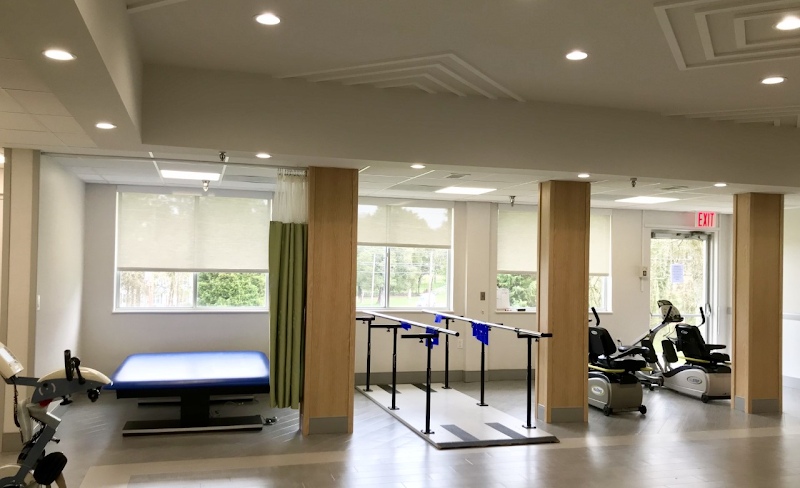
RIVER GROVE HEALTH AND REHABILITATION is owned by a for-profit company. For-profit facilities operate as businesses with obligations to shareholders or private owners. The facility is operated by SIMCHA HYMAN & NAFTALI ZANZIPER, a chain that manages multiple nursing homes. With 180 certified beds and approximately 102 residents (about 57% occupancy), it is a mid-sized facility located in LOUDON, Tennessee.
How Does River Grove Compare to Other Tennessee Nursing Homes?

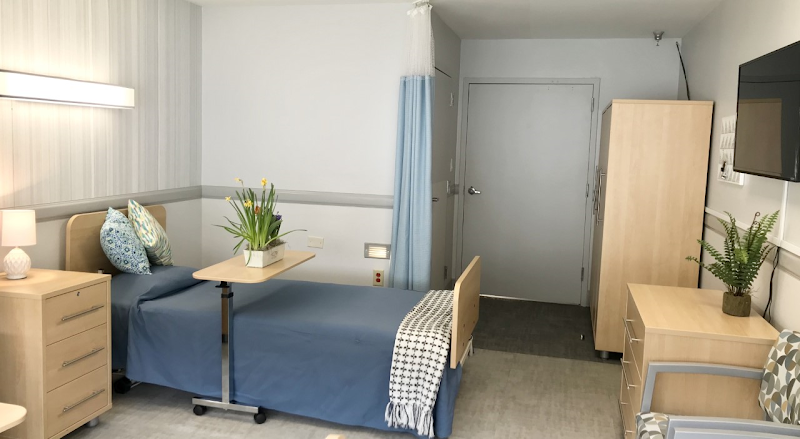
Compared to the 100 nursing homes in Tennessee, RIVER GROVE HEALTH AND REHABILITATION's overall rating (1 stars) is below the state average of 2.8, staff turnover (49%) is near the state average of 46%, and health inspection rating (2 stars) is below the national benchmark.

What Should Families Ask When Visiting River Grove?

Based on this facility's data, families visiting should ask: "Can you walk me through typical staffing levels on day, evening, and night shifts?" "Can I visit during a mealtime to observe dining assistance and food quality?" "How do you handle medical emergencies, and what is your hospital transfer rate?" "Can I speak with family members of current residents about their experience?" These questions are particularly relevant given the below-average staffing rating.

Is River Grove Safe?

Based on CMS inspection data, RIVER GROVE HEALTH AND REHABILITATION has a clean safety record: no substantiated abuse findings (meaning no confirmed cases of resident harm), no Immediate Jeopardy citations (the most serious violation level indicating risk of serious injury or death), and is not on the Special Focus Facility watch list (a federal program monitoring the lowest-performing 1% of nursing homes). The facility has a 1-star overall rating and ranks #100 of 100 nursing homes in Tennessee. While no facility is perfect, families should still ask about staff-to-resident ratios and recent inspection results during their visit.

Do Nurses at River Grove Stick Around?

RIVER GROVE HEALTH AND REHABILITATION has a staff turnover rate of 49%, which is about average for Tennessee nursing homes (state average: 46%). Moderate turnover is common in nursing homes, but families should still ask about staff tenure and how the facility maintains care continuity when employees leave.

Was River Grove Ever Fined?

RIVER GROVE HEALTH AND REHABILITATION has no federal fines on record. CMS issues fines when nursing homes fail to meet care standards or don't correct problems found during inspections. The absence of fines suggests the facility has either maintained compliance or corrected any issues before penalties were assessed. This is a positive indicator, though families should still review recent inspection reports for the full picture.

Is River Grove on Any Federal Watch List?

RIVER GROVE HEALTH AND REHABILITATION is not on any federal watch list. The most significant is the Special Focus Facility (SFF) program, which identifies the bottom 1% of nursing homes nationally based on persistent, serious quality problems. Not being on this list means the facility has avoided the pattern of deficiencies that triggers enhanced federal oversight. This is a positive indicator, though families should still review the facility's inspection history directly.