FOOTHILLS TRANSITIONAL CARE AND REHABILITATION
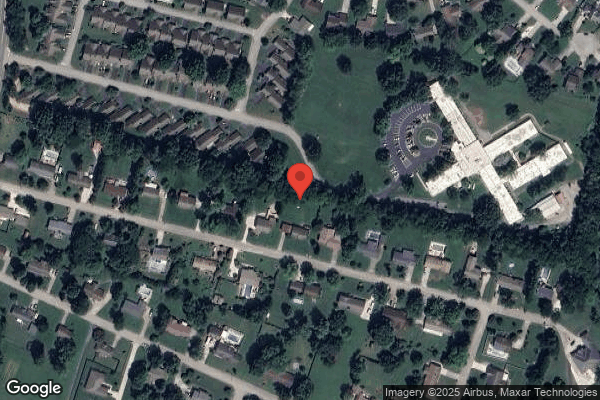
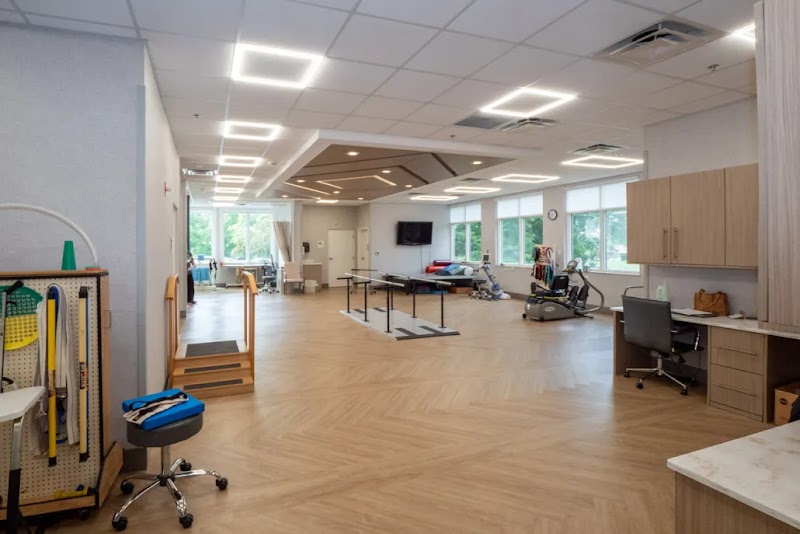
1012 JAMESTOWN WAY, MARYVILLE, TN 37803 (865) 984-7400
For profit - Corporation 185 Beds THE ENSIGN GROUP Data: November 2025
Trust Grade
28/100
#245 of 298 in TN
Last Inspection: January 2024

Within standard 12-15 month inspection cycle. Federal law requires annual inspections.

Overview

Foothills Transitional Care and Rehabilitation has received a Trust Grade of F, indicating significant concerns about the facility's quality and care. It ranks #245 out of 298 nursing homes in Tennessee, placing it in the bottom half of facilities in the state, and #6 out of 6 in Blount County, meaning there are no better local options available. Although the facility is showing signs of improvement, with issues decreasing from 12 in 2024 to 5 in 2025, there are still serious concerns, including incidents where a resident eloped and sustained a fractured arm and another resident fell during a transfer due to improper use of lifting equipment. Staffing is rated as average, with a turnover rate of 44%, which is slightly below the state average, and RN coverage is also average, meaning they are not particularly strong in this area. The facility has incurred $17,521 in fines, which is concerning but not excessive compared to other facilities in the area, highlighting ongoing compliance issues.

Trust Score
F
28/100
In Tennessee
#245/298
Bottom 18%
Safety Record
Moderate
Needs review
Inspections
Getting Better
12 → 5 violations
Staff Stability
○ Average
44% turnover. Near Tennessee's 48% average. Typical for the industry.
Penalties
✓ Good
$17,521 in fines. Lower than most Tennessee facilities. Relatively clean record.
Skilled Nurses
○ Average
Each resident gets 38 minutes of Registered Nurse (RN) attention daily — about average for Tennessee. RNs are the most trained staff who monitor for health changes.
Violations
⚠ Watch
25 deficiencies on record. Higher than average. Multiple issues found across inspections.
★☆☆☆☆
1.0
Overall Rating
★★★☆☆
3.0
Staff Levels
★★★★☆
4.0
Care Quality
★☆☆☆☆
1.0
Inspection Score
Stable
2024: 12 issues
2025: 5 issues

The Good

  • 4-Star Quality Measures · Strong clinical quality outcomes
  • Full Sprinkler Coverage · Fire safety systems throughout facility
  • No fines on record
  • Staff turnover below average (44%)

    4 points below Tennessee average of 48%

Facility shows strength in quality measures, fire safety.

The Bad

1-Star Overall Rating

Below Tennessee average (2.8)

Significant quality concerns identified by CMS

Staff Turnover: 44%

Near Tennessee avg (46%)

Typical for the industry

Federal Fines: $17,521

Below median ($33,413)

Minor penalties assessed

Chain: THE ENSIGN GROUP

Part of a multi-facility chain

Ask about local staffing decisions and management

The Ugly 25 deficiencies on record

2 actual harm
Feb 2025 5 deficiencies 1 Harm
SERIOUS (G) 📢 Someone Reported This

A family member, employee, or ombudsman was alarmed enough to file a formal complaint

Actual Harm - a resident was hurt due to facility failures

Accident Prevention (Tag F0689)

A resident was harmed · This affected 1 resident

**NOTE- TERMS IN BRACKETS HAVE BEEN EDITED TO PROTECT CONFIDENTIALITY** Based on facility policy review, medical record review, satellite imagery and measurements from Google Earth review, Historic We...

Read full inspector narrative →
**NOTE- TERMS IN BRACKETS HAVE BEEN EDITED TO PROTECT CONFIDENTIALITY** Based on facility policy review, medical record review, satellite imagery and measurements from Google Earth review, Historic Weather Data from the National Weather Service (NWS) review, Fire Department (FD) record review, Emergency Medical Services (EMS) records review, facility investigation review, hospital documentation reivew, and interviews the facility failed to prevent an elopement of 1 resident, (Resident #7) of 6 residents reviewed. The facility's failure resulted in Harm to Resident #7 when on the evening of 5/26/2024, Resident #7 exited the facility unbeknownst to staff, walked 0.25 miles away from the facility, down the street, fell over the curb into the yard of a private residence, and was found by an off duty law enforcement officer who was passing by. Resident #7 sustained a fractured Humerus (upper long bone of the arm) in the fall, required transportation by EMS to a local hospital for emergent treatment, then later required outpatient surgical treatment to repair the fracture. The facility was cited at F 689 at a Scope and Severity of G (Harm). The facility was cited as past non-compliance. Noncompliance began on 5/26/2024 and continued until 5/31/2024. Noncompliance ended on 6/1/2024. The facility is not required to submit a Plan of Correction. The findings include: Review of the facility policy titled, Elopements and Wandering Residents, dated 5/26/2024, revealed, .The facility shall establish and utilize a systematic approach to monitoring and managing residents at risk for elopement or unsafe wandering . Review of medical records revealed Resident #7 was admitted to the facility on [DATE] with diagnoses including Atherosclerotic Heart Disease, Hypertension, Pneumonia, Intracranial Injury with Loss of Consciousness, Urinary Tract Infection, Dementia, Mood Disturbance, Psychotic Disturbance, Anxiety, Seizures, Difficulty Walking, and Muscle Wasting with Atrophy. Review of the care plan for Resident #7 dated 5/17/2024, revealed interventions in place for cognitive impairment and fall risk. Continued review revelaed no documentation the resident was at risk for elopement. Review of the Elopement and Wandering Evaluation dated 5/17/2024 at 6:44 PM (time of admission), revealed Resident #7 was a low risk for elopement. The assessment was revised on 5/17/2024 at 7:32 PM and revealed Resident #7 was changed to at risk for elopement. Review of the admission Minimum Data Set (MDS) assessment dated [DATE], revealed Resident #7 scored a 6 on the Brief Interview for Mental Status (BIMS) assessment which indicated severe cognitive impairment. Resident #7 used a rolling walker or wheelchair for ambulation and required moderate assistance of 1 person for activities of daily living (ADL). Review of the nursing notes dated 5/19/2024, revealed Resident #7 was placed in a room closer to the nursing station to address behaviors which included arising from bed unattended and pushing his bedside table around his room. Review of overhead satellite imagery and digital measurements taken from Google Earth, revealed the facility was situated atop a hilly terrain, in the rear of a large residential neighborhood, surrounded by homes and side streets on all sides. The road which led to the facility, was moderately sloped to the facility property line and campus entrance. Review of weather data from the National Weather Service (NWS) dated 5/26/2024 at 8:30 PM, revealed for the location of the incident, the temperature was 68 degrees Fahrenheit (F) with no rain. Review of the local Fire Department records dated 5/26/2024, revealed Resident #7 was located laying on the ground, in the yard of a private residence, near the edge of the street, approximately 0.25 miles from the facility near the base of the hillside around 30 meters (98.43 feet) from the intersection of the facility entrance road and an adjacent 2 lane secondary road. Continued review revealed First Responders were summoned by a law enforcement officer who found Resident #7 at approximately 8:24 PM and arrived on scene at 8:35 PM. Continued review revealed .responded to non-emergency to a fall call at the intersection of [named road] and [named road] .Arrived on scene .Found an off duty [Police] .officer standing with a male lying on the ground .Officer .advised he was driving by and saw the gentleman lying there and stopped to render aid .The gentleman seemed very unsure of his location [EMS service] arrived on scene and had primary patient care .The gentleman had a tote bag with him marked [Facility name] .Officer .contacted the facility to advise them of the gentleman's location and to let them know .[EMS] would be transporting to the hospital . Review of EMS records for Resident #7 dated 5/26/2024, revealed EMS arrived to the scene at 8:25 PM and an ambulance arrived at 8:33 PM. Resident #7 was transported to a local hospital at 8:48 PM. Continued review of the EMS record revealed .Dispatched to location for .male that had fallen .Upon arrival .[Resident #7] was found sitting on the ground, conscious, alert and disoriented . The resident was in care by .an off-duty law enforcement officer .[Resident #7] .was able to give his name and date of birth but was disoriented to location and recent events leading up to him being on the ground. He complained only of left arm pain .It was discovered by the officer he was a resident at [the facility] .Upon assessment of the left arm, deformity .was noted .[The facility] was notified by the officer of the situation and that .[Resident #7] . would be transferred to [hospital] .The left arm was stabilized with .splint .transferred to hospital Review of Hospital documentation for Resident #7 dated 5/26/2024, revealed .History of Present Illness .This is a [AGE] year-old male .who lost his balance and fell while walking on the road. EMS was called [Resident #7] with significant deformity to his left elbow and left arm .does have a history of dementia and is slightly confused but states he did not lose consciousness Denies striking his head .denies neck pain .denies any other injury .complaining of pain to left elbow as well as left mid humerus .symptoms moderate intensity . Continued review revealed X ray results as follows: .Findings .Angulated and distracted fracture deformity distal diaphyseal segment left humerus involves the distal component of the operative fixation .with a fixation plate and multiple screws mid diaphyseal segment . [broken bone in the lower part of the upper arm, where the fracture fragments are not only bent at an angle but also pulled apart from each other] distal diaphyseal segment [lower, cylindrical part of the humerus bone, just before it flares out to form the joint surfaces of the elbow] . Further review revealed .[Resident #7] .did receive X rays which showed a previous plating [surgical procedure that involves attaching a plate to the fractured humerus to stabilize it] of the midshaft humerus .Family states this was done 20 years ago .also noted was significantly angulated displaced fracture of the distal portion of the humerus .elbow joint appears intact with no signs of fracture to the elbow itself .Discussed case with [orthopedist] .[Resident #7] .was placed in .splint .given a prescription for hydrocodone [opioid medication for pain] and discharged back to his skilled nursing facility in stable condition .follow up with orthopedic surgery in 2 to 3 days .Clinical impression, Acute Fall, Acute left distal humerus fracture . Review of staffing data dated 5/26/2024, revealed there were 13 residents present on Resident #1's unit at the time of the elopement with a Licensed Practical Nurse (LPN) and a Certified Nurse Aide (CNA) assigned full time to the unit. Review of the facility investigation, witness statements, and Interdisciplinary Team Notes dated 5/26/2024 - 5/28/2024, revealed on 5/26/2024 Resident #7 was last seen on the clinical unit, in his room seated in his wheelchair around 7:45 PM prior to the elopement. Resident #7 had not exhibited wandering or exit seeking behaviors prior to the incident. Continued review of the investigation revealed the facility was advised of Resident #7's elopement around 8:40 PM by way of a telephone call from first responders at the scene. Resident #7 returned to the facility from the hospital on 5/27/2024 at 12:44 AM and was transferred to the facility's secure memory care unit. Review of the elopement risk assessment dated [DATE] at 2:42 AM, revealed Resident #7 was considered at high risk for an elopement. Review of the care plan for Resident #7 dated 5/27/2024, revealed additional interventions to monitor behaviors, the resident's injuries, and prevent elopement were added to the care plan. Review of Orthopedic Surgeon Notes and Operative Reports dated 5/30/2024 revealed Resident #7 underwent surgical repair of the fracture without complications. Resident #7 was admitted to the hospital post operatively for monitoring and returned to the facility on 6/3/2024. During an interview on 2/14/2024 at 1:29 PM, the Police Officer who found Resident #7 on 5/26/2024, stated he lived in the area near the facility. The Police Officer stated he was off duty, and was driving by when he observed Resident #7 lying on his side, face down in the grass of a private residence, with his feet dangling over the curb, and he stopped to render aid. The Police Officer stated Resident #7 was profoundly confused and stated he was walking to a store. The Police Officer stated he observed obvious deformity in Resident #7's left upper arm and elbow and immediately called 911. The Police Officer stated he obtained an air splint from his personal first aid kit, splinted Resident #7's arm and awaited arrival of EMS and the Fire Department. The Police Officer stated he identified Resident #7 as a resident of the facility by a tote bag with the facility name that was on the ground beside Resident #7. The Police Officer stated Resident #7 could only give his name and date of birth . The Police Officer stated he telephoned the facility, advised the staff of the situation, and confirmed Resident #7 was a resident of the facility. The Police Officer stated the facility was not aware of the elopement until his notification. The Police Officer stated he advised the facility Resident #7 was injured and would be transported to the hospital by EMS. The Police Officer stated Resident #7 was dressed in blue jeans, a t-shirt, socks, and tennis shoes, During an interview on 2/18/2025 at 1:30 PM, the Director of Nursing (DON) stated the facility investigation determined at the time of the elopement Resident #7 exited the facility with visitors who did not realize he was a resident. The DON stated at the time of the incident, multiple family members of another resident had entered and left the facility in groups several times per hour throughout the day and evening of 5/26/2024. The DON stated at the time of the elopement a digital keypad was located at the front door and the entry code was posted in view above the door itself, in order to allow visitors to access the front lobby independently. The DON stated Resident #7 was not seen wandering about the facility or in the lobby prior to the incident and was carrying a tote bag given to visitors. The DON stated the facility investigation concluded it was likely a visitor mistook Resident #7 for another visitor and permitted him outdoors via the main entrance door. The DON confirmed the facility failed to prevent elopement of Resident #7 and he was harmed as a consequence. In Response to the incident, the facility implemented corrective actions which were validated onsite by the surveyor between 2/12/2025 and 2/18/2025. 1. On 5/26/2024 around 8:40 PM the facility launched an investigation which included interviews of all staff present in the facility prior to holding an ad hoc Quality Assurance Meeting between the DON, Administrator, and Nursing Supervisors. 2. On 5/26/2024 Resident #7's family along with the medical director were notified of the situation when the facility became aware of the elopement. 3. On 5/26/2024 The facility checked all entry and exit doors to ensure they were operational with no negative findings. The facility implemented door checks every 8 hours with logs on each unit. The door codes posted near the front door were removed. The door code at the front door was changed to a new code. Ad Hoc Quality Assurance review of the incident was initiated at 11:20 PM and included the medical director and corporate consultants. 4. On 5/26-27/2024 immediately upon return to the facility from the hospital, Resident #7 was transferred to a locked secure unit inside the facility for continued care. 5. ON 5/27/2024 staff education began related to the incident which included education that no visitors were permitted door codes, and all visitors were to be escorted in and out via the front door only. Additional education on the facility elopement policies and procedures were provided with attestations required by staff. Staff education was completed by 5/31/2024 with all remaining staff off duty at the time given notice education would be required prior to the next shift. 6. ON 5/27/2024 through 5/28/2024 the facility conducted elopement risk assessments on all residents, and identified increased risk for one elder, whose care plan was adjusted with new interventions and teaching to all staff on those (Resident #15). The facility held additional Quality Assurance (QA) Meetings related to the incident on 5/28/2024 and discussed facility conclusions of its investigation and root cause analysis of the incident, measures being implemented in response to findings, and added the incident to the QA agenda for monthly review to supplement weekly reviews to be performed by the DON, Administrator and ADON (assistant director of nursing). QA oversight of the incident response was monitored by the facility administrator, medical director and DON. The door codes on all doors at the facility were changed 5/28/2024. 7. ON 5/27/2024 Resident #7 was evaluated by the physician and Interdisciplinary team which included mental health services to address his changes in condition. 8. The facility began elopement drills on 5/29/2024 on every shift conducted 5 times weekly for 4 weeks. Then reduced at intervals to 3 times weekly for 4 weeks, then once weekly for 4 weeks. The drills were documented with no negative findings. Random elopement drills continued at the time of the facility investigation and were observed on the afternoon of 2/18/2025 during the onsite survey with no negative findings. Staff located a simulated missing resident in less than 3 minutes when the missing resident code (code pink) was called overhead. The test was initiated by the DON with assistance of a resident who served as the subject of the search at the request of the surveyor with no advance notice to other facility leadership or staff members before the drill began. 9. On 5/30/2024 the administrator completed notifications to all families and responsible parties via phone messages (168 total calls) and a voice mail left on the facility answering machine which advised callers of the new policy related to changed door codes which would no longer be provided them and safe entry and exit to the building via the front lobby entrance only. The facility placed a placard on the front door on both sides, which cautioned visitors to not allow others to follow them out, along with a phone number to call for entry after hours or if the lobby reception desk was unmanned. 10. Additional staff education on the incident and review of all prior education given and all staff attestations were logged into the facility investigation documents contained in a large binder on 5/30/2024. This documentation was preserved for State Agency (SA) review by the DON and presented as requested on 2/10/2024 after the entrance conference. The facility documentation was reviewed throughout the survey with no additions, deletions, or evidence of changes found in it at anytime during the survey as it was reviewed. (the binder was returned to the facility at the conclusion of each survey day 2/10/2025 -2/18/2025) and final copies obtained at conclusion of the survey on 2/18/2025 showed no alterations evident. 11. Monthly QA of the incident, elopement risks for residents, and effectiveness of the interventions continued throughout 2024 and January 2025 with no recurrent elopements or similar incidents. The surveyor validated the corrective actions via observations of the entry and exit procedures throughout the survey which were in place as reported. All door alarms were tested and were functional. 5 families were interviewed and reported they did not have access to door codes and had to be let in and out of the facility by staff. The surveyor was not provided door codes to enter the facility either. In total 10 staff interviews conducted on both shifts on all units which included day and night shift personnel showed all staff were knowledgeable of the elopement policy, facility safeguards to prevent elopement and actions to take to initiate a code pink drill, and steps to take during the drill in their assigned areas. The surveyor executed an unannounced nighttime entry to the facility on the evening of 2/13/2025 at 11:00 PM and remained onsite on 2/14/2024 until 2:30 AM with no breaches in the facility security measures observed. All signage was in place on the front entrance as reported and the phone number used to access the facility after hours was effective. A code pink drill was initiated by the DON at directive of the surveyor on the afternoon of 2/18/2025 with no negative findings. Resident #7 was observed throughout the survey on the secure unit. Resident #7 had fully recovered from his injuries but had no recall of the incident. Resident #7 was observed to be free of exit-seeking on the secure unit and appeared well adjusted to the environment. The surveyor validated all logs of staff training by review of the facility record of it and selected staff for interview from the logs observed. Additionally, the surveyor selected employees hired after the incident for interviews, which showed new hires had been trained on the facility elopement prevention policy and safeguards on hire. The Surveyor also reviewed QA sign in sheets for the period June 2024 to January 2025 and verified monthly QA of the incident remained ongoing at the time of the investigation. Medical record review for Resident #7 showed no recurrent serious behaviors or elopement attempts after the incident and the resident had successfully completed rehabilitation with occupational, physical and speech therapy. Review of facility incident logs showed no similar incidents in the prior year. The incident was appropriately documented in the incident logs and clinical records. The facility report of the incident to required authorities was completed timely in compliance with state and federal law.
CONCERN (D) 📢 Someone Reported This

A family member, employee, or ombudsman was alarmed enough to file a formal complaint

Potential for Harm - no one hurt, but risky conditions existed

Deficiency F0804 (Tag F0804)

Could have caused harm · This affected 1 resident

**NOTE- TERMS IN BRACKETS HAVE BEEN EDITED TO PROTECT CONFIDENTIALITY** Based on resident council minutes review, medical record review, and interview the facility failed to provide palatable, tempera...

Read full inspector narrative →
**NOTE- TERMS IN BRACKETS HAVE BEEN EDITED TO PROTECT CONFIDENTIALITY** Based on resident council minutes review, medical record review, and interview the facility failed to provide palatable, temperature appropriate, and sufficient meals for 1 resident (Resident #2) of 5 residents reviewed for dietary services. The facility was cited as Past Non-Compliance at F-804 at a Scope and Severity of D. Non-compliance began on 6/1/2024 and ended on 12/10/2024. The facility is not required to submit a Plan of Correction. The findings include: Review of Resident Council Minutes dated 7/2024, revealed .Dietary .Cold food .not having salad items, sugar for sweet tea, no hamburger buns for hamburgers .wanting whole milk .supply issue . Medical record review revealed Resident #2 was admitted to the facility on [DATE] with diagnoses including Atrial Fibrillation, Hypertension, Lumbosacral Spondylosis, Diabetes, Chronic Kidney Disease, Acute Kidney Failure, Chronic Back Pain, Muscle Wasting Multiple Sites, and Depression. Review of the admission Minimum Data Set (MDS) assessment dated [DATE] revealed Resident #2 scored a 15 on the Brief Interview of Mental Status (BIMS) assessment which indicated Resident #2 was cognitively intact. Resident #2 was on a no added salt, regular texture diet, with thin liquids and bowls only for oatmeal. Resident #2 completed rehabilitation and discharged home on 9/11/2024. Review of Resident Council Minutes dated 8/2024, revealed .New Business .Residents getting dislikes on their trays .cold food and coffee on trays .wanting more fresh fruit .not getting the food that is posted on the menu board or not getting what they ordered . Continued review revealed Resident #2 was present during the resident council meeting. Review of resident council minutes dated 9/2024, revealed the meeting was canceled due to a facility wide Corona Virus 2019 ( COVID-19) outbreak. Review of Resident Council Minutes dated 10/2024, revealed .New Business .Food Issues: cold when receiving on floor and occasionally in dining room, amount of food given is too small @ [at] times .Coffee grounds in the coffee, no creamer or sugar, sweet tea is not sweet enough .Residents stating they are getting their dislike foods on their trays even with the ticket stating they don't like the certain food .coleslaw hot and steamy today (10/11/2024) for lunch .Bread is being put on plate with food which is making it soggy, hard biscuits .Last 2 days .got 1 piece of toast w/o [without] butter and 1 piece of sausage on plate .serving too much chicken .Food cold when served on floor and sometimes in dining room .want the form back that gives .other options they can have if they don't like the main meal . Review of the Resident Council Minutes dated 11/2024, revealed .Old business .cold food when receiving on the floor, amount of food given is small .Residents getting dislikes on trays, food still cold or luke warm .apple/orange juice tasting like its watered down .coffee grounds in the bottom of their cups .not getting all their condiments on their tray . Review of the Resident Council Minutes dated 12/2024, revealed .old business Dietary .getting dislikes on trays .food still cold .Dietary .Needs improvement .some food is good .some is not . During a telephone interview on 1/30/2025 at 1:35 PM, Resident #2's responsible party (RP) stated he had lodged multiple complaints with the facility's leadership which included the Dietary Manager, Administrator, and Director of Nursing (DON) related to the poor food quality being served to Resident #2 and the complaints had gone without resolution during the resident's admission at the facility. The RP stated his mother was served runny oatmeal on a plate with other breakfast foods and stated his mother repeatedly voiced dislikes for eggs and was served eggs almost daily. The RP stated Resident #2 was frequently served meals which were refrigerator cold and unpalatable. The RP stated due to the continuous food concerns, Resident #2's inability to eat the unpalatable food, and the facility's failure to correct the dietary issue, he had to collaborate with other family members to bring meals to the facility to ensure his mother received some food and nutrition. The RP stated multiple relatives had also lodged complaints with the facility staff related to the poor food quality which went without resolution. During an observation and interview on 2/12/2025 at 12:15 PM, at Resident #2's residence, with Resident #2 and Resident #2's daughter revealed Resident #2 was alert and oriented to person, place, and time. Resident #2 produced a notebook and observation revealed documented dates, times, meals provided to the resident, the complaints lodged to the facility, and to whom the complaints were lodged by name and title. The complaints were voiced to the Administrator, the Dietary Manager (DM), a Regional Nurse, to floor staff (nursing staff), and during Resident Council meetings. Resident #2 described food quality at the facility as abysmal (extremely bad). Resident #2 stated throughout her stay at the facility, foods were unpalatable and gave examples of warm food items served cold, oatmeal served on plates instead bowls, dirty or missing utensils, cold foods served lukewarm, missing condiments with nearly every meal, and stated her dietary preferences were frequently ignored. Resident #2 stated she had requested alternatives, but the alternatives were equally unpalatable and gave an example of a chef salad provided to her on 8/18/2024. Observation of Resident #2's notebook revealed on 8/18/2024, the chef salad consisted of a small bowl of lettuce with cheese, no vegetables or fruit, and the lettuce was wilted and brown on the edges with no salad dressing provided. Resident #2 reported most days foods served her were unrecognizable and not what was listed on the menus and when questioned the staff, they stated mystery meat. Resident #2 stated she requested her family members bring fresh fruits, vegetables and whole meals daily to have nutrition. Resident #2 stated during the Resident Council meetings, several other residents and families also voiced concerns related to the poor food quality. Resident #2 stated she complained to the dietary staff about the lack of bowls for such things as oatmeal, she was told no bowls were available in the kitchen. Resident #2 reported on 1 occasion she asked for an alternate meal when cold and hard chicken was served, and she received an overcooked hamburger served between 2 slices of white bread for a bun, covered with a single piece of lettuce. Resident #2 stated she and other residents complained again about the food and the kitchen staff told her the facility had run out of hamburger buns due to the number of alternate meals that had been requested. Resident #2's daughter was present in the home during the interview and added she had witnessed poor food quality during visits to the facility, 3 to 4 times weekly at various intervals and stated concerns she witnessed included cold foods served warm, warm foods served cold, stale bread items, and inadequate portions, which led her to coordinate delivery of meals with her siblings to the resident. Resident #2's daughter stated she had complained to facility's staff about the foods served and .nothing was done . During an interview on 2/12/2024 at 3:45PM, the current Dietary Manager (DM) (transferred from a sister facility) stated the former DM was terminated in the fall of 2024 after repeated efforts to counsel her on food quality at the facility and company expectations of the kitchen failed. The current DM stated the former DM had multiple meetings with the Administrator and Corporate staff in response to the multiple resident and family complaints about the poor food quality at the facility. The DM confirmed the reports of poor food quality and oatmeal served on plates had occurred repeatedly, as Resident #2 had stated. The DM confirmed the facility had received multiple complaints from other residents, family members and staff members on behalf of residents, related to poorly cooked foods, issues with food palatability and appearance, missing condiments, cold coffee, lack of certain food items, warm foods served cold, cold foods served warm as documented in the Resident Council Minutes. The DM reported poor food quality had occurred frequently throughout the period 6/2024 to 11/2024 with the former DM and since 12/2024, the food quality had improved and no complaints had been lodge since the former DM was terminated. During an interview on 2/18/2024 at 11:20 AM, the Administrator confirmed the facility failed to provide palatable foods on multiple occasions as documented in the resident council minutes in 8/2024 for Resident #2 and further confirmed the complaints related to dietary services were frequent between 6/2024 and 11/2024 as reported in the Resident Council Meeting minutes. The facility implemented a Performance Improvement Plan (PIP) and corrective actions to address the food quality on 12/10/2024. The interventions were validated onsite by the surveyor from 2/10/2025 to 2/18/2025. The findings were as follows: 1. On 12/10/2024, The Administrator (Adm or designee and social service worker began audits for all residents related to perceptions of food quality by interview and observations. All concerns were to be documented in the grievance log and immediately addressed. All findings were reported daily to the Dietary Services Manager (DSM), Adm and interdisciplinary team. (IDT) This was completed on 1/13/2025. 2. The Adm/Designee (Director of Nursing (DON), Social Worker) reviewed all grievances related to food quality with the facility IDT which includes all department heads daily during stand up/clinical meeting. Issues addressed in the daily meeting were addressed by the Adm for immediate correction. (Ongoing). 3. By 1/31/2025 the Adm/Designee will re-educate the DSM and all kitchen staff on facility standards regarding the provision of safely serving quality foods that meets the expectations of the residents. Adm/designee will re-educate IDT including the social worker on addressing resident concerns about food quality by immediately resolving the concerns and/or completing a grievance form that is shared with the IDT in daily stand-up meetings, what actions taken, and resolution shared with the resident with concerns. The Staff Development Coordinator (SDC) will re-educate staff to report concerns regarding food quality to resolve issues, report it to supervisor or complete a grievance form. Newly hired staff shall receive this education during the orientation process and at least annually. This was completed by the Social Worker and SDC on 1/11/2025. 4. The Adm will randomly sample 2 test trays (one lunch, and one dinner) weekly for 8 weeks to ensure food quality and initiate appropriate actions, provide feedback, to the DSM, and IDT as necessary. (Ongoing at time of survey). Surveyor observation verified the audits were continued and the meals were sampled. 5. The Adm and IDT team will review compliance with the corrective actions in the morning meeting, Monday Through Friday. Issues are immediately reviewed by the IDT for appropriate corrective action. The Adm reports the results of the audits to the Quality Assurance Performance Improvement Committee (QAPI). The QAPI committee consists of all department heads, Adm, Medical Director and members of the medical staff. (Ongoing at time of survey). The surveyor validated the facility corrective actions by observations of meal trays served between 2/10/2025 and 2/18/2025 at various meals. Photographs of the meals as plated were documented. All trays prepared were of suitable appearance and texture with condiments, utensils etc. present and on clean dinnerware. Foods were readily identifiable and of pleasant smell and appearance. The surveyor also observed tray passes of multiple meals on each clinical unit daily during the investigation. No excessive delays in tray distribution were observed. The surveyor interviewed 8 residents at various intervals throughout the survey who reported no concerns with the meals served and 1 resident (Resident #14) who had lived at the facility for an extended period reported food quality though poor for several months during a period of change in ownership of the facility in 2024 had markedly improved by 12/2024, and was actually superior now to what it was under the prior facility management in 2023 and most of 2024. All residents interviewed reported no problems with breakfast meals since December 2024. Food temperatures were measured at the end of tray preparation during the meal service on the afternoon of 2/12/2025 at dinner, and all foods sampled were of safe temperatures, appropriate appearance, matched the menu, and were palatable. The surveyor observed alternate foods available for use which were also palatable. The surveyor observed facility stocks of snacks and alternates which were observed to be sufficient. The facility also observed the facility dish supply which was adequate to meet demands of the kitchen at the time of the survey. Observations of utensils and dish storage areas revealed no concerns. Resident council minutes for 1/2025 were reviewed with no recurrent issues with dietary services noted. Additional interviews with multiple staff members conducted on all units and shifts during the survey included interviews with overnight shift personnel who reported no further issues with food quality in the morning after 12/2024. Multiple personnel interviewed reported they again ate meals at the facility themselves with no new concerns since the new DSM assumed management of the kitchen.
CONCERN (E) 📢 Someone Reported This

A family member, employee, or ombudsman was alarmed enough to file a formal complaint

Potential for Harm - no one hurt, but risky conditions existed

Deficiency F0565 (Tag F0565)

Could have caused harm · This affected multiple residents

Based on review of resident council minutes and interviews, the facility failed to resolve resident concerns related to food quality for 5 consecutive months from 6/2024 through 11/2024 and were not c...

Read full inspector narrative →
Based on review of resident council minutes and interviews, the facility failed to resolve resident concerns related to food quality for 5 consecutive months from 6/2024 through 11/2024 and were not corrected until 12/2024, 6 months after the initial concerns were lodged during the resident council meetings. The findings include: Review of Resident Council Minutes from 6/2024 revealed .Old Business .Food New Business .Food issues .Dietary .oatmeal needs to be in a bowl .fried potatoes need to be cooked and not hard .want heavier meal at supper time (6 to 2 vote) wanting bigger portions .wanting snacks available .have butter .syrup served with pancakes .hamburger buns .cold food and cold coffee, cold plates, cold eggs, wants snacks around 3:00 PM . Review of Resident Council Minutes for 7/2024 revealed .Dietary .Cold food .not having salad items, sugar for sweet tea, no hamburger buns for hamburgers .wanting whole milk .supply issue . Review of Resident Council Minutes dated 8/2024, revealed .New Business .Residents getting dislikes on their trays .Running out of different condiments and food items .only getting whole milk part of the time .cold food and coffee on trays .want whole milk available all the time .unable to open up juice containers .wanting more fresh fruit .getting dislikes on trays .not getting the food that is posted on the menu .always running out of condiments .or not enough condiments on their trays for all meals . Review of resident council minutes dated 9/2024, revealed the meeting was canceled due to a facility wide Corona Virus, 2019 (COVID-19) outbreak. Review of Resident Council Minutes dated 10/2024, revealed .New Business .Food Issues: cold when receiving on floor and occasionally in dining room, amount of food given is too small @ [at] times .Coffee grounds in the coffee, no creamer or sugar, sweet tea is not sweet enough .Residents stating they are getting their dislike foods on their trays even with the ticket stating they don't like the certain food .coleslaw hot and steamy today (10/11/2024) for lunch .Bread is being put on plate with food which is making it soggy, hard biscuits .Last 2 days .got 1 piece of toast w/o [without] butter and 1 piece of sausage on plate .serving too much chicken .Food cold when served on floor and sometimes in dining room .want the form back that gives .other options they can have if they don't like the main meal . Review of the Resident Council Minutes dated 11/2024, revealed .Old business .cold food when receiving on the floor, amount of food given is small .Residents getting dislikes on trays, food still cold or luke warm .apple/orange juice tasting like its watered down .coffee grounds in the bottom of their cups .not getting all their condiments on their tray . Review of the Resident Council Minutes dated 12/2024, revealed .old business Dietary .getting dislikes on trays .food still cold .Dietary .Needs improvement .some food is good .some is not . During a telephone interview on 1/30/2025 at 1:35 PM, Resident #2's responsible party (RP) stated he had lodged multiple complaints with the Dietary Manager, Administrator, and Director of Nursing (DON) related to the poor food quality being served to Resident #2 and the complaints had gone without resolution during the resident's admission at the facility (8/13/2024-9/11/2024). The RP stated his mother was served runny oatmeal on a plate with other breakfast foods and stated his mother repeatedly voiced dislikes for eggs and was served eggs almost daily. The RP stated Resident #2 was frequently served meals which were refrigerator cold and unpalatable. The RP stated due to the continuous food concerns, Resident #2's inability to eat the unpalatable food, and the facility's failure to correct the dietary issue, he had to collaborate with other family members to bring meals to the facility to ensure his mother received some food and nutrition. The RP stated multiple relatives had also lodged complaints with the facility staff related to the poor food quality which went without resolution. During an observation and interview on 2/12/2025 at 12:15 PM, at Resident #2's residence, with Resident #2 and Resident #2's daughter revealed Resident #2 was alert and oriented in all spheres. Resident #2 produced a notebook and observation revealed documented dates, times, meals provided to the resident, the complaints lodged to the facility, and to whom the complaints were lodged by name and title. The complaints were voiced to the Administrator, the Dietary Manager (DM), a Regional Nurse, to floor staff (nursing staff), and during Resident Council meetings. Resident #2 described food quality at the facility as abysmal (extremely bad). Resident #2 stated throughout her stay at the facility, foods were unpalatable and gave examples of warm food items served cold, oatmeal served on plates instead bowls, dirty or missing utensils, cold foods served lukewarm, missing condiments with nearly every meal, and stated her dietary preferences were frequently ignored. Resident #2 stated she had requested alternatives, but the alternatives were equally unpalatable and gave an example of a chef salad provided to her on 8/18/2024. Observation of Resident #2's notebook revealed on 8/18/2024, the chef salad consisted of a small bowl of lettuce with cheese, no vegetables or fruit, and the lettuce was wilted and brown on the edges with no salad dressing provided. Resident #2 reported most days foods served her were unrecognizable and not what was listed on the menus and when questioned the staff, they stated mystery meat. Resident #2 stated she requested her family members bring fresh fruits, vegetables and whole meals daily to have nutrition. Resident #2 stated during the Resident Council meetings, several other residents and families also voiced concerns related to the poor food quality. Resident #2 stated she complained to the dietary staff about the lack of bowls for such things as oatmeal, she was told no bowls were available in the kitchen. Resident #2 reported on 1 occasion she asked for an alternate meal when cold and hard chicken was served, and she received an overcooked hamburger served between 2 slices of white bread for a bun, covered with a single piece of lettuce and no condiments. Resident #2 stated she and other residents complained again about the food and the kitchen staff told her the facility had run out of hamburger buns due to the number of alternate meals that had been requested that day. Resident #2's daughter was present in the home during the interview and added she had witnessed poor food quality during visits to the facility, 3 to 4 times weekly at various intervals and stated concerns she witnessed included cold foods served warm, warm foods served cold, stale bread items, and inadequate portions, which led her to coordinate delivery of meals with her siblings to the resident. Resident #2's daughter stated she had complained to facility's staff about the foods served and .nothing was done . During an interview on 2/12/2024 at 3:45 PM, the current DM (transferred from a sister facility) stated the former DM was terminated in the fall of 2024 after repeated efforts to counsel her on food quality at the facility and company expectations of the kitchen failed. The current DM stated the former DM had multiple meetings with the Administrator and Corporate staff in response to the multiple resident and family complaints about the poor food quality at the facility. The DM confirmed the reports of poor food quality and oatmeal served on plates had occurred repeatedly, as Resident #2 had stated. The DM confirmed the facility had received multiple complaints from other residents, family members and staff members on behalf of residents, related to poorly cooked foods, issues with food palatability and appearance, missing condiments, cold coffee, lack of certain food items, warm foods served cold, cold foods served warm as documented in the Resident Council Minutes. The DM reported low food quality had occurred frequently throughout the period 6/2024 to 11/2024 with the former DM and since 12/2024, the food quality had improved and no complaints had been lodge since 12/2024. During an interview on 2/18/2024 at 11:20 AM, the Administrator confirmed the facility had implemented a performance improvement plan and was ongoing related to the poor food quality in response to multiple complaints from the resident council meetings. The Administrator stated the former DM was replaced due to failures to resolve consistent complaints related to food quality as reported by the current DM, and as documented in the Resident Council Minutes.
CONCERN (E) 📢 Someone Reported This

A family member, employee, or ombudsman was alarmed enough to file a formal complaint

Potential for Harm - no one hurt, but risky conditions existed

Room Equipment (Tag F0908)

Could have caused harm · This affected multiple residents

Based on observations and interviews the facility failed to maintain all kitchen equipment in a safe and operable condition. The findings include: During observations in the dietary department and i...

Read full inspector narrative →
Based on observations and interviews the facility failed to maintain all kitchen equipment in a safe and operable condition. The findings include: During observations in the dietary department and interview with the Dietary Manager (DM) on 2/12/2025 at 2:45 PM, during evening meal preparation, revealed the following: 1. The ice maker was inoperable. The DM stated the ice maker had been out of service for 2 months and not repaired. The DM stated the kitchen staff were required to use an ice maker at an adjacent nursing station to obtain ice for kitchen several times daily. 2. The Convection Oven #1 was inoperable. The DM stated the Convection Oven replacement parts were not unavailable and had been inoperable for 5 months. 3. The plate warming system revealed 1 of 3 plate warmers inoperable. The DM stated the facility administrator was made 10/2024 and had not been repaired or replaced. 4. The 3-compartment sink revealed compartments #1 and #2 had clogged drains. Dirty dish water was pooled in both compartments. The DM stated the sink repeatedly had clogged floor drains which had been an ongoing issue for over 3 months. Continued observation revealed water from the sink had leaked from the clogged floor drain insertion site, flowed into the floor and had pooled in the corner behind and adjacent to the sink. 2 dark and discolored grill grates were leaned against the kitchen wall and in contact with the pooled water which was dark in color and had grease floating atop the water. 5. The dish washing area revealed the drain line from the dish washer was misaligned with the floor drain. Waste water from the dish washer failed to enter the drain at the end of each cycle as water pressure decreased and pooled in the floor of the dish washing area where staff had to stand in it as they loaded and unloaded the machine. The DM and kitchen staff present said the observed misalignment had been present as long as they could remember. During interview on 2/12/2025 at 3:40 PM the Maintenance Director stated the problems with the 3- compartment sink drainage system had been recurrent for several months despite multiple prior repairs. The maintenance director stated he was not aware of the misaligned floor drain in the dish washer area and the ice maker could not be repaired due to lack of available replacement parts and confirmed the device had been inoperable for several months. During interview on 2/12/2025 at 3:45 PM, the DM reported she had assumed oversight of the facility kitchen in October 2024 as replacement for the prior DM who was let go due to multiple issues related to food quality and management of the kitchen. The DM reported she had made multiple budget requests to the Administrator for needed repairs in the kitchen which included replacement of inoperable equipment in the kitchen to maintain compliance with State and Federal Standards for food safety and quality. The DM reported when she discussed her concerns with the Administrator sometime in October 2024, he informed her the supplemental budget requests couldn't be approved at that time and stated to the DM .I'll take the tag .
CONCERN (F) 📢 Someone Reported This

A family member, employee, or ombudsman was alarmed enough to file a formal complaint

Potential for Harm - no one hurt, but risky conditions existed

Food Safety (Tag F0812)

Could have caused harm · This affected most or all residents

Based on facility policy review, observation, and interview the facility failed to maintain a clean and sanitary Kitchen which had the potential to affect 105 of 105 residents of the facility. The fin...

Read full inspector narrative →
Based on facility policy review, observation, and interview the facility failed to maintain a clean and sanitary Kitchen which had the potential to affect 105 of 105 residents of the facility. The findings include: Review of the facility's undated policy titled, Food Safety and Sanitation Policy, revealed .The food and nutrition services department will follow regulations as outlined by other official health agencies .with jurisdiction over the facility .Stored food is handled to prevent contamination and growth of pathogenic organisms .All time, temperature control for safety .foods including leftovers should be labeled, covered and dated when stored .when a food package is opened, the food item should be marked to indicate the open date .This date is used to determine when to discard food . During an observation in the kitchen and interview with the Dietary Manager (DM) on 2/12/2025 at 2:45 PM, during the evening meal preparation revealed the following: The range top was blackened with scattered food particles and residue beneath the burner eyes. The Deep Fryer revealed the appliance was coated with a thin layer of oil, and food debris on the upper deck. The baskets also contained cooked food particles. The deep fryer oil was heavily stained dark brown with floating food particles. The DM stated the device was last cleaned and the oil changed approximately 5 days ago, was supposed to be cleaned after use, and the oil changed once weekly on Fridays. Continued interview revealed the deep fryer cooking was supposed to be changed after fried fish was prepared. The DM confirmed the device was last used to cook fish and the oil was not changed. The 3-compartment sink revealed compartments #1 and #2 had clogged drains. Dirty dish water was pooled in both compartments. The sink had leaked from the clogged floor drain insertion site, flowed into the floor and had pooled in the corner behind and adjacent to the sink where 2 dark discolored grill grates were leaned against the kitchen wall and in contact with the pooled water. The pooled water in the floor was black in appearance and grease floating atop the water which was adjacent to the food preparation area. The DM reported the sink repeatedly had clogged floor drains which had been an ongoing issue for over 3 months. The steam table revealed mashed potatoes and pureed beans leftover from the lunch meal which was stored in tins covered with aluminum foil. The mashed potato temperature measured 136.9 degrees Fahrenheit (F) (safe temp range is 140 degrees). The DM stated the food items had not been removed after lunch service was served. The walk- in refrigerator revealed an aluminum pan covered with foil which contained 5 cooked hamburger patties dated . 1/10 use by 1/13 . [1 month past the expiration date] The DM state the foods were prepared 2 days prior and had been misdated by staff. Continued observations revealed a 32-ounce (oz) container of egg mix open to air, ½ full, without a label or open date on the opened container and a 44 oz container of whipped cream with no label of the opened or expiration dates. The DM confirmed the food items were improperly stored and labeled and were available for use. The dish washing area revealed the drain line from the appliance was misaligned with the floor drain and wastewater from the dish washer failed to enter the drain at the end of each cycle which resulted in staff having to stand in the pooled water the dish washer was loaded and unloaded. The DM and kitchen staff who were present during the observation stated the issue had been present as long as they could remember. During interview on 2/12/2025 at 3:45 PM, the DM stated she had made multiple budget requests to the Administrator for needed repairs in the kitchen to maintain compliance with State and Federal Standards for food safety and quality. The DM stated the concerns were discussed with the Administrator 10/2024, and he had informed her the supplemental budget requests couldn't be approved at that time and stated to the DM .I'll take the tag [referring to a cited deficiency by the state agency . During interview on 2/18/2025 at 11:20 AM the Administrator confirmed the facility failed to maintain sanitary conditions and working equipment in the kitchen.
Jan 2024 12 deficiencies
CONCERN (D)

Potential for Harm - no one hurt, but risky conditions existed

Resident Rights (Tag F0550)

Could have caused harm · This affected 1 resident

**NOTE- TERMS IN BRACKETS HAVE BEEN EDITED TO PROTECT CONFIDENTIALITY** Based on facility policy review, medical record review, observations, and interviews, the facility failed to provide privacy for...

Read full inspector narrative →
**NOTE- TERMS IN BRACKETS HAVE BEEN EDITED TO PROTECT CONFIDENTIALITY** Based on facility policy review, medical record review, observations, and interviews, the facility failed to provide privacy for 1 resident (Resident #8) of 95 residents reviewed for resident dignity. The findings include: Review of the facility policy titled, Resident Rights, revised 3/22/2022, showed .The resident has the right to a dignified existence, self-determination, and communication and access to persons and service inside and outside the facility . Resident #8 was admitted to the facility on [DATE] with diagnoses including Anoxic Brain Damage, Peripheral Vascular Disease, Restless Leg Syndrome, Major Depressive Disorder, Muscle Wasting and Atrophy with Physical Debility. Review of a quarterly Minimum Data Set (MDS) assessment dated [DATE], showed the resident had a Brief Interview for Mental Status (BIMS) score of 15. Which indicated the resident was cognitively intact. Review of Resident #8's comprehensive care plan last revised 12/27/2023, showed the resident had vision loss and had mobility decline. During an observation on 1/8/2024 at 11:50 AM, Resident #8 was observed lying in the bed closest to the door of a two-person room. The resident was wearing an orange t-shirt, had an incontinence brief in place, and was not covered with a sheet or blanket. The door to the room was open, and the resident was visible from the hallway. During an observation on 1/8/2024 at 3:00 PM, Resident #8 was observed lying in bed closest to the door of a two-person room. The resident was wearing an orange t-shirt, had an incontinence brief in place, and was not covered with a sheet or blanket. The door to the room was open, and the resident was visible from the hallway. During an observation and interview on 1/8/2024 at 3:35 PM, Certified Nursing Assistant (CNA) #2 stated Resident #8 preferred to lay in the bed uncovered without pants. The CNA also stated it was difficult to keep the resident covered because the resident kicked the cover off. An observation showed a privacy curtain was available and not in use. Resident #8 stated .privacy curtain would be ok . CNA #2 confirmed the privacy curtain was not in use. During an observation on 1/10/2024 at 8:52 AM, Resident #8's room door was open, and the resident was observed from the hallway lying in bed uncovered wearing an incontinence brief and t-shirt. During observation and interview on 1/10/2024 at 8:56 AM, in Resident #8's room with Licensed Practical Nurse (LPN) #2, showed the resident was observed lying in bed uncovered wearing an incontinence brief and t-shirt without the privacy curtain in use. The LPN #2 stated she was familiar with Resident #8, cared for the resident routinely, and the resident did not like to wear pants. The LPN also stated .we try to keep the door closed, but the roommate's spouse goes in and out of the room and does not close the door . LPN #2 confirmed it was a dignity issue for the resident to lay in bed uncovered wearing only a incontinence brief and t-shirt and be visible from the hallway. During an interview on 1/10/2024 at 9:28 AM, the Social Worker (SW) stated it was a dignity issue for Resident #8 to be visible from the hallway when he was wearing an incontinence brief and not wearing pants. The SW stated she was unaware of any discussion regarding the use of a privacy curtain. During an interview on 1/10/2024 at 1:40 PM, the Director of Nursing (DON) stated it was not acceptable for Resident #8 to be seen from the hallway with an incontinence brief, uncovered with no pants in place. The DON confirmed yes, it is a dignity issue.
CONCERN (D)

Potential for Harm - no one hurt, but risky conditions existed

Deficiency F0578 (Tag F0578)

Could have caused harm · This affected 1 resident

**NOTE- TERMS IN BRACKETS HAVE BEEN EDITED TO PROTECT CONFIDENTIALITY** Based on facility policy review, facility document review, medical record review and interview, the facility failed to ensure 1 ...

Read full inspector narrative →
**NOTE- TERMS IN BRACKETS HAVE BEEN EDITED TO PROTECT CONFIDENTIALITY** Based on facility policy review, facility document review, medical record review and interview, the facility failed to ensure 1 resident (Resident #76) acknowledged having, was educated on or offered information regarding advance directives of 26 advanced directives reviewed. The findings include: Based on the facility policy titled, Residents' Rights Regarding Treatment and Advance Directives, dated 1/2023, showed .It is the policy of this facility to support and facilitate a resident's right to request .to formulate an advance directive .'Advance directive' is a written instruction, such as a living will or durable power of attorney for healthcare .relating to the provision of healthcare when the individual is incapacitated .The facility will provide the resident or resident representative information, in a manner that is easy to understand, about the right to refuse medical or surgical treatment and formulate an advance directive . Review of a facility document titled, Admissions Agreement, dated 11/23/2022, showed .Page 7 of 21 .Advance Directive .Please check the box if an advance directive exists [box not checked] .Right to Refuse Treatment .Resident has the right to refuse medical treatment as defined by law .Resident/Sponsor acknowledges that they have been informed of Resident's right to prepare a written advance directive concerning Resident's medical treatment .Resident Signature .[no signature] .Sponsor Signature .[no signature] . Resident #76 was admitted to the facility on [DATE] with diagnoses including Dementia, Hyperlipidemia and Depression. Review of a quarterly Minimum Data Set (MDS) assessment dated [DATE], showed a Brief Interview for Mental Status (BIMS) score of 6 which indicated the resident had severe cognitive impairment. During a telephone interview on 1/10/2024 at 4:30 PM, Resident #76's spouse stated she had not received information regarding advance directives or how to formulate an advance directive. During a telephone interview on 1/10/2024 at 4:40 PM, Resident #76's family member stated he had signed some of the resident's admission paperwork. He also stated he does not recall being provided information regarding advance directives or how to formulate an advance directive. He stated if they (the facility) had, he would have referred them to the resident's spouse because he did not feel comfortable making those decisions. During an interview on 1/10/2023 at 6:00 PM, the Director of Nursing confirmed resident #76 or the resident's representative had not been provided education to formulate an advance directive.
CONCERN (D)

Potential for Harm - no one hurt, but risky conditions existed

Safe Environment (Tag F0584)

Could have caused harm · This affected 1 resident

**NOTE- TERMS IN BRACKETS HAVE BEEN EDITED TO PROTECT CONFIDENTIALITY** Based on facility policy review, medical record review, observation, and interviews, the facility failed to maintain a safe, cle...

Read full inspector narrative →
**NOTE- TERMS IN BRACKETS HAVE BEEN EDITED TO PROTECT CONFIDENTIALITY** Based on facility policy review, medical record review, observation, and interviews, the facility failed to maintain a safe, clean, homelike environment in 3 resident (Residents #30, #3, and #8) rooms of 66 rooms observed. The findings include: Review of the facility's policy titled, Routine Cleaning and Disinfection, revised 3/23/2022, showed .It is the policy of this facility to ensure the provision of routine cleaning .in order to provide a safe, sanitary environment .'Cleaning' .refers to the removal of visible soil from objects and surfaces . Review of the facility's policy titled, Safe and Homelike Environment, undated, showed .In accordance with residents' rights, the facility will provide a safe, clean, comfortable and homelike environment .'Environment' refers to any environment in the facility that is frequented by residents, including .the residents' rooms .'Sanitary' includes .keeping resident .equipment clean .equipment includes .equipment used in the completion of the activities of daily living . Resident #30 was admitted to the facility on [DATE] with diagnoses including Chronic Respiratory Failure, Ischemic Cardiomyopathy (the heart's decreased ability to pump blood properly), Type 2 Diabetes Mellitus, and Dementia. Review of a quarterly Minimum Data Set (MDS) assessment dated [DATE], showed Resident #30 had a Brief Interview for Mental Status (BIMS) score of 6 which indicated the resident had severe cognitive impairment. During an observation on 1/8/2024 at 10:50 AM, in Resident #30's room, showed the resident's bedside table had a dried, crusty, white debris caked on the left outer edge, and down the side, and bottom of the metal base. During an observation on 1/9/2024 at 2:00 PM, in Resident #30's room, showed the resident's bedside table had a dried, crusty, white debris caked on the outer left edge, and down the side, and bottom of the metal base. During an observation on 1/10/2024 at 8:00 AM, in Resident #30's room, showed the resident's bedside table had a dried, crusty, white debris caked on the outer left edge, and down the side, and bottom of the metal base. During an interview on 1/10/2024 at 11:10 AM, Housekeeper #1 stated resident rooms are cleaned daily. During daily cleaning the furniture was .wiped down .floors are swept and mopped .and walls are spot cleaned . During an interview on 1/10/2024 at 11:15 AM, the Environmental Service Director stated resident rooms were cleaned daily which included .the bedside tables are wiped down everyday . During an observation and interview on 1/10/2024 at 11:23 AM, with the Environmental Service Director in Resident #30's room, showed the resident's bedside table had a dried, crusty, white debris caked on the left outer edge, and down the side and bottom of the metal base. The Environmental Service Director stated the resident spits, and the dried white crusty debris was spit, and her expectation was for the bedside table to be cleaned daily. The Environmental Service Director confirmed Resident #30's bedside table had not been cleaned and a homelike environment was not maintained. Resident #3 was admitted to the facility on [DATE] with diagnoses including Alzheimer's Dementia, Difficulty Walking, and Generalized Muscle Weakness. Review of a quarterly MDS assessment dated [DATE], showed Resident #3 had a BIMS score of 1 which indicated the resident had severe cognitive impairment. During an observation on 1/8/2024 at 11:00 AM, in the resident's room, showed 3 smears of a brown substance on the wall next to the bed. During an observation and interview on 1/10/2024 at 11:27 AM, with the Environmental Service Director in Resident #3's room, showed 3 smears of a brown substance on the wall next to the bed. The Environmental Service Director stated .I know what that is [brown substance] she [resident] spits and confirmed the wall had not been cleaned. Resident #8 was admitted to the facility on [DATE] with diagnoses including Anoxic Brain Damage, Visual Impairment, and Generalized Muscle Weakness. Review of a quarterly MDS assessment dated [DATE], showed Resident #8 had a BIMS score of 15 which indicated the resident was cognitively intact. During an observation on 1/8/2024 at 11:50 AM, in the resident's room, showed a dark brown substance on the side rail next to the wall. During an observation and interview on 1/10/2024 at 11:30 AM, with the Environmental Service Director in Resident #8's room, showed a dark brown substance on the side rail next to the wall. The Environmental Service Director confirmed Resident #8's side rail had not been cleaned. During an interview on 1/10/2024 at 2:25 PM, the Director of Nursing stated it was the facility's expectation for Resident rooms to have a clean homelike environment.
CONCERN (D)

Potential for Harm - no one hurt, but risky conditions existed

Assessment Accuracy (Tag F0641)

Could have caused harm · This affected 1 resident

**NOTE- TERMS IN BRACKETS HAVE BEEN EDITED TO PROTECT CONFIDENTIALITY** Resident #30 was admitted to the facility on [DATE] with diagnoses including Chronic Heart Failure with Atrial Fibrillation, Chr...

Read full inspector narrative →
**NOTE- TERMS IN BRACKETS HAVE BEEN EDITED TO PROTECT CONFIDENTIALITY** Resident #30 was admitted to the facility on [DATE] with diagnoses including Chronic Heart Failure with Atrial Fibrillation, Chronic Respiratory Failure, Dementia, and Anxiety. Review of a physician order dated 8/7/2020, showed .Admit to [named hospice company] hospice . Review of a quarterly MDS assessment dated [DATE], showed Resident #30 had a BIMS score of 6 which indicated the resident had severe cognitive impairment. Further review showed the resident was not receiving hospice services. During an interview on 1/10/2024 at 2:55 PM, the RN MDS Coordinator, confirmed Resident #30 received hospice services and the quarterly MDS assessment dated [DATE] was inaccurate. Resident #42 was admitted to the facility on [DATE] and readmitted on [DATE] with diagnoses including Gastrostomy (opening in the skin and abdominal wall that delivers artificial nutrition via tube), Epilepsy, and Dysphasia (difficulty swallowing). Review of a significant change MDS assessment dated [DATE], showed Resident #42 had a memory problem, received tube feeding and a mechanically altered diet, had weight loss, and was on a physician-prescribed weight-loss regimen. Review of Resident #42's comprehensive care plan revised on 12/20/2023, showed .requires .tube feeding r/t [related to] weight loss and decreased ability to consume foods .had a significant weight loss . Review of the physician recapitulation orders dated 1/9/2024, showed .Enteral Feeding .at Rate 40ml/hr [milliliters/hour] for 24 hrs/day .Hydration: Provide 25 ml/hr water via pump . Review of the medical record showed Resident #42 had a significant weight loss of 15.95% in 6 months, which showed the following weight values: 116 pounds on 7/12/2023; 102.5 pounds on 10/10/2023; and 97.5 pounds on 1/2/2024 Review of a progress note dated 10/27/2023, showed .weight this week is 101.2 .Resident has a consult for a peg [percutaneous enteric gastric] tube placement .Multiple interventions have been put in place with no positive effects .Weight continues to decrease despite interventions due to medical condition .RD [Registered Dietitian] aware and following .Weekly weights continue at this time . During an interview on 1/10/2024 at 1:34 PM, the Registered Nurse (RN) MDS Coordinator stated Resident #42 had significant weight loss and had not been on a physician prescribed weight loss program. The RN MDS Coordinator confirmed the MDS assessment had not been coded accurately to reflect the resident's current condition. Based on facility policy review, medical record review, and interview, the facility failed to accurately complete a Minimum Data Set (MDS) assessment for 3 residents (Residents #48, #42, and #30) of 29 residents reviewed for MDS assessments. The findings include: Review of the facility's policy titled, RAI [resident assessment instrument] Assessment - MDS 3.0 Completion, dated 3/23/2022, showed .Residents are assessed, using a comprehensive assessment process, in order to identify care needs and to develop an interdisciplinary care plan .According to federal regulations, the facility conducts initially and periodically a comprehensive, accurate and standardized assessment of each resident's functional capacity, using the RAI specified by the State . Resident #48 was admitted to the facility on [DATE] with diagnoses including Dementia, Difficulty in Walking, Lack of Coordination, and Muscle Weakness. Review of the medical record showed Resident #48 had a witnessed fall on 12/16/2023. Resident #48 sustained a skin tear to the right arm from the fall. Review of the admission MDS assessment dated [DATE], showed Resident #48 had 1 fall with no injury and 1 fall with injury. During an interview on 1/10/2024 at 11:31 AM, the Director of Nursing (DON) stated Resident #48 was admitted to the facility on [DATE]. Resident #48 fell on [DATE] and got a skin tear to the right arm from the fall. The DON stated Resident #1 had no other falls. The DON confirmed Resident #48's admission MDS assessment dated [DATE] showed the resident had 1 fall with injury and 1 fall without injury. The DON confirmed the MDS assessment was not accurate.
CONCERN (D)

Potential for Harm - no one hurt, but risky conditions existed

Comprehensive Care Plan (Tag F0656)

Could have caused harm · This affected 1 resident

**NOTE- TERMS IN BRACKETS HAVE BEEN EDITED TO PROTECT CONFIDENTIALITY** Based on facility policy review, medical record review, observation, and interviews the facility failed to implement the care pl...

Read full inspector narrative →
**NOTE- TERMS IN BRACKETS HAVE BEEN EDITED TO PROTECT CONFIDENTIALITY** Based on facility policy review, medical record review, observation, and interviews the facility failed to implement the care plan for 1 resident (Resident #84) of 29 care plans reviewed. The findings include: Review of the facility policy titled, Comprehensive Care Plans, revised 8/30/2022, showed .It is the policy of this facility to .implement a comprehensive person-centered care plan for each resident .Qualified staff responsible for carrying out interventions specified in the care plan will be notified of their roles and responsibilities for carrying out the interventions . Resident #84 was admitted to the facility on [DATE] with diagnoses including Hypertension, Anxiety Disorder, Dementia, and Repeated Falls. Review of Resident #84's comprehensive care plan dated 6/16/2023, and revised 7/27/2023, showed .Bed alarm . as a fall intervention. Review of the recapitulation orders showed .Start Date .7/27/2023 .Bed alarm . During an observation on 1/10/2024 at 7:45 AM in Resident #84's room, showed the resident lying in bed on her right side. Further observation showed the resident did not have a bed alarm in place. During an interview and observation on 1/10/2024 at 7:46 AM, Certified Nursing Assistant (CNA) #1 stated Resident #84 was supposed to have a bed alarm in place. Observation showed the resident did not have a bed alarm in place. CNA #1 confirmed the resident did not have a bed alarm in place. During an interview on 1/10/2024 at 7:48 AM, the Central Supply Clerk stated the resident was supposed to have a bed alarm in place. During an interview on 1/10/2024 at 7:55 AM, Licensed Practical Nurse (LPN) #1 confirmed the resident had a physician order for a bed alarm. Review of the medical record showed Resident #84 had not sustained any falls after the bed alarm was ordered on 7/27/2023. During an interview on 1/10/2024 at 2:19 PM, the Director of Nursing confirmed it was the facility's expectation for the comprehensive care plan interventions to be implemented for Resident #84.
CONCERN (D)

Potential for Harm - no one hurt, but risky conditions existed

Quality of Care (Tag F0684)

Could have caused harm · This affected 1 resident

**NOTE- TERMS IN BRACKETS HAVE BEEN EDITED TO PROTECT CONFIDENTIALITY** Based on medical record review, observation, and interviews the facility failed to follow physician orders for 1 resident (Resid...

Read full inspector narrative →
**NOTE- TERMS IN BRACKETS HAVE BEEN EDITED TO PROTECT CONFIDENTIALITY** Based on medical record review, observation, and interviews the facility failed to follow physician orders for 1 resident (Resident #84) of 29 residents reviewed. The findings include: Resident #84 was admitted to the facility on [DATE] with diagnoses including Hypertension, Anxiety Disorder, Dementia, and Repeated Falls. Review of the recapitulation orders showed the resident had a bed alarm ordered on 7/27/2023 for a fall intervention. During an observation on 1/10/2024 at 7:45 AM in Resident #84's room, showed the resident lying in bed on her right side. Further observation showed the resident did not have a bed alarm in place. Review of the medical record showed Resident #84 had not sustained any falls after the bed alarm was ordered on 7/27/2023. During an interview and observation on 1/10/2024 at 7:46 AM, Certified Nursing Assistant (CNA) #1 stated Resident #84 was supposed to have a bed alarm in place. Observation showed the resident did not have a bed alarm in place. CNA #1 confirmed Resident #84 did not have a bed alarm in place. During an interview on 1/10/2024 at 7:48 AM, the Central Supply Clerk, stated the resident was supposed to have a bed alarm in place. During an interview on 1/10/2024 at 7:55 AM, Licensed Practical Nurse (LPN) #1 confirmed the resident had a physician order for a bed alarm.
CONCERN (D)

Potential for Harm - no one hurt, but risky conditions existed

Dental Services (Tag F0791)

Could have caused harm · This affected 1 resident

**NOTE- TERMS IN BRACKETS HAVE BEEN EDITED TO PROTECT CONFIDENTIALITY** Based on facility policy review, medical record review, observation and interview, the facility failed to secure dental services...

Read full inspector narrative →
**NOTE- TERMS IN BRACKETS HAVE BEEN EDITED TO PROTECT CONFIDENTIALITY** Based on facility policy review, medical record review, observation and interview, the facility failed to secure dental services for 1 resident (Resident #8) of 29 residents reviewed for dental services. The findings include: Review of the facility's policy titled, Dental Services, revised 3/14/2023, showed .The dental needs of each resident are identified through the physical assessment and MDS [minimum data set] Assessment processes and addressed in each resident's plan of care .Item 1b .Oral care and denture care shall be provided in accordance with identified needs and as specified in the plan of care . Resident #8 was admitted to the facility on [DATE] with diagnoses including Muscle Wasting and Atrophy, Anoxic Brain Damage, and Cervical Disc Disorder. The resident's quarterly MDS assessment dated [DATE] showed a Brief Interview for Mental Status (BIMS) of 15. Which indicated the resident was cognitively intact. Review of a dental visit Summary Report, dated 8/3/2021, showed Resident #8 had missing and chipped teeth. The dentist recommended an oral surgery referral for the extraction of teeth #4, #5, #18, and #21. Review of the medical record showed no additional dental visit notes were available. During an interview on 1/8/2024 at 11:50 AM, Resident #8 stated he had missing and broken teeth and would like to see a dentist. Resident #8 denied oral pain or discomfort. During an interview on 1/10/2024 at 9:28 AM, the Social Worker (SW) stated there was no evidence of a dental follow-up since 8/3/2021. During an observation and interview on 1/10/2024 at 2:25 PM, with Licensed Practical Nurse [LPN] #2 in Resident #8's room showed the resident lying in bed. The oral cavity was assessed by LPN #2 and showed the left lower canine tooth was broken off at the gum line. During an interview on 1/10/2024 at 5:20 PM, LPN #2 stated she cared for the Resident #8 routinely, and the resident had not requested to see a dentist or complained of oral pain. During a telephone interview on 1/10/2024 at 6:18 PM, Resident #8's responsible party stated he visited the resident weekly, and the resident had not informed him to be evaluated by the dentist. He also stated the resident had not complained of oral pain or broken teeth. During an interview on 1/10/2024 at 6:34 PM, the Director of Nursing (DON) stated she had worked at the facility for 3 years, and Resident #8 had not requested to see the dentist nor had she received resident complaints of oral pain. The DON confirmed Resident #8 was evaluated by a dentist on 8/3/2021, was referred to an oral surgeon, and the facility failed to follow up with the referral. During a telephone interview on 1/10/2024 at 6:43 PM, LPN #5 stated she cared for Resident #8 routinely, the resident had not requested to see a dentist and had not complained of problems with his teeth.
CONCERN (D)

Potential for Harm - no one hurt, but risky conditions existed

Garbage Disposal (Tag F0814)

Could have caused harm · This affected 1 resident

Based on facility policy review, observations, and interviews, the facility failed to ensure garbage and refuse were properly contained in 1 of 1 dumpster. The findings include: Review of the facility...

Read full inspector narrative →
Based on facility policy review, observations, and interviews, the facility failed to ensure garbage and refuse were properly contained in 1 of 1 dumpster. The findings include: Review of the facility's undated policy titled, Food-Related Garbage and Rubbish Disposal, showed .Outside dumpsters provided by garbage pick up services will be kept closed and free of surrounding litter . During an observation on 1/8/2024 at 10:32 AM, of the outside dumpster area with the Certified Dietary Manager (CDM), showed 3 plastic medication cups, 4 used disposable gloves, 2 milk cartons, and multiple paper straw wrappers on the ground surrounding the dumpster. The area adjacent to the dumpster had 3 large pieces of wet, decayed wooden debris with 2 large sheets of disintegrating cardboard lying on the ground, exposed to the elements. During an interview on 1/8/2024 at 10:35 AM, the CDM stated the trash debris, which included plastic medication cups, used disposable gloves, milk cartons, straw wrappers, and wood/cardboard debris, should not be present on the ground around the dumpster area. The CDM confirmed the area adjacent to the dumpster and surrounding area had not been maintained in a good sanitary order.
CONCERN (D)

Potential for Harm - no one hurt, but risky conditions existed

Infection Control (Tag F0880)

Could have caused harm · This affected 1 resident

Based on observations and interviews, the facility failed to provide hand hygiene assistance for residents prior to the meal on 1 of 4 hallways observed for meal tray distribution. The findings inclu...

Read full inspector narrative →
Based on observations and interviews, the facility failed to provide hand hygiene assistance for residents prior to the meal on 1 of 4 hallways observed for meal tray distribution. The findings include: During an observation and interview on 1/8/2024 at 12:26 PM, Licensed Practical Nurse (LPN) #3 delivered the lunch tray to a resident, assisted the resident to set up the meal tray, and exited the room. The LPN did not offer hand hygiene assistance to the resident. LPN #3 stated residents were to be offered hand hygiene assistance with either a wash cloth or hand sanitizer prior to meals. LPN #3 confirmed he had not offered hand hygiene assistance to the resident. During an observation on 1/8/2024 at 12:28 PM, LPN #4 delivered the lunch meal tray to a resident, assisted the resident to set up the meal tray, and exited the room. The LPN did not offer hand hygiene assistance to the resident. During an observation and interview on 1/8/2024 at 12:29 PM, LPN #4 delivered the lunch meal tray to another resident room, assisted the resident to set up the tray, and exited the room. The LPN did not offer hand hygiene assistance to the resident. LPN #4 stated hand sanitizer was to be offered to residents prior to meals. The LPN confirmed she had not offered hand hygiene assistant to the residents. During an interview on 1/8/2024 at 2:39 PM, the Infection Preventionist (IP) confirmed it was the expectation of the facility that residents were assisted with hand hygiene prior to meals. During an interview on 1/8/2024 at 3:14 PM, the IP stated the facility did not have a policy that addressed hand hygiene assistance of residents prior to meals. The IP confirmed it was the expectation of the facility hand hygiene assistance was provided or offered to residents prior to meals. During an interview on 1/10/2024 at 3:23 PM, the Director of Nursing (DON) confirmed staff were to assist residents with hand hygiene prior to meals.
CONCERN (D)

Potential for Harm - no one hurt, but risky conditions existed

Deficiency F0883 (Tag F0883)

Could have caused harm · This affected 1 resident

**NOTE- TERMS IN BRACKETS HAVE BEEN EDITED TO PROTECT CONFIDENTIALITY** Based on facility policy review, medical record review, and interview the facility failed to ensure 1 resident (Resident #64) wa...

Read full inspector narrative →
**NOTE- TERMS IN BRACKETS HAVE BEEN EDITED TO PROTECT CONFIDENTIALITY** Based on facility policy review, medical record review, and interview the facility failed to ensure 1 resident (Resident #64) was assessed for pneumococcal immunization of 5 residents reviewed for vaccinations. The findings include: Review of the facility's policy titled, Pneumococcal Vaccine (Series), revised on 3/23/2022, showed .Each resident will be assessed for pneumococcal immunization upon admission. Self-report of immunization shall be accepted. Any additional efforts to obtain information shall be documented, including efforts to determine date of immunization or type of vaccine received .Each resident will be offered a pneumococcal immunization unless it is medically contraindicated or the resident has already been immunized . Resident #64 was admitted to the facility on [DATE] and readmitted on [DATE] with diagnoses including Dementia, Alzheimer's Disease, and Chronic Kidney Disease. Review of the medical record showed no evidence Resident #64's pneumococcal vaccination status had been assessed. During an interview on 1/10/2024 at 8:29 AM, the Infection Preventionist (IP) stated it was the expectation of the facility that residents were assessed for pneumococcal vaccination on admission and entered into the medical record. Immunization information was to be obtained from the resident and/or resident representative, medical records, and the Tennessee state immunization registry website. Resident immunization information was to be documented in the medical record and residents were to be screened, educated and provided vaccinations if eligible. The IP confirmed Resident #64 had not been assessed for pneumococcal vaccination and he was unaware if the resident had been offered the pneumococcal vaccine.
CONCERN (D)

Potential for Harm - no one hurt, but risky conditions existed

Deficiency F0919 (Tag F0919)

Could have caused harm · This affected 1 resident

**NOTE- TERMS IN BRACKETS HAVE BEEN EDITED TO PROTECT CONFIDENTIALITY** Based on facility policy review, medical record review, observation and interview, the facility failed to ensure 1 resident's (R...

Read full inspector narrative →
**NOTE- TERMS IN BRACKETS HAVE BEEN EDITED TO PROTECT CONFIDENTIALITY** Based on facility policy review, medical record review, observation and interview, the facility failed to ensure 1 resident's (Resident #8) call light was within reach out of 95 residents observed. The findings include: Review of the facility policy titled, Call Lights: Accessibility and Timely Response, revised 8/30/2022, showed .Staff will ensure the call light is within reach of each resident and secured . Resident #8 was admitted to the facility on [DATE] with diagnoses including Anoxic Brain Damage, Cervical Disc Disorder, Muscle Wasting and Atrophy, and Unspecified Physical Debility. Review of a quarterly Minimum Data Set (MDS) dated [DATE] showed the resident has a Brief Interview for Mental Status (BIMS) of 15. Which indicated the resident was cognitively intact. The MDS showed the resident required substantial/maximal assist with eating, toileting, and was dependent with upper and lower body dressing. Review of Resident #8's comprehensive care plan, last revised 12/27/2023, showed Resident #8's call light needed to be within reach and encourage Resident #8 to use it. During an observation on 1/8/2024 at 11:50 AM, in the resident's room, showed Resident #8's call light cord was wrapped around the right side rail next to the wall. The resident was lying on his right side towards the wall. The call light button could not be seen. The resident was asked to put the call light on. The resident was not able to reach the call light cord or find the call light button to push it. During an observation on 1/8/2024 at 3:00 PM, Resident #8 was observed lying on his right side facing the wall. The call light cord was wrapped around the right side rail. Resident #8 was asked if he could turn the call light on, and the resident was unable to reach the call cord on the side rail or find the call light button. During an observation and interview on 1/8/2024 at 3:45 PM, in Resident #8's room, Certified Nursing Assistant (CNA) #2 stated the call light cord was wrapped around the right side rail next to the bed and confirmed the call light was not within the resident's reach. During an interview on 1/10/2024 at 6:10 PM, the Director of Nursing (DON) stated the expectation was for call lights to be placed within residents' reach.
CONCERN (F)

Potential for Harm - no one hurt, but risky conditions existed

Food Safety (Tag F0812)

Could have caused harm · This affected most or all residents

Based on facility policy review, observations, and interviews, the facility failed to ensure kitchen cooking/ serving/ storage equipment was maintained in a sanitary condition, which had the potential...

Read full inspector narrative →
Based on facility policy review, observations, and interviews, the facility failed to ensure kitchen cooking/ serving/ storage equipment was maintained in a sanitary condition, which had the potential to affect 95 of 95 residents, and failed to ensure expired thickened liquids were discarded. The findings include: Review of the facility's policy titled, Cleaning & Sanitation, dated 5/16/2023, showed .ensure that equipment and utensils are properly cleaned and sanitized .Keep all containers used to store utensils (drawers, shelves, bus/ utility bins) clean and free of all debris . Review of the facility's policy titled, Receiving and Storage Standards and Procedures dated 7/5/2019, showed .Discard out-of-date products .Keep all equipment .in good repair, free of defects, cracks, or breaks .clean and free of visible residue buildup . During an observation of the cooking and food preparation area with the Certified Dietary Manager (CDM) on 1/8/2024 at 9:40 AM, showed the following: 1. Eleven 8-inch plate warming bases had multiple pieces broken off, of various sizes, from the anterior perimeter of the base. 2. Gas stove ranges had dried, black greasy food debris present on surface and inner area 3. Deep fryer had dried, brown, food debris with brown grease-like residue present on the perimeter surface 4. Double welled plate warmer had multiple areas of brown, rust-like substance to both inner well areas During an observation of the dry storage room with the CDM on 1/8/2024 at 9:45 AM, showed one 46-ounce (oz) carton of honey thickened apple juice had expired on 12/23/2023. During an observation of the clean dish storage area with the CDM on 1/8/2024 at 9:50 AM, showed the following: 1. One 24-welled steel mini muffin pan with dried, yellowish-brown food debris present in 8 muffin wells 2. One metal serving spoon with dried, yellow food debris 3. One plastic storage bin, which housed the lids for the storage containers and the cooking pans, had a brown-sticky jelly-like substance in the bottom of the bin During an interview on 1/8/2024 at 9:50 AM, the CDM confirmed the plate warming bases need replaced, expired thickened apple juice had not been discarded, the gas stove/ deep fryer/ lid storage bin/ muffin pan/ serving spoon had not been maintained in a sanitary condition.
Aug 2023 2 deficiencies 1 Harm
SERIOUS (G) 📢 Someone Reported This

A family member, employee, or ombudsman was alarmed enough to file a formal complaint

Actual Harm - a resident was hurt due to facility failures

Accident Prevention (Tag F0689)

A resident was harmed · This affected 1 resident

**NOTE- TERMS IN BRACKETS HAVE BEEN EDITED TO PROTECT CONFIDENTIALITY** Based on facility policy review, record review, document review, observation, and interviews, the facility failed to ensure 1 re...

Read full inspector narrative →
**NOTE- TERMS IN BRACKETS HAVE BEEN EDITED TO PROTECT CONFIDENTIALITY** Based on facility policy review, record review, document review, observation, and interviews, the facility failed to ensure 1 resident (Resident #10) of 3 residents was safely transferred using a mechanical lift. Specifically, Resident #1 had paralysis and weakness to the left side of the body. The facility failed to assess Resident #10 for the appropriate type of mechanical sling/lift pad to prevent the resident from leaning to the left side. On 11/30/2022 and 01/14/2023, while utilizing a bariatric sized four-point sling, Resident #10 began to lean toward the left side and fell to the floor from the sling. This failure resulted in a left shoulder fracture as a result of the 11/30/2022 fall, a left elbow fracture as a result of the fall on 01/14/2023, and resulted in Resident #10 being fearful of getting out of bed with a mechanical lift. The facility's failure resulted in actual Harm to Resident #10. Findings included: A review of the [Name of the Mechanical Lift] User Manual with a copyright date of 2014 revealed WARNING Visibly inspect sling prior to each use to ensure sling is the correct type, size and design to handle lifting. The manual indicated Most accidents occur from wrong sling size or type. Make certain you understand how to select, attach, inspect and test slings. According to the manual, In addition, ensure slings are sized appropriately and attached correctly to the patient and lift. Failure to follow these instructions could result in serious injury. A review of the facility's policy, titled, Safe Resident Handling/Transfers, initiated on 01/02/2020, indicated, 8. The facility will ensure that there are appropriate amounts of varying slings to accommodate residents and that residents will be measured correctly as per the manufacturer's instructions on proper sling sizing. 9. Ensure that an appropriate sling is utilized. The policy further indicated 14. Resident lifting and transferring will be performed according to the resident's individual plan of care. A review of an undated document titled, Choosing the Proper Sling for Your Residents revealed Sling size and fit can vary significantly depending on resident weight, girth and shape. Ensure sling is properly fitted before performing any lift. - Resident being lifted will feel safe, dignified and comfortable - Will increase caregiver confidence and lift efficiency - Maximize resident and caregiver safety As prescribed by company policy, a therapist or nurse should provide sling sizing and style selection. A review of a Resident Face Sheet for Resident #10 revealed the facility admitted the resident on 06/11/2019 with diagnoses to include Hemiplegia(paralysis) and Hemiparesis (muscle weakness) following a stroke affecting the left non-dominant side, Morbid Obesity, Muscle Weakness, Generalized Anxiety Disorder, and Unspecified Intellectual Disabilities. A review of the quarterly Minimum Data Set (MDS), with an Assessment Reference Date (ARD) of 10/01/2022, revealed Resident #10 had a Brief Interview for Mental Status (BIMS) score of 14, indicating the resident was cognitively intact. The MDS indicated Resident #10 required extensive assistance of two plus persons for transfers, which occurred only once or twice during the assessment period. The MDS indicated Resident #10's height was 66 inches tall. A review of Resident #10's Weights and Vitals Summary, revealed on 11/01/2022, the resident weighed 326 pounds. A review of Resident #10's care plan initiated on 05/09/2018 and revised on 06/30/2022, indicated Resident #10 was at risk for falls related to decreased mobility. A review of Resident #10's care plan initiated on 05/09/2018, indicated the resident had a activities of daily living self-care performance. An intervention revised on 10/14/2021, instructed the staff that Resident #10 required total assistance of two people for transfers using a mechanical lift. A review of a Kardex Report [a care guide for Certified Nursing Assistants (CNAs)] as of 11/10/2022, revealed Resident #10 required total assistance of two people for transfers using a mechanical lift. During an observation on 08/10/2023 at 10:00 AM, the surveyor observed the available facility mechanical lift sling pads were medium with a maximum weight of 450 pounds, large with maximum weight of 600 pounds and bariatric size with a maximum weight of 700 pounds. During an interview on 08/11/2023 at 9:32 AM, the Director of Nursing (DON) stated all the facility slings could accommodate up to 450 pounds and they had no residents that were greater than 450 pounds. The DON stated the CNAs used their judgement based on resident girth and shape for sizing. A review of the facility Incidents by Incident Type report revealed Resident #10 sustained a fall on 11/14/2022. A review of Resident #10's Progress Notes, dated 11/14/2022 at 4:40 PM, revealed while being transferred from a shower chair to bed by way of a bariatric mechanical lift, the lift pad underneath the resident tilted to the left side and the resident slipped/assisted by staff to the floor landing on their back and the back of the head. The note indicated the resident had left shoulder and left hip pain and a physician's order was obtained for x-rays of the left shoulder and left hip. The Progress Notes indicated an immediate intervention put in place was to use a bariatric lift pad during transfers. A review of Resident #10's Radiology Report dated 11/15/2022, revealed the resident had an acute, comminuted (broken in at least two places) fracture of the proximal left humerus (shoulder). A review of Resident #10's ED [Emergency Department] General Adult Worksheet with an admit date of 11/15/2022, revealed the resident presented to the ED with complaints of left shoulder pain status post fall. The document revealed, the resident was being lifted with a mechanical lift and fell onto their left shoulder. Resident #10 was informed of the results which demonstrated a nonoperative, proximal humerus fracture. Resident #10's arm was placed in a sling and the resident was discharged back to the facility. A review of CNA #9's handwritten statement dated 11/15/2022, revealed she assisted CNA #17 with the transfer of Resident #10. According to CNA #9's statement, she was on Resident #10's right side and CNA #17 was on the resident's left, paralyzed side. CNA #9 indicated she turned around and noticed Resident #10 was about to fall. CNA #9 reached for the resident to catch the resident and lowered the resident to the ground on their back. During an interview on 08/10/2023 at 9:41 AM, CNA #9 stated she, CNA #17, and LPN #10 transferred Resident #10 into bed with the mechanical lift when the resident fell. CNA #9 stated she was on one side and CNA #17 was on the other side of the resident. CNA #9 stated they instructed Resident #10 to hold on to their left paralyzed arm with the right arm, but Resident #10 released the left arm, but when the resident dropped their arm, all their weight went to one side. CNA #9 stated she was on the left side of Resident #10 but could not hold the resident up due to the resident's weight. CNA #9 stated she and the resident both fell to the ground. CNA #9 stated the slings could hold up to 450 pounds, but some were wider than others and they used the wider, bariatric one for Resident #10. CNA #9 further stated Resident #10 no longer wanted to get out of bed. A review of CNA #17's handwritten statement dated 11/15/2022, revealed on 11/14/2022, CNA #17 got assistance from CNA #9 to transfer Resident #10 back to bed. CNA #17 indicated as the staff were about to lift the resident, she noticed the resident was crooked, so the resident was placed back down into the shower chair to reposition Resident #10. According to CNA #17's handwritten statement, Licensed Practical Nurse (LPN) #10 helped the CNAs by moving the chair, while CNA #9 operated the controls. CNA #17 indicated as the staff were about to place Resident #10 in bed, the resident slipped from the mechanical lift pad and fell to the floor. During a telephone interview on 08/10/2023 at 10:28 AM, CNA #17 stated she and CNA #9 positioned Resident #10 on the sling but then Resident #10 started to lean to one side and they could not keep the resident from falling. CNA #17 stated she had training on the proper use of the mechanical lift and slings and stated they used a bariatric sling and lift for Resident #10. CNA #17 stated she thought the sling just was not positioned correctly on the resident. During an interview on 08/10/2023 at 12:30 PM, LPN #10 stated she was present when Resident #10 fell in November 2022. LPN #10 stated the CNAs had gotten the resident up for a shower without incident, but then upon transferring the resident back to bed, the resident started leaning to one side and fell. During an interview on 08/09/2023 at 2:31 PM, the Occupational Therapist (OT)/Director of Rehabilitation (DOR) stated Resident #10 had used a mechanical lift since admission to the facility. The OT/DOR stated she evaluated Resident #10 following the fall in November 2022 for proper positioning and a shoulder immobilizer but did not assess the type of sling after the November fall. The DOR stated Resident #10 had used a 4-point sling since admission without any incidents, but due to Resident #10's weight and hemiparesis, if the resident was not perfectly aligned in the sling, the resident could lean to the left, causing the sling to be off balance. A review of the Facility Event Summary Report revealed Resident #10 had a fall on 01/30/2023. A review of Resident #10's Resident Progress Notes dated 01/30/2023 at 11:55 AM revealed LPN #19 documented she observed the resident lying face down on the floor next to the bathroom door. The note indicated CNAs had used a bariatric lift and bariatric lift pad. The resident had a bruise to the right arm above the elbow and a slight raised area on the left cheek that was pink in color. The note indicated the facility notified the family and the nurse practitioner. On 01/30/2023 at 1:07 PM, the note indicated a new order was received to x-ray to the resident's left shoulder, left forehead, left wrist, left hand, and left facial with attention to the nose and left maxilla (jaw). A review of an Event Report for Resident #10 dated 02/10/2023, revealed the resident had a fall on 01/30/2023. The report indicated the resident was lowered to the ground from a mechanical lift as the resident was sliding out. The facility's intervention to prevent further falls was to provide a six-point lift pad and therapy to educate staff on usage. A review of Resident #10's Radiology Report dated 02/10/2023, revealed the resident had a minimally displaced and angulated fracture of the left elbow that was not included on the prior field of view (dated 01/30/2023). During an interview on 08/10/2023 at 1:13 PM, LPN #19 stated she worked when Resident #10 fell on [DATE]. LPN #19 stated Resident #10 was on the floor when she came in, and she did not witness the fall. LPN #19 stated the sling with the resident's name on it was underneath the resident on the floor. LPN #19 stated the resident was large and flaccid on the left side. LPN #19 stated the staff would remind the resident to hold their left paralyzed arm with the right arm during transfers, but sometimes the resident would release the left arm, causing the resident to lean to the left. During an interview on 08/10/2023 at 2:38 PM, CNA #20 stated she and CNA #21 got Resident #10 up in a bariatric mechanical lift with the bariatric sling for a shower. CNA #20 stated Resident #10 leaned to the left, so they tried to hold up that side. CNA #20 stated she assisted Resident #10 with transfers multiple times without incident. CNA #20 stated she knew to use the bariatric lift and sling and had crossed it under the resident's legs, but it did not keep the resident from leaning to the left, and Resident #10 fell. During an interview on 08/10/2023 at 2:49 PM, CNA #21 stated she and CNA #20 got Resident #10 up with the large bariatric lift. CNA #21 stated Resident #10 was weak on the left side and started leaning to the left. CNA #21 stated both she and CNA #20 tried to keep Resident #10 from falling but the resident was too heavy. CNA #21 stated the sling was already under Resident #10 when she came in the room to assist. During an interview on 08/09/2023 at 2:31 PM, the OT/DOR stated after the second fall in January 2023, nursing realized the problem had not been resolved and reached out to therapy to evaluate the sling. The OT/DOR stated at that time she recommended the six-point harness sling because it provided additional lateral support (more support to each side of the resident). During an interview on 08/08/2023 at 2:34 PM, Resident #10 stated they did not get out of bed because of a broken elbow and did not want to fall out of the lift. Resident #10 stated their left arm was heavy and caused them to lean that way, which caused them to fall. Resident #10 pointed to a six-point bariatric sling in the room with the resident's name on it. During a follow-up interview on 08/11/2023 at 7:02 PM, Resident #10 stated they did not want to use the mechanical lift. Resident #10 stated they used to get up for showers and sometimes for bingo prior to the falls. Resident #10 stated they would prefer to get a shower over a bed bath. Resident #10 stated they would like to get up again but did not trust the CNAs and had not allowed anyone to work with the resident on getting up. During an interview on 08/10/2023 at 12:00 PM, the Assistant Director of Nursing (ADON) stated Resident #10's fall in January 2023 had been discussed in the weekly Interdisciplinary Team (IDT) Clinical At-Risk meetings (CAR). The ADON stated Resident #10 tended to lean to one side. The ADON stated if a resident was above 450 pounds or wider staff should use a bariatric sling. During an interview on 08/11/2023 at 9:32 AM, the DON stated during the facility's IDT meeting regarding Resident #10's November 2022 fall, they discussed the root cause and felt it may have been caregiver error, as the resident had recently moved halls, so they did in-service training with the staff. The DON also stated even though Resident #10 was not technically heavy enough to require a bariatric sling, given the resident's girth and short height, Resident #10 was appropriate for a bariatric sling. Per the DON, the facility ordered a bariatric sling with the resident's name on it to keep in the resident's room. The DON stated Resident #10 had never gotten up much but did get up for showers. The DON confirmed the facility had not consulted with therapy to assess the sling at that time. According to the DON, after the second fall in January 2023, the staff reached out to therapy to assess the sling and therapy determined it was not the size of the sling, but the resident needed more lateral support. During a follow-up interview on 08/11/2023 at 2:58 PM, the DON stated after a fall, the IDT met and discussed what happened and put appropriate interventions in place. The DON stated the facility provided staff training following Resident #10's fall on 11/14/2022. However, it was not specific to Resident #10 and was a general training and staff demonstration on proper use of mechanical lifts. The DON stated her expectation was that staff would follow the care plan to ensure safety when transferring residents. During an interview on 08/11/2023 at 3:51 PM, the Executive Director (ED) stated she expected staff to know how a resident was supposed to be transferred and follow the resident's plan of care.
CONCERN (D) 📢 Someone Reported This

A family member, employee, or ombudsman was alarmed enough to file a formal complaint

Potential for Harm - no one hurt, but risky conditions existed

Free from Abuse/Neglect (Tag F0600)

Could have caused harm · This affected 1 resident

Based on facility policy review, record reviews, document reviews, and interviews,the facility failed to ensure 3 residents (Residents #6, #7, and #8) of 6 residents reviewed for abuse were free from ...

Read full inspector narrative →
Based on facility policy review, record reviews, document reviews, and interviews,the facility failed to ensure 3 residents (Residents #6, #7, and #8) of 6 residents reviewed for abuse were free from physical abuse. On 12/26/2022, Resident #5 hit Resident #6 and on 01/07/2023, Resident #7 and Resident #8, both hit each other. Findings included: A review of the facility's policy titled, Abuse, Neglect and Exploitation, with a reviewed/revised date of 08/30/2022, indicated, It is the policy of this facility to provide protections for the health, welfare and rights of each resident by developing and implementing written policies and procedures that prohibit and prevent abuse, neglect, exploitation and misappropriation of resident property. The policy specified, Abuse means the willful infliction of injury, unreasonable confinement, intimidation, or punishment with resulting physical harm, pain or mental anguish, which can include staff to resident abuse and certain resident to resident altercations. The policy further indicated Willful means the individual must have acted deliberately, not that the individual must have intended to inflict injury or harm. 1. A review of Resident #5's Resident Face Sheet revealed the facility admitted Resident #5 on 01/25/2022 with diagnoses that included Bipolar Disorder, Delusional Disorder, Dementia, Psychotic Disturbance, and Muscle Weakness. A review of a quarterly Minimum Data Set (MDS), with an Assessment Reference Date (ARD) of 11/03/2022, revealed Resident #5 had a Brief Interview for Mental Status (BIMS) score of 9, which indicated the resident had moderate cognitive impairment. A review of Resident #5's Care Plan, dated 11/19/2022, indicated Resident #5 had the potential to display inappropriate social coping behaviors. Interventions included instructions for staff to intervene as necessary to protect the rights and safety of others, divert the resident's attention, and remove the resident from the situation and take to an alternate location as needed. The Care Plan also indicated Resident #5 had the potential to be physically aggressive related to dementia and poor impulse control with a goal the resident would not harm themself or others. Interventions included instructions for staff to intervene before agitation escalated and guide the resident away from the source of distress. A review of Resident #6's Resident Face Sheet revealed the facility admitted Resident #6 on 11/04/2022 with diagnoses that included Dementia, Cataract, and Weakness. A review of an admission MDS, with an ARD date of 11/11/2022, revealed Resident #6 had a BIMS score of 6, which indicated the resident had severe cognitive impairment. A review of the Incident Reporting System, revealed on 12/26/2022 Resident #6 entered Resident #5's room on 12/26/2022. When the nurse removed Resident #6 from Resident #5's room, Resident #6 stated Resident #5 had hit them with a shoe. Resident #5 then confirmed Resident #6 entered their room, and Resident #5 hit Resident #6 with a shoe. Resident #6 was noted with a small abrasion above their eye. No witnesses were identified. Neither resident could recall the incident later in the day. During an interview on 08/09/2023 at 2:00 PM, Certified Nursing Assistant (CNA) #23 stated Resident #6 would occasionally walk into other residents' rooms, but not on purpose. Per CNA #23, the resident never had any alterations since they had been on the memory care unit. During an interview on 08/09/2023 at 2:06 PM, Registered Nurse (RN) #24 stated Resident #6 had poor eyesight and that was why Resident #6 sometimes wandered into other residents' rooms. During an interview on 08/10/2023 at 9:49 AM, CNA #9 stated whenever Resident #5 was out of their room, staff kept an eye on the resident due to resident's potential to become aggressive. During an interview on 08/10/2023 at 3:20 PM, RN #22 stated staff kept a close eye on Resident #5 and that Resident #5 would yell at people. During an interview on 08/11/2023 at 9:45 AM, the Director of Nursing (DON) stated Resident #5 was not aggressive toward other residents unless they intruded on Resident #5's space. The DON stated staff knew Resident #5 and were able to identify and redirect the resident when the resident was agitated. During a follow-up interview on 08/11/2023 at 3:15 PM, the DON stated it was her expectation that staff would intervene to prevent any altercations between residents or escalation of behaviors. During an interview on 08/11/2023 at 3:53 PM, the Executive Director (ED) stated her expectation was that staff would separate residents involved in an altercation. The ED stated staff should understand what triggered the behavior so they could put interventions in place to prevent it from happening again. 2. A review of Resident #7's Resident Face Sheet revealed the facility admitted Resident #7 on 01/03/2022 with diagnoses that included Schizophreniform Disorder, Anxiety Disorder, Dementia, and Cognitive Communication Deficit. A review of the annual MDS, with an ARD date of 12/06/2022, revealed Resident #7 had a BIMS score of 8, which indicted the resident had moderate cognitive impairment. A review of Resident #8's Resident Face Sheet revealed the facility admitted Resident #8 on 07/19/2021 with diagnoses that included Dementia, Schizophrenia, and Generalized Anxiety Disorder. A review of the quarterly MDS, with an ARD date of 12/12/2022, revealed Resident #8 had a BIMS score of 6, which indicated the resident had severe cognitive impairment. A review of the Incident Reporting System, revealed on 01/07/2023, a nurse witnessed an altercation between Resident #7 and Resident #8 and intervened as Resident #8 hit Resident #7 on their leg. There was no physical or mental harm caused. Neither resident had any marks on them during a completed skin assessment following the altercation. It was also noted, neither resident recalled the altercation when asked about it. Both residents reside in the memory care unit of the facility. A review of Resident #7's Progress Notes dated 01/07/2023 at 2:01 PM, revealed Resident #7 hit another resident with an open hand four times on the head. A review of Resident #8's Progress Notes dated 01/07/2023 at 2:04 PM, revealed Resident #8 was hit on the head by another resident with an open hand four times and Resident #8 proceeded to hit the other resident's leg with an open hand three times. During an interview on 08/09/2023 at 8:44 AM, the Director of Nursing (DON) stated Resident #8 would try to boss other residents around in the memory care unit. The DON stated staff redirected Resident #8 or would sit and talk to the resident when Resident #8 started to boss others around. During an interview on 08/09/2023 at 10:59, CNA #23 stated Resident #8 would frequently say they disliked Resident #7. CNA #23 stated staff kept the two residents separated. CNA #23 stated Resident #8 frequently sat in the doorway and staff tried to keep other residents from the area to avoid any confrontations. CNA #23 stated when Resident #7 became agitated, staff would take Resident #7 out to smoke to allow everyone to calm down. During an interview on 08/09/2023 at 11:00 AM, RN #24 stated Resident #8 would become annoyed when other residents got in Resident #8's doorway, so staff made sure that did not happen. RN #24 reported, staff would separate Resident #8 from other residents if Resident #8 started to become agitated. RN #24 stated Resident #7 and Resident #8 did not get along. According to RN #24, Resident #8 would frequently yell out which caused other residents to get agitated. RN #24 stated staff would keep Resident #7 busy with activities in the dining room because Resident #8 did not go in the dining room. During a follow-up interview on 08/09/2023 at 4:25 PM, the DON stated Resident #8 would sit in their doorway and make comments to the other residents in the hall, so staff would intervene. The DON reported, staff would take Resident #7 outside to smoke to calm the resident down. During an interview on 08/10/2023 at 11:03 AM, Licensed Practical Nurse (LPN) #26 stated Resident #8 would sit in the doorway and talk bad about other residents, and occasionally Resident #7 and Resident #8 would yell at each other over the television remote control. LPN #26 stated after the incident, staff kept the residents separated. LPN #26 reported, staff would keep Resident #7 and Resident #8 on opposite sides of the nurses' station and there were no additional incidents. During an interview on 08/11/2023 at 9:51 AM, the DON stated on the day of the altercation, Resident #7 and Resident #8 were seated in the hallway with no indication that anything would happen.
Feb 2020 3 deficiencies
CONCERN (D)

Potential for Harm - no one hurt, but risky conditions existed

Deficiency F0561 (Tag F0561)

Could have caused harm · This affected 1 resident

**NOTE- TERMS IN BRACKETS HAVE BEEN EDITED TO PROTECT CONFIDENTIALITY** Based on review of facility documentation, medical record review, and interview, the facility failed to honor the right to self-...

Read full inspector narrative →
**NOTE- TERMS IN BRACKETS HAVE BEEN EDITED TO PROTECT CONFIDENTIALITY** Based on review of facility documentation, medical record review, and interview, the facility failed to honor the right to self-determination related to resident choices for bathing for 1 resident (#74) of 3 residents reviewed for choices. The findings include: Review of the facility's admission packet documentation titled Your Rights and Protections as a Nursing Home Resident, undated, stated .Resident Rights. The resident has a right to a dignified existence, self-determination .the facility must protect and promote the rights of the resident .the resident's wishes and preferences . Review of the medial record showed Resident #74 was admitted to the facility on [DATE] with diagnoses including Malignant Neoplasm (cancer) of the Large Intestine and Rectum, Arthropathy (joint disease), and Osteoarthritis (brittle bones). Review of Resident #74's current comprehensive care plan, initiated 5/16/2018, stated .Bathing: [Resident #74] requires max assistance with bathing/showering. Shower 2Xs (two times) weekly and as necessary . Review of the Annual Minimum Data Set (MDS), dated [DATE], showed a Brief Interview for Mental Status (BIMS) score of 14, indicating the resident was cognitively intact. Resident #74 required the extensive 2 person physical assist with transfers, 1 person physical assist with bathing, and it was very important for Resident #74 to choose between a tub bath, shower, bed bath, or sponge bath. During an interview conducted on 2/10/2020 at 10:00 AM, Resident #74 stated he recieved bed baths instead of showers, which do not get him clean to his satisfaction. During an interview conducted on 2/12/2020 at 1:33 PM, the resident stated .I don't like that [bed baths instead of showers], I'd rather have a shower . and indicated his strong preference for 3 showers a week is well-known amongst facility staff. Observation on 2/10/2020 at 10:58 AM, showed Resident #74 in his bed with a blanket over his body in his room. Review of the current facility shower schedule for Resident #74's hall, undated, showed the resident was scheduled to receive a shower on Monday, Wednesday, and Saturday. Review of the facility Activity of Daily Living (ADL) bathing documentation for September 2019 - February 2020 showed the following: Resident #74 was offered a shower on 9/2/2019, recieved a bed bath on 9/6/2019, and was offered another shower on 9/7/2019. Resident #74 received a shower on 9/9/2019, recieved a bed bath on 9/11/2019, 9/15/2019, and received another shower on 9/16/2019. Resident #74 received a shower on 10/11/2019, recieved a bed bath on 10/13/2019, 10/14/2019, and received another shower on 10/16/2019. Resident #74 recieved a shower on 11/6/2019, recieved a bed bath on 11/9/2019, and received another shower on 11/11/2019. Resident #74 received a shower on 11/25/2019, recieved a bed bath on 11/27/2019, received another shower on 12/2/2019. Resident #74 received a shower on 12/23/2019, recieved a bed bath on 12/27/2019, 12/30/2019, and received another shower on 1/1/2020. Resident #74 received a shower on 1/11/2020, recieved a bed bath on 1/15/2020, and was offered another shower on 1/18/2020. Resident #74 received a shower on 1/27/2020, and received another shower 5 days later on 2/1/2020. During an interview conducted on 2/11/2020 at 9:57 AM, Certified Nursing Assistant (CNA) #1 indicated .some residents who prefer a shower [including Resident #74] have to make do with a bed bath . During review of facility ADL bathing documentation and interview conducted on 2/12/2020 at 3:03 PM, Licensed Practical Nurse (LPN) #1 confirmed the documentation was accurate and the resident did not receive a shower on Monday, Wednesday, and Friday as scheduled. During an interview conducted on 2/12/2020 at 3:06 PM, LPN #2 stated Resident #74 was scheduled for his preference of 3 showers a week. The LPN stated the resident had advocated for himself numerous times about his bathing preference. Ongoing interview and simultaneous review of the resident's September 2019 - February 2020 ADL bathing documentation confirmed the documenation accurate, and the resident did not regularly recieve showers per his preference. During an interview conducted on 2/12/2020 at 3:24 PM, CNA #2 stated awareness of the resident's strong preference for a shower and the resident's shower schedule. During an interview conducted on 2/12/2020 at 3:25 PM, CNA #3 stated Resident #74 was scheduled to receive 3 showers a week. The CNA was aware the resident had a firm preference for a shower, but staff didn't always have time to give him a shower.
CONCERN (D)

Potential for Harm - no one hurt, but risky conditions existed

Deficiency F0725 (Tag F0725)

Could have caused harm · This affected 1 resident

**NOTE- TERMS IN BRACKETS HAVE BEEN EDITED TO PROTECT CONFIDENTIALITY** Based on medical record review, review of facility documentation, observation, and interview, the facility failed to maintain ad...

Read full inspector narrative →
**NOTE- TERMS IN BRACKETS HAVE BEEN EDITED TO PROTECT CONFIDENTIALITY** Based on medical record review, review of facility documentation, observation, and interview, the facility failed to maintain adequate staffing levels to meet the care needs of 1 resident (#74) of 35 residents observed residing on 1 of 4 hallways. The findings include: Review of the medial record showed Resident #74 was admitted to the facility on [DATE] with diagnoses including Malignant Neoplasm (cancer) of the Large Intestine and Rectum, Arthropathy (joint disease), and Osteoarthritis (brittle bones). Review of Resident #74's current comprehensive care plan, initiated 5/16/2018, stated .Bathing: [Resident #74] requires max assistance with bathing/showering. Shower 2Xs (two times) weekly and as necessary . Review of the Annual Minimum Data Set (MDS), dated [DATE], showed a Brief Interview for Mental Status (BIMS) score of 14, indicating the resident was cognitively intact. Resident #74 required the extensive 2 person physical assist with transfers, 1 person physical assist with bathing, and it was very important for Resident #74 to choose between a tub bath, shower, bed bath, or sponge bath. During an interview conducted on 2/10/2020 at 10:00 AM, Resident #74 stated he received bed baths instead of showers, which do not get him clean to his satisfaction. Resident #74 stated the facility does not have enough staff, and they are too busy to get a second staff member to transfer him in the mechanical lift to give him his scheduled showers. During interview conducted on 2/12/2020 at 1:33 PM, the resident stated .I don't like that [bed baths instead of showers] . and indicated his strong preference for 3 showers a week is well-known amongst facility staff. Observation on 2/10/2020 at 10:58 AM, showed Resident #74 in his bed with a blanket over his body in his room. Review of the current facility shower schedule for Resident #74's hall, undated, showed the resident was scheduled to receive a shower on Monday, Wednesday, and Saturday. Review of the facility Activity of Daily Living (ADL) bathing documentation for September 2019 - February 2020 showed the following: Resident #74 was offered a shower on 9/2/2019, recieved a bed bath on 9/6/2019, and was offered another shower on 9/7/2019. Resident #74 received a shower on 9/9/2019, recieved a bed bath on 9/11/2019, 9/15/2019, and received another shower on 9/16/2019. Resident #74 received a shower on 10/11/2019, recieved a bed bath on 10/13/2019, 10/14/2019, and received another shower on 10/16/2019. Resident #74 recieved a shower on 11/6/2019, recieved a bed bath on 11/9/2019, and received another shower on 11/11/2019. Resident #74 received a shower on 11/25/2019, recieved a bed bath on 11/27/2019, and received another shower on 12/2/2019. Resident #74 received a shower on 12/23/2019, recieved a bed bath on 12/27/2019, 12/30/2019, and received another shower on 1/1/2020. Resident #74 received a shower on 1/11/2020, recieved a bed bath on 1/15/2020, and was offered another shower on 1/18/2020. Resident #74 received a shower on 1/27/2020, and was received another shower 5 days later on 2/1/2020. During an interview conducted on 2/11/20 at 9:39 AM, CNA #4 stated .not everybody gets what they need .they don't get the care they deserve because we are too busy . On their shower day, if they receive a shower, we have to rush through their shower. During an interview conducted on 2/11/2020 at 9:57 AM, Certified Nursing Assistant (CNA) #1 indicated .we don't have enough help .there isn't enough time in the day to give showers .some residents who prefer a shower [including Resident #74] have to make do with a bed bath . During review of facility ADL bathing documentation and interview conducted on 2/12/2020 at 3:03 PM, Licensed Practical Nurse (LPN) #1 confirmed the documentation was accurate. LPN #1 stated they were not surprised by the length of days between the resident's showers .this [not having enough time to give resident showers] happens here . During an interview conducted on 2/12/2020 at 3:06 PM, LPN #2 stated Resident #74 was scheduled for his preference of 3 showers a week. The LPN stated the resident had advocated for himself about his bathing preference.[Resident #74] has reported it to the front office many times . Ongoing interview and simultaneous review of the resident's September 2019 - February 2020 ADL bathing documentation confirmed the documentation accurate and the resident did not regularly receive showers per his preference. During an interview conducted on 2/12/2020 at 3:24 PM, CNA #2 stated awareness of the resident's strong preference for a shower and the shower schedule .we don't always get to showers . During an interview conducted on 2/12/2020 at 3:25 PM, CNA #3 stated Resident #74 was scheduled to receive 3 showers a week. The CNA was aware the resident had a firm preference for a shower, but staff didn't always have time to give him a shower. During an interview on 2/12/20 at 3:20 PM, the Administrator stated the facility was working on hiring more staff to provide care to the residents in the facility.
CONCERN (D)

Potential for Harm - no one hurt, but risky conditions existed

Deficiency F0761 (Tag F0761)

Could have caused harm · This affected 1 resident

**NOTE- TERMS IN BRACKETS HAVE BEEN EDITED TO PROTECT CONFIDENTIALITY** Based on facility policy review, observation, and interview, the facility failed to ensure all expired medical supplies had been...

Read full inspector narrative →
**NOTE- TERMS IN BRACKETS HAVE BEEN EDITED TO PROTECT CONFIDENTIALITY** Based on facility policy review, observation, and interview, the facility failed to ensure all expired medical supplies had been discarded in 1 of 3 medication storage rooms reviewed. The findings include: Review of the facility policy titled, Storage of Medications, revised 12/2019, showed .The facility shall not use discontinued, outdated, or deteriorated drugs or biologicals . Observation and interview on [DATE] at 10:48 AM, with Licensed Practical Nurse (LPN) #2, in the East medication storage room, revealed 4 red top vacutainers (tube used to collect blood) with an expiration date of [DATE], 3 lavender top vacutainers with an expiration date of [DATE], 3 blue top vacutainers with an expiration date of [DATE], and 2 urethral bags with red rubber catheter 14/FR (French) with an expiration date of 4/2018. Interview with LPN #2 confirmed the expired medical supplies were available for patient use and should have been discarded.
Jan 2019 3 deficiencies
CONCERN (D)

Potential for Harm - no one hurt, but risky conditions existed

Dental Services (Tag F0791)

Could have caused harm · This affected 1 resident

**NOTE- TERMS IN BRACKETS HAVE BEEN EDITED TO PROTECT CONFIDENTIALITY** Based on facility policy review, medical record review, observation, and interview the facility failed to ensure dental services...

Read full inspector narrative →
**NOTE- TERMS IN BRACKETS HAVE BEEN EDITED TO PROTECT CONFIDENTIALITY** Based on facility policy review, medical record review, observation, and interview the facility failed to ensure dental services were provided for 1 resident (#47) of 46 sampled residents. The findings include: Review of the facility policy Dental & Denture Services revised 11/28/17 revealed, .Routine Dental Services .An annual inspection of the oral cavity for signs of disease, diagnoses of dental disease, detailed radiographs as needed, dental cleaning, fillings (new and repairs), minor detailed plate adjustments, smoothing of broken teeth, and limited prosthodontic procedures . Medical record review revealed Resident #47 was admitted to the facility on [DATE] with diagnoses including Aortic Valve Disorders, Congestive Heart Failure, Dysphasia following Cerebrovascular Disease, Blindness, Ischemic Optic Neuropathy, Glaucoma, Benign Prostatic Hyperplasia, and Anemia. Medical record review of the annual Minimum Data Set (MDS) dated [DATE] revealed the resident's Brief Interview for Mental Status was 15, indicating the resident was cognitively intact. Medical record review of the facility's admission Patient Nursing Evaluation dated 9/24/15 revealed the oral health was edentulous/no natural teeth/tooth fragments, had difficulty or pain with swallowing/chewing, and required altered consistency of meals and fluids. Medical record review of a facility Medical Nutrition Therapy assessment dated [DATE] revealed the resident's diet was NAS (no added salt) mechanically soft and the resident's level of dining assistance was independent. Continued review revealed .Nutritional Diagnoses: Biting/chewing .difficulty. Further review revealed the Registered Dietician's (RD) summary was . [Resident #47] feeds himself with set up. Has some vision difficulties but states he can do 'OK'. Has poor dentition with only tooth fragments. Says he has difficulty chewing mech [mechanically] soft meat .Resident is at risk for nutritional decline due to age, difficulty chewing and hx [history] of dehydration . Observation and interview with Resident #47 on 1/14/19 at 11:10 AM, in the resident's room revealed the resident with missing and partial upper teeth. Interview with the resident confirmed his teeth were cutting his tongue when he tried to eat. Interview with the Director of Social Services on 1/15/19 at 3:25 PM in the conference room confirmed the facility failed to provide dental services for Resident #17 since 9/24/15. Interview with the RD on 1/16/19 at 9:47 AM, in the dietary office confirmed the resident had difficulties with swallowing and chewing. Interview with the Speech Language Pathologist on 1/16/19 at 9:55 AM, in the Therapy office confirmed .the resident tried to chew and would spit up the rest the resident has limited poor dentition .the facility has a dentist that comes in to see the residents .unaware of any visits . Interview with the Administrator on 1/16/19 at 2:20 PM, in the conference room confirmed the facility failed to provide dental services for Resident #47.
CONCERN (D)

Potential for Harm - no one hurt, but risky conditions existed

Medical Records (Tag F0842)

Could have caused harm · This affected 1 resident

**NOTE- TERMS IN BRACKETS HAVE BEEN EDITED TO PROTECT CONFIDENTIALITY** Based on facility policy review, medical record review, and interview, the facility failed to maintain an accurate medical recor...

Read full inspector narrative →
**NOTE- TERMS IN BRACKETS HAVE BEEN EDITED TO PROTECT CONFIDENTIALITY** Based on facility policy review, medical record review, and interview, the facility failed to maintain an accurate medical record for 1 Resident (#120) with repeated falls of 4 residents reviewed for accidents of 46 sampled residents. The findings include: Review of the facility policy Resident Medical Records, dated 11/28/17 revealed .Medical Records are maintained on each resident in accordance with accepted professional standards and practice, provide a basis for determining and managing the resident's progress including response to treatment, change in condition, and changes in treatment; and are: Complete .Accurately documented . Medical record review revealed Resident #120 was admitted to the facility on [DATE] and readmitted on [DATE] with diagnoses including Malignant Neoplasm of Brain, Weakness, Epilepsy, Dementia, Ataxic Gait, and Overactive Bladder. Medical record review of Resident #120's Annual Minimum Data Set, dated [DATE] revealed the resident required supervision with encouragement and cueing for all activities of daily living, was not steady but able to stabilize without human assistance, had 1 fall since admission, and received an antipsychotic and antidepressant on 7 of 7 days during the lookback period. Medical record review of Resident #120's Current Care Plan initiated 5/8/14 and revised 1/8/19 revealed .[Resident #120] is at risk for falls r/t [related to] high risk medications .[Resident #120] is High Risk for falls r/t Gait/balance problems, Seizure disorder, History of falls . Medical record review of the Physician Order Summary Report signed 6/6/18 revealed .Carbamazepine Tablet [anticonvulsant medication] .four times a day for mood .Escitalopram Oxalate Tablet [antidepressant] .one time a day for depression .(Olanzapine) [antipsychotic medication] by mouth at bedtime for psychosis . Medical record review of Resident #120's Fall Risk Assessment Tool dated 6/26/18 revealed .Score: 3 .Category: Not at Risk for Falls . Continued review revealed the following elements checked as no: .Cognitive impairment .Could include patients with dementia .use poor judgement .impulsivity .Impaired functional mobility .gait or transfer problems .Poly pharmacy .Drugs highly associated with fall risk include but are not limited to, sedatives, anti-depressants . Interview with the Assistant Director of Nursing on 1/16/19 at 8:33 AM, in the conference room confirmed Resident #120 was .non-compliant .impulsive . and at risk for falls on 6/26/18 due to her high risk medications, impulsiveness, and poor judgement at times. Continued interview confirmed the facility failed to ensure Resident #120's falls risk assessment dated [DATE] was accurate.
CONCERN (F)

Potential for Harm - no one hurt, but risky conditions existed

Food Safety (Tag F0812)

Could have caused harm · This affected most or all residents

Based on facility policy review, observation, and interview the facility failed to maintain a sanitary kitchen free from foul odors in 1 of 1 milk coolers, free from dirt and debris on kitchen equipme...

Read full inspector narrative →
Based on facility policy review, observation, and interview the facility failed to maintain a sanitary kitchen free from foul odors in 1 of 1 milk coolers, free from dirt and debris on kitchen equipment, stored dishes, 6 muffin pans, and 2 of 2 vent hoods, potentially affecting 114 residents in the facility. The findings include: Review of the facility policy, Storage of Pots, Dishes, Flatware, Utensils, undated, revealed .Pots, dishes, and flatware are stored in such a way to prevent contamination by splash, dust, pests, or other means . Review of the facility policy, Ware Washing, revised 5/2017, revealed .It is the center policy that all dishware and service ware will be cleaned and sanitized after each use .The Food Services Director ensures that all dishware is air dried and properly stored . Observation and interview with the Dietary Manager (DM) on 1/14/19 at 8:55 AM, in the kitchen, revealed the following: 1 of 1 milk coolers with a foul odor 1 of 1 deep fryers with food debris 1 of 1 mixers with dried white debris 1 of 1 can openers with dried red and black debris 2 of 2 vent hoods with black debris and dust 6 muffin pans stored with black debris 49 cups stored wet with food debris Interview with the DM confirmed the milk cooler had a foul odor and .needed to be cleaned . Continued interview confirmed the fryer should have been free from food debris. Further interview confirmed the mixer, can opener, and the 2 kitchen hoods should have been cleaned. Continued interview confirmed the 6 muffin pans and 49 cups should have been stored in a sanitary manner and the facility failed to ensure a clean sanitary environment.
Understanding Severity Codes (click to expand)
Life-Threatening (Immediate Jeopardy)
J - Isolated K - Pattern L - Widespread
Actual Harm
G - Isolated H - Pattern I - Widespread
Potential for Harm
D - Isolated E - Pattern F - Widespread
No Harm (Minor)
A - Isolated B - Pattern C - Widespread

Questions to Ask on Your Visit

  • "Can I speak with families of current residents?"
  • "What's your RN coverage like on weekends and overnight?"

Our Honest Assessment

Strengths
  • • 44% turnover. Below Tennessee's 48% average. Good staff retention means consistent care.
Concerns
  • • 25 deficiencies on record, including 2 serious (caused harm) violations. Ask about corrective actions taken.
  • • $17,521 in fines. Above average for Tennessee. Some compliance problems on record.
  • • Grade F (28/100). Below average facility with significant concerns.
Bottom line: Trust Score of 28/100 indicates significant concerns. Thoroughly evaluate alternatives.

About This Facility

What is Foothills Transitional Care And Rehabilitation's CMS Rating?

CMS assigns FOOTHILLS TRANSITIONAL CARE AND REHABILITATION an overall rating of 1 out of 5 stars, which is considered much below average nationally. Within Tennessee, this rating places the facility higher than 0% of the state's 100 nursing homes. A rating at this level reflects concerns identified through health inspections, staffing assessments, or quality measures that families should carefully consider.
How is Foothills Transitional Care And Rehabilitation Staffed?

CMS rates FOOTHILLS TRANSITIONAL CARE AND REHABILITATION's staffing level at 3 out of 5 stars, which is average compared to other nursing homes. Staff turnover is 44%, compared to the Tennessee average of 46%. This relatively stable workforce can support continuity of care.

What Have Inspectors Found at Foothills Transitional Care And Rehabilitation?

State health inspectors documented 25 deficiencies at FOOTHILLS TRANSITIONAL CARE AND REHABILITATION during 2019 to 2025. These included: 2 that caused actual resident harm and 23 with potential for harm. Deficiencies causing actual harm indicate documented cases where residents experienced negative health consequences.
Who Owns and Operates Foothills Transitional Care And Rehabilitation?

FOOTHILLS TRANSITIONAL CARE AND REHABILITATION is owned by a for-profit company. For-profit facilities operate as businesses with obligations to shareholders or private owners. The facility is operated by THE ENSIGN GROUP, a chain that manages multiple nursing homes. With 185 certified beds and approximately 105 residents (about 57% occupancy), it is a mid-sized facility located in MARYVILLE, Tennessee.
How Does Foothills Transitional Care And Rehabilitation Compare to Other Tennessee Nursing Homes?

Compared to the 100 nursing homes in Tennessee, FOOTHILLS TRANSITIONAL CARE AND REHABILITATION's overall rating (1 stars) is below the state average of 2.8, staff turnover (44%) is near the state average of 46%, and health inspection rating (1 stars) is much below the national benchmark.

What Should Families Ask When Visiting Foothills Transitional Care And Rehabilitation?

Based on this facility's data, families visiting should ask: "Can I visit during a mealtime to observe dining assistance and food quality?" "How do you handle medical emergencies, and what is your hospital transfer rate?" "Can I speak with family members of current residents about their experience?"

Is Foothills Transitional Care And Rehabilitation Safe?

Based on CMS inspection data, FOOTHILLS TRANSITIONAL CARE AND REHABILITATION has a clean safety record: no substantiated abuse findings (meaning no confirmed cases of resident harm), no Immediate Jeopardy citations (the most serious violation level indicating risk of serious injury or death), and is not on the Special Focus Facility watch list (a federal program monitoring the lowest-performing 1% of nursing homes). The facility has a 1-star overall rating and ranks #100 of 100 nursing homes in Tennessee. While no facility is perfect, families should still ask about staff-to-resident ratios and recent inspection results during their visit.

Do Nurses at Foothills Transitional Care And Rehabilitation Stick Around?

FOOTHILLS TRANSITIONAL CARE AND REHABILITATION has a staff turnover rate of 44%, which is about average for Tennessee nursing homes (state average: 46%). Moderate turnover is common in nursing homes, but families should still ask about staff tenure and how the facility maintains care continuity when employees leave.

Was Foothills Transitional Care And Rehabilitation Ever Fined?

FOOTHILLS TRANSITIONAL CARE AND REHABILITATION has been fined $17,521 across 2 penalty actions. This is below the Tennessee average of $33,254. While any fine indicates a compliance issue, fines under $50,000 are relatively common and typically reflect isolated problems that were subsequently corrected. Families should ask what specific issues led to these fines and confirm they've been resolved.

Is Foothills Transitional Care And Rehabilitation on Any Federal Watch List?

FOOTHILLS TRANSITIONAL CARE AND REHABILITATION is not on any federal watch list. The most significant is the Special Focus Facility (SFF) program, which identifies the bottom 1% of nursing homes nationally based on persistent, serious quality problems. Not being on this list means the facility has avoided the pattern of deficiencies that triggers enhanced federal oversight. This is a positive indicator, though families should still review the facility's inspection history directly.