WILLOW RIDGE CENTER

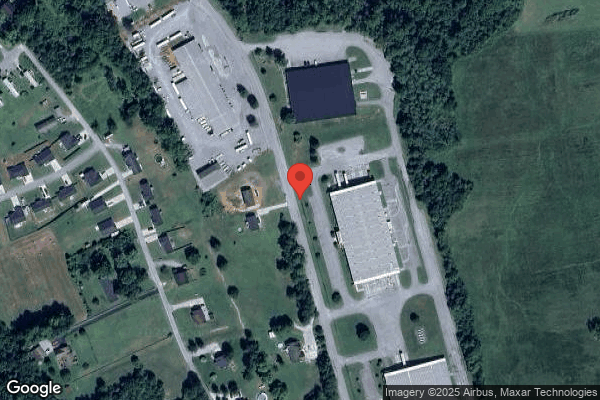
215 RICHARDSON WAY, MAYNARDVILLE, TN 37807 (865) 992-5816
For profit - Corporation 77 Beds GENESIS HEALTHCARE Data: November 2025
Trust Grade
68/100
#107 of 298 in TN
Last Inspection: June 2023

Over 2 years since last inspection. Current conditions may differ from available data.

Overview

Willow Ridge Center in Maynardville, Tennessee, has a Trust Grade of C+, indicating it is decent and slightly above average compared to other facilities. It ranks #107 out of 298 in Tennessee, placing it in the top half of the state, and is the only nursing home in Union County, so families have limited local options. However, the facility's situation is worsening, with issues increasing from three in 2021 to five in 2023. Staffing is a concern, rated at 2/5 stars with a turnover rate of 27%, which, while better than the state average, still indicates challenges in retaining staff. Notably, there were serious incidents where a resident suffered harm due to inadequate fall supervision and a failure to implement their care plan, alongside health inspection findings that noted unsanitary conditions in the kitchen, which could affect many residents.

Trust Score
C+
68/100
In Tennessee
#107/298
Top 35%
Safety Record
Moderate
Needs review
Inspections
Getting Worse
3 → 5 violations
Staff Stability
✓ Good
27% annual turnover. Excellent stability, 21 points below Tennessee's 48% average. Staff who stay learn residents' needs.
Penalties
✓ Good
No fines on record. Clean compliance history, better than most Tennessee facilities.
Skilled Nurses
✓ Good
Each resident gets 43 minutes of Registered Nurse (RN) attention daily — more than average for Tennessee. RNs are trained to catch health problems early.
Violations
⚠ Watch
15 deficiencies on record. Higher than average. Multiple issues found across inspections.
★★★★☆
4.0
Overall Rating
★★☆☆☆
2.0
Staff Levels
★★★★★
5.0
Care Quality
★★★☆☆
3.0
Inspection Score
Stable
2021: 3 issues
2023: 5 issues

The Good

  • 5-Star Quality Measures · Strong clinical quality outcomes
  • Low Staff Turnover (27%) · Staff stability means consistent care
  • Full Sprinkler Coverage · Fire safety systems throughout facility
  • No fines on record
  • Staff turnover is low (27%)

    21 points below Tennessee average of 48%

Facility shows strength in quality measures, staff retention, fire safety.

The Bad

Chain: GENESIS HEALTHCARE

Part of a multi-facility chain

Ask about local staffing decisions and management

The Ugly 15 deficiencies on record

2 actual harm
Jun 2023 5 deficiencies
CONCERN (D)

Potential for Harm - no one hurt, but risky conditions existed

Deficiency F0657 (Tag F0657)

Could have caused harm · This affected 1 resident

**NOTE- TERMS IN BRACKETS HAVE BEEN EDITED TO PROTECT CONFIDENTIALITY** Based on facility policy review, medical record review and interview, the facility failed to revise the comprehensive care plan ...

Read full inspector narrative →
**NOTE- TERMS IN BRACKETS HAVE BEEN EDITED TO PROTECT CONFIDENTIALITY** Based on facility policy review, medical record review and interview, the facility failed to revise the comprehensive care plan for 1 Resident (#53) to include pressure ulcer interventions of 3 residents reviewed for pressure ulcers. The findings include: Review of the facility policy titled Person-Centered Care Plan revised 10/24/2022, showed .Care plans will be .revised by the interdisciplinary team .as needed to reflect .care and changing needs . Review of the facility policy titled Skin Integrity and Wound Management revised 2/1/2023, showed .Staff will continuously observe and .implement revisions to the plan of care as needed . Resident #53 was admitted to the facility on [DATE] with diagnoses including Intertrochanteric Fracture of Left Femur, Metabolic Encephalopathy, Muscle Weakness, Type 2 Diabetes, Mild Cognitive Impairment, Need for assistance with Personal Care and History of Falling. Review of a physician's telephone order dated 5/2/2023, showed .Apply sure-prep [a fast drying skin protectant] to right heel wound every Tuesday, Thursday and Saturday on day shift . Review of a physician's order dated 5/10/2023, showed .Heel boot to right heel while in bed or chair . Review of Resident #53's comprehensive care plan revised 5/11/2023, showed no intervention for heel boot to right heel while in bed and chair. Further review showed no intervention to apply sure-prep to right heel wound every Tuesday, Thursday and Saturday on day shift. During an interview on 6/1/2023 at 10:00 AM, the Director of Nursing confirmed the facility failed to revise Resident #53's comprehensive care plan following new physician orders on 5/2/2023 and 5/10/2023.
CONCERN (D)

Potential for Harm - no one hurt, but risky conditions existed

Accident Prevention (Tag F0689)

Could have caused harm · This affected 1 resident

**NOTE- TERMS IN BRACKETS HAVE BEEN EDITED TO PROTECT CONFIDENTIALITY** Based on facility policy review, medical record review and interview, the facility failed to investigate a fall for 1 Resident (...

Read full inspector narrative →
**NOTE- TERMS IN BRACKETS HAVE BEEN EDITED TO PROTECT CONFIDENTIALITY** Based on facility policy review, medical record review and interview, the facility failed to investigate a fall for 1 Resident (#53) of 3 falls reviewed. The findings include: Review of the facility policy titled Falls: Care During and After dated 12/01/2006, showed .All residents who experience a fall will receive .investigation of the cause .Complete Resident Fall Investigation Form . Review of the facility policy titled Falls Management revised 6/15/2022, showed .A fall is defined as .coming to rest on the .floor .a fall is considered to have occurred when a patient is found on the floor . Resident #53 was admitted to the facility on [DATE] with diagnoses including Intertrochanteric Fracture of Left Femur, Metabolic Encephalopathy, Muscle Weakness, Type 2 Diabetes, Mild Cognitive Impairment, History of falling, and Frontal Lobe and Executive Function Deficit. Review of a nursing note dated 3/4/2023, showed Resident #53 was observed sitting on the floor in the resident's room, .when asked resident what happened he said he was tired so he sat down to rest .I [Registered Nurse #1] asked why he did not sit on bed resident states he likes to sit in the floor .assisted resident with getting up and sitting on bed .will continue to monitor . There was no documentation a fall investigation form had been completed. Review of a History and Physical dated 3/9/2023, showed .On 3/4/2023 he was found by nursing sitting in the floor in his room. When the nurse asked what happened he said he was tired so he sat down to rest. He does have underlying cognitive impairment and is a poor historian in regards to if he fell or not prior to being found by nursing in the floor .no .signs of trauma . Review of a Practitioner Note dated 3/10/2023, showed .Patient was found sitting on the floor in his room on 3/4 [2023]. He states he was tired and sat down. Due to dementia he is an unreliable historian and it is unclear if he sat himself down or fell . During an interview on 5/31/2023 at 2:25 PM, the Director of Nursing (DON) stated Resident #53 was observed on the floor in his room on 3/4/2023, the resident was assessed for injuries, and none were observed. The DON confirmed RN #1 did not initiate a fall investigation form when the resident was observed on the floor and stated RN #1 .did not consider it a fall since the resident stated he sat in the floor and there was no injury to the resident . The DON confirmed the facility failed to complete a fall investigation form when Resident #53 was found on the floor in his room on 3/4/2023.
CONCERN (D)

Potential for Harm - no one hurt, but risky conditions existed

Incontinence Care (Tag F0690)

Could have caused harm · This affected 1 resident

**NOTE- TERMS IN BRACKETS HAVE BEEN EDITED TO PROTECT CONFIDENTIALITY** Based on facility policy review, medical record review, observation and interview, the facility failed to follow the facility p...

Read full inspector narrative →
**NOTE- TERMS IN BRACKETS HAVE BEEN EDITED TO PROTECT CONFIDENTIALITY** Based on facility policy review, medical record review, observation and interview, the facility failed to follow the facility policy to obtain a physician's order for an indwelling urinary catheter to include catheter care for 1 resident (#46) and failed to obtain a physician's order for the bulb size of an indwelling urinary catheter for 1 resident (#71) of 3 residents reviewed for catheter use. The findings include: Review of the facility policy titled Catheter: Indwelling Urinary [a tube placed in the bladder to allow urine to drain freely] -Insertion Of reviewed 9/24/2012, showed .Urinary catheters will be inserted in accordance with a physician's order .Verify physician's order .Attach the pre-filled, sterile syringe to the balloon port of the catheter .gently instill the appropriate amount of sterile water/solution (e.g. [for example] 5 cc [cubic centimeter] for 5 cc balloon] .Document: Catheter size, type, and amount of solution used to inflate balloon . Review of the facility policy titled Catheter: Urinary- Justification for Use dated 3/1/2022, showed .obtain physician order .follow Catheter: Indwelling Urinary-Care of procedure . Review of the facility policy titled Catheter: Indwelling Urinary -Care Of dated 2/1/2023, showed .Perform catheter care twice a day and PRN .Document: Catheter care provided . Resident #46 was admitted to the facility on [DATE] with diagnoses including Paraplegia and Neuromuscular Dysfunction of the Bladder. Review of a quarterly Minimum Data Set (MDS) assessment dated [DATE], showed Resident #46 was cognitively intact and had a urinary catheter. Review of the comprehensive care plan dated 3/23/2023, showed the resident required an indwelling urinary catheter due to neurogenic bladder and the resident refused catheter care often. During an observation on 5/30/2023 at 11:00 AM, Resident #46 was seated in a wheelchair with a covered urinary catheter bag in place. Review of Resident #46's current physician's orders showed no order for an indwelling urinary catheter. During an interview on 6/1/2023 at 11:26 AM, the Director of Nursing (DON) stated she expected the resident to have an order a catheter. Resident #71 was admitted to the facility on [DATE] with diagnoses including Hydronephrosis with Renal and Ureteral Calculous Obstruction and Acute Kidney Failure. Review of a physician's order dated 5/3/2023, showed .Indwelling catheter 18 FR [French-size of catheter] with___cc [cubic centimeters-amount of solution used to inflate] balloon . Review of Resident #71's comprehensive care plan dated 5/3/2023, showed .indwelling .catheter due to neurogenic bladder . Review of an admission MDS assessment dated [DATE], showed the resident had an indwelling catheter. During an interview on 6/1/2023 at 10:01 AM, Registered Nurse (RN) #1 stated the admission nurse was responsible to obtain an order for an indwelling urinary catheter which was to include the bulb size. RN #1 confirmed Resident #71's physician's order for the indwelling catheter did not include the bulb size . During an interview on 6/1/2023 at 10:15 AM, the DON confirmed the physician's order did not include the bulb size needed for Resident #71's indwelling catheter.
CONCERN (E)

Potential for Harm - no one hurt, but risky conditions existed

Safe Environment (Tag F0584)

Could have caused harm · This affected multiple residents

**NOTE- TERMS IN BRACKETS HAVE BEEN EDITED TO PROTECT CONFIDENTIALITY** Based on facility policy review, observations and interviews, the facility failed to provide a safe, clean, and homelike environ...

Read full inspector narrative →
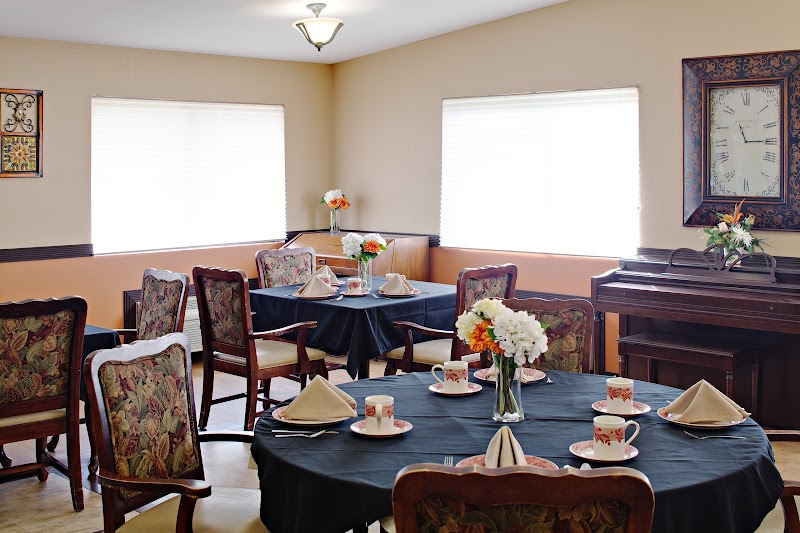
**NOTE- TERMS IN BRACKETS HAVE BEEN EDITED TO PROTECT CONFIDENTIALITY** Based on facility policy review, observations and interviews, the facility failed to provide a safe, clean, and homelike environment for 1 Resident (#55) of 39 residents reviewed, failed to maintain the upkeep of painted walls in 2 of 4 hallways, failed to maintain the integrity and cleanliness of 2 speciality chairs of the 30 speciality chairs in the facility, failed to provide a safe, clean, and homelike environment for 1 of 1 shower rooms, and failed to provide a safe, clean, and homelike environment for 1 of 1 dining rooms. The findings include: Review of the facility policy titled Accommodation of Needs revised 2/1/2023, showed .The resident .has the right to a safe, clean, comfortable and homelike environment .The Center must provide: A safe, clean, comfortable, and homelike environment . Resident #55 was admitted to the facility on [DATE], with diagnoses including Diabetes Mellitus, Viral Hepatitis C, and Osteomyelitis of Vertebra. Review of Resident 55's quarterly Minimum Data Set (MDS) assessment dated [DATE], showed Resident #55's Brief Interview of Mental Status (BIMS) score was 15, indicating the resident was cognitively intact and required assistance of one or more staff members with activities of daily living (ADL's). During an observation/interview on 5/30/2023 at 12:27 PM, Resident #55 voiced concern of the condition of her bathroom. Observations revealed the vinyl had separated from the floor and the baseboard, around the edges of the room and had a gap, ½ to ¾ inches, filled with dark brown/black debris. The light fixture in the bathroom had 1 working bulb, which resulted in dim and inadequate lighting for the bathroom. During an observation on 5/31/2023 at 1:10 PM, Resident #55's air conditioner was noted to have a ¼ inch gap between the unit and the wall. The face plate of the air conditioner unit was loose and not affixed to the main unit. During an observation on 5/31/2023 at 1:15 PM of the upper 100 hallway revealed the walls in the hallway had scrapes along the bottom portion (6-8 inches from the floor) of the wall and the paint was scraped on the wall across from room [ROOM NUMBER] for a total length of 12 feet. On the 100 hallway, a speciality chair was observed to have a ripped left side armrest and another speciality chair was observed to have non adhesive gauze wrapped on the top of the left arm rest. The foam cushion in the second chair had various colored debris present on the top of the cushion. A sit to stand transfer device was also in the hallway with the handles covered with white residue and the floor plate of the device had copious amounts of brown residue present. A tour of the facility's 1 shower room revealed the floor had debris which had led to the discoloration of the grout between the tiles. The lens of the shower room light fixture was not in a secure position with the right side of the lens dangling 2-3 inches and with 2 of the 4 retention clips exposed, not affixed to the light fixture. Observation of the dry wall ceiling of the facility's 1 dining room showed it was cracked at a midpoint seam for the entire length of the room. A retractable louvered access pass through panel, from the kitchen to the dining room, was observed to be unsanitary with the entire length of the panel covered with a thick multi-colored residue. The counter plate of the access door had a ½ inch gap between the plate and the cinder block wall. During an interview on 5/31/2023 at 1:55 PM, the Contracted Account Manager confirmed responsibility for the oversight of the cleaning of the facility and stated the contracted facility staff were to assist the nursing staff with wiping down the speciality chairs, as well as the sit to stand transfer device. During an interview on 5/31/2023 at 2:02 PM, the Administrator confirmed there were many aesthetic environmental challenges in the facility related to a home like environment. During an interview on 6/1/2023 at 12:18 PM, the Director Of Nursing confirmed the facility was in a state of disrepair and there were home like environment concerns which had been overlooked.
CONCERN (F)

Potential for Harm - no one hurt, but risky conditions existed

Food Safety (Tag F0812)

Could have caused harm · This affected most or all residents

Based on facility policy review, observation and interview, the facility failed to maintain a sanitary environment in the kitchen, with the potential to affect 72 of 74 residents in the facility. The ...

Read full inspector narrative →
Based on facility policy review, observation and interview, the facility failed to maintain a sanitary environment in the kitchen, with the potential to affect 72 of 74 residents in the facility. The findings include: Review of the facility policy titled Equipment revised 9/2018, showed .All foodservice equipment will be clean, sanitary, and in proper working order .All equipment will be routinely cleaned and maintained in accordance with manufacturer's directions and training materials .All staff members will be properly trained in the cleaning and maintenance of all equipment .All food contact equipment will be cleaned and sanitized after every use .All non-food contact equipment will be clean and free of debris . During the initial kitchen tour observation on 5/30/2023 at 10:35 AM, with the Certified Dietary Manager (CDM), the stove was found with splashed brown food debris build up on both doors and the right handle of the oven. Observation of the convection oven had dried spattered brown food debris present on the right front of the oven adjacent to the control panel, a copious amount of pooled dried brown food debris was present along the bottom crevasse of the convection oven pilot light access panel. Observation revealed the mobile steam tray cart used to serve resident meals for the dining room and all halls in the facility had brown food debris observed in the bottom in 2 of 3 serving bins. On the bottom shelf of the mobile steam tray cart, a copious amount of bread crumbs were present beside 2 loaves of bread. The sugar bin was 1/3 full, and a scoop was present lying on top of the sugar in the bin. During an interview on 5/30/2023 at 11:30 AM, the CDM confirmed the staff failed to clean and sanitize the kitchen equipment appropriately after use. The CDM also confirmed the scoop was not to be stored inside the sugar bin.
Dec 2021 3 deficiencies
CONCERN (D)

Potential for Harm - no one hurt, but risky conditions existed

Comprehensive Care Plan (Tag F0656)

Could have caused harm · This affected 1 resident

**NOTE- TERMS IN BRACKETS HAVE BEEN EDITED TO PROTECT CONFIDENTIALITY** Based on facility policy review, medical record review, and interview, the facility failed to develop a comprehensive care plan ...

Read full inspector narrative →
**NOTE- TERMS IN BRACKETS HAVE BEEN EDITED TO PROTECT CONFIDENTIALITY** Based on facility policy review, medical record review, and interview, the facility failed to develop a comprehensive care plan for wound management, for 1 resident (#214) of 20 residents reviewed for care plans. The findings include: Review of the facility policy titled ,Person-Centered Care Plan, dated 7/1/2019, showed .A comprehensive, individualized care plan will be developed for each patient that includes measurable objectives and timetables to meet a patient's medical, nursing, nutrition, and mental and psychosocial needs . Resident #214 was admitted on [DATE] with diagnoses including Sepsis, Cellulitis of Left Lower Limb, Hypertension, Muscle Weakness, and Cognitive Communication Deficit. Review of a physician's order dated 11/15/2021, showed .Clean non viable tissue to L [left] calf with wound cleanser. Apply xeroform gauze [a petrolatum based gauze]. Secure with kerlix [bandage roll] and ace [an elastic bandage] daily . Review of a nurse practitioner's progress note dated 11/17/2021, showed .On admission he [Resident #214] was noted with BLE [bilateral lower extremity] cellulitis due to infected wounds . Review of Resident #214's medical record showed no comprehensive care plan had been developed for wound management. Interview with the Director of Nursing on 12/7/2021 at 9:45 AM, confirmed a comprehensive care plan for wound management had not been developed for Resident #214.
CONCERN (D)

Potential for Harm - no one hurt, but risky conditions existed

Accident Prevention (Tag F0689)

Could have caused harm · This affected 1 resident

**NOTE- TERMS IN BRACKETS HAVE BEEN EDITED TO PROTECT CONFIDENTIALITY** Based on facility policy review, medical record review, observations, and interviews, the facility failed to ensure medications ...

Read full inspector narrative →
**NOTE- TERMS IN BRACKETS HAVE BEEN EDITED TO PROTECT CONFIDENTIALITY** Based on facility policy review, medical record review, observations, and interviews, the facility failed to ensure medications were stored and administered safely for 1 resident (Resident #33) of 7 residents observed and reviewed for medication administration when a nurse left the resident's medication at the bedside unattended. The findings include: Review of the facility policy titled, Medication Administration: General, revised 6/1/2021 showed .provide a safe, effective medication administration process .Remain with patient until administration is complete. Do not leave medications at the patient's bedside . Resident #33 was admitted to the facility on [DATE] with diagnoses including End Stage Renal Disease (ESRD), Dependence on Renal Dialysis, Respiratory Failure with Hypoxia, Shortness of Breath, Major Depressive Disorder, Muscle Wasting, and Contractures of Right and Left Knee. Review of the Minimum Data Set (MDS) 5 day assessment dated [DATE], showed Resident #33 had a Brief Interview for Mental Status (BIMS) of 15, indicating she was cognitively intact. Resident #33 required extensive assistance of 2 staff persons with bed mobility, locomotion on unit, dressing, toileting, and personal hygiene. Required set up assistance with meals. No issues with swallowing with eating or drinking. Review of the Care Plan dated 10/15/2021, showed Resident #33 .at risk for cardiovascular symptoms .administer meds [medications] as ordered .Exhibits impaired renal function and at risk for complications related to (r/t) hemodialysis [a process of purifying the blood of a person whose kidneys are not working] .Medicate as ordered .vision impairment .wears glasses .arrange environment to enhance vision .ensure appropriate visual aid .Orient .to surroundings . Observation on 12/5/2021 at 9:28 AM, of Resident #33 in the resident's room, revealed Resident #33 lying in the bed with eyes closed, a round reddish-brown pill in a plastic medication cup lying on its side was found on the over bed table. Continued observation showed no facility staff was present in the resident's room. Call light was turned on in resident's room, surveyor requested a nurse to come to room. At 9:38 AM, Licensed Practical Nurse #1 (LPN #1) entered Resident #33's room and confirmed it looked like a pill in a medication cup left on the overbed table. LPN #1 stated she was not the one who administered Resident #33's medications. Further observation showed LPN #1 took the medication in the plastic medication cup with her and showed the medication to LPN #2. LPN #2 stated she had administered Resident #33's medication at 7:00 AM. The round reddish-brown pill was identified by LPN #2 as [NAME]-Vite (a dietary supplement) 0.8 mg (milligrams- a unit of measure) daily for renal failure. At 9:41 AM, LPN #1 took the found medication to the Director of Nursing's (DON) office and handed off to her. During an interview with the DON on 12/5/2021 at 9:41 AM, confirmed there was a round reddish-brown pill in a plastic cup. She stated the nurse did not stay with Resident #33 while she took her [NAME]-Vite. During an interview on 12/5/2021 at 2:46 PM, Resident #33 stated she does not like to take her vitamin with her regular medications .it makes me queasy . and waits about 30 minutes later to take after her stomach settles. She further stated she fell asleep and forgot to take her vitamin this morning and left it in the plastic cup on her overbed table. During an interview with the DON on 12/5/2021 at 3:15 PM, confirmed there was no assessment for Resident # 33 to self-administer medications.
CONCERN (D)

Potential for Harm - no one hurt, but risky conditions existed

Safe Environment (Tag F0921)

Could have caused harm · This affected 1 resident

**NOTE- TERMS IN BRACKETS HAVE BEEN EDITED TO PROTECT CONFIDENTIALITY** Based on review of facility policy, job description, observation, and interview, the facility failed to maintain a safe, functio...

Read full inspector narrative →
**NOTE- TERMS IN BRACKETS HAVE BEEN EDITED TO PROTECT CONFIDENTIALITY** Based on review of facility policy, job description, observation, and interview, the facility failed to maintain a safe, functional, and comfortable environment for 1 of 38 resident rooms observed. The findings include: Review of the facility policy titled, Preventive Maintenance, dated 6/2007 showed .Perform preventive maintenance on .physical plant on a schedule which factors in operational activity and complies with applicable code requirements . Review of the Maintenance Director's job description dated 10/6/2016, showed .The Maintenance Director is responsible for overall maintenance operation of the center .he is responsible for performing repairs .performing regular daily, weekly, and monthly maintenance checks, as shown on 'Preventive Maintenance Calendar' .Maintains the building in good repair .free of hazards .Maintains the building .in compliance with Federal, State, and local laws . Observation of room [ROOM NUMBER]b on 12/5/2021 at 11:56 AM, showed a large hole in the wallboard behind the bed with crumbled plaster and white dust particles noted on the floor. Observation of room [ROOM NUMBER]b on 12/6/2021 at 12:43 PM, showed a large hole in the wallboard behind the bed with crumbled plaster. During observation and interview on 12/6/2021 at 12:45 PM, the Director of Maintenance confirmed room [ROOM NUMBER]b had a large hole in the wallboard located behind the bed. He stated he was unaware of the hole in the wall; no work order had been placed. Observation of room [ROOM NUMBER]b on 12/7/2021 at 7:55 AM, showed the large hole continued to be visable in the wallboard with crumbled plaster. During an interview with the Administrator on 12/7/2021 at 2:00 PM, revealed his expectations would be for the Director of Maintenance to make safety rounds in the resident rooms weekly. The weekly safety checks to ensure beds, sinks, bathrooms, all equipment is working properly and for any other maintenance needed. Continued interview revealed no weekly safety checks had been documented.
May 2019 7 deficiencies 2 Harm
SERIOUS (G)

Actual Harm - a resident was hurt due to facility failures

Comprehensive Care Plan (Tag F0656)

A resident was harmed · This affected 1 resident

**NOTE- TERMS IN BRACKETS HAVE BEEN EDITED TO PROTECT CONFIDENTIALITY** Based on facility policy review, medical record review, observations, and interview, the facility failed to implement a comprehe...

Read full inspector narrative →
**NOTE- TERMS IN BRACKETS HAVE BEEN EDITED TO PROTECT CONFIDENTIALITY** Based on facility policy review, medical record review, observations, and interview, the facility failed to implement a comprehensive care plan intervention for 1 resident (#20) of 19 residents reviewed for care plans of 19 sampled residents. The facility's failure resulted in actual harm to Resident #20. The findings include: Review of the facility's policy, Falls Management, revised on 3/15/19 revealed .will receive appropriate interventions to reduce risk and minimize injury .PURPOSE .reduce risk for falls and minimize the actual occurrence of falls .PRACTICE STANDARDS .Develop individualized care plan . Medical record review revealed Resident #20 was admitted to the facility on [DATE] with diagnoses including Attention and Concentration Deficit Following Unspecified Cerebrovascular Disease, Repeated Falls, Muscle Weakness, Reduced Mobility, General Anxiety Disorder, Memory Deficit, and Vascular Dementia. Medical record review of the quarterly Minimum Data Set (MDS) dated [DATE] revealed Resident #20 scored a 12 on the Brief Interview for Mental Status (BIMS) assessment indicating the resident had moderate cognitive impairment. Continued review revealed the resident required extensive assistance of 1 person for bed mobility, transfers, dressing, toileting, and personal hygiene. Medical record review of the Risk Management System (RMS) Event Summary Report dated 10/10/18 revealed the resident .rolled out of bed . and sustained a bruise to the arm. The immediate fall intervention initiated was .fall mat placed at bed side and night stand moved . Medical record review of the Comprehensive Care Plan revised 4/19/19 revealed .Night stand moved and fall mat placed beside residents bed . Medical record review of the RMS Event Summary Report dated 5/9/19 revealed .Resident rolled out of bed hitting head on night stand. Pressure applied and sent to ER [emergency room] for sutures/evaluation. Returned with 8 stitches . Continued review revealed the corrective fall intervention was .Move and keep night stand away from bed . Observations of Resident #20 on 5/19/19 at 10:17 AM, and 5/20/19 at 8:00 AM, 9:15 AM, 10:17 AM and 3:00 PM, and on 5/21/19 at 8:05 AM, in the resident's room, revealed the bed was in a low position, a floor mat was on the left side of the bed, and the night stand was on the opposite side of room. Interview with Certified Nursing Assistant (CNA) #3 on 5/20/19 at 5:30 PM, at the nurse's station, revealed the CNA was not aware of the fall intervention to keep the night stand moved away from the resident's bed prior to the 5/9/19 fall. Interview with CNA #4 on 5/20/19 at 5:35 PM, at the nurse's station, revealed the CNA was not aware of the fall intervention to keep the night stand moved away from the resident's bed prior to the 5/9/19 fall. Interview with Registered Nurse (RN) #4, on 5/21/19 at 8:10 AM, on the 100 hall, revealed the RN was not aware of the fall intervention to keep the night stand moved away from the resident's bed prior to the 5/9/19 fall. Interview with CNA #6 on 5/21/19 at 8:15 AM, on the 100 hall, revealed the CNA was not aware of the fall intervention to keep the night stand moved away from the resident's bed prior to the 5/9/19 fall. Continued interview revealed .it may be in our care book . Interview with the MDS Coordinator on 5/21/19 at 2:50 PM, in the hall, confirmed the fall interventions for moving the night stand had been initiated after a fall on 10/10/18. Continued interview confirmed moving the night stand was a current intervention on the care plan, and had not been implemented at the time of Resident #20's fall with injury on 5/9/19. Interview with the Director of Nursing (DON) on 5/21/19 at 2:55 PM, at the nurse's station, confirmed the facility failed to implement the fall intervention for the night stand to be moved away from the resident's bed at the time of the resident's fall on 5/9/19. Continued interview confirmed the facility's failure resulted in actual harm for Resident #20.
SERIOUS (G)

Actual Harm - a resident was hurt due to facility failures

Accident Prevention (Tag F0689)

A resident was harmed · This affected 1 resident

**NOTE- TERMS IN BRACKETS HAVE BEEN EDITED TO PROTECT CONFIDENTIALITY** Based on facility policy review, medical record review, observation, and interview, the facility failed to provide supervision t...

Read full inspector narrative →
**NOTE- TERMS IN BRACKETS HAVE BEEN EDITED TO PROTECT CONFIDENTIALITY** Based on facility policy review, medical record review, observation, and interview, the facility failed to provide supervision to prevent falls by ensuring fall interventions were in place for 1 Resident (#20) of 3 residents reviewed for accidents of 19 sampled residents. The facility's failure resulted in harm for Resident #20. The findings include: Review of the facility's policy, Falls Management, revised on 3/15/19, revealed .Patients experiencing a fall will receive appropriate care and investigation of the cause .PURPOSE .reduce risk for falls and minimize the actual occurrence of falls .PRACTICE STANDARDS .Develop individualized care plan .Review and revise care plan regularly .Update care plan to reflect new interventions . Medical record review revealed Resident #20 was admitted to the facility on [DATE] with diagnoses including Attention and Concentration Deficit Following Unspecified Cerebrovascular Disease, Repeated Falls, Muscle Weakness, Reduced Mobility, General Anxiety Disorder, and Vascular Dementia. Medical record review of the quarterly Minimum Data Set (MDS) dated [DATE] revealed Resident #20 scored a 12 on the Brief Interview for Mental Status (BIMS) indicating the resident had moderate cognitive impairment. Continued review revealed the resident required extensive assist of 1 person for bed mobility, transfers, dressing, toileting, and personal hygiene. Medical record review of the Risk Management System (RMS) Event Summary Report dated 10/10/18 revealed the resident .rolled out of bed . and sustained a bruise to the arm. The immediate fall intervention initiated was .fall mat placed at bed side and night stand moved . Medical record review of Resident #20's current Care Plan dated 4/19/19, revealed, Focus *Resident is at risk for falls: history of falls, CVA [Cerebrovascular Accident], Impaired mobility .Interventions .Night stand moved and fall mat placed beside bed . Medical record review of the RMS Event Summary Report dated 5/9/19 revealed .Resident rolled out of bed hitting head on night stand. Pressure applied and sent to ER [emergency room] for sutures/evaluation. Returned with 8 stitches . Medical record review of the hospital Physician's documentation dated 5/9/19 revealed the resident arrived to the Emergency Department via Emergency Medical Service (EMS) after a fall with injury. Continued review revealed the resident sustained a laceration to the forehead. Further review revealed the resident received sutures for the laceration repair, a Computed Tomography (CT) scan of the brain and cervical spine. Further review revealed the CT of the cervical spine was negative and the CT of the brain identified a right forehead scalp hematoma (localized bleeding outside of blood vessels, due to either disease or trauma). Medical record review of a Physician's Progress Note dated 5/10/19 revealed .This is an acute visit .patient seen after having fallen .and injured the right side of her forehead resulting in a laceration .Patient was sent out to the ER and did receive 8 stitches to the right side of her forehead . Observation of Resident #20 in the resident's room on 5/19/19 at 10:17 AM, and on 5/20/19 at 8:00 AM, 9:15 AM, 10:17 AM, and 3:00 PM, and on 5/21/19 at 8:05 AM, revealed the resident lying in bed with a bandage on her right forehead. Continued observation revealed the bed was in a low position, with a floor mat on the left side of the bed, and the night stand on the opposite side of room. Interview with Certified Nursing Assistant (CNA) #3 on 5/20/19 at 5:30 PM, at the nurse's station, revealed the CNA was not aware of the fall intervention to keep the night stand moved away from the resident's bed. Interview with CNA #4 on 5/20/19 at 5:35 PM, at the nurse's station, revealed the CNA was not aware of the fall intervention to keep the night stand moved away from the resident's bed. Interview with Registered Nurse (RN) #4, on 5/21/19 at 8:10 AM, on the 100 hall, revealed the RN was not aware of the fall intervention to keep the night stand moved away from the resident's bed. Interview with CNA #6 on 5/21/19 at 8:15 AM, on the 100 hall, revealed the CNA was not aware of the fall intervention to keep the night stand moved away from the resident's bed. Continued interview revealed .it may be in our care book but we don't have time to look at it . Interview with the Director of Nursing (DON) on 5/21/19 at 9:16 AM, near the nurse's station, confirmed the resident had rolled out of the bed and hit her head on the night stand which resulted in a laceration to the forehead that required sutures. Continued interview confirmed the intervention for the night stand to be moved away from the resident's bed had been initiated prior to the resident's fall on 5/9/19. Continued interview confirmed she was unsure when the night stand had been moved back near the resident's bed. Continued interview confirmed the facility failed to monitor and ensure the night stand had been moved away from the resident's bed which resulted in actual harm to the resident.
CONCERN (D)

Potential for Harm - no one hurt, but risky conditions existed

ADL Care (Tag F0677)

Could have caused harm · This affected 1 resident

**NOTE- TERMS IN BRACKETS HAVE BEEN EDITED TO PROTECT CONFIDENTIALITY** Medical record review revealed Resident #39 was admitted to the facility on [DATE] and readmitted on [DATE] with diagnoses inclu...

Read full inspector narrative →
**NOTE- TERMS IN BRACKETS HAVE BEEN EDITED TO PROTECT CONFIDENTIALITY** Medical record review revealed Resident #39 was admitted to the facility on [DATE] and readmitted on [DATE] with diagnoses including Chronic Myeloid Leukemia, Vascular Dementia with Behavioral Disturbance, Dysphagia, Muscle Weakness, Cerebral Infarction, and Cognitive Communication. Medical record review of the quarterly MDS dated [DATE] revealed Resident #39 had severe cognitive impairment. Continued review revealed no rejection of care had been exhibited. Further review revealed the resident required total assistance of two staff members for bed mobility, dressing, toileting, bathing, and personal hygiene. Medical record review of the care plan revised 4/15/19 revealed .While in the facility .it is important that [the resident] has the opportunity to engage in daily routines that are meaningful relative to their preferences .it is important for me to take a shower . Medical record review of the ADL record dated March 2019 revealed Resident #39 had received a shower on 3/9/19, 3/20/19, 3/27/19, indicating the resident had not received 7 of the scheduled showers for the days of 3/1/19-3/31/19. Medical record review of the ADL record dated April 2019 revealed the resident had received a shower on 4/6/19, 4/17/19, 4/21/19, indicating the resident had not received 5 of the scheduled showers for the days of 4/1/19-4/30/19. Medical record review of the ADL record dated May 2019 revealed the Resident had received a shower on 5/1/19 and 5/4/19, indicating the resident had not received 7 of the scheduled showers between the days of 5/1/19-5/21/19. Observation and interview on 5/19/19 at 3:31 PM, revealed Resident #39 lying in bed, hair disheveled and unshaven. Family member at bedside stated she has asked for [the resident] to be added to the list for a haircut and beard (goatee style beard) to be trimmed and the rest of his face shaven. Continued interview revealed the resident had only had one shower since February 2019. [the resident] is not getting showers .[the resident] needs to go to the shower .I have even offered to come in and shower [the resident] myself . Observation on 5/20/19 at 3:00 PM, in the resident's room revealed Resident #39 lying in bed yelling out for family member. Continued observation revealed Resident #39's hair was disheveled and his face unshaven. Observation on 5/21/19 at 8:17 AM, in the resident's room revealed Resident' #39 lying in bed with the television playing, white tee shirt on and covered with sheet, hair disheveled and unshaven. Interview with Certified Nursing Assistant (CNA) #1 on 5/21/19 at 8:00 AM, in the conference room confirmed she is assigned to resident showers and residents are to be offered a shower two times a week. Continued interview confirmed she is pulled to the floor on a regular basis due to staff call-ins and she is unable to complete the assigned showers. Interview with the Director of Nursing (DON) on 5/21/19 at 9:30 AM, in the conference room, confirmed the residents had not received the scheduled showers. Further interview confirmed it was her expectation the residents received scheduled baths twice weekly. Interview with CNA #2 on 5/21/19 at 11:10 AM, in the conference room, confirmed she was assigned for resident showers. Further interview confirmed there were residents which required total assist and required use of a lift or gurney. Continued interview confirmed the shower required staff 30-45 minutes to complete each shower. Further interview confirmed when there are staff call-ins and she is pulled to the floor, they (staff) will not complete any showers on residents that require use of the lift or gurney because there is not enough time. Based on facility policy review, medical record review, review of the facility's Activities of Daily Living Record (ADL), observations and interviews, the facility failed to provide scheduled showers for 2 dependent residents (#5, #39) of 13 residents reviewed for ADLs of 19 sampled residents. The findings include: Review of the facility policy Activities of Daily Living (ADLs),with a revision date of 11/28/16, revealed .Activities of daily living (ADLs) include .Hygiene-bathing . grooming .To attain or maintain the patient's highest practicable physical, mental, and psychosocial well being .receives necessary services to maintain good .grooming, and personal .hygiene . Medical record review revealed Resident #5 was admitted to the facility on [DATE] and readmitted on [DATE] with diagnoses including Quadriplegia, Muscle Wasting, Acquired Absence of Unspecified Foot, Acute Kidney Failure and Major Depressive Disorder. Medical record review of the admission Minimum Data Set (MDS) dated [DATE], revealed the resident had a Brief Interview for Mental Status (BIMS) score of 15, indicating the resident was cognitively intact, required extensive assistance of 2 staff for transfers, toileting, personal hygiene and bathing. Medical record review of the ADL record dated May 2019 revealed the resident had not received showers two times a week. Observation of Resident #5 on 5/19/19 at 9:45 AM, in the residents room revealed the resident resting in bed. Interview with Resident #5 on 5/19/19 at 9:45 AM, in the resident's room confirmed he was .lucky to get a shower once a week . Further interview confirmed he preferred to have a shower but staff are unable to get him in the shower two times a week. Continued interview confirmed there are a couple staff on evening shift that sometimes will give him a bed bath.
CONCERN (D)

Potential for Harm - no one hurt, but risky conditions existed

Respiratory Care (Tag F0695)

Could have caused harm · This affected 1 resident

**NOTE- TERMS IN BRACKETS HAVE BEEN EDITED TO PROTECT CONFIDENTIALITY** Based on facility policy review, medical record review, observation and interview, the facility failed to administer oxygen ther...

Read full inspector narrative →
**NOTE- TERMS IN BRACKETS HAVE BEEN EDITED TO PROTECT CONFIDENTIALITY** Based on facility policy review, medical record review, observation and interview, the facility failed to administer oxygen therapy as ordered for 1 resident (#47) of 6 residents reviewed for oxygen therapy of 19 residents sampled. The findings include: Review of the facility policy Oxygen revised 12/1/18 revealed .Set liter flow per order .Attach prescribed oxygen delivery device. Apply oxygen delivery to the resident . Medical record review revealed Resident #47 was admitted to the facility on [DATE] with diagnoses including Encounter for Palliative Care, Chronic Obstructive Pulmonary Disease (COPD), Peripheral Vascular Disease, Major Depressive Disorder and Anxiety Disorder. Medical record review of the admission Minimum Data Set (MDS) dated [DATE] revealed the resident scored a 12 on the Brief Interview for Mental Status (BIMS) indicating the resident had moderate cognitive impairment. Continued review revealed the resident required extensive assistance of 1 staff bed mobility, transfers, and supervision set up help for toileting, hygiene and eating. Continued review revealed the resident was on oxygen therapy. Medical record review of the Comprehensive Care Plan dated 5/9/19 revealed the resident required assistance for activities of daily living (ADL), and was on hospice service due to end stage COPD. Continued review revealed the resident was at risk for respiratory complications related to end stage COPD and sleep apnea with interventions .O2 [oxygen] as ordered . Medical record review revealed a Physician's Order dated 5/21/19, for Oxygen at 4 liter per minute (l/m) continuous. Observation of Resident #47 on 5/19/19 at 2:25 PM, in the resident's room, revealed the resident was sitting on bed with oxygen in use at 3.5 l/m bnc (by nasal cannula). Observation of Resident #47 on 5/20/19 at 9:53 AM, in the hall outside of the resident's room, revealed the resident was in a wheelchair with oxygen in use bnc. Continued observation revealed the regulator (device to regulate flow of oxygen) was set to deliver oxygen at 3 l/m. Observation of Resident #47 on 5/20/19 at 10:00 AM and 10:04 AM, in the resident's room, revealed the resident was sitting on the bed with oxygen in use at 3 l/m bnc. Observation of Resident #47 and interview with Registered Nurse (RN) #5 on 5/20/19 at 10:04 AM, in the resident's room, revealed the resident's oxygen concentrator flow meter was set .on 3 or 3.5 . l/m bnc. Continued interview confirmed the resident's oxygen was not being administered at 4 l/m as ordered by the Physician. Observation of Resident #47 on 5/20/19 at 5:20 PM, in the resident's room, revealed the resident lying in bed with oxygen in use at 3.5 l/m bnc. Observation of Resident #47 and interview with Licensed Practical Nurse (LPN) #3 on 5/20/19 at 5:25 PM, in the resident's room, revealed the resident was receiving oxygen .between 3 [l/m] and 4 [l/m] but less than 4 [l/m] . Continued interview confirmed the oxygen was not being administered at 4 l/m as ordered by the Physician. Observation of Resident #47 on 5/21/19 at 10:10 AM, in the hall near the dining room, revealed the resident was sitting in a wheelchair with oxygen in use. Continued observation revealed the oxygen regulator was set to administer oxygen at 3 l/m bnc. Further observation revealed the oxygen regulator reflected the oxygen tank was empty. Observation of Resident #47 and interview with RN #3 on 5/21/19 at 10:12 AM, in the hall near the dining room, confirmed the oxygen regulator was set to deliver oxygen at 3 l/m bnc and the tank was empty. Continued interview confirmed the resident's oxygen was not being administered at 4 l/m as ordered by the Physician. Further observation revealed RN #3 transported Resident #47 via wheelchair to the resident's room and applied O2 at 4 l/m bnc. Continued observation revealed RN #3 obtained the oxygen saturation level of Resident #47. Further observation and interview with RN #3 revealed the resident's oxygen level was at 89% (percent). Continued interview revealed the resident's oxygen level was typically in the 89 to low 90% range due to the resident's advanced COPD. Interview with the Director of Nursing (DON) on 5/21/19 at 3:25 PM, in the DON's office, confirmed the facility failed to monitor and administer the oxygen as ordered by the Physician for Resident #47.
CONCERN (D)

Potential for Harm - no one hurt, but risky conditions existed

Unnecessary Medications (Tag F0759)

Could have caused harm · This affected 1 resident

**NOTE- TERMS IN BRACKETS HAVE BEEN EDITED TO PROTECT CONFIDENTIALITY** Based on facility policy review, medical record review, observation and interview, the facility failed to ensure 2 medications w...

Read full inspector narrative →
**NOTE- TERMS IN BRACKETS HAVE BEEN EDITED TO PROTECT CONFIDENTIALITY** Based on facility policy review, medical record review, observation and interview, the facility failed to ensure 2 medications were administered per Physician's Orders of 31 opportunities observed for 1 resident (#47) of 4 residents observed for medication administration resulting in an 6.45% medication error rate. The findings include: Review of the facility's policy, Medication Administration: General, revised date 7/24/18 revealed .A licensed nurse .will administer medications to patients. Accepted standards of practice will be followed. Further review revealed .Practice Standards .Doses will be administered within one hour of the prescribed time unless otherwise indicated by the prescriber . Medical record review revealed Resident #47 was admitted to the facility on [DATE] with diagnoses including Chronic Obstructive Pulmonary Disease (COPD), Peripheral Vascular Disease (PVD), Essential Hypertension, Major Depressive Disorder, Anxiety Disorder and Encounter for Palliative Care. Medical record review of Resident #47's Physician Recapitulation Orders dated 5/19/19 revealed the resident was ordered Lorazepam (anti-anxiety medication) 0.5 mg (milligram) 1 tablet PO (by mouth) three times a day 8:00 AM, 2:00 PM, and 8:00 PM, Oxycodone (narcotic pain medication) 5 mg PO every 8 hours 12:00 AM, 8:00 AM,and 4:00 PM. Observation with Registered Nurse (RN) #1 on 5/19/19 at 10:15 AM, in hallway, revealed RN #1 administered the 8:00 AM scheduled doses of Lorazepam tablet and Oxycodone tablet. Continued observation revealed RN #1 had administered the resident's medications 2 hours and 15 minutes past the scheduled administration time. Interview with RN #1 on 5/19/19 at 10:30 AM, at the nurse's station, confirmed the medications were due to be administered at 8 AM but .it's almost impossible with 40 residents . Interview with the Director of Nursing on 5/19/19 at 11:25 AM, in the conference room, confirmed medications are to be administered 1 hour before or 1 hour after the ordered time. Further interview confirmed the facility failed to follow their policy to administer medications timely.
CONCERN (E)

Potential for Harm - no one hurt, but risky conditions existed

Deficiency F0725 (Tag F0725)

Could have caused harm · This affected multiple residents

**NOTE- TERMS IN BRACKETS HAVE BEEN EDITED TO PROTECT CONFIDENTIALITY** Based on medical record review, review of facility documentation, review of Activities of Daily Living (ADL) records, resident, ...

Read full inspector narrative →
**NOTE- TERMS IN BRACKETS HAVE BEEN EDITED TO PROTECT CONFIDENTIALITY** Based on medical record review, review of facility documentation, review of Activities of Daily Living (ADL) records, resident, family, and staff interviews the facility failed to maintain adequate staffing levels to meet the care needs of 2 residents (#5, #39) of 19 sampled residents and failed to ensure medications were administered timely for 1 resident (#47) of 4 residents observed for medication administration. The findings include: Review of the facility policy, Activities of Daily Living (ADLs), revision date 11/28/16, revealed .Activities of daily living (ADLs) include .Hygiene-bathing . grooming .To attain or maintain the patient's highest practicable physical, mental, and psychosocial well being .receives necessary services to maintain good .grooming, and personal .hygiene . Medical record review revealed Resident #5 was admitted to the facility on [DATE] with diagnoses including Quadriplegia, Muscle Wasting, Acquired Absence of Unspecified Foot, Acute Kidney Failure and Major Depressive Disorder. Medical record review of the admission Minimum Data Set (MDS) dated [DATE], revealed the resident had a Brief Interview for Mental Status (BIMS) score of 15, indicating the resident was cognitively intact, required extensive assistance of 2 staff for transfers, toileting, personal hygiene and bathing. Medical record review of the ADL record dated May 2019 revealed the resident had not received showers two times a week. Interview with Resident #5 on 5/19/19 at 9:45 AM, in the resident's room confirmed he was .lucky to get a shower once a week . Further interview confirmed he preferred to have a shower but staff are unable to get him in the shower two times a week. Continued interview confirmed there are a couple staff on evening shift that sometimes will give him a bed bath. Medical record review revealed Resident #39 was admitted to the facility on [DATE] and readmitted on [DATE] with diagnoses including Chronic Myeloid Leukemia, Vascular Dementia, Cerebral Infarction, and Pain., Medical record review of the quarterly MDS dated [DATE] revealed Resident #39 had severe cognitive impairment. Further review revealed the resident required total assistance of two staff members for bed mobility, dressing, toileting, bathing, and personal hygiene. Medical record review of the care plan revised 4/15/19 revealed .While in the facility .it is important that [the resident] has the opportunity to engage in daily routines that are meaningful relative to their preferences .it is important for me to take a shower . Medical record review of the ADL record dated March 2019 revealed Resident #39 had received a shower on 3/9/19, 3/20/19, 3/27/19, indicating the resident had not received 7 of the scheduled showers for the days of 3/1/19 - 3/31/19. Medical record review of the ADL record dated April 2019 revealed Resident #39 had received a shower on 4/6/19, 4/17/19, 4/21/19, indicating the resident had not received 5 of the scheduled showers for the days of 4/1/19 - 4/30/19. Medical record review of the ADL record dated May 2019 revealed Resident #39 had received a shower on 5/1/19 and 5/4/19, indicating the resident had not received 7 of the scheduled showers between the days of 5/1/19 - 5/21/19. Interview with Resident #39's family member on 5/19/19 at 3:31 PM, in Resident #39's room, revealed the resident had only had one shower since February 2019 . [the resident] is not getting showers . [the resident] needs to go to the shower .I have even offered to come in and shower [the resident] myself . Interview with Certified Nursing Assistant (CNA) #1 on 5/21/19 at 8:00 AM, in the conference room confirmed she is assigned to resident showers and residents are to be offered a shower two times a week. Continued interview confirmed she is pulled to the floor on a regular basis due to staff call-ins and she is unable to complete the assigned showers. Medical record review revealed Resident #47 was admitted to the facility on [DATE] with diagnoses including Chronic Obstructive Pulmonary Disease (COPD), Peripheral Vascular Disease (PVD), Essential Hypertension, Major Depressive Disorder, Anxiety Disorder, and Encounter for Palliative Care. Medical record review of Resident #47's Physician Recapitulation Orders dated 5/19/19 revealed the resident was ordered Lorazepam (anti-anxiety medication) 0.5 mg (milligram) 1 tablet PO (by mouth) three times a day 8:00 AM, 2:00 PM, and 8:00 PM, Oxycodone (narcotic pain medication) 5 mg PO every 8 hours 12:00 AM, 8:00 AM, and 4:00 PM. Observation with Registered Nurse (RN) #1 on 5/19/19 at 10:15 AM, at the nurse's station, revealed RN #1 administered the 8:00 AM scheduled doses of Lorazepam tablet and Oxycodone tablet. Continued observation revealed RN #1 had administered the resident's medications 2 hours and 15 minutes past the scheduled administration time. Interview with RN #1 on 5/19/19 at 10:30 AM, at the nurse's station, confirmed the medications were due to be administered at 8 AM but .it's almost impossible with 40 residents . Interview with the Director of Nursing (DON) on 5/21/19 at 9:30 AM, in the conference room, confirmed the residents had not received the scheduled showers. Further interview confirmed it was her expectation the residents received scheduled baths twice weekly. Interview with CNA #2 on 5/21/19 at 11:10 AM, in the conference room, confirmed she was assigned for resident showers. Further interview confirmed there were residents which required total assist and required use of a lift or gurney. Continued interview confirmed the shower required staff 30-45 minutes to complete each shower. Further interview confirmed when there are staff call ins and she is pulled to the floor, they will not complete any showers on residents that require use of the lift or gurney because there is not enough time. In summary after medical record review, review of facility documentation, observations, resident, family, and staff interviews the facility failed to ensure adequate staffing was available to provide 2 residents with scheduled showers twice a week and 1 resident with medications timely.
CONCERN (F)

Potential for Harm - no one hurt, but risky conditions existed

Food Safety (Tag F0812)

Could have caused harm · This affected most or all residents

Based on facility policy review, observation, and interview, the facility failed to store clean pans and kitchen equipment under dry sanitary conditions; failed to ensure an expired food additive, exp...

Read full inspector narrative →
Based on facility policy review, observation, and interview, the facility failed to store clean pans and kitchen equipment under dry sanitary conditions; failed to ensure an expired food additive, expired food items and expired emergency water supply was not available for resident use in 1 of 1 kitchen observed. The findings include: Review of the facility Food and Nutrition Services Policy and Procedures entitled Receiving, with a revised date of 5/2014, revealed .It is the center policy that safe food handling procedures .will be practiced in the .storage of all food items .All food items will be stored in a manner that [insures] appropriate and timely utilization .Foods considered unsafe for consumption or beyond the expiration date will be discarded by staff . Observation and interview with [NAME] #1 on 5/19/19 at 9:00 AM, in the kitchen, revealed 4 of the 8 inch by 12 inch pans, and 2 of the 4 inch by 12 inch pans were stored wet. Continued observation revealed the meat slicer with dry debris; 75 (1) gallon jugs of the emergency water supply with a use by date of 4/22/19 and a powdered thickening agent stored in a 50 gallon barrel, 1/8 full, had an expired date of 1/1/19 was available for resident use . Observation and interview with Certified Dietary Manager (CDM) on 5/19/19 at 9:30 AM, in the nourishment room, revealed a strawberry dessert stored in the resident nourishment refrigerator with no date and was available for resident use. Continued observation and interview revealed 6 of the 8 ounce styrofoam cups were 1/8 full of a frozen clear liquid, uncovered, and stored in the door of the resident nourishment freezer with a date labeled 8/20/18. Further interview confirmed the facility failed to store clean pans and kitchen equipment under dry sanitary conditions; failed to ensure an expired food additive, expired food items and expired emergency water supply were not available for resident use.
Understanding Severity Codes (click to expand)
Life-Threatening (Immediate Jeopardy)
J - Isolated K - Pattern L - Widespread
Actual Harm
G - Isolated H - Pattern I - Widespread
Potential for Harm
D - Isolated E - Pattern F - Widespread
No Harm (Minor)
A - Isolated B - Pattern C - Widespread

Questions to Ask on Your Visit

  • "Can I speak with families of current residents?"
  • "What's your RN coverage like on weekends and overnight?"

Our Honest Assessment

Strengths
  • • No fines on record. Clean compliance history, better than most Tennessee facilities.
  • • 27% annual turnover. Excellent stability, 21 points below Tennessee's 48% average. Staff who stay learn residents' needs.
Concerns
  • • 15 deficiencies on record, including 2 serious (caused harm) violations. Ask about corrective actions taken.
Bottom line: Mixed indicators with Trust Score of 68/100. Visit in person and ask pointed questions.

About This Facility

What is Willow Ridge Center's CMS Rating?

CMS assigns WILLOW RIDGE CENTER an overall rating of 4 out of 5 stars, which is considered above average nationally. Within Tennessee, this rating places the facility higher than 99% of the state's 100 nursing homes. This rating reflects solid performance across the metrics CMS uses to evaluate nursing home quality.

How is Willow Ridge Center Staffed?

CMS rates WILLOW RIDGE CENTER's staffing level at 2 out of 5 stars, which is below average compared to other nursing homes. Staff turnover is 27%, compared to the Tennessee average of 46%. This relatively stable workforce can support continuity of care.

What Have Inspectors Found at Willow Ridge Center?

State health inspectors documented 15 deficiencies at WILLOW RIDGE CENTER during 2019 to 2023. These included: 2 that caused actual resident harm and 13 with potential for harm. Deficiencies causing actual harm indicate documented cases where residents experienced negative health consequences.

Who Owns and Operates Willow Ridge Center?

WILLOW RIDGE CENTER is owned by a for-profit company. For-profit facilities operate as businesses with obligations to shareholders or private owners. The facility is operated by GENESIS HEALTHCARE, a chain that manages multiple nursing homes. With 77 certified beds and approximately 67 residents (about 87% occupancy), it is a smaller facility located in MAYNARDVILLE, Tennessee.

How Does Willow Ridge Center Compare to Other Tennessee Nursing Homes?

Compared to the 100 nursing homes in Tennessee, WILLOW RIDGE CENTER's overall rating (4 stars) is above the state average of 2.8, staff turnover (27%) is significantly lower than the state average of 46%, and health inspection rating (3 stars) is at the national benchmark.

What Should Families Ask When Visiting Willow Ridge Center?

Based on this facility's data, families visiting should ask: "Can you walk me through typical staffing levels on day, evening, and night shifts?" "Can I visit during a mealtime to observe dining assistance and food quality?" "How do you handle medical emergencies, and what is your hospital transfer rate?" "Can I speak with family members of current residents about their experience?" These questions are particularly relevant given the below-average staffing rating.

Is Willow Ridge Center Safe?

Based on CMS inspection data, WILLOW RIDGE CENTER has a clean safety record: no substantiated abuse findings (meaning no confirmed cases of resident harm), no Immediate Jeopardy citations (the most serious violation level indicating risk of serious injury or death), and is not on the Special Focus Facility watch list (a federal program monitoring the lowest-performing 1% of nursing homes). The facility has a 4-star overall rating and ranks #1 of 100 nursing homes in Tennessee. While no facility is perfect, families should still ask about staff-to-resident ratios and recent inspection results during their visit.

Do Nurses at Willow Ridge Center Stick Around?

Staff at WILLOW RIDGE CENTER tend to stick around. With a turnover rate of 27%, the facility is 19 percentage points below the Tennessee average of 46%. Low turnover is a positive sign. It means caregivers have time to learn each resident's needs, medications, and personal preferences. Consistent staff also notice subtle changes in a resident's condition more quickly. Registered Nurse turnover is also low at 27%, meaning experienced RNs are available to handle complex medical needs.

Was Willow Ridge Center Ever Fined?

WILLOW RIDGE CENTER has no federal fines on record. CMS issues fines when nursing homes fail to meet care standards or don't correct problems found during inspections. The absence of fines suggests the facility has either maintained compliance or corrected any issues before penalties were assessed. This is a positive indicator, though families should still review recent inspection reports for the full picture.

Is Willow Ridge Center on Any Federal Watch List?

WILLOW RIDGE CENTER is not on any federal watch list. The most significant is the Special Focus Facility (SFF) program, which identifies the bottom 1% of nursing homes nationally based on persistent, serious quality problems. Not being on this list means the facility has avoided the pattern of deficiencies that triggers enhanced federal oversight. This is a positive indicator, though families should still review the facility's inspection history directly.