WILLOW BRANCH HEALTH AND REHABILITATION
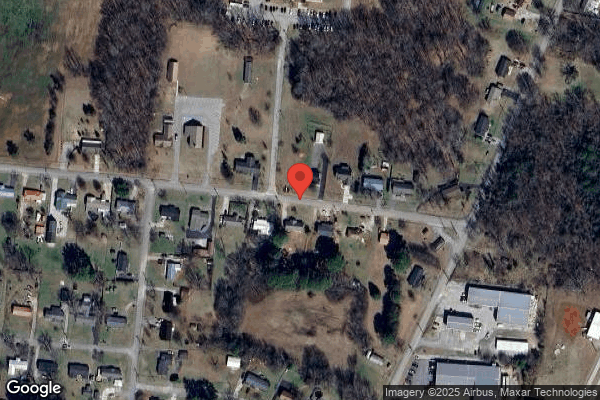

415 PACE STREET, MCMINNVILLE, TN 37110 (931) 668-2011
For profit - Limited Liability company 140 Beds SIMCHA HYMAN & NAFTALI ZANZIPER Data: November 2025
Trust Grade
55/100
#161 of 298 in TN
Last Inspection: April 2025

Within standard 12-15 month inspection cycle. Federal law requires annual inspections.

Overview

Willow Branch Health and Rehabilitation has a Trust Grade of C, which means it is average and positioned in the middle of the pack among nursing facilities. It ranks #161 out of 298 in Tennessee, placing it in the bottom half, and is #2 out of 2 in Warren County, indicating only one local option is better. The facility's performance is worsening, with the number of issues rising from 2 in 2022 to 5 in 2025. Staffing is below average with a rating of 2 out of 5 stars, but the 39% turnover rate is better than the state average of 48%, suggesting some staff stability despite challenges. There were no fines recorded, which is a positive sign, but the facility has less RN coverage than 75% of Tennessee facilities, which could impact care quality. Specific incidents of concern include failures to notify a physician and family after a resident suffered a fall that resulted in pelvic fractures, and not implementing care plan interventions to prevent falls for residents, leading to serious injuries. Overall, while there are some strengths like lower turnover and no fines, the facility has serious shortcomings in care practices that families should consider.

Trust Score
C
55/100
In Tennessee
#161/298
Bottom 46%
Safety Record
High Risk
Review needed
Inspections
Getting Worse
2 → 5 violations
Staff Stability
○ Average
39% turnover. Near Tennessee's 48% average. Typical for the industry.
Penalties
✓ Good
No fines on record. Clean compliance history, better than most Tennessee facilities.
Skilled Nurses
⚠ Watch
Each resident gets only 23 minutes of Registered Nurse (RN) attention daily — below average for Tennessee. Fewer RN minutes means fewer trained eyes watching for problems.
Violations
⚠ Watch
11 deficiencies on record. Higher than average. Multiple issues found across inspections.
★★★☆☆
3.0
Overall Rating
★★☆☆☆
2.0
Staff Levels
★★★☆☆
3.0
Care Quality
★★★☆☆
3.0
Inspection Score
Stable
2022: 2 issues
2025: 5 issues

The Good

  • Full Sprinkler Coverage · Fire safety systems throughout facility
  • No fines on record
  • Staff turnover below average (39%)

    9 points below Tennessee average of 48%

Facility shows strength in fire safety.

The Bad

3-Star Overall Rating

Near Tennessee average (2.8)

Meets federal standards, typical of most facilities

Staff Turnover: 39%

Near Tennessee avg (46%)

Typical for the industry

Chain: SIMCHA HYMAN & NAFTALI ZANZIPER

Part of a multi-facility chain

Ask about local staffing decisions and management

The Ugly 11 deficiencies on record

3 actual harm
Apr 2025 5 deficiencies
CONCERN (D)

Potential for Harm - no one hurt, but risky conditions existed

Deficiency F0657 (Tag F0657)

Could have caused harm · This affected 1 resident

**NOTE- TERMS IN BRACKETS HAVE BEEN EDITED TO PROTECT CONFIDENTIALITY** Based on facility policy review, medical record review, and interview, the facility failed to revise a comprehensive care plan t...

Read full inspector narrative →
**NOTE- TERMS IN BRACKETS HAVE BEEN EDITED TO PROTECT CONFIDENTIALITY** Based on facility policy review, medical record review, and interview, the facility failed to revise a comprehensive care plan to reflect the resident's current code status for 1 resident (Resident #46) of 20 residents reviewed for care planning. The findings include: Review of the facility's policy titled, Comprehensive Care Plans, dated 2/2024, revealed .The care planning process will include an assessment of the resident's strengths and needs and will incorporate the residents personal .preferences . Medical record review revealed Resident #46 was admitted to the facility on [DATE] with diagnoses including Hip Fracture, Compression Fracture, and Diabetes. Review of an admission Minimum Data Set (MDS) assessment dated [DATE], revealed Resident #46 scored a 13 on the Brief Interview for Mental Status (BIMS) assessment which indicated the resident was cognitively intact. Review of the comprehensive care plan for Resident #46 dated [DATE], revealed .Advanced Directives .Full Code .Resident advanced directives will be honored .CPR [cardiopulmonary resuscitation] will be performed when needed . Review of a Physician Orders for Scope of Treatment (POST) form for Resident #46 dated [DATE], revealed .Do not attempt resuscitation [DNR] .comfort measures only . was checked as the resident's preference for advanced directives. Review of a Physician's Order for Resident #46 dated [DATE], revealed .Code Status: DNR . During an interview on [DATE] at 11:05 AM, the Care Plan Coordinator confirmed Resident #46's care plan had not been revised to reflect the resident's advanced directive preference for a DNR code status.
CONCERN (D)

Potential for Harm - no one hurt, but risky conditions existed

Deficiency F0761 (Tag F0761)

Could have caused harm · This affected 1 resident

**NOTE- TERMS IN BRACKETS HAVE BEEN EDITED TO PROTECT CONFIDENTIALITY** Based on facility policy review, observation, and interview the facility failed to store an insulin pen appropriately for 1 resi...

Read full inspector narrative →
**NOTE- TERMS IN BRACKETS HAVE BEEN EDITED TO PROTECT CONFIDENTIALITY** Based on facility policy review, observation, and interview the facility failed to store an insulin pen appropriately for 1 resident (Resident #3) of 3 residents reviewed for medications on 1 medication cart (200 hall medication cart) of 2 medication carts observed for medication storage. The findings include: Review of the facility's policy titled, Medication storage, revised 2/2025, revealed .all medications housed on our premises will be stored in accordance to the manufacturer's recommendations and ensure proper .temperature .all medications requiring refrigeration are stored in refrigerators . Review of the medical record revealed Resident #3 was admitted to the facility on [DATE] with diagnoses including Dementia, Diabetes, and Obesity. Review of a quarterly Minimum Data Set (MDS) assessment dated [DATE], revealed Resident #3 scored an 11 on the Brief Interview for Mental Status (BIMS) assessment which indicated the resident had moderate cognitive impairment. Review of a Physician's Order for Resident #3 dated 4/15/2025, revealed .Insulin Glargine administer 60 units .At Bedtime . During an observation on 4/29/2025 at 8:30 AM, revealed one unopened prefilled 3 milliliter Insulin Glargine syringe for Resident #3 was stored on the 200 hall medication cart. The prefilled insulin syringe was stored in a disposable plastic bag which read .REFRIGERATE . Further observation revealed the prefilled insulin syringe was delivered on 4/23/2025 (7 days) and had a sticker on the pen which read .REFRIGERATE UNTIL OPENED . During an interview on 4/29/2025 at 8:35 AM, Licensed Practical Nurse (LPN) B stated she did not know when the prefilled insulin syringe was removed from refrigeration and stated the pen was not opened and was not used. LPN B further stated the prefilled insulin syringe was available for resident use and confirmed the prefilled insulin syringe was not stored appropriately. During an interview on 4/30/2025 at 11:00 AM, the Director of Nursing (DON) confirmed the facility failed to appropriately store the prefilled insulin pen for Resident #3 in the 200 hall medication cart .
CONCERN (D)

Potential for Harm - no one hurt, but risky conditions existed

Deficiency F0838 (Tag F0838)

Could have caused harm · This affected 1 resident

**NOTE- TERMS IN BRACKETS HAVE BEEN EDITED TO PROTECT CONFIDENTIALITY** Based on facility policy review, observations, and interviews the facility failed to ensure the languages used by residents in t...

Read full inspector narrative →
**NOTE- TERMS IN BRACKETS HAVE BEEN EDITED TO PROTECT CONFIDENTIALITY** Based on facility policy review, observations, and interviews the facility failed to ensure the languages used by residents in the facility assessment was accurate to include sign language for 1 resident (Resident #12) of 17 residents reviewed. The findings include: Review of the facility's policy titled, Facility Assessment, dated 8/2024, revealed .a facility-wide assessment to determine what resources are necessary to care for our residents competently during both day-to-day operations .and emergencies .The facility assessment will at minimum address or include .the care required by the resident population .that consider the types of diseases, conditions .and other pertinent facts that are present within that population . Review of the medical record revealed Resident #12 was admitted to the facility on [DATE] with diagnoses including Developmental Disorder of Speech and Language, Nonspeaking Deafness, and Weakness. Review of a 5-day admission Minimum Data Set (MDS) assessment dated [DATE], revealed Resident #12 had absence of useful hearing and had severe cognitive impairment for daily decision making. Review of the Facility Assessment revised 3/2025, revealed the English was the language used by all residents in the facility. Further review of the Facility Assessment revealed sign language was not included in the Facility Assessment. During an observation on 4/28/2025 at 11:30 AM, revealed Resident #12 was laying in bed with her eyes closed. Further observation revealed a large sign on the wall of her room which included pictorial instructions on how to read and use sign language. During an interview on 4/29/2025 at 7:45 AM, Licensed Practical Nurse (LPN) B stated the staff used sign language to communicate with Resident #12. During further interview LPN B stated the resident used some sign language gestures created by herself for certain words, and also stated the resident was not able to use a dry erase board related to spelling and legibility difficulties. During an interview on 4/29/2025 at 2:30 PM, Certified Nursing Assistant (CNA) C stated Resident #12 could not use a dry erase board for communication related to writing difficulties. CNA C further stated the resident used sign language and other hand gestures to communicate with staff. During an observation on 4/30/2025 at 11:15 AM, revealed CNA C served Resident #12 a meal tray. During further observation Resident #12 performed hand gestures and sign languages to CNA C, and CNA C responded with hand gestures and sign language. During an interview on 4/30/2025 at 11:20 AM, the Director of Nursing (DON) stated Resident #12 used sign language to communicate with staff and also stated some staff members have started learning sign language to better communicate with Resident #12. During an interview on 4/30/2025 at 11:30 AM, the Administrator verified sign language was the primary method of communication for Resident #12. The Administrator stated the Facility Assessment was recently updated and confirmed the facility failed to include Sign Language in the Facility Assessment as a language used by the residents.
CONCERN (E)

Potential for Harm - no one hurt, but risky conditions existed

Safe Environment (Tag F0584)

Could have caused harm · This affected multiple residents

**NOTE- TERMS IN BRACKETS HAVE BEEN EDITED TO PROTECT CONFIDENTIALITY** Based on facility policy review, medical record review, observations, and interviews, the facility failed to maintain a comforta...

Read full inspector narrative →
**NOTE- TERMS IN BRACKETS HAVE BEEN EDITED TO PROTECT CONFIDENTIALITY** Based on facility policy review, medical record review, observations, and interviews, the facility failed to maintain a comfortable, well-kept, and homelike environment on 4 of 4 hallways for 4 residents (Resident #7, Resident #15, Resident #39 and Resident #271) of 68 residents reviewed for a homelike environment. The findings include: Review of the facility's policy titled, Safe and Homelike Environment, revised 2/2025, revealed .the facility will provide a safe, clean, comfortable and homelike environment .any environment in the facility that is frequented by residents .rooms, bathrooms, hallways, dining areas .determination of homelike should include the resident's opinion of the living environment .physical environment that is neat and well-kept .maintenance services will be provided as necessary to maintain a sanitary, orderly, and comfortable environment . Review of the medical record revealed Resident #7 was admitted to the facility on [DATE], with diagnoses including Chronic Kidney Disease, Hypertension, Chronic Obstructive Pulmonary Disease, and Rheumatoid Arthritis. Review of an admission Minimum Data Set (MDS) assessment dated [DATE], revealed Resident #7 scored a 6 on the Brief Interview for Mental Status (BIMS) assessment which indicated the resident had severe cognitive impairment. During an interview on 4/28/2025 at 11:50 AM, Resident #7 stated the door to her bedroom was .very dirty . and also stated her doors at her home were clean and did not look like the door at the facility. During an observation on 4/28/2025 at 11:55 AM, Resident #7's door was not visibly soiled. Further observation of the door revealed several scuffs, scratches, chipped wooded, and multiple strips of transparent office tape was used to secure a vinyl kick plate (a replaceable thin sheet of plastic adhered to doors to prevent damage) to the door. Review of the medical record revealed Resident #15 was admitted to the facility on [DATE] with diagnoses including Congestive Heart Failure, Diabetes, and Chronic Kidney Disease. Review of a quarterly MDS assessment dated [DATE], revealed Resident #15 scored a 15 on the BIMS assessment which indicated the resident was cognitively intact. During an interview on 4/28/2025 at 11:40 AM, Resident #15 stated the door to her room was .in bad shape . Resident #15 stated the door was broken and she did not use rubber bands or tape to repair broken or damaged items in her home. Resident #15 stated her room was not a homelike environment. During an observation on 4/28/2025 at 11:45 AM, revealed Resident #15's bedroom door handle was wrapped with a rubber band which was anchored to the resident's bathroom door handle holding the bedroom door open. The door also had several scuffs, scratches, chipped wood, and multiple strips of black colored tape used to secure a vinyl kick plate to the door. Further observation revealed the privacy curtain was not moveable, and the privacy curtain track was detached from the ceiling in 1 place. Review of the medical record revealed Resident #39 was admitted to the facility on [DATE] with diagnoses including Peripheral Vascular Disease, Chronic Obstructive Pulmonary Disease, and Morbid Obesity. Review of a quarterly MDS assessment dated [DATE], revealed Resident #39 scored a 15 on the BIMS assessment which indicated the resident was cognitively intact. During an observation 4/28/2025 at 9:00 AM, in Resident #39's room revealed broken sheetrock to the right of the central heat and air unit and the bottom trim baseboard peeling away from the wall. During an interview on 4/28/2025 at 3:00 PM, Resident #39 stated he was aware of broken sheet-rock and baseboard pulled from the wall. Resident #39 stated he was not sure why it had not been fixed but if he was at home he would have had it fixed already. Review of the medical record revealed Resident #271 was admitted to the facility on [DATE] with diagnoses including Epilepsy, Muscle Weakness, Dementia, and Mood Disturbance. Review of an admission MDS assessment dated [DATE], revealed Resident #271 scored a 3 on the BIMS assessment which indicated the resident had severe cognitive impairment. During an observation on 4/28/2025 at 11:30 AM, revealed Resident #271 was lying in bed. Further observation revealed the area behind Resident #271's entrance door revealed the baseboard was peeling off of the wall and paint was bubbled and peeling in various areas. Continued observation revealed in resident's bathroom revealed the paint was peeling and the baseboard was peeling away from the wall. Continued observation behind the resident's bed were deep gouges in wall and sheet rock was falling off. During a facility tour and interview on 4/30/2025 at 9:50 AM, with the Administrator and the Maintenance Director confirmed Resident #7, Resident #15, Resident #39 and Resident #271's rooms were not maintained in a homelike environment.
CONCERN (F)

Potential for Harm - no one hurt, but risky conditions existed

Food Safety (Tag F0812)

Could have caused harm · This affected most or all residents

Based on facility policy review, observations, and interviews, the facility failed to ensure the kitchen equipment and environment was maintained in a sanitary condition and failed to ensure a dietary...

Read full inspector narrative →
Based on facility policy review, observations, and interviews, the facility failed to ensure the kitchen equipment and environment was maintained in a sanitary condition and failed to ensure a dietary aid wore a protective hair covering while working in the food preparation area which had the potential to affect 68 of 68 residents. The findings include: Review of the facility's policy titled, Equipment, dated 10/2019, revealed .center policy that all foodservice equipment is clean, sanitary .Dining Services Director ensures that all non-food contact equipment is clean . Review of the facility's policy titled, Staff Attire, dated 10/2019, revealed .the Dining Services Director insures [ensures] .all staff members .facial hair properly restrained . Review of the facility's policy titled, Equipment Cleaning Procedures, dated 7/2022, revealed .all dietary equipment and the environment are cleaned and sanitized in a manner that meets .federal regulations . all equipment should be cleaned as needed .Equipment that becomes soiled between scheduled cleanings must be properly cleaned and sanitized .walls, ceilings .must be free of chipped and/ or peeling paint and kept in good repair . During an observation on 4/28/2025 at 11:30 AM, with the Certified Dietary Manager (CDM), revealed the ice machine had a thick, crusty yellowish-brown substance to the top perimeter of the filter housing unit. Further observation revealed the ceiling above the ice machine was cracked in various areas with a large piece of ceiling hanging down. Continued observation revealed various patches of an unknown thick, black substance present to the missing ceiling area above the ice machine. During an observation on 4/28/2025 at 11:32 AM, revealed Dietary Aide (DA) A had facial hair and did not have on a facial hair covering while in the food preparation area. During an observation in the dish room on 4/28/2025 at 11:33 AM, with the CDM, revealed multiple areas of brown discoloration with chipped paint of various sizes present to the ceiling. During an observation on 4/28/2025 at 11:34 AM, with the CDM, revealed a thick, black dirt-like substance present to the baseboard perimeter and the floor beneath the 3-compartment sink. During an observation in the cooking area on 4/28/2025 at 11:35 AM, with the CDM, revealed a large area of missing paneling with moderate areas of an unknown thick, black substance present on the ceiling. During an interview on 4/28/2025 at 11:40 AM, the Maintenance Director (MD) confirmed the impairments to the kitchen and dish room ceiling areas was not sanitary from possible moisture damage and needed repairs. The MD confirmed the yellowish-brown substance present to the top of the ice machine was built-up mineral deposits from water condensation and needed to be cleaned. During an observation and interview on 4/28/2025 at 12:07 PM, with the CDM, revealed multiple areas of missing and chipped wall panels on the interior wall of the dry storage area. The CDM confirmed the impaired areas on the walls in the dry storage area had a previous water leak and needed repairs. During an observation on 4/28/2025 at 12:15 PM, revealed DA A did not have on a facial hair covering while in the cooking and food plating area. During an interview on 4/29/2025 at 10:12 AM, the CDM confirmed DA A did not wear a facial hair covering on 4/28/2025 during food preparation. The CDM stated all hair, including facial hair, should be covered while working in the kitchen. During an observation and interview on 4/29/2025 at 10:18 AM, with the CDM, revealed a thick, black dirt-like substance present to the perimeter of the baseboards and the floor underneath the 3-compartment sink. The CDM confirmed the area under the sink was not sanitary and needed to be cleaned.
Mar 2022 2 deficiencies
CONCERN (D)

Potential for Harm - no one hurt, but risky conditions existed

Accident Prevention (Tag F0689)

Could have caused harm · This affected 1 resident

**NOTE- TERMS IN BRACKETS HAVE BEEN EDITED TO PROTECT CONFIDENTIALITY** Based on record review and interview, the facility failed to implement a care plan with an appropriate interventions after a fal...

Read full inspector narrative →
**NOTE- TERMS IN BRACKETS HAVE BEEN EDITED TO PROTECT CONFIDENTIALITY** Based on record review and interview, the facility failed to implement a care plan with an appropriate interventions after a fall for 2 residents (#29, #251) of 14 residents reviewed for falls. The finding included: Resident #29 was admitted to the facility on [DATE] with diagnoses including Heart Disease, Major Depressive Disorder, and Anxiety. Review of the quarterly Minimum Data Set (MDS) dated [DATE] revealed Resident #29 scored an 8 on the Brief Interview for Mental Status (BIMS) indicating moderate cognitive impairment. The resident required limited assistance of 1 staff member for bed mobility and transfer. Review of the facility Post Fall Review dated 1/18/2022 revealed Resident #29 had a fall without injury on 1/18/2022. Continued review showed the intervention implemented after the fall to prevent future falls was to instruct the resident to push the call bell for assistance. Review of the Care Plan updated 1/18/2022 revealed Resident #29 was at risk for falls related to Psychotropic Medication, and Impaired Balance. Continued review showed Resident #29 had a fall without injury on 1/18/2022. Further review revealed the resident's new intervention was updated to reflect the instruction of use of a call bell. During an interview on 3/23/2022 at 2:43 PM, the Director of Nursing (DON) confirmed instructing Resident #29 to push the call bell after a fall on 1/18/2022 was an inappropriate intervention for a cognitively impaired resident. Resident #251 was admitted to the facility on [DATE] with diagnoses including Parkinson's Disease, Coronary Artery Disease, Dementia, and Depression. Review of the facility Post Fall Review dated 3/14/2022 showed Resident # 251 was instructed to use the call light for assistance with ambulation. Review of the Care Plan updated 3/14/2022 revealed Resident #251 was at risk for falls related to Dementia, Psychotropic Medication, and Impaired Balance. Resident #251 had a fall without injury on 3/14/2022. Further review revealed the resident's new intervention was updated to reflect the instruction of use of a call bell. Review of a 5-day admission MDS dated [DATE] revealed the resident scored a 7 on the BIMS indicating the resident was severely impaired. The resident required limited assistance of 1 staff member for bed mobility, transfer, dressing, and toileting. The resident used a walker for ambulation. During an interview with the DON on 3/22/2022 at 1:33 PM, revealed the resident was instructed to use the call light after a fall. The DON confirmed that the resident was cognitively impaired and instructing the residents to use the call light would not be an appropriate intervention. The DON stated .we need to do .BIMS education with the staff .I don't think they fully understand what .[BIMS] means .
CONCERN (E)

Potential for Harm - no one hurt, but risky conditions existed

Infection Control (Tag F0880)

Could have caused harm · This affected multiple residents

Based on facility policy reviews, observations, and interviews, the facility failed to ensure infection control practices were followed for 3 of 8 rooms observed for transmission-based precautions and...

Read full inspector narrative →
Based on facility policy reviews, observations, and interviews, the facility failed to ensure infection control practices were followed for 3 of 8 rooms observed for transmission-based precautions and the facility staff failed to perform hand hygiene during meal tray delivery observations for 2 of 5 hallways observed for dining. The findings include: Review of the isolation signage, undated, posted on the quarantine resident rooms showed, .For all staff Contact Precautions in addition to Standard Precautions Before entering room .Perform hand hygiene .Put on gown or apron .Put on gloves . Review of the facility's policy titled, .Infection Prevention and Control Program ., dated 9/2/2020, showed .Standard Precautions .Hand hygiene shall be performed in accordance with our facility's established hand hygiene procedures . Review of the facility's policy titled, .Hand Hygiene ., dated 3/24/2021, showed .All staff will perform proper hand hygiene procedures to prevent the spread of infection .Between resident contacts After handling contaminated objects .during resident care . During an observation on 3/21/2022 at 11:55 AM showed an isolation room, signage on the door stated .Contact Precautions .Before entering room .Put on gown .Put on gloves . Hanging on the door directly below the isolation sign was a blue fabric storage container with pockets containing Personal Protective Equipment (PPE) supplies. Continued observation revealed the Speech Therapist (ST) did not donn PPE, entered the room and interacted with the resident. Further observation showed the ST exited the isolation room. The ST's face mask was positioned under her nose. During an interview on 3/21/2022 at 11:59 AM, the ST confirmed she had not donned the gown and gloves prior to entering the isolation room. During an observation on 3/21/2022 at 12:05 PM showed an isolation room, signage on the door stated .Contact Precautions .Before entering room .Put on gown .Put on gloves . Hanging on the door directly below the isolation sign was a blue fabric storage container with pockets containing PPE supplies. CNA #4 entered a resident's room during dining observations without gown or gloves. During an interview on 3/21/2022 at 12:08 PM, LPN #2 confirmed anyone entering an isolation room should donn appropriate PPE (gown and gloves). During an interview on 3/21/2022 at 12:10 PM, CNA #4 confirmed the resident was on Transmission Based Precaution (TBP). CNA #4 stated, .I usually do [wear PPE] and should put on gown and gloves . Further interview showed CNA #4 failed to donn PPE before she entered the isolation room. During an interview with the Director of Nurses (DON) on 3/22/2022 at 8:15 AM, the DON confirmed the ST had not followed the infection control practices when she entered the isolation room. During an observation on 3/22/2022 at 2:27 PM showed an isolation room, the signage on the door stated .Contact Precautions .Before entering room .Put on gown .Put on gloves . Hanging on the door directly below the isolation sign, was a blue fabric storage container with pockets containing PPE supplies. The Social Worker (SW) was observed without a gown or gloves sitting in a chair in a resident's room. During an observation and interview on 3/22/2022 at 2:35 PM, the DON confirmed the social worker had not donned PPE while entering an isolation room. The SW confirmed she did not have gown or gloves on in an isolation room. During an observation on 3/21/2022 at 12:01 PM, CNA #2 removed a meal tray off the meal cart and carried the tray into a room. CNA #2 touched the bed controls to raise the head of bed, and touched the over bed table, opened the lid off the meal, touched the lids of the drinks, and opened the silverware. Further observation showed CNA #2 exited the room without performing hand hygiene. Continued observation showed CNA #2 proceeded to the meal cart, picked up the meal tray, and entered a room. CNA #2 set the meal tray on a bed side table. CNA #2 and CNA #3 assisted the resident up in the bed. Both CNA's applied gloves prior to assisting the resident up in the bed. CNA #2 removed gloves, applied a clean pair of gloves without performing hand hygiene, and proceeded to wash the resident's face. CNA #2 washed the residents face prior to performing hand hygiene. During an observation on 3/21/2022 at 12:08 PM, LPN #3 removed a resident's tray from the meal tray cart, walked into the room, placed the tray on the bedside table, resident refused the tray, and LPN #3 exited the room with the tray. LPN #3 placed the tray in the clean meal tray cart. Continued observation showed no hand hygiene was performed. Further observation showed LPN #3 bent over, pulled up her pants, walked around the cart, and removed another meal tray. LPN#3 entered the room, placed the tray on the bedside table, lifted the lid from the meal tray, proceeded to set meal tray up, and exited the room without performing hand hygiene. During an interview on 3/21/2022 at 12:35 PM, CNA #2 confirmed that she did not perform hand hygiene between passing trays. She stated she touched the overbed tables and bed controls in both rooms; she also assisted with patient care. During an interview on 3/22/2022 at 8:20 AM, the DON stated she expected staff to sanitize hands between patients.
Aug 2019 4 deficiencies 3 Harm
SERIOUS (G)

Actual Harm - a resident was hurt due to facility failures

Notification of Changes (Tag F0580)

A resident was harmed · This affected 1 resident

**NOTE- TERMS IN BRACKETS HAVE BEEN EDITED TO PROTECT CONFIDENTIALITY** Based on facility policy review, medical record review, and interview, the facility failed to notify the physician and the resid...

Read full inspector narrative →
**NOTE- TERMS IN BRACKETS HAVE BEEN EDITED TO PROTECT CONFIDENTIALITY** Based on facility policy review, medical record review, and interview, the facility failed to notify the physician and the resident's family after a fall, and failed to notify the physician of complaints of pain for 1 resident (#76) of 5 residents reviewed for falls, of 20 sampled residents. Resident #76 sustained pelvic fractures, which resulted in Harm. The findings include: Review of the facility's policy Accidents and Incidents, Investigating and Reporting, revised 7/2017, revealed, .all accidents or incidents involving residents .shall be investigated and reported to the Administrator .1. The Nurse Supervisor/Charge Nurse and/or the department director or supervisor shall promptly initiate and document investigation of the accident or incident . Continued review revealed, .The following data, as applicable, shall be included on the Report of Incident/Accident form: .g. The time the injured person's Attending Physician was notified .the date/time the injured person's family was notified and by whom . Medical record review revealed Resident #76 was admitted to the facility on [DATE] with diagnoses including Recurrent Dislocation of Right Elbow, Muscle Weakness, and Repeated Falls. Medical record review of a 30 Day Minimum Data Set (MDS) dated [DATE] revealed Resident #76 scored a 9 on the Brief Interview for Mental Status (BIMS), indicating the resident had moderate cognitive impairment. Continued review revealed the resident required extensive assistance of 1 staff for bed mobility, transfers, dressing, toileting, and hygiene. Review of a facility fall investigation, for a fall on 7/4/19, revealed Resident #76 was observed sitting on the floor at the foot of the bed. Further review revealed no documentation the Physician or the family had been notified of the fall. Medical record review of a nurse's note dated 7/4/19 revealed no documentation the Physician or the resident's family had been notified of the fall on 7/4/19. Medical record review of a nurse's note dated 7/5/19 at 4:50 PM, revealed Resident #76 complained of pain and soreness in the right hip and was offered medication to treat pain. Medical record review of the Physical Therapy (PT) Treatment Encounter Notes dated 7/5/19 revealed, .Pt [patient] declined PT .need for PT .especially after her fall in room last night . Medical record review of a nurse's note dated 7/6/19 at 11:20 AM revealed Resident #76 had increased pain to the right hip and the physician was notified of the increase in pain due to a fall. Medical record review of x-ray results dated 7/6/19 revealed Resident #76 had pelvic fractures. Interview with the Quality Assurance Registered Nurse (RN) #1 on 8/7/19 at 8:40 AM, in the conference room, confirmed the facility failed to notify the Physician, and the family of the fall on 7/4/19. Telephone interview with Licensed Practical Nurse (LPN) #1 on 8/7/19 at 3:09 PM, revealed on 7/4/19 at 6:45 PM, Resident #76 was found in the resident's room sitting on the floor at the foot of the bed. Continued interview revealed Resident #76 complained of .pain in her hip around 4 o'clock [4:00 AM on 7/5/19] . Continued interview confirmed LPN #1 failed to notify the Physician and the family of the fall on 7/4/19 and did not notify the physician of the resident's complaints of increased pain. Further interview revealed .I should have called [the Physician] .but that's my fault . Interview with the Director of Nursing (DON) on 8/7/19 at 10:08 AM, in the DON's office, confirmed the facility failed to notify the Physician and the resident's family after the fall on 7/4/19, which resulted in Resident #76 sustaining pelvic fractures. Refer to F-689
SERIOUS (G)

Actual Harm - a resident was hurt due to facility failures

Comprehensive Care Plan (Tag F0656)

A resident was harmed · This affected 1 resident

**NOTE- TERMS IN BRACKETS HAVE BEEN EDITED TO PROTECT CONFIDENTIALITY** Based on facility policy review, medical record review, observation, and interviews, the facility failed to implement a care pla...

Read full inspector narrative →
**NOTE- TERMS IN BRACKETS HAVE BEEN EDITED TO PROTECT CONFIDENTIALITY** Based on facility policy review, medical record review, observation, and interviews, the facility failed to implement a care plan intervention to prevent falls for 2 residents (#12, #76) of 5 residents reviewed for falls. The facility's failure to implement a fall intervention resulted in actual Harm when Resident #12 and Resident #76 sustained fractures following a fall. The findings include: Review of the facility policy, Care Planning-Interdisciplinary Team revised on 9/2013 revealed .care plan is based on the resident's comprehensive assessment and is developed by a Care Planning/Interdisciplinary Team . Medical record review revealed Resident #12 was admitted to the facility on [DATE] and readmitted on [DATE] with diagnoses including Dementia, Chronic Kidney Disease, Coronary Artery Disease, Gout, Hyperlipidemia, Vitamin D Deficiency, Vitamin B12 Deficiency, History of Falling, and Traumatic Brain Injury. Medical record review of a quarterly Minimum Data Set (MDS) dated [DATE], revealed the resident scored a 9 on the Brief Interview for Mental Status (BIMS), indicating the resident had moderate cognitive impairment. Continued review revealed the resident required extensive assist of 2 staff for bed mobility, transfers, dressing, and toileting. Medical record review of Resident #12's Comprehensive Care Plan dated 8/2/19 revealed .at risk for fall related injury as evidenced by history of previous fall .hx [history] of falls .6/26/18-Dycem [nonslip pad to prevent slipping/sliding] to chair . Observation of Resident #12 on 8/5/19 at 10:07 AM, in the resident's room, revealed the resident sitting in the wheelchair watching television. Further observation revealed the resident slid from the wheelchair onto the floor and landed on his right side. Further observation revealed the fall intervention of Dycem pad to the wheelchair was not in place at the time of the fall. Medical record review of an acute care emergency room record dated 8/6/19 revealed Resident #12 had a right hip fracture that required surgery to repair. Interview with Licensed Practical Nurse (LPN) #3 on 8/6/19 at 12:04 PM, in the resident's room, confirmed the fall intervention of Dycem pad to the wheelchair was not in place at the time of the fall. Interview with the Director of Nursing (DON) on 8/6/19 at 2:50 PM, in the DON's office, confirmed the care plan intervention of Dycem pad to the wheelchair was active on the care plan and should have been in place at the time of the fall. Further interview confirmed the facility failed to implement the care plan intervention of Dycem pad to the wheelchair. Resident #12's fall resulted in a hip fracture. Medical record review revealed Resident #76 was admitted to the facility on [DATE] with diagnoses including Recurrent Dislocation of Right Elbow, Muscle Weakness, and Repeated Falls. Medical record review of the Comprehensive Care Plan dated 6/13/19 revealed Resident #76 was at risk for falls. Continued review of the care plan revealed .appropriate footware [footwear] . Medical record review of a 30 Day MDS dated [DATE], revealed Resident #76 was moderately cognitively impaired and required the extensive assistance of 1 staff for bed mobility, transfers, dressing, toileting, and hygiene. Medical record review of a nurse's note dated 7/2/19 revealed the resident had a fall from her bed .resident states that she was trying to get he [her] shoes and slide [slid] out of the bed . Review of the facility fall investigation dated 7/2/19 revealed the facility initiated the following intervention after the fall .non skid socks when shoes off . Review of a facility fall investigation for Resident #76 revealed the resident had a fall on 7/4/19 at 6:45 PM in her room when Resident #76 attempted to get a night gown from her closet. Continued review revealed, .Footwear at time of fall .socks . Medical record review of a nurse's note dated 7/6/19 revealed .Resident continues to complain of increased pain to right hip post fall unrelieved .requesting x-ray . Medical record review of X-Ray results dated 7/6/19 revealed the resident had pelvic fractures. Interview with the Quality Assurance Registered Nurse (QA/RN) #1 on 8/7/19 at 8:40 AM, in the conference room, confirmed the facility failed to implement the fall intervention of nonskid socks at the time of Resident #76's fall on 7/4/19. Interview with the Director of Nursing (DON) on 8/7/19 at 10:08 AM, in the DON's office, revealed the intervention of appropriate footwear initiated on Resident #76's admission to the facility included the use of nonskid socks. Continued interview revealed after the resident's fall on 7/2/19 the only intervention the facility initiated after the resident's fall was nonskid socks. Further interview with the DON confirmed Resident #76 did not have on appropriate footwear or nonskid socks at the time of the resident's fall on 7/4/19. Further interview confirmed the facility failed to implement the intervention of nonskid socks resulting in Resident #76 sustaining a pelvic fracture. Refer to F-689
SERIOUS (G)

Actual Harm - a resident was hurt due to facility failures

Accident Prevention (Tag F0689)

A resident was harmed · This affected 1 resident

**NOTE- TERMS IN BRACKETS HAVE BEEN EDITED TO PROTECT CONFIDENTIALITY** Based on facility policy review, medical record review, observation, and interview, the facility failed to provide adequate supe...

Read full inspector narrative →
**NOTE- TERMS IN BRACKETS HAVE BEEN EDITED TO PROTECT CONFIDENTIALITY** Based on facility policy review, medical record review, observation, and interview, the facility failed to provide adequate supervision to prevent falls for 2 residents (#12, #76) of 5 residents reviewed for falls. Resident #12 sustained a right hip fracture and Resident #76 sustained pelvic fractures, which resulted in actual Harm to Residents #12 and #76. The findings include: Review of the facility policy Accidents and Incidents Investigating and Reporting, revised 7/2017, revealed, .The Nurse Supervisor/Charge Nurse and/or the department director or supervisor shall promptly initiate and document investigation of the accident or incident .The Nurse Supervisor/Charge Nurse .shall complete a Report of Incident/Accident form and submit .within 24 hours of the incident . Review of the facility policy Falls and Fall Risk, Managing, revised on 3/2018, revealed, .identify interventions related to the resident's specific risks and causes to try to prevent the resident from falling and to try to minimize complications from falling .implement a resident-centered fall prevention plan to reduce risk .implement interventions .to try to minimize serious consequences of falling . Review of the facility document Post Fall Checklist, undated, revealed, .Complete Fall Description Details . Immediate interventions implemented . Medical record review revealed Resident #12 was admitted to the facility on [DATE] and readmitted on [DATE] with diagnoses including Dementia, Chronic Kidney Disease, Coronary Artery Disease, Gout, Hyperlipidemia, Vitamin D Deficiency, Vitamin B12 Deficiency, History of Falling, and Traumatic Brain Injury. Medical record review of a quarterly Minimum Data Set (MDS) dated [DATE] revealed Resident #12 was moderately cognitively impaired and required the extensive assitance of 2 staff for bed mobility, transfers, dressing, and toileting. Medical record review of the Nursing Risk assessment dated [DATE] revealed Resident #12 scored a 20 on the Falls Risk Assessment, indicating the resident was high risk for falls. Medical record review of Resident #12's care plan dated 8/2/19, revealed a fall intervention of a Dycem, a nonslip pad to prevent slipping or sliding from the chair, was implemented 6/26/18. Observation of Resident #12 on 8/5/19 at 10:07 AM, in the resident's room, revealed the resident seated in the wheelchair watching television. Further observation revealed the resident slid from the wheelchair onto the floor and landed on his right side. Continued observation revealed Certified Nursing Assistant (CNA) #1 walked into the resident's room, observed the resident on the floor, and yelled for assistance. Further observation revealed the Dycem pad was not in place in the wheelchair at the time of the fall. Review of the facility fall investigation dated 8/5/19, revealed Resident #12 was admitted to the hospital with diagnosis of right hip fracture. Medical record review of an acute care emergency room record dated 8/6/19 revealed .patient [Resident#12] is having right hip pain .RIGHT femoral neck [hip] fracture .operate tomorrow [8/7/19] . Interview with Licensed Practical Nurse (LPN) #3 on 8/6/19 at 12:04 PM, in Resident #12's room, revealed, .[Resident #12] is in [the hospital] set to have surgery for a hip fracture . Further interview confirmed the fall intervention of Dycem to the wheelchair was not in place at the time of the fall. Further interview confirmed the facility failed to implement the intervention of Dycem to the wheelchair. Interview with the Director of Nursing (DON) on 8/6/19 at 2:50 PM, in the DON's office, confirmed the intervention of Dycem to the wheelchair should have been in place at the time of Resident #12's fall. Further interview confirmed the facility failed to implement the intervention of Dycem to the wheelchair, which resulted in Resident #12 sliding from the wheelchair and sustaining a fractured hip. Interview with the Physical Therapist Manager on 8/7/19 at 8:41 AM, in the therapist's office, revealed, .we typically order Dycem to wheelchairs to assist residents who are at risk for sliding out of chairs . Further interview confirmed the facility's failure to implement the Dycem to the wheelchair resulted in the resident sliding out of the wheelchair and sustaining a fractured hip. Medical record review revealed Resident #76 was admitted to the facility on [DATE] with diagnoses including Recurrent Dislocation of Right Elbow, Muscle Weakness, and Repeated Falls. Medical record review of the Comprehensive Care Plan dated 6/13/19 revealed Resident #76 was at risk for falls with the following intervention .appropriate footware [footwear] .review information on past falls and attempt to determine cause of falls . Medical record review of the Certified Nurse's Assistant (CNA) Care Plan, undated, revealed no documentation of fall interventions for Resident #76. Medical record review of a 30 Day MDS dated [DATE], revealed Resident #76 scored a 9 on the BIMS, indicating the resident had moderate cognitive impairment. Continued review revealed the resident required extensive assistance of 1 staff for bed mobility, transfers, dressing, toileting, and hygiene. Medical record review of a nurse's note dated 7/2/19 revealed, .resident states that she was trying to get he [her] shoes and slide [slid] out of the bed . Review of the facility fall investigation dated 7/2/19 revealed, .slide [slid] out of bed landing on her bottom . Continued review revealed the fall interventions initiated after the 7/2/19 fall were .non skid socks when shoes off, bed low position . Medical record review of Nursing Risk assessment dated [DATE] revealed the resident scored an 11 on the facility Nursing Risk Assessment, indicating Resident #76 was a high risk for falls. Medical record review of a Physical Therapy (PT) Treatment Encounter Note dated 7/4/19 revealed Resident #76 presented with no signs of pain. Continued review revealed, .[Resident #76] performed standing side stepping with [aide]. Standing at the bar, she performed hip abduction, marching in place, and heel raises . Review of a facility fall investigation for Resident #76 revealed the resident had a fall on 7/4/19 at 6:45 PM in the resident's room. Resident #76 was observed sitting on the floor at the foot of the bed. Continued review revealed interventions of appropriate footwear initiated on 6/13/19 and the fall intervention of nonskid socks initiated after the fall on 7/2/19 were not in place at the time of the fall on 7/4/19. Continued review revealed the falls investigation for the fall on 7/4/19 was not initiated until 7/29/19 (25 days after the fall) and the facility did not implement any new fall interventions after the fall on 7/4/19. Medical record review of a Physical Therapy Treatment Encounter Note dated 7/5/19 revealed, . Pt [patient] declined PT 2x [times] .need for PT .especially after her fall in room last night .returned to [patient] room a 3rd time and found [Resident #76] in bed .numerous refusals by [Resident #76] despite extensive education of the benefits of PT . Medical record review of a Physical Therapy Treatment Encounter Note dated 7/6/19 revealed, .due to increased amount of pain to RLE [right lower extremity] unable to perform at this time. Spoke with resident's nurse this date to aid with comfort measures, and per nurse x-rays ordered this morning to assess extent of injury to RLE from recent fall. Therapy session ended this date due to significant pain experienced by resident . Continued review revealed, .Pain with movement 9/10 [scale of 0-10, 0 = no pain, 10 = worst pain possible] . Medical record review of a nurse's note dated 7/6/19 at 11:20 AM revealed Resident #76 had increased pain to the right hip after the fall on 7/4/19 and the physician was notified with orders to obtain an x-ray. Medical record review of a Physician's Order dated 7/6/19 revealed .XRay R [Right] Hip .post fall . Medical record review of X-Ray results obtained on 7/6/19 revealed .subacute fractures .lateral right superior pubic rami and medial inferior pubic rami [pelvic fractures] . Medical record review of a nurse's note dated 7/9/19 revealed, .recent xrays abnormal revealing a pelvic fracture .[orthopedic physician] was consulted .continue to keep resident non weight bearing . Medical record review of Physical Therapy Progress Report dated 7/11/19 reveaeld prior to Resident #76's fall on 7/4/19 the resident was participating in therapy and had shown improvement .goal .will ambulate 750 [feet] with least restrictive assistive device .baseline 6/5/19 unable/dependent .6/28/19 [Resident #76] is able to walk around 200 [feet] with [caregiver] but remains fearful of walking . Further review revealed .Progress and Response to tx [treatment] .7/11/19 . Resident is currently NWB [non weight-bearing] in RLE [right lower extremity] and is awaiting further directions on [weight bearing] from ortho [orthopedic physician] . Interview with LPN #4 on 8/6/19 at 2:23 PM, at the nurse's station, revealed LPN #4 was not aware Resident #76 had any fall interventions. Interview with the Quality Assurance Registered Nurse (QA/RN) #1 on 8/7/19 at 8:40 AM, in the conference room, confirmed the fall intervention of nonskid socks or appropriate footwear was not in place at the time of the fall on 7/4/19. Interview with CNA #2 on 8/7/19 at 8:48 AM, in the conference room, revealed CNA #2 was not aware of Resident #76's fall interventions. Telephone interview with LPN #1 on 8/7/19 at 3:09 PM, revealed on 7/4/19 at 6:46 PM, Resident #76 was found in the resident's room sitting on the floor at the foot of the bed. Continued interview revealed Resident #76 was not wearing nonskid socks or appropriate footwear at the time of the fall. Further interview confirmed LPN #1 failed to initiate a fall investigation promptly after the fall on 7/4/19 and failed to implement interventions to prevent further falls after the fall on 7/4/19. Interview with the Director of Nursing (DON) on 8/7/19 at 10:08 AM, in the DON's office, revealed the intervention of appropriate footwear (implemented 6/13/19) included nonskid socks (intervention after fall on 7/2/19). Continued interview confirmed the facility failed to ensure the fall interventions of nonskid socks or appropriate footwear were implemented after the fall on 7/2/19, which resulted in the resident sustaining pelvic fractures after another fall on 7/4/19, and failed to implement any fall interventions after the fall on 7/4/19.
CONCERN (F)

Potential for Harm - no one hurt, but risky conditions existed

Food Safety (Tag F0812)

Could have caused harm · This affected most or all residents

Based on facility policy review, observation, and interview, the facility failed to ensure outdated food items were not available for resident use; failed to ensure personal items were not stored with...

Read full inspector narrative →
Based on facility policy review, observation, and interview, the facility failed to ensure outdated food items were not available for resident use; failed to ensure personal items were not stored with clean food supplies and food; and failed to provide sanitary ice handling practices in 1 of 1 kitchen, potentially affecting 85 of 85 residents. The findings include: Review of the facility policy, Dry Storage Chart, revised 5/12/16 revealed .follow manufacturer's directions and expiration dates .Expiration dates supersede these guidelines . Review of the facility policy, Food Preparation and Service, revised 10/2017, revealed .Food and nutrition services employees shall prepare and serve food in a manner that complies with safe food handling practices .Food preparation staff will adhere to proper hygiene and sanitary practices to prevent the spread of food-borne illness . Observation with the Dietary Manager (DM) on 8/5/19 at 11:14 AM, in the food storage room, revealed on the bread storage racks, on the clean food supply storage rack: A) Three twelve packs of hamburger buns with a best by date of 8/1/19. B) Two 12 packs of hamburger buns with a best by date of 8/2/19. C) One pack of 8 hamburger buns with a best by date of 8/1/19. D) One 8 fluid (fl) ounce (oz) can of opened diet soda, approximately 2/3 full, next to the meat slicer. E) One Styrofoam cup without a lid, with liquid identified as orange soda, next to the plastic utensils. F) On the second shelf of a metal storage rack was 1 personal cell phone, 1 paperback book, 1 cotton wallet, and 1 set of personal keys on key ring hooks stored with the resident's food supply. Observation and interview with Dietary Aide (DA) #1 on 8/5/19 at 12:30 PM, in the kitchen, revealed the lunch drink preparation portable cart, had a rack of 12 glasses, approximately ½ full of tea. Continued observation revealed DA #1 removed a large 4 inches by 4 inches solid block of frozen ice cubes from the machine. Further observation revealed DA #1 hit the top of 2-3 glasses that were approximately ½ full of tea with the one piece solid block of ice cubes. When the block of ice cubes did not break completely into the glasses on the drink cart, DA #1 placed the unused portion of the block of ice back in the ice machine with the clean ice. Interview with DA #1 with the DM present confirmed the facility failed to handle ice in a safe and sanitary manner. Interview with the DM on 8/5/19 at 11:30 AM, in the DM's office, confirmed the facility failed to discard expired bread available for resident consumption, and failed to separate personal staff drinks and personal items from resident food and supplies. Further interview confirmed the facility failed to maintain a sanitary environment by placing handled ice in the ice maker, which was available for resident consumption.
Understanding Severity Codes (click to expand)
Life-Threatening (Immediate Jeopardy)
J - Isolated K - Pattern L - Widespread
Actual Harm
G - Isolated H - Pattern I - Widespread
Potential for Harm
D - Isolated E - Pattern F - Widespread
No Harm (Minor)
A - Isolated B - Pattern C - Widespread

Questions to Ask on Your Visit

  • "Can I speak with families of current residents?"
  • "What's your RN coverage like on weekends and overnight?"

Our Honest Assessment

Strengths
  • • No fines on record. Clean compliance history, better than most Tennessee facilities.
  • • 39% turnover. Below Tennessee's 48% average. Good staff retention means consistent care.
Concerns
  • • Multiple safety concerns identified: 3 harm violation(s). Review inspection reports carefully.
  • • 11 deficiencies on record, including 3 serious (caused harm) violations. Ask about corrective actions taken.
  • • Grade C (55/100). Below average facility with significant concerns.
Bottom line: Mixed indicators with Trust Score of 55/100. Visit in person and ask pointed questions.

About This Facility

What is Willow Branch's CMS Rating?

CMS assigns WILLOW BRANCH HEALTH AND REHABILITATION an overall rating of 3 out of 5 stars, which is considered average nationally. Within Tennessee, this rating places the facility higher than 99% of the state's 100 nursing homes. This mid-range rating indicates the facility meets federal standards but may have areas for improvement.
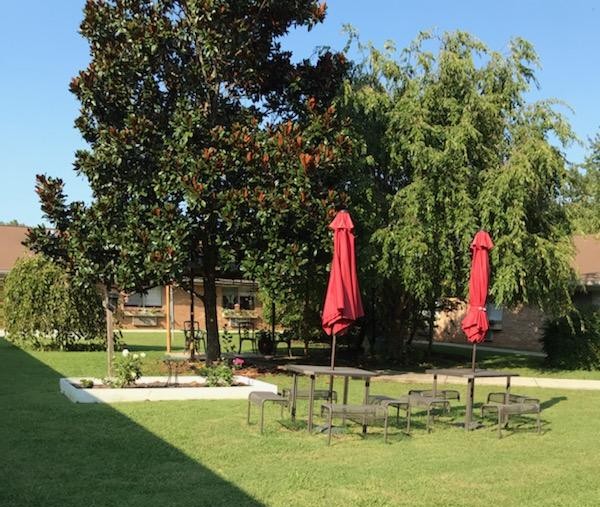
How is Willow Branch Staffed?

CMS rates WILLOW BRANCH HEALTH AND REHABILITATION's staffing level at 2 out of 5 stars, which is below average compared to other nursing homes. Staff turnover is 39%, compared to the Tennessee average of 46%. This relatively stable workforce can support continuity of care.

What Have Inspectors Found at Willow Branch?

State health inspectors documented 11 deficiencies at WILLOW BRANCH HEALTH AND REHABILITATION during 2019 to 2025. These included: 3 that caused actual resident harm and 8 with potential for harm. Deficiencies causing actual harm indicate documented cases where residents experienced negative health consequences.
Who Owns and Operates Willow Branch?

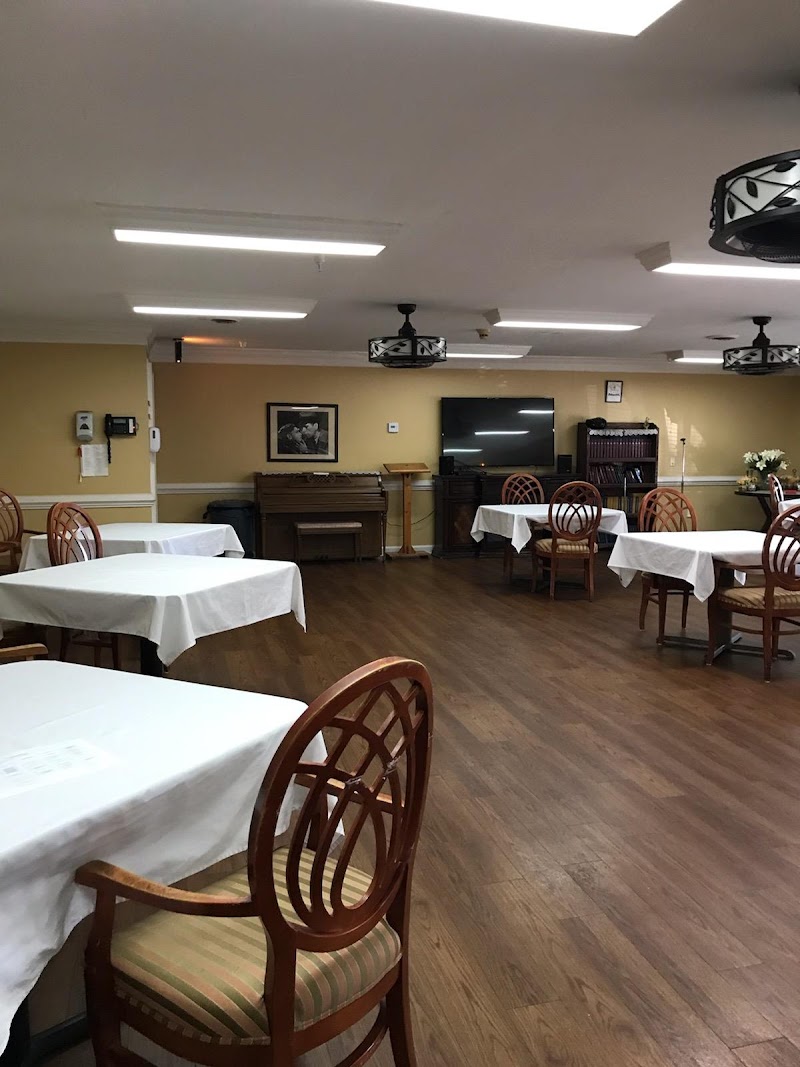
WILLOW BRANCH HEALTH AND REHABILITATION is owned by a for-profit company. For-profit facilities operate as businesses with obligations to shareholders or private owners. The facility is operated by SIMCHA HYMAN & NAFTALI ZANZIPER, a chain that manages multiple nursing homes. With 140 certified beds and approximately 68 residents (about 49% occupancy), it is a mid-sized facility located in MCMINNVILLE, Tennessee.
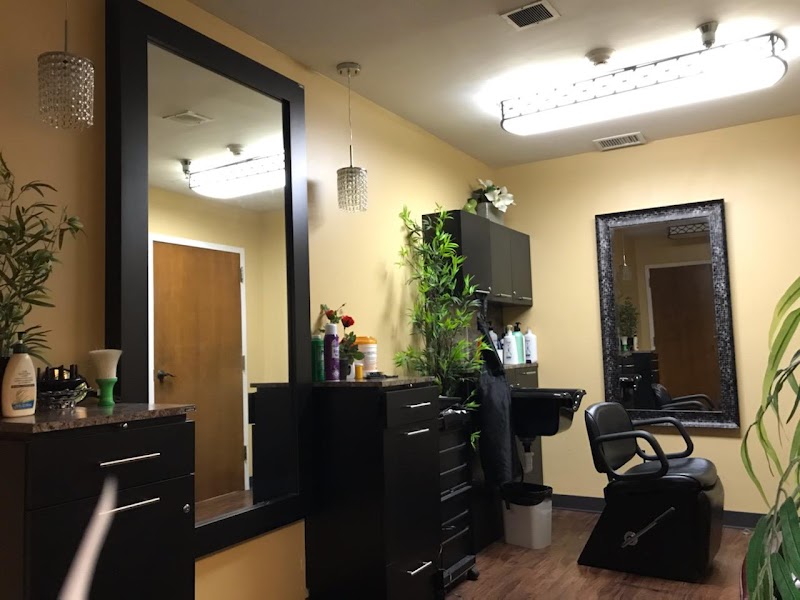
How Does Willow Branch Compare to Other Tennessee Nursing Homes?

Compared to the 100 nursing homes in Tennessee, WILLOW BRANCH HEALTH AND REHABILITATION's overall rating (3 stars) is above the state average of 2.8, staff turnover (39%) is near the state average of 46%, and health inspection rating (3 stars) is at the national benchmark.

What Should Families Ask When Visiting Willow Branch?

Based on this facility's data, families visiting should ask: "Can you walk me through typical staffing levels on day, evening, and night shifts?" "Can I visit during a mealtime to observe dining assistance and food quality?" "How do you handle medical emergencies, and what is your hospital transfer rate?" "Can I speak with family members of current residents about their experience?" These questions are particularly relevant given the below-average staffing rating.

Is Willow Branch Safe?

Based on CMS inspection data, WILLOW BRANCH HEALTH AND REHABILITATION has a clean safety record: no substantiated abuse findings (meaning no confirmed cases of resident harm), no Immediate Jeopardy citations (the most serious violation level indicating risk of serious injury or death), and is not on the Special Focus Facility watch list (a federal program monitoring the lowest-performing 1% of nursing homes). The facility has a 3-star overall rating and ranks #1 of 100 nursing homes in Tennessee. While no facility is perfect, families should still ask about staff-to-resident ratios and recent inspection results during their visit.

Do Nurses at Willow Branch Stick Around?

WILLOW BRANCH HEALTH AND REHABILITATION has a staff turnover rate of 39%, which is about average for Tennessee nursing homes (state average: 46%). Moderate turnover is common in nursing homes, but families should still ask about staff tenure and how the facility maintains care continuity when employees leave.

Was Willow Branch Ever Fined?

WILLOW BRANCH HEALTH AND REHABILITATION has no federal fines on record. CMS issues fines when nursing homes fail to meet care standards or don't correct problems found during inspections. The absence of fines suggests the facility has either maintained compliance or corrected any issues before penalties were assessed. This is a positive indicator, though families should still review recent inspection reports for the full picture.

Is Willow Branch on Any Federal Watch List?

WILLOW BRANCH HEALTH AND REHABILITATION is not on any federal watch list. The most significant is the Special Focus Facility (SFF) program, which identifies the bottom 1% of nursing homes nationally based on persistent, serious quality problems. Not being on this list means the facility has avoided the pattern of deficiencies that triggers enhanced federal oversight. This is a positive indicator, though families should still review the facility's inspection history directly.