HERITAGE CENTER, THE
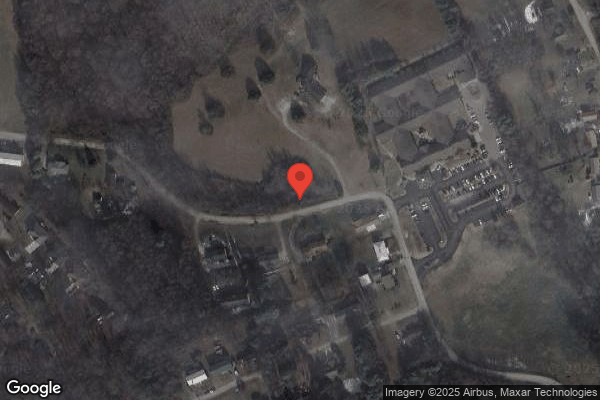

1026 MCFARLAND STREET, MORRISTOWN, TN 37814 (423) 581-5100
For profit - Corporation 197 Beds LIFE CARE CENTERS OF AMERICA Data: November 2025
Trust Grade
68/100
#124 of 298 in TN
Last Inspection: June 2025

Inspected within the last 6 months. Data reflects current conditions.

Overview

Heritage Center in Morristown, Tennessee has a Trust Grade of C+, which means it is considered decent and slightly above average. It ranks #124 out of 298 facilities in Tennessee, placing it in the top half, but it is the second-best option in Hamblen County where there are only two nursing homes available. The facility shows an improving trend, with issues decreasing from 9 in 2024 to 8 in 2025. Staffing is a strength, with a turnover rate of 27%, significantly lower than the state average of 48%, indicating that staff are likely experienced and familiar with the residents. On the downside, there were concerns regarding sanitation practices in the kitchen, as well as issues with incomplete medical records for dialysis communication, which could impact resident care. However, there have been no fines reported, which is a positive sign regarding compliance with regulations.

Trust Score
C+
68/100
In Tennessee
#124/298
Top 41%
Safety Record
Low Risk
No red flags
Inspections
Getting Better
9 → 8 violations
Staff Stability
✓ Good
27% annual turnover. Excellent stability, 21 points below Tennessee's 48% average. Staff who stay learn residents' needs.
Penalties
✓ Good
No fines on record. Clean compliance history, better than most Tennessee facilities.
Skilled Nurses
○ Average
Each resident gets 35 minutes of Registered Nurse (RN) attention daily — about average for Tennessee. RNs are the most trained staff who monitor for health changes.
Violations
⚠ Watch
20 deficiencies on record. Higher than average. Multiple issues found across inspections.
★★★☆☆
3.0
Overall Rating
★★★☆☆
3.0
Staff Levels
★★★★★
5.0
Care Quality
★★☆☆☆
2.0
Inspection Score
Stable
2024: 9 issues
2025: 8 issues

The Good

  • 5-Star Quality Measures · Strong clinical quality outcomes
  • Low Staff Turnover (27%) · Staff stability means consistent care
  • Full Sprinkler Coverage · Fire safety systems throughout facility
  • No fines on record
  • Staff turnover is low (27%)

    21 points below Tennessee average of 48%

Facility shows strength in quality measures, staff retention, fire safety.

The Bad

3-Star Overall Rating

Near Tennessee average (2.8)

Meets federal standards, typical of most facilities

Chain: LIFE CARE CENTERS OF AMERICA

Part of a multi-facility chain

Ask about local staffing decisions and management

The Ugly 20 deficiencies on record

Jun 2025 8 deficiencies
CONCERN (D)

Potential for Harm - no one hurt, but risky conditions existed

Assessment Accuracy (Tag F0641)

Could have caused harm · This affected 1 resident

**NOTE- TERMS IN BRACKETS HAVE BEEN EDITED TO PROTECT CONFIDENTIALITY** Based on Centers for Medicare & Medicaid Services (CMS) Long-Term Care Facility Resident Assessment Instrument (RAI) 3.0 User's ...

Read full inspector narrative →
**NOTE- TERMS IN BRACKETS HAVE BEEN EDITED TO PROTECT CONFIDENTIALITY** Based on Centers for Medicare & Medicaid Services (CMS) Long-Term Care Facility Resident Assessment Instrument (RAI) 3.0 User's Manual, medical record review, and interview, the facility failed to accurately complete a Minimum Data Set (MDS) assessment for 1 resident (Resident #94) of 25 residents reviewed. The findings include: Review of the CMS Long-Term Care Facility RAI 3.0 User's Manual, dated 10/2024, revealed .Check all treatments, procedures, and programs that the resident received or performed after admission/entry .to the facility and within the last 14 days .Dialysis .Code .renal dialysis which occurs at the nursing home or at another facility . Review of the medical record revealed Resident #94 was admitted to facility on 2/26/2025 with diagnoses including End Stage Renal Disease (ESRD), Chronic Obstructive Pulmonary Disease, Diabetes, Vascular Dementia, and Other Abnormalities of Gait and Mobility. Review of the Medication Administration Record (MAR) for Resident #94 dated 2/1/2025 - 2/28/2025, revealed .Order Date .02/26/2025 .Dialysis patient .Send to dialysis .every Mon [Monday] .Wed [Wednesday] .Fri [Friday] for dialysis treatment . Review of the comprehensive care plan for Resident #94 dated 2/26/2025, revealed .Hemodialysis [Dialysis] r/t [related to] ESRD .Dialysis treatments as ordered . Review of an admission MDS assessment dated [DATE], revealed Resident #94 did not receive dialysis while a resident at the facility. During an interview on 6/4/2025 at 5:23 PM, the Clinical Reimbursement Specialist reviewed the medical record and stated Resident #94 received dialysis treatments on 2/28/2025 and 3/3/2025. The Clinical Reimbursement Specialist confirmed Resident #94's admission MDS assessment dated [DATE] did not reflect the received dialysis treatments and was not coded correctly.
CONCERN (D)

Potential for Harm - no one hurt, but risky conditions existed

Comprehensive Care Plan (Tag F0656)

Could have caused harm · This affected 1 resident

**NOTE- TERMS IN BRACKETS HAVE BEEN EDITED TO PROTECT CONFIDENTIALITY** Based on facility policy review, medical record review, and interview, the facility failed to develop a person-centered,comprehe...

Read full inspector narrative →
**NOTE- TERMS IN BRACKETS HAVE BEEN EDITED TO PROTECT CONFIDENTIALITY** Based on facility policy review, medical record review, and interview, the facility failed to develop a person-centered,comprehensive care plan for 1 resident (Resident #57 ) of 25 residents reviewed for care plans. The findings include: Review of the facility's policy titled Care Planning-Baseline, Comprehensive and Routine Updates dated 11/25/2024, revealed .facility to develop and implement a comprehensive person centered care plan for each resident .that includes measurable objectives .to meet a residents medical nursing .needs that are identified . Review of the facility's policy titled Enhanced Barrier Precautions (EBP), revealed .EBP are indicated for residents with .Indwelling medical device .EBP should be used for any residents who meet .criteria .wherever they reside in the facility . Review of the medical record revealed Resident #57 was admitted to the facility on [DATE] with diagnoses including Type 2 Diabetes Mellitus, Chronic Respiratory Failure with Hypoxia, Congestive Heart Failure, End Stage Renal Disease, and Muscle Weakness. Review of a nursing admission assessment for Resident #57 dated 3/7/2025, revealed .permacath [a catheter with a long, flexible tube with 2 hollow bores that is surgically inserted into a large vein, typically neck or chest to provide dialysis treatment] rt [right] chest . Review of the comprehensive care plan for Resident #57 dated 3/7/2025, revealed the resident did not have a care plan developed to include the permacath and EBP. Review of an annual Minimum Data Set (MDS) assessment dated [DATE], revealed Resident #57 scored a 9 on the Brief Interview for Mental Status (BIMS) assessment which indicated the resident had moderate cognitive impairment. Review of the medical record revealed Resident #57 received dialysis on Mondays, Wednesdays, and Fridays. During an observation on 6/3/2025 at 10:00 AM, revealed Resident #57 had a permacath located to the right chest area that is utilized for dialysis treatment. The site was covered by a bandage and was clean and dry. During an interview on 6/4/2025 at 5:01 PM, the Director of Nursing (DON) stated the facility's policy was for each resident to have an accurate person centered comprehensive care plan specific to the resident's medical and nursing needs. The DON stated her expectation if a resident received dialysis was the residents care plan would include the vascular access (permacath) used to provide dialysis as well as enhanced barrier precautions. The DON confirmed the facility failed to develop a care plan to include the Resident #57's permacath access and EBP precations.
CONCERN (D)

Potential for Harm - no one hurt, but risky conditions existed

Deficiency F0761 (Tag F0761)

Could have caused harm · This affected 1 resident

**NOTE- TERMS IN BRACKETS HAVE BEEN EDITED TO PROTECT CONFIDENTIALITY** Based on facility policy review, observation, and interviews, the facility failed to ensure expired intravenous (IV) medications...

Read full inspector narrative →
**NOTE- TERMS IN BRACKETS HAVE BEEN EDITED TO PROTECT CONFIDENTIALITY** Based on facility policy review, observation, and interviews, the facility failed to ensure expired intravenous (IV) medications were discarded and not available for resident use in 1 of 3 medication storage rooms observed. The findings include: Review of the facility's policy titled, Delivery & Storage of Medications and Supplies, revised [DATE], revealed .to be performed by licensed nurses .expiration dates will be checked . During an observation in the Unit 3 medication storage room on [DATE] at 9:18 AM, revealed twenty-one, 5-milliliter (ml) syringes of Heparin lock flush (IV medication used to prevent the formation of blood clots) with an expiration date of [DATE]. Further observation revealed ten syringes (5-ml) of Heparin lock flush with an expiration date of [DATE]. During an interview on [DATE] at 9:23 AM, the Staff Development Coordinator (SDC) confirmed the 31 syringes of Heparin flush was expired and available for resident use. The SDC stated expired IV medications should be discarded and not used. During an interview on [DATE] at 10:11 AM, the Director of Nursing (DON) stated medications to include IV medications, should be discarded by the manufacturer's expiration date listed on the syringe. The DON confirmed the 31 syringes of Heparin lock flush was expired, available for resident use, and should be discarded.
CONCERN (D)

Potential for Harm - no one hurt, but risky conditions existed

Deficiency F0810 (Tag F0810)

Could have caused harm · This affected 1 resident

**NOTE- TERMS IN BRACKETS HAVE BEEN EDITED TO PROTECT CONFIDENTIALITY** Based on facility policy review, medical record review, observations, and interviews, the facility failed to provide an assistiv...

Read full inspector narrative →
**NOTE- TERMS IN BRACKETS HAVE BEEN EDITED TO PROTECT CONFIDENTIALITY** Based on facility policy review, medical record review, observations, and interviews, the facility failed to provide an assistive meal device (divided plate) for 1 resident (Resident #79) of 7 residents reviewed for nutrition. The findings include: Review of the facility's policy titled, Assistive Devices-Special Eating Equipment, revised 4/25/2023, revealed .The facility provides residents with special eating equipment and assistive devices as deemed necessary .the facility must provide appropriate assistive devices to residents who need them to maintain or improve their ability to eat or drink independently . Review of the medical record revealed Residents #79 was admitted to the facility on [DATE] with Metabolic Encephalopathy, Malnutrition, Dysphagia, and Cognitive Communication Deficit. Review of a Communication Order for Resident #79 dated 3/5/2025, revealed a new order for the resident to use a divided plate at every meal. Review of a quarterly Minimum Data Set (MDS) assessment dated [DATE], revealed Resident #79 scored a 7 on the Brief Interview for Mental Status (BIMS) assessment which indicated the resident was cognitively impaired. Further review revealed the resident required set up or clean up assistance for eating and received a mechanically altered diet. Review of a Nutrition Data Collection assessment dated [DATE], revealed Resident #79 required the use of a divided plate with meals. Review of the comprehensive care plan for Resident #79 revised 5/13/2025, revealed .ADL [activities of daily living] self-care performance deficit .impaired mobility . provide adaptive equipment and devices .assist with meals as needed .resident requires assistance with feeding at times . During an observation on 6/2/2025 at 8:04 AM, in Residents #79's room, revealed Resident #79 was eating breakfast and the resident's food was served on a regular plate (not a divided plate). Further review revealed the meal information card placed on Resident's #79's tray stated the resident required a divided plate with meals. During an observation on 6/2/2025 at 12:58 PM, in Resident's #79's room, revealed Resident #79 was eating lunch and the resident's food was served on a regular plate (not a divided plate). Further review revealed the meal information card placed on Resident's #79's tray stated the resident required a divided plate with meals. During an interview on 6/3/2025 at 1:05 PM, Certified Nursing Assistant (CNA) J stated Resident #79 required the use of a divided plate to promote independence with meals. During an interview on 6/4/2025 at 9:05 AM, the Assistant Director of Rehab (ADOR) stated if assistive devices are ordered for the residents, the staff should ensure those devices are used during meals. The ADOR confirmed the facility failed to provide the assistive device (divided plate) ordered for Resident #79 on 6/2/2025 for the breakfast and lunch meals observed.
CONCERN (D)

Potential for Harm - no one hurt, but risky conditions existed

Deficiency F0813 (Tag F0813)

Could have caused harm · This affected 1 resident

**NOTE- TERMS IN BRACKETS HAVE BEEN EDITED TO PROTECT CONFIDENTIALITY** Based on facility policy review, observation, and interview, the facility failed to follow the facility's policy for food items ...

Read full inspector narrative →
**NOTE- TERMS IN BRACKETS HAVE BEEN EDITED TO PROTECT CONFIDENTIALITY** Based on facility policy review, observation, and interview, the facility failed to follow the facility's policy for food items stored in 1 residents' personal refrigerator (Resident #32) of 24 residents' personal refrigerators observed. The findings include: Review of the facility's policy titled, Resident Refrigerators, revised 4/30/2025, revealed .The facility will meet the safety and sanitation requirements for the residents .using personal refrigerators to store food for resident consumption .Facility staff will check individual food items weekly for expiration dates and discard outdated food promptly from the residents' refrigerator . Review of the medical record revealed Resident #32 was admitted to the facility on [DATE] with diagnoses including Chronic Obstructive Pulmonary Disease, Chronic Respiratory Failure, Right Heart Failure, Alzheimer's Disease, and Dementia. Review of an annual Minimum Data Set (MDS) assessment dated [DATE], revealed Resident #32 scored a 12 on the Brief Interview for Mental Status (BIMS) assessment which indicated the resident had moderate cognitive impairment. During an observation on 6/2/2025 at 8:20 AM, in Resident #32's room, revealed the resident's personal refrigerator at the bedside. Further observation revealed the contents of the refrigerator contained 3 unopened nutritional shakes with an expiration date of 9/26/2022 available and ready for consumption. During an observation and interview on 6/2/2025 at 8:30 AM, Licensed Practical Nurse (LPN) K observed the 3 unopened nutritional shakes and verified the expiration date on the 3 shakes was 9/26/2022. LPN K stated she was unsure who was responsible for checking residents' personal refrigerators to discard expired items. During an interview on 6/4/2025 at 5:30 PM, the Director of Nursing (DON) stated any staff member could check resident refrigerators, but it was the primary responsibility of housekeeping to check the resident refrigerators on Friday's. The DON stated it was her expectation for resident refrigerators to be checked weekly and that any expired food would be discarded and not available for resident consumption. The DON confirmed the 3 nutritional shakes in Resident #32's personal refrigerator were expired and should have been discarded according to the facility's policy.
CONCERN (D)

Potential for Harm - no one hurt, but risky conditions existed

Medical Records (Tag F0842)

Could have caused harm · This affected 1 resident

**NOTE- TERMS IN BRACKETS HAVE BEEN EDITED TO PROTECT CONFIDENTIALITY** Based on facility policy review, medical record review, observation, and interviews, the facility failed to ensure the medical r...

Read full inspector narrative →
**NOTE- TERMS IN BRACKETS HAVE BEEN EDITED TO PROTECT CONFIDENTIALITY** Based on facility policy review, medical record review, observation, and interviews, the facility failed to ensure the medical record was complete and accurate related to dialysis access assessments for 1 resident (Resident #410) of 25 residents reviewed for medical records. The findings include: Review of the facility's policy titled, Correction of Medical Record Errors and Omissions, dated 2/21/2025, revealed .the facility maintains accurate records . Review of the medical record revealed Resident #410 was admitted to the facility on [DATE] with diagnoses including Dependence on Renal Dialysis, End Stage Renal Disease, and Muscle Weakness. Review of an admission Collection Assessment for Resident #410 dated 5/29/2025, revealed .Skin pink, warm and dry. Dialysis port .right upper chest . Review of the Baseline Care Plan for Resident #410 dated 5/29/2025, revealed .dialysis treatments as ordered .observe for bleeding at dialysis access site . Review of an Order Summary Report for Resident #410 dated 5/29/2025, revealed .Dialysis patient .Send to dialysis .every Mon [Monday] .Wed [Wednesday] .Fri [Friday] for dialysis treatment .Dialysis Resident: Assess shunt site (surgically created connection between an artery and a vein in the arm for dialysis treatments) for thrill/bruit and bleeding every shift for dialysis care . Review of the Medication Administration Record (MAR) for Resident #410 dated 5/2025, revealed an administration order for .dialysis resident: assess shunt site for thrill/bruit and bleeding every shift for dialysis care . Further review revealed Licensed Practical Nurse (LPN) F documented she assessed Resident #410's dialysis shunt for bruit and thrill and bleeding on 5/30/2025 and 5/31/2025. Review of the MAR for Resident #410 dated 6/2025, revealed an administration order for .dialysis resident: assess shunt site for thrill/bruit and bleeding every shift for dialysis care . Further review revealed LPN E documented she assessed Resident #410's dialysis shunt for bruit and thrill and bleeding on 6/1/2025 and 6/3/2025. Continued review revealed LPN G documented she assessed Resident #410's dialysis shunt for bruit and thrill and bleeding on 6/2/2025. During an observation on 6/3/2025 at 9:35 AM, revealed Resident #410 had a permacath (catheter inserted into a vein in the neck or chest used for dialysis treatments) located to the right upper chest area. The site was covered by a transparent bandage and was clean and dry. During an interview on 6/4/2025 at 3:24 PM, LPN E stated she cared for Resident #410 on 6/1/2025 and 6/3/2025. LPN E stated she signed the MAR to acknowledge she completed the assessment of Resident #410's shunt site. LPN E stated when she reviewed the order for administration, she was aware the dialysis site was the resident's permacath to the right chest and assessed the permacath site for signs of bleeding and infection. LPN E stated Resident #410 did not have a shunt site for dialysis. LPN E stated she failed to ensure the documentation was completed accurately to reflect her assessment of Resident #410's permacath dialysis site. During an interview on 6/4/2025 at 3:32 PM, LPN F stated she cared for Resident #410 on 5/30/2025 and 5/31/2025. LPN F stated she signed the MAR to acknowledge she completed the assessment of Resident #410's shunt site. LPN F stated she was aware Resident #410's dialysis site was the permacath to the right chest and assessed the permacath site for signs of bleeding and infection. LPN F stated Resident #410 did not have a shunt site for dialysis. LPN F stated she failed to accurately document her assessment of Resident #410's permacath dialysis site on the MAR. During a telephone interview on 6/4/2025 at 4:26 PM, LPN G stated she cared for Resident #410 on 6/2/2025. LPN G stated she signed the MAR to acknowledge she completed the assessment of Resident #410's shunt site. LPN G stated she was aware Resident #410's dialysis site was the permacath to the right chest and assessed the permacath site for signs of bleeding and infection. LPN G stated she failed to ensure the documentation was accurate to reflect her assessment of Resident #410's permacath dialysis site. During an interview on 6/4/2025 at 4:52 PM, the Director of Nursing (DON) confirmed the facility failed to ensure documentation in the medical record was accurate for Resident #410's dialysis access site assessments on 5/30/2025 through 6/3/2025. The DON stated she expected the information documented in the medical record to accurately reflect the assessments and services provided to each resident.
CONCERN (D)

Potential for Harm - no one hurt, but risky conditions existed

Infection Control (Tag F0880)

Could have caused harm · This affected 1 resident

**NOTE- TERMS IN BRACKETS HAVE BEEN EDITED TO PROTECT CONFIDENTIALITY** Based on facility policy review, medical record review, observations, and interviews, the facility failed to offer hand hygiene ...

Read full inspector narrative →
**NOTE- TERMS IN BRACKETS HAVE BEEN EDITED TO PROTECT CONFIDENTIALITY** Based on facility policy review, medical record review, observations, and interviews, the facility failed to offer hand hygiene assistance prior to meals to 3 residents (Residents #263, #59, and #262) on 1 of 4 units observed for meal tray distribution, failed to ensure appropriate Personal Protective Equipment (PPE) was donned for 1 resident (Resident #261) of 8 residents observed on Enhanced Barrier Precautions (EBP), and failed to ensure resident drinks were served in a sanitary manner related to improper ice scoop storage on 1 of 4 units observed during meal service. The findings include: Review of the facility's policy titled, Hand Hygiene for Residents, Families, and Visitors, reviewed 6/3/2024, revealed .The facility should assist either physically or through reminders to residents to perform hand hygiene .before meals . Review of the facility's policy titled, Ice Chests, reviewed 6/3/2024, revealed .procedure .ice handlers .ice scoops used .should be kept .in a mounted holder when not in use .keep the container doors closed . Review of the facility's policy titled, Enhanced Barrier Precautions, revised 4/22/2025, revealed .The facility should use Enhanced Barrier Precautions (EBP) .for residents that meet the following criteria, during high-contact resident care activities .EBP are indicated for residents with .indwelling medical devices even if the resident is not known to be infected or colonized with a MDRO [Multi-Drug Resistant Organism] .Indwelling medical examples include .feeding tubes .(EBP) .refer to an infection control intervention designed to reduce transmission of multidrug-resistant organisms that employs targeted gown and glove use during high contact resident care activities .High contact activities .include .transferring .medical device care or use .The facility should develop a process to communicate which residents require the use of EBP for all high-contact resident care activities. The facility may choose to post signage on the door or wall outside of the resident room indicating the resident is on Enhanced Barrier Precautions .Device care or use .feeding tube . Review of the medical record revealed Resident #263 was admitted to the facility on [DATE] with diagnoses including Metabolic Encephalopathy, Osteoarthritis, and Urinary Tract Infection. Review of Resident #263's comprehensive care plan dated 5/27/2025, revealed .ADL [Activities of Daily Living] Assistance .needed .Assist with .ADLs as needed . Continued review revealed .resident has a Urinary Tract Infection .impaired cognitive ability/impaired thought processes . Review of a facility document for Resident #263 titled, IDT [Interdisciplinary Team]: Decision to Support Section GG: Admission/Readmission, dated 5/29/2025, revealed the resident required supervision or touching assistance for eating and substantial/maximal assistance for personal hygiene. During an observation on 6/2/2025 at 12:45 PM, Restorative Certified Nursing Assistant (CNA) A delivered the lunch meal tray to Resident #263. Restorative CNA A repositioned Resident #263 in bed, assisted the resident to set up the meal tray, and exited the room without offering hand hygiene to Resident #263. Review of the medical record revealed Resident #59 was admitted to the facility on [DATE] with diagnoses including Urinary Tract Infection, Muscle Weakness, and Depression. Review of the admission Minimum Data Set (MDS) assessment dated [DATE], revealed Resident #59 scored a 13 on the Brief Interview for Mental Status (BIMS) assessment which indicated the resident was cognitively intact. Resident #59 required set up or clean up assistance for eating and partial/moderate assistance for personal hygiene. Review of Resident #59's comprehensive care plan dated 5/28/2025, revealed .resident has an ADL self-care performance deficit .resident feeds self after [NAME] [tray] set up .PERSONAL HYGIENE .requires moderate assist . During an observation on 6/2/2025 at 12:46 PM, CNA B donned a gown and gloves prior to entering Resident #59's room and delivered the lunch meal tray to Resident #59. CNA B set up the tray for Resident #59, doffed the PPE, and exited the room without offering hand hygiene assistance to the resident. During an interview on 6/2/2025 at 12:51 PM, CNA B stated residents were to be offered hand sanitizer or taken to the sink to wash their hands prior to meals. CNA B confirmed she had not offered hand hygiene assistance to Resident #59. Review of the medical record revealed Resident #262 was admitted to the facility on [DATE] with diagnoses including Type 2 Diabetes Mellitus, Osteoarthritis, and Adult Failure to Thrive. Review of Resident #262's comprehensive care plan dated 5/28/2025, revealed .ADL Assistance .needed .Assist with .ADLs as needed . Review of a facility document for Resident #262 titled, IDT: Decision to Support Section GG: Admission/Readmission, dated 5/30/2025, revealed the resident required supervision or touching assistance for eating and personal hygiene. During an observation on 6/2/2025 at 12:52 PM, Restorative CNA A delivered the lunch meal tray to Resident #262 and exited the room without offering hand hygiene assistance to the resident. During an interview on 6/2/2025 at 12:53 PM, Restorative CNA A stated .I'm pretty sure you're supposed to offer them [residents] a wipe prior to meals . Restorative CNA A confirmed she had not offered hand hygiene assistance prior to the lunch meal for Residents #263 and #262. During an interview on 6/2/2025 at 3:30 PM, the Director of Nursing (DON) confirmed all residents were to be offered hand hygiene assistance prior to meals by assisting the resident to the sink to wash their hands or hand sanitizer. Review of the medical record revealed Resident #261 was admitted to the facility on [DATE] with diagnoses including Acute Respiratory Failure, Other Artificial Openings of Gastrointestinal Tract, and Pneumonia. Review of the Order Summary Report revealed an order dated 5/27/2025 for .Enteral Feed Order [a method of providing nutrition directly into the gastrintestinal tract through a tube] .Jevity [enteral feed]1.5 at .60 ml [milliliters]/hour x [times] .24 .hours via pump .Flush with .100 .ml purified water every .4 hours . Review of the Order Summary Report dated 5/28/2025, revealed .Enhanced barrier precautions r/t [related to] feeding tube . Continued review revealed .Turn tube feeding off at 11am one time a day .Turn tube feeding on at 3pm one time a day . Review of the comprehensive care plan for Resident #261 dated 5/28/2025, revealed .requires tube feeding history of Larynx [area of throat containing the vocal cords] CA [cancer] .Enhanced barrier precautions . During an observation on 6/2/2025 at 11:39 AM, Resident #261 was lying in bed. Jevity 1.5 was infusing at 60 ml/hour with a water flush infusing at 100 ml every 4 hours. There was no signage present in Resident #261's room or outside the door to indicate the resident required EBP. During an interview on 6/2/2025 at 11:43 AM, Unit Manager D stated Resident #261 received tube feeding through a Percutaneous endoscopic gastrostomy (PEG) tube and the resident did not require enhanced barrier or isolation precautions. During an observation on 6/2/2025 at 11:46 AM, with Registered Nurse (RN) C and Unit Manager D in Resident #261's room, RN C disconnected the resident's tube feeding, flushed the PEG tube with a syringe, capped the tube feeding tubing, and turned off the tube feeding pump. RN C stated Resident #261's tube feeding was disconnected for 4 hours per day. RN C wore gloves while handling the resident's PEG tube and did not wear a gown. RN C stated gloves were required PPE for PEG tube management. There was no signage present in Resident #261's room or outside the door to indicate the resident required EBP. During an observation on 6/2/2025 at 12:39 PM, there was signage posted on Resident #261's sharps disposal container inside the room that read, .ENHANCED BARRIER PRECAUTIONS .PROVIDERS AND STAFF MUST .Wear gloves and a gown for the following High-Contact Resident Care Activities .Device care or use .feeding tube . During an interview on 6/2/2025 at 12:40 PM, Unit Manager D confirmed Resident #261 had a PEG tube and required Enhanced Barrier Precautions. Unit Manager D stated staff knew what PPE was required and when for a resident on Enhanced Barrier Precautions by signage posted on the door. Unit Manager D and this surveyor reviewed the signage posted inside Resident #261's room on the sharps container and confirmed according to the signage, a gown and gloves were required for management of a feeding tube. Unit Manager D stated the Infection Preventionist made her aware after the observation on 6/2/2025 at 11:46 AM that management of feeding tubes required gown and gloves, and the EPB signage had been posted after the observation. Unit Manager D confirmed RN C had not worn a gown when he flushed and disconnected Resident #261's tube feeding on 6/2/2025 at 11:46 AM. During an interview on 6/2/2025 at 1:05 PM, RN C stated he knew what residents were in isolation or enhanced barrier precautions and what PPE was required by signage posted on the door. RN C confirmed he had not worn a gown to flush and disconnect Resident #261's tube feeding on 6/2/2025 at 11:46 AM and the signage had not been posted until after the observation. During an interview on 6/2/2025 at 10:50 AM, the Infection Preventionist (IP) stated EBP including gown gloves were required for management of invasive lines including PEG tubes. The IP stated staff knew residents that required EBP orders in the computer and signage posted at the entrance to the room on the door. During an observation on 6/2/2025 at 12:21 PM, revealed Certified Nursing Assistant (CNA) H was preparing the residents' drinks during the meal service on unit 1. CNA H removed the ice scoop from the ice scoop holder to scoop ice from the ice storage container into a drinking glass. CNA H placed the ice scoop into the ice storage container and failed to place the ice scoop back into the ice scoop holder for proper storage. Continued observation revealed the ice storage container's lid could not close appropriately due to the ice scoop was improperly stored in the ice, leaving the ice supply for resident drinks open to air and potential contamination. During an interview on 6/2/2025 at 12:26 PM, CNA H confirmed he failed to appropriately store the ice scoop after use when he placed the ice scoop in the ice storage container and not in the ice scoop holder to store between uses. During an interview on 6/3/2025 at 12:24 PM, the Director of Nursing (DON) stated when staff are using the ice scoop to prepare residents' drinks, the staff must place the ice scoop back into the ice scoop holder for appropriate storage to prevent possible contamination . The DON confirmed the facility failed to provide a sanitary environment during meal service on 6/2/2025 when CNA H failed to appropriately store the ice scoop.
CONCERN (E)

Potential for Harm - no one hurt, but risky conditions existed

Deficiency F0698 (Tag F0698)

Could have caused harm · This affected multiple residents

**NOTE- TERMS IN BRACKETS HAVE BEEN EDITED TO PROTECT CONFIDENTIALITY** Based on facility contract review, medical record review, and interviews, the facility failed to ensure the dialysis communicati...

Read full inspector narrative →
**NOTE- TERMS IN BRACKETS HAVE BEEN EDITED TO PROTECT CONFIDENTIALITY** Based on facility contract review, medical record review, and interviews, the facility failed to ensure the dialysis communication records were completed for 2 residents (Resident #57 and Resident #94) of 3 residents reviewed for dialysis. The findings include: Review of the facility's dialysis contract dated 1/21/2009, revealed .facility shall .have primary responsibility for maintaining all resident records . Review of the facility's policy titled, Hemodialysis Offsite Policy, revised 9/6/2024, revealed .The facility assures that each resident receives care and services .consistent with professional standards of practice .care of the resident receiving dialysis services must reflect ongoing communication, coordination and collaboration between the facility and dialysis staff .Obtain vital signs of the resident upon return from dialysis and complete the Pre/Post Dialysis Communication Form . Review of the medical record revealed Resident #57 was admitted to the facility on [DATE] with diagnoses including Diabetes, Chronic Respiratory Failure with Hypoxia, Congestive Heart Failure, End Stage Renal Disease (ESRD), and Muscle Weakness. Review of the comprehensive care plan for Resident #57 dated 3/6/2025, revealed .Dialysis .r/t [related to] renal failure .Dialysis treatments as ordered .Check VITAL SIGNS as ordered .Observe for bleeding at dialysis access site . Review of an annual Minimum Data Set (MDS) assessment dated [DATE], revealed Resident #57 scored a 9 on the Brief Interview for Mental Status (BIMS) assessment which indicated the resident had moderate cognitive impairment. Review of the medical record revealed Resident #57 received dialysis on Mondays, Wednesdays, and Fridays. Review of the faciity's documentation titled, PRE/POST DIALYSIS COMMUNICATION, for Resident #57 dated 5/2/2025 through 5/30/2025, revealed incomplete documentation on the following dates: .5/2/2025 .POST DIALYSIS .Weight in lbs [pounds] .[blank] .5/5/2025 .PRE-DIALYSIS .Weight in lbs .[blank] .POST DIALYSIS .Weight in lbs .[blank] .5/7/2025 .POST DIALYSIS .Weight in lbs .[blank] .Change in site .[blank] .5/9/2025 .POST DIALYSIS .Weight in lbs .[blank] .5/12/2025 .POST DIALYSIS .Weight in lbs .[blank] .Change in site .[blank] .5/14/2025 .PRE-DIALYSIS .Weight in lbs .[blank] .POST DIALYSIS .Weight in lbs .[blank] .5/16/2025 .PRE-DIALYSIS .Is Resident on Antibiotic .[blank] .POST DIALYSIS .Temp [temperature] .Pulse .Resp [respirations] .BP [blood pressure] .Weight in lbs [blank] .Change in site .[blank] .Signature/Title .[blank] .Date .[blank] .Time .[blank] .5/19/2025 .PRE-DIALYSIS .Weight in lbs .[blank] .POST DIALYSIS .Weight in lbs .[blank] .5/21/2025 .POST DIALYSIS .Weight in lbs .[blank] .5/23/2025 .POST DIALYSIS .Weight in lbs .[blank] .5/26/2025 .PRE-DIALYSIS .Weight in lbs .[blank] .POST DIALYSIS .Weight in lbs .[blank] .5/28/2025 .PRE-DIALYSIS .Weight in lbs .[blank] .POST DIALYSIS .Weight in lbs .[blank] .5/30/2025 .POST DIALYSIS .Weight in lbs .[blank] . Review of the medical record revealed Resident #94 was admitted to the facility on [DATE] with diagnoses including ESRD, Chronic Obstructive Pulmonary Disease, Diabetes, Vascular Dementia, and Other Abnormalities of Gait and Mobility. Review of the medical record revealed Resident #94 received dialysis on Mondays, Wednesdays, and Fridays. Review of the comprehensive care plan for Resident #94 dated 2/26/2025, revealed .Hemodialysis r/t ESRD .Dialysis treatments as ordered. Observe for bleeding at dialysis access site .Vital signs per facility protocol . Review of the faciity's documentation titled, PRE/POST DIALYSIS COMMUNICATION, for Resident #94 dated 4/30/2025 through 5/30/2025, revealed incomplete documentation on the following dates: .4/30/2025 . PRE-DIALYSIS .Weight in lbs .[blank] .5/2/2025 .PRE-DIALYSIS .Temp .Pulse .Resp .BP .POST DIALYSIS .Weight in lbs .Change of site .[blank] .5/5/2025 .PRE-DIALYSIS .Weight in lbs .[blank] .5/7/2025 .PRE-DIALYSIS .Temp .Pulse .Resp .BP .POST DIALYSIS .Weight in lbs .Change of site .[blank] .5/9/2025 .PRE-DIALYSIS .Temp .Pulse .Resp .BP .Weight in lbs .POST DIALYSIS .Change of site .[blank] .5/12/2025 .PRE-DIALYSIS .Any meds given to the resident to take at the dialysis center .Meal given to the resident to take to the dialysis center .POST DIALYSIS .Pulse .Weight in lbs .Change of site .[blank] .5/14/2025 .PRE-DIALYSIS .Weight in lbs .[blank] .5/16/2025 .PRE-DIALYSIS .Weight in lbs .POST DIALYSIS .Weight in lbs .[blank] .5/19/2025 .PRE-DIALYSIS .Weight in lbs .[blank] .5/21/2025 .POST DIALYSIS .Weight in lbs .Change of site .[blank] .5/23/2025 .PRE-DIALYSIS .Weight in lbs .[blank] .5/26/2025 .PRE-DIALYSIS .Weight in lbs .POST DIALYSIS .Weight in lbs .[blank] . 5/28/2025 .PRE-DIALYSIS .Weight in lbs .[blank] .5/30/2025 .POST DIALYSIS .Weight in lbs .[blank] . During an interview on 6/4/2025 at 5:01 PM, the Director of Nursing (DON) stated the PRE/POST DIALYSIS COMMUNICATION forms were to be completed for dialysis residents as outlined in the facility's policy. The DON confirmed the form was to be completed in its entirety. The DON confirmed the dialysis communication forms were not completed in its entirety for Resident #37 and Resident #94.
Feb 2024 9 deficiencies
CONCERN (D)

Potential for Harm - no one hurt, but risky conditions existed

Safe Environment (Tag F0584)

Could have caused harm · This affected 1 resident

Based on facility policy reviews, observations, and interviews, the facility failed to provide a homelike environment during dining in 2 of 4 dining rooms observed. The findings include: Review of fa...

Read full inspector narrative →
Based on facility policy reviews, observations, and interviews, the facility failed to provide a homelike environment during dining in 2 of 4 dining rooms observed. The findings include: Review of facility policy titled, Resident Dining Services, revised 4/26/23, showed .The facility has an established process to ensure food is served in accordance with professional standard for food service safety and in a safe, clean, homelike environment . During an observation of dining on 2/26/2024 at 12:17 PM, Certified Nursing Assistants (CNA) #2, CNA #3, and the Activities Director (AD) delivered the meal trays to the 10 residents in the main dining room. The dishes of food, beverages, and silverware remained on the brown plastic trays on the table for all 10 residents eating in the dining room. During an interview on 2/26/2024 at 12:26 PM, CNA #3 stated it was typical for meals to be left on the trays. During an interview on 2/26/2024 at 12:29 PM, CNA #2 stated the food had always been left on the trays when it was served. During an interview on 2/26/2024 at 12:32 PM, the AD stated she usually helped in the dining room. The AD stated the food was typically left on the trays and further stated it made it easier for the residents. During an observation in the 100 hall day room on 2/27/2024 at 8:49 AM, a resident ate breakfast independently. The food plate was on a brown tray, and the resident consumed the milk directly out of the carton. During an observation and interview on 2/27/2024 at 8:53 AM, in the 100 hall day room, Registered Nurse (RN) #1 confirmed 4 residents ate the breakfast meal off plates positioned on brown plastic trays, and 2 of the residents consumed milk directly from the cartons. During an interview on 2/28/2024 at 2:55 PM, the Certified Dietary Manager (CDM) stated the meals had always been served on the trays. The CDM stated she did not recall any discussion about home like atmosphere or removing the food from the trays. During an interview 2/28/2024 at 2:57PM, the Administrator stated he would have to check the facility policy on dining and meal service regarding a homelike environment before he could comment about meals being left on food trays on the dining tables when the residents were served.
CONCERN (D)

Potential for Harm - no one hurt, but risky conditions existed

Deficiency F0657 (Tag F0657)

Could have caused harm · This affected 1 resident

**NOTE- TERMS IN BRACKETS HAVE BEEN EDITED TO PROTECT CONFIDENTIALITY** Based on medical record review, observation and interview, the facility failed to revise a comprehensive care plan for enteral f...

Read full inspector narrative →
**NOTE- TERMS IN BRACKETS HAVE BEEN EDITED TO PROTECT CONFIDENTIALITY** Based on medical record review, observation and interview, the facility failed to revise a comprehensive care plan for enteral feeding for 1 resident (Resident #79) of 32 residents reviewed for care plans. The findings include: Resident #79 was admitted to the facility on [DATE] with diagnoses including Personal History of Malignant Neoplasm of Larynx, Chronic Obstructive Pulmonary Disease and Dysphagia. Review of a care plan dated 4/11/2023 showed, .At risk for weight fluctuation r/t [related to] current health status Abnormal weight loss, Adult failure to thrive, Severe Malnutrition .every shift Jevity 1.5 at 65 ml/hour x 22 hours via pump. Flush with 100 ml water every 4 hours . Review of physician's order dated 11/27/2023 for Resident #79 showed, .Enteral Feed every shift Jevity 1.5 at 60 ml [milliliters]/[per] hour x 22 hours. Flush with 150 ml water every 4 hours . During an observation on 2/26/2024 at 11:02 AM, in Resident #79's room, showed the resident received tube feeding through a percutaneous gastric tube (PEG tube, a tube surgically placed in the stomach that is used for feeding) by a pump which delivered Jevity 1.5 (a concentrated liquid nutrition formula) at a rate of 60 ml/hour with a water flush of 60 ml every 4 hours. During an interview on 2/28/2024 at 8:35 AM, Licensed Practical Nurse (LPN) #5 stated when tube feeding was hung for a resident, she would check the resident's order, check the PEG site for cleanliness, check for placement with her stethoscope and flush with distilled water before starting the feeding. During an interview on 2/28/2024 at 8:58 AM, the Director of Nursing (DON) stated it was her expectation for staff to follow the physician's orders, and the care plan revised to reflect the changes. The DON confirmed the tube feeding flush which had been be running at 150 ml every 4 hours was incorrect and the care plan had not been revised.
CONCERN (D)

Potential for Harm - no one hurt, but risky conditions existed

ADL Care (Tag F0677)

Could have caused harm · This affected 1 resident

**NOTE- TERMS IN BRACKETS HAVE BEEN EDITED TO PROTECT CONFIDENTIALITY** Based on review of the facility's policy, medical record review, observation and interview, the facility failed to provide facia...

Read full inspector narrative →
**NOTE- TERMS IN BRACKETS HAVE BEEN EDITED TO PROTECT CONFIDENTIALITY** Based on review of the facility's policy, medical record review, observation and interview, the facility failed to provide facial hair removal and nail care during activities of daily living for 1 resident (Resident #62) of 32 residents reviewed for activities of daily living care. The findings include: Review of the facility's policy titled, Activities of Daily Living (ADLs), dated 2/12/2024, showed .The facility must provide care and services .for the following .bathing, dressing, grooming, and oral care .For Fingernail Care, the following procedure will be followed .Ensure fingernails are clean .to avoid injury and infection . Resident #62 was admitted to the facility on [DATE] with diagnoses including Type 2 Diabetes Mellitus, Dementia, Muscle Weakness, and Generalized Arthritis. Review of an admission Minimum Data Set (MDS) assessment dated [DATE], showed Resident #62 had moderate cognitive impairment and required limited assistance of 1 staff member for dressing, toileting and personal hygiene. The resident was always incontinent of urine and bowel. Review of a care plan dated 5/18/2023 showed Resident #62 had an ADL self-care performance deficit related to impaired physical function related to a left arm fracture. The care plan had an intervention of .Personal Hygiene .The resident requires limited assistance . During an observation on 2/26/2024 at 11:10 AM, Resident #62's fingernails had a brown substance caked under them and facial hair was present on the female resident's chin. During an interview on 2/26/2024 at 11:30 AM, Certified Nursing Assistant (CNA) #1 stated she provided incontinence checks and general cleanliness checks on residents at least every 2 hours. During an observation on 2/27/2024 at 9:56 AM, Resident #62 was in her bed, and was eating oatmeal. The resident's fingernails had a brown substance caked under them and facial hair was present on the female resident's chin. During a telephone interview on 2/27/2024 at 11:35 AM, Resident #62's daughter stated the resident sometimes ate with her hands, and she had seen the resident with dirty fingernails during a recent visit. During an observation on 2/27/2024 at 3:37 PM, in room [ROOM NUMBER], Resident #62 had dirty fingernails with a brown substance caked under them and facial hair on her chin. During an interview on 2/28/2024 at 10:32 AM, the Director of Nursing (DON) stated it was her expectation that staff check fingernails and trim them and do whatever was necessary to keep the residents' fingernails clean. The DON stated women residents should have facial hair removed. The DON confirmed the staff was expected to clean a resident's hands and fingernails, especially before dining.
CONCERN (D)

Potential for Harm - no one hurt, but risky conditions existed

Quality of Care (Tag F0684)

Could have caused harm · This affected 1 resident

**NOTE- TERMS IN BRACKETS HAVE BEEN EDITED TO PROTECT CONFIDENTIALITY** Based on review of facility policy, medical record review, observation and interview, the facility failed to follow a physician'...

Read full inspector narrative →
**NOTE- TERMS IN BRACKETS HAVE BEEN EDITED TO PROTECT CONFIDENTIALITY** Based on review of facility policy, medical record review, observation and interview, the facility failed to follow a physician's order for treatment of edema (swelling) for 1 resident (Resident #21) of 32 residents' physician orders reviewed. The findings include: Resident #21 was admitted to the facility on [DATE] with diagnoses including Unspecified Dementia, Chronic Atrial Fibrillation, Hypertension and Muscle Weakness. Review of a physician's order dated 4/9/2023 showed .Keep legs elevated when out of bed every shift . Review of a quarterly Minimum Data Set (MDS) assessment dated [DATE], showed Resident #21 had severe cognitive impairment and used a wheelchair for ambulation. During an observation on 2/27/2024 at 9:45 AM, in Resident #21's room, the resident was sitting up straight in a specialized wheelchair with a high back watching TV with her legs hanging down and feet on the floor. During an observation and interview on 2/27/2024 at 9:46 AM, in Resident #21's room, Licensed Practical Nurse (LPN) #6 confirmed the resident was in a specialized wheelchair that had no equipment on it to hold the residents legs elevated, and the resident's feet were on the floor. During an observation on 2/27/2024 at 3:30 PM, Resident #21 was in her room sitting up straight in a specialized wheelchair eating a snack. Her legs were bent and her feet were on the floor with no edema observed. During an observation and interview on 2/28/2024 at 9:18 AM, in the 100 hall day room, the Director of Nursing (DON) observed Resident #21 in her wheelchair and stated the resident did not have her legs elevated nor did she have equipment on her chair to elevate her legs. She also observed the resident's printed orders and stated it was her expectation for staff to follow the physician's orders. The DON confirmed the staff was not following the physician's orders by not elevating the resident's legs when the resident was up out of bed.
CONCERN (D)

Potential for Harm - no one hurt, but risky conditions existed

Tube Feeding (Tag F0693)

Could have caused harm · This affected 1 resident

**NOTE- TERMS IN BRACKETS HAVE BEEN EDITED TO PROTECT CONFIDENTIALITY** Based on facility policy review, medical record review, observation and interview, the facility failed to follow a physician's o...

Read full inspector narrative →
**NOTE- TERMS IN BRACKETS HAVE BEEN EDITED TO PROTECT CONFIDENTIALITY** Based on facility policy review, medical record review, observation and interview, the facility failed to follow a physician's order for enteral feeding for 1 resident (Resident #79) of 3 residents reviewed for enteral feeding. The findings include: Review of the facility's policy titled, Administration of Medications, dated 8/24/2023, showed .facility will ensure medications are administered .appropriately per physician order .Staff who are responsible for medication administration will adhere to the 10 Rights of Medication Administration .Right Dose .Check the MAR [Medication Administration Record] and the doctor's order . Resident #79 was admitted to the facility on [DATE] with diagnoses including Personal History of Malignant Neoplasm of Larynx, Chronic Obstructive Pulmonary Disease and Dysphagia. Review of a care plan dated 4/11/2023 showed, .At risk for weight fluctuation r/t [related to] current health status Abnormal weight loss, Adult failure to thrive, Severe Malnutrition . Medical record review showed Resident #79 had not had any hospitalizations since 10/17/2023. Review of physician's order for Resident #79 dated 11/27/2023 showed, .Enteral Feed every shift Jevity 1.5 at 60 ml/hour x 22 hours. Flush with 150 ml water every 4 hours ., Review of the 2/2024 MAR showed an order of .every shift Jevity 1.5 at 60 ml/hour x 22 hours. Flush with 150 ml water every 4 hours . During an observation on 2/26/2024 at 11:02 AM, in Resident #79's room, the resident received tube feeding through a percutaneous gastric tube (PEG tube, a tube surgically placed in the stomach that is used for feeding) by a pump which delivered Jevity 1.5 at a rate of 60 ml/hour with a water flush of 60 ml every 4 hours. During an observation on 2/27/2024 at 2:59 PM, Resident #79 ambulated, on the 100 hallway, with his tube feeding pump delivering Jevity 1.5 at 60 ml/hour and a water flush of 60 ml every 4 hours. During an observation and interview on 2/28/2024 at 7:58 AM, in Resident #79's room, Registered Nurse (RN) #1 confirmed that the Jevity 1.5 tube feeding for the resident was running at a rate of 60 ml/hr with a flush of 60 ml/every 4 hours (the order was for 150 ml every 4 hours). During an interview on 2/28/2024 at 8:58 AM, the Director of Nursing (DON) stated it was her expectation that when a nurse started a tube feeding, the nurse would check the resident's orders for the correct formula and rate of feeding. The DON confirmed that the tube feeding flush should be running at 150 ml every 4 hours, and the flush was running at 60 ml every 4 hours, and the nursing staff had not followed the physician's orders for tube feeding. During an interview on 2/28/2024 at 1:12 PM, the Medical Doctor stated Resident #79 was not harmed by the incorrect water flush rate. The resident had not had any dehydration or associated symptoms and the resident was at base line with no hypotensive episodes.
CONCERN (D)

Potential for Harm - no one hurt, but risky conditions existed

Respiratory Care (Tag F0695)

Could have caused harm · This affected 1 resident

**NOTE- TERMS IN BRACKETS HAVE BEEN EDITED TO PROTECT CONFIDENTIALITY** Based on facility policy review, medical record review, observation, and interview, the facility failed to ensure necessary emer...

Read full inspector narrative →
**NOTE- TERMS IN BRACKETS HAVE BEEN EDITED TO PROTECT CONFIDENTIALITY** Based on facility policy review, medical record review, observation, and interview, the facility failed to ensure necessary emergency equipment was immediately available at the bedside for 1 resident with a tracheostomy (Resident #79) of 1 resident reviewed for tracheostomy care. The findings include: Review of the facility's policy titled, Tracheostomy Emergency Supplies/Kits, dated 9/26/2023, showed .The facility will ensure that each resident who presents with a tracheostomy that is actively being used to maintain an airway, will have emergency supplies/kit available at bedside .the following should be stocked at each tracheostomy patient's [resident] bedside .Manual resuscitator and mask [ambu bag] .Suction equipment and supplies . Resident #79 was admitted to the facility on [DATE] with diagnoses including Personal History of Malignant Neoplasm of Larynx, Chronic Obstructive Pulmonary Disease and Dysphagia. Review of a care plan dated 4/6/2023 showed the resident had a tracheostomy with a one-way valve that attaches to a tracheostomy tube with an intervention of .suction as necessary . Review of a physician's order dated 4/14/2023 for Resident #79 showed, .Monitor trach site .every shift for trach care .Trach care every shift and as needed every shift .Suction as needed . Review of a quarterly Minimum Data Set (MDS) assessment dated [DATE], showed Resident #79 had moderate cognitive impairment and required a walker and wheelchair for ambulation and required tracheostomy care. During an observation on 2/26/2024 at 11:02 AM, in room [ROOM NUMBER], Resident #79 had a tracheostomy and was breathing normally. Continued observation showed there was a suction machine with no suction tubing or canister and there was no ambu bag, in the resident's room, which was required in the event of an emergency. During an observation and interview on 2/27/2024 at 9:32 AM, Licensed Practical Nurse (LPN) #4 confirmed there was a suction machine in the room but did not have the complete suction tubing or canister, or an ambu bag for emergency use in Resident #79's room. During an interview on 2/28/2024 at 9:30 AM, the Director of Nursing (DON) stated she expected suction equipment, tubing, and an ambu bag be located at the resident's bedside and available for emergency use. The DON confirmed the emergency supplies were not available at the bedside.
CONCERN (D)

Potential for Harm - no one hurt, but risky conditions existed

Deficiency F0761 (Tag F0761)

Could have caused harm · This affected 1 resident

Based on facility policy review, observations, and interviews, record review, the facility failed to properly store medication in 1 of 6 medication carts. The findings include: Review of the facility...

Read full inspector narrative →
Based on facility policy review, observations, and interviews, record review, the facility failed to properly store medication in 1 of 6 medication carts. The findings include: Review of the facility policy titled, Long Term Care (LTC) Facility's Pharmacy Services and Procedure Manual, revised 7/21/2022, showed .external use medications and biologicals are stored separately from internal use medications and biologicals. During an observation and review of a medication storage cart on 2/27/2024 at 7:33 AM, Licensed Practical Nurse (LPN) #1 opened the top large drawer of the Unit 2 Front Hall medication cart. LPN#1 removed an insulin pen belonging to Resident #39. The pen was in a plastic bag with a prescription label on the bag. The insulin pen also had a prescription label to identify the pen belonged to Resident #39. Resident #39's insulin pen had a second label on the pen cap which was noted for Resident #105. LPN #1 removed the insulin pen prescribed for Resident #105 from the drawer. Resident #105's insulin pen did not have a label on it. LPN #1 was asked what the protocol was for this type of situation, she stated, I have to fix it and report it to my supervisor. LPN #1 stated the night nurse gave the insulin injections to the residents at 6:00 AM. LPN #1 also stated she would update her supervisor for direction. Continued observation of the cart showed a Heparin Lock Syringe sealed in plastic wrapping located in an open toothette (oral swab used for mouth care) box in the large bottom drawer of the cart . LPN #1 stated that should not be there. I don't know why it was there. LPN #1 removed the Heparin Lock Syringe from the cart. During a telephone interview on 2/27/2024 at 11:03 AM, LPN #7 stated she administered the insulin to both Resident #39 and #105. LPN #7 stated she checks the insulin pen against the Medication Administration Record (MAR) and the label to make sure they match. LPN #7 stated she checked the dosage, the time, the route, and the expiration date before she administers the insulin. During an interview with on 2/27/2024 at 3:15 PM, the Director of Nursing (DON) stated it was her expectation for the nurse to throw away the insulin pens and order new insulin pens for Resident #39 and #105 to replace them. The DON stated the Heparin Lock syringe should not have been stored in the box of toothettes in the medication cart and orals and topical medications are not supposed to be stored together.
CONCERN (D)

Potential for Harm - no one hurt, but risky conditions existed

Deficiency F0773 (Tag F0773)

Could have caused harm · This affected 1 resident

**NOTE- TERMS IN BRACKETS HAVE BEEN EDITED TO PROTECT CONFIDENTIALITY** Based on facility policy review, medical record review, observation, and interviews, the facility failed to notify the physician...

Read full inspector narrative →
**NOTE- TERMS IN BRACKETS HAVE BEEN EDITED TO PROTECT CONFIDENTIALITY** Based on facility policy review, medical record review, observation, and interviews, the facility failed to notify the physician in a timely manner regarding abnormal laboratory results for 1 resident (Resident #39) of 24 residents reviewed for labs. The findings include: Review of the facility policy titled, Laboratory Services, dated 9/15/2023, showed .Promptly notify the ordering physician; physician assistant; nurse practitioner; or clinical nurse specialist of laboratory results that fall outside the clinical reference ranges in accordance to the facility policies and procedures for notification of a practitioner or per the physician's order . Resident #39 was admitted to the facility on [DATE] with diagnoses including Chronic Obstructive Pulmonary Disease, Vascular Dementia, Type 2 Diabetes Mellitus, Hypertension, Hemiplegia and Hemiparesis, Repeated Falls, and Adult Failure to Thrive. Review of a quarterly Minimum Data Set (MDS) assessment dated [DATE], showed Resident # 39 had a Brief Interview for Mental Status score of 9 which indicated the resident had moderate cognitive impairment. Review of the progress note dated 2/18/2024, showed Licensed Practical Nurse (LPN)#1 collected a urine specimen for Resident #39 and sent the urine to the lab for a urinalysis (UA), culture and sensitivity. Review of the UA culture and sensitivity report dated 2/23/2024, showed Resident #39 had a urinary tract infection. Continued review showed no documentation that a provider had reviewed the report received by the facility on 2/23/2024. Review of a progress note dated 2/26/2024, showed LPN #2 was reviewing laboratory results and found the report on Resident #39's urine had not been sent to the primary care provider (PCP). LPN #2 notified the Nurse Practitioner (NP) and orders for an antibiotic were received. During a telephone interview on 2/28/2024, at 1:00 PM, the Medical Director (MD) stated there was no negative outcome to this resident because of the delay, but he would have expected to be notified of the results the day received. During an interview on 2/28/2024, at 2:13 PM, the Director of Nursing (DON) confirmed the notification of abnormal lab result to the physician or nurse practioner was 3 days delayed.
CONCERN (F)

Potential for Harm - no one hurt, but risky conditions existed

Food Safety (Tag F0812)

Could have caused harm · This affected most or all residents

Based on facility policy review, observation, and interview, the facility failed to maintain sanitary kitchen equipment which had the potential to effect 118 of 120 residents in the facility. The find...

Read full inspector narrative →
Based on facility policy review, observation, and interview, the facility failed to maintain sanitary kitchen equipment which had the potential to effect 118 of 120 residents in the facility. The findings include: Review of the facility policy titled, Cleaning Schedule, revised 12/17/2021, showed .The Director of Food and Nutrition Services develops a cleaning schedule .to ensure that the Food and Nutrition Services department remains clean and sanitary at all times .A potential cause of foodborne outbreaks is improper cleaning [washing and sanitizing] of equipment and protecting equipment from contamination via splash, dust, grease .The Director of Food and Nutrition Services monitors the cleaning schedule to ensure the tasks are completed timely and appropriately . During the initial kitchen observation on 2/26/2024 at 10:55 AM, with the Certified Dietary Manager (CDM) showed the facility's gas stove had a thin layer of dried brown/black food debris noted on top of both oven doors, and on top of the handle of the oven on the left side. The convection oven was observed with multiple spatters of dried brown food debris was observed on the front of the oven at the control panel. During an interview on 2/26/2024 at 11:18 AM, the CDM confirmed the top of the oven doors and left oven door handle, as well as the control panel of the convection oven, were in an unsanitary condition due to the remnants of dried food debris present on the equipment.
Jan 2020 3 deficiencies
CONCERN (D)

Potential for Harm - no one hurt, but risky conditions existed

Comprehensive Care Plan (Tag F0656)

Could have caused harm · This affected 1 resident

**NOTE- TERMS IN BRACKETS HAVE BEEN EDITED TO PROTECT CONFIDENTIALITY** Based on review of facility policy, medical record review, and interview, the facility failed to develop an individualized care ...

Read full inspector narrative →
**NOTE- TERMS IN BRACKETS HAVE BEEN EDITED TO PROTECT CONFIDENTIALITY** Based on review of facility policy, medical record review, and interview, the facility failed to develop an individualized care plan for Bipolar Disorder [a mood disorder] and for the special services provided resulting from Level II PASAAR [preadmission screening and resident review] recommendations for 1 resident of 31 (#118) sampled residents. The findings include: Review of the facility policy, Care Planning and Interventions, revised 7/23/2009, showed .The interdisciplinary team .develops an individualized care plan .to provide the greatest benefit to the resident .The care plan addresses, to the extent possible, resident specific interventions . Resident #118 was admitted to the facility on [DATE] with diagnoses including Bipolar Disorder, Generalized Anxiety Disorder, and Major Depressive Disorder. Review of Resident #118's Level II PASAAR, dated 2/27/2018, showed .the (preadmission screening review) .decided that you need special services for your mental health .these special services can be provided while you are in the nursing home .[PASAAR] identified services .[Resident #118] would benefit from continued therapy services by his facility's mental health provider for support with management of symptoms, as he indicated that talking with someone helps with symptoms . Review of Resident #118's Quarterly Minimum Data Set (MDS) dated [DATE], revealed a Brief Interview for Mental Status (BIMS) score of 9, indicating the resident had moderate cognitive impairment. Review of a psychotherapy progress note, dated 12/30/2019, showed Resident #118 .is able to communicate needs, wants, and participate in basic conversation . and had a current diagnosis of .Bipolar Disorder, Current Episode, Severe . Review of Resident #118's current comprehensive care plan, dated 1/3/2020, revealed the following: .psychotropic medications r/t [related to] anxiety, bipolar disorder .revised 1/10/2020 . Continued review revealed, .antidepressant medication r/t [related to] depression .revised 1/10/2020 . During interview and record review on 1/23/2020, at 2:50 PM, MDS Coordinator #1 stated she was ultimately responsible for the resident's comprehensive care plan. MDS Coordinator #1 demonstrated in the electronic health record software program how care plan interventions were selected from a menu of preset options, or a new intervention could be created through a custom option. MDS Coordinator #1 confirmed the resident's care plan for Bipolar Disorder contained no custom interventions and was not individualized. Ongoing interview with MDS Coordinator #1 confirmed she completed his PASAAR documentation and was unaware of the resident's Level II recommendations that the resident was receiving at the facility.
CONCERN (D)

Potential for Harm - no one hurt, but risky conditions existed

Deficiency F0657 (Tag F0657)

Could have caused harm · This affected 1 resident

**NOTE- TERMS IN BRACKETS HAVE BEEN EDITED TO PROTECT CONFIDENTIALITY** Medical record review revealed Resident #155 was admitted to the facility on [DATE] with diagnoses including Atrial Fibrillation...

Read full inspector narrative →
**NOTE- TERMS IN BRACKETS HAVE BEEN EDITED TO PROTECT CONFIDENTIALITY** Medical record review revealed Resident #155 was admitted to the facility on [DATE] with diagnoses including Atrial Fibrillation, Heart Failure, Alzheimer's Disease, and Chronic Obstructive Pulmonary Disease. Medical record review of Resident #155's comprehensive care plan, dated [DATE], revealed the resident had an Advance Directive for Cardiopulmonary Resuscitation (CPR) and Full Treatment. Medical record review of a Physician Orders for Scope of Treatment (POST/an advanced directive) dated [DATE], revealed Resident #155 had chosen Do Not Resuscitation (DNR) with limited additional interventions. Interview with the Director of Nursing on [DATE] at 5:21 PM, confirmed the comprehensive care plan had not been revised to reflect the change to a DNR status as indicated on Resident #155's POST form. Based on facility policy review, medical record review, and interview, the facility failed to update the care plan for 2 residents (#25 and #155) of 31 residents reviewed for care planning. The findings include: Review of the facility policy titled, Care Planning and Interventions, revised [DATE], showed the interdisciplinary team was responsible to develop an individualized care plan with resident specific interventions and update the care plan as needed. Review of Resident #25's medical record showed she was admitted [DATE], following a hospital stay, with diagnoses including a Myocardial Infarction (heart attack), Atrial Fibrillation, and Chronic Kidney Disease Stage 4 (severe). Review of the admission Minimum Data Set (MDS) dated [DATE], showed the resident cognitively intact with a Brief Interview for Mental Status (BIMS) score of 15. Review of the resident's Care Plan, dated [DATE], showed the Focus (Problem) areas was not updated to include the need for oxygen supplementation, the recent history of a rapid onset of Respiratory Failure due to Congestive Heart Failure (CHF) and Pleural Effusion, or the Hyperkalemia (high potassium in the bloodstream/a life threatening condition), diagnosed upon transfer to the hospital [DATE]. Review of the resident's progress notes for [DATE], showed from 1:12 AM to 4:00 PM the resident's oxygen saturation (SaO2) decreased from 92% on 2L/m oxygen (liters per minute) to 83% SaO2 on 5L/m (indicating the increase in oxygen was not helping the resident's decompensating respiratory status). During an interview on [DATE], at 4:50 PM, the Unit 3 Manager stated the resident was admitted to the hospital on [DATE] with Acute Respiratory Failure with Hypercapnia (an excess of carbon dioxide in the bloodstream), Pleural Effusion, CHF and Hyperkalemia. During an interview on [DATE], at 5:15 PM, with concurrent review of Resident 25's Comprehensive Care Plan, the Unit 3 Manager stated the resident's Care Plan had not been updated to include the diagnosis of CHF, how rapidly the resident's respiratory status could deteriorate, the chronic need for oxygen supplementation, and recent history of Hyperkalemia.
CONCERN (D)

Potential for Harm - no one hurt, but risky conditions existed

Incontinence Care (Tag F0690)

Could have caused harm · This affected 1 resident

**NOTE- TERMS IN BRACKETS HAVE BEEN EDITED TO PROTECT CONFIDENTIALITY** Based on facility policy review, medical record review, observation, and interview, the facility failed to assess for removal of...

Read full inspector narrative →
**NOTE- TERMS IN BRACKETS HAVE BEEN EDITED TO PROTECT CONFIDENTIALITY** Based on facility policy review, medical record review, observation, and interview, the facility failed to assess for removal of an indwelling urinary catheter (a tube inserted in the bladder to drain urine into a bag outside of the body) and failed to document medical justification for the use of a urinary catheter for 1 resident (#126) of 3 residents reviewed for indwelling catheter of 31 sampled residents. The findings include: Review of the facility's policy titled Urinary Incontinence and Indwelling Catheter .Management, reviewed 4/22/2019, showed .A resident who enters the facility with an indwelling catheter or subsequently receives one is assessed for removal of that catheter as soon as possible . Review of the medical record showed Resident #126 was admitted to the facility on [DATE] with diagnoses including Displaced Fracture of Base of Neck of Left Femur, Left Artificial Hip Joint, Type 2 Diabetes Mellitus, and Chronic Kidney Disease. There was no documented diagnosis for the use of an indwelling urinary catheter. Review of the admission Minimum Data Set (MDS) dated [DATE] showed Resident #126 had a Brief Interview for Mental Status (BIMS) score of 3, indicating the resident had severe cognitive impairment. The resident had an indwelling urinary catheter with no documented diagnosis for the use of the catheter. Review of a nurse's note dated 12/22/2019 showed resident c/o [complained of] not able to urinate .inserted [indwelling urinary catheter] very concentrated urine . Review of a Physician's order dated 12/22/2019 showed a telephone order for an indwelling urinary catheter with no documented diagnosis. Review of the care plan dated 12/30/2019 showed the resident had an indwelling urinary catheter with no documented diagnosis for the use of the catheter. Review of the medical record revealed no assessment by the facility for the removal of the catheter from 12/22/2019 to 1/23/2020. Observation on 1/22/2020 at 3:08 PM showed Resident #126 lying on the bed with an indwelling urinary catheter drainage bag hanging on the bed frame in a privacy cover with yellow urine noted in the tubing. During an interview on 1/23/2020 at 4:02 PM, with the Unit 2 Manager, confirmed Resident #126 was admitted to the facility without an indwelling urinary catheter, the catheter was later placed due to the resident's inability to void. The Unit 2 Manager stated she had not contacted the Physician regarding the continued use of the indwelling urinary catheter. The Unit 2 Manager stated We are going to leave it in. During an interview on 1/23/2020 at 5:30 PM, the Unit 2 Manager confirmed the Physician had not provided a diagnosis for the medical justification for the use of the indwelling urinary catheter. During an interview on 1/23/2020 at 5:36 PM, the Director of Nursing (DON) confirmed it was her expectation for a resident to be assessed for removal of the indwelling urinary catheter as soon as possible. In summary, Resident #126 was admitted to the facility without an indwelling urinary catheter on 12/20/2019, a catheter was inserted on 12/22/2019. Medical record review revealed no documented diagnosis for the indwelling catheter by the physician. The Unit 2 Manager stated the facility would leave Resident #126's the catheter in place. The resident had not been assessed for the removal of the catheter from 12/22/2020 to 1/23/2020.
Understanding Severity Codes (click to expand)
Life-Threatening (Immediate Jeopardy)
J - Isolated K - Pattern L - Widespread
Actual Harm
G - Isolated H - Pattern I - Widespread
Potential for Harm
D - Isolated E - Pattern F - Widespread
No Harm (Minor)
A - Isolated B - Pattern C - Widespread

Questions to Ask on Your Visit

  • "Can I speak with families of current residents?"
  • "What's your RN coverage like on weekends and overnight?"

Our Honest Assessment

Strengths
  • • No major safety red flags. No abuse findings, life-threatening violations, or SFF status.
  • • No fines on record. Clean compliance history, better than most Tennessee facilities.
  • • 27% annual turnover. Excellent stability, 21 points below Tennessee's 48% average. Staff who stay learn residents' needs.
Concerns
  • • 20 deficiencies on record. Higher than average. Multiple issues found across inspections.
Bottom line: Mixed indicators with Trust Score of 68/100. Visit in person and ask pointed questions.

About This Facility

What is Heritage Center, The's CMS Rating?

CMS assigns HERITAGE CENTER, THE an overall rating of 3 out of 5 stars, which is considered average nationally. Within Tennessee, this rating places the facility higher than 99% of the state's 100 nursing homes. This mid-range rating indicates the facility meets federal standards but may have areas for improvement.
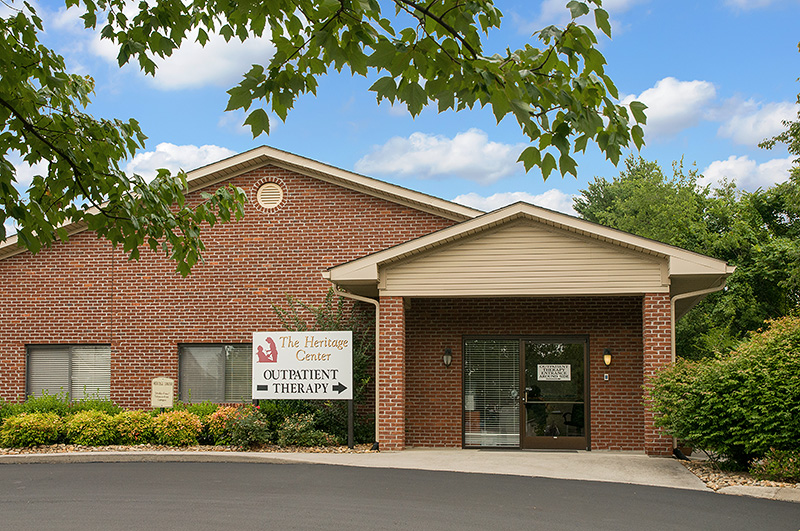
How is Heritage Center, The Staffed?

CMS rates HERITAGE CENTER, THE's staffing level at 3 out of 5 stars, which is average compared to other nursing homes. Staff turnover is 27%, compared to the Tennessee average of 46%. This relatively stable workforce can support continuity of care.

What Have Inspectors Found at Heritage Center, The?

State health inspectors documented 20 deficiencies at HERITAGE CENTER, THE during 2020 to 2025. These included: 20 with potential for harm.
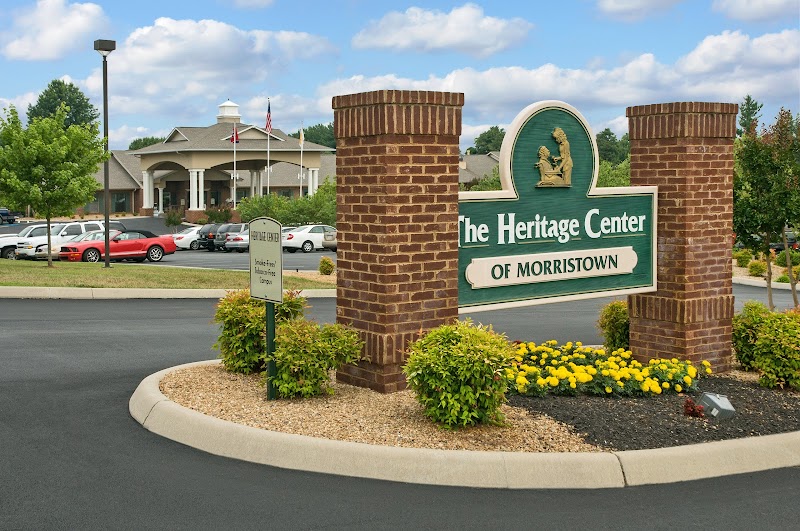
Who Owns and Operates Heritage Center, The?

HERITAGE CENTER, THE is owned by a for-profit company. For-profit facilities operate as businesses with obligations to shareholders or private owners. The facility is operated by LIFE CARE CENTERS OF AMERICA, a chain that manages multiple nursing homes. With 197 certified beds and approximately 106 residents (about 54% occupancy), it is a mid-sized facility located in MORRISTOWN, Tennessee.
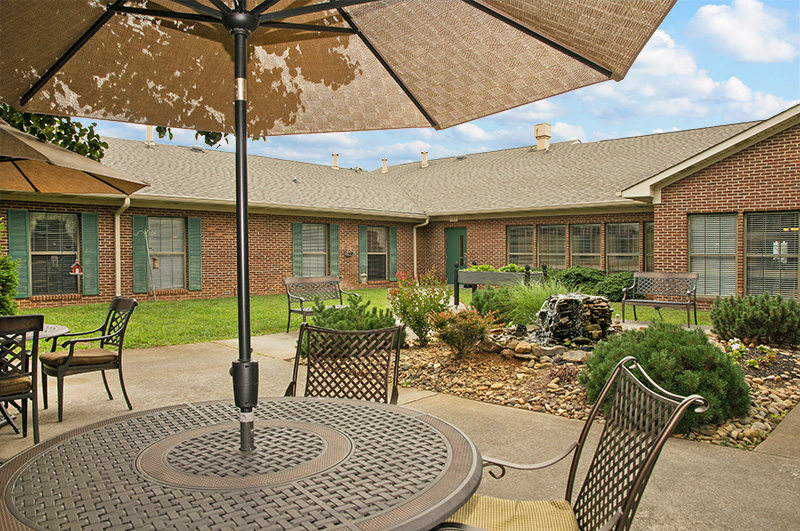
How Does Heritage Center, The Compare to Other Tennessee Nursing Homes?

Compared to the 100 nursing homes in Tennessee, HERITAGE CENTER, THE's overall rating (3 stars) is above the state average of 2.8, staff turnover (27%) is significantly lower than the state average of 46%, and health inspection rating (2 stars) is below the national benchmark.

What Should Families Ask When Visiting Heritage Center, The?

Based on this facility's data, families visiting should ask: "Can I visit during a mealtime to observe dining assistance and food quality?" "How do you handle medical emergencies, and what is your hospital transfer rate?" "Can I speak with family members of current residents about their experience?"

Is Heritage Center, The Safe?

Based on CMS inspection data, HERITAGE CENTER, THE has a clean safety record: no substantiated abuse findings (meaning no confirmed cases of resident harm), no Immediate Jeopardy citations (the most serious violation level indicating risk of serious injury or death), and is not on the Special Focus Facility watch list (a federal program monitoring the lowest-performing 1% of nursing homes). The facility has a 3-star overall rating and ranks #1 of 100 nursing homes in Tennessee. While no facility is perfect, families should still ask about staff-to-resident ratios and recent inspection results during their visit.

Do Nurses at Heritage Center, The Stick Around?

Staff at HERITAGE CENTER, THE tend to stick around. With a turnover rate of 27%, the facility is 18 percentage points below the Tennessee average of 46%. Low turnover is a positive sign. It means caregivers have time to learn each resident's needs, medications, and personal preferences. Consistent staff also notice subtle changes in a resident's condition more quickly. Registered Nurse turnover is also low at 6%, meaning experienced RNs are available to handle complex medical needs.

Was Heritage Center, The Ever Fined?

HERITAGE CENTER, THE has no federal fines on record. CMS issues fines when nursing homes fail to meet care standards or don't correct problems found during inspections. The absence of fines suggests the facility has either maintained compliance or corrected any issues before penalties were assessed. This is a positive indicator, though families should still review recent inspection reports for the full picture.

Is Heritage Center, The on Any Federal Watch List?

HERITAGE CENTER, THE is not on any federal watch list. The most significant is the Special Focus Facility (SFF) program, which identifies the bottom 1% of nursing homes nationally based on persistent, serious quality problems. Not being on this list means the facility has avoided the pattern of deficiencies that triggers enhanced federal oversight. This is a positive indicator, though families should still review the facility's inspection history directly.