HENRY COUNTY HEALTH AND REHABILITATION
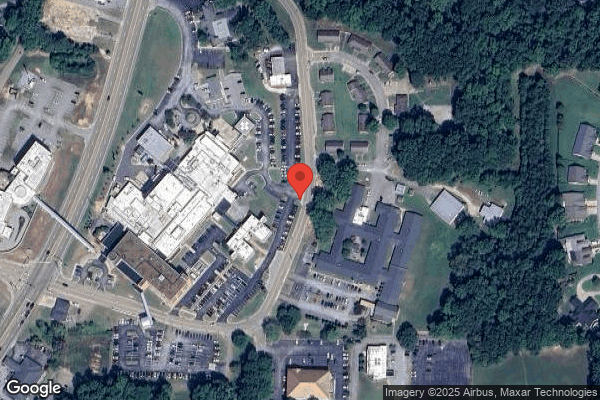
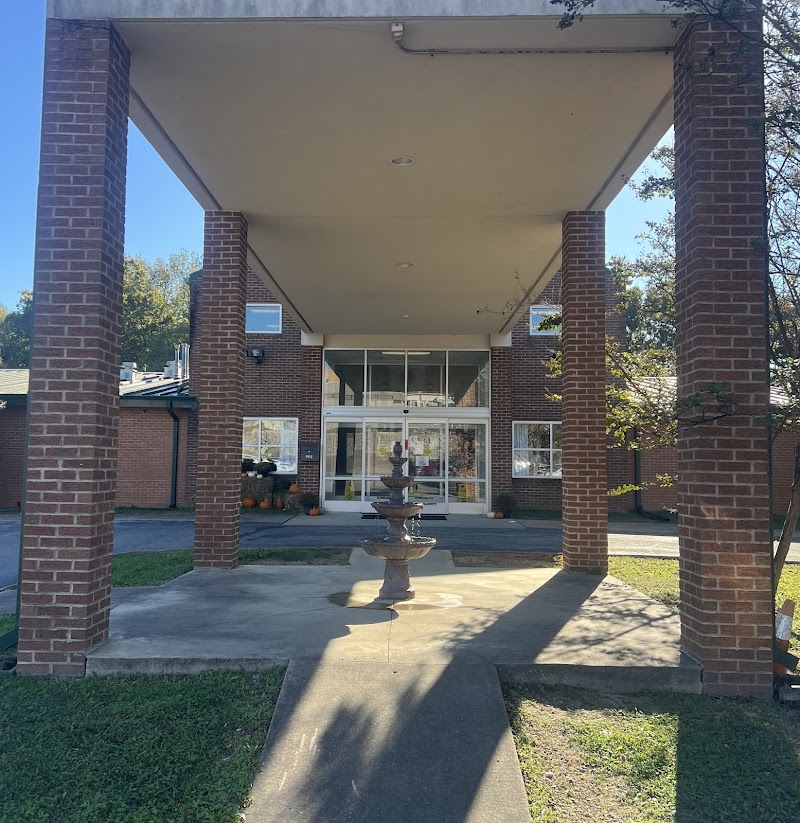
239 HOSPITAL CIRCLE, PARIS, TN 38242 (731) 642-5700
For profit - Corporation 136 Beds AHAVA HEALTHCARE Data: November 2025
Trust Grade
75/100
#61 of 298 in TN
Last Inspection: July 2024

Within standard 12-15 month inspection cycle. Federal law requires annual inspections.

Overview

Henry County Health and Rehabilitation in Paris, Tennessee, has a Trust Grade of B, indicating it is a good option for care, though not without its issues. It ranks #61 out of 298 facilities in Tennessee, placing it in the top half, and is the best option out of three in Henry County. Currently, the facility is improving, with a decrease in reported issues from five in 2023 to three in 2024. While staffing is a concern with a low rating of 2 out of 5 and a turnover rate of 59%, their RN coverage is average, which means residents receive a fair level of nursing oversight. Recent inspections revealed issues such as medications being improperly stored and some staff failing to follow infection control practices, which are significant but not critical concerns. Overall, while there are strengths in the facility's ratings and improvements, families should be aware of staffing challenges and specific compliance issues.

Trust Score
B
75/100
In Tennessee
#61/298
Top 20%
Safety Record
Low Risk
No red flags
Inspections
Getting Better
5 → 3 violations
Staff Stability
⚠ Watch
59% turnover. Above average. Higher turnover means staff may not know residents' routines.
Penalties
✓ Good
No fines on record. Clean compliance history, better than most Tennessee facilities.
Skilled Nurses
○ Average
Each resident gets 32 minutes of Registered Nurse (RN) attention daily — about average for Tennessee. RNs are the most trained staff who monitor for health changes.
Violations
○ Average
10 deficiencies on record. Average for a facility this size. Mostly minor or procedural issues.
★★★★☆
4.0
Overall Rating
★★☆☆☆
2.0
Staff Levels
★★★★☆
4.0
Care Quality
★★★★☆
4.0
Inspection Score
Stable
2023: 5 issues
2024: 3 issues

The Good

  • 4-Star Quality Measures · Strong clinical quality outcomes
  • Full Sprinkler Coverage · Fire safety systems throughout facility
  • No fines on record

Facility shows strength in quality measures, fire safety.

The Bad

Staff Turnover: 59%

13pts above Tennessee avg (46%)

Frequent staff changes - ask about care continuity

Chain: AHAVA HEALTHCARE

Part of a multi-facility chain

Ask about local staffing decisions and management

Staff turnover is elevated (59%)

11 points above Tennessee average of 48%

The Ugly 10 deficiencies on record

Jul 2024 3 deficiencies
CONCERN (D)

Potential for Harm - no one hurt, but risky conditions existed

Infection Control (Tag F0880)

Could have caused harm · This affected 1 resident

**NOTE- TERMS IN BRACKETS HAVE BEEN EDITED TO PROTECT CONFIDENTIALITY** Based on policy review, medical record review, observation, and interview, the facility failed to ensure proper infection contro...

Read full inspector narrative →
**NOTE- TERMS IN BRACKETS HAVE BEEN EDITED TO PROTECT CONFIDENTIALITY** Based on policy review, medical record review, observation, and interview, the facility failed to ensure proper infection control practices were followed during medication administration when 2 of 4 Licensed Practical Nurses (LPN A, and B) failed to perform proper hand hygiene and failed to allow proper drying time for the use of the blood glucose (machine used to measure sugar in the blood) meter after use, and when 1 of 2 (LPN D) failed to clean the enteral feeding syringe (plastic syringe used to give medications or feeding supplements to residents through a plastic tube connected to the stomach) after use, and when Certified Nurse Assistant (CNA P) failed to wear Protective Protection Equipment (PPE) while providing care to a resident on contact isolation. The findings include: 1. Review of the facility's undated policy titled, Glucometer Disinfection, revealed, The facility will ensure blood glucometers will be cleaned and disinfected after each use and according to manufacturer's instructions for multi-resident use .Glucometers should be cleaned and disinfected after each use and according to manufacturer's instructions regardless of whether they are intended for single resident or multiple resident use . Review of the undated manufacturer's guidelines titled, Super Sani-Cloth GERMICIDAL DISPOSAL WIPE, revealed, .SPECIAL INSTRUCTIONS FOR CLEANING AND DECONTAMINATION AGAINST HIV-1, HEPATITIS B VIRUS [HBV] AND HEPATITIS C VIRUS [HCV] ON SURFACES/OBJECTS SOILED WITH BLOOD/BODY FLUIDS .When using this product, wear disposable protective gloves .Contact time .Allow surface to remain wet two [2] minutes, let air dry . Review of the facility's undated policy titled, Hand Hygiene, revealed, All staff will perform proper hand hygiene procedures to prevent the spread of infection to other personnel, residents, and visitors. This applies to all staff working in all locations within the facility .Hand hygiene is a general term for cleaning your hands by handwashing with soap and water or to the use of an antiseptic hand rub, also known as alcohol-based hand rub (ABHR) .The use of gloves does not replace hand hygiene. If your task requires gloves, perform hand hygiene prior to donning (putting on) gloves, and immediately after removing gloves .Conditions .Before applying and after and removing personal protective equipment (PPE), including gloves .After handling items potentially contaminated with blood, body fluids, secretions, or excretions .Either Soap Water or Alcohol Based Hand Rub . Review of the Centers for Disease Control and Prevention (CDC) Guidelines for Isolation Precautions: Preventing Transmission of Infectious Agents in Healthcare Settings dated September 2018, revealed .when Contact Precautions are used .donning of both gown and gloves upon room entry is indicated to address unintentional contact with contaminated .surfaces . 2. Review of the medical record revealed Resident #60 was admitted on [DATE], with diagnoses including Hemiplegia and Hemiparesis, Diabetes, Atherosclerotic Heart Disease, and Depression. Review of Physician's Order dated 6/1/2024 to 6/30/2024, revealed AC & HS [before meals and at bedtime] .NOVOLOG .(Insulin Aspart) [medication used to lower the sugar in the blood] per sliding scale Subcutaneous . before meals .81-220 .4 units . Observation during medication administration on the [NAME] Wing at the medication cart on 7/23/24 at 11:10 AM, revealed LPN A, donned a clean pair of gloves removed the blood glucometer machine and supplies from the top drawer, locked the cart, knocked and entered Resident #60's bathroom. LPN A then returned to the resident's bedside with a paper towel, placed the paper towel on the bedside table, and placed the supplies on top of the barrier. LPN A obtained Resident #60's blood glucose level with an error message on the machine. LPN A placed all supplies in the biohazard container, removed her gloves, cleaned the machine with a super sani cloth from a clear plastic bag. LPN A immediately exited the resident's room, walked down the hall to the nurses' desk with the blood glucometer machine in her bare hand to the medication cart, and placed the blood glucometer machine in the black storage bag. LPN A donned a clean glove to her right hand, removed a test strip with her left hand and placed the supplies into the gloved right hand, knocked on Resident #60's door with her left hand and entered the resident's room bathroom. LPN A obtained a paper towel from the resident's bathroom, returned to the resident's bedside, and placed supplies on the barrier on the bedside table. LPN A donned a clean glove to her left hand, rechecked Resident #60's blood glucose level (results of 213) and placed the dirty supplies in the biohazard container. LPN A then removed the glove from her right hand, cleaned the machine with a Super Sani cloth with her gloved left hand while holding the blood glucometer machine in her right hand, removed the glove to the left hand. LPN A then immediately returned to the medication cart and placed the blood glucometer machine back into the black storage bag on top of the medication cart. LPA failed to wash and/or sanitize hands upon removal of gloves and failed to allow the blood glucometer machine to air dry for 2 minutes before returning to the black storage bag. Observation during medication administration on the [NAME] Wing, at the medication cart on 7/23/24 at 11:20 AM, revealed LPN A donned a clean pair of gloves, removed and drew up 4 units of Insulin Aspart into an insulin syringe, removed her right glove, failed to wash and/or sanitize her right hand after the removal of her glove. LPN A locked the medication cart, knocked and entered Resident #60's room, donned a clean glove to her right hand, administered the 4 units of insulin into Resident #60's right upper arm and exited the room and returned to the medication cart. 3. Review of the medical record revealed Resident #4 was admitted on [DATE] with diagnoses including Hemiplegia and Hemiparesis, Dysphagia, Aphasia, and Diabetes. Review of an Order Review History Report dated 6/25/2024 to 7/25/2024 revealed, NovoLOG Injection .inject as sliding scale .61-150 = [symbol for equal] 0 No Treatment .subcutaneously before meals and at bedtime or Diabetes . Observation during medication administration on South Hall on 7/23/24 at 11:43 AM, revealed LPN B removed supplies from the medication cart to check Resident #4's blood glucose and placed inside of a black storage bag and removed a plastic container of Super Sani clothes from the medication cart. LPN B knocked and entered Resident #4's bathroom, removed a paper towel and placed the supplies and the plastic container of Super Sani cloths on the barrier on top of the over the bed table. LPN B donned a clean pair of gloves, checked Resident #4's blood glucose level, cleaned the blood glucose machine with a Super Sani cloth and immediately placed the blood glucose machine back into the black storage case and zipped it up, placed the trash in the biohazard container, removed her gloves and exited the resident's room and returned to the medication cart. LPN B failed to wash and/or sanitize her hands after removing her gloves and after obtaining Resident #4's blood glucose level. 4. Review of the medical record revealed Resident #22 was admitted on [DATE], with diagnoses including Cerebrovascular Disease, Alzheimer's Disease, Hemiplegia, Dysphagia, Aphasia, Convulsions, and Epilepsy. Review of the Physician Orders dated 6/1/2024 to 6/30/2024 revealed, 1 can pulmocare (meal supplement for residents with enteral feeding tubes) via [by way of] PEG [percutaneous endoscopic gastrostomy tube] (tube inserted into the stomach to administer meal supplements and medications) .IF PT [patient] EATS < [symbol for less than] 25% [symbol for percent] of MEAL, MAY GIVE 1 CAN PULMOCARE .AFTER MEALS .Valproic Acid (medication used for seizures) 250 MG [milligrams] / 5 ML [milliliters] SYRUP .7.5 ml .Three Times Daily .06:00, 14:00, 18:00 for seizures . Observation during medication administration on the South hall medication cart on 7/23/24 at 1:27 PM, revealed LPN D, removed Valproic Acid 7.5 ml solution for Resident # 22. LPN D donned personal protective equipment (PPE), entered the resident's room and bathroom for water, returned to the bedside, donned clean gloves and checked placement and residual with 60 ml of milky stomach content returned back to the resident's stomach. LPN D stated, This is the feeding I just gave him . LPN D removed the plunger from the syringe and flushed with water, administered the Valproic Acid 7.5 ml per gravity, removed the glove from her right hand, returned the syringe and plunger to the plastic bag. LPN D failed to rinse and dry the syringe and plunger before returning to the plastic bag that contained white milky droplets inside the plastic bag. 5. Review of the medical record revealed Resident #54 was admitted on [DATE], with diagnoses that include Benign Prostatic Hyperplasia, Diabetes, Transient ischemic Attack, Hypertension, and Osteoarthritis. Review of Doctor's Order and Progress Note dated 6/24/2024, revealed Patient must use Artificial Tears 3-4 times a day . Observation during medication administration on Cart #2 of the East Hall on 7/23/24 at 2:13 PM, revealed LPN C removed a bottle of Artificial Tears Ophthalmic Solution (medication to lubricate eyes) for Resident # 54. LPN C entered the resident's room, went to the resident's bathroom and washed her hands, donned a clean pair of gloves and returned to the resident's bedside. LPN C removed the cap from the Artificial Tears bottle and placed it on the over the bed table without a barrier. LPN C administered the eye drops, replaced the cap back onto the eye drops, removed her gloves, sanitized her hands and exited the room and returned the eye drops to the medication cart. During an interview on 7/23/24 at 2:54 PM, LPN C confirmed she should have placed the cap of the eye drops on a barrier and that she should have discarded the eye drops and not returned to the medication drawer. During an interview on 7/24/24 at 5:03 PM, the Director of Nursing (DON) was asked when should nursing staff wash their hands. The DON confirmed nursing staff should wash or sanitize their hands when they take off gloves and change their gloves. The DON was asked how the enteral syringe should be stored after use. The DON confirmed the enteral syringe should be rinsed and dried of any residue and they should be stored separated in the plastic bag. The DON was asked how the glucose monitor should be cleaned after use. The DON confirmed that nursing staff should don clean gloves, clean the machine with the approved Super Sani Cloth and placed on a barrier to dry for at least 2 minutes, remove their gloves and wash their hands. The DON was asked what the nursing staff should do with the cap of the eye drops when administering the eye drops. The DON confirmed the cap should be placed on a barrier and replaced once the eye drops have been administered. The DON was confirmed the cap to the eye drops should not be placed on the table without a barrier. 6. Review of the medical record revealed Resident #65 was admitted to the facility on [DATE], with diagnoses including Chronic Obstructive Pulmonary Disease, Congestive Heart Failure, Hypertension, Respiratory Failure, and Palliative Care. Review of the Physician Orders dated 5/31/2024 revealed .CONTACT ISOLATION FOR VRE (Vancomycin-Resistant Enterococcus) (a type of bacteria that is resistant to the antibiotic Vancomycin) IN URINE . During an observation on 7/23/2024 at 1:51 PM, CNA P was observed giving Resident #65 a bed bath without donning PPE. Resident #65 was in contact isolation for VRE in the urine. During an interview on 7/25/24 at 2:36 PM, the Director of Nursing was asked if all staff including contract staff was required to observe contact isolation recommendations. The DON stated, Of course .anyone who provides care is required to dress out.
CONCERN (D)

Potential for Harm - no one hurt, but risky conditions existed

Safe Environment (Tag F0921)

Could have caused harm · This affected 1 resident

**NOTE- TERMS IN BRACKETS HAVE BEEN EDITED TO PROTECT CONFIDENTIALITY** Based on policy review, medical record review, observation, and interview, the facility failed to ensure a safe, sanitary, and c...

Read full inspector narrative →
**NOTE- TERMS IN BRACKETS HAVE BEEN EDITED TO PROTECT CONFIDENTIALITY** Based on policy review, medical record review, observation, and interview, the facility failed to ensure a safe, sanitary, and comfortable environment for Resident #65 for 1 of as evidenced by a dirty bedpan was observed on the bathroom counter next to open toiletries. Findings include: 1. Review of the facility's undated policy titled, Cleaning and Disinfection of Resident-Care Equipment revealed .Reusable resident-care equipment will be cleaned and disinfected in accordance with the current Centers for Disease Control and Prevention (CDC) Recommendations .Reusable single resident items .include bedpans .Staff shall follow established infection control principles for cleaning and disinfecting reusable . equipment .General guidelines include .each user is responsible for routine cleaning and disinfection of multi-resident items after each use .Direct care staff are responsible for cleaning single-resident equipment when visibly soiled . 2. Review of the medical record revealed Resident #65 was admitted to the facility on [DATE], with diagnoses of Chronic Obstructive Pulmonary Disease, Congestive Heart Failure, Hypertension, Respiratory Failure, and Palliative Care. Observation in Resident #65's bathroom on 7/23/2024 at 7:58 AM, revealed a bedpan with visible brown smears sitting on top of a gray wash basin, next to an open denture cup containing water but no dentures on Resident #65's bathroom counter. During an interview on 7/23/24 at 10:37 AM, Certified Nursing Assistant (CNA) M was asked if a dirty bedpan should be left on the counter with Resident #65's toiletries. CNA M state No, we normally put them in a bag and store them in this cabinet .I will do that right now . During an interview on 7/25/2024 at 2:36 PM, the Director of Nursing (DON) confirmed that all bedpans should be cleaned after each use, bagged, and stored out of sight.
CONCERN (D)

Potential for Harm - no one hurt, but risky conditions existed

Deficiency F0947 (Tag F0947)

Could have caused harm · This affected 1 resident

Based on review of the Certified Nursing Assistant (CNA) staff in-services, and interview the facility failed to ensure the mandatory annual 12 hours of CNA in-services were provided for 15 of 19 staf...

Read full inspector narrative →
Based on review of the Certified Nursing Assistant (CNA) staff in-services, and interview the facility failed to ensure the mandatory annual 12 hours of CNA in-services were provided for 15 of 19 staff members (CNAs A, B, C, D, E, F, G, H, I, J, K, L, M, N, and O reviewed for CNA in-servicing training. The findings include: 1. Review of the facility's policy titled, Required Training, Certification and Continuing Education of Nurses Aides, dated 11/2017, revealed It is the policy of this facility to comply with State and Federal regulations and requirements as they pertain to the training, certification, and continuing education of its nurse aides .The facility will provide at least 12 hours of in-service training annually . 2. Review of a list of the CNA staff provided by the facility revealed the following: CNA A was hired on 7/12/2021. CNA B was hired on 10/3/2022. CNA C was hired on 8/21/2001. CNA D was hired on 4/17/2023. CNA E was hired on 2/1/2016. CNA F was hired on 5/7/2000. CNA G was hired on 2/4/2003. CNA H was hired on 6/18/2012. CNA I was hired on 9/18/2022. CNA J was hired on 11/5/2018. CNA K was hired on 4/4/2016. CNA L was hired on 6/6/2022. CNA M was hired 11/11/2019. CNA N was hired 8/8/2011. CNA O was hired 7/2/2007. The facility was unable to provide documentation of 12 hours of required in-service training for CNA's A, B, C, D, E, F, G, H, I, J, K, L, M, N, and O for the past 12 months. During an interview on 7/25/2024 at 8:15 AM, the Administrator was asked about the required CNA in-services for CNAs employed over one year. The Administrator confirmed the CNAs did not receive their annual training and should have had at least 12 hours in the last year.
Apr 2023 5 deficiencies
CONCERN (D)

Potential for Harm - no one hurt, but risky conditions existed

Resident Rights (Tag F0550)

Could have caused harm · This affected 1 resident

Based on policy review, observation, and interview, the facility failed to maintain or enhance resident dignity and respect when 2 of 12 (Certified Nursing Assistant) (CNA) #1, and Licensed Practical ...

Read full inspector narrative →
Based on policy review, observation, and interview, the facility failed to maintain or enhance resident dignity and respect when 2 of 12 (Certified Nursing Assistant) (CNA) #1, and Licensed Practical Nurse (LPN) #1, staff members observed during dining failed to use courtesy titles to address residents. The findings include: 1. Review of the facility's policy titled, Addressing a Resident, revised 12/30/2010, revealed, .Resident will be addressed with courtesy and respect at all times . 2. Review of the facility's undated policy titled, Dignity, revealed, The facility will promote care for residents in a manner and in a environment that maintains or enhances each resident's dignity and respect in full recognition of his or her individuality. 3. Observation during dining in the East Wing on 4/3/2023 beginning at 12:07 PM, revealed the following: a. CNA #1 entered Resident #29's room and stated, .He's a feeder . b. CNA #1 entered Resident #18's room, CNA #1 stated, Hello darling .and placed the meal tray on the over-the-bed table. CNA #1 failed to use a courtesy title when addressing the resident. c. CNA #1 entered Resident #13's room, and placed the meal tray on the over-the-bed table, set her meal tray up and stated, .There ya (you) go darling. CNA #1 failed to use a courtesy title when addressing the resident. 4. Observation during dining in the East Wing on 4/4/2023 beginning at 5:35 PM, revealed the following: a. CNA #1 entered Resident #58's room, CNA #1 stated, Hey darling . CNA #1 failed to use a courtesy title when addressing the resident. b. LPN #1 was assisting with Resident #40's meal tray and stated, .Ok dear ., LPN #1 failed to use a courtesy title when addressing the resident. c. CNA #1 entered Resident #47's room, CNA #1 stated, Hey darling . CNA #1 failed to use a courtesy title when addressing the resident. During an interview on 4/5/2023 at 2:22 PM, the Director of Nurses confirmed staff should always use courtesy titles when addressing all residents.
CONCERN (D)

Potential for Harm - no one hurt, but risky conditions existed

Deficiency F0578 (Tag F0578)

Could have caused harm · This affected 1 resident

**NOTE- TERMS IN BRACKETS HAVE BEEN EDITED TO PROTECT CONFIDENTIALITY** Based on policy review, medical record review, and interview, the facility failed to provide information regarding a resident's ...

Read full inspector narrative →
**NOTE- TERMS IN BRACKETS HAVE BEEN EDITED TO PROTECT CONFIDENTIALITY** Based on policy review, medical record review, and interview, the facility failed to provide information regarding a resident's right to formulate an advance directive for 1 of 16 sampled residents (Resident #15) reviewed for advance directives. The findings include: Review of the facility's undated policy titled Advanced Directives revealed .wishes of that patient will be respected and followed out in accordance with that advanced directive .On admission, each resident will be asked to provide a copy of any current advanced directive .Those not having advanced directives will be offered the opportunity and will be provided with information in writing regarding advanced directives and their content .on admission, families will be provided with information educating them as to how to legally acquire a power of attorney for patients that are not cognitively intact . Review of the medical record revealed Resident #15 was admitted to the facility on [DATE], with diagnoses of Dementia, Aphasia, Chronic Obstructive Pulmonary Disease, Gastrostomy Status, Anxiety, and Seizures. Review of the quarterly Minimum Data Set (MDS) dated [DATE], revealed Resident #15 had severe cognitive impairment. Resident #15 required total dependence for ADLs. During an interview on 4/5/2023 at 9:33 AM, the Director of Social Services was unable to provide education about an advance directive had been provided to the resident or family.
CONCERN (D)

Potential for Harm - no one hurt, but risky conditions existed

Deficiency F0657 (Tag F0657)

Could have caused harm · This affected 1 resident

**NOTE- TERMS IN BRACKETS HAVE BEEN EDITED TO PROTECT CONFIDENTIALITY** Based on medical record review and interview, the facility failed to ensure 4 of 16 sampled residents (Resident #21, #25, #34 an...

Read full inspector narrative →
**NOTE- TERMS IN BRACKETS HAVE BEEN EDITED TO PROTECT CONFIDENTIALITY** Based on medical record review and interview, the facility failed to ensure 4 of 16 sampled residents (Resident #21, #25, #34 and #35) or their families were invited to participate in planning their care. The findings include: Review of the medical record, revealed Resident #21 was admitted to the facility on [DATE], with diagnoses of Atrial Fibrillation, Diabetes, Alcohol Abuse, Pressure Ulcers, and Chronic Obstructive Pulmonary Disease. Review of the admission Minimum Data Set (MDS) dated [DATE], revealed Resident #21 had a Brief Interview for Mental Status (BIMS) of 14, which indicated cognitively intact. The facility was unable to provide documentation that a care plan meeting was held with Resident #21 or his family. Review of the medical record revealed Resident #25 was admitted to the facility on [DATE] with diagnoses of Staphylococcus Aureus Infection, Diabetes, Parkinson's Disease, and Anxiety. Review of the admission MDS dated [DATE], revealed Resident #25 had a BIMS of 13, which indicated cognitively intact. The facility was unable to provide documentation that a care plan meeting was held with Resident #25 or his family. Review of the medical record revealed Resident #34 was admitted on [DATE] with diagnoses of Diabetes, Chronic Obstructive Pulmonary Disease, Cardiomegaly, and Rheumatoid Arthritis. Review of the significant change MDS dated [DATE] revealed Resident #34 had a BIMS of 14 which indicated cognitively intact. The facility was unable to provide documentation that a care plan meeting was held with Resident #34 or her family. Review of the medical record, revealed Resident #35 was admitted to the facility was admitted to the facility on [DATE] with a diagnosis of Senile Degeneration of Brain, Hypertension, Insomnia, and Depression. Review of the quarterly MDS assessment dated [DATE], revealed Resident #35 had severe cognitive impairment. During a family interview on 4/3/2023 at 10:45 AM, Resident #35's husband confirmed he had not been invited to Care Plan meetings for Resident #35. The facility was unable to provide documentation that a care plan meeting was held with Resident #35's family on 2/7/2023. During an interview on 4/4/2023 at 5:06 PM, the MDS Coordinator confirmed there was no documentation of a Care Plan meeting for Resident #35's family and there should have had one quarterly. During an interview on 4/5/2023 at 2:21 PM, the Director of Nursing confirmed there should be a documentation for the resident or responsible party's notification to attend Care Plan meetings.
CONCERN (D)

Potential for Harm - no one hurt, but risky conditions existed

Accident Prevention (Tag F0689)

Could have caused harm · This affected 1 resident

**NOTE- TERMS IN BRACKETS HAVE BEEN EDITED TO PROTECT CONFIDENTIALITY** Based on policy review, medical record review, observation, and interview the facility failed to follow physician's order for 1 ...

Read full inspector narrative →
**NOTE- TERMS IN BRACKETS HAVE BEEN EDITED TO PROTECT CONFIDENTIALITY** Based on policy review, medical record review, observation, and interview the facility failed to follow physician's order for 1 of 1 (Resident #364) sample residents reviewed for falls. The findings include: Review of the facility's policy titled Fall Prevention and Fall Risk Interventions, reviewed 10/22 revealed, .If a fall occurs, nursing will initiate immediate interventions to prevent further fall . Review of the facilities undated Fall Risk Guidelines, revealed .apply a personal alarm .body alarm . Review of the medical record, revealed Resident #364 was admitted to the facility on [DATE] with diagnoses of Osteoarthritis, Fracture of Right Patella, Fracture of Left Arm, Difficulty Walking, and Unsteadiness on Feet. Review of the admission Minimum Data Set, dated [DATE], revealed Resident #364 had a Brief Interview for Mental Status score of 10, indicating the resident was moderately impaired and required extensive assist for activities of daily living. Review of the Care Plan dated 4/3/2023, revealed .Potential for Falls .r/t (related to) impaired balance, hx (history of) falls .Ensure placement/functioning of body alarm . Review of the Incident Report dated 3/17/2023, revealed, .Incident Date . 3/17/23 Incident Time 01:00 AM .Resident observed on floor by nurse .Body Alarm to patient to prevent injury . Review of a Physician's Order dated 3/17/2023, revealed .Body Alarm clipped to resident when in bed . Review of a Physician's Order dated 3/21/2023, revealed .Body Alarm to patient. Monitor for placement & [and] functioning every shift . The facility was unable to provide documentation to show placment and functioning of the body alarm every shift. Observation in Resident #364's room on 4/4/2023 at 9:02 AM, revealed the resident in bed with no body alarm on. During an observation and interview in Resident #364's room on 4/5/2023 at 3:42 pm, revealed the resident in bed with no body alarm on. The Director of Nurses (DON) confirmed Resident #364 should have a body alarm on while in bed. During an interview on 4/5/2023 at 5:57 PM, the DON and Registered Nurse #1 confirmed no order was put in the computer for the use of a body alarm and to monitor the body alarm for functioning and placement until 4/5/2023.
CONCERN (E)

Potential for Harm - no one hurt, but risky conditions existed

Deficiency F0761 (Tag F0761)

Could have caused harm · This affected multiple residents

**NOTE- TERMS IN BRACKETS HAVE BEEN EDITED TO PROTECT CONFIDENTIALITY** Based on policy review, observation, and interview, the facility failed to ensure medications were properly stored and secured w...

Read full inspector narrative →
**NOTE- TERMS IN BRACKETS HAVE BEEN EDITED TO PROTECT CONFIDENTIALITY** Based on policy review, observation, and interview, the facility failed to ensure medications were properly stored and secured when 1 of 4 staff members (Licensed Practical Nurse (LPN) #1) left the medication cart unlocked, unattended, and out of sight, and when in 7 of 18 medication storage areas (South Wing Medication Room, South Wing Medication Cart #2, [NAME] Wing #1 Medication Room, East Wing Clean Utility Room, [NAME] Wing #1 Treatment Cart, [NAME] Wing #2 Storage Room and South Wing Treatment Cart) had expired medications, open and undated medications, and externals and internals stored together in the medication storage areas, and when a medication left at the bedside in a resident's room. The findings include: Review of the facility's policy titled, ORAL MEDICATION ADMINISTRATION, reviewed 10/2022, revealed .Be sure to stay with patient until medication is swallowed . Review of the facility's policy titled, MEDICATION STORAGE IN THE FACILITY, reviewed 10/2022, .Medication room and carts should be under lock and key and accessed by personnel who have authority to access .All oral medications should be kept separated from topical medication on the cart and in the medication room . Observation in Resident #10's room on 4/3/2023 at 11:03 AM, and at 11:17 AM, revealed on the over bed table a plastic cup containing yellow liquid with white sediments in the bottom of the plastic cup. During an interview on 4/3/2023 at 11:17 AM, LPN #2 was asked to identify the yellow liquid substance with the white sediments in the plastic cup and the white powdery substance in the medication cup. LPN #2 confirmed the plastic cup contained the medication Cholestyramine (treatment for high cholesterol) for oral suspension. Observation in the South Wing Medication Room on 4/3/2023 at 11:21 AM, revealed 13 cartons of Pulmocare Supplement (high-calorie, low carbohydrate formula designed to help reduce carbon dioxide production) with an expiration date of 4/1/2023, one carton of Boost Supplement (nutritional shake) with an expiration date of 1/1/2023, and 5 packets of Glycerin swab sticks with an expiration date of 4/2022. Observation on the South Wing on 4/3/2023 at 11:36 AM, revealed Medication Cart #2 with the following: a. Glargine insulin (to control high blood sugar) flex pen with an expiration date of 3/22/2023. b. Novolog flex insulin (to control high blood sugar) pen with an opened date of 2/22/2023 and an expiration date of 3/22/2023. c. One Heparin (blood thinner) syringe was in the same drawer with a tube of petroleum jelly skin protectant, one tube of triple antibiotic ointment, multiple batteries, scissors, keys, a flash light, pill crusher, and a pair of goggles. During an interview on 4/3/2023 at 11:36 AM, LPN #2 confirmed there should not be internals and externals in the same drawer on the medication cart. Observation on the [NAME] Wing #1 on 4/4/2023 at 11:44 AM, in the Medication room with LPN #3, revealed one bottle of Vitamin B-12 (water-soluble vitamin) with an expiration date of 1/2023, and 36 Heparin syringes with an expiration date of 3/2023. Observation on the [NAME] Wing #1 on 4/4/2023 at 4:44 PM, revealed in the Clean Utility room [ROOM NUMBER] cartons of Plumocare Supplement with an expiration date of 4/1/2023. Observation on the East Wing on 4/4/2023 at 4:52 PM, revealed in the Clean Utility Room refrigerator one vial of Tuberculin Purified Protein (a test used to detect if you have a tuberculosis infection) opened and undated. Observation on the [NAME] Wing #1 on 4/4/2023 at 5:30 PM, revealed the following on the [NAME] Wing #1 Treatment Cart: a. One bottle of Hydrogen Peroxide with an expiration date of 7/2021. b. 2 tubes of Mupirocin Ointment (used to treat certain skin infections) with an expiration date of 12/2022. c. 26 sticks of Sliver Nitrate applicators (cauterizing (reduce bleeding) small wounds) with an expiration date of 9/2021. d. 1 pack of Iodine Solution with an expiration date of 1/2023. e. 2 tubes of Moisture Barrier Antifungal Cream with an expiration date of 2/2023. Observation on the East Wing Hallway on 4/5/2023 at 8:02 AM, revealed the East Wing Medication Cart #1 unattended, unlocked, and out of sight of LPN #1. During an interview on 4/5/2023 at 8:05 AM, LPN #1 confirmed the medication cart should not be unattended and unlocked and out of sight. Observation on [NAME] Wing #2 on 4/5/2023 at 10:23 AM, revealed in the Storage room [ROOM NUMBER] tubes of Moisture Barrier Antifungal Cream with an expiration date of 2/2023. Observation on the South Wing on 4/5/2023 at 10:28 AM, revealed on the Treatment Cart one bottle of Hydrogen Peroxide with an expiration date of 1/2023. During an interview on 4/5/2023 at 8:36 AM, the Director of Nursing (DON) confirmed there should not be any expired medications, open and undated medications, externals, and internals together in the medication storage areas. The DON confirmed the medication carts should not be left unlocked and unattended in the hallway.
Nov 2021 2 deficiencies
CONCERN (D)

Potential for Harm - no one hurt, but risky conditions existed

Deficiency F0760 (Tag F0760)

Could have caused harm · This affected 1 resident

**NOTE- TERMS IN BRACKETS HAVE BEEN EDITED TO PROTECT CONFIDENTIALITY** Based on the Geriatric Medication Handbook, policy review, medical record review, observation, and interview, the facility faile...

Read full inspector narrative →
**NOTE- TERMS IN BRACKETS HAVE BEEN EDITED TO PROTECT CONFIDENTIALITY** Based on the Geriatric Medication Handbook, policy review, medical record review, observation, and interview, the facility failed to ensure residents were free from a significant medication error when 1 of 5 nurses (Licensed Practical Nurse (LPN) #1) failed to provide a substantial snack or meal within 15 minutes of insulin administration for 1 of 5 sampled residents (Resident #165) observed during medication pass. The failure to provide a substantial snack or meal within 15 minutes of insulin administration resulted in a significant medication error. The findings include: Review of the GERIATRIC MEDICATION HANDBOOK, 13TH edition, provided by the American Society of Consultant Pharmacists, page 41 and 43, revealed .DIABETES: INJECTABLE MEDICATIONS .Novolog .Insulin aspart .Rapid-Acting Insulin Analog .Onset .15 min [minutes] .ADMINISTRATION/COMMENTS .15 minutes prior to meals .NovoLog .Insulin Aspart .Rapid-Acting Insulin .ONSET .15 min .ADMINISTRATION/COMMENTS .5-10 minutes before meals . Review of the facility's policy titled, Blood Glucose Fingerstick Monitoring, revised 9/2020, revealed .Anytime a resident's meal may be delayed, a snack should be given to the resident, especially when Sliding Scale Insulin has been administered . Review of the medical record, revealed Resident #165 was admitted to the facility on [DATE] with diagnoses of Atherosclerosis with Bypass Graft, Diabetes Mellitus, and Hypertension. Review of the Physician's Order dated 11/2/2021, revealed .Novolog [insulin] .per sliding scale subcutaneous .181-220 = 4 units . Observation in the resident's room on 11/16/2021 at 11:12 AM, revealed LPN #1 administered Novolog (insulin) 4 units subcutaneous per sliding scale to Resident #165 for a blood glucose of 197. At 12:30 PM, Resident #165 had not received a meal tray or a substantial snack. During an interview on 11/16/2021 at 11:45 AM, LPN #1 was asked what time she expected the meal trays to be delivered to the hall. LPN stated, 12:05 PM. During an interview on 11/17/2021 at 1:42 PM, the Director of Nursing (DON) was asked when residents should receive a meal or substantial snack after receiving Novolog Insulin. The DON stated, .within a short period of time .10-15 minutes .
CONCERN (E)

Potential for Harm - no one hurt, but risky conditions existed

Food Safety (Tag F0812)

Could have caused harm · This affected multiple residents

Based on observation and interview, the facility failed to ensure food was served under sanitary conditions when 3 of 13 staff members (Nursing Assistant (NA) #1, Certified Nursing Assistant (CNA) #1,...

Read full inspector narrative →
Based on observation and interview, the facility failed to ensure food was served under sanitary conditions when 3 of 13 staff members (Nursing Assistant (NA) #1, Certified Nursing Assistant (CNA) #1, and Licensed Practical Nurse (LPN) #2) served meal trays with food uncovered for 7 of 66 Residents (Resident #4, #16, #34, #44, #54, #60, and #215) observed during dining. The findings include: Observation of the South Hall on 11/15/2021 at 12:21 PM, revealed Meal Cart #2 arrived on the South hall and remained across from the Nurses' Station during dining. Observation of the South Hall on 11/15/2021 at 12:28 PM, revealed NA #1 removed a meal tray from the meal cart, walked down the hall, with the salad and dessert uncovered, entered Resident #215's room, set the tray up, exited the room, and walked back down the hall to the Nurses' Station to the meal cart. Observation of the South Hall on 11/15/2021 at 12:29 PM, revealed NA #1 removed a meal tray from the meal cart, walked down the hall, with the dessert uncovered, entered Resident #4's room, set the tray up, exited the room, and walked back down the hall to the Nurses' Station to the meal cart. Observation of the South Hall on 11/15/2021 at 12:30 PM, revealed NA #1 removed a meal tray from the meal cart, walked down the hall with the salad and dessert uncovered, entered Resident #60's room, set up the tray, exited the room, and walked back down the hall to the Nurses' Station to the meal cart. Observation of the South Hall on 11/15/2021 at 12:30 PM, revealed CNA #1 removed a meal tray from the meal cart, walked down the hall with the salad and dessert uncovered, entered Resident #16's room, set up the tray, exited the room, and walked back down the hall to the Nurses' Station to the meal cart. Observation of the South Hall on 11/15/2021 at 12:32, revealed CNA #1 removed a meal tray from the meal cart, walked down the hall with the dessert uncovered, entered Resident #44's room, set up the tray, exited the room, walked back down the hall to the Nurses' Station to the meal cart. Observation of the South Hall on 11/15/2021 at 12:33 PM, revealed LPN #2 removed a meal tray from the meal cart, walked down the hall with the salad and dessert uncovered, entered Resident #54's room, set up the tray, exited the room, walked back down the hall to the Nurses' Station to the meal cart. Observation of the South Hall on 11/15/2021 at 12:35 PM, revealed NA #1 removed a meal tray from the meal cart, walked down the hall with the dessert uncovered, entered Resident #34's room, set up the tray and exited the room. During an interview on 11/17/2021 at 3:40 PM, the Registered Dietician confirmed that staff should move the meal cart down the hall with them to each room when they deliver the meal trays, and the food should be covered while transporting a meal down the hall.
Understanding Severity Codes (click to expand)
Life-Threatening (Immediate Jeopardy)
J - Isolated K - Pattern L - Widespread
Actual Harm
G - Isolated H - Pattern I - Widespread
Potential for Harm
D - Isolated E - Pattern F - Widespread
No Harm (Minor)
A - Isolated B - Pattern C - Widespread

Questions to Ask on Your Visit

  • "Why is there high staff turnover? How do you retain staff?"
  • "Can I speak with families of current residents?"
  • "What's your RN coverage like on weekends and overnight?"

Our Honest Assessment

Strengths
  • • No major safety red flags. No abuse findings, life-threatening violations, or SFF status.
  • • No fines on record. Clean compliance history, better than most Tennessee facilities.
Concerns
  • • 59% turnover. Above average. Higher turnover means staff may not know residents' routines.
Bottom line: Generally positive indicators. Standard due diligence and a personal visit recommended.

About This Facility

What is Henry County's CMS Rating?

CMS assigns HENRY COUNTY HEALTH AND REHABILITATION an overall rating of 4 out of 5 stars, which is considered above average nationally. Within Tennessee, this rating places the facility higher than 99% of the state's 100 nursing homes. This rating reflects solid performance across the metrics CMS uses to evaluate nursing home quality.
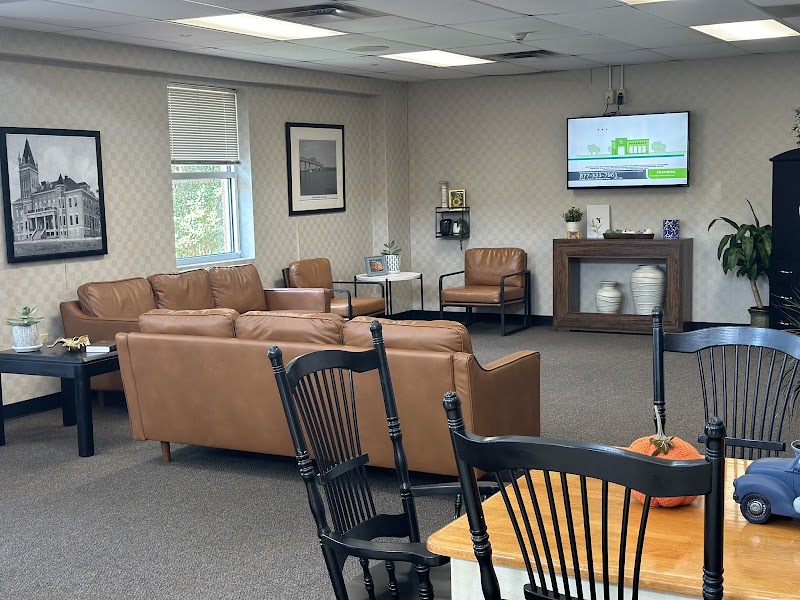
How is Henry County Staffed?

CMS rates HENRY COUNTY HEALTH AND REHABILITATION's staffing level at 2 out of 5 stars, which is below average compared to other nursing homes. Staff turnover is 59%, which is 13 percentage points above the Tennessee average of 46%. High turnover can affect care consistency as new staff learn residents' individual needs.

What Have Inspectors Found at Henry County?

State health inspectors documented 10 deficiencies at HENRY COUNTY HEALTH AND REHABILITATION during 2021 to 2024. These included: 10 with potential for harm.
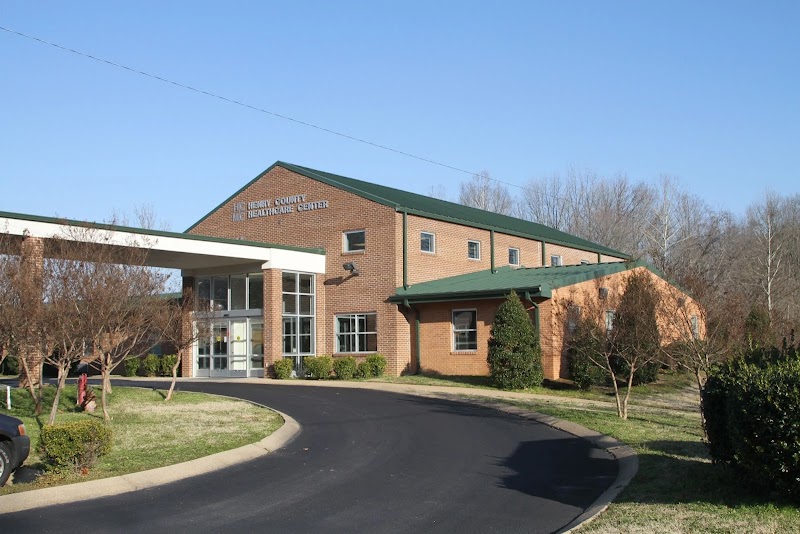
Who Owns and Operates Henry County?

HENRY COUNTY HEALTH AND REHABILITATION is owned by a for-profit company. For-profit facilities operate as businesses with obligations to shareholders or private owners. The facility is operated by AHAVA HEALTHCARE, a chain that manages multiple nursing homes. With 136 certified beds and approximately 87 residents (about 64% occupancy), it is a mid-sized facility located in PARIS, Tennessee.

How Does Henry County Compare to Other Tennessee Nursing Homes?

Compared to the 100 nursing homes in Tennessee, HENRY COUNTY HEALTH AND REHABILITATION's overall rating (4 stars) is above the state average of 2.8, staff turnover (59%) is significantly higher than the state average of 46%, and health inspection rating (4 stars) is above the national benchmark.

What Should Families Ask When Visiting Henry County?

Based on this facility's data, families visiting should ask: "How do you ensure continuity of care given staff turnover, and what is your staff retention strategy?" "Can you walk me through typical staffing levels on day, evening, and night shifts?" "Can I visit during a mealtime to observe dining assistance and food quality?" "How do you handle medical emergencies, and what is your hospital transfer rate?" These questions are particularly relevant given the facility's high staff turnover rate and the below-average staffing rating.

Is Henry County Safe?

Based on CMS inspection data, HENRY COUNTY HEALTH AND REHABILITATION has a clean safety record: no substantiated abuse findings (meaning no confirmed cases of resident harm), no Immediate Jeopardy citations (the most serious violation level indicating risk of serious injury or death), and is not on the Special Focus Facility watch list (a federal program monitoring the lowest-performing 1% of nursing homes). The facility has a 4-star overall rating and ranks #1 of 100 nursing homes in Tennessee. While no facility is perfect, families should still ask about staff-to-resident ratios and recent inspection results during their visit.

Do Nurses at Henry County Stick Around?

Staff turnover at HENRY COUNTY HEALTH AND REHABILITATION is high. At 59%, the facility is 13 percentage points above the Tennessee average of 46%. High turnover means new staff may not know residents' individual needs, medications, or preferences. It can also be disorienting for residents, especially those with dementia who rely on familiar faces. Families should ask: What is causing the turnover? What retention programs are in place? How do you ensure care continuity during staff transitions?

Was Henry County Ever Fined?

HENRY COUNTY HEALTH AND REHABILITATION has no federal fines on record. CMS issues fines when nursing homes fail to meet care standards or don't correct problems found during inspections. The absence of fines suggests the facility has either maintained compliance or corrected any issues before penalties were assessed. This is a positive indicator, though families should still review recent inspection reports for the full picture.

Is Henry County on Any Federal Watch List?

HENRY COUNTY HEALTH AND REHABILITATION is not on any federal watch list. The most significant is the Special Focus Facility (SFF) program, which identifies the bottom 1% of nursing homes nationally based on persistent, serious quality problems. Not being on this list means the facility has avoided the pattern of deficiencies that triggers enhanced federal oversight. This is a positive indicator, though families should still review the facility's inspection history directly.