LAUDERDALE COMMUNITY LIVING CENTER
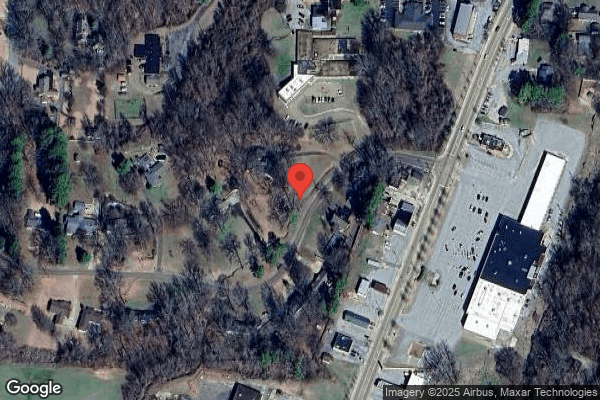

215 LACKEY LANE, RIPLEY, TN 38063 (731) 635-5100
For profit - Limited Liability company 71 Beds COMMUNITY ELDERCARE SERVICES Data: November 2025 2 Immediate Jeopardy citations
Trust Grade
9/100
#258 of 298 in TN
Last Inspection: August 2025

Inspected within the last 6 months. Data reflects current conditions.

Overview

Lauderdale Community Living Center in Ripley, Tennessee, has received a Trust Grade of F, indicating significant concerns about its care quality. It ranks #258 out of 298 facilities in Tennessee, placing it in the bottom half of the state, and #2 out of 2 in Lauderdale County, meaning only one other local option is available. The facility is worsening, with issues increasing from 6 in 2024 to 16 in 2025, and it has been cited for critical incidents, including inadequate infection control practices and failure to secure the environment for residents with wandering behaviors, which led to a serious injury. Staffing is a weakness, with only 1 out of 5 stars in this category and a turnover rate of 56%, which is higher than the state average, indicating potential instability in care. Additionally, the facility has incurred $17,345 in fines, which is concerning as it is higher than 82% of Tennessee facilities, further suggesting ongoing compliance issues.

Trust Score
F
9/100
In Tennessee
#258/298
Bottom 14%
Safety Record
High Risk
Review needed
Inspections
Getting Worse
6 → 16 violations
Staff Stability
⚠ Watch
56% turnover. Above average. Higher turnover means staff may not know residents' routines.
Penalties
○ Average
$17,345 in fines. Higher than 51% of Tennessee facilities. Some compliance issues.
Skilled Nurses
⚠ Watch
Each resident gets only 18 minutes of Registered Nurse (RN) attention daily — below average for Tennessee. Fewer RN minutes means fewer trained eyes watching for problems.
Violations
⚠ Watch
30 deficiencies on record. Higher than average. Multiple issues found across inspections.
★☆☆☆☆
1.0
Overall Rating
★☆☆☆☆
1.0
Staff Levels
★☆☆☆☆
1.0
Care Quality
★☆☆☆☆
1.0
Inspection Score
Stable
2024: 6 issues
2025: 16 issues

The Good

  • Full Sprinkler Coverage · Fire safety systems throughout facility
  • No fines on record

Facility shows strength in fire safety.

The Bad

1-Star Overall Rating

Below Tennessee average (2.8)

Significant quality concerns identified by CMS

Staff Turnover: 56%

Near Tennessee avg (46%)

Frequent staff changes - ask about care continuity

Federal Fines: $17,345

Below median ($33,413)

Minor penalties assessed

Chain: COMMUNITY ELDERCARE SERVICES

Part of a multi-facility chain

Ask about local staffing decisions and management

Staff turnover is elevated (56%)

8 points above Tennessee average of 48%

The Ugly 30 deficiencies on record

2 life-threatening
Aug 2025 15 deficiencies 1 IJ
CRITICAL (J)

Immediate Jeopardy (IJ) - the most serious Medicare violation

Infection Control (Tag F0880)

Someone could have died · This affected 1 resident

**NOTE- TERMS IN BRACKETS HAVE BEEN EDITED TO PROTECT CONFIDENTIALITY** Based on (Named Glucometer-a device/meter used to check blood sugar levels with the use of a blood sample) User's Guide review, ...

Read full inspector narrative →
**NOTE- TERMS IN BRACKETS HAVE BEEN EDITED TO PROTECT CONFIDENTIALITY** Based on (Named Glucometer-a device/meter used to check blood sugar levels with the use of a blood sample) User's Guide review, policy review, job description review, medical record review, observation, and interview, the facility failed to ensure practices to prevent the potential spread of infection were maintained when a multi-use blood glucose meter was not cleaned and disinfected with an Environmental Protection Agency (EPA) approved disinfecting wipe to prevent the cross-contamination of bloodborne pathogens for 2 of 2 (Residents #2 and Resident #15) sampled residents reviewed for blood glucose monitoring. Licensed Practical Nurse (LPN) A failed to clean and disinfect the multi-use blood glucose meter before and after use on each resident in accordance with User's Guide recommendations and facility policy. LPN B failed to perform hand hygiene and glove changes between medication administration of different routes, failed to clean, rinse, and dry a nebulizer mask after use, and failed to perform hand hygiene when changing gloves during resident care for 1 of 4 (Resident #8) residents reviewed for medication administration. LPN B failed to clean soiled items removed from a resident's room prior to storing in a medication cart and failed to clean the medication cart after placing soiled items on it for 1 of 2 (Hall B) medication carts. The facility failed to establish and implement a program to identify, report, investigate, and control infections and communicable diseases when they failed to track infections by organism for 4 of 4 months (April, May, June, and July 2025) reviewed for tracking and trending of infections. The facility's failure to ensure staff properly disinfected the blood glucose meter that was used for multiple residents, in accordance with recommendations and the facility's policy, placed the residents at risk for potential contamination with bloodborne pathogens and the likelihood to cause serious injury, harm, impairment, and/or death resulted in Immediate Jeopardy. Immediate Jeopardy (IJ) (a situation in which the provider's noncompliance with one or more requirements of participation has caused, or is likely to cause, serious injury, harm, impairment, or death to a resident) was identified related to the facility's failure to appropriately clean and disinfect a multi-use blood glucose meter during medication administration for Resident #2 and #15. The Administrator and Director of Nursing (DON) were informed of the Immediate Jeopardy for F880 on 8/12/2025 at 7:18 PM, in the Conference room. The facility was cited Immediate Jeopardy at F-880. The facility was cited at F-880 at a scope and severity of J. The Immediate Jeopardy for F-880 began on 8/12/2025 and continued through 8/13/2025. The Immediate Jeopardy was removed 8/14/2025. An acceptable Removal Plan, which removed the immediacy of the jeopardy, was received on 8/13/2025 at 4:19 PM, and was validated onsite by the surveyors on 8/14/2025 through review of in-services, audits, and staff interviews conducted on all shifts. The facility is required to submit a Plan of Correction. The findings include: 1. Review of the facility's policy titled, .Fingerstick Glucose, dated 3/19/2012, revealed .Purpose.To obtain a blood sample to determine the resident's blood glucose level.Preparation.Disinfected blood glucose meter.Ensure that blood glucose meters intended for reuse are cleaned and disinfected between resident uses.Clean and disinfect reusable equipment between uses according to the manufacturer's instructions with an EPA registered disinfectant (follow manufacturers instructions for application) and according to current infection control standards of practice. After cleaning, place on a barrier and/or return to designated storage container. Review of the (Named Glucometer) User's Guide with a revised date of 3/2024, revealed .Cleaning and Disinfecting Your [Named Glucometer].Cleaning and disinfecting your meter and lancing device is very important in the prevention of infectious disease. Cleaning is the removal of dust and dirt from the meter and lancing device surface, so no dust or dirt gets inside. Cleaning also allows for subsequent disinfection to ensure germs and disease causing agents are destroyed on the meter and lancing device surface.Cleaning and Disinfecting Your Meter.Wash hands with soap and water and dry thoroughly.Inspect for blood, debris, dust, or lint anywhere on the meter or lancing device.To clean the meter, use a moist (not wet) lint-free cloth dampened with a mild detergent. Wipe all external areas of the meter or lancing device including both front and back surfaces until visibly clean. Avoid wetting the meter test strip port.To disinfect your meter, clean the meter with one of the validated .EPA registered wipes.Wipe all external areas of the meter or lancing device including both front and back surfaces until visibly clean. Avoid wetting the meter test strip port. Allow the surface of the meter or lancing device to remain wet at room temperature for the contact time listed on the wipe's directions for use.Wipe meter dry or allow to air dry.Wash hands with soap and water and dry thoroughly.If the meter or lancing device is being operated by a second person who is providing testing assistance to the use, the meter or lancing device should be disinfected prior to use by the second person. Review of the facility's policy titled, Medications, Nebulizer (Handheld), dated 8/25/2014, revealed .The purpose of this procedure is to safely and aseptically administer aerosolized particles of medication into the resident's airway.Rinse and disinfect the nebulizer equipment according to facility protocol, or.Wash pieces with warm, soapy water.Rinse with hot water.Place all pieces in a bowl and cover with isopropyl (rubbing) alcohol. Soak for five minutes).Rinse all pieces with sterile water (NOT tap, bottled, or distilled).Allow to air dry on a paper towel.When equipment is completely dry, store in a plastic bag with the resident's name and the date on it. Review of the facility's policy titled, Eye Drop Administration, dated 11/1/2008, revealed .To administer ophthalmic solution into and around the eye in a safe and accurate manner.Perform hand hygiene. Review of the facility's policy titled, Handwashing/Hand Hygiene, revised 6/2010, revealed .This facility considers hand hygiene the primary means to prevent the spread of infections.Employees must wash their hands for at least fifteen (15) seconds using antimicrobial or non-antimicrobial soap and water under the following conditions.After removing gloves.In most situations, the preferred method of hand hygiene is with an alcohol-based hand rub. If hands are not visibly soiled, use an alcohol-based hand rub containing 60-95% ethanol or isopropanol [chemical names for alcohol] for all the following situations.after removing gloves.Washing hands.Vigorously lather hands with soap and rub them together, creating friction to all surfaces, for at least fifteen (15) seconds under a moderate stream of running water, at a comfortable temperature. Hot water is unnecessarily rough on hands.Rinse hands thoroughly under running water. Hold hands lower than wrists. Do not touch fingertips to inside of sink.dry hands thoroughly with paper towels and then turn off faucets with a clean, dry paper towel.Discard towels into trash.Using Alcohol-Based Hand Rubs.Apply product to palm of hand and rub hands together.Cover all surfaces of hands and fingers until hands are dry.Follow manufacturers' directions for volume of product to use. Review of the facility policy titled, Infection Prevention Surveillance, dated 10/31/2017, revealed, .Systematically complete surveillance of infections among residents, staff and other personnel routinely in facility.Surveillance of healthcare- associated infections is done by.Review of culture reports and other pertinent lab data. Review of the facility Infection Control job description dated 10/2020, revealed, .Plan, develop, implement, evaluate and oversee the infection prevention and control program in accordance with current regulations and guidelines governing skilled nursing facilities.Verify that laboratory support is available including microbiological and serological services.Review and analyze infectious disease laboratory reports and consult with the Director of Nursing in developing the care plan for assuring that aseptic techniques are implemented. 2. Review of the medical record revealed Resident #2 was admitted to the facility on [DATE] with a re-entry date of 10/21/2023, with diagnoses including Hemiplegia, Chronic Right Heart Failure, Diabetes Mellitus (DM), and Chronic Obstructive Pulmonary Disease. Review of the Care Plan with a revised date of 2/7/2024, revealed, .I have a dx [diagnosis] of TYPE 2 DM WITH HYPERGLYCEMIA [high blood glucose level] and am at risk for complications of this disease such as slow / nonhealing wounds, hypo [low]/ hyperglycemia .Fasting Serum Blood Sugar as ordered by doctor. Review of the Physician Order dated 10/20/2023, revealed, .Insulin Aspart Injection Solution [a medication used to treat diabetes] 100 UNIT [the basic measure for the amount of insulin]/ML [milliliter].Inject 5 units subcutaneously [beneath the skin] before meals for diabetes. Review of the Physician's Order dated 11/28/2023, revealed, .NovoLOG Injection Solution [a medication used to treat diabetes] 100 UNIT/ML.Inject as per sliding scale: if 0 - 200 = 0 U [unit]; 201 - 300 = 5 U; 301 - 400 = 8 U; 401 - 500 = 12 U; 501 - 650 = 15 U; 651 - 999 = call MD [Medical Doctor], subcutaneously before meals and at bedtime for diabetes. Review of the Physician Order dated 6/20/2024, revealed, .Lantus Subcutaneous Solution [a medication used to treat diabetes] 100 UNIT/ML.Inject 46 unit subcutaneously two times a day related to.DIABETES MELLITUS. Review of the quarterly Minimum Data Set (MDS) assessment dated [DATE], revealed a Brief Interview for Mental Status (BIMS) score of 12, which indicated Resident #2 had moderately impaired cognition. Active diagnoses included Diabetes Mellitus. Review of the Medication Administration Record (MAR) dated 8/12/2025, revealed Resident #2 received insulin before meals. Documentation on Resident #2's MAR revealed blood glucose levels were checked at 7:00 AM and 11:00 AM. During an observation and interview on Hall A on 8/12/2025 at 11:31 AM, revealed LPN A stated, This is my last one [blood glucose check], I saved him [Resident #2] for you to see because he gets scheduled insulin. LPN A then obtained Resident #2's blood glucose reading and returned to the Hall A medication cart with a dirty glucometer. LPN A cleaned the meter using (Named) hand sanitizing wipes, which were 70% ethyl alcohol. LPN A was asked are those (70% ethyl alcohol hand sanitizing wipes) what you use to disinfect the glucometers. LPN A stated, Yes, that's what we use. During an interview on 8/12/2025 at 2:36 PM, LPN A was asked did everyone (residents) have their own glucometer or is the same glucometer used for everyone who is on that medication cart. LPN A stated, Weclean and reuse, we do have extra ones. Each resident has a meter, but we use them as needed. So, we just use one meter, clean it and re-use for everyone until we need a new one. Review of the medical record revealed Resident #15 was admitted to the facility on [DATE] with diagnoses including Chronic Obstructive Pulmonary Disease, Diabetes Mellitus, and Polycythemia Vera [a type of blood cancer]. Review of the Care Plan dated 7/26/2025, revealed .I have DIABETES Mellitus with Polyneuropathy [a nerve disorder that impacts nerve functions in the body] and am at risk for complications such as slow / nonhealing wounds, vision impairment, hypo / hyperglycemia.Diabetes medication as ordered by doctor.I have impaired immunity r/t [related to] dx [diagnosis] of POLYCYTHEMIA VERA. Review of the admission MDS assessment dated [DATE], revealed a BIMS score of 15, which indicated Resident #15 was cognitively intact. Active diagnoses included Diabetes Mellitus. Review of the Physician's Order dated 8/9/2025, revealed .Insulin Lispro Injection Solution.Inject as per sliding scale: if 0 - 200 = 0 units; 201 - 300 = 5 units; 301 - 400 = 8 units; 401 - 500 = 12 units; 501 - 650 = 15 units, subcutaneously with meals related to TYPE 2 DIABETES. Review of the Physician's Order dated 8/9/2025, revealed .Insulin Glargine Solution [a medication used to treat diabetes] 100 UNIT/ML.Inject 40 unit subcutaneously two times a day for diabetes. Review of the MAR dated 8/12/2025, revealed Resident #15 received insulin with meals. Documentation on Resident #15's MAR revealed blood glucose levels were checked at 7:00 AM and 11:00 AM. Observation and interview in Resident #15's room on 8/12/2025 at 4:38 PM, revealed LPN A entered the room, cleaned Resident #15's left hand first finger with an alcohol prep pad and picked up a lancet to obtain the blood specimen. LPN A was stopped by the surveyor and asked if the glucometer had been cleaned. LPN A stated, It was cleaned when I did it last with [named Resident #2]. The surveyor and LPN A exited Resident #15's room and returned to Hall A medication cart. LPN A confirmed the glucometer was last cleaned with (named) hand sanitizing wipe from the following previous blood glucose check on Resident #2. LPN A opened Hall A medication cart, removed a bottle of (named) bleach germicidal wipes, and stated, .They brought me these.The DON asked me what I was using and I told her those other wipes [hand sanitizing wipes] and she said ‘No, don't use those' and gave me these. LPN A again confirmed she had not re-cleaned the glucometer since last using the (named) hand sanitizing wipes. During an interview in the conference room on 8/12/2025 at 7:05 PM, the DON confirmed glucometers should be cleaned with an approved cleaning wipe, that hand sanitizing wipes are not appropriate for cleaning glucometers, and that the inappropriate cleaning of a glucometer can put the residents at risk for infection. The DON was asked if the staff received any in-services or training related to infection control. The DON stated, We had a skills fair in January [2025] .We have in-services quarterly for sure . The DON was unable to provide documentation for infection control training or in-services. During a phone interview on 8/14/2025 at 9:16 AM, the Medical Director confirmed staff should use an EPA approved disinfectant that kills bloodborne pathogens to clean blood glucose monitors, and if the blood glucose monitor is improperly cleaned it can transmit bloodborne diseases like hepatitis and Human Immunodeficiency Virus (HIV). 3. Review of the medical record revealed Resident #8 was admitted to the facility on [DATE], with diagnoses including,Chronic Obstructive Pulmonary Disease, Dementia, Retention of Urine, and Solitary Pulmonary Nodule. Review of the annual MDS assessment dated [DATE], revealed a BIMS score of 5 which indicated Resident #8 had severely impaired cognition, required assistance with activities of daily living (ADL's), and was noted for an indwelling catheter. Review of the Care Plan dated 7/10/2024, revealed, .ENHANCED BARRIER PRECAUTIONS: I have a [named indwelling catheter] and wound and am at risk for MDRO [multidrug-resistant organisms] transmission.require use of INDWELLING [named] CATHETER r/t [related to] dx of Obstructive Uropathy and chronic urinary retention secondary to hx [history] of trauma to bladder / ureter. I have personal hx of recurrent UTI [urinary tract infection] .at risk for alteration in VISION STATUS r/t need for Rx [prescription] eye drops as ordered. My vision is adequate at baseline.at risk for alteration in RESPIRATORY STATUS r/t dx of COPD, former smoker with current use of Snuff, hx of Pulmonary Nodule. Review of the Physician's Order dated 8/9/2024, revealed .Arnuity Ellipta Inhalation Aerosol Powder Breath Activated [a medication used to control asthma] 100 MCG [microgram]/ACT [actuation].1 inhalation inhale orally in the morning related to CHRONIC OBSTRUCTIVE PULMONARY DISEASE [COPD]. Review of the Physician's Order dated 1/29/2025, revealed .Ipratropium-Albuterol Solution [a medication used to control the symptoms of lung diseases] 0.5-2.5 (3) MG [milligram]/3ML 1 vial inhale orally two times a day for COPD. Review of the Physician's Order dated 2/10/2025, revealed .Provide with Enhanced Barrier Precautions during high contact resident care activities r/t Indwelling Foley and Pressure Wound two times a day. Review of the Physician's Order dated 8/7/2025, revealed .Brimonidine Tartrate Ophthalmic Solution [a medication used to lower the pressure in the eye] 0.2 % [percent] .Instill 1 drop in both eyes three times a day related to.DIABETES MELLITUS. Observation in Resident #8's room on 8/12/2025 at 8:47 AM, revealed LPN B pulled Resident #8's left lower eye lid down with a gloved hand, instilled 1 drop of Brimonidine 0.2 % in inner canthus of eye and repeated with right eye, and placed the medication on the resident's over bed table without a clean barrier. Arnuity Ellipta Inhalation 100 mcg was administered with the same gloves and placed on the over bed table without a barrier. Ipratropium/ albuterol 0.5mg -2.5mg per 3 ml nebulizer medication administered via (by way of) a nebulizer mask. LPN B removed her or his gloves and donned new gloves without performing hand hygiene. A nebulizer treatment was completed, the mask was removed from the resident, placed back in plastic bag, and put in the top drawer of Resident #8's nightstand without cleaning, rinsing, or drying the mask. The eye drop bottle and inhaler were removed from the over bed table and placed on top of Hall B medication cart, and then back into the cart. LPN B did not clean the top of the medication cart once the medications where removed. During an interview in the DON's office on 8/13/2025 at 2:38 PM, the DON confirmed staff should perform hand hygiene with glove changes, nebulizers should be cleaned, rinsed, and dried after use prior to being stored, staff should change gloves and perform hand hygiene before administering medications for different routes, soiled items removed from a resident's room should be cleaned/disinfected before being put in a medication cart, and medication carts should be clean/disinfected after soiled items were placed on top of them. 4. Review of the INFECTION CONTROL LOG, monitoring documents dated 4/2025, 5/2025, 6/2025, and 7/2025, revealed .INFECTION RELATED DX [diagnosis].UTI [urinary tract infection] by DX.increased WBC [white blood cells] by DX.cellulitis by DX.PNA [pneumonia] by DX.wound care by DX.Asp. PNA [aspiration pneumonia].abscessed tooth by DX.vag [vaginal] itching by DX.eye infection by DX.skin care under breast (yeast) by DX.poss [possible] cellulitis by DX.URI [upper respiratory infection] by DX.kidney stones by DX.PEG [percutaneous endoscopic gastrostomy tube] (feeding tube inserted through the abdominal wall directly into the stomach) site redness by DX.mouth abscess by DX.yeast by DX.skin cyst by DX.other categories.organism. There was no documentation listed in the Infection Control Log, that named the organism that was being tracked. During an interview on 8/13/2025 at 4:00 PM, the IP/DON confirmed that she does not track the infection by the organisms in the INFECTION CONTROL PROGRAM. The IP/DON was unable to provide any documentation that infection organisms were being tracked to rule out cross contamination or outbreaks of infections. The surveyors verified the Removal plan by: [NAME] Community Living Center Immediate Jeopardy -Summary & Removal Evidence Facility: [NAME] Community Living Center Tag: F-880 - Infection Prevention & Control Date IJ Identified: 08/12/2025 Date of Compliance 08/13/2025 What Happened (Noncompliance) On 08/12/2025, a Licensed Practical Nurse (LPN A) used a blood glucose meter on Resident #2, cleaned it only with a Spectrum Advanced Hand Sanitizing Wipe (not EPA-approved for bloodborne pathogen disinfection), then attempted to use the same glucometer on Resident #15 without re-cleaning with an approved disinfectant. -This failed to follow manufacturer instructions and facility policy, creating the lil<elihood of serious harm through potential transmission of HIV, Hepatitis B, or Hepatitis C. Residents affected were cognitively vulnerable and had comorbidities including diabetes, heart failure, and blood disorders. Infection prevention policy not reinforced consistently; staff competency gaps identified. No consistent real-time monitoring of glucometer cleaning/disinfection practices prior to IJ. Risk for exposure to multiple residents who had blood glucose checks with an Improperly disinfected device. Immediate Corrective Actions Taken (IJ Removal) Ceased use of all glucorneters until disinfected with EPA-registered bleach wipes per manufacturer instructions. Removed all non-approved wipes from medication carts and point-of-care areas; secured approved bleach wipes at all use points.
CONCERN (D)

Potential for Harm - no one hurt, but risky conditions existed

Comprehensive Care Plan (Tag F0656)

Could have caused harm · This affected 1 resident

**NOTE- TERMS IN BRACKETS HAVE BEEN EDITED TO PROTECT CONFIDENTIALITY** Based on policy review, medical record review, observation, and interview, the facility failed to implement interventions on the...

Read full inspector narrative →
**NOTE- TERMS IN BRACKETS HAVE BEEN EDITED TO PROTECT CONFIDENTIALITY** Based on policy review, medical record review, observation, and interview, the facility failed to implement interventions on the care plan for 1 of 5 (Resident #25) sampled residents reviewed for Hydration and Nutrition. The findings include: 1. Review of the undated facility policy titled Using the Care Plan, revealed .It is the policy of the facility that the care plan be used in developing the resident's daily care routines.Daily care and documentation should be consistent with the resident's care plan . 2. Review of the medical record revealed Resident #25 was admitted to the facility on [DATE], with diagnoses including Alzheimer's Disease, Dysphagia, Need for Assistance with Personal Care, Diabetes, Abnormal Weight Loss, and Congestive Heart Failure. Review of the quarterly Minimum Data Set (MDS) assessment dated [DATE], revealed Resident #25 had a Brief Interview for Mental Status (BIMS) score of 3, which indicated severe cognitive impairment and required total assistance with eating. Review of the care plan revised 6/10/2025, revealed .I am at risk for DEHYDRATION / FLUID IMBALANCE.Ensure that I have access to cool, fresh drinking water at bedside whenever possible dated 11/14/2023.I am at risk for alteration in NUTRITIONAL status.Add snack at 10 am [10:00 am] and 2pm [2:00 pm] related to continued weight loss.Revision on: 12/12/2024.I am at risk for impairment to SKIN INTEGRITY including.need for hands on assist with eating. I have an ADL [activities of daily living] self-care performance deficit / FUNCTIONAL MOBILITY LIMITATION r/t [related to] weakness.Eating: Partial/Moderate Assistance - Up to dependent assistance. Observation in Resident #25's room on 8/11/2025 at 9:40 AM, 10:56 AM, 12:42 PM, and 3:02 PM, revealed Resident #25 was in bed and the water pitcher was on the over the bed table out of reach. Observation in Resident #25's room on 8/11/2025 at 12:58 PM revealed Certified Nursing Assistant (CNA) A entered the room, provided tray set up, encouraged Resident #25 to eat then left the room. CNA A did not stay in the room and provide additional encouragement or assistance if needed during the meal. During an interview and observation in the resident's room on 8/11/2025 at 4:05 PM, the Director of Nursing (DON) confirmed that Resident #25 should have fresh water available, and the water pitcher should be in the resident's reach. Observation in Resident #25's room on 8/12/2025 at 7:42 AM, revealed Resident #25 was observed attempting to eat breakfast, without staff in the room to assist. During an interview on 8/12/2025 at 10:12 AM, Licensed Practical Nurse (LPN) B confirmed Resident #25 had orders for snacks to be provided at 10:00 AM and 2:00 PM, and that the resident had not received a snack. During an interview on 8/12/2025 at 3:31 PM, the DON confirmed Resident #25 should have been receiving a snack and staff should follow the plan of care.
CONCERN (D)

Potential for Harm - no one hurt, but risky conditions existed

Deficiency F0657 (Tag F0657)

Could have caused harm · This affected 1 resident

**NOTE- TERMS IN BRACKETS HAVE BEEN EDITED TO PROTECT CONFIDENTIALITY** Based on policy review, medical record review, and interview, the facility failed to conduct a care plan conference with the fam...

Read full inspector narrative →
**NOTE- TERMS IN BRACKETS HAVE BEEN EDITED TO PROTECT CONFIDENTIALITY** Based on policy review, medical record review, and interview, the facility failed to conduct a care plan conference with the family representative for 1 of 7 (Resident #8) sampled residents reviewed. The findings include: The facility policy titled, Resident/Family Participation, dated 12/12/2017, revealed .It is the policy of this facility that each resident and his-her family members be encouraged to participate in the development of the resident's comprehensive assessment and care plan .Resident's representative are invited to attend and participate in the resident's assessment and care planning conference . Review of medical record revealed Resident #8 was admitted to the facility on [DATE] with diagnoses including Dementia, Diabetes, Hypertension, and Chronic Obstructive Pulmonary Disease. Review of the quarterly Minimum Data Set (MDS) assessment dated [DATE], revealed a Brief Interview for Mental Statue (BIMS) score of 4, which indicated Resident #8 was severely cognitively impaired. Review of the Care Plan revision dated 7/8/2025, revealed .Resident #8 had a BIMs of 5, that indicated severe cognitive impairment . During a phone interview with Resident #8's grandson on 8/11/2025 at 11:19 AM, Resident #8's grandson stated that he had never been invited to a care plan meeting. During an interview on 08/13/2025 at 8:30 AM, the Social Service Director (SSD) stated, Resident #8 is his own Responsible Party, and he was invited to the care plan meetings. The SSD was asked if Resident #8's BIMs score was a 5. The SSD stated, Yes. During an interview on 8/13/2025 at 9:29 AM, the Director of Nursing (DON) was asked who should be invited to a care plan meeting. The DON stated the resident and their representative. The DON was asked if a resident has a BIMS score of 5, should they be their own responsible party. The DON stated, No. The DON was asked if a resident has a BIMS score of 5 should they be the only party invited to the care plan meeting or should family member be invited too. The DON stated, No, the family should be invited also.
CONCERN (D)

Potential for Harm - no one hurt, but risky conditions existed

Pressure Ulcer Prevention (Tag F0686)

Could have caused harm · This affected 1 resident

**NOTE- TERMS IN BRACKETS HAVE BEEN EDITED TO PROTECT CONFIDENTIALITY** Based on policy review, medical record review, observation, and interview the facility failed to provide care and services to as...

Read full inspector narrative →
**NOTE- TERMS IN BRACKETS HAVE BEEN EDITED TO PROTECT CONFIDENTIALITY** Based on policy review, medical record review, observation, and interview the facility failed to provide care and services to assess, treat and prevent the spread of infection for 1 of 2 (Resident #36) sampled residents reviewed for pressure ulcers. The findings include: 1. Review of the facility policy titled, Handwashing/Hand Hygiene, revised June 2010 .This facility considers hand hygiene the primary means to prevent the spread of infections.All personnel shall follow the handwashing/hand hygiene procedures to help prevent the spread of infections to other personnel, residents, and visitors.Resident, family members and/or visitors will be encouraged to practice hand hygiene.Employees must wash their hands for at least fifteen (15) seconds using antimicrobial or non-antimicrobial soap and water under the following conditions.Before and after changing a dressing.If hands are not visibly soiled, use an alcohol-based hand rub containing 60-95% ethanol or isopropanol for all the following situations.before and after direct contact with residents.Before handling clean or soiled dressings, gauze pads, etc.After handling used dressings, contaminated equipment, etc.After removing gloves.The use of gloves does not replace handwashing/hand hygiene. Review of the facility policy titled, Skin Care Process, dated January 17, 2018 .It is the policy of this facility to provide care and services with the goal of maintaining the resident's skin integrity and to provide care and services that meet professional standards to treat the loss of skin integrity should it occur.Staff education related to skin care process.Nursing staff should receive training regarding skin and skin care as appropriate upon hire and periodically thereafter.Nurses may need further training in evaluation, assessment, staging and measuring wounds prior to being responsible for wound care.American Medical Technologies provides education materials and guidance.Registered Nurse.Observes wounds weekly. May be responsible for measuring and documenting the progress of the wound.Documentation should include, but is not limited to, regular skin inspections, pressure wound measurements and progress, turning and repositioning, the use of special products or equipment.When documenting, it is important to include the location of the wound, presence of exudate, pain, signs of infections, and the wound bed characteristics.Nurses are encouraged to document descriptions of their observations if in doubt about the specifics of a wound such as the staging a pressure ulcer would or etiology of a wound. 2. Review of the medical record revealed Resident #36 was admitted to the facility on [DATE], with diagnosis including Dementia, Chronic Obstructive Pulmonary Disease (COPD), Muscle Weakness, Pressure Ulcer, and Obesity. Review of quarterly [NAME] Data Set (MDS) dated [DATE], revealed Resident #36 was severely cognitively impaired, was dependent with all Activities of Daily Living (ADLs) and had no pressure ulcers/injuries. Review of the Progress Note dated 6/29/2025 at 12:15 PM, revealed .[Resident #36] has a stage II ulcer to inside of right foot . Review of the Weekly Pressure Injury Record - V 2, dated 6/29/2025, 7/6/2025, 7/13/2025, 7/20/2025 and 7/27/2025, revealed .Wound Origin .Facility acquired .Date first observed 6/29/2025 .Wound location: right inside foot on ankle .Pressure injury stage .[marked as] c. Stage 2 - Partial Thickness loss of dermis presenting as a shallow ulcer with a red pink wound bed, without slough .Wound Bed [marked as] 1. Normal for skin .Surrounding Skin Color [marked as] 1. Normal for skin .Surrounding Tissue/Wound Edge [marked as] 1. Normal for Skin . Review of the Physician's orders dated 7/1/2025, revealed .Wound care to the right medial ankle [the inner side of the right ankle joint] .Alginate calcium with silver [a wound dressing composed of calcium alginate and silver particles designed to promote healing in wounds], silver sulfadiazine [a topical antibiotic cream used to prevent and treat wound infection], ABD pad [absorbent dressing used for wound care], and wrap with gauze roll, (kerlix) once daily or PRN [as needed] if dressing becomes soiled or dislodged one time a day for Wound Care related to PRESSURE ULCER .STAGE 2. Review of the (Named Company) SPECIALTY PHYSICIAN WOUND & [and] MANAGEMENT SUMMARY, dated 7/10/2025, 7/15/2025, 7/17/2025, 7/22/2025, 7/24/2025, revealed .UNSTAGEABLE DTI [Deep Tissue Injury] OF THE RIGHT ANKLE UNDETERMINED THICKNESS .Skin .Intact with purple/maroon discoloration . Review of the quarterly MDS dated [DATE], revealed Resident #36 was severely cognitively impaired, was dependent with all ADLs, and had an unhealed pressure ulcer, unstageable, presenting as a deep tissue injury. Review of the (Named Company) SPECIALTY PHYSICIAN WOUND & [and] MANAGEMENT SUMMARY dated 7/29/2025, 7/31/2025, and 8/5/2025, revealed STAGE 3 PRESSURE WOUND 0F THE RIGHT ANKLE FULL THICKNESS .Slough [dead tissue] .75% [percent] . Review of the Weekly Pressure Injury Record-V 2 dated 8/3/2025, revealed Resident #36 obtained a facility acquired pressure ulcer that was identified on 6/29/2025. The wound was on the inside of the right ankle and documented as a Stage 3 pressure ulcer with full thickness loss of tissue. The wound bed, surrounding skin color, and surrounding tissue/wound edge was documented as Normal for Skin. There was no Weekly Pressure Injury Report for the right ankle after 8/3/2025. The Weekly Pressure Injury reports did not document Slough, eschar (dead tissue), or skin discoloration. Review of the care plan dated 8/4/2025, revealed .PRESSURE ULCER to inside of the right foot .Weekly treatment documentation to include measurement of each area of skin breakdown's width, length, depth, type of tissue and exudate and any other notable changes or observations. Observation and interview in the B hallway outside the Resident's room on 8/12/2025 at 12:05 PM, revealed the Physician Assistant (PA) prepared to provide wound care to Resident #36. The PA confirmed she comes to the facility twice a week and provides wound care to Resident #36 when she is here. The PA obtained personal protective equipment (PPE) from a cart in the hallway, dropping an unused isolation gown onto the floor. The PA donned an isolation gown, picked up the gown that had fallen on the floor, put it in a red bag on top of the treatment cart, then without performing hand hygiene, donned a surgical mask and gloves and pushed the treatment cart into Resident #36's room. Resident #36 was up in the wheelchair at the bedside, between her bed and her roommate's bed. The PA closed the door, walked over to the resident, unlocked Resident #36's wheelchair, placed her hands on the arm rests and pulled the wheelchair forward, went behind the wheelchair and pulled the privacy curtain between the beds closed. The PA returned to the front of the wheelchair, pushed it back slightly, and locked the wheelchair. The PA went to the treatment cart, obtained a red bag, placed it on the floor and removed the sock from Resident 36's right foot. Then without changing gloves and performing hand hygiene, the PA obtained scissors from the cart, cut the dressing off of Resident #36's right foot, placed the dressing in the red bag, cleaned the scissors with a bleach wipe, and laid them on the cart to dry. The PA removed her gloves and donned new gloves without performing hand hygiene, picked up a bottle of dermal wound cleanser and a 4 by 4 (4 x 4) gauze, sprayed the gauze and cleaned the wound bed and surrounding tissue. The wound began bleeding, and the PA obtained clean gauze and applying light pressure, cleaned the blood off and covered the wound bed. The PA picked up the red bag from off the floor with her left hand, placed a protective pad on the floor under the Resident's foot and placed the red bag on the pad. The PA removed her left glove and donned a new glove, without performing hand hygiene, turned on her head lamp and looked at the wound, obtained a measuring tape from the cart and showed it to the surveyor, bent down and held the tape up to the wound with her left hand, used her right hand to obtain her glasses from under the isolation gown, and donned her glasses. The PA measured the wound, removed her gloves, documented the measurements, gathered the wound care supplies, then donned gloves without performing hand hygiene, opened and set up the wound care supplies and preformed wound care to Resident #36's right ankle. The PA wrote the date on a piece of tape and used it to secure the dressing, then placed the pen to her right pocket. The PA picked up the items off of the floor, placed the pad and her PPE in the red bag and sealed the bag. The PA then removed the red bag and treatment cart from the room and once in the hallway used hand sanitizer to perform hand hygiene. The PA was asked if she was able to recall the wound when it started and if the wound had been a DTI. The PA confirmed the wound had been unstageable at one time due to having necrotic [dead] tissue over the top of it, but that it had been debrided [removal of dead tissue] and it was improving. The PA confirmed the debridement occurred approximately 2 weeks ago when the stage changed to a Stage 3. The PA was asked is it the policy of the company you work for to do any type of hand hygiene between glove changes. The PA picked up a bottle of hand sanitizer off the treatment cart and stated, I change my gloves, and I sanitize between each patient. During an interview on 8/13/2025 at 2:38 PM, the Director of Nursing (DON) confirmed staff should perform hand hygiene between glove changes. During an interview on 8/13/2025 at 5:05 PM, the DON confirmed the facility should document wound assessments weekly and the wound physician's assessments do not take the place of the facility assessments. The DON confirmed there was no documentation of a wound assessment for Resident #36's right ankle by the facility since 8/3/2025 and that the facility's assessment of the wound did not match the stage or description of the wound physician's assessments between 7/13/2025 and 8/3/2025. The DON confirmed the facility does not provide training related to assessing or staging wounds.
CONCERN (D)

Potential for Harm - no one hurt, but risky conditions existed

Accident Prevention (Tag F0689)

Could have caused harm · This affected 1 resident

**NOTE- TERMS IN BRACKETS HAVE BEEN EDITED TO PROTECT CONFIDENTIALITY** Based on policy review, medical record review, observation, and interview, the facility failed to provide an environment free of...

Read full inspector narrative →
**NOTE- TERMS IN BRACKETS HAVE BEEN EDITED TO PROTECT CONFIDENTIALITY** Based on policy review, medical record review, observation, and interview, the facility failed to provide an environment free of accident hazards when nursing staff left a razor open and unattended on a bedside table for 1 of 35 (Resident #2) residents reviewed. The findings include: 1. Review of the facility policy titled, Sharps Disposal dated 8/2009, revealed .This facility shall discard contaminated sharps into designated containers.Whoever uses contaminated sharps will discard them immediately or as soon as feasible into designated containers. 2. Review of the medical record revealed Resident #2 was admitted to the facility on [DATE], with diagnosis including Cerebral Infarction (a condition where brain tissue dies due to lack of blood supply), Post-Traumatic Stress Disorder, Anxiety, Diabetes, Depression, and Seizures. Review of the quarterly Minimum Data Set (MDS) assessment dated [DATE], revealed a Brief Interview for Mental Status (BIMS) score of 12, which indicated that Resident #2 was cognitively intact and was dependent with personal hygiene including shaving. Review of the care plan dated 7/25/2025, revealed .I have an ADL [Activities of Daily Limit] self-care performance deficit .I will receive adequate level of assistance with daily care tasks through next review date .Personal Hygiene.Dependent .I am at risk for BEHAVIORS r/t [related to] hx [history] of using forks to scratch my skin causing skin compromise .I have a hx of using objects other than my fingernails to scratch myself . Observation in Resident #2's room on 8/11/2025 at 4:12 PM, revealed an open and unattended razor lying on a bedside table positioned beside Resident #2's bed. During an observation and interview in Resident #2's room on 8/11/2025 at 4:17 PM, Licensed Practical Nurse (LPN) E confirmed that an open and unattended razor should not be at Resident #2's bedside. During an interview on 8/13/2025 at 12:37 PM, the Director of Nursing (DON) confirmed that razors should not be left open and unattended.
CONCERN (D)

Potential for Harm - no one hurt, but risky conditions existed

Deficiency F0725 (Tag F0725)

Could have caused harm · This affected 1 resident

Based on facility policy review, Centers for Medicare and Medicaid (CMS) Payroll-Based Journal (PBJ) Staffing Data Report, employee timesheet review, and interview the facility failed to ensure suffic...

Read full inspector narrative →
Based on facility policy review, Centers for Medicare and Medicaid (CMS) Payroll-Based Journal (PBJ) Staffing Data Report, employee timesheet review, and interview the facility failed to ensure sufficient nursing staff to assure resident safety and attain or maintain the highest practicable physical, mental, and psychosocial well-being of each resident during the 2nd quarter (1/1/2025-3/31/2025) for 8 of 26 days reviewed. The facility census upon entrance was 35. The findings include: 1. Review of the facility policy titled, Staffing, dated 10/2017, revealed .Our facility provides sufficient numbers of staff with the skills and competency necessary to provide care and services for all residents in accordance with resident care plans and the facility assessment.Licensed nurses and certified nursing assistants are available 24 hours a day to provide direct resident care services.Staffing numbers and the skill requirements of direct care staff are determined by the needs of the residents based on each resident's plan of care. 2. Review of the CMS 2nd Quarter 2025 PBJ Staffing Data Report for the facility revealed a concern for low weekend staffing and a 1star staffing rating. 3. Review of the employee time sheets dated 1/11/2025, revealed 33.68 total staffing hours for Certified Nursing Assistants (CNAs), 22.54 for Licensed Practical Nurses (LPNs), and 0 for Registered Nurses (RNs) with a census of 32. The Per Patient Day (PPD- refers to nursing hours allocated to each resident per day) was 1.76. The facility failed to provide 24 hours of nursing on 1/11/2025. Review of the employee time sheets dated 1/25/2025, revealed 40.6 total staffing hours for CNAs, 0 for LPNs, and 11.87 for RNs with a census of 32. The PPD was 1.64. The facility failed to provide 24 hours of nursing on 1/25/2025. Review of the employee time sheets dated 1/26/2025, revealed the total staffing hours of 53.74 for CNAs, 0 for LPNs, and 11.67 for RNs with a census of 32. The facility failed to provide 24 hours of nursing on 1/26/2025. Review of the employee time sheets dated 3/1/2025, revealed 4 total staffing hours for CNAs, 0 for LPNs, and 11.93 for RNs with a census of 32. The PPD was 0.5. The facility failed to provide 24 hours of nursing on 3/1/2025. Review of the employee time sheets dated 3/2/2025, revealed 42.4 total staffing hours for CNAs, 0 for LPNs, and 13.12 for RNs with a census of 32. The PPD was 1.74. The facility failed to provide 24 hours of nursing on 3/2/2025. Review of the employee time sheets dated 3/22/2025, revealed 42.4 total staffing hours for CNAs, 5 for LPNs, and 0 for RNs with a census of 39. The PPD was 1.22. The facility failed to provide 24 hours of nursing on 3/22/2025. Review of the employee time sheets dated 3/23/2025, revealed 56.35 total staffing hours for CNAs, 16 for LPNs, and 0 for RNs with a census of 38. The PPD was 1.9. The facility failed to provide 24 hours of nursing on 3/23/2025. Review of the employee time sheets dated 3/30/2025, revealed 56.79 total staffing hours for CNAs, 15.87 for LPNs, and 0 for RNs with a census of 36. The facility failed to provide 24 hours of nursing on 3/30/2025. The facility was unable to provide additional printed off employee time sheets for 1/11/2025, 1/25/2025, 1/26/2025, 3/1/2025, 3/2/2025, 3/22/2025, 3/23/2025, and 3/30/2025 as requested. 4. During an interview on 8/14/2025 at 10:11 AM the Director of Nursing (DON) confirmed there should always be a nurse in the facility.
CONCERN (D)

Potential for Harm - no one hurt, but risky conditions existed

Deficiency F0761 (Tag F0761)

Could have caused harm · This affected 1 resident

Based on policy review, Pharmacy Executive Summary review, observation, and interview, the facility failed to ensure medications were properly stored and secured when refrigerated medications were sto...

Read full inspector narrative →
Based on policy review, Pharmacy Executive Summary review, observation, and interview, the facility failed to ensure medications were properly stored and secured when refrigerated medications were stored outside of the recommended temperature range for 1 of 1 medication refrigerator observed, when 2 nurses (Licensed Practical Nurse (LPN) A and LPN E) left medications unattended in 1 of 1 medication room, and when one of two (B Hall Medication Cart) medication carts was left unsecured and unattended. The findings include: 1. Review of the facility policy titled, Medication Labeling and Storage, revised 2/2023, revealed .The facility stores all medications and biologicals in locked compartments under proper temperature, humidity and light controls. Only authorized personnel have access to keys.Compartments (including, but not limited to, drawers, cabinets, rooms, refrigerators, carts, and boxes) containing medications and biologicals are locked when not in use, trays or carts used to transport such items are not left unattended if open or otherwise potentially available to others.Medications requiring refrigeration are stored in a refrigerator located in the medication room at the nurses' station or other secured location. Review of the (Named Pharmacy) Executive Summary Comments form dated 5/29/2025, revealed .Refrigerated Medications.should be between 36 degrees and 46 degrees. Observation in the A/B Hall Medication Room on 8/12/2025 beginning at 3:11 PM, revealed LPN A unlocked the medication room, left the door open, and walked away leaving the surveyor alone and medications in the medication room out of sight of staff for 9 minutes.The medication refrigerator was 65 degrees Fahrenheit (F), and the door was ajar due to ice buildup in freezer section preventing the door from closing. Water was noted in the refrigerator, on the floor and on the medications contained in the refrigerator. The medication refrigerator contained the following medications: a. a box of five 3 milliliter (ml) Lantus (a medication used to treat Diabetes)100 unit (a basic measurement for an amount of insulin)/ml pens. b. a box of five 3 ml Insulin Lispro (a medication used to treat Diabetes) 100unit/ml pens, six 3ml Lantus 100 unit/ml pens, one 10 ml bottle of Insulin Lispro 100 unit/ml. c. an opened bottle of Tuberculin (a combination of proteins used to diagnose tuberculosis) Serum. d. an emergency supply box containing one 10 ml vial of Novolog 70/30 (a medication used to treat Diabetes), one 10 ml vial of Novolin N (a medication used to treat Diabetes), one 10 ml vial of Novolin R (a medication used to treat Diabetes) and, four Promethazine [a medication used to treat nausea and vomiting] 25 milligram (mg) suppository. Review of the Medication Refrigerator Temperature Log for 5/2025, revealed no temperature was logged on the following days: 5/1/2025-5/5/2025, 5/7/2025-5/8/2025, 5/15/2025-5/18/2025, 5/28/2025-5/29/2025. Review of the Medication Refrigerator Temperature Log for 6/2025, revealed no temperature was logged on the following days: 6/1/2025-6/6/2025, 6/9/2025-6/10/2025, 6/13/2025-6/30/2025. Review of the Medication Refrigerator Temperature Log for 7/2025, revealed no temperature on the following days: 7/20/2025 and 7/22/2025-7/31/2025. Review of the Medication Refrigerator Temperature Log for 8/2025, revealed no temperature on 8/11/2025 and 8/12/2025. During an observation and interview in the A/B Hall Medication Room on8/12/2025 at 3:20 PM, the Regional Consultant confirmed that the medications contained in the medication refrigerator were stored at an incorrect temperature and were no longer safe for use. Observation in the A/B Hall Medication Room on 08/13/2025 at 10:13 AM, revealed LPN E unlocked the door to the medication room, left the door open, and exited leaving the surveyor alone and medications in the medication room out of sight of staff for 6 minutes. The medication refrigerator showed a temperature of 32 degrees F and the freezer area showed a temperature of 30 degrees. During an interview on 8/13/2025 at 2:38 PM, the Director of Nursing (DON) confirmed that storing medications outside of the manufacturers recommended temperature range could alter the medications effectiveness, that the medication refrigerator's temperature should be checked daily and maintained in a log book, that the temperature should be maintained between 36 degrees F and 46 degrees F, that the medication refrigerator's log book was inconsistent and incomplete for the months of May, June, July, and August 2025, and that no one should be in the medication room without licensed nursing staff present. Observation at the nurse's station on 8/14/2025 at 11:25 AM, revealed the B Hall medication cart was unlocked, unattended, and parked beside the nurses' station. During an interview on 8/14/2025 at 11:27 AM, LPN I was asked if the medication cart was unlocked. LPN I confirmed the cart was unlocked and should have been locked.
CONCERN (D)

Potential for Harm - no one hurt, but risky conditions existed

Deficiency F0949 (Tag F0949)

Could have caused harm · This affected 1 resident

**NOTE- TERMS IN BRACKETS HAVE BEEN EDITED TO PROTECT CONFIDENTIALITY** Based on medical record review and interview, the facility failed to provide Behavioral Health Training to staff caring for 3 of...

Read full inspector narrative →
**NOTE- TERMS IN BRACKETS HAVE BEEN EDITED TO PROTECT CONFIDENTIALITY** Based on medical record review and interview, the facility failed to provide Behavioral Health Training to staff caring for 3 of 3 (Resident #8, #25, and #30) sampled residents reviewed for Dementia. The findings include: 1. Review of medical record revealed Resident #8 was admitted to the facility on [DATE], with diagnoses including Dementia, Diabetes, Hypertension, and Chronic Obstructive Pulmonary Disease. Review of the quarterly MDS assessment dated [DATE], revealed a Brief Interview for Mental Statue (BIMS) score of 4, which indicated Resident #8 was severely cognitively impaired. 2. Review of the medical record revealed Resident #25 was admitted to the facility on [DATE], with diagnoses including Alzheimer's Dementia, Unspecified Mood (Affective) Disorder, Diabetes, and Epilepsy. Review of the quarterly MDS assessment dated [DATE], revealed a BIMS score of 3, which indicated Resident #25 was severely cognitively impaired. 3. Review of the medical record revealed Resident #30 was admitted to the facility on [DATE], with diagnoses including Dementia, Hemiplegia, Cerebral Infarction, Diabetes, and Depression. Review of the quarterly MDS assessment dated [DATE], revealed a BIMS score of 6, which indicated Resident #30 was severely cognitively impaired. The facility was unable to provide documentation of Behavioral Health Training for staff. During an interview on 8/12/2025 at 3:05 PM, the Regional Nurse confirmed that the facility had no Dementia management training. The Regional Nurse was asked if the facility utilized a computerized system that provides in-service trainings to the staff. The Regional Nurse confirmed the facility uses a (named) computer system to provide staff training, but it does not include training related to Dementia care. During an interview on 8/13/2025 at 9:22 AM, Certified Nursing Assistant (CNA) Dconfirmed that she did not receive training on how to care for residents with Dementia. During an interview on 8/13/2025 at 10:03 AM, CNA F confirmed that another CNA had spoken with her about care of Dementia residents during orientation, but that she had not had formal training provided by the facility related to caring for residents with Dementia or behavior management. During an interview on 8/13/2025 at 9:59 AM, CNA D stated .today is my 4th day here .no [dementia] training when [I] hired in . During an interview on 8/13/2025 at 10:03 AM, CNA F stated that she had worked in the facility about 2 weeks. CNA F was asked if she had Dementia training on hire. CNA F stated, .yes .they talked to me about it . CNA F was asked who talked with her about it (Dementia training). CNA F stated, .another aide when I got on the floor . During an interview on 8/13/2025 at 10:07 AM, Housekeeper H stated she will have worked at the facility .2 years next month . Housekeeper H was asked if she had received Dementia training. Housekeeper H stated, .No ma'am .
CONCERN (E)

Potential for Harm - no one hurt, but risky conditions existed

Deficiency F0726 (Tag F0726)

Could have caused harm · This affected multiple residents

**NOTE- TERMS IN BRACKETS HAVE BEEN EDITED TO PROTECT CONFIDENTIALITY** Based on policy review, medical record review, employee timesheets, and interview, the facility failed to provide sufficient nur...

Read full inspector narrative →
**NOTE- TERMS IN BRACKETS HAVE BEEN EDITED TO PROTECT CONFIDENTIALITY** Based on policy review, medical record review, employee timesheets, and interview, the facility failed to provide sufficient nursing staff with appropriate competencies and skill sets to ensure residents attain or maintain the highest level of practicable physical well-being when the facility failed to ensure that a Cardiopulmonary Resuscitation (CPR) certified staff member was working 24 hours per day for 16 of 40 days reviewed. The facility had a census of 35 upon entrance. The findings include: 1. Review of the policy titled, Staffing, dated 10/2017, revealed .Our facility provides sufficient numbers of staff with the skills and competency necessary to provide care and services for all residents in accordance with resident care plans and the facility assessment. 2. Review of the employee timesheets dated [DATE]-[DATE], [DATE]-[DATE], [DATE]-[DATE], [DATE]-[DATE], [DATE]-[DATE], and [DATE]-[DATE], revealed there was not a CPR certified staff member working in the facility for 24 hours for the dates as follows: a. [DATE] b. [DATE] c. [DATE] d. [DATE] e. [DATE] f. [DATE] g. [DATE] h. [DATE] i. [DATE] j. [DATE] Review of the employee timesheets dated [DATE]-[DATE], revealed there was not a CPR certified staff member working in the facility for 24 hours for the dates as follows: a. [DATE] b. [DATE] c. [DATE] d. [DATE] e. [DATE] f. [DATE] Review of the Resident Status List dated [DATE]-[DATE] revealed 30 of 52 residents listed with Full Code status. 3. During an interview on [DATE] at 10:11 AM, the Director of Nursing (DON) confirmed there should be a CPR certified staff member in the facility at all times during each 24-hour day.
CONCERN (E)

Potential for Harm - no one hurt, but risky conditions existed

Deficiency F0727 (Tag F0727)

Could have caused harm · This affected multiple residents

**NOTE- TERMS IN BRACKETS HAVE BEEN EDITED TO PROTECT CONFIDENTIALITY** Based on policy review, employee time sheet review, State of Tennessee Department of Health Division of Health Licensure website...

Read full inspector narrative →
**NOTE- TERMS IN BRACKETS HAVE BEEN EDITED TO PROTECT CONFIDENTIALITY** Based on policy review, employee time sheet review, State of Tennessee Department of Health Division of Health Licensure website review, and interview the facility failed to ensure a Registered Nurse (RN) was on duty for at least 8 consecutive hours a day, 7 days a week, for 15 of 54 days reviewed and failed to ensure the Director of Nursing (DON) had a current and active nursing license from [DATE]-[DATE]. The findings include: 1. Review of the facility policy titled Staffing, dated 10/2017, revealed .Our facility provides sufficient numbers of staff with the skills and competency necessary to provide care and services for all residents. 2. Review of the employee time sheets dated [DATE]-[DATE], [DATE]-[DATE], [DATE]-[DATE], [DATE]-[DATE], [DATE]-[DATE], [DATE]-[DATE], [DATE]-[DATE], [DATE]-[DATE], [DATE]-[DATE], [DATE]-[DATE], [DATE]-[DATE], [DATE]-[DATE], [DATE]-[DATE], and [DATE]-[DATE], revealed there was no RN on duty for 8 consecutive hours on the following dates : a. [DATE] b. [DATE] c. [DATE] d. [DATE] e. [DATE] f. [DATE] g. [DATE] h. [DATE] i. [DATE] j. [DATE] k. [DATE] l. [DATE] m. [DATE] n. [DATE] o. [DATE] The facility was unable to provide additional employee time sheets for the above dates as requested. 3. Review of the State of Tennessee Department of Health Division of Health Licensure website, last updated on [DATE], revealed the status of the DON's nursing license was lapsed with an expiration date of [DATE]. 4. During an interview on [DATE] at 9:53 AM, the DON confirmed that her license expired on [DATE] and was renewed on [DATE]. During an interview on [DATE] at 10:11 AM, the DON confirmed there should be an RN on duty for 8 consecutive hours, 7 days a week. The DON was asked do you cover as the RN on duty at times. The DON stated, .Yes.we try not to use me unless we have to.on those days my time is manually entered into the system.but I was off the week of [DATE]st.
CONCERN (E)

Potential for Harm - no one hurt, but risky conditions existed

Staffing Information (Tag F0732)

Could have caused harm · This affected multiple residents

Based on daily staffing sheet review, observation, and interview, the facility failed to post daily staffing sheets that included the number of actual hours worked by each discipline for 31 of 31 days...

Read full inspector narrative →
Based on daily staffing sheet review, observation, and interview, the facility failed to post daily staffing sheets that included the number of actual hours worked by each discipline for 31 of 31 days. The findings include: Review of the facility's posted daily staffing sheets dated 7/12/2025-8/11/2025, revealed the actual number of hours worked by Registered Nurses (RN), Licensed Practical Nurses (LPN), and Certified Nursing Assistants (CNA) was not included. Observations in the facility's front entrance lobby on 8/11/2025 at 10:30 AM, 8/12/2025 at 7:30 AM, and 8/13/2025 at 7:30 AM, revealed the posted daily staffing sheet did not include the actual number of hours worked by the RN, LPN, and CNA. During an interview on 8/13/2025 at 5:43 PM, the Director of Nursing (DON) confirmed the posted daily staffing sheet should include the actual number of hours worked by the RN, LPN, and CNA. Observation in the facility's front entrance lobby on 8/14/2025 at 7:30 AM, revealed the posted daily staffing sheet did not include the actual number of hours worked by the RN, LPN, and CNA.
CONCERN (E)

Potential for Harm - no one hurt, but risky conditions existed

Deficiency F0802 (Tag F0802)

Could have caused harm · This affected multiple residents

Based on policy review, observation, and interview, the facility failed to provide sufficient staff with the competencies and skill sets to carry out the functions of the food and nutrition services w...

Read full inspector narrative →
Based on policy review, observation, and interview, the facility failed to provide sufficient staff with the competencies and skill sets to carry out the functions of the food and nutrition services when there was not a Dietary Manager employed in the kitchen. The facility had a census of 35 with 35 of those residents receiving a meal tray from the kitchen. The findings include: Review of the facility policy titled, Staffing, with a revision date of 10/22, revealed .Other support services ( .dietary, activities/recreational.staff to ensure resident needs are met. Observations in the Kitchen on 8/11/2025 at 9:15 AM, 8/12/2025 at 10:30 AM, and 8/13/2025 at 2:10PM, revealed the kitchen had no standard cleaning schedules, this was evident by large plastic containers holding dry food items with dried substances and loose particles on top of the lids and down sides of containers; when stainless steel tables, metal storage racks, and the steam table shelf, were found with dried, splattered substances on their surfaces, the walk in dry storage area had a dried white powdery substance on the floor and on top of 2 brown boxes located on a shelf. The outside of the ICE machine had dried liquid spills running down the front and sides. The Inside of the ICE machine has several white streaks running down the inside walls around the door area. During an interview on 8/11/2025 at 9:15 AM, the Registered Dietitian (RD) confirmed that the Dietary Department currently did not have a Dietary Manager. The RD stated, She didn't know how to do her job, she only ordered food supplies one day a week and it was never enough. During an interview on 8/13/2025 at 10:45AM, the RD confirmed that the facility did not have a 3-day emergency supply of food. The RD stated, [The] Dietary Manager would run out of food and pull things from the 3-day emergency supply. During an Interview on 8/13/2025 at 2:10 PM, the Administrator confirmed that the Dietary Manager had been let go on Friday 8/8/2025, due to lack of competencies and skill sets to carry out the functions of Dietary Manager.
CONCERN (E)

Potential for Harm - no one hurt, but risky conditions existed

Menu Adequacy (Tag F0803)

Could have caused harm · This affected multiple residents

Based on facility menu review, observation, and interview, the facility failed to serve food items from the menu posted for 3 out of 3 days reviewed during the recertification survey. The census was 3...

Read full inspector narrative →
Based on facility menu review, observation, and interview, the facility failed to serve food items from the menu posted for 3 out of 3 days reviewed during the recertification survey. The census was 35 with 35 residents receiving meals. The findings include: Review of the facility lunch menu dated 8/11/2025, revealed Beef Ravioli with sauce, seasoned green beans, bread/roll, butter/margarine, and frosted cake. The menu was changed by the Registered Dietitian at 9:15 AM on 8/11/2025, due to lack of food items needed to fill the posted menus for 8/11/2025, 8/12/2025, and 8/13/2025. Observation of the lunch menu on 8/11/2025, revealed meat loaf, sweet potatoes, sugar snap peas, bread/roll, butter/margarine, and frosted white cake. Review of the facility lunch menu dated 8/12/2025, revealed pork riblet with barbeque (BBQ) sauce, savory green rice, seasoned succotash, and creamy raspberry dessert. Observation of the lunch menu on 8/12/2025, revealed roast pork, savory white rice, black eyed peas, bread/roll, butter/margarine, and blue berry dessert. Review of the facility lunch menu dated 8/13/2025, revealed cornmeal crusted chicken, mashed sweet potatoes, sugar snap peas, bread/roll, butter/margarine, and pudding parfait. Observation of the lunch menu on 8/13/2025, revealed the sugar snap peas were substituted with greens. Review of the facility lunch menu dated 8/13/2025, revealed shrimp and smoked sausage sheet pan roast, fried zucchini, corn scone with butter/margarine, and Banana spice cake. Observation of the lunch menu on 8/13/2025, revealed pulled pork, French fries, baked beans, with hamburger as the alternate. During an interview on 8/11/2025 at 9:28 AM, the Registered Dietitian (RD) confirmed that some of the food items needed to complete the menu for the week of 8/10/2028 - 8/16/2025 were not in inventory. The RD confirmed what is posted on the menu is what should be served that day to meet the nutritional needs of the residents.
CONCERN (E)

Potential for Harm - no one hurt, but risky conditions existed

Food Safety (Tag F0812)

Could have caused harm · This affected multiple residents

**NOTE- TERMS IN BRACKETS HAVE BEEN EDITED TO PROTECT CONFIDENTIALITY** Based on policy review, observation, and interview, the facility failed to ensure food was stored, handled, prepared, and served...

Read full inspector narrative →
**NOTE- TERMS IN BRACKETS HAVE BEEN EDITED TO PROTECT CONFIDENTIALITY** Based on policy review, observation, and interview, the facility failed to ensure food was stored, handled, prepared, and served under sanitary conditions, when large plastic containers holding dry food items revealed dried substances and loose particles on top of the lids and down the sides of the containers; when stainless steel tables, metal storage racks, and the steam table shelf, were found with dried, splattered substances on their surfaces; and when the walk in dry storage area had a dried white powdery substance on the floor and on top of 2 brown boxes located on a shelf. The outside of the ICE machine contained dried liquid spills down the front and both sides and the inside of the ICE machine contained several white streaks running down the inside walls around the door area. Clean dishes were stored in an area where dirty dishes were being washed. The side-by-side refrigerator contained four opened liquid containers with no open date on the containers. The Facility failed to maintain a complete, 3-day emergency supply of food. Cleaning supplies were stored in the bathroom off of the hallway outside of the entrance to the kitchen, the chemical closet was unlocked, and bathroom door was unlocked. The deep fryer lid and side surfaces were covered in a thick layer of grease and food particles.The microwave oven contained dried substances on the inside. The can opener was covered with a dark brown gummy substance.The double ovens inside surfaces were covered in a black substance that was built up on all walls and doors. The stove's cooking surfaces were covered in a dried/burnt appearing black substance. The facility had a census of 35 with 35 of those residents receiving a tray from the kitchen. The findings include: 1. Review of the facility policy titled, FOOD STORAGE, dated 7/11/2024, revealed .Food items should be stored.in accordance with good sanitary practice.All products should be inspected for safety and quality and be dated.when open.Clean and sanitize outside of food bins daily.cleaning supplies must be stored in a separate locked area. Review of the facility policy titled, ICE MACHINE, dated 10/18/2018, revealed .Sanitation of equipment.Frequency: Daily.Wash exterior of machine with hot water and detergent. Rinse with clean water and cloth. Use sanitizing solution and clean cloth to sanitize.Frequency: Weekly. unplug the ice machine. Remove Ice. Wash inside of machine with approved detergent and hot water. Rinse with clean water. Then use sanitizing solution and clean cloth .Allow to air dry.refill ice.Frequency: 2x [times] per year.cleaning and sanitization of internal components usually done by maintenance.Dietary staff can not do actual cleaning of the internal components. Review of the facility policy titled, Cleaning Schedules, dated 8/31/2018, revealed .The Food and Nutrition Services Department through compliance with written, comprehensive cleaning schedules developed for the community by the Director of Food and Nutrition Services or other clinically qualified nutrition professional .A cleaning schedules shall be posted with tasks designated to specific positions in the department. 2. Observation in the kitchen on 8/11/2025 beginning at 9:15 AM, revealed the following: a. The walk in dry storage area had a dried white powdery substance on the floor and on top of 2 brown boxes located on a shelf. b. Sugar, flour, meal, and thickener were stored in large white plastic storage containers under a stainless-steel table with dried substances and loose particles on top of the lids and down the sides. c. The outside of the ICE machine had dried liquid that had spilled and had run down the front and sides of the ICE machine. The inside of the ICE machine contained several white streaks running down the inside walls around the door area. d. The can opener's surfaces were covered with a dark brown gummy substance. During an observation and interview in the kitchen with the RD on 8/12/2025 at 10:12 AM, revealed the following: a. Utensils were washed and placed to dry on a rack within 2 to 4 feet of dirty dishes and dishwasher area. Clean dishes were being stored in the dirty area by dishwasher. The Registered Dietitian (RD) was asked if this was an appropriate place to store clean dishes. The RD stated, No, they will need to be moved. b.The side-by-side refrigerator contained four opened and undated liquid containers. The RD confirmed an open date should be placed on any container upon initially opening it. c. The Dry storage area still had a white powdery substance spilled on top of the cardboard boxes and on the floor. The large white plastic storage containers containing the sugar, flour, meal, and thickener still had dried substances and loose particles on top of the lids and down the sides of the containers. The RD confirmed that their cleanliness was not acceptable. d. The can opener still had a dark brown gummy substance on it. e. The double ovens inside surfaces were covered in a black substance that is built up on all inside surfaces and doors. f. The stove surfaces were covered in a dried/burnt black substance. g. Chemicals were stored in the bathroom off of the hallway outside of the entrance to the kitchen, the chemical closet was unlocked, and the bathroom door was unlocked. h. The deep [NAME] lid and side surfaces were covered in a thick layer of grease and food particles. i. The microwave contained dried, spilled substances on the inside surfaces. j. The shelf below the steam table, where the cooking trays are stored is covered with dried spilt food. l. Review of 3 Day Emergency Supply list on 8/12/2025 at 9:05 AM, revealed the following items missing, dry milk, dry cereal, jelly, peanut butter with crackers, individually wrapped soft cookies, pasta, marinara sauce, crackers, tuna, chili, mayonnaise, fruit, pudding, juice/punch, green beans, carrots, chicken and dumplings, and baked beans. During an observation and interview outside of the bathroom door in hallway next to kitchen on 8/12/2025 at 10:46 PM, the RD was notified of the unlocked chemical closet and bathroom door. During an interview on 8/13/2025 at 10:45 AM, the RD confirmed that the facility did not have a 3-day emergency supply of food. During an observation and interview outside of the bathroom door in hallway next to kitchen on 8/13/2025 at 2:10 PM, the Administrator confirmed the chemical closet and bathroom doors were unlocked. The Administrator was asked if the chemical closet and the bathroom door should be locked. The Administrator confirmed that they should always be locked. During an interview on 8/13/2025 at 3:08 PM, in the RD office, the RD stated she would ask maintenance to install a key punch locking door.
CONCERN (E)

Potential for Harm - no one hurt, but risky conditions existed

QAPI Program (Tag F0867)

Could have caused harm · This affected multiple residents

Based on review of Quality Assurance and Performance Improvement (QAPI) Performance Improvement Plan meeting minutes, policy review, observation and interview, the QAPI Committee failed to recognize o...

Read full inspector narrative →
Based on review of Quality Assurance and Performance Improvement (QAPI) Performance Improvement Plan meeting minutes, policy review, observation and interview, the QAPI Committee failed to recognize ongoing problems of inadequate supervision, failed to provide oversight to ensure an effective Infection Control Program was in place that protected residents from cross contamination and failed to ensure staff were competent in providing resident care. The QAPI committee failed to identify the root cause of the problems identified, failed to develop appropriate plans to correct the identified problems, failed to ensure systems and processes were implemented to address, correct, and maintain acceptable standards of practice, and failed to provide clinical guidance and oversight regarding the implementation of resident care policies and procedures. The QAPI Committee failed to ensure community medical equipment was disinfected to prevent the potential spread of infection when Licensed Practical Nurse (LPN) A failed to clean a multi-use blood glucose meter according to manufacturer's recommendations to prevent cross contamination after performing a blood glucose on Resident #2 which resulted in Immediate Jeopardy. The findings include: Review of the facility policy titled, QAPI Program and QAPI Committee Guideline, dated 4/10/2013, revealed .Each department along with the QAPI committee will identify critical items within that department's area of responsibility that must be monitored and reported. These items are those things most important to the successful functioning of the department, the quality of services provided to the resident, or areas that are inherently high risk .Each department will routinely gather and review data that reflects the current status of the critical items in their area .Once data has been gathered, trended, and compared .Root cause analysis is applied to discover the bottom line cause for system breakdown .Assess staff knowledge and performance . Review of the April 2025 QAPI meeting minutes revealed the Nursing departments review sheet had empty blanks for the month in the following areas: a. any concerns noted, b. body audits completed, c. trends d. Inservice's/skills checkoffs completed this month e. The DON (Director of Nursing) signature. There was no information related to infection control. Review of the May 2025 QAPI meeting minutes revealed all departments review sheets were blank, including Nursing. There was no information related to infection control. Review of the June 2025 QAPI meeting minutes revealed there was no review of the Nursing Department. There was no information related to infection control. During medication administration observations on 8/12/2025 at 11:30 AM, Licensed Practical Nurse (LPN) A performed a blood glucose check on Resident #2 then exited the room, cleaned the blood glucose monitor with a (Named) Hand Sanitizing Wipe which contained 70 percent (%) alcohol, then placed it on a clean barrier to dry. During an observation on 8/12/2025 at 4:38 PM, LPN A entered Resident #15's room with the blood glucose monitor and prepared to perform the Resident's blood glucose check. LPN A was stopped from performing the blood glucose check by the surveyor and asked if the blood glucose monitor had been cleaned. LPN A confirmed the monitor had not been cleaned immediately prior to the procedure and the last time it was cleaned was after monitoring Resident #2's blood glucose (with the hand sanitizing wipes). Refer to F880 Review of the August 2025 Ad/hoc Quality Assurance (QA)/QAPI Meeting review revealed that it was not completed until 8/14/2025, 2 days after the facility was notified of the Immediate Jeopardy at F880. The facility was unable to provide documentation of any education related to blood glucose monitoring or cleaning of blood glucose monitors prior to 8/12/2025. During an interview on 8/12/2025 at 7:05 PM, the DON was asked if anyone ever did medication pass audits and observed blood glucose checks with the floor staff. The DON stated, Yes, I believe at times we have done that. The DON was asked how often (this was done). The DON stated, Well, I think the RN [Registered Nurse] supervisor watches and helps with things like that. The DON was asked if the facility had an RN supervisor. The DON stated, At times there is a RN prn [as needed] and on some weekends. The DON confirmed there was no documentation of audits completed by the RN supervisor. During an interview on 8/14/2025 at 8:01 AM, the Administrator acknowledged the QAPI meeting minutes should not contain blank spaces. The Administrator was asked if after reviewing the minutes from the previous months, she felt the QAPI Program was effective. The Administrator stated, No, I don't. During a telephone interview on 8/14/2025 at 9:16 AM, the Medical Director was asked if he had been involved in a QAPI meeting to discuss the IJ. The Medical Director stated, We were going to do that yesterday [8/13/2025], but they pushed it back and rescheduled it for some time next week. I'm not sure why they changed it.
May 2025 1 deficiency 1 IJ
CRITICAL (J) 📢 Someone Reported This

A family member, employee, or ombudsman was alarmed enough to file a formal complaint

Immediate Jeopardy (IJ) - the most serious Medicare violation

Accident Prevention (Tag F0689)

Someone could have died · This affected 1 resident

**NOTE- TERMS IN BRACKETS HAVE BEEN EDITED TO PROTECT CONFIDENTIALITY** Based on policy review, medical record review, facility investigation review, timeanddate.com weather website review, police rep...

Read full inspector narrative →
**NOTE- TERMS IN BRACKETS HAVE BEEN EDITED TO PROTECT CONFIDENTIALITY** Based on policy review, medical record review, facility investigation review, timeanddate.com weather website review, police report review, observation, and interview, the facility failed to provide adequate supervision to ensure the resident environment was free of accident hazards for 1 of 3 (Resident #1) residents reviewed with wandering/exit seeking behaviors. On 2/9/2025 between 7:00 PM and 7:20 PM, Resident #1, a vulnerable resident with Dementia, who experienced hallucinations, exit seeking behaviors and was cognitively impaired, eloped through an unlocked and unsecured door that malfunctioned on C Hall. Resident #1 exited the facility, left his wheelchair at the door, went down a steep embankment, and was found on the ground at the driveway entrance, beside a two-way street, and sustained head injuries that required hospital transfer and evaluation in the local Emergency Department (ED). The temperature outside on 2/9/2025, between 7:00 PM and 7:20 PM, was 37 degrees Fahrenheit. Resident #1 was observed, lying on the ground beside the road by an unknown passerby who called 911. The facility staff was not aware Resident #1 had exited the building. The police department contacted the facility and reported Resident #1 was lying on the ground, down a steep embankment at the end of the facility drive (that was approximately 110 yards from the facility), by the roadside. The facility's failure resulted in Immediate Jeopardy for Resident #1. Immediate Jeopardy (IJ) is a situation in which the provider's noncompliance with one or more requirements of participation has caused, or is likely to cause, serious injury, harm, impairment, or death to a resident. A partial extended survey was conducted on 4/29/2025 through 4/30/2025. The Administrator was notified of the Immediate Jeopardy (IJ) on 4/29/2025 at 10:20 AM, in the private dining room. The facility was cited Immediate Jeopardy at F-689 at a scope and severity of J, which is Substandard Quality of Care. The IJ began 2/9/2025 through 4/29/2025. The Immediate Jeopardy was removed on 4/30/2025 when the facility implemented a corrective action plan. The corrective actions were validated onsite by the surveyor on 4/30/2025. The facility is required to submit a plan of correction. The findings include: 1. Review of the undated facility policy titled, Emergency Procedure-Missing Resident, revealed .Residents at risk for wandering and/or elopement will be monitored and staff will take necessary precautions to ensure their safety . Review of the undated facility policy titled, Accidents and Incidents-Investigating and Reporting, revealed .Incident/accident reports will be reviewed by the safety committee for trends related to accident or safety hazards in the facility and to analyze any individual resident vulnerabilities . 2. Review of the medical record revealed Resident #1 was admitted to the facility on [DATE], with diagnoses including Parkinson's Disease, Dementia, Hallucinations, Depression, and Anxiety. Review of the Comprehensive Care Plan dated 9/23/2024, revealed Resident #1 was at risk for elopement related to severe confusion, was mobile with a wheelchair and able to walk, and had a history of trying to open exit doors to facility, especially when looking for spouse. The goal listed for Resident #1 was will not leave facility unattended. Review of the Wander Evaluation assessment dated [DATE], revealed Resident #1 was a wandering/elopement risk as a result of being cognitively impaired, had poor decision-making skills, could ambulate with and without assistive device (wheelchair), and frequently looked for his spouse. Review of a Progress Note dated 12/28/2024 at 5:29 AM, revealed . [Resident #1] has been up all night, actively attempting to open doors .voices concerns about his wife's illness .resident also told this nurse that someone came into his room and put glue on his head . Review of the Significant Change Minimum Data Set (MDS) dated [DATE], revealed Resident #1's Brief Interview for Mental Status (BIMS) score of 7 indicated severe cognitive impairment. Further review of the MDS revealed Resident #1 experienced hallucinations and delusions, independently propelled a wheelchair for mobility, and required supervision and/or assistance with all aspects of personal care. Wandering behavior was not identified on the MDS assessment, although the medical record revealed Resident #1 exhibited wandering and exit seeking behavior. Review of a progress note dated 2/9/2025 at 10:13 PM, revealed .At 1925 [7:25 PM] a .police officer alerted the 6p-6a [6:00 PM - 6:00 AM] staff that they had observed [Resident #1] at the entrance drive at the front of the facility and that he [Resident #1] had fallen and injured the back of his head, this resident eloped from facility through the exit door at the end of C-Hall, staff was unaware that this client was missing from the facility due to clinical staff observing him wandering on A-Hall and ambulating without his w/c [wheelchair], it was noted that the door alarm did not function properly at the time of this [resident]'s elopement therefore clinical staff was not alerted to resident elopement from the facility . Review of a body audit assessment dated [DATE] at 11:55 PM, revealed an abrasion to back of head with small amount of blood oozing (bleeding). 3. Review of the weather history for [NAME], TN on 2/9/2025 at approximately 7:20 PM, according to timeanddate.com weather website, the temperature outside was 37 degrees Fahrenheit. 4. Review of the facility investigation dated 2/9/2025, revealed the following: a. Review of the facility incident report dated 2/9/2025 at 7:30 PM, by LPN A revealed .Police notified clinical staff .[Resident #1] lying on the ground at the entrance driveway, at the front of the facility and he [Resident #1] had fallen and injured the back of his head, this nurse observed .police, fire and rescue, and ambulance .[Resident #1] was .transferred to the hospital .after checking all the doors and windows in the facility, staff had found that [Resident #1] had eloped out of the exit door on C-Hall and through the gate leading to the property at the front of the facility, the alarm for the exit door on the C-Hall was not functioning and gave no alert to staff that the exit door had been breached .Injuries observed at time of incident . b. A signed, written statement dated 2/9/2025, by Certified Nursing Assistant (CNA) B revealed, .Me [CNA B] and [named CNA C] found that [Named Resident #1] got out on C Hall. The doors on C Hall was [were] open and the [door] codes was [were] not working we went out the doors to find that the gate was wide open and that's how he [Resident #1] got out. No alarm went off to let us know the door had came [come] open . c. A signed, written statement dated 2/9/2025, by CNA C revealed, .I heard a knock on the front door it was the police they asked me do we [facility] have a [named Resident #1], I say [said] yes, [police officer] told me that [Resident #1] had fell [fallen] outside and he finna [fixing to] go to the hospital so I ran and found [named Licensed Practical Nurse (LPN) A]. d. A signed, written statement dated 2/9/2025, by LPN A revealed, .At 1930 [7:30 PM], [named CNA C] alerted this nurse that the police need to speak [with] this nurse regarding a [Resident #1]. Upon speaking [with] the police officer it was apparent that [named Resident #1] had somehow eloped from the facility with his w/c [wheelchair] and made it to the end of the facility driveway in front of the building before falling and injuring himself .This nurse observed police, fire and rescue, and EMT[Emergency Medical Technician]/ambulance on [named street] in front of the facility. The police officer stated that [Resident #1] was being .transferred to the hospital in [relation to] .striking and injuring the back of his head upon falling to the ground .[Resident #1] had pushed the Exit Doors open at the end of C-Hall, pushed the double gate open at the front of the facility, and made his way down the hill to the parking lot entrance . e. A signed, written statement dated 2/9/2025, by the former Maintenance Director revealed, .I got here at 8:00 PM [on 2/9/2025]. I checked the door on C Hall and one door was open so I shut the door . f. Review of the hospital medical record dated 2/9/2025 at 8:00 PM, revealed Resident #1 was evaluated in the ED for head injuries sustained during the fall. A Computerized Tomography Scan report (CT scan/CAT scan provides detailed images inside of the body) of the head dated 2/9/2025 at 10:12 PM, revealed posterior scalp (back of the head) swelling and a laceration (open area of the skin). The hospital Discharge summary dated [DATE], revealed Resident #1 was diagnosed with head trauma, contusions (bruising) and abrasions (scrape, graze or superficial injury) sustained during the fall. g. Review of an e-mail correspondence dated 2/10/2025 at 9:07 AM, written by the Administrator to the Ombudsmen revealed, .I wanted to inform you that [Resident #1] exited the facility and made it to the end of the driveway. [Resident #1] was taken to the hospital . h. Review of the Ad Hoc (special) QAPI (Quality Assurance and Performance Improvement) meeting minutes dated 2/10/2025, revealed .Maintenance has identified a defect in door closure . 5. Review of the local Police Department report dated 2/9/2025 at 7:32 PM, revealed .E [Emergency] 911 call stating [caller] found a male laying in the roadway unconscious, caller's husband did stop and has the male sitting up now .EMS [Emergency Management Service] in route .Nursing Home .was notified .and they [nursing home staff] advised he [Resident #1] is a patient there [at nursing home]. [Nursing home staff] advised the male will be transported to the ER [Emergency Room] due to injuries . 6. Observations during a facility tour with the Administrator on 4/28/2025 beginning at 12:30 PM, revealed the following: a. The Exterior C Hall door was locked and unable to be opened by pressing on the lever. The doors were not equipped with delayed egress (a door locking system that temporarily prevents a door from opening immediately after an exit attempt, providing a short delay for a security response). A keypad was observed on the wall adjacent to the door. The Administrator made multiple unsuccessful attempts to open the exterior door entering a code into the keypad. The Administrator was unable to unlock/open the C Hall door. The Administrator stated the door would open if the fire alarm sounded. b. A resident room at the end of C Hall beside the C Hall exterior door was inspected. The resident room had two windows, each window was unlocked and opened by the surveyor. The alarm attached to each window failed to alarm when the window was opened. The Administrator stated the alarm should sound when the window is opened but the batteries in the window alarms must not be working. c. The Exterior A Hall doors were locked, unable to be opened by pressing on the lever, and were not equipped with delayed egress. A keypad was observed on the wall adjacent to the door. The Administrator made multiple unsuccessful attempts to open the exterior door entering a code into the keypad. The Administrator was unable to unlock/open the door. d. The Laundry Room exterior door was inspected. The doorknob fell off of the door during the surveyor's attempt to open the exterior door. The laundry room staff member stated, .The maintenance person was made aware of the broken doorknob a long time ago . e. The interior service hall door leading from the front lobby to the back service hall was open. The Administrator stated the service hall door should not be left ajar and should be closed and locked at all times. During an interview on 4/28/2025 at 1:05 PM, the Administrator was asked if the facility doors were a resident safety concern. The Administrator stated, Yes, they are . During an interview on 4/28/2025 at 1:13 PM, the former Maintenance Director stated the Administrator notified him of Resident #1's elopement from the facility on 2/9/2025, .when I got to the facility, I noticed [Resident #1]'s wheelchair was at the end of C-Hall by the double door going outside. One of the doors had malfunctioned, the magnets that hold the doors closed had to be replaced. The C-Hall doors had not been closing properly for close to a year . Observation on 4/29/2025 at 1:20 PM, revealed Resident #1 sitting in a wheelchair near the nurse's station. Resident #1 was awake, confused, and unable to answer questions. During an observation and interview on 4/29/2025 beginning at 1:45 PM, the Regional Director of Maintenance (RDM) measured the distance from the exterior C Hall door, down a steep embankment to the estimated location Resident #1 was found on the ground at the end of the drive near the two-way street. The distance was approximately 110 yards (330 feet). The RDM stated the keypad code to all exterior doors had been reset. During an interview on 4/30/2025 at 3:04 PM, CNA C verified his/her signed written statement dated 2/9/2025. CNA C stated Resident #1 would sometimes leave the facility with family members and would frequently be difficult to redirect upon return to the facility. CNA C stated the C Hall door was open and no alarm had sounded when Resident #1 exited the facility on 2/9/2025. Attempts to interview LPN A and CNA B by phone during the survey were unsuccessful. An acceptable Removal Plan, which removed the immediacy of the Jeopardy for F689 was received on 4/29/2025 and validated onsite by the surveyor on 4/30/2025 through observation of exterior doors including keypad enabling exterior doors to open and staff interview. The Removal Plan included the following: On April 29, 2025, at 10:30 PM, the State Agency informed the Administrator that the facility had failed to provide adequate supervision to prevent the elopement of Resident#1, a vulnerable individual who exited the facility unnoticed and without supervision. On February 9, 2025, at 7:30 PM, facility staff were notified by local law enforcement that the residents (resident) were (was) not present in the building. The resident had been transported to the emergency room. 1. On February 9, 2025, at 7:28 PM, missing resident procedures were initiated, and all residents were accounted for. 2. On February 9, 2025, the LPN notified both the Director of Nursing and the Administrator. The Administrator instructed the LPN to contact the Maintenance Supervisor and directed that a CNA be stationed at the door until maintenance arrived. The LPN also attempted to contact the resident's next of kin; however, the call went to voicemail. The resident had a BIMS score of 0, indicating severe cognitive impairment. 3. On February 9, 2025, at 7:50 PM, the Maintenance Supervisor arrived at the facility. He inspected all exit doors to ensure proper functionality. A CNA remained Stationed at the door until the necessary repairs were completed. 4. On February 9, 2025, the Director of Nursing informed the resident's physician to provide an update on the status of the missing resident. The Administrator also sent an email to the Ombudsman regarding the situation. 5. An in-service training on elopement procedures was conducted. The elopement book and care plans were audited and reviewed. Additionally, a visual check every hour was implemented for all residents identified as at risk for elopement. 6. A Quality Assurance and Performance Improvement (QAPI) committee meeting was held to review the incident involving Resident #1. QAPI minutes included: The QAPI committee reviewed the incident, the actions taken, and the existing policy. After careful consideration, no recommendations for changes were made. The care team conducted a 100% (percent) audit of the care plans for all residents identified as being at risk for elopement. The Maintenance Supervisor conducted elopement drills across all shifts on 2-9-25 (2025). Correction: This practice of elopement drills will continue under the oversight of the Director of Nursing or Administrator for the next four weeks, with the results presented at each monthly QAPI committee meeting for review and recommendations. Any identified issues will be promptly addressed by the Administrator. The Maintenance Supervisor has contacted the State system regarding concerns with the exit doors, and the necessary repairs have been completed. All doors will be logged daily, including documentation of door openings and alarm activity, for a period of four weeks. The logging frequency will then transition to twice weekly for two weeks, and subsequently to once monthly for three months. If any additional issues are identified during this period, the matter will be brought to the QAPI committee for review, and daily checks will be reinstated as necessary. Maintenance has begun replacing all window alarms. A log will be maintained and reviewed weekly for four weeks, then biweekly for two weeks, and subsequently monthly for three months to ensure proper functionality. If any additional issues are identified during this period, the matter will be brought to the QAPI committee for review, and daily checks will be reinstated as necessary. In-service training has been initiated to address procedures for emergencies and resident relocations. The training emphasizes that, in the event of a fire, all emergency exit doors will be released and opened to ensure the safety of both residents and staff. Subject: Plan of Correction and Follow-Up Regarding Immediate Jeopardy Removal and Elopement Incident 1. Date of Immediacy Removal The facility alleges that the immediacy has been removed as of April 29, 2025, 2. Door Codes and Keypads Audit An audit of all door codes and keypad systems was completed on April 29, 2025, by the current Maintenance Director. All keypads were reset to factory default, recommended with a new master code, and assigned a universal code. The Maintenance Director tested each keypad multiple times to confirm full operability. 3. Staff Inservice Training Inservice's were conducted for all facility staff by the Director of Nursing and the Regional Nurse Consultant, training included all departments and all shifts, including evening staff. Staff verbalized understanding and demonstrated competence in the major use of secured (security) systems and elopement prevention protocols. An elopement drill was conducted on April 29, 2025, at 6:00 PM. 4. Regional Oversight and Audit On April 29, 2025, Regional Oversight performed a comprehensive follow-up audit of the facility's doors and windows, including a walkthrough with the Life Safety Surveyor. The audit confirmed that all systems were compliant and functioning properly. 5. Emergency Egress Protocol Education Staff education on emergency egress protocols was conducted by the Maintenance Director and Regional Nurse Consultant on April 29, 2025. All staff, including those on the evening shift, were trained. Understanding was verified through staff verbal feedback and real-time demonstration. 6.Window Alarms System Audit A full audit of window alarms was conducted on April 29, 2025, by the Maintenance Director and Regional Maintenance Director. The audit included testing each alarm to confirm activation when windows were raised, replacing batteries as necessary, and ensuring all units were in the on position. 7. Ongoing Compliance Monitoring Daily monitoring is now in place for all residents identified as being at risk for elopement. Clinical staff are responsible for daily risk assessments and documentation. Additionally, all secured doors will be inspected daily, with any discrepancies reported and addressed through the facility's QA PI (Quality Assurance Performance Improvement) process. 8. Third-Party Verification and Resident Care Plan Review Third-party verification was completed on April 29, 2025, by the Life Safely Surveyor. The fire monitoring service has been contacted for an additional full-door inspection. All residents with known elopement or wandering behaviors are undergoing additional nursing assessments. 100 (percent) of their care plans have been reviewed, with no new interventions noted at this time. We trust these comprehensive actions demonstrate our commitment to resident safety and regulatory compliance. Please do not hesitate to contact us with any further questions or requests for documentation. Following the February incident, immediate corrective actions were implemented, including verification of door functionality and the establishment of a comprehensive monitoring process. Since that time, the doors have been functioning properly, and a procedure has been in place to ensure safe evacuation in the event of an emergency. During the revisit on 4/28/2025, it was noted that the doors required a system reset. This was addressed immediately, and the doors resumed properly functioning without delay. Additional measures have since been incorporated into the ongoing monitoring process to ensure sustained functionality and resident safety. The revised Removal Plan reflects both the original and updated interventions.
Jun 2024 4 deficiencies
CONCERN (D)

Potential for Harm - no one hurt, but risky conditions existed

Assessment Accuracy (Tag F0641)

Could have caused harm · This affected 1 resident

**NOTE- TERMS IN BRACKETS HAVE BEEN EDITED TO PROTECT CONFIDENTIALITY** Based on policy review, medical record review, observation and interview, the facility failed to accurately assess residents wit...

Read full inspector narrative →
**NOTE- TERMS IN BRACKETS HAVE BEEN EDITED TO PROTECT CONFIDENTIALITY** Based on policy review, medical record review, observation and interview, the facility failed to accurately assess residents with wandering for 1 of 12 residents (Resident #32) reviewed for accuracy of assessments. The findings include: 1. Review of the facility's policy titled, Elopement/Unsafe Wandering Plan dated 2/7/2012 revealed, .Wandering is a random or repetitive locomotion. This movement may be goal directed or may be non goal directed or aimless .residents shall be evaluated for unsafe wandering or elopement potential during each care planning review . 2. Review of the medical record revealed Resident #32 was admitted to the facility on [DATE], with diagnoses including Cognitive, Social, or Emotional Deficit following Cerebrovascular Disease, Vascular Dementia Severe with Agitation, Diabetes, Chronic Kidney Disease, and Alzheimer's Disease. Review of the Care Plan dated 5/1/2024, revealed Resident #32 was an Elopement risk/wanderer and wandered aimlessly. Review of the quarterly Minimum Data Set (MDS) dated [DATE], revealed .Section E- Behavior .E0900 .Wandering .Behavior not exhibited . Review of the quarterly MDS dated [DATE], revealed .Section E- Behavior .E0900 .Wandering .Behavior not exhibited . During observations on 6/10/2024 at 10:09 AM and 12:06 PM, on 6/11/2024 at 8:21 AM, 9:49 AM, and 4:07 PM, and on 6/12/2024 at 3:00 PM, Resident #32 was wandering aimlessly in the facility. During an interview on 6/12/2024 at 8:30 AM, the Director of Nursing (DON) was asked if Resident #32 was a wanderer. The DON stated, Yes . During an interview on 6/12/2024 at 8:40 AM, The MDS Coordinator was asked if Resident #32 was a wanderer. The MDS Coordinator stated, Yes. The MDS Coordinator was asked if Resident #32 should have been coded on the MDS for wandering behavior. The MDS Coordinator stated, Yes .he has wandered since he was admitted here.
CONCERN (E)

Potential for Harm - no one hurt, but risky conditions existed

Deficiency F0761 (Tag F0761)

Could have caused harm · This affected multiple residents

**NOTE- TERMS IN BRACKETS HAVE BEEN EDITED TO PROTECT CONFIDENTIALITY** Based on policy review, observation, and interview, the facility failed to ensure medications were properly and securely stored ...

Read full inspector narrative →
**NOTE- TERMS IN BRACKETS HAVE BEEN EDITED TO PROTECT CONFIDENTIALITY** Based on policy review, observation, and interview, the facility failed to ensure medications were properly and securely stored when medications were left in residents' rooms for 4 of 34 (Resident #9, #19, #28, and #30 ) sampled residents, and 1 of 4 medication storage areas were left unlocked and unattended by (Licensed Practical Nurse (LPN) B), and when opened, undated, and expired medications were noted in 1 of 1 medication storage rooms. The findings include: 1. Review of the facility's policy titled, Self-Administration of Medications dated 11/18/2016 revealed .self-administer medications are permitted to do so if the facility's interdisciplinary team has determined that the practice would be clinically appropriate for the resident .Prescription medication of the residents permitted to self-administer are stored in central medication cart or medication room .The nurse then records such self-administration on the MAR [Medication Administration Record] . Review of the facility's policy titled, Administering Medications dated 4/2019, revealed .During administration of medications, the medication cart is kept closed and locked when out of sight of the medication nurse .Residents may self-administer their own medications only if the attending physician, in conjunction with the interdisciplinary team, has determined that they have the decision-making capacity to do so safely . Review of the facility's policy titled, Storage of Medications dated of 11/2020, revealed .Drugs and biologicals used in the facility are stored in locked compartments .Only persons authorized to prepare and administer medications have access to locked medications .The nursing staff is responsible for maintaining medication storage .Drug containers that have missing, incomplete, improper, incorrect labels are returned to the pharmacy for proper labeling before storing .Compartments containing drugs and biologicals are locked when not in use. Unlocked medication carts are not left unattended . 2. During an observation of medication administration on 6/12/2024 at 8:49 AM, revealed LPN D gathered medications for administration to Resident #9's room. LPN D placed medication cup of 13 meds and 2 eye drop medications on the resident's over the bed table. LPN D then exited resident's room to perform hand hygiene, leaving the medications unattended and out of sight on the over the bed table. 3. During a random observation in Resident #19's room on 6/10/2024 at 9:05 AM, revealed Resident #19 was lying in bed with a medication cup on the over the bed table with approximately 15 pills in it. Resident #19 sat up on side of bed and self-administered the medication. During an interview on 6/11/2024 at 3:21 PM, the DON confirmed that medications should not be left at residents' bedside. The DON was asked if a resident should have an order and an assessment completed to self-administer medications. The DON stated, Yes. The DON confirmed that the facility does have wanderers in the building. 4. During a random observation in Resident #28's room on 6/10/2024 at 2:22 PM, revealed approximately 10 medications in a medication cup on the resident's over the bed table. Resident #28 confirmed that the medications were brought into his room and left at bedside after breakfast. During an observation and interview in Resident #28's room [ROOM NUMBER]/10/2024 at 2:27 PM, LPN E was asked if the medication cup should be left at the resident's bedside. LPN E confirmed that medications should not be left at bedside and removed the medications from Resident #28's room. 5. During a random observation in Resident #30's room on 6/10/2024 at 9:37 AM, revealed Silver Sulfadiazine Cream (cream used to prevent wound infections) and wound cleanser on Resident #30's nightstand. During an interview on 6/10/2024 at 10:19 AM, LPN F was asked if the Silver Sulfadiazine Cream and wound cleanser should be left at the bedside. LPN F confirmed that it should not be left at the bedside. 6. During an observation of medication administration on 6/11/2024 at 10:53 AM, revealed LPN B gathered medications, placed the medications in a medication cup, knocked and entered Resident #24's room, leaving the medication cart unlocked and out of sight on the 100 Hall. During an interview on 6/12/2024 at 3:42 PM, the DON was asked if medications should be left at the resident's bedside. The DON confirmed that medications should not be left at bedside. The DON was asked if the medication cart should be left unlocked during medication administration. The DON confirmed that the medication cart should not be left unlocked or unattended. 7. During a random observation and interview in the Medication Storage Room on 6/12/2024 at 2:21 PM, revealed a vial of Tuberculin (A TB skin test solution) opened and undated, Osmolite 1.5 (nutritional liquid supplement) opened and dated on 5/31/2024 in the medication refrigerator, and Osmolite 1.5 opened and dated 6/1/2024 in the nourishment refrigerator. RN C was asked if the Tuberculin should be dated when opened, and if the Osmolite should be discarded within a certain timeframe. RN C confirmed that all opened medications should be dated when opened and that the Osmolite should have been discarded after 24 hours of being opened.
CONCERN (E)

Potential for Harm - no one hurt, but risky conditions existed

Food Safety (Tag F0812)

Could have caused harm · This affected multiple residents

Based on policy review, observation, and interview, the facility failed to ensure that food was prepared, and served under sanitary conditions when the oven door had a brown dried liquid on the glass,...

Read full inspector narrative →
Based on policy review, observation, and interview, the facility failed to ensure that food was prepared, and served under sanitary conditions when the oven door had a brown dried liquid on the glass, on the top of the oven door, carbon build up on the frying pans, a rusted mesh skimmer, steam table pans wet nesting on top of other table pans, and top of the convection oven and doors had a shiny film. The facility had a census of 34 with 34 of those residents receiving a meal tray from the kitchen. The findings include: 1. Review of the facility's policy titled, CLEANING SCHEDULES, dated 8/31/2018, revealed .The Food and Nutrition services staff shall maintain the sanitation of the Food and Nutrition Services Department through compliance with written, comprehensive cleaning schedules developed for the community by the Director of Food and Nutrition Services or other clinically qualified nutrition professional . 2. During an observation on 6/10/2024 at 8:35 AM, revealed the oven had dried brown liquid on the inside and top of the door. During an observation on 6/10/2024 at 8:40 AM, revealed 3 frying pans with dark thick carbon buildup. During an observation on 6/10/2024 at 8:45 AM, revealed a rusted mesh skimmer hanging with the frying pans. During an observation on 6/11/2024 at 8:46 AM, revealed a wet nesting of a steam table pan on top of another pans. During an interview on 6/10/2024 at 8:42 AM, the DM confirmed that there was a carbon build up on the frying pans. The DM stated, .they needed to be replaced . The DM also took the mesh skimmer down and threw it out and stated, I need to order a new one . During an interview on 6/10/2024 at 8:48 AM, the DM confirmed the brown dried liquid needed to be cleaned off oven. During an interview on 6/11/2024 at 8:50 AM, the DM confirmed the pans should not be stacked while wet. During an observation and interview on 6/11/2024 at 10:45 AM, revealed the convection oven had a shiny substance on the top. The DM stated, .It needed to be cleaned.
CONCERN (E)

Potential for Harm - no one hurt, but risky conditions existed

Infection Control (Tag F0880)

Could have caused harm · This affected multiple residents

**NOTE- TERMS IN BRACKETS HAVE BEEN EDITED TO PROTECT CONFIDENTIALITY** Based on policy review, observation and interview, revealed the facility failed to ensure infection control practices were follo...

Read full inspector narrative →
**NOTE- TERMS IN BRACKETS HAVE BEEN EDITED TO PROTECT CONFIDENTIALITY** Based on policy review, observation and interview, revealed the facility failed to ensure infection control practices were followed for 2 of 6 sampled residents (Resident #9 and #27) during medication administration when 2 of 5 nurses Licensed Practical Nurse (LPN) D and Registered Nurse (RN) C) failed to perform hand hygiene during administration of medications, and when RN C failed to sanitize reusable equipment after exiting a residents room with enhanced barrier precautions. The findings include: 1. Review of the facility's policy titled, Administering Medications dated 4/2019, revealed . Staff follows established infection control procedures for the administration of medication as applicable . Review of the facility's policy titled, Handwashing/Hand Hygiene dated 8/2019, revealed .All personnel shall follow the handwashing/hand hygiene procedures to help prevent the spread of infections .Wash hands .after contact with a resident .Use an alcohol based hand rub .before and after direct contact with residents .before preparing and handling medications .after contact with resident's intact skin .after contact with objects .after removing gloves .before and after entering isolation precaution settings .Washing hands .wet hands first with water, then apply an amount of product recommended . rub hands together vigorously for at least 15 seconds, covering all surfaces of the hands and fingers .rinse hands with water and dry thoroughly with a disposable towel .Use a towel to turn the faucet off . 2. Review of medical record revealed Resident #9 was admitted to the facility on [DATE], with diagnoses including Chronic Kidney Disease, Polyneuropathy, Anxiety, and Depression. During observation of medication administration on 6/12/2024 at 8:49 AM, revealed LPN D entered Resident #9's room to administer medications and did not perform hand hygiene prior to donning gloves 3. Review of the medical record revealed Resident #27 admitted to the facility on [DATE], with the diagnoses including Stroke, Anemia, Coronary Artery Disease, Heart Failure, Hypertension, Diabetes, Hemiplegia, and Seizure. Review of the Physician's Orders dated 6/11/24 revealed , .May cocktail medications together for medication administration via PEG tube . During observation and interview during medication administration on 6/11/2024 at 4:00 PM, revealed RN C failed to perform hand hygiene at the completion of medication administration via peg tube on Resident #27 and failed to clean the stethoscope after checking peg tube placement. RN C placed the stethoscope around her neck after use and exited Resident #27's room. When RN C was asked if she had completed all tasks related to care, RN C stated, Yes. RN C was asked about if she should clean the stethoscope. RN C confirmed that she should and proceeded to clean the stethoscope, then placed the stethoscope back around her neck after she cleaned it. During an interview on 6/12/2024 at 3:42 PM the Director of Nursing (DON) confirmed nurses should perform proper hand hygiene with medication administration. The DON was asked the process of cleaning of reusable equipment after each use. The DON confirmed that reusable equipment should be cleaned with a bleach wipe and allowed to dry on a clean surface.
Mar 2024 2 deficiencies
CONCERN (D) 📢 Someone Reported This

A family member, employee, or ombudsman was alarmed enough to file a formal complaint

Potential for Harm - no one hurt, but risky conditions existed

Deficiency F0687 (Tag F0687)

Could have caused harm · This affected 1 resident

**NOTE- TERMS IN BRACKETS HAVE BEEN EDITED TO PROTECT CONFIDENTIALITY** Based on policy review, medical record review, and interview, the facility failed to ensure foot care/treatment provided for hig...

Read full inspector narrative →
**NOTE- TERMS IN BRACKETS HAVE BEEN EDITED TO PROTECT CONFIDENTIALITY** Based on policy review, medical record review, and interview, the facility failed to ensure foot care/treatment provided for high risk residents was appropriate for 1 of 5 (Resident #5) sampled residents reviewed. The findings include: 1. Review of the FOOT CARE policy dated August 25, 2014 revealed, .Toenails are to be clipped and filed smoothly .THE PODIATRIST OR REGISTERED NURSE IS TO CLIP NAILS FOR ALL DIABETIC RESIDENTS AND RESIDENTS WITH PERIPHERALVASCULAR DISEASE . 2. Review of the medical record revealed Resident #5 was admitted to the facility on [DATE], with diagnoses of Diabetes, Hemiplegia and Hemiparesis Following Cerebrovascular Disease, Occlusion and Stenosis of Right Carotid Artery, Pressure Ulcer Sacral Stage 3, Atherosclerosis of Native Arteries of Right Leg with Ulceration of Heel and Midfoot, Aphasia, Peripheral Vascular Disease, Coronary Artery Disease, Vascular Dementia, Dysphagia, and Significant Stenosis of Right and Left lower extremity. Review of the Care Plan revealed, .2/10/2016 .I have DIABETES .risk for complications such as .slow / nonhealing wounds . Interventions .7/13/2021 .Refer to podiatrist/foot care nurse to monitor/document foot care needs and to cut long nails .3/16/2023 .I have an Arterial Wound of the left heel .Interventions . Administer Treatment as ordered . Review of the Podiatrist notes dated 12/16/2022 revealed, .Patient presents for diabetic foot care .Nail changes: Painful on left great toe .Thickened on 3mm [millimeter] 1st great toe .Yellow on left great toe .Crumbly on left great toe .Follow Up .2-3 months . Review of the quarterly Minimum Data Set (MDS) assessment dated [DATE] revealed Resident #5 had a Brief Interview for Mental Status (BIMS) score of 3, indicating the resident was severely cognitively impaired, was totally dependent on staff for bathing, and had 1 stage 2 pressure ulcer and 2 venous and arterial ulcers. Review of the progress notes dated 3/19/2023 revealed RN #2 documented, .Resident noted with ingrown toenail to left great toe. Area around base and sides of toenail discolored red and purple. No open areas noted. Discolored area measures 1.8 cm [centimeters] x [time] 1.8 cm x 0 cm. Ingrown toenails removed from both great toes. Resident states .'much better now.' .New orders put in for protection to area so it does not open up. Resident with no further complaints or concerns at this time. No acute distress noted . Review of the Physician Order's dated 3/19/2023 revealed, .Left great toe: Apply sure prep and TAO [triple antibiotic ointment] to affected area and cover with gauge sponge and paper tape. One time a day for prevention . Review of the Weekly Non-Pressure Wound Record dated 3/19/2023 revealed, .Facility Acquired .03/19/2023 .left great toe .Non-pressure wound .other . closed blister from ingrown toenail .Length .1.8 .Width .1.8 .Response to Treatment .Unchanged .Wound Bed .Normal for skin .Surrounding Skin Color .Dark Red/Purple .removed ingrown toenail, skin prep, TAO [Triple Antibiotic Ointment] . Review of the Weekly Non-Pressure Wound Record dated 3/28/2023 revealed, .Facility Acquired .03/19/2023 .left Great Toe .Arterial Ulcer . Length .4.5 .Width .2.0 .Response to Treatment .Deteriorated .Wound Bed .Black/Brown (eschar) .Surrounding Skin Color .Dark Red/Purple . Review of the Physician Order start Date 3/29/2023 revealed, .Clindamycin .300 MG [milligrams] .1 capsule .two times a day for infection left great toe for 7 Days . Review of the DOPPLER REPORT dated 4/5/2023 revealed, .significant stenosis in the arterial system of left lower extremity .Left pta [popliteal artery Occlusion] is occluded [Popliteal Artery Occlusion leads to significant morbidity and mortality by reducing or completely blocking blood supply through the popliteal artery into the lower leg and foot. It can lead to tissue and limb loss] . During an interview on 2/14/2024 at 8:10 AM, Registered Nurse (RN) #1 stated, .if they [residents] are diabetic would get order from podiatrist .that's what I would do I wouldn't want to risk .she couldn't move .she had such a sweet spirit . During a telephone interview on 2/14/2024 at 1:23 PM, Nurse Practitioner (NP) #1 stated, .I don't touch anybody's toenail .and I tell the nurse not to .I always order podiatry .because we have diabetics .I don't advise anybody in the facility to cut nails or toenails .she had circulation issue .she was a really bad diabetic . During a telephone interview on 2/14/2024 at 2:07 PM, the Medical Director was asked who should remove resident's ingrown toenails. The Medical Director stated, Normally the podiatrist .generally cutting the nail specialized procedure .I would like the podiatrist because they have the proper tool and instruction . During a telephone interview on 2/15/2024 at 10:07 AM, RN #2 stated, .I just clipped her toenail .just the pieces of the ingrown toenail .I just removed the pieces going into the skin .I know how to get out the piece that is the pain .was going into the corner on each side .going into her toes .the pressure of it was making it red .so I cut that little piece out of the top corner .and you pull it out and the pressure is gone redness relieved .and patient happy .that's what we are aim for . During an interview on 2/15/2024 at 12:52 PM, the Director of Nursing (DON) was asked should the nurse have removed Resident #5's ingrown toenail. The DON stated, .a little overzealous . The DON confirmed the Podiatrist should have seen the wound and stated, .she had lots of comorbidities .diabetic . circulatory .diet .The DON confirmed that Resident #5 had arterial wounds and stated, .we did a doppler showed poor circulation . During a telephone interview on 2/23/2024 at 2:09 PM, the Podiatrist was asked if a nurse should have removed Resident #5 toenail. The Podiatrist stated, .probably not .it definitely could become more septic and infection .history of vascular disease .I really discourage them clipping their nails .try to stress to them it can become very serious, a lot of them have poor circulation . During a telephone interview on 2/26/2024 at 1:27 PM, NP #2 stated, .ingrown toenail the nurse is not supposed to touch that .if it's cut the nails .the nurse can do that .but if its ingrown the podiatrist does it . During a telephone interview on 3/7/2024 at 10:15 AM, the Administrator confirmed the nurse can trim a residents toenail and stated regarding removal of the nail, .should have called the podiatrist .
CONCERN (D) 📢 Someone Reported This

A family member, employee, or ombudsman was alarmed enough to file a formal complaint

Potential for Harm - no one hurt, but risky conditions existed

Medical Records (Tag F0842)

Could have caused harm · This affected 1 resident

**NOTE- TERMS IN BRACKETS HAVE BEEN EDITED TO PROTECT CONFIDENTIALITY** Based on policy review, medical record review, and interview, the facility failed to maintain an accurate medical record related...

Read full inspector narrative →
**NOTE- TERMS IN BRACKETS HAVE BEEN EDITED TO PROTECT CONFIDENTIALITY** Based on policy review, medical record review, and interview, the facility failed to maintain an accurate medical record related to medication administration for 1 of 4 (Resident #9) sampled residents reviewed for medications. The findings include: 1. Review of the facility's policy titled, MEDICATION ADMINISTRATION . dated 8/25/2014 revealed, .Medications are administered as prescribed in accordance with good nursing principles and practices .Documentation .The individual who administers the medication dose records the administration on the resident's MAR [Medication Administration Record] directly after the medication is given. At the end of each medication pass, the person administering the medications reviews the MAR to ensure .administered and documented . 2. Review of the medical records revealed, Resident #9 was admitted to the facility on [DATE], with diagnoses of Acquired Absence of Left Leg Below Knee, Diabetes, Atherosclerotic Heart Disease and Hypertension. Review of the December 2023 Physician Orders for Resident #9 revealed the following orders: Atorvastatin (treats high cholesterol) 10 milligrams (mg), 1 tablet .at bedtime. Gabapentin (is used to treat pain) 100 mg, 2 times a day. Celexa (to treat anxiety) tablet 20 mg, 1 tablet at bedtime. Melatonin (helps promote sleep) 5 mg at bedtime. Protonix (relieves symptoms of heartburn) 40 mg, 1 tablet a day. Trazadone (used to treat depression) 50 mg, 1 tablet at bedtime. Review of the December 2023 Medication Administration Record (MAR) revealed the following: On 12/28/2023, the Atorvastin and Trazadone were not documented as administered as ordered. On 12/28/2023 and 12/30/2023, the Gabapentin, Celexa, and Melatonin were not documented as administered as ordered. On 12/31/2023, the Protonix was not documented as administered as ordered. Review of the January 2024 Physician Orders for Resident #9 revealed the following orders: Atorvastatin 10 mg, 1 tablet at bedtime. Celexa 20 mg, 1 tablet at bedtime. Melatonin 5 mg at bedtime. Trazadone 50 mg, 1 tablet at bedtime. Review of the January 2024 2023 MAR revealed on 1/18/2024, the bedtime medications of Atorvastin, Celexa, Melatonin, and Trazadone were not documented as administered as ordered. The facility was unable to show that the medications had been documented (recorded) as administered directly after the medications were given, in accordance with the facility policy. During an interview on 2/15/2024 at 11:08 AM, the Director of Nursing (DON) was asked what the blank boxes on the MAR meant. The DON stated, .blank means no one signed it out . The DON was asked should physician orders be followed. The DON stated, Yes, Ma'am. During a telephone interview on 3/7/2024 at 10:15 AM, the Administrator was asked should medications be documented as given. The Administrator stated, Yes.
Mar 2023 8 deficiencies
CONCERN (D)

Potential for Harm - no one hurt, but risky conditions existed

Deficiency F0553 (Tag F0553)

Could have caused harm · This affected 1 resident

**NOTE- TERMS IN BRACKETS HAVE BEEN EDITED TO PROTECT CONFIDENTIALITY** Based on policy review, medical record review and interview, the facility failed to ensure 1 of 14 sampled residents (Resident #...

Read full inspector narrative →
**NOTE- TERMS IN BRACKETS HAVE BEEN EDITED TO PROTECT CONFIDENTIALITY** Based on policy review, medical record review and interview, the facility failed to ensure 1 of 14 sampled residents (Resident #20) or their families were invited to participate in planning their care. The findings include: Review of the facility's undated policy titled, Resident/Family Participation, revealed .It is the policy of this facility that each resident and his-her family members be encouraged to participate in the development of the resident's comprehensive assessment and care plan .Resident or Resident's representative are invited to attend and participate in the resident's assessment and care planning conferences . Review of the facility's policy titled, Quarterly Reviews, dated June 1, 2000, revealed .It is the policy of this facility that each resident's care plan be reviewed at least quarterly . Review of the facility's policy titled, Resident Assessment, dated June 1, 2000, revealed .Residents and/or their representative (sponsors) will be encouraged to participate in the initial, quarterly, and annual assessments .Within seven (7) days of the completion of the residents assessment, a comprehensive care plan will be developed . Review of the medical record revealed Resident #20 was admitted to the facility on [DATE], with diagnoses of Dementia, Schizoaffective Disorder, Dysphagia, Anxiety, and Hypertension. Review of the quarterly Minimum Data Set (MDS) dated [DATE], revealed a Brief Interview for Mental Status (BIMS) score of 6, indicating severely impaired cognition, extensive assistance was required from staff for Activity of Daily Living (ADL's). Review of the significant change MDS dated [DATE], revealed a BIMS of 4, indicating severely impaired cognition, extensive assistance was required from staff for ADL's. Review of MultiDisciplinary Care Conference documentation revealed care plan meetings were held on 6/16/2022 and 9/15/2022 with Resident #20's son, and the Son was invited to a meeting on 3/9/2023. The facility was unable to provide documentation a care plan meeting was held with the family between 9/15/2022 and 3/9/2023. The facility was unable to provide documentation a care plan meeting was conducted when the MDS assessments dated 10/20/2022 and 1/12/2023 were completed. During an interview on 3/15/2023 at 2:30 PM, the MDS Coordinator confirmed a care plan meeting with the family was due in December 2022, and it wasn't completed. The MDS Coordinator stated, .it should have been completed .
CONCERN (D)

Potential for Harm - no one hurt, but risky conditions existed

Deficiency F0569 (Tag F0569)

Could have caused harm · This affected 1 resident

**NOTE- TERMS IN BRACKETS HAVE BEEN EDITED TO PROTECT CONFIDENTIALITY** Based on resident personal funds accounts review, policy review, medical record review, and interview, the facility failed to no...

Read full inspector narrative →
**NOTE- TERMS IN BRACKETS HAVE BEEN EDITED TO PROTECT CONFIDENTIALITY** Based on resident personal funds accounts review, policy review, medical record review, and interview, the facility failed to notify the family and/or resident when the amount in the resident's account exceeded the eligibility limit for 8 of 19 residents (Resident #2, #3 #4, #6, #7, #11, #12, and #21) personal fund account statements reviewed and failed to refund the residents' funds within 30 days of death or discharge for 2 of 3 sampled residents (Resident #232 and #233) reviewed for trust funds. The findings include: 1. Review of the facility's Business Office Guidelines, revealed .The facility must notify each resident receiving medical assistance .when the amount in the resident's account reaches $200 less than the SSI [Social Security Income] resource limit .The notice must include that fact that if the amount in the account, is addition to the value of the resident's other nonexempt resources, reaches the applicable resources limits, the resident may loose eligibility for Medicaid or SSI .Upon death or discharge of a resident, the balance (if any) will be refunded within thirty (30) days . 2. Review of the medical record, revealed Resident #2 was admitted to the facility on [DATE] with diagnoses of Heart Failure, Major Depression, Hyperlipidemia and Anemia. Review of the Resident Statement Landscape (resident personal fund account) revealed Resident #2 had the following balance in the personal funds account: a. On [DATE] Resident #2 had a closing balance of $3,049.09. Review of the medical record, revealed Resident #3 was admitted to the facility on [DATE] with diagnoses of Alzheimer's Disease, Dysphasia, Diabetes, Dementia, Hypertension, and Benign Prostatic Hyperplasia. Review of the Resident Statement Landscape revealed Resident #3 had the following balance in the personal funds account: a. On [DATE] Resident #3 had a closing balance of $6,583.62. Review of the medical record, revealed Resident #4 was admitted to the facility on [DATE] with diagnoses of Alzheimer's Disease, Heart Failure, Anxiety Disorder, and Gastroesophageal Reflux Disease. Review of the Resident Statement Landscape revealed Resident #4 had the following balance in the personal funds account: a. On [DATE] Resident #4 had a closing balance of $2,530.34. Review of the medical record, revealed Resident #6 was admitted to the facility on [DATE] with diagnoses of Diabetes, Heart Failure, Anxiety Disorder, and Gastroesophageal Reflux Disease. Review of the Resident Statement Landscape revealed Resident #6 had the following balance in the personal funds account: a. On [DATE] Resident #6 had a closing balance of $3,078.70 Review of the medical record, revealed Resident #7 was admitted to the facility on [DATE] with diagnoses of Chronic Obstructive Pulmonary Disease, Dysphagia, Heart Failure, Diabetes, and Chronic Kidney Disease. Review of the Resident Statement Landscape revealed Resident #7 had the following balance in the personal funds account: a. On [DATE] Resident #7 had a closing balance of $4,204.15. Review of the medical record, revealed Resident #11 was admitted to the facility on [DATE] with diagnoses of Dementia, Quadriplegia, Diabetes, Heart Failure and Hypertension. Review of the Resident Statement Landscape revealed Resident #11 had the following balance in the personal funds account: a. On [DATE] Resident #11 had a closing balance of $9,829.47. Review of the medical record, revealed Resident #12 was admitted to the facility on [DATE] with diagnoses of Hypertension, Anxiety Disorder, Depression, and Gastroesophageal Reflux Disease. Review of the Resident Statement Landscape revealed Resident #12 had the following balance in the personal funds account: a. On [DATE] Resident #12 had a closing balance of $3,295.41. Review of the medical record, revealed Resident #21 was admitted to the facility on [DATE] with diagnoses of Alzheimer's Disease, Dysphagia, Anxiety Disorder, Heart Failure and Major Depression. Review of the Resident Statement Landscape revealed Resident #21 had the following balance in the personal funds account: a. On [DATE] Resident #21 had a closing balance of $22,365.95. 3. Review of the medical record revealed Resident #232 was admitted to the facility on [DATE] with diagnoses of Atrial Fibrillation, Hypertension, Cardiomegaly, Anemia, and Dementia. Review of the Resident Statement Landscape revealed Resident #232 expired on [DATE], and the check was refunded on [DATE]. Review of the medical record revealed Resident #233 was admitted to the facility on [DATE] with diagnoses of Heart Failure, Chronic Obstructive Pulmonary Disease, Pain, Anxiety Disorder, Dementia, and Heart Failure. Review of the Resident Statement Landscape revealed Resident #233 expired on [DATE], and the check was refunded on [DATE]. During an interview on [DATE] at 11:21 AM, the Business Office Manager confirmed when a resident discharged or expired the trust account balance should be refunded in 30 days. The Business Office Manager was asked if she had reached out to the Responsible Party (RP) or set up a meeting with the RP to spend down the trust accounts. The Business Office Manager stated .No .I looked at the accounts on last Monday .I was not aware I needed to contact the family about the accounts . The Business Office Manager was asked how much money the residents were allowed to have in their accounts. The Business Office Manager stated .Two (2) thousand dollars . During an interview on [DATE] 11:32 AM, the Administrator confirmed the facility should refund the resident trust fund 30 days after a discharge or death. The Administrator confirmed the resident's trust account should not be over the allowed amount of $2,200.00. The Administrator confirmed the family should be notified of the resident's trust account overage and it should be documented in the medical record.
CONCERN (D)

Potential for Harm - no one hurt, but risky conditions existed

Employment Screening (Tag F0606)

Could have caused harm · This affected 1 resident

Based on policy review, personnel file review, Employee Time Card review, and interview, the facility failed to ensure the abuse registry screening, criminal background screening, and reference checks...

Read full inspector narrative →
Based on policy review, personnel file review, Employee Time Card review, and interview, the facility failed to ensure the abuse registry screening, criminal background screening, and reference checks were completed for 4 or 5 sampled employees (Social Services, the Wound Care/Registered Nurse (RN), Dietary Aide #1, and the Business Office Manager (BOM)) prior to hire. The findings include: Review of the facility's policy titled, Freedom from Abuse, Neglect, and/or Exploitation Prevention Plan Education, dated 8/23/2017, revealed The resident has the right to be free from abuse, neglect, misappropriation of resident property and exploitation by anyone, including, but not limited to, facility staff, other residents, consultants or volunteers, staff or other agencies serving the resident, family members or legal guardian, friends or other individuals . Review of the facility's policy titled, Hiring, revised 12/13/2017, revealed .The applicant should be checked with the Abuse Registry and for proper certification and/or license. This should be signed and dated as checked in the space provided on the application .personal references, and criminal conviction checks would be made . Review of the Social Services personnel file revealed a hired date of 12/29/2022. The facility was unable to provide documentation of reference checks, abuse registry check, or a criminal background check for Social Services before hire. Review of the Employee Time Card(s) dated 12/25/2022-3/25/2023, revealed Social Services worked on 1/9/2023, 1/10/2023, 1/11/2023, 1/12/2023, 1/13/2023, 1/16/2023, 1/17/2023, 1/18/2023, 1/19/2023, 1/20/2023, 1/23/2023, 1/24/2023, 1/25/2023, 1/26/2023, 1/27/2023, 1/30/2023, 2/2/2023, 2/3/2023, 2/6/2023, 2/7/2023, 2/8/2023, 2/9/2023, 2/10/2023, 2/13/2023, 2/14/2023, 2/15/2023, 2/16/2023, 2/17/2023, 2/20/2023, 2/21/2023, 2/23/2023, 2/24/2023 2/27/2023, 2/28/2023, 3/1/2023, 3/2/2023, 3/3/2023, 3/6/2023, 3/7/2023, 3/8/2023, 3/9/2023, and 3/10/2023. Review of the Wound Care/RN personnel file revealed a hired date of 1/19/2023. The facility was unable to provide documentation of an abuse registry check for the Wound Care/RN before hire. Review of the Employee Time Card(s) dated 1/19/2023-3/17/2023, revealed the Wound Care/RN worked on 1/31/2023, 2/1/2023, 2/3/2023, 2/6/2023, 2/7/2023, 2/8/2023, 2/9/2023, 2/10/2023, 2/13/2023, 2/14/2023, 2/15/2023, 2/17/2023, 2/20/2023, 2/21/2023, 2/22/2023, 2/23/2023, 2/24/2023, 2/27/2023, 3/1/2023, 3/2/2023, 3/3/2023, 3/6/2023, 3/7/2023, 3/8/2023, 3/9/2023, 3/10/2023, 3/12/2023, 3/13/2023, 3/14/2023, 3/15/2023, and 3/16/2023. Review of Dietary Aide #1's personnel file revealed a hired date of 2/15/2023. The facility was unable to provide documentation of reference or Abuse registry check before hire. Review of the Employee Time Card(s) dated 2/12/2023-3/11/2023, revealed Dietary Aide #1 worked on 2/15/2023, 2/17/2023, 2/18/2023, 3/2/2023, 3/4/2023, 3/13/2023, 3/18/2023 and 3/19/2023. Review of the BOM's personnel file revealed she a hired date of 2/20/2023. The facility was unable to provide documentation of reference or abuse registry checks before hire. Review of the Employee Time Card(s) dated 2/12/2023-3/25/2023, revealed the BOM worked on 2/20/2023, 2/21/2023, 2/22/2023, 2/23/2023, 2/24/2023, 2/27/2023, 2/28/2023, 3/1/2023, 3/2/2023, 3/3/2023, 3/6/2023, 3/7/2023, 3/8/2023, 3/9/2023, 3/10/2023, 3/12/2023, 3/13/2023, 3/14/2023, 3/15/2023, and 3/16/2023. During an interview on 3/15/2023 at 3:42 PM, the BOM confirmed the facility did not have documentation of a completed background check, abuse registry check or reference for Social Services, and did not have documentation of reference checks or an abuse registry check in the personnel files of Dietary Aide #1 or the BOM. The BOM stated .I know if it's not documented, it's not done .when I came and had my interview with [named former Administrator], if he called my references, I don't know. I don't see that (documentation of reference checks) in my file, nor do I see that in these other ones . During an interview on 3/16/2023 at 9:21 AM, the BOM confirmed there was no abuse registry check on the Wound Care/RN. During an interview on 3/20/2023 at 9:15 AM, the Dietary Manager confirmed the Dietary Aides bring the food carts to the nurses station at meal time and stay with the cart until the nursing staff comes and gets it. During an interview on 3/20/2023 at 10:30 AM, Corporate Human Recourses (HR) confirmed Social Services had 2 pending background checks. Corporate HR was asked how long does a background check usually take. Corporate HR confirmed background checks are usually back in 3-5 days and are done at the start of the onboarding process. Corporate HR was unable to provide documentation of a completed background check on Social Services.
CONCERN (D)

Potential for Harm - no one hurt, but risky conditions existed

Quality of Care (Tag F0684)

Could have caused harm · This affected 1 resident

**NOTE- TERMS IN BRACKETS HAVE BEEN EDITED TO PROTECT CONFIDENTIALITY** Based on policy review, medical record review, observation and interview the facility failed to ensure Physicians' Orders were f...

Read full inspector narrative →
**NOTE- TERMS IN BRACKETS HAVE BEEN EDITED TO PROTECT CONFIDENTIALITY** Based on policy review, medical record review, observation and interview the facility failed to ensure Physicians' Orders were followed for medication administration for 1 of 5 sampled residents (Resident #23) reviewed for unnecessary medication and 1 of 2 sampled residents (Resident #27) observed for medication administration through a Percutaneous Endoscopic Gastrostomy (PEG) Tube. The findings include: Review of the facility's policy titled, Physician's Orders, dated April 13, 2021, revealed .It is the policy of this facility that residents [residents'] medication and treatments are ordered by a licensed physician or other licensed health care professional as permitted by law. Physicians orders are carried out unless the nurse or other licensed personnel believe the order to be in accurate [inaccurate], non efficacious, or contraindicated . Review of the facility's policy titled, Enteral Tube Medication Administration, dated August 9, 2013, revealed .To safely and accurately administer oral medications through an enteral tube .administers medication separately, flushing tube with (five (5) ml) [milliliters] of water after each dose .Flush the tube with 15-30 ml of water and clamp for 30 minutes before reattaching . Review of the medical record revealed Resident #23 was admitted to the facility on [DATE] with diagnoses of Thrombophilia, Anxiety, Dementia, Sleep Disorder, Hyperlipidemia, and Hypertension. Review of the quarterly Minimum Data Set (MDS) dated [DATE], revealed a Brief Interview for Mental Status (BIMS) score of 10, indicating moderately impaired cognition. Review of the Order Review History Report dated 2/1/2023-2/28/2023, revealed orders for Aricept (a medication to enhance cognition) 10 Milligrams (MG) 1 tablet at bedtime for Dementia, Melatonin (a supplement to promote sleep) 3 MG 2 tablets at bedtime, Trazodone (an Antidepressant and Sedative) 100 mg 1 tablet at bedtime for sleep disorder, Risperidone (a medication to treat mood disorders) 0.5 MG 1 tablet two times a day for Anxiety Disorder, Levothyroxine (a medication to treat hypothyroidism) 25 Micrograms (MCG) 1 tablet one time a day, and Atorvastatin Calcium (a medication to treat high cholesterol and triglyceride levels) 40 MG 1 tablet at bedtime. Review of the Medication Administration Record (MAR) dated December 2022 revealed Levothyroxine 25 MCG was not signed as being administered at 6:00 AM on 12/8/2022. Review of the MAR dated January 2023 revealed Aricept 10 MG, Atorvastatin Calcium 40 MG, Melatonin 3 MG, Trazodone 100 MG and Risperidone 0.5 MG were not signed as being administered at 8:00 PM on 1/17/2023 and 1/20/2023. Review of the MAR dated February 2023 revealed Levothyroxine 25 MCG was not signed as being administered at 6:00 AM on 2/2/23/2023, 2/4/2023, 2/6/2023, 2/10/2023, 2/14/2023, and 2/24/2023. Review of the MAR dated March 2023 revealed Levothyroxine 25 MCG was not signed as being administered at 6:00 AM on 3/19/2023. Review of the medical record revealed Resident #27 was admitted to the facility on [DATE] with diagnoses of Cerebral Infarction, Convulsions, Hemiplegia, Diabetes, Hypertension and Gastrostomy. Review of the annual MDS dated [DATE] revealed a BIMS of 0, indicating severely impaired cognition. Review of the Order Review History Report dated 2/1/2023-2/28/2023 revealed orders for Aspirin (a nonsteroidal anti-inflammatory drug) Chewable 81 MG 1 tablet by PEG-Tube one time a day, Allopurinol (a medication to treat gout and kidney stones)100 MG 1 tablet by PEG-Tube one time a day, Xarelto (a medication to treat and prevent blood clots) 20 MG 1 tablet by PEG-Tube one time a day, Carvedilol (a medication to treat high blood pressure) 12.5 MG Give 1 tablet via PEG-Tube two times a day, Plavix (a medication to thin the blood) 75 MG Give 1 tablet by PEG Tube one time a day, crush each medication and give individually flushing with 5 Milliliters of water before and after each medication, and flush with 30 ML of water before and after medications every shift. Observation in the B hallway on 3/12/2023 at 9:12 AM, revealed Licensed Practical Nurse (LPN) #1 preparing to administer medications to Resident #27. LPN #1 removed the following medications from the cart: Aspirin 81 MG, Allopurinol 100 MG, Xarelto 20 MG, Carvedilol 12.5 MG, and Plavix 75 MG. LPN #1 opened each medication packet, placed all of the medications into 1 plastic medication cup and crushed them together. LPN #1 entered the Resident #27's room and prepared to administer the medication. LPN #1 flushed the PEG with 30 ML of water, mixed 10 ml of water with the crushed, cocktailed medications and administered them through the PEG tube, then flushed the PEG with 30 ML of water following the medication. During an interview on 3/17/2023 at 11:19 AM, LPN #1 confirmed she crushed pills together for administration through PEG tube. LPN #1 stated .most patients have an order to cocktail meds [medications] . Reviewed order with LPN#1, and LPN #1 confirmed she should have given the meds individually. During an interview on 3/17/2023 at 11:08 AM, the Director of Nursing (DON) was asked if the nurse should administer medications separately or combined when giving medications through a PEG tube. The DON stated, .If we do not have an order for a cocktail, each med [medication] should be separate . The DON confirmed medications should be given as ordered by the Physician. During an interview on 3/20/2023 at 2:48 PM, the DON was asked if there should be missed treatments on the MARs and TARs (Treatment Administration Records). The DON stated, .No, they should not .
CONCERN (D)

Potential for Harm - no one hurt, but risky conditions existed

Tube Feeding (Tag F0693)

Could have caused harm · This affected 1 resident

**NOTE- TERMS IN BRACKETS HAVE BEEN EDITED TO PROTECT CONFIDENTIALITY** Based on policy review, medical record review, observation, and interview, the facility failed to follow Physicians' Orders for ...

Read full inspector narrative →
**NOTE- TERMS IN BRACKETS HAVE BEEN EDITED TO PROTECT CONFIDENTIALITY** Based on policy review, medical record review, observation, and interview, the facility failed to follow Physicians' Orders for Percutaneous Endoscopic Gastrostomy (PEG) tube for 1 of 2 sampled residents (Resident #5) reviewed for enteral feedings. The findings include: Review of the facility's policy titled, Physician's Order, dated April 13, 2021, revealed .Physician's orders are carried out unless the nurse or other licensed personnel believe the order to be in accurate [inaccurate] .contraindicated . Review of the medical record, revealed Resident #5 was admitted to the facility on [DATE] with diagnoses of Dysphagia, Alzheimer's Disease, Aphasia, Gastrostomy, and Adult Failure to Thrive. Review of the quarterly Minimum Data Set (MDS) dated [DATE], revealed Resident #5 had a Brief Interview for Mental Status (BIMS) score of 00, indicating he was severely impaired, and received enteral feedings. Review of the Physician's Orders dated 12/1/2022, revealed .Cleanse peg tube site every shift with soap and water .Check for residual every shift .Record 24 Hour Intake Total . Review of the Physician's Orders dated 12/20/2022, revealed .Check placement of peg tube every shift .Record Intake and Output every shift . Review of the Treatment Administration Record (TAR) dated 1/1/2023-1/31/2023, revealed the following missed treatments: a. Record 24 hour Intake total one time a day on 1/15/2023 and 1/16/2023 at 8:00 AM. b. Cleanse peg tube site every shift on 1/3/2023, 1/15/2023, and 1/16/2023 at 8:00 AM and on 1/22/2023 and 1/26/2023 at 10:00 PM. Review of the TAR dated 2/1/2023-2/28/2023, revealed the following missed treatments: a. Check placement of peg tube every shift on 2/10/2023 at 10:00 PM. Review of the Medication Administration Record (MAR) dated 1/1/2023-1/31/2023, revealed the following missed treatments: a. Check for residual every shift on 1/15/2023 and 1/16/2023 on day shift and on 1/26/2023 on the evening and night shift. c. Check placement of peg tube every shift on 1/15/2023 and 1/16/2023 on the day shift and on 1/26/2023 on the evening and night shift. d. Record intake and output on 1/15/2023 and 1/16/2023 on the day shift and on 1/26/2023 on the evening and night shift. Review of the MAR dated 2/2/2023-2/28/2023, revealed the following missed treatments: a. Check residual every shift on 2/10/2023 at the night shift. b. Check placement of peg tube every shift on 2/10/2023 on the night shift. c. Record intake and output on 2/10/2023 at the night shift. During an interview on 3/14/2023 at 12:43 PM, the Director of Nursing confirmed the staff members should follow the doctors' orders for checking the residual, placement, intake and output, 24 hour intake total, and cleaning of the peg tube.
CONCERN (D)

Potential for Harm - no one hurt, but risky conditions existed

Staffing Information (Tag F0732)

Could have caused harm · This affected 1 resident

Based on policy review, facility documentation review, observation, and interview, the facility failed to update and post the Daily Nursing Staff Postings for 9 of 40 (2/27/2023, 2/28/2023, 3/6/2023, ...

Read full inspector narrative →
Based on policy review, facility documentation review, observation, and interview, the facility failed to update and post the Daily Nursing Staff Postings for 9 of 40 (2/27/2023, 2/28/2023, 3/6/2023, 3/7/2023, 3/8/2023, 3/9/2023, 3/10/2023, 3/11/2023, and 3/12/203) days reviewed. The findings include: Review of the facility policy titled, Posting of Nursing Staffing, dated January 7, 2003, revealed .It is the policy of this facility to meet the CMS [Centers for Medicare & Medicaid Services] requirements for posting of nursing staffing .Daily each shift, the facility post the number of licensed and unlicensed nursing staff directly responsible for resident care. This information will be prominently displayed where residents, staff and the public may view it .numbers of licensed and unlicensed nurses for each shift will be posted daily on each shift .Licensed and unlicensed include [Register Nurse] RN's, [Licensed Practical Nurse] LPNs, and [Certified Nursing Assistant] CNAs .every nursing staff directly responsible for resident care . Review of the Nursing Staff Postings dated February 2023, revealed no staff postings on 2/27/2023 and 2/28/2023. Review of the Nursing Staff Postings dated March 2023, revealed no staff postings on 3/6/2023, 3/7/2023, 3/8/2023, 3/9/2023, 3/10/2023, 3/11/2023, and 3/12/2023. Observation in the Front Lobby on the wall next to the front entrance door on 3/12/2023 at 9:50 AM, revealed the daily Nurse Staff Posting was not updated. During an interview on 3/12/2023 at 4:06 PM, the Director of Nursing (DON) was asked how often the Nursing Staff Postings should be posted. The DON stated, .Supposed to be completed and posted daily . The DON confirmed the Nursing Staff Postings had not been updated daily.
CONCERN (D)

Potential for Harm - no one hurt, but risky conditions existed

Infection Control (Tag F0880)

Could have caused harm · This affected 1 resident

**NOTE- TERMS IN BRACKETS HAVE BEEN EDITED TO PROTECT CONFIDENTIALITY** Based on policy review, medical record review, observation and interview the facility failed to ensure practices to prevent the ...

Read full inspector narrative →
**NOTE- TERMS IN BRACKETS HAVE BEEN EDITED TO PROTECT CONFIDENTIALITY** Based on policy review, medical record review, observation and interview the facility failed to ensure practices to prevent the potential spread of infection were maintained when 1 of 2 staff members (Licensed Practical Nurse (LPN) #2) failed to perform hand hygiene during Percutaneous Endoscopic Gastrostomy (PEG) tube site care and failed to have a program in place to monitor for and prevent the growth of Legionella Disease and other opportunistic pathogens in the water system. The findings include: 1. Review of the facility's policy titled, Hand washing/Hand Hygiene, dated March 17, 2028, revealed .Hand washing Employees must wash their hands for at least 20 seconds using antimicrobial or non-antimicrobial soap and water .After handling items potentially contaminated with blood, body fluids, or secretions .Hand Hygiene with alcohol based hand rub .After handling used dressings . Review of the medical record revealed Resident #5 was admitted to the facility on [DATE] with diagnoses of Nontraumatic Subarachnoid Hemorrhage, Hemiplegia and Hemiparesis, Dysphagia, Gastrostomy, and Severe Protein Calorie Malnutrition. Review of the quarterly minimum data sheet (MDS) assessment dated [DATE], revealed a Brief Interview for Mental Status (BIMS) of 00, indicating he had severely impaired cognition, had a PEG tube and received enteral feedings. Review of the Order Review History Report dated 2/1/2023-2/28/2023 revealed, .Cleanse PEG tube site with soap and water, dry, and cover with drain sponge .monitor site daily .two times a day . Observation in the resident's room on 3/14/2023 at 8:42 AM, revealed LPN #2 prepared to perform PEG tube site care. LPN #2 donned gloves, cleaned the over bed table with a bleach wipe, placed down a barrier on the over bed table, and placed supplies on the barrier. LPN #2 removed the gloves, washed her hands, donned a new pair of gloves, removed the dirty dressing which contained a large amount of brownish drainage from the PEG tube site, and failed to remove her gloves and perform hand hygiene. LPN #2 picked up the 4x [by] 4 gauze soaked with wound cleanser from the plastic cup, cleaned around the PEG tube site with the 4X4, cut down the middle of a 4x4 gauze, placed it over the PEG site and secured it with tape. During an interview on 3/14/2023 at 9:18 AM, LPN #2 was asked if she should have removed her gloves and washed her hands, after removing the soiled dressing during the PEG tube dressing change. LPN #2 stated, Yes. During an interview on 3/14/2023 at 9:50 AM, the Director of Nursing (DON) confirmed staff should remove their gloves and wash their hands after removing a soiled dressing. 2. The facility was unable to provide documentation of a water management program to minimize the risk of Legionella Disease and opportunistic pathogens in the facility water system. During an interview on 3/15/2023 at 11:23 AM, the Maintenance Director confirmed the facility has no system of monitoring for Legionella Disease or other bacteria and no system in place to prevent the growth of bacteria. The Maintenance Director stated, .We rely on the city to provide us good water .
CONCERN (D)

Potential for Harm - no one hurt, but risky conditions existed

Deficiency F0947 (Tag F0947)

Could have caused harm · This affected 1 resident

Based on review of staff in-services and interview the facility failed to ensure the mandatory annual 12 hours of Certified Nursing Assistant (CNA) in-service training hours were completed for 3 of 3 ...

Read full inspector narrative →
Based on review of staff in-services and interview the facility failed to ensure the mandatory annual 12 hours of Certified Nursing Assistant (CNA) in-service training hours were completed for 3 of 3 sampled CNA's (CNA #3, #4, and #5) reviewed for in-servicing. The findings include: Review of a list of CNA staff provided by the facility revealed CNA #3 was hired on 8/28/2017, CNA #4 was hired on 3/1/2021, and CNA #5 was hired on 8/10/2021. The facility was unable to provide documentation of 12 hours of required in-service training for CNA's #3, #4, and #5 for the past 12 months. During an interview on 3/14/2023 at 8:17 AM, the Administrator stated, We do not have a Staff Development Coordinator .I can say we don't have it.
Understanding Severity Codes (click to expand)
Life-Threatening (Immediate Jeopardy)
J - Isolated K - Pattern L - Widespread
Actual Harm
G - Isolated H - Pattern I - Widespread
Potential for Harm
D - Isolated E - Pattern F - Widespread
No Harm (Minor)
A - Isolated B - Pattern C - Widespread

Questions to Ask on Your Visit

  • "What changes have you made since the serious inspection findings?"
  • "Why is there high staff turnover? How do you retain staff?"
  • "Can I speak with families of current residents?"
  • "What's your RN coverage like on weekends and overnight?"

Our Honest Assessment

Strengths
  • • Licensed and certified facility. Meets minimum state requirements.
Concerns
  • • Multiple safety concerns identified: 2 life-threatening violation(s), Payment denial on record. Review inspection reports carefully.
  • • 30 deficiencies on record, including 2 critical (life-threatening) violations. These warrant careful review before choosing this facility.
  • • $17,345 in fines. Above average for Tennessee. Some compliance problems on record.
  • • Grade F (9/100). Below average facility with significant concerns.
Bottom line: Trust Score of 9/100 indicates significant concerns. Thoroughly evaluate alternatives.

About This Facility

What is Lauderdale Community Living Center's CMS Rating?

CMS assigns LAUDERDALE COMMUNITY LIVING CENTER an overall rating of 1 out of 5 stars, which is considered much below average nationally. Within Tennessee, this rating places the facility higher than 0% of the state's 100 nursing homes. A rating at this level reflects concerns identified through health inspections, staffing assessments, or quality measures that families should carefully consider.

How is Lauderdale Community Living Center Staffed?

CMS rates LAUDERDALE COMMUNITY LIVING CENTER's staffing level at 1 out of 5 stars, which is much below average compared to other nursing homes. Staff turnover is 56%, which is 10 percentage points above the Tennessee average of 46%. High turnover can affect care consistency as new staff learn residents' individual needs. RN turnover specifically is 80%, which is notably high. RNs provide skilled clinical oversight, so turnover in this role can affect medical care quality.

What Have Inspectors Found at Lauderdale Community Living Center?

State health inspectors documented 30 deficiencies at LAUDERDALE COMMUNITY LIVING CENTER during 2023 to 2025. These included: 2 Immediate Jeopardy (the most serious level, indicating potential for serious harm or death) and 28 with potential for harm. Immediate Jeopardy findings are rare and represent the most serious regulatory concerns. They require immediate corrective action.

Who Owns and Operates Lauderdale Community Living Center?

LAUDERDALE COMMUNITY LIVING CENTER is owned by a for-profit company. For-profit facilities operate as businesses with obligations to shareholders or private owners. The facility is operated by COMMUNITY ELDERCARE SERVICES, a chain that manages multiple nursing homes. With 71 certified beds and approximately 35 residents (about 49% occupancy), it is a smaller facility located in RIPLEY, Tennessee.

How Does Lauderdale Community Living Center Compare to Other Tennessee Nursing Homes?

Compared to the 100 nursing homes in Tennessee, LAUDERDALE COMMUNITY LIVING CENTER's overall rating (1 stars) is below the state average of 2.8, staff turnover (56%) is near the state average of 46%, and health inspection rating (1 stars) is much below the national benchmark.

What Should Families Ask When Visiting Lauderdale Community Living Center?

Based on this facility's data, families visiting should ask: "What changes have been made since the serious inspection findings, and how are you preventing similar issues?" "How do you ensure continuity of care given staff turnover, and what is your staff retention strategy?" "Can you walk me through typical staffing levels on day, evening, and night shifts?" "Can I visit during a mealtime to observe dining assistance and food quality?" These questions are particularly relevant given the facility's Immediate Jeopardy citations, the facility's high staff turnover rate, and the below-average staffing rating.

Is Lauderdale Community Living Center Safe?

Based on CMS inspection data, LAUDERDALE COMMUNITY LIVING CENTER has documented safety concerns. Inspectors have issued 2 Immediate Jeopardy citations (the most serious violation level indicating risk of serious injury or death). The facility has a 1-star overall rating and ranks #100 of 100 nursing homes in Tennessee. Families considering this facility should ask detailed questions about what corrective actions have been taken since these incidents.

Do Nurses at Lauderdale Community Living Center Stick Around?

Staff turnover at LAUDERDALE COMMUNITY LIVING CENTER is high. At 56%, the facility is 10 percentage points above the Tennessee average of 46%. Registered Nurse turnover is particularly concerning at 80%. RNs handle complex medical decisions and coordinate care — frequent RN changes can directly impact care quality. High turnover means new staff may not know residents' individual needs, medications, or preferences. It can also be disorienting for residents, especially those with dementia who rely on familiar faces. Families should ask: What is causing the turnover? What retention programs are in place? How do you ensure care continuity during staff transitions?

Was Lauderdale Community Living Center Ever Fined?

LAUDERDALE COMMUNITY LIVING CENTER has been fined $17,345 across 1 penalty action. This is below the Tennessee average of $33,252. While any fine indicates a compliance issue, fines under $50,000 are relatively common and typically reflect isolated problems that were subsequently corrected. Families should ask what specific issues led to these fines and confirm they've been resolved.

Is Lauderdale Community Living Center on Any Federal Watch List?

LAUDERDALE COMMUNITY LIVING CENTER is not on any federal watch list. The most significant is the Special Focus Facility (SFF) program, which identifies the bottom 1% of nursing homes nationally based on persistent, serious quality problems. Not being on this list means the facility has avoided the pattern of deficiencies that triggers enhanced federal oversight. This is a positive indicator, though families should still review the facility's inspection history directly.