SEVIERVILLE HEALTH AND REHABILITATION CENTER
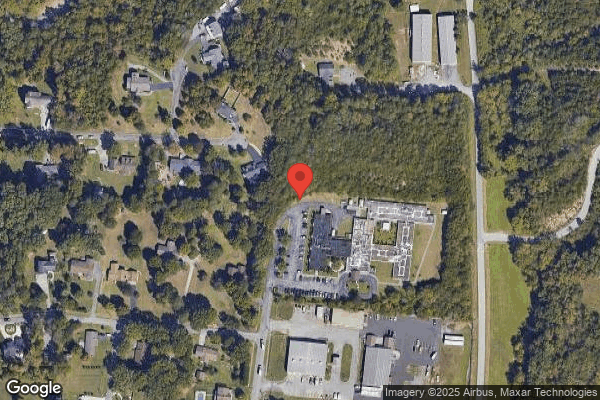
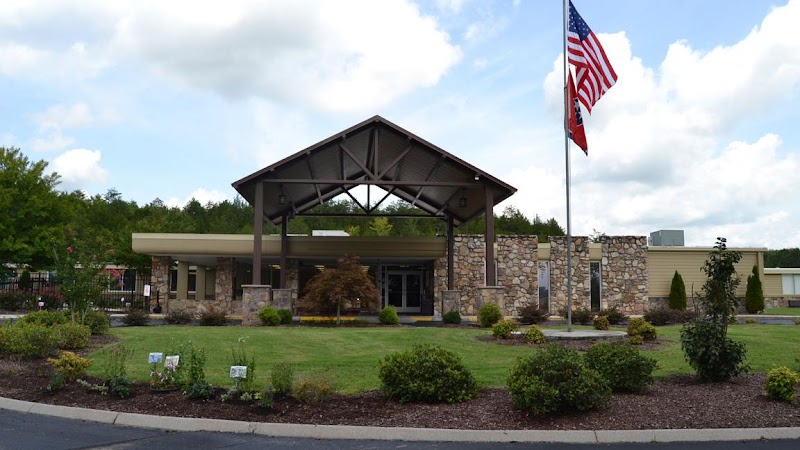
415 CATLETT RD, SEVIERVILLE, TN 37862 (865) 453-4747
Non profit - Corporation 89 Beds TWIN RIVERS HEALTH & REHABILITATION Data: November 2025
Trust Grade
70/100
#149 of 298 in TN
Last Inspection: November 2023

Within standard 12-15 month inspection cycle. Federal law requires annual inspections.

Overview

Sevierville Health and Rehabilitation Center has a Trust Grade of B, indicating it is a good choice for care, although not without its issues. It ranks #149 out of 298 facilities in Tennessee, placing it in the top half, and is the best option among the two nursing homes in Sevier County. However, the facility is currently worsening, with reported issues increasing from 4 in 2020 to 6 in 2023. Staffing is a concern, rated at 2 out of 5 stars, with a turnover rate of 50%, which is average but suggests staff may not be as consistent as desired. Despite having no fines on record, there are notable deficiencies. Recent inspections revealed that food was not properly labeled and stored, which could pose a health risk. Additionally, a resident's medical information was visible in their room, breaching privacy protocols. There was also an issue with accurately documenting a resident's hospice care in their records, indicating potential lapses in care coordination. Overall, while there are strengths in being a top local option and having no fines, families should be aware of these concerns when considering this facility.

Trust Score
B
70/100
In Tennessee
#149/298
Top 50%
Safety Record
Low Risk
No red flags
Inspections
Getting Worse
4 → 6 violations
Staff Stability
⚠ Watch
50% turnover. Above average. Higher turnover means staff may not know residents' routines.
Penalties
✓ Good
No fines on record. Clean compliance history, better than most Tennessee facilities.
Skilled Nurses
○ Average
Each resident gets 32 minutes of Registered Nurse (RN) attention daily — about average for Tennessee. RNs are the most trained staff who monitor for health changes.
Violations
○ Average
10 deficiencies on record. Average for a facility this size. Mostly minor or procedural issues.
★★★☆☆
3.0
Overall Rating
★★☆☆☆
2.0
Staff Levels
★★★☆☆
3.0
Care Quality
★★★☆☆
3.0
Inspection Score
Stable
2020: 4 issues
2023: 6 issues

The Good

  • Full Sprinkler Coverage · Fire safety systems throughout facility
  • No fines on record

Facility shows strength in fire safety.

The Bad

3-Star Overall Rating

Near Tennessee average (2.8)

Meets federal standards, typical of most facilities

Staff Turnover: 50%

Near Tennessee avg (46%)

Higher turnover may affect care consistency

Chain: TWIN RIVERS HEALTH & REHABILITATION

Part of a multi-facility chain

Ask about local staffing decisions and management

The Ugly 10 deficiencies on record

Nov 2023 6 deficiencies
CONCERN (D)

Potential for Harm - no one hurt, but risky conditions existed

Resident Rights (Tag F0550)

Could have caused harm · This affected 1 resident

**NOTE- TERMS IN BRACKETS HAVE BEEN EDITED TO PROTECT CONFIDENTIALITY** Based on facility policy review, observation, and interview, the facility failed to ensure medical information was not visible f...

Read full inspector narrative →
**NOTE- TERMS IN BRACKETS HAVE BEEN EDITED TO PROTECT CONFIDENTIALITY** Based on facility policy review, observation, and interview, the facility failed to ensure medical information was not visible for 1 resident (Resident #325) of 80 observed. The findings include: Review of the facility's policy titled, Resident Rights, with a revised date of 12/2016, showed .Employees shall treat all residents with kindness, respect, and dignity .Federal and state laws guarantee certain basic rights to all residents of this facility. These rights include the resident's right to .a dignified existence .be treated with respect, kindness, and dignity .privacy and confidentiality . Resident #325 was admitted to the facility on [DATE] with diagnoses including Fracture of the Left Femur, Encounter for Orthopedic Aftercare, Fall, Muscle Weakness, and Anemia. During an observation and interview on 11/6/2023 at 10:53 am, in Resident #325's room, there was a sign above the resident's bed that read, NO BLOOD PRESSURES OR BLOOD DRAWS IN THE LEFT ARM The sign was visible to anyone who entered the room. Resident #325 stated the sign had been posted by someone from the facility and the resident had not requested for the sign to be posted. During an observation on 11/7/2023 at 7:53 am, there was a sign above Resident #325's bed that read, NO BLOOD PRESSURES OR BLOOD DRAWS IN THE LEFT ARM The sign was visible to anyone who entered the room. During an interview on 11/7/2023 at 1:51 PM, the Director of Nursing (DON) stated it was the facility's expectation that resident needs were communicated to staff through the care guide ([NAME]) and the care plan. The DON confirmed signs were not to be posted in resident's rooms unless requested by the resident or family. During an observation and interview on 11/7/2023 at 1:56 PM, with the DON, in Resident #325's room, there was a sign above the resident's bed that read, NO BLOOD PRESSURES OR BLOOD DRAWS IN THE LEFT ARM The DON confirmed the sign was visible to anyone that entered the room. The DON was unaware who posted the sign and stated the sign .basically says that [the resident] has had a mastectomy . The DON stated .absolutely . when this surveyor asked if the sign was a dignity concern.
CONCERN (D)

Potential for Harm - no one hurt, but risky conditions existed

Assessment Accuracy (Tag F0641)

Could have caused harm · This affected 1 resident

**NOTE- TERMS IN BRACKETS HAVE BEEN EDITED TO PROTECT CONFIDENTIALITY** Based on medical record review and interview, the facility failed to accurately code a Minimum Data Set (MDS) assessment for 1 r...

Read full inspector narrative →
**NOTE- TERMS IN BRACKETS HAVE BEEN EDITED TO PROTECT CONFIDENTIALITY** Based on medical record review and interview, the facility failed to accurately code a Minimum Data Set (MDS) assessment for 1 resident (Resident #60) of 18 residents reviewed for MDS assessments. The findings include: Resident #60 was admitted to the facility on [DATE] with diagnoses including Intracapsular Fracture of Left Femur, Malignant Neoplasm of Unspecified Bronchus of Lung, and Malignant Neoplasm of Brain. Review of the Physician's Orders dated 7/25/2023, showed Resident #60 had been ordered hospice care. Review of the comprehensive care plan dated 7/25/2023, showed Resident #60 received hospice services for end-of-life care. Review of the MDS assessment dated [DATE], showed hospice care had not been captured or documented on the MDS for Resident #60. During an interview on 11/7/2023 at 2:00 PM, Chief Clinical Officer confirmed the facility failed to capture hospice on the MDS assessment. During an interview on 11/8/2023 at 10:20AM, the MDS Coordinator confirmed she failed to complete a significant change MDS to include hospice services.
CONCERN (D)

Potential for Harm - no one hurt, but risky conditions existed

PASARR Coordination (Tag F0644)

Could have caused harm · This affected 1 resident

**NOTE- TERMS IN BRACKETS HAVE BEEN EDITED TO PROTECT CONFIDENTIALITY** Based on medical record review and interview, the facility failed to resubmit a Pre-admission Screening and Resident Review (PAS...

Read full inspector narrative →
**NOTE- TERMS IN BRACKETS HAVE BEEN EDITED TO PROTECT CONFIDENTIALITY** Based on medical record review and interview, the facility failed to resubmit a Pre-admission Screening and Resident Review (PASARR) after a new mental health diagnosis for 1 resident (Resident #61) of 7 residents reviewed for PASARR. The findings include: Resident #61 was admitted to the facility on [DATE] with diagnoses including Major Depressive Disorder, Depression, and Anxiety. Review of the annual Minimum Data Set (MDS) assessment dated [DATE], showed Resident #61 had an active diagnosis of .Major Depressive Disorder .Depression .Anxiety . and received antipsychotic, antidepressant medications. Review of the Level I Pre-admission Screening and Resident Review dated 9/22/2023, showed .Check any or all of the following mental health conditions that are diagnosed or suspected for the individual now or in the past .Anxiety Disorder .Depression .Should there be an exacerbation related to mental illness or a discrepancy in the reported information, a status change should be submitted [to the PASARR assessment authority] .for further evaluation . Review of the medical record showed Resident #61 received a diagnosis of Unspecified Psychosis on 9/28/2023. During an interview on 11/8/2023 at 7:44 AM, the Chief Clinical Officer confirmed a new PASARR had not been resubmitted when a new diagnosis of Psychosis had been added for Resident #61.
CONCERN (D)

Potential for Harm - no one hurt, but risky conditions existed

Pressure Ulcer Prevention (Tag F0686)

Could have caused harm · This affected 1 resident

**NOTE- TERMS IN BRACKETS HAVE BEEN EDITED TO PROTECT CONFIDENTIALITY** Based on medical record review and interview, the facility failed to follow a physician's order for 1 resident (Resident #326) o...

Read full inspector narrative →
**NOTE- TERMS IN BRACKETS HAVE BEEN EDITED TO PROTECT CONFIDENTIALITY** Based on medical record review and interview, the facility failed to follow a physician's order for 1 resident (Resident #326) of 3 residents reviewed for pressure ulcers. The findings include: Resident #326 was admitted to the facility on [DATE] with diagnoses including Chronic Obstructive Pulmonary Disease, Sepsis, Adult Failure to Thrive, and Protein-Calorie Malnutrition. Review of Resident #326's admission skin assessment dated [DATE], showed .Redness [with] open area to Left Buttock . Review of Resident #326's baseline care plan dated 10/27/2023, showed .impaired skin integrity .open area to [left buttock] .Treatments as ordered by Physician . Review of Resident #326's physician telephone orders dated 10/27/2023, showed .[barrier cream] to bilateral buttocks BID [twice daily] . Review of the WOUND CARE PROGRESS NOTE dated 10/30/2023, showed . Wound #4: Left buttock stage 2 measuring 2 x 1 x less than 0.1 with erythema and maceration. No induration, exudate, tunneling, undermining .or odor. Treatment .apply [barrier cream] . Review of Resident #326's physician telephone orders dated 10/31/2023, showed .[barrier cream] to L [left] Buttock TID [three times daily] . Review of the Treatment Administration Record (TAR) for 11/2023, showed .[BARRIER CREAM] TO LEFT BUTTOCK THREE TIMES A DAY .Start Date: 11/01/23 [2023] . The TAR showed the medication was scheduled for 6:30 AM and 6:30 PM. The treatment was administered twice daily from 11/1/2023 - 11/7/2023. The physician had ordered treatment for three times daily. Review of the WOUND CARE PROGRESS NOTE dated 11/6/2023, showed .Wound #4: Left buttock stage 2 .resolved .It does have MASD [moisture associated skin damage] with trace erythema .Treatment: Apply [barrier cream] t.i.d. [three times daily] . During an observation and interview on 11/6/2023 at 2:19 PM, Resident #326 was seated in the chair beside his bed. There was an air mattress on the resident's bed. Resident #326 stated .I have a sore on my bottom from the hospital . and the facility was treating it with .salve [an ointment used to promote healing of skin or as protection] . During an interview on 11/8/2023 at 9:36 AM, the Chief Clinical Officer stated Resident #326 was admitted to the facility with a Stage 2 pressure ulcer of the left buttock. The resident had an order dated 10/27/2023 for (Barrier Cream) twice daily. The order for (Barrier Cream) was changed to three times daily on 10/31/2023, to be started on 11/1/2023. The Chief Clinical Officer confirmed there was a transcription error when the new order was entered into the facility's computer system and the medication was not changed to a three times daily schedule. The Chief Clinical Officer confirmed the barrier cream was administered twice daily instead of three times daily as ordered by the physician from 11/1/2023 - 11/7/2023. The Chief Clinical Officer confirmed it was the facility's expectation that treatments and medications were administered according to the physician's order. Resident #326's wound resolved on 11/6/2023. During a telephone interview on 11/8/2023 at 10:36 AM, the Wound Care Nurse Practitioner stated Resident #326 was admitted to the facility with a Stage 2 pressure ulcer of the left buttock that was treated with barrier cream. The Wound Care Nurse Practitioner confirmed the facility's failure to follow the order for the barrier cream] three times daily as ordered did not harm the resident and stated .the wound healed pretty fast .
CONCERN (D)

Potential for Harm - no one hurt, but risky conditions existed

Medical Records (Tag F0842)

Could have caused harm · This affected 1 resident

**NOTE- TERMS IN BRACKETS HAVE BEEN EDITED TO PROTECT CONFIDENTIALITY** Based on medical record review and interview, the facility failed to maintain accurate and complete medical records for 1 reside...

Read full inspector narrative →
**NOTE- TERMS IN BRACKETS HAVE BEEN EDITED TO PROTECT CONFIDENTIALITY** Based on medical record review and interview, the facility failed to maintain accurate and complete medical records for 1 resident (Resident #21) of 24 residents reviewed for medical records. The findings include: Resident #21 was admitted to the facility on [DATE] with diagnoses including Vascular Dementia, Obsessive-Compulsive Disorder (OCD), Anxiety, Bipolar Disorder, and Depression. Review of Resident #21's Psychotropic Medication-Informed Consent form dated 2/25/2020, showed .Medication name .Depakote .why medication was prescribed: [blank] . Review of Resident #21's Psychotropic Medication-Informed Consent form dated 4/22/2022, showed .Medication name .Seroquel .Therapeutic classification: Anti-depressant .Reason why medication was prescribed: Depression . Review of Resident #21's Psychotropic Medication-Informed Consent form dated 3/28/2023, showed .Medication name .Lexapro .Therapeutic classification: [blank] .Reason why medication was prescribed: [blank] . Review of a quarterly Minimum Data Set (MDS) assessment dated [DATE], showed Resident #21 scored 9 on the Brief Interview for Mental Status (BIMS) assessment indicating the resident was moderately cognitively impaired and received antipsychotics and antidepressant medications. Review of Resident #21's Medication Administration Record (MAR) dated 11/2023, showed Lexapro (anti-depressant medication) for Depression, Seroquel (anti-psychotic medication) for Bipolar Disorder, and Divalproex (anti-convulsant) for OCD. During an interview on 11/8/2023 at 10:00 AM, the Chief Clinical Officer (CCO) stated Resident #21 had been ordered Lexapro for Depression, Depakote (Divalaproex) for OCD, and Seroquel for Bipolar Disorder. The CCO further stated the Seroquel is classified as an anti-psychotic medication not an anti-depressant. The CCO confirmed the medical record (Psychotropic Medication-Informed Consent forms) was inaccurate and incomplete.
CONCERN (F)

Potential for Harm - no one hurt, but risky conditions existed

Food Safety (Tag F0812)

Could have caused harm · This affected most or all residents

Based on facility policy review, observation, and interview, the facility failed to ensure food items were labeled and stored properly in 1 of 2 freezers in the kitchen and failed to ensure a clean an...

Read full inspector narrative →
Based on facility policy review, observation, and interview, the facility failed to ensure food items were labeled and stored properly in 1 of 2 freezers in the kitchen and failed to ensure a clean and sanitary milk cooler which had the potential to affect all 80 residents in the facility. The findings include: Review of the facility's undated policy titled, Sanitization, showed The food service area shall be maintained in a clean and sanitary manner .All kitchens, kitchen areas and dining areas shall be kept clean, free from litter and rubbish and protected from rodents, roaches, flies and other insects .All equipment, food contact surfaces and utensils shall be washed to remove or completely loosen soils by using the manual or mechanical means necessary .Kitchen and dining room surfaces not in contact with food shall be cleaned on a regular schedule and frequently enough to prevent accumulation of grime .The Food Services Manager will be responsible for scheduling staff for regular cleaning of the kitchen and dining areas . Review of the facility's undated policy titled, Food Receiving and Storage, showed .Foods shall be received and stored in a manner that complies with safe food handling practices .All foods stored in the refrigerator or freezer will be covered, labeled and dated (use by date) . During an observation and interview on 11/6/2023 at 9:07 AM, of the walk-in freezer, with the Certified Dietary Manager (CDM), showed one 1/2 full opened and undated clear plastic bag of potato slices. The CDM confirmed the bag of potato slices had been opened, undated, and available for resident use. The CDM stated it was his expectation that items in the freezer were labeled with the date they were opened and discarded within 5 days. During an observation and interview on 11/6/2023 at 9:22 AM, of the milk cooler, with the CDM, revealed a foul odor when the milk cooler was opened. The bottom of the milk cooler was covered in milk. The CDM confirmed the foul odor and spilled milk in the bottom of the milk cooler. The CDM stated the milk was spilled by the milk delivery person on .Saturday (2 days ago) . The CDM stated it was his expectation that the kitchen was clean and sanitary and the milk should have been cleaned up at the time it was spilled.
Jan 2020 4 deficiencies
CONCERN (D)

Potential for Harm - no one hurt, but risky conditions existed

Deficiency F0558 (Tag F0558)

Could have caused harm · This affected 1 resident

**NOTE- TERMS IN BRACKETS HAVE BEEN EDITED TO PROTECT CONFIDENTIALITY** Based on medical record review, observation, and interview, the facility failed to ensure reasonable accommodation of needs for ...

Read full inspector narrative →
**NOTE- TERMS IN BRACKETS HAVE BEEN EDITED TO PROTECT CONFIDENTIALITY** Based on medical record review, observation, and interview, the facility failed to ensure reasonable accommodation of needs for 1 of 1 resident (Resident #33) reviewed for call light accessibility. This failure had the potential to prevent Resident #33 from calling for assistance as desired and potentially prevent Resident #33's needs from being met. Findings include: Review of the Minimum Data Set (MDS) assessment, with an Assessment Reference Date of 12/6/2019, indicated Resident #33 was admitted to the facility on [DATE] and readmitted to the facility on [DATE] from an acute care hospital. Resident #33's diagnoses included Cerebrovascular Accident (CVA), Hemiplegia, Dementia, Parkinson's Disease, and Contractures. Resident #33 had cognitive impairments, as evidenced by a Brief Interview for Mental Status Score (BIMS) score of 3 out of 15. Resident #33 required total assist from one to two staff members with all Activities of Daily Living (ADLs). Resident #33 had functional limitations in Range of Motion (ROM) and impairment on one side in the upper and lower extremities According to Resident #33's care plan, dated 5/29/2019, Resident #33 was dependent on staff assistance for ADL's related to Weakness, Left-sided Hemiplegia, Parkinson's Disease, and Mild Cognitive Impairment. The care plan included an undated, handwritten intervention that read, Touch pad [touchpad] call light within reach at all times while in bed. On 1/13/2020 at 10:01 AM, Resident #33 was in his room lying in bed with the touchpad call light positioned on Resident #33's right shoulder. There was a note taped to the wall which read, nurse call [call light touchpad] on resident's right side. Resident #33 had contractures noted in both arms and hands. Both arms were flexed upward towards Resident #33's chest. His right hand was flexed inward at the wrist with his fingers in a straight, fixed position. Resident #33's left hand flexed at the wrist, with his fingers bent outward at the knuckles and in a fixed position. When asked, Resident #33 was unable to reach his touchpad call light. On 1/13/2020 at 3:30 PM, an interview with Resident #33's family member, in Resident #33's room, revealed there were previous issues with Resident #33's call light not being in place. Resident #33's family member said the note was posted on the wall to remind staff where to place the call light so Resident #33 could reach it. On 1/14/2020 at 9:45 AM, Resident #33 was observed in his room, lying in bed. The touchpad call light was on the floor behind the head of the bed. Resident #33 said, this happens all the time. On 1/15/2020 at 8:46 AM, Resident #33 was observed in his room, in bed sleeping. The touchpad call light was out of reach, positioned upon Resident #33's right shoulder. On 1/15/2020 at 10:33 AM, Resident #33 was observed in his room, lying in bed. The touchpad call light was up near Resident #33's right shoulder. When asked if he could reach the touchpad call light, Resident #33 attempted to reach for the touchpad call light but was unsuccessful. Resident #33 said he lost a lot of his dexterity and was unable to reach the touchpad call light. On 1/15/2020 at 10:39 AM, in the presence of Licensed Practical Nurse (LPN) #17, Resident #33 was observed in his room, lying in bed with the touchpad call light on Resident #33's right shoulder. LPN #17 said the call light was placed too high, asked Resident #33 where a good spot would be, and repositioned the call light. On 1/15/2020 at 11:20 AM, Certified Nursing Assistant (CNA) #12 was interviewed at the nursing station on Unit 200. The interview revealed Resident #33's touchpad call light should be on his chest. If not, Resident #33 was unable to reach the touchpad call light. CNA #12 indicated the touchpad call light was sometimes on Resident #33's right shoulder and at other times on Resident #33's chest. Staff made sure Resident #33 could reach his touchpad call light, which she reported doing that morning during breakfast. CNA #12 indicated staff used the resident's Activities of Daily Living (ADL) Assistance Legend to know what was going on with the resident. CNA #12 reviewed the ADL Assistance Legend and said the ADL assistance Legend did not provide direction regarding placement of Resident #33's touchpad call light, but said that information was in Resident #33's care plan, which staff should follow. On 1/15/2020 at 11:29 AM, Registered Nurse (RN) #21 was interviewed in the activity room on Unit 100. RN #21 said resident call lights should be in place to allow residents to call for assistance. RN #21 said she would expect staff to follow Resident #33's care plan. On 1/15/2020 at 12:04 PM, during a second interview with RN #21 in the nourishment room on Unit 200, RN #21 said on 12/9/19, staff changed out the call light for a soft-touch call light (touchpad call light). Review of the care plan with RN #21 revealed the touchpad call light should be within Resident #33's reach at all times when in bed. On 1/15/2020 at 12:20 PM, Nursing MDS #5 was interviewed in the conference room adjacent to Nursing MDS #5's office. The interview revealed that Resident #33 had returned to the facility from the hospital with increased contractures, and an inability to use his hands. Within a few days of Resident #33's return to the facility, staff determined Resident #33 could no longer use a regular call light and switched the call light out for a touchpad call light. Nursing MDS #5 said she went into Resident #33's room today (1/15/20) and asked Resident #33 to use the touchpad call light, and he was unable to. Since the placement of the touchpad call light, Nursing MDS #5 acknowledged she had not reassessed whether Resident #33 was capable of using the touchpad call light since it was changed. Nursing MDS #5 said LPN #17 reported to her that Resident #33 could use the touchpad call light sometimes, but not today. Nursing MDS #5 said the touchpad call light should be within Resident #33's reach. On 1/16/2020 at 2:00 PM, Quality Assurance Infection Prevention (QA/IP) Nurse #10 was interviewed a second time, in the presence of the Director of Nursing (DON), in the conference room adjacent to the MDS Coordinators office. The interview revealed Resident #33 was recently hospitalized and returned to the facility. Resident #33 had been slowly declining, and the staff initiated a touchpad call light since Resident #33 was unable to use a regular call light. QA/IP Nurse #10 indicated she had seen Resident #33 use the touchpad call light and the CNAs checked to make sure the call light was in place daily. Review of the care plan with QA/IP Nurse #10 showed the touchpad call light should be within Resident #33's reach at all times when in bed.
CONCERN (D)

Potential for Harm - no one hurt, but risky conditions existed

Deficiency F0625 (Tag F0625)

Could have caused harm · This affected 1 resident

**NOTE- TERMS IN BRACKETS HAVE BEEN EDITED TO PROTECT CONFIDENTIALITY** Based on facility policy review, review of facility admission packet, medical record review, and interviews, the facility failed...

Read full inspector narrative →
**NOTE- TERMS IN BRACKETS HAVE BEEN EDITED TO PROTECT CONFIDENTIALITY** Based on facility policy review, review of facility admission packet, medical record review, and interviews, the facility failed to issue bed hold notices within 24 hours after transfer to the hospital for 2 of 27 sampled residents (Resident #27 and Resident #1). Findings include: Review of the facility policy titled, Attachment F-Bed Hold Policy, last revised March 2018, revealed, At the time the Resident is to leave the Center for a temporary stay in a hospital or for therapeutic leave, (or within 24 hours in care of an emergency transfer) the Resident/Resident Representative will be given a written copy of the Bed Hold Policy which specifies the duration of the bed-hold and may elect to hold open the Resident's room and bed until the Resident returns. At this time, the Resident/Resident Representative will indicate in writing whether the Resident desires or declines the bed hold. Review of the facility's admission packet revealed the initial notice of the bed hold policy was provided to residents upon admission. This bed hold policy specified, At the time the resident is to leave the center for a temporary stay in a hospital or for therapeutic leave (or within 24 hours of an emergency transfer), the resident/resident representative will be given a written copy of the bed hold policy which specifies the duration of the bed-hold and may elect to hold open the resident's room and bed until the resident returns. At this time, the resident/resident representative will indicate in writing whether the resident desires or declines the bed hold. Resident #27 was admitted to the facility on [DATE]. Review of his clinical record revealed diagnoses included Cerebrovascular Disease, Cirrhosis of Liver, and Nonalcoholic Steatohepatitis. He had two unplanned transfers to the hospital on [DATE] returning 10/18/2019, and on 11/14/2019 readmitting on 11/18/2019. The Business Office Manager (BOM) was interviewed on 1/15/2020 at 2:09 PM in the conference room. She said she was responsible for completing the second bed hold notifications to the family members when the resident transferred to the hospital. The BOM said when a resident was transferred to the hospital, she usually found out about it the following day, and would contact the family via phone and ask if they wanted to hold the bed for the resident. She said she did not provide written notification to the family members. The BOM said there was no one else who sent bed hold notices to the residents or their representatives, and no one responsible for completing this task in her absence. The BOM said she had 3 days to send a bed hold notice to the resident or resident representatives. Review of the bed hold's policy notification binder, provided by the BOM, revealed Resident #27's representative (Family Member #1) was contacted by phone on 10/17/2019 and declined to hold the bed for the resident. The binder revealed there was no bed hold notice given (either written or via telephone) to Family Member #1 related to the 11/14/2019 emergent transfer to the hospital. Family Member #1 was interviewed on 1/16/2020 at 10:30 AM by telephone. Family Member #1 said she was not familiar with what a bed-hold notice was, and that the BOM never calls me. The Director of Nursing (DON) was interviewed on 1/16/2020 at 1:50 PM in the conference room. The DON said the BOM was responsible for contacting residents and resident representatives to provide the second bed hold notice. The DON said she did not think there was anyone assigned to provide bed hold notification to the resident or resident representatives in the BOM's absence. She said the bed hold notifications should be sent within 24 hours according to the regulations and facility policy. Resident #1 was admitted to the facility on [DATE] and was sent to the hospital on [DATE] for chest pain. Review of the clinical record revealed there was no documentation the resident was provided a bed hold notice upon transfer or within 24 hours of the transfer. During an interview on 1/15/2020 at 2:08 PM, the BOM stated when a Medicare resident was sent to the hospital, the resident had a 3 day leave of absence and after the third midnight, during the hospital admission, a bed hold notice was provided to the resident and/or the family. She further stated the bed hold notice for Resident #1 was not issued until 12/20/2019. During an interview on 1/15/2020 at 2:45 PM, with Resident #1 and Family Member #1, they stated they did not receive a bed hold notice when he was sent out on 12/17/2019.
CONCERN (D)

Potential for Harm - no one hurt, but risky conditions existed

Quality of Care (Tag F0684)

Could have caused harm · This affected 1 resident

Based on medical record review, interviews, and review of the Hospice Cooperative Agreement, the facility failed to implement a Bowel Movement (BM) protocol and failed to ensure effective coordination...

Read full inspector narrative →
Based on medical record review, interviews, and review of the Hospice Cooperative Agreement, the facility failed to implement a Bowel Movement (BM) protocol and failed to ensure effective coordination of hospice care for one resident (Resident #11) out of 15 sampled residents. These failures placed Resident #11 at risk for complications related to constipation and potential fecal impaction (a large mass of dry, hard stool that can develop in the rectum due to chronic constipation). Findings include: Review of the Minimum Data Set (MDS) assessment, with an Assessment Reference Date (ARD) of 10/31/2019, indicated Resident #11 was receiving hospice services and had moderate cognitive impairment, as evidenced by a Brief Interview for Mental Status (BIMS) score of 9 out of 15. Review of the facility's Physician's Routine Orders for constipation, signed by the Medical Director on 1/1/2019, specified, If no BM [bowel movement] in three (3) days: Milk of Magnesia (or generic equivalent) 30 cc [cubic centimeter] by mouth every day PRN [as needed] constipation (notify MD [medical doctor] if dialysis resident). Bisacodyl (or generic equivalent) 5 mg [milligram] tabs [tablets] 1 (one) tab by mouth every day PRN constipation. Bisacodyl (or generic equivalent) 10 mg suppository 1 (one) PR [per rectum] PRN constipation. (Fleets) enema PR PRN if constipation not relieved with any two (2) of the above and notify the physician. Review of the BM Detail option 2 Roster dated 9/1/2019 through 1/16/2020 indicated Resident #11 did not have a documented BM for more than 3 consecutive days on 4 separate occasions as follows: 1. 9/19/2019 through 9/24/2019, 6 days without a documented BM: Review of the Medication Administration Records (MARs) and Treatment Administration Records (TARs) dated September 2019, showed the Physician's Routine Orders for constipation signed by the physician on 1/1/2019 were not on the MARs or TARs. The MARs and TARS did not indicate staff initiated the BM protocol on 9/22/2019 (after 3 days with no BM), 9/23/2019, or 9/24/2019. Review of the Department Notes dated 9/19/2019 through 9/24/2019 did not indicate Resident #11 had a BM or that staff initiated the facility's BM protocol. 2. 9/26/2019 through 10/3/2019, 8 days without a documented BM: Review of the MARs and TARS dated September 2019, indicated the staff did not initiate the BM protocol on 9/29/2019, after 3 days with no BM. On 9/30/2019, 5 days after the last documented BM, staff received an order to administer Mirilax 17 gm PRN and Senna 8.6 mg daily. The Miralax and Senna were not administered to Resident #11 on 9/30/2019. Review of the Department Note dated 9/30/2019, 5 days after Resident #11's last documented BM, indicated Resident #11 was ON NO BM LIST, PRUNE JUICE GIVEN, NEW ORDERS RECEIVED FOR MIRALAX PRN AND SENNA DAILY. The nursing note did not indicate why the nurse gave prune juice instead of MOM, as outlined in the facility's BM protocol. Review of the Department Note dated 10/4/2019, 8 days after Resident #11's last documented BM, indicated Resident #11 was ON NO BM LIST, PRUNE JUICE WAS GIVE. WILL MONITOR FOR RESULTS. The nursing note did not indicate why the nurse gave prune juice instead of MOM as outlined in the facility's BM protocol. Review of the MARS and TARS dated October 2019, indicated staff started administering Senna, ordered 9/30/2019, on 10/1/2019. The staff did not initiate the facility's BM protocol on 10/1/2019. On 10/3/2019, 8 days after Resident #11's last documented BM, staff received and initiated new orders for Senna Plus 8.6-50 mg tablets BID (twice daily). 3. 10/18/2019 through 10/23/2019, 5 days without a documented BM: Review of the MARS and TARS dated October 2019, indicated Resident #11 received scheduled Senna 8.6 mg once a day from 10/1/2019 through 10/3/2019. On 10/3/2019 through 10/23/2019, Resident #11 received scheduled Senna Plus 8.6-50mg BID, except on 10/3/19 at 8:00 PM when the resident refused. The staff did not initiate the facility's BM protocol on 10/21/19 (after 3 days with no BM), 10/22/19, or 10/23/19. Review of the Department Notes dated 10/18/2019 through 10/23/2019, did not indicate Resident #11 had a BM or that staff initiated the facility's BM protocol. 4. 11/12/2019 through 11/15/2019, 4 days without a documented BM: Review of the MARs and TARs for November 2019, indicated Resident #11 received scheduled Senna Plus 8.6 mg-50 mg BID from 11/1/2019 through 11/15/2019. Resident #11 refused one dose of Senna Plus on 11/11/2019 at 8:00 AM. The staff did not initiate the facility's BM protocol and did not administer PRN Mirilax or MOM on 11/15/19, after 3 days with no BM. On 1/13/2020 at 11:48 AM, Resident #11 was interviewed in her room. The interview revealed Resident #11 reported only having a BM once a week and had issues with constipation. Resident #11 said that her last BM was last night (1/12/2020); the staff had to give her MOM and an enema. On 1/15/2020 at 1:09 PM, Licensed Practical Nurse (LPN) #17 was interviewed at the nurses' station on Unit 200. The interview revealed the nurses run a No BM List each morning. If a resident was on the No BM List, nurses confirmed no BM with the resident. If the resident had not had a BM in 3 days, nurses administered MOM. If the resident was still on the No BM List, nurses administered a Dulcolax suppository. LPN #17 said Resident #11 had issues with constipation; however, MOM or a suppository would usually work. LPN #17 reported initiating the facility's BM protocol on several occasions, which she reported to Hospice. LPN #17 added, sometimes, Resident #11 refused her medications and did not always eat a lot, which may contribute to her decreased BMs. On 1/15/2020 at 1:35 PM, the Assistant Director of Nursing (ADON) was interviewed in the conference room adjacent to the MDS office. The ADON said that if a resident did not have a BM in 3 days, the staff should initiate the facility's BM protocol. On 1/16/2020 at 11:06 AM, the Director of Nursing (DON) was interviewed in the main conference room across from the Administrator's office. The DON acknowledged the staff did not initiate the BM protocol when the resident did not have a documented BM within 3 days. The DON said the expectation was for staff to follow the facility BM protocol. Failure to follow the bowel protocol could potentially lead to an obstruction. Review of the Home Health and Hospice Nursing Home Cooperative Agreement, dated 8/15/2013, revealed the facility was responsible for coordinating services with the hospice provider to meet the patient's daily personal, medical, and emotional needs through utilization of the combined care plans of the facility and hospice provider. The hospice provider was responsible for communicating changes in the hospice patient's condition and/or death. The hospice provider was to provide the facility with a pink divider to be placed in the patient's medical record at the facility for hospice documentation. The Hospice guidelines in the nursing home and multidisciplinary progress notes for hospice staff was filed in this section. Review of the hospice Election of Medicare Hospice Benefit form, dated 10/23/2019, revealed Resident #11 elected hospice services effective 10/23/2019. Review of the care plan dated 11/11/2019 indicated Resident #11 chose to receive hospice services with a designated hospice provider. The care plan interventions directed staff to coordinate care with the hospice team. Review of the facility's BM Detail option 2 Roster dated 9/1/2019 through 1/16/2019 indicated Resident #11 did not have a BM on 10/27/2019, 11/4/2019, 11/8/2019, 11/25/2019, 11/29/2019, 12/9/2019, 12/13/2019, 12/19/2019, 12/30/2019, 1/3/2020, and 1/6/2020. Review of Resident #11's clinical record revealed the facility only had Hospice Aide Visit Notes from 12/16/2019 through 1/6/2020. The clinical record did not contain the Hospice Aide Visit Notes from 10/23/2019 through 12/13/2019. On 1/15/2020, the facility contacted the hospice provider and requested copies of the Hospice Aide Visit Notes from the start of hospice services on 10/23/2019. On 1/16/2020, the hospice provider faxed copies of the hospice Aide Visit Notes dated 10/28/2019 through 12/13/2019. Review of the Hospice Aide Visit Notes dated 10/28/2019 through 12/13/2019, (received from the Hospice provider on 1/16/20) revealed Resident #11 had a BM on 10/27/2019, 11/4/2019, 11/8/2019, 11/25/2019, 11/29/2019, 12/9/2019, and 12/13/2019, which did not correlate with the facility's BM Detail option 2 Report. Review of the Hospice Aide Visit Notes dated 12/16/2019 through 1/6/2020, revealed Resident #11 had a BM on 12/13/2019, 12/19/2019, 12/30/2019, 1/3/2020 and 1/6/2020, which did not correlate with the facility's BM Detail option 2 Report. On 1/16/2020 at 12:30 PM, Registered Nurse #21 was interviewed at the nursing station on Unit 200. RN #21 said the hospice provider should have a communication binder for Resident #11 at the facility. RN #21 said when Hospice came in to see the resident, they would come up to the nursing station and verbally communicate the care and services provided, any concerns, and whether the resident had a BM, which facility staff should document in the Electronic Health Record (EHR). On 1/16/2020 at 11:49 AM, LPN #22 was interviewed on Unit 200. LPN #22 said facility staff took care of the resident and provided the overall care, and Hospice was an add-on (offers additional services). Before the hospice aide or nurse left, they would advise staff of any concerns and if the resident had a BM. If hospice staff reported a resident had a BM, LPN #22 would chart the BM in the EHR and let the CNA know. LPN #22 said the facility started hospice binders with all the hospice providers, but she was unsure why Resident #11's hospice provider did not have a binder. On 1/16/2020 at 11:55 AM, CNA #12 was interviewed at the nursing station on Unit 200. CNA #12 said Hospice provided bed baths and made sure Resident #11 had the supplies she needed. CNA #12 said Hospice came in once a week (nurse and CNA) and they would communicate specifics about the resident that staff needed to know, such as BMs, which facility staff was responsible for documenting in the EHR. CNA #12 denied any concerns with hospice staff not providing information regarding the resident. On 1/16/2020 at 12:01 PM, LPN #17 was interviewed at the nursing station on Unit 200. LPN #17 said the hospice aides came in once or twice a week, bathe the resident, provided necessary supplies, and supervised all her medications. LPN #17 said the hospice nurse came in several times a week. The hospice aides and hospice nurse would verbally communicate concerns and the care provided. If the hospice aides or nurse notified her the resident had a BM, LPN #17 notified the resident's CNA, and the CNA was responsible for charting the BM in the EHR. On 1/16/2020 at 12:11 PM, CNA #11 was interviewed at the nursing station on Unit 200. CNA #11 said the Hospice aides came in three times a week, and the nurse may come in once a week. The Hospice aides verbally communicated the care provided and whether the resident had a BM, which she would document in the EHR. CNA #11 denied any concerns with Hospice communicating information on the care provided or when the resident had a BM. On 1/16/2020 at 1:06 PM, the DON was interviewed in the DON's office. The DON said the facility required Hospice to give the facility a binder that included their care plan, signed hospice documents, agreements, signed consents, and all Hospice related documents. The hospice staff verbally communicated any change in the resident, concerns, bathing, and BMs. The DON said the facility staff was responsible for documenting information related to the care and services provided in the EHR. The DON said there was a breakdown in communication and she reached out to Hospice on 1/6/20 to advise them they needed to provide all related documents to the facility. On 1/16/2020 at 3:12 PM, Hospice Director (HD) #20 was interviewed via the phone. She said Hospice provided all new orders and information to the facility. She attended the first care conference last week, which was when she first learned that the facility was requesting Hospice to send information to the facility. HD #20 was not sure whether the hospice notes entered into their Hospice system was sent to the facility. She said there was a hospice tab in the clinical record where the Hospice nurse documented concerns. On 1/16/2020 at 3:34 PM, the Hospice Registered Nurse (RN) #15 was interviewed via the phone. Hospice RN #15 said Hospice did not provide a written note in the clinical record. If there were new orders, Hospice faxed the order over to the facility, and the facility was responsible for transcribing and initiating the orders. She said Hospice provided the facility staff with verbal communication regarding care and services provided, and the facility was responsible for documenting this information in the EHR.
MINOR (C)

Minor Issue - procedural, no safety impact

Deficiency F0582 (Tag F0582)

Minor procedural issue · This affected most or all residents

**NOTE- TERMS IN BRACKETS HAVE BEEN EDITED TO PROTECT CONFIDENTIALITY** Based on medical record review and interview, the facility failed to provide 2 of 3 residents (Resident #20 and Resident #33) wi...

Read full inspector narrative →
**NOTE- TERMS IN BRACKETS HAVE BEEN EDITED TO PROTECT CONFIDENTIALITY** Based on medical record review and interview, the facility failed to provide 2 of 3 residents (Resident #20 and Resident #33) with the Advanced Beneficiary Notice, Center for Medicare and Medicaid Services (CMS)-10055 when they ended therapy services and remained in the facility for long-term care services. This failure left residents without information related to the cost of therapy services if they desired to continue them in the facility and did not allow for them to have informed choice. Findings include: Resident #20 was admitted on [DATE] for a Medicare A stay. He had diagnoses of Multiple Sclerosis, Chronic Pain Syndrome, Muscle Weakness, and Trigeminal Neuralgia. He received physical therapy, occupational therapy, and speech language therapy. The Social Service Director (SSD) issued the Notice of Medicare Non-Coverage (CMS-10123) on 10/2/2019 informing him therapy services would end on 10/7/2019. The SSD did not issue the CMS-10055 Advance Beneficiary Notice to the resident. The resident remained in the facility for long-term care and had Medicare benefit days remaining. Resident #33 was re-admitted on [DATE] after a hospital stay. His admitting diagnosis was Pneumonia. Resident #33 received speech language therapy upon returning to the facility. The SSD issued the CMS-10123 informing him that therapy would be ending on 12/20/2019. The CMS-10055 was not issued to the resident or Family Member #33 indicating why the Medicare therapy services would no longer be covered and the cost of the therapy services, and the resident and representative were not provided with the choice to continue the services, pay privately for the services, or to stop the services. Interview with the SSD on 1/14/2020 at 12:01 PM revealed she was responsible for issuing all beneficiary notices. She stated she did not issue the CMS-10055 to any residents remaining in the facility that had Medicare days remaining. She further stated the interdisciplinary team reviewed all Medicare residents and determined as a team that the individual no longer met Medicare requirements. She stated she was unaware that residents coming off Medicare and remaining in the facility as long-term care with benefit days remaining were supposed to receive the CMS-10055. Interview with Family Member #33 on 1/14/2020 at 12:35 PM revealed that they were not provided the CMS-10055. Interview with Resident #20 on 1/15/2020 at 3:11 PM revealed he had not been issued the CMS-10055 detailing why his Medicare therapy was ending or the cost of the services.
Understanding Severity Codes (click to expand)
Life-Threatening (Immediate Jeopardy)
J - Isolated K - Pattern L - Widespread
Actual Harm
G - Isolated H - Pattern I - Widespread
Potential for Harm
D - Isolated E - Pattern F - Widespread
No Harm (Minor)
A - Isolated B - Pattern C - Widespread

Questions to Ask on Your Visit

  • "Can I speak with families of current residents?"
  • "What's your RN coverage like on weekends and overnight?"

Our Honest Assessment

Strengths
  • • No major safety red flags. No abuse findings, life-threatening violations, or SFF status.
  • • No fines on record. Clean compliance history, better than most Tennessee facilities.
Concerns
  • • No major red flags. Standard due diligence and a personal visit recommended.
Bottom line: Mixed indicators with Trust Score of 70/100. Visit in person and ask pointed questions.

About This Facility

What is Sevierville Center's CMS Rating?

CMS assigns SEVIERVILLE HEALTH AND REHABILITATION CENTER an overall rating of 3 out of 5 stars, which is considered average nationally. Within Tennessee, this rating places the facility higher than 99% of the state's 100 nursing homes. This mid-range rating indicates the facility meets federal standards but may have areas for improvement.
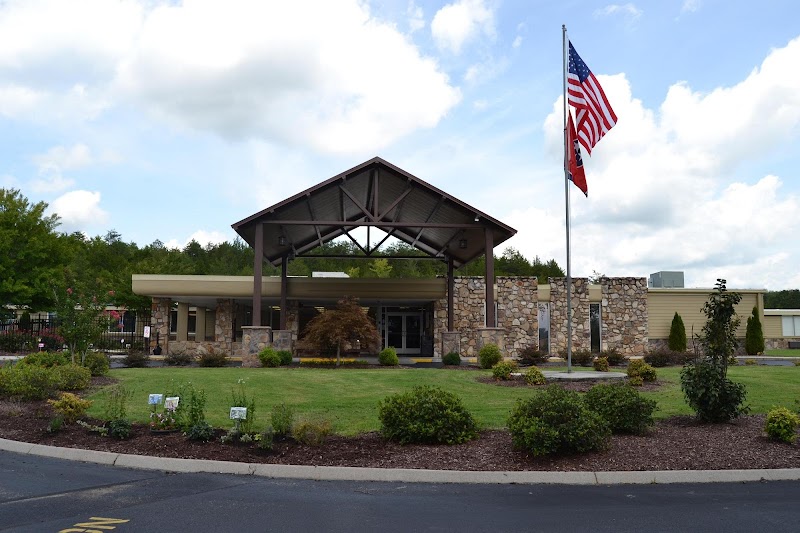
How is Sevierville Center Staffed?

CMS rates SEVIERVILLE HEALTH AND REHABILITATION CENTER's staffing level at 2 out of 5 stars, which is below average compared to other nursing homes. Staff turnover is 50%, compared to the Tennessee average of 46%. RN turnover specifically is 60%, which is notably high. RNs provide skilled clinical oversight, so turnover in this role can affect medical care quality.

What Have Inspectors Found at Sevierville Center?

State health inspectors documented 10 deficiencies at SEVIERVILLE HEALTH AND REHABILITATION CENTER during 2020 to 2023. These included: 9 with potential for harm and 1 minor or isolated issues.
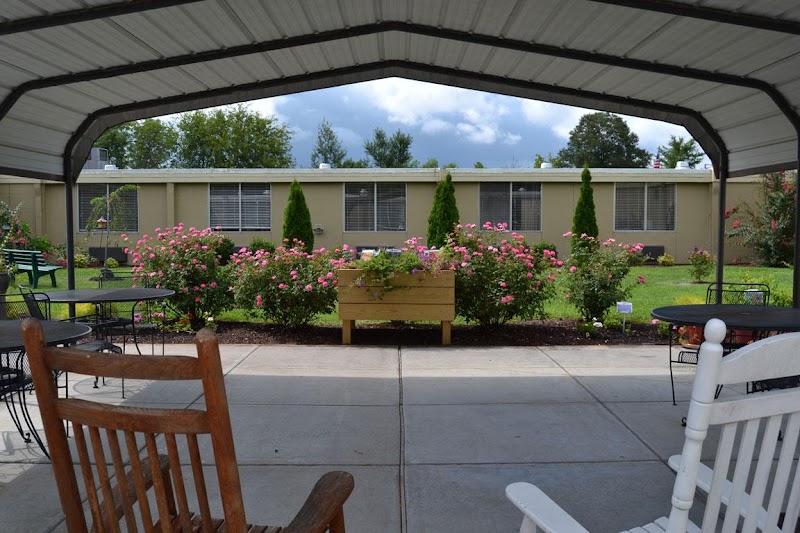
Who Owns and Operates Sevierville Center?

SEVIERVILLE HEALTH AND REHABILITATION CENTER is owned by a non-profit organization. Non-profit facilities reinvest revenue into operations rather than distributing to shareholders. The facility is operated by TWIN RIVERS HEALTH & REHABILITATION, a chain that manages multiple nursing homes. With 89 certified beds and approximately 76 residents (about 85% occupancy), it is a smaller facility located in SEVIERVILLE, Tennessee.
How Does Sevierville Center Compare to Other Tennessee Nursing Homes?

Compared to the 100 nursing homes in Tennessee, SEVIERVILLE HEALTH AND REHABILITATION CENTER's overall rating (3 stars) is above the state average of 2.8, staff turnover (50%) is near the state average of 46%, and health inspection rating (3 stars) is at the national benchmark.

What Should Families Ask When Visiting Sevierville Center?

Based on this facility's data, families visiting should ask: "Can you walk me through typical staffing levels on day, evening, and night shifts?" "Can I visit during a mealtime to observe dining assistance and food quality?" "How do you handle medical emergencies, and what is your hospital transfer rate?" "Can I speak with family members of current residents about their experience?" These questions are particularly relevant given the below-average staffing rating.

Is Sevierville Center Safe?

Based on CMS inspection data, SEVIERVILLE HEALTH AND REHABILITATION CENTER has a clean safety record: no substantiated abuse findings (meaning no confirmed cases of resident harm), no Immediate Jeopardy citations (the most serious violation level indicating risk of serious injury or death), and is not on the Special Focus Facility watch list (a federal program monitoring the lowest-performing 1% of nursing homes). The facility has a 3-star overall rating and ranks #1 of 100 nursing homes in Tennessee. While no facility is perfect, families should still ask about staff-to-resident ratios and recent inspection results during their visit.

Do Nurses at Sevierville Center Stick Around?

SEVIERVILLE HEALTH AND REHABILITATION CENTER has a staff turnover rate of 50%, which is about average for Tennessee nursing homes (state average: 46%). Moderate turnover is common in nursing homes, but families should still ask about staff tenure and how the facility maintains care continuity when employees leave.

Was Sevierville Center Ever Fined?

SEVIERVILLE HEALTH AND REHABILITATION CENTER has no federal fines on record. CMS issues fines when nursing homes fail to meet care standards or don't correct problems found during inspections. The absence of fines suggests the facility has either maintained compliance or corrected any issues before penalties were assessed. This is a positive indicator, though families should still review recent inspection reports for the full picture.

Is Sevierville Center on Any Federal Watch List?

SEVIERVILLE HEALTH AND REHABILITATION CENTER is not on any federal watch list. The most significant is the Special Focus Facility (SFF) program, which identifies the bottom 1% of nursing homes nationally based on persistent, serious quality problems. Not being on this list means the facility has avoided the pattern of deficiencies that triggers enhanced federal oversight. This is a positive indicator, though families should still review the facility's inspection history directly.