THE WATERS OF SHELBYVILLE, LLC
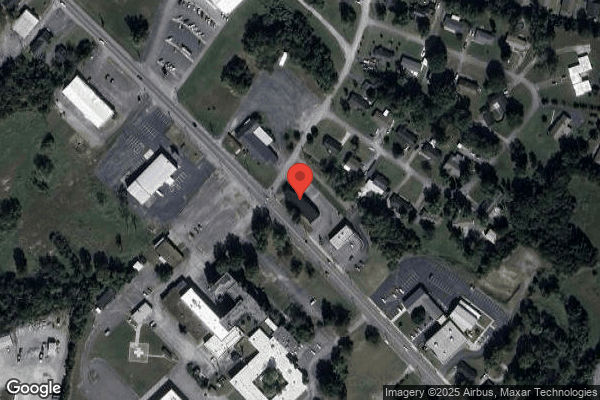

835 UNION STREET, SHELBYVILLE, TN 37160 (931) 680-2300
For profit - Corporation 96 Beds INFINITY HEALTHCARE CONSULTING Data: November 2025 1 Immediate Jeopardy citation
Trust Grade
38/100
#219 of 298 in TN
Last Inspection: November 2019

Over 2 years since last inspection. Current conditions may differ from available data.

Overview

The Waters of Shelbyville, LLC has a Trust Grade of F, indicating significant concerns about the quality of care provided, placing it in the poor category. It ranks #219 out of 298 nursing homes in Tennessee, which means it is in the bottom half of facilities in the state, but it is the only option in Bedford County. The facility is showing signs of improvement, with the number of issues decreasing from four in 2019 to three in 2023. However, staffing is a notable weakness, rated at only 1 out of 5 stars with a 50% turnover rate, which is average for the state. While there have been no fines, which is a positive sign, there is concerningly lower RN coverage than 89% of state facilities, meaning residents may not have adequate nursing support. Specific incidents of concern include a failure to adequately supervise a resident at risk of wandering, leading to immediate jeopardy, and an accident resulting in an arm fracture for another resident. Additionally, residents have reported consistently receiving cold food, which raises concerns about meal quality. Overall, while there are some improvements, the facility has significant areas that need attention.

Trust Score
F
38/100
In Tennessee
#219/298
Bottom 27%
Safety Record
High Risk
Review needed
Inspections
Getting Better
4 → 3 violations
Staff Stability
⚠ Watch
50% turnover. Above average. Higher turnover means staff may not know residents' routines.
Penalties
✓ Good
No fines on record. Clean compliance history, better than most Tennessee facilities.
Skilled Nurses
⚠ Watch
Each resident gets only 17 minutes of Registered Nurse (RN) attention daily — below average for Tennessee. Fewer RN minutes means fewer trained eyes watching for problems.
Violations
⚠ Watch
16 deficiencies on record. Higher than average. Multiple issues found across inspections.
★★☆☆☆
2.0
Overall Rating
★☆☆☆☆
1.0
Staff Levels
★★★★☆
4.0
Care Quality
★★★☆☆
3.0
Inspection Score
Stable
2019: 4 issues
2023: 3 issues

The Good

  • 4-Star Quality Measures · Strong clinical quality outcomes
  • Full Sprinkler Coverage · Fire safety systems throughout facility
  • No fines on record

Facility shows strength in quality measures, fire safety.

The Bad

2-Star Overall Rating

Below Tennessee average (2.8)

Below average - review inspection findings carefully

Staff Turnover: 50%

Near Tennessee avg (46%)

Higher turnover may affect care consistency

Chain: INFINITY HEALTHCARE CONSULTING

Part of a multi-facility chain

Ask about local staffing decisions and management

The Ugly 16 deficiencies on record

1 life-threatening 1 actual harm
Nov 2023 2 deficiencies
CONCERN (D) 📢 Someone Reported This

A family member, employee, or ombudsman was alarmed enough to file a formal complaint

Potential for Harm - no one hurt, but risky conditions existed

Quality of Care (Tag F0684)

Could have caused harm · This affected 1 resident

**NOTE- TERMS IN BRACKETS HAVE BEEN EDITED TO PROTECT CONFIDENTIALITY** Based on facility policy review, medical record review, observation, and interview, the facility failed to follow MD (Medical Do...

Read full inspector narrative →
**NOTE- TERMS IN BRACKETS HAVE BEEN EDITED TO PROTECT CONFIDENTIALITY** Based on facility policy review, medical record review, observation, and interview, the facility failed to follow MD (Medical Doctor's) orders for 1 of 17 (Resident #3) residents reviewed. The findings include: Review of the facility policy titled, GUIDELINES FOR PHYSICIAN ORDERS--(FOLLOWING PHYSICIAN ORDERS,) dated 6/18/2023, revealed, .It is the policy of the facility to follow the orders of the physician .All physician orders received pertaining to the resident will be implemented and followed throughout the course of the resident's stay in the facility as the orders are received . Review of the medical record for Resident #3 revealed he was admitted on [DATE] with diagnoses which included Chronic Obstructive Pulmonary Disease and Atrial Fibrillation. Review of the Annual Minimum Data Set (MDS) assessment for Resident #3 dated 11/7/2023, revealed a Brief Interview for Mental Status (BIMS) score of 15, which indicated no cognitive impairment. Review of the Care Plan for Resident #3 revealed, .Focus .is at risk for alteration in respiratory status related to DX [diagnosis] of COPD [Chronic Obstructive Pulmonary Disease], chronic respiratory failure with hypoxia, emphysema .receives oxygen as ordered . Interventions included, .O2 [oxygen] therapy per orders, change 02 tubing per facility protocol and as needed . Review of the Order Summary Report for Resident #3 revealed and order for Oxygen 2/lpm (liters per minute) per NC (nasal cannula) continuous every shift for COPD. Review of the Medication Administration Record (MAR) for Resident #3 dated 11/1/2023-11/30/2023, revealed he was administered oxygen at 2 lpm continuous. Observation in Resident #3's room on 11/27/2023 at 12:30 PM, revealed Resident #3 lying in bed with oxygen on via nasal cannula at 4 lpm. During an interview and observation in Resident #3's room on 11/28/2023 at 11:40 AM, the Regional Nurse Consultant #2 verified the oxygen concentrator was on, attached to Resident #3 via a nasal cannula, and was set to deliver oxygen at 4 lpm. Resident #3 stated, My oxygen has to be on 4 or I can't breathe. Upon review of Resident #3's Physician's Orders, Regional Nurse Consultant #2 confirmed the order was for oxygen at 2 lpm continuous. The Regional Nurse Consultant confirmed the nurses were not following the Physician's Order for Resident #3's oxygen administration.
CONCERN (D) 📢 Someone Reported This

A family member, employee, or ombudsman was alarmed enough to file a formal complaint

Potential for Harm - no one hurt, but risky conditions existed

Respiratory Care (Tag F0695)

Could have caused harm · This affected 1 resident

**NOTE- TERMS IN BRACKETS HAVE BEEN EDITED TO PROTECT CONFIDENTIALITY** Based on facility procedure review, medical record review, observations, and interviews, the facility failed to ensure that a re...

Read full inspector narrative →
**NOTE- TERMS IN BRACKETS HAVE BEEN EDITED TO PROTECT CONFIDENTIALITY** Based on facility procedure review, medical record review, observations, and interviews, the facility failed to ensure that a resident who needs respiratory care is provided such care, consistent with professional standards of practice, for 2 of 2 (Residents #3 and #4) residents reviewed. The findings include: Review of the facility's procedure titled, Oxygen Administration, dated 1/1/2020 revealed, .Change humidifier and tubing per facility procedure .At regular intervals, check and clean oxygen equipment, masks, tubing and cannula . Review of the medical record for Resident #3 was admitted to the facility on [DATE] with diagnoses which included Chronic Obstructive Pulmonary Disease and Atrial Fibrillation. Review of the Annual Minimum Data Set (MDS) assessment for Resident #3 dated 11/7/2023, revealed a Brief Interview for Mental Status (BIMS) score of 15, which indicated no cognitive impairment. Review of the Order Summary Report for Resident #3 revealed and order for, . Oxygen 2/lpm (liters per minute) per NC (nasal cannula) continuous every shift for COPD .Change nebulizer tubing and mask weekly every night shift on Thu [Thursday] .Change oxygen tubing and H20 [water] Nebulizer every week every night shift every Thu . Observation in Resident #3's room on 11/27/2023 at 12:30 PM, revealed Resident #3 lying in bed with oxygen on via nasal cannula at 4 liters per minute (lpm). The humidifier attached to the oxygen concentrator was not dated. A nebulizer mask was hanging on the humidifier bottle that was sitting in a pulled out drawer of the bedside nightstand. The nebulizer mask was undated. During an interview and observation in Resident #3's room on 11/27/2023 at 2:44 PM, the Director Of Nursing (DON) stated the nebulizer mask was not contained in a bag or stored properly. He stated the date on the bag hanging from the concentrator was 11/2/2023. The DON stated the humidifier bottle nor the nebulizer mask were dated. He stated the nebulizer mask and oxygen equipment are to be dated and changed weekly. Review of the medical record revealed Resident #4 was admitted to the facility on [DATE] with diagnoses which included Pyogenic Arthritis and Pneumonia. Review of the Quarterly MDS assessment for Resident #4 dated 11/2/2023 revealed a BIMS score of 14, which indicated no cognitive impairment. Review of the Order Summary Report for Resident #4 revealed an order dated 10/26/2023 for Ipratropium-Albuterol Solution (a medication used to dialate the bronchi in the lung to improve breathing) 0.5-2.5 (3)mg (milligram)/3ml (milliliter) 1 vial inhale orally every 6 hours for cough/congestion. Observation in Resident #4's room on 11/27/2023 at 12:45 PM, revealed a nebulizer mask laying on an overbed table not in a bag. The date on the mask was illegible. During an interview and observation in Resident #4's room on 11/27/2023 at 2:46 PM, the DON stated the nebulizer mask was not contained in a bag or stored properly. He stated the nebulizer mask had no date, and it should be dated.
Feb 2023 1 deficiency
CONCERN (D) 📢 Someone Reported This

A family member, employee, or ombudsman was alarmed enough to file a formal complaint

Potential for Harm - no one hurt, but risky conditions existed

Report Alleged Abuse (Tag F0609)

Could have caused harm · This affected 1 resident

**NOTE- TERMS IN BRACKETS HAVE BEEN EDITED TO PROTECT CONFIDENTIALITY** Based on facility policy review, Facility Reported Investigation (FRI) review, medical record review, and interview, the facilit...

Read full inspector narrative →
**NOTE- TERMS IN BRACKETS HAVE BEEN EDITED TO PROTECT CONFIDENTIALITY** Based on facility policy review, Facility Reported Investigation (FRI) review, medical record review, and interview, the facility failed to report allegations of abuse within 2 hours for 1 of 3 (Resident #3) sampled residents reviewed for abuse. The findings include: Review of the facility's policy titled, Abuse Prevention Program, dated 1/19/2017, revealed, .It is the policy of this facility to prevent resident abuse, neglect, mistreatment, and misappropriation of resident property. Each resident receives care and services in a person-centered environment in which all individuals are treated as human beings. The following procedures shall be implemented when and employee or agent becomes aware of abuse .or of an allegation of suspected abuse .Employees are required to report any incident, allegation or suspicion of potential abuse, neglect or mistreatment they observe, hear about or suspect to the Administrator or an immediate supervisor .The Administrator of designee utilizing the Incident Reporting System [IRS] will immediately notify the Department of Health by the online system or per direction given by the Department of Health . Review of the FRI #20225168301 revealed on 5/15/2022 Certified Nursing Assistant (CNA) #2 reported to the Director of Nursing (DON), Resident #3 was being pushed down the hall on a shower chair by CNA #3. Resident #3 called for CNA #2 to come to him and Resident #3 stated, This man is in here hitting on me. CNA #3 was immediately sent home. CNA #3 provided a written statement on 5/16/2022 which revealed Resident #3 was yelling, calling CNA #3 names, and while CNA changed his sling to the shower chair he did yell this motherfucker is hitting me, help. CNA #3 revealed Resident #3 has done this before. CNA #3 reported in his statement that Resident #3 was yelling and the door was shut but denied ever hitting the resident. Nursing Supervisor performed skin check on 5/15/2022 which revealed no redness or any type of injury to the resident. Resident #3 denied any pain or any allegations of abuse or injury. Several employees that were working during the allegation were interviewed, all denied hearing the resident say anything about being hit, and Resident #3 did not complain about CNA #3's care. Further review of the Incident Reportable System (IRS) revealed the allegation was reported on 5/16/2022, a day after the DON was made aware of the allegation. Review of the medical record revealed Resident #3 admitted to the facility on [DATE] with diagnoses which included Aphasia, Schizoaffective Disorder, Major Depressive Disorder, Mild Intellectual Disabilities, and Mild Cognitive Impairment. Review of the Quarterly Minimum Data Set (MDS) dated [DATE] revealed Resident #3 had a Brief Interview for Mental Status (BIMS) score of 3 which indicated severely impaired cognition. During an interview on 2/7/2023 at 12:00 PM, the DON stated, Abuse should be reported to the state agency within 2 hours. The DON confirmed CNA #2 called her on 5/15/2022 and reported Resident #3 was being transferred from room to shower room by CNA #3. During the transfer into the hallway Resident #3 stated, This man is in here hitting on me. During a telephone interview on 2/7/2023 at 1:00 PM, CNA #2 revealed Resident #3 told her that he was hit while CNA #3 was providing him care. CNA #2 stated I called the DON as soon as it happened on 5/15/2022 because I was concerned. During an interview on 2/7/2023 at 2:46 PM, CNA #3 stated, I had given [Named Resident #3] a shower, he did become combative, but that is normal for him. I gave him some space and then completed his care. The next thing I knew the nurse was sending me home because [Named Resident #3] told a CNA I was hitting him. I would never hit a resident. I was sent home immediately on 5/15/2022, and I have never worked at that facility anymore. During an interview on 2/8/2023 at 1:30 PM, DON confirmed allegations of abuse should be reported to the State Agency within 2 hours. The DON confirmed the allegation of abuse was reported to her on 5/15/2022 and confirmed she did not submit the allegation to the state agency until 5/16/2022.
Nov 2019 4 deficiencies 1 IJ
CRITICAL (J)

Immediate Jeopardy (IJ) - the most serious Medicare violation

Accident Prevention (Tag F0689)

Someone could have died · This affected 1 resident

**NOTE- TERMS IN BRACKETS HAVE BEEN EDITED TO PROTECT CONFIDENTIALITY** Based on facility policy review, facility documentation review, medical record review, observation and interview the facility fa...

Read full inspector narrative →
**NOTE- TERMS IN BRACKETS HAVE BEEN EDITED TO PROTECT CONFIDENTIALITY** Based on facility policy review, facility documentation review, medical record review, observation and interview the facility failed to provide adequate supervision to prevent elopement for 1 resident (#68) of 5 residents reviewed who were wander/elopement (Residents who have a history of leaving or trying to leave the facility, or have wandered or have the potential to wander into unsafe areas) risks resulting in Immediate Jeopardy (IJ) (a situation in which the provider's noncompliance with one or more requirements of participation has caused, or is likely to cause serious injury, harm, impairment, or death to a resident). The Administrator was informed of the Immediate Jeopardy (IJ) on 11/5/19 at 6:50 PM in his office. An extended survey was conducted from 11/5/19 to 11/6/19. F-689 was cited at a scope and severity of J. F-689 J is Substandard Quality of Care. The Immediate Jeopardy was effective from 7/27/19 through 8/20/19. The facilities corrective action plan, which removed the IJ, was received and the corrective actions were validated onsite on 11/6/19 F-689 was cited at a scope and severity of J as past noncompliance. The facility is not required to submit a plan of correction for F-689 J. The findings include: Review of the facility policy, Missing Residents and Elopement, dated 8/1/16 revealed .It is the policy of this facility that all residents are provided adequate supervision to meet each resident's personal care needs .All residents will be assessed for behaviors or conditions that put them at risk of elopement .All resident's assessed to be at risk of elopement will have this issue addressed in their plan of care .Residents that are at risk of elopement will be provided at least one of the following safety precautions: staff supervision of facility exits either directly or by video camera .door alarms on facility exits .a personal safety device that notifies facility staff when the resident has left the facility without supervision .all personal safety devices, door alarms and video cameras will be tested and document weekly .at no time will any door alarm or personal safety device be deactivated without direct supervision of the exit .Potential safety hazards on the exterior of the facility shall be identified such as wooded areas, water hazards, and busy roads .Should an alarm on one of the exits to the outside of the facility sound, staff will immediately respond to determine the cause of the alarm . Medical record review revealed Resident #68 was admitted to the facility on [DATE] with diagnoses which included Metabolic Encephalopathy, Vascular Dementia without Behavioral Disturbance and Wandering. Review of Resident #68's hospital records dated 7/15/19 revealed approximately 1 week prior to the hospitalization, and susequent admission into the facility the resident had wandered from his home, became lost in the woods and sustained rib fractures. Medical record review of Resident #68's 5 day Minimum Data Set (MDS) dated [DATE] and Discharge MDS dated [DATE] revealed the resident had a Brief Interview of Mental Status Score of 4 indicating the resident had severe cognitive impairment. Continued review revealed the resident wandered daily. Medical record review of Resident #68's comprehensive care plan dated 7/26/19 revealed the resident was high risk for elopement and wandering. Continued review revealed .roam alert bracelet was applied to resident to reduce risk of elopement .monitor resident location with frequent visual checks .monitor doors when staff and visitors come and go . Continued review revealed the resident was at risk for falls. Medical record review of Resident #68's progress notes dated 7/26/19 through 8/6/19 revealed the resident wandered in and out of resident rooms. Medical record review of Resident #68's Elopement Risk Review dated 7/26/19 revealed .the resident had a history of wandering and elopement .hangs around facility exits and/or stairways .responds poorly to staff re-direction when roaming into areas that are 'off limits' or unauthorized .has the physical ability to leave the building .becomes agitated, confused and/or disoriented or displays consistently poor judgement (would not be able to safely care for him/herself outside the facility) .at risk to elope and should be placed on the Elopement Risk Protocol .Resident has a history of trying to elope, he does not do redirection to [too] easily from staff . Medical record review of Resident #68's Wandering Risk assessment dated [DATE] revealed .Resident is cognitively impaired with poor decision making .resident is alert but non-compliant with facility protocols regarding leaving the unit .unauthorized opening doors to the outside without regard to their personal safety .lingering around exit doors, attempting to exit with visitors without authorization .displays behaviors, body language, indicating an elopement may be forthcoming . Medical record review of Resident #68's Fall Risk Review dated 7/26/19 revealed the resident was at risk for falls related to Syncope and Dementia. Review of the facility's investigation for Resident #68 dated 7/27/19 revealed the resident exited the building through the front door of the facility. Interview with Licensed Practical Nurse (LPN) #5 on 11/5/19 at 4:19 PM in the conference room revealed she was working on 7/27/19 when Resident #68 exited the facility out the front entrance door. Continued interview revealed I was on the hallway and a 'tech' [Certified Nursing Assistant (CNA) # 6] came out of room [ROOM NUMBER] and yelled at us that [named resident] was outside. Telephone interview with LPN #6 on 11/5/19 at 4:48 PM revealed I was on the hall at the time he was visiting with family in the dining room. One of the CNA's saw him outside through another resident's window; she came out and told me he was outside so I went out to get him and bring him back inside. I was just concerned about getting the resident to safety. Telephone interview with CNA #6 on 11/5/19 at 5:01 PM confirmed I saw him walking outside in the parking lot out of room [ROOM NUMBER]'s window. I first thought his daughter was with him then when I looked again I realized she wasn't, nobody was; I came out of the room and yelled at other staff that [named resident] was in the parking lot. Observation on 11/5/19 at 5:10 PM from room [ROOM NUMBER]'s window revealed the inability to view the front entrance area of the building. Continued observation revealed the ability to view the side parking lot and the 4 lane highway. Telephone interview with Resident #68's family member on 11/6/19 at 2:42 PM revealed I was there, I had gone to the bathroom and when I came out he [Resident #68] was not where I left him, so I started looking for him. I walked all the hallways even looking in rooms to see if he was there. Continued interview revealed I walked around the building for approximately 10 minutes or so; then when I got to Station 1 [nurses' station 1] the staff started yelling 'he's outside' and then everybody started running toward the front door so I went too. When I got to the front door I saw him. He was already down to the road, fixing to get on the road. Interview with the Director of Nursing (DON) on 11/5/19 at 5:38 PM at the front entrance door revealed the DON confirmed Resident #68 was not safe outside. The facility's corrective action plan included the following: 1. On 7/27/19 Resident #68 was brought back into the facility by staff members without injury. A head to toe assessment was competed on Resident #68. The resident was placed on 1:1 staff monitoring. Education and Elopement Training was administered to staff. Confirmed placement and function of residents with wanderguards (Alarm bands placed on residents at risk for exiting the facility which alarms once the resident nears the exit doors) was completed on 7/27/19. The facility completed 100% of Elopement assessments on all residents on 7/27/19. Maintenance Director immediately reviewed all doors on 7/27/19. 2. Elopement drill was completed on 8/8/19. Elopement plans reviewed at an adhoc Quality Performance Improvement (QAPI) meeting on 8/20/19. 3. All residents facility wide had their assessments for elopement risk reviewed for accuracy. The surveyors verified the facility's corrective action plan as follows: 1. The surveyors interviewed staff to confirm the resident was brought back inside the facility to safety and placed on 1:1 monitoring. The surveyors verified a skin assessment was completed on Resident #68 with no skin issues identified. The surveyors reviewed the maintenance log for the functioning of the door alarm system on 7/27/19. The surveyors interviewed random staff concerning elopement in-services on 7/27/19 and what the procedures were for door alarms sounding and what they would do when an alarm sounds. The surveyors reviewed the facility's investigation dated 7/27/19. The surveyors checked the door alarms and the staff responded to the alarms immediately. 2. The surveyors Varified the facility elopement drill dated 8/8/19 and the adhoc Qapi meeting minutes. 3.The surveyors varified elopement risk assessments on all residents who resided in the facility on 7/27/19.
CONCERN (D)

Potential for Harm - no one hurt, but risky conditions existed

Resident Rights (Tag F0550)

Could have caused harm · This affected 1 resident

**NOTE- TERMS IN BRACKETS HAVE BEEN EDITED TO PROTECT CONFIDENTIALITY** Based on facility policy review, medical record review, observation and interview the facility failed to ensure dignity for 1 re...

Read full inspector narrative →
**NOTE- TERMS IN BRACKETS HAVE BEEN EDITED TO PROTECT CONFIDENTIALITY** Based on facility policy review, medical record review, observation and interview the facility failed to ensure dignity for 1 resident (#54) of 7 residents reviewed with urinary catheters. The findings include: Facility policy review Dignity, undated, revealed .Urinary drainage bags will be covered unless residents are in their rooms, at which time the bag will be placed so as not to be visible from the hall if at all possible . Medical record review revealed Resident #54 was admitted to the facility on [DATE] with diagnoses which included Other Neuromuscular Dysfunction of Bladder. Medical record review of Resident #54's Quarterly Minimum Data Set, dated [DATE] revealed the resident had a Brief Interview of Mental Status score of 13 indicating the resident was cognitively intact. Continued review revealed the resident had an indwelling catheter. Medical record review of Resident #54's comprehensive care plan revealed the resident had a suprapubic catheter. Observation on 11/5/19 at 8:06 AM in Resident #54's room revealed the resident lying in bed with a catheter drainage bag not covered and visible from the doorway. Observation on 11/5/19 at 9:44 AM revealed the resident in bed with an uncovered catheter drainage bag on the right side of the bed facing the door. Observation and interview on 11/5/19 at 9:46 AM with Certified Nursing Assistant #1 in Resident #54's door way confirmed the resident's catheter drainage bag was visible from the hall and not covered with a dignity bag. Continued interview when asked the procedure for catheter drainage bag placement she stated, we turn and reposition residents every 2 hours and if they have a catheter then we place the catheter bag to whichever side the resident is turned to; I just turned her and placed her bag on her right side facing the door. Observation and interview on 11/5/19 at 9:50 AM with Registered Nurse #1 in Resident #54's room confirmed the resident's catheter drainage bag was facing the hallway and not covered with a dignity bag. Continued interview when asked what was the procedure for covering a resident's catheter bag she confirmed catheter bags are to be covered with a dignity bag at all times and I don't see one on hers. Observation and interview on 11/5/19 at 9:52 AM with the Director of Nursing in the hallway outside of Resident #54's room confirmed the resident's catheter drainage bag was not covered with a dignity bag. Continued interview she confirmed catheter bags were to be covered with dignity bags at all times; I can see hers through the crack from the door and it's not covered.
CONCERN (D)

Potential for Harm - no one hurt, but risky conditions existed

Deficiency F0658 (Tag F0658)

Could have caused harm · This affected 1 resident

**NOTE- TERMS IN BRACKETS HAVE BEEN EDITED TO PROTECT CONFIDENTIALITY** Based on facility policy review, medical record review and interview, the facility failed to meet professional standards of prac...

Read full inspector narrative →
**NOTE- TERMS IN BRACKETS HAVE BEEN EDITED TO PROTECT CONFIDENTIALITY** Based on facility policy review, medical record review and interview, the facility failed to meet professional standards of practice when the facility failed to obtain a lab that was ordered for 1 resident (#11) of 28 residents reviewed. The findings include: Facility policy review, Physcian Orders-(Following Physican Orders), undated, revealed .It is the policy of the facility to follow the orders of the physician .As assessments are completed, orders will be received from the physician to address significant findings of the assessments . Medical record review revealed Resident #11 was admitted to the facility on [DATE] with diagnoses which included Type 2 Diabetes Mellitus. Medical record review of the Physician Order for Resident #11 dated 3/19/19 revealed .HgA1c [HbA1c] [Hemoglobin A1c, an average blood glucose level over the preceding 60-90 days] in 3 months and then every 3 months one time a day every 3 month(s) starting on the 4th for 1 day(s) . Medical record review of Resident #11's lab report revealed the last HbA1c was obtained on 6/4/19. Medical record review revealed Resident #11 did not have the HbA1c obtained for September 2019 per the physicians order. Interview with the Director of Nursing on 11/5/19 at 4:15 PM in her office confirmed the HbA1c lab for Resident #11 was not obtained for September 2019.
CONCERN (E)

Potential for Harm - no one hurt, but risky conditions existed

Food Safety (Tag F0812)

Could have caused harm · This affected multiple residents

**NOTE- TERMS IN BRACKETS HAVE BEEN EDITED TO PROTECT CONFIDENTIALITY** Based on facility policy review, observation and interview, the facility failed to ensure food was served under sanitary conditi...

Read full inspector narrative →
**NOTE- TERMS IN BRACKETS HAVE BEEN EDITED TO PROTECT CONFIDENTIALITY** Based on facility policy review, observation and interview, the facility failed to ensure food was served under sanitary conditions when a male dietary employee with visible facial hair was observed working on the tray line without wearing a beard guard on 1 of 4 observations having plated the first 22 trays of the noon meal. The facility also failed to store foods in a safe and sanitary manner as evidenced by expired foods brought in by family in 2 of 2 nourishment rooms observed. The findings include: Facility policy review, Code of Dress and Personal Appearance, dated 2017, revealed .Hairnets, hair restraints, and beard guards shall be worn .Personal hygiene guidelines will be followed to ensure safe food production and service . Observation of the noon meal on 11/4/19 at 11:58 AM in the dietary department revealed 1 male dietary employee working on the resident's tray line with visible facial hair and not wearing a beard guard. Continued observation revealed 22 plated trays had already been served in the dining room. Interview with the Assistant Dietary Manager on 11/4/19 at 12:00 PM in the dietary department confirmed the male employee failed to wear a beard guard to cover visible facial hair while plating food on the tray line. Facility policy review, Use and Storage of Food Brought in by Family or Visitors, revised 11/2016, revealed .All food items that are already prepared by the family or visitors brought in must be labeled with content and dated .the prepared food must be consumed by the resident within 3 days .if not consumed in 3 days, food will be thrown away by facility staff . Observation and interview with the Assistant Dietary Manager on 11/5/19 at 3:40 PM in the station 1 nourishment room confirmed pureed unsweetened orange juice (6) 5.5 fluid ounce cans expired June 2019. Continued observation in the station 2 nourishment room confirmed cantaloupe, 16 ounce (OZ) container expired 10/27/19 and a large bag containing multiple plastic containers of food dated 10/25/19 were past the 3 day window for use. Interview with Licensed Practical Nurse #6 on 11/5/19 at 4:00 PM at the station 2 nursing station when asked who is responsible to check for expired foods in the nourishment room she confirmed the nurses and Certified Nursing Assistants check for expiration dates and monitor foods brought in from families. Foods from families are to be labeled and dated and thrown away after 3 days from the date brought in. Interview with the Director of Nursing (DON) on 11/5/19 at 4:25 PM in the hallway outside of the [NAME] Corner conference room, confirmed, she would not expect to find expired foods in the nourishment rooms. The DON also confirmed she expected the nursing staff and the dietary staff to check the nourishment rooms daily for expired food.
Dec 2018 3 deficiencies
CONCERN (D)

Potential for Harm - no one hurt, but risky conditions existed

Deficiency F0657 (Tag F0657)

Could have caused harm · This affected 1 resident

**NOTE- TERMS IN BRACKETS HAVE BEEN EDITED TO PROTECT CONFIDENTIALITY** Based on facility policy review, review of facility documents, medical record review and interview, the facility failed to revis...

Read full inspector narrative →
**NOTE- TERMS IN BRACKETS HAVE BEEN EDITED TO PROTECT CONFIDENTIALITY** Based on facility policy review, review of facility documents, medical record review and interview, the facility failed to revise care plans for 2 Residents (#26 and #44) of 31 residents reviewed. The findings include: Review of an undated facility policy, Care Plan Review, revealed .all residents receive a review of the Plan of Care by the Interdisciplinary Team at least quarterly . Review of the facility's undated Daily Clinical Control Quality Improvement Meeting form revealed .care plan updates as appropriate . Medical record review revealed Resident #26 was admitted to the facility on [DATE] with diagnoses included Cerebral Palsy, Gastrostomy (G-tube), Dysphagia, Dry Mouth, and Flatulence. Medical record review of a Physician's Order dated [DATE] revealed .Enteral Feed every day and night shift Nutren 2.0 [enteral formula] @ [at] 40 ml/hr [milliters per hour] x [times] 25 hours turn on at 0000 [12 AM] turn off at 2200 [10 PM] (May use Isosource 1.5 [enteral formula] until Nutren 2.0 available) H20 [water] auto flush via [by] percutaneous endoscopic gastrostomy peg tube (g-tube)@ 30 ml/hr x 22 hours/day. Turn on @ 0000 Turn off @ 2200, start [DATE] 22:00 . Medical record review of the Care Plan revealed .[resident] is NPO [nothing by mouth] and is receiving tube feedings x 20 hours with auto H2O flush per pump. He has a 16 french g-tube with a 20 ml bulb. He is given Nutren 2.0 @ 50 ml/hr [hour] x 22 hours turn on at 0000 turn off at 2200 (May use Isosource 1.5 until Nutren 2.0 available) H20 auto flush via peg tube (G-tube) @ 30 ml/hr x 22 hours/day. Turn on @ 0000. Turn off @ 2200. He is monitored for residual and placement of g-tube every shift and PRN [as needed] . Interview with Registered Nurse #1 on [DATE] at 5:52 PM at station 1 revealed the update of the resident Care Plans are part of the SWAT (Skin And Weight Assessment Team) team and the different departments are delegated to put in a note or change the order. Further interview confirmed the facility failed to update the Care Plan to reflect a change. Medical record review revealed the facility admitted Resident #44 on [DATE] with diagnoses included Heart Failure, Vascular Dementia with Behavioral Disturbance and Encounter for Palliative Care. Medical record review of Resident #44's Tennessee Physician Orders for Scope of Treatment (POST) form dated [DATE] revealed .Do Not Attempt Resuscitation [DNR/no cardiopulmonary resuscitation (CPR)], limited additional interventions no artificial nutrition by tube, no intubation . Review of a Physician's Order dated [DATE] revealed .DNR with limited interventions. Do not intubate. No mechanical life sustaining measures . Review of the comprehensive care plan dated [DATE] and revised on [DATE] revealed .Full Code/CPR, limited interventions, no artificial nutrition by tube, do not intubate . Interview with the Director of Nursing (DON) on [DATE] at 9:59 AM in her office revealed physician orders were reviewed daily and care plans were updated accordingly. Further interview with the DON revealed the Minimum Data Set (MDS) Coordinator was responsible for updating the care plans. The DON reviewed the physician order and care plan for Resident #44 and stated Yep it's not updated. Interview with the MDS Coordinator on [DATE] at 10:07 AM in her office confirmed physician orders are reviewed daily and care plans were updated according to the orders. Further interview with the MDS Coordinator confirmed Resident #44's care plan was not updated. She stated It should have been updated when the orders were received.
CONCERN (D)

Potential for Harm - no one hurt, but risky conditions existed

Tube Feeding (Tag F0693)

Could have caused harm · This affected 1 resident

**NOTE- TERMS IN BRACKETS HAVE BEEN EDITED TO PROTECT CONFIDENTIALITY** Based on facility policy review, medical record review, observation and interview, the facility failed to administer the rate of...

Read full inspector narrative →
**NOTE- TERMS IN BRACKETS HAVE BEEN EDITED TO PROTECT CONFIDENTIALITY** Based on facility policy review, medical record review, observation and interview, the facility failed to administer the rate of a tube feeding as ordered and failed to administer the tube feeding as ordered for 1 Resident (#26) of 5 residents receiving tube feeding. The findings include: Review of an undated facility policy, Enteral Tube Medication Administration revealed, .Verify physician's orders .Right resident; Right medication; Right dose; Right route; Right time . Medical record review revealed Resident #26 was admitted to the facility on [DATE] with diagnoses included Cerebral Palsy, Gastrostomy, Dysphagia, Dry Mouth, and Flatulence. Medical record review of a Physician's Order dated 11/21/18 revealed .Enteral Feed every day and night shift Nutren 2.0 [enteral formula] @ [at] 40 ml/hr [milliters per hour] x [times] 25 hours turn on at 0000 [12 AM] turn off at 2200 [10 PM] (May use Isosource 1.5 [enteral formula] until Nutren 2.0 available) H20 [water] auto flush via percutaneous endoscopic gastrostomy (peg tube) @ 30 ml/hr x 22 hours/day Turn on @ 0000 Turn off @ 2200, start 11/21/2018 22:00 . Observation on 12/3/18 at 9:37 AM, and 3:47 PM revealed Resident #26 was administered Nutren 2.0 tube feeding at 50 ml/hr instead of 40 ml/hr as ordered. Observation on 12/3/18 at 12:08 PM, 3:24 PM and on 12/4/18 at 7:46 AM revealed Resident #26 was not receiving the tube feeding as ordered from 12 AM to 10 PM. Observation and interview with Licensed Practical Nurse (LPN) #4 on 12/4/18 at 4:53 PM on the station 1 hall revealed Resident #26 was receiving the tube feeding at 50 ml/hr. Further interview when asked if the enteral order was changed?, LPN #4 stated .if it had been changed they haven't changed it in the medical record . Further interview confirmed the enteral feeding order had been changed to 40 ml/hr on 11/21/18. Further interview confirmed .sometimes he's sitting out of his room and he would be off the tube feeding .
CONCERN (D)

Potential for Harm - no one hurt, but risky conditions existed

Medication Errors (Tag F0758)

Could have caused harm · This affected 1 resident

**NOTE- TERMS IN BRACKETS HAVE BEEN EDITED TO PROTECT CONFIDENTIALITY** Based on medical record review and interview, the facility failed to provide monitoring related to performing Abnormal Involunta...

Read full inspector narrative →
**NOTE- TERMS IN BRACKETS HAVE BEEN EDITED TO PROTECT CONFIDENTIALITY** Based on medical record review and interview, the facility failed to provide monitoring related to performing Abnormal Involuntary Movement Scale (AIMS) assessments in a timely manner for 1 Resident (#4) of 27 residents receiving Anti-Psychotic medications. The findings include: Medical record review revealed Resident #4 was admitted to the facility on [DATE] with diagnoses including Unspecified Dementia with Behavioral Disturbance. Medical record review of a Physician's Order dated 5/30/17 revealed .Seroquel 25 milligrams (mg) by mouth twice a day . Medical record review revealed the last AIMS performed for Resident #4 was completed on 10/24/17. Interview with the Director of Nursing on 12/5/18 at 3:48 PM in her office confirmed Resident #4 did not have an AIMS completed since October 2017. She stated, I know they are to be done quarterly by the nurses, we have a breakdown.
Dec 2017 6 deficiencies 1 Harm
SERIOUS (G)

Actual Harm - a resident was hurt due to facility failures

Accident Prevention (Tag F0689)

A resident was harmed · This affected 1 resident

**NOTE- TERMS IN BRACKETS HAVE BEEN EDITED TO PROTECT CONFIDENTIALITY** Based on review of facility policy, medical record review, review of a facility investigation, observation, and interview, the f...

Read full inspector narrative →
**NOTE- TERMS IN BRACKETS HAVE BEEN EDITED TO PROTECT CONFIDENTIALITY** Based on review of facility policy, medical record review, review of a facility investigation, observation, and interview, the facility failed to prevent an accident resulting in an arm fracture for 1 resident (#66), and failed to prevent elopement for 1 resident (#77) of 14 residents reviewed. The facility's failure resulted in HARM for Resident #66. The findings included: Review of facility policy, Accidents/Incidents, dated 1/1989 revealed, .any accidents/incidents involving Residents .are immediately reported to the charge nurse or immediate supervisor. All accidents/incidents involving Residents are evaluated by the charge nurse who, in consultation with the attending physician, determines the appropriate interventions . Review of facility policy, Gait Belt, dated 7/2007 revealed, .to prevent injury to the resident or staff while ambulating the resident and to provide an additional sense of security for the resident . Medical record review revealed Resident #66 was admitted to the facility on [DATE] with diagnoses including Dementia with Behavioral Disturbance, Muscle Weakness, Edema, Cerebral Infarct Affecting the Right Dominate Side, Aphasia, and Enlarged Lymph Nodes. Medical record review of the Quarterly Minimum Data Set (MDS) dated [DATE] revealed Resident #66 was cognitively impaired, rarely understood, required extensive assist of 2 people for transfers, and was mobile in a wheelchair per self. Continued review revealed diagnosis of Osteopenia added to MDS Significant change assessment on 11/3/17. Medical record review of Nurses Notes dated 10/27/17 at 8:30 PM revealed LPN #6 was called to the resident's room by the Certified Nurse Aide (CNA) #5 to look at a bruise and swelling of Resident #66's right arm and shoulder. Continued review revealed a Physician's Telephone Order was obtained by the Licensed Practical Nurse (LPN) #6 for an x-ray of the Resident's right arm and shoulder. LPN #6 applied ice to the area and notified Resident #66 responsible party. Medical record review of an x-ray report dated 10/28/17 at 3:40 PM revealed an acute transverse fracture of the proximal humeral metaphysis with slight medial displacement of the distal fracture fragment (fracture occurring at a ninety degree angle in relation to the long bone of the upper arm and near the shoulder joint). Continued review of the x-ray report dated 10/28/17 revealed the humerus and shoulder demonstrated generalized osteopenic (the bone density is more like a honeycomb than solid). Telephone interview with CNA #4 on 12/6/17 at 1:30 PM revealed, I found the bruise on his arm around 11:00 AM on 10/27/17 and told the nurse. Further interview revealed when asked how Resident #66 is transferred the CNA replied, now we use a lift but before we didn't. Further interview revealed when asked if the Nurse Aids used a gait belt to transfer Resident #66 before the injury she replied, No. We just supported his arms. Observation of Resident #66 on 12/4/17 at 1:30 PM in his room revealed the resident was wearing a right arm sling, lying in bed with yellow discoloration to visible aspect of right upper outer arm. Review of the facility Root Cause Analysis worksheet, dated 11/1/17, revealed the root cause of Resident #66's humerus fracture was due to .lack of education and training with system cause of the arm fracture listed as transferring . Interview with the Director of Nursing (DON) in the conference room on 12/6/17 at 4:38 PM revealed she stated, We do not have a transfer policy or written protocol, we just teach them how to use a gait belt and they come to us if they have any questions. Interview with the Assistant Director of Nursing (ADON) on 12/6/17 at 2:00 PM in the conference room, when asked if the fracture was avoidable she stated, Yes I feel the fracture could have been prevented if the staff had been better trained, for instance, if they had been using a gait belt instead of steadying the resident by his arms it could have taken some of the pressure off of his shoulder. Continued interview confirmed .the facility failed to provide adequate transfer training which resulted in the fracture for Resident #66 and actual Harm . Review of facility policy, Resident Elopement Policy, undated revealed .personnel who have residents under their care are responsible for knowing the location of those residents, and in the case of a missing resident ensuring appropriate action is taken. Medical record review revealed Resident #77 was admitted to the facility on [DATE] with diagnoses including Dementia, End Stage Renal Disease, and History of Multiple Falls with Right Hip Fracture, Right Hip Repair, Diabetes Mellitus Type 2, Hypertension, Congestive Heart Failure, and Osteoporosis. Medical record review of an admission MDS dated [DATE] revealed Resident #77 had a Brief Interview for Mental Status (BIMS) of 3 indicating severe cognitive impairment and required extensive assistance in transfers, eating, and hygiene and used a wheelchair for locomotion. Medical record review of an Elopement Risk Review dated 11/3/17 revealed the resident was not at risk for elopement. Medical record review of the Nurses Notes dated 11/7/17 at 11:19 PM revealed, .resident exited the garden room door and tipped his wheelchair off the sidewalk .noted by Dietary staff and LPN to be in the grass lying on his right side with the wheelchair tipped over in the grass as well. Small dime sized skin tear noted to back of left hand near his knuckles . Review of a facility investigation and witness statements revealed Resident #77 was last seen inside the facility on 11/7/17 at 6:50 PM after supper. Further review revealed, between 7:15 PM and 7:30 PM the LPN was unable to find the resident and began searching the resident rooms. At 7:45 PM staff began searching outside for the resident, and Resident #77 was found outside the facility lying on the ground at 8:15 PM, .with his wheelchair flipped over on its side . Further review of witness statements revealed, .We found him (Resident #66) outside, flipped over in his chair laying in the grass, wet, he was a little scraped up . Interview with the Maintenance Director on 12/4/17 at 3:45 PM in the garden room revealed, .I was called to the facility after hours and found the garden room exit door not to be functioning properly .I removed the electrical cover and noticed the wiring was corroded and there was moisture on the cover .I cleaned the corrosion and dried up the moisture .The area above the door was caulked and the door began to work properly .sign in sheets were made and the door was checked every fifteen minutes .then weekly .I ordered new mag locks and they were installed .'' Observation on 12/4/17 with the Maintanance Director present revealed all the exit doors functioned correctly. Further review revealed all wandergaurd alarms at exit doors functioned correctly. Interview with the Assistant Director of Nursing (ADON) on 12/6/17 at 2:15 PM in the conference room confirmed, that night the whole door malfunctioned.
CONCERN (D)

Potential for Harm - no one hurt, but risky conditions existed

Resident Rights (Tag F0550)

Could have caused harm · This affected 1 resident

**NOTE- TERMS IN BRACKETS HAVE BEEN EDITED TO PROTECT CONFIDENTIALITY** Based on observation and interview, the facility failed to provide feeding assistance in a dignified manner for 1 resident (#66)...

Read full inspector narrative →
**NOTE- TERMS IN BRACKETS HAVE BEEN EDITED TO PROTECT CONFIDENTIALITY** Based on observation and interview, the facility failed to provide feeding assistance in a dignified manner for 1 resident (#66) of 13 residents observed during a dining observation. The findings included: Observation of lunch on 12/4/17 at 12:40 PM in the main dining room revealed Certified Nurse Aide (CNA) #1 provided feeding assistance for Resident #66. Continued observation revealed CNA #1 dropped food from the utensil onto the resident's clothing protector. Further observation revealed CNA #1 picked up the dropped food with the utensil and fed it to Resident #66. Interview with CNA #1 on 12/4/17 at 6:20 PM in the [NAME] Corner room revealed CNA #1 confirmed she fed Resident #66 food dropped onto the clothing protector while providing feeding assistance. Interview with the Director of Nursing (DON) on 12/5/17 at 4:53 PM in her office revealed she expected staff to dispose of dropped food and for the food not to be fed to resident's if dropped. The DON confirmed the facility failed to provide feeding assistance in a dignified manner for Resident #66.
CONCERN (D)

Potential for Harm - no one hurt, but risky conditions existed

Deficiency F0658 (Tag F0658)

Could have caused harm · This affected 1 resident

**NOTE- TERMS IN BRACKETS HAVE BEEN EDITED TO PROTECT CONFIDENTIALITY** AMENDED: Correction made to date for F658. The dates were: 12/24/17, 12/25/17, and 12/26/17. The correct dates are: 12/24/16, 12...

Read full inspector narrative →
**NOTE- TERMS IN BRACKETS HAVE BEEN EDITED TO PROTECT CONFIDENTIALITY** AMENDED: Correction made to date for F658. The dates were: 12/24/17, 12/25/17, and 12/26/17. The correct dates are: 12/24/16, 12/25/16, and 12/26/16. Based on facility policy review, medical record review, and interview, the facility failed to follow physician orders to administer medications to 1 resident (#439) of 14 residents reviewed. The findings included: Review of facility policy, Drug Administration General Guidelines, dated 11/2016 revealed, .Medications are administrated [administered] as prescribed, in accordance with good nursing principles and practices .At the end of each medication pass, the person administering the medications reviews the MAR [Medication Administration Record] to ascertain that all necessary doses were administered and all administered doses were documented . Medical record review revealed Resident #439 was admitted to the facility on [DATE] and discharged on 1/7/17 with diagnoses including Peritoneal Abscess, Cystocele, Congestive Heart Failure, and Anxiety. Medical record review of Physician's Orders dated 12/23/16 revealed Daptomycin (antibiotic used to treat infection) 900 mg/100 ml NS (milligrams with milliliters of normal saline). Infuse 100 ml (900 mg) over 60 minutes at 100 ml/hr (per hour) every 24 hours times 2 weeks. Medical record review of the 12/2016 MAR revealed no documentation Daptomycin was administered on 12/25/16 and 12/26/16. Medical record review of Physician's Telephone Orders dated 12/24/16 revealed, .Diflucan (antifungal medication) 150 mg po [by mouth] daily X [times] 3 days for yeast dermatitis . Medical record review of the 12/2016 MAR revealed no documentation the Diflucan was administered as ordered on 12/24/16, 12/25/16 and 12/26/16 to Resident #439. Interview with the Director of Nursing (DON) on 12/4/17 at 6:00 PM in the conference room confirmed the facility failed to administer Daptomycin and Diflucan as prescribed by the Physician for Resident #439.
CONCERN (D)

Potential for Harm - no one hurt, but risky conditions existed

Medication Errors (Tag F0758)

Could have caused harm · This affected 1 resident

**NOTE- TERMS IN BRACKETS HAVE BEEN EDITED TO PROTECT CONFIDENTIALITY** Based on review of facility policy, medical record review, and interview, the facility failed to monitor behaviors for 2 residen...

Read full inspector narrative →
**NOTE- TERMS IN BRACKETS HAVE BEEN EDITED TO PROTECT CONFIDENTIALITY** Based on review of facility policy, medical record review, and interview, the facility failed to monitor behaviors for 2 residents (#18, #42) of 6 residents reviewed for unnecessary medications. The findings included: Review of facility policy, Psychopharmacological Medication, dated 7/14 revealed For the purposes of this policy and procedure, the term psychopharmacological medication is defined as anti-anxiety agents, antidepressants, sedative, hypnotics, antipsychotics and other drugs that affect behavior . It is the policy of this facility to document the episodes of behaviors, the interventions attempted to alter the behavior, the impact of the medication on behavior and the presence or absence of side effects on the monthly Behavior Monitoring Form or any other approved form .Nursing will initiate the Behavior Monitoring Form, or any other approved form, for all Psychopharmacological Medications .Complete the appropriate sections every shift . Medical record review revealed Resident #18 was admitted to the facility on [DATE] and readmitted on [DATE] with diagnoses including Schizophrenia, Major Depressive Disorder, Bipolar Disorder, Mood Disorder, Obesity, Type 2 Diabetes, Anemia, Constipation, Atherosclerotic Heart Disease, Hemipliegia and Hemiparesis following Cerebral Infarction, Hypothyroidism, Hyperlipidemia, Convulsions and Gastro-Esophageal Reflux Disease. Medical record review of the Annual Minimum Data Set (MDS) dated [DATE] revealed Resident #18 had received antipsychotic medication during the assessment look back period. Medical record review of a Physician Order dated 11/7/17 revealed Risperdal 4 mg (milligram) daily for Bipolar Disorder. Medical record review of the November and December 2017 Medication Administration Record (MAR) revealed Resident #18 had received Risperdal as prescribed. Further review revealed no behavior monitoring for Risperdal was documented. Medical record review revealed Resident #42 was admitted to the facility on [DATE] with diagnoses including Bipolar Disorder, Mood Disorder, Schizoaffective Disorder, Hallucinations, Parkinson's Disease, Major Depressive Disorder, Alzheimer's Disease, Dementia, Type 2 Diabetes with Diabetic Neuropathy, Chronic Kidney Disease, Heart Failure, Atrial Fibrillation, Heart Failure, Hypothyroidism, Dysphagia, Peripheral Vascular Disease, Hyperlipidemia, Anemia, Insomnia, Hypokalemia, Gastro-Esophageal Reflux Disease, Osteoarthritis, Edema, Chronic Pain, Restlessness and Agitation. Medical record review of the Quarterly MDS dated [DATE] revealed Resident #42 had received antipsychotic medication during the assessment look back period. Continued record review of the Quarterly MDS dated [DATE] revealed Resident #42 received antipsychotic medication during the assessment look-back period. Medical record review of a Physician Order dated 6/30/17 revealed Seroquel (antipsychotic medication) 200 mg every 12 hours for Schizophrenia. Medical record review of the MAR from July 2017 - December 2017 revealed Resident #42 received the medication as prescribed. Further review revealed no behavior monitoring for Seroquel. Interview with Licensed Practical Nurse (LPN) #4 on 12/6/17 at 8:50 AM outside room [ROOM NUMBER] revealed a resident received behavior monitoring if they are prescribed antipsychotic medications. Continued interview revealed the monitoring documentation would be completed on the MAR. Interview with the Director of Nursing (DON) on 12/6/17 at 12:50 PM in the conference room revealed residents who received antipsychotic medications also received behavior monitoring. After review of the medical records, the DON confirmed the facility failed to complete behavior monitoring.
CONCERN (E)

Potential for Harm - no one hurt, but risky conditions existed

Deficiency F0725 (Tag F0725)

Could have caused harm · This affected multiple residents

**NOTE- TERMS IN BRACKETS HAVE BEEN EDITED TO PROTECT CONFIDENTIALITY** Based on review of facility policy, medical record review, review of a Medication Admin Audit Report, review of the Medication A...

Read full inspector narrative →
**NOTE- TERMS IN BRACKETS HAVE BEEN EDITED TO PROTECT CONFIDENTIALITY** Based on review of facility policy, medical record review, review of a Medication Admin Audit Report, review of the Medication Administration Schedule, and interview, the facility failed to provide sufficient nursing staff as evidenced by untimely medication administration on 3 of 7 days for 1 resident (#39) of 14 residents reviewed. The findings included: Review of facility policy, Drug Administration-General Guidelines, dated 11/16 revealed .Medications are administered within 60 minutes of scheduled time .medications are administered according to the established medication administration schedule for the facility . Medical record review revealed Resident #39 was admitted to the facility on [DATE] with diagnoses including Schizophrenia, Bipolar Disorder, Lumbago with Sciatica, Diabetes Mellitus Type II, Chronic Obstructive Pulmonary Disease, Hypertension, Parkinson's Disease, Convulsions, Hypokalemia, Chronic Viral Hepatitis, Hypothyroidism, Morbid Obesity, Hyperlipidemia, Major Depressive Disorder, Generalized Anxiety Disorder, Transient Ischemic Attack, Insomnia, Sleep Apnea, Muscle Weakness, Repeated Falls, History of Traumatic Brain Injury, Cognitive/Social/Emotional Deficit post Cerebrovascular Accident and Constipation. Medical record review of the Quarterly Minimum Data Set, dated [DATE] and 10/15/17 revealed the resident was cognitively intact. Medical record review of a Comprehensive Care Plan revised 10/18/17 for Resident #39 revealed interventions including: 1) the psychotropic medication administered as ordered 2) observed for behaviors and side effects of the medication every shift. Review of the Medication Admin Audit Report revealed Resident #39 received Tramadol (pain) 50 milligrams (mg), Ambien (insomnia) 10 mg, Polyethylene Glycol (constipation) 17 grams, Percocet 10-325 mg (Lumbago pain), Primidone (seizures) 50 mg, Amitriptyline (bipolar depression) 100 mg, Sinemet 25-100 mg (Parkinson's Disease), Levemir (Insulin for Diabetes Mellitus) 15 units subcutaneous injection, Saphris (bipolar depression) 10 mg sublingual (under the tongue), Levetiracetam (tremors with convulsions) 500 mg, and Carisoprodol (muscle relaxant) 350 mg. These medications were scheduled to be given at 9:00 PM on 11/30/17 but did not receive them until 11:21 PM. Continued review of the Medication Admin Audit Report revealed Resident #39 received Tramadol (pain) 50 milligrams (mg), Ambien (insomnia) 10 mg, Polyethylene Glycol (constipation) 17 grams, Percocet 10-325 mg (Lumbago pain), Primidone (seizures) 50 mg, Amitriptyline (bipolar depression) 100 mg, Sinemet 25-100 mg (Parkinson's Disease), Levemir (Insulin for Diabetes Mellitus) 15 units subcutaneous injection, Saphris (bipolar depression) 10 mg sublingual (under the tongue), Levetiracetam (tremors with convulsions) 500 mg, and Carisoprodol (muscle relaxant) 350 mg. These medications were scheduled to be given at 9:00 PM on 12/1/17 but did not receive them until 11:14 PM. Continued review of the Medication Admin Audit Report revealed Resident #39 received Tramadol (pain) 50 milligrams (mg), Ambien (insomnia) 10 mg, Polyethylene Glycol (constipation) 17 grams, Percocet 10-325 mg (Lumbago pain), Primidone (seizures) 50 mg, Amitriptyline (bipolar depression) 100 mg, Sinemet 25-100 mg (Parkinson's Disease), Levemir (Insulin for Diabetes Mellitus) 15 units subcutaneous injection, Saphris (bipolar depression) 10 mg sublingual (under the tongue), Levetiracetam (tremors with convulsions) 500 mg, and Carisoprodol (muscle relaxant) 350 mg. These medications were scheduled to be given at 9:00 PM on 12/3/17 but did not receive them until 11:28 PM. Review of the facility's Medication Administration Times revealed, .Bid [twice a day] 8:00 AM or 9:00 AM and 5 PM or 8 PM; Tid (three times a day) 9:00 AM, 1:00 PM, 5:00 PM; Qid (four times a day) 12:00 AM, 6:00 AM, 12:00 PM, 6:00 PM or 8:00 AM, 12:00 PM, 4:00 PM, 8:00 PM; Qhs (every hour of sleep) 8:00/9:00 . Interview with Resident #39 on 12/4/17 at 10:25 AM in the resident's room revealed the resident stated the facility was short staffed at night and received his medication, 2 to 3 hours late. Continued interview with the Resident #39 on 12/6/17 at 10:35 AM in the resident's room confirmed the resident did not receive his medication on time for 11/30/17, 12/1/17, and 12/3/17. Interview with Licensed Practical Nurse (LPN) #1 and LPN #2 on 12/4/17 at 5:50 PM at the medication cart on Hall 1 revealed when questioned if the facility had enough staff, they answered the facility could use 1 to 2 more licensed nurses and 1 to 2 more Certified Nurse Aides (CNA's) on the night shift. Interview with LPN #3 on 12/6/17 at 12:15 PM in Hall 2 confirmed medications were late for Resident #39 on 11/30/17, 12/1/17, and 12/3/17. She stated the same residents required the same amount of medications on the night shift, however there are 2 less licensed personnel to administer the medications than there are on the day shift. Interview with the Director of Nursing on 12/6/17 at 12:30 PM in her office confirmed the facility failed to administer medication timely for Resident #39 due to insufficient nursing staff.
CONCERN (F)

Potential for Harm - no one hurt, but risky conditions existed

Deficiency F0804 (Tag F0804)

Could have caused harm · This affected most or all residents

**NOTE- TERMS IN BRACKETS HAVE BEEN EDITED TO PROTECT CONFIDENTIALITY** Based on interview and observation, the facility failed to serve palatable food at a safe and appetizing temperature. The findin...

Read full inspector narrative →
**NOTE- TERMS IN BRACKETS HAVE BEEN EDITED TO PROTECT CONFIDENTIALITY** Based on interview and observation, the facility failed to serve palatable food at a safe and appetizing temperature. The findings included: Interview with Resident #29 on 12/4/17 at 10:58 AM in his room revealed the food was always cold and he .might as well have a freezer . Interview with Resident #340 on 12/4/17 at 4:17 PM in his room revealed .The food is always cold 99% of the time and it's not good . Observation on 12/4/17 at 6:21 PM on the station #2 hallway revealed the test tray temperature for baked fish was obtained by Dietary Aide #1. Further observation revealed a temperature of 106 degrees Fahrenheit. Interview with the Registered Dietitian on 12/05/17 at 10:00 AM in her office confirmed the temperature of the baked fish on the test tray was not in parameters for safe consumption for the residents in the facility. Interview with the Resident Council members on 12/6/17 at 2:30 PM in the [NAME] Corner room revealed there were continuous complaints of cold food. Residents stated this has been going on for months.
Understanding Severity Codes (click to expand)
Life-Threatening (Immediate Jeopardy)
J - Isolated K - Pattern L - Widespread
Actual Harm
G - Isolated H - Pattern I - Widespread
Potential for Harm
D - Isolated E - Pattern F - Widespread
No Harm (Minor)
A - Isolated B - Pattern C - Widespread

Questions to Ask on Your Visit

  • "What changes have you made since the serious inspection findings?"
  • "Can I speak with families of current residents?"
  • "What's your RN coverage like on weekends and overnight?"

Our Honest Assessment

Strengths
  • • No fines on record. Clean compliance history, better than most Tennessee facilities.
Concerns
  • • Multiple safety concerns identified: 1 life-threatening violation(s), 1 harm violation(s). Review inspection reports carefully.
  • • 16 deficiencies on record, including 1 critical (life-threatening) violation. These warrant careful review before choosing this facility.
  • • Grade F (38/100). Below average facility with significant concerns.
Bottom line: Trust Score of 38/100 indicates significant concerns. Thoroughly evaluate alternatives.

About This Facility

What is The Waters Of Shelbyville, Llc's CMS Rating?

CMS assigns THE WATERS OF SHELBYVILLE, LLC an overall rating of 2 out of 5 stars, which is considered below average nationally. Within Tennessee, this rating places the facility higher than 0% of the state's 100 nursing homes. A rating at this level reflects concerns identified through health inspections, staffing assessments, or quality measures that families should carefully consider.
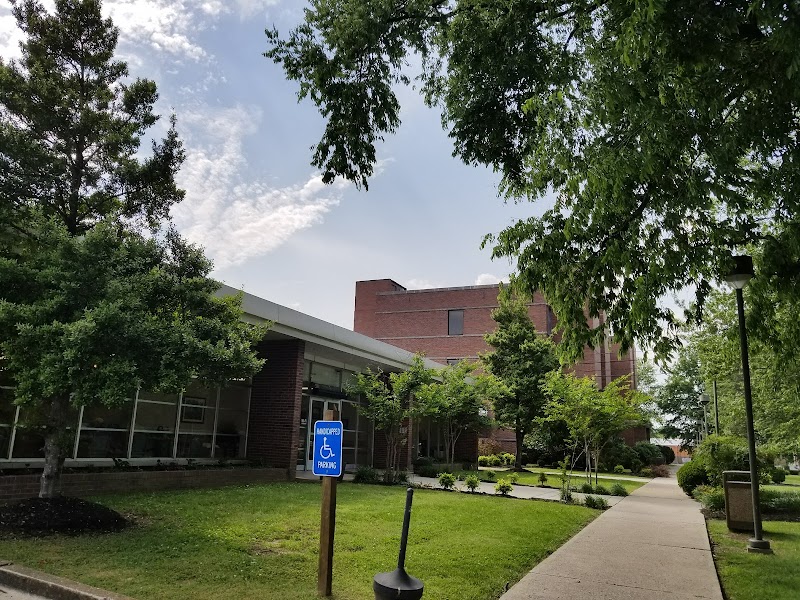
How is The Waters Of Shelbyville, Llc Staffed?

CMS rates THE WATERS OF SHELBYVILLE, LLC's staffing level at 1 out of 5 stars, which is much below average compared to other nursing homes. Staff turnover is 50%, compared to the Tennessee average of 46%.

What Have Inspectors Found at The Waters Of Shelbyville, Llc?

State health inspectors documented 16 deficiencies at THE WATERS OF SHELBYVILLE, LLC during 2017 to 2023. These included: 1 Immediate Jeopardy (the most serious level, indicating potential for serious harm or death), 1 that caused actual resident harm, and 14 with potential for harm. Immediate Jeopardy findings are rare and represent the most serious regulatory concerns. They require immediate corrective action.
Who Owns and Operates The Waters Of Shelbyville, Llc?

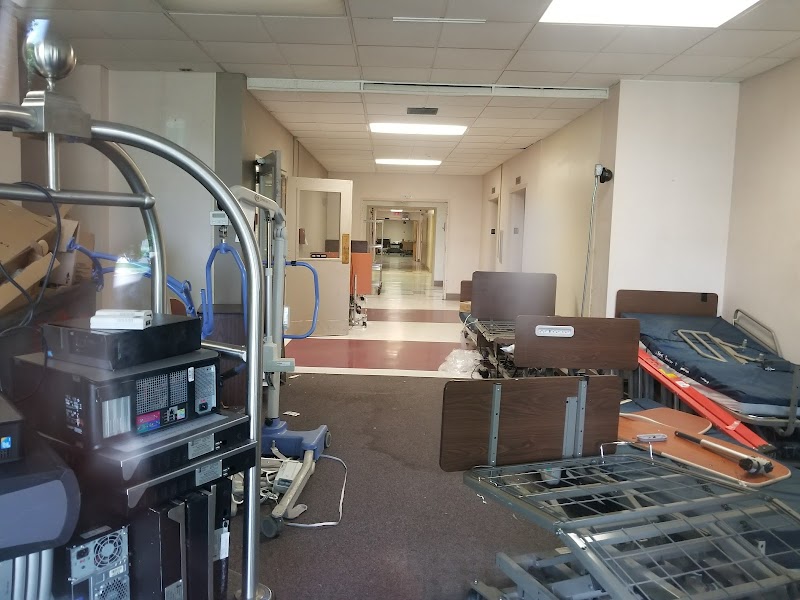
THE WATERS OF SHELBYVILLE, LLC is owned by a for-profit company. For-profit facilities operate as businesses with obligations to shareholders or private owners. The facility is operated by INFINITY HEALTHCARE CONSULTING, a chain that manages multiple nursing homes. With 96 certified beds and approximately 75 residents (about 78% occupancy), it is a smaller facility located in SHELBYVILLE, Tennessee.
How Does The Waters Of Shelbyville, Llc Compare to Other Tennessee Nursing Homes?

Compared to the 100 nursing homes in Tennessee, THE WATERS OF SHELBYVILLE, LLC's overall rating (2 stars) is below the state average of 2.8, staff turnover (50%) is near the state average of 46%, and health inspection rating (3 stars) is at the national benchmark.

What Should Families Ask When Visiting The Waters Of Shelbyville, Llc?

Based on this facility's data, families visiting should ask: "What changes have been made since the serious inspection findings, and how are you preventing similar issues?" "Can you walk me through typical staffing levels on day, evening, and night shifts?" "Can I visit during a mealtime to observe dining assistance and food quality?" "How do you handle medical emergencies, and what is your hospital transfer rate?" These questions are particularly relevant given the facility's Immediate Jeopardy citations and the below-average staffing rating.

Is The Waters Of Shelbyville, Llc Safe?

Based on CMS inspection data, THE WATERS OF SHELBYVILLE, LLC has documented safety concerns. Inspectors have issued 1 Immediate Jeopardy citation (the most serious violation level indicating risk of serious injury or death). The facility has a 2-star overall rating and ranks #100 of 100 nursing homes in Tennessee. Families considering this facility should ask detailed questions about what corrective actions have been taken since these incidents.

Do Nurses at The Waters Of Shelbyville, Llc Stick Around?

THE WATERS OF SHELBYVILLE, LLC has a staff turnover rate of 50%, which is about average for Tennessee nursing homes (state average: 46%). Moderate turnover is common in nursing homes, but families should still ask about staff tenure and how the facility maintains care continuity when employees leave.

Was The Waters Of Shelbyville, Llc Ever Fined?

THE WATERS OF SHELBYVILLE, LLC has no federal fines on record. CMS issues fines when nursing homes fail to meet care standards or don't correct problems found during inspections. The absence of fines suggests the facility has either maintained compliance or corrected any issues before penalties were assessed. This is a positive indicator, though families should still review recent inspection reports for the full picture.

Is The Waters Of Shelbyville, Llc on Any Federal Watch List?

THE WATERS OF SHELBYVILLE, LLC is not on any federal watch list. The most significant is the Special Focus Facility (SFF) program, which identifies the bottom 1% of nursing homes nationally based on persistent, serious quality problems. Not being on this list means the facility has avoided the pattern of deficiencies that triggers enhanced federal oversight. This is a positive indicator, though families should still review the facility's inspection history directly.