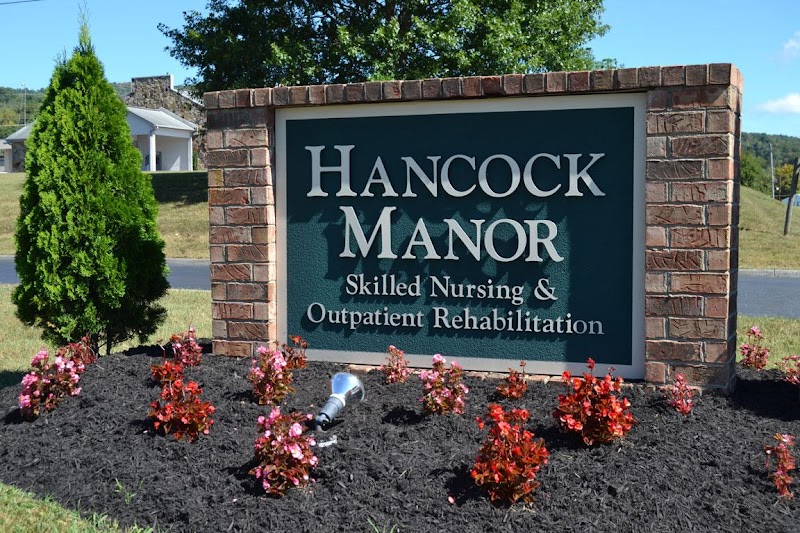
HANCOCK MANOR NURSING HOME
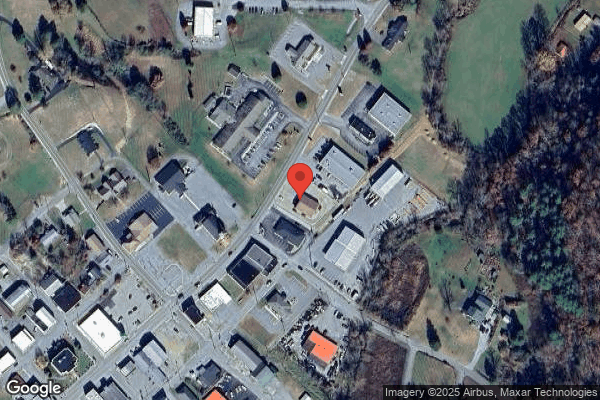
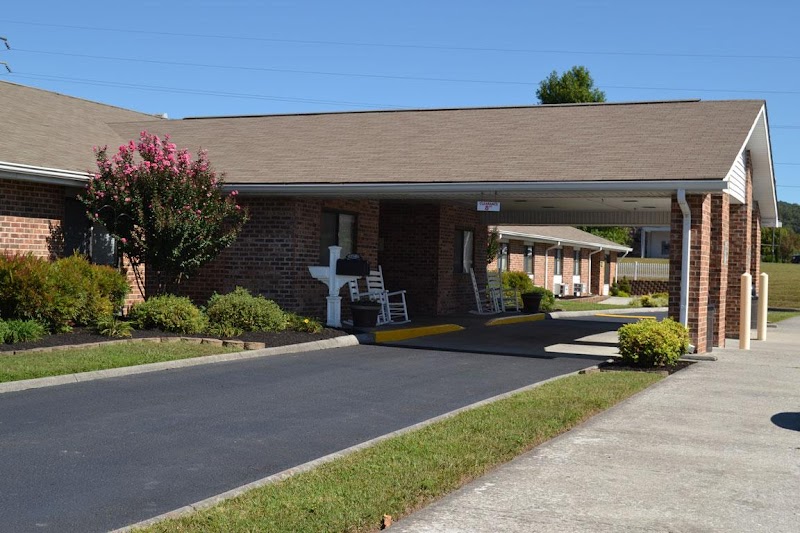
1423 MAIN STREET, SNEEDVILLE, TN 37869 (423) 733-4783
For profit - Corporation 50 Beds TWIN RIVERS HEALTH & REHABILITATION Data: November 2025
Trust Grade
85/100
#11 of 298 in TN
Last Inspection: September 2022

Over 2 years since last inspection. Current conditions may differ from available data.

Overview

Hancock Manor Nursing Home has a Trust Grade of B+, which means it is above average and generally recommended for potential residents. It ranks #11 out of 298 nursing homes in Tennessee, placing it in the top half of the state, and it is the only facility in Hancock County, indicating no local competition. The facility is improving, with reported issues decreasing from two in 2018 to just one in 2022. However, staffing is a concern, rated at only 2 out of 5 stars, with a high turnover rate of 67%, which is significantly above the state average. On a positive note, there have been no fines on record, suggesting good compliance with regulations, and the RN coverage is average, which is important for addressing health concerns. Specific incidents noted include the use of a psychotropic medication without a proper diagnosis for one resident and the failure to keep call lights within reach for two residents, which could lead to safety issues. Additionally, expired medications were found in one of the medication carts, indicating lapses in medication management. Overall, while Hancock Manor offers some strengths, families should be aware of staffing challenges and specific safety concerns.

Trust Score
B+
85/100
In Tennessee
#11/298
Top 3%
Safety Record
Low Risk
No red flags
Inspections
Getting Better
2 → 1 violations
Staff Stability
⚠ Watch
67% turnover. Above average. Higher turnover means staff may not know residents' routines.
Penalties
✓ Good
No fines on record. Clean compliance history, better than most Tennessee facilities.
Skilled Nurses
○ Average
Each resident gets 33 minutes of Registered Nurse (RN) attention daily — about average for Tennessee. RNs are the most trained staff who monitor for health changes.
Violations
✓ Good
Only 3 deficiencies on record. Cleaner than most facilities. Minor issues only.
★★★★★
5.0
Overall Rating
★★☆☆☆
2.0
Staff Levels
★★☆☆☆
2.0
Care Quality
★★★★★
5.0
Inspection Score
Stable
2018: 2 issues
2022: 1 issues

The Good

  • Full Sprinkler Coverage · Fire safety systems throughout facility
  • No fines on record

Facility shows strength in fire safety.

The Bad

Staff Turnover: 67%

20pts above Tennessee avg (46%)

Frequent staff changes - ask about care continuity

Chain: TWIN RIVERS HEALTH & REHABILITATION

Part of a multi-facility chain

Ask about local staffing decisions and management

Staff turnover is elevated (67%)

19 points above Tennessee average of 48%

The Ugly 3 deficiencies on record

Sept 2022 1 deficiency
CONCERN (D)

Potential for Harm - no one hurt, but risky conditions existed

Medication Errors (Tag F0758)

Could have caused harm · This affected 1 resident

**NOTE- TERMS IN BRACKETS HAVE BEEN EDITED TO PROTECT CONFIDENTIALITY** Based on the facility policy review, medical record review and interviews, the facility failed to prevent the use of a psychotro...

Read full inspector narrative →
**NOTE- TERMS IN BRACKETS HAVE BEEN EDITED TO PROTECT CONFIDENTIALITY** Based on the facility policy review, medical record review and interviews, the facility failed to prevent the use of a psychotropic medication without a related diagnosis for 1 resident (Resident #32) of 5 residents reviewed for unnecessary medications. The findings include: Review of the facility policy titled Antipsychotic Medication Use dated 12/2016, showed .Antipsychotic medications may be considered for residents with dementia but only after medical, physical .psychological, emotional psychiatric, social .environmental causes of behavioral symptoms have been identified and addressed .Residents will only receive antipsychotic medications when necessary to treat specific conditions for which they are indicated and effective .will identify .symptoms that may warrant the use of antipsychotic medications .Residents who are admitted from the community .transferred from a hospital .who are already receiving antipsychotic medications will be evaluated for the appropriateness and indications for use . Resident #32 was admitted to the facility on [DATE] with diagnoses including Depressive Disorder, Anxiety Disorder, Alzheimer's Disease, Dementia, Long Term use of Anticoagulants and Cognitive Communication Deficit. Review of the admission Minimum Data Set (MDS) assessment dated [DATE], revealed Resident #32 had severe cognitive impairment. Further review revealed active diagnoses of .Alzheimer's .Anxiety .Depression . (a Psychotic disorder was not indicated) and the resident had received antipsychotic, antianxiety, antidepressant medications on all 7 days of the 7 day look back period. Review of the current Comprehensive Care Plan showed Resident #32 received anti-psychotics, anti-depressants, and anti-anxieties with interventions including pharmacy review of the drug regimen (by the pharmacist) for identification and drug interactions. Review of the Medication Administration Record (MAR) dated 8/2022 showed .Quetiapine Fumarate [an antipsychotic medication used to treat mental and mood disorders] 25 mg [milligrams-unit of measure] .by mouth at HS [hour of sleep] . Resident # 32 was admitted to the facility from the hospital on Quetiapine Fumarate (Seroquel). The medication was increased 2 times on 8/19/2022 and again 8/26/2022. Review of the monthly pharmacy review dated 8/17/2022 showed no recommendations and did not indicate Resident #32 was receiving Seroquel with no psychosis diagnosis. Review of the MAR dated 9/2022 showed Resident #32 continued to receive Seroquel (Quetiapine Fumarate) with an increase in dosage on 9/2/2022. The MAR for 9/2022 showed no indications for the usage of Seroquel. Review of the initial Psychiatric Evaluation dated 8/16/2022, showed Resident #32 had a history of anxiety and depression. The evaluation showed staff reported episodes of crying spells with pacing the hallways. The evaluation showed no psychotic symptoms assessed or reported. During a telephone interview on 9/8/2022 at 10:22 AM, the Pharmacist stated Resident #32 had been admitted from the hospital on the Seroquel and she completed Resident #32's medication review on 8/17/2022. The Pharmacist confirmed there was no supporting psychosis diagnosis for the use of Seroquel and had not consulted with the medical doctor regarding the prescribed medication. During an interview on 9/8/2022 at 11:22 AM, the Director of Nursing (DON) confirmed Resident #32 had received Seroquel without a diagnosis of psychosis since admission to the facility on 8/5/2022.
Aug 2018 2 deficiencies
CONCERN (D)

Potential for Harm - no one hurt, but risky conditions existed

Deficiency F0558 (Tag F0558)

Could have caused harm · This affected 1 resident

**NOTE- TERMS IN BRACKETS HAVE BEEN EDITED TO PROTECT CONFIDENTIALITY** Based on facility policy review, medical record review, observation, and interview, the facility failed to ensure the call light...

Read full inspector narrative →
**NOTE- TERMS IN BRACKETS HAVE BEEN EDITED TO PROTECT CONFIDENTIALITY** Based on facility policy review, medical record review, observation, and interview, the facility failed to ensure the call light was kept within reach for 2 Residents (# 20 & #131) of 22 residents sampled. The findings include: Review of the facility policy, Answering Call Lights revised 6/1/16 revealed .When the resident is in the bed or confined to a chair be sure the call light is within easy reach of the resident . Medical record review revealed Resident #20 was admitted to the facility on [DATE] and readmitted on [DATE] with diagnoses including Lack of Coordination, Anxiety Disorder, Schizoaffective Disorder Bipolar Type, and Pain. Medical record review of the Annual Minimum Data Set (MDS) dated [DATE] revealed the resident had a Brief Interview for Mental Status (BIMS) score of 8 indicating the resident had moderate cognitive impairment. Further review revealed the resident required extensive assistance of 1 staff member for bed mobility and transfers, assistance of 1 staff member for walking in the room, and extensive assistance of 2 staff members for toileting. Medical record review of the Care Plan dated 8/1/18 revealed .At risk for falls related to generalized weakness .Call light in reach . Observation and interview with Certified Nursing Assistant (CNA) #1 on 8/27/18 at 11:27 AM, in the resident's room, confirmed the call light was lying in the floor at the bedside. Further interview confirmed the resident was able to use the call light to ask for assist with CNA stating .sometimes he does . Observation of Resident #20 on 8/27/18 at 1:19 PM, in the resident's room, revealed the resident lying in the bed with the call light lying on the floor at the bedside. Observation of Resident #20 on 8/27/18 at 2:12 PM, in the resident's room, revealed the resident lying in the bed with the call light lying on the floor at the bedside. Observation and interview with Licensed Practical Nurse (LPN) #1 on 8/27/18 at 2:17 PM, in the resident's room, confirmed the call light was lying on the floor at the bedside. Medical record review revealed Resident #131 was admitted to the facility on [DATE] and readmitted on [DATE], with diagnoses including Dementia with Behavior Disturbance, Dysphagia, Acute Kidney Failure and Difficulty Walking. Medical record review of the Care Plan dated 8/11/18, revealed the resident was at risk for falls related to Generalized Weakness, Dementia, Balance Issues and a History of Falls with Interventions including call bell in reach. Medical record review of an admission MDS dated [DATE], revealed the resident had a BIMS score of 4, indicating the resident had severe cognitive impairment. Continued review revealed the resident required extensive assistance of 2 for bed mobility, transfers, and toileting and required assistance of 1 staff member for walking in the room. Observation and interview with LPN #2 on 8/27/18 at 8:55 AM, in the resident's room revealed the resident lying in bed with his gown pulled up and the call bell lying on the floor at bedside. Interview with LPN #2 on 8/27/18 at 9:00 AM, outside the resident's room confirmed the residents call light was not within reach of the resident. Observation and interview with CNA #2 on 8/28/18 at 3:15 PM, in the resident's room revealed the resident lying in bed with his gown pulled up and the call light was lying on the floor at bedside. Interview with CNA #2 on 8/28/18 at 3:20 PM, outside the resident's room confirmed the call bell was not within the residents reach. Interview with the Assistant Director of Nursing (ADON) on 8/28/18 at 2:40 PM, in the ADON's office, confirmed the facility failed to ensure call light was kept within reach for Resident #20.
CONCERN (D)

Potential for Harm - no one hurt, but risky conditions existed

Deficiency F0761 (Tag F0761)

Could have caused harm · This affected 1 resident

Based on facility policy review, observation, and interview, the facility failed to ensure expired medications were not available for resident use for 1 of 2 medication carts. The findings include: R...

Read full inspector narrative →
Based on facility policy review, observation, and interview, the facility failed to ensure expired medications were not available for resident use for 1 of 2 medication carts. The findings include: Review of the facility policy Medication Management revealed .Medications are stored, dispensed, and destroyed in a manner to ensure safety and conformance with State and Federal laws . Observation of the 2 & 4 medication cart with Licensed Practical Nurse (LPN) #1 on 8/29/18 at 8:54 AM, at the nurse's station, revealed 12 Hydrocodone (a narcotic pain medication) 5 milligram (mg) tablets in the narcotic box with an expiration date of .5/18 . Interview with LPN #1 on 8/29/18 at 9:28 AM, in the conference room, confirmed the 12 Hydrocodone 5mg tablets observed in the 2 & 4 medication cart were expired in May of 2018 and the facility failed to ensure expired medications were not available for resident use.
Understanding Severity Codes (click to expand)
Life-Threatening (Immediate Jeopardy)
J - Isolated K - Pattern L - Widespread
Actual Harm
G - Isolated H - Pattern I - Widespread
Potential for Harm
D - Isolated E - Pattern F - Widespread
No Harm (Minor)
A - Isolated B - Pattern C - Widespread

Questions to Ask on Your Visit

  • "Why is there high staff turnover? How do you retain staff?"
  • "Can I speak with families of current residents?"
  • "What's your RN coverage like on weekends and overnight?"

Our Honest Assessment

Strengths
  • • Grade B+ (85/100). Above average facility, better than most options in Tennessee.
  • • No major safety red flags. No abuse findings, life-threatening violations, or SFF status.
  • • No fines on record. Clean compliance history, better than most Tennessee facilities.
  • • Only 3 deficiencies on record. Cleaner than most facilities. Minor issues only.
Concerns
  • • 67% turnover. Above average. Higher turnover means staff may not know residents' routines.
Bottom line: Generally positive indicators. Standard due diligence and a personal visit recommended.

About This Facility

What is Hancock Manor's CMS Rating?

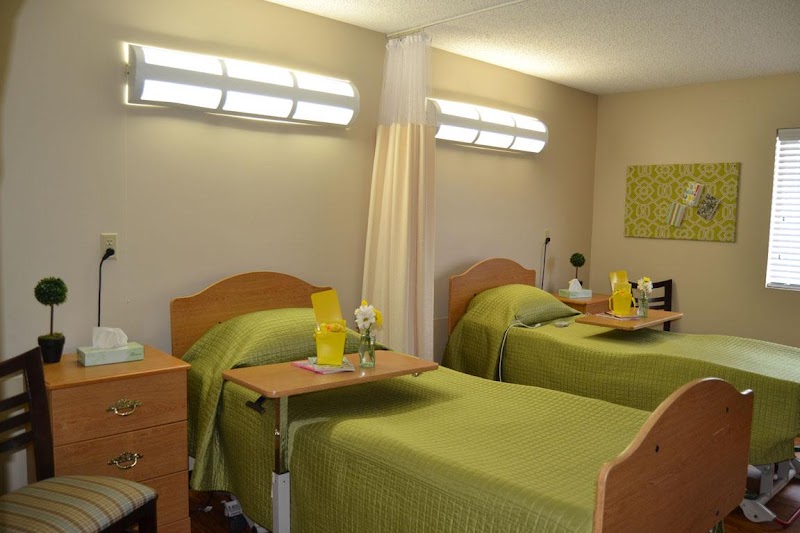
CMS assigns HANCOCK MANOR NURSING HOME an overall rating of 5 out of 5 stars, which is considered much above average nationally. Within Tennessee, this rating places the facility higher than 99% of the state's 100 nursing homes. This rating reflects solid performance across the metrics CMS uses to evaluate nursing home quality.
How is Hancock Manor Staffed?

CMS rates HANCOCK MANOR NURSING HOME's staffing level at 2 out of 5 stars, which is below average compared to other nursing homes. Staff turnover is 67%, which is 20 percentage points above the Tennessee average of 46%. High turnover can affect care consistency as new staff learn residents' individual needs. RN turnover specifically is 71%, which is notably high. RNs provide skilled clinical oversight, so turnover in this role can affect medical care quality.

What Have Inspectors Found at Hancock Manor?

State health inspectors documented 3 deficiencies at HANCOCK MANOR NURSING HOME during 2018 to 2022. These included: 3 with potential for harm.
Who Owns and Operates Hancock Manor?

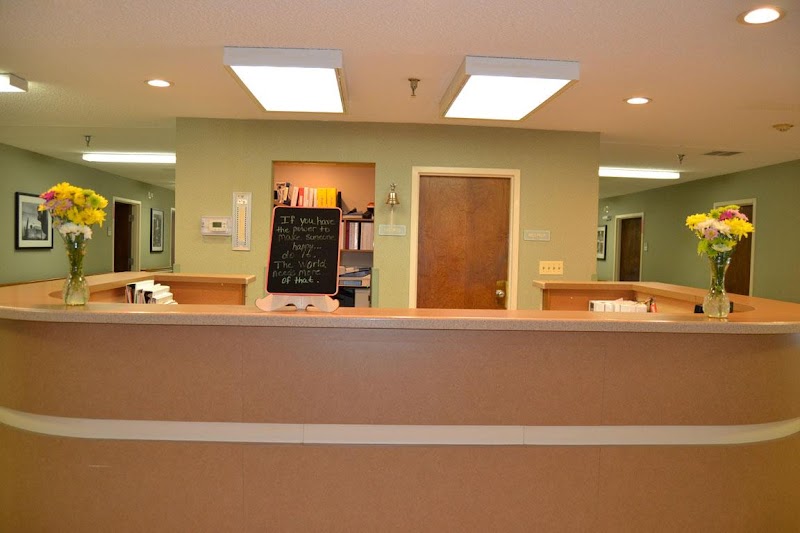
HANCOCK MANOR NURSING HOME is owned by a for-profit company. For-profit facilities operate as businesses with obligations to shareholders or private owners. The facility is operated by TWIN RIVERS HEALTH & REHABILITATION, a chain that manages multiple nursing homes. With 50 certified beds and approximately 25 residents (about 50% occupancy), it is a smaller facility located in SNEEDVILLE, Tennessee.
How Does Hancock Manor Compare to Other Tennessee Nursing Homes?

Compared to the 100 nursing homes in Tennessee, HANCOCK MANOR NURSING HOME's overall rating (5 stars) is above the state average of 2.9, staff turnover (67%) is significantly higher than the state average of 46%, and health inspection rating (5 stars) is much above the national benchmark.

What Should Families Ask When Visiting Hancock Manor?

Based on this facility's data, families visiting should ask: "How do you ensure continuity of care given staff turnover, and what is your staff retention strategy?" "Can you walk me through typical staffing levels on day, evening, and night shifts?" "Can I visit during a mealtime to observe dining assistance and food quality?" "How do you handle medical emergencies, and what is your hospital transfer rate?" These questions are particularly relevant given the facility's high staff turnover rate and the below-average staffing rating.

Is Hancock Manor Safe?

Based on CMS inspection data, HANCOCK MANOR NURSING HOME has a clean safety record: no substantiated abuse findings (meaning no confirmed cases of resident harm), no Immediate Jeopardy citations (the most serious violation level indicating risk of serious injury or death), and is not on the Special Focus Facility watch list (a federal program monitoring the lowest-performing 1% of nursing homes). The facility has a 5-star overall rating and ranks #1 of 100 nursing homes in Tennessee. While no facility is perfect, families should still ask about staff-to-resident ratios and recent inspection results during their visit.

Do Nurses at Hancock Manor Stick Around?

Staff turnover at HANCOCK MANOR NURSING HOME is high. At 67%, the facility is 20 percentage points above the Tennessee average of 46%. Registered Nurse turnover is particularly concerning at 71%. RNs handle complex medical decisions and coordinate care — frequent RN changes can directly impact care quality. High turnover means new staff may not know residents' individual needs, medications, or preferences. It can also be disorienting for residents, especially those with dementia who rely on familiar faces. Families should ask: What is causing the turnover? What retention programs are in place? How do you ensure care continuity during staff transitions?

Was Hancock Manor Ever Fined?

HANCOCK MANOR NURSING HOME has no federal fines on record. CMS issues fines when nursing homes fail to meet care standards or don't correct problems found during inspections. The absence of fines suggests the facility has either maintained compliance or corrected any issues before penalties were assessed. This is a positive indicator, though families should still review recent inspection reports for the full picture.

Is Hancock Manor on Any Federal Watch List?

HANCOCK MANOR NURSING HOME is not on any federal watch list. The most significant is the Special Focus Facility (SFF) program, which identifies the bottom 1% of nursing homes nationally based on persistent, serious quality problems. Not being on this list means the facility has avoided the pattern of deficiencies that triggers enhanced federal oversight. This is a positive indicator, though families should still review the facility's inspection history directly.