NHC HEALTHCARE, SPARTA
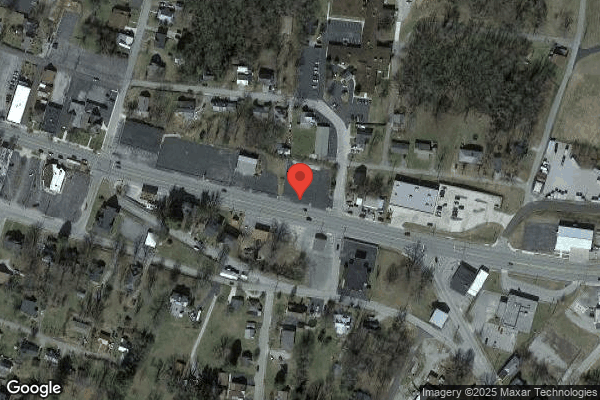
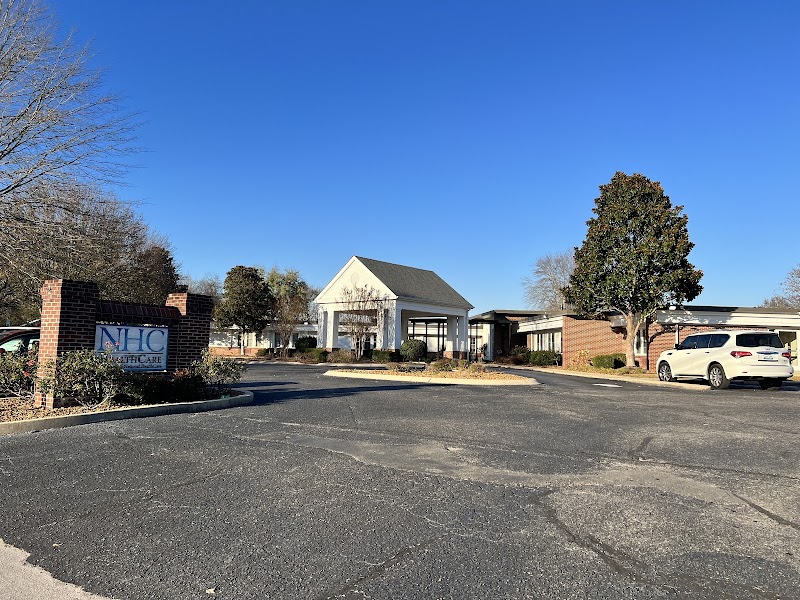
34 GRACEY ST, SPARTA, TN 38583 (931) 836-2211
For profit - Limited Liability company 96 Beds NATIONAL HEALTHCARE CORPORATION Data: November 2025
Trust Grade
70/100
#146 of 298 in TN
Last Inspection: June 2025

Inspected within the last 6 months. Data reflects current conditions.

Overview

NHC Healthcare in Sparta, Tennessee, has a Trust Grade of B, indicating it is a good choice among nursing homes. It ranks #146 out of 298 facilities in the state, placing it in the top half, and #2 out of 2 in White County, meaning there is only one other local facility. However, the trend is worsening, with the number of issues identified increasing from 1 in 2024 to 5 in 2025. Staffing is a strong point, with a 4 out of 5 star rating and a turnover rate of 35%, which is significantly better than the state average. On the downside, there were specific concerns such as the kitchen not being maintained in a sanitary condition and failures in documenting residents' advance directives, as well as a serious incident where a resident was not protected from potential abuse by another resident.

Trust Score
B
70/100
In Tennessee
#146/298
Top 48%
Safety Record
Low Risk
No red flags
Inspections
Getting Worse
1 → 5 violations
Staff Stability
○ Average
35% turnover. Near Tennessee's 48% average. Typical for the industry.
Penalties
✓ Good
No fines on record. Clean compliance history, better than most Tennessee facilities.
Skilled Nurses
✓ Good
Each resident gets 44 minutes of Registered Nurse (RN) attention daily — more than average for Tennessee. RNs are trained to catch health problems early.
Violations
○ Average
7 deficiencies on record. Average for a facility this size. Mostly minor or procedural issues.
★★★☆☆
3.0
Overall Rating
★★★★☆
4.0
Staff Levels
★★☆☆☆
2.0
Care Quality
★★★☆☆
3.0
Inspection Score
Stable
2024: 1 issues
2025: 5 issues

The Good

  • 4-Star Staffing Rating · Above-average nurse staffing levels
  • Full Sprinkler Coverage · Fire safety systems throughout facility
  • No fines on record
  • Staff turnover below average (35%)

    13 points below Tennessee average of 48%

Facility shows strength in staffing levels, fire safety.

The Bad

3-Star Overall Rating

Near Tennessee average (2.8)

Meets federal standards, typical of most facilities

Staff Turnover: 35%

10pts below Tennessee avg (46%)

Typical for the industry

Chain: NATIONAL HEALTHCARE CORPORATION

Part of a multi-facility chain

Ask about local staffing decisions and management

The Ugly 7 deficiencies on record

Jun 2025 5 deficiencies
CONCERN (D)

Potential for Harm - no one hurt, but risky conditions existed

Deficiency F0578 (Tag F0578)

Could have caused harm · This affected 1 resident

**NOTE- TERMS IN BRACKETS HAVE BEEN EDITED TO PROTECT CONFIDENTIALITY** Based on facility policy review, medical record review, and interview, the facility failed to document if residents had an advan...

Read full inspector narrative →
**NOTE- TERMS IN BRACKETS HAVE BEEN EDITED TO PROTECT CONFIDENTIALITY** Based on facility policy review, medical record review, and interview, the facility failed to document if residents had an advanced directive and residents advance directive decisions in the medical record for 5 residents (Residents #5, #33, #57, #67, and #76) of 24 residents reviewed for advanced directives. The findings include: Review of the facility policy titled, Social Work Services Manual revised 11/2017, revealed .Included in the Patient Rights booklet is the Patient's Right to Form Advanced Directives .All information regarding advance directives is to be included directly in the Patient Rights booklet . Review of the medical record revealed Resident #5 was admitted to the facility on [DATE], with readmission on [DATE], with diagnoses which included Displaced Fracture of Surgical Neck of Left Humerus, Type 2 Diabetes Mellitus with Neuropathy, Chronic Obstructive Pulmonary Disease, and Chronic Kidney Disease. Review of a Significant Change in Status Minimum Data Set (MDS) assessment dated [DATE], revealed Resident #5 scored a 9 on the Brief Interview for Mental Status (BIMS) assessment which indicated the resident had moderate cognitive impairment. Review of the medical record revealed no documentation for Resident #5's decisions regarding advanced directives to include advanced care planning, living will, and power of attorney. Review of the medical record revealed Resident #33 was admitted to the facility on [DATE], with diagnoses including Dementia, Hypothyroidism, and Anxiety. Review of a quarterly MDS assessment dated [DATE], revealed Resident #33 was severely impaired for daily decision making. Review of the medical record revealed no documentation for Resident #33's decisions regarding advanced directives to include advanced care planning, living will, and power of attorney. Review of the medical record revealed Resident #57 was admitted to the facility on [DATE], with readmission on [DATE], with diagnoses which included Discitis, Sepsis, Osteomyelitis, Dysphagia, Chronic Respiratory Failure, and Metabolic Encephalopathy. Review of an admission MDS assessment dated [DATE], revealed Resident #57 scored a 13 on the BIMS assessment which indicated the resident had intact cognition. Review of the medical record revealed no documentation for Resident #57's decisions regarding advanced directives to include advanced care planning, living will, and power of attorney. Review of the medical record revealed that Resident #67 was admitted to the facility on [DATE], with diagnoses which included Dementia, Atrial Fibrillation, and Adult Failure to Thrive. Review of a significant change MDS assessment dated [DATE], revealed Resident #67 scored a 3 on the BIMS assessment which indicated the resident was severely cognitively impaired. Review of the medical record revealed no documentation for Resident #67's decisions regarding advanced directives to include advanced care planning, living will, and power of attorney. Review of the medical record revealed that Resident #76 was admitted to the facility on [DATE], with diagnoses which included Heart Failure, Chronic Obstructive Pulmonary Disease, and Adult Failure to Thrive. Review of a quarterly MDS assessment dated [DATE], revealed Resident #76 scored a 4 on the BIMS assessment which indicated the resident was severely cognitively impaired. Review of the medical record revealed no documentation for Resident #76's decisions regarding advanced directives to include advanced care planning, living will, and power of attorney. During an interview on 6/11/2025 at 12:04 PM, the Director of Nursing (DON) stated there were no documentation in the medical records to indicate if Resident's #5, #33, #57, #67, and #76 had an advance directive or information regarding the residents advance directive decisions. During further interview the DON confirmed the facility failed to document if the residents had an advance directive and resident advance directive decisions in the medical record for Residents #5, #33, #57, #67, and #76.
CONCERN (D) 📢 Someone Reported This

A family member, employee, or ombudsman was alarmed enough to file a formal complaint

Potential for Harm - no one hurt, but risky conditions existed

Free from Abuse/Neglect (Tag F0600)

Could have caused harm · This affected 1 resident

**NOTE- TERMS IN BRACKETS HAVE BEEN EDITED TO PROTECT CONFIDENTIALITY** Based on facility policy review, medical record review, review of facility documents, and interview, the facility failed to prot...

Read full inspector narrative →
**NOTE- TERMS IN BRACKETS HAVE BEEN EDITED TO PROTECT CONFIDENTIALITY** Based on facility policy review, medical record review, review of facility documents, and interview, the facility failed to protect the resident's right to be free from physical abuse by a resident for 1 resident (Resident #200) of 24 residents reviewed for abuse. Findings include: Review of the facility's policy titled, Patient Protection and Response Policy for Allegations/Incidents of Abuse, Neglect, Misappropriation of Property and Exploitation, revised 2/1/2023 revealed, .Abuse .will not be tolerated by anyone, including staff, patients, consultants, volunteers, family members or legal guardians, friends, visitor or any other individual in this center. The patient has the right to be free from abuse .Definitions. Abuse: the willful infliction of injury, unreasonable confinement, intimidation, or punishment with resulting physical harm, pain or mental anguish .Willful, as used in this definition of abuse, means the individual must have acted deliberately, not that the individual must have intended to inflict injury or harm .Physical Abuse: includes hitting, slapping, pinching, and kicking .Procedure. All alleged violations and all substantiated incidents will be reported immediately to the Administrator or her/his designated representative and to other officials in accordance with State and Federal law (including to the State survey and certification agency). A. Internal Investigation Policy. 1. Policy. All events reported as possible abuse .will be investigated to determine whether the alleged abuse .did or did not take place. The Administrator or Director of Nurses will determine the direction of the investigation once notified of alleged incident .Procedure. a. The investigation is conducted immediately under the following circumstances .When it is identified that an alleged incident may have occurred .7. Protection Policy .Patients will be protected from harm during an investigation. Procedure. 1. Staff will respond immediately to protect the alleged victim and integrity of the investigation .4. Examining the alleged victim for any sign of injury .Increased supervision of the alleged victim and patients . Resident #38 was admitted to the facility on [DATE] with diagnoses including Chronic obstructive pulmonary disease, Encounter for palliative care, Peripheral vascular disease, Unspecified dementia, moderate, with other behavioral disturbance, and Delusional disorders. Medical record review of Resident #38's quarterly Minimum Data Set (MDS) assessment dated [DATE] revealed the resident scored a 00 on the Brief Interview of Mental Status (BIMS) which indicated the resident was severely cognitively impaired. Resident #200 was admitted to the facility on [DATE] with diagnoses including Alzheimer's Disease, Dementia with Agitation, and Delusional disorders. Medical record review of Resident #200's significant change MDS assessment dated [DATE] revealed the resident scored a 5 on the Brief Interview of Mental Status (BIMS) which indicated the resident was severely cognitively impaired. Review of the facility's investigation revealed on 7/3/2024, Resident #38 and Resident #200 were observed at the Nurses Station. Resident #38 was observed slapping another resident (Resident #200) as he propelled in front of him. Resident #200 exchanged a slap back with his fist per facility documentation. Both residents were separated and assessed. No apparent injuries were noted to either resident. Law Enforcement arrived and no report was filed. Both residents were followed up with from social services, no lingering psychosocial effects were noted from either resident. Review of Resident #38's nurses progress note dated 7/3/2024 at 11:09 PM, Resident #38 was 1:1 and sent to the local hospital for evaluation and treatment. Resident #200 was escorted to his room. Resident #38 had a stay at the local hospital from [DATE]-[DATE]. Interviews were attempted with staff during the complaint investigation, due to the length of time since the allegation was reported, staff were unfamiliar with Resident# 200. During an interview on 6/11/2025 at 1:50 PM, the Director of Nursing (DON) stated she was involved with the reporting of the altercation to the State Agency, she recalled the altercation was witnessed. Resident #200 had rolled in front of Resident #38; Resident #38 then swung at Resident #200 making contact. Resident #200 returned a swing at Resident #38 with his fist and made contact. The DON stated the altercation did happen.
CONCERN (D)

Potential for Harm - no one hurt, but risky conditions existed

Respiratory Care (Tag F0695)

Could have caused harm · This affected 1 resident

**NOTE- TERMS IN BRACKETS HAVE BEEN EDITED TO PROTECT CONFIDENTIALITY** Based on facility policy review, medical record review, observation, and interview, the facility failed to date and properly sto...

Read full inspector narrative →
**NOTE- TERMS IN BRACKETS HAVE BEEN EDITED TO PROTECT CONFIDENTIALITY** Based on facility policy review, medical record review, observation, and interview, the facility failed to date and properly store a nebulizer with mask (a drug delivery device used to administer medication in the form of a mist inhaled into the lungs) for 1 resident (Resident #63) of 8 sampled residents reviewed. The findings include: Review of the facility policy titled, Infection Control Manual Volume 1, updated and reviewed February 2025, revealed, .306 .Respiratory Therapy Equipment .1. Equipment associated with machines such as oxygen, nebulizers, IPPB (Intermittent Positive Pressure Breathing) machines and suction machines are not shared among patients .2. Respiratory equipment is dated when placed at bedside and replaced on schedule .3. Respiratory equipment (i.e. [that is], nasal cannula, aerosols, etc. (et cetera [and so on]) at bedside will be covered with a plastic bag when not in use . Medical record review revealed Resident #63 was admitted to the facility on [DATE] and readmitted on [DATE] with diagnoses which included Dementia, Anxiety, Major Depressive Disorder, Psychotic Disorder with Delusions, Hypertension, and Type 2 Diabetes Mellitus. Review of a Quarterly Minimum Data Set (MDS) assessment dated [DATE], revealed Resident #63 was unable to complete the Brief Interview of Mental Status (BIMS) assessment due to severe cognitive impairment. Review of a Care Plan, initiated 12/7/2023 and last reviewed/revised 5/22/2025, revealed Resident #63 was care planned for, .Problem: Respiratory Function-at risk for compromise related to: Dysphagia, oropharyngeal phase, times of nasal stuffiness, Chronic sinusitis, unspecified .Approach: Administer medications as ordered . Review of the Physician Order Report for Resident #63, dated 2/1/2025-3/31/2025, revealed an order with a start date of 2/5/2025, for .ipratropium-albuterol solution for nebulization; 0.5 mg (milligrams)-3 mg (2.5 mg base)/3 mL (milliliters); amt (amount):1 vial; inhalation .Special Instructions: prn shortness of breath/congestion Twice A Day-PRN (as needed) . Continued review revealed the order was discontinued on 3/18/2025. During an observation in Resident #63's room on 6/9/2025 at 12:14 PM, a nebulizer with mask and tubing was observed, undated and uncovered, not stored in a bag, hanging on the wall near the resident's bed. During an observation and interview in Resident #63's room on 6/11/2025 at 10:05 AM, a nebulizer with mask and tubing was observed, undated and uncovered, not stored in a bag, hanging on the wall near the resident's bed. The Director of Nursing (DON) confirmed the nebulizer with mask and tubing was undated and uncovered, not stored in a bag, hanging on the wall near the resident's bed. The DON stated that nebulizers should be stored in plastics bags. The DON then removed and discarded the nebulizer that was observed in Resident #63's room.
CONCERN (D)

Potential for Harm - no one hurt, but risky conditions existed

Deficiency F0925 (Tag F0925)

Could have caused harm · This affected 1 resident

Based on observations, interviews, facility documentation review, and review of the facility's policy, the facility failed to maintain an effective pest control system to ensure the kitchen's environm...

Read full inspector narrative →
Based on observations, interviews, facility documentation review, and review of the facility's policy, the facility failed to maintain an effective pest control system to ensure the kitchen's environment was free of pests. This failure had the potential to affect all residents of the facility. Review of the facility's policy titled, Safety and Sanitation Best Practice Guidelines, revised 11/2017 revealed, .The Center will implement preventive measures which focus on denying pests access to the building, eliminating sources of food and shelter, and by working with a pest control operator .1. The presence of insects, rodents, and other pests shall be controlled to eliminate their presence on the premises by routinely inspecting incoming shipments of food and supplies. 2. Premises should be routinely inspected for evidence of pests and finding reported to appropriate personnel .5. Center should work with a pest control operator (PCO) in using preventive and control measures to eliminate pests and keep them from infesting the building . During an observation on 6/9/2025 between 11:05 AM - 11:50 AM, with the Dietary Manager (DM) and Registered Dietitian (RD) , revealed the dry goods storage area was observed, the door of the dry storage was noted to be held open by a large industrial fan; a partially used commercial sized bag of brown sugar was noted which was packaged in a plastic lined paper bag material. The brown sugar bag on the storage shelf was not resealed after the last use. The end of the bag appeared to be folded over on itself which created an air gap , thus allowing the potential contamination of the product from insects. A housefly was also observed crawling on the outside of the bag near the opening. During an observation/interview on 6/11/2025 at 3:00 PM, the dry goods room was observed without the partially used bag of brown sugar. When the RD was asked the disposition of the brown sugar bag, she stated it was discarded. Neither the Dietary Manager nor the Registered Dietitian (RD) voiced when the last time the pest control technician visited the kitchen.
CONCERN (F)

Potential for Harm - no one hurt, but risky conditions existed

Food Safety (Tag F0812)

Could have caused harm · This affected most or all residents

**NOTE- TERMS IN BRACKETS HAVE BEEN EDITED TO PROTECT CONFIDENTIALITY** Based on review of the facility policy, review of the United Stated Department of Agricultures' website, observation and intervi...

Read full inspector narrative →
**NOTE- TERMS IN BRACKETS HAVE BEEN EDITED TO PROTECT CONFIDENTIALITY** Based on review of the facility policy, review of the United Stated Department of Agricultures' website, observation and interview the facility failed to maintain a sanitary kitchen, failed to ensure kitchen equipment was maintained in a sanitary condition, and failed to ensure food was served at the appropriate temperature during the pre-plating temperature check. Review of the facility policy titled, Cleaning Equipment, revised 11/2017, revealed .Equipment must be cleaned and/or sanitized after every use and according to manufacturers' recommendations .The physical facilities shall be cleaned as often as necessary to keep them clean. Review of the United Stated Department of Agricultures' website, an article titled, Danger Zone (40 degrees Fahrenheit - 140 degrees Fahrenheit) undated, revealed .Leaving food out too long at room temperature and cause bacteria .to grow to dangerous levels that can cause illness. Bacteria grow more rapidly in the range of temperatures between 40 degrees and 140 degrees Fahrenheit, doubling in number in as little as 20 minutes. This range of temperatures is often called the danger zone .Keep cold food cold-at or below 40 degrees Fahrenheit .Place food in containers on ice . The findings include: During an observation of the dietary department with the Dietary Manager (DM) and Registered Dietitian (RD) on 6/9/2025 at 11:05 AM, revealed the floor in the dish washing room was observed to have a large amount of foodstuff remains present on various parts of the dish washing room, the garbage disposal had the same foodstuff in and around it's opening as it had been turned on with a large amount of food present in the [NAME] on the disposal. The wall beside the dishwasher appeared to have a large area of discoloration with multiple tiles broken on the wall. Continued observation revealed the dry goods storage area was observed, the door of the dry storage was noted to be held open by a large industrial fan; a partially used commercial sized bag of brown sugar was noted which was packaged in a plastic lined paper bag material. The brown sugar bag on the storage shelf was not resealed after the last use. The end of the bag appeared to be folded over on itself which created an air gap, allowing the potential contamination of the product from insects. The bag of brown sugar was not labeled with the date the product was opened for use; a housefly was also observed crawling on the outside of the bag near the opening. The DM stated the bag of brown sugar should have been labeled with the date it was opened, and the bag should be sealed before being put back on the shelf. Neither the DM nor the RD voiced when the last time the pest control technician visited the kitchen. Continued observation revealed the 4-burner gas stove, steamer, deep fryer, and convection oven were observed to be in unsanitary condition. The stove had dark brown food debris on the handle to the oven compartment. The steamer had light brown food debris on the bottom front of the door and the operational control panel of the unit. The deep fryer had copious amount of granular food debris present on the top drip tray of the unit. The sides of the deep fryer was observed to have the same food debris granules present with dried tan fluid streaked on both sides of the unit. The DM stated the kitchen equipment was cleaned daily, and a deep cleaning of the kitchen and equipment was completed weekly. The nutrition rooms was toured with the DM, 1 container of employee food stuff was observed in the 200-hall nourishment room refrigerator, the outside of the container was not labeled with the correct contents, resident name, or date it was opened. The contents were pasta salad stored in a plastic container. During an observation/interview on 6/9/2025 at 11:50 AM, with the DM to observe the food temperatures for Lunch service. The following food temperatures were observed as out of safe range: 1.No bake cheesecake scoop - 55 degrees farenheit. The no bake cheesecake scoop temperature was checked on 2 separate containers, and both were 55 degrees. The trays of the no bake cheesecake scoops were arranged on metal trays of an uncovered cart while distributed on the residents' lunch trays. The RD stated she thought the no bake cheesecake could be served at room temperature. The label on the back of the product advised to refrigerate after mixing.
Feb 2024 1 deficiency
CONCERN (D)

Potential for Harm - no one hurt, but risky conditions existed

Quality of Care (Tag F0684)

Could have caused harm · This affected 1 resident

Based on observation, interviews, record review, and facility policy review, the facility failed to document, report, and monitor a newly identified skin alteration for 1 (Resident #70) of 2 residents...

Read full inspector narrative →
Based on observation, interviews, record review, and facility policy review, the facility failed to document, report, and monitor a newly identified skin alteration for 1 (Resident #70) of 2 residents reviewed for pressure ulcers. Findings included: Review of a facility policy titled, 100 Assessment Guidelines, last reviewed in January 2024, revealed, .iv. Daily Skin Inspection 1. Performed by caregivers during bath and/or assistance with ADLs [activities of daily living]. Changes in skin integrity and/or signs/symptoms of complications are reported to a licensed nurse . Review of a facility document titled, Patient Care Policies, last reviewed in February 2023, revealed, .The charge nurse on duty is notified immediately of any change in a patient's condition. The charge nurse will then assess the patient's condition and notify the physician or physician extender and the patient's representative . Review of a Resident Face Sheet revealed the facility admitted Resident #70 on 10/02/2022 and readmitted the resident on 09/28/2023 with diagnoses that included dysphasia (inability to use or understand words), dysphagia (difficulty swallowing), and hemiplegia (one-sided paralysis) and hemiparesis (weakness on one side of the body) following cerebral infarction (stroke) affecting right dominant side. Review of a significant change in status Minimum Data Set (MDS), with an Assessment Reference Date (ARD) of 02/14/2024, revealed Resident #70 had a Brief Interview for Mental Status (BIMS) score of 15, indicating the resident was cognitively intact. According to the MDS, Resident #70 required partial/moderate assistance from staff with rolling from their back to their left and right side in bed and had an upper extremity functional limitation in range of motion on one side. The MDS further indicated Resident #70 was at risk for developing pressure ulcers/injuries but had no unhealed pressure ulcers/injuries at the time of the assessment. The MDS did not reflect the presence of any other skin conditions, including infection of the foot, diabetic foot ulcers, or other open lesions on the foot. Review of Resident #70's Care Plan, revealed a Problem area with a start date of 10/02/2022 that indicated the resident was at for risk skin breakdown and development of pressure ulcers or injuries related to gastrostomy status, bowel incontinence, decreased mobility, and generalized weakness. Review of an untitled document with a front and back body template used to notate observed skin alterations, dated 02/23/2024, revealed a circled area to the back of Resident #70's right lower leg close to the resident's heel with the word sore handwritten on the document. Certified Nurse Aide (CNA) #7 and Licensed Practical Nurse (LPN) #2 signed and dated the document on 02/23/2024. Review of Resident #70's Progress Notes, for the timeframe from 02/21/2024 through 02/27/2024, revealed the notes lacked documentation regarding the right lower leg skin alteration that was identified on 02/23/2024. Review of Resident #70's Active Orders, revealed no orders to monitor or treat the skin alteration to the resident's right lower leg that was identified on 02/23/2024. During an interview on 02/26/2024 at 10:38 AM, Resident #70 stated they had a wound on their right heel. Resident #70 stated they told the nurse, but no one had looked at the wound and said there were no treatments being provided for the wound. During an interview on 02/27/2024 at 6:07 PM, CNA #7 stated she saw the area on Resident #70's right lower leg when completing a skin check. CNA #7 stated the area looked like a scab or abrasion with pink skin on the edges and no blood present. CNA #7 stated she mentioned it to the resident, and the resident did not know how it happened. CNA #7 stated she completed the skin check sheet and gave the sheet to LPN #2. CNA #7 said she did not recall seeing the wound prior to 02/23/2024. During a telephone interview on 02/27/2024 at 6:28 PM, LPN #2 stated he was notified by CNA #7 about the wound to Resident #70's right leg and indicated he assessed the area. LPN #2 stated the area was located on the back of Resident #70's right lower leg above the ankle bone, was the size of a dime or penny, and was scabbed over with reddened borders. LPN #2 stated there was no drainage and no signs of infection. LPN #2 stated the resident reported they were not sure how it happened. LPN #2 stated he did not notify the physician or Nurse Manager (NM) #31 (responsible for wound care) of Resident #70's skin alteration because he thought the area had been previously identified since the area was scabbed over. LPN #2 stated the normal process for a newly identified area would be to notify NM #31, if the area needed to be assessed and to notify the physician if the area appeared to require treatment. LPN #2 stated he should have documented his assessment and a description of the wound in the resident's medical record as a progress note and should have notified the physician and NM #31. During an interview on 02/27/2024 at 4:20 PM, Registered Nurse (RN) #4 confirmed there were no physician's orders in Resident #70's medical record regarding the skin alteration on the resident's right lower leg. RN #4 said when the skin alteration was identified, the nurse should have assessed the area, determined what treatment was needed, and notified NM #31, who was currently responsible for wound care. On 02/27/2024 at 4:25 PM, an observation of Resident #70's right lower leg was completed in the resident's room, with RN #4. Resident #70's right lower extremity was noted to have a dime sized circular area with slightly irregular and dried edges. The tissue was red in color, with no drainage, no odor, and no scab present. At this time, Resident #70 denied pain to the area. During an interview on 02/27/2024 at 4:30 PM, NM #31 confirmed there was no documentation, including physician orders or treatment, in Resident #70's medical record regarding their right lower leg skin alteration. NM #31 stated she was not notified of Resident #70's wound. NM #31 further stated that when a new skin concern was identified, the nurse was responsible for assessing the skin alteration and documenting their findings, notifying NM #31 for follow-up, and notifying the physician for a treatment order if necessary. NM #31 stated she had looked at the skin alteration on 02/27/2024 and described the wound as an abrasion with no drainage, and stated it was in the healing stage. NM #31 stated Resident #70's skin alteration not being documented in the medical record or being monitored could have led to the area worsening or becoming infected. During an interview on 02/28/2024 at 1:08 PM, the Nurse Practitioner (NP) said she expected staff to notify her and NM #31 as soon as new skin concerns were identified. The NP stated when nothing was done for a wound there was a risk for further deterioration and a potential for the wound to progress to a skin ulcer or infection . During a follow-up interview on 02/28/24 at 02:01 PM, the NP stated she had evaluated Resident #70's skin and said the area was scabbed over and did not require any treatment. Review of Resident #70's Progress Note, documented by the NP and dated 02/28/2024 at 2:00 PM, revealed, Assessed abrasion to right lower extremity. Small scabbed area noted, no treatment indicated. During an interview on 02/28/2024 at 3:45 PM, the Medical Doctor (MD) stated he expected a nurse to notify the nurse responsible for treatments when a new wound was identified, so the wound could be assessed. The MD further stated he would want to be notified immediately if the wound was open. During an interview on 02/29/2024 at 10:57 AM, the Director of Nursing (DON) stated the nurse that initially confirmed the skin alteration to Resident #70's right lower leg was responsible for assessing and determining treatment needs, the cause of the wound, and any interventions needed for the prevention of skin alterations. The DON stated that when the nurse aide notified the nurse of Resident #70's skin alteration there should have been documentation entered in the medical record. The DON further stated Resident #70's skin alteration could have declined further had the facility not assessed and addressed the area. During an interview on 02/29/2024 at 11:06 AM, the Administrator stated the nurse was expected to assess, document, and notify the DON and the physician when Resident #70's skin alteration was identified. The Administrator stated skin alterations could worsen or become infected if not addressed.
Oct 2019 1 deficiency
CONCERN (D)

Potential for Harm - no one hurt, but risky conditions existed

Accident Prevention (Tag F0689)

Could have caused harm · This affected 1 resident

**NOTE- TERMS IN BRACKETS HAVE BEEN EDITED TO PROTECT CONFIDENTIALITY** Based on medical record review, fall investigation review, observation and interview, the facility failed to provide interventio...

Read full inspector narrative →
**NOTE- TERMS IN BRACKETS HAVE BEEN EDITED TO PROTECT CONFIDENTIALITY** Based on medical record review, fall investigation review, observation and interview, the facility failed to provide interventions to prevent accidents for 1 resident (#15) of 5 residents reviewed for falls. The findings include: Medical record review revealed Resident #15 was admitted to the facility on [DATE] with diagnoses including Dementia with Behavioral Disturbance, Psychosis, Anxiety Disorder, Depression, and History of Falling. Medical record review of the Comprehensive Care Plan, dated 2/6/19, and edited on 7/29/19 and 10/29/19, revealed Resident #15 had a history of falling and interventions included, .Reposition/Re-adjust patient in chair when she becomes restless and agitated .alarm to bed and layback [facility's name for the resident's type of chair] . Medical record review of Resident #15's Significant Change Minimum Data Set (MDS) dated [DATE], revealed a Brief Interview of Mental Status (BIMS) score of 5, indicating severe cognitive impairment. The resident required extensive assistance of 2 persons for transfers, extensive assistance with 1 person physical assist for locomotion, and the resident was not steady when moving from a seated to a standing position. Review of an undated Manager Investigation of Incident and an Event Report dated 6/1/19 revealed Resident #15 had a witnessed fall, without injury, on 6/1/19 at 6:07 PM, while seated in a gerichair (type of reclining chair) at the nurse's station. The resident slid to the edge of the foot rest, and then slid from the foot rest to the floor. Continued review revealed .Alarm was not sounding when patient fell, alarm was replaced . Further review revealed .OLD ALARM WAS SOUNDING BUT SEEMS TO HAVE A SHORT FROM PATIENT FREQUENTLY PLAYING WITH DEVICE . Review of a Manager Investigation of Incident and an Event Report dated 6/25/19, revealed Resident #15 fell on 6/25/19 at 6:33 PM. The resident was seated in front of the dining room listening to her music when she got out of her layback chair and walked independently. The resident's alarm was not sounding and she had been seen playing with the alarm prior to standing up from the chair. Staff witnessed the resident walking, she became unstable, and was lowered to the floor. Medical record review of Resident #15's Significant Change MDS dated [DATE], revealed a BIMS score of 3, indicating severe cognitive impairment. The resident required extensive assistance of 2 persons for transfers, was total dependence with 1 person physical assist for locomotion, and was not steady when moving from a seated to a standing position. Medical record review of Resident #15's Physical Therapy (PT) Plan of Care dated 8/23/19 revealed PT treated the resident from 7/15/19-8/23/19. Continued review revealed .Patient requires frequent verbal cues to stay on task due to poor attention span .Daily Life .condition of confusion . Medical record review of Resident #15s Fall Risk Assessment Tool dated 9/4/19 revealed the resident was a high fall risk. Review of a Manager Investigation of Incident and an Event Report dated 10/9/19 revealed Resident #15 fell on [DATE] at 2:30 PM in the dining room. The resident was participating in a singing activity when she attempted to stand up and fell from her gerichair. The resident's alarm did not sound. Observation and interview on 10/29/19 at 12:30 PM, in Resident #15's room, revealed she was seated in a Geri-chair with her daughter present. Interview with the resident's daughter confirmed .fell recently [10/9/19] .cannot stand or walk independently but will try to . Observation on 10/30/19 at 3:44 PM, at the Unit 3 nurses station, revealed Resident #15 seated in her Geri-chair with the chair with alarm in place. Interview and review of fall investigations with the Unit 3 Manager on 10/30/19 at 1:53 PM, in the conference room, confirmed the chair alarm was not sounding during the resident's fall on 6/1/19. Continued interview confirmed the Unit Manager changes the alarm batteries once a week. Further review revealed .Nurse checks alarm placement and other fall interventions q [every] shift and functionality of alarms . Continued interview confirmed a Geri-chair and a layback chair are the same chair. Further interview confirmed the chair alarm did not sound when Resident #15 exited her chair at the singing activity on 10/9/19. Interview with the Director of Nursing (DON) on 10/30/19 at 4:38 PM, in the conference room, confirmed Resident 15's alarm was not sounding at the time of the 6/1/19 and the 10/9/19 falls.
Understanding Severity Codes (click to expand)
Life-Threatening (Immediate Jeopardy)
J - Isolated K - Pattern L - Widespread
Actual Harm
G - Isolated H - Pattern I - Widespread
Potential for Harm
D - Isolated E - Pattern F - Widespread
No Harm (Minor)
A - Isolated B - Pattern C - Widespread

Questions to Ask on Your Visit

  • "Can I speak with families of current residents?"
  • "What's your RN coverage like on weekends and overnight?"

Our Honest Assessment

Strengths
  • • No major safety red flags. No abuse findings, life-threatening violations, or SFF status.
  • • No fines on record. Clean compliance history, better than most Tennessee facilities.
  • • 35% turnover. Below Tennessee's 48% average. Good staff retention means consistent care.
Concerns
  • • No major red flags. Standard due diligence and a personal visit recommended.
Bottom line: Mixed indicators with Trust Score of 70/100. Visit in person and ask pointed questions.

About This Facility

What is Nhc Healthcare, Sparta's CMS Rating?

CMS assigns NHC HEALTHCARE, SPARTA an overall rating of 3 out of 5 stars, which is considered average nationally. Within Tennessee, this rating places the facility higher than 99% of the state's 100 nursing homes. This mid-range rating indicates the facility meets federal standards but may have areas for improvement.

How is Nhc Healthcare, Sparta Staffed?

CMS rates NHC HEALTHCARE, SPARTA's staffing level at 4 out of 5 stars, which is above average compared to other nursing homes. Staff turnover is 35%, compared to the Tennessee average of 46%. This relatively stable workforce can support continuity of care.

What Have Inspectors Found at Nhc Healthcare, Sparta?

State health inspectors documented 7 deficiencies at NHC HEALTHCARE, SPARTA during 2019 to 2025. These included: 7 with potential for harm.

Who Owns and Operates Nhc Healthcare, Sparta?

NHC HEALTHCARE, SPARTA is owned by a for-profit company. For-profit facilities operate as businesses with obligations to shareholders or private owners. The facility is operated by NATIONAL HEALTHCARE CORPORATION, a chain that manages multiple nursing homes. With 96 certified beds and approximately 92 residents (about 96% occupancy), it is a smaller facility located in SPARTA, Tennessee.

How Does Nhc Healthcare, Sparta Compare to Other Tennessee Nursing Homes?

Compared to the 100 nursing homes in Tennessee, NHC HEALTHCARE, SPARTA's overall rating (3 stars) is above the state average of 2.8, staff turnover (35%) is significantly lower than the state average of 46%, and health inspection rating (3 stars) is at the national benchmark.

What Should Families Ask When Visiting Nhc Healthcare, Sparta?

Based on this facility's data, families visiting should ask: "Can I visit during a mealtime to observe dining assistance and food quality?" "How do you handle medical emergencies, and what is your hospital transfer rate?" "Can I speak with family members of current residents about their experience?"

Is Nhc Healthcare, Sparta Safe?

Based on CMS inspection data, NHC HEALTHCARE, SPARTA has a clean safety record: no substantiated abuse findings (meaning no confirmed cases of resident harm), no Immediate Jeopardy citations (the most serious violation level indicating risk of serious injury or death), and is not on the Special Focus Facility watch list (a federal program monitoring the lowest-performing 1% of nursing homes). The facility has a 3-star overall rating and ranks #1 of 100 nursing homes in Tennessee. While no facility is perfect, families should still ask about staff-to-resident ratios and recent inspection results during their visit.

Do Nurses at Nhc Healthcare, Sparta Stick Around?

NHC HEALTHCARE, SPARTA has a staff turnover rate of 35%, which is about average for Tennessee nursing homes (state average: 46%). Moderate turnover is common in nursing homes, but families should still ask about staff tenure and how the facility maintains care continuity when employees leave.

Was Nhc Healthcare, Sparta Ever Fined?

NHC HEALTHCARE, SPARTA has no federal fines on record. CMS issues fines when nursing homes fail to meet care standards or don't correct problems found during inspections. The absence of fines suggests the facility has either maintained compliance or corrected any issues before penalties were assessed. This is a positive indicator, though families should still review recent inspection reports for the full picture.

Is Nhc Healthcare, Sparta on Any Federal Watch List?

NHC HEALTHCARE, SPARTA is not on any federal watch list. The most significant is the Special Focus Facility (SFF) program, which identifies the bottom 1% of nursing homes nationally based on persistent, serious quality problems. Not being on this list means the facility has avoided the pattern of deficiencies that triggers enhanced federal oversight. This is a positive indicator, though families should still review the facility's inspection history directly.