GENERATIONS CENTER OF SPENCER
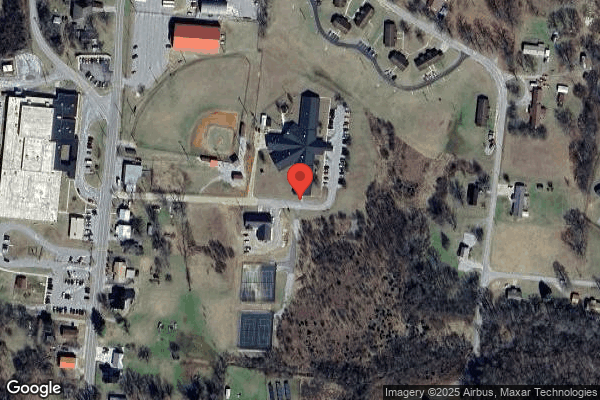
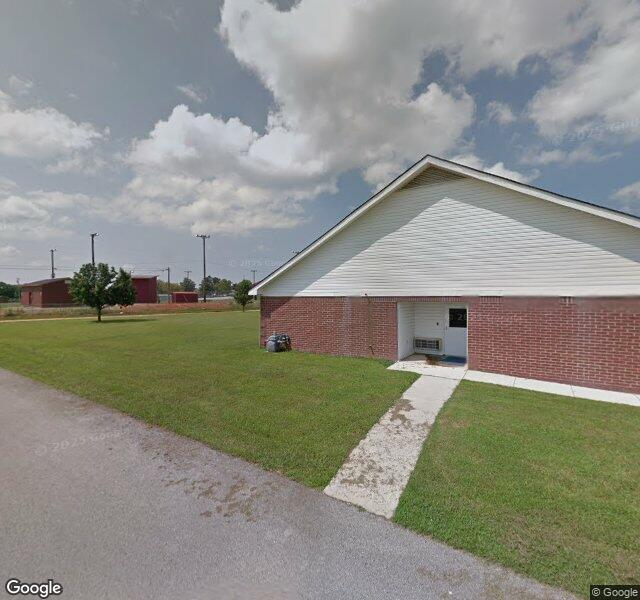
87 GENERATIONS DRIVE, SPENCER, TN 38585 (931) 946-7768
Non profit - Corporation 70 Beds Independent Data: November 2025
Trust Grade
70/100
#121 of 298 in TN
Last Inspection: October 2024

Within standard 12-15 month inspection cycle. Federal law requires annual inspections.

Overview

Generations Center of Spencer has a Trust Grade of B, which means it is considered a good option for care, indicating solid performance overall. It ranks #121 out of 298 nursing homes in Tennessee, placing it in the top half of facilities in the state, and is the only option in Van Buren County. However, the facility's trend is worsening, with an increase in issues from 3 in 2019 to 5 in 2024. Staffing is a weak point with a rating of 2 out of 5 stars and a turnover rate of 44%, which, while below the state average, still indicates challenges in maintaining consistent care. On a positive note, the facility has not incurred any fines, suggesting compliance with regulations. Specific incidents of concern include improperly managed garbage disposal, which poses health risks, and failures in implementing safety measures for a resident at risk of falls, indicating lapses in attention to care plans. Overall, while there are strengths in compliance and ranking, the facility needs to address staffing and care plan implementation to ensure resident safety and well-being.

Trust Score
B
70/100
In Tennessee
#121/298
Top 40%
Safety Record
Low Risk
No red flags
Inspections
Getting Worse
3 → 5 violations
Staff Stability
○ Average
44% turnover. Near Tennessee's 48% average. Typical for the industry.
Penalties
✓ Good
No fines on record. Clean compliance history, better than most Tennessee facilities.
Skilled Nurses
⚠ Watch
Each resident gets only 28 minutes of Registered Nurse (RN) attention daily — below average for Tennessee. Fewer RN minutes means fewer trained eyes watching for problems.
Violations
○ Average
8 deficiencies on record. Average for a facility this size. Mostly minor or procedural issues.
★★★☆☆
3.0
Overall Rating
★★☆☆☆
2.0
Staff Levels
★★☆☆☆
2.0
Care Quality
★★★☆☆
3.0
Inspection Score
Stable
2019: 3 issues
2024: 5 issues

The Good

  • Full Sprinkler Coverage · Fire safety systems throughout facility
  • No fines on record
  • Staff turnover below average (44%)

    4 points below Tennessee average of 48%

Facility shows strength in fire safety.

The Bad

3-Star Overall Rating

Near Tennessee average (2.8)

Meets federal standards, typical of most facilities

Staff Turnover: 44%

Near Tennessee avg (46%)

Typical for the industry

The Ugly 8 deficiencies on record

Oct 2024 5 deficiencies
CONCERN (D)

Potential for Harm - no one hurt, but risky conditions existed

Comprehensive Care Plan (Tag F0656)

Could have caused harm · This affected 1 resident

**NOTE- TERMS IN BRACKETS HAVE BEEN EDITED TO PROTECT CONFIDENTIALITY** Based on facility policy review, medical record review, observation and interview, the facility failed to implement a person cen...

Read full inspector narrative →
**NOTE- TERMS IN BRACKETS HAVE BEEN EDITED TO PROTECT CONFIDENTIALITY** Based on facility policy review, medical record review, observation and interview, the facility failed to implement a person centered care plan related to fall interventions for 1 resident (Resident #323) of 3 residents reviewed for falls. The findings incude: Review of the facility's undated policy titled, Comprehensive Care Plan Procedures, revealed .The comprehensive care plan will describe .services that are to be furnished to attain or maintain .highest practicable .wellbeing .Resident specific interventions that reflect the resident's needs .staff responsible for carrying out interventions specified in the care plan will be notified of their roles and responsibilities initially and when changes are made . Review of the medical record revealed Resident #323 was admitted to the facility on [DATE] and readmitted on [DATE] with diagnoses including Dementia, Depression, and Lack of Coordination. Review of the facility's fall investigation for Resident #323 dated 7/28/2024, revealed the fall intervention was to place a sign in the resident's room to remind the resident to lock his wheelchair brakes. Review of a quarterly Minimum Data Set (MDS) assessment dated [DATE], revealed Resident #323 scored a 9 on the Brief Interview for Mental Status (BIMS) assessment, which indicated the resident had moderate cognitive impairment. Review of a comprehensive care plan for Resident #323 revised 9/18/2024, revealed .provide visual reminders to lock [the] wheelchair brakes . During an observation on 10/8/2024 at 1:00 PM, of Resident #323's room, no visual reminders were present to prompt the resident to lock his wheelchair brakes in the room or bathroom. During an observation on 10/9/2024 at 10:00 AM, of Resident #323's room and bathroom, there were no visual reminders present to remind him to lock his wheelchair brakes. During an interview on 10/9/2024 at 10:30 AM, the Falls Coordinator and Care Plan Coordinator stated a sign was placed in Resident #323's bathroom to remind the resident to lock his wheelchair brakes as a fall intervention for the fall that occurred on 7/28/2024. Further interview confirmed the sign was an active intervention on Resident #323's care plan. During an observation and interview in Resident #323's room and bathroom, on 10/9/2024 at 2:00 PM, with the Care Plan Coordinator, confirmed the visual reminder for the resident to lock his wheelchair brakes was not present.
CONCERN (D)

Potential for Harm - no one hurt, but risky conditions existed

Deficiency F0657 (Tag F0657)

Could have caused harm · This affected 1 resident

**NOTE- TERMS IN BRACKETS HAVE BEEN EDITED TO PROTECT CONFIDENTIALITY** Based on facility policy review, medical record review, observation and interview, the facility failed to revise the comprehensi...

Read full inspector narrative →
**NOTE- TERMS IN BRACKETS HAVE BEEN EDITED TO PROTECT CONFIDENTIALITY** Based on facility policy review, medical record review, observation and interview, the facility failed to revise the comprehensive care plan for 2 residents (Resident #25 and Resident #323) of 24 residents reviewed for care plans. The findings include: Review of the facility's undated policy titled, Comprehensive Care Plan Procedures, revealed .The comprehensive care plan will describe .resident specific interventions that reflect the resident's needs .comprehensive care plan will be reviewed and revised .after each comprehensive and quarterly MDS [Minimum Data Set] assessment . Review of the medical record revealed Resident #25 was admitted to the facility on [DATE], with diagnoses including Alzheimer's Disease, Feeding Difficulty, Anxiety and Delusions. Review of a quarterly Minimum Data Set (MDS) assessment dated [DATE], revealed Resident #25 scored a 3 on the Brief Interview for Mental Status (BIMS) assessment, which indicated the resident had severe cognitive impairment. Review of a care plan dated 7/2/2024, for Resident #25 revealed .Med Pass [nutritional supplement to promote weight gain] 120 cc's (cubic centimeters) BID (twice a day) . Review of a physician's order for Resident #25 dated 9/19/2024, revealed . MED PASS 120CC TID (three times a day) . Review of the medication administration record (MAR) for Resident #25 dated 10/2024, revealed . MED PASS 120CC TID (three times a day) . During an interview on 10/23/2024 at 11:15 AM, the MDS Coordinator confirmed Resident #25's care plan was not revised to reflect the increase in Med Pass from BID to TID. Review of the medical record revealed Resident #323 was admitted to the facility on [DATE] and readmitted on [DATE], with diagnoses including Dementia, Depression, and Lack of Coordination. Review of the facility's fall investigation for Resident #323 dated 7/14/2024, revealed the fall intervention was to add a grab bar to the resident's left side of the bed. Review of a MDS assessment dated [DATE], revealed Resident #323 scored a 9 on the BIMS assessment, which indicated the resident had moderate cognitive impairment. Review of a comprehensive care plan for Resident #323 revised 9/18/2024, revealed the resident had a fall intervention for a grab bar to the resident's left side of the bed which was resolved on the care plan effective 9/18/2024. Further review of the comprehensive care plan revealed the resident had an active fall intervention for a geri chair (special wheelchair that reclines the resident's back and elevates the feet) which was revised on the care plan effective 7/29/2024. During an observation in Resident #323's room on 10/8/2024 at 1:00 PM, the resident was in his room, resting in bed with his eyes closed. The resident's bed had grab bars on the left and on the right side of the bed. Further observation of the resident's room revealed no geri chair was in the room or the resident's bathroom. During an observation in Resident #323's room on 10/9/2024 at 10:00 AM, the resident's bed had grab bars on the left and on the right side of the bed. Further observation of the resident's room revealed no geri chair was in the room or the resident's bathroom. During an interview on 10/9/2024 at 10:30 AM, the Falls Coordinator and Care Plan Coordinator stated the geri chair intervention was no longer a fall intervention and use of the geri chair was no longer indicated for Resident #323. The Falls Coordinator and the Care Plan Coordinator also stated Resident #323 had an active intervention for a grab bar on the left side of the bed. The Care Plan and the Falls Coordinator confirmed Resident #323's care plan was not updated to remove the geri chair as a fall intervention. During an observation and interview in Resident #323's room on 10/9/2024 at 2:00 PM, with the Care Plan Coordinator, showed grab bars present on both the left and right side of the bed. The Care Plan Coordinator stated the grab bars to the left and right side of the bed were an intervention and confirmed Resident #323's care plan was not revised to reflect the left and right grab bars placed on the resident's bed.
CONCERN (D)

Potential for Harm - no one hurt, but risky conditions existed

Medical Records (Tag F0842)

Could have caused harm · This affected 1 resident

**NOTE- TERMS IN BRACKETS HAVE BEEN EDITED TO PROTECT CONFIDENTIALITY** Based on facility policy review, medical record review and interview, the facility failed to maintain an accurate and complete m...

Read full inspector narrative →
**NOTE- TERMS IN BRACKETS HAVE BEEN EDITED TO PROTECT CONFIDENTIALITY** Based on facility policy review, medical record review and interview, the facility failed to maintain an accurate and complete medical record for 2 residents (Resident #19 and Resident #23) of 24 residents reviewed for medical records. The findings include: Review of the facility's policy, Medical Record, dated 10/10/2023, revealed .all services provided to the resident .any changes in the residents medical, physical .condition, shall be documented in the resident's medical record .The medical record should facilitate communication between the interdisciplinary team regarding the resident's condition .The following information is to be documented .treatment or services performed .changes in residents condition .documentation will include .date and time treatment/procedure was provided .Notification of .physician .if indicated .signature and title of the individual documenting . Review of the medical record revealed Resident #19 was admitted to the facility on [DATE], with diagnoses including Dementia, Psychotic Disorder with Hallucinations, and Muscle Wasting. Review of a quarterly Minimum Data Set (MDS) dated [DATE], revealed Resident #19 scored a 9 on the Brief Interview for Mental Status (BIMS) Assessment which indicated the resident had moderate cognitive impairment. Review of the medical record for Resident #19, revealed the resident had a 1 pound weight gain in one month and a 9 pound weight gain in 6 months. Review of a physician's order for Resident #19 dated 8/21/2024, revealed Med Pass (nutritional supplement used to promote weight gain) 120 milliliters (ml's) with medication administration twice a day (BID). Review of the Medication Administration Record (MAR) for Resident #19 dated 10/2024, revealed the MAR did not include the order for Med Pass 120ml's with medication administration BID. Review of a nursing progress note for Resident #19 dated 9/3/2024, revealed .residents [resident's] weight is stable, trending upward x [times] 3 months .currently ordered Med Pass 120ml PO [by mouth] BID .Nursing will continue to monitor appetite and intakes . Review of a dietary note for Resident #19 dated 9/4/2024 revealed, .residents weight is stable trending upward x months .discussed with the weight meeting committee .continue to monitor dietary manager will continue to monitor weight, intakes Review of a dietary note for Resident #19 dated 9/26/2024, revealed . resident's current weight is 133 lbs weight continues to slowly increase .receiving a regular diet with fortified foods and 120 ml med pass 2 times daily . Good acceptance reported .continue to monitor intake and weights . During an interview on 10/21/2024 at 2:40 PM, Certified Nursing Assistant (CNA) L stated she is familiar with Resident #19 and stated he received nutritional supplements. During an interview on 10/21/2024 at 2:50 PM, CNA M stated Resident #19 had previously lost weight and received nutritional supplements routinely. During a telephone interview on 10/22/2024 at 7:15 PM, Licenced Practical Nurse (LPN) N stated Resident #19 had previously lost weight and used to receive Ensure (high calorie nutritional supplement used to promote weight gain) but was changed about a month ago to the Med Pass supplement. LPN N stated the last time she worked was Sunday (10/20/2024) and had given Resident #19 Med Pass during her shift. During a telephone interview on 10/22/2024 at 7:25 PM, Registered Nurse (RN) O stated Resident #19 had previously lost weight and offered the resident supplements during his shift. During an interview on 10/23/2024 at 11:20 AM, the Director of Nursing (DON) confirmed Resident #19's medical record was not complete or accurate because the MAR did not reflect the resident's supplement order for Med Pass 120 ml BID. Review of the medical record revealed Resident #23 was admitted to the facility on [DATE] and readmitted on [DATE], with diagnoses including Schizoaffective Disorder, Dementia, Diabetes, and Chronic Kidney Disease. Review of a Significant Change MDS assessment dated [DATE], revealed Resident #23 scored an 11 on the BIMS assessment, which indicated the resident had moderate cognitive impairment. Further review revealed the resident had significant weight loss. Review of the medical record for Resident #23, revealed the resident weighed 274 pounds on 7/3/2024 and was sent to the hospital on 8/6/2024. Further review revealed upon readmission to the facility, Resident #23's re-admission weight was 230 pounds, which was a 5.96% weight loss in one month and 16.67% weight loss in 6 months. Review of the progress notes for Resident #23 dated 8/27/2024-9/6/2024, revealed no documentation to reflect the physician notification of the resident's significant weight loss. Review of a physician visit note for Resident #23 dated 9/6/2024, revealed . resident was sent out to [acute care hospital] on 8/6/2024 .returned 8/27/2024 with medication changes and a decrease in weight, will continue to monitor . During an interview on 10/22/2024 at 11:41 AM, the Restorative Nurse stated she participated in the management of weight fluctuations of the residents. The Restorative Nurse stated if the resident has had a significant weight loss or gain, the weight is verified and the DON, dietician, and the doctor is notified immediately. The Restorative Nurse stated Medical Director K was notified of Resident #19's significant weight loss when he returned from the hospital and failed to document the notification. During an interview on 10/23/2024 at 11:15 AM, Medical Director K stated it was his expectation to be notified of resident weight changes once a month and stated the nurses notified him every month of the residents' significant weight loss or gain. Medical Director K stated the facility contacted him regarding Resident # 23's weight loss from his recent hospitalization and this significant weight loss had been monitored since readmission. During an interview on 10/23/2024 at 11:20 AM, the DON stated it was the facility's expectation to document in the medical record doctor notification of resident's change in status, to include weight loss. The DON confirmed Resident #23's medical record was not complete or accurate when the Restorative Nurse did not document physician notification of the Resident #23's significant weight loss.
CONCERN (E)

Potential for Harm - no one hurt, but risky conditions existed

Accident Prevention (Tag F0689)

Could have caused harm · This affected multiple residents

**NOTE- TERMS IN BRACKETS HAVE BEEN EDITED TO PROTECT CONFIDENTIALITY** Medical record review revealed Resident #323 was admitted to the facility on [DATE] and readmitted on [DATE], with diagnoses inc...

Read full inspector narrative →
**NOTE- TERMS IN BRACKETS HAVE BEEN EDITED TO PROTECT CONFIDENTIALITY** Medical record review revealed Resident #323 was admitted to the facility on [DATE] and readmitted on [DATE], with diagnoses including Congestive Heart Failure, Vascular Dementia, Depression, Peripheral Vascular Insufficiency, and Lack of Coordination. Review of the current comprehensive care plan for Resident #323 revealed the following interventions were listed prior to 6/16/2024: ensure the resident's area was clutter free, well-lit and free of spills for safety; ensure the call light was available and answered promptly; give frequent reminders to use the call light for assistance; observe the resident's environment for safety and make changes as needed and report to the Medical Doctor (MD). Use a wheel chair for locomotion, keep it available and in good repair. The care plan revealed the resident had geri chair (a specialized reclining chair); was provided frequent safety reminders by staff; encouraged the use of proper footwear; provided assistance as needed; and monitored by staff for changes in balance. The following interventions were added to the comprehensive care plan: bed in lowest position at all times .I have an electric bed and I do raise it myself . (7/14/2024); provide visual reminders to lock wheelchair brakes prior to repositioning (7/28/2024); a non-slip material to wheelchair seat (8/13/2024); anti-thrust cushion to wheelchair seat (8/21/2024). Review of the facility's fall packet dated 6/16/2024, revealed Resident #323 had an unwitnessed fall while attempting to transfer self in bathroom. No injuries were noted. The falls packet revealed .CNA [certified nursing assistant-unknown] entered bathroom to check on him .staff educated to assist resident with toileting needs and to not leave resident unattended during toileting . The immediate interventions included staff and resident education and neurological (neuro) checks of the resident per the facility's policy. The fall packet did not include the identity of the staff member who alerted the nurse of the fall or included how long the resident had been left in the bathroom unattended. Review of the facility's fall packet dated 6/21/2024, 5 days after the 6/16/2024 fall, revealed Resident #323 had an unwitnessed fall. The falls packet revealed .Called to resident's room by housekeeping .resident observed on his left side in the floor .pad in wc [wheelchair] halfway out and floor was wet .resident stated he slid out of wc .added nonskid material to wheelchair . The falls packet determined the cause of the wet floor was urine. Review of the fall packet revealed Resident #323 suffered a couple of scratches to the left side of head, a scratch to the left ear, and had a reddened area to his back. The immediate interventions included neuro checks and to add a non-slip socks or proper foot ware. The falls packet did not include the statements of witnesses, who discovered the resident or alerted the nurse, last observation of the resident, or when the resident was last toileted. Review of the facility's fall packet dated 7/14/2024, revealed Resident #323 had an unwitnessed fall .CNA responded .resident .sitting on the floor .Resident stated was trying to turn over myself, but I slid out of bed .Resident educated about the importance of waiting for assistance . Continued review showed no injuries were noted. The immediate interventions included staff and resident education and ensure the bed was in the lowest position (placed on the care plan 7/14/2024). The fall investigation did not include a statement from the CNA who responded to the resident. Review of the facility's fall packet dated 8/14/2024, revealed Resident #323 had an unwitnessed fall from his wheelchair while seated outside in a secured gated resident courtyard area. The fall packet revealed another resident had entered the code to the door of the courtyard to allow Resident #323 exit from the door into the secured courtyard. Resident #323 was sent to the hospital for evaluation and treatments related to the resident's increased confusion and multiple skin injuries. The review revealed the resident returned to the facility with an incidental finding on a chest x-ray of pneumonia and was started on antibiotics. A medication review was performed 8/16/2024 with a reduction of Trazadone (a medication used for depression). The fall investigation packet did not include who observed the resident outside in the courtyard, details surrounding the fall or how long the resident had been outside. During an interview on 10/22/2024 at 2:00 PM, the Director of Nursing (DON) stated the root cause of Resident #323's fall on 8/14/2024 was the resident fell asleep in his wheelchair while sitting outside on the secured (gated) courtyard area and fell out of his chair which resulted in injuries (laceration and abrasion to left forehead, abrasions to 3rd/4th finger on right hand, abrasion to both knees, abrasion to right arm, and laceration to 2nd/3rd toe on left foot). The DON stated Resident #323 was sent to hospital for an evaluation, was diagnosed with Pneumonia, and was started on antibiotics. The DON stated the investigation conducted after the fall on 8/14/2024, revealed Resident #323 had been permitted to sit outside in the secured area with staff check-ins. The DON stated the resident loved to sit outdoors and at the time of the fall was cognitively intact. The DON stated prior to the fall occurrence on 8/14/2024, the protocol was for the staff to assist Resident #323 outside to sit and periodically check in with the resident. The DON further stated upon physician notification of the fall on 8/14/2024, the facility was given additional orders and interventions for hourly checks of the resident, laboratory orders, and a medication review. During an interview on 10/22/2024 at 7:05 PM, Licensed Practical Nurse (LPN) R stated she was the nurse assigned to Resident #323 on 8/14/2024. LPN stated she had just started her shift and was getting Resident #323's medication ready for administration when she observed Resident #323 at approximately 6:30 PM-6:45 PM self-propelling his wheelchair down the hallway. LPN R stated she instructed the resident not to go too far because she would be getting his medications ready for him to take. LPN R stated the resident acknowledged her and continued down the hall. LPN R stated shortly after talking with the resident, she was alerted by a staff member (unknown as she heard a yell) to come to the resident's courtyard area. LPN R stated when she arrived to the courtyard at approximately 7:15 PM, Resident #323 was about 6-12 feet from the doorway, his wheelchair was in the upright position, and the resident was lying on the ground, on his left side. LPN R stated the resident had multiple skin tears, abrasion injuries, and was disoriented. LPN R stated the resident was sent to the ER. LPN R further stated the physician was notified and upon the resident's return from the ER, the physician ordered hourly checks, laboratory orders, and a medication review. LPN R stated she met with the staff and it determined the root cause of Resident #323's fall on 8/14/2024 was that he fell asleep in his wheelchair while sitting outside and fell out of the wheelchair. LPN R stated the resident loved to sit outdoors and usually sat outside in the evenings with the other residents. During an interview on 10/22/2024 at 7:25 PM, CNA Q stated she was assigned to provide care for Resident #323 on 8/14/2024. CNA Q stated she was completing rounds on her hall when she went into Resident #323's room to see if he wanted to go to the bathroom. CNA Q stated when the resident was not in the room, she went to the gated courtyard area to check on him. CNA stated Resident #323 frequently went to the courtyard in the evenings and knew if the resident was not in his room that is where he would be located. CNA Q stated at approximately 6:55-7:05 PM, she went to the gated area and observed Resident #323 sitting in his wheelchair talking to another resident. CNA Q stated she spoke to the resident and he stated he was ok and wanted to come back inside the facility around 7:30 PM to get ready for bed. CNA stated at 7:15 PM she heard a yell down the hall that a resident had fell in the courtyard area and help was needed. CNA Q stated when she got to the courtyard, Resident #323 was close to the doorway, the wheelchair was in the upright position, and the resident was lying on the ground, on his left side. CNA Q stated the nurse assessed the resident and the resident was sent to the ER. Review of the facility's fall packet dated 8/21/2024, revealed Resident #323 had an unwitnessed fall while attempting to get out of the wheelchair to ambulate without assistance, with no injuries noted. Review of the packet revealed the intervention was to add an anti-thrust wedge cushion to the wheelchair seat. The fall packet did not include the statements of witnesses, who discovered the resident, or who had alerted the nurse. Review of the facility's fall packet dated 8/25/2024, 4 days after the previous fall, revealed Resident #323 had an unwitnessed fall and reported he rolled out of bed. The resident suffered a hematoma and laceration to the bridge of his nose. The interventions included to add a grab bar to the left side of the bed, bed bolsters (added to care plan 8/26/2024), and a fall mat to the left side of the bed (added to care plan 8/25/2024). The falls packet did not include the statements of witnesses or the resident, who discovered the resident, or who had alerted the nurse. Review of the medical record for Resident #323 revealed the resident had no further falls after 8/25/2024. During an interview on 10/9/2024 at 10:34 AM, the Falls Coordinator revealed when a fall incident occurred the nursing staff had an incident/accident (fall) packet to complete. The Falls Coordinator reviewed the packet, documented a summary, and added additional fall interventions, if necessary. The Minimum Data Set (MDS) Nurse added the interventions to the residents' care plans, if they had not already been added by the nurse completing the fall packet. The Falls Coordinator stated the falls packet did not always include a witness statement from the staff working.they are not a required portion [witness statements] of the fall packet . During an interview on 10/9/2023 at 5:25 PM, the Falls Coordinator confirmed the fall investigations for Residents #67 and #323 was not complete and a root cause analysis for the falls was not conducted for Resident #67. During an interview on 10/23/2024 at 8:30 AM, the Administrator stated the gated, secure, courtyard area was designated for the residents and promoted a homelike environment. The Administrator stated prior to Resident #323's fall on 8/14/2024, residents were permitted to sit outside at their leisure with staff approval and staff frequent monitored the residents. The Administrator stated the residents had to have a BIMS of 9 or greater to sit outside with staff approval. The Administrator stated after Resident #323's fall on 8/14/2024, the door code was changed, and signage was placed for staff to not share the code, and to not assist residents outside without approval. The Administrator stated residents were permiteed to go outside as desired but now had to be accompanied by a staff member regardless of their BIMS score. The Administrator further stated the activities department had incorporated more activities for outdoors to aid in the residents' desire to go outside. During an interview on 10/23/2024 at 8:45 AM, Falls Coordinator stated when a fall occurred the floor nurses will call her to go over the fall incident. The Falls Coordinator stated she typically would go over with the nurses the details of the fall to determine the root cause and discuss interventions to be implemented. The Falls Coordinator stated she guided the nurses through the fall documentation which needed to completed for the incident report. The Falls Coordinator stated the next business day she (or designee if she is off work) reviewed the fall occurrence, evaluated the interventions, and the details of fall during the clinical meeting. The Falls Coordinator confirmed not all components of the falls packet investigation had been completed for Residents #67 and #323. Based on facility policy review, medical record review, facility investigation review and interview, the facility failed to complete a thorough investigation of falls for 2 residents (Resident #67 and #323) of 3 residents reviewed for falls. The findings include: Review of the facility's undated policy titled, ACCIDENTS AND INCIDENTS-INVESTIGATING AND REPORTING PROCEDURES, revealed .The following data as applicable, shall be included on the report of incident/accident form .the circumstances surrounding the accident or incident .names .and their accounts of the accident or incident .Any corrective action taken .Follow-up information .other pertinent data as necessary or required . Medical record review revealed Resident #67 was admitted to the facility on [DATE], with diagnoses including Schizoaffective Disorder, Cerebrovascular Disease, Epilepsy, Disorders of Brain, and Closed Fractures of the 3rd and 4th Fingers on the Left Hand. Review of the current comprehensive care plan for Resident #67, revealed the resident had .poor safety awareness .multiple falls .required extensive assistance with transfers .gait .unsteady .poor balance .overestimate .ability and continue to attempt to transfer myself this puts .at risk for falls/injuries . Interventions included .call light .available .answered promptly .fall mat right side of bed .safety reminders .encourage proper footwear .Provide .assistance as needed .wheelchair for locomotion .keep .available and in good repair .Monitor .environment for safety. Make changes as needed .report to MD [Medical Doctor] .ensure .area .is clutter free, well lit .free of spills .Seatbelt with alarm in wheelchair .[all initiated on 4/23/2024] .1:1 supervision while in any other chair beside my wheelchair .[initiated on 8/7/2024] .[non-slip material] to wheelchair .assist .to recline .chair, except during mealtime, it is more comfortable for me .relieves .pressure on my back .buttocks when I am up to my chair .keep bed in lowest position .[initiated on 8/23/2024] . Review of the facility's fall packet dated 8/7/2024 at 5:30 PM, revealed Resident #67 was observed in the dining room sitting in the floor on the bottom. The staff member present reported she heard oh shoot and observed Resident #67 sitting on the floor. The resident had been transferred from a wheelchair to a regular dining room chair at the start of dinner. Resident #67 denied any pain or injury. The packet revealed staff were educated that Resident #67 was to remain in the wheelchair with a seatbelt and safety alarm on when out of bed, but if the resident was removed from the wheelchair and placed in a regular chair, staff were to remain with the resident. The fall packet did not reveal any witness statements, did not identify who the staff person was in the dining room, at the time of the fall, and did not identify who the staff person was that moved Resident #67 from the wheelchair to a regular dining room chair. Review of the facility's fall packet dated 8/23/2024, 16 days following the 8/7/2024 fall, revealed Resident #67 was observed on the floor. The resident reported he was attempting to stand up to use the bathroom and his lower back was hurting from sitting in the wheelchair. The resident denied pain or injury. Resident #67 was toileted; a non-slip material was added to the seat of the wheelchair and the resident was assisted back to the wheelchair. The back of the wheelchair was reclined slightly for comfort. Continued review of the fall packet did not reveal who found Resident #67 in the floor or the last time the resident was observed or toileted.
CONCERN (F)

Potential for Harm - no one hurt, but risky conditions existed

Garbage Disposal (Tag F0814)

Could have caused harm · This affected most or all residents

Based on facility policy review, observation and interview, the facility failed to contain garbage and refuse in a water sealed dumpster for 2 of 2 garbage dumpsters and failed to maintain the garbage...

Read full inspector narrative →
Based on facility policy review, observation and interview, the facility failed to contain garbage and refuse in a water sealed dumpster for 2 of 2 garbage dumpsters and failed to maintain the garbage storage area in a safe and sanitary condition. The findings include: Review of the facility's undated policy, Waste Disposal Procedure, revealed .All infectious and regulated waste destined for disposal shall be placed in closable leak-proof containers .All garbage, trash, and other non-infectious waste shall be stored and disposed of in a manner that shall not permit the transmission of disease, create a nuisance, provide a breeding place for insects and rodents . During an observation and interview on 10/7/2024 at 12:00 PM, with the Dietary Manager, showed the facility had 2 dumpsters for garbage, waste and refuse disposal. The observation revealed 2 of 2 dumpsters were surrounded by scattered garbage on all four sides which included multiple used exam gloves, multiple broken plastic cups of various sizes, and multiple pieces of cardboard and paper of various sizes. Further observation revealed multiple garbage bags in 2 of 2 dumpsters with visible sunlight entering from the bottom of the dumpster in 2 of 2 dumpsters. Dumpster 1 was observed to have a horizontal crack surrounded with rust on the bottom of the back side of the dumpster facing away from the building. Dumpster 2 had a waste drain on the back side of the dumpster facing away from the building without a dumpster plug in place. The Dietary Manager stated Dumpster 1 and Dumpster 2 were used to dispose of garbage, waste, and refuse. The Dietary manager confirmed Dumpster 1 and Dumpster 2 were not leak-proof containers and confirmed the garbage area was not maintained in a safe and sanitary condition.
Apr 2019 3 deficiencies
CONCERN (D)

Potential for Harm - no one hurt, but risky conditions existed

Resident Rights (Tag F0550)

Could have caused harm · This affected 1 resident

**NOTE- TERMS IN BRACKETS HAVE BEEN EDITED TO PROTECT CONFIDENTIALITY** Based on facility policy review, medical record review, observation and interview, the facility failed to maintain dignity for 1...

Read full inspector narrative →
**NOTE- TERMS IN BRACKETS HAVE BEEN EDITED TO PROTECT CONFIDENTIALITY** Based on facility policy review, medical record review, observation and interview, the facility failed to maintain dignity for 1 resident (#47) of 24 residents reviewed for dignity. The findings include: Review of the facility policy, Quality of Life Dignity Procedures, undated, revealed .Procedures .Residents shall be treated with dignity and respect at all times .Staff shall promote, maintain and protect resident privacy, including bodily privacy during assistance with personal care and during treatment procedures . Medical record review revealed Resident #47 was admitted to the facility on [DATE] with diagnoses including Dementia with Behavioral Disturbance, Traumatic Brain Injury, Hemiparesis, Anxiety, Mood Disorder and Depression. Medical record review of Resident #47's current care plan dated 12/7/18, revealed [written in the resident's voice] .I have a diagnosis of Dementia with behavior disturbance .I sometimes refuse care .changing clothes .I prefer to sleep naked and when I am up in geri chair [medical recliner] I do not like to wear pants, please ensure I am covered with a blanket at these times . Medical record review of the annual Minimum Data Set (MDS) dated [DATE], revealed Resident #47 had a Brief Interview for Mental Status (BIMS) score of 5, indicating the resident was severely cognitively impaired. Continued review revealed he was totally dependent on staff for dressing, toileting and personal hygiene and required the assistance of 2 people. Observation of Resident #47 on 4/15/19 at 9:32 AM, in the resident's room with the privacy curtain closed, revealed he was unclothed and lying in the bed on an incontinent pad. Continued observation revealed he was not covered and the resident's male genitalia was exposed. Further observation revealed the resident's roommate was present, lying in the other bed in the room. Observation of Resident #47 with the Certified Nursing Assistant (CNA) Supervisor on 4/15/19 at 9:39 AM, in the resident's room, revealed the CNA Supervisor entered the resident's room and asked Resident #47 if he wanted a gown and blanket, the resident stated yes and a hospital gown was put on the resident and he was covered with a blanket. Interview with the MDS Coordinator on 04/15/19 at 9:35 AM, in the MDS office, confirmed the resident should have been covered by a blanket. Further interview confirmed the facility failed to maintain Resident #47's dignity. Interview with CNA #3 (the CNA assigned to Resident #47) on 4/15/19 at 9:50 AM, outside of the resident's room, revealed the CNA stated I was going to go back in and cover him up later and confirmed the resident had been left unclothed and uncovered.
CONCERN (D)

Potential for Harm - no one hurt, but risky conditions existed

Deficiency F0604 (Tag F0604)

Could have caused harm · This affected 1 resident

**NOTE- TERMS IN BRACKETS HAVE BEEN EDITED TO PROTECT CONFIDENTIALITY** Based on review of a facility policy, medical record review, observation and interview, the facility failed to ensure 1 resident...

Read full inspector narrative →
**NOTE- TERMS IN BRACKETS HAVE BEEN EDITED TO PROTECT CONFIDENTIALITY** Based on review of a facility policy, medical record review, observation and interview, the facility failed to ensure 1 resident (#26) was free from physical restraints of 3 residents reviewed for restraints of 24 sampled residents . The findings include: Review of the facility policy Use of Restraints Procedures, (undated), revealed .Examples of devices that may be considered physical restraints include .seat belts .Prior to a resident in restraints, there shall be a pre-restraining assessment and review to determine the need for restraints .Restraints shall only be used upon the order of a physician and after obtaining consent from the resident and/or representative .Orders for restraints will be reviewed monthly through the restraint reduction committee .Care plans for restraints shall include the measures taken to systematically reduce or eliminate the need for restraint use . Medical record review revealed Resident #26 was admitted to the facility on [DATE] with diagnoses including Schizophrenia, Dementia, and Carotid Artery Stenosis. Medical record review of Resident #26's admission Minimum Data Set (MDS) dated [DATE], revealed the resident had a Brief Interview for Mental Status score of 00, indicating severe cognitive impairment. Continued review revealed Resident #26 was coded for walking in the room and in the corridor on the unit as requiring supervision only. Further review revealed Resident #26 was coded for physical restraints as .not used . Observation of Resident #26 on 4/14/19 at 10:25 AM, on the 400 hall, revealed the resident asleep in the wheelchair with a seat belt buckled across his lap. Continued observation and interview with the Infection Preventionist on 4/14/19 at 10:30 AM, on the 400 hall, revealed Resident #26 had a seat belt buckled across his lap and .He can't unclick it on command . Further observation revealed the resident was unable to comply with multiple staff requests to demonstrate ability to self-release the seat belt. Observations of Resident #26 on 4/14/19 at 2:46 PM, 4/15/19 at 9:04 AM, and 4/16/19 at 9:03 AM revealed Resident #26 in his room seated in the wheelchair with the seat belt buckled across his lap. Observation of Resident #26 on 4/16/19 at 10:00 AM, on the 400 hall, revealed the resident in the wheelchair with the seat belt buckled across his lap. Continued observation revealed the resident was unable to comply with multiple staff requests to demonstrate ability to self-release the seat belt. Interview with Certified Nursing Assistant (CNA) #1 on 4/16/19 at 10:00 AM, on the 400 hall revealed .he's had that chair [with the seat belt] a good month or so . Continued interview revealed facility staff regularly applied Resident #26's seatbelt. Further interview confirmed the resident ambulated in the facility daily. Interview with the Director of Nursing on 4/16/19 at 11:10 AM, on the 400 hall, confirmed .The seat belt is not supposed to be there; they didn't remove it [from the wheelchair] .he [Resident #26] wouldn't be able to do undo it . Further interview confirmed the seat belt is a restraint and the facility failed to complete a pre-restraining assessment, obtain a physician's order for the restraint, obtain a signed restraint consent form and care plan for the restraint.
CONCERN (D)

Potential for Harm - no one hurt, but risky conditions existed

Accident Prevention (Tag F0689)

Could have caused harm · This affected 1 resident

**NOTE- TERMS IN BRACKETS HAVE BEEN EDITED TO PROTECT CONFIDENTIALITY** Based on facility policy review, medical record review, review of facility documentation, observation and interview, the facilit...

Read full inspector narrative →
**NOTE- TERMS IN BRACKETS HAVE BEEN EDITED TO PROTECT CONFIDENTIALITY** Based on facility policy review, medical record review, review of facility documentation, observation and interview, the facility failed to implement an intervention to prevent future falls for 1 resident (#53) of 3 residents reviewed for falls of 20 sampled residents. The findings include: Review of the facility policy, Falls Prevention Program Procedures, undated, revealed .The director of nursing will provide oversight and follow up for interventions and notify individual departments of intervention implementation .The safety committee will review falls monthly to ensure safety measures and policies are implemented . Medical record review revealed Resident #53 was admitted to the facility on [DATE] with diagnoses including: Spina Bifida, Paraplegia, Bipolar Disorder, Psychosis, Hypotension and Chronic Pain. Medical record review of Resident #53's Morse Fall Scale documentation, dated 12/26/18, revealed the admission fall risk assessment with the score of 45, indicating high risk for falls. Medical record review of the admission Minimum Data Set (MDS) assessment dated [DATE] revealed the resident scored a 15 on the brief interview for mental status indicating the resident was cognitively aware. Continued interview revealed Resident #53 required extensive assistance of 1staff for bedmobility and 2 staff for transfers. Medical record review of the Resident's current comprehensive care plan, originally dated 1/5/19 and updated 4/2/19, revealed .I have a history of falls .when I am upset I will slide myself into the floor .this puts me at risk for falls/injury .I am on fall awareness program . Further review revealed .New Interventions .Keep bed in low position . Medical record review of Resident #53's Morse Fall Scale documentation, dated 1/19/19, revealed a score of 75, indicating high risk for falls. Review of the facility documentation, dated 1/19/19, revealed Resident #53 .slid out of bed . and there was .no apparent injury . Further review revealed .Summary of Events .Educated resident on importance of bed remaining in low position .Interventions placed: .Adjust height of bed . Medical record review of the Nurse's Notes dated 1/21/19 at 2:00 PM, revealed .L [left] mid thigh swollen, heat, knot has formed, called MD [medical doctor] . Further review of the Nurse's Note dated 1/21/19 at 2:05 [PM], revealed .Called EMS [Emergency Medical Services]/911 to transport Resident for eval [evaluation] and treatment . Medical record review of the [named] Regional Medical Center Consultation documentation, dated 1/21/19, revealed .ASSESSMENT: left femur fracture from a fall out of bed at the nursing home . Review of the facility documentation of Resident #53's Falls Awareness Checklist, dated for April 2019, revealed the low bed intervention was not on the checklist provided [the checklist was identified as part of the bedside care plan]. Multiple observations over the course of each survey day from 4/14/19 to 4/16/19 revealed the bed in the mid-height position. Observation and interview with CNA (Certified Nurse Aide) #1 and CNA #2 on 4/16/19 at 10:05 AM, in the resident's room, revealed .I'd say her bed is in the mid position .This is where her bed normally is . Interview with the Falls Preventionist on 4/16/19 at 10:07 AM, on the 400 hall, revealed Resident #53 slid out of bed on 1/19/19 resulting in a fractured femur. Continued interview confirmed .After the fall on the 19th we did education and adjusted the height of the bed .bed in the low position was new intervention . Further interview confirmed the low bed position was not included on her Falls Awareness Checklist. Observation and interview with Licensed Practical Nurse #1 on 4/16/19 at 10:38 AM, in the resident's room, confirmed .I would say it's [the bed] not [in the low position] .this is normal for her bed . Observation and interview with the Director of Nursing on 4/16/19 at 11:16 AM, on the 400 hall, confirmed Resident #53's bed was not in the low position and the fall intervention was not in place.
Understanding Severity Codes (click to expand)
Life-Threatening (Immediate Jeopardy)
J - Isolated K - Pattern L - Widespread
Actual Harm
G - Isolated H - Pattern I - Widespread
Potential for Harm
D - Isolated E - Pattern F - Widespread
No Harm (Minor)
A - Isolated B - Pattern C - Widespread

Questions to Ask on Your Visit

  • "Can I speak with families of current residents?"
  • "What's your RN coverage like on weekends and overnight?"

Our Honest Assessment

Strengths
  • • No major safety red flags. No abuse findings, life-threatening violations, or SFF status.
  • • No fines on record. Clean compliance history, better than most Tennessee facilities.
  • • 44% turnover. Below Tennessee's 48% average. Good staff retention means consistent care.
Concerns
  • • No major red flags. Standard due diligence and a personal visit recommended.
Bottom line: Mixed indicators with Trust Score of 70/100. Visit in person and ask pointed questions.

About This Facility

What is Generations Center Of Spencer's CMS Rating?

CMS assigns GENERATIONS CENTER OF SPENCER an overall rating of 3 out of 5 stars, which is considered average nationally. Within Tennessee, this rating places the facility higher than 99% of the state's 100 nursing homes. This mid-range rating indicates the facility meets federal standards but may have areas for improvement.

How is Generations Center Of Spencer Staffed?

CMS rates GENERATIONS CENTER OF SPENCER's staffing level at 2 out of 5 stars, which is below average compared to other nursing homes. Staff turnover is 44%, compared to the Tennessee average of 46%. This relatively stable workforce can support continuity of care.

What Have Inspectors Found at Generations Center Of Spencer?

State health inspectors documented 8 deficiencies at GENERATIONS CENTER OF SPENCER during 2019 to 2024. These included: 8 with potential for harm.

Who Owns and Operates Generations Center Of Spencer?

GENERATIONS CENTER OF SPENCER is owned by a non-profit organization. Non-profit facilities reinvest revenue into operations rather than distributing to shareholders. The facility operates independently rather than as part of a larger chain. With 70 certified beds and approximately 67 residents (about 96% occupancy), it is a smaller facility located in SPENCER, Tennessee.

How Does Generations Center Of Spencer Compare to Other Tennessee Nursing Homes?

Compared to the 100 nursing homes in Tennessee, GENERATIONS CENTER OF SPENCER's overall rating (3 stars) is above the state average of 2.8, staff turnover (44%) is near the state average of 46%, and health inspection rating (3 stars) is at the national benchmark.

What Should Families Ask When Visiting Generations Center Of Spencer?

Based on this facility's data, families visiting should ask: "Can you walk me through typical staffing levels on day, evening, and night shifts?" "Can I visit during a mealtime to observe dining assistance and food quality?" "How do you handle medical emergencies, and what is your hospital transfer rate?" "Can I speak with family members of current residents about their experience?" These questions are particularly relevant given the below-average staffing rating.

Is Generations Center Of Spencer Safe?

Based on CMS inspection data, GENERATIONS CENTER OF SPENCER has a clean safety record: no substantiated abuse findings (meaning no confirmed cases of resident harm), no Immediate Jeopardy citations (the most serious violation level indicating risk of serious injury or death), and is not on the Special Focus Facility watch list (a federal program monitoring the lowest-performing 1% of nursing homes). The facility has a 3-star overall rating and ranks #1 of 100 nursing homes in Tennessee. While no facility is perfect, families should still ask about staff-to-resident ratios and recent inspection results during their visit.

Do Nurses at Generations Center Of Spencer Stick Around?

GENERATIONS CENTER OF SPENCER has a staff turnover rate of 44%, which is about average for Tennessee nursing homes (state average: 46%). Moderate turnover is common in nursing homes, but families should still ask about staff tenure and how the facility maintains care continuity when employees leave.

Was Generations Center Of Spencer Ever Fined?

GENERATIONS CENTER OF SPENCER has no federal fines on record. CMS issues fines when nursing homes fail to meet care standards or don't correct problems found during inspections. The absence of fines suggests the facility has either maintained compliance or corrected any issues before penalties were assessed. This is a positive indicator, though families should still review recent inspection reports for the full picture.

Is Generations Center Of Spencer on Any Federal Watch List?

GENERATIONS CENTER OF SPENCER is not on any federal watch list. The most significant is the Special Focus Facility (SFF) program, which identifies the bottom 1% of nursing homes nationally based on persistent, serious quality problems. Not being on this list means the facility has avoided the pattern of deficiencies that triggers enhanced federal oversight. This is a positive indicator, though families should still review the facility's inspection history directly.