THE RESERVE AT SPRING HILL
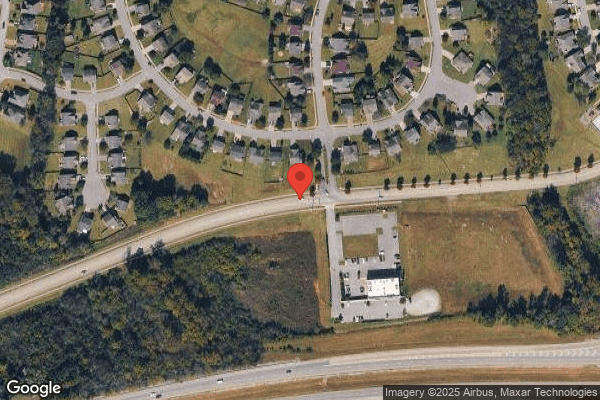

2000 RESERVE BOULEVARD, SPRING HILL, TN 37174 (931) 486-4200
Non profit - Church related 68 Beds Independent Data: November 2025
Trust Grade
90/100
#45 of 298 in TN
Last Inspection: June 2021

Over 2 years since last inspection. Current conditions may differ from available data.

Overview

The Reserve at Spring Hill has received a Trust Grade of A, indicating it is an excellent facility and highly recommended for families considering options. It ranks #45 out of 298 nursing homes in Tennessee, placing it in the top half, and #2 out of 6 in Maury County, meaning there is only one better local option. The facility's trend is improving, as it has reduced issues from 1 in 2020 to none in 2021. However, staffing is a weakness, with a low rating of 1 out of 5 stars, despite having a remarkable 0% turnover rate, suggesting that while staff stays long-term, there may not be enough staff on hand. Furthermore, inspector findings noted that food was not served at appropriate temperatures and some food items were outdated and unlabeled, raising concerns about food safety; additionally, a resident's comfort for sleep was not adequately addressed according to their care plan. Overall, while the facility boasts strong ratings in health and quality measures, families should weigh these strengths against the staffing issues and specific concerns raised during inspections.

Trust Score
A
90/100
In Tennessee
#45/298
Top 15%
Safety Record
Low Risk
No red flags
Inspections
Getting Better
1 → 0 violations
Staff Stability
○ Average
Turnover data not reported for this facility.
Penalties
✓ Good
No fines on record. Clean compliance history, better than most Tennessee facilities.
Skilled Nurses
○ Average
RN staffing data not reported for this facility.
Violations
○ Average
9 deficiencies on record. Average for a facility this size. Mostly minor or procedural issues.
★★★★★
5.0
Overall Rating
★☆☆☆☆
1.0
Staff Levels
★★★★★
5.0
Care Quality
★★★★★
5.0
Inspection Score
Stable
2020: 1 issues
2021: 0 issues

The Good

  • 5-Star Quality Measures · Strong clinical quality outcomes
  • Full Sprinkler Coverage · Fire safety systems throughout facility
  • No fines on record

Facility shows strength in quality measures, fire safety.

The Bad

No Significant Concerns Identified

This facility shows no red flags. Among Tennessee's 100 nursing homes, only 0% achieve this.

The Ugly 9 deficiencies on record

Mar 2020 1 deficiency
CONCERN (F)

Potential for Harm - no one hurt, but risky conditions existed

Food Safety (Tag F0812)

Could have caused harm · This affected most or all residents

Based on policy review, observation, and interview, the facility failed to ensure food was served under sanitary conditions as evidenced by inappropriate tray line serving temperatures. The facility h...

Read full inspector narrative →
Based on policy review, observation, and interview, the facility failed to ensure food was served under sanitary conditions as evidenced by inappropriate tray line serving temperatures. The facility had a census of 26 residents and 26 residents received a meal tray from the kitchen. The findings include: 1. Review of the facility's policy titled, Food Temperatures, dated 5/21/2012, showed, .hot foods items may not fall below 135 [symbol for degrees] F [Fahrenheit] after cooking .and reheated to at least 165 [symbol for degrees] F prior to serving .All cold food items must be maintained and served at a temperature of 41 [symbol for degrees] F or below . Observation in the Kitchen on 3/2/2020 at 12:05 PM, showed the following: A. Mechanical veal (meat extracted from the bone for a smoother texture) at 108 degrees F and reheated with a result of 145 degrees F. B. Three bean salad at 60 degrees F and returned to the cooler with a result of 48 degrees F. During an interview conducted on 2/2/2020 at approximately 12:15 PM, the [NAME] confirmed that the holding temperature for hot food should be 135 degrees Fahrenheit and once reheated, it should be maintained at 165 degrees Fahrenheit or greater. The [NAME] confirmed that the holding temperature for cold food should be 41 degrees Fahrenheit or below at all times.
Apr 2019 8 deficiencies
CONCERN (D)

Potential for Harm - no one hurt, but risky conditions existed

Deficiency F0558 (Tag F0558)

Could have caused harm · This affected 1 resident

**NOTE- TERMS IN BRACKETS HAVE BEEN EDITED TO PROTECT CONFIDENTIALITY** Based on medical record review, observation, and interview, the facility failed to provide reasonable accommodations to promote...

Read full inspector narrative →
**NOTE- TERMS IN BRACKETS HAVE BEEN EDITED TO PROTECT CONFIDENTIALITY** Based on medical record review, observation, and interview, the facility failed to provide reasonable accommodations to promote comfortable sleep for 1 of 16 (Resident #23) sampled residents reviewed. The findings include: Medical record review revealed Resident #23 was admitted to the facility on [DATE] with diagnoses of Generalized Muscle Weakness, Ataxic Gait, Dementia, Benign Neoplasm of Cerebral Meninges, Atrial Fibrillation, Hypertension, and Bladder Cancer. Review of the admission Minimum Data Set (MDS) dated [DATE] revealed Resident #23 had moderate cognitive impairment and required staff assistance for all activities of daily living. The Care Plan dated 3/13/19 documented, .Sleep Disturbance: risk for disturbed sleep pattern related to history of insomnia and sundowning .Approach .Observe for pain and provide .positioning as needed .Provide comfortable environment to promote sleep . Review of the facility's grievance log for 2019 revealed no documentation of Resident #23's complaint about his bed. Observations of Resident #23 in his room on 4/8/19 at 10:44 AM, 11:52 AM, and 2:22 PM, and on 4/9/19 at 8:56 AM, 11:42 AM, and 3:23 PM, revealed Resident #23 seated in his recliner at the bedside. Interview with Resident #23 on 4/8/19 at 11:58 AM, in his room, Resident #23 stated he sleeps in his recliner. Resident #23 was asked why he did not sleep in his bed. Resident #23 stated, There's a rod or something across there [underneath mattress] that hurts my back . Interview with Registered Nurse (RN) #1 on 4/10/19 at 7:40 AM, in the 200 Hall, RN #1 was asked if she knew why Resident #23 slept in his recliner instead of his bed. RN #1 stated, Yes .on the bed there's a bar that runs across it by the hinge, and it hurts his back . Interview with the Clinical Director on 4/10/19 at 2:13 PM, in the Conference Room, the Clinical Director was asked what she would expect staff to do if a resident was unable to sleep in his bed because it caused him pain. The Clinical Director stated, They should've notified us so maybe we could do something different with the mattress or check to see what the reason is .It would be better to be fix the issue. Interview with Certified Nursing Assistant (CNA) #1 on 4/10/19 at 3:00 PM, in the 200 Hall, CNA #1 was asked if she was aware of the problem Resident #23 had with his bed. CNA #1 stated, Yes ma'am. He has been sleeping in his recliner.
CONCERN (D)

Potential for Harm - no one hurt, but risky conditions existed

Transfer Notice (Tag F0623)

Could have caused harm · This affected 1 resident

**NOTE- TERMS IN BRACKETS HAVE BEEN EDITED TO PROTECT CONFIDENTIALITY** Based on policy review, medical record review, and interview, the facility failed to notify the Ombudsman of a transfer for 1 of...

Read full inspector narrative →
**NOTE- TERMS IN BRACKETS HAVE BEEN EDITED TO PROTECT CONFIDENTIALITY** Based on policy review, medical record review, and interview, the facility failed to notify the Ombudsman of a transfer for 1 of 4 (Resident #28) sampled residents reviewed for transfer/discharge requirements. The findings include: The facility's Notice of Transfer of Discharge policy dated 10/9/17 documented, .Copies of notices for emergency transfers must also still be sent to the ombudsman . Medical record review revealed Resident #28 was admitted to the facility on [DATE] with diagnoses of Fracture of Neck and Right Femur, Emphysema, Chronic Obstructive Pulmonary Disease, and Chronic Respiratory Failure with Hypoxia. The Resident Progress Note dated 1/11/19 documented, .dr [doctor] called at 0925 .take her [Resident #28] to ER [Emergency Room] . The facility was unable to provide documentation that the Ombudsman had been notified of Resident #28's transfer to the hospital on 1/11/19. Interview with the Chief Nursing Officer (CNO) on 4/10/19 at 3:40 PM, in the Conference Room, the CNO was asked should the Ombudsman have been notified of Resident #28's transfer to the hospital. The Chief Nursing Officer stated, Yes.
CONCERN (D)

Potential for Harm - no one hurt, but risky conditions existed

Deficiency F0657 (Tag F0657)

Could have caused harm · This affected 1 resident

**NOTE- TERMS IN BRACKETS HAVE BEEN EDITED TO PROTECT CONFIDENTIALITY** Based on medical record review and interview, the facility failed to revise a care plan related to significant weight loss for 1...

Read full inspector narrative →
**NOTE- TERMS IN BRACKETS HAVE BEEN EDITED TO PROTECT CONFIDENTIALITY** Based on medical record review and interview, the facility failed to revise a care plan related to significant weight loss for 1 of 18 (Resident #128) sampled residents reviewed. The findings include: 1. Medical record review revealed Resident #128 was admitted to the facility on [DATE] with diagnoses of Cerebral Infarction, Hypocalcemia, Diabetes, Chronic Kidney Disease, Muscle Weakness, Cognitive Communication Deficit, Dementia, and Pain. A Nutrition Observation note dated 4/5/19 documented, .Weight loss r/t [related to] recent hospital stay, diuresed in hospital .11% [percent] x [times] 30d [days], 7.6% loss upon readmit .Will proceed to care plan related to nutrition risk d/t [due to] therapeutic diet and recent weight loss . Review of the comprehensive Care Plan dated 2/28/19 did not reflect Resident #128's significant weight loss. Telephone interview with the Registered Dietitian (RD) on 4/9/19 at 4:23 PM, the RD was asked if the comprehensive Care Plan should reflect Resident #128's significant weight loss. The RD stated, Yes . The RD was asked whose responsibility it was to ensure the care plan reflected the recent weight loss. The RD stated, Mine I usually go and check the care plan .that's my fault . Interview with the Clinical Director on 4/9/19 at 4:47 PM, in the Conference Room, the Clinical Director was asked if Resident #128's Care Plan should reflect her significant weight loss. The Clinical Director confirmed that the care plan should reflect significant weight loss.
CONCERN (D)

Potential for Harm - no one hurt, but risky conditions existed

Accident Prevention (Tag F0689)

Could have caused harm · This affected 1 resident

**NOTE- TERMS IN BRACKETS HAVE BEEN EDITED TO PROTECT CONFIDENTIALITY** Based on policy review, medical record review, and interview, the facility failed to follow their policy for fall management by ...

Read full inspector narrative →
**NOTE- TERMS IN BRACKETS HAVE BEEN EDITED TO PROTECT CONFIDENTIALITY** Based on policy review, medical record review, and interview, the facility failed to follow their policy for fall management by not completing a fall investigation for 1 of 3 (Resident #127) sampled residents reviewed for falls. The findings include: 1. The facility's Fall Management policy dated 6/25/17 documented, .Fall prevention is achieved through an interdisciplinary approach of managing risk factors and implementing appropriate interventions to reduce risk for falls .Begin fact finding and complete a post-fall huddle to explore contributing factors .Complete a fall risk observation to identify any causes that may have contributed to the fall .Complete a root cause analysis .determine an intervention based on the root cause . 2. Medical record review revealed Resident #127 was admitted to the facility on [DATE] with diagnoses of Hemiplegia Affecting Left Nondominant Side, Intracerebral Hemorrhage, History of Transient Ischemic Attack, Osteoarthritis, Hypertension, Muscle Weakness, Ataxic Gait, and Cognitive Communication Deficit. The Resident Progress Notes dated 3/27/19 documented, .Resident slid off the bed .last night, resident was reportedly discovered supine adjacent to his bed . Review of the Care Plan dated 4/2/19 revealed Resident #127 was at risk for falls. Interview with the Clinical Director on 4/10/19 at 8:44 AM, in the Conference Room, the Clinical Director was asked to explain their process when a resident falls. The Clinical Director stated, When a fall occurs, the nurse is supposed to put an event in the computer which triggers us to begin the fall investigation .There was not an event entered in the computer for that fall on 3/26/19 . The Clinical Director was asked if a fall investigation was completed for this fall. The Clinical Director stated, No. The Clinical Director was asked if a fall investigation should have been completed. The Clinical Director confirmed a fall investigation should have been completed.
CONCERN (D)

Potential for Harm - no one hurt, but risky conditions existed

Respiratory Care (Tag F0695)

Could have caused harm · This affected 1 resident

**NOTE- TERMS IN BRACKETS HAVE BEEN EDITED TO PROTECT CONFIDENTIALITY** Based on medical record review, observation, and interview, the facility failed to follow the physician's orders for oxygen use ...

Read full inspector narrative →
**NOTE- TERMS IN BRACKETS HAVE BEEN EDITED TO PROTECT CONFIDENTIALITY** Based on medical record review, observation, and interview, the facility failed to follow the physician's orders for oxygen use for 1 of 1 (Resident #78) sampled residents reviewed for respiratory problems. The findings include: Medical record review revealed Resident #78 was admitted to the facility on [DATE] with diagnoses of Pneumonia, Chronic Obstructive Pulmonary Disease, Pulmonary Fibrosis, Iron-Deficiency Anemia, Dyspnea, Generalized Muscle Weakness, Pain, Hypertension, and Allergic Rhinitis. Review of the admission Minimum Data Set (MDS) dated [DATE] revealed Resident #78 had an active diagnosis of Pneumonia and used oxygen. Review of the Care Plan dated 4/5/19 revealed staff was to provide oxygen as ordered. The Physician's Orders dated 2/21/19 documented, .Oxygen at 2 liter/minute via [by way of] (nasal cannula using concentrator) . The hospital physician's Progress Notes dated 4/7/19 documented, .admission to [Named Hospital] on 3/28/19 for acute dyspnea .Was admitted to the intensive care unit .was diuresed 10 kg [kilograms] of fluid and weaned down to 2 liters of O2 [oxygen] . Review of the Nursing Progress Notes revealed the resident was wearing 3 liters (L) of oxygen on the following dates: 3/1/19, 3/2/19, 3/3/19, 3/16/19, 3/17/19, 3/18/19, 3/19/19, 3/20/19, 3/21/19, 3/22/19, 3/23/19, 3/24/19, 3/25/19, 4/5/19, 4/6/19, 4/7/19, 4/8/19, 4/9/19, and 4/10/19. Review of the Nursing Progress Notes revealed the resident was wearing 4 L of oxygen on the following dates: 3/4/19, 3/5/19, 3/6/19, 3/7/19, 3/8/19, 3/9/19, 3/10/19, 3/11/19, 3/13/19, and 3/28/19. The Nursing Progress Notes dated 3/12/19 documented, .O2 sats [saturations] 89% [percent] and had pt [patient] close her mouth and breath [breathe] through her nose and it came up to 97% on her 3 liters O2 by nasal cannula . The Nursing Progress Notes dated 3/14/19 documented, .Nursing decreased the resident's oxygen from 4L to 3L today . The Nursing Progress Notes dated 3/15/19 documented, .Nursing decreased the resident's oxygen from 3L to 2L today . The Nursing Progress Notes dated 3/27/19 documented, .on 3L oxygen via nasal cannula .Nurse turned the oxygen up to 4L of O2 .Nurse then turned the oxygen up to 5L O2 .Nurse left the oxygen at 5L for a few minutes and then turned it back down to 4L . Observations in Resident #78's room on 4/8/19 at 2:24 PM, 4/9/19 at 11:42 AM, and 4/10/19 at 8:03 AM and 9:51 AM, revealed Resident #78 wearing oxygen at 3 liters per minute via nasal cannula. Interview with Registered Nurse (RN) #1 on 4/10/19 at 9:51 AM, in Resident #78's room, RN #1 confirmed Resident #78's oxygen flow rate was on 3 liters per minute. Interview with the Clinical Director on 4/10/19 at 2:16 PM, in the Conference Room, the Clinical Director was asked if it was acceptable for nurses to increase oxygen flow rates without a physician's order. The Clinical Director stated, No. They should be getting a physician's order.
CONCERN (D)

Potential for Harm - no one hurt, but risky conditions existed

Deficiency F0761 (Tag F0761)

Could have caused harm · This affected 1 resident

Based on policy review, observation, and interview, the facility failed to ensure medications were securely locked and inaccessible to residents, unauthorized staff, and visitors in 1 of 4 (East Medic...

Read full inspector narrative →
Based on policy review, observation, and interview, the facility failed to ensure medications were securely locked and inaccessible to residents, unauthorized staff, and visitors in 1 of 4 (East Medication Cart) medication storage areas. The findings include: The facility's MEDICATION STORAGE IN THE FACILITY policy dated 1/1/18 documented, .Only licensed nurses, pharmacy personnel, and those lawfully authorized to administer medications .permitted to access medications. Medication rooms, carts, and medication supplies are locked when not attended by persons with authorized access . Observations in the 100 Hall on 4/9/19 at 12:34 PM, revealed Registered Nurse (RN) #2 left the medication cart unlocked, entered a resident's room, and closed the door. Interview with RN #2 on 4/9/19 at 12:38 PM, in the 100 Hall, RN #2 confirmed that she left the medication cart unlocked. Interview with the Clinical Director on 4/10/19 at 2:19 PM, in the Conference Room, the Clinical Director was asked if it was acceptable for the nurse to leave the medication cart unlocked when she went in a room and closed the door. The Clinical Director stated, No.
CONCERN (D)

Potential for Harm - no one hurt, but risky conditions existed

Infection Control (Tag F0880)

Could have caused harm · This affected 1 resident

**NOTE- TERMS IN BRACKETS HAVE BEEN EDITED TO PROTECT CONFIDENTIALITY** Based on medical record review, observation, and interview, the facility failed to store tube feeding equipment in a sanitary ma...

Read full inspector narrative →
**NOTE- TERMS IN BRACKETS HAVE BEEN EDITED TO PROTECT CONFIDENTIALITY** Based on medical record review, observation, and interview, the facility failed to store tube feeding equipment in a sanitary manner for 1 of 1(Resident #22) sampled residents reviewed receiving tube feedings. The findings include: Medical record review revealed Resident #22 was admitted to the facility on [DATE] with diagnoses of Amyotrophic Lateral Sclerosis, Renal Agenesis, and Dysphagia. The physician's order dated 3/12/19 documented, Enteral feeding . Observations on 4/8/19 at 11:29 AM, 2:00 PM, and 4:15 PM, revealed a white towel across the night stand table with a Bard Button Device and 60 cc (cubic centimeters) syringe laid on the towel. Interview with the Clinical Director on 4/9/19 at 4:08 PM, in the Conference Room, the Clinical Director was asked how should the syringe and Bard Button Device for enteral feeding be stored. The Clinical Director stated, The container that it comes in or a plastic bag. The Clinical Director was asked is it appropriate for the syringe and Bard Button Device to be laid out on a white towel on the side table. The Clinical Director stated, No.
CONCERN (F)

Potential for Harm - no one hurt, but risky conditions existed

Food Safety (Tag F0812)

Could have caused harm · This affected most or all residents

Based on policy review, observation, and interview, the facility failed to ensure food was stored, prepared, and served under sanitary conditions as evidenced by outdated food items, unlabeled and und...

Read full inspector narrative →
Based on policy review, observation, and interview, the facility failed to ensure food was stored, prepared, and served under sanitary conditions as evidenced by outdated food items, unlabeled and undated food items. The facility had a census of 21 with 20 of those residents receiving food items from the nourishment refrigerator. The findings include: 1. The facility's FOOD STORAGE policy dated 6/18/12 documented, .Date marking to indicate the date or day by which .food should be consumed .discarded .will be visible on all .food .All foods should be covered, labeled and dated .will be consumed by their safe use by dates .or discarded .check refrigerators daily to verify that foods are date marked and that food exceeding the 7-day time period are not being used or stored .REMEMBER: WHEN IN DOUBT, THROW IT OUT . 2. The facility's Kitchenettes and Pantries policy dated 2/5/12 documented .Rotate stock and remove outdated (including undated) items . Observations in the Ice Cream Parlor on 4/8/19 at 11:33 AM, revealed the following: (a) a bottle of nectar thick and clear with two dates on it, 1/21 and 2/27/19 (b) a resident's water pitcher with a light pink liquid with no name and date (c) a bottle of prune juice dated 2/25 (d) a pitcher of tea dated 3/24/19 Interview with the Culinary Director on 4/10/19 at 1:35 PM, in the Conference Room, the Culinary Director was asked should the bottle of nectar thick liquid with two dates of 1/21 and 2/27/19 have been discarded. The Culinary Director stated, 1/21 is when I received it, the 2/27/19 is the date it was opened . The Culinary Director was asked should the resident's water pitcher with a light pink liquid have been labeled and dated. The Culinary Director stated, Yes . The Culinary Director was asked should the bottle of prune juice dated 2/25 have been discarded. The Culinary Director stated, .2/25 was the date we received it in the kitchen. The Culinary Director was asked if the 2/25 date was the day it was opened. The Culinary Director stated, How do I know. The Culinary Director was asked should it be discarded. The Culinary Director stated, It should be discarded in 3 days. The Culinary Director was asked should the pitcher of tea dated 3/24/19 have been discarded. The Culinary Director stated, .it doesn't expire.
Understanding Severity Codes (click to expand)
Life-Threatening (Immediate Jeopardy)
J - Isolated K - Pattern L - Widespread
Actual Harm
G - Isolated H - Pattern I - Widespread
Potential for Harm
D - Isolated E - Pattern F - Widespread
No Harm (Minor)
A - Isolated B - Pattern C - Widespread

Questions to Ask on Your Visit

  • "Can I speak with families of current residents?"
  • "What's your RN coverage like on weekends and overnight?"

Our Honest Assessment

Strengths
  • • Grade A (90/100). Above average facility, better than most options in Tennessee.
  • • No major safety red flags. No abuse findings, life-threatening violations, or SFF status.
  • • No fines on record. Clean compliance history, better than most Tennessee facilities.
Concerns
  • • No significant concerns identified. This facility shows no red flags across CMS ratings, staff turnover, or federal penalties.
Bottom line: Generally positive indicators. Standard due diligence and a personal visit recommended.

About This Facility

What is The Reserve At Spring Hill's CMS Rating?

CMS assigns THE RESERVE AT SPRING HILL an overall rating of 5 out of 5 stars, which is considered much above average nationally. Within Tennessee, this rating places the facility higher than 99% of the state's 100 nursing homes. This rating reflects solid performance across the metrics CMS uses to evaluate nursing home quality.
How is The Reserve At Spring Hill Staffed?

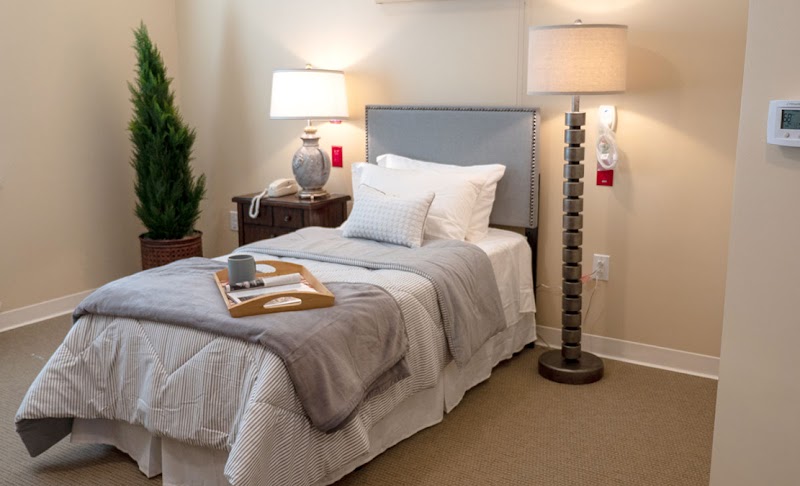
CMS rates THE RESERVE AT SPRING HILL's staffing level at 1 out of 5 stars, which is much below average compared to other nursing homes.

What Have Inspectors Found at The Reserve At Spring Hill?

State health inspectors documented 9 deficiencies at THE RESERVE AT SPRING HILL during 2019 to 2020. These included: 9 with potential for harm.
Who Owns and Operates The Reserve At Spring Hill?

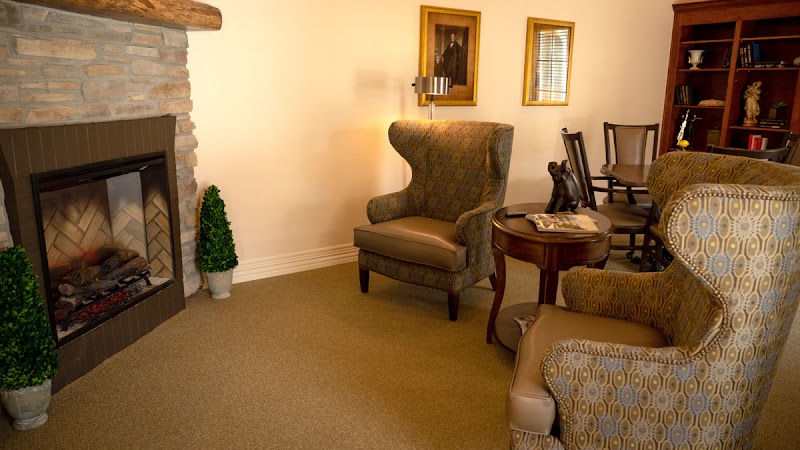
THE RESERVE AT SPRING HILL is owned by a non-profit organization. Non-profit facilities reinvest revenue into operations rather than distributing to shareholders. The facility operates independently rather than as part of a larger chain. With 68 certified beds and approximately 49 residents (about 72% occupancy), it is a smaller facility located in SPRING HILL, Tennessee.
How Does The Reserve At Spring Hill Compare to Other Tennessee Nursing Homes?

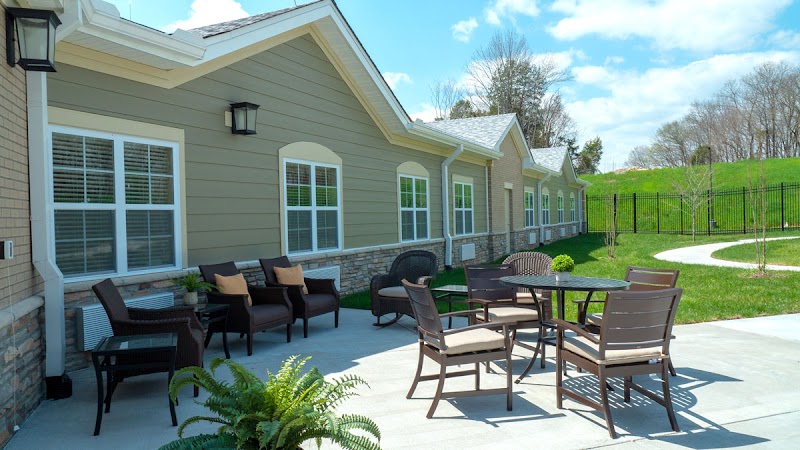
Compared to the 100 nursing homes in Tennessee, THE RESERVE AT SPRING HILL's overall rating (5 stars) is above the state average of 2.9 and health inspection rating (5 stars) is much above the national benchmark.

What Should Families Ask When Visiting The Reserve At Spring Hill?

Based on this facility's data, families visiting should ask: "Can you walk me through typical staffing levels on day, evening, and night shifts?" "Can I visit during a mealtime to observe dining assistance and food quality?" "How do you handle medical emergencies, and what is your hospital transfer rate?" "Can I speak with family members of current residents about their experience?" These questions are particularly relevant given the below-average staffing rating.

Is The Reserve At Spring Hill Safe?

Based on CMS inspection data, THE RESERVE AT SPRING HILL has a clean safety record: no substantiated abuse findings (meaning no confirmed cases of resident harm), no Immediate Jeopardy citations (the most serious violation level indicating risk of serious injury or death), and is not on the Special Focus Facility watch list (a federal program monitoring the lowest-performing 1% of nursing homes). The facility has a 5-star overall rating and ranks #1 of 100 nursing homes in Tennessee. While no facility is perfect, families should still ask about staff-to-resident ratios and recent inspection results during their visit.

Do Nurses at The Reserve At Spring Hill Stick Around?

THE RESERVE AT SPRING HILL has not reported staff turnover data to CMS. Staff turnover matters because consistent caregivers learn residents' individual needs, medications, and preferences. When staff frequently change, this institutional knowledge is lost. Families should ask the facility directly about their staff retention rates and average employee tenure.

Was The Reserve At Spring Hill Ever Fined?

THE RESERVE AT SPRING HILL has no federal fines on record. CMS issues fines when nursing homes fail to meet care standards or don't correct problems found during inspections. The absence of fines suggests the facility has either maintained compliance or corrected any issues before penalties were assessed. This is a positive indicator, though families should still review recent inspection reports for the full picture.

Is The Reserve At Spring Hill on Any Federal Watch List?

THE RESERVE AT SPRING HILL is not on any federal watch list. The most significant is the Special Focus Facility (SFF) program, which identifies the bottom 1% of nursing homes nationally based on persistent, serious quality problems. Not being on this list means the facility has avoided the pattern of deficiencies that triggers enhanced federal oversight. This is a positive indicator, though families should still review the facility's inspection history directly.