NHC HEALTHCARE, SPRINGFIELD

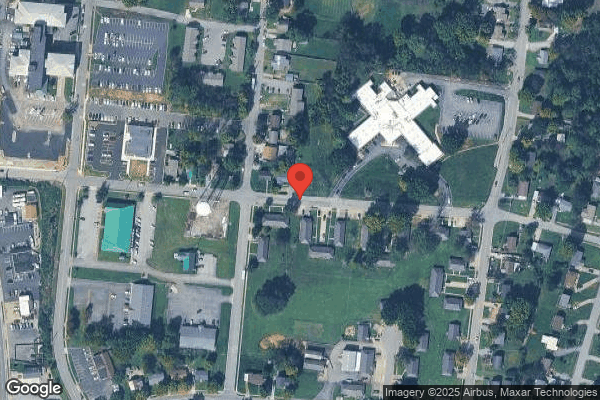
608 8TH AVE EAST, SPRINGFIELD, TN 37172 (615) 384-8453
For profit - Corporation 107 Beds NATIONAL HEALTHCARE CORPORATION Data: November 2025 1 Immediate Jeopardy citation
Trust Grade
18/100
#270 of 298 in TN
Last Inspection: September 2024

Within standard 12-15 month inspection cycle. Federal law requires annual inspections.

Overview

NHC Healthcare in Springfield, Tennessee, has a Trust Grade of F, indicating serious concerns about the quality of care provided. It ranks #270 out of 298 facilities in the state, placing it in the bottom half for Tennessee, and #3 out of 3 in Robertson County, meaning there are no better local options. The facility is showing some signs of improvement, with the number of reported issues decreasing from 7 in 2024 to 4 in 2025. Staffing is a weakness, rated at 2 out of 5 stars with a turnover rate of 54%, which is average but concerning as it suggests instability in care. Notably, there were critical incidents, including a resident being sexually assaulted by another resident and another resident suffering a serious injury due to inadequate staff training, highlighting significant safety and care concerns. While there have been no fines reported, the overall environment and care quality have raised serious flags for potential residents and their families.

Trust Score
F
18/100
In Tennessee
#270/298
Bottom 10%
Safety Record
High Risk
Review needed
Inspections
Getting Better
7 → 4 violations
Staff Stability
⚠ Watch
54% turnover. Above average. Higher turnover means staff may not know residents' routines.
Penalties
✓ Good
No fines on record. Clean compliance history, better than most Tennessee facilities.
Skilled Nurses
○ Average
Each resident gets 31 minutes of Registered Nurse (RN) attention daily — about average for Tennessee. RNs are the most trained staff who monitor for health changes.
Violations
⚠ Watch
12 deficiencies on record. Higher than average. Multiple issues found across inspections.
★☆☆☆☆
1.0
Overall Rating
★★☆☆☆
2.0
Staff Levels
★★★★☆
4.0
Care Quality
★☆☆☆☆
1.0
Inspection Score
Stable
2024: 7 issues
2025: 4 issues

The Good

  • 4-Star Quality Measures · Strong clinical quality outcomes
  • Full Sprinkler Coverage · Fire safety systems throughout facility
  • No fines on record

Facility shows strength in quality measures, fire safety.

The Bad

1-Star Overall Rating

Below Tennessee average (2.8)

Significant quality concerns identified by CMS

Staff Turnover: 54%

Near Tennessee avg (46%)

Higher turnover may affect care consistency

Chain: NATIONAL HEALTHCARE CORPORATION

Part of a multi-facility chain

Ask about local staffing decisions and management

The Ugly 12 deficiencies on record

1 life-threatening 1 actual harm
Sept 2025 4 deficiencies 1 IJ
CRITICAL (J) 📢 Someone Reported This

A family member, employee, or ombudsman was alarmed enough to file a formal complaint

Immediate Jeopardy (IJ) - the most serious Medicare violation

Free from Abuse/Neglect (Tag F0600)

Someone could have died · This affected 1 resident

**NOTE- TERMS IN BRACKETS HAVE BEEN EDITED TO PROTECT CONFIDENTIALITY** Based on facility policy review, medical record review, observation and interview, the facility failed to protect the residents'...

Read full inspector narrative →
**NOTE- TERMS IN BRACKETS HAVE BEEN EDITED TO PROTECT CONFIDENTIALITY** Based on facility policy review, medical record review, observation and interview, the facility failed to protect the residents' right to be free from sexual abuse by another resident for 3 of 6 (Resident #1, Resident #6, and Resident #9) sampled residents reviewed for abuse. At an unknown date and time between [DATE] - [DATE], Resident #1 who was severely cognitively impaired was sexually assaulted by Resident #6. Resident #6 who was moderately cognitively impaired was found naked from the waist down and had climbed into his roommate's bed (Resident #1) and attempted sexual intercourse. Certified Nursing Assistant (CNA) C observed that the lights were off, the curtain was pulled between A and B bed, and Resident #6 was on top of Resident #1 (B bed). CNA C screamed for assistance. Licensed Practical Nurse (LPN) A and CNA K arrived to assist CNA C. It took the 3 staff members to remove Resident #6 off Resident #1. Resident #6 remained in the facility without any documented supervision until his discharge on [DATE] at 11:03 AM. On [DATE], Resident #9, who had a BIMS of 15, reported to Family Member (FM) O while she was visiting the facility, that Visitor P had touched her inappropriately. Resident #9 reported Visitor P leaned in for a kiss and grabbed her breast. Resident #9 reported Visitor P had touched her inappropriately every Monday, Wednesday, and Friday during bingo activity. FM O contacted a family friend (Named Lieutenant #1) who contacted Visitor P, who admitted to touching and sexually assaulting Resident #9. Immediate Jeopardy (IJ) (a situation in which the provider's noncompliance with one or more requirements of participation has caused, or is likely to cause, serious injury, harm, impairment, or death to a resident) was identified related to the facility's failure to perform a thorough investigation related to Resident #1's sexual abuse, placed all residents at risk. The facility's failure to adequately supervise and manage Resident #6's sexual behaviors put Resident #1 and other vulnerable residents at risk for serious harm, serious injury, serious impairment, or death. The facility's failure to protect Resident #9 from sexual abuse resulted in sadness and anxiety. The facility's failure to recognize and evaluate Visitor P's continued visits and inappropriate touching placed all residents at risk for serious harm, serious impairment, or death. The Regional Administrator and the Director of Nursing (DON) were notified of the Immediate Jeopardy for F-600 on [DATE] at 2:48 PM, in the Conference room. The facility was cited at F-600 at a scope and severity of J, which constitutes Substandard Quality of Care. A partial extended survey was conducted from [DATE] through [DATE]. An acceptable Removal Plan, which removes the immediacy of the Jeopardy for F-600 was received on [DATE]. The Removal Plan was validated onsite by the surveyor on [DATE] through audit review, medical record review, observation, review of education records, and staff interviews. The IJ began on [DATE] and was removed on [DATE]. The facility's noncompliance at F-600 continues at a scope and severity of D for monitoring of the effectiveness of the corrective actions. The facility is required to submit a Plan of Correction. The findings include: 1. Review of the facility policy titled, Patient Protection and Response Policy for Allegation/Incidents of Abuse, Neglect, Misappropriation of Property and Exploitation, dated [DATE], revealed .Abuse.will not be tolerated by anyone, including staff, patients.friends, visitors or any other individual in this center. The patient has the right to be free from abuse.Abuse.the willful infliction of injury, unreasonable confinement, intimidation.Sexual Abuse.non-consensual sexual contact of any type with a patient that includes but is not limited to, sexual harassment, sexual coercion, or sexual assault.The center [facility] will provide supervision and support services designed to reduce the likelihood of abusive behaviors.All supervisory partners who receive reports of and/or identify inappropriate behaviors will take immediate steps to correct such behaviors.The right to report a concern or incident is not limited to a formal, written grievance process but includes any verbalized complaint to any center partner.The center will not retaliate against any partner who makes a report.Patients with needs and behaviors that might lead to conflict with partners or other patients will be identified by the Care Planning team, with interventions and follow through designed to minimize the risk of conflict.Identification of patients whose personal histories render them at risk for abusing other patients or partners.Assessment of appropriate intervention strategies to prevent occurrences.Any patient event that is reported to any partner by patient, family, other partner or any other person will be considered an allegation of.abuse.Any complaint of sexual harassment, sexual coercion, sexual assault, or inappropriate touching.Any partner having either direct or indirect knowledge of any event that might constitute abuse.must report the event immediately.not later than 2 hours after forming the suspicion if the events that cause the suspicion involve abuse.It is the policy of this facility that abuse allegation.are reported per Federal and State Law.The Administrator or Director of Nurses will determine the direction of the investigation once notified of alleged incident.The investigation is conducted immediately under the following circumstances.When it is identified that an alleged incident may have occurred.As soon as any partner has knowledge and reports an alleged event.When there is a question as to whether to conduct an investigation, it is best to do so.The results of all investigations will be completed within five working days of the incident.Staff will respond immediately to protect the alleged victim.Any individual found to be in danger of injury will be removed from the source of the suspected abusive behavior including but not limited to room or staffing changes.to protect the patient(s) from the alleged perpetrator.Medical and emotional support will be made immediately available to any individual suffering.alleged abuse.Examining the alleged victim.physical examination or psychosocial assessment if needed.alleged sexual abuse.evaluation of whether the patient has the capacity to consent to the sexual activity.Increased supervision of the alleged victim and patients. 2. Review of the medical record revealed Resident #1 was admitted to the facility on [DATE], with diagnoses which included Dementia, Delirium, Paroxysmal Atrial Fibrillation, Blindness (left eye), and Adult Failure to Thrive. Review of the admission Minimum Data Set (MDS) dated [DATE], revealed Resident #1 had severe visual impairment, and poor short-term and long-term memory. Resident #1 required substantial/maximal assistance with toileting, shower/bathing, dressing, and bed mobility. Review of the Progress Notes dated [DATE], revealed .6:40 AM Resident's wife.notified of incident. [Resident's wife] Will come in this AM, to check on him. MD [Medical Director] and management staff notified as, well. Review of the Progress Notes revealed no physical assessment or notes for Resident #1 related to an incident on [DATE]. Review of the Census revealed Resident #1 had a room change on [DATE] at 8:21 AM. 3. Review of the medical record revealed Resident #6 was admitted to the facility on [DATE], with diagnoses which included Diabetes Mellitus, Dementia, Traumatic Brain Injury (TBI), and Schizoaffective disorder. Review of the Physician's order for Resident #6 dated [DATE], for Resident #6 revealed an order to record behaviors and interventions in care assist resident tasks every shift, day and night. Review of the Psychiatric Progress Note for Resident #6 dated [DATE], revealed .Others observed [Named Resident #6] displaying a suspicious demeanor and other signs of paranoid process .He has verbalized some grandiose ideas regarding his finances .He moved rooms today due to conflicts with his roommate. He reports a verbal altercation with his previous roommate .Increase Zyprexa [antipsychotic medication used to treat mental health conditions such as Schizophrenia] . Review of the Resident Orders for Resident #6 dated [DATE], revealed an active order for wanderguard [a device to monitor and prevent at risk residents from wandering out of designated areas] placed to left ankle and inspect skin under wanderguard every shift day and night. Review of the quarterly MDS assessment dated [DATE], revealed Resident #6 had a BIMS score of 9, which indicated moderate cognitive impairment. Resident #6 had physical behaviors toward others on 1-3 days of the assessment period. Resident #6 required supervision with dressing, toileting, personal hygiene and could walk independently 50 feet with two turns. Review of the Progress Notes for Resident #6 dated [DATE], revealed .was more confused trying to get out through the breakroom door .He had left his walker behind .redirected only to come back a few minutes later trying to get out again . Review of the Progress Notes for Resident #6 dated [DATE], revealed a change in condition noted for exit seeking more often, increased confusion, and difficult to redirect in certain conditions. On [DATE] at 2:52 PM, the Physician was notified and gave a new order for Olanzapine (antipsychotic medication given to treat certain psychiatric disorders) 2.5 milligram (mg) every AM and psych consult on next visit. Review of a typed statement completed by the Administrator dated [DATE], revealed .DOSS [Director of Social Services] and Administrator were called on the night of [DATE] [2024] in regards to [Named Resident #6] on top of [Named Resident #1]. DOSS and Admin arrived to center after patients had been separated. Upon interviews with staff [Named Resident #1] remained asleep in bed during the entire event. [Named Resident #1] was fully clothed and had blankets on top of him. [Named Resident #6] had attempted to climb in bed with [Named Resident #1] and did not want to exit the bed, requiring multiple staff members to assist him. [Named Resident #1] was assessed and had no injuries. [Named Resident #6] was escorted to the dining room where he was notably confused. When questioned by Administrator he stated that he had not seen his roommate for several hours today and had been on the porch for most of the day. Room change was provided for [Named Resident #1] and an inpatient psych referral was sent for [Named Resident #6] . Review of an undated written statement completed by CNA C revealed, .I put [Named Resident #1] in bed cause [because] He was ready to lay down. I went to check on him to make sure he was still in bed. I knock on the door and find [Named Resident #6] on top of him. I asked him to get down off of him and he refused to get down off of him. I stay by the door hollering for the nurse to come down to the room to help me to get [Named Resident #6] off of his roommate . Review of the Progress Notes for Resident #6 completed by Social Services dated [DATE] at 10:19 PM, revealed, This staff made referrals to [Named Psychiatric Facility #1 and Psychiatric Facility #2] due to behaviors for inpatient psych evaluation. He [Resident # 6] was accepted at [Named Psychiatric Facility #2]. All needed paperwork was sent .they [Psychiatric Facility #2] is setting up transport .Nursing was given contact information to call report . Review of the Resident Orders for Resident #6 dated [DATE], revealed an order to transfer to [Named Psychiatric facility #2]. Resident #6 was discharged to Psychiatric facility #2 on [DATE]. Review of Psychiatric Facility #2's Nursing Assessment for Resident #6 dated [DATE], revealed .Pt [Patient] is A&O x2 [Alert and oriented to person and place] .independent with ADL's [Activities of Daily Living] .Pt verbalizes he lives at home alone and he was having sex and they broke in on him Review of Psychiatric Facility #2's Psychiatry Progress Note for Resident #6 dated [DATE], revealed .Patient seems very confused and has difficulty giving information. Patient is wandering into other patient's rooms. Patient was found sleeping on other patients bed . Requires frequent redirection . Resident #6 was readmitted to Facility #1 on [DATE]. Review of Resident #6's care plan revealed a focus for behaviors, at risk for complications related to Schizophrenia, Dementia, and TBI revealed an approach with start date [DATE], .Resident will have a private room . Review of the Psychiatric Progress Note for Resident #6 dated [DATE], revealed Pt [patient] was treated inpatient psych after some inappropriate behaviors that could not be redirected and was readmitted on 10-3 [[DATE]] . Review of the care plan with goal date of [DATE], revealed, .Will not exhibit inappropriate sexual behavior/comments .Will not harm self or others .Will not use abusive verbal language .thru 90-days from .last review . During an interview on [DATE] at 12:50 PM, Anonymous Staff Member M stated, .[Named Resident #6], I have witnessed him make inappropriate comments to other staff members, he will pat his private and motion for them to come to his room.the staff found him in the bed with his roommate, he also done this at the psych unit.he was not clothed.the staff made written statements and staff were asked to change the statements.his roommate wasn't very verbal, his wife would visit.he stayed in his room most of the time.Anonymous Staff Member M did not elaborate on who had asked them to change their statements. During an interview on [DATE] at 10:40 AM, the Administrator stated, .myself and the [Named DOSS] came in that night [on [DATE]] This surveyor asked the Administrator to explain what sexual abuse entails. The Administrator stated, .I would have to read the definition in the policy.I am not the abuse coordinator. The facility policy on sexual abuse was read to the Administrator. The Administrator was asked if this altercation between the 2 residents (Resident #1 and Resident #6) would be considered sexual abuse. The Administrator stated, .[Named Resident #6] had on a diaper. The Administrator was asked if she witnessed the altercation. The Administrator stated, No. The Administrator provided 2 statements (1 statement from CNA C and the other was her typed statement) related to the altercation. The Administrator stated, .I assume his [Resident #6's] intent was to get in bed.you slept with someone your entire life, then you go to a twin bed. The Administrator was asked why Resident #6 was transferred to the psych facility after this altercation. The Administrator stated, .increased behaviors, getting in his roommate's bed, increased confusion. The Administrator was asked what time this incident occurred. The Administrator stated, .I don't remember the time exactly.I don't know why the nurse didn't document [referring to charting the incident].[Named Resident #1] had a room change [after the incident] and a partner [staff member] stayed outside the doorway for [Named Resident #6]'s room.I would have to look in the computer to see what was done after he returned to the facility. The Administrator was asked why she and the DOSS came to the facility that night. The Administrator stated, .because the staff said it required more than one person to remove him [Resident #6] from the bed.I just live down the road.[Named Resident #1] could not recall anything, he was asleep during the entire event.I know we had more than those 2 pages [referring to written statements from the staff present] about the incident.[DOSS] made a referral at 10:19 PM due to his [Resident #6] continued confusion.obviously we didn't want [Named Resident #6] to continue that behavior.think the [DOSS] done [did] some extra visits with [Named Resident #1] .[Named Resident #6] was moved to a private room. The Administrator was asked how she would feel if another male got into the bed with her. The Administrator stated, .I would be surprised if it woke me up.wife [of Resident #1] never told me anything about [Named Resident #1] reporting he was raped. The Administrator was asked if she interviewed [Named Resident #1] she stated, .I remember interviewing him. Resident #1's typed interview statement was not provided to this surveyor with the 2-page investigation the Administrator presented on [DATE] at 9:30 AM. Resident #1's statement, which was typewritten questions dated [DATE] with no time or signature of who completed the question and answers, was given to this surveyor on [DATE] at 10:00 AM. During a telephone interview on [DATE] at 11:17 AM, the Psych Nurse Practitioner (NP) stated, .I see in my note [[DATE]] that I documented inappropriate behavior but I don't know what the behaviors were.[Named Resident #6] was on my regular caseload due to history of agitation, delusions, Schizophrenia, and grandiosity behaviors.I did not see [Named Resident #1] on my regular caseload. During a telephone interview on [DATE] at 11:55 AM, LPN L stated, he [Named Resident #6] climbed into bed with roommate [Named Resident #1] . During a telephone interview on [DATE] at 12:21 PM, LPN A stated, .I was called by a tech [CNA C].the CNA was in shock.she kept saying come, come.I ran to her.I saw [Resident #6] on top of him [Resident #1] humping him, he [Resident #6] was naked from waist down, I turned the light on, I was saying get off of him.he was fighting us.he elbowed me.all the nurses in the building came to help me.it took [LPN B, me and CNA C] to get him [Resident #6] off [Resident #1].he [Resident #6] had an erection.[Resident #1] had the covers pulled off of him but he had on a diaper .he was just lying there not doing anything .[Named Resident #1] was a wanderer and [Named CNA C] keeps a close eye on him to make sure he is still in the bed .we checked to see if [Resident #1] had any fluids on him and make sure his skin looked ok [Resident #6] put his pants back on .we called the Director of Nursing [DON] but she wasn't able to come out because her tires were messed up and she called the Administrator .this happened about midnight .we moved [Resident #1] to another room .I told the Administrator [Resident #6] yelled at me because I turned the light on and I didn't want him attacking someone else, are we not going to call the police and she [Administrator] said I am going to make some calls then she came back and said she will take care of it tomorrow .we all wrote statements and she [Administrator] collected all the papers .something else should have been done . LPN A stated, .I called [Resident #1]'s wife, I let her know the roommate was a little rough with her husband and gave her the new room number for her husband .I thought [Named DOSS] would discuss what happened with her .I called the other nurse [LPN B] from the other side of the building to help that night .I came back to the building the next morning and [Named Resident #6] was still in the building .I was really upset .I told [Named DOSS] aren't you the Abuse Coordinator, why is [Named Resident #6] still in the building and he said well the whole thing was exaggerated, I said ‘no, no' what kind of investigation did you do you didn't call none of us, I been home all day, get him out of here .finally he came back to me and said they [Named Psychiatric Facility #1] are going to pick him up .I felt like I [had] done what I was supposed to do . During a telephone interview on [DATE] at 12:45 PM, CNA K stated, .I was working that night .it happened around 12:10 [AM], a little after midnight .[Named CNA C] was yelling get the nurse, she couldn't leave the room .screaming hurry, hurry .I yelled for the nurse and went down to the room .[Named Resident #6] was on top of him [Resident #1] naked .he was doing it, he had an erection .it took all of us to finally get him off of him [Resident #1], he [Resident #6] was fighting us .he punched [Named LPN A] .he said I was having sex you never seen two people on top of each other .we asked the Administrator about filling out statements and she said she didn't need our statements .we will deal with that tomorrow . During an interview on [DATE] at 3:00 PM, CNA H stated, .[Named Resident #6] touched another [Named Resident #1] in a sexual way .the staff walked in and [Named Resident #6] was on top of him naked moaning and groaning .it was all the way sexual abuse and physical .[Named Resident #1] was blind .they were roommates .he [Resident #1] couldn't tell you what was going on in the moment . During a telephone interview on [DATE] at 8:18 AM, LPN B stated, .I was in a resident room, and I heard a CNA scream we need you .I go down to the room [Resident #1 and Resident #6's room] I see [Named CNA C] and [Named LPN A], [Named Resident #1] was on his back, clothed . [Named Resident #6] was naked from waist down straddling him thrusting, you could see it in his butt muscles, he had an erection .we were trying to get him off of him and he [Named Resident #6] saying turn off the lights, it took all 3 of us .fighting us .he was a big guy .he [Named Resident #1] was just lying there with eyes closed, hands across his chest, probably praying it would go away .[Named CNA K] called the DON she couldn't come but the Administrator came .I know [Named LPN A] called [Resident #1]'s wife and she [LPN A] called [Named Medical Director #1] .I thought [Named LPN A] done a note but she said the note disappeared .it was sexual abuse .I wrote a statement, I remember because it was a full page .the Administrator said we will figure this out in the morning .I never seen [Named DOSS] that night .I was never called about the incident .the police was not called . During a telephone interview on [DATE] at 10:08 AM, CNA C stated, .I witnessed it .I went down to check on [Named Resident #1] because he would wander sometimes .[Named Resident #6] was on top of him naked, I yelled to get someone down here .he [Resident #6] was humping the other man [Resident #1] .I felt so sorry for that man .the curtain was pulled between the beds .I just couldn't believe what I seen .I kept telling him get off of him, he was fighting us .very combative .the nurses helped me .[Named Resident #1] was just lying there .the nurses called the Administrator .the police wasn't called .we moved [Named Resident #1] .[Named Resident #6] didn't get sent out until the next day . During a telephone interview on [DATE] at 2:50 PM, the Intake Representative from Psychiatric Facility #2 was asked the reason Facility #1 needed an inpatient psychiatric stay for Resident #6. The Intake Representative stated, .[DOSS] made a referral related to exit seeking and increase confusion .description was left blank . On [DATE] at 3:04 PM, the Intake Representative from Psychiatric Facility #2 called this surveyor back and stated, .I found in the nursing assessment where he told the nurse, he was having sex, and someone broke in on him . During an interview on [DATE] at 12:42 PM, DOSS stated, .[Named Resident #6] got in bed with [Named Resident #1], nothing sexual .[Named Resident #6] had his clothes on .I am not sure statements were taken from [Named LPN A] .the residents were separated .immediate room change .the Administrator got the statements .I am the Abuse Coordinator .Administrator and I work on investigations together .the Administrator let me know about the incident, I made a referral to psychiatric units because he [Resident #6] was packing his clothes, wandering toward the exit doors, fixated on winning [the] lottery . DOSS was asked to review the census report, and he confirmed [Named Resident #1] changed rooms on [DATE] at 8:21 AM. DOSS was asked when the incident occurred between Resident #1 and Resident #6. He stated, .earlier part of the evening [[DATE]] . DOSS stated, .I don't know the exact time .I don't recall when the Administrator called me .behaviors documentation should be in progress notes .I don't review behavior notes .the concern was his [Resident #6]'s increase in behaviors .I told the staff I can't just drop him off, I contacted two different agencies . DOSS was asked what was put in place to protect the other residents in the facility from Resident #6. DOSS stated, .he was in a room alone .he could walk .staff was alerted to do rounds, he wasn't placed on 1 on 1 supervision .I wasn't involved in getting statements from staff . DOSS was asked to review the care plan and confirmed the sexual inappropriate behaviors [for Resident #6] were added on [DATE]. DOSS stated, .I cannot recall what his sexual inappropriate behaviors were .care plans usually added by nursing. He [Resident #6] was in a private room until he was deceased . DOSS was asked how he would feel about another person getting into bed with him. DOSS stated, .definitely uncomfortable .I didn't interview [Named Resident #1], he was interviewable, but he would say nonsensical words. He had dementia . DOSS was asked as the Abuse Coordinator what would he want to make sure happened with (Named Resident #1). DOSS stated, .make sure his psychosocial needs were met . The DOSS confirmed no progress note was completed about the incident or why [Named Resident #1] changed rooms. DOSS acknowledged the investigation should include statements from the staff who witnessed the incident, should be reported to the state in 2 hours, and a follow up investigation due on the 5th day. During an interview on [DATE] at 1:56 PM, the MDS Coordinator was asked when and why inappropriate sexual behaviors were added to Resident #6's care plan. The MDS Coordinator acknowledged inappropriate sexual behaviors was added to [Named Resident #6]'s care plan on [DATE] but was unsure if this was reported during a morning meeting or the psych provider reported these behaviors. During a telephone interview on [DATE] at 7:35 PM, LPN D was asked if she was aware of the incident between Resident #1 and Resident #6. LPN D stated, .I was working on the other side of the building and a CNA came running said [Named LPN A] needed help .I thought a code or something had happened .[Named CNA C] looked shocked .the staff was trying to get [Named Resident #6] off of his roommate, he was on top of him .he [Resident #6] was walking around the room naked after they got him off his roommate, I stayed right there with him.he was laughing and putting on his basketball shorts .[Named CNA C] was torn up about it .the staff got [Named Resident #1] up and brought him to the nurses station .[Named LPN A] made phone calls to the Administrator .I am not sure why the Abuse Coordinator didn't come out .I was never asked to write out a statement .the Administrator said ‘we will take care of it in the morning' .[Named LPN A] was upset because [Resident #6] was still on her hall .she went to the [DOSS] about it and he said the situation was exaggerated .she told him I will call the police if you don't do something .[Named Resident #6] was definitely on top of him naked and moving, took 3 people to get him off the other resident . During an interview on [DATE] at 4:00 PM, the DON reviewed the progress notes for Resident #1 and Resident #6 and acknowledged there was no incident documentation. The DON was asked if she would expect the nurse to chart a resident-to-resident altercation. The DON stated, .not always in progress notes, usually in behavior care assist [an area of electronic charting where nursing can chart behaviors] .my expectation would be documentation in the behavior care assist, CNAs and nursing can chart there .The DON acknowledged no behaviors were documented in Resident #1 and Resident #6's behavior care assist notes. During a telephone interview on [DATE] at 6:50 PM, Registered Nurse (RN) U stated, .I forwarded the times to you [Surveyor] I received a call from the facility when [Named Resident #6] was found on top of [Resident #1] and when I called the Administrator .I got the call at 12:16 AM on early morning of [DATE], and I called the Administrator right after that . The call log revealed the call to [RN U] at 12:16 AM and immediately after a call to the Administrator. During an interview on [DATE] at 1:30 PM, an anonymous Staff Member #3 stated, .I came in the next morning [[DATE]] I got report that morning from [Named CNA C] she reported [Named Resident #6] had his pants down when she found him .she was very shaken up about it . During an interview on [DATE] at 3:30 PM, the Administrator stated, .I don't know that we talked about it [Incident between Resident #1 and Resident #6] in QAPI [Quality Assurance Performance Improvement]. The Administrator was asked if behaviors were discussed with monthly QAPI meetings. She stated, .behaviors discussed in morning meetings, if they [referring to management] had knowledge of the event .One on one is not always the correct thing to do with abuse . 4.Review of the medical record revealed Resident #9 admitted to the facility on [DATE], with diagnoses which included Hypertensive Heart Disease, Heart Failure, History of falling, and Osteoarthritis. Review of the Annual MDS assessment dated [DATE], revealed Resident #9 had a BIMS score of 15, which indicated intact cognitive abilities. Review of a letter from Visitor P to Resident #9 post marked [DATE], revealed After the phone call from [Named Family Member F] I felt really bad and hurt about myself for making you feel uncomfortable with my visits .I asked God to forgive me for the things I said and done. I know I done wrong .I can't undo the past, but I ask and hope you will forgive me also . Review of the Police Incident Report Form dated [DATE] at 10:22 AM, revealed .Address of Incident: [Facility #1].Offense Number One.Sexual Battery.Offender #1.[Named Visitor P].Victim.[Named Resident #9].On.XXX[DATE] at 1017 [10:17 AM] hours, I was dispatched to [Named Facility #1].in regards to Sexual Assault between a patient and a visitor.[Named Administrator] , who advised she has a resident, [Named Resident #9] who reported being sexually assaulted.[Named Resident #9] stated it had been happening for at least the last month and a half.[Named Administrator] stated that [Named Resident #9] has had a visitor, a family friend, [Named Visitor P] visit every Monday, Wednesday, and Friday. During the times [Named Visitor P] visits, [Named Administrator] stated she was told by [Named Resident #9] that [Named Visitor P] made numerous attempts to kiss her on the mouth, touching her on the thigh and touching her breast.[Named Resident #9] is alert and oriented and is in good mental health.[Named Family Member O] advised she had a conversation with [Named Resident #9] on [DATE] at [Facility #1].[Named Resident #9] told her that she was being touched inappropriately and that [Named Visitor P] leaned in for a kiss and grabbed her breast.touched inappropriately every Monday, Wednesday, and Friday.the incident occurs at bingo also.she used to be comfortable with her living arrangement but is not anymore due to [Named Visitor P]. She is in fear that he will still find his way into [Facility #1].[Named Resident #9] stated she never provided consent to being touched inappropriately.[Named Family Member O].stated that she made contact with [Named Lieutenant #1].he spoke with [Named Visitor P] and.admitted to touching and sexually assaulting [Named Resident #9].He admitted that this past Friday he was with her at [Facility #1] and that they were playing bingo. He stated that he was holding one side of the card and she was holding the other side. He stated that he leaned over so she could mark the box
SERIOUS (G) 📢 Someone Reported This

A family member, employee, or ombudsman was alarmed enough to file a formal complaint

Actual Harm - a resident was hurt due to facility failures

Deficiency F0726 (Tag F0726)

A resident was harmed · This affected 1 resident

**NOTE- TERMS IN BRACKETS HAVE BEEN EDITED TO PROTECT CONFIDENTIALITY** Based on Facility Assessment review, employee file review, medical record review, observation, and interview, the facility faile...

Read full inspector narrative →
**NOTE- TERMS IN BRACKETS HAVE BEEN EDITED TO PROTECT CONFIDENTIALITY** Based on Facility Assessment review, employee file review, medical record review, observation, and interview, the facility failed to ensure all nursing staff possessed the competencies and skill sets necessary to provide nursing and related services to meet the residents' needs safely for 1 of 10 (Resident #11) sampled residents. On 1/21/2025, Resident #11 was found in the floor of her room laying face down with her right lower extremity (RLE) next to her face and her left upper extremity (LUE) under her abdomen. Resident #11 was crying and moaning in pain. Licensed Practical Nurse (LPN) L documented that she gently repositioned Resident #11's RLE to baseline, which resulted in actual Harm to Resident #11. Resident #11 was transferred to the hospital where radiology revealed a right distal femur fracture with posterior displacement (broken thighbone just above the knee, with the broken part of the bone shifted backward). The findings Include: 1. Review of the Facility Assessment with a revision date 1/20/2025, revealed .Center resources needed including, but not limited to, providing competent care for patients. 2. Review of the employee file for LPN L revealed, .Job Description Acknowledgement.5/14/2024.Is responsible for maintaining clinical competency as evidenced by application of integrated nursing knowledge and skills.Integrates current standards of practice.related to nursing services in the care of patients.Hire as of 05/24/2024.Competency Checklist.5/21/2025.Falls Management Process. 3. Review of the medical record revealed Resident #10 was admitted to the facility on [DATE], with diagnoses which included Hemiplegia and Hemiparesis following Cerebral Infarction, Dysphagia, and Hypertension. Review of the quarterly Minimum Data Set (MDS) dated [DATE], revealed Resident #10 had a Brief Interview for Mental Status (BIMS) score of 15, which indicated no cognitive impairment. 4. Review of the medical record revealed Resident #11 admitted to the facility on [DATE], with diagnoses which included Dementia, History of falling, and Essential Hypertension. Review of the quarterly MDS dated [DATE], revealed Resident #11 had a BIMS score of 4, which indicated severe cognitive impairment. Resident #11 was dependent for toileting and lower body dressing and required substantial/maximal assistance with bathing and transfers. Review of the Progress Notes dated 1/21/2025 at 12:29 PM, revealed .Resident [Resident #11] found on floor in her room. Notified by another resident.he [Resident #10].immediately notified this nurse at 1215 [12:15 PM]. Resident assessed on floor. Resident found on floor laying face down with RLE next to face and LUE under abdomen. Resident crying and moaning in pain. Unable to assess skin from waist down d/t [due to] pain.supervisor notified. 911 called for resident to be transported.EMS [Emergency Management Services] on site stabilized resident and managed pain before transport.Edited by [Named LPN S] on 1/21/2025 at 01:22 PM. Review of the Progress Notes dated 1/21/2025 at 12:20 PM, revealed .Recorded as Late Entry on 01/21/2025 at 03:43 PM.Assessed patient post unwitnessed fall. Patient found on floor laying face down, LUE under and behind upper body and RLE bent inward with heel pointing toward head, crying out in pain and grimacing. Patient's upper trunk was lifted just enough to return LUE to resting position. RLE was gently repositioned, moving at patient's tolerance level until angle of RLE returned to baseline. Patient stated that pain to knee was significantly relieved but still extremely tender. Pain to upper R [right] thigh continues. Patient remains in recovery position on L [left] side for safety. MD [Medical Doctor] notified, floor nurse to activate EMS. The Progress Note was completed by LPN L/Unit Manager. Review of EMS #1's run report dated 1/21/2025, revealed .[Named Resident #11].Injury of Thigh (Upper Leg).Patient's Level of Distress Severe.Fall on same level - 2 ft [feet]-Nursing home.12:38 [PM].IV [intravenous] Therapy.12:40 [PM] Ketamine [medication that temporarily blocks pain and other sensations, allowing medical procedures to be performed comfortably] 15 Milligrams (mg) IV.Patient Response: Unchanged.12:50 [PM] Ketamine 15.mg.IV.Patient Response Improved.13:20 [2:20 PM] Zofran [medication given for nausea] 4.mg.IV.13:22 [1:22 PM] Fentanyl [opioid drug given for pain] 50 Micrograms (mcg).IV.Patient Response: Improved.13:32 [1:32 PM] Fentanyl 50.mcg.IV.Patient Response: improved.13:40 [1:40 PM] Trauma Alert.Pt [patient] is found lying on.floor of her room, in obvious pain. Pt had suffered a fall from wheelchair.Pt has what appears to be a deformity to the right distal femur.Due to pt's amount of pain, the decision to give pain medication prior to moving was decided. Pt was placed in a cervical collar due to cervical spine pain upon palpation as well as ROM [range of motion].Pt would not tolerated [tolerate] attempting to splint the leg. Pt was taken to med [ambulance] unit.During transport, pt became tearful, and appeared and displayed increased pain. 4 mg Zofran administered, followed by 50 mcg Fentanyl, after approximately 5 minutes, additional 50 mcg Fentanyl was administered. Pt then became altered and states she could not remember her name.Oxygen therapy was administered.pt remained assessed and unchanged during transport. Review of Hospital #1's Diagnosis-History for Resident #11 dated 1/21/2025, revealed .Patient.who sustained a fall at her nursing home today.Deformity was noted to the distal [farthest area from center of the body] thigh.imaging revealed a right distal femur fracture [broken thighbone] around a well fixated right total knee arthroplasty [artificial joint].Examination of the right lower extremity reveals rotational deformity around the mid thigh region.2 views of the right femur obtained. There is an oblique fracture [where the break occurs at an angle to the long bone] of the distal shaft of the right femur with slight lateral [side to side] and posterior displacement [abnormal backward movement].There is slight overriding of fracture fragments [pieces of a broken bone that separated from the main bone] During a telephone interview on 9/9/2025 at 7:35 PM, Licensed Practical Nurse (LPN) D stated, .[Named Resident #11] had a fall out of her wheelchair.the charge nurse [LPN S] called for help.[Named LPN L] came down to help, that nurse [LPN L] straightened [Named Resident #11]'s legs out before the ambulance arrived.her legs were deformed and under the resident when she fell.the resident was screaming in pain.the charge nurse [LPN S] charted how she was laying after the fall and the [Director of Nursing DON] told her she needed to redo her note.she [Resident #11] had multiple fractures.a resident across the hall reported the fall to the charge nurse [LPN S]. During a telephone interview on 9/10/2025 at 1:21 PM, LPN S stated, .[Named Resident #10] called for me because he [had] seen [Resident #11] fall.her leg was obviously displaced, the leg was by her head.I yelled for a supervisor, [LPN L] repositioned her leg prior to the ambulance arriving.[Resident #11] screamed when she moved her.EMS had to give her medication for pain before they could put her on the stretcher.I questioned the nurse [Named LPN L] about moving the patient and she said I didn't move her.I called [Medical Director #1] and told her what the nurse done.I went to the DON about it, she came back to me and told me to change my note.the DON called me on my day off and wanted to know why I felt I needed to call the doctor and tell her what happened, I told her the doctor needed to know the correct information, it was unethical for me not to report it.then the DON said well you know [Named LPN L] is a more seasoned nurse.[Resident #11]'s leg was .under the patient and one leg under her head.I didn't tell EMS she was maneuvered.[Resident #11] saw the nurse move her leg after the fall.read the progress notes you will see where I had to change my note and [Named LPN L] charted she moved her. During an interview on 9/10/2025 at 2:43 PM, Anonymous Staff Member #1 stated, .yeah, [Resident #11] fell, her leg was not where it should be, [was] bent up under her and [Named LPN L] put her leg back where it was supposed to be.[Named Resident #10] saw her [LPN L] move her and [Named Resident #11] yelled. During an interview on 9/11/2025 at 8:15 AM, Resident #10 was asked if he had ever witnessed [Named Resident #11] fall. Resident #10 stated, .yeah, I was up in my wheelchair sitting at my door way, her room is across from my room.her wheelchair tipped over.I told [LPN S] she had fell, she came down and yelled for [Named LPN L].[Named LPN L] moved her leg and she [Resident #11] hollered.I didn't think she should have moved her, she should have waited for the paramedics. During an interview on 9/11/2025 at 10:16 AM, the DON was asked if she was aware Resident #11 experienced a fall with obvious injury and LPN L moved the resident's leg prior to the paramedics arriving. The DON stated, .I honestly was not in the room to see it or assess the patient, if open fracture we would usually mobilize the leg and not move it.what my nurse saw was patient in pain, and she was trying to help. The DON was asked if the nurse could have caused increased pain and further injury by moving the resident. The DON stated, .depending on the injury, risk of making it worse.more than likely she didn't know the injury because it was immediately after the fall.[Named LPN S] did come to me concerned.she was concerned on whether it was the right thing for [Named LPN L] to move the leg.I told her the exact same thing shouldn't judge because I was not in the situation.Based on what was reported to me, she was in less pain after the leg was moved. During an interview on 9/11/2025 at 1:30 PM, Anonymous Staff Member #3 stated, .I was here when [Named Resident #11] fell.she had left the dining room and wanted to go back to bed, she took herself down there [referring to her room].I was informed by several staff members that her legs were bent backwards and [Named LPN L] straightened her leg. During an interview on 9/11/2025 at 3:45 PM, LPN L was asked why she manipulated Resident #11's legs after her fall with injury on 1/21/2025. LPN L stated, .at the time, she was screaming, her wheelchair was behind her, she was lying in front of her bathroom door.the left arm was under her, right leg, knee was bent inward at an angle toward her face.it was obvious it was dislocated.we don't diagnose.got a set of vitals, paperwork to the ER [Emergency Room].I moved her arm [left] out to a more natural position.her pain was 10 on 10 [pain scale of 1-10 with 10 being the highest pain level] she is in awful pain, still screaming, I took the leg [right] slowly positioned the leg in small increments back to proper position.the pain was greatly decreased.911 was called and arrived shortly.the patient was in incredible pain asking me to move the leg to the correct position. LPN L was asked if she had training to manipulate a leg that could be dislocated. LPN L stated, .I was trained on good body alignment when turning a patient, yes.I would not have known what the injury were. LPN L was asked if she was trained to move a resident after a fall with injury. LPN L stated, .whatever we can do to relieve the pain until we can get a better assessment of the resident. During a telephone interview on 9/11/2025 at 5:35, Paramedic #1stated, .I was on the scene after [Named Resident #11] had a fall with injury.It was obvious her right hip was shortened.she was in so much pain we had to administer Ketamine to roll her on her back, the lady was in extreme pain the whole time.if her leg was moved I wouldn't be surprised, if she could have caused an injury.staff should try to make the resident comfortable maybe put pillow between legs and under head but leave them how they are after the fall.we have ways to alleviate pain, the staff at the nursing home don't deal with that.the nurse never told me they tried to put her leg in alignment, could have injured her and caused increase pain.it could have been dangerous, a bone could have severed a vessel.only time you might want to move a leg is if you have a mid-shift femur fracture [break in the middle section of thigh bone often seen with motor vehicle accident] if no pulse to restore blood flow. During a telephone interview on 9/12/2025 at 10:35 AM, Medical Director stated, .I am not aware [LPN L] actually moved [Named Resident #11]'s leg.only move the resident if in such a position that is causing breathing to be altered, excessive bleeding that needed immediate attention, move only with a safety concern. During an interview on 9/12/2025 at 10:45 AM, CNA H stated, .I was here.she [Resident #10] was already a fall risk.she tried to transfer herself without assistance.her lower right leg was bent up on the side.I saw [Named LPN L] move the leg.she straightened it.the leg was all the way bent and she straightened it.She was already screaming.it was obviously out of place.[Named LPN S] was concerned about the resident being moved.I've always been told if you try to reset the leg you could pinch a nerve and lose sensation in the leg.
CONCERN (D) 📢 Someone Reported This

A family member, employee, or ombudsman was alarmed enough to file a formal complaint

Potential for Harm - no one hurt, but risky conditions existed

Report Alleged Abuse (Tag F0609)

Could have caused harm · This affected 1 resident

**NOTE- TERMS IN BRACKETS HAVE BEEN EDITED TO PROTECT CONFIDENTIALITY** Based on facility policy review, medical record review, facility investigation review, and interview, the facility failed to ens...

Read full inspector narrative →
**NOTE- TERMS IN BRACKETS HAVE BEEN EDITED TO PROTECT CONFIDENTIALITY** Based on facility policy review, medical record review, facility investigation review, and interview, the facility failed to ensure alleged violations involving abuse were reported immediately, but not later than 2 hours, after the allegation was made for 2 of 6 (Resident #1 and Resident #6) sampled residents reviewed for abuse. The findings include: 1. Review of the facility policy titled, Patient Protection and Response Policy for Allegation/Incidents of Abuse, Neglect, Misappropriation of Property and Exploitation dated 2/1/2023, revealed .Abuse.will not be tolerated by anyone, including staff, patients.The patient has the right to be free from abuse.Abuse.the willful infliction of injury, unreasonable confinement, intimidation, or punishment with resulting physical harm.Sexual Abuse.non-consensual sexual contact of any type with a patient that includes but is not limited to, sexual harassment, sexual coercion, or sexual assault.The center will provide supervision and support services designed to reduce the likelihood of abusive behaviors.All supervisory partners who receive reports of and/or identify inappropriate behaviors will take immediate steps to correct such behaviors.The right to report a concern or incident is not limited to a formal, written grievance process but includes any verbalized complaint to any center partner.The center will not retaliate against any partner who makes a report.intervention strategies to prevent occurrences.Any patient event that is reported to any partner by patient.other partner or any other person will be considered an allegation of.abuse.Any complaint of sexual harassment, sexual coercion, sexual assault, or inappropriate touching.Any partner having either direct or indirect knowledge of any event that might constitute abuse.must report the event immediately.not later than 2 hours after forming the suspicion if the events that cause the suspicion involve abuse.It is the policy of this facility that abuse allegation.are reported per Federal and State Law. 2. Review of the medical record revealed Resident #1 was admitted to the facility on [DATE], with diagnoses which included Dementia, Delirium, Paroxysmal Atrial Fibrillation, Blindness (left eye), and Adult Failure to Thrive. Review of the admission Minimum Data Set (MDS) dated [DATE], revealed Resident #1 had severe visual impairment, and poor short term and long-term memory. Resident #1 required substantial/maximal assistance with toileting, shower/bathing, dressing, and bed mobility. 3. Review of the medical record revealed Resident #6 was admitted to the facility on [DATE], with diagnoses which included Diabetes Mellitus, Dementia, Traumatic Brain Injury (TBI), and Schizoaffective Disorder. Review of the quarterly MDS dated [DATE], revealed Resident #6 had a BIMS score of 9 which indicated moderate cognitive impairment. Resident #6 had physical behaviors toward others for 1-3 days during the assessment period. Resident #6 required supervision with dressing, toileting, personal hygiene and could walk independently 50 feet with two turns. Review of a typed statement completed by the Administrator dated 9/17/2024, revealed .DOSS [Director of Social Services] and Administrator were called on the night of 9/17/24 [2024] in regards to [Named Resident #6] on top of [Named Resident #1]. DOSS and Admin arrived to center after patients had been separated. Upon interviews with staff [Named Resident #1] remained asleep in bed during the entire event. [Named Resident #1] was fully clothed and had blankets on top of him. [Named Resident #6] had attempted to climb in bed with [Named Resident #1] and did not want to exit the bed, requiring multiple staff members to assist him. [Named Resident #1] was assessed and had no injuries. [Named Resident #6] was escorted to the dining room where he was notably confused. When questioned by Administrator he stated that he had not seen his roommate for several hours today and had been on the porch for most of the day. Room change was provided for [Named Resident #1] and an inpatient psych referral was sent for [Named Resident #6] . Review of an undated written statement completed by CNA C revealed, .I put [Named Resident #1] in bed cause [because] He was ready to lay down. I went to check on him to make sure he was still in bed. I knock on the door and find [Named Resident #6] on top of him. I asked him to get down off of him and he refused to get down off of him. I stay by the door hollering for the nurse to come down to the room to help to get [Named Resident #6] off of his roommate . During a telephone interview on 9/8/2025 at 12:21 PM, LPN A stated, .I was called by a tech [CNA C].the CNA was in shock.she kept saying come, come.I ran to her.I saw [Resident #6] on top of him [Resident #1] humping him, he [Resident #6] was naked from waist down, I turned the light on, I was saying get off of him.he was fighting us.he elbowed me.all the nurses in the building came to help me. During an interview on 9/9/2025 at 12:42 PM, the DOSS was asked as the Abuse Coordinator what would he want to make sure happened with (Named Resident #1). The DOSS stated, .make sure his psychosocial needs were met . The DOSS acknowledged the investigation should include statements from the staff that witnessed the incident, should be reported to the state in 2 hours, and follow up investigation due on the 5th day. During an interview on 9/12/2025 at 3:30 PM, the Administrator stated, .I don't know that we talked about it [Incident between Resident #1 and Resident #6] in QAPI [Quality Assurance Performance Improvement] because we didn't report it [referring to not reporting to the state agency] .if we have a reportable, we would discuss the incident . She stated, .behaviors are discussed in morning meetings .from the information I got that night [referring to Resident #1, Resident #6's incident] I do not feel it should have been reported . Refer to F600 and F610
CONCERN (D) 📢 Someone Reported This

A family member, employee, or ombudsman was alarmed enough to file a formal complaint

Potential for Harm - no one hurt, but risky conditions existed

Investigate Abuse (Tag F0610)

Could have caused harm · This affected 1 resident

**NOTE- TERMS IN BRACKETS HAVE BEEN EDITED TO PROTECT CONFIDENTIALITY** Based on facility policy, medical record review, facility investigation review, and interviews, the facility failed to complete ...

Read full inspector narrative →
**NOTE- TERMS IN BRACKETS HAVE BEEN EDITED TO PROTECT CONFIDENTIALITY** Based on facility policy, medical record review, facility investigation review, and interviews, the facility failed to complete a thorough investigation and report the results of all investigations to the State Survey Agency, within 5 working days of the incident for 2 of 6 (Resident #1 and Resident #60) residents reviewed for abuse. The findings include: 1. Review of the facility policy titled, Patient Protection and Response Policy for Allegation/Incidents of Abuse, Neglect, Misappropriation of Property and Exploitation, dated 2/1/2023 revealed, .Abuse.will not be tolerated by anyone.The patient has the right to be free from abuse.Abuse.the willful infliction of injury, unreasonable confinement, intimidation, or punishment with resulting physical harm.Sexual Abuse.non-consensual sexual contact of any type with a patient that includes but is not limited to, sexual harassment, sexual coercion, or sexual assault.The center will provide supervision and support services designed to reduce the likelihood of abusive behaviors.All supervisory partners who receive reports of and/or identify inappropriate behaviors will take immediate steps to correct such behaviors.The right to report a concern or incident is not limited to a formal, written grievance process but includes any verbalized complaint to any center partner.Patients with needs and behaviors that might lead to conflict with partners or other patients will be identified by the Care Planning team, with interventions and follow through designed to minimize the risk of conflict.Assessment of appropriate intervention strategies to prevent occurrences.Any patient event that is reported to any partner by patient, family, other partner or any other person will be considered an allegation of either abuse.Any complaint of sexual harassment, sexual coercion, sexual assault, or inappropriate touching.Any partner having either direct or indirect knowledge of any event that might constitute abuse.must report the event immediately.not later than 2 hours after forming the suspicion if the events that cause the suspicion involve abuse.It is the policy of this facility that abuse allegation.are reported per Federal and State Law.The Administrator or Director of Nurses will determine the direction of the investigation once notified of alleged incident.The investigation is conducted immediately under the following circumstances.When it is identified that an alleged incident may have occurred.As soon as any partner has knowledge and reports an alleged event.When there is a question as to whether to conduct an investigation, it is best to do so.The results of all investigations will be completed within five working days of the incident. 2. Review of the medical record revealed Resident #1 was admitted to the facility on [DATE], with diagnoses which included Dementia, Delirium, Paroxysmal Atrial Fibrillation, Blindness (left eye), and Adult Failure to Thrive. Review of the admission Minimum Data Set (MDS) dated [DATE], revealed Resident #1 had severe visual impairment, poor short term and long-term memory. Resident #1 required substantial/maximal assistance with toileting, shower/bathing, dressing, and bed mobility. 3. Review of the medical record revealed Resident #6 was admitted to the facility on [DATE], with diagnoses which included Diabetes Mellitus, Dementia, Traumatic Brain Injury (TBI), and Schizoaffective Disorder. Review of the quarterly MDS dated [DATE] revealed Resident #6 had a BIMS score of 9 which indicated moderate cognitive impairment. Resident #6 had physical behaviors toward others for 1-3 days during the assessment period. Resident #6 required supervision with dressing, toileting, personal hygiene and could walk independently 50 feet with two turns. Review of a typed statement completed by the Administrator dated 9/17/2024, revealed the Administrator and Director of Social Services (DOSS) were notified the night of 9/17/2024 that Resident #6 was on top of Resident #1. The Administrator and DOSS came to the facility after the residents were separated.Upon interviews with staff [Named Resident #1] remained asleep in bed during the entire event .was fully clothed and had blankets on top of him. [Named Resident #6 had attempted to climb in bed with [Named Resident #1] and did not want to exit the bed, requiring multiple staff members to assist him. [Named Resident #1] was assessed and had no injuries. [Named Resident #6] was escorted to the dining room where he was notably confused. When questioned by Administrator he stated that he had not seen his roommate for several hours today and had been on the porch for most of the day. Room change was provided for [Named Resident #1] and an inpatient psych referral was sent for [Named Resident #6] . 4. Review of the facility investigation dated 9/17/2024, revealed the following: a. A typed statement completed by the Administrator (not present during the allegation of sexual abuse) dated 9/17/2024. The Administrator's typed statement referred to interviews with staff that revealed [Named Resident #6] got into bed with his roommate and did not want to exit the bed. No time was noted in the typed statement. The facility investigation included only one written statement from Certified Nursing Assistant (CNA) C. No further staff interviews were provided with the investigation. The Administrator's statement noted [Named Resident #1] was assessed and had no injuries. The progress notes dated 9/17/2024 did not contain any physical assessment for Resident #1. No incident report was completed for Resident #1 or Resident #6. b. Review of the Director of Social Services (DOSS) (Abuse Coordinator)'s progress notes for Resident #6 dated 9/17/2024, revealed no documentation related to the incident which occurred with his roommate (Resident #1). Review of Resident #1's progress notes revealed no follow up note from the DOSS. During an interview on 9/9/2025 at 12:42 PM, DOSS was asked what should be included in a facility investigation when a resident-to-resident altercation happens in the facility. SSD stated, .the Administrator got the statements .I am the Abuse Coordinator .Administrator and I work on investigations together .the Administrator let me know about the incident . The DOSS was asked when the incident occurred between Resident #1 and Resident #6. DOSS stated, .I don't know the exact time .I don't recall when the Administrator called me .I wasn't involved in getting statements from staff .I didn't interview [Named Resident #1] . SSD was asked as the Abuse Coordinator what would he want to make sure happened with (Named Resident #1). SSD stated, .make sure his psychosocial needs were met . SSD confirmed no progress note was completed about the incident or why [Named Resident #1] changed rooms. SSD confirmed the investigation should include statements from the staff that witnessed the incident and the follow up investigation was due on the 5th day. During an interview on 9/12/2025 at 3:30 PM, the Administrator confirmed that the incident between Resident #1 and Resident #6 was not reported to the state agency. The Administrator was unable to provide any further statements from the employees that witnessed the incident between Resident #1 and Resident #6 on 9/17/2024. Refer to F600 and F609
Sept 2024 7 deficiencies
CONCERN (D)

Potential for Harm - no one hurt, but risky conditions existed

Deficiency F0725 (Tag F0725)

Could have caused harm · This affected 1 resident

**NOTE- TERMS IN BRACKETS HAVE BEEN EDITED TO PROTECT CONFIDENTIALITY** Based on medical record review, facility policy review and interview, the facility failed to ensure nursing services followed or...

Read full inspector narrative →
**NOTE- TERMS IN BRACKETS HAVE BEEN EDITED TO PROTECT CONFIDENTIALITY** Based on medical record review, facility policy review and interview, the facility failed to ensure nursing services followed orders for lab testing, followed facility protocol and considered each resident's diagnosis to determine appropriate treatment for 1 of 3 (Resident (R) #72) closed records reviewed. The facility admitted R72 on [DATE] at 5:00 PM with diagnoses including generalized epileptic syndrome, not intractable, without status epilepticus. R72 was to have a lab tests drawn at 2:00 AM on [DATE] which were not performed. Per physician's orders there was no documentation staff monitored and periodically documented the presence or absence of seizure activity for R72. The staff failed to follow the facility's Seizure and Epilepsy Clinical Protocol and document R72's seizure episode with the onset time, duration, and time in between the seizures and failed to notify the physician immediately when R72 experienced status epilepticus. The findings include: 1. Review of the facility's policy Seizure and Epilepsy Clinical Protocol not dated revealed, The physician and staff will help identify individuals who have a history of seizure, or epilepsy .the nurse shall assess and document/report the following .any seizure activity in detail (location, duration, severity, recurrence, ect.) .staff should carefully describe signs and symptoms including the resident's vital signs, current level of consciousness, cognitive ability, speech, physical function, abnormal motor activity, tremors, overall physical condition, and a comparison of the resident's current status to his/her (baseline) level of cognition and function. They should not just document or report that the individual is having a seizure (which is a diagnosis, not a description) .The physician will treat underlying causes and risk factors, where possible, for example, correct sodium . Review of the facility's policy Patient Care Policies not dated revealed, .When a significant change in medical condition has occurred or the patient is assessed to be critically ill the attending physician will be notified immediately. Should the attending physician or physician extender not be available, the alternate physician will be notified .when an acute medical condition is identified and the attending and/or the alternate physician are unavailable, the charge nurse will take the steps necessary to assure the appropriate medical care is provided, including, but not limited to, contacting the center's Medical Director . 2. Medical record review revealed R72 was admitted to the facility on [DATE] at 5:00 PM with diagnoses which included other generalized epilepsy and epileptic syndromes, not intractable, without status epilepticus and hemiplegia and hemiparesis following cerebral infarction affecting right dominant side. R72 was admitted following hospitalization for unresponsiveness, generalized tonic/clonic seizures, and was ultimately diagnosed with post stroke epilepsy with prolonged postictal encephalopathy. Resident Orders dated [DATE] revealed to chart Resident observations and functional assessments twice a day at 7:00 AM and 7:00 PM. There was no documentation in R72's medical record of a Resident observation and functional assessment at 7:00 PM on [DATE]. Review of the Labs Administration History dated [DATE] - [DATE] revealed a Basic Metabolic Profile (BMP) and Complete Blood Count (CBC) were to be obtained on [DATE] at 2:00 AM. There was no documentation the labs were obtained or a reason why the labs were not obtained. Review of R72's Progress Notes, dated [DATE] at 6:58 AM and completed by RN1, located in the EMR under the Progress Notes tab, revealed around 4:55 AM this nurse was alerted in this resident's room. He was twitching muscles and having a seizure with episodes of hypoxia. Res [resident] is at 2 lp [liters per minute] of O2 [oxygen] via nasal cannula. O2 sat [saturation] @ [at] 88% [percent] when checked. res positioned of left side and oxygen was regulated at 4LPM. O2 sat went up to 93%. BP- [blood pressure] 173/90. PR- [pulse rate] 128, RR-[respirations] 21 this res had a seizure episode 4x [four times] in 20 mins. MD [Medical Director] was informed and ordered to sent [sic] the res in [sic] the ER [emergency room]. sister was informed. EMS [emergency medical services] came at 5:20 AM. There was no documentation in the medical record staff followed the facility policy and documented the seizure activity in detail (location, duration, severity, recurrence) and described signs and symptoms including the resident's vital signs, current level of consciousness, cognitive ability, speech, physical function, abnormal motor activity, tremors, overall physical condition, and a comparison of the resident's current status to his/her (baseline) level of cognition and function. Review of the Observation Detail List Report for R72 dated [DATE] at 7:17 AM for R72 revealed, .Neurological Evaluation seizure .Primary Care Clinician Notified [DATE] 05:20 AM .Name of Family/Health Care Agent Notified [DATE] 05:25 AM . R72's physician was notified 25 minutes after the Resident had started seizure activity. There was no documentation of attempts to contact an alternate physician or the Medical Director per facility policy. R72's family was notified 30 minutes after R72's seizure activity. R72 was admitted to the hospital with status epilepticus. R72's Valproic Acid (Depakote level on admission the to the hospital was 44 (normal being 50 - 120). R72 was transferred to inpatient Hospice on [DATE] with diagnoses including status epilepticus, acute encephalopathy, acute respiratory failure and comatose. R72 expired at Hospice on [DATE]. 3. During an interview on [DATE] at 7:58 PM, Registered Nurse (RN) 1 stated R72 had four seizures in 20 minutes on [DATE] and the seizures began at 4:55 AM. RN1 also stated she placed R72 on his left side in the bed, monitored his vital signs, and increased his oxygen, but did not check his blood sugar. RN1 stated she attempted to call the physician; however, there was no answer. RN1 also stated she called 911 after R72 had two seizures, and R72 had another seizure while waiting for EMS to arrive, then had a fourth seizure when EMS arrived at the facility. RN1 verified R72 did not have an order for a benzodiazepine, and she needed an order from R72's physician to administer any medications from the first dose pharmacy refrigerator which she did not have time to do. RN1 confirmed she was not trained on the seizure protocol and did not know exactly how long the seizures lasted but thought they lasted three minutes with a couple of minutes in between each seizure. RN1 acknowledged she did not delegate any tasks to other nursing staff during the seizure episodes. During an interview on [DATE] at 9:13 AM, the former Director of Nursing (DON) stated she expected RN1 to notify R72's physician after the first seizure to obtain orders to try to stop the seizure which included an order for Ativan (a benzodiazepine) injection which was available in the first dose pharmacy refrigerator. The former DON also stated RN1 should have documented the time of the call made to the R72's physician (Medical Director) and details of the seizures. During an interview on [DATE] at 9:21 AM, the Medical Director, R72's physician, stated she expected the nurse to notify her after the first seizure. The Medical Director also stated had RN1 contacted her after the first seizure, she would have ordered Ativan 1 MG intermuscular (IM) injection which was in the first dose box in the refrigerator, and then she would have ordered R72 to be transferred to the hospital. The Medical Director verified she was contacted by RN1, and she gave the order to send R72 out to the hospital on [DATE] but did not know what time RN1 contacted her. The Medical Director also stated documenting the time of the onset of the seizures, duration, and time in between were important factors in determining the type of seizure and treatment for the seizure. The Medical Director indicated if a seizure was prolonged then it could lead to brain damage or death that is why timely treatment was important. The Medical Director further stated she was the only provider for the facility and there was no other provider for the facility to call if they could not reach her. During an interview on [DATE] at 12:55 PM, the DON stated she completed the quality improvement tool for the rehospitalization of R72 on [DATE]. The DON stated R72 was discharged from the hospital too soon, had a new onset of seizures with a recent change in antiseizure medication, and was not stable when he was admitted to the facility. The DON also stated RN1 should have recorded how long the seizures lasted, the time lapse in between seizures and asked another nurse to keep the resident safe while she notified the Medical Director the resident had the first seizure. During an interview on [DATE] at 6:23 PM, the Administrator confirmed R72 passed away at an inpatient hospice on [DATE]. On [DATE] at 6:20 PM, the Administrator stated RN1 contacted the Medical Director on [DATE] at 4:59 AM but the Medical Director did not answer the call and there were no other providers to contact at the facility.
CONCERN (D)

Potential for Harm - no one hurt, but risky conditions existed

Deficiency F0847 (Tag F0847)

Could have caused harm · This affected 1 resident

Based on record review, interview, review of facility policies and procedures, the facility failed to ensure that the binding arbitration agreement signed by residents or legal representatives was und...

Read full inspector narrative →
Based on record review, interview, review of facility policies and procedures, the facility failed to ensure that the binding arbitration agreement signed by residents or legal representatives was understood by the residents for two of three residents (Resident (R) 224 and R226) reviewed for arbitration agreements. This failure placed the residents at risk of entering into an agreement they did not understand. Findings include: Review of the facility's policy titled Arbitration and Financial Agreement Instructions dated 09/2019, under the instructions for ending first stage of the interview indicated in highlighted text .just as important is how the information was explained and the circumstances surrounding that point in time. 1. Review of R224's Binding Arbitration Agreement, dated 08/26/24 revealed the agreement was signed by R224. Review R224's Minimum Data Set (MDS) with an assessment reference date (ARD) of 08/29/24 and located under the RAI tab of the EMR revealed the facility assessed the resident to have a Brief Interview for Mental Status (BIMS) score of 15 out of 15 which indicated the resident was cognitively intact. During an interview on 09/05/24 at 11:05 AM, when asked if she understood or signed a binding arbitration agreement, R224 stated no she did not understand and did not remember signing. 2. Review R226's Binding Arbitration Agreement, dated 08/26/24 revealed the agreement was signed by R22's friend. Review R226's MDS with an ARD of09/01/24 and located under the RAI tab of the EMR revealed the facility assessed the resident to have a BIMS score of 15 out of 15 which indicated the resident was cognitively intact. During an interview on 09/05/24 at 11:30 AM stated she did not understand what was signed and indicated I signed a lot of papers, not sure what they all meant. During an interview on 09/04/24 at 3:45 PM, the Admissions Director stated she was not aware that a legal representative had to sign if the resident did not understand. She indicated she explained the document to both residents and friends but apparently, they did not understand.
CONCERN (D)

Potential for Harm - no one hurt, but risky conditions existed

Deficiency F0947 (Tag F0947)

Could have caused harm · This affected 1 resident

Based on interview, record review, and facility policy review, the facility failed to ensure Certified Nurse Aides (CNAs) performance evaluations/reviews were completed on a periodic basis, which may ...

Read full inspector narrative →
Based on interview, record review, and facility policy review, the facility failed to ensure Certified Nurse Aides (CNAs) performance evaluations/reviews were completed on a periodic basis, which may be annually for two of three CNAs (CNA1, CNA3) whose personnel files were reviewed. Due to this failure the facility was not able to develop and maintain an in-service training program for certified nurse aides as determined by the nurse aide performance evaluations/reviews. Findings include: Review of CNA1's (date of hire 01/17/17) performance evaluation titled Partner's Incentive for Excellence Customer Satisfaction Evaluation dated 02/27/20 indicated CNA1 had not received an evaluation for a four-year time period. Review of CNA3's (date of hire 08/07/00) performance evaluation titled Partner's Incentive for Excellence Customer Satisfaction Evaluation dated 12/10/08 indicated CNA3 had not received an evaluation for a seven-year time period. During an interview on 09/05/24 at 3:15 PM, the Administrator confirmed the performance evaluations for CNA1 and CNA3 were overdue. Review of the facility's policy titled, Human Resources Policies and Procedures dated 10/06/23 stated, .Frequency of Performance Appraisals .Formal: 1. The supervisor is required to complete a timely performance appraisal for every partner at least annually .3. More frequent performance appraisals may be conducted when supervisors deem necessary .
CONCERN (E) 📢 Someone Reported This

A family member, employee, or ombudsman was alarmed enough to file a formal complaint

Potential for Harm - no one hurt, but risky conditions existed

Pharmacy Services (Tag F0755)

Could have caused harm · This affected multiple residents

**NOTE- TERMS IN BRACKETS HAVE BEEN EDITED TO PROTECT CONFIDENTIALITY** Based on observation, interview, record review, review of manufacturer's instructions, and review of the facility's policy, the ...

Read full inspector narrative →
**NOTE- TERMS IN BRACKETS HAVE BEEN EDITED TO PROTECT CONFIDENTIALITY** Based on observation, interview, record review, review of manufacturer's instructions, and review of the facility's policy, the facility failed to ensure residents were provided and received pharmaceutical services to meet the needs of each resident for one of 30 sampled residents (Resident (R) 76) and for three of 15 supplemental residents (R123, R20, and R21). R123's medications were not delivered timely by the pharmacy and the resident was not administered her medications as ordered by her physician. Also, R20's medications were administered via the resident's gastronomy tube (G-Tube); however, the nurse did not check the resident's G-Tube placement prior to the administration of the medications. Additionally, the nurse failed to prime R21's insulin syringe per the manufacturer's instructions prior to administering the resident's insulin. Furthermore, R76's discontinued medication was not disposed of/destroyed per the facility's policy. These failures placed the residents at risk of complications from their medications not being administered per physician's order and manufacturers recommendations; and placed resident's medications that were supposed to be destroyed at risk to be misappropriated. Findings include: 1. Review of the facility's policy titled, Medication Ordering and Receiving from Pharmacy, dated [DATE] indicated, Ordering and receiving .Policy, Medications . are received from the provider pharmacy on a timely basis. The facility maintains accurate records of medication orders and receipts. 3. New orders are ordered and scheduled to begin after the next regular pharmacy delivery. Stat and emergency medications are ordered as follows: a. Emergency or STAT [one-time order that is administered without delay due to the urgency of the circumstances] medication should be obtained from the emergency box/kit. If the emergency or STAT medication is not available int he emergency box/kit, then the prescriber should be notified of available alternatives . Review of the Medication Pass Reminds on Medication Carts in-service dated [DATE] provided by the Administrator revealed, 38 .Check the first dose boxes for medication availability. There are 4 first dose boxes available, Box A, Box B, IV Box and a controlled substance emergency kit. For new orders, if medication is unbailable in the center, contact the prescriber for further instructions, if medication is needed prior to normal delivery, contact pharmacy immediately . Review of R123's undated Face Sheet located in the resident's electronic medical record (EMR) revealed the resident was admitted on [DATE] at 4:30 PM. During an interview on [DATE] at 9:0AM, Family Member (F) 123 stated R123 was admitted to the facility on [DATE]. F123 stated the resident was a Type 1 diabetic and she took three short acting insulins. F123 stated R123's insulin was not provided until the next day ([DATE]) around 3:00 PM. F123 stated R123's blood sugar ran around 400. F123 further stated the resident did not receive her eye ointment medication she received in the hospital until [DATE]. F123 also stated R123 received pain medication every four hours in the hospital; however, the resident did not receive the pain medications nor a muscle relaxant medication or her eye ointment. F123 stated that last night ([DATE]) was the first time R123 received eye ointment. Review of R123's EMR Progress Notes tab indicated, [DATE] at 4:18 PM, Patient prescription orders have been entered and verified based upon medication information received prior to the patient's admission. Prescription orders have been submitted to pharmacy. Review of R123's Medication Administration Record (MAR) dated [DATE] and located in the resident's EMR under the Reports tab revealed the ordered medications of: oxycodone (narcotic pain medication) 10 mg tablet every four (4) hours as needed (PRN); Erythromycin (an antibiotic medication) eye ointment 5 mg [milligram]/gram QD [every day] at 7:30 PM; Furosemide (a diuretic medication) 40 mg QD at 7:30PM; insulin glargine 100 units/ml QD at 7:30PM; losartan (medication used to treat high blood pressure) 50 mg; and metoprolol tartrate (medication used to treat high blood pressure) 25 mg QD at 7:30PM were not administered to R123 to the resident as ordered by their physician. Review of R123's MAR dated [DATE] revealed the medications insulin lispro 100 units/ml QD at 10:00 AM and Furosemide 40 mg QD at 7:30PM were documented not administered to R123. Review of R123's MAR dated [DATE] revealed Furosemide 40 mg QD at 7:30PM was documented not administered to R123. Review of R123's Care Plan located in the resident's EMR under the Care Plan tab revealed, Problem: I am at risk for pain/discomfort as I am post-hospitalization for generalized weakness, poor appetite, constipation, bladder spasms/dysuria, nausea and increased lower back pain. Comorbidities include Diabetes Mellitus 2, Hypertension, Coronary Artery Disease .Neuropathy, Spinal stenosis, left eye blindness (DM Retinopathy) and Chronic back pain .Impaired mobility and generalized weakness indicated. Requires the use of diuretic, muscle relaxant and narcotic pain medication for SX [symptom] management. I have scheduled spine surgery for [DATE]. The Care Plan goal indicated the resident would state when in pain and/or be free from nonverbal indicators of pain such as tense facial expressions, guarding of body parts, restlessness. Another Care Plan problem indicated, I am at risk for hypo/hyperglycemia as I am a diabetic with the goal of I will not have untreated complications of hypo/hyperglycemia. Review of the First Dose Inventory list provided by the Director of Nursing (DON) revealed the medications Oxycodone 10mg one tablet; Erythromycin eye ointment 5 mg/gram; Furosemide 40 mg; insulin glargine 100 units/ml; losartan 50 mg; and metoprolol tartrate 25 mg were available per the list and could have been administered to the resident. During an interview on [DATE] at 8:38 AM, Licensed Practical Nurse (LPN) 6, unit manager for [NAME] unit, stated prior to a resident being admitted , the medications go to the Network (pharmacy) and remained in pending status. Continued interview revealed once the resident was admitted to the facility, the admitting nurse or unit manager rechecked the medications and then the medications were moved to active status in the facility's EMR system. LPN6 stated once the medications were entered the facility's EMR system (Matrix) the medications should have been sent to the facility once the pharmacy received the order. LPN6 also stated if the medications did not arrive on time, the nurse should have gone to the First Dose boxes and refrigerator in the East medication room and obtain the medications after obtaining a onetime order. LPN6 stated if the medications were not in the First Dose boxes or the refrigerator, then the nurse would call the physician and either get the order changed to a drug in the First Dose box or call the medication to the local pharmacy which was the CVS. During an interview on [DATE] at 9:59 AM, the Medical Director (who is also the resident's physician) stated she would have expected the medications to be delivered to the facility in a timely manner. She stated something as important as insulin could have come out of the First Dose box, or the nurse should have called the physician and see if another insulin could be used out of the First Dose Box. During an interview on [DATE] at 10:59 AM, the DON reviewed R123's MAR dated [DATE] and [DATE]. The DON confirmed R123 did not receive her insulin at 7:30 PM and her other medications on [DATE]. The DON stated she could not recall any nurse calling her for guidance of what to do since the insulin and the pain medication were not available to be administered timely. The DON stated she found in her pharmacy chat, that LPN3 sent a message to pharmacy asking if anything was needed so the facility could get the resident's oxycodone, and she had already used the two doses in the back up box. The DON confirmed R123 did not receive any narcotic pain medication on [DATE]. The DON reviewed the EMR Vitals tab and stated on [DATE] the pain assessment indicated no assessment for R123's pain level in the vitals section which indicated the pain was not assessed as there was no observation assessment completed. The DON also confirmed there was not anything documented in R123's EMR Progress notes. The DON stated the first progress note about pain assessment was on [DATE] at 8:09 AM and R123's pain level was eight out of 10 with 10 being severe pain. During an interview on [DATE] at 3:33 PM, LPN5 stated the pharmacy delivered the medications around midnight. LPN5 also stated when the medications arrived, he did not administer the medications because he thought it would have been too close to the next time the medications had to be administered. LPN5 stated he did not check the First Dose inventory list because he knew the medications would be delivered around midnight. 2. Review of the facility's policy titled, Specific Medication Administration procedures, Enteral Tube Medication Administration .G. Auscultation is no longer recommended for checking placement of the feeding tube .H .check gastric residual volumes . Observation and interview during R20's medication pass on [DATE] at 9:08AM, LPN4 stated that the resident had an order to mix all of the liquid medications and crushed pills. LPN4 added to the cup Multi Vitamin liquid 5 cubic centimeters (cc), then added CertaVite-Antioxidant (vitamin medication) liquid, then added Levetiracetam (medication to treat epilepsy) 100 milligram (mg) 5 cc liquid, then added Potassium Chloride (KCL) (Potassium supplement) 15 cc to the cup, then crushed the following tablets: Lisinopril (blood pressure medication) 5 mg one tab, Metformin (medication for the treatment of Type 2 diabetes) 800 mg one tablet, Acetazolamide (medication to treat seizures) 250 mg one tablet, Amiodarone 100 mg one tablet, and Lasix (diuretic medication) 20 mg one tablet and added the crushed pills to the liquids medications in the cup. LPN4 entered R20's room, applied gloves, placed a barrier on the bedside table, then took the bulb syringe tube and added water to the tube, then the liquid medication mixture, and then flushed the tube with water. LPN4 did not check the Gastrostomy tube (G-Tube for residual prior to administering the water and the liquid medications. Interview on [DATE] at 10:05AM, LPN4 stated that she was supposed to check residual before administering water and the medications. Review of Nursing Inservice Training dated [DATE] revealed LPN4 did not attend the in-service training regarding checking placement of G tube Interview with the Administrator on [DATE] at 10:45AM, she confirmed that LPN4 did not attend the training and that LPN4 had no other training Review of the Medication Pass Reminds on Medication Carts in-service dated [DATE] provided by the Administrator revealed, .Peg tube medication administration .check gastric residual . The Administrator confirmed that LPN4 did not attend the in-service training and that there was no other in-service training that LPN4 attended regarding checking the placement of the G-tube. Review of the facility's policy titled Preparation and General Guidelines dated [DATE] indicated General guidelines for Administering Medication Via Enteral Tube, Procedure, B. Inservice training on .administration .of enteral solutions and medications via the enteral tube is provided by the facility to nursing personnel as needed . 3. Review of the Humalog insulin Manufacturer's Instructions provided by the Consulting Pharmacist indicated, Priming your pen, Prime before each injection, priming your pen means removing the air from the needle and cartridge that may collect during normal use and ensure that the pen is working correctly . If you do not prime before each injection, you may get too much or too little insulin . Observation on [DATE] at 12:02 PM, Registered Nurse (RN) 2 checked R21's blood glucose level using the glucometer, and the result was 164. RN2 stated at this time R21 would require two units of Humalog insulin per the sliding scale on the MAR dated [DATE]. Continued observation revealed RN2 removed R21's Humalog insulin pen from the medication cart, dialed two units, entered R21's room and administered the insulin to R21's abdomen. RN2 held the needle in R21's skin for five seconds. RN2 was observed to not prime the Humalog insulin syringe prior to dialing the two units of insulin for a blood sugar of 164. During an interview on [DATE] at 12:15 PM, RN2 stated she thought the insulin pen only had to be primed the first time the pen was used. During an interview on [DATE] at 12:42 PM, the Consulting Pharmacist stated the Humalog insulin pen was to be primed every time the pen was used. Review of the Medication Pass Reminds on Medication Carts in-service dated [DATE] provided by the Administrator revealed, .Medication Administration .43. Insulin pens, Pen must be primed with 2 units prior to each dose . The in-service attendance sheet indicated RN2 did not attend the in-service training. During an interview on [DATE] at 10:54 AM, the Administrator confirmed that RN2 did not attend this in-service training and that there was no documentation of any other in-service training that RN2 attended regarding priming the insulin pen. 4. Review of the facility's policy titled, Disposal of Medications and Medication Related Supplies dated [DATE] indicated, Medication Destruction for Non-Controlled Medications, Policy, Discontinued medications, and medications left in the facility after a resident's discharge, which do not qualify for return to the pharmacy .Procedures. A. Unused .discontinued, expired, and non-returnable medication should be removed from their storage area and secured until destroyed, this medication may be stored in the medication room in a designated area until destroyed. Destruction should be done within 14 days .F. All destroyed medications shall be documented on a medication disposition form . Review of the TN00064574 intake revealed the allegation, Report of staff taking medication from the destruction box to give each other medication. On Monday, [DATE], a unit manager gave another unit manager an IM injection of both Zofran and Phenergan [antiemetic medication] without an order. The Zofran came from the MDS nurse who kept the vial in her desk drawer. The unit manager drove home after that .The DON notified Regional about the incident which both unit managers admitted to but said it is a practice they have always been able to do. There was no disciplinary action taken . Interview on [DATE] at 9:00AM, LPN1 stated that she has been the unit manager since 2020. LPN1 stated that she took the Zofran medication out of the drug destruction box and administered the medication IM to LPN2. LPN1 stated that LPN2 was still employed at the facility. LPN1 stated that LPN2 had stomach flu when she came to work. She stated that she removed the Zofran vial from the drug destruction box, and once she gave the injection to LPN2, she threw the vial into the sharps container and did not record the vial on the drug destruction record. Interview on [DATE] at 3:44PM, LPN2 stated that the incident did occur. LPN2 stated that LPN1 gave her the IM Zofran injection and she thinks she only received Zofran.
CONCERN (F)

Potential for Harm - no one hurt, but risky conditions existed

Food Safety (Tag F0812)

Could have caused harm · This affected most or all residents

Based on observation, interview, and review of the facility's policy, the facility failed to ensure food was stored, prepared, and distributed in accordance with professional standards. The deficient ...

Read full inspector narrative →
Based on observation, interview, and review of the facility's policy, the facility failed to ensure food was stored, prepared, and distributed in accordance with professional standards. The deficient practice has the potential to 80 of 82 residents who receive food by mouth and placed residents at risk for food borne illnesses. Findings include: Observation on 09/02/24 at 9:10 AM revealed bacon bits wrapped in cellophane the size of a football in the first reach in cooler in the main kitchen. The bacon bits were not labeled and dated. The observation also revealed a Styrofoam divided container with spareribs, macaroni and cheese, and potato salad in the first reach in cooler in the main kitchen. The items were not labeled or dated. Continued observation revealed numerous small, dark colored flying insects (too numerous to count) near the reach in coolers, and the three compartment sink, and the floor drain in the main kitchen. Observation on 09/02/24 at 9:15 AM revealed small flying insects near the dishwashing machine. During an interview at the time of each observation, the Food Service Supervisor (FSS) verified the unlabeled and undated food contents in the cooler. The FSS stated the facility had treated the drains for fruit flies; however, she was unable to produce invoices of treatment from a pest control company or the facility maintenance department. The FSS did not recall the last time the drains were treated for fruit flies. Observation on 09/02/24 at 9:15 AM of the dish machine in operation revealed the dish machine was washing dishes, trays, and lids for use at the next meal. The dish machine relied on sanitizing solution to thoroughly rinse the washed items in a low temperature dishwashing machine and to sanitize the washed dishes. The container of sanitizer had less than one inch at the bottom of the one-gallon container and was not dispensing solution through the clear tube leading to the dishwasher in two cycles. Both wash cycles were observed at 40 seconds at 136 degrees Fahrenheit and the rinse cycles were observed at 127 degrees Fahrenheit for 30 seconds. The two racks of dishes were then stored and put back into circulation. During an interview at the time of the observation, the FSS verified the dishwashing solution was not dispensing into the dishwasher. She located a five-gallon container and attached the tubing to the full container now supplying the dishwasher with sanitizing solution. Observation on 09/02/24 at 9:20 AM revealed a large red spill in the walk-in freezer measuring three feet long by one foot wide. Observation and interview on 09/03/24 at 8:45 AM revealed a large red spill in the walk-in freezer which indicated the spill had not been cleaned up from the prior day. The FSS verified the spill and then cleaned the spill up. Observations on 09/02/24 at 9:20 AM of the main kitchen revealed the ceiling had peeled paint hanging from the ceiling above the food preparation area near the stove. During an interview at the time of the observation, the FSS verified the peeling paint over the food preparation area and indicated maintenance requests had been made; however, nothing had been repaired. The FSS was unable to produce maintenance requests she or her staff had made about the peeling paint noted above. Observations on 09/02/24 at 9:25 AM and on 09/03/24 at 8:50 AM in the main kitchen revealed an electrical outlet on the wall near the stove was coated in food debris. Observations on 09/02/24 9:25 AM and 09/03/24 at 8:50 AM of the wall and ceiling in the main kitchen near the outlet above and stainless-steel shelf container revealed a large amount of food splashes in brown and red in color. Observation of the white exit door to the main dining room from the main kitchen and the locker room door inside the main kitchen to be marred with serve amounts of black stains and dirt with other multi-colored stains over the entire width of each door extending two feet on each side of the door handle vertically. Observation on 09/03/24 from 8:50 AM to 9:40 AM of the handwashing sink in the main kitchen revealed the sink lacked paper towels to dry hands after washing them. Staff were observed at 8:50 AM and 9:30 AM washing their hands and attempting to air dry hands by waving their hands back and forth. During an interview on 09/03/24 at 9:40 AM, the FSS indicated the maintenance department was responsible for changing the paper towels. When asked who changed the paper towels on weekends when maintenance was not available, the FSS shrugged her shoulders and stated, '[I] don't know.'' She also verified all the splash and food debris on the walls, ceiling and electrical outlets. Observation on 09/03/24 at 10:50 AM revealed the FSS was taking seven mighty shakes to the cooler in the food service area outside of the main kitchen. She was holding stickers in her hand and applying the stickers to each shake. Further observation revealed 21 mighty shakes in the cooler near the steam table without labels. Each carton or mighty shake had a warning label that stated thaw before using. Use within 14 days of thawing.'' During an interview on 09/03/24 at 1:00 PM, the Regional Dietician indicated she did not have a policy for the distribution and labeling of shakes. During an interview at the time of the observation, the FSS indicated the shakes she was labeling just came off the truck and were now being used. The shakes were thawed. She could not explain the thawing dates for the seven in her possession or the 21 in the refrigerator as to when they were thawed. When asked further questions as to the thawing of the shakes, the FSS acknowledged the shakes were shipped frozen and therefore arrived frozen and had not been thawed prior to her adding stickers. She verified she did not know how long the seven or 21 shakes had been thawed. Interview with the Regional Dietician on 09/04/24 at 4:00 PM revealed that she confirmed and verified all of the above items reviewed and observed earlier in the week. She indicated the facility is waiting for state approval to remodel the entire main kitchen area and expand. She also indicated she has brought in maintenance staff to clean up and paint the main kitchen area.
MINOR (C)

Minor Issue - procedural, no safety impact

Transfer Notice (Tag F0623)

Minor procedural issue · This affected most or all residents

**NOTE- TERMS IN BRACKETS HAVE BEEN EDITED TO PROTECT CONFIDENTIALITY** Based on record review, interview, and facility policy review, the facility failed to notify in writing the resident and the res...

Read full inspector narrative →
**NOTE- TERMS IN BRACKETS HAVE BEEN EDITED TO PROTECT CONFIDENTIALITY** Based on record review, interview, and facility policy review, the facility failed to notify in writing the resident and the resident's representative regarding the resident's emergent transfer to the hospital for nine residents (Resident (R) 10, R17, R37, R47, R7, R62, R275, R72, and R59) of nine residents reviewed for hospitalization in a total sample of 31 residents. This failure had the possibility to affect every resident (current census of 82 Residents) that was transferred to the hospital during their stay at the facility by not being aware of their appeal rights. Findings include: Review of the facility's policy titled, Transfer/Discharge dated 03/2024 indicated, 2.1. A. A patient may be transferred or discharged to another health care institution . upon the written order of the attending physician . The policy did not indicate the contents of the transfer notice, and that the facility must notify the resident and the resident's representative(s) of the transfer or discharge and the reasons for the move in writing and in a language and manner they understand. Review of the facility's undated policy titled, Patient Care Policies indicated, .4.1 Policies and Procedures Regarding Change in Patient Status .B. Notification of Patient Representative The charge nurse on duty is notified of any change in a patient's condition. The charge nurse will then assess the patient's condition and notify .the patient's representative. The patient may not be transferred to the hospital without first notifying the patient's representative .If unable to contact the family, the patient will be transferred per doctor's order, and efforts to reach the patient's representative will be continued and documented . 1. Review of R10's undated Face Sheet located under the Profile tab of the electronic medical record (EMR) revealed R10 was admitted to the facility on [DATE]. Review of R10's EMR under the Progress Notes tab, dated 12/11/23 stated, called into pt. [patient] room to check her, pt. cool and clammy, states she is having trouble breathing - using accessory muscles to breathe, O2 (oxygen) sat (saturation) was running 84 to 86%, O2 put on per nasal cannula with very little results, changed to a mask and increased O2 to a tank 15 L/M (liters per minute) on the non-rebreather, HR (heart rate) running in 140's, both lungs sound wet with bronchi, called MD with order to send her to ER (emergency room), 911called and ambulance sent to take pt. to ER. Ambulance here by 2210pm [10:10 PM] and then they left by 2213pm [10:13 PM]. 2. Review of R37's undated Face Sheet located under the Profile tab of the EMR revealed R37 was admitted to the facility on [DATE]. Review of R37's EMR under the Progress Notes tab, dated 06/30/24 stated, Patient sent to . ED (emergency department) per 911 for complaints of SOB (shortness of breath). V/S (vital signs) as follows: BP 107/65, P 75, R 16, temp 97.9, O2 sat 96% on RA [room air]. Patient is AAO (alert and oriented) x4 and verbalizes numbness in BUEs (bilateral upper extremities) and a feeling that something is terribly wrong. 3. Review of R17's EMR Census tab revealed the resident was discharged to the hospital on [DATE] at 7:37 PM. Review of R17's EMR Event tab and Observation tab revealed no documentation of the Situation, Background, Assessment, and Recommendations (SBAR) or documentation that the SBAR was provided to the resident and their resident representative for the 03/15/24 transfer to the hospital. 4. Review of R47's EMR Census tab revealed the resident was discharged to the hospital on [DATE] at 4:00 PM. Review of R47's EMR Event tab and Observation tab revealed no documentation of the SBAR or documentation that the SBAR was provided to the resident and their resident representative for the 07/02/24 transfer to the hospital. 5. Review of R7's EMR Census revealed the resident was discharged to the hospital on [DATE] at 4:47 PM. Review of R7's EMR Event tab and Observation tab revealed no documentation of the SBAR or documentation that the SBAR was provided to the resident and their resident representative for the 01/09/24 transfer to the hospital. 6. Review of R62's EMR Census tab and Progress Note tab revealed the resident was sent to the hospital on [DATE] at 12:00 PM. Review of R62's EMR Event tab and Observation tab revealed no documentation of the SBAR or documentation that the SBAR was provided to the resident and their resident representative for the 02/27/24 transfer to the hospital. 7. Review of R59's EMR Census tab and Progress Notes tab revealed the resident was sent to the psychiatric hospital on [DATE] at 8:56 PM. Review of R59's EMR Event tab and Observation tab revealed no documentation of the SBAR or documentation that the SBAR was provided to the resident and their resident representative for the 06/06/24 transfer to the psychiatric hospital. 8. Review of R72's undated Face Sheet, and located in the electronic medical record (EMR) under the Face Sheet tab revealed R72 was admitted to the facility on [DATE]. Review of R72's Progress Notes, dated 07/18/24 at 6:58 AM, located in the EMR under the Progress Notes tab, revealed around 4:55 AM this nurse was alerted in this resident's room. He was twitching muscles and having a seizure with episodes of hypoxia. Res [resident] is at 2 lp [liters per minute] of O2 [oxygen] via nasal cannula. O2 sat [saturation] @ [at] 88% [percent] when checked. res positioned of left side and oxygen was regulated at 4LPM. O2 sat went up to 93%. BP- [blood pressure] 173/90. PR- [pulse rate] 128, RR-[respirations] 21 this res had a seizure episode 4x [four times] in 20 mins. MD [medical director] was informed and ordered to sent [sic] the res in [sic] the ER [emergency room]. sister was informed. EMS [emergency medical services] came at 5:20 AM. Review of R72's Transfer/Bed Hold Policy, dated 07/18/24, located in the EMR under the Resident Documents tab, revealed This letter is to serve as your Emergency Notice of Transfer from our center . Federal regulation 42 CFR 483.14 (C)(4)(I)(D) states in part the Notice must be made as soon as practicable before transfer or discharge . You can receive more information on the appeal process from the State Long Term Care Ombudsman: . Continued review of the form revealed the appeal rights were not listed on the form. 9. Review of R275's Census tab located in the resident's EMR revealed the resident was discharged to the hospital on [DATE] and 08/30/24. Review of 275's EMR revealed no documented evidence a written notice of transfer was issued to the resident and the resident's representative for either of the emergent hospital transfers. Interview with the Administrator on 09/05/24 at 3:30 PM revealed she could not produce any documented evidence R275 and R275's representative was provided with written notice of the transfers. Interview with Family Member (F) 3 on 09/05/24 at 4:30 PM revealed she did not receive written notice of R275's transfers to the hospital. Interview with the Director of Nursing (DON) on 09/03/24 at 1:51PM, the DON stated when a resident goes to the hospital, the nurses send with the resident the face sheet, physician orders, the Situation-Background Assessment-Recommendation (SBAR), and advance directive information. The DON stated the SBAR was the transfer form and a copy of the SBAR would be found in the Events tab or the Observation tab of the Electronic Medical Record (EMR). The DON showed a sample SBAR document, and the document contained all of the information required of the transfer form except the SBAR did not indicate the resident's appeal rights. The DON confirmed that the SBAR did not identify the resident's right to appeal the transfer or discharge to the State; the name, address (mail and email), and telephone number of the State entity which receives such appeal hearing requests; information on how to obtain an appeal form; and information on obtaining assistance in completing and submitting the appeal hearing request. The DON did not provide documentation that the SBAR was provided to the following residents and their resident representatives.
MINOR (C)

Minor Issue - procedural, no safety impact

Deficiency F0625 (Tag F0625)

Minor procedural issue · This affected most or all residents

**NOTE- TERMS IN BRACKETS HAVE BEEN EDITED TO PROTECT CONFIDENTIALITY** Based on interview, record review, and facility policy review, the facility failed to ensure bed hold notifications were provide...

Read full inspector narrative →
**NOTE- TERMS IN BRACKETS HAVE BEEN EDITED TO PROTECT CONFIDENTIALITY** Based on interview, record review, and facility policy review, the facility failed to ensure bed hold notifications were provided to residents and residents' responsible party for six residents (Resident (R) 10, R17, R37, R7, R62, and R275) of nine residents reviewed for bed hold notification. Due to this failure the residents and their responsible parties were not informed of the bed hold policy prior to or immediately following the residents' transfer to the hospital. This failure had the possibility to affect every resident (current census of 82 Residents) that was transferred to the hospital during their stay at the facility and placed the residents at risk for losing their bed. Findings include: Review of the facility's policy titled Bed Hold/Bed Reservation Policy revised 11/2016, indicated .In the event of the patient's transfer from the center, the social services department is responsible for contacting the .legal representative to discuss the center's bed hold policy and to ascertain the plans of the patient to reserve the bed. Patient's bed will be held until the call placed to ascertain the plans of the patient/patient representative to reserve the bed .Medicaid .prior to transfer of a patient for hospitalization .a Medicaid participating center must provide written notice to .an immediate family member, surrogate or representative of the duration of any bed hold . Review of the facility's policy titled, Transfer/Discharge dated 03/2024 indicated, 2.1. A. A patient may be transferred or discharged to another health care institution . upon the written order of the attending physician . The policy did not indicate the facility must notify the resident and/or the resident's representative(s) of the bed hold policy in writing in a language and manner they understand. Review of the facility's undated policy titled, Resident Rights which indicated, .7. Bed Hold Policy Patients leaving the center for any length of time to a location . The policy did not indicate the facility must provide the resident and/or the resident representative a written notice of the bed hold policy which specified the duration of the bed-hold. 1. Review of R10's undated Face Sheet located under the Profile tab of the electronic medical record (EMR) revealed R10 was admitted to the facility on [DATE]. Review of R10's EMR under the Progress Notes tab, dated 12/11/23 stated, called into pt. [patient] room to check her, pt. cool and clammy, states she is having trouble breathing - using accessory muscles to breathe, O2 (oxygen) sat (saturation) was running 84 to 86%, O2 put on per nasal cannula with very little results, changed to a mask and increased O2 to a tank 15 L/M (liters per minute) on the non-rebreather, HR (heart rate) running in 140's, both lungs sound wet with bronchi, called MD with order to send her to ER (emergency room), 911called and ambulance sent to take pt. to ER. Ambulance here by 2210pm [10:10 PM] and then they left by 2213pm [10:13 PM]. 2. Review of R37's undated Face Sheet located under the Profile tab of the EMR revealed R37 was admitted to the facility on [DATE]. Review of R37's EMR under the Progress Notes tab, dated 06/30/24 stated, Patient sent to . ED (emergency department) per 911 for complaints of SOB (shortness of breath). V/S (vital signs) as follows: BP 107/65, P 75, R 16, temp 97.9, O2 sat 96% on RA [room air]. Patient is AAO (alert and oriented) x4 and verbalizes numbness in BUEs (bilateral upper extremities) and a feeling that something is terribly wrong. 3. Review of R17's EMR Census tab revealed the resident was discharged to the hospital on [DATE] at 7:37 PM. Review of R17's EMR Event tab and Observation tab revealed no documentation of the Situation, Background, Assessment, and Recommendations (SBAR) or documentation that the SBAR/bed hold policy was provided to the resident and their resident representative for the 03/15/24 transfer to the hospital. 4. Review of R7's EMR Census revealed the resident was discharged to the hospital on [DATE] at 4:47 PM. Review of R7's EMR Event tab and Observation tab revealed no documentation of the SBAR or documentation that the SBAR/bed hold policy was provided to the resident and their resident representative for the 01/09/24 transfer to the hospital. 5. Review of R62's EMR Census tab and Progress Note tab revealed the resident was sent to the hospital on [DATE] at 12:00 PM. Review of R62's EMR Event tab and Observation tab revealed no documentation of the SBAR or documentation that the SBAR/bed hold policy was provided to the resident and their resident representative for the 02/27/24 transfer to the hospital. 6. Review of R275's Census tab located in the resident's EMR revealed the resident was discharged to the hospital on [DATE] and 08/30/24. Review of 275's EMR revealed no documented evidence a written notice of transfer was issued to the resident and the resident's representative for either of the emergent hospital transfers. During an interview on 09/03/24 at 1:51 PM, the Director of Nursing (DON) stated when a resident goes to the hospital, the nurses send with the resident the face sheet, physician orders, the Situation-Background Assessment-Recommendation (SBAR), and advance directive information. The DON stated the SBAR was the transfer form and a copy of the SBAR would be found in the Events tab or the Observation tab of the Electronic Medical Record (EMR). The DON showed a sample SBAR document, and the document contained the bed hold information, however, did not provide documentation that the resident or resident representative received the bed hold policy in writing.
Aug 2018 1 deficiency
CONCERN (D)

Potential for Harm - no one hurt, but risky conditions existed

Respiratory Care (Tag F0695)

Could have caused harm · This affected 1 resident

**NOTE- TERMS IN BRACKETS HAVE BEEN EDITED TO PROTECT CONFIDENTIALITY** Based on policy review, medical record review, observation, and interview, the facility failed to provide oxygen therapy and bil...

Read full inspector narrative →
**NOTE- TERMS IN BRACKETS HAVE BEEN EDITED TO PROTECT CONFIDENTIALITY** Based on policy review, medical record review, observation, and interview, the facility failed to provide oxygen therapy and bilevel positive airway pressure/continuous positive airway pressure (BIPAP/CPAP) as ordered for 1 of 5 (Resident #27) sampled residents reviewed for respiratory services. The findings included: 1. The facility's undated MEDICATIONS, ADMINISTERING policy documented, .will give medications only per physician's order . Medical record review revealed Resident #27 was admitted to the facility on [DATE] with diagnoses of Congestive Heart Failure, Chronic Kidney Disease, Paroxysmal Atrial Fibrillation, Obstructive Sleep Apnea, Dependence on Supplemental Oxygen, Diabetes, Dysphagia, and Morbid Severe Obesity. The quarterly Minimum Data Set (MDS) dated [DATE] documented Resident #27 was cognitively intact and received oxygen therapy. The physician's orders dated 3/5/18 documented, .OXYGEN .3 LITERS/MINUTE VIA NASAL CANNULA . The Treatment Administration Record Report for August 2018 documented, .OXYGEN 3 LITERS/MINUTE VIA NASAL CANNULA .7am-7pm .7pm-7am .3L [liters] . Observations in Resident #27's room on 8/20/18 at 10:45 AM and 2:30 PM, 8/21/18 at 9:50 AM, 10:30 AM, and 4:20 PM, and 8/22/18 at 7:30 AM, revealed Resident #27 was receiving oxygen via nasal cannula at a flow rate of 1.5 liters/minute. Interview with the Director of Nursing (DON) on 8/22/18 at 11:45 AM, in Resident #27's room, the DON was asked what the oxygen flow rate should be set on the concentrator. The DON stated, Whatever is on the physician's order. 2. The facility's .Non-invasive Positive Pressure Ventilation Continuous Positive Airway Pressure Bilevel Costive Airway Pressure policy with a revision date of 1/05 documented, .Non-invasive Positive Pressure Ventilation (NIPPV) is used to manage spontaneously breathing patients with severe hypoxemia caused by .sleep apnea .NIPPV included Continuous Positive Airway Pressure (CPAP) and Bilevel Positive Airway Pressure (BiPAP) . The physician's orders documented, .BIPAP/CPAP .AT BEDTIME . The Treatment Administration Record (TAR) Report documented, .BIPAP/CPAP .AT BEDTIME PER PRESCRIBED .August 20 .A [Administered] .August 21 .A . Observations in Resident #27's room on 8/20/18 at 10:45 AM and 2:30 PM, 8/21/18 at 9:50 AM, 10:30 AM, and 4:20 PM, and 8/22/18 at 7:30 AM, revealed a BIPAP/CPAP machine in the middle of the room on a table against the wall, with the tubing and mask unattached, and a gray plastic pipe and house shoes placed of top of the mask and tubing. Interview with Resident #27 on 8/23/18 at 10:20 AM, in Resident #27's room, Resident #27 was asked if he used his BIPAP/CPAP. Resident #27 stated, No. I haven't used it in about 2 months. It is broken, see it is laying on that table over there and has been for a long time. Interview with the DON on 8/22/18 at 11:45 AM, in the conference room, the DON confirmed the TAR documented the BIPAP/CPAP treatment was administered at bedtime 8/20/18 and 8/21/18. Interview with the DON on 8/22/18 at 12:20 PM, in Resident #27's room, the DON confirmed the BIPAP/CIPAP was broken. The DON stated, I don't know why this tray won't go in here .
Understanding Severity Codes (click to expand)
Life-Threatening (Immediate Jeopardy)
J - Isolated K - Pattern L - Widespread
Actual Harm
G - Isolated H - Pattern I - Widespread
Potential for Harm
D - Isolated E - Pattern F - Widespread
No Harm (Minor)
A - Isolated B - Pattern C - Widespread

Questions to Ask on Your Visit

  • "What changes have you made since the serious inspection findings?"
  • "What safeguards are in place to prevent abuse and neglect?"
  • "Can I speak with families of current residents?"
  • "What's your RN coverage like on weekends and overnight?"

Our Honest Assessment

Strengths
  • • No fines on record. Clean compliance history, better than most Tennessee facilities.
Concerns
  • • Multiple safety concerns identified: Federal abuse finding, 1 life-threatening violation(s), 1 harm violation(s). Review inspection reports carefully.
  • • 12 deficiencies on record, including 1 critical (life-threatening) violation. These warrant careful review before choosing this facility.
  • • Grade F (18/100). Below average facility with significant concerns.
Bottom line: This facility has a substantiated abuse finding. Extreme caution advised. Explore alternatives.

About This Facility

What is Nhc Healthcare, Springfield's CMS Rating?

CMS assigns NHC HEALTHCARE, SPRINGFIELD an overall rating of 1 out of 5 stars, which is considered much below average nationally. Within Tennessee, this rating places the facility higher than 0% of the state's 100 nursing homes. A rating at this level reflects concerns identified through health inspections, staffing assessments, or quality measures that families should carefully consider.

How is Nhc Healthcare, Springfield Staffed?

CMS rates NHC HEALTHCARE, SPRINGFIELD's staffing level at 2 out of 5 stars, which is below average compared to other nursing homes. Staff turnover is 54%, compared to the Tennessee average of 46%. RN turnover specifically is 64%, which is notably high. RNs provide skilled clinical oversight, so turnover in this role can affect medical care quality.

What Have Inspectors Found at Nhc Healthcare, Springfield?

State health inspectors documented 12 deficiencies at NHC HEALTHCARE, SPRINGFIELD during 2018 to 2025. These included: 1 Immediate Jeopardy (the most serious level, indicating potential for serious harm or death), 1 that caused actual resident harm, 8 with potential for harm, and 2 minor or isolated issues. Immediate Jeopardy findings are rare and represent the most serious regulatory concerns. They require immediate corrective action.

Who Owns and Operates Nhc Healthcare, Springfield?

NHC HEALTHCARE, SPRINGFIELD is owned by a for-profit company. For-profit facilities operate as businesses with obligations to shareholders or private owners. The facility is operated by NATIONAL HEALTHCARE CORPORATION, a chain that manages multiple nursing homes. With 107 certified beds and approximately 93 residents (about 87% occupancy), it is a mid-sized facility located in SPRINGFIELD, Tennessee.

How Does Nhc Healthcare, Springfield Compare to Other Tennessee Nursing Homes?

Compared to the 100 nursing homes in Tennessee, NHC HEALTHCARE, SPRINGFIELD's overall rating (1 stars) is below the state average of 2.8, staff turnover (54%) is near the state average of 46%, and health inspection rating (1 stars) is much below the national benchmark.

What Should Families Ask When Visiting Nhc Healthcare, Springfield?

Based on this facility's data, families visiting should ask: "What changes have been made since the serious inspection findings, and how are you preventing similar issues?" "What safeguards and monitoring systems are in place to protect residents from abuse or neglect?" "Can you walk me through typical staffing levels on day, evening, and night shifts?" "Can I visit during a mealtime to observe dining assistance and food quality?" These questions are particularly relevant given the facility's Immediate Jeopardy citations, the substantiated abuse finding on record, and the below-average staffing rating.

Is Nhc Healthcare, Springfield Safe?

Based on CMS inspection data, NHC HEALTHCARE, SPRINGFIELD has documented safety concerns. The facility has 1 substantiated abuse finding (meaning confirmed case of resident harm by staff or other residents). Inspectors have issued 1 Immediate Jeopardy citation (the most serious violation level indicating risk of serious injury or death). The facility has a 1-star overall rating and ranks #100 of 100 nursing homes in Tennessee. Families considering this facility should ask detailed questions about what corrective actions have been taken since these incidents.

Do Nurses at Nhc Healthcare, Springfield Stick Around?

NHC HEALTHCARE, SPRINGFIELD has a staff turnover rate of 54%, which is 7 percentage points above the Tennessee average of 46%. Moderate turnover is common in nursing homes, but families should still ask about staff tenure and how the facility maintains care continuity when employees leave.

Was Nhc Healthcare, Springfield Ever Fined?

NHC HEALTHCARE, SPRINGFIELD has no federal fines on record. CMS issues fines when nursing homes fail to meet care standards or don't correct problems found during inspections. The absence of fines suggests the facility has either maintained compliance or corrected any issues before penalties were assessed. This is a positive indicator, though families should still review recent inspection reports for the full picture.

Is Nhc Healthcare, Springfield on Any Federal Watch List?

NHC HEALTHCARE, SPRINGFIELD is not on any federal watch list. The most significant is the Special Focus Facility (SFF) program, which identifies the bottom 1% of nursing homes nationally based on persistent, serious quality problems. Not being on this list means the facility has avoided the pattern of deficiencies that triggers enhanced federal oversight. This is a positive indicator, though families should still review the facility's inspection history directly.