TRENTON HEALTH AND REHABILITATION CENTER, LLC
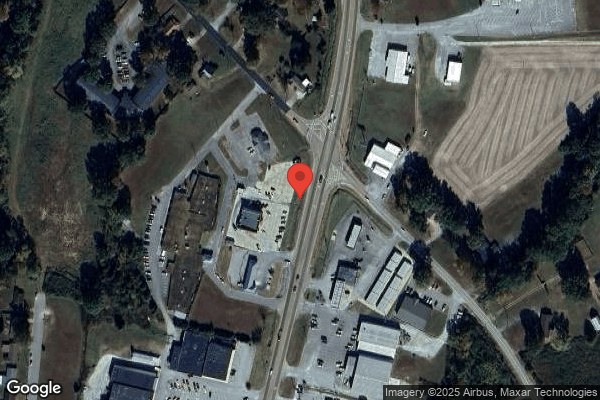
2036 HIGHWAY 45 BYPASS, TRENTON, TN 38382 (731) 855-4500
For profit - Corporation 50 Beds TWIN RIVERS HEALTH & REHABILITATION Data: November 2025
Trust Grade
90/100
#47 of 298 in TN
Last Inspection: December 2024

Within standard 12-15 month inspection cycle. Federal law requires annual inspections.

Overview

Trenton Health and Rehabilitation Center, LLC has received a Trust Grade of A, indicating it is an excellent facility that is highly recommended for care. It ranks #47 out of 298 nursing homes in Tennessee, placing it in the top half, and #2 out of 6 in Gibson County, meaning only one nearby option is better. The facility has maintained a stable trend with nine identified concerns over recent years, but it has not faced any fines, which is a positive sign. Staffing is average with a 3/5 star rating and a turnover rate of 52%, slightly above the state average, which suggests some staff stability but room for improvement. However, there are concerns regarding food safety practices, medication administration errors, and lapses in infection control, such as staff not performing hand hygiene, which families should consider when evaluating care options.

Trust Score
A
90/100
In Tennessee
#47/298
Top 15%
Safety Record
Low Risk
No red flags
Inspections
Holding Steady
4 → 4 violations
Staff Stability
⚠ Watch
52% turnover. Above average. Higher turnover means staff may not know residents' routines.
Penalties
✓ Good
No fines on record. Clean compliance history, better than most Tennessee facilities.
Skilled Nurses
○ Average
Each resident gets 30 minutes of Registered Nurse (RN) attention daily — about average for Tennessee. RNs are the most trained staff who monitor for health changes.
Violations
○ Average
9 deficiencies on record. Average for a facility this size. Mostly minor or procedural issues.
★★★★★
5.0
Overall Rating
★★★☆☆
3.0
Staff Levels
★★★★★
5.0
Care Quality
★★★★☆
4.0
Inspection Score
Stable
2023: 4 issues
2024: 4 issues

The Good

  • 5-Star Quality Measures · Strong clinical quality outcomes
  • Full Sprinkler Coverage · Fire safety systems throughout facility
  • No fines on record

Facility shows strength in quality measures, fire safety.

The Bad

Staff Turnover: 52%

Near Tennessee avg (46%)

Higher turnover may affect care consistency

Chain: TWIN RIVERS HEALTH & REHABILITATION

Part of a multi-facility chain

Ask about local staffing decisions and management

The Ugly 9 deficiencies on record

Dec 2024 4 deficiencies
CONCERN (D)

Potential for Harm - no one hurt, but risky conditions existed

Accident Prevention (Tag F0689)

Could have caused harm · This affected 1 resident

**NOTE- TERMS IN BRACKETS HAVE BEEN EDITED TO PROTECT CONFIDENTIALITY** Based on policy review, medical record review, and interview, the facility failed to ensure residents were free from fall accide...

Read full inspector narrative →
**NOTE- TERMS IN BRACKETS HAVE BEEN EDITED TO PROTECT CONFIDENTIALITY** Based on policy review, medical record review, and interview, the facility failed to ensure residents were free from fall accident hazards for 1 of 3 (Resident #42) sampled residents reviewed for falls. The staff failed to the ensure the foot pedals where on the wheelchair and the resident's feet could rest on the foot pedals during wheelchair mobility. The finding include: 1. Review of the facility policy titled, Accident and Incident prevention of Residents, dated July 2017, revealed .Our facility strives to make the facility as free from accidents and incidents as possible. Resident safety and supervision and assistance to prevent accidents are facility-wide priorities . 2. Review of the medical record revealed Resident #42 was admitted to the facility on [DATE], with diagnoses including Dementia, Anxiety, Depression, Abnormal Posture, Neurocognitive Disorder with Lewy Bodies, and Adult Failure to Thrive. Review of the Incident Note dated 8/20/2024, revealed .Resdt [resident] unable to self propel. Feet went under wc [wheelchair] and resdt [resident] fell out of chair . Review of the quarterly Minimum Data Set, dated [DATE], revealed Resident #42 had a Brief Interview for Mental Status score of 0, which indicated the resident was severely cognitively impaired and was dependent upon staff for wheelchair mobility. During an interview on 12/10/2024 at 2:49 PM, the Director of Nursing (DON) confirmed Resident #42 had a fall on 8/20/2024. The DON confirmed staff should have placed the resident's feet on the wheelchair's foot pedals before wheelchair mobility, which the staff failed to do. Resident #42 had a fall as a result of the staff's failure to ensure the resident's feet were placed on the wheelchair's foot pedals during wheelchair mobility.
CONCERN (D)

Potential for Harm - no one hurt, but risky conditions existed

Respiratory Care (Tag F0695)

Could have caused harm · This affected 1 resident

**NOTE- TERMS IN BRACKETS HAVE BEEN EDITED TO PROTECT CONFIDENTIALITY** Based on policy review, medical record review, observation, and interview, the facility failed to follow physician orders for ox...

Read full inspector narrative →
**NOTE- TERMS IN BRACKETS HAVE BEEN EDITED TO PROTECT CONFIDENTIALITY** Based on policy review, medical record review, observation, and interview, the facility failed to follow physician orders for oxygen and provide necessary respiratory care consistent with professional standards of practice for 2 of 3 (Resident #35 and #39) sampled residents reviewed for oxygen therapy. The findings include: 1. Review of the undated facility policy titled, Oxygen Administration, revealed .Verify that there is a physician's order for this procedure. Review the physician's order or facility protocol for oxygen administration .The following equipment and supplies will be necessary when performing this procedure .Portable oxygen cylinder (strapped to the stand) .Humidifier bottle .Regulator . Review of the facility policy titled, Infection Prevention and Control Program, dated October 2018, revealed .An infection prevention .is established and maintained to provide safe, sanitary and comfortable environment . 2. Review of medical record revealed Resident #35 was admitted on [DATE], and readmitted on [DATE], with diagnoses including Chronic Obstructive Pulmonary Disease, Chronic Respiratory Failure, and Dementia. Review of the quarterly Minimum Data Set (MDS) assessment dated [DATE], revealed a Brief Interview for Mental Status (BIMS) score of 9, which indicated Resident #35 was mildly cognitively impaired and was assessed for oxygen therapy. Review of the Physician's orders dated 10/4/2024, revealed .O2 @ 2L BNC every day and night shift related to CHRONIC OBSTRUCTIVE PULMONARY DISEASE . Review of the October, November, and December 2024 Medication Administration Record revealed oxygen at 2 liters BNC was documented as administered. Observation in the Resident's room on 12/10/2024 at 2:10 PM, 3:58 PM, and 4:00 PM, revealed Resident was sitting up in bed, oxygen at 3.5 liters/BNC. During an interview on 12/10/2024 at 4:18 PM, the Director of Nursing (DON) confirmed that oxygen should be set at the correct rate and that physician orders should be followed. 3. Review of the medical record revealed Resident #39 was admitted on [DATE], with diagnoses including Chronic Respiratory Failure, Cerebral Infarction, and Hemiplegia. Review of the Physicians Order dated 6/13/2024 revealed . O2 @ 2L/MIN BNC CONT. [continuous] SOB [short of breath]/SUPPLEMENTAL every day and night shift related to Chronic respiratory failure . Review of the quarterly MDS assessment dated [DATE], revealed a BIMS score of 13, which indicated Resident #39 was cognitively intact. Observations in Resident #39's room on 12/9/2024 at 8:56 AM, 1:33 PM, and 3:49 PM, revealed 02 at 2l/min with the water humidifier bottle sitting. During an interview on 12/11/24 at 8:35 AM, the DON was asked should the oxygen humidified water bottle be on the floor. The DON stated, No, It should be held on the concentrator machine. [NAME], [NAME] (50408)
CONCERN (D)

Potential for Harm - no one hurt, but risky conditions existed

Infection Control (Tag F0880)

Could have caused harm · This affected 1 resident

**NOTE- TERMS IN BRACKETS HAVE BEEN EDITED TO PROTECT CONFIDENTIALITY** Based on policy review, medical record review, observation and interview, the facility failed to ensure practices to prevent the...

Read full inspector narrative →
**NOTE- TERMS IN BRACKETS HAVE BEEN EDITED TO PROTECT CONFIDENTIALITY** Based on policy review, medical record review, observation and interview, the facility failed to ensure practices to prevent the potential spread of infection were maintained when 1 of 2 staff (Licensed Practical Nurse (LPN A) failed to perform proper hand hygiene during medication administration, and when 1 of 1 staff (LPN B) failed to perform proper hand hygiene during wound care. The findings include: 1. Review of the facility policy titled, Handwashing/Hand Hygiene, dated 8/2019, revealed .This facility considers hand hygiene the primary means to prevent the spread of infections .All personnel shall follow the handwashing/hand hygiene procedures to help prevent the spread of infections to other personnel, residents, and visitors .Use an alcohol-based hand rub .or alternatively soap (antimicrobial or non-antimicrobial) and water for the following situations .After removing gloves .Hand hygiene is the final step after removing and disposing of personal protective equipment .Washing Hands .Rinse hands with water and dry thoroughly with a disposable towel .Use towel to turn off faucet . 2. Review of the medical record revealed Resident #16 was admitted to the facility on [DATE], with diagnoses including Dementia, Diabetes, Dysphagia, and Gastrostomy Status. Review of the Physician's Order dated 12/9/2024, revealed Gabapentin, used to treat neuropathy pain, 300mg 1 capsule via (by way of) PEG-Tube (Percutaneous Endoscopic Gastrostomy Tube inserted in the stomach to provide nutrients, hydration, and medication) two times a day related to Trigeminal neuralgia . Observation during medication administration on 12/10/2024 at 9:17 AM, revealed LPN A administered Gabapentin 300mg via Peg tube to Resident #16. LPN A removed gown and gloves, entered the resident's bathroom, and washed hands with soap and water. LPN A turned the faucet off with the left bare hand and dried her hand with a paper towel. LPN A failed to use a towel to turn off the water faucet. 3. Review of the medical record revealed Resident #7 was admitted to the facility on [DATE], with diagnoses including Cerebral Infarction, Heart Failure, and Unstageable Pressure Ulcer. Review of the admission Minimum Data Set, dated [DATE], revealed a Brief Interview for Mental Status score of 9, which indicated moderate cognitive impairment. Review of the Physician's Order dated 11/15/2024, revealed APPLY SURE PREP TO ALL TOES ON BOTH FEET AND RIGHT HEEL Q SHIFT FOR PROTECTION. KEEP SOCK ON RIGHT FOOT WHILE IN BED AS RESIDENT WILL ALLOW. Review of the Physician's Order dated 12/4/2024, revealed CLEANSE TOP OF LEFT DORSAL FOOT WITH HIBICLENS [antimicrobial soap used to cleanse wounds] AND NORMAL SALINE. PAT DRY. PAINT ESCHAR AND PERIWOUND TO TOP OF LEFT FOOT WITH BETADINE [a topical used to reduce bacteria] DAILY, APPLY NONADHERENT DRESSING AND WRAP DAILY UNTIL RESOLVED. Review of the Physician's Order dated 12/6/2024, revealed CLEANSE LEFT HEEL WITH WOUND CLEANSER, PAT DRY, APPLY COLLAGEN THEN ALGINATE WITH SILVER, ABD PAD AND WRAP WITH KERLIX. CHANGE DAILY AND AS NEEDED UNTIL RESOLVED. Observation on 12/10/2024 at 4:08 PM, revealed LPN B in the hallway, preparing to do wound care for Resident #7. LPN B donned gloves, stuck her hand in the pocket of her scrub top and obtained the key to the cart, unlocked the cart, opened a drawer on the cart, obtained gauze pads from a multi pack container, and placed the gauze in a cup and placed the cup on a barrier on top of the treatment cart. LPN B then removed more gauze from the package and placed it in a second cup and placed it on the barrier on top of the cart. LPN B wet the gauze in the first cup with Hibiclens and wet the gauze in the second cup with Betadine, finished setting up treatment supplies, and removed her gloves. LPN B gathered the treatment supplies and placed them in plastic bags, knocked on the door and entered Resident #7's room. LPN B placed the treatment supplies on the over the bed table, entered the bathroom, washed her hands with soap and water, then turned the faucet off with her bare left bare hand, and dried her hands with a paper towel. LPN B donned a gown, and gloves positioned Resident #7, removed the dressing from the resident's Left foot, cleaned the wound to the top of the left foot with saline and Hibiclens gauze, painted the wound with the betadine-soaked gauze and completed wound care to the left foot as ordered. LPN B removed gloves, donned new gloves and applied sure prep to the toes on both feet, removed her gown and gloves, entered the bathroom and washed her hands with soap and water, turned off the faucet with her bare left hand, then dried her hands. LPN B donned gloves and removed trash from the room. LPN B failed to use a towel to turn off the water faucet and failed to use proper hand hygiene. 4. During an interview on 12/11/2024 at 8:11 AM, the Director of Nursing confirmed that faucet should not been turned off with bare hands and staff should perform hand hygiene in between changing gloves.
CONCERN (E)

Potential for Harm - no one hurt, but risky conditions existed

Food Safety (Tag F0812)

Could have caused harm · This affected multiple residents

Based on policy review, observation, and interview, the facility failed to ensure food was properly stored and labeled, and failed to ensure the kitchen equipment was clean. The facility had a census ...

Read full inspector narrative →
Based on policy review, observation, and interview, the facility failed to ensure food was properly stored and labeled, and failed to ensure the kitchen equipment was clean. The facility had a census of 49 with 48 of those residents receiving a food tray from the Kitchen. The findings include: 1. Review of the facility policy titled, Food Storage, dated 5/1/2015, revealed Food items should be stored, thawed, and prepared in accordance with good sanitary practice. Any expired or outdated food products should be discarded. During a power failure, frozen and refrigerated foods are properly handled .All products should be dated upon receipt and when they are prepared. Use 'use-by-dates on all food stored in refrigerators .Remember to cover, label, and date! Any expired or outdated food products should be discarded .Label and date all storage containers or bins . Review of the facility policy titled, Sanitation Criteria/Forms, dated 2/21/2020, revealed .Check every piece of equipment for cleanliness inside, outside, top, bottom, and sides . Review of the facility policy titled, Cleaning Schedules, dated 3/1/2014, revealed .The Dietary staff shall maintain the sanitation of the Dietary Department through compliance with written, comprehensive cleaning schedules . 2. Observation in the Kitchen on 12/9/2024 at 8:05 AM, revealed the following: a. a thick black buildup of an unknown substance on the inside of the standing oven. b. a brown buildup of an unknown substance on the inside of the doors of the standing oven. c. a black, shiny buildup of an unknown substance on 3 of the cooking stoves. 3. Observation in the Kitchen refrigerator, and in the dry food storage area on 12/10/2024 at 9:33 AM, revealed: a. a container of cottage cheese with an unreadable open date and a use by date of 11/9/2024. b. a container of potato salad with a use by date of 11/28/2024. c. a plastic bag of opened bologna with no expiration date. d. a plastic bag of cheese slices with no opened date, no expiration date or use by date. e. an unlabeled, undated plastic container which contained a white substance described by Dietary Manager (DM) as sugar. f. a plastic container of thickener with no use by date. During an interview on 12/10/24 09:33 AM, the DM confirmed food items should be labeled to identify what it is, with an open date, and with a use by date. The DM confirmed food items passed the use by date should be discarded and not on the shelf for use. 4. Observation in the Kitchen on 12/11/2024 at 8:41 AM, revealed the following: a. a thick black buildup of an unknown substance on the inside of the standing oven. b. a brown buildup of an unknown substance on the inside of the doors of the standing oven. c. a black, shiny buildup of an unknown substance on 3 of the cooking stoves. During an interview on 12/11/2024 at 8:41 AM, the DM confirmed inside the standing oven there was a thick buildup of a black unknown substance, and it should not be there. The DM confirmed the standing oven doors had a buildup of a brown unknown substance, and it should not be there. The DM confirmed 3 of the cooking stove's eyes had a black, shiny buildup on them and it should not be there.
Nov 2023 4 deficiencies
CONCERN (D)

Potential for Harm - no one hurt, but risky conditions existed

PASARR Coordination (Tag F0644)

Could have caused harm · This affected 1 resident

**NOTE- TERMS IN BRACKETS HAVE BEEN EDITED TO PROTECT CONFIDENTIALITY** Based on the medical record review, and interview, the facility failed to resubmit a Preadmission Screening and Resident Review ...

Read full inspector narrative →
**NOTE- TERMS IN BRACKETS HAVE BEEN EDITED TO PROTECT CONFIDENTIALITY** Based on the medical record review, and interview, the facility failed to resubmit a Preadmission Screening and Resident Review (PASRR) after the resident had a new mental health diagnosis and new antipsychotic medication for 1 of 6 sampled residents (Resident #15) reviewed for PASRR. The findings include: Review of the medical record review revealed Resident #15 was admitted to the facility on [DATE], and readmitted on [DATE], with diagnoses of Dementia, Schizoaffective Disorder, Anxiety, and Delusional Disorder. Resident #15 had a PASRR completed in 2018 with diagnosis of anxiety disorder. On 12/13/2021, Resident #15 had a new mental health diagnosis of Schizoaffective disorder and the antipsychotic medication Seroquel was added. Review of the Physician's Order dated 3/27/2023 revealed, .Schizoaffective disorder .Seroquel 50 mg [milligram] tablet: Administer 1.5 tablet .TWICE A DAY . During an interview on 11/2/2023 at 6:20 AM, the Regional Director of Clinical Reburstment stated, .we did have a wavier but it's not going to help us .wavier started 12/22/2020 .if they have a diagnoses of terminal illness gave us 180 day to complete the PASRR should have had one 6 months after that .in October .because of the Schizoaffective disorder .Seroquel .waver ended May 23rd, of 2023 . The Regional Director of Clinical Reburstment confirmed a new PASRR should have been done for the new diagnosis and for the antipsychotic medication.
CONCERN (D)

Potential for Harm - no one hurt, but risky conditions existed

Deficiency F0761 (Tag F0761)

Could have caused harm · This affected 1 resident

Based on policy review, observation, and interview, the facility failed to ensure medications were properly and securely stored when a medication was left in a resident's room for 2 of 6 (Resident #31...

Read full inspector narrative →
Based on policy review, observation, and interview, the facility failed to ensure medications were properly and securely stored when a medication was left in a resident's room for 2 of 6 (Resident #31 and #26) sampled residents. The findings include: Review of the facility's policy titled, Medication Administration dated 3/16/2015, revealed .Observe that the resident swallow oral drugs. Do not leave medications with the resident . Review of the facility's policy titled, Storage of Medications dated 4/2019, revealed .The facility stores all drugs and biologicals in a safe, secure, and orderly manner .Drugs and biologicals used in the facility are stored in locked compartments .the nursing staff is responsible for maintaining medication storage . Observations in the resident room on 10/30/2023 at 9:40 AM, revealed Resident #31's door was open. Resident was in bed with her eyes closed. On top of the bedside table revealed 9 opened, unsecured medications in a medication cup left unattended beside the resident's bed. During an interview on 10/30/2023 9:43 AM, LPN #1 stated, .I left the meds .she does take them by herself .I sat them down on the table .I shouldn't have left them .I asked the resident to take them at 8:20 AM but she refused . LPN #1 was asked if Resident #31 was capable of administering her medications independently. LPN #1 stated, No. LPN #1 was asked if wandering residents were present on the hallway. LPN #1 stated, Yes, but I must not have shut the door good . Observations in the resident room on 10/31/2023 at 4:02 PM, revealed LPN #2 sat the cup containing Resident #26's medications on the overbed table and left the medications unattended and out of sight when LPN #2 went to the bathroom to wash her hands. During an interview on 11/2/2023 at 10:39 AM, the Director of Nursing (DON) was asked should medications be left in a resident's room unsecured and unattended. The DON stated No.
CONCERN (E)

Potential for Harm - no one hurt, but risky conditions existed

Unnecessary Medications (Tag F0759)

Could have caused harm · This affected multiple residents

**NOTE- TERMS IN BRACKETS HAVE BEEN EDITED TO PROTECT CONFIDENTIALITY** Based on policy review, medical record review, observation, and interview, the facility failed to ensure a medication administra...

Read full inspector narrative →
**NOTE- TERMS IN BRACKETS HAVE BEEN EDITED TO PROTECT CONFIDENTIALITY** Based on policy review, medical record review, observation, and interview, the facility failed to ensure a medication administration rate of less than 5 percent (%) when 1 of 3 nurses (Licensed Practical Nurse (LPN) #2) failed to properly administer medications for 1 of 5 sampled residents (Resident #20) observed during medication administration. This resulted in a medication administration error rate of 51.52 %. The findings include: Review of the facility's policy titled, Administering Medications through an Enteral Tube, dated 2018, revealed .Administrator each medication separately and flush between medications .Use a clean syringe with an .connector to administer medications through an enteral tube . Review of the facility's policy titled, Medication Administration, dated 3/16/2015, revealed .If applicable and/or prescribed, take vital signs or tests prior to administration of the dose .pulse with digitalis [medication used to treat abnormal heart rhythms] blood pressure with anti-hypertensive .Administer medications within 60 minutes of the scheduled times---For example, if the medication is ordered for 8:00 a.m., it must be give between 7:00 a.m. and 9:00 a.m. In order to be considered timely . Review of medical record revealed Resident #20 was admitted to the facility on [DATE], with diagnoses of Rheumatoid Arthritis, Diabetes, Atrial Fibrillation, Angina Pectoris, Urinary Retention, Dysphagia, Congestive Heart Failure, and Chronic Kidney Disease. Review of the Physician Orders dated November 2023, revealed the following medications were to be administered at 8:00 AM: a. PREDNISONE (treats inflammation) 10 MG TABLET -oral 8 am Every Day. b. FERROUS SULFATE (treats low iron) 325 MG (65 MG IRON) TABLET, DELAYED RELEASE- oral 8 AM Every Day. c. ASPIRIN (blood thinner) 81 MG CHEWABLE TABLET-oral 8 AM Every Day d. AMIODARON (treats heart rhythms) 200 MG TABLET- oral 8 AM Every Day Take and record pulse. e. DUTASTERIDE (treats enlarged prostate) 0.5 MG CAPSULE 1 BY MOUTH (8 am) f. MULTIVITAMIN (supplement) TABLET -oral 8 AM Every Day. g. SULFASALAZINE (treats inflammation) 500 MG TABLET -oral 8 am 8pm Every Day h. FUROSEMIDE (treats fluid retention) 40 MG TABLET - ORAL twice a day AT 8am & (and) 8 pm Every Day. i. ACODPHILUS (treats digestive disorders) CAPSULE -oral TWICE A DAY AT 8AM & 8PM Every Day. j. ARGINAID (SUPPLEMENT) 4.5 GRAM -156 MG/9.2 GRAM ORAL POWDER PACKET -oral TWICE A DAY AT 8 AM & 8 PM Every Day. k. POTASSIUM CHLORIDE (TREATS LOW LEVELS OF POTASSIUM) 40 milliequivalents(meq)/15 milliliters (mls) ORAL LIQUID-Administer 15 milliliter(s) oral 8 am 8pm Every Day. l. BRILINTA (BLOOD THINNER) 90 MG TABLET -oral 8am 8pm Every Day m. METOPROLOL TARTRATE (treats high blood pressure) 25 mg tablet -ORAL 8AM 8PM Every Day. Take and record pulse. Record blood pressure. HOLD MEDICATION IF diastolic blood pressure LESS THAN 50 or systolic blood pressure less than 110. n. SPIRONOLACTONE (treats heart failure and high blood pressure) 50 MG TABLET-oral 8am 8pm Every Day. RECORD BLOOD PRESSURE. HOLD MEDICATION IF LESS THAN 110/50 AND NOTIFY MD . o. ASCORBIC ACID (VITAMIN C) 500 MG TABLET -oral 8am 8pm Every Day. p. ISOSORBIDE MONONITRATE (prevents chest pain] EXTENDED RELEASE 30 MG TABLET .oral 8am 8pm Every Day. q. RANOLAZINE ER 500 MG TABLET, EXTENDED RELEASE, 12 hour -oral 8am 8pm Every Day. Observations on 11/1/2023 starting at 8:44 AM through 9:20 AM, revealed LPN #2 administered the above listed medications approximately 20 minutes past the timeframe for 8:00 AM medications to be administered by. During an interview on 11/2/2023 at 7:02 AM, the Director of Nursing (DON) was asked if medications are ordered at 8:00 AM should they be administered at 9:20 AM. The DON stated, No ma'am. The DON was asked if the Physician Order specifies to record the pulse or blood pressure, should the vitals be obtained before administering the medications. The DON stated, Yes.
CONCERN (E)

Potential for Harm - no one hurt, but risky conditions existed

Infection Control (Tag F0880)

Could have caused harm · This affected multiple residents

Based on policy review, observation, and interview, the facility failed to ensure proper infection control practices when 5 of 9 (Certified Nursing Assistants (CNA) #4, #5, #6, #7), and Licensed Pract...

Read full inspector narrative →
Based on policy review, observation, and interview, the facility failed to ensure proper infection control practices when 5 of 9 (Certified Nursing Assistants (CNA) #4, #5, #6, #7), and Licensed Practical Nurse (LPN #1) staff members failed to perform hand hygiene during meal pass, failed to clean reusable equipment after administering medications, and failed to place a clean barrier between medications and the surface under it. The findings include: 1. Review of the facility policy titled, Handwashing/Hand Hygiene, dated August 2019, revealed .this facility considers hand hygiene the primary means to prevent the spread of infections .All personnel shall follow the handwashing/hand hygiene procedures to help prevent the spread of infections to other personnel, residents, and visitors .Wash hands with soap (antimicrobial or non-antimicrobial) and water for the following situations: .When hands are visibly soiled .After contact with a resident with infectious diarrhea including, but not limited to infections caused by .Use an alcohol-based hand rub containing at least 62% alcohol; or, alternatively, soap and water for the following situations: .before and after direct contact with residents .after contact with objects in the immediate vicinity of the resident . Review of the facility policy titled, Administering Medications through an Enteral Tube, dated November 2018, revealed .Use a clean enteral syringe .to administer medications . 2. Observation on 10/30/2023 at 11:39 AM, in the resident's room, revealed CNA #7 delivered Resident #141's meal tray, began setting up tray, and touched the milk spout of the milk carton with her bare hands. 3. Observation on 10/30/2023 at 11:40 AM, in the resident's room, revealed CNA #7 delivered a meal tray, placed it on Resident #35's overbed table, repositioned the resident in bed, removed the covers, donned gloves, repositioned the incontinence pad under the resident, then removed her gloves. CNA #7 failed to perform hand hygiene before continuing set up of Resident #35's meal tray. 4. Observation on 10/30/2023 at 11:40 AM, in the resident's room, revealed CNA #5 delivered a meal tray and placed it on the overbed table, repositioned Resident #11 in bed, raised the head of the bed, the CNA failed to perform hand hygiene before she continued to set up the meal tray. 5. Observation on 10/30/2023 at 11:43 AM, In the resident's room, revealed CNA #7 delivered a meal tray and placed it on Resident #19's overbed table, used the remote to adjust the bed, the CNA failed to perform hand hygiene before she continued preparing Resident #19's meal tray. 6. Observation on 10/30/2023 at 11:48 AM, in the resident's room, revealed CNA #5 repositioned Resident #15 in bed by pulling the incontinence pad under the resident without gloves. CNA #5 failed to perform hand hygiene before she continued to open and set up the resident's meal tray. 7. Observation on 10/30/2023 at 11:49 AM, in the resident's room, revealed CNA #7 delivered Resident #21's meal tray, removed the pillow between resident's legs, the CNA failed to perform hand hygiene before completing set up of the meal tray and touched the milk spout of the milk carton with bare hands. 8. Observation in the resident's room on 10/31/2023 at 8:50 AM, revealed RN #1 entered Resident #15's room with ordered medications, sat the nasal spray and cup containing medications on the over bed table, and administered insulin as ordered. After throwing the trash away, RN #1 placed the nasal spray and insulin pen on the top of the medication cart. RN #1 failed to place a barrier under the nasal spray and the insulin pen, didn't clean them, and placed them back into their respective sealed bags. 9. Observation in the resident's room on 10/31/2023 at 4:02 PM, revealed LPN #2 entered Resident #26's room with ordered medications. LPN #2 wiped down the over the bed table and placed the barrier on top of it. She set the cup of medications down on top of the barrier and went into the bathroom to wash her hands. LPN #2 failed to always keep ordered medications in her line of sight when she went into the bathroom. LPN #2 administered the medications through Resident #26's PEG tube with the provided syringe and failed to wash the syringe out before placing it back into its protective bag. 10. Observation in the resident's room on 11/2/2023 6:10 at 6:10 AM, revealed LPN #3 entered with Resident #142's ordered medications. LPN #3 administered the medications through Resident #142's PEG tube with the provided syringe and failed to wash the syringe out before placing it back into its protective bag. 11. Observation on 11/2/2023 at 7:20 AM, in the resident's room, revealed LPN #1 delivered Resident #93's meal tray, used the remote to elevate the head of the bed, the LPN failed to perform hand hygiene before setting up the meal tray and touched the milk spout of the milk carton with bare hands. 12. Observation on 11/2/2023 at 7:24 AM, in the resident's room, revealed CNA #6 delivered a meal tray and placed it on the overbed table, removed CPAP (Continuous Positive Airway Pressure) mask from Resident #30's face, placed the mask in the respective bag, placed oxygen tubing on Resident #30's face, repositioned resident in bed, the CNA failed to perform hand hygiene before continuing set up of the resident's meal tray. 13. Observation on 11/02/2023 at 7:30 AM, in the resident's room, revealed CNA #4 delivered Resident #29's meal tray and placed it on the overbed table, used remote to raise the head of the bed, the CAN failed to perform hand hygiene before she continued setting up the meal tray. 14. Observation on 11/02/2023 at 7:32 AM, in the resident's room, revealed CNA #4 entered Resident #35's room, placed the tray on the over the bed table, began opening items on the tray, the CNA failed to perform hand hygiene before setting up the meal tray after delivering previous meal tray to another resident. 15. Observation on 11/2/2023 at 7:33 AM, in the resident's room, revealed LPN#1 repositioned Resident #37 up in the bed, raised the head of the bed, moved the over bed table to the other side of the bed, the LPN failed to perform hand hygiene before she attempted to open the milk carton by using her fingers to pull on the milk spout of the carton. LPN #1 continued to open meal tray without hand hygiene. 16. Observation on 11/2/2023 at 7:35 AM, revealed CNA #4 delivered a meal tray and placed it on the overbed table, opened all items on the tray, donned gloves, repositioned Resident #143 in bed, used the remote to elevate the head of the bed, The CNA failed to doff gloves or perform hand hygiene before she began assisting the resident with her meal. 17. Observation on 11/2/2023 at 7:37 AM in resident's room, revealed LPN #1 delivered Resident #14's meal tray, switched on the light, used the remote to elevate the head of the bed, the LPN failed to perform hand hygiene before she continued setting up the meal tray. 18. Observation on 11/2/2023 at 7:39 AM, in resident's room, revealed LPN #1 delivered Resident #141's tray, assisted resident to the side of bed, washed resident's hands, the LPN failed to perform hand hygiene and touched the spout of the orange juice carton. 19. During an interview with the Director of Nursing (DON) on 11/2/2023 at 10:50, the DON confirmed hand hygiene should be performed prior to meal tray setup, after touching objects in the resident's room, and after readjusting the resident in in the bed. The DON was asked if staff should open the milk carton without performing hand hygiene, then using their bare fingers to open the inside spout of the milk carton. The DON stated, No, that shouldn't have happened .
Jul 2019 1 deficiency
CONCERN (D)

Potential for Harm - no one hurt, but risky conditions existed

Infection Control (Tag F0880)

Could have caused harm · This affected 1 resident

**NOTE- TERMS IN BRACKETS HAVE BEEN EDITED TO PROTECT CONFIDENTIALITY** Based on policy review, medical record review, observation, and interview, the facility failed to ensure the practices to preven...

Read full inspector narrative →
**NOTE- TERMS IN BRACKETS HAVE BEEN EDITED TO PROTECT CONFIDENTIALITY** Based on policy review, medical record review, observation, and interview, the facility failed to ensure the practices to prevent the potential spread of infection were followed when nursing staff did not keep an indwelling urinary catheter drainage bag off of the floor and failed to perform hand hygiene during catheter care for 2 of 3 (Resident #19 and #36) sampled residents reviewed with indwelling urinary catheters. The finding include: 1. The facility's Catheter Care, Urinary policy dated 2001 and revised September 2014, documented .Be sure the catheter tubing and drainage bag are kept off the floor . The facility's Handwashing/Hand Hygiene policy dated 2001 and revised August 2015, documented .Use an alcohol-based hand rub .or, alternatively, soap .and water for the following situations .After contact with objects ( .medical equipment ) in the immediate vicinity of the resident .After removing gloves .Perform hand hygiene before applying non-sterile gloves . 2. Medical record review revealed Resident #19 was admitted to the facility on [DATE] with diagnoses of Alzheimer's, Diabetes, Cerebral Infarction, Hemiplegia, Morbid Obesity, and Depression. The physician's orders dated July 2019 documented, .CATHETER TO BSDB [Bed Side Drainage Bag] R/T [Related To] UNSTAGEABLE SACRACALCOCCYGEAL AREA . Observations in Resident #19's room on 7/8/19 at 8:39 AM, revealed the catheter bag was lying on the floor between the bed and the wall. Observations in Resident #19's room on 7/8/19 at 3:31 PM, 7/9/19 at 7:51 AM, and 9:49 AM, and 7/10/19 at 8:14 AM, revealed the catheter bag secured to the bed frame with the bottom of the bag resting on the floor. Observations in Resident #19's room on 7/10/19 at 10:28 AM, revealed Certified Nursing Assistant (CNA) #1 and #2 were preparing to do catheter care. CNA #1 and #2 washed their hands, donned gloves, and set up supplies on the bedside table. CNA #1 removed her gloves and donned new gloves, without performing hand hygiene, then CNA #1 and #2 performed catheter care on Resident #19. Interview with Licensed Practical Nurse (LPN) #1 on 7/9/19 at 9:49 AM, in Resident #19's room, LPN #1 was asked to observe the catheter bag. LPN #1 was asked if the catheter bag should be touching the floor. LPN #1 stated, No, Ma'am. 3. Medical record review revealed Resident #36 was admitted to the facility on [DATE] with diagnoses of Hyperlipidemia, Hemiplegia, Atrial Fibrillation, Stage 4 Sacral Ulcer, and Neurogenic Bladder. The physician orders dated 5/14/19 documented, .FOLEY CATH [Catheter] .TO BEDSIDE DRAINAGE BAG R/T NEUROGENIC BLADDER AND STAGE 4 PRESSURE ULCER . Observations in Resident #36's room on 7/10/19 at 7:27 AM, revealed Resident #36's indwelling urinary catheter bag was lying in the floor. Interview with the Director of Nursing (DON) on 7/10/19 at 1:30 PM, in the Conference Room, the DON was asked if catheter bags should be touching the floor. The DON stated, No. The DON was asked what would she expect staff to do when changing gloves. The DON stated, Wash their hands.
Understanding Severity Codes (click to expand)
Life-Threatening (Immediate Jeopardy)
J - Isolated K - Pattern L - Widespread
Actual Harm
G - Isolated H - Pattern I - Widespread
Potential for Harm
D - Isolated E - Pattern F - Widespread
No Harm (Minor)
A - Isolated B - Pattern C - Widespread

Questions to Ask on Your Visit

  • "Can I speak with families of current residents?"
  • "What's your RN coverage like on weekends and overnight?"

Our Honest Assessment

Strengths
  • • Grade A (90/100). Above average facility, better than most options in Tennessee.
  • • No major safety red flags. No abuse findings, life-threatening violations, or SFF status.
  • • No fines on record. Clean compliance history, better than most Tennessee facilities.
Concerns
  • • No significant concerns identified. This facility shows no red flags across CMS ratings, staff turnover, or federal penalties.
Bottom line: Generally positive indicators. Standard due diligence and a personal visit recommended.

About This Facility

What is Trenton Center, Llc's CMS Rating?

CMS assigns TRENTON HEALTH AND REHABILITATION CENTER, LLC an overall rating of 5 out of 5 stars, which is considered much above average nationally. Within Tennessee, this rating places the facility higher than 99% of the state's 100 nursing homes. This rating reflects solid performance across the metrics CMS uses to evaluate nursing home quality.

How is Trenton Center, Llc Staffed?

CMS rates TRENTON HEALTH AND REHABILITATION CENTER, LLC's staffing level at 3 out of 5 stars, which is average compared to other nursing homes. Staff turnover is 52%, compared to the Tennessee average of 46%.

What Have Inspectors Found at Trenton Center, Llc?

State health inspectors documented 9 deficiencies at TRENTON HEALTH AND REHABILITATION CENTER, LLC during 2019 to 2024. These included: 9 with potential for harm.

Who Owns and Operates Trenton Center, Llc?

TRENTON HEALTH AND REHABILITATION CENTER, LLC is owned by a for-profit company. For-profit facilities operate as businesses with obligations to shareholders or private owners. The facility is operated by TWIN RIVERS HEALTH & REHABILITATION, a chain that manages multiple nursing homes. With 50 certified beds and approximately 44 residents (about 88% occupancy), it is a smaller facility located in TRENTON, Tennessee.

How Does Trenton Center, Llc Compare to Other Tennessee Nursing Homes?

Compared to the 100 nursing homes in Tennessee, TRENTON HEALTH AND REHABILITATION CENTER, LLC's overall rating (5 stars) is above the state average of 2.9, staff turnover (52%) is near the state average of 46%, and health inspection rating (4 stars) is above the national benchmark.

What Should Families Ask When Visiting Trenton Center, Llc?

Based on this facility's data, families visiting should ask: "Can I visit during a mealtime to observe dining assistance and food quality?" "How do you handle medical emergencies, and what is your hospital transfer rate?" "Can I speak with family members of current residents about their experience?"

Is Trenton Center, Llc Safe?

Based on CMS inspection data, TRENTON HEALTH AND REHABILITATION CENTER, LLC has a clean safety record: no substantiated abuse findings (meaning no confirmed cases of resident harm), no Immediate Jeopardy citations (the most serious violation level indicating risk of serious injury or death), and is not on the Special Focus Facility watch list (a federal program monitoring the lowest-performing 1% of nursing homes). The facility has a 5-star overall rating and ranks #1 of 100 nursing homes in Tennessee. While no facility is perfect, families should still ask about staff-to-resident ratios and recent inspection results during their visit.

Do Nurses at Trenton Center, Llc Stick Around?

TRENTON HEALTH AND REHABILITATION CENTER, LLC has a staff turnover rate of 52%, which is 6 percentage points above the Tennessee average of 46%. Moderate turnover is common in nursing homes, but families should still ask about staff tenure and how the facility maintains care continuity when employees leave.

Was Trenton Center, Llc Ever Fined?

TRENTON HEALTH AND REHABILITATION CENTER, LLC has no federal fines on record. CMS issues fines when nursing homes fail to meet care standards or don't correct problems found during inspections. The absence of fines suggests the facility has either maintained compliance or corrected any issues before penalties were assessed. This is a positive indicator, though families should still review recent inspection reports for the full picture.

Is Trenton Center, Llc on Any Federal Watch List?

TRENTON HEALTH AND REHABILITATION CENTER, LLC is not on any federal watch list. The most significant is the Special Focus Facility (SFF) program, which identifies the bottom 1% of nursing homes nationally based on persistent, serious quality problems. Not being on this list means the facility has avoided the pattern of deficiencies that triggers enhanced federal oversight. This is a positive indicator, though families should still review the facility's inspection history directly.