NHC HEALTHCARE, TULLAHOMA
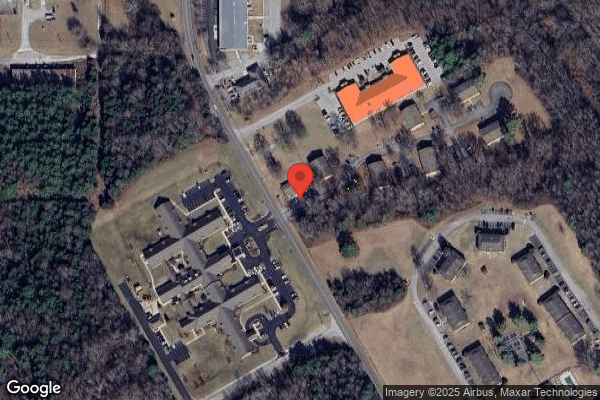
1321 CEDAR LANE, TULLAHOMA, TN 37388 (931) 222-4207
For profit - Limited Liability company 90 Beds NATIONAL HEALTHCARE CORPORATION Data: November 2025
Trust Grade
75/100
#85 of 298 in TN
Last Inspection: June 2025

Inspected within the last 6 months. Data reflects current conditions.

Overview

NHC Healthcare in Tullahoma, Tennessee, has a Trust Grade of B, indicating it is a good option for families seeking care, but not the highest rated. It ranks #85 out of 298 facilities in Tennessee, placing it in the top half, and #3 out of 4 in Coffee County, meaning only one local facility is rated higher. The facility is experiencing a worsening trend, with issues increasing from 5 in 2024 to 8 in 2025. Staffing is average, rated 3 out of 5 stars, with a turnover rate of 50%, which is on par with the state average. Notably, the home has received no fines, indicating it is compliant with regulations, and has better RN coverage than 84% of state facilities, which is a strength as RNs can identify issues that CNAs might miss. However, there have been concerns such as a resident’s nebulizer mask not being stored properly, dietary workers failing to wear protective hair coverings during food preparation, and delays in completing required quarterly assessments for several residents. Overall, while there are strengths in staffing and compliance, the facility does have some areas needing improvement.

Trust Score
B
75/100
In Tennessee
#85/298
Top 28%
Safety Record
Low Risk
No red flags
Inspections
Getting Worse
5 → 8 violations
Staff Stability
⚠ Watch
50% turnover. Above average. Higher turnover means staff may not know residents' routines.
Penalties
✓ Good
No fines on record. Clean compliance history, better than most Tennessee facilities.
Skilled Nurses
✓ Good
Each resident gets 49 minutes of Registered Nurse (RN) attention daily — more than average for Tennessee. RNs are trained to catch health problems early.
Violations
⚠ Watch
13 deficiencies on record. Higher than average. Multiple issues found across inspections.
★★★★☆
4.0
Overall Rating
★★★☆☆
3.0
Staff Levels
★★★★★
5.0
Care Quality
★★★☆☆
3.0
Inspection Score
Stable
2024: 5 issues
2025: 8 issues

The Good

  • 5-Star Quality Measures · Strong clinical quality outcomes
  • Full Sprinkler Coverage · Fire safety systems throughout facility
  • No fines on record

Facility shows strength in quality measures, fire safety.

The Bad

Staff Turnover: 50%

Near Tennessee avg (46%)

Higher turnover may affect care consistency

Chain: NATIONAL HEALTHCARE CORPORATION

Part of a multi-facility chain

Ask about local staffing decisions and management

The Ugly 13 deficiencies on record

Jun 2025 8 deficiencies
CONCERN (D)

Potential for Harm - no one hurt, but risky conditions existed

Deficiency F0638 (Tag F0638)

Could have caused harm · This affected 1 resident

**NOTE- TERMS IN BRACKETS HAVE BEEN EDITED TO PROTECT CONFIDENTIALITY** Based on review of the Minimum Data Set (MDS) 3.0 Resident Assessment Instrument (RAI) Manual, medical record review and intervi...

Read full inspector narrative →
**NOTE- TERMS IN BRACKETS HAVE BEEN EDITED TO PROTECT CONFIDENTIALITY** Based on review of the Minimum Data Set (MDS) 3.0 Resident Assessment Instrument (RAI) Manual, medical record review and interview, the facility failed to complete quarterly assessments, using the Centers for Medicare & Medicaid Services specified RAI process, within the regulatory time frames for 7 residents (Resident #19, #21, #48, #62, #82, #85 and #95) of 28 sampled residents reviewed for MDS assessment. The findings include: Review of the MDS 3.0 RAI Manual v (version) 1.19.1, dated 10/2024, pages 2-35, revealed, .The Quarterly assessment is an OBRA (Omnibus Budget Reconciliation Act) non-comprehensive assessment for a resident that must be completed at least every 92 days following the previous OBRA assessment of any type. It is used to track a resident's status between comprehensive assessments to ensure critical indicators of gradual change in a resident's status are monitored .The MDS completion date must be no later than 14 days after the ARD [Assessment Reference Date] . 1. Review of the medical record revealed Resident #19 was admitted to the facility on [DATE] with diagnoses including Heart Failure, Hypertension and Anxiety Disorder. Review of Resident #19's quarterly MDS assessment dated [DATE], revealed item Z0500B was undated, and should have been completed by 5/16/2025. 2. Review of the medical record revealed Resident #21 was admitted to the facility on [DATE] with diagnoses including Dementia, Chronic Kidney Disease and Encounter for Palliative Care. Review of Resident 21's quarterly MDS dated [DATE], revealed item Z0500B was completed 6/9/2025, and should have been completed by 5/6/2025. 3. Review of the medical record revealed Resident #48 was admitted to the facility on [DATE] with diagnoses including Dementia, Heart Failure and Chronic Kidney Disease. Review of Resident #48's quarterly MDS assessment dated [DATE], revealed item Z0500B was completed on 6/6/2025, and should have been completed by 4/26/2025. 4. Review of the medical record revealed Resident #62 was admitted to the facility on [DATE] with diagnoses including Polyneuropathy, Adult Failure to Thrive and Depression. Review of Resident #62's quarterly MDS assessment dated [DATE], revealed item Z0500B was completed on 6/9/2025, and should have been completed by 5/16/2025. 5. Review of the medical record revealed Resident #82 was admitted to the facility on [DATE] with diagnoses including Diabetes, Hypertension and Anxiety Disorder. Review of Resident #82's quarterly MDS assessment dated [DATE], revealed item Z0500B was completed on 6/10/2025, and should have been completed by 5/20/2025. 6. Review of the medical record revealed Resident #85 was admitted to the facility on [DATE] with diagnoses including Heart Failure, Dementia and Depression. Review of Resident #85's quarterly MDS assessment dated [DATE], revealed item Z0500B was completed on 6/9/2025, and should have been completed by 5/2/2025. 7. Review of the medical record revealed Resident #95 was admitted to the facility on [DATE] with diagnoses including Heart Failure, Anxiety Disorder and Chronic Kidney Disease. Review of Resident #95's quarterly MDS assessment dated [DATE], revealed item Z0500B was completed on 6/10/2025, and should have been completed by 5/7/2025. During an interview on 6/11/2025 at 8:49 AM, the MDS Coordinator J and MDS Coordinator K were asked who signs MDS assessments verifying they are complete. MDS Coordinator J stated, I do. MDS Coordinator J confirmed Residents #19, #21, #48, #62, #82, #85, and #95 had assessments completed late. The MDS Coordinator J confirmed quarterly assessments should be completed 14 days after the ARD.
CONCERN (D)

Potential for Harm - no one hurt, but risky conditions existed

Deficiency F0657 (Tag F0657)

Could have caused harm · This affected 1 resident

**NOTE- TERMS IN BRACKETS HAVE BEEN EDITED TO PROTECT CONFIDENTIALITY** Based on facility policy review, medical record review, observation and interview, the facility failed to revise the care plan f...

Read full inspector narrative →
**NOTE- TERMS IN BRACKETS HAVE BEEN EDITED TO PROTECT CONFIDENTIALITY** Based on facility policy review, medical record review, observation and interview, the facility failed to revise the care plan for 1 resident (Resident #5) of 18 residents reviewed for care plans. The findings include: Review of the facility's policy, Documentation Guidelines, updated 5/2024, revealed .The center .ensure an interdisciplinary and comprehensive approach .development of patient's care plan of care .updating .care plans .problems are handled as they arise .added to current care plan . Review of the medical record revealed Resident #5 was admitted to the facility on [DATE] with diagnoses including Heart Failure, Malignant Neoplasm of Pancreas and Anxiety. Review of an admission Minimum Data Set (MDS) assessment dated [DATE], revealed Resident #5 scored an 11 on the Brief Interview for Mental Status (BIMS) assessment which indicated moderate cognitive impairment. Review of the comprehensive care plan for Resident #5 dated 5/15/2025, revealed .Indwelling Catheter . Review of the medical record revealed Resident #5 had a indwelling urinary catheter placed on 5/15/2025. Further review revealed Resident #5 was sent to the hospital on 5/26/2025. Continued review revealed Resident #5 was readmitted to the facility on [DATE] without an indwelling urinary catheter. During an observation on 6/9/2025 at 10:22 AM, Resident #5 was lying in bed and no indwelling urinary catheter was present. During an observation on 6/10/2025 at 8:10 AM, Resident #5 was lying in bed and no indwelling urinary catheter was present. During an interview on 6/10/2025 at 9:00 AM, Registered Nurse (RN) I stated Resident #5 did not have an indwelling urinary catheter. During an interview on 6/11/2025 at 2:36 PM, the Director of Nursing confirmed Resident #5's care plan had not been revised to reflect the discontinuation of the indwelling urinary catheter.
CONCERN (D)

Potential for Harm - no one hurt, but risky conditions existed

Accident Prevention (Tag F0689)

Could have caused harm · This affected 1 resident

**NOTE- TERMS IN BRACKETS HAVE BEEN EDITED TO PROTECT CONFIDENTIALITY** Based on facility policy review, medical record review, facility document review, observations and interviews, the facility fail...

Read full inspector narrative →
**NOTE- TERMS IN BRACKETS HAVE BEEN EDITED TO PROTECT CONFIDENTIALITY** Based on facility policy review, medical record review, facility document review, observations and interviews, the facility failed to ensure medications were stored and secured properly for 2 residents (Resident #5 and #219) of 90 residents observed. The findings include: Review of the facility's policy, Medication Storage in the Facility, updated 2/25/2025, revealed .Medications .stored safely .securely .and properly .medication supply .accessible only to licensed nursing personnel .medications .stored in medication cart . Review of the medical record revealed Resident #5 was admitted to the facility on [DATE] with diagnoses including Heart Failure, Malignant Neoplasm of Pancreas and Anxiety. Review of a physician's order for Resident #5 dated 6/2/2025, revealed .Incruse Ellipta [medication used to treat chronic respiratory conditions] .62.5 mcg [microgram] .1 puff once a day . Review of the Medication Administration Record (MAR) for Resident #5 dated 6/2/2025-6/10/2025, revealed the resident received .Incruse Ellipta .62.5 mg .1 puff . on 6/9/2025 at 8:30 AM. During an observation on 6/9/2025 at 10:00 AM, revealed Resident #5 was lying in bed and there was an Incruse Ellipta inhaler placed on the bedside table. During an observation and interview on 6/9/2025 at 10:22 AM, with Registered Nurse (RN) I, in Resident #5's room, revealed there was an Incruse Ellipta inhaler on the bedside table. RN I confirmed she had administered the resident's dose of Incruse Ellipta and had left the inhaler lying on the bedside table. RN I confirmed medications were not to be left at the bedside unless the resident had been assessed for self-administration. RN I stated she could not find in the medical record whether Resident #5 had been assessed for self-administration of medications. During an interview on 6/11/2025 at 12:33 PM, the Medical Director stated Incruse Ellipta .highly unlikely that any resident could get it open and operate correctly . The Medical Director stated ingestion would not be detrimental to health of any patient. During an interview on 6/11/2025 at 1:00 PM, the Pharmacy Consultant stated the toxicity from Incruse Ellipta would be rare and not detrimental to the health of any patient. Review of the medical record revealed Resident #219 was admitted to the facility on [DATE] with diagnoses including Aftercare Following Joint Replacement Surgery and Emphysema. Review of a physician's order for Resident #219 dated 6/5/2025, revealed .Budesonide [inhaled steroid medication] .suspension for nebulization; 0.5 mg [milligram]/ [in] 2 mL[milliliters] .inhalation .Twice a Day . Review of the comprehensive care plan for Resident #219 dated 6/6/2025, revealed .At risk for respiratory complications related to .emphysema .Nebulizer treatments: rinse mask and reservoir with water. place on dry clean barrier until dry then place in bag . Review of the Medication Administration Record (MAR) for Resident #219 dated 6/1/2025 - 6/10/2025, revealed the resident received .Budesonide .suspension for nebulization .0.5 mg/2 mL . on 6/9/2025 at 8:30 AM. During an observation on 6/9/2025 at 10:40 AM, revealed Resident #219 was lying in bed and there was 1 unopened vial of Budesonide Inhalation Suspension 0.5 mg/2 ml on the beside table. During an observation and interview on 6/9/2025 at 1:20 PM, with Licensed Practical Nurse (LPN) H, in Resident #219's room, revealed there was 1 unopened vial of Budesonide Inhalation Suspension 0.5 mg/2 ml lying on the beside table. LPN H confirmed she had administered the resident's dose of Budesonide this morning (6/9/2025) and had not noticed the unopened vial lying on the bedside table. LPN H confirmed medications were not to be left at the bedside unless the resident had been assessed for self-administration. LPN H stated she could not find in the medical record whether Resident #219 had been assessed for self-administration of medications. During observations on 6/9/2025 through 6/11/2025, revealed no residents wandering in the facility. During an interview on 6/11/2025 at 1:53 PM, the Pharmacy Consultant stated Budesonide is an inhaled steroid medication. The Pharmacy Consultant stated the potential for acute toxicity was rare and stated it was .very unlikely a patient could get it open . and if they did .very unlikely to cause any harm . During an interview on 6/11/2025 at 2:15 PM, the Director of Nursing (DON) confirmed Resident #5 and Resident #219 had not been assessed for self administration of medications and confirmed medications left at the bedside were not secured or stored properly.
CONCERN (D)

Potential for Harm - no one hurt, but risky conditions existed

Garbage Disposal (Tag F0814)

Could have caused harm · This affected 1 resident

Based on facility policy review, observations and interviews, the facility failed to ensure garbage and refuse were properly contained and failed to ensure the outside dumpster area was maintained in ...

Read full inspector narrative →
Based on facility policy review, observations and interviews, the facility failed to ensure garbage and refuse were properly contained and failed to ensure the outside dumpster area was maintained in a sanitary and orderly condition. The findings include: Review of the facility's policy, Waste Management, dated 11/2017, revealed .refuse containers and dumpsters kept outside the facility shall .be in a safe and sanitary manner .checked routinely for .debris .items shall be removed from premises that will minimize the development of odors and other conditions that attract or harbor insects and rodents . During an observation of the outside dumpster area on 6/9/2025 at 9:32 AM, with the Food and Nutrition Director (FND) revealed 2 dumpsters (dumpster A and dumpster B) for waste disposal. Further observation revealed the area behind dumpster A and B had 4 broken wooden pallets, 1 broken chair, 1 broken television, 1 broken table, and 15 disposable gloves on the ground. During an interview on 6/9/2025 at 9:34 AM, the FND stated the 4 broken wooden pallets, 1 broken chair, 1 broken television, 1 broken table, and 15 disposable gloves were not disposed properly and was unsure how long those items had been there. The FND confirmed the dumpster area had not been maintained in a sanitary condition. During an interview on 6/9/2025 at 9:36 AM, the Maintenance Assistant confirmed the dumpster area was not maintained in a sanitary condition.
CONCERN (D)

Potential for Harm - no one hurt, but risky conditions existed

Deficiency F0849 (Tag F0849)

Could have caused harm · This affected 1 resident

**NOTE- TERMS IN BRACKETS HAVE BEEN EDITED TO PROTECT CONFIDENTIALITY** Based on facility policy review, facility contract review, medical record review, observation and interview, the facility failed...

Read full inspector narrative →
**NOTE- TERMS IN BRACKETS HAVE BEEN EDITED TO PROTECT CONFIDENTIALITY** Based on facility policy review, facility contract review, medical record review, observation and interview, the facility failed to ensure a coordinated plan of care with the hospice provider was available in the medical record for 1 resident (Resident #111) of 4 residents reviewed for hospice services. The findings include: Review of the facility's undated policy, HOSPICE SERVICES, revealed .the hospice will guide the plan of care in collaboration with the center . Review of the facility's hospice contract with the hospice entity providing care for Resident #111, dated 10/11/2013, revealed .Plan of Care .means a written care plan established, maintained, reviewed and modified .the Plan of Care includes .an identification of the Hospice Services .detailed statement of the scope and frequency of such Hospice Services .Hospice and Facility will jointly develop and agree upon a coordinated Plan of Care which is consistent with the hospice philosophy and is responsive to the unique needs of Hospice patient .The Plan of Care will identify which provider is responsible for performing the respective functions that have been agreed upon and included in the Plan of Care .Facility shall comply with Hospice Patient's Plan of Care . Review of the medical record revealed Resident #111 was admitted to the facility on [DATE] with diagnoses including Traumatic Subdural Hemorrhage with Loss of Consciousness and Dementia. Review of a physician's order for Resident #111 dated 5/16/2025, revealed .Admit to .Hospice to provide services with dx [diagnosis] of Traumatic Subdural Hemorrhage . Review of a hospice provider's order for Resident #111 dated 5/16/2025, revealed .Admit to [named hospice provider] .Dx .Traumatic Subdural Hemorrhage . Review of the medical record revealed there was no hospice provider's plan of care present in Resident #111's medical record. Review of the comprehensive care plan dated 5/19/2025, revealed .Terminal Diagnosis/Hospice .Traumatic subdural hemorrhage .Develop a coordinated care plan . Review of the significant change Minimum Data Set assessment dated [DATE], revealed Resident #119 received hospice care at the facility. During an interview on 6/11/2025 at 5:11 PM, Registered Nurse (RN) L stated she was unaware how to locate the hospice provider's plan of care. During an interview on 6/11/2025 at 5:22 PM, the Director of Nursing (DON) stated she was unaware how to locate the hospice provider's plan of care in the medical record. During an interview on 6/11/2025 at 5:27 PM, Licensed Practical Nurse (LPN) Unit Manager M stated Resident #111 was admitted to the facility on [DATE] and admitted to hospice services on 5/16/2025 for a Subdural Hemorrhage. LPN Unit Manager M stated hospice documentation was in computer chart and confirmed Resident #111's medical record did not contain the hospice provider's plan of care. During an observation on 6/11/2025 at 5:49 PM, Resident #111 was lying in bed watching television. Resident #111 appeared comfortable with no concerns noted. During an interview on 6/11/2025 at 6:05 PM, the DON confirmed the hospice provider's plan of care was to be available in the medical record.
CONCERN (D)

Potential for Harm - no one hurt, but risky conditions existed

Infection Control (Tag F0880)

Could have caused harm · This affected 1 resident

**NOTE- TERMS IN BRACKETS HAVE BEEN EDITED TO PROTECT CONFIDENTIALITY** Based on facility policy review, medical record review, observation and interview, the facility failed to ensure appropriate Per...

Read full inspector narrative →
**NOTE- TERMS IN BRACKETS HAVE BEEN EDITED TO PROTECT CONFIDENTIALITY** Based on facility policy review, medical record review, observation and interview, the facility failed to ensure appropriate Personal Protective Equipment (PPE) was donned for 2 residents (Residents #218 and #221) of 6 residents observed on Enhanced Barrier Precautions (EBP) and failed to offer hand hygiene assistance prior to meals to 3 residents (Residents #32, #89, and #62) on 1 of 6 hallways observed for meal tray distribution. The findings include: Review of the facility's policy, INFECTION CONTROL MANUAL VOLUME 1, reviewed 2/2025, revealed .Enhanced Barrier Precautions (EBP) refers to an infection control intervention designed to reduce transmission of multidrug-resistant organisms [MDRO] that employs targeted gown and glove use during high contact activities .used in conjunction with standard precautions and expand the use of PPE to donning of gown and gloves during high-contact patient care activities that provide opportunities for transfer of MDRO to staff hands and clothing .EBP are indicated for patients with .Wounds and/or indwelling medical devices even if the patient is not known to be infected or colonized with a MDRO .Providers and partners must wear gloves and a gown for the following High-Contact Patient Care Activities .Dressing .Bathing/ Showering .Transferring .Changing Linens .Providing hygiene .Changing briefs or assisting with toileting .Device care or use: central line, urinary catheter, feeding tube, tracheostomy .Indwelling Medical Devices .urinary catheters, feeding tubes .peripherally inserted central lines .Centers have discretion on how to communicate to staff which patients require the use of PPE . Review of the facility's policy, Safety & Sanitation Best Practice, dated 11/2017, revealed .Effective personal hygienic and safety practices are essential in preventing food contamination . Review of the medical record revealed Resident #218 was admitted to the facility on [DATE] with diagnoses including Hemiplegia and Hemiparesis Following Cerebral Infarction Affecting Left Non-Dominant Side, Cognitive Communication Deficit, Dysphagia and Gastrostomy Status - Feeding Tube. Review of a physician's order for Resident #218 dated 5/29/2025, revealed .Connect Tube Feeding .Continuous x [times] 20 hours .Once A Day .Disconnect Tube Feeding x4 hours .Once A Day . Review of the comprehensive care plan for Resident #218 dated 5/29/2025, revealed .Infection risk requiring Enhanced Barrier Precautions: at risk for infection/complications .required Enhanced Barrier Precautions (EBP) due to PEG [percutaneous endoscopic gastrostomy tube] tube; Wear gloves and gown when engaging in high contact patient care activities including dressing, bathing/ showering, transferring, changing linens, providing hygiene, changing briefs / assisting with toileting . During an observation on 6/9/2025 at 11:11 AM, revealed a small sign posted on the outside of Resident #218's door that read EBP. Observation continued inside the room and revealed there was no PPE container. Resident #218 was lying in bed and had Nutren 1.5 (tube feeding formula) infusing at 60 milliliters (ml)/hour with a water flush infusing at 50 ml/hour. Resident #218 pushed the call light and requested to be repositioned at 11:13 AM. Certified Nursing Assistant (CNA) B and Licensed Practical Nurse (LPN) C entered the room at 11:15 AM. CNA B and LPN C repositioned the resident in bed wearing gloves, but did not wear gowns during the resident care interaction. During an interview on 6/9/2025 at 11:19 AM, CNA B confirmed Resident #218 was on EBP. CNA B was unaware why the resident was on EBP and stated gown, gloves, and mask were to be worn .for any kind of contact .patient care . for residents on EBP. CNA B confirmed she had not worn a gown to reposition Resident #218 in the bed. During an observation and interview on 6/9/2025 at 11:24 AM, in Resident #218's room, LPN C confirmed Resident #218 had a feeding tube and was on EBP. Continued interview revealed LPN C stated residents with feeding tubes required EBP which included a gown and gloves only when providing direct care for the feeding tube and not while repositioning, bathing, or transferring. LPN C confirmed she had not worn a gown to reposition Resident #218 in the bed. During an interview on 6/9/2025 at 2:43 PM, the Infection Preventionist (IP) stated residents with any kind of invasive device including PEG tubes (feeding tubes, PICC (peripherally inserted central catheter) lines, and indwelling urinary catheters required the use of EBP during care. Residents on EBP required gown and gloves for direct patient contact including invasive device care, transferring and repositioning. The IP confirmed Resident #218 had a PEG tube and required staff to wear a gown and gloves for repositioning. Review of the medical record revealed Resident #221 was admitted to facility on 6/3/2025 with diagnoses including Osteomyelitis of Vertebra, Muscle Wasting and Atrophy, Neuromuscular Dysfunction of Bladder and Encounter for Adjustment and Management of Vascular Access Device-PICC Line. Review of a physician's order for Resident #221 dated 6/3/2025, revealed .cefepime [antibiotic medication] .1 gram .intravenous .Every 6 Hours .PICC site: Left Upper Arm .Every Shift .Observe PICC site for S&S [signs/symptoms] of infection, infiltration, and that dressing is dry and intact .Indwelling urinary catheter .catheter care every shift .EBP: Patient is to be on enhanced barrier precautions due to PICC LINE AND FOLEY CATHETER .Patient requires enhanced barrier precautions. Wear gloves and a gown when engaging in high contact patient care . Review of the comprehensive care plan for Resident #221 dated 6/3/2025, revealed .Enhanced Barrier Precautions .in addition to standard precautions, use enhanced barrier precautions (EBP) during high-contact patient care activities that provide opportunities for transfer of multi-drug resistant organisms (MDROs) to partner hands or clothing .requires .(EBP) due to PICC line and foley catheter; Wear gloves and gown when engaging in high contact patient care activities including dressing, bathing/showering, transferring, changing linens, providing hygiene, changing briefs/assisting with toileting . During an observation on 6/10/2025 at 8:59 AM, there was a sign posted on the outside of Resident #221's room that read EBP. CNA A and CNA D entered Resident #221's room and changed Resident #221's bed linens. The CNAs did not wear gloves or gown while changing the linens. During an interview on 6/10/2025 at 9:02 AM, CNA A and CNA D confirmed Resident #221 was on EBP due to a catheter. The CNAs confirmed they had changed the resident's linens and did not wear gown or gloves. The CNAs confirmed they should have worn a gown and gloves to change Resident #221's linens. During an observation on 6/10/2025 at 9:03 AM, Resident #221 was seated in the wheelchair beside the bed. Resident #221 had a catheter in a dignity bag with clear yellow urine and a PICC line in the left upper arm with a clean and intact dressing dated 6/7/2025. There was a PPE container hanging on the back of the resident's door that contained gowns and gloves. During an interview on 6/10/2025 at 2:46 PM, the IP stated the resident was on EBP for a PICC line and catheter and required gloves and gown for linen change regardless of if the resident is in the bed or not. During an observation on 6/10/2025 at 3:55 PM, LPN E entered Resident #221's room, disconnected Resident #221's Cefepime 1 gram from the left upper arm PICC line and flushed the PICC line with normal saline. LPN E wore gloves to manage Resident #221's PICC line and did not wear a gown. There was a sign on the outside of Resident #221's door that read EBP and there was a PPE container on the back of the door with gown and gloves. During an interview on 6/10/2025 at 4:00 PM, LPN E confirmed Resident #221 had a PICC line, was on EBP and required a gown and gloves for management of the PICC line and stated .I forgot my gown . Review of the medical record revealed Resident #32 was admitted to the facility on [DATE] with diagnoses including Parkinson's Disease, Dementia and Fracture of Left Ulna (long bone in the forearm). Review of a quarterly Minimum Data Set (MDS) assessment dated [DATE], revealed Resident #32 scored a 7 on the Brief Interview for Mental Status (BIMS) assessment which indicated the resident had severe cognitive impairment. Further review revealed the resident required touching assistance with personal hygiene. Review of the comprehensive care plan for Resident #32 revised 5/15/2025, revealed .limited ability to perform self-care tasks . During an observation on 6/9/2025 at 11:52 AM, in Resident #32's room, revealed Certified Nursing Assistant (CNA) A brought Resident #32's tray into the room and placed the meal tray in front of her. CNA A opened the plate warming dome from the plate of food. Resident #32 picked up her fork and began eating the meal. Continued observation revealed CNA A failed to offer Resident #32 hand hygiene assistance prior to the resident eating the lunch meal. During an interview on 6/9/2025 at 11:53 AM, Resident #32's husband stated the staff did not offer hand hygiene assistance to Resident #32 prior to the lunch service. During an interview on 6/9/2025 at 11:56 AM, CNA A confirmed he failed to offer hand hygiene to Resident #32 prior to serving the lunch meal. Review of the medical record revealed Resident #89 was admitted to the facility on [DATE] with diagnoses of Muscle Wasting, Adult Failure to Thrive and Primary Osteoarthritis of the Right Hand. Review of an annual MDS assessment dated [DATE], revealed Resident #89 scored a 11 on the BIMS assessment which indicated the resident had moderate cogntive impairment. Further review revealed the resident required partial or moderate assistance with personal hygiene. Review of the comprehensive care plan for Resident #89 revised 6/5/2025, revealed .limited ability to perform self-care .assist with ADLs [activities of daily living] . During an observation on 6/9/2025 at 11:32 AM, in Resident #89's room, CNA G brought Resident #89's tray into the room and placed the meal tray in front of her. CNA G unwrapped the resident's silverware, opened the plate warming dome from the plate of food, and the resident began eating the meal. Continued observation revealed CNA G failed to offer hand hygiene assistance prior to Resident #89 eating the lunch meal. During an interview on 6/9/2025 at 11:39 AM, Resident #89 stated the staff did not offer hand hygiene assistance prior to the lunch service During an interview on 6/9/2025 at 11:44 AM, CNA G confirmed she failed to offer hand hygiene to Resident #89 prior to serving the lunch meal. Review of the medical record revealed Resident #62 was admitted to the facility on [DATE] with diagnoses of Polyneuropathy, Muscle Wasting and Chronic Kidney Disease. Review of a quarterly MDS assessment dated [DATE], revealed Resident #62 scored a 13 on the BIMS assessment which indicated the resident was cognitively intact. Further review revealed the resident was independent with personal hygiene. Review of the comprehensive care plan for Resident #62 revised 5/2/2025 revealed .potential for ADL decline related to impaired mobility .assist with dressing, bathing, and hygiene . During an observation on 6/9/2025 at 11:40 AM, in Resident #62's room, CNA F brought Resident #62's tray into the room and placed the meal tray on the bedside table in front of her. Further observation revealed the resident opened her flatware, removed the dome from the plate, and began to eat. Continued observation revealed the CNA did not offer hand hygiene assistance or encourage the resident to sanitize her hands prior to eating the lunch meal. During an interview on 6/9/2025 at 11:45 AM, Resident #62 stated the CNA did not offer hand hygiene assistance prior to the lunch meal. During an interview on 6/9/2025 at 11:57 AM, CNA F confirmed she failed to encourage hand hygiene or offer hand hygiene assistance to Resident #62 prior to the lunch meal. During an interview on 6/9/2025 at 1:20 PM, the Director of Nursing (DON) stated the staff were to offer hand hygiene assistance to all residents before meal service. The DON confirmed infection prevention and control practices were not maintained on 6/9/2025 when the staff failed to offer hand hygiene assistance to Resident #32, Resident #89, and Resident #62 prior to the lunch meal service.
CONCERN (E)

Potential for Harm - no one hurt, but risky conditions existed

Respiratory Care (Tag F0695)

Could have caused harm · This affected multiple residents

**NOTE- TERMS IN BRACKETS HAVE BEEN EDITED TO PROTECT CONFIDENTIALITY** Based on facility policy review, medical record review, observation and interview, the facility failed to ensure a nebulizer mas...

Read full inspector narrative →
**NOTE- TERMS IN BRACKETS HAVE BEEN EDITED TO PROTECT CONFIDENTIALITY** Based on facility policy review, medical record review, observation and interview, the facility failed to ensure a nebulizer mask was stored appropriately for 1 resident (Resident #219) of 3 residents observed on nebulized medications. The findings include: Review of the facility's policy, Specific Medication Procedures .Oral Inhalation Administration, revised 2/25/2025, revealed .Turn on the nebulizer and check outflow port for visible mist .Remain with the resident for the treatment .Administer therapy until medication is gone .When treatment is complete, turn off nebulizer and disconnect .When equipment is completely dry, store in a plastic bag with the resident's name and date on it . Review of the medical record revealed Resident #219 was admitted to the facility on [DATE] with diagnoses including Aftercare Following Joint Replacement Surgery and Emphysema. Review of a physician's order for Resident #219 dated 6/5/2025, revealed .albuterol sulfate [a medication used to relax the muscles in the airway to increase air flow to the lungs] .solution for nebulization .2.5 mg [milligrams]/[in] 3 mL [milliliters] (0.083%) .1 neb [nebulizer] .inhalation .for sob or wheezing .Every 6 Hours .PRN [as needed] . and .budesonide [an inhaled steroid medication] .suspension for nebulization; 0.5 mg/2 mL .inhalation .Twice a Day . Review of the comprehensive care plan for Resident #219 dated 6/6/2025, revealed .At risk for respiratory complications related to .emphysema .Nebulizer treatments: rinse mask and reservoir with water. place on dry clean barrier until dry then place in bag . Review of the Medication Administration Record (MAR) dated 6/1/2025 - 6/10/2025, revealed Resident #219 received .Budesonide .suspension for nebulization .0.5 mg/2 mL . on 6/9/2025 at 8:30 AM and 5:00 PM and 6/10/2025 at 8:30 AM. During an observation on 6/9/2025 at 10:40 AM, revealed Resident #219 was lying in bed. There was a nebulizer mask hooked to the nebulizer machine lying on the table beside the bed uncovered and open to air. During an observation and interview on 6/9/2025 at 1:20 PM, with Licensed Practical Nurse (LPN) H, in Resident #219's room, revealed there was a nebulizer mask lying on the table beside the bed uncovered and open to air. LPN H confirmed Resident #219's nebulizer mask was lying on the table uncovered and open to air. LPN H confirmed the nebulizer mask was not stored appropriately and should have been placed in a bag after use. During an interview on 6/9/2025 at 2:43 PM, the Infection Preventionist (IP) confirmed nebulizer masks were to be stored in a storage bag when not in use.
CONCERN (E)

Potential for Harm - no one hurt, but risky conditions existed

Food Safety (Tag F0812)

Could have caused harm · This affected multiple residents

Based on facility policy review, observation and interview, the facility failed to ensure dietary workers wore protective hair coverings during food preparation in the kitchen, which had the potential...

Read full inspector narrative →
Based on facility policy review, observation and interview, the facility failed to ensure dietary workers wore protective hair coverings during food preparation in the kitchen, which had the potential to affect 89 of 90 residents residing in the facility. The findings include: Review of the facility's policy, Hygienic & Safety Practices, dated 11/2017, revealed .provide a safe product for all customers .wear hair restraints such as hats, hair coverings, or nets, beard restraints .worn effectively to keep their hair from contacting exposed food . During an observation in the food preparation area on 6/9/2025 at 9:22 AM, the Assistant Dietary Manager (ADM) was preparing desserts for the lunch meal service. Further observation revealed the ADM had hair protruding from her protective hair covering which allowed hair from her forehead and the back of the head to remain uncovered. During an observation in the food preparation area on 6/9/2025 at 11:13 AM, the Lead [NAME] was plating resident meals for the lunch meal service and did not have on a protective beard covering to cover his facial hair. During an observation on 6/9/2025 at 11:15 AM, the ADM was preparing salads for the lunch meal service. Further observation revealed the ADM had hair protruding from the protective hair covering which allowed hair from her forehead and the back of the head to remain uncovered. During an interview on 6/9/2025 at 11:22 AM, the Food and Nutrition Director (FND) stated all dietary workers should have the hair completely covered while in the food preparation areas in the kitchen. The FND confirmed the Lead [NAME] and the ADM failed to ensure their hair was appropriately covered while preparing food in the kitchen for the residents.
Mar 2024 3 deficiencies
CONCERN (D)

Potential for Harm - no one hurt, but risky conditions existed

Assessment Accuracy (Tag F0641)

Could have caused harm · This affected 1 resident

**NOTE- TERMS IN BRACKETS HAVE BEEN EDITED TO PROTECT CONFIDENTIALITY** Based on Resident Assessment Instrument (RAI) Manual, medical record review, observation, and interview, the facility failed to ...

Read full inspector narrative →
**NOTE- TERMS IN BRACKETS HAVE BEEN EDITED TO PROTECT CONFIDENTIALITY** Based on Resident Assessment Instrument (RAI) Manual, medical record review, observation, and interview, the facility failed to accurately complete a Minimum Data Set (MDS) assessment for 1 resident (#47) of 18 residents reviewed. The findings include: Review of the Resident Assessment Instrument (RAI) Manual dated 10/2023 showed .The RAI process has multiple regulatory requirements .the assessment accurately reflects the resident's status .a registered nurse conducts or coordinates each assessment with the appropriate participation of health professionals .one of the most important functions .accurate picture of the resident's current health status . Resident #47 was admitted to the facility on [DATE] with diagnoses including Displaced Intertrochanteric Fracture of the Left Femur, Chronic Obstructive Pulmonary Disease, Heart Failure, and a Stage 1 Pressure Ulcer of the Sacral Region. Review of the admission MDS assessment dated [DATE] showed the residents Brief Interview for Mental Status (BIMS) assessment revealed a score of 15 which indicated the resident was cognitively intact. Continued review showed .Section M .Skin Conditions .Does this resident have one or more unhealed pressure ulcers/injuries .Yes .Number of Stage 1 pressure injuries .1 .Number of Stage 2 pressure ulcers .1 . Review of a Wound Management Detail Report dated 2/7/2024 showed resident with a Stage 1 to the coccyx. Continued review of the Wound Management Report showed no documentation of any other wounds present. During an interview with the Wound Care Nurse (WCN) on 3/13/2024 at 8:15 AM, in the conference room, showed the resident only had the Stage 1 upon admission and has had no other wounds during the stay. During an observation with the WCN on 3/13/2024 at 8:49 AM, in the resident room, showed the Stage 1 to Resident #47 coccyx was resolved. Conitnued observation showed no other wounds present on resident. During an interview with Resident #47 on 3/13/2024 at 8:51 AM, the resident stated he only had the one Stage 1 area on admission .that's the only area I had . During an interview on 3/13/2024 at 10:08 AM, with the Director of Nursing (DON), and the MDS Coordinator #1 confirmed the MDS completed on 2/22/2024 which showed a stage 2 pressure ulcer was not accurate.
CONCERN (D)

Potential for Harm - no one hurt, but risky conditions existed

Deficiency F0657 (Tag F0657)

Could have caused harm · This affected 1 resident

**NOTE- TERMS IN BRACKETS HAVE BEEN EDITED TO PROTECT CONFIDENTIALITY** Based on facility policy review, medical record review, observations, and interview, the facility failed to revise the comprehen...

Read full inspector narrative →
**NOTE- TERMS IN BRACKETS HAVE BEEN EDITED TO PROTECT CONFIDENTIALITY** Based on facility policy review, medical record review, observations, and interview, the facility failed to revise the comprehensive care plan to include the added fall prevention interventions after a fall for 2 residents (Resident #5 and #27) of 18 residents reviewed for care plans. The findings include: Review of the facility's undated policy titled, Falls Program, showed .to identify patients at risk for falling and to implement the appropriate interventions .initiate a falls care plan .revise the plan of care as needed . Review of the facility policy titled, Patient Care Plans, dated 11/2023, showed .New problems are handled as they arise and are to be added to the current care plan . Resident #5 was admitted to the facility on [DATE] with diagnoses including Osteoporosis, Pathological Fracture to the Left Femur, Dementia, and History of Falling. Review of a post fall event report dated 1/28/2024, showed Resident #5 was found on floor in the dayroom, after sliding out of the wheelchair. The immediate intervention was to place [non-slip pad] to wheelchair. Review of a progress note dated 1/29/2024, for Resident #5 showed .Scooped mattress and motion sensor in place . Review of an admission Minimum Data Set (MDS) assessment dated [DATE], showed Resident #5 scored 3 on the Brief Interview for Mental Status (BIMS) assessment, which indicated the resident was severely cognitively impaired and required partial/moderate assistance with transfers. Further review showed the resident had falls since admission. Review of a progress note dated 1/30/2024, for Resident #5 showed .motion sensor in placed [place] .scoop mattress in placed [place] . Review of a progress note dated 2/6/2024, for Resident #5 showed .motion sensor on .scoop mattress in place . During an observation on 3/11/2024 at 11:45 AM, in Resident 5's room, showed a motion sensor at the bedside and the mattress had raised overlays (scoop mattress) present. Review of Resident #5's comprehensive care plan revised 3/12/2024, showed .Patient is at risk for falls related to .impaired mobility .history of falls .impaired cognition .interventions as: fall mat .low bed .non-skid socks when up in chair as tolerated .wedge in cushion as tolerated .[adjustable wheelchair] as tolerated to reduce risk of sliding out of standard chair .[non-slip pad] to w/c [wheelchair] .resists fall interventions and removes them . Continued review showed the care plan had not been revised to reflect the fall interventions of a motion sensor and the mattress raised overlays (scoop mattress). During an observation on 3/12/2024 at 1:55 PM, in Resident #5's room, showed a motion sensor at bedside and the mattress had raised overlays (scoop mattress) present. During an interview on 3/13/2024 at 7:35 AM, the Director of Nursing (DON) stated the mattress overlays (scoop mattress) and motion sensor was added after a care meeting (time and date unknown) as an extra intervention to mitigate falls after the resident sustained a fall on 1/28/2024. Further interview showed Resident #5 had been impulsive at times while lying in bed and had attempted to get out of bed without assistance. The DON clarified the additional fall prevention interventions (raised mattress overlays and motion sensor) initiated were not added as an intervention to the fall on 1/28/2024. The DON stated it was the expectation if any fall risk interventions were added to prevent falls, the resident's plan of care should be revised to reflect those additions. The DON confirmed Resident #5's care plan had not been updated to reflect the fall prevention interventions for raised mattress overlays (scoop mattress) and motion sensor after the 1/28/2024 fall. Resident #27 admitted to the facility on [DATE] with diagnoses including Parkinson's Disease, Alzheimer's Disease, Dementia, and Chronic Kidney Disease. Review of an annual MDS assessment dated [DATE], showed Resident #27 scored 13 on the BIMS assessment, which indicated the resident was cognitively intact. Further review showed the resident required 1-person assistance with activities of daily living. Review of Resident #27's comprehensive care plan showed the resident had sustained a fall on 7/11/2023, no new interventions were implemented after the 7/11/2023 fall. Review of an Event Report dated 7/11/2023 at 1:30 PM, showed .Fall Date: 7/11/2023 at 1:30 PM .Injury: No .Notifications: MD-Yes Family-Yes Fall Risk Prior to fall completed; deemed high falls risk. Therapy screen after fall and remained high falls risk .Resident attempted self-ambulation to bathroom. Immediate Fall intervention: Assessed resident, decluttered room of trip hazards from bead boxes . During an observation and interview on 3/13/2024 at 8:24 AM, the Director of Nursing (DON) confirmed after she (DON) reviewed the residents'care plan, the facility failed to revise Resident #27's comprehensive care plan to include the new fall intervention (declutter room from trip hazards from bead boxes). During an observation on 3/13/2024 at 8:27 AM, Resident #27 was sitting in her wheelchair at the side of her bed, bead boxes were arranged in room to prevent blockage of entrance of room.
CONCERN (D)

Potential for Harm - no one hurt, but risky conditions existed

Infection Control (Tag F0880)

Could have caused harm · This affected 1 resident

**NOTE- TERMS IN BRACKETS HAVE BEEN EDITED TO PROTECT CONFIDENTIALITY** Based on facility policy review, medical record review, observation, and interview, the facility failed to ensure practices to p...

Read full inspector narrative →
**NOTE- TERMS IN BRACKETS HAVE BEEN EDITED TO PROTECT CONFIDENTIALITY** Based on facility policy review, medical record review, observation, and interview, the facility failed to ensure practices to prevent the potential spread of infection were followed when the Wound Care Nurse (WCN) failed to perform proper hand hygiene during wound care for 1 (Resident #6) of 3 residents reviewed for wound care. The findings include: Review of the facility's policy titled, Aseptic Treatment Technique Procedure, dated 1/2024, showed .aseptic technique will be used for all types of dressings and wound care .remove old dressing .discard .remove dirty gloves .discard .perform hand hygiene . Resident #6 was admitted to the facility on [DATE] with diagnoses including Multiple Sclerosis, Pressure Ulcer (stage 3) of the Sacral Region, and Muscle Wasting. Review of an admission Minimum Data Set (MDS) assessment dated [DATE], showed Resident #6 scored 15 on the Brief Interview for Mental Status (BIMS) assessment, which indicated the resident was cognitively intact, required partial/moderate assistance with bed mobility, and was admitted to the facility with a stage 3 pressure ulcer. Review of Resident #6's comprehensive care plan revised 2/13/2024, showed .Actual impaired skin integrity r/t [related to] pressure ulcer to coccyx: stage 3 .Provide pressure reduction mattress and/or cushion . Review of a wound management report dated 3/4/2024, showed Resident #6 had a stage 3 pressure ulcer that measured 3 centimeters (cm) long, 2 cm wide, and 0.6 cm deep. The wound healing status was marked as improving. Review of the physician recapitulation orders dated 3/13/2024, showed .Stage 3: Coccyx: Cleanse with NS [normal saline], pat dry, pack with [gelling fiber dressing], apply [barrier paste] with [amino acid], cover with sacral dressing . During a wound care observation on 3/12/2024 at 9:45 AM, with the WCN, in Resident #6's room, showed the WCN removed the soiled bandage from the stage 3 pressure wound to Resident #6's coccyx, disposed of the soiled bandage, removed the soiled gloves, applied the new gloves, then proceeded to complete the wound care treatment. The WCN failed to perform hand hygiene after the soiled gloves were removed and prior to applying the new gloves.The WCN confirmed hand hygiene was not performed after removing the soiled bandage and soiled gloves, and before continuing with the wound care treatment and applying a clean dressing. Further observation showed Resident #6's pressure wound to the coccyx had no signs and symptoms of infection present during wound care. During an interview on 3/13/2024 at 12:25 PM, the Director of Nursing (DON) confirmed adequate hand hygiene had not been performed during Resident #6's wound care treatment. The DON stated hand hygiene should have occurred after the WCN removed the soiled bandage and the soiled gloves.
Jan 2024 2 deficiencies
CONCERN (D) 📢 Someone Reported This

A family member, employee, or ombudsman was alarmed enough to file a formal complaint

Potential for Harm - no one hurt, but risky conditions existed

Free from Abuse/Neglect (Tag F0600)

Could have caused harm · This affected 1 resident

**NOTE- TERMS IN BRACKETS HAVE BEEN EDITED TO PROTECT CONFIDENTIALITY** Based on facility policy review, medical record review, facility investigation documentation review, and interview, the facility...

Read full inspector narrative →
**NOTE- TERMS IN BRACKETS HAVE BEEN EDITED TO PROTECT CONFIDENTIALITY** Based on facility policy review, medical record review, facility investigation documentation review, and interview, the facility failed to protect 1 resident (Resident #1) from abuse of 5 residents reviewed for abuse. The findings include: Review of the facility's policy titled, Patient Protection and Response Policy for Allegations/Incidents of Abuse, Neglect, Misappropriation of Property and Exploitation, revised on 2/1/2023, showed .The patient has the right to be free from abuse .The center administrator is responsible for assuring that patient safety, including free from risk of abuse or neglect, holds the highest priority .DEFINITIONS .Abuse: the will infliction of injury .Willful, as used in this definition of abuse, means the individual must have acted deliberately, not that the individual must have intended to inflict injury or harm .Physical Abuse: includes hitting, slapping, pinching and kicking .PREVENTION POLICY .The center will provide supervision and support services designed to reduce the likelihood of abusive behaviors . Resident #1 was admitted to the facility on [DATE] and readmitted on [DATE] with diagnoses including Hypertensive Heart and Chronic Kidney Disease with Heart Failure, Venous Insufficiency, and Type 2 Diabetes Mellitus. Review of Resident #1's annual Minimum Data Set (MDS) assessment dated [DATE], showed the resident had a Brief Interview for Mental Status (BIMS) score of 15, which indicated the resident was cognitively intact and exhibited no behavioral symptoms. Review of Resident #1's quarterly MDS assessment dated [DATE], showed the resident had a BIMS score of 15, which indicated the resident was cognitively intact. Resident #1 exhibited no behavioral symptoms. Resident #2 was admitted to the facility on [DATE] with diagnoses including Dementia with Psychotic Disturbance, Adjustment Disorder with Mixed Anxiety and Depressed Mood, Obsessive Compulsive Disorder (OCD), and Schizoaffective Disorder. Review of Resident #2's comprehensive care plan dated 9/21/2020 and revised 3/20/2023, showed .Behaviors: Resident has history of hoarding juices, resisting care/meds [medications], and yelling at staff .At times resident is hitting, grabbing, scratching and cursing at staff when they enter her room/provide care .Resident has delusions/hallucinations R/T [related to] dx [diagnosis] of Dementia .anxiety, OCD [Obsessive Compulsive Disorder], and adjustment disorder . with interventions including .Encourage resident to verbalize concerns and feelings .Offer resident .one-on-one as needed .Use redirection/distraction .When resident is combative with staff; leave her in a safe situation and approach her at a later time or have another staff member approach her . Review of Resident #2's comprehensive care plan dated 3/23/2022, showed .Behaviors: Resident has history of hoarding juices, resisting care/meds, and yelling at staff .At times resident is hitting, grabbing, scratching and cursing at staff when they enter her room/provide care .Resident has delusions/hallucinations R/T [related to] dx [diagnosis] of Dementia .anxiety .OCD [Obsessive Compulsive Disorder], and adjustment disorder .Provide safe, quiet, low-stimuli environment during delusional periods . Review of Resident #2's Psychiatric Progress Note dated 10/19/2022, showed XXX[AGE] year old female with h/o [history of] Dementia, Schizoaffective Disorder, OCD, adjustment disorder, and anxiety disorder. She has recently been increasingly aggressive to staff and other residents. Her PRN [as needed] Alprazolam [anti-anxiety medication] is effective . Review of Resident #2's Psychiatric Progress Note dated 12/21/2022, showed .recently hospitalized .for paranoia, VH [visual hallucinations], AH [auditory hallucinations], agitation, and aggression. Per nursing staff, she continues to have episodes of agitation and aggression .She does occasionally refuse meds . It was noted the resident was started on a new anti-psychotic medication. Review of Resident #2's Psychiatric Progress Note dated 1/4/2023, showed .Nursing staff requests visit for behaviors .aggressive, agitated, and non-complaint with care . Review of Resident #2's Psychiatric Progress Note dated 1/11/2023, showed XXX[AGE] year old female with h/o [history of] Dementia, Schizoaffective disorder, OCD, adjustment disorder, and anxiety disorder. Per nursing staff, she is noncompliant with meds [medications]. She is aggressive, agitated, and non-compliant with care . Review of Resident #2's Nursing Progress Note dated 1/11/2023, showed .combative during care .continues to have conversations with people who are not there .attempted to hit this nurse . Review of Resident #2's Nursing Progress Note dated 1/12/2023, showed .combative with techs [technicians, CNA staff] when trying to change her. Was slapping them and swinging her fist at them . Review of Resident #2's Psychiatric Progress Note dated 1/18/2023, showed .episodes of agitation and aggressiveness .REVIEW OF SYSTEMS .Psychiatric .Dementia. Aggression. Delusions . Review of Resident #2's Nursing Progress Note dated 1/19/2023, showed .combative with this nurse and CNA while trying to change brief and obtain weight .One-on-one intervention was unsuccessful . Review of Resident #2's Nursing Progress Note dated 1/30/2023, showed .became combative with tech today when offered a bath/shower. Attempted to hit tech . Review of Resident #2's Nursing Progress Note dated 2/7/2023, showed .combative with techs and this nurse .Swinging her hands trying to hit us . Review of Resident #2's Nursing Progress Note dated 2/8/2023, showed .Staff attempting to assist resident .resident became combative with staff, hit, kicked, cursed at staff . Review of Resident #2's Psychiatric Progress Note dated 2/8/2023, showed .Chief Complaint/Nature of Presenting Problem: Nursing staff requests visit for behaviors .she is noncompliant with meds most of the time. She has episodes of agitation and aggressiveness .Psychiatric: Dementia, Aggression. Delusions . Continued review showed Resident #2's medications were adjusted. Review of Resident #2's Psychiatric Progress Note dated 2/15/2023, showed .Chief Complaint/Nature of Presenting Problem: Follow-up on chronic psych condition .has episodes of agitation and aggressiveness .takes liquid Risperdal [anti-psychotic medication] some of the time. Seroquel [anti-psychotic medication] is being tapered .Continue Seroquel titration then dc [discontinue] .Continue Risperdal liquid 0.5 mg BID [twice daily] . Review of Resident #2's Nursing Progress Note dated 2/19/2023, showed .having combative episodes during shift . Review of Resident #2's Nursing Summary dated 3/2/2023, showed .Mood .Short-tempered, annoyed .Tired, little energy .Behaviors .Refuses care/evaluation .combative with care .moods/behaviors fluctuate . Review of Resident #2's quarterly MDS assessment dated [DATE], showed the resident was sometimes able to make herself understood and sometimes was able to understand others. Resident #2 had severely impaired cognitive skills for daily decision making. Resident #2 exhibited physical and verbal behavioral symptoms directed towards others and other behavioral symptoms not directed towards others on 1 to 3 days of the look back period. Resident #2 received antipsychotic medications and antidepressants on all 7 days of the look back period. Review of Resident #2's Nursing Progress Note dated 3/6/2023, showed .continues to refuse care .becomes combative when you attempt to pride [provide] care .Pt screams out, slaps and pinches staff and yells curses at staff. Resident tries to kick and pull cna hair .Staff .educated to walk away when pt is aggressive to prevent her from hurting herself or staff .Resident will curse, yell at or hit staff and is redirected from other residents because she is upset. All attempts to soothe and calm resident are unsuccessful . Review of Resident #2's Nursing Progress Note dated 3/7/2023, showed .became combative when nurse attempted to apply ear drops, resident slapped DON [Director of Nursing] causing a cut along DONs left eye lid .resident also began trying to kick nurse and yelling out profanities . Review of Resident #2's Nursing Progress Note dated 3/10/2023, showed .refused all am meds. Increased agitation noted .became combative when cnas tried to provide care . Review of Resident #2's comprehensive care plan revised 3/20/2023, showed Resident #2 .has delusions/hallucinations R/T dx of Dementia, Schizoaffective disorder, anxiety, OCD, and adjustment disorder with a goal of .Resident will interact appropriately with staff, other residents, and family members through 120 days or next review . with interventions including .Identify s/s [signs and symptoms] of emotional distress, when present Simply Environment .move to a quiet area to deescalate heightened response to pts [patients] [residents] surroundings .Provide safe, quiet, low-stimuli environment during delusional periods .Refer to Psych [psychiatric] services as indicated . Review of Resident #2's Nursing Progress Note dated 3/20/2023, showed .Resident cursing and yelling near nurses station .redirected at times but will start yelling again. Encouraged resident to watch tv with minimal environmental stimulus. somewhat effective . Review of Resident #2's Nursing Progress Note dated 3/28/2023 at 6:23 PM, showed .combative during ADL [activities of daily living] care with CNAs and this nurse throughout shift .attempts to kick and hit . Review of Resident #2's Nursing Progress Note dated 3/31/2023 at 3:46 PM, showed .refused medications today .combative when I tried to give her medication . Review of a Nursing Progress Note dated 4/2/2023 at 6:44 PM, showed .combative today, she went into another residents room so other residents husband tried to direct her out, and she hit him in the face. Staff immediately intercepted resident and moved her to a calm area .NP notified of pts behaviors . Review of Resident #2's Nursing Progress Note dated 4/4/2023 at 11:22 PM, showed .Resident in agitated mood this shift. Resident attempting to slap/bite/spit on CNAs while performing incontinence care . Review of facility investigation documentation showed an altercation occurred between Residents #1 and #2 on 4/6/2023 at approximately 12:15 PM outside Resident #1's doorway. The incident was unwitnessed. Certified Nursing Assistant (CNA) #1 became aware of the incident from Resident #1. It was noted .While up in Elec [electric] w/c [wheelchair] patient [Resident #1] had another pt [patient] [Resident #2] come behind her [and] hit her chair, then started pounding the Back of chair [and] reached up [and] hit this pt [Resident #1] in shoulder .Separated the 2 immediately. Tech sat 1 on 1 in room [with] aggressive pt [Resident #2] [and] DON [Director of Nursing] spoke to [Resident #1's last name] who stated she was not hurt, it's just a demented old lady. Patient [Resident #1] was in a good mood after incident [and] participated in Group activities . All pts on rehab were Questioned about ever being hit, slapped or spit on by any resident, all denied anything- skin assessment Done on All pts including [Resident #1] who was the victim - no injuries or c/o [complaints of] pain .The pt that was the aggressor [Resident #2] was immediately sent to geri-psych [geriatric psychiatric hospital] .No physical or mental issue following incident. Skin assessment on both residents was clear as well as pain assessment negative .All CNA's [and] nurses on hall were interviewed, no one witnessed, no other staff or patients witnessed. All patients on hall had a skin assessment completed by DON .[Resident #2] has a DX [diagnosis] of advanced Dementia with mood disturbances, adjustment disorder, anxiety [and] obsessive compulsive disorder, [with] BIMS score of 4 indicating a serious cognitive deficit [and] extreme hearing loss .[Resident #1] denies any need for assistance [and] has been continuously monitored for distress [and] need for counseling or other interventions . Review of the DON's handwritten interview of Resident #1 dated 4/6/2023, showed Resident #1 was trying to get passed Resident #2 in the doorway of her [Resident #1's] room [and] when trying to pass Resident #2 started hitting the back of Resident #1's wheelchair and then up above the seat hitting Resident #1's upper back area. Resident #1's back area showed no redness or bruising. Resident #1 denied any pain and stated, .oh, No It didn't hurt, it was soft, didn't hurt . Review of the police department documentation dated 4/6/2023, showed .Assault .On Thursday [Resident #2] (Offender) was sitting in her wheelchair within [Resident #1]'s room doorway. [Resident #1] attempted to enter her room and bumped into [Resident #2]. [Resident #2] was upset by the contact made to her chair and repeatedly struck [Resident #1] on her upper back area. Each subject was separated by staff and checked for injuries. Staff recorded no injuries to either subject . Review of Resident #2's physician's order dated 4/6/2023, showed .Send to [named hospital] ER [Emergency Room] for eval [evaluation] and tx [treatment] . Review of Resident #2's Nursing Progress Note dated 4/6/2023 at 1:42 PM, showed .Behavior note .At approx 0800 [8:00 AM]resident was sitting upright on the side of the bed calling out. At this time resident appeared confused and speech was disorganized .attempted to give all medication however resident adamantly refused despite encouragement .also refused for this writer to put in hearing aids .Several different approaches made by this writer with several different attempts made to give medications with persistent refusal .resident became increasingly irritable and agitated with any staff or family member that headed in her direction. Resident would curse loudly and yell startling others [other residents] around her. During redirection resident would hit at staff and kick staff although approached by staff in a calm manner. Resident has been placed on 1:1 supervision for the safety of others . Review of Resident #2's Nursing Progress Note dated 4/6/2023 at 4:18 PM, showed .Resident exited the facility via stretcher .Resident is being sent to ER for medical clearance for a transfer to Geri-psych due to combative behavior POA [Power of Attorney] .aware and in agreement with the transfer . Review of Resident #2's discharge MDS assessment dated [DATE], showed the resident had an unplanned discharge with return anticipated to an acute hospital. Resident #2 exhibited hallucinations and delusions. Resident #2 exhibited physical behavioral symptoms directed toward others and other behavioral symptoms not directed towards others on 4 to 6 days of the look back period. Resident #2 exhibited verbal symptoms directed towards others on 1 to 3 days of the look back period. Review of Resident #1's nurse practitioner note dated 4/7/2023, showed .Patient reports she was trying to enter her room another resident began shaking her chair and struck her on the shoulder. Patient denies any pain or decreased ROM [Range of Motion]. She reports that she is fine. Patient is up in WC [wheelchair] alert with no distress noted .Physical Exam .No joint deformity, effusion, erythema, or tenderness noted .No rash, erythema or other skin lesions noted .Oriented x 3, normal mood and affect .Plan: Patient denies any traumatic feelings as a result and no physical injury noted .Patient stable follow up as needed . During an interview on 1/29/2024 at 5:13 PM, Resident #1 was seated in her electric wheelchair in her room coloring. Resident #1 recalled the incident with Resident #2 and stated Resident #2's room was across from hers. Resident #1 stated she was in her electric wheelchair and trying to enter her room from the hallway and Resident #2 was seated in her wheelchair outside Resident #1's room doorway. Resident #2 did not want Resident #1 to enter her room and stated numerous times .Don't you go in there . Resident #1 stated she continued to try to enter her room and stated .I didn't know what to do . Resident #1 stated she tried to pass Resident #2 to get into her room and Resident #2 started shaking Resident #1's wheelchair then began .beating me in the back with her fist . Resident #1 stated she continued to pass Resident #2 and entered her room and closed the door. Resident #2 remained in the hallway. Resident #1 stated she was not hurt, and it did not make her mad or scare her. There were no previous problems between the 2 residents. Resident #1 stated she was not surprised by the altercation because she had seen Resident #2 .hit . others in the past. There was an agency nurse in the hallway that witnessed the incident and told the Director of Nursing (DON). Resident #1 stated she did not report the incident, but the agency nurse must have because the DON came into Resident #1's room shortly after and asked her about the incident. Resident #1 stated she told the DON what happened, and Resident #2 didn't hurt her. Resident #1 stated .as far as I was concerned it was over after that . During an interview on 1/30/2024 at 11:03 AM, Nurse Practitioner #1 stated she recalled the incident between Residents #1 and #2. Nurse Practitioner #1 stated there was some kind of physical contact from Resident #2 to Resident #1, but could not recall exactly what happened. Nurse Practitioner #1 saw Resident #1 after the incident and the resident denied any trauma and stated she wasn't scared or mad and knew that Resident #2 was .out of her mind . Nurse Practitioner #1 stated she had seen Resident #1 multiple times since the incident and there had been no changes in Resident #1's behaviors. Resident #2 was sent out to the hospital for psychiatric evaluation and never returned to the facility. Nurse Practitioner #1 stated Resident #2 had dementia and had behaviors towards staff while they would provide care and was unaware of any behaviors directed at other residents. During an interview on 1/30/2024 at 3:00 PM, the DON stated there was an incident between Residents #1 and #2 on 4/6/2023 at 12:15 PM. There were several staff members in the hall by the nurses' station (approximately 70-80 feet away) at the time of the incident, .so they didn't have a birds eye view . All staff members responded and separated the 2 residents immediately. The DON was made aware of the incident immediately by .one of them [the staff members in the hallway] . and responded immediately. The DON spoke with both residents. Resident #2 was confused and couldn't give any information about the incident. Resident #1 stated she was trying to enter her room and Resident #2 was blocking her doorway so Resident #1 couldn't enter the room. Resident #2 grabbed ahold of Resident #1's wheelchair and started shaking it. Resident #1 tried to readjust her chair to get away from Resident #2 and Resident #2 started punching the back of Resident #1's chair and back. Resident #1 stated .she got me good in the shoulder . Resident #1 denied any injury or psychosocial effects of the incident. Resident #1 stated it's ok .she's old and demented . Both residents were assessed after the incident and no injuries were present. Resident #2 had behaviors and was aggressive with staff while providing care but had never been aggressive with other residents. Resident #2 was placed on 1 on 1 after the incident until she was transferred to the hospital at approximately 4:15 PM. The DON stated she visited with Resident #1 .several times . after the incident and she had no psychosocial concerns or changes in behavior. During a telephone interview with on 1/30/2024 at 3:59 PM, Certified Nursing Assistant (CNA) #1 stated she was working at the time of the altercation between Residents #1 and #2 and stated, .I did not officially see the hit . CNA #1 stated she had come out of another resident's room and saw Residents #1 and #2 outside Resident #1's door. CNA #1 stated she could tell something was going on and went down the hallway and separated the residents. The CNA took Resident #1 into her room and asked her what happened. Resident #1 stated she was trying to enter her room and Resident #2 was in the way and blocking the door. Resident #1 stated she asked Resident #2 to move, and Resident #2 got upset and hit Resident #1 in her back. The CNA stated she looked at Resident #1's back and stated .I think her back was a little red . but Resident #1 denied any injury. The CNA stated Resident #2 was known to have behaviors and hit staff while providing care. During a telephone interview on 1/31/2024 at 9:10 AM, CNA #2 stated she was working at the time of the incident with Resident #1 and Resident #2. CNA #2 did not witness the incident. CNA #2 checked on Resident #1 after the altercation and was unable to recall what Resident #1 said happened and stated .it's been a long time . The CNA stated Resident #2 was combative and aggressive with staff during care. CNA #2 was unaware of any other resident to resident altercations involving Resident #2. During an interview on 1/31/2024 at 9:49 AM, the Administrator and DON stated Resident #2 did not have any altercations with other residents but was combative with staff during care. The DON stated as Resident #2's dementia progressed, she did not do well in crowds and staff tried to keep Resident #2 in direct view when she was out of her room. The Administrator and DON confirmed .according to the definition . Resident #2 abused Resident #1 when she hit her in the back.
CONCERN (D) 📢 Someone Reported This

A family member, employee, or ombudsman was alarmed enough to file a formal complaint

Potential for Harm - no one hurt, but risky conditions existed

Quality of Care (Tag F0684)

Could have caused harm · This affected 1 resident

**NOTE- TERMS IN BRACKETS HAVE BEEN EDITED TO PROTECT CONFIDENTIALITY** Based on facility policy review, medical record review and interview, the facility failed to follow a physician's order for 1 re...

Read full inspector narrative →
**NOTE- TERMS IN BRACKETS HAVE BEEN EDITED TO PROTECT CONFIDENTIALITY** Based on facility policy review, medical record review and interview, the facility failed to follow a physician's order for 1 resident (Resident #3) of 5 residents sampled. The findings include: Review of the facility's undated policy titled, PATIENT RIGHTS, showed .Medications and treatments are ordered by and given under the supervision of your attending physician . Review of Resident #3's Post Hospitalization Transition Discharge Instructions dated 2/22/2023, showed .SKIN AND/OR WOUND CARE .Surgical Incision .Midline sternal incision- cleanse daily with soap and water. Keep clean and dry. REMOVE STAPLES on March 8, 2023 . Resident #3 was admitted to the facility on [DATE] with diagnoses including .Encounter for orthopedic aftercare following surgical amputation .L [Left] BKA [Below Knee Amputation] .Encounter for Surgical Aftercare Following Surgery on the Circulatory System .(MV [Mitral Valve] replacement and CABG [Coronary Artery Bypass Graft x1) . Review of the medical record showed an order dated 2/22/2023, for .Surgical site to mid chest with staples: Paint with betadine, allow to dry, cover with adhesive island dressing every other day . Review of the Care Plan dated 2/24/2023, showed .surgical wound(s) to: mid chest with staples .perform dressing changes/treatments per orders . Review of a physician's verbal order form dated 2/24/2023, showed .Start Date: 03/08/2023 .Remove staples to mid chest incision . Review of the admission Minimum Data Set (MDS) assessment dated [DATE], showed Resident #3 entered the facility from an acute hospital on 2/22/2023. Resident #3 had a Brief Interview for Mental Status (BIMS) score of 15, which indicated the resident was cognitively intact. Resident #3 had surgical wounds present and received surgical wound care treatment. Review of the Medication Administration Record (MAR) dated 3/8/2023, showed .Remove staples to mid chest incision .Not Administered . Review of the MAR dated 3/1/2023 - 3/21/2023, showed Resident #3 received wound care to the mid chest with staples on 3/10/2023, 3/12/2023, 3/14/2023, 3/16/2023, 3/18/2023, and 3/20/2023 (12 days after the staples were to be removed). Review of the Wound Management note dated 3/9/2023, showed Resident #3 had a surgical incision to the mid-chest with 22 staples present that was improving with no odor or drainage noted. Review of the Wound Management note dated 3/14/2023, showed Resident #3 had a surgical wound to the mid-chest with 22 staples present that was improving with no odor or drainage noted. Review of the medical record showed Resident #3 was discharged from the facility on 3/21/2023 with home health services. Resident #3's discharge instructions showed .Surgical site mid chest with staples: Paint with betadine, allow to dry, cover with adhesive island dressing every other day . Review of the hospital ED (Emergency Department) Records dated 3/24/2023, showed .Recent open heart surgery on [DATE]nd [2/2/2023] .recent mitral valve replacement .presents to the ER [Emergency Room] for evaluation of chest pain and generalized weakness .reports he was just discharged from rehab [rehabilitation] facility 2 days ago .currently denies any chest pain .or any other complaints .Physical Examination .Chest wall .Well-appearing sternotomy scar with staples in place .Admitting hospitalist .consult .recommends graciously accepts to consult on patient care . During an interview on 1/30/2024 at 12:36 PM, the Administrator confirmed it was his expectation that physician's orders were followed. During an interview on 1/30/2024 at 1:14 PM, the Director of Nursing confirmed Resident #3's physician's order to remove staples to the mid chest was not followed and the staples were not removed. The DON stated it was her expectation that physician's orders were followed. During a telephone interview on 1/30/2024 at 1:48 PM, Medical Doctor #1 confirmed it was his expectation that physician's orders were followed.
Understanding Severity Codes (click to expand)
Life-Threatening (Immediate Jeopardy)
J - Isolated K - Pattern L - Widespread
Actual Harm
G - Isolated H - Pattern I - Widespread
Potential for Harm
D - Isolated E - Pattern F - Widespread
No Harm (Minor)
A - Isolated B - Pattern C - Widespread

Questions to Ask on Your Visit

  • "Can I speak with families of current residents?"
  • "What's your RN coverage like on weekends and overnight?"

Our Honest Assessment

Strengths
  • • No major safety red flags. No abuse findings, life-threatening violations, or SFF status.
  • • No fines on record. Clean compliance history, better than most Tennessee facilities.
Concerns
  • • 13 deficiencies on record. Higher than average. Multiple issues found across inspections.
Bottom line: Generally positive indicators. Standard due diligence and a personal visit recommended.

About This Facility

What is Nhc Healthcare, Tullahoma's CMS Rating?

CMS assigns NHC HEALTHCARE, TULLAHOMA an overall rating of 4 out of 5 stars, which is considered above average nationally. Within Tennessee, this rating places the facility higher than 99% of the state's 100 nursing homes. This rating reflects solid performance across the metrics CMS uses to evaluate nursing home quality.

How is Nhc Healthcare, Tullahoma Staffed?

CMS rates NHC HEALTHCARE, TULLAHOMA's staffing level at 3 out of 5 stars, which is average compared to other nursing homes. Staff turnover is 50%, compared to the Tennessee average of 46%.

What Have Inspectors Found at Nhc Healthcare, Tullahoma?

State health inspectors documented 13 deficiencies at NHC HEALTHCARE, TULLAHOMA during 2024 to 2025. These included: 13 with potential for harm.

Who Owns and Operates Nhc Healthcare, Tullahoma?

NHC HEALTHCARE, TULLAHOMA is owned by a for-profit company. For-profit facilities operate as businesses with obligations to shareholders or private owners. The facility is operated by NATIONAL HEALTHCARE CORPORATION, a chain that manages multiple nursing homes. With 90 certified beds and approximately 92 residents (about 102% occupancy), it is a smaller facility located in TULLAHOMA, Tennessee.

How Does Nhc Healthcare, Tullahoma Compare to Other Tennessee Nursing Homes?

Compared to the 100 nursing homes in Tennessee, NHC HEALTHCARE, TULLAHOMA's overall rating (4 stars) is above the state average of 2.8, staff turnover (50%) is near the state average of 46%, and health inspection rating (3 stars) is at the national benchmark.

What Should Families Ask When Visiting Nhc Healthcare, Tullahoma?

Based on this facility's data, families visiting should ask: "Can I visit during a mealtime to observe dining assistance and food quality?" "How do you handle medical emergencies, and what is your hospital transfer rate?" "Can I speak with family members of current residents about their experience?"

Is Nhc Healthcare, Tullahoma Safe?

Based on CMS inspection data, NHC HEALTHCARE, TULLAHOMA has a clean safety record: no substantiated abuse findings (meaning no confirmed cases of resident harm), no Immediate Jeopardy citations (the most serious violation level indicating risk of serious injury or death), and is not on the Special Focus Facility watch list (a federal program monitoring the lowest-performing 1% of nursing homes). The facility has a 4-star overall rating and ranks #1 of 100 nursing homes in Tennessee. While no facility is perfect, families should still ask about staff-to-resident ratios and recent inspection results during their visit.

Do Nurses at Nhc Healthcare, Tullahoma Stick Around?

NHC HEALTHCARE, TULLAHOMA has a staff turnover rate of 50%, which is about average for Tennessee nursing homes (state average: 46%). Moderate turnover is common in nursing homes, but families should still ask about staff tenure and how the facility maintains care continuity when employees leave.

Was Nhc Healthcare, Tullahoma Ever Fined?

NHC HEALTHCARE, TULLAHOMA has no federal fines on record. CMS issues fines when nursing homes fail to meet care standards or don't correct problems found during inspections. The absence of fines suggests the facility has either maintained compliance or corrected any issues before penalties were assessed. This is a positive indicator, though families should still review recent inspection reports for the full picture.

Is Nhc Healthcare, Tullahoma on Any Federal Watch List?

NHC HEALTHCARE, TULLAHOMA is not on any federal watch list. The most significant is the Special Focus Facility (SFF) program, which identifies the bottom 1% of nursing homes nationally based on persistent, serious quality problems. Not being on this list means the facility has avoided the pattern of deficiencies that triggers enhanced federal oversight. This is a positive indicator, though families should still review the facility's inspection history directly.