CRITICAL
(J)
📢 Someone Reported This
A family member, employee, or ombudsman was alarmed enough to file a formal complaint
Immediate Jeopardy (IJ) - the most serious Medicare violation
Accident Prevention
(Tag F0689)
Someone could have died · This affected 1 resident
**NOTE- TERMS IN BRACKETS HAVE BEEN EDITED TO PROTECT CONFIDENTIALITY** Based on policy review, fall investigation review, medical record review, observation, and interview, the facility failed to ens...
Read full inspector narrative →
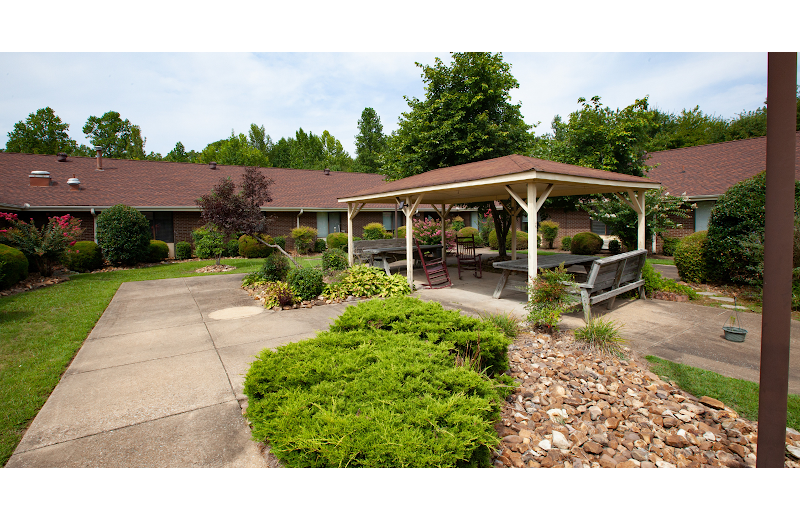
**NOTE- TERMS IN BRACKETS HAVE BEEN EDITED TO PROTECT CONFIDENTIALITY** Based on policy review, fall investigation review, medical record review, observation, and interview, the facility failed to ensure a safe and secure environment for 6 of 8 residents (Resident #11, #14, #18, #52, #163, and #215) reviewed for falls and accidents. The facility failed to ensure processes were implemented to provide supervision and assistance to ensure the residents' environment was free of accident hazards. The facility failed to conduct appropriate fall investigations to identify all contributing factors (root causes) including the disabling of the courtyard door alarm on the 400 hall and failed to implement appropriate interventions to ensure resident safety. On [DATE] Resident #11, a vulnerable resident with memory impairment and abnormalities of gait and mobility, exited the building unsupervised and without staff knowledge after a staff member disabled the courtyard door alarm on the 400 hall. At approximately 11:15 AM, a staff member was looking out the window of a resident's room and saw Resident #11 outside and sitting on the ground in the courtyard. Resident #11 required 2 staff members to assist her off the ground and back into the building. Resident #11 was found 13 feet and 6 inches from the 400-hall courtyard door threshold. The temperature was documented by weatherspark.com to be 89 degrees Fahrenheit with severe thunderstorms watch in effect for [NAME] County ([NAME], Tennessee). The time span Resident #11 was outside could not be determined. The facility's failure to provide supervision and ensure a safe environment free of accidents hazards resulted in Immediate Jeopardy for Resident #11. Resident #14, a cognitively impaired resident at risk for falls, fell on [DATE], sustained a laceration to the left eye and was transferred to the emergency room for evaluation. The facility failed to complete a fall risk assessment for Resident #14 after the fall on [DATE]. The facility failed to ensure appropriate interventions were initiated, failed to obtain an x-ray, and failed to provide pain medication after Resident #18 fell on [DATE], resulting in a painful wrist fracture. Resident #52 fell on [DATE] and the facility was unable to provide a BIMS score on the event note, failed to complete neurological checks, and complete an updated fall risk assessment for Resident #52's fall on [DATE]. The facility was unable to provide a BIMS score on the event note and failed to complete neurological checks for Resident #52 after a fall on [DATE]. Resident #163, who was identified as at risk for falls, failed to have an appropriate care plan developed and implemented for fall preventions. Resident #163 fell on [DATE], sustained multiple skin tears, lacerations, and a head injury, and was transferred to a hospital, then transferred to a higher level of care hospital, and expired on [DATE] related to aspiration pneumonia. Resident #215 had a previous fall on [DATE], which resulted in a right hip fracture. The facility's investigation revealed Resident #215 had another fall on [DATE], with a root cause being the resident's meal tray was not set up within her reach. The [DATE] fall resulted in a left hip fracture. Residents #18, 163, and 215 had falls which resulted in fractures and a head injury, resulting in actual harm.
Immediate Jeopardy (a situation in which the provider's noncompliance with one or more requirements of participation has caused, or is likely to cause, serious injury, harm, impairment, or death to a resident) was identified related to the facility's failure to use its resources effectively to attain and maintain the highest practicable well-being of vulnerable residents, to ensure systems and processes were implemented to provide supervision and assistance to ensure the resident environment was free of accident hazards.
The Administrator and the Director of Nursing (DON) were notified of the Immediate Jeopardy (IJ) for F-689 during the recertification survey on [DATE] at 4:37 PM, in the Conference Room.
The facility was cited Immediate Jeopardy at F-689.
The facility was cited Immediate Jeopardy at F-689 at a scope and severity of J which is Substandard Quality of Care.
The Immediate Jeopardy began on [DATE] - [DATE], with [DATE] being the last day of the IJ.
The facility's corrective actions were validated onsite by the surveyors on [DATE] through [DATE].
An acceptable Removal Plan, which removed the immediacy of the Immediate Jeopardy, was received on [DATE] at 10:39 AM with an alleged IJ removal date of [DATE]. The Removal Plan was verified and validated onsite by the surveyors on [DATE] through [DATE] by review of the in-service training records and audits, review of the facility's policy, review of new hire orientation packets, observations, and staff interviews. The last day of the IJ was [DATE].
After the acceptable Removal Plan for F-689 was validated on [DATE], noncompliance remains for F-689 at a scope and severity of G.
The findings include:
1. Review of the facility policy titled Comprehensive Care Plan, dated [DATE], revealed .It is the policy of this facility to develop and implement a comprehensive person-centered care plan for each resident .that includes measurable objectives and time frames to meet a resident's medical, nursing, and mental and psychosocial needs .The comprehensive care plan shall describe, at a minimum .The services that are to be furnished to attain or maintain the resident's highest practicable physical, mental, and psychosocial well-being .
Review of the facility's policy titled Neurological exam, dated [DATE], revealed .To provide a method to assure a uniform procedure for neurological assessments and to provide guidelines for observation and communication of neurological changes over a period of time .The facility shall initiate a neurological examination for individuals who have or may have experienced trauma to the head in order to capture any changes in a resident's neurological condition .a neurological examination shall be completed any time an individual has trauma to the head, either by a blow to the head or by falling and striking the head, regardless of whether they receive medical attention or not .Neuro assessments shall be performed for 72 hours or as ordered by the MD [Medical Doctor]/NP [Nurse Practitioner] .
Review of the undated facility FALL PROCESS, revealed .OPEN EVENT NOTE UNDER PROCESS .OBTAIN WITNESS STATEMENTS .DOCUMENT IN THE EVENT NOTE WHY THEY FELL. GET TO THE ROOT CAUSE .ATTACH ALL REQUIRED DOCUMENTS IN THOS [THIS] PACKET .NEURO CHECKS INITIATED .FALL RISK ASSESSMENT UPDATED .MAKE SURE BIMS IS INCLUDED. IF NOT, THEN ADDRESS .
Review of the facility's undated process titled EVENT NOTE PROCESS, revealed .MAKE SURE BIMS SCORE IS ON THE EVENT NOTE (SCORE HAS TO BE 13-15 TO BE ABLE TO EDUCATE THE RESIDENT) DO ROOT CAUSE ANALYSIS TO DETERMINE APPROPRIATE INTERVENTION AND PUT AN INSERVICE OUT WITH INTERVENTION IF NEEDED. COMPLETE FALL RISK - MAKE SURE TO ADD YOUR SCORE AND CALCULATE. START NEURO CHECKS - ON ALL UNOBSERVED FALLS AND THE RESIDENTS BIMS IS LESS THAN 13 OR IF GREATER THAN 13 AND THEY TELL YOU THEY HIT THEIR HEAD AND IF IT IS AN OBSERVED FALL AND THE RESIDENT HIT THEIR HEAD .UPDATE THE RESIDENT CARE NEEDS TO REFLECT THE FALL INTERVENTION IF IT AFFECTS THE C.N.A. CARE OF THE RESIDENT .COMPLETE ALL INVESTIGATION FORMS AND HAND IN TO THE APPOINTED PERSON .ATTACHED TO THE OCCURRENCE INVESTIGATION WORKSHEET OCCURRENCE AUDIT CHECKLIST .COMPLETE 72 HOUR DOCUMENTATION, EACH SHIFT, ON THE EVENT AND REFERENCE THE INTERVENTION.
Review of the facility policy titled Fall Risk -- Fall Prevention, dated [DATE], revealed .A Resident that unintentionally comes to rest on the ground, floor or other lower level .when a resident is found on the floor, a fall is considered to have occurred .Each resident shall be assessed for fall risk and shall receive care and services in accordance with their individualized level of risk to minimize the likelihood of falls .1. The fall risk assessment shall be completed by a licensed nurse .After a fall .the fall risk assessment shall contain the following four components: a. Identify environmental hazards and individual risks, including the need for supervision. b. Evaluate and analyze hazards and risks. c. Implement interventions, including adequate supervision, consistent with a Resident 's needs, goals, plan of care and current standards of practice in order to reduce the risk of a fall d. Monitor for effectiveness of the interventions and modify the interventions as necessary in accordance with current standards of practice .An 'At risk for Fall' care plan may need to be created or updated for Residents upon admission/readmission to the facility, after a fall .to address items identified on the fall risk as needed .Resident with a BIMS [Brief Interview of Mental Status] score of 13 or greater may be educated on the use of the call light system and reminded to ask for assistance .intervention for consideration to reduce falls .related to the Residents individual fall risk factor and/or fall occurrence .routine rounding by staff .Placing a bedside mat on the floor next to the Resident's bed .Application of proper footwear .Refer to Residents to therapy department for screening .Assess and treat for pain as warranted .
2. Medical record review for Resident #11 revealed an admission date of [DATE], with diagnoses of Chronic ulcer of left ankle, Peripheral Vascular Disease, Alzheimer's Disease, Paranoid Schizophrenia, Hypothyroidism, Anxiety, Obsessive Compulsive Disorder, Insomnia, Abnormality of Gait and history of Repeated falls and Seizures.
Resident #11's care plan dated [DATE], documented .has a self-care deficit R/T [related to] ambulation, bathing, bed mobility, dressing, eating, hygiene, locomotion, and transfer with interventions effective date [DATE] .Remind [Resident #11] to call for assistance before ambulation. Walk in room/out of room with assistance/device as needed. Requires SBA [Standby Assist] of 1 staff member for transfer and mobility. Exhibited wandering behavior with intervention to redirect when wandering is observed .provide diversional activities .prompt activity attendance to keep resident occupied . problems .at risk for falls r/t [related to] abnormal posture and gait unstable balance with interventions .
Review of the Minimum Data Set (MDS) dated [DATE] and [DATE], revealed Resident #11 had a BIMS score of 14, required extensive assistance with bed mobility, transfer, dressing, toilet use, personal hygiene with 1 person assist, surface-to surface transfer (transfer between bed and chair or wheelchair) was not steady, and was only able to stabilize with staff assistance.
Review of Resident #11's Fall Risk Assessment dated [DATE], documented a total score of 14 indicating moderate risk for falls.
Review of the Physical Therapy (PT) Recertification Progress Note and Updated Therapy Plan beginning [DATE] revealed Resident #11, .lacks insight into condition and risk factors .
Review of Resident #11's Fall Risk Assessment dated [DATE], documented a total score of 15 indicating moderate risk for falls.
Review of the Nurse's Event note for Resident #11 dated [DATE] at 11:15 AM, revealed .Location .courtyard .Unobserved .no apparent injury .unobserved .see clinical note .
Review of the facility's Clinical Note dated [DATE], at 14:54 (2:54) revealed, . [Resident #11] was found in the courtyard wandering around when they [staff] got to her resident was lying on the ground red and warm to the touch .
Review of the Occurrence Investigation Interview for Resident #11 dated [DATE] at 11:15 AM, revealed, .Fall .courtyard .CNA [certified nursing assistant] saw resident from window . What did the Resident say? Unable to determine .How was the Resident positioned when you observed them? .on bottom .At the time of the occurrence, Resident was/had: (Check all that apply) .confusion, impulsive, Wearing Appropriate Footwear .
Review of the facility's undated Interdisciplinary Team Occurrence Investigation Worksheet (provided by the facility related to the [DATE] fall) revealed .The root cause of the occurrence is Inappropriate Footwear .Intervention(s) put in place: encourage resident not wear 'crocs' when going outside .Behaviors that may have contributed to the fall .contributing factors .Agitation . Restlessness .Impulsive behaviors .Physical Function problems that may have contributed to the fall .gait disturbance, muscle weakness and loss of balance .Review the environment for possible contributing factors .Alarm not sound on door [alarm was disabled] .Review factors related to the resident for possible contributing factors .pain and fatigue .
Review of the revised care plan for Resident #11 with the revision date of [DATE] revealed, problems .at risk for falls r/t [related to] abnormal posture and gait unstable balance with interventions updated [DATE], Actual fall. no apparent injuries.
Review of an undated WITNESS STATEMENT conducted via telephone interview by the facility with CNA #3 regarding Resident #11's [DATE] fall, revealed .Date Incident Occurred [DATE] [[DATE] is the date written, however, the incident occurred on [DATE]] .observed resident [Resident #11] sitting on her bottom .[CNA #3] and another CNA [CNA #4] went outside and assisted the resident back in .
A facility telephone interview on [DATE], related to Resident #11's [DATE] fall revealed CNA #4 stated . was in room [ROOM NUMBER] assisting with tray set when she [CNA #4] observed [Resident #11] sitting on her bottom approximately 5 feet from the door to enter the facility from the courtyard .she and another CNA [CNA #3] went outside and assisted the resident back in the facility and notified the nurse who assisted the resident .
Review of the facility's WITNESS STATEMENT from the Social Service Director dated [DATE], revealed, .A resident [random resident] asked if he could go outside for some fresh air .I borrowed the alarm key to the courtyard from the nurse .unlocked the door .assisted resident [random resident] back inside .he [random resident] was in a wheelchair .I failed to get the key back from a nurse that triggers the exit alarm .
Review of the facility's Addendum Note Clinical Note dated [DATE] at 8:48 AM, revealed, .CNA [CNA #4] saw resident [Resident #11] from the window of another room [room [ROOM NUMBER]] and went to get the resident from the courtyard. When they [CNAs] got to [Resident #11] resident was sitting on the ground, red and warm to the touch .
Review of a Physicians Clinical Note dated [DATE], revealed, .apparently patient [Resident #11] fell back on [DATE] while she was out in the courtyard. I was asked to see the patient for a neurological evaluation .she has a history of memory impairment and seizure disorder. She also has peripheral vascular disease, insomnia, schizophrenia, conduct disorder, Alzheimer type dementia .when I saw her today she was awake, alert and slightly slow to respond .needs help walking , does not use walker .Neurological .oriented to place but not time or person .Assessment . History of Memory Loss .dementia .seizure disorder . anxiety .Plan .appears to have memory impairment at least orientation to person and time .appears to be able to stand but need assistance .
Review of the NURSE'S EVENT NOTE dated [DATE] at 4:30 AM, revealed .Location Incident Occurred .Patient Room .bathroom .Unobserved Fall .Injury .Abrasion .left side of forehead .called to room by CNA, resident noted laying in the floor of her bathroom on her stomach with head turned to right side. 3 staff to get res [Resident #11] up .had on non skid socks and shoes was trying to get to the toilet and lost balance was incont [incontinent] of urine .STEPS IMPLEMENTED TO PREVENT RECURRENCE .visual sign to use call light for assist to bathroom .
Review of the OCCURRENCE INVESTIGATION INTERVIEW dated [DATE] at 4:30 AM, revealed .What did the Resident say happened .I don't know .How was Resident positioned when you observed them? .laying in floor on her stomach with head turned to the right .Other comments: .does not wait or call for assistance . Describe any noncompliance issues or impaired safety awareness of the Resident .getting up by herself w/out [without] assistance .
Review of the undated INTERDISCIPLINARY TEAM OCCURRENCE INVESTIGATION WORKSHEET, for the [DATE] fall, revealed .The root cause of the occurrence is: Ambulating to restroom without assistance .Intervention(s) put in place .Visual cue placed in Resident room to call for assistance with toileting .
Observations on [DATE] at 11:06 AM, revealed Resident #11 sitting in her room in a recliner chair with eyes closed, fully dressed in socks and croc shoes on her feet. A reddened area was observed above Resident #11's left eye, from a fall she had in the bathroom on [DATE].
During an interview on [DATE] at 4:00 PM the Social Worker Director (SSD) was asked about Resident #11 wandering outside to the courtyard unsupervised on [DATE]. The SSD stated, .it was on a Saturday [[DATE]] .I came in that day and I took another resident outside to the courtyard who was in a wheelchair just to get some fresh air .I unlocked the courtyard door [off the 400 hall] when I brought the resident back in, I cut the door alarm off, took the resident back to his room and was talking with other residents and I forgot to cut the alarm back on .I was in another resident room it was at least 15 min .I was coming down the hall and they were bringing Resident #11 back in from outside .No one else knew that the alarm was dislodged .No one knew she was out there and she was in the courtyard by herself. I forgot to turn the alarm back on and she had wandered outside, and no one knew it . The SSD stated .she [Resident #11] was sitting on her bottom when they found her .It was hot that day. This was reported to the state and was investigated .I felt so bad .I am so glad that they saw her .I felt bad because I forgot to turn that alarm back on .and it was so hot that day . The SSD was asked did she see anyone else in the courtyard when she was bringing another resident back inside the building. The SSD stated no. The SSD was asked if Resident #11 was allowed to go into the courtyard by herself. The SSD stated .no, she is never outside alone .someone is always with her .she loves to be outside .she is never outside in the courtyard by herself, the staff only takes her out because when she goes out she does not want to come back in and she would not let the staff know when she needed to come back in .she would have never been outside unattended because she has a lot of mental diagnoses and cognition not good .I forgot to cut the alarm back on .no one knew until she was found .it was my fault I forgot to engage the door alarm .
During an interview on [DATE] at 4:30 PM, CNA #3 was asked about Resident #11 being found in the courtyard unsupervised. CNA #3 stated .I was passing a lunch tray to a resident in room [ROOM NUMBER], as I was placing the tray on the table, the blinds were open, and I noticed Resident #11 was outside in the courtyard sitting on the ground. I ran to get her yelling for assistance from CNA #4 . [Resident #11] was sitting on the ground .I remember it was really hot that day .she [Resident #11] was sweating a lot . CNA #3 was asked if she heard the door alarm sounding. CNA #3 stated .No I did not hear an alarm . CNA #3 was asked if Resident #11 was outside alone. CNA #3 stated .there was no one else outside with [Resident #11] .she was on the ground when I saw her through the window .it took 2 of us to get her up .it was so hot that day .she was anxious, red and flushed .I was not [Resident #11's] CNA that day but have worked with her and she does not go into the courtyard alone .she loves to be outside and we have a hard time bring her back in . CNA #3 was asked if she wrote a statement about Resident #11 being outside on the ground, unsupervised the day the incident occurred. CNA #3 stated .I was thinking I needed to write a statement, but no one asked me until 7/3 [[DATE]] that Monday [2 days later] I was called, and I gave statement over the phone . CNA #3 was asked if the Administrator came to the building after the incident to take her statement. CNA #3 stated .No .if she did, she did not talk to me I was not called or talk to till Monday .
During a telephone interview on [DATE] at 4:00 PM, Licensed Practical Nurse (LPN) #5 was asked about Resident #11 being found in the courtyard on the ground and unsupervised. LPN #5 stated .Resident #11 was my assigned resident. It was my first shift working at the facility on 7/1 .I saw resident [Resident #11] going down the hall, she was a little unsteady .I asked if she was OK to be walking the halls and the CNA said yes .I was passing my medications when I heard the CNAs yelling that Resident #11 was outside lying on the ground. I don't know how she got outside .I heard that a resident wanted to water the flowers and when he came back in, they forgot to set the alarm back .I'm really not sure. I did not hear a door alarming at all . I did not see her [Resident #11] go out of the door and do not know how long she had been outside .I was called on Monday 7/3 [[DATE]] and asked if I could come in [to work] on 7/4 [[DATE]] .the Administrator wanted me to make corrections to the documentation that she [Resident #11] was found on her bottom and not lying on her back .I didn't know [Resident #11] had gone outside. I assisted the 2 CNAs bring her [Resident #11] back in and I took her vital signs and gave her some water at the desk .
During a telephone interview on [DATE] at 4:19 PM, CNA #4 was asked about Resident #11 being in the courtyard unsupervised. CNA #4 stated .I was assigned to Resident #11 that day .I was giving a shower [to another resident]. It was close to time for the trays to come out. As I was coming out of the shower room I heard and saw CNA #3 running and shouting [Resident #11] was outside in the courtyard on the ground .I started running with her .it was hot outside .[Resident #11] was on the ground and we had to help her up and we got her inside and sat her at the nursing station for the nurse to check her out because she was flushed .[Resident #11] walks the hall and sits at the nursing station .I don't know who let her out, she does not go by outside by herself never .I did not hear the door alarms .no one knows for sure how long she was outside .
During an interview on [DATE] at 5:56 PM, the Administrator was asked about Resident #11 being outside, unsupervised and being found on the ground. The Administrator stated, .the event notes and charting was not completed .I asked the nurse to come and make changes to the documentation .I came up to the facility that day of incident but did not get all the statements . The Administrator was asked what Resident #11 had stated happened. The Administrator stated, .[Resident #11] can recall some things and sometimes cannot tell what happened .[Resident #11] has psychosis, it depends on her mental status that day .[Resident #11] goes out to the courtyard with the Activity Director but [Resident #11] has been out there before by herself she likes the flowers . The Administrator was asked should Resident #11 have been in the courtyard unsupervised at any time. The Administrator stated No.
During an interview on [DATE] at 9:51 AM, CNA #3 was asked if the Administrator had requested a demonstration of the incident of Resident #11 being found outside on the ground, unsupervised. CNA #3 stated No, the Administrator did not talk to me the day of the incident. I was called on [DATE]rd about a statement for this incident .I did not demonstrate how she was found to the Administrator .
During an interview and observations on [DATE] at 2:55 PM, with Resident #11 and the Director of Nursing (DON) in Resident #11's room, the DON was asked where the visual cue reminder was to remind Resident #11 to use call light for assistance when toileting. The DON looked around the room, opened the bathroom door and a red sign was posted on the inside bathroom door that read, Prior to getting up from toilet Please use call light to call for assistance. Resident #11 was asked, would you know to read the sign on the inside of the door. Resident #11 did not answer. Resident #11 was asked, do you know how to use the call light when you have to use the bathroom? Resident #11 stated, .I don't know . Resident #11 was asked do you know what a call light is? Resident #11 stated .no, I don't know . Resident #11 was asked, did you hurt your head when you fell? Resident #11 stated .I guess it's right here [pointing to left side of head 1-inch red spot noted above eyebrow] . Resident #11 could not demonstrate the use of the call light and was unable to confirm she knew to call the nurse for assistance when she needed to get up. The DON stated .I did not put the sign up .I wasn't aware it was on the inside of the door .the Administrator put it up . The DON stated .Resident #11 will go to the bathroom on her own and call us if she needs help . The DON was asked if the intervention was appropriate to have visual cues inside the bathroom door. The DON stated, .it's just to remind her to call us .I will put the sign on the outside of the door .
During an interview on [DATE] at 9:18 AM, the Director of Rehab was asked about Resident #11's therapy evaluations. The Director of Rehab stated, .[Resident #11] has been on our case load because of treatments to a chronic ulcer to the left ankle .she receives treatment 3 times a week .requires verbal cueing to follow directions and tactile [grab under arm to guide]. I talked with [Resident #11] after the fall, and she did not remember .She needs supervision with ambulation when outside because of her gait .it is very unsteady .she shuffles when she walks and ambulates with very slow movement .[Resident #11] is very high risk for falls because of her gait . The Director of Rehab was asked about Resident #11 wearing crocs being the root cause of the fall on [DATE]. The Director of Rehab stated, .I don't think wearing the crocs shoes had anything to do with the fall being a root cause because [Resident #11] wears crocs everyday .inside or outside she is very unsteady with ambulation because of the shuffling of her feet and unsteady gait .she needs supervision . The Director of Rehab was asked should Resident #11 be outside ambulating unsupervised she stated .definitely not .
During a telephone interview on [DATE] at 2:00 PM, the Medical Director stated, . [Resident #11] definitely has some mental impairments with her memory .her walking is very unstable .definitely should not have been outside unsupervised .
During an interview on [DATE] at 4:00 PM, the Regional Nurse Consultant (RNC) was asked if Resident #11's fall interventions and root causes for falls on [DATE] and [DATE] were appropriate. The RNC stated .the interventions and root causes are discussed when a fall occurs .we should monitor and follow up to see if the interventions are effective .the root causes are determined when a fall occurs what caused the fall and should be discussed in the fall meetings .I am directing the staff to call me personally when there is a fall so we can implement the appropriate interventions .before now this was not being done and we have some work to do with our falls . The RNC confirmed the root cause .wearing crocs shoes when outside for Resident #11 should have been reevaluated and monitored due to Resident #11 was wearing croc shoes on the [DATE] fall in the bathroom and gait was unsteady.
3. Review of the medical record revealed Resident #14 was admitted to the facility on [DATE], with diagnoses of Parkinson's Disease, Dementia, Anxiety, Hypothyroidism, and Depression.
Review of the quarterly MDS dated [DATE], revealed Resident #14 had a BIMS score of 1, which indicated severe cognitive impairment, and required limited assistance from staff for ambulation.
Review of the Care Plan dated [DATE], and revised on [DATE], revealed Resident #14 had .Dementia .Interventions .Shoes will have non-skid soles and fit well .Parkinson's .Interventions . Modify environment as needed .Provide rest periods as needed .Observe for lack of coordination .Self care deficit R/T [Related To] ambulation .Remind [Named Resident] to call for assistance before ambulation .At Risk For Falls .Offer to be placed in bed prior to becoming impulsive .
Review of an Event Note dated [DATE], revealed Resident #14 had an observed fall on [DATE], sustained a laceration of the left eye, was transferred to the emergency room for evaluation and returned to the facility. The facility failed to conduct a Fall Risk Assessment after Resident #14's fall on [DATE], in accordance with facility policy.
During an interview on [DATE] at 4:06 PM, LPN #1 confirmed he was at Nurse's Station #1 on [DATE], and observed Resident #14 walking back and forth down the 400 Hall, walking independently with no difficulty, until she lost her balance and fell, and hit her head and injured her left eye. LPN #1 was asked what his immediate intervention was after the fall. LPN #1 stated, .assessed the resident, completed a neuro check, and called the ambulance.
During an interview on [DATE] at 9:52 AM, the Assistant Director of Nursing confirmed a Fall Risk Assessment was not completed after Resident #14's fall on [DATE], and should have been.
4. Review of the medical record revealed Resident #18 was admitted to the facility on [DATE], with diagnoses of Dementia, Malnutrition, Depression, Anxiety, Compression Fracture Lumbar, and Obsessive-Compulsive Disorder.
Review of the Clinical Notes Report dated [DATE] at 10:32 PM, revealed Resident was witnessed by this nurse grabbing hand rails on 100 hallway and sat down on the floor using the hand rail for assistance, this nurse asked if she needed any help and she stated yeah get me up from here so I helped her up and walked with her to her room where she laid down, resident did not hit head and denied any pain or discomfort at the time.
Review of Resident #18's [DATE] Care Plan revealed, XXX[DATE] Actual Fall .No apparent injury; Intervention: Staff IN-Service to offer frequent rest periods when witnessing ambulation .
Review of the Clinical Notes Report dated [DATE] at 4:59 PM, revealed Post fall wound assessment completed. Resident's cognition appears slowed from her baseline. Left side weakness with eyes appearing to not track with equally while following objects. Baseline ROM [range of motion] in BUE [bilateral upper extremities] and BLE [bilateral lower extremities] within resident basel[TRUNCATED]
CONCERN
(D)
Potential for Harm - no one hurt, but risky conditions existed
Deficiency F0554
(Tag F0554)
Could have caused harm · This affected 1 resident
**NOTE- TERMS IN BRACKETS HAVE BEEN EDITED TO PROTECT CONFIDENTIALITY** Based on policy review, medical record review, observation, and interview, the facility failed to assess 1 of 5 residents (Resid...
Read full inspector narrative →
**NOTE- TERMS IN BRACKETS HAVE BEEN EDITED TO PROTECT CONFIDENTIALITY** Based on policy review, medical record review, observation, and interview, the facility failed to assess 1 of 5 residents (Resident #32) reviewed for self-administration of medication.
The findings include:
Review of the facility's policy titled Self-Administration of Medication, dated 1/1/2023, revealed To provide guidance on self-administration of medication by the resident .A resident who desires to self-administer medication may be permitted to do so if the resident is assessed, using the Assessment for Self-Administration of Medication tool and deemed competent to self-administer medications safely as determined by the interdisciplinary team .If the resident is deemed competent to self-administer medications, per the Assessment of Self Administration, the physician must authorize self-administration by giving an order .
Review of the medical record revealed Resident #32 was admitted to the facility on [DATE] with diagnoses of Chronic Obstructive Pulmonary Disease, Encephalopathy, Osteoarthritis, Cerebral Brain Infarction, Congestive Heart Failure, and Sepsis.
Review of the admission Minimum Data Set (MDS) dated [DATE], revealed Resident #32 had a Brief Interview for Mental Status (BIMS) of 10, which indicated moderate cognitive impairment.
Review of the quarterly MDS dated [DATE], revealed Resident #32 had a BIMS of 14, which indicated cognitively intact.
Review of the Physician Order Sheet July 2023, revealed .fluticasone furoate 100 mcg [micrograms]-vilanterol 25 mcg/dose inhalation powder (1 puff) BLISTER, WITH INHALATION DEVICE Inhalation .1 puff daily in morning .
Observation of medication administration on 8/10/2023 at 8:04 AM, revealed Licensed Practical Nurse (LPN #4) handed Resident #32 the inhaler and he administered 2 puffs. LPN #4 did not instruct Resident #32 to rinse out his mouth after the corticosteroid inhaler treatment. The physician order was for 1 puff daily, not 2 puffs that resident #32 administered to themselves.
Review of Resident #32's comprehensive Care Plan dated 5/22/2023, did not include documentation of a plan for self-administration of medications.
Review of the facility's undated form ASSESSMENT FOR SELF-ADMINISTRATION OF MEDICATIONS, revealed it was blank and had no medication listed that Resident #32 could self-administer.
During an interview on 8/16/2023 at 5:39 PM, the Director of Nursing (DON) was asked should Resident #32 be allowed to self-administer his medications. The DON stated, No, this one [assessment for medication self-administration form] for [named Resident #32] is blank it would not be useful .
CONCERN
(D)
Potential for Harm - no one hurt, but risky conditions existed
Safe Environment
(Tag F0584)
Could have caused harm · This affected 1 resident
Based on policy review, observation, and interview, the facility failed to provide effective housekeeping to maintain a sanitary environment for 1 of 32 (Resident #213) resident bathrooms observed.
Th...
Read full inspector narrative →
Based on policy review, observation, and interview, the facility failed to provide effective housekeeping to maintain a sanitary environment for 1 of 32 (Resident #213) resident bathrooms observed.
The findings include:
Review of the facility's policy, titled Housekeeping-Cleaning and Disinfecting, with a revision date of 5/15/2023 revealed, .Surfaces that are frequently touched . require more frequent cleaning. Specific areas include .bathrooms .Clean the entire toilet .rim .
Observations in Resident #213's bathroom on 8/7/2023 at 11:13 AM and on 8/8/2023 at 7:45 AM, revealed the resident's bathroom had urine in toilet, a dark brown ring around the liquid inside the toilet, the toilet seat was raised and a dark brown round spot that was approximately dime-nickel size was on the left side of the bowl.
Observations on 8/8/2023 at 10:50 AM, 12:14 PM, and 5:12 PM, revealed Resident #213's bathroom had a dark brown ring around the liquid inside the toilet, the toilet seat was raised, a dark brown round spot that was approximately dime-nickel size was on the left side of the bowl, and a brown smear that was approximately 2 inches long was on the inside down the front of the toilet bowl.
Observation on 8/9/2023 at 8:07 AM, revealed Resident #213's bathroom had a dark brown ring around the liquid inside the toilet, the toilet seat was raised, a dark brown round spot that was approximately dime-nickel size was on the left side of the bowl, and a brown smear that was approximately 2 inches long was on the inside down the front of the toilet bowl.
During an interview on 8/7/2023 at 2:14 PM, Resident #213 was asked if the bathroom had been cleaned resident stated, It [bathroom] needs cleaning. It hasn't been cleaned since I got here last Wednesday [8/2/2023].
During an interview on 8/8/2023 at 7:50 AM, the Administrator confirmed there should not be stains in the toilet.
During an interview on 8/8/2023 at 5:12 PM, Resident #213 was asked if they had cleaned the toilet yet. Resident #213 stated, No.
During an interview on 8/9/2023 at 8:27 AM, the Administrator was asked if they are having trouble with housekeeping. The Administrator stated, Had some turnover .hiring is just an issue . The Administrator was shown Resident #213's bathroom and confirmed the toilet still was not clean.
CONCERN
(D)
📢 Someone Reported This
A family member, employee, or ombudsman was alarmed enough to file a formal complaint
Potential for Harm - no one hurt, but risky conditions existed
Report Alleged Abuse
(Tag F0609)
Could have caused harm · This affected 1 resident
**NOTE- TERMS IN BRACKETS HAVE BEEN EDITED TO PROTECT CONFIDENTIALITY** Based on review of facility policy, medical record review, facility investigations and interview, the facility failed to report ...
Read full inspector narrative →
**NOTE- TERMS IN BRACKETS HAVE BEEN EDITED TO PROTECT CONFIDENTIALITY** Based on review of facility policy, medical record review, facility investigations and interview, the facility failed to report the results of abuse allegation investigation outcomes within 5 working days of the alleged violation for 3 of 3 residents (Residents #11, #48, and #51) sampled for abuse allegation investigations.
The findings include:
1. Review of the facility policy Abuse Prohibition Plan revision date of 10/24/22 showed .Notification of law enforcement and/or the State Agency .within the appropriate time frames .REPORTING IN ACCORDANCE WITH THE ELDER JUSTICE ACT .Each covered individual .shall report, or cause a report to be made, to the State Agency and one or more law enforcement entities .The local Police Department is the law enforcement entity for the political subdivision of this facility .The Administrator shall report results of all investigations to the State Agency, within (5 ) five working days of the allegation
2. Medical record review for Resident #11 documented an admission date of 4/9/21, with diagnoses of Chronic ulcer of left ankle, Peripheral Vascular Disease, Alzheimer's Disease, Paranoid Schizophrenia, Hypothyroidism, Anxiety, Obsessive Compulsive Disorder, Insomnia, Abnormality of Gait and history of Repeated falls and Seizures.
Review of quarterly MDS dated [DATE], revealed Resident #11 had a Brief Interview Mental Status Minimum (BIMS) score of 12 indicating cognitive impairment, required extensive assistance with bed mobility, transfers, dressing, toilet use and personal hygiene.
Review of the quarterly Minimum Data Set (MDS) dated [DATE] revealed Resident #11 had a BIMS score of 14 indicating no cognitive impairment, required extensive assistance with bed mobility, transfer, dressing, toilet use and personal hygiene.
3. Medical record review for Resident #48 documented an admission date of 8/2/2022, with diagnoses of End Stage Renal Disease, Type 2 Diabetes Mellitus, Bipolar Disorder, Generalized Anxiety, Major Depression, Dependence on Renal Dialysis, Unsteadiness on Feet.
Review of the MDS assessment dated [DATE] revealed Resident #49 had a BIMS score of 10, indicating moderate cognitive impairment. Further review revealed Resident #48 required extensive assistance with bed mobility, dressing, toilet use and personal hygiene and limited assistance with transfer walking and eating in room.
4. Medical record review for Resident # 51 revealed an admission date of 1/27/23, with diagnoses of Chronic Kidney Disease, Hypertensive Crisis Heart Failure, Encephalopathy, Dysarthria and Anarthria cerebral Infarction, Depression, Anxiety, Anemia, History of cocaine use.
Review of the reentry MDS dated [DATE], revealed a BIMS score of 11 indicating cognitive impairment with disorganized thinking, required supervision with ADL's bed mobility, transfer, eating, toilet use and personal hygiene with setup and 1 persona assist. Further review revealed Resident #51 used a wheelchair for mobility.
5. Review of the self-reported facility investigation dated 4/4/2023 6:00 AM, revealed a resident to resident abuse incident that was witnessed by staff. Resident #48 and Resident #51 were engaging in a verbal altercation in the hall by the dining room. Staff observed Resident #51 hit Resident #48 in the chest with a closed fist. Both were separated without further incident and assessed with no injuries noted. The residents reside on different hallways. Both residents were referred to psych for medication review. The incident was substantiated.
The investigation did not contain documentation of the outcome findings and reported to the State Agency within 5 working days of the alleged violation. The incident was not reported to Police Department.
6. Review of the facility investigation dated 4/23/2023 at 3:45 PM, revealed an unwitnessed by staff, resident to resident abuse incident. Resident #11 was sitting at the dining table with another female resident. The female resident siting with Resident #11 was heard yelling that a man was hitting Resident #11. The female resident sitting with resident #11 was the only resident who was present for the incident. Resident #11 had a small red mark on her cheek. Both residents were interviewed and unable to identify the alleged perpetrator. The facility reviewed the endomorphic of it census in an attempt to identify an alleged perpetrator which may have been Resident #51 Resident #51 was not cooperative or able to participate in interview. The incident was unsubstantiated due to lack of evidence.
The investigation did not contain documentation of the outcome findings and reported to the State Agency within 5 working days of the alleged violation. The incident was not reported to the Police Department.
7. Review of the self-reported an incident facility investigation dated 7/4/2023 9:45 AM, revealed a resident to resident allegation incident. Resident #48 was observed to be sitting on the floor in the dining room. The nurse asked the resident what happened and how did he fell. Resident #48 told the nurse that Resident #51 hit him on the head and pointed to top of his head, with redness noted to top of Resident #48's head. Resident #48 complained of discomfort to his right wrist and was sent to the emergency room for evaluation. The alleged perpetrator, Resident #51, was seen leaving the dining room in his wheelchair with a cup of coffee in his hand. Resident #51 was sent to emergency room for evaluation of hypertensive crisis due to not taking blood pressure medication and aggression. The Administrator interviewed both residents involved in the alleged incident, neither of which were able to tell what occurred. A kitchen staff member stated heard a noise in the dining room but did not actually see what happened. There were no witnesses to the incident. The incident was unsubstantiated due to lack of evidence and both residents were unable to provide creditable statements.
The investigation did not contain documentation of the outcome findings and reported to the State Agency within 5 working days of the alleged violation.
8. During an interview on 8/17/2023 at 3:25 PM, the Administrator confirmed the outcome of the facility's investigations were not reported to the State Incident Reporting System within 5 working days of the alleged violation. The Administrator stated, .I'm responsible for reporting allegations of abuse .and completing the report in the reporting system. I was not aware that I did not report the outcome of the investigation . The Administrator confirmed the alleged violations involving resident abuse were not reported to law enforcement stating, I was not aware that I had to since there were no injuries .
CONCERN
(D)
Potential for Harm - no one hurt, but risky conditions existed
Incontinence Care
(Tag F0690)
Could have caused harm · This affected 1 resident
**NOTE- TERMS IN BRACKETS HAVE BEEN EDITED TO PROTECT CONFIDENTIALITY** Based on policy review, medical record review, observation, and interview, the facility failed to ensure a physician's order for...
Read full inspector narrative →
**NOTE- TERMS IN BRACKETS HAVE BEEN EDITED TO PROTECT CONFIDENTIALITY** Based on policy review, medical record review, observation, and interview, the facility failed to ensure a physician's order for a urinary catheter and failed to ensure appropriate diagnoses for the indwelling urinary catheter for 1 of 2 residents (Resident #214) sampled residents reviewed with urinary catheters.
The findings include:
Review of the facility's titled policy Promoting/Maintaining Resident Dignity Policy, dated 10/24/2022, It is the practice of this facility to protect and promote resident rights and treat each resident with respect and dignity as well as care for each resident in a manner and in an environment, that maintains or enhances resident's quality of life .Maintain resident privacy .
2. Review of the medical record revealed Resident #214 was admitted to the facility on [DATE], with diagnoses of Femur Fracture, Atrial Fibrillation, Pulmonary Hypertension, Chronic Obstructive Pulmonary Disease, and Diabetes.
Review of the Care Plan dated 8/2/2023, revealed At risk for infection R/T [related to] indwelling catheter .Catheter .Change catheter/bag per MD [Medical Doctor] order as needed .
Review of the admission Minimum Data Set (MDS) dated [DATE], revealed Resident #214 had a Brief Interview for Mental Status (BIMS) of 8, which indicated moderate cognitive impairment. Further review revealed Resident #18 required extensive assistance to total dependence for activities of daily living (ADLs) and had an indwelling urinary catheter.
Review of the Physician's Order Sheet dated August 2023 revealed there was not a physician's order for the use of an indwelling urinary catheter.
Review of the medical record revealed Resident #214 did not have a diagnosis to justify the use of the indwelling urinary catheter.
Observation on 8/7/2023 at 11:22 AM, revealed Resident #214 was sitting in the chair at bedside, the indwelling urinary catheter bag was on the left side of bed, visible from door with no privacy bag cover.
Observation on 8/8/2023 at 10:55 AM, revealed the urinary catheter bag was hanging on the bed rail, was visible from the door, and was not covered with a privacy bag cover.
Observation on 8/8/2023 at 10:52 AM, revealed Resident #214 was sitting in the chair at bedside, the urinary catheter bag was hanging on the bed rail, was visible from the door, was not covered with a privacy bag, and yellow urine was visible.
During an interview on 8/14/2023 at 12:15 PM, the Director of Nursing (DON) was asked should a resident's catheter bag be visible from the door and not covered. The DON stated, No . you know that.
During an interview on 8/16/2023 at 5:39 PM, the DON was asked if they had an appropriate diagnosis to justify the use of the urinary catheter for Resident #214. The DON stated, No ma'am, I do not. The DON was asked if there was a physician's order for the use of the urinary catheter. I don't see an order for that catheter either.
CONCERN
(D)
Potential for Harm - no one hurt, but risky conditions existed
Medical Records
(Tag F0842)
Could have caused harm · This affected 1 resident
**NOTE- TERMS IN BRACKETS HAVE BEEN EDITED TO PROTECT CONFIDENTIALITY** Based on policy review, medical record review, observation, and interview, the facility failed to maintain privacy and confident...
Read full inspector narrative →
**NOTE- TERMS IN BRACKETS HAVE BEEN EDITED TO PROTECT CONFIDENTIALITY** Based on policy review, medical record review, observation, and interview, the facility failed to maintain privacy and confidentiality of medical records for 2 of 5 (Resident #32 and #113) residents observed during medication administration.
The findings include:
1. Review of the facility's policy titled Patient Confidentiality, dated 1/2023, revealed This facility honors the resident's right to secure and confidential personal and medical records. This includes the right to confidentiality of all information contained in a resident's records, regardless of the form of storage or location of the record .'Confidentiality' is defined a safeguarding the content of information including written, video, audio, or other computer stored information from unauthorized disclosure without the consent of the resident and/or representative .
2. Review of the medical record revealed Resident #32 was admitted to the facility on [DATE], with diagnoses of Chronic Obstructive Pulmonary Disease, Encephalopathy, Osteoarthritis, Cerebral Brain Infarction, Congestive Heart Failure, and Sepsis.
Observation on 8/10/2023 at 8:04 AM, outside Resident #32's room revealed Licensed Practical Nurse (LPN) #4 left Resident #32's personal health information open on the computer monitor located in the hallway on the Station 2 medication cart, unattended and visible to the public.
During an interview on 8/10/2023 at 8:10 AM, LPN #4 was asked should the resident personal information have been left displayed on the screen. LPN #4 stated, No ma'am.
3. Review of the medical record revealed Resident #113 was admitted to the facility on [DATE] with diagnoses of Metabolic Encephalopathy, Pneumonia, Hypernatremia Cardiomegaly, Aphasia, Schizoaffective Disorder, Autistic Disorder, Chronic Kidney Disease, Dementia, Psychotic Disturbance, Anxiety, Contractures, and Dysphagia.
Observation on 8/8/2023 at 8:27 AM, outside Resident #113's room revealed LPN #3 left Resident #113's personal health information open on the computer monitor located in the hallway on the Station 1 medication cart, unattended and visible to the public.
During an interview on 8/8/2023 at 5:34 PM, LPN #3 was asked should a resident's personal information be left displayed on computer screen when you enter a room. LPN #3 stated, No . LPN #3 was asked did you leave the information on display. LPN #3 stated, Yes.
4. During an interview on 8/16/2023 at 5:39 PM, the Director of Nursing (DON) was asked should the resident identifying health information be left up on display on the computer screen when the nurse isn't around. The DON stated, No, ma'am.
CONCERN
(D)
Potential for Harm - no one hurt, but risky conditions existed
QAPI Program
(Tag F0867)
Could have caused harm · This affected 1 resident
Based on facility policy, facility data, and interview, the facility's QUALITY ASSURANCE PERFORMANCE IMPROVEMENT (QAPI) program failed to identify issues, take appropriate actions, ensure appropriate ...
Read full inspector narrative →
Based on facility policy, facility data, and interview, the facility's QUALITY ASSURANCE PERFORMANCE IMPROVEMENT (QAPI) program failed to identify issues, take appropriate actions, ensure appropriate interventions, and monitor effectiveness for falls related to 71 resident falls in the last 120 days.
The findings included:
Review of the facility's policy titled QUALITY ASSURANCE PERFORMANCE IMPROVEMENT PLAN, dated January 2023, revealed The Quality Assurance Performance Improvement (QAPI) Plan is designed to establish and maintain an organized facility-wide program that is data-driven and utilizes a proactive approach to improving the quality of life and services throughout the facility. This is a living document that will continue to be refined and revisited. It is written in accordance with the facility's mission, vision, and values. Objectives of the QAPI plan include .Establish a facility-wide process to identify opportunities for improvement through continuous attention to quality of care, quality of life and Resident safety .Address gaps in systems of processes. Ensure adequate provision of staffing, time, equipment, and technical training resources. Establish clear expectations around safety, quality, rights, choice, and respect. Continually improve the quality of care and services provided to our Residents .
During an interview on 8/17/23 at 2:01 PM, the Administrator was asked, who attends QA meetings. The Administrator stated, .myself, the ADON [Assistant Director of Nursing], DON [Director of Nursing], Therapy, Maintenance .Business Office, RD [Registered Dietician], Wound Care Nurse .confirmed they have invited CNAs [Certified Nursing Assistant] before but it's been awhile .more than a year .stated we don't always invite them .
The Administrator was asked have they reviewed the falls, and what has been implemented. The Administrator stated, .what we do bring the falls to the morning meeting we can pull the computer .event note .also the packet .the IDT [Interdisciplinary Team] participate .and what we feel is appropriate at that time and later another intervention might be more appropriate . The Administrator was asked, if they identified issues with the falls. She stated, .to be honest it was brought to our attention this week . The Administrator was asked, who is responsible to reviewing the fall the packet. The Administrator stated, The IDT review .the ADON maintains the packets .collects all the information and logs it on a spread sheet. The Administrator was asked, if the spread sheet included all elements of the process and who should have identified the issues about falls before the surveyors brought it to attention. The Administrator stated, .the spread sheet looks like [the Administrator showed the surveyor the spread sheet on the computer which contained] days of week, shift .location, activity, injury .history, or medical condition .medications involved . interventions . The Administrator was asked, if she was ultimately responsible to ensure the facility had identified any issues with falls. She stated, Yes ma'am . The Administrator was asked, where do you think the break down was. She stated, I can't say . [named ADON] deals with the falls .education .training was a big factor . The Administrator was asked, would you say that staff is following the facility's fall process. The Administrator stated, I can't say that .this week confirmed falls was not identified till the surveyors brought it to their attention . The Administrator was asked, does the entire IDT team have input in the interventions that are put in place. The Administrator stated, .typically yes .depends on the root cause . The Administrator was asked should therapy have input. The Administrator stated, Yes .there is actually, a place for them .when they are involved in the meeting. The Administrator was asked, do you feel the team has good communication. The Administrator stated, fairly well .I do feel like there is room for improvement . The Administrator was informed the survey team had observed several times that fall interventions for residents with low Brief Interview for Mental Status (BIMS) scores of 1, 2, and 3 were to remind the resident to call for assistance, and if that was appropriate. The Administrator stated, Not for a resident with that low of a BIMS. The Administrator was asked if she was aware that based on data provided the facility had 71 falls in the last 120 days. She confirmed that seems like a lot of falls for census of 60. The Administrator stated, .it's something to look at .we have not had our QAPI meeting this month . The Administrator was asked why Resident #11's fall on 7/1 wasn't on the fall list provided, do you know why. The Administrator stated, .I can't say .I don't know . The Administrator was asked, was your fall protocol followed so it would trigger as a fall. The Administrator stated, No ma'am, it was not.
CONCERN
(D)
Potential for Harm - no one hurt, but risky conditions existed
Deficiency F0883
(Tag F0883)
Could have caused harm · This affected 1 resident
**NOTE- TERMS IN BRACKETS HAVE BEEN EDITED TO PROTECT CONFIDENTIALITY** Based on policy review, medical record review, and interview, the facility failed to ensure 2 of 5 sampled residents (Resident #...
Read full inspector narrative →
**NOTE- TERMS IN BRACKETS HAVE BEEN EDITED TO PROTECT CONFIDENTIALITY** Based on policy review, medical record review, and interview, the facility failed to ensure 2 of 5 sampled residents (Resident #33 and #47) were vaccinated for Pneumonia.
The findings include:
1. Review of the facility's policy titled, Pneumococcal Immunization, revised 10/21/2022, revealed, . Each resident shall be assessed for pneumococcal vaccination upon admission .each resident or the resident's representative shall receive education regarding the benefits and potential side effects of the immunization .the resident/representative retains the right to refuse .shall state the reason for refusal and sign a declination statement .the resident's medical record shall include documentation that indicates .was provide education regarding the benefits and potential side effects .received or did not receive due to medical contraindication or refusal .
2. Review of the medical record revealed Resident #33 was admitted to the facility on [DATE] with diagnoses of Atrial Fibrillation and Dementia.
Review of the admission Minimum Data Set (MDS) dated [DATE] revealed Resident #33 had short term and long term memory problems and was not offered the Pneumococcal Vaccination.
During an interview on 8/16/2023 at 9:02 AM, the Assistant Director of Nursing (ADON) confirmed there should be documentation Resident #33 had the pneumococcal vaccine or his representative was offered and educated on the risks and benefits, and a documented refusal and reason for the refusal.
The facility was unable to provide documentation that Resident #33 or his representative was educated, offered, received, or refused the Pneumococcal Vaccination.
Review of the immunization report revealed Resident #33 had not received or had been offered his Pneumococcal vaccination.
3. Review of the medical record revealed Resident #49 was admitted to the facility on [DATE] with diagnoses of Pain and Neuralgia Paresthetica, Bilateral Lower Limbs.
Review of the admission MDS dated [DATE], revealed Resident #49 had a BIMS of 15, which indicated intact cognition, and was not offered the Pneumococcal vaccination.
Review of the immunization report revealed Resident #49 had not received his Pneumococcal vaccination.
During an interview on 8/16/2023 at 9:02 AM the ADON confirmed there should be documentation Resident #49 had the pneumococcal vaccine or was offered and educated on the risks and benefits, and a documented refusal and reason for the refusal.
The facility was unable to provide documentation that Resident #49 was educated, offered, received, or refused the Pneumococcal vaccination.
CONCERN
(E)
Potential for Harm - no one hurt, but risky conditions existed
Deficiency F0725
(Tag F0725)
Could have caused harm · This affected multiple residents
Based on facility policy review, Certified Nursing Assistant (CNA) Assignment Sheets, Nursing Home Licensing Checklist, facility time punches, the facility working schedule, and interview, the facilit...
Read full inspector narrative →
Based on facility policy review, Certified Nursing Assistant (CNA) Assignment Sheets, Nursing Home Licensing Checklist, facility time punches, the facility working schedule, and interview, the facility failed to ensure Daily Assignment Sheets were completed for 18 of 18 (1/2/2023, 1/9/2023, 1/13/2023, 2/10/2023, 2/14/2023, 2/15/2023, 3/4/2023, 3/5/2023, 3/14/2023, 3/21/2025, 3/25/2023, 3/31/2023, 4/2/2023, 4/8/2023, 4/14/2023, 5/11/2023, 7/1/2023, and 7/29/2023) days and sufficient staff were scheduled for 2 of 218 (3/23/2023 and 4/2/2023) days reviewed.
The findings include:
1. Review of the facility policy titled, Nursing Services and Sufficient Staff, dated 10/24/2022, revealed .The facility shall supply services by sufficient numbers of each of the following personnel types on a 24-hour basis to provide nursing care to all residents in accordance with resident care plans .licensed nurses .other nursing personnel, including but not limited to nurse aides .To meet the needs of patients or residents with dementia, at a minimum, the organization plans nurse staffing (RN [Registered Nurse], LPN [Licensed Practical Nurse], CNA [Certified Nursing Assistant]) based on the following .personal care needs .varying cognitive levels of the patient or resident population served .The level of supervision needed to maintain patient or resident safety .The facility is responsible for submitting timely and accurate staffing data through CME [Centers for Medicare and Medicaid] Payroll-Based Journal (PBJ) system .
2. Review of the CNA ASSIGNMENT SHEETS only contained a name and a date on 1/2/2023, 1/9/2023, 1/13/2023, 2/10/2023, 2/14/2023, 2/15/2023, 3/4/2023, 3/5/2023, 3/14/2023, 3/21/202, 3/25/2023, 3/31/2023, 4/2/2023, 4/8/2023, 4/14/2023, 5/11/2023, 7/1/2023, and 7/29/2023.
3. Review of the NURSING HOME LICENSING CHECKLIST dated 3/23/2023, revealed the facility had a census of 56.
Review of the untitled facility working schedule dated 3/23/2023, revealed there were only 2 LPNs and 2 CNAs scheduled for the 6:00 PM to 6:00 AM shift.
Review of the facility Work Summary Report, dated 3/23/2023, revealed only 2 LPNs and 2 CNAs worked the 6:00 PM to 6:00 AM shift.
1.
Review of the NURSING HOME LICENSING CHECKLIST dated 4/2/2023, revealed the facility had a census of 55.
Review of the untitled facility working schedule dated 4/2/2023, revealed only 2 LPNs and 2 CNAs scheduled for the 6:00 PM to 6:00 AM shift.
Review of the facility Work Summary Report, dated 4/2/2023, revealed only 2 LPNs and 2 CNAs worked the 6:00 PM to 6:00 AM shift.
5. During an interview on 8/16/2023 at 3:27 PM, CNA #1 confirmed that she worked the 6:00 PM to 6:00 AM shift on 4/2/2023. CNA #1 was asked how many CNAs worked that night. CNA #1 stated, Two. CNA #1 was asked how many CNAs were scheduled for the night shift on 4/2/2023. CNA #1 stated, I don't know .we don't know. CNA #1 was asked was it typical for them to work with only 2 CNAs on the 6:00 PM to 6:00 AM shift. CNA #1 stated, Oh, no ma'am, normally 4 [CNAs] on nights .
During an interview on 8/16/2023 at 3:34 PM, LPN #1 confirmed that he was the Staffing Coordinator, made the weekly schedules, and completed the daily staff postings. LPN #1 was asked how he determined how many CNAs to schedule. LPN #1 stated, .8 to 12 [residents per CNA] from 6 [6:00 AM] to 2 [2:00 PM], 12 to 15 [residents per CNA] from 2 [2:00 PM] to 10 [10:00 PM] or 15 to 20 [residents per CNA from 10:00 PM to 6:00 AM]. LPN #1 was asked were there nights when only 2 CNAs were scheduled to work. LPN #1 stated, Back when I was on night shift and our census was a lot lower .upper 30's, lower 40's [census] .don't know how long ago that was . LPN #1 confirmed that he worked nights until a couple of months ago. LPN #1 was asked if the facility had a census of 55 on night shift should there only be 2 CNAs staffed. LPN #1 stated, The bare minimum we would want for the first part [2:00 PM to 10:00 PM], 4 CNAs in the building for evening shift. After 10 o'clock [PM] we would want 3 [CNAs] and those are bare minimum numbers. LPN #1 was asked so what would you say if there was a census of 55 and only 2 CNAs schedule. LPN #1 stated, Management should come in. LPN #1 was asked if management did not come in would that be considered short staffed. LPN #1 stated, For 55 [census] it would be.
During an interview on 8/17/2023 at 10:47 AM, revealed the ADON was asked the process for staffing assignment sheets. The ADON stated, Typically the charge nurse makes the assignments and tells them what room numbers they have and what their assignments for the day will be. The ADON was asked about the assignment sheet dated 3/21/2023 with a staff name present but the remainder of the sheet blank. The ADON stated, This is one sheet we had to go back and see who was scheduled. We didn't have an assignment sheet for that day, so we tried to give you a picture of who was assigned that day. The ADON was asked were the assignment sheets missing for all of the days which were blank except for a name and a date. The ADON stated, Yes ma'am. The ADON was asked what the CNAs did with the sheets after they received them from the charge nurse. The ADON stated, .put their I's [intake] and O's [output], what showers they have given .turns and dried .catheter .everything .to know that was pertinent to my shift. The ADON confirmed the CNAs were supposed to turn in the assignment sheets to their charge nurse, who turned them in to the Risk Manager, where they were filed and stored. The ADON confirmed they had missing assignment sheets back as far as January. The ADON was asked if the missing assignment sheet identified as an issue. The ADON stated, Yes ma'am .last night .weren't aware that this was happening to the extent it was .wasn't aware that we had to make sure we keep them, 100 percent .on the audits until last night .talking to our techs [CNAs] and charge nurses . The ADON was asked if the assignment sheets were not filled out how does the facility know which residents were assigned to which CNAs. The ADON stated, That's the reason we put room numbers on the papers .because we have no way to tell . The ADON was asked should the assignment sheets be filled out completely and kept on file. The ADON stated, Yes ma'am.
During an interview on 8/17/2023 at 2:01 PM, the Administrator was asked about the staffing formula LPN #1 provided the surveyor. The Administrator stated, It's always been told to me that was best practice .he's a very new staffing coordinator. The Administrator was asked if LPN #1 was given the staffing formula as a best practice. The Administrator stated, It's just a guide for him to go by because census fluctuates. The Administrator was asked would it be safe to only have 2 CNAs and 2 nurses for a census of 55. The Administrator stated, I would have to look. The Administrator would not confirm or deny that 2 CNAs and 2 LPNs would be sufficient staff for a census of 55 residents.
CONCERN
(E)
📢 Someone Reported This
A family member, employee, or ombudsman was alarmed enough to file a formal complaint
Potential for Harm - no one hurt, but risky conditions existed
Deficiency F0761
(Tag F0761)
Could have caused harm · This affected multiple residents
**NOTE- TERMS IN BRACKETS HAVE BEEN EDITED TO PROTECT CONFIDENTIALITY** Based on policy review, observation, and interview, the facility failed to ensure medications were properly stored and secured w...
Read full inspector narrative →
**NOTE- TERMS IN BRACKETS HAVE BEEN EDITED TO PROTECT CONFIDENTIALITY** Based on policy review, observation, and interview, the facility failed to ensure medications were properly stored and secured when 1 of 5 staff member (Licensed Practical Nurse (LPN #3)) left the medications unattended, when 2 of 5 staff members (LPN #4 and #LPN #7 ) left the medication cart and treatment cart unlocked and unattended, and when 2 of 7 medication storage areas (Station 2 Medication Room, and Station 2 medication Cart) had expired medications, open undated medications, had externals and internals stored together, and a medication was left at a resident's bedside.
The findings include:
1. Review of the facility's policy titled Medication Administration: Medication, Controlled and Biological Storage . dated 9/20/2022, revealed .Eternal Products: Disinfectants and drugs for external use are stored separately from internal and injectable medications .Internal Products: Medications to be administered by mouth are stored separately from other formulation .Opening Medications: whenever a seal of a multidose vial is broken it must be initialed and dated by the Nurse with an open date and expiration date. These will expire 28 days after opening unless otherwise specified by the manufacturer .
2. Observation on 8/8/2023 at 8:33 AM, in Resident #113's room revealed the LPN #3 left the medications to administer via Percutaneous Endoscopic Gastrostomy (PEG) unattended, and out of sight of LPN #3 when she went to wash her hands in the bathroom leaving the medications on the over bed table in the resident's room.
During an interview on 8/8/2023 at 5:34 PM, LPN #3 was asked should the medications be left unattended and out of sight of the nurse. LPN #3 stated No .
3. Observation on 8/8/2023 at 9:12 AM, revealed Resident #3 was seated upright in bed. There was a white liquid medication in a cup and a tea colored liquid, and a pill in a cup on her over the bed table. Resident #3 confirmed the medications in the cups were for constipation as she picked up each and swallowed them. Resident was asked do the nurses always leave your medications for you to take yourself. Resident #3 stated, .some nurses stay and some leave.
4. Observation on 8/10/2023 at 8:08 AM, revealed LPN #4 went into the room across from Resident #32's room to wash her hands. She left the Station 2 Medication Cart unlocked, unattended, and out of sight of the nurse.
During an interview on 8/10/2023 at 8:10 AM, LPN #4 was asked should the medication cart have been left unattended and unlocked. LPN #4 stated Oh, I left it unlocked.
5. Observation at the 100 Hall on 8/11/2023 from 2:26 PM to 2:31 PM, revealed an unlocked wound care cart. LPN #7 walked out of room [ROOM NUMBER], confirmed the wound care cart should have been locked, and then locked the wound care cart.
6. Observation on 8/15/2023 at 8:55 AM, of the Station 2 medication cart revealed the following:
One bottle of Acetaminophen 325 mg (milligrams) 100 tablets opened with no open date. Expiration date 1/26.
Anti-Diarrheal Loperamide Hydrochloride 2 mg, one box with 7 left from 12 count, had no open date.
Lidocaine Pain Relief Patch one box with 4 left from a 5 count had no open date.
Ipratropium Bromide and Albuterol Sulfate Inhalation Solution 7 vials left out of a 30 count. Expiration date Aug (August) 24 with open date 3/30/2023.
Albuterol Sulfate Inhalation Aerosol 90 mcg (micrograms) with open date 1/8/2023.
Albuterol Sulfate Inhalation Aerosol HFA (Hydrofluoroalkane) open date 7/10/2023.
Albuterol Sulfate Inhalation Aerosol HFA 9 mcg inhaler prescription date 8/1/2023 and no open date.
During an interview on 8/15/2023 at 9:05 AM, Registered Nurse (RN) #2 confirmed the bottle of Acetaminophen, the box of Anti -Diarrheal Loperamide Hydrochloride, the box of Lidocaine Patch, and the Albuterol Sulfate Inhalation Inhaler had no all had no open dates. Then RN #2 confirmed the Albuterol Inhalation inhaler opened on 1/8/2023 and the inhaler opened on 7/10/2023 were expired.
7. Observation on 8/15/2023 at 8:24 AM, in the Station 2 Medication Room revealed a box of 16 packets with a COVID-19 A 9 test Lot # 191765 label and an Expiration date 2023-06-07.
8. Observation on 8/15/2023 at 8:24 AM, in Station 2 Medication Room revealed the following medications were stored on the same self of the two door metal cabinet:
6 boxes of saline Laxative enemas 4.5 Fl (fluid) oz (ounces).
6 boxes containing 12 count of Bisacodyl 10 mg Suppositories.
1 box of Bisacodyl Suppositories 10 mg 50 count with 35 left to count.
3 boxes of Acetaminophen Suppositories 650 mg with 50 count in a box.
3 bottles of Milk of Magnesia 16 FL oz (473 ml (milliliters).
2 bottles of Miconazorb Antifungal Power 2.5 oz (71 grams).
3 bottles of Magnesium Citrate 10 FL oz.
5 bottles of Polyethylene Glycol 3350 Powder for Oral Solution, Osmotic Laxative 17.9 oz.
3 bottles of Chest Congestion Relief 16 Fl oz.
3 tubes of Zinc Oxide Ointment 16 oz.
1 bottle of Siltussin (cough medication) 473 ml with an expiration date 7/23.
During an interview on 8/15/2023 at 9:24 AM, RN #2 was asked should the external and internal medications be stored together. RN #2 stated, No. Then RN #2 was asked if the Siltussin was expired. RN #2 stated, The expiration date is 7/2023 this is 8/2023, so yes.
8. During an interview on 8/16/2023 at 5:40 PM, the Director of Nursing (DON) was asked should the medication or treatment cart be left unlocked when the nurse is not present. No, ma'am. The DON was asked should the medications be left unattended and out of sight of the nurse. The DON stated, Never. The DON was asked should external and internal medications be stored together. The DON stated, No ma'am.
CONCERN
(E)
Potential for Harm - no one hurt, but risky conditions existed
Infection Control
(Tag F0880)
Could have caused harm · This affected multiple residents
Based on policy review, observation, and interview, the facility failed to ensure practices that prevent the potential spread of infection were maintained when 2 of 5 nurses (Licensed Practical Nurse ...
Read full inspector narrative →
Based on policy review, observation, and interview, the facility failed to ensure practices that prevent the potential spread of infection were maintained when 2 of 5 nurses (Licensed Practical Nurse (LPN #3, and #4) failed to clean reusable equipment before and after use, and when 1 of 3 staff Certified Nurse Assistant (CNA #7) failed to wear proper Personal Protective Equipment when entering the room of a resident positive for Covid-19.
The findings include:
1. Review of the facility's policy titled Infection Prevention and Control Program, dated 10/24/2022, revealed .Equipment Protocol. All reusable items and requiring special cleaning or disinfection shall be cleaned in accordance with our current procedures governing the cleaning and disinfection of soiled or contaminated equipment .Reusable items potentially contaminated .The reusable equipment shall be decontaminated using a germicidal detergent prior to storing for reuse .
Review of the facility's policy titled, Covid-19 Prevention, Response, and Reporting, dated 3/5/2020 and revised 5/12/2023, revealed .To provide guidance and prevent the spread of COVID-19 .The facility shall ensure that appropriate interventions are implemented .respond promptly .to identify, treat, and prevent the spread of the virus .who enters the room of a resident with suspected or confirmed SARS CoV-2 infection shall adhere to transmission based precautions and use a .with N95 filters or higher, gown, gloves, and eye protection .
2. Observation on 8/8/2023 at 8:27 AM, during medication administration for Resident #113, revealed LPN #3 did not clean the stethoscope before or after using the stethoscope to check placement while administering medications via the resident's Percutaneous Endoscopic Gastrostomy (PEG).
During an interview on 8/8/2023 at 5:34 PM, LPN #3 was asked should the stethoscope have been cleaned before using it on Resident #113. LPN #3 stated, It should, I did not .
3. Observation on 8/10/2023 at 8:04 AM, in Resident #32's room, revealed LPN #4 did not clean the stethoscope or the blood pressure cuff before or after using the equipment on Resident #32. LPN #4 placed the stethoscope around her neck on entering and leaving the room. Then she placed the blood pressure cuff around the sharps box on the medication cart when done administering medications. LPN #4 failed to clean the stethoscope or the blood pressure cuff.
During an interview on 8/16/2023 at 5:38 PM, the Director of Nursing (DON) was asked should the stethoscope and blood pressure cuff being cleaned and when should it be cleaned. The DON stated, Of course, before using on a resident and after, hopefully.
4. Review of the facilities Covid-19 SARS-Cov_2 Test results dated 8/14/2023 revealed Resident #57 tested positive.
Review of Clinical Note dated 8/14/2023, revealed Resident #57 .presented with fever, body aches, chills .Covid test .Positive results noted .
Observation at the 100 Hall on 8/15/2023 at 10:25 AM, revealed Certified Nurse Assistant (CNA#7) entered Resident #57's room without goggles, glasses, or a face shield on.
During an interview on 8/14/2023 at 4:22 PM, the Administrator confirmed Resident #57 tested positive for Covid-19 on 8/14/2023.
During an interview on 8/15/2023 at 10:35 AM, the Assistant Director of Nursing (ADON) was asked should staff who enter the room of a resident who is positive for Covid-19 wear a face shield or goggles. The ADON stated, Yes. The ADON confirmed the isolation cart, outside of Resident #57's room, was not stocked with any goggles or shields for staff to wear and should be stocked and readily available for use.
CONCERN
(E)
Potential for Harm - no one hurt, but risky conditions existed
Deficiency F0949
(Tag F0949)
Could have caused harm · This affected multiple residents
**NOTE- TERMS IN BRACKETS HAVE BEEN EDITED TO PROTECT CONFIDENTIALITY** Based on facility policy, Facility Assessment, employee training records, and interviews, the facility failed to develop, implem...
Read full inspector narrative →
**NOTE- TERMS IN BRACKETS HAVE BEEN EDITED TO PROTECT CONFIDENTIALITY** Based on facility policy, Facility Assessment, employee training records, and interviews, the facility failed to develop, implement, and maintain an effective behavioral health training program for all staff (direct care staff, indirect care staff, contract staff and volunteers, as appropriate to their roles).
The findings include:
1. Review of the facility's policy's titled, Behavioral Health Services dated 10/24/2022, revealed .To ensure that residents receive necessary behavioral health services .It is the policy of this facility that all residents receive care and services to assist him or her to reach and maintain the highest level of mental and psychosocial functioning .The facility shall consider .residents with mental disorders, psychosocial disorders, or substance use disorders .with a history of trauma and/or post-traumatic stress disorder .Facility staff shall receive education to ensure appropriate competencies and skills sets for meeting the behavioral health needs of residents .Education shall be on the .needs identified through the facility assessment .
2. Review of the Facility Assessment, dated 6/30/2023, revealed .Our Resident Profile .Diseases/conditions, physical and cognitive disabilities .Common diseases, conditions, physical and cognitive disabilities, or combinations of conditions that required complex medical care and management . Psychiatric/Mood Disorders .include . Schizophrenia, Schizoaffective Disorder, Bipolar Disorder .Staff training, education and competencies are necessary to provide the level and types of support and care needed for the resident population . Staff training/education topics .Behavioral Management .Caring for residents with mental and psychosocial disorders, as well as residents with a history of . post-traumatic stress disorder .
3. Review of the medical record revealed Resident #163 was admitted to the facility on [DATE] with diagnoses of Cirrhosis, Hypothyroidism, Diabetes Mellitus, and Anoxic Brain Damage.
Review of the admission MDS dated [DATE] revealed Resident #163 had a BIMS score of 14, which indicated resident was cognitively intact.
Review of a progress notes dated 3/6/2023, revealed .3/6/2023 .[named Resident #163] .was up in wheelchair propelling self into other residents' rooms .was informed .that she could not go into other residents' rooms and take their snacks .ignored staff .3/6/2023 .Resident #163 .was up in wheelchair propelling self into other residents' rooms .was informed .that she could not go into other residents' rooms and take their snacks .ignored staff and continued to go into other residents' rooms looking for food .This nurse asked, why are you going in people's rooms uninvited, and then stealing from them . she replied I don't know .Attempted to redirect/educate against this behavior. Staff then assisted her to bed to prevent further escalation of situation .
Review of a progress notes dated 3/8/2023, revealed .up in wheelchair .propelled herself in and out of several patients rooms this shift .would start going through others personal belongings as well as helping herself to their food .One specific incident she entered the room of [Named Resident] while he was in his bathroom and began to eat cookies from his bedside table .breaking his cookies and knocking them on the floor .continued to attempt to enter others room .
4. During an interview on 8/14/2023 at 12:19 PM, the Director of Nursing (DON) was asked about Resident #163's behaviors. The DON stated, .she goes in the kitchen and eat condiments .she went into resident room .tried to get .snack .
During a telephone interview on 8/14/23 at 12:49 PM, Registered Nurse (RN#1) was asked about Resident #163 behaviors. RN #1 stated, .was in wheelchair and would go into .had problems .spontaneous do things including taking thing out of resident room .she had been banned from several resident room .I redirected her .her attention span is so short .she would even roll up cafeteria .eat the coffee creamer .very impulsive probably the most impulsive person I took care of .
During an interview on 08/17/23 02:01 PM, the Administrator confirmed the facility has not provided the staff with behavioral health training specific to/based on what has been identified in the Facility assessment.
The facility was unable to provide proof of behavioral health training for all employees based on the facility assessment.