WHITE HOUSE HEALTH CARE INC
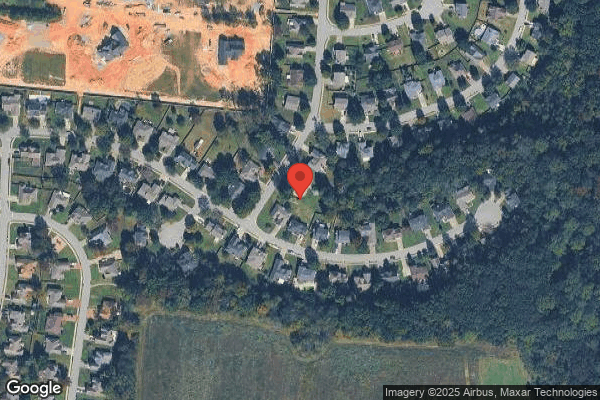
2871 HIGHWAY 31W, WHITE HOUSE, TN 37188 (615) 672-3636
For profit - Individual 84 Beds Independent Data: November 2025
Trust Grade
85/100
#49 of 298 in TN
Last Inspection: September 2024

Within standard 12-15 month inspection cycle. Federal law requires annual inspections.

Overview

White House Health Care Inc has a Trust Grade of B+, indicating it is above average and recommended for families considering this facility. It ranks #49 out of 298 nursing homes in Tennessee, placing it in the top half, and is the best option among three facilities in Robertson County. However, the facility is currently experiencing a worsening trend, as issues increased from 2 in 2020 to 3 in 2024. Staffing is a concern here, with a 62% turnover rate, which is higher than the state average of 48%. On the positive side, there are no fines on record, which is commendable, and they have good RN coverage. However, specific incidents of concern include failures to store medications properly, not informing residents about their rights regarding medical treatment, and not conducting required quarterly care conferences for some residents. This indicates areas where the facility needs improvement, despite its strengths.

Trust Score
B+
85/100
In Tennessee
#49/298
Top 16%
Safety Record
Low Risk
No red flags
Inspections
Getting Worse
2 → 3 violations
Staff Stability
⚠ Watch
62% turnover. Above average. Higher turnover means staff may not know residents' routines.
Penalties
✓ Good
No fines on record. Clean compliance history, better than most Tennessee facilities.
Skilled Nurses
○ Average
Each resident gets 36 minutes of Registered Nurse (RN) attention daily — about average for Tennessee. RNs are the most trained staff who monitor for health changes.
Violations
○ Average
6 deficiencies on record. Average for a facility this size. Mostly minor or procedural issues.
★★★★★
5.0
Overall Rating
★★★★☆
4.0
Staff Levels
★★★★★
5.0
Care Quality
★★★★☆
4.0
Inspection Score
Stable
2020: 2 issues
2024: 3 issues

The Good

  • 4-Star Staffing Rating · Above-average nurse staffing levels
  • 5-Star Quality Measures · Strong clinical quality outcomes
  • Full Sprinkler Coverage · Fire safety systems throughout facility
  • No fines on record

Facility shows strength in staffing levels, quality measures, fire safety.

The Bad

Staff Turnover: 62%

15pts above Tennessee avg (46%)

Frequent staff changes - ask about care continuity

Staff turnover is elevated (62%)

14 points above Tennessee average of 48%

The Ugly 6 deficiencies on record

Sept 2024 3 deficiencies
CONCERN (D)

Potential for Harm - no one hurt, but risky conditions existed

Deficiency F0578 (Tag F0578)

Could have caused harm · This affected 1 resident

**NOTE- TERMS IN BRACKETS HAVE BEEN EDITED TO PROTECT CONFIDENTIALITY** Based on policy review, record review, and interview, the facility failed to provide information to the residents regarding thei...

Read full inspector narrative →
**NOTE- TERMS IN BRACKETS HAVE BEEN EDITED TO PROTECT CONFIDENTIALITY** Based on policy review, record review, and interview, the facility failed to provide information to the residents regarding their right to refuse medical or surgical treatment or to formulate an advance directive for 3 of 24 (Resident #6, #17, and #36) residents reviewed for advance directives. The findings include: 1. Review of the facility ' s policy Resident' s Rights Regarding Treatment and Advance Directives dated 7/26/2024, revealed It is the policy of this facility to support and facilitate a resident ' s right to request, refuse, and/or discontinue medical or surgical treatment and to formulate an advance directive. Advance directive is a written instruction, such as a living will or durable power of attorney for healthcare, recognized under state law relating to the provision of health care when the individual is incapacitated On admission, the facility will determine if the resident has executed an advance directive, and if not, determine whether the resident would like to formulate an advance directive 2. Review of the medical record revealed Resident #6 was admitted to the facility on [DATE], with diagnoses including Dementia, Cerebral infarction, and Traumatic Brain Injury. Review of the LETTERS OF CONSERVATORSHIP dated 4/18/2011, revealed no documentation of instructions for advance directives. Review of the quarterly Minimum Data Set (MDS) assessment dated [DATE] revealed a Brief Interview for Mental Status (BIMS) score of 3, which indicated Resident #6 was severely cognitively impaired. There was no documentation in the medical record if Resident #6 had an Advance Directive or if the Resident would like to formulate an Advance Directive. 3. Review of the medical record revealed Resident #17 was admitted to the facility on [DATE], with diagnoses including Hypertension, Chronic Kidney Disease, and Chronic Obstructive Pulmonary Disease. Review of a quarterly MDS assessment dated [DATE] revealed a BIMS score of 3 which indicated Resident #17 was severely cognitively impaired. There was no documentation in the medical record if Resident #17 had an Advance Directive or if the Resident would like to formulate an Advance Directive. 4. Review of the medical record revealed Resident #36 was admitted to the facility on [DATE], with diagnoses including Quadriplegia, Hypertension, and Chronic Kidney Disease. Review of the quarterly MDS assessment dated [DATE] revealed a BIMS score of 15 which indicated Resident #36 was cognitively intact. There was no documentation in the medical record if Resident #36 had an Advance Directive or if the Resident would like to formulate an Advance Directive. 5. During an interview on 9/10/2024 at 1:54 PM, the Administrator confirmed that she was unable to provide any further documentation regarding advance directives.
CONCERN (D)

Potential for Harm - no one hurt, but risky conditions existed

Deficiency F0657 (Tag F0657)

Could have caused harm · This affected 1 resident

**NOTE- TERMS IN BRACKETS HAVE BEEN EDITED TO PROTECT CONFIDENTIALITY** Based on facility policy, medical record review, and interview, the facility failed to conduct quarterly care conference meeting...

Read full inspector narrative →
**NOTE- TERMS IN BRACKETS HAVE BEEN EDITED TO PROTECT CONFIDENTIALITY** Based on facility policy, medical record review, and interview, the facility failed to conduct quarterly care conference meetings for 4 of 21 sampled residents (Resident #18, #33, #36, and #54) reviewed. The findings include: 1. Review of the facility's undated policy titled, Care Plans, Comprehensive Person-Centered revealed The IDT [Interdisciplinary Team] includes .the resident and the resident's legal representative .Each resident ' s comprehensive person-centered care plan will be consistent with the resident's rights to participate in the development and implementation .including the right to .participate in the planning process .See the care plan and sign it .resident will be informed of his or her right to participate in his or her treatment .The Interdisciplinary Team must review and update the care plan .At least quarterly, in conjunction with the required quarterly MDS assessment .The resident has the right to refuse to participate in the development of his/her care plan and medical nursing treatments. Such refusals will be documented in the resident ' s clinical record . 2. Review of the medical record revealed Resident #18 was admitted to the facility on [DATE], with diagnoses including Multiple Sclerosis, Dementia, and Anxiety. Review of the Care Conference Report for Resident #18 revealed the last Care Conference was conducted on 12/22/2023. Review of the quarterly Minimum Data Set (MDS) assessment dated [DATE], revealed a BIMS score of 13, which indicated Resident #18 was cognitively intact. Review of the quarterly MDS assessment dated [DATE], revealed a BIMS score of 13, which indicated Resident #18 was cognitively intact. Review of the quarterly MDS assessment dated [DATE], revealed a Brief Interview for Mental Status (BIMS) score of 13, which indicated Resident #18 was cognitively intact. The facility was unable to provide documentation that a quarterly Care Conference was conducted with the Resident or Responsible Party (RP). 3. Review of the medical record revealed Resident #33 was admitted to the facility on [DATE], with diagnoses including Multiple Sclerosis, Chronic Obstructive Pulmonary Disease and Depression. Review of the Care Conference Report for Resident #33 revealed last Care Conference was conducted on 1/23/2024. Review of the quarterly MDS assessment dated [DATE], revealed a BIMS score of 14, which indicated Resident #33 was cognitively intact. Review of the quarterly MDS assessment dated [DATE], revealed a BIMS score of 14, which indicated Resident #33 was cognitively intact. The facility was unable to provide documentation that quarterly Care Conferences were conducted with the Resident or RP. 4. Review of the medical record revealed Resident #36 was admitted to the facility on [DATE], with diagnoses including Quadriplegia, Polyneuropathy, Neuromuscular Dysfunction of Bladder and Chronic Kidney Disease. Review of the Care Conference Report for Resident #36 revealed last Care Conference was conducted on 2/2/2024. Review of the annual MDS assessment dated [DATE], revealed a BIMS score of 15, which indicated Resident #36 was conatively intact. Review of the annual MDS assessment dated [DATE], revealed a BIMS score of 15, which indicated Resident #36 was conatively intact. Review of the annual MDS assessment dated [DATE], revealed a BIMS score of 15, which indicated Resident #36 was conatively intact. The facility was unable to provide documentation that quarterly Care Conferences were conducted with the Resident or RP. 5. Review of the medical record revealed Resident #54 was admitted to the facility on [DATE], with diagnoses including Cerebral Infarction, Hemiplegia, Dysphagia, and Vascular Dementia. Review of the quarterly MDS assessment dated [DATE], revealed a BIMS score of 4, which indicated resident #54 had severe cognitive impairment, was dependent on staff for all care, and was on a mechanical diet. Resident was coded for oxygen and was not receiving any therapy. The facility was unable to provide documentation of quarterly Care Conferences with the Resident ' s RP. 6. During an interview on 9/11/2024 at 4:09 PM the Director of Nursing (DON) stated she was unable to provide quarterly care plan meetings documentation and stated, that is something that we will have to work on .
CONCERN (D)

Potential for Harm - no one hurt, but risky conditions existed

Food Safety (Tag F0812)

Could have caused harm · This affected 1 resident

Based on policy review, observation, and interview, the facility failed to ensure food was stored properly when unlabeled and undated items were found in 2 of 3 (Dogwood Hall and Central) nourishment ...

Read full inspector narrative →
Based on policy review, observation, and interview, the facility failed to ensure food was stored properly when unlabeled and undated items were found in 2 of 3 (Dogwood Hall and Central) nourishment refrigerators observed. The findings include: 1. The facility's undated policy titled, FOODS BROUGHT IN FROM OUTSIDE SOURCES revealed .When food(s) is brought in from outside sources for the residents .require refrigeration .food items should be labeled with .resident ' s name .date the item(s) was purchased or prepared .and the name of the item . The facility ' s undated policy titled, Refrigerator Food Storage Policy Summary .Labeling & Dating . revealed .Before putting anything in the refrigerator, please ensure the food is in a tightly sealed container and there is a label and date on the product with the resident ' s name and current date . 2. Observation in the Dogwood Hall Nutrition Refrigerator on 9/11/2024 at 12:15 PM and 3:15 PM, revealed an open unlabeled and undated bag of radishes. 3. Observation in the Central Nutrition Refrigerator on 9/11/2024 at 12:21 PM and 3:19 PM, revealed a bag containing undated food. 4. During an interview on 09/11/24 03:22 PM, the Registered Dietician confirmed all items in the nutritional refrigerators should be labeled and dated.
Mar 2020 2 deficiencies
CONCERN (D)

Potential for Harm - no one hurt, but risky conditions existed

Infection Control (Tag F0880)

Could have caused harm · This affected 1 resident

Based on facility policy review, medical record review, observation, and interview, the facility failed to ensure practices were followed to prevent the potential spread of infection during medication...

Read full inspector narrative →
Based on facility policy review, medical record review, observation, and interview, the facility failed to ensure practices were followed to prevent the potential spread of infection during medication administration when 1 of 4 nurses (Licensed Practical Nurse (LPN) #1) allowed the tip of the eye drop applicator to touch the top of the eyelid for 1 of 4 residents (Resident #221) during medication administration. The findings include: 1. The facility's policy titled, Instillation of Eye Drops, revised 1/2014 documented, .Do not touch the eye or eyelid with the dropper . Review of the medical record, showed Resident #221 had diagnoses of Parkinson's Disease, Anxiety Disorder, Cognitive Communication Deficit, and Dementia. Review of the Physician's Orders dated 3/10/2020, showed, .Tobramycin 0.3% [sign for percent] Eye Drops .Both Eyes Daily for Chronic Conjunctivitis . Observation in the resident's room on 3/17/2020 at 8:46 AM, showed LPN #1 administered one eyedrop into Resident #221's right eye, and touched the top of the right eyelid with the tip of the applicator. LPN #1 administered one eyedrop into Resident #221's left eye, and touched the tip of the applicator to the top of the left eyelid. LPN #1 recapped the medication, placed the medication back into the medication cart, and failed to clean the tip of the applicator. During an interview conducted on 3/17/2020 at 10:03 AM, the Director of Nursing (DON) was asked should nursing staff touch the top of the eyelid with the tip of the applicator when administering eye drops. The DON stated, No, ma'am.
CONCERN (E)

Potential for Harm - no one hurt, but risky conditions existed

Deficiency F0761 (Tag F0761)

Could have caused harm · This affected multiple residents

**NOTE- TERMS IN BRACKETS HAVE BEEN EDITED TO PROTECT CONFIDENTIALITY** Based on facility policy review, observation, and interview, the facility failed to ensure medications were stored properly in 3...

Read full inspector narrative →
**NOTE- TERMS IN BRACKETS HAVE BEEN EDITED TO PROTECT CONFIDENTIALITY** Based on facility policy review, observation, and interview, the facility failed to ensure medications were stored properly in 3 of 8 medication storage areas (Palm Medication Cart, Dogwood Medication Cart, and the Supply Room). The findings include: Review of the facility's policy titled, Storage of Medication, revised [DATE], showed that discontinued and outdated medications should be returned to the dispensing pharmacy or destroyed. Observation of the Palm Medication Cart on [DATE] at 11:20 AM, showed the following: a. 1 bottle of Humalog insulin with an open date of [DATE] b. 2 open and undated bottles of Morphine Sulfate. c. 1 bottle of Morphine Sulfate with an open date of [DATE] Observation of the Dogwood Medication Cart on [DATE] at 12:16 PM, showed 4 open and undated bottles of Nitroglycerin sublingual tablets. Observation in the Supply Room on [DATE] at 7:37 AM, showed: a. 1 bottle of stomahesive with an expiration date of 8/2019 b. 1 bottle of Optimum multi-vites (vitamin) liquid with an expiration date of 7/2019 c. 2 bottles of iodoform packing strips (medicated wound dressing) with an expiration date of 8/2019 d. 3 bottles of liquid docusate sodium with an expiration date of 10/2019 e. 2 bottles of liquid docusate sodium with an expiration date of 12/2019 During an interview conducted on [DATE] at 7:57 AM, the Director of Nursing (DON) confirmed that there should not be expired, opened, or undated medications in the medication storage areas.
Mar 2019 1 deficiency
CONCERN (D)

Potential for Harm - no one hurt, but risky conditions existed

Transfer Notice (Tag F0623)

Could have caused harm · This affected 1 resident

**NOTE- TERMS IN BRACKETS HAVE BEEN EDITED TO PROTECT CONFIDENTIALITY** Based on medical record review and interview, the facility failed to send the Ombudsman a notice of transfer for 1 of 3 (Residen...

Read full inspector narrative →
**NOTE- TERMS IN BRACKETS HAVE BEEN EDITED TO PROTECT CONFIDENTIALITY** Based on medical record review and interview, the facility failed to send the Ombudsman a notice of transfer for 1 of 3 (Resident #36) sampled residents reviewed for transfer/discharge requirements. The findings include: 1. Medical record review revealed Resident #36 was admitted to the facility on [DATE] with diagnoses of Hypothyroidism, Chronic Kidney Disease, Anxiety, Dementia and Dysphagia. The Interdisciplinary Notes dated 11/8/18 documented, .Skin tear noted to right calf with some heavy bleeding. Pressure applied .EMS [Emergency Medical Services] called and pt [patient] transfer to .ER [Emergency Room] for further eval [evaluation] . The facility was unable to provide documentation that the Ombudsman had been notified of the resident's transfer to the emergency room on [DATE]. Interview with the Administrator on 3/26/19 at 5:24 PM in the Activity Room, the Administrator was asked if Resident #36 should have been on the transfer list. The Administrator confirmed that Resident#36 should have been on the transfer form sent to the Ombudsman.
Understanding Severity Codes (click to expand)
Life-Threatening (Immediate Jeopardy)
J - Isolated K - Pattern L - Widespread
Actual Harm
G - Isolated H - Pattern I - Widespread
Potential for Harm
D - Isolated E - Pattern F - Widespread
No Harm (Minor)
A - Isolated B - Pattern C - Widespread

Questions to Ask on Your Visit

  • "Why is there high staff turnover? How do you retain staff?"
  • "Can I speak with families of current residents?"
  • "What's your RN coverage like on weekends and overnight?"

Our Honest Assessment

Strengths
  • • Grade B+ (85/100). Above average facility, better than most options in Tennessee.
  • • No major safety red flags. No abuse findings, life-threatening violations, or SFF status.
  • • No fines on record. Clean compliance history, better than most Tennessee facilities.
Concerns
  • • 62% turnover. Above average. Higher turnover means staff may not know residents' routines.
Bottom line: Generally positive indicators. Standard due diligence and a personal visit recommended.

About This Facility

What is White House Health Care Inc's CMS Rating?

CMS assigns WHITE HOUSE HEALTH CARE INC an overall rating of 5 out of 5 stars, which is considered much above average nationally. Within Tennessee, this rating places the facility higher than 99% of the state's 100 nursing homes. This rating reflects solid performance across the metrics CMS uses to evaluate nursing home quality.

How is White House Health Care Inc Staffed?

CMS rates WHITE HOUSE HEALTH CARE INC's staffing level at 4 out of 5 stars, which is above average compared to other nursing homes. Staff turnover is 62%, which is 15 percentage points above the Tennessee average of 46%. High turnover can affect care consistency as new staff learn residents' individual needs.

What Have Inspectors Found at White House Health Care Inc?

State health inspectors documented 6 deficiencies at WHITE HOUSE HEALTH CARE INC during 2019 to 2024. These included: 6 with potential for harm.

Who Owns and Operates White House Health Care Inc?

WHITE HOUSE HEALTH CARE INC is owned by a for-profit company. For-profit facilities operate as businesses with obligations to shareholders or private owners. The facility operates independently rather than as part of a larger chain. With 84 certified beds and approximately 69 residents (about 82% occupancy), it is a smaller facility located in WHITE HOUSE, Tennessee.

How Does White House Health Care Inc Compare to Other Tennessee Nursing Homes?

Compared to the 100 nursing homes in Tennessee, WHITE HOUSE HEALTH CARE INC's overall rating (5 stars) is above the state average of 2.9, staff turnover (62%) is significantly higher than the state average of 46%, and health inspection rating (4 stars) is above the national benchmark.

What Should Families Ask When Visiting White House Health Care Inc?

Based on this facility's data, families visiting should ask: "How do you ensure continuity of care given staff turnover, and what is your staff retention strategy?" "Can I visit during a mealtime to observe dining assistance and food quality?" "How do you handle medical emergencies, and what is your hospital transfer rate?" "Can I speak with family members of current residents about their experience?" These questions are particularly relevant given the facility's high staff turnover rate.

Is White House Health Care Inc Safe?

Based on CMS inspection data, WHITE HOUSE HEALTH CARE INC has a clean safety record: no substantiated abuse findings (meaning no confirmed cases of resident harm), no Immediate Jeopardy citations (the most serious violation level indicating risk of serious injury or death), and is not on the Special Focus Facility watch list (a federal program monitoring the lowest-performing 1% of nursing homes). The facility has a 5-star overall rating and ranks #1 of 100 nursing homes in Tennessee. While no facility is perfect, families should still ask about staff-to-resident ratios and recent inspection results during their visit.

Do Nurses at White House Health Care Inc Stick Around?

Staff turnover at WHITE HOUSE HEALTH CARE INC is high. At 62%, the facility is 15 percentage points above the Tennessee average of 46%. High turnover means new staff may not know residents' individual needs, medications, or preferences. It can also be disorienting for residents, especially those with dementia who rely on familiar faces. Families should ask: What is causing the turnover? What retention programs are in place? How do you ensure care continuity during staff transitions?

Was White House Health Care Inc Ever Fined?

WHITE HOUSE HEALTH CARE INC has no federal fines on record. CMS issues fines when nursing homes fail to meet care standards or don't correct problems found during inspections. The absence of fines suggests the facility has either maintained compliance or corrected any issues before penalties were assessed. This is a positive indicator, though families should still review recent inspection reports for the full picture.

Is White House Health Care Inc on Any Federal Watch List?

WHITE HOUSE HEALTH CARE INC is not on any federal watch list. The most significant is the Special Focus Facility (SFF) program, which identifies the bottom 1% of nursing homes nationally based on persistent, serious quality problems. Not being on this list means the facility has avoided the pattern of deficiencies that triggers enhanced federal oversight. This is a positive indicator, though families should still review the facility's inspection history directly.