SOUTHERN TENN MEDICAL CENTER SNF
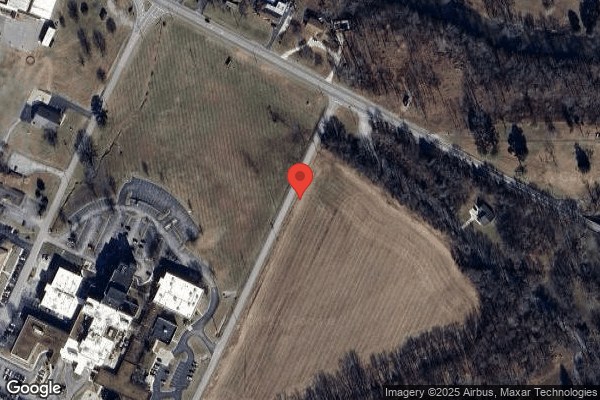
629 HOSPITAL ROAD, WINCHESTER, TN 37398 (931) 967-8249
For profit - Corporation 46 Beds ASCENSION HEALTH Data: November 2025
Trust Grade
80/100
#96 of 298 in TN
Last Inspection: July 2022

Over 2 years since last inspection. Current conditions may differ from available data.

Overview

Southern Tennessee Medical Center SNF in Winchester has a Trust Grade of B+, indicating it is above average and recommended for families seeking care. It ranks #96 out of 298 facilities in Tennessee, placing it in the top half, and is the top-rated facility among the three available in Franklin County. However, the facility is experiencing a worsening trend, with issues increasing from 1 in 2019 to 4 in 2022. Staffing is a concern, with a low rating of 1 out of 5; however, the turnover rate is impressively low at 0%, meaning staff stability is strong. Notably, there have been no fines, which is a positive indicator. There are specific concerns highlighted by inspectors, including failing to properly implement COVID-19 precautions, which could have risked the health of residents. Additionally, the care plan for one resident did not include necessary monitoring for their psychoactive medications, and the facility failed to follow physician orders for insulin administration for another resident. While there are strengths in the facility's overall rating and staff stability, these identified issues suggest that families should carefully consider the quality of care and oversight when choosing a home for their loved ones.

Trust Score
B+
80/100
In Tennessee
#96/298
Top 32%
Safety Record
Low Risk
No red flags
Inspections
Getting Worse
1 → 4 violations
Staff Stability
○ Average
Turnover data not reported for this facility.
Penalties
✓ Good
No fines on record. Clean compliance history, better than most Tennessee facilities.
Skilled Nurses
○ Average
RN staffing data not reported for this facility.
Violations
○ Average
7 deficiencies on record. Average for a facility this size. Mostly minor or procedural issues.
★★★★☆
4.0
Overall Rating
★☆☆☆☆
1.0
Staff Levels
★★★★★
5.0
Care Quality
★★★★☆
4.0
Inspection Score
Stable
2019: 1 issues
2022: 4 issues

The Good

  • 5-Star Quality Measures · Strong clinical quality outcomes
  • Full Sprinkler Coverage · Fire safety systems throughout facility
  • No fines on record

Facility shows strength in quality measures, fire safety.

The Bad

Chain: ASCENSION HEALTH

Part of a multi-facility chain

Ask about local staffing decisions and management

The Ugly 7 deficiencies on record

Jul 2022 4 deficiencies
CONCERN (D)

Potential for Harm - no one hurt, but risky conditions existed

Quality of Care (Tag F0684)

Could have caused harm · This affected 1 resident

**NOTE- TERMS IN BRACKETS HAVE BEEN EDITED TO PROTECT CONFIDENTIALITY** Based on facility policy review, medical record review, and interview the facility failed to follow physician's orders for 1 res...

Read full inspector narrative →
**NOTE- TERMS IN BRACKETS HAVE BEEN EDITED TO PROTECT CONFIDENTIALITY** Based on facility policy review, medical record review, and interview the facility failed to follow physician's orders for 1 resident (Resident #15) of 3 residents reviewed for insulin administration. The findings include: Review of the facility's policy titled, Medication Administration, with an effective date of 8/2021, showed .Medications may be administered to patients upon order of the medical staff or other individuals who have been granted clinical privileges to write such orders . Resident #15 was admitted to the facility on [DATE] with diagnoses including Type 2 Diabetes Mellitus, Cellulitis, Schizophrenia, Post-Traumatic Stress Disorder, and Major Depressive Disorder. Review of a physician's order dated 6/8/2022, showed an order for finger stick blood sugar checks daily before breakfast. Review of a physician's order dated 6/10/2022, showed Resident #15 received a Diabetic Consistent Carbohydrate diet. Review of a physician's order dated 6/15/2022, showed .INSULIN GLARGINE [long acting diabetic medication] .12 UNIT .SUBQ [subcutaneous] .DAILY .HOLD IF BLOOD SUGAR IS BELOW 110 . Review of the POC [Point of Care] Glucose results dated 6/17/2022 at 6:58 AM, showed Resident #15's blood sugar was 101. Review of the MEDICATION ADMINISTRATION SUMMARY dated 6/17/2022 at 8:53 AM, showed Resident #15 received 12 units of INSULIN GLARGINE. Review of the POC Glucose results dated 6/18/2022 at 5:26 AM, showed Resident #15's blood sugar was 102. Review of the MEDICATION ADMINISTRATION SUMMARY dated 6/18/2022 at 8:11 AM, showed Resident #15 received 12 units of INSULIN GLARGINE. Review of the POC Glucose results dated 6/19/2022 at 5:24 AM, showed Resident #15's blood sugar was 91. Review of the MEDICATION ADMINISTRATION SUMMARY dated 6/19/2022 at 9:09 AM, showed Resident #15 received 12 units of INSULIN GLARGINE. During an interview on 7/13/2022 at 11:20 AM, the Director of Nursing (DON) stated Resident #15 was ordered to receive 12 units of Insulin Glargine daily at 9:00 AM. The order was started on 6/15/2022 and was to be held for blood sugar lower than 110. Nurses were to use the blood sugar level obtained before breakfast to determine if Insulin Glargine was to be given. It was the DON's expectation for physician's orders to be followed. The DON confirmed Resident #15's physician's order was not followed when Resident #15 received Insulin Glargine on 6/17/2022 with a blood sugar of 101, 6/18/2022 with a blood sugar of 102, and 6/19/2022 with a blood sugar of 91. Resident #15 suffered no adverse consequences because of the insulin administration. During a telephone interview on 7/13/2022 at 2:26 PM, the Medical Director stated it was his expectation that physician orders were followed. The Medical Director was unaware that Resident #15 had received the Insulin Glargine on 6/17/2022, 6/18/2022, and 6/19/2022 with a blood sugar lower than 110. If the nurse had notified him of the blood sugar result, he would have instructed the nurse to administer the medication. The medication was scheduled for 9:00 AM after breakfast and Insulin Glargine is a long-acting insulin. Resident #15 had no adverse effects because of the insulin administration.
CONCERN (E)

Potential for Harm - no one hurt, but risky conditions existed

Comprehensive Care Plan (Tag F0656)

Could have caused harm · This affected multiple residents

**NOTE- TERMS IN BRACKETS HAVE BEEN EDITED TO PROTECT CONFIDENTIALITY** Resident #15 was admitted to the facility on [DATE] with diagnoses including Type 2 Diabetes Mellitus, Cellulitis, Schizophrenia...

Read full inspector narrative →
**NOTE- TERMS IN BRACKETS HAVE BEEN EDITED TO PROTECT CONFIDENTIALITY** Resident #15 was admitted to the facility on [DATE] with diagnoses including Type 2 Diabetes Mellitus, Cellulitis, Schizophrenia, Post Traumatic Stress Disorder (PTSD), Generalized Anxiety Disorder, and Major Depressive Disorder. Review of the Physician's order dated 6/8/2022, showed .DULoxetine [anti-depressant medication] .PO [by mouth] .20 MG [milligrams] .BID [twice daily] . Review of the Physician's order dated 6/9/2022, showed .Olanzapine Zydis [anti-psychotic medication] .PO .10 MG .BID . Review of the comprehensive care plan dated 6/9/2022, showed .Focus: SNF [Skilled Nursing Facility] Psychoactive Drug Monitor . The comprehensive care plan did not include Resident #15's use of psychoactive medications related to the diagnoses of Schizophrenia, PTSD, Anxiety, and Major Depressive Disorder or person-centered interventions needed to monitor these medications and diagnoses. Review of the admission MDS assessment dated [DATE], showed Resident #15 had active diagnoses of Anxiety, Depression, Schizophrenia, and PTSD. The resident received antipsychotic and antidepressant medications on all 7 days of the look back period. Resident #15's use of psychotropic drugs would be care planned. During an interview on 7/13/2022 at 9:46 AM, the DON stated Resident #15 had diagnoses of Anxiety, Depression, Schizophrenia and PTSD. Resident #15 received psychotropic medications. The DON confirmed it was her expectation that Resident #15's diagnoses of Anxiety, Depression, Schizophrenia, and Anxiety and use of psychotropic medications be care planned with person-centered interventions to care for Resident #15. During an interview on 7/13/2022 at 1:49 PM, the MDS Coordinator confirmed Resident #15's admission MDS assessment was completed on 6/15/2022 and included the resident's mental health diagnoses and use of psychotropic medications. Section V of the assessment showed Resident #15's use of psychotropic medications was triggered and included on the care plan. The MDS Coordinator confirmed she did not include Resident #15's mental health diagnoses and use of psychotropic drugs on the care plan with person-centered interventions because .I didn't know to do that . Based on review of the facility policy, medical record review, and interview, the facility failed to develop a comprehensive care plan that included person-centered interventions for 2 residents (Resident #8 and Resident #15) of 4 residents reviewed for comprehensive care plans. The findings include: Review of the facility's policy titled, Admissions, Transfers, and Discharges Skilled Care, with an effective date of 2/2022, showed .The facility will develop a person-centered plan of care to address patient needs and services, with input from the Patient/ Representative to ensure the needs and services are provided in accordance with resident choices and with consideration of cultural, ethnic, and spiritual preferences . Review of the facility's undated policy titled, Interdisciplinary Care Plan, showed .The result of the MDS [Minimum Data Set] assessment will be used to develop, review and revise the resident's comprehensive Plan of Care. The assessment will be conducted or coordinated through participation of all the interdisciplinary team members .A comprehensive, individualized interdisciplinary care plan will be developed as soon as possible after admission but not later than one week after completion of the MDS comprehensive assessment (which occurs within 14 days of admission for LTCF residents). Goals will be developed to help each resident achieve his/her optimal level of physical, mental, psycho-social functioning .DEVELOPMENT OF THE INDIVIDUALIZED CARE PLAN .Problem Identification: Each discipline will perform and assessment to identify pertinent problems that will require a specific plan .Short-term Goals: Each discipline will develop a short-term goal for each problem .Short-term goals will be stated in measurable and realistic terms which will be documented on the care plan .Time frames will be established for achievement .Interventions: Each discipline will develop an intervention for each goal and document the necessary intervention on the care plan .Resident care plan interventions will be individualized, based on each resident's needs and medical condition . Resident #8 was admitted to the facility on [DATE] with diagnoses including Type 2 Diabetes Mellitus, Atrial Fibrillation, Heart Disease, Peripheral Vascular Disease, Left Lower Leg Cellulitis, Acute Embolism and Thrombosis of Deep Veins, and Gastric Tumor. Review of Resident #8's comprehensive care plan dated 4/23/2022, showed the resident had a nutritional risk and was at risk for pain. The care plan had no documentation of person-centered individualized interventions for pain or nutritional risk for Resident #8. Review of Resident #8's 5-day MDS assessment dated [DATE], showed the resident was at risk for nutritional deficits and was at risk for pain. Section V of the assessment showed Resident #8 was triggered during the assessment for pain and nutritional risk. MDS Coordinator documented these areas would be care planned. During an interview on 7/13/2022 at 9:38 AM, the Director of Nursing (DON) confirmed Resident #8 had a nutritional risk and was at risk for pain. The DON confirmed Resident #8's comprehensive care plan did not include individualized person-centered interventions for pain or nutritional risk.
CONCERN (F)

Potential for Harm - no one hurt, but risky conditions existed

Infection Control (Tag F0880)

Could have caused harm · This affected most or all residents

Based on facility policy review, Centers for Disease Control and Prevention (CDC) guidance, observation, and interview, the facility failed to properly prevent COVID-19 (an infectious disease caused b...

Read full inspector narrative →
Based on facility policy review, Centers for Disease Control and Prevention (CDC) guidance, observation, and interview, the facility failed to properly prevent COVID-19 (an infectious disease caused by the SARS-CoV-2 virus) by failing to implement universal use of eye protection as part of Personal Protective Equipment (PPE) during resident care interactions in a community with high COVID-19 transmission which had the potential to result in COVID-19 transmission to all 11 residents in the facility. The findings include: Review of the facility's policy titled, Infection Prevention and Control Plan, revised 4/20/2021, showed .following objectives are in place to reduce or eliminate risks .appropriate use of personal protective equipment . Review of the facility's policy titled, Standard Operating Procedure, revised 6/15/2021, showed .Core Principles of COVID-19 Infection Prevention .Appropriate staff use of Personal Protective Equipment . Review of the CDC guidance titled, Interim Infection Prevention and Control Recommendations for Healthcare Personnel During the Coronavirus Disease 2019 (COVID-19) Pandemic, dated 2/22/2022, showed .The guidance applies to all U.S. settings where healthcare is delivered .IPC [infection prevention and control] (e.g. [example], use of source control, screening testing) are influenced by levels of SARS-CoV-2 transmission in the community .Implement Source Control Measures .Source control refers to use of respirators or well-fitting facemasks .Implement Universal Use of Personal Protective Equipment for HCP .If SARS-Cov-2 infection is not suspected in a patient presenting for care (based on symptom and exposure history), HCP [Healthcare Personnel] working in facilities located in counties with substantial or high transmission should also use PPE as described below .Eye protection (i.e. [that is], goggles or a face shield that covers the front and sides of the face) should be worn during all patient care encounters . Review of the CDC COVID Data Tracker on 7/10/2022 showed the facility was located in a county with high community COVID-19 transmission rate. During an observation on 7/11/2022 at 9:26 AM, Licensed Practical Nurse (LPN) #1 entered Resident #15's room and transferred the resident from the chair to the commode. LPN #1 wore a mask and gloves during the resident care interaction. During an interview on 7/11/2022 at 9:28 AM, LPN #1 confirmed she did not wear eye protection during the resident care interaction. The LPN stated staff wore eye protection .a few weeks ago .when the county rate was up . During an observation on 7/11/2022 at 10:13 AM, LPN #1 entered Resident #219's room for resident care. LPN #1 wore no eye protection as she leaned over the resident's bed. During an interview on 7/11/2022 at 10:15 AM, LPN #1 confirmed she was within 6 feet of Resident #219 without eye protection. LPN #1 stated the facility instructed the staff that only a mask and eye protection was required during resident care unless resident was in transmission based precautions. During an observation on 7/11/2022 at 10:40 AM, Occupational Therapist (OT) #1 provided therapy to Resident #168 in the resident's room. OT #1 wore a gown, gloves and N-95 mask during the resident care interaction. During an interview on 7/11/2022 at 10:57 AM, OT #1 confirmed no eye protection was worn during the resident care interaction with Resident #168. During an observation on 7/11/2022 at 10:50 AM, Resident #15 was seated in the chair next to the bed. The Infection Control Nurse entered the room, pulled the residents socks down and assessed the resident's bilateral lower extremities. The Infection Control Nurse wore a mask and gloves during the resident care interaction with no eye protection. During an interview on 7/11/2022 at 10:53 AM, outside Resident #15's room, the Infection Control Nurse stated PPE required for resident care interactions included gloves and a mask. The Infection Control Nurse confirmed she wore no eye protection during the resident care interaction with Resident #15. During an observation on 7/11/2022 at 11:27 AM, Physical Therapist (PT) #1 was observed in Resident #15's room providing therapy with only a surgical mask and gloves on during the resident care interaction. During an interview on 7/11/2022 at 11:50 AM, PT #1 confirmed no eye protection was worn during the resident care interaction with Resident #15. PT #1 was aware of what PPE was required by the therapy supervisor. During an interview on 7/13/2022 3:45 PM, the Infection Control Nurse stated the facility was located in a county with a high community COVID-19 transmission level, and staff were required to wear a mask and eye protection during all resident care interactions. The Infection Control Nurse confirmed staff were not wearing eye protection during resident care interactions and stated, I have told them to wear goggles. Further interview confirmed the facility followed CDC guidelines for PPE, and the Infection Control Nurse expected staff to wear a mask and eye protection during all resident care interactions due to the high community COVID-19 transmission level. The facility had not had a resident case of COVID-19 since 2/2022.
MINOR (B)

Minor Issue - procedural, no safety impact

Assessment Accuracy (Tag F0641)

Minor procedural issue · This affected multiple residents

**NOTE- TERMS IN BRACKETS HAVE BEEN EDITED TO PROTECT CONFIDENTIALITY** Based on Resident Assessment Instrument Manual 3.0 (RAI) record review, and interview, the facility failed to accurately complet...

Read full inspector narrative →
**NOTE- TERMS IN BRACKETS HAVE BEEN EDITED TO PROTECT CONFIDENTIALITY** Based on Resident Assessment Instrument Manual 3.0 (RAI) record review, and interview, the facility failed to accurately complete a Minimum Data Set (MDS) assessment for 6 residents (Resident #2, Resident #3, Resident #4, Resident #5, Resident #6, and Resident #7) of 16 residents reviewed for MDS assessments. The findings include: Review of the RAI Manual 3.0 dated 10/2019 showed .the comprehensive assessment is considered complete on the date the RN [Registered Nurse] Coordinator indicates completion of the admission assessment .Assuming the resident does not have any significant changes in status or is not discharged from the facility the next assessment schedule is the Quarterly assessment . Resident #2 was admitted to the facility on [DATE] with diagnoses including Fracture of Right Femur, Chronic Kidney Disease, and Atrial Fibrillation. Review of Resident #2's discharge MDS assessment dated [DATE], showed the resident was discharged from the facility on 1/14/2022. Review of the admission/5-day MDS assessment dated [DATE], showed Resident #2's admission/5-day MDS assessment was completed 3 days after the resident was discharged from the facility. Resident #3 was admitted to the facility on [DATE] with diagnoses including Fracture of Rib, Fracture of Lower Leg, and Hypertension. Review of Resident #3's discharge MDS assessment dated [DATE], showed the resident was discharged from the facility on 1/17/2022. Review of the admission/5-day MDS assessment dated [DATE], showed Resident #3's admission/5-day MDS assessment was completed 2 days after the resident was discharged from the facility. Resident #4 was admitted to the facility on [DATE] with diagnoses including Dementia, Hypertension, and Anxiety. Review of Resident #4's discharge MDS assessment dated [DATE], showed the resident had been discharged from the facility on 1/25/2022. Review of the admission/5-day assessment MDS assessment dated [DATE], showed Resident #4's admission/ 5-day MDS assessment was completed 1 day after the resident was discharged from the facility. Resident #5 was admitted to the facility on [DATE] with diagnoses including Fracture of Right Lower Leg, Type 2 Diabetes with Foot Ulcer, and Heart Failure. Review of Resident # 5's discharge MDS assessment dated [DATE], showed the resident had been discharged from the facility on 1/18/2022. Review of the admission/5-day MDS assessment dated [DATE], showed Resident #5's admission/5-day assessment had been completed 3 days after the resident had been discharged from the facility. Resident #6 was admitted to the facility on [DATE] with diagnoses including Heart Failure, Atrial Fibrillation, and Pneumonia. Review of Resident #6's discharge MDS assessment dated [DATE], showed the resident had been discharged from the facility on 2/3/2022. Review of the admission/5-day MDS assessment dated [DATE], showed Resident #5's admission/5-day assessment had been completed 1 day after the resident had been discharged from the facility. Resident #7 was admitted to the facility on [DATE] with diagnoses including Parkinson's Disease, Heart Failure, and Atrial Fibrillation. Review of Resident #7's discharge MDS assessment dated [DATE], showed the resident had been discharged from the facility on 2/17/2022. Review of the admission/5-day MDS assessment dated [DATE], showed Resident #5's admission/5-day assessment had been completed 4 days after the resident had been discharged from the facility. During an interview on 7/13/2022 at 11:11 AM, with the MDS Coordinator confirmed she had completed the discharge assessments on the actual date Resident #2, Resident #3, Resident #4, Resident #5, Resident #6, and Resident #7 had been discharged from the facility and she had completed the admission/5-day assessments for each resident after the resident had been discharged from the facility.
May 2019 1 deficiency
CONCERN (D)

Potential for Harm - no one hurt, but risky conditions existed

Medication Errors (Tag F0758)

Could have caused harm · This affected 1 resident

**NOTE- TERMS IN BRACKETS HAVE BEEN EDITED TO PROTECT CONFIDENTIALITY** Based on medical record review, and interview the facility failed to monitor behaviors and side effects for psychotropic medicat...

Read full inspector narrative →
**NOTE- TERMS IN BRACKETS HAVE BEEN EDITED TO PROTECT CONFIDENTIALITY** Based on medical record review, and interview the facility failed to monitor behaviors and side effects for psychotropic medications for 1 resident (#116) of 5 residents reviewed for unnecessary medications. The findings include: Medical record review revealed Resident #116 was admitted to the facility on [DATE] with diagnoses including Urinary Tract Infection, Dementia, Congestive Heart Failure, and Depression. Medical record review of Physicians Orders revealed the following: 4/30/19- Trazodone (medication to treat depression) 50 milligrams (mg) po (by mouth) QHS (every night time) 4/30/19- Mirtazepine (medication to treat depression) 15 mg po Q HS Medical record review of the facility Psychoactive Drug Monitoring dated 5/4/19 and 5/5/19, revealed .Does the patient receive Psychoactive Drugs .N [No] . Observation and interview of Resident #116 on 5/6/19 at 12:55 PM, in the residents room revealed the resident was alert and oriented, sitting up in a recliner chair. Interview with the Director of Nursing on 5/8/19 at 9:05 AM, in the conference room confirmed Resident #116 did receive 2 psychotropic medications and the facility failed to monitor for side effects and behaviors for the antidepressant medications.
May 2018 2 deficiencies
CONCERN (D)

Potential for Harm - no one hurt, but risky conditions existed

MDS Data Transmission (Tag F0640)

Could have caused harm · This affected 1 resident

**NOTE- TERMS IN BRACKETS HAVE BEEN EDITED TO PROTECT CONFIDENTIALITY** Based on medical record review and interview, the facility failed to complete and failed to submit the Minimum Data Sets (MDS) 1...

Read full inspector narrative →
**NOTE- TERMS IN BRACKETS HAVE BEEN EDITED TO PROTECT CONFIDENTIALITY** Based on medical record review and interview, the facility failed to complete and failed to submit the Minimum Data Sets (MDS) 14 days after completion for 4 residents (#1, #3, #10, #11) of 8 residents reviewed for MDS assessments. The findings included: Medical record review revealed Resident #1 was admitted to the facility on [DATE] with diagnoses including Diabetes, Pneumonia, Heart Failure, and Hypertension. Continued review revealed the resident was discharged on 2/28/18 after a 5 day length of stay at the facility. Medical record review revealed 1 MDS assessment for the resident, coded as a 5 day SNF PPS [skilled nursing facility prospective payment system] Part A Discharge (End of Stay) Assessment with a Due Date of 3/9/18. Continued review of the 5 day MDS revealed it was signed by the MDS Licensed Practical Nurse (LPN) #1 on 5/1/18. Further review revealed the MDS Registered Nurse (RN) #1 documented the 5 day assessment was complete and ready for submission on 5/1/18. Continued review revealed the 7 day timeframe to complete the assessment after discharge was not met and the 14 day submission requirement after completion of assessment was not met. Medical record review revealed Resident #3 was admitted to the facility on [DATE] with diagnoses including Atrial Fibrillation, Urinary Tract Infection, Cerebral Vascular Accident, and Hypertension. Continued review revealed the resident was discharged on 4/7/18 for a 21 day length of stay at the facility. Medical record review revealed a 5 day scheduled assessment with a Due Date of 3/31/18 was the initial MDS assessment. Continued review revealed the Care Area Assessment was included in the 5 day MDS. Further review revealed the MDS was signed as complete by LPN #1 and RN #1 on 4/25/18. Continued review revealed the Due Date of 3/31/18 to complete the assessment after 14 days in the facility was not met and the 14 day submission requirement after completion of the assessment was not met. Medical record review revealed Resident #10 was admitted to the facility on [DATE] with diagnoses including Hypertension, Hip Fracture, Urinary Tract Infection, and Dementia. Continued review revealed the resident discharged on 1/2/18 after a 56 day length of stay at the facility. Medical record review revealed a 5 day scheduled assessment with a Due Date of 11/22/17 was the initial MDS assessment. Continued review revealed the Care Area Assessment was included in the 5 day MDS. Further review revealed the MDS was signed as complete by RN #1 on 12/7/17, 31 days after admission and 17 days after a 14 day comprehensive assessment was due. Continued review revealed the Due Date of 11/22/17 to complete the assessment after 14 days in the facility was not met and the 14 day submission requirement after completion of the assessment was not met. Medical record review revealed the 14 day scheduled assessment with a Due Date 11/29/17 was completed by RN #1 on 1/2/18. Continued review revealed the Due Date of 11/29/17 was not met and the 14 day submission requirement after completion of the assessment was not met. Medical record review revealed a 30 day scheduled assessment with a Due Date of 12/14/17 was not met. Continued review revealed the MDS areas LPN #1 was responsible for were completed on 5/16/18, and the 30 day MDS was not completed by RN #1. Medical record review revealed the SNF PPS Part A Discharge (End of Stay) Assessment, with a Due Date of 1/11/18 had not been completed by RN #1 as of 5/16/18. Continued review revealed the timeframe to complete the MDS within 7 days after the discharge (on 1/2/18) was not met, and the discharge MDS had not been submitted by the facility. Medical record review revealed Resident #11 was admitted to the facility on [DATE] with diagnoses including Diabetes, Heart Disease, Hypertension, and Urinary Tract Infection. Continued review revealed the resident discharged on 1/12/18 after a 17 day length of stay at the facility. Medical record review revealed a 5 day scheduled assessment with a Due Date of 1/4/18 was the initial MDS assessment. Further review revealed the MDS was signed as complete by RN #1 on 5/15/18, 4 months after completion was required. Continued review revealed the 14 day scheduled assessment with a Due Date of 1/18/18 was signed complete by RN #1 on 5/15/18, more than 3 months after completion was required. Interview with LPN #1, on 5/15/18 at 4:30 PM, in room [ROOM NUMBER] confirmed she was responsible for coordinating and completing the MDS assessments. Continued interview confirmed .not able to get the MDS work done for several months .pulled to cover the units . Interview with the Administrator on 5/16/18 at 9:50 AM, in room [ROOM NUMBER], confirmed staffing and software issues had contributed to the MDS assessments not being completed in the required CMS (Centers for Medicare/Medicaid Services) timeframes.
CONCERN (D)

Potential for Harm - no one hurt, but risky conditions existed

Comprehensive Care Plan (Tag F0656)

Could have caused harm · This affected 1 resident

**NOTE- TERMS IN BRACKETS HAVE BEEN EDITED TO PROTECT CONFIDENTIALITY** Based on medical record review, observation, and interview, the facility failed to provide a comprehensive care plan for 3 resid...

Read full inspector narrative →
**NOTE- TERMS IN BRACKETS HAVE BEEN EDITED TO PROTECT CONFIDENTIALITY** Based on medical record review, observation, and interview, the facility failed to provide a comprehensive care plan for 3 residents (#3, #10, and #114) of 3 residents reviewed with lengths of stay at the facility greater than 20 days. The findings included: Medical record review revealed Resident #3 was admitted to the facility on [DATE] with diagnoses including Atrial Fibrillation, Urinary Tract Infection, Cerebral Vascular Accident, and Hypertension. Continued review revealed the resident was discharged from the facility on 4/7/18 after a 21 day stay. Medical record review revealed a 5 day scheduled assessment was the initial Minimum Data Set (MDS) assessment. Continued review revealed the Care Area Assessment was included in the 5 day MDS. Continued review revealed the resident did not have a comprehensive care plan included in the closed medical record. Medical record review revealed Resident #10 was admitted to the facility on [DATE] with diagnoses including Hypertension, Hip Fracture, Urinary Tract Infection, and Dementia. Continued review revealed the resident discharged from the facility on 1/2/18 after a 56 day stay. Medical record review revealed a 5 day scheduled assessment was the initial MDS assessment. Continued review revealed the Care Area Assessment was included in the 5 day MDS. Review continued and revealed the resident did not have a comprehensive care plan in the closed medical record. Medical record review revealed Resident #114 was admitted to the facility on [DATE] with diagnoses including Atrial Fibrillation, Hypertension, Cerebral Vascular Accident with Left Hemiplegia, Urinary Tract Infection, and Renal Insufficiency. Observation of the resident in his room on 5/14/18 at 11:10 AM, revealed he was lying in bed watching TV and did not offer any complaints. Interview with LPN #1, responsible for coordinating the comprehensive care plans, on 5/16/18 at 9:30 AM, in room [ROOM NUMBER], confirmed a comprehensive care plan was due on 5/12/18 and the present care plan, dated 5/10/18, did not address the resident's Care Assessment Areas for providing assistance with ADL's (Activities of Daily Living), to address being at risk for Dehydration, and to address being at high risk for Falls. Interview with the Director of Nurses on 5/16/18 at 11:30 AM, in room [ROOM NUMBER], revealed .the comprehensive care plans .haven't been doing from the Care Area Assessments.
Understanding Severity Codes (click to expand)
Life-Threatening (Immediate Jeopardy)
J - Isolated K - Pattern L - Widespread
Actual Harm
G - Isolated H - Pattern I - Widespread
Potential for Harm
D - Isolated E - Pattern F - Widespread
No Harm (Minor)
A - Isolated B - Pattern C - Widespread

Questions to Ask on Your Visit

  • "Can I speak with families of current residents?"
  • "What's your RN coverage like on weekends and overnight?"

Our Honest Assessment

Strengths
  • • Grade B+ (80/100). Above average facility, better than most options in Tennessee.
  • • No major safety red flags. No abuse findings, life-threatening violations, or SFF status.
  • • No fines on record. Clean compliance history, better than most Tennessee facilities.
Concerns
  • • No significant concerns identified. This facility shows no red flags across CMS ratings, staff turnover, or federal penalties.
Bottom line: Generally positive indicators. Standard due diligence and a personal visit recommended.

About This Facility

What is Southern Tenn Medical Center Snf's CMS Rating?

CMS assigns SOUTHERN TENN MEDICAL CENTER SNF an overall rating of 4 out of 5 stars, which is considered above average nationally. Within Tennessee, this rating places the facility higher than 99% of the state's 100 nursing homes. This rating reflects solid performance across the metrics CMS uses to evaluate nursing home quality.

How is Southern Tenn Medical Center Snf Staffed?

CMS rates SOUTHERN TENN MEDICAL CENTER SNF's staffing level at 1 out of 5 stars, which is much below average compared to other nursing homes.

What Have Inspectors Found at Southern Tenn Medical Center Snf?

State health inspectors documented 7 deficiencies at SOUTHERN TENN MEDICAL CENTER SNF during 2018 to 2022. These included: 6 with potential for harm and 1 minor or isolated issues.

Who Owns and Operates Southern Tenn Medical Center Snf?

SOUTHERN TENN MEDICAL CENTER SNF is owned by a for-profit company. For-profit facilities operate as businesses with obligations to shareholders or private owners. The facility is operated by ASCENSION HEALTH, a chain that manages multiple nursing homes. With 46 certified beds and approximately 19 residents (about 41% occupancy), it is a smaller facility located in WINCHESTER, Tennessee.

How Does Southern Tenn Medical Center Snf Compare to Other Tennessee Nursing Homes?

Compared to the 100 nursing homes in Tennessee, SOUTHERN TENN MEDICAL CENTER SNF's overall rating (4 stars) is above the state average of 2.8 and health inspection rating (4 stars) is above the national benchmark.

What Should Families Ask When Visiting Southern Tenn Medical Center Snf?

Based on this facility's data, families visiting should ask: "Can you walk me through typical staffing levels on day, evening, and night shifts?" "Can I visit during a mealtime to observe dining assistance and food quality?" "How do you handle medical emergencies, and what is your hospital transfer rate?" "Can I speak with family members of current residents about their experience?" These questions are particularly relevant given the below-average staffing rating.

Is Southern Tenn Medical Center Snf Safe?

Based on CMS inspection data, SOUTHERN TENN MEDICAL CENTER SNF has a clean safety record: no substantiated abuse findings (meaning no confirmed cases of resident harm), no Immediate Jeopardy citations (the most serious violation level indicating risk of serious injury or death), and is not on the Special Focus Facility watch list (a federal program monitoring the lowest-performing 1% of nursing homes). The facility has a 4-star overall rating and ranks #1 of 100 nursing homes in Tennessee. While no facility is perfect, families should still ask about staff-to-resident ratios and recent inspection results during their visit.

Do Nurses at Southern Tenn Medical Center Snf Stick Around?

SOUTHERN TENN MEDICAL CENTER SNF has not reported staff turnover data to CMS. Staff turnover matters because consistent caregivers learn residents' individual needs, medications, and preferences. When staff frequently change, this institutional knowledge is lost. Families should ask the facility directly about their staff retention rates and average employee tenure.

Was Southern Tenn Medical Center Snf Ever Fined?

SOUTHERN TENN MEDICAL CENTER SNF has no federal fines on record. CMS issues fines when nursing homes fail to meet care standards or don't correct problems found during inspections. The absence of fines suggests the facility has either maintained compliance or corrected any issues before penalties were assessed. This is a positive indicator, though families should still review recent inspection reports for the full picture.

Is Southern Tenn Medical Center Snf on Any Federal Watch List?

SOUTHERN TENN MEDICAL CENTER SNF is not on any federal watch list. The most significant is the Special Focus Facility (SFF) program, which identifies the bottom 1% of nursing homes nationally based on persistent, serious quality problems. Not being on this list means the facility has avoided the pattern of deficiencies that triggers enhanced federal oversight. This is a positive indicator, though families should still review the facility's inspection history directly.