WOODBURY HEALTH AND REHABILITATION CENTER

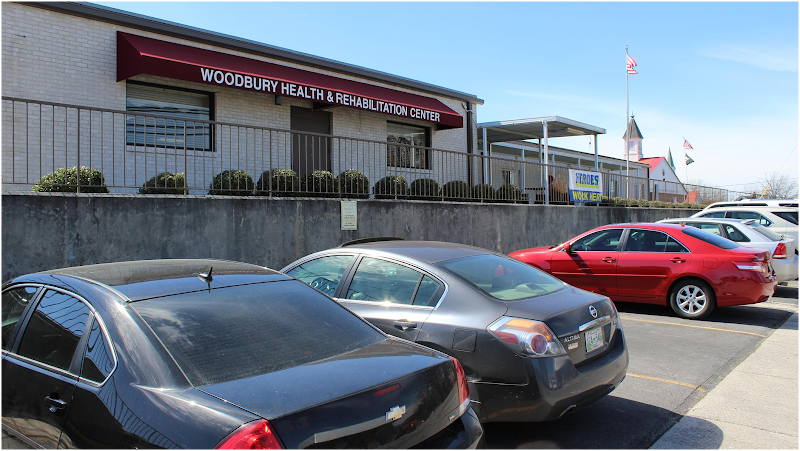
119 WEST HIGH STREET, WOODBURY, TN 37190 (615) 563-5939
Non profit - Other 82 Beds TWIN RIVERS HEALTH & REHABILITATION Data: November 2025 1 Immediate Jeopardy citation
Trust Grade
43/100
#226 of 298 in TN
Last Inspection: November 2024

Within standard 12-15 month inspection cycle. Federal law requires annual inspections.

Overview

Woodbury Health and Rehabilitation Center has a Trust Grade of D, indicating below-average performance and some concerning issues. It ranks #226 out of 298 nursing homes in Tennessee, placing it in the bottom half of facilities statewide, although it is the only option in Cannon County. The facility is showing signs of improvement, having reduced its issues from 10 in 2022 to 3 in 2024. Staffing is a relative strength with a 3/5 rating and a turnover rate of 33%, which is better than the state average. However, there are significant concerns regarding RN coverage, which is lower than 77% of other facilities, and recent inspection findings included serious issues, such as failing to accurately document a resident's Advance Directive and not maintaining proper infection control practices, which could potentially harm residents. Overall, while there are some strengths, families should be aware of the facility's weaknesses and ongoing concerns.

Trust Score
D
43/100
In Tennessee
#226/298
Bottom 25%
Safety Record
High Risk
Review needed
Inspections
Getting Better
10 → 3 violations
Staff Stability
○ Average
33% turnover. Near Tennessee's 48% average. Typical for the industry.
Penalties
✓ Good
No fines on record. Clean compliance history, better than most Tennessee facilities.
Skilled Nurses
⚠ Watch
Each resident gets only 23 minutes of Registered Nurse (RN) attention daily — below average for Tennessee. Fewer RN minutes means fewer trained eyes watching for problems.
Violations
⚠ Watch
14 deficiencies on record. Higher than average. Multiple issues found across inspections.
★★☆☆☆
2.0
Overall Rating
★★★☆☆
3.0
Staff Levels
★★☆☆☆
2.0
Care Quality
★★☆☆☆
2.0
Inspection Score
Stable
2022: 10 issues
2024: 3 issues

The Good

  • Full Sprinkler Coverage · Fire safety systems throughout facility
  • No fines on record
  • Staff turnover below average (33%)

    15 points below Tennessee average of 48%

Facility shows strength in fire safety.

The Bad

2-Star Overall Rating

Below Tennessee average (2.8)

Below average - review inspection findings carefully

Staff Turnover: 33%

13pts below Tennessee avg (46%)

Typical for the industry

Chain: TWIN RIVERS HEALTH & REHABILITATION

Part of a multi-facility chain

Ask about local staffing decisions and management

The Ugly 14 deficiencies on record

1 life-threatening
Nov 2024 3 deficiencies
CONCERN (D)

Potential for Harm - no one hurt, but risky conditions existed

Staffing Data (Tag F0851)

Could have caused harm · This affected 1 resident

Based on facility policy review, Quarterly Payroll Based Journal (PBJ) review, and interview the facility failed to report accurate documentation for PBJ for Quarter 1 2024 (October 1 - December 31) a...

Read full inspector narrative →
Based on facility policy review, Quarterly Payroll Based Journal (PBJ) review, and interview the facility failed to report accurate documentation for PBJ for Quarter 1 2024 (October 1 - December 31) and Quarter 2 2024 (January 1 - March 31). The findings include: The facility did not provide a copy of the Staffing Policy. Review of the Quarterly PBJ dated 10/1/2023 - 12/31/2023 revealed, .One Star Staffing Rating .Triggered .Triggered=[equals] Star Staffing Rating Equals 1 . Review of the Quarterly PBJ dated 1/1/2024 - 3/31/2024 revealed, .One Star Staffing Rating .Triggered .Triggered=[equals] Star Staffing Rating Equals 1 . During an interview on 11/20/2024 at 1:10 PM, the Director of Nursing (DON) was asked if the facility had been low on staff. The DON stated, Not really, we use agency. When asked if the agency staff would have been included in the report for PBJ, the DON stated, .They were not included for a while, but we include them now . During an interview on 11/22/2024 at 3:45 PM, the Administrator confirmed the facility submitted inaccurate and incomplete PBJ data by the required deadline for the first and second quarters of 2024. During an interview on 11/25/2024 at 10:30 AM, the Human Resource (HR) Director stated she put in the PBJ and should include agency staff, as well as anyone who the facility paid. When asked if there were any issues from October 2023 through March 2024, the HR Director stated, .Absolutely .There were inconsistencies during that time .we did have people working but it did not pull over .I was not looking at this area, but I will be looking at it now . When asked if she was notified when something was wrong with PBJ, the HR Director stated she was notified when something was wrong in PBJ.
CONCERN (F)

Potential for Harm - no one hurt, but risky conditions existed

Food Safety (Tag F0812)

Could have caused harm · This affected most or all residents

Based on facility policy review, temperature log review, facility documentation review, observation, and interview, the facility failed to minimize the potential for foodborne illness transmission by ...

Read full inspector narrative →
Based on facility policy review, temperature log review, facility documentation review, observation, and interview, the facility failed to minimize the potential for foodborne illness transmission by not properly cleaning and sanitizing the inner components of the ice machine for residents in the facility which could affect all residents that receive ice. The facility failed to ensure food was stored, prepared, and served under sanitary conditions as evidenced by undated food items which could affect all residents that receive a meal tray. The facility also failed to maintain 9 of 11 refrigerators located in the resident rooms in proper working order to prevent potential cross-contamination to stored food and failed to keep a temperature log and a thermometer for all personal refrigerators on the 200 Hall. The findings include: Review of the undated facility policy titled, Food Receiving and Storage, revealed .All foods stored in the refrigerator or freezer will be covered, labeled and dated (use by date) .All food and beverages belonging to residents must be labeled with the resident ' s name, the item and the use by date .Refrigerators must have working thermometers and be monitored for temperature according to state-specific guidelines .Other opened containers must be dated and sealed or covered during storage . Review of the undated instructions titled, Cleaning/Sanitizing Instructions for Ice Machine, revealed .Clean Bin When Required. It is suggested that bin cleaning/sanitizing be performed at least two times per year, preferably when cleaning/sanitizing the ice machine . Review of the undated guide titled, How to Clean a [named] Ice Machine, revealed .you should regularly clean your ice machine every six months . Review of the facility policy titled, Ice Machines and Ice Storage Chest, revised 1/2012, revealed .Ice machines and ice storage/distribution containers will be used and maintained to assure a safe and sanitary supply of ice .Our facility has established procedures for cleaning and disinfecting ice machines and ice storage chests which adhere to the manufacturer's instructions . Review of the policy titled Refrigerator and Freezers dated December 2014, revealed, .This facility will ensure safe refrigerator and freezer maintenance, temperatures, and sanitation, and will observe food expiration guidelines .Acceptable temperatures ranges are 41 degrees F or below for refrigerators .The supervisor will take immediate action if temperatures are out of range. Actions necessary to correct temperatures will be recorded on the tracking sheet, including the repair personnel and/or department contacted .will report any issues to Maintenance for repairs. Necessary repairs will be initiated immediately . Observation in the Kitchen on 8/18/2024 at 9:25 A.M., revealed the following undated foods: Walk-in-Cooler: 1-bag of undated darkened lettuce 1-bad of opened and undated onions 1-½ case of opened and undated thickened milk Walk-in-Freezer: 1-opened and undated box of ravioli. 1-opened and undated bag of waffles. Observations in the nourishment room A, B, and C starting at 10:22 AM, revealed the following undated foods: A Hall Nourishment Room Refrigerator: 1-opened and undated Gatorade 1-opened and undated container of chicken/vegetable pie (lid was off the pot pie) B Hall Nourishment Room Refrigerator: 1-undated bowl of beans 1-opened and undated bag of onion rings 1-opened and undated grilled cheese Observation of the B Hall nourishment room on 11/18/2024 at 10:35 AM with the Dietary Manager (DM), revealed the ice machine on the B Hall had dark orange stains and dark debris on the inside cover panel and top of the machine with dark specks in the ice. The food observed in the nourishment room refrigerator was undated and uncovered. After the observation, the DM was asked who was responsible for cleaning and providing maintenance to the ice machine and were there any other ice machines in the building. The DM stated that maintenance was responsible for cleaning and providing maintenance to the ice machine. She then stated the B Hall ice machine is 1 of 2 ice machine in the building, with the other one being in the kitchen. Continued interview revealed the DM stated the food in the nourishment room refrigerator should have been dated and covered. Observation on 11/18/2024 at 10:40 AM revealed, the DON observed dark orange stains and dark debris inside the ice machine. She also observed dark specks in the ice. The DON then stated the dark orange stains, and the dark debris should not be in the ice machine, nor should dark specks be on the ice. Observation and interview on 11/18/2024 at 3:47 PM, revealed the ice scoop storage container had white debris on the inside of the container. The Administrator was asked to look inside the ice scoop container. He stated, Oh my. That [the ice scoop container] should not look like that. The Administrator was then asked if he expected staff to notify maintenance if there was an issue with the ice machine. The Administrator stated, Yes. I expect the staff to notify the Maintenance Director when the ice machine needs to be cleaned or if there are any mechanical issues. During an interview on 11/22/2024 at 3:30 PM revealed, the Maintenance Director (MD) stated that he was responsible for the cleaning and maintenance of the ice machine every 3 months but depended on the facility's staff to notify him if anything went wrong with the ice machine. When asked if he had been notified of the dark orange and dark debris in the ice machine, the MD stated he had not been notified about the ice machine needing to be cleaned before Monday (11/18/2024) of the state survey. The MD then stated he used TELS to track the servicing for the ice machine. Continued interview revealed the MD had not serviced the ice machine. Observation on the 200 Hall on 11/20/24 at 04:13 PM, revealed the resident's Room Refrigerator Temp Logs had multiple temps documented higher than 41 degrees with no temperature rechecks. During an interview on 11/20/2024 at 5:18 PM, CNA B was asked what she would do if the refrigerator temperature was found at 45 degrees. CNA B stated that the refrigerator temperature should be less than 41 degrees. During an interview on 11/21/2024 at 9:30 AM, Housekeeper N was asked what the normal temp should be. Housekeeper N stated it should be 36-41 degree and if it was not within range, she would adjust temp and then recheck the temperature. During an interview on 11/21/2024 at 9:35 AM, the Housekeeper U was asked the normal temp range for the refrigerators. Housekeeper U stated the range was 35-40 degrees and if the refrigerator was out of range she would report it to supervisor. During an interview on 11/21/2024 at 9:40 AM, the Dietary Manager was asked whether they check temperatures on the hall. The Housekeeping supervisor stated the kitchen staff checked the Nourishment Rooms on A B and C halls, and the range should be between 35-41 degrees. She was asked what has to be done when the refrigerator is out of range, they will take all of the items out of the refrigerator and if by adjusting the refrigerator the temp does not return to normal range, the maintenance department should be contacted by either TELS or letting Maintenance Director know personally. During an interview on 11/21/2024 at 10:00 AM Housekeeper P stated during her rounds she writes the temperatures down and then adds the temps to the book once she has completed her initial round. She was aware temps should range from 35-41 and if they are incorrect then she will adjust the temp and recheck. If there are problems that continue, then she tells the Maintenance Director. Review of the October 2024 personal Refrigerator Temperature Log sheets in Resident #77's room revealed: a. No temperature documented on 10/15/2024. b. 44 degrees F on 10/30/2024 with no recheck Temp. c. 42 degrees F on 10/31/2024 with no recheck Temp. Review of the October 2024 personal Refrigerator Temperature Log sheets in Resident #65's room revealed: a. No temperature documented on 10/1/2024. b. 60 degrees F on 10/3/2024 with no recheck Temp. c. 43 degrees F on 10/6/2024 with no recheck Temp. d. 43 degrees F on 10/7/2024 with no recheck Temp. e. 46 degrees F on 10/8/2024 with no recheck Temp. f. 42 degrees F on 10/19/2024 with no recheck Temp. g. 43 degrees F on 10/24/2024 with no recheck Temp. h. 42 degrees F on 10/29/2024 with no recheck Temp. i. 42 degrees F on 10/31/2024 with no recheck Temp. Review of the October 2024 personal Refrigerator Temperature Log sheets in Resident #4's room revealed: a. No temperature documented on 10/1/2024. b. No temperature documented on 10/25/2024. c. No temperature documented on 10/27/2024. d. No temperature documented on 10/28/2024. e. No temperature documented on 10/28/2024. f. 43 degrees F on 10/30/2024 with no recheck Temp. Review of the October 2024 personal Refrigerator Temperature Log sheets in Resident #36's room revealed: a. No temperature documented on 10/1/2024. b. 42 degrees F on 10/8/2024 with no recheck Temp. c. 44 degrees F on 10/17/2024 with no recheck Temp. d. 44 degrees F on 10/18/2024 with no recheck Temp. e. 46 degrees F on 10/19/2024 with no recheck Temp. f. 46 degrees F on 10/20/2024 with no recheck Temp. g. 50 degrees F on 10/21/2024 with no recheck Temp. h. 46 degrees F on 10/22/2024 with no recheck Temp. i. 42 degrees F on 10/24/2024 with no recheck Temp. j. No temperature documented on 10/25/2024. k. 50 degrees F on 10/26/2024 with no recheck Temp. l. No temperature documented on 10/27/2024. m. No temperature documented on 10/28/2024. n. 43 degrees F on 10/29/2024 with no recheck Temp. o. 45 degrees F on 10/30/2024 with no recheck Temp. p. 42 degrees F on 10/31/2024 with no recheck Temp. Review of the October 2024 personal Refrigerator Temperature Log sheets in Resident #285's room revealed: No temperature documented on 10/1/2024. 70 degrees F on 10/3/2024 with recheck at 60 degrees. There was no documentation that maintenance was contacted. 50 degrees F on 10/4/2024 with no recheck Temp. 45 degrees F on 10/5/2024 with no recheck Temp. 45 degrees F on 10/6/2024 with no recheck Temp. 45 degrees F on 10/7/2024 with no recheck Temp. 48 degrees F on 10/8/2024 with no recheck Temp. 44 degrees F on 10/11/2024 with no recheck Temp. 44 degrees F on 10/13/2024 with no recheck Temp. 44 degrees F on 10/14/2024 with no recheck Temp. 49 degrees F on 10/17/2024 with no recheck Temp. 44 degrees F on 10/19/2024 with no recheck Temp. 46 degrees F on 10/20/2024 with no recheck Temp. 48 degrees F on 10/21/2024 with no recheck Temp. 44 degrees F on 10/22/2024 with no recheck Temp. 48 degrees F on 10/23/2024 with no recheck Temp. No temperature documented on 10/25/2024. 55 degrees F on 10/26/2024 with no recheck Temp. No temperature documented on 10/27/2024. No temperature documented on 10/28/2024. 66 degrees F on 10/30/2024 with no recheck Temp. 48 degrees F on 10/31/2024 with no recheck Temp. Review of the October 2024 personal Refrigerator Temperature Log sheets in Resident #9's room revealed: No temperature documented on 10/1/2024. 50 degrees F on 10/3/2024 with no recheck Temp. 46 degrees F on 10/8/2024 with no recheck Temp. 43 degrees F on 10/24/2024 with no recheck Temp. No temperature documented on 10/25/2024. No temperature documented on 10/27/2024. No temperature documented on 10/28/2024. Review of the October 2024 personal Refrigerator Temperature Log sheets in Resident #56's room revealed: No temperature documented on 10/1/2024. 43 degrees F on 10/24/2024 with no recheck Temp. No temperature documented on 10/25/2024. No temperature documented on 10/27/2024. No temperature documented on 10/28/2024. Review of the October 2024 personal Refrigerator Temperature Log sheets in Resident #80's room revealed: No temperature documented on 10/1/2024. 50 degrees F on 10/3/2024 with no recheck Temp. 45 degrees F on 10/5/2025 with no recheck Temp. 45 degrees F on 10/6/2024 with no recheck Temp. 45 degrees F on 10/7/2024 with no recheck Temp. 46 degrees F on 10/8/2024 with no recheck Temp. 45 degrees F on 10/9/2024 with no recheck Temp. 45 degrees F on 10/10/2024 with no recheck Temp. 42 degrees F on 10/11/2024 with no recheck Temp. 45 degrees F on 10/12/2024 with no recheck Temp. 45 degrees F on 10/13/2024 with no recheck Temp. 45 degrees F on 10/14/2024 with no recheck Temp. 45 degrees F on 10/15/2024 with no recheck Temp. 45 degrees F on 10/16/2024 with no recheck Temp. 45 degrees F on 10/17/2024 with no recheck Temp. 50 degrees F on 10/18/2024 with no recheck Temp. 52 degrees F on 10/19/2024 with no recheck Temp. 52 degrees F on 10/20/2024 with no recheck Temp. 70 degrees F on 10/21/2024 with recheck Temp at 48 degrees. There was no documentation that the Maintenance Director had been notified. 48 degrees F on 10/22/2024 with no recheck Temp. 46 degrees F on 10/23/2024 with no recheck Temp. No temperature documented on 10/24/2024. 50 degrees F on 10/25/2024 with no recheck Temp. No temperature documented on 10/26/2024. No temperature documented on 10/27/2024. No temperature documented on 10/28/2024. 44 degrees F on 10/30/2024 with no recheck Temp. 50 degrees F 10/31/2024 with no recheck Temp. Review of the October 2024 personal Refrigerator Temperature Log sheets in Resident #76's room revealed: No temperature documented on 10/1/2024. 44 degrees F on 10/5/2024 with no recheck Temp. 44 degrees F on 10/6/2024 with no recheck Temp. 44 degrees F on 10/7/2024 with no recheck Temp. 46 degrees F on 10/8/2024 with no recheck Temp. 43 degrees F om 10/10/2024 with no recheck Temp. 43 degrees F on 10/11/2024 with no recheck Temp. 42 degrees F on 10/12/2024 with no recheck Temp. 44 degrees F on 10/16/2024 with no recheck Temp. 44 degrees F on 10/17/2024 with no recheck Temp. 46 degrees F on 10/18/2024 with no recheck Temp. 44 degrees F on 10/19/2024 with no recheck Temp. 44 degrees F on 10/20/2024 with no recheck Temp. 44 degrees F on 10/21/2024 with no recheck Temp. 42 degrees F on 10/22/2024 with no recheck Temp. 46 degrees F on 10/23/2024 with no recheck Temp. No temperature documented on 10/24/2024. 44 degrees F on 10/25/2024 with no recheck Temp. No temperature documented on 10/26/2024. No temperature documented on 10/27/2024. No temperature documented on 10/28/2024. 42 degrees F on 10/30/2024 with no recheck Temp. No temperature documented on 10/31/2024. Continued review of the October 2024 Refrigerator Log revealed, .Acceptable Temp: 35-41 DEGREES F .Adjust thermostat if temperature is not within the acceptable range. Recheck in 30 minutes. Notify maintenance if temperature remains out of range or is < or > 5 degrees out of range .See Temp & Adjust as needed . Review of the November 2024 (through November 20) personal Refrigerator Temperature Log sheets in Resident #77's room revealed: 42 degrees F on 11/2/2024 with no recheck Temp. 42 degrees F on 11/4/2024 with no recheck Temp. 42 degrees F on 11/9/2024 with no recheck Temp. 43 degrees F on 11/11/2024 with no recheck Temp. Review of the November 2024 personal Refrigerator Temperature Log sheets in Resident #65's room revealed: 44 degrees F on 11/1/2024 with no recheck Temp. 46 degrees F on 11/2/2024 with no recheck Temp. 42 degrees F on 11/5/2024 with no recheck Temp. Review of the November 2024 personal Refrigerator Temperature Log sheets in Resident #4's room revealed: 42 degrees F on 11/4/2024 with no recheck Temp. 44 degrees F on 11/5/2024 with no recheck Temp. 44 degrees F on 11/6/2024 with no recheck Temp. Review of the November 2024 personal Refrigerator Temperature Log sheets in Resident #36's room revealed: 46 degrees F on 11/1/2024 with no recheck Temp. 44 degrees F on 11/5/2024 with no recheck Temp. 44 degrees F on 11/6/2024 with no recheck Temp. 49 degrees F on 11/11/2024 with no recheck Temp. 48 degrees F on 11/12/2024 with no recheck Temp. 42 degrees F on 11/14/2024 with no recheck Temp. 46 degrees F on 11/17/2024 with no recheck Temp. Review of the November 2024 personal Refrigerator Temperature Log sheets in Resident #285's room revealed: 46 degrees F on 11/5/2024 with no recheck Temp. 51 degrees F on 11/6/2024 with no recheck Temp. 48 degrees F on 11/7/2024 with no recheck Temp. 46 degrees F on 11/8/2024 with no recheck Temp. 48 degrees F on 11/9/2024 with no recheck Temp. 44 degrees F on 11/10/2024 with no recheck Temp. 42 degrees F on 11/15/2024 with no recheck Temp. 42 degrees F on 11/18/2024 with no recheck Temp. Review of the November 2024 personal Refrigerator Temperature Log sheets in Resident #9's room revealed: 42 degrees F on 11/8/2024 with no recheck Temp. Review of the November 2024 personal Refrigerator Temperature Log sheets in Resident #56's room revealed: 42 degrees F on 11/5/2024 with no recheck Temp. 44 degrees F on 11/6/2024 with no recheck Temp. 42 degrees F on 11/10/2024 with no recheck Temp. 42 degrees F on 11/11/2024 with no recheck Temp. Review of the November 2024 personal Refrigerator Temperature Log sheets in Resident #80's room revealed: 48 degrees F on 11/1/2024 with no recheck Temp. 50 degrees F on 11/2/2024 with no recheck Temp. 42 degrees F on 11/3/2024 with no recheck Temp. 46 degrees F on 11/4/2024 with no recheck Temp. 42 degrees F on 11/6/2024 with no recheck Temp. 72 degrees F on 11/12/2024 with recheck Temp at 42 degrees. There was no documentation that maintenance was notified. 42 degrees F on 11/13/2024 with no recheck Temp. Review of the November 2024 personal Refrigerator Temperature Log sheets in Resident #76's room revealed: 46 degrees F on 11/2/2024 with no recheck Temp. 46 degrees F on 11/7/2024 with no recheck Temp. 42 degrees F on 11/12/2024 with no recheck Temp. 52 degrees F on 11/13/2024 with no recheck Temp. 48 degrees F on 11/14/2024 with no recheck Temp. 42 degrees F on 11/15/2024 with no recheck Temp. 42 degrees F on 11/16/2024 with no recheck Temp. 42 degrees F on 11/17/2024 with no recheck Temp. Continued review of the November 2024 Refrigerator Log revealed, .Acceptable Temp: 35-41 DEGREES F .Adjust thermostat if temperature is not within the acceptable range. Recheck in 30 minutes. Notify maintenance if temperature remains out of range or is < or > 5 degrees out of range .See Temp & Adjust as needed .
CONCERN (F)

Potential for Harm - no one hurt, but risky conditions existed

Infection Control (Tag F0880)

Could have caused harm · This affected most or all residents

**NOTE- TERMS IN BRACKETS HAVE BEEN EDITED TO PROTECT CONFIDENTIALITY** Based on facility policy review, observation, interview, and Center for Disease Control (CDC) recommendations, the facility fail...

Read full inspector narrative →
**NOTE- TERMS IN BRACKETS HAVE BEEN EDITED TO PROTECT CONFIDENTIALITY** Based on facility policy review, observation, interview, and Center for Disease Control (CDC) recommendations, the facility failed to maintain an infection prevention and control program designed to provide a safe, sanitary, and comfortable environment and to help prevent the development and transmission of communicable diseases and infections. The facility failed to limit interactions with other residents when 1 (Resident #50) of 2 residents reviewed on contact precautions was allowed to interact outside of her room with other residents. The facility failed to properly clean a multi-use glucometer prior to and after use for 1 (Resident #286) of 19 residents that received finger-stick blood glucose monitoring. The facility failed to properly use sterile technique for 1 (Resident #77) of 2 residents with Tracheostomy care while suctioning. The facility failed to immediately implement Contact Isolation precautions for 1 (Resident #77) of 1 resident that had a positive urine screen for Extended-spectrum Beta-lactamases (ESBL) and Methicillin-resistant Staphylococcus aureus (MRSA). The findings included: Review of the facility policy titled Multidrug-Resistant Organisms [MDRO], dated August 2019, revealed, .Appropriate precautions are taken when caring for individuals known or suspected to have infection with a multidrug resistant organism .Make MDRO prevention/control an organizational priority .Isolation .Follow Standard Precautions in all situations .when cohorting residents with the same MDRO is not possible, place MDRO resident in rooms with residents who are at low risk for acquisition of MDRO's and associated adverse outcomes from infection and are likely to have short lengths of stay .Use of Contact Precautions .Implement Contact Precautions routinely for all residents colonized or infected with a target MDRO . Review of the facility policy titled Obtaining a Fingerstick Glucose Level dated October 2011, revealed, .The purpose of this procedure is to obtain a blood sample to determine the resident's blood glucose level .Equipment and Supplies .The following equipment and supplies will be necessary .disinfected blood glucose meter .place the equipment on the bedside stand or overbed table .Always ensure that blood glucose meters intended for re-use are cleaned and disinfected between resident uses .Discard the first drop of blood if alcohol is used to clean the fingertips because alcohol may alter the results .wipe the fingertip with a cotton ball to seal the puncture site .Clean and disinfect reusable equipment between uses . Review of the facility policy titled, Medication Administration dated 3/16/2015, revealed .Procedures .Follow safe preparation practices .Prepare medications immediately prior to administration .When preparing potent medications in liquid form or those requiring precise measurement, use only device provided by the manufacturer or obtained from the provider pharmacy . Review of the CDC Recommendations for Contact Isolation dated 4/3/2024 revealed, .Use Contact Precautions for patients with suspected or known infections that represent an increased risk for contact transmission .In long-term and other residential settings, make room placement decisions balancing risks to other patients .Use personal protective equipment (PPE) appropriately, including gloves and gown. Wear a gown and gloves for all interactions that may involve contact with the patient or the patient's environment. Donning PPE [Personal Protective Equipment] upon room entry and properly discarding before exiting the patient room is done to contain pathogens .Limit transport and movement of patients outside of the room to medically necessary purposes. When transport or movement is necessary, cover or contain the infected or colonized areas of the patient's body. Remove and dispose of contaminated PPE and perform hand hygiene prior to transporting patients on Contact Precautions. [NAME] clean PPE to handle the patient at the transport location .Use disposable or dedicated patient-care equipment (e.g., blood pressure cuffs). If common use of equipment for multiple patients is unavoidable, clean and disinfect such equipment before use on another patient .Prioritize cleaning and disinfection of the rooms of patients on contact precautions ensuring rooms are frequently cleaned and disinfected (e.g., at least daily or prior to use by another patient if outpatient setting) focusing on frequently-touched surfaces and equipment in the immediate vicinity of the patient . Review of the Job Description titled Infection Preventionist dated 1/1/2019, revealed the General Purpose was to, .Supervise and coordinate the multiple facets of the Infection Control Program. Assure a high quality of resident care by: Eliminating infection risks to residents and personnel through surveillance of multiple activities and practices. Teaching information pertinent to infection control and isolation to all involved associates. Implementing monitoring and surveillance programs in an effort to identify and reduce infection hazards in the facility .act as liaison with the local health department in reporting infectious disease .Train facility personnel to complete infection Surveillance Reports . Review of the medical record revealed Resident #50 was admitted to the facility on [DATE] with diagnoses which included Paroxysmal Atrial Fibrillation, Pressure-Induced Deep Tissue Damage of Left Heel, and Atherosclerotic Heart Disease of Native Coronary Artery without Angina Pectoris. Review of the Quarterly Minimum Data Set (MDS) assessment dated [DATE] for Resident #50, revealed a Brief Minimum Data Set (BIMS) score of 4 which indicated severe cognitive impairment. Review of the undated Comprehensive Care Plan for Resident #50 revealed, .The resident has an ADL self-care performance deficit r/t [related to] Dementia, Impaired balance, Limited Mobility, Stroke .The resident has a Urinary Tract Infection .The resident has bowel and bladder incontinence r/t Dementia, History of UTI, impaired Mobility . Observation on 11/18/2024 at 11:15 AM, revealed Resident #50's room with an isolation sign that read Contact Precautions and a caddy on the door with isolation PPE (Personal Protective Equipment). Resident #50, who was on contact precautions, was not in the room. Observation on 11/18/2024 at 11:47 AM, revealed Resident #50 in the dining room sitting at a table with 5 other residents within touching distance. Observation on 11/18/2024 at 3:30 PM, revealed Resident #50 in a common area, sitting in a wheelchair close to other residents. Observation on 11/19/2024 at 10:35 AM in Resident #50's room, revealed red and yellow barrels noted up against the bed covers. Observation on 11/19/2024 at 11:00 AM, revealed Resident #50 in a common area sitting in a wheelchair close to other residents. Observation on 11/19/2024 at 11:45 AM in Resident #50's room, revealed red and yellow barrels noted up against the bed covers. Observation in Resident #50's room on 11/19/2024 at 12:15 PM, revealed red and yellow barrels noted up against the bed covers. Observation on 11/19/2024 at 12:43 PM, revealed Resident #50 in a common area sitting in a wheelchair close to other residents. Observation on 11/19/2024 at 3:05 PM, revealed Resident #50 in a common area sitting in a wheelchair close to other residents. Observation on 11/19/2024 at 4:17 PM, revealed Resident #50 in a common area, sitting in a wheelchair close to other residents. Observation on 11/19/2024 at 5:45 PM, revealed Resident #50 in a common area, sitting in a wheelchair close to other residents. Observation on 11/20/2024 at 9:10 AM, revealed Resident #50 in a common area, sitting in a wheelchair close to other residents. Observation on 11/20/2024 at 11:06 AM, revealed Resident #50 in a common area, sitting in a wheelchair close to other residents. Observation on 11/20/2024 at 12:27 PM, revealed Resident #50 in a common area, sitting in a wheelchair close to other residents. Observation on 11/20/2024 at 2:27 PM, revealed Resident #50 in a common area, sitting in a wheelchair close to other residents. Observation on 11/20/2024 at 4:18 PM, revealed Resident #50 in a common area, sitting in a wheelchair close to other residents. Observation on 11/20/2024 at 5:42 PM, revealed Resident #50 in a common area, sitting in a wheelchair close to other residents. Observation on 11/21/2024 at 9:03 AM, revealed Resident #50 in a common area, sitting in a wheelchair close to other residents. During an interview on 11/21/2024 at 9:35 AM, CNA (Certified Nursing Assistant) T stated Resident #50 had a UTI and was on contact isolation. When asked if Resident #50 should be out of her room while on contact isolation, CNA T dropped her head and stated, No. I don't guess she should be. CNA T was then asked if the ESBL was contained. CNA T stated, I'm not sure but I will find out. Continued interview revealed CNA T came to the surveyor and stated, I found out .The only way it [ESBL] can be contained is with a catheter. During an interview on 11/21/2024 at 9:50 AM, LPN (Licensed Practical Nurse) G stated was asked if she had any residents that required isolation for ESBL and E-coli in her urine. When asked if Resident #50 should be out of her room on contact isolation, LPN G stated She is on contact precautions and not contact isolation. LPN G was then asked was there a difference between contact precautions and contact isolation and she stated, .if she was on contact isolation, she would not be able to come out of the room . Continued interview revealed LPN G was asked if the ESBL and Ecoli was contained. She stated, Yes .she picks at her skin but does not put her hands down her brief. Observation on 11/21/2024 at 10:37 AM, revealed Resident #50 in a common area, sitting in a wheelchair close to other residents. Observation on 11/21/2024 at 12:52 PM, revealed Resident #50 in a common area, sitting in a wheelchair close to other residents. During a telephone interview on 11/21/2024 at 2:18 PM, the Medical Director (MD) was asked his expectations for a resident on contact isolation for ESBL and E. coli in the urine. The MD stated, .If the patient is alone, it would be okay .but if they are with other residents, it is not the best thing to do .this would put the geriatric population and immunocompromised residents at risk .if the patient had to be out of the room, it should have been at the end of the hallway . The MD was then asked if he had been notified of the redness to both of Resident #50's eyes, especially the right eye. The MD stated, I don't recall whether I have been called about it .If she has red eyes, since she has ESBL/E. coli in her urine .I should be notified. During an interview on 11/21/2024 at 3:30 PM, the Infection Preventionist (IP) was asked if staff had been educated on contact isolation. She stated Yes. The IP was then asked if there was a difference between contact precautions and contact isolation. The IP looked at the DON, who then stated there was no difference. The IP was then asked if a resident on contact isolation should be kept in their room. The IP did not respond. She looked over at the DON (Director of Nursing) and the DON stated, If you are talking about [named Resident #50], she is a different case .we can't make her stay in her room .[named Resident #50] thrives on being out with everyone else .she [Resident #50] has a routine. When asked if any other resident was on contact isolation, would they be required to stay in their room. The IP did not answer but the DON stated Yes. Review of medical records revealed Resident #286 was admitted to the facility on [DATE] with diagnoses which included Type 2 Diabetes Mellitus without complications, Atherosclerotic Heart Disease with unstable Angina Pectoris, and Hypertensive Heart and Chronic Kidney Disease. Review of the Baseline Care Plan dated 11/15/2024, revealed Resident #286 had non-insulin dependent Diabetes Mellitus. Review of the 5-day MDS dated [DATE], revealed Resident #286 had a BIMS score of 15, which indicated no cognitive impairment. Review of November 2024 Order Recap Report revealed Resident #286 had an order for 11/18/2024 to monitor blood glucose before meals and at bedtime related to Type 2 Diabetes Mellitus for 3 days. Observation on 11/19/2024 at 4:10 PM, revealed LPN A obtained a blood glucose reading on Resident #286. LPN A did not properly follow cleaning guidelines for multiuse glucometer (glucometer was a portable machine to measure how much glucose- a type of sugar that was in the blood). LPN A wiped the monitor with purple top sanitizer wipes for approximately 7 sec and let air dry. (glucometer was not kept wet for 2 minutes). LPN A also took the multiuse bottle of glucometer strip into the room. When the blood glucose monitoring was completed, all items were gathered with contaminated gloved hand and put into a cup for storage and taken out of the resident room. LPN A then took contaminated items from the cup and placed onto her medication cart without a barrier. LPN A wiped the glucometer with purple top wipe for approximately 8 seconds and let air dry. The meter was not kept moist for 2 minutes. LPN A discovered she was out of purple top sanitizer wipes and left the remaining contaminated items on the medication cart and went and retrieved a new container of wipes. Once LPN A returned, she placed the soiled glucose strip bottle in the device storage container without properly cleaning the strip container and did not wipe off the surface of the medication cart. During an interview on 11/21/2024 at 4:45 PM, the DON was asked whether the nursing staff has been educated regarding infection control related to glucometer and the DON stated they go over education all of the time and that nursing should be aware of the correct procedure to use. The DON was asked what nursing was taught about sanitizing the glucometer, and she responded, .Nursing had been taught to keep the glucometer wet for 2 minutes. They have been taught to clean the monitor then wrap the glucometer with the wet wipe, place in a cup and let it sit for 2 minutes . The DON was made aware of the observation of LPN A and agreed that LPN A was taught the correct way it should be done. Review of the medical records revealed Resident #77 was admitted to the facility on [DATE] with diagnoses which included Tracheostomy Status, Traumatic Subdural Hemorrhage Without Loss of Consciousness, Gastrostomy Status, and Type 2 Diabetes Mellitus. Review of the Minimum Data Set, dated [DATE], revealed there had been no Brief Interview for Mental Status done. Review of the undated Care Plan revealed Resident #77 had Goals and Interventions which included .8/9/2024 require enhanced barrier precautions related to Trach (Surgically placed tube through an opening in the neck to provide an airway for breathing) .9/3/2024 has Diabetes Mellitus .9/18/2024 has a tracheostomy .requires tube feeding .11/20/2024 resident has a Urinary Tract Infection (UTI) .potential nutritional problem with risk for weight loss .has unplanned/unexpected weight loss r/t [related to] recent hospitalization .11/18/2024 has indwelling foley Catheter . Review of Microbiology results collected on 11/16/2024 urine culture showed Escherichia coli, Enterococcus faecalis and Methicillin Resistant Staph aureus. The results were reviewed by RN K. RN K stated Resident #77 was on isolation for MRSA and E coli. Review of the Order Summary Report dated 11/20/2024 revealed Resident #77 had an order for, .Contact Isolation every day and night shift for UTI ESBL and MRSA for 7 Days .Perform Trach [tracheostomy] care .every day and night shift . Observation on 11/20/2024 at 2:55 PM, LPN A administered a bolus tube feeding to Resident #77. LPN A failed to prepare material prior to administration, failed to clean the surface on which the supplies had been laid, did not check oxygen saturation prior to suctioning and did not check afterwards. The staff did not wear a mask while administering trach care and sterile gloves had been contaminated during the process. LPN A contaminated sterile gloves while disconnecting oxygen tubing and connection to suction tubing and while touching soiled cannula and trach dressing prior to suctioning. LPN A was asked about her procedure administering bolus and water. She was not aware there was not an adequate amout of water and feeding during bolus. LPN A administered 240 cc feeding rather than 270 ccs and less than 100 cc water per tube as ordered. Observation on 11/20/2024 at 5:00 PM, Resident #77's room did not have any signage for isolation precautions on the door and no isolation caddy hanging on the door. During an interview on 11/21/2024 at 10:00 AM, Housekeeper P was asked when Resident #77 was placed on isolation and she stated, I don't know but she was not on isolation yesterday. Housekeeper P was asked who was responsible for setting up the isolation PPE caddy and she stated the housekeeping supervisor will usually get the equipment together and sometimes the housekeeping staff is responsible for refilling the items. During an interview on 11/21/2024 at 4:45 PM, LPN A was asked when she was notified Resident #77 had been placed on Contact Isolation. LPN A stated she was notified by RN K that evening at approximately 4:00 PM. LPN A was asked whether she was aware she broke sterile protocol during tracheostomy care and she stated she was not aware that she had done so during the procedure. During an interview on 11/22/2024 at 3:05 PM, RN (Registered Nurse) K with the Director of Nursing present was asked when she was notified there was an order for Resident #77 to be placed on Contact Isolation. RN K stated she received a fax on 11/20/2024 at 12:40 PM and sent out communication to administrative staff at 12:41 PM. When asked who is usually responsible for initially setting up the isolation material, RN K responded housekeeping. The DON stated usually the Housekeeping Supervisor was responsible for set up of isolation supplies. When RN K was asked how long it should take for the isolation precaution signage and cart to be in place for Resident #77, she paused and did not provide an answer. The DON was then asked what length of time she would expect for it to take prior to the isolation precaution be implemented. The DON stated, It depends on what is going on. The DON was asked if she felt like it was a significant thing (to implement the isolation precautions, and she responded yes, it should be a priority and should be done within the hour for sure. When asked whether the signage should have been in place prior to the time this surveyor left the building that day and she stated Yes, but the staff were aware that she was on isolation. When asked how staff are usually notified of cases that require isolation, the DON stated, they discuss it in morning meetings.
Feb 2022 10 deficiencies 1 IJ
CRITICAL (J)

Immediate Jeopardy (IJ) - the most serious Medicare violation

Deficiency F0678 (Tag F0678)

Someone could have died · This affected 1 resident

**NOTE- TERMS IN BRACKETS HAVE BEEN EDITED TO PROTECT CONFIDENTIALITY** Based on facility documentation review, facility policy review, medical record review, and interview, the facility failed to ens...

Read full inspector narrative →
**NOTE- TERMS IN BRACKETS HAVE BEEN EDITED TO PROTECT CONFIDENTIALITY** Based on facility documentation review, facility policy review, medical record review, and interview, the facility failed to ensure residents Advance Directive preferences were accurately reflected in the Electronic Medical Record (EMR) for 1 of 61 sampled residents (Resident #19) reviewed for Advance Directives, placing the resident in an Immediate Jeopardy (IJ) (a situation in which the provider's noncompliance with one or more requirements of participation has caused, or is likely to cause serious injury, harm, impairment, or death to a resident). The facility's deficient practice placed 1 resident (Resident #19) in Immediate Jeopardy and Substandard Quality of Care was identified. The facility's failure to follow their procedures for processing Advance Directives, had the potential for staff intervening with life saving measures, (CPR [Cardiopulmonary Resuscitation]) for Resident #19 when Resident #19 wanted to be a DNR [Do Not Resuscitate]. The Administrator, Director of Nursing (DON), and Regional Nurse Consultant were notified of the Immediate Jeopardy pertaining to Advance Directives on [DATE] at 1:20 PM, in the Conference room. The facility was cited Immediate Jeopardy at F-678. The facility was cited at F-678 at a scope and severity of J, which is Substandard Quality of Care. The Immediate Jeopardy was removed onsite and was effective from [DATE] to [DATE]. An Immediate Action Removal Plan, which removed the immediacy of the jeopardy, was received on [DATE] at 3:30 PM. The corrective actions were validated onsite by the surveyors on [DATE]. The facility's noncompliance at F-678 continues at a scope and severity of D for monitoring of the effectiveness of the corrective actions. The facility is required to submit a Plan of Correction for F-678. The findings include: Review of the facility's policy titled, Advance Directives, revised 12/2016, revealed, .Advance directives will be respected in accordance with state law and facility policy .The plan of care for each resident will be consistent with his or her documented treatment preferences and/or advance directive . Review of the medical record revealed Resident #19 was admitted to the facility on [DATE], with diagnoses which included Chronic Obstructive Pulmonary Disease, Chronic Respiratory Failure with Hypoxia, and Heart Disease. Review of the Comprehensive admission Minimum Data Set (MDS) assessment dated [DATE], revealed Resident #19 scored 2 on the Brief Interview for Mental Status (BIMS), which indicated severe cognitive impairment. Review of the Care Plan for Resident #19, dated [DATE], revealed a Care Plan Description of, .Code Status: DNR (Do not resuscitate)--[Named] Hospice . Appropriate goals and interventions in place. Review of the facility's documentation of basic information that appeared on the e-Chart banner and in the advance directives tab for Resident #19, entered on [DATE], revealed Resident #19 required CPR (Cardiopulmonary Resuscitation) or Full Code. Review of the facility's Physician Orders List, for Resident #19, revealed a Physician's Order, dated [DATE], .DNR-Comfort Measures . Review of the POST form dated [DATE], revealed Resident #19's code status was, .Do Not Attempt Resuscitation (DNR/no CPR) (Allow Natural Death) with Comfort Measures Only . Continued review revealed the POST form was signed by Resident #19's son. During an interview on [DATE] at 10:35 AM, Licensed Practical Nurse (LPN) #1 stated she would go to the computer and look at the bedboard (identifier in the electronic medical record for code status) to view the resident's code status. Continued interview she confirmed the bedboard for Resident #19 reflected full code status. During an interview on [DATE] at 11:42 AM, LPN #4 stated she would go to the computer to find the resident's code status. During an interview on [DATE] at 1:00 PM, the Director of Nursing (DON) confirmed the EMR for Resident #19 revealed a code status of CPR on the bedboard, and the POST form revealed Resident #19 was, Do Not Attempt Resuscitation. The DON stated that her expectations were for the POST form and the EMR to match and that it did not get updated. The Immediate Action Removal Plan was verified by the surveyors on [DATE] by: 1). The surveyors reviewed and verified the facility's QAPI (Quality Assurance and Performance Improvement) meeting held on [DATE] to discuss the Corrective Action Plan for the deficiencies and the Medical Director was in agreement with the plan. 2). The surveyors verified through review of Resident #19's Physican's Orders for Scope of Treatment (POST) form were accurately reflected in the electronic medical record. 3). The surveyors verified through review of all facility residents' POST forms and the EMR to ensure accuracy. No other resident was found to have a POST that was inaccurately reflected on the EMR. 4). The surveyors verified through review of the education completed on [DATE] to all on duty and off duty licensed nurses regarding verifying a code status through the Physician Order. 5). The surveyors verified through review of the education completed on [DATE] and interviews with all on duty and off duty Licensed Practical Nurses and Registered Nurses regarding verifying a code status through the Physician Order.
CONCERN (D)

Potential for Harm - no one hurt, but risky conditions existed

Deficiency F0558 (Tag F0558)

Could have caused harm · This affected 1 resident

**NOTE- TERMS IN BRACKETS HAVE BEEN EDITED TO PROTECT CONFIDENTIALITY** Based on medical record review, observation, and interview the facility failed to have a call light in reach for 1 of 3 sampled ...

Read full inspector narrative →
**NOTE- TERMS IN BRACKETS HAVE BEEN EDITED TO PROTECT CONFIDENTIALITY** Based on medical record review, observation, and interview the facility failed to have a call light in reach for 1 of 3 sampled residents (Resident #4) observed. The findings include: Review of the medical record revealed Resident #4 was admitted to the facility on [DATE] with diagnoses which included Chronic Obstructive Pulmonary Disease. Review of the Significant in Change Minimum Data Set (MDS) assessment dated [DATE], revealed Resident #4 had a Brief Interview for Mental Status (BIMS) score of 8 which indicated moderate cognitive impairment. Observation and interview in Resident #4's room on 4/11/2022 at 12:36 PM, revealed Resident #4 was lying in bed with the height of bed in a high position. Continued observation revealed Resident #4's call light was on the arm of the recliner beside the bed out of the reach of the resident. Resident #4 stated she wanted staff to reposition her in bed but could not reach her call light to alert staff. Observation and interview in Resident #4's room on 4/11/2022 at 12:40 PM, Registered Nurse (RN) #1 confirmed Resident #4's call light was not in reach for the resident. Continued interview confimed the call light was supposed to be where Resident #4 could reach it. During an interview on 4/11/2022 at 2:36 PM, the Director of Nursing (DON) confirmed the call light was supposed to be in reach for Resident #4.
CONCERN (D)

Potential for Harm - no one hurt, but risky conditions existed

Comprehensive Care Plan (Tag F0656)

Could have caused harm · This affected 1 resident

**NOTE- TERMS IN BRACKETS HAVE BEEN EDITED TO PROTECT CONFIDENTIALITY** Based on facility policy review, medical record review, observations, and interviews, the facility failed to develop a care plan...

Read full inspector narrative →
**NOTE- TERMS IN BRACKETS HAVE BEEN EDITED TO PROTECT CONFIDENTIALITY** Based on facility policy review, medical record review, observations, and interviews, the facility failed to develop a care plan assessment for significant weight loss for 1 of 30 sampled residents (Resident #27) and failed to implement a fall care plan for 1 of 30 sampled residents (Resident #33) reviewed. The findings include: Review of the undated facility policy titled, Care Plans, Comprehensive Person-Centered, revealed, .A comprehensive, person-centered care plan that includes measurable objectives and timetables to meet the resident's physical, psychosocial and functional needs is developed and implemented for each resident .Identifying problem areas and their causes, and developing interventions that are targeted and meaningful to the resident, are the endpoint of an interdisciplinary process .Assessments of residents are ongoing and care plans are revised as information about the residents and the residents' condition change . Review of the medical record revealed Resident #27 was admitted to the facility on [DATE] with diagnoses which included Hemiplegia and Hemiparesis Following Unspecified Cerebrovascular Disease Affecting Left Non-Dominant Side, Encounter for Attention to Gastrostomy, and Chronic Kidney Disease Stage 3. Review of the Quarterly Minimum Data Set (MDS) assessment for Resident #27 dated 12/27/2021, revealed Resident #27 had a Brief Interview for Mental Status (BIMS) score of 4, which indicated severe cognitive impairment. Continued review revealed she required extensive assistance for bed mobility, transfer, eating and toileting. Continued review revealed she received a tube feeding of 501 ml (milliliters)/day or more. Review of the weight record for Resident #27 revealed a weight of 148.1 lbs (pounds) on 2/11/2022, and a weight of 168.6 lbs on 8/6/2021, which indicated a 12% weight loss in 180 days. Review of the current Care Plan for Resident #27 revealed no assessment, no goals, and no interventions for a significant weight loss of 12% in 180 days. Review of the medical record revealed Resident #33 was admitted to the facility on [DATE] with diagnoses which included Cervical Disc Degeneration at C5-C6 Level, Paroxysmal Atrial Fibrillation, Frontotemporal Dementia and History of Falling. Review of the Annual MDS assessment dated [DATE] revealed Resident #33 had a Brief Interview for Mental Status (BIMS) score of 99, which indicated severe cognitive impairment and unable to participate in the assessment. Continued review revealed she required extensive assistance for bed mobility, transfers, toileting and limited assistance for eating. Continued review revealed she had falls since admission. Review of the Fall Reports for Resident #33 revealed multiple falls between the dates of 8/6/21 through 2/12/2022. Review of the current Care Plan for Resident #33 revealed an assessment for fall risk with multiple fall interventions which included, .6/16/2021 'BATHROOM' sign on bathroom door .8/12/2021 Motion sensor alarm to bed .10/23/2021 'Call Don't Fall' sign . Observation on 2/14/2022 at 12:35 PM revealed Resident #27 laying in her bed with head of bed elevated. Continued observation revealed she was feeding herself a pureed meal with nectar thick liquids and had a tube feeding of Osmolyte 1.0 infusing via pump at 45 ml an hour. Observation on 2/16/2022 at 8:30 AM, in Resident #33's room, revealed the resident did not have a Bathroom sign on her bathroom door, no motion sensor alarm, and no Call Don't Fall sign. During an interview on 2/16/2022 at 8:45 AM, Licensed Practical Nurse (LPN) #3 confirmed there was no BATHROOM sign on Resident #33's bathroom door. During an interview on 2/16/2022 at 8:45 AM, RN #3 confirmed there was no motion alarm on Resident #33's bed. During an interview on 2/16/2022 at 9:15 AM LPN #3 confirmed there was no Call Don't Fall sign present in Resident #33's room. During an interview on 2/16/2022 at 12:00 PM with the MDS Coordinator, she confirmed she was responsible for implementing resident care plans. She stated, [Named Resident #27] should have a care plan assessment for significant weight loss, and did not.
CONCERN (D)

Potential for Harm - no one hurt, but risky conditions existed

Deficiency F0657 (Tag F0657)

Could have caused harm · This affected 1 resident

**NOTE- TERMS IN BRACKETS HAVE BEEN EDITED TO PROTECT CONFIDENTIALITY** Based on facility policy review, medical record review, observations, and interviews, the facility failed to ensure the care pla...

Read full inspector narrative →
**NOTE- TERMS IN BRACKETS HAVE BEEN EDITED TO PROTECT CONFIDENTIALITY** Based on facility policy review, medical record review, observations, and interviews, the facility failed to ensure the care plans were updated for 1 of 30 sampled residents (Residents #32) reviewed. The findings include: Review of the undated facility policy titled, Care Plans, Comprehensive Person-Centered revealed, .A comprehensive, person-centered care plan that includes measurable objectives and timetables to meet the resident's physical, psychosocial and functional needs is developed and implemented for each resident .Identifying problem areas and their causes, and developing interventions that are targeted and meaningful to the resident, are the endpoint of an interdisciplinary process .Assessments of residents are ongoing and care plans are revised as information about the residents and the residents' condition change . Review of the medical record revealed Resident #32 was admitted to the facility on [DATE] with diagnoses which included Coginitive Communication Deficit. Review of the Annual Minimum Data Set (MDS) dated [DATE], revealed Resident #32 required heaing aides for hearing difficulties. Review of the Comprehensive Care Plan dated 3/21/2019, for Resident #32 revealed, .@ [at] times, has difficulty hearing if not in a quite [quiet] environment . Continued review revealed the comprehensive care plan was not updated to indicate Resident #32 was using hearing aides as an assistive device. Observation in Resident #32's room on 2/14/2022 at 3:11 PM, revealed one hearing aide on the bedside dresser. During an interview on 2/14/2022 at 5:24 PM, Registered Nurse (RN) #2 confirmed Resident #32 usage of hearing aides and were not on her care plan.
CONCERN (D)

Potential for Harm - no one hurt, but risky conditions existed

Quality of Care (Tag F0684)

Could have caused harm · This affected 1 resident

**NOTE- TERMS IN BRACKETS HAVE BEEN EDITED TO PROTECT CONFIDENTIALITY** Based on facility policy review, medical record review, observation, and interview, the facility failed to follow Physician's Or...

Read full inspector narrative →
**NOTE- TERMS IN BRACKETS HAVE BEEN EDITED TO PROTECT CONFIDENTIALITY** Based on facility policy review, medical record review, observation, and interview, the facility failed to follow Physician's Orders for 1 of 30 sampled residents (#59) reviewed. The findings include: Review of the undated facility policy, Physician Orders, revealed .Physician orders are obtained to provide a clear direction in the care of the resident .the licensed nurse receiving the order must verify to ensure the order is complete .notify the pharmacy of a new order . Review of the medical record revealed Resident #59 was admitted to the facility on [DATE] with diagnoses which included Displaced Supracondylar Fracture with Intracondylar Extension of Lower End of Left Femur, Muscle Weakness, and Dementia with Lewy Bodies. Review of the admission Minimum Data Set (MDS) dated [DATE], revealed Resident #59 received antianxiety medication on 6 of the 7-day look back period. Review of the Physician Orders List for Resident #59 revealed, .1/27/2022 (start) 2/9/2022 (discontinued) Clonazepam 0.5 mg (milligram) tablet-give 1/2 tablet (0.25 mg) PO (by mouth) BID (twice daily) .2/9/2022 Clonazepam 0.5 mg tablet- Give 1 tablet by mouth twice a day . Review of the Care Plan for Resident #59 revealed, .at risk for side effects to psych medications used daily with dx (diagnosis) anxiety . Review of the facility document Controlled Drug Record, revealed Resident #59 received Clonazepam 0.25 mg on nine of nine scheduled administrationson dates of 2/10/2022 to 2/14/2022 Observation on 2/15/2022 at 9:54 AM, revealed Licensed Practical Nurse (LPN) #2 was preparing the medication to administer to Resident #59 and noted the Clonazepam 0.25 mg on hand would have to be doubled for the correct dose, Clonazepam 0.5 mg, to be given. Further observation revealed the Controlled Drug Record indicated only half of the ordered dosage (0.25mg) had been given since the order changed on 2/09/2022. During an interview on 2/15/2022 at 9:55 AM, Registered Nurse (RN) #2 confirmed Resident #59 was given the wrong dosage for Clonazepam during 2/10/2022-2/14/2022. During an interview on 2/15/2022 at 2:22 PM, the Director of Nursing (DON) confirmed Resident #59 was not administered the correct dosage of Clonazepam during 2/10/2022-2/14/2022.
CONCERN (D)

Potential for Harm - no one hurt, but risky conditions existed

Respiratory Care (Tag F0695)

Could have caused harm · This affected 1 resident

**NOTE- TERMS IN BRACKETS HAVE BEEN EDITED TO PROTECT CONFIDENTIALITY** Based on facility policy review, medical record review, observation and interview, the facility failed to label and date oxygen ...

Read full inspector narrative →
**NOTE- TERMS IN BRACKETS HAVE BEEN EDITED TO PROTECT CONFIDENTIALITY** Based on facility policy review, medical record review, observation and interview, the facility failed to label and date oxygen tubing and humidified canisters for 3 of 15 sampled residents (Resident #53, #315, #316) and the facility failed to change the oxygen tubing for 1 of 15 sampled residents (Resident #19) reviewed receiving oxygen. The facility failed to date and properly store nebulizer (a drug delivery device used to administer medication in the form of a mist inhaled into the lungs) tubing and equipment for 2 of 15 sampled residents (Resident #19 and Resident #315) reviewed receiving respiratory treatments. The findings include: Review of the facility's undated policy, Oxygen Safety revealed, .The purpose of this procedure is to provide general information concerning oxygen safety .promote safety precautions during oxygen administration .equipment and supplies necessary .Nasal cannula, nasal catheter, mask (as ordered) .tubing must be checked to assure that it is free of kinks .tubing should be changed every 7 days .document initials and date of the tubing change on the tubing .tubing must be secure to the resident to prevent the tension on the tubing .humidifying bottle should be used with all delivery systems .water bottle should be changed every 7 days .document initials and date of the change on the water bottle . Review of the facility's undated policy, Administering Medications through a Small Volume (Handheld) Nebulizer revealed, .The purpose of this procedure is to safely and aseptically administer aerosolized particles of medication into the resident's airway .when treatment is complete .disconnect T-piece, mouthpiece and medication cup .wash pieces .when equipment is completely dry, store in a plastic bag with the resident's name and date on it .change equipment and tubing every seven days, or according to facility protocol . Review of the medical record revealed Resident #19 was admitted to the facility on [DATE] with diagnoses which included Chronic Obstructive Pulmonary Disease, Chronic Respiratory Failure with Hypoxia, and Heart Disease. Review of the Physician's Orders for Resident #19 dated 12/9/2021, revealed .ipratropium 0.5 mg [milligram]-albuterol 3 mg- 3 ml [milliliter] nebulization solution-give 1 vial q 4 hr prn [as needed] SOB [shortness of breath]. Review of the Physician's Orders for Resident #19 dated 12/10/2021, revealed .Oxygen at 2-4 liters per minute via nasal cannula as needed .change O2 tubing weekly . Review of the Comprehensive admission Minimum Data Set (MDS) assessment dated [DATE], revealed Resident #19 received respiratory treatment during the look back period. Review of the Care Plan for Resident #19 revealed, .potential for difficulty breathing R/T [related to] chronic condition: chronic obstructive pulmonary disease [COPD] . Review of the medical record revealed Resident #53 was admitted to the facility on [DATE] with diagnoses which included Trigeminal Neuralgia, Lobar pneumonia, Unspecified Organism, and Atherosclerotic Heart Disease of Native Coronary Artery without Angina Pectoris. Review of the admission MDS assessment dated [DATE], revealed Resident #53 received Oxygen therapy while in facility and while not in the facility. Review of Physician's Orders for Resident #53 revealed, .1/20/2022 Oxygen at 2-4 liters to keep oxygen saturations > [greater than] 90% . Review of the Care Plan for Resident #53 revealed, .potential for difficulty breathing R/T (related to) chronic condition .at risk for complications related to irregular heartbeat .Administer O2 (oxygen) as directed . Review of the medical record revealed Resident #315 was admitted to the facility on [DATE] with diagnoses which included Other Encephalopathy, Urinary Tract Infection, Chronic Obstructive Pulmonary Disease (COPD), and Acute Respiratory Failure. Review of the Physician's Orders for Resident #315 revealed, .2/09/2022 Ipratropium 0.5 mg [milligram] -Albuterol 3 mg (2.5 mg base)/3 ml [milliliter] nebulization soln (solution)- Give 1 vial nebulizer four times a day .Oxygen @ [at] 2-4 LPM [Liters Per Minute] via NC [Nasal Cannula] to maintain O2 SAT (saturations) above 92% [percent] .Change oxygen tubing weekly . Review of the Baseline Care Plan dated 2/9/2022 for Resident #315 revealed, .Encephalopathy .oxygen therapy and O2 saturation as ordered . Review of the medical record revealed Resident #316 was admitted to the facility on [DATE] with diagnoses which included Ischemic Cardiomyopathy, Anemia, Unspecified, and Muscle Weakness. Review of the Physician's Orders for Resident #316 revealed, .2/07/2022 Oxygen at 2 O-4 LPM Via Nasal Cannula as needed to maintain O2 SAT above 92 .2/07/2022 Change oxygen tubing once weekly . Review of the Baseline Care Plan for Resident #316 revealed, .Primary DX (diagnosis): Ischemic Cardiomyopathy .Oxygen therapy and O2 saturation as ordered .Acute Medical Status: at risk for rehospitalization due to relapse of Cardiomyopathy, Acute/Chronic Anemia .O2 therapy and O2 saturation as ordered . Observation in Resident #19's room on 2/14/2022 at 11:05 AM, revealed the Oxygen was on and the O2 tubing was dated 1/21/2022. Continued observation revealed the nebulizer equipment was not covered or dated. Observation in Resident #53's room on 02/14/2022 at 11:07 AM, revealed Resident #53 sitting in recliner at bedside wearing nasal cannula with oxygen concentrator set at 2 LPM. There was no date on the O2 tubing or humidified water bottle. Observation in Resident #315's room on 02/14/22 at 11:15 AM, revealed Resident #315 sitting in recliner beside bed wearing nasal cannula and the tubing was on the floor. The oxygen concentrator was set to 2 LPM with tubing and humidified water bottle undated. Nebulizer equipment and tubing was sitting on bedside table, uncovered and undated. Observation and interview in Resident #19's room on 2/14/2022 at 11:34 AM, Licensed Practical Nurse (LPN) #9 confirmed the O2 tubing was dated 1/21/22 and there was no date on water bottle. Continued interview LPN #9 confirmed the nebulizer equipment was undated, uncovered and should be in a bag. Observation in Resident #316's room on 2/14/2022 at 11:39 AM, revealed Resident #316 sitting in recliner beside bed wearing nasal cannula and the oxygen concentrator set at 2 LPM. Continued observation revealed the oxygen tubing and humidified water bottle were not dated. Observation and interview in Resident #315's room on 2/14/2022 at 12:16 PM, LPN #2 confirmed oxygen and nebulizer tubing were not dated. She stated the water bottle and tubing were to be changed every Friday by night shift and should be dated when changed and stored in a bag when not in use. Observation and interview in Resident #316's room on 2/14/2022 at 12:19 PM, LPN #2 confirmed the oxygen tubing and humidified water bottle were not dated. Observation and interview in Resident #53's room on 02/14/22 at 12:22 PM, LPN #2 confirmed there was no date on the oxygen tubing and humidified water bottle. During an interview on 2/14/2022 at 12:41 PM, the Director of Nursing (DON) confirmed the oxygen tubing and nebulizer equipment should be placed in a storage bag when not in use. During continued interview the DON stated the oxygen tubing and water bottle were to be dated and changed every week.
CONCERN (D)

Potential for Harm - no one hurt, but risky conditions existed

Unnecessary Medications (Tag F0759)

Could have caused harm · This affected 1 resident

**NOTE- TERMS IN BRACKETS HAVE BEEN EDITED TO PROTECT CONFIDENTIALITY** Based on facility policy review, medical record review, observation, and interview, the facility failed to ensure the medication...

Read full inspector narrative →
**NOTE- TERMS IN BRACKETS HAVE BEEN EDITED TO PROTECT CONFIDENTIALITY** Based on facility policy review, medical record review, observation, and interview, the facility failed to ensure the medication error rate was less than 5 percent (%). A total of 2 medication errors were observerd of 28 medication opportunities resulting in a medication error rate of 7.14%. The findings include: Review of the undated facility policy Physician Orders revealed .Physician orders are obtained to provide a clear direction in the care of the resident .the licensed nurse receiving the order must verify to ensure the order is complete .notify the pharmacy of a new order . Review of the medical record for Resident #58 revealed she was admitted to the facility on [DATE] with diagnoses which included Weakness, Dysphagia, Unspecified, and Other induced Dystonia. Review of the admission Minimum Data Set (MDS) assessment dated [DATE] revealed Resident #58 had active diagnoses which included Coronary Artery Disease, Heart Failure and Hypertension. Review of the Care Plan for Resident #58 revealed, .At risk for cardiac complications .Administer medications as directed . Review of the current Physician's Orders for Resident #58 revealed, .Diltiazem ER [extended release] 180 mg [milligram] tablet, extended release 24 hr [hour]-Give 1 tab [tablet] PO [by mouth] once daily . Review of the Medication Administration Record (MAR) for Resident #58 dated 2/2022, revealed the resident was administered the Diltiazem ER 180 mg on 2/15/2022. Review of the medical record revealed Resident #59 was admitted on [DATE] with diagnoses which included Displaced Supracondylar Fracture with Intracondylar Extension of Lower End of Left Femur, Muscle Weakness and Dementia with Lewy Bodies. Review of the admission MDS assessment dated [DATE] revealed Resident #59 received antianxiety medication on 6 of the 7-day look back period. Review of the Physician Orders List for Resident #59 revealed, .1/27/2022 (start) 2/9/2022 (discontinued) Clonazepam 0.5 mg tablet-give 1/2 tablet (0.25 mg) PO BID (twice daily) .2/9/2022 Clonazepam 0.5 mg tablet- Give 1 tablet by mouth twice a day . Review of the Care Plan for Resident #59 revealed, .at risk for side effects to psych medications used daily with dx (diagnosis) anxiety .Administer medications as prescribed by physician . Review of the facility document Controlled Drug Record, revealed Resident #59 received Clonazepam 0.25 mg on nine of nine scheduled administrations 2/10/2022 through 2/14/2022. Observation and interview on 2/15/2022 at 9:15 AM, revealed Licensed Practical Nurse (LPN) #2 prepared medications for administration to Resident #58. LPN #2 crushed the medications, which included Diltiazem ER 180 mg. LPN #2 requested clarification of need to crush medications from LPN #5 who stated, you have to crush her medicine because she cannot swallow those big pills. LPN #2 stated, I have to give her the medication crushed because she won't take it whole. Observation on 2/15/2022 at 9:54 AM, revealed LPN #2 was preparing the medication to administer to Resident #59 and noted the Clonazepam 0.25 mg on hand would have to be doubled for the correct dose, Clonazepam 0.5 mg, to be given. Further observation revealed the Controlled Drug Record indicated only half of the ordered dosage had been given since the order changed on 2/9/2022. During an interview on 2/16/2022 at 9:32 AM, Registered Nurse (RN) #2, in the presence of LPN #5, confirmed the Diltiazem ER 180 mg tablet could not be crushed for administration. RN #2 stated, I called pharmacy and we will receive Diltiazem 180 mg ER capsule form that is approved to open for administration to the resident. RN #2 then told LPN #2 to hold the medication until the capsule was received. LPN #2 stated, I have already given the medication. During an interview on 2/15/2022 at 9:55 AM, RN #2 confirmed Resident #59 was given the wrong dosage for Clonazepam 2/10/2022-2/14/2022. During an interview on 2/15/2022 at 2:22 PM, the Director of Nursing (DON) confirmed Resident #59 was not administered the correct dosage of Clonazepam 2/10/2022-2/14/2022.
CONCERN (D)

Potential for Harm - no one hurt, but risky conditions existed

Deficiency F0760 (Tag F0760)

Could have caused harm · This affected 1 resident

**NOTE- TERMS IN BRACKETS HAVE BEEN EDITED TO PROTECT CONFIDENTIALITY** Based on facility policy review, medical record review, observation and interview, the facility failed to ensure 2 of 5 sampled ...

Read full inspector narrative →
**NOTE- TERMS IN BRACKETS HAVE BEEN EDITED TO PROTECT CONFIDENTIALITY** Based on facility policy review, medical record review, observation and interview, the facility failed to ensure 2 of 5 sampled residents (Resident #58, #59) were free of any significant medication errors. The findings include: Review of the undated facility policy Physician Orders revealed .Physician orders are obtained to provide a clear direction in the care of the resident .the licensed nurse receiving the order must verify to ensure the order is complete .notify the pharmacy of a new order . Review of the medical record for Resident #58 revealed she was admitted to the facility on [DATE] with diagnoses which included Weakness, Dysphagia, Unspecified, and Other induced Dystonia. Review of the admission Minimum Data Set (MDS) assessment dated [DATE] revealed Resident #58 had active diagnoses which included Coronary Artery Disease, Heart Failure and Hypertension. Review of the Care Plan for Resident #58 revealed, .At risk for cardiac complications .Administer medications as directed . Review of the current Physician's Orders for Resident #58 revealed, .Diltiazem ER [extended release] 180 mg [milligram] tablet, extended release 24 hr [hour]-Give 1 tab [tablet] PO [by mouth] once daily . Review of the Medication Administration Record (MAR) for Resident #58 dated 2/2022, revealed the resident was administered the Diltiazem ER 180 mg on 2/15/2022. Review of the medical record revealed Resident #59 was admitted on [DATE] with diagnoses which included Displaced Supracondylar Fracture with Intracondylar Extension of Lower End of Left Femur, Muscle Weakness and Dementia with Lewy Bodies. Review of the admission MDS assessment dated [DATE] revealed Resident #59 received antianxiety medication on 6 of the 7-day look back period. Review of the Physician Orders List for Resident #59 revealed, .1/27/2022 (start) 2/9/2022 (discontinued) Clonazepam 0.5 mg tablet-give 1/2 tablet (0.25 mg) PO BID (twice daily) .2/9/2022 Clonazepam 0.5 mg tablet- Give 1 tablet by mouth twice a day . Review of the Care Plan for Resident #59 revealed, .at risk for side effects to psych [psychotic] medications used daily with dx (diagnosis) anxiety .Administer medications as prescribed by physician . Review of the facility document Controlled Drug Record, revealed Resident #59 received Clonazepam 0.25 mg on nine of nine scheduled administrations 2/10/2022 through 2/14/2022. Observation and interview on 2/15/2022 at 9:15 AM, revealed Licensed Practical Nurse (LPN) #2 prepared medications for administration to Resident #58. LPN #2 crushed the medications, which included Diltiazem ER 180 mg. LPN #2 requested clarification of need to crush medications from LPN #5 who stated, you have to crush her medicine because she cannot swallow those big pills. LPN #5 stated there was an order to crush the medications for Resident #58. LPN #2 stated, I have to give her the medication crushed because she won't take it whole. Observation on 2/15/2022 at 9:54 AM, revealed LPN #2 was preparing the medication to administer to Resident #59 and noted the Clonazepam 0.25 mg on hand would have to be doubled for the correct dose, Clonazepam 0.5 mg, to be given. Further observation revealed the Controlled Drug Record indicated only half of the ordered dosage had been given since the order changed on 2/9/2022. During an interview on 2/16/2022 at 9:32 AM, Registered Nurse (RN) #2, in the presence of LPN #5, confirmed the Diltiazem ER 180 mg tablet could not be crushed for administration for Resident #58. RN #2 stated, I called pharmacy and we will receive Diltiazem 180 mg ER capsule form that is approved to open for administration to the resident. RN #2 then told LPN #2 to hold the medication for Resident #58 until the capsule was received. LPN #2 stated, I have already given the medication. During an interview on 2/15/2022 at 9:55 AM, RN #2 confirmed Resident #59 was given the wrong dosage for Clonazepam 2/10/2022-2/14/2022. During an interview on 2/15/2022 at 2:22 PM, the Director of Nursing (DON) confirmed Resident #59 was not administered the correct dosage of Clonazepam 2/10/2022-2/14/2022.
CONCERN (D)

Potential for Harm - no one hurt, but risky conditions existed

Deficiency F0761 (Tag F0761)

Could have caused harm · This affected 1 resident

Based on facility policy review, observations, and interviews, the facility failed to ensure 1 of 5 medication carts were locked. The findings include: Review of the facility's policy titled, Storage ...

Read full inspector narrative →
Based on facility policy review, observations, and interviews, the facility failed to ensure 1 of 5 medication carts were locked. The findings include: Review of the facility's policy titled, Storage of Medications, revised April 2019, revealed, .The facility stores all drugs and biologicals in a safe, secure, and orderly manner .compartments (including, but not limited to, drawers, cabinets, rooms, refrigerators, carts, and boxes) containing drugs and biologicals are locked when not in use .unlocked medication carts are not left unattended . Observation on the 200 Hall on 2/14/2022 at 11:25 AM, revealed a medication cart was unlocked and unattended by staff in the nurses' station. Observation on the 200 Hall on 2/14/2022 at 11:31 AM, revealed a laundry staff member pass by the nurses' station where the unlocked, unattended medication cart was. Observation on the 200 Hall on 2/14/2022 at 11:34 AM, revealed a Certified Nursing Assistant (CNA) go into the nurses' station where the unlocked, unattended medication cart was. Continued observation revealed the Certified Nurse Aide (CNA) passed the unlocked, unattended cart and washed her hands. Observation on the 200 Hall on 2/14/2022 at 11:38 AM, revealed staff going into the 200 Hall nurses' station passed the unlocked, unattended medication cart and retrieved resident charts then passed by the unlocked, unattended medication cart and left the nurses' station. Observation and interview on 2/14/2022 at 11:41 AM, at the 200 Hall nurses' station Licensed Practical Nurse (LPN) #2 confirmed the 200 Hall medication cart was positioned in the nurses' station unlocked and unattended. She stated, The cart is unlocked because the lock is broken. Continued interview LPN #2 confirmed she left the 200 Hall medication cart unlocked and unattended. Observation and interview on the 200 Hall on 2/14/2022 at 11:49 AM, Registered Nurse (RN) #1 confirmed the 200 Hall medication cart was unlocked. She stated, if a cart's lock is broken and unable to be locked, it should not be unattended by the nurse, you stay with your cart. During an interview on 2/14/2022 at 11:58 AM, the Director of Nursing stated, if a medication cart's lock is broken, you should take the cart into a locked room if you are unable to stay with the cart, otherwise you shouldn't leave your cart unlocked and unattended.
CONCERN (D)

Potential for Harm - no one hurt, but risky conditions existed

Infection Control (Tag F0880)

Could have caused harm · This affected 1 resident

**NOTE- TERMS IN BRACKETS HAVE BEEN EDITED TO PROTECT CONFIDENTIALITY** Based on facility policy review, medical record review, observation, and interview the facility failed to ensure the oxygen tubi...

Read full inspector narrative →
**NOTE- TERMS IN BRACKETS HAVE BEEN EDITED TO PROTECT CONFIDENTIALITY** Based on facility policy review, medical record review, observation, and interview the facility failed to ensure the oxygen tubing was kept off of the floor for 2 of 15 sampled residents (Resident #315, #316) reviewed receiving respiratory treatments. The findings include: Review of the undated facility policy, Infection Prevention and Control Program, revised 10/2018, revealed, .An infection prevention and control program (IPCP) is established and maintained to provide a safe, sanitary and comfortable environment .prevent the development and transmission of communicable diseases and infections .based on accepted national infection prevention and control standards .facility-wide effort involving all disciplines and individuals .prevention of infection . Review of the undated facility policy, Oxygen Safety, revealed, .oxygen tubing must be secure to the resident to prevent the tension on the tubing, thus preventing the resident's nostrils from becoming irritated or infected, and /or the tubing from being accidentally pulled out . Review of the medical record revealed Resident #315 was admitted to the facility on [DATE] with diagnoses which included Other Encephalopathy, Urinary Tract Infection, Chronic Obstructive Pulmonary Disease (COPD), and Acute Respiratory Failure. Review of the Physician's Orders for Resident #315 revealed, .2/9/2022 Ipratropium 0.5 mg [milligram]-Albuterol 3 mg (2.5 mg base)/3 ml [milliliter] nebulization soln (solution)- Give 1 vial nebulizer four times a day .Oxygen @ [at] 2-4 LPM [Liters Per Minute] via NC [Nasal Cannula] to maintain O2 [Oxygen] SAT (saturations) above 92% [percent] .Change oxygen tubing weekly . Review of the Baseline Care Plan for Resident #315 dated 2/9/2022 revealed, .Encephalopathy .oxygen therapy and O2 saturation as ordered . Review of the medical record revealed Resident #316 was admitted to the facility on [DATE] with diagnoses which included Ischemic Cardiomyopathy, Anemia, Unspecified, and Muscle Weakness. Review of the Physician's Orders for Resident #316 revealed, .2/7/2022 Oxygen at 2-4 LPM Via Nasal Cannula as needed to maintain O2 SAT above 92 .2/7/2022 Change oxygen tubing once weekly . Review of the Baseline Care Plan for Resident #316 revealed, .Primary DX (diagnosis): Ischemic Cardiomyopathy .Oxygen therapy and O2 saturation as ordered .Acute Medical Status: at risk for rehospitalization due to relapse of Cardiomyopathy, Acute/Chronic Anemia .O2 therapy and O2 saturation as ordered . Observation in Resident #315's room on 2/14/22 at 11:15 AM, revealed Resident #315 sitting in recliner beside bed wearing nasal cannula and the oxygen tubing was on the floor between the bed and her chair. Observation and interview in Resident #315's room on 02/14/22 12:16 PM, Licensed Practical Nurse (LPN)#2 confirmed the oxygen tubing was on the floor and should be kept off of the floor. Observation in Resident #316's room on 2/14/2022 at 11:39 AM, revealed Resident #316 sitting in recliner beside bed wearing a nasal cannula and the oxygen concentrator was set at 2 LPM. Oxygen tubing was piled on the floor beside the chair. Observation and interview in Resident #316's room on 2/14/2022 at 12:19 PM, LPN #2 confirmed the oxygen tubing for Resident #316 was on the floor and should not be on the floor. During an interview on 2/14/2022 at 12:41 PM, the Director of Nursing (DON) confirmed the oxygen tubing should not touch the floor due to infection control.
May 2019 1 deficiency
CONCERN (F)

Potential for Harm - no one hurt, but risky conditions existed

Food Safety (Tag F0812)

Could have caused harm · This affected most or all residents

Based on facility policy review, observation, and interview, the facility failed to discard expired food in 1 of 1 walk-in coolers, failed to date foods upon receipt in 1 of 1 dry storage rooms, and f...

Read full inspector narrative →
Based on facility policy review, observation, and interview, the facility failed to discard expired food in 1 of 1 walk-in coolers, failed to date foods upon receipt in 1 of 1 dry storage rooms, and failed to maintain appropriate temperature for milk served possibly affecting 69 of 70 residents on census. The findings include: Review of the facility policy, Food Storage, undated, revealed .All products should be dated upon receipt .Use use-by-dates on all food stored in refrigerators and use dates according to the timetable in the Dry .Storage Chart .follow manufacturer's directions and expiration dates .Recommended storage time .Mixes .Cake .9 months .Pancake mix .6-9 months .Potatoes .6-12 months . Observation and interview with the Certified Dietary Manager (CDM) on 5/13/19 at 10:36 AM, in the dry storage area of the kitchen, revealed the following : 8 - 5 pound boxes of waffle mix with no received date; 11 ½ - bags of cake mix with no received date; 4 - 2.5 pound boxes of shredded hash brown potatoes with no received date; and 4 - 2.25 pound boxes of au gratin potatoes with no received date. Interview with the CDM at this time, confirmed there were no received dates on the food items. Continued interview confirmed the items were to be used within .6 months . from receipt from the vendor. Further interview confirmed the facility would be unable to determine when to discard the items if received dates had not been marked on the food items. Continued interview confirmed the facility failed to date food items upon receipt from the vendor. Observation and interview with the CDM on 5/13/19 at 10:45 AM, in the kitchen's only walk-in cooler revealed 4 containers of strawberry banana yogurt with an expiration date of 5/9/19. Interview at this time confirmed the yogurt was expired and in the cooler available for resident use. Continued interview confirmed the facility failed to discard expired food items. Observation and interview with the CDM on 5/13/19 at 11:40 AM of food temperature checks, in the dining room, revealed the following: 1- gallon of 2% milk, 3/4 full, with a temperature of 45 degrees; and 1 - 1/2 gallon of buttermilk 2/3 full with a temperature of 43 degrees. Interview with the CDM in the dining room at this time, confirmed the milk temperatures were not within the appropriate temperature range of 41 degrees or less. Continued interview confirmed the facility failed to maintain milk available for resident use at an appropriate temperature. Observation and interview with the CDM on 05/14/19 at 12:36 PM, in the dining room, revealed the following: 1 - gallon of 2% milk 3/4 full with a temperature of 43 degrees; and 1 - 1/2 gallon of buttermilk 2/3 full with a temperature of 49 degrees. Continued interview with the CDM at this time confirmed the milk temperatures were not within the appropriate range of 41 degrees or less. Continued interview confirmed the facility failed to maintain milk available for resident use at an appropriate temperature.
Understanding Severity Codes (click to expand)
Life-Threatening (Immediate Jeopardy)
J - Isolated K - Pattern L - Widespread
Actual Harm
G - Isolated H - Pattern I - Widespread
Potential for Harm
D - Isolated E - Pattern F - Widespread
No Harm (Minor)
A - Isolated B - Pattern C - Widespread

Questions to Ask on Your Visit

  • "What changes have you made since the serious inspection findings?"
  • "Can I speak with families of current residents?"
  • "What's your RN coverage like on weekends and overnight?"

Our Honest Assessment

Strengths
  • • No fines on record. Clean compliance history, better than most Tennessee facilities.
  • • 33% turnover. Below Tennessee's 48% average. Good staff retention means consistent care.
Concerns
  • • Multiple safety concerns identified: 1 life-threatening violation(s). Review inspection reports carefully.
  • • 14 deficiencies on record, including 1 critical (life-threatening) violation. These warrant careful review before choosing this facility.
  • • Grade D (43/100). Below average facility with significant concerns.
Bottom line: Trust Score of 43/100 indicates significant concerns. Thoroughly evaluate alternatives.

About This Facility

What is Woodbury Center's CMS Rating?

CMS assigns WOODBURY HEALTH AND REHABILITATION CENTER an overall rating of 2 out of 5 stars, which is considered below average nationally. Within Tennessee, this rating places the facility higher than 0% of the state's 100 nursing homes. A rating at this level reflects concerns identified through health inspections, staffing assessments, or quality measures that families should carefully consider.
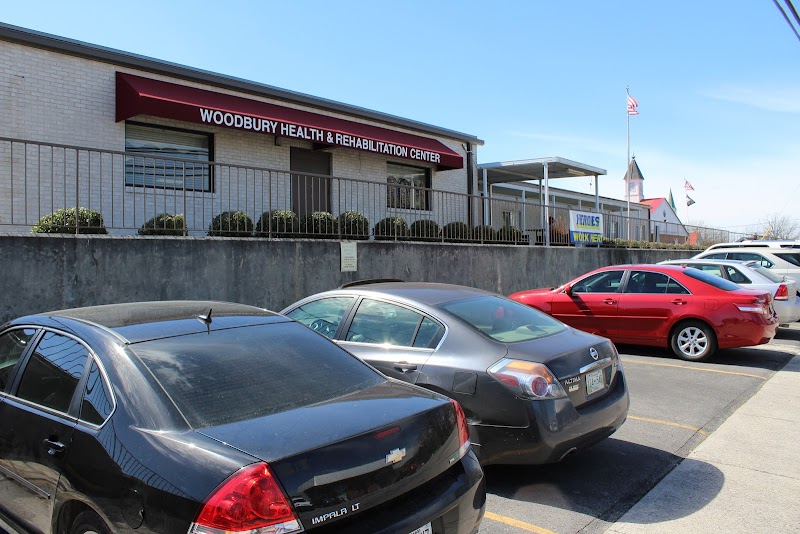
How is Woodbury Center Staffed?

CMS rates WOODBURY HEALTH AND REHABILITATION CENTER's staffing level at 3 out of 5 stars, which is average compared to other nursing homes. Staff turnover is 33%, compared to the Tennessee average of 46%. This relatively stable workforce can support continuity of care.

What Have Inspectors Found at Woodbury Center?

State health inspectors documented 14 deficiencies at WOODBURY HEALTH AND REHABILITATION CENTER during 2019 to 2024. These included: 1 Immediate Jeopardy (the most serious level, indicating potential for serious harm or death) and 13 with potential for harm. Immediate Jeopardy findings are rare and represent the most serious regulatory concerns. They require immediate corrective action.
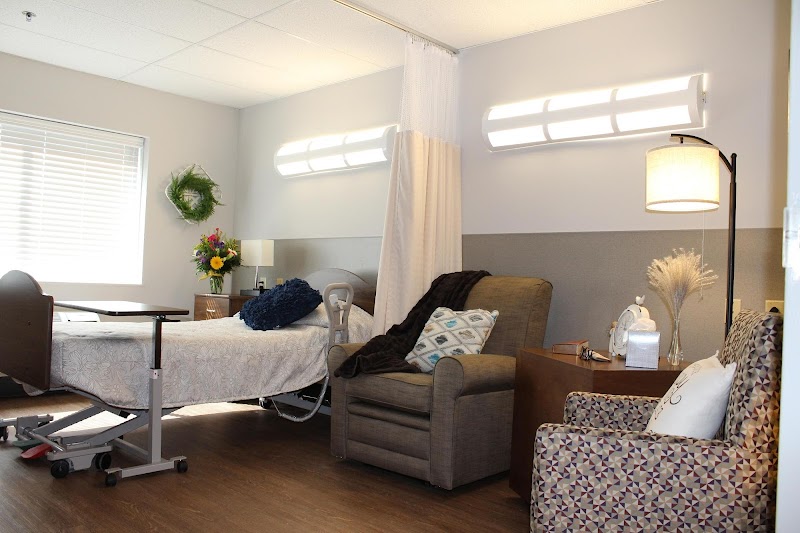
Who Owns and Operates Woodbury Center?

WOODBURY HEALTH AND REHABILITATION CENTER is owned by a non-profit organization. Non-profit facilities reinvest revenue into operations rather than distributing to shareholders. The facility is operated by TWIN RIVERS HEALTH & REHABILITATION, a chain that manages multiple nursing homes. With 82 certified beds and approximately 77 residents (about 94% occupancy), it is a smaller facility located in WOODBURY, Tennessee.

How Does Woodbury Center Compare to Other Tennessee Nursing Homes?

Compared to the 100 nursing homes in Tennessee, WOODBURY HEALTH AND REHABILITATION CENTER's overall rating (2 stars) is below the state average of 2.8, staff turnover (33%) is significantly lower than the state average of 46%, and health inspection rating (2 stars) is below the national benchmark.

What Should Families Ask When Visiting Woodbury Center?

Based on this facility's data, families visiting should ask: "What changes have been made since the serious inspection findings, and how are you preventing similar issues?" "Can I visit during a mealtime to observe dining assistance and food quality?" "How do you handle medical emergencies, and what is your hospital transfer rate?" "Can I speak with family members of current residents about their experience?" These questions are particularly relevant given the facility's Immediate Jeopardy citations.

Is Woodbury Center Safe?

Based on CMS inspection data, WOODBURY HEALTH AND REHABILITATION CENTER has documented safety concerns. Inspectors have issued 1 Immediate Jeopardy citation (the most serious violation level indicating risk of serious injury or death). The facility has a 2-star overall rating and ranks #100 of 100 nursing homes in Tennessee. Families considering this facility should ask detailed questions about what corrective actions have been taken since these incidents.

Do Nurses at Woodbury Center Stick Around?

WOODBURY HEALTH AND REHABILITATION CENTER has a staff turnover rate of 33%, which is about average for Tennessee nursing homes (state average: 46%). Moderate turnover is common in nursing homes, but families should still ask about staff tenure and how the facility maintains care continuity when employees leave.

Was Woodbury Center Ever Fined?

WOODBURY HEALTH AND REHABILITATION CENTER has no federal fines on record. CMS issues fines when nursing homes fail to meet care standards or don't correct problems found during inspections. The absence of fines suggests the facility has either maintained compliance or corrected any issues before penalties were assessed. This is a positive indicator, though families should still review recent inspection reports for the full picture.

Is Woodbury Center on Any Federal Watch List?

WOODBURY HEALTH AND REHABILITATION CENTER is not on any federal watch list. The most significant is the Special Focus Facility (SFF) program, which identifies the bottom 1% of nursing homes nationally based on persistent, serious quality problems. Not being on this list means the facility has avoided the pattern of deficiencies that triggers enhanced federal oversight. This is a positive indicator, though families should still review the facility's inspection history directly.