Windsor Nursing and Rehabilitation Center of Alice
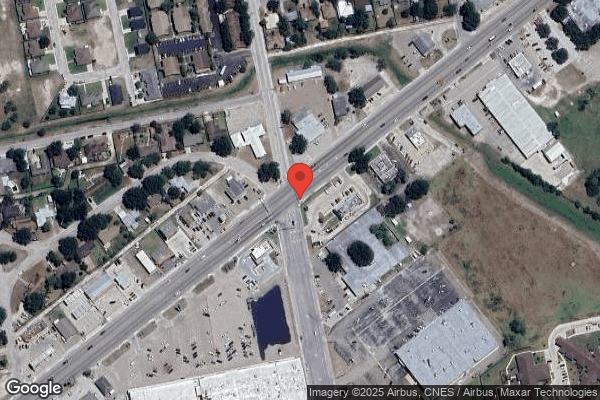
606 Coyote Tr, Alice, TX 78332 (361) 664-5479
Non profit - Corporation 136 Beds WELLSENTIAL HEALTH Data: November 2025 3 Immediate Jeopardy citations
Trust Grade
12/100
#623 of 1168 in TX
Last Inspection: February 2025

Within standard 12-15 month inspection cycle. Federal law requires annual inspections.

Overview

Windsor Nursing and Rehabilitation Center of Alice has received a Trust Grade of F, indicating significant concerns about the facility's operations and care quality. Ranking #623 out of 1168 facilities in Texas places it in the bottom half, and #3 out of 3 in Jim Wells County means there are no better local options. The facility is worsening, with issues increasing from 7 in 2023 to 11 in 2025. Staffing is below average, earning a rating of 2 out of 5 stars, but the turnover rate of 43% is slightly better than the Texas average. However, there are serious concerns about resident safety, as incidents include residents being pushed and injured by other residents, and one resident exiting the facility unsupervised, raising significant red flags about supervision and safety protocols.
Trust Score
F
12/100
In Texas
#623/1168
Bottom 47%
Safety Record
High Risk
Review needed
Inspections
Getting Worse
7 → 11 violations
Staff Stability
○ Average
43% turnover. Near Texas's 48% average. Typical for the industry.
Penalties
✓ Good
$8,281 in fines. Lower than most Texas facilities. Relatively clean record.
Skilled Nurses
⚠ Watch
Each resident gets only 13 minutes of Registered Nurse (RN) attention daily — below average for Texas. Fewer RN minutes means fewer trained eyes watching for problems.
Violations
⚠ Watch
20 deficiencies on record. Higher than average. Multiple issues found across inspections.
★★★☆☆
3.0
Overall Rating
★★☆☆☆
2.0
Staff Levels
★★★★★
5.0
Care Quality
★★☆☆☆
2.0
Inspection Score
Stable
2023: 7 issues
2025: 11 issues

The Good

  • 5-Star Quality Measures · Strong clinical quality outcomes
  • Full Sprinkler Coverage · Fire safety systems throughout facility
  • No fines on record
  • Staff turnover below average (43%)

    5 points below Texas average of 48%

Facility shows strength in quality measures, fire safety.

The Bad

3-Star Overall Rating

Near Texas average (2.8)

Meets federal standards, typical of most facilities

Staff Turnover: 43%

Near Texas avg (46%)

Typical for the industry

Federal Fines: $8,281

Below median ($33,413)

Minor penalties assessed

Chain: WELLSENTIAL HEALTH

Part of a multi-facility chain

Ask about local staffing decisions and management

The Ugly 20 deficiencies on record

3 life-threatening
Jul 2025 3 deficiencies 2 IJ
CRITICAL (J) 📢 Someone Reported This

A family member, employee, or ombudsman was alarmed enough to file a formal complaint

Immediate Jeopardy (IJ) - the most serious Medicare violation

Free from Abuse/Neglect (Tag F0600)

Someone could have died · This affected 1 resident

**NOTE- TERMS IN BRACKETS HAVE BEEN EDITED TO PROTECT CONFIDENTIALITY** Based on observation, interview, and record review the facility failed to ensure each resident had the right to be free from abu...

Read full inspector narrative →
**NOTE- TERMS IN BRACKETS HAVE BEEN EDITED TO PROTECT CONFIDENTIALITY** Based on observation, interview, and record review the facility failed to ensure each resident had the right to be free from abuse for seven residents (Resident #2, Resident #3, Resident #4, Resident #5, Resident#15, Resident #20 and Resident #23) of 7 residents reviewed for abuse/neglect. 1. The facility failed to ensure Resident #2 was free from abuse, Resident #2 sustained a right hip fracture from being pushed by Resident #3 on 04/22/25. 2. The facility failed to ensure Residents #2 and #5 were free from abuse, Resident #4 hit Resident #3 in the back of the head causing a bump to her head and pushed Resident #5 that caused him to fall on top of another resident on 06/07/25 at 4:50 PM. 3. The facility failed to ensure Resident #15, Resident #20, and Resident #23 were free from abuse when Resident #15 struck Resident #20 on the back of his head with her phone causing an abrasion; and struck Resident #23 on his face with her phone on 03/24/25. The noncompliance was identified as PNC at an Immediate Jeopardy level. The Immediate Jeopardy event began on 04/22/25 and ended on 04/23/25 when it became PNC. The facility had corrected the noncompliance before the investigation began. These failures have the potential to result in serious injury or death as a result of abuse and neglect. The findings included: Record review of Resident #2's Face Sheet dated 07/01/25 revealed an [AGE] year-old male admitted on [DATE] with the diagnosis of: psychotic (a mental disorder characterized by disconnection of reality) disturbance and hypertension (high blood pressure). Resident #2 resided in the facility's secured unit. Resident #2 was discharged on 04/22/25.Record review of Resident #2's acute care plan dated 04/21/25 reflected he:- had impaired thought processes .- was an elopement risk/wanderer .Interventions: Distract resident from wandering by offering pleasant diversions; Identify pattern of wandering .- needs structured environment in secure unit related to cognitive deficit .- had a resident to resident; female went into resident's room and then told resident to leave her room she then pushed resident causing resident to lose balance and fall . Record review of Resident #2's Minimum Data Set assessment revealed there was no assessment available due to he was recently admitted on [DATE].Record review of Resident #3's Face Sheet dated 07/01/25 revealed a [AGE] year-old female admitted [DATE] with the pertinent diagnoses of: Dementia, Cognitive Communication Deficit (communication difficulties stemming from impairments in cognitive processes), and degenerative disease of nervous system. Resident #3 resided in the facility's secured unit. Resident #3 was discharged on 06/10/25.Record review of Resident #3's comprehensive care plan dated 03/18/25 reflected Resident #3:- has impairment cognitive function/dementia or impaired thought process related to Dementia .- had a behavior problem, she walked into other residents' room, repetitive questions related to Dementia .Interventions: Caregivers to provide opportunity for positive interaction, attention, stop and talk to her when passing by; explain all procedures to resident before starting .; if reasonable, discuss the resident's behavior, explain why behavior is inappropriate; intervene as necessary to protect the rights and safety of others, speak in calm manner and divert attention, remove from situation and take to alternate location; monitor behavior episodes ; provide program of activities .-is an elopement risk .Interventions: Distract resident from wandering; Identify pattern of wandering; redirection; provide structural activities .- needs structural environment in secure unit related to cognitive deficit .- [Resident #3] stated during interview with the social worker that in the past she had traumatic experiences with men .Interventions: Staff to monitor resident for behavior such as pushing, yelling, and cursing at others, staff to redirect as needed .- had a resident to resident, she walked into a male resident's room she then pushed resident causing him to lose his balance and fall .Record review of Resident #3's admission Minimum Data Set assessment dated [DATE] reflected she:-had clear speech-usually made self-understood and usually understood others-her BIMS summary score was 5 (indicating severe cognitive impairment)-did not have potential indicators of psychosis. She had other behavior symptoms not directed to others 1 to 3 days-had wandering behaviors that placed the resident at significant risk of getting to a potentially dangerous place-required partial to moderate assistance for personal care.Record review of the facility's Provider Investigation Report reflected Incident Date/Time: 04/22/25 at 1:10 AM. [Resident #3] was ambulatory, not interviewable, not able to make informed decisions, had no special supervision. Resident #3 was the alleged perpetrator.Resident #2 was ambulatory, interviewable, not able to make informed decisions, had no special supervision. Resident #2 was the alleged victim. Description of allegation: Female resident wandered into male resident room. She believed the room to be hers and yelled at the male resident to get out of her room. The male resident was awake and standing at the end of the bed. She then pushed him and he lost his balance and fell.Record review of Resident #2 Head to toe assessment: 04/22/25 at 1:10 AM - Complained of pain to right side and sent to local hospital.Residents immediately separated and placed on 1:1 monitoring.Investigation Summary: Female resident wandered into male resident room. She believed the room to be hers and yelled at the male resident to get out of her room. She then pushed him and he lost hi balance and fell. At that moment, [CNA A] was in another resident's room and witnessed [Resident #3] with her hands on [Resident #2] shoulders and pushed him. [CNA A] stated Resident #2 lost his balance and fell to the floor. [CNA A] immediately walked [Resident #3] out of the room and called for the nurse. [CNA A] stayed with [Resident #3] while nurse assessed [Resident #2]. Head to toe assessment revealed [Resident #2] complained of pain to right side and was sent to [local hospital]. At approximately 3:30 AM, [local hospital] notified facility of [Resident #2] to be transferred to [another hospital] due to right hip fracture. SW assessed [Resident #3] with a psychosocial assessment and showed no signs of distress. MD notified, UA collected, and antibiotics started for urinary tract infection. Resident to remain on one to one for the duration of antibiotic to monitor for any change in condition or change in behaviors .Pharmacist consultant notified for medication review. Psych referral initiated. Investigation is inconclusive, the residents have diminished capacity to willfully intent any harm. The residents do not have previous history of aggressive behaviors.Action taken post investigation: Resident to remain on one-to-one monitoring for the duration of antibiotic to monitor for any change in condition or change in behaviors. During the one to one, the resident has not shown any change of conditions or increased aggressive behaviors. Inservice conducted on Abuse and Neglect.In an interview on 7/01/25 at 2:42 PM, CNA A said he was providing a resident with personal care in the secured unit when he heard a shout and quickly finished with the resident he was helping and ran into Resident #2's room. CNA A said Resident #3 wandered into Resident #2's room and she was confused yelling at Resident #2 to get out of her room then saw Resident#3 push Resident#2 to the ground. CNA A immediately yelled for the nurse to come and assist him. CNA A stated as the LVN E entered the room, he began to redirect Resident #3 to the doorway away from Resident #2. As other staff began to arrive, he stayed with Resident #3 so that she would not wander into someone else's room. CNA A said he was the only staff member in the locked unit at the time of the incident due to the assigned nurse of the unit was caring for other residents in the facility outside the secured unit. CNA A stated Resident #3 normally paced around the hall all night. CNA A stated approximately one hour earlier, Resident #3 had wandered into another resident room and had to be redirected out. CNA A said Resident #3 also was found sleeping on the floor of another resident room prior to the incident.In an interview on 07/01/25 at 6:10 PM, LVN C stated the night shift consisted of 2 LVN's and 4 CNAs for the entire building with one nurse assigned to the secured unit and Hall A and one CNA assigned to the secured unit. LVN C said he worked the night shift in the secured unit at times and he was usually assigned the secured unit and Hall A. LVN C said while he attended to the residents in Hall A, the CNA remained in the secured unit. LVN C stated he tried to round in the secured unit every 30 min to an hour. LVN C said the secured unit usually approximately 19 residents and several who routinely wandered at night. LVN C stated if she was outside of the secured unit and the CNA was in a resident room providing personal care, there was no one else monitoring the secured unit's halls or residents. LVN C said the CNA should alert the nurse when he was providing care so the nurse could monitor the secured unit hall and residents but that did not always happen if both staff were caring for residents. LVN C said the last time he received abuse/neglect training was about two weeks ago. In an interview on 07/01/25 at 6:30 PM, LVN E said she was the nurse who was in charge of the locked unit the night the incident occurred on 04/22/25 and she responded to the CNA's call for help. LVN E said she saw Resident #3 in the doorway and quickly entered the room and instructed CNA A to escort Resident #3 to her room. LVN E began assessing Resident #2 who was on the floor complaining of pain. LVN E felt Resident #2's leg and the resident complained of pain again, and it felt odd, so she called CNA A to stay in the room with Resident #2 while she went to call an ambulance. LVN E said she could not recall the time or estimated time she was away from the secured unit at the time of the incident. LVN E said she knew Resident #3 routinely wandered the secured unit hall at night but denied knowing if Resident #3 was wandering the secured unit halls or resident rooms the night of the incident. LVN E said Resident #3 did not have any previous aggressive behaviors. LVN E said if she was in Hall A caring for other residents, the CNA assigned to the secured unit could not provide the residents personal care and supervise the hall or other residents at the same time. LVN E said after the incident, she and all the other staff received abuse and neglect in-service training and resident to resident altercation in-service. LVN E said the last abuse and neglect in-service she received prior to the incident was 2 weeks ago. In an interview with the DON on 07/02/25 at 10:15 AM, she said Resident #3 was found in another resident's room at approximately 12:30 AM on the floor asleep. The DON said the CNA took Resident#3 back to her room and put her back into her bed. The DON said CNA A heard someone yelling at approximately 1:10 AM while he was providing another resident incontinent care. The DON said the CNA saw Resident#3 push Resident #2 to the floor. The DON said Resident #3's dementia and sleepiness might have contributed to her confusion regarding where her room was located. The DON said after the incident, Resident #3 was found to have a UTI and that might have been why she was exhibiting aggressive behaviors during the incident. The DON said Resident #3 had not displayed any signs of having a UTI the day prior to the incident. The DON said Resident #3 was placed on one-to-one supervision and was put on antibiotics for the UTI. The DON said all staff were given a training on abuse and neglect, supervision and resident to resident altercation. The DON said all residents had the right to be free from abuse and neglect. The DON said she felt there was no non-compliance identified for the occurrence of the incident. The DON said Resident #3 did push Resident #2 but didn't think it was willfully done because of her dementia and she did not intend to inflict harm. The DON said she felt Resident #3's actions did not meet the definition of a willful act. Willful, as defined at S483.5 in the definition of abuse, and means the individual must have acted deliberately, not that the individual must have intended to inflict injury or harm. The DON stated the staff had been able to supervise the residents well at night and did not feel more staff was needed in the secured unit as residents slept most of the night and those that were awake were supervised by the CNA. The DON did not provide a response as to why this incident of resident-to-resident abuse occurred when the CNA was busy providing personal care to one resident and no other staff were monitoring Resident #3 to prevent her from entering Resident #2's room. The training for abuse and neglect was giving either by the DON or the administrator who is also the abuse coordinator and the last one was giving no more than two weeks ago.In an interview on 07/02/2025 at 11:30 AM, the Administrator stated she was made aware of the incident in the early morning of 04/22/25. The Administrator said she began an internal investigation and reported the incident to the state. The Administrator said she ensured Resident #3 was placed on one-to-one supervision for her and the other resident's safety. The Administrator said she did not think Resident #3 acted willfully as the aggressor in the incident due to her dementia and anxiety. Willful, as defined at S483.5 in the definition of abuse, and means the individual must have acted deliberately, not that the individual must have intended to inflict injury or harm. The Administrator claimed the UTI as being the reason Resident #3 acted aggressively. The Administrator said her staffing schedule had been the same for some time having one nurse assigned to two halls (secured and Hall A) and one CNA assigned to the secured unit, and felt the current staffing was adequate and did not contribute to any abuse.Resident #4 and Resident #5Record review of Resident #4's Face Sheet dated 07/01/25 revealed a [AGE] year-old female initially admitted on [DATE] and re-admitted on [DATE] with the diagnoses of: Bipolar Disorder (a disorder associated with episodes of mood swings ranging from depressive lows and manic highs), hallucinations (a perception of having seen, heard, touched, tasted, or smelled something that wasn't actually there), unspecified intellectual disability, Schizoaffective disorder (a combination of schizophrenia and mood disorder- disorder that affects a person's ability to think, feel, and behave clearly). Resident #4 resided in the facility's secured unit.Record review of Resident #4's acute care plan dated 05/25/25 reflected she: has impaired cognitive function or impaired thought processes related to disease process, diagnoses of schizoaffective disorder .cue, orient and supervise as needed .takes psychotropic medications (Risperidone) related to Bipolar disorder.-has delirium or an acute confusion episode related to change in environment-is an elopement risk/wanderer related to impaired cognition .Interventions: admitted to secure unit; distract resident from wandering by offering pleasant diversions .; identify pattern of wandering .; provide structured activities .-has a behavior problem mood swings related to bipolar disorder. )5/28/25 - Resident had behavior of getting mad and yelling then grabbing and hitting the CNA. Interventions: Assist resident to develop more appropriate methods of coping and interacting; educate resident on successful coping; explain all procedures before initiating .; if reasonable, discuss resident behavior; intervene as necessary to protect the rights and safety of others . Record review of Resident #4's admission MDS assessment dated [DATE] reflected she:-had a BIMS score of 14 (cognitively intact)-displayed verbal behavioral symptoms directed towards others-was independently mobile-had an active diagnosis of Schizophrenia, Bipolar disorder, anxiety Record review of Resident #5's Face Sheet dated 07/01/25 revealed a [AGE] year-old male admitted on [DATE] with the diagnoses of: cognitive communication deficit and unspecified Dementia. Resident #5 resided in the facility's secured unit.Record review of Resident #5's comprehensive care plan dated 04/07/25 reflected he:-is an elopement risk/wanderer related to dementia; he had an elopement through the front door-was involved in a resident to resident altercation. Resident was pushed to the floor by another resident.-had a recent incident involved yelling at female co-resident-has the potential to be verbally/physically aggressive related to dementia. Record review of Resident #5's quarterly MDS assessment dated [DATE] reflected he:-had a BIMS score of 5 (severe cognitive impairment)-displayed physical and verbal behavioral symptoms directed towards others-displayed wandering behaviors-independently ambulated Record review of the facility's Provider Investigation Report completed by the /abuse coordinator reflected Incident Date: 06/07/25 4:50 PM in the secured unit dining: Resident to resident altercation. Persons involved: [Resident #4], independently ambulatory, no special supervision, not interviewable, does not have the capacity to make informed decisions, had history of wandering, alleged aggressor; [Resident #2] independently ambulatory, no special supervision, not interviewable, does not have the capacity to make informed decisions, had history of wandering, alleged victim; [Resident #5] independently ambulatory, no special supervision, interviewable, does not have the capacity to make informed decisions, had history of wandering, alleged victim .Provider Summary: The alleged aggressor had an altercation with [Resident #3] during dinner time in the dining room of the secured unit. Alleged aggressor was agitated and hit female Resident [#3] in the head. Male Resident [#5] tried to intervene during the altercation and stumbled. At approximately 4:60 PM, [Resident #3] became agitated during dining service. [Resident #4] was sitting herself in the corner with her plate in front of her when she accused [Resident #3] of laughing at her. She proceeded to push her plate off the table and started to curse and speaking in jumbled sentences. She then pushed over her table causing it to turn over and quickly went to the table where [Resident #3] was sitting. The Medication Aide immediately approached and positioned herself between the residents to de-escalate the situation. Despite the aide's verbal redirection and physical positioning between the two residents the aggressor was able to strike [Resident #3] on the back of the head with a closed hand. [Resident #5] who was sitting beside [Resident #3] at the table was startled, got up wanting to intervene in the situation. At the time, staff trying to de-escalate the situation with one aide behind him and the medication aide between the two females trying to divert [Resident #5] from going towards the aggressor. The aggressor was able to push [Resident #5] causing him to stumble backwards, bumping into a resident sitting behind him, and then sliding down to the floor. The medication aide was able to redirect the aggressor to her room and a housekeeper remained and nurses staff went to assess the victims. The aggressor continued with her agitated behaviors with staff in her room. MD and police notified; orders obtained for resident to be sent to [local hospital] for further evaluation. She was transferred out at approximately 4:45 PM .[Resident #3] was noted with a bump to the back of her head with complaints of pain. Nurses administered pain medication. [Resident #5] was noted with redness to his right flank(the side of the body between the lower ribs and hip on the right side) and no complaints of pain. A random selection of resident interviews completed with no signs or trends of abuse and neglect. Investigation is unconfirmed. The residents have diminished capacity to willfully intend any harm, the residents in question had no pain, mental anguish or emotional distress. The facility investigation findings were unconfirmed.Provider action taken post-investigation: In-service on abuse and neglect, the alleged aggressor returned from the emergency room at approximately 4:20 PM on 06/08/25 and was placed on 1:1 supervision while the SW worked on additional placement. The alleged victims continued additional monitoring with no signs of emotional distress - none noted by the end of investigation.Observation and interview of Resident #5 on 07/01/25 at 11:20 AM revealed he was alert and oriented to person, place, and time. Resident #5 engaged in conversation. Resident #5 said he recalled the incident and said he witnessed Resident #4 being aggressive to Resident #3 and saw how the staff person who got in between them struggled to keep the residents separated so he thought he could help but got pushed instead. Resident #5 said during the day they have a nurse and two CNAs but at night they only have one nurse and one CNA but the nurse did not count because she worked in the other hall.In an interview on 07/01/25 at 11:30 AM, LVN B stated she was the primary nurse for the lock unit during the day shift. LVN B stated any over stimulate residents who are difficult and confrontational are kept in dining room and the under stimulated residents who can sit and pay attention will be taken to watch television or do projects in the living room. LVN B said the residents are kept occupied and are redirected if they exhibit agitated or exit seeking behaviors from the locked unit. Residents are redirected to a calmer environment or their own room. Staff knowledge of triggers for each resident keeps incidents from happening between residents. LVN B said the staff knew how to intervene in situations where abuse could occur between residents and if needed, they could get the additional staff to help from the other halls. LVN B said the number of staff used for supervision depended on the census of facility. The last training for abuse neglect and supervision was about 2 weeks ago.In an interview on 07/02/25 at 3:30pm, CNA F stated she was escorting Resident #4 to the dining area at approximately 4:50 PM for dinner. CNA F saw that there were no more chairs left so she decided to sit Resident #4 in the corner with a tray. CNA F stated she was handing out dinner plates to the residents when she heard a plate hit the floor and break. CNA F looked to see what had happened when she went to pick up the plate from floor and saw the med aid get between Resident #3 and Resident #4. CNA F stated the med aide tried to keep Resident #4 from Resident #3 when Resident #5 tried to help break up the altercation and was pushed by Resident #4 . CNA F was not part of the staff that broke up the altercation as she was making sure none of the other residents got involved or hurt. CNA F said she received abuse and neglect training this week. In an interview on 07/02/2025 at 1:30 PM, with the DON stated on 06/07/25, Resident #4 was being escorted to the dining room of the secured unit for dinner and was put in a corner with a tray because the dining room was full. The DON said CNA F was passing out trays when she heard a plate hit the floor and break. The DON stated Resident #4 started arguing with Resident#3 and the med aid got in between both residents as other staff began to get there to intervene. The DON stated Resident #5 was sitting next Resident # 3 and tried to help and was pushed by Resident #4 and fell on to a resident that was behind him. The DON said as Resident #4 was being separated from Resident #3, Resident #4 struck her on the head. The DON stated Resident #4 was still being aggressive to the staff as she was escorted to her room. The DON said Resident #3 was administered a head-to-toe assessment and was found to have a bump to her head, she complained of pain to her head and was given meds and was monitored for several days. Resident #5 was given a head-to-toe assessment and was found to have no injuries. Resident #4 was admitted to the hospital for further observation and when she returned on 06/08/2025, she was put on a one-to-one while SW. The DON said Resident #4 had a history of aggressive behavior towards staff and residents. The DON said the staff were given a training on abuse and neglect, supervision, and resident rights. The DON said she did not feel that the facility/staff failed to do anything as they responded to the situation when it occurred. The DON said all residents had the right to be free of abuse and neglect. The DON stated Resident#4 did commit the abuse but didn't think is was done willfully due to her mental illness. The DON's definition of willful was Someone who does not have a mental illness and knows what they are doing and touched or struck someone intentionally.In an interview on 07/02/25at 11:30 AM, the Administrator stated she was made aware of the incident and immediately began an investigation of the incident. The Administrator said Resident #4 continued to be aggressive with the staff and was admitted to the hospital for a Psychiatric evaluation. The Administrator stated she made sure that Resident #4 was put on a one on one when she returned to the hospital. The Administrator stated she did not see the incident as being done willfully since the aggressor had a diagnosis of hallucinations, bipolar disorder, anxiety, and schizoaffective disorder. The Administrator's definition of willful was The aggressor's act was unwilful since the resident did not know what they are doing due to their mental illness. 3. Record review of Resident #15's Face Sheet, dated 07/02/25, revealed the resident was a [AGE] year-old female who was initially admitted to the facility on [DATE] with diagnoses that included: cerebral infarction (stroke), schizophrenia (disorder that affects a person's ability to think, feel and behave clearly), bipolar disorder (disorder associated with episodes of mood swings ranging from depressive lows to manic highs), and unspecified dementia (a group of thinking and social symptoms that interferes with daily functioning) without behavioral disturbance, and major depressive disorder. Resident #15 was discharged to another facility on 05/17/25.Record review of Resident #15's quarterly MDS assessment, dated 02/18/25, revealed Resident #15 had a BIMS score of 13, indicating her cognition was intact. Record review of Resident #15's change of condition for resident to resident incident completed by ADON L on 03/24/25 revealed Resident walked by living area where several resident were sitting, she yelled to male resident you took my stuff and hit male resident on his cheek with her cell phone as she walked by him, she then continued to walk and hit another male resident who was nearby with her cellphone to the back of his head she kept saying my stuff, they took my stuff. She was stopped by Dietary Manager and redirected to her room where she was placed on a 1:1. She continues to have outburst. No injuries and no pain noted. Primary Care Clinician and Family notified. Record review of Resident #15's care plan with dated 07/02/25 revealed [Resident #15] has a behavior of accusing other residents of taking her items when she misplaces her things. Interventions: nurse to notify medical professional of any changes in conditions as needed and staff to redirect resident and document behaviors. [Resident #15] was physically aggressive and had a resident to resident where she struck two residents with her phone related to anger from accusations of misplaced items, dementia, poor impulse control, and disease process. Interventions: Administer medication as ordered, head to toe and pain assessments, MD/RP notified of incident, monitor/document/report any signs/symptoms of resident posing danger to self and others, police called, psychiatric consult as indicated, resident on a one to one. When the resident becomes agitated: intervene before agitation escalates, guide away from source of distress, engage calmly in conversation; if response is aggressive, staff to walk calmly away, and approach later with an initiation date of 03/24/25.Record review of Resident #15's progress notes dated 03/24/25-03/25/25 revealed a referral was submitted for a behavioral hospital. Resident #15 remained on a 1:1 until she was accepted and transferred to the behavioral hospital on [DATE]. Resident #15 returned to the facility on [DATE] and was transferred to another facility on 05/17/25.4. Record review of Resident #20's Face Sheet, dated 07/02/25, revealed the resident was a [AGE] year-old male who was initially admitted to the facility on [DATE] with diagnoses that included: cerebral ischemic attack (stroke), hemiplegia (paralysis of left side), muscle wasting and atrophy (wasting or thinning of muscle mass due to disuse or nerve problems), major depressive disorder, and anxiety disorder.Record review of Resident #20's quarterly MDS assessment, dated 01/03/25, revealed Resident #20 had a BIMS score of 13, indicating his cognition was intact. Record review of Resident #20's change of condition for resident-to-resident incident completed by ADON L on 03/24/25 revealed Resident was sitting in his wheelchair in living room area. When female resident walked by and hit him with her cell phone behind his head causing abrasions to back of head due to resident wearing his cap and cap having plastic fitting. Resident stated no pain or discomfort at this time. No drainage noted. Treatment provided. No distress noted. Neuro checks implemented. Plan of care on going. Primary Care Clinician and Family notified. Record review of Resident #20's care plan with dated 07/02/25 revealed [Resident #20] had a resident to resident and he was struck to the back of the head with a phone. Interventions: administer medications as ordered, head to toe, pain, and skin assessments, MD/RP and all needed personnel informed, and monitor/document/report any signs/symptoms of psychosocial changes to behavior/emotional status and document findings with an initiation date of 03/24/25. Record review of Resident #20's progress notes dated 03/24/25 revealed Resident #20 was monitored for changes or symptoms. Resident #20 had no emotional distress or changes noted.5. Record review of Resident #23's Face Sheet, dated 07/02/25, revealed the resident was a [AGE] year-old male who was initially admitted to the facility on [DATE] with diagnoses that included: unspecified fracture of lower end of left leg, unspecified convulsions, muscle wasting and atrophy (wasting or thinning of muscle mass due to disuse or nerve problems), bipolar disorder (disorder associated with episodes of mood swings ranging from depressive lows to manic highs), and dementia (a group of symptoms affecting memory, thinking and social abilities).Record review of Resident #23's quarterly MDS assessment, dated 02/15/25, revealed Resident #23 had a BIMS score of 14, indicating his cognition was intact. Record review of Resident #23's change of condition for resident-to-resident incident completed by ADON L on 03/24/25 revealed Female resident was walking by resident while he was sitting in the dining room, she then hit him on his right cheek with her cell phone, Resident with no complaints of pain or discomfort at this time. No injuries noted at this time. Vital signs assessed, within normal limits. No distress noted. calm demeanor. Plan of care on going. Primary Care Clinician and Family notified. Record review of Resident #23's care plan with dated 07/02/25 revealed [Resident #23] had a resident to resident and he was struck to the side of his face with a phone. Interventions: administer medications as ordered, head to toe, pain, and skin assessments, MD/RP and all needed personnel informed, and monitor/document/report any signs/symptoms of psychosocial changes to behavior/emotional status and document findings with an initiation date of 03/24/25. Record review of Resident #23's progress notes dated 03/24/25 revealed Resident #23 was monitored for changes or symptoms. Resident #23 had no emotional distress or changes noted. Resident #23 did not wish to speak about the incident.On 07/02/25 at 3:45 PM, in an interv
CRITICAL (J) 📢 Someone Reported This

A family member, employee, or ombudsman was alarmed enough to file a formal complaint

Immediate Jeopardy (IJ) - the most serious Medicare violation

Accident Prevention (Tag F0689)

Someone could have died · This affected 1 resident

**NOTE- TERMS IN BRACKETS HAVE BEEN EDITED TO PROTECT CONFIDENTIALITY** Based on observation, interviews, and record reviews the facility failed to ensure residents received adequate supervision to pr...

Read full inspector narrative →
**NOTE- TERMS IN BRACKETS HAVE BEEN EDITED TO PROTECT CONFIDENTIALITY** Based on observation, interviews, and record reviews the facility failed to ensure residents received adequate supervision to prevent accidents and/or hazards as possible for 1 of 12 residents (Resident #1) reviewed for supervision and accident hazards. The facility failed to ensure Resident #1 received adequate supervision in allowing Resident #1 to exit the facility without the knowledge of staff sometime between 6:30 PM and 7:00 PM on 05/16/25. An IJ was identified on 07/01/25. The IJ template was provided to the facility on [DATE] at 8:15 PM. While the IJ was removed on 07/03/25, the facility remained out of compliance at a scope of isolated and a severity level of potential for more than minimal harm because new polices implemented to prevent future errors were still in process. This failure could place residents at risk for injuries and a decline in health. 1. Resident #1:Record review of Resident #1's face sheet dated 07/01/25 revealed a [AGE] year-old male with an admission date of 03/28/25. Pertinent diagnoses included Unspecified Dementia, Other Abnormalities of Gait and Mobility, and Other Lack of Coordination. Record review of Resident #1's Comprehensive Care Plan dated 07/02/25 revealed the problem [Resident #1] had an elopement through the front door initiated on 05/16/25. Interventions listed for the problem included: Increase supervision when resident is observing doors for long period of time initiated on 05/17/25. Redirect resident if he is having any wandering or exit seeking behaviors initiated on 05/17/25. Secure Unit initiated on 05/17/25. Record review of Resident #1's Quarterly MDS assessment dated [DATE] revealed a BIMS score of 5 (severe impairment). Further review revealed Resident #1 had wandering behaviors one to three days in the last week. Further review revealed Resident #1 had not used a cane, walker, or wheelchair to move in the last seven days. Record review of the provider investigation revealed the following summary: CNA [N] reported at approximately 7:30 to charge the nurse that the resident was missing. Upon interview she stated she clocked in to work at approximately 6:15-6:30pm and began doing her round. During her rounds she noticed that the resident was not in his room. She went to the secure unit and [CNA O] in that hall told her he was not on the unit. CNA [N] then went to the resident's room again to find the resident was not in his room or bathroom. She immediately reported to DON who was the charge nurse at the time. At approximately 7:34 DON reported to Admin they were unable to locate the resident and she was currently searching the outside of the facility. Facility called code for elopement and department managers started searching the vicinity of the town. Admin notified police [case number] of missing resident. At approximately 8:07pm [staff] notified that the resident was with his family at his previous address in [City Name]. Family returned the resident to the facility, and he was admitted to the secure unit at approximately 10:11pm. Resident assessed head to toe and no signs of injury or emotional distress. Investigation to conclude that the resident had walked out the front door during the timeframe of two ambulances coming to the facility. The resident confirmed he went out the front door when it was open. Resident was picked up by a passing citizen and drove the resident to his address on his driver license. All staff in-services on front door engagement and assuring it is locked prior to leaving. Record review of Resident #1's wandering evaluation dated 05/13/25 revealed Resident #1 was deemed to not be a wandering risk In an interview with Resident #1's RP at 11:09 AM on 07/01/25, RP 1 stated he received a phone called from his Resident' #1 neighbor at his old address in [City Name]. RP 1 stated the neighbor told him a gentleman had driven his father to his old house in [City Name]. RP 1 stated the gentleman that drove his father told him he picked Resident #1 up, called the police, and the police told him to drive Resident #1 to the address on his Identification Card. RP 1 stated the address in [City Name] was about 25 minutes away from the facility. RP 1 stated he drove to the address to pick up Resident #1 RP 1 stated his father was physically fine and not in pain. RP 1 stated he drove his father back to the facility and they put him back in the locked unit. In an interview with Resident #1 at 11:35 AM on 07/01/25, Resident #1 was not able to provide any details of the incident due to cognitive deficits. In an interview with the DON at 2:18 PM on 07/01/25, the DON stated she was the charge nurse at the time of Resident #1's elopement. The DON stated it was busy at the front door that evening. The DON stated CNA N told her she could not find Resident #1 at around 7:00 PM and she immediately initiated a head count of all residents. The DON stated she called the administrator and then began searching outside the facility. The DON stated there is no telling what could have happened to Resident #1 during his elopement, especially since he was given a ride by a stranger. The DON stated Resident #1 was admitted to the locked unit on 03/28/25 and had just been let out of the locked unit on 05/13/25. The DON no resident centered plan was put in place to transition residents safely as they go from the locked unit to the general unit . The DON stated she would strike up conversations with Resident #1 and that he never wandered or showed exit seeking behaviors before this incident. The DON stated Resident #1 had been in the locked unit ever since he got back to the facility after his elopement. The DON stated Resident #1 was not allowed out of the facility unsupervised. The DON stated the receptionist started staying until 7:00 PM instead of 5:00 PM to keep staff closer to the door during the busier hours. In an interview with the ADM at 3:30 PM on 07/01/25, the ADM stated she received a call from the DON on 05/16/25 at 7:34 PM telling her Resident #1 was missing. The ADM stated she called the police right after that to notify them Resident #1 was missing. The ADM stated she started driving into the facility, and when she was only a few minutes away, she received a call that Resident #1 had been located. The ADM stated she called RP 1 to confirm that he was with Resident #1. The ADM stated they inspected all locks and alarms at the facility but did not find any deficiency. The ADM stated they interviewed Resident #1 when he got back and he told them he walked out the front door when it was open. The ADM stated before someone comes out of the locked unit the IDT team and regional team have a discussion concerning the safety of that decision. Record review of the facility policy titled Elopements and Wandering Residents implemented on 11/21/22 revealed the following:1. The facility may be equipped with door locks/alarms to help avoid elopements.2. Alarms are not a replacement for necessary supervision. Staff are to be vigilant in responding to alarms in a timely manner.d. Adequate supervision will be provided to help prevent accidents and elopements. Record review of the facility policy titled Elopements and Wandering Residents implemented on 11/21/22 revealed the following:1. The facility may be equipped with door locks/alarms to help avoid elopements.2. Alarms are not a replacement for necessary supervision. Staff are to be vigilant in responding to alarms in a timely manner.d. Adequate supervision will be provided to help prevent accidents and elopements. LETTER OF CREDIBLE ALLEGATIONFOR REMOVAL OF IMMEDIATE JEOPARDY Attention Sir or Madam: On July 1st, 2025, the Facility was notified by the surveyor that immediate jeopardy had been called and the Facility needed to submit a letter of removal. The Facility respectfully submits this Letter for a Plan of Removal pursuant to Federal and State regulatory requirements. The immediate jeopardy is as follows: Issue:F 6891. The facility failed to provide adequate supervision of Resident #1. Resident #1 exited the facility through the front door on 05/16/25 around 6:30 PM to 7:00 PM. Resident #1 was found by a passerby who gave him a ride to his old home in [local city]. The facility did not have a transition plan to maintain adequate supervision of the resident outside the locked unit.2. The facility failed to provide adequate supervision to Resident #2. Resident #2 and Resident #3 resided in the locked unit of the facility. Resident #2 entered the room of Resident #3 and pushed him to the floor fracturing his right hip. The facility did not and still does not have enough staffing in the locked unit to maintain adequate supervision of residents inside the locked unitActions for Resident Involved Resident # 1 On 07/02/25 was immediately assessed by the licensed nurse and placed in secure unit. Resident #1's care plan was updated and is current. Resident # 1s till resides on secure unit due to wandering behavior with no further incidents with exit seeking. Resident #2- No longer resides in the facility Resident # 3 - No longer resides in the facility Identify residents who could be affected: On 07/02/25, The DON/Designee conducted an audit of all current residents in the secure unit to confirm that a current quarterly wandering evaluation is documented and reflects each resident's cognitive and behavioral status, including a review of the BIMS score. Residents were deemed to be appropriate for secure unit placement. DON conducted reassessments were completed and the care plan updated if needed. On 07/02/25, an audit was conducted by the DON for any residents who transitioned out of the unit in the last 30 days. None were identified as at risk for elopement. On 07/02/25, The Director of Nursing or designee conducted an audit of all new admissions and readmissions within the past 30 days to verify that wandering evaluations have been completed, interventions have been implemented based on the assessed risk, and these are reflected in the resident's plan of care. On 07/01/25, the Administrator/Social Worker/Director of Nursing/Designee conducted staff interviews to identify any concerns of exiting seeking /wandering behaviors. No issues were identifiedAction Taken/ System Change: On 07/01/25 and completed on 07/02/25 all staff have been educated by DON/Designee on the following 1:1 Education with DON/ADONS/IDT and administrator on Abuse/Neglect/Exploitation and transition from unit to general population process conducted by Regional Clinical Consultant Abuse/Neglect and Exploitation Behavior management Resident behaviors and triggers including resident specific triggers to provide optimal monitoring and prevention on halls. Redirection techniques of walking with residents and/or engage in diversional activities if a resident is agitated or wandering. Elopement Incidents and Accidents Call off from shift procedure Supervision of Residents- Residents must be supervised by staff with appropriate increased supervision or interventions implemented to mitigate further occurrences based on individual residents needs.Any staff who have not received education will do so prior to the start of the next work shift. Staff not in the facility on 07/02/25 and/ or on PTO/ FMLA/ Leave of Absence will have the re-education completed prior to the start of their next scheduled shift.Initiated On 07/02/25 and ongoing, newly hired Nursing staff will receive this training by DON/Designee during orientation prior to providing care to the residents. The training will include the above-stated educational components.Completion date 07/02/25 Initiated on 07/01/25 and going forward, The Facility will provide at a minimum 2 staff members in the secured unit to provide resident supervision to include assignment of one-to-one staff supervision as needed based on Residents behaviors and needs to ensure safety of self/others. Initiated on 07/01/25 and going forward ongoing review of schedule will be completed by the Administrator and the Director of Nursing/Designee to confirm staffing is sufficient to assure resident safety and attain or maintain the highest practical physical, mental and psychosocial wellbeing of each resident, as determined by Resident assessments and individual plans of care and considering the number, acuity and diagnosis of the secure unit population. We will maintain at a minimum 2 staff members on secure unit for continued supervision and monitoring of residents.Initiated on 07/01/25, Nursing staff were educated by DON/Designee when nursing staff take scheduled breaks, a relief must step in and monitor until the staff returns. Nursing staff have been educated to monitor any residents who is out of their room, if one staff member is in the room, additional staff will observe and monitor other residents in common areas. Nursing staff will notify the Charge Nurse so that coverage for assigned residents is maintained and supervision is not interrupted.Completed on 07/02/25Resident-to-resident incidents will continue to be reviewed by DON/Designee during the morning clinical meeting. The Director of Nursing and/or designee will document the review of each incident, including a summary of interventions discussed and any required care plan updates. Any resident who may require one is to one staff supervision will be provided and the plan of care updated.Monitoring: Beginning 07/01/25 and going forward, the Director of Nursing will monitor compliance with staffing plan and supervision. Beginning 07/01/25 and going forward, The Director of Nursing or designee will monitor compliance each morning by reviewing resident and newly identified behaviors during clinical meetings. To confirm that care plans are updated and appropriate interventions are implemented, the DON/designee will document discussions and interventions in the care plan. The Administrator will attend the morning clinical meeting and directly observe that the Director of Nursing and/or designee is reviewing all incident reports and newly documented resident behaviors. On 07/01/25, An Ad Hoc QAPI meeting was held with the Medical Director, Facility Administrator, Director of Nursing, Regional Clinical Specialist and Regional VP of Operations to review the plan of removal. Administrator/DON/ADON will review residents with the IDT prior to transition from the unit to the general population and verify interventions which may include, but not be limited to, increased supervised time outside the unit during meals and activities, enhanced supervision for wandering or exit-seeking behaviors, frequent visual checks, and 1:1 supervision. Additional interventions may include the use of personalized behavior care plans, environmental modifications to reduce triggers, staff communication handoffs during shift changes, and regular multidisciplinary team reviews to adjust supervision levels as needed. Training with IDT completed on 07/02/25.Completion date 07/02/25 We respectfully submit this action plan for the removal of Immediate Jeopardy.Sincerely,[Administrator], LNFA Verification of Plan of Removal: In interviews beginning at 12:00 PM on 07/03/25 and ending at 4:46 PM on 07/03/25 with staff from all shifts, 12 CNA's, 7 LVN's, 2 Housekeepers, 1 CMA, 1 Maintenance supervisor, 1 Dietary Manager, 2 ADON's, 1 DON, and 1 ADM were able to identify abuse/neglect policies and procedures, providing appropriate supervision, behavior management, elopement policies and procedures.-DON interviewed at 1:30 PM on 07/03/25. The DON stated the facility conducted an audit of all current residents in the locked unit to confirm wandering evaluation and cognitive and behavioral status to determine appropriate placement. The DON stated she conducted an audit of all new admissions and readmissions to ensure a wandering evaluation was completed. The DON stated the facility added an additional CNA to be present on the locked unit during the evening shift moving forward. The DON stated she will monitor compliance with staffing plan moving forward. The DON stated she will monitor newly identified behaviors in residents. The DON stated a QAPI meeting was held to review the plan of removal. The DON stated all staff were retrained on abuse/neglect, behavior management, resident behaviors and triggers, elopement, incidents and accidents, call off procedure, and supervision of residents by the DON, ADON's and ADM from 07/01/25 through 07/03/25. The DON stated the correct definition of abuse and willful.-ADM interviewed at 2:01 PM on 07/03/25. the ADM stated all staff were retrained on abuse/neglect, behavior management, resident behaviors and triggers, elopement, incidents and accidents, call off procedure, and supervision of residents by the DON, ADON's and ADM from 07/01/25 through 07/03/25. The ADM stated a QAPI meeting was held to review the plan of removal. The ADM stated the correct definition of abuse and willful-ADON L interviewed at 2:43 PM on 07/03/25 stated all staff were retrained on abuse/neglect, behavior management, resident behaviors and triggers, elopement, incidents and accidents, call off procedure, and supervision of residents by the DON, ADON's and ADM from 07/01/25 through 07/03/25.-ADON G interviewed at 2:52 PM on 07/03/25 stated all staff were retrained on abuse/neglect, behavior management, resident behaviors and triggers, elopement, incidents and accidents, call off procedure, and supervision of residents by the DON, ADON's and ADM from 07/01/25 through 07/03/25.-Observations of staff supervision of residents throughout the facility including the locked unit by surveyors revealed sufficient supervision of residents at all times after the POR was accepted on 07/03/25. Record review and verification of the corrective action implemented beginning on 07/03/25:- On 07/02/25, the DON conducted an audit of all current residents in the locked unit to confirm wandering evaluation and cognitive and behavioral status to determine appropriate placement - verified by interview of DON and record review of five residents (Resident #1, Resident #6, Resident #7, Resident #8, and Resident #9) residing in the locked unit on 07/03/25. Records revealed wandering and cognitive evaluations had been completed as stated with residents being placed in the locked unit appropriately.- On 07/02/25, the DON conducted an audit of any resident that had left the secured unit in the past 30 days - verified by interview with the DON and record review of affected residents on 07/03/25.- On 07/02/25, the DON conducted an audit of all new admissions and readmissions to ensure a wandering evaluation was completed - Verified by interview with the DON and record review of random sampling of resident EMR's on 07/02/25.- On 07/01/25, staff interviews were conducted to identify wandering and exit seeking behaviors in residents - verified by interviews with ADM and ADON's on 07/03/25.- Completed education of DON/ADONs/IDT and ADM on abuse, neglect, and exploitation - verified by interviews with regional clinical consultant and ADM on 07/03/25.- Completed education of all staff on the following items: abuse/neglect, behavior management, resident behaviors and triggers, elopement, incidents and accidents, call off procedure, and supervision of residents - verified by interviews with various staff on 07/03/25.- Added an additional CNA to be present on the locked unit during the evening shift moving forward - verified by record review of staffing schedules for the next 2 weeks on 07/03/25. Surveyors arrives at the facility at 2:00 AM on 07/02/25 to observe locked unit supervision during night shift. Facility had already implemented the extra CNA in the locked unit at that time. The facility implemented the extra staff immediately after the IJ was called. - Beginning on 07/01/25, the DON will monitor compliance with staffing plan - verified by interview with the DON on 07/03/25.- Beginning on 07/01/25, the DON will monitor newly identified behaviors in residents - verified by interview with the DON on 07/03/25.- On 07/01/25, a QAPI meeting was held to review the plan of removal - verified by record review of the QAPI signature page.- ADM/DON/ADON will review residents with IDT prior to transition from the locked unit and verify interventions once residents were out in the general population. - verified by interview with the ADM and DON on 07/03/25.The ADM was informed the Immediate Jeopardy was removed on 07/03/25 at 4:46 PM. The facility remained out of compliance at a scope of isolated and a severity level of potential for more than minimal harm due to the facility's need to evaluate the effectiveness of the corrective systems that were put into place.
CONCERN (E) 📢 Someone Reported This

A family member, employee, or ombudsman was alarmed enough to file a formal complaint

Potential for Harm - no one hurt, but risky conditions existed

Abuse Prevention Policies (Tag F0607)

Could have caused harm · This affected multiple residents

**NOTE- TERMS IN BRACKETS HAVE BEEN EDITED TO PROTECT CONFIDENTIALITY** Based on interview and record review, the facility failed to implement its written policies and procedures to prohibit and preve...

Read full inspector narrative →
**NOTE- TERMS IN BRACKETS HAVE BEEN EDITED TO PROTECT CONFIDENTIALITY** Based on interview and record review, the facility failed to implement its written policies and procedures to prohibit and prevent abuse, neglect, and exploitation of residents and misappropriation of resident property, for 3 Residents (Resident #4, Resident #15, and Resident #3) out of 4 investigated for abuse in the facility, in that: The facility failed to enforce the abuse policy correctly during investigations of abuse for Resident #'s 3, 4 and 15. Investigations were found to be inconclusive based on an incorrect interpretation of the definition of abuse and willful. The ADM and DON were not able to define abuse or willful correctly, making them incapable of determining whether abuse occurred at the facility or not. The ADM was the abuse prevention coordinator at the facility in charge of investigating abuse allegations. This failure could place residents at risk of abuse and neglect.The findings included:Record review of Resident #4's Face Sheet dated 07/01/25 revealed a [AGE] year-old female initially admitted on [DATE] and re-admitted on [DATE] with the diagnoses of: Bipolar Disorder (a disorder associated with episodes of mood swings ranging from depressive lows and manic highs), hallucinations (a perception of having seen, heard, touched, tasted, or smelled something that wasn't actually there), unspecified intellectual disability, Schizoaffective disorder (a combination of schizophrenia and mood disorder- disorder that affects a person's ability to think, feel, and behave clearly).Record review of Resident #5's admission MDS assessment dated [DATE] reflected she had a BIMS score of 14 (cognition intact). Record review of the provider investigation for intake 1015113 on 07/02/25 with an allegation of Resident Abuse by Resident #4 revealed the following conclusion: Investigation is inconclusive. The residents have diminished capacity to willfully intend any harm, The residents in question had no pain, mental anguish or emotional distress. Record review of Resident #15's Face Sheet, dated 07/02/25, revealed the resident was a [AGE] year-old female who was initially admitted to the facility on [DATE] with diagnoses that included: cerebral infarction (stroke), schizophrenia (disorder that affects a person's ability to think, feel and behave clearly), bipolar disorder (disorder associated with episodes of mood swings ranging from depressive lows to manic highs), and unspecified dementia (a group of thinking and social symptoms that interferes with daily functioning) without behavioral disturbance, and major depressive disorder. Resident #15 was discharged to another facility on 05/17/25.Record review of Resident #15's quarterly MDS assessment, dated 02/18/25, revealed Resident #15 had a BIMS score of 13, indicating her cognition was intact. Record review of the provider investigation for intake 573006 on 07/02/25 with an allegation of Resident Abuse by Resident #15 revealed the following conclusion: Investigation is inconclusive. The residents have diminished capacity to willfully intend any harm, The residents in question had no pain, mental anguish or emotional distress. Record review of Resident #3's Face Sheet dated 07/01/25 revealed a [AGE] year-old female admitted [DATE] with the pertinent diagnoses of: Dementia, Cognitive Communication Deficit (communication difficulties stemming from impairments in cognitive processes), and degenerative disease of nervous system. Resident #3 was discharged on 06/10/25.Record review of Resident #3's admission Minimum Data Set assessment dated [DATE] revealed Resident #3 had a BIMS score of 5 (severe impairment). Record review of the provider investigation for intake 1005690 on 07/02/25 with an allegation of Resident Abuse by Resident #3 revealed the following conclusion: Investigation is inconclusive. The residents have diminished capacity to willfully intend any harm, The residents does not have previous history of aggressive behaviors. In an interview with the DON at 10:15 AM on 07/02/25, the DON stated residents had a right to be free from abuse and neglect at the facility. The DON stated residents needed to act willfully for an action to be considered abuse. The DON stated residents who were confused or had a diminished ability to understand their actions could not act willfully. The DON stated it was important to investigate all allegations of abuse thoroughly to understand why it occurred and to prevent it from happening again. The DON stated failing to identify abuse correctly could lead to implementing incorrect interventions to protect residents leading to further abuse in the future.In an interview with the ADM at 12:20 PM on 07/02/25, the ADM stated she was the abuse prevention coordinator at the facility. The ADM stated it was her responsibility to educate the staff on what abuse means and how to report allegations of abuse. The ADM stated she coordinates all investigations of abuse at the facility. The ADM stated she wrote the summaries in the provider investigations for intake numbers 1015113, 573006, and 1005690. The ADM stated for her to substantiate an abuse finding in a provider investigation she would need to have evidence that the perpetrator intended to cause harm to the victim. The ADM stated in cases where the resident had a diminished capacity to think they were not committing abuse. The ADM stated it was important to investigate abuse thoroughly so they could keep it from happening again and protect residents from harm. Record review of the facility policy titled Abuse, Neglect and Exploitation dated 08/15/22 revealed the following:. ‘Abuse' means the willful infliction of injury, unreasonable confinement, intimidation, or punishment with results physical harm, pain or mental anguish, which can include staff to resident abuse and certain resident to resident altercations. ‘Willful' means the individual must have acted deliberately, not that the individual must have intended to inflict injury or harm.The facility will develop and implement written policies and procedures that: . Include training for new and existing staff on activities that constitute abuse, neglect, exploitation, and misappropriate of resident property, reporting procedures, and dementia management and resident abuse prevention; .New employees will be educated on abuse, neglect, exploitation and misappropriated on resident property during initial orientation.Training topics will include: . Identifying what constitutes abuse, neglect, exploitation and misappropriation of resident property; .
Feb 2025 7 deficiencies
CONCERN (D)

Potential for Harm - no one hurt, but risky conditions existed

Assessment Accuracy (Tag F0641)

Could have caused harm · This affected 1 resident

**NOTE- TERMS IN BRACKETS HAVE BEEN EDITED TO PROTECT CONFIDENTIALITY** Based on interview, and record review the facility failed to ensure the assessment accurately reflected the resident's status fo...

Read full inspector narrative →
**NOTE- TERMS IN BRACKETS HAVE BEEN EDITED TO PROTECT CONFIDENTIALITY** Based on interview, and record review the facility failed to ensure the assessment accurately reflected the resident's status for 2 (Resident#36 and Resident#27) of 12 residents reviewed for accuracy of assessments. 1.The facility failed to ensure Resident#36's MDS assessment accurately reflected the use of oxygen. 2.The facility failed to ensure Resident#27's MDS assessment accurately reflected the use of oxygen. These failures could place residents at risk for receiving inadequate care and services due to inaccurate assessments. The findings included: 1. Record review of Resident #36's face sheet dated 2/24/2025 reflected an [AGE] year-old female with an admission date of 01/06/2025. Pertinent diagnoses included Chronic Pulmonary Disease (a common lung disease causing restricted airflow and breathing problems), Malignant Neoplasm of Larynx (laryngeal cancer), Portal Hypertension (high blood pressure in the portal venous system, Dysphagia (swallowing difficulties), Muscle wasting and Atrophy (the shrinking or wasting away of muscle). Record review of Resident #36 's admission MDS dated [DATE] revealed: Section O 0110 - Special Treatments, Procedures, and Programs Respiratory Treatments C1. Oxygen therapy. The facility did not check off any. Record review of Resident 36's physician order dated 1/17/2025 revealed, Continuous O2 at 2LPM every shift related to Chronic Obstructive Pulmonary Disease, Unspecified. Record review of Resident #36's comprehensive care plan dated 1/24/2025 revealed: Resident #36 had Chronic Pulmonary Obstructive Disease. Interventions Oxygen setting: O2 via NC continuous O2 at 2LPM. Date Initiated: 01/24/2025 Revision on: 01/24/2025. During an interview on 02/24/2025 at 2:48 p.m. with MDS LVN, she stated that for admission assessments she has seven days to complete the MDS. She stated that Resident #36's MDS did not reflect being on oxygen even though Resident #36 was currently on continuous oxygen. MDS LVN stated she was responsible for completing the MDS and the error was an overcite. She stated that she can modify it and enter that information. She stated the MDS was usually used for billing purposes. She stated that the negative outcome of not accurately completing the MDS assessment was that it would be less payment for the facility. During an interview on 02/26/2025 at 3:02 p. m. with the DON, that she does not oversee of MDS assessments. She stated the MDS LVN was responsible for completing the MDS assessment for the facility. She stated she was not sure how many days they had to complete MDS assessment after an admission. DON stated that they have 72 hours for baseline assessment. She stated it was important for MDS assessment to be accurate because it brings in more revenue. DON stated the negative outcome was not having accurate monitory. She stated it did not affect the residents because it was care planned. 2. Record review of Resident #4's face sheet, dated 02/24/2025 revealed a [AGE] year old female originally admitted to the facility on [DATE] and re-admitted on [DATE] with diagnoses that included Chronic Obstructive Pulmonary Disease with Acute Exacerbation (a group of lung diseases that cause airflow obstruction and breathing difficulties), Pulmonary Hypertension (a medical condition where the blood pressure in the arteries that carry blood to the lungs is abnormally high, causing strain on the heart and potentially leading to symptoms like shortness of breath, chest pain, and fatigue), Muscle wasting and Atrophy (the shrinking or wasting away of muscle). Record review of Resident #27 's admission MDS dated [DATE] revealed: Section O 0110 - Special Treatments, Procedures, and Programs Respiratory Treatments C1. Oxygen therapy. The facility did not check off any. Record review of Resident 27's physician order dated 2/24/2025 revealed, Oxygen at 3LPM via nasal canula every shift for Hypoxia Record review of Resident #27's comprehensive care plan dated 1/8/2024 revealed: Resident #27 had Chronic Pulmonary Obstructive Disease. Interventions Oxygen setting: O2 via Nasal canula continuous O2 at 3LPM. Date Initiated: 01/8/2024 Revision on: 02/24/2025. During an interview on 2/25/25 at 5:40pm with MDS LVN said that she usually updates the MDS within 2 weeks of the resident returning from the hospital. MDS nurse said that she had up to 1 year to modify the MDS. MDS nurse said that she did the assessment on 1/2/25 and she did not mark the oxygen on the MDS, she said I forgot. MDS nurse said that it is important to be accurate because of the reimbursement to the facility. During an interview on 2/26/25 at 3:20PM with ADON said that she did not know a lot about the MDS process. ADON said that was usually for coding. ADON said that MDS was for financial purposes. During an interview on 02/26/2025 at 3:02 p. m. with the DON, that she does not oversee MDS assessments. She stated the MDS LVN was responsible for completing the MDS assessment for the facility. She stated she was not sure how many days they had to complete MDS assessment after admission. DON stated that they have 72 hours for baseline assessment. She stated it was important for MDS assessment to be accurate because it brings in more revenue. DON stated the negative outcome was not having accurate monitoring and the facility would not have the reimbursement. DON stated it did not affect the residents because it was care planned. Record review of the CMS's RAI Version 3.0 Manual dated October 2024, revealed section: O0110: Special Treatments, Procedures, and Programs Check all of the following treatments, procedures, and programs that were performed- a. On Admission, b. While a Resident, c. At Discharge Check all that apply. Respiratory Treatments C1. Oxygen therapy C2. Continuous C3. Intermittent Item Rationale: Health related Quality of Life. The treatments, procedure, and programs listed in Item O0110, Special Treatments, Procedures, and Programs, can have a profound effect on an individual's health status, self-image, dignity, and quality of life. Page O-2 O0110, C1 Oxygen therapy Code continuous or intermittent oxygen administered via mask, cannula, etc., delivered to a resident to relieve hypoxia in this item.
CONCERN (D)

Potential for Harm - no one hurt, but risky conditions existed

Comprehensive Care Plan (Tag F0656)

Could have caused harm · This affected 1 resident

**NOTE- TERMS IN BRACKETS HAVE BEEN EDITED TO PROTECT CONFIDENTIALITY** Based on observation, interview and record review, the facility failed to develop and implement a comprehensive person-centered ...

Read full inspector narrative →
**NOTE- TERMS IN BRACKETS HAVE BEEN EDITED TO PROTECT CONFIDENTIALITY** Based on observation, interview and record review, the facility failed to develop and implement a comprehensive person-centered care plan for each resident, consistent with the resident rights, that includes measurable objectives and timeframes to meet a resident's medical, nursing, and mental and psychosocial needs that were identified in the comprehensive assessment for 2 of 9 residents (Resident #9 and Resident 31) reviewed for care plans. 1. The facility failed to ensure Resident #9's care plan revised on 12/26/24 reflected she was non-compliant with her no added salt diet. 2. The facility failed to ensure Resident #31's care plan revised on 02/06/25 reflected she was non-compliant with her order to wear a palm protector on her left hand. These deficient practices could place residents at risk of not being provided with the necessary care or services and not having personalized plans developed to address their specific needs. The findings included: 1. Record review of Resident #9's admission record, dated 02/24/25, reflected a [AGE] year-old female who was admitted to the facility on [DATE] and had an initial admission date of 01/08/24. Her relevant diagnoses included chronic obstructive pulmonary disease ( lung condition caused by damage to the airways that limit airflow), emphysema (lung disease which results in shortness of breath due to destruction and dilation of the alveoli), acute respiratory failure with hypoxia (a condition where there is not enough oxygen or too much carbon dioxide in the body). Record review of Resident #9's MDS annual assessment dated [DATE], reflected a BIMS score of 14, which indicated her cognition was intact. Record review of Resident #9's care plan dated 12/26/24, reflected [Resident #9] had a nutritional problem or potential nutritional problem related to no added salt diet. Mechanical soft texture, nectar thickened liquids consistency, may have chopped salad with gravy on top. Pureed foods if resident ate in bed (date initiated: 01/22/24). One of the interventions were to explain and reinforce to the importance of maintaining the diet ordered, encourage [Resident #9] to comply, and explain consequences of refusal (date initiated: 01/22/24). During an observation on 02/24/25 at 12:10 p.m., Resident #9 was observed in the dining room during lunch time. Resident #9 was being fed by CNA C. CNA C was observed with an 8 ounce can of pasteurized processed cheese. CNA C was observed pouring cheese onto a small bowl of crushed crackers and feeding it to Resident #9. Resident #9 was observed as she gestured CNA C to pour more cheese on the crushed crackers. An observation on 02/24/25 of Resident #9's meal ticket reflected she was on a mechanical soft, no added salt, and fluids-nectar diet. The 8 ounce of pasteurized process cheese reflected it had 430 milligrams of sodium per serving. An interview on 02/24/25 at 12:55 p.m., CNA C said Resident #9's family provided the 8 ounce can of pasteurized processed cheese because Resident #9 liked it. She said the kitchen staff provided crushed crackers with her lunch tray and all she did was added the cheese. She said Resident #9 would request for her to pour cheese on her crushed crackers. An interview on 02/24/25 at 4:05 p.m., LVN E said Resident #9 was on a mechanical soft diet with no added salt when she ate in the dining room and on a puree diet with no added salt when she ate in her room. LVN E said no added salt meant no extra salt. She said Resident #9's family was non-compliant with her diet and would often bring her outside food despite the fact they were educated on the consequences of not following her diet. She said Resident #9 had a high BIMS and had the right to eat whatever she wanted. LVN E said Resident #9's family had provided outside food for some time but was not able to say exactly how long. She said the discussed Resident #9's and family were not compliant with her diet at least one time during the morning meeting but was not able to say how long ago. She said the DON, nursing staff, and MDS were part of the morning meetings and assumed they would include it in Resident #9's care plan. She was not able to say if Resident #9 sustained any negative outcome for being non-compliant with her diet. An interview on 02/24/25 at 4:30 p.m., the DON said Resident #9 was on a no added salt diet. She said Resident #9's family would bring her outside food despite being educated on her diet and on the consequences of not adhering to it. She said there had been times in which she or her staff would call Resident #9's RP to re-educate on her mother's diet and she would tell them the resident had the right to eat whatever she wanted. The DON said Resident #9's and RP's behavior had not been care planned. The DON said the facility did not have a non-compliant form for the resident or their RP to sign when would not follow their ordered diet. She said the nursing home was their home and they could eat whatever they wanted. The DON said Resident #9 had not sustained any negative outcome for not having her non-compliance with her diet care planned. An interview on 02/25/25 at 2:18 p.m., the MDS LVN said she had not been informed Resident #9 was not being compliant with her diet. She said if she had known, she would have care planned their behavior. She said she was part of the morning meetings and did not recall ever discussing their non-compliant behavior. She was not able to say if Resident #9 sustained any negative outcome for not having her care plan include that she and or family were non-compliant with her no added salt diet. 2. Record review of Resident # 31's admission sheet dated 02/25/25 reflected a [AGE] year-old female with an admission date of 09/08/24 and an original admission date of 10/26/19. Her relevant diagnoses included muscle wasting and atrophy (loss of muscle mass and strength), Alzheimer's disease (progressive disease that destroys memory and other important mental functions), and dementia (loss of memory, language, problem solving skills and other thinking abilities that are severe enough to interfere with daily life). Record review of Resident #31's quarterly MDS assessment dated [DATE] reflected she had a BIMS score of 2, which indicated her cognition was severely impaired. Record review of Resident #31's order summary reflected an order for Resident #31 to use palm protector to left hand continuously, can remove for bathing and cleansing only. Dated order was 03/27/24 with no end date. Record review of Resident #31's quarterly care plan dated 02/06/25 reflected [Resident #31] used palm protectors to left hand continuously (date initiated: 03/27/24). Part of her interventions were for [Resident #31] to use palm protector to left hand continuously, can remove for bathing and cleansing only (date initiated: 03/27/24). An observation on 02/24/25 at 2:00 p.m. and 5:30 p.m., Resident #31 was lying awake in bed, her left hand was contracted. The resident was not wearing a palm protector. An observation on 02/25/25 at 10:00 a.m., revealed Resident #31 was not wearing a palm protector on her left hand. An interview on 02/24/25 at 2:00 p.m. and 5:30 p.m., revealed Resident #31 was not able to answer if the nursing staff would put a palm protector on her left hand. Resident #31 would try to talk but was not able to, she would try to gesture with her left hand but was not able to due to being contracted. Resident #31 was observed holding a stuffed animal on her right hand. An interview on 02/25/25 at 3:00 pm CNA F said she came in at 6 AM and went to see Resident #31 at 6:30 a.m. and at 10 a.m. She said both times she had repositioned her. CNA F said Resident #31 did not like wearing the palm protector on her left hand. She said she would resist and would try to remove it. She said she informed her charge nurse on several occasions that Resident #31 did not like wearing the palm protector on her left hand. An interview on 02/25/25 at 3:10 p.m., LVN E said Resident #31 would be repositioned every 2 hours but refused to wear the palm protector on her left hand. She said she mentioned her behavior in the morning meetings on several occasions. She said the MDS was part of their daily morning meetings and assumed her behavior would be care plan. LVN E said a negative outcome for Resident #31 not wearing a palm protector on her contracted left hand would be her contraction could get worse. An interview on 02/25/25 at 3:30 p.m., the MDS LVN said Resident #31 had an order to wear a palm protector continuously on her left hand. she said she was not informed by the nursing staff that Resident #31 refused to wear a palm protector on her left hand. She said would attend the morning meetings along with nursing staff and other department heads. She said it was during the morning meetings that any behaviors were discussed. The MDS LVN said the negative outcome for Resident #31 not wearing a palm protector would be continuous contractures. An interview on 02/25/25 at 3:40 p.m., the ADON said Resident #31 had an order to continuously wear a palm protector on left hand. She said Resident #31 was not able to tolerate it and refused to wear the palm protector. She said Resident #31 had the right to refuse and that it was just a matter of care plannings her refusal to wear a palm protector. The ADON said a negative outcome for Resident #31 not wearing a palm protector could be continuous contractures. Record review of the facility's policy on Comprehensive Care Plans dated 10/24/22 reflected: Policy: It is the policy of this facility to develop and implement a comprehensive person-centered care plan for each resident, consistent with resident rights, that includes measurable objectives and timeframes to meet a resident's medical, nursing, and mental and psychosocial needs that are identified in the resident's comprehensive assessment. 3. The comprehensive care plan will describe, at a minimum, the following: b. Any services that would otherwise be furnished but are not provided due to the resident's exercise of his or her right to refuse treatment.
CONCERN (D)

Potential for Harm - no one hurt, but risky conditions existed

Respiratory Care (Tag F0695)

Could have caused harm · This affected 1 resident

**NOTE- TERMS IN BRACKETS HAVE BEEN EDITED TO PROTECT CONFIDENTIALITY** Based on observation, interview, and record review, the facility failed to ensure that a resident who needed respiratory was pro...

Read full inspector narrative →
**NOTE- TERMS IN BRACKETS HAVE BEEN EDITED TO PROTECT CONFIDENTIALITY** Based on observation, interview, and record review, the facility failed to ensure that a resident who needed respiratory was provided such care, consistent with professional standards of practice for 2 of 9 residents (Resident # 9 and Resident #49) reviewed for respiratory care. 1. The facility failed to ensure Resident #9's oxygen was administered at 3 lmp instead of 2 lpm via nasal cannula as ordered by physician. 2. The facility failed to ensure an oxygen sign was hung outside of Resident's #49's room, who received oxygen. These failures could place resident at risk of developing respiratory complications, having a decreased quality of care and expose residents to hazards such as explosions which could lead to physical harm. The findings included: 1. Record review of Resident #9's admission record, dated 02/24/25, reflected a [AGE] year-old female who was admitted to the facility on [DATE] and an initial admission date of 01/08/24. Her relevant diagnoses included chronic obstructive pulmonary disease ( lung condition caused by damage to the airways that limit airflow), emphysema (lung disease which results in shortness of breath due to destruction and dilation of the alveoli), acute respiratory failure with hypoxia (a condition where there is not enough oxygen or too much carbon dioxide in the body). Record review of Resident #9's MDS annual assessment dated [DATE], reflected a BIMS score of 14, which indicated her cognition was intact. Further review indicated Resident #9 was dependent on oxygen. Record review of Resident #9's care plan dated 12/26/24, reflected Resident #9 had oxygen therapy related to diagnoses of emphysema (a chronic lung disease that permanently damages the lungs' air sacs)/COPD (Chronic Obstructive Pulmonary disease)/acute respiratory failure with hypoxia (when the lungs and blood aren't exchanging gases property) and part of her interventions to have her oxygen setting at 2 lpm via nasal cannula needed for hypoxia (dated 12/22/24). Record review of Resident #9's order summary dated 02/24/25 reflected Resident #9 had an order for oxygen at 2 lpm via nasal cannula effective 12/21/24. During an observation on 02/24/25 at 12:10 p.m., revealed Resident #9 was observed in the dining room. She was sitting in her wheelchair and was receiving oxygen via nasal cannula. Resident #9's oxygenator was set at 3 lpm. Resident #9 was observed eating her lunch and did not show any signs of distress. An interview on 02/24/25 at 12:20 p.m., CNA C said, she transferred Resident #9 and her oxygenator from her room to the dining room. She said when they arrived in the dining room, she just plugged in the oxygenator and made sure Resident #9 had the nasal cannula on correctly. She said she did not touched the lpm settings. An observation and interview on 02/24/25 at 4:30 p.m., revealed LVN E was observed reviewing Resident #9's electronic medical record and said she had an order for oxygen at 2 lmp via nasal cannula. LVN E said when a resident who was on oxygen was taken out of their room, it was the responsibility of the resident's charge nurse to ensure their oxygen setting was set accordingly to their order and to make sure the nasal cannula was on correctly. She said she was the charge nurse for Resident #9 and had gotten distracted with other residents and had failed to go check on Resident #9's oxygen settings while she was in the dining room. She said Resident #9 had not sustained any negative outcome for having her oxygen setting at 3 lpm during lunch on 02/24/25. An observation and interview on 02/24/25 at 4:40 p.m. revealed the DON reviewed Resident #9's electronic medical record and said she had an order for oxygen at 2 lmp via nasal cannula. The DON said it was the responsibility of the hall charge nurse to ensure the resident's oxygen setting was according to the order. She said Resident #9's oxygen setting had been checked immediately after lunch while she was in activities, and it was at 2 lpm. She said Resident #9 had not sustained any negative outcome for not having her oxygen at the ordered setting while she was having lunch on 02/24/25. The DON said the only policy the facility had related to oxygen was oxygen safety. 2. Record review of Resident #49's face sheet, dated 2/24/25 indicated he was a [AGE] year-old male originally admitted to the facility on [DATE] and re-admitted on [DATE] with diagnoses which included heart failure (occurs when the heart can't pump enough blood to meet the body's needs), Essential hypertension (a type of high blood pressure where there is no clear identifiable cause). Record review of Resident #49's quarterly MDS assessment dated [DATE] revealed was in process. Record review of Resident #49's physician's order dated 2/24/25 indicated Oxygen at 2 liters per minute as needed via nasal cannula for hypoxia. Record review of Resident #49's comprehensive care plan, dated 1/29/25, indicates was in progress. During an observation on 02/24/2025 at 11:30 a.m. revealed, Resident #49, in his room on in his bed using oxygen. It was noted there was not sign posted outside of his room telling patients, staff, or visitors oxygen was in use. During an interview on 02/24/2025 at 11:40 a.m., LVN A stated the oxygen sign up on the side of the doors meant there was oxygen in use. LVN A stated every resident who used oxygen had to have one posted outside their rooms. LVN A stated even if it was not continuous, as long as oxygen was in the room. LVN A stated the risk to residents was that if it made contact the oxygen could explode or go up into flames. LVN A stated staff, visitors or the patient could trip with the oxygen concentrator or the tubing. During an interview on 2/25/25 at 4:20 p.m., ADON stated that it was the admitting nurse to place a sign outside the resident's room. ADON stated that by having a sign outside the door would alert staff that resident was on oxygen. ADON said that staff would be extra cautious to prevent tripping. ADON stated the purpose of the sign was safety. During an interview with the DON on 01/05/2023 at 2:00 p.m., the DON stated the oxygen signs posted outside of the resident's room and were for people to be aware that the resident was on oxygen. The DON stated the oxygen signs let staff, residents, and family members know to be careful because there was oxygen in use. The DON stated the risk to the residents having no posted sign(s) would be to make sure not to use anything flammable that could cause a fire. The DON stated that every staff was responsible for ensuring the signs were posted. Record review of the facility policy Oxygen Safety dated 01/26/2024 revealed it is the policy of this facility to provide a safe environment for residents, staff, and the public. This policy addresses the use and storage of oxygen and oxygen equipment. 6. Oxygen in Use- a. Licensed staffing using oxygen equipment will be trained in its operation, safety precautions and manufacturer's instructions for using the equipment. Training will occur upon hire and periodically for review of safety guidelines and usage requirements. b. Defective cylinders and equipment shall be removed from use. Defective cylinders will be marked so supplier can remove for servicing. c. Only qualified personnel will service equipment (i.e., concentrators). d. Markings on flowmeters and regulators will designate the gases for which they are intended. e. Oxygen-metering equipment, regulators, humidifiers, and nebulizers will be labeled with the name of manufacturer and supplier. f. No Smoking signs will be utilized to clearly identify oxygen is in use before connecting the oxygen supply, and will remain in place until oxygen administration has been discontinued, g. No smoking rules will be strictly enforced while oxygen is in use, including the removal of smoking materials from residents receiving oxygen.
CONCERN (D)

Potential for Harm - no one hurt, but risky conditions existed

Pharmacy Services (Tag F0755)

Could have caused harm · This affected 1 resident

**NOTE- TERMS IN BRACKETS HAVE BEEN EDITED TO PROTECT CONFIDENTIALITY** Based on observation, interview, and record review the facility failed to establish a system of records of receipt and dispositi...

Read full inspector narrative →
**NOTE- TERMS IN BRACKETS HAVE BEEN EDITED TO PROTECT CONFIDENTIALITY** Based on observation, interview, and record review the facility failed to establish a system of records of receipt and disposition of all controlled drugs in sufficient detail to enable an accurate reconciliation for 1 of 9 residents (Resident #117) reviewed for pharmacy services. The Facility failed ensure Resident #117's controlled medication was signed off on the MAR on 02/23/25 after being administered. This failure could place residents at risk of not receiving their narcotic medications and drug diversion. The findings included: Record review of Resident #117's admission sheet dated 02/24/25, revealed a [AGE] year-old male with an admission date of 02/05/25. Resident #117's relevant diagnoses included chronic obstructive pulmonary disease (a group of lung diseases that cause airflow obstruction and breathing difficulties), cognitive communication deficit (difficulty communicating that's caused by a brain injury or other cognitive impairment), and hypertension (a condition in which the blood vessels have persistently elevated pressure). Record review of Resident #117's 5-day medicare MDS assessment dated [DATE] reflected he had a BIMS score of 13, which indicated he was cognitively intact. Further review indicated Resident #117 was on PRN pain medication. Record review of Resident #117's base line care plan dated 02/13/25 reflected he suffered from chronic pain related to gout (a form of arthritis that causes severe pain, swelling, redness and tenderness in joints) and hypertension (date initiated 02/10/25). Resident #117's interventions included to administer analgesia (Tramadol) as ordered. Record review of Resident #117's order summary reflected an order dated 02/18/25 for Tramadol HCI 50 MG, 2 tablets by mouth every 12 hours as needed for breakthrough pain. An observation and interview on 02/24/25 at 3:00 p.m., revealed Resident #117 was observed sitting in his wheelchair in his room. He said he was a new admit and the only concern he had was related to her Tramadol order not being given to him every 12 hours. He said even though the order was PRN, he had been requesting it every 12 hours for back pain. An observation of Resident #117's February 2025 MAR reflected Tramadol was administered twice a day since 02/18/25 with the exception of 02/23/25 which showed it had only been administered in the AM. An observation on 02/24/25 at 3:35 p.m., LVN E reviewed Resident #117's narcotic sheet reflected that on 02/23/25, he had been administered Tramadol at 6:31 a.m. and at 7:00 p.m. and the amount remaining was 10 pills. An observation on 02/24/25 at 3:39 p.m., LVN E reviewed Resident #117's Tramadol blister pack reflected a total of 10 pills remained after his second dose of Tramadol on 02/23/25 at 7:00 p.m. Attempted telephone interview with LVN D on 02/24/25 at 3:20 p.m. was unsuccessful. An interview on 02/24/25 at 3:45 p.m., LVN E said Resident #117 had a PRN order of Tramadol. She said after she reviewed Resident #117's order, narcotic sheet, and blister pack she concluded LVN D had in fact administered Tramadol on 02/23/25 at 7:00 p.m. but had forgotten to sign it off on the MAR. LVN E said there was no negative outcome for Resident #117 not having his second dose of Tramadol signed off on 02/23/25. She said Resident #117's narcotic sheet and the medication count matched and if he had requested another Tramadol on 02/23/25 after 7:00 p.m., the nurse would have caught the mistake when she attempted to administer another Tramadol pill. An observation and interview on 02/24/25 at 4:00 p.m., the DON reviewed Resident #117's electronic medical record (MAR), Tramadol narcotic sheet, and Tramadol blister pack. She said Resident #117's narcotic sheet and blister pack count matched. She said the only thing she concluded was that LVN D had forgotten to sign off on Resident #117's second dose of Tramadol on 02/23/25 at 7:00 p.m. The DON was not able to say if there were any negative outcome to Resident #117 not having his second dose of Tramadol signed off on his MAR on 02/23/25 at 7:00 p.m. Record review of the facility's Medication Administration policy dated 10/24/22 reflected: Policy: Medications are administered by licensed nurses, or other staff who are legally authorized to do so in this stated, as ordered by the physician and in accordance with professional standards of practice, in a manner to prevent contamination or infection. Policy Explanation and Compliance Guidelines: 17. Sign MAR after administered. For those medications requiring vital signs, record the vital signs on the MAR.
CONCERN (D)

Potential for Harm - no one hurt, but risky conditions existed

Infection Control (Tag F0880)

Could have caused harm · This affected 1 resident

**NOTE- TERMS IN BRACKETS HAVE BEEN EDITED TO PROTECT CONFIDENTIALITY** Based on observation, interview and record review the facility failed to establish and maintain an infection and control program...

Read full inspector narrative →
**NOTE- TERMS IN BRACKETS HAVE BEEN EDITED TO PROTECT CONFIDENTIALITY** Based on observation, interview and record review the facility failed to establish and maintain an infection and control program designed to provide a safe, sanitary and comfortable environment and to help prevent the development and transmission of communicable diseases and infections for one of 4 residents (Resident #28) reviewed for infection control. CNA B failed to wash her hands or use hand sanitizer between gloves changes while providing catheter care and perineal care for Resident #28. This failure could place residents at risk for spread of infection and cross contamination. Findings include: Record review Resident #28's face sheet, dated 02/25/25, reflected a [AGE] year-old female who was admitted to the facility on [DATE]. Resident #28 had diagnoses which included diabetes (a chronic condition where the body either doesn't produce enough insulin or doesn't use insulin effectively, leading to high blood sugar levels), hypertension (a condition in which the force of blood against the walls of the arteries is consistently too high) and cognitive communication deficit (a difficulty in communicating effectively due to an underlying cognitive impairment, such as problems with attention, memory, reasoning, or problem-solving, which are typically caused by brain injury and impact a person's ability to understand and express language properly). Record review of Resident #28's care plan, dated 08/01/24, reflected a focus area that Resident #82 had a Foley Catheter 16 French 10 milliliters related to physical and cognitive limitations related to stage IV pressure ulcer. She was at risk for impaired skin integrity and infection. Record review of Resident #28's quarterly MDS assessment, dated 1/24/25, reflected a BIMS score of 8, which indicated cognition was moderately impaired. Section H- Bladder and Bowel reflected Resident #28 had a foley catheter for neuromuscular dysfunction of bladder. During an observation on 02/25/25 at 3:50 PM revealed catheter care and pericare was provided by CNA B. CNA B entered Resident #28's room and placed supplies on the bedside table. CNA B washed her hands, donned gown, and gloves. CNA B removed the soiled brief and placed it in the trash can. CNA B removed the gloves from her hands and donned gloves without washing her hands or sanitize her hands before donning new gloves. CNA B then cleaned Resident #28's pericare-area, removed gloves, but did not wash or sanitized her hands before donning new gloves. CNA B then did the catheter care, CNA B washed her hands before and after the procedure only. During an interview on 02/25/25 at 4:15 PM with CNA B, she stated I should have sanitize or washed my hands before donning new gloves. She stated she should have washed her hands or used hand sanitizer between glove changes. CNA B stated I forgot about it because I was nervous. She stated the potential negative outcome could be the spread of infection. During an interview on 2/25/25 at 5:20 PM, the ADON said hands should be washed or hand sanitizer used in between glove changes. The ADON said she was the Infection Preventionist and in charge for infection control. The ADON said she was responsible for monitoring the staff for compliance with infection control. The ADON said the potential negative outcome could be the spread of infection to another resident. The ADON said she did in-services on infection control monthly and as needed. During an interview on 02/26/25 at 02:34 PM with the DON, she stated gloves should be changed after going from a dirty area to a clean area. She stated hands should be washed if gloves were visibly soiled or could use hand sanitizer between glove changes. She stated the potential negative outcome could be the spread of microorganisms. The DON said Resident #28's was at higher risk for getting a urinary tract infection because Resident #28 had a foley catheter. Record review of the facility's policy on Infection Prevention Control Program, with a date implemented 5/13/23, reflected This facility has established and maintains an infection prevention and control program designed to provide a safe, sanitary, and comfortable environment and to help prevent the development and transmission of communicable disease and infections as per accepted national standards and guidelines. Record review of the Center for Disease Control and Prevention website, (https://www.cdc.gov/handhygiene/providers/index.html), Know when to clean your hands: Immediately before touching a patient. Before performing an aseptic task such as placing an indwelling device or handling invasive medical devices. Before moving from work on a soiled body site to a clean body site on the same patient. After touching a patient or patient's surroundings. After contact with blood, body fluids, or contaminated surfaces. Immediately after glove removal.
CONCERN (F)

Potential for Harm - no one hurt, but risky conditions existed

Food Safety (Tag F0812)

Could have caused harm · This affected most or all residents

Based on observation, interview and record review, the facility failed to store, prepare, distribute, and serve food in accordance with professional standards for food service safety for 1 of 1 kitche...

Read full inspector narrative →
Based on observation, interview and record review, the facility failed to store, prepare, distribute, and serve food in accordance with professional standards for food service safety for 1 of 1 kitchen reviewed for storage, preparation, and sanitation. The facility failed to ensure kitchen equipment was in good condition. This failures could place residents at risk for complications from food contamination. The findings included: Observation of the kitchen during initial tour on 02/24/25 at 10:20 AM revealed a 3-door refrigerator and a 2-door refrigerator. The temperature in both refrigerator was below 41 degrees Fahrenheit. It was noted that on both refrigerator's when one door was closed the other door(s) opened. In an interview on 02/24/25 at 10:30 a.m., the DM stated the refrigerator doors in both refrigerators had not been closing properly since December 2024 (when he was hired). He said he had already reported it to the facility's Maintenance Director several times. He said he and his staff had too constantly be checking the doors to make sure they remained closed. The Dietary Manager said there was at least one time since December 2024 that the morning shift called to let him to notify him the night crew had forgotten to check the refrigerator doors and one of them remained opened overnight. He said by the time the morning crew came in the temperature was 60 degrees Fahrenheit. He said when that happened, he had instructed them to dispose all the food in the refrigerator. The Dietary Manager said the negative outcome of the refrigerator doors not closing properly could be all the food had to be disposed. He said had instructed his staff that if the temperature in either refrigerator was more than 41 degrees Fahrenheit, he needed to be notified before using the food. An observation and interview on 02/24/25 at 10:40 a.m., the Maintenance Director said back in December 2024, he ordered and installed a new gasket for the 3-door refrigerator. He was observed checking both refrigerators and said he was not aware the problem continued. The Maintenance Director was asked if he had checked the refrigerator door(s) after installing the new gasket and his response was maybe or maybe not he said he had a lot of work and did not remember. He was observed checking the doors on both refrigerators and said they were not closing properly. The Maintenance Director said he had not been advised the refrigerator doors were not closing properly. He was not able to answer how often he was supposed to check the refrigerator doors to ensure they were closing properly. An interview on 02/26/24 at 2:30 p.m. the Administrator (acting) said she was informed on 02/25/25 of the 3-door refrigerator not closing properly. She said she was covering for the current Administrator since 02/25/25. She said as soon as she was informed on 02/25/25, she placed a stat request to a local restaurant service company to come service the 3-door refrigerator. She said she was not aware that both facility's refrigerator doors were not closing properly. The Administrator was shown a copy of the work order created 12/13/23 by the Maintenance Director and said, it didn't make sense, she said she could not explain the work order because the dates were off. The Administrator said the negative outcome of not having the refrigerator doors properly closing could be the temperature could rise and would cause the food to spoil. The kitchen equipment policy was requested but not provided. Record review of the Maintenance Director's work order dated 12-13-23 reflected, refrigerator door seal middle one with a medium priority, due date 12/13/24. The workorder also had a timeline created 12/13 (no year) , 12/18 (no year) updated status by Maintenance Director, and 02/24 (no year) updated status by Maintenance Director set to 12/13/24. Record review of the local restaurant service company dispatch ticket reflected on 02/24/25 at 12:40 p.m. the facility's Maintenance Director had called them to request urgent request service ASAP 3 door refrigerator: middle door opens every time another door is opened, and door will not stay closed. On 02/25/25 at 2:49:19, technician ordered (2) door spring hinges. Record review of the facility's Refrigerator and freezer temperature records for the months of 12/24, 01/25 and 02/25 reflected only one time on 12-24-24 in which the temperature was 60 degrees Fahrenheit. Record review of the FDA food code 2022 reflected 4-501.11 Good Repair and Proper Adjustment. (A) EQUIPMENT shall be maintained in a state of repair and condition that meets the requirements specified under Parts 4-1 and 4-2. (B) EQUIPMENT components such as doors, seals, hinges, fasteners, and kick plates shall be kept intact, tight, and adjusted in accordance with manufacturer's specifications.
MINOR (C)

Minor Issue - procedural, no safety impact

Staffing Information (Tag F0732)

Minor procedural issue · This affected most or all residents

Based on observation, interview, and record review the facility failed to post nurse staffing information on a daily basis to include the facility name, the current date, the total number, and the act...

Read full inspector narrative →
Based on observation, interview, and record review the facility failed to post nurse staffing information on a daily basis to include the facility name, the current date, the total number, and the actual hours worked by the licensed and unlicensed nursing staff directly responsible for resident care per shift for 3 of 3 days reviewed (02/22/25, 02/23/25, and 02/24/25) for nurse staffing. The facility failed to post the daily staffing information in a prominent place on 02/22/25, 02/23/25, and 02/24/25. This failure could place residents at risk of not being informed of the census and the number of staff working each day to provide care on all shifts. Findings included: Observation on 02/24/25 at 10:30 a.m., a clear frame on the top left of the front receptionist desk which displayed name of the facility and the total number of CNAs, LVNs, and RNs dated 02/21/25. An interview on 02/26/25 at 8:12 a.m., the ADON said she oversaw of posting for the daily staff information. She said she would make sure the daily staff information was posted by 8:30 am on a daily basis. She said the negative outcome for not posting the staff information would be in case of an emergency, the facility would not know how many staff members were in the facility. An interview on 02/26/25 at 8:27 a.m., the Administrator said it was the responsibility of the ADON to post the nursing staffing information. She said the daily postings should be up by 8:30 a.m. She said there were no negative outcome for not having the staff information posted. Record review of the facility's Nurse Staffing Posting Information policy dated 10/24/22 reflected: Policy: It is the policy of this facility to make nurse staff information readily available in a readable format to residents and visitors at any given time. Policy explanation and compliance guidelines: 1. The nurse staffing sheet will be posted on a daily basis and will contain the following information b. the current date
Jan 2025 1 deficiency 1 IJ
CRITICAL (J) 📢 Someone Reported This

A family member, employee, or ombudsman was alarmed enough to file a formal complaint

Immediate Jeopardy (IJ) - the most serious Medicare violation

Accident Prevention (Tag F0689)

Someone could have died · This affected 1 resident

**NOTE- TERMS IN BRACKETS HAVE BEEN EDITED TO PROTECT CONFIDENTIALITY** Based on observations, interviews, and record review, the facility failed to ensure that each resident received adequate supervi...

Read full inspector narrative →
**NOTE- TERMS IN BRACKETS HAVE BEEN EDITED TO PROTECT CONFIDENTIALITY** Based on observations, interviews, and record review, the facility failed to ensure that each resident received adequate supervision to prevent accidents for one (Resident #1) of 4 residents reviewed for supervision. The facility failed to ensure Resident #1 received adequate supervision while Resident #1 was unaccounted for approximately 29 minutes from 4:46 PM to 5:15 PM on 08/17/24 before a 3rd party notified CNA A that Resident #1 was in her wheelchair outside the facility. The noncompliance was identified as PNC. The PNC began on 08/17/24 and ended on 09/04/24. The facility had corrected the noncompliance before the investigation began. This failure could place residents requiring supervision at risk for injury and accidents with potential for more than minimal harm. The findings included: Record review of Resident #1's face sheet revealed a [AGE] year-old female with an original admission date of 12/01/22 and a current admission date of 08/06/23. Pertinent diagnoses included Vascular Dementia with Psychotic Disturbance, muscle wasting and atrophy, and abnormalities of gait and mobility. Record review of Resident #1's Quarterly MDS assessment section C, cognitive patterns, dated 11/27/24 revealed a BIMS score of 3 (severe impairment). Record review of Resident #1's care plan revealed the problem [Resident #1] is an elopement risk/wanderer behavior of exit seeking, wandering, and agitation. 8/17/24 [Resident #1] had an actual elopement episode. Initiated on 10/21/24. Interventions listed for this problem included: -Distract resident from wandering by offering pleasant diversion, structured activities, food, conversation, television, book. Resident prefers: to have a doll that she was given and she likes to carry it with her. Initiated on 08/17/24 and revised on 08/18/24. -[Resident #1] was admitted to the secured unit. Initiated on 08/17/24 and revised on 08/22/24. -Identify pattern of wandering: Is wandering purposeful, aimless, or escapist? Is resident looking for something? Does it indicate the need for more exercise? Intervene as appropriate. Initiated on 12/1/22 and revised on 08/17/24. -Non-pharmacological interventions: Redirection, Offer fluids and snacks, Attend activities of choice. Initiated on 08/18/24. -Wandering evaluation tool completed. Initiated on 08/18/24 and revised on 08/22/24. Record review revealed Resident #1's elopement risk assessment dated [DATE] indicated she was not a wandering risk. Further record review revealed Resident #1's elopement risk assessment dated [DATE] indicated she was a wandering risk. Record review of the provider investigation report dated 08/20/24 revealed the following narrative: On August 17th, 2024, at approximately 5:15pm [CNA A] was notified by a visitor sitting in the front lobby that there was someone at the front door. She opened the door and was told by 3 visitors that there was someone outside who needed help. [CNA A] noticed it was [Resident #1] and immediately went outside to assist the resident. The resident was noted to be at the front of the North end of the building sitting in her wheelchair. [CNA A] immediately called [RN B] to go out to assist the resident. Resident was found to be in no distress and denied any complaints. Resident was not noted to have any s/s of dehydration. Head to toe assessment conducted with no new injuries present. Range of motion within normal limits. Resident unable to explain how she exited the building. Record review of wunderground.com revealed the temperature in [NAME], Texas on 08/07/24 from 4:51 PM to 5:51 PM to be between 94 degrees and 92 degress fahrenheit. In an interview with the DON at 1:01 PM on 12/31/24, the DON stated Resident #1 moved from the locked unit to the C hall on 03/22/24. The DON stated they performed a wandering assessment on all residents every 3 months. The DON stated at the time of the elopement, Resident #1 was not considered an elopement risk. The DON stated Resident #1 would wander the halls, and at times, wander into another resident's room looking for her room. The DON stated they never came to a definitive conclusion as to which exit Resident #1 used to leave the facility. The DON stated Resident #1 was able to propel herself while she was in her wheelchair. The DON stated Resident #1 was found at the corner of the sidewalk and grass on the side of the building in her wheelchair. The DON stated Resident #1's wheelchair was stuck in the grass at the time she was found. The DON stated CNA C noticed the side exit door's alarm was possibly malfunctioning earlier in the day but did not report it to anyone. The DON stated CNA C was suspended immediately after the incident. The DON stated RN B and LVN D performed the assessment on Resident #1 once she was back in the facility and found no signs or symptoms of distress. The DON stated after the incident, Resident #1 was put back in the locked unit before the end of the day. The DON stated if anyone suspected a resident had eloped, they would call a code grey. The DON stated the first person to respond to the alarm would go outside and check the immediate vicinity. The DON stated other nurses and aides would begin a headcount on their respective halls. The DON stated elopement drills were done quarterly before the incident, but since then they have done them monthly. The DON stated they had an elopement binder at the nurse's station containing all of the residents that had been identified as a wandering risk. The DON stated residents were not allowed to go outside the main exit without supervision because the nearby street was very busy. The DON stated they added new alarms known as screamers to the side exits to help prevent another elopement in the future. The DON stated if the resident had not gotten stuck in the grass when she eloped she may have inadvertently rolled into the nearby busy street. During an observation at 1:30 PM on 12/30/24, this state surveyor saw a binder located at the nurse's station with names and pictures of other residents in the facility identified as a wandering risk. During an observation at 1:35 PM on 12/30/24, this state surveyor paced out the distance from the exits to where Resident #1 was found outside the facility. Resident #1 was approximately 180 feet from the front door, 45 feet from the side exit, and 60 feet from a busy street. During an observation at 1:40 PM on 12/30/24, this state surveyor opened the side exit door that CNA C noted had a deficient alarm on the day of the elopement. After opening and closing the door, the screamer alarm went off for approximately 20 seconds and then shut off. The keypad did not have a red light on. The alarm tied to the keypad never sounded during the test. Several nurses and aides responded to the alarm immediately, and a head count was observed to begin on the other side of the facility by another state surveyor. In an interview with the RCNS at 1:40 PM on 12/31/24, the RCNS stated there was an elopement binder at each nursing station and at the front desk. The RCNS stated the elopement binder contained a color photo and information regarding the residents identified as wandering risks. The RCNS stated the SW was responsible for keeping the elopement binders updated. The RCNS stated they perform wandering evaluations on all residents quarterly. The RCNS stated in August the alarm had a malfunction. RCNS stated CNA C saw the door did not have a red light but did not test the alarm. The RCNS stated CNA C should have immediately informed a manager about the door malfunction. The RCNS stated if the door alarm was not working then residents could exit the facility without the knowledge of any employees. In an interview with CNA A at 3:03 PM on 12/31/24, CNA A stated she was working from 6:00 AM to 6:00 PM on the day of the elopement. CNA A stated the incident occurred around the start of dinner. CNA A stated when she let some visitors inside through the front entrance, one of them told her there was somebody in the corner outside. CNA A stated she went outside immediately and recognized the resident as Resident #1. CNA A stated she called RN B to help her get Resident #1 back in the facility. CNA A stated Resident #1's wheelchair was stuck in the grass. CNA A stated she brought Resident #1 back inside the building with the help of RN B. CNA A stated if Resident #1 had not gotten stuck in the grass she may have rolled through the parking lot and into the street. In an interview with the MS at 9:57 AM on 01/02/25, the MS stated he had worked at the facility for approximately two years. The MS stated since the elopement they have added new alarms to each of the side exit doors. The MS stated before the elopement staff were using the side doors as an exit. The MS stated there were two side exit doors in the facility. The MS stated he and the DON had told staff repeatedly to not use the side doors as exits, and to only exit through the main front entrance. The MS stated inputting the code in the keypad disengaged the alarm for 15 seconds before it automatically reengaged. The MS stated a red light on the keypad meant the alarm was engaged. The MS stated the new alarms added to the doors could not be turned on and off via the keypad. The MS stated there was a code that would disengage the alarm indefinitely until someone input the code back into the keypad. The MS stated the code that indefinitely disengaged the alarm was removed from the system. The MS stated the alarm connected to the keypad would disengage at seemingly random times. The MS stated it would disengage itself less than one time per month. The MS stated when the alarm disengaged itself, he would have to input the code to reengage it. The MS stated employees in the past have informed him when they noticed an alarm was disengaged, and that they needed him to renengage it. The MS stated the alarms have periodically disengaged themselves since he has worked at the facility. The MS stated if a resident eloped from the facility without anybody knowing they could fall or hurt themselves and no one would be able to help. The MS stated he checked the door locks twice per day. The MS stated since the elopement they had performed one elopement drill per shift monthly. In an interview with the EC at 12:45 PM on 01/02/25, the EC stated he worked for a local electronics company. The EC stated their company came out quarterly to the facility to inspect the fire alarms, sprinklers, and the kitchen hood. The EC stated the keypad and the handy box for the doors were mismatched. The EC stated the handy box was slightly too small for the keypad. The EC stated the wires had to bend to fit the mismatched parts. The EC stated bending the wires could cause them to break or not have a good connection. The EC stated he was going to fix the keypad alarms later that day. In an interview with RN B at 1:55 PM on 01/02/25, RN B stated on the day of the elopement, CNA A called her to a resident that was outside and needed help. RN B stated she last saw Resident #1 inside the facility at 4:46 PM sitting at the front nurse's station. RN B stated she told the charge nurse to notify the family, doctor, and the DON. RN B stated they called the family to get consent to move her into the locked unit, and then moved her into it. RN B stated Resident #1 had no complaints during her assessment. RN B stated Resident #1 had no changes to her skin, no redness, and no pain. RN B stated Resident #1 had no signs or symptoms of distress. RN B stated she never heard an alarm from any of the doors. RN B stated Resident #1 may have fallen out of her chair or rolled into the parking lot during her elopement from the facility and no one would have been aware. In an interview with CNA C at 1:02 PM on 01/02/25, CNA C stated she was working a 6:00 AM to 6:00 PM shift on the day of the elopement. CNA C stated she saw the alarm was disengaged at around 10:00 AM to 10:30 AM. CNA C stated she was walking by with a breakfast cart when she saw the red button off. CNA C stated she went to the door to latch it and it gave a little click, but the alarm did not reengage. CNA C stated she looked for the manager on duty but got distracted by a call light. CNA C stated she got busy after that and never told her manager the alarm was disengaged. CNA C stated there were in-services and drills after the incident covering elopement procedures. CNA C stated Resident #1 could have fallen out of her chair and hurt herself outside the building and no one would have known about it to help her. An interview was attempted with Resident #1 at 1:31 PM on 01/02/25, but Resident #1 was not interviewable. During an observation at 3:07 PM on 01/02/25, this state surveyor observed the red light on one of the side exit doors. This state surveyor opened the side exit door and then closed it. The screamer alarm sounded for approximately 20 seconds. After that alarm ended, the alarm connected to the keypad continued to ring. The keypad connected alarm continued to ring until the MS entered the code into the keypad to stop it. Several staff were seen approaching the door to investigate the alarm for a possible elopement. Record review of the facility policy titled Elopements and Wandering Residents implemented on 11/21/22 revealed the following: 1. The facility may be equipped with door locks/alarms to help avoid elopements. 2. Alarms are not a replacement for necessary supervision. Staff are to be vigilant in responding to alarms in a timely manner. d. Adequate supervision will be provided to help prevent accidents and elopements. In interviews beginning at 1:00 PM on 12/31/25 with both day and night shift staff, CNA A, RN B, CNA C, LVN D, AA E, PT F, RN G, LVN H, the DON, the SW, the MS, and the AD were able to identify the elopement process, wandering residents, knowledge on the new door alarms/locks, what to do if the door alarm sounds, locate cause of alarm, do not reset alarm without determining who entered or exited, identify code grey as the elopement code, and the different types of abuse and neglect. Record review and verification of the corrective action implemented by the facility beginning on 08/17/24: Resident #1 was moved to the locked unit in the facility on 08/17/24 verified through record review and interview with the DON. Re-educated and in-serviced staff beginning on 08/17/24 verified through interviews with various staff members and record review of in-services on 01/02/25. - Abuse and Neglect - Wandering/exit seeking, interventions for exit seekers - Do not give out code to non-employees - If anyone notices any doors not functioning properly immediately report - Staff to be mindful, alert, and aware of surrounding residents in the area when entering, exiting or opening doors - If you see any non employee entering the code to door report immediately - Do not use any side doors as exits, do not use override code. All new admissions have had wandering assessment completed. Verified through record review on 12/31/24. All residents were assessed for elopement risk beginning on 8/17/24. Verified through record review and interview with DON on 01/02/25. Daily (Monday-Friday) exit door checks by maintenance, notify administrator immediately if any of the doors appear to malfunction. Verified through interviews with MS and record review of maintenance log on 01/02/25. Side exit doors received new screamer alarm systems beginning on 09/04/24. Verified through record review, observations, and interview with MS 01/02/25. All staff were educated on operation of new door alarms. Verified through staff interviews (as mentioned above) and record reviews beginning on 12/31/24. Fixed keypad alarm system to not disengage at random times on 01/02/25. Verified through observation of alarm and interview with MS 01/02/25. No other incidents of elopement have occurred since Resident #'1's elopement incident on 08/17/24. Verified through record review and interview with the DON on 12/31/24. The noncompliance was identified as PNC. The PNC began on 08/17/24 and ended on 09/04/24. The facility had corrected the noncompliance before the investigation began.
Dec 2023 3 deficiencies
CONCERN (D) 📢 Someone Reported This

A family member, employee, or ombudsman was alarmed enough to file a formal complaint

Potential for Harm - no one hurt, but risky conditions existed

Comprehensive Care Plan (Tag F0656)

Could have caused harm · This affected 1 resident

**NOTE- TERMS IN BRACKETS HAVE BEEN EDITED TO PROTECT CONFIDENTIALITY** Based on interview and record review the facility failed to develop and implement a comprehensive person-centered care plan that...

Read full inspector narrative →
**NOTE- TERMS IN BRACKETS HAVE BEEN EDITED TO PROTECT CONFIDENTIALITY** Based on interview and record review the facility failed to develop and implement a comprehensive person-centered care plan that includes measurable objectives and time frames to meet a resident's medical and nursing needs to be furnished to attain or maintain the resident's highest practicable physical, mental, and psychosocial well-being for 2 of 24 residents (Resident #31 and Resident #209), reviewed for care plans. - Resident #31's and Resident #209's care plan did not reflect their code status. The deficient practice could place residents in the facility at risk of not being provided with the necessary care or services and implementing personalized plans developed to address their specific needs. Findings included: 1.) Record review of Resident #31's face sheet dated [DATE] reflected a [AGE] year-old female with an admission date of [DATE]. Her diagnoses included, Diabetes Mellitus (a group of diseases that affect how the body uses blood sugar), Pneumonia (inflammatory condition of the lung affecting the small air sacs), Hypertension (high blood pressure), and cardiac pacemaker (battery powered device that prevents the heart from beating too slowly). Record review of Resident #31's orders reflected CPR (Full Code) dated [DATE]. Record review of Resident #31's care plan dated [DATE] reflected it did not address the resident's code status (full code). 2.) Record review of Resident #209's face sheet dated [DATE] reflected a [AGE] year-old female with an admission date of [DATE]. Her diagnoses included, Sepsis (infection of the blood), Diabetes Type 2 (insufficient insulin production in the body), fracture of the right wrist and hand, and Dementia (decline in cognitive abilities that impacts a person's ability to perform everyday activities). Record review of Resident #209's orders reflected CPR (Full Code) dated [DATE]. Record review of Resident #209's care plan dated [DATE] revealed it did not it did not address the resident's code status (full code). Interview on [DATE] at 02:59 PM the MDS Coordinator/Care Management Specialist stated she was responsible for comprehensive and quarterly care plans and oversaw closed out care plans to ensure accuracy along with an RN and ADON. The MDS Coordinator/Care Management Specialist stated Resident #31 and Resident #209's code status was not in the care plan and was not updated and stated it was missed and an error. The MDS Coordinator/Care Management Specialist stated baseline care plans are done on admission and that is when the code status would have been entered by the nurse who did the admission. The MDS Coordinator/Care Management Specialist stated she was unsure which nurse entered the baseline care plan and which RN oversaw the care plan for accuracy and closed out the care plan without ensuring code status was updated. The MDS Coordinator/Care Management Specialist stated that Resident #31 and Resident #209's code status does show on Resident #31 and Resident #209's orders and on main chart so staff are aware of Resident #31 and Resident #209's code status. Interview on [DATE] at 03:09 PM the DON stated the ADON and herself oversaw closed out baseline care plans for all residents. The DON stated the ADON brings up a checklist on the computer system and after the nurse completed the resident admission , the ADON checks the computerized care plan and fills in any boxes that might have been missed. The DON stated the main profile chart and orders for Resident #31 and Resident #209 does reflect a full code status. The DON stated by not having the code status updated in Resident #31 and Resident #209's care plan could delay immediate care and an admission and in-service on care planning would be conducted immediately. Interview on [DATE] at 3:15 PM thePM the ADON stated that she does ensure care plans are completed after resident admission and could not answer why Resident #31 and Resident #209's code status on the care plan was missed. The ADON stated Resident #31 and Resident #209's code status does reflect on the main chart and orders, so staff are aware of current code status. The ADON stated by not having the code status updated in Resident # 31 and Resident #209's care plan could delay immediate care. Record review of Comprehensive Care Plans Policy dated [DATE] stated; It is the policy of this facility to develop and implement A comprehensive person-centered care plan for each resident, consistent with resident rights, that includes measurable objectives and time frames to meet a residence medical, nursing, and mental and psychosocial needs that are identified of the resident's comprehensive assessment. 2. The comprehensive care plan will be developed within 7 days after the completion of the comprehensive MDS assessment. 3. The comprehensive care plan will describe, at minimum, the following: a. The services that are to be furnished to attain or maintain the resident's highest practical, physical, mental, and psychosocial well-being.
CONCERN (F) 📢 Someone Reported This

A family member, employee, or ombudsman was alarmed enough to file a formal complaint

Potential for Harm - no one hurt, but risky conditions existed

Food Safety (Tag F0812)

Could have caused harm · This affected most or all residents

Based on observation, interview, and record review, the facility failed to store, prepare, distribute, and serve food in accordance with professional standards for food service safety for 1 of 1 kitch...

Read full inspector narrative →
Based on observation, interview, and record review, the facility failed to store, prepare, distribute, and serve food in accordance with professional standards for food service safety for 1 of 1 kitchen reviewed for sanitation in that: 1. The facility failed to ensure the juice dispenser guns were sanitary 2. The facility failed to ensure the dishes were clean and sanitized 3. The facility failed to ensure equipment was clean and sanitized 4. The facility failed to remove a dented can from service 5. The facility failed to discard and replace unsanitary cooking utensils 6. The facility failed to refrain from having personal items in the prep areas 7. The facility failed to maintain cleanliness of the floor in the nutrition room 8. The facility failed to label and date items in the nutrition room refrigerator 9. The facility failed to report unsafe temperatures in the nutrition room refrigerator 10. The facility failed to follow hand hygiene guidelines These failures could place residents at risk of foodborne illnesses. Findings include: Observation and initial tour of the kitchen on 12/04/23 at 1:50 p.m. revealed 2 of 2 juice guns hanging from the juice machine. The nozzles of both appliances were touching boxes below the machine. The boxes had colorful blotches, in varying states of dryness, of what appeared to be the same liquid dripping from one of the juice gun nozzles. There was a slimy looking substance in the holster for the juice guns. There were sixty-six of sixty-nine plastic coffee cups on the dry/clean racks with a white substance coating the insides of the cups; 44 of them were on carts that were being used for residents' snacks and beverages. There were five of five small plastic dessert cups with scratches in the bottoms. The inside of the steam table wells were crusted with a whitish yellow substance that was flaking from the sides and bottoms, with floating debris in the water. There was a dented 6 pound can of pineapple on the prep table. The puree machine had a pink substance inside the plastic part that kept the lid on. There were 3 metal spatulas with melted and deformed handles and 2 rubber spatulas-one with chipped edges, the other had a brown substance on it and had a hair stuck to it. Personal items were found on the shelf of the steam table; one pair of sunglasses and 1 pair of purple scissors. There were 2 personal cups on a cart with clean ceramic plates in the kitchen. The vent hood filters had a grey fuzzy substance on them. Observation of the Nutrition Room on 12/06/23 at 10:41 a.m. revealed 1 unlabeled and undated 16.9 oz. bottle of water, 1 unlabeled and undated open, partially empty 20 oz. bottle of soda in the refrigerator. The refrigerator log reflected temperatures over 40F twice daily from 12/01/23 to 12/05/23. The floor in front of the refrigerator had a large area of a very sticky reddish substance on it. Observation of COOK C on 12/06/23 at 4:40 p.m. revealed he picked up an extinguished cigarette butt off the kitchen floor with his bare hand and threw it in the trash. Without washing his hands, COOK C proceeded to push a beverage cart out of the kitchen. Observation of COOK B on 12/06/23 at 4:40 p.m. revealed while calibrating thermometers to temp the dinner service foods, had 3 thermometers in a glass of cubed ice that had no water in it. COOK B told the CFM the thermometers were not getting cold. COOK B showed the surveyor each thermometer- One read 0 degrees F, and the other two read 20 degrees F. COOK B told the CFM about the temperatures on the thermometers. The CFM showed COOK B how to adjust the calibration on the thermometers. COOK B proceeded to temp the foods, calibrating the thermometer between each food item. An interview with the CFM on 12/04/23 at 1:55 p.m. she had been having problems with the dishwasher for 2 months. The CFM stated the company had been in to adjust the dishwasher 3 times last month, but she was still having the problem of residue in the plastic cups and was not sure what it was. The CFM stated she had not mentioned the continued problem with the dishwasher to anyone. The CFM stated the can of pineapple was going to be used for service. An interview with the DW on 12/04/23 at 2:00 p.m. revealed he was responsible for checking the dishes when they came out of the washer. The DW stated if the dishes were still dirty or had residue in them, he would run them through the washer a second time. The DW stated the cups on the carts were being used for residents' snacks and beverages. The DW stated sometimes he got in a hurry and could have missed some of the dirty ones (dishes). The DW stated he would not like to drink from the clean cups that were on the carts because they were dirty. The DW stated the residents could get sick with some kind of bacteria or get a GI infection. The DW stated the scratches on the bottoms of the dessert cups were not supposed to be there-that germs could get in them and after food was put in them, the germs could get into the food and make the residents sick. The DW did not speak, but only stared at the surveyor when asked why it was ok for the residents to drink or eat from the dirty dishes. An interview with COOK A on 12/04/23 at 2:07 p.m. revealed she had put lemon juice in the steam table wells to clean them. COOK A could not say why the insides of the wells were crusted and flaking if they were clean. COOK A could not say how long it took for the lemon juice to clean the steam wells. COOK A did not know if lemon juice was an approved cleaner. An interview with COOK B on 12/04/23 at 2:12 p.m. revealed the pink substance inside the plastic part that kept the lid on the puree machine was food that had not been cleaned out. COOK B was not sure how long it had been there. COOK B stated when kitchen staff pureed food, sometimes it overflowed. COOK B stated the cooks were responsible for cleaning the puree machine. COOK B stated the melted and deformed handles of the metal spatulas could have germs in the crevices, and when kitchen staff touched them, cross contamination could occur and make someone (resident's) sick. COOK B stated the chipped rubber spatula could break off in the food and if a resident ate it, it could hurt their mouth or make them sick. COOK B stated the hair on the other rubber spatula was just gross and both the metal and the rubber spatulas should have been thrown out. COOK B did not throw them out, nor could say why they were not thrown out. COOK B stated the personal items should not be in the kitchen at all and did not know who they belonged to. An interview with COOK C on 12/04/23 at 2:19 p.m. revealed the juice guns had always been that way (hanging from the machine) because they did not have a holster. COOK C stated he had worked at the facility for seven years. COOK C saw a holster for the juice guns on the counter where the juice machine was, under the machine. COOK C stated the holster was dirty and needed to be cleaned. COOK C stated the juice guns should not be hanging as they were because they could get clogged and there could be slime in the hoses of the juice guns. COOK C stated the entire kitchen staff was trained by the CFM. COOK C stated he was trained to keep the juice guns in their holsters. An interview with CNA A on 12/06/23 at 10:48 a.m. revealed the nurses took the temperatures in the nutrition room refrigerators and wrote them on the refrigerator log. CNA A stated there should not be bottles of water or soda in the refrigerator and everything in the refrigerator should be labeled with a name and a date of when it was put in there. CNA A did not know who was responsible for monitoring the contents of the refrigerator, and assumed it was the nurses because they took the temperatures. CNA A stated no personal items were allowed in the refrigerator. An interview with the ADON, on 12/06/23 at 1:24 p.m. revealed the nurses were responsible for everything in the nutrition room, including the floors. The ADON stated the facility used a spigot-type of container for water and an ice chest for ice for the residents. The ADON stated there should not be any drinks in the refrigerator without a name and date on it, especially any opened ones. The ADON stated the temperatures below the required temperature logged for the nutrition room refrigerator should have been reported to maintenance. An interview with LVN A on 12/06/23 at 2:12 p.m. revealed there should not be any drinks in the refrigerator without a name and date on it, especially any opened ones, and never any staff items. LVN A stated the temperatures below the required temperature logged for the nutrition room refrigerator should have been reported to maintenance. An interview with the CFM on 12/06/23 at 02:19 p.m. revealed the kitchen staff were using the purple scissors they borrowed from a nurse to cut preference cards. The CFM stated there were other scissors the kitchen staff should have been using. The CFM stated there could be different kinds of stuff on the purple scissors, like germs that could spread because the preference cards went on the trays. The CFM stated the personal cups on the cart were there because kitchen staff did not know who they belonged to, so they kept them in case someone asked for them, such as visitors. The CFM stated it probably was not sanitary at the time to store unknown cups with clean dishes the resident's used. The CFM stated the washer was fixed today (12/06/23) and she had an invoice for it. The CFM stated she only called the washer maintenance company only once (in November 2023) and they did regular maintenance once a month. The CFM stated the washer started acting up again a few days after October 2023 maintenance was done between the first of the month or the middle of the month, but she did not call the washer maintenance company, nor notify the ADM. The CFM stated she called the washer maintenance company in November 2023 a couple of weeks into November. The washer maintenance company came near the beginning of November 2023 and again in mid-November 2023. The machine started acting up again about a week after that. She did not call them again because it just got away from her. The CFM stated the DW had not told her about the washer. The CFM stated the washer maintenance company came back yesterday (12/05/23) and told her there was a draining sensor that was out and the machine was supposed to drain the water but it was only draining half of it and mixing (food particles) with the clean/rinse water and getting back on the dishes. The CFM stated she thought the residue seen on 12/04/23 was food. The CFM stated the process was to re-wash, wash by hand, or soak dirty dishes before putting them out for service. The CFM stated she was not monitoring the dishes, even though she knew about the problem. The CFM stated she was not monitoring the DW because she would get busy. The CFM stated the dish washer was supposed to be cleaned daily, but now was not sure if it was getting done. The CFM stated the steam table wells were supposed to be cleaned after every meal. The CFM stated she would expect to see clean water and no debris or grease in the steam table wells, and they should be shiny on the bottoms and sides. The CFM stated soap and water were supposed to be used to clean the steam table wells then air dried. The CFM stated she should be monitoring for that but she has not because it just got away from her. The CFM stated the debris in the puree machine was food and she did not know how it could have gotten in there. The CFM stated the cooks were responsible for cleaning the puree machine. The CFM stated she usually told the cooks to soak the puree machine to clean it. The CFM stated she was responsible for making sure the cooks were cleaning the equipment. The CFM stated the metal spatulas were not ok to use because the handles were burned out. The CFM stated the rubber spatulas were not ok to use. The CFM stated loose particles could come off of the rubber spatulas and bacteria could get stuck in there causing cross contamination when the cooks handled them, then touched something else and the residents could get sick. The CFM stated the cooks should have tossed them out and let her know so she could replace them. The CFM stated she did not know why the spatulas were not thrown out. The CFM stated she needed to have an in-service with the kitchen staff. The CFM stated the juice guns should be stored in their holsters because it could mess up the machine, and germs could get in them with people rubbing up against it, or the nozzles touching the dirty boxes. The CFM stated she trained the staff. There was a cleaning log with all days initialed. The CFM stated she felt kitchen staff were just signing off without doing the job-they do things in a hurry to get out of here, to be honest with you. An interview with the MS on 12/06/23 at 4:55 p.m. revealed the filters on the vent hood were supposed to be getting cleaned every so often. The MS stated he had work orders of when the filters had been cleaned. The MS stated the filters did not look clean. The MS stated, That greasy dust could fall in the food. An interview with COOK B on 12/06/23 at 4:45 p.m. revealed she had a lot of experience taking temperatures and calibrating thermometers on food before service. COOK B stated usually when she took temperatures, she would just stick it (the thermometer) in the food. COOK B stated that was not ok because the food could be too hot or too cold. COOK B stated food or beverages that were too hot could burn the residents and warm food that was too cold could make residents sick because bacteria could grow. Record review of the facility's life safety inspection manual table of contents listed on #7. Range Hood Cleaning Reports-semi annual. The invoices in tab #7 for the kitchen vent hood cleaning were dated 01/04/22, 01/18/23, and 07/25/23. Record review of In-services: Undated Temperature Logging, 03/07/23 Follow Tray Tickets and Food Preferences of Residents, 03/21/23 Mock Survey-Survey Readiness, 05/18/23 Food handling on tray Line/Label and Dating/Calibrating Thermometers/How to Communicate, 06/02/2023 Choking Hazards, 08/26/23 Phones/Employee Rule, 09/08/23 Snacks/Levels of Thickened Fluids, 12/07/23 Sanitation and Disinfection with a 12-page hand-out and a 5-question Dish Room Quiz. From the hand-out, under Cleaning Checklist, it documented tray line clean, sanitized, and free of debris .cleaning schedules are followed and signed-off. Under Major Survey Focus, it documented a clean and sanitized kitchen is key to success, Under Dish Machine, Regular maintenance inspections should be scheduled, ensure the following are completed: The automatic detergent dispenser and/or liquid sanitizer injector is working properly. The dish machine is cleaned at least once a day.11/09/23 Handwashing, Uniforms, 11/21/23 Calibration and Food Hold Temperatures, 11/28/23 Call-in and No call/ No show, 12/01/23 Personal Phone calls/use of phone, 12/05/23 Cleanliness, Temperatures, Infection Control Record review of the facility policy titled Employee Sanitation dated 10/01/18 under 3.e. Employee Cleanliness Requirements Employees will not eat or drink in food storage and preparation areas, or in areas containing exposed food or unwrapped utensils, or where utensils are cleaned or stored. Record Review of the facility policy titled Sanitizing and Calibrating Thermometers dated 10/01/18 revealed The facility realizes the critical nature of serving foods at the correct temperatures to ensure the health of its residents. The facility will use a properly calibrated and sanitized thermometer to check the temperature of potentially hazardous foods. Under Procedure: 1. e. When monitoring cooked foods being held at 140 degrees F, it is acceptable to wipe the stem of the thermometer with an alcohol swab between measurements. 2.a. Ice Water i. Fill a large glass with finely crushed ice. ii. Add clean tap water to the top of the ice and stir well. Immerse the food thermometer stem a minimum of two inches into the mixture, touching neither the sides nor the bottom of the glass. iii. Make sure that the sensor part of the stem is in contact with the ice. iv. Wait a minimum of 30 seconds before adjusting. v. Without removing the stem from the ice, hold the adjusting nut under the head of the thermometer with a suitable tool and turn the head so the pointer reads 32 degrees F. vi. If ice cubes are used, add clean tap water to about halfway up the ice. Make sure the sensor part of the probe is in contact with the ice water mixture, to ensure a freezing point environment (32F). A freezing point environment is achieved when more ice is added to the mixture and it does not melt. Record Review of the facility policy titled Food Storage revised 06/01/19 revealed under 2. Refrigerators h.check the temperature of all refrigerators using the internal thermometer to make sure the temperature stays at 41F or below .i. When temperatures are outside of the designated range, notify Maintenance immediately.
CONCERN (F) 📢 Someone Reported This

A family member, employee, or ombudsman was alarmed enough to file a formal complaint

Potential for Harm - no one hurt, but risky conditions existed

Room Equipment (Tag F0908)

Could have caused harm · This affected most or all residents

Based on observation, record reviews, and interviews, the facility failed to maintain essential equipment in safe operating condition for 1 of 1 kitchen reviewed for safe operating equipment: 1. The d...

Read full inspector narrative →
Based on observation, record reviews, and interviews, the facility failed to maintain essential equipment in safe operating condition for 1 of 1 kitchen reviewed for safe operating equipment: 1. The dish washer machine was not operating correctly. 2. The vent hood filters were not being cleaned. These failures could place residents and staff at risk of foodborne illnesses and injury. Findings included: Observation and initial tour of the kitchen on 12/04/23 at 1:50 p.m. revealed there were sixty-six of sixty-nine plastic coffee cups on the dry/clean racks with a white substance coating the insides of the cups; 44 of them were on carts that were being used for residents' snacks and beverages. The vent hood filters had a grey fuzzy substance on them. An interview with the CFM on 12/04/23 at 1:55 p.m. during the initial tour stated she had been having problems with the dishwasher for 2 months. The CFM stated the company had been in to adjust the dishwasher 3 times last month, but she was still having the problem of residue in the plastic cups and was not sure what it was. The CFM stated she had not mentioned the continued problem with the dishwasher to anyone. An interview with the DW on 12/04/23 at 2:00 p.m. revealed he was responsible for checking the dishes when they came out of the washer. The DW stated if the dishes were still dirty or had residue in them, he would run them through the washer a second time. The DW stated the cups on the carts were being used for residents' snacks and beverages. The DW stated sometimes he got in a hurry and could have missed some of the dirty ones (dishes). The DW stated he would not like to drink from the clean cups that were on the carts because they were dirty. The DW stated the residents could get sick with some kind of bacteria or get a GI (gastrointestinal) infection. The DW stated the scratches on the bottoms of the dessert cups were not supposed to be there-that germs could get in them and after food was put in them, the germs could get into the food and make the residents sick. The DW did not speak, but only stared at this surveyor when asked why it was ok for the residents to drink or eat from the dirty dishes. An interview with the CFM on 12/06/23 at 02:19 p.m. revealed the CFM stated the washer was fixed today (12/06/23) and she had an invoice for it. The CFM stated she only called the washer maintenance company only once (in November 2023) and they did regular maintenance once a month. The CFM stated the dish washer started acting up again a few days after October 2023 maintenance was done between the first of the month or the middle of the month, but she did not call the washer maintenance company, nor notify the ADM. The CFM stated she called the washer maintenance company in November 2023 a couple of weeks into November. The washer maintenance company came near the beginning of November 2023 and again in mid-November 2023. The machine started acting up again about a week after that. She did not call them again because it just got away from her. The CFM stated the DW had not told her about the washer. The CFM stated the washer maintenance company came back yesterday (12/05/23) and told her there was a draining sensor that was out and the machine was supposed to drain the water but it was only draining half of it and mixing (food particles) with the clean/rinse water and getting back on the dishes. The CFM stated she thought the residue seen on 12/04/23 was food. An interview with the MS on 12/06/23 at 4:55 p.m. revealed the filters on the vent hood were supposed to be getting cleaned every so often. The MS stated he had work orders of when the filters had been cleaned. The MS stated the filters did not look clean. The MS stated, That greasy dust could fall in the food. Record review of the facility's life safety inspection manual table of contents listed on #7. Range Hood Cleaning Reports-semiannual. The invoices in tab #7 for the kitchen vent hood cleaning were dated 01/04/22, 01/18/23, and 07/25/23.
Nov 2023 1 deficiency
CONCERN (D) 📢 Someone Reported This

A family member, employee, or ombudsman was alarmed enough to file a formal complaint

Potential for Harm - no one hurt, but risky conditions existed

Deficiency F0761 (Tag F0761)

Could have caused harm · This affected 1 resident

Based on observation, interview, and record review, the facility failed to ensure, in accordance with State and Federal laws, all drugs and biological were stored in locked compartments under proper t...

Read full inspector narrative →
Based on observation, interview, and record review, the facility failed to ensure, in accordance with State and Federal laws, all drugs and biological were stored in locked compartments under proper temperature controls and permitted only authorized personnel to have access to the keys for 1 (Hall C nurse medication cart) of 5 of the medication carts reviewed for storage: The facility failed to ensure the C hall medication was not left unlocked and unattended at the nurses station. This deficient practice could place residents at risk of misappropriation of medications or harm due to accidental ingestion of unprescribed mediations. Findings include: Observation on 11/01/2023 at 12:04pm revealed one medication cart on the C hall that was left unattended and unlocked by the nurses' station. There was one resident in the vicinity of the medication cart. There were 5 employees around the area not facing the direction of the medication cart (approximately 5 feet away) tending to lunch duties. Interview with LVN A on 11/01/2023 at 12:10pm revealed she was responsible for the unlocked medication cart and was assisting with preparing lunch trays for the residents and forgot to lock the medication cart. LVN A stated the drawers of the medication carts should be locked at all times when not in use so unauthorized people did not have access to medications located inside the medication cart. LVN A stated the last time an in-service on locked medication carts was conducted about one month ago, but administration is always rounding and making sure medication carts are locked at all times when not in use. Interview with the Regional Nurse and DON on 11/01/2023 at 3:15pm revealed medication carts were supposed to be locked at all times as per facility protocol when not in use. Both the Regional Nurse and DON stated that residents having access to medications could lead to potential harm and/or death. Record review of the facility's Medication Cart Use and Storage Policy dated 11/15/2022 reflected: Guidelines Security Line 1. The medication cart and its storage bins are kept locked until the specified time of medication administration.
Aug 2023 2 deficiencies
CONCERN (D) 📢 Someone Reported This

A family member, employee, or ombudsman was alarmed enough to file a formal complaint

Potential for Harm - no one hurt, but risky conditions existed

Incontinence Care (Tag F0690)

Could have caused harm · This affected 1 resident

**NOTE- TERMS IN BRACKETS HAVE BEEN EDITED TO PROTECT CONFIDENTIALITY** Based on observation, interview, and record review the facility failed to ensure that a resident with an indwelling urinary cath...

Read full inspector narrative →
**NOTE- TERMS IN BRACKETS HAVE BEEN EDITED TO PROTECT CONFIDENTIALITY** Based on observation, interview, and record review the facility failed to ensure that a resident with an indwelling urinary catheter received appropriate treatment and services to prevent urinary tract infections for 1 (R#1) of 4 residents reviewed for urinary catheters, in that: CNA A did not ensure R#1's indwelling catheter tubing, was allowed to flow freely via gravity drainage and maintain position below the level of bladder, as indicated in R#1's care plan. These failures could place residents with indwelling urinary catheters at risk of infection. The findings include: Record review of R#1's Face Sheet dated 08/03/2023, admitted [DATE], documented a [AGE] year-old female with the following diagnoses of: Dementia (loss of cognitive functioning-thinking, remembering, and reasoning), Cerebral Infarction (disrupted blood flow to the brain due to problems with the blood vessels that supply it), Hemiplegia (paralysis of one side of the body) and hemiparesis (muscle weakness or partial paralysis), acute kidney failure, and hypertension (high blood pressure). Record review of R #1's MDS assessment dated [DATE], documented a 6/10 BIMS score documenting a severe cognitive impairment. R#1 was coded to have an indwelling catheter. R#1 also required extensive assistance to total dependence of staff to assist in activities of daily living. Record review of R #1's Comprehensive Care Plan date initiated 07/02/2023 stated, Problem: R#1 has foley catheter infection UTI. Goal: The resident will be/remain free from catheter-related trauma through review date. Interventions: CATHETER: The resident has 16 french/10cc size. Position catheter bag and tubing below the level of the bladder and away from entrance room door. Check tubing for kinks throughout each shift. Monitor/document for pain/discomfort due to catheter. During an observation on 08/02/2023 at 2:17 PM, CNA A was granted consent from R#1 to perform catheter care. CNA A washed her hands, applied clean gloves, and removed the foley catheter drainage bag from the metal bed frame. CNA A placed the drainage bag on top of blankets located on top of the bed, that were positioned higher than the level of the bladder throughout catheter care. Urine was observed to back flow from the tubing into the bladder throughout catheter care. CNA A completed catheter care and washed her hands. During an interview on 08/02/23 at 01:47 PM, CNA A stated her reason for leaving the drainage bag on the bed was to avoid dislodgement of the catheter from the insertion area. CNA A stated she did not realize she positioned the drainage bag on the bed above the level of R#1's bladder. CNA A said due to the urine drainage bag being positioned above the level of R#1's bladder, potential reintroduction of contaminants could have led to infection. CNA A then stated she was nervous and does recall that the catheter drainage bag should not have been positioned on the bed. CNA A stated she does not recall any education or competencies given upon hire nor during employment regarding perineal/foley catheter care but does recall attending skills check off over the weekend of July 28th-30th. During an interview on 08/02/2023 at 4:04PM the DON and RN A both stated that foley catheters must be positioned below the bladder to prevent urine from reentering the bladder, which could potentially be detrimental to a resident's safety. The DON and RN A stated that re-entry of urine could lead to potential infection of excreted microorganisms. The DON and RN A stated the drainage bag should definitively not be positioned on the bed and must remain below the level of the bladder to minimize the chance of potential infection. The DON and RN A stated the ADONs conducted skills check off for CNAs on July 28th thru July 30th, and CNA A was in attendance. Both the DON and RN A stated that all CNAs were to demonstrate on mannequins, the proper technique regarding perineal/catheter care, and CNA A was given a completed passing performance. Both the DON and RN A stated check offs are conducted by ADONs monthly, annually, and as needed. Record review of facility's Indwelling urinary catheter (Foley) care and management undated stated, keep the drainage bag below the level of the patient's bladder but off the floor. Record review of the CDC Recommendations entitled Proper Techniques for Urinary Catheter Maintenance review date November 5, 2015, stated, B. Maintain unobstructed urine flow 1. Keep the catheter and collecting tube free from kinking 2. Keep the collecting bag below the level of the bladder at all times. Do not rest the bag on the floor.
CONCERN (D) 📢 Someone Reported This

A family member, employee, or ombudsman was alarmed enough to file a formal complaint

Potential for Harm - no one hurt, but risky conditions existed

Infection Control (Tag F0880)

Could have caused harm · This affected 1 resident

**NOTE- TERMS IN BRACKETS HAVE BEEN EDITED TO PROTECT CONFIDENTIALITY** Based on observation, record review, and interview, the facility failed to establish and maintain an infection prevention and co...

Read full inspector narrative →
**NOTE- TERMS IN BRACKETS HAVE BEEN EDITED TO PROTECT CONFIDENTIALITY** Based on observation, record review, and interview, the facility failed to establish and maintain an infection prevention and control program, designed to provide a safe, sanitary, and comfortable environment and to help prevent the development and transmission of communicable diseases and infections, for 1 of the residents (R# 1) of 5 that were reviewed for infection control and transmission-based precautions policies and practices, in that: CNA A touched multiple surfaces and did not perform hand hygiene nor change contaminated gloves prior to performing catheter care for R#1. These failures could place residents at risk for infection through cross contamination of pathogens. The findings included: Record review of R#1's Face Sheet dated 08/03/2023, admitted [DATE], documented a [AGE] year-old female with the following diagnoses of: Dementia (loss of cognitive functioning-thinking, remembering, and reasoning), Cerebral Infarction (disrupted blood flow to the brain due to problems with the blood vessels that supply it), Hemiplegia (paralysis of one side of the body) and hemiparesis (muscle weakness or partial paralysis), acute kidney failure, and hypertension (high blood pressure). Record review of R #1's MDS assessment dated [DATE], documented a 6/10 BIMS score documenting a severe cognitive impairment. R#1 was coded to have an indwelling catheter. R#1 also required extensive assistance to total dependence of staff to assist in activities of daily living. Record review of R #1's Comprehensive Care Plan date initiated 07/02/2023 stated, Problem: R#1 has foley catheter infection UTI. Goal: The resident will be/remain free from catheter-related trauma through review date. Interventions: CATHETER: The resident has 16 french/10cc size. Position catheter bag and tubing below the level of the bladder and away from entrance room door. Check tubing for kinks throughout each shift. Monitor/document for pain/discomfort due to catheter. During an observation on 08/02/2023 at 2:17PM, CNA A knocked and entered R #1's room and was granted permission by R#1 to perform catheter care. Observed CNA A applied clean gloves followed by removal of R#1's blanket, pants, and soiled brief. Then CNA A proceeded to touch the metal bed frame to remove the foley catheter from the frame. CNA A, with the same initial gloves, placed left hand by the labial area, then with right hand took wipes and cleaned inside the perineum and catheter. After cleaning the perineal area, CNA A turned R#1 to the left side, removed contaminated gloves, performed hand hygiene, and applied new gloves followed by cleaning bowel movement. During an interview on 08/02/2023 at 2:33PM CNA A stated the objects and surfaces she touched prior to catheter care, could have been dirty, and contain infectious bacterial microorganisms. CNA A stated after touching the multiple surfaces, she should have removed her contaminated gloves, performed hand hygiene, and applied new clean gloves. CNA A stated she normally does perform glove changes and hand hygiene prior to catheter care but was nervous and it slipped her mind. CNA A stated she does not recall any in-services regarding catheter care but does recall attending skills check off over the weekend of July 28th-30th. During an interview on 08/02/2023 at 4:04PM, both the DON and RN A stated after CNA A touched the multiple surfaces, CNA A should have removed the contaminated gloves, performed hand hygiene, and applied new clean gloves. The DON and RN A stated CNA A potentially increased R#1's risk for contraction of infection and cross contamination, which could have led to adverse effects. Both the DON and RN A stated the facility held a skills lab the weekend of July 28th -30th, and CNA A was in attendance. Both the DON and RN A stated that all CNAs were to demonstrate on mannequins, the proper technique regarding perineal/catheter care, and CNA A was given a completed passing performance. Both the DON and RN A stated check offs are conducted by ADONs monthly, annually, and as needed. Record Review of the facility's Perineal Care Policy, dated 10/24/2022, stated: 6. Perform hand hygiene and put on gloves 9. If perineum is grossly soiled, turn resident on side, remove any fecal material with toilet paper, then remove and discard. 10. Change gloves if soiled and continue with perineal care Record Review of the Hand Hygiene Policy, dated 10/24/22, stated Hand Hygiene is indicated and will be performed under the conditions listed in, but not limited to, the attached hand hygiene table. Hand hygiene prior to direct contact with resident, after removing gloves, after contact with blood or body fluids, after contact with a resident's skin, and before donning sterile gloves for procedures. Record Review of CNA Orientation Skills Check list dated 07/30/2023 did have CNA A in attendance. Record Review of the CDC Guidelines regarding Hand Hygiene in Healthcare Settings, dated January 8, 2021, stated Healthcare personnel should use an alcohol-based hand rub or wash with soap and water for the following clinical indications: Immediately before touching a patient, before performing an aseptic task (e.g., placing an indwelling device) or handling invasive medical devices, before moving from work on a soiled body site to a clean body site on the same patient, after touching a patient or the patient's immediate environment, after contact with blood, body fluids or contaminated surfaces, and immediately after glove removal.
Mar 2023 1 deficiency
CONCERN (D) 📢 Someone Reported This

A family member, employee, or ombudsman was alarmed enough to file a formal complaint

Potential for Harm - no one hurt, but risky conditions existed

Infection Control (Tag F0880)

Could have caused harm · This affected 1 resident

**NOTE- TERMS IN BRACKETS HAVE BEEN EDITED TO PROTECT CONFIDENTIALITY** Based on observation, interview, and record review the facility failed to establish and maintain an infection prevention and con...

Read full inspector narrative →
**NOTE- TERMS IN BRACKETS HAVE BEEN EDITED TO PROTECT CONFIDENTIALITY** Based on observation, interview, and record review the facility failed to establish and maintain an infection prevention and control program, designed to provide a safe, sanitary, and comfortable environment and to help prevent the development and transmission of communicable diseases and infections, for one (R# 1) of five residents that were reviewed for infection control and transmission-based precautions policies and practices, in that: a. CNA A did not remove her contaminated gloves prior to perineal care. CNA A proceeded to clean perineal area without performing hand hygiene and maintained usage of dirty gloves throughout care. These failures could place residents at risk for infection through cross contamination of pathogens. The findings included: Record review of R #1's Face Sheet dated 03/30/2023, admitted originally 11/06/2017, with readmission date, 02/10/2022, documented a [AGE] year-old female with the following diagnoses of: Cerebral Infarction (stroke), Dysphagia (swallowing difficulties), Peripheral Vascular Disease (slow and progressive circulation disorder), speech and language deficit, and hyperlipidemia (excess of lipids or fats in your blood) Record review of R #1's MDS dated [DATE] documented a Brief Interview for Mental Status (BIMS) score of 10. As well as moderate dependency of staff to assist in activities of daily living Record review of R #1's Comprehensive Care Plan date initiated 11/23/2021 stated, Problem: I have mixed bladder incontinence. Goal: I will remain free from skin breakdown due to incontinence and brief use. Interventions: Clean peri-area with each incontinence episode. Ensure the resident has unobstructed path to the bathroom. Hand washing before and after care and have call light within easy reach. Observation on 03/30/2023 at 10:36AM of CNA A with R #1. CNA A knocked and entered R #1's room. Observed CNA A use alcohol-based hand rub upon entry. Proceeded to apply clean gloves at R #1's bedside. With the same gloves, used the bed remote to lower head of bed, followed by setting up bedside table with perineal care supplies. CNA A continued with retrieving gray water basin, traveled to bathroom, turned knobs on faucet, filled basin with water, while using the same initial pair of gloves. CNA A then returned to R #1's bedside, moved to the opposite side of R#1's bed, grabbed a trash can with her hands, and returned to where her supplies were located with same pair of gloves on. CNA A then placed the trash can on the ground, grabbed several clean towelettes and submerged them in the water basin using same pair of gloves. CNA A proceeded to remove R #1's brief and pink absorbent pad. CNA A then retrieved clean towelettes from basin water and added soap while using same pair of original gloves. Followed by retrieving another towelette that was soaking in the water basin and rinsed R #1's perineal area with towelette, using the same original gloves. New brief was applied which ended the perineal care observation. During interview on 03/30/2023 at 11:07AM with CNA A, inquired about the procedural steps taken on R #1's perineal care. To which CNA A responded, I should have changed gloves prior to perineal care, followed by hand hygiene and donning new set of gloves before performing rectum cleaning care. CNA A verbalized that these alternative steps would aid in preventing cross contamination. CNA A continued by stating that by touching the bed remote, faucet, clean linen, and trash can with the same pair of gloves, followed then by cleansing of R #1 perineal area, could have exposed R#1 to infectious microorganisms. During interview on 03/30/2023 at 12:30PM with DON and RN A, both nurses were given a detailed observation of the perineal care CNA A performed on R #1. Both simultaneously stated that clean gloves should have been discarded after touching bed remote followed by hand hygiene and then preparation of supplies. Second, once supply preparations were done, hand hygiene would again be performed followed by retrieving basin, adding water, and returning to bedside table. Third, both DON and RN A stated CNA A should then have performed hand hygiene, applied new gloves, followed by removal of resident brief proceeded then by hand hygiene and application of new gloves. Fourth, both DON and RN A stated, CNA A should then have proceeded to retrieve towelette, soak in basin, add soap and proceed to perineal care. When DON and RN A were asked the reasoning as to why these specific steps were necessitated, they both replied to minimize risk of infection. RN A stated that it is a standard of practice to clean from cleanest to dirtiest. Both DON and RN A stated they are in the process of facilitating in-services on incontinent care and procedural step, as well as revalidation of new hire curriculum. Record Review of the facility's Perineal Care Policy, dated 10/24/2022, stated: 6. Perform hand hygiene and put on gloves 9. If perineum is grossly soiled, turn resident on side, remove any fecal material with toilet paper, then remove and discard. 10. Change gloves if soiled and continue with perineal care Record Review of the facility's Hand Hygiene Policy, dated 10/24/22, gave no description of procedural steps as to when hand hygiene performance is necessitated. The Hand Hygiene Policy also lacked specification as to when to perform hand hygiene. The Hand Hygiene Policy stated, Hand Hygiene is indicated and will be performed under the conditions listed in, but not limited to, the attached hand hygiene table. No noted table attached to policy. Record Review of the CDC Guidelines regarding Hand Hygiene in Healthcare Settings, dated January 30, 2020, stated Healthcare personnel should use an alcohol-based hand rub or wash with soap and water for the following clinical indications: Immediately before touching a patient, before performing an aseptic task (e.g., placing an indwelling device) or handling invasive medical devices, before moving from work on a soiled body site to a clean body site on the same patient, after touching a patient or the patient's immediate environment, contaminated surfaces, and immediately after glove removal.
Aug 2022 2 deficiencies
CONCERN (D)

Potential for Harm - no one hurt, but risky conditions existed

Deficiency F0658 (Tag F0658)

Could have caused harm · This affected 1 resident

**NOTE- TERMS IN BRACKETS HAVE BEEN EDITED TO PROTECT CONFIDENTIALITY** Based on observation, interview, and record review, the facility failed to provide services that meet professional standards for...

Read full inspector narrative →
**NOTE- TERMS IN BRACKETS HAVE BEEN EDITED TO PROTECT CONFIDENTIALITY** Based on observation, interview, and record review, the facility failed to provide services that meet professional standards for one (Resident #58) of five residents observed for professional standards of care, in that: LVN C failed to provide Resident #58's medications, as ordered by his physician during morning medication pass. These deficient practices could affect residents that receives medication and have the potential to result in choking, infection, and decreased quality of life. The findings included: Record review of Resident #58 face sheet dated 8/29/22 indicated a [AGE] year old female, admitted on [DATE] with the diagnoses of schizophrenia, Encephalopathy, dysphagia (difficulty swallowing), aphasia (language disorder that affects a person's ability to communicate), type 2 diabetes, anxiety disorder, depression, dipolar disorder, and hypertension. Record review of Resident #58's Minimum Data Set (MDS) dated [DATE] documented Resident #58 : -Had severe cognitive impairment based on BIMS score -Had a feeding tube Record review of care plan dated 6/27/22 for Resident #58 documented: I have dx of hypertension interventions: give anti-hypertensive medications as ordered. Record review of Resident #58's Physician order summary dated 8/29/22 documented the following orders: -Metoprolol Tartrate Tablet 100 MG; give 1 tablet via PEG-Tube one time a day at 8:00 AM related to ESSENTIAL (PRIMARY) HYPERTENSION, with a start date of 2/21/22. -Pepcid Tablet 20 MG (Famotidine); give 1 tablet via PEG-Tube one time a day at 8:00 AM for GERD, with an order date of 2/21/22. -Lactulose 10 GM/15 ML solution; give 20 grams via PEG- Tube one time a day at 8:00 AM for constipation with a stated date of 2/20/22. During an observation on 8/29/22 at 9:28 AM, LVN C administered Metoprolol Tartrate 100mg 1 tablet, Pepcid Tablet 20 mg 1 tablet, and Lactulose 30 mL by mouth with water to Resident #58. Resident #58 was able to swallow medications. In an interview with LVN C on 8/29/22 at 10:36 AM, revealed she had worked at the facility for less than a month. She revealed she administered Resident #58 all her medications by mouth because at times the resident refused for staff to administer the medications via Peg- tube. She stated she had never given Resident #58 medications by PEG Tube because the resident gives the nurses a hard time. She stated, the order should be changed from Peg-tube to by mouth because the resident's doctor is aware of it and had given an order to give the medications by mouth when needed but they haven't changed or corrected the order. She stated, Resident #58 had never had any chocking episodes and was able to eat her food by mouth with no issues. She said it's important to follow physician's orders to make sure you are providing the correct medication the correct route to prevent complications. In an interview with the DON on 8/31/22 at 11:11 AM, revealed all nursing staff are educated on medication administration. She stated it was important for nurses to follow and verify the order and check for right time, right resident, right date, right dose, and right route. She stated Resident #58 is able to eat and the order should have read by administer medications by mouth or peg tube for the resident. She revealed its important to following physician orders because some medications have peek effects and different reactions when given a certain route. Record review of the facility's Medication Administration policy dated April 2005 documented Resident medications are administered in an accurate, safe, timely, and sanitary manner. Medications are administered in accordance with written orders of the attending physician. Record review of the facility's Physician Orders policy dated June 2021 documented Physician orders are obtained to provide clear directions regarding the care of the resident.
CONCERN (E)

Potential for Harm - no one hurt, but risky conditions existed

Pharmacy Services (Tag F0755)

Could have caused harm · This affected multiple residents

**NOTE- TERMS IN BRACKETS HAVE BEEN EDITED TO PROTECT CONFIDENTIALITY** Based on observation, interview and record review the facility failed to provide pharmaceutical services that assure acquiring, ...

Read full inspector narrative →
**NOTE- TERMS IN BRACKETS HAVE BEEN EDITED TO PROTECT CONFIDENTIALITY** Based on observation, interview and record review the facility failed to provide pharmaceutical services that assure acquiring, receiving, dispensing, and administering of all drugs and biologicals to meet the needs of 2 (Resident #58 and Resident #22) of 7 residents whose medications were reviewed for pharmacy service. The facility failed to administer: Resident #58's medications via the right route and within the recommended time frames. -Resident #22's medication within the recommended time frames. This failure could place residents at risk of adverse medical outcomes as a result of not receiving physician ordered medications in a timely manner. The findings included: 1.) Record review of Resident #58's face sheet dated 8/29/22 indicated a [AGE] year-old female, admitted on [DATE] with the diagnoses of schizophrenia, Encephalopathy, dysphagia (difficulty swallowing), aphasia (language disorder that affects a person's ability to communicate), type 2 diabetes, anxiety disorder, depression, dipolar disorder, and hypertension. Record review of Resident #58's Minimum Data Set (MDS) dated [DATE] documented Resident #58 : -Had severe cognitive impairment based on BIMS score. -Had a feeding tube Record review of care plan dated 6/27/22 for Resident #58 documented: I have dx of hypertension interventions: give anti-hypertensive medications as ordered. Record review of Resident #58's Physician order summary dated 8/29/22 documented the following orders: -Metoprolol Tartrate Tablet 100 MG; give 1 tablet via PEG-Tube one time a day at 8:00 AM related to ESSENTIAL (PRIMARY) HYPERTENSION, with a start date of 2/21/22. -Pepcid Tablet 20 MG (Famotidine); give 1 tablet via PEG-Tube one time a day at 8:00 AM for GERD, with an order date of 2/21/22. -Lactulose 10 GM/15 ML solution; give 20 grams via PEG- Tube one time a day at 8:00 AM for constipation with a stated date of 2/20/22. During an observation on 8/29/22 at 9:28 AM, LVN C had administered Resident #58's morning medications. including Metoprolol Tartrate 100mg 1 tablet, Pepcid Tablet 20 mg 1 tablet, and Lactulose 30 mL by mouth to Resident #58. 2. Record review of Resident #22's face sheet dated 8/29/22 indicated a [AGE] year old female, admitted on [DATE] with the diagnoses of Dementia, major depressive disorder, cognitive communication deficit, schizophrenia, anxiety disorder, and muscle weakness. Record review of Resident #22's Care plan dated 6/27/22 documented: -Resident #22 received antipsychotic medications related to disease process dementia with behavioral disturbance Schizophrenia with behaviors aggression, stacking all furniture in hallway outside of room, and throwing items. interventions: Administer antipsychotic medications as ordered by physician. Record review of Resident #58's Physician order summary dated 8/29/22 documented the following orders: -Depakene Solution 250 MG/5 ML; give 10 ML via G-tube two times a day related to Schizophrenia. -Lorazepam Tablet 0.5 MG; give 1 tablet via G-tube two times a day related to Generalized anxiety disorder. -Potassium Chloride Packet 20 MEQ; give 20 mEq via G-tube one time a day for Low potassium levels. All Medications due at 8 A.M. per Medication administration record. During an observation on 8/29/22 at 9:49 AM, LVN C prepared Lorazepam, Potassium Chloride, and Depakene Solution to administer to Resident #22. LVN C administered the medications at 10:25 AM. In an interview with LVN C on 8/29/22 at 10:36 AM, she said she had worked at the facility for less than a month. She said she was late giving Resident #22 and Resident #58's medications because she was brand new, and the residents need more assistance in the Alzheimer unit since they are confused and require a lot of help and supervision. She said there are always 2 aides in the unit with her but today one was running late. She said during medication pass, the nurses have one hour before and a hour after the ordered time to give medications. She said when they are late giving medications, she will document in the chart the reasoning for a late medication. She stated, it's important to give the residents their medications within the time window to follow. In an interview with the DON on 8/31/22 at 11:11 AM, she said the time frame for medication administration would be an hour before and an hour after the ordered time. She said all nursing staff are educated on medication administration time frames. She said if the medication is late, the nursing staff should notify the doctor. She stated it is important for nurses to follow and verify the order and check for right time, right resident, right date, right dose, right route. She said its important to following physician orders because some medications have peek effects. Record review of the facility's Medication Administration policy dated April 2005 documented Resident medications are administered in an accurate, safe, timely, and sanitary manner. Administer medications within 60 minutes of the scheduled time. For example, if the medication is ordered at 8:00 a.m., it must be given between 7:00 a.m. and 9:00 a.m. in order to be considered timely.
Understanding Severity Codes (click to expand)
Life-Threatening (Immediate Jeopardy)
J - Isolated K - Pattern L - Widespread
Actual Harm
G - Isolated H - Pattern I - Widespread
Potential for Harm
D - Isolated E - Pattern F - Widespread
No Harm (Minor)
A - Isolated B - Pattern C - Widespread

Questions to Ask on Your Visit

  • "What changes have you made since the serious inspection findings?"
  • "What safeguards are in place to prevent abuse and neglect?"
  • "Can I speak with families of current residents?"
  • "What's your RN coverage like on weekends and overnight?"

Our Honest Assessment

Strengths
  • • 43% turnover. Below Texas's 48% average. Good staff retention means consistent care.
Concerns
  • • Multiple safety concerns identified: Federal abuse finding, 3 life-threatening violation(s). Review inspection reports carefully.
  • • 20 deficiencies on record, including 3 critical (life-threatening) violations. These warrant careful review before choosing this facility.
  • • Grade F (12/100). Below average facility with significant concerns.
Bottom line: This facility has a substantiated abuse finding. Extreme caution advised. Explore alternatives.

About This Facility

What is Windsor Nursing And Rehabilitation Center Of Alice's CMS Rating?

CMS assigns Windsor Nursing and Rehabilitation Center of Alice an overall rating of 3 out of 5 stars, which is considered average nationally. Within Texas, this rating places the facility higher than 99% of the state's 100 nursing homes. This mid-range rating indicates the facility meets federal standards but may have areas for improvement.
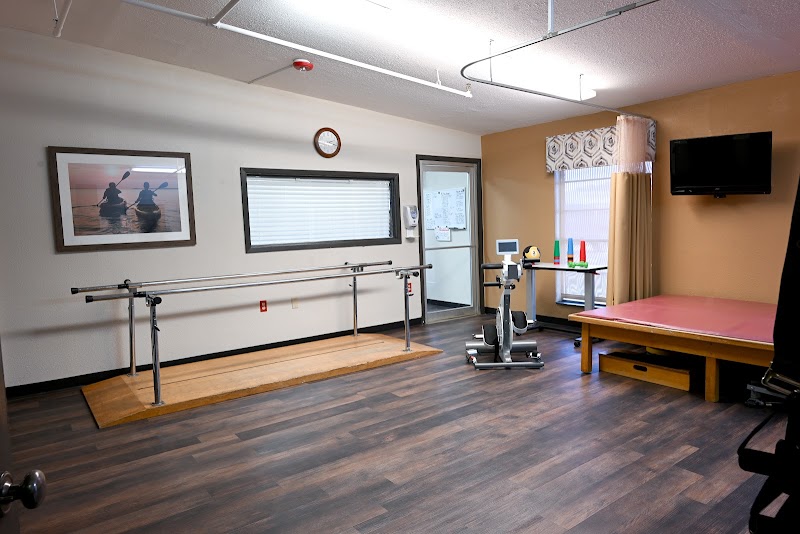
How is Windsor Nursing And Rehabilitation Center Of Alice Staffed?

CMS rates Windsor Nursing and Rehabilitation Center of Alice's staffing level at 2 out of 5 stars, which is below average compared to other nursing homes. Staff turnover is 43%, compared to the Texas average of 46%. This relatively stable workforce can support continuity of care.

What Have Inspectors Found at Windsor Nursing And Rehabilitation Center Of Alice?

State health inspectors documented 20 deficiencies at Windsor Nursing and Rehabilitation Center of Alice during 2022 to 2025. These included: 3 Immediate Jeopardy (the most serious level, indicating potential for serious harm or death), 16 with potential for harm, and 1 minor or isolated issues. Immediate Jeopardy findings are rare and represent the most serious regulatory concerns. They require immediate corrective action.
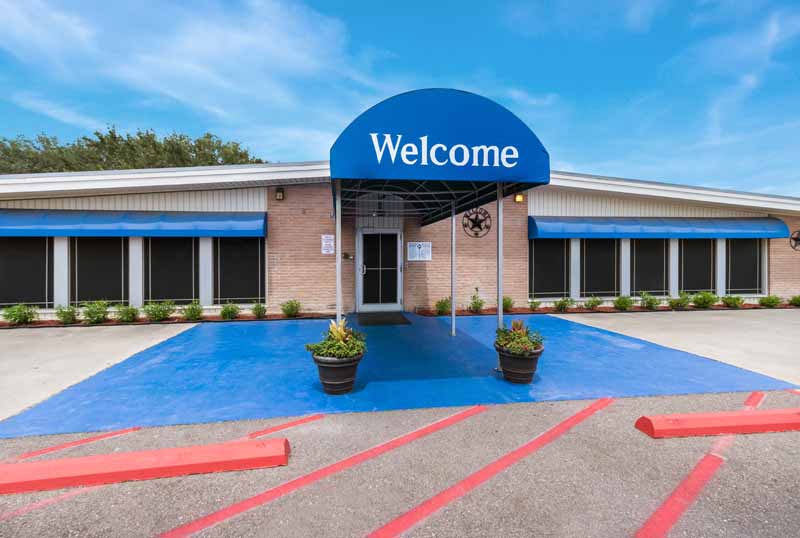
Who Owns and Operates Windsor Nursing And Rehabilitation Center Of Alice?

Windsor Nursing and Rehabilitation Center of Alice is owned by a non-profit organization. Non-profit facilities reinvest revenue into operations rather than distributing to shareholders. The facility is operated by WELLSENTIAL HEALTH, a chain that manages multiple nursing homes. With 136 certified beds and approximately 76 residents (about 56% occupancy), it is a mid-sized facility located in Alice, Texas.

How Does Windsor Nursing And Rehabilitation Center Of Alice Compare to Other Texas Nursing Homes?

Compared to the 100 nursing homes in Texas, Windsor Nursing and Rehabilitation Center of Alice's overall rating (3 stars) is above the state average of 2.8, staff turnover (43%) is near the state average of 46%, and health inspection rating (2 stars) is below the national benchmark.

What Should Families Ask When Visiting Windsor Nursing And Rehabilitation Center Of Alice?

Based on this facility's data, families visiting should ask: "What changes have been made since the serious inspection findings, and how are you preventing similar issues?" "What safeguards and monitoring systems are in place to protect residents from abuse or neglect?" "Can you walk me through typical staffing levels on day, evening, and night shifts?" "Can I visit during a mealtime to observe dining assistance and food quality?" These questions are particularly relevant given the facility's Immediate Jeopardy citations, the substantiated abuse finding on record, and the below-average staffing rating.

Is Windsor Nursing And Rehabilitation Center Of Alice Safe?

Based on CMS inspection data, Windsor Nursing and Rehabilitation Center of Alice has documented safety concerns. The facility has 1 substantiated abuse finding (meaning confirmed case of resident harm by staff or other residents). Inspectors have issued 3 Immediate Jeopardy citations (the most serious violation level indicating risk of serious injury or death). The facility has a 3-star overall rating and ranks #1 of 100 nursing homes in Texas. Families considering this facility should ask detailed questions about what corrective actions have been taken since these incidents.

Do Nurses at Windsor Nursing And Rehabilitation Center Of Alice Stick Around?

Windsor Nursing and Rehabilitation Center of Alice has a staff turnover rate of 43%, which is about average for Texas nursing homes (state average: 46%). Moderate turnover is common in nursing homes, but families should still ask about staff tenure and how the facility maintains care continuity when employees leave.

Was Windsor Nursing And Rehabilitation Center Of Alice Ever Fined?

Windsor Nursing and Rehabilitation Center of Alice has been fined $8,281 across 1 penalty action. This is below the Texas average of $33,162. While any fine indicates a compliance issue, fines under $50,000 are relatively common and typically reflect isolated problems that were subsequently corrected. Families should ask what specific issues led to these fines and confirm they've been resolved.

Is Windsor Nursing And Rehabilitation Center Of Alice on Any Federal Watch List?

Windsor Nursing and Rehabilitation Center of Alice is not on any federal watch list. The most significant is the Special Focus Facility (SFF) program, which identifies the bottom 1% of nursing homes nationally based on persistent, serious quality problems. Not being on this list means the facility has avoided the pattern of deficiencies that triggers enhanced federal oversight. This is a positive indicator, though families should still review the facility's inspection history directly.