AMARILLO MEDICAL LODGE

9 MEDICAL DR, AMARILLO, TX 79106 (806) 352-2731
For profit - Limited Liability company 102 Beds THE ENSIGN GROUP Data: November 2025
Trust Grade
85/100
#4 of 1168 in TX
Last Inspection: January 2025

Within standard 12-15 month inspection cycle. Federal law requires annual inspections.

Overview

Amarillo Medical Lodge has a Trust Grade of B+, which means it is above average and recommended for families considering care options. It ranks #4 out of 1,168 facilities in Texas, placing it in the top tier, and is the best option among the 9 facilities in Potter County. However, its trend is worsening, as the number of issues reported increased from 1 in 2024 to 3 in 2025. Staffing is a concern here, with a rating of 2 out of 5 stars and a turnover rate of 60%, which is average but indicates some instability in staff. While the facility has no fines on record, showing good compliance, recent inspections highlighted serious concerns, including improper food storage that could lead to food-borne illnesses, inadequate respiratory care for a resident, and failure to follow infection control protocols during wound care. These issues suggest that while the facility has strengths, such as excellent overall and health inspection ratings, there are significant areas needing improvement.

Trust Score
B+
85/100
In Texas
#4/1168
Top 1%
Safety Record
Low Risk
No red flags
Inspections
Getting Worse
1 → 3 violations
Staff Stability
⚠ Watch
60% turnover. Above average. Higher turnover means staff may not know residents' routines.
Penalties
✓ Good
No fines on record. Clean compliance history, better than most Texas facilities.
Skilled Nurses
○ Average
Each resident gets 37 minutes of Registered Nurse (RN) attention daily — about average for Texas. RNs are the most trained staff who monitor for health changes.
Violations
○ Average
10 deficiencies on record. Average for a facility this size. Mostly minor or procedural issues.
★★★★★
5.0
Overall Rating
★★☆☆☆
2.0
Staff Levels
★★★★★
5.0
Care Quality
★★★★★
5.0
Inspection Score
Stable
2024: 1 issues
2025: 3 issues

The Good

  • 5-Star Quality Measures · Strong clinical quality outcomes
  • Full Sprinkler Coverage · Fire safety systems throughout facility
  • No fines on record

Facility shows strength in quality measures, fire safety.

The Bad

Staff Turnover: 60%

14pts above Texas avg (46%)

Frequent staff changes - ask about care continuity

Chain: THE ENSIGN GROUP

Part of a multi-facility chain

Ask about local staffing decisions and management

Staff turnover is elevated (60%)

12 points above Texas average of 48%

The Ugly 10 deficiencies on record

Jan 2025 3 deficiencies
CONCERN (D)

Potential for Harm - no one hurt, but risky conditions existed

Respiratory Care (Tag F0695)

Could have caused harm · This affected 1 resident

**NOTE- TERMS IN BRACKETS HAVE BEEN EDITED TO PROTECT CONFIDENTIALITY** Based on observation, interview, and record review, the facility failed to ensure that residents who need respiratory care were ...

Read full inspector narrative →
**NOTE- TERMS IN BRACKETS HAVE BEEN EDITED TO PROTECT CONFIDENTIALITY** Based on observation, interview, and record review, the facility failed to ensure that residents who need respiratory care were provided such care consistent with professional standards of practice for 1 (Resident #14) of 6 residents reviewed for respiratory care. The facility failed to ensure Resident #14's nasal cannula was stored properly. This failure could affect residents on respiratory therapy by placing them at risk for respiratory compromise and associated complications such as shortness of breath, confusion, respiratory failure, and exacerbation of their condition. Findings include: Record review of Resident #14's clinical record revealed a [AGE] year-old male resident admitted to the facility originally on 4-22-2019 and readmitted on [DATE] with diagnosis to include chronic pulmonary disease (a group of lung diseases that block airflow and make it difficult to breath). Record review of Resident #14's clinical record revealed his last MDS was a quarterly completed 11-30-2024 listing him with a BIMS of 04 indicating he was severely cognitively impaired, he had a functionality of substantial/maximal assistance to supervision/touching assistance with most of his activities of daily living, and he was listed as having oxygen therapy on admission and while a resident. Record review of Resident #14's Order Summary Report with Active Orders as of 1-8-2025 revealed the following order: -MAY USE O2 VIA NASAL CANNULA @ 1-5 LPM FOR O2 SATS BELOW 90 PRN EVERY SHIFT-PRN every 24 hours as needed for shortness of breath. Verbal Active 11/26/2024. Record review of Resident #14's clinical record revealed a care plan with the admission date of 11-26-2024 revealed the following: Focus: Resident has oxygen therapy r/t periods of dyspnea (difficulty breathing). - Date initiated 4-11-2022. Revision 3-2-2023. -No procedures were listed with care of any respiratory equipment to include nasal cannula or tubing. During an observation on 01-07-2025 at 10:21 AM Resident #14 was not in his room. Resident #14's roommate reported that Resident #14 was at dialysis. Resident #14 had an O2 concentrator next to the left side of his bed with the O2 tubing dated 1-6-2025. Observed was the nasal cannula hanging off the back of Resident #14's concentrator on the floor with the nasal prongs facing upward. During an observation on 01-07-2025 at 11:02 AM Resident #14's O2 concentrator was at his bedside with the nasal cannula on the floor behind the machine with the nasal prongs facing upward. During an observation on 01-07-2025 at 02:02 PM Resident #14's O2 concentrator was at his bedside with the nasal cannula on the floor behind the machine with the nasal prongs facing upward. Resident #14's room was observed to have been cleaned and his bed had been made. During an observation and interview on 01-07-2025 at 03:38 PM Resident #14 was in his room lying on his bed. Resident #14 was difficult to understand, appeared to be confused, and did not respond effectively to questions. Resident #14's O2 concentrator was at his bedside with the nasal cannula on the floor behind the machine with the nasal prongs facing upward. During an observation on 01-08-2025 at 07:45 AM Resident #14's O2 tubing (dated 1-6-2025) and nasal cannula was observed stored in a bag laying on the floor behind his O2 concentrator. During an observation on 01-09-2025 at 08:02 AM Resident #14's O2 concentrator was at his bedside with the nasal cannula on the floor to the right side of the concentrator behind the machine on the floor with the nasal prongs facing upward. During an interview on 01-09-2025 at 08:05 AM the DON reported that floor staff are to make rounds on resident every 2 hours. The DON reported that floor staff where to check the residents for incontinence or of they had any other needs. The DON verified that the staff were to check on the resident's equipment to include the respiratory equipment. The DON reported that if a nasal cannula was found on the floor then the nasal cannula would need to be changed because the nasal canula would be exposed to the floor and who knows what is on that floor. The DON reported that the floor could be dirty with any substance and if the resident was immunocompromised then they would be at even more risk. The DON reported that she would immediately start an in-service to correct the issue. During an interview on 01-09-2025 at 08:36 AM the DON reported that the facility did not have a policy on employee round responsibilities, and they were looking for a policy on respiratory tubing care. During an interview on 01-09-2025 at 08:57 AM the DON reported that the facility did not have a policy on respiratory tubing care.
CONCERN (D)

Potential for Harm - no one hurt, but risky conditions existed

Infection Control (Tag F0880)

Could have caused harm · This affected 1 resident

**NOTE- TERMS IN BRACKETS HAVE BEEN EDITED TO PROTECT CONFIDENTIALITY** Based on observation, interview, and record review, the facility failed to maintain an infection prevention and control program ...

Read full inspector narrative →
**NOTE- TERMS IN BRACKETS HAVE BEEN EDITED TO PROTECT CONFIDENTIALITY** Based on observation, interview, and record review, the facility failed to maintain an infection prevention and control program designed to provide a safe, sanitary, and comfortable environment and to help prevent the development and transmission of communicable diseases and infections for 1 (CNA A) of 5 staff observed for resident care CNA A did not wear the proper PPE when assisting with wound care per Enhanced Barrier Precautions, increasing the risk of MDRO contamination. This deficient practice could place residents at risk of cross-contamination and infections. Findings include: Record review of Resident #155's clinical record revealed a [AGE] year-old female resident admitted to the facility on [DATE] with diagnoses to include metabolic encephalopathy (a chemical imbalance in the blood that causes problems in the brain), obesity (a disorder involving excessive body fat that increase the risk of health problems), chronic kidney disease (longstanding disease of the kidneys leading to kidney failure), and muscle weakness (a lack of muscle strength). Record review of Resident #155's clinical record revealed her last MDS was an admission completed 12-17-2024 listing her with a BIMS of 11 indicating she had a moderately impaired cognitive function, and she has a functionality of requiring supervision or touching assistance with most of her activities of daily living. Record review of Resident #155's care plan with admission date of 12-17-2024 revealed the following: Focus: Resident has a pressure ulcer r/t decreased mobility-right buttocks stage 3-date initiated 12-17-2024 Interventions: Use Enhanced Barrier Precautions-date initiated 1-2-2025 During an observation on 01-08-2025 at 11:06 AM LVN B was performing wound care for Resident #155's Stage 3 pressure ulcer with the assistance of CNA A. LVN B donned a gown and gloves for the procedure. CNA A was only wearing gloves. CNA A did not don a gown. CNA A rolled the resident on her right side after removing the resident's covers and pulling the residents brief to her knees to expose the wound area for care. CNA A assisted the resident to maintain this position for the entire wound care procedure, then returned the resident to her back, put her brief back in place, and pulled her covers back up. During an interview on 01-08-2025 at 02:37 PM CNA A verified that he did not wear a gown during the wound care provided for Resident #155's Stage 3 pressure ulcer and reported that he did not think that he was supposed to because he was not touching the wound. CNA A verified that he performed incontinent care on the resident with the Stage 3 pressure ulcer prior to the wound care because the resident was incontinent and that he had removed the residents covers and pulled down her brief to prepare for her wound care all without wearing a gown because he did not touch the wound. During an interview on 01-08-2025 at 11:44 AM LVN B stated Resident #155 (that she had performed wound care with the assistance of CNA A) was on EBP for a Stage 3 pressure ulcer and that CNA A did not don a gown for the procedure. LVN B stated not following EBP could result in the spread of infection and result in negative effects for residents such as infections and cross-contamination. During an interview on 01-08-2025 at 02:25 PM the DON reported that a staff member such as a CNA assisting with care on a resident that had a wound or catheter, may use their discretion if they feel they will not have direct contact with the wound or catheter, especially if the residents did not have an MDRO. The DON reported that only if they are going to touch the wound then they need to use EBP. The DON reported that education for staff, visitor, and family would have been done by posting signage on the resident's door if they required EBP. Also gloves, gowns, and isolation boxes for disposal of used PPE would have been placed in the resident's room. The DON reported that currently the facility had no residents that required EBP precautions because no residents were currently positive for MDRO infections. During an interview and record review on 1-9-2025 at 08:57 the DON reported they provide signage for a resident's doorway when the resident was placed on EBP, and the DON provided the signage that revealed the following: Enhanced Barrier Precautions Everyone Must: Clean their hands, including before entering and when leaving the room. Providers and staff must also: Wear gloves and gown for the following High-Contact Resident Care Activities: .Providing Hygiene Changing Briefs or assisting with toileting Device care of use: Central line, urinary catheter, feeding tube, tracheostomy. Wound care: any skin opening requiring a dressing. Record review of the facility provided policy titled, Infection Prevention and Control Program Revised July 2022, revealed the following: 3. Enhanced Barrier Precautions (EBP): expand the use of PPE and refer to the use of gown and gloves during high-contact resident care activities that provide opportunities for transfer of MDRSs to staff hands and clothing. MDROs may be indirectly transferred from resident-to-resident during these high-contact care activities. Nursing home resident with wounds and indwelling medical devices are at especially high risk of both acquisition of and colonization of MDROs. a. PPE: The use of gown and gloves for high-contact resident care activities is indicated, when contact precautions do not otherwise apply, for nursing home resident with: i. Wounds and/or indwelling medical devices regardless of MDRA colonization resident, for staff performing care. ii MDRO infection or colonization. c. Examples of high-contact resident care activities requiring gown and glove use for Enhanced Barrier Precautions include: iv. Providing Hygiene vi. Changing briefs . vii. Device care or use: central vascular line (including hemodialysis catheters), indwelling urinary catheters, feeding tube, . viii. Wound care: any skin opening requiring a dressing.
CONCERN (E)

Potential for Harm - no one hurt, but risky conditions existed

Food Safety (Tag F0812)

Could have caused harm · This affected multiple residents

Based on observation, interview, and record review the facility failed to store and distribute food in accordance with professional standards for food service safety in 1 of 1 kitchen reviewed for foo...

Read full inspector narrative →
Based on observation, interview, and record review the facility failed to store and distribute food in accordance with professional standards for food service safety in 1 of 1 kitchen reviewed for food safety. 1. The facility failed to ensure stored foods were properly labeled and dated. 2. The facility failed to ensure expired foods were discarded. 3. The facility failed to store foods in accordance with professional standards. These failures could place residents who ate the food from the kitchen at risk for food-borne illness and a diminished quality of life. Findings included: On 01/07/2025 at 8:11AM an initial tour of the kitchen was conducted and revealed the following: Facility Refrigerator: (1) 2-quart bag of strawberries with an expiration date of 12/19/2024. 15 sausage patties with no date opened and open to air. (1) 40 count cartons of chocolate milk with no date received. (7) 40 count cartons of white milk with no date received. Facility Freezer: (1) 5-pound bag of frozen strawberries with no date received and open to air. (1) 2-pound bag of frozen green beans with no date received and open to air. 11 frozen hashbrown patties with an expiration date of 6/19/2024. 15 frozen eggrolls with no date received and open to air. (1) 10-pound bag of frozen corn with no date received and open to air. 80 count frozen hamburger patties with no date received and open to air. Facility Dry Pantry: (1) 1.57-pound bag of cream soup base with an expiration date of 10/24/2024. An interview with the Dietary Manager on 1/8/25 at 10:30AM revealed the negative outcome of serving foods which were not properly dated and/or expired would be residents could become sick from a food-borne illness, which could reduce their quality of life. Record Review of the undated facility policy for Food Storage revealed the following: Refrigerated food storage: (f) All foods should be covered, labeled, and dated. All foods will be checked to assure that foods (including leftovers) will be consumed by their safe use by dates, or frozen (where applicable), or discarded. Frozen food storage: (c) All food should be covered, labeled, and dated. All foods will be checked to assure that foods will be consumed by their safe use by dates or discarded. There was no food storage policy regarding expiration dates or discard by dates, for the dry pantry. Record Review of FDA Food Code dated 2022 revealed the following: 3-602 Labeling 3-602.11 Food Labels. (A) FOOD PACKAGED in a FOOD ESTABLISHMENT, shall be labeled as specified in LAW, including 21 CFR 101 - Food labeling, and 9 CFR 317 Labeling, marking devices, and containers. (B) Label information shall include: (1) The common name of the FOOD, or absent a common name, an adequately descriptive identity statement; 3-602.12 Other Forms of Information. (B) FOOD ESTABLISHMENT or manufacturers' dating information on FOODS may not be concealed or altered.
May 2024 1 deficiency
CONCERN (D) 📢 Someone Reported This

A family member, employee, or ombudsman was alarmed enough to file a formal complaint

Potential for Harm - no one hurt, but risky conditions existed

Deficiency F0761 (Tag F0761)

Could have caused harm · This affected 1 resident

**NOTE- TERMS IN BRACKETS HAVE BEEN EDITED TO PROTECT CONFIDENTIALITY** Based on observation, interview, and record review, the facility failed to ensure drugs and biologicals were stored and labeled ...

Read full inspector narrative →
**NOTE- TERMS IN BRACKETS HAVE BEEN EDITED TO PROTECT CONFIDENTIALITY** Based on observation, interview, and record review, the facility failed to ensure drugs and biologicals were stored and labeled in accordance with currently accepted professional principles for 1 (Resident #1) of 7 residents. -1 nasal medication and 2 eye drop medications were discovered on bedside table for Resident #1 The facility's failure could place all residents at risk for obtaining medications that could cause adverse reactions. Findings included: Observation/Interview on 05/07/2024 at 8:57am revealed three medications (Fluticasone (nasal spray for allergies, Therea Tears (eye drops for dry eye), and Alaway (eye drops for dry eye) were on Resident #1's bedside table. Resident #1 was asked if she could administer medications to herself, she stated that she could, but she had not used these medications this morning yet. Resident #1 was asked if these medications are supposed to be provided by nurse. Resident#1 pointed to the Fluticasone nasal spray and stated, this one is usually put up. Record review of Resident #1's face sheet, dated 05/07/2024, revealed that Resident #1 was a [AGE] year-old female who was admitted to the facility on [DATE], with the following diagnoses: Type 2 diabetes mellitus without complications (high blood sugar), hypothyroidism (thyroid underperforming), muscle weakness, cognitive communication deficit (impaired thought processes), other lack of coordination, history of falling. Record review of Resident #1's active physicians orders, dated 05/07/2024 revealed no order for the Fluticasone, Therea Tears, and Alaway medications. Record review of Resident #1's MDS assessment, dated 03/13/2024, revealed that Resident #1 has a BIMS (Brief Interview for Mental status) of 10, and functionality of performing oral hygiene, upper body dressing and personal hygiene at a level of set-up or independent. Toileting hygiene, shower/bathing/lower body dressing, and putting on/taking off footwear Resident #1 is dependent on staff to perform these types of ADLs. Record review of Resident #1's care plan with a revision date of 03/15/2024, revealed no information regarding having medications at bedside or self-administration of medications. In an interview on 05/07/2024 9:22am with DON stated that the facility was not allowed to go through resident's personal items upon entering the facility. DON stated that if the resident had medications in their possession, the staff wouldn't know unless the resident tells them. No negative outcome was provided during this interview. During an observation on 05/07/2024 at 9:35am revealed DON giving an unidentified CNA an in-service in the hallway regarding medications being left at bedside. During an observation on 05/07/2024 at 9:47am revealed LVN B asking unidentified resident Do you have any meds out? Upon entering the room there were was no observation of medicaitons in room of resident. In an interview on 05/07/2024 at 9:48am LVN B stated that if the resident has the order to have medications at bedside they can have them. LVN B was asked, So, the medications should be locked up and then when it is time for the meds to be given you bring them to the resident, and they can give it to themselves? LVN B stated No they can have them on their bedside table. LVN B stated that if the resident has the order for bedside meds that they can be on the bedside, most of those types of medications are creams. No negative outcome was provided by LVN B during this interview. In an interview on 05/07/2024 1:28pm LVN E stated that the meds were not on beside of Resident #1 this morning during med pass. LVN E stated that when LVN E went into resident's room to ask resident about meds. Resident #1 stated that she had them in her black bag. LVN E stated that she educated the resident on medications and that they could not be left out. LVN E stated that she would have to obtain an order for the medications and an order for resident to keep medications at bedside and that they would have to be in a cabinet or in her bag. LVN was asked what a negative outcome would be for having medications out and not put away, LVN E stated, it could lead to a write up. LVN E stated when she asked the Resident #1 if there any other medications in the resident's room, Resident #1 pulled out a white bag that contained Stool softener, Biofreeze, Biotin, and Melatonin in it. LVN E took medications and placed them in the medication cart and was getting orders for the medication, along with the Flonase and eye drops that were discovered earlier in the day. In an interview on 05/07/2024 at 1:49pm Resident #1 was asked if she had taken any of the medications that were found in her room. Resident #1 stated that she had only used the Biofreeze for her hands one night because her arthritis was acting up. No other medications had been taken by resident, per Resident #1. Record review of policy provided by facility named Medication Storing and Controlling Medications, undated, revealed the following: Policy: It is the policy of this Facility to: 1. Store medications safely, securely, and properly following manufacturer's recommendations or those of the supplier, and in accordance with federal and state laws and regulations. The medication supply is accessible only to authorized personnel. 2. Ensure maximum safety for residents. Procedure: 4. medication of those residents who do not self-administer, will be stored in a locked cabinet (such as a medication cart). Only authorized personnel will have a key/access to the locked cabinet .
Dec 2023 3 deficiencies
CONCERN (D)

Potential for Harm - no one hurt, but risky conditions existed

Assessment Accuracy (Tag F0641)

Could have caused harm · This affected 1 resident

**NOTE- TERMS IN BRACKETS HAVE BEEN EDITED TO PROTECT CONFIDENTIALITY** Based on observation, interview, and record review the facility failed to ensure the assessment accurately reflected the residen...

Read full inspector narrative →
**NOTE- TERMS IN BRACKETS HAVE BEEN EDITED TO PROTECT CONFIDENTIALITY** Based on observation, interview, and record review the facility failed to ensure the assessment accurately reflected the resident's status for 1 (Resident #19) of 17 residents reviewed for accuracy of assessments. The facility failed to accurately assess Resident #19, in that her MDS coded her as having no delusions or hallucinations despite physician's documentation to the contrary. This failure could place residents at risk of not receiving necessary care and/or treatment. Findings include: Record review of Resident #19's admission record, dated 12/06/23, revealed a [AGE] year-old female admitted to the facility on [DATE] with diagnoses that included, but were not limited to, muscular dystrophy (a group of inherited conditions affecting the muscles, gradually leading to disability), type 2 diabetes (insufficient production of insulin, causing high blood sugar), delusional disorders (a type of mental health condition in which a person cannot distinguish between what is real and what is imagined, often resulting in an unshakeable belief in something that is untrue), and schizoaffective disorder (a mental health disorder that is marked by a combination of schizophrenia symptoms such as hallucinations or delusions, and mood disorder symptoms, such as depression or mania). Record review of Resident #19's Quarterly MDS with an ARD date of 11/06/23 revealed a BIMS of 15 which indicated intact cognition. Section E of the MDS was titled Behavior and question E0100 had directions to check all that apply. The question had Hallucinations (perceptual experiences in the absence of real external sensory stimuli) and Delusions (misconceptions or beliefs that are firmly held, contrary to reality) as options to check. Both options were left unchecked and the option None of the above was checked. Section I of the MDS listed psychotic disorder and schizophrenia among the active diagnoses for Resident #19. Record review of Resident #19's care plan with a completion date of 11/21/23 revealed, Resident #19 is At risk for impaired cognitive function/dementia or impaired though processes r/t Difficulty making decisions and dx of delusional disorders. The care plan also indicated Resident #19 has Potential for a behavior problem r/t r/t DX of schizoaffective disorder and delusions disorders, Hx of yelling out and using profanity type of language, aggravation, and hallucinations . Record review of Resident #19's primary physician's progress note with 11/01/23 as the date of service revealed Resident #19 is a poor historian due to cognitive/psychiatric impairment. The progress note further revealed Resident #19 stated she won't drink protein drinks because it contains Chromium 22 that attracts radiology and causes cancer. The progress note stated Resident #19 continues to state she is pregnant. The progress note also stated Resident #19 was Insight Impaired and had Grandiose delusions. During an observation and interview on 12/04/23 at 08:56 AM Resident #19 was lying on her back in bed with the head of the bed raised to a sitting position watching TV and eating breakfast off an over-the-bed table. Resident #19 stated staff took good care of her and she had been impregnated by one of doctors who worked in the facility. She stated that due to the European lineage on both of their parts the pregnancy has been rather unusual, and the gestation period will be longer. Resident #19 stated they planned to move to New Mexico due to New Mexico having a constitution that keeps blacks out. During an observation on 12/04/23 at 09:04 AM the surveyor had just exited Resident #19's room leaving Resident #19 alone in the room and overheard Resident #19 having a conversation with someone while alone in her room. She was telling someone to shut up, leave her alone, stop hurting her stomach, and to give her life back. During an observation on 12/05/23 08:49 AM Resident #19 was in her bed with the head of the bed elevated talking to someone who was not visible in the room. She stated she wanted that person to stop hurting her and asked them to please shut up. During an observation and interview on 12/05/23 at 09:04 AM Resident #19 was asked if she ever refused to take any of her medications. She replied, Yeah, because I am a doctor, and I don't want to take any opioids. She stated it was hard to move her legs because of the robots but she would not let staff work with her because they are not professionals, and they are not really knowledgeable. During an interview on 12/06/23 at 01:18 PM LVN E stated if she saw a behavior in a resident, she documented it in the progress notes or on the MAR. During an interview on 12/06/23 at 01:21 PM ADON stated Resident #19 would not have an area to document behaviors on her MAR because she was not taking any psychotropic medications. He stated it was a normal behavior for Resident #19 to talk to people who are not there and to yell out and to talk about being pregnant by a doctor from the facility. ADON stated the facility had a psychiatrist visit Resident #19, but she refused to speak to the psychiatrist. He stated they have had to remove Resident #19 from the dining hall on occasion due to her behaviors and comments about people with different skin colors. During an interview on 12/06/23 at 01:22 PM LVN C stated she had documented Resident #19's behaviors in the progress notes of her EHR. During an interview on 12/06/23 at 01:29 PM MDS LVN stated he was responsible for completing the MDS assessments. He stated he filled out Section E of the MDS based on information gleaned from nursing notes, and we talk as an IDT in the mornings and in our morning meeting. MDS LVN stated the IDT was made up of DON, ADM-T, SW, BOM, ADON, and DOR. He stated the ARD date was the day he started an assessment and the look back period was the seven days prior to that date. When asked why Resident #19 was coded in MDS Section E as having no delusions or hallucinations he stated he was not sure and would have to look. MDS LVN stated a possible negative outcome of a MDS not reflecting behaviors on the part of a resident was something might get missed and the resident might not get treated properly. During an interview on 12/06/23 at 01:33 PM ADM-T stated she could not speak to a possible negative outcome of Resident #19 being coded for no delusions or hallucinations on her MDS as she [ADM-T] was not real familiar with Resident #19. During an interview on 12/06/23 at 01:35 PM DON stated some mornings in morning meetings Resident #19's behaviors were not mentioned. She said of Resident #19, Some mornings she is very pleasant and then some mornings I will walk in there and she is talking to the window. DON stated they had a psychiatrist go and speak to Resident #19 but Resident #19 would not talk to him and said, Get that man outta here. During an interview on 12/06/23 at 01:37 PM MDS LVN stated he did look at physician's notes when he was completing Section E of the MDS. He stated he was not sure why he did not see the physician's note regarding Resident #19 with a service date of 11/01/23. During an interview on 12/06/23 at 02:08 PM MDS LVN stated the policy he followed for completing the MDS assessment was the RAI. Record review of the RAI, version 1.18.11 dated October 2023, revealed the following instructions for completing Section E of the MDS: . 1. Review the resident's medical record for the 7-day-look-back period. 2. Interview staff members and others who have had the opportunity to observe the resident in a variety of situations during the 7-day-look-back period. 3. Observe resident during conversations and the structured interview in other assessment sections and listen for statements indicating an experience of hallucinations, or the expression of false beliefs (delusions). Record review of an undated facility policy titled; Off-site Storage of Records revealed in part: . The facility maintains clinical records for each resident that are complete, accurately documented, .
CONCERN (D)

Potential for Harm - no one hurt, but risky conditions existed

Respiratory Care (Tag F0695)

Could have caused harm · This affected 1 resident

**NOTE- TERMS IN BRACKETS HAVE BEEN EDITED TO PROTECT CONFIDENTIALITY** Based on observation, interview, and record review the facility failed to ensure that a resident who needs respiratory care, inc...

Read full inspector narrative →
**NOTE- TERMS IN BRACKETS HAVE BEEN EDITED TO PROTECT CONFIDENTIALITY** Based on observation, interview, and record review the facility failed to ensure that a resident who needs respiratory care, including tracheostomy care and tracheal suctioning, is provided such care, consistent with professional standards of practice, the comprehensive person-centered care plan, and the residents' goals and preferences for 2 (Resident #5 and Resident #57) of 17 residents reviewed for respiratory care. 1. Resident #5 had a physician's order for continuous oxygen via nasal cannula at 2-4 lpm and was receiving oxygen therapy at higher concentrations. 2. Resident #57 had no physician's orders for oxygen and was receiving oxygen via nasal cannula on a continuous basis. These failures could place residents who receive oxygen at an increased risk for receiving oxygen at the wrong rate which could lead to hypercapnia (too much carbon dioxide in the blood), pulmonary oxygen toxicity (damage to lung lining tissues and air sacs), hypoxemia (low levels of oxygen in the blood, decreasing the oxygen supply to vital organs), and shortness of breath. Findings Included: 1. Record review of Resident #5's admission Record dated 12/04/23 revealed an [AGE] year-old female admitted to the facility on [DATE] with diagnoses that included, but were not limited to, diastolic heart failure (a progressive heart disease that affects the pumping action of the heart muscles resulting in shortness of breath and fatigue), fatty liver (fat build up in the liver resulting in damage and possible scarring to the liver), and hypertension (high blood pressure). Record review of Resident #5's Quarterly MDS with an ARD date of 11/17/23 revealed a BIMS of 14 which indicated intact cognition. Section O of the MDS revealed Resident #5 received oxygen therapy while a resident. Record review of Resident #5 Care Plan dated 11/01/23 revealed Resident #5 had Oxygen Therapy r/t Ineffective gas exchange. Record review of Resident #5's active orders dated 12/04/23 revealed the following order with a start date of 07/08/23: O2 AT 2-4 L/MIN CONTINUOUS PER NC every shift. Record review of Resident #5's oxygen saturation summary revealed 36 entries. 28 of the entries were from July 2023 with two entries for August, September, October, and November 2023. Of the 36 entries 4 were on Room Air and the remaining 32 were on Oxygen via Nasal Cannula. Resident #5's oxygen saturation percentages ranged from 90-99% according to the summary. 2. Record review of Resident #57's admission Record dated 12/05/23 revealed a [AGE] year-old female admitted to the facility on [DATE] with diagnoses that included, but were not limited to, acute respiratory failure with hypoxia (a condition resulting from not enough oxygen in the tissues of the body), diastolic heart failure (a condition resulting from not enough oxygen in the tissues of the body), hypertension (high blood pressure), and pneumonia (lung infection characterized by cough with phlegm, fever, chills, and difficulty breathing). The admission Record featured a picture of Resident #57 wearing oxygen tubing with nasal cannula. Record review of Resident #57's admission MDS with an ARD date of 11/03/23 revealed a BIMS of 13 which indicated intact cognition. Section I of the MDS indicated Debility, Cardiorespiratory Conditions as Resident #57's primary medical condition category and Respiratory Failure was checked under the section titled, Pulmonary. Section J of the MDS indicated Resident #57 had shortness of breath or trouble breathing with exertion and when lying flat. Section O of the MDS revealed Resident #57 received oxygen therapy On Admission and While a Resident. Under the On Admission section Continuous was checked. Record review of Resident #57's care plan dated 11/10/23 revealed no mention of oxygen therapy. An update to Resident #57's care plan dated 12/04/23 revealed a new focus area of [Resident #57] has altered respiratory status related to diagnosis of pneumonia . One of the interventions for this focus area was, Provide oxygen as ordered. Record review of Resident #57's active orders dated 12/05/23 revealed no order for oxygen therapy. Record review of Resident #57's November 2023 MAR revealed her oxygen saturation percentages for the month of November ranged from 92-97%. Record review of Resident #57's oxygen saturation summary revealed 54 entries. 9 of the entries were on Room Air and the remaining entries were on Oxygen via Nasal Cannula. The summary revealed Resident #57 received O2 via nasal cannula for 30 of the 37 days she had been in the facility. Of the 36 days represented by the summary Resident #57 was on room air and receiving oxygen on 3 of the days and on room air only for 6 of the days. Over the course of the 36 days represented by the summary Resident #57's oxygen saturation percentages ranged from 90-99%. Her oxygen saturation percentage was 90% two times in 36 days and both times she was receiving oxygen via nasal cannula. During an observation and on 12/04/23 at 08:53 AM Resident #5 was seated in her recliner in her room watching TV and receiving O2 via nasal cannula at 5 lpm. During an observation and interview on 12/04/23 at 09:45 AM Resident #57 was receiving O2 via nasal cannula while on her back in bed. She stated she was on 1 liter of O2. An observation of her O2 concentrator revealed it to be set on 3 lpm. During an observation on 12/04/23 at 02:06 PM Resident #57 was in her bed receiving O2 via nasal cannula. During an observation on 12/05/23 at 09:00 AM Resident #57 was asleep in her bed receiving O2 via nasal cannula at 3 lpm. During an observation and interview on 12/05/23 at 09:23 AM Resident #5 was seated in her recliner watching TV and receiving O2 at 5 lpm. She stated she had been receiving O2 continuously via nasal cannula since last year when she had COVID pneumonia. She said her O2 concentrator at home was set to 3 lpm. Resident #5 stated she thought her O2 concentrator in the facility was set to 3 lpm. During an observation on 12/05/23 at 11:25 AM Resident #57 was seated in her w/c in the dining room playing dominoes and receiving O2 via nasal cannula from the O2 tank attached to her w/c. During an observation on 12/05/23 at 02:11 PM Resident #57 was asleep on her bed receiving O2 at 2 lpm via nasal cannula. During an observation on 12/05/23 at 03:12 PM Resident #57 was asleep on her back in her bed receiving O2 via nasal cannula at 2 lpm. During an observation on 12/06/23 at 08:14 AM Resident #5 was seated in her recliner receiving O2 at 5 lpm. During an interview on 12/06/23 at 8:37 AM LVN A, who was working in Resident #57's hall for the day, stated nurses were responsible to set the lpm on O2 concentrators for residents receiving O2. She stated nurses knew what lpm to set the concentrator to by looking at the doctor's orders. When asked if there was a possible negative outcome of a resident receiving O2 without orders or O2 at higher lpm than ordered, LVN A stated, Oh yes, especially if they have COPD. If you crank it [O2] up it can lower their O2 sats [saturation percentages]. During an observation on 12/06/23 at 08:40 AM Resident #57 was observed in her bed receiving O2 via nasal cannula at 1.5 lpm. During an interview on 12/06/23 at 08:47 AM ADON, who was working on Resident #5's hallway for the day, stated nurses were responsible for setting lpm levels on O2 concentrators. He stated CNAs could set the levels if a nurse directed them to do so. When asked how nurses knew what lpm to set the concentrator to, ADON stated, Orders tell them. He said a possible negative outcome of a resident receiving O2 at a higher lpm than ordered or without any orders was, We don't know their history. During an interview on 12/06/23 at 08:50 AM LVN B stated CNAs or nurses were responsible for setting O2 levels on O2 concentrators. She said they knew what lpm to set the concentrators to by looking in the resident's care plan or orders. When asked if there was a possible negative outcome of receiving O2 at higher rates than ordered she stated, There can be, sometimes, it depends on their [the resident's] diagnosis. When asked if there was a possible negative outcome of receiving O2 without orders, she replied, Only if you don't know the correct level. We do have standing orders [from MD] that if O2 is below a certain level you have the option to get 1 to 3 liters. During an interview on 12/06/23 at 08:57 AM DON stated nurses were responsible for setting O2 levels on the concentrators, but CNAs could do it if directed to do so by a nurse. She said nurses knew what level to set the concentrators to whatever the physician starts it at. She stated MD had standing orders for the facility to use O2 at 1-5 lpm to keep O2 saturation percentages greater than 90%. When asked for a possible negative outcome of a resident receiving O2 at higher lpm than ordered she replied, It depends on what their O2 saturation is. She stated she could not think of a possible negative outcome of a resident receiving O2 continuously without physician's orders. When asked if it was normal for a resident to receive O2 continuously without physician's orders DON stated, No, we would have put the orders in. DON attempted to find physician's orders for O2 for Resident #57 in the EHR but could not find them. During an interview on 12/06/23 at 09:25 AM MD stated he had facility-wide standing orders for O2 from 1-3 lpm to be used to maintain O2 saturation percentages above 90%. He stated he believed he changed the standing order to O2 from 1-5 lpm at the beginning of 2023 but was not sure of the date. When asked if there was a possible negative outcome for a resident to receive O2 at a higher level than ordered or without orders he stated, Folks with COPD, we have to watch for CO2 retention. Record review of facility document titled [Title of medical practice of MD] Long-Term Care Standing Orders [Name of Facility] and dated 03/01/23 revealed in part: . Respiratory If Spo2 <90% Apply NC at 2-3 L to maintain >90% . Record review of an undated facility policy titled Policy / Procedure - Nursing Clinical with the subject of Oxygen Administration (Mask, Cannula, Catheter) revealed in part: It is the policy of the facility that oxygen is administered, as ordered by the physician or as an emergency measure until the order can be obtained. May use standing orders for oxygen for residents without orders in PCC.
CONCERN (D)

Potential for Harm - no one hurt, but risky conditions existed

Medical Records (Tag F0842)

Could have caused harm · This affected 1 resident

**NOTE- TERMS IN BRACKETS HAVE BEEN EDITED TO PROTECT CONFIDENTIALITY** Based on observation, interview, and record review, in accordance with accepted professional standards and practices, the facili...

Read full inspector narrative →
**NOTE- TERMS IN BRACKETS HAVE BEEN EDITED TO PROTECT CONFIDENTIALITY** Based on observation, interview, and record review, in accordance with accepted professional standards and practices, the facility failed to maintain medical records on each resident that were complete, accurately documented for 1 of 17 residents (Resident #57) reviewed for accurate medical records. The facility failed to ensure Resident #57's physician's order for oxygen was documented in the resident's clinical record. This failure could place residents at risk of not receiving needed care or treatments or duplication of care or treatment by misleading care providers regarding what care or treatments residents have or have not received. Findings included: Record Review of Resident #57's face sheet dated 12/04/2023 revealed a [AGE] year-old female admitted to the facility on [DATE] with diagnoses included, but were not limited to, Acute Respiratory Failure with Hypoxia(life threatening condition where the lungs cannot provide enough oxygen to the blood and organs), Unspecified congestive heart failure, pneumonia (infection in lungs)-unspecified, klebsiella pneumoniae(causes bacterial pneumonia or infection in lungs). Record Review of Resident #57's admission MDS dated [DATE], revealed a BIMS score of 13 of 15 which indicated her cognition was intact. In the MDS assessment section J1100 indicated that the resident has shortness of breath with exertion and when lying flat. In the MDS assessment section O0110 indicated that Resident #57 was receiving continuous Oxygen therapy on Admission. The MDS assessment also indicated that Resident #57 was receiving Oxygen therapy while a resident in the facility. Record Review of Resident #57's care plan dated 11/10/2023 revealed there was no documentation focusing on oxygen therapy and no goal or interventions documented relating to oxygen therapy. The care plan was updated on 12/4/2023 that indicated that Resident #57 had an altered respiratory status related to diagnosis of pneumonia, klebsiella pneumonia with an intervention to provide oxygen as ordered. Record Review of Resident #57's clinical record revealed no active orders for oxygen. Record Review of Resident #57's progress note dated 12/3/2023 indicated the resident received continuous oxygen. Record Review of Resident #57's Medication Administration Record for November 2023 indicated that Resident #57's oxygen saturation for the month of November ranged from 92-97%. During an observation/interview on 12/04/2023 at 9:35 AM, revealed Resident #57's was sitting up in her bed. The resident was receiving oxygen via nasal cannula at 3 liters per minute. The resident stated she was supposed to be receiving oxygen daily via nasal cannula at 1 liter per minute. During an observation on 12/5/2023 at 9:00 AM revealed Resident #57 sleeping in her bed, she was receiving oxygen via nasal cannula at 3 liters per minute. During an interview on 12/6/2023 at 8:37 AM, LVN A stated she knew what level to set the O2 on the concentrators by looking at the physician's orders. LVN A stated the possible negative outcome for setting a higher LPM than ordered would be that if the resident had COPD, it could cause their O2 saturations to be lower. During an observation on 12/6/2023 at 8:40 AM revealed Resident #57 sleeping in her bed. She was receiving oxygen via nasal cannula at 1.5 liters per minute. During an interview on 12/6/2023 at 8:45AM, the ADON stated that she, the DON or admission Nurse were responsible for putting physician's orders in the EHR system. The ADON stated that the facility meets each morning and that any missed orders would be addressed at the meeting, and it would be caught before anything happened. ADON stated that a possible negative outcome for missed orders would be that a resident would not get their medication. During an interview on 12/6/2023 at 8:47AM, the ADON stated that the physician orders indicate what LPM on the O2 concentrator are set at. ADON stated the possible negative outcome for receiving O2 at a higher LPM than ordered or receiving O2 without orders would be that they wouldn't know the resident's history. During observation/interview on 12/06/2023 at 8:50 AM, the admission Nurse stated she was responsible for putting physician's orders in the system on weekdays and the charge nurse on the weekends. Observation of admission Nurse looking up Resident #57's physician's orders via the EHR system revealed admission Nurse stated that she could not find any orders for oxygen for Resident #57. admission Nurse stated that a possible negative outcome for missed orders would that the staff would not know what the saturation of oxygen should be at for the resident. During an interview on 12/6/2023 at 8:57 AM, the DON stated that it is not normal for the resident to receive O2 continuously without physician's orders. During an observation/interview on 12/06/2023 at 9:00 AM, the DON stated that she and the admission Nurse were responsible for putting physician's orders in the resident's chart. DON stated that they have a lot of checks and balances and wouldn't miss orders. DON was observed looking at Resident #57's admission record and physician's orders and stated that the resident was on oxygen at the hospital. DON could not think of a negative outcome for a resident receiving oxygen without physician orders. During an interview on on 12/6/2023 at 9:50AM, the DON stated she would get the policy regarding medical records. Record Review of Off-site Storage of Records (no date on the policy) revealed that the facility maintain clinical records for each resident that are complete, accurately documented and readily accessible and systematically organized.
Aug 2023 1 deficiency
CONCERN (D) 📢 Someone Reported This

A family member, employee, or ombudsman was alarmed enough to file a formal complaint

Potential for Harm - no one hurt, but risky conditions existed

Infection Control (Tag F0880)

Could have caused harm · This affected 1 resident

Based on observation, interview, and record review, the facility failed to maintain an infection prevention and control program designed to provide a safe, sanitary, and comfortable environment and to...

Read full inspector narrative →
Based on observation, interview, and record review, the facility failed to maintain an infection prevention and control program designed to provide a safe, sanitary, and comfortable environment and to help prevent the development and transmission of communicable diseases and infection in 1 of 1 dining rooms. -LVN A failed to maintain proper hand hygiene while passing meal trays to multiple residents in the dining room and before feeding a resident. -CNA C and LVN B failed to perform hand hygiene before sitting down to assist residents with eating. This failure had the potential to affects residents in the facility by exposing them to care that could lead to the spread of viral infections, secondary infections, tissue breakdown, communicable diseases, and feelings of isolation related to poor hygiene. Findings include: Observation on 08/03/2023 at 8:15am of Breakfast service being served in the dining room revealed LVN A scratched her nose, then proceeded to scratch her armpit and then took food tray without performing HH. LVN A delivered tray to resident, opened milk carton, took lid off of food and juice. LVN A returned tray to dirty window (area where dirty dishes are returned to kitchen to be washed) and went back to line for next tray and proceeded to take another tray from the window with no HH being performed. LVN A then set up food for 2nd resident, opening milk carton and removing lids to food and juice for this resident. LVN A left dining room and did not perform HH on way out of dining room. Observation on 08/03/2023 at 8:39am LVN A was standing next to table for a few minutes and then left dining room, returned a couple of minutes later. LVN A sat down next to Resident #1 and started to feed resident without performing hand hygiene. CNA C came to take the place of LVN B and did not perform HH before assisting Resident #2 with her remaining breakfast. No hand hygiene was performed by LVN B between getting another resident more cream of wheat from the kitchen, and returning to Resident #2, whom she was feeding. During an interview on 08/03/2023 at 9:14am, LVN A was asked what the protocol was for hand hygiene, she stated that anytime you have contact with a resident. LVN A was asked why hand hygiene wasn't performed during meal pass. LVN A stated that she was nervous and there was no reason for not performing hand hygiene, LVN A stated, I just didn't. During an interview on 08/03/2023 at 3:08pm, DON was asked what the protocol was for HH during tray pass. DON stated that hands need to be sanitized between each tray, and any direct contact with residents. Record review of facility provided policy titled Hand Hygiene revised 10/2022; page 1 and 3 of policy are present, page 2 was not given by facility. No mention of hand hygiene noted on partial policy provided.
Jul 2023 1 deficiency
CONCERN (D) 📢 Someone Reported This

A family member, employee, or ombudsman was alarmed enough to file a formal complaint

Potential for Harm - no one hurt, but risky conditions existed

Medical Records (Tag F0842)

Could have caused harm · This affected 1 resident

**NOTE- TERMS IN BRACKETS HAVE BEEN EDITED TO PROTECT CONFIDENTIALITY** Based on interview and record review, the facility failed to maintain medical records on each resident that are accurately docum...

Read full inspector narrative →
**NOTE- TERMS IN BRACKETS HAVE BEEN EDITED TO PROTECT CONFIDENTIALITY** Based on interview and record review, the facility failed to maintain medical records on each resident that are accurately documented for 1 out of 4 residents reviewed for clinical records (Resident #1). The facility failed to accurately document information for Resident #1 due to another Resident's name being present in care plan. This failure can place residents at risk of inaccurate needs or services based on comprehensive assessment. Findings included: Record review, dated July 12, 2023, of Resident #1's face sheet revealed a [AGE] year-old male admitted into the facility on [DATE]. Resident #1 diagnoses included but not limited to cerebral palsy (inability to control muscles), interstitial pulmonary (inflammation causing lungs to not get enough oxygen), Chronic Obstructive Pulmonary Disease,(COPD -Blockage of airway), Cystic Fibrosis (disorder that damagers lungs, digestive tract and other organs), Reduced mobility, unsteadiness of feet, cognitive communication deficit, dysphagia (difficulty swallowing), aphasia (loss of ability to understand speech), schizoaffective disorder; bipolar type, intellectual disabilities, muscle weakness, need for assistance with personal care. Record review of Resident #1's MDS assessment Section C-Cognitive Pattern, dated 7/10/23, revealed the resident was not assessed due to limited communication skills. Record review on 7/12/23 of Resident #1's care plan, dated 3/27/23, revealed a goal for PASARR indicating a positive screening. The information presented for the focus goal stated, I, [Resident] is receiving PASRR service through Texas Panhandle Services. [Wrong Resident] has a PASRR positive diagnosis Dx: IDD due to Cerebral Palsy. Case worker is [Employee] w/TPC. Incorrect name of resident identified in focus goal. Record review on 7/12/23 of Resident #1's care plan, dated 3/27/23 and revised on 6/7/23, revealed a goal for PASARR indicating a positive screening. The information presented for the focus goal stated, I, [Resident], is receiving PASRR service through Texas Panhandle Services. [Wrong Resident] has a PASRR positive diagnosis Dx: IDD due to Cerebral Palsy. Case worker is [Employee] w/TPC. Incorrect name of resident identified in focus goal. Interview on 7/12/23 at 3:01 PM, the MDS Coordinator confirmed that wrong resident name was care planned. Stated and confirmed that the wrong name was put in the care plan. MDS Coordinator indicated that DSS is the employee who entered the goal. Interview on 7/12/23 at 3:13 PM, the DSS confirmed another name, [Resident], is in the care plan. DSS confirmed that another name was on both care plans completed. Negative outcome indicated by DSS could be records associated with wrong patient name and inaccurate information on the patients involved. Interview on 7/12/23 at 3:15 PM, the DON read care plan verbatim. Looked at 6/2023 showed had Resident #1 and [Resident] name in one chart. Negative outcome of two people's names, it's a care plan saying there's a wrong diagnosis. Instead of putting Resident #1, she said [Resident] has Cerebral Palsy as well and is primary diagnosis for PASARR positive assessment. They both have a diagnosis of Cerebral Palsy just wrong name was put in Resident #1 chart.
Nov 2022 1 deficiency
CONCERN (D)

Potential for Harm - no one hurt, but risky conditions existed

Comprehensive Care Plan (Tag F0656)

Could have caused harm · This affected 1 resident

**NOTE- TERMS IN BRACKETS HAVE BEEN EDITED TO PROTECT CONFIDENTIALITY** Based on interview and record review, the facility failed to develop and implement a comprehensive person-centered care plan for...

Read full inspector narrative →
**NOTE- TERMS IN BRACKETS HAVE BEEN EDITED TO PROTECT CONFIDENTIALITY** Based on interview and record review, the facility failed to develop and implement a comprehensive person-centered care plan for each resident, consistent with the resident rights and that included measurable objectives and timeframes to meet a resident's medical, nursing, and mental and psychosocial needs that were identified in the comprehensive assessment for 2 of 21 residents (Resident #8 and Resident #14) reviewed for comprehensive care plans in that: Resident #8 had a diagnosis of atrial fibrillation (irregular heartbeat) and was taking Eliquis, an anticoagulant (blood thinner), but neither were documented in his care plan. Resident #14 had diagnoses of epilepsy (seizure disorder) and atrial fibrillation and was taking Plavix (generic name clopidogrel bisulfate), an antiplatelet (medication that prevents platelets from sticking together and forming blood clots; common treatment for people at risk of heart attack or stroke), and none of the above were documented in her care plan. These failures could place residents at risk of receiving care that is not person-centered, substandard, unable to meet their needs, or inadequate to prevent complications. The findings included: Record review of Resident #8's face sheet, dated 11/01/22, revealed an [AGE] year-old male admitted to the facility on [DATE] with diagnoses that included, but were not limited to, paroxysmal atrial fibrillation (irregular heart rate begins suddenly and then stops on its own). Record review of Resident #8's admission MDS assessment, dated 08/28/22, revealed, in Section I titled, Active Diagnoses a diagnosis of atrial fibrillation or other dysrhythmias (irregular heartbeats). Section N titled Medications revealed Resident #8 had received an anticoagulant for 7 days during the look back period. Record review of Resident #8's physician's orders, dated as of 11/01/22, revealed, in part, Eliquis Tablet 5 MG (Apixaban) Give 1 tablet by mouth two times a day related to PAROXYSMAL ATRIAL FIBRILLATION .Start Date 08/15/22 . Record review of Resident #8's MAR dated 10/1/22 through 10/31/22 revealed he was administered Eliquis twice daily for the month of October 2022. Record review of Resident #8's care plan, initiated on 08/15/22 but not yet completed, did not contain documentation for focus, goals or intervention for the resident's diagnosis of atrial fibrillation or documentation that he was taking the anticoagulant Eliquis. Record review of Resident #14's face sheet, dated 11/01/22, revealed an [AGE] year-old female admitted to the facility on [DATE], readmitted on [DATE], with diagnoses that included, but were not limited to, atherosclerotic heart disease of native coronary artery without angina pectoris (arteries become narrowed and hardened due to buildup of plaque, or fats, in the artery wall), epilepsy, unspecified, not intractable without status epilepticus (seizures), unspecified atrial fibrillation, and personal history of transient ischemic attack and cerebral infarction without residual deficits (stroke). Record review of Resident #14's admission MDS assessment, dated 10/07/22, revealed, in Section I titled, Active Diagnoses diagnoses of atrial fibrillation and seizure disorder or epilepsy. Record review of Resident #14's physician's orders dated as of 11/01/22, revealed, in part, Clopidogrel Bisulfate Tablet 75 MG Give 1 tablet by mouth one time a day for AFIB Hold for SBP<100 (top number of blood pressure less than 100) or DBP<60 (bottom number of blood pressure less than 60) .start date 10/17/22. Record review of Resident #14's MAR dated 10/1/22 through 10/31/22 revealed she was administered clopidogrel bisulfate (Plavix) daily starting on 10/05/22. Record review of Resident #14's care plan, completed 10/18/22, did not contain documentation for focus, goals or intervention for the resident's diagnosis of atrial fibrillation, epilepsy or documentation that she was taking the antiplatelet Plavix. During an interview on 11/02/22 at 10:18 AM, MDSC stated he was responsible for completing care plans. He stated Resident #8's diagnosis of atrial fibrillation and the medication Eliquis he was taking should have been documented in the care plan. He stated not having these documented could have resulted in staff not being aware and the resident could have become dizzy due to the atrial fibrillation and fall and potentially have increased bleeding due to the Eliquis. MDSC also stated that Resident #14's diagnoses of atrial fibrillation and epilepsy should have been on the care plan as well as her medication Plavix. He stated not having these documented could have resulted in staff not being aware and the resident could have become dizzy due to her atrial fibrillation and fall from that or have a seizure and fall potentially have increased bleeding due to the Plavix. He stated he had received training on completing care plans through his company's resource personnel. Record review of facility provided policy titled Policy/Procedure - Nursing Administration, dated 08/2017, with a subject of Comprehensive Person-Centered Care Planning revealed, in part, POLICY: It is the policy of this facility that the interdisciplinary team (IDT) shall develop a comprehensive person-centered care plan for each resident that includes measurable objectives and timeframes to meet a resident's medical, nursing, mental and psychosocial needs that are identified in the comprehensive assessment .PROCEDURES: .4. The comprehensive care plan will be developed by the IDT with seven (7) days of the completion of the Resident Minimum Data Set (MDS) and will include resident's needs identified in the comprehensive assessment, any specialized service as a result of PASARR recommendation, and resident's goals and desired outcomes, preferences for future discharge and discharge plans.
Understanding Severity Codes (click to expand)
Life-Threatening (Immediate Jeopardy)
J - Isolated K - Pattern L - Widespread
Actual Harm
G - Isolated H - Pattern I - Widespread
Potential for Harm
D - Isolated E - Pattern F - Widespread
No Harm (Minor)
A - Isolated B - Pattern C - Widespread

Questions to Ask on Your Visit

  • "Why is there high staff turnover? How do you retain staff?"
  • "Can I speak with families of current residents?"
  • "What's your RN coverage like on weekends and overnight?"

Our Honest Assessment

Strengths
  • • Grade B+ (85/100). Above average facility, better than most options in Texas.
  • • No major safety red flags. No abuse findings, life-threatening violations, or SFF status.
  • • No fines on record. Clean compliance history, better than most Texas facilities.
Concerns
  • • 60% turnover. Above average. Higher turnover means staff may not know residents' routines.
Bottom line: Generally positive indicators. Standard due diligence and a personal visit recommended.

About This Facility

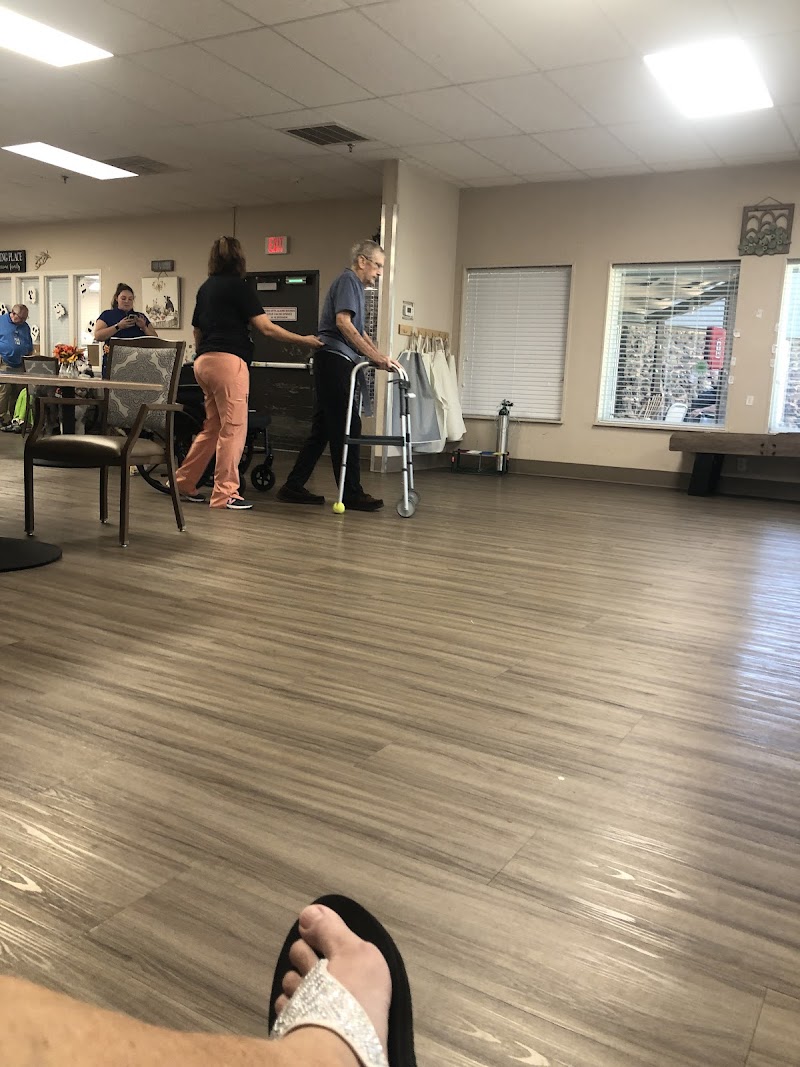
What is Amarillo Medical Lodge's CMS Rating?

CMS assigns AMARILLO MEDICAL LODGE an overall rating of 5 out of 5 stars, which is considered much above average nationally. Within Texas, this rating places the facility higher than 99% of the state's 100 nursing homes. This rating reflects solid performance across the metrics CMS uses to evaluate nursing home quality.
How is Amarillo Medical Lodge Staffed?

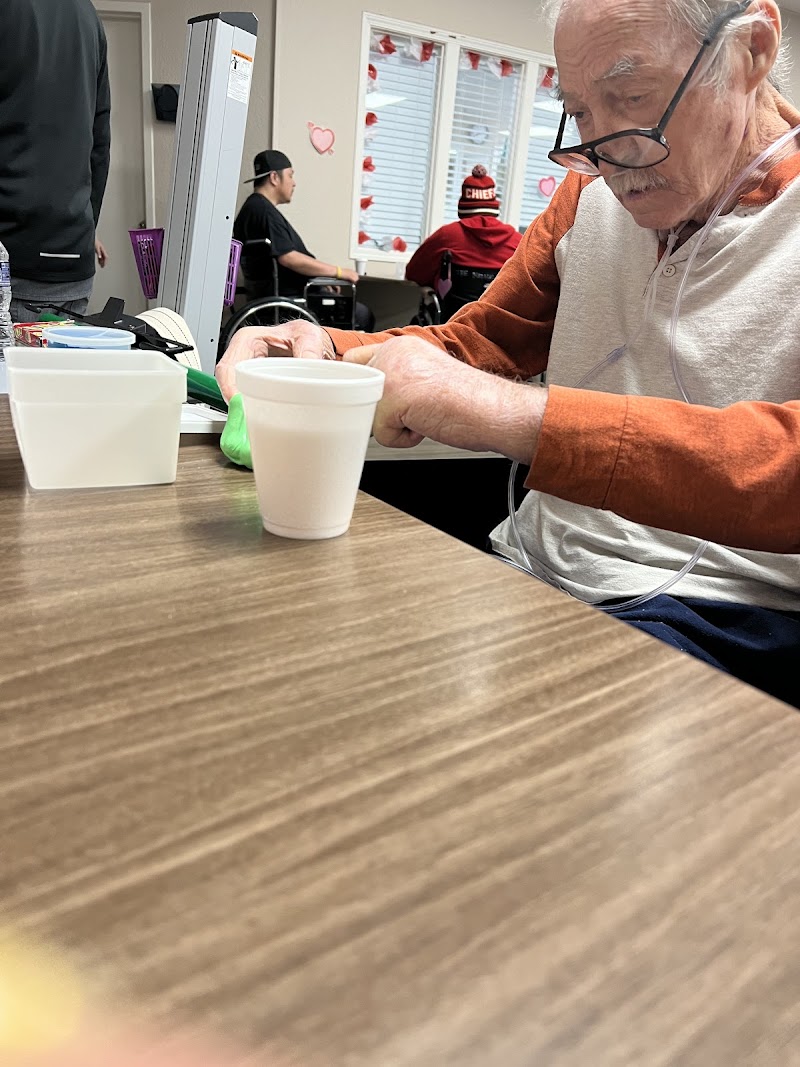
CMS rates AMARILLO MEDICAL LODGE's staffing level at 2 out of 5 stars, which is below average compared to other nursing homes. Staff turnover is 60%, which is 14 percentage points above the Texas average of 46%. High turnover can affect care consistency as new staff learn residents' individual needs. RN turnover specifically is 64%, which is notably high. RNs provide skilled clinical oversight, so turnover in this role can affect medical care quality.

What Have Inspectors Found at Amarillo Medical Lodge?

State health inspectors documented 10 deficiencies at AMARILLO MEDICAL LODGE during 2022 to 2025. These included: 10 with potential for harm.
Who Owns and Operates Amarillo Medical Lodge?

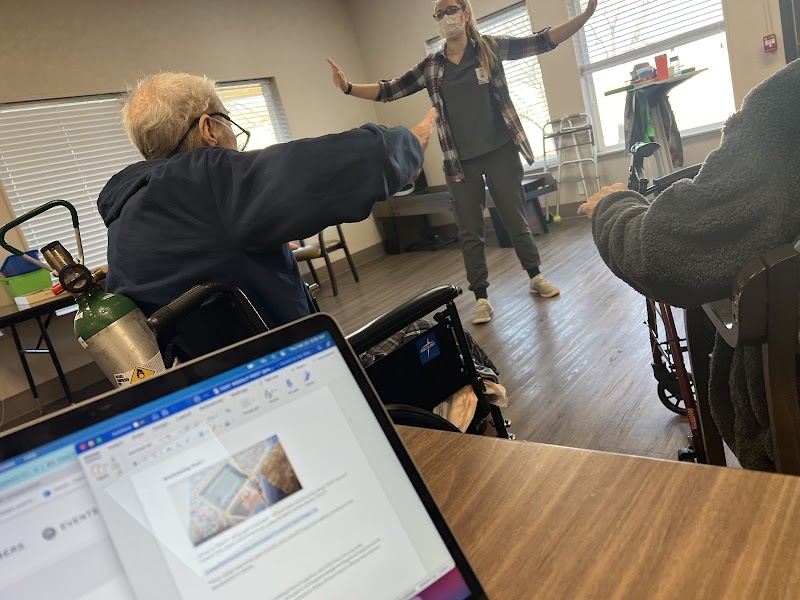
AMARILLO MEDICAL LODGE is owned by a for-profit company. For-profit facilities operate as businesses with obligations to shareholders or private owners. The facility is operated by THE ENSIGN GROUP, a chain that manages multiple nursing homes. With 102 certified beds and approximately 57 residents (about 56% occupancy), it is a mid-sized facility located in AMARILLO, Texas.
How Does Amarillo Medical Lodge Compare to Other Texas Nursing Homes?

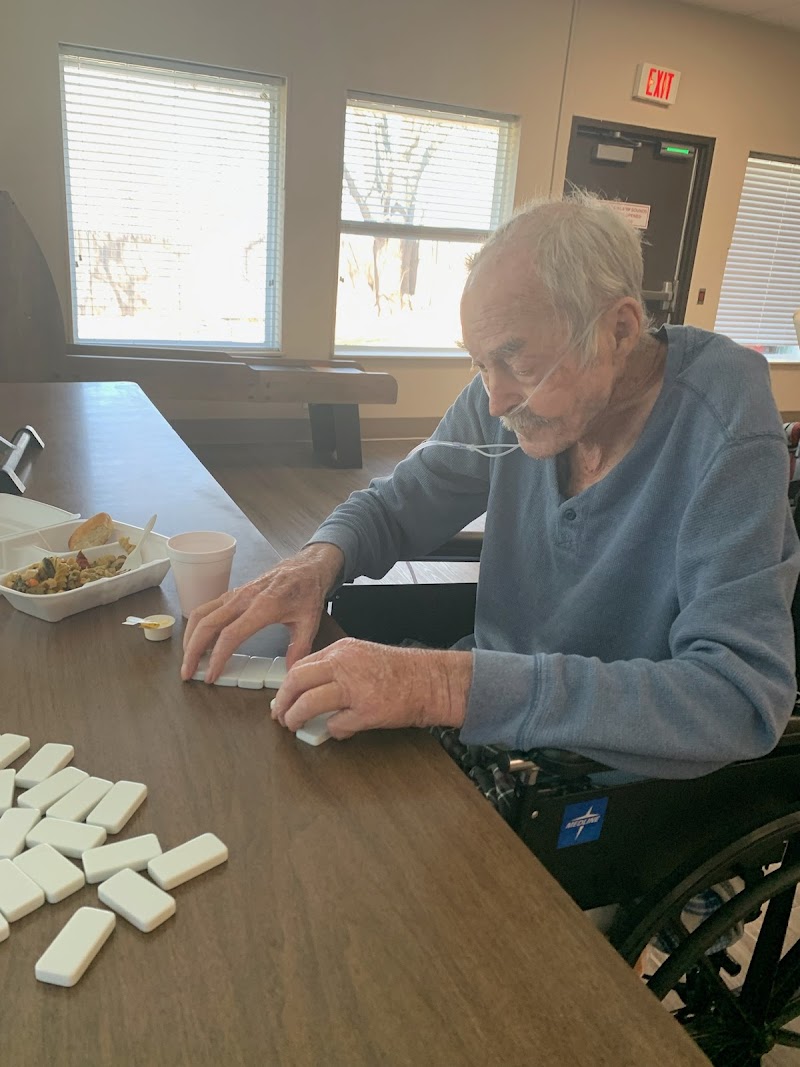
Compared to the 100 nursing homes in Texas, AMARILLO MEDICAL LODGE's overall rating (5 stars) is above the state average of 2.8, staff turnover (60%) is significantly higher than the state average of 46%, and health inspection rating (5 stars) is much above the national benchmark.

What Should Families Ask When Visiting Amarillo Medical Lodge?

Based on this facility's data, families visiting should ask: "How do you ensure continuity of care given staff turnover, and what is your staff retention strategy?" "Can you walk me through typical staffing levels on day, evening, and night shifts?" "Can I visit during a mealtime to observe dining assistance and food quality?" "How do you handle medical emergencies, and what is your hospital transfer rate?" These questions are particularly relevant given the facility's high staff turnover rate and the below-average staffing rating.

Is Amarillo Medical Lodge Safe?

Based on CMS inspection data, AMARILLO MEDICAL LODGE has a clean safety record: no substantiated abuse findings (meaning no confirmed cases of resident harm), no Immediate Jeopardy citations (the most serious violation level indicating risk of serious injury or death), and is not on the Special Focus Facility watch list (a federal program monitoring the lowest-performing 1% of nursing homes). The facility has a 5-star overall rating and ranks #1 of 100 nursing homes in Texas. While no facility is perfect, families should still ask about staff-to-resident ratios and recent inspection results during their visit.

Do Nurses at Amarillo Medical Lodge Stick Around?

Staff turnover at AMARILLO MEDICAL LODGE is high. At 60%, the facility is 14 percentage points above the Texas average of 46%. Registered Nurse turnover is particularly concerning at 64%. RNs handle complex medical decisions and coordinate care — frequent RN changes can directly impact care quality. High turnover means new staff may not know residents' individual needs, medications, or preferences. It can also be disorienting for residents, especially those with dementia who rely on familiar faces. Families should ask: What is causing the turnover? What retention programs are in place? How do you ensure care continuity during staff transitions?

Was Amarillo Medical Lodge Ever Fined?

AMARILLO MEDICAL LODGE has no federal fines on record. CMS issues fines when nursing homes fail to meet care standards or don't correct problems found during inspections. The absence of fines suggests the facility has either maintained compliance or corrected any issues before penalties were assessed. This is a positive indicator, though families should still review recent inspection reports for the full picture.

Is Amarillo Medical Lodge on Any Federal Watch List?

AMARILLO MEDICAL LODGE is not on any federal watch list. The most significant is the Special Focus Facility (SFF) program, which identifies the bottom 1% of nursing homes nationally based on persistent, serious quality problems. Not being on this list means the facility has avoided the pattern of deficiencies that triggers enhanced federal oversight. This is a positive indicator, though families should still review the facility's inspection history directly.