PERMIAN RESIDENTIAL CARE CENTER
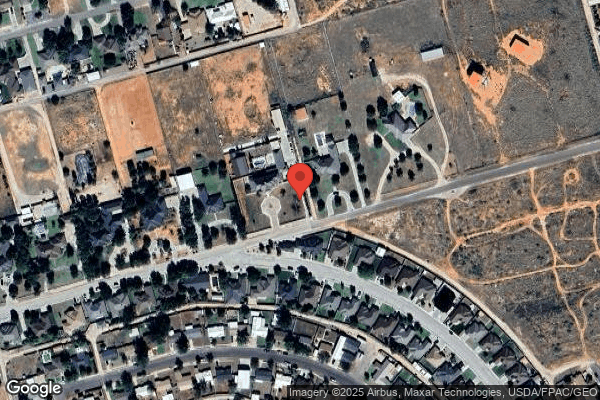
1601 NE MUSTANG, ANDREWS, TX 79714 (432) 464-2430
Government - County 112 Beds Independent Data: November 2025 1 Immediate Jeopardy citation
Trust Grade
76/100
#112 of 1168 in TX
Last Inspection: September 2024

Within standard 12-15 month inspection cycle. Federal law requires annual inspections.

Overview

Permian Residential Care Center in Andrews, Texas, has a Trust Grade of B, which indicates it is a good facility and a solid choice for care. It ranks #112 out of 1,168 nursing homes in Texas, placing it in the top half of all facilities statewide, and it is the only option in Andrews County. However, the facility is experiencing a worsening trend, increasing from 1 issue in 2023 to 3 in 2024, signaling potential concerns. Staffing is a strength with a rating of 4 out of 5 stars and a turnover rate of 34%, better than the state average, meaning staff are likely to be familiar with the residents' needs. On the downside, the facility faced $20,865 in fines, which is average, and recent inspections revealed critical issues including a failure to provide adequate supervision leading to a resident's ankle fracture, as well as concerns over food service safety that could risk contamination.

Trust Score
B
76/100
In Texas
#112/1168
Top 9%
Safety Record
High Risk
Review needed
Inspections
Getting Worse
1 → 3 violations
Staff Stability
○ Average
34% turnover. Near Texas's 48% average. Typical for the industry.
Penalties
○ Average
$20,865 in fines. Higher than 74% of Texas facilities. Some compliance issues.
Skilled Nurses
○ Average
Each resident gets 33 minutes of Registered Nurse (RN) attention daily — about average for Texas. RNs are the most trained staff who monitor for health changes.
Violations
○ Average
6 deficiencies on record. Average for a facility this size. Mostly minor or procedural issues.
★★★★★
5.0
Overall Rating
★★★★☆
4.0
Staff Levels
★★☆☆☆
2.0
Care Quality
★★★★★
5.0
Inspection Score
Stable
2023: 1 issues
2024: 3 issues

The Good

  • 4-Star Staffing Rating · Above-average nurse staffing levels
  • Full Sprinkler Coverage · Fire safety systems throughout facility
  • No fines on record
  • Staff turnover below average (34%)

    14 points below Texas average of 48%

Facility shows strength in staffing levels, fire safety.

The Bad

Staff Turnover: 34%

12pts below Texas avg (46%)

Typical for the industry

Federal Fines: $20,865

Below median ($33,413)

Minor penalties assessed

The Ugly 6 deficiencies on record

1 life-threatening
Sept 2024 2 deficiencies
CONCERN (D)

Potential for Harm - no one hurt, but risky conditions existed

Infection Control (Tag F0880)

Could have caused harm · This affected 1 resident

**NOTE- TERMS IN BRACKETS HAVE BEEN EDITED TO PROTECT CONFIDENTIALITY** Based on observations, interviews, and record review, the facility failed to maintain an infection control program designed to p...

Read full inspector narrative →
**NOTE- TERMS IN BRACKETS HAVE BEEN EDITED TO PROTECT CONFIDENTIALITY** Based on observations, interviews, and record review, the facility failed to maintain an infection control program designed to provide a safe, comfortable, and sanitary environment to help prevent the development and transmission of diseases for 2 of 17 residents (Residents #41 and #44) reviewed for infection control. 1. The facility failed to display transmission-based precaution signs for Resident #44 who was Covid positive on 9/25/24. 2. Housekeeper D failed to utilize personal protective equipment (PPE) when entering Resident #44's room who was Covid positive on 9/25/24. 3. LVN A staff failed to utilize hand hygiene practices during medication administration on 9/25/2024 for Resident #41. These failures could place residents at risk for infection and cross contamination. The finding included: Resident #44 Record review of undated face sheet revealed Resident #44 was an [AGE] year-old female admitted to the facility on [DATE]. Resident #44 had a medical history of extraarticular fracture of lower end of right radius (bone fractures to the long bone of the arm), anemia (low iron in the blood), hypotension (low blood pressure), retention of urine and heart failure. Resident #44 had a diagnosis of Covid-19 (an acute disease in humans caused by a coronaviru) on 9/17/2024. Record review of Resident #44's care plan dated 9/17/2024 revealed, The resident has a Respiratory Infection Covid 19. Interventions for respiratory infection included, Emphasize good hand washing techniques to all direct care staff. Encourage fluid intake. Resident remains on contact and droplet isolation d/t COVID + status per CDC guidelines. Care plan revealed Resident #44 had a foley catheter and was placed on enhanced barrier precautions dated 7/19/2024. Resident #44 care plan reflected an intervention stating, ENHANCED BARRIER PRECAUTIONS: PPE required for high resident contact care activities. Record review of Resident #44's admission MDS dated [DATE], Section C- Cognitive Patterns revealed she had a BIMS score of 14, which indicated Resident #44 was cognitively intact. Record review of Resident #44's physician orders revealed an order dated 9/17/2024, resident in contact/droplet contact isolation r/t COVID + status per CDC guidelines. Physician order dated 7/19/2024 revealed an order for enhanced barrier precautions. Record review of Resident #44's progress notes dated 9/17/2024 revealed, Resident Complains of sore throat, runny nose, malaise. Test was positive for Covid. Precautions initiated. During an observation of Resident #44's bedroom door on 9/25/2024 at 11:04 AM revealed there was an enhanced barrier precaution sign taped to the door. The sign reflected information on what to do prior to entering the room, Everyone must: Clean their hands, including before entering and when leaving the room. Providers and staff must also: wear gloves and a gown for the following high contact resident care activities. Dressing, bathing/showering, transferring, changing linen, providing hygiene, changing briefs, or assisting with toileting device care or use, wound care. A red sign with the word hot was noticed taped to the door below the EBP sign. Gowns, gloves, and N95 mask were available outside of Resident #44's room. No face shields were noted. No contact precautions or droplet precautions signs were noted on the door. During an observation of Resident #44's room on 9/25/2024 at 1:48pm, Housekeeper D was observed exiting Resident #44's room with an N95 mask in place. Housekeeper D, returned into the room with the N95 mask and no other PPE, to grab her cleaning supplies. Resident #41 Record review of undated face sheet revealed Resident #41 was a [AGE] year-old male, admitted to the facility on [DATE]. Resident #41 had a medical history of heart failure, chronic pain, hypertension (high blood pressure), and contractures (hardening or tightening of the muscles or tendons) of the right forearm and right lower leg. Record review of annual MDS dated [DATE] revealed Resident #41 had a BIMS score of 11 which indicated Resident #41 had moderate cognitive impairment. Record review of Resident #41's physician orders revealed an order for Voltaren External Gel 1% to be applied to the right ankle. During an observation on 9/25/2024 at 8:32 AM, LVN A grabbed Resident #41's Voltaren Gel medication and a pair of clean gloves. LVN A entered Resident #41's room, donned the clean gloves, removed residents' protective pad from the right leg, removed his sock, and applied the cream to the right foot. LVN A put Resident #41's sock back on, readjusted his pants leg, and the soft pad. LVN A doffed dirty gloves and exited resident #41's room with trash bag. LVN A walked down the hall to the biohazard room to discard trash bag and returned to the medication cart. LVN A failed to utilize hand hygiene prior to entering the room, before donning gloves, after doffing gloves, when exiting room and after discarding trash in the biohazard room. During an interview with LVN A on 9/25/2024 at 4:48pm, she stated she had been trained on handwashing. She stated the DON and ADON were responsible for handwashing training. LVN A stated the potential negative outcome from failure to properly sanitize hands could be spreading illness and germs. She stated she should have washed her hands after applying the medication. During an interview with Housekeeper D on 9/26/2024 at 9:26 AM, she stated she had been trained on infection control but did not remember when. She stated the DON had showed her how to use the CAPR system (air-purifying respirator) on 9/26/2024 but prior to that she had not been trained to use it. She stated the housekeeping supervisor was responsible for her training on infection control. She stated the housekeeping supervisor would let the housekeeping staff know if there was a resident who was on transmission-based precautions. Housekeeper D stated she had donned the gown, gloves and an N95 mask prior to entering Resident #44's room and before she exited, she removed the gown and gloves but not the N95 mask. She stated she forgot to grab one of her cleaning supplies and reentered the room with only the N95 mask. She stated she did see the red signs on the door that said hot, and it indicates to staff that the resident was covid positive. She stated she did not wear the face shield when she went in, and no one had told her that she needed a face shield. She stated it was not until 9/25/24 that she was told she had to wear the CAPR system. She stated she followed the sign on the door on what all to wear, and if there had been a sign stating to wear a face shield, she would have followed those steps. She stated the potential negative outcomes of not utilizing the proper PPE could be spreading the infection to another resident or another person in the facility. She stated she had not had any training on PPE prior to 9/25/24. She stated she had training upon hire, approximately 3 years ago, but nothing since. She stated the DON had taught her about the CAPR system today (9/26/2024) and was told that would be the only system to use for face shield and then the gown and gloves. She stated she did see the red hot sign and how to dress on the EBP signs. She stated she followed what was posted on the door for PPE usage. During an interview with the Housekeeping Supervisor on 9/26/2024 at 9:26 AM, she stated her staff only go by what they know, and they had not had anyone training them on infection control. She stated they are given a piece of paper that shows them what they must do but they are not trained on how to do it. She stated the papers for example will state to take off the gloves, but they do not know if there was a proper way to take the gloves off. She stated she had spoken to the infection preventionist at the hospital for guidance on 9/26/24. She stated her goal is to have her staff trained correctly. She stated they had not been trained on how to don and doff PPE. She stated there is not one person designated to calling her and notifying her if a resident was on TBP and she will get calls from different people, but it was not always the DON. She stated she did not know what the red signs with the word hot meant. She stated they had been told the signs on the doors would show what they needed to wear or what PPE they needed. She stated the potential negative outcome could be the housekeepers spreading whatever that resident had and spreading it to the facility. The Housekeeping Supervisor stated prior to 9/26/2024, her staff had not been trained on the CAPR system. She stated back in 2019, they had been trained on the CAPR system at the hospital but have not had any training since. During an interview with the DON on 9/26/2024 at 10:21 AM, she stated she is the infection preventionist. She stated she and the ADON do most of the handwashing training and treatment nurses can help as needed. She stated staff are trained to wash their hands after removing their gloves but sometimes they get nervous when they are being observed. She stated staff are expected to wash their hands or use hand sanitizer between residents' medication administration and between residents. She stated the potential negative outcome of not utilizing proper hand hygiene could be infections. The DON stated for residents who are covid positive, staff are trained to use the CAPR system, gowns, and gloves and if the CAPR system is not available the N95 mask and a face shield. She stated the housekeeping staff are trained to use PPE for TBP upon hire and annually for the hospital. She stated she did not train housekeeping staff this last time that there was a covid positive on 9/17/2024 and the potential negative outcome could be spreading the infection. The DON stated the facility had a mock survey conducted, unsure of date, and there had been a suggestion to take the TBP signs off the door because the signs needed to be clear for visitors to talk to the nurse and the signs could be a violation of HIPPA. She stated they could not find any documentation regarding that recommendation. The DON stated when there is a new covid positive resident, all departments are notified such as the kitchen, laundry, and housekeeping. She stated sometimes she will call, or she will have the business administrator make those notification. She stated the potential negative outcomes of not having the proper signage on the door could be people not understanding or spreading infection unintentionally. She stated the hot sign indicates when a resident is covid positive. She stated compliance was monitored by having the nurse managers go up and down the halls frequently and correct anything that is not being done correctly immediately and retrain as needed. She stated training was done with the staff's yearly competency . The DON stated handwashing monitoring and training was done the same, yearly with competencies and as needed. During an interview with the ADM on 9/26/2024 at 10:46 AM, she stated the DON was responsible for handwashing training . She stated staff are trained annually and upon hire and as needed. She stated staff are expected to wash their hands between medication administration and after removing gloves with either soap and water or alcohol-based hand sanitizer. She stated the potential negative outcomes of not utilizing proper hand hygiene could be spreading infection. The ADM stated staff are trained to use gown gloves and the CAPR system for Covid Positive residents. She stated if the CAPR system was not available, they would use the N05 mask and face shield. She stated housekeeping is trained by the staff development coordinator at the hospital and the infection preventionist at the hospital. She stated the potential negative outcome of not utilizing the proper PPE could be spreading infection. The ADM stated they had an organization (TMF iCare), that did a mock survey and they recommended to do zones for Covid. She stated they had been told that isolations signs could be a HIPPA violation. The ADM stated they tried to go back and find something in writing, but they had not been able to find it. She stated this had been within the last year. She stated they would be going back to the visual signs for what PPE to use for those rooms. She stated the potential negative outcomes of not having the proper signage on the door could be spreading infection. The ADM stated audits for PPE and handwashing are done by shift and staff are observed going into and exiting out of those rooms. She stated training on handwashing and PPE was done annually and upon hire. Record review of facility policy titled Handwashing/Hand Hygiene last revised August 2015 revealed: Policy Statement This facility considers hand hygiene the primary means to prevent the spread of infections. .7. Use an alcohol-based hand rub containing at least 62% alcohol; or, alternatively, soap (antimicrobial or non-antimicrobial) and water for the following situations: . b. Before and after direct contact with residents; c. Before preparing or handling medications; . .m. After removing gloves; n. Before and after entering isolation precaution settings. Record review of facility undated policy titled Covid + Resident revealed: .Nurse to ensure signage on door, ISO cart within area. Record review of facility policy titled Resident Isolation - Categories of Transmission-Based Precautions last revised 6/2020 revealed: I. Transmission-based precautions are used whenever measures more stringent than standard. precautions are needed to prevent or control the spread of infection . III. Contact Precautions . G. Notice i. The Facility alerts staff to the type of precaution a resident requires. ii. The Facility also ensures that the resident's care plan indicates the type of precautions implemented for the resident. iii. The Facility may utilize a sign requesting visitors to check in at the nursing station before entering a resident's room . IV. Droplet Precautions i. The Facility alerts staff to the type of precaution a resident requires. ii. The Facility also ensures that the resident's care plan indicates the type of precautions implemented for the resident. iii. The Facility may utilize a sign requesting visitors to check in at the nursing station before entering a resident's room. Record review of facility policy titled Administering Medications last revised December 2012 revealed, 22. Staff shall follow established facility infection control procedures (e.g., handwashing, antiseptic technique, gloves, isolation precautions, etc.) for the administration of medications, as applicable.
CONCERN (E)

Potential for Harm - no one hurt, but risky conditions existed

Food Safety (Tag F0812)

Could have caused harm · This affected multiple residents

Based on observation, interview, and record review, the facility failed to store, prepare, distribute, and serve food in accordance with professional standards for food service safety in 1 of 1 dining...

Read full inspector narrative →
Based on observation, interview, and record review, the facility failed to store, prepare, distribute, and serve food in accordance with professional standards for food service safety in 1 of 1 dining rooms reviewed for dietary services. LVN A failed to properly serve a beverage to Resident #39 during the noon meal service. LVN B failed to properly serve beverages to Resident #3 and Resident #61 during the noon meal service. LVN C failed to properly serve a beverage to Resident #8 during the noon meal service. These failures could place residents at risk for food contamination and foodborne illness. The findings included: Observations were made on 09/25/24 during noon dining services and revealed the following: At 11:50 AM, LVN A picked up a glass of ice water from the serving area and took it to Resident #39 who was seated at the dining table. LVN A did not wear gloves or use hand sanitizer prior to serving the glass of water. LVN A's hand placement was over the top of the glass and her fingers touched the top of the glass where the resident would drink from. Resident #39 drank from the glass after it was placed in front of her. At 11:53 AM, LVN B picked up a glass of ice water from the serving area and took it to Resident #3 who was seated at the dining table. LVN B's hand placement was over the top of the glass and her fingers touched the top of the glass where the resident would drink from. Resident #3 drank from the glass after it was placed in front of her. At 12:15 PM, LVN B picked up a glass of ice water and took it to Resident #61 who was seated at the dining table. While serving Resident #61, LVN B did not wear gloves or use hand sanitizer prior to serving beverages. LVN B's hand placement was over the top of the glass and her fingers touched the top of the glass where the resident would drink from. Resident #61 drank from the glass after it was placed in front of him. At 12:09 PM, LVN C picked up a glass of ice water from the serving area and took it to Resident #8 who was seated at the dining table. LVN C did not wear gloves or use hand sanitizer prior to serving beverages. LVN C's hand placement was over the top of the glass and her fingers touched the top of the glass where the resident would drink from. Resident #8 drank from the glass after it was placed in front of him. In an interview on 09/25/24 at 4:21 PM with LVN C, she stated she was usually in the dining room during mealtime and helped pass beverages and trays. She stated she did handle Resident #8's glass improperly and that the glass should only be carried from the side. She stated she had not been trained specifically on food service, but she had been trained on cross-contamination by nursing administration. She stated a potential negative outcome of failure to properly serve food and beverages was the transfer of germs. In an interview on 09/25/24 at 4:27 PM with LVN B, she stated she was usually in the dining room during mealtime and helped pass beverages and trays. She stated she did handle Resident #3 and Resident #61's glasses improperly and that the glass should only be carried from the side. She stated she had been trained on proper passing of food and drinks during mealtimes. She stated she was trained approximately quarterly by nursing administration on avoiding cross-contamination. She stated a potential negative outcome of failure to properly serve food and beverages was the transferring of germs to residents. In an interview on 09/25/24 at 4:48 PM with LVN A, she stated she was usually in the dining room during mealtime and helped pass beverages and trays. She stated she did handle Resident #39's glass improperly and that the glass should only be carried from the bottom. She stated she had been trained on proper handling of drinking glasses through infection control training conducted quarterly by nursing administration. She stated a potential negative outcome of failure to properly serve food and beverages was infection, cross-contamination and getting someone sick. In an interview on 09/26/24 at 10:22 AM with the ADM, she stated the facility policy for serving foods and beverages was to follow proper infection control practices. She stated placing a bare hand over the glass while serving a beverage was incorrect hand placement and it should be carried from the side of the glass. The ADM stated staff had been trained on proper infection control practices during dining times through annual in servicing and proficiency checks. She stated anything that a staff member touched should not come in contact with the resident's mouth and hand sanitizing should be observed between residents. She stated a potential negative outcome of failure to properly serve food and beverages was the spread of infection. In an interview on 09/26/24 at 10:45 AM with the DON, she stated the proper delivery of beverages to a resident was to carry the glass from the side, not over the top. She stated staff had been trained on proper infection control practices to utilize during dining times through hand hygiene training and infection control competency checks. She stated nursing administration was responsible to conduct staff training annually and as needed. The DON stated her expectation of staff for proper food and beverage service during mealtimes was to observe hand hygiene and infection control practices. She stated a potential negative outcome of failure to properly serve food and beverages was the spread of infection. Record review of facility-provided policy titled, Dining Services Standards, revised 12/2020 revealed: Purpose Residents are provided a positive meal experience. Policy The facility staff will ensure the residents are provided with a positive meal experience Procedure 3. All staff involved with meal service is trained on the general server competencies, including safe food handling practices 4. Proper handwashing and glove usage are utilized when serving food to patients/residents. No bare hand contact is made with ready to eat food. 5. Dining service standards apply to all areas where patients/residents are served meals and are divided into dining room service and in-room service.
Mar 2024 1 deficiency 1 IJ
CRITICAL (J) 📢 Someone Reported This

A family member, employee, or ombudsman was alarmed enough to file a formal complaint

Immediate Jeopardy (IJ) - the most serious Medicare violation

Accident Prevention (Tag F0689)

Someone could have died · This affected 1 resident

**NOTE- TERMS IN BRACKETS HAVE BEEN EDITED TO PROTECT CONFIDENTIALITY** Based on observation, interview, record review, the facility failed to ensure each resident received adequate supervision and as...

Read full inspector narrative →
**NOTE- TERMS IN BRACKETS HAVE BEEN EDITED TO PROTECT CONFIDENTIALITY** Based on observation, interview, record review, the facility failed to ensure each resident received adequate supervision and assistive devices to prevent accidents for 1 of 5 resident (Resident #1) reviewed for accidents. The facility failed to use the appropriate transfer for Resident #1 which resulted in a positive fracture to the lower left extremity (ankle). The noncompliance was identified as past non compliance. The Immediate Jeopardy began on 02/21/24 and ended on 02/27/24. This failure could place residents at risk for harm and further injuries. The findings included: Review of Resident #1's face sheet (dated 03/01/24) indicated Resident #1 was an [AGE] year-old female admitted to the facility on [DATE]. Resident #1 had a diagnoses of hemiplegia (paralysis of one side of the body), osteoarthritis (degenerative joint disease) and a history of falling. Review of Resident #1's comprehensive MDS dated [DATE] revealed Resident #1 had a BIMS score of 10 which indicated Resident #1 cognition was moderately impaired. The MDS Assessment for Resident #1 revealed in section I8000 that the Resident #1 had an active diagnoses of history of falling. Section J1700 revealed that Resident #1 had not had a fall within the past 6 months before admission. Section V 0200 revealed that Resident #1 did trigger for the CAA: Falls and ADL functional/Rehabilitation. Section GG revealed that upon admission that the resident did none of the effort to completed the following ADL: chair/bed transfer, tub/shower transfer and car transfer. Review of Resident #1's care plan, dated 03/01/24, revealed the following: Date initiated: 01/03/24 Date revised: 03/01/24 Focus: The resident has an ADL self-care performance deficit r/t stroke left side hemiplegia. Goal: The resident will improve current level of function in ADLs through the review date. The resident will maintain current level of function through the review date. Interventions: The resident requires total liftx2 staff assistance for transfers non-weight bearing status related to left ankle fracture Date initiated: 02/27/24 Date revised: 02/29/24 Focus: The resident had an actual fall with serious injury. Resident had poor balance, unsteady gait, and left side deficits due to history of stroke. Goal: The resident fracture to lower leg will continue to heal without complication. Intervention: CAM boot to be removed each shift for skin check, then replaced. Evaluate for pain as needed. Resident to wear CAM boot at all time for fracture healing. Date initiated: 03/01/24 Date revised: 03/01/24 Focus: The resident is high risk for falls related to hemiplegia (paralysis of one side) Goal: The resident will not sustain serious injury through the review date. Interventions: Anticipate the resident's needs. Be sure the call light is within reach and encourage the resident to use it. Provide floor mats when in bed. PT evaluate and treat as ordered or PRN. Review of Resident #1's progress notes, from 02/21/24-02/27/24 revealed the following: On O2/21/24 at 1:50 PM Called to room by CNA, resident laying on floor on back with legs stretched out, mat behind her head. CNA states 'had to lower resident to floor due to she started sliding down during transfer from W/C to bed'. Assessed resident, no apparent injuries observed, resident denies any pain or discomfort, able to move extremities as prior and is able to function as did prior to being lowered to floor. CNA states 'the resident did not hit her head'. Notified residents Family Member at 3:17 PM, ADM and DON notified. Provider present at this time and was aware Author: RN A On O2/21/24 at 3:17 PM Received results of labs and provider reviewed. New order for Amoxicillin X 5 days for laryngitis. Notified residents family member of new orders and of resident being lowered to floor during transfer from wheelchair to bed, stated 'okay, thank you'. Will continue to monitor. Author: RN A On O2/22/24 at 2:31 PM IDT reviewed fall interventions. Continue current plan of care. Author: ADM On O2/23/24 at 9:39 AM Resident with complained of pain at a rate of 9 to the lower left extremity (LLE) this morning, upon assessment edema noted from left foot up to the left hip. Orders received for x-ray of the LLE and Venous Doppler, nurse to notify provider upon receive of results. Resident did not eat breakfast this morning and was assisted back to bed. Author: LVN G On O2/23/24 at 5:30 PM Venous Doppler results received, new order noted for Lovenox 40mg SQ BID x 7days, to start Eliquis 5mg 1 PO BID, Family Member in facility, verbalized understanding for new orders. Author: LVN G On O2/23/24 (Time not indicated) Resident continues on active charting due to assisted fall to the floor with no injuries. Also on active charting due to new order for Amoxicillin for DX: Laryngitis. Resident was resting in bed with eyes closed. Respirations are even and non labored. No signs and symptoms of distress noted. Call light and fluids are within reach. Bed is in lowest locked position for residents safety. Staff will continue to monitor for changes or needs this shift. Plan of care ongoing. Author: LVN F On O2/25/24 at 3:03 AM Give 1 tablet by mouth every 6 hours as needed for Pain - Moderate. Author: LVN E On O2/26/24 at 9:52 AM IDT reviewed Resident #1's fall. Resident #1 was lowered to the ground while being transferred by CNA. Transfer status reviewed, will continue plan of care to transfer x2 staff Author: ADM On O2/26/24 at 6:50 PM New order for X-Ray to left ankle d/t tenderness and redness to area. Family notified. Results pending. Author: LVN D On O2/26/24 at 7:56 PM FNP in facility visiting and assessing the resident. The resident continued to have edema to left lower leg with increased tenderness to left ankle area. X-ray ordered and provider reviewed images, it appears for resident to have a fracture to left ankle. New order for resident to be NPO after midnight. Physician C contacted family. Author: RN B O2/27/24 at 12:49 PM Resident went to the Podiatrist by staff via gerichair for fracture. Returned with the orders to keep CAM Boot to Left Lower Extremity, Re-xray in 3 weeks. There was no apparent distress at this time. Staff will continue to monitor. Author: RN A Record review of the provider investigator report (3613) dated 03/01/24 revealed the following: Allegation: CNA A was assisting Resident #1 in transfer and had to lower her to the floor when Resident #1 started to slide down during the transfer. Provider Response: Swelling and tenderness started 2/23, resident positive for DVT. Symptoms continued, x-ray showed positive fracture 2/26. CNA transferring at time of fall was suspended. Parties notified: family, physician, DON, administrator Investigation Findings: Confirmed Provider Action Taken Post-Investigation: Re-education, mentor assignment, minimal 3 week transfer observations, 100% audit of transfer status Investigative Summary: 2/21/24 - NA H was assisting Resident #1 in transfer and had to lower her to the floor when NA H started to slide down during the transfer. RN A assessed and found resident was able to move extremities as prior level of function and resident denied pain or discomfort. Notification was made to DON, Administrator and provider and family. RN A gave immediate re-education to NA H on transfer status as Resident #1 should have been transferred with the assistance of 2 people. Formal re-education was given by RN Q and LVN R to aides working with Resident #1. 2/23/24 - Resident #1 complained of pain (9) to the left lower extremity, upon assessment edema noted from left foot up to the left hip. Orders received from, X-Ray of the left lower extremity and Venous Doppler. Venous Doppler results received positive for DVT, new order noted for Lovenox 40mg SQ BID x 7days, to start Eliquis 5mg 1 PO BID, D/C ASA per provider, Son notified. Provider stated X-ray to left lower leg cancelled due to positive DVT. [family member]in facility and verbalized understanding of new orders. Resident #1 is to remain on bedrest and use lift for transfers. 2/26/24 - Provider ordered x-ray to left ankle due to tenderness and redness to the area. XRay result was positive for ankle fracture. Order received for NPO after midnight and arrangements made to see podiatrist in the morning. Upon discovery of fracture, aide was suspended pending investigation. 2/27/24 - Podiatrist diagnosed a bimalleolar fracture to the left ankle. Resident has been bound with CAM boot in place to left lower extremity. Podiatrist and Provider indicated the resident was not a candidate for surgery, [family member] agrees. Resident has been medicated for pain with Tramadol and Tylenol prn. 1:1 counseling was completed by DON before NA H provided patient care. ADM and DON reviewed the incident. On 1/24/2024 all staff including aide involved were educated on fall prevention, care plan and [NAME] use. 2/27/24 a complete audit of transfer status was completed by DON. A in-service started re-educating all CNAs on [NAME] transfer status and compliance. Transfer competencies completed by nurse managers on all CNAs. In order to achieve/maintain compliance, nurse managers will observe 3 transfers per day Monday through Friday for 3 weeks and floor nurses will complete 3 transfer observations twice daily for 3 weeks or until substantial compliance is achieved. Upon discovery of fracture, aide was suspended pending investigation. 1:1 counseling was completed by DON before NA H provided patient care. The administrator and DON acknowledge the transfer status was not followed appropriately. NA H acknowledges she made a mistake and failure to read the [NAME] caused the fall. While injury did occur, it was not intentional rather a mistake was made and therefore, abuse is unsubstantiated. A review of NA H performance, attitude and aptitude have been considered by the management team. NA H has demonstrated compassion, care, and willingness to learn. She will be paired with a mentor for 4 weeks with a weekly nurse manager review. NA H was advised that any further failure to follow a resident's [NAME] will result in termination. An interview on 03/07/24 at 3:55 PM with Resident #1 revealed that she did not know how she fractured her ankle. She said that she was not in any pain at the time of the interview. She said the staff at the facility were nice to her, and she had no concerns. She said staff usually clip her call light or lay it near her. She said the only downside was now having to wear a brief and be changed because she could go to the restroom on her own before. She said she had COVID and wanted to rest. Observation on 03/07/24 at 3:55 PM, Resident #1 was observed lying in bed. Her bed was in the lowest position, and a floor mat was on the side of the bed. She had a CAM boot on her left ankle. An interview with NA H on 03/13/24 at 10:30 AM revealed that she no longer worked at the facility. She said that due to the incident, she was no longer confident in her ability to transfer residents safely. She said this was a decision that she made on her own. She said that she was bringing Resident #1 back from labs. She said she got her as close to the bed and locked her wheelchair. She said it slipped her mind that she was weak on her left side, and that was the side that she transferred on. She said she used the gait belt. She said she thought she was a one-person transfer at the time. She said that when Resident #1 first arrived, she was a two-person with the Hoyer, then went to a two-person without the Hoyer. She said she thought she was a one-person transfer with the gait belt. She said that after she saw that Resident #1 was sliding down, she eased her to the floor and placed the floor mat behind her to make her comfortable. She said she looked out of the room and asked her coworkers for help. She said they told her to get a nurse. She said she did, and after Resident #1 was assessed, they were permitted to transfer her to the bed. She said that she was immediately counseled that she was a two-person transfer. She said that during the nurse assessment and transfer into the bed, the resident did not indicate that she was in pain at the time of the incident. She said she was counseled and retrained at least twice and had to demonstrate that she knew where to find resident transfers and that she could safely transfer using the gate belt, a second person, and the Hoyer lift. An interview on 03/07/24 at 2:36 PM with CNA J revealed she had worked with Resident #1 but does not have any firsthand information about the incident that occurred with NA H. She said she was working with another patient when NA H asked her for assistance. She said she walked into the room and observed Resident #1 on the floor. She said she advised NA H to get the nurse. NA H explained that she had to sit Resident #1 down. She said the nurse conducted her assessment and then had them transfer Resident #1 to the bed. She said Resident #1 did not appear to be in any pain when she arrived in the room. She said Resident #1 looked at her and smiled when she walked into the room. She said that Resident #1 did not appear to be in pain during the transfer. She said NA H did not express why she transferred Resident #1 alone. She said she had never transferred Resident #1 alone because she required two people. She said she had been trained and had to demonstrate her knowledge and use of the gait belt and where to find the transfer in the computer and the Hoyer lift. An interview with the ADM on 03/07/24 at 12:37 PM revealed that she investigated the incident involving Resident #1 and NA H. She said she found that on 02/21/24, NA H was assisting Resident #1 in a transfer when she had to assist her down to the floor. She stated that a nurse assessed Resident #1. She stated that Resident #1 did not exhibit any signs of pain at the time of the incident. She stated the family, and the physician were notified of the incident. She stated that NA H was counseled immediately due to the incident because there should have been two staff to complete the transfer for Resident #1. She stated that two additional superior nursing staff later counseled NA H about transfer status. She stated the staff continued to monitor Resident #1. She stated on 02/23/24, Resident #1 was complaining of pain at a 9. She stated that the staff noticed that she had edema from her left foot up to her left hip. She stated that this information was reported to the provider, and an X-ray and Doppler were ordered. She stated because of the findings of a DVT then, they held off on the X-ray because I believed the issue had been found. She stated that Resident #1 had been notified of the finding. She said Resident #1 was to remain on bed rest, and the transfer had been upgraded to using the Hoyer lift. She said 02/26/24 an X-ray was conducted, and an X-ray was found. She stated the provider was notified and ordered that she be NPO on this date to see the podiatrist the next day (02/27/24). She said the podiatrist confirmed the fracture on 02/27/24. The podiatrist stated that Resident #1 was not a candidate for surgery. She said once the fracture was confirmed NA H was suspended. She said the DON provided one-on-one training before they allowed NA H to return. NA H was brought back to the facility on [DATE]. As a result of the incident, she said that education was provided to 100 percent of all certified nurse aides. She stated that 6 transfers are monitored per shift moving forward. She said that during the training of all NAs, they had to demonstrate back their ability to do a proper transfer. She stated that the wrong transfer was used, but they unsubstantiated their investigation for abuse because it was unintentional. She said NA H was an aide who had shown much promise and had no issues before the incident with Resident #1 or other residents. She said that in addition to the training provided, they partnered NA H with a mentor. NA H ultimately decided she no longer wanted to be an aide and resigned. She said when she asked NA H why she chose to transfer Resident #1 on her own, she was told by NA H that she had seen other staff transfer that way. The ADM said Resident #1 was a fall risk before the incident. The ADM indicated that NA H had completed the certified nurse aide course and was waiting to take her test and was able to provide services to the residents in the facility. An interview with the DON on 03/07/24 at 12:38 PM agreed with what the ADM said happened between NA H and Resident #1. She said that due to the incident, nurses are rounding more frequently and observing transfers throughout the day. She said the nurses had to sign off and verify that the CNAs were using the proper lift. She said before the incident, she required two people to assist her in transferring, but now she still needed two people, and the staff should be using the Hoyer lift. She said when the Doppler picked up the DVT (blood clot), they thought they had found the problem. When they observed the redness and swelling, they got an X-ray. She said at the time of the incident, the X-ray and Doppler were not done because the resident did not show any signs of pain, and there was no swelling. An interview with RN A on 03/15/24 at 12:18 PM revealed that she was the nurse on duty on the day when Resident #1 fell. She said she was unsure of the exact date because she was PRN. She said she did know that it was in February of 2024. She said she got called to Resident #1's room by staff. She said she did not know the name of the staff. She said Resident #1 was propped up on the closet door when she arrived with a cushion behind her. She said she assessed the resident and found nothing indicating that Resident #1 was in pain or had injuries. She said the assessment included taking her vital signs, asking her if she was in pain, and if she could move her upper and lower extremities. She said Resident #1 was not in pain and that she and another staff member had transferred her to bed. She said she rechecked her for bruises and swelling and saw nothing. She said she notified the ADM, DON, provider, and family of the incident. She said she spoke with the staff member who initially transferred her and asked what happened. She said the staff told her she was attempting to transfer her, but Resident #1 started going down. She said that when Resident #1 started falling, she eased Resident #1 to the floor. RN A said she was told that Resident #1 did not hit her head. She said that she asked if the staff knew where to go to find the residents' transfers and that the staff told her no. She said that she reported this information to management. She said that she (RN A) did not specifically know what Resident #1's transfer was but that based on her weak left side and history of a stroke, she would have assumed that she required two staff. She said she was familiar with the facility's paper version to indicate transfers, but the electronic version was new. She said that in-servicing on transfers started the day she worked when Resident #1 fell. She said that she was unaware that Resident #1 had a fracture until the day Resident #1 went to the podiatrist because that was the next time she worked. Record review of the facility in-service, ANE, Fall Prevention, Care Plan and [NAME] interventions, dated 01/24/24 17 staff had been in serviced. Record review of the facility in-service, dignity, transfers/gait belts/ lift, dated 01/26/24 57 staff had been in serviced. This inservice did include NA H. Record review of NA H Nurse Aide Performance Record, dated 12/13/23-1/05/23 revealed that she had satisfactory performance for all procedural guidelines to include basic restoration services (assisting resident to transfer to chair or wheelchair) Record review of one-to one in-service for NA H, dated 02/21/24, revealed the following: Reviewed resident transfer status and [NAME] location/utilization. Staff educated were able to state they do know location of [NAME] information and where to find transfer status. Return demonstration of finding [NAME] provided by staff. Education provided to refer to [NAME] prior to transferring to ensure proper transfer status is used. (signed by NA H). Record review of Employee Counseling Report dated 02/27/24 revealed NA H was suspended until reeducation with transfers and where to find transfers status and that this decision was a result to the incident that occurred on 02/21/24 when she assisted Resident #1 to the floor. It stated the expectation was for NA H to use the [NAME] to ensure proper transfer status is being used and she should follow the plan of care. It explained the next action would be termination. Record review of transfer audit dated 3/02/24-03/07/24 revealed a total of 96 audits had been observed, verified by a licensed nurse and completed appropriately. An interview on 03/07/24 at 4:28 PM with the ADM revealed there was no specific policy for incident and accident prevention but that they used the fall prevention policy. Review of the facility policy and procedure, Fall Evaluation and Prevention, dated 08/2020, reflected: Purpose To ensure that the resident's environment remains as free of accident hazards as is possible, and that each resident receives adequate supervision and assistance to prevent accidents. Policy The facility will evaluate residents for their fall risk and develop interventions for prevention. Upon Admission, the nursing staff/interdisciplinary care team should determine if a resident is at risk for falls and develop appropriate interventions based on the evaluation. The goal is to prevent falls if possible and avoid any injury related to falls. The staff should not utilize a restraint to prevent falls unless they receive written documentation to support the use of the restraint. The care plan should only specify a few interventions at a time so that the staff can determine what intervention is not successful and needs to be changed. INTERVENTION SUGGESTIONS FOR FALL PREVENTION Encourage resident to request assistance with transfers and ambulation. Position bed so that the exit is toward the resident strong side.
Jul 2023 1 deficiency
CONCERN (D)

Potential for Harm - no one hurt, but risky conditions existed

Comprehensive Care Plan (Tag F0656)

Could have caused harm · This affected 1 resident

**NOTE- TERMS IN BRACKETS HAVE BEEN EDITED TO PROTECT CONFIDENTIALITY** Based on record review and interview, the facility failed to develop a comprehensive care plan to meet the highest practicable p...

Read full inspector narrative →
**NOTE- TERMS IN BRACKETS HAVE BEEN EDITED TO PROTECT CONFIDENTIALITY** Based on record review and interview, the facility failed to develop a comprehensive care plan to meet the highest practicable physical, mental, psychosocial well-being for 1 of 18 residents (Resident #43) reviewed for care plans as follows: Resident #43 did not have a care plan for urinary incontinence, risk for fall and risk for pressure ulcers. These failures could place residents at risk of not receiving the care required to meet their Individualized needs. Findings include: Resident #43 Record review of Resident #43's face sheet, dated 07/25/23, revealed an [AGE] year-old-male was admitted to the facility on [DATE] and readmitted on [DATE] with diagnoses to include Alzheimer's disease (cognitive loss), anxiety, major depression, hypertension (high blood pressure), muscle weakness, generalized arthritis (joint pain) and pain in left hip. Record review of Resident #43's Comprehensive Minimum Data Set, dated [DATE], revealed Resident #43 had a BIMS score of 15 which indicated Resident #43's cognition was not impaired. The Care Area Assessment (problem areas) revealed urinary incontinence, falls and pressure ulcer was a care area that will be addressed in the care plan and was marked on the care area assessment to be care planned. Resident #43's functional status revealed he required one-person limited assistance with bed mobility, transfers, dressing, toilet use and personal hygiene. If further revealed Resident #43 was not steady during transfers and required staff assistance. Resident #43 also required a wheelchair for mobility and had limited range of motion on both sides of lower extremities. Section H - Bladder and Bowel revealed Resident #43 was always continent of bowel and bladder. Section J - Health Conditions revealed Resident #43 had no history of falls in the last 6 months. Section M - Skin Conditions revealed resident was not at risk of developing pressure ulcers, but had moisture associated skin damage. It further revealed skin treatment was pressure reducing device for bed, turning/repositioning program, and applications of ointments or medications. Record review of Resident #43's care plan, dated 06/21/23, revealed no care plan for urinary incontinence, fall risk or pressure ulcer risk. During an interview on 07/27/23 at 10:15 AM with Resident #43, he stated he is occasionally incontinent of urine. He stated he required staff to assist him to the toilet at time and in/out of bed. He stated he does not move much when he is in bed and liked to lay on his back most of the time. He stated it had been a while since his last fall but that he is unsteady at times. During an interview on 07/27/23 at 10:30 AM with the MDS Coordinator, she stated everyone had a section to complete on the care plan. She stated she was responsible for section V and care planning. She stated she pulled section V sheet and made sure all triggered care areas were care planned. She stated she made a mistake and the missing care areas for Resident #43 were not care planned. She stated section V was used to form the care plan along with assessments and resident interviews. She stated there was no reason a triggered care area would not be care planned. She stated the care plan was used to inform staff on how to care for residents and meet their needs the best they can. She stated nursing and CNA's used the care plan. She stated the potential negative outcome could be proper care would be missed. She stated she does not know why the triggered care areas were missed, maybe just an oversight. She stated there were no systems in place to ensure triggered care areas were not missed. She stated her expectations were all triggered care areas were care planned. She stated she had training on how to do care plans. During an interview on 07/27/23 at 10:45 AM with the DON, she stated the IDT was responsible for the care plan. She stated her main role in the care plan process was falls, nutrition, weights, dehydration, and feeding tubes. She stated all tasks were divided up between the team. She stated Sec V and assessments were used to form the care plan. She stated there should not be any reason a triggered care area was not care planned. She stated the care plan was used to take care of resident's needs and so everyone was on the same page for the best care for the resident. She stated everyone used the care plans. She stated the CNA's use the care plan related to activities of daily living. She stated the potential negative outcome could be resident would not get their needs met. She stated the triggered care areas that were missed was an oversight and human error. She stated the IDT all have sections to complete. She stated her expectations were all triggered care areas, medications, and anything the staff needed to know for that resident to be care planned. She stated she had training on care plans. During an interview on 07/23/23 at 11:00 AM with the ADM, she stated the MDS Coordinator was specifically responsible for care planning triggered care areas on section V. She stated Section V was used to form the CP. She stated there might be some triggered care areas that were not care planned depending on the resident. She stated the care plan was used to deliver care and a comprehensive view of the resident, on how to care for the resident. She stated nurses and CNA's used care plan . She stated missed care areas that were not care planned could cause the resident to not receive care that was needed. She stated missed triggered care areas was due to human error. She stated the care plan should include relevant variances outside residents' baseline. During an interview on 07/27/2023 at 11:11 AM with RN B, she stated she was familiar with Resident #43 and stated that he was a mild fall risk. She stated she was not sure if he was at risk for pressure ulcer development or UTI development. She stated he was able to urinate on his own using the toilet and he does spend a lot of time in bed. She stated they do not necessarily pull up the care plan and go through it when planning care for a resident. She stated the risk of not having care plan focus areas and appropriate interventions for areas like risk for UTI, fall risk, or risk for PU development, was that staff may be unaware of care areas or appropriate preventative interventions. During an interview on 07/27/23 at 11:15 AM with RN A, she stated IDT was responsible for care plans. She stated her specific role was infection control. She stated the process in forming a care plan was section V, diagnosis and building care plan to be individualized. She stated there was no reason why a triggered care area should not be care planned. She stated the care plan was used for individual treatment. She stated everyone used the care plan. She stated missing care areas that were not care planned could cause the resident to be treated wrong and cause injury/ harm . She stated the triggered care areas were missed because she did not verify, they were done before signing the MDS complete. She stated they have a system in place. She stated the system will alert if triggered areas were not care planned and each IDT member was responsible for specific care areas. She stated her expectations of what should be care planned was anything that keeps the resident safe, abilities/disabilities, medications, infection and mental/physical health. She stated she has had training on care plans. During an interview on 07/27/23 at 11:22 AM with CNA A, she stated, she had worked at facility for about a year. She stated she does not use care plans for her day to day care but said care plans were in place for the wellness of the residents. She stated she would expect risk for pressure ulcer development, risk for falls, and risk for UTI to all be care planned. She stated if focus care areas like these were not included in a care plan the risk was that the resident may develop the condition if interventions are not known of by staff. She stated Resident #43 required staff assistance to transfer to wheelchair or the toilet. She stated he had incontinence episodes in his brief. Record review of the provided facility's policy titled Care Planning, revised June 2020, revealed: Purpose - to ensure that a comprehensive person-centered Care Plan is developed for each resident based on their individual assessed needs. Policy: I. The Facility's Interdisciplinary Team (IDT) will develop a Baseline and/or Comprehensive Care Plan for each resident in accordance with MDS guidelines. II. The Care Plan serves as a course of action where the resident (resident's family and/or guardian or other legally authorized representative), resident's Attending Physician, and IDT work to help the resident move toward resident-specific goals that address the resident's medical, nursing, mental and psychosocial needs. III. A Licensed Nurse will initiate the Care Plan, and the plan will be finalized in accordance with MDS guidelines and updated as indicated for change in condition, onset of new problems, resolution of current problems, and as deemed appropriate by clinical assessment and judgment on an as needed bases. Procedure: . IX. Each resident's Comprehensive Care Plan will describe the following: A. Services that are to be furnished to attain or maintain the resident's highest practicable physical, mental and psychosocial well-being; B. Any services that would be required, but are not provided due to the resident's exercise of rights, which includes the right to refuse treatment; .
Jun 2022 2 deficiencies
CONCERN (D)

Potential for Harm - no one hurt, but risky conditions existed

Comprehensive Care Plan (Tag F0656)

Could have caused harm · This affected 1 resident

**NOTE- TERMS IN BRACKETS HAVE BEEN EDITED TO PROTECT CONFIDENTIALITY** Based on observation, record review, and interview, the facility failed to develop a comprehensive care plan to meet the highest...

Read full inspector narrative →
**NOTE- TERMS IN BRACKETS HAVE BEEN EDITED TO PROTECT CONFIDENTIALITY** Based on observation, record review, and interview, the facility failed to develop a comprehensive care plan to meet the highest practicable physical, mental, and psychosocial needs for 2 of 20 residents (Residents #25 and 103) reviewed for care plans as follows: Resident #25 did not have a care plan for behavior. Resident #103 did not have a care plan for cognitive loss and communication. These failures could place residents at risk of not receiving the care required to meet their physical, mental, and psychosocial needs for each to attain or maintain their highest practicable physical, mental, and psychosocial outcome. Findings included: Resident #25 Record Review of Resident 25's face sheet dated 06/14/2022 documented an [AGE] year-old male admitted on [DATE] with the following diagnoses: dementia with Lewy Bodies. Record Review of Resident #25's comprehensive annual MDS (Minimum Data Set) dated 12/27/2021 documented the following: Section C - Cognitive Patterns - C0500. BIMS (Brief Interview for Mental Status) Summary Score = 04 severely cognitively impaired (Alert and Oriented x time, place, person). Section E Behavior- E0900. Wandering- Presence & Frequency 1. Behavior of this type occurred 1 to 3 days Section V - Care Area Assessment Summary (9) behavior Record Review of Resident #25's Care Plan dated 12/27/2021 did not reveal a care plan for behaviors. During an interview with the MDS Coordinator on 06/07/2022 at 3:30 PM, She stated after reviewing the care plan for Resident #25 that, she did not see a care plan for behavior. She said initially that she did not know why the care plan was not done and that she attributes this missing care plan to the facility not having a social worker. She stated that she was focused on her responsibilities with the care plan. She said initially that she was unsure what the negative outcome would be for Resident #25. She later stated that the negative effect on the resident could leave the facility. She said there had been care plan meetings, and this should have been caught, and she cannot explain why this was not caught before. During an interview with the DON on 06/15/2022 at 8:58 AM, she stated everyone in the facility uses the care plan. She stated the care plan was a plan that was used for the resident to maintain or improve in important areas of their life. She said she does not have a reason why the missing care plans were not done but should have been done. She stated that the facility has been busy with the COVID outbreak. She stated the MDS coordinator was responsible and knows that the MDS coordinator tries to keep them done. She said she expects the care plan to meet the resident's needs and include all needs. She stated as it relates to Resident #25 and the missing behavior care plan, a negative outcome would be that the resident could wander off. She stated the diagnosis of dementia was unpredictable, especially the type that Resident #25 has. She said that behaviors, as it relates to dementia, are subject to worsen or decline. She stated she was not concerned about the resident because he has a wander guard. During an interview with the Administrator on 06/15/2022 at 9:09 AM, she stated that they were all responsible for the care plan, but the MDS coordinator was assigned, but anyone from admissions, social worker, and or admission nurse can contribute to it. She stated that as the Administrator, she does not create the care plan as she was nonclinical. However, she said she was available to assist with assessments if needed. She stated that in the absence of her social worker, she divided the social worker's duties; specifically, the care plan was assigned to the MDS coordinator. She stated that she felt the care plans were missed because they did not have a social worker dealing with the COVID outbreak. She said she did not have concerns because they have a nurse practitioner and the staff at the facility was very familiar with the residents. She stated that she agreed that COVID was unpredictable and could affect the staff as it did the residents, and the accuracy of the care plan could help continue the care for the residents. She stated she has a high-level view of MDS and care plans. She said that she expects the triggered care areas from the MDS to be included in the care plan. She stated a care plan was a tool used to care for the residents. She stated this care plan was used to meet the resident's specific needs. She said she was not concerned with Resident #25 having a negative outcome from the missing behavior care plan because although he has dementia, he was very intentional with his wandering. She stated around 3 or 4 PM, they know where he was going to be every day. When asked about the purpose of the wander guard and if the wandering was intentional, the Administrator stated that this tool (wander guard) might need to be reassessed. During an interview with the MD on 06/15/2022 at 9:35 AM, he stated that it was difficult to definitively say that a person with cognitive impairment such as dementia was making intentional or unintentional decisions or displaying deliberate or unintentional actions. He stated there was no way to confirm this. However, he said that after talking with staff that his wandering was not intentional, and the resident had attempted to go to the front door. He stated he supports the resident by having the wandering guard for his safety. During an interview with LVN A on 06/15/2022 at 9:45 AM, she stated that the resident wanders out of his room and he comes to the desk typically, but when his family comes and visits, he will attempt to go out of the door and has to be redirected. She stated she feels the resident needs the wander guard and would not feel comfortable if he did not have the wander guard. She stated the resident was at risk of leaving the facility. During an interview with RN B on 06/15/2022 at 9:50 AM, she stated the resident can remember his room but does not know where he was as he repeatedly asks about his stay at the facility and if it was paid for. She stated when the resident's family member comes to visit; he will go to the door and make sure his wife made it to the car. She said his diagnosis of dementia would continue to decline, and his behavior is subject to change. Resident #103 Record Review of Resident #103's face sheet dated 06/14/2022 documented a [AGE] year-old female admitted [DATE] with the following diagnoses: anxiety, need for assistance with personal care and depressive episodes. Record Review of Resident #103's comprehensive annual MDS (Minimum Data Set) dated 05/28/2022 documented the following: Section B- Hearing, Speech, and Vision B0700. Makes Self Understood 1. Usually understood- difficulty communicating some words or finishing thoughts but is able if prompted or given time. B0800. Ability to Understand Others 1. Usually Understands- misses some part/intent of message but comprehends most conversation Section C - Cognitive Patterns - C0500. BIMS (Brief Interview for Mental Status) Summary Score = 10 moderately impaired cognitively (Alert and Oriented x time, place, person). Section V - Care Area Assessment Summary (2) cognitive loss (4) communication Record Review of Resident #103's Care Plan dated 05/28/2022 did not reveal a care plan for cognitive loss and communication. During an interview with the MDS Coordinator on 06/14/2022 at 4:02 PM, she stated after reviewing the care plan for Resident #103 that, she did not see a care plan for cognitive loss and communication. She stated the care plan was not done and that she attributes this missing care plan to the facility not having a social worker. She said that she was focused on her responsibilities of the care plan. She stated the negative outcome for Resident #103 would be that the proper interventions would not be in place to address the triggered areas. She said not managing a person's cognitive loss and communication could deprive the resident of being taken care of in a language they understand and miss out on them communicating important factors such as pain. She stated that she was concerned that the MDS was inaccurate because when the resident came in, she was sick. She said she completed the MDS and has been trained to complete MDSs. She stated that although she was concerned about the MDS's accuracy, she had not redone the care plan or addressed those concerns. She said this would have been caught at the next care plan meeting on the 16th of June. She agreed that this meant that the resident's needs for those care areas would not have been met from admission until that time. During an interview with the DON on 06/15/2022 at 8:58 AM, she stated as it relates to Resident #103 and the missing cognitive loos and communication care plan, a negative outcome would be that the resident could continue to decline or get hurt because staff may need to know that need to pay extra attention. She stated she is unsure if the MDS was completed correctly or done from the appropriate angle for Resident #103. During an interview with the Administrator on 06/15/2022 at 9:09 AM, she stated as it relates to Resident #103 the missing communication care plan could affect the resident negatively because the resident may not be able to express her needs. She stated the nurses would ask questions such as pain, and the lack of this care plan would cause needs not to be met. She said this information not getting to paper was their fault. She said she felt her staff does well about catching cognitive concerns. She did not express any negative outcome of the cognitive care plan not being completed. Record review of the facility policy Care Plans, Comprehensive Person-Centered, (undated), revealed the following documentation: Purpose: To ensure that a comprehensive person- centered Care Plan is developed for each resident based on their individual assessed needs. Procedure: VIII. A comprehensive person-centered care plan will be developed for each resident. The care plan will include measurable objectives and timetables to meet the residents medical, nursing, mental and psychosocial needs. IX. Each resident comprehensive care plan will describe the following: A. services that are to be furnished to attain or maintain the residence highest practicable physical, mental and psychosocial well-being;
CONCERN (F)

Potential for Harm - no one hurt, but risky conditions existed

MDS Data Transmission (Tag F0640)

Could have caused harm · This affected most or all residents

**NOTE- TERMS IN BRACKETS HAVE BEEN EDITED TO PROTECT CONFIDENTIALITY** Based on interview and record review the facility failed to ensure an encoded, accurate, and complete MDS quarterly assessment w...

Read full inspector narrative →
**NOTE- TERMS IN BRACKETS HAVE BEEN EDITED TO PROTECT CONFIDENTIALITY** Based on interview and record review the facility failed to ensure an encoded, accurate, and complete MDS quarterly assessment was electronically transmitted to the CMS System for 8 of 8 residents records reviewed for MDS assessments. (Resident #1, #2, #3, #4, #5, #6, #10 and #47) The facility did not ensure the Quarterly MDS assessment were transmitted as required for Resident #1, #2, #3, #4, #5, #6, #10 and #47. This failure could place the residents at risk for MDS assessments not being transmitted and not receiving care and services as needed. Findings included: Resident #1 Record review of admission record for Resident #1 dated 06/15/22 revealed a [AGE] year-old female admitted to the facility on [DATE] with diagnosis to include myocardial infarction (heart attack), dementia (cognitive loss), hypertension (high blood pressure), diabetes (high blood sugar), Parkinson's disease, pressure ulcer, and chronic kidney disease. Record review of the quarterly MDS for Resident #1 dated 04/26/22 revealed Section Z: Z0500 Signature of RN Assessment Coordinator Verifying Assessment Completion. B. Date RN Assessment Coordinator signed assessment as complete: 05/06/22 Record review of the CMS Submission Report dated 06/10/22 revealed Resident #1's MDS assessment dated [DATE] was transmitted on 06/10/22. Resident #2 Record review of admission record for Resident #2 dated 06/15/22 revealed a [AGE] year-old male admitted to the facility on [DATE] with diagnosis to include cerebral infraction (stroke), history of brain injury, and depression. Record review of the quarterly MDS for Resident #2 dated 04/27/22 revealed Section Z: Z0500 Signature of RN Assessment Coordinator Verifying Assessment Completion B. Date RN Assessment Coordinator signed assessment as complete: 05/04/22 Record review of the CMS Submission Report dated 06/10/22 revealed Resident #2's MDS assessment dated [DATE] was transmitted on 06/10/22. Resident #3 Record review of admission record for Resident #3 dated 06/15/22 revealed a [AGE] year-old female admitted to the facility on [DATE] and readmitted on [DATE] with diagnosis to include dementia (cognitive loss), depression, pain, hypertension (high blood pressure), heart failure and peripheral vascular disease (blood circulation disorder). Record review of the quarterly MDS for Resident #3 dated 04/26/22 revealed Section Z: Z0500 Signature of RN Assessment Coordinator Verifying Assessment Completion B. Date RN Assessment Coordinator signed assessment as complete: 05/06/22 Record review of the CMS Submission Report dated 06/10/22 revealed Resident #3's MDS assessment dated [DATE] was transmitted on 06/10/22. Resident #4 Record review of admission record for Resident #4 dated 06/15/22 revealed an [AGE] year-old male admitted to the facility on [DATE] with diagnosis to include dementia (cognitive loss), hypertension (high blood pressure), atrial fibrillation (irregular heartbeat), respiratory failure and muscle weakness. Record review of the quarterly MDS for Resident #4 dated 05/09/22 revealed Section Z: Z0500 Signature of RN Assessment Coordinator Verifying Assessment Completion B. Date RN Assessment Coordinator signed assessment as complete: 05/18/22 Record review of the CMS Submission Report dated 06/10/22 revealed Resident #4's MDS assessment dated [DATE] was transmitted on 06/10/22. Resident #5 Record review of admission record for Resident #5 dated 06/15/22 revealed a [AGE] year-old female admitted to the facility on [DATE] with diagnosis to include dementia (cognitive loss), and chronic obstructive pulmonary disease (respiratory disease). Record review of the quarterly MDS for Resident #5 dated 05/09/22 revealed Section Z: Z0500 Signature of RN Assessment Coordinator Verifying Assessment Completion B. Date RN Assessment Coordinator signed assessment as complete: 05/18/22 Record review of the CMS Submission Report dated 06/10/22 revealed Resident #5's MDS assessment dated [DATE] was transmitted on 06/10/22. Resident #6 Record review of admission record for Resident #6 dated 06/15/22 revealed a [AGE] year-old female admitted to the facility on [DATE] and readmitted on [DATE] with diagnosis to include depression, kidney disease, pain, diabetes (high blood sugar), hypertension (high blood pressure), congestive heart failure (fluid around the heart), and muscle weakness. Record review of the quarterly MDS for Resident #6 dated 05/09/22 revealed Section Z: Z0500 Signature of RN Assessment Coordinator Verifying Assessment Completion B. Date RN Assessment Coordinator signed assessment as complete: 05/18/22 Record review of the CMS Submission Report dated 06/10/22 revealed Resident #6's MDS assessment dated [DATE] was transmitted on 06/10/22. Resident #10 Record review of admission record for Resident #10 dated 06/15/22 revealed a [AGE] year-old female admitted to the facility on [DATE] with diagnosis to include dementia (cognitive loss), pain, basal cell carcinoma of skin of nose (cancer), transient cerebral ischemic attack (stroke), kidney disease, anxiety, and hypertension (high blood pressure). Record review of the quarterly MDS for Resident #10 dated 04/26/22 revealed Section Z: Z0500 Signature of RN Assessment Coordinator Verifying Assessment Completion B. Date RN Assessment Coordinator signed assessment as complete: 05/06/22 Record review of the CMS Submission Report dated 06/10/22 revealed Resident #10's MDS assessment dated [DATE] was transmitted on 06/10/22. Resident #47 Record review of admission record for Resident #47 dated 06/15/22 revealed a [AGE] year-old male admitted to the facility on [DATE] and readmitted on [DATE] with diagnosis to include bladder cancer, muscle weakness, pain, depression, dementia (cognitive loss), anxiety, and hypertension (high blood pressure). Record review of the quarterly MDS for Resident #47 dated 05/09/22 revealed Section Z: Z0500 Signature of RN Assessment Coordinator Verifying Assessment Completion B. Date RN Assessment Coordinator signed assessment as complete: 05/18/22 Record review of the CMS Submission Report dated 06/10/22 revealed Resident #47's MDS assessment dated [DATE] was transmitted on 06/10/22. During an interview on 06/15/22 at 09:05 AM, MDS Coordinator stated she was responsible for transmitting completed MDS to CMS. She stated the quarterly MDS assessments should be transmitted 14 days after completion. She stated the quarterly MDS assessments for Resident #1, #2, #3, #4, #5, #6, #10 and #47 were submitted late and verified all quarterly MDS were submitted on 06/10/22. MDS Coordinator stated they were submitted late because it sometimes gets chaotic with people out of the office and not being able to get the MDS assessment completed. She stated the negative outcome for late submissions could be a rejected MDS assessment. During an interview on 06/15/22 at 09:40 AM, RN Nurse Manager stated she was responsible for signing MDS assessments once they have been completed. She stated she signs MDS on Thursday and Fridays each week. She stated the MDS Coordinator was responsible for transmissions. During an interview on 06/15/22 at 10:01 AM, Administrator stated the MDS Coordinator was responsible for transmitting MDS assessments timely. She stated the negative outcome could reflect negative quality measures and wrong payment. Record review of the CMS's RAI Version 3.0 Manual CH: 5 Submission and correction of the MDS Assessments dated October 2019 provided by the facility revealed: Transmitting Data: Assessment Transmission: Comprehensive assessments must be transmitted electronically within 14 days of the Care Plan Completion Date (V0200C2 + 14 days). All other MDS assessments must be submitted within 14 days of the MDS Completion Date (Z0500B + 14 days).
Understanding Severity Codes (click to expand)
Life-Threatening (Immediate Jeopardy)
J - Isolated K - Pattern L - Widespread
Actual Harm
G - Isolated H - Pattern I - Widespread
Potential for Harm
D - Isolated E - Pattern F - Widespread
No Harm (Minor)
A - Isolated B - Pattern C - Widespread

Questions to Ask on Your Visit

  • "What changes have you made since the serious inspection findings?"
  • "Can I speak with families of current residents?"
  • "What's your RN coverage like on weekends and overnight?"

Our Honest Assessment

Strengths
  • • 34% turnover. Below Texas's 48% average. Good staff retention means consistent care.
Concerns
  • • Multiple safety concerns identified: 1 life-threatening violation(s). Review inspection reports carefully.
  • • 6 deficiencies on record, including 1 critical (life-threatening) violation. These warrant careful review before choosing this facility.
  • • $20,865 in fines. Higher than 94% of Texas facilities, suggesting repeated compliance issues.
Bottom line: Generally positive indicators. Standard due diligence and a personal visit recommended.

About This Facility

What is Permian Residential's CMS Rating?

CMS assigns PERMIAN RESIDENTIAL CARE CENTER an overall rating of 5 out of 5 stars, which is considered much above average nationally. Within Texas, this rating places the facility higher than 99% of the state's 100 nursing homes. This rating reflects solid performance across the metrics CMS uses to evaluate nursing home quality.

How is Permian Residential Staffed?

CMS rates PERMIAN RESIDENTIAL CARE CENTER's staffing level at 4 out of 5 stars, which is above average compared to other nursing homes. Staff turnover is 34%, compared to the Texas average of 46%. This relatively stable workforce can support continuity of care. RN turnover specifically is 65%, which is notably high. RNs provide skilled clinical oversight, so turnover in this role can affect medical care quality.

What Have Inspectors Found at Permian Residential?

State health inspectors documented 6 deficiencies at PERMIAN RESIDENTIAL CARE CENTER during 2022 to 2024. These included: 1 Immediate Jeopardy (the most serious level, indicating potential for serious harm or death) and 5 with potential for harm. Immediate Jeopardy findings are rare and represent the most serious regulatory concerns. They require immediate corrective action.

Who Owns and Operates Permian Residential?

PERMIAN RESIDENTIAL CARE CENTER is owned by a government entity. Government-operated facilities are typically run by state, county, or municipal agencies. The facility operates independently rather than as part of a larger chain. With 112 certified beds and approximately 66 residents (about 59% occupancy), it is a mid-sized facility located in ANDREWS, Texas.

How Does Permian Residential Compare to Other Texas Nursing Homes?

Compared to the 100 nursing homes in Texas, PERMIAN RESIDENTIAL CARE CENTER's overall rating (5 stars) is above the state average of 2.8, staff turnover (34%) is significantly lower than the state average of 46%, and health inspection rating (5 stars) is much above the national benchmark.

What Should Families Ask When Visiting Permian Residential?

Based on this facility's data, families visiting should ask: "What changes have been made since the serious inspection findings, and how are you preventing similar issues?" "Can I visit during a mealtime to observe dining assistance and food quality?" "How do you handle medical emergencies, and what is your hospital transfer rate?" "Can I speak with family members of current residents about their experience?" These questions are particularly relevant given the facility's Immediate Jeopardy citations.

Is Permian Residential Safe?

Based on CMS inspection data, PERMIAN RESIDENTIAL CARE CENTER has documented safety concerns. Inspectors have issued 1 Immediate Jeopardy citation (the most serious violation level indicating risk of serious injury or death). The facility has a 5-star overall rating and ranks #1 of 100 nursing homes in Texas. Families considering this facility should ask detailed questions about what corrective actions have been taken since these incidents.

Do Nurses at Permian Residential Stick Around?

PERMIAN RESIDENTIAL CARE CENTER has a staff turnover rate of 34%, which is about average for Texas nursing homes (state average: 46%). Moderate turnover is common in nursing homes, but families should still ask about staff tenure and how the facility maintains care continuity when employees leave.

Was Permian Residential Ever Fined?

PERMIAN RESIDENTIAL CARE CENTER has been fined $20,865 across 1 penalty action. This is below the Texas average of $33,288. While any fine indicates a compliance issue, fines under $50,000 are relatively common and typically reflect isolated problems that were subsequently corrected. Families should ask what specific issues led to these fines and confirm they've been resolved.

Is Permian Residential on Any Federal Watch List?

PERMIAN RESIDENTIAL CARE CENTER is not on any federal watch list. The most significant is the Special Focus Facility (SFF) program, which identifies the bottom 1% of nursing homes nationally based on persistent, serious quality problems. Not being on this list means the facility has avoided the pattern of deficiencies that triggers enhanced federal oversight. This is a positive indicator, though families should still review the facility's inspection history directly.