Stonewall Living Center

931 N Broadway, Aspermont, TX 79502 (940) 989-3551
Government - Hospital district 53 Beds Independent Data: November 2025 1 Immediate Jeopardy citation
Trust Grade
31/100
#1113 of 1168 in TX
Last Inspection: November 2024

Within standard 12-15 month inspection cycle. Federal law requires annual inspections.

Overview

Stonewall Living Center in Aspermont, Texas has a Trust Grade of F, which indicates significant concerns regarding the quality of care provided. With a state rank of #1113 out of 1168 facilities, they are in the bottom half of Texas nursing homes. The facility's performance has been stable over the past few years, with two issues reported in both 2024 and 2025. Staffing is a weakness, receiving only 1 out of 5 stars and having a high turnover rate of 64%, which is above the Texas average of 50%. There are notable concerns regarding resident safety, including a critical incident where a resident was transferred incorrectly, resulting in a fractured femur and hospitalization. Additionally, the facility failed to maintain proper food safety standards, increasing the risk of contamination and foodborne illness. While the fines incurred at $12,740 are average, the overall quality measures and staffing issues raise significant red flags for families considering this home for their loved ones.

Trust Score
F
31/100
In Texas
#1113/1168
Bottom 5%
Safety Record
High Risk
Review needed
Inspections
Holding Steady
2 → 2 violations
Staff Stability
⚠ Watch
64% turnover. Above average. Higher turnover means staff may not know residents' routines.
Penalties
○ Average
$12,740 in fines. Higher than 68% of Texas facilities. Some compliance issues.
Skilled Nurses
○ Average
RN staffing data not reported for this facility.
Violations
○ Average
10 deficiencies on record. Average for a facility this size. Mostly minor or procedural issues.
★☆☆☆☆
1.0
Overall Rating
★☆☆☆☆
1.0
Staff Levels
★☆☆☆☆
1.0
Care Quality
★★★☆☆
3.0
Inspection Score
Stable
2024: 2 issues
2025: 2 issues

The Good

  • Full Sprinkler Coverage · Fire safety systems throughout facility
  • No fines on record

Facility shows strength in fire safety.

The Bad

1-Star Overall Rating

Below Texas average (2.8)

Significant quality concerns identified by CMS

Staff Turnover: 64%

18pts above Texas avg (46%)

Frequent staff changes - ask about care continuity

Federal Fines: $12,740

Below median ($33,413)

Minor penalties assessed

Staff turnover is elevated (64%)

16 points above Texas average of 48%

The Ugly 10 deficiencies on record

1 life-threatening
Jun 2025 2 deficiencies 1 IJ
CRITICAL (J) 📢 Someone Reported This

A family member, employee, or ombudsman was alarmed enough to file a formal complaint

Immediate Jeopardy (IJ) - the most serious Medicare violation

Accident Prevention (Tag F0689)

Someone could have died · This affected 1 resident

**NOTE- TERMS IN BRACKETS HAVE BEEN EDITED TO PROTECT CONFIDENTIALITY** Based on observation, interview and record review the facility failed to ensure that each resident received adequate supervision...

Read full inspector narrative →
**NOTE- TERMS IN BRACKETS HAVE BEEN EDITED TO PROTECT CONFIDENTIALITY** Based on observation, interview and record review the facility failed to ensure that each resident received adequate supervision and assistance devices to prevent accidents for 1 of 7 residents (Resident #1) reviewed for accidents. The facility failed to ensure CNA A and CNA B implemented the appropriate amount of assistance when they transferred Resident #1 themselves instead of using a mechanical lift, as was care planned. The Failure resulted in staff having to assist Resident #1 to the flor, and required her to be sent to the hospital where she was ultimately diagnosed with a fractured right femur. The noncompliance was identified as PNC. The IJ began on 06/14/25 and ended on 6/17/25. The facility had corrected the noncompliance before the survey began This failure could place residents at risk for physical harm, pain, mental anguish, emotional distress and serious injury. Findings include: Record review of Resident #1's face sheet, dated 6/19/25, revealed a [AGE] year-old-female who was originally admitted to the facility on [DATE] and readmitted to the facility on [DATE], Resident #1 had diagnoses which included muscle weakness, difficulty walking and congestive heart failure (chronic heart condition) Record review of Resident #1's Comprehensive Minimum Data Set, dated [DATE], revealed: Section C Brief Interview for Mental Status score revealed a score of 13, which indicated the resident's cognition was intact. Section GG Functional Abilities did not indicate Resident #1 used a mechanical lift. Section V Care Area Assessment (CAA) Summary: CAA Results: 11. Falls Record review of Resident #1's Weight Summary, revealed the following: 6/02/25 202.2 lbs. Record review of Resident #1's progress notes, dated 3/19/25- 6/19/25, revealed: LVN C documented on 6/14/25 at 1:45 PM: Resident #1 was being transferred from her bed to the shower chair, and was lowered to the floor slowly by 2 CNA's (CNA A and B) and Family Member D at bedside. Provider E notified, and gave an order to send to hospital via transportation to ER for evaluation. The DON and Family Member D notified. LVN C documented on 6/14/25 at 2:39 PM: Notified EMS for transport-to-transport patient to ER for evaluation. LVN C documented on 6/14/25 at 2:40 PM: Transport called back and said they would have an ambulance come from a nearby city d/t unavailability of a backup ambulance. Resident #1 said she was ok and may just need some Tylenol, Tylenol administered as ordered. LVN C documented on 6/14/25 at 3:00 PM: LVN C asked if the Resident #1 was comfortable, Resident #1 was in bed and stated yes, she did not want to go to hospital and voiced concern to Family Member D that she wanted to stay at the facility, nurse encouraged patient that it was important to just go to the ER to get evaluated. Resident #1 agreed, Family Member D told patient she would go to the ER with her. LVN C documented on 6/14/25 at 3:18 PM: Called EMS to get an ETA on their arrival, dispatch stated they should be pulling up. LVN C documented on 6/14/25 at 3:28 PM: EMS got Resident #1 loaded into Ambulance and transported to the local hospital. LVN C documented on 6/14/25 at 4:18 PM: Nurse (Unknown) called from hospital and spoke with RN F and asked what exactly the patient was being sent over for observation for, nurse supervisor gave patient report. LVN C documented on 6/14/25 at 6:15 PM: RN F called the hospital and spoke with NP G and received results on Resident #1 that x ray and CT showed a Right Distal Femur FX, Family Member D and DON notified. LVN C documented on 6/15/25 at 6:10 PM: Resident #1 returned to the facility via EMS transport, Family Member D and Family Member H were with her, patient was smiling and stated she was so glad to be back in her bed. Brace/immobilizer to right LE in place. Resident #1 denied pain at this time. Provider E notified. Record review of Resident #1's care plan, dated 5/07/25, revealed: Focus: Resident #1 had an ADL self-care performance deficit r/t to CHF and weakness. (Initiated: 5/03/24 and revised 6/04/24) Goal: Resident #1 will maintain current level of function in ADL's. (Initiated 5/3/24 and Revised 11/11/24) Intervention(s): Transfer: Resident #1 required Mechanical lift with two staff assistance for transfers. (Initiated 8/21/24) Record review of Resident #1's incident report, dated 6/14/25, revealed Resident #1 was being transferred from her bed to the shower chair, and was lowered to the floor slowly by 2 CNAs (CNA A and CNA B) and Family Member D was at bedside. Provider E was notified and gave the order to send to the hospital via transportation to the ER for evaluation. The resident description revealed she had CNAs (CNA A and CNA B) on each side of her and her family member at bedside and the CNAs assisted to a standing position and after she stood with their assistance, her right leg started giving out on her and she told the aides she couldn't stand up no more and the CNAs assisted her to the floor softly. Resident #1 stated she did not have pain at the time. The immediate action taken was the CNA (specific CNA not identified ) came to get the nurse (Specific nurse not identified). Nurse assessed Resident #1, took vitals and assessed for pain and discomfort (No additional details listed). Resident #1 was oriented to person, situation, place and time. No pain level was indicated. Record review of Family Member D's witness statement, dated 6/14/25, revealed two CNAs (unidentified in the statement) came to get Resident #1 up from her bed to go the shower. The CNAs were able to ger her (Resident #1) on the side of the bed to transfer her from the bedside to the shower chair. One CNA got on each side of Resident #1. Resident #1's legs began to fold under her. They (CNAs) lowered her to her knees, and they were unable to get her lifted, so they eased Resident #1 to her bum. Resident #1's right leg was bent under her to the side, but the staff were able to get it straightened out. The staff went to grab the mechanical lift to get her off the floor and into the shower chair. Record review of CNA B's witness statement, dated 6/14/25, revealed she and her partner (unidentified) went to transfer Resident #1 to the shower chair. When they realized they could not complete the transfer they set her (Resident #1) on the floor. She (CNA B) went to get the nurse while CNA A stayed with Resident #1. Record review of CNA A's witness statement, dated 6/14/25, revealed she and CNA B were transferring Resident #1 to the shower chair. Resident #1 started to pull down and they were unable to lift her (Resident #1) high enough to get her on the shower chair, so they lowered her (Resident #1) to her knees. Record review of Resident #1's medical record, dated 6/15/25 , revealed: Resident #1's reason for the visit was to address pain post fall. Imaging of the right lower extremity was conducted and revealed an acute traumatic fracture medial distal femur. There was no significant displacement. Resident #1 did not appear to be in any obvious distress. Resident #1 was pleasant and welled groomed. Record review of the facility's incident/accident report, dated 06/18/25, revealed Resident #1 had a witnessed fall on 06/14/25 at 1:30 PM. Record review of the facility's Form 3613 (Provider Investigation Report), dated 6/18/25, revealed CNA A and CNA B were the alleged perpetrators. Family Member D was a witness to the incident . Form 3613 indicated LVN C conducted an assessment on Resident #1. Form 3613 indicated the ADM was notified of the fall on 06/14/24 (Time not indicated) that involved Resident #1. CNA A and CNA B were preparing Resident #1 for a shower. The two CNAs performed a 2-person transfer. Resident #1 stood up and the right leg failed to support the weight of Resident #1. Resident #1 was guided to the floor by CNA A and CNA B. Resident #1 complained of knee pain. CNAs (CNA A and CNA B) alerted charge nurse about the incident. The DON interviewed both CNAs (CNA A and CNA B). There was no reason given by either CNA why they chose not to follow the care indicator instructions. Care indicators were posted and had been in-serviced to staff. The DON suspended both CNAs immediately pending the outcome of the investigation. Record review of the facility's admission discharge report, dated 6/23/25, revealed Resident #1 discharged from the facility on 06/14/25 and returned to the facility on [DATE]. An observation was made on 06/18/25 at 3:01 PM of two pictures next to her room name plate of a mechanical lift and a picture of two people. During an interview on 06/18/25 at 3:01 PM, Resident #1 stated she fractured her leg. She stated she was the only one in the room when it happened. She stated she sat up on the side of the bed and when she stood up her legs gave out. She stated no one was in the room with her. She denied CNA A and CNA B being in the room with her. She denied Family member D being in the room with her. She stated she was all alone. She could not recollect the time when the fall occurred and stated she could not remember how she got off the floor and who helped her. She stated the staff used the mechanical lift but there was a time when she could help staff transfer herself, but she was too weak to do it on her own. She stated she felt safe at the facility and did not have any concerns. She stated she was not in pain at the time of the interview and if she was in pain she could get pain medication if she wanted it. During an interview on 6/18/25 at 10:53 AM the ADM stated regarding Resident #1 and her fall it was reported to her that the staff (unspecified) was getting Resident #1 ready for her shower. She stated that her initial report to state was that the incident occurred in the shower room but later confirmed that the incident took place in Resident #1's room. She Resident #1 was sent to the hospital and came back the next day with a small fracture. She stated she suspended both CNAs. At the time of the interview, she did not have the CNAs name but stated the DON would know their names. She stated during her investigation she identified Resident #1 was supposed to have the mechanical lift for transfers. She stated the DON conducted the interviews and would defer to her for what was said in those interviews. She stated she was familiar with the facility policy on using the correct lift for the residents. She stated the system to monitor staff and resident transfers was they had icons (pictures) on the outside of each resident's door that required a specialized transfer. She stated nursing staff will round and ensure that the CNAs are using the appropriate transfer. She stated that there is cheat sheet or care indicator form that is kept at the nurses' station and it also has pertinent information about each resident to include their appropriate transfer. She stated this system was in place at the time that the CNAs transferred Resident #1. She stated the purpose of conducting appropriate transfers was for resident and staff safety. She stated the potential negative outcome if the improper transfer was used was injury to the staff and residents. She stated she or the DON was unaware that CNAs were using the incorrect transfer for Resident #1. The ADM stated she had been trained regarding using the appropriate lift for residents and her staff had also been trained. She stated she expected her staff to use the appropriate transfer for each resident when providing care. She stated the staff should be following the resident's care plan. The ADM stated the staff are responsible for the care that they provide and are responsible for using the appropriate transfer for the resident's which should prevent incidents and accidents. She stated there was no reason that was given to her as to why the CNAs used the inappropriate transfer when transferring Resident #1 on 06/14/25. The ADM stated because of the incident involving Resident #1 the staff were immediately inserviced on ANE, care indicators, and following the resident's care plan. The ADM stated CNA A and CNA B have not worked since the date (6/14/25) that they used the incorrect transfer. She stated CNA A would be terminated and CNA B who worked for the temporary staffing agency would be placed on a list that indicated that she could no longer work at the facility. During an interview on 6/18/25 at 10:54 AM the DON stated regarding Resident #1 her care indicators that show staff what transfer to use is posted outside the door and have been even on 6/14/25 when CNA A and CNA B performed the incorrect transfer on Resident #1. She stated on 06/14/25 Family Member D was in the room when the incident occurred. She stated a discussion was had regarding getting Resident #1 up for a shower. She stated CNA A and CNA B conducted a two person transfer and during the transfer Resident #2 stated one of her legs gave out and both CNAs assisted Resident #1 down to the floor. She stated Resident #2 complained of pain and the nurse (unspecified at this time) conducted an assessment. She stated Resident #2 was transferred to the hospital for further evaluation. The DON stated after consultation with orthopedics it was determined that Resident #2 was not a candidate for surgery and would return to the facility with an immobilizer. The DON stated her diagnosis given was a mildly displaced femur fracture. The DON stated she spoke with Family Member D, and she (Family Member D) stated she had instructed the CNAs to give Resident #1 a shower. She stated Family Member D did not instruct the CNAs which transfer to use. The DON stated she was familiar with the facility policy regarding safe transfers and incident and accident prevention. She stated the purpose of having and following the facility policy was to prevent injury to staff and residents. She stated failure to follow the policy could cause injury to the staff or residents. She stated she was unaware at the time of the incident that CNA A and CNA B were performing the incorrect transfer but was made aware when the charge nurse reported the incident to her. The DON stated she knew automatically that the wrong transfer was used because she knew Resident #1 and knew that the mechanical lift should have been used. She stated they had a total of three mechanical lifts, and all are operational. She stated the system to monitor that staff were using the appropriate transfer was through staff training. She stated training occurred upon hire and annually. The DON stated she had been trained on the use of appropriate transfers and all her staff had also been trained on using the proper transfer for residents in the facility. She stated she had provided the staff inservice training on ANE (preventing abuse), the care indicators (located on the outside of the door), where to find the information regarding resident transfers and the importance of using the appropriate transfer for each resident. She stated the care indicator system located outside of the door was in place at the time CNA A and CNA B transferred Resident #1 on 6/14/25. She stated they had trained all staff that had worked since the incident. She stated that she expected all her staff to use the appropriate transfer for each resident to prevent incidents and accidents. She stated when she interviewed CNA A and CNA B there was no reason given why the incorrect transfer was used. She stated Resident #1 used the mechanical lift because she is bed and wheelchair bound. She stated Resident #2's transfer was already in place. She stated physical therapy did not evaluate her recently for her transfer, but that Resident #1 has always used the mechanical lift. She stated that Resident #1 had used the mechanical lift for a long time. Interviews conducted on 6/18/25 between 1:32 PM-1:44 PM, revealed that staff (CNA W, NA X) had been trained on the use of mechanical lift and appropriate transfers for residents. They stated the mechanical lifts at the facility are operational. They were able to report that there was never a reason they would use an inappropriate transfer. During an Interview on 06/18/25 at 1:58 AM CNA A stated that she had been trained on the facility's system for appropriate transfers for residents. She stated she had been trained on the use of the mechanical lift. She stated that she was trained that there was never a reason that she should deviate from the appropriate transfer for any resident. She stated she received the training before 6/14/25 when the incident that occurred on 6/14/25 involving Resident #1 being lowered to the floor after she and CNA B had used the incorrect transfer. She stated on 06/14/25 she was instructed by RN F to shower Resident #1 and to get someone to help her. She stated he got CNA B to help her. She and CNA B were transferring Resident #1 into the shower chair. CNA A stated she did not look at the pictures/icons on the outside of the door when she first went in. She stated when they attempted the 2-person transfer Resident #1 dropped her weight. She stated she and CNA B had to sit Resident #1 down on her knees. She stated they continued and lowered her slowly down on her butt. She stated that once they got Resident #1 down the pulled her legs gently out from under her. She stated Family member D was present in the room. She stated Family Member D did not stop them or instruct them to do the 2 person transfer on Resident #1. She stated she or CNA B did not realize that Resident #1 used the mechanical lift. She stated Resident #1 usually receives her shower at night. CNA A stated she normally would look at the resident door before she transferred a resident but in the case with Resident #1, she did not. She stated when Resident firs was admitted she did not use the mechanical lift, but it had been a long time since she had worked directly with Resident #1. CNA A stated she could not give the exact time she and CNA B conducted the transfer but that she did not uses a mechanical lift. CNA A stated Resident #1 did not necessarily fall in her opinion because she and CNA B sat her down on her bottom very slowly. CNA A stated they did not sit her down hard. She stated that Resident #1 was not in pain but later complained of pain in her leg. She stated she could not be for sure, but it may have been 5 minutes or so after the incident. She stated they got the nurse. She stated LVN C and RN F came in. She stated they were told at that time that Resident #1 was supposed to use the mechanical lift. She stated from that point they used the mechanical lift to get Resident #1 from the floor, shower and returned her to bed. She stated Resident #1 had to get x-rays because she was in pain. She stated she did not work any additional shifts because she was suspended pending investigation. She stated the potential negative outcome of not using the appropriate transfer was the residents could get injured or receive a fractured bone. She stated they ran the risk of dropping Resident #1 or pulling her limbs too hard. During an interview on 6/18/25 at 2:25 PM CNA B stated that she had been trained on the facility's system for appropriate transfers for residents. She stated she had been trained on the use of the mechanical lift. She stated that she was trained that there was never a reason that she should deviate from the appropriate transfer for any resident. She stated she received the training before 6/14/25 when the incident that occurred on 6/14/25 involving Resident #1 being lowered to the floor after she and another cna (unspecified during the interview) had used the incorrect transfer. She stated she had used a 2 person transfer with Resident #1 before with another staff that she could not remember her name. She explained it was a long time ago but could not be sure of the period. CNA B stated on 6/14/25 the shower girl asked if she (CNA B) could help her transfer Resident #1. She stated she did not know the other can's name. CNA B stated it was her mistake for not checking the door before she went into Resident #2's room. CNA B stated she did not realize Resident #1 used the mechanical lift. She stated Family Member D was in the room when they conducted the transfer. CNA B stated when they conducted the two-person transfer Resident #1's right leg gave out from under her, and they had to sit Resident #1 down slowly. CNA B stated Resident #1 did not go down hard. She stated they pulled her right leg out from under her gently. She stated that Family Member D was in the room with them and did not stop them from conducting the two person transfer but Family Member D did not instruct them to do the 2-person transfer either. She stated Resident #1 was a larger resident and that was how they knew to at least have 2 people. She stated she was in a hurry on 6/14/25 and she thought that it would be like every other time she had ever conducted a 2-person transfer on a resident. She stated Resident #2 does not typically shower during the day, but Family Member D requested that Resident #1 be showered during the day. CNA B stated she was fully aware of the icons/pictures on the outside of the door, and she should have looked for them. She stated when the incident happened, she left to get a nurse and left the other cna with Resident #2. She stated that she grabbed a sling on the way back. She stated once Resident #2 was assessed they got her up using the mechanical lift. She stated they proceeded to take her to the shower. She stated Resident #1 did not complain of pain. She stated she later heard after the incident complained of pain but was not present. She stated that she was suspended pending the investigation and has not worked a shift since the incident on 6/14/25. She stated she had a shift scheduled after, but it was cancelled. During an interview on 6/18/25 at 3:16 PM Resident #3 stated there were no additional concerns with resident transfers or failure to use the mechanical lift when appropriate. She stated there was always two staff that used the mechanical lift when they transferred her. She stated no had ever tried to use any other transfer on her while she has resided at the facility. During an interview on 6/18/25 at 7:00 PM Family Member D stated that she was present in the room when the two aides transferred Resident #1. She stated she did not know the two aides' names. Family Member D stated that she had asked that Resident #1 have a shower. She stated the two aides did 2-person stand pivot. She stated that Resident right leg gave out and the two aides lowered Resident #1 to the floor. She stated they lowered Resident #1 very slowly but that they lowered her on top of her knee first and then to her bottom. She stated that the aide pulled her right leg out from under her. She stated the aides were gentle with Resident #1. She stated that Resident did report her knee hurt but was not complaining really bad. She stated that she had never observed any staff do a 2-person transfer with Resident #1 before. She stated she had always observed staff use the mechanical lift. Family Member D stated that she should have stopped them, but she thought that about how it would make her feel if someone came to her place of work and told her how to do her job. She stated that she did not have any complaints about the facility, and they take really good care of Resident #1. She stated Resident #1 sometimes does get confused and she (Family Member D) was not surprised that Resident #1 did not fully remember what happened. She stated the same day when they went to the hospital on [DATE] Resident #1 could not give a full of count of what happened, and she (Family Member D) had to assist in telling the doctors what happened. During an interview on 6/18/25 at 5:15 PM The DON stated she would provide updated inservices on 06/19/25. She confirmed that all staff on leave, PRN, and agency would be inserviced prior to being able to work their shift. During interviews conducted on 06/19/25 from 10:56 AM-11:40 AM, staff that worked the day time shift (LVN I, LVN L, LVN O CNA K,CNA M, CNA N, CNA P, CNA Q, CNA R, CNA Y, CNA Z ) were able to report that that since 6/14/25 they had been trained/reeducated on the facility's abuse policy. They stated they had been trained that ANE not only included reporting but prevention. They were able to report that using the proper transfer for residents was a way to prevent incidents, accidents, and neglect. They were able to report that they would never use an inappropriate transfer for a resident. They were able to report that they had been trained/reeducated on the facility system on the posted icons/pictures outside of the resident's door. They stated even if they had provided care to a resident in the past they would check the door, care indicator sheet at the nurse's station, care plan and or ask a charge nurse for clarification. They all stated they felt comfortable and confident in their role regarding resident transfers, ANE policy, and preventing incident and accidents. During an interview on 6/19/25 at 2:15 PM RN F stated she worked on 6/14/25 at the facility. She stated that she could not remember the two cna's names, but that Family Member D requested that Resident #1 be showered. She stated she instructed the aides to shower her. RN F stated she was not in the room when the aides transferred her. She stated she was told by staff (not specified) that the aides did a 2-person transfer to place Resident #2 in the shower and Resident #2's leg buckled under her. The aides eased Resident #1 to the floor. Resident #1's right leg was under her, and the aides pulled her leg out. Family Member D reported to her that Resident #1 was fine. She stated Resident #1 was assessed and reported to be fine and not in any pain. She stated after Resident #1 took her shower and was placed bed with the mechanical lift that was when the resident complained of pain. RN F stated the pain was not tremendous. RN F stated Resident #1 did not initially want to go to the hospital but after encouraging from staff and Family Member D she agreed to go. Once Resident #1 made it to the hospital that was when they received the x-ray that Resident #1 had a fracture. RN F stated Resident #1 received Tylenol while she waited for EMS transport. RN F stated she was not told why the aides did not use the mechanical lift and they may have told LVN C. RN F stated the signs of the appropriate transfer is posted outside of the residents' room and was posted outside of Resident #2's room on 6/14/25. During an interview on 6/19/25 at 2:21 PM LVN C stated she was not in the room when CNA A and CNA B transferred Resident #1 on 6/14/25 but that she was the nurse in charge of Resident #1 on that day. She stated when the transfer happened one of the cna's came to get her, but she could not remember which one. She stated she was told that they did a 2-person transfer on Resident #1 and when they stood Resident #1 up to pivot with her, her right leg gave out. She stated the staff reported to her that they lowered her to the floor. She stated as soon as she (LVN C) was notified she ran in there and started her assessment. She stated she immediately explained to the aides that Resident #2 required the mechanical lift. She stated she asked the aides if they saw the sign on Resident #2's door. She stated before they could answer Family Member D interjected, apologized and explained that she was the one who told them to get Resident #1 up. LVN C stated she explained to Family Member D that it was not her fault, and the staff knew what they were supposed to do. LVN C stated she knew that both aides knew to check the door and knew where to go check for transfer information because they had worked at the facility even before she started. She stated Resident #1 did not want to go to the hospital, but they encouraged her. She stated Family Member D convinced Resident #1 to go. She stated she assessed Resident #1 and there were no concerns. She stated she administered Tylenol to Resident #1 but Resident #1 did not complain of excruciating pain. During an interview on 6/19/25 at 3:52 PM CNA M stated she had been trained how to use the mechanical lift. She stated all mechanical lifts (x3) were operational. She was able to describe how she would use the mechanical lift to include ensuring that the wheels are locked during the ascending and descending process. She stated that the mechanical lift was not used for transport but only for transfer. She stated that before she would use the mechanical lift she would inspect the machine to include the sling and that they only use the mechanical lift with two staff at all times. During an interview on 6/19/25 at 3:55 PM CNA K stated she had been trained how to use the mechanical lift. She stated all mechanical lifts (x3) were operational. She was able to describe how she would use the mechanical lift to include ensuring that the wheels are locked during the ascending and descending process. She stated that the mechanical lift was not used for transport but only for transfer. She stated that before she would use the mechanical lift she would inspect the machine to include the sling and that they only use the mechanical lift with two staff at all times. Record review of CNA A's course completion report, dated 6/18/25, revealed CNA A completed Fall Prevention for Older Adults on 08/7/24. CNA A completed preventing, identifying, and responding to abuse and neglect on 08/11/24. Record review of CNA B's Required credentials, dated 6/18/25, revealed that her abuse, neglect and exploitation was valid and did not expire until December of 2025. Record review of the CNA B's Acute CNA Assessment, undated, revealed CNA B passed the assessment with the required 70 or above. Patient Safety and Patient Mobility and transfers were areas covered in the assessment. Record review of the facility's inservice sheet, dated 6/10/25 revealed 30 staff had been inserviced on the facility's fall policy and ANE policy. Record review of the facility's inservice sheet, dated 6/14/25 revealed 26 staff had been inserviced on the facility's care indicators system located on the resident's doors, Patient centered care, ANE policy and Resident lifting. Record review of the facility's care indicator legend, undated, revealed 8 pictures and the corresponding indicator to include whether a person was a high fall risk, 2 person assist, 2 person transfer and mechanical lift. Record review of the Resident Care Guide, undated, revealed Resident #1 was on hall 2 and required a mechanical lift with 2 people. Record review of the facility's policy, Assessing Falls and Their Causes, Revised March 2018, revealed: Purpose: The purpose of this procedure are to provide guidelines for assessing a resident after a fall and to assist staff in identifying causes of the fall. Record review of the facility policy, Safety and Supervision of Residents, Revised December 2007, revealed: Policy: Our facility strives to make the environment as free from accident hazards as possible. Residents' safety and supervision and assistance to prevent accidents are facility wide priorities. Resident-Oriented Approach to Safety: Staff shall use various sources to identify risk factors for residents, including the information obtained from medical history, physical exam, observation of the resident, and the MDS. The interdisciplinary care team shall analyze information obtained from assessments and observations to identify any specific accidents hazards or risk for that resident. The care team shall target interventions to reduce the potential for accidents. Implementing interventions to reduce accident risks and hazards shall include the following: Assigning responsibility for carrying out interventions. Providing Necessary training Ensuring that interventions are implemented Monitoring the effectiveness of interventions shall include the following: Ensuring the interventions are implemented correctly and consistently Resident Risks and Environmental Hazards: Due to their complexity and scope, certain resident risk factors and environmental hazards are addressed in dedicated [TRUNCATED]
CONCERN (E) 📢 Someone Reported This

A family member, employee, or ombudsman was alarmed enough to file a formal complaint

Potential for Harm - no one hurt, but risky conditions existed

Pharmacy Services (Tag F0755)

Could have caused harm · This affected multiple residents

**NOTE- TERMS IN BRACKETS HAVE BEEN EDITED TO PROTECT CONFIDENTIALITY** Based on interview and record review the facility failed to provide pharmaceutical services, including procedures that assured t...

Read full inspector narrative →
**NOTE- TERMS IN BRACKETS HAVE BEEN EDITED TO PROTECT CONFIDENTIALITY** Based on interview and record review the facility failed to provide pharmaceutical services, including procedures that assured the accurate acquiring, receiving, dispensing, and administering of all drugs and biologicals, to meet the needs of each resident for 1 of 7 residents (Resident #2) reviewed for medication. The facility failed to prevent Resident #2's Methocarbamol 500 MG medication from being accounted for, between April 2025-June 2025. This failure could place residents at risk for not receiving prescribed medication for specified diagnosis. Findings include: Record review of Resident #2's face sheet, dated 6/19/25, revealed a [AGE] year-old-female who was initially admitted to the facility on [DATE] and readmitted to the facility on [DATE]. Resident #2 had diagnoses which included dementia (memory loss) and pain in left knee. Record review of Resident #2's Comprehensive Minimum Data Set, dated [DATE], revealed: Section C Brief Interview for Mental Status score revealed a score of 15, which indicated the resident's cognition was cognitively intact. Section I Active Diagnosis: Pain in Left Knee Section J Health Conditions: Resident #2 was on a pain medication regimen, received PRN pain medications. Section V CAA did not reveal Resident #2 should be care planned for pain. Record review of Resident #2's Order Summary Report, dated 6/19/25, revealed: Methocarbamol Oral Tablet 500 mg (1 tablet by mouth every 8 hours as needed for muscle pain/spasms related to low back pain (Ordered and Started 9/12/24) Record review of Resident #2's MAR for March 2025 revealed: Methocarbamol 500 mg was administered a total 8 times (three times on 3/14, 3/15, 3/17, 3/26, 3/30 and 4/31) Record review of Resident #2's MAR for April 2025 revealed: Methocarbamol 500 mg was administered a total 6 times (4/1, 4/14, 4/16, 4/22, 4/23, and twice on 4/24 Record review of Resident #2's MAR for May 2025 revealed: Methocarbamol 500 mg was administered a total 3 times (5/1, 5/2, and 5/24) Record review of Resident #2's MAR for June 2025 revealed: Methocarbamol 500 mg was administered a total 2 times (6/4 and 6/15) Record review of Resident #2's care plan, dated 3/31/25, revealed: Focus: Resident #2 is on pain medication therapy r/t low back pain. (Initiated 9/16/24 and revised on 10/4/24) Goal: Resident #2 will be free of any discomfort or adverse side effects from pain medication. (Initiated 9/23/24 and revised 1/6/25) Intervention(s): Monitor/Document/Report PRN adverse reactions to analgesic therapy: altered mental status, anxiety, constipation, depression, dizziness, lack of appetite, nausea, vomiting, and urinary retention. Record review of the facility's Form 3613 (Provider Investigation Report), dates 6/11/25, revealed on 06/05/25 the DON was notified of an inconsistent medication count on Resident #2's 500 MG Methocarbamol. The inconsistent count was noted as order too early. The DON conducted an investigation regarding count and re-order request. It was determined 23 pills were not accounted for. The DON contacted the nurses (not specified). The DON reviewed/ in-serviced on medication administration and documentation protocols. Nurses acknowledged the in-service. The DON requested the pharmacy to replace the medication, and bill was charged to the facility. The DON noted the resident did not experience any negative impact. The DON initiated muscle relaxers should be counted along with the controlled medications. Record review of the facility pharmacy orders, dated 3/4/25, revealed Resident #2's 500 MG Methocarbamol was ordered. Record review of the facility pharmacy orders, dated 4/15/25, revealed Resident #2's 500 MG Methocarbamol was ordered. Record review of the facility pharmacy orders, dated 4/29/25, revealed Resident #2's 500 MG Methocarbamol was ordered. Record review of the facility pharmacy orders, dated 5/27/25, revealed Resident #2's 500 MG Methocarbamol was ordered. Record review of the facility's pharmacy sheet, dated 3/04/25, revealed Resident #2 received a medication card that included 30 500 MG Methocarbamol on 03/03/25. Record review of the facility's pharmacy sheet, dated 4/15/25, revealed Resident #2 received a medication card that included 30 500 MG Methocarbamol on 4/15/25. Record review of the facility's pharmacy sheet, dated 4/30/25, revealed Resident #2 received a medication card that included 30 500 MG Methocarbamol on 4/30/25. Record review of the facility's pharmacy sheet, dated 6/05/25, revealed Resident #2 received a medication card that included 30 500 MG Methocarbamol on 06/05/25. An observation was made of the medication administration card (Methocarbamol Oral Tablet 500 mg) and the Medication Count sheet. The Medication Administration card and count sheet were accurate reflecting 3 pills in one card and on the corresponding sheet and 30 pills in the second card and on the corresponding count sheet. During an interview with Resident #2 on 06/18/25 at 3:20 PM, she stated she received her medications when prescribed. She stated she did not know the exact names of the medications, but she received them when she asked for them. She stated there had never been a time where she was in pain, asked for medication and it was unavailable. She stated she mostly had pain in her knees. She stated she was unaware if she had any missing medications. During an interview on 6/18/25 at 10:53 AM, the ADM stated regarding Resident #2's missing muscle relaxer they (ADM and DON) were alerted by the Pharmacy Consultant it was too early to order Resident #2's muscle relaxer. She stated it was reported to her by the DON there were 23 missing muscle relaxers that had not been accounted for. She stated the facility paid for the replacement. She stated during her investigation she found there was no uncontrolled pain or needs not met for Resident #2. She stated she determined this through record review and interviewing Resident #2. She stated Resident #2 still had medication if she needed a dose. She stated a full cart count was conducted. She stated because of the incident they decided to place the muscle relaxers on a count sheet like the controlled medication to alleviate future errors. She stated she did not have a date of when the medication would have come up missing because as a rule, they did not count muscle relaxers. She stated in her PIR she determined the incident involving Resident #2 and her missing medications unfounded because it was determined to be a documentation error. During an interview on 6/18/25 at 10:54 AM, the DON stated Resident #2 was the only resident in the facility on muscle relaxers. She stated during her investigation of the missing documentation it was determined the muscle relaxers were not missing and it was a documentation error. She stated she would now conduct administration checks of the medication. The DON stated she was now placing the muscle relaxers on a count sheet like the narcotic medications. She sated because the muscle relaxers were not counted the error was not caught. She stated they were alerted to inconsistencies because the Pharmacy Consultant stated when the medication was reordered it was told to them it was too early to re-order. The DON stated she found there was a discrepancy in what was in the EMR and what was documented. She stated there was at least four times documented the medication was refilled, and it did not coincide with the EMR. She stated without the medication being signed out it would be difficult to determine what was missing. She stated before the muscle relaxer would have been stored on the medication cart. She stated the nurses were the only ones who gave medications and had access to the medications for residents. She stated the night nurses were the nurses who reordered the medication. She stated the night nurse was trained if the medication had 7 or less medication that it was time to reorder the medication. She stated when the night nurse reordered it was a routine order. She stated she determined 23 muscle relaxers were missing because the last refill was made on 4/30 for a total of 30 pills. She stated when she looked at the EMR only 3 doses were charted. She stated this would have left 23 doses not documented. She stated there would have been 4 or 5 pills still left on the card. She stated at least 3-4 times a week she checked the narcotics and checked the muscle relaxers for Resident #2. The DON stated she did not think anyone took the medications or there was a drug diversion because there were no missing controlled medications. The DON stated she felt it was a documentation error. She stated she believed the medication was being administered but not documented . She stated when she interviewed the nurses they stated in general they sometimes forgot to document when they administered PRN medications. She stated all nurses were placed on a PIP . She stated she did not have any written statements from any of the nurses she interviewed. She stated she did not identify any inconsistencies overall in PRN medications. During an interview on 6/18/25 at 2:41 PM, the Pharmacy Consultant stated the day after Memorial Day the facility staff (unspecified) requested a refill on Resident #2's muscle relaxers (Methocarbamol 500 MG). She stated a part of the routine with PRN medications she would check to see if the resident was taking the medication regularly to see if they needed to refer the resident to the physician. The Pharmacy Consultant stated she did not fill the requested medication because it was too early. She stated it was reported Resident #2 had 5 pills on site. The Pharmacy Consultant stated when she checked Resident #2's EMR she had only seen 3-4 pills were administered. The Pharmacy Consultant stated as a rule narcotics were the only medication that would be counted. She stated she suggested to the facility that the muscle relaxers be locked up and accounted for. She stated she emailed the facility Resident #2's MAR that she reviewed and contacted the ADM and the DON about the medication. She stated Resident #2 was not consistent in taking the PRN muscle relaxer. She stated she could not be sure without the paperwork in front of her but the medication was ordered at least three times between the end of May and June. She stated without counting the medication it could not have been prevented but in the past before the new management team they counted muscle relaxers but with the new management team they no longer counted muscle relaxers. She stated she was unaware why this had changed. She stated she felt an audit needed to be conducted by someone other than the facility staff. The Pharmacy Consultant stated the Monday after she identified the problem she went to the facility and offered and was prepared to conduct an audit but was told by the DON it was her (DON) job to conduct an audit . The Pharmacy Consultant stated this disturbed her. The Pharmacy Consultant stated she did not look at any of the controlled medications sheets. She stated without being able to conduct and audit it would be difficult to get an accurate number. She stated if the facility stated there were 23 pills unaccounted for that would lead her to believe the medication were taken. She stated 23 missing pills was a lot for a documentation error . During an interview on 06/19/25 at 10:56 AM, LVN I stated she was a nurse at the facility. She stated nurses were the only staff to administer medications. She stated she did not have any information about any missing muscle relaxers, but it was reported to her the muscle relaxers were not being documented when they were administered. She stated as a result of this error they now must count the muscle relaxers like they did the narcotics. She stated before they did not count muscle relaxers. She stated in the past she administered the muscle relaxer to Resident #2, but never forgot to document the medication. She stated Resident #2 typically would receive her muscle relaxer in the evening. She stated she heard through staff talking there were 23 of the muscle relaxers not documented. She stated Resident #2 was the only resident in the facility who took muscle relaxers. During an interview on 6/19/25 at 11:21 AM, LVN L stated she was a nurse at the facility. She stated nurses were the only staff to administered medications. She stated she did not have any information regarding the muscle relaxers that were unaccounted for. She stated she heard about it here and there. She stated she was surprised when she worked and saw the muscle relaxers were in the locked box with the narcotics. She stated they normally did not keep them there and did not count them. She stated because she worked at night she did the ordering of medications. She stated she heard the Pharmacy Consultant stated the medication was ordered before it should have been. She stated she heard about it when she came to work one night. She was unsure of the exact date and time and who notified her. She stated she was not necessarily questioned about it but was told the medication was not being documented. She stated she never administered the medication to Resident #2. She stated the only reason she ordered the medication was because it was low. She stated she was trained to order the medication when medications got down to 7 or 8 pills. During an interview on 6/19/25 at 11:57 AM, LVN O stated she was a nurse at the facility. She stated nurses were the only staff to administered medications. She stated she did not have any information regarding Resident #2's muscle relaxers that were not accounted for. She stated she did not work with Resident #2. She stated she had never administered any muscle relaxers to Resident #2. She stated no one on her hall took muscle relaxers. During an interview on 6/19/25 at 12:26 PM, LVN S stated she was a nurse at the facility. She stated nurses were the only staff to administered medications. She stated she did not have any firsthand information on Resident #2's muscle relaxers. She stated she normally worked the opposite hall Resident #2 resided and never administered any muscle relaxers to Resident #2. She stated because of the documentation error with Resident #2, they were told they would have to count muscle relaxers, but this did not apply to her since no one on her hall took muscle relaxers. She stated she was not questioned about the muscle relaxers but heard about it in passing. During an interview on 6/19/25 at 12:42 PM, LVN T stated she was a nurse at the facility. She stated nurses were the only staff to administer medications, but she never administered medications at the facility. She stated she only consulted with the staff for MDS purposes. During an interview on 6/19/25 at 12:48 PM, LVN BB stated she was a nurse at the facility and was PRN. She stated nurses were the only staff to administer medications at the facility. LVN BB stated she had only been to the facility twice. She stated the last time she worked at the facility would have been the previous Thursday (6/12/25). She stated she knew muscle relaxers were now in the lock box with the narcotics. She stated they received an in-service as to why they were locked up. She stated she was told the medications were not being locked up. She stated she did not know how the facility determined the situation was a documentation error, but she had administer the medication. She stated the DON went over the in-service with her. During an interview on 6/19/25 at 12:54 PM, LVN CC stated she was a nurse at the facility. She stated nurses were the only staff to administer medications. She stated she did not administer medications but she only was available if there were concerns regarding the MDS. During an interview on 6/19/25 at 1:00 PM, RN U stated she was a nurse at the facility. She stated nurses were the only staff to administer medications. She stated she administered medications at the facility but never administered any PRN muscle relaxers to Resident #2. She stated if she had administered the medication, she would have documented it. She sated as a result Resident #2's undocumented PRN medication, they now had count the muscle relaxers. She stated it was told to her in passing the issue was not being documented. During an interview on 6/19/25 at 1:02 PM, RN V stated she was a nurse at the facility. She stated nurses were the only staff to administer medications. She stated she received an in-service about ensuring all PRN medications were documented. She stated she provided care to Resident #2 the previous Tuesday (6/17/25) and she did not administer any PRN muscle relaxers to her. She stated she never administered any PRN muscle relaxers to Resident #2. During an interview on 6/19/25 at 2:15 PM, RN F stated she was a nurse at the facility. She stated nurses were the only staff to administer medications at the facility. She stated she did not have any firsthand information regarding Resident #2's PRN muscle relaxers. She stated she rarely administered medications. She stated she would assist if needed. She stated she provided supervision and observation of staff and residents when she was on shift. She stated she was uncertain if the medication was taken from the facility or if there was an issue with documentation. During an interview on 6/19/25 at 2:21 PM, LVN C stated she was a nurse at the facility. She stated nurses were the only staff to administer medications. She stated she did not have any firsthand knowledge regarding Resident #2's muscle relaxers. She stated Resident #2 did go home sometimes. She stated the medications went home with her. She stated Resident #2 went home for Easter, Mother's Day weekend and around graduation time . She stated they do count Resident #2 medications such as narcotics but never the muscle relaxers. She stated she never noticed a significant amount of the muscle relaxers gone when she returned from being on pass with her family. LVN C stated she administered the PRN medication to Resident #2 but stated she documented every time. She stated she never administered the medication and did not document. She stated she administered at least 2 PRN doses since the medication was moved to the lock box. She stated prior to the undocumented PRN muscle relaxers they never counted the muscle relaxers but now they must count them along with the narcotics. She stated there were no other residents who took muscle relaxers. During an interview on 6/19/25 at 2:35 PM, Family Member DD stated she was notified by the facility staff Resident #2's medication was off. She stated she was not for sure which medication. She stated when Resident #2 went home on pass the facility gave her Resident #2's medication. She stated if it were prescribed, she would administer the medication. She stated Resident #2 only came home once a month and it would only be for three days at a time because the facility policy only allowed her to be out of the facility for 72 hours at a time. She stated there was one month Resident #2 went home with her twice in one month. She stated even at the rate of coming once a month and recently two times in one month she would not have administered any medication 23 times. She stated when she was sent home with medications the nurses would count the medications before she left and when she came back. She stated she never had an instance when any medication counts were not accurate. She stated she hoped the medications were not taken. She stated she trusted the facility staff and they took excellent care of Resident #2. During an interview on 6/19/25 at 3:31 PM, the ADM stated it was the facility's responsibility to provide pharmaceutical services (including procedures that assure the accurate acquiring, receiving, dispensing, and administering of all drugs and biologicals) to meet the needs of each resident. She stated she was familiar with the facility's pharmacy program and their policies. She stated if medication was missing or accounted for this could place the resident at risk of not having the medication available placing the resident at risk for uncontrolled pain. The ADM stated nothing was 100 percent and she could not say if there was a documentation error or if the medications was taken. The ADM stated the nurses who were interviewed admitted they failed to document PRN medications but not specifically regarding Resident #2. The ADM stated she was not aware about 23 undocumented muscle relaxers until the Pharmacy Consultant notified them. She stated the system the facility used to monitor resident medication was the DON and management team verified the medication and documentation matched. She stated this was discussed daily if there was an issue. She stated she was trained on the facility's pharmacy services. She stated she expected resident medication to be administered and documented appropriately. She stated the DON was responsible for the facility pharmacy and pharmaceutical services. She stated the reason the muscle relaxers were not accounted for was there was a system failure in documentation on the facility nurse's behalf. During an interview on 6/19/25 at 3:37 PM, the DON stated it was the facility's responsibility to provide pharmaceutical services (including procedures that assure the accurate acquiring, receiving, dispensing, and administering of all drugs and biologicals) to meet the needs of each resident. She stated she was familiar with the facility's pharmacy program and their policies. She stated if the medication was missing or unaccounted for there was a risk the medication would be unavailable for the resident. She stated the potential negative outcome was the resident could be in pain. The DON stated she could not 100 percent prove the medication was not taken but she did have evidence to support it was a documentation error with other residents but not with Resident #2. She stated documenting PRN medications was an issue with her nurses since December 2024 . She stated she had been addressing the issue with her nurses through in-services. The DON stated no nurses specifically admitted they failed to document Resident #2's PRN muscle relaxer. She stated she was unaware there were 23 muscle relaxers unaccounted for until the Pharmacy Consultant brought it to her attention and ever since she started counting them with the narcotics. She stated she was trained regarding the facility's pharmacy services. She stated she expected for resident medications to be administered appropriately per policy and documented. She stated if there was a way to account for the medication then staff should be making sure the medication was accounted for. She stated she was responsible for the facility pharmacy service program in the facility. She stated she did not have a reason as to why the PRN muscle relaxers for Resident #2 were not accounted for. She stated there was no chance Resident #2's PRN muscle relaxers could have been given to another resident as there were no other residents in the facility who took muscle relaxers. During an interview on 6/23/25, the Pharmacy Consultant stated the facility received the refills (30 pills) of the Methocarbamol on 3/03/25, 5/15/25, 4/30/25 and 6/05/25. She stated she had signature logs that were faxed back to the pharmacy, and she would send those to the state surveyor (They were not sent). During an interview with the DON on 6/24/25 at 8:51 AM, she stated the 23 missing/undocumented muscle relaxers came from the Pharmacy Consultant when she identified the inconsistency between Resident #2's medical record. She stated she did not look at the past 90 days of the medication refill orders. She stated it appeared all ordered was received. She stated the muscle relaxers that were ordered ere received on 3/03/25, 4/15/25, 4/30/25, and on 06/05/25 and they were signed for by LVN L . She stated now she would be the staff who would retrieve the facility's medication order from the pharmacist when it was ready. She stated the medication was administered 8 times in March, 6 times in April, 3 times in May and 2 times in June as the muscle relaxer was a PRN medication and was only given when requested. She stated she was unaware the total of undocumented/missing medications was 71 not 23. She stated she understood how the state surveyor could come up with that number by taking the total amount of muscle relaxer refills from March 2025-April 2025 (90 500 MG Methocarbamol) and subtracting the total amount administered according to Resident #2's MARs from March 2025-June 2025 (19 500 MG Methocarbamol) equaling 71 pills not accounted for. She stated she still believed it was a documentation error and the pills were given and not documented. She stated when she interviewed Resident #2, she was able to state she was receiving the medication when she asked for it . During an interview with the DON on 6/24/25 at 8:55 AM, she stated the 23 missing/undocumented muscle relaxers came from the Pharmacy Consultant when she identified the inconsistency between Resident #2's medical record . She stated she looked at all the documentation that was given to the state surveyor. She stated the medication was refilled on 3/03/25, 4/15/25, 4/30/25, and 6/05/25 per the DONs documentation. During an interview with the ADM on 6/24/25 at 8:56 AM, she stated according to Resident #2's MAR the medications were administered 8 times in March 2025, 6 times in April 2025, 3 times in May 2025 and 2 times in June 2025. She stated she was unaware the total unaccounted for was 71 undocumented/missing 500 MG Methocarbamol. Attempted to interview with LVN J on 6/19/25 at 12:40 PM. She did not answer. A text message was sent requesting a return call. Record review of The Pharmacy Consultant's statement, dated 6/25/25, revealed the following: 12/11/24: the Pharmacy Consultant stated she received a refill request for Resident #2 for Methocarbamol 500 mg and reorder sheet stated she had 6 left. The Prescription was last filled 11/21/24 for 30 tablets (ordered 3 times daily). There were 3 doses charted from 11/21 until 12/11. One dose charted on 12/14. Prescription refill was sent 12/13/24. 1/15/25 I visited once again with the DON and ADM. The DON told The Pharmacy Consultant there was no discrepancy issue, this was a charting issue that had been addressed in an inservice on 12/19/24. The ADM agreed with the DON. The DON asked the Pharmacy Consultant if she (The Pharmacy Consultant) had reviewed the chart sheets since then and The Pharmacy consultant had not. The Pharmacy Consultant stated she would go to Provider E and see what he wanted to do if there was a continued problem. Record review of a performance Improvement Plan, dated 6/5/25, revealed the plan was not specified for a particular staff but for the nursing department. The plan addressed proper documentation for PRN medication administration. The plan stated per the facility policy it was required that the nurse administering the medication will record the dose in the residents EMR. The date, time, dosage, route and results achieved should be documented. Record review of the facility policy, Storage of medications, revised April 2017, revealed: Policy Statement: The facility shall store all drugs and biologicals in a safe, secure, and orderly manner. Policy Interpretation and Implementation The nursing staff shall be responsible for maintaining medication storage and preparation areas in a clean, safe, and sanitary manner. Record review of the facility's policy, Accepting Delivery of Medications, dated April 2007, revealed: Policy Statement: All staff shall follow a consistent procedure in accepting medications. Any errors noted in receiving medications shall be brought to the attention of the pharmacist and DON. Policy Interpretation and Implementation: The dispensing pharmacy, consultant pharmacist, and DON shall be notified of medication errors.
Nov 2024 2 deficiencies
CONCERN (E)

Potential for Harm - no one hurt, but risky conditions existed

Grievances (Tag F0585)

Could have caused harm · This affected multiple residents

Based on observations, interviews, and record review, the facility failed to provide information to resident's and their representatives on their rights related to filing grievances or concerns for 7 ...

Read full inspector narrative →
Based on observations, interviews, and record review, the facility failed to provide information to resident's and their representatives on their rights related to filing grievances or concerns for 7 of 24 confidential residents. The facility failed to ensure 7 of 24 confidential residents were provided, through postings in prominent locations, the Grievance Procedure, access to the Grievance forms, information of who the facility's grievance official was and their contact information, how to file an anonymous grievance, and their right to obtain a written decision related to their grievance. This failure could place the residents at risk of unresolved grievances and decreased quality of life. Findings included: Interviews during Resident Council on, 11/14/2024 at 10:00 AM, attendees 7 of 24 confidential residents stated they did not know about the grievance process. They also stated they did not know where to obtain or submit a grievance form. They stated they did not know they could file a Grievance anonymously. They stated the Grievance procedure had never been discussed in Resident Council. They also stated they had not observed a posting of the Grievance procedure in prominent locations. Residents attending the group meeting did not know how to file a grievance. Residents did not know where to obtain a grievance form, who to turn the form into, and what should happen once a grievance was filed. The Residents did not know they had the right to receive a written decision once their grievance was resolved. Seven Residents attended the meeting, and the seven Residents in attendance had all been Residents of the facility for 6 months or longer. Observation and interview on 11/14/2024 at 11:30 AM: there was no visible signage or area designated for grievance forms with instructions informing residents of how/where to file a grievance. During an interview with the DON, the DON was unable to locate blank grievance forms available to residents and could not identify the location residents could have turned in an anonymous grievance form. In an interview with the DON on 11/14/2024 at 3:10 PM; the DON stated the facility planned to add an area for grievance forms near the foyer of the facility with a box to allow residents to file anonymous grievances. The DON stated there was not a previous system in place to file anonymous grievances. The DON stated there used to be grievance forms near the foyer for residents to access, but they were moved, and she was not sure when or why. The DON stated, on this day, grievance forms were not available for residents. The DON stated the ADM was responsible for grievance forms and for ensuring grievances were followed up on. The DON stated, to her knowledge, grievances were discussed during resident council and the activities director relayed any concerns voiced by the residents. In an interview with the AD on 11/15/2024 at 9:43 AM; the AD stated she discussed concerns and complaints during resident council and if the residents had any concerns she relayed them to the ADM for resolution. The AD stated she did not recall a process that would have allowed a resident to file an anonymous grievance, and she was unsure of where the grievance forms were kept. The AD stated the ADM was responsible for resolving grievances. In an interview with the ADM on 11/15/2024 at 9:30 AM; the ADM stated grievance forms had been at the front of the facility and available to residents, but at some point they had been moved and she was not sure when or why. The ADM stated there was not a previous system in place allowing a resident to file an anonymous grievance. The ADM stated the facility was working on adding a location at the front of the facility for residents to find grievance forms and to file them anonymously. The ADM stated grievances were usually voiced during resident council and the AD would relay the concerns. The ADM stated it was her responsibility to ensure grievances were resolved. The ADM stated when grievances were reported to her, she would gather additional information and try to resolve the grievance as soon as possible. The ADM stated this process involved speaking to residents, family, and staff to find a resolution. The ADM stated the previous system was completed via a verbal process, mostly. The ADM stated not having a written process in place could have left out residents who did not feel comfortable voicing their grievance verbally. The ADM stated it was her expectation to resolve grievances and acknowledge a resident's concern immediately or work to find a resolution as soon as possible. The ADM stated it was every staff's responsibility to report a resident's complaint or concern, but it was ultimately her responsibility to ensure grievances were resolved. The ADM stated if a resident could not file a grievance, a concern could go unseen and unresolved because the facility was not made aware of it. Record Review of the undated document titled PATIENT COMPLAINT AND GRIEVANCE PROCESS , revealed the following: PURPOSE: To provide guidance to staff in handling patient complaints or grievances DEFINITIONS: o Grievance: A written or verbal complaint (when the verbal complaint about patient care is not resolved at the time of the complaint by staff present) by a patient, or the patient's representative, regarding the patient's care, abuse or neglect, issues related to the hospital's compliance with the CMS Hospital Conditions of Participation (CoP) or accrediting organization standards, or a Medicare beneficiary billing complaint related to rights and limitations. o How Received: E-mail and faxed complaints are accepted and subject to the same process. Information obtained from satisfaction surveys will be handled in the same manner if patient identifiable information is provided. Any verbal communication from a patient or his/her legal representative in which he/she requests investigation or requests a response is handled per this process. PROCEDURE: Information provided to the patient upon request shall include: o Whom the patient contacts to file a grievance (Patient Advocate, Grievance Coordinator) and the contact information o How to reach the Patient Advocate or Grievance Coordinator o The form in which a grievance may be filed; verbal or written o Brief description of the patient complaint/grievance process o The reasons for submitting a grievance, i.e., quality of care concerns or premature discharge perception NOTE: The Joint Commission has a patient complaint service. The Department of Health in several states requires posting of complaint contact information. Medicare beneficiaries must be provided with information about filing a complaint.
CONCERN (E)

Potential for Harm - no one hurt, but risky conditions existed

Food Safety (Tag F0812)

Could have caused harm · This affected multiple residents

Based on observations, interviews, and record review, the facility failed to store, prepare, distribute, and serve food in accordance with professional standards for food service safety in 1 of 1 kitc...

Read full inspector narrative →
Based on observations, interviews, and record review, the facility failed to store, prepare, distribute, and serve food in accordance with professional standards for food service safety in 1 of 1 kitchen reviewed for dietary services., in that: 1. Dietary director failed to wash hands properly. 2. Cook A failed to wash hands properly and change gloves. These failures could place residents at risk for food contamination and foodborne illness. The findings included: During an observation on 11/13/24 at 11:55 AM observed the Dietary Director washed her hands; she used the used paper towel to turn off water. During an observation on 11/13/24 at 12:04 PM observed [NAME] A wash her hands and turned water off with bare hands. During an observation on 11/13/24 at 12:12 PM observed [NAME] A picked up a piece of paper off the floor with her gloved hand. [NAME] A threw away the paper and continued temping food on the steam table. No observation of glove changes or hand washing. During an observation on 11/13/24 at 12:21 PM observed [NAME] A carrying a pan to dishwash area with gloves on and returned to food prep area to puree veggies with the same gloves on. No observation of [NAME] A changing gloves or washing hands. During an observation on 11/13/24 at 12:30 PM observed [NAME] A walking to dishwash area and returned to food prep area with same gloves on. No observation of [NAME] A changing gloves or washing hands. During an interview on 11/14/24 at 03:15 PM with [NAME] A, she stated after washing and drying her hands she should have used a clean paper towel to turn off the water. She stated she was trained to change gloves and wash hands any time she left the food prep area. She stated she just got nervous and forgot. She stated she had been trained on handwashing and glove changes. She stated the potential negative outcome could be spread of germs. During an interview on 11/15/24 at 09:57 AM with the Dietary Director, she stated she should have used a clean paper towel to turn the water off. She stated all staff have been trained on proper glove usage and handwashing. She stated [NAME] A should have changed her gloves and washed hands before entering the food prep area. She stated the shift leader and herself were responsible for monitoring staff for compliance. She stated the potential negative outcome could be food contamination and a resident becoming sick. During an interview on 11/15/24 at 11:00 AM with the ADM, she stated the dietary director was responsible for monitoring all kitchen staff for compliance with handwashing and glove usage. She stated water should be turned off using a clean paper towel. She stated gloves should be changed anytime you leave the food prep area. She stated all staff have been trained. She stated her expectations were for staff to follow policy and understand the reasoning. She stated the potential negative outcome was infection control. Record review of the facility policy, titled Handwashing, dated March 2021 reflected the following: Policy: Employees are to wash hands: . Between handling of dirty and clean dishes, equipment/utensils, and food . After touching objects that may be a source of contamination if the next contact with the hands is food or food contact surfaces . Procedure: . 2h. Use another paper towel to turn off water and to avoid contamination of hands . 4. The use of gloves or the use of hand sanitizer does not replace handwashing. Record review of the facility policy titled Preventing Foodborne Illness-Employee Hygiene and Sanitary Practices dated March 2021 reflected the following: Policy: Food Service employees shall follow appropriate hygiene and sanitary procedures to prevent the spread of foodborne illness. Procedure: . 6. Employees must wash their hands: . d) Before coming in contact with any food surfaces; . f) After handling soiled equipment or utensil. g) During food preparation, as often as necessary to remove soil and contamination and to prevent cross contamination when changing tasks; and/or h) After engaging in other activities that contaminate the hands . 9. Foodservice employees will be trained in the proper use of utensils such as tongs, gloves, deli paper and spatulas as tools to prevent foodborne illness. 10. Gloves are considered single-use items and must be discarded after completing the task for which they are used. The use of disposable gloves does not substitute for proper handwashing .
Oct 2023 4 deficiencies
CONCERN (E)

Potential for Harm - no one hurt, but risky conditions existed

Deficiency F0805 (Tag F0805)

Could have caused harm · This affected multiple residents

**NOTE- TERMS IN BRACKETS HAVE BEEN EDITED TO PROTECT CONFIDENTIALITY** Based on observation, interview, and record review, the facility failed to ensure each resident received, and the facility provi...

Read full inspector narrative →
**NOTE- TERMS IN BRACKETS HAVE BEEN EDITED TO PROTECT CONFIDENTIALITY** Based on observation, interview, and record review, the facility failed to ensure each resident received, and the facility provided food prepared in a form designed to meet individual needs for 5 of 5 residents (Residents #2, #19, #25, #26 and #142) reviewed for nutrition services; in that: The facility failed to provide food that was in a form to meet resident needs for Residents #2, #19, #25, #26 and #142 who had orders for puréed diets. This failure could place residents at risk of decreased food intake and choking. The findings include: Resident #2: Record review of the Order Summary Report dated 10/11/23 for female Resident #2 revealed that the resident was admitted to the facility on [DATE] and was [AGE] years old. The resident had diagnoses of abnormality of albumin (chemical imbalance related to protein), chronic kidney disease, unspecified, pain, unspecified, abnormal weight loss, unspecified, dementia, unspecified severity with other behavioral disturbance (cognitive impairment). Further record review revealed that the resident had the diet order, reflected , regular diet, purée texture, regular consistency, order date 1/18/23, start date 1/19/23. Record review of the annual MDS assessment dated [DATE] revealed Resident #2 had a BIMS score of five which indicated that the resident had cognitive impairment. The MDS further reflected the resident had loss of liquid/solids from mouth when eating or drinking and holding food in mouth/cheeks or residual food in mouth after meals. Resident #19: Record review of the Order Summary Report dated 10/11/23 revealed that female Resident #19 was admitted to the facility on [DATE] and was [AGE] years old. The resident had diagnoses of unspecified dementia, unspecified severity, without behavioral disturbance (cognitive impairment), Vitamin D, deficiency, unspecified, abnormal weight loss, Further record review revealed that the resident had the diet order, regular diet, p purée texture, regular consistency, order date, 8/30/21, start date, 8/30/21. Record review of the Quarterly MDS assessment for a Resident #19 dated 7/25/23 revealed that the resident had a BIMS score of two indicating that the resident was cognitively impaired. Further record review of the MDS revealed that the resident had loss of liquids/solids from mouth when eating or drinking and holding food in mouth/cheeks or residual food in mouth after meals. Further review revealed that the resident had missing teeth or tooth fragments . Resident #25: Record review of the Order Summary Report for female Resident #25 revealed the resident was admitted to the facility on [DATE] and was [AGE] years old. The resident had diagnoses of Hemiplegia and hemiparesis following cerebral infarction , affecting unspecified side (paralysis from stroke), dysphagia, unspecified (swallowing disorder), abnormal weight loss, and psychotic disorder with hallucinations due to known physiological condition (psychiatric issue). Further record review revealed that the resident had the diet order, regular diet, purée texture, regular consistency, order date 8/27/21, start date 8/27/21. Record review of the Quarterly MDS assessment dated [DATE] revealed that Resident #25 had a BIMS score of 10 indicating mild cognitive impairment. Further record review revealed the resident had loss of liquids/solids from mouth when eating or drinking and holding food in mouth/cheeks or residual food in mouth after meals . Resident #26: Record review of the Order Summary Report for female Resident #26 revealed that the resident was admitted to the facility on [DATE] and was [AGE] years old. The resident had diagnoses of abnormal weight loss, Parkinson's disease (neurological disorder), and unspecified, dementia, unspecified severity, with agitation (cognitive impairment). Further record review revealed the resident had the diet order, regular diet, purée texture, nectar consistency, order date 11/10/22,start date 11/10/22. Record review of the Quarterly MDS assessment for Resident #26 revealed that the resident had a BIMS score of two indicating the resident was cognitively impaired. Further review revealed the resident had loss of liquids/solids from mouth when eating or drinking, holding food in mouth/cheeks or residual food in mouth after meals and coughing, or choking during meals or when swallowing medications . Resident #142: Record review of the Order Summary Report for female Resident #142 revealed that the resident was admitted to the facility on [DATE] and was [AGE] years old. The resident had diagnoses of abnormal weight loss, mild cognitive impairment of uncertain or unknown ideology, and unspecified kidney failure. It was further revealed that the resident had the diet order, regular diet purée texture, regular consistency, order date 9/20/23 start date 9/20/23. Record review of the Quarterly MDS assessment dated [DATE] revealed Resident #142 had a BIMS score of seven indicating moderate cognitive impairment. Further record review revealed the resident had no swallowing issues. Record review of the Nutritional Follow Up Note dated 9/20/23 for Resident #142 revealed the following, . Resident is status post surgery with wound VAC. Diet: regular puree with house shakes . (added 9/16/23). Diet texture changed to puree today, due to trouble chewing/swallowing. Dietitian - The following observations were conducted during a kitchen tour beginning on 10/10/23 at 11:03 AM and concluded at 12:15 PM: Observations were made of Dietary staff A puréeing foods. She placed chicken fried steaks and broth in the processor and puréed the mixture. The appearance of the purée was very coarse. Dietary staff A, then placed cooked broccoli/cauliflower in the processor and puréed it. The appearance of the purée was very coarse. Observation on 10/10/23 at 12:13 PM, the Surveyor sampled the puréed chicken fried steak and the puréed broccoli and cauliflower with the following results: Purée, chicken fried steak - very coarse grainy with bits of gristle. Puréed, broccoli/cauliflower - very coarse and grainy. Observation on 10/10/23 at 12:16 PM another Surveyor also sampled the puréed broccoli and cauliflower and puréed chicken fried steak with the following results: Puréed chicken fried steak - required chewing to be consumed. Puréed broccoli and cauliflower - chunky/coarse. On 10/10/23 at 12:27 PM an observation was made in the dining room of residents who were served purée diets. Resident #26 was observed in a specialized high back wheelchair and was fed a puréed diet by staff. Her tray card reflected Level 4 diet. The resident had some coughing during the meal. The resident was served purée bread, purée chicken fried steak that was coarse in appearance, purée broccoli cauliflower was coarse in appearance, thickened water, thickened tea and pudding. On 10/10/23 at 12:28 PM Resident #2 was observed in the dining room and was being fed by staff a puréed diet. The resident was obese, used oxygen and was in a Geri chair. The resident was served tea, water, pudding, and puréed broccoli cauliflower and puréed chicken fried steak that were very coarse in appearance. Resident #2 also received puréed bread and mashed potatoes. The resident was observed coughing during the meal. Her tray card reflected Level 4 diet. On 10/10/23 at 12:30 PM Resident #142 was observed in the dining room being fed by staff a puréed diet. The tray card reflected at Level 4 diet. The puréed broccoli/cauliflower and puréed chicken fried steak were very coarse in appearance. The resident received purée bread, pudding, mashed potatoes and water . On 10/10/23 at 12:33 PM Resident #19 was observed in the dining room being fed by staff a puréed diet. Her tray card reflected Level 4 diet. She was served puréed broccoli and cauliflower, puréed chicken fried steak and both were coarse in appearance. She received puréed bread, pudding, mashed potatoes, and water . On 10/10/23 at 12:34 PM an observation was made of Resident #25 in the dining room, and she fed herself. The resident received a puréed diet which consisted of purée broccoli and cauliflower and puréed chicken fried steak, which were both coarse in appearance. She also was served pudding, puréed bread, mashed potatoes. - The following observations were conducted during a kitchen tour beginning on 10/10/23 at 5:29 PM and concluded at 5:55 PM: Meal service started on 10/10/23 at 5:45 PM and on the steam table were potatoes, zucchini, carrots, roast beef, puréed potatoes, puréed zucchini, puréed roast beef and pureed carrots. The puréed carrots and puréed roast beef had a coarse appearance. The puréed foods were prepared by Dietary staff B. On 10/10/23 at 5:47 PM the meal tray for Resident #2 was observed prepared and the resident was served applesauce, puréed carrots, puréed zucchini, puréed potatoes, and puréed roast beef. The puréed carrots had a coarse appearance as did the roast beef which was more of a stringy lean coarseness . On 10/10/23 at 5:51 PM, the Surveyor sampled the pureed roast beef, carrots, potatoes and zucchini. The results were as follows: Puréed zucchini - OK, texture was correct Puréed carrots - grainy Puréed roast beef - stringy and needed to be chewed to be consumed. Puréed potatoes - grainy texture. On 10/11/23 at 9:38 AM an interview was conducted with the Dietary Manager regarding puréed diets. She stated the meal software was what they used as guidance and that they went by the IDDSI Level 4 definition for puréed diets. She added that the consistency of a puréed diet would be like baby food. Regarding if she had conducted any training related to puréed foods, she stated yes. She added, the IDDSI guide info was given to employees regarding purées. She stated that she had an in-service in June related to purées. On 10/11/23 at 9:43 AM the Dietary Manager was interviewed regarding training new employees and related to the coarse texture of the purée. She stated that new employees were also trained regarding puréed diet. She added, the Dietitian had come in the past, and there was a problem with their purées being too thin. She stated she would conduct a refresher training on purées. She added she should have caught the errors with the puree consistency. Regarding why the issues occurred with the purée diets, she stated with a chicken fried steak, the issue was the breading; it thickened after setting. She added purées were served at the end of the meal service, and they should have checked them again. She stated they should have cooked the vegetables longer and it was the same with the potatoes. She stated October 1, 2023 she was appointed dietary manager and stated the responsibility was on her for ensuring foods were in the correct form. She added the dietary department was shorthanded. Regarding what she expected staff to have done related to puréed diets, she stated the beef should have been puréed longer and the vegetables should have been puréed more. The vegetables should have been cooked longer. Regarding what could result from the puréed foods was not being in the correct form, she stated resident aspiration. On 10/11/23 at 2:51 PM an interview was conducted with Dietary staff B regarding the coarseness of the purees she prepared for the evening meal on 10/10/23. Regarding why the purée was coarse, she stated she had an emergency and that was why it happened . On 10/11/23 3:53 PM an interview was conducted with LVN A regarding why the following residents were on purées diets, she stated Resident #26 had swallowing issues; Resident #2 had difficulty chewing; Resident #142 had a change after she was hospitalized and declined; Resident #19 had swallowing issues and Resident #25 did not chew or swallow well. On 10/12/23 at 9:51 AM an interview was conducted with the Administrator. Regarding food form and why the issues with puréed diets occurred, he stated he assumed staff were not knowledgeable or lacked the ability to have puréed the foods correctly. He stated staff should have puréed Tweethe foods correctly and produced the proper texture. He stated the cook and Dietary Manager were responsible for ensuring foods were in the correct form. He stated a choking hazard, aspiration, and having difficulty swallowing could result from foods not being in the required form. On 10/12/23 at 11:36 AM an interview was conducted with Dietary staff A regarding the purée she produced for the noon meal on 10/10/23, she was asked why the purée was coarse, and she stated when she placed it on the steam table, it got thick. Regarding what could result from purées not being in a puréed form, she stated residents could choke. Record review of the In-Service Training Report document dated 6/12/23 revealed that an in-service with the Subject: Purée diets. Summary of Meeting reflected, Explained the proper technique and importance of proper puréed texture diets. Reviewed IDDSI guidelines . Dietary staff A and B attended the in-service. Record review of the facility's current guidelines titled IDDSI, International Dysphagia Diet Standardization Initiative, . 4 PURÉED, dated January 2019 revealed the following, Level 4 Puréed Food for Adults. What is this food texture level? Level 4 - Puréed Foods: -Are usually eaten with a spoon -Do not require chewing. -Have a smooth texture with no lumps. -Hold shape on a spoon -Fall off a spoon in a single spoonful when tilted -Are not sticky? -Liquid (like sauces) must not separate from solids. Why is this food texture level use for adults? Level 4 - Puréed food may be used if you are not able to bite or chew food or if your tongue control is reduced. Record review of the facility policy, titled Policy: Consistency Modification of Foods. Department: Dietary. Effective: March 2021, Policy Number: 5.10, revealed the following, Policy: It is the policy of this home that dietary services will provide modified consistency (modified texture) food to meet the individual needs of the residents as recommended by the SLP and ordered by the physician. Standardize recipes are to be followed for menu adherence . Procedure 1. Orders for texture or consistency. Modification must be added to the resident's therapeutic diet order. These orders are generally used to address swallowing and/or chewing problems and are based on the individual resident's needs. d. Puréed foods are regular menu items, with some exceptions, that are prepared with a food processor to form a cohesive and homogeneous bolus. The desired consistency of pureed foods is mashed potatoes to pudding; however, applesauce and other puréed fruit may be appropriate in texture to meet the needs of a resident therefore the use of a thickener is not indicated. Puréed meats should be served with gravy and sauces for enhancing flavor of foods. Water is never to be added as a liquid to puree a food; the cook should refer to the puréed standardized recipe for the correct liquid to add for the menu item Record review of the facility policy titled Policy: Diet Conversion List. Department: Dietary. Effective: March 2023, Policy Number: 5.01A, revealed the following, Policy: Diet order should be liberalized to the extent that meets the residents, nutritional needs and/or expectations. Procedure: Per menu and diet extensions the facility uses the following diets are what are available to order and use. Diet order with different names will be changed to diet and diet extensions that are available in the dietary department. Diet Conversion List. Diet Ordered. Puree. Use This Diet Order. IDDSI 4. Record review of the facility policy titled Policy: Preparation of Food. Department: Dietary. Effective Date: March 2021, Policy Number: 2.01, revealed the following, Policy: It is the policy of this home is food to be prepared by methods that conserve nutritive value, flavor and appearance under sanitary conditions. Procedure. 2. All foods . will be . in a consistency (form) to meet the individual needs of the resident. 5. Food and beverages will be modified to meet individual needs of the resident and served according to the diet orders and current menu cycle.
CONCERN (E)

Potential for Harm - no one hurt, but risky conditions existed

Infection Control (Tag F0880)

Could have caused harm · This affected multiple residents

Based on observation, interview and record review, the facility failed to ensure personnel stored linens so as to prevent the spread of infection in 2 of 4 baths (Hall 100 (large) and Hall 200 (large)...

Read full inspector narrative →
Based on observation, interview and record review, the facility failed to ensure personnel stored linens so as to prevent the spread of infection in 2 of 4 baths (Hall 100 (large) and Hall 200 (large)), in that: The facility failed to store clean linens in a sanitary manner in 2 of 4 common baths (Hall 100 (large) and Hall 200 (large)). This failure could result in the spread of resident infections. The findings include: Observation on 10/10/23 at 4:54 PM revealed the large bath on hall 100 had large amounts of towels and wash cloths stored on open uncovered metal racks in the bath. There were approximately, 105 towels and 125 washcloths. On 10/10/23 at 5:04 PM o hall 200 large bath was observed. There was a large amount of towels and washcloths on open, uncovered metal racks in the bath. There were approximately 100 towels and 125 washcloths on the open rack that were unprotected. There was also a covered soiled linen cart present in the bath. On 10/11/23 at 10:10 AM Laundry staff A was observed stocking the hall 200 large bath with linens. On 10/11/23 at 10:12 AM an interview and observation were conducted with Laundry staff A. Regarding the amount of towels and washcloths in the laundry, she stated she checked the linen supply in the baths one time a day or three times a week to restock. She stated besides stacking clean linens on the metal racks, she stacked linens on top of a chest of drawers located in the bath. Observation of the linen rack at this time revealed that there were approximately 200 towels, and 200 washcloths on the metal racks in the hall 200 large bath. Next to the racks were shower shoes/boots that were stored nearest the lowest shelf that contained linens. On 10/11/23 at 10:26 PM an observation was made of the large 100 hall bath. There was a soiled linen barrel present, which was covered and 3/4 full. There was a trash bin present, which was covered and contained gloves/briefs that were soiled. There was approximately 150 towels and 100 washcloths, clean and stored on the open metal rack in the bath. The soiled linen barrel, and trash bin were approximately 10 feet away from the clean linens. The air in the bath was humid. The shower stall was wet. Next to the racks of linens, was the whirlpool, which was dusty, and had some bits of debris. There were cleaning brushes on the walls hanging next to and above the rack of clean linens. The restroom door was also open in the room. CNA A was in the bath at this time cleaning and preparing for the next bath. On 10/11/23 at 10:35 AM CNA A was observed wheeling a resident into the hall 100 large bath. The clean linens, soiled linen barrel and trash bin were still present and full. On 10/11/23 at 11:59 AM observation in the large 100 hall bath revealed there was still racks of clean linens present, and the soiled linen barrel was present. CNA A was in the bath cleaning. On 10/11/23 at 12:22 PM an observation was made of the large bath on hall 100. There were racks of clean linens, towels and wash cloths on the open metal racks, and there were approximately 200 towels, and 150 washcloths present. The barrel was full of soiled towels and the room was humid with no active showers being conducted. The trashcan was filled with soiled gloves. The soiled linen barrel and trashcan were covered. The whirlpool was dusty with debris. There was a bariatric shower chair present near the towel racks, and there was a wheelchair present in the corner. On 10/11/23 at 1:01 PM an interview was conducted with CNA A regarding the clean linens being stored in the bath. She stated she had worked in the facility six months and that was the way the clean linens towels and washcloths had been stored since working there. She added the soiled barrels were taken out of the baths every day to empty and the soiled barrel was always stored there in the bath. She also stated that she normally gave 13 to 15 baths a day. She added she gave seven or eight on hall 100 today (10/11/23) so far. Regarding what could result from leaving clean linens in a soiled area, she stated if a resident was sick, it could spread infections and illness could spread easily. On 10/12/23 at 9:37 AM interview was conducted with Infection Control Preventionist/ADON regarding linen infection control situations in the facility. She stated initially she did not think of the current linen storage issue as an infection control situation. Regarding why the situation occurred, she stated the linens were in the baths due to storage space. She stated there was a lack of space and there was more available in the baths. Regarding what she expected staff to have done, she stated initially when residents moved in the facility the linens were stored in a clean linen closet. Regarding whom was responsible for ensuring that linens were stored in a sanitary manner, she stated the laundry department. During this interview, the BOM stated she previously worked in central supply and recalled the laundry department did not request to store the linens in the baths. Regarding what could result from storing the clean linens in a soiled area, the ADON stated contamination due to splash, body fluids, feces and humidity. She added that she had not conducted any in-services related to storage of clean and soiled linens. She added that new hires were told that clean linens were to be stored away from their bodies, soiled linens should be bagged, and soiled linens should be taken out twice a shift. She stated staff were shown where linens were stored, but storage of linens in baths was not addressed. She further stated staff would need to be re-educated on linen storage. Regarding how long she had been the Infection Control Preventionist, she stated a little over a year. On 10/12/23 at 9:51 AM an interview was conducted with the Administrator. Regarding why the linen storage situation occurred, he stated that was something the facility had not considered; storage was taken where it was available. Regarding what he expected staff to have done, he stated it was the staffs job to catch the situation; staff were operating the way they were supposed to. Regarding whom was responsible for ensuring that clean linens were stored in a sanitary manner, he stated he Administrator and Infection Control. Regarding what could result from the storage of clean linens in a soiled area, he stated, infection transmission could occur. On 10/12/23 at 10:51 AM an interview was conducted with the DON. Regarding what could result from clean linens being stored in the soiled area, he stated it could lead to infection and cross contamination. He stated he was not sure if in-services had been conducted on linen storage. Regarding why he felt the situation happened, he stated the facility had initially stored linens in the supply room, and then there was an overflow problem. He added the facility did not have room in the storage rooms, so clean linens were moved to the showers. Record review of the facility policy, titled Departmental (Environmental Services) - Laundry and Linen, Level 1, Revised January 2014, revealed the following documentation, Purpose. The purpose of this procedure is to provide a process for the safe and aseptic handling, washing and storage of linen. General Guidelines . Washing linen and other soiled items. 6. Keep soiled and clean linen, in their respective hampers and laundry carts, separate at all times. 7. Clean linen will remain hygienically, clean, (free of pathogens, in sufficient numbers to cause human illness) through measures designed to protect it from environmental contamination, such as covering clean linen carts.
CONCERN (E)

Potential for Harm - no one hurt, but risky conditions existed

Deficiency F0914 (Tag F0914)

Could have caused harm · This affected multiple residents

**NOTE- TERMS IN BRACKETS HAVE BEEN EDITED TO PROTECT CONFIDENTIALITY** Based on observation, interview and record review the facility failed to ensure resident rooms were designed or equipped to assu...

Read full inspector narrative →
**NOTE- TERMS IN BRACKETS HAVE BEEN EDITED TO PROTECT CONFIDENTIALITY** Based on observation, interview and record review the facility failed to ensure resident rooms were designed or equipped to assure full visual privacy for each resident in 23 of 23 identified semi-private resident rooms reviewed (Rooms 101 - 116, 202, 204, 206, 208, 210, 212 and 214), in that: The facility failed to ensure semi-private resident rooms provided full visual privacy at the window area beds. This failure could place residents at risk of being exposed while receiving personal care. The findings include: Observation on 10/10/23 at 4:35 PM revealed room [ROOM NUMBER] had one privacy curtain that surrounded the bed at the door but there was no privacy curtain at the foot of the bed for the bed nearest the window. If an individual in the door bed went to their chest of drawers, they would be able to view the resident in the window area bed receiving care. Observations on 10/10/23 at 4:38 PM and 10/11/23 at 12:07 PM revealed room [ROOM NUMBER] had one privacy curtain that surrounded the bed at the door but there was no privacy curtain at the foot of the bed for the bed nearest the window. An individual standing at the door area chest of drawers could view the resident in the window area bed. The window bed was occupied by Resident #16, and the door bed was occupied by Resident #1. Observation on 10/10/23 at 4:44 PM revealed room [ROOM NUMBER] had one privacy curtain that surrounded the bed at the door but there was no privacy curtain at the foot of the bed for the bed nearest the window. An individual standing at the door area chest of drawers could view the resident in the window area bed. Observations on 10/10/23 at 4:47 PM, 10/11/23 at 10:08 AM and 10/11/23 at 12:13 PM revealed room [ROOM NUMBER] had one privacy curtain that surrounded the bed at the door but there was no privacy curtain for the bed nearest the window. An individual standing at the door area chest of drawers could view the resident in the window area bed. The residents in the rooms were Resident #17 and Resident #8. Resident #8 was in the window area bed and Resident #17 was in the door area bed. Observation on 10/10/23 at 4:50 PM and 10/11/23 at 12:20 PM revealed room [ROOM NUMBER] had one privacy curtain that surrounded the bed at the door but there was no privacy curtain at the foot of the bed for the bed nearest the window. An individual standing at the door area chest of drawers could view the resident in the window area bed. Residents #27 and #15 resided in the room and Resident #15 occupied the bed nearest the window. On 10/11/23 3:53 PM an interview was conducted with LVN A. She stated the following regarding the incontinent status of these residents and need for assistance: -Resident #8 was occasionally incontinent. -Resident #17 was occasionally incontinent. -Resident #1 was mostly incontinent. -Resident #16 was incontinent and needed assistance with incontinent care. -Resident #15 and Resident #27 were continent. On 10/12/23 at 9:14 AM an interview was conducted with LVN B regarding mobility of the following residents. She stated the following: -Resident #17 could transfer, stand and walks in her room, and she self-propelled in her wheelchair. -Resident #27 could stand and walk. She could wheel herself to the dining room and walked in her room. -Resident #1 could walk independently. On 10/12/23 at 9:17 AM observation in room [ROOM NUMBER] revealed the distance from the center privacy curtain to the window was approximately 8 feet. There was no privacy curtain that was ceiling suspended at the window bed. On 10/12/23 at 9:20 AM observation in room [ROOM NUMBER] revealed the center privacy curtain was approximately 8 feet from the window and there was no ceiling suspended privacy curtain at the of the window bed. On 10/12/23 at 9:22 AM observation in room [ROOM NUMBER] revealed the center privacy curtain was approximately 8 feet away from the window wall and there were no ceiling suspended privacy curtains at the window bed side. On 10/12/23 at 9:24 AM observations in room [ROOM NUMBER] revealed Resident #41's bed was at the door, and Resident #2's was at the window. Resident #41 was confused, wandered and walked. Resident #2, who was by the window was in bed, used oxygen, had a catheter , and was confused. Further observation of the room revealed that it was designed in the same manner as rooms 104, 106, 108, 110 and 112. The center privacy curtain was approximately 8 feet from the window wall and there were no ceiling suspended privacy curtains on the window side bed. The Surveyor stood at the door area chest of drawers and could fully view Resident #2 in the window area bed. On 10/12/23 at 9:32 AM observations were made of the 200 hall rooms and checked which rooms had two beds (and currently considered semi-private) with no privacy curtain at the window bed that was ceiling suspended to provide full visual privacy. The following rooms designed in this manner were 202, 204, 206, 208, 210, 212 and 214. On 10/12/23 at 9:34 AM an observation was made of hall 100 rooms regarding those that had two beds and had no ceiling suspended privacy curtains at the window bed. The following rooms were 101 through rooms 116 (currently considered semi-private); 16 rooms. On 10/12/23 at 9:51 AM an interview was conducted with the Administrator regarding the missing ceiling suspended privacy curtains at the window area bed in semi-private rooms. He stated that was the first time the privacy curtain issue had come up. Regarding why the situation occurred, he stated it had not been brought to the facility's attention initially. He further stated the hospital had privacy screens but was unsure if there was enough of them for each room. Regarding what he expected staff to have done, he stated there was nothing told to them about the missing privacy curtains by the architects. He stated that he expected the inspection personnel to have mentioned that also. Regarding whom was responsible for ensuring that the privacy curtains were installed as required, he stated the building contractors. Regarding what could result from not having the ceiling suspended privacy curtains at the window area bed, he stated residents would not be provided the dignity deserved if someone peeked around the curtain. On 10/18/23 at 8:41 AM and interview was conducted with the Administrator. He stated that residents were moved from the old facility to the current facility on 6/10/20. He added that there was no waiver regarding ceiling suspended privacy curtains. Record review of the facility's Salesforce Account revealed the following, Bed Notes. EFF (effective) 05/21/2020 [Previous Name of Facility] CONSTRUCTED A NEW BUILDING AT [address] . LSC WAS APPROVED ON 05/21/2020 FOR A CAPACITY OF 53 BEDS, 38 SNF/NF; 15 SNF Record review of the current undated facility policy titled Subject: Resident Rights to Privacy and Confidentiality. Policy LTC11011, Department: Long-Term Care, revealed the following documentation, Policy: facility staff shall observe and respect resident's rights to privacy and confidentiality. This includes all employees, consultants, contractors, volunteers, and other caregivers who provide care and services to residents on behalf of the long-term care facility. Every nursing home resident has the right to personal privacy of not only his/her own physical body, but also of his/her personal space, including accommodations, and personal care. Administrator shall be responsible for providing ongoing oversight, and supervision to ensure staff are not engaging in activities that violate the resident's rights of privacy and confidentiality.
CONCERN (F)

Potential for Harm - no one hurt, but risky conditions existed

Food Safety (Tag F0812)

Could have caused harm · This affected most or all residents

Based on observation, interview, and record review, the facility failed to store, prepare, distribute and serve food in accordance with professional standards for food service safety in 1 of 1 kitchen...

Read full inspector narrative →
Based on observation, interview, and record review, the facility failed to store, prepare, distribute and serve food in accordance with professional standards for food service safety in 1 of 1 kitchen reviewed for dietary services, in that: 1) The facility failed to ensure foods were processed and puréed under sanitary conditions. 2) The facility failed to ensure dietary staff ensured food and non-food contact surfaces were clean. and 3) The facility failed to ensure foods were stored in a manner to prevent contamination. These failures could place residents at risk for food contamination and foodborne illness. The findings included : - The following observations were conducted during a kitchen tour beginning on 10/10/23 at 11:03 AM and concluded at 12:15 PM: In refrigerator #4 there were two unshielded lightbulbs. Freezer #3 had a heavy buildup of ice and frost on one of two sides. The lower shelf of the prep table near the stove was soiled with gummy grease . In the walk-in refrigerator, there was a box of garlic bread that was opened and uncovered which exposed it to contaminants. There was a large plastic bag of thawed raw stew meat stored in the same bin next to two fully cooked boneless hams. The ice scoop handle was dirty, in the ice machine. The handle had a yellow brown buildup on the handle grooves. Dietary staff A placed slices of bread and apple juice in the processor and puréed the food. She then took the processor to the dishwasher to wash. After she washed the processor, the Surveyor observed that there was a large area (approximately 2) of puréed bread and food debris on the interior of the processor pot and lid. The Surveyor intervened and pointed out to Dietary staff A that the processor pot and lid was still soiled with food. Dietary staff A then took the parts to the dishwasher and ran them through the dishwasher. The processor was still wet and there was food debris in the lid after washing. Dietary staff A washed the processor parts in the dishwasher again two more times due to food debris remaining on the parts. After the last washing, Dietary staff A was observed placing the blade in the processor pot and it was still wet after coming out of the dishwasher. She then used her bare hands and wiped the water off the blade and lid interior. She then placed broccoli in the processor and puréed it. - The following observations were conducted during a kitchen tour beginning on 10/10/23 at 5:29 PM and concluded at 5:55 PM: There was heavy ice buildup inside of freezer #1 There was heavy ice buildup in freezer #3 (1 of 2 haves). Refrigerator #4 had two of two interior lights that were not shielded. In the walk-in refrigerator, there was still a bag of thawed bloody stew meat in a bin stored with 2 cook hams. Dietary staff B made the puréed foods for evening meal . She puréed potatoes, then zucchini. After that, the Dietary Manager sent the processor parts through the dishwasher and then wiped the interior of the pot and blade with a paper towel. She did not allow them to air dry. After that, Dietary staff B then puréed meat in the processor. Dietary staff C was observed putting her foot on the lower shelf of the prep table near the stove. There were jugs of oil stored on the shelf. - The following observations and interviews were conducted during a kitchen tour beginning on 10/11/23 at 9:25 AM and concluded at 9:55 AM: On 10/11/23 at 9:28 AM an interview and observation were conducted with Dietary staff A. There were two cooked hams on a cart in a bin in the kitchen. Regarding where she obtained the two cooked hams that were on the kitchen cart, she stated, she got them from the bin where the thawed raw stew meat was stored in the walk-in She stated she was aware raw and cooked foods should not be stored in the same container. She added she had looked for another bin at the time, and that bin with the raw meat was the only place to store the cooked hams. On 10/11/23 at 9:40 AM an interview was conducted with Dietary staff A regarding what could result from raw and cook foods being stored in the same container. She stated someone could get sick. Two of two lights were unshielded in refrigerator #4. - The following observations and interviews were conducted during a kitchen tour beginning on 10/11/23 at 2:51 PM and concluded at 3:33 PM: Refrigerator #4 had two of two unshielded lights. The ice scoop in the ice machine still had a yellow brown substance along the crevices on the ice scooper handle. The underside of the stove's upper shelf had a buildup of splatter, grease and food. On 10/11/23 at 2:53 PM interview and observation were conducted with the Dietary Manager regarding dietary sanitation issues in the facility. She stated the hospital was going to get a company to check the refrigerator lights and freezer ice buildup and the gaskets had been changed previously on the freezers. She stated she was not aware that the lights in the refrigerator were not shielded. She stated she did not know the shields were needed. Regarding why the processor pot was dried with a paper towel instead of allowing it to air dry, she stated, staff were told paper towels could be used to dry equipment. Observation of the Low Temperature Dishwasher Sanitizer, connected to the dishwasher, revealed the following, .Sanitation. Tableware Sanitizer and Destainer for Mechanical Spray Warewashing Machines. Air dry or follow with a potable water rinse. Regarding the storage of the ready to eat foods with raw meat, she stated produce should be on the other side of the walk-in refrigerator away from raw meat. She further stated that raw and cooked food should not have been stored together. At that time , observation in the walk-in , there was a bin of raw cabbage observed on a shelf with bins of thawed raw meat. She stated the issues were unacceptable, and the department was shorthanded. She added sometimes staff forgot to do things and staff were moving too fast. Regarding what she expected staff to have done, she stated she started in January 2023 as the assistant Dietary Manager and was appointed October 1 (2023) as the Dietary Manager. She stated she wished staff would have slowed down and paid attention. Regarding whom was responsible for ensuring that dietary sanitation procedures were correct in the kitchen, she stated the Dietary Manager and staff. Regarding what could result from the issues observed related to dietary sanitation, she stated residents could get deathly sick. On 10/12/23 at 9:51 AM an interview was conducted with the Administrator. Regarding why the dietary sanitation issues occurred, he stated staff were not following proper steps they were trained on. He stated staff should have done what they were trained to do. He stated each staff member and the Dietary Manager were responsible for ensuring that dietary sanitation functions were carried out correctly. Regarding what could result from dietary sanitation procedures not being carried out correctly he stated contaminated food, items not sanitized and shattered lightbulbs. On 10/12/23 at 11:36 AM an interview was conducted with Dietary staff A. Regarding why she did not allow the processor pot, lid and blade to air dry when she made the puréed foods, she stated she usually allowed the equipment to dry, and she was in a hurry. Regarding what could result from not allowing equipment to air dry as required, she stated that was not good because the equipment could have soap in it. She added residents could become ill. Record review of the In-Service Training Report dated 8/14/23 revealed a Subject title: Cleaning/Sanitation., Summary of Meeting revealed the following, Keeping dietary clean and sanitize. Dietary staff A and B attended the in-service. Record review of the In-Service Training Report dated 9/18/23 revealed, Subject: Dietary policies and procedures., The Summary of Meeting revealed the following, Dietary policies and procedures. Dietary staff A and B attended the in-service. Record review of a facility policy titled Policy: Equipment Sanitation. Department: Dietary. Effective: March 2021, Policy Number: 4.03, revealed the following documentation, Policy: Kitchen equipment will be cleaned and sanitized between uses to prevent cross-contamination and foodborne illness. Procedure: 1. All equipment must be thoroughly washed, and sanitized between uses and different food preparation tasks (e.g., Salad preparation, raw meat cutting, and cooked meat cutting). All items will be sanitized by one of the following methods: a. Washed and sanitized through use of the dish machine with 50 to 100 ppm chlorine bleach solution e. All items washed and sanitize will be air dried. 5. Blender, mixer, and food processor bowls should be washed and sanitize, and inverted to air dry on shelves with vented slots to allow for adequate air circulation. Record review of the facility policy titled Policy: Cleaning Schedules. Department: Dietary. Effective: March 2021, Policy Number: 4.04, revealed the following documentation, Policy: The dietary services department and all equipment in the kitchen will be cleaned on a regularly scheduled basis, following the cleaning schedules, provided for daily, weekly and monthly tasks Record review of the facility policy titled Policy: Food Safety. Department: Dietary. Effective: March 2021, Policy Number: 4.19, revealed the following documentation, Policy: It is the policy of this home that food will be handled in a safe and sanitary method to prevent contamination and foodborne illness. Procedure. 7. The ice scoop is to be washed and sanitized daily Record review of the facility policy titled Policy: Handling Potentially Hazardous Foods. Department: Dietary. Effective: March 2021, Policy Number: 4.20, revealed the following documentation, Policy: It is the policy of this home to establish safe and sanitary methods of handling potentially hazardous foods (PHF). A potentially hazardous food (PHF) is a food that consists in part of milk or milk products, meat, poultry, fish, eggs, shellfish, low acid canned items, fresh melons, and other ingredients in a form capable of supporting rapid progressive growth of microorganisms. Procedure. 2. Meat, Poultry, and Fish. d. Avoid cross-contamination between raw and cooked foods. Record review of the facility policy titled Policy: Food Storage - Refrigerated and Frozen Foods. Department: Dietary. Effective: March 2021, Policy Number: 4.21, revealed the following documentation, Policy: Refrigerators and freezers will be kept clean and sanitized. The procedures to maintain the proper temperature for storing cold foods will be strictly followed to prevent foodborne illness. Procedure. 4. Storage refrigerators and freezers shall be kept clean and organized . 11. Store ready to eat and cooked foods above raw meat, poultry, and fish to prevent raw food juices from dripping into ready to eat or cooked food that can cause foodborne illness. 14. Freezer should be defrosted regularly so that they will operate more effectively
Aug 2022 2 deficiencies
CONCERN (D)

Potential for Harm - no one hurt, but risky conditions existed

Deficiency F0655 (Tag F0655)

Could have caused harm · This affected 1 resident

**NOTE- TERMS IN BRACKETS HAVE BEEN EDITED TO PROTECT CONFIDENTIALITY** Based on interview and record review the facility failed to develop and implement a baseline care plan for each resident that in...

Read full inspector narrative →
**NOTE- TERMS IN BRACKETS HAVE BEEN EDITED TO PROTECT CONFIDENTIALITY** Based on interview and record review the facility failed to develop and implement a baseline care plan for each resident that included the instructions needed to provide effective and person-centered care of the resident that met professional standards of quality care for 1 of 14 residents (Resident #93) reviewed for baseline care plans. The facility failed to ensure a baseline care plan was developed for Resident #93 within 48 hours of the resident's admission. This failure could place residents at risk for insufficient immediate care needs being met and maintained. Findings include: Record review of Resident 93's face sheet, dated 08/09/22, documented a [AGE] year-old female admitted to the facility on [DATE] with the diagnoses which included: depression, mild intellectual disabilities, autistic disorder, and hypertension (high blood pressure) Record review of Resident #93's electronic medical record revealed there was not a care plan documented under the care plan section of Resident 93's electronic medical record and Record review of Resident #93's electronic medical record revealed there was not a baseline care plan or assessment documented under the assessment section of Resident 93's electronic medical record. Record review of Resident #93's Brief Interview for Mental Status evaluation, dated 07/21/22, revealed BIMS Summary Score of 14, which indicated the resident was cognitively intact (Alert and Oriented x time, place, person). Record review of Resident #93 Order Summary dated 08/10/22 revealed the following: The resident had an order for DNR as of 07/29/22. The Resident took the following antipsychotics: Escitalopram 20 mg for depression, hydroxyzine 25 mg three times a day for anxiety, and Lorazepam 0.5 mg by mouth for depression. The Resident had the following behaviors: itching (picking at skin), restlessness (agitation), hitting, increase in complaints, biting, kicking, spitting, cussing, racial slurs, elopement, stealing, delusions, hallucinations, psychosis, regression and refusing care. Record review of Resident #93's, undated, medication administration record revealed the resident took the following medications between 07/9/22-08/09/22: Escitalopram 20 mg for depression, hydroxyzine 25 mg three times a day for anxiety, and Lorazepam 0.5 mg by mouth for depression Interview on 08/09/22 at 11:13 AM, Resident #93 stated she was new to the facility. She was able to explain she came from the hospital due to having COVID-19. She stated she had not participated in any meetings since she had been at the facility. Interview on 08/10/22 at 11:00 AM, the MDS (Minimum Data Set) Nurse stated she was in charge of creating baseline care plans. She stated she had been trained in baseline care plans and expected to follow the facility policy of completing the baseline care plan within the first 48 hours. She stated she received comprehensive training ten years ago and kept up with her Resident Assessment Coordinator training annually. She said that in the annual training, she receives training on MDS updates and skilled nursing services. She stated the baseline care plan, like the comprehensive care plan was important because the facility nurses and certified nursing aids (CNA) used it to provide care to the residents. She stated baseline care plans were important because it was the initial plan before a comprehensive care plan could be completed that informed the staff of what type of care the Resident needed and if multiple staff were needed to carry out care. She stated she had not completed Resident #93 baseline care plan because she had recently been working the floor, and the facility has been short-staffed. She stated the electronic medical record they used was new, and she was not as familiar with the program; this also made it challenging to complete baseline care plans and care plans on time. She stated she was not aware of any processes in place that were used to ensure baseline care plans were being done. She stated they had the new electronic medical record since January 2022. She stated she would write notes to remind herself when things needed to be completed. She stated failure to complete baseline care plans for residents could affect their quality of care. She stated if a resident took psychotropic medications, the facility staff could not correctly monitor for side effects, and the drug regimen may not accurately be followed. She stated gradual dose reductions might not be completed, which could cause the resident to be on medications too long. She stated residents with behaviors might not be handled appropriately because staff would not know how to avoid triggers or appropriate responses to address behaviors. She stated OOH-DNR would be listed on the baseline care plan, and failure to list this preference on the baseline care plan would place the resident at risk of receiving chest compressions against their wishes. When observing the electronic medical record on 08/10/22, it was noted that Resident #93 baseline care plan had been completed. She stated she completed the baseline care plan after the state surveyor intervention. She stated she completed multiple care plans on 08/09/22 as she needed to do them. When asked about the plans she corrected on 08/09/22, she stated she although she was not familiar with the electronic medical record program she was able to change them quickly because as she completed them it became easier. When asked about the involvement of the facility staff, residents, and responsible parties in care plan meetings, she reported according to the facility policy, it was a team effort. She stated she did not include anyone in the team when she changed care plans on 08/09/22. She stated no one reviewed her care plans to ensure they were completed. Interview on 8/11/22 at 09:47 AM, the DON (Directors of Nurses) stated the MDS Coordinator was overseeing care plans. He stated the MDS coordinator was responsible for completing MDS assessments, baseline care plans and care plans. He stated he had not been trained regarding care plans or MDS's. He said he had been the DON since 05/20/22 and was still learning all of his duties. He stated he signed off on the care plans but had not been ensuring they were completed or reviewed. He stated he had been aware that the MDS Coordinator was behind on care plans, and this was because they had an increase in the census and a shortage in staff. He stated the facility utilized agency staff, which helped some. He stated he was aware the MDS coordinator was behind for the past 2-4 weeks. He stated the only effort made to get caught up on care plans was attempting to find staff for the floor. He stated he expected baseline care plans be completed within 48 hours according to facility policy. He said with his limited knowledge, he expected any care areas triggered from the MDS assessment to be included in the Resident's care plan. He stated the Resident could be at risk of receiving improper care if a care plan was incomplete or missing. He stated depending on the care area, the Resident was at risk for decline. He stated he expected the residents' care plan to be tailored to their needs, and all portions of the care plan, including baseline care plans, should be completed. He stated he did expect non-triggered items such as DNR status to be included in baseline care plans. He stated the facility had the electronic medical record since November of 2021. He stated before the new electronic medical record implementation, he and the administrator received virtual training. He stated it was also his expectation the care plan for the individual should include goals and interventions for the identified problems. He stated the care plan meetings included himself, the Administrator, the MDS coordinator, the Nurse Practitioner or the Physician, and the Resident or family member. He stated it was not standard practice to change care plans without the team. Interview on 8/11/22 at 9:59 AM, the Administrator stated the MDS coordinator was responsible for overall care plans, which included baseline care plans. He stated he was aware she was behind and they tried to address this by addressing the staffing issues they were having. He stated he was unaware care plans or baseline care plans had been updated since surveyors had entered the building for the full book survey. He stated he knew she would try and get caught up but was unsure how many had been updated. He stated it was not the facility practice to update the resident's care plan without a care plan meeting. He stated the purpose of having the meeting was to ensure changes were not made that were not warranted. He stated he was unfamiliar with care plans and MDS's as they were more clinical, and he did not cover much of them or clinical areas as an administrator. He stated he expected the facility to follow clinical practices, which baseline and care plans, according to facility policy. He stated he expected the care plans to be fully completed, individualized and customized to resident needs. He stated he was unsure if his DON knew MDS, baseline care plans and care plans. He stated the failure to develop baseline care plans and care plans could affect residents' care. He stated the resident might not receive the care they needed or wanted. He stated the baseline care plans and care plans were not completed because of the COVID-19 outbreak they experienced in July and an increase in the census of residents. He stated the efforts made to address the systemic issues of baseline care plans and care plans not being completed were not directly addressed but indirectly addressed through trying to find coverage so the MDS coordinator could be in the office completing care plans. He stated the importance of the baseline care plan was to generate a baseline of care until the MDS coordinator had the opportunity to develop a more comprehensive care plan. He stated he expected baseline care plans to be completed within 48 hours and meet the need of the resident. Interview on 8/12/22 at 12:15 PM, the Resident's Responsible Party stated he was not invited or had not participated in any meetings since the admission of Resident #93. He stated he did not live in Texas, but if he had been invited to a meeting about Resident #93, he would have participated by telephone. Record review of the MDS coordinator Resident Assessment Coordinator- Certified (RAC-CT) revealed the MDS coordinator received certification on 06/22/21 with an expiration date of 07/01/23. Record review of the facility resident listing report provided by the MDS coordinator indicated by yellow highlighting. Resident #93 was one of the corrected care plans. Record review of the facility policy Care Plans- Baseline, Comprehensive Person-Centered, Revised December 2016, revealed the following documentation: Policy Statement: A baseline plan of care to meet the resident's immediate needs shall be developed for each resident within forty-eight (48) hours of admission. Policy Interpretation and Implementation (1) To assure that the resident's immediate care needs are met and maintained, a baseline care plan will be developed within forty-eight (48) hours of the resident admission. (2) The interdisciplinary team will review the healthcare practitioner's orders (e.g., dietary needs, medications, routine treatments, etc.) and implement a baseline care plan to meet the resident's immediate care needs including but not limited to: a. Initial goals based on admission orders; b. Physician orders; c. Dietary orders; d. Therapy services e. Social Services; and f. PASARR recommendation; if applicable
CONCERN (E)

Potential for Harm - no one hurt, but risky conditions existed

Comprehensive Care Plan (Tag F0656)

Could have caused harm · This affected multiple residents

**NOTE- TERMS IN BRACKETS HAVE BEEN EDITED TO PROTECT CONFIDENTIALITY** Based on interview and record review the facility failed to develop and implement a comprehensive person-centered care plan for ...

Read full inspector narrative →
**NOTE- TERMS IN BRACKETS HAVE BEEN EDITED TO PROTECT CONFIDENTIALITY** Based on interview and record review the facility failed to develop and implement a comprehensive person-centered care plan for each resident, consistent with resident rights, which included measurable objectives and timeframes to meet the a residents medical, nursing, and mental and psychosocial needs that were identified in the comprehensive assessment for 9 of 14 residents (Residents #9, #11, #25,#26, #27, #30, #37, #41, and #93) reviewed for care plans. 1. The facility failed to develop a care plan for delirium, cognitive loss, psychotropic drug use, and DNR for Resident #5. 2. The facility failed to develop a care plan for cognitive loss, urinary, falls, nutritional, pressure ulcer and psychotropic drug use for Resident #9. 3. The facility failed to develop a care plan for cognitive loss, communication, activities of daily living, urinary, falls, nutrition and pressure ulcer for Resident #11. 4. The facility failed to develop a care plan for cognitive loss, communication, nutrition, pressure ulcers and psychotropic drug use for Resident #25. 5. The facility failed to develop a care plan for delirium, cognitive loss, activities of daily living, urinary, nutrition, pressure ulcers and psychotropic drug use for Resident #26. 6. The facility failed to develop a care plan for cognitive loss, urinary falls, nutritional and pressure ulcer for Resident #27. 7. The facility failed to develop a care plan for DNR for Resident #30. 8. The facility failed to develop a care plan for delirium, cognitive loss, falls, pressure ulcer and psychotropic drug use for Resident #37. 9. The facility failed to develop a care plan for delirium, pressure ulcer and DNR for Resident #41. These failures could place residents at risk of not receiving the care required to meet their physical, mental, and psychosocial needs for each to attain or maintain their highest practicable physical, mental, and psychosocial outcome. Findings include: 1. Record review of Resident #5's face sheet, dated 08/09/22, documented a [AGE] year-old male admitted to the facility on [DATE] with diagnoses which included: chronic atrial fibrillation (irregular heartbeat), heart failure, muscle weakness, abnormal weight loss and dependence on supplemental oxygen. Record Review of Resident #5's comprehensive admission MDS (Minimum Data Set) assessment, dated 07/15/22, documented the following: Section C - Cognitive Patterns - C0500. BIMS (Brief Interview for Mental Status) Summary Score = 04 which indicated severely impaired cognitively (never/rarely made decisions). Section C - Delirium C1310 Signs and Symptoms of Delirium B. Inattention 2 Behavior present/fluctuates (comes and goes/changes in severity) C. Disorganized thinking 2 Behavior present/ fluctuates (comes and goes/changes in severity) Section N Medications N0410. Medications Received within the last 7 days: Antidepressant N0450. Antipsychotic Medication Review No - Antipsychotics were not received Section Q Participation in Assessment and Goal Setting Q0100 Participation in Assessment A. Resident Participated in assessment 1 Yes B. Family or significant other participated in assessment 1 Yes Section V - Care Area Assessment Summary (1) Delirium (2) Cognitive Loss (17) Psychotropic Drug use Record review of Resident #5's Order Summary report reflected the following: DNR (Do Not Resuscitate) - Order start date: 05/16/22. Palliative Care - Order start date: 05/16/22 Mirtazapine 7.5 mg Give 1 tablet by mouth at bedtime for increase appetite Record review of Resident #5's Out of Hospital Do not Resuscitate (OOH-DNR) Order signed and dated by Resident #5 on 07/08/21 and the Resident's physician on 07/08/21 revealed the document was complete. Record review of Resident #5's ,undated, medication administration record revealed the resident took Mirtazapine 7.5 mg between 07/9/22-08/09/22. Record Review of Resident #5's, undated, Care Plan revealed the following: A care plan for Delirium was not present. A care plan for Cognitive loss was not present. A care plan for Psychotropic drug use was not present. A care plan for Hospice (palliative care) was not present. A care plan for Advanced Directives (DNR) was not present. 2. Record review of Resident 9's face sheet, dated 08/09/22, documented an [AGE] year-old female admitted to the facility on [DATE] with diagnoses which included: dementia, major depressive disorder, schizophrenia, anxiety, constipation and abnormal weight loss. Record Review of Resident #9's comprehensive annual MDS (Minimum Data Set) assessment, dated 04/22/22, documented the following: Section B - Hearing, Speech, and Vision B0600. Speech Clarity 1. Unclear Speech Section C - Cognitive Patterns - C0500. BIMS (Brief Interview for Mental Status) Summary Score = 6, which indicated severely impaired cognition (Alert and Oriented x time, place, person). Section H Bladder and Bowel H0300. Urinary Continence Always incontinent H0400 Bowel Continence Always incontinent Section J Health Conditions None of the sections pertaining to falls not completed. Section K Swallowing/ Nutritional Status K0100 Swallowing Disorder (A) Loss of liquids/solids from mouth when eating or drinking (B) Holding food in mouth/ cheeks or residual food in mouth after meals K0510. Nutritional Approaches Mechanically altered diet Therapeutic Diet Section M Skin Conditions M0150. Risk of Pressure Ulcer/ Injuries Yes Section N Medications N0410. Medications Received within the last 7 days: Antipsychotic, Antianxiety, Antidepressant, and Hypnotic N0450. Antipsychotic Medication Review Yes- Antipsychotics were received on a routine basis only Section Q Participation in Assessment and Goal Setting Q0100 Participation in Assessment A. Resident participated in assessment 1 Yes B. Family or significant other participated in assessment 1 Yes Section V - Care Area Assessment Summary (2) Cognitive Loss (6) Urinary (11) Falls (12) Nutritional (16) Pressure Ulcer (17) Psychotropic Drug Use Record review of Resident #9 Order Summary report, dated 08/10/22, reflected the following: Resident was on low concentrated sweets diet, mechanical soft texture; Resident was to receive two house shakes daily; Resident #9 was on the following medications: Celexa tablet 10 mg 2 tablets one time a day for major depressive disorder. Risperidone tablet 1 mg at bedtime physiological condition Remeron tablet 15 mg 1 tablet at bedtime for insomnia Buspirone tablet 10 mg two times daily for anxiety. Record review of Resident #9's Care Plan, dated 1/21/22, revealed the following: A cognitive care plan initiated 03/09/22 did not reflect any interventions for the triggered area; A care plan for urinary was not present; A fall care plan initiated 03/09/22 did not reflect any goals or interventions for the triggered area; A nutritional care plan initiated 03/09/22 did not reflect any interventions; A pressure ulcer care plan initiated 03/09/22 did not reflect any goals or interventions for the triggered area; A care plan for psychotropic medications was not present. 3. Record review of Resident #11's face sheet, dated 08/09/22, documented a [AGE] year-old male admitted to the facility on [DATE] with the diagnoses which included: mild cognitive impairment, open wound to left great toe with damage to nail, abnormal weight loss, dysphasia following cerebral infarction (difficulty with verbal communication, hemiplegia and hemiparesis affecting right side (weakness and lack of muscle control), dysphagia (difficulty swallowing) and history of falling. Record Review of Resident #11's comprehensive admission MDS (Minimum Data Set) assessment, dated 04/27/22, documented the following: Section C - Cognitive Patterns - C0500. BIMS (Brief Interview for Mental Status) Summary Score = 10, which indicated moderately impaired cognition (Alert and Oriented x time, place, person). Section G - Functional Status - G0110 Activities of Daily Living (ADL) Assistance A. Bed Mobility 4. Total Dependence - full staff performance every time during entire 7-day period B. Transfer 3. Extensive assistance - resident involved in activity, staff provide weight-bearing support C. Walk in room 8. Activity did not occur D. Walk in corridor 8. Activity did not occur E. Locomotion on Unit 4. Total Dependence F. Locomotion off Unit 4. Total Dependence G. Dressing 4. Total Dependence H. Eating 4. Total Dependence I. Toilet Use 4. Total Dependence J. Personal hygiene 4. Total Dependence Section H - Bladder and Bowel H0300 - Urinary Continence 3. Always incontinent Section K - Swallowing/Nutritional Status K0100 - Swallowing Disorder A. Loss of liquids/solids from mouth when eating or drinking B. Holding food in mouth/cheeks or residual food in mouth after meals K0510 - Nutritional Approaches C. Mechanically Altered Diet Section M - Skin Conditions M0150 - Risk of Pressure Ulcer/Injury 1. Yes Section Q Participation in Assessment and Goal Setting Q0100 Participation in Assessment A. Resident Participated in assessment 1. Yes B. Family or significant other participated in assessment 1. Yes Section V - Care Area Assessment Summary (2) Cognitive Loss (4) Communication (5) Activities of Daily Living (6) Urinary (11) Falls (12) Nutrition (16) Pressure Ulcer Record review of Resident #11's Order Summary report reflected the following: Regular Diet/Pureed texture/Nectar consistency, no bread. - Order Start date: 04/26/22. Record Review of Resident #11's, undated, Care Plan revealed the following: A care plan for Cognitive Loss was incomplete with no goals and no interventions documented; A care plan for Communication was incomplete and not specific to Resident #11; A care plan for Activities of Daily Living was incomplete and not specific to Resident #11; A care plan for Urinary Incontinence was incomplete, not specific to Resident #11 and had no interventions documented; A care plan for falls was incomplete and not specific to Resident #11; A care plan for nutrition was incomplete and not specific to Resident #11 and no interventions were documented; A care plan for Pressure Ulcer risk was incomplete with no goals and no interventions documented. 4. Record review of Resident #25's face sheet , dated 08/09/22, documented an [AGE] year-old male admitted to the facility on [DATE] with diagnoses which included: mild cognitive impairment, shortness of breath, open wound to left buttocks, anxiety disorder, sleep disorder, congestive heart failure, chronic obstructive pulmonary disease (COPD - difficulty breathing), and urinary incontinence ( loss of bladder control). Record Review of Resident #25's comprehensive admission MDS (Minimum Data Set) assessment, dated 11/22/21, documented the following: Section C - Cognitive Patterns - C0500. BIMS (Brief Interview for Mental Status) Summary Score = 09, which indicated moderately impaired cognition (Alert and Oriented x time, place, person). Section L - Dental - L0200 B. No natural teeth or tooth fragments (edentulous) Section M - Skin Conditions M0150 Risk of Pressure Ulcers/Injuries 1. Yes M0210 Unhealed Pressure Ulcers/Injuries 1. Yes Section N - Medications N0410 Medications Received B. Antianxiety C. Antidepressant Section O - Special Treatments, Procedures and Programs O0100 Special Treatments, Procedures, Programs C. Oxygen Therapy Section Q Participation in Assessment and Goal Setting Q0100 Participation in Assessment A. Resident Participated in assessment 1 Yes Section V - Care Area Assessment Summary (2) Cognitive Loss (4) Communication (12) Nutrition (16) Pressure ulcers (17) Psychotropic Drug Use Record review of Resident #25's Order Summary report reflected the following: -Continuous O2@ 3L via NC. r/t COPD. Order start date 06/23/22. -DNR. Order Start Date: 08/27/21 -Buspirone 10 mg Give 1 tablet by mouth two times a day related to anxiety disorder -Fluoxetine 40 mg Give 1 capsule by mouth one time a day for depression. Record review of Resident #25's Out of Hospital Do not Resuscitate (OOH-DNR) Order signed and dated by the Resident's responsible party on 11/23/20 and the Resident's physician on 11/23/20 revealed the document was complete. Record review of Resident #25's, undated, medication administration record revealed the resident took the following medications between 07/9/22-08/09/22. Buspirone 10 mg Fluoxetine 40 mg Record Review of Resident #25's, undated, Care Plan revealed the following: A care plan for Cognitive Loss was not present; A care plan for Communication was not present; A care plan for Nutrition was incomplete and not specific to Resident #25; A care plan for Pressure Ulcers was incomplete and not specific to Resident #25; A care plan for Psychotropic Drug Use was not present; A care plan for Oxygen Use was incomplete and not specific to Resident #25; A care plan for Advanced Directives DNR status was not present. 5. Record review of Resident #26's face sheet, dated 08/09/22, documented a [AGE] year-old female admitted to the facility on [DATE] with diagnoses which included: dementia, pressure ulcer (stage 3), bipolar disorder, major depressive disorder, anxiety disorder, hemiplegia and hemiparesis (weakness and lack of muscle control), obstructive and reflux uropathy (difficulty urinating) and altered mental status. Record Review of Resident #26's comprehensive admission MDS (Minimum Data Set) assessment, dated 11/28/21, documented the following: Section C - Cognitive Patterns - C0500. BIMS (Brief Interview for Mental Status) Summary Score = 07, which indicated moderately impaired cognition (Alert and Oriented x time, place, person). Section G - Functional Status G0110 ADL assistance A. Bed Mobility 3. Extensive assistance B. Transfer 3. Extensive assistance C. Walk in room 8. Activity did not occur D. Walk in corridor 8. Activity did not occur E. Locomotion on unit 3. Extensive assistance F. Locomotion off unit 3. Extensive assistance G. Dressing 4. Total Dependence H. Eating 1. Supervision I. Toilet use 3. Extensive assistance J. Personal Hygiene 4. Total dependence Section H - Bladder and Bowel - H0300 - Urinary Incontinence 3. Always incontinent Section K - Swallowing/Nutritional Status K0100 - Swallowing Disorder A. Loss of liquids/solids from mouth when eating or drinking C. Coughing or choking during meals or when swallowing medications K0510 - Nutritional Approaches C. Mechanically Altered Diet Section M - Skin Conditions M0150 Risk of Pressure Ulcers/Injuries 1. Yes Section N - Medications N0410 Medications Received A. Antipsychotic C. Antidepressant Section Q Participation in Assessment and Goal Setting Q0100 Participation in Assessment A. Resident Participated in assessment 1 Yes Section V - Care Area Assessment Summary (1) Delirium (2) Cognitive Loss (5) Activities of Daily Living (6) Urinary (12) Nutrition (16) Pressure ulcers (17) Psychotropic Drug Use Record review of Resident #26's Order Summary report reflected the following: -Regular diet, pureed texture, regular consistency. Order start date: 08/27/21 -DNR. Order Start date: 08/27/21 -Depakote 125 mg Give 1 capsule by mouth two times a day related to psychotic disorder. Order start date: 03/24/22 -Haloperidol 1 mg Give 1 tablet by mouth in the morning related to psychotic disorder. Order start date: 12/22/21 -Haloperidol 1 mg Give 2 tablets by mouth at bedtime related to psychotic disorder. Order start date: 12/21/21 -Trazodone 50 mg Give 1 tablet by mouth at bedtime related to insomnia. -Venlafaxine 225 mg by mouth one time a day related to major depressive disorder. Record review of Resident #26's Out of Hospital Do not Resuscitate (OOH-DNR) Order signed and dated by the Resident's responsible party on 02/21/20 and the Resident's physician on 02/21/20 revealed the document was complete. Record review of Resident #25's, undated, medication administration record revealed the resident took Trazodone 50 mg and Venlafaxine 225 mg between 07/9/22-08/09/22. Record Review of Resident #26's, undated, Care Plan (undated) revealed the following: -A care plan for Delirium was not present. -A care plan for Cognitive Loss was incomplete and not specific to Resident #26. -A care plan for ADL's was incomplete and not specific to Resident #26. -A care plan for Urinary Incontinence was incomplete and not specific to Resident #26. -A care plan for Nutrition was incomplete and not specific to Resident #25. -A care plan for Pressure Ulcers was incomplete and not specific to Resident #25. -A care plan for Psychotropic Drug Use was not present. -A care plan for Advanced Directives DNR status was not present. 6. Record review of Resident 27's face sheet dated 08/09/22, documented a [AGE] year-old female admitted to the facility on [DATE] with the following diagnoses: Alzheimer's, Type 2 Diabetes, Vitamin D deficiency , osteoporosis and chronic kidney disease. Record Review of Resident #27's comprehensive admission MDS (Minimum Data Set) assessment dated [DATE] documented the following: Section C - Cognitive Patterns - C0500. BIMS (Brief Interview for Mental Status) Summary Score = 4 severely impaired cognitively (Alert and Oriented x time, place, person). Section H Bladder and Bowel Section H was not completed. Section J Health Conditions J1700 Fall History on Admission No Falls on admission J1800. Any Falls Since Admission/ Entry or Reentry or Prior Assessment No Falls since admission Section K Swallowing/ Nutritional Status K0510. Nutritional Approaches Therapeutic Diet Section M Skin Conditions M0150. Risk of Pressure Ulcer/ Injuries Did not reflect any risks for pressure ulcers. Q0100 Participation in Assessment A. Resident participated in assessment 1 Yes B. Family or significant other participated in assessment 1 Yes Section V - Care Area Assessment Summary (2) Cognitive loss (6) Urinary (11) Falls (12) Nutritional (16) Pressure Ulcer Record Review of Resident #27's Care Plan dated 05/19/22 revealed the following: A cognitive care plan initiated 08/09/22 did not reflect interventions for the triggered area. A care plan for urinary was not present. A fall care plan initiated 06/21/22 did not reflect goals or interventions for the triggered area. A nutritional care plan initiated 08/09/22 did not reflect interventions for the triggered area. A care plan for pressure ulcers was not present. 7. Record review of Resident 30's face sheet , dated 08/09/22, documented an [AGE] year-old female admitted to the facility on [DATE] with diagnoses which included: dementia, urinary tract infections, and COVID-19(infectious disease). Record Review of Resident #30's comprehensive admission MDS (Minimum Data Set) assessment, dated 12/8/21, documented the following: Section C - Cognitive Patterns - C0500. BIMS (Brief Interview for Mental Status) Summary Score = 7 which indicated severely impaired cognition (Alert and Oriented x time, place, person). Section Q Participation in Assessment and Goal Setting Q0100 Participation in Assessment A. Resident participated in assessment 1 Yes B. Family or significant other participated in assessment 1 Yes Section V - Care Area Assessment Summary DNR Record review of Resident #30's Order Summary report, dated 08/10/22, reflected the following: DNR (Do Not Resuscitate) - Order start date: 12/21/21. Record review of Resident #30's Out of Hospital Do Not Resuscitate (OOH-DNR) Order signed and dated by the resident's responsible party on 11/23/21 and the Resident's physician (undated) revealed the document was complete. Record Review of Resident #30's Care Plan, dated 1/3/22, revealed the following: A care plan for DNR was not present. 8. Record review of Resident 37's face sheet, dated 08/09/22, documented a [AGE] year-old female admitted to the facility on [DATE] with diagnoses which included: dementia, anxiety, constipation, urinary tract infection, and wound on left buttock. Record Review of Resident #37's comprehensive admission MDS (Minimum Data Set) assessment, dated 06/19/22, documented the following: Section B - Hearing, Speech, and Vision B0200. Hearing Moderate Difficulty Speaker has to increase volume and speak distinctly B0300. Hearing Aid Yes B0600. Speech Clarity Unclear Speech B0700. Makes self Understood Sometimes understood B0800. Ability to Understand Others Sometimes understands Section C - Cognitive Patterns - C0500. BIMS (Brief Interview for Mental Status) Summary Score = 9, which indicated moderately impaired cognition (Alert and Oriented x time, place, person). Delirium C1310. Signs and Symptoms of Delirium A. Acute Onset Mental Status Change Resident had present or fluctuating behavior of the following: Inattention and disorganized thinking. Section J Health Conditions J1700 Fall History on Admission Yes J1800. Any Falls Since Admission/ Entry or Reentry or Prior Assessment Yes Section M Skin Conditions M0150. Risk of Pressure Ulcer/ Injuries Yes M0210. Unhealed Pressure Ulcer/Injuries Section N Medications N0410. Medications Received within the last 7 days: Antidepressant Section Q Participation in Assessment and Goal Setting Q0100 Participation in Assessment A. Resident participated in assessment 1 Yes B. Family or significant other participated in assessment 1 Yes Section V - Care Area Assessment Summary (3) Delirium (2) Cognitive Loss (9) Behavior (11) Falls (16) Pressure Ulcer (17) Psychotropic Drug Use Record review of Resident #37's Order Summary, dated 08/10/22, report reflected the following: -DNR (Do Not Resuscitate) - Order start date: 06/14/22. -Resident #37 was on the following medications: -Citalopram tablet one time daily for depression Record review of Resident #37's Out of Hospital Do not Resuscitate (OOH-DNR) Order signed and dated by the Resident's responsible party on 06/13/22 and the Resident's physician signed 06/13/22 revealed the document was complete. Record Review of Resident #37's Care Plan, dated 08/9/22, revealed the following: -A care plan for delirium was not present. -A cognitive loss care plan initiated 08/09/22 did not reflect any interventions for the triggered area. -A fall care plan initiated 08/09/22 did not reflect any goals or interventions for the triggered area. -A pressure ulcer care plan initiated 08/09/22 did not reflect any goals for the triggered area. -A care plan for psychotropic was not present. -A care plan for DNR was not present. 9. Record review of Resident #41's face sheet, dated 08/09/22, documented a [AGE] year-old female admitted to the facility on [DATE] with diagnoses which included: dementia, anxiety disorder, age-related osteoporosis and abnormal weight loss. Record Review of Resident #41's comprehensive admission MDS (Minimum Data Set) assessment, dated 01/08/22, documented the following: Section C - Cognitive Patterns - C0500. BIMS (Brief Interview for Mental Status) Summary Score = 03, which indicated severely impaired cognition. Section C - Delirium C1310 Signs and Symptoms of Delirium B. Inattention 2 Behavior present/fluctuates (comes and goes/changes in severity) C. Disorganized thinking 2 Behavior present/ fluctuates (comes and goes/changes in severity) Section M - Skin Conditions M0150 Risk of Pressure Ulcers/Injuries 1. Yes Section V - Care Area Assessment Summary (1) Delirium (16) Pressure Ulcers Record review of Resident #41's Order Summary report reflected the following: DNR - Order start date: 08/27/21 Record review of Resident #41's Out of Hospital Do not Resuscitate (OOH-DNR) Order signed and dated by Resident #41 on 07/14/16 and the Resident's physician on 08/09/16 revealed the document was complete. Record Review of Resident #41's, undated, Care Plan revealed the following: -A care plan for Delirium was not present. -A care plan for Pressure ulcers was incomplete and not specific to Resident #41. -A care plan for Advanced Directives DNR status was not present. Interview on 08/10/22 at 11:00 AM, the MDS (Minimum Data Set) Nurse stated she was in charge of creating care plans. She stated she had been trained in care plans and was expected to follow the facility policy. She stated she received comprehensive training ten years ago and kept up with her Resident Assessment Coordinator training annually. She said in the annual training, she received training on MDS updates and skilled nursing services. She stated the comprehensive care plan was important because the facility nurses and certified nursing aids (CNA) use it to provide care to the residents. She stated care plans were important because it informed the staff of what type of care the resident needed and if multiple staff were needed to carry out care. She stated she had not completed care plans because she had recently been working the floor, and the facility had been short-staffed. She stated the electronic medical record they were using was new, and she was not as familiar with the program; this also made it challenging to complete care plans on time. She stated she was not aware of any processes in place used to ensure care plans were being done. She stated they had the new electronic medical record since January 2022. She stated she would write notes to remind herself when things needed to be completed. She stated failure to complete care plans for residents could affect their quality of care. She stated if a resident took psychotropic medications, the facility staff could not correctly monitor for side effects, and the drug regimen may not accurately be followed. She stated gradual dose reductions might not be completed, which could cause the resident to be on medications too long. She stated residents with behaviors might not be handled appropriately because staff would not know how to avoid triggers or appropriate responses to address behaviors. She stated failure to list OOH-DNR on the care plan would place the resident at risk of receiving chest compressions against their wishes. She stated residents that triggered for delirium could be at risks for falls or increased behaviors. She said if cognitive loss triggered then the resident was at risks for entering another residents room. She said if a resident triggered for visual the staff may not properly address the residents with their visual needs such as wearing glasses. She said if a resident triggered for activities of daily living the staff could fail to have the appropriate amount of staff to carry out the residents care. She said if a resident triggered for urinary a resident would be at risk for pressure ulcers and urinary tract infections. She said mood, behaviors and psychosocial well-being could place residents at risk because staff would not know how to avoid things that may trigger the resident. This could cause an increase in behaviors and a change in mood and emotions for the resident. Nutritional triggers not being care planned could place the resident at risks as they might receive the wrong diet texture and this could cause weight loss. She said if a resident triggered for pain then the person could continue to be in pain or have increased pain untreated. She said if a resident was at risk for falls then the resident could have an increase in falls and could suffer injuries. She said residents who triggered for pressure ulcers could be at risk for worsened pressure ulcers or developing new ones and this could have created infections. (When observing the electronic medical record on 08/10/22, it was noted that multiple resident care plans had been updated after state surveyor entrance into the facility). She stated she completed multiple care plans on this date as she needed to do them. When asked about the plans she corrected on 08/09/22, she stated she was able to change the plans easier because of practice. When asked about the involvement of the facility staff, residents, and responsible parties in care plan meetings, she reported according to the facility policy, it was a team effort. She stated she did not include anyone in the team when she changed care plans on 08/09/22. She stated no one reviewed her care plans to ensure they were completed. Interview on 8/11/22 at 09:47 AM, the DON (Directors of Nurses) stated the MDS Coordinator was overseeing care plans. He stated the MDS coordinator was responsible for completing MDS assessments, baseline care plans and care plans. He stated he had not been trained regarding care plans or MDS's. He said he had been the DON since 05/20/22 and was still learning all of his duties. He stated he signed off on the care plans but had not been ensuring they were completed or reviewed. He stated he had been aware she was behind on care plans, and this was because they had an increase in the census and a shortage in staff. He stated the facility had utilized agency staff, which helped some. He stated he was aware the MDS Coordinator was behind for the past 2-4 weeks. He stated the only effort made to get caught up on care plans was attempting to find staff for the floor. He stated he expected care plans should be completed within according to facility policy. He said with his limited knowledge, he expected any care areas triggered from the MDS assessment to be included in the Resident's care plan. He stated the resident could be at risk of receiving improper care if a care plan was incomplete or missing. He stated depending on the care area, the Resident was at risk for decline. He stated he expected the residents' care plan to be tailored to their needs, and all portions of the care plan should be completed. He stated he did expect non-triggered items such as DNR status to be included in care plans. He stated the facility had the electronic medical record since November of 2021. He stated before the new electronic medical record implementation, he and the Administrator received virtual training. He stated it was also his expectation the care plan for the individual should include goals and interventions for the identified problems. He stated the care plan meetings included himself, the Administrator, the MDS Coordinator, the Nurse Practitioner or the Physician, and the resident or family member. He stated it was not standard[TRUNCATED]
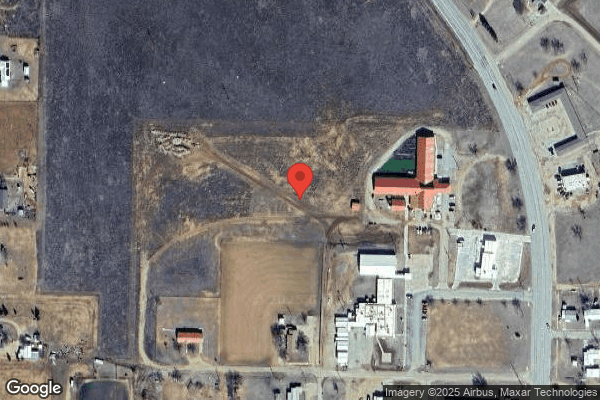
Understanding Severity Codes (click to expand)
Life-Threatening (Immediate Jeopardy)
J - Isolated K - Pattern L - Widespread
Actual Harm
G - Isolated H - Pattern I - Widespread
Potential for Harm
D - Isolated E - Pattern F - Widespread
No Harm (Minor)
A - Isolated B - Pattern C - Widespread

Questions to Ask on Your Visit

  • "What changes have you made since the serious inspection findings?"
  • "Why is there high staff turnover? How do you retain staff?"
  • "Can I speak with families of current residents?"
  • "What's your RN coverage like on weekends and overnight?"

Our Honest Assessment

Strengths
  • • Licensed and certified facility. Meets minimum state requirements.
Concerns
  • • Multiple safety concerns identified: 1 life-threatening violation(s). Review inspection reports carefully.
  • • 10 deficiencies on record, including 1 critical (life-threatening) violation. These warrant careful review before choosing this facility.
  • • $12,740 in fines. Above average for Texas. Some compliance problems on record.
  • • Grade F (31/100). Below average facility with significant concerns.
Bottom line: Trust Score of 31/100 indicates significant concerns. Thoroughly evaluate alternatives.

About This Facility

What is Stonewall Living Center's CMS Rating?

CMS assigns Stonewall Living Center an overall rating of 1 out of 5 stars, which is considered much below average nationally. Within Texas, this rating places the facility higher than 0% of the state's 100 nursing homes. A rating at this level reflects concerns identified through health inspections, staffing assessments, or quality measures that families should carefully consider.

How is Stonewall Living Center Staffed?

CMS rates Stonewall Living Center's staffing level at 1 out of 5 stars, which is much below average compared to other nursing homes. Staff turnover is 64%, which is 18 percentage points above the Texas average of 46%. High turnover can affect care consistency as new staff learn residents' individual needs. RN turnover specifically is 100%, which is notably high. RNs provide skilled clinical oversight, so turnover in this role can affect medical care quality.

What Have Inspectors Found at Stonewall Living Center?

State health inspectors documented 10 deficiencies at Stonewall Living Center during 2022 to 2025. These included: 1 Immediate Jeopardy (the most serious level, indicating potential for serious harm or death) and 9 with potential for harm. Immediate Jeopardy findings are rare and represent the most serious regulatory concerns. They require immediate corrective action.

Who Owns and Operates Stonewall Living Center?

Stonewall Living Center is owned by a government entity. Government-operated facilities are typically run by state, county, or municipal agencies. The facility operates independently rather than as part of a larger chain. With 53 certified beds and approximately 48 residents (about 91% occupancy), it is a smaller facility located in Aspermont, Texas.

How Does Stonewall Living Center Compare to Other Texas Nursing Homes?

Compared to the 100 nursing homes in Texas, Stonewall Living Center's overall rating (1 stars) is below the state average of 2.8, staff turnover (64%) is significantly higher than the state average of 46%, and health inspection rating (3 stars) is at the national benchmark.

What Should Families Ask When Visiting Stonewall Living Center?

Based on this facility's data, families visiting should ask: "What changes have been made since the serious inspection findings, and how are you preventing similar issues?" "How do you ensure continuity of care given staff turnover, and what is your staff retention strategy?" "Can you walk me through typical staffing levels on day, evening, and night shifts?" "Can I visit during a mealtime to observe dining assistance and food quality?" These questions are particularly relevant given the facility's Immediate Jeopardy citations, the facility's high staff turnover rate, and the below-average staffing rating.

Is Stonewall Living Center Safe?

Based on CMS inspection data, Stonewall Living Center has documented safety concerns. Inspectors have issued 1 Immediate Jeopardy citation (the most serious violation level indicating risk of serious injury or death). The facility has a 1-star overall rating and ranks #100 of 100 nursing homes in Texas. Families considering this facility should ask detailed questions about what corrective actions have been taken since these incidents.

Do Nurses at Stonewall Living Center Stick Around?

Staff turnover at Stonewall Living Center is high. At 64%, the facility is 18 percentage points above the Texas average of 46%. Registered Nurse turnover is particularly concerning at 100%. RNs handle complex medical decisions and coordinate care — frequent RN changes can directly impact care quality. High turnover means new staff may not know residents' individual needs, medications, or preferences. It can also be disorienting for residents, especially those with dementia who rely on familiar faces. Families should ask: What is causing the turnover? What retention programs are in place? How do you ensure care continuity during staff transitions?

Was Stonewall Living Center Ever Fined?

Stonewall Living Center has been fined $12,740 across 1 penalty action. This is below the Texas average of $33,206. While any fine indicates a compliance issue, fines under $50,000 are relatively common and typically reflect isolated problems that were subsequently corrected. Families should ask what specific issues led to these fines and confirm they've been resolved.

Is Stonewall Living Center on Any Federal Watch List?

Stonewall Living Center is not on any federal watch list. The most significant is the Special Focus Facility (SFF) program, which identifies the bottom 1% of nursing homes nationally based on persistent, serious quality problems. Not being on this list means the facility has avoided the pattern of deficiencies that triggers enhanced federal oversight. This is a positive indicator, though families should still review the facility's inspection history directly.