GOLDEN VILLA

1104 S WILLIAM ST, ATLANTA, TX 75551 (903) 796-0290
For profit - Individual 120 Beds CARING HEALTHCARE GROUP Data: November 2025 4 Immediate Jeopardy citations
Trust Grade
0/100
#721 of 1168 in TX
Last Inspection: June 2025

Inspected within the last 6 months. Data reflects current conditions.

Overview

Golden Villa in Atlanta, Texas has a Trust Grade of F, indicating significant concerns about the quality of care and services provided. It ranks #721 out of 1168 facilities in Texas, placing it in the bottom half, and #3 out of 4 in Cass County, meaning only one nearby option is rated higher. However, the facility is showing signs of improvement, with issues decreasing from 10 in 2024 to 9 in 2025. Staffing is a relative strength, rated 4 out of 5 stars, with a turnover rate of 46%, which is below the Texas average. On the downside, the facility has incurred $147,922 in fines, which is concerning as it is higher than 86% of Texas facilities. There is also less RN coverage than 82% of state facilities, which could potentially impact the quality of care. Specific incidents include a failure to adequately supervise a resident with a history of wandering, leading to multiple elopements, and a lack of proper nutritional care for two residents that resulted in significant health issues. Additionally, there was a critical failure to provide necessary emergency care, including the inability to locate AED equipment when it was urgently needed. Overall, while there are some strengths, the facility has serious issues that families should thoroughly consider.

Trust Score
F
0/100
In Texas
#721/1168
Bottom 39%
Safety Record
High Risk
Review needed
Inspections
Getting Better
10 → 9 violations
Staff Stability
⚠ Watch
46% turnover. Above average. Higher turnover means staff may not know residents' routines.
Penalties
✓ Good
$147,922 in fines. Lower than most Texas facilities. Relatively clean record.
Skilled Nurses
⚠ Watch
Each resident gets only 23 minutes of Registered Nurse (RN) attention daily — below average for Texas. Fewer RN minutes means fewer trained eyes watching for problems.
Violations
⚠ Watch
34 deficiencies on record. Higher than average. Multiple issues found across inspections.
★★☆☆☆
2.0
Overall Rating
★★★★☆
4.0
Staff Levels
★★★★☆
4.0
Care Quality
★★☆☆☆
2.0
Inspection Score
Stable
2024: 10 issues
2025: 9 issues

The Good

  • 4-Star Staffing Rating · Above-average nurse staffing levels
  • 4-Star Quality Measures · Strong clinical quality outcomes
  • Full Sprinkler Coverage · Fire safety systems throughout facility
  • No fines on record

Facility shows strength in staffing levels, quality measures, fire safety.

The Bad

2-Star Overall Rating

Below Texas average (2.8)

Below average - review inspection findings carefully

Staff Turnover: 46%

Near Texas avg (46%)

Higher turnover may affect care consistency

Federal Fines: $147,922

Well above median ($33,413)

Significant penalties indicating serious issues

Chain: CARING HEALTHCARE GROUP

Part of a multi-facility chain

Ask about local staffing decisions and management

The Ugly 34 deficiencies on record

4 life-threatening 1 actual harm
Jun 2025 1 deficiency
CONCERN (E) 📢 Someone Reported This

A family member, employee, or ombudsman was alarmed enough to file a formal complaint

Potential for Harm - no one hurt, but risky conditions existed

Pharmacy Services (Tag F0755)

Could have caused harm · This affected multiple residents

Based on observation, interview, and record review the facility failed ensure staff provided pharmaceutical services such as dispensing and administering all drugs to meet the needs of each resident f...

Read full inspector narrative →
Based on observation, interview, and record review the facility failed ensure staff provided pharmaceutical services such as dispensing and administering all drugs to meet the needs of each resident for 3 of 4 staff reviewed for pharmacy services. (LVN A, LVN B, and MA) 1.On 06/20/25, 5 clear medication cups were found with 5 different residents' medications in a resident's room. 2.On 06/24/25, LVN A's medication cart had 15 clear medication cups with 15 different resident names written on them and their medications pre- popped from the medication blister pack in those cups. 3.On 06/24/25, LVN B's medication cart had 2 paper medication cups with two different resident names written on the bottom of the cups with pre popped medication from the medication blister pack in those cups. 4.On 06/24/25, MA C's medication cart had 3 clear medication cups with no names on them with , but resident medications were pre popped from the medication blister pack in the cups. These findings could place residents at risk of receiving the wrong medications. Findings included: 1. Record review of an employee concern form dated 6/20/25 indicated the Administrator had received a report that medications were found in cups stacked within each other. It appeared the medication were intended to be administered and somehow forgotten. The Medical Director was notified and identified residents were put-on 24-hour monitoring for any changes, the responsible parties were notified, and in service education on Medication Administration was conducted. Classroom meetings were scheduled for 6/24/25. During an interview on 6/24/25 at 6:40 a.m. the Administrator said he had written an employee concern about medications found in a room. He said they had identified the residents and their medications. He said the nurse they thought was responsible had been terminated. They had called the physician, the families and placed the residents in question on a 24-hour monitoring. He said he had not seen the medications himself but understood there was a picture floating around. Record review of an in-service training report dated 6/20/25 indicated the topic was Medication Administration. When administering medications to residents it is your responsibility to ensure the resident takes the prescribed medications. It is the facility policy to never leave medications at bedside unattended for the resident to take later. This deficient practice could possibly put the residents at risk for medical complications. Record review of a picture dated 6/20/25 at 1:27 a.m. showed 5 different clear cups of medications with medications sitting on a bed side table. The clear cups had residents' names written on them. 2.During an observation and interview on 6/24/25 at 5:10 a.m. LVN A said she had the medication cart for 300 hall, 500 hall, and 600 hall. Observation of the top drawer of the medication cart were stacked cups of medications in different compartments in the drawer. LVN A said she had pre popped the medications from the medication blister pack. She said medications for the 300- hall with 5 different cups with 5 different resident names written on them. The cups had various shapes, sizes, colors, and numbers of medications. The cups she displayed for the 500-hall were 7 different cups with different resident names. The cups had various shapes, sizes, colors, and numbers of medications. The 600-hall had 3 different medication cups with three different resident names. The cups had various shapes, sizes, colors, and numbers of medications. LVN A said she knew she was not supposed to pre pop the medications. During an interview on 6/24/25 at 5:15 a.m. the ADON said the staff should not pre pop medications from the blister pack before they were ready to administer them. She said resident medications should not be dispensed prior to the time of administration . 3.During an observation and interview on 6/24/25 at 5:28 a.m. LVN B said she was finished passing medications. Observation of the top drawer of the 100-hall medication cart revealed there were two white paper medication cups with one pill each in the cups. She said they were her last two morning medications. LVN B had the names written on the bottom of the cups. She said she had tried to give the medications but was unable to do so and had not disposed of them yet. She said she was not supposed to pre pop medications from the blister pack prior to administration. 4.During an observation and interview on 6/24/25 at 10:20 a.m. MA D was passing medications on the 500 hall. Observation of top drawer of her medication cart had 3 clear cups of resident medications with no names. She said they were medications for 3 of the residents on the hall. She also said she knew she was not supposed to pre pop the medications from the blister pack prior to administration. Record review of an in service dated 6/24/25 indicated the MA was educated on medication pass and proper steps for medication administration. The MA was not to pre pop medications ever. That was against regulations, provide privacy, obtain vitals, and administer medication at the time of medication pass. Pre popping medications could cause a medication error or a mistake to happen. It was signed by MA C. Record review statement dated 6/24/25 indicated the DON had verbally educated LVN A and LVN B that pre preparing medication was not allowed at the facility. Both nurses verbalized their understanding, and the statement was signed by the DON. Record review of the facility Administering Medications policy last revised April 2019 indicated medications are administered in a safe and timely manner as prescribed. The individual administering the medications checked the label three times to verify the right resident, the right medication, right dosage, right time, and right method(route) of administration before giving the medications.
Jun 2025 6 deficiencies
CONCERN (D) 📢 Someone Reported This

A family member, employee, or ombudsman was alarmed enough to file a formal complaint

Potential for Harm - no one hurt, but risky conditions existed

Free from Abuse/Neglect (Tag F0600)

Could have caused harm · This affected 1 resident

**NOTE- TERMS IN BRACKETS HAVE BEEN EDITED TO PROTECT CONFIDENTIALITY** Based on interviews and record review the facility failed to ensure residents were free from abuse for 1 of 7 residents (Residen...

Read full inspector narrative →
**NOTE- TERMS IN BRACKETS HAVE BEEN EDITED TO PROTECT CONFIDENTIALITY** Based on interviews and record review the facility failed to ensure residents were free from abuse for 1 of 7 residents (Resident #17) reviewed for resident abuse. The facility failed to ensure Resident #17's was free from abuse when LVN J yanked Resident #17's left arm on 05/22/25. This failure could place residents at risk of physical harm, mental anguish, or emotional distress. The findings included: 1.Record review of Resident #17's face sheet dated 06/02/25 indicated Resident #17 was a [AGE] year-old female who admitted to the facility on [DATE] with diagnoses of parkinsonism, unspecified (a group of neurological conditions that share symptom similar to those of parkinson's disease), repeated falls, unspecified, dementia (a group of thinking and social symptoms that interferes with daily functioning), generalized osteoarthritis (a form of osteoarthritis where three or more joints are affected), myalgia (a medical term that refers to muscle pain) and fibromyalgia (a chronic condition that causes widespread musculoskeletal pain, fatigue and other symptoms). Record review of Resident #17's MDS assessment dated [DATE] indicated, Resident #17 was understood others made herself understood. The MDS assessment indicated Resident #17 had a BIMS score of 08, which indicated Resident #17 had severe cognitive impairment. Resident #17 required maximal assistance with ADL's care. Record review of Resident #17's care plan, dated on 10/03/24, indicated Resident #17 complaints of chronic pain related to fibromyalgia (a chronic condition that causes widespread musculoskeletal pain, fatigue and other symptoms), osteoarthritis (a form of osteoarthritis where three or more joints are affected) and migraines (a common neurological condition). Record review of incident and accident report for Resident #17 dated 05/22/25, completed by ADON indicated that there was pain in left arm. Record review of Resident #17's x-ray of left shoulder, dated 05/23/25, indicated comparison: A comparison was made to prior study dated 11/12/24. Findings: The left shoulder x-ray reveals no signs of signs of acute fractures or dislocation, severe glenohumeral joint osteoarthritis with marked narrowing of the glenohumeral joint space (the area the humeral head (the ball of the shoulder joint) and the glenoid fossa(the socket in the shoulder blade), subchondral sclerosis (a condition characterized by the hardening of bone tissue immediately beneath the cartilage surface in a joint), and osteophytes (a bony growth that develops on the edge of a bone) is noted. The acromioclavicular joint (a small joint in the clavicle) is comparatively normal. Anatomic alignment (positioned to align with the natural anatomical axes of the bones) is maintained, and the soft tissue appear normal. 2.Record review of Resident #26's face sheet, dated 06/04/25, indicated reflected she was a [AGE] year-old female, admitted to the facility on [DATE]. Her diagnoses included heart failure (a chronic condition in which the heart is unable to pump blood effectively), and shortness of breath. Record review of LVN J's personnel file on 06/03/25 indicated hire date of 02/18/25. The facility had performed background check and employee misconduct search. No concerns were identified. Record review of in-services on 06/03/25 at 11:01 A.M., indicated on 5/22/2025 performed over Training Report Proper Transfer Techniques, Indicators of Abuse and Neglect and Reporting, Reporting Abuse and Neglect and Abuse Prohibition Policy. During an observation and interview on 06/02/25 at 2:20 P.M., Resident #17 was sitting up in her wheelchair in her room. She said someone had been mean and abusive to her in the facility. She said she was no longer there and her name was LVN J. She said LVN J was constantly in her face and abusive to her. She yanked on her when she asked her not to. She said she would constantly yank on her left arm. She said she does not know if the facility took care of the issue with LVN J being mean to her. She said she does feel safe in the facility. During an interview on 06/02/25 at 2:35 P.M., Resident #26 was sitting up in wheelchair her in room. Resident #26 said she saw the incident with Resident #17 and LVN J. She said LVN J yanked Resident #17 left arm one time in an abusive manner; when LVN J came back in to give Resident #17 her pain medication. She said Resident #17 could be dramatic and a little impatient at times. She said the ADM did investigate the incident and called the police. She said her and Resident #17 does not know what happened to LVN J. She said they just know LVN J does not work there anymore and the ADM told them she would never come back in their room again. During an interview on 06/03/25 at 10:16 A.M., Resident #17 said it hurt her when LVN J yanked her left arm and she asked her to stop. She said her arm hurt a few days after the incident, but it was hurting her before LVN J yanked it and she knew that. She said they gave her a pain pill for the pain in her arm. During an interview on 06/03/25 at 10:39 A.M., [NAME] Director of Clinical Operations said LVN J was on suspension at this time. She said the facility investigate the incidents then we let the surveyors do their investigations before the facility made the finalize determination before we contact the employee. She said based on the facility investigation of the incident; the facility findings were unconfirmed and they did safe surveys. During a phone interview on 06/03/25 at 10:52 A.M., LVN J said Resident #17 was lying crossway in the bed when she scooped her up from the back and raised her up from the back then gave her, her pain medicine. LVN J said she folded Resident #17's arms in front of her before turning her in bed to turn her like she was taught 20 years ago in nursing school before repositioning a resident. LVN J said she was aware of Resident #17's left arm was hurting that was why she was trying to be careful with her. She stated Resident #17 always complained of pain in her left arm. She said there was no reason why she would be mean to Resident #17. LVN J said she would never be mean to Resident #17. During an interview on 06/04/2025 at 1:02 P.M., the DON said the incident with Resident #17 he did not believe that LVN J abused her. He said he understood that Resident #26 was a witness, but he just does not believe LVN J intentionally tried to hurt Resident #17. He said the facility had done safe surveys, in servicing and employee evaluation. He said he does not condone abuse of a resident and if a staff commits abuse he felt they should be reprimanded. During an interview on 06/04/2025 at 1:33 P.M., the ADM said the incident with Resident #17 anytime her shoulder was touched voiced by her family member she was sensitive to that shoulder. He said he could not say if the nurse did a correct transfer technique or not. He said Resident #17's roommate Resident #26 did collaborate her story that LVN J pulled her left arm. He said Resident #17 had lived at the facility three times and she had never had an experience like that before. He said he interviewed 10 employees that had interactions with LVN J and 3 safe surveys on all 6 halls on LVN J and they all came back with no negative findings. He said he had done some in-services with staff, Resident #17 goes to counseling, he sent the social worker to talk to her after the incident and she seemed to be doing fine. Record Review of facility policy titled, Abuse Prevention and Prohibition dated July 10, 2019. Policy indicated, These policies apply to all staff, consultants, contractors, volunteers and caretakers who have direct care responsibilities and provide care services on behalf of the facility. protect residents, and to ensure a standardized methodology for the prevention, identification, investigation, and reporting of abuse, neglect, mistreatment, misappropriation of property, and crime in accordance with federal and state requirements The resident has the right to be free from abuse, neglect, exploitation and misappropriation of resident property.
CONCERN (D)

Potential for Harm - no one hurt, but risky conditions existed

Accident Prevention (Tag F0689)

Could have caused harm · This affected 1 resident

**NOTE- TERMS IN BRACKETS HAVE BEEN EDITED TO PROTECT CONFIDENTIALITY** Based on observation, interview, and record review the facility failed to ensure each resident's environment remained free of ac...

Read full inspector narrative →
**NOTE- TERMS IN BRACKETS HAVE BEEN EDITED TO PROTECT CONFIDENTIALITY** Based on observation, interview, and record review the facility failed to ensure each resident's environment remained free of accidents and hazards for 2 of 21 residents (Resident #38 and Resident #4) reviewed for accident hazards. 1. The facility failed to prevent Resident #38 from having antimicrobial antiseptic skin cleanser in her room. 2. The facility failed to ensure CNA B performed a safe mechanical lift transfer for Resident #4. This failure could place residents at risk for injury, harm, and impairment. Findings included: 1. Record review of Resident #38's Face Sheet indicated she was a [AGE] year-old female admitted to the facility on [DATE]. Her diagnoses included Dementia (a general term for the loss of mental abilities that affect daily life), Atrial Fibrillation (an irregular and often rapid heart rhythm that begins in the heart's upper chambers), Hyperlipidemia (a condition where there are high levels of lipids (fats) in the blood, including cholesterol and triglycerides). Record review of Resident #38's quarterly MDS dated [DATE] revealed that the resident had a BIMS score of 10 which indicates Resident #38 had moderate cognitive impairment. The MDS also revealed, Resident #38, is understood and understands others. Shows that Resident #38 requires supervision and setup with activities of daily living. Record review of Resident #38's Care Plan revealed a problem initiation on 3/05/2025 Resident #38 is at risk for multi drug resistant organisms. During an observation and interview on 6/2/25 at 9:17 a.m. Resident #38 was observed to have an antimicrobial antiseptic skin cleanser in their bedroom. She said she did not know who placed the bottle in her room or what it was used for. During an observation on 6/3/25 at 2:50 p.m., a bottle of antimicrobial antiseptic skin cleaner was observed in the same location it was observed on 6/2/25 in rResident #38's bedroom. During an interview on 6/3/25 at 2:55 p.m., LVN A said that she did not know that Resident #38 had the bottle of antimicrobial antiseptic skin cleaner in their room. She said it was probably left from a procedure that Resident #38 recently had. She said that this was a prohibited item in a resident room and should not be there. During an interview on 6/4/25 at 1:00 p.m., the Director of Nurses said that residents should not have antimicrobial antiseptic skin cleanser in their rooms as it was against facility policy, and it could place the resident at risk of harm if they used it improperly. He said it was the responsibility of all staff to ensure prohibited items are not in resident's rooms. During an interview on 6/4/25 at 1:06 p.m., the Administrator said residents could not have antimicrobial antiseptic skin cleanser in their room as it could be harmful to them if they drank it. He said that a resident with dementia could get ahold of a prohibited item and misuse it as well. He said that all staff are responsible to remove prohibited items from resident's rooms. Requested a policy from the Administrator regarding prohibited chemicals in resident rooms on 6/4/25 . Policies provided did not address this specific deficiency. 2. Record review of Resident #4's face sheet dated 6/03/25 indicated he was [AGE] years old and admitted to the facility on [DATE]. Resident #4 had diagnoses which included dementia (forgetfulness), heart disease, diabetes (high blood sugar), hemiplegia (complete or severe loss of motor function on one side of the body), and cerebrovascular disease (condition impacting the brain's blood vessels and blood flow resulting in brain tissue death). Record review of Resident #4's quarterly MDS dated [DATE] indicated Resident #4 had a BIMS of 6 which indicated he had severe cognitive impairment. The MDS indicated Resident #4 was dependent on staff for chair to bed transfers. Record review of Resident #4's undated Care Plan indicated he was at risk for falls, and he required assistance of 2 staff members with mechanical lift transfers for safety. During an observation on 6/03/25 at 1:15 PM, CNA B performed a mechanical lift transfer from Resident #4's wheelchair to his bed and was assisted by CNA C. The lift pad was already positioned under Resident #4 in his wheelchair. CNA B spread the legs of the mechanical lift into the wide position and positioned the mechanical lift over Resident #4's wheelchair. CNA B and CNA C attached the lift pad to the mechanical lift sling and locked the wheels. CNA B then raised Resident #4 up out of his wheelchair and CNA C moved his wheelchair back as CNA B was pulling the mechanical lift backwards and CNA B moved the mechanical lift legs to the narrow position and then turned Resident #4 to the right. CNA B then pushed Resident #4 while suspended in the mechanical lift toward his bed with the lift legs in the narrow position guided by CNA C and positioned Resident #4 over his bed. CNA B then locked the wheels and lowered Resident #4 onto the bed with the mechanical lift legs in the narrow position. During an interview on 6/03/25 at 1:40 PM, CNA C said she had worked at the facility since February 2025 and normally worked on the 6 AM to 2 PM shift. CNA C said the mechanical lift legs should be in the wide position to go around the wheelchair and the wheels should be locked. CNA C said the legs of the mechanical lift should be opened in the wide position during the transfer of the resident to keep him more secure and easier to transfer. CNA C said the mechanical lift legs should be in the wide position when transferring a resident to keep the mechanical lift from falling over and hurting the resident. During an interview on 6/03/25 at 1:55 PM, CNA B said she had worked at the facility since January 2024 and normally worked on the 6 AM to 2 PM shift. CNA B said she was not sure what the purpose of spreading the legs of the mechanical lift to the wide position. CNA B said the process of using the mechanical lift was as follows: position the resident in the lift pad/sling, open the legs of the mechanical lift wide to move the lift around the resident's wheelchair, then attach the lift pad to the mechanical lift, ensure the resident is comfortable and everything was good, raise the resident up to clear the wheelchair, then unlock the wheels of the mechanical lift and pull the lift back away from the wheelchair, then put mechanical lift legs in (narrow position) and move the resident to over the bed and make sure the resident was appropriately positioned and then lower to the bed, assisted by someone else to stabilize the mechanical lift. CNA B said she did not know why the mechanical lift legs should be spread to the wide position but could find out and let the surveyor know. CNA B said she did not want to just make an assumption and tell the wrong thing . During an interview on 6/04/25 at 9:50 AM, the DON said the mechanical lift base legs should be in the wide position during the transferring and moving of the resident. The DON said when the resident's room allows, the mechanical lift base/legs should be in the wide position for stability, so it does not throw the resident and for safety reasons. The DON said if the mechanical lift base/legs were not in a wide base position, the whole machine could tip over and cause injury to the resident. During an interview on 6/04/25 at 10:08 AM, the ADM said he would expect staff to follow the mechanical lift policy and the lift legs should be in the wide position for safety of the resident during the mechanical lift transfer. The ADM said the staff did not follow the facility's process with the mechanical lift transfer by not moving the resident with the mechanical lift legs in the wide position. The ADM said by the staff not putting the mechanical lift legs in the wide position, it could have caused the mechanical lift to not be balanced and it could have tipped over and injured the resident. Record review of the facility's CNA Performance and Skills Evaluation of CNA B dated 12/31/24 had a S marked which indicated CNA B had a performed the procedure satisfactory . CNA B had demonstrated the procedure for using the [NAME] and [NAME] II (Mechanical Lifts) . 7. Standing next to the individual, position lift in front of, or over the individual opening the legs of the lift to their widest position . 11. Standing next to the individual, use the UP button on the hand control to slowly raise the lift to the height necessary to clear surface . 12. Once clear of the surface, lower the individual until the feet are at the top of the lift base and transfer to desired location (Lift legs remain open) . Record review of the facility's undated policy titled Transfer, Two Person Hoyer (Mechanical) Lift indicated . the purpose was to safely get resident from one surface to another when the resident was unable/unwilling to bear weight on his or her lower extremities and could not be safely transferred using the two-person total lift . position wheelchair so that can maneuver the lift safely from bed to over the chair . lock wheels/brakes . position lift over the bed . spread the legs of the lift to the widest position to maintain a broad base of support . slowly guide the lift away from the chair and position lift above the chair . reverse the procedure to return the resident to bed . Record review of Patient Lifts by the U.S. Food and Drug Administration (FDA), (Patient Lifts | FDA) was accessed on 6/05/25 indicated . the FDA has compiled a list of best practices that, when followed, can help mitigate the risks associated with patient lifts . users should . keep the base (legs) of the patient lift at maximum open position and situate the lift to provide stability . Record review of Best Practices for Using Patient Lifts by the U.S. Food and Drug Administration (FDA), Best Practices For Using Patient Lifts (fda.gov) was accessed on 6/05/25 indicated . patient lifts were designed to lift and transfer patients from one place to another . found improper use of patient lifts have led to patient falls . resulted in head traumas, fractures, deaths . can mitigate risks by doing the following . receive training and understand how to operate the lift . keep the base (legs) of the patient lift in the maximum open position .
CONCERN (D)

Potential for Harm - no one hurt, but risky conditions existed

Respiratory Care (Tag F0695)

Could have caused harm · This affected 1 resident

**NOTE- TERMS IN BRACKETS HAVE BEEN EDITED TO PROTECT CONFIDENTIALITY** Based on observation, interview, and record review the facility failed to ensure a resident who needed respiratory care was prov...

Read full inspector narrative →
**NOTE- TERMS IN BRACKETS HAVE BEEN EDITED TO PROTECT CONFIDENTIALITY** Based on observation, interview, and record review the facility failed to ensure a resident who needed respiratory care was provided such care, consistent with professional standards of practice, the comprehensive person-centered care plan, the residents' goals, and preferences for 3 of 8 residents (Resident #10, Resident #26 and Resident #83) reviewed for respiratory care and services. 1. The facility failed to cover the nasal cannula tubing with a bag on an oxygen concentrator machine that was not in use for Resident #10 and Resident #83. 2. The facility failed to cover the face mask with a bag on nebulizer machine that was not in use for Resident #26. This failure could place residents at risk for developing respiratory complications. Findings included: 1. Record review of Resident #10's face sheet, dated 06/04/25, indicated reflected he was a [AGE] year-old female, admitted to the facility on [DATE]. Her diagnoses included flail chest (a traumatic disorder that happens when three or more ribs located next to each other are fractured in two or more places). Record review of Resident #10's quarterly MDS assessment dated [DATE] indicated Resident #10 understood and understood others. Resident #10's BIMS 12 score of which indicated moderate cognitive impairment. Resident #10 required maximal assistance with ADL's. Record review of Resident #10's physician orders dated 03/14/25 for Resident #10 indicated oxygen 1 liter per minute via nasal cannula every shift 6:00 AM- 6:00 PM and 6:00 PM- 6:00 AM with diagnosis multiple fracture of ribs, unspecified side, subsequent encounter for fracture with routine healing. Record review of Resident #83's face sheet, dated 06/04/25, indicated reflected he was a [AGE] year-old female, admitted to the facility on [DATE]. Her diagnoses included heart failure (a chronic condition in which the heart is unable to pump blood effectively), chronic obstructive pulmonary disease with (acute) exacerbation (a group of lung diseases that cause persistent airflow obstruction and breathing problems) acute respiratory failure (occurs when the lungs cannot properly exchange gases), asthma (a condition in which a person's airways become inflamed, narrow and swell. and produce extra mucus, which makes it difficult to breath), sepsis (a widespread infection causing organ failure and dangerously low blood pressure), pneumonia (infection that inflames air sacs in one or both lungs, which fill with fluid) and pulmonary hypertension (a type of high blood pressure that effects arteries in the lungs and in the heart). Record review of Resident #83's quarterly MDS assessment dated [DATE] indicated Resident #83 was understood and understood others. Resident #83's BIMS score of 11 which indicated moderate cognitive impairment. Resident #83 required maximal assistance with ADL's. Record review of Resident #83's physician orders dated 03/14/25 for Resident #83 indicated oxygen at 2 liters per minute via nasal cannula every shift 6:00 AM- 6:00 PM and 6:00 PM- 6:00 AM. During an observation and interview on 06/02/25 at 10:37 A.M., Resident #83 was sitting up in her wheelchair in her room. She had oxygen in place via a nasal cannula from a portable oxygen tank on the back of her wheelchair. Resident #83 nasal cannula was over her concentrator and not covered with a plastic bag. Resident #83 said she usually wore oxygen. During an observation and interview on 06/02/25 at 10:49 A.M., Resident #10 was sitting up in her wheelchair in her room. She had oxygen in place via a nasal cannula from a portable oxygen tank on the back of her wheelchair. Resident #10 nasal cannula on her concentrator was not covered with a plastic bag and almost touching the floor. Resident #83 said she usually wore oxygen. 2. Record review of Resident #26's face sheet, dated 06/04/25, indicated reflected she was a [AGE] year-old female, admitted to the facility on [DATE]. Her diagnoses included heart failure (a chronic condition in which the heart is unable to pump blood effectively), and shortness of breath. Record review of Resident #26's quarterly MDS assessment dated [DATE] indicated Resident #26 was understood and understood others. Resident #26's BIMS score of 15 which indicated cognitively intact. Resident #26 required supervision with ADL's. During an observation and interview on 06/02/25 at 2:35 P.M., Resident #26 was sitting up in her wheelchair in her room. Her nebulizer and mask were sitting on her nightstand. The mask was not covered in a bag. Resident #26 said she used the nebulizer when she needed it. During an interview on 06/04/2025 at 9:24 A.M., CNA H said the nurses were responsible for changing the nasal cannula tubing and ensuring the nasal cannula tubing were in bags when the concentrators were not in use. She said the aides were responsible for ensuring the tubing was in the bag if the nasal cannula was not in use as well. She said most of the time the nurse normally handled the nebulizer masks and if they were not in a bag, she would notify the nurse, so they could determine if they needed to be changed. She said a negative effective of the nasal cannula or a nebulizer mask not in a bag was it could be exposed to bacteria, and it could exposed to the floor. During an interview on 06/04/2025 at 9:37 A.M., CNA I said the nurses were responsible for ensuring the residents nasal cannula were in a bag. She said if she saw a nasal cannula without a bag she would report it to the nurse. She said she would notify the nurse if she saw a nebulizer mask was not in a bag. She said a negative effect of a nasal cannula or nebulizer mask tubing not in a bag could cause cross contamination and put the resident at risk for infection. During an interview on 06/04/2025 at 9:44 A.M., the ADON she said the night shift nurses were responsible for ensuring that the concentrators and portable oxygen tanks nasal cannulas have bags on them. She said the graveyard nurses were responsible for ensuring nebulizers machine tubing mask had bags. She said a negative effect of not having the nasal cannula tubing and nebulizer masks covered with bags was an infection control issue. During an interview on 06/04/2025 at 1:02 P.M., the DON said our night shift were responsible for a lot of our change outs of the resident oxygen tubing and masks. He said it falls on all shifts to make sure the nasal cannulas and nebulizer masks were in the bags . He said a negative effect of the nasal cannula and nebulizer masks not in a bag would be infection. During an interview on 06/04/2025 at 1:33 P.M., the ADM said the nightshift nurses should be changing the nasal cannula tubing, masks for nebulizers out weekly and applying the bags to the tubing. He said the nurse should be putting the nasal cannulas and nebulizers masks in bags to prevent infection and respiratory infections. Record review of the facility's policy, Oxygen Administration, revised on October 2010, s indicated: .The purpose of this procedure is to provide guidelines for safe oxygen administration .
CONCERN (D)

Potential for Harm - no one hurt, but risky conditions existed

Infection Control (Tag F0880)

Could have caused harm · This affected 1 resident

**NOTE- TERMS IN BRACKETS HAVE BEEN EDITED TO PROTECT CONFIDENTIALITY** Based on observations, interviews, and record review the facility failed to establish and maintain an infection prevention and c...

Read full inspector narrative →
**NOTE- TERMS IN BRACKETS HAVE BEEN EDITED TO PROTECT CONFIDENTIALITY** Based on observations, interviews, and record review the facility failed to establish and maintain an infection prevention and control program designed to provide a safe, sanitary, and comfortable environment and to help prevent the development and transmission of communicable diseases and infections for 1 of 22 residents (Residents #4) reviewed for infection control practices. The facility failed to ensure CNA B did not contaminate Resident #4, Resident #4's clothing, clean brief, clean incontinent pad, bedding, and bed remote after CNA B had performed incontinent care. These failures could place residents at risk for cross contamination, at an increased risk of infection, and the spread of infection. Findings included: Record review of Resident #4's face sheet dated 6/03/25 indicated he was [AGE] years old and admitted to the facility on [DATE]. Resident #4 had diagnoses which included dementia (forgetfulness), heart disease, diabetes (high blood sugar), hemiplegia (complete or severe loss of motor function on one side of the body), and cerebrovascular disease (condition impacting the brain's blood vessels and blood flow resulting in brain tissue death). Record review of Resident #4's quarterly MDS dated [DATE] indicated Resident #4 had a BIMS of 6 which indicated he had severe cognitive impairment. The MDS indicated Resident #4 required substantial assistance of staff for toileting hygiene and most ADLs. The MDS indicated Resident #4 was always incontinent of urine and bowel. Record review of Resident #4's undated Care Plan indicated he was at risk for skin breakdown related to episodes of bowel and bladder incontinence. During an observation on 6/03/25 beginning at 1:15 PM, CNA B performed incontinent care assisted by CNA C. Upon entering Resident #4's room, CNA B and CNA C washed their hands and donned (put on) gloves. Then CNA C pulled Resident #4's bed away from the wall and CNA C went between the wall and Resident #4's bed. CNA B placed a trash bag at the end of bed. CNA B and CNA C removed Resident #4's pants by rolling him back and forth. CNA B then opened Resident #4's brief and pushed it down between his legs and then used a washcloth with soap and water to clean Resident #4's front perineal (private) area, folding to a clean area of the washcloth with each wipe. CNA B then used a washcloth with water only to rinse the soap off Resident #4's front perineal area and then dried his front perineal area with a towel. CNA B then rolled Resident #4 toward the wall by placing same gloved hands used to perform incontinent care to his front perineal area on his shoulder and hip. CNA C held Resident #4 facing the wall while CNA B cleansed his bottom perineal area. CNA B then asked CNA C to go get additional washcloths and towels. While CNA C stepped out of Resident #4's room, CNA B, without changing her gloves and/or performing hand hygiene, rolled a clean incontinent pad and brief and placed on his bed. CNA B then used her same gloved hands to push Resident #4 over further by placing her same gloved hand on the back of his shirt, then dried his back perineal area with a towel, and then pushed a clean brief under him. CNA B then removed her soiled gloves and put on new gloves (she did not perform hand hygiene) and placed a clean incontinent pad under Resident #4's clean brief. CNA B then cleaned Resident #4's front perineal area again because he had urinated again and then dried him. CNA B then used the same gloved hands placed on Resident #4's shoulder and hip to pull him toward her, fastened his brief, then removed his t-shirt from over his head. CNA B, using the same gloved hands, then grabbed his hands and pulled his hands through the sleeves of a gown, tied the gown string around his neck, and then pulled the gown down over his body and covered with a sheet. CNA B, using the same gloved hands, then used Resident #4's bed remote to put the head of the bed down and CNA B and CNA C used the clean incontinent pad to pull Resident #4 up in bed. CNA B then removed her gloves and used the bed remote to let Resident #4's bed back down. During an interview on 6/03/25 at 1:40 PM, CNA C said she had worked at the facility since February 2025 and normally worked on the 6 AM to 2 PM shift. CNA C said staff should change their gloves and sanitize their hands after every procedure during incontinent care, after cleaning the front perineal (private) area, change gloves and sanitize hands, then clean the back perineal area, and change gloves and sanitize hands. CNA C said staff should change gloves and sanitize their hands after performing incontinent care and before handling clean items, such as the resident's clothes, bedding, and bed remote. CNA C said whatever was just cleaned off the resident would be transferred back onto the resident if staff did not change their gloves and sanitize their hands. CNA C said CNA B did not change her gloves or sanitize her hands after performing incontinent care and before touching the resident's clothes, bedding, and bed remote. CNA C said CNA B transferred bacteria back to Resident #4 and could cause him an infection. CNA C said CNA B just transferred and cross-contaminated Resident #4's room and bedding and anything CNA B touched without changing her gloves or sanitizing her hands. CNA C said anytime staff touch anything dirty they should change gloves and sanitize their hands. During an interview on 6/03/25 at 1:55 PM, CNA B said she had worked at the facility since January 2024 and normally worked on the 6 AM to 2 PM shift. CNA B said she should have changed her gloves and sanitized her hands anytime when going from a dirty area to a clean area during incontinent care. CNA B said she did not change her gloves or perform hand hygiene after cleaning Resident #4's front perineal (private) area and did not follow the proper steps. CNA B said she could transfer germs that she cleaned off Resident #4 to anywhere she touched in his room. CNA B said not changing her gloves or sanitizing her hands after performing incontinent care and then touching the resident, his clothing, bedding, and bed remote, could make him sick. CNA B said it was an infection control issue. During an interview on 6/04/25 at 9:50 AM, the DON said staff should change their gloves and sanitize their hands when going from a dirty area to a clean area when performing incontinent care. The DON said staff should remove their gloves and sanitize their hands and after cleaning the resident and before touching the resident's cloths, sheets, linens, and stuff like that. The DON said by not changing her gloves and performing hand hygiene appropriately, CNA B placed the resident at risk of infection and cross-contaminated his room. During an interview on 6/04/25 at 10:08 AM, the ADM said he expected staff to follow the facility's hand hygiene policy and change gloves per their policy during incontinent care. The ADM said staff should not touch the bedding, resident, or anything clean after performing incontinent care with the same gloves used during the incontinent care. The ADM said not changing gloves after performing incontinent care and then touching the resident, his bedding, and other items in the resident's room, could cause transmission of germs and a major infection for the resident. The ADM said it was an infection control issue. Record review of the facility's CNA Performance and Skills Evaluation of CNA B dated 12/31/24 had a S marked in the columns which indicated CNA B had satisfactory performed the procedures of perineal care, dressing and undressing resident, infection control- using/understanding universal precautions, used correct hand washing techniques, handled linen clean and dirty correctly, understood/used personal protective equipment . Record review of the facility's undated policy titled Infection Control Policy indicated . the facility had established and maintained an infection control program designed to provide a safe, sanitary and comfortable environment . to help prevent development and transmission of disease and infection . all employees were required to wash their hands after each direct resident contact for which hand washing was indicated by accepted professional practice . Record review of the facility's policy titled Perineal Care dated revised October 2010 indicated . the purpose of this procedure was to provide cleanliness and comfort to the resident, to prevent infections and skin irritation, and to observe the resident's skin condition . steps in the procedure . wash and dry your hands thoroughly . fold the bedspread or blanket toward the foot of the bed . fold the sheet down to the lower part of the body . put on gloves . for a male resident . wash perineal area (private area) starting with the urethra (opening at head of penis) working outward . wash and rinse the rectal area thoroughly . remove gloves and discard . wash and dry hands thoroughly . reposition the bed covers, make the resident comfortable . wash and dry your hands thoroughly . Record review of the facility's policy titled Handwashing/Hand Hygiene dated revised August 2015 indicated . the facility considered hand hygiene the primary means to prevent the spread of infections . all personnel shall follow the handwashing/hand hygiene procedures to help prevent the spread of infections to other personnel, residents, and visitors . wash hands with soap and water for the following situations . when hands are visually soiled . use alcohol-based hand rub . or soap and water in the following situations . before and after direct contact with residents . before moving from a contaminated body site to a clean body site during resident care . after contact with blood or bodily fluids . after contact with objects in the immediate vicinity of the resident . the use of gloves does not replace hand washing/hand hygiene . integration of glove use along with routine hand hygiene is recognized as the best practice for preventing healthcare-associated infections .
CONCERN (E)

Potential for Harm - no one hurt, but risky conditions existed

Deficiency F0804 (Tag F0804)

Could have caused harm · This affected multiple residents

**NOTE- TERMS IN BRACKETS HAVE BEEN EDITED TO PROTECT CONFIDENTIALITY** Based on observation, interview, and record review, the facility failed to provide food that was palatable and attractive for 7 ...

Read full inspector narrative →
**NOTE- TERMS IN BRACKETS HAVE BEEN EDITED TO PROTECT CONFIDENTIALITY** Based on observation, interview, and record review, the facility failed to provide food that was palatable and attractive for 7 of 8 residents (Resident's #9, #11, #33, #42, #49, #57, and #84) reviewed for palatable food. The facility failed to provide food that was palatable and attractive to Resident #9, #11, #33, #42, #49, #57, and #84 who complained the food was bland, mushy, and overcooked, and the same foods were served over and over. These failures could place residents who ate food from the kitchen at risk of weight loss, altered nutritional status, and diminished quality of life. The findings included: 1. Record review of a face sheet dated 06/04/25 revealed Resident #9 was an [AGE] year-old female and was admitted to the facility on [DATE] with diagnoses of dementia (memory loss), risk for protein-calorie malnutrition, and vitamin deficiency. Record review of the quarterly MDS assessment dated [DATE] revealed Resident #9 was understood and understood others. The MDS revealed Resident #9 had a BIMS score of 11, which indicated moderate cognitive impairment. During an interview on 06/02/25 at 9:57 AM, Resident #9 stated the food was not served appealing. Resident #9 stated the vegetables were cooked too long and were full of water. Resident #9 stated the fried food were cooked hard and tough to eat. Resident #9 stated her bacon that morning was tough to chew, and she threw it back up . Resident #9 stated the facility staff were aware of the food complaints but nothing the food had not gotten better. 2. Record review of a face sheet dated 06/03/25 revealed Resident #11 was a [AGE] year-old female and was admitted to the facility on [DATE] with diagnoses of stroke, protein-calorie malnutrition, and vitamin deficiency. Record review of an annual MDS assessment dated [DATE] revealed Resident #11 was understood and understood others. The MDS revealed Resident #11 had a BIMS score of 10, which indicated moderate cognitive impairment. During an interview on 06/02/25 at 11:39 a.m., Resident # 11 said the food was terrible. She said there was no taste to it, and it was always overcooked. She said she was tired of being served the same things over and over. 3. Record review of a face sheet dated 06/03/2024 revealed Resident #33 was a [AGE] year-old female and was admitted to the facility on [DATE] with diagnoses of heart failure, vitamin deficiency, and unspecified nutritional deficiency. Record review of a quarterly MDS assessment dated [DATE] revealed Resident #33 was understood and understood others. The MDS revealed Resident #19 had a BIMS score of 14 which indicated the resident had intact cognition. During an interview on 06/02/25 at 9:45 a.m., Resident #33 said the food was not good. She said they talk about it every council meeting. She said they serve the same thing over and over. She said the staff do not honor their likes and dislikes. She said the dietician did bring her some seasoning, but it has not helped. She said the other night they were served Reuban sandwiches and people just do not like that. She said usually the food was way over cooked. 4. Record review of a face sheet dated 06/04/25 revealed Resident #42 was an [AGE] year-old female and was admitted to the facility on [DATE] with diagnoses of dementia (memory loss), protein-calorie malnutrition, and vitamin deficiency. Record review of the quarterly MDS assessment dated [DATE] revealed Resident #42 was understood and understood others. The MDS revealed Resident #42 had a BIMS of 07, which indicated severe cognitive impairment. During an interview on 06/02/25 at 9:57 AM, Resident #42 stated the food was terrible and the staff did not try to make it better. Resident #42 stated it was not fit to eat, and she was unable to tell what the food was at times. Resident #42 stated the vegetables were cooked too long and were full of water. Resident #42 stated she rarely received a hot meal. During an observation and interview on 06/02/25 at 12:05 p.m., Resident #42 was sitting up in bed with a meal tray in front of her. Resident #42 said she was not going to eat because her roommate was going to bring her back a burger. The squash, vegetables had standing liquid on the tray (approximately 0.5 inches) and appeared mushy. Resident #42 stated the temperature of the food felt fine. 5. Record review of a face sheet dated 06/03/25 revealed Resident #49 was a [AGE] year-old female and was admitted to the facility on [DATE] with diagnoses of depression, vitamin deficiency, and protein-calorie malnutrition. Record review of an admission MDS assessment dated [DATE] revealed Resident #49 was understood and understood others. The MDS revealed Resident #27 had a BIMS score of 09 which indicated the resident had moderate impaired cognition. During an interview on 06/02/25 at 10:00 a.m., Resident #49 said the food was just not good. She said she does not eat chicken, corn dogs, and hot dogs but she was still served those items. She said the food did not taste good. 6. Record review of a face sheet dated 06/03/25 revealed Resident #57 was an [AGE] year-old male and was admitted to the facility on [DATE] with diagnoses of stroke, unspecified protein-calorie malnutrition, and anemia (a condition characterized by a lower-than-normal number of red blood cells, or a reduced amount of hemoglobin in red blood cells, resulting in a reduced oxygen-carrying capacity of the blood). Record review of a quarterly MDS assessment dated [DATE] revealed Resident #57 was understood and understood others. The MDS revealed Resident #57 had a BIMS score of 7 which indicated the resident had severely impaired cognition. During an interview on 06/02/25 at 10:05 a.m., Resident #57 said the food did not taste good at all. He said they serve the same thing over and over and he really gets tired of it. 7. Record review of a face sheet dated 06/04/25 revealed Resident #84 was a [AGE] year-old female and was admitted to the facility 02/06/25 with diagnoses of pressure ulcers (wounds) and protein calorie malnutrition. Record review of the quarterly MDS assessment dated [DATE] revealed Resident #84 was understood and understood others. The MDS revealed Resident #84 had a BIMS score of 11, which indicated moderately impaired cognition. During an interview on 06/02/25 at 11:13 a.m., Resident #84 stated the facility repeated the same foods over and over again. Resident #84 stated the facility served mashed potatoes with every meal. Record review of the grievance log, dated between December 2024 and May 2025, revealed the following: 1. On 12/30/24 Resident #292 was unhappy with the food quality. Resident #292 stated the food had no flavor and was very bland. 2. On 03/25/25 Resident #74 stated she was unhappy with the flavoring of the foods, and everything tasted like [an Italian restaurant]. 3. On 04/18/25 Resident #44 stated the breakfast was awful and too much junk was sent out. He said it was wasteful. 4. On 04/21/25 Resident #27 stated she was unhappy the kitchen did not send her preferred list for supper. 5. On 05/01/25 Resident #61 stated her burger for supper had cheese and she did not want cheese on her burger. 6. On 05/19/25 Resident #44 stated eggs were no good over the weekend . Record review of the resident council minutes, dated between December 2024 and May 2025, revealed the following: 1. On 12/30/24, old business discussed revealed hall trays were being served cold to residents. The minutes reflected the issue was resolved as in-service education was provided. 2. On 01/20/25, new business discussed revealed all residents stated they were sick of eating the same food over and over, every day. The cook over seasoned the food or does not season the food at all. Beans and soup were served cold, right out of the can. 3. On 02/27/25, new business discussed revealed dietary staff were still serving the same food over and over. The cook cooked veggies to mush and burned grilled cheese, cookies, and rolls. The minutes revealed no one liked the chicken cordon blue, or to eat English peas for every meal. 4. On 03/31/25, new business discussed revealed the seasoning on the food items such as greens and vegetables were too hot for them to eat. The minutes revealed dietary staff to pay closer attention to their cards before sending out trays such as dislikes. 5. On 04/30/25, new business discussed revealed a few residents were not getting what they asked for during lunch and dinner. 6. On 05/29/25, new business discussed revealed breakfast had become one of the least favorite meals of the day. Same food was served a lot. During a resident council group interview on 6/3/2025 at 10:29 a.m. with Resident's #33, #49, #55, #58, #61 revealed the kitchen serves chicken two or three times a day. The resident council said the kitchen serves instant mashed potatoes and green beans too much. The resident council said the vegetables were mushy and were so hot that you could not eat them as if they were overcooking the vegetables until they fell apart. They said the kitchen staff were not paying attention to items that were disliked as they served the items anyway. Resident #61 stated she did not like cheese, and she was constantly served cheese. The resident council said food tasted fine, but they did not like the variety, consistency, and texture of the food. During an observation and interview on 06/03/25 at 12:00 p.m., a meal tray was sampled with the Dietary Manager and 5 surveyors. The tray consisted of country fried steak, Brussel sprouts, mashed potatoes, a roll, and pudding with marshmallows and graham crackers. The country fried steak with white gravy had good flavoring but the breading was soggy. The Brussel sprouts were mushy and overcooked. The Dietary Manager said she agreed the breading on the steak was soggy and the Brussel sprouts were mushy and over cooked. When asked if the facility served mashed potatoes every day, the Dietary Manager said they did almost every day. She said the potatoes were fortified. During an interview on 06/04/25 at 9:44 a.m., the Dietary Manager said she talked to residents about their preferences and their food concerns . She said, there are some that you just cannot please. She said she was aware of complaints from resident council and there had been grievances concerning food complaints. She said she had talked to the cooks, and they had been in-serviced by the dietician. She said the cooks, just don't listen. She said a resident not liking the food could cause them to lose weight. During an interview on 06/04/25 at 11:42 a.m., the Dietary Manager said she did not have a food palatability policy. During an interview on 06/04/25 at 1:07 p.m., the Administrator stated he was aware of the food complaints made by the residents. The Administrator stated the facility recently hired a new cook that was working hard to improve the food taste and quality. The Administrator stated he believed the food has gotten better since the new cook has started. The Administrator stated the Dietician was providing education and going over meal preparation with the dietary staff. The Administrator stated the facility had started serving more fresh fruits and added seasoning packets to the meal trays. The Administrator stated the Dietary Manager was responsible for overseeing the day-to-day activities in the kitchen. The Administrator stated it was important to ensure the food tasted and looked appetizing to ensure the resident's nutritional needs were met. The Administrator stated meals were also part of the resident's socialization activities and it was important for the residents to enjoy the meal services. Record review of a Summary Report of Meeting held by the dietician on 03/31/25 indicated 9 staff members were in-service on menus and nutritional adequacy. The in-service indicated, .menus are developed and is prepared to meet resident choices including nutritional, religions, cultural, and ethnic needs while using national guidelines . Record review of an In-service held by the dietician on 10/15/24 indicated, .recipes must be followed to ensure that foot item is tasty, cooked properly, and is appealing .
CONCERN (F)

Potential for Harm - no one hurt, but risky conditions existed

Food Safety (Tag F0812)

Could have caused harm · This affected most or all residents

Based on observation, interview, and record review the facility failed to store, prepare, distribute, and serve food in accordance with professional standards in 1 of 1 kitchen reviewed for food servi...

Read full inspector narrative →
Based on observation, interview, and record review the facility failed to store, prepare, distribute, and serve food in accordance with professional standards in 1 of 1 kitchen reviewed for food service safety. 1. The facility failed to ensure all food items were labeled and dated in the walk-in cooler and the walk-in freezer. 2. The facility ensure that the Activity Director Assistant wore a hair net when entering the kitchen and 2 male staff members wore facial hair coverings while assisting with meal preparation. 3. The facility failed to the shelf above the stove top and parts of the oven were clean. These failures could place residents at risk of foodborne illness and food contamination. Findings include: Record review of an R. D. (Registered Dietician) Consultation Report dated 12/30/24 indicated, .Oven, microwave, range top need cleaning . Record review of a Summary Report of Meeting dated 03/31/25 indicated 9 dietary staff members were trained on Food Safety, Menus and Nutritional Adequacy, Infection Control Practices, and Employe Hygiene. The training indicated, .Uses hair restraints and beard guards properly .Practices the first-in, first-out method of inventory rotation .Keeps the refrigerator/freezer clean .Wraps, dates, and labels all foods properly .Demonstrates personal responsibility for maintaining safe and sanitary conditions .Cleans and sanitizes food surfaces thoroughly . During an observation on 06/02/25 at 8:50 a.m., revealed a foul smell in the walk-in cooler. Inside the cooler were 15 foam bowls with lids that were not dated or labeled. Some of the bowls contained a fluffy white food item and some contained unknown fruits. There was 1 small plastic food container containing a round bread with an unknown meat and a yellow slice of an unknown food item inside. There was one plastic container with an unknown cubed meat with no date or label. There was one plastic bag containing unknown chopped nuts with no date or label. During an observation and interview 06/02/25 at 8:56, revealed inside the walk-in freezer there were 2 plastic bags containing unknown oblong brown food item with no date or label. There was 1 bag with an unknown breaded food item with no date or label. There was 1 plastic bag containing a light brown square food item with no date or label. There was 1 plastic bag with an unknown beige food item with no date or label. There was 1 plastic bag with an unknown beige stick shaped food item with no date or label. There was 1 bag of beige, small, unknown smaller food sticks with no date or label. The dietary manager said there was a female staff member that usually kept everything dated or labeled in the freezer and she had been out for surgery. She said there had been a male worker that would not listen that had been doing the job. She said he had just quit, and the other staff worker would be back and take care of the freezer. During an observation on 06/03/25 at 10:45 a.m., revealed both doors on the front of the oven had a brown, greasy build up around the handles and along a long metal piece above the oven doors. There was a brown greasy build up around two of the knobs above the oven door. There was a large brown area built up on the backsplash behind the stove top. There was a dirty greasy build up on the shelf above the stove. There appeared to be drops of grease hanging from the shelf above the stove. The drops were over the stove top where food was being prepared. During an observation on 06/03/25 at 10:49 a.m., Activity Director Assistant entered approximately 4 feet into the kitchen while food was being prepared without a hairnet on. During an interview on 06/03/25 at 10:53 a.m., the Activity Director Assistant said she did not know she had to wear a hair net when she was just stepping into the kitchen. She said she stepped in the kitchen every day without a hairnet to carry in menus. She said no one had ever told her that she had to wear a hair net and did not know where they were. During an interview on 06/03/25 at 11:00 a.m., Dietary Aide D said dietary staff had told the Activity Director Assistant that she needed to wear a hair net in the kitchen in the past. During an observation and interview on 06/03/25 at 11:17 a.m., revealed Dietary Aide E present in the kitchen assisting with meal service. He had a mustache and hair on his chin. He did not have on a facial hair covering. He said he did not wear a facial hair covering because it made him sweat. He said, I am not all about getting all sweaty. It makes me itch. During an observation and interview on 06/03/25 at 11:21 a.m., revealed Dietary Aide F present in the kitchen assisting with meal service. He had a mustache and hair on his chin. He did not wear a facial hair covering. He said he never wore a facial hair covering. He said the only time he wore anything on his face was when he had a cold, and he would wear a mask . During an observation and interview on 06/04/25 at 9:40 a.m., revealed both doors on the front of the oven had a brown, greasy build up around the handles and along a long metal piece above the oven doors. There was a brown greasy build up around two of the knobs above the oven door. There was a large brown area built up on the backsplash behind the stove top. There was a dirty greasy build up on the shelf above the stove. There appeared to be drops of grease hanging from the shelf above the stove. The drops were over the stove top where food was being prepared. The drops were easily wiped off with a finger and were wet and greasy to the touch. [NAME] G was cooking the noon meal on the stove under the shelf. She said the drops were caused by steam from the cooking meal. During an interview on 06/04/25 at 9:44 a.m., the Dietary Manager said she expected all facility staff to wear hair nets as soon as they enter the kitchen. She said they used to have beard coverings. She said she had not realized Dietary Aide F even had facial hair. She said she had personally told all staff, including the Activity Director Assistant to not enter the kitchen without a hairnet. She said there used to be a sign on the door that said, Kitchen Employees Only. She said staff not wearing hair coverings could cause hair to get into the resident's food. She said when it rained water puddled in the walk-in cooler. She said the water came in from somewhere outside of the cooler. She said she felt like the water reacted with the floor and caused the foul smell. She said the floor was rusty in places. She said the staff member that usually cleaned the cooler just started back after being on leave and she had just not had a chance to do everything. She said the foam bowls in the cooler was food that had been prepared for the next meal and been placed in the cooler to keep the food cool. She said she thought it was whipped cream and some fruit. She said the foam bowls should have been dated and labeled. She said the cooks were responsible for dating and labeling the foods as they were put away. She said she expected all food to be dated and labeled. She said food not being dated, staff would not know how long it had been in there. She said food not being dated would need to be thrown away and if served it could cause a resident to get sick. She said food not being labeled could cause residents to get spoiled food. She said all equipment including the stove, oven, and the shelf above the stove should be wiped off and cleaned daily. She said the staff that stocked the kitchen, and the cooks should be keeping the equipment clean. She said she did have a cleaning schedule and it was hanging right outside of her door. She said equipment not being clean could make a resident sick and cause their food to be contaminated. During an observation on 06/04/25 at 11:50 a.m., revealed a cleaning schedule hanging on the wall outside of the Dietary Manager's office. The cleaning schedule was for 05/26/25 - 06/08/25. The daily cleaning schedule included cleaning the refrigerator and range. The schedule did not indicate documentation that any staff had completed any daily cleaning task for 05/26/25 - 06/04/25. The weekly cleaning schedule included Range top, Refrigerators - Clean and organize, Freezer - Clean and organize, and undershelves - clean. The schedule did not indicate documentation that any staff had completed any weekly cleaning task for 05/26/25 - 06/04/25. During an interview on 06/04/25 at 1:20 p.m., the Administrator said he expected staff to follow the policy for hairnets. He said no one wants to find a hair in their food. He said once a staff member enters the kitchen, they should have on a hair net. He said he had never heard about water leaking into the walk-in cooler. He said dietary staff were responsible for storing food according to policy. He said they learn all of this when they got their certificates. He said food items not having a date could cause out of date items to be served and cause food borne illness. He said food not having a label could cause staff to not know what the food was. He said it could cause a resident to be served something they dislike or have an allergy too. He said he expected everything in the freezer to be dated and labeled. He said not knowing how long a food item had been in the freezer could lead to freezer burn and ruin the nutritional value of the food. He said the cook was supposed to clean the oven every shift and they had to keep the grease build up off of the equipment. He said grease build up could cause a fire. Record review of a Food Receiving and Storage facility policy last revised 07/2014 indicated, .Foods shall be received and stored in a manner that complies with safe food handling practices .Food Services, or other designated staff, will maintain clean food storage areas at all times .All foods stored in the refrigerator or freezer will be covered, labeled and dated (use by date) . Record review of a Preventing Foodborne Illness - Employee Hygiene and Sanitary Practices facility policy dated 10/2008 indicated, .Food Services employees shall follow appropriate hygiene and sanitary procedures to prevent the spread of foodborne illness .Hair nets or caps and/or beard restraints must be worn to keep hair from contacting exposed food, clean equipment, utensils and linens . Record review of a Sanitation of Food Service Department facility policy dated 2005 indicated, .The Food service staff shall maintain the sanitation of the food service department through compliance with a written, comprehensive cleaning schedule .A cleaning schedule shall be posted weekly for all cleaning tasks, and employees will initial tasks as completed . Review of a 2022 Food Code for the U.S. Food and Drug Administration indicated, .2-402 Hair restraints .food employees shall wear hair restraints such as hats, hair coverings or nets, beard restraints, and clothing that covers body hair, that are designed and worn to effectively keep their hair from contacting exposed food .Annex 4. Establish First-In-First Out (FIFO) Procedures. Product rotation is important for both quality and safety reasons. First-In-First-Out (FIFO) means that the first bath of product prepared and placed in storage should be the first one sold or used. Date marking food as required by the Food Code facilitates the use of a FIFO procedure in refrigerated, ready-to-eat, TCS (temperature control storage) foods. The FIFO concept limits the potential for pathogen growth, encourages product rotation, and documents compliance with time/temperature requirement .
Jan 2025 2 deficiencies 1 IJ (1 affecting multiple)
CRITICAL (K) 📢 Someone Reported This

A family member, employee, or ombudsman was alarmed enough to file a formal complaint

Immediate Jeopardy (IJ) - the most serious Medicare violation

Accident Prevention (Tag F0689)

Someone could have died · This affected multiple residents

**NOTE- TERMS IN BRACKETS HAVE BEEN EDITED TO PROTECT CONFIDENTIALITY** Based on observation, interview, and record review the facility failed to ensure adequate supervision was provided to prevent ac...

Read full inspector narrative →
**NOTE- TERMS IN BRACKETS HAVE BEEN EDITED TO PROTECT CONFIDENTIALITY** Based on observation, interview, and record review the facility failed to ensure adequate supervision was provided to prevent accidents for 1 of 6 residents (Resident #1) reviewed for accidents. The facility did not prevent Resident #1 who had a history of wandering from leaving the facility unsupervised. On or about 07/28/2024, Resident #1 was found approximately 50 feet away from the entrance of the facility around 4:00 AM. The facility failed to ensure Resident #1 received adequate supervision to prevent elopement. The facility failed to investigate resident #1's three separate elopements that occurred in July 2024, October 2024, and January 25, 2025. The facility failed to put interventions in place to prevent Resident #1 from eloping. This failure resulted in an identification of an Immediate Jeopardy (IJ) at 4:48 PM. on 01/30/2025. While the IJ was removed on 01/31/2025, the facility remained out of compliance at a potential for more than minimal harm with a scope identified as isolated due to the facility's need to complete in-service training and evaluate the effectiveness of the corrective systems. These failures could place residents at risk of accidents, injury, or death. Findings included: Record review of a face sheet dated 11/26/2024 indicated Resident #1 was [AGE] year-old female, admitted to the facility on [DATE], with diagnoses including transient cerebral ischemic attack (brief blockage of blood flow to the brain), pain, dementia (degenerative brain disease - loss of memory, language) and urinary tract infection. Record review of the comprehensive MDS dated [DATE] indicated Resident #1 had a BIMS of 06 and was severely cognitively impairment. Resident #1's MDS indicated wandering behavior was not exhibited. Resident #1 required supervision for eating, maximal assistance for toileting, showering, dressing and personal hygiene. Resident #1 required touching and supervision for ambulation and transfers. Record review of the care plan dated 06/19/2024 indicated Resident #1 experienced wandering with the interventions of clear pathways, avoid over stimulation and equipped with a device that alarms when wanders. Record review of the consolidated physician orders dated 01/01/2025 - 01/31/2025 indicated Resident #1 had an order for a wander guard with daily functional checks with a start date of 05/01/2024. Record review of the elopement assessment dated [DATE] indicated Resident #1 was a moderate risk for elopement with a score of 14. Record review of an elopement risk book titled Happy Feet kept at the nurses' station indicated Resident #1 was identified as an elopement risk. Record review of the facility's Incidents and Accidents Reports dated 06/01/2024 - 01/27/2025 did not indicate any elopements. Record review of Resident #1's chart did not indicate incidents of elopement, exit seeking behaviors, or notification to her family or physician regarding any elopements or exit seeking behaviors. Record review of unsigned progress note dated 07/29/2024 at 10:00 AM indicated Resident #1 was COVID positive and weak. Record review of progress noted dated 07/29/2024 at 09:30 PM signed by LVN N indicated Resident #1 was being sent to the emergency room per physician orders due to weakness. Record review of the schedule dated 07/27/2024 for 6 PM to 6 AM indicated the following: LVN K - 6PM - 6AM LVN B - 6PM - 6AM LVN E - 6PM - 6AM CNA A - 2PM - 6AM CNA F - 2PM - 6AM CNA G - 10PM - 3:30AM Record review of the wander guard bracelet daily checklist dated 07/2024 to 01/2025 indicated no issues. Record review of the alarm door battery monthly checklist dated 02/2024 - 01/2025 indicated no issues. During an interview on 01/28/2025 at 11:30 AM, Resident #1 said she got in trouble by the staff for going outside. Resident #1 said she could not remember when those incidents occurred, or which staff member got on to her for going outside of the facility. Resident #1 stated she did not want to talk about it and looked away from the surveyor. During an interview on 01/28/2025 at 11:35 AM, Resident #1's roommate said Resident #1 had gotten out of the facility at least three times that she could recall. Resident #1's roommate said she usually tried to get out at nighttime. Resident #1's roommate said Resident #1 would wait for someone to go out of the door and then she walked out behind them. Resident #1's roommate said she had seen the staff bring Resident #1 back to the room and put her to bed after she had been outside of the facility. Resident #1's roommate stated she overheard staff talking to Resident #1, when she was returned to the room. Resident #1's roommate said she was unable to recall the staff involved or the dates of those incidents, but it was more than a month ago. During a telephone interview on 01/28/2025 at 01:40 PM, Resident #1's family member stated they had not received any calls from the facility regarding incidents of elopement or exiting seeking behaviors. During an interview on 01/28/2025 at 03:36 PM, CNA A stated she had worked at the facility for over a year. CNA A said she worked the 2 PM to 6 AM shift. CNA A said Resident #1 got out of the facility and was found out in the grass by one of the kitchen aides when reporting to work between 4 AM or 5 AM. CNA A said that the kitchen aide had told one of the nurses that a resident was laying on the ground in the grass beside the parking lot when she entered the facility that morning. CNA A said she later saw LVN B assist Resident #1 to her room. CNA A said Resident #1 had ambulated with her rollator back to her room. CNA A said she always redirected a resident if they were too close to the doors. CNA A said if she had any difficulty with redirecting or felt like the resident's safety was in jeopardy, she would immediately report to the nurse. CNA A stated the nurses were responsible for the reports and notifying the family and doctor, but all staff were responsible for the safety of the residents. CNA A said communicating the residents' needs was very important, so the right care was given to the residents. During an interview on 01/28/2025 at 09:00 PM, an anonymous staff member stated Resident #1 had a significant change of condition on 07/29/2024, after it was reported she was found outside in the early hours of 07/28/2024 by staff. During a telephone interview on 01/29/2025 at 09:15 AM, the Transportation Aide stated she had completed the wander guard checks daily with the remotes to the doors and 3 days weekly of the resident at the doors. The Transportation Aide stated she took over checking the wander guard system sometime in July 2024 when the facility received the new upgraded system. The Transportation Aide stated there had been some issues when the upgraded system was installed because it would not stay programmed. The Transportation Aide stated the issue with the wander guard system may have occurred in July 2024. During an interview on 01/29/2025 at 09:45 AM, the Administrator stated he wanted to be clear that the facility had not had any elopement incidents. During an observation and interview on 01/29/2025 at 10:15 AM, the Maintenance Supervisor stated when he checked the door alarms on the 200 hall, it alarmed when the door was opened but the alarm tuned off within 1 minute prior to deactivating it. The Maintenance Supervisor stated it appeared the red metal box of the alarm, which hung on the door, had been damaged, and he did not know how it was damaged. The Maintenance Supervisor stated the system was not working correctly, and that could result in an elopement. The Maintenance Supervisor said it could result in an elopement because the alarm could turn off before the staff were alerted a resident went out, and the resident leaving would go unnoticed. The Maintenance Supervisor stated the door alarm batteries are checked monthly. During a telephone interview on 01/29/2025 at 10:50 AM, LVN E stated she worked at the facility as needed. LVN E stated she had worked on 07/27/2024 on the 6 PM to 6 AM shift. LVN E stated around 4:30 AM - 5:00 AM, a female kitchen aide entered the facility and said, there was a resident outside lying in the grass. LVN E stated she and a male CNA followed the kitchen aide approximately 50 yards outside of the facility's entrance door to the left side of the building to Resident #1, who was lying in the grass. LVN E stated Resident #1 was lying in a grass area between the sidewalk and parking lot with the rollator slightly positioned on top of her. LVN E stated Resident #1 appeared confused but had no complaints of pain or any visible injuries. LVN E stated she left the two staff members with Resident #1 and went inside the facility to get LVN B. LVN E stated LVN B was Resident #1's nurse. LVN E stated she assisted LVN B and the male CNA to get Resident #1 off from the ground and back into the facility. LVN E stated at the beginning of her shift around 7:00 PM on 07/27/2024 , she had noted Resident #1 was in the hall. LVN E stated LVN B reminded Resident #1 that she was COVID positive and walked Resident #1 back to her room at that time. LVN E stated she could not identify the male CNA by name or the kitchen staff aide because it was a large facility and she had only worked on an as needed basis. LVN E recalled that the male CNA identified Resident #1 once they were outside. LVN E remembered the male CNA stated Resident #1 did not reside on the hall he was working, and he was not familiar with her baseline status. LVN E stated Resident #1 had on the wonder guard bracelet. LVN E stated no alarms had gone off in the facility. LVN E said the alarms were very loud and noticeable. LVN E stated the nurses had a key and the key had to be inserted and the code entered to turn the alarms off once activated. LVN E stated she offered to help LVN B, but she declined her offer. LVN E stated it was important to document the incident in the resident's chart and complete an incident report, as well as report the incident to the DON, family, and physician. LVN E said the importance of following the protocol was for continuity of the resident's care. LVN E stated the incident would need to be investigated to determine how the resident exited the facility, and new interventions should be updated to be specific for that resident. LVN E stated she had not completed the incident report regarding Resident #1 because LVN B stated she would take care of it. During an interview on 01/29/2025 at 11:57 AM, Kitchen Aide C stated she had worked at the facility for approximately three years. Kitchen Aide C stated she arrived at work on a Sunday around 5:00 AM when Resident #1 was ambulating with a rollator on the sidewalk with staff members. Kitchen Aide C stated she recognized Resident #1 from previously working the halls. Kitchen Aide C said that Kitchen Aide D told her she had found Resident #1 out by the parking lot when she arrived at work. Kitchen Aide C could not remember the exact date but recalled it was on a Sunday several months back. Attempted telephone interview on 01/29/2025 at 12:15 PM to Kitchen Aide D. A voice message was left requesting a call back. (Kitchen Aide D was no longer employed at the facility.) During an interview on 01/29/2025 at 12:17 AM, the Administrator stated there are no recorded videos of the facility. The Administrator stated the videos record over and over after a 24-hour period. During an interview and observation on 01/29/2025 at 03:35 PM, the maintenance supervisor tripped the alarm on hall 200 by opening the door. The alarm remained on until the key and code were entered appropriately. Attempted telephone call on 01/29/2025 at 06:46 PM to Kitchen Aide D. A voice message was left requesting a call back. (Kitchen Aide D was no longer employed at the facility.) During a telephone interview on 01/29/2025 at 06:49 PM, CNA F stated he heard the kitchen aide (he did not know the kitchen aide's name) tell LVN E that a resident was lying outside on the ground. CNA F stated he and LVN E followed the kitchen aide outside and found Resident #1 lying on the grass with her rollator toppled over her. CNA F stated LVN E assessed the resident and then went back into the facility and got LVN B. CNA F stated they assisted Resident #1 off the ground. CNA F stated Resident #1 walked back to the facility using her rollator. CNA F stated Resident #1 seemed confused but was not injured. CNA F stated LVN B took Resident #1 back to her room. Attempted telephone interview on 01/29/2025 at 07:00 PM to Kitchen Aide D. A voice message was left requesting a call back. (Kitchen Aide D was no longer employed at the facility.) During an interview on 01/29/2025 at 07:35 PM, LVN B stated she had worked at the facility for 2 years on the 6 PM to 6 AM shift. LVN B stated she had never had a resident leave out of the facility or exit seek. LVN B stated the alarms may activate but the residents turned away from the door or she had redirect them to another activity, but the residents had never gone outside of the facility. LVN B stated if a resident went outside of the facility that would be considered an elopement. LVN B stated if a resident got outside the facility that could result in serious harm even death due to being hit by a vehicle in the parking lot or the roadway. LVN B stated if a resident left out of the facility or exhibited exit seeking behaviors, it would be documented in the resident's chart, an incident report would be completed, and the family and physician would be notified. LVN B stated the purpose of documenting incidents and notifications was so the physician and the facility staff would know how to take care of the resident appropriately. LVN B said an elopement should be reported to the DON for further investigation to prevent the situation from happening again. LVN B stated Resident #1 had not exhibited exit seeking behaviors. LVN B stated Resident #1 had not been outside the facility. LVN B denied any incidents of Resident #1 being outside of the facility for an undetermined time or being found outside by the kitchen staff. LVN B denied she had assisted LVN E or CNA F when Resident #1 was found outside in the parking lot. LVN B stated Resident #1 had never gone outside of the facility without their knowledge. LVN B stated she had no idea why the other staff reported her involvement with Resident #1 outside of the facility because she had no recollection of that situation. LVN B stated that one time Resident #1 had gone outside the facility but only to the picnic table. LVN B stated this incident had occurred in the month of October 2024 around the time she was doing morning rounds at 6:00 AM. LVN B stated Resident #1 had used the door on hall 5 to exit the facility and had sat down at the picnic table when she and the CNA reached her. LVN B said she and other staff had followed see Resident #1 exit the building and had followed her out. LVN B stated she never lost sight of Resident #1 and she was approximately 10 steps away from the door on hall 5. LVN B stated CNA G had assisted her to get Resident # 1 back into the building to her room. LVN B said she placed Resident #1 into her bed after she changed her socks because they were covered in grass, washed the mud from her legs, combed out Resident #1's hair because it was wet, and changed her gown because the bottom of it was soaked. LVN B stated she had filled out an incident report and documented in Resident #1's chart and notified her doctor and family member. LVN B was unable to locate the documented incident report or documentation in Resident #1's chart regarding the incident. LVN B stated she may not have documented anything because she was exhausted and needed to get home for sleep so she could return for the following night shift. LVN B said Resident #1 was fine, so there was really not anything to report anyway. During an interview on 01/29/2025 at 08:15 PM, CNA G stated he had not assisted LVN B with Resident #1 in changing her gown or socks after Resident #1 had been outside of the facility. LVN B stated he had no information about that incident. CNA G stated he was not at work when that incident occurred. CNA G stated that on Saturday, January 25th, 2025, Resident #1 had opened the door on hall 200 and had gone out the door. CNA G stated that the alarms went off. CNA G said he saw Resident #1, LVN B, and LVN H at the corner of the building about 5 steps outside the door leading Resident #1 back into the building. CNA G stated that incident occurred around 7:00 PM, and he had spent the remainder of his shift until 10:00 PM on 1:1 with Resident #1 per the instruction of LVN B. CNA G stated LVN B placed Resident #1 back in the bed. CNA G said Resident #1 had not attempted to get out of bed during the 1:1 care. CNA G said he could not think of any times he had personally been involved with Resident #1 eloping. During an observation and interview on 01/29/2025 at 08:35 PM, LVN B stated if CNA G was not who helped her with Resident #1 when she sat at the picnic table back in October 2024, she could not remember who had helped her. LVN B said she remembered Resident #1 at the corner of the building approximately 5 steps outside the door, when LVN B and LVN H had guided Resident #1 back inside the building. LVN B denied any 1:1 care provided by CNA G. LVN B stated Resident #1 was fine, and that incident was not considered exit seeking behaviors or elopement because she had been able to redirect Resident #1 and had never lost sight of Resident #1. LVN B stated Resident #1 was not hurt, and she was fine. LVN B stated she was sure she had notified Resident #1's family but guessed she did not document it. LVN B stated she should have documented the incident and notified the doctor and family. LVN B stated if she had not reported and documented the events, the doctor would not know Resident #1 required a more secured unit, which could cause potential harm to the resident. During an observation of the picnic table located outside of hall 500 approximately 10 ft. from the door, LVN B agreed there was no grass in the area only dirt and concrete. During an interview on 01/29/2025 at 09:15 PM, LVN K stated she had worked at the facility for 3 years. LVN K stated if a resident got outside the facility that would be considered an elopement. LVN K stated if a resident eloped, after she ensured the resident was safe, she would complete the required incident report, document in the resident's chart, notify the family, physician, and DON. LVN K stated it was important to document and report exit seeking behaviors and elopements to protect the resident and provide the most appropriate person-centered care to keep the residents safe. LVN K defined exit seeking behaviors as going to the door repeatedly, fiddling with the door handles, and window locks and setting off the alarms. LVN K defined elopement as requesting to go home, packing up their items, and getting out of the facility's door. LVN K stated if a resident eloped, the resident could suffer from physical injuries, falls, or being hit by car, or environmental injuries, heat or cold weather exposure. Therefore, reporting the incidents would result in an investigation to figure out how to prevent another occurrence of that nature. LVN K stated all the nurses at the facility regardless of shift, full- time or part time have a group chat for communication also. LVN K stated she could not recall receiving information in the group chat regarding Resident #1 being out of the building lying near the parking lot. LVN K said she worked on 7/27/2024 from 6 PM to 6 AM and was the charge nurse. LVN K said she did remember Resident #1 exited the facility and was found lying near the parking lot. LVN K said she vaguely recalled someone coming into the facility saying a resident was outside. LVN K said she could not recall any more details. During an interview on 01/29/2025 at 09:35 PM, CNA L stated she vaguely remembered someone had reported a resident outside the facility around 5:00 AM or 6:00 AM. CNA L stated she immediately verified that the residents on halls 100 and 400 were accounted for. She stated she had heard it was Resident #1, but she had not seen it for herself. CNA L stated she was not for sure of when it occurred. CNA L stated she could barely remember that incident. CNA L stated it was important to report to the charge nurse any exit seeking behaviors. CNA L stated if an elopement occurred, always ensure resident safety, then notify the nurse for assessments and reports to be completed. CNA L stated it was important to communicate the residents' required care to protect the residents from harm. Attempted telephone interview on 01/30/2025 at 09:50 AM to Kitchen Aide D. A voice message was left requesting a call back. (Kitchen Aide D was no longer employed at the facility.) Attempted telephone interview on 01/30/2025 at 09:53 AM to LVN M. A voice message was left requesting a call back. During an interview 01/30/2025 at 11:45 AM, the ADON stated there had not been any incidents of elopement. The ADON stated if a resident attempted to leave or made the alarm go off those were considered exit seeking behaviors. The ADON stated if a resident opened the door, and stepped outside the facility that was considered elopement. The ADON stated both exit seeking behaviors and elopements should be reported, documented, and the family and doctor should be notified. The ADON said this communication helped ensure the safety and continuity of care. The care plan should be updated to accurately reflect the needs of the residents so the staff can provide appropriate interventions. The ADON stated Resident #1 wandered. The ADON stated she was not aware of any incidents involving exit seeking behaviors or elopements with Resident #1. During a telephone interview on 01/30/2025, the Medical Director stated that he nor his physician assistant had been notified recently of any elopements from the facility or of Resident #1 exhibiting exit seeking behaviors. The Medical Director stated he could not be for sure, but he thought he was notified of a resident that got out of the facility on hall 5 but that had been several months ago. The Medical Director stated he expected the facility staff to notify him of any types of elopements and of exit seeking behaviors. The Medical Director stated he also expected appropriate incident reports and documentation to be completed and investigated so that the residents' care plans could be updated to meet their needs. The Medical Director stated without that vital information, the resident was at risk of injury and harm, and he could not properly assess the residents' needs. During an interview on 01/30/2025 at 03:45 PM, the Administrator defined elopement as a resident that constantly asked and stated they wanted to go home - packing items, cannot be redirected, and she realized she was coming back to the facility. The Administrator stated he need more education and had some regrouping to do and stated the documentation should have been completed and reflected on the reports and in Resident #1's chart. The Administrator stated he was never told that Resident #1 had attempted to elope or exhibited exit seeking behaviors by attempting to leave out of the facility. The Administrator stated he stayed at the facility from 9 AM to 5 PM daily and found it hard to believe the reported incidents only occurred when LVN B was working. The Administrator stated he felt targeted by staff that had been terminated. The Administrator stated LVN B had been terminated. The Administrator stated Resident #1 was in the process of being transferred to a secure unit at this time. The Administrator stated if an elopement occurred or a resident was exhibiting exit seeing behaviors, it was important to properly document it, complete an incident report, start an investigation, and notify the family and the physician to ensure the residents' safety. An undated facility policy titled Nursing Policies and Procedures - Elopement/Missing Resident indicated: .To safely and timely redirect patients/residents to a safe environment. A prompt investigation and search will be conducted if a patient/resident is considered missing . (6) When the patient/resident is located, the charge nurse completes a head-to-toe assessment. The Social Service Designee assess the patient/resident for emotional distress The Administrator was notified on 01/30/2025 at 04:48 PM that an Immediate Jeopardy situation was identified due to the above failure. The Administrator was provided the Immediate Jeopardy template on 01/30/2025 at 04:53 PM. The facility's Plan of Removal was accepted on 01/31/2025 at 08:12 AM. and included: Residents who have suffered or are likely to suffer a serious adverse outcome as a result of noncompliance. The failure to ensure that staff were following our elopement Policy had the potential to adversely affect all residents. Actions the facility will take. Regional Nurse provided in-service training to Administrator in person on the following topics. Inservice completed on 1/30/25 5:50 pm with Administrator, Director of nurses is currently outside of the country. Regional nurse will complete the same training before Director of nurses returns to next scheduled workday. Identifying an Elopement The importance of training staff to Document any elopements, Notifications required when elopements do occur. Importance of facility investigating each elopement and placing intervention to prevent reoccurrence which could result in injury or harm to the resident. The importance of facility elopement screening and assessments being completed accurate to determine wanderguard placement or potential secure unit placement. How to report an Elopement to HHSC. Completed at 5:50 pm In-services to all Staff were iniated1/30/25 @ 6:15 pm. Training will be conducted by administrator, ADONS and Regional nurses. Topics covered include Facility revised elopement policy. Policy addresses required assessments, documentation to complete and Notifications employees should contact. All in servicing will be completed by 1/31/25 @ 10am. No employee will be allowed to work until in servicing is completed. Elopement policy will be included in new hire training packets. All resident's elopement screens, and care plans were updated to ensure accuracy. Facility will follow elopement screen assessment guidelines for identifying level of risk. Facility screening tool provides a risk level numerical value based on key questions. All high-risk residents will be placed on Wander guard System. Audit and updates were completed by unit managers and ADONS Initiated 1/30/25 @7pm to be completed on 1/31/25 @ 8am. All residents that are on wanderguard will be identified in a binder at the nurse's station, with resident demographics (face sheet) to identify each. Completed by Unit managers and ADONS Initiated on 1/30/24 Resident # 1 was assigned a designated sitter until secure unit placement can be arranged.1/30/25 @ 5pm Facility adopted a new Elopement policy on 1/30/25. The Updated policy clearly defines steps for employees to take during an elopement. The new policy directs staff on necessary notifications to make, and all documents to complete. Incident reports and medical record entry are covered as well On 01/31/2025 the surveyor confirmed the facility implemented their plan of removal sufficiently to remove the Immediate Jeopardy (IJ) by: During an observation at 01/31/2025 at 11:10 AM, Resident #1 had a 1:1 sitter outside her room door. Record review of in service dated 01/30/2025 provided by the Regional Nurse training to Administrator in person on the following topics. Identifying an Elopement The importance of training staff to Document any elopements, Notifications required when elopements do occur. Importance of facility investigating each elopement and placing intervention to prevent reoccurrence which could result in injury or harm to the resident. The importance of facility elopement screening and assessments being completed accurate to determine wanderguard placement or potential secure unit placement. How to report an Elopement to HHSC. Record review of In-services dated initiated on 1/30/25 provided by administrator, ADONS and Regional nurses. Completed by Topics covered include Facility revised elopement policy. Policy addresses required assessments, documentation to complete and Notifications employees should contact. All in servicing will be completed by 1/31/25 @ 10am. No employee will be allowed to work until in servicing is completed. Elopement policy will be included in new hire training packets. Record Review of all resident's elopement screens and care plans were updated to ensure accuracy. Audit and updates were completed by unit managers and ADONS. Record Review of wanderguard binder located at the nurse's station, with resident demographics (face sheet) to identify each was completed by Unit managers and ADONS. Record Review of new Elopement policy dated 1/30/25. The policy clearly defines steps for employees to take during an elopement which included: directs staff on necessary notifications to make, and all documents to complete. and Incident reports/medical record entry. Record Review of the QAPI Committee Review -committee meeting was completed on 01/30/2025. Interviews of nursing staff: 6 AM - 6 PM - ADON, ADON QQ, MDS Nurse, LVN H, LVN P, LVN Q, LVN R, LVN BB, LVN VV, HA KK, HA LL, HA MM, HA NN, MA S, MA T, CNA U, CNA V, CNA W, CNA X, CNA Y, CNA AA, CNA CC, CNA DD, HA EE, HA FF, HA GG, CNA HHH. Social Worker, Activity Director Assistant, Transport Driver, Maintenance Supervisor, Receptionist, BOM, Medical Records, Laundry Aide SS, Housekeeper UU, Kitchen Aide C, Housekeeper Supervisor, Dietary Aide DDD, Dietary Aide EEE, Dietary FFF, Dietary GGG, Assistant Cook, Dietary Supervisor. 6 PM - 6 AM - LVN K, LVN N, LVN TT, HA PP, HA OO, HA RR, CNA G, CNA L, HA RR, CNA WW, CNA XX, CNA Z, HA HH, CNA A, CNA CCC. During these interviews' staff were able to correctly identify steps to take in the event of an elopement per the facility's policy such as types of exit seeking behaviors, interventions for exit seeking behaviors, required reporting and to whom, documentation of incidents reports and resident chart including care plans, and notifications to the family and physician. On 01/31/2025 at 2:06 PM., the Administrator was informed the IJ was removed; however, the facility remained out of compliance at a potential for more than minimal harm with a scope identified as isolated due to the facility's need to complete in-service training and evaluate the effectiveness of the corrective systems. On 01/31/2025 at 02:06 PM., the Administrator was informed the IJ was removed; however, the facility remained out of compliance at a potential for more than minimal harm with a scope identified as isolated due to the facility's need to complete in-service training and evaluate the effectiveness of the corrective systems.
CONCERN (D) 📢 Someone Reported This

A family member, employee, or ombudsman was alarmed enough to file a formal complaint

Potential for Harm - no one hurt, but risky conditions existed

Deficiency F0925 (Tag F0925)

Could have caused harm · This affected 1 resident

**NOTE- TERMS IN BRACKETS HAVE BEEN EDITED TO PROTECT CONFIDENTIALITY** Based on observation, interview and record review, the facility failed to maintain an effective pest control program so the faci...

Read full inspector narrative →
**NOTE- TERMS IN BRACKETS HAVE BEEN EDITED TO PROTECT CONFIDENTIALITY** Based on observation, interview and record review, the facility failed to maintain an effective pest control program so the facility was free from pests and rodents for 2 of 2 residents (Resident #1 and Resident #2) reviewed for pest control. The facility failed to maintain an effective pest control program to ensure the facility was free of roaches. This failure could place residents at risk for an unsanitary environment and a decreased quality of life. Findings included: 1.Record review of a face sheet dated 11/26/2024 indicated Resident #1 was [AGE] year-old female, admitted to the facility on [DATE], with diagnoses including transient cerebral ischemic attack (brief blockage of blood flow to the brain), pain, dementia (degenerative brain disease - loss of memory, language) and urinary tract infection. Record review of the comprehensive MDS dated [DATE] indicated Resident #1 had a BIMS of 06 and was severely cognitively impairment. Resident #1 required supervision for eating, maximal assistance for toileting, showering, dressing and personal hygiene. Resident #1 required touching and supervision for ambulation and transfers. Record review of Resident #1's care plan did not indicate an environment free of pests. 2. Record review of a face sheet dated 12/08/2021 indicated Resident #2 was a [AGE] year old male, admitted to the facility on [DATE], with diagnoses including, dementia (degenerative brain disease - loss of memory, language), anxiety (intense, excessive and persistent worry) and aphasia (a language disorder that affects a person's ability to communicate effectively). Record review of the comprehensive MDS dated [DATE] indicated Resident #2 had a BIMS of 11 and was moderate cognitive impairment. Resident #2 was independent for eating, supervision for toileting, and moderate assistance x one staff member for showering, dressing and personal hygiene. Resident #1 required moderate assistance for transfers and a wheelchair for mobility. Record review of Resident #2's care plan did not indicate an environment free of pests. Record review of Exterminator receipts for the months 10/2024 - 01/2025 for monthly preventive pest control completed. During an interview on 01/27/202 at 11:22 AM, CNA KKK stated she has worked in the facility for 3 months. CNA KKK stated she had seen roaches in the building from time to time. CNA KKK said housekeeping had a turnover and felt like the housekeeping was more efficient now. CNA KKK said some housekeepers were not getting all the food from under the beds. CNA KKK said the residents need a clean environment free of trash and bugs to prevent sickness. During an interview on 01/28/2025 at 11:30 AM, Resident #1 said she often saw roaches in her bathroom, crawling on the floor around her dresser, and in the window seal. Resident #1 said she did not like the roaches, and it was disgusting. Resident #1 said the floors were dirty often with food crumbs and dust. During an interview on 01/28/2025 at 11:35 AM, Resident #1's roommate said she always saw bugs crawling around on the floor and walls in her room. Resident #2 said the bugs were big and little. Resident #2 said she did not like the bugs. Resident #1's roommate stated the Maintenance Supervisor had been spraying weekly. During an interview on 01/28/2025 at 2:15 PM, the Maintenance Supervisor stated the exterminator had not made any recommendations written or verbally to regarding pulling furniture away from the walls and deep cleaning prior to spraying in heavy infested areas or sightings of roaches. The Maintenance Supervisor said all the staff were responsible for making sure there was a clean, safe environment for everyone at the facility. The Maintenance Supervisor stated housekeeping was responsible for cleaning the resident rooms. The Maintenance Supervisor stated the exterminator usually made rounds with him, the Administrator, or the Housekeeping Supervisor. The Maintenance Supervisor said the exterminator come to the facility once monthly and if needed in between. The Maintenance Supervisor stated the Administrator makes the call to setup extra exterminator visits. The Maintenance Supervisor stated some residents and staff have told him verbally they had seen roaches and he used the gel roach in the rooms. The Maintenance Supervisor stated any staff can place a request on the list that was hung on the refrigerator, and he would address that issue as soon as he could. The Maintenance Supervisor said he could not recall if he had told the Administrator about the roach complaints or sightings The Maintenance Supervisor stated he had only seen dead roaches. The Maintenance Supervisor stated he does not spray the resident's room because some resident's may have breathing issues. During an interview on 01/28/2025 at 3:51 PM, the Exterminator said he made monthly service calls for preventive pest control to the facility. The Exterminator stated he could not state that he had specifically told the Maintenance Supervisor or Housekeeping Supervisor to pull out furniture and deep clean prior to his arrival but that had always been a recommendation for problem areas. The Exterminator said he verbally informed maintenance to keep areas clean of debris. The Exterminator said it was important to keep the environment free of pests because it was the residents' home and it needed to be clean and for them to have a safe environment. During an interview on 01/28/2025 at 11:40 AM, the Director of Housekeeping stated she had worked at the facility as the director of housekeeping for the last three years. She stated she had seen some roaches this past week in the laundry area and there had been some roaches seen around in the storage room where the cleaning supplies was located. The Director of Housekeeping stated she lets the Maintenance Supervisor know so that he can spray the roaches. The Director of Housekeeping stated she does not always keep a log of the roach siting's. She stated she verbally tells the Maintenance Supervisor. The Director of Housekeeping stated that the exterminator comes to the facility monthly. The Director of Housekeeping stated she does not ever have any dealing with the exterminator during the visit. The Director of Housekeeping stated that was all handled by the Maintenance Supervisor. The Director of Housekeeping stated that sometimes the housekeeper aides report bugs in the resident rooms to her so they will complete a deep clean of that specific room. Then after the room was deep cleaned, she would let the Maintenance Supervisor know and he would spray the room and put out the glue traps. The Director of Housekeeping stated she had not every told the Administrator or the Maintenance Supervisor that there was a need for increased exterminator visits due to reported roaches by the housekeeping staff. The Director of Housekeeping stated she does not have a routine deep clean scheduling system in place for the house keepers to follow. The Director of Housekeeping stated she allowed the staff to work that out on their own. The Director of Housekeeping stated allowing the housekeepers to decide what to do may not be the most effective system because some housekeepers may not be do the work. The Director of Housekeeping stated she monitored the housekeeping staff occasional by area/room walk throughs. The Director of housekeeping stated it was important to have a clean, sanitary environment because this was the residents' home. During an observation on 01/29/2025 at 09:45 PM, big and small roaches scattered across Resident #2 sink area, wall, and the closet upon entering the room. There was approximately 10 - 15 roaches on the sink. There were approximately 5 roaches that varied in size that scurred up the wall. During an interview on 01/30/2025 at 10:00 AM, Resident #2 said he had been seeing a bunch of roaches in his clothes. Resident #2 stated he did not like the roaches and wanted the roaches gone. During an interview on 01/30/2025 at 03:45, the ADON said she saw roaches in the hall and the nurses' station on occasions. The ADON said the facility should be free of pests to prevent infections and environmental issues. The ADON said she expected housekeeping to sweep and mop daily to prevent food and debris accumulation which attracted pest/rodents into the facility. She said it was everyone's job to pick up and take out trash from the residents' rooms to decrease bugs. The ADON said food should be removed from rooms daily or wrapped tightly and securely to prevent cross contamination and infections caused by roaches. The ADON said some residents had a lot of items in their rooms which made it difficult to maintain a pest free environment. During an interview on 01/30/2025 at 4:30 PM, the administrator said he expected housekeeping to maintain the resident's room to be clean. The Administrator stated he was not aware of roaches in the facility, but it was a large community. The Administrator stated the Exterminator Company comes monthly. The Administrator said he expected to be able to eat off the floors at the facility as he would at his own home. The Administrator said the facility should be free of pest to prevent infections and promote dignity to the residents. Record review of the facility's policy dated 01/2020 titled, Pest Control Program, indicated .Effective pest control program is defined as a measure to eradicate and contain common household pests (e.g., bed bugs, lice, roaches, ants, mosquitos, flies, mice and
May 2024 8 deficiencies
CONCERN (D)

Potential for Harm - no one hurt, but risky conditions existed

Safe Environment (Tag F0584)

Could have caused harm · This affected 1 resident

**NOTE- TERMS IN BRACKETS HAVE BEEN EDITED TO PROTECT CONFIDENTIALITY** Based on observation, interview, and record review, the facility failed to provide a safe, clean, comfortable, and homelike envi...

Read full inspector narrative →
**NOTE- TERMS IN BRACKETS HAVE BEEN EDITED TO PROTECT CONFIDENTIALITY** Based on observation, interview, and record review, the facility failed to provide a safe, clean, comfortable, and homelike environment for 1 of 19 residents reviewed for environment. (Resident #4) The facility failed to replace missing slats from Resident #4's window blinds. These failures could place residents at risk of an unsafe or uncomfortable environment and a decrease in quality of life and self-worth. Findings included: Record review of a face sheet revealed Resident #4 was [AGE] years old and was admitted on [DATE] with diagnoses including Transient Cerebral Ischemic Attack (A brief stroke-like attack that, despite resolving within minutes to hours, still requires immediate medical attention to distinguish from an actual stroke), Hyperlipidemia (An elevated level of lipids - like cholesterol and triglycerides - in your blood), Overactive bladder (A problem with bladder function that causes the sudden need to urinate.) Record review of a quarterly MDS assessment dated [DATE] indicated Resident #4 was understood and understood others. The MDS indicated a BIMS of 6 indicating severe cognitive impairment for Resident #4. Record review of a care plan revised on 02/16/24 indicated Resident #4 had an ADL self-care performance deficit and required partial or moderate assistance with ADLs. During an interview on 4/29/24 at 9:54 a.m. with Resident #4 she said that the missing vertical slats on her room window bother her. She said her bed faces the window and with the missing slats the sunshine comes right through. She said this makes it more difficult for her to nap and it makes it bright in her room. She said she had asked for it to be fixed several times. She said she did not remember who she told that she wanted her blinds fixed. She said the slats have been missing for months. During an observation on 4/29/24 at 10:02 a.m. Resident #4's window slats were not replaced. Sunlight was entering the room without the filter of window blinds. During an interview on 5/1/24 at 9:02 a.m. with the Maintenance Supervisor he said that he does rounds in the building to see what needed maintenance. He said that CNAs can write on the Maintenance Report to report things in the building that need to be worked on. He said that he will provide the Maintenance Report that showed what has been reported by the CNAs. Record Review of the Maintenance Log dated from 2/5/2024 to 5/1/2024 revealed that Resident # 4's room, was not listed as having blind slats needing to be replaced. Maintenance log shows that the Maintenance Supervisor fixed blinds in various rooms except Resident #4's room. During an interview on 5/1/24 at 12:14 p.m. with the DON they said they expect facility staff to follow company policy and that also means maintaining a homelike environment for the residents of the facility. He stated that residents have the right to a comfortable environment which includes blinds on the windows. During an interview on 5/1/24 at 12:24 p.m. with the ADM they said they expect facility policies such as a homelike environment to be followed. He stated that it was the responsibility of the maintenance man to ensure that residents' rooms were properly maintained. Review of a facility policy titled Quality of Life - Homelike Environment revised May of 2017 indicated, . Residents are provided with a safe, clean, comfortable and homelike environment and encouraged to use their personal belongings to the extent possible .The facility staff and management shall maximize, to the extent possible, the characteristics of the facility that reflect a personalized, homelike setting. These characteristics include: Clean, Sanitary and orderly environment, Comfortable (minimum glare) yet adequate (suitable to the task) lighting, Inviting colors and décor, Personalized furniture and room arrangements, Clean bed and bath linens that are in good condition, Pleasant, neutral scents, Plants and flowers, where appropriate, Comfortable and safe temperatures (71°F - 81°F), and Comfortable noise levels.
CONCERN (D)

Potential for Harm - no one hurt, but risky conditions existed

Deficiency F0657 (Tag F0657)

Could have caused harm · This affected 1 resident

**NOTE- TERMS IN BRACKETS HAVE BEEN EDITED TO PROTECT CONFIDENTIALITY** Based on interview and record review, the facility failed to ensure each resident's person-centered comprehensive care plan was ...

Read full inspector narrative →
**NOTE- TERMS IN BRACKETS HAVE BEEN EDITED TO PROTECT CONFIDENTIALITY** Based on interview and record review, the facility failed to ensure each resident's person-centered comprehensive care plan was reviewed and revised by the interdisciplinary team after each assessment for 2 of 19 residents (Residents #12 and Resident #13), reviewed for care plans. The facility failed to revise and update Resident #12's comprehensive care plan for the type of blood thinner she was prescribed. Resident #12's care plan indicated she was prescribed Eliquis (is an anticoagulant drug (blood thinner) that helps prevent blood clots) instead of Aspirin (help prevent another heart attack or clot-related stroke). The facility failed to revise and update Resident #13's comprehensive care plan to reflect she was no longer prescribed Eliquis, discontinued on 04/08/24. These deficient practices could affect residents by placing them at risk of not receiving appropriate interventions to meet their current needs. Findings included: 1. Record review of a face sheet printed on 04/29/24 indicated Resident #12 was an [AGE] year-old, female and was admitted on [DATE] with diagnosis paroxysmal atrial fibrillation (is a type of irregular heartbeat). Record review of the quarterly MDS assessment dated [DATE] indicated Resident #12 was understood and understood others. The MDS indicated Resident #12 had a BIMS score of 07 which indicated severe cognitive impairment. The MDS indicated Resident #12 required moderate assistance for oral, toilet, and personal hygiene, shower/bathe self and dressing. The MDS indicated Resident #12's use of an antiplatelet (a group of medicines that stop blood cells (called platelets) from sticking together and forming a blood clot). Record review of a care plan dated 01/12/24, reviewed/revised 03/28/24, indicated Resident #12 was at high risk for increased bleeding related to blood thinning agent. Resident #12 was currently taking Eliquis. Intervention included Resident #12 currently took Eliquis. Resident #12's care plan did not reveal she was on Aspirin. Record review of Resident #12's consolidated physician order dated 04/01/24-04/30/24 indicated Aspirin 81mg, 1 tablet, oral, DX: paroxysmal atrial fibrillation, once a day, 6:00am-11:00am. Start date 01/10/24, no end date. The consolidated physician order did not reveal an order for Eliquis. Record review of Resident #12's MAR dated 04/01/24-04/30/24 indicated Aspirin 81mg, 1 tablet, oral, DX: paroxysmal atrial fibrillation, once a day, 6:00am-11:00am. Start date 01/10/24, no end date. The MAR did not reveal an order for Eliquis. 2. Record review of a face sheet printed 04/29/24 indicated Resident #13 was a [AGE] year-old, female and was admitted on [DATE] and 04/08/24 with diagnoses including gastrointestinal hemorrhage (is all forms of bleeding in the gastrointestinal tract, from the mouth to the rectum) and other specified diseases of the digestive system-upper gastrointestinal bleed (refers to bleeding that occurs anywhere in the esophagus, the stomach, or the upper part of the small intestine). Record review of a Medicare 5-day Part A Stay MDS assessment dated [DATE] indicated Resident #13 was understood and understood others. The MDS indicated Resident #13 had a BIMS score of 07 which indicated severe cognitive impairment. The MDS indicated Resident #13 had a Mood score of 15 out of 27 which indicated moderately severe depression. The MDS indicated Resident #13's admission performance indicated maximal assistance for toilet hygiene, shower/bathe self, dressing, and supervision for oral hygiene and eating. The MDS indicated Resident #13 was not prescribed an anticoagulant or antiplatelet during the last 7 days of the assessment period. Record review of a care plan dated 12/07/21, reviewed/revised 03/30/24, indicated Resident #13 was at high risk for increase bleeding related to blood thinning agent. Intervention included Resident #13 was currently taking Eliquis. Record review of Resident #13's order history dated 03/29/24-04/29/24 indicated Eliquis 5mg, 1 tablet, oral, twice a day. Start date 06/15/23, end date 04/08/24. Record review of Resident #13's consolidated physician order dated 04/01/24-04/30/24 did not reveal an order for Eliquis. During an interview on 05/01/24 at 12:32 p.m., the MDS Coordinator stated she was responsible for revision of the resident's care plan. She stated care plans were the blueprint to individualized resident care. She said revision of the care plans were also important because they signified a change in the care plan. She said not care planning and revising the information could lead to the resident not receiving appropriate care because the care plans were the instructions to individualized resident care. She said this could in turn lead to a decreased quality of life. During an interview on 05/01/24 at 1:15 p.m., the DON stated care plans were important to keep the residents' care individualized and they were created from the information the MDS nurse coded in the MDS. He stated he was ultimately responsible for ensuring care plans were completed, revised, and accurate. He stated an accurate care plan could hinder the resident by not allowing the facility to care for the resident as an individual and not just a patient there. During an interview on 05/01/24 at 1:35 p.m., the ADM Stated the care plans were nursing's responsibility to ensure they were accurate, complete, revised and individualized. He stated care plans were important because they were supposed to be followed to ensure the care for the residents were individualized. He stated not having accurate and revised care plans could lead to all the residents being treated the same and they are not the same. Record review of a facility's Care Plans, Comprehensive Person-Centered revised 12/2016 indicated .assessments of residents are ongoing and care plans are revised as information about the residents and the residents' conditions change .the interdisciplinary team must review and update the care plan .when the resident has been readmitted to the facility from a hospital stay .when there has been a significant change in the resident's condition .at least quarterly, in conjunction with the required quarterly MDS assessment .
CONCERN (D)

Potential for Harm - no one hurt, but risky conditions existed

Accident Prevention (Tag F0689)

Could have caused harm · This affected 1 resident

**NOTE- TERMS IN BRACKETS HAVE BEEN EDITED TO PROTECT CONFIDENTIALITY** Based on observation, interview, and record review, the facility failed to ensure that the resident environment remains as free ...

Read full inspector narrative →
**NOTE- TERMS IN BRACKETS HAVE BEEN EDITED TO PROTECT CONFIDENTIALITY** Based on observation, interview, and record review, the facility failed to ensure that the resident environment remains as free of accident hazards as is possible and each resident receives adequate supervision and assistance devices to prevent accidents for 1 of 3 residents (Resident #43) and 2 of 4 staff (CNA F and LVN H) reviewed for transfer. The facility failed to ensure CNA F and LVN H performed a safe 2 person transfer for Resident #43. This failure could place residents at risk of injury from accidents. Findings included: Record review of a face sheet printed 05/01/24 indicated Resident #43 was an [AGE] year-old, female and was admitted on [DATE] and 01/04/23 with diagnoses including dementia (a group of thinking and social symptoms that interferes with daily functioning) and age-related osteoporosis (is a bone disease that develops when bone mineral density and bone mass decreases, or when the structure and strength of bone changes). Record review of a quarterly MDS assessment dated [DATE] indicated Resident #43 was understood and understood others. The MDS indicated Resident #43 had a BIMS score of 07 which indicated severe cognitive impairment. The MDS indicated Resident #43 had limited range of motion on one side of her upper extremities but on both sides of her lower extremities. The MDS indicated Resident #43 used a wheelchair for her mobility device. The MDS indicated Resident #43 required maximal assistance (helper does more than half the effort) for oral, toilet, and personal hygiene, dressing, bathe/shower self. The MDS indicated Resident #43 was dependent (Helper does all of the effort. Resident does none of the effort to complete the activity. Or, the assistance of 2 or more helpers is required for the resident to complete the activity.) for sit to stand and chair/bed-to-chair transfer. Record review of a care plan dated 12/07/21, reviewed/revised on 03/12/24, indicated: *Resident #43 required substantial/maximal assistance. Resident #43 required assist of 1 staff member with gait belt, is mobile in facility via wheelchair with staff assist. Intervention included assist with transfer as needed. *Resident #43 was at risk for falling related to fall history, weakness, incontinent episode, history of syncope (a loss of consciousness for a short period of time), osteoporosis, and chronic pain. Intervention included provide resident with safety devices/appliance. Record review of Resident #43's PT Therapy Progress Report dated 04/23/24-05/01/24 indicated .impairments .balance deficits, strength impairments, limitation in ROM, fine motor control deficit and gross motor coordination deficits .objective progress/long term goals .patient will safely perform functional transfers with maximal .current: total dependence with attempts to initiate . During an observation on 04/20/24 at 9:31 a.m., Resident #43 was lying in bed. CNA F and LVN H assisted Resident #43 to the side of the bed. CNA F and LVN H got on each side of Resident #43 and wrapped an arm underneath Resident #43's arms. CNA F and LVN H lifted Resident #43 from under her arms and instructed her to pivot. Resident #43 was placed in the shower chair. Resident #43 did not have a gait belt on during the transfer. During an interview on 05/01/24 at 1:10 p.m., CNA F said she did a transfer on Resident #43 with LVN H. She said Resident #43 was a 2-person transfer. She said she transferred Resident #43 under her arms and held on to the back of her pants. She said she did not use a gait belt. She said Resident #43 did not stand at all on her feet and she should be a mechanical lift, but she refused. She said she did not think using the gait belt with Resident #43 was safer. She said there was not enough leverage from the front. She said Resident #43 would fall with a gait belt on because she did not bend her legs, and they were stiff. She said it was the facility's policy to use a gait belt for 1 or 2 person transfers but Resident #43 was a mechanical lift transfer and refused that. She said even though it was the facility's policy to use a gait belt during transfers, it was harder to assist Resident #43 with a gait belt. She said there was more danger of her falling with the gait belt than without one. She said LVN J told her it was the resident's choice whether they used a gait belt during transfers. During a phone interview on 05/01/24 at 1:24 p.m., LVN J said she did not tell CNA F she did not need to use a gait belt during transfer or that it was the resident's choice. She said Resident #43 was a mechanical lift transfer but refused the lift. She said the safest thing for Resident #43 was to use a gait belt during transfers. She said not using a gait belt during 1 or 2 person transfers could cause a fall with injury. During an interview on 05/01/24 at 1:30 p.m., the DON said when transferring a resident, it is never ok to chicken wing (lifting residents underneath their arms) a resident to put them in bed. He said this technique could cause damage to the arms and shoulders of the residents. He said if the resident was not a mechanical lift transfer, then a gait belt must be used for all transfers unless care planned otherwise. He said he was unaware the CNAs were transferring Resident #43 without a gait belt and chicken wing her arms. He said therapy could screen Resident #43 for the most appropriate way to transfer to keep her and the staff safe. During an interview on 05/01/24 at 1:35 p.m., the ADM said it was never ok to not use a gait belt when transferring, unless therapy had signed off on a special transfer technique that was checked off on and care planned for the individual resident. He said he was unaware the staff was transferring Resident #43 in that manner until it was brought to his attention after surveyor observation. He said improper transfer could lead to falls with injury for the resident. Record review of CNA F's competencies provided by the facility on 05/01/24 at 2:15 p.m., indicated CNA F had completed nurse aide training program on 09/22/23. The competencies provided by the facility did not reveal 2-person transfer check off. Record review of LVN H's competencies provided by the facility on 05/01/24 at 2:15 p.m., indicated skills check off for the mechanical lift but did not reveal one for 2-person transfer. Record review of an undated facility's Transfer to Resident- Safe Patient Handling policy and procedure indicated .purpose: to safely move resident from one place to another .equipment: gait belt . Record review of an undated facility's Transfer, Two Person Pivot policy and procedure indicated .staff will use gait belt to assist in getting resident to stand and guiding resident to pivot .equipment: gait belt .apply gait belt snugly around waist .stand in front of the resident .each staff member places one hand under the front of the belt and one hand under the back of the belt, using an underhand grip .instruct the resident on the count of three to lean forward and push up from the bed with his/her hands while you assist bring the resident's weight forward with the belt .
CONCERN (D) 📢 Someone Reported This

A family member, employee, or ombudsman was alarmed enough to file a formal complaint

Potential for Harm - no one hurt, but risky conditions existed

Medication Errors (Tag F0758)

Could have caused harm · This affected 1 resident

**NOTE- TERMS IN BRACKETS HAVE BEEN EDITED TO PROTECT CONFIDENTIALITY** Based on interview and record review, the facility failed to ensure each residents' drug regimen was free from unnecessary psych...

Read full inspector narrative →
**NOTE- TERMS IN BRACKETS HAVE BEEN EDITED TO PROTECT CONFIDENTIALITY** Based on interview and record review, the facility failed to ensure each residents' drug regimen was free from unnecessary psychotropic drugs (without adequate behavior monitoring) for 1 (Resident # 12) of 5 residents whose medications were reviewed in that: 1.The facility failed to ensure Resident #12 had behavior monitoring (monitor activities and mood) for her prescribed Duloxetine (antidepressant; is used to treat depression and anxiety). 2. The facility failed to ensure Resident #12 had behavior monitoring for her prescribed Lorazepam (antianxiety; is a prescription medication that's used for anxiety, insomnia, and seizures) 3. The facility failed to ensure Resident #12 had side effects monitoring (are defined as unintended responses to approved pharmaceuticals (is any kind of drug used for medicinal purposes) given in appropriate dosages) for her prescribed Duloxetine. 4. The facility failed to ensure Resident #12 had side effects monitoring for her prescribed Lorazepam. These deficient practices could place residents at risk of not receiving the intended therapeutic benefits of their psychotropic medications. Findings included: Record review of a face sheet printed 04/29/24 indicated Resident #12 was an [AGE] year-old, female and was admitted on [DATE] with diagnoses including anxiety disorder (persistent and excessive worry that interferes with daily activities), depression (is a common and serious medical illness that negatively affects how you feel, the way you think and how you act), and dementia (a group of thinking and social symptoms that interferes with daily functioning). Record review of the quarterly MDS assessment dated [DATE] indicated Resident #12 was understood and understood others. The MDS indicated Resident #12 had a BIMS score of 07 which indicated severe cognitive impairment. The MDS indicated Resident #12 required moderate assistance for oral, toilet, and personal hygiene, shower/bathe self and dressing. The MDS indicated Resident #12 had been prescribed an antianxiety during the last 7 days of the assessment period but not an antidepressant. Record review of a care plan dated 01/12/24 indicated Resident #12 received antianxiety medication related to depression and anxiety. Intervention included monitor mood and response to medication. The care plan did not indicate Resident #12's use of an antidepressant. Record review of Resident #12's consolidated physician order dated 04/01/24-04/30/24 indicated: *Duloxetine 30 mg, 1 tablet, oral, DX: Depression, once a day, 6:00 am-11:00 am. Start date 01/10/24, no end date. *Lorazepam 0.5mg, 1 tablet, oral, DX: Anxiety disorder, twice a day, 7:00 am and 7:00 pm. Start date 02/19/24, no end date. No order for behavior or side effect monitoring noted. Record review of Resident #12's MAR dated 04/01/24-04/30/24 indicated: *Duloxetine 30 mg, 1 tablet, oral, DX: Depression, once a day, 6:00 am-11:00 am. Start date 01/10/24, no end date. *Lorazepam 0.5mg, 1 tablet, oral, DX: Anxiety disorder, twice a day, 7:00 am and 7:00 pm. Start date 02/19/24, no end date. No order for behavior or side effect monitoring noted. During an interview on 05/01/24 at 1:15 p.m., the DON stated all psychotropic medications must have behavior and side effect monitoring. He said these were important because psychotropic medications had several different major side effects that affected the elderly in different ways than the younger population and the staff needed to be documenting if any of these effects were occurring for the residents and any behaviors. He stated Resident #12 was on hospice and he felt it was an oversite related to hospice prescribing the medication, but he would complete an audit to ensure everyone had behavior and side effect monitoring. During an interview on 05/01/24 at 1:35 p.m., the ADM stated all medication and medication monitoring was the duty of the nursing staff to ensure it was happening. He stated not monitoring the side effects of a psychotropic medication could lead to an oversite of side effects associated with psychotropic medications. He stated behavior monitoring needed to be done to know if the medication was working or not. He stated the side effects should be reported to the MD to ensure no harm was occurring to the resident. Record review of a facility's Psychotic Medication policy dated 2017 indicated .ongoing documentation must include a root cause analysis of behavioral indicators or symptoms, monitoring for efficacy and adverse consequence .identified target behaviors will be monitored each shift along with individualized interventions as well as supporting documentation in the clinical record .
CONCERN (E)

Potential for Harm - no one hurt, but risky conditions existed

Assessment Accuracy (Tag F0641)

Could have caused harm · This affected multiple residents

**NOTE- TERMS IN BRACKETS HAVE BEEN EDITED TO PROTECT CONFIDENTIALITY** Based on observation, interview and record review, the facility failed to ensure an accurate MDS assessment was completed for 4 ...

Read full inspector narrative →
**NOTE- TERMS IN BRACKETS HAVE BEEN EDITED TO PROTECT CONFIDENTIALITY** Based on observation, interview and record review, the facility failed to ensure an accurate MDS assessment was completed for 4 of 19 residents reviewed for MDS accuracy. (#61, #51, #12, and #13) 1.The facility failed to code the MDS with an accurate weight for Resident #61. 2.The facility failed to code the wound and wound treatment for Resident #61. 3.The facility failed to code the diagnoses of anxiety and depression for Resident #51. 4. The facility failed to ensure Resident #12 use of an antidepressant (are prescription medicines to treat depression), Duloxetine, was reflected on her MDS. 5. The facility failed to ensure Resident #13 diagnoses of anxiety (is a feeling of fear, dread, and uneasiness) and major depressive disorder (is a mood disorder that causes a persistent feeling of sadness and loss of interest) were listed on the primary active diagnoses of Psychiatric/Mood Disorder on the MDS. These failures could place residents at risk for not receiving needed care and services. Findings included: 1. Record review of an undated face sheet revealed Resident# 61 was a 62- year-old- male, admitted on [DATE] with diagnoses of wound infection ( occurs when bacteria or other microorganisms invade a cut or wound, leading to complications in healing), diabetes mellitus(metabolic disorder in which the body has high sugar levels for prolonged periods of time), and atrial fibrillation (irregular and often very rapid heart rhythm). Record review of an admission MDS dated [DATE]for Resident #61 revealed a BIMS of 11, which indicated a moderate cognitive impairment. The MDS also revealed Resident #61 required supervision only for bed mobility, transfer, and toileting. Resident #61 was independent with eating. The MDS had 262 pounds coded for the weight of Resident #61. No wounds, treatments, or interventions were coded for Resident #61's skin conditions on the MDS. Record review of the care plans dated 03/22/2024 for Resident #61 revealed no care plan for the wound to his left lower extremity and no care plan for Resident #61's weight loss. Record review of consolidated physician orders dated 04/29/2024 revealed Resident #61 had the following orders: 03/21/2024- Cleanse area to LLE with wound cleanser/normal saline, pat dry and apply betadine daily until healed. Record review of a TAR dated 03/21/2024 indicated a treatment for a wound care to Resident #61's LLE was completed on 03/21/2024 and 03/22/2024 prior to the MDS completion. During an observation of wound care on 04/29/2024 at 2:00 p.m., Resident #61 had wound care to his left lower extremity and the wound on his left shin area was measured at 4.8 cm by 5.2 cm with a tunnel at 10 o'clock measuring 1.2 cm. Record review of the weight variance report dated 10/01/2023 to 04/29/2024 revealed the following weights for Resident #61 Admit weight- 262- on 03/16/2024 Weekly weight-255.4 on 03/20/2024 2.Record review of an undated face sheet revealed Resident #51 was a 68- year-old- female, admitted on [DATE] with diagnoses of depression (a common and serious medical illness that negatively affects how you feel, the way you think and how you act), diabetes mellitus(metabolic disorder in which the body has high sugar levels for prolonged periods of time), and anxiety (Intense, excessive, and persistent worry and fear about everyday situations). Record review of an admission MDS dated [DATE] for Resident #51 revealed a BIMS of 09, which indicated a moderate cognitive impairment. The MDS also revealed Resident #51 required supervision only for bed mobility, transfer, and toileting. Resident #51 was independent with eating. Diagnoses of anxiety and depression were not coded. Record review of MD signed consolidated orders for April 2024 for Resident #51 included the diagnoses of anxiety and depression. Record review of the care plans dated 12/14/2023 indicated Resident # 51 received antidepressant and anxiety medication related to depression and anxiety. 3.Record review of a face sheet printed 04/29/24 indicated Resident #12 was an [AGE] year-old, female and was admitted on [DATE] with diagnoses including anxiety disorder (persistent and excessive worry that interferes with daily activities), depression (is a common and serious medical illness that negatively affects how you feel, the way you think and how you act), and dementia (a group of thinking and social symptoms that interferes with daily functioning). Record review of the quarterly MDS assessment dated [DATE] indicated Resident #12 was understood and understood others. The MDS indicated Resident #12 had a BIMS score of 07 which indicated severe cognitive impairment. The MDS indicated Resident #12 required moderate assistance for oral, toilet, and personal hygiene, shower/bathe self and dressing. The MDS did not indicated Resident #12 use of an antidepressant. Record review of a care plan dated 01/12/24 indicated Resident #12 received antianxiety medication related to depression and anxiety. Intervention included monitor mood and response to medication. The care plan did not indicate Resident #12's use of an antidepressant. Record review of Resident #12's consolidated physician order dated 04/01/24-04/30/24 indicated Duloxetine 30 mg, 1 tablet, oral, DX: Depression, once a day, 6:00 am-11:00 am. Start date 01/10/24, no end date. Record review of Resident #12's MAR dated 04/01/24-04/30/24 indicated Duloxetine 30 mg, 1 tablet, oral, DX: Depression, once a day, 6:00 am-11:00 am. Start date 01/10/24, no end date. 4.Record review of a face sheet printed 04/29/24 indicated Resident #13 was a [AGE] year-old, female and was admitted on [DATE] and 04/08/24 with diagnoses including bipolar (is a mental illness that causes unusual shifts in a person's mood, energy, activity levels, and concentration), major depressive disorder (is a mood disorder that causes a persistent feeling of sadness and loss of interest), delusional disorder (is a type of mental health condition in which a person can't tell what's real from what's imagined), and anxiety disorder (persistent and excessive worry that interferes with daily activities). Record review of Resident #13's consolidated physician orders indicated: *Venlafaxine 150mg, 2 capsule=300mg, oral, DX: major depressive disorder, once a day, 4:00 pm-10:00 pm. Start date 06/15/23, no end date. *Xanax 2mg, 1 tablet, oral, DX: Anxiety disorder, twice a day, 7:00 am and 7:00 pm. Start date 11/15/23, no end date. Record review of a Medicare 5-day Part A Stay MDS dated [DATE] indicated Resident #13 was understood and understood others. The MDS indicated Resident #13 had a BIMS score of 07 which indicated severe cognitive impairment. The MDS indicated Resident #13 had a Mood score of 15 out of 27 which indicated moderately severe depression. The MDS indicated Resident #13's admission performance indicated maximal assistance for toilet hygiene, shower/bathe self, dressing, and supervision for oral hygiene and eating. The MDS indicated Resident #13 had an active diagnosis of bipolar disorder but not major depressive disorder and anxiety disorder. Record review of a care plan dated 12/07/21, reviewed/revised 03/30/24, indicated Resident #13 was at risk for adverse consequence related to antidepressant, antianxiety and antipsychotic medication for treatment of depression, anxiety, and bipolar disorder. Intervention included assess/record effectiveness of drug treatment. During an interview on 05/01/2024 at 12:32 p.m., the MDS Coordinator stated it was important the MDS was coded correctly because the care plan would be developed from the information coded on the MDS. The MDS also required accuracy to reflect the level of care each individual required and was used for staffing purposes. Not coding the MDS correctly could affect what was care planned for each resident and could cause the facility to staff more or less people depending on what was miscoded. Not coding a diagnosis or medication can affect the quality measures CMS calculates and it could affect the facilities funding. During an interview on 05/01/2024 at 1:15 p.m., the DON stated accurate coding of the MDS was the responsibility of the MDS nurse. He stated she did all sections of the MDS by gathering the information from other members of the team. He reviewed the MDS for completion and depended on the MDS nurse to ensure accuracy. He also stated accuracy of the MDS was important to build an individualized care plan and keep the residents with the most accurate care for their needs. During an interview on 05/01/2024 at 1:45 p.m., the ADM stated the MDS must be accurate not only for reimbursement, but also to ensure the resident was receiving appropriate care. He stated it was the responsibility of the MDS nurse to ensure they were accurate. He stated by not having the MDS coded correctly reflected the facility had not provided the care and services they individual needed for a good quality of life. He stated it will always be the facilities goal to provide the best possible care to each resident to promote the best quality of life possible. Review of the facility policy titled MDS accuracy dated 07/2021 indicated, the facility will ensure each resident receives an accurate assessment by qualified staff to address the needs of the resident .According to CMS's RAI Version 3.0 manual; the MDS is a core set of screening, clinical, and functional status elements .which forms the foundation of a comprehensive assessment for all residents of nursing homes .the items of the MDS standardize communication about resident problems and conditions with nursing homes, between nursing homes, and outside agencies .Federal regulations .require that .the assessment accurately reflects the resident's status .
CONCERN (E)

Potential for Harm - no one hurt, but risky conditions existed

Comprehensive Care Plan (Tag F0656)

Could have caused harm · This affected multiple residents

**NOTE- TERMS IN BRACKETS HAVE BEEN EDITED TO PROTECT CONFIDENTIALITY** Based on observations, interview, and record review, the facility failed to develop and implement a comprehensive person-centere...

Read full inspector narrative →
**NOTE- TERMS IN BRACKETS HAVE BEEN EDITED TO PROTECT CONFIDENTIALITY** Based on observations, interview, and record review, the facility failed to develop and implement a comprehensive person-centered care plan for each resident, consistent with the resident rights, that includes measurable objectives and timeframes to meet a resident's medical, nursing, mental and psychosocial needs that are identified in the comprehensive assessment for 4 of 19 residents (Resident #61, Resident #77, Resident #30 and Resident #12) reviewed for comprehensive person-centered care plans. 1.The facility failed to implement a nutritional care plan with interventions for Resident #61's weight loss and implement a wound care plan with interventions for Resident #61's open lesion to his left lower extremity. 2.The facility failed to implement a nutritional care plan with interventions for Resident #77's weight loss. 3.The facility failed to ensure Resident #12 use of an antidepressant (are prescription medicines to treat depression) and diuretic (water pills, help your kidneys put extra salt and water into your urine or pee) were care planned. 4.The facility failed to ensure Resident #30 diagnosis of hypothyroidism (the thyroid gland (is a vital endocrine (hormone-producing) gland) doesn't make enough thyroid hormone) and use of a diuretic were care planned. These failures could place residents at risk of not having their individualized needs met, falls, weight loss and a decline in their quality of care and life. Findings included: 1.Record review of an undated face sheet revealed Resident# 61 was a 62- year-old- male, admitted on [DATE] with diagnoses of wound infection ( occurs when bacteria or other microorganisms invade a cut or wound, leading to complications in healing), diabetes mellitus(metabolic disorder in which the body has high sugar levels for prolonged periods of time), and atrial fibrillation (irregular and often very rapid heart rhythm). Record review of an admission MDS dated [DATE] for Resident #61 revealed a BIMS of 11, which indicated a moderate cognitive impairment. The MDS also revealed Resident #61 required supervision only for bed mobility, transfer, and toileting. Resident #61 was independent with eating. Record review of the care plans dated 03/22/2024 for Resident #61 revealed no care plan for the wound to his left lower extremity and no care plan for Resident #61's weight loss. Record review of consolidated physician orders dated 04/29/2024 revealed Resident #61 had the following orders: 04/17/2024 ACE wrap to left lower extremity after dressing change daily. 04/24/2024 Cleanse left inferior medial calf with wound cleanser or normal saline, pat dry, apply xeroform and a gauze island border dressing daily. 04/24/2024 Cleanse left shin with wound cleanser or normal saline, pat dry and apply antiseptic collagen powder and fill the void at 10 o'clock position with alginate and cover with gauze island border dressing. Change daily. 04/24/2024 Cleanse left superior shin with wound cleanser, pat dry, apply alginate and cover with gauze island dressing with border. 03/21/2024- Weekly weights 03/18/2024- Regular diet, low concentrated sweets, no salt on try. Record review of the weight variance report dated 10/01/2023 to 04/29/2024 revealed the following weights for Resident #61 Admit weight- 262- on 03/16/2024 Weekly weight-255.4 on 03/20/2024 Weekly weight-250.60 on 04/01/2024 Weekly weight-244 on 04/08/2024 Weekly weight- 240.2 on 04/15/2024 Weekly weight-240.04 on 04/22/2024 During an observation of wound care on 04/29/2024 at 2:00 p.m., Resident #61 had wound care to his left lower extremity and the wound on his left shin area was measured at 4.8 cm by 5.2 cm with a tunnel at 10 o'clock measuring 1.2 cm. 2.Record review of an undated face sheet revealed Resident #77 was a [AGE] year-old-male, admitted on [DATE] with diagnoses of bladder cancer, diabetes mellitus (metabolic disorder in which the body has high sugar levels for prolonged periods of time), and obstructive uropathy (a disorder of the urinary tract occurs due to obstructed urinary flow). Record review of the quarterly MDS dated [DATE] for Resident #77 revealed a BIMS of 11, which indicated a moderate cognitive impairment. The MDS also revealed Resident #77 required supervision for eating and maximum assistance for dressing and personal hygiene. The MDS revealed Resident #77 had a weight of 105 pounds and had a weight loss. The MDS revealed Resident #77 was not on a physician prescribed weight loss regime. Record review of the care plan dated 03/30/2024 for Resident #77 revealed no care plan for the weight loss or potential weight loss as indicated on the MDS. 3.Record review of a face sheet printed on 04/29/24 indicated Resident #12 was an [AGE] year-old, female and was admitted on [DATE] with diagnoses including depression (is a common and serious medical illness that negatively affects how you feel, the way you think and how you act) and acute or chronic diastolic (congestive) heart failure (is a long-term condition in which your heart can't pump blood well enough to meet your body's needs). Record review of the quarterly MDS assessment dated [DATE] indicated Resident #12 was understood and understood others. The MDS indicated Resident #12 had a BIMS score of 07 which indicated severe cognitive impairment. The MDS indicated Resident #12 required moderate assistance for oral, toilet, and personal hygiene, shower/bathe self and dressing. The MDS indicated Resident #12 use of a diuretic but not an antidepressant. Record review of a care plan dated 01/12/24 indicated Resident #12 received antianxiety medication related to depression and anxiety. Intervention included monitor mood and response to medication. The care plan did not indicate Resident #12 use of an antidepressant or diuretic. Record review of Resident #12's consolidated physician order dated 04/01/24-04/30/24 indicated: *Duloxetine 30 mg, 1 tablet, oral, DX: Depression, once a day, 6:00 am-11:00 am. Start date 01/10/24, no end date. *Furosemide 20mg, 3 tablets=60mg, oral, DX: acute or chronic diastolic (congestive) heart failure, once a day, 6:00 am. Start date 02/16/24, no end date. Record review of Resident #12's MAR dated 04/01/24-04/30/24 indicated: *Duloxetine 30 mg, 1 tablet, oral, DX: Depression, once a day, 6:00 am-11:00 am. Start date 01/10/24, no end date. *Furosemide 20mg, 3 tablets=60mg, oral, DX: acute or chronic diastolic (congestive) heart failure, once a day, 6:00 am. Start date 02/16/24, no end date. 4. Record review of a face sheet printed on 04/29/24 indicated Resident #30 was a [AGE] year-old, female and was admitted on [DATE] and 10/24/2020 with diagnoses including hypothyroidism (the thyroid gland can't make enough thyroid hormone to keep the body running normally) and combined systolic (congestive) and diastolic (congestive) heart failure (occurs when either disease or defect causes the heart muscle to lose the ability to pump blood efficiently). Record review of a quarterly MDS assessment dated [DATE] indicated Resident #30 was understood and understood others. The MDS indicated Resident #30 had a BIMS score of 07 which indicated severe cognitive impairment. The MDS indicated Resident #30 required maximal assistance for oral, toilet, and personal hygiene, shower/bathe self, and dressing. The MDS indicated Resident #30 received a diuretic during the last 7 days of the assessment period. Record review of a care plan dated 03/13/17, reviewed/revised 04/25/24, indicated Resident #30 required substantial/maximal assistance, staff does more than half the effort for ADLs. Intervention included assist with ADLs as needed. The care plan did not indicate a care plan Resident #30's diagnoses of hypothyroidism or use of a diuretic. Record review of Resident #30's consolidated physician orders dated 04/01/24-04/30/24 indicated: *Cytomel 50 mcg, 1 tablet, by mouth, oral, DX: Hypothyroidism, once a day, 6:00 am. Start date 01/23/20, no end date. *Levothyroxine 100mcg, 1 tablet, oral, DX: Hypothyroidism, once a morning, 6:00 am. Start 09/08/21, no end date. *Furosemide 20mg, 1 tablet, oral, DX: combined systolic (congestive) and diastolic (congestive) heart failure, once a morning, 8:00 am. Start date 11/16/18, no end date. Record review of Resident #30's MAR dated 04/01/24-04/30/24 indicated: *Cytomel 50 mcg, 1 tablet, by mouth, oral, DX: Hypothyroidism, once a day, 6:00 am. Start date 01/23/20, no end date. *Levothyroxine 100mcg, 1 tablet, oral, DX: Hypothyroidism, once a morning, 6:00 am. Start 09/08/21, no end date. *Furosemide 20mg, 1 tablet, oral, DX: combined systolic (congestive) and diastolic (congestive) heart failure, once a morning, 8:00 am. Start date 11/16/18, no end date. During an interview on 05/01/2024 at 12:32 p.m., the MDS Coordinator stated it was her responsibility to ensure care plans were completed for each resident in the facility. She stated the care plans were the blueprint to individual resident care. She stated she care planned using the information coded on the MDS, active diagnoses and major medications. Major medications would include all psychotropic medications, blood thinners, diabetic medications, any injections. She stated she tried very hard to get most of the medications but she knew she lacked a few here and there. She stated since the high-risk medications were added to the MDS she felt it was important to care plan any of the medications that fell into those categories. If it was marked on the MDS it should be care planned. Not care planning the information can lead to the resident not receiving appropriate care because the care plans are the instructions to individualized resident care. This could in turn lead to a decreased quality of life. During an interview on 05/01/2024 at 1:15 p.m., the DON stated care plans were important to keep the residents care individualized and they were created from the information the MDS nurse coded in the MDS. He stated himself and other nursing staff did acute care plans. Acute care plans included falls, weight changes, skin issues, and changes in behavior. He stated new orders, weights, and falls were discussed in morning stand up and care planned then. He stated he was ultimately responsible for ensuring care plans were completed, revised, and accurate. He stated inaccurate care plans could hinder the resident by not allowing the facility to care for the resident as an individual and not just a patient here. During an interview on 05/01/2024 at 1:35 p.m., the ADM stated the care plans were nursing's responsibility to ensure they were accurate, complete, revised and individualized. He stated care plans were important because they were supposed to be followed to ensure the care for the residents are individualized. He stated not having accurate and revised care plans could lead to all the residents being treated the same and they are not the same. Policy requested on 05/01/2024 at 1:30 p.m. ADM informed surveyor the facility followed CMS' policy on care planning.
CONCERN (E)

Potential for Harm - no one hurt, but risky conditions existed

Deficiency F0804 (Tag F0804)

Could have caused harm · This affected multiple residents

Based on observation, interview, and record review the facility failed to provide food that is palatable, attractive, and at a safe and appetizing temperature for 7 (Residents #30, #33, #36, #44, #45,...

Read full inspector narrative →
Based on observation, interview, and record review the facility failed to provide food that is palatable, attractive, and at a safe and appetizing temperature for 7 (Residents #30, #33, #36, #44, #45, #63, and #82) of 89 residents reviewed for palatable food. 1.The facility did not provide meals services in a manner to ensure palatable food served was appetizing to residents. 2.The facility failed to provide palatable food served at an appetizing temperature or taste to Residents #30, #33, #36, #44, #45, #63 and #82, who complained the food served did not taste good. This failure could place residents who ate food from the kitchen at risk of weight loss, altered nutritional status, and diminished quality of life. Findings included: During an interview on 04/29/2024 at 10:54 AM, Resident #45 said she does not eat the food at the facility, because it tasted horrible. She said she had to buy her own food and made sandwiches. She said on one occasion she tried to eat chicken from the facility, and it was raw and bleeding, when she bit into the chicken. During an interview on 04/29/2024 at 11:10 AM, Resident #30 said the facility's food was not good. She said the facility got a new cook about a month ago and the food had been horrible since then. She said her eggs were cooked so hard; she could fan herself with them. During an interview on 04/29/2024 at 11:25 AM, Resident #63 said the food at the facility was not good. She said the facility had alternate meals on request, but that food was not good. During an interview on 04/29/2024 at 2:21 PM, Resident #33 said the food the facility serves is not good. He said sometimes it is good and sometimes it was not so good, but it keeps him going. During an interview on 04/29/2024 at 3:21 PM, Resident #44 said the food is terrible. He said he ordered food from outside of the facility. He said the facility had lunch and dinner mixed up. He said he thinks the facility should provide light meals for lunch and heavier meals for dinner, because breakfast was not until the next day. On 4/30/2024 at 12:39 PM- A test tray with a regular diet was provided. The survey team members and dietary manager sampled the test tray. The sample plate was covered with an insulated plate cover. The noodles were sticky and had no flavor. The green beans did not have any seasoning and tasted bland. The chicken fried steak was soggy and had no flavor. The white gravy on the chicken fried steak had good seasoning. During an interview on 4/30/2024 at 12:47 PM, the Dietary Manager tasted the food after the surveyors. She stated, the noodles and green beans needed salt, but the gravy on the chicken fried steak tasted good. She said she had been telling the cook the food needs more flavoring. During an interview on 4/30/2024 at 2:00PM during resident council meeting, Resident #36 said the food was ok, but the cook that came tomorrow was better. She said the food does not have much flavor. Resident #82 said she agreed with Resident #36, the food had very little flavor. During an observation and interview on 05/01/2024 at 12:50 PM, Resident #44 was not in his room, but his lunch tray was on the bedside table. The tray consisted of carrots, cornbread, macaroni and cheese; with one chicken leg bone. Resident only ate the chicken leg and the other food was untouched. Resident #44 said I am not used to processed foods. He said they do not season the food and the residents had asked the facility several times to buy the residents different salt and seasoning mix. He said the facility had not bought the seasoning yet. He said the residents had discussed it in the resident council meeting several times. During an interview on 05/01/2024 at 1:00 PM Resident #44 said he does not hardly eat the facility food. He said for lunch he only ate the one chicken leg and the other food was untouched. He said he does not eat the facility food and that was why he did not have much money, because he had to buy the food he liked to eat. He said the facility cooked the food for older people only, because it was too soft and not enough flavor. During an interview on 05/01/2024 at 1:21 PM, the DON said residents had not complained about the food to him. He said he heard in the morning meetings that residents had complaints about the food. He said the Administrator had been working on the dietary staff. He said the Administrator was attentive to any complaints. He said himself and the Administrator ate food from the facility. He said they sample the food. He said what he ate was very satisfactory to him. He said the facility gave supplements and always had an alternate. He said the outcomes of a resident not eating can lead to malnutrition, weight loss and bad health. He said he does not get food complaints from residents. He said he had not noticed any of the residents that had not eaten their meals. During an interview on 05/01/2024 at 1:37 PM, the administrator said he was aware of the food complaints, but the food was much better now. He said the facility had a staff member going around the facility every morning to enquire what residents would like to eat; and the menu was available from 9:30 AM to 6:30 PM to decide what residents wanted to eat. He said not one single resident had come to him lately about the food in the facility. He said he did a survey on the dining room and he had good results over a 4-week period. The Administrator said he does eat at the facility and he does not like all the food served, but some of it tasted good. He said he loved the fish and beef tips and rice the facility prepares. He said the facility has a new cook on Mondays and Tuesdays; she prepares breakfast and lunch. He said the facility put out salt and seasoning packages on resident request, because they are expensive. He said regular salt and pepper was offered if they can have it. He said if the residents do not like the food and they do not have an alternate meal they like available; they will get whatever they want to eat. He said most of the food served at the facility was prepared. He said the facility watched and monitored residents' weights for weight loss prevention. He said the facility tried different interventions when they notice residents are losing weight. He said residents need nutrition for wound recovery and for mental health. Record review of a facility Food And Nutrition Services policy Revised dated 10/01/2017 indicated, each resident is provided with a nourishing, palatable, well-balanced diet that meets his or her daily nutritional and special dietary needs, taking into consideration the preferences of each resident. Record review of a facility Dining and Food Service policy and procedure dated 2005 indicated, residents will be provided with nourishing, palatable, attractive meals that meet the resident's daily nutritional and special dietary needs. Each resident will be provided with services to maintain or improve eating skills. The dining experience will enhance the resident's quality of life and be supportive of the resident's needs during dining. Record review of a facility Dietary Supervision policy dated 2005 indicated, the dietary manager is responsible for the safe, sanitary, economical and nutritional operation of the dietary department.
CONCERN (E)

Potential for Harm - no one hurt, but risky conditions existed

Infection Control (Tag F0880)

Could have caused harm · This affected multiple residents

**NOTE- TERMS IN BRACKETS HAVE BEEN EDITED TO PROTECT CONFIDENTIALITY** 3. Record review of Resident #47's undated face sheet indicated a [AGE] year-old male who was admitted to the facility on [DATE]...

Read full inspector narrative →
**NOTE- TERMS IN BRACKETS HAVE BEEN EDITED TO PROTECT CONFIDENTIALITY** 3. Record review of Resident #47's undated face sheet indicated a [AGE] year-old male who was admitted to the facility on [DATE]. Resident #47 had diagnoses which included: chronic kidney disease, stage 4 (your kidneys are moderately or severely damage and are not working as well as they should to filter waste from your blood), retention of urine, unspecified (difficulty urinating and completely emptying the bladder) and disorder of prostate, unspecified-BPH (enlargement of the prostate and prostate cancer). Record review of the admission MDS assessment, dated 3/13/24, indicated Resident #47 had clear speech, was understood by others, and understood others. Resident #47 had a BIMS score of 9, which indicated moderate cognitive impairment and required moderate assistance with shower and personal hygiene, substantial assistance with toileting hygiene. Record review of the care plan, dated 3/04/24, indicated Resident #47 required an indwelling urinary catheter related to obstructive uropathy urinary retention. Assistance was to be provided to Resident #47 for catheter care. Provide catheter care every shift. Resident #47 had a urinary catheter and was at risk for potential complications and infection related indwelling catheter and closed drainage system. Wash hands before and after handling any part of the urinary drainage system. Wear clean disposable gloves when handling the drainage system. During an observation on 4/30/24 at 9:38 AM, CNA D and LVN E donned gowns and after washing their hands, donned gloves. CNA D performed foley care for Resident #47. She touched Resident #47's foley catheter stabilization device, with the same gloves prior to catheter care. LVN E assisted CNA D. CNA D performed foley care, put a dirty towel back into clean water twice, and did not change her gloves when going from dirty to clean part of the catheter care. During an interview on 04/30/24 at 9:57 AM, CNA D said she should have changed her gloves after removing the catheter device. CNA D said she normally changed her gloves during foley care. CNA D said she should not have put the towel back into the water during foley care, but she was nervous. During an interview on 04/30/24 at 10:02 AM, LVN E said when performing foley or incontinent care it was an infection control issue to touch Resident #47's catheter stabilizer device before starting foley catheter care without sanitizing hands and changing gloves. LVN E said CNA D should not have put a dirty towel in clean water during catheter care. She said anything could be spread by contact and could cause urinary tract infection. Record review of Providing Perineal Care skills check off for CNA D dated 3/1/2024 indicated she was competent with all skills checked. The skills checked off did not indicate gloves needed to be changed until after the perineal care was performed. Record review of Revised dated 01/2024 Texas Health and Human Services Evidence-Based Best Practices: Indwelling Bladder Catheter. Provide catheter care to a female resident who has an indwelling urinary catheter. Provide perineal care to a female resident who is incontinent of urine. Care of an Indwelling Catheter: Complete hand hygiene before and after handling the catheter system to prevent transmission of pathogens. Review of the steps determined gloves did not need to be changed until after foley catheter care was completed. Record view of Revised dated August 2015, facility Handwashing/Hand Hygiene policy statement: This facility considers hand hygiene the primary means to prevent the spread of infections. All personnel shall be trained and regularly in-serviced on the importance of hand hygiene in preventing the transmission of health care-associated infections. All personnel shall follow the handwashing/ hand hygiene procedures to help prevent the spread of infections to other personnel, residents and visitors. Record review of undated facility Daily Catheter Care Policy: To prevent infection and to reduce irritation. Wash hands. Explain procedure and screen resident for privacy. Place protective pad or towel under the resident. Position appropriately and drape so only perineal area is exposed. Put on gloves. Wash perineal area well with soap and warm water, taking care to wash from front to back. Rinse thoroughly. Clean catheter at insertion site while removing all debris from catheter. Take care not to pull on the catheter or advance further into urethra. Rinse thoroughly with warm water and gently pat dry with towel. Clean and store equipment used. Remove and dispose of gloves. Make sure resident comfortable. Place call bell within reach. Wash hands. Record review of undated facility Infection Control Policy. Infection control program: The facility has established and maintains an infection control program designed to provide a safe, sanitary and comfortable environment. The infection control program is designed to help prevent development and transmission of disease and infection. Infections are investigated, controlled and prevented through implementation of the infection control program. Staff performances will be monitored to ascertain the proper procedures are followed for handling food, laundry, and disposal of the environmental waste, pest control, traffic control, visiting rules and resident care to avoid possible sources of infection. 2. Record review of a face sheet printed 04/29/24 indicated Resident #13 was a [AGE] year-old, female and was admitted on [DATE] and 04/08/24 with diagnoses including dementia (impaired ability to remember, think, or make decisions that interferes with doing everyday activities) and chronic obstructive pulmonary disease (is a chronic inflammatory lung disease that causes obstructed airflow from the lungs). Record review of a Medicare 5-day Part A Stay MDS assessment dated [DATE] indicated Resident #13 was understood and understood others. The MDS indicated Resident #13 had a BIMS score of 07 which indicated severe cognitive impairment. The MDS indicated Resident #13 had a Mood score of 15 out of 27 which indicated moderately severe depression. The MDS indicated Resident #13's admission performance indicated maximal assistance for toilet hygiene, shower/bathe self, dressing, and supervision for oral hygiene and eating. The MDS indicated Resident #13 was always incontinent for urine and bowel. Record review of a care plan dated 01/12/24, reviewed/revised on 03/28/24 indicated Resident #13's ADL function for toileting was assist of 1 staff member to encourage and assist to toilet every 2 hours and prn, if incontinent of bowel and bladder with incontinent care after each incontinent episode. Intervention included assist with ADLs as needed. During an observation on 04/30/24 at 11:24 a.m., CNA F and CNA G provided Resident #13 incontinent care. CNA F cleaned and dried Resident #13 perineal area. CNA G turned Resident #13 with the help of CNA F. CNA F helped turn Resident #13 on her side without changing gloves. As CNA G held Resident #13 on her side, CNA F, with the same gloves, grabbed a washcloth, dipped it in the bucket of water, touched Resident #13's perineal cleaner then started to clean Resident #13 bottom. CNA F paused while cleaning Resident #13 and said, I should have changed my gloves. CNA F removed her gloves, washed her hands, and reapplied new gloves. CNA F finished cleaning Resident #13's bottom then dried it. CNA F, without changing her gloves, grabbed a new under pad and placed on the bed. CNA G placed Resident #13 back on her back. CNA F, without changing gloves, emptied, rinsed, and dried Resident #13's 2 plastic bucket used during incontinent care then removed gloves. During an interview on 05/01/24 at 1:10 p.m., CNA F said she changed her gloves after cleaning Resident #13's front area. She said during peri care on Resident #13, she did have to correct it though because she forgot to change her gloves before touching Resident #13. She said she realized her mistake and changed her gloves. She said with her dirty gloves, she touched Resident #13's side and butt with the washcloth. She said she washed her hands after changing her gloves. She said that was an infection control problem because it could transfer infection to the resident. She said an infection could make a resident sick. During an interview on 05/01/24 at 1:15 p.m., the DON stated incontinent care was to be done using universal precautions, which included washing/ sanitizing hands and changing gloves whenever they became soiled before moving to a clean portion of the task. He stated it was possible to spread germs from different parts of the body and introduce them into the urinary tract by providing peri care with dirty gloves. He stated this could in turn lead to an UTI and could cause the need for antibiotics, confusion, and weakness. During an interview on 05/01/24 at 1:35 p.m., the ADM stated infection control was just as important in peri care as it was in changing a dressing on a wound. He stated in services, education, and skills check offs were done to keep the staff educated on the latest infection control methods. He said improper peri care methods could lead to an UTI, which leads to confusion and possible falls. Record review of CNA F's Providing Perineal Care procedure and skills check off dated 04/05/24 indicated .yes .sets up supplies .yes .wash hands and put on gloves .yes .separate labia with one hand and with clean wipe cleans perineum front to back .yes .cleans skin folds thoroughly, rinses and pat dry .yes .assist patients to side lying position and with a clean wipe, cleans the rectum and buttocks from front to back using a clean wipe with each stroke .yes .change gloves .reposition and cover patient .place soil items in plastic bag for removal from the room .yes .removes gloves and washes hands .recommendation .pass .Instructor LVN H . Based on observation, interview, and record review, the facility failed to establish and maintain an infection prevention and control program designed to provide a safe, sanitary, and comfortable environment, and to help prevent the development and transmission of communicable diseases and infections for 2 of 4 residents reviewed for foley catheter care (Resident #31 and #47) and 1 of 2 residents reviewed for incontinent care (Resident #13) infection control practices. 1.The treatment nurse did not change her gloves when going from dirty to clean when providing catheter care to Resident #31. The treatment nurse did not sanitize or wash her hands after performing catheter care when she changed her gloves. 2. The facility failed to ensure CNA F changed her gloves and performed hand hygiene appropriately while providing incontinent care to Resident #13. 3. CNA D did not change her gloves or sanitize her hands after removing Resident #47's foley catheter stabilizer device. CNA D put the dirty towel back into the clean water and did not change her gloves when going from dirty to clean when providing catheter care. These failures could place residents at risk of exposure to communicable diseases, cross-contamination, and infections. Findings included: 1.Record review of Resident #31's undated face sheet indicated he was a [AGE] year-old male that admitted [DATE] with diagnoses that included: sepsis (a serious condition resulting from the presence of microorganisms in the blood or other tissues), pressure ulcer of sacrum, stage 4 (injury to skin and underlying tissue from prolonged pressure on the skin), Extended spectrum beta lactamase [ESBL] resistance (bacteria that cannot be killed by many of the antibiotics that are used to treat infections), and cellulitis of the perineum (bacterial skin infection). Record review of Resident #31's physician's orders indicated: 2/23/24 Foley catheter 16 fr, 10 cc bulb, change monthly and prn 2/23/24 Foley catheter care every shift Record review of the admission MDS assessment dated [DATE] indicated Resident #31 had clear speech, understood others, and was understood by others. He had a BIMS score of 12 indicating moderate cognitive impairment. He required partial/moderate assistance with personal hygiene and had a catheter (indwelling, condom), urinary ostomy, or no urine output for the entire 7 days. Record review of the care plan dated 2/23/24 indicated Resident #31 had the potential for complications and infection related to his indwelling catheter and closed drainage system due to urinary retention, cellulitis to perineum and scrotum, stage 3 pressure ulcer to left and right buttocks. During an observation and interview on 4/30/24 at 3:38 PM, the treatment nurse provided foley catheter care for Resident #31. She did not change her gloves after performing catheter care and before getting a clean towel to dry him off. The treatment nurse did not change her gloves until she was finished with catheter care. When she changed her gloves, she did not sanitize or wash her hands. The treatment nurse said she knew she needed to change her gloves after a dirty procedure but once she realized she had not done it, it was too late. She said she knew she was supposed to sanitize or wash her hands after a dirty procedure and before putting on clean gloves but she did not. She said when she changed her gloves after finishing catheter care she should have washed or sanitized her hands. She said not changing her gloves or cleaning her hands was an infection control issue, and could have caused Resident #31 to have another infection. During an interview and record review on 5/01/24 at 9:13 AM, the Regional RN said their policies regarding male catheter care indicated that staff did not need to change gloves for a male before drying him or going to a clean procedure. She said she would provide their policies. The Regional RN provided a skills check off for the treatment nurse and said that was the only one she had regarding foley care/incontinent care for her. Record review of Providing Perineal Care skills check off for the treatment nurse dated 3/1/24 indicated she was competent with all skills checked. The skills check off did not indicate gloves needed to be changed until after the perineal care was performed. During an interview on 5/01/24 at 8:39 AM, LVN A said when she did foley care she always changed her gloves and sanitized or washed her hands after performing foley care (dirty procedure) and before going to clean. She said staff should never touch clean items with gloves that had been used for a dirty procedure. She said doing so could spread infection, bacteria, and possibly make the resident sick. During an interview on 5/01/24 at 11:27 AM, CNA B said she would change her gloves and sanitize or wash her hands after performing foley care and before drying the resident. She said drying the resident with dirty gloves would be an infection control issue and could spread germs. She said that was the procedure she was taught in CNA class. During an interview on 5/01/24 at 11:30 AM, ADON C said their policy indicated gloves were taken off after foley care was finished and did not indicate a gloves change was required before drying the resident or going to a clean procedure. She said she had to follow the policy and did not know if it was an infection control issue. She said she did not know if it would spread germs. ADON C refused to answer any more questions. During an interview on 5/01/24 at 11:35 AM, the DON said the policy and check off's indicated staff did not have to change gloves until foley care was complete. He said foley care was not a sterile technique, it was a clean procedure. He said he would follow the policy if he were doing the foley care. He said using the same gloves and not sanitizing hands could be an infection control issue and could spread infection. He said hand hygiene was the most important thing in the facility. He said he did not know if not changing the gloves during foley care would be an infection control issue. During an interview on 5/01/24 at 11:41 AM, the ADM said staff should always follow the policy, and if their policy was wrong then they needed more education so they could teach staff to do the right thing. He said he could not ask for more than staff following their policy. He said the treatment nurse should have sanitized or washed her hands when she changed her gloves. He said not cleaning her hands could cause an infection control issue which could cause a lot of problems from residents getting sick, sicker, or passing infection to another resident.
Feb 2024 2 deficiencies 1 IJ
CRITICAL (J) 📢 Someone Reported This

A family member, employee, or ombudsman was alarmed enough to file a formal complaint

Immediate Jeopardy (IJ) - the most serious Medicare violation

Deficiency F0678 (Tag F0678)

Someone could have died · This affected 1 resident

**NOTE- TERMS IN BRACKETS HAVE BEEN EDITED TO PROTECT CONFIDENTIALITY** Based on interview and record review, the facility failed to ensure basic life support, including cardiopulmonary resuscitation ...

Read full inspector narrative →
**NOTE- TERMS IN BRACKETS HAVE BEEN EDITED TO PROTECT CONFIDENTIALITY** Based on interview and record review, the facility failed to ensure basic life support, including cardiopulmonary resuscitation (CPR), was provided to a resident requiring such emergency care prior to the arrival of emergency medical personnel and subject to related physician orders and the resident's advance directives for 1 of 4 (Resident #1) residents reviewed for CPR. 1. The facility failed to ensure staff utilized the AED (automated external defibrillator, is a medical device that analyzes the heart's rhythm and, if necessary, delivers an electrical shock to the heart in attempt to re-establish an effective rhythm) when Resident #1 was found unresponsive and not breathing because the facility staff could not locate the AED pads (Automated External Defibrillator pads are an essential part of the AED machine. The pads are connected via wire to the AED machine and are placed on the bare chest. The AED pads detect the heart rhythm and deliver electric current [shock] through the chest wall when the AED machine detects a shockable rhythm). 2. The facility failed to ensure staff adequately checked the crash cart to ensure the AED was ready for use and the AED pads were with the AED machine. These failures resulted in an identification of an Immediate Jeopardy (IJ) on [DATE] at 4:30 p.m. While the IJ was removed on [DATE], the facility remained out of compliance at no actual harm with potential for more than minimal harm that is not immediate jeopardy with a scope identified as isolated due to the facility's need to complete in-service training and evaluate the effectiveness of the corrective systems. These failures could place residents at risk of not receiving necessary life-saving measures, decline in health, and death. Findings include: Record review of the face sheet dated [DATE] indicated Resident #1 was an [AGE] year-old female admitted to the facility on [DATE] with diagnoses including fracture of the upper end of the left humerus (upper arm bone), subsequent encounter for fracture with routine healing, end stage renal disease (the last stage of long term kidney disease), convulsions, type 2 diabetes, CAD (coronary artery disease-damage or disease in the heart's major blood vessels caused by plaque), venous insufficiency (improper functioning of the vein valves in the leg), and peripheral vascular disease (circulatory condition in which narrowed blood vessels reduce blood flow to the limbs). The face sheet indicated Resident #1 was a full code (if a person's heart stopped beating and/or they stopped breathing, all resuscitation procedures would be provided to keep them alive. This process can include chest compressions, artificial ventilation and defibrillation and is referred to as CPR.). Record review of MDS assessment dated [DATE] indicated Resident #1 had clear speech, understood others and made herself understood. The MDS indicated Resident #1 had moderately impaired cognitive function (BIMS of 10). The MDS did not indicate Resident had a DNR advanced directive in place. Record review of the care plan last revised on [DATE] indicated Resident #1 was a full code. Record review of the physician order summary report dated [DATE] stated Resident #1 was a full code. Record review of MDS dated [DATE] indicated Resident #1 had clear speech, understood others and made herself understood. The MDS indicated Resident #1 had moderately impaired cognitive function (BIMS of 10). The MDS did not indicate Resident had a DNR advanced directive in place. Record review of the care plan last revised on [DATE] indicated Resident #1 was a full code. Record review of the nursing note dated [DATE] at 6:19 a.m. stated nurse aide called for nurses. Upon entering room resident had no rise or fall of chest. Nurse called for code status. Resident being a full code CPR was initiated. This nurse called 911 at 0621 (6:21 a.m.). This nurse along with fellow coworkers performed CPR taking turns with compressions. This writer was the last nurse to speak to resident at 0510 (5:10 a.m.) while administering morning medication . The nursing note was not signed. Record review of the nursing note dated [DATE] as a late entry at 6:19 a.m. stated, This nurse was called to room by CNA, that resident was not breathing- upon exam there were no resp (respirations) immediately called code status .911 called - all measures taking with CPR administered and continued until EMS arrived at 6:35 a.m. Res (resident) was given 3 rounds of epi (epinephrine) with fluids. Res (resident) was intubated. CPR continued until 6:55 a.m. without success The nursing note was signed by ADON B. During an interview on [DATE] at 1:52 p.m., ADON B said on [DATE] she worked the floor and was assigned Resident #1 on the 6:00 a.m. to 6:00 p.m. shift. ADON B said that morning ([DATE]) she immediately responded when the CNA yelled out that Resident #1 was not breathing. ADON B said Resident #1 was a full code and CPR was started immediately. ADON B said the night shift nurses, LVN A and LVN C were still in the facility and also responded. ADON B said the crash cart was brought in immediately but the AED pads for the AED machine could not be located. ADON B said nurses continued CPR as she attempted to locate the AED pads. ADON B said she could not locate the pads and called the DON for assistance. ADON B said she was told by the DON that extra AED pads were located in one of the cabinets in the medication room. ADON B said she could not find the AED pads in the medication room. ADON B said she never found the AED pads. ADON B said AED pads were not placed on Resident #1 until EMS arrived and placed their AED (the AED brought by EMS) on Resident #1. ADON B said there was no way to know if Resident #1 had a shockable rhythm prior to EMS arrival. ADON B said the AED pads were not located until after the code. The ADON said the DON found the AED pads upon his arrival to the facility. ADON B said she did not know why the AED pads were not on the crash cart on [DATE]. ADON B said the crash cart was checked daily. She said part of those checks were to ensure the AED machine was ready for use and AED pads were attached to the machine. ADON B said a green indicator light flashes on the AED signaling the pads were connected and the AED was ready for use. ADON B said she assumed whoever had performed the daily check on crash cart before the code event had not ensured the green light was flashing /AED pads were connected. While viewing the Crash Cart Checklist from [DATE] to [DATE] ADON B identified all of the signatures on the checklist as herself, LVN C, and LVN E. Record review of the Crash Cart Checklist from [DATE] to [DATE] indicated the crash cart had been checked daily. The checklist contained a check box labeled AED. The crash cart checklist did not specify the crash cart was checked for AED pads or the blinking green indicator light. The Crash Cart Checklist documented the following nurses' signatures on the following specified dates leading up to Resident #1's death; *[DATE]- signed by ADON B; *[DATE]- signed by ADON B; *[DATE]- signed by LVN C; *[DATE]- signed by LVN C; *[DATE]- signed by LVN C; *[DATE]- signed by LVN E; *[DATE]- signed by LVN E; *[DATE]- signed by LVN C; and *[DATE]- signed by LVN C. During an interview on [DATE] at 2:15 p.m., LVN A said she had worked [DATE] from 6:00 p.m. to [DATE] to 6:00 a.m. and was the nurse assigned to Resident #1. LVN A said she was still in the facility completing her charting when Resident #1 was found not breathing by the day shift CNA. LVN A said ADON B was her relief that morning and ran to check Resident #1. LVN A said ADON B yelled out for the Resident #1's code status. LVN A said she checked Resident #1's code status and found she was full code and immediately yelled out to ADON B that Resident #1 was a full code. LVN A said LVN C and LVN D immediately grabbed the crash cart and went to Resident #1's room. LVN #1 said she immediately called 911 and went to the room. LVN A said the AED pads could not immediately be located on the crash cart and there was a delay applying the AED pads to Resident #1 because the pads were not on the crash cart as they should have been. LVN A said she believed the AED pads were located and applied to Resident #1 before the arrival of EMS. Resident #1 said the delay in applying the AED pads was more than one minute but could not have been longer than 5 minutes. LVN A said she was not in the room the entire time the code was in process before the arrival of EMS because she stepped out of the room while on the phone with 911 in order to provide more detailed information regarding Resident #1. During an interview on [DATE] at 2:20 p.m., LVN C said he immediately responded when Resident #1 was found not breathing. LVN C said he initiated chest compressions and was the primary nurse that delivered compressions until EMS arrival. LVN C said he was in the room the entire time the code was in process prior to the arrival of EMS. LVN C said the AED was not used prior to the arrival of EMS because the AED pads could not be located. LVN C said there was no way to know if Resident #1 had a shockable rhythm until EMS arrived because the AED pads could not be found. LVN C said on [DATE]-[DATE] and [DATE]-[DATE], he had just signed the crash cart check list because he trusted the nurses that had signed before him but did not verify the AED had pads connected/green indicator light was flashing. During an interview on [DATE] at 2:40 p.m., LVN D said she was working the morning of [DATE] when Resident #1 was found unresponsive. LVN D said she ran and got the crash cart and by the time she arrived in Resident #1's room with the crash cart, CPR had already been started. LVN D said she remained in Resident #1's room the entire time the code was underway until the arrival of EMS. LVN D said the AED pads could not be found and so the AED was not utilized. LVN D said she heard someone say Resident #1 had an ICD (implantable cardioverter-defibrillator a small battery-powered device placed in the chest. It detects and stops irregular heartbeats, also called arrhythmias. An ICD continuously checks the heartbeat. It delivers electric shocks, when needed, to restore a regular heart rhythm. ICDs require regular checks to ensure they are operational.) LVN D said when EMS arrived, they used their AED machine on Resident #1. LVN D said she was not sure a shock was delivered because she left the room shortly after EMS arrived. LVN D said the facility AED pads were not found until after the code. During an interview on [DATE] at 3:05 p.m., the Medical Director said Resident #1 had a history of cardiac arrest. The Medical Director said if an ICD is functioning properly an AED would not be needed. The Medical Director said he believed Resident #1 had an ICD but could not say when she (Resident #1) last saw her cardiologist or had the device checked. During an interview at [DATE] at 3:10 p.m., the DON said the AED pads were to be with the AED at all times. The DON said the AED was supposed to checked daily as part of the crash cart daily checks. He explained, there was green indicator light that flashed on the AED indicating the AED was ready for use. The DON said the indicator light would not flash if the AED pads were not connected. The DON said he expected nurses to ensure the AED pads were connected and the AED was ready for use when daily crash cart checks were performed. The DON said ADON B had called him when the AED pads were not with the AED and could not be located on [DATE]. The DON said he tried to instruct ADON B on where to find the replacement AED pads. The DON said he found the AED pads when he arrived to the facility in one of the medication room cabinets. The DON said Resident #1 had an ICD but could not say when the device was last checked. The DON said there was no way to know for sure if Resident #1 had a shockable rhythm before the arrival of EMS as an AED was not utilized prior to their (EMS) arrival. The DON said he ensured after the incident that AED pads were connected to the AED and an extra set of AED pads were placed within the back zipper pocket of the AED case. The DON said other than word of mouth there had been no in-services for staff related to the incident. The DON said he was not sure he had notified the Administrator regarding the incident. During an interview at [DATE] at 3:39 p.m., the Administrator said he had not been notified by anyone that staff could not locate AED pads on the morning of [DATE] when Resident #1 coded. The Administrator said he had not been notified that there had been no use of an AED until the arrival of EMS as a result of staff not having been unable to locate the AED pads. The Administrator said the AED pads should be with the AED at all times and nurses should be checking that the pads are there during daily crash cart checks. Record review of the EMS report dated [DATE] reflected Resident #1's ECG (electrocardiogram, a recording of the heart's electrical activity) displayed a rhythm of asystole (the heart's electrical system fails entirely, which causes the heart to stop pumping. It is also known as flat-line. Asystole is a non-shockable rhythm). The EMS record indicated EMS arrived at approximately 6:30 a.m. and continued resuscitation efforts until 6:52 a.m., at which time efforts were discontinued and Resident #1 was pronounced dead. Record review of the facility policy and procedure titled Automatic External Defibrillator, Use and Care of, revised March of 2015 found the policy and procedure stated, Personnel have completed training on the initiation of cardiopulmonary resuscitation (CPR) and basic life support, including defibrillation, for victims of sudden cardiac arrest. Policy Interpretation and Implementation (1) During a sudden cardiac arrest event, follow guidelines outlined in the procedure for Cardiopulmonary Resuscitation and Basic life Support . (3) The automatic external defibrillator (AED) will be used to try to restore normal cardiac rhythm when arrhythmia is strongly suspected. Recognizing the signs and symptoms of arrhythmia (and when to use the AED) is part of the CPR/BLS training. (4) In general, SCA [sudden cardia arrest] should be suspected if: (a)The victim's symptoms appeared very suddenly; (b) He or she is unresponsive; and (c)His or her breathing has stopped. (5) If an individual is found unconscious and SCA is suspected, begin the AED Protocol below. Initial Assessment and Safety Precautions . (3) Assess the victim: (a)Responsiveness - if unresponsive, retrieve (or direct someone to retrieve) the AED from its location and bring it to the victim .Applying Pads to the Victim .(6) Attach two AED pads to the victim's bare chest (one on the upper right , one on the left) .Defibrillation. (1) After applying pads .The AED will analyze the heart rhythm and indicate whether a shock is needed . (5) Follow the AED prompts until the emergency medical service arrives . The facility policy and procedure titled Emergency procedure- Cardiopulmonary Resuscitation, revised [DATE] found the policy and procedure stated, Policy Statement-Personnel have completed training on the initiation of cardiopulmonary resuscitation (CPR) and basic life support (BLS), including defibrillation, for victims of sudden cardiac arrest. General Guidelines . (4) The chances of surviving SCA may be increased if CPR is initiated immediately upon collapse. (5) Early delivery of a shock with a defibrillator plus CPR within 3-5 minutes of collapse can further increase chances of survival . Preparation for Cardiopulmonary Resuscitation . (6) Maintain equipment and supplies necessary for CPR/BLS in the facility at all times. Emergency Procedures- Cardiopulmonary Resuscitation- . (7) When the AED arrives, assess for need and follow AED protocol as indicated. (8) Continue with CPR/BLS until emergency medical personnel arrive. The Administrator was notified on [DATE] at 4:42 p.m. that an Immediate Jeopardy situation was identified due to the above failures. The Administrator was provided the Immediate Jeopardy template on [DATE] at 4:57 p.m. The facility's plan of removal was requested on [DATE] at 4:57 p.m. The facility's Plan of Removal was accepted on [DATE] at 12:58 p.m. and included: Regional nurse provided in-service to the director of nursing and administrator on regulations of CPR and AED. Topics of in-service included, AED must be checked daily to ensure it is functioning properly and ready to go. Education also provided that the facility must identify a storage area for emergency supplies and ensure staff know the location. Initiated: [DATE] completed: [DATE] 5:25 p.m. In-services on the CPR policy including the use of AED, daily checks verifying pads are connected and ready to use. Location of replacement pads in the facility and importance of replacing immediately if used. daily check sheet updated with checks to include battery connected and replacement pads, in-services were started on [DATE] at 5:45pm by DON for all licensed nursing staff. All licensed nurses will be in-serviced prior to their next shift. No nurse will be allowed to work until in-service is completed. Initiated [DATE] to be completed on [DATE] 1:00 p.m. Administrator and DON verified that the AED is functioning as manufacturer intended, with pads connected. replacement pads added to AED storage compartment. completed on [DATE] 5:30 p.m. An audit of all employees for CPR certification and training was completed by the administrator on [DATE] for CPR compliance. facility audited the last 90days of resident discharges to ensure no other full code residents were affected. no other residents required CPR inside the facility. Initiated: [DATE] completed: [DATE] 7:00 p.m. Facility scheduled a QA with medical director to be held on [DATE] at 8:00 a.m. Initiated: [DATE] completed: [DATE] at 8:30 a.m. Facilities policy and procedure titled Emergency Procedure- Cardiopulmonary Resuscitation was reviewed and updated by administrator and regional nurse on [DATE] to ensure that current policy meets the standards of practice and regulatory requirements on properly trained staff are in the building 24/7. Initiated: [DATE] completed: [DATE] 5:00 p.m. Ongoing systematic change to ensure CPR trained staff are knowledgeable on AED and location of all emergency supplies and equipment on all shifts is that all licensed personnel will receive training at the time of hire. Storage area for AED pads has been identified with a large red sign AED pads here- initiated: [DATE] completed [DATE] 7:30 p.m. The QAPI team, led by the administrator, will meet weekly for 3 weeks to discuss coordination of completion of all in-services, assessments, and interventions are utilized and completed. The medical director was notified on [DATE] of the immediate jeopardy called on facility. Initiated: [DATE] completed: [DATE] 8:00 p.m. On [DATE] the surveyor confirmed the facility implemented their plan of removal sufficiently to remove the Immediate Jeopardy (IJ) by: Record review of the signed statement dated [DATE] at 5:30 p.m., verified the crash cart was checked by both the Administrator and DON for AED pads were connected to the AED, the green indicator light was observed flashing, an extra set of AED pads were in place. The expiration dates of the pads were checked and the AED powered on and prompts began without error codes. Record review of the undated facility document titled Future QAPI Dates QAPI plan to meet weekly for 3 weeks ([DATE] at 10:00 a.m., [DATE] at 10:00 a.m., and [DATE] at 10:00 a.m.). Record review of the undated new Crash Cart Checklist displayed the following added check off items: *AED pads connected; *Extra AED pads in bag; and *Expiration date on AED pads checked. The new Crash Cart Checklist had been completed with the new items checked off and signed. Record review of the CPR Certification Audit document reflected AUDIT OF all nurses for CPR certification and training was completed by the administrator on [DATE] for CPR compliance. Record review of the in-service training report dated [DATE], Topic: Potential for Clause reflected the DON and Administrator had received in-service over the importance of actual failures or potential for failures must be reported, investigated, staff in-serviced as necessary to ensure no other residents would be affected, all corrective actions taken and monitored. Record review of the in-service training report dated [DATE], Topic: Importance of Regulation 678 reflected the DON and Administrator and received in-service/instruction that the AED must be checked daily to ensure it is functioning properly and ready to go and that the facility must identify a storage area for emergency supplies /ensure staff know the location. Record review of the in-service training report and accompanied sign in sheet dated [DATE], Topic: Checking the AED and AED pads reflected nurse in-services over; the updated Emergency Procedure -CPR policy; on the use of AED; on daily checks- verifying pads were connected and ready to use; on the location of replacement pads in the facility; and importance of replacing the pads immediately after use; and the updated crash cart check off list had been initiated. Record review of the audit document of deceased residents since [DATE] verified in the last 90 days no additional discharged /deceased residents had required full code interventions. Record review of the facility QA agenda and sign in sheet dated [DATE] reflected a QA meeting with the Medical Director was held on [DATE] at 8:00 a.m. and agenda outline included Medical Director notification of identified system failure and identification of Immediate Jeopardy on [DATE] and corrective actions taken as of [DATE] at 8:00 a.m. The document was signed by the Medical Director. Record review of the updated policy and procedure titled Emergency Procedure- Cardiopulmonary Resuscitation found the policy and procedure had been reviewed and revised and ensured maintain equipment and supplies necessary for CPR/BLS in the facility at all times remained in the policy and procedure. Record review of the undated, AED acknowledgment form found that the new applicants would sign acknowledgement form which stated, The AED must be checked every day. Nurses must ensure the green light is flashing verifying the pads and batteries are connected. Nurses must check to ensure replacement pads are in the storage compartment. Replacement pads are also located in the Med Room in a cabinet with a red sign alerting to the location. If at any time the AED is not functioning properly, the DON and Administrator must be notified immediately. During an observation on [DATE] at 12:40 p.m., a large red sign taped to a cabinet door in medication room alerted the viewer of the location of extra AED pads. Three additional boxes of AED pads were labeled and in place. During an observation on [DATE] at 12:45 p.m., the facility crash cart was found with the AED in place, the green indicator light was flashing on the AED, AED pads were connected to the AED, an additional set of AED pads were found in the attached zipper compartment, and the expiration date checked on both set of pads. The placement and use of the new Crash Cart Checklist was also observed. Staff interviewed on [DATE] between 1:00 p.m. and 3:00 p.m. (LVN F, LVN, G, LVN H, LVN C, RN I, RN J, LVN K, LVN L, LVN M, ADON N, ADON B, ADON, O, LVN P and LVN Q [ these nurses comprise 6 of 7 of the facilities staff day shift nurses, 3 of 7 staff night nurses plus 4 nurses with other primary roles- 3 of which regularly work the floor]), said crash cart checks were to be performed daily and those checks must include ensuring AED pads were connected to the AED machine, the flashing green indicator light was observed, extra pads were in the attached zipper pocket of the AED case and the expiration dates on both sets of the AED pads were checked. The nurses also said in addition to the extra set of AED pads a spare battery was located in the attached zipper pocket. The nurses said that after a code the AED pads were to be replaced immediately after the code. The nurses said the replacement pads could be found in the medication room behind the cabinet labeled with a red sign indicating the location of the AED pads. The nurses said if they went to replace the pads and they were not in those locations they would immediately notify the DON. The nurses correctly identified the changes made to the crash cart checklist as, AED pads connected; Extra AED pads in bag; and Expiration date on AED pads checked. The nurses also said that checking the box marked AED meant the AED was on the crash cart and the AED's blinking green indicator light was observed. The nurses said the flashing green indicator light indicated pads were connected and the AED was ready for use. The nurses also stated if any issues or obstacles were encountered during the course of care for residents that resulted in a bad outcome or potentially could result in a bad outcome, they would notify the DON and Administrator in order for administration and QAPI team to review the situation take any corrective actions and ensure no additional residents were affected. During an interview on [DATE] at 3:06 p.m., the DON said he should have notified the Administrator of the failure to have the AED pads readily available on [DATE] (which resulted in Resident #1 not receiving AED intervention until arrival of EMS). The DON said he should have ensured the notification so that the situation could have been reviewed, all failures identified and all corrective actions put in place, including staff in-services. The DON said going forward the facility would implement a system to ensure DON was notified any time the crash cart was pulled for use, even if after pulling the cart it was discovered/determined the resident was a DNR and the cart was not used. The DON said perhaps this was the situation that resulted in the AED pads not being in place when Resident #1 coded on [DATE] as the facility audit for the past 90 days discovered no other resident that been administered a full code. The DON said anytime the cart is pulled the entire crash cart would be audited to ensure all essential equipment (including AED pads) were replaced. He said in addition spots checks would be initiated to ensure nurses completed crash cart checks appropriately. The DON said all new staff hired would read and sign the AED acknowledgement form and in addition, all staff would have to sign the acknowledgement annually. The DON said there had also been discussion of mounting the AED machine, making it visible from the nursing station to ensure the green indicator light could be easily and readily viewed. The DON said all nurses that have worked since the identification of the IJ had received in-services and that no nurse would be allowed to return to work until in-services were completed. During an interview on [DATE] at 3:13 p.m., the Administrator said all nurses that have worked since the identification of the IJ had received in-services and that no nurse would be allowed to work until in-services were completed. While the IJ was removed on [DATE] at 3:22 p.m., the facility remained out of compliance at no actual harm with potential for more than minimal harm that is not immediate jeopardy with a scope identified as isolated due to the facility's need to complete in-service training and evaluate the effectiveness of the corrective systems.
CONCERN (D) 📢 Someone Reported This

A family member, employee, or ombudsman was alarmed enough to file a formal complaint

Potential for Harm - no one hurt, but risky conditions existed

Pharmacy Services (Tag F0755)

Could have caused harm · This affected 1 resident

**NOTE- TERMS IN BRACKETS HAVE BEEN EDITED TO PROTECT CONFIDENTIALITY** Based on observation, interview, and record review the facility failed to provide pharmaceutical services (including procedures ...

Read full inspector narrative →
**NOTE- TERMS IN BRACKETS HAVE BEEN EDITED TO PROTECT CONFIDENTIALITY** Based on observation, interview, and record review the facility failed to provide pharmaceutical services (including procedures that assure the accurate acquiring, receiving, dispensing, and administering of all drugs and biologicals) to meet the needs of each resident, for 1 of 2 Residents (Resident #2) reviewed for PRN (as needed) pain medication administration. The facility failed to ensure the documentation of Resident #2's prn (as needed) pain medications were documented in the MAR. This failure could place residents at risk of delayed pain medication administration, or over medication. Findings included: Record review of the face sheet for Resident #2 dated 2/16/24 indicated she was [AGE] years old, re-admitted to the facility on [DATE] with diagnoses including dementia, breast cancer, heart failure, type 2 diabetes, and pain. Record review of the MDS assessment dated [DATE] indicated Resident #2 made herself understood and understood others. The MDS indicated she had severe cognitive impairment (BIMS score of 7). The MDS indicated Resident #2 frequently had pain during the 5-day look back period. The MDS indicated Resident #2's pain frequently made it hard for her to sleep at night. The MDS indicated Resident #2's pain frequently limited her day-to-day activities. The MDS indicated Resident #2 rated her worst pain at a 8 on the 0-10 pain scale (zero being no pain and ten as the worst pain you can imagine). The MDS indicated Resident #2 had received or declined prn pain medication. Record review of the care plan revised on 2/1/24 indicated Resident #2 had pain related to cancer of the left breast. The care plan interventions included administer medications as ordered and evaluate/ record/ report effectiveness of pain medication. Record review of the active physician order dated 3/25/17 indicated Resident #2 was to be administered acetaminophen-codeine (Tylenol # 3) 300mg/30mg 1 tablet twice a day as needed for pain. Record review of the active physician order dated 5/18/17 indicated Resident #2 was to be administered Hydrocodone -Acetaminophen (Norco) 10mg/325mg 1 tablet every 6 hours as needed for pain. Record review of the facility controlled drug record for acetaminophen-codeine (Tylenol #3) 300mg/30mg for Resident # 2 from 2/1/24 to 2/15/24 indicated 1 tablet had been administered on the following dates and times; *2/1/24 at 11:00 am - signed by LVN K; *2/3/24 at 5:45 a.m.- signed by LVN A; *2/3/24 at 2:35 p.m.- signed by LVN F; *2/4/24 at 2:30 a.m.- signed by LVN A; *2/4/24 at 11:35 a.m.- signed by RN T; *2/5/24 at 0420 a.m.- signed by LVN A; *2/5/24 at 12:15 p.m.- signed by LVN K; *2/7/24 at 8:10 a.m.- signed by LVN F; *2/7/24 at 11:45 p.m.- signed by LVN A; *2/8/24 at 8:10 a.m.- signed by LVN F; *2/8/24 at 4:30 p.m.- signed by LVN F; *2/10/24 at 0120 a.m.- signed by LVN S; *2/11/24 at 12:00 p.m.- signed by LVN R; *2/12/24 at 1:50 a.m.- signed by LVN S; *2/12/24 at 10:35 a.m.- signed by LVN F; *2/12/24 at 8:27 p.m.- signed by LVN A; *2/13/24 at 2:55 p.m.- signed by LVN F; *2/13/24 at 11:45 p.m.- signed by LVN A; *2/14/24 at 3:01 p.m. - signed by LVN K; *2/15/24 at 3:30 am - signed by LVN S; and *2/15/24 at 8:00 am - signed by LVN K. Record review of Resident #2's MAR for February 2024 did not record any administration of acetaminophen-codeine (Tylenol # 3) 300mg/30mg 1 tablet on the following dates and times; *2/1/24 at 11:00 a.m.; *2/3/24 at 5:45 a.m.; *2/3/24 at 2:35 p.m.; *2/4/24 at 11:35 a.m.; *2/5/24 at 4:20 a.m.; *2/5/24 at 12:15 p.m.; *2/7/24 at 11:45 p.m.; *2/10/24 at 1:20 a.m.; *2/11/24 at 12:00 p.m.; *2/12/24 at 1:50 a.m.; *2/12/24 at 8:27 p.m.; *2/13/24 at 11:45 p.m.; *2/14/24 at 3:01 p.m.; *2/15/24 at 3:30 a.m.; and *2/15/24 at 8:00 a.m. Record review of the facility-controlled drug record for Hydrocodone -Acetaminophen (Norco) 10mg/325mg for Resident #2 from 2/1/24 to 2/15/24 indicated 1 tablet had been administered on the following dates and times; *2/1/24 at 8:30 p.m.- signed by ADON B; *2/2/24 at 8:20 p.m.- signed by LVN A; *2/3/24 at 7:30 a.m.- signed by LVN F; *2/3/24 at 7:55 p.m.- signed by LVN A; *2/4/24 at 7:20 a.m.- signed by RN T; *2/4/24 at 7:50 p.m.- signed by LVN A; *2/5/24 at 3:50 p.m.- signed by LVN K; *2/5/24 at 9:50 p.m.- signed by LVN S; *2/7/24 at 12:00 a.m.- signed by LVN S ; *2/7/24 at 5:50 p.m.- signed by LVN F; *2/9/24 at 12:42 a.m.- signed by LVN A; *2/9/24 at 6:35 p.m.- signed by LVN S; *2/10/24 at 3:00 p.m.- signed by LVN K; *2/10/24 at 7:30 p.m.- signed by LVN S; *2/11/24 at 9:45 p.m.- signed by LVN S; *2/12/24 at 6:10 p.m.- signed by LVN F; *2/13/24 at 7:20 a.m.- signed by LVN F; *2/13/24 at 7:36 p.m.- signed by LVN A; *2/14/24 at 8:40 a.m. - signed by LVN K; *2/15/24 at 4:30 a.m. - signed by LVN S; and *2/15/24 at 3:00 p.m. - signed by LVN K; and *2/15/24 at 10:00 p.m. - signed by LVN S. Record review of Resident #2's MAR for February 2024 did not record any administration of Hydrocodone -Acetaminophen (Norco) 10mg/325mg 1 tablet on the following dates and times; *2/2/24 at 8:20 p.m.; *2/3/24 at 7:55 p.m.; *2/4/24 at 7:50 p.m.; *2/7/24 at 12:00 a.m.; *2/7/24 at 5:50 p.m.; *2/9/24 at 6:35 p.m.; *2/10/24 at 3:00 p.m.; *2/10/24 at 7:30 p.m.; *2/11/24 at 9:45 p.m.; *2/13/24 at 7:36 p.m.; *2/14/24 at 8:40 a.m.; *2/15/24 at 4:30 a.m.; *2/15/24 at 3:00 p.m.; and *2/15/24 at 10:00 p.m. During an interview on 2/14/24 at 12:12 a.m., LVN K said she regularly administered Resident #2 her PRN Tylenol #3 and Norco. LVN K said she always signed the narcotic out of the facility-controlled drug records but could not say for sure she always documented the administrations on Resident #2's MAR. LVN K said she should have ensured the medications were both signed out on the controlled drug record and documented on the MAR. LVN K said she usually referred to the controlled drug records to see if the drugs could be administered because she knew she was not the only nurse one forgetting to document medication administration on the MAR. During an interview and observation on 2/16/24 at 2:00 p.m., Resident #2 laid in her bed. Resident #2 said she was always administered her pain medications when she asked for them and said her pain medications relieved her pain. Resident #2 said she was not in any pain at that moment. During an interview on 2/16/24 at 3:00 p.m., LVN F said she regularly administered Resident #2 her PRN Tylenol #3 and Norco. LVN F said it was not acceptable to sign a medication out on the controlled drug records and not document the administration on the MAR. LVN F said the signing out a drug on the controlled drug records indicated the time and date the medication was pulled and documented the new count the count (amount remaining of the medication after 1 dose was pulled for the resident). of the medication. LVN F said the MAR was to be the record of the administration to the Resident. LVN F said regarding signing out on the controlled drug records on 2/3/24 and 2/7/24, she must had forgotten to document on the MAR. During an interview on 2/16/24 at 3:15 p.m., LVN R said she did not regularly administer PRN pain medications to Resident #2 but had done so occasionally. LVN R said PRN pain medications that were controlled substances should be signed out on the controlled drug records. LVN R said the administration of those PRN pain medications should be documented on the resident's MAR. LVN R said she must have forgotten to document her the administration of Tylenol #3 to Resident #2 on 2/11/24. An interview with LVN S regarding incomplete documentation of medications was attempted on 2/14/24 and 2/16/24 but was not completed. An interview with LVN A regarding incomplete documentation of medications was attempted on 2/14/24 and 2/16/24 but was not completed. During an interview on 2/16/24 at 4:00 p.m. the DON said it was not acceptable that nurses had not documented Resident #2's PRN medications on the MAR. The DON said the nurses' documentation on the controlled drug records indicated time and date the medication was pulled and the count of the controlled medication after the medication was signed out. The DON said it (the controlled drug record) was not intended to be the administration record. The DON said there had not been any system in place to ensure nurses were documenting prn pain medications on the MAR but would ensure one was put in place and would start in-services right away. During an interview on 02/16/24 at 4:05 p.m., the Administrator said he expected nurses to document pain medication administration on the MAR and ensure accuracy of the medical record. Record review of the facility's policy and procedure titled Charting and Documentation, revised April 2008, stated Policy Statement- All services provided to the resident, .shall be documented in the medical record. Policy Interpretation and Implementation - (1) All observations, medications administered, services performed, etc., must be documented in the resident's clinical record .
Oct 2023 1 deficiency
CONCERN (E) 📢 Someone Reported This

A family member, employee, or ombudsman was alarmed enough to file a formal complaint

Potential for Harm - no one hurt, but risky conditions existed

ADL Care (Tag F0677)

Could have caused harm · This affected multiple residents

**NOTE- TERMS IN BRACKETS HAVE BEEN EDITED TO PROTECT CONFIDENTIALITY** Based on observation, interview, and record review, the facility failed to provide the necessary services to maintain personal h...

Read full inspector narrative →
**NOTE- TERMS IN BRACKETS HAVE BEEN EDITED TO PROTECT CONFIDENTIALITY** Based on observation, interview, and record review, the facility failed to provide the necessary services to maintain personal hygiene for residents who were unable to carry out activities of daily living for 1 of 5 resident reviewed for ADLs. (Resident #1) The facility failed to provide Resident #1 with her scheduled showers and hair washing. This failure could place residents who required assistance from staff for ADLs at risk of not receiving care and services to meet their needs which could result in poor care, risk for skin breakdown, feelings of poor self-esteem, lack of dignity and health. Findings included: Record review of Resident #1's face sheet dated 10/26/23 indicated Resident #1 was a [AGE] year-old female admitted to the facility on [DATE] with diagnoses including dementia (a group of thinking and social symptoms that interferes with daily functioning), type 2 diabetes (a chronic condition that affects the way the body processes blood sugar (glucose)), blindness one eye, and history of traumatic brain injury (brain dysfunction caused by an outside force, usually a violent blow to the head). Record review of Resident #1's quarterly MDS assessment dated [DATE] indicated Resident #1 was understood and understood others. The MDS indicated Resident #1 had a BIMS score of 07 which indicated severely impaired cognition. The MDS indicated Resident #1 did not reject care. The MDS indicated Resident #1 required limited assistance for personal hygiene and extensive assistance for bathing. Record review of Resident #1's care plan dated 1/12/23 indicated Resident #1 ADL functions required staff did less than half the effort. The care plan indicated personal hygiene required assist x 1 staff member. The care plan indicated bathing required assist x1 staff member and to encourage and assist to shower 2 times weekly with complete bed bath on alternative days. Interventions included set up, assist, give shower, shave, oral, hair, nail care per schedule and prn. Record review of the 100-hall shower schedule revised 12/14/22 indicated Resident #1's bath schedule was Monday's and Thursday's 2pm-10pm. Record review of Resident #1's CNA-ADL tracking form dated August 2023 indicated Resident #1 had no documentation of receiving 7 (08/02/23, 08/07/23, 08/10/23, 08/14/23, 08/17/23, 08/28/23, 08/31/23) showers out of 9 scheduled shower days. Record review of Resident #1's CNA shower review sheets, provided by the ADM, dated 08/01/23-08/31/23 indicated Resident #1 received shower and shampoo on: *08/03/23 *08/10/23 *08/14/23 *08/17/23 (no shampoo) *08/21/23 *08/24/23 *08/28/23 (no shampoo) *08/31/23 (no shampoo) Record review of Resident #1's CNA-ADL tracking form dated September 2023 indicated Resident #1 had no documentation of receiving 4 (09/07/23, 09/11/23, 09/14/23, 09/21/23) out of 8 scheduled shower days. Record review of Resident #1's CNA shower review sheets, provided by the ADM, dated 09/01/23-09/30/23 indicated Resident #1 received shower and shampoo on: *09/04/23 *09/19/23 *09/28/23 Record review of Resident #1's CNA-ADL tracking form dated October 2023 indicated Resident #1 had no documentation of receiving 2 (09/12/23 09/23/23), out of 7 scheduled shower days. Record review of Resident #1's CNA shower review sheets dated 10/01/23-10/25/23 indicated Resident #1 received shower and shampoo on: *10/02/23 *10/05/23 *10/09/23 *10/17/23 During an interview on 10/26/23 at 11:20 a.m., a family member of Resident #1 said she had visited a few times, the last time being 4 weeks ago. She said Resident #1's hair had a foul odor, and she did not feel like the resident was getting showers regularly. She said she had voiced her concerns to the ADM. During an interview and observation on 10/26/23 at 3:10 p.m., revealed Resident #1 was sitting up in her bed watching television. Resident #1 appeared clean with slightly oily hair. Resident #1's pillowcase had yellow stains noted. Resident #1 said she did not get enough showers or hair washing. She said she got a shower and hair washing about once a week. She said she thought she had gotten a bed bath yesterday (10/25/23). During an interview on 10/26/23 at 4:30 p.m., CNA A said she had started January 2023 and worked the 100 hall. She said she had recently started working the 2pm-10pm shift. CNA A said Resident #1 was on her assigned hallway and she took care of her. She said Resident #1 did not refuse showers, enjoyed showers and getting her hair washed. CNA A said Resident #1 was on the evening shower schedule. She said when a CNA gave a resident a shower or bed bath, it was supposed to be charted on the ADL sheet and a shower sheet filled out. She said showers were given 2-3 times a week according to the shower schedule. CNA A said when she worked, she gave Resident #1 a shower but could not speak for the other days. She said sometimes the facility was short staffed and showers could not be done. CNA A said if a CNA was in the shower room with another resident and no one was available to watch the call lights, then sometimes baths were not done. She said showers and hair washing were important to feel and look clean and fresh. She said getting regular showers prevented skin breakdown. During an interview on 10/26/23 at 5:09 p.m., the DON said he had started at the facility April 2023. He said he expected the CNAs to provide showers to the residents as scheduled when the resident wanted one and as needed. He said it was the CNAs responsibility to provide the showers and the charge nurse to ensure it was getting done. The DON said it was important for good hygiene and prevent odors. He said the skin harbored bacteria and it was important to take care of the skin. During an interview on 10/27/23 at 8:44 a.m., LVN B said she had worked at the facility for 3 weeks. She said she took care of Resident #1. She said CNAs were responsible for showers and hair washing. LVN B said the CNAs charted in an ADL book and a shower sheet. She said she ensured baths were given by checking the schedule and looking at the resident. LVN B said she had never noticed Resident #1 looking unclean or with oily hair. She said showers and hair washing were important to prevent skin breakdown and dryness. During an interview on 10/27/23 at 8:57 a.m., the ADM said he expected the CNAs to give the residents' showers and baths on schedule. He said the charge nurse should be ensuring the baths were done on schedule. The ADM said the facility's process for ensuring baths were done was the unit manager and CNA coordinator reviewed the ADLs sheet. He said the facility was down one unit manager. The ADM said showers were important for the resident's health, physical, spiritual, and mental well-being. He said bathing prevented skin prevented skin breakdown and important for infection control. During an interview on 10/27/23 at 9:07 a.m., the Unit Manager C said she was over the 100-hall. She said she reviewed the ADLs form periodically and randomly. She said she tried to review the ADL forms weekly or every couple of weeks. She said the wound care nurse reviewed the shower sheets for skin issues. She said the facility was down one unit manager, so she was currently over a lot of things. She said Resident #1 should get 2 showers a week according to her shower schedule. She said showers were important for hygiene, dignity, and infection control. Record review of a facility's Quality of Life ADL Care Provided for Dependent Residents policy dated 11/28/17 indicated .a resident who is unable to carry out activities of daily living receives the necessary services to maintain good nutrition, grooming, and personal and oral hygiene
Mar 2023 14 deficiencies 2 IJ (1 affecting multiple)
CRITICAL (J)

Immediate Jeopardy (IJ) - the most serious Medicare violation

Pharmacy Services (Tag F0755)

Someone could have died · This affected 1 resident

**NOTE- TERMS IN BRACKETS HAVE BEEN EDITED TO PROTECT CONFIDENTIALITY** Based on interview, observation, and record review, the facility failed to provide pharmaceutical services (including procedures...

Read full inspector narrative →
**NOTE- TERMS IN BRACKETS HAVE BEEN EDITED TO PROTECT CONFIDENTIALITY** Based on interview, observation, and record review, the facility failed to provide pharmaceutical services (including procedures that assure the accurate acquiring, receiving, dispensing, and administering of all drugs and biologicals) to meet the needs of each resident for 1 of 7 residents (Resident #98) and 2 of 4 medication storage location (medication storage #1 and #2) reviewed for pharmacy services. 1. The facility failed to clarify the open-ended order for Lovenox (an anticoagulant medication used to prevent blood clots) therapy when Resident #98 returned from his hospital admissions on 1/25/23 and again on 2/7/23. 2. The facility failed to have system in place to ensure appropriate medication reconciliation was performed for Resident #98. 3. The facility failed to have a system in place to ensure accurate duration of anticoagulant therapy for Resident #98. 4. The facility failed ensure Resident #98 was assessed (and those assessments documented) for signs and symptoms of complications from anticoagulant therapy. 5. The facility failed ensure Glucosamine Chondroitin (a dietary supplement indicated to reduce symptoms of osteoarthritis) was not expired in medication storage location #1. 6. The facility failed to ensure One Daily Vitamin, Folic Acid (important in red blood cell formation and for healthy cell growth and function) 400 mcg, Famotidine (used to prevent and treat heartburn due to acid indigestion and sour stomach caused by eating or drinking certain foods or drinks) 10mg, Geri-Kot (used to treat constipation) 8.6mg were not expired in medication storage #2. These failures resulted in an identification of an Immediate Jeopardy (IJ) on 3/2/23. While the IJ was removed on 3/4/23, the facility remained out of compliance at actual harm that is not immediate with a scope identified as isolated, due to the facilities need to complete in-services and evaluate the effectiveness of the corrective systems. These failures could place residents requiring anticoagulant therapy at risk of severe anemia, hemorrhage, or death and adverse effects and reduced therapeutic effects of medication and supplies. Findings included: Record review of Resident #98's physician orders indicated he was [AGE] years old and admitted to the facility on [DATE] with diagnoses including displaced spiral fracture of shaft of the right femur (fracture of the right thigh bone), dependance on renal dialysis, Hypertensive urgency (marked elevation in blood pressure without evidence of target organ damage), anemia, type II diabetes, chronic respiratory failure (slow developing respiratory failure that happens when the airways that carry air to your lungs become narrow and damaged), chronic obstructive pulmonary disease (group of lung diseases that block airflow and make it difficult to breathe) and end stage renal disease ( final, permanent stage of chronic kidney disease, where kidney function has declined to the point that the kidneys can no longer function on their own. A patient with end-stage renal failure must receive dialysis or kidney transplantation). Record review of the MDS assessment dated [DATE] indicated Resident #98 was understood and made himself understood. The MDS indicated he was cognitively intact as evidence by a BIMS score of 14. The MDS indicated he had no behavior of rejecting care. The MDS indicated he required extensive assistance with transfers, walking, dressing, personal hygiene and bathing. The MDS indicated he was always continent of bowel and bladder. The MDS indicated he had active diagnoses of renal insufficiency, renal failure, or end stage renal disease, as well as anemia, diabetes and hip fracture. The MDS indicated Resident #98 had a major surgical procedure during the prior inpatient hospital stay that required active care. The MDS indicated he underwent orthopedic surgery for repair of fracture(s) of the pelvis, hip, leg, knee or ankle. The MDS indicated Resident # 98 had received anticoagulant therapy 3 days during the seven days look back period. Record review of Resident #98's care plan dated 1/27/23 indicated Resident #98 was on anticoagulant therapy. The care plan interventions included adjust medications per facility protocol, and observe for signs of active bleeding (nosebleeds, bleeding gums, petechiae [ small red or purple spot caused by bleeding into the skin], purpura [ rash of purple spots on the skin caused by internal bleeding from small blood vessels], ecchymotic areas [bruising], hematoma [solid swelling of clotted blood within the tissues], blood in urine, blood in stools, hemoptysis [coughing up blood], elevated temp, pain in joints, abdominal pain). Record review of the Operative Report from the hospital dated 1/20/23 dictated by the Orthopedic Surgeon indicated Resident #98 underwent Open reduction (open reduction involves open incision to access the bone and realign it, so it heals properly) internal fixation (internal fixation involves piecing the bone fragments together with hardware such as pins, plates, rods, screws, or a combination of these) of a right subtrochanteric femur (area just below [within 5cm] where the thigh bone connects to the pelvis) fracture. Record review of the Orthopedic Follow Up Note written on 1/23/23 from the hospital by the Orthopedic Surgeon indicated Resident #98 was to be discharged to SNF (skilled nursing facility) and administered anticoagulation therapy for 1 month. Record review of the Discharge Home Medication List dated 1/24/23 at 5:06 p.m., from the hospital indicated Resident #98 was to be administered Lovenox 30 mg injection subcutaneously (means beneath, or under, all the layers of the skin) once a day. Record review of the active physician order with a start date of 1/25/23 indicated Resident #98 was to be administered Lovenox 30 mg injection subcutaneously once a day at 6:00 a.m. due to diagnosis of displaced spiral fracture of the right femur. The physician order had no stop date. Record review of Resident #98's medication administration record from 1/25/23 to 1/28/23 indicated he was administered Lovenox daily at 6:00 a.m. on the following dates: 1/26/23 to 1/28/23. Record review of the nursing notes from 1/25/23 to 1/28/23 for Resident #98 did not indicate he had been monitored for complications of anticoagulant therapy. Record review of the MAR and TAR for Resident #98 from 1/25/23 to 1/28/23 did not indicate he had been monitored for complications of anticoagulant therapy. Record review of the nursing note dated 1/28/23 at 12:00 p.m., indicated Resident #98 was sent to the ER for uncontrolled pain. Record review of the nursing note dated 1/28/23 at 2:30 p.m., indicated Resident #98 had returned to facility from the emergency room. Record review of the physician order dated 1/28/23 from the hospital indicated Resident #98 was to resume previous physician orders. Record review of Resident #98's medication administration record from 1/28/23 to 1/31/23 indicated he was administered Lovenox daily at 6:00 a.m. on the following dates: 1/28/23 to 1/31/23. Record review of the nursing notes from 1/28/23 to 1/31/23 for Resident #98 did not indicate he had been monitored for complications of anticoagulant therapy. Record review of the MAR and TAR for Resident #98 from 1/28/23 to 1/31/23 did not indicate he had been monitored for complications of anticoagulant therapy. Record review of the nursing note dated 1/31/23 indicated Resident #98 had been sent to the hospital for decreased level of consciousness, decreased oxygen saturation and decreased blood pressure. Record review of the nursing note dated 2/7/23 at 3:40 p.m. by RN C indicated Resident #98 had been readmitted to the facility from the hospital. Record review of the discharge home medication list dated 2/7/23 from the hospital indicated Resident #98 was to continue taking Lovenox 30 mg injections daily at 6:00 a.m. There was no stop dated listed on the discharge home medication list. Record review of Resident #98's medication administration record from 2/7/23 to 2/28/23 indicated he was administered Lovenox daily at 6:00 a.m. on the following dates: 2/9/23 to 2/27/23. Record review of the nursing notes from 2/7/23 to 2/10/23 for Resident #98 did not indicate he had been monitored for complications of anticoagulant therapy. Record review of the nursing note dated 2/11/23 at 3:30 p.m. written by RN C indicated Resident #98 had blood coming from his dialysis shunt after he (Resident #98) removed the dressing from the site. The note indicated the nurse (RN C) cleaned the site and applied a new dressing and would continue to monitor for bleeding. There were no additional nursing notes for 2/11/23. Record review of the nursing notes from 2/12/23 to 2/28/23 for Resident #98 did not indicate he had been monitored for complications of anticoagulant therapy. Record review of the MAR and TAR for Resident #98 from 2/7/23 to 2/28/23 did not indicate he had been monitored for complications of anticoagulant therapy. During an observation on 2/27/23 at 11:45 a.m., Resident #98 was sitting in his wheelchair. Resident #98 had no visible bruising and indicated he had no problems with the care he received at the facility. Record review of the nursing note dated 2/28/23 at 5:08 p.m. written by LVN D, indicated Resident #98 was sent to the emergency room due to dark red .bloody stool coming from his rectum non-stop. Record review of Gastroenterology Consultation note from the hospital dated 3/1/23 indicated Resident #98 was brought to the hospital with an acute GI bleed and low blood pressure. The consolation note indicated he had been on Lovenox therapy and was having frank (clinically evident) red blood from his rectum. The note indicated he underwent imaging studies that showed active bleeding in his stomach. The note indicated the Gastroenterologist ordered for Resident #98 to be intubated and administered agents to reverse anticoagulation. The note indicated the GI team was called for emergent endoscopic (endoscopy procedure uses an endoscope to examine the interior of a hollow organ or cavity of the body) evaluation. Record review of Gastroenterology Procedure note from the hospital dated 3/1/23 indicated Resident #98 had endoscopic intervention to treat his upper GI bleed. The procedure note indicated Resident #98 had suffered hemorrhagic shock and would continue blood transfusion. The procedure note indicated he would remain intubated in case repeat endoscopic evaluation was needed during the night. During an interview on 3/2/23 at 9:05 a.m., LVN J said CMA GG was responsible to ensure orders were entered for residents who have returned from or admitted from the hospital. During an interview on 3/2/23 at 9:08 a.m., CMA GG said she reconciled resident orders when they returned from the hospital. CMA GG said she entered orders for residents who admitted from the hospital. CMA GG said she puts the orders in as they come from (as they are) from the hospital unless the admitting nurse directed otherwise. CMA GG said if a resident had an open ended (an order with no stop date) order for Lovenox she would have clarified with the nurse that admitted the resident because Lovenox was not a long-term use medication. CMA GG said a resident on anticoagulant therapy would also have orders for anticoagulant monitoring to ensure nurses assessed and documented whether or not a resident had signs of complications for anticoagulant therapy such as bleeding and bruising. CMA GG said she could not say for sure if she questioned or clarified with the admitting nurse regarding Resident #98's Lovenox order. During an interview on 3/2/23 at 9:20 a.m., the DON indicated there was no process in place to double check orders/reconcile orders that had come from the hospital when a resident admitted from or returned from the hospital. The DON said Resident #98's Lovenox should have had a stop date and said she would ensure that going forward there was a process in place to clarify open ended anticoagulant therapy. The DON said she expected nurses to assess and document anticoagulant monitoring for every resident on anticoagulant therapy. The DON said the documentation should have been on the MAR/TAR or in the nurses' notes. During an interview on 3/2/23 at 9:30 a.m., the Corporate Nurse said there was a system in place to double check orders/reconcile orders that had come from the hospital when a resident admitted from the hospital. The Corporate Nurse indicated CMA GG was to use the admission checklist as a double check to ensure admission orders were appropriately reconciled. Record review of the undated, untitled internal communication form (the checklist provided by the Corporate Nurse) did not address orders for anticoagulant therapy or include any process/ verification for open ended orders of anticoagulant therapy. During an interview on 3/2/23 at 9:35 a.m., RN C said she regularly took care of Resident # 98 on 6:00 a.m. to 6:00 p.m. shift. RN C said she knew Resident #98 was on Lovenox but said the medication was administered on the 6:00 p.m., to 6:00 a.m. shift. RN C said she did monitor Resident #98 for complications of anticoagulant therapy and indicated he (Resident #98) had some bruising to his stomach from the injections. RN C said she could not say if she documented the monitoring. RN C said some residents have a check off on their MAR/TAR to document anticoagulant monitoring but could not say if that was the case for Resident #98. RN C said she had questioned open ended Lovenox therapy in the past with other residents and sought clarification but did not do so on Resident #98 because the Lovenox was administered on the 6:00 p.m. to 6:00 a.m. shift. During an interview on 3/2/23 at 9:41 a.m., MD 4's nurse said there was nothing in communication notes related to the facility seeking clarification regarding Resident #98's Lovenox therapy. During an interview on 3/2/23 at 11:00 a.m., MD 3 said the normal duration for Lovenox therapy was 15- 35 days but said he would defer to the expertise of Orthopedic Surgeon regarding the intended duration of therapy for Resident #98. During an interview on 3/2/23 at 11:10 a.m., LVN D said she regularly took care of Resident # 98 on 6:00 a.m. to 6:00 p.m. shift. LVN D indicated she had monitored Resident #98 for complications regarding anticoagulant therapy and said it should have been documented on the TAR/MAR. LVN D said she thought she had documented Resident #98's monitoring for anticoagulant therapy. LVN D said the usual length of anticoagulant therapy was 30 days. LVN D said she believed Resident #98 was getting close to that length of administration (30 Days) but could not say for sure because night shift administered the medication. LVN D said she took care of Resident #98 on 2/28/23 and was called to his room when he was found to have blood steadily coming out of his rectum upon his return from dialysis. LVN D said he was promptly sent to the emergency room. LVN D said earlier that day Resident #98 was fine and had no symptoms of complications of anticoagulant therapy. During an interview on 3/2/23 at 11:27 a.m., LVN U said she worked the 6:00 p.m. to 6:00 a.m. shift and regularly took care of Resident #98. LVN U said Resident #98 received Lovenox therapy but could not say why he was on the medication. LVN U said the usual duration for Lovenox therapy was 30 days but would administer the medication for whatever duration the physician order directed. LVN U said she was not sure how long Resident #98 had been on Loveonx therapy. LVN U said she could not say that she had questioned or sought clarification regarding Resident #98's Lovenox therapy. LVN U said she had only given Resident #98 his Lovenox a few times. LVN U said she monitored Resident #98 for complications of anticoagulant therapy and documented the monitoring in the nursing notes. During an interview on 3/2/23 at 12:00 p.m., RN FF said she worked the 6:00 p.m. to 6:00 a.m. shift and regularly took care of Resident #98. RN FF indicated she usually worked opposite of LVN U. RN FF said she was not sure how long Resident #98 had been on Lovenox therapy. RN FF said the usual duration for Lovenox therapy was 28 days. RN FF said there was usually a stop date on an order for Lovenox therapy. RN FF said Resident #98 was on Lovenox therapy for DVT (deep venous thrombosis, blood clots) prevention after having hip surgery. RN FF said she did not question Resident #98's open ended order for Lovenox because she assumed he was perhaps on a longer duration of therapy related to his dialysis. During an interview on 3/6/23 at 10:19 a.m., the Orthopedic Surgeon indicated Resident # 98 was to have received Lovenox therapy for 1 month as written in his progress note on 1/23/23. The Orthopedic Surgeon said the additional days of Lovenox therapy Resident #98 received, would not have caused his GI bleed but would have certainly contributed to the amount of blood loss he suffered. During an observation with the interim DON on 02/27/23 at 10:20 a.m., in medication storage location #1, revealed one unopened bottle of Glucosamine Chondroitin with expiration date of 12/22. During an observation with the interim DON on 02/27/23 at 10:28 a.m., in medication storage location #2, revealed one bottles of One Daily, Folic Acid 400mcg, Famotidine 10mg, and Geri-Kot 8.6mg with expiration date of 01/23 was found. During an interview on 03/01/23 at 4:17 p.m., RN C said nurses, MA, and the pharmacy consultant checked the carts and medication room for expired medications. She said the facility checked the medication cart and storeroom once a month; first of the month. RN C said staff members do not sign a checklist proving it was done but the expired medication was placed in the sink of the storeroom and staff notified the DON of meds that needed to be destroyed. She said expired medication was not as good and could lose potency. She said administering expired medications could cause residents to not get what the needed from the medication such as vitamins for vitamin deficiency. RN C said she did not know who would be responsible for ensuring staff did not administer or store expired medication but assumed it was the DON. During an interview on 03/03/23 at 9:51 a.m., MA DD said everyone check for expired medications during med pass before administration. She said the MAs and nurses should check the medication storeroom at least once a month for expired medications but would also check when you grabbed a new bottle.MA DD said expired medication should not be given because they were out of date and could make the resident sick. During an interview on 03/03/23 at 10:05 a.m., MA EE said she was not sure who would be responsible for checking the med carts and storeroom for expired medications, but she did know the pharmacy consultant came once a month and completed cart audits. She said she tried to check her medication cart once a week for expired meds. MA EE said medications were less effective when expired and would not get the desired results the medication was given for. During an interview on 03/03/23 at 12:50 p.m., the interim DON said she expected staff to check medication carts and the storeroom monthly for expired medications. She said the nurses and MAs was responsible for checking for expiration dates, but she would be taking it over. The interim DON said she thought the Pharmacy consultant was also checking for expiration dates when she came once a month. She said expired medication could be ineffective and the resident risked mot getting the desired affect for why the med was prescribed. The interim DON said there was not a formal process in place for checking for expired medication which she was already putting one in place. She said she was responsible for ensuring the staff were not administering or storing expired medications. During an interview on 03/03/23 at 1:32 p.m., the Pharmacy Consultant said she came to the facility mid-month and stayed for 2-3 days. She said she completed monthly audits of the storeroom and medication carts. The PC said during her visit completed gradual dose reduction for certain medication, watched med pass, checked for expired medications, medication destruction, and provided a recommendation of findings. She said she checked for expiration dates of medications, but it was not a complete check and if her report stated she found expired medications then they should do a thorough check. The PC said her report was emailed after her visit to the ADM and DON for review and to make corrections she found or observed. During an interview on 03/03/23 at 2:19 p.m., the ADM said he expected the nursing staff not to administer expired medications. He said LVNs and MAs should check for expired medication weekly and the DON monthly. The ADM said he also expected staff to properly discard expired medication. Record review of the in-service with Topic: Expectation, dated 12/22/22, revealed .nursing check offs .insulin administration checks off .insulin Pen administration check off .flushing PICC line .G-tube med administration check off . Medication storage check off was not noted. Record review of a facility Storage of Medications policy dated 04/07 revealed .the nursing staff shall be responsible for maintaining medication storage .the facility shall not use discounted, outdated .drugs or biologicals . The Administrator was notified on 3/2/23 at 4:40 p.m. that an Immediate Jeopardy situation was identified due to the above failures. The Administrator was provided the Immediate Jeopardy template on 3/2/23 at 4:48 p.m. The facility's Plan of Removal was accepted on 3/3/23 at 1:42 p.m., and included: THE ADMINISTRATOR AND DON WERE IN-SERVICED ON 3/02/23 AT 8:00 PM BY THE REGIONAL NURSE ON THE POLICY AND PROCEDURE OF ACCURATELY TRANSCRIBING PHYSICIAN ORDERS AND THE IMPORTANCE OF ORDER VERIFICATION. IN-SERVICE ON MONITORING OF RESIDENT FOR SIGNS AND SYMPTOMS OF ANTICOAGULANT THERAPY, WHICH INCLUDES BRUISING AND BLEEDING. IN-SERVICED ON HAVING A SYSTEM IN PLACE THAT CHECKS FOR ACCURACY AND TIMELINESS. NURSING UNIT MANAGERS WILL NOW ENTER ALL INFORMATION INTO MATRIX. CLINICAL MEETING WILL BE HELD EACH MORNING TO DISCUSS ALL ADMISSIONS, DISCHARGES, HOSPITALIZATIONS AND NEW ORDERS. EACH ORDER RECEIVED WILL BE VERIFIED THAT MONITORING AND ASSESSMENTS ARE COMPLETES AS WELL. INTIATED: 03/02/23 COMPLETED: 3/02/23 8:00 P.M. IN-SERVICES DONE BY THE DON, ADMIN, OR DESIGNEE ON THE IMPORTANCE OF MONITORING RESIDENTS ON ANTICOAGULANTS. IDENTIFYING SIGNS AND SYMPTOMS OF ADVERSE OUTCOMES RELATED TO ANTICOAGULANT THERAPY. STAFF TRAINED ON MEDICATION FOLLOW-UP AND COMMUNICATION WITH A PHYSICIAN TO ESTABLISH THE LENGTH OF TREATMENT WHEN NECESSARY. IN-SERVICE PROVIDED TO ALL LICENSED NURSING STAFF. ALL LICENSED NURSES WILL BE IN-SERVICED BEFORE THE NEXT SCHEDULED SHIFT. INITIATED: 3/02/23 COMPLETED: 3/03/23 11:55 P.M. REGIONAL NURSES PROVIDED IN-SERVICE TO LICENSED NURSES IN MANAGEMENT POSITIONS ON THE IMPORTANCE OF CHECKING EVERY PHYSICIAN ORDER FOR ACCURACY; WILL INCLUDE ALL REQUIRED INFORMATION. ENSURING ALL RESIDENTS HAVE THE APPROPRIATE DIAGNOSIS FOR PRESCRIBED TREATMENT. MEDICATION AIDE WILL NO LONGER WORK IN DATA ENTRY. ASSIGNED UNIT MANAGERS WILL ENTER PHYSICIAN'S ORDERS INTO MATRIX GOING FORWARD. ALL UNIT MANAGERS ARE LICENSED NURSES AND TRAINED IN MATRIX. ALL 6 NURSE MANGERS WILL BE INSERVICED ON 03/03/23 OR BEFORE THEIR NEXT SHIFT. INITIATED ON 03/02/23 PHARMACY CONSULTANT AWARE AND WILL REVIEW CHARTS AS WELL ON NEXT VISIT. INITIATED PHARMACIST WILL BE AVAILABLE BY PHONE. AND WILL BE IN THE FACILITY ON MARCH 14TH AND 15TH. INITIATED 03/03/23 COMPLETED 03/03/23 11:55 PM QAPI TO ADDRESS FINDINGS ON 03/03/23 INITIATED 03/02/23 COMPLETED 03/03/23. POLICY UPDATED TO INCLUDE VERIFYING THE LENGTH OF TREATMENT AND FREQUENCY WHEN RECEIVING PHYSICIAN'S ORDERS. ALL LICENSED NURSES WILL BE IN SERVICED PRIOR TO WORKING NEXT SHIFT. INITIATED: 3/02/23 COMPLETED: 3/03/23 1:00 p.m. During interviews with staff nurses on 3/4/23 from 10:00 a.m. to 11:45 a.m., (5 of 10 day shift staff nurses [LVN Q, LVN J, LVN D, RN R, LVN II]; 3 of 5 night shift staff nurses [LVN JJ, RN HH, RN Y] ) were performed. During these interviews' the nurses verbalized they understood the importance of monitoring residents on anticoagulant therapy and documenting those findings in the medical record. The nurses verbalized that they would notify the physician if a resident on anticoagulant therapy had excessive bleeding, nosebleeds, blood in the urine (which could look pink, red or coffee colored), bleeding gums, dark red spots under the skin, blood in the stool (which could be dark, almost black, and tarry) or blood in vomit (which may appear black or dark brown like coffee grounds) right away. The nurses indicated there will be a place on the MAR/TAR to document anticoagulant therapy monitoring for all residents receiving anticoagulant therapy. The nurses indicated they would follow up with the physician to establish the desired length of anticoagulant therapy if the order for anticoagulant therapy was open ended. During interviews with Nurse Managers (6 of 6 nurse managers [LVN I, LVN KK, ADON P, ADON M, LVN W, DON]) on 3/4/23 from 10:30 a.m. to 12:02 p.m., the Nurse Managers said every physician order would be checked for accuracy as part of their new process. They indicated they would enter orders/ perform medication reconciliation for their assigned hall when a resident was admitted from the hospital or returned from the hospital. They indicated CMA GG would no longer be responsible for entering medication orders. They indicated they would clarify with the physician regarding any open-ended orders for anticoagulant therapy. During these interviews' the Nurse Managers verbalized they understood the importance of monitoring residents on anticoagulant therapy and ensuring staff nurses had documented those findings in the medical record. The Nurse Managers indicated signs and symptoms that required physician notification with regard to anticoagulant monitoring included; excessive bleeding, nosebleeds, blood in the urine (which could look pink, red or coffee colored), bleeding gums, dark red spots under the skin, blood in the stool (which could be dark, almost black, and tarry) or blood in vomit (which may appear black or dark brown like coffee grounds). The Nurse Managers indicated orders for anticoagulant monitoring would be entered for all residents on anticoagulant therapy and doing so would result in a place on the MAR/TAR for staff nurses to document anticoagulant therapy. The DON indicated the pharmacy consultant had been made aware of the IJ situation and would be in the facility on March 14th and March 15th to ensure compliance. The DON said she had reviewed all residents in the facility for appropriate anticoagulant administration. The DON said the facility would now address all orders in the clinical morning meetings which will include all admissions discharges and hospitalizations. The DON said in addition the clinical morning meetings will review nursing documentation to ensure anticoagulant monitoring was taking place. Record review of the facility QAPI notes for 3/2/23 indicated the QAPI committee addressed the findings of the IJ and indicated going forward all resident receiving anticoagulant therapy would be monitored and all orders for anticoagulant therapy for post operative DVT prevention would have an identified stop date. Record review of the facility in-service log titled In-Service dated 3/2/23 indicated all 6 nurse managers (LVN I, LVN KK, ADON P, ADON M, LVN W, and the DON) had been in-serviced regarding checking physician orders for accuracy; appropriate diagnosis; all appropriate information (such as stop dates). The in-service indicated CMA GG would no longer complete data entry and that Nurse Managers would now enter all orders. Record review of the facility in-service log titled In-Service dated 3/2/23 indicated the DON and Administrator had been in-serviced over the policy and procedure of accurately transcribing physician orders and the importance of order verification. It indicated they were in-serviced on monitoring of residents for signs and symptoms of anticoagulant therapy and in-serviced on having a system in place to check for timeliness and accuracy. Record review of the updated facility policy included verifying the length of treatment and frequency when receiving physician orders. On 3/4/22 at 12:31 p.m., the Administrator was informed the IJ was removed; however, the facility remained out of compliance at actual harm that is not immediate jeopardy with a scope identified as isolated due to the facility's need to complete in-service training and evaluate the effectiveness of the corrective systems.
CRITICAL (K)

Immediate Jeopardy (IJ) - the most serious Medicare violation

Deficiency F0692 (Tag F0692)

Someone could have died · This affected multiple residents

**NOTE- TERMS IN BRACKETS HAVE BEEN EDITED TO PROTECT CONFIDENTIALITY** Based on observation, interview, and record review, the facility failed to ensure residents maintained acceptable parameters of ...

Read full inspector narrative →
**NOTE- TERMS IN BRACKETS HAVE BEEN EDITED TO PROTECT CONFIDENTIALITY** Based on observation, interview, and record review, the facility failed to ensure residents maintained acceptable parameters of nutritional status for 2 of 24 residents (Resident #55 and Resident #90) reviewed for nutrition/weight loss. 1.The facility failed to provide Resident #55 with physician prescribed dietary supplements. Subsequently, Resident #55 developed a pressure wound and low albumin levels. 2.The facility failed to implement dietician recommendations for Resident #90, resulting in significant weight loss. An Immediate Jeopardy (IJ) situation was identified on 03/01/2023 at 4:30 p.m. Th Administrator was notified, and a POR (plan of removal) was requested. These failures could place residents at risk for decreased nutritional status, decline in health, serious illness, or hospitalization. Findings included: 1. Record review of an undated face sheet revealed Resident #55 was a 64- year-old- female, admitted on [DATE] with the diagnoses of dementia (a general term for loss of memory, language, problem-solving and other thinking abilities that are severe enough to interfere with daily life), COPD (a group of lung diseases that make it hard to breathe and get worse over time), and malnutrition (a nutritional status in which reduced availability of nutrients leads to changes in body composition and function). Record review of an MDS assessment dated [DATE] for Resident #55 revealed a BIMS of 08, which indicated a moderate memory impairment. The MDS also revealed Resident #55 required supervision for bed mobility, transfers, and toileting. Resident #55 was independent with eating. The MDS revealed Resident #55's weight as 75 pounds with no significant weight loss or gain. The MDS revealed no skin impairment. Record review of the care plan dated 12/06/2022 for Resident #55 revealed no skin impairment care plan. Record review of the pressure ulcer risk assessment dated [DATE] revealed Resident #55 was at risk for developing pressure ulcers. Record review of the MD telephone orders dated 12/14/2022 revealed an order for the daily administration of a multivitamin with minerals for protein calorie malnutrition for Resident #55. Record review of the MAR for December 2022 revealed no order for daily multivitamin with minerals administered to Resident #55. The order was not transcribed to the MAR. 18 doses of multivitamin with minearls were missed in December 2022 for Resident #55. Record review of the MAR for January 2023 revealed no order for daily multivitamin with minerals administered to Resident #55. The order was not transcribed to the MAR. 31 doses of multivitamin with minerals were missed in January 2023 for Resident #55. Record review of the MD telephone orders dated 02/14/2023 revealed an order for Med Pass 2.0 (dietary supplement) 2 ounces four times daily for protein calorie malnutrition. Record review of the MAR for February 2023 revealed an order for Med Pass 2.0-2oz four times daily with times of 5:00 p.m. and 9:00 p.m. marked for administration times. The MAR revealed Med Pass 2.0-2 oz was administered twice daily beginning on 02/14/2023 at 5:00 p.m. and 9:00p.m. 26 doses of Med Pass 2.0-2 oz. were missed in February 2023. Record review of the MD telephone orders dated 02/14/2023 revealed an order for Prostat (protein supplement) 30 ml three times daily for protein calorie malnutrition. Record review of the MAR for February 2023 revealed an order for Prostat 30 ml three times daily. The MAR revealed Prostat 30ml was administered once daily at 8:00 p.m. marked for administration times. 26 doses of Prostat were missed in February 2023. During an interview on 02/27/2023 at 9:15 a.m., Resident #55 stated the treatment nurse found a pressure ulcer to her right hip while doing a skin assessment on the morning of 02/27/2023. Resident #55 stated she did not refuse any supplements or medications from the nurses. Record review of wound care notes dated 03/01/2023 indicated Resident #55 developed a new pressure ulcer classified as a deep tissue injury to the right hip measuring 5.0 cm x 5.5 cm x undetermined depth on 02/27/2023. Record review of Resident #55's laboratory results dated [DATE] revealed a prealbumin (helps clinicians detect the effectiveness of nutritional support efforts) level of 5. Normal ranges for a prealbumin level are 20-40. 2. Record review of Resident #90's undated face sheet, indicated Resident #90 was a [AGE] year-old male admitted to the facility on [DATE] with the diagnoses of dementia (a general term for loss of memory, language, problem-solving and other thinking abilities that are severe enough to interfere with daily life), malnutrition (a nutritional status in which reduced availability of nutrients leads to changes in body composition and function) and depression (is a common and serious medical illness that negatively affects how you feel, the way you think and how you act). Record review of Resident #90's MDS dated [DATE] revealed Resident #90 had a BIMS of 05 which indicated a severe memory impairment. Resident #90 required extensive assistance for bed mobility, transfers, and toileting, and limited assistance for eating. The MDS revealed Resident #90 had a weight of 151 pounds and was 75 inches tall. The MDS revealed Resident #90 was not on a therapeutic diet and had no significant weight loss or gain. Record review of Resident #90s care plan dated 02/22/2022 revealed Resident #90 was at risk for alteration in nutritional status related to a therapeutic diet. Interventions for Resident #90s care plan included providing supplements as ordered with the goal of preventing weight loss. Record review of the facility's monthly weight sheet dated March 2023 revealed Resident #90 weighted 148 pounds as of 03/01/2023. The weight sheet revealed Resident #90 weighed 151 in February 2023, 165 in December, and 169 in November 2022. 151-148= 3 pounds/ 2% in 30 days 165-148=17 pounds/ 11.5% in 90 days 169-148=21 pounds/ 14.2% in less than 180 days. Record review of the Nutritional Recommendations by RD Consultant form dated 01/03/2023 revealed a dietary recommendation for Resident #90 related to inadequate calcium and protein intake and constipation. The recommendations were as follows: Med Pass 2.0- 90 cc three times daily Prostat 30 ml three times daily Supercereal (cereal with added protein/fat) at breakfast Prune juice with evening meal Record review of MARS dated January 2023 and February 2023 revealed no orders for Med Pass 2.0- 90 cc three times daily and no order for Prostat 30 ml three times daily. During an interview on 03/01/2023 at 3 p.m., ADON I revealed she did not write the orders for Med Pass 2.0 -90 cc three times daily or for Prostat 30 ml three times daily. ADON I stated she was miseducated on how to read the recommendation sheet from the dietician. ADON I stated she thought she was supposed to choose one intervention that the RD recommended. ADON I stated she was not aware that all the listed recommendations were to be transcribed. ADON I stated she chose the supercereal for Resident #90 because he was already on it. ADON I stated not receiving prescribed dietary supplements could lead to weight loss, skin impairment and overall decline in the elderly. During an interview on 03/01/2023 at 3:00p.m., ADON I stated she was the nurse responsible for the weight/nutrition system in the building. ADON I explained the residents were all weighted by the 7th of the month for monthly weights. The weights were then given to her, and she calculated gain and loss percentages. ADON I stated she then notified the MD and RD of the weight loss/gain. ADON I stated when the recommendations were made by the RD or MD, she wrote a telephone order and transcribed the order to the MAR. ADON I stated she alerted the nurses by writing the new order on the 24-hour sheet and called the family of the resident and let them know of the new orders. ADON I stated she must have missed the Multivitamin with Minerals order for Resident #55. ADON I stated she did not write the time the medications were due on the MAR for Med Pass 2.0-2oz. four times daily or Prostat 30ml three times daily resulting in missed doses of both orders. ADON I stated missing a multivitamin, a dietary supplement and a protein supplement could result in weight loss, skin impairment, and overall decline in the resident's condition. ADON I stated there was no one designated to check behind her to ensure nothing was missed During an interview on 03/01/2023 at 3:15 p.m., the Nurse Consultant stated that all recommendations listed on the Nutritional Recommendations by RD Consultant report were to be followed unless an allergy was noted. The Nurse Consultant stated ADON I failed to write the times on the MARS for Resident #55 to indicate when the dietary supplements should have been administered and the nurses failed to read the orders on the MAR and carry them out. The Nurse Consultant stated ADON# I failed to transcribe the RD recommendations for Resident #90 and Resident #90 had lost significant weight at the 90 day and less than 180-day marks. The Nurse Consultant stated weight loss greater than 7.5% in 90 days and greater than 10% in 180 days indicated a significant weight loss. During an interview on 03/01/2023 at 3:30 p.m., the interim DON stated ADON #I oversaw the weight/nutrition system and had been doing it for over a year. The DON stated the weight discrepancies were discussed in morning meetings but prior to the DON's arrival a few months ago, she was unsure if the weights were discussed in the morning meetings. The DON stated she knew for certain the weights were discussed for the last 4-6 weeks in morning meetings. The DON stated dietary recommendations were not discussed. The DON stated she expected ADON #I to transcribe the order, call the family, ensure the medication was on the MAR, ensure diet changes were communicated to the kitchen, and note the entire process in the resident's clinical record. The DON stated there was no system to follow up behind the ADON to ensure nothing was missed. The DON stated nutrition in the elderly was important to prevent weight loss, muscle loss, skin integrity impairment, and overall decline. During an interview on 03/01/2023 at 3:34 p.m., the Administrator stated the ADON I oversaw the weight/nutrition system. The Administrator stated that nutrition in the elderly was highly important to prevent a decline in their health status. The Administrator named weight loss and skin impairment as side effects of poor nutrition in the elderly. During an interview on 03/02/2023 at 10:00 a.m., the RD revealed she was informed of weight loss and gain each month by the 7th. She then calculated weight loss and gain for each resident. The RD stated she often asked for reweighs if the weight fell in the category of significant loss or gain. The RD stated once the significant losses and gains were identified, she reviewed the charts for recent labs, looked at ADL sheets to see how each resident was eating, and looked at mediations added and taken away from each resident. The RD stated once all aspects of nutrition had been considered, she made dietary recommendations and gave a copy of the recommendations to the DON and ADON# I. The RD stated all recommendations were expected to be followed. The RD stated not following the dietary recommendations made could result in further weight loss and skin impairment. The RD stated Resident #55 had a less than ideal nutritional status upon admission weighing less than 80 pounds, and that was why she made the recommendations for the supplements to prevent to weight loss and loss of skin integrity. The RD stated if supplements had been administered as they were ordered for Resident #55, she would have had a better chance not to develop pressure ulcers. The RD stated Resident #90 needed added calories because of fluctuating food intake between 25-75%. The RD stated she recommended the supplements two months prior to prevent further weight loss by adding calories and protein to Resident #90's diet daily. During an interview on 03/02/2023 at 11:50 a.m., MD #3 stated he left all nutrition and nutritional support recommendations to the RD. MD #3 stated it was not his area of expertise and the facility had a dietician to make nutritional recommendations to meet the resident's needs. MD#3 stated weight loss and skin impairment could occur when a resident did not have optimal nutrition. MD#3 stated he was uncertain if the supplements ordered for Resident #55 and Resident #90 would have prevented skin breakdown or weight loss. Record review of an undated Weight Monitoring policy indicated based on the resident's comprehensive assessment, the facility will ensure that all residents maintain acceptable parameters of nutritional status, such as usual body weight or desirable body weight range and electrolyte balance A significant change in weight is defined as: a. 5% change in one month, b. 7.5% change in 3 months, c. 10% change in 6 months. Documentation: a. The physician should be informed of a significant change in weight and may order nutritional interventions. No policy was provided related to nutritional status. The Administrator was notified on 03/01/2023 at 5:30 p.m. that an Immediate Jeopardy (IJ) with actual harm was identified due to the above failures. The Administrator was provided with the IJ template on 03/01/2023 at 5:45 p.m. and a POR (plan of removal) was requested. The following Plan of Removal submitted by the facility. The plan of removal was accepted on 03/02/2023 at 1:16 p.m. and included the following: THE ADMINISTRATOR AND DON WERE IN-SERVICED ON 3/01/23 AT 6:50 PM BY THE REGIONAL NURSE ON THE POLICY AND PROCEDURE OF ACCURATELY TRANSCRIBING PHYSICIAN ORDERS AND THE IMPORTANCE OF NUTRITION, HYDRATION, AND WEIGHT MANAGEMENT IN LONG-TERM CARE.?INTIATED: 03/01/23 COMPLETED: 3/01/23 6:55 P.M.?? IN-SERVICES DONE BY THE DON, ADMIN, OR DESIGNEE ON THE IMPORTANCE OF HYDRATION AND NUTRITION NEEDS IN THE ELDERLY AND ACCURATELY WEIGHING RESIDENTS. THE ADVERSE OUTCOMES TO A RESIDENT WITH POOR NUTRITION COULD LEAD TO WEIGHT LOSS, WOUNDS, AVOIDABLE HOSPITALIZATIONS, AND POSSIBLY DEATH. IN-SERVICE PROVIDED TO ALL DIRECT CARE STAFF.?ALL STAFF WILL BE IN-SERVICED PRIOR TO NEXT SCHEDULED SHIFT. INITIATED: 3/01/23 COMPLETED: 3/02/23 11:55 PM. IN-SERVICES DONE BY DON, ADMIN, OR DESIGNEE TO ALL LICENSED NURSES ON THE IMPORTANCE OF ACCURATE PHYSICIAN ORDER TRANSCRIPTION, INCLUDING ACCURANCY OF TIMES, LENGTH OF DURATION, AND VERIFYING THE CORRECT SCHEDULED TIME IS ASSIGNED ACCORDING TO FREQUENCY OF ADMINISTRATION ON MEDICATION ADMINISTRATION RECORD. THE IMPORTANCE OF TIMELY NOTIFICATION TO THE PHYSICIAN WITH DIETARY RECOMMENDATIONS.?ALL NURSES WILL BE IN-SERVICED PRIOR TO NEXT SCHEDULED SHIFT. INITIATED: 3/01/23 COMPLETED: 3/02/23 11:55 P.M. ADMINISTRATOR VERIFIED THAT A REGISTERED DIETICIAN WOULD COME to the facility on [DATE] AT APPROXIMATELY 9 AM TO RECONCILE ALL DIETARY INTERVENTIONS AND RECOMMENDATIONS.?INITIATED: 3/02/23 COMPLETED: 3/02/23 11:55 P.M. PHYSICIAN OF RESIDENTS #55 AND #90, WILL BE AT THE FACILITY ON 03/02/2023 AT 9:00 AM TO RE-ASSESS BOTH RESIDENTS IDENTIFIED.?INITIATED: 3/02/23 COMPLETED: 3/02/23 11:55 P.M THE DON OR ADONS WILL WEIGH 100% OF RESIDENTS STARTING ON 03/01/2023. ALL RESIDENTS WITH WEIGHT VARIANCES WILL BE ADDRESSED BY A DIETICIAN IN-HOUSE.?INITIATED: 3/02/23 COMPLETED: 3/02/23 11:55 P.M. WOUND CARE NURSE, WILL COMPLETE A SKIN ASSESSMENT ON RESIDENTS #55 AND #90 TO ENSURE RESIDENTS HAVE APPROPRIATE TREATMENTS IN PLACE.?INITIATED: 3/01/23 COMPLETED: 3/01/23 8:30 P.M. ADON WAS IN-SERVICED BY DON ON THE IMPORTANCE OF PROMPTLY NOTIFYING THE PHYSICIAN WITH ALL RECOMMENDATIONS AND REQUEST, SUCH AS DIETARY OR PHARMACY. THE IMPORTANCE OF ACCURATELY COMMUNICATING ALL SUGGESTED RECOMMENDATIONS TO THE TO THE PHYSICIAN. ACCURATELY RECEIVING THE PHYSICIANS ORDER AND TRANSCRIBING ACCURATELY TO THE MAR INCLUDING ASSIGNING DESIGNATED ADMINISTRATION TIMES ON THE MAR. INIATED 03/01/23 COMPLETED 03/01/23 8PM THE DON WILL BE RESPONSIBLE FOR ENSURING ALL RESIDENTS ARE IDENTIFIED AND REFERRED TO REGISTERED DIETICIAN, ALL RECOMMENDATIONS ARE DISCUSSED WITH PHYSICIAN PROMPTLY AND THAT THE RESIDENT RECEIVES THE APPROPRIATE TREATMENT AND VERIFICATION THAT RESIDENT IS RECEIVING BY VERIFICATION OF ACCURATE ADMINISTRATION ON MAR. INITIATED: 3/01/23 COMPLETED: 3/01/23 11:55 P.M. QAPI ON WEIGHTS, NUTRITION AND HYDRATION SCHEDULED 03/02/23. THE [NAME] NURSE NOTIFIED THE MEDICAL DIRECTOR ON 03/01/2023 AT 5:59 P.M. OF IMMEDIATE JEOPARDY SITUATION. INITIATED: 3/01/23 COMPLETED: 3/02/23 1:00 P.M. FACILITIES POLICY AND PROCEDURE TITLED WEIGHT LOSS PROTOCOL ASSESSMENT WAS REVIEWED AND UPDATED BY THE ADMINISTRATOR AND REGIONAL NURSE ON 3/01/2023 TO ENSURE THAT THE CURRENT POLICY MEETS THE STANDARDS OF PRACTICE AND REGULATORY REQUIREMENTS.?FACILITY REPLACED PRIOR POLICY WITH NEW ADDOPTED POLICY TILTED NUTRITION/UNPLANNED WEIGHT LOSS CLINICAL PROTOCOL. INITATED: 3/01/23 COMPLETED: 3/01/23 12:00 P.M. NEW ADOPTED POLICY IDENTIFIES THE THRESHOLD FOR SIGNIFICANT AND UNPLANNED WEIGHT LOSS WITH MORE CURRENT PARAMATERS. NEW POLICY ALSO NOW REFLECTS CAUSE IDENTIFICATION OF WEIGHT LOSS. NEW POLICY UPDATED TO INCLUDE TREAMTMENT AND MANAGEMENT GUIDEANCE. NEW POLICY NOW IDENTIFIES MONITORING. Monitoring for the implementation of the POR initiated on 03/02/2023 Record review of the Monthly Weight Sheet dated 03/02/2023 indicated 100% of residents were weighed for March 2023 by ADON I, Staffing Coordinator H, and Director of Transportation S. During an observation on 03/02/2023 at 8:00 a.m., Director of Transporation S and Staffing Coordinator H were observed properly weighing, documenting , and reporting the daily weight of 4 residents. Record review of monthly weight variance record dated 03/01/2023 indicated 12 residents had weight variances identified. Record review of the physician orders indicated the physician had implemented supplements, dietician referrals, and weekly weight monitoring for all 12 residents with weight variances. Record review of the facility's weight variance policy indicated it was revised and updated on 03/02/2023 and was changed to Nutrition/Unplanned Weight Loss Clinical Protocol The new policy included threshold for significant and unplanned weight loss with parameters, included identifcation of weightloss procedures, treatment and management guidance, and identifed monitoring. Record review of progress notes dated 03/02/2023 indicated MD#3 assessed and evaluated Resident #55 and Resident #90. Record review of skin assessments dated 03/02/2023 indcated Resident #55 and Resident #90 were assessed and evaluated. Record review of in-service training report dated 03/01/2023 indicated the DON and Administrator had been in serviced on accurate transcription of an MD order and the importance of nutrition in the elderly. Record review of in-service training report dated 03/02/2023 indicated ADON# I received training on accurate transcription of MD orders and the importance of nutrition and hydration in the elderly. Record review of in-service training report dated 03/02/2023 indicated to implement all orders in a timely manner. 1. Receiving and noting MD orders about nutrition, and any other orders must be implemented in a timely manner. 2. Importance of nutrition and hydration in the elderly with risk factors of poor nutrition. Interviews on 03/03/2023 from 10:00 a.m. until 1:48 p.m. the surveyor confirmed the facility implemented their plan of removal. Interviews with 5 (6am-6pm) nurses LVN J, LVN W and LVN Q, LVN D, and RN E and interviews with 2 (6pm-6am) nurses RN Y and RN C said they were in-serviced on obtaining weights, reporting weight changes to the physician, transcription of MD orders, and communicated adverse effects of poor nutrition. The nurses were educated separately and demonstrated understanding of transcription of MD orders and nutrition and hydration in the elderly. Interviews with 4 (6am-2pm) CNAs- CNA A, CNA F, CNA N, and CNA O and interviews with 3 (2pm-10am) CNAs -CNA T, CNA V, CNA W and 1(10p.m. to 6 a.m.) CNA- HA B indicated they were in-serviced on obtaining weights on admission, to record them and to report them to the nurses and all CNAs identified adverse effects of poor nutrition. The CNAs were educated separately and demonstrated understanding of nutrition and hydration in the elderly. The education included how to weigh residents, who to report the weight to, offering supplements with meal refusals, and signs of malnutrition and dehydration in the elderly. Interviews with the Director of Transportation S, Staffing Coordinator H, therapy PTA K and COTA L indicated they were in-serviced on the proper way to obtain weights, recording, and reporting the weights. All identified adverse effects of poor nutrition in the elderly. The staff were educated separately and demonstrated understanding of nutrition and hydration in the elderly The education included how to weigh residents, who to report the weight to, offering supplements with meal refusals, and signs of malnutrition and dehydration in the elderly. Interviews with the interim DON and the Administrator indicated they were in-serviced on the proper way to obtain weights, recording, and reporting the weights. All identified adverse effects of poor nutrition in the elderly. The DON and Administrator were in serviced separately and demonstrated understanding of nutrition and hydration in the elderly The education included how to weigh residents, who to report the weight to, offering supplements with meal refusals, and signs of malnutrition and dehydration in the elderly. The interim DON and Administrator were informed the Immediate Jeopardy was removed on 03/03/2023 at 12:00 p.m. The facility remained out of compliance at a severity level of actual harm that is not immediate jeopardy and a scope of pattern due to the facility's need to evaluate the effectiveness of the corrective systems that were put into place.
SERIOUS (G)

Actual Harm - a resident was hurt due to facility failures

Deficiency F0697 (Tag F0697)

A resident was harmed · This affected 1 resident

**NOTE- TERMS IN BRACKETS HAVE BEEN EDITED TO PROTECT CONFIDENTIALITY** Based on observation, record review, and interview, the facility failed to ensure pain management was provided to residents who ...

Read full inspector narrative →
**NOTE- TERMS IN BRACKETS HAVE BEEN EDITED TO PROTECT CONFIDENTIALITY** Based on observation, record review, and interview, the facility failed to ensure pain management was provided to residents who required such services, consistent with professional standards of practice, the comprehensive person-centered care plan, and the residents' goals and preferences, for 1 of 24 residents (Resident #160) reviewed for pain management. 1. The facility failed to take timely and appropriate intervention when Resident #160 complained of pain on 2/26/23 and 2/27/23. 2. The facility failed to ensure Resident #160's medication orders were accurately entered when she returned to the facility on 2/20/23 from the hospital. These failures could place residents at risk for unnecessary pain, discomfort and decreased quality of life. Findings Included: Record review of Resident #160's face sheet indicated she was [AGE] years old re-admitted to the facility on [DATE] with diagnoses including history of fracture of the left femur, lumbar spina bifida, pain, peripheral neuropathy, and high blood pressure. Record review of the MDS assessment dated [DATE] indicated Resident #160 was understood and understood others. The MDS indicated she had moderately impaired cognition based on her BIMS score of 8. The MDS indicated Resident #160 frequently had pain during the 5 day look back period. The MDS indicated she rated her pain an 8, at its worst, during the 5 day look back period. Record review of the baseline care plan dated 2/20/23 did not address pain management for Resident #160. The written summary on the baseline care plan indicated Resident #160 had returned to the facility after a failed attempt to return to the community. The summary indicated Resident #160 returned to the hospital after a suspected overdose of ambien (sleeping pill) and oxycontin (pain medication). The summary indicated the emergency room physician discontinued the oxycontin and ambien and indicated all other orders were to be resumed. Record review of the comprehensive care plan dated 2/21/23 indicated Resident #160 had pain. The care plan interventions included, Acknowledge .her pain is unique and believable. Encourage her to let staff know when she is in pain, at times she will not say anything because she does not want to bother anyone .administer pain medications as ordered .Clarify misconceptions about addiction to pain medications . Record review of Resident #160's physician orders dated 1/26/23 (prior to her discharge on [DATE]) indicated she had been receiving Gabapentin 300 mg twice a day for pain; Gabapentin 600 mg at bedtime for pain; oxycodone 5 mg every 4 hours as needed for pain; and ambien 5 mg at bedtime for sleep. Record review of the emergency room visit note dated 2/20/23 indicated Resident #160 was post an orthopedic procedure to her left hip due to a femur fracture and presented to the emergency room with overtaking her medications, wandering outside at night, and chronic pain. The note indicated her vital signs upon arrival were normal with the exception of her systolic blood pressure which was slightly elevated at 149. The note said Resident #160 was to resume her previous orders prior to discharge. Record review of the signed discharge home medication list dated 2/20/23 from the hospital indicated Resident #160 was to continue taking oxycodone 5 mg every four hours as needed; Tramadol 50 mg every 6 hours as needed for pain; and Ambien 5 mg at bedtime. Record review of the physician order dated 2/20/23 indicated Resident #160's oxycodone 5 mg every 4 hours as needed for pain was to be discontinued. The order also indicated Resident #160's Ambien 5 mg at bedtime for sleep was to be discontinued. There was no discontinue order for her Tramadol. Record review of the wound progress note dated 2/21/23 indicated Resident #160 admitted to the facility with an unstageable pressure wound to her left heel. The note indicated Resident #160 wound on 2/21/23 was found to have underlying deep tissue injury at the muscle/fascia level and revealed itself to be a Stage IV pressure injury. Record review of the MAR from 2/20/23 to 2/28/23 indicated Resident #160 was administered Gabapentin 300 mg twice a day for pain on the following dates: 2/20/23 to 2/28/23. The MAR indicated Resident #160 was administered Gabapentin 600 mg at bedtime for pain on the following dates: 2/20/23 to 2/28/23. The MAR indicated there was no other pain medication administered to Resident #160 from 2/20/23 to 2/28/23. Record review of the physician orders from 2/20/23 to 2/26/23 indicated Resident #160 had no new orders for pain medications. Record review of the nursing note dated 2/26/23 written by RN HH indicated Resident #160 was crying when she complained of pain at approximately 3:30 a.m. (on 2/27/23), to her left leg and heel. The nursing note indicated he (RN HH) faxed a notification to MD 4. Record review of the 24 hour report dated 2/26/23 indicated, regarding Resident #160, she was asking for pain pill and Gabapentin is not working faxed PCP (primary care provider) . During an interview and observation on 2/27/23 at 10:15 a.m., Resident #160 laid in her bed. Resident #160 said she her back and left heel were hurting. Resident #160 rated the pain at an 8 on the 0-10 pain scale (0 being no pain at all 10 being severe pain). Resident #160 said she had been hurting for the last 3 days and indicated the pain was manageable at times. Resident #160 said she had asked for pain medication last night but all she had for pain was Gabapentin (Nerve pain medication) and it just didn't help. Resident #160 said she thought the nurse last night contacted the doctor about her pain. Resident #160 said she would call the nurse and ask for something for pain. During an observation and interview on 2/27/23 at 2:35 p.m., Resident #160 laid in her bed. Resident #160 said her pain was not any better. Resident #160 said she had spina bifida and had always had pain but not like it had been for the past 3 days. Resident #160 said she had told her nurse about her pain. Resident #160 could not name the nurse she told about her pain. During an observation and interview on 2/27/23 at 3:41 p.m., Resident #160 laid in her bed. Resident #160 said she still rated the pain at an 8 on the 0-10 pain scale (0 being no pain at all 10 being severe pain) but said it was a little bit better. Resident #160 said she had not had anything for pain besides Gabapentin. She said the Gabapentin just did not help but thought the nurses were trying to get her some Motrin. During an interview 2/27/23 at 4:00 p.m., LVN J said she was taking care of Resident #160 that day (2/27/23). LVN J said she had been told Resident #160 had pain during the night but had not been told she had any complaints today. LVN J said she assessed Resident #160 that morning but could not say exactly what time it was. During an interview on 2/27/23 at 4:04 p.m., ADON I said RN HH should have notified the on-call physician regarding Resident #160's pain on 2/26/23 and 2/27/23. ADON I said Resident #160's pain had to be addressed and she had just called MD 4 's nurse and received an order for Tramadol for her pain. Record review of the active physician order dated 2/27/23 indicated Resident #160 was to be administered Tramadol 50 mg every 6 hours as needed for pain. During an interview on 2/28/23 at 10:15 a.m., RN HH said he had taken care of Resident #160 the night of 2/26/23 into the morning of 2/27/23. RN HH said the first time Resident #160 complained of pain was at approximately 10:00 p.m. on 2/26/23. He said she rated her pain at a 4-5 on the 0-10 pain scale to her left lower leg and heel. RN HH said he did not perform any interventions because she had no symptoms of pain. RN HH said at approximately 2:00 a.m., RN HH said Resident #160 called out again and was crying asking for pain medication. RN HH said his intervention at that time was that he faxed MD 4 regarding her pain. RN HH said he did not contact the on-call provider regarding Resident #160's pain. RN HH said he took no additional intervention because he peaked in on Resident #160 at approximately 4:00 a.m., and said she was asleep. During an interview on 2/28/23 at 9:15 a.m., Resident #160's family member said she never intended for Resident #160 to have untreated pain. Resident #160's family member said she just did not want her on so much pain medication and hoped the medications could be reduced to the point that she (Resident #160) did not need anything for pain. Resident #160's family member said she had attempted to take Resident #160 home from the nursing home. Resident #160's family member said she suspected Resident #160 had taken too much of her medications then wandered outside and drove her car. Resident #160's family member said Resident #160 was not supposed to be driving and took her to the emergency room. During an interview on 2/28/23 at 10:36 a.m., MD 4's nurse said on 2/15/23 (before the Resident #160 was re-admitted to the facility he (MD 4) changed her pain medication to Tramadol and said Resident #160 should have had Tramadol on her readmission orders. During an observation and interview on 2/28/23 at 11:21 a.m., Resident #160 said she was doing much better since she started taking the Tramadol on 2/27/23. Resident #160 said she had no pain at the moment. During an interview on 2/28/23 at 11:59 a.m., the DON said RN HH should have notified the on-call provider regarding Resident #160's pain. The DON said there was some confusion regarding the admission orders for Resident #160 that contributed to the delay in the Tramadol orders and this was in part because the family requested she not be administered any more pain medication. During an interview on 3/2/23 at 12:30 p.m., the Administrator said he expected resident's medication to be accurately reconciled and resident's complaints of pain to be addressed and treated as ordered by the physician. The facility policy and procedure titled Pain Assessment and Management, revised March 2015 stated, The Purposes of this procedure are to help the staff identify pain in the resident an develop interventions that are consistent with the resident's goals .(1) The pain management program is based on a facility wide commitment to resident comfort. (2) 'Pain Management' is defined as the process of alleviating the resident's pain to a level that is acceptable to the resident and is based on his or her clinical condition and established treatment goals. (3) Pain management is a multidisciplinary care process that includes the following: .(b) effectively recognizing the presence of pain .(e)Developing and implementing approaches to pain management .(2) .Possible behavioral signs of pain (a) verbal expressions such as groaning, crying, screaming .
CONCERN (D)

Potential for Harm - no one hurt, but risky conditions existed

Resident Rights (Tag F0550)

Could have caused harm · This affected 1 resident

**NOTE- TERMS IN BRACKETS HAVE BEEN EDITED TO PROTECT CONFIDENTIALITY** Based on observation, interview, and record review, the facility failed to promote care for residents in a manner and in an envi...

Read full inspector narrative →
**NOTE- TERMS IN BRACKETS HAVE BEEN EDITED TO PROTECT CONFIDENTIALITY** Based on observation, interview, and record review, the facility failed to promote care for residents in a manner and in an environment that maintained or enhanced each resident's dignity and respect in full recognition of his or her individuality for 1 of 30 residents reviewed for dignity. (Resident #86) The facility failed to provide privacy for Resident #86 during feeding tube administration. This failure placed residents at risk for diminished quality of life, loss of dignity and self-worth. Findings included: Record review of the face sheet dated 03/03/23 revealed Resident #86 was [AGE] year-old female admitted on [DATE] with diagnoses including dysphagia (difficulty swallowing foods or liquids) and gastrostomy (an opening into the stomach from the abdominal wall, made surgically for the introduction of food) status-placed 11/11/2022. Record review of Resident #86's consolidated physician order dated 02/14/23-03/15/23 revealed Enteral (is a medical device used to provide nutrition to people who cannot obtain nutrition by mouth, are unable to swallow safely, or need nutritional supplementation) feeding: Formula Glucerna Strength 1.5, Flow Rate BOLUS (is a type of feeding where a syringe is used to send formula through your feeding tube) 240ml QID started 11/14/22. Record review of the quarterly MDS, dated [DATE], revealed Resident #86 was understood and understood others. The MDS revealed Resident #86 had a BIMS of 07 which indicated severe cognitive impairment and required extensive assistance with bed mobility, transfer, dressing, eating, toilet use, personal hygiene, and bathing. The MDS revealed Resident #86 had a nutritional approach of a feeding tube. Record review of the care plan dated 11/15/22 revealed Resident #86 was at nutrition and dehydration risk related to the gastrostomy tube. Intervention included provide tube feeding and water flushes as ordered. Maintaining Resident #86's dignity was not noted. During an observation on 2/27/23 at 11:00 a.m., Resident #86 was sitting in her wheelchair, in the hallway near her room. LVN D wheeled Resident #86 into her room. Resident #86's roommate was awake and lying in the bed facing Resident #86. LVN D gathered her enteral feeding supplies and placed them on Resident #86's bedside table. LVN D lifted Resident #86's shirt to expose her gastrostomy tube to give her feeding. Resident #86's room door was open, and the privacy curtain was not pulled. Resident #86's roommate rolled over to face away from Resident #86 during the start of the feeding. During an interview on 2/27/23 at 11:15 a.m., LVN D said she did not realize she had left the door and privacy curtain open during the gastrostomy which required her to expose Resident #86's stomach. She said she should have closed the room door and privacy curtain to maintain her privacy and dignity. LVN D said Resident #86 was particular about her gastrostomy so it probably embarrassed her to have the door open where anyone could see her. She said she was responsible for providing residents privacy and maintaining their dignity. During an interview on 03/02/23 at 5:00 p.m., Resident #86 was interviewed by writing on a communication board. Resident #86 said she thought LVN D closed the room door and hated that it was not closed during her feeding. Resident #86 said it should have been closed. She said only the nurse needed to see her belly. Resident #86 said nurses do not always close the room door or privacy curtain during her feeding. During an interview on 03/03/23 at 12:50 p.m., the interim DON said she expected her staff to provide residents privacy because it was their right. She said room doors and privacy curtains should be closed when a resident was being exposed to maintain their dignity. During an interview on 03/03/23 at 2:19 p.m., the ADM said he expected staff to pull privacy curtains and doors when a resident was going to be exposed. He said it was important to respect the resident's privacy and maintain dignity. Record review of enteral tube feeding (bolus) check off, dated 12/12/22, revealed .screen and drape resident for privacy . The check off did not reveal LVN D's signature. Record review of an undated facility Enteral Tube Feeding (Bolus) policy revealed .explain procedure to resident .screen and drape resident for privacy . Record review of a Resident Right policy dated 12/16 revealed .employees shall treat all residents with kindness, respect, and dignity .
CONCERN (D)

Potential for Harm - no one hurt, but risky conditions existed

Grievances (Tag F0585)

Could have caused harm · This affected 1 resident

**NOTE- TERMS IN BRACKETS HAVE BEEN EDITED TO PROTECT CONFIDENTIALITY** Based on interview, observation and record review, the facility failed to make prompt efforts to resolve grievances for 1 of 24 ...

Read full inspector narrative →
**NOTE- TERMS IN BRACKETS HAVE BEEN EDITED TO PROTECT CONFIDENTIALITY** Based on interview, observation and record review, the facility failed to make prompt efforts to resolve grievances for 1 of 24 residents (Resident #29) reviewed for grievances. The facility failed to file a grievance report and investigate when Resident #29's Representative reported to the SW that CNA BB cut Resident #29's hair without the Resident Representative's permission. This deficient practice of not resolving grievances promptly could place residents at risk for abuse, neglect, and not having their needs met. Findings included: Record review of Resident #29's face sheet dated 4/08/22 revealed Resident #29 was an [AGE] year-old female, and she was admitted to the facility on [DATE]. She had diagnoses including history of urinary tract infection, panic disorder (sudden episode of intense fear or anxiety and physical symptoms, based on a perceived threat rather than imminent danger), delusional disorder (belief or altered reality that is persistently held despite evidence or agreement to the contrary, generally in reference to a mental disorder), diabetes (high blood sugar), major depression (mood disorder that causes persistent feelings of sadness and loss of interest), heart failure (the heart cannot pump or fill adequately), hypertension (high blood pressure), dementia (progressive or persistent loss of intellectual functioning, especially with impairment of memory and abstract thinking and often personality changes) with behavioral disturbances (such as agitation, physical or verbal aggression, delusions (firmly held belief in things that are not real) and hallucinations (seeing, hearing, or feeling things that are not there)). Record review of Resident #29's quarterly MDS dated [DATE] revealed Resident #29 had a BIMS of 5, which indicated she was severely cognitively impaired. Resident #29 required extensive assistance of one person for most ADLs. During an observation on 2/28/23 at 1:45 PM revealed Resident #29 sitting in her wheelchair in front of the nurses' station watching television. Her hair was in a ponytail and the end of the ponytail ended at approximately the bottom of her shoulder blades. During an interview on 2/28/23 at 2:00 PM with Resident #29's representative revealed the facility had cut Resident #29's hair without the family's consent approximately six months ago. Resident #29's representative said she talked to the SW and the SW told her she had found out who cut Resident #29's hair and that was the last she heard about it. She said Resident #29's hair was long to about her bottom. Resident #29's representative said Resident 29's hair came to about the middle of her back now. During an interview on 3/02/23 at 8:39 AM with the SW revealed she had worked at the facility for five and a half years. The SW said she guessed she would be considered the Grievance Officer. She said when she received a complaint/grievance, she would write it on the grievance form and give it to the appropriate department head to follow up on the grievance. The SW said Resident #29's representative was coming down the hallway about 2 months ago, and she told the SW she had found out who had cut Resident #29's hair without Resident #29's representative's permission. The SW said that was the first time she had heard of someone cutting Resident #29's hair without the family's permission. She said she did not document the incident as a grievance at the time, because she did not feel it was a complaint. She said she realized while she was telling the surveyor of the incident, that she should have documented the incident as a complaint. The SW said she must had thought enough about the incident to go talk to CNA BB. The SW said she did not remember exactly when the representative reported the incident to her, but believed it was about 2 months ago. During an interview on 3/02/23 at 3:25 PM with CNA BB revealed she had worked at the facility for three and half years and usually had Resident #29 as one of her residents. CNA BB said the family should have been notified before Resident #29's hair was cut. CNA BB said Resident #29's hair needed to be cut, but they should have gotten permission from the family prior to cutting Resident #29's hair. During a phone interview on 3/02/23 at 3:51 PM with CNA CC revealed she no longer worked at the facility. CNA CC said Resident #29's representative was upset about Resident #29's hair being cut without permission. CNA CC said it would never be appropriate for CNAs to cut a resident's hair, especially without the family's permission. During an interview on 3/03/23 at 11:59 AM with the Interim DON revealed she had been the Interim DON since November 2022. She said it would never be appropriate for a CNA to cut a resident's hair. The Interim DON said she was not aware Resident #29's Representative had complained to the SW and the complaint could have been before she came to the facility. The Interim DON said the SW should have documented the incident as a complaint/grievance when Resident #29's Representative told her about the incident and then the SW should have reported the incident to the DON or the Administrator, so the incident could have been investigated when they first knew of the incident. During an interview on 3/04/23 at 12:15 PM with the Administrator revealed he had notified Resident #29's Representative and left a message to follow up on the complaint, since the surveyor notified the facility of the incident. He said Resident #29's Representative had not returned his call yet. He said it would never be appropriate for a CNA to cut a resident's hair. The Administrator said he was unaware of Resident #29's Representative complaint prior to surveyor intervention. He said he would expect the SW to document any complaints/grievances received and notify the department heads and himself to investigate the incident. Record review of the facility's grievance policy titled Grievances/Complaints, Filing dated 3/2017 revealed .residents and their representatives had the right to file grievances, either orally or in writing, to the facility staff or to the agency designated to hear grievances . the Administrator and staff will make prompt efforts to resolve grievances to the satisfaction of the resident and/or representative . Record review of the facility's grievance policy titled Grievances/Complaints, Recording and Investigating dated 3/2017 revealed . all grievance and complaints filed with the facility will be investigated and corrective actions will be taken to resolve grievances .
CONCERN (D)

Potential for Harm - no one hurt, but risky conditions existed

Accident Prevention (Tag F0689)

Could have caused harm · This affected 1 resident

**NOTE- TERMS IN BRACKETS HAVE BEEN EDITED TO PROTECT CONFIDENTIALITY** Based on interview and record review, the facility failed to ensure residents were secure during transportation to prevent accid...

Read full inspector narrative →
**NOTE- TERMS IN BRACKETS HAVE BEEN EDITED TO PROTECT CONFIDENTIALITY** Based on interview and record review, the facility failed to ensure residents were secure during transportation to prevent accidents for 1 of 3 residents reviewed for accidents. (Resident # 93) The facility did not ensure a wheelchair was secured while transporting Resident # 93. Resident # 93 was struck by an unsecure wheelchair during transport. This failure could place residents who travel in the facility van at risk of an accidents. Findings included: A Face sheet dated 11/30/17 indicated Resident # 93 was [AGE] years old and admitted on [DATE]. Shows that Resident #93 Unspecified dementia without behavioral disturbance, psychotic disturbance, mood disturbance, anxiety disorder, dizziness and giddiness, primary osteoarthritis An MDS dated [DATE] revealed Resident #93's BIMs (Brief Interview for Mental Status) score was a 08 indicating Resident # 93's cognition was moderately impaired. Shows that Resident # 93 supervision while transferring, walking in her room, walking in a hallway, dressing, toilet use, personal hygiene, and bed mobility. Shows that she uses a walker as a mobility device. During an interview on 03/01/2023 at 4:15 p.m., Resident # 93 stated that an accident occurred the last time she had an eye clinic appointment, but she does not know the exact date. She stated the van driver who normally drove her was not able to transport her this day. She stated the Staffing Coordinator transported her the day she went to the eye clinic. She stated coming back from the doctor's office the Staffing Coordinator slammed on the brakes and a wheelchair that was behind her hit her on the left elbow and left a bruise. She stated the Staffing Coordinator drove all the way back with her holding the wheelchair and her rollator that was not secured. She stated the wheelchair nor the rollator were secured by the Staffing Coordinator before leaving. She stated the Staffing Coordinator saw what happened to her and she knew she was holding onto both the wheelchair and her own rollator, and she did not stop the van to help. She stated she did not say anything to the Staffing Coordinator when this happened to her. During an interview on 03/03/2023 at 9:04 a.m., the Administrator stated this was the first time he heard that Resident #93 had an incident with a van driver. He stated Resident # 93 said she did not tell anyone because it was not a concern to her, and she said she was not injured. He said Resident # 93 said she was very upset because she told a friend this information who then told others about her business and she did not want to report this to anyone because she did not think it was a big deal. He stated that there was no incident report because the facility has just learned of this from the survey staff and Resident # 93 was not in pain or had any injury. He said the facility will ensure the Staffing Coordinator has been in-serviced on this issue. He stated the Staffing Coordinator has been checked off to drive with their approved trainings. He said that she was qualified to transport residents in their van. He stated there was a policy regarding transporting residents and securing objects inside the van. During an interview on 03/03/2023 at 10:00 a.m., the Staffing coordinator stated she does sometimes drive residents in the transport van. She stated she has been trained in facility policy, Wheelchair & Resident Securement She stated she had been trained in facility policy, Individual Safety Responsibilities: Authorized Driver. She stated that these policies have check offs for each element of driving safely. She stated she was required to take these training courses to drive residents. She stated she has taken Resident # 93 to her eye appointment. She stated she does not know the exact date this occurred. She stated she remembered something happening to Resident # 93 when she made an abrupt right turn the wheelchair came from the back of the van and bumped into Resident #93's rollator which hit her from behind. She stated she asked Resident #93 if she was ok which she replied yes. She stated she did not know the wheelchair was unsecured because she was asked to take her to her appointment and was not told there was a wheelchair to secure. She said she reported this to the Administrator, and she thought the Administrator talked to Resident #93 and she said she was fine. She said she does not know why the wheelchair was not secured. She stated whoever put the wheelchair in the van should have secured it. She stated when she was driving the van, she was responsible for the residents. She said that she did not really notice the wheelchair was there on the van. During an interview on 03/03/2023 at 11:17 a.m., the ADON said if the staffing coordinator had followed the safety protocols outlined in the driver safety training, it would have prevented the accident described by Resident # 93. She stated t an unsecure wheelchair placed Resident #93 at risk of being harmed. She stated the Staffing Coordinator did not follow policy. She stated an unsecure wheelchair could cause harm. She stated that Resident # 93 was placed at risk for harm due to the staffing coordinator's failure to follow policy. She stated that residents should be free from accidents and hazards while being transported. Record review of the facility document dated 12/27/2022 titled Daily Transportation schedule revealed Resident #93 was transported to the eye clinic on 12/27/2022 at 11:45 a.m. Record review of the facility's policy and procedure for transportation dated 2/22/2023 and signed by the Staffing Coordinator titled, Wheelchair & Resident Securement indicated the following .1. Position the first wheelchair on the driver's side of the van centered between the floor mounted tie down tracks 2. Apply the wheelchair brakes and tum off power on electric chairs 3. Secure the 2 front cam buckle straps by positioning the straps' track fittings approximately 5 inches outside of the front wheels then loop the straps around the frame and attach the end hook into the D ring 4. Pull on both tensioning straps until snug and maintain a 45-degree angle with the floor 5. Position the track fittings for the rear straps just inside the rear wheels of the chair then loop the strap around the frame of the chair just above the rear axle and attach the end hook into the D ring
CONCERN (D)

Potential for Harm - no one hurt, but risky conditions existed

Incontinence Care (Tag F0690)

Could have caused harm · This affected 1 resident

**NOTE- TERMS IN BRACKETS HAVE BEEN EDITED TO PROTECT CONFIDENTIALITY** Based on observation, interview, and record review, the facility failed to ensure residents who had a urinary catheter, received...

Read full inspector narrative →
**NOTE- TERMS IN BRACKETS HAVE BEEN EDITED TO PROTECT CONFIDENTIALITY** Based on observation, interview, and record review, the facility failed to ensure residents who had a urinary catheter, received appropriate treatment and services to prevent urinary tract infections to the extent possible for 1 of 2 residents reviewed for catheter care. (Resident #66). Resident #66 was not provided with a secure anchored in place indwelling urinary catheter and Resident #66's urine collection bag was placed on the floor. These failures could place residents at risk for urinary tract infections, pain, confusion, and sepsis (infections that spread to the blood). Findings included: Record review of an undated face sheet revealed Resident #66 was an [AGE] year-old-female admitted to the facility on [DATE] with the diagnoses of obstructive uropathy (is blockage of urinary flow, which can affect one or both kidneys depending on the level of obstruction), dementia (a general term for loss of memory, language, problem-solving and other thinking abilities that are severe enough to interfere with daily life) and malnutrition (a nutritional status in which reduced availability of nutrients leads to changes in body composition and function). Record review of an MDS dated [DATE] revealed Resident #66 had a BIMS of 07 which indicated a severe cognitive impairment. Resident #66 required limited assistance with bed mobility and extensive assistance with transfer and toileting. The MDS failed to indicate an active diagnosis of UTI. The MDS failed to indicate the use of antibiotics to treat the UTI. Record review of physician order for catheter care dated 02/01/2023 to 02/28/2023 revealed an order for daily catheter care by nurse. Record review of care plan dated 02/01/2023 indicated the goal of the care plan titled Catheter was that Resident #66 would have catheter care managed appropriately by not showing evidence of a urinary tract infections. Interventions for the Catheter care plan included not allowing the tubing or any part of the catheter drainage system to touch the floor and to provide catheter care every shift and as needed. Record review of a Treatment Flowsheet dated February 2023 revealed an order for Suprapubic Catheter care 20FR (size of catheter tube) with 10CC Bulb (size of inflatable bulb that helps secure catheter in the bladder). No frequency and no directions were noted, and catheter care by a nurse was signed complete 12 times in 28 days. Record review of Resident #66's telephone orders for 01/29/2023 revealed Cipro (antibiotic drug class fluroquinolones) 250mg twice daily for 7 days for UTI. Record review of Resident #66's MAR for January 2023 to February 2023 revealed Resident #66 took Cipro 250mg twice daily beginning on 01/29/2023 until 02/03/2023. Record review of Resident #66's laboratory results revealed a culture and sensitivity that resulted from a urinalysis on 01/30/2023. Cipro (fluroquinolones) was not sensitive to the bacteria Pseudomonas aeruginosa found in the urine sample. Record review of Resident #66's telephone orders for 02/07/2023 revealed Cefdinir (antibiotic drug class cephalosporin)300mg twice daily for 7 days for UTI. Record review of Resident #66's MAR for February 2023 revealed Resident #66 took Cefdinir 300mg twice daily from 02/07/2023 through 02/13/2023. Record review of Resident #55's laboratory results revealed a culture and sensitivity that resulted from a urinalysis on 02/06/2023. Cefdinir (cephalosporins) was not sensitive to the bacteria Staphylococcus epidermidis found in the urine sample. During an observation on 2/27/2023 at 9:45 a.m., Resident #66 was noted to be sitting on the left side of her bed. The catheter was not attached to the leg strap Resident #66 was wearing. The catheter bag was lying on the floor on the right side of the bed with no cover over the bag. During an interview on 2/27/2023 at 9:50 a.m., HA #B stated Resident #66 carried the catheter bag around like a purse and dragged the bag on the floor every day. HA #B stated Resident #66 would forget it when she tried to get up and walk sometimes. HA # B stated the staff attempted to redirect her when she was dragging it on the floor, but it was not always successful. During an observation on 02/27/2023 at 11:20 a.m., Resident #66 was noted ambulating in her room with the catheter bag dragging the ground beside her. During an interview on 2/27/2023 at 2:15 p.m., the treatment nurse stated it was the responsibility of the floor nurses to ensure catheter care was done daily on the residents that had catheters. The treatment nurse described catheter care as cleaning the tubing, checking for obstructions, offering fluids, and emptying the drainage bags. The treatment nurse stated soap and water were acceptable to clean catheter tubing with. The treatment nurse stated Resident #66 had a suprapubic catheter and the insertion site needed to be monitored for cleanliness and the MD informed if the site was not clean and dry. During an interview on 03/02/2023 at 11:00 a.m., ADON M, the infection preventionist, stated the cultures were faxed to the MDs office when they came in from the lab. ADON M stated the MDs would write new orders on the fax and send it back if they wanted to change the antibiotics after reviewing the cultures. ADON M stated she did not remember specifically faxing the culture for Resident #66 but she never received an order to change to a sensitive antibiotic for Resident #66. ADON M stated she did not follow up and call the MD when she received no order to change the antibiotics for Resident #66. ADON M stated continued UTIs, sepsis, death, and antibiotic resistant super bugs were all possible results of mistreated UTIs. During an interview on 03/02/2023 at 11:15 a.m., the DON stated catheter care should be done each shift by the nursing staff. The DON stated the catheter should have been secured to the leg strap of Resident #66 and a privacy bag should have been provided to keep it covered. The DON stated it was the charge nurse on each hallways responsibility to ensure proper catheter care was done. The DON stated it was then her (the DON's) responsibility to ensure the nurses were carrying out the orders the MD had put in place to decrease infections. The DON stated Resident #66 had several UTIs since she admitted . The DON stated Resident #66 could have recurrent UTIs because the MDs for the facility did not always follow antibiotic stewardship and not start antibiotics before cultures or not change antibiotics once the culture came back. The DON stated she had done several educations with the MDs, but the MDs did not always follow antibiotic stewardship. Review of a facility Urinary Infection/Bacteriuria-Clinical Protocol policy revised June 2014 indicated, the physician and nursing staff would review the status of individuals who are being treated for a UTI and adjust treatment accordingly When someone's urinary tract infection persists or recurs after treatment with an initial course of antibiotics, the physician should review the situation carefully with the nursing staff and possibly examine the individual before prescribing repeated courses of antibiotics.
CONCERN (D)

Potential for Harm - no one hurt, but risky conditions existed

Tube Feeding (Tag F0693)

Could have caused harm · This affected 1 resident

**NOTE- TERMS IN BRACKETS HAVE BEEN EDITED TO PROTECT CONFIDENTIALITY** Based on observation, interview, and record review, the facility failed to ensure the appropriate treatment and services to prev...

Read full inspector narrative →
**NOTE- TERMS IN BRACKETS HAVE BEEN EDITED TO PROTECT CONFIDENTIALITY** Based on observation, interview, and record review, the facility failed to ensure the appropriate treatment and services to prevent complications was provided for 1 of 2 resident reviewed for feeding tube management. (Resident #86) 1. The facility failed to flush Resident #86's gastrostomy tube with water before administering enteral feeding. 2. The facility failed to prevent air from entering Resident #86's gastrostomy tubing during enteral feeding and flushes. These failures placed residents at risk for clogged tubing, trapped air, vomiting, and aspiration. Findings included: Record review of the face sheet dated 03/03/23 revealed Resident #86 was [AGE] year-old female admitted on [DATE] with diagnoses including dysphagia (difficulty swallowing foods or liquids) and gastrostomy (an opening into the stomach from the abdominal wall, made surgically for the introduction of food) status-placed 11/11/2022. Record review of the quarterly MDS, dated [DATE], revealed Resident #86 was understood and understood others. The MDS revealed Resident #86 had a BIMS of 07 which indicated severe cognitive impairment and required extensive assistance with bed mobility, transfer, dressing, eating, toilet use, personal hygiene, and bathing. The MDS revealed Resident #86 had a nutritional approach of a feeding tube. Record review of the care plan dated 11/15/22 revealed Resident #86's at nutrition and dehydration risk related to had gastrostomy tube. Intervention included provide tube feeding and water flushes as order. Record review of Resident #86's consolidated physician order dated 02/14/23-03/15/23 revealed Enteral feeding: Formula Glucerna Strength 1.5, Flow Rate: BOLUS 240ml QID started 11/14/22. Record review of Resident #86's consolidated physician order dated 02/14/23-03/15/23 revealed Enteral Feeding: FLUSH WITH 90 ml BEFORE AND AFTER EVRY BOLUS started 11/14/22. During an observation on 2/27/23 at 11:00 a.m., Resident #86 was sitting in her wheelchair, in the hallway near her room. LVN D wheeled Resident #86 into her room. LVN D gathered her enteral feeding supplies and placed the on Resident #86's bedside table. LVN D lifted Resident #86's shirt to expose her gastrostomy tube to give her feeding. LVN D placed a catheter tip syringe without the plunger (commonly used for injecting through the tubing, or when a regular slip tip needle is larger than a normal slip tip) at the end of the gastrostomy tubing. LVN D poured the enteral feeding formula first, 90ml of water, formula, the 90ml of water. LVN D did not clamp the tubing in between administrations to prevent air from entering the tubing. During an interview on 02/27/223 at 11:15 a.m., LVN D said she knew to flush with water first then the enteral formula. She said she just got ahead of herself and did the formula first. LVN D said she knew flushing with water first was important because it was the physician's order and to prevent clogging the gastrostomy. She said not flushing could cause Resident #86 to aspirate (when something enters your airway or lungs) and clog her gastrostomy which would have to be replaced with a new one. LVN D said she did not notice allowing air to entering the feeding tubing between administering the feeding and flushes. She said air entering the tubing could cause gas pains which would be uncomfortable. During an interview on 03/01/23 at 4:17 p.m., RN C said it was important to flush with water before administering the enteral feeding to make sure the tubing was patent. She said flushing the tubing was done because it was a physician's order and gastrostomy tubing could get clogged if not flushed. RN C said if the feeding tubing got clogged, Resident #86 could not be able to get enteral feedings, risked infection, and replacement of feeding tube. RN C said the facility checked competencies, provided in-services, and gave monthly handouts for the nursing staff. She said during administration of the flushes and formula, there should be a continuous flow to reduce air bubbles from entering the tubing. During an interview on 03/03/23 at 12:50 p.m., the interim DON said flushing the feeding tubing with water before administering the formula was important to ensure patency. She said she provided an in-service in December 2022 on gastrostomy tube management. The interim DON said not flushing Resident #86's feeding tubing could cause clogging or occlusion which then a physician would have to be notified. During an interview on 03/03/23 at 2:19 p.m., the ADM said he expected the nursing staff to follow the policies and procedure regarding feeding tubes. He said the DON was responsible for ensuring nursing staff were following policies and procedures. Record review of Enteral Tube Feeding (Bolus) check off performed by the interim DON, dated 12/12/22, revealed .insert catheter tip syringe into end of tube and insert small amount of air, listening with stethoscope .remove plunger from catheter tip syringe and instill 30-50 ml of water holding syringe 12-14 inches above level of the stomach .pour in order amount of formula .follow feeding with ordered volume of water to clear tubing . The check off did not reveal LVN D's signature. Record review of LVN D's Licensed Practical/Vocational Nurse Orientation skills checklist dated 1/16/23 revealed .Competency: Medication Pass . competency skills for Enteral Feeding Management was listed. Record review of an undated Enteral Tube Feeding (Bolus) policy revealed .insert catheter tip syringe into end of tube and insert small amount of air, listening with stethoscope .remove plunger from catheter tip syringe and instill 30-50 ml of water holding syringe 12-14 inches above level of the stomach .pour in order amount of formula .follow feeding with ordered volume of water to clear tubing .
CONCERN (D)

Potential for Harm - no one hurt, but risky conditions existed

Unnecessary Medications (Tag F0759)

Could have caused harm · This affected 1 resident

**NOTE- TERMS IN BRACKETS HAVE BEEN EDITED TO PROTECT CONFIDENTIALITY** Based on observation, interview and record review, the facility failed to ensure medication error rates were not 5 percent or gr...

Read full inspector narrative →
**NOTE- TERMS IN BRACKETS HAVE BEEN EDITED TO PROTECT CONFIDENTIALITY** Based on observation, interview and record review, the facility failed to ensure medication error rates were not 5 percent or greater. There were 4 errors out of 25 opportunities, which resulted in a 16 percent medication error rate which involved 1 of 5 residents (Resident #55) reviewed for medication administration. 1. The facility failed to ensure Resident #55 received her Pro-stat (indicated for increased protein needs in low volume related) at 8:00 p.m. instead of 10:00 a.m. 2. The facility failed to ensure Resident #55 received her Alprazolam (used to treat anxiety and panic disorders) on time. 3. The facility failed to ensure Resident #55 had hold parameters for her Metoprolol (a beta-blocker that affects the heart and circulation (blood flow through arteries and veins) which was held with no order or notification to the MD. 4. The facility failed to ensure Resident #55 received her Prednisone (a corticosteroid medicine used to decrease inflammation and keep your immune system in check, if it is overactive) as prescribed within 1 hour of breakfast. These failures could place residents at risk for medications errors. Findings included: Record review of a face sheet, dated 03/03/23, revealed Resident #55 was [AGE] year-old female admitted on [DATE] with diagnoses including protein-calorie malnutrition (not consuming enough protein and calories), anxiety disorder (intense, excessive, and persistent worry and fear about everyday situations), hypovolemia (a decreased volume of circulating blood in the body), and chronic obstructive pulmonary disease (COPD; chronic inflammatory lung disease that causes obstructed airflow from the lungs) with acute exacerbation ( a sudden worsening of symptoms that lasts for several days.). Record review of the quarterly MDS assessment, dated 02/28/23, revealed Resident #55 was understood and understood others. The MDS revealed Resident #55 had BIMS score 08 which indicated moderate cognitive impairment and required supervision for bed mobility, transfer, toilet use, and personal hygiene and bathing. Record review of Resident #55's care plan, dated 01/11/23, revealed shortness of breath when lying flat, with activity, and at rest related to respiratory disease end stage COPD. Interventions included provide medications as ordered, explain medication regime, actions, and side effects. Record review of Resident #55's care plan, dated 12/06/22, revealed received antianxiety and antidepressant medication related to depression and anxiety. Interventions included monitor mood and response to medication, monitor drug use effectiveness and adverse consequence. Record review of Resident #55's care plan, dated 12/05/22, revealed potential for malnutrition related to poor appetite and history of significant weight loss prior to admission. Interventions included administer medications as ordered for appetite or nutritional supplementation and diet and supplements as ordered by MD. The care plan did not address the use of blood pressure medication. Record review of Resident #55's consolidated physician order, dated 02/01/23-02/28/23, revealed Metoprolol Succinate tablet, 25mg, 1 tab oral, once a day. No blood pressure parameters noted. Record review of Resident #55's consolidated physician order, dated 02/01/23-02/28/23, revealed Prednisone 20mg tablet, 1 by mouth, oral once a day. Special instructions: Give with food within 1 hour of breakfast. Record review of Resident #55's consolidated physician order, dated 02/01/23-02/28/23, revealed Xanax (Alprazolam) 0.5mg tablet. 1 by mouth, oral three times a day (8am, 2pm, 8pm). Record review of Resident #55's physician order, dated 2/14/23, revealed Pro Stat 30 ml TID. Record review of Resident #55's Medication Administration Record, dated 02/01/23-02/28/23, revealed Xanax (Alprazolam) 0.5mg tablet, 1 by mouth TID (8am, 1pm, 8pm) dated 12/01/22. Record review of Resident #55's Medication Administration Record, dated 02/01/23-02/28/23, revealed Prednisone tablet 20 mg, 1 by mouth once a day, give with food within 1 hour of breakfast dated 12/01/22. Record review of Resident #55's Medication Administration Record, dated 02/01/23-02/28/23, revealed Metoprolol succinate 25mg tablet, 1 by mouth once a day dated 12/01/22. No hold blood pressure or heart rate parameters noted. Record review of Resident #55's Medication Administration Record, dated 02/01/23-02/28/23, revealed Pro Stat 30 ml TID (8pm) dated 2/14/23. Record review of meal serving times revealed .breakfast 6:30-7:15 a.m. During an observation on 02/27/23 at 9:18 a.m., no breakfast tray noted on Resident #55's bedside table or on the hall where Resident #55 resided. During an observation on 02/27/23 at 10:38 a.m., LVN D administered 30ml of Pro Stat, 1 tablet of Alprazolam, and 1 tablet of Prednisone to Resident #55. LVN D said she would hold Resident #55's Metoprolol because her blood pressure was 86/42 which was low. On 03/01/23 at 4:48 p.m. and 03/02/23 at 3:06 p.m., failed attempts to contact LVN D. Unable to leave voicemail due to it not being set up. During an interview on 03/01/23 at 4:17 p.m., RN C said she had been working at the facility since April 2022. She said Prednisone should be given with meals because it could upset the resident's stomach and affect the absorption of the medication. RN C said timed medication should be given 30 minutes before or after the scheduled time then it is considered late. She said if a schedule medication is given late and the next dose it not adjusted then it could interfere with other medication scheduled and the specific reason it was timed for. RN C said nurses should call the MD to get orders for blood pressure parameters to hold medications. She said if blood pressure medication was held due to low measurements, she would monitor for a few days unless resident had other concerning symptoms. RN C said blood pressure parameters were important to have to know if the medication should be given or not and when to call the doctor. She said not having blood pressure parameters risked the medication being administered which could cause decreased perfusion, lethargy, and death. During an interview on 03/03/23 at 9:51 a.m., MA DD said Prednisone could be given without food. She said if a medication was scheduled at 8am then it should be given between 7-9am. MA DD said if a medication was given late, then the next dose should be rescheduled. She said nursing staff should make notation of late administration on the MAR to prompt the next dose to be given later. MA DD said giving a medication, like Xanax, too close together could over sedate a resident. She said a medication scheduled for 8pm could be given an hour before and after, she said if given not in that timeframe, then it was considered a med error. MA DD said Resident #55's blood pressure of 100/59 would be considered low, and she would notify the nurse before giving the blood pressure medication. She said when a medication was held, you circle your initials and write the blood pressure underneath the scheduled time. MA DD said blood pressure parameters were good to have so the medication was not given and cause the resident blood pressure to get lower. During an interview on 03/03/23 at 10:05 a.m., MA EE said Prednisone should be given with food. She said she did not know why but maybe it helped with the effectiveness of the medication. MA EE said a medication scheduled for 8am should be given between 7-9am. She said if a medication was scheduled for 8pm but given at 10am, it would be a medication error. MA EE said a blood pressure 100/60 would have prompted her to hold a medication. She said the nurses should get an order for blood pressure parameters to know when to give or hold a medication. MA EE said it was important to have parameters so the medication was not given and bottomed the residents blood pressure which could harm them. She said when she held a blood pressure medication, she would circle her initials the put the blood pressure on the back side of the MAR. MA EE said she would notify the nurse so she could notify the doctor. During an interview on 03/03/23 at 12:50 p.m., the interim DON said she expected the nursing staff to give medications as ordered. She said Prednisone should be given food because it can harm the stomach lining and affect the absorption rate. The interim DON said scheduled medication should be given as ordered to decrease the risk of getting too much medication at one time. The interim DON said nursing staff had a 1-hour window before and after a scheduled medication before it was considered late. She said a medication given at the wrong time could be considered a medication error. She said the Pharmacy consultant and nurses were responsible for getting blood pressure parameter orders. The interim DON said she would expect the nursing staff to notify physicians when the resident's blood pressure was low and other concerning symptoms were present. She said she ensures accurate medication administration by doing skill check offs and in-services which she did in December, when she started. During an interview on 03/03/23 at 2:19 p.m., the ADM said he expected the nursing staff to follow the policies and procedure regarding medication administration. He said the DON was responsible for ensuring nursing staff were following policies and procedures. Record review of the in-service with Topic: Expectation, dated 12/22/22, revealed .nursing check offs .insulin administration checks off .insulin Pen administration check off .flushing PICC line .G-tube med administration check off . Medication administration timeliness and accuracy check off was not noted. LVN D signature was not noted. Record review of a facility Resident Centered Medication Administration Policy, dated 10/6/21, revealed .resident centered medication will not affect regimented administration times .with respect to medications which must be given at specific intervals .specific physician orders all other med pass times .
CONCERN (D)

Potential for Harm - no one hurt, but risky conditions existed

Medical Records (Tag F0842)

Could have caused harm · This affected 1 resident

**NOTE- TERMS IN BRACKETS HAVE BEEN EDITED TO PROTECT CONFIDENTIALITY** Based on interview and record review, the facility failed to maintain clinical records in accordance with accepted professional ...

Read full inspector narrative →
**NOTE- TERMS IN BRACKETS HAVE BEEN EDITED TO PROTECT CONFIDENTIALITY** Based on interview and record review, the facility failed to maintain clinical records in accordance with accepted professional standards and practices that are complete and accurately documented for 1 of 24 residents (Resident #98) reviewed for clinical records. The facility failed to ensure LVN U did not document a nursing progress note on Resident #98 on 3/2/23, when Resident #98 was not in the facility. This failure could place residents at risk for inaccurate assessments and monitoring. Findings included: Record review of Resident #98's physician orders indicated he was [AGE] years old and admitted to the facility on [DATE] with diagnoses including displaced spiral fracture of shaft of the right femur (fracture of the right thigh bone), dependance on renal dialysis, Hypertensive urgency (marked elevation in blood pressure without evidence of target organ damage), anemia, type II diabetes, chronic respiratory failure (slow developing respiratory failure that happens when the airways that carry air to your lungs become narrow and damaged), chronic obstructive pulmonary disease (group of lung diseases that block airflow and make it difficult to breathe) and end stage renal disease ( final, permanent stage of chronic kidney disease, where kidney function has declined to the point that the kidneys can no longer function on their own. A patient with end-stage renal failure must receive dialysis or kidney transplantation). Record review of the MDS assessment dated [DATE] indicated Resident #98 was understood and made himself understood. The MDS indicated he had was cognitively intact (BIMS of 14). The MDS indicated he had no behavior of rejecting care. The MDS indicated he required extensive assistance with transfers, walking, dressing, personal hygiene and bathing. The MDS indicated he was always continent of bowel and bladder. The MDS indicated he had active diagnoses of renal insufficiency, renal failure, or end stage renal disease, as well as anemia, diabetes and hip fracture. The MDS indicated Resident #98 had a major surgical procedure during the prior inpatient hospital stay that required active care. The MDS indicated he underwent orthopedic surgery for repair of fracture(s) of the pelvis, hip, leg, knee or ankle. The MDS indicated Resident # 98 had received anticoagulant therapy 3 days during the seven days look back period. Record review of Resident #98's care plan dated 1/27/23 indicated Resident #98 was on anticoagulant therapy. The care plan interventions included adjust medications per facility protocol, and observe for signs of active bleeding (nosebleeds, bleeding gums, petechiae [ small red or purple spot caused by bleeding into the skin], purpura [ rash of purple spots on the skin caused by internal bleeding from small blood vessels], ecchymotic areas [bruising], hematoma [solid swelling of clotted blood within the tissues], blood in urine, blood in stools, hemoptysis [coughing up blood], elevated temp, pain in joints, abdominal pain). Record review of the nursing note dated 2/28/23 at 5:08 p.m. written by LVN D, indicated Resident #98 was sent to the emergency room due to dark red .bloody stool coming from his rectum non-stop. Record review of Gastroenterology Procedure note from the hospital dated 3/1/23 indicated Resident #98 had endoscopic intervention to treat his upper GI bleed. The procedure note indicated Resident #98 had suffered hemorrhagic shock and would continue blood transfusion. The procedure note indicated he would remain intubated (in the hospital) in case repeat endoscopic evaluation was needed during the night. Record review of the nursing note dated 3/1/23 at 6:00 a.m., written by RN C indicated Resident #98 remained in the hospital. Record review of the nursing note dated 3/2/23 at 1:10 a.m., written by LVN U, stated Resident (Resident #98) in bed sleeping comfortably at this time. No c/o (complaints of) any pain or distress. Resp (respirations) even and unlabored. Skin warm and dry. Active BS (bowel sounds) x all 4 quads (quadrants). Oversight, encouragement, or cueing required with meals with setup help only. Will continue to monitor. Record review of the nursing note dated 3/2/23 at 6:00 a.m., written by RN C indicated Resident #98 remained in the hospital. During an interview on 3/2/23 at 9:35 a.m., RN C said Resident #98 went to the hospital on the evening of 2/28/23 for rectal bleeding and remained in the hospital at that time (3/2/23 at 9:35 a.m.) RN C said she does not know why LVN U documented an assessment on a resident that was not in the facility. RN C said the documentation was not appropriate. During an interview on 3/2/23 at 11:27 a.m., LVN U said she regularly took care of Resident # 98 on 6:00 a.m. to 6:00 p.m. shift. LVN U said she took care of Resident #98 on the night of 3/1/23 into 3/2/23. LVN U said Resident #98 had no issues during the night (3/1/23 to 3/2/23) and that he was fine. LVN U said she assessed Resident #98 and documented the assessment in her nurses notes. LVN U said she could not remember if she administered Resident #98's Lovenox injection that morning (3/2/23). When asked why she had documented an assessment on Resident #98 when he was not in the facility, LVN U said, I don't know. During an interview on 3/2/23 at 11:49 a.m., ADON P said she could not say why a nurse would have documented on a resident that was not in the facility. ADON P said she knew that sometimes nurses pull notes and start the note before seeing the patient and perhaps that was what happened. During an interview on 3/3/23 at 12:10 p.m., the DON said it was not acceptable for nurses to pre-document nursing notes. The DON said maybe the nurse was confused about which Resident she was charting on. During an interview on 3/3/23 at 12:30 p.m., the Administrator said he expected nurses to accurately document in Residents Medical Records.
CONCERN (E)

Potential for Harm - no one hurt, but risky conditions existed

Assessment Accuracy (Tag F0641)

Could have caused harm · This affected multiple residents

**NOTE- TERMS IN BRACKETS HAVE BEEN EDITED TO PROTECT CONFIDENTIALITY** Based on interview and record review the facility failed to ensure an accurate MDS was completed for 6 of 24 reviewed for MDS ac...

Read full inspector narrative →
**NOTE- TERMS IN BRACKETS HAVE BEEN EDITED TO PROTECT CONFIDENTIALITY** Based on interview and record review the facility failed to ensure an accurate MDS was completed for 6 of 24 reviewed for MDS accuracy. (#55, #35, #33, #66, and #69 ) The facility failed to accurately document Resident #55's anticoagulant usage The facility failed to accurately document Resident #35's opioid usage. The facility failed to accurately document Resident #33's opioid usage. The facility failed to accurately document Resident # 66's fall with injury, antibiotic usage, and diagnosis of UTI. The facility failed to accurately document Resident # 69's falls and rejection of care behaviors. These failures could place residents at risk for not receiving needed care and services. Findings included: 1. Record review of an undated face sheet revealed Resident #55 was a 64- year-old- female, admitted on [DATE] with the diagnoses of dementia (a general term for loss of memory, language, problem-solving and other thinking abilities that are severe enough to interfere with daily life), COPD (a group of lung diseases that make it hard to breathe and get worse over time), and malnutrition (a nutritional status in which reduced availability of nutrients leads to changes in body composition and function). Record review of an MDS dated [DATE] for Resident #55 revealed a BIMS of 08, which indicated a moderate memory impairment. The MDS also revealed Resident #55 required supervision only for bed mobility, transfer, and toileting. Resident #55 was independent with eating according to the 12/06/2022 MDS. The MDS revealed Resident #55 had taken anticoagulation medications for 6 of the 7 days in the look back period (the time period over which the resident's condition or status is captured by the MDS assessment). Record review of December 2022 consolidated physician orders revealed Resident #55 was not on anticoagulation (blood thinner) medications. During an interview on 03/02/2023, the MDS nurse revealed Resident #55 had not taken any anticoagulant medication since admission to this facility. The MDS nurse stated this was coded in error and would be amended promptly. 2. Record review of an undated face sheet revealed Resident #35 was an [AGE] year-old- male, admitted on [DATE] with the diagnoses of BPH (benign prostatic hyperplasia- age-associated prostate gland enlargement that can cause urination difficulty), COPD (a group of lung diseases that make it hard to breathe and get worse over time), and dementia(a general term for loss of memory, language, problem-solving and other thinking abilities that are severe enough to interfere with daily life). Record review of the MDS dated [DATE] revealed Resident #35 had a BIMS of 09, which indicated a moderate cognitive impairment. The MDS also indicated Resident #35 was independent with all ADLs including bed mobility, transfer, toileting and eating. The MDS indicated no opioid medications were given. Record review of consolidated MD orders dated February 2023 revealed an order for a Tylenol #3- one tablet every 6 hours and needed for pain. Record review of a MAR dated 02/01/2023 to 02/28/2023 revealed Resident #35 received Tylenol #3 on 02/24/2023, 02/25/2023, and 02/26/2023. During an interview on 03/02/2023 at 11:00 a.m., the MDS nurse stated Resident #35 was particular about taking pain medications. She stated after reviewing the MAR for February 2023, she should have coded Resident #35's 02/28/2023 MDS with 3 days of opioid usage in Section N. The MDS nurse stated she would make corrections to the MDS promptly. 3. Record review of an undated face sheet revealed Resident #33 was an [AGE] year-old-female, admitted to the facility on [DATE] with diagnoses of heart failure (chronic condition in which the heart doesn't pump blood as well as it should), diabetes mellitus (an impairment in the way the body regulates and uses sugar (glucose) as a fuel), and pain (physical suffering or discomfort caused by illness or injury). Record review of an MDS dated [DATE] revealed Resident #33 had a BIMS of 07, which indicated a moderate cognitive impairment. Resident #33 required extensive assistance for bed mobility and toileting. Eating was coded as independent. The MDS indicated 7 days of opioids administered to Resident #33. Record review of Resident #33's consolidated orders dated February 2023 revealed an order for hydrocodone (drug class opioid) 10/325mg one tablet every 6 hours as needed for pain. Record review of Resident # 33's MAR, dated February 2023, indicated hydrocodone 10/325mg was administered one time on the following days: on *02/22/2023, *02/23/2023, and *02/27/2023. During an interview on 03/02/2023 at 11:00 a.m., the MDS nurse stated Resident #33 should have been coded as 3 days of opioid use, instead of the 7 days coded on the 02/28/2023 MDS for Resident #33. The MDS nurse stated she would correct these errors promptly. 4. Record review of an undated face sheet revealed Resident #66 was an [AGE] year-old-female admitted to the facility on [DATE] with the diagnoses of obstructive uropathy (is blockage of urinary flow, which can affect one or both kidneys depending on the level of obstruction), dementia (a general term for loss of memory, language, problem-solving and other thinking abilities that are severe enough to interfere with daily life) and malnutrition (a nutritional status in which reduced availability of nutrients leads to changes in body composition and function). Record review of an MDS dated [DATE] revealed Resident #66 had a BIMS of 07 which indicated a moderate memory impairment. Resident #66 required limited assistance with bed mobility and extensive assistance with transfer and toileting. The MDS for Resident #66 indicated 2 falls with no injury. The MDS failed to indicate an active diagnosis of UTI. The MDS failed to indicate the use of antibiotics. Record review of an incident report dated 12/27/2022 revealed Resident #66 fell out of her wheelchair while reaching for a sock. Resident #66 sustained a bump to the back of her head during the fall. Record review of a urinalysis dated 01/27/2023 revealed Resident #66 had a UTI. Record review of a telephone order dated 01/29/2023 revealed an order for Resident #66 for Cipro 250mg twice daily for 7 days for an UTI. Record review of Resident #66's MAR dated January 2023 revealed Cipro 250mg was given once on 01/29/2023 and twice on 01/30/2023, and 01/31/2023. During an interview on 03/02/2023 at 11:00 a.m., the MDS nurses stated Resident #66 had several errors on her 02/01/2023 MDS after review. The MDS nurse stated Resident #66 should have been coded for 1 fall with no injury and 1 fall with minor injury. The MDS nurse stated Resident #66's MDS should have been coded with UTI in the last 30 days as a diagnosis. The MDS nurse said the MDS from 02/01/2023 for Resident #66 should have been coded for 3 days of antibiotic use. The MDS nurse stated she would correct the errors promptly. 5. Record review of an undated face sheet revealed Resident #69 was an [AGE] year-old- female, admitted on [DATE] with the diagnoses of dementia (a general term for loss of memory, language, problem-solving and other thinking abilities that are severe enough to interfere with daily life), malnutrition (a nutritional status in which reduced availability of nutrients leads to changes in body composition and function), anxiety (intense, excessive, and persistent worry and fear about everyday situation), and depression (a group of conditions associated with the elevation or lowering of a person's mood). Record review of Resident #69's MDS dated [DATE] revealed, Resident #69 had a BIMS of 06, which indicated a moderately impaired cognition. The MDS revealed Resident #69 required supervision for transfer and toileting and was independent for bed mobility and eating. The MDS failed to indicate that Resident #69 refused care and Resident #69 had 2 recent falls. Record review of the February 2023 Consolidated orders for Resident #68, indicated an order for 120 ml of a nutritional supplement three times daily for protein calorie malnutrition. Record review of the MAR for Resident #69 dated February 2023 indicated 33 refusals of nutritional supplement by Resident #69. Record review of an incident report dated 01/03/2023 indicated Resident #69 fell in her room and was found sitting on the floor. Record review of an incident report dated 01/16/2023 indicated Resident #69 fell while walking through the TV room by tripping over another resident's foot. During an interview on 03/02/2023 at 11:00 a.m., the MDS nurse stated Resident #69 should have been coded for refusal of care and two falls on 02/13/2023 MDS. The MDS nurses stated she would correct the errors promptly. During an interview on 03/02/2023 at 11:15 a.m., the MDS nurse stated MDS accuracy was important because that was the information that the care plan was made from. She stated if something was left off the MDS then it was likely to be left off the care plan. The MDS nurses stated the forgotten items could be important to resident safety, like falls and medications. During an interview on 03/03/2023 at 10:15 a.m., the DON stated it was the responsibility of the MDS nurse to ensure accurate MDS's were produced and transmitted to CMS. The DON stated MDS accuracy was important so that a clear picture of the residents' individual needs was created with each care plan. The DON stated there was currently no system check in place to audit the MDS accuracy but ultimately the DON signed the MDS for completion and the MDS nurses signed it for accuracy. During an interview on 03/03/2023 at 11:00 a.m., the Administrator stated it was the responsibility of the MDS Nurse to produce accurate MDSs and care plans. The Administrator stated accuracy is important for revenue as well as to ensure the facility was giving each resident everything, they need to live a quality life. During a record review of the facility's Minimum Data Set Policy for MDS assessment Data Accuracy, undated, revealed, the purpose of the MDS policy was to ensure each resident received an accurate assessment by qualified staff to address the needs of the resident who are familiar with his/her physical, mental, and psychosocial well-being. The assessment should accurately reflect the resident's status.
CONCERN (E) 📢 Someone Reported This

A family member, employee, or ombudsman was alarmed enough to file a formal complaint

Potential for Harm - no one hurt, but risky conditions existed

Comprehensive Care Plan (Tag F0656)

Could have caused harm · This affected multiple residents

**NOTE- TERMS IN BRACKETS HAVE BEEN EDITED TO PROTECT CONFIDENTIALITY** Based on observations, interview, and record review, the facility failed to develop and implement a comprehensive person-centere...

Read full inspector narrative →
**NOTE- TERMS IN BRACKETS HAVE BEEN EDITED TO PROTECT CONFIDENTIALITY** Based on observations, interview, and record review, the facility failed to develop and implement a comprehensive person-centered care plan for each resident, consistent with the resident rights, that includes measurable objectives and timeframes to meet a resident's medical, nursing, mental and psychosocial needs that are identified in the comprehensive assessment for 4 of 24 residents (Resident #55, Resident #66, Resident #35, and Resident #33) reviewed for comprehensive person-centered care plans. The facility failed to implement a nutritional care plan with interventions for Resident #55. The facility failed to develop a care plan and implement care plan interventions for Resident #66's falls. The facility failed to develop a care plan for Resident #35's fractured wrist and opioid use. The facility failed to develop a care plan and implement interventions for Resident #33's triggered care area of dehydration/fluid maintenance and heart failure. These failures could place residents at risk of not having their individualized needs met, falls, weight loss and a decline in their quality of care and life. Findings included: 1. Record review of an undated face sheet revealed Resident #55 was a 64- year-old- female, admitted on [DATE] with diagnoses of dementia (a general term for loss of memory, language, problem-solving and other thinking abilities that are severe enough to interfere with daily life), COPD (a group of lung diseases that make it hard to breathe and get worse over time), and malnutrition (a nutritional status in which reduced availability of nutrients leads to changes in body composition and function). Record review of an MDS dated [DATE] for Resident #55 revealed a BIMS of 08, which indicated a moderate memory impairment. The MDS also revealed Resident #55 required supervision only for bed mobility, transfer, and toileting. Resident #55 was independent with eating according to the 12/06/2022 MDS. Record review of the Nutritional care plan dated 12/06/2022, with a reviewed date of 02/01/2023 for Resident #55 revealed an intervention to provide diet and supplements as ordered by MD related to a diagnosis of protein calorie malnutrition. Record review of telephone orders for 12/14/2022 revealed an order for a multi vitamin daily. Record review of a telephone order for 02/14/2023 revealed an order for Med Pass 2.0-2 oz four times daily. Prostat 30ml three times daily. Record review of the MAR for December 2022 through February 2023 for Resident #55 revealed 48 missed doses of multivitamin, 26 missed doses of Med Pass 2.0 and 26 missed doses of Prostat 30ml related the medication being transcribed incorrectly. 2. Record review of an undated face sheet revealed Resident #66 was an [AGE] year-old-female admitted to the facility on [DATE] with the diagnoses of obstructive uropathy (is blockage of urinary flow, which can affect one or both kidneys depending on the level of obstruction), dementia (a general term for loss of memory, language, problem-solving and other thinking abilities that are severe enough to interfere with daily life) and malnutrition (a nutritional status in which reduced availability of nutrients leads to changes in body composition and function). Record review of an MDS dated [DATE] revealed Resident #66 had a BIMS of 07 which indicated a moderate memory impairment. Resident #66 required limited assistance with bed mobility and extensive assistance with transfer and toileting. The MDS for Resident #66 indicated 2 falls with no injury. Record review of the care plan titled 'At Risk for Falling,' dated 02/01/2023 revealed interventions to .1. encourage to wear proper, well-maintained footwear, 2. be sure the call light is in reach, 3. lock wheels before transfer or rise, 4. assess to determine what time a day falls occur, 5. offer food and water, 6. and keep bed in lowest position. Fall mat was not a fall intervention. During an observation on 02/27/2023 at 9:50 a.m., Resident #66 was noted to have no shoes or socks on, a fall mat on the left side of her bed, and her bed frame was approximately 3 feet off the ground. Resident #66's room was the last room on the hall, furthest away from the nursing station. During an interview on 02/27/2023 at 10:00 a.m., CNA F stated she was unsure why Resident #66 had a fall mat beside her bed. CNA F stated she had no way of knowing what interventions were assigned to each resident. CNA F stated the CNAs were given a pocket guide to things like how many people it takes to transfer each resident if they are incontinent and if they are a fall risk. No interventions were on the pocket guide according to CNA F. CNA F stated Resident #66 was a fall risk on the pocket guide. CNA F stated she did not know about bed being lowered and using gripper socks or shoes when out of bed for Resident #66. CNA F stated Resident #66 was new to the hall in the last 2 weeks. Record review of the pocket worksheet dated 03/02/2023 used by CNA F showed Resident #66 was a fall risk with no interventions for falls. Record review of the most recent falls for Resident #66 revealed a fall on 01/27/2023. During an interview with the Nurse Consultant on 03/02/2023 at 11:15 a.m., the Nurse Consultant stated all residents were put on a fall prevention program. She stated the CNAs know what interventions are in place by looking at the pocket worksheets that were provided to them in the ADL notebook each morning. The Nurse Consultant stated the pocket worksheet would let the CNA know if the resident needed a different diet consistency, how many it took to transfer, if they had a catheter or were incontinent, and what the interventions were like fall mat and scoop mattress for residents that needed them. 3. Record review of an undated face sheet revealed Resident #35 was an [AGE] year-old- male, admitted on [DATE] with the diagnoses of BPH (Benign prostatic hyperplasia- age-associated prostate gland enlargement that can cause urination difficulty), COPD (a group of lung diseases that make it hard to breathe and get worse over time), and dementia(a general term for loss of memory, language, problem-solving and other thinking abilities that are severe enough to interfere with daily life). Record review of the MDS dated [DATE] revealed Resident #35 had a BIMS of 09, which indicated a moderate cognitive impairment. The MDS also indicated Resident #35 was independent with all ADLs including bed mobility, transfer, toileting and eating. Record review of the care plans dated 03/01/2023 indicated no care plan for recent fall with fracture to left wrist and no care plan for opioid usage as coded on 02/28/2022 MDS. Record review of acute care plan provided by the facility dated 04/06/2021 indicated an intervention of: an effort would be made to prevent major injury due to fall. The care plan was updated on 01/05/2023 to continue plan of care. Resident #35's fall with fracture occurred 02/06/2023 and no update was noted to the care plan. 4. Record review of an undated face sheet revealed Resident #33 was an [AGE] year-old-female, admitted to the facility on [DATE] with diagnoses of heart failure (chronic condition in which the heart doesn't pump blood as well as it should), diabetes mellitus (an impairment in the way the body regulates and uses sugar (glucose) as a fuel), and pain (physical suffering or discomfort caused by illness or injury). Record review of an MDS dated [DATE] revealed Resident #33 had a BIMS of 07, which indicated a moderate cognitive impairment. Resident #33 required extensive assistance for bed mobility and toileting. Eating was coded as independent. The MDS dated [DATE], also indicated daily diuretic use and a diagnosis of congestive heart failure (chronic condition in which the heart doesn't pump blood as well as it should). Dehydration/fluid was a triggered care area. The care plan dated 02/28/2023 revealed no care plan for dehydration/fluid maintenance or diuretic usage and no care plan for congestive heart failure as coded on the 02/28/2023 MDS. During an interview on 02/28/23 at 3:00 p.m., the MDS nurse said she was responsible for updating residents care plans. The MDS nurse stated Resident #55 should have had all her nutritional supplements care planned, so staff would know what to give her. The MDS nurse stated Resident # 66 should have all fall interventions care planned and the staff should be implementing only the ones assigned to her. The MDS nurse stated Resident #35 should have a care plan for a newly fractured wrist and the opioids he started taking after the fracture. The MDS Nurse stated Resident #33 should have a care plan for fluid maintenance related to diuretic use and a history of congestive heart failure. Record review of the facility's policy Care Plan dated 07/14/2017 revealed, Make sure issues related to falls, restraints, skin breakdown, psychotropic medications, pain management, and weight loss are discussed, and effective interventions are implemented and documented. Compare the care plan to the MDS and make sure everything matches.
CONCERN (E)

Potential for Harm - no one hurt, but risky conditions existed

Food Safety (Tag F0812)

Could have caused harm · This affected multiple residents

Based on observation, interviews, and record review, the facility failed to store, prepare, distribute, and serve food in accordance with professional standards for food service safety for 1 of 1 kitc...

Read full inspector narrative →
Based on observation, interviews, and record review, the facility failed to store, prepare, distribute, and serve food in accordance with professional standards for food service safety for 1 of 1 kitchen reviewed for kitchen sanitation in that: 1. The facility failed to ensure CNA A was not filling cups with ice using an ice scoop and directing the ice from the scoop into her hand and then into the drinking glass 2. CNA was handling cups by the rim while serving residents. These deficient practices could place residents who received meals from the main kitchen at risk for food borne illness. The findings were: During an observation on 02/27/23 at 11:36 a.m., CNA A was observed in the dining room while assisting in serving lunch holding cups (approximately 4) by the rim. CNA A was observed filling cups with ice (approximately 20) using an ice scoop and directing the ice from the scoop into her hand and then into the drinking glass. CNA A was observed serving these cups (approximately 4) to residents. During an interview on 03/02/2023 at 10:35 a.m., the Dietary Manager stated that it would not be the proper way to dispense ice by using your bare hand to guide ice into cups that will be served to residents. She stated that staff should not hold cups by the rim and staff should serve cups by holding the bottom of the cup. She stated that improper handling of ice and cups could place residents at risk of obtaining a food borne illness. She stated that residents could get particles in their food or drink. During an interview on 03/02/2023 at 10:45 a.m., with CNA A She stated that she worked for the facility since October 15th, 2022. She stated that she is a CNA. She stated that she helps with dining service. She stated that she does not normally help with cups, and she doesn't normally pass drinks. She stated that she helped pass out drinks on 02/27/2023. She stated that while serving drinks to residents the glass is held by the bottom of the cup. She stated that when using the ice scoop to pour ice into the cups, staff do not use their bare hand to guide ice into cups. She stated that a resident could get sick if they are exposed to a food borne illness. She stated that if staff used their bare hand to guide ice into a cup could it cause a food borne illness. During an interview on 03/02/23 at 3:50 p.m., Assistant Director of Nursing stated that she expects that staff should to maintain proper food handling and use hand hygiene when handling food and drink or serving residents food and drink. She stated that if a staff used their bare hand to guide ice into a cup that it could spread disease and places the residents at risk for foodborne illness. She stated that if a staff handled drinking cups by the rim of the glass it could spread foodborne illness. She stated that handling glasses by the rim is improper, and staff should serve cups by holding the bottom of it. During an interview on 03/02/23 at 4:01 p.m., the Administrator indicated that staff should handle food and drinks in a proper manner. He stated that staff have been trained to hold cups by the base of the cup and not by the rim. He stated that staff are not trained to use bare hands to guide ice into a cup that would be served to residents. He said that residents could be placed at risk of foodborne illness and sickness from improper food handling practices. Review of the facility document, Preventing Foodborne Illness - Food Handling provided by the Dietary Manager revealed: Food will be stored, prepared, handled, and served so that the risk of foodborne illness is minimized All employees who handle, prepare or serve food will be trained in the practices of safe food handling and preventing foodborne illness.
CONCERN (E)

Potential for Harm - no one hurt, but risky conditions existed

Antibiotic Stewardship (Tag F0881)

Could have caused harm · This affected multiple residents

**NOTE- TERMS IN BRACKETS HAVE BEEN EDITED TO PROTECT CONFIDENTIALITY** Based on interview and record review, the facility failed to promote antibiotic stewardship by ensuring the appropriate use of a...

Read full inspector narrative →
**NOTE- TERMS IN BRACKETS HAVE BEEN EDITED TO PROTECT CONFIDENTIALITY** Based on interview and record review, the facility failed to promote antibiotic stewardship by ensuring the appropriate use of antibiotic therapy and providing written rationale, by the provider, when an antibiotic was used despite criteria, to determine the appropriate the use of an antibiotic for 5 of 8 residents reviewed antibiotic use. (Resident #7, Resident #60, Resident #62, Resident #66, Resident #110) 1. The facility failed to ensure the appropriate use of antibiotics to treat infections for Residents #66 and #7. 2. The facility failed to add a diagnosis to support use for prescribed antibiotics for Resident #60, #62, #66, and #110. 3. The facility failed to follow their policy to use the Suspected UTI SBAR form to communicate concerns with the physician. These failures could place residents receiving antibiotics at risk for unnecessary antibiotic use, inappropriate antibiotic use, and increased antibiotic-resistant infections. Findings included: 1. Record review of the face sheet dated 03/03/23 revealed Resident #7 was [AGE] year-old female admitted on [DATE] with diagnoses including traumatic subarachnoid hemorrhage (a life-threatening type of stroke caused by bleeding into the space surrounding the brain) without loss of consciousness, dementia (impaired ability to remember, think, or make decisions that interferes with doing everyday activities), and urinary tract infection (an infection in any part of the urinary system). Record review of the quarterly MDS assessment dated [DATE] revealed Resident #7 was understood and understood others. The MDS revealed Resident #7 had BIMS of 08 which indicated mild cognitive impairment and required limited assistance for toilet use. The MDS revealed Resident #7 was always continent of bladder and bowel. The MDS revealed Resident #7 did not have an UTI in last 30 days of this assessment. Record review of Resident #7's care plan dated 10/17/22 revealed potential for UTI related to history of urinary tract infection. Interventions included administer medications as ordered and evaluate and document and report effectiveness and any side effects, assess for UTI (burning, pain with urination, urgency, frequency, bladder/cramps, low back pain, flank pain, malaise, nausea, vomiting, pain/tenderness over the bladder, chills, fever, foul odor of urine, concentrated urine, blood in urine, confusion) and report to MD, and use principles of infection control and universal/standard precautions. Record review of the physician order dated 12/20/22 revealed Levaquin 500mg by mouth after urine drew. Record review of the physician order dated 12/20/22 revealed Levaquin 250mg by mouth once a day times 5 days or until culture came back. Discontinued on 12/23/22. Record review of Resident #7's MAR dated 12/20/22 revealed Levaquin 500mg (a fluoroquinolone (antibiotic that fights bacteria in the body) by mouth after urine drew. Record review of Resident #7's MAR dated 12/20/22 revealed Levaquin 250mg by mouth once a day times 5 days or until culture came back. Discontinued on 12/23/22. Record review of Resident #7's daily skilled nurse's note dated 12/18/22-12/21/22 did not reveal any signs/symptoms of a urinary tract infection. Record review of Resident #7's urinalysis (a series of tests on your urine used to check for signs of common conditions or diseases) dated 12/20/22, did not reveal results of urinary tract infection and a urine culture for further testing was not indicated. The urinalysis reported revealed faxed 12/21/22 no indication of a response from MD. Record review of Resident #7's Antibiotic time out sheet dated 12/20/22 completed by ADON M on 12/22/22 revealed Antibiotic: Levofloxacin 250mg 1 tab by mouth once a day x 5 days, reason for antibiotic: UTI, Date initiated: 12/20/22, Yes for culture completed, No for culture positive, Organism found: culture not indicated, Notes: culture not indicated, dr. notified on 12/21/22. Record review of Resident #7's Consultant Pharmacist's Medication Regimen Review dated 01/01/23-01/12/23 revealed . [Resident #7] .urine culture and screen result not indicated according to urinalysis result .antibiotic was ordered and completed . 2. Record review of the face sheet dated 03/03/23 revealed Resident # 60 was [AGE] year-old male and admitted on [DATE] with diagnoses including chronic obstructive pulmonary disease (a group of diseases that cause airflow blockage and breathing-related problems), encephalopathy (any disturbance of the brain's functioning that leads to problems like confusion and memory loss), chronic kidney disease, stage 4 (that your kidneys are moderately or severely damaged and are not working as well as they should to filter waste from your blood), overactive bladder (causes a frequent and sudden urge to urinate that may be difficult to control) and urinary tract infection (is an infection in any part of the urinary system). Record review of the annual MDS dated [DATE] revealed Resident #60 was understood and usually understood others. The MDS revealed Resident #60 had a BIMS score of 07 which indicated severe cognitive impairment and required supervision for toilet use. The MDS revealed Resident #60 was always continent of bladder and bowel. The MDS revealed Resident #60 did not have an UTI in last 30 days of this assessment. Record review of Resident #60's care plan dated 11/02/21 revealed potential for UTI related to history of urinary tract infection. Interventions included administer medications as ordered and evaluate and document and report effectiveness and any side effects, assess for UTI (burning, pain with urination, urgency, frequency, bladder/cramps, low back pain, flank pain, malaise, nausea, vomiting, pain/tenderness over the bladder, chills, fever, foul odor of urine, concentrated urine, blood in urine, confusion) and report to MD, and use principles of infection control and universal/standard precautions. Record review of Resident #60' physician order dated 12/22/22 revealed Cefdinir (Omnicef) 300mg, by mouth BID x 7 days. The physician order did not reveal indication for use. Record review of Resident #60's MAR dated 12/22/22 revealed Cefdinir (Omnicef) 300mg (is used to treat a wide variety of bacterial infections), by mouth BID x 7 days. The MAR did not reveal indication for use. Record review of Resident #60's TAR dated 12/22/22 revealed urinalysis and culture performed on 12/23/22. Record review of Resident #60's daily skilled nurse's note dated 12/22/22 by LVN Q revealed .new order for urinalysis with culture and screen per [MD2] for disorientation and visual hallucinations .urine collected; clean catch taken to local hospital at 0915 .will await results .@1240 .U/A results back .no culture indicated .forwarded to MD2 awaiting an new orders .still very confused and hallucinating at times .history of encephalopathy .@15:40 Resident #60 sent to local hospital for further evaluation . Record review of Resident #60's daily skilled nurse's note dated 12/23/22 by LVN Z revealed @3:00a.m Resident #60 at nursing station .with confusion .@4:00a.m Resident up in wheelchair in room .able to make needs known . Record review of Resident #60's daily skilled nurse's note dated 12/23/22 by LVN Z revealed .Resident #60 back from ER with diagnosis of COPD exacerbation .UA and culture .Cefdinir 300mg by mouth BID x 7 days per MD5 .@1:30 p.m. Omnicef arrived from pharmacy and given . Record review of Resident #60's UA results dated 12/22/22 at 9:15 a.m. did not reveal results of urinary tract infection and a urine culture for further testing was not indicated. Record review of Resident #60's UA results dated 12/23/22 at 12:10 a.m. did not reveal results of urinary tract infection. Record review of Resident #60's Antibiotic time out sheet dated 12/23/22 completed by ADON M on 12/26/22 revealed Antibiotic: Cefdinir 300mg 1 capsule by mouth BID x 7 days for suspected UTI, initiated on 12/23/22, No culture completed, No culture indicated, Physician notified. Record review of Resident #60 Consultant Pharmacist's Medication Regimen Review dated 01/01/23-01/12/23 revealed .I [PC] do not find diagnosis for Cefdinir ordered 12/22/22 . 3. Record review of the face sheet dated 03/03/23 revealed Resident #62 was [AGE] year-old male admitted on [DATE] with diagnoses including acute respiratory disease (occurs when fluid builds up in the tiny, elastic air sacs (alveoli) in your lungs), Alzheimer's disease (progressive mental deterioration that can occur in middle or old age, due to generalized degeneration of the brain), and dementia (a group of thinking and social symptoms that interferes with daily functioning). Record review of the annual MDS dated [DATE] revealed Resident #62 was understood and understood others. The MDS revealed Resident #62 had a BIMS score of 07 which indicated severe cognitive impairment and required supervision for toilet use. The MDS revealed Resident #62 was always continent of bladder and bowel. The MDS revealed Resident #62 did not have an UTI in last 30 days of this assessment. Record review of Resident #62's care plan dated 12/28/20 revealed toileting 1 staff members assist will encourage and assist me as needed to toilet every 2 hours and prn. Intervention staff will assist me with ADLs as needed. The care plan did not address history, potential, or actual urinary tract infection. Record review of Resident #62's physician order dated 01/10/23 revealed Cipro 250mg 1 tablet PO BID x 7 days. The physician order did not indication reason for usage or start and end date of medication. Record review of Resident #62's MAR dated 01/01/23-01/31/23 revealed Cipro 250mg 1 tablet PO BID x 7 days. The MAR did not indication reason for usage or start and end date of medication. Record review of Resident #62's Antibiotic time out sheet dated 01/10/23 completed by ADON M on 01/12/23 revealed Antibiotic: Cipro 250mg PO BID x7 days for UTI, initiated on 01/10/23, unable to obtain UA due to Resident #62 refused, (precautionary) antibiotics given. Record review of Resident #62's Consultant Pharmacist's Medication Regimen Review dated 01/01/23-01/12/23 revealed .1/10/23 order for Cipro .No diagnosis . 4. Record review of an undated face sheet revealed Resident #66 was an [AGE] year-old-female admitted to the facility on [DATE] with the diagnoses of obstructive uropathy (is blockage of urinary flow, which can affect one or both kidneys depending on the level of obstruction), dementia (a general term for loss of memory, language, problem-solving and other thinking abilities that are severe enough to interfere with daily life) and malnutrition (a nutritional status in which reduced availability of nutrients leads to changes in body composition and function). Record review of an MDS dated [DATE] revealed Resident #66 had a BIMS score of 07 which indicated a moderate memory impairment. Resident #66 required limited assistance with bed mobility and extensive assistance with transfer and toileting. The MDS failed to indicate an active diagnosis of UTI. The MDS failed to indicate the use of antibiotics to treat the UTI. Record review of Resident #66's telephone orders for 01/29/2023 revealed Cipro (antibiotic drug class fluroquinolones) 250mg twice daily for 7 days for UTI. Record review of Resident #66's MAR for January 2023 to February 2023 revealed Resident #66 took Cipro 250mg twice daily beginning on 01/29/2023 until 02/03/2023. Record review of Resident #66's laboratory results revealed a culture and sensitivity that resulted from a urinalysis on 01/30/2023. Cipro (fluroquinolones) was not sensitive to the bacteria Pseudomonas aeruginosa found in the urine sample. Record review of Resident #66's telephone orders for 02/07/2023 revealed Cefdinir (antibiotic drug class cephalosporin)300mg twice daily for 7 days for UTI. Record review of Resident #66's MAR for February 2023 revealed Resident #66 took Cefdinir 300mg twice daily from 02/07/2023 through 02/13/2023. Record review of Resident #55's laboratory results revealed a culture and sensitivity that resulted from a urinalysis on 02/06/2023. Cefdinir (cephalosporins) was not sensitive to the bacteria Staphylococcus epidermidis found in the urine sample. During an interview on 03/02/2023 at 11:15 a.m., the DON stated catheter care should be done each shift by the nursing staff. The DON stated it was her (the DON's) responsibility to ensure the nurses were carrying out the orders the MD had in place to decrease infections. The DON stated the MDs for the facility were not fond of changing antibiotics once a culture came back. The DON stated she had tried and failed several times to get the doctor's onboard with antibiotic stewardship but at the end of the day she was just a nurse following the MD orders. 5. Record review of a face sheet dated 03/03/23 revealed Resident #110 was [AGE] year-old female admitted on [DATE] with diagnoses including urinary tract infection (is an infection in any part of the urinary system) and overactive bladder (causes a frequent and sudden urge to urinate that may be difficult to control). Record review of the admission MDS dated [DATE] revealed Resident #110 was understood and understood others. The MDS revealed Resident #110 had a BIMS score of 06 which indicated severe cognitive impairment and required extensive assistance for toilet use. The MDS revealed Resident #110 always had urinary incontinence. The MDS revealed Resident #110 did not have an UTI in last 30 days of this assessment. The MDS did not reveal use of antibiotics during the last 7 days or since admission/entry, or reentry. Record review of Resident #110's care plan dated 11/21/22 revealed potential for UTI related to history of urinary tract infection, incontinent and poor immune system related to chemo treatment. Interventions included administer medications as ordered and evaluate and document and report effectiveness and any side effects, assess for UTI (burning, pain with urination, urgency, frequency, bladder/cramps, low back pain, flank pain, malaise, nausea, vomiting, pain/tenderness over the bladder, chills, fever, foul odor of urine, concentrated urine, blood in urine, confusion) and report to MD, encourage fluids 1500 ml/day, and use principles of infection control and universal/standard precautions. Record review of the Resident #110's undated physician order revealed Ertapenem 1gm IM daily x 4 days. The physician order did not reveal an indication for use or start and end date. Record review of Resident #110's undated MAR revealed Ertapenem 1gm IM daily x 4 days. The MAR did not reveal an indication for use or start and end date. During an interview on 02/28/23 at 1:06 p.m., ADON M, the Infection Preventionist, said when a resident had signs or symptoms of a UTI, nursing staff notified the physician by fax or phone, then the physician decided to prescribe antibiotics. She said the facility had a morning meeting every day to go over who got a UA or chest x-ray to identify an infection. The IP said her responsibilities consisted of monitoring infections and tracking and trending. She said she did present her data monthly at the QA and QAPI meetings. The IP said the medical director did attend the meetings. She said the nurse used a fax communication form not the Suspected UTI SBAR form to communicate with physician. The IP said she was responsible for filling out the antibiotic time out form 72 hours after the antibiotic was initiated to ensure resident was on the right medication and no adverse effects. The IP said some physicians still ordered antibiotics prior to UA or culture and screen results. She said the facility faxed the preliminary and final results to the physician's office and followed new orders. The IP said some physicians changed antibiotics and others did not. The IP said nurses who received the telephone, verbal order should ensure diagnoses was on antibiotic orders. She said it was important to know what the antibiotic treated and make sure it was the appropriate medication. She said an effective antibiotic stewardship program consisted of keeping track of infection/organisms, track hygiene, and peri care issues contributing to UTIs, treat right organism (an individual animal, plant, or single-celled life form), and prevented sepsis (a serious condition in which the body responds improperly to an infection). The IP said not doing those things could cause death from sepsis and multidrug-resistant organisms (bacteria that have become resistant to certain antibiotics, and these antibiotics could no longer be used to control or kill the bacteria). During an interview on 03/01/23 at 3:14 p.m., the Regional Nurse and interim DON said they had a morning meeting every morning to go over labs, x-rays, and residents started on antibiotics; the IFCP takes the information and updated the doctor on labs results and followed up on the orders. They said lab results were faxed to the doctor's office. They said the facility did not require the nurses to sign the lab results when sent or if they received new orders and not all the doctors sent the fax back with initials or proof of receipt. They said they did not always know if the doctor reviewed the results and decided to continue or possible changed antibiotics. They said residents received antibiotics without cultures and contaminated cultures. They said no one ensured the antibiotic ordered is appropriate for the organism found on the culture. They said the nurses should be charting signs and symptoms on the antibiotic timeout sheet. The interim DON viewed the antibiotic timeout sheet to show where staff were charting signs/symptoms, when she saw there was no documentation of signs or symptoms to justify antibiotic usage without a culture and the forms were not being fully filled out, she said, Well, son of a bitch. During an interview on 03/03/23 at 10:25 a.m., RN FF said ADON M was the IP but did not know her role or responsibilities. She said lately, the facility had been getting nasty bugs with UTIs. RN FF said when residents complained of burning when urination, foul or strong smelling, dark colored urine, she suspected a UTI. She said she would contact the doctor by fax using a communication physician form which she normally included signs/symptoms and vital signs. RN FF said she had never seen a SBAR Suspected UTI form or be told to use to communicate information to the physician. She said she did not know about the minimum criteria for initiation of antibiotics in long-term care residents. RN FF said lab results regarding suspected UTIs were faxed to the doctor's office and hopefully you get the doctor to send back orders or write on results new orders in acknowledgement of receipt of fax. She said if she did not hear back from the doctor's office before the end of her shift, she called back or faxed the results again, or let the oncoming nurse know to follow up. During an interview on 03/03/23 at 12:50 p.m., the interim DON said antibiotic stewardship was important to track and trend infections and antibiotics usage. She said the facility wanted to be proactive instead of reactive and only treat residents with antibiotic if needed. The interim DON said the facility used a fax transmittal form to communicate with the physician concerns related to suspected UTI. She said the antibiotic stewardship tracking and trending was discussed in the monthly Quality Assurance and QAPI. The interim DON said she was going to start weekly standard of care to monitor antibiotic usage. She said the facility needed to educate the medical director and physicians the goals of the antibiotic stewardship program. The interim DON said the risk of an ineffective antibiotic stewardship program was antibiotics been ineffective. She said the IP was responsible for the management of the program, but she was still learning, and the facility was going to make improvements. During an interview on 03/03/23 at 1:32 p.m., the Pharmacy Consultant said she was on the antibiotic stewardship program committee but did not attend the meetings in person. She said during her monthly medication regimen audit, she reviewed antibiotic orders to make sure they followed the program. She said she looked at lab results, appropriate medication to treat organism, correct length and dosage, and diagnosis. The PC said when she did the monthly reviews, she mostly found no diagnosis for usage of antibiotic or needed lab results from hospital. She said placed her findings in a report after her audit which was given to the ADM and DON, and she expected the facility to follow-up or correct the issues. During an interview on 03/03/23 at 2:19 p.m., the ADM said during the daily morning meetings and QA/QAPI meetings antibiotic usage was discussed. He said the PC came monthly and left recommendation but did not attend meetings in person. The ADM said the PC's recommendation report was reviewed and problems addressed immediately. He said the nurses used a standard physician fax communication form and the facility did not have a process in place to know if the physician got lab results related to UTIs. The ADM said the facility would start calling the office and they did not receive call to make sure the physician did not have new orders regarding antibiotics. Record review of a facility Medication and Treatments Order policy dated 07/16 revealed .orders for medications must include .number of doses, start and stop date, and/or specific duration of therapy .clinical condition or symptoms for which the medication is prescribed .any interim follow-up requirements (pending culture and sensitivity report, repeat labs . Record review of a facility Antibiotic Stewardship policy for Long-Term Care Facilities dated 09/13/17 revealed .antibiotics are powerful tools for fighting and preventing infections .widespread use of antibiotics has resulted in an alarming increase in antibiotic-resistant infections .since antibiotics are frequently over or inappropriately prescribed, a concerted effort to decrease or eliminate inappropriate use can make a big impact .it is the policy of the facility to maintain an antibiotic Stewardship Program with the mission of promoting the appropriate use of antibiotics to treat infections and reduce possible adverse events .we will have physician, nursing, and pharmacy leads responsible for promoting and overseeing .we will implement policies and practices to improve antibiotic use .communicate prescribing standards to staff and providers .prescription record keeping .dose, duration, route, and indication of every antibiotic prescription MUST be documented in the medical records for every residents .assessment of residents suspected of having an infection .the standardized Suspected UTI SBAR form should be used for all residents suspected of having UTI .the Loeb criteria be used .at 72 hours after antibiotics initiation or first dose in the facility, each resident will be reassessed for consideration of antibiotic need, duration, selection .
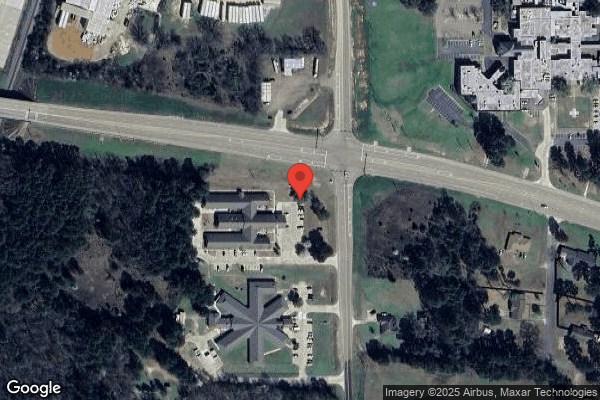
Understanding Severity Codes (click to expand)
Life-Threatening (Immediate Jeopardy)
J - Isolated K - Pattern L - Widespread
Actual Harm
G - Isolated H - Pattern I - Widespread
Potential for Harm
D - Isolated E - Pattern F - Widespread
No Harm (Minor)
A - Isolated B - Pattern C - Widespread

Questions to Ask on Your Visit

  • "What changes have you made since the serious inspection findings?"
  • "Can I speak with families of current residents?"
  • "What's your RN coverage like on weekends and overnight?"

Our Honest Assessment

Strengths
  • • Licensed and certified facility. Meets minimum state requirements.
Concerns
  • • Multiple safety concerns identified: 4 life-threatening violation(s), 1 harm violation(s), $147,922 in fines. Review inspection reports carefully.
  • • 34 deficiencies on record, including 4 critical (life-threatening) violations. These warrant careful review before choosing this facility.
  • • $147,922 in fines. Extremely high, among the most fined facilities in Texas. Major compliance failures.
  • • Grade F (0/100). Below average facility with significant concerns.
Bottom line: This facility has 4 Immediate Jeopardy findings. Serious concerns require careful evaluation.

About This Facility

What is Golden Villa's CMS Rating?

CMS assigns GOLDEN VILLA an overall rating of 2 out of 5 stars, which is considered below average nationally. Within Texas, this rating places the facility higher than 0% of the state's 100 nursing homes. A rating at this level reflects concerns identified through health inspections, staffing assessments, or quality measures that families should carefully consider.

How is Golden Villa Staffed?

CMS rates GOLDEN VILLA's staffing level at 4 out of 5 stars, which is above average compared to other nursing homes. Staff turnover is 46%, compared to the Texas average of 46%. This relatively stable workforce can support continuity of care.

What Have Inspectors Found at Golden Villa?

State health inspectors documented 34 deficiencies at GOLDEN VILLA during 2023 to 2025. These included: 4 Immediate Jeopardy (the most serious level, indicating potential for serious harm or death), 1 that caused actual resident harm, and 29 with potential for harm. Immediate Jeopardy findings are rare and represent the most serious regulatory concerns. They require immediate corrective action.

Who Owns and Operates Golden Villa?

GOLDEN VILLA is owned by a for-profit company. For-profit facilities operate as businesses with obligations to shareholders or private owners. The facility is operated by CARING HEALTHCARE GROUP, a chain that manages multiple nursing homes. With 120 certified beds and approximately 88 residents (about 73% occupancy), it is a mid-sized facility located in ATLANTA, Texas.

How Does Golden Villa Compare to Other Texas Nursing Homes?

Compared to the 100 nursing homes in Texas, GOLDEN VILLA's overall rating (2 stars) is below the state average of 2.8, staff turnover (46%) is near the state average of 46%, and health inspection rating (2 stars) is below the national benchmark.

What Should Families Ask When Visiting Golden Villa?

Based on this facility's data, families visiting should ask: "What changes have been made since the serious inspection findings, and how are you preventing similar issues?" "Can I visit during a mealtime to observe dining assistance and food quality?" "How do you handle medical emergencies, and what is your hospital transfer rate?" "Can I speak with family members of current residents about their experience?" These questions are particularly relevant given the facility's Immediate Jeopardy citations.

Is Golden Villa Safe?

Based on CMS inspection data, GOLDEN VILLA has documented safety concerns. Inspectors have issued 4 Immediate Jeopardy citations (the most serious violation level indicating risk of serious injury or death). The facility has a 2-star overall rating and ranks #100 of 100 nursing homes in Texas. Families considering this facility should ask detailed questions about what corrective actions have been taken since these incidents.

Do Nurses at Golden Villa Stick Around?

GOLDEN VILLA has a staff turnover rate of 46%, which is about average for Texas nursing homes (state average: 46%). Moderate turnover is common in nursing homes, but families should still ask about staff tenure and how the facility maintains care continuity when employees leave.

Was Golden Villa Ever Fined?

GOLDEN VILLA has been fined $147,922 across 3 penalty actions. This is 4.3x the Texas average of $34,558. Fines at this level are uncommon and typically indicate a pattern of serious deficiencies, repeated violations, or failure to correct problems promptly. CMS reserves penalties of this magnitude for facilities that pose significant, documented risk to resident health or safety. Families should request specific documentation of what issues led to these fines and what systemic changes have been implemented.

Is Golden Villa on Any Federal Watch List?

GOLDEN VILLA is not on any federal watch list. The most significant is the Special Focus Facility (SFF) program, which identifies the bottom 1% of nursing homes nationally based on persistent, serious quality problems. Not being on this list means the facility has avoided the pattern of deficiencies that triggers enhanced federal oversight. This is a positive indicator, though families should still review the facility's inspection history directly.