BARTON VALLEY REHABILITATION AND HEALTHCARE CENTE
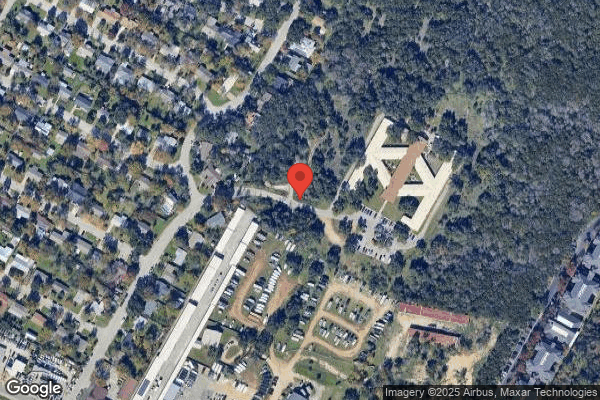
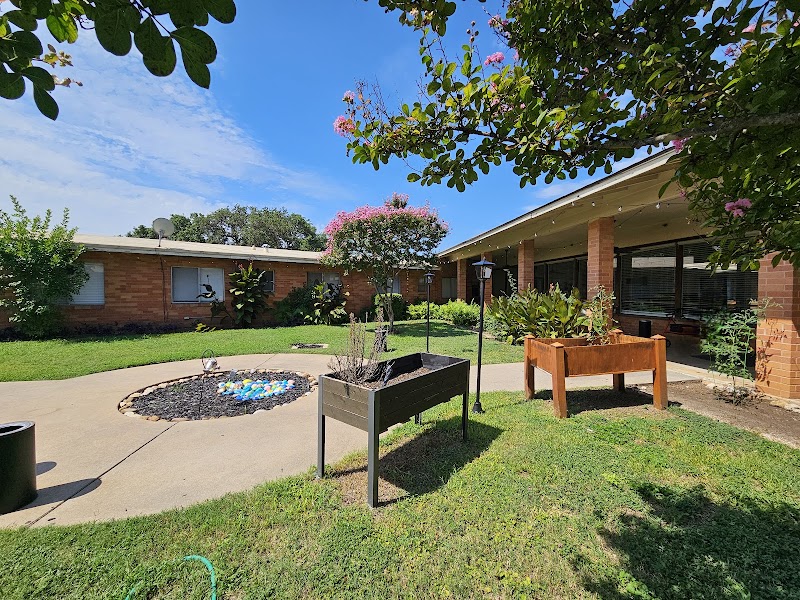
4501 DUDMAR DR, AUSTIN, TX 78735 (512) 892-1131
For profit - Corporation 126 Beds NEXION HEALTH Data: November 2025
Trust Grade
73/100
#191 of 1168 in TX
Last Inspection: February 2025

Within standard 12-15 month inspection cycle. Federal law requires annual inspections.

Overview

Barton Valley Rehabilitation and Healthcare Center has a Trust Grade of B, indicating it is a good choice, generally solid but with some areas for improvement. It ranks #191 of 1168 nursing homes in Texas, placing it in the top half, and #5 of 27 in Travis County, meaning only four local options are better. The facility's performance is stable, with 5 issues reported in both 2024 and 2025, and it has a staffing rating of 4 out of 5 stars, indicating good staff retention at 45% turnover, which is below the state average. However, they have been fined $3,250, which is average, and concerns were noted regarding resident privacy, sanitation of bathrooms, and timely care planning for residents. Specific incidents included staff failing to knock before entering residents' rooms, dirty toilets in multiple bathrooms, and a lack of timely care plan updates for one resident, which could negatively affect their care and comfort.

Trust Score
B
73/100
In Texas
#191/1168
Top 16%
Safety Record
Low Risk
No red flags
Inspections
Holding Steady
5 → 5 violations
Staff Stability
⚠ Watch
45% turnover. Above average. Higher turnover means staff may not know residents' routines.
Penalties
✓ Good
$3,250 in fines. Lower than most Texas facilities. Relatively clean record.
Skilled Nurses
○ Average
Each resident gets 30 minutes of Registered Nurse (RN) attention daily — about average for Texas. RNs are the most trained staff who monitor for health changes.
Violations
⚠ Watch
20 deficiencies on record. Higher than average. Multiple issues found across inspections.
★★★★☆
4.0
Overall Rating
★★★★☆
4.0
Staff Levels
★★☆☆☆
2.0
Care Quality
★★★★☆
4.0
Inspection Score
Stable
2024: 5 issues
2025: 5 issues

The Good

  • 4-Star Staffing Rating · Above-average nurse staffing levels
  • Full Sprinkler Coverage · Fire safety systems throughout facility
  • No fines on record

Facility shows strength in staffing levels, fire safety.

The Bad

Staff Turnover: 45%

Near Texas avg (46%)

Higher turnover may affect care consistency

Federal Fines: $3,250

Below median ($33,413)

Minor penalties assessed

Chain: NEXION HEALTH

Part of a multi-facility chain

Ask about local staffing decisions and management

The Ugly 20 deficiencies on record

Feb 2025 4 deficiencies
CONCERN (D)

Potential for Harm - no one hurt, but risky conditions existed

Comprehensive Assessments (Tag F0636)

Could have caused harm · This affected 1 resident

**NOTE- TERMS IN BRACKETS HAVE BEEN EDITED TO PROTECT CONFIDENTIALITY** Based on interview and record review the facility failed to conduct a comprehensive assessment of a resident in accordance with ...

Read full inspector narrative →
**NOTE- TERMS IN BRACKETS HAVE BEEN EDITED TO PROTECT CONFIDENTIALITY** Based on interview and record review the facility failed to conduct a comprehensive assessment of a resident in accordance with the timeframes, within 14 calendar days after admission, excluding readmission in which there is no significant change in the resident's physical or mental condition and not less than once every 12 months for 1 of 18 residents (Resident #47) reviewed for comprehensive annual assessments. The facility failed to ensure Resident #48's annual MDS Assessment was completed within 14 days of the ARD. This failure could place residents at-risk of not having their assessments completed timely, which could result in denial of services and or payment for services. The findings include: Record review of Resident #48's admission Record, dated 02/26/2025, revealed a [AGE] year-old male who was admitted to the facility on [DATE] and readmitted on [DATE]. Resident #48 had diagnoses which included respiratory failure, heart failure, weakness, long term use of blood thinners, edema (swelling), viral hepatitis C, retention of urine, protein-calorie malnutrition, insomnia (difficulty sleeping), morbid obesity, and high blood pressure. Record review of Resident #48's Annual/5 Day Assessment MDS with an ARD of 02/18/2025, revealed Section Z of the MDS, Z0400 revealed sections B, C, D, E, and Q were done by the SW and signed on 02/17/2025. Section K was done by the KM and F was completed by the AD and signed on 2/17/2025. Section M was the last section completed by the UM and signed on 02/18/2025. Section Z of the MDS, Z0400. Signature of RN Assessment Coordinator Verifying Assessment Completion had not been completed as of exit on 02/26/2025. During an interview with the DON on 02/26/2025 at 11:00 a.m., revealed that she had been trained on MDS. She said that corporate was doing the MDS's at this time. She said she knows there are certain times that the MDS had to be done in, but she would have to look it up to see the time for each MDS. She said an MDS was completed quarterly, annually, when the resident had a change in condition, discharge, admission and if the resident had a significate change. She said the negative outcome for not completing the MDS was that the facility would not get paid. She said the facility had a schedule, and policy and procedures and the facility were to follow them. She said corporate was responsible for doing the MDS's timely. She said that corporate would monitor it through the electronic records. She said she did not know why Resident #48's MDS had not been completed. During an interview with the ADM on 02/26/2025 at 11:36 a.m., revealed she had been trained on MDS. She said that the facility currently did not have a MDS coordinator. She said the MDS coordinator would have been the one to communicate with corporate about the MDS since corporate was doing the MDS. She said that the facility had 21 days to complete the MDS. She said a negative outcome was the facility would not get paid. She said she could not think how it would affect the resident. She said that the DON and herself were responsible for ensuring the MDS was done timely. She said that her and the DON monitored it through their morning meeting. She said that Resident #48's MDS was not late she said she had 14 days started from the time the facility closed the Entry MDS. She said that the facility had until 3/3/2025 to finish the MDS. During an interview with CN C on 02/26/2025 at 11:57 a.m., revealed that she had been trained on MDS. She said she had been doing MDS since 2013. She said she was responsible for doing the MDS's because the facility currently did not have an MDS nurse. She also said some of the other facilities the company had would also help. She said MDS were updated daily. She said the time for completing the MDS was at entry within 7 days of coming in, must be completed within 14 days of admission, 92 days for quarterly or significate change. She said if an MDS was not done, it would be considered late. She said it was important to have the MDS done timely as it reflected what treatment the facility was doing for the resident. She said it would also reflect their diagnosis or if there was a decline. She said it was an IDT team group effort. She stated she is responsible for monitoring to ensure MDS are done timely. She stated it was monitored by her Monday through Friday and she would look at the in-progress list of individuals who needed to have their MDS done. She said that the MDS for Resident #48 was not due until 3/3/2025. Record review of the CMS RAI Version 3.0 Manual Chapter 2: 5-Day Assessment and OBRA admission assessment dated 0ctober 2024 revealed Comprehensive item set. o ARD (item A2300) must be set for days 1 through 8 of the Part A SNF stay. o Must be completed (item Z0500B) by the end of day 14 of the stay (admission date plus 13 calendar days). o See Section 2.7 and Chapter 4 for requirements for CAA process and care plan completion. Record review of MDS Coding Policy (not dated) revealed the facility utilized the most up to date Resident Assessment Instrument (RAI) manual for determination of coding each section of the Resident Assessment, timely and accurately. The most current RAI manual may be found on the CMS,gov website.
CONCERN (D)

Potential for Harm - no one hurt, but risky conditions existed

Deficiency F0645 (Tag F0645)

Could have caused harm · This affected 1 resident

**NOTE- TERMS IN BRACKETS HAVE BEEN EDITED TO PROTECT CONFIDENTIALITY** Based on interview and record review, the facility failed to identify a diagnosis of mental illness on the preadmission screenin...

Read full inspector narrative →
**NOTE- TERMS IN BRACKETS HAVE BEEN EDITED TO PROTECT CONFIDENTIALITY** Based on interview and record review, the facility failed to identify a diagnosis of mental illness on the preadmission screening and resident review (PASRR) assessment for 2 of 6 residents (Resident #78 and Resident #85) whose records were reviewed for PASRR services. The facility failed to get PASRR eval when Resident #78's Level 1 PASRR screening indicated the resident had mental illness diagnoses of schizoaffective disorder bipolar type, and anxiety. The facility failed to complete a PASRR screening on Resident #85. This deficient practice could place residents with mental illness at risk for not obtaining the services needed to treat their mental health diagnoses. The findings include: 1. Record review of Resident #78's admission sheet, dated 02/25/2025, revealed a [AGE] year-old female who was readmitted to the facility on [DATE] and initial admission on [DATE] with diagnoses including respiratory failure, encounter with tracheostomy (a procedure that puts a hole in the neck so air can get into the lungs, obstructive pulmonary disease (lung disease that blocks air flow making it difficult to breath, schizoaffective disorder bipolar type (mental disorder with delusions, hallucinations, disorganized speech and grossly disorganized behavior), morbid obesity, heart disease, tobacco use, high blood pressure, voice and resonance disorder (affects how your voice sounds and air flow through your nose and mouth) and anxiety (intense or persistent worry and fear about everyday situations). Record review of Resident #78's quarterly MDS assessment, dated 01/09/2025, noted the resident BIMS was 15, indicating intact cognitive response; mood indicators were present including feeling lonely or isolated from those around you, verbal behavioral symptoms directed towards other and not directed towards others. The MDS also had schizophrenia and anxiety as active diagnosis. Record review of Resident #78's care plan, updated on 01/24/2025 noted the resident uses and antidepressant r/t Depression. One of the approaches was to monitor and document the change in behavior/mood/cognition; hallucinations/delusions; social isolation, suicidal thoughts, withdrawal. The resident uses psychotropic medications r/t schizoaffective disorder. One of the approaches were monitor/document/report PRN any adverse reactions of PSYCHOTROPIC medications: unsteady gait, tardive dyskinesia (uncontrolled body movements), shuffling gait, rigid muscles, shaking, frequent falls, refusal to eat, difficulty swallowing, dry mouth, depression, suicidal ideations, social isolation, blurred vision, diarrhea, fatigue, insomnia, loss of appetite, weight loss, muscle cramps nausea, vomiting, behavior symptoms not usual to the person. Record review of Resident #78's PASRR 1 dated 06/10/2024 revealed that the facility marked no for mental illness. Attempted to interview Resident #78 on 02/24/2025, 02/25/2025 and 02/26/2025 resident was unavailable for interview. 2. Record review of Resident #85's admission sheet, dated 02/25/2025, revealed a [AGE] year-old male who was admitted to the facility on [DATE] diagnoses including major depressive disorder (loss of interests in activities causing significant impairment in daily life), developmental disorder of scholastic skills (condition characterized by a significant discrepancy between an individuals perceived level of intellect and their ability to acquire new language and other cognitive skills), autistic disorder (lifelong developmental disability that affects how a person communicates interacts with others, learns and behaves), high blood pressure, lack of expected normal physiological development in childhood, cognitive communication deficit (difficulty communicating), weakness, and anxiety disorder (intense or persistent worry and fear about everyday situations). Record review of Resident #85's quarterly MDS assessment, dated 12/21/2024, noted the resident BIMS was 05, indicating severe cognitive impairment; mood indicators were not present. The MDS also had depression and anxiety as active diagnosis. Record review of Resident #85's care plan, updated on 01/15/2025 noted the resident uses and antidepressant r/t Depression. One of the approaches was to monitor and document the change in behavior/mood/cognition; hallucinations/delusions; social isolation, suicidal thoughts, withdrawal. The resident uses psychotropic medications r/t behavior management. One of the approaches were monitor/document/report PRN any adverse reactions of PSYCHOTROPIC medications: unsteady gait, tardive dyskinesia (uncontrolled body movements), shuffling gait, rigid muscles, shaking, frequent falls, refusal to eat, difficulty swallowing, dry mouth, depression, suicidal ideations, social isolation, blurred vision, diarrhea, fatigue, insomnia, loss of appetite, weight loss, muscle cramps nausea, vomiting, behavior symptoms not usual to the person. The care plan also revealed the resident had impaired cognitive function or impaired thought process r/t developmentally delayed. One of the approaches was to monitor/document/report PRN any changes in cognitive function, specifically changes in: decision making ability, memory, recall and general awareness, difficulty expressing self, difficulty understanding others, level of consciousness, mental status. Record review revealed that Resident #85 did not have a PASRR completed. Interview attempted with Resident #85 on 02/24/2025 at 10:13 a.m., Resident #85 was not interviewable. During an interview with the ADM on 02/26/2025 at 11:40 a.m., revealed that she had been trained on PASRR. She said that the MDS nurse was responsible for doing PASRRs. She also said that corporate was doing the PASRRs because the facility does not have an MDS nurse. She said a PASRR I was done before admission and PASRR II is done if the PASRR I is positive. She said that for a PASRR I to be positive that the resident had to have a mental disorder or Intellectual and development disability (IDD), She said that it was important to do the PASRR so that the resident had the opportunity to receive services for which they are eligible. She said that for Resident #85 a PASRR was not done due to him coming from home. She said the facility rushed Resident #85's admission and was overlooked. She also said for Resident #78's PASRR was done at the hospital and was negative. She said the MDS person the facility was new at the time and did not flag her PASRR. During an interview with the CN C on 02/26/2025 at 12:07 p.m., revealed that she had been trained on PASRR. She said that for a PASRR I to be positive the resident had to have a mental illness. She said that a PASRR was done on all residents at the time they are admitted . She stated to be responsible for doing the PASRRs or individuals in the case mix. She said that she was responsible for completing the PASRR if the resident had a new mental illness diagnosis. She said the facility would complete form 1012 and determine if the individual has dementia, then complete mental health illness check to put in a PASRR. She stated it is important to do a PASRR for individuals that have a mental health illness to receive the extra support they need if the individual meet's certain criteria for services. She did not know why the PASRRs for Resident #78 and Resident #85 were not done. Record review of the PASRR Policy and Procedure revised on 07/18/2018 and reviewed 02/26/2025 revealed the facility uses the most current version of [NAME] Rules, TAC Title 26, Part 1 Chapter 554, Sub-chapter BB as they pertain to PASRR Level 1, Level 2 (PE), Specialized Services and IDT meetings. This TAC may be found on the Texas Health and Human Services website. Record review of the TAC Title 26, Part 1 Chapter 554, Sub-chapter BB dated 12/11/2020 revealed if an individual seeks admission to a nursing facility, the nursing facility: (1) must coordinate with the referring entity to ensure the referring entity conducts a PL1; and (2) may provide assistance in completing the PL1, if the referring entity is a family member, LAR, other personal representative selected by the individual, or a representative from an emergency placement source and requests assistance in completing the PL1. (b) A nursing facility must not admit an individual who has not had a PL1 conducted before the individual is admitted to the facility. (c) If an individual's PL1 indicates the individual is not suspected of having MI, ID, or DD, a nursing facility must enter the PL1 from the referring entity into the LTC Online Portal. The nursing facility may admit the individual into the facility through the routine admission process. (d) For an individual whose PL1 indicates the individual is suspected of having MI, ID, or DD, a nursing facility: (1) must enter the PL1 into the LTC Online Portal if the individual's admission category is: (A) expedited admission; or (B) exempted hospital discharge; and (2) must not enter the PL1 into the LTC Online Portal if the individual's admission category is pre-admission. (e) Except as provided by subsection (f) of this section, a nursing facility must not admit an individual whose PL1 indicates a suspicion of MI, ID, or DD without a complete PE and PASRR determination. (f) A nursing facility may admit an individual whose PL1 indicates a suspicion of MI, ID, or DD without a complete PE and PASRR determination only if the individual: (1) is admitted as an expedited admission. (2) is admitted as an exempted hospital discharge; or (3) has not had an interruption in continuous nursing facility residence other than for acute care lasting fewer than 30 days and is returning to the same nursing facility. (g) A nursing facility must check the LTC Online Portal daily for messages related to admissions and directives related to the PASRR process.
CONCERN (D)

Potential for Harm - no one hurt, but risky conditions existed

Infection Control (Tag F0880)

Could have caused harm · This affected 1 resident

**NOTE- TERMS IN BRACKETS HAVE BEEN EDITED TO PROTECT CONFIDENTIALITY** Based on observation, interview, and record review, the facility failed to maintain an infection prevention and control program ...

Read full inspector narrative →
**NOTE- TERMS IN BRACKETS HAVE BEEN EDITED TO PROTECT CONFIDENTIALITY** Based on observation, interview, and record review, the facility failed to maintain an infection prevention and control program designed to provide a safe, sanitary, and comfortable environment and to help prevent the development and transmission of communicable diseases and infections for 1 of 5 residents (Resident #47) reviewed for transmission-based precautions, in that: The facility failed to provide Enhanced Barrier Precautions for Resident #47, who had a chronic wound with drainage that could not be covered with a dressing. This deficient practice could put the resident at risk for infection. Finding included: Review of Resident #47's face sheet reflected a [AGE] year-old male admitted to the facility on [DATE] and readmitted on [DATE] with the following diagnoses Diabetes Mellitus with Diabetic neuropathy (A condition results from insufficient production of insulin, causing high blood sugar, and decreased feeling in the hands and feet.), peripheral vascular disease (is a common condition in which narrowed arteries reduce blood flow to the arms or legs.) and intellectual disabilities (A condition that limits intelligence and disrupts abilities necessary for living independently.). Review of Resident #47's quarterly MDS assessments dated 02/10/2025 reflected he was assessed to have a BIMS score of 5 indicating severe cognitive impairment. Resident #47 was further assessed to have applications of ointments or medications to areas other than feet. Review of Resident #47's comprehensive care plan reflected a focus area dated 08/05/2024 The resident has a wound to left posterior lateral upper thigh. Further review of his plan of care reflected a focus are dated 01/22/2025 Resident requires enhanced barrier precautions related to wounds. Interventions included: Apply signage outside resident room ; EBP (Enhanced Barrier Precautions) used during high-contact resident care activities as applicable, such as: dressing, bathing/showering, transferring; providing hygiene; changing linens; changing briefs or assisting with toileting; device care or use: (central line/urinary catheter/feeding tube/trach/vent); wound care (any skin opening requiring a dressing); other areas determined to require EBP . Review of Resident #47's consolidated physician orders reflected an order dated 01/27/2025 wound to left posterior lateral upper thigh, cleanse with wound cleanser, apply lotrisone cream and leave open to air. Further review of Resident #47's physician orders reflected an order dated 08/29/2024 enhanced barrier precautions - gown and gloves required for high-contact activities: dressing, bathing, transfers, providing hygiene, changing linens, incontinent care, toileting, therapy .and wound care every shift for infection control. Review of Resident #47's wound assessment report dated 02/24/2025 conducted by Resident #47's NP reflected his wound was on his left thigh, it was re-opened partial thickness wound (involves damage to the outer layers of the skin, specifically the epidermis and part of the dermis.) with sanguineous drainage (is the initial discharge produced after an injury or an open wound where the skin is broken.) Review of Resident #47's wound care MD assessment and progress note reflected Resident #47 had a wound on his left lateral thigh which had drainage and was greater than 122 days old. (A chronic wound is one that has failed to progress through the phases of healing in an orderly and timely fashion in 30 days.) Observation on 02/24/2025 at 9:42 AM, revealed Resident #47 did not have a sign for EBP outside of his room door. Observation on 02/25/2025 at 1:52 PM, revealed Resident #47 in room. The Treatment Nurse entered room to preform wound care with CNA D to assist. The Treatment nurse nor CNA D donned PPE prior to entering the room. The Treatment nurse exposed Resident #47's left thigh to reveal a wound that was approximately 8 X 4 region of scarred tissue with scattered, small, round open areas. Drainage was observed on the wound. In an interview on 2/26/25 at 9:20 AM, the Treatment nurse stated that Resident #47 had open areas on his wound. She stated it was her understanding of the facility's policy on EBP that it was used only for pressure sore wounds of stage 2 or above, and did not include skin tears, or any other types of wounds. The Treatment nurse stated after reviewing the facility policy, that the resident should have been on EBP for his current wound. She stated that not initiating EBP for Resident #47 could place him at risk of exposure to pathogens which could cause infections. In an interview on 2/26/25 at 9:25 AM, the DON stated that EBP should be initiated for patients with indwelling catheters, PEG tubes, and serious breaks in the skin, including some skin tears. She stated they have not been doing EBP for minor skin breaks. The DON stated that EBP have not been initiated on Resident #47. The DON stated after reviewing the facility policy, that I probably wouldn't have [started EBP], but I will look into it. The DON stated that the resident had behaviors of scratching that area and reopening the wound. She stated that the facility is in the process of doing additional training with quizzes and in-services regarding EBP. The DON stated she was unsure if the Treatment nurse has completed the training. Interview on 02/26/2025 at 12:23 PM, the Corporate Nurse IP, stated that she was the interim IP for the facility from August 2024 until approximately two weeks ago. She stated that it was her expectation that EBP be started for all residents with chronic wounds, PEG tubes, foley catheters. She stated she was familiar with Resident #47 and stated that he had several open areas on the left thigh region that would heal and reopen. She stated that the orders and care plan interventions were likely initiated from her instructions and not discontinued appropriately. She stated that if the wound had drainage with an order for OTA, that EBP should be initiated. She stated that not initiating EBP appropriately puts the resident at risk for infections. Review of the in-service dated 02/26/2025 reflected the Treatment nurse was in-serviced on EBP. Review of the facility's policy Enhanced Barrier precautions dated 04/01/2024 reflected Enhanced Barrier Precautions (EBP) refer to an infection control intervention designed to reduce transmission of multidrug-resistant organisms that employ targeted gown and glove use during high contact resident care activities. EBP are used in conjunction with standard precautions and expand the use of PPE to donning of gown and gloves during high-contact resident care activities that provide opportunities for transfer of MDROs to staff hands and clothing. A single set of PPE cannot be used for more than one patient. EBP are indicated for residents with any of the following: Wounds and/or indwelling medical devices even if the resident is not known to be infected or colonized with a MDRO . Wounds generally include chronic wounds, not shorter-lasting wounds, such as skin breaks or skin tears covered with an adhesive bandage, or similar dressing. Examples of chronic wounds include, but are not limited to, pressure ulcers, diabetic foot ulcers, unhealed surgical wounds, and venous stasis ulcers .
CONCERN (E)

Potential for Harm - no one hurt, but risky conditions existed

Resident Rights (Tag F0550)

Could have caused harm · This affected multiple residents

**NOTE- TERMS IN BRACKETS HAVE BEEN EDITED TO PROTECT CONFIDENTIALITY** Based on observations, interviews, and record review the facility failed to ensure resident rights for personal privacy for 3 of...

Read full inspector narrative →
**NOTE- TERMS IN BRACKETS HAVE BEEN EDITED TO PROTECT CONFIDENTIALITY** Based on observations, interviews, and record review the facility failed to ensure resident rights for personal privacy for 3 of 10 residents (Resident #58, Resident #63, and Resident #83) reviewed for personal privacy. The facility failed to knock on Resident #58, #63, and #83's room when going into the residents' rooms. This failure could affect all residents right to privacy in the facility and cause the resident to feel like their privacy was being invaded or the facility was not their home. Findings included: Review of Resident #58's Face Sheet dated 02/26/2025 revealed he was a [AGE] year-old male who was admitted to the facility on [DATE]. Resident #58's diagnoses included dementia (memory, thinking, difficulty), heart failure, muscle weakness, kidney disease, abnormalities with gait and mobility, pain, age related physical debility, weakness, dry eye syndrome, localized edema (swelling), hearing loss, tobacco use, and viral hepatitis C. Record review of Resident #58's Quarterly MDS dated [DATE] revealed Resident #58 had a BIMS score of 8 indicating severe cognitive impairment. The MDS also revealed that Resident #58 was independent with eating. Review of Resident #63's Face Sheet dated 02/25/2025 revealed he was a [AGE] year-old female who was admitted to the facility on [DATE]. Resident #63's diagnoses included gastroesophageal reflux disease without esophagitis (reflux), cerebral infraction (Stroke), memory issue following stroke, hypertension (high blood pressure), hyperlipidemia (high cholesterol), kidney failure, weakness, history of falling, chronic pain, pain in joint, low back pain and chronic embolism and thrombosis of other specified veins (blood clots in the veins). Record review of Resident #63's Quarterly MDS dated [DATE] revealed that Resident #63 had a BIMS score of 11 indicating moderate impairment. The MDS also revealed that Resident #63 was set up and clean up assistance with eating. Review of Resident #83's Face Sheet dated 02/25/2025 revealed she was a [AGE] year-old female who was admitted to the facility on [DATE]. Resident #83's diagnoses included dementia (memory, thinking, difficulty), hypothyroidism, , schizoaffective disorder (mental disorder with delusions, hallucinations, disorganized speech and grossly disorganized behavior), anxiety (intense or persistent worry and fear about everyday situations), weakness, major depressive disorder (feeling of sadness), protein-calorie malnutrition, myopia (near sightedness), pain and catatonic disorder (disorder that disrupts how the brain works). Record review of Resident #83's Quarterly MDS dated [DATE] revealed that Resident #83's BIMS score was a 14 indicating intact cognitive responses. The MDS also revealed that Resident #83 had supervision or touching assistance with eating. Observation of lunch hall trays being passed on 02/24/2025 at 12:49 p.m., revealed CNA A did not knock on Resident #83's door before entering. Observation of lunch hall trays on 02/24/2025 at 12:55 p.m., revealed CNA B walked into Resident #58, and Resident #83's rooms without knocking. During an interview with Resident #83 on 02/25/2025 at 2:27 p.m., revealed that staff do not always knock on his door before coming in. He said he would prefer for staff to knock all the time when they come to check on him. He said he does not get upset when staff do not knock. During an interview with Resident #63 on 02/26/2025 at 8:10 a.m., revealed that she did not want to talk to surveyor. She said staff aways knocked. During an interview with Resident #58 on 02/26/2025 at 8:15 a.m., revealed that staff do not knock on his door before entering. He said he tried to stop the staff but said staff do not listen to him. He said staff not knocking happened all the time. He said that it would really upset him when staff just came in his room. He said it especially upsets him if he is doing something or sleeping. He said he wanted staff to knock all the time. During an interview with CNA A on 02/26/2025 at 9:05 a.m., revealed that she had been trained on resident rights. She said the policy for knocking was that staff were supposed to knock and wait for a response to come in. She also said if they do not answer to knock again. She said staff were to knock anytime they wanted to enter a resident's room. She said if staff do not knock the resident may feel like his or her rights are being violated. She said that management monitors to ensure staff are knocking on the resident's doors by observation and keeping an eye on staff. She said she realized after going in Resident #63's room that she did not knock on the door. She said that her mind was somewhere else, and she knew she should have knocked. During an interview with the DON on 02/26/2025 at 10:53 a.m., revealed she and staff had been trained on resident rights. She said the policy was that staff were to knock and wait for a response before entering the resident's room. She said all staff were required to always knock on the resident's door before entering. She said the resident may not feel like their privacy is being invaded. She said that all staff were responsible for monitoring to ensure staff are knocking when doing rounds. She said she did not know why staff were not knocking on the residents' doors. She said she thought the staff were just nervous about the surveyor being there. During an interview with CNA B on 02/26/2025 at 11:18 a.m., revealed that she had been trained on resident rights. She said that staff were supposed to knock on all residents' doors before entering. She also said that staff were supposed to introduce themselves and tell the resident what they were there for. She said there was no reason staff should not knock on the resident's door before entering. She said by staff not knocking the resident may feel as if their privacy is being invaded. She also said that she would want someone to knock on the door and staff should be respectful. She said the nurses usually sat at the nurse's station and watched to ensure staff were knocking. She said on Resident #58 and Resident #83 she just wanted to get their meal trays to them because the meal trays were late and sometimes the residents would get upset. During an interview with the ADM on 02/26/2025 at 11:33 a.m., revealed that she and staff had been trained on resident rights and knocking on residents' doors. she said the policy was to knock on the door and wait to be invited in, she said all staff were supposed to knock before entering the resident's room. She said that there was not a reason for staff not to knock on the resident's door. She said residents could feel like they did not have privacy if staff did not knock. She said that everyone should be monitoring that staff are knocking on the door but mainly management. She said management monitors it by reviewing grievances, resident council minutes, and observation. She said she did not know why staff were not knocking on resident's doors before entering. Record review of Resident Rights Policy revised 12/2016 revealed the resident has a right to a dignified existence; be treated with respect, kindness and dignity; privacy and confidentiality.
Feb 2025 1 deficiency
CONCERN (D) 📢 Someone Reported This

A family member, employee, or ombudsman was alarmed enough to file a formal complaint

Potential for Harm - no one hurt, but risky conditions existed

Accident Prevention (Tag F0689)

Could have caused harm · This affected 1 resident

**NOTE- TERMS IN BRACKETS HAVE BEEN EDITED TO PROTECT CONFIDENTIALITY** Based on observations, interviews, and record review the facility failed to ensure each resident received adequate supervision a...

Read full inspector narrative →
**NOTE- TERMS IN BRACKETS HAVE BEEN EDITED TO PROTECT CONFIDENTIALITY** Based on observations, interviews, and record review the facility failed to ensure each resident received adequate supervision and assistance devices to prevent accidents for 1 (Resident #1) of 6 residents reviewed for competent nursing services. CNA A was asleep during 1:1 care of Resident #1 who is legally blind, on evening shift of 01/28/2025 and 01/29/2025. These failures placed residents at risk of injury. Findings include: Review of resident face sheet reflected Resident #1 was a [AGE] year-old male with admission date of 09/27/2024. Resident has a diagnoses of displaced comminuted fracture of shaft of ulna (a severe break in forearm bone that occurs when the bones shatters and the pieces move out of place), subsequent encounter for closed fracture with delayed healing (where the fracture is considered closed), autistic disorder (a neurological and developmental disorder that affects how people interact with others, communicate, learn and behave), legal blindness (a significant visual impairment that meets specific criteria as defined by law), adult physical abuse, burn of second degree of right knew (refers to a partial-thickness burn on the right knee), burn of second degree of right elbow (a partial thickness on the skin of the right elbow, characterized by redness, swelling, blistering and significant pain), burn of second degree of upper back (the burn affect the top two layers of skin causing noticeable redness, painful blisters, swelling and potential skin discoloration), multiple fractures of ribs (can cause severe pain, chest wall deformity, and other complications), dysphagia (difficulty swallowing), weakness, limitation of activities due to disability, unspecified hearing loss, bilateral attention deficit hyperactivity disorder (a developmental disorder that affects a person's ability to focus, control their behavior and be still), major depressive disorder (a common and serious mental health condition characterized by persistent feelings of sadness, loss of interest and other symptoms that interfere with daily life) and impulse disorder (a group of mental health conditions characterized by difficulty controlling impulsive behaviors, often leading to harmful or disruptive consequences). Review of the most recent MDS dated [DATE] reflected Resident #1 had a BIMS score of 99 indicating Resident #1 was cognitively impaired. The MDS assessment for cognitive skills for daily decision-making reflected Resident #1 was severely impaired indicating Resident #1 never/rarely made decisions. Review of the care plan initiated 10/02/2024 with a goal date of 04/09/2025 reflected Resident #1 was susceptible to wandering risk related to decreased safety awareness, confusion and wandering behavior. Goal to remain free of injuries associated with wandering behaviors thru this review period. Record review of care plan reflected Resident #1 needs assistance as he has poor eyesight. Record review of care plan initiated 10/10/2024 with a goal date of 04/09/2025 reflected Resident #1 susceptible for ADL self-care performance deficit related to legal blindness. Intervention/task for toilet use: the resident requires extensive assistance by (x1) staff for toileting. Transfers: the resident requires extensive assistance by (1-2) staff to move between surfaces as necessary. Review of the care plan reflected Resident #1 is a wanderer related to disoriented to place, impaired safety awareness. Resident wanders aimlessly, significantly intrudes on the privacy or activities. Goal reflects the residents' safety will be maintained through the review date. Record review of care plan reveals resident has a communication problem related to cognitive communication deficit, hearing loss. Intervention/task to ensure/provide a safe environment. Care plan revealed the resident is a high risk for falls related to confusion, incontinence, poor communication/comprehension, unaware of safety needs, vision/hearing problems, wandering. Goal: the resident will not sustain serious injury through the review date. Record review of a video revealed on 01/28/2025 at 10:46 pm that was 2:32 minutes long, revealed Resident #1 get out of bed and bump into chair that care aide was using for his feet as a recliner. Resident then goes toward the sink and the care aide woke up because of the noise from him bumping into furniture. CNA A reached over and grabbed a sandwich from the side table next to him and handed it to the resident. Resident #1 returned to his bed, sat down and began to eat his sandwich and laid back down with food in his mouth. CNA A was sitting in his chair on the opposite side of the room. The video only showed his feet propped on a second chair that was being used as a recliner. Record review of a video revealed on 01/29/2025 at 4:42 pm that was 4:15 minutes long revealed Resident #1 getting up out of bed and walked towards the restroom where care aide was sitting with his feet propped on another chair as a recliner set up. Resident #1 bumped into the chair and care aide woke up and began to wipe his eyes with his hands, he then reached over and grabbed Resident #1 by his t-shirt and directed him towards the restroom door. CNA A checked his personal phone and returned to sleep. Video Resident #1 was using the restroom with the door open, and his back was visible in the video as he was standing up urinating. CNA A was asleep in the video with his feet propped up in chair and the resident bed side table was in front of him. Video then revealed resident turn around, pulled his pants down and sat on the toilet. CNA A's eyes were closed. During telephone interview on 02/06/2025 at 12:51 PM CNA A stated he was not asleep during his 1:1 shift with Resident #1. CNA A voiced it was not good to fall asleep during shift. CNA A verbalized his boss has not told him when he can return to work and that he was not sure when they will call him back to work. CNA A stated he knows he didn't do anything when he was with the resident in the room. During an interview on 02/06/2025 at 1:21 PM LVN B stated it was not appropriate for staff to be asleep on the job. LVN B stated she has not noticed any staff sleeping on the job and negative effects that could happen to resident if staff were asleep on the job would be they could have choking hazards and residents could fall. During an interview on 02/06/2025 at 2:09 PM with housekeeper A and Housekeeper Supervisor A (Housekeeper Supervisor A was translating for housekeeper A), Housekeeper A voiced she did notice a staff member asleep in a resident's room on one occasion. Housekeeper A stated she was not sure how long ago that was but does recall mentioning it to her supervisor. Supervisor voiced he does recall housekeeper A reporting it to him but could not recall the date. Housekeeper supervisor A voiced that he did tell one of the nurses but does not know her name. Housekeeper supervisor A voiced he does recall it was sometime during the day around noon time. Housekeeper A voiced she went to knock on Resident #1 room to clean it and when no one answered she knocked again for a second time. Housekeeper voiced no one answered so she entered the room and noticed Resident #1 and CNA A were asleep. Resident #1 was in his bed and CNA A was in a chair by the restroom and CNA A woke up, looked at his phone and went back to sleep. Housekeeper voiced Resident #1 was asleep the whole time, so she was very quiet while cleaning up his room and then exited shortly after once completed. During an interview on 02/06/2025 at 2:33 PM CNA B stated it was not appropriate for staff to sleep on the job. A negative outcome for staff sleeping on the job would be that staff would not be there for residents if they're not alert. Residents could accidentally choke, and staff would not be aware if they fell asleep on the job or they can fall attempting to get up on their own. CNA B stated she has not noticed any staff sleeping on the job, if she did notice any staff sleeping on the job, she would report it immediately. CNA B voiced she has worked with Resident #1, and he was legally blind. CNA B said he has already gotten used to his room but sometimes he will bump into things, and staff just need to redirect him. If Resident #1 got out of bed, he could get out of the room and he could go into another room and get hurt. During an interview on 02/06/2025 at 2:48 PM with Resident #1 FM. The FM stated she was watching the monitoring device that is set up in resident #1 room. The monitoring device recorded CNA A asleep in Resident #1 room. FM stated CNA A sets up chair like a recliner and has a pillow and sleeps while providing 1:1 for resident #1. FM stated CNA A places furniture in the way and Resident #1 is blind and he has difficulties getting to the restroom and at one point resident #1 gets up and asks for a sandwich. FM verbalized she noticed can A grab Resident #1 by the shirt CNA stays put in his chair while redirecting Resident #1 to the restroom. The FM voiced she reported this to the facility ADM and sent her the videos. The ADM requested that FM send the videos again. FM stated she does not feel like Resident #1 was safe with CNA A working at the facility. FM stated Resident #1 has already had a stitch put in his head from hitting the wall. FM stated overnight was not good for Resident #1 . FM stated she does not know if the facility is still allowing CNA A to watch Resident #1. FM stated I prefer they don't. I've seen everyone care for resident #1 and it's okay it was just that one incident that was disturbing (when CNA A grabbed Resident #1 by the T-shirt) instead of just moving the furniture out of the way so resident #1 can pass thru to the restroom. In an interview on 02/06/2025 at 2:55 PM CNA C stated she was usually the staff member that provides 1:1 with Resident #1 . CNA C stated one morning when she arrived for her morning shift no one was in the room and Resident #1 was alone. CNA C voiced she was informed by other staff that CNA A left home early during his shift and no one went to sit in the room with Resident #1 for 1:1. CNA C stated she informed the ADON and Wound care nurse. CNA C voiced she has not seen CNA A asleep but voiced she has been informed by the housekeeper that CNA A was asleep. CNA C verbalized it was not appropriate for staff to sleep on the job. CNA C voiced if she ever noticed staff asleep on the job, she would bring it up to the staff member and then inform the charge nurse or ADON. CNA C stated that it could be very harmful to the resident if staff were asleep on the job because the residents could fall, get hurt or choke if they were eating something. In an interview on 02/06/2025 at 3:34 PM the ADON stated he has not been informed by staff that any staff were sleeping on the job or when watching resident #1 during 1:1. The ADON voiced resident #1 was active and required 24-hour care and there was no way someone can sleep in that room. The ADON verbalized it can be harmful if someone was asleep while watching resident #1 because a lot of things can happen because resident #1 needs assistance. The ADON voiced it was not appropriate for staff to be sleeping on the job. In an interview on 02/06/2025 at 3:42 PM the Wound care nurse stated no one has reported to her that staff have been sleeping on the job or while watching resident #1 during 1:1. The Wound care nurse voiced resident #1 was blind, autistic and had intellectual disabilities, therefore, resident #1 gets easily frustrated when he doesn't know where he was at. The Wound care nurse voiced that resident #1 can hurt himself if someone was asleep while watching him 1:1. The Wound care nurse voiced it was not appropriate for staff to sleep on the job and it can be harmful if someone was sleeping on the job. During an interview on 02/06/2025 at 4:18 PM the DON said she has not been informed of staff sleeping on the job. The DON voiced it was not appropriate for staff to sleep on the job and if she was informed of staff sleeping on the job she would investigate and put the staff member on suspension pending the investigation. If it was found to be true, the staff member would be terminated. The DON stated staff were expected to do their job, answer call lights and take care of residents while working. The DON voiced she has not given an in-service on sleeping on the job, but they do give Abuse and Neglect trainings and the topic of sleeping on the job is brought up as an example of abuse and or neglect. During an interview on 02/06/2025 at 4:30 PM the ADM stated that she has not ever been informed of staff sleeping on the job. The ADM stated staff were not allowed to sleep on the job and if staff did fall asleep during their shift several things could happen depending on where they were sleeping. If ADM was told that a staff member was sleeping on the job, she would get a hold of the staff member and suspend them with possible termination. The ADM stated an in-service for sleeping on the job was given this morning. The ADM stated the investigation for resident #1 was still on-going because she doesn't have any record or video showing CNA A asleep while providing 1:1 for resident #1. Record Review of Policy for resident 1:1 monitoring on 02/06/2025 at 3:45 PM revealed -Purpose: To prevent injury to patient by maximizing environmental safety. Procedure: Precautions will be implemented for patients/residents who have behaviors that has escalated, and immediate interventions are required for the safety of the resident, staff and/or other residents. If the nurse is concerned about the patient's safety, the following steps will be implemented: 1. Immediately place the resident on Constant Supervision At no time should the resident be left unattended Record review of in-service started on 02/06/2025 over no sleeping on the job has been initiated for staff. Resident #1 was not in the in-service since he was still on suspension from his job duties for the current investigation the facility was completing. Review of Hospitality Aid last updated 03/2020 Job Summary The Hospitality Aide performs non-nursing, non-direct resident care duties under the supervision of licensed nursing personnel and assists in maintaining a positive physical, social and psychological environment for resident. Job Description 1-on-1 with residents who have behavioral challenges or need socialization
Dec 2024 1 deficiency
CONCERN (D) 📢 Someone Reported This

A family member, employee, or ombudsman was alarmed enough to file a formal complaint

Potential for Harm - no one hurt, but risky conditions existed

Deficiency F0561 (Tag F0561)

Could have caused harm · This affected 1 resident

**NOTE- TERMS IN BRACKETS HAVE BEEN EDITED TO PROTECT CONFIDENTIALITY** Based on observations, interviews, and record review the facility failed to ensure residents had the right to and the facility p...

Read full inspector narrative →
**NOTE- TERMS IN BRACKETS HAVE BEEN EDITED TO PROTECT CONFIDENTIALITY** Based on observations, interviews, and record review the facility failed to ensure residents had the right to and the facility promoted and facilitated resident self-determination through support of resident choice, which included but not limited to the right to make choices about aspects of his or her life in the facility that were significant to the resident for 1 of 5 residents (Resident #1) reviewed for self-determination. The facility failed to allow Resident #1 to go on activity outings with his peers, only allowing him to utilize an outside vendor, which caused him to feel angry and viewed as less important as his peers because of his disability. This failure placed residents at risk for being denied the opportunity to exercise their autonomy regarding things that were important in their lives and a decrease in their quality of life. Findings included: Record review of Resident 1's EHR revealed a [AGE] year-old-male admitted to the facility on [DATE] with diagnoses that included dementia (defective memory), mild cognitive impairment (memory and/or thinking problems), acquired absence of left and right leg above the knee, and chronic pain. Resident #1 was noted to be his own RP. Record review of Resident #1's Annual MDS assessment dated [DATE] revealed Resident #1's BIMS was not assessed. Section F interview for activity preferences included Resident #1 answered a question, replying it was very important that he did things with groups of people and that he did his favorite activities. Record review of the care plan last revised on 11/25/24 for Resident #1 reflected the following areas of focus: psychosocial wellbeing r/t the lack of family and friend visitation, and effectively cope with his feelings of isolation and loneliness. There was an intervention to, Provide a program of activities that is of interest and empowers the resident by encouraging/allowing choice, self-expression, and responsibility. Record review of Resident #1's Progress Notes reflected an entry dated 12/6/24, by the SW, which indicated Resident #1 had answered all the BIMs questions correctly, indicating Resident #1's cognition was intact. In an interview on 12/6/24 at 11:19 am with a resident of the facility who asked not to be identified for fear of retaliation, revealed concerns regarding a friend who also lived at this facility. This resident felt Resident #1 was not being treated fairly as he was no longer permitted to go with the rest of them on outings because he was a double amputee. The resident stated staff have told them it was because of something that happened at another facility. In an interview on 12/6/24 at 11:28 am Resident #1 stated his main concern was that he had been, discriminated against because of my disability. He stated he had been at the facility for years and all the sudden months ago, they told him he could not ride in the facility van because he was a double amputee. Resident #1 stated it was him watching his friends leave and go to the store without him, like I am some kind of loser. He was told it was now a policy because of something that happened at another facility when a double amputee got hurt and was now suing. Resident #1 stated he was mad because, we are not all the same person just because we are double amputees. He stated he cannot spend that time with his friends, it was fun and there was not a whole lot of fun available to him these days. Resident #1 stated Now they (the facility staff) say it is for my safety they know I'm mad I have let everyone know. In an additional interview at 12:30 pm with Resident #1, he stated he does know that he can take a hired van that is not the facility's. He asked, how is that supposed to make me feel? I am the only one here that is not allowed. He stated he just has not gone on outings since they started this new rule. In an interview on 12/6/24 at 2:02 pm with CNA A he stated Resident #1 has complained to him about not being allowed on the company van. CNA A stated if there was an outing, they would make sure he has a ride with a transportation company, but there was a policy that he cannot ride in the facility van. CNA A said it was for Resident #1' own safety. He stated he was not sure, but he thought that something had happened at another facility which caused the change in policy . In an interview on 12/6/24 at 2:35 pm, CNA B stated she was not sure how long ago it was when they started saying Resident #1 could not ride in the facility van, but she thought it was a few months ago. She stated she was told Resident #1 could not ride because it was a safety issue. She stated that he could not be protected by the seatbelt in the van and, that the new policy was to protect the resident. CNA B stated they would provide a safe ride with another transportation company . In an interview on 12/6/24 at 2:49 pm with ADON C he stated Resident #1 had not expressed any concern to him about the van policy. ADON C stated he was aware that Resident #1 was not supposed to ride in the facility van, but they could call a transportation service . In an interview on 12/6/24 at 3:01 pm with LVN D, she stated Resident #1 had not spoken to her about his concerns regarding not being allowed to ride in the facility van. LVN D stated the policy said he could not ride because it was a safety risk for someone that did not have at least one leg to balance themselves. In an interview on 12/6/24 at 4 :22 pm with the facility SW revealed she had worked at the facility for about 10 months and during that time Resident #1 had refused to do a BIMS assessment and stated the questions were stupid. The SW stated she asked today and told him the interviewer was asking what the results of a BIMs assessment were, so he agreed to answer the questions. She stated he answered all the questions correctly. The SW stated she knew Resident #1 was unhappy about not going on the trips to the local retail store, but that it was his choice. She stated she thought the facility would arrange transportation for him with the transport company, but he had refused to utilize the alternate transportation. She stated she went to the store for him every Friday and purchased the items he requested . In an interview on 12/06/24 at 12:00 pm, 3:10 pm, and 5:10 pm with the facility Adm, she stated Resident #1 was not allowed to ride in the facility van. She stated they could not ensure the safety of a double amputee. The Adm stated they had talked with Resident #1 about providing alternate transportation with a contracted medical transport company. The Adm stated she was not aware of any difference with how transportation was accomplished using the transport company, other than they (the facility) had a policy saying they could not transport the resident and the medical transport service would transport him. The Adm stated she did consider the policy to be for the protection of the resident and not for the facility's protection. In a continued interview at 3:10 pm, the Adm stated that their residents did not socialize on the van during trips. She stated the facility van manufacturer told the facility the seatbelts in the van were not adequate for a double amputee. Continued and final interview at 5:10 pm, prior to the exit, the Adm stated there was not a specific sentence in the policy that read double amputees were not allowed on the van, but she had highlighted in the policy a section that read about the facility ensuring the residents' safety . In an interview on 12/09/24 at 11:45 am with a driver/worker at the alternate transportation company used by the facility, she stated they used a normal van for transportation. They did not have special procedures or equipment for a person that was a double amputee. Record review of the facility's policy, last updated 8/2024 (with no date of the month noted) and entitled, Driver and Vehicle Safety Policy, with the subject highlighted Resident Wheelchairs in transportation revealed: Geri-chairs and scooters may NOT be used for transportation in the company vehicle. Wheelchairs, including tilt wheelchairs, used for transportation should meet current ANSI and Society of Automotive Engineers (SAE) standards for wheelchairs used in motor vehicles. Wheelchairs should have a frame which has four securement points for tie down straps and can withstand an impact or accident. Motorized wheelchairs may be used for transport; they should be turned off before loading the wheelchair into the lift or van, and should remain off for the entire trip, until the wheelchair has been completely unloaded from the van. Continued review revealed the 35-page policy did not contain any documentation about van use restrictions for residents with double amputations. Record review of the facility's policy, updated 2/2021 and entitled, Resident Rights, with the policy statement: Employees shall treat all residents with kindness, respect, and dignity. Policy interpretation and implementation includes, 1. Federal and state laws guarantee certain basic rights to all residents of this facility. These rights include the resident's rights to: a. a dignified existence; b. be treated with respect, kindness, and dignity; c. be free from abuse, neglect, misappropriation of property, and exploitation; d. be free from corporal punishment or involuntary seclusion, and physical or chemical restraints not required to treat the resident's symptoms; e. self-determination On 12/6/2024, the facility failed to provide documentation of the van manufacturer's report to the facility that the van seatbelt was not adequate for a double amputate when this documentation was requested.
Mar 2024 1 deficiency
CONCERN (D) 📢 Someone Reported This

A family member, employee, or ombudsman was alarmed enough to file a formal complaint

Potential for Harm - no one hurt, but risky conditions existed

ADL Care (Tag F0677)

Could have caused harm · This affected 1 resident

**NOTE- TERMS IN BRACKETS HAVE BEEN EDITED TO PROTECT CONFIDENTIALITY** Based on observations, interviews, and record reviews, the facility failed to ensure residents who were unable to carry out acti...

Read full inspector narrative →
**NOTE- TERMS IN BRACKETS HAVE BEEN EDITED TO PROTECT CONFIDENTIALITY** Based on observations, interviews, and record reviews, the facility failed to ensure residents who were unable to carry out activities of daily living received the necessary services to maintain good toileting hygiene for 1 (Resident #1) of 5 residents reviewed for ADLs. The facility failed to change Resident #1's briefs and document all incontinent care performed on 03/07/24. This deficient practice could place residents at risk of a decreased quality of life. Findings included: Record review of Resident #1's undated face sheet revealed a female who was admitted to the facility on [DATE], readmitted on [DATE], and was her own RP. Record review of Resident #1's diagnoses report, dated 03/07/24, revealed she had diagnoses including unspecified degenerative disease of nervous system (affect many of the body's activities, such as balance, movement, talking, breathing, and heart function), unspecified severity of vascular dementia with other behavioral disturbance, age-related osteoporosis (A condition in which bones become weak and brittle) without current pathological fracture, weakness, unspecified anxiety disorder, left hand contracture (a condition of shortening and hardening of muscles, tendons, or other tissue), overactive bladder, restlessness and agitation, unspecified bipolar disorder, unspecified impulse disorder, unspecified single episode major depressive disorder, unspecified pain, and unspecified psychosis not due to a substance or known physiological condition. Record review of Resident #1's comprehensive MDS assessment, dated 02/09/24, revealed a BIMS score of 13, indicating she was cognitively intact. Resident #1 was dependent on staff with toileting hygiene. Resident #1 was always incontinent with urinary and bowel movements. Record review of Resident #1's care plan, dated 02/26/24, revealed she had functional bladder incontinence and bowel incontinence related to dementia, impaired mobility, and overactive bladder. CNAs, LPNs, and RNs were required to change Resident #1 every two hours and PRN. Record review of Resident #1's BIMS evaluation, dated 03/04/24, revealed a score of 14, indicating she was cognitively intact. Record review of Resident #1's quarterly bladder evaluation, dated 03/04/24, revealed she had functional incontinence contributing to her condition, was wheelchair bound, dependent, disoriented, had decreased manual dexterity, and varied in her voiding (to urinate) pattern. Record review of Resident #1's POC, dated 03/07/24, revealed staff assisted Resident #1 with toileting hygiene at 2:26 a.m. and 6:20 a.m. There were no other entries. During an observation and interview on 03/07/24 at 9:58 a.m., Resident #1 was lying on her back in her bed. Resident #1 appeared clean, comfortable, dressed, and had her call light resting on her stomach. Resident #1 revealed she wore briefs. Resident #1 stated staff changed her briefs. Resident #1 also stated she waited 15 minutes for staff to change her briefs. Resident #1 did not indicate when staff last changed her brief on 03/07/24. An observation on 03/07/24 at 10:18 a.m. revealed CNA A and B entered Resident #1's room to transfer Resident #1 from her bed to her wheelchair. As CNA A and B lifted Resident #1 using the gait belt and transferred her to her wheelchair, the surveyor observed Resident #1's pants were soaked from the buttocks to the hamstrings. The surveyor asked CNA A and B if they observed Resident #1's pants were soaked when lifting Resident #1 using the gait belt and transferring her to her wheelchair. CNA A and B lifted Resident #1 using the gait belt again, observed Resident #1's pants were soaked, transferred Resident #1 back into her bed, and changed Resident #1's brief and pants. The surveyor left the room before CNA A and B began changing Resident #1's brief. During an interview on 03/07/24 at 10:26 a.m., CNA A and B revealed they did not observe Resident #1's pants were soaked when they transferred Resident #1 from her bed to her wheelchair. CNA A stated she last changed Resident #1's brief one hour ago . CNA A did not indicate if she documented the incontinent care she performed on Resident #1. During an interview on 03/07/24 at 10:27 a.m., the ADON revealed she worked at the facility for five months. The ADON stated she was trained and in-serviced twice a month or more as needed on ADL care. The ADON stated she encouraged staff to round (check on residents) every 30 minutes. The ADON also stated nurses monitored residents' bladder and bowel movements according to the physician's orders. The ADON explained CNAs and nurses changed residents' briefs every two hours or more as needed. The ADON stated staff often changed Resident #1's briefs. The ADON did not indicate how often staff changed Resident #1's briefs. The ADON also stated Resident #1 was her own RP, had dementia, increased confusion, no urge to ask staff to change her briefs, and did not have any skin breakdown. During an interview on 03/07/24 at 11:22 a.m., Nurse C revealed she worked at the facility for 7 ½ months. Nurse C also stated she previously worked as a CNA at the facility for 2-3 years. Nurse C stated she was trained and in-serviced on ADL care by the ADON, DON, and ADM weekly or as needed. Nurse C also stated CNAs, MAs, and nurses changed residents' briefs every two hours. Nurse C stated CNAs documented ADL care performed in residents' POC. During an interview on 03/07/24 at 12:09 p.m., Nurse D revealed she worked at the facility for 10 months. Nurse D also stated she was trained and in-serviced on ADL care daily. Nurse D stated CNAs changed residents' briefs every two hours or more as needed. During an interview on 03/07/24 at 12:40 p.m., CNA A revealed she worked at the facility for six months. CNA A also stated she was trained and in-serviced on ADL care by the DON. CNA A stated she changed residents' briefs every two hours. CNA A also stated ADL care provided to or refused by the resident was documented in POC and reported to the charge nurse . CNA A stated she put Resident #1 in bed one hour before the surveyor observed Resident #1's pants were soaked. CNA A did not indicate if she documented the incontinent care she performed on Resident #1 one hour before the surveyor made an observation of Resident #1's soaked pants. CNA A explained Resident #1's briefs were changed 3-4 times daily or more as needed. During an interview on 03/07/24 at 1:45 p.m., CNA E revealed she worked at the facility for three years. CNA E also stated she was trained and in-serviced on ADL care every month. CNA E stated CNAs changed residents' briefs every two hours daily. CNA E also stated ADL care provided to or refused by a resident was documented in a resident's POC. CNA E stated she rounded every two hours or more. During an interview on 03/11/24 at 11:08 a.m., Nurse F revealed she worked at the facility for seven months. Nurse F stated she was trained and in-serviced on ADL care. Nurse F also stated CNAs and nurses conducted rounds. Nurse F did not indicate how often CNAs and nurses conducted rounds. Nurse F stated CNAs and nurses checked residents to determine if they were soiled and changed residents' briefs every two hours. Nurse F also stated CNAs documented the care performed in residents' POC and nurses documented residents' refusals for care in nurse's notes. Nurse F stated residents could develop skin issues, become embarrassed, and have a foul odor if CNAs did not observe a resident was soiled. During an interview on 03/11/24 at 11:22 a.m., Nurse G revealed she worked at the facility for 10 months. Nurse G stated she was trained and in-serviced on ADL care by the ADM weekly. Nurse G also stated CNAs, MAs, or nurses could change residents' briefs every two hours or more as needed. Nurse G stated CNAs documented the care performed in residents' POC. Nurse G also stated resident were checked on every two hours or more. Nurse G stated residents could develop skin issues if CNAs did not observe a resident was soiled. During an interview on 03/11/24 at 1:34 p.m., the ADM revealed there was no policy and procedure for when to perform incontinent care, but she would check. During an interview on 03/11/24 at 1:37 p.m., the DON revealed she worked at the facility for one year. The DON stated she was trained and in-serviced on ADL care by the regional clinical specialist. The DON also stated she expected CNAs and nurses to change residents' briefs and round every two hours. The DON stated she also expected CNAs and nurses to change residents' briefs if the briefs were wet. The DON also stated ADL care was documented in residents' POC. The DON explained not all ADL care was documented in residents' POC due to the restriction in residents' electronic health records that only allows one entry per shift for ADL care performed per shift. The DON stated she did not know how staff confirmed ADL care was being performed as needed if the electronic health records allowed them to input one entry per shift. The DON stated she expected staff to observe residents' clothes. The DON also stated it was a dignity issue if a resident had food or stains all over their clothes. The DON stated residents could develop skin breakdowns if they were left sitting in their wheelchairs with soiled or wet pants over a duration. The DON also stated residents could also have dignity issues, feel embarrassed, and sad. During an interview on 03/11/24 at 2:00 p.m., the ADM revealed there was no policy and procedure for when to perform incontinent care. The ADM stated there was a universal understanding that incontinent care was performed every two hours. The ADM did not indicate if staff needed to document incontinent care. Record review of the facility's in-services revealed staff were trained on checking residents' clothes/shoes when getting residents out of bed and dressed on 02/13/24 and taught all staff must pay attention to the residents as they passed them in hallways and to look at clothing/shoes. Staff were also trained on rounding on 02/20/24 and taught that CNAs and nurses should not leave their shift without doing a walking round or giving a report to the upcoming shift, another CNA and nurse from another hallway could round if the person relieving were running late, rounds should be done every shift and purpose was to ensure residents were being taken care of properly. Staff were also trained on daily work assignments on 02/20/24 and taught when the assignment says a staff member will be late or called in, the halls were then split, staff were responsible for rounding on the 'split' hall, and late staff member was to round immediately when they arrive. Record review of the facility's Pericare-Incontinent Care checklist, revised in January 2023, revealed a step-by-step guidance on how to perform perineal care on male, female, and indwelling catheter residents. The checklist did not indicate how often to round and perform incontinent care on residents. Record review of the facility's ADL policy and procedure, revised in March 2018, revealed the following, Policy Statement: Residents will be provided with care, treatment, and services as appropriate to maintain or improve their ability to carry out activities of daily living (ADLs). Residents who are unable to carry out activities of daily living independently will receive the services necessary to maintain good nutrition, grooming and personal and oral hygiene. Policy Interpretation and Implementation: 1. Residents will be provided with care treatment, and services to ensure that their activities of daily living (ADLs) do not diminish unless the circumstances of their clinical condition(s) demonstrate that diminishing ADLs are unavoidable. a. The existence of a clinical diagnosis or condition does not alone justify a decline in a resident's ability to perform ADLs. b. Unavoidable decline may occur if he or she: (1) has a debilitating disease with a known functional decline; (2) has suffered the onset of an acute episode that caused physical or mental disability and is receiving care to restore or maintain functional abilities; and/or (3) refuses care and treatment to restore or maintain functional abilities and: a) the resident and or representative has been informed of the risk and benefits of the proposed care or treatment; and b) he or she has been offered alternative interventions to minimize further decline; and c) the refusal and information are documented in the resident's clinical record. 2. Appropriate care and services will be provided for residents who are unable to carry out ADLs independently, with the consent of the resident and in accordance with the plan of care, including appropriate support and assistance with: a. hygiene (bathing, dressing, grooming, and oral care); b. mobility (transfer and ambulation, including walking); c. elimination (toileting); 4. If residents with cognitive impairment or dementia resist care, staff will attempt to identify the underlying cause of the problem and not just assume the resident is refusing or declining care. Approaching the resident in a different way or at a different time or having another staff member speak with the resident may be appropriate. 5. A resident's ability to perform ADLs will be measured using clinical tools, including the MDS. Functional decline or improvement will be evaluated in reference to the assessment reference date (ARD) and the following MDS definitions: e. Total dependence - Full staff performance of an activity with no participation by resident for any aspect of the ADL activity. Resident was unwilling or unable to perform any part of the activity over entire 7-day look-back period.
Jan 2024 3 deficiencies
CONCERN (D) 📢 Someone Reported This

A family member, employee, or ombudsman was alarmed enough to file a formal complaint

Potential for Harm - no one hurt, but risky conditions existed

Deficiency F0578 (Tag F0578)

Could have caused harm · This affected 1 resident

**NOTE- TERMS IN BRACKETS HAVE BEEN EDITED TO PROTECT CONFIDENTIALITY** Based on interview and record review the facility failed to ensure the resident's right to request, refuse, and/or discontinue t...

Read full inspector narrative →
**NOTE- TERMS IN BRACKETS HAVE BEEN EDITED TO PROTECT CONFIDENTIALITY** Based on interview and record review the facility failed to ensure the resident's right to request, refuse, and/or discontinue treatment, to participate in or refuse to participate in experimental research, and to formulate an advance directive for 1 (Resident #197) of 3 residents reviewed for enactment of advance directives in that:. Resident #197 did not have any documentation in her electronic record as what her wishes were concerning whether or not she would like CPR (cardiopulmonary resuscitation) or life saving measures if she stopped breathing. This failure could put residents at risk of not having their end of life wishes honored. Findings include: Record review of Resident #197's Profile tab in the electronic record, accessed on [DATE], revealed Resident #197 was a [AGE] year-old female, admitted to the facility on [DATE]. Record review of Resident #197's Diagnosis Report, dated [DATE] revealed a primary diagnosis of cerebral infarction due to occlusion or stenosis of small artery (stroke - disruptive blood supply to the brain). Record review of Resident #197's electronic record failed to identify her advance directive or what her wishes were if she were to stop breathing or have cardiac arrest. In an interview on [DATE] at 10:00 AM, the DON said all of management was responsible to make sure advance directives were in a resident's electronic chart. Resident #197's Advance Directive should have been looked at upon admission by the admitting nurse. Management has clinical standard meetings on Wednesday to review all new admissions and it would have been mostly likely caught at that time but there was not a meeting this week. She said a negative potential outcome would be the resident's end of life wishes would not be honored, an example would be CPR would be done if she was a DNR (do not resuscitate). Record review of the facility policy Advance Directives, dated as revised [DATE], revealed the following [in part]: Policy Statement: Advance directives will be respected in accordance with state law and facility policy. Policy Interpretation and Implementation: 1. Upon admission, the resident will be provided with written information concerning the right to refuse or accept medical treatment and to formulate an advanced directive if he or she chooses to do so. 7. Information about whether or not the resident has executed an advance directive shall be displayed in the medical record.
CONCERN (E) 📢 Someone Reported This

A family member, employee, or ombudsman was alarmed enough to file a formal complaint

Potential for Harm - no one hurt, but risky conditions existed

Safe Environment (Tag F0584)

Could have caused harm · This affected multiple residents

**NOTE- TERMS IN BRACKETS HAVE BEEN EDITED TO PROTECT CONFIDENTIALITY** Based on observation, interview, and record review the facility failed to provide housekeeping and maintenance services to maint...

Read full inspector narrative →
**NOTE- TERMS IN BRACKETS HAVE BEEN EDITED TO PROTECT CONFIDENTIALITY** Based on observation, interview, and record review the facility failed to provide housekeeping and maintenance services to maintain a sanitary, orderly, and comfortable interior for 4 (Resident #67, Resident #197, Resident #92 and Resident #63) of 11 Resident's bathrooms observed for environment as evidence by: Resident #67, Resident #197, Resident #92 and Resident #63's toilets were dirty with black fungus and/or feces. This failure could place residents at risk for a diminished quality of life and a diminished clean, homelike environment. Findings include: Record review of Resident #67's Quarterly MDS, dated [DATE] revealed a [AGE] year-old female, admitted to the facility on [DATE]. Resident was not able to complete a BIMS assessment (severe impairment). In an observation on 01/17/2024 at 9:21 AM, during initial rounds, Resident #67 was lying in her bed but was not interviewable. An observation in resident's bathroom revealed the toilet had a black slimy ring in the toilet bowl at the waterline. Record review of Resident #197's Profile Page in the electronic records, revealed a [AGE] year-old female, admitted to the facility on [DATE]. Her admission MDS had not been completed to indicate a BIMS score but the resident was interviewable. In an interview and observation during initial rounds on 01/17/2024 at 9:31 AM, Resident #197 said she was recently admitted , and her toilet had been dirty since admission. An observation of Resident #197's toilet revealed a black slimy ring in her toilet bowl at the water line. Record review of Resident #92's admission MDS, dated [DATE] revealed a [AGE] year-old male, admitted to the facility on [DATE]. The resident had a BIMS score of 3 (severely impairment). In an interview and observation during initial rounds on 01/17/2024 at 10:36 AM, Resident #92 said he didn't know if his toilet was dirty or not. In an observation Resident #92's toilet bowl was covered in hard, dried feces. Record review of Resident #63's Quarterly MDS, dated [DATE], revealed a [AGE] year-old male, admitted to the facility on [DATE]. The resident had a BIMS score of 12 (moderately impaired). In an interview and observation during initial rounds on 01/17/2024 at 11:20 AM, Resident #63 stated he didn't want to get involved when asked if his toilet was dirty. In an observation of Resident #63's bowl revealed dried feces on the inside of the toilet bowl. In an interview on 01/19/2024 at 10:27 AM, the Administrator and DON said they were unaware of the dirty toilets and were going to complete a sweep of the facility and look at all the toilets. In an interview on 01/19/2024 at 3:06 PM, the Housekeeping Supervisor and Administrator stated 11 toilets had been identified and marked for replacement during the sweep of the facilities bathrooms that was conducted earlier this morning. The Housekeeping Supervisor said the blank ring of mold was due to toilets not being flushed on a regular basis. When asked about the dried feces on the toilets and why it was not cleaned, he failed to answer and stated it was his expectation for toilets to be cleaned daily by the housekeepers. A potential negative outcome identified was the spread of germs. Record review of the facility policy titled Resident Room Cleaning Procedure, revealed the following [in part]: Purpose: To show housekeeping employees the proper cleaning method to sanitize a Residents Room . Disinfect: Using disinfectant solutions, sanitize all horizontal surfaces (as you enter the room, work clockwise around the room hitting all surfaces). To include tabletops, dressers, headboards, bed rails, windowsills, A/C units, chairs, and toilets.
CONCERN (E)

Potential for Harm - no one hurt, but risky conditions existed

Deficiency F0657 (Tag F0657)

Could have caused harm · This affected multiple residents

**NOTE- TERMS IN BRACKETS HAVE BEEN EDITED TO PROTECT CONFIDENTIALITY** Based on interview and record review, the facility failed to develop a comprehensive care plan within 7 days after completion of...

Read full inspector narrative →
**NOTE- TERMS IN BRACKETS HAVE BEEN EDITED TO PROTECT CONFIDENTIALITY** Based on interview and record review, the facility failed to develop a comprehensive care plan within 7 days after completion of the comprehensive assessment for 1 of 15 residents (Resident #88) whose records were reviewed for assessments and care plans, as well as having an IDT team present at the care conference. The facility failed to ensure that Resident #88 had care plan developed and updated within 7 days following the completion of the MDS as well as having an Intradisciplinary Team present at the care conference. This failure could place residents at risk of not have having their care plans completed accurately and timely. Findings included: Record review of Resident #88's face sheet dated 01/17/2024, revealed resident was a[AGE] year-old male who was admitted to the facility 04/28/2023 and a re-entry on 10/07/2023. Resident #88 had diagnoses which included sepsis (a life-threatening complication of an infection), seizures (sudden uncontrolled burst of electrical activity in the brain), dysphagia (difficulty swallowing), ileus (inability of the intestine (bowel) to contract normally and move waste out of the body and schizophrenia (mental disorder characterized by reoccurring episodes of psychosis. Record review of Resident #88's Annual MDS assessment, dated 10/14/2023, revealed the following: Section C revealed the resident had a BIMS score of 03 (severe cognitive impairment). Record review of Resident #88's electronic Care Conference record did not have an IDT care plan meeting until 11/14/2023. In an interview on 01/18/2024 at 2:00 PM, the DON revealed that she was not responsible for the care plans, the MDS was after completion of the MDS assessment. She revealed that even though they were not completed timely and in full, she still ensured that residents received the care and there were no issues with quality of care. She said that she attends the IDT meetings or has an RN attend in her place. In an interview on 01/19/2024 at 2:30 AM, the MDS-LVN coordinator revealed that Resident #88's IDT meeting got missed. She stated that they realized it was late and it was completed as soon as possible, even thought it was almost a month late. She said that it was accidently missed, but she was not sure how. She said this failure would place the residents at risk for inaccurate care plans and assessments which could cause a quality-of-care issue. She revealed that even though the care plans were not completed correctly, they still took care of the residents. Record review of the facility's policy titled: Care Plan, Comprehensive Person-Centered dated January 2023, revealed the following: Policy statement: A comprehensive, person-centered care plan that includes measurable objectives and timetables to meet the residents physical, psychosocial and functional needs is developed and implemented for each resident. Policy interpretation and implementation: 1. The interdisciplinary team, in conjunction with the resident and his or her family or legal representative, develops and implements A comprehensive, person-centered plan for each resident. 2. The care plan interventions are derived from a thorough analysis of the information gathered as part of the comprehensive assessment. 3. The IDT includes- A) the attending physician. B) a registered nurse who is responsible for the resident. C) a nurse said who is responsible for the resident. D) a member of the food and nutritional service staff E) the resident and the resident's legal representative other appropriate staff or professionals as determined by the residents needs or as requested by the resident. 4. Each resident's comprehensive person-centered care plan will be consistent with the residents' rights to participate in the development and implementation of his or her plan of care including the right to- A) Participate in the planning process. B) Identify individuals or roles to be included. C) Request meetings D) Request revisions of the plan of care. E) Participate in an establishing the expected goals and outcomes of care. F) Participate in determining the type, amount, frequency and duration of care. G) Receive the services and or items included in the plan of care see the care plan in sign it after significant changes are made. 12. Comprehensive person-centered care plan is developed within seven days of the completion of the required comprehensive assessment.
Jul 2023 1 deficiency
CONCERN (E) 📢 Someone Reported This

A family member, employee, or ombudsman was alarmed enough to file a formal complaint

Potential for Harm - no one hurt, but risky conditions existed

Safe Environment (Tag F0584)

Could have caused harm · This affected multiple residents

**NOTE- TERMS IN BRACKETS HAVE BEEN EDITED TO PROTECT CONFIDENTIALITY** Based on interview and record review, the facility failed to maintain a safe, clean, comfortable and homelike environment, inclu...

Read full inspector narrative →
**NOTE- TERMS IN BRACKETS HAVE BEEN EDITED TO PROTECT CONFIDENTIALITY** Based on interview and record review, the facility failed to maintain a safe, clean, comfortable and homelike environment, including but not limited to receiving treatment and support for daily living safely for 4 of 102 residents (Residents #2, 3, #4 and #5). The facility failed to: 1. Residents #2, #3, and #4 had personal possessions removed from their room by Resident #1. 2. Resident #5 witnessed Resident #1 enter his room without his permission. The failure could result in residents having feelings of loss of rights to their personal possessions and does not assure residents of a familiar homelike environment where residents preserve control over their personal being and belongings. Finding Included: Review of Resident #1's face sheet dated 06/11/2023 reflected a [AGE] year-old female who was admitted to the facility on [DATE] with diagnoses including schizophrenia disorder, dementia, general anxiety disorder, moderate intellectual disorder, and impulse disorder. Review of Resident #1's quarterly MDS assessment, dated 05/26/2023, reflected the BIMS of 9, reflecting moderately impaired cognition. Review of Resident #1's quarterly care plan was revised on 07/10/2023 with the focus that Resident #1 was taking food from other people with a goal that Resident #1 will not take food from other residents and interventions that staff will remind Resident #1 to not take food from other residents and to offer snacks at snack time. Review of Resident #1's PASRR Level Screening dated 05/04/2023 reflected there is evidence of an indicator that she has an intellectual disability. Review of Resident #2's face sheet dated 06/11/2023 reflected a [AGE] year-old female who was admitted to the facility on [DATE] with diagnoses including dementia with other behavioral disturbance, cognitive communication deficit, delusional disorder, and major depressive disorder. Review of Resident #2's quarterly MDS assessment, dated 05/01/2023, reflected the BIMS of 15, reflecting intact cognition. Review of Resident #3's face sheet dated 06/11/2023 reflected a [AGE] year-old female who was admitted to the facility on [DATE] with diagnoses including schizophrenia, post-traumatic stress disorder, and persistent mood affective disorder. Review of Resident #3's quarterly MDS assessment, dated 05/13/2023, reflected the BIMS of 15, reflecting intact cognition. Review of Resident #4's face sheet dated 06/11/2023 reflected a [AGE] year-old female who was admitted to the facility on [DATE] with diagnoses including acute and chronic respiratory failure, cerebral infarction (A lack of adequate blood supply to brain cells deprives them of oxygen and vital nutrients which can cause parts of the brain to die off), and mild dementia. Review of Resident #5's face sheet dated 06/11/2023 reflected a [AGE] year-old male who was admitted to the facility on [DATE] with diagnoses including type 2 diabetes with other diabetic kidney disfunction, major depressive disorder, chronic kidney disease, and [NAME] Lymphoma (type of cancer that affects the lymphatic system, which is part of the body's germ-fighting immune system). Review of Resident #5's quarterly MDS assessment, dated 06/03/2023, reflected the BIMS of 15, reflecting intact cognition. Interview on 07/11/2023 at 2:05 PM with Resident #2 revealed that in 06/08/2023 she had a 12 pack of chocolate pudding and a bag of chips missing from her room. She revealed she knew Resident #1 took them because LVN A told her she found the 12 empty pudding containers and the empty bag of chips she described to LVN A in Resident #1's room. Resident #2 revealed she told the administrative staff, and she was reimbursed for the cost of the items. She revealed she no longer leaves her snacks out but keeps them in a tightly closed bag. Interview on 07/11/2023 at 1:00 PM with Resident #3 revealed that Resident #1 had stolen snacks from her room two times. The first time LVN A told Resident #3 she saw Resident #1 leaving her room with the food. Resident #3 revealed she had gone to Walmart the day prior and had purchased a King-Sized Lucky Charms cereal bar, two 20-ounce bags of Ruffles Sour Cream and Cheddar potato chips, a 20-ounce bag of Chex Mix Cheddar Flavor, Ritz Crackers, and a package of strawberry wafers. Those items were found with Resident #1. Resident #3 revealed she discussed the theft with LVN A but not the ADM. The second time Resident #1 stole snacks from Resident #3 a photo was captured of Resident #1's face on the video camera from Resident #'3 room and again LVN A told Resident #3 she witnessed Resident #1 leaving her room with food items. The 2nd time Resident #3 was missing a ½ gallon of milk, protein shakes, and chips found with Resident #1. Resident #3 reported the incident to the ADM. Resident #3 revealed she felt angry and violated because Resident #1 went through her drawers to find the snacks and that was an invasion of her privacy. Resident #3 revealed that she told Resident #1 if you go in my room again, I am going to, stomp a mud hole in you and now Resident #3 thinks Resident #1 is scared. Resident #3 revealed she closes her door when she leaves her room. Interview on 07/11/2023 at 4:02 PM with Resident #4 revealed she was a former roommate of Resident #1. Resident #4 revealed when she was roomed with Resident #1, she had 5 sodas in her refrigerator and when she woke up the next morning they were gone. She did not see Resident #1 drink the sodas, but she heard the pop of the sodas open during the night and a nurse (Resident #4 does not remember the name of the nurse) came in the morning and said, I hope you didn't let Resident #1 drink all those sodas. Resident #4 revealed it made her feel like she could not have anything to herself. She revealed she did not report it because she did not want it to escalate into an argument. Interview on 07/10/2023 at 9:34 AM with Resident #5 revealed that he knew, but did not see, Resident #1 go into other people's rooms and steals things. He revealed he caught Resident #1 when she tried to enter his room and he asked her not to go into his room. He revealed that it made him feel kind of mad because he had to peak around the corner to make sure she did not go into his room. Interview on 07/11/2023 at 11:18 AM with LVN A who revealed that she caught Resident #1 taking snacks from Resident #3's room on two occasions. LVN A knew the snack items she found with Resident #1 were from Resident #3 room because LVN A helped Resident #3 put them away the day prior. The second time LVN A witnessed Resident #1 leaving Resident #3's room Resident #1 used another resident's wheelchair and had the items, a ½ gallon of milk, protein shakes, and chips in her lap. LVA revealed that she watched Resident #1 to prevent her from taking snacks from other resident but no interventions, that she was aware of, had been made but she knows that the ADM addressed the thefts. LVN A revealed she knew that Resident #1 is PASRR positive and had an intellectual disability, but LVN A felt Resident #1 knows right from wrong. LVN A revealed that when she talked to Resident #1 about the thefts, she denied the thefts or said nothing. Interview on 07/11/2023 at 12:00 PM with Resident #1 who denied she went into other residents' rooms and took food and stack items. Interview 0n 07/11/2023 with the ADM revealed that the ADM knows that Resident #1 had stolen snacks from Residents #2 and #3 but did not know Resident #1 had taken the sodas from Resident #4 or attempted to go into Resident #5's room without his permission. ADM revealed that when she spoke with Resident #1 about the thefts, Resident #1 either denied the thefts or said nothing. ADM revealed she had a difficult time developing an intervention for Resident #1's thefts of snacks. Review of Facility Abuse Prohibition Policy dated 03/2023 reflected the facility will prohibit the misappropriation of property or finances of residents. Resident to Residents Incidents: The interdisciplinary team with make the determination on what course of action needs to be taken with the perpetrator such as, but not limited to the following: Immediate discharge from the facility due to potential for harm to other residents. Can the behavior be controlled by location monitoring.
Jan 2023 2 deficiencies
CONCERN (D) 📢 Someone Reported This

A family member, employee, or ombudsman was alarmed enough to file a formal complaint

Potential for Harm - no one hurt, but risky conditions existed

Notification of Changes (Tag F0580)

Could have caused harm · This affected 1 resident

**NOTE- TERMS IN BRACKETS HAVE BEEN EDITED TO PROTECT CONFIDENTIALITY** Based on observation, interview and record review, the facility failed to immediately consult Resident #1's physician regarding ...

Read full inspector narrative →
**NOTE- TERMS IN BRACKETS HAVE BEEN EDITED TO PROTECT CONFIDENTIALITY** Based on observation, interview and record review, the facility failed to immediately consult Resident #1's physician regarding an accident involving the resident requiring immediate intervention by the physician for one (Resident #1) of three residents reviewed for neglect. The facility failed to immediately notify Resident #1's physician regarding an accident with the resident resulting in an injury that required a physician intervention. The failure of the facility not notifying the incident to Resident#1's physician immediately placed the resident at risk of having unmanaged pain, swelling, emotional distress, possible infection, and decline in activities of daily living. Findings included: Record review of Face sheet Resident #1 was [AGE] years old Female who was admitted on [DATE] with diagnosis of asthma, bipolar disorder, cognitive communication deficit, other injuries of head or sequela (a condition which is the consequence of a previous disease or injury). Record Review of undated MDS of Resident #1 included Resident #1 was interview-able with a BIMS score of 06. Resident was also noted of needing extensive assistance with toileting moving between units of the nursing facility. Record review of Resident #1's Chest Xray report dated 01/04/23 at 10:06 PM revealed inferior medial dislocation of the humerus head (right shoulder), and no signs of covid. Record review of progress notes dated: -01/04/23 at 03:48 PM revealed dose of Tylenol 500mg given to Resident #1. (No description for why it was given other than for pain/fever.) -01/05/23 at 9:47 PM late entry- resident was yelling at night. Charge nurse went in to check on Resident#1. Charge nurse asked resident#1 what's wrong Resident #1 said nothing I'm alright charge nurse asked Resident #1 if she had pain. resident denies pain or distress. Will continue to monitor. -01/06/23 at 2:00 PM CNA in room changing resident and this nurse and day shift nurse heard resident call out. Day shift nurse went to door of room and asked resident if she was in pain and resident stated yes. CNA notified nurse that resident was moving arm in an odd motion and that it seems limp This nurse proceeded to give resident prn Tylenol. Resident notified nurse that it was painful when right shoulder was touched or moved. ADON notified and MD A in building and notified. Resident stated shoulder and arm hurt when touched or moved. MD A assessed resident and ordered a stat Xray of the right shoulder and arm. -01/06/23 at 7:00 PM Xray Tech here and preliminary results show dislocated humeral head. Clinical care services called and X-ray MD on call with MD A who was notified of preliminary results. DON and ADON and resident's family member notified. - 01/07/23 at 2:56 PM Tramadol HCl Oral Tablet 50 mg (Tramadol HCl) *Controlled Drug* Give 1 tablet by mouth three times a day for pain r/t shoulder for 13 Days was ordered for Resident #1. -01/07/23 at 07:30 PM Admin, Director of Nursing (DON) and ADON aware and order given to send resident to emergency room (ER) for eval of dislocated shoulder. Resident's family member called and notified. -01/07/23 at 1:03 PM Resident #1 back from ER this morning at 6am, no new orders from ER. Resident has a dislocated humeral (Joint) head and right clavicle (shoulder) fracture. Nurse Practitioner (NP) notified, and resident started on in and out catheterization every shift due to no movement being recommended for 2 days. Record Review of the Providers Investigator Report dated 01/06/23 at 8:19 PM revealed the administrator reported an incident of injury of unknown source to HHSC. Observation on 01/26/23 at 2:25 PM revealed Resident #1 sitting in the activities room playing bingo in a wheelchair. Resident # 1 did not move her right arm but showed no signs of pain or distress. Resident # 1 was able to communicate but sign of cognitive impairment (mental decline) were present such as lack of understanding certain questions. Resident #1 was not able to be interviewed. Interview on 01/26/23 at 2:40 PM stated MD A said that he was made aware that the dislocation happened on 01/06/23. MD A said that he was not notified of the injury on 01/04/23. Interview on 01/26/23 at 3:01 PM with LVN A reported the image result from 01/04/23 of dislocation of right shoulder was a serious injury of an unknown source. LVN A stated that injuries like this needed to be communicated to MD immediately when made aware. Interview on 01/26/23 at 3:01 PM with LVN B stated that a serious injury of an unknown source occurred on 01/04/2023 based on the radiology report. LVN B stated that this should have been communicated to the MD immediately after receiving the report on 01/04/23. Interview on 01/26/23 at 3:51 PM with LVN D revealed LVN D reported the injury to the administrator on the 01/06/23. LVN D said that MD A was present at the facility that day and ordered an Xray. LVN D said, I was not aware that she had pain on the right shoulder on the 01/04/23. When asked if a dislocation of the humerus bone was a serious injury, LVN A said, Yes a dislocation of shoulder is a serious injury, this should have been communicated to the doctor on the 01/04/23 when the chest Xray results came. LVN D said, It is likely that the fracture was present on 01/04/2023, that the Chest Xray taken that day was not a complete Xray like the one performed on 01/06/2023. Observation on 01/26/23 at 4:48 PM showed RN A looking at Xray report from 01/04/2023 reporting result of a dislocated right shoulder. Interview on 01/26/2023 at 4:48 PM with RN A stated this was a serious injury of unknown source and the results from the Xray were supposed to be reported immediately upon reviewing. When asked why the injury was not communicated to the MD, no answer was provided. Interview on 01/26/23 at 07:37 PM with RN B revealed upon review of the Xray report, RN A should have communicated the results of dislocated shoulder to management so it could be reported to state. RNB stated that MD A was not notified of the injury until 01/06/23 when he was doing rounds at the facility.
CONCERN (D) 📢 Someone Reported This

A family member, employee, or ombudsman was alarmed enough to file a formal complaint

Potential for Harm - no one hurt, but risky conditions existed

Report Alleged Abuse (Tag F0609)

Could have caused harm · This affected 1 resident

**NOTE- TERMS IN BRACKETS HAVE BEEN EDITED TO PROTECT CONFIDENTIALITY** Based on observation, interview and record review, the facility failed to ensure all alleged violations involving abuse, neglect...

Read full inspector narrative →
**NOTE- TERMS IN BRACKETS HAVE BEEN EDITED TO PROTECT CONFIDENTIALITY** Based on observation, interview and record review, the facility failed to ensure all alleged violations involving abuse, neglect and mistreatment were reported immediately, but not later than 2 hours after the allegation was made to the administrator of the facility and to other officials (including to the HHSC) for one (Resident #1) of three residents reviewed for neglect. The facility failed to report the alleged violation of injury of an unknown source of Resident #1 to the state agency immediately or within two hours of suspected violation. The failure of the facility not reporting the incident to Health and Human Services Commission (HHSC) within two hours placed residents at risk of having unmanaged pain, swelling, emotional distress, possible infection, and decline in activities of daily living. Findings included: Record review of Face sheet Resident #1 was [AGE] years old Female who was admitted on [DATE] with diagnosis of asthma, bipolar disorder, cognitive communication deficit, other injuries of head or sequela (a condition which is the consequence of a previous disease or injury). Record Review of undated MDS of Resident #1 included Resident #1 was interview-able with a BIMS score of 06. Resident was also noted of needing extensive assistance with toileting moving between units of the nursing facility. Record review of Resident #1's Chest Xray report dated 01/04/23 at 10:06 PM revealed inferior medial dislocation of the humerus head (right shoulder), and no signs of covid. Record review of progress notes dated: -01/04/23 at 03:48 PM revealed dose of Tylenol 500mg given to Resident #1. (No description for why it was given other than for pain/fever.) -01/05/23 at 9:47 PM late entry- resident was yelling at night. Charge nurse went in to check on Resident#1. Charge nurse asked resident#1 what's wrong Resident #1 said nothing I'm alright charge nurse asked Resident #1 if she had pain. resident denies pain or distress. Will continue to monitor. -01/06/23 at 2:00 PM CNA in room changing resident and this nurse and day shift nurse heard resident call out. Day shift nurse went to door of room and asked resident if she was in pain and resident stated yes. CNA notified nurse that resident was moving arm in an odd motion and that it seems limp This nurse proceeded to give resident prn Tylenol. Resident notified nurse that it was painful when right shoulder was touched or moved. ADON notified and MD A in building and notified. Resident stated shoulder and arm hurt when touched or moved. MD A assessed resident and ordered a stat Xray of the right shoulder and arm. -01/06/23 at 7:00 PM Xray Tech here and preliminary results show dislocated humeral head. Clinical care services called and X-ray MD on call with MD A who was notified of preliminary results. DON and ADON and resident's family member notified. - 01/07/23 at 2:56 PM Tramadol HCl Oral Tablet 50 mg (Tramadol HCl) *Controlled Drug* Give 1 tablet by mouth three times a day for pain r/t shoulder for 13 Days was ordered for Resident #1. -01/07/23 at 07:30 PM Admin, Director of Nursing (DON) and ADON aware and order given to send resident to emergency room (ER) for eval of dislocated shoulder. Resident's family member called and notified. -01/07/23 at 1:03 PM Resident #1 back from ER this morning at 6am, no new orders from ER. Resident has a dislocated humeral (Joint) head and right clavicle (shoulder) fracture. Nurse Practitioner (NP) notified, and resident started on in and out catheterization every shift due to no movement being recommended for 2 days. Record Review of the Providers Investigator Report dated 01/06/23 at 8:19 PM revealed the administrator reported an incident of injury of unknown source to HHSC. Record review of HHSC complaint intake worksheet dated 01/12/23 revealed a statement from FM that Resident #1 complained of arm pain on day of incident. FM continued that later that day an Xray was taken, and the facility reported Resident #1's arm was out of socket. Observation on 01/26/23 at 2:25 PM showed Resident #1 sitting in the activities room playing bingo in a wheelchair. Resident # 1 did not move her right arm but showed no signs of pain or distress. She was able to communicate but sign of cognitive impairment (mental decline) was present such as lack of understanding certain questions. Resident #1 was not able to be interviewed. Interview on 01/26/23 at 2:40 PM with MD A stated Resident #1 did a chest Xray on 01/04/2023 because of covid and the radiologist made comments of an anterior (front side of body) dislocation of the right shoulder. MD A stated that two days later at the facility Resident #1 reported severe pain, and the definitive x-ray came back of clavicle fracture, and dislocation of right shoulder. When asked about the date of the occurrence of injury, MD said I would say the injury happened on 01/06/2023 not on 01/04/2023, Resident #1 did not complain of pain when I visited a few days before 01/06/2023. MD A also added that he was not aware Resident #1 was in pain on 01/04/2023, nobody communicated to him the results of Xray during that time. MD A said that he was made aware that the dislocation happened on the evening of the 6th. MD A said that she obviously had the dislocation because she was immobilized, it was very apparent something was wrong because before on 01/04/2023 she had no signs of distress. When asked if the Xray taken on 01/04/2023 revealed signs of a serious injury of unknown source MD A said I would say probably not that sometimes Xray doctor use ambiguous wording. When asked if Xray results from 01/06/2023 revealed signs of serious injury of unknown source MD A stated. Yes, Resident #1 was clearly in pain and radiology results showed a fracture and dislocation. MD A said that the injury should have been reported immediately on 01/06/2023 when results of Xray came back. Interview on 01/26/23 at 3:01 PM with LVN A reported the image result from 01/04th of dislocation of right shoulder was a serious injury of an unknown source. LVN A stated that injuries like this need to be reported to the DON and administrator immediately or no later than 2 hours. Interview on 01/26/23 at 3:01 PM with LVN B reported stated that a serious injury of an unknown source occurred on 01/04/2023 based on the radiology report. LVN B also stated that the resident has osteopenia (loss of bone) and that that type of injury can happen on its own. LVN B said that Resident #1 was using her right arm and did not have any distress days prior so LVN B was surprised that Xray revealed a dislocation on the 4th.LVN B stated the dislocation and fracture noted on 01/06/2023 could be linked to the Xray report from the 4th. LVN B stated that this should have been reported to the state immediately after receiving the report on 01/04th. Interview on 01/26/23 at 3:01 PM with LVN C: Agreed that a dislocation of the humerus (Right shoulder) was a serious injury of an unknown source. Interview on 01/26/23 at 3:51 PM with LVN D revealed LVN D reported the injury to the administrator on the 01/06/23. LVN D stated a CNA went in Resident #1's room then came and got LVN D stating the resident could not move her arm. LVN D said that MD A was present at the facility that day and ordered an Xray. LVN D said, I was not aware that she had pain on the right shoulder on the 01/04/23. When asked if a dislocation of the humerus bone was a serious injury, LVN A said, Yes a dislocation of shoulder is a serious injury, this should have been communicated to the doctor on the 4th when the chest Xray results came. LVN D said, It is likely that the fracture was present on 01/04/2023, that the Chest Xray taken that day was not a complete Xray like the one performed on 01/06/2023. Observation on 01/26/23 at 4:48 PM showed RN A looking at Xray report from 01/04/2023 reporting result of a dislocated right shoulder. Interview on 01/26/2023 at 4:48 PM with RN A stated this is a serious injury of unknown source and the results from the Xray was supposed to be reported immediately upon reviewing. When asked why the injury was not reported, no answer was provided. Interview on 01/26/23 at 07:37 PM with RN B revealed upon review of the Xray report, RN A should have communicated the results of dislocated shoulder to management so it could be reported to state. When asked why RN A did not report the incident no answer was provided. RNB stated that the facility was required to report injuries of unknown source to the state immediately or within 2 hours max. RN B said that the abuse coordinator which is also the admin is responsible for reporting injury of unknown source to HHSC. RN B stated that the admin reported the injury on 01/06/23. RN B could not provide the exact time the admin became aware of the injury. RN B stated the admin is responsible for reporting the incident to HHSC. Record review of Abuse policy revised 05/1/2020 revealed the facility's abuse coordinator must report serious bodily injury of an unknown source immediately or within 2 hours of the allegation.
Jan 2023 1 deficiency
CONCERN (D) 📢 Someone Reported This

A family member, employee, or ombudsman was alarmed enough to file a formal complaint

Potential for Harm - no one hurt, but risky conditions existed

Deficiency F0760 (Tag F0760)

Could have caused harm · This affected 1 resident

**NOTE- TERMS IN BRACKETS HAVE BEEN EDITED TO PROTECT CONFIDENTIALITY** Based on observation, interview, and record review, the facility failed to ensure residents were free of any significant medicat...

Read full inspector narrative →
**NOTE- TERMS IN BRACKETS HAVE BEEN EDITED TO PROTECT CONFIDENTIALITY** Based on observation, interview, and record review, the facility failed to ensure residents were free of any significant medication errors for 1 (Resident #1) of 2 residents reviewed for medication errors. The facility failed to administer Resident #1's pain medications including ( Norco 7.5mg, 325 mg), and diuretic(water) including Lasix 40 mg. as ordered by the physician. The facility failed to administer within 1 hour time frame Resident #1's pain (Norco, Lyrica), and water (Lasix), medication as ordered by the physician. These failures could place resident at risk of medical complications and risk of double dosing. Findings included: Record Review of Resident #1's MDS dated [DATE] revealed she was a [AGE] year-old female who admitted to the facility on [DATE]. Resident #1's diagnoses included Osteoarthritis (back pain), Congestive Heart Failure( weakened heart), and Schizophrenia( mental illness) Record review on 01/04/2022 of medication orders for Resident #1 revealed doses of Norco 7.5/325 mg, Lyrica 25 mg, and Lasix 40 mg were scheduled for 09:00 AM every day. Record review revealed revealed the following doses to be given : Norco 7.5/325 mg two times daily, Lyrica 25 mg three times daily, and Lasix 40 mg one times daily Record Review of Resident #1 care plan on 01/04/2023 revealed she was at risk for rehospitalization related to pain. Resident #1 was to be administered medication as ordered by the provider. Record Review dated on 01/04/2022 at 1:00 PM of MAR* revealed doses of Norco 7.5/325 mg, Lyrica 25 mg, and Lasix 40 mg were given at 01:00PM Observation on 01/04/22 at 12:20 PM revealed MA A arrived to start passing out medications. MA A's computer screen displayed Resident # 1 was overdue for medication. Interview on 01/04/22 at 12:25 PM revealed MA A got back from a lunch break. MA A stated Resident #1 was missing in the morning and she looked for her at least two times to give her medication. MA A continued she would get Resident #1's medication ready and go deliver it to her. Interview on 01/04/22 at 12:40 PM revealed Resident #1 stated her expectations for drug administration were not being met at the facility. Resident #1 expressed her medication were hours due, emphasized her pain meds and her water pill (Lasix) were very critical for her medical condition. Resident #1 stated she was in pain but did not clarify what was her pain level at the time Resident #1 stated she went to take a smoke break earlier and was not in the room and might have been why the med aide could not give her medication. Resident # 1 stated by not receiving medications complications could occur such as swelling from not taking Lasix, and uncontrolled pain from missing Lyrica and Norco doses. Interview on 01/04/22 at 12:50 PM with MA A stated she was not aware Resident # 1 was on smoke break. When asked what the policy was when staff could not find a resident she stated they would ask around. MA A state she had not asked anyone of the whereabout of the resident. MA A stated she would ask around next time to ensure Resident # 1 received her medications on time in case she was away. Observation on 01/04/22 at 12:50 PM with MA A showed Resident #1 being administered medications due. Interview on 01/05/23 at 3:00 PM DON stated all residents must be provided medications within an hour time frame from when they were due. DON stated the facility did have policy and procedure and provided surveyor with the documentation. DON continued she trained all her staff to provide medication per policy. DON stated she was unaware any resident was three hours late on medication. DON did not state the adverse effect of not providing medications on time to Resident #1. Record review of the facility's Policy and Procedures Administering Medications revealed - The director of nursing services supervises and directs all personnel who administer medications and/ or have related functions. - Medications are administered in accordance with prescriber orders, including any required time frame. - Medication administration times are determined by resident need and benefit, not staff convenience. Factors are considered include: o Enhancing optimal therapeutic effect of medication; o Preventing potential medication or food interaction; o And honoring resident choices and preferences, consistent with his or her care plan; o Medications are administered within 1 hour of their prescribed time, unless otherwise specified (for example, before or after medication);
Dec 2022 6 deficiencies
CONCERN (D)

Potential for Harm - no one hurt, but risky conditions existed

Respiratory Care (Tag F0695)

Could have caused harm · This affected 1 resident

**NOTE- TERMS IN BRACKETS HAVE BEEN EDITED TO PROTECT CONFIDENTIALITY** Based on observation, interview, and record review, the facility failed to ensure that a resident who need respiratory care was ...

Read full inspector narrative →
**NOTE- TERMS IN BRACKETS HAVE BEEN EDITED TO PROTECT CONFIDENTIALITY** Based on observation, interview, and record review, the facility failed to ensure that a resident who need respiratory care was provided such care, consistent with professional standards of practice, the comprehensive person-centered care plan and the resident's goals and preferences, for 1 of 9 residents (Resident #7) reviewed for respiratory care in that: The water reservoir attached to Resident #7's oxygen concentrator was empty. These deficient practices could affect residents who are dependent on respiratory care and could contribute to upper respiratory infections and worsening of their physical condition. The findings were: 1. Record review of Resident #7's face sheet, computer dated 12/02/2022, revealed Resident #7 had an initial admission date to the facility on [DATE] with diagnoses that included: Acute respiratory failure with hypoxia (an acute or chronic impairment of gas exchange between the lungs and blood when the respiratory system cannot adequately provide oxygen to the body); chronic obstructive pulmonary disease (COPD), a disease characterized by persistent respiratory symptoms like progressive breathlessness and cough; dysphagia (difficulty swallowing); and gastro-esophageal reflux disease (GERD), a digestive disease where the liquid content of the stomach refluxes into the esophagus). Record review of Resident #7's quarterly MDS dated [DATE] revealed Resident #7s BIMS score was 12, indicating moderately impaired cognition. Record review of Resident #7's care plan initiated 06/30/2021 and revised 09/28/2022 revealed: Focus: Resident #7 has oxygen therapy related to COPD, acute respiratory failure with hypoxia; ineffective gas exchange. Goal: The resident will have no signs/symptoms of poor oxygen absorption; Interventions/tasks: Change the resident's position every two hours to facilitate lung secretion movement and drainage; give medication as ordered by physician; monitor for signs/symptoms of respiratory distress; oxygen settings: O2 via nasal canula @ 2LPM. Record review of Resident #7's Order Summary Report for December 2022 revealed an order for: O2 at 2L /min via n/c continuous to maintain O2>92% every shift for SOB/COPD. Observation on 11/28/2022 at 1:50 p.m. revealed the water reservoir attached to Resident #7's oxygen concentrator was empty. Further observation revealed the date written on the water reservoir was 11/22/22, indicating when it had been opened or placed. During an interview on 11/28/2022 at 1:53p.m. with Resident #7, the resident stated she was on oxygen all the time. Resident #7 stated she did not know how often the staff checked or changed the water reservoir. During an interview on 11/28/2022 at 1:57p.m. with RN D, the facility's staffing coordinator, RN D confirmed that the water reservoir was empty and the date written on it was 11/22/22, indicating when it had been opened or placed. RN D stated, They're supposed to do every Sunday. RN D further explained that they referred to the nursing staff assigned to the 10 p.m. to 6 a.m. shift. When asked who was responsible for training the staff, RN D stated that there was no specific training; most likely, the ADON would instruct a new nurse assigned to the night shift on their responsibilities, and there were also postings with this information. During an interview on 12/02/2022 at 4:25 p.m., the administrator and DON confirmed that Resident #7's oxygen concentrator's water reservoir bottle was empty and should have been checked by nursing staff to ensure it was not empty. Record review of the facility's policy Departmental (Respiratory Therapy) revised November 2011 revealed, Considerations Related to Oxygen Administration: 1. Obtain equipment (i.e. , oxygen tubing, reservoir, and distilled water). 2. Use distilled water for humidifier per facility protocol. 3. [NAME] bottle with date and initials upon opening and discard after twenty-for (24) hours. 4. Check water levels of humidifier daily. If the water level falls below the fill line: a. Discard residual solution. b. Pour a small amount of distilled water into the reservoir and swish around to rinse all the surfaces. c. Discard water. d. Refill with distilled water to fill line. e. Change the reservoir every forty eight (48) hours and disinfect with 48% alkaline glutaraldehyde or sterilize. 5. Check the level of any pre-filled reservoir every forty-eight (48) hours. 6. Change pre-filled humidifier when the water level becomes low.
CONCERN (D)

Potential for Harm - no one hurt, but risky conditions existed

Deficiency F0761 (Tag F0761)

Could have caused harm · This affected 1 resident

Based on observation, interview, and record review, the facility failed to ensure all drugs and biological were stored in locked compartments for 1 of 4 medication carts (Treatment cart) reviewed for ...

Read full inspector narrative →
Based on observation, interview, and record review, the facility failed to ensure all drugs and biological were stored in locked compartments for 1 of 4 medication carts (Treatment cart) reviewed for storage, in that: During wound care treatments, ADON A left her cart unlocked on 1 occasion. This deficient practice could place residents at risk of misappropriation of medications or harm due to accidental ingestion of unprescribed mediations or contact with sharp tools. The findings were: Observation on 12/01/2022 at 10:36 a.m. revealed ADON A went to a resident's room to provide wound care. On one occasion the treatment cart was left unlocked and out of sight of ADON A. Inside the unlocked cart were sharp tools and wound care supply such as dressing, wound cleanser and creams for the residents. Observation on 12/01/2022 at 10:50 a.m. revealed as the ADON exited the room, the cart was still unlocked and 3 therapists and 3 residents were next to the cart. During an interview with ADON A on 12/01/2022 at 10:53 a.m., ADON A confirmed the treatment cart was left unlocked while she was providing wound care in the resident's room. ADON A confirmed she knew she had to keep the cart locked and had forgotten. During an interview with the DON on 10/01/2022 at 3:55 p.m., the DON confirmed the treatment cart should have been kept locked. The DON confirmed the nursing staff received training about drug diversion including keeping their cart locked at all time when not in use to prevent drug diversion. The DON revealed one possible outcome of drug diversion was the residents missing dose of medications. Record review of the facility's policy titled, Security of medication cart,, dated 04/2007, revealed, Medications cart must be securely locked at all times when out of the nurse's view.
CONCERN (D)

Potential for Harm - no one hurt, but risky conditions existed

Infection Control (Tag F0880)

Could have caused harm · This affected 1 resident

**NOTE- TERMS IN BRACKETS HAVE BEEN EDITED TO PROTECT CONFIDENTIALITY** Based on observation, interview, and record review, the facility failed to maintain an Infection prevention and control program ...

Read full inspector narrative →
**NOTE- TERMS IN BRACKETS HAVE BEEN EDITED TO PROTECT CONFIDENTIALITY** Based on observation, interview, and record review, the facility failed to maintain an Infection prevention and control program designed to provide a safe, sanitary and comfortable environment and to help prevent the development and transmission of communicable disease and infection for 1 of 9 residents (Resident #64) reviewed for infection control, in that: While providing incontinent care for Resident #64, CNA C did not wash or sanitize his hands before touching the resident's clean briefs and after touching a soiled incontinent pad and cleaning the resident's side and right buttock. These deficient practices could place residents at-risk for infection due to improper care practices. The findings include: Record review of Resident #64's face sheet, dated 12/02/2022, revealed an admission date of 02/10/2020, and a readmission date of 11/29/2022, with diagnoses which included: Hereditary Spastic paraplegia (inherited disorders that cause weakness and stiffness in the leg muscles), Epilepsy(disorder of the brain characterized by repeated seizures), Anorexia(abnormal loss of appetite for food), Hyperlipidemia (elevated levels of any or all lipids(fat)), Cerebral palsy (Condition that affects movement and muscle tone), Aphasia(language disorder), Gastrostomy status (creation of an artificial external opening into the stomach for nutritional support or gastric decompression). Record review of Resident #64's Annual MDS, dated [DATE], revealed the resident was nonverbal, had memory problem and was severely impaired. Resident #64 required total care and was always incontinent of bowel and bladder. Observation on 12/01/2022 at 3:28 p.m. revealed while providing incontinent care for Resident #64, CNA C removed the soiled incontinent pad from under Resident #64 and wiped the right hip and buttock area of the resident. He then changed gloves but did not sanitize or wash his hands prior to donning a new pair of gloves and touched the clean brief and fastened them on Resident #64. During an interview with CNA C on 12/01/2022 at 3:43 p.m., CNA C verbally confirmed he forgot to sanitize or wash his hands between change of gloves and prior to touch the clean brief of the resident. He confirmed it was a risk for cross contamination and a risk for infection for the resident During an interview with the DON on 12/01/2022 at 3:50 p.m., the DON verbally confirmed the staff should have sanitized or wash his hands between change of gloves and prior to touching the clean brief of the resident to prevent cross contamination. It put the resident at risk for an infection. The staff received training for infection control and hand washing. Review of facility policy titled Handwashing/hand hygiene, dated August 2019, revealed Use an alcohol-based hand rub [ .] After contact with blood or bodily fluid, after handling used dressing, contaminated equipment, [ .] after removing gloves.
CONCERN (E)

Potential for Harm - no one hurt, but risky conditions existed

Abuse Prevention Policies (Tag F0607)

Could have caused harm · This affected multiple residents

Based on interviews and record review, the facility failed to implement written policies and procedures to prohibit and prevent abuse, neglect, and exploitation for 5 of 19 staff (CNA L, LVN M, LVN N,...

Read full inspector narrative →
Based on interviews and record review, the facility failed to implement written policies and procedures to prohibit and prevent abuse, neglect, and exploitation for 5 of 19 staff (CNA L, LVN M, LVN N, CNA O and CNA P) reviewed for background screenings, in that: The facility had failed to complete a pre-employment Criminal History Check for CNA L and LVN M. The facility had failed to complete a pre-employment Employability Misconduct Registry Check for CNA L, LVN M, LVN N, CNA O and CNA P. This failure could place residents at risk for abuse, neglect, exploitation, and misappropriation of property. The findings were: Record review of the facility staff roster, undated, revealed a hire date for CNA L of 08/26/2022 with 8 shifts worked prior to pre-employment screenings being completed on 09/12/2022. Record review of the facility staff roster, undated, revealed a hire date for LVN M of 09/15/2022 with 9 shifts worked prior to a Criminal History Check being completed on 09/28/2022. Further review revealed no evidence the Employee Misconduct Registry (EMR) check had been completed upon hire and was performed following the surveyor's request for records on 12/01/2022. Record review of the facility staff roster, undated, revealed a hire date for LVN N of 07/25/2022. Further review revealed no evidence the Employee Misconduct Registry (EMR) check had been completed upon hire and was performed following the surveyor's request for records on 12/01/2022. Record review of the facility staff roster, undated, revealed a hire date for CNA of 09/22/2022. Further review revealed no evidence the Employee Misconduct Registry (EMR) check had been completed upon hire and was performed following the surveyor's request for records on 12/01/2022. Record review of the facility staff roster, undated, revealed a hire date for CNA P of 09/22/2022. Further review revealed no evidence the Employee Misconduct Registry (EMR) check had been completed upon hire and was performed following the surveyor's request for records on 12/01/2022. During an interview with the HR Coordinator on 12/02/2022 at 11:15 a.m., the HR Coordinator confirmed she was responsible for completing the Criminal History and EMR status checks. The HR Coordinator confirmed CNA L, LVN M, LVN N, CNA O and CNA P did not have the required pre-employment screenings completed. The HR Coordinator further stated she knew she was supposed to run Criminal History checks before employees could work but was not aware of the Employee Misconduct Registry (EMR) requirements. The HR Coordinator stated she had run the EMR verifications because that's what I thought I was supposed to do when you ask for them. The HR Coordinator stated she had been in this role for a few months and was trained by the previous HR person but she had to leave sort of quickly and we didn't go over everything. In an interview with the Regional Director of Operations on 12/02/2022 at 1:23 p.m., the Regional Director of Operations revealed the facility had been bought out in November 2021 and it has been difficult to locate some records. The Regional Director of Operations stated the HR Coordinator had been trained on the background screening process. Record review of the facility's policy titled, Abuse Prohibition Policy, revised 10/2022, revealed, Screening: Pre-employment screening will be completed on all employee, to include: - Criminal History Check, Reference check, Professional licensure, certification or registry check as applicable.
CONCERN (E) 📢 Someone Reported This

A family member, employee, or ombudsman was alarmed enough to file a formal complaint

Potential for Harm - no one hurt, but risky conditions existed

Deficiency F0943 (Tag F0943)

Could have caused harm · This affected multiple residents

Based on interview and record review, the facility failed to provide resident abuse prevention training for 5 of 18 staff (CNA E, CNA G, AD, LVN I and RN J) and dementia management training for 2 of 1...

Read full inspector narrative →
Based on interview and record review, the facility failed to provide resident abuse prevention training for 5 of 18 staff (CNA E, CNA G, AD, LVN I and RN J) and dementia management training for 2 of 18 staff (LVN I and RN J) reviewed for training, in that: CNA E, CNA G, AD, LVN I and RN J had not received abuse prevention training. LVN I and RN J had not received dementia management training. These failures could place the residents at risk of by being cared for by staff who are not adequately trained. The findings were: Record review of the personnel file for CNA E revealed a hire date of 04/05/2007. Further review of training certificates and in-service sign in sheets provided by the HR coordinator revealed no evidence of abuse prevention training. Record review of the personnel file for CNA G revealed a hire date of 06/15/2020. Further review of training certificates and in-service sign in sheets provided by the HR coordinator revealed no evidence of abuse prevention training. Record review of the personnel file for the AD revealed a hire date of 03/24/2014. Further review of training certificates and in-service sign in sheets provided by the HR coordinator revealed no evidence of abuse prevention training. Record review of the personnel file for LVN I revealed a hire date of 04/26/2021. Further review of training certificates and in-service sign in sheets provided by the HR coordinator revealed no evidence of abuse prevention or dementia management training. Record review of the personnel file for RN J revealed a hire date of 08/17/1998. Further review of training certificates and in-service sign in sheets provided by the HR coordinator revealed no evidence of abuse prevention or dementia management training. During an interview with the HR Coordinator on 12/02/2022 at 11:15 a.m., the HR Coordinator stated all training had recently been handed over to her and she was still working on a system to track what each employee had completed. In an interview with the Regional Director of Operations on 12/02/2022 at 1:23 p.m., the Regional Director of Operations revealed the facility had been bought out in November 2021 and it has been difficult to locate some records. Record review of the facility's policy titled, Abuse Prohibition Policy, revised 10/2022, revealed, Training: 1. All new and current employees will receive training and reinforcement on all aspects of this abuse prohibition program. This will be done at the time of initial employee orientation, annually, and through ongoing in-service.
CONCERN (E)

Potential for Harm - no one hurt, but risky conditions existed

Deficiency F0945 (Tag F0945)

Could have caused harm · This affected multiple residents

Based on interview and record review, the facility failed to provide the mandatory training on standards, policies, and procedures for an infection prevention and control program for 6 of 18 staff (AD...

Read full inspector narrative →
Based on interview and record review, the facility failed to provide the mandatory training on standards, policies, and procedures for an infection prevention and control program for 6 of 18 staff (ADON A, SW, CNA F, LVN H, RN J and LVN K) reviewed for training, in that: ADON A, SW, CNA F, LVN H, RN J and LVN K had not received infection prevention and control training. This failure could affect residents and place them at risk of illness due to lack of staff training. The findings were: Record review of the personnel file for ADON A revealed a hire date of 03/07/2022. Further review of training certificates and in-service sign in sheets provided by the HR coordinator revealed no evidence of infection prevention and control training. Record review of the personnel file for the SW revealed a hire date of 11/23/2021. Further review of training certificates and in-service sign in sheets provided by the HR coordinator revealed no evidence of infection prevention and control training. Record review of the personnel file for CNA F revealed a hire date of 07/06/2021. Further review of training certificates and in-service sign in sheets provided by the HR coordinator revealed no evidence of infection prevention and control training. Record review of the personnel file for LVN H revealed a hire date of 01/27/2020. Further review of training certificates and in-service sign in sheets provided by the HR coordinator revealed no evidence of infection prevention and control training. Record review of the personnel file for RN J revealed a hire date of 08/17/1998. Further review of training certificates and in-service sign in sheets provided by the HR coordinator revealed no evidence of infection prevention and control training. Record review of the personnel file for LVN K revealed a hire date of 06/09/2020. Further review of training certificates and in-service sign in sheets provided by the HR coordinator revealed no evidence of infection prevention and control training. During an interview with the HR Coordinator on 12/02/2022 at 11:15 a.m., the HR Coordinator stated all training had recently been handed over to her and she was still working on a system to track what each employee had completed. In an interview with the Regional Director of Operations on 12/02/2022 at 1:23 p.m., the Regional Director of Operations revealed the facility had been bought out in November 2021 and it has been difficult to locate some records. Record review of the facility's Facility Assessment, reviewed 10/2022, revealed, Facility Information 3. Education/In-services; Infection control - all staff: upon hire, annual, and PRN through orientation, [training program] education, and facility in-services.
Understanding Severity Codes (click to expand)
Life-Threatening (Immediate Jeopardy)
J - Isolated K - Pattern L - Widespread
Actual Harm
G - Isolated H - Pattern I - Widespread
Potential for Harm
D - Isolated E - Pattern F - Widespread
No Harm (Minor)
A - Isolated B - Pattern C - Widespread

Questions to Ask on Your Visit

  • "Can I speak with families of current residents?"
  • "What's your RN coverage like on weekends and overnight?"

Our Honest Assessment

Strengths
  • • No major safety red flags. No abuse findings, life-threatening violations, or SFF status.
  • • $3,250 in fines. Lower than most Texas facilities. Relatively clean record.
Concerns
  • • 20 deficiencies on record. Higher than average. Multiple issues found across inspections.
Bottom line: Mixed indicators with Trust Score of 73/100. Visit in person and ask pointed questions.

About This Facility

What is Barton Valley Rehabilitation And Healthcare Cente's CMS Rating?

CMS assigns BARTON VALLEY REHABILITATION AND HEALTHCARE CENTE an overall rating of 4 out of 5 stars, which is considered above average nationally. Within Texas, this rating places the facility higher than 99% of the state's 100 nursing homes. This rating reflects solid performance across the metrics CMS uses to evaluate nursing home quality.
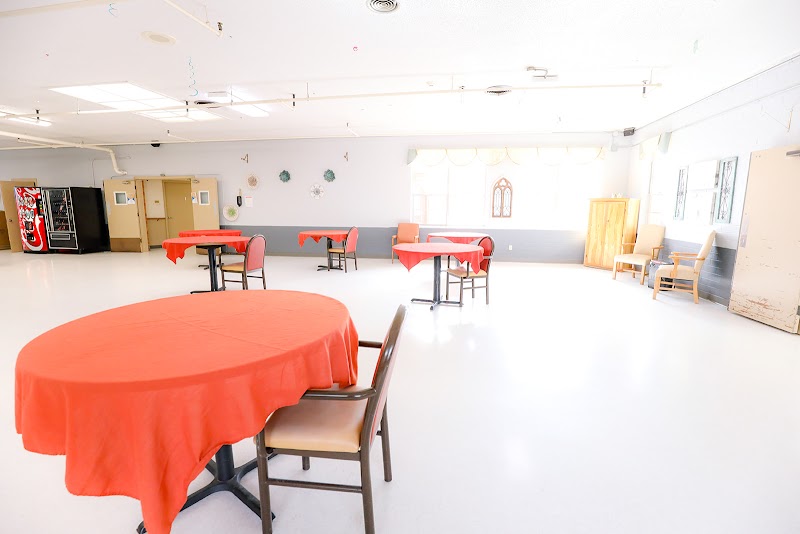
How is Barton Valley Rehabilitation And Healthcare Cente Staffed?

CMS rates BARTON VALLEY REHABILITATION AND HEALTHCARE CENTE's staffing level at 4 out of 5 stars, which is above average compared to other nursing homes. Staff turnover is 45%, compared to the Texas average of 46%. This relatively stable workforce can support continuity of care.

What Have Inspectors Found at Barton Valley Rehabilitation And Healthcare Cente?

State health inspectors documented 20 deficiencies at BARTON VALLEY REHABILITATION AND HEALTHCARE CENTE during 2022 to 2025. These included: 20 with potential for harm.
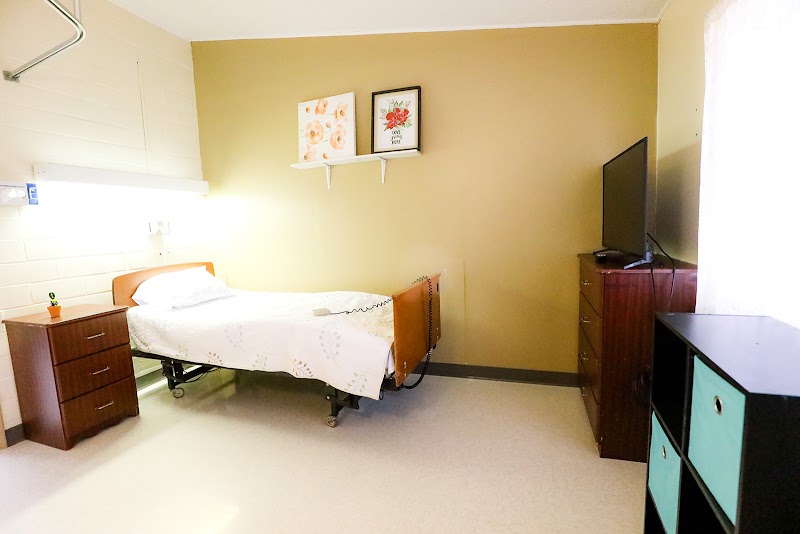
Who Owns and Operates Barton Valley Rehabilitation And Healthcare Cente?

BARTON VALLEY REHABILITATION AND HEALTHCARE CENTE is owned by a for-profit company. For-profit facilities operate as businesses with obligations to shareholders or private owners. The facility is operated by NEXION HEALTH, a chain that manages multiple nursing homes. With 126 certified beds and approximately 81 residents (about 64% occupancy), it is a mid-sized facility located in AUSTIN, Texas.
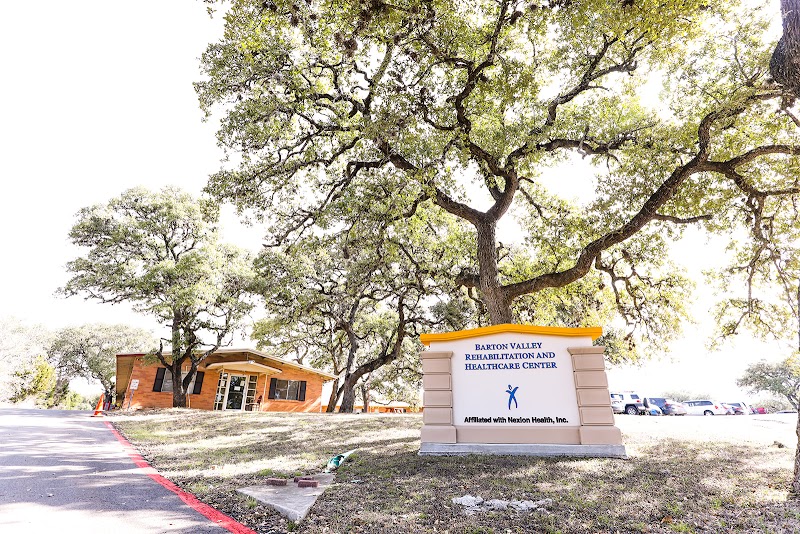
How Does Barton Valley Rehabilitation And Healthcare Cente Compare to Other Texas Nursing Homes?

Compared to the 100 nursing homes in Texas, BARTON VALLEY REHABILITATION AND HEALTHCARE CENTE's overall rating (4 stars) is above the state average of 2.8, staff turnover (45%) is near the state average of 46%, and health inspection rating (4 stars) is above the national benchmark.

What Should Families Ask When Visiting Barton Valley Rehabilitation And Healthcare Cente?

Based on this facility's data, families visiting should ask: "Can I visit during a mealtime to observe dining assistance and food quality?" "How do you handle medical emergencies, and what is your hospital transfer rate?" "Can I speak with family members of current residents about their experience?"

Is Barton Valley Rehabilitation And Healthcare Cente Safe?

Based on CMS inspection data, BARTON VALLEY REHABILITATION AND HEALTHCARE CENTE has a clean safety record: no substantiated abuse findings (meaning no confirmed cases of resident harm), no Immediate Jeopardy citations (the most serious violation level indicating risk of serious injury or death), and is not on the Special Focus Facility watch list (a federal program monitoring the lowest-performing 1% of nursing homes). The facility has a 4-star overall rating and ranks #1 of 100 nursing homes in Texas. While no facility is perfect, families should still ask about staff-to-resident ratios and recent inspection results during their visit.

Do Nurses at Barton Valley Rehabilitation And Healthcare Cente Stick Around?

BARTON VALLEY REHABILITATION AND HEALTHCARE CENTE has a staff turnover rate of 45%, which is about average for Texas nursing homes (state average: 46%). Moderate turnover is common in nursing homes, but families should still ask about staff tenure and how the facility maintains care continuity when employees leave.

Was Barton Valley Rehabilitation And Healthcare Cente Ever Fined?

BARTON VALLEY REHABILITATION AND HEALTHCARE CENTE has been fined $3,250 across 1 penalty action. This is below the Texas average of $33,111. While any fine indicates a compliance issue, fines under $50,000 are relatively common and typically reflect isolated problems that were subsequently corrected. Families should ask what specific issues led to these fines and confirm they've been resolved.

Is Barton Valley Rehabilitation And Healthcare Cente on Any Federal Watch List?

BARTON VALLEY REHABILITATION AND HEALTHCARE CENTE is not on any federal watch list. The most significant is the Special Focus Facility (SFF) program, which identifies the bottom 1% of nursing homes nationally based on persistent, serious quality problems. Not being on this list means the facility has avoided the pattern of deficiencies that triggers enhanced federal oversight. This is a positive indicator, though families should still review the facility's inspection history directly.