BRODIE RANCH NURSING AND REHABILITATION CENTER
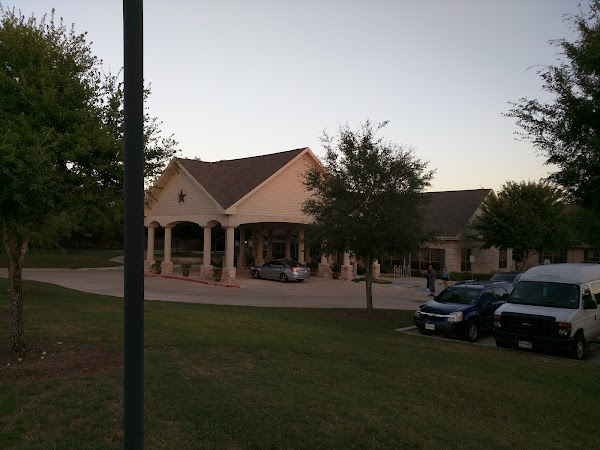
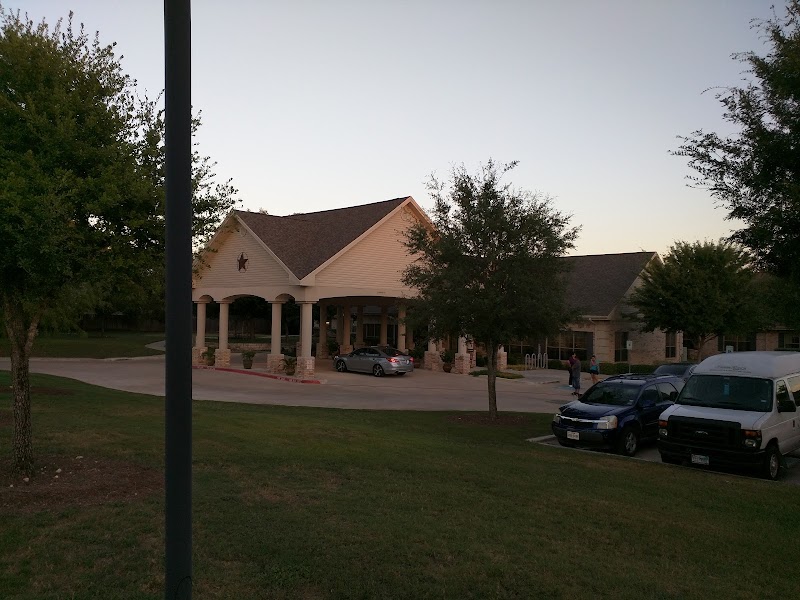
2101 FRATE BARKER RD, AUSTIN, TX 78748 (512) 444-5627
Government - Hospital district 120 Beds THE ENSIGN GROUP Data: November 2025 3 Immediate Jeopardy citations
Trust Grade
0/100
#652 of 1168 in TX
Last Inspection: March 2025

Within standard 12-15 month inspection cycle. Federal law requires annual inspections.

Overview

Brodie Ranch Nursing and Rehabilitation Center has received a Trust Grade of F, indicating significant concerns about the quality of care provided. Ranking #652 out of 1168 facilities in Texas places it in the bottom half, and #12 out of 27 in Travis County suggests that there are only 11 local options that are better. While the facility is improving, with issues dropping from 16 in 2024 to just 3 in 2025, there are still serious concerns. Staffing is rated 3 out of 5, which is average, with a turnover rate of 44%, slightly better than the Texas average. However, the facility has incurred $235,557 in fines, which is higher than 93% of Texas facilities, indicating potential compliance problems. Recent inspections uncovered several critical incidents, including a failure to change a resident's central line dressing for over a month, which could lead to infection. Another resident was found lying on the dining room floor for over an hour without receiving proper care, and there was a serious lapse in supervision when a resident eloped from the facility. Although there are strengths, such as good RN coverage-better than 76% of Texas facilities-these incidents highlight the need for significant improvements in resident care and safety.

Trust Score
F
0/100
In Texas
#652/1168
Bottom 45%
Safety Record
High Risk
Review needed
Inspections
Getting Better
16 → 3 violations
Staff Stability
○ Average
44% turnover. Near Texas's 48% average. Typical for the industry.
Penalties
⚠ Watch
$235,557 in fines. Higher than 81% of Texas facilities, suggesting repeated compliance issues.
Skilled Nurses
⚠ Watch
Each resident gets only 28 minutes of Registered Nurse (RN) attention daily — below average for Texas. Fewer RN minutes means fewer trained eyes watching for problems.
Violations
⚠ Watch
32 deficiencies on record. Higher than average. Multiple issues found across inspections.
★★☆☆☆
2.0
Overall Rating
★★★☆☆
3.0
Staff Levels
★★★★☆
4.0
Care Quality
★★☆☆☆
2.0
Inspection Score
Stable
2024: 16 issues
2025: 3 issues

The Good

  • 4-Star Quality Measures · Strong clinical quality outcomes
  • Full Sprinkler Coverage · Fire safety systems throughout facility
  • No fines on record
  • Staff turnover below average (44%)

    4 points below Texas average of 48%

Facility shows strength in quality measures, fire safety.

The Bad

2-Star Overall Rating

Below Texas average (2.8)

Below average - review inspection findings carefully

Staff Turnover: 44%

Near Texas avg (46%)

Typical for the industry

Federal Fines: $235,557

Well above median ($33,413)

Significant penalties indicating serious issues

Chain: THE ENSIGN GROUP

Part of a multi-facility chain

Ask about local staffing decisions and management

The Ugly 32 deficiencies on record

3 life-threatening
Mar 2025 3 deficiencies
CONCERN (D)

Potential for Harm - no one hurt, but risky conditions existed

Deficiency F0761 (Tag F0761)

Could have caused harm · This affected 1 resident

Based on observation, interview, and record review, the facility failed to ensure that drugs and biologicals used in the facility were stored properly for 1 (Hall 200-MA Cart) of 7 Medication carts re...

Read full inspector narrative →
Based on observation, interview, and record review, the facility failed to ensure that drugs and biologicals used in the facility were stored properly for 1 (Hall 200-MA Cart) of 7 Medication carts reviewed for drug storage. The facility failed to ensure one medication cart (Hall 200-MA Cart) was locked and that medications were securely stored. This failure could place residents at risk to obtain and take medications not prescribed for them which could result in resident's harm due to adverse medication reactions. Findings include: Observation on 03/26/25 at 11:15 AM revealed the medication cart, assigned to MA-A located on 200 hall, was unattended and unlocked for approximately 10 minutes, and medications were accessible to residents. The cart was unlocked, and multiple staff walked down the hall and past the unlocked medication cart but failed to lock the cart. In an interview on 3/26/25 at 11:20 AM, MA-A stated, the policy was to keep the medication cart locked 24 hours a day/7 day a week and to never leave it unattended unlocked. He stated it was important to keep the cart locked because anybody could steal the drugs and residents could take the pills. He also stated, if a resident had taken the pills, then staff would have to call the nurse and the doctor to report it. He stated the resident could become sick and could require hospitalization if they had taken medications from the cart. He stated that he was told to go to the dining room and he messed-up and forgot to lock the cart. In an interview with RN-C on 3/26/25 at 11:29 AM, she stated, the policy was to keep the medication cart locked. She stated it was important to keep residents or anybody else from getting medications. She stated residents getting the medications could be dangerous and a resident could take a controlled medication. She stated a resident could take a medication that they were allergic to. She also stated the resident could get sick, intoxicated, or die by taking medications from the cart. In an interview on 3/26/25 at 12:56 PM, the DON stated, the policy was for the medication cart to be locked to secure the medications. She stated it was important to secure medications and avoid having residents opening the cart and getting medications. She stated residents could take medication from the cart which could cause adverse effects with their own medications. She also stated examples of adverse effects could include nausea or headaches. In an interview on 3/26/25 at 12:58 PM the ADM stated, the policy for medication pass was the charge nurse should lock the medication cart if going away from the cart at any time. He stated this was important, so a resident doesn't get in the cart and take medications not prescribed for them. He stated the unlocked cart could result in drug diversions and residents could miss getting their medications. He also stated that residents could take medications that were contraindicated with their own medications and that could cause adverse unwanted affects. He stated an example of an adverse effect possible was a laxative could cause excessive bowel movements. A record review of facility policy titled, Medication Storage in The Facility-FAC19Rev 2 and dated 11/13/18 reflected the following: .Medications and biological's are stored safely, securely, and properly . The medication supply is accessible only to licensed nursing personnel, pharmacy personnel, or staff members lawfully authorized to administer medications .
CONCERN (E)

Potential for Harm - no one hurt, but risky conditions existed

Resident Rights (Tag F0550)

Could have caused harm · This affected multiple residents

**NOTE- TERMS IN BRACKETS HAVE BEEN EDITED TO PROTECT CONFIDENTIALITY** Based on observation, interview, and record review, the facility failed to treat each resident with respect and dignity and care...

Read full inspector narrative →
**NOTE- TERMS IN BRACKETS HAVE BEEN EDITED TO PROTECT CONFIDENTIALITY** Based on observation, interview, and record review, the facility failed to treat each resident with respect and dignity and care for each resident in a manner and in an environment that promotes maintenance or enhancement of his or her quality of life for 3 of 10 residents (Resident #31, Resident #71, and Resident #76) reviewed for rights. The facility failed to ensure CNA B knocked on Resident #31, Resident #71, and Resident #76's doors when going into the residents' rooms. The deficient practice could place residents at risk of feeling like their privacy was being invaded or the facility was not their home. Findings included: Review of Resident #31's Face Sheet dated 03/24/2025 revealed she was a [AGE] year-old female who was admitted to the facility on [DATE]. Resident #31's diagnoses included heart disease, muscle wasting, shortness of breath, pain in joint, cognitive communication deficit (problems with communication), dysphagia (difficulty swallowing), heart failure, morbid (severe) obesity, dependency on oxygen, anxiety (feeling of uneasiness or worry), unsteadiness on feet, chest pain, hyperlipidemia (high cholesterol), and hypertension (high blood pressure). Record review of Resident #31's Quarterly MDS assessment dated [DATE] revealed Resident #31 had a BIMS score of 12 indicating moderate cognitive impairment. Review of Resident #71's Face Sheet dated 03/24/2025 revealed she was a [AGE] year-old female who was admitted to the facility on [DATE]. Resident #71's diagnoses included dementia (memory, thinking, difficulty), muscle wasting, unsteadiness on feet, abnormalities of gait and mobility, need for assistance with personal care, pain in left knee, muscle weakness, hypertension (high blood pressure), dysphagia (difficulty swallowing), and cognitive communication deficit (problems with communication). Record review of Resident #71's Quarterly MDS dated [DATE] revealed Resident #71 had a BIMS score of 04 indicating severe cognitive impairment. Review of Resident #76's Face Sheet dated 03/24/2025 revealed he was a [AGE] year-old male who was admitted to the facility on [DATE]. Resident #76's diagnoses included disorder of brain, epilepsy (seizure disorder), lack of coordination, urinary tract infection, muscle wasting, dysphagia (difficulty swallowing), cerebral infraction (stroke), cognitive communication deficit (problems with communication) and retention of urine. Record review of Resident #76's Quarterly MDS dated [DATE] revealed Resident #76 had a BIMS score of 11 indicating moderate cognitive impairment. Observation of 400 hall on 03/24/2025 at 12:55 p.m., revealed CNA B did not knock on Resident #31, Resident #71 and Resident #76's door before entering. An interview with Resident #31 on 03/25/2025 at 9:06 a.m., revealed that staff did not always knock on her door. She said that staff would forget to knock. She would like for them to knock all the time because there were times she would be changing. She said it irritated her when staff would come in and out so much without knocking. An interview with Resident #76 on 03/25/2025 at 9:14 a.m., revealed that staff did not always knock. He said that he would like for staff to knock all the time. He said he would get irritated when staff just walked into his room, especially when he had the door closed. During an attempted interview with Resident #71 on 03/25/2025 at 9:25 a.m., she only said she was good, but she was cold and wanted some coffee. An interview with CNA B on 03/19/2025 at 1:11 p.m., revealed that she had been trained on resident rights. She said the policy for knocking was that staff were supposed to always knock before entering. She said that all staff were required to knock before entering the resident's room. She said that there was no time that the staff should not knock before entering. She said if staff did not knock, the resident may feel disrespected or that staff were invading their privacy. She said that the charge nurse or management monitor to ensure staff were knocking on the residents' doors. She said that the charge nurse or management monitored by observations and asking the residents. She said she was not sure why she did not knock on the residents' doors before entering. An interview with the DON on 03/26/2025 at 9:09 a.m., revealed she and staff had been trained on resident rights. She said the policy was that staff were to knock on the door and allow a coherent resident to respond. She said that for a noncoherent resident, staff were to knock on the door, and tell the resident what they were and what they were there for. She said that staff were to knock except if it was an emergency such as the resident on the floor. she said it was important for staff to knock because it was the resident's right. She also said that if staff did not knock on the door, the resident may feel exposed. She said that all management was responsible for monitoring to ensure staff were knocking. She said that management monitored it by doing frequent rounds, and in-service trainings. She said she did not know why the staff were not knocking on the doors. An interview with the ADM on 03/26/2025 at 9:20 a.m., revealed that he and staff had been trained on resident rights. He said the policy was to knock on the door and inform the resident what they were there to do. He said all staff were supposed to knock before entering the residents' room. He said that it was important for staff to knock on the residents' door for their privacy. He said the resident may feel like their privacy was not being respected. He also said the resident may not know who the staff member was, and it may scare them. He said that the charge nurse and all department heads were to monitor to ensure that staff were knocking on the door. He said management monitored knocking by observation of the halls. He said he did not know why staff were not knocking on residents' doors before entering. Record Review of Resident Rights dated July 2017 revealed residents have the right to be treated with respect and dignity. Residents have the right to personal privacy and confidentiality.
CONCERN (E)

Potential for Harm - no one hurt, but risky conditions existed

Deficiency F0804 (Tag F0804)

Could have caused harm · This affected multiple residents

Based on observation, interview, and record review, the facility failed to prepare foods by methods that conserve nutritive value, flavor, and appearance in the facility's only kitchen for 20 of 21 re...

Read full inspector narrative →
Based on observation, interview, and record review, the facility failed to prepare foods by methods that conserve nutritive value, flavor, and appearance in the facility's only kitchen for 20 of 21 residents (Resident #42, Resident #47, Resident #63, Resident #19, Resident #361, and confidential group interview (15 of 16 residents)). The [NAME] prepared food as early as 2 hours and 45 minutes prior to meal service as observed on 03/24/2025 at 9:15 a.m. and 03/25/2025 at 9:35 a.m. The [NAME] held food in shallow pans uncovered on top of the stove for more than 2 hours and 45 minutes prior to meal service. Regular test tray rendered a low temperature and bland flavor. Pureed test tray rendered a low temperature and bland flavor. Food lacked seasoning and was unacceptable to residents. Food was prepared and held at low temperatures for hours prior to meal service. Puree food was served to residents with visible lumps and required chewing. Food was served at unpreferable and unappetizing temperature for the residents. Facility was aware of the resident's complaints about food being served at unappetizing temperatures and not flavorful, and the complaints were not addressed. These failures could compromise and destroy nutritive value of food and placed residents, who ate food from the kitchen, at risk of illness or injury. Finding included: Observation on 03/24/2025 at 9:15 a.m., during the initial brief tour of the kitchen, revealed the following: Mealtime schedule posted in the entrance of the dining room noted lunch was served at 12:00 p.m. The vegetable for the regular, mechanical soft, and puree diets, which consisted of broccoli, was in a shallow pan filled with water sitting on the stove uncovered. Observation on 03/24/2025 at 1:06 p.m. of the survey test tray revealed the following: Regular test tray was delayed and delivered 66 minutes after the start of the meal service time of 12:00 p.m. o meatballs were salty in flavor. o peaches and cream were bland in flavor. Observation on 03/25/2025 at 9:35 a.m. to confirm time for temperature checks revealed the following: The vegetables for the regular, mechanical soft, and puree diets, which included green and yellow squash, was in a shallow pan filled with water sitting on the stove uncovered. Observation on 03/25/2025 at 11:37 a.m. to complete temperature checks on cooked foods ready for food service revealed: Squash for regular and mechanical soft meals remained on the stove with burner off and uncovered rendered a temperature for pan #1 of 135 degrees and pan #2 of 88 degrees. Observation on 03/25/2025 at 1:13 p.m. of the survey test tray revealed the following: Regular test tray was delayed and delivered 73 minutes after the start of meal service time of 12:00 p.m. Puree test tray was delayed and delivered 73 minutes after the start of meal service time of 12:00 p.m. Regular diet chicken fried chicken temperature reading was 149 degrees. Regular diet zucchini temperature reading was 95 degrees and was bland in flavor. Regular diet mashed potatoes temperature reading was 99 degrees, and creamy and bland in flavor. Pureed zucchini temperature reading was 90 degrees and was mushy and bland in flavor. Pureed chicken fried chicken temperature reading was 89 degrees, had a greasy flavor, no seasoning, and bland in flavor. Pureed cake had visible lumps which required chewing and was bland in flavor. During an interview on 03/24/2025 at 10:06 a.m., Resident #42 stated the facility needs a new cook .the food, we are not going to talk about. Resident #42 would not go into details. During an interview on 03/24/2025 at 10:48 a.m., Resident #47 stated, some of the food is good and some is bad referring to the flavor. During an interview on 03/24/2025 at 11:04 a.m. Resident #63 stated, the food is not appetizing, the food comes cold, and it is the same thing all the time. During an interview on 03/24/2025 at 3:40 p.m. Resident #19 stated, the food is cold, breakfast eggs are almost always cold, and lunch and dinner is usually lukewarm, but never hot. A confidential group interview on 03/25/2025 at 2:00 p.m. revealed 15 out of 16 residents stated the food is constantly cold, not flavorful, and lacks variety. During an interview on 03/26/2025 at 10:46 a.m., the DM stated the cook begins preparing lunch at 9:00 a.m., and at 11:30 am, cooked food temperatures should be checked followed by serving at 12:00 p.m. During an interview on 03/26/2025 at 10:56 a.m., the AD stated that Resident Council information was provided to the ADM and DON. She stated the complaints of cold food, needing food warmers, and not flavorful foods is consistent, and she notified the DM each time. She stated she oversees the Resident Council activities. She stated the kitchen changed a few things such as more vegetables but has not resolved the consistent complaints. She stated lunch is scheduled at 12:00 p.m. in the dining room followed by service to the resident rooms 30 minutes later. She stated lunch typically begins at 12:00 p.m. with some variations of 15-20 minutes. During an interview on 03/26/2025 at 11:19 a.m. with Resident #361, she stated the food is not bad and stated that sometimes breakfast is cold but states the facility staff are getting it worked out. During an interview on 03/26/2025 at 11:57 a.m., CNA G stated the residents' food is usually out in the halls at 12:30 p.m. or later. CNA G stated she could not recall the resident's specific complaints regarding cold food. During an interview on 03/26/2025 at 12:12 p.m., CNA H stated, at times, she will take the trays and warm them up if the residents ask. She stated this usually occurs because they left the tray sitting for some time. During an interview on 03/26/2025 at 12:33 p.m., CNA I stated breakfast is served about 8:00 a.m. in hallway 400 and. stated lunch is usually served about 12:30 p.m. or 12:45 p.m. He stated he received some complaints about cold food and options, which he reported to the charge nurse. During an interview on 03/26/2025 at 1:47 p.m., CK D stated she normally begins preparing lunch at 10 a.m. for all diets, at 10:30 a.m. - 11:00 a.m. she begins to observe meal tickets, at 11:30 a.m. conducts cooked food temperature checks, and at 12:00 p.m. begins meal service for dining room tickets. She stated she usually begins meal service for room tickets about 12:25 p.m. She said she is very strict about having the plates hot and if they are not hot, she will enter them into the oven to warm up before serving. She states she does not send her food out cold. She stated that she has received a few resident complaints due to lack of flavor but stated she cannot do much to adjust the flavor of the foods as she follows the recipes and the residents do not like this response. She stated there are some foods that come with more salt than others at times, such as gravy. During an interview on 03/26/2025 1:59 p.m., DA E stated that she has heard complaints of food not having flavor, but stated on occasion she will taste the food for the cook, and she believes it is seasoned well and flavorful. During an interview on 03/26/2025 2:04 p.m., DA F stated food is cold at times as kitchen staff will deliver the carts of food to the resident hallways, and direct care staff will leave them sitting for a bit of time, which could potentially cause the food to be cold. She stated breakfast is prepared and trays are ready by 7:30 a.m. for dining room service but could not recall what time meals are taken out to the residents in the dining room nor the hallways. She stated she has tasted the food and has not seen a concern with the flavor. During an interview on 03/26/2025 at 2:09 p.m., the DM stated vegetables and starch foods should be prepared no earlier than 90 minutes before meal service. She stated that food preparation can start 3 hours before meal service. She stated that she is not sure why CK D would begin preparing vegetables more than 165 minutes before meal service but would discuss this with her. She stated she is not sure why there are issues with food coming out cold. She stated the AD has notified her of food being served cold to the residents. She stated she has not been notified by the AD of resident complaints regarding the flavor of the foods. She stated that she and the other cooks follow the recipes and the seasoning recommended. She stated she also meets with residents on one-on-one to get information on their preferences. She stated this is the first she has heard that food is not flavorful. She stated residents notified her of more fruits and vegetables being requested. She stated that foods being cold can be contributed to not having hot plate bottoms with lids, which has been conveyed to the dietician and AD who communicate to ADM. She stated she does not get complaints about foods directly and has not been given information from resident council meetings or AD. During an interview on 03/26/2025 at 3:15 p.m., the DM stated her corporate resource staff instructed her to respond to surveyor that there is no set-in stone time for kitchen staff to begin preparing foods to the time when food is served. She stated she believes it should be no more than 3 hours prior to meal service Giving the DM the example of zucchini sitting from 9:35 a.m. until 12:00 p.m., she agreed this was too long for vegetables to be out in the open uncovered. She stated vegetables should be the last item to cook for meal service, and that is what she trains her staff to follow. Review of the facility's document titled Grievances from March 2024 to March 2025 revealed: 07/20/2024 resident states that lunch tray comes out late and that he had to go get it from a cart. Review of the facility's document titled Resident Council Meeting Minutes from April 2024 to March 2025 revealed: April 2024 Resident Council attendees discussed food variety and service; and requested more variety food options for snack and meals. July 2, 2024 Resident Council attendees discussed that a lot of the food is still being brought to them cold; Requested to get hot plates/warming carts to keep the food warm; Complained that when they can order the fried eggs, they come out cold; Do not like the catfish - not enough flavor; Stated that the noodles are being overcooked and coming out rubbery; Requested to have more variety of side options other than oranges and applies. September 6, 2024, Resident Council attendees discussed food still coming out cold, even in the dining room; and requested to get food warming carts and better lids to help keep the food from getting cold. October 4, 2024, Resident Council attendees discussed the request for food warmers to keep the food from coming out cold; and also requested for more seasoning on the meat. November 8, 2024, Resident Council attendees discussed food coming out cold; requested for warming carts and better food covers to keep the food warm; and wants the meats and sides to be more seasoned. December 6, 2024, Resident Council attendees discussed wanting the meats and sides to have more seasoning. January 10, 2025, Resident Council attendees discussed food trays being delivered to the rooms cold; and requested food warming carts to keep the food from getting cold. February 7, 2025, Resident Council attendees discussed the meat and vegetables needing more seasoning; and requested baked veggies instead of boiled. March 12, 2025 Requested for the vegetables to be baked instead of boiled. Review of the facility's document titled Diet and Nutrition Care Manual reviewed and approved on 05/23/2024 by Medical Director, Administrator, Registered Dietician Nutritionist, Director of Nursing, Speech Language Pathologist, and Food Service Director reflected: IDDSI Food and Drink Texture Descriptions Food/Drink Consistency Level 4, Extremely Thick - Pureed Does not require chewing. No lumps Foods to Avoid on an IDDSI Level 4: Pureed Diet Food Characteristics and Examples of Foods to AVOID visible lumps in pureed food or yogurt.
Aug 2024 2 deficiencies 2 IJ
CRITICAL (J) 📢 Someone Reported This

A family member, employee, or ombudsman was alarmed enough to file a formal complaint

Immediate Jeopardy (IJ) - the most serious Medicare violation

Quality of Care (Tag F0684)

Someone could have died · This affected 1 resident

**NOTE- TERMS IN BRACKETS HAVE BEEN EDITED TO PROTECT CONFIDENTIALITY** Based on observation, interview, and record review, the facility failed to ensure that residents received treatment and care in ...

Read full inspector narrative →
**NOTE- TERMS IN BRACKETS HAVE BEEN EDITED TO PROTECT CONFIDENTIALITY** Based on observation, interview, and record review, the facility failed to ensure that residents received treatment and care in accordance with professional standards of practice, the comprehensive person-centered care plan, and the residents' choices for one (Resident #2) of four residents reviewed for quality of care. The facility failed ensure Resident #2 was assessed by a nurse after he was found on the ground in the dining room on [DATE]. He laid on the ground for over an hour and a half until family members arrived and assisted him to bed. There was no nursing documentation or incident report created by RN H. This failure resulted in an identification of an Immediate Jeopardy (IJ) on [DATE] at 5:22 PM. While the IJ was removed on [DATE] at 3:55 PM, the facility remained at a level of no actual harm at a scope of isolated that is not immediate jeopardy due to the facility's need to evaluate the effectiveness of the corrective systems. These failures could place residents at risk of not receiving necessary medical care, harm, and death. Findings included: Review of Resident #2's undated face sheet reflected a [AGE] year-old male who was admitted to the facility on [DATE] with diagnoses including age-related physical debility, repeated falls, muscle wasting and atrophy (wasting away), and history of stroke and heart attack. Review of Resident #2's quarterly MDS assessment, dated [DATE], reflected a BIMS score of 00, which indicated his cognition was severely impaired. Section E (Behavior) reflected he had not had any physical or verbal behavioral symptoms directed toward others. Section GG (Functional Abilities and Goals) reflected he required substantial/maximal assistance with being able to sit to stand. J (Health Conditions) reflected he had not had any recent falls. Review of Resident #2's quarterly care plan, dated [DATE], reflected he was at risk for falls related to gait/balance problems and being unaware of safety needs and had actual falls on [DATE], [DATE], [DATE], [DATE], [DATE], [DATE], [DATE], [DATE], [DATE], [DATE], [DATE], and [DATE] with an intervention of monitoring/documenting/reporting for s/sx: pain, bruises, change in mental status, new onset: confusion, sleepiness, agitation. Review of Resident #2's progress notes in his EMR, from [DATE], reflected no documentation about him being found on the floor in the dining room. Review off the facility's 24-hour report, dated [DATE], reflected no documentation regarding the incident in the evening of [DATE]. Review of Resident #2's vitals in his EMR, on [DATE] reflected the last time his blood pressure, o2 sats, respirations, and pulse were taken was in the morning of [DATE]. Review of Resident #2's progress note, dated [DATE] at 3:27 AM and documented by LVN I, reflected the following: CNA requested this nurse to check on [Resident #2]. Upon assessment, [Resident #2] noted with no signs of life. No apical pulse, no breath sounds, no BP. DNR on file and confirmed by 2 nurses. DON notified. Call placed to EMS to pronounce. Review of Resident #2's progress note, dated [DATE] at 3:55 AM and documented by LVN I, reflected the following: EMS arrived. EKG confirmed [Resident #2] deceased . Pronounced at 3:54 AM. Observation of a photograph of Resident #2, dated [DATE] at 7:34 PM and taken by CR J, revealed Resident #2 laying on his right side in the dining room next to his wheelchair. He was covered with a blanket. Observation of a photograph of Resident #2, dated [DATE] at 8:05 PM and taken by FM K, revealed Resident #2 laying on his back in the dining room next to his wheelchair. His eyes were slightly open and there was a small, darkened area above his left eye. Observation of video footage from the dining room on [DATE] revealed Resident #2 roll into the dining room in his wheelchair around 6:35 PM. Two aides were seen walking up to him and talking to him and then they walked away. Resident #2 rolled over to the left (and further from the viewpoint of the video camera) a few tables. Due to tables and chairs partially obstructing the view, it was hard to fully determine what happened next. It did appear that Resident #2 laid a sheet/blanket on the ground. No one is seen pushing him out of his wheelchair, but he either fell or laid on top of the sheet/blanket around 6:38 PM. It was unknown if he hit any part of his body on the way down. There were no staff members seen in the footage at that time. CNA M noticed him on the floor and went over to him. He then left the dining room to get RN H. RN H went to Resident #2 and bended slightly at the knees to speak to him. Due to the tables and chairs obstructing the view, no movement by Resident #2 was observed. RN H spent about two minutes with him and then left the dining room. He did not reappear in the footage until Resident #2's FM K and L arrived and transferred Resident #2 to his wheelchair. During a telephone interview on [DATE] at 10:31 AM, FM K stated she received a call from RN H around 7:35 PM notifying her that Resident #2 was on the ground and they were unable to get him up. She stated she and FM L arrived at the facility at 8:05 PM they found him on the ground in the dining room with no staff around. She stated RN H told them he was unable to get him up or assess him because he had been so combative. She stated FM L was able to get him into his wheelchair without anyone offering to assist. She stated he was not aggressive or combative at all. She stated RN H still did not assess him, he just messed with his catheter because there had been a kink in the tubing. She stated they pushed him to his room and got him into bed without any offer of assistance by staff. She stated she then noticed a small laceration above his left eye. She stated she had seen him earlier that day and it had not been there. She stated he had been more alert during the day and it worried her. She stated before she and FM L left the facility, RN H did not perform any kind of assessment. She stated just a few hours later around 4:00 AM she got a fall notifying her that Resident #2 had passed away. She stated it broke her heart to think he spent his last night laying on the cold, hard floor. During an interview on [DATE] at 10:52 AM, CR J stated he was having a hard time because his friend had passed away earlier that morning. He stated the night prior, [DATE], he was notified by another resident that Resident #2 was on the floor in the dining room. He stated he went to the dining room and brought a blanket for him. He stated he took a picture and waited for FM K and L to get there. He stated from 7:30 PM - 8:05 PM, no staff members checked on him. He stated when FM L assisted him to his wheelchair, he was not aggressive or combative. During an interview on [DATE] at 11:34 AM, RN H stated he was working the night before, [DATE]. He stated he did not see Resident #2 get out of the wheelchair but a CNA came and notified him that he was on the floor, but he could not remember what time it had been. He stated he did remember the residents had been done eating by that point and were not in the dining room. He stated he walked into the dining room and asked him what happened and Resident #2 told him to leave him alone. He stated he couldn't conduct an assessment and do neuro checks because he was being combative. He stated after about five minutes, he decided he could not force him to get up, but believed he was safe, and he would try a little later. He stated his plan was to hopefully let him calm down, give it time, and maybe he would want to get up. He stated he ended up not trying to assess him again. He stated he was not sure how much time went by until FM K and L arrived. He stated he explained to them right away that Resident #2 had put himself on the floor and would not let them (staff) do anything. He stated FM L was able to get him into the wheelchair, they talked to him for a bit, and put him to bed. He stated he was not combative towards them. He stated he did not do any neuro checks after they left because he would not let him. He stated as far as documentation and an incident report, he was guilty and he messed up. He stated he felt like he remembered notifying LVN I upon shift change. During a telephone interview on [DATE] at 2:41 PM, the NP stated she as notified yesterday evening ([DATE]) that Resident #2 either fell or laid himself on the ground. She stated she was told he would not let the staff get him up but the family was eventually able to do so. She stated she her expectations would be that once he was finally up, some kind of assessment be conducted, such as vitals, neuro checks, ensured he did not his head, range of motion, and a full-body skin check. She stated it would not be okay for a resident to be left on the ground for over an hour and a half. She stated if staff had been unable to get him up or assess him, she would assume they would have notified her and also have a staff member sit with him to monitor him. She stated she would also expect to see ample documentation regarding the incident along with an incident report. During a telephone interview on [DATE] at 2:47 PM, LVN I stated RN H did notify her that Resident #2 had put himself on the floor on the evening of [DATE]. She stated she was not told how long he was on the floor. She stated RN H told her he was unable to assess him because he was combative. She stated she was able to assess him because he was resting. During an interview on [DATE] at 3:58 PM, the DON stated her expectations, from the incident the night prior with Resident #2, would be that RN I assessed his behavior. She stated she knew the family came to visit almost every night and she was not sure if RN I was just waiting for them to get there to help intervene. She stated the NP had been working with the resident every day on his combativeness and agitation. She stated he had recently been started on Seroquel. She stated her expectation would be that the nurse conducted an assessment after the resident was gotten up. She stated RN I should have documented the incident in Resident #2's progress notes and should have created an incident report. She stated it was important to document thoroughly so everyone was on the same page with what was going on with the residents. Review of the facility's Fall Management System Policy, revised 06/2018, reflected the following: It is the policy of this facility to provide each resident with appropriate assessments and interventions to prevent falls and to minimize complications if a fall occurs. . 3. When a resident sustains a fall, a physical assessment will be completed by a licensed nurse, with results documented in the medical record. Review of the facility's Incidents and Accidents Policy, reviewed 02/2024, reflected the following: a. Render timely assistance. Do not move the victim until he/she has been examined for possible injuries; b. If possible, move the injured to the treatment room, or if it is a resident in his/her room, move the resident to his or her bed; and c. If assistance is needed, summon help. If you cannot leave the victim, ask someone to report to the nurses' station that help is needed; 2. Licensed nurse will assess the resident, including vital signs, neuro checks if needed, complaints of pain and location, and determine of treatment or additional care is needed, including accessing the EMS system. The ADM and DON were notified on [DATE] at 5:22 PM that an IJ had been identified and an IJ template was provided. The following POR was approved on [DATE] at 12:45 PM: F684: Quality of Care: The notification of Immediate Jeopardy states as follows: On [DATE], the facility failed to assess or assist Resident #1 after he transferred himself onto the floor and laid there for over an hour and a half without being checked on. The facility had no way of knowing if the resident had fallen or had hit his head and no monitoring took place. The facility failed to provide any documentation in Resident #1's chart or complete an incident report regarding this incident. Resident #1 passed away approximately eight hours later. 1. Medical Director was notified by DON of the IJ on [DATE] at 6:48 pm. 2. Incident reports from the last 7 days were audited to ensure assessment of resident was completed. An audit was completed on [DATE] by regional clinical resource team. 3. Licensed nursing staff were in-serviced regarding managing residents with combative behaviors on [DATE] by DON/designee. Full-time, PRN, contracted staff, or new licensed nurses will be in-serviced prior to their shift. 4. DON was in-serviced by clinical Resource and quiz completed on [DATE]. This training included: head to toe assessment of patients after a fall and initiation of neurological checks and completion of incident report. 5. Licensed Nurse involved was provided with 1:1 counseling regarding resident assessments and incident report documentation on [DATE] by ED. 6. In-servicing began on [DATE] for Licensed Nurses to include head to toe assessment of patients after a fall and initiation of neurological checks and completion of incident reports. Will be completed by [DATE] by DON or designee. Any Nurse who has not received the in-service will not be allowed to work until in-service has been completed. Any contracted staff, PRN or new licensed nurse will be in-serviced prior to their shift. In-service will be completed by DON/Designee. ED/DON or designee will review staffing schedule daily to ensure in-services are completed until reviewed by QAPI committee x 3 months and found to be in substantial compliance. 7. All licensed nursing staff will be in-serviced regarding the process of completing head-to-toe assessment after a fall and initiation of neurological checks upon hire, annually, and as needed by DON/designee starting on [DATE] and will be ongoing. 8. DON or Designee will monitor incidents and accidents daily during morning meeting to ensure completion of a head-to-toe assessment and initiation of neurological checks as needed. This practice will be ongoing. 9. Weekend Nursing supervisor will review incidents and accidents on Saturday and Sunday during the weekend to ensure completion of a head-to-toe assessment and the initiation of neurological checks. This will be reviewed through QAPI committee x 3 months to ensure substantial compliance. 10. Ad-hoc QAPI with IDT, medical director, and governing body representatives was completed on [DATE] to discuss findings of immediate jeopardy and POR; F684. 11. Summary of IJ and corrective action results will be reviewed by QAPI Committee monthly x 3 months beginning [DATE] or until substantial compliance established to ensure ongoing compliance. The Surveyor monitored the POR on [DATE] as followed: During interviews conducted on [DATE] between 1:38 PM - 3:40 PM, two RNs and five LVNs from both shifts stated they were in-serviced on falls, assessments, and aggressive behaviors before they worked their most recent shifts. They all stated if a resident was found on the floor, they would treat it as an unwitnessed fall which included a head-to-toe assessment, ROM, and neuro checks would be initiated. All stated they would complete an incident report and would document thoroughly in the resident's chart. They stated they would report the fall to the DON, family, and NP immediately after assessing the resident. They all stated they would not get a resident off the ground until they were assessed because they needed to make sure they were not injured before moving them. They stated if they were combative/resisting, they would stay with the resident because anything could happen quickly especially if they possibly hit their head. They stated they would call another nurse for assistance and if they still could not get the resident to comply, they would contact the NP. They all stated documentation was imperative because if you did not document, it did not happen, and it was important for the following nurses to know the details of the incident. Review of the facility's Ad Hoc QAPI agenda, dated [DATE], reflected the MD, ADM, DON, CRN, two ADMs from sister facilities, two DONs from sister facilities, and two Regional Nurses were in attendance. Review of an Audit of Incident Reports, from [DATE] - [DATE] and conducted by the CRN, reflected all incident reports were reviewed to ensure residents had been assessed appropriately after their falls and the appropriate parties had been notified. Review of an in-service entitled Falls and Documentation, dated [DATE] and conducted by the CRN, reflected the ADM and DON were in-serviced on the following: If a fall occurs or patient observed on floor, Nurse should complete a full head to toe skin assessment, including ROM to ensure no injuries immediately, if fall is unwitnessed neuro checks should be started, if neuro checks are already being conducted from prior incident, then new neuro checks should be initiated. Neuro checks should also be initiated for witnessed falls if patient has injury to head. An incident report should be completed, a pain assessment and fall risk assessment, if skin injury occurs then a skin assessment should be completed as well. If patient refuses assessment, document and call MD/NP/RP immediately. Review of an in-service entitled Falls and Documentation, dated [DATE] - [DATE] and conducted by the CRN, reflected nurses from all shifts (Including RN H) were in-serviced on the following: If a fall occurs or patient observed on floor, Nurse should complete a full head to toe skin assessment, including ROM to ensure no injuries immediately, if fall is unwitnessed neuro checks should be started, if neuro checks are already being conducted from prior incident, then new neuro checks should be initiated. Neuro checks should also be initiated for witnessed falls if patient has injury to head. An incident report should be completed, a pain assessment and fall risk assessment, if skin injury occurs then a skin assessment should be completed as well. If patient refuses assessment, document and call MD/NP/RP immediately. Review of Post-Fall quizzes, dated [DATE] - [DATE], reflected all nurses took and passed a quiz on what to do after a resident had a fall. Review of an in-service entitled Managing Behaviors in Persons with Dementia, dated [DATE] - [DATE] and conducted by the CRN, reflected nurses from all shifts (including RN H) were in-serviced on different ways of managing/approaching/caring for residents with Dementia and/or behaviors. Review of Managing Behaviors in Persons with Dementia quizzes, dated [DATE] - [DATE], reflected all nurses took and passed a quiz on how to care for residents with aggressive behaviors. Review of a Counseling/Disciplinary Notice, dated [DATE], reflected RN H received a written warning for the following: [RN H] failed to conduct an assessment on a resident post-fall. [RN H] did not write a progress note nor an incident report. [RN H] will be counseled 1:1 on appropriate assessments and how to address residents with combative behaviors. The ADM and DON were notified on [DATE] at 3:55 that the IJ had been removed. While the IJ was removed on [DATE] at 3:55 PM, the facility remained at a level of no actual harm at a scope of isolated that is not immediate jeopardy due to the facility's need to evaluate the effectiveness of the corrective systems.
CRITICAL (J) 📢 Someone Reported This

A family member, employee, or ombudsman was alarmed enough to file a formal complaint

Immediate Jeopardy (IJ) - the most serious Medicare violation

Accident Prevention (Tag F0689)

Someone could have died · This affected 1 resident

**NOTE- TERMS IN BRACKETS HAVE BEEN EDITED TO PROTECT CONFIDENTIALITY** Based on interview and record review, the facility failed to ensure the residents environment remained as free of accident hazar...

Read full inspector narrative →
**NOTE- TERMS IN BRACKETS HAVE BEEN EDITED TO PROTECT CONFIDENTIALITY** Based on interview and record review, the facility failed to ensure the residents environment remained as free of accident hazards as is possible and ensure each resident received adequate supervision for one (Resident #1) of three residents reviewed for accidents and hazards. The facility failed to ensure Resident #1 did not elope from the facility from an emergency exit door after CNA C utilized the exit code to the emergency door. LVN B observed the resident at a gas station after leaving work and did not stay with him until someone from the facility could assist. The temperature outside was a high of 95 degrees. He was later taken to the hospital where he tested positive for cocaine. This deficient practice placed residents at risk for unsafe elopements, falls, injuries, dehydration, and hospitalization. An Immediate Jeopardy (IJ) existed from 08/03/24 - 08/04/24. The IJ was determined to be at past noncompliance as the facility had implemented actions that corrected the deficient practice prior to the beginning of the investigation. This deficient practice placed residents at risk for unsafe elopements, falls, injuries, dehydration, and hospitalization. Findings included: Review of Resident #1's undated face sheet reflected a [AGE] year-old male who was admitted to the facility on [DATE] with diagnoses including type II diabetes, pressure ulcers, schizophrenia (a serious mental illness that affects how a person thinks, feels, and behaves), acute kidney failure, and acquired absence of right leg below the knee. Review of Resident #1's admission MDS assessment, dated 05/19/24, reflected a BIMS of 9, indicating a moderate cognitive impairment. Section E (Behavior) reflected he had not exhibited any wandering behaviors. Section GG (Functional Abilities and Goals) reflected he utilized a wheelchair. Review of Resident #1's admission care plan, dated 06/21/24, reflected he was at risk for re-traumatization related to history of trauma and relocation stress syndrome or transfer trauma related to being homeless with an intervention of monitoring behavior episodes and attempting to determine the underlying cause. Review of Resident #1's Elopement/Wandering Evaluation, dated 06/16/24, reflected he was a low risk of elopement. Review of Resident #1's psychologist assessment, dated 06/21/24, reflected the following: [Resident #1] is new to this provider, introduced self as psychologist. Discussion focused on his desire to be outside of the facility. He reported I want to go out on pass . Review of Resident #1's progress notes, dated 06/26/24 and documented by the DON, reflected the following: [Resident #1] began screaming that he wanted to be discharged . Review of Resident #1's psychologist assessment, dated 07/22/24, reflected the following: [Resident #1] approached provider in the common area. He as communicating a desire to understand how he can sign out of the facility. Review of Resident #1's progress notes, dated 08/03/24 at 4:11 PM and documented by the DON, reflected the following: Staff reported [Resident #1] left the facility and went to the store the staff verified that the resident was not in the facility . Review of Resident #1's progress notes, dated 08/03/24 at 6:09 PM and documented by the DON, reflected the following: Admin spoke with [Resident #1]'s [FM D] regarding the resident leaving. [FM D] reports that [Resident #1] frequents a store on (road), (store). Staff in route to location. Review of Resident #1's progress notes, dated 08/03/24 at 6:19 PM and documented by the DON, reflected the following: Notified NP of [Resident #1] leaving the facility. The NP reports the resident has a history of leaving previous facilities. Review of Resident #1's progress notes, dated 08/03/24 at 6:50 PM and documented by the DON, reflected the following: Clinical Resource found [Resident #1] at the store and the resident refusing to return to (facility). 911 was called per family request . Review of Resident #1's progress notes, dated 08/03/24 at 10:34 PM (late entry) and documented by LVN A, reflected the following: [LVN B] leaving work and noticed [Resident #1] at gas station next to facility. [LVN B] notified this writer [LVN B] stopped and spoke with [Resident #1] this notified ADON that [Resident #1] at gas station and that I was going to check on him when this writer arrived at gas station, [Resident #1] was not at location, returned to facility notified ADON and this writer and staff along with ADON started search throughout facility and surrounding facility after search this writer returned to gas station to research premises and bathroom at gas station drove around neighborhood to continue search then returned to facility to notify ADON, DON, and ADM. [sic] Review of Resident #1's ER records, dated 08/03/24, reflected the following: Acute Psychosis - Found by EMS yelling at pedestrians, UDS positive for cocaine. - Likely 2/2 crack cocaine superimposed on schizophrenia. During an interview on 08/07/24 at 8:36 AM, the ADM and DON stated CNA C on the 300 hall left through the emergency door using the door code on 08/03/24. The ADM stated he was not sure how she got the code as only himself, the DON, and the MAINTD had the code. He stated this exit was to be used for emergencies only. He stated CNA C did not ensure the door was latched. He stated after staff realized Resident #1 was missing, he reviewed video footage and observed him leaving through the 300 hall door around 1:30 PM. The DON stated LVN B called LVN A around 2:30 PM and stated she saw Resident #1 at the gas station near the facility. The DON stated LVN A went to the gas station but he was no longer there. The ADM stated they had their clinical resources from other facilities assist with a search and he was found around 6 PM at a store his FM (D)'s suggestion. The ADM stated the Resident #1's FM (D) wanted him to be sent to the hospital for evaluation where cocaine was found in his system. The ADM stated although he had a history of leaving facilities AMA, he had a low elopement risk and had never voiced wanting to leave or exhibited exit-seeking behaviors. The DON stated the emergency exit door codes were changed monthly and she had conducted an in-service regarding the codes when she first started in May (2024) and had re-in-serviced staff starting on 08/03/24 and going forward. During an interview on 08/07/24 at 9:42 AM, CNA C stated Resident #1 had never voiced wanting to leave the facility or exhibited exit-seeking behaviors. She stated the day he left (08/03/24), she last saw him around lunchtime (12:00 PM) when she asked him if he wanted to eat in the dining room or in his room. She stated he ate in the dining room and she did not see him again before her shift ended. She stated around 1:40 PM, she needed to take trash and dirty laundry outside to get ready for the on-coming shift. She stated she could not remember how she got the code to the emergency exit doors. She stated she should have not utilized it but she was trying to get everything cleaned up quick and it was easier to dispose of her trash and laundry outside of the door. She stated she wished the door had closed quicker so he had not been able to leave. She stated she no longer had the code and she had been in-serviced on not utilizing emergency exit doors for any reason unless there was a true emergency. During an interview on 08/07/24 at 11:26 AM, the LSRD stated he was notified on 08/03/24 that the exit door codes had possibly been compromised and he notified the ADM immediately because he knew how to re-set the codes. He stated he knew the codes were re-set that day (08/03/24). He stated it was important for staff not to utilize emergency exit doors as they were for emergencies, such as fires, only. During a telephone interview on 08/07/24 at 2:49 PM, Resident #1's FM D stated she believed the facility was aware Resident #1 had a history of leaving facilities. She stated she made it very clear that while at the facility he was not to be outside of the facility alone. She stated the NP was very familiar with his history. She was very tearful and stated it was very upsetting to her that he was able to leave. She stated when she received the call that he was missing, her heart dropped. She stated he was still in the hospital and being treated for dehydration and high kidney levels. She stated he also had drugs in his system. She stated he would not be discharged until a facility with a locked unit had an available bed for him. During an interview on 08/08/24 at 1:45 PM, the ADMC stated she had been in-serviced on exit door codes and elopement. She stated she did not know the codes for the emergency exit doors and only the ADM and MAINTD had the codes. She stated if they needed the code they could call them at any time, or just press on the bar for 15 seconds and the door would open. She stated the emergency exit doors were only for emergencies such as a fire. She stated if she saw a resident off-site, she would stay with the resident and call the ADM and/or DON immediately. She stated the only residents that could be outside alone were the ones not in the elopement binders which were located at the nurses' station and Receptionist's desk. During an interview on 08/08/24 at 1:52 PM, CNA E stated she was in-serviced on elopement procedures before her shift several days prior. She stated if there was an elopement or a resident missing, a code green should be called. She stated residents that were a high-elopement risk were in the elopement binders located at the nurses' station and Receptionist desk. She stated as a CNA it was important to lay her eyes on each of her residents at least every hour. She stated no door codes should be given out to any families, residents, or vendors. She stated she did not know the codes to the emergency exit doors and they should not be used except during an emergency. During an interview on 08/08/24 at 2:18 PM, the SW stated she had been in-serviced several days prior on the elopement process, how to determine which residents were at a higher risk, and their code status (code green was for elopement). She stated residents that were at a higher risk were in elopement binders located that the nurses' station and Receptionist desk. She stated there were also elopement assessments in their charts. She stated if a resident was missing, it was important to determine if they were out on pass. She stated if they still could not be located, she would notify the ADM and DON immediately. She stated if she saw a resident out in the community, she would stay with them and call the ADM/DON to ensure they got back to the facility safely. She stated she did not know the code to the emergency exit doors and only the ADM and MAINTD did, but if there were an emergency, the handle could always be pressed for 15 seconds until the door unlocked. During an interview on 08/08/24 at 2:31 PM, the ADON stated he was in-serviced on elopement. He was able to state where the elopement binders were located. He stated floor staff should be laying eyes on their residents at a minimum of every two hours. He stated if a resident could not be found, the ADM and DON should be notified immediately. He stated if he saw a resident out in the community, he would stay with them to make sure they were safe and would contact the ADM and DON. He stated he did not know the code to the emergency exit door and they should never be used except for emergencies. During an interview on 08/08/24 at 2:55 PM, LVN F stated she had been in-serviced on elopements several days ago. She stated there were elopement binders at the nurses' station and Receptionist desk which contained the residents that were at a high-risk of elopement. She stated elopement assessments were completed when they were admitted and she always asked if they had a history of it. She stated it was important to notice if a resident was continuing to go to the front door all the time to ensure they did not leave with a visitor going in/out. She stated she did not know the code to the emergency exit doors and those doors should only be utilized for an emergency. She stated if a resident was missing, code green would be called, which was their code for an elopement. During an interview on 08/08/24 at 3:04 PM, LVN G stated he was with agency but had been in-serviced on elopements prior to his shift that day. He stated residents that were a high-risk of elopement had behaviors such as wandering aimlessly. He stated there also was an elopement binder with residents at high risk at the nurses' station and the Receptionist desk. He stated if a resident could not be found he would call a code green. He stated he would then immediately notify the ADM and DON. He stated he did not know the code to the emergency exit doors and any other door cods were not to be given out to any residents, family members, or vendors. Review of an in-service, dated 05/02/24 and conducted by the DON, reflected all stat were in-serviced on the exit doors at the end of resident halls were for emergencies only and that the codes had been changed. Review of an in-service, dated 08/03/24 and conducted by the CRN, reflected the ADM and DON were in-serviced on their Elopement Policy. Review of the facility's IDT meeting notes, dated 08/03/24, reflected all residents' wandering/elopement assessments were reviewed and/or updated as necessary. Review of the facility's Ad Hoc QAPI meeting agenda, dated 08/04/24, reflected the ADM, DON, ADON, SW, MD, and CRN were in attendance. Review of an invoice from a door company, dated 08/04/24, reflected all doors were tested for working alarms/wander guard systems to ensure they were in working order. Review of a Counseling/Disciplinary Notice, dated 08/04/24, reflected CNA C received a written warning for the following: [CNA C] was counseled regarding improper use of emergency exit due to safety. [CNA C] used emergency exit door to take out trash after lunch. Review of a Counseling/Disciplinary Notice, dated 08/04/24, reflected LVN B received counseling/written warning for not staying with Resident #1 when she saw him at the gas station. Review of in-services, from 08/03/24 - 08/04/24, reflected all staff were in-serviced on emergency exits, reporting elopements, door codes, notifying the ADM/DON, and staying with a resident until help arrived if seen off the facility premises. Review of the facility census, from 08/03/24 - 08/07/24, reflected daily head counts were being conducted for all residents. Review of the facility's Elopement/Unsafe Wandering Policy, revised 01/2022, reflected the following: It is the policy of this facility to provide a safe environment for all residents through appropriate assessment and interventions to prevent accidents related to unsafe wandering or elopement. . Elopement occurs when a resident leaves the facility premises or a safe area without authorization (i.e. an order for discharge, appointment, or leave of absence) and/or any necessary supervision to do so. An Immediate Jeopardy (IJ) existed from 08/03/24 - 08/04/24. The IJ was determined to be at past noncompliance as the facility had implemented actions that corrected the deficient practice prior to the beginning of the investigation.
Jun 2024 1 deficiency
CONCERN (D) 📢 Someone Reported This

A family member, employee, or ombudsman was alarmed enough to file a formal complaint

Potential for Harm - no one hurt, but risky conditions existed

Investigate Abuse (Tag F0610)

Could have caused harm · This affected 1 resident

**NOTE- TERMS IN BRACKETS HAVE BEEN EDITED TO PROTECT CONFIDENTIALITY** Based on interviews and record reviews, the facility failed to ensure a verbal abuse alleged violation was thoroughly investigat...

Read full inspector narrative →
**NOTE- TERMS IN BRACKETS HAVE BEEN EDITED TO PROTECT CONFIDENTIALITY** Based on interviews and record reviews, the facility failed to ensure a verbal abuse alleged violation was thoroughly investigated with Resident #1 and Resident #2. The facility failed to investigate an allegation made by Resident #1 during a separate facility reported incident. The facility failed to investigate Resident #1's allegation of verbal abuse, in a facility reported incident that involved Resident #1 and another resident. Resident #1 made an allegation of verbal abuse against Resident #2. This failure could place residents at risk to prevent further abuse, neglect, and exploitation; and it potentially prevents the facility to take corrective actions to prevent abuse, neglect, and exploitation. Findings included: Review of Resident #1's face sheet, dated 05/31/2024, revealed an [AGE] year-old-female with an initial admission date of 08/11/2021 and an admission date of 12/22/2022, with diagnoses of cellulitis (bacterial skin infection) of right lower limb, diabetes, muscle wasting, cognitive communication deficit (problems with communication that have an underlying cause in a cognitive deficit rather than a primary language or speech deficit), hypertensive heart and chronic kidney disease, depression, and unspecified dementia (term used to describe a group of symptoms affecting memory, thinking and social abilities). Review of Resident #1's annual MDS assessment, dated 04/17/2024, revealed a BIMS summary score of 12 indicating a moderate cognitive impairment. Review of Resident #2's face sheet, dated 05/31/2024, revealed a [AGE] year-old female with an admission date of 10/27/2022, with diagnoses of unspecified dementia (term used to describe a group of symptoms affecting memory, thinking and social abilities), delirium ( serious change in mental abilities that causes confused thinking and lack of awareness of surroundings), muscle wasting, need for assistance with personal care, muscle weakness, cognitive communication deficit (problems with communication that have an underlying cause in a cognitive deficit rather than a primary language or speech deficit), and age related debility. Review of Resident #2's quarterly MDS, dated [DATE], revealed a BIMS summary score of 03 indicating a severe cognitive impact. Review of Resident #1's progress note, no date, revealed a nursing note dated 05/27/2024 at 15:45 (03:45 p.m.) created by LVN A stating, Note Text: Alert and it was reported to write that resident had thrown a cup of cold water on another resident. Resident admitted that she did throw a cup of water on the other resident (Resident #2) because she always talking sexual talk to her (Resident #1) and she (Resident #1) does not like it. Review of Resident #2's progress note, revealed a nursing note dated 05/27/2024 at 15:45 15:45 (03:45 p.m.) stating, Note Text: Alert and another resident (Resident #1) threw a small blue cup of cold water on this resident (Resident #2) because this resident was talking to the other resident. further note revealed, No c/o (complains of) pain/discomfort noted. No apparent injuries noted. Record review of the Facility's incident and accident report, dated 05/30/204, revealed Resident to Resident incident that listed Resident #1 and Resident #2 both dated and timed 05/27/2024 at 03:45 p.m. Interview on 05/31/2024 at 10:10 a.m., when asked if she was afraid of any staff or any residents, Resident #1 stated, no I'm (I am) not scared, I grew up tough, no one will mess with me. When asked if she could recall the events on 05/27/2024 with Resident #2. Resident #1 stated, no, no I don't (do not) really remember. Interview on 05/31/2024 at 11:17 a.m., LVN A confirmed she documented both Resident #1 and Resident #2's progress notes of the events on 05/27/2024 at 15:45 15:45 (03:45 p.m.). LVN A stated Resident #1 threw the cup at Resident #2, LVN A stated she completed an incident report, and she reported the incident to ADM. LVN A stated she was aware of reporting all ANE (Abuse, Neglect, and Exploitation) allegations and incidents to the ADM, LVN A stated that, if we don't (do not) report ANE, it places residents at risk. Interview on 05/31/2024 at 11:29 a.m., DON stated she was aware of Resident #1 throwing a cup of water to Resident #2, although she was not aware of the nature, cause, or reason. DON stated, I did not know she (Resident #2) did anything in an aggressive way, it was not reported to me in that nature, I did not know the reason had been anything sexual at all. DON stated it was not reported to her as an incident that involved abuse. DON stated it was not involved in the current self-reported incident that involved Resident #1 and another resident that occurred that same day. Interview on 05/31/2024 at 11:48 a.m., ADM stated LVN A never mentioned the incident involving Resident #1 and Resident #2 to him, ADM added, I was not aware the incident was rooted in a sexual comment, and this is the first time I had heard of it. ADM stated he does not recall having discussed this in the stand up meeting the following day. ADM stated, this should have been discussed with me (ADM), and that if the incident was brought to my (ADM) attention, I would have initiated an investigation and follow the investigation procedure for the facility's ANE policy. Interview on 05/31/2024 at 12:53 p.m., Psych stated she had services with Resident #1 related to another self-reported incident on 05/27/2024, Resident #1 had not display any signs of fear, or signs of verbal or sexual abuse. Psych stated that her diagnoses and conditions do involve episodes of paranoia, Psych stated that Resident #1 had not recall any incident that involved Resident #2. Psych did reiterate that Resident #1 did have generalize paranoia that could associated with her (Resident #1's) Dementia. Psych stated based on her assessment Resident #1 did not have any negative affects from that day based on her psychological assessment. Record review of the Facility's Resident to Resident incident, no date, revealed an incident that involved Resident #1, reported by LVN A, on 05/27/2024 at 15:45 (03:45 p.m.): Nursing description: Reported that resident had thrown a small cup of cold water on another resident. Resident Description: Resident stated that she did throw the water on the other resident because the other resident is always talking sexual talk to her. Immediate action taken: Assessment done. Family called. Resident on 1-1 intervention, no injuries noted, and staff intervened to prevent altercation. Other resident assisted away from area staff without injuries. Record review of the Facility Abuse: Prevention of and Prohibition Against Policy, revision/review date 10/2022, revealed a policy that each resident has the right to be free from abuse, neglect, misappropriation of resident property, and exploitation. Further review of the Facility's policy revealed: Section F. Investigation, 1. All identified events are reported to the Administrator immediately.
May 2024 1 deficiency
CONCERN (D) 📢 Someone Reported This

A family member, employee, or ombudsman was alarmed enough to file a formal complaint

Potential for Harm - no one hurt, but risky conditions existed

Deficiency F0660 (Tag F0660)

Could have caused harm · This affected 1 resident

**NOTE- TERMS IN BRACKETS HAVE BEEN EDITED TO PROTECT CONFIDENTIALITY** Based on observation, interview, and record review, the facility failed to develop and implement an effective discharge planning...

Read full inspector narrative →
**NOTE- TERMS IN BRACKETS HAVE BEEN EDITED TO PROTECT CONFIDENTIALITY** Based on observation, interview, and record review, the facility failed to develop and implement an effective discharge planning process that focused on the resident's discharge goals and included regular re-evaluation of residents to identify changes that require modification of the discharge plan and to reflect these changes in the discharge plan for one of one resident (Resident #1) reviewed for discharge planning. The facility failed to ensure Resident #1 had a discharge plan in place. This failure placed residents at risk of not having a plan in place to address residents post discharge needs. Findings included: Review of the undated face sheet for Resident #1 reflected a [AGE] year-old male admitted to the facility on [DATE]. His diagnoses included hemiplegia and hemiparesis (paralysis on one side of the body), cognitive communication deficit (problems with communication caused by cognitive impairment), aphasia following cerebral infarction (loss of speech following a stroke that cause death of brain tissue), and depressive episodes. Review of the admission MDS for Resident #1 dated 04/03/24 reflected a BIMS score of 13, indicating intact cognition. Review of the care plan for Resident #1 dated 04/03/24 reflected Wishes to stay in the facility for long term care. Discharge goals are: stay in the facility for long term care. Establish a pre-discharge plan with the resident, family/caregivers and evaluate progress and revise plan as needed. Review of the progress notes for Resident #1 from 03/27/24 to 05/22/24 reflected no notes pertaining to discharge planning or transfer to another NF. Review of documents in Resident #1's electronic medical record reflected no documents related to discharge planning or transfer to another NF. Observation and interview on 05/22/24 at 02:14 PM revealed Resident #1 in his room calling out to the surveyors as they passed by his open door. He was in his wheelchair, and he could not speak clear words but had a laminated page of letters attached to his wheelchair. Using his finger to point at letters and spell words, he stated that he wanted to move to a specific local nursing facility. He stated he had told people at the facility he wanted to move, but they had done nothing and had not spoken with him to update him on their progress. During an interview on 05/22/24 at 04:10 PM, the SW stated she was doing some discharge planning for Resident #1, and his family did not want him to transfer. She stated she had reached out to the other facility, and they had not answered or returned her phone calls until this afternoon. She stated she planned to reach out to the family before she sent any clinical documents/referral paperwork to the other facility. She stated she did not know if Resident #1 needed to have his family involved in his decision-making. The SW stated she would have to look at his chart for cognitive status and medical power of attorney. She stated if there was a medical power of attorney in place, she would have to consult that person. The SW stated she did not know he had a BIMS score of 13 and was his own responsible party. She stated she did not know his family members were only listed as emergency contacts in his profile. She stated she had not discovered that information yet, because she had not been able to contact the facility where he wanted to move. The SW stated she now had an email where she could send the referral. She stated she had been working on it. The SW stated her caseload for residents who were actively discharging was around 8 to ten, and that was not a huge caseload. She stated Resident #1 expressed his desire to move to the other facility about a month ago. She stated she had not documented any of her efforts to reach the facility he desired to move to on the EMR, but she had a notebook where she documented each time she contacted the facility where he wanted to move . The SW stated she had visited with Resident #1 every other week about her progress. The SW stated she visited him today at 03:40 PM to update him. The SW stated a potential negative impact of not having discharge planning under way was, theoretically, a resident would feel his wants were not being addressed. She stated it was important to develop and implement discharge planning because it was the resident's right, and they should have had the opportunity to move if they wanted to move. During observation and interview on 05/22/24 at 04:27 PM, the DON provided an electronic tablet with a note-taking application open and a note titled with Resident #1's name on the screen. The note had a date of 05/22/24 and had several marginally legible handwritten electronic notes indicating dates and times of phone calls made to the facility where Resident #1 wanted to move. During an interview on 05/22/24 at 04:43 PM, the ADM stated he found out from Resident #1 that he wanted to move to another facility a couple weeks ago and told the SW about it. The ADM stated he was not sure if Resident #1 was pending Medicaid and had not been approved yet, but he thought that might be the hang up and the reason why the referral had not been initiated. The ADM stated he would think the SW would have made a note in the EMR when she reached out to the other facility. The ADM stated he stops and sees Resident #1 frequently, because Resident #1 was on his morning rounds. The ADM stated usually the issues Resident #1 had were that he was missing something or some small problem. The ADM stated the SW's perception may have been that the resident's FM is at the facility often, has a lot to say about his care, and is somewhat hovering so the SW may have assumed the FM would be making the decisions for Resident #1. The ADM stated that was not the facility policy, and the discharge planning should have been initiated and documented. Review of facility policy dated 11/2016 and titled Discharge Planning Process reflected the following: It is the policy of the facility that the discharge planning process focuses on the resident's discharge goals, involving the residents as active partners. The discharge process should effectively transition them to post-discharge care, and minimize clinical or other factors which are related to the possibility of readmission. 1. The Facility's discharge planning process shall: a. Provide and document sufficient preparation and orientation to residents, in a form and manner that the resident can understand, to ensure safe and orderly transfer or discharge from the Facility. f. Involve the resident and resident representative in the development of the discharge plan and inform the resident and resident representative of the final plan. If participation by the resident and the representative is determined not practicable for the development of the resident's discharge plan, an explanation shall be documented in the resident's medical record. 2. For residents who were transferred to another SNF or who are discharged to a HHA, IRF, or LTCH, the facility shall assist residents and their resident representatives in selecting a post-acute care provider by using data that includes but is not limited to a. SNF, HHA, or LTCH standardized patient assessment. b. Data on quality measures; and, c. Data on resource used to the extent the data is available. 4. The facility shall document, complete on a timely basis based on the resident's needs, and include in the clinical record, the evaluation of the resident's discharge needs and discharge plan. The results of the evaluation must be discussed with the resident or resident's representative. All relevant resident information must be incorporated into the discharge plan to facilitate its implementation and to avoid unnecessary delays in the resident's discharge or transfer.
Mar 2024 1 deficiency
CONCERN (F) 📢 Someone Reported This

A family member, employee, or ombudsman was alarmed enough to file a formal complaint

Potential for Harm - no one hurt, but risky conditions existed

Deficiency F0577 (Tag F0577)

Could have caused harm · This affected most or all residents

Based on observation, interview, and record review the facility failed to have the results of the most recent survey of the facility posted in a place readily available to residents, family members an...

Read full inspector narrative →
Based on observation, interview, and record review the facility failed to have the results of the most recent survey of the facility posted in a place readily available to residents, family members and legal representatives for 1 of 1 survey results books. The facility failed to ensure a binder placed on a table at the entrance of the facility and titled Survey Results contained the results of the most recent full recertification survey. This failure placed residents at risk of not having all the information necessary to make decisions about living at the facility. Findings included: Observation on 03/29/24 at 12:50 PM revealed a white three-ring binder on a console table just inside the entrance doors to the facility. The binder had Survey Results printed on the front. Within the binder were results of State Agency surveys dating back to 2021, but the results from the most recent full recertification survey, held from 02/06/24 to 02/08/24, were not present anywhere in the binder. The binder did contain a Notice of Accepted Plan of Correction Form referencing the full recertification survey dated 02/08/24. Review of the Statement of Deficiencies form CMS-2567 dated 02/08/24 reflected the facility was cited for failure to ensure the right to survey results. Review of the State Agency Notice of Accepted Plan of Correction found in the Survey Results binder on 03/29/24 reflected the following: The plan of correction and/or evidence of compliance may be accepted as determination of correction in lieu of conducting an on-site follow-up visit. A desk review may be performed. If, during a future visit, violations or deficiencies that were considered corrected through a desk review are discovered not to have been corrected, enforcement actions may be recommended. The notice was dated 03/20/24 and signed by the State Agency program manager assigned to the facility. During confidential interviews on 03/29/24 between 12:55 PM and 01:40 PM, four anonymous residents stated they had wondered what the results of State Agency investigations were and remembered that results were available on the table by the front doors. One resident stated s/he would like to have been able to see the results prior to entering the facility so s/he would know if the facility was a safe place to live. Another resident stated s/he felt the facility was his/her home and s/he should know what was happening in his/her home. S/he also stated s/he would want to know if the same problems were happening to others as were happening to him/her. S/he stated there were times when s/he had an issue and did not speak up about it, because s/he was afraid s/he was the only person with the problem. The other two resident did not elaborate but said it was important to them to have the survey results available for them or their family members to read. During an interview on 03/29/24 at 02:30 PM, the ADM stated ensuring the survey results were available to residents, family members, and visitors was his responsibility. He stated he had just started working at the facility as the administrator two weeks prior and had already inquired about obtaining a copy of the survey results from 02/08/24. He stated he thought he had requested the survey results the week prior, but he was not certain which day he had made the request. The ADM stated the only potential negative outcome he could imagine of the survey results not being available to residents was that residents might be more outspoken about a problem they were having if they could see in writing that the problem was also a problem for others in the facility and according to the regulations. Review of facility policy dated 10/04/16 and titled Resident Rights reflected the following: Information and Communication. You have the right to: . examine the results of the most recent survey of the facility conducted by Federal or State surveyors, and any plan of correction in effect with respect to the facility.
Feb 2024 11 deficiencies
CONCERN (D)

Potential for Harm - no one hurt, but risky conditions existed

Deficiency F0558 (Tag F0558)

Could have caused harm · This affected 1 resident

**NOTE- TERMS IN BRACKETS HAVE BEEN EDITED TO PROTECT CONFIDENTIALITY** Based on observation, interview and record review the facility failed to ensure residents received services in the facility with...

Read full inspector narrative →
**NOTE- TERMS IN BRACKETS HAVE BEEN EDITED TO PROTECT CONFIDENTIALITY** Based on observation, interview and record review the facility failed to ensure residents received services in the facility with reasonable accommodation of each resident's needs for 2 of 20 residents (Residents #73 and #126) reviewed for call lights. Residents #73 and #126 were observed in their room with their call lights not in reach. This failure could affect residents who needed assistance with activities of daily living and could result in needs not being met. Findings included: 1. Record review of Resident #73's undated Face Sheet reflected she was a [AGE] year-old female admitted to the facility on [DATE] with diagnoses of Chronic Obstructive Pulmonary Disease (group of diseases that cause airflow blockage and breathing related problems), muscle wasting and atrophy (decrease in size and strength of muscles), unsteadiness on feet, and dependence on supplemental oxygen. Record review of Resident #73's MDS Resident Assessment and Care Screening dated 1/30/2024 reflected she had a BIMS score of 15 indicating intact cognitive status. Record review of Resident #73's Care Plan dated 01/26/2024 reflected she was at risk for falls related to deconditioning, gait/balance problems and incontinence. Goal: Will be free of falls through the rechew date 05/06/2024. Interventions/Tasks: Be sure the call light is in reach and encourage to use it to call for assistance as needed. Observation on 02/06/2024 at 10:01 AM revealed Resident #73's call light was on located on the floor underneath her bed. The resident was sleeping and not interviewable at the time. 2. Record review of Resident #126's undated Face Sheet reflected she was an [AGE] year-old female admitted to the facility on [DATE] with diagnoses of Unspecified Dementia (thinking and social symptoms that interfere with daily functioning), Muscle weakness, generalized, history of falling and unsteadiness on feet. Record review of Resident #126's Comprehensive MDS dated [DATE] reflected she had a BIMS score of 2 indicating severe cognitive impairment . Observation and interview on 02/06/2024 at 10:02 AM revealed Resident #126's call light was on the floor behind the headboard of Resident #73's bed. Resident #126 did not know where her call light was located . Observation on 02/08/2024 at 8:33 AM revealed Resident #126's call light was on the floor beside her bed. Resident #126 leaned over the side of her bed to try to retrieve the call light until the surveyor requested she stop as she might fall out of the bed. In an interview on 02/08/2024 8:35 AM with RN A stated she had worked at the facility since March 2023. She stated a call light being on the floor and not in reach of resident could lead to a fall . In an interview on 02/08/2024 at 8:40 AM LVN B stated she had worked at the facility for one and a half months . She stated if a resident cannot could not reach their call light they could fall and not get the help they need. In an interview on 02/08/2024 at 8:45 AM CNA C stated she had worked at the facility for one and one half years . She stated if a resident could not reach their call light they are at a high fall risk and the staff would not know if they needed anything . In an interview on 02/08/2024 at 4:45 PM the Acting ADM stated all call lights should be within reach some residents could fall it could maybe interfere with them having their needs met. Review of an undated facility Policy/Procedure- Nursing Administration subject: Accidents reflected It is the policy of this facility that the resident environment remains as free of accident hazards as is possible and that each resident receives adequate supervision and assistance devices to prevent accidents.
CONCERN (D) 📢 Someone Reported This

A family member, employee, or ombudsman was alarmed enough to file a formal complaint

Potential for Harm - no one hurt, but risky conditions existed

Deficiency F0567 (Tag F0567)

Could have caused harm · This affected 1 resident

**NOTE- TERMS IN BRACKETS HAVE BEEN EDITED TO PROTECT CONFIDENTIALITY** Based on interview, and record review, the facility failed to ensure that the resident has a right to manage his or her financia...

Read full inspector narrative →
**NOTE- TERMS IN BRACKETS HAVE BEEN EDITED TO PROTECT CONFIDENTIALITY** Based on interview, and record review, the facility failed to ensure that the resident has a right to manage his or her financial affairs The facility failed to ensure Resident #22 was given a check that was sent to her. After Resident #22 was informed, a check was sent to her, the facility failed to allow her to manage her own personal funds. This deficient practice could affect residents and could result in the violation of the rights of residents who choose to manage their own funds and who receive money sent to them by not allowing them to manage their own funds therefore violating their rights and not having preferences honored. Findings Included : Review of Resident #22's face sheet dated 02/06/2024 revealed she was admitted to the facility on [DATE] and readmitted on [DATE] with diagnosis including unspecified dementia and acute respiratory failure with hypoxia (a state in which oxygen is not available in sufficient amounts at the tissue level to maintain adequate equilibrium . Review of Resident #22's Annual MDS dated [DATE] revealed a BIMS of 12 which indicated moderate cognitive impairment. Review of a facility Grievance Resolution Form dated 12/31/23 with reporting person Resident #22's family member. The grievance revealed the family was concerned about a check sent to the resident. Under Action taken revealed Resident #22's family member was called about the check being deposited to Resident #22's trust fund account and the family member said, it made sense to have check deposited in the trust vs a bank where she wouldn't be able to access. Review of personal check made payable to Resident #22 revealed it was dated 12-1-23 for $250.00. Review of a photo from Resident #22's i-phone (smart phone) revealed the front and back of the check dated 12-1-23 for $250.00 made payable to Resident #22 after it had cleared her bank. The back of the check had an illegible signature and no stamp. Interview on 02/07/2024 with at 12:45 pm with the Receptionist revealed she said she took Resident #22 an unopened envelope and was given permission by Resident #22 to open the envelope. There was a check for $250.00 for Resident #22 and Resident #22 gave her permission to deposit the check into her trust fund. When t asked who signed the check for the deposit, the Receptionist said there was no signature, the back of the check was stamped with a stamp that reflected, for deposit only. Interview on 02/07/2024 with Resident #22 at 12:55 pm revealed her family member called and asked her if she received the check he sent her. She said no. She revealed that was the first time she knew he sent her a check. She said she did know the amount of the check. Her family member said that the check cleared his account on 12/29/2023. Resident #22 said no one brought her an unopened envelope and gave it to her to open with a check inside from her family member. She said she did not approve that a check from her bother in the amount of $250.00 should be deposited in her facility trust fund. She said she wanted to deposit the check in another account . Resident #22 said she had still not received a check from the facility to reimburse her for the $250.00 that she did not agree to have the check deposited into her trust fund. Resident #22 said she was upset that she was not given the check and allowed to make her own decision about what to do with the money. She revealed that the person who told said that they [NAME] her the unopened envelope, gave her the envelope to open, and said Resident #22 approved that the money be deposited in her facility trust fund, and then gave her a receipt for the check was lying. Resident #22 was asked if she endorsed the check for deposit and she said no. She revealed her bother sent her a photo of the front and back of the check after it had cleared her bank. When asked if it was her signature on the back of the check as an endorsement, Resident #22 said that that was not her signature. Interview on 02/07/2024 at 12:09 with the SW revealed she spoke to Resident #22 about the check and Resident #22 said she was happy the check was found but expressed frustration that she was not notified that she had received the check, she was not the first person to see it, and she was not part of the process and discussion about what to do with the check . A review of Resident #22's Authorization to Hold, Safeguard & Manage Personal Funds dated 07/30/2020 reflected Resident #22's signature revealing she declined the facility to hold, safeguard, manage, and account for her personal funds. This facility document provided information to the resident that residents have the right to select how their personal funds will be handled and residents may choose to manage their own personal funds themselves.
CONCERN (D)

Potential for Harm - no one hurt, but risky conditions existed

Deficiency F0575 (Tag F0575)

Could have caused harm · This affected 1 resident

Based on observation and interview the facility failed to post, in a form and manner accessible to the residents and resident representatives, the required information for the public and the entire fa...

Read full inspector narrative →
Based on observation and interview the facility failed to post, in a form and manner accessible to the residents and resident representatives, the required information for the public and the entire facility for the required contact information (Resident Rights) to include: *HHSC phone number *Contact information for the Ombudsman. *A statement that the resident may file a complaint with the State Survey Agency concerning any suspected violation of state or federal regulation, including but not limited to reside abuse, neglect, exploitation, misappropriation of property in the facility, and non-compliance with the advances directives requirements (42 CFR part 489 subpart I) requests for information regarding returning to the community. This failure affected residents and resident representatives by placing them at risk of being unaware of who to contact should they require advocacy services or investigations. Findings included: Observation on 02/07/2024 at 10:30 AM during a walking tour of the facility with the previous ADM revealed there was not a required contact information (Resident Rights) posting located for residents or the public to view in the facility. In a confidential group interview on 2/7/2024 at 3:15 pm the resident stated that on 02/07/2024 while sitting in the living room area/tv room, he observed staff posting the required contact information (Resident Rights Signage) on the wall to the right of the Social Worker's office. The residents all stated they had not seen the postings anywhere prior to it being posted on 02/07/24. In an interview on 2/8/2024 at 3:50 PM the acting ADM stated he was not sure a posting of required contact information (Resident Rights) was required. He stated he thought it used to be required. He further stated, We go over rights in our admission packet. We are required to review on admission and periodically. If it is a requirement, we want to comply with federal requirements on posting the required contact information sign. In an interview on 2/8/2024 at 3:50 PM the acting ADM stated, We posted a required contact information sign (Resident Rights) yesterday. Up until then, it was not posted. Not having a sign could possibly cause residents not to know their rights. Record review on 02/08/2024 at 2:08 PM reflected no policy on required postings. The previous ADM stated there were no policies for posting required contact information or how to contact the state or Ombudsman if they had a complaint.
CONCERN (D)

Potential for Harm - no one hurt, but risky conditions existed

ADL Care (Tag F0677)

Could have caused harm · This affected 1 resident

**NOTE- TERMS IN BRACKETS HAVE BEEN EDITED TO PROTECT CONFIDENTIALITY** Based on observation, interview and record review, the facility the facility failed to provide the necessary services to maintai...

Read full inspector narrative →
**NOTE- TERMS IN BRACKETS HAVE BEEN EDITED TO PROTECT CONFIDENTIALITY** Based on observation, interview and record review, the facility the facility failed to provide the necessary services to maintain grooming and personal care for 1 of 20 residents (#134) reviewed for ADL care. The facility failed to ensure Resident #134 received his bath three times a week as per his shower schedule. These failures could place residents at risk of skin breakdown, infection, and loss of self-esteem. Findings included: Record review of the undated Face Sheet for Resident #134 reflected he was a [AGE] year-old male admitted to the facility on [DATE] and readmitted on [DATE] with diagnoses of Pressure Ulcer sacral (lower back and spine) regions, Stage 4 (the largest and deepest of all pressure ulcers. Muscles bones and or tendons may be visible at the bottom of the ulcer) and acquired absence of left leg above knee amputation. Record review of a Comprehensive MDS dated [DATE] for Resident #134 reflected he had a BIMS score of 15 indicating intact cognitive status. His functional abilities reflected he required substantial/maximal assistance for tub/shower transfer. Record review of a Care Plan for Resident #134 dated 1/10/2024 and revised on 1/27/2024 reflected there were no tasks for bathing. On 02/07/2024 an intervention/task for bathing was initiated, and reflected Resident asks to be place in the shower gurney in room and then taken to the shower room versus being placed into gurney in the shower room. Record review of a facility shower schedule revealed Resident #134 was scheduled to receive a shower three times a week on Mondays, Wednesdays, and Fridays on the 2-10 PM shift. In an interview on 02/06/2024 at 2:28 PM Resident #134 stated he had not received a bath and had not received any care or trimming for his beard. He stated he needed deodorant and had not received any. He further stated he was supposed to get a bath three times a week and 02/05/2024 was his bath day and he did not get one. He stated he had not received a bath for a week, and he could smell his own body odor. He stated he had a pressure ulcer on his sacral area where the bone could be seen in the bottom. In an interview on 02/08/2024 at 9:10 AM Resident #134 stated he had not refused any baths. He stated he finally received a shower on 02/07/2024. Record review of a shower document for Resident #134 located in the EHR reflected he had received his last shower/bath on 01/31/24 and did not receive another shower/bath until 02/07/2024. In an interview on 02/08/2024 at 1:18 PM the LVN Education Resource Nurse stated CNAs were responsible for bathing and then they completed a written shower sheets to turn in to the charge nurses. In an interview on 02/08/2024 at 1:30 PM the acting DON, stated there were only shower sheets from last year available. She stated infection control was an issue if a resident had not received a bath and especially with Resident #134 as he had multiple open wounds. She stated the regular charge nurse was out on sick leave for the past week. In an interview on 02/08/2024 at 1:33 PM the RN ICP stated there was a potential for infection if a resident does not receive a bath in a week. She stated it could affect Resident #134's dignity. She further stated the CNAs had a bathing schedule they were supposed to follow. In an interview on 02/08/2024 at 1:37 PM LVN D stated she had worked as an agency LVN for one year and then started full-time at the facility in August 2023. She stated Resident #134 needed a shower because of his wounds and being clean was good for healing his wounds. She stated there was a potential for infection if he did not receive a bath and it could affect his dignity. She stated an agency nurse had worked in her position the previous week as she was out on sick leave. In an interview on 02/08/2024 at 4:45 PM the acting ADM stated not bathing a resident could affect their dignity and be against their rights. A policy or procedure for ADLS was requested from administration and was not presented at the time of exit from the facility.
CONCERN (D) 📢 Someone Reported This

A family member, employee, or ombudsman was alarmed enough to file a formal complaint

Potential for Harm - no one hurt, but risky conditions existed

Accident Prevention (Tag F0689)

Could have caused harm · This affected 1 resident

**NOTE- TERMS IN BRACKETS HAVE BEEN EDITED TO PROTECT CONFIDENTIALITY** Based on observation, interview, and record review, the facility failed to ensure each resident received adequate supervision an...

Read full inspector narrative →
**NOTE- TERMS IN BRACKETS HAVE BEEN EDITED TO PROTECT CONFIDENTIALITY** Based on observation, interview, and record review, the facility failed to ensure each resident received adequate supervision and assistance to prevent accidents for one (Resident #28) of eight residents reviewed, in that: The facility failed to follow Resident #28's smoking evaluation requiring 1:1 supervision while she smoked and failed to don her smoking apron in a safe manner which resulted in the resident obtaining a burn to her chest and a subsequent scar. This failure could place residents who smoke at risk for neglect, harm, pain, and injuries. Findings included: Review of the updated face sheet for Resident #28 reflected a [AGE] year-old female admitted to the facility on [DATE] with diagnoses of anoxic brain damage (an oxygen deficient condition), muscle wasting and atrophy (decrease in size or wasting away of a body part or tissue) multiple sites, reduced mobility, unspecified lack of coordination, aphasia (loss of ability to understand or express speech, caused by brain damage) following nontraumatic intracerebral hemorrhage a subtype of stroke), cognitive communication deficit, Review of the quarterly MDS assessment for Resident #28 dated 11/30/23 reflected a BIMS score of 12, indicating moderate cognitive impairment. The section titled Functional Abilities and Goals reflected Resident #28 had functional limitation in range of motion both upper extremity (shoulder, elbow, wrist, hand) and lower extremity (hip, knee, ankle, foot) and used a wheelchair. Review of care plan for Resident #28 reflected the following: Focus, undated, potential for injury related to Smoking. Focus 12/17/23 Resident #28 had a burn to anterior (front side) chest on 12/17/2023. Care plan interventions and tasks: Complete smoking assessment Date Initiated: 12/07/2023 Explain smoking policy Date Initiated: 12/07/2023 Maintain vape materials at nurses' station or other designated area. Date Initiated: 12/07/2023 Observe vaping while in designated area. No cigarette smoking. Date Initiated: 12/07/2023 Provide line of sight observation while in the smoking area. Preference to use a vape. Date Initiated: 12/07/2023 Re-assess smoking safety and in-service regarding smoker apron. She chooses not to wear a smoker apron. Date Initiated: 12/18/2023 Report non-compliance or unsafe smoking habits to MD and responsible party. Date Initiated: 12/07/2023 Utilize smoking apron during smoking activities. She chooses not to use a smoker apron while using a vape. She is not to use cigarettes due to unsafe practices and physical contractures. Date Initiated: 12/07/2023 Focus dated 11/16/23 resident has activities of daily living self-care performance deficit related to limited mobility, activity intolerance, musculoskeletal impairment, limited range of motion, and Parkinson's disease. Review of Resident #28 admission smoking evaluation dated 10/20/23 reflected the resident had dexterity problems, she did not need adaptive clothing/device/assistance, resident used a vape. Review of Resident #28 admission smoking evaluation dated 12/03/23 reflected resident had a visual deficit, had dexterity problems, could not light her own cigarette, needed adaptive clothing/device/assistance - a smoking apron and one-on-one assistance. The evaluation reflected that the resident had an incident, cigarette had been dropped but did not fall on res due to smoking apron being worn. res hoyer pad had been burned. Review of Resident #28 admission smoking evaluation dated 12/07/23 reflected the resident had cognitive loss, resident had a dexterity problem, could not light her own cigarette, needed adaptive clothing/device/assistance - a smoking apron and one-on-one assistance. The evaluation reflected that the resident had an incident where resident, unable to properly discard of or tap ashes off of cigarette. Drops ash and end of cigarette onto apron and allows it to fall. Staff reports resident has burned a hole in a hoyer sling. Suggest not allowing resident to smoke unless 1:1 assistance available; resident should use vape as family has provided. Interview and observation on 02/07/2024 at 3:00 pm with Resident #28 revealed she no longer smoked cigarettes but uses a vape but when she did smoke cigarettes at the facility, she received a burn. She revealed she was outside during a smoke break and the ash from her cigarette fell under her blouse and burned her chest. She said she was wearing a smoking apron that one of the staff put on her, but it was not up far enough under her neck and allowed the ash to fall below her blouse and onto her skin. She said she did not have a staff member beside her watching her. She said staff were in the smoking area, but they were not standing right beside her, they were standing away from her. The resident pulled down the front of her blouse and revealed a pink mark on her skin approximately a quarter inch in length and an eighth of an inch in width. The resident revealed that it was the mark that was left by cigarette burn she received when she was at the facility. Interview on 01/06/2024 with on 3:25 pm with the Current ADM revealed that 1:1 intervention would indicate a staff member would be, just there with that resident and not simply in the area where the resident was residing. Interview on 01/07/2023 at 4:17 pm with the Acting ADM revealed that staff provided supervision of residents while she smoked and did not stand by Resident #28 the whole time she smoked. Interview on 021/08/2023 at 3:13 pm with the Acting ADM revealed the staff who took residents out to smoke were responsible for adjusting the apron on Resident #28 for her safety. Review of facility Smoking Policies and Procedures dated 12/2019 revealed it is the policy of this facility to provide to its residents a smoke free environment. It is also policy to provide those residents who choose to smoke a means in which to do so that does not jeopardize their safety or the safety of others residing in the facility. The purpose of this policy is to satisfactorily address the wishes of both smoking and non-smoking residents without compromising the safety of either. Upon admission (7-10 days) residents who desire to smoke will be assessed as well as their ability to do so safely. All new admissions will be on supervised smoking until assessment is reviewed by the interdisciplinary team. The interdisciplinary team will accomplish this using the smoking assessment form and their review of the resident clinical record. At the end of this period, it will be determined if the resident will be allowed to smoke either under supervision or independently with or without protective devices. The results of the evaluation will be placed in the resident's chart and the IDT recommendations will be care planned. Upon quarterly review by the IDT, or at anytime a significant change of condition occurs, smoking residents will be re-assessed as to their ability to smoke safely, either independently or under supervision, and their ability to understand and comply with facility non- smoking policy using the Smoking Assessment Form. The facility reserves the right to immediately confiscate smoking materials as well as to rescind the individual's smoking privileges if failing to take such measures would jeopardize resident safety. The facility reserves the right had any time to modify or change the smoking policy to maintain the safety of the facility in the residence. All smokers will be advised and given a copy of the new policy.
CONCERN (E)

Potential for Harm - no one hurt, but risky conditions existed

Deficiency F0565 (Tag F0565)

Could have caused harm · This affected multiple residents

Based on interview and observation, the facility failed to provide a private space for residents' monthly council meetings and the confidential resident group meeting during survey for 9 of 9 confiden...

Read full inspector narrative →
Based on interview and observation, the facility failed to provide a private space for residents' monthly council meetings and the confidential resident group meeting during survey for 9 of 9 confidential residents reviewed for resident council. The facility did not provide a private space for resident council meetings. This failure could place residents, who attended resident council meetings, at risk of not being able to exercise their rights of being able to voice their grievances in a private space without uninvited staff being present. Findings Included: Observation and interview on 02/07/24 at 03:15 PM, during a confidential resident group meeting held in the dining room with 9 residents revealed at various times during the resident group meeting 2 dietary staff entered the dining room while the residents were answering questions and voicing their opinions/concerns. There were signs on the doors entering the dining room that reflected do not enter resident group in progress. 1 dietary staff member was observed moving metal tray carts in the dining room, and there were loud noises coming from the metal tray carts being moved as well as dishes/pots and pans in the kitchen. The residents stated that happened frequently in their meetings which has made it difficult to hear one another and creates distractions. During an interview on 02/08/24 at 11:30 AM the Activities Director stated she would normally let management know during the 2 PM huddle and via email that resident council would be happening in the dining room, so their direct employees would know not to bother them. She stated there was not another area for the residents to meet in private. She stated she would place signs on the doors and sometimes stand at the door to prevent any staff from entering the dining room. She also stated she would notify dietary staff before the meeting not to come out of the kitchen until after the resident group meeting. She stated that the residents had expressed concerns about the interruptions before and staff interrupting were asked to leave the dining room. During an interview on 02/08/24 at 3:51 PM the Acting ADM stated that he thought residents should be able to hold resident council meetings in private without interruptions if they chose. He said sometimes they would allow staff to visit with the permission of the council president and other residents in the meeting. He said a negative outcome to resident council interruptions or loud noises would be the residents could lose their train of thought or not be understood correctly by one another. Policy: During an interview on 02/08/24 at 12:00 PM requesting facility policy on privacy related to resident council, the BOM stated they did not have any internal facility specific policy for it. During an observation on 02/07/2024 at 01:00 PM of a posting of Residents Rights located near the social workers office reflected: Privacy and Confidentiality You have a right to: - Privacy, including privacy during visits, phone calls and while attending to personal needs.
CONCERN (E)

Potential for Harm - no one hurt, but risky conditions existed

Deficiency F0576 (Tag F0576)

Could have caused harm · This affected multiple residents

Based on observation , interview, and record review, the facility failed to ensure all residents had a private place for telephone communications without being overheard. The facility failed to ensur...

Read full inspector narrative →
Based on observation , interview, and record review, the facility failed to ensure all residents had a private place for telephone communications without being overheard. The facility failed to ensure there was an area for residents to have private telephone communications. This failure could place residents at risk to lose their ability to communicate privately on the telephone, and could result in a decline in their psychosocial well-being and quality of life. Findings included: Observation on 02/07/2024 at 11:37 AM revealed a small table with a land line telephone, a sign that reflected, Resident Phone and a chair was located next to the nurse's station. In an interview on 02/07/2024 at 11:40 the Acting ADM stated the residents needed a private place to use a phone. He further stated when he was the ADM at the facility they had a portable phone the residents could take to a private area, and he was unsure when the current phone was set up. In a confidential interview during resident council on 0/2/07/2024 at 3:00 PM three residents stated there was not enough privacy for using the phone. They stated the only resident phone was located next to a busy and noisy nurse's station where a lot of people gathered to talk, and they were unable to hear the person they were attempting to speak with. The residents stated it was a concern among many of the residents who used the phone near the nurse's station, because only a few had cell phones. In a confidential resident interview on 02/07/2024 at 3:15 PM, a resident stated having the phone located next to the nurse's station is an invasion of privacy. She stated, It is too loud to be able to hear or have a conversation. She said, There needs to be honor and respect for the residents, and the staff are not doing that. In a confidential resident interview on 02/07/2024 at 3:20 PM, a resident stated most of the time when they want to use the phones it is during rush hours and it is too loud near the nurse's station for them to be able to use it. He stated a lot of staff like to gather near the nurse's station and make noise or talk loudly. When using the phone, he gets frustrated because of all the noise and must hang up and plan for another time to make his call in the evening when there is no noise. In an interview on 02/08/2024 at 3:51 PM the Aacting ADM stated his expectation was residents should have the right to make a private phone call if they choose. He further stated it would be a violation of their rights to not have a private place for phone calls and could be upsetting to them. Record review of an undated facility Policy/Procedure- Nursing Administration Resident Rights reflected, 18. To have reasonable access to a telephone for private conversations while in the Nursing Center. Observation on 02/07/2024 at 12:14 PM of a posting of Residents Rights located near the Social Worker's office and posted on 02/07/2024 revealed: Privacy and Confidentiality You have a right to: Privacy, including privacy during visits, phone calls and while attending to personal needs.
CONCERN (E)

Potential for Harm - no one hurt, but risky conditions existed

Deficiency F0583 (Tag F0583)

Could have caused harm · This affected multiple residents

Based on interview, and record review, the facility failed to ensure residents had the right to send and promptly receive mail, and to receive letters, packages, and other materials delivered to the f...

Read full inspector narrative →
Based on interview, and record review, the facility failed to ensure residents had the right to send and promptly receive mail, and to receive letters, packages, and other materials delivered to the facility for the resident through the means other than a postal service for 9 of 9 confidential residents reviewed for weekend mail delivery in that: The facility failed to ensure residents received their mail on the weekend. These failures could place residents at risk for not receiving mail in a timely manner and could result in a decline in residents' psychosocial well-being and quality of life. Findings included: During a confidential group interview on 02/07/24 at 03:00 PM 9 of 9 residents stated mail was not distributed on Saturdays. They stated mail did not get delivered until Monday or even picked up until Monday. The residents stated they had spoken to the Activities Director about this, and the residents were told it would be delivered by the weekend receptionist. In an interview on 02/08/2024 at 11:00 AM the Social Worker stated she was unsure who was responsible for delivering resident mail on the weekends. In an interview on 02/08/2024 at 11:30 AM the Activities Director stated the weekend receptionist was responsible for delivering the mail. In an interview on 02/08/2024 at 12:00 PM the BOM stated she was aware the weekend receptionist was not delivering mail to the residents. She stated she had noticed stacks of mail when she returned on Monday mornings and had asked the weekend receptionist about it and was told she does not deliver mail because she did not know it was within her duties. She further stated that the receptionist would be in-serviced, and they would address the issue of the residents not getting their mail. The BOM stated they would get someone to cover the front desk if they needed to while the mail was being distributed by the weekend receptionist. In an interview on 02/08/2024 at 3:51 PM the Acting ADM stated residents should be getting mail on the weekends and he thought the weekend receptionist was responsible for delivering the mail. He stated the possible negative outcome to the residents was there could be a delay in them getting a letter and they could be inconvenienced. Policy: Record review of an undated facility Policy/Procedure- Nursing Administration Resident Rights reflected, Residents have a right: - To privacy in written communications including the right to send and promptly receive mail that is unopened, and to have access to stationary, postage and writing implements at the President's expense.
CONCERN (E)

Potential for Harm - no one hurt, but risky conditions existed

Respiratory Care (Tag F0695)

Could have caused harm · This affected multiple residents

**NOTE- TERMS IN BRACKETS HAVE BEEN EDITED TO PROTECT CONFIDENTIALITY** Based on observation, interview and record review, the facility failed to ensure that a resident who needed respiratory care was...

Read full inspector narrative →
**NOTE- TERMS IN BRACKETS HAVE BEEN EDITED TO PROTECT CONFIDENTIALITY** Based on observation, interview and record review, the facility failed to ensure that a resident who needed respiratory care was provided such care, consistent with professional standards of practice for 3 of 3 residents (Residents #73, #129 and #131) reviewed for oxygen therapy. 1. Resident #73's was receiving oxygen therapy and her oxygen humidifier water bottle was empty. 2. Resident #129 was receiving continuous oxygen therapy and did not have a filter on her oxygen concentrator. 3. Resident #131 had a C-Pap mask lying uncovered on her bedside table. These failures could place residents at risk for ineffective oxygen therapies and infection. Findings included : 1. Record review of Resident #73's undated Face Sheet reflected she was a [AGE] year-old female admitted to the facility on [DATE] with diagnoses of Chronic Obstructive Pulmonary Disease (group of diseases that cause airflow blockage and breathing related problems), muscle wasting and atrophy (decrease in size and strength of muscles), unsteadiness on feet, and dependence on supplemental oxygen . Record review of Resident # 73's Care Plan dated 02/06/2024 reflected she had oxygen therapy related to COPD. Record review of Resident #73's Clinical Physicians Orders dated 01/14/2024 reflected Change oxygen tubing every Sunday night. Apply oxygen via NC at 3 LPM continuous. Observation on 02/06/2024 at 10:01 AM revealed Resident #73's oxygen humidifier bottle was empty, and she was receiving supplemental oxygen at the time. 2. Record review of an undated Face Sheet for Resident #129 reflected she was a [AGE] year-old female admitted to the facility on [DATE] with diagnoses of Acute and Chronic Respiratory Failure (not enough oxygen in the blood resulting in shortness of breath, anxiety, confusion, and some cardiac (heart) issues), Morbid Obesity with alveolar hyperventilation (greater than 80-100 pounds above ideal body weight with a dysfunction of the automatic respiratory system .). Record review of a Care Plan for Resident #129 dated 02/01/2024 reflected resident hads altered respiratory status/difficulty breathing r/t sleep apnea and hx of Influenza A. Interventions/Tasks Provide oxygen as ordered. Record review of Physician orders dated 01/17/2024 for Resident # 129 reflected O2 at 3LPM via NC. Observation on 02/06/2024 at 11:50 AM revealed Resident #129 was receiving oxygen at 3 LPM and did not have a filter on her O2 concentrator . Observation 02/08/24 at 9:00 AM revealed Resident #129 had a filter in place on her oxygen concentrator. 3. Record review of an undated Face Sheet for Resident #131 reflected she was a [AGE] year-old female admitted to the facility on [DATE] with diagnoses of Acute and Chronic Respiratory Failure with Hypoxia (not enough oxygen in the blood resulting in shortness of breath, anxiety, confusion, and some cardiac (heart) issues), Morbid (severe) Obesity with alveolar hyperventilation (greater than 80-100 pounds above ideal body weight with a dysfunction of the automatic respiratory system.). Record review of the Comprehensive MDS dated [DATE] for Resident #131 reflected she had a BIMS score of 10 indicating moderate cognitive impairment . Observation and interview on 02/06/2024 at 1:52 PM revealed Resident #131's CPAP mask was sitting on top of her bedside table and not in a bag. Resident #131 expressed concern that her respiratory equipment was not being taken care of properly . In an interview on 02/08/2024 at 4:12 PM the Acting DON stated there should be a filter on the oxygen concentrators to prevent infection. She stated C-PAP masks should be bagged and not left open to air as there wasis an increased risk for a respiratory infection. She further stated keeping the humidifier water bottles full would keep nasal passages moist and some residents got a headache when their nasal passaged dried out. In an interview on 02/08/2024 at 4:45 PM the acting ADM stated all respiratory equipment that wasis designed to have a filter should have one to prevent infection as they filtered out contaminants and dirt. He stated keeping a humidifier water bottle full would keep nasal passages moist. Record review of an undated Policy/Procedure for oxygen therapy and respiratory equipment did not specify how often to change oxygen tubing and equipment.
CONCERN (E)

Potential for Harm - no one hurt, but risky conditions existed

Food Safety (Tag F0812)

Could have caused harm · This affected multiple residents

Based on observation, interview, and record review, the facility failed to store, prepare, distribute, and serve food in accordance with professional standards for food service safety in 1 of 1 kitche...

Read full inspector narrative →
Based on observation, interview, and record review, the facility failed to store, prepare, distribute, and serve food in accordance with professional standards for food service safety in 1 of 1 kitchen reviewed for dietary services in that: 1) Dietary staff failed to label and date all food items located in the dry storage. 2) Dietary staff failed to dispose of expired foods items located in the reach-in refrigerator. 3) Dietary staff failed to effectively reseal, label and date items in the walk-in refrigerator. 4) Dietary staff failed to effectively reseal, label and date items in the walk-in freezer. 5) Dietary staff failed to wear hairnets while working in the kitchen. These failures could place residents at risk for food contamination and foodborne illness. The findings include: During the initial tour of the kitchen on 02/06/2024 at 09:06 AM the following was observed: 1. The reach in refrigerator contained a plastic container with a strawberry glaze labeled with a prepared date of 01/25/24 and a shelf-life use by date of 01/31/24. 2. The reach in refrigerator contained a plastic squeeze bottle of strawberry glaze labeled with a prepared date of 01/25/24 and a shelf-life use by date of 01/31/24. 3. The walk-in refrigerator contained 2 separate bags of tortillas each in a clear plastic bag with no label or date. 1 of 2 bags was ripped exposing contents to air. 4. The walk-in freezer contained a bag of vegan breakfast sausage patties in a clear plastic bag that was torn open and exposed to air. 5. The walk-in freezer contained cinnamon rolls in a clear plastic bag that was opened and exposed to air. 6. The dry storage room contained taco shells in cellophane located in a topless plastic bin, and taco shells not labeled or dated. During an observation on 02/06/24 at 12:16 PM Dietary Aide A was observed in the kitchen without a hairnet assisting other kitchen staff with meal trays. During an interview on 02/06/24 at 09:18 AM the DM stated that they tried to check the refrigerators every two days, checking for expired items. She said all items stored in the refrigerator, freezer, or dry storage should be sealed, placed in an airtight container, or in a zip top bag and that all items should be labeled and dated. She said the residents in the facility could get sick from food poising if they were exposed to expired items or items that were not sealed and exposed to contaminants. She stated, I only have two staff, they do the best they can. During an interview on 02/06/24 at 12:20 PM the Dietary Resource stated her expectation was for hairnets to be worn prior to entering the kitchen, and that everyone wore them. She said that failing to wear a hairnet could result in hair falling into the food which could negatively affect the residents. She stated, it would be unpleasant to find. Dietary Resource said that expired foods could cause a foodborne illness, and that items not properly sealed could expose food to contaminants in the air and make a resident sick. The Dietary Resource stated that it is her expectation for dietary staff to use zip top bags as needed as everything must be sealed and closed to air with labels and dates. During an interview on 02/06/24 at 12:25 PM the DM stated it was her expectation that staff wear a hairnet prior to entering the kitchen. During an interview on 02/08/24 at 03:51 PM with the Acting ADM he said he expects items to be sealed, labeled, and dated. He stated if there are items that are expired, they should be removed. He said he felt it needed to be a requirement that when staff are on duty in the kitchen that hairnets be worn. He said a negative outcome to items not being properly sealed is that food could spoil. In terms of a negative outcome to serving expired food he stated he didn't know what could happen but could potentially make residents sick. He said a negative outcome to not wearing a hairnet would be hair getting in the food. Policy: During an Interview on 02/06/24 at 12:20 PM with the DM and Dietary Resource when requesting policies for food storage, labeling and dating, and hairnets; the DM and Dietary Resource both stated they do not have any facility specific policies, and that they follow the TFER (Texas Food Establishment Rules). Review of the U.S. Food and Drug Administration (FDA) Code (2022) revealed, PACKAGED FOOD shall be labeled as specified in LAW, including 21 CFR 101 FOOD Labeling, 9 CFR 317 Labeling, Marking Devices, and Containers, and 9 CFR 381 Subpart N Labeling and Containers, and as specified under § 3-202.18. FOOD shall be protected from contamination that may result from a factor or source not specified under Subparts 3-301 - 3-306. 2-402.11 Hair Restraints: (A) Food Employees shall wear hair restraints such as hats, hair coverings or nets, beard restraints, and clothing that covers body hair, that are designated and worn to effectively keep their hair from contacting exposed food; clean equipment, utensils, and linens; and unwrapped single-service and single-use articles. Consumers are particularly sensitive to food contaminated by hair. Hair can be both a direct and indirect vehicle of contamination. Food employees may contaminate their hands when they touch their hair. A hair restraint keeps dislodged hair from ending up in the food and may deter employees from touching their hair.
MINOR (C)

Minor Issue - procedural, no safety impact

Deficiency F0577 (Tag F0577)

Minor procedural issue · This affected most or all residents

Based on observation, and interview, and record review the facility failed to have the results of the most recent survey of the facility posted in a place readily available to residents, family member...

Read full inspector narrative →
Based on observation, and interview, and record review the facility failed to have the results of the most recent survey of the facility posted in a place readily available to residents, family members and legal representatives for 1 of 1 survey results books. The facility failed to post the facility's most recent inspection reports. This failure could affect the residents who resided in the facility. Findings included: Observation on 02/07/2024 at 11:00 AM revealed the survey book was located in the front lobby and was not updated past 12/22/2024 . The facility had two citations written on 05/08/2024 that were not included in the survey book as reflected in a federal database of facility citations. In an interview on 02/07/2024 at 11:07 AM the Acting ADM stated the survey book was not up to date and he was unsure what staff that task was delegated to. Record review of an undated Policy/Procedure - Nursing Administration reflected the resident has the right to examine the results of the Nursing Center's most recent survey conducted by representative of the Department of Health and Human Services, and the plan pf correction prepared by the Nursing Center in response to the survey.
May 2023 2 deficiencies 1 IJ (1 affecting multiple)
CRITICAL (K) 📢 Someone Reported This

A family member, employee, or ombudsman was alarmed enough to file a formal complaint

Immediate Jeopardy (IJ) - the most serious Medicare violation

Deficiency F0694 (Tag F0694)

Someone could have died · This affected multiple residents

**NOTE- TERMS IN BRACKETS HAVE BEEN EDITED TO PROTECT CONFIDENTIALITY** Based on interview and record review, the facility failed to provide care according to professional standard of practice and in ...

Read full inspector narrative →
**NOTE- TERMS IN BRACKETS HAVE BEEN EDITED TO PROTECT CONFIDENTIALITY** Based on interview and record review, the facility failed to provide care according to professional standard of practice and in accordance with physician order for one (Resident #1) of two residents reviewed for quality of care in that, in that: The facility failed to ensure the transparent dressing covering Resident #1's central line site to her right chest was changed after returning from the hospital on [DATE]. Resident #1's dressing had not been changed in approximately 37 days. There were no physician orders in place for the permcath, dressing changes for the permcath, or monitoring the site for signs and symptoms of infection . This failure resulted in an identification of an Immediate Jeopardy (IJ) on 05/06/23 at 3:45 PM. While the IJ was removed on 05/08/23 at 12:30 PM, the facility remained out of compliance at a level of no actual harm that is not immediate jeopardy at a scope of pattern due to the facility's need to evaluate the effectiveness of the corrective systems. This failure placed residents with central lines at risk for major infection, decreased quality of care, and hospitalization. Findings included: Review of Resident #1's undated face sheet reflected a [AGE] year-old female who was admitted to the facility on [DATE] and readmitted on [DATE] with diagnoses including end stage renal disease, type II diabetes, chronic kidney disease, and age-related physical debility. Review of Resident #1's significant change in status MDS assessment, dated 04/09/23, reflected a BIMS of 11, indicating a moderate cognitive impairment. Section O (Special Treatments, Procedures, and Programs) reflected received dialysis while not a resident of the facility and received hospice care as a resident. Review of Resident #1's initial care plan, dated 04/20/23 , reflected she had a terminal prognosis related due end of stage renal disease with an intervention of working cooperatively with her hospice to ensure all needs are met. It did not address a central line. Review of Resident #1's hospital discharge paperwork, dated 03/28/23, reflected the following: IMPRESSION: 2. Right-sided dual-lumen catheter (designed for over-the-wire placement, providing two separate working channels for second wire placement or injection) with tip terminating at the cavoatrial junction (the point at which the superior vena cava meets and melds into the superior wall of the cardiac right atrium). Review of Resident #1's hospice admission agreement, dated 04/05/23, reflected she was admitted back onto hospice services (that day). Review of Resident #1's NP note, dated 04/05/23, reflected she had revoked hospice (on 03/28/23) and went to the hospital. She was now back on hospice. It further reflected she had a permcath to her right chest. Review of Resident #1's physician orders in her EMR, on 05/06/23, reflected no orders for the permcath, dressing changes for the permcath, or monitoring the site for signs and symptoms of infection since her initial admission. Review of Resident #1's nursing progress notes in her EMR, from 03/28/23 - 05/06/23, reflected no documentation of dressing changes to her permcath site. During an observation on 05/06/23 at 12:28 PM, Resident #1 was in her wheelchair in her room with her head down. A permcath was noted on the right side of her chest, the dressing was dirty around the edges. The date on the dressing was smeared and illegible. During an interview on 05/06/23 at 12:34 PM, Resident #1's nurse, LVN A, stated dressings to central line sites should be changed every 3-5 days. She stated Resident #1 used to go to dialysis, and they would change the dressing. She stated Resident #1 stopped going to dialysis a few weeks ago and she did not change the dressing because it was secured around the permcath site, and she would only change it if there was a hole in the dressing to prevent any infection issues. During a telephone interview on 05/06/23 at 1:07 PM, Resident #1's HN B stated Resident #1's family opted to leave the permcath in after they decided to stop dialysis in lieu of hospice services. She stated it was her expectations that the facility was monitoring the site and changing the dressing every seven days and PRN. She stated if they were not doing that, there was a 100% infection control issue. She stated if they were not caring for the site, she should have been notified immediately so she could change the dressing appropriately. During an interview on 05/06/23 at 2:16 PM, the DON stated the last time Resident #1 received dialysis was on 03/28/23. She stated her permacath dressing was being changed three days at the dialysis center when she received dialysis treatment. She stated the dialysis center sent her to the hospital (03/28/23) because she complained of chest pain. She stated this revoked her hospice services. She stated the hospital ran tests and determined there was fluid buildup around her heart. She stated at the hospital the family decided getting back on hospice was a more appropriate route for Resident #1, and she did not receive dialysis after returning from the hospital. She stated, In all honesty, I thought the permcath had been removed. There was clearly a lack of communication between the facility and the hospice agency. She stated it was very concerning there were no physician orders, and that the dressing had not been changed since she returned from the hospital, as it should be changed every seven days (for transparent film dressings), especially since it was not being flushed regularly. She stated transparent film dressings are changed every seven days, and gauze and tape dressing are changed at least every two days to assess the site. She stated the central line site should have orders to be monitored every shift to assess for redness, warmth, and drainage. She stated without receiving proper care or monitoring, it could lead to thrombosis which could cause a devastating stroke or a devastating infection. During an interview on 05/06/23 at 3:14 PM with the ADM, he stated all dressings need to be changed as ordered by the physician. He stated all central line sites needed to be monitored regularly to ensure there are no changes or any signs of infection. Review of the facility's undated Central Line Training Policy reflected the following: After obtaining access, the management of central catheters revolves around preventing catheter-based skin site or bloodstream infections, central line thrombosis, and mechanical complications. . Routine inspection of the central line, regardless of location, should be performed daily. A daily inspection should ensure that the line is properly in place, free from infection, and in working order. Dressing changes for central lines should occur every 7 days with a sterile dressing if using Biopatch or every two days with a gauze dressing. However, if the dressing has a break in the seal or becomes visibly soiled, it should be changed. . The goal of routine central line management is to reduce catheter-based infections. Complications such as abscess, cellulitis, and bacteremia are common and lead to poor patient outcomes, increased use of antibiotics, and increased hospital length stay. Central line management is a crucial skill necessary on a routine basis to help lessen or prevent catheter-based complications . The ADM and DON were notified on 05/06/23 at 3:45 PM that an Immediate Jeopardy had been identified due to the above failures. The IJ template was provided to the ADM and DON pm 05/06/23 at 3:45 PM. The following POR was accepted on 05/08/23 at 11:00 AM: On 5/6/23 an abbreviated survey was initiated at (facility). On 5/6/23 the surveyor provided an Immediate Jeopardy (IJ) Template notification that the Regulatory Services has determined that the condition at the facility constitutes an immediate threat to resident health and safety. The notification of Immediate Threat states as follows: Care and Treatment of a Central Line for Dialysis Problem 1: The dressing for Resident #1 had not been changed since 4/15/23 Action: DON assessed site at on 5/6/23 at 1615 and no signs of infection were present on resident #1. Notified NP at 1630 of results of assessment of central line for resident #1 and received orders for dressing change for 5/6/23 and every 7 days until catheter is removed. Dressing Changed by DON on 5/6/23 at 1700 for resident #1. Medical Director, (name), notified on 5/6/23 at 2030 by ADM DON attempted to notify daughter of Resident #1 1630 on 5/6/23 Start Date: 5/6/23 Completion Date: 5/6/23 Responsible: DON Action: DON/designee to review all patients with Central Lines for appropriate care and treatment Start Date: 5/6/23 Completion Date: 5/6/23 Responsible: DON Action: DON/Nurse designee to conduct Central Line sweep of all patients in facility to identify the presence of central line Start Date: 5/6/23 Completion Date: 5/6/23 Responsible: DON Action: DON and nurse managers that will provide education will be educated by Clinical Resources on monitoring and care of a central line. Start Date: 5/6/23 Completion Date: 5/6/23 Responsible: ADM Action: DON/designee to educate all current nurses on monitoring and care of a central line prior to taking a shift. All new nurses, PRN nurses, Agency nurses, and any nurse on leave will be educated on monitoring and care of a central line before taking a shift by DON/designee and will be ongoing. Start Date: 5/6/23 Completion Date: 5/7/23 Responsible: ADM Monitoring: DON/designee to review weekly residents with central lines to verify that dressings were changed. This will be ongoing monitoring. Start Date: 5/6/23 Completion Date: 5/7/23 Responsible: DON Problem 2: Orders and/or Careplans not present Action: DON/designee and NP reviewed orders on all identified residents with central lines. Start Date: 5/6/23 Completion Date: 5/6/23 Responsible: DON Action: DON/designee will review careplans on all identified residents with central lines. Start Date: 5/6/23 Completion Date: 5/7/23 Responsible: DON Action: DON and nurse managers that will provide education will be educated by Clinical Resources on notification to MD/NP if appropriate treatment is not in place and any change of condition related to access site. Start Date: 5/6/23 Completion Date: 5/6/23 Responsible: ADM Action: DON/designee to educate all current nurses on notification to MD/NP if appropriate treatment is not in place and any change of condition related to access site prior to taking a shift. All new nurses, temporary nurses, and any nurse on leave will be educated on notification to MD/NP if appropriate treatment is not in place and any change of condition related to access site before taking a shift by DON/designee and will be ongoing. Start Date: 5/6/23 Completion Date: 5/7/23 Responsible: ADM Monitoring: DON/designee to review weekly residents with central lines to verify that orders are correct. This will be ongoing monitoring. Start Date: 5/6/23 Completion Date: 5/7/23 Responsible: DON Monitoring: DON/designee to review admissions and readmissions for presence of central line to ensure orders and care plans are appropriate. This will be ongoing monitoring. Start Date: 5/6/23 Completion Date: 5/7/23 Responsible: DON Involvement of Medical Director The Medical Director was notified about the immediate Jeopardy on 5/6/23. The Director of Nursing will review all related changes in processes with the Medical Director. Involvement of QA On 5/6/23 an Ad Hoc QAPI meeting was held with the Medical Director, facility administrator, and director of nursing to review plan of removal. The IDT will review central line monitoring process with the Medical Director monthly during QAPI for three months. The Surveyor monitored the Plan of Removal from 05/07/23 - 05/08/23 as followed: Review of Resident #1's progress notes in her EMR, documented by the DON on 05/06/23 at 7:39 PM reflected the following: Permcath dressing change: [DON] removed old dressing using clean technique. Site assessed - no drainage, skin breakdown, warmth or dislodgement noted upon inspection, slight redness around site from dressing removal noted Site re-dressed using aseptic technique and dated. Next dressing change to occur 05/12/23, and then weekly until removal. Orders in place for continued monitoring of site every shift. Review of Resident #1's physician's order, dated 05/06/23, reflected central line/midline care: Change central line/permcath dressing Q seven days and PRN. Review of Resident #1's physician order, dated 05/06/23, reflected monitor permcath cite for signs and symptoms of infection Q shift and to notify MD/NP of any changes. Review of a documented skin sweep, conducted on 05/06/23 by the DON, reflected there were only two residents in the facility with central lines. Review of in-services conducted, from 05/06/23 - 05/08-23, reflected all nurses had been in-serviced on Care Treatment of Central Lines before starting their next shift by either the DON or the RNC: 1. All central lines are to be monitored every shift - The catheter line should be monitored for intact dressing, presence, or absence of redness, warmth, swelling, drainage, or pain. Changes must be notified to MD/NP 2. All central catheter dressings with biopatch are to be changed every 8 days and as necessary. Central line dressings with gauze are to be changed every 2 days. 3. All patients with central lines must have an order for dressing change and monitoring of the site. 4. All patients must have a care plan that addresses care and monitoring of central lines 5. All patients on admission/readmission to be assessed for the presence of central lines and orders and care plans will be initiated. 6. Notify MD/NP if appropriate order is not in place or a change of condition related to central lines is observed. Review of Central Line Treatment and Care Questionnaires, from 05/06/23 - 05/08/23, reflected all nurses answered the questionnaire correctly before starting their next shift. During an observation and interview on 05/07/23 at 2:02 PM, Resident #1 was in her room sitting in her wheelchair. Her permcath dressing was clean and was dated 05/06/23. The resident voiced that she was not in any pain and had no concerns. During interviews on 05/07/23 from 2:06 PM - 2:24 PM, two LVNs and one RN stated they had been in-serviced and took a questionnaire regarding care for central lines before starting their shifts. They were all able to answer questions regarding appropriate dressing change timelines, monitoring the site every shift, and what signs and symptoms to monitor. During an interview on 05/08/23 at 11:23 AM, the DON stated she changed Resident 1's dressing on 05/06/23 and there was no drainage, warmth, or signs of infection, only redness around the dressing site. She stated Resident #1 showed no signs or symptoms of pain. She stated she and her RNC had been responsible for in servicing each nurse before the start of their shift. She stated they were keeping a log by utilizing their daily staffing sheets and high-lighting the name of the nurse once they were in-serviced. She stated upon any new admission, she was responsible for the initial skin assessment to determine if the resident had a central line. She stated she had spoken with Resident #1's hospice nurse to notify her of the new orders, and requested they moved towards removing the permcath if the family was agreeable. During an interview on 05/08/23 at 11:45 AM, Resident #1's NP stated it was extremely important to monitor central line sites and change the dressing as appropriate. She stated dressings with gauze should be changed every two days if a resident did not go to dialysis. She stated the site not being care for appropriately could lead to sepsis. During interviews on 05/08/23 from 11:34 AM - 12:04 PM, one LVN and two RNs stated they had been in-serviced and took a questionnaire regarding care for central lines before starting their shifts. They were all able to answer questions regarding appropriate dressing change timelines, monitoring the site every shift, and what signs and symptoms to monitor. The ADM and DON were notified 05/08/23 at 12:30 PM that the IJ had been lowered. While the IJ was lowered on05/08/23 at 12:30 PM, the facility remained out of compliance at a level of no actual harm with potential for more than minimal harm that is not immediate jeopardy at a scope of pattern identified due to the facility's need to evaluate the effectiveness of the corrective systems.
CONCERN (D) 📢 Someone Reported This

A family member, employee, or ombudsman was alarmed enough to file a formal complaint

Potential for Harm - no one hurt, but risky conditions existed

Comprehensive Care Plan (Tag F0656)

Could have caused harm · This affected 1 resident

**NOTE- TERMS IN BRACKETS HAVE BEEN EDITED TO PROTECT CONFIDENTIALITY** Based on observation, interview, and record review, the facility failed to develop and implement a comprehensive person-centered...

Read full inspector narrative →
**NOTE- TERMS IN BRACKETS HAVE BEEN EDITED TO PROTECT CONFIDENTIALITY** Based on observation, interview, and record review, the facility failed to develop and implement a comprehensive person-centered care plan for each resident that included measurable objectives and timetables to meet a resident's medical, nursing, and mental and psychosocial needs for one (Resident #1) of five residents reviewed for care plans, in that: The facility failed to ensure Resident #1's comprehensive care plan addressed her central line placement. This deficient placed residents at risk of not having their individualized needs met, a delay in services, and not receiving adequate care. Findings included: Review of Resident #1's undated face sheet reflected a [AGE] year-old female who was admitted to the facility on [DATE] and readmitted on [DATE] with diagnoses including end stage renal disease, type II diabetes, chronic kidney disease, and age-related physical debility. Review of Resident #1's significant change in status MDS assessment, dated 04/09/23, reflected a BIMS of 11, indicating a moderate cognitive impairment. Section O (Special Treatments, Procedures, and Programs) reflected received dialysis while not a resident of the facility and received hospice care as a resident. Review of Resident #1's quarterly care plan, initiated 04/20/23, reflected she had a terminal prognosis related due end of stage renal disease with an intervention of working cooperatively with her hospice to ensure all needs are met. It did not address a central line. Review of Resident #1's hospital discharge paperwork, dated 03/28/23, reflected the following: IMPRESSION: 1. Right-sided dual-lumen catheter (designed for over-the-wire placement, providing two separate working channels for second wire placement or injection) with tip terminating at the cavoatrial junction (the point at which the superior vena cava meets and melds into the superior wall of the cardiac right atrium). Review of Resident #1's physician order, dated 04/05/23, reflected she was to be admitted to hospice services again. Review of Resident #1's NP note, dated 04/05/23, reflected she had revoked hospice (on 03/28/23) and went to the hospital. She was now back on hospice . It further reflected she had a permcath to her right chest. During an observation on 05/06/23 at 12:28 PM, Resident #1 was in her wheelchair in her room with her head down. A permcath was noted on the right side of her chest, the dressing was dirty around the edges. The date on the dressing was smeared and illegible. During an interview on 05/06/23 at 2:16 PM, the DON stated the last time Resident #1 received dialysis was on 03/28/23. She stated the dialysis center sent her to the hospital (03/28/23) because she complained of chest pain. She stated this revoked her hospice services. She stated the hospital ran tests and determined there was fluid buildup around her heart. She stated at the hospital the family decided getting back on hospice was a more appropriate route for Resident #1, and she did not receive dialysis after returning from the hospital. She stated, In all honesty, I thought the permcath had been removed. There was clearly a lack of communication between the facility and the hospice agency. She stated it was extremely important for Resident #1's care plan to address her permcath. She stated every aspect of residents' health care and needs need to be outlined in their care plans because those were the reasons why they were at the facility, so the staff could care for their needs without any care going missed. She stated, in reality, it was the MDSC's responsibility to ensure the care plans were comprehensive, but she would take the blame since a permcath was a big nursing aspect of her care. During an interview on 05/08/23 at 11:40 AM, MDSC D and MDSC E, MDS D stated they were responsible for initial, quarterly, and annual care plans. MDS D stated if care areas needed to be revised in the care plan, staff would either notify them in morning meetings, or nurses could revise the care plan themselves. MDSC E stated if a resident was admitted with a central line, she would assume the resident would have physician orders for it and the nurse would notify them to add it to the comprehensive care plan. During an interview on 05/08/23 at 11:44 AM, LVN C stated she would expect a central line to be addressed in a resident's care plan upon admission. She stated if a resident had a central line placed while residing at the facility, she would upload the care plan herself. Review of the facility's Comprehensive Person-Centered Care Planning, revised January of 2022, reflected the following: Policy: It is the policy of this facility that the interdisciplinary team (IDT) shall develop a comprehensive person-centered care plan for each resident that includes measurable objectives and timeframes to meet a resident's medical, nursing, mental, and psychosocial needs that are identified in the comprehensive assessment.
Dec 2022 10 deficiencies
CONCERN (D)

Potential for Harm - no one hurt, but risky conditions existed

Report Alleged Abuse (Tag F0609)

Could have caused harm · This affected 1 resident

**NOTE- TERMS IN BRACKETS HAVE BEEN EDITED TO PROTECT CONFIDENTIALITY** Based on record review and interview, the facility failed to ensure all alleged violations involving abuse, neglect, exploitatio...

Read full inspector narrative →
**NOTE- TERMS IN BRACKETS HAVE BEEN EDITED TO PROTECT CONFIDENTIALITY** Based on record review and interview, the facility failed to ensure all alleged violations involving abuse, neglect, exploitation or mistreatment, including injuries of unknown source and misappropriation of resident property, are reported immediately, but not later than 2 hours after the allegation is made to the administrator of the facility and to other officials including the State Survey Agency in accordance with the State law through established procedures for 1 of 1 Residents (Resident #36) reviewed for reportable incidents in that: The facility did not report to HHSC (State Agency) within 24 hours that Resident #36 had reported missing over four hundred dollars in cash. This failure placed residents at risk for misappropriation of property not being reported to the State Agency by the facility. The findings included: Record review of Resident #36's face sheet revealed he was admitted on [DATE] with diagnoses which included end stage renal disease (final, permanent stage of chronic kidney disease, where kidney function has declined to the point that the kidneys can no longer function on their own), Hepatitis B, depression, and unspecified pain. Record review of Resident #36's MDS dated [DATE] revealed a BIMS score of 10 which indicates cognitively intact. Record review of facility Abuse and Neglect policy titled Abuse: Prevention of Prohibition Against dated 10.2022 revision date revealed: All allegations of abuse, neglect, misappropriation of resident property, or exploitation should be reported immediately to the Administrator. 2. Allegations of abuse, neglect, misappropriation of resident property, or exploitation will be reported outside the Facility and to the appropriate State or Federal agencies in the applicable timeframes, as per this policy and applicable regulations. Record review of a grievance form titled Grievance Form dated received 12/09/2022 by the SW revealed Resident stated he is missing money from a month and a half ago. and Resident stated he had money in an envelope that he left in his drawer. Resident stated he normally takes his money with him, but he forgot it one day. The Administrator's signature is indicated at the bottom of the form with the date signed missing. In an interview on 12/20/2022 at 11:33 AM, Resident #36 stated he had been missing cash for over 2 months and he had not received any compensation or investigation from the facility into the whereabouts of his money. Resident #36 stated he had an envelope holding over four hundred dollars in his bedside dresser. Resident #36 stated when he went out of the facility a few months ago on pass, he returned to find the envelope of cash missing. Resident #36 stated he reported this to the SW a week ago and was provided a lockbox to store his money in and offered to open a trust account with the facility. In an interview on 12/20/2022 at 4:32 PM, the SW stated she recognized the grievance form and recalls the conversation with Resident #36. The SW stated at the time she received the grievance from Resident #36 on 12/09/2022, she asked him where he believed the money went and proceeded to report the grievance to the Administrator the same day. The SW stated she did not complete an investigation apart from asking Resident #36 where he believed the cash went and informing the Administrator as that was his responsibility. The SW stated she offered Resident #36 a trust account and a lockbox. In a phone interview on 12/20/2022 at 5:02 PM, the Administrator stated the incident with Resident #36 reporting over four hundred dollars missing was not reported to HHSC. When asked why it was not reported, the Administrator stated he was not aware he needed to report the incident regarding Resident #36 and described the event to not be a reportable event. The Administrator stated Resident #36 was not harmed, so he did not report it. The Administrator stated he was not aware of the threshold for reporting potential misappropriation of property to HHSC. The Administrator stated the policy for reporting allegation of ANE are to be reported to himself immediately so he may report it to HHSC immediately, and that he is the abuse prohibitionist and ensures allegations are reported. The Administrator stated at the time of the grievance being submitted, he was not confident Resident #36 was capable of amassing over four hundred dollars in the facility as he only receives a small sum from his family member periodically. In an interview on 12/23/2022 at 2:14 PM, the DON stated she was not aware of the grievance submitted by Resident #36 related to missing cash. The DON stated the responsibility of reporting incidents to HHSC and law enforcement is shared between herself and the Administrator. The DON stated she was not aware of the threshold for constituting a potential misappropriation of property or if this event would be reported to HHSC. The DON stated the Administrator did not describe a reported grievance of a resident reported missing over four hundred dollars in cash. Record review of facility policy related to grievances titled Grievance Process dated 1.2022 revealed The Grievance official/ Designee completes the Grievance Resolution Forms, takes appropriate corrective action in accordance with State law if the alleged violation of resident's rights is confirmed by the facility or an outside entity having jurisdiction, such as the State Survey Agency, Quality Improvement Organization, or local law enforcement agency within its area of responsibility. The Grievance Official or designee will contact all parties with the outcome.
CONCERN (D)

Potential for Harm - no one hurt, but risky conditions existed

Investigate Abuse (Tag F0610)

Could have caused harm · This affected 1 resident

**NOTE- TERMS IN BRACKETS HAVE BEEN EDITED TO PROTECT CONFIDENTIALITY** Based on record review and interview, the facility failed to ensure that all alleged violations involving abuse are thoroughly i...

Read full inspector narrative →
**NOTE- TERMS IN BRACKETS HAVE BEEN EDITED TO PROTECT CONFIDENTIALITY** Based on record review and interview, the facility failed to ensure that all alleged violations involving abuse are thoroughly investigated and results reported of all investigations to the State Survey Agency, within 5 working days of the incident for 1 (Resident #36) of 1 resident reviewed for investigation of alleged violations. The facility failed to properly investigate allegations of misappropriation of Resident #36's property. This failure could place residents at risk of allegations not being investigated. The findings included: Record review of Resident #36's face sheet revealed he was admitted on [DATE] with diagnoses which included end stage renal disease (final, permanent stage of chronic kidney disease, where kidney function has declined to the point that the kidneys can no longer function on their own), Hepatitis B, depression, and unspecified pain. Record review of Resident #36's MDS dated [DATE] revealed a BIMS score of 10 which indicates cognitively intact. Record review of facility Abuse and Neglect policy titled Abuse: Prevention of Prohibition Against dated 10.2022 revision date revealed: All allegations of abuse, neglect, misappropriation of resident property, or exploitation should be reported immediately to the Administrator. 2. Allegations of abuse, neglect, misappropriation of resident property, or exploitation will be reported outside the Facility and to the appropriate State or Federal agencies in the applicable timeframes, as per this policy and applicable regulations. Record review of a grievance form titled Grievance Form dated received 12/09/2022 revealed Resident stated he is missing money from a month and a half ago. Within the area Steps Take to Investigate Grievance it stated Resident stated he had money in an envelope that he left in his drawer. The Resident stated he normally takes his money with him, but he forgot one day. Resident has a bank account at an outside bank. Resident stated that his friend [NAME] takes him to the bank and no one else has access to his account. Under the section Summary of Findings/Conclusion stated Asked resident if he wanted to open a trust fund at facility, Resident stated he prefers to keep his bank account. Provided resident a lockbox with key for valuables. Asked resident to notify social worker or [Business Office Manager] when he receives money so that it can be inventoried. Resident agreed. The Administrator's signature is indicated at the bottom of the form with the date signed missing. In an interview on 12/20/2022 at 11:33 AM, Resident #36 stated he had been missing cash for over 2 months and he had not received any compensation or investigation from the facility into the whereabouts of his money. Resident #36 stated he had an envelope holding over four hundred dollars in his bedside dresser. Resident #36 stated when he went out of the facility a few months ago on pass, he returned to find the envelope of cash missing. Resident #36 stated he reported this to the SW a week ago and was provided a lockbox to store his money in and offered to open a trust account with the facility. Resident #36 stated no search was completed or he was not aware of any search for the missing cash. In an interview on 12/20/2022 at 4:32 PM, the SW stated she recognized the grievance form and recalls the conversation with Resident #36. The SW stated at the time the received the grievance from Resident #36, she asked him where he believed the money went and proceeded to report the grievance to the Administrator. The SW stated she did not complete an investigation apart from asking Resident #36 where he believed the cash went and informing the Administrator as that was his responsibility to complete the investigation. The SW stated she offered Resident #36 a trust account and a lockbox as a form of reparation and prevention for potential further loss. In a phone interview on 12/20/2022 at 5:02 PM, the Administrator stated the incident with Resident #36 reporting over four hundred dollars missing was not reported to HHSC. When asked why it was not reported, the Administrator stated he was not aware he needed to report the incident regarding Resident #36 and described the event to not be a reportable event. The Administrator stated Resident #36 was not harmed, so he did not report it. The Administrator stated he was not aware of the threshold for reporting potential misappropriation of property to HHSC. The Administrator stated at the time of the grievance being submitted, he was not confident Resident #36 was capable of amassing over four hundred dollars in the facility as he only receives a small sum from his family member periodically. The Administrator stated after receiving the grievance from the SW, a search of Resident #36's room was completed but no other residents or staff were questioned, and no further investigation was completed. The Administrator stated the policy for reporting allegation of ANE are to be reported to himself immediately so he may report it to HHSC immediately, and that he is the abuse prohibitionist and ensures allegations are reported. In an interview on 12/23/2022 at 3:37 PM, the DON stated she was not aware of the grievance submitted by Resident #36 related to missing cash. The DON stated the responsibility of reporting incidents to HHSC and law enforcement is shared between herself and the Administrator. The DON stated she was not aware of the threshold for constituting a potential misappropriation of property or if this event would be reported to HHSC. The DON stated the Administrator did not describe a reported grievance of a resident reported missing over four hundred dollars in cash. The DON stated the grievance should have been reported based on the description. The DON stated she did not herself investigate and the responsibility of conducting an investigation would be the abuse prohibition preventionist, which was the Administrator. Record review of facility policy related to grievances titled Grievance Process dated 1.2022 revealed The Grievance official/ Designee completes the Grievance Resolution Forms, takes appropriate corrective action in accordance with State law if the alleged violation of resident's rights is confirmed by the facility or an outside entity having jurisdiction, such as the State Survey Agency, Quality Improvement Organization, or local law enforcement agency within its area of responsibility. The Grievance Official or designee will contact all parties with the outcome. Record review of facility policy related to grievances titled Grievance Process dated 1.2022 revealed The Grievance official/ Designee completes the Grievance Resolution Forms, takes appropriate corrective action in accordance with State law if the alleged violation of resident's rights is confirmed by the facility or an outside entity having jurisdiction, such as the State Survey Agency, Quality Improvement Organization, or local law enforcement agency within its area of responsibility. The Grievance Official or designee will contact all parties with the outcome.
CONCERN (D) 📢 Someone Reported This

A family member, employee, or ombudsman was alarmed enough to file a formal complaint

Potential for Harm - no one hurt, but risky conditions existed

Deficiency F0637 (Tag F0637)

Could have caused harm · This affected 1 resident

**NOTE- TERMS IN BRACKETS HAVE BEEN EDITED TO PROTECT CONFIDENTIALITY** Based on observations, interviews, and record reviews, the facility failed to ensure that the assessment accurately reflected th...

Read full inspector narrative →
**NOTE- TERMS IN BRACKETS HAVE BEEN EDITED TO PROTECT CONFIDENTIALITY** Based on observations, interviews, and record reviews, the facility failed to ensure that the assessment accurately reflected the resident's status for 2 of 3 residents (Resident #8 and Resident # 38) whose assessments were reviewed in that: 1. Resident #38 received hospice services and was not coded on her quarterly MDS assessment. 2. Resident #8 MDS and assessments did not accurately and consistently reflect the resident's current condition for dietary order or dentation. These deficient practices could affect Residents by contributing to inadequate care based on inaccurate assessments. The findings were: 1. Record review of Resident # 38's face sheet, dated 12/20/2022, revealed that she was admitted to the facility on [DATE] and readmitted on [DATE] with diagnoses including: Unspecified Dementia ( without behavioral disturbance, psychotic, disturbance, and anxiety), Schizoaffective Disorder (a serious mental disorder in which people interpret reality abnormally), cellulitis (bacterial infection on skin), disorder of muscle, morbid obesity, polyneuropathy (damage or disease affecting peripheral nerves), chronic pain syndrome, and need for assistance with personal care. Record review of Resident #38's quarterly MDS assessment dated [DATE] indicated Resident #38 was not receiving Hospice care. Record Review of Resident #38's Facility Order Summary Report revealed an Active order for Hospice Services dated 9/27/2022 read as follows: Resident admitted to Hospice, Call Hospice Before Order, Labs, Xray, Hospitalization or Post Fall, Any Change Of Condition. Observation and interview of Resident #38 on 12/19/2022 at 12:22 PM, Resident #38 said she has Hospice staff that come and assist her with bed baths, rubbing lotion on and brushing her hair. During an interview on 12/22/2022 at 11:06 a.m. with the Clinical Resource Coordinator, verbalized the MDS should accurately reflect the services received by the Resident, he further explained Hospice Care not being indicated on the MDS, for Resident #38, was an error and went on to say Resident #38 was currently receiving Hospice services and was at the time the most recent MDS was completed. He did not feel it affected the Resident in anyway. 2. Record review of Resident 8's care plan, dated 12/19/22, revealed an admission date of 11/04/22 with diagnosis of fracture of left femur (broken leg bone), muscle wasting, cognitive communication deficit, seizures, and altered mental status. Record review of Resident 8's admission MDS, dated [DATE], revealed a BIMS of 12 indicating moderate cognitive impairment. Under section G functional status revealed the resident required supervision-oversight, encouragement or cueing while eating and required set up help only. Under section GG functional abilities and goals, oral hygiene shows the resident needed partial or moderate assistance to clean teeth or dentures: The ability to insert and remove dentures into and from the mouth and manage denture soaking and rinsing with use of equipment. Under section K swallowing/Nutritional Status the resident was indicated as none of the above for swallowing disorders or nutritional approaches such as feeding tubes or mechanically altered diets. Record review of Resident 8's quarterly review MDS, dated [DATE], revealed it contained dashes under section C for cognition. Section G revealed the resident performance as supervision-oversight, encouragement or cueing and required one person physical assist for eating. Under section K none of the above was selected for swallowing disorder and mechanically altered diet was selected for nutritional approaches. Record review of Resident 8's care plan, initiated on 11/04/22, and revised on 11/18/22, revealed a potential for nutritional problems related to dementia, anemia, and no natural teeth. Intervention or tasks show a regular diet and thin liquid. Another area revealed oral/dental health problems related to no natural teeth with interventions to monitor/document/report to provider as needed signs and symptoms of oral/dental problems needing attention: Pain (gums, toothache, palate), abscess, debris in mouth, lips cracked or bleeding, teeth missing, loose, broken, eroded, decayed, tongue (black, coated, inflamed, white, smooth), ulcers in mouth, Lesions (wounds/sores). Record review of a document titled Nutrition/Hydration risk Evaluation, dated 11/7/22, completed by RN F, revealed under section IV. Oral health status Teeth/Dentures in Good Condition. Record review of Resident 8's order summary, dated 12/19/22, revealed an order for regular diet, regular texture, thin liquids, with a start date of 11/04/22 and an end date of 12/02/22. Another order for regular diet, mechanical soft texture, nectar thick consistency, with a start date of 12/02/22 and an end date of 12/07/22. The last diet order revealed an order for regular diet: Pureed texture, nectar thick consistency, due to silent aspiration risk, 1:1 assistance with feeding, pills whole or crushed in puree, with a start date of 12/07/22 and no end date. Record review of document containing information on a swallow study for Resident 8, dated 12/07/22, stated meal diet recommendations .Meal Diet Solids: Pureed, Max assist, 1:1 with all po intake, sit upright, only feed when pt awake/alert/responsive. Pills crushed and given in pure, Liquids: Thin liquids, per cup or straw, 1:1 assistance with all intake, sit upright. Strategies for Pills: chocking risk- crush meds or liquid form .ineffective compensatory strategies: cued cough, Self feeding . Under section titled MDS Worksheet Recommendations stated I8000 additional active diagnosis codes: Dysphagia (difficulty in swallowing food or liquid) following unspecified cerebral vascular disease .additional active diagnosis codes Oropharyngeal dysphagia (difficulty initiating a swallow) .Section K0100 Swallowing Disorders signs and symptoms-complains of difficulty or pain when swallowing+. Section K0510 Nutritional Approaches-mechanically altered diet. Section GG functional abilities and goals 01-02 MAX ASSISTANCE-is unable to feed self, fully dependent. Record review of document titled Resident 8, dated 12/19/22, revealed under eating Diet as ordered by the physician: regular diet, thin liquids. Eating: The resident is able to feed self . During an observation and interview on 12/18/22 at 4:09 p.m. Resident 8 was in her room in bed. A meal tray was at her bedside on the bedside table. The plate of food was mostly eaten and contained mixed whole vegetables. The Resident stated she tried to feed herself. She stated sometimes they puree her food and sometimes they do not. She stated today it was not pureed today but she was able to eat the meat because it was tender. No staff was observed in the resident's room. She stated she used to have dentures, but they were lost at the hospital before she got here. During an observation on 12/19/22 at 1:42 p.m. Resident 8 was observed eating in her room alone. The food appeared pureed. The Resident stated her food was pureed today and needed some seasoning but was fine otherwise. She stated last night her food was not pureed and contained mixed vegetables. During an interview on 12/21/22 at 1:25 p.m. ADON D stated Resident 8 had no dentures since admission to the facility. She stated the resident told her she lost them before she got there. ADON D stated the social worker would normally handle issues with lost dentures. She stated the Resident previously lived with her family member, but the family member was not responsive about it. During an interview on 12/21/22 at 1:37 p.m. the Social Worker stated the resident did not admit with dentures. She stated she would only reach out to the dentist if the resident request dental services or dentures. She stated she only asked the resident if she currently had dentures and the resident stated she did not have dentures. She stated the resident does have dementia. She stated the family would need to reach out to have a conversation with her about replacing the dentures. She stated she is responsible for updating behavioral concerns and DNR statuses in the care plans only. During an interview on 12/21/22 at 4:36 p.m. RN F stated she cared for Residents on the 300 hall where Resident 8 resided. She stated Resident 8 was independent with meals. She stated they set up her meals, but she was independent after the set up. She stated Resident 8 was on a regular diet. She stated Resident 8 does not have any oral issues. She stated the Resident eats good. She stated when she does a physical assessment on a resident, she checked their whole body. She stated she knew Resident 8 well, she came with dentures, and ate regular food. She stated there was a risk of choking if a resident had dysphagia and was not receiving the correct diet. She stated the speech therapist updated the orders from regular to puree. She stated nursing staff was usually notified on the change shift report and will add it to the progress notes. She stated she was not sure the last time she saw the resident have regular food, but she does know her family member brings in regular food for the resident sometimes. During a follow up interview on 12/21/22 at 5:07 p.m. ADON D stated Resident 8 did not have dentures and was changed from regular to a puree diet earlier that month. She stated this would not be considered a significant change in condition. During an interview on 12/21/22 at 6:00 p.m. the DON stated Resident 8 needed assistance with getting her food to her mouth and was on a nectar and puree diet. She stated the resident was OK to be left alone while eating. She stated they try their best to update the care plan and MDS to reflect the orders. She stated if the care plans or MDS are not updated to accurately reflect the residents current condition staff would not know the current interventions and the resident who had no teeth could choke or aspirate. During an interview on 12/22/22 at 12:15 p.m. Speech Pathologist C stated Resident 8 had a swallow study done that showed silent aspiration (usually has no symptoms, and people aren't aware that fluids or stomach contents have entered their lungs). She stated the resident had a few sets backs since admission to the facility including a phenytoin toxicity (toxicity happens when you have high levels of phenytoin in your body that become harmful. It can cause symptoms of abnormal gait, confusion, irritability, agitation, respiratory distress, tremors, hallucinations, mental status alterations, peripheral neuropathy, dysphagia or difficulty in swallowing) and a fall resulting in a fracture. She stated her swallowing deteriorated after the phenytoin toxicity and possibly after a stroke she had in the past. She stated prior to the puree diet the resident was on a mechanical soft diet. She stated the resident was aspirating on liquids in front of her when she first assessed her. Since then all the residents involuntary movements had resolved. She stated she received the swallow study on 12/7/22, updated the diet orders, sent a change of diet request to the dietary staff, and notified nursing. During an interview on 12/22/22 at 3:51 p.m. MDS E stated she was responsible for the MDS and care plans. She stated she either will look in the resident's EMRs or go physically look at the resident. She stated another traveler MDS personnel did the MDS for Resident 8. She stated she did sign off on the Residents current MDS on 12/7/22 and marked it as not assessed. She stated she was still learning how to do MDS assessments. She stated she asked Resident 8 if she had any mouth sores and the Resident stated she could gum it. She stated she would need to ask her MDS resource if any of the updates from the swallow study would need to be updated in the MDS. She stated it must be two or more issues for it to be considered a significant change. She stated she could not give an example of what would constitute a significant change and would need to refer to the RAI manual. Record review of the facility's policy titled Resident Assessment and Associated Processes, dated 11/2016, stated policy: it is the policy of this facility that residents will be assessed, and the findings documented in their clinical health record. These will be comprehensive, accurate, standardized reproducible assessments of each resident and will be conducted initially and periodically as part of an ongoing process through which each resident's preferences and goals of care, functional and health statuses, and strengths and needs will be identified. Procedure: comprehensive assessment: includes the completion of the MDS (minimum data set) as well as the CAA (care area assessment) process, followed by development and/or review of the comprehensive care plan. Comprehensive MSDS assessments include admission, annual, significant change in status assessment and significant correction to the prior comprehensive assessment. An accurate comprehensive assessment would be made of the residents need, strength, goals, life history and preferences, using the RAI (resident assessment instrument) and will include at least the following . Dental and nutrition status . Special treatments and procedures .2. the assessment process will include direct observation and communication with the residents, as well as communication with the licensed and non licensed direct care staff members on all shifts. 3. comprehensive assessments will be conducted within 14 days of admission, when there is a significant change in the resident status and not less than once every 12 month . a. significant change: i. is a major decline or improvement in a resident status that will not normally resolve itself without intervention by staff or by implementing standard disease related clinical interventions; the decline is not considered self limiting (self limiting is when the condition will normally resolve itself without further intervention or by staff implementing standard clinical intervention to resolve this condition). ii. impacts more than one area of the residents health status; and iii. requires IDT review and/or revision of the care plan. B. Significant change in status assessment: is a comprehensive assessment that must be completed in the interdisciplinary team has determined that a resident meets the significant change guidelines for either major improvement or decline. The assessment will be completed within 14 days of identification and the clinical record will contain information related to when the determination was made .7. each individual who completes the portion of the assessment will electronically sign and certify the accuracy of the portion of the assessment, as well as the date the data was obtained.
CONCERN (D)

Potential for Harm - no one hurt, but risky conditions existed

Deficiency F0657 (Tag F0657)

Could have caused harm · This affected 1 resident

**NOTE- TERMS IN BRACKETS HAVE BEEN EDITED TO PROTECT CONFIDENTIALITY** Based on observation, interview and record review, the facility failed to review and revise the person-centered care plan to ref...

Read full inspector narrative →
**NOTE- TERMS IN BRACKETS HAVE BEEN EDITED TO PROTECT CONFIDENTIALITY** Based on observation, interview and record review, the facility failed to review and revise the person-centered care plan to reflect the current condition for 1 (Resident #8) of 8 resident reviewed for care plan revisions. 1. Resident 8's care plan was not updated to reflect interventions of resident's dietary orders. This deficient practice could affect residents by placing them at risk of not receiving appropriate interventions to meet their current needs. Findings include: 1. Record review of Resident 8's care plan, dated 12/19/22, revealed an admission date of 11/04/22 with diagnosis of fracture of left femur (broken leg bone), muscle wasting, cognitive communication deficit (difficulty with communication), seizures, and altered mental status(disruption in how your brain works that causes a change in behavior). Record review of Resident 8's admission MDS, dated [DATE], revealed a BIMS of 12 indicating moderate cognitive impairment. Under section GG functional abilities and goals, oral hygiene shows the resident needed partial or moderate assistance to clean teeth or dentures: The ability to insert and remove dentures into and from the mouth and manage denture soaking and rinsing with use of equipment. Under section K swallowing/Nutritional Status the resident was indicated as none of the above for swallowing disorders or nutritional approaches such as feeding tubes or mechanically altered diets. Record review of Resident 8's quarterly review MDS, dated [DATE], revealed contained dashes under section C for cognition. Under section K none of the above was selected for swallowing disorder and mechanically altered diet was selected for nutritional approaches. Record review of Resident 8's care plan, initiated on 11/04/22, and revised on 11/18/22, revealed a potential for nutritional problems related to dementia, anemia, and no natural teeth. Intervention or tasks show a regular diet and thin liquid. Another area revealed oral/dental health problems related to no natural teeth with interventions to monitor/document/report to provider as needed signs and symptoms of oral/dental problems needing attention: Pain (gums, toothache, palate), abscess, debris in mouth, lips cracked or bleeding, teeth missing, loose, broken, eroded, decayed, tongue (black, coated, inflamed, white, smooth), ulcers in mouth, Lesions (wounds/sores). Record review of a document titled Nutrition/Hydration risk Evaluation, dated 11/7/22, revealed under section IV. Oral health status Teeth/Dentures in Good Condition. Record review of Resident 8's order summary, dated 12/19/22, revealed an order for regular diet: Pureed texture, nectar thick consistency, due to silent aspiration risk, 1:1 assistance with feeding, pills whole or crushed in puree, with a start date of 12/07/22 and no end date. Record review of document containing information on a swallow study for Resident 8, dated 12/07/22, stated meal diet recommendations .Meal Diet Solids: Pureed, Max assist, 1:1 with all po intake, sit upright, only feed when pt awake/alert/responsive. Pills crushed and given in pure, Liquids: Thin liquids, per cup or straw, 1:1 assistance with all intake, sit upright. Strategies for Pills: chocking risk- crush meds or liquid form .ineffective compensatory strategies: cued cough, Self feeding . Under section titled MDS Worksheet Recommendations stated I8000 additional active diagnosis codes: Dysphagia following unspecified cerebral vascular disease .additional active diagnosis codes Oropharyngeal dysphagia .Section K0100 Swallowing Disorders signs and symptoms-complains of difficulty or pain when swallowing+. Section K0510 Nutritional Approaches-mechanically altered diet. Section GG functional abilities and goals 01-02 MAX ASSISSTANCE-is unable to feed self, fully dependent. Record review of document titled Resident 8, dated 12/19/22, revealed under eating Diet as ordered by the physician: regular diet, thin liquids. Eating: The resident is able to feed self . During an observation and interview on 12/18/22 at 4:09 p.m. Resident 8 was in her room in bed. A meal tray was at her bedside on the bedside table. The plate of food was mostly eaten and contained mixed whole vegetables. The Resident stated she tried to feed herself. She stated sometimes they puree her food and sometimes they don't. She stated today it was not pureed today but she was able to eat the meat because it was tender. No staff was observed in the resident's room. She stated she used to have dentures, but they were lost at the hospital before she got here. During an observation on 12/19/22 at 1:42 p.m. Resident 8 was observed eating in her room alone. The food appeared pureed. The Resident stated her food was pureed today. She stated last night her food was not pureed and contained mixed vegetables. During an interview on 12/21/22 at 4:36 p.m. RN F stated she cared for Residents on the 300 hall where Resident 8 resided. She stated Resident 8 was independent with meals. She stated they set up her meals, but she was independent after the set up. She stated Resident 8 was on a regular diet. She stated Resident 8 does not have any oral issues. She stated the Resident eats good. She stated when she does a physical assessment on a resident, she checks their whole body. She stated she knows Resident 8 well, she came with dentures, and eats regular food. She stated there is a risk of choking if a resident has dysphagia (difficulty in swallowing food or liquid) and is not receiving the correct diet. She stated the speech therapist updates the orders from regular to puree. She stated nursing staff is usually notified on the change shift report and will add it to the progress notes. She stated she is not sure the last time she saw the resident have regular food, but she does know her son brings in regular food for the resident sometimes. During a follow up interview on 12/21/22 at 5:07 p.m. ADON D stated Resident 8 did not have dentures and was changed from regular to a puree diet earlier that month. She stated this would not be considered a significant change in condition. During an interview on 12/21/22 at 6:00 p.m. the DON stated Resident 8 needs assistance with getting her food to her mouth and was on a nectar and puree diet. She stated the resident was OK to be left alone while eating. She stated they try their best to update the care plan and MDS to reflect the orders. She stated if the care plans or MDS are not updated to accurately reflect the residents current condition staff would not know the current interventions and the resident who had no teeth could choke or aspirate. During an interview on 12/22/22 at 12:15 p.m. Speech Pathologist C stated Resident 8 had a swallow study done that showed silent aspiration (usually has no symptoms, and people aren't aware that fluids or stomach contents have entered their lungs). She stated the resident had a few sets backs since admission to the facility including a phenytoin toxicity (toxicity happens when you have high levels of phenytoin in your body that become harmful. It can cause symptoms of abnormal gait, confusion, irritability, agitation, respiratory distress, tremors, hallucinations, mental status alterations, peripheral neuropathy, dysphagia or difficulty in swallowing) and a fall resulting in a facture. She stated her swallowing deteriorated after the phenytoin toxicity and possibly after a stroke she had in the past. She stated prior to the puree diet the resident was on a mechanical soft diet. She stated the resident was aspirating on liquids in front of her when she first assessed her. Since then all the residents involuntary movements had resolved. She stated she received the swallow study on 12/7/22, updated the diet orders, sent a change of diet request to the dietary staff, and notified nursing. During an interview on 12/22/22 at 3:51 p.m. MDS E stated she was responsible for the MDS and care plans. She stated she either will look in the resident's EMRs or go physically look at the resident. She stated another traveler MDS personnel did the MDS for Resident 8. She stated she did sign off on the Residents current MDS on 12/7/22 and marked it as not assessed. She stated she is still learning how to do MDS assessments. She stated she asked Resident 8 if she had any mouth sores and the Resident stated she could gum it. She stated she would need to ask her MDS resource if any of the updates from the swallow study would need to be updated in the MDS. Record review of the facility's policy titled Comprehensive Person Centered Care Planning, dated 11/2016, stated Policy: It is the policy of this facility that the interdisciplinary team (IDT) shall develop a comprehensive person-centered care plan for each resident that includes measurable objectives and timeframes to meet a resident's medical, nursing, mental, and psychosocial needs that are identified in the comprehensive assessment .3. the facility team will provide a written summary of the baseline care plan to the resident and the representatives that includes the initial goals of the resident, a summary of medications and dietary instructions, and any services and treatments to be administered .4. The facility IDT will develop and implement a comprehensive person-centered care plan for each resident within seven days of completion of the resident's minimum data set prices (MDS) and will include residence needs identified in the comprehensive assessment, any specialized service as a result of passar recommendation, and residence goals and desired outcomes, preferences for future discharge and discharge plans.
CONCERN (D)

Potential for Harm - no one hurt, but risky conditions existed

Respiratory Care (Tag F0695)

Could have caused harm · This affected 1 resident

**NOTE- TERMS IN BRACKETS HAVE BEEN EDITED TO PROTECT CONFIDENTIALITY** Based on record review, observation, and interview the facility failed to ensure that a resident who needs respiratory care, inc...

Read full inspector narrative →
**NOTE- TERMS IN BRACKETS HAVE BEEN EDITED TO PROTECT CONFIDENTIALITY** Based on record review, observation, and interview the facility failed to ensure that a resident who needs respiratory care, including tracheostomy care and tracheal suctioning, is provided such care, consistent with professional standards of practice, the comprehensive person-centered care plan, the residents' goals and preferences for 1 of 2 residents (Resident #12) reviewed for respiratory care, in that: Resident #12 did not have sufficient oxygen flow based on the physician's order. This failure could place residents at-risk of improper care. The findings included: Record review of Resident #12's face sheet revealed she was admitted to the facility on [DATE] with diagnoses which included falls and right distal femur and patella fracture (broken kneecap). Record review of Resident #12's Physician Order Summary of all orders revealed there was an order for oxygen administration at 4L/MIN via NC. Observation on 12/19/2022 at 4:53 PM revealed the oxygen level on the oxygen concentration machine to be at 2L/MIN. In an interview and observation on 12/19/2022 at 5:01 PM, LVN TT stated Resident #12 received oxygen in her room and while she moved throughout the facility due to shortness of breath. LVN TT stated he checked the oxygen anytime he was in her room. LVN TT stated the oxygen flow rate was not appropriate and asked the Surveyor if Resident #12 might have moved it. Resident #12 did not state if the oxygen level was moved. LVN TT was observed to increase the oxygen flow rate to 4L/MIN from 2L/MIN and stated he usually checks it but forgot this most recent wellness check. LVN TT stated Resident #12's oxygen saturation levels were above 95% based on the last oxygen saturation test. LVN TT stated he knew the correct oxygen flow rate was supposed to be 4L/minute by reviewing her physician's orders. LVN TT stated the risk associated with not maintaining Resident #12's oxygen flow rate was that Resident #12 might aspirate (when a foreign object goes down the lungs by accident). In an interview on 12/19/2022 at 5:09 PM Resident #18 stated she was Resident #12's roommate and heard Resident #12 state that Resident #12 was feeling light-headed today. Resident #18 stated she did not report this to staff. In an interview on 12/23/2022 at 3:49 PM, the DON stated her expectation for all staff providing care to residents would be to notify nursing staff if there is a concern with compliance with the resident's physician's orders. The DON stated nursing staff complete wellness checks on residents every 2 hours, but some are more or less as needed based on their comprehensive care plan. The DON stated she would expect nursing staff to be able to review the physician's orders to ensure Resident #12's oxygen flow rate was at 4L/MIN and anything lower could result in Resident #12 to aspirate. The DON stated the care staff likely missed checking the oxygen due to moving too quickly. The DON stated she monitors direct care staff in compliance reviews. In a phone interview on 12/20/2022 at 5:12 PM, the Administrator stated his expectation for nursing staff and providing respiratory care would be to follow the physician's orders and ensure oxygen flow rate is at the level described within the order. The Administrator stated the risk associated with allowing the oxygen flow to be less than the order specifies is that the resident could aspirate. Record review of the facility's policy titled Oxygen Administration dated 05/2007 revealed step #13 in the procedure for providing oxygen treatment is to: 13. Reassess oxygen flowmeter for correct liter flow.
CONCERN (D)

Potential for Harm - no one hurt, but risky conditions existed

Deficiency F0802 (Tag F0802)

Could have caused harm · This affected 1 resident

Based on observation, record review, and interview, the facility failed to employ sufficient staff with the appropriate competencies and skills sets to carry out the functions of the food and nutritio...

Read full inspector narrative →
Based on observation, record review, and interview, the facility failed to employ sufficient staff with the appropriate competencies and skills sets to carry out the functions of the food and nutrition service, taking into consideration resident assessments, individual plans of care and the number, acuity, and diagnoses of the facility's resident population in accordance with the facility assessment for 1 of 1 main kitchen reviewed for sufficient dietary staff, in that: The facility failed to have sufficient dietary staff to prepare the noon meal timely on 12/19/22; the meal was scheduled for 12:00 PM and did not begin until 1:21 PM. This failure could prevent residents who consumed food prepared from the kitchen from receiving their meals on time. The findings included: Record review of the CMS-672 provided by the facility on 12/18/2022 revealed a census of 65 residents. Two residents were receiving tube feedings; twenty-two residents were on a modified-consistency diet (chopped or pureed food), and zero residents required assistive devices while eating. Observation on 12/19/2022 from 12:02 PM to 1:52 PM revealed two total staff within the kitchen: a DM and [NAME] UU. The DM was observed to be taking food items out of an oven and placing them on the steam table. [NAME] UU was observed to fill cups with water, milk, and juice and wrap them in plastic cling wrap. During the meal observation both dietary staff were observed to move throughout the kitchen preparing trays and evaluate meal ticket compliance. In an interview on 12/19/2022 at 12:09 PM, the DM stated she was not the DM of this facility but was from another facility by the same managing company and was here to assist the kitchen while a new DM was screened and hired. The DM stated she was not aware of other staff in the kitchen apart from herself and [NAME] UU. The DM stated she only has been helping this facility since today (12/19/2022). The DM stated she was not aware of the mealtime schedule for this facility and deferred to [NAME] UU. In an interview on 12/19/2022 at 12:17 PM, [NAME] UU stated the dining room was the first to be served but normally only 1-3 residents come to eat in the dining room and most eat in their own rooms. [NAME] UU stated the dining room was to be served at 12:00 - 12:15 PM but the first hall was supposed to be served at 12:30 PM. [NAME] UU stated she was one of only 2 other Cooks at the facility as there was no Dietary Manager employed at the facility. [NAME] UU stated the facility had not had a DM at the building for over 2 months. [NAME] UU stated there are only 5 total dietary staff and no more than 3 work at any given time and stated it was usually just 2 staff working in the kitchen. Observation on 12/19/2022 at 1:21 PM revealed the first meal trays being served to the residents in the dining area. In an interview on 12/20/2022 at 11:35 AM, the Regional Dietary Manager (RDM) stated the facility was attempting to hire a new DM and several more dietary staff. The RDM stated the facility tried to get the food out on time but cannot due to the low number of staff. In a phone interview on 12/20/2022 at 5:12 PM, the Administrator stated his expectation for resident meals was that they are received on-time or within an appropriate amount of time so as not to let the food become cold. The Administrator stated the risk associated with mealtimes being late from lack of dietary staff would be a lack in quality of care. In an interview on 12/23/2022 at 3:25 PM, the DON stated her expectation for resident's receiving meals from the kitchen would be that they received the meals in appropriate time that it was still warm. The DON stated she believed there were currently not enough staff in the kitchen, but they were hiring more. The DON stated the transition in managing companies has caused the lack of dietary staff. The DON stated the late mealtime to resident could cause a lack of quality of care. The DON stated the facility did not have a policy for sufficient dietary staff or mealtimes apart from the scheduled mealtimes. Record review of the staff roster (undated) provided by the facility revealed that [NAME] UU's date of hire was 11/07/2022.
CONCERN (D)

Potential for Harm - no one hurt, but risky conditions existed

Food Safety (Tag F0812)

Could have caused harm · This affected 1 resident

Based on observation, interview, and record review, the facility failed to store, prepare, distribute and serve food in accordance with professional standards for food service safety for 1 of 1 kitche...

Read full inspector narrative →
Based on observation, interview, and record review, the facility failed to store, prepare, distribute and serve food in accordance with professional standards for food service safety for 1 of 1 kitchen reviewed for kitchen sanitation in that: The facility failed to ensure meat stored in the walk-in refrigerator contained a label and date. This failure could place residents at risk for cross-contamination and foodborne illnesses. The findings included: Observation on 12/18/2022 beginning at 10:38 AM revealed a log of red, uncooked meat in a plastic shrink wrap without a date or label. In an interview on 12/18/2022 at 10:46 AM, [NAME] NN stated the beef in the walk-in refrigerator was last used the previous day for the dinner meal. [NAME] NN stated the newly hired [NAME] UU must have forgotten to put a label and date on the beef. [NAME] NN stated he saw it this morning when he began his shift and was waiting to reach out to [NAME] UU to make sure the correct label was used. [NAME] NN stated the risk associated with keeping and using unlabeled and undated food is potential foodborne illness to residents as the kitchen cannot know when an item was opened or will expire. [NAME] NN stated since there was no DM in the facility for the last few months, no training on labeling or dating had taken place. Observation on 12/18/2022 12 10:52 AM, [NAME] NN was observed to place a label on the uncooked ground meat that included the date to destroy the item and what it was. In an interview on 12/19/2022 at 12:17 PM, [NAME] UU stated she was working on 12/17/2022 for the lunch and dinner shift and forgot to place a label and date on the beef in the walk-in refrigerator. [NAME] UU stated the risk associated with not placing labels and dates on food would be being unaware of the open date of an item and risking foodborne illness. In an interview on 12/20/2022 at 11:35 AM, the Regional Dietary Manager (RDM) stated the kitchen was expected to keep all items in the walk-in refrigerator, especially meat, with a label and date as soon as it is opened. The RDM stated the risk of not labeling and dating food would be not knowing when it expires and can cause foodborne illness if used. In a phone interview on 12/20/2022 at 5:12 PM, the Administrator stated his expectation for food storage would be all items have a label and date. The Administrator stated the risk associated with keeping unlabeled and undated food items would be the items could mistakenly be used and cause foodborne illness. The Administrator stated the DM would monitor for compliance in the kitchen and the facility was in the process of hiring another DM. In an interview on 12/23/2022 at 3:25 PM, the DON stated her expectation for food storage would be all items have a label and date. The DON stated the risk associated with keeping unlabeled and undated food items would be the items could mistakenly be used and cause foodborne illness. Record review of the staff roster (undated) provided by the facility revealed that [NAME] UU's date of hire was 11/07/2022. Record review of the facility nutritional policy titled Food Storage, dated 8/2007, revealed It is the policy of this facility that food storage areas shall be maintained in a clean, safe, and sanitary manner. The policy did not specify food storage policy or procedure specific to maintaining labels or dates on food items. Record review of US Food Code, dated 2017, revealed (F) MEAT and POULTRY that is not a READY-TO-EAT FOOD and is in a PACKAGED form when it is offered for sale or otherwise offered for consumption, shall be labeled to include safe handling instructions as specified in LAW, including 9 CFR 317.2(l) and 9 CFR 381.125(b). Record review of US Food Code, dated 2017, revealed The shelf life of ROP foods is based on storage temperature for a certain time and other intrinsic factors of the food (pH, aw, cured with salt and nitrite, high levels of competing organisms, organic acids, natural antibiotics or bacteriocins, salt, preservatives, etc.). Each package of food in ROP must bear a use-by date. In some cases such as cook chill or sous vide processing when none of these intrinsic factors are present, a temperature lower than 3ºC (38ºF) must be the controlling factor for C. botulinum and L. monocytogenes growth and/or toxin formation. This use by date cannot exceed the number of days specified in one of the ROP methods in Section 3-502.12 or must be based on laboratory inoculation studies. The date assigned by a retail repacker cannot extend beyond the manufacturer's recommended expiration or pull date for the food. The use-by date must be listed on the principal display panel in bold type on a contrasting background for any product sold to consumers. Any label on packages intended for consumer sale must contain a combination of a sell-by date and use-by instructions which makes it clear that the product must be consumed within the number of days determined to be safe as specified under Section 3-502.12 of the Food Code. Foods, especially fish, that are frozen before or immediately after packaging and remain frozen until use should bear a label statement, Important, keep frozen until used, thaw under refrigeration immediately before use. Raw meat and poultry packaged using ROP methods must be labeled with safe handling instructions found in 9 CFR 317.2(l) and 9 CFR 381.125(b)
CONCERN (E) 📢 Someone Reported This

A family member, employee, or ombudsman was alarmed enough to file a formal complaint

Potential for Harm - no one hurt, but risky conditions existed

Infection Control (Tag F0880)

Could have caused harm · This affected multiple residents

**NOTE- TERMS IN BRACKETS HAVE BEEN EDITED TO PROTECT CONFIDENTIALITY** Based on observations, interviews, and record reviews, the facility failed to maintain an infection prevention and control progr...

Read full inspector narrative →
**NOTE- TERMS IN BRACKETS HAVE BEEN EDITED TO PROTECT CONFIDENTIALITY** Based on observations, interviews, and record reviews, the facility failed to maintain an infection prevention and control program designed to provide a safe, sanitary, and comfortable environment to help prevent the development and transmission of communicable diseases for 9 of 47(Resident's #2, #11, #17, #34, #56, #63, #70, #124, #227) and by 2 of 50 staff (LVN B and CNA B) reviewed for infection control, in that: 1. Residents #2, #17, #34, #56, #63, #70, and #227 did not have signs posted the door which indicated any type of isolation precautions were in place. 2. Staff LVN B and CNA B entered Resident #124's room, who was positive for COVID-19, without proper PPE for a COVID-19 positive resident. LVN B failed to practice infection control precautions while provided care to Resident #124. These deficient practices placed residents at risk of exposure to COVID-19/Infectious Disease, a decline in health and/or death. The findings were: 1. Record review of Resident 2's MDS, dated [DATE], revealed an admission date of 06/22/22 with diagnoses including heart failure, hypertension (high blood pressure), asthma (a condition in which your airways narrow and swell and may produce extra mucus. This can make breathing difficult and trigger coughing, a whistling sound (wheezing) when you breathe out and shortness of breath), and respiratory failure. Record review of Resident 11's MDS, dated [DATE], revealed an admission date of 06/22/22 with diagnoses including heart failure, hypertension (high blood pressure), and hyperlipidemia (high cholesterol). Record review of Resident 17's MDS, dated [DATE], revealed an admission date of 06/22/22 with diagnoses including cancer (abnormal cell growth), anemia (lack enough healthy red blood cells to carry adequate oxygen to your body's tissues), asthma (a condition in which your airways narrow and swell and may produce extra mucus. This can make breathing difficult and trigger coughing, a whistling sound (wheezing) when you breathe out and shortness of breath), hypertension (high blood pressure), bowel disease, and diabetes (an impairment in the way the body regulates and uses sugar (glucose) as a fuel). Record review of Resident 34's MDS, dated [DATE], revealed an admission date of 08/03/21 with diagnoses including anemia (lack enough healthy red blood cells to carry adequate oxygen to your body's tissues), coronary artery disease (major blood vessels supplying the heart are narrowed), renal insufficiency (poor function of the kidneys), diabetes mellitus (an impairment in the way the body regulates and uses sugar (glucose) as a fuel), and asthma (a condition in which your airways narrow and swell and may produce extra mucus. This can make breathing difficult and trigger coughing, a whistling sound (wheezing) when you breathe out and shortness of breath). Record review of Resident 56's MDS, dated [DATE], revealed an admission date of 12/01/21 with diagnoses including hypertension (high blood pressure), renal insufficiency (poor function of the kidneys), and malnutrition (bad nutrition). Record review of Resident 63's MDS, dated [DATE], revealed an admission date of 08/23/22 with diagnoses including hypertension (high blood pressure), fracture (broken bone), Alzheimer's disease (brain disorder that causes problems with memory, thinking and behavior), dementia (symptoms that affects memory, thinking and interferes with daily life), and hyperlipidemia (high cholesterol). Record review of Resident 70's MDS, dated [DATE], revealed an admission date of 11/11/22 with diagnoses including cancer (abnormal cell growth), cirrhosis (a degenerative disease of the liver resulting in scarring and liver failure), renal insufficiency (poor function of the kidneys), and depression (a mood disorder that causes a persistent feeling of sadness and loss of interest). Record review of Resident 227's admission record, dated 12/19/22, revealed an admission date of 12/02/22, with diagnoses of seizures (Sudden, uncontrolled electrical disturbance in the brain which can cause changes in behavior, movements, feelings, and consciousness), COVID-19 (a virus), epilepsy (a neurological disorder that causes seizures or unusual sensations and behaviors), cerebral infarction (A cerebral infarction, or stroke, is a brain lesion in which a cluster of brain cells die when they don't get enough blood), and asthma (a condition in which your airways narrow and swell and may produce extra mucus. This can make breathing difficult and trigger coughing, a whistling sound (wheezing) when you breathe out and shortness of breath). Record review of facility document titled COVID-19 Resident testing log, dated 12/9/22, revealed Resident 2, 17, 34, 56, 63, 70, and 227 tested positive for COVID-19 on 12/5/22. During an observation and interview on 12/18/22 at 11:31 a.m. Resident 70 was observed in a room on hallway 300. The resident was in his bed eating candy and stated he did not know where his roommate was. No signs for COVID-19 precautions were noted inside or outside the resident's room or on any room of the 300 hallway. No PPE station was located outside the resident's room or any rooms on the 300 hallway. During an observation on 12/18/22 at 4:16 p.m. Resident 227 is observed in a room on the 300 hallway. There are no signs for COVID-19 contact precautions on the door or in the room. There is no PPE station located outside the room. During an observation on 12/18/22 between 11:00 a.m. and 4:16 p.m. staff is observed providing care to residents on the 300 hallway with N95 mask only and only sanitizing hands between resident rooms. During an interview on 12/18/22 at 5:22 p.m. the DON stated Resident 227 should still be on COVID-19 contact precautions. She stated unknown staff had removed the signs before the resident's isolation period had ended. The signs stated the resident was on droplet precautions for COVID and how to put on and take off PPE. The DON confirmed Residents 2, 17, 34, 56, 63, 70, and 227 should have been on COVID-19 isolation precautions. The DON stated they should remain on isolation precautions through the 10th day, and it would be lifted on the 11th day. The 11th day would have been 12/19/22. She stated they should have remained on isolation until 12/18/22 at midnight. The DON confirmed staff was not wearing the proper PPE in-between residents with positive COVID-19 status and residents with negative COVID-19 status all day on the 300 and 400 hallways on 12/18/22. During an interview on 12/20/22 LVN A stated he worked two shifts on the 300 hallway on 12/18/22. He stated he thought all COVID-19 positive residents were on the 100 hallway because that was where they used to put all positive COVID residents. He stated he was not aware Residents 70 and 227 were still supposed to be on isolation for active COVID-19 infection. He stated he stated he would normally see signs showing the resident was positive for COVID-19 and a PPE station outside the residents door area. He stated he provided care all day on 12/18/22 to residents on the 300 hallway without the proper PPE. 2. During an interview on 12/20/22 at 5:40 pm LVN A stated Resident 124 was just admitted to the facility that afternoon and had an active COVID-19 diagnosis. During an observation and interview on 12/20/22 at 5:58 p.m. the door to Resident 124's room was open and a red sign with the word HOT was written on it. Two other signs on how to don and doff PPE were noted on the door. CNA B entered Resident 124's room with a N95 mask only. CNA B was observed looking at the COVID-19 signs on the door. CNA B stated this was a COVID room and left the room. CNA B was seen on the 400 hallway and nurses' station afterwards. During an observation on 12/20/22 at 6:09 p.m. Resident 124's call light was observed on from the light in the hall. LVN A was observed entering Resident 124's room with an N95 mask and eyeglasses. The call light was observed turned off. LVN A walked out of the resident's room, returned to a nurse cart, and walked down to the 400 hallway. During an observation and interview on 12/20/22 at 6:23 p.m. Resident 124's room door was open. LVN A was observed in the resident's room at the bedside. LVN A had on an N95 mask, gloves, and eyeglasses. From the hallway, this surveyor asked LVN A if the resident had COVID. LVN A confirmed the resident had COVID and he did not have on the proper PPE. LVN A stated he was doing a skin assessment to make sure the resident did not have any skin break down. He stated he was supposed to have on an isolation gown. LVN A exited the room with the same gloves he touched the resident with. LVN A opened a drawer to a PPE storage container outside the resident's room and removed an isolation gown. LVN A then began to put on the gown, with the contaminated gloves still on. LVN A then went back into Resident 124's room and closed the door. During an interview on 12/20/22 at 6:27 p.m. the DON stated staff was aware there was a COVID positive resident on the 100 hallway. She stated they placed signs on the door and PPE outside the room. She stated LVN A should have had full PPE to include an N95 mask, an isolation gown, eye protection, and gloves on to enter Resident 124's room. During an interview on 12/20/22 at 6:49 p.m. LVN A stated he was aware Resident 124 was COVID positive. He stated he got sidetracked and went in his room twice without the proper PPE. He stated he went in once to turn off the call light and again to perform a quick focused assessment because the resident had fallen, and he wanted to see his wounds. He stated by not properly donning and doffing PPE for COVID positive resident, he could place non COVID positive resident at risk by spreading COVID, and they could die or suffer from symptoms for a long time. During an interview on 12/20/22 at 7:09 p.m. CNA B stated she did not know Resident 124 had COVID at first. She stated the call light was on and the resident's door was open. She stated she did not see the signs at first. Once she entered the room, she saw the signs from the corner of her eye and immediately left the room. CNA B stated she should have had pull PPE on to enter Resident 124's room. She stated if she did not wear the proper PPE, she was at risk to contract COVID-19 and spread it to other residents. During an interview on 12/21/22 at 8:54 a.m. the DON stated new admission with positive COVID-19 infection would be placed on the 100 hallway. She stated the facility did not have a designated hot zone. She stated if a resident on another hallway became COVID positive, did not have a roommate, they would have isolated in place. The DON stated they are following he current COVID-19 Response for Nursing Facilities for guidance. Record review of HHSC's, COVID-19 Response for Nursing Facilities dated 11/28/22, revealed on page 22, The CDC's two quarantine options are: Option #1 - Quarantine can end after day 10 without testing if the person has experienced no symptoms as determined by daily monitoring. Option #2 - Quarantine can end after day 7 if the person tests negative on a viral test (i.e., PCR or antigen test) and has experienced no symptoms as determined by daily monitoring. The test must occur on day 5 or later. Quarantine cannot be discontinued earlier than after day 7. Page 41 revealed PPE Use When Caring for Residents with COVID-19: HCP should wear all suggested PPE when caring for residents with COVID-19 infection and suspected COVID-19 infection, in accordance with CDC guidance. Per the CDC, all suggested PPE includes: N95 respirator, Eye protection, Gloves, Gown Record review of the CDC's Interim Infection Prevention and Control Recommendations, dated, states Patient Placement: Place a patient with suspected or confirmed SARS-CoV-2 infection in a single-person room. The door should be kept closed (if safe to do so). Ideally, the patient should have a dedicated bathroom. If cohorting, only patients with the same respiratory pathogen should be housed in the same room. MDRO colonization status and/or presence of other communicable disease should also be taken into consideration during the cohorting process . HCP who enter the room of a patient with suspected or confirmed SARS-CoV-2 infection should adhere to Standard Precautions and use a NIOSH-approved particulate respirator with N95 filters or higher, gown, gloves, and eye protection (i.e., goggles or a face shield that covers the front and sides of the face).
CONCERN (F)

Potential for Harm - no one hurt, but risky conditions existed

Deficiency F0727 (Tag F0727)

Could have caused harm · This affected most or all residents

Based on interview and record review, the facility failed to use the services of a registered nurse for at least 8 consecutive hours a day, 7 days a week in that: There was no RN coverage on 10/02/20...

Read full inspector narrative →
Based on interview and record review, the facility failed to use the services of a registered nurse for at least 8 consecutive hours a day, 7 days a week in that: There was no RN coverage on 10/02/2022, 10/09/2022, 10/15/2022, 10/16/2022, 10/23/2022, 10/29/2022, 10/30/2022, 11/05/2022, 11/13/2022, 11/19/2022, 11/20/2022, 11/26/2022, 11/27/2022, 12/03/2022, 12/04/2022, 12/10/2022, 12/11/2022, 12/17/2022, and 12/18/2022. This deficient practice could place residents at risk for not having their nursing and medical needs met. The findings were: Record review of the facility generated PBJ report from 10/01/2022 - 12/19/2022 revealed RN's coverage was not provided for at least 8 hours on the following dates: Tuesday 10/08/2022- Registered Nurse with Administrative duties worked 5.88 hours Sunday 11/06/2022- Registered Nurse with Administrative duties worked 4.38 hours Record review of the facility generated PBJ report from 10/01/2022 - 12/19/2022 revealed RN's coverage was not provided on the following dates: 10/02/2022, 10/09/2022, 10/15/2022, 10/16/2022, 10/23/2022, 10/29/2022, 10/30/2022, 11/05/2022, 11/13/2022, 11/19/2022, 11/20/2022, 11/26/2022, 11/27/2022, 12/03/2022, 12/04/2022, 12/10/2022, 12/11/2022, 12/17/2022, and 12/18/2022. During an interview with the DON on 12/21/2022 at 6:12 p.m. the DON stated, I did not think there was a regulation to have 8 hours of RN coverage a day. She did not feel that not having an RN at the facility for 8 hours a day every day impacted Resident care. During an interview with the Administrator on 12/21/2022 at 8:53 p.m. the Administrator explained, he was aware there were days with no RN coverage at the facility, stating he had reviewed the PBJ report provided. He went on to say the facility had multiple postings in multiple different places attempting to hire RN's but had been unsuccessful to date. He did not feel it had impacted Resident care. No policy for RN Coverage was provided prior to exit.
MINOR (C)

Minor Issue - procedural, no safety impact

Staffing Information (Tag F0732)

Minor procedural issue · This affected most or all residents

Based on observations and interviews, the facility failed to post nurse staffing on a daily basis at the beginning of each shift in a prominent place readily accessible to residents and visitors in th...

Read full inspector narrative →
Based on observations and interviews, the facility failed to post nurse staffing on a daily basis at the beginning of each shift in a prominent place readily accessible to residents and visitors in that: Nurse staffing was not posted for 4 days in a prominent place readily accessible to residents and visitors. This facility failure could affect residents by lack of information regarding the number and type of care givers available, and result in lack of care. The findings were: Observation on 12/18/2022 at 9:45 a.m. revealed nurse staffing was not posted. Observation on 12/19/2022 at 9:00 a.m. revealed nurse staffing was not posted. Observation on 12/20/2022 at 8:30 p.m. revealed nurse staffing was not posted. Observation on 12/21/2022 at 1:39 p.m. revealed nurse staffing was not posted. In an interview with the DON on 12/21/2022 at 6:12 p.m. the DON explained, the previous staffing coordinator posted the daily coverage, however since the facility did not currently have a staffing coordinator working at the facility, she did not think it had been posted. The DON stated she had not seen the daily nursing staffing posted since the survey began on 12/18/2022 and possibly even before that but could not remember an exact date. She said there was a book for staff to look at behind the nurses' desk in a 3 ring binder but it was not available for Residents or everyone to see. She was unaware of whether or not the nurse staffing being posted affected the Residents in any way and said she had not thought about that before. In an interview with the Administrator on 12/21/2022 at 9:05 p.m. he stated he was unaware the current nurse staffing was not posted on a daily basis during the observations, which occurred during survey. He explained the nursing coverage should be posted so that Residents, family members, visitors and staff members know who is in the building. The Administrator stated the daily nursing staffing should have been posted.
Nov 2022 1 deficiency
CONCERN (F) 📢 Someone Reported This

A family member, employee, or ombudsman was alarmed enough to file a formal complaint

Potential for Harm - no one hurt, but risky conditions existed

Food Safety (Tag F0812)

Could have caused harm · This affected most or all residents

**NOTE- TERMS IN BRACKETS HAVE BEEN EDITED TO PROTECT CONFIDENTIALITY** Based on observation, interview, and record review, the facility failed to store food in accordance with professional standards ...

Read full inspector narrative →
**NOTE- TERMS IN BRACKETS HAVE BEEN EDITED TO PROTECT CONFIDENTIALITY** Based on observation, interview, and record review, the facility failed to store food in accordance with professional standards for food service safety forfor one of one resident (Resident #1) and one of one kitchen reviewed, in that: The facility failed to dispose of expired food items and date ham sandwiches in the walk-in cooler which were intended for resident snacks. These deficient practices placed residents who received meals from the kitchen at risk for food borne illness. Findings included: Review of Resident #1's undated face sheet reflected a [AGE] year-old resident who was admitted to the facility on [DATE] with diagnoses including major depressive disorder, generalized anxiety disorder, type II diabetes, and muscle wasting and atrophy. Review of Resident #1's quarterly MDS assessment, dated 8/5/22, reflected a BIMS of 14, indicating no cognitive impairment. During an interview on 11/16/22 at 9:22 AM with Resident #1, he stated lately the food they were being served tasted spoiled or old. He stated the sandwiches they received as snacks in evenings taste like they were five days old and never have a date on them as to when they were made. He stated a few days ago, he was served some kind of potato salad that tasted sour and gave him an upset stomach. Observation on 11/16/22 at 9:34 AM revealed a tray of ham sandwiches in plastic bags in the walk-in cooler. There were no dates on the sandwiches. On the shelf there were two large opened plastic containers of potato salad and pimento cheese, both with an opened date of 11/02/22. There was a metal container which contained a brown substance. The container had a tag that read: sloppy joe meat - 11/05/22, use by 11/12/22. During an interview on 11/16/22 at 9:40 AM with DA A, she stated she had no idea the timeframe as to when food should be thrown away. She stated she had made the sandwiches sometime recently but forgot to put the date on them. During an interview on 11/16/22 at 11:05 AM with the ADM, he stated the DM was not currently in the facility. He stated it was the DM's responsibility to ensure food was disposed of appropriately to ensure the residents did not get sick from spoiled/old food. He stated it was inappropriate for the sandwiches to not be dated with the date they were made. He stated they did not have a policy on food storage, but they did go by the guidelines of the TFER. Review of the Texas Food Establishment Rules, revised October 2015 , revealed Discarding RTE, TCS prepared on-site or opened commercial container held for <7 days.
Understanding Severity Codes (click to expand)
Life-Threatening (Immediate Jeopardy)
J - Isolated K - Pattern L - Widespread
Actual Harm
G - Isolated H - Pattern I - Widespread
Potential for Harm
D - Isolated E - Pattern F - Widespread
No Harm (Minor)
A - Isolated B - Pattern C - Widespread

Questions to Ask on Your Visit

  • "What changes have you made since the serious inspection findings?"
  • "Can I speak with families of current residents?"
  • "What's your RN coverage like on weekends and overnight?"

Our Honest Assessment

Strengths
  • • 44% turnover. Below Texas's 48% average. Good staff retention means consistent care.
Concerns
  • • Multiple safety concerns identified: 3 life-threatening violation(s), $235,557 in fines. Review inspection reports carefully.
  • • 32 deficiencies on record, including 3 critical (life-threatening) violations. These warrant careful review before choosing this facility.
  • • $235,557 in fines. Extremely high, among the most fined facilities in Texas. Major compliance failures.
  • • Grade F (0/100). Below average facility with significant concerns.
Bottom line: This facility has 3 Immediate Jeopardy findings. Serious concerns require careful evaluation.

About This Facility

What is Brodie Ranch's CMS Rating?

CMS assigns BRODIE RANCH NURSING AND REHABILITATION CENTER an overall rating of 2 out of 5 stars, which is considered below average nationally. Within Texas, this rating places the facility higher than 0% of the state's 100 nursing homes. A rating at this level reflects concerns identified through health inspections, staffing assessments, or quality measures that families should carefully consider.
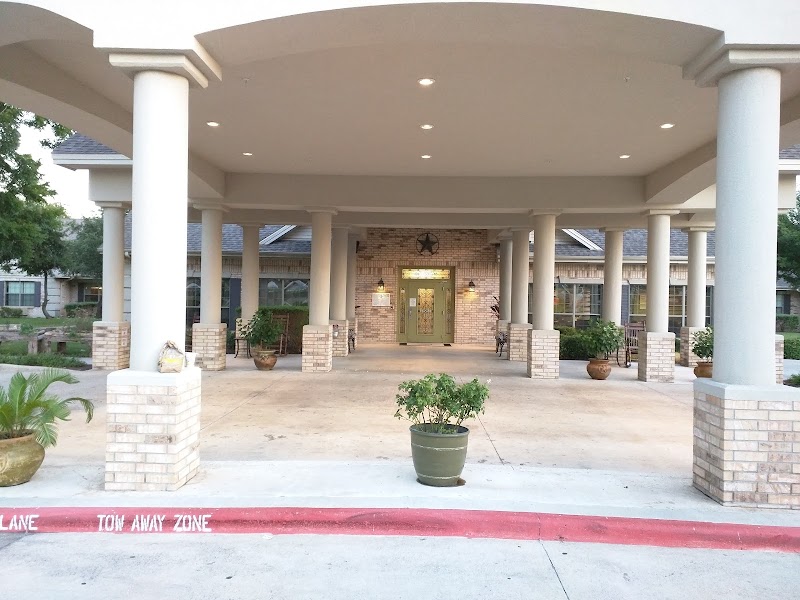
How is Brodie Ranch Staffed?

CMS rates BRODIE RANCH NURSING AND REHABILITATION CENTER's staffing level at 3 out of 5 stars, which is average compared to other nursing homes. Staff turnover is 44%, compared to the Texas average of 46%. This relatively stable workforce can support continuity of care.

What Have Inspectors Found at Brodie Ranch?

State health inspectors documented 32 deficiencies at BRODIE RANCH NURSING AND REHABILITATION CENTER during 2022 to 2025. These included: 3 Immediate Jeopardy (the most serious level, indicating potential for serious harm or death), 27 with potential for harm, and 2 minor or isolated issues. Immediate Jeopardy findings are rare and represent the most serious regulatory concerns. They require immediate corrective action.
Who Owns and Operates Brodie Ranch?

BRODIE RANCH NURSING AND REHABILITATION CENTER is owned by a government entity. Government-operated facilities are typically run by state, county, or municipal agencies. The facility is operated by THE ENSIGN GROUP, a chain that manages multiple nursing homes. With 120 certified beds and approximately 103 residents (about 86% occupancy), it is a mid-sized facility located in AUSTIN, Texas.
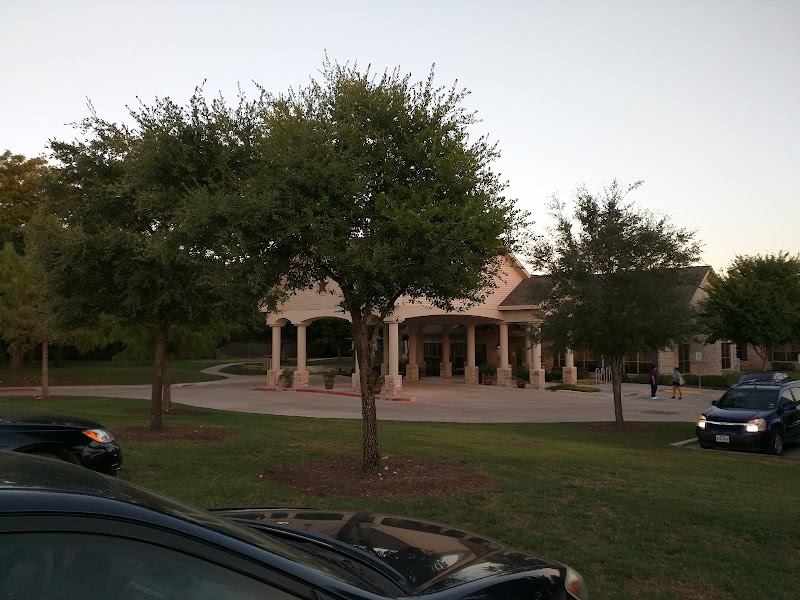
How Does Brodie Ranch Compare to Other Texas Nursing Homes?

Compared to the 100 nursing homes in Texas, BRODIE RANCH NURSING AND REHABILITATION CENTER's overall rating (2 stars) is below the state average of 2.8, staff turnover (44%) is near the state average of 46%, and health inspection rating (2 stars) is below the national benchmark.

What Should Families Ask When Visiting Brodie Ranch?

Based on this facility's data, families visiting should ask: "What changes have been made since the serious inspection findings, and how are you preventing similar issues?" "Can I visit during a mealtime to observe dining assistance and food quality?" "How do you handle medical emergencies, and what is your hospital transfer rate?" "Can I speak with family members of current residents about their experience?" These questions are particularly relevant given the facility's Immediate Jeopardy citations.

Is Brodie Ranch Safe?

Based on CMS inspection data, BRODIE RANCH NURSING AND REHABILITATION CENTER has documented safety concerns. Inspectors have issued 3 Immediate Jeopardy citations (the most serious violation level indicating risk of serious injury or death). The facility has a 2-star overall rating and ranks #100 of 100 nursing homes in Texas. Families considering this facility should ask detailed questions about what corrective actions have been taken since these incidents.

Do Nurses at Brodie Ranch Stick Around?

BRODIE RANCH NURSING AND REHABILITATION CENTER has a staff turnover rate of 44%, which is about average for Texas nursing homes (state average: 46%). Moderate turnover is common in nursing homes, but families should still ask about staff tenure and how the facility maintains care continuity when employees leave.

Was Brodie Ranch Ever Fined?

BRODIE RANCH NURSING AND REHABILITATION CENTER has been fined $235,557 across 2 penalty actions. This is 6.6x the Texas average of $35,434. Fines at this level are uncommon and typically indicate a pattern of serious deficiencies, repeated violations, or failure to correct problems promptly. CMS reserves penalties of this magnitude for facilities that pose significant, documented risk to resident health or safety. Families should request specific documentation of what issues led to these fines and what systemic changes have been implemented.

Is Brodie Ranch on Any Federal Watch List?

BRODIE RANCH NURSING AND REHABILITATION CENTER is not on any federal watch list. The most significant is the Special Focus Facility (SFF) program, which identifies the bottom 1% of nursing homes nationally based on persistent, serious quality problems. Not being on this list means the facility has avoided the pattern of deficiencies that triggers enhanced federal oversight. This is a positive indicator, though families should still review the facility's inspection history directly.