CORAL REHABILITATION AND NURSING OF AUSTIN
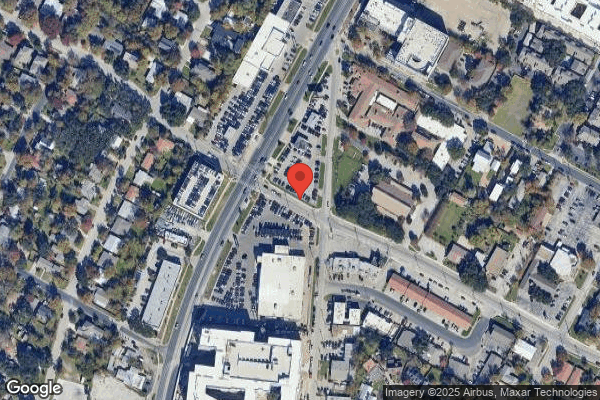
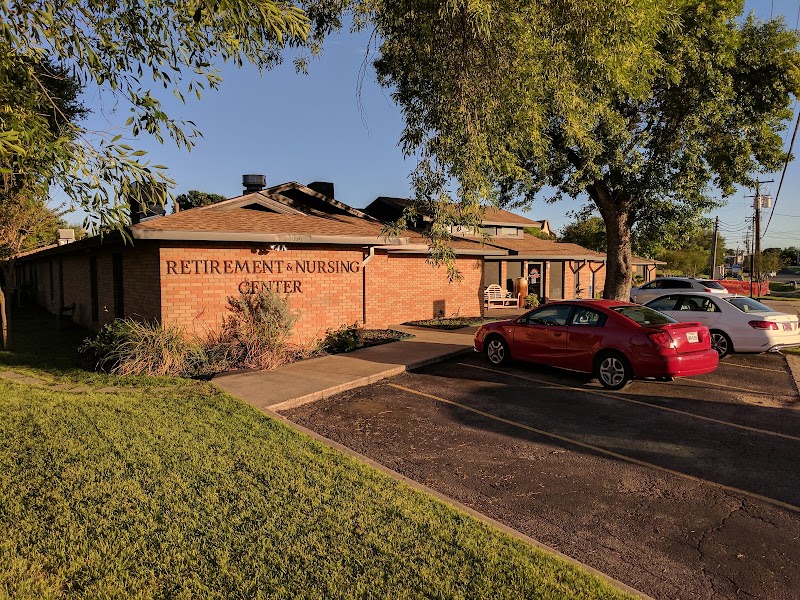
6909 BURNET LN, AUSTIN, TX 78757 (512) 452-5719
Government - Hospital district 157 Beds Independent Data: November 2025 16 Immediate Jeopardy citations
Trust Grade
0/100
#678 of 1168 in TX
Last Inspection: August 2024

Within standard 12-15 month inspection cycle. Federal law requires annual inspections.

Overview

Coral Rehabilitation and Nursing of Austin has received a Trust Grade of F, indicating significant concerns about the quality of care provided, which means the facility is poorly rated. In Texas, it ranks #678 out of 1168 nursing homes, placing it in the bottom half, and #16 out of 27 in Travis County, suggesting limited local options for better care. The situation is worsening, with the number of reported issues increasing from 26 in 2024 to 33 in 2025. Staffing is a concern, reflected by a low rating of 1 out of 5 stars and a turnover rate of 53%, which is about average for Texas but suggests instability in care. Additionally, the facility has accumulated $206,457 in fines, indicating compliance problems that are higher than 87% of Texas facilities. Specific incidents include failures to provide essential respiratory care and pain management for residents, leading to hospitalization and excruciating pain for a resident due to inadequate care and documentation. Another critical issue involved insufficient nursing staff to ensure safety and quality of care for residents. While they have received a 5 out of 5 star rating in quality measures, the numerous and serious deficiencies raise significant concerns about the overall safety and effectiveness of care at this facility.

Trust Score
F
0/100
In Texas
#678/1168
Bottom 42%
Safety Record
High Risk
Review needed
Inspections
Getting Worse
26 → 33 violations
Staff Stability
⚠ Watch
53% turnover. Above average. Higher turnover means staff may not know residents' routines.
Penalties
✓ Good
$206,457 in fines. Lower than most Texas facilities. Relatively clean record.
Skilled Nurses
⚠ Watch
Each resident gets only 17 minutes of Registered Nurse (RN) attention daily — below average for Texas. Fewer RN minutes means fewer trained eyes watching for problems.
Violations
⚠ Watch
78 deficiencies on record. Higher than average. Multiple issues found across inspections.
★★☆☆☆
2.0
Overall Rating
★☆☆☆☆
1.0
Staff Levels
★★★★★
5.0
Care Quality
★☆☆☆☆
1.0
Inspection Score
Stable
2024: 26 issues
2025: 33 issues

The Good

  • 5-Star Quality Measures · Strong clinical quality outcomes
  • Full Sprinkler Coverage · Fire safety systems throughout facility
  • No fines on record

Facility shows strength in quality measures, fire safety.

The Bad

2-Star Overall Rating

Below Texas average (2.8)

Below average - review inspection findings carefully

Staff Turnover: 53%

Near Texas avg (46%)

Higher turnover may affect care consistency

Federal Fines: $206,457

Well above median ($33,413)

Significant penalties indicating serious issues

The Ugly 78 deficiencies on record

16 life-threatening
Sept 2025 3 deficiencies 3 IJ
CRITICAL (J) 📢 Someone Reported This

A family member, employee, or ombudsman was alarmed enough to file a formal complaint

Immediate Jeopardy (IJ) - the most serious Medicare violation

Notification of Changes (Tag F0580)

Someone could have died · This affected 1 resident

**NOTE- TERMS IN BRACKETS HAVE BEEN EDITED TO PROTECT CONFIDENTIALITY** Based on interviews and record reviews, the facility failed to immediately consult with the resident's physician and notify the ...

Read full inspector narrative →
**NOTE- TERMS IN BRACKETS HAVE BEEN EDITED TO PROTECT CONFIDENTIALITY** Based on interviews and record reviews, the facility failed to immediately consult with the resident's physician and notify the resident's representative when there is an accident involving the resident which results in injury and had the potential for requiring physician intervention for 1 (Resident #86) of 5 residents reviewed for falls. The facility failed to notify Resident #86's physician and FM that he had a fall on [DATE]. He was found unresponsive at the facility around 6:30 AM on [DATE] and subsequently passed away.An Immediate Jeopardy (IJ) was identified on [DATE]. The IJ template was provided to the facility on [DATE] at 12:23 p.m. While the IJ was removed on [DATE], the facility remained out of compliance at a scope of isolated and a severity level of no actual harm with potential for more than minimal harm that is not immediate jeopardy due to the facility's need to complete in-service training and evaluate the effectiveness of the corrective systems. This failure could place residents at risk of serious injuries, abuse, serious harm, and death.Findings Included: Review of Resident #86's face sheet reflected a [AGE] year-old male admitted to the facility on [DATE] with diagnosis that included muscle weakness, unsteadiness on feet, unspecified abnormalities of gait and mobility, cognitive communication deficit, and muscle wasting and atrophy. Review of Resident #86's death in facility MDS dated [DATE] reflected entry/discharge reporting: death in facility. Review of Resident #86's last quarterly MDS assessment dated [DATE] reflected a BIMS score of 15 indicating cognition intact. Section GG for functional abilities indicated Resident #86 used a wheelchair. Functional abilities related to chair/bed transfer indicated partial moderate assistance. Walking 10 feet indicated resident required substantial assistance. MDS active diagnosis included muscle weakness, unsteadiness on feet, and abnormalities of gait and mobility. MDS assessment did not reflect Resident #86 was on hospice or end of life care. Review of Resident #86's care plan last revised [DATE] (cancelled date due to death) reflected a focus initiated on [DATE], Resident is at risk for falls related to deconditioning, gait/balance problems with interventions that included follow facility fall protocol.Review of Resident #86's progress note dated [DATE] reflected he had an unwitnessed fall at approximately 05:45 PM. After the nurse got him off the floor and into his wheelchair, an assessment was performed and there was redness on the back of his head/neck area. There is no documented evidence in the medical record that family and physician were notified. Review of Resident #86's progress note dated [DATE] reflected nurse found him unresponsive around 06:33 AM. He was awakened but not responding. CPR was initiated until EMS arrived and took over. He was resuscitated at 07:40 AM and rushed to the hospital for treatment, where he passed away shortly after.Review of Resident #86's neurological notes and observations sheet documented on paper dated [DATE] reflected LVN A initiated neuros on [DATE] at 05:45 PM and 06:05 PM. The family and physician notification was incomplete/blank. The remainer of the neuro checks were incomplete or not done. During an interview on [DATE] at 11:19 AM with Resident #86's FM, they stated the facility did not notify them that Resident #86 had a fall on [DATE]. FM stated the facility notified them on [DATE] that Resident #86 was being sent to the hospital. FM stated they observed Resident #86 at the hospital with blood residue in both his nostrils, a cut outer upper right lip, and bruises on the right side of his face on [DATE]. FM stated Resident #86 passed away in the hospital on [DATE]. During an interview on [DATE] at 2:15 PM with LVN A, she stated that on [DATE] around 5:45 PM, she heard from staff and other residents that Resident #86 fell. LVN A stated she helped Resident #86 back into his wheelchair after his unwitnessed fall. LVN A stated Resident #86 told her that he felt weak when transferring from his bed to wheelchair and fell. LVN A stated she assessed Resident #86 and observed he had redness on the back of his head/neck area. LVN A stated she did not ask Resident #86 if he hit his head during his fall. LVN A stated she could not recall notifying the physician after Resident #86 had his fall. LVN A stated she did not notify Resident #86's FM of Resident #86's fall. During an interview on [DATE] at 2:30 PM with RN K, he stated he observed Resident #86 was responsive on [DATE] around 2:00 AM. RN K stated he observed Resident #86 on [DATE] around 6:00 AM, tapped on Resident #86's shoulder, and Resident #86 was not responding. RN K stated LVN A did not communicate with him that Resident #86 had a fall on [DATE]. During an interview on [DATE] at 3:07 PM with the ADON, she stated the DON was responsible for ensuring nurses notified residents' FMs and physician after an unwitnessed fall. She stated she was unsure if LVN A notified Resident #86's FM and physician of his fall. She stated nurses were responsible for notifying residents' families and physicians that they fell. She also knew the importance of notifying family and physician and said, So they were aware of the change in condition. Physician would not be able to intervene or initiate orders if they were unaware. Family would not be able to be aware of their resident hurting themselves. During an interview on [DATE] at 4:20 PM with the Physician, he stated he was not notified Resident #86 had a fall on [DATE]. He expected to be notified of residents' falls and said, Resident could be at risk of head bleeding and head trauma and respiratory issues. During an interview on [DATE] at 2:02 PM with the DON, she stated nurses were required to notify the physician and FM after an unwitnessed fall. She knew it was important to notify family and physician after unwitnessed fall and said, Important for physician to give orders. Important for family to know so they could respond to facility or hospital.Review of the facility Abuse and Neglect Clinical Protocol last revised in [DATE] reflected:- The nurse will report findings to the physician and monitor residents.Review of the facility Change in a Residents Condition or Status policy last revised [DATE] reflected:- Physician and representative must be notified when there is an incident or accident involving the resident. These failures resulted in an identification of an Immediate Jeopardy (IJ) on [DATE] at 12:23 p.m. The DON was notified of the IJ and provided the IJ template.The POR F580 was approved [DATE] at 08:16 AM and reflected the following:Plan of Removal F580Immediate JeopardyOn [DATE], regulatory services determined that The Facility failed to meet the requirements of tag F580, resulting in an Immediate Threat to resident health and safety.Action:Action: Immediate Notification Protocol ImplementationStart Date: [DATE]Completion Date: [DATE]Responsible: Consultant Registered Nurse (RN)/Director of Nursing (DON)Target Audience: All licensed nursing staffDetails: DON was educated by Consultant RN on change of conditions and F580. An audit checklist was created by Consultant RN and DON; and used to review the last 72 Hour Report for keywords pain, fall, fever, all Vital Signs, blood glucose monitoring, weights, variances, and last 14 days incident reports. These were all printed for review and notations made on report. Any change of conditions found were worked by DON and Consultant RN to verify DON comprehension. A standardized notification checklist was implemented for all incidents involving changes in resident condition. The checklist includes time-stamped documentation of family and physician contact. Charge nurses must verify completion and submit to DON daily.Evaluation: Daily audits of incident reports and 24hr report for 14 days. Daily IDT review for compliance and documentation. Nurse staff comprehension was verified and documented on competency form with comprehension statement signed by nursing staff and either DON or Consultant RN.Action:Action: Staff Education on Notification RequirementsStart Date: [DATE]Completion Date: [DATE]Responsible: DON and Consultant RNTarget Audience: All licensed nursing staff and new hires ongoingDetails: Mandatory in-service training on F580 regulations and facility policy. Evaluation: Post-training competency quiz (pass rate 90%). Random chart audits for 30 days to verify proper notification, includes documentation of audit by printing and notations to 24hr report and progress notes and/or incident report reviewed. Action:Action: Policy Review and Quality Assurance Performance ImprovementStart Date: [DATE]Completion Date: [DATE]Responsible: Administrator & DONTarget Audience: All licensed nursing staff and IDTDetails: Facility policies on change in condition and fall response reviewed. Daily EMR audit specific to Incidents and Accidents for tracking family/physician contacts and documentation. Will be documented on Compliance Monitoring Audit. Evaluation: Monthly policy compliance audits. EMR usage reports reviewed monthly during QAPI X3 months or until a revised sustainable plan for safety is achieved. Comprehension verified and documented as above for nursing staff with same Post-training competency quiz (pass rate 90%) for all IDT members . The POR was monitored in the following ways :In an interview on [DATE] at 01:00 PM with the DON she confirmed that on [DATE] she was in-serviced by the CEO (Chief Executive Officer) prior to beginning the education with all licensed nursing staff. The ADON made the decision to return to work as a floor nurse and not continue the responsibilities as a ADON and was not in-serviced by the CEO, the MDS coordinator did receive the training at the same time as the DON the in-service stated that all licensed nursing staff will receive mandatory re-education with verbal discussion and sign in sheet on the facility's fall response protocol, change in condition procedures, and abuse/neglect clinical protocols. Nurses have been directed to notify DON when any resident refuses evaluation by EMS (emergency medical services) and a post-quiz will be used for determining understanding after education is provided. In an interview on [DATE] at 01:59 PM with the DON confirmed that she was in-serviced by the NC prior to in-servicing the facility nursing staff on regarding changes in resident conditions, falls, neuro fall risk assessments, and notification to RP and MD and DON, they reviewed facility policy on acute change condition protocol, and the importance of timely and accurate documentation and notification of changes in resident conditions and identifying and documenting and communicating the changes according to facility policy. The DON said she was aware that the changes in conditions must be reported, according to the facility policy to the DON, MD/NP and RP/family, She was aware and agreed to use the action tab for risk management and follow through with documentation. She received training and education relevant to acute care planning needs and to relay all information to the ADM, DON, ADON, and MDS to make sure all acute care planning needs will be met. She received training and education on completing required resident assessments and confirmed she is competent to perform the assessments necessary, they also discussed the of care planning and updating the resident's care plans to include falls.In an interview on [DATE] at 02:54 PM with the DON she stated for the moment they have to move forward with EMS assessments until she is absolutely comfortable with the nurses ability to assess residents to make sure that residents stay safe in the event of a fall, EMS is a fall back safety measure, she can provide staff education and make them do competencies all day long - the staff need to respond with a sense of emergency, and be able to reflect they have the knowledge of what they do, right now she is using EMS for assessments until staff exhibit they can do everything appropriately.In an interview on [DATE] at 01:31 PM with NC she confirmed that she in-serviced DON prior to the DON in-servicing the nursing staff regarding changes in resident conditions, falls, neuro fall risk assessments, and notification to RP and MD and DON, they reviewed facility policy on acute change condition protocol, and the importance of timely and accurate documentation and notification of changes in resident conditions and identifying and documenting and communicating the changes according to facility policy. The DON said she was aware that the changes in conditions must be reported, according to the facility policy to the DON, MD/NP and RP/family, She was aware and agreed to use the action tab for risk management and follow through with documentation. She received training and education relevant to acute care planning needs and to relay all information to the ADM, DON, ADON, and MDS to make sure all acute care planning needs will be met. She received training and education on completing required resident assessments and confirmed she is competent to perform the assessments necessary. They also discussed the of care planning and updating the resident's care plans to include fallsIn an interview on [DATE] at 11:45 AM DON stated most of the nurses are trained and retrained on neuro check and post fall evaluation. She stated they were trained on reporting to physician and family in a timely manner. DON stated the daily meeting the fall and other related issues evaluated, and necessary actions taken. There was no fall or incident of any significant changes in condition. Resident #3 had a fall on [DATE] and was reviewed and all the necessary steps were taken after the fall. She stated during the review it was revealed the care plans were not updated, not just for fall but also for various other issues. She stated the care plans were updated accordingly. The external NC will be supervising and monitoring the activities to ensure things are going in the right track.In an interview on [DATE] at 03:12PM with NC, she stated she in serviced and trained DON . She stated she had interviewed the nursing staff in the weekends as well to make sure they learnt everything that they supposed to. She stated she was happy with the outcome and will monitor and guide them to optimize their competencyThe following nurses were interviewed and observed working on PCC completing neuro checks and post fall evaluation. They were able to navigate the neuro check and post fall evaluation form on E H R (PCC). They were able to explain how to fill them out and the rationale and significance of the findings during the evaluation . They were able to identify a significant change and when to notify a physician /or call EMS Able to answer randomly asked post training quiz questions. See below:In an interview on [DATE] at 01:00 PM with RN O, - Full time started [DATE] During the interview stated: Got received the training [DATE] trained . Previously was doing neuro checks on paper form and then hand over to DON. Now got trained to do directly on the EH R.In an interview on [DATE] at 01:15 PM RN G - PRN -[DATE] During the interview stated: Trained on [DATE] and was trained on neuro check, post fall evaluation and incident report was to be completed. Neuro check to be continued for 3 days, she stated she was previously doing on paper , now on both , first on paper and then on PCC. Stated confident to do neuro and post fall evaluation. Neuro check initially every 15minutes.In an interview on [DATE] at 01:45 PM with LVN I Trained on [DATE]. During the interview stated: Interview over the phone, able to answer quiz questions. Able to explain neuro check and post fall process and procedures. Stated able to coordinate care independently.In an interview on [DATE] at 01:55 PM with LVN B, Trained on [DATE]. During the interview stated : She was doing after the fall evaluation and neuro check before too. Stated she was confident enough to conduct oneIn an interview on [DATE] at 02:35 PM with MDS Coordinator, LVN Trained on [DATE]. During the interview stated she received the trainings for the post fall procedures and how to enter the information in the E H R. In an interview on [DATE] at 02:35 PM with LVN P Interview over the phone. Nurse for 7 years. Done post fall evaluation and neuro checks before. Received the training on [DATE] from the facility. Stated she was able to conduct a post fall procedure independentlyReview of the facility's in-services and post-training quizzes reflected staff were reeducated and returned demonstration of competencies with F580 and facility protocols. Additionally, the following care plans/ assessments had been updated by the facility - Resident #65Resident #100Resident #66Resident #49Resident #27Resident #3Resident #7Resident #19Resident #11Resident #14Resident #6Resident #12These failures resulted in an identification of an Immediate Jeopardy (IJ) with the DON notified and IJ Template provided on [DATE] at 12:23 p.m. While the IJ was removed on [DATE], the facility remained out of compliance at a scope of isolated and a severity level of no actual harm with potential for more than minimal harm that is not immediate jeopardy due to the facility's need to complete in-service training and evaluate the effectiveness of the corrective systems.
CRITICAL (J) 📢 Someone Reported This

A family member, employee, or ombudsman was alarmed enough to file a formal complaint

Immediate Jeopardy (IJ) - the most serious Medicare violation

Free from Abuse/Neglect (Tag F0600)

Someone could have died · This affected 1 resident

**NOTE- TERMS IN BRACKETS HAVE BEEN EDITED TO PROTECT CONFIDENTIALITY** Based on observation, interview and record review, the facility failed to protect a resident's right to be free from neglect for...

Read full inspector narrative →
**NOTE- TERMS IN BRACKETS HAVE BEEN EDITED TO PROTECT CONFIDENTIALITY** Based on observation, interview and record review, the facility failed to protect a resident's right to be free from neglect for 1 (Resident #86) of 5 residents reviewed for resident neglect. The facility failed to ensure Resident #86 was free from neglect when nursing staff failed to conduct ongoing neuro checks and monitor for delayed complications after an unwitnessed fall with head injury that occurred on [DATE]; and document in the residents' chart changes in condition, notify the family and physician, and follow facility fall protocol per policy and residents person centered care plan. He was found unresponsive around 6:30 AM on [DATE] and subsequently passed away. An Immediate Jeopardy (IJ) was identified on [DATE]. The IJ template was provided to the facility on [DATE] at 5:00 p.m. While the IJ was removed on [DATE], the facility remained out of compliance at a scope of isolated and a severity level of no actual harm with potential for more than minimal harm that is not immediate jeopardy due to the facility's need to complete in-service training and evaluate the effectiveness of the corrective systems. These failures placed residents at risk for serious injuries, abuse, serious harm, and death.Findings include: Review of Resident #86's face sheet reflected a [AGE] year-old male admitted to the facility on [DATE] with diagnoses that included muscle weakness, unsteadiness on feet, unspecified abnormalities of gait and mobility, cognitive communication deficit, and muscle wasting and atrophy. Review of Resident #86's last quarterly MDS assessment dated [DATE] reflected a BIMS score of 15 indicating cognition was intact. Section GG for functional abilities indicated Resident #86 used a wheelchair. Functional abilities related to chair/bed transfer indicated partial moderate assistance. Walking 10 feet indicated resident required substantial assistance. MDS active diagnoses included muscle weakness, unsteadiness on feet, and abnormalities of gait and mobility. MDS assessment did not reflect Resident #86 was on hospice or end of life care. Resident #86 had no falls since admission. Review of Resident #86's care plan reflected a focus initiated on [DATE], Resident is at risk for falls related to deconditioning, gait/balance problems with interventions that included follow facility fall protocol. Review of Resident #86's progress note, created by LVN A on [DATE], reflected he had an unwitnessed fall at approximately 05:45 PM. After the nurse got him off the floor and into his wheelchair, an assessment was performed and there was redness on the back of his head/neck area. There was no documented evidence in the medical record that neuros were conducted and completed, and family and physician were notified. Review of Resident #86's progress note, created by RN K on [DATE], reflected nurse found him unresponsive around 06:33 AM. He was awakened but not responding. CPR was initiated until EMS arrived and took over. He was resuscitated at 07:40 AM and rushed to the hospital for treatment, where he passed away shortly after. Review of Resident #86's fall risk evaluations reflected there was no fall risk/post fall evaluation for the fall that occurred on [DATE], and the last evaluation conducted was dated [DATE]. Review of Resident #86's progress notes and EMR reflected no documented follow up for delayed complications related to the fall (generally completed for up to 48 hours post fall) and no assessments by nurse or PT for observing resident rise from chair post fall (to test if decline in strength/abilities or changes in status). Review of Resident #86's neurological notes and observations sheet documented on paper dated [DATE] reflected LVN A initiated neuros monitoring on [DATE] at 05:45 PM and 06:05 PM. The family and physician notification was incomplete/blank. The remainder of the neuro checks were incomplete or not done. Review of Resident #86's death in facility MDS dated [DATE] reflected entry/discharge reporting: death in facility. During an interview on [DATE] at 11:19 AM with Resident #86's FM, they stated the facility did not notify them that Resident #86 had a fall on [DATE]. FM stated the facility notified them on [DATE] that Resident #86 was being sent to the hospital. FM stated they observed Resident #86 at the hospital with blood residue in both his nostrils, a cut to his outer upper right lip, and bruises on the right side of his face on [DATE]. FM stated Resident #86 passed away in the hospital on [DATE] at 8:57 a.m. During an interview on [DATE] at 2:15 PM with LVN A, she stated that on [DATE] around 5:45 PM, she heard from staff and other residents that Resident #86 fell. LVN A stated she helped Resident #86 back into his wheelchair after his unwitnessed fall. LVN A stated Resident #86 told her that he felt weak when transferring from his bed to wheelchair and fell. LVN A stated she could not recall notifying the physician after Resident #86 had his fall. LVN A stated she did not notify Resident #86's FM of Resident #86's fall. LVN A stated she notified the DON when the incident happened. LVN A stated she assessed Resident #86 and observed he had redness on the back of his head/neck area. LVN A stated she did not ask Resident #86 if he hit his head during his fall. LVN A stated she believed she initiated neurological monitoring on Resident #86. LVN A stated nurses were responsible for initiating and conducting ongoing neurological monitoring on residents every 30 minutes when they have an unwitnessed fall. LVN A stated the ADON and DON were responsible for ensuring nurses initiated and conducted ongoing neurological monitoring after a resident had an unwitnessed fall. LVN A stated she knew the importance of initiating and conducting ongoing neurological monitoring for residents with falls and said, To make sure their vitals were stable. Resident could be at risk of a blood clot. She could not recall if not initiating and conducting ongoing neuro checks after an unwitnessed fall and not notifying family and physician was neglect. She defined neglect as not taking care of a resident or abusing a resident. During an interview on [DATE] at 2:30 PM with RN K, he stated he observed Resident #86 was responsive on [DATE] around 2:00 AM. RN K stated he observed Resident #86 on [DATE] around 6:00 AM, tapped on Resident #86's shoulder, and Resident #86 was not responding. RN K stated LVN A did not communicate with him that Resident #86 had a fall on [DATE]. RN K stated he did not initiate and conduct neurological monitoring on Resident #86 because he did not know Resident #86 had a fall on [DATE]. RN K stated nurses were responsible for initiating and conducting ongoing neurological monitoring on residents if residents had an unwitnessed fall. RN K explained nurses were responsible for following the neurological monitoring frequency listed on the neurological monitoring sheet when initiating and conducting ongoing neurological monitoring. RN K stated the DON was responsible for ensuring the nurses initiated and conducted ongoing neurological monitoring after a resident had an unwitnessed fall. RN K stated he told the DON that LVN A needed to be put back on training due to not performing neurological monitoring on Resident #86 after the fall. RN K stated he knew the importance of initiating and conducting ongoing neurological monitoring for residents with falls and said, Because resident could have hit his head and had a brain injury and to know that resident did not have damage to his head and to determine if resident needs to go to the hospital. Resident could be at risk of brain injury. He believed not initiating and conducting ongoing neurological monitoring after a resident had an unwitnessed fall was neglect. He defined neglect as failure of NF not providing care and services to a resident. During an interview on [DATE] at 3:07 PM with the ADON, she stated she was unable to find Resident #86's neurological monitoring sheets after his fall on [DATE]. She stated Resident #86's neurological monitoring sheets were started on [DATE] by LVN A and were not finished. She stated RN K was supposed to continue Resident #86's neurological monitoring. She stated nurses were responsible for initiating and conducting ongoing neurological monitoring after a resident had an unwitnessed fall and followed the frequency on the neurological monitoring sheet. She stated the DON was responsible for ensuring nurses initiated and conducted ongoing neurological monitoring on residents and notified residents' FMs and physician after an unwitnessed fall. She stated she was unsure if LVN A notified Resident #86's FM and physician of his fall. She knew the importance of initiating and conducting ongoing neurological monitoring on residents after an unwitnessed fall and said, Because resident could have brain injury, brain bleeding, abnormal vital signs, pain or fracture from fall. Residents could be at risk of going unconscious, brain bleed that staff unaware of, fracture, stroke, and develop infection if not completing neuro checks on them. She also stated nurses were responsible for notifying residents' families and physicians that they fell. She also knew the importance of notifying family and physician and said, So they were aware of the change in condition. Physician would not be able to intervene or initiate orders if they were unaware. Family would not be able to be aware of their resident hurting themselves. Not initiating and conducting ongoing neurological monitoring after a resident had an unwitnessed fall was neglect. She defined neglect as not caring or not carrying out duties as a nurse, and not tending to the resident. During an interview on [DATE] at 3:26 p.m., LVN M stated nurses were responsible for initiating and conducting ongoing neurological monitoring after an unwitnessed fall. LVN M stated nurses were responsible for documenting neurological monitoring, submitting the completed sheets to the MR, and the MR uploads the sheets in the resident's EMR. LVN M stated the ADON or DON were responsible for ensuring nurses initiated and conducted ongoing neurological monitoring after a resident had an unwitnessed fall. LVN M stated he knew the importance of initiating and conducting ongoing neurological monitoring on residents after an unwitnessed fall and said, Because resident could be on blood thinners or for signs or symptoms of change in condition so they could be sent out to the hospital or they could have high blood pressure. Residents could be at risk of brain bleed, fracture, and other injuries. LVN M stated not initiating and conducting ongoing neurological monitoring after a resident had an unwitnessed fall was neglect. LVN M stated he defined neglect as when not showing up for the resident in a way they needed to be shown up for and not tending to residents' needs. During an interview on [DATE] at 4:20 PM with the Physician, he stated he was not notified Resident #86 had a fall on [DATE]. He expected to be notified of residents' falls. He stated nurses were required to initiate neurological monitoring after an unwitnessed fall and said, Resident could be at risk of head bleeding and head trauma and respiratory issues. During an interview on [DATE] at 10:35 AM with the DON, she stated she did not believe the fall protocol was followed in this case. She stated it is the expectation that post fall assessments are completed and documented after a fall and that the nurse assessing the fall or PT assess the resident's ability to rise from his/her wheelchair. She stated a negative outcome of not following the fall protocol/ procedures are negative deficits are increased up to and including death. DON stated LVN A completed neurological checks for the time left on her shift (only 1 hour) and were documented on paper not on the resident's chart as it should have been. She stated the checks that should have occurred after LVN A left were not completed. During an interview [DATE] at 11:13 AM with LVN A, she stated Resident #86 was able to stand and self-transfer from his bed to his wc on a normal day. She stated after his fall on [DATE] redness was noted to his head and she suspected head injury. LVN A stated after the fall Resident #86 refused to go to the hospital and instead went outside. LVN A stated she documented the fall in the nursing progress notes but did not do an incident report as the charge nurse on duty, and only provided an oral report to the DON. She stated she was aware of the care plan intervention but did not have the knowledge of the facility's fall protocol or procedures and was not aware of the assessments she had to complete. LVN A also stated she lacked the knowledge of using the EMR system for the facility and only received 3 days of training before being allowed on the floor as the charge nurse. She stated therefore she did not know how to properly document the assessments required after a fall and lacked the knowledge of what assessments were required. LVN A stated she only completed checks on Resident #86 for the 1 hour she had left on her shift and left at 7pm. She stated those were documented on paper and not the resident's chart. In an interview on [DATE] at 12:57 PM with the ADON, she stated it was the expectation that all falls were documented on the EMR and post fall assessments and incident reports completed. She stated she is not sure why it was not documented in there by LVN A. ADON stated that if LVN A does not know how to conduct the assessments from the EMR system that it was her expectation that LVN A asked for assistance. ADON stated the nurse doing the assessment on the resident post fall should also do the wc stand up assessment to test any decline in strength or abilities. She stated the care plan reflects the care that is supposed to be provided to residents, and it was not followed in this case since following the fall protocol was an intervention. ADON stated post fall assessments include neuro checks, vitals such as pulse, respirations, checking motor skills, pupils reaction, overall alertness and any changes to baseline. She stated a potential negative outcome to the resident if the fall protocols and procedures are not followed would be the resident can have a brain bleed, internal issues they are not aware of, fractures, or infections from fractures. In an interview on [DATE] at 03:00 PM with the DON, she reiterated that the fall protocol was not followed as it pertained to the incident on [DATE] with Resident #86. The DON stated that it was her expectation that the nurses were competent in following a resident's care plan because failure to follow it would result in the residents not getting the care they need. She stated it was her expectation that if a nurse encounters something they do not know how to do such as assessments, placing orders, or working in the EMR that they ask for help. She stated staff should be reaching out to her to get instructions on how to do it. In an interview on [DATE] at 03:38 PM with the ADM, she stated it was her expectation that before a nurse goes to the floor to work with residents she is provided competencies that include training on where you go in the EMR to generate assessments, knowledge on the facility's policies and procedures, and know that they must ask questions if there is something they don't know. The ADM stated that failure to have competent nurse staffing, not completing assessments, following care plans, or facility policy results in residents not having the opportunity to be provided appropriate care. She stated that as the new ADM she is providing the facility with her expectations on the education that must be completed to ensure residents are being provided the appropriate care, and ongoing education that will be provided to direct care staff. Review of the facility Care Plans, Comprehensive Person Centered last revised [DATE] reflected:Policy statement: A comprehensive person-centered care plan that includes measurable objectives and timetables to meet the resident's physical, psychosocial, and functional needs is developed and implemented for each resident. - The Interdisciplinary Team (IDT) in conjunction with the resident and his/her family or legal representative, develops and implements a comprehensive, person-centered care plan for each resident. - The care plan interventions are derived from a thorough analysis of the information gathered as part of the comprehensive assessment. - The comprehensive person-centered care plan will: o describe the services to be furnished to attain or maintain the residents highest practicable physical, mental, and psychosocial well-being.o Incorporate identified problem areas.o Identify the professional services that are responsible for each element of care. - Assessments of the residents are ongoing and care plans are revised as information about the resident and the resident's conditions change. Review of the facility Abuse and Neglect Clinical Protocol last revised in [DATE] reflected:- Neglect, as defined at S483.5, means the failure of the facility, its employees or service providers to- provide goods and services to a resident that are necessary to avoid physical harm, pain, mental anguish or- emotional distress.- The nurse will report findings to the physician and monitor residents. Review of the facility Change in a Residents Condition or Status policy last revised [DATE] reflected:- Physician and representative must be notified when there is an incident or accident involving the resident. Review of the facility Falls-Clinical Protocol last revised [DATE] reflected:- A nurse shall assess and document/ report the following: vital signs, musculoskeletal function, observing changes in normal range of motion, weight bearing etc., change in cognition or level of consciousness, neurological status, pain.- Monitoring and follow up: the staff with the physician's guidance will follow up on any fall with associated injury until the resident is stable and delayed complications such as late fracture or subdural hematoma have been ruled out or resolved. Delayed complications such as late fractures and major bruising may occur hours or days after a fall, while signs of subdural hematomas or other intracranial bleeding could occur up to several weeks after a fall. Review of facility Assessing Falls and Their Cause policy revised [DATE] reflected: Purpose- to provide guidelines for assessing a resident fall and to assist staff in identifying causes of the fall. - After a fall- observe for delayed complications of a fall for approximately 48 hours after an observed or suspected fall and will document findings in the medical record. - Document any observed signs or symptoms of swelling, bruising, deformity, and/or decreased mobility and any changes to level responsiveness/ consciousness and overall function. Note the presence or absence of significant findings. - Complete an incident report for resident falls no later than 24 hours after the fall occurs. The incident report should be completed by the nursing supervisor on duty at the time and submitted to the DON.Performing a post fall evaluation:- After a first fall, a nurse and/or physical therapist will watch the resident attempt to rise from a chair without using his or her arms, walk several paces, and return to sitting, and will document the results ofthis effort. If the individual has no difficulty or unsteadiness, no further evaluation is needed at that time. If the individual has difficulty or is unsteady in performing this test, additional evaluation may be initiated as warranted. These failures resulted in an identification of an Immediate Jeopardy (IJ) On [DATE] at 05:00 PM. The ADM was notified of the IJ and provided the IJ template on [DATE] at 5:00 p.m. The POR F600 was approved [DATE] at 06:07 PM and reflected the following:Plan of Removal (POR)Immediate Jeopardy - F600: Neglect On [DATE], an abbreviated survey was initiated at The Facility. On [DATE], The surveyor determined that the Facility was in Immediate Jeopardy (IJ) due to noncompliance with Tag F600 - Neglect, resulting in the death of Resident #86. The facility failed to follow its own policies and procedures regarding post-fall assessments, including conducting ongoing neurological checks, notifying the resident's family, and notifying the physician after an unwitnessed fall on [DATE]. Resident #86 was found unresponsive the following morning and passed away shortly thereafter.Date of Immediate Jeopardy Notification: [DATE]Tag: F600 - The facility must ensure residents are free from neglect.Immediate Jeopardy Summary:On [DATE], Resident #86 experienced an unwitnessed fall and hit his head. The facility failed to conduct ongoing neurological checks, notify the family, and notify the physician. The resident was found unresponsive the following morning and passed away shortly after. Interviews and documentation revealed systemic failures in communication, assessment, and adherence to facility protocols, constituting neglect.Actions to Remove Immediate JeopardyAction 1: Immediate Staff Education and Re-EducationDescription: DON(Director of Nursing) will be re-educated by CEO (Chief Executive Officer) prior to beginning of education with all licensed nursing staff, including PRN and possible agency staff prior to next shift worked. ADON (Assistant Director of Nursing) and MDS (Minimum Data Set) Nurse will be initially educated by DON after DON education. All licensed nursing staff will receive mandatory re-education with verbal discussion and sign in sheet on the facility's fall response protocol, change in condition procedures, and abuse/neglect clinical protocols. Nurses have been directed to notify DON when any resident refuses evaluation by EMS(emergency medical services). A Post- Quiz will be used for determining understanding after education is provided. Start Date: [DATE]Completion Date: [DATE]Responsible: Director of Nursing (DON)/MDS Coordinator/ADONAction 2: Implementation of Neuro Check Audit SystemDescription: A neuro check audit log will be implemented to ensure all required neurological assessments are completed and documented following any fall, especially unwitnessed ones or known head injuries. All licensed nursing staff have been notified by mass group messaging app- response in acknowledgement has been requested. If no response- DON/Designee will complete calls to each nurse who fails to acknowledge and send report of follow up call to administrator for tracking purposes. ADON will be responsible for maintaining Neuro log. DON has educated ADON on completing and maintaining Neuro Audit Log, including how to fill out audit form during clinical review in morning clinical meeting. ADON will provide overview of log during fall review component of morning clinical meeting; it will only be completed on residents with unwitnessed falls or with known head injuries. Should the ADON be unavailable, DON will maintain and provide overview. Start Date: [DATE]Completion Date: [DATE]Responsible: Assistant Director of Nursing (ADON)/DONAction 3: Mandatory Notification Protocol EnforcementDescription: All nursing staff will be required to notify the physician and family immediately following any fall. A notification checklist is included in the incident report form to ensure compliance. This is a checklist only and does not require competencies to be completed for training. Only notification of implementation- via secure messaging app with read receipts turned on. It will also be added to the Neuro audit logs for review each morning during the clinical meeting. Initial notice was provided via mass group messaging app. Re-education on fall protocol, neuro implementation, log and risk management checklist will be provided from DON to Designee and then to all other licensed nursing staff (including new hires and possible agency) prior to next shift worked. A comprehensive post-Quiz with included topics will be used for determining understanding after education is provided. Nursing has also been reminded of policy to complete walking rounds and review of shift change over (24 hour report) and group acknowledgement has been required as above. When nursing is observed out of compliance by DON/ADON, 1 on 1 disciplinary action will ensue.Start Date: [DATE]Completion Date: [DATE]Responsible: DON/DesigneeAction 4: Daily Clinical Review of All FallsDescription: The interdisciplinary team will conduct daily reviews of all falls to verify that neuro checks, notifications, and documentation are complete and timely. IDT consists of entire leadership team depending on availability: Administrator, DON, ADON, therapy, social services, activities, dietary and housekeeping/maintenance. This will be documented on an Audit Log daily until system maintenance is achieved and plan is completed per QAPI below. Start Date: [DATE]Completion Date: [DATE]Responsible: DON, ADON, AdministratorAction 5: Quality Assurance and Performance Improvement (QAPI) IntegrationDescription: The incident and corrective actions were reviewed during ad hoc QAPI meeting. A root cause analysis will be conducted, and long-term strategies will be developed to prevent recurrence. A second ad hoc took place on [DATE] via teleconference to directly review policy on nursing communication; committee agreed that policy changes do not need to take place at present; nursing will be held accountable by disciplinary action for variance from required walking rounds and review of 24 hour report during shift change over. Will continue to be reviewed in monthly QAPI x3 or until revised plan is reached to sustain ongoing maintenance. Start Date: [DATE]Completion Date: [DATE]Responsible: CEO/Administrator The POR was monitored in the following ways: In an interview on [DATE] at 12:20 PM with CEO and DON, they notified surveyors LVN A had resigned effective [DATE] and would no longer be coming in. In an interview on [DATE] at 01:00 PM with the DON she confirmed that on [DATE] she was in-serviced by the CEO (Chief Executive Officer) prior to beginning the education with all licensed nursing staff. The ADON made the decision to return to work as a floor nurse and not continue the responsibilities as a ADON and was not in-serviced by the CEO. The MDS coordinator did receive the training at the same time as the DON. The in-service stated that all licensed nursing staff will receive mandatory re-education with verbal discussion and sign in sheet on the facility's fall response protocol, change in condition procedures, and abuse/neglect clinical protocols. Nurses have been directed to notify DON when any resident refuses evaluation by EMS (emergency medical services) and a post-quiz will be used for determining understanding after education is provided. In an interview on [DATE] at 01:59 PM with the DON confirmed that she was in-serviced by the NC prior to in-servicing the facility nursing staff on changes in resident conditions, falls, neuro fall risk assessments, and notification to RP and MD and DON. They reviewed facility policy on acute change condition protocol, and the importance of timely and accurate documentation and notification of changes in resident conditions and identifying and documenting and communicating the changes according to facility policy. The DON said she was aware that the changes in conditions must be reported, according to the facility policy to the DON, MD/NP and RP/family. She was aware and agreed to use the action tab for risk management and follow through with documentation. She received training and education relevant to acute care planning needs and to relay all information to the ADM, DON, ADON, and MDS to make sure all acute care planning needs will be met. She received training and education on completing required resident assessments and confirmed she is competent to perform the assessments necessary. They also discussed the care planning and updating the resident's care plans to include falls.In an interview on [DATE] at 02:54 PM with the DON she stated for the moment they have to move forward with EMS assessments until she is absolutely comfortable with the nurses' ability to assess residents to make sure that residents stay safe in the event of a fall. EMS is a fall back safety measure. She can provide staff education and make them do competencies all day long - the staff need to respond with a sense of emergency, and be able to reflect they have the knowledge of what they should do. Right now she is using EMS for assessments until staff exhibit they can do everything appropriately.In an interview on [DATE] at 01:31 PM with NC she confirmed that she in-serviced DON prior to the DON in-servicing the nursing staff regarding changes in resident conditions, falls, neuro fall risk assessments, and notification to RP and MD and DON. They reviewed facility policy on acute change condition protocol, and the importance of timely and accurate documentation and notification of changes in resident conditions and identifying and documenting and communicating the changes according to facility policy. The DON said she was aware that the changes in conditions must be reported, according to the facility policy to the DON, MD/NP and RP/family. She was aware and agreed to use the action tab for risk management and follow through with documentation. She received training and education relevant to acute care planning needs and to relay all information to the ADM, DON, ADON, and MDS to make sure all acute care planning needs will be met. She received training and education on completing required resident assessments and confirmed she is competent to perform the assessments necessary. They also discussed the care planning and updating the resident's care plans to include fallsIn an interview on [DATE] at 11:45 AM DON stated most of the nurses are trained and retrained on neuro check and post fall evaluation. She stated they were trained on reporting to physician and family in a timely manner. DON stated that during their daily meeting falls and other related issues were evaluated, and necessary actions were taken. There was no fall or incident of any significant changes in condition. Resident #3 had a fall on [DATE] and was reviewed and all the necessary steps were taken after the fall. She stated during the review it was revealed the care plans were not updated, not just for fall but also for various other issues. She stated the care plans were updated accordingly. The external NC will be supervising and monitoring the activities to ensure things are going in the right track.In an interview on [DATE] at 03:12PM with NC, she stated she in serviced and trained DON . She stated she had interviewed the nursing staff on the weekend as well to make sure they learned everything that they were supposed to. She stated she was happy with the outcome and will monitor and guide them to optimize their competency.The following nurses were interviewed and observed working on PCC completing neuro checks and post fall evaluation. They were able to navigate the neuro check and post fall evaluation form on E H R (PCC). They were able to explain how to fill them out and the rationale and significance of the findings during the evaluation . They were able to identify a significant change and when to notify a physician /or call EMS, additionally staff were able to answer randomly asked post training quiz questions. See below:In an interview on [DATE] at 01:00 PM with RN O, - Full time started [DATE] During the interview she stated: she received the training [DATE]. She stated she was previously doing neuro checks on paper form and then would hand it over to DON. Now she got trained to do the documentation directly on the EH R. She stated she knew to immediately report ANE to the ANE coordinator who was the ADM. In an interview on [DATE] at 01:15 PM RN G - PRN -[DATE] During the interview stated: she received training on [DATE] and was trained on neuro check, post fall evaluation and incident report was to be completed. Neuro check to be continued for 3 days, she stated she was previously doing charting on paper , now on both , first on paper and then on PCC. Stated she is confident in doing neuro and post fall evaluations. She stated neuro check are complet[TRUNCATED]
CRITICAL (J) 📢 Someone Reported This

A family member, employee, or ombudsman was alarmed enough to file a formal complaint

Immediate Jeopardy (IJ) - the most serious Medicare violation

Deficiency F0726 (Tag F0726)

Someone could have died · This affected 1 resident

**NOTE- TERMS IN BRACKETS HAVE BEEN EDITED TO PROTECT CONFIDENTIALITY** Based on interview and record review, the facility failed to assure that all nursing staff possess the competencies, and skill s...

Read full inspector narrative →
**NOTE- TERMS IN BRACKETS HAVE BEEN EDITED TO PROTECT CONFIDENTIALITY** Based on interview and record review, the facility failed to assure that all nursing staff possess the competencies, and skill sets necessary to provide nursing and related services to meet the residents' needs safely and in a manner that promotes each resident's rights, physical, mental, and psychosocial well-being for 1 (Resident #86) of 5 residents reviewed. - The facility failed to ensure nursing staff were competent to conduct ongoing neuro checks, notify the family, and notify the physician after Resident #86 had an unwitnessed fall and hit his head on [DATE]. He was found unresponsive around 6:30 AM on [DATE] and subsequently passed away.- The facility failed to ensure nursing staff were competent to complete a fall risk assessment/ post fall evaluation For Resident #86 following a fall [DATE] (last one documented dated [DATE]).- The facility failed to ensure LVN A had competency on fall risk policies, procedures, conducting assessments, and knowledge of EMR system used. An Immediate Jeopardy (IJ) was identified on [DATE]. The IJ template was provided to the facility on [DATE] at 12:23 PM. While the IJ was removed on [DATE], the facility remained out of compliance at a scope of isolated and a severity level of no actual harm with a potential for more than minimal harm that is not immediate jeopardy due to the facility's need to complete in-service training and evaluate the effectiveness of the corrective systems. These failures placed residents who have a fall at risk for a significant change in condition up to and including death. Findings included: Review of Resident #86's face sheet reflected a [AGE] year-old male admitted to the facility on [DATE] with diagnoses that included muscle weakness, unsteadiness on feet, unspecified abnormalities of gait and mobility, cognitive communication deficit, and muscle wasting and atrophy. Review of Resident #86's death in facility MDS dated [DATE] reflected entry/discharge reporting: death in facility. Review of Resident #86's last quarterly MDS assessment dated [DATE] reflected a BIMS score of 15 indicating cognition intact. Section GG for functional abilities indicated Resident #86 used a wheelchair. Functional abilities related to chair/bed transfer indicated partial moderate assistance. Walking 10 feet indicated resident required substantial assistance. MDS active diagnosis included muscle weakness, unsteadiness on feet, and abnormalities of gait and mobility. MDS assessment did not reflect Resident #86 was on hospice or end of life care. Review of Resident #86's care plan last revised [DATE] (cancelled date due to death) reflected a focus initiated on [DATE], Resident is at risk for falls related to deconditioning, gait/balance problems with interventions that included follow facility fall protocol. Review of Resident #86's progress note dated [DATE] reflected he had an unwitnessed fall at approximately 05:45 PM. After the nurse got him off the floor and into his wheelchair, an assessment was performed and there was redness on the back of his head/neck area. There is no documented evidence in the medical record that neuros were conducted, and family and physician were notified. Review of Resident #86's progress note dated [DATE] reflected nurse found him unresponsive around 06:33 AM. He was awakened but not responding. CPR was initiated until EMS arrived and took over. He was resuscitated at 07:40 AM and rushed to the hospital for treatment, where he passed away shortly after. Review of Resident #86's fall risk evaluations reflected there was no fall risk/post fall evaluation for the fall that occurred on [DATE], and the last evaluation conducted was dated [DATE]. Review of Resident #86's progress notes and EMR reflected no documented follow up for delayed complications related to the fall (completed for up to 48 hours post fall) and no assessments by nurse or PT for observing resident rise from chair post fall (to test if decline in strength/abilities or changes in status). Review of Resident #86's neurological notes and observations sheet documented on paper dated [DATE] reflected LVN A initiated neuros on [DATE] at 05:45 PM and 06:05 PM. The family and physician notification was incomplete/blank. The remainer of the neuro checks were incomplete or not done. During an interview on [DATE] at 11:19 AM, with Resident #86's FM, they stated the facility did not notify them that Resident #86 had a fall on [DATE]. The FM stated the facility notified them on [DATE] that Resident #86 was being sent to the hospital. The FM stated they observed Resident #86 at the hospital with blood residue in both his nostrils, a cut outer upper right lip, and bruises on the right side of his face on [DATE]. FM stated Resident #86 passed away in the hospital on [DATE]. During an interview on [DATE] at 2:15 PM with LVN A, she stated that on [DATE] around 5:45 PM, she heard from staff and other residents that Resident #86 fell. LVN A stated she helped Resident #86 back into his wheelchair after his unwitnessed fall. LVN A stated Resident #86 told her that he felt weak when transferring from his bed to wheelchair and fell. LVN A stated she could not recall notifying the physician after Resident #86 had his fall. LVN A stated she did not notify Resident #86's FM of Resident #86's fall. LVN A stated she assessed Resident #86 and observed he had redness on the back of his head/neck area. LVN A stated she did not ask Resident #86 if he hit his head during his fall. LVN A stated she believed she initiated neurological monitoring on Resident #86. LVN A stated nurses were responsible for initiating and conducting ongoing neurological monitoring on residents every 30 minutes when they have an unwitnessed fall. LVN A stated the ADON and DON were responsible for ensuring nurses initiated and conducted ongoing neurological monitoring after a resident had an unwitnessed fall. LVN A stated she knew the importance of initiating and conducting ongoing neurological monitoring for residents with falls and said, To make sure their vitals were stable. Resident could be at risk of a blood clot. During an interview on [DATE] at 2:30 PM with RN K, he stated he observed Resident #86 was responsive on [DATE] around 2:00 AM. RN K stated he observed Resident #86 on [DATE] around 6:00 AM, tapped on Resident #86's shoulder, and Resident #86 was not responding. RN K stated LVN A did not communicate with him that Resident #86 had a fall on [DATE]. RN K stated he did not initiate and conduct neurological monitoring on Resident #86 because he did not know Resident #86 had a fall on [DATE]. RN K stated nurses were responsible for initiating and conducting ongoing neurological monitoring on residents if residents had an unwitnessed fall. RN K stated the DON was responsible for ensuring the nurses initiated and conducted ongoing neurological monitoring after a resident had an unwitnessed fall. RN K stated he told the DON that LVN A needed to be put back on training due to not performing neurological monitoring on Resident #86 after the fall. RN K stated he knew the importance of initiating and conducting ongoing neurological monitoring for residents with falls and said, Because resident could have hit his head and had a brain injury and to know that resident did not have damage to his head and to determine if resident needs to go to the hospital. Resident could be at risk of brain injury. During an interview on [DATE] at 3:07 PM with the ADON, she stated she was unable to find Resident #86's neurological monitoring sheets after his fall on [DATE]. She stated Resident #86's neurological monitoring sheets were started on [DATE] by LVN A and were not finished. She stated RN K was supposed to continue Resident #86's neurological monitoring. She stated nurses were responsible for initiating and conducting ongoing neurological monitoring after a resident had an unwitnessed fall. She stated the DON was responsible for ensuring nurses initiated and conducted ongoing neurological monitoring on residents and notified residents' FMs and physician after an unwitnessed fall. She stated she was unsure if LVN A notified Resident #86's FM and physician of his fall. She knew the importance of initiating and conducting ongoing neurological monitoring on residents after an unwitnessed fall and said, Because resident could have brain injury, brain bleeding, abnormal vital signs, pain or fracture from fall. Residents could be at risk of going unconscious, brain bleed that staff unaware of, fracture, stroke, and develop infection if not completing neuro checks on them. She also stated nurses were responsible for notifying residents' families and physicians that they fell. She also knew the importance of notifying family and physician and said, So they were aware of the change in condition. Physician would not be able to intervene or initiate orders if they were unaware. Family would not be able to be aware of their resident hurting themselves. During an interview on [DATE] at 4:20 PM, with the Physician, he stated he was not notified Resident #86 had a fall on [DATE]. He expected to be notified of residents' falls. He stated nurses were required to initiate neurological monitoring after an unwitnessed fall and said, Resident could be at risk of head bleeding and head trauma and respiratory issues. During an interview on [DATE] at 10:35 AM, with the DON, she stated she did not believe the fall protocol was followed in this case. She stated it is the expectation that post fall assessments are completed and documented after a fall and that the nurse assessing the fall or PT assess the resident's ability to rise from his/her wheelchair. She stated a negative outcome of not following the fall protocol/ procedures are negative deficits are increased up to and including death. DON stated LVN A completed neurological checks for the time left on her shift (only 1 hour) and were documented on paper not on the residents chart as it should have been, she stated the checks that should have occurred after LVN A left were not completed. During an interview [DATE] at 11:13AM, with LVN A, she stated Resident #86 was able to stand and self-transfer from his bed to his WC on a normal day. She stated after his fall on [DATE] redness was noted to his head and she suspected head injury. LVN A stated after the fall Resident #1 refused to go to the hospital and instead went outside. LVN A stated she documented the fall in the nursing progress notes but did not do an incident report as the charge nurse on duty, and only provided an oral report to the DON. She stated she was aware of the care plan intervention but she did not have the knowledge of the facilities fall protocol or procedures and was not aware of the assessments she had to complete. LVN A also stated she lacked the knowledge of using the EMR system for the facility and only received 3 days of training before being allowed on the floor as the charge nurse, she stated therefore she did not know how to properly document the assessments required after a fall and lacked the knowledge of what assessments were required. LVN A stated she only completed checks on Resident #86 for the 1 hour she had left on her shift and left at 7pm, she stated those were documented on paper and not the resident's chart. In an interview on [DATE] at 12:57 PM, with the ADON, she stated it was the expectation that all falls were documented on the EMR and post fall assessments and incident reports completed, she stated she is not sure why it was not documented in here by LVN A. The ADON stated that if LVN A does not know how to conduct the assessments from the EMR system that it was her expectation that LVN A asked for assistance. The ADON stated the nurse doing the assessment on the resident post fall should also do the WC stand up assessment to test any decline in strength or abilities. She stated the care plan reflects the care that is supposed to be provided to residents, and it was not followed in this case since following the fall protocol was an intervention. The ADON stated post fall assessments include neuro checks, vitals such as pulse, respirations, checking motor skills, pupil reaction, overall alertness and any changes to baseline. She stated a potential negative outcome to the resident if the fall protocols and procedures are not followed would be the resident can have a brain bleed, internal issues they are not aware of, fractures, or infections from fractures. In an interview on [DATE] at 03:00 PM, with the DON, she reiterated that the fall protocol was not followed as it pertained to the incident on [DATE] with Resident #86. The DON stated that it was her expectation that the nurses were competent in following a residents care plan because failure to follow it would result in the residents not getting the care they need. She stated it was her expectation that if a nurse encounters something they do not know how to do such as assessments, placing orders, or working in the EMR that they ask for help. She stated staff should be reaching out to her to get instructions on how to do it. In an interview on [DATE] with the ADM she stated it was her expectation that before a nurse goes to the floor to work with residents she is provided competencies that include training on where you go in the EMR to generate assessments, knowledge on the facilities policies and procedures, and know that they must ask questions if there is something they don't know. The ADM stated that failure to have competent nurse staffing, not completing assessments, following care plans, or facility policy results in residents not having the opportunity to be provided appropriate care. She stated that as the new ADM she is providing the facility with her expectations on the education that must be completed to ensure residents are being provided the appropriate care, and ongoing education that will be provided to direct care staff. Review of the facility Abuse and Neglect Clinical Protocol last revised in [DATE] reflected:- The nurse will report findings to the physician. Review of the facility Change in a Residents Condition or Status policy last revised [DATE] reflected:- Physician and representative must be notified when there is an incident or accident involving the resident. Review of the facility Falls-Clinical Protocol last revised [DATE] reflected:- A nurse shall assess and document/ report the following: vital signs, musculoskeletal function, observing changes in normal range of motion, weight bearing etc., change in cognition or level of consciousness, neurological status, pain.- Monitoring and follow up: the staff with the physician's guidance will follow up on any fall with associated injury until the resident is stable and delayed complications such as late fracture or subdural hematoma have been ruled out or resolved. Delayed complications such as late fractures and major bruising may occur hours or days after a fall, while signs of subdural hematomas or other intracranial bleeding could occur up to several weeks after a fall. Review of facility Assessing Falls and Their Cause policy revised [DATE] reflected: Purpose- to provide guidelines for assessing a resident fall and to assist staff in identifying causes of the fall. - After a fall- observe for delayed complications of a fall for approximately 48 hours after an observed or suspected fall and will document findings in the medical record. - Document any observed signs or symptoms of swelling, bruising, deformity, and/or decreased mobility and any changes to level responsiveness/ consciousness and overall function. Note the presence or absence of significant findings. - Complete an incident report for resident falls no later than 24 hours after the fall occurs. The incident report should be completed by the nursing supervisor on duty at the time and submitted to the DON.Performing a post fall evaluation:- After a first fall, a nurse and/or physical therapist will watch the resident attempt to rise from a chair without using his or her arms, walk several paces, and return to sitting, and will document the results ofthis effort. If the individual has no difficulty or unsteadiness, no further evaluation is needed at that time. If the individual has difficulty or is unsteady in performing this test, additional evaluation may be initiated as warranted. These failures resulted in an identification of an Immediate Jeopardy (IJ) the ADM and DON were notified and provided the IJ Template on [DATE] at 12:23 PM. The POR F726 was approved [DATE] at 08:16 AM and reflected the following:Plan of RemovalImmediate ThreatOn [DATE], HHSC determined that Coral Rehab failed to meet the requirements of tag F726, resulting in an Immediate Threat to resident health and safety.Action:Action: Competency Assessment and Temporary ReassignmentStart Date: [DATE]Completion Date: [DATE]Responsible: DON & Consultant RNTarget Audience: RNs, LVNs and new hiresDetails: Immediate assessment of staff competency in fall protocols and EMR use. Staff with deficiencies reassigned until retraining is complete. DON trained by Consultant RN prior to initiating staff training; verified on competency check list; signed by Consultant RN. ADON demoted and disciplinary action provided for direct violation of policy and notification of DON. Re-education followed using competency checklist. Evaluation: Competency checklist signed by DON. Staff reassigned only after passing post-training evaluation. No staff reassignments were necessary; both staff which required re-education for this instance have resigned and resignation was accepted immediately. And, ADON as above. Action:Action: Targeted Training Start Date: [DATE]Completion Date: [DATE]Responsible: DON & Consultant RNTarget Audience: RNs, LVNs and new hiresDetails: Training on clinical fall protocol, fall risk assessments, neuro checks, and EMR documentation. New hires will continue to be educated using competency checklist ongoing. Evaluation: 7-day and 30-day follow-up competency re-check. Documented on Competency Monitoring spreadsheet. Action:Action: Policy Review and Quality Assurance Performance ImprovementStart Date: [DATE]Completion Date: [DATE]Responsible: Administrator, DON and Consultant RNTarget Audience: Interdisciplinary TeamDetails: Enforcement of disciplinary actions for protocol violations. Review of policies and procedures for fall protocol and EMR documentation. Post-training competency quiz (pass rate 90%) based on Fall protocol and EMR documentation requirements. Evaluation: Incident trend analysis X 3 months in QAPI The POR was monitored in the following ways: In an interview on [DATE] at 12:20 PM with CEO and DON, they notified surveyors LVN A had resigned effective [DATE] and would no longer be coming in. In an interview on [DATE] at 01:00 PM with the DON she confirmed that on [DATE] she was in-serviced by the CEO (Chief Executive Officer) prior to beginning the education with all licensed nursing staff. The ADON made the decision to return to work as a floor nurse and not continue the responsibilities as a ADON and was not in-serviced by the CEO, the MDS coordinator did receive the training at the same time as the DON the in-service stated that all licensed nursing staff will receive mandatory re-education with verbal discussion and sign in sheet on the facility's fall response protocol, change in condition procedures, and abuse/neglect clinical protocols. Nurses have been directed to notify DON when any resident refuses evaluation by EMS (emergency medical services) and a post-quiz will be used for determining understanding after education is provided. In an interview on [DATE] at 01:59 PM with the DON confirmed that she was in-serviced by the NC prior to in-servicing the facility nursing staff regarding changes in resident conditions, falls, neuro fall risk assessments, and notification to RP and MD and DON. They reviewed facility policy on acute change condition protocol, and the importance of timely and accurate documentation and notification of changes in resident conditions and identifying and documenting and communicating the changes according to facility policy. The DON said she was aware that the changes in conditions must be reported, according to the facility policy to the DON, MD/NP and RP/family. She was aware and agreed to use the action tab for risk management and follow through with documentation. She received training and education relevant to acute care planning needs and to relay all information to the ADM, DON, ADON, and MDS to make sure all acute care planning needs will be met. She received training and education on completing required resident assessments and confirmed she is competent to perform the assessments necessary. They also discussed the of care planning and updating the resident's care plans to include falls.In an interview on [DATE] at 02:54 PM with the DON she stated for the moment they have to move forward with EMS assessments until she is absolutely comfortable with the nurses ability to assess residents to make sure that residents stay safe in the event of a fall, EMS is a fall back safety measure. She can provide staff education and make them do competencies all day long - the staff need to respond with a sense of emergency, and be able to reflect they have the knowledge of what they do, right now she is using EMS for assessments until staff exhibit they can do everything appropriately.In an interview on [DATE] at 01:31 PM with NC she confirmed that she in-serviced DON prior to the DON in-servicing the nursing staff regarding changes in resident conditions, falls, neuro fall risk assessments, and notification to RP and MD and DON, they reviewed facility policy on acute change condition protocol, and the importance of timely and accurate documentation and notification of changes in resident conditions and identifying and documenting and communicating the changes according to facility policy. The DON said she was aware that the changes in conditions must be reported, according to the facility policy to the DON, MD/NP and RP/family, She was aware and agreed to use the action tab for risk management and follow through with documentation. She received training and education relevant to acute care planning needs and to relay all information to the ADM, DON, ADON, and MDS to make sure all acute care planning needs will be met. She received training and education on completing required resident assessments and confirmed she is competent to perform the assessments necessary. They also discussed the of care planning and updating the resident's care plans to include fallsIn an interview on [DATE] at 11:45 AM DON stated most of the nurses are trained and retrained on neuro check and post fall evaluation. She stated they were trained on reporting to physician and family in a timely manner. DON stated during their staff daily meeting falls and other related issues are evaluated, and necessary actions are taken. There was no fall or incident of any significant changes in condition. Resident #3 had a fall on [DATE] and was reviewed and all the necessary steps were taken after the fall. She stated during the review it was revealed the care plans were not updated, not just for fall but also for various other issues. She stated the care plans were updated accordingly. The external NC will be supervising and monitoring the activities to ensure things are going in the right track.In an interview on [DATE] at 03:12PM with NC, she stated she in serviced and trained the DON. She stated she had interviewed the nursing staff in the weekends as well to make sure they learned everything that they were supposed to. She stated she was happy with the outcome and will monitor and guide them to optimize their competencyThe following nurses were interviewed and observed working on PCC completing neuro checks and post fall evaluation. They were able to navigate the neuro check and post fall evaluation form on E H R (PCC). They were able to explain how to fill them out and the rationale and significance of the findings during the evaluation. They were able to identify a significant change and when to notify a physician /or call EMS Able to answer randomly asked post training quiz questions. See below:In an interview on [DATE] at 01:00 PM with RN O - Full time started [DATE] During the interview stated: Got received the training [DATE] trained. Previously was doing neuro checks on paper form and then hand over to DON. Now got trained to do directly on the EH R.In an interview on [DATE] at 01:15 PM RN G - PRN -[DATE] During the interview stated: Trained on [DATE] and was trained on neuro check, post fall evaluation and incident report was to be completed. Neuro check to be continued for 3 days, she stated she was previously doing on paper, now on both, first on paper and then on PCC. Stated confident to do neuro and post fall evaluation. Neuro check initially every 15minutes.In an interview on [DATE] at 01:45 PM with LVN I Trained on [DATE]. During the interview stated: Interview over the phone, able to answer quiz questions. Able to explain neuro check and post fall process and procedures. Stated able to coordinate care independently.In an interview on [DATE] at 01:55 PM with LVN B, Trained on [DATE]. During the interview stated: She was doing after the fall evaluation and neuro check before too. Stated she was confident enough to conduct oneIn an interview on [DATE] at 02:35 PM with MDS Coordinator, LVN Trained on [DATE]. During the interview stated she received the trainings for the post fall procedures and how to enter the information in the E H R. In an interview on [DATE] at 02:35 PM with LVN P Interview over the phone. Nurse for 7 years. Done post fall evaluation and neuro checks before. Received the training on [DATE] from the facility. Stated she was able to conduct a post fall procedure independentlyReview of the facility's in-services and post-training quizzes reflected staff were reeducated and returned demonstration of competencies with clinical fall protocol, fall risk assessments, neuro checks, and EMR documentation and use.Additionally, the following care plans/ assessments had been updated by the facility - Resident #65Resident #100Resident #66Resident #49Resident #27Resident #3Resident #7Resident #19Resident #11Resident #14Resident #6Resident #12 These failures resulted in an identification of an Immediate Jeopardy (IJ) and the ADM and DON were notified on [DATE] at 12:23 PM. While the IJ was removed on [DATE], the facility remained out of compliance at a scope of isolated and a severity level of no actual harm with potential for more than minimal harm that is not immediate jeopardy due to the facility's need to complete in-service training and evaluate the effectiveness of the corrective systems.
Sept 2025 3 deficiencies 2 IJ
CRITICAL (J) 📢 Someone Reported This

A family member, employee, or ombudsman was alarmed enough to file a formal complaint

Immediate Jeopardy (IJ) - the most serious Medicare violation

Investigate Abuse (Tag F0610)

Someone could have died · This affected 1 resident

**NOTE- TERMS IN BRACKETS HAVE BEEN EDITED TO PROTECT CONFIDENTIALITY** Based on interviews and record reviews, the facility failed to have evidence that all alleged violations are thoroughly investig...

Read full inspector narrative →
**NOTE- TERMS IN BRACKETS HAVE BEEN EDITED TO PROTECT CONFIDENTIALITY** Based on interviews and record reviews, the facility failed to have evidence that all alleged violations are thoroughly investigated for 1 (Resident #1) of 5 residents reviewed for incidents. The facility failed to initiate and complete a thorough investigation of Resident #1's injury of unknown origin. Staff observed Resident #1 had discoloration to his buttocks area on 09/10/25. Staff confirmed Resident #1's discoloration was an acute (sudden) femur (thigh) fracture on 09/11/25. An IJ was identified on 09/18/25. The IJ template was provided to the facility on [DATE] at 7:10 p.m. While the IJ was removed on 09/21/25, the facility remained out of compliance at a scope of isolated and a severity level of no actual harm with the potential for more than minimal harm that is not immediate jeopardy because of the facility's need to evaluate the effectiveness of their corrective systems. This failure could place residents at risk of untreated medical problems, worsening injuries, mental anguish, and reduced quality of life. Findings include:Review of Resident #1's admission Record, dated 09/18/25, reflected he was an [AGE] year-old male who was admitted to the facility on [DATE]. Resident #1 had diagnoses that included bilateral (both sides) primary osteoarthritis (a chronic, degenerative condition characterized by the progressive breakdown of joint cartilage and underlying bone) of hip, pain in left and right hip, age-related osteoporosis (the condition of bones becoming weak and brittle), schizoaffective disorder (a mental illness that combines symptoms of schizophrenia and a mood disorder), vascular dementia (a type of dementia that happens when blood vessels in the brain are damaged or blocked), muscle weakness, lack of coordination, and cognitive communication deficit. Resident #1 was discharged to the hospital on [DATE]. Review of Resident #1's Annual MDS Assessment, dated 09/11/25, reflected a BIMS of 3/15, which indicated he had severe cognitive impairment. Resident #1 required substantial/maximal assistance with transfers. Review of Resident #1's Care Plan, last revised 08/07/25, reflected he had potential for complications related to schizophrenia and bipolar disorder and was at risk for falls. Review of Resident #1's Progress Notes reflected:-A note created by the ADON on 09/11/25 at 6:45 a.m., Writer was called to room d/t resident c/o pain, while repositioning resident in bed for brief change. Writer noted dark discoloration to left buttock area.NP on call notified. New order: Left lateral hip x-ray stat (immediately) confirmation. DON and Guardian notified.-A note created by RN A on 09/11/25 at 7:33 p.m., Resident was transferred out to hospital per order.MPOA was called and notified. DON aware. Review of Resident #1's Radiology Results, dated 09/11/25 at 10:36 a.m., reflected he was x-rayed and had a mild displaced comminuted right proximal femoral (thigh) fracture. Review of Resident #1's Physician Note, dated 09/11/25, reflected, He was evaluated per nursing request following complaints of right hip pain with movement. Per nursing report, [Resident #1] verbalized pain during repositioning in bed for a brief change .On exam, dark discoloration was noted over the left buttock area. A stat right hip x-ray was ordered, which revealed an acute mildly displaced comminuted fracture of the right proximal femur. [Resident #1 denied any recent fall or trauma, and no recent falls have been reported or documented. The ADON, DON, and facility Administrator were notified for further investigation.[Resident #1] was sent to the emergency department for further evaluation and management. Review of Resident #1's Medical Provider Progress Note, dated 09/16/25, reflected Resident #1 presented to the hospital from the facility after a mechanical fall. The fall occurred on 09/11/25 and resulted in a right intertrochanteric area of the femur. During an interview on 09/18/25 at 10:32 a.m., the ADON stated the day before Resident #1 was sent to the hospital (09/10/25), CNA B notified her that she observed Resident #1 had dark purple discoloration to his left buttocks and experienced pain when she turned him. The ADON stated she also made the same observation as CNA B during her assessment of Resident #1 and notified the DON, who informed her to notify the on-call NP. The ADON stated Resident #1 told her that he fell and could not elaborate on the incident. The ADON stated the on-call NP ordered a stat x-ray on Resident #1's left hip area on 09/10/25 and the results on 09/11/25 revealed he had a right hip fracture. The ADON stated she notified the on-call NP and DON of the results and sent Resident #1 to the hospital per on-call NP orders. The ADON stated Resident #1's right hip fracture was an injury of unknown origin because the facility did not know how he sustained the discoloration and fracture. The ADON stated the ADM was responsible for investigating injury of unknown origin. The ADON stated she knew it was important to investigate injury of unknown origin and said, To investigate and make sure resident safety and determine how incident occurred. Residents could be at risk of neglect I would say. During an interview on 09/18/25 at 10:57 a.m., CNA B stated she observed Resident #1 had a purple bruise on his left buttocks when she was changing his brief and repositioning him in bed last week (09/10/25). CNA B stated she notified the ADON of Resident #1's bruise. CNA B stated Resident #1's left buttocks bruise was an injury of unknown origin because the facility did not know how he sustained the bruise. CNA B stated the nurses and DON were responsible for investigating injury of unknown origin. CNA B stated she knew it was important to investigate injury of unknown origin and said, Because the reason is really important.so it won't happen again. Residents could be at risk of getting more sick and stop walking .During an interview on 09/18/25 at 12:39 p.m., the DON stated the ADON told her on 09/10/25 that Resident #1 complained of pain, the ADON assessed Resident #1 and observed he had a bruise. The DON stated she instructed the ADON to notify the doctor and order an x-ray. The DON stated the ADON or RN A told her that Resident #1's mobile x-ray results reflected he had a fracture. The DON stated she instructed the ADON or RN A to notify the NP. The DON stated Resident #1's bruise and fracture was an injury of unknown origin because the facility did not know how he sustained the bruise and fracture. The DON stated she expected her staff to notify the ADM if there was any injury of unknown origin. The DON stated her and the ADM were responsible for investigating injury of unknown origin. The DON stated the CEO oversaw to ensure her and the ADM investigated injury of unknown origin. The DON stated she informed the ADM of Resident #1's injury of unknown origin on 09/11/25. The DON stated she did not investigate and did not know why she did not investigate Resident #1's injury of unknown origin. The DON stated she knew it was important to investigate injury of unknown origin and said, So that if it is possible abuse, it doesn't reoccur. Residents could be at risk of death and a multitude of things. During an interview on 09/18/25 at 2:20 p.m., the NP stated he reviewed Resident #1's x-ray results, found he had an acute femur fracture, and ordered him to be sent to the hospital for further evaluation and treatment on 09/11/25. The NP stated he also observed Resident #1 had blue, yellow and purple colored bruises on his left buttocks on 09/11/25. The NP stated Resident #1's bruises and fracture could be an injury of unknown origin because the facility did not know how he sustained the bruise and fracture. The NP stated he expected the facility staff to thoroughly investigate Resident #1's incident and determine the likely source and cause of the injury and said, If there were bruises, obviously something happened. The NP stated he believed Resident #1's acute femur fracture was indicative of some kind of trauma to that area of his body. The NP stated Resident #1's incident would have kicked off an investigation and did not know why there was not an initiated investigation. During an interview on 09/18/25 at 3:33 p.m., RN A stated the ADON told her on 09/11/25 that CNA B notified her during the night of 09/10/25 that Resident #1 was moaning and groaning when CNA B was providing care. RN A stated it was not typical for Resident #1 to moan and groan on the night of 09/10/25. RN A stated Resident #1's mobile x-ray results revealed on 09/11/25 that he had a right hip fracture. RN A stated Resident #1's fracture was an injury of unknown origin because the facility did not know how he sustained the fracture. RN A stated the ADM was responsible for investigating injury of unknown origin. RN A stated she knew it was important to investigate injury of unknown origin and said, So they can do appropriate and immediate investigation to see what happened. Residents could be at risk of abuse and neglect and also for their safety. During an interview on 09/18/25 at 5:17 p.m., the ADM stated she was not notified that Resident #1 had a bruise on his buttocks. The ADM stated the surveyor's interview was the first time she was hearing Resident #1 had a bruise on his buttocks. The ADM stated Resident #1's bruise on his buttocks was an injury of unknown origin because the facility did not know how he sustained the bruise. The ADM stated she expected staff to notify her and the DON if there was an injury of unknown origin. The ADM stated her and the DON were responsible for investigating injury of unknown origin. The ADM stated the CEO was responsible for ensuring her and the DON investigated injury of unknown origin. The ADM stated she knew it was important to investigate injury of unknown origin and said, Because there might be others who might be at harm's way and might be at risk of harm to those harming them. Review of the facility's Abuse Investigations policy, revised December 2024, reflected, Policy Statement:All reports of resident abuse, neglect and injuries of unknown source shall be promptly and thoroughly investigated by facility management.Policy Interpretation and Implementation:1. Should an incident or suspected incident of resident abuse, mistreatment, neglect or injury of unknown source be reported, the Administrator, or his/her designee, will appoint a member of management to investigate the alleged incident.17. Inquiries concerning abuse reporting and investigation should be referred to the Administrator or to the Director of Nursing Services.The ADM was notified on 09/18/25 at 7:13 p.m. that an IJ had been identified and an IJ template was provided. The following POR was approved on 09/20/25 at 1:50 p.m.: POR Immediate Jeopardy - Failure to Investigate Alleged Violations The facility failed to have evidence that all alleged violations were thoroughly investigated.On 9/18/25 at 7:10 p.m. the surveyors determined that the facility was in Immediate Jeopardy due to: Facility failed to report an injury of unknown origin in accordance with State and Federal regulations.Resident#1 was discharged to hospital on 9/11/25 and remains in the hospital .Immediate interventions when notified of IJ are the following: On 9/18/25, the Administrator and DON were in-serviced by contracted consultant regarding investigation and timely reporting of any injury of unknown origin within 2 hours of receiving report of incident. The facility's policy and procedures regarding reporting abuse, neglect and exploitation was reviewed and explained in detail by a contracted consultant on 9/18/25. Included in this training was the course of action that must be taken anytime an alleged abuse, neglect or exploitation allegation is made. Both DON and Administration demonstrated understanding of policy and procedures by verbalizing understanding and signing the acknowledgement on an in-service document. A flow chart was provided by consultant to DON and administrator as visual aid in facilitating reporting to Department of Health and Human Services. Skin sweep completed by designated nurses to assess each resident for any injuries. All findings were reported to the DON and Administrator. All nursing staff, including new hires, current full-time, PRN, agency nursing staff, were in-serviced by DON/designee on 9/18/25, 9/19 and 9/20 on identifying and reporting requirements for injuries of unknown origin. All nursing staff, including new hires, current full-time, PRN and agency staff, were given a T/F test regarding investigating and reporting injuries of unknown origin. Administrator and DON will discuss with IDT members during our daily morning meeting and stand down meeting all findings and will ensure compliance is met and sustained.Start Date 9/18/25Completion date 9/20/25Responsible for POR - Director of Nursing ServicesTargeted Audience - Interdisciplinary Team The surveyor monitored the POR on 09/20/25 as followed: During interviews from 09/20/25 at 3:15 p.m. through 09/20/25 at 4:55 p.m., LVN F, RN A, LVN G, CNA H, CNA I, CNA J, and LVN L stated they were in-serviced and provided competency before their shifts by the DON/designee on identifying and immediately reporting requirements for injuries of unknown origin. They knew to immediately notify the ADM, DON, and Charge nurse. They also completed skin sweeps to assess each resident for any new injuries. During an interview on 09/21/25 at 12:15 p.m., the DON stated her and the ADM were in-serviced by the contracted consultant on reporting and investigating injuries of unknown origin within two hours of receiving report of the incident. The DON stated her and the signed an acknowledgement of the in-service received to demonstrate understanding the facility's policy and procedures. The DON stated her and the ADM received a flow chart as a visual aid in facilitating reporting to the SSA. The DON stated skin sweeps were completed by designated nurses to assess each resident for injuries and there were no abnormal findings reported to her and the ADM. The DON stated staff were also in-serviced and tested for competency on identifying and reporting requirements for injuries of unknown origin. The DON stated her and the ADM will discuss with IDT members during daily meetings all findings to ensure compliance was met and sustained. Review of the facility's In-Services, 09/18/25-09/20/25, reflected the ADM and DON were reeducated by a contracted consultant on reporting and investigating injuries of unknown origin within two hours of receiving report of the incident. The ADM and DON signed an acknowledgement of the in-service received. Staff were also in-serviced and tested for competency by the DON/designee on identifying and reporting requirements for injuries of unknown origin. Review of the facility's Reporting Abuse, Neglect, and Exploitation policy, reviewed on 09/18/25, reflected the policy was reviewed and explained in detail by the contracted consultant. A flow chart was provided as a visual aid for the ADM and DON in facilitating reporting to the SSA. Review of the facility's Skin Assessments completed by the DON and other charge nurses, 09/18/25-09/20/25, reflected all 70 residents were assessed and did not have injuries of unknown origin. The ADM was notified on 09/21/25 at 1:18 p.m. that the IJ had been removed. While the IJ was removed, the facility remained at a scope level of isolated and a severity level of no actual harm with the potential for more than minimal harm that is not immediate jeopardy due to the facility's need to evaluate the effectiveness of their corrective systems.
CRITICAL (J) 📢 Someone Reported This

A family member, employee, or ombudsman was alarmed enough to file a formal complaint

Immediate Jeopardy (IJ) - the most serious Medicare violation

Accident Prevention (Tag F0689)

Someone could have died · This affected 1 resident

**NOTE- TERMS IN BRACKETS HAVE BEEN EDITED TO PROTECT CONFIDENTIALITY** Based on observation, interviews and record reviews, the facility failed to ensure the resident environment remains free of acci...

Read full inspector narrative →
**NOTE- TERMS IN BRACKETS HAVE BEEN EDITED TO PROTECT CONFIDENTIALITY** Based on observation, interviews and record reviews, the facility failed to ensure the resident environment remains free of accident hazards and each resident receives adequate supervision for 1 (Resident #1) of 5 residents reviewed for incidents. The facility failed to monitor and supervise Resident #1, who was cognitively impaired and a fall risk. Resident #1 complained of pain and had discoloration to his buttocks area on 09/10/25. Resident #1 sustained an acute (sudden) femoral (thigh) fracture and was sent to the hospital for surgery on 09/11/25. An IJ was identified on 09/18/25. The IJ template was provided to the facility on [DATE] at 7:10 p.m. While the IJ was removed on 09/21/25, the facility remained out of compliance at a scope of isolated and a severity level of no actual harm with the potential for more than minimal harm that is not immediate jeopardy because of the facility's need to evaluate the effectiveness of their corrective systems. This failure could place residents at risk of untreated medical problems, worsening injuries, mental anguish, and reduced quality of life.Findings included:1.Review of Resident #1's admission Record, dated 09/18/25, reflected he was an [AGE] year-old male who was admitted to the facility on [DATE]. Resident #1 had diagnoses that included bilateral (both sides) primary osteoarthritis (a chronic, degenerative condition characterized by the progressive breakdown of joint cartilage and underlying bone) of hip, pain in left and right hip, age-related osteoporosis (the condition of bones becoming weak and brittle), schizoaffective disorder (a mental illness that combines symptoms of schizophrenia and a mood disorder), vascular dementia (a type of dementia that happens when blood vessels in the brain are damaged or blocked), muscle weakness, lack of coordination, right eye blindness, and cognitive communication deficit. Resident #1 was discharged to the hospital on [DATE]. Review of Resident #1's Annual MDS Assessment, dated 07/07/25, reflected a BIMS of 3/15, which indicated he had severe cognitive impairment. Resident #1 had no falls since his admission. Resident #1 also required substantial/maximal assistance with chair/bed-to-chair transfers. Review of Resident #1's Care Plan, last revised 08/07/25, reflected he had potential for complications related to schizophrenia and bipolar disorder and was at risk for falls related to vision. Staff were required to follow the facility's fall protocol. Resident #1 also required 2-person assistance. There was no notes related to mechanical lift assistance with Resident #1's transfers. Review of Resident #1's Progress Notes reflected:-A note created by the ADON on 09/11/25 at 6:45 a.m., Writer was called to room d/t resident c/o pain, while repositioning resident in bed for brief change. Writer noted dark discoloration to left buttock area.NP on call notified. New order: Left lateral hip x-ray stat (immediately) confirmation. DON and Guardian notified. -A note created by RN A on 09/11/25 at 7:33 p.m., Resident was transferred out to hospital per order.MPOA was called and notified. DON aware. There were no documented notes related to an accident/incident before Resident #1 complained of pain and staff observed the discoloration to his buttocks before 09/11/25. Review of Resident #1's skin observation, pain level, and change in condition assessments, dated 09/11/25, reflected they were a system error and the documents were incomplete. Review of Resident #1's Radiology Results, dated 09/11/25 at 10:36 a.m., reflected he was x-rayed and had a mild displaced comminuted right proximal femoral (thigh) fracture. Review of Resident #1's Physician Note, dated 09/11/25, reflected, He was evaluated per nursing request following complaints of right hip pain with movement. Per nursing report, [Resident #1] verbalized pain during repositioning in bed for a brief change .On exam, dark discoloration was noted over the left buttock area. A stat right hip x-ray was ordered, which revealed an acute mildly displaced comminuted fracture of the right proximal femur. [Resident #1 denied any recent fall or trauma, and no recent falls have been reported or documented. The ADON, DON, and facility Administrator were notified for further investigation.[Resident #1] was sent to the emergency department for further evaluation and management. Review of Resident #1's Medical Provider Progress Note, dated 09/16/25, reflected Resident #1 presented to the hospital from the facility after a mechanical fall. The fall occurred on 09/11/25 and resulted in a right intertrochanteric area of the femur.2. Review of Resident #2's admission Record, dated 09/18/25, reflected he was a [AGE] year-old male who was admitted to the facility on [DATE]. Resident #2 had diagnoses including muscle weakness, repeated falls, lack of coordination, cognitive communication deficit, and unsteadiness on feet. Review of Resident #2's Quarterly MDS, dated [DATE], reflected a BIMS score of 15/15, which indicated he was cognitively intact. During an interview on 09/18/25 at 10:32 a.m., the ADON stated the day before Resident #1 was sent to the hospital (09/10/25), CNA B notified her that she observed Resident #1 had dark purple discoloration to his left buttocks and experienced pain when she turned him during perineal care. The ADON stated she also made the same observation as CNA B during her assessment of Resident #1. The ADON stated she did not believe Resident #1 had any accidents or incidents before her and CNA B's observation on 09/10/25. The ADON stated Resident #1 told her that he fell and could not elaborate on the incident . The ADON stated she notified the DON, who instructed her to conduct a skin assessment report and notify the on-call NP. The ADON stated she did not complete the skin assessment and that it should have been completed. The ADON stated the on-call NP ordered a stat x-ray on Resident #1's left hip area. The ADON stated the x-ray results revealed on 09/11/25 that Resident #1 had a right hip fracture. The ADON stated she notified the on-call NP and DON of Resident #1's x-ray results and the on-call NP instructed her to send Resident #1 out to the hospital. The ADON stated Resident #1's right hip fracture and discoloration was an injury of unknown origin because the facility did not know how he sustained the discoloration and fracture. The ADON stated CNAs and nurses were responsible for following the facility's fall protocol if a severely cognitive resident reported they fell and had a new skin issue. The ADON stated CNAs and nurses were also expected to notify the ADM, DON, and NP of the alleged incident. The ADON stated her and the DON were responsible for overseeing and ensuring staff followed fall protocol. The ADON stated she knew the importance of following fall protocol and said, To ensure resident safety, to assess the resident and see if the resident had any injuries, and to monitor resident for change in condition. If the fall protocol were not followed, resident could be at risk of neglect.During an interview on 09/18/25 at 10:57 a.m., CNA B stated she observed Resident #1 had a purple bruise on his left buttocks when she was changing his brief and repositioning him in bed last week (09/10/25) during perineal care. CNA B stated Resident #1 told her that he fell in the morning and evening of 09/10/25 and no one listened to him. CNA B stated Resident #1 could not elaborate on the incident. CNA B stated she notified the ADON. CNA B stated Resident #1's left buttocks bruise was an injury of unknown origin because the facility did not know how he sustained the bruise. CNA B stated the CNAs were expected to notify the nurse and ADM if a severely cognitive resident reported they fell and had a new skin issue. CNA B stated nurses were expected to follow the facility's fall protocol if a severely cognitive resident reported they fell and had a new skin issue. CNA B stated the DON was responsible for overseeing and ensuring staff followed fall protocol. CNA B stated she knew the importance of following fall protocol and said, It's a resident's right. We are supposed to care about them. We need to literally report the incident right away. Residents could be at risk of getting hurt and something else could happen to them.During an interview on 09/18/25 at 12:23 p.m., Resident #1's RP stated the ADON notified her on 09/11/25 that Resident #1 had a fracture that was caused by an unwitnessed fall. The RP stated the ADON did not elaborate on how Resident #1's unwitnessed fall occurred. During an interview on 09/18/25 at 12:39 p.m., the DON stated the ADON told her on 09/10/25 that Resident #1 complained of pain, the ADON assessed Resident #1 and observed he had a bruise. The DON stated she instructed the ADON to notify the doctor and order an x-ray. The DON stated she notified the ADM. The DON stated she could not figure out how Resident #1 sustained the bruise and explained Resident #1 was a mechanical lift transfer. The DON stated the ADON told her that Resident #1 told her that he ended up on the floor on 09/10/25. The DON stated the ADON or RN A told her that Resident #1's mobile x-ray results reflected Resident #1 had a fracture. The DON stated she instructed the ADON or RN A to notify the NP. The DON stated Resident #1's bruise and fracture was an injury of unknown origin because the facility did not know how he sustained the bruise and fracture. The DON stated she expected her staff to notify her and the ADM, start clinical duties, such as taking vitals, initiating and conducting neurological monitoring, and notifying the resident's physician, RP and family, and immediately follow the facility's fall protocol if a severely cognitive resident reported they fell and had a new skin issue. The DON stated she was responsible for overseeing and ensuring staff followed the facility's fall protocol. The DON stated she did not know if her staff followed the facility's fall protocol. The DON stated she knew the importance of following fall protocol and said, So you don't end up with injuries. So you don't have poor resident outcomes. Residents could be at risk of pain, decreased quality of life, and including death.During an interview on 09/18/25 at 1:11 p.m., Resident #2 stated he was Resident #1's roommate. Resident #2 stated Resident #1 was blind. Resident #2 stated he observed staff mostly transfer Resident #1 using 1-person assistance and sometimes 2-person assistance. Resident #2 stated he believed it was possible a staff member helped Resident #1 off the floor if he fell. Resident #2 stated staff picked up and turned Resident #1 and did not think staff used a Hoyer lift for Resident #1 during transfers. During an interview on 09/18/25 at 2:20 p.m., the NP stated he reviewed Resident #1's x-ray results, found he had an acute femur fracture, and ordered him to be sent to the hospital for further evaluation and treatment on 09/11/25. The NP stated he was not notified of any incidents/accidents involving Resident #1 before 09/11/25. The NP stated Resident #1 might be able to get up on his own. The NP stated he also observed Resident #1 had blue, yellow and purple colored bruises on his left buttocks on 09/11/25. The NP stated Resident #1's bruises and fracture could be an injury of unknown origin because the facility did not know how he sustained the bruise and fracture. The NP stated he expected the facility staff to thoroughly investigate Resident #1's incident and determine the likely source and cause of the injury and said, If there were bruises, obviously something happened. The NP stated he expected the facility staff to follow the facility's fall protocol, initiate and conduct ongoing neurological monitoring, and perform physical assessments if a severely cognitive resident reported they fell and had a new skin issue. The NP stated he was not notified by the ADON that Resident #1 told her that he fell. The NP stated he believed Resident #1's acute femur fracture was indicative of some kind of trauma to that area of his body. The NP stated he was not notified that Resident #1's Medical Provider Progress Notes reflected Resident #1 had a mechanical fall. The NP explained emergency medical services might have been told Resident #1 had a mechanical fall by the facility staff. The NP defined mechanical fall and said, Falling from bed, wheelchair or Hoyer lift, or any other piece of equipment. During interviews on 09/18/25 from 3:03 p.m. through 3:26 p.m., CNA C and MA D stated Resident #1 was a 2-person Hoyer lift transfer. During an interview on 09/18/25 at 3:33 p.m., RN A stated the ADON told her on 09/11/25 that CNA B notified her during the night of 09/10/25 that Resident #1 was moaning and groaning when CNA B was providing care. RN A stated it was not typical for Resident #1 to moan and groan on the night of 09/10/25. RN A stated Resident #1's mobile x-ray results revealed on 09/11/25 that he had a right hip fracture. RN A stated Resident #1's fracture was an injury of unknown origin because the facility did not know how he sustained the fracture. RN A stated she would follow the facility's fall protocol and document the incident and notify reporting parties if a severely cognitive resident reported they fell and had a new skin issue. RN A stated the ADON and DON were responsible for overseeing and ensuring nurses followed the facility's fall protocol. RN A stated she knew the importance of following fall protocol and said, So we don't get anything left out. So we have it on record of incident, interventions done, and always good to do fall incident report. Resident could be at risk of more serious injury. During an interview on 09/18/25 at 5:17 p.m., the ADM stated she was not notified that Resident #1 had a bruise on his buttocks last week (09/10/25). The ADM stated the surveyor's interview was the first time she was hearing Resident #1 had a bruise on his buttocks. The ADM stated Resident #1's bruise on his buttocks was an injury of unknown origin because the facility did not know how he sustained the bruise. The ADM stated she expected staff to notify her and the DON if there was an injury of unknown origin. The ADM stated her and the DON were responsible for investigating injury of unknown origin. The ADM stated the CEO was responsible for ensuring her and the DON investigated injury of unknown origin. The ADM stated she knew it was important to investigate injury of unknown origin and said, Because there might be others who might be at harm's way and might be at risk of harm to those harming them. The ADM stated she expected staff to check residents' care plans for their transfer status and said, That's where it needs to be documented. It's important to follow the care plan because it's a care plan for a reason and could cause injury to the resident if not followed. The DON must train CNAs to look at care plan and follow care plan notes for transfer status. The ADM stated it was not acceptable for nurses to give transfer status information to CNAs. The ADM stated the CNAs should be looking at residents' EMR and the DON should be educating the CNAs on transfer status search and task performance. During interviews on 09/18/25 from 4:20 p.m. through 4:49 p.m., CNA C, RN A and MA D stated Resident #1 was a Hoyer lift because they were verbally told by a former nurse who was employed at the facility that he required the Hoyer lift for transfers and were told that anyone who cannot bear any weight were automatically a Hoyer lift. They also stated they looked at Resident #1's EMR and the previous Hoyer lift list that was no longer used to determine Resident #1's transfer status. They knew it was important to know a resident's transfer status for security and to prevent injuries because residents could be at risk for injury or skin tear. Review of the facility's In-Services, 08/01/25-09/18/25, reflected none related to fall protocol, transfers, and accidents/incidents. Review of the facility's Change in a Resident's Condition or Status policy, revised December 2010, reflected staff were required to notify the RP and physician of accidents or incidents involving the resident. Review of the facility's Accidents: Assessment, Management and Interventions policy, undated, reflected, Policy: It is the policy of facility to complete a fall risk assessment for all residents upon admission, readmission, quarterly, after every fall and significant change and as needed. Purpose: To ensure that all residents are properly assessed and appropriate interventions are put place to prevent falls.Procedure: .10. All interventions must be indicated on the falls care plan and on the CNA nursing instructions in EMR. Review of the facility's Assessing Falls and Their Causes policy, revised March 2018, reflected, Purpose: The purposes of this procedure are to provide guidelines for assessing a resident after a fall and to assist staff in identifying causes of the fall. Preparation: 1. Review the resident's care plan to assess for any special needs of the resident.Steps in the Procedure: After a Fall: 1. If a resident has just fallen or is found on the floor without a witness to the event, evaluate for possible injuries to the head, neck, spine, and extremities. 2. Obtain and record vital signs as soon as it is safe to do so. 3. If there is evidence of injury, provide appropriate first aide and/or obtain medical treatment immediately. 4. If an assessment rules out significant injury, help the resident to a comfortable sitting, lying, or standing position, and then document relevant details. 5. Notify the resident's attending physician and family in an appropriate time frame. a. When a fall results in a significant injury or condition change, notify the practitioner immediately by phone. 6. Observe for delayed complications of a fall for approximately forty-eight (48) hours after an observed or suspected fall and will document findings in the medical record. 7. Document any observed signs or symptoms of pain, swelling, bruising.and any changes in level of responsiveness/consciousness and overall function. Note the presence or absence of significant findings. 8. Complete an incident report for resident falls no later than 24 hours after the fall occurs. The incident report form should be completed by the nursing supervisor on duty at the time and submitted to the Director of Nursing Services. Defining Details of Falls:1. After an observed or probable fall, clarify the details of the fall.2. For each individual, distinguish falls in the following categories.Identifying Causes of a Fall or Fall Risk: 1. Within 24 hours of a fall, begin to try to identify possible or likely causes of the incident.3. Continue to collect and evaluate information until the cause of falling is identified or it is determined that the cause cannot be found.6. If the cause if unknown by no additional evaluation is done, the physician or nursing staff should note why (e.g., workup already done, finding a cause would not change the approach, etc ). The ADM was notified on 09/18/25 at 7:13 p.m. that an IJ had been identified and an IJ template was provided. The following POR was approved on 09/20/25 at 1:54 p.m.: PORImmediate Jeopardy - Safe Environment Requires Nursing Facilities environment to be free of accident hazards, and for residents to receive adequate supervision and necessary assistance devices to prevent accidents. On 9/18/25 at 7:10 p.m. the surveyors determined that the facility was in Immediate Jeopardy due to: Facility failed to ensure the resident environment remained as free of accident hazards as possible and provide adequate supervision to prevent accidents. Resident #1 on 9/11/25 was discharged to the hospital and remains in the hospital. Immediate interventions when notied of IJ are the following: All Nursing Staff including all new hires, current full-time, PRN, or agencynurse/aides, will be in serviced prior to initiating their shift by current DON/designee regarding utilizing Kardex in Point Click Care as a guide for resident's care needs. DON/designee will demonstrate to these staff members how to access and utilize the Kardex system. The DON/ designee will then require each nursing member to provide a return demonstration on how to access and interpret the Kardex system. An audit was completed on all residents regarding their transfer status. The facility currently has a total of 20 residents requiring a 2-person Hoyer lift transfer. Audit also completed on transfer ability on every resident's care plan and Kardex to ensure accuracy. A skin assessment was completed by DON and other charge nurses to ensure all 70 residents do not have injuries of unknown origin. There were no injuries of unknown origin found. Transfer check-off utilizing gait belt and Hoyer lift methods with all nursing staff including all new hire nursing staff, current full-time, PRN and agency will be completed by physical therapy personnel/designees. No nursing staff, including new hires, full-time, PRN or agency staff members will report to their shift until they have been successfully checked off. Returned demonstration is being provided by all fulltime, new hires, PRN, and agency nurses and aides. Kardex will be printed out and placed at each nurse's station for access should the computer system go down. When change in condition and transfer level changes, the Kardex will be updated by MDS Nurse/Designee. Any changes that a resident may experience causing a status change in their transferring ability will be immediately reported to the DON or designee for immediate care plan and Kardex updating.DON, MDS Nurse and administrator will audit care plans and Kardex weekly for consistency and accuracy x's 3 months. This process will be reviewed monthly in the QAPI meeting for compliance and sustainability. Start date 9/18/25 Completion date 9/20/25 Responsible for POR - Director of Nursing Services Targeted Audience - IDT team The surveyor monitored the POR on 09/20/25 as followed:During interviews from 09/20/25 at 1:58 p.m. through 4:55 p.m., CNA E, LVN F, RN A, LVN G, CNA H, CNA I, CNA J, the MDS Nurse, the ADON, LVN K, and LVN L stated they were in-serviced and provided return demonstrations before their shifts by the DON/designee on accessing and utilizing residents' EMR and physical records at the nursing station as a guide for resident care needs. They also knew the MDS nurse updated residents' EMR and physical records. They also knew any change in residents' condition was to be immediately reported to the DON or designee. They also completed skin assessments to ensure all resident did not have injuries of unknown origin. They also completed transfer checkoffs and return demonstrations of utilizing gait belt and Hoyer lift methods with physical therapy personnel/designees. During observations from 09/21/25 at 9:30 a.m. through 09/21/25 at 9:45 a.m., CNA M, CNA N, and CNA O utilized residents' EMR and proper gait belt and Hoyer lift transfer techniques during resident transfers. During an interview with the DON on 09/21/25 at 12:15 p.m., she stated in-services staff before their shifts regarding utilizing residents' EMR as a guide for residents' care needs and demonstrated how to access and utilize the system. The DON stated she then had each staff member provide a return demonstration on how to access and interpret the system. The DON stated she and the other charge nurses completed skin assessments to ensure all 70 residents did not have injuries of unknown origin. The DON stated her, the MDS Nurse, and the ADM were auditing residents' care plans and Kardex weekly for consistency and accuracy for the next three months and reviewing monthly in QAPI for compliance and sustainability. Review of the facility's In-Services, 09/18/25-09/20/25, reflected the DON/Designee educated and demonstrated to staff on accessing and utilizing residents' EMR as a guide for residents' care needs. Review of the facility's Audit of Residents' Care Plans and EMR, 09/18/25-09/20/25, reflected residents were assessed on their transfer ability and were ensured to be accurate. There were 20 residents who required a Hoyer lift 2-person transfer. Review of the facility's Skin Assessments, 09/18/25-09/20/25, completed by the DON and other charge nurses reflected all 70 residents were assessed and did not have injuries of unknown origin. Review of the facility's Transfer Checkoffs, 09/18/25-09/20/25, utilizing Gait Belt and Hoyer lift methods completed by physical therapy personnel/designees reflected all staff successfully checked off and returned demonstration of techniques before reporting to their shift. Review of Kardex's at each nursing station reflected residents' EMR were available should the computer system go down. Review of the Audit Care Plans and Kardex reflected it was consistently and accurately reviewed weekly and monthly for compliance and sustainability by the DON, MDS Nurse, ADM and QAPI. The ADM was notified on 09/21/25 at 1:18 p.m. that the IJ had been removed. While the IJ was removed, the facility remained at a scope level of isolated and a severity level of no actual harm with the potential for more than minimal harm that is not immediate jeopardy due to the facility's need to evaluate the effectiveness of their corrective systems.
CONCERN (D) 📢 Someone Reported This

A family member, employee, or ombudsman was alarmed enough to file a formal complaint

Potential for Harm - no one hurt, but risky conditions existed

Report Alleged Abuse (Tag F0609)

Could have caused harm · This affected 1 resident

**NOTE- TERMS IN BRACKETS HAVE BEEN EDITED TO PROTECT CONFIDENTIALITY** Based on interviews and record reviews, the facility failed to ensure that all alleged violations involving abuse, neglect, expl...

Read full inspector narrative →
**NOTE- TERMS IN BRACKETS HAVE BEEN EDITED TO PROTECT CONFIDENTIALITY** Based on interviews and record reviews, the facility failed to ensure that all alleged violations involving abuse, neglect, exploitation or mistreatment, including injuries of unknown source and misappropriation of resident property, are reported immediately, but not later than 2 hours after the allegation is made, if the events that cause the allegation involve abuse or result in serious bodily injury to the administrator of the facility and to other officials for 1 (Resident #1) of 5 residents reviewed for incidents. The facility failed to report Resident #1's injury of unknown origin to the SSA. Staff observed Resident #1 had discoloration to his buttocks area on 09/10/25. Staff confirmed Resident #1's discoloration was an acute (sudden) femur (thigh) fracture on 09/11/25. This failure could place residents at risk of untreated medical problems, worsening injuries, mental anguish, and reduced quality of life. Findings included:Review of Resident #1's admission Record, dated 09/18/25, reflected he was an [AGE] year-old male who was admitted to the facility on [DATE]. Resident #1 had diagnoses that included bilateral (both sides) primary osteoarthritis (a chronic, degenerative condition characterized by the progressive breakdown of joint cartilage and underlying bone) of hip, pain in left and right hip, age-related osteoporosis (the condition of bones becoming weak and brittle), schizoaffective disorder (a mental illness that combines symptoms of schizophrenia and a mood disorder), vascular dementia (a type of dementia that happens when blood vessels in the brain are damaged or blocked), muscle weakness, lack of coordination, and cognitive communication deficit. Resident #1 was discharged to the hospital on [DATE]. Review of Resident #1's Annual MDS Assessment, dated 09/11/25, reflected a BIMS of 3/15, which indicated he had severe cognitive impairment.Review of Resident #1's Care Plan, last revised 08/07/25, reflected he had potential for complications related to schizophrenia and bipolar disorder and was at risk for falls. Review of Resident #1's Progress Notes reflected:-A note created by the ADON on 09/11/25 at 6:45 a.m., Writer was called to room d/t resident c/o pain, while repositioning resident in bed for brief change. Writer noted dark discoloration to left buttock area.NP on call notified. New order: Left lateral hip x-ray stat (immediately) confirmation. DON and Guardian notified.-A note created by RN A on 09/11/25 at 7:33 p.m., Resident was transferred out to hospital per order.MPOA was called and notified. DON aware. Review of Resident #1's Radiology Results, dated 09/11/25 at 10:36 a.m., reflected he was x-rayed and had a mild displaced comminuted right proximal femoral (thigh) fracture. Review of Resident #1's Physician Note, dated 09/11/25, reflected, He was evaluated per nursing request following complaints of right hip pain with movement. Per nursing report, [Resident #1] verbalized pain during repositioning in bed for a brief change .On exam, dark discoloration was noted over the left buttock area. A stat right hip x-ray was ordered, which revealed an acute mildly displaced comminuted fracture of the right proximal femur. [Resident #1 denied any recent fall or trauma, and no recent falls have been reported or documented. The ADON, DON, and facility Administrator were notified for further investigation.[Resident #1] was sent to the emergency department for further evaluation and management. Review of Resident #1's Medical Provider Progress Note, dated 09/16/25, reflected Resident #1 presented to the hospital from the facility after a mechanical fall. The fall occurred on 09/11/25 and resulted in a right intertrochanteric area of the femur. During an interview on 09/18/25 at 10:32 a.m., the ADON stated the day before Resident #1 was sent to the hospital (09/10/25), CNA B notified her that she observed Resident #1 had dark purple discoloration to his left buttocks and experienced pain when she turned him. The ADON stated she also made the same observation as CNA B during her assessment of Resident #1 and notified the DON, who informed her to notify the on-call NP. The ADON stated the on-call NP ordered a stat x-ray on Resident #1's left hip area on 09/10/25 and the results on 09/11/25 revealed he had a right hip fracture. The ADON stated she notified the on-call NP and DON of the results and sent Resident #1 to the hospital per on-call NP orders. The ADON stated Resident #1's right hip fracture was an injury of unknown origin because the facility did not know how he sustained the discoloration and fracture. The ADON stated the ADM was responsible for immediately reporting injury of unknown origin to the SSA. The ADON stated she knew it was important to report injury of unknown origin to the SSA and said, To investigate and make sure resident safety and determine how incident occurred. Residents could be at risk of neglect I would say. During an interview on 09/18/25 at 10:57 a.m., CNA B stated she observed Resident #1 had purple colored bruise on his left buttocks when she was changing his brief and repositioning him in bed last week (09/10/25). CNA B stated she notified the ADON of Resident #1's bruise. CNA B stated Resident #1's left buttocks bruise was an injury of unknown origin because the facility did not know how he sustained the bruise. CNA B stated the nurses and DON were responsible for immediately reporting injury of unknown origin to the SSA. CNA B stated she knew it was important to report injury of unknown origin to the SSA and said, Because the reason is really important. Someone has to report that so it won't happen again. Residents could be at risk of getting more sick and stop walking if not immediately reported.During an interview on 09/18/25 at 12:39 p.m., the DON stated the ADON told her on 09/10/25 that Resident #1 complained of pain, the ADON assessed Resident #1 and observed he had a bruise. The DON stated she instructed the ADON to notify the doctor and order an x-ray. The DON stated the ADON or RN A told her that Resident #1's mobile x-ray results reflected he had a fracture. The DON stated she instructed the ADON or RN A to notify the NP. The DON stated Resident #1's bruise and fracture was an injury of unknown origin because the facility did not know how he sustained the bruise and fracture. The DON stated she expected her staff to notify the ADM if there was any injury of unknown origin. The DON stated her and the ADM were responsible for reporting injury of unknown origin to the SSA. The DON stated she believed the timeframe for submitting injury of unknown origin reports to the SSA was within two hours. The DON stated the CEO oversaw to ensure her and the ADM reported injury of unknown origin to the SSA. The DON stated she informed the ADM of Resident #1's injury of unknown origin. The DON stated she did not report and did not know why she did not report Resident #1's injury of unknown origin to the SSA. The DON stated she knew it was important to report injury of unknown origin to the SSA and said, So that if it is possible abuse, it doesn't reoccur. Residents could be at risk of death and a multitude of things. During an interview on 09/18/25 at 2:20 p.m., the NP stated he reviewed Resident #1's x-ray results, found he had an acute femur fracture, and ordered him to be sent to the hospital for further evaluation and treatment on 09/11/25. The NP stated he also observed Resident #1 had blue, yellow and purple colored bruises on his left buttocks on 09/11/25. The NP stated Resident #1's bruises and fracture could be an injury of unknown origin because the facility did not know how he sustained the bruise and fracture. During an interview on 09/18/25 at 3:33 p.m., RN A stated the ADON told her on 09/11/25 that CNA B notified her during the night of 09/10/25 that Resident #1 was moaning and groaning when CNA B was providing care. RN A stated Resident #1's mobile x-ray results revealed on 09/11/25 that he had a right hip fracture. RN A stated Resident #1's fracture was an injury of unknown origin because the facility did not know how he sustained the fracture. RN A stated the ADM was responsible for reporting injury of unknown origin to the SSA. RN A stated she knew it was important to report injury of unknown origin to the SSA and said, So they can do appropriate and immediate investigation to see what happened. Residents could be at risk of abuse and neglect and also for their safety. During an interview on 09/18/25 at 5:17 p.m., the ADM stated she was not notified that Resident #1 had a bruise on his buttocks. The ADM stated the surveyor's interview was the first time she was hearing Resident #1 had a bruise on his buttocks. The ADM stated Resident #1's bruise on his buttocks was an injury of unknown origin because the facility did not know how he sustained the bruise. The ADM stated she expected staff to notify her and the DON if there was an injury of unknown origin. The ADM stated she was responsible for reporting injury of unknown origin to the SSA within two hours. The ADM stated the DON and CEO were responsible for ensuring she reported injury of unknown origin to the SSA. The ADM stated she knew it was important to report injury of unknown origin to the SSA and said, To rule out ANE and make sure residents were cared for and to ensure whoever caused harm was dealt with. Residents could be at risk of death, harm, and neglect. Review of the facility's in-services, April-September 2025, reflected none related to reporting injuries of unknown origin to facility management and the SSA.Review of the facility's Reporting Abuse to Facility Management policy, revised December 2024, reflected, Policy Statement: It is the responsibility or our employees, facility consultants, Attending Physician, family members, visitors etc to promptly report any incident or suspected incident of neglect or resident abuse, including injuries of unknown source, and theft or misappropriation of resident property to facility management.Policy Interpretation and Implementation:g. Injury of unknown source is defined as an injury that meets both of the following conditions:(1) The source of the injury was not observed by any person or the source of the injury could not be explained by the resident; and(2) The injury is suspicious because of: the extent of the injury; or the location of the injury (e.g., the injury is located in an area not generally vulnerable to trauma); or the number of injuries observed at one particular point in time; or the incidence of injuries over time.Review of the facility's Long Term Care Regulation Provider Letter, issued 08/29/24, reflected, A NF must report to CII the following types of incidents, in accordance with applicable state and federal requirements: suspicious injuries of unknown origin.Do Report: An incident that results in serious bodily injury that involves any of the following: injuries of unknown source immediately, but not later than two hours after the incident occurs or is suspected. Injuries of unknown source: Note: an injury should be classified as an injury of unknown source when ALL of the following conditions are met: The source of the injury was not observed by any person; and The source of the injury could not be explained by the resident; and The injury is suspicious because of: the extent of the injury; or the location of the injury (e.g., the injury is located in an area not generally vulnerable to trauma); or the number of injuries observed at one point in time; or the incidence of injuries over time.
Sept 2025 6 deficiencies 3 IJ (3 affecting multiple)
CRITICAL (K) 📢 Someone Reported This

A family member, employee, or ombudsman was alarmed enough to file a formal complaint

Immediate Jeopardy (IJ) - the most serious Medicare violation

Respiratory Care (Tag F0695)

Someone could have died · This affected multiple residents

**NOTE- TERMS IN BRACKETS HAVE BEEN EDITED TO PROTECT CONFIDENTIALITY** Based on observation, interview and record review the facility failed to ensure that a resident who needed respiratory care, inc...

Read full inspector narrative →
**NOTE- TERMS IN BRACKETS HAVE BEEN EDITED TO PROTECT CONFIDENTIALITY** Based on observation, interview and record review the facility failed to ensure that a resident who needed respiratory care, including tracheostomy care and tracheal suctioning, was provided such care, consistent with professional standards of practice, the comprehensive person-centered care plan, and the residents' goals and preferences for one of three residents (Resident #1) reviewed for tracheal care.1. The facility failed to have orders in place to provide care to Resident #1's tracheostomy (a hole in front of the neck and into the windpipe) since he was admitted to the facility on [DATE].2. The facility failed to provide regular tracheostomy care to Resident #1, as the nurses did not feel comfortable, leaving the resident to provide his own tracheostomy care since admission on [DATE]. Resident #1 was sent to the hospital on [DATE] and diagnosed with pneumonia. 3. The facility failed to provide trach care and suctioning to Resident #4 according to professional standards of practice. An Immediate Jeopardy (IJ) situation was identified on 08/28/2025. While the IJ was removed on 09/05/2025, the facility remained at a scope of pattern with a potential for more than minimal harm, due to the facility's need to evaluate the effectiveness of the corrective systems.These failures could place residents at risk of infection, respiratory distress, pneumonia, and hospitalization.Findings include:1.Record review of Resident #1's, undated, face sheet reflected a [AGE] year-old male who was admitted to the facility on [DATE]. Resident #1 had diagnoses which included acute respiratory failure with hypoxia (low levels of oxygen in the body's tissues), tracheostomy status, dysphagia (difficulty swallowing), and end-stage renal disease.Record review of Resident #1's quarterly MDS assessment, dated 07/10/25, reflected a BIMS score of 14, which indicated he was cognitively intact. Section O (Special Treatments, Procedures, and Programs) reflected he required tracheostomy care.Record review of Resident #1's quarterly care plan, dated 08/10/25, reflected he had a tracheostomy related to impaired breathing mechanics with an intervention of suctioning as necessary and ensuring the trach ties were secured at all times.Record review of Resident #1's physician's orders in his EMR, on 08/12/25, reflected no orders for trach care.During a telephone interview on 08/12/25 at 9:33 AM, Resident #1's RP stated the facility made him clean his own trach. She stated, the other day (unsure of date) when she visited him, he had two cannulas in a bag with water in it. She stated he had been reusing the disposable cannulas. She stated she told him he could not use the same cannula twice and was worried about his trach site getting infected.During an observation and interview on 08/12/25 at 10:20 AM, LVN B stated Resident #1 was currently at the hospital . He stated he (Resident #1) performed his own trach care because he preferred to do it himself. He stated they (nurses) just ensured he had the supplies. When asked to see trach supplies, he opened his cart and realized there were no cannulas in the cart. LVN B led the State Surveyor to the supply closet where there was a box of disposable cannulas.During an interview on 08/12/25 at 12:52 PM, Resident #1's NP stated if a resident had a trach, his expectations were there be orders in place for PRN suctioning, changing the trach on a scheduled bases, and monitoring of the stoma. He stated he was not aware Resident #1 did not have orders for trach care. He stated his expectations were that nurses provided trach care. He stated he was aware Resident #1 sometimes performed his own trach care and he told him to let the nurses do it. He stated the residents were not well-educated enough and would need training. He stated you could not reuse a disposable cannula because Disposable meant disposable. He stated there was a big risk of infection control issues or suctioning too much could also cause issues . He stated if Resident #1 could properly take care of his trach, he would be living at home. He stated he lived at the facility because he needed a higher level of care.During an interview on 08/12/25 at 2:44 PM, the RDON stated if a resident had a trach, there should be orders on suctioning, monitoring, and cleaning the site. She stated it did not meet her expectations for a resident to not have orders if they had a trach. She stated it was important to ensure they received the care they needed. She stated a negative outcome could be infection issues, death, or other safety concerns. She stated residents were not supposed to care for their own trach because that could lead to improper care and maintenance.During an observation and interview on 08/13/25 at 1:35 PM revealed Resident #1 received a dialysis treatment. He was able to communicate by the State Surveyor reading his lips. He stated he often had to tend to his stoma site and trach because the staff were not cleaning or suctioning it, and he was scared it would become infected.Observation and interview on 08/28/25 at 10:00 a.m. revealed multiple used trach inner cannulas in Resident #l's room on his bedside table. Resident #1 stated he was afraid of running out of supplies and would wash off the trach inner cannula in the sink in his bathroom. Resident #1's RP was present and stated she often had to bring supplies from home for Resident #1's trach. It was also observed, while Resident #1 was standing, he was on continuous oxygen at 4 liters, Resident #1's split gauze under his trach was scrunched up at his neck, partially covering his stoma. When Resident #1's RP tried to look at the stoma, the Resident #1 could not tolerate the process, and he began to gasp for air.During an interview on 08/29/2025 at about 10:00 a.m., Resident #1's RP stated while they were about to leave the facility on 08/28/2025 for Resident #1's GI appointment, Resident #1 stated he did not feel good. The RP stated she assessed Resident #1, and his oxygen level was in the 80s and his blood glucose was high. Resident #1's RP stated she immediately took Resident #1 to the ER where he was admitted and diagnosed with pneumonia.During an interview on 08/29/2025 at 10:12 a.m., LVN E stated nurses were responsible for performing trach care on residents. LVN E stated the RDON was responsible for training nurses on trach care. LVN E stated she felt she had the trach care training/skills to meet residents' needs, but she sometimes did not have what she needed to perform trach care . LVN E explained she felt she did not have and could not find the trach care equipment to perform trach care. LVN E stated she did not receive trach care training and proper use of trach care equipment. LVN E stated no one spoke with her about trach care when she started her shift on 08/29/2025. LVN E stated she did not receive periodic evaluations of her trach skills and knowledge from the facility. LVN E stated she felt the facility needed to reeducate nurses on trach care and said, Because nurses may forget certain steps in the procedure. If you do not work hands on, there are certain things you don't remember. Residents could be at risk of having trouble breathing, becoming confused, and becoming combative. Critical case. Has to do with the airway when it comes to the breathing and has to do with infection. Residents could acquire an infection when it comes to lack of breathing due to lack of trach care competency . During an interview on 08/29/2025 at 10:34 a.m., LVN G stated nurses were responsible for performing trach care on residents. LVN G stated she did not know who was responsible for training nurses on trach care. LVN G stated she felt she did not have the trach care training to meet residents' needs and informed the facility she did not have the trach care training upon her hire. LVN G stated she did not receive trach care training from the facility. LVN G stated no one trained her on trach care and spoke with her about trach care when she started her shift on 08/29/25. LVN G stated she needed a trach care reeducation to meet residents' needs. LVN G stated she never was asked to perform trach care. LVN G stated she had not been trained on proper use of trach care equipment. LVN G stated she also did not receive periodic evaluations of trach care. LVN G stated she knew the importance of nurses being educated and competent in trach care and said, To make sure residents are good and safe. Residents could choke or die or get an infection .During an interview on 08/29/25 at 10:55 a.m., LVN A stated he was trained on trach care 3-4 months ago. He stated he never performed trach care on a resident at the facility. He stated he felt like he would need supervision to perform trach care as he had only ever performed trach care on a mannequin. He stated he had never been asked to perform trach care at the facility and had only provided residents with trach care supplies when they asked. LVN A stated although he had been trained on proper trach care and equipment, he had not received any periodic evaluations on his trach skills and knowledge. He stated he knew it was important to have trach care education because it was life threatening and residents could be at risk of airway obstruction and infection. He stated it would not be acceptable for a resident to wash their inner cannula in the sink because the water was not sterile . He stated he did not know Resident #1 was reusing his nasal cannulas and had never observed him provide his own trach care. He stated he was not sure if Resident #1 had been trained on performing his own trach care. He stated Resident #1's trach collar was always clean and he would replace the gauze when it was dirty.During an interview on 08/29/25 at 11:27 PM, the RDON stated staff were skill-checked every six months on trach care. She sated the last check-off was early June and July of 2025. She stated the RDON was responsible for skill-checking nurses on trach care and knew it was important to educate on trach care because residents could be at risk for any complication. The RDON stated she was not aware, nor did she observe Resident #1 performing his own trach care. She stated she would have expected for floor staff to observe him perform care to ensure he was doing it appropriately. She stated if Resident #1 was refusing trach care by the nurses, she would expect them to notify the provider, RP, and family of the refusals . The RDON stated she was still looking for staff competency evaluations. During an observation and interview on 08/29/25 at 2:02 PM, Resident #1 was sitting on his hospital bed in the hospital. He stated he had been doing his own trach care at the facility because he did not believe facility staff were competent to do so. He stated the facility nurses told him they did not know how to perform trach care. He stated facility staff never supervised, monitored, nor offered to supervise his own trach care. He stated he often had to use his own trach care supplies.During an interview on 08/29/25 at 2:03 PM, HN H stated Resident #1 was admitted to the hospital for fluid overload and pneumonia. She stated Resident #1 had a trach, chronic respiratory failure, and a history of pneumonia. She stated improper trach care could potentially result in pneumonia. During a telephone interview on 08/29/25 at 4:18 PM, Resident #1's NP stated if nurses were not comfortable and untrained in trach care, residents could be at risk of not receiving proper care which could develop infections, respiratory distress, and numerous other complications. He stated he was under the impression the RT was responsible for training nurses on trach care, but he had not seen the RT for quite some time. He stated he was unaware of how often the RT visited the facility .Record review of Resident #1's hospital records, dated 08/28/2025, reflected Resident #1 was checked into the hospital on [DATE] at 10:30 a.m. and reflected the following: History of Present Illness-Patient is a [AGE] year old male w/ past medical history of End-Stage Renal Disease on hemodialysis, chronic hypoxemic respiratory failure, trach dependent who presented to the emergency department with complaints of increased shortness of breath, dyspnea for the past 2 weeks. He was saturating at 74% on arrival to the emergency department. He states he has been compliant with his dialysis and was last dialyzed yesterday. He has had increased secretions during the past week. CXR showed a moderate right pleural effusion with small loculated component and diffuse patchy opacities.Assessment/Plan--Acute on Chronic Hypoxic Respiratory Failure, right pleural effusion w/ loculated component, Diffuse patchy opacities- Concern for possible pneumonia given X-ray findings.- Will initiate treatment.4. Record review of Resident #4's, undated, face sheet reflected a [AGE] year-old male with original admission date of 01/13/2025 and readmission date of 05/06/2025. Resident #4 had diagnoses which included tracheostomy status (a surgical procedure that creates an opening in the trachea-windpipe to allow breathing), acute and chronic Respiratory failure with hypoxia (Hypoxia is a condition in which there is an inadequate supply of oxygen to the body's tissues), Gastrostomy status (refers to the presence of a surgical opening in the stomach that allows for the insertion of a tube for feeding or other purposes), acute on chronic systolic Congestive heart failure (a condition where a sudden worsening of symptoms occurs in some who already has chronic systolic heart failure), cerebral infarction (occurs when blood flow in the brain is interrupted, leading to cell death and brain damage), and dysphagia (difficulty swallowing). Record review of Resident #4's quarterly MDS assessment, dated 08/20/2025, reflected a BIMS score of 00, which indicated severe cognitive impairment. Staff assessment reflected Resident #4 had both short-term and long-term memory problems. Section O reflected Resident #4 required Oxygen therapy, suctioning and tracheostomy care.Record review of Resident #4's care plan, initiated 01/14/2025, reflected Resident #4 had tracheostomy related to impaired breathing mechanics and was on oxygen at 4LPM, Resident #4 was NPO.Record review of Resident #4's physician orders, dated 05/08/2025, reflected: Suction as needed to maintain patency every 1 hours as needed for as needed to maintain patency of trach. Trach care daily and PRN: For disposable: remove and dispose of inner cannula. Replace with new inner cannula. one time a day for Reduce risk of infection 6-inch trachRecord review of Resident #4's physician orders, dated 06/23/2025, reflected: Monitor trach for placement every shift.Record review of Resident #4's physician orders, dated 08/29/2025, reflected: Monitor trach stoma site for issues including but not limited to: S/S of infection, irritation, redness, swelling, pain, mucosal tissue issues. Notify MD or NP for any findings which are abnormal and complete progress note. every shift for tracheostomy care Notify for abnormal findings and complete progress note. Trach care daily and PRN: For disposable: (Trach Canula size 7.5) remove and dispose of inner cannula. Replace with new inner cannula, gauze, and collar. one time a day for Reduce risk of infection Inner Canula Size [NAME] 7.5Observation on 08/29/25 at 09:03 a.m. revealed LVN E collecting supplies to perform trach care on Resident #4. LVN E was observed collecting supplies from the medication cart such as trach kit and a 10cc vial of normal saline. LVN E donned an isolation gown and a clean glove without performing hand hygiene . LVN E took clean gauze wiped Resident #4's oxygen mask removing the excess secretions, then wiped Resident #4's left neck and shoulder removing excess secretions. LVN E then reached into her pants pocket with her soiled gloved hand and pulled a glove out . LVN E then removed the glove from 1 hand, reached in her pants pocket again but did not get anything. LVN E removed gloves from the other hand and walked out to the doorway to get more gloves from her medication cart, which was parked in the doorway. LVN E grabbed more gloves from her medication cart and placed gloves in her pants pocket. LVN E applied clean gloves without hand hygiene, took the yankauer (A Yankauer is a medical suction device used to remove fluids, blood, secretions, and debris from a patient's oral airway or surgical site to prevent aspiration and maintain a clear field for healthcare providers.) and inserted it into Resident #4's trach, suctioning while going in and coming out of the trach. LVN E used water which she took from a normal saline vial (10 cc), put water in a plastic cup which was not sterile to clean the yankauer. LVN E again inserted the yankauer into Resident #4's trach, with the yankauer not being sterile, and again applied suction while going in and coming out. LVN E removed soiled gloves, no hand hygiene, reached in her pants pocket for clean gloves, the nurse applied clean gloves, applied split gauze under Resident #4's trach, did not clean Resident #4's trach stoma, did not change Resident #4's trach tide even though it was saturated with secretions. LVN E did not check Resident #4's oxygen prior to trach care or suctioning or hyper-oxygenate Resident #4 during the procedure. Resident #4 was noted kicking the wall and the window each time suction was applied . During an interview on 08/29/2025 at 10:12 a.m., LVN E stated nurses were responsible for performing trach care on residents. LVN E stated the RDON was responsible for training nurses on trach care. LVN E stated she felt she had the trach care training/skills to meet residents' needs, but she sometimes did not have what she needed to perform trach care. LVN E explained she felt she did not have and could not find the trach care equipment to perform trach care. LVN E stated she did not receive trach care training and proper use of trach care equipment. LVN E stated no one spoke with her about trach care when she started her shift on 08/29/2025. LVN E stated she did not receive periodic evaluations of her trach skills and knowledge from the facility. LVN E stated she felt the facility needed to reeducate nurses on trach care and said, Because nurses may forget certain steps in the procedure. If you did not work hands on, there were certain things you didn't remember. Residents could be at risk of having trouble breathing, becoming confused, and becoming combative. Critical case. Has to do with the airway when it comes to the breathing and has to do with infection. Residents could acquire an infection when it came to lack of breathing due to lack of trach care competency. LVN E stated she knew to suction a resident depending on when a resident choked on phlegm. LVN E stated she did not perform trach care for Resident #4 because she did not see the water to use . LVN E stated she observed Resident #4 had excessive secretions around his neck and shoulder. LVN E stated she used normal saline during Resident #4's trach care. LVN E stated she had to go to another unit to get the trach equipment to perform trach care because she did not see the equipment available on her unit. LVN E stated she was not familiar with Resident #4. LVN E stated the nurses needed inner cannula for emergency purposes, oxygen mask, sterile water, cannister when performing trach care.During an interview on 08/29/2025 at 10:34 a.m., LVN G stated nurses were responsible for performing trach care on residents. LVN G stated she did not know who was responsible for training nurses on trach care. LVN G stated she felt she did not have the trach care training to meet residents' needs and informed the facility she did not have the trach care training upon her hire. LVN G stated she did not receive trach care training from the facility. LVN G stated no one trained her on trach care and spoke with her about trach care when she started her shift on 08/29/25. LVN G stated she needed a trach care reeducation to meet residents' needs. LVN G stated she never was asked to perform trach care. LVN G stated she had not been trained on proper use of trach care equipment. LVN G stated she also did not receive periodic evaluations of trach care. LVN G stated she knew the importance of nurses being educated and competent in trach care and said, To make sure residents are good and safe. Residents could choke or die or get an infection. During an interview on 08/29/2025 at 10:55 a.m., LVN A stated he was trained on trach care 3-4 months ago. He stated he never performed trach care on a resident at the facility. He stated he felt like he would need supervision to perform trach care as he had only ever performed trach care on a mannequin. He stated he was never asked to perform trach care at the facility and had only provided residents with trach care supplies when they asked. LVN A stated although he had been trained on proper trach care and equipment, he had not received any periodic evaluations on his trach skills and knowledge. He stated he knew it was important to have trach care education because it was life threatening and residents could be at risk of airway obstruction and infection. He stated it would not be acceptable for a resident to wash their inner cannula in the sink because the water was not sterile. He stated he did not know Resident #1 was reusing his nasal cannulas and never observed him provide his own trach care. He stated he was not sure if Resident #1 had been trained on performing his own trach care. He stated Resident #1's trach collar was always clean, and he would replace the gauze when it was dirty.During an interview on 08/29/2025 at 11:27 p.m., the RDON stated staff were skill-checked every six months on trach care. The RDON stated the last check-off was early June and July of 2025. The RDON stated she was responsible for skill-checking nurses on trach care and knew it was important to educate nurses on trach care because residents could be at risk for any complication. The RDON stated she was still looking for staff competency evaluations. She expected staff to perform hand hygiene before and after any care and between glove changes. The RDON explained it was important to perform hand hygiene to protect themselves and the resident. The RDON expected staff to follow the Trach Care policy and procedure. Suction was necessary and expected to be applied at the bedside. She expected nurses to apply suction after hyperoxygenation (Breathing oxygen at higher than normal). The RDON stated she expected the nurses to hyperoxygenation the resident before applying suction. She expected the suction to be applied when pulling out the trach, not when going into the trach. The RDON stated she expected trach care equipment available at bedside for emergency services. During a telephone interview on 08/29/25 at 4:18 p.m., the NP stated if nurses were not comfortable and untrained in trach care, residents could be at risk of not receiving proper care, which they could develop infections, respiratory distress, and numerous other complications. The NP stated he was under the impression the RT was responsible for training nurses on trach care, but he had not seen the RT for quite some time. The NP stated he was unaware of how often the RT visited the facility .Interview with the Administrator and RDON on 08/28/2025 at 11:27 a.m., 08/29/2025 at 09:41 a.m., and 08/29/2025 at 1:46 p.m., staff competency skill checkoffs were requested at this time and it was not provided.Record review of facility's policy titled Suctioning the Lower Airway (Endotracheal or Tracheostomy Tube) revised October 2010 reflected: PurposeThe purpose of this procedure is to remove secretions, maintain a patent airway, and prevent infection of the lower respiratory tract.Preparation1. Verify that there is a physician's order for this procedure. Review the physician's orders or facility protocol for suctioning.2. Review the resident's care plan to assess for any special needs of the resident.3. Obtain baseline vital signs and oxygen saturation from the resident's medical record.4. Obtain information about the resident's medical history, including date of intubation (tracheostomy), respiratory signs and symptoms, and risk factors for increased secretions, decreased airway clearance and/or airway obstruction (i.e., Chronic Obstructive Pulmonary Disease [COPD], chest trauma, abdominal surgery, and smoking).5. Assemble the equipment and supplies as needed.6. Test equipment before use. Determine if suction equipment is generating appropriate negative pressure. Use lower negative pressure with older residents whose oral mucosa is fragile.a. Wall suction units should be set between 100-120 mm Hg.b. Portable suction devices should have negative pressure set at 10-15 mmHg.General Guidelines1. Complications of suctioning the lower airway include trauma to the airway, infection, hypoxia, hypoxemia, and cardiac dysrhythmias (resulting from hypoxemia). To minimize the risk of complications, apply the following guidelines:a. Suction only as needed, based on assessment of the resident's level of respiratory distress.b. Use sterile equipment to avoid widespread pulmonary and systemic infection (Note: Suctioning of the lower airway is a sterile procedure. All equipment that comes in contact with the lower airway must be sterile.).c. Hyperinflate the resident with a manual resuscitation (Ambu) bad (as ordered) before and after suctioning; andd. Hyperoxygenation the resident by increasing the oxygen flow (as ordered) before the procedure and between suctioning. (Note: After the procedure, oxygen should be readjusted as ordered to prevent oxygen toxicity and increased CO2 in COPD residents.)2. Monitor the resident's pulse and oxygen saturation (see procedure entitled Pulse Oximetry) during suctioning. If pulse decreases more than 20 beats per minute (8PM) or increases more than 40 8PM, or oxygen saturation drops below 90 percent (or 5 percent from baseline) discontinue suctioning and re­ventilate and re-oxygenate the resident.Equipment and Supplies The following equipment and supplies will be necessary when performing this procedure.1. Sterile suction catheter kit.2. Sterile drape.3. Sterile cup.4. Sterile gloves.5. #10 to #16 French catheter (catheter outer diameter should not exceed one-half the internal diameter of the tube);6. Sterile gauze.7. Towel or Chux pad.8. 100 cc sterile saline or sterile water.9. Resuscitation (Ambu) bag with supplemental oxygen. 10. Wall or portable unit.11. Tubing (approximately 6 feet); and12. Personal protective equipment (e.g., gowns, gloves, mask, etc., as needed).Assessmentl . Identify the following risk factors for impaired airway clearance or aspiration:a. Impaired cough or gag reflex.b. Dysphagia; (difficulty swallowing)c. Weak respiratory muscles (from injury, abdominal surgery, etc.);d. COPD.e. Pulmonary infection.f. Presence of feeding tube.g. Smoking; and/orh. Decreased level of consciousness.2. Assess for the following signs and symptoms of respiratory distress/hypoxia/ hypoxemia:a. Diminished breath sounds.b. Tachypnea.c. Dyspnea.d. Gurgling, crackling or wheezing upon inspiration.e. Cyanosis.f. Decreased oxygen saturation (Sp02);g. Restlessness; and/orh. Drooling, secretions or vomitus in mouth.Steps in the Procedure1 . Provide for resident privacy.2. Explain the procedure to the resident.3. Perform hand antisepsis.4. Put on gloves. 5. Put on mask and protective eyewear (goggles or face shield), as indicated.6. Assist the resident to semi-Fowler's position with head turned toward you. If the resident is unconscious, place in lateral position facing you.7. Connect one end of suction tubing t 0 suction unit and place the other end near the resident.8. Turn on the suction unit and adjust to appropriate negative pressure (100-120 mmHg for wall unit or 10-15mmHg for portable unit9.Remove gloves.10. Open suction catheter kit.11. Place sterile drape across the resident's chest.12. Remove sterile cup, touching only the outside.13. Fill cup with I 00 cc sterile saline or sterile water.14. Apply sterile gloves. The dominant hand will remain sterile.15. Holding the catheter in dominant hand and the tubing in the non-dominant hand connect the catheter to the tubing.16-Suction a small amount of water from the cup to verify negative pressure. Rest catheter tip on sterile surface (e.g., sterile drape or open catheter kit).17. Remove oxygen or humidity delivery device using non-dominant hand.18. Hyperinflate and hyper oxygenate the resident using an Ambu bag connected to supplemental oxygen.19. Manually ventilate (bag) the resident 4 to 5 times, coordinating with natural breaths. Remove bag.20. instruct the resident to inhale.21. Upon inhalation, insert the catheter into airway (ET tube or tracheostomy tube) without applying suction. Advance the catheter until resistance is met and/or resident coughs (at the [NAME]). Pull back I to2 cm.22. Apply intermittent suction and slowly withdraw catheter while rotating between thumb and forefinger. Limit suction time to no more than IO seconds.23. Re-ventilate and oxygenate the resident for a minimum of one minute between suctions.24. Rinse catheter and tubing with sterile saline or sterile water until clear.25. Assess cardio-pulmonary status.26. Repeat steps 20 through 24, if necessary. Limit suction passes to a maximum of three.27. Suction the oral or nasal cavity. (Note: Oropharyngeal and nasopharyngeal suctioning contaminate the catheter. Do not re-insert catheter into ET or tracheostomy tube.)28. Replace oxygen or humidity delivery device.29. If the resident's physical or medical condition permits, assist the resident to a position that promotes deep breathing and coughing.30. Turn off suction.31. Disconnect catheter from tubing. Wrap catheter around gloved hand. Pull the glove off and over the catheter. Discard in designated receptacle.32.Remove drape and discard in designated receptacle.33. Discard water or saline in commode. Dispose of cup in designated receptacle.34. Empty and rinse collection container if necessary or as indicated by facility protocol.35. Discard personal protective equipment in designated he comfort receptacles. Wash resident, and dry if your hands thoroughly.36. Apply clean gloves and provide oral hygiene for the comfort of the resident, if indicated.37. Perform hand antisepsis.38. Reposition the bed covers. Make the resident comfortable.39. Place the call light within easy reach of the resident.40. If the resident desires, return the door and curtains to the open position and if visitors are waiting, tell them that they may now enter the room. Review of facility's policy titled Handwashing/Hand Hygiene revised August 2019 reflected: Policy Statement.1. All personnel shall be trained and regularly in-serviced on the importance of hand hygiene in preventingthe transmission of healthcare-associated infections.Record review of the facility's Tracheostomy Care Policy, revised August of 2013, reflected it focused on the steps of replacing the trach and site and stoma care. It did not address physician orders or who should be providing care.This was determined to be an Immediate Jeopardy (IJ) on 08/28/2025 at 1:42 p.m. The ADM was notified. The ADM was provided with the IJ template on 08/28/2025 at 1:45 p.m . The following Plan of Removal was submitted by the facility and accepted on 09/05/25 at 1:45 p.m.:Plan of Removal (POR) - F695 POR Accepted at - 09/05/25 at 01:45 PMImmediate JeopardyOn 08/28/2025, an abbreviated survey was re-opened at the Facility. On the same date, the surveyor provided an Immediate Jeopardy (IJ) Template notification indicating that the facility failed to meet regulatory requirements under F695, placing Resident #1 at risk of serious harm due to lack of appropriate tracheostomy care.The IJ was triggered due to:- Absence of physician orders for trach care, suctioning, and stoma monitoring. - Resident #1 performing his own trach care without documented training, oversight, or competency validation. - Evidence of potential harm, including pneumonia diagnosis and unsafe supply reuse.Action 1: Safe Discharge and Removal of Tracheostomy CapabilitiesEffective immediately as of 09/04/2025, the facility will remove all tracheostomy clinical capabilities. The 2 residents with tracheo[TRUNCATE
CRITICAL (K) 📢 Someone Reported This

A family member, employee, or ombudsman was alarmed enough to file a formal complaint

Immediate Jeopardy (IJ) - the most serious Medicare violation

Deficiency F0697 (Tag F0697)

Someone could have died · This affected multiple residents

**NOTE- TERMS IN BRACKETS HAVE BEEN EDITED TO PROTECT CONFIDENTIALITY** Based on observation, interview, and record review, the facility failed to ensure that pain management is provided to residents ...

Read full inspector narrative →
**NOTE- TERMS IN BRACKETS HAVE BEEN EDITED TO PROTECT CONFIDENTIALITY** Based on observation, interview, and record review, the facility failed to ensure that pain management is provided to residents who require such services, consistent with professional standards of practice, the comprehensive person-centered care plan, and the residents' goals and preferences for one (Resident #1) of four residents reviewed for pain. The facility failed to: - Order Resident #1's Hydrocodone before it ran out, causing him to be excruciating pain for two days (08/10/25 - 08/12/25), resulting in him being sent to the ER.- Properly document the ordered PRN Hydrocodone administered to Resident #1 as his August 2025 MAR did not match the narc count sheet for his PRN Hydrocodone.- Assess Resident #1 for the effectiveness of his PRN Hydrocodone (as ordered) after it was administered during August 2025. These failures resulted in an identification of an Immediate Jeopardy (IJ) on 08/12/25 at 4:49 PM. While the IJ was removed on 08/13/25 at 6:05 PM, the facility remained at a level of no actual harm at a scope of pattern that is not immediate jeopardy due to the facility's need to evaluate the effectiveness of the corrective systems. These failures could place residents at risk of increased pain, hospitalization, and a decreased quality of life. Review of Resident #1's undated face sheet reflected a [AGE] year-old male who was admitted to the facility on [DATE] with diagnoses including acute respiratory failure with hypoxia (low levels of oxygen in the body's tissues), tracheostomy status[KA1] , dysphagia (difficulty swallowing), chronic pain, and end-stage renal disease. Review of Resident #1's quarterly MDS assessment, dated 07/10/25, reflected a BIMS score of 14, indicating he was cognitively intact. Section O (Special Treatments, Procedures, and Programs) reflected he required tracheostomy care. Section J (Health Conditions) reflected he had been hurting within the past five days and his pain occasionally affected his sleep, therapy activities, and day-to-day activities. Review of Resident #1's quarterly care plan, dated 04/16/25, reflected he required pain management D/T chronic pain r/t chronic physical back pain debility with an intervention of anticipating his need for pain relief and responding immediately to any complaint of pain. Review of Resident #1's hospital records, dated 07/09/25, reflected a discharge order for Acetaminophen-Hydrocodone (10/325 oral tablet) take by mouth every six hours as needed for pain. Review of Resident #1's physician order, dated 07/13/25, reflected Hydrocodone-Acetaminophen Oral Tablet 10-325 MG - Give 1 or 2 tablets every 4 to 6 hours as needed for pain. Review of Resident #1's August 2025 MAR, 08/01/25 - 08/12/25, reflected he was administered Hydrocodone on the following days: 08/01/25 - once08/04/25 - twice08/05/25 - three times08/06/25 - once08/07/25 - once08/09/25 - twice Review of Resident #1's August 2025 narc sheet, from 08/01/25 - 08/12/25, reflected he was administered Hydrocodone on the following days: 08/01/25 - four times08/02/25 - three times08/04/25 - twice08/05/25 - four times08/06/25 - four times08/07/25 - four times08/08/25 - four times08/09/25 - four times08/10/25 - once He received his last dose (as it ran out) on 08/10/25 at 12:00 AM. Review of Resident #1's pain assessments, on 08/12/25, reflected the following numerical pain scales: 08/10/25 at 2:00 PM - 608/12/25 at 12:15 AM - 7 Review of Resident #1's physician order, undated, reflected a pain assessment before and after PRN medications: Utilize 0-10 pain scale or PAINAD. Document pain scale results, v/s, interventions, outcomes. Review of Resident #1's August 2025 MAR, 08/01/25 - 08/12/25, reflected the above order was never utilized/documented. Review of Resident #1's progress note, dated 08/10/25 at 2:49 PM and documented by LVN B, reflected the following: [Resident #1] walked over to writer in the hallway requesting to be sent to ER, saying, Can you please call the ambulance so I can go to the hospital. [Resident #1] walked over to writer several times earlier asking for main meds, Tylenol 650MG PO given, as Norco 10/325 supply got finished at midnight. Also offered to call NP on-call to obtain Tramadol or TYL#3 order, [Resident #1] stated, Tramadol doesn't work for me and TYL3 makes me vomit. Review of Resident #1's progress note, dated 08/11/25 at 3:45 AM and documented by LVN B reflected 911 was called per his request due to complaining of chest pain. Review of Resident #1's hospital records, dated 08/11/25 at 4:35 AM reflected he was presenting from a nursing facility via EMS for chest pain onset today at 2:00 AM. He was administered Hydrocode at 5:04 AM. Review of Resident #1's progress note, dated 08/11/25 at 12:01 PM and documented by the IDON, reflected the following: [Resident #1] has returned from ER visit without new orders. Wants to go back out for pain control. Review of Resident #1's progress note, dated 08/12/25 at 7:20 AM and documented by LVN A, reflected the following: [Resident #1] complained of pain to this nurse and stated that he wanted to go to the hospital. This nurse notified the on-call practitioner. The on-call practitioner stated that the highest level of medication that he could prescribe was Tramadol, but he does not see the need to give orders for transfer to ER. [Resident #1] vocalized that he does not want Tramadol because it does not work. This nurse facilitated phone call for resident to paramedics. Review of Resident #1's physician order, dated 08/13/25, reflected Hydrocodone-Acetaminophen oral tablet 10-325 MG - Give 2 tablets orally every 6 hours as needed for pain. Review of Resident #1's August 2025 MAR, on 08/13/25, reflected at 11:49 AM he was administered the above order as his pain was rated at a 10. During a telephone interview on 08/12/25 at 9:33 AM, Resident #1's RP stated he had been out of his Hydrocodone since Saturday (08/10/25). He stated he had called her that morning crying telling her he hurt so bad and he felt like his body was going to burst. She stated she believed they were giving him Tylenol, but it obviously was not working. She stated he requested to go to the ER because he could not handle the pain. During an interview on 08/12/25 at 10:20, LVN A stated Resident #1 had requested to go to the hospital that morning because he was in excruciating pain. He stated he was out of his Hydrocodone, and it was not going to be able to be refilled until 08/20/25. He did not know what the plan was to manage his pain until then. He stated Resident #1 set an alarm to ensure he got the medication every six hours. LVN A stated if his MAR did not match the narc count sheet, it was because sometimes they (nursing staff) got busy and would forget to mark it off in the MAR. He stated he could see how it would look bad if they did not match, like the resident was possibly not getting the narcotic. During an interview on 08/12/25 at 12:52 PM, Resident #1's NP stated his expectations were that he be notified at least three days prior to a medication running out. He stated that would give ample time to ensure it was delivered on time. He stated he was not notified of Resident #1 running out of his Hydrocodone until yesterday, 08/11/25. He stated the order should not have read 1-2 tablets every 4-6 hours because the nurses should not have to determine whether they should give one or two and how often to administer them. He stated that order was made by his primary care doctor and was for more of a home setting. He stated his expectations were if they ran out of the Hydrocodone and he was in increased pain would be to try whatever they have or something in the e-kit. He stated he was not aware Resident #1 had been requesting the medication every six hours consistently. He stated if the pain was not being managed effectively, he would have tried a different medication or put another plan in place. He stated a MAR should always match the narc count sheet, especially for PRN pain medication. He stated if they were not matching, it could lead to a drug diversion. He stated his expectations were that nurses reevaluated a resident's pain after administering a PRN pain medication to ensure it was effective within 30 minutes to an hour. He stated if it was not effective, he would expect to be notified. During an interview on 08/12/25 at 2:44 PM, the RDON stated her expectations were that a MAR and a narc sheet always matched congruently. She stated they should be marked off in both places right as the medication was being administered. She stated the importance was to ensure medication errors did not occur and that pain was adequately treated and managed. She stated PRN pain medications should always be followed-up on for effectiveness within 30 minutes to an hour. She stated nurses should notify the NP when a medication is getting low within seven days. She stated the pharmacy would not dispense any more of Resident #1's Hydrocodone because they had would not dispense more than what the max was in a 30-day period. She stated it would have been different if it had been scheduled instead of PRN. She stated someone with the kind of pain Resident #1 had should have been on pain management. Review of the facility's Pain Policy, revised March 2018, reflected the following: 1. With input from the resident to the extent possible, the physician and staff will establish goals of paintreatment; for example, freedom from pain with minimal medication side effects, less frequent headaches, or improved functioning, mood, and sleep. Monitoring: 1. The staff will reassess the individual's pain and related consequences at regular intervals; at least each shift for acute pain or significant changes in levels of chronic pain and at least weekly in stable chronic pain.a. Review should include frequency, duration and intensity of pain, ability to perform activities of daily living (ADLs), sleep pattern, mood, behavior, and participation in activities. 2. The staff will evaluate and report the resident/patients use of standing and PRN analgesics. a. Depending on the characteristics of pain, the physician may start with PRN doses or supplement standing doses with PRN doses for breakthrough pain. b. If there are more than occasional analgesic requests, the physician will consider changing to regular administration of at least one analgesic with another medication for PRN use, increasing the standing dose of an existing analgesic, switching to another analgesic, and/or adding nonpharmacological measures. Review of the facility's Medication Orders Policy, revised November 2014, reflected the following: 2. PRN Medication Orders - When recording PRN medication orders, specify the type, route, dosage, frequency, strength and the reason for administration. Review of the facility's Administering Medications Policy, revised April 2019, reflected the following: 22. The individual administering the medication initials the resident's MAR on the appropriate line after giving each medication and before administering the next ones.28. If a resident uses PRN medications frequently, the Attending Physician and Interdisciplinary Care Team, with support from the Consultant Pharmacist as needed, shall reevaluate the situation, examine the individual as needed, determine if there is a clinical reason for the frequent PRN use, and consider whether a standing dose of medication is clinically indicated. Review of the facility's Documentation of Medication Administration Policy, revised April 2017, reflected the following: 1. A Nurse or Certified Medication Aide (where applicable) shall document all medications administered to each resident on the resident's medication administration record (MAR).2. Administration of medication must be documented immediately after (never before) it is given. The RDON was notified on 08/12/25 at 4:49 PM that an IJ had been identified and an IJ template was provided. The following POR was approved on 08/13/25 at 3:53 PM: Action 1: Immediate Medication Access and Resident SupportStart Date: 08/12/2025Completion Date: 08/12/2025Responsible: Director of Nursing (DON) - Norco was reordered.- Resident #1 was assessed and transferred to the hospital per his request; DON gave directive to facilitate transfer of resident to ER, at his request. NP was notified of transfer but order was not given to transfer. -Resident returned to facility @1500 without any new orders. -Medication was dispensed by (pharmacy) and is onsite now. Residents pain has been assessed on an ongoing basis. Action 2: Staff Education and Documentation ProtocolsStart Date: 08/12/2025Completion Date: 08/14/2025Responsible: ADON/ DON -Regional DON (Acting DON) reviewed all policies and procedures below and started a PIP for Pain Control, Monitoring and Satisfaction aligning with POR for F697. On 8/12/25, via Teams conference, CEO reviewed Policy and Procedures, PIP and POR with Reg DON to ensure understanding of P&P, PIP and POR with satisfactory results. - All licensed staff (RN, LVN) were re-educated on pain management standards, MAR documentation, and narcotic reconciliation and were re-educated on protocols for medication ordering and inventory tracking.-Audit completed to determine all residents with PRN narcotic pain medication orders was completed and resident surveys were implemented to determine if residents are satisfied with current pain regimen or had pain control issues to report based on initial audit; no further resident concerns were identified during initial audit. Of the 28 residents identified: all other residents PRN narcotics were in stock or reordered accordingly. - Pain monitoring protocols were initiated and being monitored by DON for 28 residents receiving PRN narcotics (opioids) for pain control based on initial audit. - Competency checks were completed and filed; all licensed staff was re-educated using competency 2025 Pain Medication Competency; unavailable staff will be educated, and competency completed prior to next shift worked; all PCC access has been reset to ensure that education is completed prior to start of work for all licensed staff. -Moving forward, all new hires, Agency and PRN staff will be educated on the 2025 Pain management Competency and Policy Review prior to being issued PCC access during orientation. Action 3: Systemic Monitoring and OversightStart Date: 08/13/2025Completion Date: Ongoing (Initial 30-day daily audit, then weekly for 60 days)Responsible: Regional Director of Nursing / QAPI Committee - Daily audits of MARs and narcotic logs initiated.- Weekly resident interviews to assess pain management satisfaction.- Oversight reports submitted to QAPI for review and corrective planning for 3 months or until a plan is found to be sustainable for long term prevention of reoccurrence. The Surveyor monitored the POR on 08/13/25 as followed: Observation on 08/13/25 from 4:02 PM - 4:10 PM revealed three residents' PRN pain medication matching their narcotic count sheets from LVN B's cart. During an interview on 08/13/25 at 4:35, Resident #1 stated over the weekend (08/10/25 - 08/12/25) he was in so much pain to his back and his legs. He stated they felt like they were pulsing or stabbing. When asked to rate the pain from 1 to 10, he stated, A 20! He stated he was not currently in pain as he received his pain medication earlier that morning (08/13/25). During an interview on 08/13/25 at 4:48 PM, LVN B stated she had worked over the weekend when Resident #1 had run out of his Hydrocodone. She stated he was in pain, but his RP was who normally supplied the medication. She stated she offered him Tramadol which he refused, so she planned on having the NP assess him on his next visit to see what else could be done. During an interview on 08/13/25 at 4:55 PM, the RDON stated she and the CEO reviewed all policies on pain management and reordering medications the evening before (08/12/25). She stated the staff work 12-hour shifts and they night staff were in-serviced that morning as well as the day shift. She stated she removed all nurse's access from PCC so they would not be able to work until they were-serviced. She stated Resident #1's Hydrocodone was picked up the day before. During interviews on 08/13/25 from 4:48 PM - 6:00 PM, LVN B, RN C, LVN D, LVN E, and RN F (nurses from both shifts) all stated they were in-serviced on pain management, medication reconciliation, and re-ordering medications in timely manner. They all stated medications should be re-ordered within five days of it running out. They stated when administering a PRN narcotic, it needed to be documented the resident's MAR and the narcotic sheet. They stated PRN pain medication needed to be monitored for effectiveness within an hour of administration. They stated if pain was not being managed, they would notify the NP immediately. They all stated if a resident was not able to rate pain with the numerical pain scale, they would look for signs such as agitation, facial grimacing, or moaning. Review of the facility's Ad hoc QAPI Agenda, dated 08/12/25, reflected the RDON, the ADON, the MD, and the NP were in attendance. Review of an email, dated 08/13/25 and sent by the facility's CEO, reflected the following: I reviewed policy and procedure and re-educated with the [RDON] on: pain management standards, MAR documentation, narcotic reconciliation, med ordering and inventory tracking; a PIP was started and reviewed via Teams. Review of an in-service, dated 08/13/25 and conducted by the RDON, reflected nurses from all shifts were in-serviced on the facility policies regarding pain medication administration, medication orders and documentation, pain-clinical protocol, narcotic reconciliation, and medication ordering and inventory tracking. Review of Licensed Nurse Competency quizzes, dated 08/13/25, reflected all nurses completed the quiz on pain management and medication administration with no concerns. Review of physician orders for 28 residents (including Resident #1) with orders for PRN pain medication, dated 08/13/25, reflected an order for pain monitoring Q shift and PRN, using PAINAD or number scale. If pain unrelieved post pain medication - call provider immediately. Review of Resident #1's August 2025 MAR and his narcotic count sheet, on 08/13/25, reflected he was administered Hydrocodone that day (08/13/25) at 11:49 AM. The RDON was notified on 08/13/25 at 6:05 PM that the IJ had been removed. While the IJ was removed, the facility remained at a level of no actual harm at a scope of pattern that is not immediate jeopardy due to the facility's need to evaluate the effectiveness of the corrective systems.
CRITICAL (K) 📢 Someone Reported This

A family member, employee, or ombudsman was alarmed enough to file a formal complaint

Immediate Jeopardy (IJ) - the most serious Medicare violation

Deficiency F0726 (Tag F0726)

Someone could have died · This affected multiple residents

**NOTE- TERMS IN BRACKETS HAVE BEEN EDITED TO PROTECT CONFIDENTIALITY** Based on observation, interviews and record reviews the facility failed to have sufficient nursing staff with the appropriate co...

Read full inspector narrative →
**NOTE- TERMS IN BRACKETS HAVE BEEN EDITED TO PROTECT CONFIDENTIALITY** Based on observation, interviews and record reviews the facility failed to have sufficient nursing staff with the appropriate competencies and skills sets to provide nursing and related services to assure resident safety and attain or maintain the highest practicable physical, mental, and psychosocial well-being of each resident, as determined by resident assessments and individual plans of care and considering the number, acuity and diagnoses of the facility's resident population in accordance with the facility assessment for one of three Residents (Resident #4) reviewed for competent nursing staff.LVN E failed to provide trach care and suctioning to Resident #4 according to professional standards of practice. An Immediate Jeopardy (IJ) situation was identified on 08/28/2025. While the IJ was removed on 09/05/2025, the facility remained at a scope of pattern with a potential for more than minimal harm, due to the facility's need to evaluate the effectiveness of the corrective systems. This deficient practice could place residents at risks for infection, respiratory distress, hospitalization and death.Findings include:Record review of Resident #4's, undated, face sheet reflected a [AGE] year-old male with original admission date of 01/13/2025 and readmission date of 05/06/2025. Resident #4 had diagnoses which included tracheostomy status (a surgical procedure that creates an opening in the trachea-windpipe to allow breathing), acute and chronic Respiratory failure with hypoxia (Hypoxia is a condition in which there is an inadequate supply of oxygen to the body's tissues), Gastrostomy status (refers to the presence of a surgical opening in the stomach that allows for the insertion of a tube for feeding or other purposes), acute on chronic systolic Congestive heart failure (a condition where a sudden worsening of symptoms occurs in some who already has chronic systolic heart failure), cerebral infarction (occurs when blood flow in the brain is interrupted, leading to cell death and brain damage), and dysphagia (difficulty swallowing).Record review of Resident #4's quarterly MDS assessment, dated 08/20/2025, reflected a BIMS score of 00, which indicated severe cognitive impairment. Staff assessment reflected Resident #4 had both short-term and long-term memory problems. Section O reflected Resident #4 required Oxygen therapy, suctioning and tracheostomy care.Record review of Resident #4's care plan, initiated 01/14/2025, reflected Resident #4 had tracheostomy related to impaired breathing mechanics and was on oxygen at 4LPM, Resident #4 was NPO.Record review of Resident #4's physician orders, dated 05/08/2025, reflected: Suction as needed to maintain patency every 1 hours as needed for as needed to maintain patency of trach. Trach care daily and PRN: For disposable: remove and dispose of inner cannula. Replace with new inner cannula. one time a day for Reduce risk of infection 6-inch trachRecord review of Resident #4's physician orders, dated 06/23/2025, reflected: Monitor trach for placement every shift.Record review of Resident #4's physician orders, dated 08/29/2025, reflected: Monitor trach stoma site for issues including but not limited to: S/S of infection, irritation, redness, swelling, pain, mucosal tissue issues. Notify MD or NP for any findings which are abnormal and complete progress note. every shift for tracheostomy care Notify for abnormal findings and complete progress note. Trach care daily and PRN: For disposable: (Trach Canula size 7.5) remove and dispose of inner cannula. Replace with new inner cannula, gauze, and collar. one time a day for Reduce risk of infection Inner Canula Size [NAME] 7.5During an observation on 08/29/2025 at 08:46 AM, Resident #4 was observed lying in bed with the HOB elevated at about 30 degrees, Resident #4 was observed with excessive secretions from his trach, oxygen mask full of secretions, secretions dripping down Resident #4's left neck and shoulder, trach tide and split gauze under trach saturated secretions. Resident #4 was noted on continuous oxygen via mask at 4 L per hour using the oxygen concentrator. Surveyors called for help to Resident #4's room, that Resident #4 needed a nurse. LVN G stated Resident #4's nurse was somewhere down the hall. LNV G walked down the hall could not see Resident #4's nurse assigned for the day and walked to Resident #4's room. LVN G went in Resident #4's room, looked at Resident #4, turned around a little in Resident #4's room without touching him and walked out of the room. At about 8:58 a.m. Resident #4's assigned nurse, LVN E walked to Resident #4's door and stated she was going to perform trach care and suctioning on Resident #4 .Observation on 08/29/25 at 09:03 a.m. revealed LVN E collecting supplies to perform trach care on Resident #4. LVN E was observed collecting supplies from the medication cart such as trach kit and a 10cc vial of normal saline. LVN E donned an isolation gown and a clean glove without performing hand hygiene . LVN E took clean gauze wiped Resident #4's oxygen mask removing the excess secretions, then wiped Resident #4's left neck and shoulder removing excess secretions. LVN E then reached into her pants pocket with her soiled gloved hand and pulled a glove out . LVN E then removed the glove from 1 hand, reached in her pants pocket again but did not get anything. LVN E removed gloves from the other hand and walked out to the doorway to get more gloves from her medication cart, which was parked in the doorway. LVN E grabbed more gloves from her medication cart and placed gloves in her pants pocket. LVN E applied clean gloves without hand hygiene, took the yankauer (A Yankauer is a medical suction device used to remove fluids, blood, secretions, and debris from a patient's oral airway or surgical site to prevent aspiration and maintain a clear field for healthcare providers.) and inserted it into Resident #4's trach, suctioning while going in and coming out of the trach. LVN E used water which she took from a normal saline vial (10 cc), put water in a plastic cup which was not sterile to clean the yankauer. LVN E again inserted the yankauer into Resident #4's trach, with the yankauer not being sterile, and again applied suction while going in and coming out. LVN E removed soiled gloves, no hand hygiene, reached in her pants pocket for clean gloves, the nurse applied clean gloves, applied split gauze under Resident #4's trach, did not clean Resident #4's trach stoma, did not change Resident #4's trach tide even though it was saturated with secretions. LVN E did not check Resident #4's oxygen prior to trach care or suctioning or hyper-oxygenate Resident #4 during the procedure. Resident #4 was noted kicking the wall and the window each time suction was applied.During an interview on 08/29/2025 at 10:12 a.m., LVN E stated nurses were responsible for performing trach care on residents. LVN E stated the RDON was responsible for training nurses on trach care. LVN E stated she felt she had the trach care training/skills to meet residents' needs, but she sometimes did not have what she needed to perform trach care. LVN E explained she felt she did not have and could not find the trach care equipment to perform trach care. LVN E stated she did not receive trach care training and proper use of trach care equipment. LVN E stated no one spoke with her about trach care when she started her shift on 08/29/2025. LVN E stated she did not receive periodic evaluations of her trach skills and knowledge from the facility. LVN E stated she felt the facility needed to reeducate nurses on trach care and said, Because nurses may forget certain steps in the procedure. If you did not work hands on, there were certain things you didn't remember. Residents could be at risk of having trouble breathing, becoming confused, and becoming combative. Critical case. Has to do with the airway when it comes to the breathing and has to do with infection. Residents could acquire an infection when it came to lack of breathing due to lack of trach care competency. LVN E stated she knew to suction a resident depending on when a resident choked on phlegm. LVN E stated she did not perform trach care for Resident #4 because she did not see the water to use . LVN E stated she observed Resident #4 had excessive secretions around his neck and shoulder. LVN E stated she used normal saline during Resident #4's trach care. LVN E stated she had to go to another unit to get the trach equipment to perform trach care because she did not see the equipment available on her unit. LVN E stated she was not familiar with Resident #4. LVN E stated the nurses needed inner cannula for emergency purposes, oxygen mask, sterile water, cannister when performing trach care .During an interview on 08/29/2025 at 10:34 a.m., LVN G stated nurses were responsible for performing trach care on residents. LVN G stated she did not know who was responsible for training nurses on trach care. LVN G stated she felt she did not have the trach care training to meet residents' needs and informed the facility she did not have the trach care training upon her hire. LVN G stated she did not receive trach care training from the facility. LVN G stated no one trained her on trach care and spoke with her about trach care when she started her shift on 08/29/25. LVN G stated she needed a trach care reeducation to meet residents' needs. LVN G stated she never was asked to perform trach care. LVN G stated she had not been trained on proper use of trach care equipment. LVN G stated she also did not receive periodic evaluations of trach care. LVN G stated she knew the importance of nurses being educated and competent in trach care and said, To make sure residents are good and safe. Residents could choke or die or get an infection. During an interview on 08/29/2025 at 10:55 a.m., LVN A stated he was trained on trach care 3-4 months ago. He stated he never performed trach care on a resident at the facility. He stated he felt like he would need supervision to perform trach care as he had only ever performed trach care on a mannequin. He stated he was never asked to perform trach care at the facility and had only provided residents with trach care supplies when they asked. LVN A stated although he had been trained on proper trach care and equipment, he had not received any periodic evaluations on his trach skills and knowledge. He stated he knew it was important to have trach care education because it was life threatening and residents could be at risk of airway obstruction and infection. He stated it would not be acceptable for a resident to wash their inner cannula in the sink because the water was not sterile. During an interview on 08/29/2025 at 11:27 p.m., the RDON stated staff were skill-checked every six months on trach care. The RDON stated the last check-off was early June and July of 2025. The RDON stated she was responsible for skill-checking nurses on trach care and knew it was important to educate nurses on trach care because residents could be at risk for any complication. The RDON stated she was still looking for staff competency evaluations. She expected staff to perform hand hygiene before and after any care and between glove changes. The RDON explained it was important to perform hand hygiene to protect themselves and the resident. The RDON expected staff to follow the Trach Care policy and procedure. Suction was necessary and expected to be applied at the bedside. She expected nurses to apply suction after hyperoxygenation (Breathing oxygen at higher than normal). The RDON stated she expected the nurses to hyperoxygenation the resident before applying suction. She expected the suction to be applied when pulling out the trach, not when going into the trach. The RDON stated she expected trach care equipment available at bedside for emergency services. During a telephone interview on 08/29/25 at 4:18 p.m., the NP stated if nurses were not comfortable and untrained in trach care, residents could be at risk of not receiving proper care, which they could develop infections, respiratory distress, and numerous other complications. The NP stated he was under the impression the RT was responsible for training nurses on trach care, but he had not seen the RT for quite some time. The NP stated he was unaware of how often the RT visited the facility .Interview with the Administrator and RDON on 08/28/2025 at 11:27 a.m., 08/29/2025 at 09:41 a.m., and 08/29/2025 at 1:46 p.m., staff competency skill checkoffs were requested at this time and it was not provided.Record review of facility's policy titled Suctioning the Lower Airway (Endotracheal or Tracheostomy Tube) revised October 2010 reflected: PurposeThe purpose of this procedure is to remove secretions, maintain a patent airway, and prevent infection of the lower respiratory tract.Preparation1. Verify that there is a physician's order for this procedure. Review the physician's orders or facility protocol for suctioning.2. Review the resident's care plan to assess for any special needs of the resident.3. Obtain baseline vital signs and oxygen saturation from the resident's medical record.4. Obtain information about the resident's medical history, including date of intubation (tracheostomy), respiratory signs and symptoms, and risk factors for increased secretions, decreased airway clearance and/or airway obstruction (i.e., Chronic Obstructive Pulmonary Disease [COPD], chest trauma, abdominal surgery, and smoking).5. Assemble the equipment and supplies as needed.6. Test equipment before use. Determine if suction equipment is generating appropriate negative pressure. Use lower negative pressure with older residents whose oral mucosa is fragile.a. Wall suction units should be set between 100-120 mm Hg.b. Portable suction devices should have negative pressure set at 10-15 mmHg.General Guidelines1. Complications of suctioning the lower airway include trauma to the airway, infection, hypoxia, hypoxemia, and cardiac dysrhythmias (resulting from hypoxemia). To minimize the risk of complications, apply the following guidelines:a. Suction only as needed, based on assessment of the resident's level of respiratory distress.b. Use sterile equipment to avoid widespread pulmonary and systemic infection (Note: Suctioning of the lower airway is a sterile procedure. All equipment that comes in contact with the lower airway must be sterile.).c. Hyperinflate the resident with a manual resuscitation (Ambu) bad (as ordered) before and after suctioning; andd. Hyperoxygenation the resident by increasing the oxygen flow (as ordered) before the procedure and between suctioning. (Note: After the procedure, oxygen should be readjusted as ordered to prevent oxygen toxicity and increased CO2 in COPD residents.)2. Monitor the resident's pulse and oxygen saturation (see procedure entitled Pulse Oximetry) during suctioning. If pulse decreases more than 20 beats per minute (8PM) or increases more than 40 8PM, or oxygen saturation drops below 90 percent (or 5 percent from baseline) discontinue suctioning and re ventilate and re-oxygenate the resident.Equipment and Supplies The following equipment and supplies will be necessary when performing this procedure.1. Sterile suction catheter kit.2. Sterile drape.3. Sterile cup.4. Sterile gloves.5. #10 to #16 French catheter (catheter outer diameter should not exceed one-half the internal diameter of the tube);6. Sterile gauze.7. Towel or Chux pad.8. 100 cc sterile saline or sterile water.9. Resuscitation (Ambu) bag with supplemental oxygen. 10. Wall or portable unit.11. Tubing (approximately 6 feet); and12. Personal protective equipment (e.g., gowns, gloves, mask, etc., as needed).Assessmentl . Identify the following risk factors for impaired airway clearance or aspiration:a. Impaired cough or gag reflex.b. Dysphagia; (difficulty swallowing)c. Weak respiratory muscles (from injury, abdominal surgery, etc.);d. COPD.e. Pulmonary infection.f. Presence of feeding tube.g. Smoking; and/orh. Decreased level of consciousness.2. Assess for the following signs and symptoms of respiratory distress/hypoxia/ hypoxemia:a. Diminished breath sounds.b. Tachypnea.c. Dyspnea.d. Gurgling, crackling or wheezing upon inspiration.e. Cyanosis.f. Decreased oxygen saturation (Sp02);g. Restlessness; and/orh. Drooling, secretions or vomitus in mouth.Steps in the Procedure1 . Provide for resident privacy.2. Explain the procedure to the resident.3. Perform hand antisepsis.4. Put on gloves. 5. Put on mask and protective eyewear (goggles or face shield), as indicated.6. Assist the resident to semi-Fowler's position with head turned toward you. If the resident is unconscious, place in lateral position facing you.7. Connect one end of suction tubing t 0 suction unit and place the other end near the resident.8. Turn on the suction unit and adjust to appropriate negative pressure (100-120 mmHg for wall unit or 10-15mmHg for portable unit9.Remove gloves.10. Open suction catheter kit.11. Place sterile drape across the resident's chest.12. Remove sterile cup, touching only the outside.13. Fill cup with I 00 cc sterile saline or sterile water.14. Apply sterile gloves. The dominant hand will remain sterile.15. Holding the catheter in dominant hand and the tubing in the non-dominant hand connect the catheter to the tubing.16-Suction a small amount of water from the cup to verify negative pressure. Rest catheter tip on sterile surface (e.g., sterile drape or open catheter kit).17. Remove oxygen or humidity delivery device using non-dominant hand.18. Hyperinflate and hyper oxygenate the resident using an Ambu bag connected to supplemental oxygen.19. Manually ventilate (bag) the resident 4 to 5 times, coordinating with natural breaths. Remove bag.20. instruct the resident to inhale.21. Upon inhalation, insert the catheter into airway (ET tube or tracheostomy tube) without applying suction. Advance the catheter until resistance is met and/or resident coughs (at the [NAME]). Pull back I to2 cm.22. Apply intermittent suction and slowly withdraw catheter while rotating between thumb and forefinger. Limit suction time to no more than IO seconds.23. Re-ventilate and oxygenate the resident for a minimum of one minute between suctions.24. Rinse catheter and tubing with sterile saline or sterile water until clear.25. Assess cardio-pulmonary status.26. Repeat steps 20 through 24, if necessary. Limit suction passes to a maximum of three.27. Suction the oral or nasal cavity. (Note: Oropharyngeal and nasopharyngeal suctioning contaminate the catheter. Do not re-insert catheter into ET or tracheostomy tube.)28. Replace oxygen or humidity delivery device.29. If the resident's physical or medical condition permits, assist the resident to a position that promotes deep breathing and coughing.30. Turn off suction.31. Disconnect catheter from tubing. Wrap catheter around gloved hand. Pull the glove off and over the catheter. Discard in designated receptacle.32.Remove drape and discard in designated receptacle.33. Discard water or saline in commode. Dispose of cup in designated receptacle.34. Empty and rinse collection container if necessary or as indicated by facility protocol.35. Discard personal protective equipment in designated he comfort receptacles. Wash resident, and dry if your hands thoroughly.36. Apply clean gloves and provide oral hygiene for the comfort of the resident, if indicated.37. Perform hand antisepsis.38. Reposition the bed covers. Make the resident comfortable.39. Place the call light within easy reach of the resident.40. If the resident desires, return the door and curtains to the open position and if visitors are waiting, tell them that they may now enter the room. Review of facility's policy titled Handwashing/Hand Hygiene revised August 2019 reflected: Policy Statement.1. All personnel shall be trained and regularly in-serviced on the importance of hand hygiene in preventingthe transmission of healthcare-associated infections. This was determined to be an Immediate Jeopardy (IJ) on 08/28/2025 at 1:42 p.m. The ADM was notified. The ADM was provided with the IJ template on 08/28/2025 at 1:45 p.m . The following Plan of Removal submitted by the facility was accepted on 09/05/25 at 1:45 p.m.:Plan of Removal - F726 POR Accepted on: 09/05/25 at 01:45 PM Immediate JeopardyOn 08/29/2025, an abbreviated survey was initiated at the Facility. On the same date, the surveyor provided an Immediate Jeopardy (IJ) notification indicating that the facility failed to meet regulatory requirements under F726, placing Resident #2 and potentially others at risk due to lack of competent tracheostomy care.The IJ was triggered due to:- Nurses performing trach care without proper training or competency validation.- Observed unsafe practices including lack of hand hygiene, improper suctioning technique, and absence of oxygenation.- No documented trach care competencies or evaluations for nursing staff.Action 1: Safe Discharge and Removal of Tracheostomy CapabilitiesEffective immediately as of 09/04/2025, the facility will remove all tracheostomy clinical capabilities. All residents with tracheostomies will be safely discharged in coordination with their responsible parties, and no residents requiring tracheostomy care remain in the facility.Residents #2 and #3 were identified as potentially affected and will be discharged accordingly. They have been assessed by Consultant RN and found to be safe, unaffected by deficiencies and in no distress. They will be discharged immediately upon formulation of discharge plan. Resident #2 will be discharged to SNF and Resident #3 will be discharged to hospital pending SNF placement due to need for dialysis. Start Date: 08/30/2025Completion Date: 09/04/2025Responsible: Consultant RN Action 2: Staff Notification of Tracheostomy Capability Removal Regarding refusals of care and non-compliance with ordered nursing treatments and resident education if preference of resident is to complete clinical tasks, this education will extend to all nursing related tasks which any resident has taken upon themselves for self-provided care- A Special Bulletin inservice with sign-in sheet. This was initially completed with DON on 8/30/2025; RN consultant to review. The Facility does not maintain a policy for residents to provide their own treatments outside of self-administration of medication; if a resident refuses or is non-compliant with ordered nursing procedures or treatments it will be documented in progress notes, physician notified, and care plan will be updated. All clinical staff and admissions team members have been notified by mass message that we will no longer accept residents or referrals for tracheostomy dependent residents. Start Date: 08/30/2025Completion Date: 09/04/2025Responsible: Consultant RN/DON/DesigneeAction 3: Final Resident Discharge and DocumentationEffective immediately as of 09/04/2025, the facility will remove all tracheostomy clinical capabilities. All residents with tracheostomies have been safely discharged in coordination with their responsible parties, and no residents requiring tracheostomy care remain in the facility.Start Date: 08/30/2025Completion Date: 9/4/2025Responsible: Consultant RNAction 4: Follow up and MonitoringAction: IJ and POR reviewed during adhoc QAPI with medical director, administrator, outside consultant and DON; POR and POC will be reviewed during monthly QAPI X3 months and revised as needed, to sustain improvement. A second adhoc QAPI was conducted via teleconference to update education plan and review of revisions. A third adhoc QAPI was conducted including RT to discuss further areas of revision to POR and engagement of RT, duties and oversight responsibilities. A fourth QAPI will be held to notify and discuss plan and new clinical capabilities with medical director. Start Date: 08/28/2025Completion Date: 09/4/2025Responsible: AdministratorMonitoring of the POR included the following: An observation on 09/05/25 at 10:15 AM confirmed Resident #2 and Resident #3 were no longer in the building, and no other tracheostomy residents resided in the facility. In an interview on 09/05/25 at 01:27 PM with SW he stated he was contacted by the ADM advising that they had to discharge Resident #2 and Resident #3; the discharge was occurring due to nursing staff lacking the competencies to care for their tracheostomy and facility clinical capabilities changing. SW confirmed Resident #2 was discharged to [SNF B] on 09/04/25 and that Resident #3 was discharged to the hospital on [DATE] and would be discharged to [SNF B] after discharging from the hospital and not returning to the facility. In an interview on 09/05/25 at 05:19 PM with the ADM, she confirmed that both Resident #2 and Resident #3 were discharged from the facility on 09/04/25. She stated Resident #2 was discharged to [SNF B] and that Resident #3 would not be returning from the hospital and would be sent to [SNF B] upon her discharge from the hospital. She stated this was due to the facility changing their clinical capabilities as of 09/05/25 due to not having staff capable of caring for residents with tracheostomies and therefore the facility would not be admitting them. The ADM stated that the message advising staff of the changes in clinical capabilities was sent by the DON to the leadership team that facilitates in new referrals and admissions and makes the decisions of those being admitted ; she stated this included the BOM and SW and provided evidence for review which included the message sent. In an interview on 09/05/25 at 06:34 with DON she confirmed the clinical capabilities changing and notice provided to those that handle admissions such as ADM and SW and notification made to medical director with QAPI meeting, with confirmation of Resident #2 and #3 not returning resulting in no more trach residents in the facility to constitute immediacy. Record review of Resident #2's progress notes reflected a nursing note dated 09/04/25, Resident discharged to [SNF B] via wheelchair with the assistance of transporter and nurse. Personal belongings and medications transfer with resident upon discharge.Record Review of Resident #3's progress notes reflected Resident #3 was discharged to the hospital on [DATE] due to abnormal chest x-ray. A separate progress note entered 09/05/25 by the ADM reflected arrangements made for Resident #3 to go to [SNF B] after discharge from the hospital. Review of text message sent to staff on 09/05/25 in mass message system reflected message that came from DON to staff Please let it be known from this moment forward that our clinical capabilities have changed, and we will no longer be accepting residents who are tracheostomy dependent. The text reflected was sent to department heads. Review of AdHOC QAPI for IJ F695 and F726 dated 09/04/25 reflected: Action: IJ and POR reviewed with medical director, administrator, RN consultant and DON. POR and POC will be reviewed during monthly QAPI X3 months and revised as needed, to sustain improvement. The facility clinical capabilities were discussed, as well as recent decision to transfer all current tracheostomy patients to other facilities/safe medical facility. It was agreed upon that facility will no longer accept new tracheostomy patients for admission.The ADM was informed the Immediate Jeopardy was removed on 08/28/2025 at 4:41 p.m. The facility remained out of compliance at a severity level of no actual harm with the potential for more than minimal harm that was not immediate and a scope of isolated due to the facility's need to evaluate the effectiveness of the corrective systems that were put into place.
CONCERN (D) 📢 Someone Reported This

A family member, employee, or ombudsman was alarmed enough to file a formal complaint

Potential for Harm - no one hurt, but risky conditions existed

Deficiency F0628 (Tag F0628)

Could have caused harm · This affected 1 resident

**NOTE- TERMS IN BRACKETS HAVE BEEN EDITED TO PROTECT CONFIDENTIALITY** Based on interview and record review the facility failed to notify the resident and the resident's representative(s) of the tran...

Read full inspector narrative →
**NOTE- TERMS IN BRACKETS HAVE BEEN EDITED TO PROTECT CONFIDENTIALITY** Based on interview and record review the facility failed to notify the resident and the resident's representative(s) of the transfer or discharge and the reasons for the move in writing and in a language and manner they understand and send a copy of the notice to a representative of the Office of the State Long-Term Care Ombudsman and ensured the written notice included a statement of the resident's appeal rights, which included the name, address (mailing and email), and telephone number of the entity which received such requests and information on how to obtain an appeal form and assistance in completing the form and submitting the appeal hearing request for 2 of 3 residents (Resident #2 and Resident #3) reviewed for discharge planning. 1. The facility failed to notify Resident #2 and Resident #2's RP of Resident #2's discharge, reasons for the move, and right to appeal in writing, in a language and manner they understood, and at least 30 days before Resident #2 was discharged from the facility on 09/04/25, in a facility-initiated discharge to another skilled nursing facility (SNF B). -. The facility failed to send a copy of the notice to the facility's Ombudsman before Resident #2 was discharged from the facility on 09/04/25. 3. The facility failed to notify Resident #3 and Resident #3's RP of a reason for her discharge from the facility, an effective discharge date , a location to which she would discharge to after the hospital since not being allowed back to SNF A, her right to appeal, and the facility Ombudsman's contact information in writing, in a language and manner he understood and at least 30 days or as soon as practicable before she was required to discharge from the facility. -. The facility failed to send a copy of the Resident #3's notice of discharge to the facility's Ombudsman. These failures could place residents at risk of being discharged without alternative placement, discharge options, their rights to appeal and access to advocacy services. Findings include: 1. Record review of Resident #2's face sheet, dated 09/05/25, reflected a [AGE] year-old male who was admitted to the facility 05/06/25. Resident #2 had diagnoses which included tracheostomy status, cerebral infarction (stroke), and acute and chronic respiratory failure with hypoxia (low levels of oxygen in the body tissues). Resident #2 discharged from the facility on 09/04/25 to home: resident's home. Record review of Resident #2's quarterly MDS, dated [DATE], reflected a BIMS score was not assessed due to the resident rarely/never understood. The MDS included an active diagnosis of tracheostomy status. Record review of Resident #2's care plan, dated 01/14/25, reflected a focus of [Resident #2] has tracheostomy related to impaired breathing mechanics. Record review of Resident #2's progress note reflected a social services note, dated 09/04/25, SW spoke with POA about resident transfer to another facility. POA was ok with transfer and suggests that, if possible, can we look into a facility in [specified location]. Record review of Resident 2's progress notes reflected a nursing note, dated 09/04/25, resident discharge to [SNF B] via wheelchair with the assistance of transporter and nurse. Personal belongings and medications transfer with resident upon discharge. Review of Resident #2's EMR reflected no discharge notice. In an interview on 09/05/25 at 10:30 AM with Resident #2's family, she stated she received a call from the SW on 09/04/25 advising her Resident #2 would be discharged and transferred to [SNF C]. Resident # 2's family stated it was very abrupt and asked for a second to research the facility. She stated she requested information about other facilities in the area but she was told by the SW Resident #2 would be transferred out to [SNF C] regardless and she [Resident #2's family] could decide to move him again if she did not like [SNF C] once Resident #2 was there. She stated the SW told her it had to occur immediately because they did not have the proper staff to care for Resident #2 there at [SNF A]. During the interview with the State Surveyor, Resident #2's family stated she was about to contact [SNF A] to find out when the discharge for Resident #2 would occur, and was informed by the State Surveyor Resident #2 was already gone and discharged as of 09/04/25 per the EMR to [SNF B]. Resident #2's family stated she was shocked and was not informed of when the discharge would occur, did not know Resident #2 had already been discharged the previous day, was told he would be going to [SNF C] and never spoken to about [SNF B] and was not given enough notice to select a facility of her choosing or even options. Resident #2's family stated she would be following up with the facility [SNF A] to get confirmation of where Resident #2 actually was and why she was not informed of the changes. 2. Record review of Resident #3's face sheet, dated 09/05/25, reflected a [AGE] year-old female who was admitted to the facility on [DATE]. Resident #3 had diagnoses which included hemiplegia (paralysis that affects only one side of the body) and hemiparesis (one sided muscle weakness) following cerebral infarction (stoke) affecting left non-dominant side, cognitive communication deficit, and acute respiratory failure. Resident #3 was discharged to an acute care hospital on [DATE]. Record review of Resident #3's discharge return anticipated MDS (which was the most recent MDS), dated [DATE], reflected the BIMS was not assessed. Record review of Resident #3's care plan, last revised 08/28/25, reflected a focus [Resident #3] has altered respiratory status related to trach requiring oxygen. Record review of Resident #3's progress notes reflected a note, dated 09/04/25, which indicated Resident #3 was sent to an acute care hospital, abnormal x-ray (left hemithorax opacification) NP notified, resident to be sent for evaluation and treatment acute CT scan, resident to be sent to acute care hospital per family request. Review of Resident #3's EMR reflected no discharge notice. Record review of Resident #3's progress note reflected a discharge note, entered by the ADM on 09/05/25, administrator spoke via phone to [SNF B] staff, admissions nurse for [SNF B]. He has been in contact with [acute care hospital] to let them know that his facility has reviewed clinicals for [Resident #3] and are willing to accept her upon discharge from [acute care hospital], administrator requested [SNF B] staff follow up with this facility if there are further updates. In an interview on 09/05/25 at 10:55 AM with Resident #3's family, she stated she received a call from the SW on 09/04/25 and she was told by the SW Resident #3 would not be allowed back to the facility [SNF A] after her hospital stay and it was due to not having the staff that was able to care for Resident #3. Resident #3's family stated she asked where Resident #3 was supposed to go, the SW advised her they would begin to send out referrals to other SNFs and when he heard back, he would let her know. Resident #3's family stated she was not aware information was sent to SNF B or that Resident #3 would be discharged there after her hospital stay instead of back to SNF A. Resident #3's family stated all of Resident #3's belongings were still at SNF A and nothing was planned to pick them up because she was unaware of this happening due to no prior notice. In an interview on 09/05/25 at 01:27 PM with the SW, he stated he was contacted by the ADM advising they had to discharge Residents #2 and #3; the discharge was occurring due to nursing staff lacking the competencies to care for their tracheostomy. The SW stated if residents were non interviewable like Resident #2 and Resident #3, staff were to consult with the residents POA or RP in the event of a discharge. The SW stated in a proper discharge advance notice was provided to the resident or their representative and included information on where they were going and who was going to be the point of contact. The SW stated in a facility initiated discharge the notice of discharge also needed to contain information to the ombudsman, and the residents appeal rights. He stated the discharge was also not to occur until the 30th day after the notice was provided unless appealed. The SW also stated the resident was to be provided a list of facilities and choices of where to go, and the resident or their representative was to be provided a reason for the discharge. The SW stated he was not aware of Resident #2 going to SNF B instead of SNF C where he was supposed to go. The SW stated in his communication with the ADM, both Resident #2 and Resident #3 were going to SNF C, which was not the case based on the notes he saw in the residents' charts. The SW stated when he saw the notes in the residents' charts for them to go to SNF C, he believed someone else in the facility contacted the families to let them know. The SW stated a notice to the ombudsman for the discharge of both Resident #2 and Resident #3 were not provided. The SW stated a negative outcome of not giving notice to the residents, or their representatives of a discharge would be they would have to be admitted back, and an appropriate discharge would have to be performed. The SW stated although notice was not provided, he considered this a safe discharge because they were in places they could receive the proper care for their tracheostomies. In an interview on 09/05/25 at 05:19 PM with the ADM, she stated in the event staff was unable to consult with the resident of a discharge they would consult with the residents RP. The ADM stated a safe discharge was any location where the residents' needs can be accommodated. The ADM stated notice was to be provided for the discharge to the resident or their representative in a facility-initiated discharge. She stated they had the right to know where they were being discharged to and why the discharge was necessary. The ADM stated she did not provide the notice to the families because she believed the SW would be contacting them to let them know the facility could no longer provide care to them due to their traches. The ADM stated she believed the discharge to Resident #2 and Resident #3 were safe because they were in places they could receive the proper care. The ADM stated she contacted the hospital where Resident #3 was and let them know they could no longer accept trach residents and Resident #3 would not be allowed back to SNF A. She stated Resident #3's family would be able to pick up her items at their convenience. She stated Resident #2 was sent to SNF B with all his belongings. The ADM stated a negative outcome of not providing notice of discharge or allowing them choices was they would not be able to actively participate in their own care. The ADM stated this could be against the residents' rights. Record review of the facility's Discharging the Resident policy, last revised December 2016, reflected:- The resident should be consulted about the discharge.- Reassure the resident that all his or her personal effects will be taken to his or her place of residence.- If discharging the resident to another long-term care facility tell the resident:a. Where the new facility is located.b. How large the facility is, what services it offers, what it looks like, etc. (if known).c. Any information you can about the facility. (Note: If you don't know, ask the supervisor about thisinformation.)d. Who will be providing the resident's care (i.e., nurses, assistants, therapists, etc.).e. That his or her family and visitors will be informed of the discharge and where the resident will beliving.f. Why the discharge is necessary (i.e., closer to home, relatives, etc.). (Note: If this information is notknown, ask the supervisor about this information.).- Report other information in accordance with facility policy and professional standards of practice. Record review of the facility's Resident Rights Policy, last revised December 2016, reflected:- Exercise his or her rights of the facility and as a resident or citizen of the United States.- Be supported by the facility in exercising his or her rights.- Be notified of his or her condition and any changes to condition.- Be informed of and participate in his or her care planning and treatment. - Refuse a transfer from a distinct part within the institution.
CONCERN (D) 📢 Someone Reported This

A family member, employee, or ombudsman was alarmed enough to file a formal complaint

Potential for Harm - no one hurt, but risky conditions existed

Medical Records (Tag F0842)

Could have caused harm · This affected 1 resident

**NOTE- TERMS IN BRACKETS HAVE BEEN EDITED TO PROTECT CONFIDENTIALITY** Based on interview and record review the facility failed to maintain medical records on each resident that are complete, accurat...

Read full inspector narrative →
**NOTE- TERMS IN BRACKETS HAVE BEEN EDITED TO PROTECT CONFIDENTIALITY** Based on interview and record review the facility failed to maintain medical records on each resident that are complete, accurately documented, readily accessible, and systematically organized for 2 of 4 residents (Resident #2, and Resident #3) reviewed for pressure ulcers.The facility failed to follow the physician's orders for providing wound care for Resident #2 and Resident #3, on a regular basis.This failure could place residents at risk of worsening their wounds. Findings Include: 1. Record review of Resident #2's face sheet, dated 09/05/25, revealed a [AGE] year-old male who was admitted to the facility on [DATE]. His diagnoses included acute congestive heart failure ( sudden and severe failure of the heart) , obesity, asthma, acute respiratory failure and edema (Swelling). Record review of Resident #2's initial MDS, dated [DATE], revealed a BIMS score of 15, which indicated his cognition was intact. Resident #2 had the risk of pressure ulcers/injuries and the recommended applications of ointments. Record review of Resident #2's care plan, dated 08/13/25, reflected the resident was potential for impairment to skin integrity r/t lymphedema (swelling due to fluid accumulation). The relevant intervention was identifying potential causative factors and resolve where possible. Record review of Resident #2's comprehensive skin assessment, conducted by the WNP on 08/22/25, reflected: [Resident #2] was seen today as part of a facility-wide skin sweep. dry skin noted. No open area. emollient recommended. No redness noted to bilateral heel and buttock. Record review of Resident #2's physician order, dated 08/29/25, reflected: Cleanse buttock with wound cleanser, apply triad paste and collagen mixture. leave open to air QD and PRN for wound care. -Start Date-08/29/2025. Record review on 09/05/25 of Resident #2's TAR for August and September 2025 reflected he did not receive the treatment ordered by the physician, on 08/30/25, 08/31/25, 09/01/25 and 09/02/25. An observation of Resident #3's wound on 09/05/25 at 3:30pm revealed no infection or worsening of wound from the initial assessment. 2. Record review of Resident #3's face sheet, dated 09/05/25, reflected a [AGE] year-old female initially admitted to the facility on [DATE] and readmitted on [DATE]. The diagnoses included chronic obstructive pulmonary disease (difficult to breath), muscle weakness, end stage renal disease (final stage of kidney disease) , hypertension, and pressure ulcer of right buttock and sacral region( area at the base of spine above the tail bone ). Record review of Resident #3's quarterly MDS ,dated 08/05/25, reflected the BIMS interview could not be conducted as the resident rarely/never understood the interview questions. Resident #1 was at high risk for pressure ulcer/injuries and the interventions were, the application of nonsurgical dressings and ointments/medications Record review of Resident #3's care plan, dated 06/25/25, reflected she had a pressure ulcer to her left upper extremity. The relevant interventions were, cleansed gently with normal saline or wound cleanser daily and applying skin prep and leave open to air until resolved. Record review of Resident #3's comprehensive skin assessment, conducted by WNP, on 08/22/25, reflected: [Resident #3] was seen today as part of a facility-wide skin sweep. Dry skin noted. No open area. Emollient (cream that moisturizing the skin) recommended. No redness noted to bilateral heel and buttock. Record review of the progress note in the her, dated 08/28/25, authored by WN, reflected: Staff notified this nurse [WN] that resident was bleeding during shower. On inspection, resident observed to have stage 2 [pressure ulcer] at coccyx, measuring 2cm x 2cm x 1cm depth. NP notified. Record Review of Resident #3's physician's order reflected:1. Cleanse stage 2 to coccyx with wound cleanser, apply calcium alginate, and dry dressing/ QD and PRN every day shift for wound care. -Start Date-08/29/20252. Cover left arm blister with dry dressing every day and night shift for wound care. -Start Date-09/01/2025. Record review on 09/05/25 of Resident #3's TAR for August and September 2025 reflected she did not receive the treatment ordered by the physician, on 08/30/25, 08/31/25, 09/01/25 and 09/02/25. An observation of Resident #3's wound on 09/05/25 at 3:20pm revealed no infection or worsening of wound from the initial assessment. Attempted interview on 09/05/25 at 4:30 PM by phone to WN was unsuccessful. A voice message was left and no return call received . During an interview on 09/05/25 at 2:20 PM, the ADON. She stated she was doing the wound care at the facility on this day, as the WN was on leave. When the investigator pointed out that there were days when the wound care was not provided to Resident #1 and Resident #2, the ADON stated it was important to adhere to the treatment order and provide the treatment per the order to residents on a regular basis. She stated if the treatment was not provided as ordered by the physician, the wound could get worsened and put the residents in danger. She stated it was the responsibility of the WN to make sure the treatment was done as ordered. During an interview on 09/05/25 at 4:15 PM, LVN G stated. She said wound care was the responsibility of the WN, however in the absence of the WN, it was the responsibility of the nurses on duty to perform wound care in the hall that was assigned to them. LVN G said administering medications and treatment as per the physician's order was important for the well-being of the residents. She stated sometimes the nurses on duty were unaware the WN was absent on that day and would not provide treatment thinking the WN would complete the wound care. She added; thus, the residents could miss wound care on those days. During a telephone interview on 09/05/25 at 3:45 PM, the WNP stated during her visit on 08/22/25 she visited Resident #4 and Resident #3. She stated on 08/22/25 both the residents' skin condition was okay and there was nothing substantial going on with their skin. She stated during her visit on 08/25/25, she noticed a superficial skin issue on Resident #4's left buttock area. She stated she placed a treatment order to resolve the issue at the initial stages to stop developing further. The WNP stated the staff at the facility reported to her, on 08/28/25, about the newly developed wound on Resident #3's coccyx area and a treatment order was placed to take care of it. The WNP stated her expectation was the staff commence the treatment as soon as possible once the order was placed and they should stick to the frequency of the treatment as per the order. She said most of the time the wound care was done once a day, however frequency could vary depending on the condition and severity of the wound, hence adhering to the treatment order was very important for the fast recovery. During an interview on 09/05/25 at 4:50 PM, the ADM stated she was new at the facility and got to know the system. She said administering medications and treatment in a timely manner without any omissions was important for the well-being of the residents. She stated there was no excuse for not providing them at any point of time. The ADM stated it was the responsibility of the DON (who was on leave currently) to make sure the medication administration and treatment were done as per the physicians, on a day-to-day basis. She stated she was not sure if the DON conducted MAR and TAR audits regularly to identify mistakes, that included omissions in administering treatments and medications at the facility Record review of the facility's policy titled Administering Medications revised in April 2019, reflected: Medications are administered in a safe and timely manner, and as prescribed. For residents not in their rooms or otherwise unavailable to receive medication on the pass, the MAR may be ‘flagged.' After completing the medication pass, the nurse will return to the missed resident to administer the medication.The individual administering the medication initials the resident's MAR on the appropriate line after giving each medication and before administering the next ones. Record review of the facility's policy titled Wound Care revised in October 2010, reflected: The purpose of this procedure is to provide guidelines for the care of wounds to promote healing.Verify that there is a physician's order for this procedure.2. Review the resident's care plan to assess for any special needs of the resident.a. For example, the resident may have PRN orders for pain medication to be administered prior to wouldcare.The following information should be recorded in the resident's medical record:1. The type of wound care given.2. The date and time the wound care was given.3. The position in which the resident was placed.4. The name and title of the individual performing the wound care.5. Any change in the resident's condition.6. All assessment data (i.e., wound bed color, size, drainage, etc.) obtained when inspecting the wound.7. How the resident tolerated the procedure.8. Any problems or complaints made by the resident related to the procedure9. If the resident refused the treatment and the reason(s) why.10. The signature and title of the person recording the data.
CONCERN (D) 📢 Someone Reported This

A family member, employee, or ombudsman was alarmed enough to file a formal complaint

Potential for Harm - no one hurt, but risky conditions existed

Infection Control (Tag F0880)

Could have caused harm · This affected 1 resident

**NOTE- TERMS IN BRACKETS HAVE BEEN EDITED TO PROTECT CONFIDENTIALITY** Based on observation, interview and record reviews the facility failed to establish and maintain an infection prevention and con...

Read full inspector narrative →
**NOTE- TERMS IN BRACKETS HAVE BEEN EDITED TO PROTECT CONFIDENTIALITY** Based on observation, interview and record reviews the facility failed to establish and maintain an infection prevention and control program designed to provide a safe, sanitary and comfortable environment and to help prevent the development and transmission of communicable diseases and infections in one of three residents (Resident #4) review for infection control. 1. LVN E failed to perform hand hygiene before and after glove changes while performing trach care and suctioning on Resident #4. 2. LVN E failed to follow sterile technique while Suctioning Resident 42. These deficient practices could place residents at risks for infection, respiratory distress, hospitalization.Findings include:Record review of Resident #4's, undated, face sheet reflected a [AGE] year-old male with an original admission date of 01/13/2025 and readmission date of 05/06/2025. Resident #4 had diagnoses which included tracheostomy status (a surgical procedure that creates an opening in the trachea-windpipe to allow breathing), acute and chronic Respiratory failure with hypoxia (Hypoxia is a condition in which there is an inadequate supply of oxygen to the body's tissues), Gastrostomy status (refers to the presence of a surgical opening in the stomach that allows for the insertion of a tube for feeding or other purposes), acute on chronic systolic Congestive heart failure (a condition where a sudden worsening of symptoms occurs in some who already has chronic systolic heart failure), cerebral infarction (occurs when blood flow in the brain is interrupted, leading to cell death and brain damage), and dysphagia (difficulty swallowing). Record review of Resident #4's quarterly MDS assessment, dated 08/20/2025, reflected BIMS score of 00, which indicated severe cognitive impairment. The staff assessment reflected Resident #4 had both short-term and long-term memory problems. Section O reflected Resident #4 required Oxygen therapy, suctioning and tracheostomy care.Record review of Resident #4's care plan, initiated 01/14/2025, reflected Resident #4 had a tracheostomy related to impaired breathing mechanics and was on oxygen at 4LPM, Resident #4 was NPO.Record review of Resident #4's physician orders, dated 05/08/2025, reflected: Suction as needed to maintain patency every 1 hours as needed for as needed to maintain patency of trach. Trach care daily and PRN: For disposable: remove and dispose of inner cannula. Replace with new inner cannula. one time a day for reduce risk of infection 6inch trach.Record review of Resident #4's physician orders, dated 06/23/2025, reflected: Monitor trach for placement every shift. Record review of Resident #4's physician orders, dated 08/29/2025, reflected: Monitor trach stoma site for issues including but not limited to: S/S of infection, irritation, redness, swelling, pain, mucosal tissue issues. Notify MD or NP for any findings which are abnormal and complete progress note. every shift for tracheostomy care Notify for abnormal findings and complete progress note. Trach care daily and PRN: For disposable: (Trach Canula size 7.5) remove and dispose of inner cannula. Replace with new inner cannula, gauze, and collar. one time a day for Reduce risk of infection Inner Canula Size [NAME] 7.5. Observation on 08/29/25 at 09:03 AM revealed LVN E collected supplies to perform trach care on Resident #4. LVN E collected supplies from the medication cart such as trach kit and a 10cc vial of normal saline. LVN E donned an isolation gown, a clean gloves without performing hand hygiene. LVN E took clean gauze wiped Resident #4's oxygen mask removing the excess secretions, then wiped Resident #4's left neck and shoulder removing excess secretions. LVN E then reached into her pants pocket with soiled gloved hand and pull a glove out . LVN E then removed gloves from 1 hand, reached in her pants pocket again but did not get anything. LVN E removed gloves from the other hand and walked out to the doorway to get more gloves from her medication cart parked in the doorway. LVN E grabbed more gloves from her medication cart and placed gloves in her pants pocket. LVN E applied clean gloves without hand hygiene, took the yankauer (A Yankauer is a medical suction device used to remove fluids, blood, secretions, and debris from a patient's oral airway or surgical site to prevent aspiration and maintain a clear field for healthcare providers.) and inserted it into Resident #4's trach, suctioning while going in and coming out of the trach. LVN E used water which she took from a normal saline vial (10 cc), put water in a plastic cup which was not sterile to clean the yankauer. LVN E again inserted the yankauer into Resident #4's trach, with the yankauer not being sterile, and again applied suction while going in and coming out. LVN E removed the soiled gloves, no hand hygiene, reached in her pants pocket for clean gloves, nurse applied clean gloves, applied split gauze under Resident #4's trach, did not clean Resident #4's trach stoma, did not change Resident #4's trach tide even though it was saturated with secretions. During an interview on 08/29/2025 at 10:12 a.m., LVN E stated she knew to wash her hands before entering residents' rooms. LVN E stated she could not recall washing her hands before entering Resident #4's room. LVN E stated she knew to sanitize her hands between glove changes but there was not sanitizer in the room. LVN E stated hand hygiene was performed to prevent infection. During an interview on 08/29/2025 at 11:27 p.m., the RDON stated he expected staff to perform hand hygiene before and after any care and between glove changes. The RDON explained it was important to perform hand hygiene to protect themselves and the resident from possible infection issues. The RDON expected staff to follow Trach Care policy and procedure . The RDON stated suctioning was necessary for residents with trachs and she expected suction equipment at the bedside. She expected nurses to apply suction after hyperoxygenation . The RDON stated she expected the nurses to hyperoxygenation the resident before applying suction. She expected the suction to be applied when pulling out of the trach, not when going into the trach . The RDON stated she expected trach care equipment available at bedside for emergency services.Record review of the facility's policy titled Handwashing/Hand Hygiene, revised August 2019, reflected: Policy StatementThis facility considers hand hygiene the primary means to prevent the spread of infections.Policy Interpretation and Implementation.2. All personnel shall follow the handwashing/hand hygiene procedures to help prevent the spread ofinfections to other personnel, residents, and visitors.3. Hand hygiene products and supplies (sinks, soap, towels, alcohol-based hand rub, etc.) shall be readilyaccessible and convenient for staff use to encourage compliance with hand hygiene policies.6.Wash hands with soap (antimicrobial or non-antimicrobial) and water for the following situations:a. When hands are visibly soiled.7. Use an alcohol-based hand rub containing at least 62% alcohol; or, alternatively, soap (antimicrobial ornon-antimicrobial) and water for the following situations:a. Before and after coming on duty.b. Before and after direct contact with residents.d. Before performing any non-surgical invasive procedures.e. Before and after handling an invasive device (e.g., urinary catheters, IV access sites).f. Before donning sterile gloves.h. Before moving from a contaminated body site to a clean body site during resident care.i. After contact with a resident's intact skin.j. After contact with blood or bodily fluids.k. After handling used dressings, contaminated equipment, etc.l. After contact with objects (e.g., medical equipment) in the immediate vicinity of the resident.m. After removing gloves.n. Before and after entering isolation precaution settings.Record review of the facility's policy titled Infection Control Guidelines, revised August 2012, reflected: PurposeTo provide guidelines for general infection control while caring for residents.General Guidelines1. Standard Precautions will be used in the care of all residents in all situations regardless of suspected orconfirmed presence of infectious diseases. Standard Precautions apply to blood, body fluids, secretions,and excretions regardless of whether or not they contain visible blood, non-intact skin, and/or mucousmembranes.2. Transmission-Based Precautions will be used whenever measures more stringent than StandardPrecautions are needed to prevent the spread of infection.3. Employees must wash their hands for ten (10) to fifteen (15) seconds using antimicrobial or nonantimicrobialsoap and water under the following conditions:a. Before and after direct contact with residents.b. When hands are visibly dirty or soiled with blood or other body fluids.c. After contact with blood, body fluids, secretions, mucous membranes, or non-intact skin.d. After removing gloves.e. After handling items potentially contaminated with blood, body fluids, or secretions.4. In most situations, the preferred method of hand hygiene is with an alcohol-based hand rub. If hands arenot visibly soiled, use an alcohol-based hand rub containing 60-95% ethanol or isopropanol for all thefollowing situations:a. Before and after direct contact with residents.b. Before donning sterile gloves.c. Before performing any non-surgical invasive procedures.d. Before preparing or handling medications.e. Before handling clean or soiled dressings, gauze pads, etc.f. Before moving from a contaminated body site to a clean body site during resident care.g. After contact with a resident's intact skin.h. After handling used dressings, contaminated equipment, etc.i. After contact with objects (e.g., medical equipment) in the immediate vicinity of the resident; andj. After removing gloves.5. Wear personal protective equipment as necessary to prevent exposure to spills or splashes of blood or bodyfluids or other potentially infectious materials.Record review of the facility's policy titled Personal Protective Equipment-Using Gloves, revised September 2010, reflected: PurposeTo guide the use of gloves.Objectives1. To prevent the spread of infection.Miscellaneous1. When gloves are indicated, use disposable single-use gloves.2. Discard used gloves into the waste receptacle inside the examination or treatment room.3. Use sterile gloves for invasive procedures to prevent contamination of the patient, and to decrease the riskof infection when changing dressings.4. Use non-sterile gloves primarily to prevent the contamination of the employee's hands when providingtreatment or services to the patient and when cleaning contaminated surfaces.5. Wash hands after removing gloves. (Note: Gloves do not replace handwashing.)When to Use Gloves1. When touching excretions, secretions, blood, body fluids, mucous membranes or non-intact skin.2. When the employee's hands have any cuts, scrapes, wounds, chapped skin, dermatitis, etc.3. When cleaning up spills or splashes of blood or body fluids.4. When cleaning potentially contaminated items; and5. Whenever in doubt.Removing Gloves1. Using one hand, pull the cuff down over the opposite hand turning the glove inside out.2. Discard the glove into the designated waste receptacle inside the room.3. With the ungloved hand, pull the cuff down over the opposite hand, turning the glove inside out.4. Discard the glove into the designated waste receptacle inside the room.5. Discard the glove package into a waste receptacle inside the room.6. Wash hands.
Aug 2025 1 deficiency
CONCERN (E) 📢 Someone Reported This

A family member, employee, or ombudsman was alarmed enough to file a formal complaint

Potential for Harm - no one hurt, but risky conditions existed

Respiratory Care (Tag F0695)

Could have caused harm · This affected multiple residents

**NOTE- TERMS IN BRACKETS HAVE BEEN EDITED TO PROTECT CONFIDENTIALITY** Based on observation, interview, and record review, the facility failed to ensure that residents who needed respiratory care wer...

Read full inspector narrative →
**NOTE- TERMS IN BRACKETS HAVE BEEN EDITED TO PROTECT CONFIDENTIALITY** Based on observation, interview, and record review, the facility failed to ensure that residents who needed respiratory care were provided with care consistent with professional standards of practice, physicians orders, the comprehensive person-centered care plan, and the resident's goals and preferences for 1 of 6 (Resident #1) residents reviewed for respiratory care. The facility failed to ensure Resident #1 had an order indicating an oxygen flow rate via his trach collar while on his room concentrator and portable oxygen unit as needed for hypoxia from 06/06/25 through 08/15/25. These failures could place residents at risk for symptoms and manifestations of hypoxia, the decreased perfusion of oxygen to the tissues and a decreased quality of care.Findings include: Review of Resident #1's face sheet dated 08/15/25 reflected a [AGE] year-old male admitted to the facility on [DATE] with diagnoses that included acute respiratory failure with hypoxia (low levels of oxygen in body tissues), dependance on renal dialysis (medical procedure used to remove waste products and excess fluid from the blood when kidneys are no longer able to perform the function effectively), generalized anxiety disorder (excessive uncontrollable worry about every day issues), major depressive disorder (characterized by persistently low mood and loss of interest), and tracheostomy status (having surgical hole in the windpipe that helps with breathing when the usual way is blocked or reduced). Review of Resident #1's Quarterly MDS assessment reflected a BIMS score of 14 indicating cognition intact. Section I for active diagnosis indicated respiratory failure marked and active tracheostomy status. Section O of the MDS reflected Resident #1 received oxygen therapy and was marked for tracheostomy care. Review of Resident #1's care plan reflected a focus last revised 08/10/25 Resident #1 has Tracheostomy r/t impaired breathing mechanics with interventions that included give humidified oxygen as prescribed. Review of Resident #1's physician orders reflected a discontinued order with a start date of 04/10/25 and discontinued date of 06/06/25 for oxygen at 3L/min every day and night shift for acute respiratory failure. Review of Resident #1's physician orders reflected no active order for oxygen indicating flow rate between 06/06/25 and 08/11/25. Review of Resident #1's physician orders reflected an active order with a start date of 08/11/25, oxygen at LPM via trach collar every shift trach/oxygen maintenance and as needed for hypoxia. The order did not reflect a flow rate. In an observation and interview on 08/15/25 at 10:59 AM with Resident #1, he was observed in his room receiving oxygen from the room concentrator via his tracheostomy and it was observed to be set at 5.5 LPM. Resident #1 stated that he prefers his oxygen at 6 LPM and that the room concentrator will usually remain at 6 LPM. Resident #1 stated when he is ambulating or out of his room, he is moved to the portable oxygen tank and that staff will set it at 4 LPM. Resident #1 stated the flow rate was never consistent when he goes from his room oxygen concentrator to the portable oxygen. He stated he has consistently received oxygen and that he did not have a problem not getting it but that it was just never a consistent flow rate. He stated staff have also attempted getting him to lower the flow rate. In an observation and interview on 08/15/25 at 11:13 AM with LVN A she stated the flow rate for Resident #1 is supposed to be between 3-4 LPM but can go up to 5 LPM if needed for his room concentrator. She stated he can have it higher if he feels his chest closing in. LVN A then stated that the portable oxygen was set to 4 LPM by staff when he was moving around. Surveyor asked LVN A what the provider prescribed order was for Resident #1 and LVN A stated she would have to look; LVN A was then observed reviewing Resident #1's orders on the EMR. LVN A stated she did not see that a new order was ever entered for Resident #1's oxygen indicating what the flow rate should be, and the existing order did not indicate the flow rate. She stated there should be an order for oxygen indicating the flow rate to be used for the concentrator and the portable oxygen tank. She stated the last order she could find was the order discontinued 06/06/25 where Resident #1 had a flow rate of 3 LPM. She stated Resident #1 has been receiving oxygen and that they just know what to keep it at. She stated it was the nurse's responsibility to connect and set the flow rate. She stated it was also nursing responsibility to ensure there was an order in place if they know he was receiving oxygen. LVN A stated that a negative outcome of not having the order in place was staff that don't normally work with him would not know what to set the flow rate to, and a negative outcome of giving too little oxygen could result in dyspnea (shortness of breath) and giving too much could cause other negative effects. In an observation and interview on 08/15/25 at 12:15 PM with the DON she stated Resident #1's flow rate should be at 4 LPM and that they were working on titrating Resident #1 lower to get him on room air as the goal. Surveyor asked DON what the order was in the EMR and DON was observed reviewing Resident #1's EMR, she then stated the order in the system did not indicate a flow rate. The DON stated it was her expectation that residents receiving oxygen have an order in place with the flow rate required. She stated the flow rate should also be consistent whether on the room concentrator or on the portable oxygen. The DON stated she believed the old order was discontinued when Resident #1 had a hospital visit and the new order was added but missed the flow rate. She stated she was new to the facility and was still working on fixing things. The DON stated it was nursing responsibility (the charge nurse and hers) to ensure orders were correct in the system. She stated a potential negative outcome was shortness of breath if not getting enough oxygen. The DON stated she would then contact the provider to confirm the order and update Resident #1's order for oxygen and flow rate. In an interview on 08/15/25 at 01:09 PM with the ADM, she stated it was her expectation that if a resident was receiving oxygen that there was an order in the chart for oxygen administration indicating the flow rate. The ADM stated that if there was no order in place residents could not be getting the proper amount of oxygen flow that the require. The ADM stated it would be the responsibility of the charge nurse and the DON of ensuring orders were correct in the resident chart. In an interview on 08/15/25 at 01:33 PM with the NP, he stated he was a provider that oversaw the care provided to Resident #1. The NP stated, there is supposed to be an order in the residents' chart to direct the flow of oxygen. He stated the order would apply to both the in-room concentrator and the portable tank because they should be the same flow rate. The NP stated a negative outcome of not having an order in place for someone on oxygen if they are not getting enough it could result in hypoxia, respiratory issues, weakness or feeling tired. If they are getting too much depending on their medical condition could negatively impact their carbon dioxide retention in their system which could cause altered mental status, weakness, and confusion. The NP stated it was the responsibility of the charge nurse and ultimately the DON/ ADON to ensure the correct order was in place as ordered by the provider. The NP stated Resident #1's flow rate was supposed to be 4-6 LPM with the goal of lowering him down be able to use room air. Review of the facility Oxygen Administration policy last revised October 2010 reflected: The purpose of this procedure is to provide guidelines for safe oxygen administration. Preparation: 1. Verify that there is a physician's order for this procedure. Review the physician's orders or facility protocol for oxygen administration.
Jul 2025 1 deficiency
CONCERN (E) 📢 Someone Reported This

A family member, employee, or ombudsman was alarmed enough to file a formal complaint

Potential for Harm - no one hurt, but risky conditions existed

Safe Environment (Tag F0584)

Could have caused harm · This affected multiple residents

**NOTE- TERMS IN BRACKETS HAVE BEEN EDITED TO PROTECT CONFIDENTIALITY** Based on observations, interviews, and record reviews, the facility failed to provide a safe, clean, comfortable, and homelike e...

Read full inspector narrative →
**NOTE- TERMS IN BRACKETS HAVE BEEN EDITED TO PROTECT CONFIDENTIALITY** Based on observations, interviews, and record reviews, the facility failed to provide a safe, clean, comfortable, and homelike environment for 1 (Resident #1) of 6 residents observed for a clean environment. The facility failed to ensure Resident #1 had a homelike environment by not repairing the ceiling in his room in a timely manner. The deficient practice could place resident at risk of a decreased quality of life. Findings included: Record review of Resident #1's Face Sheet dated 07/23/2025 reflected a [AGE] year-old male admitted to the facility on [DATE] with a diagnoses that included Fracture of T11-T12 Vertebra (compression fractures of small bones forming the backbone), Dependence on Renal Dialysis (the need for dialysis treatment to replace the function of the kidneys), Heart Failure (congestive heart failure, is a chronic, progressive condition in which the heart muscle is unable to pump enough blood to meet the body's need), Embolism And Thrombosis of Deep Veins of Right Upper (a condition where a blood clot forms in one or more of the deep veins in the body, typically in the legs), Anxiety Disorder (group of mental health conditions that cause fear, dread and other symptoms that are out of proportion to the situation), and Major Depressive Disorder (mental health disorder characterized by persistently depressed mood or loss of interest in activities, causing significant impairment in daily life). Record review of Resident #1's quarterly MDS dated [DATE] reflected a BIMS of 15, which indicated he was cognitively intact. Record review of Resident #1's Care Plan dated 06/26/2025 reflected Resident #1 is independent and is to be offered assistance as needed and verbal encouragement as needed with bed mobility, bathing, hygiene, toileting, dressing, grooming, eating, and all assisted daily living care needs while encouraging independence. The goals were for Resident #1 to maintain current level of function with assistance in his daily living care needs. During an interview on 07/23/2025 at 11:27 AM with Resident #1, he stated he was in the hospital from [DATE] to 06/30/2025 and returned back to the facility the beginning of July 2025. Resident #1 stated the facility staff, in which due to time he doesn't remember who he spoke with, advised him that the facility was going to patch his ceiling, and it still hasn't been patched. Resident #1 stated it's the facilities responsibility to fix the ceiling above his bed since he is paying for the room. Resident #1 stated he is frustrated that he is paying for the room this whole time and the facility hasn't addressed fixing the ceiling issue. Resident #1 stated the ceiling hasn't leaked on since 07/04/2025 when it rained as the leak was fixed, but the facility still hasn't repaired the rest of the ceiling such as, patching the drywall and repainting it. Resident #1 stated the ceiling didn't leak on him directly but there was a bin in his room to catch leaking water. Resident #1 stated the ceiling is what he sees when he lays down and it affects his quality of life and diminishes his wellbeing. Resident #1 stated he is upset that it hasn't been fixed and makes him agitated. Resident #1 stated he advised facility staff members, but the facility staff will deny knowing anything about it, and for it to still not be fixed makes him feel like he is being ignored. Resident #1 stated it is 07/23/2025 in which the facility got a new Administrator since the ceiling issue and still hasn't been repaired. Observation on 07/23/2025 at 11:30 AM, of Resident #1's room revealed the ceiling above his bed needed to be repaired, the . drywall above Resident #1's bed needed to be patched and repainted from what appeared to be from water damage. During an interview on 07/23/2025 at 12:55 AM, Maintenance Manager B, stated the facility roof on the outside of Resident #1's room was repaired for a small leak. Maintenance Manager B stated Resident #1's ceiling in the room is in the process of being repaired, he does not know why it was not fully repaired besides just the leak and was waiting for a maintenance work order to be placed by the Administrator, he said there was a new Administrator, the previous Administrator did not send him a maintenance work order. Maintenance Manager B stated to be in charge of repairs for the facility. During an interview on 07/23/2025 at 12:55 PM, the Administrator stated that Resident #1's room ceiling was not in the Maintenance Repair Logs in which she wasn't aware of the ceiling damage, nor did she know why it wasn't in the maintenance logs, she advised it to be repaired immediately as of today. During an interview on 07/23/2025 at 3:08 PM, CNA D said she had been trained in maintaining the facility environment in which it was the Maintenance Managers responsibility, but all nursing staff are to advise Maintenance for repairs needed. CNA D stated she was not aware Resident #1's ceiling needed to be repaired nor how long it had been damaged and in need of repair. CNA D stated Resident #1's quality of life can be affected if the ceiling needs to be repaired as it was not homelike. During an interview on 07/23/2025 at 3:38 PM, the DON said she had been trained in maintaining the facility environment, it needs to be maintained in a way that is a homelike environment for the residents since they reside here at the facility. The DON stated maintenance is to maintain all repairs and keep logs of hem. The DON stated it is the nursing staff responsibility to advise maintenance of any repairs in the facility and residents rooms. The DON stated she was not aware of Resident #1's ceiling;. The DON stated her expectations for maintaining homelike environment and any repairs needed such as, a leak in the ceiling or it needing to be patched as well as repainted to be done in a timely manner. The DON stated resident's quality of life can be affected if their ceiling in the room has damage and is in need of repair. During an interview on 07/23/2025 at 4:02 PM, the Administrator stated she had been trained in maintaining the facility environment like homelike environment and repairs needed in the facility for residents. The Administrator stated the Maintenance Manager is responsible for maintaining the facility environmental repairs and resident room repairs is the Maintenance Manager, all staff, and herself as the Administrator. The Administrator stated she was not aware of Resident #1's ceiling needing to be repaired nor how long it has been like that. The Administrator stated she saw the ceiling damage today 07/23/2025 when the State Investigator advised of the issue. The Administrator stated expectations for the facility is to stay in compliance in which they will be doing rounds in the facility and resident's rooms to identify any problems to get them fixed right away. The Administrator stated resident's quality of life can be affected if there is any damage in the room that needs to be repaired and is not completed in a timely manner. The Administrator stated she spoke with Resident #1 about moving rooms today and per his rights the Resident wants to remain in his room in which they are immediately going to repair the ceiling as of today. Record review of the facility in-services from May 2025 to July 2025 reflected no in-service trainings were completed regarding maintaining a homelike environment for resident's rooms. Record review of facility Maintenance Repair Logs reflected for the months of May 2025 to July 2025 had not repaired Resident #1 ceiling. Record review of email notification sent 07/23/2025 at 2:12 PM reflected, the Administrator stated she is emailing to inform Investigator in which the facility got approval today, 07/23/2025 to fix Resident #1's roof (referring to ceiling). Record review of facility Quality of Life Homelike Environment Policy dated in 2009 reflected: Residents are provided with a safe, clean, comfortable and homelike environment and encouraged to use their personal belongings to the extent possible.1. Staff shall provide person-centered care that emphasizes the residents' comfort, independence and personal needs and preferences.2. The facility staff and management shall maximize, to the extent possible, the characteristics of the facility that reflect a personalized, homelike setting. Record review of facility Maintenance Services Policy dated in 2001 reflected: Maintenance service shall be provided to all areas of the building, grounds, and equipment.1. The Maintenance Department is responsible for maintaining the buildings, grounds, and equipment in a safe and operable manner at all times.2. Functions of maintenance personnel include, but are not limited to:a. Maintaining the building in compliance with current federal, state, and local laws, regulations, and guidelines.b. Maintaining the building in good repair and free from hazards.c. Maintaining the fire alarm system and emergency generator system in good working order.d. Maintaining the heat/cooling system, plumbing fixtures, wiring, etc., in good working order.e. Maintaining lighting levels that are comfortable, and assuring that exit lights are in good working order.f. Establishing priorities in providing repair service.g. Maintaining the paging system in good working order.h. Maintaining the grounds, sidewalks, parking lots, etc., in good order.i. Providing routinely scheduled maintenance service to all areas.j. Others that may become necessary or appropriate.3. The Maintenance Director is responsible for developing and maintaining a schedule of maintenance service to assure that the buildings, grounds, and equipment are maintained in a safe and operable manner.4. A copy of the maintenance schedule shall be provided to each department director so that appropriate scheduling can be made without interruption of services to residents.5. Maintenance personnel shall follow the manufacturer's recommended maintenance schedule.6. Changes in maintenance schedules must be approved by the Maintenance Director.7. Maintenance personnel shall follow established infection control precautions in the performance of their daily work assignments.8. The Maintenance Director is responsible for maintaining the following records/ reports.a. Inspection of building;b. Work order requests;c. Maintenance schedules;d. Authorized vendor listing; ande. Warranties and guarantees.9. Records shall be maintained in the Maintenance Director's office.10. Maintenance personnel shall follow established safety regulations to ensure the safety and well-being of all concerned.
Jun 2025 3 deficiencies
CONCERN (D) 📢 Someone Reported This

A family member, employee, or ombudsman was alarmed enough to file a formal complaint

Potential for Harm - no one hurt, but risky conditions existed

Incontinence Care (Tag F0690)

Could have caused harm · This affected 1 resident

**NOTE- TERMS IN BRACKETS HAVE BEEN EDITED TO PROTECT CONFIDENTIALITY** Based on observation, interview, and record review, the facility failed to ensure that a resident who was incontinent of bladder...

Read full inspector narrative →
**NOTE- TERMS IN BRACKETS HAVE BEEN EDITED TO PROTECT CONFIDENTIALITY** Based on observation, interview, and record review, the facility failed to ensure that a resident who was incontinent of bladder receives appropriate treatment and services to prevent urinary tract infections for 1 (Resident #3) of 4 residents review for catheter care. The facility failed when RN A did not re-insert Resident #3's foley catheter (a medical device that helps drain urine from the bladder) when it came out on 06/05/2025 sometime around 7:00 am until 3:25 pm. Resident #3 voiced multiple times how she would prefer her catheter to be in because she could not tell when she was voiding on herself which made her uncomfortable. This deficient practice could place residents at risk for infection, sepsis (is a serious condition in which the body responds improperly to an infection, causing organ damage and sometimes death.) and hospitalization. Findings included: Review of the undated face sheet for Resident #3 reflected a [AGE] year-old female admitted to the facility on [DATE]. Her diagnoses included multiple sclerosis (is a disease that causes breakdown of the protective covering nerves. It can cause numbness, weakness, trouble walking), neuromuscular dysfunction of the bladder (refers to what happens when an injury or disease interrupt the electrical signals between your nervous system and bladder function), paralytic syndrome (is the inability to move certain parts of your body due to nervous system problem.), overactive bladder (a condition characterized by a sudden urge to urinate, frequent urination and sometimes involuntary loss of urine). Review of the quarterly MDS assessment for Resident #3 dated 04/02/25 reflected a BIMS score of 15, indicating no cognitive impairment. It reflected she had an indwelling catheter and pressure ulcer/injury. Review of the care plan for Resident #3 dated 8/14/2022 reflected the following: [Resident #3] has neuromuscular dysfunction of the bladder, overactive bladder with a history of chronic cystitis, indwelling catheter in place. Indwelling catheter related to diagnosis of neuromuscular dysfunction of bladder. Review of Resident #3's physician orders reflected the following: FOLEY Catheter and Drainage Bag - change q 2 weeks and PRN dated 4/07/23. Maintain Foley catheter with 20F every shift 20 cc balloon for Neurogenic Bladder and change pm for obstruction dated 4/07/23. Observation and interview on 06/05/2025 at 10:46 am when the ADON went to perform wound care on Resident #3, Resident 3#'s foley catheter was not in place. Resident #3 told the ADON that her foley catheter came out. During an interview on 06/05/2025 at 11:08 am, CNA B stated while getting Resident #3 ready for the day about some minutes after 7 am, she realized Resident #3's foley catheter was out, the bulb was still intact. CNA B stated she notified RN A that Resident #3's catheter came out and RN A stated it would be replaced later. During an interview on 06/05/2025 at 12:43 pm, the NP stated not replacing foley catheter immediately would cause urinary retention and distended bladder. The NP stated the most a Resident should go without their foley catheter was 4 hours because voiding was typically every 4 hours. During an interview on 06/05/2025 at about 1:08 pm, Resident #3 stated her foley catheter came out earlier in the morning and she wanted the catheter back in her. Resident #3 stated the CNA B was the one who noticed that her foley catheter came out when she was getting her ready this morning. Resident #3 stated CNA B said she told RN A and was told that the catheter would be replaced by 2nd shift. Resident #3 stated she did not know if she voided or not because she usually doesn't feel it. During an interview on 06/05/2025 at about 2:49 pm, the DON stated from her understanding, Resident #3 did not want her foley catheter removed. The DON stated if Resident #3's foley catheter was removed, due to the inability to void/urinate, Resident #3 would get infected and possible septic. The DON stated if the staff were having problem reinsert the foley catheter, Resident #3 would be sent out for replacement. The DON stated she did not know Resident #3 foley catheter had been out all day, she excused herself from the interview to ask RN A to reinsert Resident #3's foley catheter immediately. Observation on 06/05/2025 at 3:25 pm revealed RN A had just replaced Resident #1's foley catheter. During an interview on 06/05/2025 at 3:27 pm, RN A stated she was told by CNA B in the morning that Resident #3, foley catheter was out. RN A stated she had just reinserted Resident #3's foley catheter and Resident #3 was noted voiding on herself just before the foley catheter was re-inserted. RN A stated Resident #3's foley catheter comes out all the time and it had been changed about 2-3 times this week already. RN A stated she was not sure why Resident #3 had a foley catheter because she had no trouble voiding. Requested Catheter care policy and it was not provided by the facility prior to exit on 06/05/2025.
CONCERN (E) 📢 Someone Reported This

A family member, employee, or ombudsman was alarmed enough to file a formal complaint

Potential for Harm - no one hurt, but risky conditions existed

Quality of Care (Tag F0684)

Could have caused harm · This affected multiple residents

**NOTE- TERMS IN BRACKETS HAVE BEEN EDITED TO PROTECT CONFIDENTIALITY** Based on interview and record review the facility failed to ensure based on the comprehensive assessment of a resident, that res...

Read full inspector narrative →
**NOTE- TERMS IN BRACKETS HAVE BEEN EDITED TO PROTECT CONFIDENTIALITY** Based on interview and record review the facility failed to ensure based on the comprehensive assessment of a resident, that residents received treatment and care in accordance with professional standards of practice, the comprehensive person-centered care plan, and the residents' choices for three (Resident #1, Resident #4, and Resident #8) of ten residents reviewed for quality of care. The facility failed to: 1. Ensure Resident #1 had orders to manage or maintain his colostomy (an opening in the large intestine) since admission date 05/23/2025. 2. Ensure Residents #4 and #8 had a physician's order for the days they received their dialysis treatment. Residents #4 and #8 both went to dialysis on Mondays, Wednesdays, and Fridays. This deficient practice could place residents at risk of not receiving adequate care, harm, or injuries. Findings included: Review of Resident #1's undated face sheet reflected a [AGE] year-old male who was admitted to the facility on [DATE] with diagnoses including spina bifida (condition that affects the spinal cord), epilepsy (seizures), muscle weakness, and paraplegia (paralysis of the legs and lower body). Review of Resident #1's admission MDS assessment, dated 05/26/25, reflected a BIMS score of 15, indicating he was cognitively intact. Section H (Bladder and Bowel) reflected he had an ostomy (including urostomy, ileostomy, and colostomy). Review of Resident #1's admission care plan, dated 05/23/25, reflected he had bowel incontinence with the goal of having no skin issues related to the ostomy and an intervention of providing peri care after each incontinent episode. Review of Resident #1's physician orders, on 06/05/25, reflected no orders for managing or maintaining his colostomy. Review of Resident #4's undated face sheet reflected a [AGE] year-old male who was admitted to the facility on [DATE] with diagnoses including chronic kidney disease, acute kidney failure, and type II diabetes. Review of Resident #4's quarterly MDS assessment, dated 03/28/25, reflected a BIMS of 15, indicating he was cognitively intact. Section O (Special Treatments, Procedures, and Programs) reflected he required dialysis treatments. Review of Resident #4's quarterly care plan, revised 02/13/25, reflected he needed dialysis with an intervention of checking and changing dressing daily at access site. Review of Resident #4's physician order, dated 12/26/24, reflected he agreed to in-house hemodialysis. There was not an order for the days he was required to receive dialysis treatments. During an interview on 06/06/25 at 10:58 AM, Resident #4 stated he went to dialysis every Monday, Wednesday, and Friday. He stated he had a chair time later in the day after lunch. Review of Resident #8's undated face sheet reflected a [AGE] year-old female who was admitted to the facility on [DATE] with diagnoses including stroke, chronic kidney disease, and type II diabetes. Review of Resident #8's quarterly MDS assessment, dated 05/18/25, reflected a BIMS score of 8, indicating a severe cognitive impairment. Section O (Special Treatments, Procedures, and Programs) reflected she required dialysis treatments. Review of Resident #8's quarterly care plan, revised 02/13/25, reflected she had renal failure and was dependent on hemodialysis with an intervention of monitoring/documenting/reporting to MD PRN the following s/sx: edema (swelling), weight gain of over 2 lbs a day, neck vein distention, etc. Review of Resident #8's physician order, dated 06/02/24, reflected to assess dialysis permcath site Q shift for s/s of infection, bleeding, pulsation, or aneurysm. There was not an order for the days she was required to receive dialysis treatments. During an interview on 06/05/25 at 2:49 PM, the DON stated if a resident had a colostomy, they should have orders to assess it, how often to change the back, and for an assessment of the site. She stated if a resident was on dialysis they should have an order for which days they go to dialysis. She stated the admitting nurses were responsible for putting in initial orders, and all nurses were responsible for putting in orders as medications or treatments changed. She stated the importance of orders were to ensure everyone was on the same page - such as the NP, the nurses, and herself. She stated the orders were to ensure care was not missed. DON stated Residents #4 and #8 both went to dialysis on Mondays, Wednesdays, and Fridays. During an interview on 06/05/25 at 3:27 PM, RN A stated if a resident had a colostomy, they should have orders for the frequency of emptying/changing it and for assessing the stoma site. She stated if a resident was on dialysis, they should of course have an order for the days they were assigned to receive treatment. She stated orders were important, so care did not get missed. During an interview on 06/05/25 at 3:43 PM, the ADON stated the admitting nurse was responsibility for putting in orders for wound care, colostomy maintenance, catheter maintenance, and dialysis. She stated a negative outcome of not having the proper orders would be the residents could go without care. Review of the facility's Medication and Treatment Orders Policy, revised July of 2016, reflected orders for medications and treatments will be consistent with principles of safe and effective order writing.
CONCERN (E) 📢 Someone Reported This

A family member, employee, or ombudsman was alarmed enough to file a formal complaint

Potential for Harm - no one hurt, but risky conditions existed

Infection Control (Tag F0880)

Could have caused harm · This affected multiple residents

**NOTE- TERMS IN BRACKETS HAVE BEEN EDITED TO PROTECT CONFIDENTIALITY** Based on observations, interviews, and record review, the facility failed to establish and maintain an infection prevention and ...

Read full inspector narrative →
**NOTE- TERMS IN BRACKETS HAVE BEEN EDITED TO PROTECT CONFIDENTIALITY** Based on observations, interviews, and record review, the facility failed to establish and maintain an infection prevention and control program designed to provide a safe, sanitary, and comfortable environment and to help prevent the development and transmission of communicable diseases and infection for 4 of 7 residents (Resident #2, 3, 4 & 5) reviewed for infection control. The facility failed to have signage on resident doors that reflected PPE was required for high contact care for Residents #2, 3, 4 and 5 on 06/05/2025. The facility failed on 06/05/2025 when staff failed to wear PPE while providing high contact resident care (dressing, bathing, transfers, wound care, device) to Residents #3 and 4. The facility failed when ADON did not change gloves or perform hand hygiene while providing wound care for Resident #4's left heel on 06/05/2025. These failures could place residents at risk for infection, hospitalization, or death. Findings included : Review of the undated face sheet for Resident #2 reflected a [AGE] year-old male admitted to the facility on [DATE]. His diagnoses included venous insufficiency (is a condition where the flow of blood through the veins is impaired, often leading to blood pooling in the legs), chronic venous hypertension with ulcer to right lower extremities (chronic venous hypertension - is a medical condition characterized by increased pressure in the veins, often resulting from chronic venous insufficiency) Review of the quarterly MDS assessment for Resident #2 dated 05/29/25 reflected a BIMS score of 13, indicating mild cognitive impairment. It reflected he had unhealed pressure ulcer. Review of the care plan for Resident #2 initiated 05/29/25 reflected the following: [Resident #4] has venous/stasis ulcer related to peripheral vascular disease to right lower extremities. Review of Resident #2's physician orders dated 4/23/25 reflected the following: Wound Care for Right leg Venous Ulcer cleanse with Vashe, apply wound contact layers, place foam 1 /2 thickness, apply transparent film then place wound vac setting 160 mhg continuous change 2 times per week. Review of Resident #2's physician orders and care plan did not address the need for EBP. Review of the undated face sheet for Resident #3 reflected a [AGE] year-old female admitted to the facility on [DATE]. Her diagnoses included multiple sclerosis (is a disease that causes breakdown of the protective covering nerves. It can cause numbness, weakness, trouble walking), neuromuscular dysfunction of the bladder (refers to what happens when an injury or disease interrupt the electrical signals between your nervous system and bladder function), paralytic syndrome (is the inability to move certain parts of your body due to nervous system problem.), overactive bladder (a condition characterized by a sudden urge to urinate, frequent urination and sometimes involuntary loss of urine). Review of the quarterly MDS assessment for Resident #3 dated 04/02/25 reflected a BIMS score of 15, indicating no cognitive impairment. It reflected she had an indwelling catheter and pressure ulcer/injury. Review of the care plan for Resident #3 dated 8/14/2022 reflected the following: [Resident #3] has neuromuscular dysfunction of the bladder, overactive bladder with a history of chronic cystitis, indwelling catheter in place. Indwelling catheter related to diagnosis of neuromuscular dysfunction of bladder. Review of Resident #3's physician orders reflected the following: FOLEY Catheter and Drainage Bag - change q 2 weeks and PRN dated 4/07/23. Maintain Foley catheter with 20F every shift 20 cc balloon for Neurogenic Bladder and change pm for obstruction dated 4/07/23. Cleans area with Normal saline every shift for Wound Treatment Other /Wound cleaner apply dry apply triad to both left and right buttocks until resolved dated 1/5/2025. Resident #3's physician orders and care plan did not address EBP. Review of the undated face sheet for Resident #4 reflected a [AGE] year-old male admitted to the facility on [DATE] and readmitted on [DATE]. His diagnoses included acute and chronic respiratory failure (when you do not have enough oxygen in your blood), acute kidney failure (sudden loss of kidney function that can occur over s few hours or days), bacteremia (a medical condition where bacteria are present in the bloodstream), type 2 diabetes Mellitus (happens when the body cannot use insulin correctly and sugar builds up in the blood). Review of the quarterly MDS assessment for Resident #4 dated 03/28/25 reflected a BIMS score of 15, indicating no cognitive impairment. The MDS also reflected Resident #4 had a pressure ulcer/injury. Review of the care plan for Resident #4 revised 04/21/25 reflected the following: [Resident #4] will continue on wound management for pressure injury to left heel. It was also reflected Resident #4 needs hemodialysis related to renal failure. Review of Resident #4's physician orders dated 4/23/25 reflected the following: Wound Care for Left Heel every day shift every Mon . Other Pressure Ulcer/Injury: Cleanse with Vashe, apply collagen, Secure with ABD, Wrap with Rolled gauze. change daily. Enhanced Barrier Precaution: PPE required for high resident contact care activities. Indication: OPEN WOUND. Review of the undated face sheet for Resident #5 reflected a [AGE] year-old male admitted to the facility on [DATE]. His diagnoses included paraplegia-complete ( a medical term that refers to paralysis of the lower limbs as a result of damage to the spinal cord), spina bifida ( is a birth defect that occurs when the neural tube which forms the spine and spinal cord dose not close completely during early development in pregnancy), partial trauma amputation at level between left hip and knee, neuromuscular dysfunction of the bladder(refers to what happens when an injury or disease interrupt the electrical signals between your nervous system and bladder function) . Review of the quarterly MDS assessment for Resident #5 dated 05/09/25 reflected a BIMS score of 15, indicating no cognitive impairment. It reflected he had an indwelling catheter unhealed pressure ulcer/injury. Review of the care plan for Resident #5 revised 04/24/24 reflected the following: [Resident #5] has supra pubic catheter (is a medical device inserted into the bladder through as mall insertion in the abdomen, just below the navel, to drain urine when a person is unable to urinate naturally. This is often used in the cases of urinary retention due to various medical conditions) due to BPH (prostate enlargement). It was reflected Resident #5 will continue with wound management for sacrum pressure ulcer/injury stage 4. Resident #5's physician orders and care plan did not address EBP. Observation on 06/05/2025 at about 10:30 am revealed the ADON performing wound care on Resident #4's wound at his left heel. The ADON wiped Resident's #4's bed side table with Sani clothes, gathered supplies and put a clean field on the bedside table. The ADON, - put on clean gloves, removed soiled dressing from Resident #4's left heel. The ADON did not change gloves or performed hand hygiene after removing the soiled dressing, the ADON then cleaned Resident #'4's wound with soiled gloved hands, contaminating Resident #4's wound. The ADON pat dry Resident #1's wound, applied collagen sheet, covered by ABD pad (a type of dressing used in medicine.) and kerlix wrap (is a type of bandage or dressing used in medical settings to secure and protect wounds, injuries, or surgical sites). It was also observed there was no signage at Resident #4's door indicating PPE had to be worn. Staff was just putting out signage and isolation bins at the doors. It was also observed the ADON did not wear PPE such as gown when providing wound care for Resident #4. Observation on 06/05/2025 at 10:06 through 11:08 am revealed Residents #2, 3, 4 and 5 did not have signage to their doors indicating the use of PPE and there was no bin at the doors containing PPE. The ADON was observed performing wound care on Residents #2 and #4 without gown. Observation on 06/05/2025 at 10:10 am revealed the staffing coordinator putting PPE signage and isolation bins (is a bin containing PPEs for Residents on isolation or precaution) containing PPE at the doors of Residents needing EBP. During an interview on 06/05/2025 at 11:08 am, CNA B stated Resident #3 was not on isolation or any form of precaution. CNA stated Resident #3 had a foley catheter and they were never told to wear gown when providing incontinent care for her. CNA B stated she had never worn gown for incontinent care or catheter care for Resident #4. During an interview on 06/05/2025 at about 1:08 pm, Resident #3 stated the staff have never worn gowns to perform wound or incontinent care for her. CNA B stated she did not know what EBP was for. During an interview on 06/05/2025 at about 1:44 pm, CNA C stated Residents #2, 3 and 4 were not on any form of precaution or isolation. CNA C stated the maybe someone was confused and put out all the isolation bins today but Residents # 2, 3 and 4 were not on Isolation or precaution. CNA C stated she had never worn gown to provide incontinent care or personal care for Resident #2, 3, and 4. CNA C stated the nurses were expected to tell them if the Residents were on precaution or isolation. CNA C stated she did not know what EBP was. During an interview on 06/05/2025 at about 2:49 pm, the DON stated Residents with foley catheter, trach, dialysis, or any kind of opening should be placed on Enhanced Barrier Precaution. The DON stated there should be a signage and isolation bins at the doors of Resident on EBP. The DON stated the precaution was to prevent the spread of infection and to protect the residents. The DON stated she had not in-serviced staff on EBP since she started at the facility about 3 weeks ago. The DON also stated hand glove changes and hand hygiene are done after touching the soiled dressing to prevent infection. During an interview on 06/05/2025 at 3:22 pm, the Staffing Coordinator stated she was asked by the ADON to put out signage and isolation bin at some resident's doors because they did not have it. She stated the isolation bins with PPE was because the residents had some type of infection that the staff needed to be caution of. She stated it was the responsibility of the Central Supply staff to put out PPE. During interviews on 06/05/2025 at about 3:34 pm, the ADON stated EBP was a new policy for residents with wound, foley, trach, feeding tube. The ADON stated wearing the barrier precaution was to protect the residents. The ADON stated she thought she didn't have to wear gowns for wound care for Resident #s 3 and 4 because the wounds were small. The DON stated they were in-serviced on 06/05/2025 that gowns are to be worn for all wounds. The ADON stated she was part of the management team responsible for ensuring residents with catheter, wounds, on dialysis, IV medication had PPE at their door and signage to indicate the use of PPE. The ADON stated she had been working the floor, so she had not had the time to put out PPE or signage at the doors. The ADON stated she did not change her gloves or perform hand hygiene when performing wound care on Resident # 4 because she only touched the tip of the soiled dressing. The ADON stated gloves were supposed to be change upon entering the room, while providing care, when the gloves become soiled and when leaving the room to prevent the spread of infection. Review of facility's policy titled Wound Care dated October 2010 reflect the following: Purpose The purpose of this procedure is to provide guidelines for the care of wounds to promote healing. Equipment and Supplies The following equipment and supplies will be necessary when performing this procedure. Personal protective equipment (e.g. gowns, gloves. mask. etc. as needed). Steps in the Procedure . 4. Put on exam glove. Loosen tape and remove dressing. 5. Pull glove over dressing and discard into appropriate receptacle. Wash and dry your hands thoroughly. 6. Put on gloves. Gowns will only be necessary if soiling of your skin or clothing with blood. urine, feces, or other body fluids is likely. Masks and eyewear will only be necessary if splashing of blood or other body fluids into your eyes or month is likely. Review of facility's policy titled Policies and Practices - Infection Control dated October 2018 reflect: Policy Statement This facility's infection control policies and practices are intended to facilitate maintaining a safe, sanitary and comfortable environment and to help prevent and manage transmission of diseases and infections. Policy Interpretation and Implementation 1. This facility's infection control policies and practices apply equally to all personnel, consultants, contractors, residents, visitors, volunteer workers, and the general public alike, regardless of race, color, creed, national origin, religion, age, sex, handicap, marital or veteran status, or payor source. 2. The objectives of our infection control policies and practices are to: Prevent, detect, investigate, and control infections in the facility. Maintain a safe, sanitary, and comfortable environment for personnel, residents, visitors, and the general public. Establish guidelines for implementing Isolation Precautions, including Standard and Transmission-Based Precautions. Requested Hand Hygiene and EBP policies and it was not provided by the facility.
May 2025 3 deficiencies 2 IJ (2 affecting multiple)
CRITICAL (K) 📢 Someone Reported This

A family member, employee, or ombudsman was alarmed enough to file a formal complaint

Immediate Jeopardy (IJ) - the most serious Medicare violation

Notification of Changes (Tag F0580)

Someone could have died · This affected multiple residents

**NOTE- TERMS IN BRACKETS HAVE BEEN EDITED TO PROTECT CONFIDENTIALITY** Based on interview and record review, the facility failed to immediately consult with the resident's physician; and notify, cons...

Read full inspector narrative →
**NOTE- TERMS IN BRACKETS HAVE BEEN EDITED TO PROTECT CONFIDENTIALITY** Based on interview and record review, the facility failed to immediately consult with the resident's physician; and notify, consistent with his or her authority, the resident representative(s) when there was a significant change in the resident's physical, mental, or psychosocial status (that is, a deterioration in health, mental, or psychosocial status in either life threatening conditions or clinical complications);- for one (Resident #1) of four residents reviewed for quality of care. The facility failed notify Resident #1's NP or RP when he was experiencing a change in condition/decline for an unknown length of time when he stopped getting out of bed, was unable to feed himself, and complained of leg pain during personal care. He was admitted to the hospital on [DATE] and was diagnosed with possible aspiration pneumonia (a lung infection that occurs when food or liquid is inhaled into the lungs, leading to inflammation and infection), a UTI, and a left femur fracture. This failure resulted in an identification of an Immediate Jeopardy (IJ) on 05/19/25 at 4:27 PM. While the IJ was removed on 05/21/25 4:30 PM, the facility remained at a level of no actual harm at a scope of pattern that is not immediate jeopardy due to the facility's need to evaluate the effectiveness of the corrective systems. These failures could place residents at risk of not receiving necessary medical care, pain, injury, infection, hospitalization, and death. Findings included: Review of Resident #1's undated face sheet reflected a [AGE] year-old male who was admitted to the facility on [DATE] with diagnoses including stroke, unspecified dementia, age-related physical debility, nicotine dependence, and chronic pain syndrome. Review of Resident #1's admission MDS assessment, dated 03/31/25, reflected a BIMS score of 11, indicating a moderate cognitive impairment. Review of Resident #1's admission care plan, reflected there was no focus, goal, or interventions regarding his need for ADL assistance. A focused revision on 05/15/25 reflected Care Plan Meeting with a goal of choosing which activities to attend and that he was an active smoker. Review of Resident #1's Safe Smoking Evaluation, dated 03/28/25, reflected he smoked 3-5 cigarettes a day. Review of Resident #1's incident report, dated 05/07/25 and documented by RN E, reflected she was called by the AD that Resident #1 was on the floor. A head-to-toe assessment was completed, ROM to all extremities, and no apparent injuries were observed. Review of Resident #1's ST treatment note, dated 05/14/25, reflected redirection/cues and encouragement were needed to remain engaged in meal. Increased lethargy was noted with decreased awareness of deficits and impact on PO intake. Review of Resident #1's Care Plan Conference, dated 05/15/25, reflected there were no concerns/issues/changes from the last care plan. Review of Resident #1's progress note, dated 05/15/25 at 2:40 PM and documented by RN A, reflected the following: [Resident #1] been in bed today. And notified NP notified of temp 102.4 [degrees] . (pain medication) given. 6:33 PM [Resident #1] arousable and eating dinner will continue to monitor vital signs. Review of Resident #1's progress note, dated 05/15/25 at 10:14 PM and documented by LVN B, reflected the following: This nurse went to assess [Resident #1] and obtain glucose 235 and administered (insulin). During assessment febrile (showing signs of fever) 102F went to provide (pain medication) but unable to arouse [Resident #1] discarded medication. [Resident #1] was hypertensive 185/105. Noticed resident breathing with accessory muscles. Notified on call received order to transfer to hospital. Review of Resident #1's progress notes, from 05/01/25 - 05/19/25, reflected no other documentation regarding following up post-fall (05/07/25), pain to his left leg, his lethargy, him staying in bed, or being unable to feed himself. Review of Resident #1's EMS records, dated 05/15/25 at 10:19 PM, reflected the following: Dispatched for [Resident #1] at a nursing home who was altered. Staff stated that he may have aspirated (choked) earlier in the day, but he has been altered for two days. Review of Resident #1's hospital records, dated 05/15/25, reflected the following: [Resident #1] presents with altered mental status started this morning. Also noted to have a fever at the skilled nursing facility. [Resident #1] is currently nonverbal, altered, and unable to provide further history . Palliative care assessment and plan: Dyspnea (shortness of breath) 2nd to acute hypoxic (low levels of oxygen in your body tissues) respiratory failure, possible aspiration pneumonia . CTA chest with secretions within left main bronchus, left lower lobe bronchi, patchy left lower lobe opacity. Weakness secondary to above, history of chronic debility. CT revealed subacute fracture of left intertrochanteric femur . Denies pain. Up until recently he was wheelchair-bound and able to transfer, has had multiple falls at facility. Acute urinary tract infection present on admission . He was receiving antibiotics and was still admitted at the hospital as of 05/19/25. During a telephone interview on 05/19/25 at 9:15 AM, Resident #1's RP stated in his care plan meeting on 05/15/25, there was no mention of any kind of change in condition. She stated after the meeting, she went to his room (around 12:15 PM) and he was in bed and out of it. She stated it was difficult to arouse him and when she did, he would not answer any questions. She stated she was surprised he was in his room because he was always out roaming around the facility in his wheelchair. She stated she had not seen him in 2-3 weeks, but when she last saw him, he was at his baseline - wheeling himself around in his wheelchair and in the dining room eating lunch. She stated staff told her he had not smoked that day and historically he smoked every chance he got. She stated she was most concerned with the fact that he had a femur fracture upon admission to the ER as she had not been notified of any recent falls. She stated she could not believe she was not notified of any of his changes in condition as she would have sought out immediate medical care sooner. During an interview on 05/19/25 at 10:27 AM, MA C stated she worked with Resident #1 the week prior (including 05/15/25), and she stated he did not get out of bed when he was usually up in his wheelchair. She stated she could not remember how many days he was like that, but it had been a few. She stated he did take his medications, but appeared more lethargic than normal. During an interview on 05/19/25 at 10:36 AM, RN A stated she was PRN but knew Resident #1 well. She stated when she started her shift on 05/15/25, she immediately knew he was not himself. She stated he did not get out of bed, had to be fed when he normally ate everything by himself in the dining room for meals, and he did not smoke at all that day. She stated he normally was always looking to smoke. She was told by the previous nurse (at shift change) that he had not been out of bed the previous day either. She stated Resident #1's RP visited him and requested that he be put in his wheelchair. She stated they attempted to, but he was not looking good, looked sick, and was very drowsy. She stated she contacted the NP and got orders for labs . She stated in the afternoon he had a fever that would not subside, and he was later (after her shift) sent to the ER. During a telephone interview on 05/19/25 at 10:55 AM, CNA D stated she worked with Resident #1 on 05/12/25 and 05/13/25. She stated on both of those days he was not himself. She stated he stayed in bed the whole day and she had to feed him. She stated when she changed his brief, he would complain of pain to his left leg. She stated she could not remember who the nurse was, but believed she knew about the pain and that he was not at his baseline. She stated she did not remember specifically notifying her nurse. During a telephone interview 05/19/25 at 11:26 AM, CNA I stated he worked with Resident #1 one day before he went to the hospital (on 05/15/25). He stated he was not assigned to him specifically but was helping on the hall. He stated he remembered seeing him asleep in his room at lunch time which was extremely unusual for him. He stated he was normally in his wheelchair in the dining room for meals. He stated he did not remember if he notified his nurse. During a telephone interview on 05/19/25 at 11:36 AM, RN E stated she had worked with Resident #1 on 05/14/25. She stated he was in bed and asked CNA D to get him up, but she told him he refused. She stated she went into his room and his breakfast tray was sitting there. She stated she had to help him eat breakfast. She stated that was not normal for him as he normally fed himself while in his wheelchair. She stated she asked him if he wanted to get out of bed and he yelled, No! No! Leave me alone! I do not want to get up! She stated it was not normal for him but thought maybe he was tired . She stated she had been off for a few days prior to 05/14/25 so she was not sure how long it had been going on. She stated if she had known it had been more than that day, she would have notified the NP immediately because that was a big change in condition for him. She stated CNA D never notified her that he had complained of pain. During a telephone interview on 05/19/25 at 11:06 AM, CNA F stated he last worked with Resident #1 on 05/13/25. He stated for several days prior to 05/13/25 (up to two weeks), he had been declining. He stated he was hardly talking, was not active, was staying in bed, was not going outside to smoke, and would complain of leg pain when he changed his brief. He stated he believed the nurses were aware, but could not remember if he specifically told his nurse. During a telephone interview on 05/19/25 at 11:49 AM, NP G stated she was covering for NP H while he was on vacation and was not Resident #1's regular NP. She stated she had not been notified of any change in condition for Resident #1 until the day he went to the hospital on [DATE]. She stated she would have expected to have been notified sooner if there had been a change in condition. During an interview on 05/19/25 at 2:02 PM, the ADM stated Resident #1 was sent out on 05/15/25 due to a change in condition such as a fever and lethargy. She stated his baseline was he was always in his wheelchair and was very interactive with people. She stated he was not completely cognitive but could express how he was or what he needed. She stated she was not informed of any changes before that day. She stated he was a smoker but rarely smoked. She stated if there had been a change in condition such as not being able to feed himself, she would expect for the nurses to notify the DON and NP and seek recommendations such as labs, a UA, and to find out what was occurring. She stated she remembered seeing him up and about in his wheelchair until 05/15/25. She stated she was not aware he had acquired a fracture but did not believe it was due to the fall on 05/07/25. She stated, per the nursing staff, he did not sustain any injuries from the fall. During a telephone interview on 05/20/25 at 9:03 AM, NP H stated he had been on vacation and NP G had been covering for him. He stated he did remember being notified of a fall for Resident #1 on 05/07/25 and was informed there were no injuries. He stated he had not been notified of any changes after the fall incident. He stated if Resident #1 had been in bed for days, not feeding himself, and was in pain, that would be extremely concerning because that would be a huge change in condition for him. He stated NP G should have been notified immediately because she could have ordered labs and a UA, been assessed, or could have been sent to the ER sooner. Review of the facility's Change in a Resident's Condition or Status Policy, Revised December of 2010, reflected the following: Our facility shall promptly notify the resident, his or her Attending Physician, and representative (sponsor) of changes in the resident's medical/mental condition and or/status. 1. The Nurse Supervisor/Charge Nurse will notify the resident's Attending Physician or On-Call Physician when there has been a significant change in the resident's physical/emotional/mental condition. 2. A significant change of condition is a decline or improvement in the resident's status that will not normally resolve itself without intervention by staff by implementing standard disease-related clinical interventions. The ADM was notified on 05/19/25 at 4:27 PM that an IJ had been identified and an IJ template was provided. The following POR was approved on 05/21/25 at 7:38 AM: Immediate action: 05/19/2025 Resident #1 was affected by this deficiency (F580) and was sent out to the hospital on [DATE] and admitted to the hospital for treatment. The Director of nursing and/or nursing supervisor initiated a comprehensive assessment- Daily Skill Note of all residents on 5/19/2025 and is ongoing to be completed on 05/21/2025, to identify any unreported changes of condition. An investigation was initiated on 05/19/2025 by the Administrator on the course of change of condition for the resident #1, investigation is ongoing. Training of staff on change in resident's condition or status was initiated by the Administrator on 05/19/2025, training is estimated to be completed by 05/22/2025. An audit of the 24- hour report on residents was initiated by the Administrator and DON on 05/19/2025 for identification of any change of condition, task was completed on 05/20/2025. The CEO educated the Administrator and DON on the facility promptly notify the resident, his or her physician and representative of changes in the resident's medical/ mental condition and/ or status and comprehension verified at the same time, this was completed on 05/19/2025, prior to In servicing staff. The facility is verifying comprehension on staff training by following up after education based on a random selection. A testing form will be provided electronically to test knowledge. The Administrator will verify results from testing. Verbal contact with personnel began on 05/19/2025 on in-servicing of change in a resident's condition by department heads. Staff will not be allowed to work their shifts until this Inservice, and training has been completed, this includes PRN and new staff. The Administrator will be responsible for the direct Inservice of her staff, completed on 05/20/2025. Identification of others: All residents who have a change of condition have the potential to be impacted by this deficient practice. The Administrator reviewed all residents with changes of condition (completed 05/19/25) to identify changes/needs. All changes of conditions were reported to physician/ NP, if any by the charge nurse. As of 5/19/2025 there were no new findings. Action: Review of residents on the 24-hour report to identify any change of conditions. After review of report findings of the change of conditions, we identified five residents with a change of condition or behavior ensured that documentation of notification to physician/NP was completed. Start Date: 5/19/25 Completion Date: 5/20/25 Responsible: DON, ADON Action: Creation of spreadsheet of an audit for identifying change of condition of the current residents in the facility. Any other residents identified with a change of condition; physician/NP will be notified. Any treatments/ care received will be provided to the residents. Start Date: 5/19/25 Completion Date: 5/20/25 Responsible: DON, Administrator A review is of the change in a resident's condition or status policy was reviewed on 05/19/2025 to ensure communication on the protocol, defining a change of condition, and notification/ documentation of changes in condition or status was done by the Ad-Hoc QAPI team and revisions will be submitted to the facility for approval. No revisions were noted to be made as of 5/19/2025. The Administrator has created an audit tool to monitor compliance the facility's communication procedure for contacting Physicians and confirming changes of condition have been documented for three times a week for two weeks, weekly for two weeks and monthly for two months. Audits will be conducted by the DON daily for two weeks, weekly for 2 weeks and monthly for two months, a spreadsheet was created for the audit to be conducted and documented. Any negative findings will be reported to the administrator for immediate correction. The Medical Director was notified of the deficiency (F580) on 05/19/2025 and an Ad-Hoc QAPI meeting was held on 05/19/2025 to discuss the findings. In-service: An Inservice was conducted by the Administrator with the department heads on changes of condition. Following an Inservice was initiated by department heads with all staff (this includes PRN and new staff) on changes of condition with staff on ensuring education on notification to charge nurse, documentation of change of condition in electronic health record, and physician/ NP notification done by the nurse supervisor/ charge nurse. Verbal notification of all staff was initiated on 05/19/2025 and will obtain signatures upon arrival to the facility, this includes PRN and new staff. The Administrator will oversee the in-service. Expected compliance date is 05/19/2025. The Surveyor monitored the POR on 05/21/25 as followed: During interviews on 05/21/25 from 11:38 AM - 4:02 PM, one HSK, the MS, one MA, three CNAs, three LVNS, and two RNs from all shifts stated they were in-serviced on reporting changes of condition before starting their shifts. They all stated they would notify their charge nurse and the DON should the notice a change of condition in a resident. The nurses stated they would immediately notify the NP and document the changes in the resident's HER. They all gave examples of changes in condition, such as lethargy, staying in bed more often, or eating less than normal. During an interview on 05/21/25 at 2:56 PM, the DON stated she initiated the comprehensive assessments on all residents from 05/19/25 through 05/21/25. She identified 5 residents on 05/19/25, 2 residents on 05/20/25, and 2 residents on 05/21/25 as having change in condition. She notified the physician and family, transferred residents to hospital as indicated, and conducted additional orders as indicated. She and the ADM initiated and audit of the 24-hour reports on all residents to identify any change in condition and had the same results as found during the comprehensive assessments on all residents. She was in-serviced by the CEO on 05/19/25 on change in condition policy and procedure. She learned types of changes in condition, notifying change in condition to MD, RP, physician, and family as indicated, and document in change in condition, UDA, or progress notes. She prepared an audit spreadsheet that was to be reviewed and documented on for 2 weeks, weekly for 2 weeks, and monthly for 2 months on 05/19/25. There were some change in conditions (negative findings) identified, ADM was notified, and the notifications to the NP/Physician and family/RP were sent out on 05/19/25. She attended QAPI on 05/19/25. ADM notified the MD on 05/19/25. She also attended the department heads in-service on 05/19/25 and learned the same material as what was presented by the CEO. ADM was in-serviced by staff by phone, electronic, and in-person before they started their shifts. During an interview on 05/21/25 at 3:11 PM, the ADM stated she investigated Resident #1's change in condition. She in-serviced staff on change in condition. She found it was inconclusive if there was a change in condition based on interviews with staff informing her that Resident #1 was able to respond, feed himself, and wanted to stay in bed. Her and the DON were educated by CEO on 05/19/25 on change in condition policy, what to do when there was a change in condition, who notified physician and family, and ensuring there was documentation. She learned the types of change in condition, reporting change in condition to charge nurse, immediately notifying the physician and NP, and documenting in residents' EHR, SBAR, progress note, and residents' assessment. Her and the DON were also given comprehension tests verifying they were educated on change in condition on 05/19/25. She in-serviced the department heads on 05/19/25. Department heads in-serviced the staff in their departments started on 05/19/25. Staff who were in-serviced in person were able to sign acknowledging receiving the in-service. Staff not available in person were in-serviced by phone by the department heads on 05/19/25. She also had presented random selection comprehension tests to staff in-serviced on change in condition on 05/20/25. Her and the DON audited the 24-hour reports to identify any other residents with change in condition on 05/19/25 and completed on 05/20/25. There were no residents identified on 05/19/25. There were residents identified on 05/20/25 as having a change in condition. The residents' charts were reviewed and the DON ensured the NP/Physician was notified of the change in condition by reviewing the EHR and contacting NP. She performed a review of all residents with change in condition on 05/19/25. There were no residents noted with a change in condition on 05/19/25 during her review of the 24 hours reports. She prepared an audit tool to monitor compliance for communicating/contacting physician for three times a week for two weeks, weekly for two weeks, and monthly for two months on 05/19/25. She started to monitor the audit on 05/20/25 after the 5 residents were identified as having a change in condition. Ad-Hoc QAPI reviewed the change in condition policy on 05/19/25 and there were no revisions to the policy that needed to be completed. QAPI also met on 05/19/25 to discuss the PORs and action to remove the IJs. She notified the MD by phone on 05/19/25. Review of the facility's Ad-Hoc QAPI meeting agenda, dated 05/19/25, reflected the ADM, the DON, the SW, the DOR, the BOM, the SC, the HSKS, and the MD were in attendance. Review of the ADM's and DON's in-service comprehension verification by the CEO, dated 05/19/25, reflected they were tested on the reporting change in condition training. Review of the Facility's Change in a Resident's Condition or Status Policy, revised December 2010, reflected the facility reviewed the policy and procedure on 05/19/25, ensured significant change was defined and physician notification and documentation procedures were present. There were no updates needed at the time of the review. Review of the ADM's and DON's Audit Tool, on 05/21/25, reflected a spreadsheet in which they would monitor compliance for communicating and contacting the physician three time a week for two weeks, weekly for two weeks, and monthly for two months. The ADM and DON would review and document the date, resident, change in condition (if any), and documentation of contact. Review of the ADM's and DON's Audit Spreadsheet, on 05/21/25, reflected they would identify any residents with a change in condition by reviewing and documenting the date, resident, change in condition, date the PCP/NP was notified, and any treatment or care given to the resident. Review of the ADM's and DON's audit of all residents 24-hour reports, from 05/18/25 through 05/20/25, reflected there were five residents identified with a change in condition or behavior. NP/Physician and RP/Family were notified of the changes in condition. Review of the Department Heads In-Service, dated 05/19/25, reflected they were educated on reporting resident's change in condition. Review of the Staff's In-Service, dated 05/19/25, reflected they were educated on reporting resident's change in condition by the DON. Review of the Staff In-Service Verbal Notification, from 05/19/25 - 05/20/25, reflected staff who were not present for the in-person in-service were verbally notified and in-serviced. Review of the ADM's audit template, undated, reflected a spreadsheet that will be used to monitor resident's 24-hour reports to identify any changes in condition. The ADM was notified on 05/21/25 at 4:30 PM that the IJ had been removed. While the IJ was removed, the facility remained at a level of no actual harm at a scope of pattern that is not immediate jeopardy due to the facility's need to evaluate the effectiveness of the corrective systems.
CRITICAL (K) 📢 Someone Reported This

A family member, employee, or ombudsman was alarmed enough to file a formal complaint

Immediate Jeopardy (IJ) - the most serious Medicare violation

Quality of Care (Tag F0684)

Someone could have died · This affected multiple residents

**NOTE- TERMS IN BRACKETS HAVE BEEN EDITED TO PROTECT CONFIDENTIALITY** Based on interview and record review, the facility failed to ensure that residents received treatment and care in accordance wit...

Read full inspector narrative →
**NOTE- TERMS IN BRACKETS HAVE BEEN EDITED TO PROTECT CONFIDENTIALITY** Based on interview and record review, the facility failed to ensure that residents received treatment and care in accordance with professional standards of practice, the comprehensive person-centered care plan, and the residents' choices for one (Resident #1) of four residents reviewed for quality of care. The facility failed to ensure staff did not address (and/or document) a change in condition for an unknown length of time when Resident #1 stopped getting out of bed, was unable to feed himself, and complained of leg pain during personal care. He was admitted to the hospital on [DATE] and was diagnosed with possible aspiration pneumonia (a lung infection that occurs when food or liquid is inhaled into the lungs, leading to inflammation and infection), a UTI, and a left femur fracture. This failure resulted in an identification of an Immediate Jeopardy (IJ) on 05/19/25 at 4:27 PM. While the IJ was removed on 05/21/25 4:30 PM, the facility remained at a level of no actual harm at a scope of pattern that is not immediate jeopardy due to the facility's need to evaluate the effectiveness of the corrective systems. These failures could place residents at risk of not receiving necessary medical care, pain, injury, infection, hospitalization, and death. Findings included: Review of Resident #1's undated face sheet reflected a [AGE] year-old male who was admitted to the facility on [DATE] with diagnoses including stroke, unspecified dementia, age-related physical debility, nicotine dependence, and chronic pain syndrome. Review of Resident #1's admission MDS assessment, dated 03/31/25, reflected a BIMS score of 11, indicating a moderate cognitive impairment. Review of Resident #1's admission care plan, reflected there was no focus, goal, or interventions regarding his need for ADL assistance. A focused revision on 05/15/25 reflected Care Plan Meeting with a goal of choosing which activities to attend and that he was an active smoker. Review of Resident #1's Safe Smoking Evaluation, dated 03/28/25, reflected he smoked 3-5 cigarettes a day. Review of Resident #1's incident report, dated 05/07/25 and documented by RN E, reflected she was called by the AD that Resident #1 was on the floor. A head-to-toe assessment was completed, ROM to all extremities, and no apparent injuries were observed. Review of Resident #1's ST treatment note, dated 05/14/25, reflected redirection/cues and encouragement were needed to remain engaged in meal. Increased lethargy was noted with decreased awareness of deficits and impact on PO intake. Review of Resident #1's Care Plan Conference, dated 05/15/25, reflected there were no concerns/issues/changes from the last care plan. Review of Resident #1's progress note, dated 05/15/25 at 2:40 PM and documented by RN A, reflected the following: [Resident #1] been in bed today. And notified NP notified of temp 102.4 [degrees] . (pain medication) given. 6:33 PM [Resident #1] arousable and eating dinner will continue to monitor vital signs. Review of Resident #1's progress note, dated 05/15/25 at 10:14 PM and documented by LVN B, reflected the following: This nurse went to assess [Resident #1] and obtain glucose 235 and administered (insulin). During assessment febrile (showing signs of fever) 102F went to provide (pain medication) but unable to arouse [Resident #1] discarded medication. [Resident #1] was hypertensive 185/105. Noticed resident breathing with accessory muscles. Notified on call received order to transfer to hospital. Review of Resident #1's progress notes, from 05/01/25 - 05/19/25, reflected no other documentation regarding following up post-fall (05/07/25), pain to his left leg, his lethargy, him staying in bed, or being unable to feed himself. Review of Resident #1's EMS records, dated 05/15/25 at 10:19 PM, reflected the following: Dispatched for [Resident #1] at a nursing home who was altered. Staff stated that he may have aspirated (choked) earlier in the day, but he has been altered for two days. Review of Resident #1's hospital records, dated 05/15/25, reflected the following: [Resident #1] presents with altered mental status started this morning. Also noted to have a fever at the skilled nursing facility. [Resident #1] is currently nonverbal, altered, and unable to provide further history . Palliative care assessment and plan: Dyspnea (shortness of breath) 2nd to acute hypoxic (low levels of oxygen in your body tissues) respiratory failure, possible aspiration pneumonia . CTA chest with secretions within left main bronchus, left lower lobe bronchi, patchy left lower lobe opacity. Weakness secondary to above, history of chronic debility. CT revealed subacute fracture of left intertrochanteric femur . Denies pain. Up until recently he was wheelchair-bound and able to transfer, has had multiple falls at facility. Acute urinary tract infection present on admission. He was receiving antibiotics and was still admitted at the hospital as of 05/19/25. During a telephone interview on 05/19/25 at 9:15 AM, Resident #1's RP stated in his care plan meeting on 05/15/25, there was no mention of any kind of change in condition. She stated after the meeting, she went to his room (around 12:15 PM) and he was in bed and out of it. She stated it was difficult to arouse him and when she did, he would not answer any questions. She stated she was surprised he was in his room because he was always out roaming around the facility in his wheelchair. She stated she had not seen him in 2-3 weeks, but when she last saw him, he was at his baseline - wheeling himself around in his wheelchair and in the dining room eating lunch. She stated staff told her he had not smoked that day and historically he smoked every chance he got. She stated she was most concerned with the fact that he had a femur fracture upon admission to the ER as she had not been notified of any recent falls. During an interview on 05/19/25 at 10:27 AM, MA C stated she worked with Resident #1 the week prior (including 05/15/25), and she stated he did not get out of bed when he was usually up in his wheelchair. She stated she could not remember how many days he was like that, but it had been a few. She stated he did take his medications, but appeared more lethargic than normal. During an interview on 05/19/25 at 10:36 AM, RN A stated she was PRN but knew Resident #1 well. She stated when she started her shift on 05/15/25, she immediately knew he was not himself. She stated he did not get out of bed, had to be fed when he normally ate everything by himself in the dining room for meals, and he did not smoke at all that day. She stated he normally was always looking to smoke. She was told by the previous nurse (at shift change) that he had not been out of bed the previous day either. She stated Resident #1's RP visited him and requested that he be put in his wheelchair. She stated they attempted to, but he was not looking good, looked sick, and was very drowsy. She stated she contacted the NP and got orders for labs . She stated in the afternoon he had a fever that would not subside, and he was later (after her shift) sent to the ER. During a telephone interview on 05/19/25 at 10:55 AM, CNA D stated she worked with Resident #1 on 05/12/25 and 05/13/25. She stated on both of those days he was not himself. She stated he stayed in bed the whole day and she had to feed him. She stated when she changed his brief, he would complain of pain to his left leg. She stated she could not remember who the nurse was, but believed she knew about the pain and that he was not at his baseline. She stated she did not remember specifically notifying her nurse. During a telephone interview 05/19/25 at 11:26 AM, CNA I stated he worked with Resident #1 one day before he went to the hospital (on 05/15/25). He stated he was not assigned to him specifically but was helping on the hall. He stated he remembered seeing him asleep in his room at lunch time which was extremely unusual for him. He stated he was normally in his wheelchair in the dining room for meals. He stated he did not remember if he notified his nurse. During a telephone interview on 05/19/25 at 11:36 AM, RN E stated she had worked with Resident #1 on 05/14/25. She stated he was in bed and asked CNA D to get him up, but she told him he refused. She stated she went into his room and his breakfast tray was sitting there. She stated she had to help him eat breakfast. She stated that was not normal for him as he normally fed himself while in his wheelchair. She stated she asked him if he wanted to get out of bed and he yelled, No! No! Leave me alone! I do not want to get up! She stated it was not normal for him but thought maybe he was tired. She stated she had been off for a few days prior to 05/14/25 so she was not sure how long it had been going on. She stated if she had known it had been more than that day, she would have notified the NP immediately because that was a big change in condition for him. She stated CNA D never notified her that he had complained of pain. During a telephone interview on 05/19/25 at 11:06 AM, CNA F stated he last worked with Resident #1 on 05/13/25. He stated for several days prior to 05/13/25 (up to two weeks), he had been declining. He stated he was hardly talking, was not active, was staying in bed, was not going outside to smoke, and would complain of leg pain when he changed his brief. He stated he believed the nurses were aware, but could not remember if he specifically told his nurse. During a telephone interview on 05/19/25 at 11:49 AM, NP G stated she was covering for NP H while he was on vacation and was not Resident #1's regular NP. She stated she had not been notified of any change in condition for Resident #1 until the day he went to the hospital on [DATE]. She stated she would have expected to have been notified sooner if there had been a change in condition. During an interview on 05/19/25 at 2:02 PM, the ADM stated Resident #1 was sent out on 05/15/25 due to a change in condition such as a fever and lethargy. She stated his baseline was he was always in his wheelchair and was very interactive with people. She stated he was not completely cognitive but could express how he was or what he needed. She stated she was not informed of any changes before that day. She stated he was a smoker but rarely smoked. She stated if there had been a change in condition such as not being able to feed himself, she would expect for the nurses to notify the DON and NP and seek recommendations such as labs, a UA, and to find out what was occurring. She stated she remembered seeing him up and about in his wheelchair until 05/15/25. She stated she was not aware he had acquired a fracture but did not believe it was due to the fall on 05/07/25. She stated, per the nursing staff, he did not sustain any injuries from the fall. During a telephone interview on 05/20/25 at 9:03 AM, NP H stated he had been on vacation and NP G had been covering for him. He stated he did remember being notified of a fall for Resident #1 on 05/07/25 and was informed there were no injuries. He stated he had not been notified of any changes after the fall incident. He stated if Resident #1 had been in bed for days, not feeding himself, and was in pain, that would be extremely concerning because that would be a huge change in condition for him. He stated NP G should have been notified immediately because she could have ordered labs and a UA, been assessed, or could have been sent to the ER sooner. Review of the facility's Change in a Resident's Condition or Status Policy, Revised December of 2010, reflected the following: Our facility shall promptly notify the resident, his or her Attending Physician, and representative (sponsor) of changes in the resident's medical/mental condition and or/status. 1. The Nurse Supervisor/Charge Nurse will notify the resident's Attending Physician or On-Call Physician when there has been a significant change in the resident's physical/emotional/mental condition. 2. A significant change of condition is a decline or improvement in the resident's status that will not normally resolve itself without intervention by staff by implementing standard disease-related clinical interventions. The ADM was notified on 05/19/25 at 4:27 PM that an IJ had been identified and an IJ template was provided. The following POR was approved on 05/21/25 at 7:38 AM: Immediate action: 05/19/2025 Resident #1 was affected by this deficiency (F684) and was sent out to the hospital on [DATE] and admitted to the hospital for treatment. The Director of nursing and/or nursing supervisor initiated a comprehensive assessment- Daily Skill Note, of all residents on 5/19/2025 and is ongoing to be completed on 05/21/2025 to identify any unreported changes of condition. An investigation was initiated on 05/19/2025 by the Administrator on the course of change of condition for the Resident #1, investigation is ongoing. Training of staff on change in resident's condition or status was initiated by the Administrator on 5/19/2025, training is estimated to be completed by 05/22/2025. An audit of the 24- hour report on residents was initiated by the Administrator and DON on 05/19/2025 for identification of any change of condition, task was completed on 05/20/2025. The CEO educated the Administrator and DON on the facility promptly notifying the resident, his or her physician and representative of changes in the resident's medical/ mental condition and/ or status and comprehension verified at the same time, this was completed on 05/19/2025, prior to in-servicing staff. The facility is verifying comprehension on staff training by following up after education based on a random selection. A testing form will be provided electronically to test knowledge. The Administrator will verify results from testing. Verbal contact with personnel began on 05/19/2025 on in-servicing of change in a resident's condition by department heads. Staff will not be allowed to work their shifts until this in-service, and training has been completed, this includes PRN and new staff. The Administrator will be responsible for the direct Inservice of her staff, completed on 05/20/2025. Identification of others: All residents who have a change of condition have the potential to be impacted by this deficient practice. The Administrator reviewed all residents with changes of condition (completed 05/19/25) to identify changes/needs. All changes of conditions were reported to the physician/ NP, if any by the charge nurse. As of 5/19/2025 there were no new findings. Action: Review of residents on the 24-hour report to identify any change of conditions. After review of report findings of the change of conditions, we identified five residents with a change of condition or behavior ensured that documentation of notification to physician/NP was completed. Start Date: 5/19/25 Completion Date: 5/20/25 Responsible: DON, ADON Action: Creation of spreadsheet of an audit identifying change of condition of the current residents in the facility. Any other residents identified with a change of condition; physician/NP will be notified. Any treatments/ care received will be provided to the residents. Start Date: 5/19/25 Completion Date: 5/20/25 Responsible: DON, Administrator A review is of the change in a resident's condition or status policy was reviewed and completed on 5/19/2025 to ensure communication on the protocol, defining a change of condition, and notification/ documentation of changes in condition or status was done by the Ad-Hoc QAPI team and revisions will be submitted to the facility for approval. No revisions were noted to be made as of 5/19/2025. The Administrator has created an audit tool to monitor compliance the facility's communication procedure for contacting Physicians and confirming changes of condition have been documented for three times a week for two weeks, weekly for two weeks and monthly for two months. Audits will be conducted by the DON daily for two weeks, weekly for 2 weeks and monthly for two months, a spreadsheet was created for the audit to be conducted and documented. Any negative findings will be reported to the administrator for immediate correction. The Medical Director was notified of the deficiency (F684) on 05/19/2025 and an Ad-Hoc QAPI meeting was held on 05/19/2025 to discuss the findings. In-service: An Inservice was conducted by the Administrator with the department heads on changes of condition. Following an Inservice was initiated by department heads with all staff (this includes PRN and new staff) on changes of condition with staff on ensuring education on notification to charge nurse, documentation of change of condition in electronic health record, and physician/ NP notification done by the nurse supervisor/ charge nurse. Verbal notification of all staff was initiated on 05/19/2025 and will obtain signature upon their arrival to the facility, this includes PRN and new staff. The Administrator will oversee the in-service. Expected compliance date is 05/19/2025. The Surveyor monitored the POR on 05/21/25 as followed: Review of the ADM's and DON's in-service comprehension verification by the CEO, dated 05/19/25, reflected they were tested on the reporting change in condition training. Review of the Department Heads In-Service, dated 05/19/25, reflected they were educated on reporting resident's change in condition. Review of the Staff's In-Service, dated 05/19/25, reflected all staff were educated on reporting resident's change in condition by the DON. Review of the Staff In-Service Verbal Notification, from 05/19/25 - 05/20/25, reflected staff who were not present for the in-person in-service were verbally notified and in-serviced. During interviews on 05/21/25 from 11:38 AM - 4:02 PM, one HSK, the MS, one MA, three CNAs, three LVNS, and two RNs from all shifts stated they were in-serviced on reporting changes of condition before starting their shifts. They all stated they would notify their charge nurse and the DON should they notice a change of condition in a resident. The nurses stated they would immediately notify the NP and document the changes in the resident's EHR. They all gave examples of changes in condition, such as lethargy, staying in bed more often, or eating less than normal. During an interview on 05/21/25 at 2:56 PM, the DON stated she initiated the comprehensive assessments on all residents from 05/19/25 through 05/21/25. She identified 5 residents on 05/19/25, 2 residents on 05/20/25, and 2 residents on 05/21/25 as having change in condition. She notified the physician and families, transferred the residents to hospital as indicated, and conducted additional orders as indicated. She and the ADM initiated an audit of the 24-hour reports on all residents to identify any change in condition and had the same results as found during the comprehensive assessments on all residents. She was in-serviced by the CEO on 05/19/25 on the change in condition policy and procedure. She learned the types of changes in condition, notifying change in condition to the MD, RP, physician, and family as indicated, and documenting the change in condition, UDA, or progress notes. She prepared an audit spreadsheet that was to be reviewed and documented on for 2 weeks, weekly for 2 weeks, and monthly for 2 months on 05/19/25. There were some changes in conditions (negative findings) identified, the ADM was notified, and the notifications to the NP/Physician and family/RP were sent out on 05/19/25. She attended the QAPI on 05/19/25. The ADM notified the MD on 05/19/25. She also attended the department heads in-service on 05/19/25 and learned the same material as what was presented by the CEO. The ADM was in-serviced by staff by phone, electronic, and in-person before they started their shifts. During an interview on 05/21/25 at 3:11 PM, the ADM stated she investigated Resident #1's change in condition. She in-serviced staff on change in condition. She found it was inconclusive if there was a change in condition based on interviews with staff informing her that Resident #1 was able to respond, feed himself, and wanted to stay in bed. She and the DON were educated by the CEO on 05/19/25 on change in condition policy, what to do when there was a change in condition, who notified physician and family, and ensuring there was documentation. She learned the types of change in condition, reporting change in condition to the charge nurse, immediately notifying the physician and NP, and documenting in the residents' EHRs, SBAR, progress notes, and residents' assessments. She and the DON were also given comprehension tests verifying they were educated on change in condition on 05/19/25. She in-serviced the department heads on 05/19/25. The department heads in-serviced the staff in their departments starting on 05/19/25. Staff who were in-serviced in person were able to sign acknowledging receiving the in-service. Staff not available in person were in-serviced by phone by the department heads on 05/19/25. She also had presented a random selection comprehension tests to staff in-serviced on change in condition on 05/20/25. She and the DON audited the 24-hour reports to identify any other residents with change in condition on 05/19/25 and completed on 05/20/25. There were no residents identified on 05/19/25. There were residents identified on 05/20/25 as having a change in condition. The residents' charts were reviewed and the DON ensured the NP/Physician was notified of the change in condition by reviewing the EHR and contacting the NP. She performed a review of all residents with change in condition on 05/19/25. There were no residents noted with a change in condition on 05/19/25 during her review of the 24 hours reports. She prepared an audit tool to monitor compliance for communicating/contacting physician for three times a week for two weeks, weekly for two weeks, and monthly for two months on 05/19/25. She started to monitor the audit on 05/20/25 after the 5 residents were identified as having a change in condition. The Ad-Hoc QAPI reviewed the change in condition policy on 05/19/25 and there were no revisions to the policy that needed to be completed. The QAPI also met on 05/19/25 to discuss the PORs and action to remove the IJs. She notified the MD by phone on 05/19/25. Review of the facility's Ad-Hoc QAPI meeting agenda, dated 05/19/25, reflected the ADM, the DON, the SW, the DOR, the BOM, the SC, the HSKS, and the MD were in attendance. Review of the facility's Change in a Resident's Condition or Status Policy, revised December 2010, reflected the facility reviewed the policy and procedure on 05/19/25, ensured significant change was defined and physician notification and documentation procedures were present. There were no updates needed at the time of the review. Review of the ADM's and DON's Audit Tool, on 05/21/25, reflected a spreadsheet in which they would monitor compliance for communicating and contacting the physician three time a week for two weeks, weekly for two weeks, and monthly for two months. The ADM and DON would review and document the date, resident, change in condition (if any), and documentation of contact. Review of the ADM's and DON's Audit Spreadsheet, on 05/21/25, reflected they would identify any residents with a change in condition by reviewing and documenting the date, resident, change in condition, date the PCP/NP was notified, and any treatment or care given to the resident. Review of the ADM's and DON's audit of all residents 24-hour reports, from 05/18/25 through 05/20/25, reflected there were five residents identified with a change in condition or behavior. The NP/Physician and RP/Family were notified of the changes in condition. Review of the ADM's audit template, undated, reflected a spreadsheet that will be used to monitor resident's 24-hour reports to identify any changes in condition. The ADM was notified on 05/21/25 at 4:30 PM that the IJ had been removed. While the IJ was removed, the facility remained at a level of no actual harm at a scope of pattern that is not immediate jeopardy due to the facility's need to evaluate the effectiveness of the corrective systems.
CONCERN (E) 📢 Someone Reported This

A family member, employee, or ombudsman was alarmed enough to file a formal complaint

Potential for Harm - no one hurt, but risky conditions existed

Safe Environment (Tag F0584)

Could have caused harm · This affected multiple residents

**NOTE- TERMS IN BRACKETS HAVE BEEN EDITED TO PROTECT CONFIDENTIALITY** Based on observation, interview and record review, the facility failed to provide a safe, clean, comfortable, and homelike envir...

Read full inspector narrative →
**NOTE- TERMS IN BRACKETS HAVE BEEN EDITED TO PROTECT CONFIDENTIALITY** Based on observation, interview and record review, the facility failed to provide a safe, clean, comfortable, and homelike environment for 7 (Resident #2, Resident #3, Resident #4, Resident #5, Resident #6, Resident #7, Resident #8) of 7 residents reviewed for a clean and homelike environment. 1. The facility failed to maintain temperatures between 71 degrees and 81 degrees Fahrenheit on the 100 and 200 halls on 05/20/2025. This failure could place residents at risk of living in an uncomfortable and unsafe environment, diminished quality of life and experience symptoms related to heat exacerbation. Findings include: Review of Resident #2's face sheet reflected at [AGE] year-old woman admitted on [DATE] with diagnoses of primary osteoarthritis right shoulder (condition where connection arm bone and should brake joint break down over time), malignant neoplasm of brain (cancerous brain tumor), central pain syndrome (neurological condition caused by long-term pain) and generalized anxiety disorder (mental health condition characterized by persistent and excessive worry about everyday events). Review of Resident #2's care plan dated 03/13/20222 reflected Resident #2 had osteoarthritis of right should with interventions to encourage adequate hydration and nutrition. Review of Resident #2's quarterly MDS dated [DATE] reflected a BIMS score of 15 which indicate no cognitive impairment. During an interview and observation on 05/20/2025 at 1:31 PM, Resident #2 was observed in her room with an air conditioner window unit on and functioning and a box fan beside her dresser. Observation revealed there was no temperature displayed on the air conditioner window unit. Resident #2 stated that the facility air conditioner had not been working for at least two weeks. Resident #2 stated that she received a window air conditioner on Monday (05/19/2025). Resident #2 stated that it was really hot in her room and stated that staff did not ask if she wanted to go to another room. Resident #2 stated the air conditioner in the facility had been out for a while but was unsure how long. Resident #2 stated everybody knew her room was too hot. She stated that the aides that went into her room and said its too hot in here. Review of Resident #3's face sheet reflected an [AGE] year-old woman admitted on [DATE] with diagnoses of chronic diastolic heart failure (condition where part of the heart doesn't relax properly between heart beats), hypertensive heart disease with heart failure (condition where high blood pressure leads to heart failure), chronic obstructive pulmonary disease (long-term lung disease that makes it hard to breathe), dementia (brain disorder that causes a decline in thinking, memory, and reasoning abilities) and type 2 diabetes mellitus (a chronic condition characterized by the body's inability to maintain blood sugar). Observation on 05/21/2025 at 1:09 revealed thermostat probe in room read 75 degrees Fahrenheit. Review of Resident #3's quarterly MDS dated [DATE] reflected a BIMS score of 14 which indicated no cognitive impairment. Review of Resident #3's care plan dated 08/01/2024 reflected Resident #3 had diabetes mellitus with interventions to avoid exposure to extreme heat or cold. Further review reflected Resident #3 had COPD with intervention to encourage good fluid intake. During observation and interview on 05/20/2025 at 1:33 PM, Resident #3 was observed with a box fan placed on her dresser and on. Resident #3 stated that the air conditioner was out for at least two weeks. Resident #3 stated she had a fan but it was so hot she felt like she was going to pass out. Resident #3 stated that it was still warm. ? Observation on 05/21/2025 at 1:09 revealed thermostat probe in room read 75 degrees Fahrenheit. Review of Resident #4's face sheet reflected a [AGE] year-old man admitted on [DATE] with diagnoses of progressive spinal muscle atrophy (ongoing neuromuscular disorder characterized by breakdown of lower motor neurons leading to loss of muscle function), spinal stenosis (condition where spinal canal narrows and puts pressure on spinal cord and nerve roots), and cognitive communication deficit (condition where communication is impaired due to problems with attention, memory and reasoning). Review of Resident #4's quarterly MDS dated [DATE] reflected a BIMS score of 14 which indicated no cognitive impairment. Review of Resident #4's care plan reflected Resident #4 had alteration in musculoskeletal status with intervention to anticipate and meet his needs. During an observation an interview on 05/20/2025 at 1:40 PM, it was revealed Resident #4 had an air conditioner unit and box fan in his room. The box fan was leaning against the wall and the air conditioner was functioning and blowing cool air. There was no temperature displayed on the air conditioner. Resident #4 stated that he received the air conditioner in his room on Monday (05/19/2025). He stated that on Friday (05/16/2025) the box fan broke and it was hot over the weekend. Observation on 05/21/2025 at 2:15 PM revealed thermostat probe in Resident #4's room read 76 degrees Fahrenheit. Review of Resident #5's face sheet revealed a [AGE] year-old male admitted on [DATE] with diagnoses of chronic obstructive pulmonary disease (long-term lung disease that makes it hard to breathe), type 2 diabetes mellitus (a chronic condition characterized by the body's inability to maintain blood sugar), and vascular dementia (type of dementia caused by reduced blood floor to the brain). Review of Resident #5's quarterly MDS dated [DATE] reflected at BIMS score of 15 which indicate no cognitive impairment. Review of Resident #5's care plan reflected he had COPD with intervention to avoid extremes of hot or cold. During observation and interview on 05/20/2025 at 1:47 PM, revealed Resident #5 had a box fan in his room angled behind him, blowing air, as he sat in his wheelchair. Resident #5 stated he had a fan in his room for a month or so. He stated that it did get warm in his room, but he had not let anyone know. He stated that he thought the air conditioner was out but he was unsure. Observation revealed no window air conditioner in Resident #5's room. During an observation on 05/20/2025 at 2:14 PM, Resident #5 was observed ambulating in the hall in his wheelchair and was heard saying It feels cool over here. +It is burning on my side of the hall. Review of Resident #6's face sheet revealed a [AGE] year-old man admitted on [DATE] with diagnoses of type 2 diabetes mellitus (a chronic condition characterized by the body's inability to maintain blood sugar), vascular dementia (type of dementia caused by reduced blood floor to the brain), essential hypertension (high blood pressure without clear cause), and blindness in right eye. Review of Resident #6's quarterly MDS dated [DATE] reflected a BIMS score of 14 which indicated no cognitive impairment. Review of Resident #6's care plan dated 10/28/2024 reflected resident had vascular dementia related to heart disease and intervention included to assure an adequate fluid intake to prevent dehydration. Further review reflected Resident #6 has diabetes and interventions reflected to avoid exposure to extreme hot or cold. During an observation an interview on 05/20/2025 at 2:01 PM, Resident #6 stated that he noticed about a week ago his room was getting warmer. Resident #6 stated he started to sweat in his room and he had to go into the hallway to cool down. Observation revealed Resident #6 did not have an air conditioner unit in his window or a fan in his room. Observation on 05/21/2025 at 2:13 PM reflected thermostat probe in Resident #6's room read 75 degrees Fahrenheit. Review of Resident #7's face sheet reflected a [AGE] year-old woman admitted on [DATE] with diagnosis of essential hypertension (high blood pressure without clear cause), paroxysmal atrial fibrillation (irregular rapid heartbeat), cerebral infarction (stroke caused by blood flow blockage to brain) and bipolar disorder (mental health condition characterized by extreme mood swings). Review of Resident #7's quarterly MDS dated [DATE] reflected a BIMS score of 14 which indicate no cognitive impairment. Review of Resident #7's care plan dated 02/13/2025 reflected Resident #6 has a communication problem related to cerebral infarction with intervention to anticipate needs. During an interview and observation on 05/20/2025 at 2:33 PM, Resident #7 stated that her room got hot during the day and she started sweating. She stated it was uncomfortable. Resident #7 stated she told staff but they did not offer her a fan. She was not sure who she told. Resident #7 stated she did not think the AC vent reached her side of the room. Observation revealed no fan in Resident #7's room. Observation on 05/21/2025 at 1:14 revealed thermostat probe in Resident #7's room read 77 degrees Fahrenheit. Review of Resident #8's face sheet reflected a [AGE] year-old man admitted on [DATE] with diagnoses of acute respiratory failure with hypoxia (life-threatening condition where the lungs cannot deliver enough oxygen to the blood), end stage renal disease (severe condition where kidney can no longer effectively filter waste and excess fluid from the blood), type 2 diabetes mellitus (a chronic condition characterized by the body's inability to maintain blood sugar), tracheostomy status (surgically created windpipe for breathing) and essential hypertension (high blood pressure without clear cause). Review of Resident #8's quarterly MDS dated [DATE] reflected a BIMS score of 15 which indicated no cognitive impairment. During an observation and interview on 05/20/2025 at 6:14 PM revealed Resident #8 fanning himself with his hand and stated it was hot. Resident #8 stated that it had been hot because the air conditioner had not been working for three months. Resident #8 stated he had a fan and air conditioner window unit but it did not cool Observation revealed Resident #8's window air conditioner was cooling but did not display temperature. Observation on 05/20/2025 at 1:49 PM, revealed 200 hall thermostat was set to 70 degrees Fahrenheit and read it was 81 degrees Fahrenheit inside. Observation on 05/20/2025 at 1:59 PM, revealed 100 hall thermostat was set to 68 degrees Fahrenheit and read it was 81 degrees Fahrenheit inside. Review of temperature on 05/20/2025 at 5:00 PM revealed outside temperature was a high of 95 degrees. Observation on 05/20/2025 at 2:10 PM, revealed the 100 hall thermostat was set to 68 degrees and read it was 81 degrees Fahrenheit inside. Observation on 05/20/2025 at 3:32 PM, revealed the 100 hall thermostat was set to 71 degrees Fahrenheit and read it was 82 degrees Fahrenheit inside. Observation on 05/20/2025 at 3:33 PM, revealed the 200 hall thermostat was set to 70 degrees Fahrenheit and read it was 82 degrees Fahrenheit inside. Observation on 05/20/2025 at 4:00 PM, revealed the 100 hall thermostat read it was 82 degrees and MA was observed looking at it. Observation on 05/20/2025 at 4:01 PM, revealed the 200 hall thermostat was set to 70 degrees Fahrenheit and read it was 83 degrees Fahrenheit inside. Observation on 05/20/2025 at 6:05 PM, revealed the 100 hall thermostat read it was set to 69 degrees and read it was 82 degrees inside. Observation on 05/20/2025 at 6:06 PM, revealed the 200 hall thermostat read it was set to 70 degrees and read it was 83 degrees inside. Observations on 05/20/2025 between 1:49 PM and 6:06 PM revealed thermostats were locked behind plastic box. During an interview on 05/20/2025 at 2:39 PM with Spanish translator via telephone, MAN stated that there were two air conditioners broken for at least three months. He stated he monitored the temperature via the thermostat on the walls and only had a water thermometer available and did not have one to monitor the temperature in the residents rooms. MAN stated that he did write down the temperatures in a logbook. He stated that Resident #2, Resident #3 and Resident #8's rooms were provided with window units on 5/16/2025 and 5/19/2025. He stated there were two residents who complained it was too hot. He stated he checked the temperatures in the residents' rooms and it was 80 degrees but it was not written down anywhere. MAN stated there was currently two air conditioners not working. MAN stated that there was a technician at the facility today (05/20/2025) but he needed a part and was going to provide estimates. During an interview on 05/20/2025 at 3:49 PM, the MS stated that he traveled between two facilities, and he was at this facility two or three times a week. The MS stated he had not been to the facility in a few weeks. The MS stated that the facility air conditioners were serviced last week. He stated there was one repair done on the kitchen air conditioner. The MS stated that air conditioners were also maintained in-house such as cleaning the coils. The MS stated the kitchen air conditioner went down and was repaired. The MS stated he believed there was an air conditioner on the 200 hall that also just went down and believed the technician was at the facility today. The MS stated it had not been three months that units were not working. The MS stated that MAN should have checked temperatures in the hallways and in resident rooms. The MS stated MAN was good about the checks. The MS stated that the facility tried to keep the temperature between 74 or 75 degrees Fahrenheit and tried to work with the residents and make everyone comfortable. The MS stated window units were from a while back when air conditioner unit went out and the facility went out and bought units. The MS stated that was a good while ago before he was at the facility. The MS stated he meant to tell the MAN to take the units out of the windows. The MS stated MAN should have been documenting temperatures especially when the facility had a unit that was not working and each room temperature should have been documented. The MS stated that if the repair could not occur that same day then the facility would have needed to move a resident to a cooler area for the time being. The MS stated that a red beam thermometer was used to take temperatures and it was directed at the vent to get the temperature. He stated that MAN should have had the thermometer as the MS provided him one and if he did not then the MS would have told MAN to go pick up another one. The MS stated when he is at the facility he reviewed the temperature logs. MS stated that if there was a problem the facility should have checked temperatures or if a resident complained. The MS stated that if a thermostat read 82 degrees Fahrenheit the facility needed to log that. The MS stated that it was concern if a unit was reading at 82 degrees Fahrenheit and stated that was considered a high priority. The MS stated he hoped they moved the windows units to an area to keep the residents nice and cool. The MS stated if it was too hot then they would need to move residents around for their comfort. The MS stated the temperature was not supposed to be over 81 degrees. During an interview on 05/20/2025 at 4:03 PM, the ADM stated that the facility was recently informed of potential issues with the air conditioners. The ADM stated that initially a company had worked on the kitchen air conditioner and she stated she heard through others there may have been other issues. The ADM stated the company returned today (05/20/2025) and assessed all the other air conditioner units. The ADM stated the kitchen air conditioner was out a few weeks ago and that was why the company was called to come and fix it. The ADM stated that the company asked to inspect the rest of the units. The ADM stated that it was not reported to her directly and was considered hearsay because she heard indirectly there may have been some other concerns. The ADM stated any complaints from residents regarding temperature would have been put in the maintenance log and then addressed by maintenance. During an interview on 05/20/2025 at 4:52 PM, LVN A stated he had not received complaints from residents regarding the temperature of the building or their rooms. He stated Resident #4 complained when he first moved to his current room but the air conditioner was restored. LVN A stated Resident #4 was given a fan and then the air conditioner was installed. LVN A stated Resident #4 has been in that room for about three weeks. During an interview on 05/21/2025 at 8:34 PM, the air conditioner representative stated that he signed the facility up for their energy efficient program about three weeks ago. He stated the company cleaned all air conditioner units and found one unit (the kitchen) was not working. The representative stated that it was fixed and while the technicians were cleaning there were other units found not working. The representative stated he believed there were two more units not working. The representative stated he spoke with ADM that additional units were found not working and the ADM requested a quote. The representative stated that it only took a day to fix the kitchen and that was only because they waited for a part otherwise it could have been fixed the day of the cleaning. The representative stated that had the ADM requested the other units to be fix, it could have already been fixed with the only delay to order a part if it was not in the warehouse. The representative stated they could have received any parts in a day or so. The representative stated that the requested quote delayed the air conditioner being fixed. Review of facility maintenance logs dated 04/21/2205 reflected a resident would like an ac unit. Further review reflected an additional entry with date of 05/09/2025 a resident needs window air conditioner. Entry dated 05/14/2025 reflected an additional resident needs a fan or ac. Entry dated 04/01/2025 reflected room was hot. Review of facility policy titled Quality of Life- Homelike Environment reflected the facility staff and management shall maximize, to the extend possible, the characteristics of the facility that reflect a personalized, homelike setting. These characteristics include: Comfortable temperatures Review of undated and untitled facility emergency preparedness plan section titled loss of power, heat, & water reflected if loss is due to equipment failure in isolated area of facility, residents will be relocated to another area. Review of section titled Heat Alert Procedure reflected maintain patients free from hyperthermic symptoms when the facility and/or Patient room temperatures are greater than 80 degrees and reflected that equipment included, room thermometers, temperature recording sheet, portable fans, ice chest and ice, pitchers of water or access to water fountains and oral or rectal thermometers. Room temperature to be measured five feet from the floor and record every four hours during the Heat Alert. Portable fans will be placed at strategic locations for ventilation. Cool water and /or other fluids will be available and offered to the Patients every two hours.
May 2025 2 deficiencies 1 IJ (1 affecting multiple)
CRITICAL (K) 📢 Someone Reported This

A family member, employee, or ombudsman was alarmed enough to file a formal complaint

Immediate Jeopardy (IJ) - the most serious Medicare violation

Deficiency F0740 (Tag F0740)

Someone could have died · This affected multiple residents

**NOTE- TERMS IN BRACKETS HAVE BEEN EDITED TO PROTECT CONFIDENTIALITY** Based on observation, interview and record review, the facility failed to ensure each resident received the necessary behavioral...

Read full inspector narrative →
**NOTE- TERMS IN BRACKETS HAVE BEEN EDITED TO PROTECT CONFIDENTIALITY** Based on observation, interview and record review, the facility failed to ensure each resident received the necessary behavioral health care and services to attain or maintain the highest practicable physical, mental, and psychosocial well-being, in accordance with the comprehensive assessment and plan of care for 1 of 5 residents (Resident #1) reviewed for prevention and treatment of mental and substance use disorders. -The facility failed to ensure behavioral health interventions were implemented for Resident#1, who was admitted with a diagnosis of bi-polar disorder and had a history of being aggressive to residents and staff, after physician orders for psychiatry evaluation and management were received on 02/24/25 and again on 03/08/25. -The facility failed to protect Resident #2 from Resident #1 when Resident #1 scratched Resident #2 with her fingernails during an outburst on 05/03/25 which caused injuries to his thigh. An IJ was identified on 05/08/25. The IJ template was provided to the facility on [DATE] at 5:26 PM. While the IJ was removed on 05/10/25, the facility remained out of compliance at a level of no actual harm at a scope of isolated that was not immediate jeopardy due to the facility's need to evaluate the effectiveness of the corrective systems. These failures could place residents at risk of not receiving behavioral health services, not having their mental and psychosocial needs met, and a decline in quality of life. Findings included: A review of Resident #1's face sheet, printed on 05/08/25 reflected a [AGE] year-old female admitted to the facility on [DATE] Her diagnoses included partial traumatic amputation of right foot (loss of a body part as the result of an accident or injury), bipolar disorder (a mental illness that causes extreme mood swings), unspecified intellectual disabilities (a condition that limits intelligence and disrupts abilities necessary for living independently), major depressive disorder, and type 2 diabetes (a condition that affects the way the body processes blood sugar). A review of Resident #1's quarterly MDS assessment, dated 04/07/25, Section C (Cognitive Patterns) reflected a BIMS score of 15 which indicated intact cognition. Section D (Mood) reflected she felt down, depressed, or hopeless two to six days in the previous two weeks. Section E (behavior) reflected no behaviors occurred during the reporting period. Section GG (Functional Abilities) reflected resident was independent with wheelchair mobility. Section O (Special Treatments, Procedures, and Programs) reflected the resident did not receive any psychological therapy. A review of Resident #1's comprehensive care plan revealed in part: Focus: (Resident #1) has a diagnosis of bipolar disorder. Date initiated 05/08/25. Goals: The resident will identify coping mechanisms (new and old) by the review date. Date initiated 05/08/25. Mood stabilization: Managing and stabilizing mood fluctuations to minimize the severity and duration of manic and depressive episodes. Date initiated 05/08/25. Interventions: Allow the resident time to answer questions and verbalize feelings, perceptions, and fears. Date initiated 05/08/25. Provide opportunities for the resident and family to participate in care. Date initiated 05/08/25. The resident needs assistance/encouragement/support to identify problems that cannot be controlled. Date initiated 05/08/25. Focus: (Resident #1) has demonstrated demanding behaviors towards others, yelling, pushing, hitting, scratching. Date initiated 05/05/25. Goals: Demonstrate less demanding behavior towards others over the next 90 days. Date initiated 05/05/25. Review possible options for adjusting to the current situation over the next 90 days. Date initiated 05/05/25. Interventions: Encourage participation in activities with other residents who have interests that are similar. Date initiated 05/05/25. Enlist assistance of family in controlling demanding behaviors as needed. Date initiated 05/05/25. Listen openly to resident's requests and offer assistance, explanations or clarifications as needed. Date initiated 05/05/25. Offer an outlet for resident to express feelings, wishes, and frustrations. Date initiated 05/05/25 . A review of Resident #1's current physician orders reflected the following: BEHAVIORS - MONITOR Other FOR THE FOLLOWING: (specify in nurses note) ITCHING, PICKING AT SKIN, RESTLESSNESS (AGITATION), HITTING, INCREASE IN COMPLAINTS, BITING, KICKING, SPITTING, CUSSING, RACIAL SLURS, ELOPEMENT, STEALING, DELUSIONS, HALLUCINATIONS, PSYCHOSIS, AGGRESSION, REFUSING CARE. Document: 'N' if monitored and none of the above observed. 'Y' if monitored and any of the above was observed, DOCUMENT IN PROGRESS NOTES every shift for Bipolar Disorder, written 10/17/2024 . Sertraline HCl oral tablet 100mg give one tablet by mouth in the morning for depression, written 10/17/24. Refer to (name) psychiatry for evaluation and management, written 02/24/25. Refer to (name) psychiatry for evaluation and management, written 03/08/25. Depakote Sprinkles oral capsule delayed release sprinkle 125 mg, give two capsules by mouth two time a day for mood stability related to bipolar disorder, written 05/05/25. A review of Resident #1's MAR for May 2025 reflected the Sertraline was administered as ordered and the Depakote Sprinkles were administered after arrival from the pharmacy on 05/06/24. The MAR reflected the behavior monitoring was documented each shift as ordered. There were no 'Y' responses recorded. A review of Resident #1's progress note, dated 04/25/25 and written by the APRN, reflected in part, Follow up increased agitation mood changes .She was seen per nursing after she was noted with mood swings, anxious, crying earlier today .Denies urinary complaints. UA C&S if indicated, CBC, CMP ordered .Assessment and Plan: 1. Mood swings: -She was seen per nursing after she was noted with mood swings, anxious, crying earlier today . 8. Bipolar Disorder: - Mood stable - On Sertraline 100mg daily. A review of Resident #1's progress note, dated 05/03/25 and written by LVN C, reflected, AROUND 8 AM. RESIDENT STARTED YELLING, WHEN SHE GET TO THE DINNERING room, RESIDENT STATED BREAKING PLATES AND CUPS. SHE WAS REMOVED AND TAKE TO HER ROOM. [sic] A review of Resident #1's progress note, dated 05/03/25 at 8:15 PM and written by RN A, reflected, (Name) NP on call, called and notified of incident involving this resident and another in the DR just before supper. A review of Resident #1's progress note, dated 05/05/25 at 6:19 PM and written by LVN B, reflected, Resident is sitting at the door of the kitchen getting verbally aggressive with the kitchen staff. When nurse asked what was wrong she stated that these damn demons did it again and put ham on my salad instead of turkey and I'm going teach these people a lesson today since they dont understand no English!. At this time peer passed by with his leftovers to warm up in breakroom and she turned with the fork in her hand screaming Im going to kill you nigga! She rolled towards the breakroom aide attempted to intervene and she was kicking the aide in the knees and calves. Nurse was attempting to get the fork away when resident pulled back and was screaming that we weren't going to stop her from killing him when she stabbed the nurse in the right palm with the fork. SW came up to assist with redirection. Nurse was able to get fork away from resident and aide removed resident from area back to her room across building after SW spoke to her. [sic] A review of Resident #1's progress note dated 05/05/25 at 6:52 PM by LVN B, reflected, Resident came propelling herself down 100 hall yelling she was going to get him and kill him. This nurse went to see what had upset patient and saw her with a butter knife in her hand. She stated that she was going to kill him this time and nothing we said would stop her. Male aide came to assist and she was jabbing knife at him and pushing at my cart to head down hallway toward peers room. Admin was called and resident notified to give up the knife or we would have to call outside assistance. Resident refused and Admin gave approval for us to proceed with contacting outside agency. Male CNA was able to retrieve the knife when she began to wave it at the nurse and nurse went to get residents charge nurse. [sic] A review of Resident #1's progress note, dated 05/06/25 and written by the APRN, reflected in part, Chief Complaint/Reason for this Visit - Multiple behavioral outbursts, homicidal ideation, mood changes. Seen per nursing request after recurrent episodes of homicidal ideation. She threatened to stab kitchen staff, another male resident with fork. She was found propelling WC to kitchen and another resident with fork in her hand. Mental health officers were called due to safety concerns. Pending admission to an acute Psych hospital. She is currently in a fair mood, w/o anxiety, impulsive behaviors. She denies CP/SOB, fever, chills, headache or dizziness, nausea, vomiting, diarrhea, or constipation, or insomnia. Denies urinary complaints. UA 4/29 negative for UTI. She was seen by in-house Psych yesterday and was started on Depakote 125 mg BID, PRN hydroxyzine. Likely experiencing acute psych decompensation and will benefit from inpatient psych rehabilitation . A review of Resident #1's progress note, dated 05/06/25 at 2:22 PM and written by the SW, reflected, Law enforcement saw the resident regarding an incident that happened between the resident and another resident on 4/5/25 around 6 pm. Law enforcement informed the resident about the consequences of her behavior. The resident was advised to avoid any future incidents. SW will monitor resident behavior. A review of Resident #2's face sheet, printed on 05/08/25 reflected a [AGE] year-old male admitted to the facility on [DATE]. His diagnoses included cerebral infarction (stroke), major depressive disorder, type 2 diabetes (a condition that affects the way the body processes blood sugar), chronic pain syndrome, and age-related physical debility. A review of Resident #2's admission MDS assessment, dated 03/31/25, Section C (Cognitive Patterns) reflected a BIMS score of 11 which indicated moderate cognitive impairment. Section D (Mood) reflected no mood symptoms were present. Section E (Behavior) reflected verbal behaviors directed at others were present one to three days. Section GG (Functional Abilities) reflected he required substantial/maximal assistance with his ADLs and supervision with wheelchair mobility. Section N (Medications) reflected he was taking antianxiety and antidepressant medications. A review of Resident #2's comprehensive care plan reflected in part: Focus: (Resident #2) has an alteration in neurological status r/t bipolar disorder. Date initiated 04/14/25. Goals: The resident will be able to communicate needs daily through the review date. Date initiated 04/14/25. The resident will be able to function at the fullest potential possible as outlined by the interdisciplinary team through the review date. Date initiated 04/14/25. Interventions: Cueing, reorientation as needed. Date initiated 04/14/25. Give medications as ordered, monitor/document for side effects and effectiveness. Date initiated 04/14/25. Focus: (Resident #2) has major depressive disorder, recurrent r/t alcohol dependence with alcohol-induced persisting dementia. Date initiated 04/14/25. Goal: The resident will exhibit indicators of depression, anxiety, or sad mood less than daily by review date. Date initiated 04/14/25. Interventions: Administer medications as ordered. Monitor/document for side effects and effectiveness. Date initiated 04/14/25. Monitor/document/report to Nurse/MD s/sx of depression, including hopelessness, anxiety, sadness, insomnia, anorexia, verbalizing, negative statements, repetitive anxious or health-related complaints, tearfulness. Date initiated 04/14/25. A review of Resident #2's current physician orders reflected the following: Wound care for right anterior thigh abrasion: cleanse with wound cleanser, apply TAO, leave open to air, daily, written 05/06/25. A review of Resident #2's nurse progress note, dated 05/03/25 at 8:56 PM and written by RN A reflected in part, Just before supper, this resident was wheeled from the DR to the nurse's station by a staff. Staff, showing nurse resident's right thigh informing nurse that resident was fighting another resident in the DR, he got the scratch like marks from the other resident. Nurse assessed area, looks like scratch marks to his right anterior thigh with scant bleeding . Review of Resident #2's progress note, dated 05/07/25 at 2:10 PM and written by the wound care NP, reflected in part, 04/29/25: Patient was seen today for wound care. A new wound was observed on the right elbow .Treatment was initiated .The patient has a skin tear related to thin, fragile, atrophic skin. Recommend preventing further skin injury by avoiding friction/shear, careful handling during ambulation, assistance, and transfer . Review of Resident #2's progress noted, dated 05/07/25 at 3:55 PM, reflected in part, Nurse was called to the dining room that resident fell. Nurse noted resident lying on the floor . Review of Resident #1's Psychiatric Initial Assessment, dated 05/02/25 and written by the mental health NP, reflected in part, Reason for Referral: Agitation, Verbal Aggression, Physical Aggression, Sexually Inappropriate Behavior, Cognitive Testing For Medical Necessity. Chief Complaint: I'm real aggressive History of Presenting: Illness .bipolar disorder, cocaine abuse, nicotine dependence, and alcohol abuse . On exam . bright affect, very distractible and disorganized at times. Patient states I'm real aggressive and I get real angry. Patient reports poor frustration tolerance . Symptoms have been occurring for 2 weeks. Patient with a history of Bipolar d/o, labile mood, impulsive, irritable, hostile at times. Will start Depakote for mood stability . Patient with irritability, anxious, will continue Sertraline . Review of Resident #1's Psychiatric Subsequent assessment dated [DATE] and written by the mental health NP, reflected in part, Reason for Referral: Agitation, Verbal Aggression, Physical Aggression, Sexually Inappropriate Behavior, Cognitive Testing For Medical Necessity Chief Complaint: I was upset on Monday Medical Necessity for visit: Patient seen today for multiple chronic conditions requiring prescription management. Bipolar d/o, current episode mixed, labile mood, impulsive, irritable, and hostile at times. recent violent behaviors, Continue Depakote for mood stability. Will check VPA level . Mild to moderate anxiety, denies current symptoms, reports intermittent irritability and recent violent behavior. will continue Sertraline . Future Visits Revisit in I weeks. During an interview on 05/08/25 at 12:15 PM, the ADM stated Resident #1 had been having more behaviors of yelling, threatening, and throwing things, so they made a psych referral and had the resident seen . She stated it did not meet her expectations that referrals were made in February and March and the resident was not seen until May . She stated she started working at the facility in February and was not aware of the referrals at that time. During an observation and interview on 05/08/25 at 12:25 PM, Resident #2 was observed sitting up in a wheelchair in the dining room. Resident #2 had multiple small, fading bruises and healing skin tears on his arms and hands. A dressing was observed on his right elbow. Resident #2 stated he had an altercation with Resident #1 recently. He stated he may have called the other resident a name, but that was no reason for them to attack me. He stated he wanted to go back to his previous facility because he was treated better there. During an interview on 05/08/25 at 1:35 PM, the SW stated Resident #1 had been aggressive to staff and other residents. He stated Resident #1 had mood swings, she was sad, happy, or angry, and it changed day to day. He stated he had put a referral in the computer for psych services and the resident was added to the referral list. He stated he put in a referral in February for Resident #1, because of her bipolar disorder diagnosis, but there were some insurance problems, so she was not seen. He stated the company they used for psychiatric services had staff turnover and it had been difficult to get someone out to the facility. He stated everyone with a psychiatric diagnosis was referred for psych services upon admit. He stated he believed Resident #1 was admitted in February 2025 and that is when she was referred. He stated anyone with a psychiatric diagnosis was referred to psych on admission. He stated he did not know why she was not referred when she was admitted in October 2024. He stated it did not meet his expectations that it took so long for the resident to be seen. He stated Resident #1 was seen by psych services last week and medications were ordered. The SW stated Resident #1 had an incident directed towards another resident on 05/05/25. He stated they called for a mental health officer to come to the facility. He stated 3 police officers came to the facility on [DATE] and spoke briefly with Resident #1 and informed her of possible consequences of her behavior. On 05/08/25 at 2:09 PM a voice message requesting a return call was left for the psychiatric provider. A return call was not received prior to exit from the facility. On 05/08/25 at 2:11 PM a voice message requesting a return call was left for the APRN. A return call was not received prior to exit from the facility. During an interview on 05/08/25 at 2:32 PM RN A stated Resident #1 had been in her current room for about 3 weeks. She stated Resident #1 used to be on the other unit, but she was having problems with another resident, so they moved her room. She stated she had worked with Resident #1, and she had behaviors since her admission. She stated resident often cussed, yelled, slammed her door, or threw items from her room into the hallway. During an interview on 05/08/25 at 2:44 PM, CNA F stated she had worked with Resident #1 on both halls. She stated the resident had behaviors off and on since being at the facility. She stated she frequently threw things from her room into the hall. During an interview on 05/08/25 at 4:12 PM, the ADON stated residents who had a psychiatric diagnosis on admit, were usually referred for psych services. She stated she did not remember if Resident #1 had been referred upon admit, but stated the resident may have refused psych services. She stated she was not able to find any documentation that the resident had been referred or refused services on admit. She stated Resident #1 had increased behaviors, so she contacted the SW to make a psych referral. She stated the resident always had complaints about staff but did not have problems with other residents until recently. She stated the psychiatrist was in the facility on 05/02/25 and when she returned to work on 05/05/25, she saw that there were new medication orders for Resident #1. During an interview on 05/09/25 at 12:10 PM, the MHNP stated he was usually in the facility once a week but if there was an emergency, he was able to respond more frequently. He stated Resident #1 was new to him as he began seeing her last week on 05/02/25, and saw her just prior to this interview. He stated usually the provider put in a referral for psychiatric services. The facility, usually the SW, entered the referral into the (company name) portal for verification and approval. Once approved, he was sent out to see the resident. He stated to his knowledge, Resident #1 had not been seen by psych before him. He stated Resident #1 was on Sertraline before and he added a regularly scheduled mood stabilizer and a PRN medication for anxiety. He stated he would continue to follow and monitor the resident. A review of the facility Social Services Policy, revised December 2010, reflected in part, Our facility provides medically related social services to assure that each resident can attain or maintain his/her highest practicable physical, mental, or psychosocial well-being. 1. The Director of Social Services is a qualified social worker and is responsible for: b. Consultation to an allied professional health personnel regarding provisions for the social and emotional needs of the resident and family; 2. Medically-related social services is provided to maintain or improve each resident's ability to control everyday physical needs (e.g., appropriate adaptive equipment for eating, ambulation, etc.); and mental and psychosocial needs (e.g., sense of identity, coping abilities, and sense of meaningfulness or purpose). 3. Factors that have a potentially negative effect on psychosocial functioning include: e. Presence of a progressive, chronic disabling condition (i.e., Multiple Sclerosis, Chronic Obstructive Pulmonary Disease, Alzheimer's disease, mental illness); g. Behavioral problems (i.e., confusion, anxiety, loneliness, depressed mood, anger, fear, wandering, psychotic episodes); 4. The social services department is responsible for: f. Making referrals to social service agencies as necessary or appropriate . A review of the facility Unmanageable Residents Policy, revised August 2010, reflected in part, Each resident will be provided with a safe place of residence. A review of the facility Abuse Prevention Program Policy, revised December 2016, reflected in part, As part of the resident abuse prevention, the administration will: Protect our residents from abuse by anyone including, but not necessarily limited to: facility staff, other residents, consultants, volunteers, staff from other agencies, family members, legal representatives, friends, visitors, or any other individual. The ADM, DON, and RDHR were notified on 05/08/25 at 5:26 PM that an IJ had been identified and an IJ template was provided. The following POR was approved on 05/09/25 at 3:15 PM: (Facility Name) Immediate action: 05/08/2025 Resident #1 was affected by this deficiency (F740), was assessed and noted to be stable as of 05/08/2025. An audit of this resident's current list of medications was performed by the Administrator on 05/08/2025 and revealed that all current medications for this resident were delivered and are available in the facility. The resident was last seen by Psych services on 05/02/2025 and will be seen again on 05/09/2025 for follow up and intervention (personal safety). The resident's care plan was updated 05/06/2025 with current psych diagnosis and interventions as well as specific behaviors and interventions. One on one monitoring has been placed for the resident effective today when near other residents until stable per psych NP recommendation or transfer out of the facility. Resident #2 was assessed on 05/03/2025 after the event involving Resident #1, and again today 05/08/2025 revealing no signs of distress or emotional agitation. Training of staff and audits of all residents identified as in need of behavioral health services as well as abuse and neglect were initiated by the Administrator on 05/08/2025. A spreadsheet was created with the identification of the services and if services were needed. The facility is verifying comprehension on staff training by following up after education based on a random selection. Verbal contact to personnel began on 05/08/2025. Staff will not be allowed to work their shifts until this Inservice, and training has been completed. The Administrator will be responsible for the direct Inservice of her staff. Identification of others: All residents who have diagnoses or demonstrated signs of behavioral health concerns have the potential to be impacted by this deficient practice. The Administrator is directing the review of all residents with Behavioral Health diagnoses (completed 05/08/25) to identify unmet behavioral or psychiatric needs. All open psychiatric referrals were verified and re-submitted or scheduled. Action: Review of all residents with Behavioral Health Diagnosis Start Date: 5/8/25 Completion Date: 5/8/25 Responsible: DON, ADON, Administrator Action: Creation of spreadsheet identifying unmet behavioral or psychiatric needs. Any other residents identified will be referred to psych as well. Start Date: 5/8/25 Completion Date: 5/9/25 Responsible: DON, Admin, Social Worker. Action: A review of their medications will be completed as well. The Psychiatrist will be on site 05/09/2025 to assist with any referrals or review of concerns that were identified with this audit. Start Date: 05/09/2025 Completion Date: 05/09/2025 Responsible: DON, MDS, Psychiatrist Action: Creation of spreadsheet identifying unmet behavioral or psychiatric needs. Any other residents identified will be referred to psych as well. Start Date: 5/8/25 Completion Date: 5/9/25 Responsible: DON, Admin, Social Worker. A review is scheduled 05/09/2025 for the Psychiatrist and Attending Physician on the medications as it relates to any current behaviors or events since the last Dose Reduction Review. The Regional Director of Operations has educated the Administrator, DON and ADON on behavioral care and services for the residents for the facility and comprehension will be verified at this same time (copy attached), this was completed on 05/08/2025 . The administrator has created an audit tool to monitor compliance to the facility's communication procedure for contacting Physicians and confirming orders on behavioral health matters. Audits will be conducted by the DON daily for two weeks, weekly for 2 weeks and monthly for two months. A spreadsheet was created for the audit to be conducted and documented. Any negative findings will be reported to the administrator for immediate correction. The Medical Director was notified of the deficiency (F740) on 05/08/2025 and an Ad-Hoc QAPI meeting was held on 05/08/2025 to discuss the findings. All findings will be reported to the QAPI team for QAPI. Expected compliance date is 05/08/2025. The Surveyor monitored the POR on 05/10/25 as follows: During an observation and interview on 05/10/25 at 3:39 PM, Resident #1 was observed as she sat in her wheelchair. Resident #1 was calm and had no s/sx of distress. Resident #1 stated she was fine and rolled away. CNA H stated she was assigned to Resident #1 to monitor for behaviors , for example yelling, throwing things, or being aggressive towards others. She stated there were none of those behaviors exhibited by Resident #1. During interviews on 05/10/25 from 12:44 PM - 3:07 PM, staff from all shifts including the ADON, two LVNs (LVN D and LVN E), one CNA (CNA G), one MA (MA I), one SW, and the HSK Supervisor all stated they were in-serviced on 05/08/25 or 05/09/25 on abuse and neglect. All staff knew to report any suspected abuse immediately to the ADM who was the Abuse Coordinator. All staff stated they were to report any new behaviors or increased number of behaviors such as hitting, kicking, cussing, or increased complaints, to the charge nurse. Staff stated if two residents were involved in an altercation, they would separate the residents and report the incident to the nurse. The LVNs and SW stated all diagnoses were reviewed on admit and which diagnoses required psych referrals. They stated the NP was to be notified of any new or change in behaviors. The SW stated he was to follow up on all psych referrals within 2-3 days. During an interview on 05/10/25 at 1:31 PM, the SW stated the expectation was to send psych service referrals for residents with a psychiatric diagnosis or behavior medications evaluations for residents with behaviors when admitted and as needed. He stated the expectation was to follow up on all referrals within two to three days. During an interview on 05/10/25 at 1:40 PM, the Psych NP stated he had no recommendations for staff regarding Resident #1, who he observed was stable on 05/09/25. Staff were expected to follow the facility's policy if a resident exhibited new behaviors. Staff were expected to deescalate the resident, notify appropriate parties, and provide psych services. He stated he planned to see Resident #1 weekly for a few weeks to monitor medication effectiveness. He would reevaluate then if weekly visits were still indicated or adjust the frequency as needed. During an interview on 05/10/25 at 3:07 PM, the ADON stated it was her expectation that psych and behavioral referrals were initiated and sent when a resident was admitted and if a change in behaviors occurred. She stated the SW was responsible to follow up on the referral status. During a telephone interview on 05/10/25 at 3:53 PM, the RDO stated he in-serviced the ADM, DON, and ADON on 05/08/25 regarding behavioral care and services for the residents for the facility and following up on psych referrals after sending out psych referrals. During a telephone interview on 05/10/25 at 3:55 PM, the MD stated the DON notified him about Resident #1's incident resulting in an IJ on 05/08/25 or 05/09/25. During an interview on 05/10/25 at 4:29 PM, the ADM stated she expected psych referrals be sent timely when a resident with a psychiatric diagnosis was admitted . She expected the SW to follow up with the referral to ensure the service was provided. She stated they had implemented audit tools and now monitored for compliance. She stated the audit tools were to monitor compliance to the facility's communication procedure for contacting physicians and confirming orders on behavioral health matters. Review of an in-service titled Behavioral Care and Services in Texas Nursing Homes, dated 05/08/25, reflected the RDO in-serviced the ADM, DON, and ADON on the policy and procedures. The outline from the in-service reflected in part, Objective: Equip staff with the knowledge and skills to deliver person-centered behavioral care in compliance with Texas regulations and CMS guidelines. Objectives of This In-Service: By the end of this session, participants will be able to: Recognize common behavioral and psychological symptoms in residents. Respond effectively and compassionately to behavioral issues . Understanding Behavioral Health in LTC Settings . Resident-Centered Behavioral Interventions . Role of the Interdisciplinary Team . Documentation Best Practices . Key Takeaways Behavioral care is part of holistic resident care. Staff training and communication are essential. Non-pharmacological approaches should be tried first. Documentation must be timely, factual, and complete. Interdisciplinary collaboration leads to better outcomes. Review of an in-service titled Behavioral Care and Services in Texas Nursing Homes, dated 05/08/25 and 05/09/25, reflected staff, which included 1 RN, 9 LVNs, 6 MAs, and 20 CNAs, were in-serviced, in person or over the phone, by the ADM, DON, and ADON on the policy and procedures. Review of an in-service titled Abuse/Neglect, dated 05/08/25 and 05/09/25, reflected staff , which included 1 RN, 9 LVNs, 6 MAs, 20 CNAs, 10 dietary staff, 12 housekeeping staff, 1 maintenance aide, and 7 therapy staff, were in-serviced, in person or over the phone, by the ADM, DON, and ADON on the policy and procedures. Review of an in-service titled Ensure Proper Documentation, dated 05/08/25 and 05/09/25, reflected nursing staff, which include 1 RN and 9 LVNs, were in-serviced, in person or over the phone, by the ADM, DON, and ADON on the policy and procedures. Review of an in-service titled New Admits, dated 05/08/25 and 05/09/25, reflected the SW and nursing staff, which included 1 RN, 9 LVNs, were in-serviced, in person or over the phone, by the ADM, DON, and ADON on reviewing diagnoses in a timely manner and referring to psych services. Review of the ADM's R[TRUNCATED]
CONCERN (D) 📢 Someone Reported This

A family member, employee, or ombudsman was alarmed enough to file a formal complaint

Potential for Harm - no one hurt, but risky conditions existed

Report Alleged Abuse (Tag F0609)

Could have caused harm · This affected 1 resident

**NOTE- TERMS IN BRACKETS HAVE BEEN EDITED TO PROTECT CONFIDENTIALITY** Based on observations, interviews , and record reviews, the facility failed to ensure that all allegations involving abuse, negl...

Read full inspector narrative →
**NOTE- TERMS IN BRACKETS HAVE BEEN EDITED TO PROTECT CONFIDENTIALITY** Based on observations, interviews , and record reviews, the facility failed to ensure that all allegations involving abuse, neglect, and misappropriation were reported immediately to the State Survey Agency (HHSC), but no later than 2 hours after the allegation is made, if the events that cause the allegation involve abuse, for 2 of 5 residents (Resident #3 and Resident #4) reviewed for abuse. The facility failed to report to the State Survey Agency (HHSC) an incident of alleged abuse/neglect when Resident #4 grabbed Resident #3's walker and pushed it causing Resident #3 to fall and sustain a large skin tear on his forearm on 04/05/25. This failure could place residents at risk for harm to include physical abuse, a diminished quality of life, and psychosocial harm. Th e findings included: A review of Resident #3's face sheet, printed on 05/09/25, reflected a [AGE] year-old male initially admitted on [DATE] and readmitted on [DATE]. His diagnoses included thrombocytopenia (a blood disorder that can lead to bleeding and bruising), muscle weakness, recurrent falls, chronic kidney disease, and alcoholic cirrhosis (scarring of the liver that impairs liver function, caused by alcohol). A review of Resident #3's quarterly MDS assessment dated [DATE], Section C (Cognitive Patterns) reflected a BIMS score of 13 which indicated intact cognition. Section E (Behavior) reflected no behavior problems. Section GG (Functional Abilities) reflected he used a walker as a mobility device, and he required partial/moderate assistance to walk 150 feet. A review of Resident #3's comprehensive care plan, revised 01/17/25 reflected in part: Focus: (Resident #3) has had an actual fall r/t hypotension, poor balance, unsteady gait. Goal: (Resident #3) will resume usual activities without further incident through the review date. Interventions: Urinal at bedside, encourage resident to sit on side of bed for few moments before getting OOB for BP adjustment, encourage good lighting and make sure path to bathroom is uncluttered . A review of Resident #3's Order Summary Report for active orders as of 05/09/25 reflected in part: Left forearm: Change Daily, Cleanse with wound cleanser apply collagen, Apply Hydrogel, dress with Superabsorbent, wrap with Kerlix. every day shift every Mon, Tue, Wed, Thu, Fri for skin tear. Order date 05/06/25, Start date 05/07/25. Left forearm: Change Daily, Cleanse with wound cleanser apply collagen, Apply Hydrogel, dress with Superabsorbent, wrap with Kerlix every day shift every Sat, Sun for Skin Tear Supplies located in Nurse's station for wound care. Order date 05/06/25, Start date 05/10/25. A review of Resident #3's Treatment Administration Record for May 2025 reflected in part: Left forearm: Change Daily, Cleanse with wound cleanser apply Hydrogel, apply Xeroform, dress with Superabsorbent, wrap with Kerlix. every day shift every Mon, Tue, Wed, Thu, Fri for skin tear. Start Date 04/16/25, D/C date 05/06/25. The treatment was marked as completed on 05/01/25, 05/02/25, 05/05/25, and 05/06/25. Left forearm: Change Daily, Cleanse with wound cleanser apply collagen, Apply Hydrogel, dress with Superabsorbent, wrap with Kerlix. every day shift every Mon, Tue, Wed, Thu, Fri for skin tear. The treatment was marked as completed on 05/07/25 and 05/08/25. Review of Resident #3's progress note dated 04/05/25 at 6:41 PM and written by RN A, reflected, This resident was walking on the hallway by room (#), another resident in room (#), was blocking the way and nurse was redirecting him. This resident asked him to make way and quit blocking the hallway, he grabbed at this resident's walker, pushed the walker, before this nurse could get to the other resident, he was already pushed down, lying on his left side. Resident sustained large skin tear to his left FA, area of skin peeled off. Resident helped off the floor, area cleaned and treated. DON/NP notified. A review of Resident #4's face sheet reflected a [AGE] year-old male admitted to the facility on [DATE]. His diagnoses included encephalopathy (damage or disease that affects the brain), cognitive communication deficit (problem with communication caused by cognition rather than a language or speech deficit), Alzheimer's disease with early onset, unspecified mood disorder, and unspecified dementia. A review of Resident #4's quarterly MDS assessment dated [DATE], Section C (Cognitive Patterns) reflected a BIMS score of 9 which indicated moderately impaired cognition. Section E (Behavior) reflected physical and verbal behaviors directed towards others occurred 1 to 3 days. Section GG (Functional Abilities) reflected he did not use any mobility devices (cane, walker, wheelchair) and he required substantial/maximal assistance for mobility and transfers. A review of Resident #4's comprehensive care plan, initiated 11/05/24, reflected in part: Focus: The resident has potential to demonstrate verbally abusive behaviors r/t Dementia, Mental / Emotional illness Behavior: Verbal/Physical Aggression. Date Initiated 04/15/25. Goal: The resident will demonstrate effective coping skills through the review date. Date Initiated 04/15/25. Interventions: Analyze of key times, places, circumstances, triggers, and what de-escalates behavior and document. Assess and anticipate resident's needs: food, thirst. toileting needs, comfort level, body positioning, pain etc. Date Initiated 04/15/25. Review of Resident #4's progress note dated 04/05/25 at 7:28 PM and written by RN A reflected, Resident was blocking hallway, another resident was walking on the same hallway, asked him to move and quit blocking the hallway, he grabbed on the other resident's walker, pushed it and the other resident fell on his left side before nurse could get to him. The other resident sustained a large skin tear to his left FA. DON/NP on call notified. Unable to reach this resident's [family member]. An observation and interview on 05/08/25 at 11:30 AM, Resident #4 was observed sitting in a wheelchair in his room. He was well groomed and wearing clean clothes. He stated the staff at the facility treat him okay and he denied any concerns with the staff. He stated he gets along with the other residents. He stated he did not remember any incident or altercation with another resident. An observation and interview on 05/08/25 at 11:34 AM, Resident #3 was observed in his bed with the head of the bed elevated. His left arm was wrapped with a gauze wrap and two areas of blood were visible through the dressing. He stated on 04/04/25 or 04/05/25, another resident was beating a nurse when he approached the area, the resident attacked him. He stated he fell and received a skin tear on his left forearm. He stated the staff changed his dressing daily and he still had some pain in that area. During an interview on 05/08/25 at 2:32 PM, RN A stated she reported the incident between Resident #3 and Resident #4 to the pervious DON and put the progress note on the 24-hour report. During an interview on 05/09/25 at 12:54 PM, the ADM stated, based on the incident that occurred on 04/05/25 with Resident #3 and Resident #4, she said it was not reported because when she spoke to the nurse about the events leading up to the incident she was told Resident #3 was intervening with Resident #4 being upset with the nurse and upon doing so Resident #4 turned his attention to Resident #3 and they were both tugging on the walker which resulted in Resident #3 losing balance and falling backwards. The ADM stated since there was no malicious intent towards the resident to begin with, she did not feel like it needed to be reported. Review of the Reporting Abuse to State Agencies and Other Entities/Individuals Policy, revised December 2009, reflected in part: All suspected violations and all substantiated incidents of abuse will be immediately reported to appropriate state agencies and other entities or individuals as may be required by law. 1. Should a suspected violation or substantiated incident of mistreatment, neglect, injuries of an unknown source, or abuse (including resident to resident abuse) be reported, the facility Administrator, or his/her designee, will promptly notify the following persons or agencies (verbally and written) of such incident: a. The State Licensing/certification agency responsible for surveying/licensing the facility; 2. Verbal/written notices to agencies will be made within twenty-four (24) hours of the occurrence of such incident and such notice may be submitted via special carrier, fax, e-mail, or by telephone . A review of the facility Abuse Prevention Program Policy, revised December 2016, reflected in part, As part of the resident abuse prevention, the administration will: Protect our residents from abuse by anyone including, but not necessarily limited to facility staff, other residents, consultants, volunteers, staff from other agencies, family members, legal representatives, friends, visitors, or any other individual.
Apr 2025 4 deficiencies
CONCERN (D) 📢 Someone Reported This

A family member, employee, or ombudsman was alarmed enough to file a formal complaint

Potential for Harm - no one hurt, but risky conditions existed

Comprehensive Care Plan (Tag F0656)

Could have caused harm · This affected 1 resident

**NOTE- TERMS IN BRACKETS HAVE BEEN EDITED TO PROTECT CONFIDENTIALITY** Based on interviews and record review, the facility failed to develop and implement a comprehensive person-centered care plan fo...

Read full inspector narrative →
**NOTE- TERMS IN BRACKETS HAVE BEEN EDITED TO PROTECT CONFIDENTIALITY** Based on interviews and record review, the facility failed to develop and implement a comprehensive person-centered care plan for each resident, consistent with the resident rights, that included measurable objectives and timeframes to meet a resident's medical, nursing, mental, and psychosocial needs that were identified for one (Resident #1) of four residents reviewed for care plans. The facility failed to revise Resident #1's care plan to reflect her falls on 02/11/2025, 03/09/2025 and 03/23/2025. This failure could place residents at risk of not receiving appropriate interventions to meet their current needs. Findings include: Review of Resident #1 face sheet reflected a [AGE] year-old woman admitted on [DATE] with diagnoses of apraxia (disorder that disrupts the brains' ability to plan and sequence motor movements), atherosclerotic heart disease (buildup of fats, cholesterol and other substances in and on the walls in the heart), cerebral aneurysm (bulge or ballooning in a weakened area of a blood vessel in the brain), paranoid schizophrenia (prominent delusions, hallucinations, lack of other disorganized symptoms), bipolar disorder (a mental illness characterized by extreme and persistent shifts in mood, energy, and activity levels), and anxiety disorder (excessive worry, fear and other physical and behavioral symptoms that interfere with daily life). Review of Resident #1's admission MDS dated [DATE] reflected a BIMS score of 15 (no cognitive impairment). Review reflected Resident #1 was independent for transfers. Review of Resident #1's care plan reflected no falls. Review of incident report dated 02/11/2025 reflected Resident #1 had a witnessed fall with no injuries. Review of incident report dated 3/09/2025 reflected Resident #1 had an unwitnessed fall with no injuries. Review of incident report dated 03/23/2025 reflected Resident #1 had an unwitnessed fall with no injuries. During an interview on 04/11/2025 at 12:20 PM, LVN D stated that interventions for falls should have been on the care plan. LVN D stated the purpose of the care plan was to be made aware of behaviors, ongoing falls, or problems. LVN D stated the MDS nurse and maybe the ADM, and SW were responsible for updating the care plan. During an interview on 04/11/2025 at 12:52 PM, LVN C stated interventions for falls were supposed to be in the resident's care plan. LVN C stated the DON or ADON was responsible for updating the care plan. LVN C that falls were supposed to be on the care plan. During an interview on 04/11/2025 at 1:06 PM, MDS RN stated the purpose of the care plan was to capture a resident's story. The MDS RN stated she was still learning a lot about the care plans. MDS RN stated when a fall occurred it should have been on the care plan whether it was witnessed or unwitnessed. The MDS RN stated she was told to put everything on the care plan as it was the resident's story so staff could know exactly what happened. The MDS RN stated that whoever observed what occurred was responsible to add falls on the care plan. The MDS RN stated she then went in and added interventions or goals. The MDS RN stated she did not know why Resident #1's falls were not on Resident #1's care plan. The MDS RN stated that usually the IDT were responsible for different sections of the care plan. The MDS RN stated she reviewed resident's documents and tried to add information from the documents to the care plan. During an interview on 04/11/2025 at 1:29 PM, the DON stated the purpose of a care plan was to show a picture of the residents. The DON stated that falls should have been added to the care plan. The DON stated that any management staff (social worker, activities, nursing management, MDS) could add to the care plan and were responsible to update their respective sections. The DON stated it was important that the care plan accurately reflected a resident's status so anyone could get a picture of that person. During an interview on 04/11/2025 at 1:45 PM, the ADM stated that the purpose of a care plan was to gain an understanding of the resident and to learn what their goals were and to list any concerns. The ADM stated she told her staff to write a story to understand the resident. The ADM stated that each department was responsible for each of their own sections on the care plan. The ADM stated MDS RN helped with the nursing section. The ADM stated overall the MDS RN oversaw the care plan and if something was missing she modified it. The ADM stated that the care plan should have reflected any fall that occurred and she expected falls to be on the care plan. Review of facility policy titled Care Plans - Comprehensive with revision date of December 2010 reflected an individualized comprehensive care plan that includes measurable objectives and timetables to meet the resident's medical, nursing, mental and psychological needs is developed for each resident. Each resident's comprehensive care plan is designed to incorporate identified problem areas, risk factors associated with identified problems, aid in preventing or reducing declines in the resident's functional status and/or functional levels. Further review reflected the policy reflected to reflect currently recognized standards or practice for problem areas and conditions. Resident's care plans are revised as information about the resident and the resident's condition change.
CONCERN (E) 📢 Someone Reported This

A family member, employee, or ombudsman was alarmed enough to file a formal complaint

Potential for Harm - no one hurt, but risky conditions existed

Notification of Changes (Tag F0580)

Could have caused harm · This affected multiple residents

**NOTE- TERMS IN BRACKETS HAVE BEEN EDITED TO PROTECT CONFIDENTIALITY** Based on interviews and record review, the facility failed to immediately consult with the resident's physician when there was a...

Read full inspector narrative →
**NOTE- TERMS IN BRACKETS HAVE BEEN EDITED TO PROTECT CONFIDENTIALITY** Based on interviews and record review, the facility failed to immediately consult with the resident's physician when there was a need to alter treatment significantly for 1 (Resident #1) of 4 residents reviewed for physician notification, in that: The facility failed to notify Resident #1's physician or nurse practice of missed medications due to the resident being out on pass from the facility on 04/01/2025, 04/02/2025, 04/03/2025, 04/05/2025, 04/06/2025 04/07/2025 and 04/08/2025. This failure could result in decreased continuity of care, and a delay in needed treatment and services. Findings included: Review of Resident #1 face sheet reflected a [AGE] year-old woman admitted on [DATE] with diagnoses of apraxia (disorder that disrupts the brains' ability to plan and sequence motor movements), atherosclerotic heart disease (buildup of fats, cholesterol and other substances in and on the walls in the heart), cerebral aneurysm (bulge or ballooning in a weakened area of a blood vessel in the brain), paranoid schizophrenia (prominent delusions, hallucinations, lack of other disorganized symptoms), bipolar disorder (a mental illness characterized by extreme and persistent shifts in mood, energy, and activity levels), and anxiety disorder (excessive worry, fear and other physical and behavioral symptoms that interfere with daily life). Review of Resident #1's admission MDS dated [DATE] reflected a BIMS score of 15 (no cognitive impairment). Review of Resident #1's care plan dated 03/06/2025 reflected Resident #1 had coronary artery disease with interventions to encourage compliance with treatment regime and follow up with physician. Resident #1 required psychotropic medications for schizophrenia and bipolar diagnosis with interventions to administer medications as ordered. Review of Resident #1's physician's orders reflected: Aspirin with a start date of 02/11/2025 for hearth health one time a day Divalproex tablet with a start date of 02/11/2025 for bipolar disorder twice a day Doxepin capsule with start date of 02/11/2025 once a day for sleep for sleep Folic Acid tablet with a start date of 02/11/2025 one time a day Multivitamin tablet with a start date of 02/16/2025 one time a day Haloperidol tablet with a start date of 02/12/2025 twice a day for paranoid schizophrenia Metoprolol tablet with a start date of 02/11/2025 twice a day for hypertension Review of Resident #1's April 2025 MAR reflected the follow medications were marked as missed (indicated as away from the facility): Aspirin - 04/01/2025, 04/02/2025, 04/03/2025 and 04/07/2025 Doxepin- 04/02/2025, 04/03/2025, 04/05/2025, 04/06/2025, and 04/07/2025 Divalproex- 04/01/2025 (morning dose), 04/02/2025 (morning and night dose), 04/03/2025 (morning and night dose), 04/05/2025 (night dose), 04/06/2025 (night dose), and 04/07/2025 (morning and night dose). Haloperidol- 04/01/2025 (morning dose), 04/02/2025 (morning and night dose), 04/03/2025 (morning and night dose), 04/05/2025 (night dose), 04/06/2025 (night dose), 04/07/2025 (morning and night dose), and 04/08/2025 (morning dose). Folic Acid- 04/01/2025, 04/02/2025, 04/03/2025, 04/07/2025, and 04/08/2025. Multivitamin- 04/01/2025, 04/02/2025, 04/03/2025, and 04/07/2025. Metoprolol- 04/01/2025 (morning dose), 04/02/2025 (morning dose and night dose), 04/03/2025 (morning and night dose), 04/05/2025 (night dose), 04/06/2025 (night dose), 04/07/2025 (morning and night dose) and 04/08/2025 (morning dose). Review of Resident #1's sign-out / sign-in record reflected Resident #1 signed out of the facility on 04/01/2025 (returning on 04/04/2025), 04/04/2025, 04/05/2025, and 04/06/2025. Review of Resident #1's progress notes dated 02/11/2025 to 04/09/2025 reflected the NP nor MD was contacted when resident returned for missed medications. During an interview on 04/10/2025 at 11:46 AM, Resident #1 stated that she liked to go out on pass and signed out almost every day. She stated she signed out of the facility with the nurse. Resident #1 stated that if she was going to be out overnight the nurse gave her medications to take while she was gone. Resident #1 stated that sometimes she went out for the day and stayed out overnight. Resident #1 stated she knew that she missed medications because of this but she liked to go out and be with family. During an interview on 04/10/2025 at 1:15 PM, LVN A stated that if a resident was out on pass longer than anticipated and missed medication there was an option on the MAR and it was marked that the resident was out. LVN A stated she was supposed to let the NP know of missed medication and it depended on how many doses were missed. LVN A stated progress note was put in that the nurse made the notification. During an interview on 04/10/2025 at 1:25 PM, RN B stated that if a resident was out on pass longer and missed medication she would have reached out to the resident and advise them to come back to take medications. RN B stated if a resident missed medication, the physician should have been notified and it should have been documented in the progress notes. During an interview on 04/10/2025 at 3:34 PM, the NP stated that Resident #1 was new to him but he was familiar with her. The NP stated his first visit with Resident #1 was on 04/04/2025. He stated that he was told she was out on pass for three days. The NP stated that he did not believe he was informed that Resident #1 was out and missed several days of medications. The NP stated that he expected that the nurses contacted him or the on-call provider to ensure the nurses received the proper authorization to continue to administer medication. The NP stated missed medications could have causes withdrawal symptom, specifically with missing psychotropics. The NP stated that the missed medication and length of time that they were missed would determine his recommendations for the nurses. The NP stated that it was important that staff notified him of any missed medications so he could decide how to proceed. During an interview on 04/11/2025 at 12:20 PM, LVN D stated that if a resident was out on pass during medication pass, there was an option for the medication to be marked as the resident was out. LVN D stated the nurse had to make a note that they were out. LVN D stated that the provider should have been notified that the resident missed the medication and it should be documented in the nurses note. During an interview on 04/11/2025 at 12:48 PM, CMA E stated that if a resident was out of the facility during medication pass the option was selected and marked that indicated the resident was out on pass. CMA E stated if that was marked it meant that the medication was missed. CMA E stated the selection was number 3 on the MAR. CMA E stated that the nurse was notified verbally but it was not documented anywhere. During an interview on 04/11/2025 at 1:29 PM, the DON stated that the protocol for missed medication was that the NP was notified. The DON stated that the notification should have been documented under the resident's progress notes. The DON stated the charge nurse was responsible to make the notification and document it. The DON stated the CMA should have told the nurse. The DON stated that she did not believe the CMA was supposed to document that the nurse was notified of missed medications and they did not have access to add a note. The DON stated the nurse should have documented the notification of missed medication from the CMA. The DON stated the potential harm depended on the medication. The DON stated that some medications that have missed doses cannot have a subsequent dose administered but it depended on the medication. During an interview on 04/11/2025 at 1:45, the ADM stated that she expected staff to notify the physician of missed medications. The ADM stated that it should have been documented in the progress notes. Review of in-services from February 2025 to April 2025, no training was completed regarding notification to provider of missed medication. Review of facility policy titled Change in a Resident's Condition or Status with revision date of December 2010 reflected the facility shall promptly notify the residents, his or her attending physician of changes in the resident's medical/mental conditions and/or status. Further review reflected the nurse supervisor or charge nurse will notify the resident's attending physician or on-call physician when there has been refusal of treatment or medications (two or more consecutive times).
CONCERN (E) 📢 Someone Reported This

A family member, employee, or ombudsman was alarmed enough to file a formal complaint

Potential for Harm - no one hurt, but risky conditions existed

Pharmacy Services (Tag F0755)

Could have caused harm · This affected multiple residents

**NOTE- TERMS IN BRACKETS HAVE BEEN EDITED TO PROTECT CONFIDENTIALITY** Based on interview and record review, the facility failed to provide pharmaceutical services including procedures that assure th...

Read full inspector narrative →
**NOTE- TERMS IN BRACKETS HAVE BEEN EDITED TO PROTECT CONFIDENTIALITY** Based on interview and record review, the facility failed to provide pharmaceutical services including procedures that assure the accurate acquiring, receiving, dispensing, and administering of all routine and emergency drugs and biologicals for 1 of 4 residents (Resident #1) reviewed for pharmacy services. The facility failed to ensure Resident #1's aspirin, doxepin, divalproex, haloperidol, folic acid, multivitamin and metoprolol were administered according to the physician's orders. These failures could place residents at risk for not receiving therapeutic dosages of their medications as ordered by the physician and a potential for decreased health status and decreased quality of life. Findings include: Review of Resident #1's face sheet reflected a [AGE] year-old woman admitted on [DATE] with diagnoses of apraxia (disorder that disrupts the brains' ability to plan and sequence motor movements), atherosclerotic heart disease (buildup of fats, cholesterol and other substances in and on the walls in the heart), cerebral aneurysm (bulge or ballooning in a weakened area of a blood vessel in the brain), paranoid schizophrenia (prominent delusions, hallucinations, lack of other disorganized symptoms), bipolar disorder (a mental illness characterized by extreme and persistent shifts in mood, energy, and activity levels), and anxiety disorder (excessive worry, fear and other physical and behavioral symptoms that interfere with daily life). Review of Resident #1's admission MDS dated [DATE] reflected a BIMS score of 15 (no cognitive impairment). Review of Resident #1's care plan dated 03/06/2025 reflected Resident #1 had coronary artery disease with interventions to encourage compliance with treatment regime and follow up with physician. Resident #1 required psychotropic medications for schizophrenia and bipolar diagnosis with interventions to administer medications as ordered. Review reflected Resident #1 had a mood problem related to schizophrenia with goal to have improved mood and interventions to administer medications as ordered. Review of Resident #1's physician's orders reflected: Aspirin with a start date of 02/11/2025 for hearth health one time a day Divalproex tablet with a start date of 02/11/2025 for bipolar disorder twice a day Doxepin capsule with start date of 02/11/2025 once a day for sleep for sleep Folic Acid tablet with a start date of 02/11/2025 one time a day Multivitamin tablet with a start date of 02/16/2025 one time a day Haloperidol tablet with a start date of 02/12/2025 twice a day for paranoid schizophrenia Metoprolol tablet with a start date of 02/11/2025 twice a day for hypertension Review of Resident #1's April 2025 MAR reflected the follow medications were marked as missed (indicated as away from the facility): Aspirin - 04/01/2025, 04/02/2025, 04/03/2025 and 04/07/2025 Doxepin- 04/02/2025, 04/03/2025, 04/05/2025, 04/06/2025, and 04/07/2025 Divalproex- 04/01/2025 (morning dose), 04/02/2025 (morning and night dose), 04/03/2025 (morning and night dose), 04/05/2025 (night dose), 04/06/2025 (night dose), and 04/07/2025 (morning and night dose). Haloperidol- 04/01/2025 (morning dose), 04/02/2025 (morning and night dose), 04/03/2025 (morning and night dose), 04/05/2025 (night dose), 04/06/2025 (night dose), 04/07/2025 (morning and night dose), and 04/08/2025 (morning dose). Folic Acid- 04/01/2025, 04/02/2025, 04/03/2025, 04/07/2025, and 04/08/2025. Multivitamin- 04/01/2025, 04/02/2025, 04/03/2025, and 04/07/2025. Metoprolol- 04/01/2025 (morning dose), 04/02/2025 (morning dose and night dose), 04/03/2025 (morning and night dose), 04/05/2025 (night dose), 04/06/2025 (night dose), 04/07/2025 (morning and night dose) and 04/08/2025 (morning dose). Review of Resident #1's sign-out / sign-in record reflected Resident #1 signed out of the facility on 04/01/2025 (returning on 04/04/2025), 04/04/2025, 04/05/2025, and 04/06/2025. Review of Resident #1's progress notes dated 02/11/2025 to 04/09/2025 reflected the NP nor MD was contacted when resident return for missed medications or to hold the medication. During an interview on 04/10/2025 at 11:46 AM, Resident #1 stated that she liked to go out on pass and signed out almost every day. She stated she signed out of the facility with the nurse. Resident #1 stated that if she was going to be out overnight the nurse gave her medications to take while she was gone. Resident #1 stated that sometimes she went out for the day and stayed out overnight. Resident #1 stated she knew that she missed medications because of this but she liked to go out and be with family. During an interview on 04/10/2025 at 1:15 PM, LVN A stated that if a resident was out on pass longer than anticipated and missed medication there was an option on the MAR and it was marked that the resident was out. LVN A stated she was supposed to let the NP know of missed medication and it depended on how many doses were missed. LVN A stated progress note was put in that the nurse made the notification. LVN A stated that residents were supposed to let the nurse know if they were going out on pass and the nurse asked how long. LVN A stated if the resident went out overnight, then medication will be sent with the resident. During an interview on 04/10/2025 at 1:25 PM, RN B stated that if a resident was out on passed longer and missed medication she would have reached out to the resident and advise them to come back to take medications. RN B stated that if she was unable to reach anyone, she would have notified the ADM and the DON. RN B stated if a resident missed medication, the physician should have been notified and it should have been documented in the progress notes. RN B stated that when a resident went out on pass, she asked how long they are going to be gone. RN B stated if the resident was going to be gone for several days, they could provide medications and instructions on how to take them to the family or resident. RN B stated she was unsure of the risk of missed medications because the physician handled it from there and it was out of her control. During an interview on 04/10/2025 at 2:18 PM, LVN C stated that Resident #1 goes out on pass whenever she wanted and she said she did not know if she was going to be out overnight or night sometimes. LVN C stated that if a resident left to go out on pass, she asked before if the resident wanted to wait so they could get their medications. During an interview on 04/10/2025 at 3:34 PM, the NP stated that Resident #1 was new to him but he was familiar with her. The NP stated his first visit with Resident #1 was on 04/04/2025. He stated that he was told she was out on pass for three days. The NP stated that he did not believe he was informed that Resident #1 was out and missed several days of medications. The NP stated that he expected that the nurses contacted him or the on-call provider to ensure the nurses received the proper authorization to continue to administer medication. The NP stated missed medications could have causes withdrawal symptom, specifically with missing psychotropics. The NP stated that the missed medication and length of time that they were missed would determine his recommendations for the nurses. The NP stated that it was important that staff notified him of any missed medications so he could decide how to proceed. During an interview on 04/11/2025 at 12:20 PM, LVN D stated that if a resident was out on pass during medication pass, there was an option for the medication to be marked as the resident was out. LVN D stated the nurse had to make a note that the resident was out. LVN D stated that the provider should have been notified that the resident missed the medication, and it should be documented in the nurses note. During an interview on 04/11/2025 at 12:48 PM, CMA E stated that if a resident was out of the facility during medication pass the option was selected and marked that indicated the resident was out on pass. CMA E stated if that was marked it meant that the medication was missed. CMA E stated the selection was number 3 on the MAR. CMA E stated that the nurse was notified verbally but it was not documented anywhere. During an interview on 04/11/2025 at 1:29 PM, the DON stated that the protocol for missed medication was that the NP was notified. The DON stated that the notification should have been documented under the resident's progress notes. The DON stated the charge nurse was responsible to make the notification and document it. The DON stated the CMA should have told the nurse. The DON stated that she did not believe the CMA was supposed to document that the nurse was notified of missed medications, and they did not have access to add a note. The DON stated the nurse should have documented the notification of missed medication from the CMA. The DON stated the potential harm depended on the medication. The DON stated that some medications that have missed doses cannot have a subsequent dose administered but it depended on the medication. During an interview on 04/11/2025 at 1:45, the ADM stated that she expected staff to notify the physician of missed medications. The ADM stated that it should have been documented in the progress notes. Review of facility policy titled Change in a Resident's Condition or Status with revision date of December 2010 reflected the facility shall promptly notify the residents, his or her attending physician of changes in the resident's medical/mental conditions and/or status. Further review reflected the nurse supervisor or charge nurse will notify the resident's attending physician or on-call physician when there has been refusal of treatment or medications (two or more consecutive times). Review of undated facility policy titled Administering Medications reflected medications shall be administered in a safe and timely manner, and as prescribed. Medications must be administered in accordance with the orders, including any required time frame. If a drug is withheld, refused, or given at a time other than the scheduled time, the individual administering the medication shall initial and circle the MAR space provided for that drug and dose.
CONCERN (E) 📢 Someone Reported This

A family member, employee, or ombudsman was alarmed enough to file a formal complaint

Potential for Harm - no one hurt, but risky conditions existed

Deficiency F0790 (Tag F0790)

Could have caused harm · This affected multiple residents

**NOTE- TERMS IN BRACKETS HAVE BEEN EDITED TO PROTECT CONFIDENTIALITY** Based on interviews and record review, the facility failed promptly to assist residents in obtaining routine dental services to ...

Read full inspector narrative →
**NOTE- TERMS IN BRACKETS HAVE BEEN EDITED TO PROTECT CONFIDENTIALITY** Based on interviews and record review, the facility failed promptly to assist residents in obtaining routine dental services to meet the needs of 3 (Resident #2, Resident #3, and Resident #4) of 4 residents reviewed for dental services. 1. The facility failed to provide or obtain dental services for Resident #2, Resident #3, and Resident #4. 2. The facility failed to promptly provide dental services for Resident #3 due for denture placement and document why the referral did not occur within three days. This failure could place residents at risk of oral complications, pain, difficulty eating and diminished quality of life. Findings included: 1. Review of Resident #2's face sheet reflected a [AGE] year-old woman re-admitted on [DATE] with diagnoses of malignant neoplasm of brain (brain cancer), central pain syndrome (chronic pain due to damaged or dysfunction of brain or spinal cord), dysphagia (difficulty swallowing), generalized anxiety disorder (mental condition that causes persistent and excessive worry), cognitive communication deficit (communication difficulties) and major depressive disorder (mood disorder characterized by persistent sadness, loss of interest or pleasure in activities). Review of Resident #2's quarterly MDS dated [DATE] reflected no mouth or facial pain, or discomfort or difficulty chewing. Review reflected a BIMS score of 15, which indicated no cognitive impairment. Review of Resident #2's physician orders dated 08/28/2024 reflected refer to the dentist for dental exam, complaints of tooth/ gingiva pain. Review of Resident #2's care plan conference dated 02/05/2025 reflected there were no consults needed (podiatry, dental). During an interview on 04/10/2025 at 10:29 AM, Resident #2 stated that she had not seen a dentist in over 5 years. Resident #2 stated that she asked staff but could not remember who. She stated she had issues with her teeth. Resident #2 stated they're just terrible. Resident #2 stated she did not have pain but had a couple of broken teeth and had some pain every now and then. Resident #2 stated she was able to eat okay. Review of Resident #2's weight from 10/01/2024 to 04/01/2025 reflected no significant weight loss. Review of Resident #2's progress notes from 09/01/2024 to 04/11/2025 reflected no notes regarding dental exam. Review of dental visit report dated 12/20/2021 for Resident #2 reflected resident had a filling completed with note to have NP sign clearance to begin too extractions. 2. Review of Resident #3's face sheet reflected a [AGE] year-old woman readmitted on [DATE] with diagnoses of vascular dementia (memory loss caused by impaired blood flow to brain), major depressive disorder (mood disorder characterized by persistent sadness, loss of interest or pleasure in activities), type 2 diabetes mellitus (chronic condition characterized by persistently high blood sugar levels), dysphagia (difficulty swallowing), and need for assistance with personal care (need for assistance with daily living activities such as bathing, dressing or eating). Review of Resident #3 quarterly MDS dated [DATE] reflected a BIMS score of 15, indicated no cognitive impairment. Review also reflected no broken or loosely fitting dentures and no mouth of facial pain, or discomfort or difficulty with chewing. Review of Resident #3's care plan dated 12/22/2022 reflected Resident #3 has oral/dental health problems of missing, carious lower teeth. Review of Resident #3's physician order reflected an order dated 08/23/2024 refer to the dentist for denture placement. Review of NP progress note dated 02/17/2025 reflected Resident #3 is hoping that dentist would be able to construct a new denture for her and discussed and coordinated with social worker. Review of Resident #3's weight from 10/01/2025 to 04/01/2025 reflected no weight loss. During an interview on 04/10/2025 at 10:13 AM, Resident #3 stated that she asked to see the dentist for her teeth. Resident #3 stated she had some pain with her teeth but it was not consistent. Resident #3 stated that she wore upper dentures and had a broken tooth on the bottom. Resident #3 stated it sometimes rubbed her bottom lip. Resident #3 stated she does not have pain and was able to eat fine, but wanted her denture adjusted. 3. Review of Resident #4 face sheet reflected a [AGE] year-old man readmitted on [DATE] with diagnoses of respiratory failure (condition where the lungs can't adequately provide oxygen to the blood or remove carbon dioxide), anxiety disorder (excessive worry and fear), other recurrent depressive disorders (depressive episodes that involved recurring periods of low mood), and chronic obstructive pulmonary disease(condition caused by damage to air ways or other parts of lung that make it difficult to breathe). Review of Resident #4 quarterly MDS date 03/25/2025 reflected a BIMS score if 15, which indicated no cognitive impairment. Review reflected Resident #4 had no broken or loosely fitting dentures and no mouth or facial pain or discomfort or difficulty chewing. Review of Resident #4 care plan dated 03/27/2025 reflected Resident #4 stated his teeth are not in good condition, missing teeth, denies pain or discomfort, wound like to see about dentures. Review of Resident #4 progress note reflected no referrals for dental services. Review of Resident #4 care plan conference dated 03/27/2025 reflected dentist as consult needed/requested. Review of Resident #4 dental visit report dated 11/21/2022 reflected he had an exam, cleaning and varnish completed with treatment notes that Resident #4 had a new cavity. During an interview on 04/10/2025 at 10:09 AM, Resident #4 stated that he needed to see a dentist for a cleaning and has not seen a dentist in over a year. During an interview on 04/11/2025 at 12:52 PM, LVN C stated that if she received a report of concerns with mouth or teeth should would have assessed the resident and would report to the NP or MD and let the social worker know and ask the social worker to make an appointment. LVN C stated it was important to have dental concerns addressed because a resident may not have brushed their teeth well and they may have needed to be evaluated for concerns with their teeth. During an interview on 04/11/2025 at 12:20 PM, LVN D stated if a resident reported concerns with their mouth of teeth he would have notified the NP and if it was something the resident needed to see dentist for, the social worker was notified. LVN D stated the social worker was responsible for making the referral or appointment. LVN D stated it was important that dental concerns were addressed because without it, the resident may have not wanted to eat or could have weight loss or nutrition issues. During an interview on 04/11/2025 at 12:48 PM, CMA E stated she would have reported any issues with teeth to the nurse. CMA E stated she thought the nurse was responsible for dental referrals or appointments. During an interview on 04/11/2025 at 12:44 PM, CNA F stated if a resident reported issues with teeth or gums she would let the nurse know. She stated she thought the social worker was responsible for dental referrals. During an interview on 04/11/2025 at 1:19 PM, the SW stated that he started at the facility six months ago. He stated that he was not sure what company was used for dental services previously. The SW he stated recently worked to obtain a dental contract. The SW stated the contract was received and the end of February 2025 or beginning of March 2025. The SW stated he was responsible for making dental appointments. He stated that that he made the referral and would get a schedule when the dentist was available. The SW stated previously there was not an in-house provider. The SW stated if the dentist could not come for a while and if it was an emergency then an appointment could be made at a nearby dentist. The SW stated he offered dental, podiatry and vision appointments every three months at care plan meetings. The SW stated as of 04/11/2025, the dentist had not been to the facility and the SW had not been provided a schedule of who was going to be seen. The SW stated he was not aware of anyone who was waiting to see the dentist. During an interview on 04/11/2025 at 1:29 PM, the DON stated that the social worker handled the dental referrals. The DON stated for quite a while the facility was not aware of which company was used for dental. The DON stated recently the SW brought in dental referrals for her to sign. The DON stated that it was important that dental referrals were handled timely because a cavity could go to the heart and the bacteria could cause more trouble. The [NAME] stated if the resident was in pain, she did not want the resident to have pain. The DON stated the SW was responsible and ensured dental referrals were made. The DON stated a referral should be made as soon as an issue came up. The DON stated she was not sure how often the dentist came to the facility. During an interview on 04/11/2025 at 1:45 PM, the ADM stated social services was responsible for dental appointments. The ADM stated that getting a dental contract was recently worked on. The ADM stated if a resident requested dental services a referral is sent to be reviewed. The ADM stated the resident can choose to see the provider who came to the facility or in the community. The ADM stated that if it was an emergency, the referral should be made as soon as possible to ensure the resident received the emergency dental care they needed. The ADM stated if it was routine a referral would be sent to the provider and the provider would provide the facility a date of when they would be at the facility next. Review of facility policy titled Dental Services with revision date of December 2009 reflected routine and emergency dental services are available to meet the resident's oral health services in accordance with the resident's assessment and plan of care. Routine and emergency dental services are provided to the residents through a contract agreement with a local dentist, resident's personal dentist, referral to community dentists or other health care organization that provides dental services. Social Services personnel will be responsible for assisting the resident/family in making dental appointments and transportation arrangements as necessary.
Mar 2025 1 deficiency
CONCERN (D) 📢 Someone Reported This

A family member, employee, or ombudsman was alarmed enough to file a formal complaint

Potential for Harm - no one hurt, but risky conditions existed

Safe Environment (Tag F0584)

Could have caused harm · This affected 1 resident

**NOTE- TERMS IN BRACKETS HAVE BEEN EDITED TO PROTECT CONFIDENTIALITY** Based on observation, interview, and record review, the facility failed to provide a safe, clean, comfortable, and homelike envi...

Read full inspector narrative →
**NOTE- TERMS IN BRACKETS HAVE BEEN EDITED TO PROTECT CONFIDENTIALITY** Based on observation, interview, and record review, the facility failed to provide a safe, clean, comfortable, and homelike environment for 2 of 5 residents (Resident # 1 and #2) reviewed for a clean and homelike environment. The facility failed to ensure Resident #1 and #2's wheelchair was maintained. These failures could place residents at risk of living in an uncomfortable and unsafe environment, decreased feelings of self-worth, and a diminished quality of life. Findings included: 1. Review of Resident #1's face sheet, dated 03/12/2025, reflected a [AGE] year-old male who was admitted to the facility on [DATE]. Resident #1 had diagnoses which included acquired absence of left leg above the knee, heart failure, End stage renal disease, other osteomyelitis lower leg (Osteomyelitis -infection in the bone that can be cause by bacteria or fungal). It was reflected Resident #1 was in the facility from 02/19/2025 through 02/28/2025. Review of Resident #1's admission MDS Assessment, dated 03/04/2025, reflected Resident #1 had a BIMS score of 15, which indicated he had no cognitive impairment. Review of Resident #1's Comprehensive Care Plan initiated 02/25/2025 reflected Resident #1 had osteomyelitis (Osteomyelitis -infection in the bone that can be cause by bacteria or fungal).of right lower leg and left above the knee Amputation: with interventions to Encourage weight bearing, exercise as tolerated to help maintain bone mass and Change position frequently. Alternate periods of rest with activity out of bed in order to respiratory complications, prevent dependent edema, flexion deformity and skin pressure areas. Review of the Maintenance Logs from 01/01/2025 thru 03/12/2025 reflected there was not a working order for Resident #1's wheelchair to be repaired or replaced. During a telephone interview on 03/12/2025 at 10:16 am, Resident #1 stated, They gave me a wheelchair from 1960s, it couldn't lock. I spoke with the Social Worker and told him the wheelchair could not lock and he stated it could lock. You can ask PT and OT about my wheelchair, they would tell. I never fell at the facility. During an interview on 03/12/2025 at 10:43 a.m., the PTA stated one of the locks on Resident #1's wheelchair was loose, and the chair would move when Resident #1 stood up and she was not sure if Resident #1 was safe in that wheelchair. The PTA stated Resident #1 was an amputee, was able to stand and transfer and was safe while she was working with him. The PTA stated therapy staff were aware of Resident #1's wheelchair and also aware that most of them were old, had loose back/stretched, loose handles, leg rest missing. The PTA stated there was a maintenance logbook to document or they could notify the maintenance department verbally. During an interview on 03/12/2025 at 1:04 p.m., CNA A stated Resident #1's wheelchair was not a regular wheelchair; it was a wheelchair used for transportation only and Resident #1 was not able to move around in the wheelchair. During an interview on 03/12/2025 at 1:31 p.m., the OTR stated one of the brakes on Resident #1's wheelchair was loose or there was some problem of the wheelchair being hard to propel. She stated Resident #1 was not in the facility long and she really didn't work with him. The OTR stated usually they would document in the maintenance logbook or tell the maintenance staff whenever something was broken. She stated she was focused on Resident #1's activity and tolerance level and did not have to transfer Resident #1 to the wheelchair so she did not document in the maintenance logbook. During an interview on 03/12/2025 at about 1:49 p.m., the Social Worker stated Resident #1 told him his wheelchair was not working and it was wreck. The Social Worker stated Resident #1 said he spoke with the Assistant Maintenance Director who stated they didn't fix wheelchairs; they just replace wheelchairs. The Social Worker stated Resident #1 refused a new wheelchair. 2. Review of Resident #2's face sheet, dated 03/12/2025, reflected a [AGE] year-old male who was admitted to the facility on [DATE]. Resident #2 had diagnoses which included Cerebral infarction, pre-glaucoma unspecified left eye, blindness right eye category 3, repeated falls, type 2 diabetes mellitus with unspecified complications (chronic condition where the body does not use insulin effectively, causing blood sugar levels to become too high because the cells cannot absorb glucose properly, leading to a buildup of sugar in the blood stream), unspecified lack of coordination (difficulty performing physical movements smoothly, accurately, and efficiently), muscle weakness- generalized ( a condition that occurs when your muscles are unable to contract properly, resulting in a loss of strength), difficulty walking. Review of Resident #2's Quarterly MDS Assessment, dated 02/04/2025, reflected Resident #2 had a BIMS score of 14, which indicated he had no cognitive impairment. Review of Resident #2's Comprehensive Care Plan revised 10/28/2024 reflected Resident #2 had resident has impaired visual function pre-glaucoma and right eye blandness, resident had an ADL Self Care Performance Deficit. Review of facility's maintenance logbook on 03/12/2025 reflected a work order for Resident #2's wheelchair brake dated 02/27/2025 and it marked as being completed. During an interview on 03/12/2025 at 11:59 a.m., the Maintenance Director stated he was in the facility 3 days a week and the Assistant Maintenance Director was in the facility 7 days a week. The Maintenance Director stated the Maintenance department checked the maintenance logbook daily and address the problems in the book. He stated the maintenance depart never mark done until the work was completed. He stated work was completed based on priorities and emergencies. He stated fire, beds, wheelchairs, call lights was same day fixed due to the impact it might cause to the Residents. During an observation and interview on 03/12/2025 at about 12:05 p.m., Resident #2 was sitting in his wheelchair, stated there was a problem with his wheelchair brakes. Resident #1 also stated the left wheel of his wheelchair didn't lock when the brake was applied, and his wheelchair moved whenever he tried to stand up. Resident #2 demonstrated, and his wheelchair left wheels continued moving and when Resident #2 attempted to stand, the wheelchair moved, and the Maintenance Director had to hold Resident #2 to prevent him from falling. Resident #2 stated he told a facility staff and since then, his wheelchair had not yet been fixed. Resident #2 stated he had not fallen due to wheelchair malfunction. During an interview on 03/12/2025 at 12:09 a.m., the Assistant Maintenance Director stated he checked the maintenance logbook daily. He also stated the work order is marked DONE when the work is completed or when he had fixed the problem. The Assistant Maintenance Director stated he did not fix Resident #2's wheelchair, it was marked as completed by mistake. He stated when there was a problem with resident's wheelchair, it needed to be fixed the same day because it was an emergency, and a resident could fall due to broken wheelchair. During an interview on 03/12/2025 at 12:19 p.m., the Maintenance Director stated earlier, he was afraid Resident #2 was going to fall because his wheelchair wheel did not lock, and the wheelchair was moving when Resident #2 attempted to stand. The Maintenance Director stated Resident #2's wheelchair should have been a same day fix because it was considered an emergency. During an interview on 03/12/2025 at 1:04 p.m., CNA A said he was the one that documented in the maintenance logbook about a week and a half ago that Resident #2's wheelchair brake did not work. CNA A stated he checked in the maintenance logbook sometime on 03/06/2025 and realized Resident #2's wheelchair had not yet been fixed and he spoke with the Assistant Maintenance Director who stated he would address it. CNA A stated he had been afraid that Resident #2 would fall because of the wheelchair brake not working. During an interview on 03/12/2025 at 2:20 p.m., the Administrator stated if a resident shared maintenance issues with the staff, the staff were to notify the Maintenance department through documentation and verbally. The Administrator stated, depending on the situation, some repairs were on high priority level, examples were bed not working, restroom, wheelchairs, and they needed to be addressed completely. The Administrator stated, Maintenance should mark done after the job was completed. It is not safe for a resident to be in a wheelchair with faulty brakes, potential fall risk. It should be a same day or next day depending on the time it was identified. Review of the facility policy titled Work Orders, Maintenance dated April 2010, reflected, Maintenance work orders shall be completed in order to establish a priority of maintenance service. Policy Interpretation and Implementation 1. In order to establish a priority of maintenance service, work orders must be filled out and forwarded to the Maintenance Director. 2. It shall be the responsibility of the department directors to fill out and forward such work orders to the Maintenance Director. 3. A supply of work orders is maintained at each nurses' station. 4. Work order requests should be placed in the appropriate file basket at the nurses' station. Work orders are picked up daily. 5. Emergency requests will be given priority in making necessary repairs. Review of facility policy titled Maintenance Service dated December 2009 reflected: Maintenance service shall be provided to all areas of the building, grounds, and equipment. Policy Interpretation and Implementation 1. The Maintenance Department is responsible for maintaining the buildings, grounds, and equipment in a safe and operable manner at all times. 2. Functions of maintenance personnel include, but are not limited to: a. Maintaining the building in compliance with current federal, state, and local laws, regulations, and guidelines. b. Maintaining the building in good repair and free from hazards. i. Providing routinely scheduled maintenance service to all areas. j. Others that may become necessary or appropriate. 3. The Maintenance Director is responsible for developing and maintaining a schedule of maintenance service to assure that the buildings, grounds, and equipment are maintained in a safe and operable manner. 8. The Maintenance Director is responsible for maintaining the following records/ reports. a. Inspection of building. b. Work order requests. c. Maintenance schedules. d. Authorized vendor listing; and e. Warranties and guarantees. 9. Records shall be maintained in the Maintenance Director's office. IO. Maintenance personnel shall follow established safety regulations to ensure the safety and well-being of all concerned. Review of the facility policy and procedure titled Resident Rights revised August 2009 reflected, Employees shall treat all residents with kindness, respect, and dignity. Policy Interpretation and Implementation I. Federal and state laws guarantee certain basic rights to all residents of this facility. These rights include the resident's right to: a. Be informed about what rights and responsibilities he or she has. e. Voice grievances and have the facility respond to those grievances. 2. Residents are entitled to exercise their rights and privileges 10 the fullest extent possible. 3. Our facility will make every effort to assist each resident in exercising his/her rights to assure that the resident is always treated with respect, kindness., and dignity.
Feb 2025 2 deficiencies
CONCERN (D) 📢 Someone Reported This

A family member, employee, or ombudsman was alarmed enough to file a formal complaint

Potential for Harm - no one hurt, but risky conditions existed

Tube Feeding (Tag F0693)

Could have caused harm · This affected 1 resident

**NOTE- TERMS IN BRACKETS HAVE BEEN EDITED TO PROTECT CONFIDENTIALITY** Based on observation, interview, and record review, the facility failed to ensure residents who were fed by enteral means receiv...

Read full inspector narrative →
**NOTE- TERMS IN BRACKETS HAVE BEEN EDITED TO PROTECT CONFIDENTIALITY** Based on observation, interview, and record review, the facility failed to ensure residents who were fed by enteral means received the appropriate treatment and services to prevent complications of enteral feeding for one (Resident #1) of three residents reviewed for enteral nutrition. The facility failed to keep Resident #1's head of her bed elevated at least 30 degrees while receiving enteral nutrition through a g-tube for approximately an hour on 02/17/25. She was found to have difficulty breathing and foam/secretions in and around her mouth. This failure could place residents at risk of tube malfunction, aspiration, and death. Findings included: Review of Resident #1's undated face sheet reflected a [AGE] year-old female who was admitted to the facility on [DATE] with diagnoses including dysphagia (difficulty swallowing), disease of digestive system, cerebral infarction (stroke), vascular dementia (dementia caused by brain damage from impaired blood flow), and muscle weakness. Review of Resident #1's quarterly MDS assessment, dated 11/14/24, reflected a BIMS could not be conducted due to rarely/never being understood. Section K (Swallowing/Nutritional Status) reflected she was on a feeding tube. Review of Resident #1's quarterly care plan, revised 02/25/25, reflected she required a feeding tube with an intervention of needing the HOB elevated 30 degrees during and thirty minutes after tube feed. Review of Resident #1's physician order, dated 10/22/24, reflected a nothing by mouth diet. Review of Resident #1's physician order, dated 01/13/25, reflected Nepro continuous feeding at 50 ml/hr for 22 hrs a day with 50cc flush every six hours. Observation of video footage provided by Resident #1's FM A, dated 02/17/25, revealed LVN B connecting her feeding tube at 6:33 PM. LVN B left the room at 6:38 PM without elevating Resident #1's head of the bed. Observation of video footage provided by Resident #1's FM A, dated 02/17/25, revealed FM A at Resident #1's bedside at 7:25 PM. Resident #1 was lying flat in bed. Resident #1's lips were trembling, she was struggling to breathe from the mouth, and a thick white foam was covering her lips. FM A utilized the bed remote to elevate the head of the bed and Resident #1 immediately stopped mouth-breathing. FM A then used a towel to clean and remove the foamy substance from in and around her mouth. At 7:28 PM, Resident #1 took a deep breath. Observation on 02/25/25 at 9:32 AM revealed Resident #1 asleep. The head of her bed was elevated, and she appeared comfortable. Her mouth/lips were free of any secretions/drainage. During an interview on 02/25/25 at 9:37 AM, Resident #1's FM A stated on 02/17/25 around 6:30 PM, Resident #1 returned from the hospital from receiving a blood transfusion. She stated she looked at the camera footage in Resident #1's room around 6:56 PM and noticed the head of her bed was not elevated. She stated she called the facility multiple times, and no one would answer the phone, so she went up to the facility. She stated when she walked into Resident #1's room she was alarmed because it looked like she was struggling to breathe as her lips were moving and there was a thick foam coming out of her mouth. She stated she raised the head of her bed and cleaned out her mouth. She stated she (Resident #1) was lucky she had not drowned to death. She stated without her seeing the video footage and intervening, she did not know what would have happened. She stated she did notify the DON of the incident but did not feel like she took it seriously. During an interview on 02/25/25 at 12:48 PM, the DON stated she had never seen any kind of foamy secretions come out of Resident #1's mouth nor had she ever been told anything about that by staff. She stated she could not remember if Resident #1's FM A mentioned it to her but knew she never showed her the video or picture. She stated she knew Resident #1 had recently been to the hospital, but it was not for aspiration. She stated a resident's bed should never be flat when on tube feeding because they could be more likely to aspirate. She stated aspiration could lead to aspiration pneumonia or death. She stated all staff were responsible for ensuring someone on a tube feeding had their head of the bed elevated at least 30 degrees. During a telephone interview on 02/25/25 at 2:42 PM, LVN B stated she did remember working the evening of 02/17/15 and remembered connecting Resident #1's peg tube after she returned to the hospital. She stated she would never not move the head of the bed up when someone was on a peg tube. She stated if a resident was on a peg tube and their bed was flat and they had foam coming out of their mouth, it could lead to aspiration. During an interview an interview on 02/25/25 at 3:12 PM, the ADM stated her expectations for residents on tube feedings were that their head of the bed was elevated to ensure they did not aspirate and were receiving proper nutrition. She stated it was the nursing staff's responsibility to ensure this was done. During a telephone interview on 02/28/25 at 5:19 PM, Resident #1's NP stated that a resident on continuous tube feedings should have their head of the bed at 30 degrees or higher to negate the risk of aspiration or regurgitation. He stated aspiration could be a possibility if the resident was lying flat for a long period of time, but not necessarily an hour. If Resident #1 had foamy secretions it could have just been natural secretions, not specifically due to her bed being flat, but that could be a possibility. He stated he did not believe there needed to be an order for elevating the head of the bed as it was common sense, kind of like making sure the tube for the feeding was not clogged. Review of the facility's Enteral Feedings Policy, revised November of 2018, reflected the following: Preventing aspiration: . 3. Elevate the head of the bed (HOB) at least 30 degrees during tube feeding and at least 1 hour after feeding . Review of an article from the American Association of Critical-Care Nurses website entitled Aspiration Prevention, dated 09/15/16, reflected the following: Based on the latest available evidence, the expected practice to prevent aspiration is to: Maintain head-of-bed elevation at an angle of 30 to 45 degrees .
CONCERN (E) 📢 Someone Reported This

A family member, employee, or ombudsman was alarmed enough to file a formal complaint

Potential for Harm - no one hurt, but risky conditions existed

Resident Rights (Tag F0550)

Could have caused harm · This affected multiple residents

**NOTE- TERMS IN BRACKETS HAVE BEEN EDITED TO PROTECT CONFIDENTIALITY** Based on observation, interview, and record review, the facility failed to treat each resident with respect and dignity and care...

Read full inspector narrative →
**NOTE- TERMS IN BRACKETS HAVE BEEN EDITED TO PROTECT CONFIDENTIALITY** Based on observation, interview, and record review, the facility failed to treat each resident with respect and dignity and care for each resident in a manner and in an environment that promoted maintenance or enhancement of his or her quality of life, recognizing each resident's individuality and failed to protect and promote the rights of the residents for two (Resident #1 and Resident #2) of five residents reviewed for resident rights. The facility failed to: 1.) Ensure CNA C was not on his phone during peri care with Resident #1 on 02/12/25. 2.) Ensure Resident #2 was not ambulating through the facility without a dignity (privacy) bag covering his foley catheter bag on 02/25/25. These deficient practices could place residents at risk of a decline of their sense of dignity, level of satisfaction with life, and feelings of self-worth. Findings included: 1.) Review of Resident #1's undated face sheet reflected a [AGE] year-old female who was admitted to the facility on [DATE] with diagnoses including dysphagia (difficulty swallowing), disease of digestive system, cerebral infarction (stroke), vascular dementia (dementia caused by brain damage from impaired blood flow), and muscle weakness. Review of Resident #1's quarterly MDS assessment, dated 11/14/24, reflected a BIMS could not be conducted due to rarely/never being understood. Section GG (Functional Abilities) reflected she was independent for her ADLs. Review of Resident #1's quarterly care plan, revised 02/25/25, reflected she had an ADL self-care performance deficit r/t muscle weakness with an intervention of requiring 2 staff participation for ADLs. Observation of video footage provided by Resident #1's FM A, dated 02/13/25 at 8:36 PM, revealed CNA C either texting or searching the internet while Resident #1's bottom half was completely exposed. Two minutes went by before he put his phone in his pocket and completed peri care. During a telephone interview on 02/25/25 at 9:37 AM, Resident #1's FM A stated she was appalled to have seen CNA C on his phone during peri care on 02/13/25. She stated, He could have been taking pictures of Resident #1's unclothed body! She stated Resident #1 would have been humiliated. She stated she showed the video to the DON who said she spoke to CNA C, and he had been texting during the incident. She stated she had not seen the aide care for Resident #1 since then. During an interview on 02/25/25 at 12:48 PM, the DON stated she was shown the video of CNA C performing peri care to Resident #1 while on his phone. She stated he was written up and she conducted an in-service for all staff regarding never being on the phone unless they were on break. She stated it was important to not be on your phone while providing care because it could be a HIPAA issue. Attempts to interview CNA C were made on 02/25/25 at 1:02 PM and 3:44 PM. A returned call was not received prior to exit. 2.) Review of Resident #2's undated care plan reflected a [AGE] year-old male who was admitted to the facility on [DATE] with diagnoses including paraplegia (paralysis to the lower half of the body), acquired absence of the right and left leg above the knee, muscle wasting and atrophy (wasting away), and muscle weakness. Review of Resident #2's quarterly MDS assessment, dated 01/16/25, reflected a BIMS score of 15, indicating he was cognitively intact. Section H (Bladder and Bowel) reflected he utilized an indwelling and external catheter. Review of Resident #2's quarterly care plan, revised 02/03/25, reflected he had a suprapubic catheter (a tube that drains urine from your bladder through an incision in your abdomen) with an intervention of checking for kinks and maintaining the drainage bag was off the floor. During an observation and interview on 02/25/25 at 9:32 AM revealed Resident #2 ambulating utilizing his wheelchair from the outside smoking area and down to the end of the hall where his room was located. His catheter bag was under his wheelchair without a privacy bag. LVN C verified Resident #2's name and did not notice the lack of privacy bag until pointed out to her. She stated she was not sure why he did not have one on but would try and find one. During an interview on 02/25/25 at 9:40 AM, Resident #2 stated it did not bother him that he did not have a dignity bag covering his catheter bag. He stated, however, he would not reject one if an aide offered him one. During an interview on 02/25/25 at 12:48 PM, the DON stated the importance of privacy bags was to prevent embarrassment. She stated all staff were responsible for ensuring catheter bags were covered by a privacy bag. She stated Resident #2 probably did not have one on today because he did not care about it. She stated, however, it could offend other people to have to see it. During an observation on 02/25/25 at 2:16 PM revealed Resident #2 ambulating utilizing his wheelchair from the outside smoking area and down to the end of the hall where is room was located. His catheter bag was under his wheelchair without a privacy bag. Review of the facility's Resident Rights Policy, revised August 2009, reflected the following: Employees shall treat all residents with kindness, respect, and dignity.
Jan 2025 4 deficiencies
CONCERN (D) 📢 Someone Reported This

A family member, employee, or ombudsman was alarmed enough to file a formal complaint

Potential for Harm - no one hurt, but risky conditions existed

Resident Rights (Tag F0550)

Could have caused harm · This affected 1 resident

**NOTE- TERMS IN BRACKETS HAVE BEEN EDITED TO PROTECT CONFIDENTIALITY** Based on observation, interview and record review, the facility failed to treat residents with respect and dignity for 1 of 7 (R...

Read full inspector narrative →
**NOTE- TERMS IN BRACKETS HAVE BEEN EDITED TO PROTECT CONFIDENTIALITY** Based on observation, interview and record review, the facility failed to treat residents with respect and dignity for 1 of 7 (Resident #2) residents reviewed for dignity in that: The facility failed to ensure staff closed Resident #2's door and pull the privacy curtain closed while changing the resident. This failure could affect residents and place them at risk for psychosocial harm due to a diminished quality of life. The findings were: Record review of Resident #2's Face sheet, dated 01/03/2025, revealed the resident was a [AGE] year-old female who was admitted to the facility on [DATE] with diagnoses that included: heart failure, diabetes, high cholesterol, epilepsy (seizure disorder), dementia (memory, thinking, difficulty), arthritis, morbid obesity, major depressive disorder, insomnia (difficulty sleeping), reflux, muscle weakness, paranoid schizophrenia (mental disorder), cognitive communication deficit (problems with communication), lack of coordination, and reduced mobility. Record review of Resident #2's admission MDS dated [DATE] revealed Resident #2 had a BIMS score of 14 indicating Resident #2 was cognitively intact. The MDS also revealed that the resident was substantial/maximal assist on staff for toileting hygiene and showers. Record review of Resident #2's care plan dated 01.03.2025 revealed that Resident #2 had an ADL self-care performance deficit. Observation on 01/03/2025 at 9:23am revealed CNA B was changing Resident #2 with the door open . The privacy curtain was not pulled closed, exposing the resident. During an interview with CNA B on 01/03/2025 at 12:18pm revealed she had been trained on resident rights. She said staff were to provide the resident privacy when providing care for the resident such as changing the resident and showering the resident. She said CNA's were responsible for providing privacy to the resident. She said that by not providing privacy to the resident when giving care the resident may feel bad or embarrassed. She said that she closed the door and pulled the curtain when changing Resident #2. During an interview with the DON on 01/03/2025 at 3:51pm revealed that her and staff had been trained on resident rights. She said that when staff are doing brief changes, they should be closing the door and pulling the curtain. She said all staff who provide care are responsible for providing privacy to the resident. She said by not providing privacy during care could impact the residents dignity. She said that CNA B said she closed the door but did not ensure that it stayed closed before walking away from it. During an interview with the ADM on 01/03/2025 at 4:11pm revealed that staff and himself had been trained on resident rights. He said he would expect staff to follow the policy when providing care to residents. He said all staff were responsible for providing privacy to the resident when giving a shower, taken to the restroom and when dressing the resident. He said if staff did not provide the resident privacy during care the resident could get upset. He said that CNA B thought she closed the door, and it did not catch. Record review of Quality of Life-Dignity Policy dated August 2009 revealed staff shall promote, maintain, and protect resident privacy, including bodily privacy during assistance with personal care and during treatment procedures. Demeaning practices and standards of care that compromise dignity is prohibited.
CONCERN (D) 📢 Someone Reported This

A family member, employee, or ombudsman was alarmed enough to file a formal complaint

Potential for Harm - no one hurt, but risky conditions existed

Safe Environment (Tag F0584)

Could have caused harm · This affected 1 resident

**NOTE- TERMS IN BRACKETS HAVE BEEN EDITED TO PROTECT CONFIDENTIALITY** Based on observation, interview, and record review the facility failed to provide the necessary services for residents who are u...

Read full inspector narrative →
**NOTE- TERMS IN BRACKETS HAVE BEEN EDITED TO PROTECT CONFIDENTIALITY** Based on observation, interview, and record review the facility failed to provide the necessary services for residents who are unable to carry out activities of daily living to maintain good grooming and personal hygiene for 1 (Resident #1) of 7 residents reviewed for ADL's. The facility failed to ensure Resident #1 had clean sheets on her bed. These failures could place residents who were dependent on staff for ADL care at risk for loss of dignity, risk for infections and a decreased quality of life. Findings include: Record review of Resident #1's Faces sheet, dated 01/02/2025, revealed the resident was a [AGE] year-old female who was admitted to the facility on [DATE] with diagnoses that included: respiratory failure, muscle weakness, abnormal posture, lack of coordination, dysphagia (difficulty swallowing), post-polio syndrome (muscle weakness from polio), heart block, anxiety, high cholesterol, high blood pressure, insomnia (difficulty sleeping) and infarction of spinal cord (stoke in the spinal cord). Record review of Resident #1's admission MDS dated [DATE] revealed Resident #1 had a BIMS score of 15 indicating Resident #1 was cognitively intact. The MDS also revealed that the resident was dependent on staff for bed mobility. Record review of Resident #1's care plan dated 09/30/2024 revealed resident had an ADL self-care performance deficit related to disease process, limited mobility, and limited ROM. Observation on 01/02/2025 at 1:31pm revealed Resident #1 was lying in bed. She was observed with a fitted sheet and a top sheet with a brown substance on it. During an interview with Resident #1 at 1:31pm revealed that she had spilled coffee on her sheets in the morning. She said the staff knew she had spilled her coffee. She said staff were waiting for her to get up to strip the bed. During an interview with CNA A on 01/03/2025 at 12:05pm revealed that CNA's were responsible for changing a resident's bed. she said that staff were to change the bed on shower day, and when soiled. She said that when the resident's bed was soiled staff were supposed to change it immediately. She said by not changing a soiled bed could result in the resident having skin breakdown. She said she saw the sheets with coffee on them when she went to change the resident. She said the resident was not ready to get up, so she did not change the resident's sheet. During an interview with the DON on 01/03/2025 at 3:40pm revealed that residents bedding should be changed on shower day and when soiled. She said the CNA's were responsible for changing the residents beds. She said that the CNA should have changed the bed when she saw that the resident spilled coffee on the sheets. She said that the resident could have gotten skin breakdown and not felt good due to the coffee being on her bed. She said she did not know why the CNA did not change the sheets, but she was starting an in-service for it. During an interview with the ADM on 01/03/2025 at 4:03pm revealed that should be changed as needed and he thought on shower day. He said that the CNA's were responsible for changing the resident's bedding. He said a resident would not like laying on a wet bed and may get a skin irritation. He stated that he did not know why the resident's bed was not changed that he would expect the nurse to handle it. Record review of Activities of Daily Living (ADL) Supporting Policy revised in March 1018 revealed residents who are unable to carry out activities of daily living independently will receive the services necessary to maintain good nutrition, grooming, and personal and oral hygiene.
CONCERN (E) 📢 Someone Reported This

A family member, employee, or ombudsman was alarmed enough to file a formal complaint

Potential for Harm - no one hurt, but risky conditions existed

Deficiency F0655 (Tag F0655)

Could have caused harm · This affected multiple residents

**NOTE- TERMS IN BRACKETS HAVE BEEN EDITED TO PROTECT CONFIDENTIALITY** Based on interviews and record review, the facility failed to develop and implement a baseline care plan for each resident that ...

Read full inspector narrative →
**NOTE- TERMS IN BRACKETS HAVE BEEN EDITED TO PROTECT CONFIDENTIALITY** Based on interviews and record review, the facility failed to develop and implement a baseline care plan for each resident that included the instructions needed to provide effective and person-centered care of the resident that meet professional standards of quality of care for 4 of 4 residents (Resident #3, Resident #4, Resident #5, and Resident #6) reviewed for baseline care plan. The facility failed to initiate a baseline care plan within 48 hours of the admission date for Resident #3, Resident #4, Resident #5, and Resident #6. This failure could affect newly admitted residents and place them at risk of not receiving continuity of care and communication among nursing home staff to ensure their immediate care needs were met. Findings included: Record review of Resident #3's Face sheet, dated 01/02/2025, revealed the resident was a [AGE] year-old male who was admitted to the facility on [DATE] with diagnoses that included: respiratory failure, end stage renal disease (last stage of kidney failure), diabetes, high blood pressure, protein calorie malnutrition and tracheostomy status (surgical opening in the neck to help air and oxygen reach the lungs). Record review of Resident #3's admission MDS dated [DATE] revealed Resident #3 had a BIMS score of 14 indicating Resident #3 was cognitively intact. Record review of Resident #3's chart revealed he did not have a baseline care plan completed. Record review of Resident #4's Faces sheet, dated 01/02/2025, revealed the resident was an [AGE] year-old male who was admitted to the facility on [DATE] with diagnoses that included: cognitive communication deficit (problems with communication), pressure ulcer right buttock (sore on butt), pressure ulcer left buttock (sore on butt), urinary tract infection. Record review of Resident #4's admission MDS dated [DATE] revealed Resident #4 did not have the BIMS portion filled out. Staff stated he was cognitively intact. Record review of Resident #4's chart revealed he did not have a baseline care plan completed. Record review of Resident #5's Faces sheet, dated 01/02/2025, revealed the resident was a [AGE] year-old male who was admitted to the facility on [DATE] with diagnoses that included: pain in left knee, muscle weakness, lack of coordination, cognitive communication deficit (problems with communication) and swelling in the kidneys. Record review of Resident #5's admission MDS dated [DATE] revealed Resident #5 did not have a BIMS score. Staff stated he was cognitively intact. Record review of Resident #5's chart revealed he did not have a baseline care plan completed. Record review of Resident #6's Faces sheet, dated 01/02/2025, revealed the resident was a [AGE] year-old male who was admitted to the facility on [DATE] with diagnoses that included: obesity, arthritis, muscle weakness, unsteadiness on feet, cognitive communication deficit (problems with communication), speech and language deficits, high blood pressure, anxiety, and high cholesterol. Record review of Resident #6's admission MDS dated [DATE] revealed Resident #6 had a BIMS score of 15 indicating Resident #6 was cognitively intact. Record review of Resident #6's chart revealed he did not have a baseline care plan completed. During an interview with the SW on 01/03/2025 at 3:32pm revealed that he had only been working at the facility for three weeks. He stated the facility was behind on fifty-three care plans. He said he had been trained on care plans. He also said that the facility had 7 days to complete a care plan and 48 hours to complete a baseline care plan. He said that if a resident does not have a care plan staff were supposed to get information from the nurse on how to care for the resident. He also said if a resident did not have a care plan staff could be confused on how to properly care for the resident. He said the facility was behind because they did not have a social worker for a while, and he had been working to get them caught up. During an interview with the DON on 01/03/2025 at 3:46pm revealed that she had only been working at the facility for a month. She said the social worker was responsible for ensuring the care plans were done. She said that the facility had 7 days to complete the care plan and 48 hours to complete the baseline care plan. She said staff would get report from the hospital discharge and that the nurse would pass the information down to the aides. She said that if a resident does not have a care plan staff may not share care information and the resident may not get the proper care. She said she did not know why the residents did not have a care plan . She said she came into a back log. During an interview with the ADM on 01/03/2025 at 4:07pm revealed that he was trained on how to do care plans. He said that the interdisciplinary team was responsible for ensuring the care plans were done. He said the facility had 48 hours to complete a baseline care plan and 7 days for the comprehensive care plan. He said if a resident did not have a care plan staff could go into the discharge from the hospital and educate staff. He said by not having a care plan it could cause miscommunication with staff on how to care for the resident. He said the facility is behind on care plans because of the change in management. Record review of Care Plan- Baseline revised in December 2016 revealed a baseline plan of care to meet the resident's immediate needs shall be developed for each resident within forty-eight hours of admission.
CONCERN (E) 📢 Someone Reported This

A family member, employee, or ombudsman was alarmed enough to file a formal complaint

Potential for Harm - no one hurt, but risky conditions existed

Comprehensive Care Plan (Tag F0656)

Could have caused harm · This affected multiple residents

**NOTE- TERMS IN BRACKETS HAVE BEEN EDITED TO PROTECT CONFIDENTIALITY** Based on interview and record review, the facility failed to develop and implement a comprehensive person-centered care plan for...

Read full inspector narrative →
**NOTE- TERMS IN BRACKETS HAVE BEEN EDITED TO PROTECT CONFIDENTIALITY** Based on interview and record review, the facility failed to develop and implement a comprehensive person-centered care plan for each resident, consistent with the resident rights, that includes measurable objective and timeframes to meet a resident's medical, nursing, and mental and psychosocial needs that are identified in the comprehensive assessment for 3 of 3 residents (Resident #3, Resident #5, and Resident #6) reviewed for care plans. The facility failed to develop a person-centered care plan for Resident #3, Resident #5, and Resident #6. This deficient practice could affect residents and place them at risk for not having their needs and preferences met. Findings included: Record review of Resident #3's Faces sheet, dated 01/02/2025, revealed the resident was a [AGE] year-old male who was admitted to the facility on [DATE] with diagnoses that included: respiratory failure, end stage renal disease (last stage of kidney failure), diabetes, high blood pressure, protein calorie malnutrition and tracheostomy status (surgical opening in the neck to help air and oxygen reach the lungs). Record review of Resident #3's admission MDS dated [DATE] revealed Resident #3 had a BIMS score of 14 indicating Resident #3 was cognitively intact. Record review of Resident #3's chart revealed he did not have a care plan completed. Record review of Resident #5's Faces sheet, dated 01/02/2025, revealed the resident was a [AGE] year-old male who was admitted to the facility on [DATE] with diagnoses that included: pain in left knee, muscle weakness, lack of coordination, cognitive communication deficit (problems with communication) and swelling in the kidneys. Record review of Resident #5's admission MDS dated [DATE] revealed Resident #5 did not have a BIMS score. Staff stated he was cognitively intact. Record review of Resident #5's chart revealed he did not have a care plan completed. Record review of Resident #6's Faces sheet, dated 01/02/2025, revealed the resident was a [AGE] year-old male who was admitted to the facility on [DATE] with diagnoses that included: obesity, arthritis, muscle weakness, unsteadiness on feet, cognitive communication deficit (problems with communication), speech and language deficits, high blood pressure, anxiety, and high cholesterol. Record review of Resident #6's admission MDS dated [DATE] revealed Resident #6 had a BIMS score of 15 indicating Resident #6 was cognitively intact. Record review of Resident #6's chart revealed he did not have a care plan completed. During an interview with the SW on 01/03/2025 at 3:32pm revealed that he had only been working at the facility for three weeks. He stated the facility was behind on fifty-three care plans. He said he had been trained on care plans. He also said that the facility had 7 days to complete a care plan and 48 hours to complete a baseline care plan. He said that if a resident does not have a care plan staff were supposed to get information from the nurse on how to care for the resident. He also said if a resident did not have a care plan staff could be confused on how to properly care for the resident. He said the facility was behind because they did not have a social worker for a while, and he had been working to get them caught up. During an interview with the DON on 01/03/2025 at 3:46pm revealed that she had only been working at the facility for a month. She said the social worker was responsible for ensuring the care plans were done. She said that the facility had 7 days to complete the care plan and 48 hours to complete the baseline care plan. She said staff would get report from the hospital discharge and that the nurse would pass the information down to the aides. She said that if a resident does not have a care plan staff may not share care information and the resident may not get the proper care. She said she did not know why the residents did not have a care plan. She said she came into a back log. During an interview with the ADM on 01/03/2025 at 4:07pm revealed that he was trained on how to do care plans. He said that the interdisciplinary team was responsible for ensuring the care plans were done. He said the facility had 48 hours to complete a baseline care plan and 7 days for the comprehensive care plan. He said if a resident did not have a care plan staff could go into the discharge from the hospital and educate staff. He said by not having a care plan it could cause miscommunication with staff on how to care for the resident. He said the facility is behind on care plans because of the change in management. Record review of Care Planning- Interdisciplinary Team Policy revised September 2013 revealed that a comprehensive care plan for each resident is developed within seven days of completion of the resident assessment (MDS).
Dec 2024 2 deficiencies
CONCERN (D) 📢 Someone Reported This

A family member, employee, or ombudsman was alarmed enough to file a formal complaint

Potential for Harm - no one hurt, but risky conditions existed

Quality of Care (Tag F0684)

Could have caused harm · This affected 1 resident

**NOTE- TERMS IN BRACKETS HAVE BEEN EDITED TO PROTECT CONFIDENTIALITY** Based on observation, interview, and record review, the facility failed to ensure that residents received treatment and care in ...

Read full inspector narrative →
**NOTE- TERMS IN BRACKETS HAVE BEEN EDITED TO PROTECT CONFIDENTIALITY** Based on observation, interview, and record review, the facility failed to ensure that residents received treatment and care in accordance with professional standards of practice, the comprehensive person-centered care plan, and the residents' choices for one (Resident #1) of five residents reviewed for quality of care. The facility failed to assess complete a skin assess when Resident #1 acquired a skin tear on 11/19/24. Four treatments were missed and he developed an infection requiring antibiotics. These failures placed residents at risk of improper wound management, the development of new skin integrity issues, deterioration in existing skin integrity, infection, and pain. Findings included: Review of Resident #1's undated face sheet reflected a 47-year-ole male who was admitted to the facility on [DATE] with diagnoses including cerebral infraction (stroke), type II diabetes, unsteadiness on feet, and muscle wasting and atrophy (wasting away). Review of Resident #1's quarterly MDS assessment, dated 10/28/24, reflected a BIMS score of 10, indicating a moderate cognitive impairment. Section M (Skin Conditions) reflected he was not at risk of developing pressure ulcers/injuries. Review of Resident #1's quarterly care plan, revised 10/28/24, reflected he had diabetes with an intervention of checking all of body for breaks in skin and treat promptly as ordered by doctor. Review of Resident #1's most recent Skin Observation Assessment, dated 11/24/24, reflected redness to his groin. Review of Resident #1's progress note, dated 11/19/24 and documented by LVN A, reflected the following: [Resident #1] noted with an open area/skin tear to LLE shin measuring 3.0 cm x 2.4 cm x 0.1 cm. ST bedding is red, no drainage noted, no skin flap . LLE noted with nonpitting edema +2. Denies pain/disc. Wound care of cleansing area with NS, then xeroform with island drsg cover, done at this time. Review of Resident #1's physician order, dated 11/20/24, reflected skin tear to LLE. Cleans with NS, pat dry. Apply xeroform and cover with island dressing. Change 3x/week, M, W, F and PRN until healed. Review of Resident #1's November 2024 TAR, on 12/05/24, reflected two out of five treatments were missed, on 11/22/24 and 11/29/24. Review of Resident #1's physician order, dated 12/03/24, reflected left lower extremity: cleanse with wound cleaner or normal saline, pat dry, apply collogen, then apply xeroform, then nonadherent pad or (wound dressing), then wrap with kerlex daily and PRN. Review of Resident #1's December 2024 TAR, on 12/05/24, reflected two out of for treatments were missed, on 12/02/24 (previous order) and 12/04/24. Review of Resident #1's progress note, dated 12/05/24 and documented by the TN, reflected the following: [Resident #1] wound culture collected from left lower extremity [Resident #1] tolerated well [Resident #1] continue abt oral antibiotic and daily dressing change as ordered, no adverse reaction noted. Review of Resident #1's physician order, dated 12/05/24, reflected Keflex oral capsule - 250 MG - give 3 capsules by mouth two times a day for wound infection to make it 750 mg two times a day for 7 days. Review of Resident #1's physician order, dated 12/05/24, reflected wound culture to be picked up from labs for left lower leg infection. During an interview on 12/05/24 at 11:54 AM, NP B stated he was not Resident #1's NP, but if a resident had a skin tear, then definitely, of course there should be a skin assessment completed. He stated skin assessments were important to show if wounds were improving or not improving. He stated missed treatments could very likely cause infections. During an interview on 12/05/24 at 1:51 PM, LVN A stated she did not normally work on Resident 1's hall but did on 11/18/24 when she assessed his skin tear in his progress notes. She stated it appeared it had been there for awhile because it was dryish and not moist. She stated she put in standard wound care orders. She stated skin assessments should be done weekly. She stated a negative outcome of missed treatments could be infection or a delay in healing. During an observation and interview on 12/05/24 at 1:59 PM, Resident #1 was in his room. The bandage on his left leg appeared clean and intact. He stated they had cleaned and rebandaged his wound that morning. He stated when he first got the skin tear, they missed a lot of treatments but seemed to be doing better not. He stated he was not sure how he acquired the skin tear, but it did not really hurt but it did itch a lot. During an interview on 12/05/24 at 2:06 PM, LVN D stated she completed wound care on Resident #1 that morning. She stated when she arrived that morning (12/05/24), the night nurse asked her to get a wound culture because of the way his wound looked and because his leg was swollen. She stated when the TN was not working, the nurses were to provide wound care. She stated she believed the NP should have been notified of the wound sooner so antibiotics could have been started sooner. She stated she treated the wound that day per the NP's orders but did not document a weekly skin assessment. During an interview on 12/05/24 at 2:58 PM, the CNO stated skin assessments should be completed every seven days to ensure any skin integrity issues were being identified. She stated it was the nurse's responsibility to ensure these were being completed. She stated nurses were responsible for wound care when the TN was out. During a telephone interview on 12/06/24 at 9:52 AM, NP C stated she was Resident #1's NP. She stated the day before, 12/05/24, was her first day back after vacation and it was her first-time hearing about Resident #1's wound. She stated when she saw it, she noticed it was blistered and so she started him on antibiotics because it looked infected. She stated she asked the nurse to ensure the WCD saw him the next day on his rounds, 12/06/24. She stated the WCD had not assessed his wound yet. She stated her expectations were that wound care treatments were not missed because wounds needed to be cleaned or it could cause them to worsen. Review of the facility's Skin Assessments Policy, dated July 2021, reflected the following: Skin assessment is important in pressure injury (PI) prevention, classification, diagnosis and treatment. When to conduct skin assessment: As soon as possibly on admission (within 2 hours) and every 7 days thereafter. Review of the facility's Wound Care Policy, Revised October 2010, reflected the following: The purpose of this procedure is to provide guidelines for the care of wounds to promote healing.
CONCERN (E) 📢 Someone Reported This

A family member, employee, or ombudsman was alarmed enough to file a formal complaint

Potential for Harm - no one hurt, but risky conditions existed

Deficiency F0692 (Tag F0692)

Could have caused harm · This affected multiple residents

**NOTE- TERMS IN BRACKETS HAVE BEEN EDITED TO PROTECT CONFIDENTIALITY** Based on interview and record review, the facility failed to ensure residents maintained acceptable parameters of nutritional st...

Read full inspector narrative →
**NOTE- TERMS IN BRACKETS HAVE BEEN EDITED TO PROTECT CONFIDENTIALITY** Based on interview and record review, the facility failed to ensure residents maintained acceptable parameters of nutritional status for one (Resident #2) of five residents reviewed for nutrition. The facility failed to ensure Resident #2 maintained acceptable parameters of nutritional status as demonstrated by Resident #2 experiencing a 25.38% weight loss in six months. He had an active decline in his weight from 05/01/24 - 11/01/24. This failure could place residents at risk for decreased nutritional status, decline in health, malnutrition, or hospitalization. Findings included: Review of Resident #2's undated face sheet reflected a [AGE] year-old male who was admitted to the facility on [DATE] with diagnoses including diabetes, reduced mobility, muscle weakness, and feeding difficulties. Review of Resident #2's quarterly MDS assessment, dated 10/18/24, reflected a BIMS score of 12, indicating a moderate cognitive impairment. Section GG (Functional Abilities) reflected he required substantial/maximal assistance with eating. Section K (Swallowing/Nutritional Status) reflected he did not have a swallowing disorder and had not had any weight loss. Review of Resident #2's quarterly care plan, revised 12/01/24, reflected he had an ADL self-care performance deficit with an intervention of being independent with eating meals. It further reflected he had diabetes mellitus with an intervention of consulting dietary for nutritional regimen and ongoing monitoring. There was nothing in his care plan about the potential or preference to lose weight. Review of Resident #2's weights in his EMR, on 12/05/24, reflected an active decline in his weight from 05/01/24 - 11/01/24. His weight on 05/01/24 reflected 226.5 pounds and a weight of 169.0 pounds on 11/01/24. Review of Resident #2's Nutrition Assessment, dated 07/24/24 and documented by the RD, reflected the following: [Resident #2] with overall good appetite and PO intake. No complaints or concerns today - continue regular diet. The assessment also reflected that his current weight was 227.0 pounds, when his weight in his EMR on that day reflected 199.0 pounds. Review of Resident #2's Nutrition Assessment, dated 10/28/24 and documented by the RD, reflected the following: [Resident #2] with good appetite and PO intake at 50-100% average. [Resident #2] with weight loss; From 10/01/24 to 10/18/24, [Resident #2] showed a weight loss of 5 pounds . Continue regular diet/current plan of care. Review of Resident #2's physician orders, dated 10/27/24, reflected a sugar-free diabetic supplement - two times a day for weight loss. There were no supplemental interventions before the date of this order. During an interview on 12/05/24 at 11:54 AM, NP B reviewed Resident #2's weights and stated he had a significant weight loss and it was completely unacceptable that interventions were not put in place sooner. He stated when there was significant weight loss, they needed to find out what was going on, and what was happening with the residents' health. He stated having such a drastic change in weight could cause a major decline in their health. During a telephone interview on 12/05/24 at 1:28 PM, the RD stated she used to go to the facility once a week until she moved at the beginning of September (2024). She stated now she just worked remotely for the facility. She stated she was notified of resident's she needed to review by the DM who would send her information on new admissions or for residents who had lost weight. She stated she did not run her own report, would just go off what she was told by the DM. She stated in October (2024), she did not see Resident #2's weight loss from the previous months, just the weight loss in October. She stated if the supplements were not working, she should have been notified. She stated there were a lot of potential outcomes for unplanned weight loss such as not getting nutritional needs, muscle weakness, cause wounds not to heal, and general sickness. During an interview on 12/05/24 at 2:43 PM, the DM stated there was a staff member that took residents' weights and gave her the report and she would send it to the RD monthly. She stated Resident #2 had deteriorated in the past year, he started eating in his room more, and maybe he was not getting help being fed. She stated in October (2024), the RD gave orders for a supplement which she remembered supplying for Resident #2. During an interview on 12/05/24 at 2:58 PM, the CNO stated it was the responsibility for dietary, nursing staff, and the NP to collaborate regarding interventions for weight loss. She stated there could be a lot of negative outcomes when it came to unplanned weight loss such as nutritional deficit and skin issues. During a telephone interview on 12/06/24 at 9:52 AM, Resident #2's NP C reviewed and acknowledged his weight loss and stated she was not aware nor was she informed he was losing that much weight. She stated her expectations were that interventions would have been started sooner and she should have been notified so she could have assisted in orders for supplements or additional testing. Review of the facility's Nutrition (Impaired)/Unplanned Weight Loss Policy, Revised September 2017, reflected the following: Assessment and Recognition: 1. The nursing staff will monitor and document the weight and dietary intake of residents in a format which permits comparisons over time. . 4. The staff will report to the physician significant weight gains or losses or any abrupt or persistent change from baseline appetite or food intake. Treatment/Management: 2. The physician will authorize appropriate interventions, as indicated. Monitoring: 1. The physician and staff will monitor nutritional status, an individual's response to interventions, and possible complications of such interventions.
Nov 2024 1 deficiency
CONCERN (D) 📢 Someone Reported This

A family member, employee, or ombudsman was alarmed enough to file a formal complaint

Potential for Harm - no one hurt, but risky conditions existed

Transfer Notice (Tag F0623)

Could have caused harm · This affected 1 resident

**NOTE- TERMS IN BRACKETS HAVE BEEN EDITED TO PROTECT CONFIDENTIALITY** Based on interview and record review, the facility failed to ensure a notice before discharge was provided to 1 (Resident #1) of...

Read full inspector narrative →
**NOTE- TERMS IN BRACKETS HAVE BEEN EDITED TO PROTECT CONFIDENTIALITY** Based on interview and record review, the facility failed to ensure a notice before discharge was provided to 1 (Resident #1) of 3 residents reviewed for transfer/discharge, in that: Resident #1 and/or their representative were not provided a written notice of discharge prior to being discharged out of the facility. The Ombudsman was not provided a copy of the notice. This failure had the potential to affect the resident by not having the knowledge of why the resident was discharged , emotional distress, decline in quality of life, disregarding the residents rights, how to appeal the discharge, and the right to appeal the discharge. Findings include: Record Review of Resident #1's Face sheet dated 11/07/24 revealed a [AGE] year-old male who was admitted to the facility on [DATE]. Resident #1's diagnosis included respiratory failure, type 2 diabetes mellitus without complications (high blood sugar), muscle weakness, lack of coordination, hypertension (high blood pressure), pulmonary hypertension (high blood pressure that affects the lungs), other stimulant abuse. Record Review of Resident #1's admission MDS dated [DATE] revealed Resident #1 had a BIMS of 15 indicating the resident was intact cognitively. Record Review of Resident #1's care plan dated 10/31/2024 revealed focus was for functional discharge goals: Resident's rehabilitation plan will incorporate the Resident's personal discharge goals. Pick up objects, set up or clean up assistance, walking 10 feet, independent walking. Record Review of progress notes dated 10/29/2024 at 5:56pm revealed resident left facility with no oxygen and refused to sign AMA. Resident stated he was going to bring his property he left somewhere. Record Review of Resident #1's progress notes dated 10/31/2024 at 1:04pm revealed resident not in building at this time. Noted that resident signed out in sign book at 0845 this am. Record Review of Resident #1's progress notes dated 11/01/2024 at 07:31am revealed Resident remains out on pass at this time. The Administrator notified. Record Review of Resident #1's progress notes dated 11/03/2024 at 3:43pm revealed the resident left the faciity on [DATE] AMA. Was discharged from the facility. Nurse told resident since he left since 10/31/2024 he no longer lives here. Resident asked for his belongings that he left here. Housekeeping staff brought the resident his belongings. He is still sitting in the front lobby at this time. Record Review of Resident #1's Transfer/Discharge Report dated 11/07/2024 revealed that the resident was discharged on 10/31/2024 at 7:30pm. Discharge reason was AMA. An interview with the SW on 11/07/2024 at 11:42am revealed he was responsible for safely discharging the resident. He stated they cannot discharge a resident without a notice. He stated Resident #1 would leave without medical clearance. He stated someone must have told Resident #1 he could sign out on the sign out book. He also said the resident was not medically cleared to go on pass because he was on oxygen. He stated because the resident did not sign an AMA and Resident #1 signed out, he should have been allowed to return. He stated he has not seen in the facility policy that stated the resident had to be back at a certain time, or how long the resident could be gone. He said he tried to get the resident to sign a blank AMA on 10/29/2024 because he wanted to leave to get his belongings and did not want to be assessed. He stated he did not fill out the AMA or have a witnesses sign an AMA showing the resident refused. An interview with the RN on 11/07/2024 at 12:37pm revealed the receptionist came and told her Resident #1 was back and wanted his medications. She said she told him he was discharged , and he does not live at the facility anymore. She said Resident #1 became upset and started cussing and yelling saying he lived there. She said he asked for his discharge papers, and she did not have them. She said Resident #1 said he was not going to leave without his discharge papers. She said housekeeping gave Resident #1 his belongings. She stated the facility normally does not discharge a resident when they sign out. She said she was told he left AMA. An interview with the CNO on 11/07/2024 at 1:04pm revealed staff were to fill out the AMA and write resident refused to sign and have witnesses. She said staff should not try to have a resident sign a blank AMA. She stated normally the facility would call the resident and depending on the conversation if the resident said they were not coming back, then they would be discharged , and it would be documented. She stated Resident #1 was not given a notice for discharge. An interview with the ADM on 11/07/2024 at 2:16pm revealed Resident #1 was not acting like he wanted to be a patient and got the SW to get him to sign an AMA. He also said it was not normal for the facility to get a resident to sign an AMA. He stated they could not prevent someone from signing out who was noncompliant. He stated that when a resident refused to sign an AMA the facility would fill it out and put on the AMA that the resident refused to sign and have witnesses sign. An interview with the NP on 11/07/2024 at 2:49pm revealed the facility informed him the resident wanted to go out on pass. Said he assessed the resident since he was in the building but still needed to be assessed by the nursing staff. He said he was informed the resident left the facility, but they did not tell him that Resident #1 came back on 10/29/2024. He said they called him on 11/01/2024 and said Resident #1 was AMA. He said they did not tell him Resident #1 signed out. He said when he assessed Resident #1, he did not say anything about wanting to leave. He said after he assessed Resident #1 the nurse was messaging him stating Resident #1 wanted to go out on pass. He said he did not approve because Resident #1 had not been assessed by the nursing staff and he was on oxygen. He stated Resident #1 was not dependent on oxygen and was not in any immediate danger without the oxygen or his medications. Record Review of Discharge Guidelines dated 2024 revealed The facility must permit each resident to remain in the facility, and not discharge the resident from the facility unless discharge is necessary. Notify the resident of the discharge and the reason for the move in writing and in a language and manner they understand. Record the reason for the discharge in the resident's medical record.
Sept 2024 1 deficiency
CONCERN (D) 📢 Someone Reported This

A family member, employee, or ombudsman was alarmed enough to file a formal complaint

Potential for Harm - no one hurt, but risky conditions existed

Deficiency F0660 (Tag F0660)

Could have caused harm · This affected 1 resident

**NOTE- TERMS IN BRACKETS HAVE BEEN EDITED TO PROTECT CONFIDENTIALITY** Based on record review and interview, the facility failed to provide and document sufficient preparation and orientation to resi...

Read full inspector narrative →
**NOTE- TERMS IN BRACKETS HAVE BEEN EDITED TO PROTECT CONFIDENTIALITY** Based on record review and interview, the facility failed to provide and document sufficient preparation and orientation to residents to ensure safe and orderly transfer or discharge from the facility for one (Resident #1) of three residents reviewed for transfer and discharge rights, in that: The facility failed to provide documentation that Resident #1 received sufficient preparation and orientation when she was discharged home, to ensure a safe discharge. This failure could place residents at risk of not receiving care and services to meet their needs upon discharge. Findings Included: Review of Resident #1's undated face sheet reflected an [AGE] year-old female who was admitted to the facility on [DATE] with diagnoses including metabolic encephalopathy (a neurological disorder that occurs when a chemical imbalance in the blood affects the brain), sequelae of cerebral infarction (symptoms after a stroke), chronic pulmonary embolism (a long-term condition where one or more blood clots form in the pulmonary arteries, reducing blood flow and increasing pressure in the lungs), congestive heart failure, type 2 diabetes, overactive bladder, and age-related physical debility (the quality or state of being weak, feeble, or infirm). Review of Resident #1's admission MDS assessment, dated 07/12/24, reflected a BIMS score of 9 indicating moderate cognitive impairment, and section GG reflected toileting hygiene maximum/substantial assist . Review of Resident #1's care plan, dated 08/14/24, reflected no discharge planning . Review of the NP progress note dated 09/10/24 reflected Resident #1 was planning to discharge home on this date under the care of home health. Per the patient she will be living at her FM's place. Review of order dated 09/10/24 by the NP reflected, the resident to be discharged home today with her personal belongings and medication with instructions. Resident was inform to f/u with her PCP a week after discharge from [facility name]. [name of home health provider] to provide assistance upon discharge. Review of discharge home instructions dated 09/10/24 reflected Resident #` was to discharge home, had no special skin issues, a regular diet, and would need the following assistance: 1. walking 2-person assistance 2. transfer 2-person assistance 3. stairs 2-person assist 4. wheelchair 1-person assist Interview on 09/27/24 at 1:19 pm with the Home Health Representative revealed that the facility contacted them, and they were scheduled to go to Resident #1's home and provided skilled nursing, physical therapy and occupational therapy. The Home Health Representative said they spoke with the resident family member and confirmed the initial visit would be on 09/11/24. The Home Health Representative revealed they had a signed order from a MD for physical therapy, occupational therapy, and nursing care. Interview on 09/27/24 at 11:30 am with the Administrator revealed home health was to provide Resident #1 assistance when she discharged from the facility and her FM was living with Resident #1. When the Administrator told Resident #1's FM they were driving his mother home the FM said that the door was opened and to take her into the house and he would be there later. A facility staff member drove Resident #1 to her home and the FM was not there when the resident was left at the house. No specific time for when the FM would be at the home was given, after she was dropped off. The driver wheeled Resident #1 into the house, asked her if she wanted assistance to get into a chair, Resident #1 told her to leave, and the staff member left . Interview on 09/27/24 at 3:14 pm revealed the DON informed the FM of the discharge plans for Resident #1 because he said he would not pay, set up a payment arrangement, or discuss Medicare payment. She revealed she asked him daily if he had home health set up and she wanted to make sure she had a safe discharge. Interview on 09/27/24 at 4:28 pm with the SW revealed he was responsible for discharge planning, and he was aware that the facility discharge planning policy required a safe discharge. When he was shown the facility discharge policy, he said he had not seen the discharge policy and there was no documentation that he followed the discharge policy because he had no documentation to reflect that items listed in the facility discharge policy were followed. Interview on 09/27/24 at 4:14 pm with the Administrator revealed that the facility needed to do a better job of documenting and they had no documentation, nothing that showed the facility communicated with either the resident or the family that she was going home, that home health was scheduled, and on 09/13/24 that she would be going to rehabilitation facility. He revealed they were in communication with the family and felt that because he spoke to the resident's FM on the phone and the FM told him the house was unlocked and to take Resident #1 into the home. The Administrator revealed the FM was difficult to reach and did not return many calls. He revealed the facility failed to document the facility policy that would show the policy was followed. He revealed if there was no documentation that followed facility policy it put residents of delayed care or maybe an unsafe discharge. He said the Social Worker, ADM , clinical leadership and the Administrator were responsible for resident facility discharges. Review of facility preparing a resident for transfer or discharge date 2016 reflected residents will be prepared in advance for discharge. When a resident is scheduled for a transfer or discharge the business office will notify nursing service of the transfer or discharge so that appropriate procedures can be implemented. A post-discharge plan is developed for each resident prior to his or her transfer or discharge. This plan will be reviewed with the resident, and/or his or her family, at least twenty-four hours before the resident's discharge or transfer from the facility. Nursing services is responsible for obtaining orders for discharge or transfer was well as recommended discharge services and equipment. Preparing the post discharge summary and post-discharge plan. Preparing the medications to be discharged with the resident as permitted by law. Providing the resident or representative with required documents (example discharge summary and plan). Forwarding charge slips to the business office, directing the resident or representative to the business office prior to the transfer or discharge and forward completed records to the business office. Informing the resident or his or her representative of the facility's readmission appeal rights, bed-holding policies, etcetera and others as appropriate or as necessary.
Aug 2024 16 deficiencies 2 IJ
CRITICAL (J)

Immediate Jeopardy (IJ) - the most serious Medicare violation

Abuse Prevention Policies (Tag F0607)

Someone could have died · This affected 1 resident

**NOTE- TERMS IN BRACKETS HAVE BEEN EDITED TO PROTECT CONFIDENTIALITY** Based on interview and record review, the facility failed to implement their written policies and procedures regarding prohibiti...

Read full inspector narrative →
**NOTE- TERMS IN BRACKETS HAVE BEEN EDITED TO PROTECT CONFIDENTIALITY** Based on interview and record review, the facility failed to implement their written policies and procedures regarding prohibiting and preventing abuse and for one (Resident #11) of twenty residents reviewed for developing and implementing abuse and neglect policies. The facility failed to implement and utilize the following two facility abuse and neglect policies; abuse investigation and reporting policy and abuse prevention and reporting policy when; 1) they did not report an allegation of rape reported to two State of Texas and the facility administrator reported by Resident #11. 2) Immediately notify police of the alleged allegations and take action to protect Resident #11 from possible physical and emotional abuse. By failing to implement these policies, the facility failed to; 3) Identify and assess all possible incidents of abuse and investigate and report all allegations of abuse within timeframes required by federal requirements. This failure resulted in an identification of an Immediate Jeopardy (IJ) on 08/12/24 at 11:33 AM. While the IJ was removed on 08/13/24 at 5:30 PM, the facility remained at a level of actual no actual harm at a scope of isolated that was not immediate jeopardy due to the facility's need to evaluate the effectiveness of the corrective systems. This failure placed residents at risk of undetected abuse, trauma, and/or decline in feelings of safety and well-being or psychosocial harm. Findings included: Review of Resident #11's face sheet, dated 08/09/2024, reflected a [AGE] year-old male who was originally admitted to the facility on [DATE] and readmitted on [DATE] with diagnoses including paraplegia, unspecified intracranial injury (injury to the brain caused by an external force), diffuse traumatic brain injury with loss of consciousness (a medical condition when the brain quickly moves inside the skull as a result of a traumatic injury), mild neurocognitive disorder (brain condition causing mild or sever cognitive decline), delusional disorder (a mental health condition that causes unshakable beliefs in something that's untrue), bipolar disorder (a mental health condition that causes extreme mood swings between depression and mania or hypomania), major depressive disorder (a mood disorder that causes persistent sadness and loss of interest), and unspecified psychosis (a collection of symptoms where there is a loss of contact with reality). Review of Resident #11's MDS assessment, dated 06/21/2024, reflected a BIMS of 13, indicating cognition intact. Review of Resident #11's care plan, dated 08/09/2024, an entry dated 03/13/2024 that reflected, Resident #11 has a history of making false allegations/inaccurate statements as evidenced by previously accusing/stating: They raped me. Resident #11 claimed on 03/11/2024 that people come into his room all the time and rape him. All allegations investigated and reported to administrator and was unfounded. Resident #11 was unable to explain any details or names, only repeats original statement. Interventions include, If statements are determined to be inaccurate, staff will reorient and redirect as needed with reassurance and reality orientation. Involve Ombudsman as a liaison between facility staff and Resident #11 as needed. Listen openly to allegations/inaccurate statements made by Resident #11 and offer clarification as needed. Review of Resident #11 psychiatric subsequent assessment, dated 07/12/2024 and signed by PMHNP, reflected Resident #11 stated, I'm fine. Resident seemed anxious, guarded, and suspicious of others. Nursing staff report that resident continues to have paranoid and persecutory delusions, recently was seen posturing at staff and accusing staff of raping him at night. A multidisciplinary team meeting was held on 07/12/2024 to discuss GDR of psychotropic medications, and to provide support and to manage any concerns or follow up if resident has behavioral or mood changes that arise during care. Team members present at the meeting included DON, ADON, SW, PMHNP, and (psychiatric services) Regional Account Manager. Seroquel was increased to 50 mg to target systems. Review of Resident #11 psychiatric subsequent assessment dated [DATE] signed by PMHNP, reflected Resident #11 was seen at staff request. Resident was irritable and guarded. Staff reported a history of paranoia and resident complains of being raped at night. Review of Resident #11 psychiatric subsequent assessment dated [DATE] signed by PMHNP, reflected Resident #11 was seen by staff request regarding complaints of being raped at night. Resident #11 stated, Everyone knows what they are fucking doing to me. Review of chart showed staff report a history of paranoia, and persecutory delusions of being raped at night. Resident #11 had recently, reported to the administrator that he is being raped at night. It is not the nurses, it is the aides, they will not sit me right in the bed. Resident #11 was angrily starring at provider, more irritable and anxious with frequent use of curse words. During an interview on 08/09/2024 at 12:04 pm, Resident #11 came into the conference room where two HHSC investigators were working and stated he was raped; it happened all the time and everyone knew about it. He did not give any specifics regarding perpetrators, dates, or locations. He made a statement about how he was being positioned when staff changed him, and he could not see what staff were doing to his body. When we told him we were going to investigate it, he said y'all aren't going to do anything about it. During an interview on 08/09/2024 at 12:11 pm, HHSC investigators notified the ADM of Resident #11's rape allegation. During an interview on 08/10/2024 at 12:32 pm, ADM stated to the HHSC investigators that after he learned about Resident #11's allegation of rape, he immediately went to speak with Resident #11 who said that he was not raped. The ADM stated that resident (Resident #11) told him he wants to be repositioned differently. The ADM said he then spoke with the facility PMHNP, who completed an assessment with Resident #11. The ADM stated that the facility PMHNP told him that Resident #11 said he was not raped but wanted different positioning. The ADM said he asked residents on the hallway if they felt safe and they said yes. The ADM said because he spoke with Resident #11 who stated he was not raped, and the PMHNP said that Resident #11 said that he was not raped, that he would not make a report of abuse and neglect to HHSC. At that time, ADM had not entered a report in Resident #11's progress notes about speaking with Resident #11. There ADM did not, in accordance with facility policy, provide any supporting documents relative to the alleged incident, either inform or keep the resident and his/her representative (sponsor) informed of the about Resident #11's allegations or progress of the investigation or take measures to protect the safety and privacy of the resident. The ADM did not inform the police of the alleged crime or discuss with Resident #11 or his representative the procurement of a SANE exam (Sexual Assault Nurse Examiner exam, is a medical forensic exam that collects evidence and provides healthcare services after a sexual assault). The ADM did not, in accordance with facility policy, interview the resident's attending physician, interview staff members (on all shifts) who have had contact with the resident during the period of the alleged incident, interview the resident's family members, and visitors or review all events leading up to the alleged incident. During an interview on 08/10/2024 at 1:13 pm, when asked if Resident #11 was still being raped, Resident #11 said, yea, all the time and everyone knows about it. When asked if the ADM asked if he was raped, he said no, and said the ADM spoke to him about how to do things better or some shit. When asked a second time if the ADM asked him if he was being raped, Resident #11 said, they just want to mess with my mind and they don't do things the right way they just want to hurt my bottom. Resident #11 said the aides manhandle him and he stated everyone knows he was being raped. During an interview on 08/12/2024 at 8:55 am, the ADM stated that he called HHSC/CII himself on 08/10/2024 at 6:31 pm and made the self-report about the sexual assault. During an interview on 08/12/2024 at 12:53 pm, the PMHNP stated that when he asked Resident #11 if he was raped, Resident #11 did not make a statement to him stating he was not raped. The PMHNP stated that Resident #11 said repeatedly that they (the facility staff) are not treating his body right and they are not positioning him on the bed right and it was the night aides that are doing it. During an interview on 08/13/2024 at 2:27 pm, the ADM stated that, abuse and neglect should be reported immediately and not more than two hours after the alleged event. The importance of reporting abuse was so allegations can be fully investigated. If it was not reported, and allegations were not investigated, it was possible that abuse existed and may continue to exist in the facility. The facility's abuse and neglect policy were that it was every employee's responsibility to make sure that the facility was an abuse free environment for all residents they served and that reports of abuse and neglect would be reported to the administrator, supervisor, and HHSC. Review on 08/10/2024 at 4:00 pm reflected facility records in TULIP on 03/11/2024; 07/12/2024; 08/02/2024; and 08/09/2024, did not reveal a self-report for the allegation of sexual abuse of Resident #11. (TULIP was a database utilized by the state to maintain licensing, demographic information, complaints, and self-reported incidents on assisted living facilities for the State of Texas.) Review on 08/13/2024 of the Facility records in TULIP reflected a self-report email was sent to CII on 08/10/2024 at 6:12 pm, for the allegation of sexual abuse of Resident #11 made on 08/09/2024. Review of facility policy, undated, abuse investigation and reporting revealed: Policy Statement All reports of resident abuse, neglect, exploitation, misappropriation of resident property, mistreatment and/or injuries of unknown source (abuse) shall be promptly reported to local, state, and federal agencies (as defined by current regulations) and thoroughly investigated by facility management. Findings of abuse investigations will also be reported. Policy Interpretation and Implementation Role of the Administrator: 1. If an incident or suspected incident of resident abuse, mistreatment, neglect, or injury of unknown source is reported, the Administrator will assign the investigation to an appropriate individual. 2. The Administrator will provide any supporting documents relative to the alleged incident to the person in charge of the investigation. 3. The Administrator will keep the resident and his/her representative (sponsor) informed of the progress of the investigation. 4. The Administrator will suspend immediately any employee who has been accused of resident abuse, pending the outcome of the investigation. 5. The Administrator will ensure that any further potential abuse, neglect exploitation or mistreatment is prevented. 6. The Administrator will inform the resident and his/her representative of the status of the investigation and measures taken to protect the safety and privacy of the resident. Role of the Investigator: The individual conducting the investigation will, as a minimum: 1. Review the completed documentation forms; 2. Review the resident's medical record to determine events leading up to the incident; 3. Interview the person(s) reporting the incident; 4. Interview any witnesses to the incident; 5. Interview the resident (as medically appropriate); 6. Interview the resident's Attending Physician as needed to determine the resident's current level of cognitive function and medical condition; 7. Interview staff members (on all shifts) who have had contact with the resident during the period of the alleged incident; 8. Interview the resident's roommate, family members, and visitors; 9. Interview other residents to whom the accused employee provides care or services; and 10. Review all events leading up to the alleged incident. The following guidelines will be used when conducting interviews: 1. Witness reports will be obtained in writing. Either the witness will write his/her statement and sign and date it, or the investigator may obtain a statement, read it back to the member and have him/her sign and date it. 2. The investigator will notify the ombudsman that an abuse investigation is being conducted. The ombudsman will be invited to participate in the review process. 3. If the ombudsman declines the invitation to participate in the investigation, that information will be noted in the investigation record. The ombudsman will be notified of the results of the investigation as well as any corrective measures taken. 4. Upon conclusion of the investigation, the investigator will record the results of the investigation on approved documentation forms Reporting All alleged violations involving abuse, neglect, exploitation, or mistreatment, including injuries of an unknown source and misappropriation of property will be reported by the facility Administrator, or his/her designee, to the following persons or agencies: 1. The State licensing/certification agency responsible for surveying/licensing the facility; 2. The local/State Ombudsman; 3. The Resident's Representative (Sponsor) of Record; 5. Law enforcement officials; 6. The resident's Attending Physician; and 7. The facility Medical Director. 8. Suspected abuse, neglect, exploitation or mistreatment (including injuries of unknown source and misappropriation of resident property) will be reported immediately. 9. Alleged abuse, neglect, exploitation or mistreatment (including injuries of unknown source and misappropriation of resident property) will be reported immediately if the alleged events have resulted in serious bodily injury; 10. If events that cause the allegation do not involve abuse or not resulted in serious bodily injury, the report must be made within twenty-four hours. 11. Verbal/written notices to agencies may be submitted via special carrier, fax, e-mail, or by telephone. Notices will include, as appropriate: 1. The name of the resident; 2. The number of the room in which the resident resides; 3. The type of abuse that was committed (i.e., verbal, physical, sexual, neglect, etc.); 4. The date and time the alleged incident occurred; 5. The name(s) of all persons involved in the alleged incident; and 6. What immediate action was taken by the facility. 7. The Administrator, or his/her designee, will provide the appropriate agencies or individuals listed above with a written report of the findings of the investigation within five (5) working days of the occurrence of the incident. Facility policy on abuse prevention program, undated, reflected: Policy Statement: Our residents have the right to be free from abuse, neglect, misappropriation of resident property and exploitation. This includes but is not limited to freedom from corporal punishment, involuntary seclusion, verbal, mental, sexual or physical abuse, and physical or chemical restraint not required to treat the resident's symptoms. Policy Interpretation and Implementation As part of the resident abuse prevention, the administration will: Protect our residents from abuse by anyone including, but not necessarily limited to facility staff, other residents, consultants, volunteers, staff from other agencies, family members, legal representatives, friends, visitors, or any other individual. Develop and implement policies and procedures to aid our facility in preventing abuse, neglect or mistreatment of our resident. Require staff training/orientation programs that include such topics as abuse prevention, identification, and reporting of abuse, stress management, and handling verbally or physically aggressive resident behavior. Investigate and report any allegations of abuse within timeframes as required by federal requirements; and Protect residents during abuse investigations. The ADM was notified on 08/12/24 at 11:33 PM that an Immediate Jeopardy had been identified due to the above failures and an IJ template was provided. The following POR was accepted on 08/12/24 at 4:49 PM: Plan of Removal On 08/12/2024 the surveyor provided an Immediate Jeopardy template notification that the Regulatory Services has determined that the condition at the facility constitutes an immediate jeopardy to the resident health and safety. Removal of Immediacy Plan. The notification of Immediate Jeopardy stated as follows: Resident made allegations of sexual abuse on 3/11/2024 and 8/9/2024 and the allegations were not thoroughly investigated and reported to local, state, and federal agencies. Identified here are the steps and immediate actions facility was taking to address the non-compliance. Medical Director notified of immediate jeopardy. Completed 8/12/24. 1. Resident #1 a. On 8/10/24 Director of Nursing called police called to report an allegation of rape. (Resident #11) b. On 8/10/24 at 6:12pm investigation initiated, Administrator reported to HHSC the allegation of rape. c. On 8/10/24 Director of Nursing sent Resident to hospital to receive a rape kit inspection. d. On 8/10/24 Administrator notified physician that Resident #1 has reported being raped, and the immediate response, interventions by staff personnel. Action taken: Reviewed documents confirming Administrator conducted resident safe surveys for both interviewable and non-interviewable residents and began in-servicing staff on abuse and neglect, reporting abuse without fear of retaliation, reporting abuse immediately, and actions to take if staff report abuse to the abuse and neglect coordinator and no action is taken. e. On 8/10/24 Director of Nursing called family to notify them of the allegation. Action taken - On 8/20/24, time unknonwn, telephone call with the resident's RP confirmed the facility contacted her about Resident #11's report of alleged abuse. f. On 8/10/24 Resident (#11) offered reassurance by the Director of Nursing. Psych services referral made by Director of Nursing on 8/11/24. Action Taken - On 08/21/24 reviewed Resident #11's progress notes and confirmed Resident #11 was offered reassurances by the DON and a psych services referral was made. 2. All other Residents a. To be completed by 8/13/24, all interviewable Residents interviewed by Director of Nursing and Therapy Director to ensure their safety in the facility, and to report any concerns relating to their safety. Action Taken -Confirmed interviewable residents felt safe in the facility. b. To be completed by 8/13/24, non-verbal Residents visually assessed by the Director of Nursing for signs of abuse, fear or change in behavior. Signs of abuse may include grimacing, clenching of teeth, distress, moaning, groaning, yelling, guarding, intermittent body movements, or any other cues that could point to a change of condition. Action taken - Confirmed non-verbal Residents were asked if they feel safe in the facility. 3. Administrator Training, in-servicing a. On 8/12/24 the Regional Nurse Consultant educated the Administrator on the importance of fully investigating allegations of abuse in order to ensure Resident safety as a top priority. Action taken - Confirmed, through an email from the Regional Nurse Consultant, the Administrator was re-educated on the company's abuse and neglect prevention policy and policy on reporting allegations of abuse timely and correctly, per the facility provider letter (TULIP, HOTLINE, EMAIL). On 8/12/24 the Administrator received education on facility's Chain of Command Policy reporting abuse up the chain in the facility. Action taken - On 08/21/24 confirmed, through an email from the Regional Nurse Consultant and interview with the Administrator that he passed the return demonstration test to demonstrate competency about the facility policy and proficient in his understanding of facility abuse and neglet and reporting and investigating abuse and neglect policies to proceeded to train the facility staff and staff who will assist training staff. 5. Staff Training, in-servicing a. To be completed by 8/13/24, Administrator or a trained designee is in-servicing each staff, with a return demonstration test to confirm competence. Staff are required to come to the facility to complete their training and test. Staff out of town will complete their training virtually with a trained designee. Each current staff and newly hired staff will complete training before working their next shift in the facility. The chain of command policy stated: 1. HEALTHCARE STAFF ARE MANDATED (TITLE 9) TO REPORT ABUSE, WITHOUT FEAR OF RETALIATION 2. SUSPECTED ABUSE IS REPORTED IMMEDIATELY TO YOUR SUPERVISOR AND ABUSE COORDINATOR 3. ABUSE IS TO BE REPORTED TO STATE WITHIN 2 HOURS. IF LEADERSHIP DOES NOT REPORT ABUSE, THERE IS AN HHS HOTLINE POSTED IN THE FACILITY AT ENTRANCE AND NURSE STATIONS 4. THE PERSON SUBMITTING ABUSE WILL NOTIFY a. HHSC b. POLICE c. OMBUDSMAN d. FAMILY e. PHYSICIAN 4. Follow up for effectiveness of the plan and auditing e. IDT meeting held 8/12/24 with Physician, DON, ADON and Administrator to ensure compliance with facility policy on abuse and neglect, training all staff to identify and report abuse. Action taken - Received confirmation that IDT meeting was 8/12/24 with signatures from the Physician, DON, ADON and Administrator to ensure compliance with facility policy on abuse and neglect, training all staff to identify and report abuse f. For three months, Administrator or designee to audit weekly all incidents of abuse and confirm they are reported, investigated, and completed. g. All findings are presented to the quality assurance committee for continued tracking/trending, assessment, and timely intervention as is necessary. QAPI committee will review these processes for 3 months, or as long as is deemed necessary to promote a continued safe environment for all Residents free from all abuse and neglect. The Surveyor monitored the POR on 08/13/24 as followed: During interviews on 08/13/24 from 10:01 AM - 1:09 PM, one RN, three LVNs, 5 CNAs, 2 medication aides, the Therapy Directory, Business Office Manager, Dietary Manager, Dietary Aide, staffing coordinator, receptionist, and two housekeeping staff (from different shifts) all stated they were in-serviced and took a post-test before working their shifts. All were able to state that their ADM was the Abuse and Neglect Coordinator and give examples of different types of abuse such as physical, verbal, emotional, and psychosocial. All stated that if they would report any abuse or suspected abuse the facility abuse and neglect coordinator immediately and if action were not taken by the facility, they would report the incident to HHSC. All were knowledgeable about the location of the position in the facility with the HHSC reporting hotline telephone number. All stated they were aware that it was the responsibility of all healthcare workers to report abuse and neglect and the facility cannot retaliate against them for reporting abuse and neglect and they felt safe that the facility would not retaliate against them for reporting abuse and neglect. In an interview with the Administrator on 08/21/24, time unknown, investigator confirmed he passed the return demonstration test and demonstrate competency about the facility policy and was proficient in his understanding of facility abuse and neglet and reporting and investigating abuse and neglect policies. Review of in-services, dated 08/12/24 - 08/13/24 reflected staff from all shifts were in-serviced on ANE policy and procedures, the Abuse and Neglect Coordinator, reporting, healthcare staff are mandated to report abuse without fear of retaliation, suspected abuse is reported immediately to the supervisor and abuse coordinator, and if the abuse is not reported by leadership, there is an HHSC hotline posted in the facility at the entrance and nurses' stations. Review of Abuse Post-Tests, dated 08/12/24 - 08/13/24, reflected all staff completed the test with passing scores. While the IJ was removed on 08/13/24 at 5:30 PM, the facility remained at a level of actual no actual harm at a scope of isolated that is not immediate jeopardy due to the facility's need to evaluate the effectiveness of the corrective systems. Refer to CMS Form 2567, F dated /2023, for evidence of licensure violations.
CRITICAL (J)

Immediate Jeopardy (IJ) - the most serious Medicare violation

Investigate Abuse (Tag F0610)

Someone could have died · This affected 1 resident

**NOTE- TERMS IN BRACKETS HAVE BEEN EDITED TO PROTECT CONFIDENTIALITY** Based on interview and record review, the facility failed to have evidence that all alleged violations were thoroughly investiga...

Read full inspector narrative →
**NOTE- TERMS IN BRACKETS HAVE BEEN EDITED TO PROTECT CONFIDENTIALITY** Based on interview and record review, the facility failed to have evidence that all alleged violations were thoroughly investigated for one of twenty residents (Resident #11) reviewed for abuse and neglect, in that The facility had failed to conduct an investigation when there was an allegation of rape from Resident #11. The resident had approximately 3 other allegations of rape that the facility could not provide supporting documentation that those allegations were indeed investigated. This failure resulted in an identification of an Immediate Jeopardy (IJ) on 08/12/24 at 11:33 AM. While the IJ was removed on 08/13/24 at 5:30 PM, the facility remained at a level of actual no actual harm at a scope of isolated that was not immediate jeopardy due to the facility's need to evaluate the effectiveness of the corrective systems. This failure placed residents at risk of undetected abuse, trauma, and/or decline in feelings of safety and well-being or psychosocial harm. Findings included: Review of Resident #11's face sheet, dated 08/09/2024, reflected a [AGE] year-old male who was originally admitted to the facility on [DATE] and readmitted on [DATE] with diagnoses including paraplegia, unspecified intracranial injury (injury to the brain caused by an external force), diffuse traumatic brain injury with loss of consciousness (a medical condition when the brain quickly moves inside the skull as a result of a traumatic injury), mild neurocognitive disorder (brain condition causing mild or sever cognitive decline), delusional disorder (a mental health condition that causes unshakable beliefs in something that's untrue), bipolar disorder (a mental health condition that causes extreme mood swings between depression and mania or hypomania), major depressive disorder (a mood disorder that causes persistent sadness and loss of interest), and unspecified psychosis (a collection of symptoms where there is a loss of contact with reality). Review of Resident #11's MDS assessment, dated 06/21/2024, reflected a BIMS of 13, indicating cognition intact. Review of Resident #11's care plan, dated 08/09/2024, an entry dated 03/13/2024 that reflected, Resident #11 has a history of making false allegations/inaccurate statements as evidenced by previously accusing/stating: They raped me. Resident #11 claimed on 03/11/2024 that people come into his room all the time and rape him. All allegations investigated and reported to administrator and was unfounded. Resident #11 was unable to explain any details or names, only repeats original statement. Interventions include, If statements are determined to be inaccurate, staff will reorient and redirect as needed with reassurance and reality orientation. Involve Ombudsman as a liaison between facility staff and Resident #11 as needed. Listen openly to allegations/inaccurate statements made by Resident #11 and offer clarification as needed. Review of Resident #11 psychiatric subsequent assessment, dated 07/12/2024 and signed by PMHNP, reflected Resident #11 stated, I'm fine. Resident seemed anxious, guarded, and suspicious of others. Nursing staff report that resident continues to have paranoid and persecutory delusions, recently was seen posturing at staff and accusing staff of raping him at night. A multidisciplinary team meeting was held on 07/12/2024 to discuss GDR of psychotropic medications, and to provide support and to manage any concerns or follow up if resident has behavioral or mood changes that arise during care. Team members present at the meeting included DON, ADON, SW, PMHNP, and (psychiatric services) Regional Account Manager. Seroquel was increased to 50 mg to target systems. Review of Resident #11 psychiatric subsequent assessment dated [DATE] signed by PMHNP, reflected Resident #11 was seen at staff request. Resident was irritable and guarded. Staff reported a history of paranoia and resident complains of being raped at night. Review of Resident #11 psychiatric subsequent assessment dated [DATE] signed by PMHNP, reflected Resident #11 was seen by staff request regarding complaints of being raped at night. Resident #11 stated, Everyone knows what they are fucking doing to me. Review of chart showed staff report a history of paranoia, and persecutory delusions of being raped at night. Resident #11 had recently, reported to the administrator that he is being raped at night. It is not the nurses, it is the aides, they will not sit me right in the bed. Resident #11 was angrily starring at provider, more irritable and anxious with frequent use of curse words. During an interview on 08/09/2024 at 12:04 pm, Resident #11 came into the conference room where two HHSC investigators were working and stated he was raped; it happened all the time and everyone knew about it. He did not give any specifics regarding perpetrators, dates, or locations. He made a statement about how he was being positioned when staff changed him, and he could not see what staff were doing to his body. When we told him we were going to investigate it, he said y'all aren't going to do anything about it. During an interview on 08/09/2024 at 12:11 pm, HHSC investigators notified the ADM of Resident #11's rape allegation. During an interview on 08/10/2024 at 12:32 pm, ADM stated to the HHSC investigators that after he learned about Resident #11's allegation of rape, he immediately went to speak with Resident #11 who said that he was not raped. The ADM stated that resident (Resident #11) told him he wants to be repositioned differently. The ADM said he then spoke with the facility PMHNP, who completed an assessment with Resident #11. The ADM stated that the facility PMHNP told him that Resident #11 said he was not raped but wanted different positioning. The ADM said he asked residents on the hallway if they felt safe and they said yes. The ADM said because he spoke with Resident #11 who stated he was not raped, and the PMHNP said that Resident #11 said that he was not raped, that he would not make a report of abuse and neglect to HHSC. At that time, ADM had not entered a report in Resident #11's progress notes about speaking with Resident #11. There ADM did not, in accordance with facility policy, provide any supporting documents relative to the alleged incident, either inform or keep the resident and his/her representative (sponsor) informed of the about Resident #11's allegations or progress of the investigation or take measures to protect the safety and privacy of the resident. The ADM did not inform the police of the alleged crime or discuss with Resident #11 or his representative the procurement of a SANE exam (Sexual Assault Nurse Examiner exam, is a medical forensic exam that collects evidence and provides healthcare services after a sexual assault). The ADM did not, in accordance with facility policy, interview the resident's attending physician, interview staff members (on all shifts) who have had contact with the resident during the period of the alleged incident, interview the resident's family members, and visitors or review all events leading up to the alleged incident. During an interview on 08/10/2024 at 1:13 pm, when asked if Resident #11 was still being raped, Resident #11 said, yea, all the time and everyone knows about it. When asked if the ADM asked if he was raped, he said no, and said the ADM spoke to him about how to do things better or some shit. When asked a second time if the ADM asked him if he was being raped, Resident #11 said, they just want to mess with my mind and they don't do things the right way they just want to hurt my bottom. Resident #11 said the aides manhandle him and he stated everyone knows he was being raped. During an interview on 08/12/2024 at 8:55 am, the ADM stated that he called HHSC/CII himself on 08/10/2024 at 6:31 pm and made the self-report about the sexual assault. During an interview on 08/12/2024 at 12:53 pm, the PMHNP stated that when he asked Resident #11 if he was raped, Resident #11 did not make a statement to him stating he was not raped. The PMHNP stated that Resident #11 said repeatedly that they (the facility staff) are not treating his body right and they are not positioning him on the bed right and it was the night aides that are doing it. During an interview on 08/13/2024 at 2:27 pm, the ADM stated that, abuse and neglect should be reported immediately and not more than two hours after the alleged event. The importance of reporting abuse was so allegations can be fully investigated. If it was not reported, and allegations were not investigated, it was possible that abuse existed and may continue to exist in the facility. The facility's abuse and neglect policy were that it was every employee's responsibility to make sure that the facility was an abuse free environment for all residents they served and that reports of abuse and neglect would be reported to the administrator, supervisor, and HHSC. Review on 08/10/2024 at 4:00 pm reflected facility records in TULIP on 03/11/2024; 07/12/2024; 08/02/2024; and 08/09/2024, did not reveal a self-report for the allegation of sexual abuse of Resident #11. (TULIP was a database utilized by the state to maintain licensing, demographic information, complaints, and self-reported incidents on assisted living facilities for the State of Texas.) Review on 08/13/2024 of the Facility records in TULIP reflected a self-report email was sent to CII on 08/10/2024 at 6:12 pm, for the allegation of sexual abuse of Resident #11 made on 08/09/2024. Review of facility policy, undated, abuse investigation and reporting revealed: Policy Statement All reports of resident abuse, neglect, exploitation, misappropriation of resident property, mistreatment and/or injuries of unknown source (abuse) shall be promptly reported to local, state, and federal agencies (as defined by current regulations) and thoroughly investigated by facility management. Findings of abuse investigations will also be reported. Policy Interpretation and Implementation Role of the Administrator: 1. If an incident or suspected incident of resident abuse, mistreatment, neglect, or injury of unknown source is reported, the Administrator will assign the investigation to an appropriate individual. 2. The Administrator will provide any supporting documents relative to the alleged incident to the person in charge of the investigation. 3. The Administrator will keep the resident and his/her representative (sponsor) informed of the progress of the investigation. 4. The Administrator will suspend immediately any employee who has been accused of resident abuse, pending the outcome of the investigation. 5. The Administrator will ensure that any further potential abuse, neglect exploitation or mistreatment is prevented. 6. The Administrator will inform the resident and his/her representative of the status of the investigation and measures taken to protect the safety and privacy of the resident. Role of the Investigator: The individual conducting the investigation will, as a minimum: 1. Review the completed documentation forms; 2. Review the resident's medical record to determine events leading up to the incident; 3. Interview the person(s) reporting the incident; 4. Interview any witnesses to the incident; 5. Interview the resident (as medically appropriate); 6. Interview the resident's Attending Physician as needed to determine the resident's current level of cognitive function and medical condition; 7. Interview staff members (on all shifts) who have had contact with the resident during the period of the alleged incident; 8. Interview the resident's roommate, family members, and visitors; 9. Interview other residents to whom the accused employee provides care or services; and 10. Review all events leading up to the alleged incident. The following guidelines will be used when conducting interviews: 1. Witness reports will be obtained in writing. Either the witness will write his/her statement and sign and date it, or the investigator may obtain a statement, read it back to the member and have him/her sign and date it. 2. The investigator will notify the ombudsman that an abuse investigation is being conducted. The ombudsman will be invited to participate in the review process. 3. If the ombudsman declines the invitation to participate in the investigation, that information will be noted in the investigation record. The ombudsman will be notified of the results of the investigation as well as any corrective measures taken. 4. Upon conclusion of the investigation, the investigator will record the results of the investigation on approved documentation forms Reporting All alleged violations involving abuse, neglect, exploitation, or mistreatment, including injuries of an unknown source and misappropriation of property will be reported by the facility Administrator, or his/her designee, to the following persons or agencies: 1. The State licensing/certification agency responsible for surveying/licensing the facility; 2. The local/State Ombudsman; 3. The Resident's Representative (Sponsor) of Record; 5. Law enforcement officials; 6. The resident's Attending Physician; and 7. The facility Medical Director. 8. Suspected abuse, neglect, exploitation or mistreatment (including injuries of unknown source and misappropriation of resident property) will be reported immediately. 9. Alleged abuse, neglect, exploitation or mistreatment (including injuries of unknown source and misappropriation of resident property) will be reported immediately if the alleged events have resulted in serious bodily injury; 10. If events that cause the allegation do not involve abuse or not resulted in serious bodily injury, the report must be made within twenty-four hours. 11. Verbal/written notices to agencies may be submitted via special carrier, fax, e-mail, or by telephone. Notices will include, as appropriate: 1. The name of the resident; 2. The number of the room in which the resident resides; 3. The type of abuse that was committed (i.e., verbal, physical, sexual, neglect, etc.); 4. The date and time the alleged incident occurred; 5. The name(s) of all persons involved in the alleged incident; and 6. What immediate action was taken by the facility. 7. The Administrator, or his/her designee, will provide the appropriate agencies or individuals listed above with a written report of the findings of the investigation within five (5) working days of the occurrence of the incident. Facility policy on abuse prevention program, undated, reflected: Policy Statement: Our residents have the right to be free from abuse, neglect, misappropriation of resident property and exploitation. This includes but is not limited to freedom from corporal punishment, involuntary seclusion, verbal, mental, sexual or physical abuse, and physical or chemical restraint not required to treat the resident's symptoms. Policy Interpretation and Implementation As part of the resident abuse prevention, the administration will: Protect our residents from abuse by anyone including, but not necessarily limited to facility staff, other residents, consultants, volunteers, staff from other agencies, family members, legal representatives, friends, visitors, or any other individual. Develop and implement policies and procedures to aid our facility in preventing abuse, neglect or mistreatment of our resident. Require staff training/orientation programs that include such topics as abuse prevention, identification, and reporting of abuse, stress management, and handling verbally or physically aggressive resident behavior. Investigate and report any allegations of abuse within timeframes as required by federal requirements; and Protect residents during abuse investigations. The ADM was notified on 08/12/24 at 11:33 PM that an Immediate Jeopardy had been identified due to the above failures and an IJ template was provided. The following POR was accepted on 08/12/24 at 4:49 PM: Plan of Removal On 08/12/2024 the surveyor provided an Immediate Jeopardy template notification that the Regulatory Services has determined that the condition at the facility constitutes an immediate jeopardy to the resident health and safety. Removal of Immediacy Plan. The notification of Immediate Jeopardy stated as follows: Resident made allegations of sexual abuse on 3/11/2024 and 8/9/2024 and the allegations were not thoroughly investigated and reported to local, state, and federal agencies. Identified here are the steps and immediate actions facility was taking to address the non-compliance. Medical Director notified of immediate jeopardy. Completed 8/12/24. 1. Resident #1 a. On 8/10/24 Director of Nursing called police called to report an allegation of rape. (Resident #11) b. On 8/10/24 at 6:12pm investigation initiated, Administrator reported to HHSC the allegation of rape. c. On 8/10/24 Director of Nursing sent Resident to hospital to receive a rape kit inspection. d. On 8/10/24 Administrator notified physician that Resident #1 has reported being raped, and the immediate response, interventions by staff personnel. Action taken: Reviewed documents confirming Administrator conducted resident safe surveys for both interviewable and non-interviewable residents and began in-servicing staff on abuse and neglect, reporting abuse without fear of retaliation, reporting abuse immediately, and actions to take if staff report abuse to the abuse and neglect coordinator and no action is taken. e. On 8/10/24 Director of Nursing called family to notify them of the allegation. Action taken - On 8/20/24, time unknonwn, telephone call with the resident's RP confirmed the facility contacted her about Resident #11's report of alleged abuse. f. On 8/10/24 Resident (#11) offered reassurance by the Director of Nursing. Psych services referral made by Director of Nursing on 8/11/24. Action Taken - On 08/21/24 reviewed Resident #11's progress notes and confirmed Resident #11 was offered reassurances by the DON and a psych services referral was made. 2. All other Residents a. To be completed by 8/13/24, all interviewable Residents interviewed by Director of Nursing and Therapy Director to ensure their safety in the facility, and to report any concerns relating to their safety. Action Taken -Confirmed interviewable residents felt safe in the facility. b. To be completed by 8/13/24, non-verbal Residents visually assessed by the Director of Nursing for signs of abuse, fear or change in behavior. Signs of abuse may include grimacing, clenching of teeth, distress, moaning, groaning, yelling, guarding, intermittent body movements, or any other cues that could point to a change of condition. Action taken - Confirmed non-verbal Residents were asked if they feel safe in the facility. 3. Administrator Training, in-servicing a. On 8/12/24 the Regional Nurse Consultant educated the Administrator on the importance of fully investigating allegations of abuse in order to ensure Resident safety as a top priority. Action taken - Confirmed, through an email from the Regional Nurse Consultant, the Administrator was re-educated on the company's abuse and neglect prevention policy and policy on reporting allegations of abuse timely and correctly, per the facility provider letter (TULIP, HOTLINE, EMAIL). On 8/12/24 the Administrator received education on facility's Chain of Command Policy reporting abuse up the chain in the facility. Action taken - On 08/21/24 confirmed, through an email from the Regional Nurse Consultant and interview with the Administrator that he passed the return demonstration test to demonstrate competency about the facility policy and proficient in his understanding of facility abuse and neglet and reporting and investigating abuse and neglect policies to proceeded to train the facility staff and staff who will assist training staff. 5. Staff Training, in-servicing a. To be completed by 8/13/24, Administrator or a trained designee is in-servicing each staff, with a return demonstration test to confirm competence. Staff are required to come to the facility to complete their training and test. Staff out of town will complete their training virtually with a trained designee. Each current staff and newly hired staff will complete training before working their next shift in the facility. The chain of command policy stated: 1. HEALTHCARE STAFF ARE MANDATED (TITLE 9) TO REPORT ABUSE, WITHOUT FEAR OF RETALIATION 2. SUSPECTED ABUSE IS REPORTED IMMEDIATELY TO YOUR SUPERVISOR AND ABUSE COORDINATOR 3. ABUSE IS TO BE REPORTED TO STATE WITHIN 2 HOURS. IF LEADERSHIP DOES NOT REPORT ABUSE, THERE IS AN HHS HOTLINE POSTED IN THE FACILITY AT ENTRANCE AND NURSE STATIONS 4. THE PERSON SUBMITTING ABUSE WILL NOTIFY a. HHSC b. POLICE c. OMBUDSMAN d. FAMILY e. PHYSICIAN 4. Follow up for effectiveness of the plan and auditing e. IDT meeting held 8/12/24 with Physician, DON, ADON and Administrator to ensure compliance with facility policy on abuse and neglect, training all staff to identify and report abuse. Action taken - Received confirmation that IDT meeting was 8/12/24 with signatures from the Physician, DON, ADON and Administrator to ensure compliance with facility policy on abuse and neglect, training all staff to identify and report abuse f. For three months, Administrator or designee to audit weekly all incidents of abuse and confirm they are reported, investigated, and completed. g. All findings are presented to the quality assurance committee for continued tracking/trending, assessment, and timely intervention as is necessary. QAPI committee will review these processes for 3 months, or as long as is deemed necessary to promote a continued safe environment for all Residents free from all abuse and neglect. The Surveyor monitored the POR on 08/13/24 as followed: During interviews on 08/13/24 from 10:01 AM - 1:09 PM, one RN, three LVNs, 5 CNAs, 2 medication aides, the Therapy Directory, Business Office Manager, Dietary Manager, Dietary Aide, staffing coordinator, receptionist, and two housekeeping staff (from different shifts) all stated they were in-serviced and took a post-test before working their shifts. All were able to state that their ADM was the Abuse and Neglect Coordinator and give examples of different types of abuse such as physical, verbal, emotional, and psychosocial. All stated that if they would report any abuse or suspected abuse the facility abuse and neglect coordinator immediately and if action were not taken by the facility, they would report the incident to HHSC. All were knowledgeable about the location of the position in the facility with the HHSC reporting hotline telephone number. All stated they were aware that it was the responsibility of all healthcare workers to report abuse and neglect and the facility cannot retaliate against them for reporting abuse and neglect and they felt safe that the facility would not retaliate against them for reporting abuse and neglect. In an interview with the Administrator on 08/21/24, time unknown, investigator confirmed he passed the return demonstration test and demonstrate competency about the facility policy and was proficient in his understanding of facility abuse and neglet and reporting and investigating abuse and neglect policies. Review of in-services, dated 08/12/24 - 08/13/24 reflected staff from all shifts were in-serviced on ANE policy and procedures, the Abuse and Neglect Coordinator, reporting, healthcare staff are mandated to report abuse without fear of retaliation, suspected abuse is reported immediately to the supervisor and abuse coordinator, and if the abuse is not reported by leadership, there is an HHSC hotline posted in the facility at the entrance and nurses' stations. Review of Abuse Post-Tests, dated 08/12/24 - 08/13/24, reflected all staff completed the test with passing scores. While the IJ was removed on 08/13/24 at 5:30 PM, the facility remained at a level of actual no actual harm at a scope of isolated that is not immediate jeopardy due to the facility's need to evaluate the effectiveness of the corrective systems. Refer to CMS Form 2567, F dated /2023, for evidence of licensure violations.
CONCERN (D)

Potential for Harm - no one hurt, but risky conditions existed

Resident Rights (Tag F0550)

Could have caused harm · This affected 1 resident

**NOTE- TERMS IN BRACKETS HAVE BEEN EDITED TO PROTECT CONFIDENTIALITY** Based on observation, interview, and record review, the facility failed to ensure the resident had a right to be treated with re...

Read full inspector narrative →
**NOTE- TERMS IN BRACKETS HAVE BEEN EDITED TO PROTECT CONFIDENTIALITY** Based on observation, interview, and record review, the facility failed to ensure the resident had a right to be treated with respect and dignity for 1 (Resident #81) of 5 residents reviewed for dignity. The facility failed to ensure Residents #81's urinary bedside drainage bag was placed in a privacy bag on 08/06/24 and 08/07/24. This failure could have compromised residents' dignity for those who require tubing and a urinary bedside drainage bag. Findings included: Record review of Resident #81's medical diagnosis dated 08/06/24 reflected the resident was a [AGE] year-old male admitted on [DATE]. His diagnoses included diabetes (a group of diseases that result in too much sugar in the blood), Fractured Right Humerus (break in the upper arm bone), anemia (a condition marked by a deficiency of red blood cells or of hemoglobin in the blood, resulting in pallor and weariness), and end stage renal disease (gradual loss of kidney function). Record review of Resident #81's quarterly MDS assessment dated [DATE] reflected the resident's BIMS score was 11 indicating his cognition was moderately impaired. The MDS indicated the resident was dependent on staff for toileting and showering, required substantial/maximum assistance from staff for personal hygiene, and required set-up or clean up assistance while eating. The MDS indicated resident required an indwelling catheter (including suprapubic and nephrostomy tube). Resident #81 ' s continence was not rated due to having a catheter, urinary ostomy, or no urine output for the entire 7 days of lookback period for the MDS. Record review of Resident #81's care plan dated 04/24/24 reflected: [Resident #81] has Indwelling Foley Catheter: obstructive uropathy Goals: The resident will be/remain free from catheter-related trauma through review date. The resident will show no s/sx of Urinary infection through review date. Interventions: POSITION PRIVACY BAG & TUBING BELOW THE LEVEL OF THE BLADDER. Record review of Resident #81's clinical physician orders dated 06/01/24 reflected an order for Foley catheter care every shift and Foley output every shift. Resident #81 ' s physician orders dated 04/24/24 reflected foley catheter care every shift and prn. Resident #81 ' s physician order is dated 05/14/24 reflected 18Fr Foley Catheter and Drainage Bag – change q month and PRN. In an observation on 08/06/24 at 10:59 AM, Resident #81 was lying in bed sleeping with urinary catheter BSDB hanging to left side of resident ' s bed uncovered. BSDB have a moderate amount of yellow liquid present in tubing and BSDB. BSDB and catheter tubing were visible from hallway and Resident #81 ' s door was open. Staff and other residents were back and forth in hallway during visit with Resident #81. Resident #81 showed no sign of pain or distress, and resident did not awaken to his name being called. In an observation and interview on 08/06/24 at 12:25 PM, Resident #81 awakened and told surveyor his name. He stated he did not know if it had been covered or not. Observation of catheter BSDB revealed the BSDB remained uncovered. In an interview on 08/06/24 at 12:37 PM, the DON observed Resident #81 ' s catheter BSDB uncovered and hanging to the left side of Resident #81 ' s bed. She stated catheter bedside BSDB ' s should be covered when the resident is out of their room, and she would have to check their policy to see if it was a dignity issue if the residents catheter bag was visible to those outside of the room. In an observation on 08/07/24 at 1:16 PM, Resident #81 ' s uncovered urinary catheter BSDB was seen from the hallway where other staff and residents were passing frequently, through an open door into Resident #81 ' s room. In an interview on 08/07/24 at 1:17 PM, Resident #81 stated he was ok, and staff treated him well. He stated he had no concerns, and he was happy with the care he received in the facility. He stated he felt safe in the facility. He stated he did not know if his urinary catheter BSDB was covered or not. In an interview on 08/08/24 at 1:08 PM, the ADM stated catheter BSDB ' s should be covered for residents ' privacy at any time when visible to others. He stated staff had been trained on resident rights and ensuring residents ' privacy by keeping catheter BSDB ' s covered when visible to others. He stated if a resident ' s catheter drainage bag was left uncovered and visible to others, it could cause the resident to have concerns with dignity and it would be undignified. In an interview on 08/08/24 02:03 PM, the DON stated catheter BSDB ' s should be covered for residents ' privacy at any time when visible to others. She stated staff had been trained on resident rights and ensuring residents ' privacy by keeping catheter drainage bags covered when visible to others. She stated if a resident ' s catheter drainage bag was left uncovered and visible to others, it could cause the resident to have concerns with privacy. Review of the facility's policy titled: Resident Rights dated 2001 revised December 2016 stated: Policy statement - Employees shall treat all residents with kindness, respect, and dignity. Policy interpretation and implementation: 1. Federal and state laws guarantee certain basic rights to all residents of this facility. These rights include the resident's right to: a. a dignified existence; b. be treated with respect, kindness, and dignity; .
CONCERN (D)

Potential for Harm - no one hurt, but risky conditions existed

Notification of Changes (Tag F0580)

Could have caused harm · This affected 1 resident

**NOTE- TERMS IN BRACKETS HAVE BEEN EDITED TO PROTECT CONFIDENTIALITY** Resident #57 Based on interviews and record review, the facility failed to consult with the resident's physician when there was ...

Read full inspector narrative →
**NOTE- TERMS IN BRACKETS HAVE BEEN EDITED TO PROTECT CONFIDENTIALITY** Resident #57 Based on interviews and record review, the facility failed to consult with the resident's physician when there was a need to alter treatment for 2 of 8 residents (Resident #57 and Resident #61) reviewed for notification of changes. A. The facility failed to ensure the physician was notified of Resident #57 refusing his medication Mirtazapine (a medication for depression) and Risperidone (a medication used to control his schizophrenia). B. The facility failed to ensure the physician was notified of Resident #61 was refusing his medications Coreg (a medication used to treat his heart failure). This failure could place residents at risk of not receiving appropriate medical treatments, which could result in severe illness or hospitalization. Findings included: A. 1. Record review of Resident #57's undated face sheet reflected the resident was a [AGE] year-old male with an admission date of 06/26/24. Resident #57's had diagnoses which included Unspecified Dementia (forgetfulness), Schizophrenia (a serious mental illness that affects how a person thinks), Depression, Malnutrition, Vitamin D Deficiency. Record review of Resident #57's MDS quarterly assessment, dated 07/01/24, reflected the resident had a BIMS score of 09, which indicated he had moderately impaired cognition. Section C of the MDS also reflected Resident #57 had disorganized thinking behavior that fluctuated. Record review of Resident #57's comprehensive care plan dated 07/26/24 reflected that he had depression with an intervention to administer medications as ordered. Record review of active physicians' orders dated 08/07/24 reflected Resident #57 had an active order for Mirtazapine Oral Tablet 15 MG 3 (three) tablets at bedtime dated 06/29/24 and Risperidone Oral Tablet 2 MG orally in the morning. Record review of Resident #57's medication administration record for the month of July 2024 reflected that Resident #57 had refused his Mirtazapine 26 out of 31 days and his Risperidone 20 out of 31 days. Record review of Resident #57's medication administration record for the month of August 2024 dated 08/08/24 reflected that Resident #57 had refused his Mirtazapine 7 out of 7 days and his Risperidone 7 out of 7 days. Record review of Resident #57's progress notes dated 07/08/24 through 08/08/24 reflected that there was no documentation related to Resident #57 refusing his medication or notifying the physician and responsible party he had refused his medications. In an interview with Resident #57 on 08/08/24 at 1:55 PM, he stated he refused his medications because they give him a headache. Resident #57 said he does not think anyone at the facility had notified his doctor that he knows of. He stated he occasionally will take some Tylenol, but he just does not want anything else. B. 2. Record review of Resident #61's undated face sheet reflected the resident was a [AGE] year-old male with an admission date of 05/10/24. Resident #61's had diagnoses which included Type 2 diabetes mellitus without complications (an impairment in the way the body regulates and uses sugar), Aortic Valve Stenosis (a thickening of the heart valves), and Congestive Heart Failure (a weakening of the hearts ability to sufficiently pump blood). Record review of Resident #61's MDS quarterly assessment, dated 07/08/24, reflected the resident had a BIMS score of 15, which indicated the resident was cognitively intact. Section J of the same MDS reflected Resident #61 had occasional moderate pain. Record review of Resident #61's comprehensive care plan dated 05/10/24 reflected he had Congestive Heart Failure with an intervention to give cardiac medications as ordered. Record review of active physicians' orders dated 08/06/24 reflected Resident #61 had an active order for Coreg Oral Tablet 6.25 MG 1 (one) tablet by mouth two times a day dated 05/15/24. Record review of Resident #61's medication administration record dated 08/06/24 reflected that he had refused his Coreg, physician ordered medication 26 out of 31 days for the month of July. Record review of Resident #61's medication administration record dated 08/06/24 reflected that he had refused his Coreg, physician ordered medication 6 out of 6 days for the month of August. Record review of Resident #61's progress notes for dated 07/08/24 through 08/08/24 reflected that there was no documentation related to Resident #61 refusing his medication or notifying the physician and responsible party he had refused his medications. In an interview with Resident #61 on 08/06/24 at 10:52 AM he stated he did not believe in medication, and he wanted to take his natural supplements only. In an interview on 08/07/24 at 09:37 AM, LVN B stated if a pt were to refused their medications, the MA should let the nurse know so a follow up and attempt could be made to give the resident their meds. The Nurse should follow up with notifying the doctor. and make a progress note within the EMR. Negative effects for residents that refuse their medications would be a lack of therapeutic medication levels. She stated the pharmacist came monthly to review all residents' medications. In an interview on 08/08/24 at 02:07 PM with the DON, she stated if residents were refusing medications the doctor or Nurse Practitioner should be notified. Negative outcomes for residents refusing medications could be increased behaviors or hypertensive crisis. The DON stated she and the ADON were responsible for monitoring Medication Administration Records to look for changes. In an interview on 08/08/24 at 02:18 PM with ADM, he stated refusal of medications should be reported to the doctor, the nurse practitioner, and the physician should be involved together with the nurses and produce solution as to why the residents were refusing medications. Staff should communicate better. Nurses were responsible for reporting to department heads refusals of medication and then nursing department heads were responsible for following up on refusals. Record review of facility policy titled Administering Medications dated December 2012 indicated Medications are administered in a safe and timely manner and as prescribed.
CONCERN (D)

Potential for Harm - no one hurt, but risky conditions existed

Deficiency F0604 (Tag F0604)

Could have caused harm · This affected 1 resident

**NOTE- TERMS IN BRACKETS HAVE BEEN EDITED TO PROTECT CONFIDENTIALITY** Based on observation, interviews, and record review, the facility failed to ensure residents were free from physical or chemical...

Read full inspector narrative →
**NOTE- TERMS IN BRACKETS HAVE BEEN EDITED TO PROTECT CONFIDENTIALITY** Based on observation, interviews, and record review, the facility failed to ensure residents were free from physical or chemical restraints imposed for purposes of discipline or convenience, and not required to treat the resident's medical symptoms for 1 of 20 residents (Resident #74) reviewed for freedom from physical restraints. The facility failed to ensure Resident #74 was free from restraint when Resident #74 was left sitting in a Geriatric (elderly) chair with the feeding tray fully attached throughout the day. This failure could unnecessarily inhibit the resident's freedom of movement or activity and could affect residents by placing them at risk of physical harm, pain, mental anguish, emotional distress, and serious harm. Findings included: Review of Resident #74's face sheet dated 08/06/2024, reflected a [AGE] year-old male who was admitted to the facility on [DATE] with diagnoses including degenerative disease of the nervous system (chronic conditions that damage and destroy parts of the nervous system), unspecified dementia, severe with agitation (a group of symptoms affecting memory, thinking, and social abilities), dysphagia (a condition with difficulty in swallowing food), and repeated falls. Review of Resident #74's quarterly MDS assessment, dated 07/12/2024, reflected a BIMS score of 00, indicating severely impaired cognition. Review of Resident #74's quarterly care plan, dated 08/06/2024, reflected no order for the Geri chair and tray. Resident #74 was at risk for falls due to deconditioning. Interventions included: anticipate and meet resident's needs; call light within reach; fall mats on both sides; follow facility fall protocol; physical therapy to evaluate and treat as ordered; record possible root causes of fall and remove any potential causes; bed in lowest position at night; ¼ side rails to assist with bed mobility as ordered; handrails on walls; personal items within reach; and activities that minimize the potential for falls while providing diversion and distraction. Review of Resident #74's progress notes, orders, and assessments dated 06/18/2024 - 08/06/2024, reflected no order for the Geri chair and tray. There was not a Pre-Restraining Assessment, nor any entrapment assessment done. Multiple skin tears noted on both arms were noted as resident constantly moves his arms again the arm rests of the Geri chair. During the first observation on 08/06/2024 at 12:33 PM, Resident #74 was observed in the dining room sitting in a Geri chair with feeding tray attached to the chair and across his lap. Staff were observed assisting Resident #74 with feeding. During an observation on 08/06/2024 at 2:09 PM, Resident #74 was in the media/television room, sitting in Geri chair with the tray attached across his lap. He was observed to drift on and off asleep during observation. He did not respond to questions. During an observation on 08/06/2024 at 3:51 PM, Resident #74 was observed in the media/television room, sitting in Geri chair with the tray attached across his lap. Resident #74 was observed grabbing at the tray with both hands. He tried to move/remove it but was not successful. Resident was aware of surveyor but could not respond appropriately to questions. During an observation/interview on 08/07/2024 at 9:43 AM, Resident #74 was observed in the media/television room sitting in reclined Geri chair without the tray attached. He was sleeping, but then woke up and tried to get out of the chair. The surveyor (at the survey team suggestion) asked CNA B if the tray could be put back on for an observation to see if the resident could remove it and the CNA B went to get staff assistance. During an interview on 08/07/2024 at 10:10 AM with LVN C, the surveyor asked for the tray to be put back on Resident's #74 Geri chair to see if resident could remove the tray. LVN C stated she did not know where the tray was. It was not in the resident's room, and she asked other staff to look for it. After more than 10 minutes of staff searching for the tray, the surveyor told LVN C not to worry about it. The tray was not needed for observation. LVN C stated that she worked with Resident #74 for about 3 months. She stated that the resident was in the Geri chair with the tray attached all day when he was up and out of his room. She said the tray was removed yesterday because it was a restraint. LVN C stated that Resident #74 could not take it off. He had tried, but he was not able to remove it. Surveyor told her that other staff members said the resident could take off the tray. LVN C thought that happened when it was loose or a little broken, but she had never seen him be able to successfully take it off. LVN C stated that resident would try to take it off and he could not remove it. She stated that she was conflicted about the tray because she felt it was a restraint, but Resident #74's AR wanted it. During an observation of the dining room on 08/07/2024 at 1:00 PM, the ADM was observed walking by Resident #74 in dining room sitting in Geri chair with tray attached across resident's lap. The ADM observed to have no reaction, acknowledgement, or concern as he continued to walk by the resident. During an observation on 08/07/2024 at 1:06 PM, Resident #74 was observed in the dining room sitting in the Geri chair with the tray attached across his lap. Surveyor asked Resident #74 if he could take off the tray attached to his Geri chair and resident stated, Yes. Surveyor asked Resident #74 to demonstrate task and take off the tray. Resident #74 reached for the dining room table in front of him. Resident did not understand the request and did not know where the tray was located. Staff seated beside Resident #74 asked resident to take off the tray and put resident's hands on the tray. Resident could not remove the tray. Resident was observed grabbing and tugging at the tray with both hands and trying to move/remove it for 4 minutes but was not successful. During an observation on 08/07/2024 at 1:20 PM, staff in dining room attempted to move Resident #74 sitting in the Geri chair with the tray attached. Resident #74 yelled out. Repeated attempts by staff to move the chair were made with resident crying out and grimacing before staff removed the tray to reveal that the resident's legs were entrapped between the Geri chair seat and leg recliner. Staff rolled up the resident's pants and revealed a red mark near the left knee. When the staff asked Resident #74 if he was in pain and touched the red mark on the resident's leg, Resident #74 responded that it hurt. Staff asked if Resident #74 was in pain, and he replied Yes. Staff did not ask resident to rate his pain level. During an observation on 08/07/2024 at 5:45 PM, Resident #74 was observed in the media/television room. He was in the reclined Geri chair without the tray. His legs were bent at the knees with a pillow placed between the chair and his left knee, and he was sleeping. During an observation on 08/08/2024 at 4:09 PM, Resident #74's door was shut. Surveyor knocked, opened the door, and observed resident lying on the floor. The call light not within reach. His head was on the floor mat and his body was on the floor perpendicular to door. He was lying face up. He stated, I'm doing well, how are you? Surveyor called staff for assistance and watched as LVN D intervened. The resident denied pain. LVN D stated this was the second time he had fallen on 08/08/2024. During an interview on 08/06/2024 at 2:17 PM, CNA/CMA stated Resident #74 had the tray attached to his Geri chair to keep him from getting up and walking. He could not walk but would try to get up out of chair. She stated Resident #74 had a history of falling. CNA/CMA stated the tray was designed to keep resident in the chair. She stated they (the facility) was a no restraint facility. She stated that the resident could remove the tray and did so often. She stated Resident #74 would take the tray off the chair and put it on the floor. During an interview on 08/06/2024 at 3:51 PM, LVN A stated Resident #74 was at risk for falls because he could not walk, but he would frequently get out of his chair. When asked about the tray attached to the chair, LVN A stated she thought that it was provided by hospice because it was a restraint, and the facility did not do that. She said it was requested by Resident #74's AR because the resident tried to get up and walk. She stated the resident could remove the tray because she had seen him do that. During an interview on 08/06/2024 at 4:35 PM, the DON stated she was not aware of any residents having a Geri chair with a tray attached to it. When asked about the Resident #74, the DON stated that the Resident #74's AR had concerns about the resident being in a high back chair. The DON stated that the resident's chair with the tray across it must have come from hospice. The DON stated she was not aware of how hospice communicated with the facility but thought they did it via phone or in person. The DON stated that it was the facility staff that took care of Resident #74 that placed him in the chair with the tray attached. The DON stated that the tray would need a doctor's order, family consent, and would need to be listed in the care plan. The DON confirmed that the tray table was not listed in Resident #74's care plan, because the DON was not even aware of it. During an interview on 08/06/2024 at 4:35 PM, the ADM stated he was not aware of any residents having a Geri chair with a tray attached to it. When asked if he would consider that a restraint, he replied, Yes if the resident could not remove it or get out of the chair, it would be a restraint. He stated that the chair with the tray for the resident should be listed in the care plan and normally they would get consent from the doctor and the family for the tray and have it in the resident's chart. He stated that it was the facility's responsibility because the resident was in their care. If hospice had approved the tray, then he would need to have the facility's physician approve it and then provide specialized training to staff about caring for resident. He stated that staff have annual in-service training on restraints and he, as the administrator, would be responsible for training the staff. When asked about how he would monitor a resident in a Geri chair with a tray, he stated that staff would do walk arounds each morning to monitor for change in condition. They also had quarterly QAPI meeting. He stated that he needed timely communication between hospice and the facility about something like a Geri chair with a tray attached and there needed to be an order in the file. During an interview on 08/06/2024 at 4:49 PM, the ADM stated he had immediately removed the tray attached to Resident #74 Geri chair. During an interview on 08/07/2024 at 8:05 AM, the ADM confirmed that there was no order nor consent for the Geri chair, or the tray attached in Resident #74's file. The ADM stated that the family had hospice bring it in, but he was ultimately responsible for it and the resident's care. The ADM stated that the potential for harm to the resident was psychological harm due to feeling trapped if the resident could not remove the tray. During an interview on 08/07/2024 at 9:11 AM, the Hospice RN revealed he ordered the Geri chair because a nurse at the facility asked him to (could not recall name of nurse). They ordered the chair because it was a better, more comfortable chair since the Resident #74 stayed in the chair all day. It was easy to move. The chair came with the tray. It was not needed unless the resident was eating. RN A stated the tray would be a permanent restraint because the resident did not have the cognition to release it and take it off. Two weeks ago, when the RN A visited the resident, he stated the tray was not on. During an interview on 08/07/2024 at 12:28 PM, the SW stated he was unaware that Resident #74 had a tray on his Geri chair full time for approximately three months. Social worker stated that the tray could cause psychosocial damage to the resident because it could have made Resident #74 feel trapped, frustrated, angry, stressed, and anxious. It was not the correct device to be used to assist the resident and other avenues should have been explored because the restraint could affect the resident's mental health in a negative manner. He stated the tray, which was a hard surface that Resident #74 could not push or move away from his body, could have had a negative outcome. During an interview on 08/07/2024 at 5:35 PM in the facility, Resident #74's AR confirmed that hospice ordered the chair, and it came with a tray. The AR stated the chair with the tray was wonderful and it kept Resident #74 safe by not allowing him to get up when it was reclined and when the tray was attached. When Resident #74 felt the need to urinate or have a bowel movement, he tried to get up and he did not have any strength in his legs, and he would fall. The AR stated she requested the facility use the tray as a restraint to keep the resident from getting out of the chair so he would not fall. The AR confirmed the resident could not remove the tray, but stated he tried all the time. The AR stated Resident #74 would pull and shake the tray while trying to remove it. The AR stated it made Resident #74 feel frustrated because he could not remove the tray. He would get upset and frustrated because the tray prevented him from moving and bending his legs, which he enjoyed. The AR stated she wanted the tray always used when Resident was in the chair. She stated other inventions included a side rail on bed, fall mats, bed in lowest position, and mechanical mattress positioned which prevented resident from getting out of bed, and medication (Lorazepam/Ativan oral tablet 1 MG) to sedate resident. The AR stated that the resident was given Ativan today because he was agitated, and the medication was designed to control his behavior and sedated him, so he would not get up out of chair. During an interview on 08/08/2024 at 8:25 AM, the NP stated Resident #74 was in a Geri chair ordered by hospice. She was not aware that the tray was attached and engaged. NP stated that a Geri chair with a tray table across the lap would be very unusual. She stated a doctor would not approve an order for that because it would be a restraint. She stated Resident #74 did not have the physical strength nor the cognition to be able to remove the tray. She stated the tray should not be used with resident as it was a restraint. During an interview on 08/08/2024 at 10:56 AM with Hospice, RN A stated Lorazepam 1 MG was prescribed for anxiety, restlessness, and agitation related to the diagnosed of severe dementia and delirium. He stated that Resident #74 had been doing well and had not needed that medication lately. It was prescribed as needed and he believed it was appropriate to use if the resident was agitated, anxious, or restless. The side effects included drowsiness and sedation. He also confirmed that the order for the Geri chair was just for the chair, not the tray. He visited once a week and sometimes the tray was on, and sometimes it was off. Record review of the Facility's Use of Restraints policy last revised December 2007 and an undated policy Physical Restraints both stated the facility was to maintain a restraint free environment. Restraints shall only be used for the safety and well-being of the residents(s) and only after other alternatives have been unsuccessfully. Restraints shall only be used to treat the resident's medical symptom(s) and never for discipline or staff convenience or for the prevention of falls. Physical Restraints are defined as any manual method or physical or mechanical device, material or equipment attached or adjacent to the resident's body that the individual cannot remove easily, and which restricts freedom of movement or restricts normal access to one's body. Examples of devices that are/may be considered physical restraints include . Geri-chairs with lap table and recliner chair with lap table that the resident cannot remove. Restraints may only be used if/when the resident has a specific medical symptom that cannot be addressed by another less restrictive intervention and a restraint is required to treat the medical symptom, protect the resident's safety, and help the resident attain the highest level of his/her physical or psychological well-being. Prior to restraint use, a Pre-Restraining Assessment must be conducted. Restraints shall only be used upon the written order of a physician and after obtaining consent from the resident and/or representative. Record review of a facility policy, titled Abuse Prevention Program last revised December 2016, revealed: Our residents have the right to be free from abuse, neglect, misappropriation of resident property and exploitation. This includes but is not limited to freedom from . physical or chemical restraint not required to treat the resident's symptoms.
CONCERN (D)

Potential for Harm - no one hurt, but risky conditions existed

Comprehensive Care Plan (Tag F0656)

Could have caused harm · This affected 1 resident

**NOTE- TERMS IN BRACKETS HAVE BEEN EDITED TO PROTECT CONFIDENTIALITY** Based on interview, and record review, the facility failed to develop a comprehensive person-centered care plan furnishing servi...

Read full inspector narrative →
**NOTE- TERMS IN BRACKETS HAVE BEEN EDITED TO PROTECT CONFIDENTIALITY** Based on interview, and record review, the facility failed to develop a comprehensive person-centered care plan furnishing services to attain, or maintain, the resident's highest practicable physical, mental, and psychosocial well-being for 1 of 8 residents (Resident #61) reviewed for comprehensive care plans. 1. The facility failed to care plan Resident #61 right to refuse medication and refusals of medications prior to survey. 2. The facility failed to care plan Resident #61 wishes to self-administer vitamin supplements prior to survey. 3. The facility failed to accuracly care plan Resident #68's diagnoses of malnutrition (protein or calorie) by care planning for a recommended diet for weight reduction and not weight gain. This failure placed residents at risk of their needs having gone unmet. Findings included: Record review of Resident #61's undated face sheet reflected the resident was a [AGE] year-old male with an admission date of 05/10/24. Resident #61's had diagnoses which included Type 2 diabetes mellitus without complications (an impairment in the way the body regulates and uses sugar), Aortic Valve Stenosis (a thickening of the heart valves), and Congestive Heart Failure (a weakening of the hearts ability to sufficiently pump blood). Record review of Resident #61's comprehensive care plan dated 05/10/24 reflected he had Congestive Heart Failure with an intervention to give cardiac medications as ordered. Record review of Resident #61's MDS quarterly assessment, dated 07/08/24, reflected the resident had a BIMS score of 15, which indicated the resident was cognitively intact. Section J of the same MDS reflected Resident #61 had occasional moderate pain. Record review of Resident #61's medication administration record dated 08/06/24 reflected that he had refused his Coreg, physician ordered medication 26 out of 31 days for the month of July 2024. Record review of Resident #61's medication administration record dated 08/06/24 reflected that he had refused his Coreg, physician ordered medication 6 out of 6 days for the month of August 2024. In an interview with Resident #61 on 08/06/24 at 10:52 AM he stated he did not believe in medication, and he wants to take his natural supplements only. Record review of Resident #68's face sheet, dated 08/08/24, admission date 05/28/24 and 07/27/24, documented an [AGE] year-old male diagnosed with unspecified protein-calorie malnutrition, anxiety, bilateral primary osteoarthritis of knee, limitation of activities due to disability, and need for assistance with personal care. Record review of Resident #68's initial MDS dated [DATE] reflected resident had a BIMS score of 6 indicating the resident was severely cognitive impaired. Section GG - Functional Abilities and Goals at admission reflected Resident #68 had the ability to use suitable utensils to bring food and/or liquid to the mouth and swallow food and/or liquid once the meal was placed before the resident, had no significant weight loss or gain, and did not require a mechanically altered diet. The MDS reflected that Resident #68 was 63 inches (5.25 feet) and weighed 124 pounds. Section I - Active Diagnoses reflected he had an active diagnoses of malnutrition (protein or calorie) or at risk for malnutrition. Record review of Resident #68's care plan reflected a focus dated 07/08/24 of nutritional problem or potential nutritional problem with a goal that Resident #68 would comply with recommended diet for weight reduction daily through review date and interventions if unsuccessful at weight loss, or if Resident #68 chooses not to lose weight, refer the physician and assist with obtaining special equipment as needed and monitor/document/report to the medical doctor for signs and symptoms of dysphagia, pocketing, choking, coughing, drooling, holding food in mouth, several attempts at swallowing, refusing to eat and appears concerned during meals. In an interview on 08/08/24 at 02:30 PM with the MDS coordinator who stated the IDT was responsible for creating the care plan. She stated refusal of medications and self-administration would be care planned if it was communicated to the IDT. She stated the care plans were revised every 90 days with the MDS review and assessment. The MDS coordinator stated the negative effects for not having an accurate care plan on the resident could include not being able to follow through with the care of the resident. In an interview on 08/08/24 at 02:07 PM with the DON who stated refusal of medications should be care planed as a behavior and self-administration of medications should be evaluated and care planed. She stated something could be missed related to the care of the resident. In an interview on 08/08/24 at 02:18 PM with ADM who stated the MDS coordinator was responsible for updating care plans, but our entire interdisciplinary team was responsible for the completed care plan. He stated refusal of medications and self-administration of medications should be care planned. He stated the care plan should be updated with every care plan meeting. He stated the care plan should be comprehensive and up to date. He stated the negative effects on Resident #61 for not having an accurate care plan was not receiving the care that was needed. Review of facility policy titled Care Plans, Comprehensive Person-Centered dated December 2016 reflected the comprehensive, person-centered care plan would describe the services that are to be furnished to attain or maintain the residents highest practicable physical, mental, and psychosocial well-being. The Care Plan should describe services that would otherwise be provided for the above but are not provided due to the resident exercising his or her rights including the right to refuse treatment. The Care Plan would incorporate identified problem areas, incorporate risk factors associated with identifies problems, reflect the residents expressed wishes regarding care and treatment goals. Assessments of residents are ongoing, and the care plans are revised as information about the residents and the residents' conditions change.
CONCERN (D)

Potential for Harm - no one hurt, but risky conditions existed

Respiratory Care (Tag F0695)

Could have caused harm · This affected 1 resident

**NOTE- TERMS IN BRACKETS HAVE BEEN EDITED TO PROTECT CONFIDENTIALITY** Based on observation, interview, and record review, the facility failed to ensure respiratory care was provided consistent with ...

Read full inspector narrative →
**NOTE- TERMS IN BRACKETS HAVE BEEN EDITED TO PROTECT CONFIDENTIALITY** Based on observation, interview, and record review, the facility failed to ensure respiratory care was provided consistent with professional standards of practice for 1 (Resident #5) of 8 residents reviewed for respiratory care. The facility failed to ensure Resident #5's Oxygen tubing was changed every seven days and there was water filled in the humidifier daily. This failure could place all residents who use respiratory equipment at risk for respiratory complications including infections. Record review of Resident #5 undated face sheet reflected she was a [AGE] year-old female who was admitted to the facility on [DATE]. Resident #5 had a diagnosis of Chronic Obstructive Pulmonary Disease (a disorder affecting the lungs making it difficult to breath), Hypertension (elevated blood Pressure), and Heart Failure. Record review of Resident #5s admission MDS dated [DATE] reflected Bims score of 14 indicating Resident #5 was cognitively intact. Section GG of the MDS reflected Resident #5 required substantial/maximal assistance from staff with upper and lower body dressing and used a wheelchair for mobility. Section O (Special Treatments) of the same MDS reflected while a resident she used oxygen therapy. Record review of Resident #5s care plan dated 08/01/24 reflected she required oxygen therapy with a goal to have no symptoms of poor oxygen absorption through the review date. In an interview and observation with Resident #5 on 08/07/24 at 12:21 PM revealed Resident #5 was laying in her bed with oxygen on through an undated nasal canula. The oxygen humidifier (a bottle that supplies moisture in the oxygen) was out of water. Resident #5 stated the tubing was not changed and her empty humidifier was causing her nose irritation and dryness. Resident #5 stated the nurses were supposed to change the oxygen tubing weekly and check her water to make sure its full. She stated she wears her oxygen all the time because if she does not, she was short of breath. Resident #5 stated she has been wearing her oxygen since she was admitted to the facility. In an interview on 08/08/24 at 02:40 PM LVN B stated oxygen tubing and humidifiers were checked and changed, weekly every Sunday night. She stated Resident #5 required on oxygen all the time. She stated she was not sure why the tubing was not changed. LVN B stated the negative effects for Resident #5 not having her tubing changed or humidification could be risk for disease exacerbation or nose irritation. In an interview on 08/08/24 at 02:07 PM the DON stated oxygen tubing and humidifiers were checked and changed on Sunday evenings. She stated she was not sure who monitors the changing of tubing. The DON stated not having the tubing changed or water in Resident #5's humidifier could cause a disease exacerbation. In an interview on 08/08/24 at 02:18 the ADM stated oxygen concentrators were to be maintained. He said everything from the tube to the water. The ADM stated the program was monitored by the nursing department. He stated negative effects to a resident for not having their oxygen tubing changed and humidified would be changes in condition and low oxygen saturation. Record review of facility policy titled Departmental (Respiratory Therapy)-Prevention of Infection dated November 2011 reflected to check water levels of refillable humidifier units daily and change oxygen cannula and tubing every seven days or as needed.
CONCERN (D)

Potential for Harm - no one hurt, but risky conditions existed

Deficiency F0757 (Tag F0757)

Could have caused harm · This affected 1 resident

**NOTE- TERMS IN BRACKETS HAVE BEEN EDITED TO PROTECT CONFIDENTIALITY** Based on interview and record review, the facility failed to ensure residents' drug regimen were adequately monitored and free f...

Read full inspector narrative →
**NOTE- TERMS IN BRACKETS HAVE BEEN EDITED TO PROTECT CONFIDENTIALITY** Based on interview and record review, the facility failed to ensure residents' drug regimen were adequately monitored and free from unnecessary drugs for 1 (Resident #54) of 8 residents reviewed for pharmacy services. The facility failed to monitor Resident #54 for side effects/adverse reactions (bruising bleeding,dark black bowel movements) or the use of Eliquis (an anticoagulant medication- blood thinner) prior to survey. These failures could place residents at risk of bruising, and bleeding. Findings included: Record review of undated face sheet reflected Resident #54 was a [AGE] year-old female admitted to the facility on [DATE]. Resident #54 had the following diagnoses of End Stage Renal Disease (kidney failure), Diabetes Type 2 (elevated blood sugars), Heart Failure, and Hypertension (elevated blood pressure). Record review of Resident #54s Quarterly MDS dated [DATE] reflected she had a BIMs score of 14 indicating resident was cognitively intact. The MDS also reflected Resident #54 required assistance with dressing and grooming and used a manual wheelchair for mobility. Section N of the same MDS indicated Resident #54 was taking an anticoagulant medication. Record review of Physicians Order Summary Report dated 08/08/24 for Resident #54 reflected an order for Eliquis (a blood thinner) to be given two times daily dated 04/06/24. Record review of the Order Summary also reflected there was no order for side effect monitoring of the Eliquis. Record review of Medication Administration Record (MAR) for the month of August 2024 reflected resident had received Eliquis two times daily. The MAR also reflected there was no monitoring for side effects in place related to the use of the Eliquis. In an interview on 08/08/24 at 02:40 PM LVN B stated the nursing staff did monitor for bruising and bleeding when residents were on anticoagulant. She stated that there was a standing order for monitoring that would be placed for all residents that were on an anticoagulant. She stated she was not sure why Resident #54 did not have monitoring for side effects of her anticoagulant. She stated that it may have been omitted with her recent readmissions from the hospital. She stated nurses are responsible for putting orders in to monitor for anticoagulant side effects. LVN B stated the negative effects for not monitoring for bruising or bleeding when on an anticoagulant are that the resident could have severe bleeding and the staff would not know about requiring medical attention. In an interview on 08/08/24 at 02:07 PM The DON stated nurses were instructed to check the skin for bleeding, dark bruising, side effects related to anticoagulant therapy. She stated she was not sure why Resident#54 was not monitored for bleeding and bruises. She stated nursing staff look for things that might have been overlooked and DON/ADON would fix it right away and update the order. She stated the negative effects for a resident on anticoagulants with no monitoring could have been the Resident's bleeding could be missed. Review of facility policy titled Medication and Treatment Orders dated January 2017 reflected orders for anticoagulation will only be prescribed with appropriate clinical and laboratory monitoring.
CONCERN (D)

Potential for Harm - no one hurt, but risky conditions existed

Unnecessary Medications (Tag F0759)

Could have caused harm · This affected 1 resident

**NOTE- TERMS IN BRACKETS HAVE BEEN EDITED TO PROTECT CONFIDENTIALITY** Based on observation, interview, and record review, the facility failed to maintain a medication administration error rate below...

Read full inspector narrative →
**NOTE- TERMS IN BRACKETS HAVE BEEN EDITED TO PROTECT CONFIDENTIALITY** Based on observation, interview, and record review, the facility failed to maintain a medication administration error rate below 5% for 3 of 25 (error rate 12%) opportunities for errors during medication pass. 1)The facility failed to administer Resident # 34 his folic acid tablet during the medication administration observation. 2) The facility failed to administer Resident #76 his probiotic capsule and his men's multivitamin with minerals during the medication administration observation. This failure could place residents at risk of not receiving the intended therapeutic effects of medications. Findings included: 1. Record review of undated face sheet reflected Resident #34 was a [AGE] year-old male admitted to the facility on [DATE]. Resident #34 had the following diagnoses of Neuropathy (nerve pain), Chronic Viral Hepatitis (a condition causing liver failure), Muscle Weakness, and Delusional Disorder. Record review of Resident #34s admission MDS dated [DATE] reflected she had a BIMs score of 14 indicating resident was cognitively intact. The MDS also reflected Resident #34 required assistance with dressing and grooming and used a manual wheelchair for mobility. Record review of Physicians Order Summary Report for Resident #34 reflected an order Folic Acid Oral Tablet 1 MG Give 1 tablet by mouth one time a day for supplement dated 07/02/24. In an observation on 08/07/24 at 8:04 AM with MA who prepared 08:00 am medications for Resident #34. The MA failed to administer Resident #34 Folic Acid tablet. 2. Record review of undated face sheet reflected Resident #76 was a [AGE] year-old male admitted to the facility on [DATE]. Resident #76 had the following diagnoses of Multiple Sclerosis (a chronic disease of the central nervous system), Urinary Tract Infections, Anxiety, and Depression. Record review of Resident #76s Quarterly MDS dated [DATE] reflected she had a BIMS score of 11 indicating resident had moderate cognitive impairment. The MDS also reflected Resident #76 required assistance with dressing and grooming and used a manual wheelchair for mobility. Record review of Physicians Order Summary Report for Resident #76 reflected an order for Probiotic Oral Capsule 1 capsule by mouth in the morning for Supplement dated 08/16/24 and Multivitamin Men 50+ Oral Tablet (Multiple Vitamins with Minerals) 1 tablet by mouth every day shift for supplement dated 06/10/24. In an observation on 08/07/24 at 8:39 AM MA prepared 8:00 am medications for Resident #76. The MA failed to administer Multivitamin Men's 50 plus oral tablet and Probiotic Oral capsule to Resident #76. In an interview on 08/07/24 at 8:53 AM MA stated she did not administer the over-the-counter medications (Folic Acid, Probiotic, and Multivitamin with Mineral) because she did not have them on her medication cart. She stated if a resident's medication were not available or out, she would let the resident and charge nurse know. She stated she would also notify medical supply so we can provide the medication as soon as possible. She stated negative effects of not having medications would be resident would not have the medications needed. In an interview on 08/07/24 on 9:37 AM LVN B stated if a resident were out of a medication the MA should inform the charge nurse. At that time, the changer nurse would order medication from the pharmacy to be delivered as soon as possible. If the medication were stock medication the over-the-counter medication should be obtained from the stock room. She stated the pharmacist comes in and they will check us off with med pass by observing the medication pass. The negative effects for residents not having the medications needed could be subtherapeutic levels of their supplemental needs. In an interview on 08/07/24 on 9:55 AM the DON stated if a resident were out of a medication, then it should be ordered from the pharmacy. If the medication was an over the counter, then the MA should get it from central supply or notify central supply to order medication. She stated the ma was checked off visually on medication pass quarterly. The DON stated she and the ADON were responsible for monitoring mars and tars to look for changes and ensure residents were getting their medications. Review of facility policy titled Administering Medications dated December 2021 reflected Medications shall be administered in a safe and timely manner and as prescribed.
CONCERN (D)

Potential for Harm - no one hurt, but risky conditions existed

Deficiency F0761 (Tag F0761)

Could have caused harm · This affected 1 resident

**NOTE- TERMS IN BRACKETS HAVE BEEN EDITED TO PROTECT CONFIDENTIALITY** Based on observation, interview, and record review, the facility failed to ensure residents had the right to self-administer med...

Read full inspector narrative →
**NOTE- TERMS IN BRACKETS HAVE BEEN EDITED TO PROTECT CONFIDENTIALITY** Based on observation, interview, and record review, the facility failed to ensure residents had the right to self-administer medications and safely store medications in room if the IDT determined that the practice was clinically appropriate for one of eight residents (Resident #61) reviewed for medication self-administration. The facility failed to assess for IDT approval for Resident #61 to self-administer his medication and did not provide a secure area in the resident's room to store the medications prior to surveyor entry. This failure could place residents at risk of consuming unsafe medications. Findings included: Record review of Resident #61's undated face sheet reflected the resident was a [AGE] year-old male with an admission date of 05/10/24. Resident #61's had diagnoses which included Type 2 diabetes mellitus without complications (an impairment in the way the body regulates and uses sugar), Aortic Valve Stenosis (a thickening of the heart valves), and Congestive Heart Failure (a weakening of the hearts ability to sufficiently pump blood). Record review of Resident #61's MDS quarterly assessment, dated 07/08/24, reflected the resident had a BIMS score of 15, which indicated the resident was cognitively intact. Record review of Resident #61's baseline care plan, dated 05/10/24, reflected the resident did not self-administer medications. Record review of Resident #61's comprehensive care plan dated 05/10/24 reflected there was no plan of care for self-administering of medications. Record review of Resident #61's physician order, dated 08/06/24, reflected there were no orders for Resident #61 to self-administer medications. The Physicians orders also reflected Resident #61 had the following medication ordered: Aspirin one time a day, Atorvastatin (a medication for elevated cholesterol) one time a day, Melatonin (a medication to assist with sleep) at bedtime, MiraLAX (a medication for constipation) in the Evening, Pantoprazole (a medication for stomach acid) every day, Coreg (a medication for blood pressure) two times a day Docusate Sodium (a medication for constipation) two times a Day Senna Oral (a medication for constipation) two times a day Gabapentin (a medication for pain) three times a day Record review of Resident #61's medication administration record dated 08/06/24 reflected that he had refused his Aspirin, Atorvastatin, Pantoprazole, Coreg, and Gabapentin, physician ordered medications 6 out of 6 days for the month of August. He Had refused his melatonin 5 out of 6 days for the month of August. In an observation and interview on 08/06/24 at 10:52 AM with Resident #61 he had an unmarked purple weekly pill container with four round white medications in each contained area for seven days on top of his dresser. Resident #61 stated those were his vitamins. He stated he had them on top of his dresser since he moved into the facility 2 months ago. Resident #61 stated he kept them on top of his dresser, so he did not forget to take them. He stated no one had ever asked him about the vitamins. He stated he had not told staff, but he also did not hide his vitamin supplements either. He stated he would be moving rooms today due to his roommate was paranoid and had delusions that staff and other residents were out to get him. He reported the staff had assisted him with packing his belongings including his vitamin bottles. In an observation and interview on 08/06/24 at 10:59 PM with RN C, she stated Resident #61 did not normally take his own medications. The facility staff gave him his medications. She stated no one at the facility had set up his medication planner for Resident #61 and she was not sure what was in it. She stated the staff monitored for medications in rooms with routine rounds and were instructed to remove medications from the room if found. She then removed the pill planner from Resident #61's room. In an interview with the DON on 08/08/24 at 2:07 PM, she stated that new residents were educated on self-administration of medications on admission. The nurse practitioner would have made the decision if the resident was safe to self-administer their own medications. She stated Resident #61 would need to share with nursing staff what medications he was taking. The nursing staff should report medication information to the provider and screen for self-administration of medications. The provider would then determine if the resident could self-administer their own medications. She stated she was not aware Resident #61 was administering his own medications. She said self-administration of medications should have been addressed in the care plan and this would have informed all staff. The negative effects for the Resident #61 could have been poly pharmacy or negative drug interactions. Record review of facility policy titled Resident Rights dated March 2017 reflected Residents have the right to self-administer medication if the interdisciplinary care planning team determines it is safe. Record review of facility policy titled Self-Administration of Medications dated March 2017 reflected Residents have the right to self-administer medications if the interdisciplinary team has determined that it is clinically appropriate and safe for the resident to do so. As part of their overall evaluation the staff and practitioner will assess each resident's mental physical abilities to determine whether self-administering medications is clinically appropriate for the resident. 1. In addition to general evaluation of decision-making capacity the staff and practitioners will perform more specific skills assessment including the residents: ability to read and understand medications labels. comprehension of the purpose and proper dosage and administration time for his or her medications ability to remove medications from the container and to ingest and swallow. ability to recognize risks and major adverse consequences of his or her medications. 8. Self-administered medication must be stored in a safe and secure place, which is not accessible by other residents. If safe storage is not possible in the resident's room, the medications of residents permitted to self-administer will be stored on a central medication cart or in the medication room, nursing staff will transfer the unopened medication to the resident when the resident request them. 12. Nursing staff will review the self -administration record (MAR) kept at the nurses' station appropriately noting that the doses were self-administered. 13. The staff and practitioner will periodically (for example during the quarterly MDS reviews) reevaluate a resident's ability to continue to self-administer medications.
CONCERN (D)

Potential for Harm - no one hurt, but risky conditions existed

Medical Records (Tag F0842)

Could have caused harm · This affected 1 resident

**NOTE- TERMS IN BRACKETS HAVE BEEN EDITED TO PROTECT CONFIDENTIALITY** Based on interviews and records review, the facility failed to ensure that medical records were accurately documented for one (R...

Read full inspector narrative →
**NOTE- TERMS IN BRACKETS HAVE BEEN EDITED TO PROTECT CONFIDENTIALITY** Based on interviews and records review, the facility failed to ensure that medical records were accurately documented for one (Resident #68) of twenty residents reviewed for accurate clinical records, in that: The facility failed to ensure Resident #68's medication administration record accurately reflected the medications Resident #68 received. Findings included: Record review of Rresident #68's face sheet, dated 08/08/24, admission date 05/28/24 and 07/27/24, documented an [AGE] year-old male diagnosed with unspecified protein-calorie malnutrition, anxiety, bilateral primary osteoarthritis of knee, limitation of activities due to disability, and need for assistance with personal care. Record review of Resident #68's initial MDS dated [DATE] reflected resident had a BIMS score of 6 indicating the resident was severely cognitive impaired. Section GG - Functional Abilities and Goals at admission reflected Resident #68 had the ability to use suitable utensils to bring food and/or liquid to the mouth and swallow food and/or liquid once the meal was placed before the resident, had no significant weight loss or gain, and did not require a mechanically altered diet. The MDS reflected that Resident #68 was 63 inches (5.25 feet) and weighed 124 pounds. Section I - Active Diagnoses reflected he had an active diagnoses of malnutrition (protein or calorie) or at risk for malnutrition. Record review of Resident #68's care plan reflected a focus revised on 07/08/24 of impaired cognitive function/dementia or impaired thought processes related to dementia with an intervention dated 06/12/24 of administer medications as ordered, a focus revised on 07/08/24 of congestive heart failure with an intervention dated 07/08/24 of give cardiac medications as ordered, a focus revised on 07/08/24 with an intervention dated 07/08/24 administrator diabetes medication as ordered by doctor and monitor/document for side effects and effectiveness. Review of Resident #68's order for Lidoderm External Patch (Lidocaine) apply to left knee topically in the morning for OA (osteoarthritis) start date 06/07/2024 reflected on 07/04/24 a code 3, for absent from home, was entered. On 07/05/24, 07/11/24, 07/19/24, 07/26/24, and 07/27/14 there was no entry and no code entered for an explanation of why the medication was not given for these dates. Review of Resident #68's order for Memantine HCl Oral Tablet 10 MG (Memantine HCl) give 1 tablet by mouth one time a day for Dementia start date 05/29/2024 reflected on 07/04/24 a code 3, for absent from home, was entered. On 07/05/24 there was no entry and no code entered for an explanation of why the medication was not given for this date. Review of Resident #68's order for Metformin HCl Oral Tablet 500 MG (Metformin HCl) give 1 tablet by mouth one time a day for DM 2 (diabetes mellitus type 2) start date 05/29/2024 reflected on 07/04/24 a code 3, for absent from home, was entered. On 07/05/24, 07/11/24, 07/19/24, 07/26/24, and 07/27/14 there was no entry and no code entered for an explanation of why the medication was not given for these dates. Review of Resident #68's order for Olmesartan Medoxomil Oral Tablet5 MG (Olmesartan Medoxomil) give 2 tablets by mouth one time a day for HTN (blood pressure) hold for SBP (systolic blood pressure) less than 110 HR less than 60 start date 05/29/2024 reflected on 07/04/24 a code 3, for absent from home, was entered. On 07/05/24, 07/11/24, 07/19/24, 07/26/24, and 07/27/14 there was no entry and no code entered for an explanation of why the medication was not given for these dates. Review of Resident #68's order for Tramadol HCl Oral reflected Tablet 50 MG (Tramadol HCl) give 1 tablet by mouth two times a day for OA start date 06/03/2024 reflected on 07/04/24 a code 3, for absent from home, was entered. On 07/05/24, 07/11/24, 07/19/24 at 7:00 pm there was no entry and no code entered for an explanation of why the medication was not given for these dates. On 07/19/24 at 8:00 pm the medication administration record reflects that the medication was administered. On 07/25/24 at 8:00 pm the medication administration record reflects a code of 13, for pending arrival from pharmacy. On 07/26/24 there was no entry and no code entered for an explanation of why the medication was not given for this date. Interview on 08/09/24 at 5:50 pm with the DON medication administration records should be accurately documented. The DON revealed, after a review of Resident #68's medication administration, that the records were not organized, and poor documentation could cause a change in resident condition to go unnoticed and a systemic failure of care. The DON revealed that the interdisciplinary team, consisting of the DON, ADON, the MDS coordinator, and the social worker are all part of the disciplinary team and are all responsible for the proper maintenance of resident records.
CONCERN (D)

Potential for Harm - no one hurt, but risky conditions existed

Infection Control (Tag F0880)

Could have caused harm · This affected 1 resident

**NOTE- TERMS IN BRACKETS HAVE BEEN EDITED TO PROTECT CONFIDENTIALITY** Based on observations, interviews, and record review, the facility failed to maintain an infection prevention and control progra...

Read full inspector narrative →
**NOTE- TERMS IN BRACKETS HAVE BEEN EDITED TO PROTECT CONFIDENTIALITY** Based on observations, interviews, and record review, the facility failed to maintain an infection prevention and control program designed to provide a safe, sanitary, and comfortable environment and to help prevent the development and transmission of communicable diseases and infections for 2 (Resident #57, and Resident #61) of 8 residents reviewed for infection control. The Medications Assistant failed to preform hand hygiene before and after medication administration between Resident #57, and Resident #61 61 during the morning medication pass. These failures have the potential to affect all residents in the facility by exposing them to care that could lead to the spread of viral or secondary infections and communicable diseases. Findings included: Record review of Resident #57's undated face sheet reflected the resident was a [AGE] year-old male with an admission date of 06/26/24. Resident #57's had diagnoses which included Unspecified Dementia (forgetfulness), Schizophrenia (a serious mental illness that affects how a person thinks), Depression, Malnutrition, Vitamin D Deficiency. Record review of Resident #57's MDS quarterly assessment, dated 07/01/24, reflected the resident had a BIMS score of 09, which indicated he had moderately impaired cognition. Section C of the MDS also reflected Resident #57 had disorganized thinking behavior that fluctuated. Record review of Resident #61's undated face sheet reflected the resident was a [AGE] year-old male with an admission date of 05/10/24. Resident #61's had diagnoses which included Type 2 diabetes mellitus without complications (an impairment in the way the body regulates and uses sugar), Aortic Valve Stenosis (a thickening of the heart valves), and Congestive Heart Failure (a weakening of the hearts ability to sufficiently pump blood). Record review of Resident #61's MDS quarterly assessment, dated 07/08/24, reflected the resident had a BIMS score of 15, which indicated the resident was cognitively intact. Section J of the MDS reflected Resident #61 had occasional moderate pain. In an observation of medication administration on 08/7/24 at 08:21 am with the MA who was observed preparing for the 8:00 am medication rounds. The MA revealed that she was preparing to administer medications for Resident #57. The MA logged into the facility's EMR (electronic medical record) system, verified Resident #57's orders within her clinical record, unlocked her cart, located Resident #57's medications, placed the medications into a plastic medication cup, and closed and locked her medication cart. The MA along with the medications and a plastic cup of water, walked to Resident #57's room, and provided Resident #57 with the medications and water. The MA exited the room went back to the medication cart and immediately set up the 8:00 am medications for Resident #61. The MA did not clean her hands prior to setting up medications for Resident #57 or prior to setting up the medication for Resident #61. In an interview on 08/08/24 at 8:53 AM the MA stated hand sanitizer was used between each resident. She stated she just forgot today because she was being watched. She stated she was in-serviced on infection control weekly. The MA stated negative effects of cleaning/washing hands may lead to spreading germs. In an interview on 08/07/24 at 09:37 AM LVN B stated staff were expected, when passing medication, to sanitize hands between each resident. LVN stated not washing hands or cleaning hands may lead to spreading infections between residents. In an interview on 08/07/24 at 09:55 AM the DON stated yes, hands should be washed or cleaned with an alcohol-based hand sanitizer between each resident. She stated staff were educated on infection control-in-services quarterly and with daily reminders. She stated she was responsible for monitoring and training on infection control. The DON stated the negative effects of not washing hands between residents when administering medications was spreading infection. Review of facility policy titled Administering Medications dated December 2021 reflected staff shall follow established facility infection control procedures (handwashing, antiseptic techniques, gloves, isolation precautions) for the administration of medications as applicable. Review of facility policy titled Infection Control Guidelines for All Nursing Procedures dated August 2021 reflected If hands are not visibly soiled use an alcohol-based hand rub containing 60-95% ethanol or isopropanol for all the following situations including before preparing or handling medications.
CONCERN (E) 📢 Someone Reported This

A family member, employee, or ombudsman was alarmed enough to file a formal complaint

Potential for Harm - no one hurt, but risky conditions existed

Deficiency F0558 (Tag F0558)

Could have caused harm · This affected multiple residents

**NOTE- TERMS IN BRACKETS HAVE BEEN EDITED TO PROTECT CONFIDENTIALITY** Based on observations, interviews, and record review, the facility failed to ensure residents received services in the facility ...

Read full inspector narrative →
**NOTE- TERMS IN BRACKETS HAVE BEEN EDITED TO PROTECT CONFIDENTIALITY** Based on observations, interviews, and record review, the facility failed to ensure residents received services in the facility with reasonable accommodations of resident's needs and preferences except when to do so would endanger the health and safety of the resident or other residents for 4 of 5 residents (Resident ' s #81, #15, #44, and #7) reviewed for resident rights. The facility failed to ensure Resident #81 ' s call light was within reach on 08/06/24 and 08/07/24. The facility failed to ensure Resident #15 ' s call light was in reach on 08/07/24. The facility failed to ensure Resident #44 ' s call light was in reach on 08/07/24 and 08/08/24. The facility failed to ensure Resident #7's call light was within reach on 08/11/24. This failure could place residents at risk of needs not being met. Findings included: 1. Record Review of Resident #81's medical diagnosis dated 08/06/24 reflected the resident was a [AGE] year old male admitted on [DATE]. His diagnoses included diabetes (a group of diseases that result in too much sugar in the blood), Fractured Right Humerus (break in the upper arm bone), anemia (a condition marked by a deficiency of red blood cells or of hemoglobin in the blood, resulting in pallor and weariness, and end stage renal disease (gradual loss of kidney function). Record review of Resident #81's quarterly MDS assessment dated [DATE] reflected the resident ' s BIMS score was 11 indicating his cognition was moderately impaired. The MDS indicated the resident was dependent on staff for toileting and showering, required substantial/maximum assistance from staff for personal hygiene, and required set-up or clean up assistance while eating. Record review of Resident #81's care plan dated 05/06/24 reflected: Focus: [Resident #81] was at risk for falls r/t amputations. Goals: The resident will not sustain serious injury through the review date. Interventions: Anticipate and meet the resident's needs, Follow facility fall protocol. In an observation on 08/06/24 at 10:59 AM, Resident #81 was lying in bed sleeping with the call light hanging on the top of the left side of Resident #81 ' s bed and out of Resident #81 ' s reach. Resident #81 ' s door was open. Staff and other residents were back and forth in hallway during visit with Resident #81. Resident #81 showed no sign of pain or distress, and resident did not awaken to his name being called. In an observation on 08/06/24 at 12:25 PM, Resident #81 awakened and told surveyor his name. He stated he could not reach the call light at that time. Resident #81 could not answer when asked if he knew how to call for help if needed. Resident #81 ' s call light remained out of reach and was hanging on the top of the left side of Resident #81 ' s bed, out of Resident #81 ' s reach. In an interview on 08/06/24 at 12:37 PM, the DON observed Resident #81 ' s call light, which was out of Resident #81 ' s reach hanging on the top of the left side of Resident #81 ' s bed. She stated all residents ' call lights should be within reach at all times. She stated if a resident ' s call light was not within reach, then when someone noticed it, they would put it back in reach. She stated if a resident ' s call light was out of reach, it would not be any good and the resident would not be able to call for help. In an observation on 08/07/24 at 10:35 AM, Resident #81 ' s call light was laying on the floor to the left side of Resident #81 ' s bed and out of Resident #81 ' s reach. Resident #81 was sleeping and opened his eyes when his name was called but did not answer any questions. Blankets covered Resident #81 to his chest area and Resident #81 was not showing any signs of distress. In an interview on 08/07/24 at 10:37 AM , the DON was informed that Resident #81 ' s call light was not within his reach and was on the floor. The DON walked in the other direction down the hallway away from Resident #81 ' s room. In an interview on 08/07/24 at 10:39 AM, the ADM was informed of Resident #81 ' s call light being on the floor and out of residents reach. The ADM went into Resident #81 ' s room and placed Resident #81 ' s call light back in reach of resident. The ADM stated he was not sure if Resident #81 could use the call light to call for help or not, but either way Resident #81 ' s call light should have been in reach. In an interview on 08/07/24 at 1:17 PM Resident #81 stated he was ok, and staff treated him well. He stated he had no concerns, and he was happy with the care he received in the facility. He stated he felt safe in the facility. He stated he used the call light to call for help when needed and sometimes it took the staff a while to respond to him, but they did help him as needed. 2. Record review of resident #44's face sheet, dated 08/08/24, admission date 05/14/18 and readmission date 08/16/23, documented a [AGE] year-old female diagnosed with systemic inflammatory response syndrome (severe inflammation throughout your body) with acute organ dysfunction, dementia, cerebral infarction (disrupted blood flow to the brain due to problems with the blood vessels that supply it), and acute respiratory failure with hypoxia (occurs when the lungs have difficulty exchanging oxygen and carbon dioxide with the blood, resulting in low oxygen levels in the body ' s tissues). Record review of Resident #44's quarterly MDS dated [DATE] revealed resident had a BIMS score of 0 indicating the resident was severely cognitively impaired. The MDS also revealed Resident #44 was dependent in both her upper and lower extremities and used a wheelchair. Section GG, Functional Abilities and Goals – admission was left blank. Record review of Resident #44 ' s care plan revealed an intervention of being sure the resident's call light was within reach and encourage the resident to use it for assistance as needed. Observation of Resident #44 on 08/07/24 at 10:41 AM revealed resident lying in bed. When surveyor entered the room, she repeatedly made an undistinguishable noise and reached out to the surveyor. Surveyor was unable to communicate with the resident. Resident #44 ' s call light was located at the foot of her bed, on the floor, out of resident ' s reach. Observation of Resident #44 on 08/08/24 at 2:37 pm revealed resident lying in bed. When surveyor entered the room, she repeatedly made an undistinguishable noise and reached out to the surveyor. Surveyor was unable to communicate with the resident. Resident #44 ' s call light was located three quarters down from the head of the bed on the floor by the wall, out of resident ' s reach. Observation of Resident #44 on 08/08/24 at 3:29 pm revealed resident lying in bed. When surveyor entered the room, she repeatedly made an undistinguishable noise and reached out to the surveyor. Surveyor was unable to communicate with the resident. Resident #44 ' s call light was located on the floor at the end of her bed out of resident ' s reach. 3. Record review of resident #15's face sheet, dated 08/08/24, admission date 07/01/24, documented an [AGE] year-old male diagnosed with cerebral infarction (lack of adequate blood supply to brain cells ), spinal stenosis (a condition that occurs when the spinal canal narrows putting pressure on the spinal cord or nerve roots) lumbar region (the part of the body between the thoracic spine and the sacrum) with neurogenic claudication (a condition that causes pain and difficulty walking due to compression of the spinal nerves in the lower spine), contractures both hands, and voice and resonance disorder. Record review of Resident #15's quarterly MDS dated [DATE] revealed resident had a BIMS score of 3 indicating the resident was severely cognitively impaired. The MDS also revealed Resident #15 was dependent for toileting hygiene, dressing, rolling right and left, sit to lying, and transferring to and from wheelchair, toilet, and bed. Observation on 08/07/24 at 2:15 pm of Resident #15 seated in his Geri chair to the left of his bed facing forward with his shoulder against his bedrail. Observed call light wrapped around the bedrail at Resident #15 ' s left shoulder level and out of Resident #15 ' s reach. Interview and observation with Resident #15 on 08/07/24 at 2:15 pm reveled, when asked if he could reach his call light, he replied, in a whispered voice (surveyor had to lean close to the resident to hear due to a voice and resonance disorder) no. As Resident #15 was asked the question, he attempted to reach the call light that was wrapped around the bed rail at his shoulder level and demonstrated he could not reach the call light. Observation on 08/08/24 at 3:13 pm of Resident #15 sleeping in his bed. Resident ' s call light was on the right side of his bed, wrapped around his bed rail, hanging upside down about 4 inches below the bed and out of reach of Resident #15. Observation on 08/09/24 at 9:17 am of Resident #15 sleeping in his bed. Resident ' s call light was on the right side of his bed, wrapped around his bed rail, hanging upside down about 4 inches below the bed and out of reach of Resident #15. 4. Record Review of Resident #7's medical diagnosis dated 08/11/24 reflected the resident was a [AGE] year-old female admitted on [DATE]. Her diagnoses included diabetes (a group of diseases that result in too much sugar in the blood), dementia (a group of thinking and social symptoms that interferes with daily functioning), hypertension (high blood pressure), and COPD (a group of lung diseases that block airflow and make it difficult to breathe). Record review of Resident #7 ' s quarterly MDS dated [DATE] reflected the resident ' s BIMS score was 14 indicating her cognition was intact. The MDS indicated the resident was dependent on staff for toileting, showering, and personal hygiene, and required set-up or clean up assistance while eating. Record review of Resident #7's care plan dated 08/01/24 reflected: Focus: Resident #7 has bowel incontinence. Goals: The resident will have less than two episodes of incontinence per day through the review date. Interventions: Check resident every two hours and assist with toileting as needed. Provide bedpan/bedside commode. Focus: Resident #7 has an ADL Self Care. Goals: Resident #7 will maintain current level of function in (Specify Bed Mobility, Transfers, Eating, Dressing, Toilet Use and Personal Hygiene; ADL Score) through the review date. Interventions: TOILET USE: The resident requires (dep) staff participation to use toilet. TRANSFER: The resident has requires (2) staff participation with transfers. In an interview and observation on 8/11/2024 at 11:41 am, Resident #7 was heard yelling Please help me, help me. Sounds were coming from room [ROOM NUMBER]. Resident #7 stated that she was yelling and asking for help. She stated that she needed to have a bowel movement. Call light was observed on the floor and not within reach. Her roommate, Resident #5, stated that she pressed her call light for Resident #7 because she was calling out Help me. Resident #5 stated that no one had responded to help. She stated that the call light had been on for about 5 minutes (about 11:36 am). In an interview and observation on 08/11/24 at 11:54 am, CNA A entered room [ROOM NUMBER]. She turned off the call light. She told Resident #7 to go poop in her brief, asked Resident #5 if she needed anything, and exited the room to get Resident #5 water. Surveyor asked CNA A if she assisted Resident #7 with her request for assistance with having a bowel movement. CNA A stated that Resident #7 was incontinent and could not walk. She said Resident #7 had a bowel movement in her brief. Surveyor asked CNA A if Resident #7 used a bed pan or went to the toilet for a bowel movement and CNA stated no, Resident #7 does not use the toilet or bed pan. She stated that Resident #7 was a 2-person transfer with Hoyer lift. In an interview on 08/08/24 at 1:08 PM, the ADM stated residents ' call lights should be in all residents ' reach at all times. He stated all staff were responsible for ensuring call lights were in residents reach at all times and all staff had been in-serviced on call light placement. He stated if a resident ' s call light was not in reach, it could have caused the resident to experience distress. In an interview on 08/08/24 02:03 PM , the DON stated call lights should have been in all residents reach at all times. She stated the CNAs and nurses made rounds and everyone that was in direct care of the residents were responsible for ensuring residents had their call lights in reach at all times. She stated all staff should have been checking for call light placement and all staff had been in-serviced on ensuring call light placement was in residents reach at all times. She stated if a residents call light was not in reach, the resident would not have been able to ask for assistance. Interview on 08/08/24 at 5:50 pm with the DON revealed if a resident did not have a call light within their reach, the staff would not know if a resident was in need of assistance. Review of the facility's policy titled: Answering the Call Light dated 2001 revised October 2010 stated: Purpose: The purpose of this procedures is to respond to the resident's requests and needs; General Guidelines: I. Explain the call light to the new resident. 2. Demonstrate the use of the call light. 3. Ask the resident to return the demonstration so that you will be sure that the resident can operate the system. (Note: Explain to the resident that a call system is also located in his/her bathroom. Demonstrate how it works.) 4. Be sure that the call light is plugged in at all times. 5. When the resident is in bed or confined to a chair be sure the call light is within easy reach of the resident . Review of the facility's document titled Falls Prevention – Potential Interventions dated 2001 revised April 2012 reflected Intervention: Call Light; Description: Placed within reach at all times.
CONCERN (E)

Potential for Harm - no one hurt, but risky conditions existed

Safe Environment (Tag F0584)

Could have caused harm · This affected multiple residents

**NOTE- TERMS IN BRACKETS HAVE BEEN EDITED TO PROTECT CONFIDENTIALITY** Based on observations, interviews, and record review, the facility failed to provide a safe, clean, comfortable, and homelike en...

Read full inspector narrative →
**NOTE- TERMS IN BRACKETS HAVE BEEN EDITED TO PROTECT CONFIDENTIALITY** Based on observations, interviews, and record review, the facility failed to provide a safe, clean, comfortable, and homelike environment for 3 of 8 residents (Resident #13, Resident#17, and Resident #63) reviewed for resident rights. The facility failed to ensure Resident #13, Resident#17, and Resident #63 to provide a safe bedroom free from obstacles with closets accessible to the resident . This failure could place residents at risk for falls and rooms being overheated from the air conditioner being turned off. Findings included: 1. Record review of Resident #13 undated face sheet reflected she was a [AGE] year-old female who was admitted to the facility on [DATE]. Resident #13 had a diagnosis of Paralytic syndrome (a condition of muscle wasting and loss of reflexes), Multiple sclerosis (an autoimmune disease that damages the central nervous system), and headaches. Record review of Resident #13 Annual MDS assessment dated [DATE] reflected BIMS score of 15 indicating Resident #13 was cognitively intact. Section F of the MDS Preferences reflected that it was important to Resident #13 that she be able to choose what clothes to wear. Section GG Functional Abilities and Goals of the MDS reflected Resident #13 required substantial/maximal assistance from staff with upper and lower body dressing and used a wheelchair for mobility. Record review of Resident #13 care plan dated 08/12/22 reflected she had a self-care deficit related to her Paralytic syndrome and required assistance of staff with her ADLs. Interventions were to encourage the resident to fully participate possible with each interaction. In an interview and observation on 08/06/24 11:28 AM, Resident #13 was sitting up in her wheelchair in her room. There was a portable air conditioning unit placed in front of her closet door. There was a large hose running from the unit to the window on the right-hand side of the unit. Resident #13 stated she had right sided paralysis and was unable to use her right hand and arm. She stated she had to move the portable air conditioning unit that was placed in front of her closet door to get to her clothing. She stated moving the air conditioning unit was difficult because she was unable to use her right hand. She states it was very inconvenient and made it difficult to get clothing out. 2. Record review of Resident #17 undated face sheet reflected she was a [AGE] year-old female who was admitted to the facility on [DATE]. Resident #17 had a diagnosis of End stage renal disease (a failure of the kidneys), Heart Failure, and Type 2 diabetes Mellitus (elevated blood sugars). Record review of Resident #17 quarterly MDS dated [DATE] reflected BIMS score of 14 indicating Resident #17 was cognitively intact. Section GG Functional Abilities and Goals of the MDS reflected Resident #17 required moderate/maximal assistance from staff with upper and lower body dressing and used a wheelchair for mobility. Record review of Resident #17 care plan dated 12/28/23 reflected she had a self-care and required assistance of staff with her ADLs. Interventions were to encourage the resident to fully participate possible with each interaction. In an interview and observation on 08/06/24 at 10:32 AM with Resident #17, she was laying in her bed. There was an electrical cord running from her window unit air conditioner on the left-hand side of the closet door to the right-hand side of the closet door to the electrical plug in. The cord was approximately 3 feet up from the floor obstructing the access to the closet. Resident #17 stated she and staff will unplug the cord and then plug it back in when she was done getting in and out of her closet. This caused her room to become warm when disconnected for short periods of time. 3. Record review of Resident #63 undated face sheet reflected she was a [AGE] year-old male who was admitted to the facility on [DATE]. Resident #63 had a diagnosis of chronic kidney disease (a failure of the kidneys), Type 1 diabetes (elevated blood sugars), and Hypertension (elevated blood pressure). Record review of Resident #63 Fall Brief Interview for Mental Status dated 07/12/24 reflected. Resident #63 had a BIMS score of 13 indicating her cognition was intact Record review of Resident #63 Fall Risk Evaluation dated 07/12/24 reflected a fall risk score of 11 indication Resident #63 was at high risk for falling. The evaluation also reflected resident #63 had a balance problem while standing a balance problem while walking or sitting. Resident #63 required assistance of a person furniture, wall, or device when ambulating. Record review of Resident #63 care plan dated 09/11/22 reflected he had an alteration in musculoskeletal status r/t lumbar/rib fractures post fall. Resident #63 had an intervention to monitor/document for risk of falls. Educate resident, family /caregivers on safety measures that need to be taken to reduce risk of falls. Encourage/supervise/assist the resident with the use of supportive device of walker as recommended. In an interview and observation with Resident #63 on 08/06/24 at 11:40 AM, Resident #63 was ambulating in his room with the use of his walker. There was an air conditioner cord draped approximately 3 feet from floor from the right side of the closet across the door to the left side of the closet door. The cord was obstructing resident from getting into his closet. Resident #63 stated he must unplug the cord to get into his closet. He stated he occasionally forgets to plug it back in causing room to get warm. Resident #63 stated he is off balance occasionally and has a history of falls. In an interview on 08/07/24 at 1:18 PM, LVN B stated the CNAs generally get the resident clothing from closets. She stated if a resident or staff needed in the closet, the staff or resident would have unplugged the cord running across the center of the door for the air conditioner unit turning off the unit. LVN B stated the cord could cause a trip hazard for residents. In an Interview with the Maintenance Director on 08/07/24 at 2:59 PM, he stated he was responsible for installing the air conditioner units. He stated he could have run an extension cord with a surge protector around the resident's door frames to avoid running the cord across the center of the door. He stated the facility just started putting the portable and window air conditioner units in the residents' rooms. The Maintenance Director stated the facility's main air conditioners were working as hard as they could to cool the building. He stated would not know about the negative effects of a cord running across the center of the bathroom door frame would have on the residents. The Maintenance Director stated it could be an unnecessary task that they, either the resident or staff, would have had to complete causing an obstacle for her/him to get in closets. In an interview with the ADM on 08/07/24 at 3:24 PM, he stated it was not acceptable to have the electrical cords running across the center of the closet doors in that fashion. The ADM stated it was unsafe for the residents. He stated it just stinks; it is not a safe appropriate home like environment. Record review of facility policy titled Bedrooms dated May 2017 reflected all residents are provided with clean comfortable and safe bedrooms that meet federal and state requirements. 4. Each resident was provided with his or her own personal closet with clothes racks and shelves accessible to the resident
CONCERN (E) 📢 Someone Reported This

A family member, employee, or ombudsman was alarmed enough to file a formal complaint

Potential for Harm - no one hurt, but risky conditions existed

Report Alleged Abuse (Tag F0609)

Could have caused harm · This affected multiple residents

**NOTE- TERMS IN BRACKETS HAVE BEEN EDITED TO PROTECT CONFIDENTIALITY** Based on interview and record review, the facility failed to ensure that all alleged violations involving abuse, neglect, exploi...

Read full inspector narrative →
**NOTE- TERMS IN BRACKETS HAVE BEEN EDITED TO PROTECT CONFIDENTIALITY** Based on interview and record review, the facility failed to ensure that all alleged violations involving abuse, neglect, exploitation, or mistreatment, including injuries of unknown source and misappropriation of resident property, were reported immediately, but not later than 2 hours after the allegation was made for 1 of 20 residents screened for abuse (Resident #11). The facility failed to immediately report to the State Agency (within 2 hours) an allegation of sexual abuse made by Resident #11 on 03/11/2024 and 08/09/2024, and additionally when staff had knowledge of allegations of rape as reported to the PMHNP as collateral information on 07/12/2024 and 08/02/2024. This deficient practice delayed the investigation for the allegation and could have placed residents at risk for abuse and could have resulted in undetected abuse and/or decline in feelings of safety and well-being or psychosocial harm. Findings included: Review of Resident #11's face sheet, dated 08/09/2024, reflected a [AGE] year-old male who was originally admitted to the facility on [DATE] and readmitted on [DATE] with diagnoses including paraplegia, unspecified intracranial injury (injury to the brain caused by an external force), diffuse traumatic brain injury with loss of consciousness (a medical condition when the brain quickly moves inside the skull as a result of a traumatic injury), mild neurocognitive disorder (brain condition causing mild or sever cognitive decline), delusional disorder (a mental health condition that causes unshakable beliefs in something that's untrue), bipolar disorder (a mental health condition that causes extreme mood swings between depression and mania or hypomania), major depressive disorder (a mood disorder that causes persistent sadness and loss of interest), and unspecified psychosis (a collection of symptoms where there is a loss of contact with reality). Review of Resident #11's MDS assessment, dated 06/21/2024, reflected a BIMS score of 13, indicating cognition intact. Review of Resident #11's care plan, dated 08/09/2024, revealed an entry dated 03/13/2024 that reflected, Resident #11 had a history of making false allegations/inaccurate statements as evidenced by previously accusing/stating: They raped me. Resident #11 claimed on 03/11/2024 that people come into his room all the time and rape him. All allegations investigated and reported to administrator and was unfounded. Resident #11 was unable to explain any details or names, only repeats original statement. Interventions included, If statements are determined to be inaccurate, staff will reorient and redirect as needed with reassurance and reality orientation. Involve Ombudsman as a liaison between facility staff and Resident #11 as needed. Listen openly to allegations/inaccurate statements made by Resident #11 and offer clarification as needed. Review of Resident #11 psychiatric subsequent assessment, dated 07/12/2024 and signed by PMHNP, revealed Resident #11 stated, I'm fine. Resident seemed anxious, guarded, and suspicious of others. Nursing staff reported that resident continued to have paranoid and persecutory delusions, recently was seen posturing at staff and accused staff of raping him at night. A multidisciplinary team meeting was held on 07/12/2024 to discuss GDR of psychotropic medications, and provided support and managed any concerns or follow up if resident had behavioral or mood changes that raised during care. Team members present at the meeting included the DON, the ADON, the SW, the PMHNP, and [psych hospital] Regional Account Manager. Seroquel was increased to 50 mg to target systems. Review of Resident #11 psychiatric subsequent assessment dated [DATE] signed by the PMHNP, revealed resident was seen at staff request. Resident was irritable and guarded. Staff reported a history of paranoia and resident complained of being raped at night and said others were talking about him. Review of Resident #11 psychiatric subsequent assessment dated [DATE] signed by the PMHNP, revealed Resident #11 was seen per staff request regarding complaints of being raped at night. Resident #11 stated Everyone knows what they are fucking doing to me. Review of chart showed staff report a history of paranoia, and persecutory delusions of being raped at night. Resident #11 had recently reported to the administrator that he was being raped at night. It was not the nurses, it was the aides, they do not sit me right in the bed. Resident #11 was angrily staring at provider, more irritable, and anxious with frequent use of curse words. Review of Resident #11's progress note dated 08/11/2024 reflected a late entry effective 08/09/2024 that the ADM visited the resident to investigate the allegation of rape. Progress note reflected Resident stated he is not being raped; he wants different positioning from staff. The psych physician was in the facility and visited the resident after the administrator .psych physician reported to administrator that the resident is not reporting rape but is reporting that he wants to be repositioned differently .Without an allegation of rape from this alert resident with a BIMS of 14, and with the clarification that he is seeking a different approach with repositioning, there is no investigation founded for potential rape in the facility During an interview on 08/09/2024 at 12:04 pm, Resident #11 came into the conference room where two HHSC investigators were working and stated he was raped; it happened all the time and everyone knew about it. He did not give any specifics regarding perpetrators, dates, or locations. He made a statement about how he was being positioned when staff changed him, and he could not see what staff were doing to his body. When we told him we were going to investigate it, he said y'all aren't going to do anything about it. During an interview on 08/09/2024 at 12:11 pm, HHSC investigators notified the ADM of Resident #11's rape allegation. During an interview on 08/10/2024 at 12:32 pm, the ADM reported to the HHSC investigators that after he learned about Resident #11's allegation of rape, he immediately went to speak with Resident #11 who said that he was not raped. The ADM stated that resident told him he wanted to be repositioned differently. The ADM said he then spoke with the facility PMHNP, who completed an assessment with Resident #11. The ADM stated that the facility PMHNP told him that Resident #11 said he was not raped but wanted different positioning. The ADM said he asked residents on the hallway if they felt safe and they said yes. The ADM said because he spoke with Resident #11 who stated he was not raped, and the PMHNP said that Resident #11 said that he was not raped, that he would not make a report of abuse and neglect to HHSC. At that time, the ADM had not entered a report in Resident #11's progress notes about speaking with Resident #11. During an interview on 08/10/2024 at 1:13 pm, when asked if Resident #11 was still being raped, Resident #11 said, yea, all the time and everyone knows about it. When asked if the ADM asked if he was raped, he said no, and said the ADM spoke to him about how to do things better or some shit. When asked a second time if the ADM asked him if he was being raped, Resident #11 said, they just want to mess with my mind and they don't do things the right way they just want to hurt my bottom. Resident #11 said the aides manhandle him and he stated everyone knew he was being raped. During an interview on 08/12/2024 at 8:55 am, the ADM stated that he called HHSC/CII himself on 08/10/2024 at 6:31 pm and made the self-report about the sexual assault. During an interview on 08/12/2024 at 12:53 pm, the PMHNP stated that when he asked Resident #11 if he was raped, Resident #11 did not make a statement to him stating he was not raped. The PMHNP stated that Resident #11 said repeatedly that they (the facility staff) were not treating his body right and they are not positioning him on the bed right and it is the night aides that are doing it. During an interview on 08/13/2024 at 9:40 am, the ADM stated that additional safe surveys were conducted with residents on 200 hall on 08/12/2024. Residents felt safe and had no concerns. During an interview on 08/13/2024 at 2:27 pm, the ADM stated that, abuse and neglect should be reported immediately and not more than two hours after the alleged event. The importance of reporting abuse was so allegations can be fully investigated. If it was not reported, and allegations were not investigated, it was possible that abuse existed and may continue to exist in the facility. The facility's abuse and neglect policy were that it was every employee's responsibility to make the facility an abuse free environment for all residents they served and that reports of abuse and neglect would be reported to the administrator, supervisor, and HHSC. Review of Safe Surveys, provided on 08/10/2024, reflected all residents were interviewed regarding their safety with no concerns. Review on 08/10/2024 at 4:00 pm of Facility records in TULIP on 03/11/2024; 07/12/2024; 08/02/2024; and 08/09/2024, did not reveal a self-report for the allegation of sexual abuse of Resident #11. (TULIP is a database utilized by the state to maintain licensing, demographic information, complaints, and self-reported incidents on assisted living facilities for the State of Texas.) Review of Resident #11's progress notes dated 08/10/2024 reflected the SW called Adult Protective Services and made a report of sexual abuse. Review on 08/13/2024 of the Facility records in TULIP revealed a self-report email was sent to CII on 08/10/2024 at 6:12 pm, for the allegation of sexual abuse of Resident #11 made on 08/09/2024. Review of the facility's undated policy on abuse investigation and reporting reflected all reports of resident abuse, neglect, exploitation, misappropriation of resident property, mistreatment and/or injuries of unknown source (abuse) shall be promptly reported to local, state, and federal agencies (as defined by current regulations) and thoroughly investigated by facility management. Findings of abuse investigations will also be reported. 1. All alleged violations involving abuse, neglect, exploitation, or mistreatment, will be reported by the facility Administrator, or his/her designee, to the following persons or agencies: 1. The State licensing/certification agency responsible for surveying/licensing the facility; 2. The local/State Ombudsman; 3. The Resident's Representative (Sponsor) of Record; 4. Adult Protective Services (where state law provides jurisdiction in long-term care); 5. Law enforcement officials; 6. The resident's Attending Physician; and 7. The facility Medical Director . 2. Suspected abuse, neglect, exploitation, or mistreatment (including injuries of unknown source and misappropriation of resident property) will be reported immediately. 3. Alleged abuse, neglect, exploitation, or mistreatment (including injuries of unknown source and misappropriation of resident property) will be reported immediately if the alleged events have resulted in serious bodily injury. Record review of a facility policy, titled Abuse Prevention Program last revised December 2016, revealed: Our residents have the right to be free from abuse, neglect, misappropriation of resident property and exploitation. This includes but is not limited to freedom from corporal punishment, involuntary seclusion, verbal, mental, sexual, or physical abuse and physical or chemical restraint not required to treat the resident's symptoms. As part of the resident abuse prevention, the administration will: . 7. Investigate and report any allegations of abuse within timeframes as required by federal requirements.
CONCERN (E)

Potential for Harm - no one hurt, but risky conditions existed

ADL Care (Tag F0677)

Could have caused harm · This affected multiple residents

**NOTE- TERMS IN BRACKETS HAVE BEEN EDITED TO PROTECT CONFIDENTIALITY** Based on observation, interview, and record review the facility failed to ensure residents unable to carry out activities of dai...

Read full inspector narrative →
**NOTE- TERMS IN BRACKETS HAVE BEEN EDITED TO PROTECT CONFIDENTIALITY** Based on observation, interview, and record review the facility failed to ensure residents unable to carry out activities of daily living received the necessary services to maintain good nutrition, grooming, and personal hygiene for 3 of 15 residents (Resident #79, Resident #66, and #68) reviewed for ADLs. The facility failed to ensure Residents #79 was provided assistance with ADLS and eating as documented in his plan of care which made him feel frustrated and that nobody cared about him. The facility failed to provide regular showers to Residents #66 and #68 in accordance with their plan of care. This failure could place residents at risk of weight loss, malnutrition, loss of dignity, and emotional distress. Findings included: Resident #79 Record review of resident #79's face sheet, dated 08/08/24, admission date 09/01/23, documented an [AGE] year-old male diagnosed with Rhabdomyolysis (the breakdown of muscle tissue that leads to the release of muscle fiber contents into the blood, cirrhosis of liver, alcohol abuse, cataract, bilateral (clouding of the lens of the eye), schizoaffective disorder, bipolar type, idiopathic aseptic necrosis of left femur (a condition that causes bone tissue to die due to lack of blood supply) repeated falls, chronic angle-closure glaucoma, bilateral (a rare type of glaucoma that occurs when the anterior chamber angle of the eye narrows or closes, preventing the fluid that fills the eyeball from draining properly. This blockage causes pressure to build up in the eye, which can damage the optic nerve and lead to visual field loss). Record review of Resident #79's quarterly MDS dated [DATE] revealed resident had a BIMS score of 9 indicating the resident was moderately cognitively impaired. The MDS also revealed the resident had a diagnoses of other orthopedic conditions (arthritis and bursitis, affect the musculoskeletal system - most commonly the bones or joints causing pain and dysfunction, making normal daily activities difficult) hypertension, and viral hepatitis (an infection that causes liver inflammation and damage). Section B - Hearing, Speech, and Vision revealed resident is severely visually impaired and has no vision or sees only light, colors or shapes; eyes do not appear to follow objects. Section GG - Functional Abilities and Goals Eating revealed the resident needs setup or clean-up assistance. The helper sets up or cleans up; resident completes activity. Helper assists only prior to or following the activity. When eating, resident has the ability to use suitable utensils to bring food and/or liquid to the mouth and swallow food and/or liquid once the meal is placed before the resident. Record review of Resident #79's care plan revealed ADL intervention for self-care performance deficit related to the disease process of blindness and included eating interventions dated 11/29/23 that resident required feeding by CNA at each meal, the resident required total assistance to eat, and the resident required 1 staff participation to eat. Record review of Resident #79's lunch ticket dated 08/06/24 revealed red napkin, feeding and cutting assistance. Observation on 08/06/23 at 12:45 pm of Resident #79 revealed he was sitting alone at a lunch table reflected no red colored napkin on his tray or the table. Interview on 08/06/24 at 12:45 with RA A revealed the red napkin program was a program they had in place to alert the staff to residents who need assistance with meals. Interview and observation on 08/06/24 at 1:06 pm of Resident #79 revealed a CNA put a lunch tray on a bedside table for Resident #79 in his room and left the room. Resident #79 was seated in a wheelchair in front of the tray. He revealed to the surveyor he is blind, and the staff will not help him eat. He revealed they just set the tray down and leave and he always has to ask someone to come back to help and they never do. Resident #79 asked the surveyor to tell him where meatballs were. At 1:13 pm surveyor observed Resident #79 as he carried his lunch tray from his wheelchair to his door. He attempted to put his tray on the floor, and he fell over on his side. Observation on 08/07/24 at 12:50 pm of Resident #79 seated at a table in the dining room for lunch. Observed no staff present by Resident #79. Resident #79's had a piece of cake in front of him and it was covered in plastic wrap. Observation on 08/11/24 at 12:35 pm revealed Resident #79 seated at a table in the dining room eating catfish from a bowl with his hands. Set in front of resident was a serving of coleslaw and a serving of pudding, both covered in plastic wrap. Interview on 08/06 24 with at 3:39 pm CNA D stated Resident #79 could eat by himself; staff would put his plate in front of him and would take his hand and lightly touch his food. He normally ate in the dining room. After he touched his food, she came back and checked on him. Interview on 08/12/24 at 3:33 pm with Resident #79 revealed when they did not help him eat, it made him feel like they, don't give a damn about me. I couldn't find anything on my tray, no drink, no silverware, no food. They just laid it down and left. I am losing weight. Please help me. Interview on 08/09/24 at 2:28 pm with the DON who stated Resident #79 required one staff member to assist him to eat. She revealed he needed set up and he could feed himself. She revealed he should have never been left alone in his room with a tray to eat, it should never have happened because he would not be able to eat. He usually ate in the dining room. She revealed it would be upsetting to be blind and for someone put food in front of them and then leave. She is concerned that he did not getting the assistance he needed when the plastic was not taken off his cake because he would have a hard time getting the food and would feel frustrated. The resident would be less frustrated if he got more assistance. Residents #66 and Resident #68 Record review of resident #66's face sheet, dated 08/08/24, admission date 10/16/21, 01/21/24, and 06/30/24 documented a [AGE] year-old female diagnosed with congestive heart failure, syncope and collapse, type 2 diabetes mellitus with hyperglycemia (a condition that occurs when there is too much glucose in the blood plasma). Record review of Resident #66's quarterly MDS dated [DATE] reflected resident had a BIMS score of 9 indicating the resident was moderately cognitively impaired. Section GG - Functional Abilities and Goals shower/bathe self reflected Resident #66 needed supervision or touching assistance, the helper provided verbal cues and/or touching/steadying and/or contact guard assistance as resident completed activity. Assistance might be provided throughout the activity or intermittently. Record review of Resident #66's care plan reflected Resident #66 had an ADL self-care performance deficit related to activity intolerance dated 10/27/2023 with interventions of ADL assistance of staff as needed per resident's needs. No care plan related to resident refusal reflected. Review of Resident #66's EMR from 07/10/24 through 08/08/24, a 29-day period, reflected Resident #66 received three showers. Interview on 08/06/24 at 2:46 pm with Resident #66 revealed she is not getting her showers. Record review of resident #68's face sheet, dated 08/08/24, admission date 05/28/24 and 07/27/24, documented an [AGE] year-old male diagnosed with anxiety, bilateral primary osteoarthritis of knee, limitation of activities due to disability, and need for assistance with personal care. Record review of Resident #68's MDS dated [DATE] reflected resident had a BIMS score of 6 indicating the resident was severely cognitive impaired. Section GG - Functional Abilities and Goals shower/bathe self-reflected Resident #68 needed shower/bathe self and reflected Resident #68 had the ability to bathe self, including washing, rinsing, and drying self (excludes washing of back and hair) and did not include transferring in/out of tub/shower. Record review of Resident #68's care plan reflected Resident #68 has an ADL Self Care performance deficit related to dementia dated 07/08/24 with intervention of Resident #68 required (1) staff participation with bathing. No care plan related to resident refusal reflected. Review of Resident #68's EMR from 07/09/24 through 08/07/24, a 29-day period, reflected Resident #68 received no showers. Interview on 08/09/24 at 4:37 pm with a family member of Resident #68 revealed when then picked him up from the facility, he was dirty. Interview on 08/09/24 at 5:50 pm with the DON revealed if a resident did not get their showers, the skin would not be monitored for skin breakdown and staff are not observing skin injuries. Review of facility shower/bath policy reflected the purposes of this procedure are to promote cleanliness, provide comfort to the resident and to observe the condition of the resident's skin. Review of facility policy assistance with meals, undated, reflected residents shall receive assistance with meals in a manner that meets the individual need of each resident. The facility will serve trays and help residents who require assistance with eating. Review of facility red napkin policy, dated 2024, revealed dietary staff and nursing staff place a red napkin on meal trays for residents who require feeding assistant to promote timely service and nutrition during mealtimes
Jun 2024 3 deficiencies
CONCERN (D) 📢 Someone Reported This

A family member, employee, or ombudsman was alarmed enough to file a formal complaint

Potential for Harm - no one hurt, but risky conditions existed

Deficiency F0552 (Tag F0552)

Could have caused harm · This affected 1 resident

**NOTE- TERMS IN BRACKETS HAVE BEEN EDITED TO PROTECT CONFIDENTIALITY** Based on interview and record review, the facility failed to ensure residents/resident representatives were informed in advance,...

Read full inspector narrative →
**NOTE- TERMS IN BRACKETS HAVE BEEN EDITED TO PROTECT CONFIDENTIALITY** Based on interview and record review, the facility failed to ensure residents/resident representatives were informed in advance, by the physician or other practitioner or professional, of the risks and benefits of proposed care, of treatment and treatment alternatives or treatment options and to choose the alternative or option he or she prefers for one (Resident #1) of three residents reviewed for consents. The facility failed to obtain written consent from Resident #1's Representative (RP) before administering her Ativan (for anxiety) and Depakote (for behavioral issues). This failure could place residents at risk of not having their preferred responsible party represent them in medical and care decisions. Findings included: Review of Resident #1's undated face sheet reflected a [AGE] year-old female who was admitted to the facility on [DATE] with diagnoses including Alzheimer's disease (a type of brain disorder that causes problems with memory, thinking and behavior), major depressive disorder, and other specified persistent mood disorders. Review of Resident #1's quarterly MDS assessment, dated 04/29/24, reflected a BIMS of 10, indicating a moderate cognitive impairment. Section N (Medications) reflected she was on an antipsychotic, an antianxiety, and an antidepressant. Review of Resident #1's quarterly care plan, dated 04/19/24, reflected she had potential to demonstrate physical behaviors related to dementia with an intervention of consulting with the psychiatrist as indicated. Review of Resident #1's physician order, date 04/19/24, reflected Ativan Oral Table 0.5 MG - give 1 tablet by mouth every 6 hours as needed for agitation. Review of Resident #1's May 2024 MAR, reflected she was administered Ativan on eight occasions: 05/01/24, 05/02/24, 05/06/24, 05/10/24, 05/11/24, 05/12/24, 05/18/24, and 05/23/24. Review of Resident #1's Psychoactive Medication Therapy Consent for Ativan, dated 06/10/24, reflected a telephone consent from Resident #1's RP. Review of Resident #1's physician order, dated 05/04/24 reflected Depakote Sprinkles - Oral Capsule Delayed Release - 125 MG - give 2 capsules by mouth four times a day for dementia with behavioral issues. Review of Resident #1's May 2024 MAR, reflected she was administered Depakote four times a day from 05/01/24 - 05/31/24. Review of Resident #1's Psychoactive Medication Therapy Consent for Depakote, dated 06/10/24, reflected a telephone consent from Resident #1's RP. During a telephone interview on 06/28/24 at 2:23 PM, Resident #1's RP stated she was not notified until earlier in the month that Resident #1 had an order for Ativan or Depakote. She stated she had been frustrated by that because as her RP, she wanted to be informed of any medication changes. During an interview on 06/28/24 at 2:41 PM, the DON stated her expectations were that all psychiatric medications had a consent signed by the resident or the resident's RP. She stated it was the nurse's responsibility to get the consents signed when a psychotropic medication was ordered. She stated these needed to be signed before administering any of the medication. She stated it was the responsibility of herself and the ADON of ensuring the nurses were getting the consents signed before treatments . She stated it was important because the resident and/or RP needed to be involved in the care and treatment of the resident. Review of the facility's Charting and Documentation Policy, Revised April of 2008, reflected the following: All services provided to the resident, or any changes in the resident's medical or mental condition, shall be documented in the resident's medical record. . 6. Documentation of procedures and treatments shall include care specific details and shall include at a minimum: . f. Notification of family .
CONCERN (D) 📢 Someone Reported This

A family member, employee, or ombudsman was alarmed enough to file a formal complaint

Potential for Harm - no one hurt, but risky conditions existed

Notification of Changes (Tag F0580)

Could have caused harm · This affected 1 resident

**NOTE- TERMS IN BRACKETS HAVE BEEN EDITED TO PROTECT CONFIDENTIALITY** Based on observation and interview, the facility failed to immediately inform the resident; consult with the resident's physicia...

Read full inspector narrative →
**NOTE- TERMS IN BRACKETS HAVE BEEN EDITED TO PROTECT CONFIDENTIALITY** Based on observation and interview, the facility failed to immediately inform the resident; consult with the resident's physician; and notify, consistent with his or her authority, the resident representative(s) when there was a need to alter treatment significantly for one (Resident #1) of three residents reviewed for changes in treatment. The facility failed to obtain written consent from Resident #1's Representative (RP) before administering her Ativan (for anxiety) and Depakote (for behavioral issues). This failure could place residents at risk of not having their preferred responsible party represent them in medical and care decisions. Findings included: Review of Resident #1's undated face sheet reflected a [AGE] year-old female who was admitted to the facility on [DATE] with diagnoses including Alzheimer's disease (a type of brain disorder that causes problems with memory, thinking and behavior), major depressive disorder, and other specified persistent mood disorders. Review of Resident #1's quarterly MDS assessment, dated 04/29/24, reflected a BIMS of 10, indicating a moderate cognitive impairment. Section N (Medications) reflected she was on an antipsychotic, an antianxiety, and an antidepressant. Review of Resident #1's quarterly care plan, dated 04/19/24, reflected she had potential to demonstrate physical behaviors related to dementia with an intervention of consulting with the psychiatrist as indicated. Review of Resident #1's physician order, date 04/19/24, reflected Ativan Oral Table 0.5 MG - give 1 tablet by mouth every 6 hours as needed for agitation. Review of Resident #1's May 2024 MAR, reflected she was administered Ativan on eight occasions: 05/01/24, 05/02/24, 05/06/24, 05/10/24, 05/11/24, 05/12/24, 05/18/24, and 05/23/24. Review of Resident #1's Psychoactive Medication Therapy Consent for Ativan, dated 06/10/24, reflected a telephone consent from Resident #1's RP. Review of Resident #1's physician order, dated 05/04/24 reflected Depakote Sprinkles - Oral Capsule Delayed Release - 125 MG - give 2 capsules by mouth four times a day for dementia with behavioral issues. Review of Resident #1's May 2024 MAR, reflected she was administered Depakote four times a day from 05/01/24 - 05/31/24. Review of Resident #1's Psychoactive Medication Therapy Consent for Depakote, dated 06/10/24, reflected a telephone consent from Resident #1's RP. During a telephone interview on 06/28/24 at 2:23 PM, Resident #1's RP stated she was not notified until earlier in the month that Resident #1 had an order for Ativan or Depakote. She stated she had been frustrated by that because as her RP, she wanted to be informed of any medication changes. During an interview on 06/28/24 at 2:41 PM, the DON stated her expectations were that all psychiatric medications had a consent signed by the resident or the resident's RP. She stated it was the nurse's responsibility to get the consents signed when a psychotropic medication was ordered. She stated these needed to be signed before administering any of the medication. She stated it was the responsibility of herself and the ADON of ensuring the nurses were getting the consents signed before treatments . She stated it was important because the resident and/or RP needed to be involved in the care and treatment of the resident. Review of the facility's Charting and Documentation Policy, Revised April of 2008, reflected the following: All services provided to the resident, or any changes in the resident's medical or mental condition, shall be documented in the resident's medical record. . 6. Documentation of procedures and treatments shall include care specific details and shall include at a minimum: . f. Notification of family .
CONCERN (D) 📢 Someone Reported This

A family member, employee, or ombudsman was alarmed enough to file a formal complaint

Potential for Harm - no one hurt, but risky conditions existed

Medical Records (Tag F0842)

Could have caused harm · This affected 1 resident

**NOTE- TERMS IN BRACKETS HAVE BEEN EDITED TO PROTECT CONFIDENTIALITY** Based on interview and record review, the facility failed to ensure the medical record contain an accurate representation of the...

Read full inspector narrative →
**NOTE- TERMS IN BRACKETS HAVE BEEN EDITED TO PROTECT CONFIDENTIALITY** Based on interview and record review, the facility failed to ensure the medical record contain an accurate representation of the actual experiences of the resident and include enough information to provide a picture of the resident's progress, including his/her response to treatments and/or services, and changes in his/her condition for 1 (Resident #1) of 4 residents review for resident assessments. The facility failed to ensure Resident #1's bruises identified on 04/26/24 were reflected in Resident #1's skin assessments. This deficient practice could place residents at risk for inadequate care due to inaccurate assessments. Findings included: Record review of Resident #1's admission Record, dated 06/28/24, revealed Resident #1 was a [AGE] year old female admitted on [DATE], her own RP, and had diagnoses including muscle wasting and atrophy (the decrease in size and wasting of muscle tissue), Alzheimer's disease with late onset (A progressive disease that destroys memory and other important mental functions), dementia in other diseases classified elsewhere (the loss of cognitive functioning to such an extent that it interferes with a person's daily life and activities), generalized muscle weakness, and unspecified lack of coordination. Record review of Resident #1's Quarterly MDS Assessment, dated 04/29/24, revealed Resident #1 had a BIMS score of 10, which indicated she had moderate cognitive impairment. Record review of a photograph taken on 04/26/24 at 8:44 p.m. revealed Resident #1 had a purple and yellow-colored bruise the size of a tennis ball on her right triceps area . Record review of Resident #1's shower sheets for April 2024 revealed a shower sheet completed by CNA A on 04/30/24. CNA A indicated Resident #1 had no skin issues. LVN B, who CNA A was assigned to, indicated a skin assessment was completed in Resident #1's electronic health records. Record review of Resident #1's skin assessments dated 04/01/24-06/28/24, revealed no skin assessment completed on 04/26/24. The next skin assessment was completed by LVN C on 05/04/24 and indicated Resident #1's skin was evaluated and she had no new skin issues. Record review of Resident #1's progress notes dated 04/09/24-06/28/24, revealed no notes related to Resident #1's bruise identified on 04/26/24. During an interview on 06/28/24 at 9:52 a.m., FAM revealed on 04/26/24, she believed she notified LVN B about the bruises she observed on Resident #1's arms. During an interview on 06/28/24 at 10:30 a.m., Resident #1 revealed she could not recall if she sustained any bruises on 04/26/24. Resident #1 was unable to answer additional questions. During an interview on 06/28/24 at 12:15 p.m., the DON revealed CNAs and shower aides documented showers they gave to residents on shower sheets. During an interview on 06/28/24 at 12:25 p.m., LVN B revealed she did not know if Resident #1 fell before 04/27/24. LVN B stated CNAs showered residents and changed residents' clothes. LVN B also stated CNAs documented showers they gave residents in shower books. During an interview on 06/28/24 at 1:07 p.m., DON revealed CNAs only filled out shower sheets for Resident #1 on 04/23/24 and 04/30/24. The DON stated she did not know why CNAs did not fill out shower sheets for other dates. During an interview on 06/28/24 at 1:10 p.m., LVN B revealed she did not notice and did not know Resident #1 had a bruise on 04/26/24. During an interview on 06/28/24 at 1:30 p.m., LVN C revealed shower aides showered residents three times a week. LVN C stated CNAs documented showers they gave residents on shower sheets. LVN C also stated CNAs inspected residents' skin and notified nurses whenever they observed a new skin condition. LVN C stated nurses conducted skin assessments weekly and documented in residents' electronic health records. LVN C also stated she was trained if she did not know where a skin issue came from, to report it to the DON and ADM . LVN C stated she did not observe Resident #1 had any bruises on her arms on 04/30/24 or 05/04/24. LVN C stated she normally went by the CNAs evaluation and notification of any new skin issues. LVN C also stated a resident could be affected if a resident had an unknown skin issue and it was not reported to the DON and ADM. During an interview on 06/28/24 at 2:38 p.m., CNA D revealed shower aides showered residents three times a week. CNA D stated shower aides documented showers they gave residents in shower sheets. During an interview on 06/28/24 at 2:46 p.m., Hospitality Aide E revealed shower aides showered residents and documented showers given on shower sheets. During an interview on 06/28/24 at 2:47 p.m., CNA F revealed shower aides showered residents and documented showers given on shower sheets. An attempt to contact CNA A was made on 06/28/24 at 2:54 p.m. A voicemail and call back number was left. CNA A did not return the call. Record review of the facility's Charting and Documentation policy and procedure, revised April 2008, revealed the following, Policy Statement: All services provided to the resident, or any changes in the resident's medical or mental condition shall be documented in the resident's medical record. Policy Interpretation and Implementation: 1. All observations, medications administered, services performed, etc., must be documented in the resident's clinical records. 2. Entries may only be recorded in the resident's clinical record by licensed personnel (e.g., RN, LPN/LVN, physicians, therapists, etc.) in accordance with state law and facility policy. Certified Nursing Assistants may only make entries in the resident's medical chart as permitted by facility policy. 3. All incidents, accidents, or changes in the resident's condition must be recorded.
Jun 2024 1 deficiency
CONCERN (D) 📢 Someone Reported This

A family member, employee, or ombudsman was alarmed enough to file a formal complaint

Potential for Harm - no one hurt, but risky conditions existed

Medical Records (Tag F0842)

Could have caused harm · This affected 1 resident

**NOTE- TERMS IN BRACKETS HAVE BEEN EDITED TO PROTECT CONFIDENTIALITY** Based on interview, and record review the facility failed to maintain medical records in accordance with accepted professional s...

Read full inspector narrative →
**NOTE- TERMS IN BRACKETS HAVE BEEN EDITED TO PROTECT CONFIDENTIALITY** Based on interview, and record review the facility failed to maintain medical records in accordance with accepted professional standards and practices, in that the facility did not completely and accurately document the treatment administration for 1 (Resident #1) of 3 residents reviewed for Treatment Administration Records. The facility failed to document the wound care to Resident #1, as ordered by the physician. This failure could place residents at risk of delay in wound infection and healing process. Findings Included: Record review of Resident #1's admission record dated 06/14/24 revealed a [AGE] year-old male admitted to the facility on [DATE] with diagnoses that included, but were not limited to, Cerebral Infarction (stroke), Dysphagia (difficulty in swallowing), Acute Respiratory Failure, Type 2 Diabetes Mellitus, Heart failure, Hypertension, Major Depressive Disorder, Obesity, Hyperlipidemia (excess fat in blood) ,), Muscle Weakness and, ,Lack of coordination. Record review of Resident #1's initial MDS dated [DATE] revealed Resident #1's BIMS was 03 indicating his cognition was severely impaired. Section M of the MDS indicated Resident #1 was at the risk of developing pressure ulcers/injuries Record review of Resident #1's care plan dated 04/19/24 reflected, Resident #1 had stage 2 pressure Injury to right and left buttocks and the relevant interventions were cleansing right buttock with NS, wound cleanser, apply skin prep around wound bed, place calcium alginate and cover with island dressing daily. Record Review of Resident #1's Physician's Orders dated 05/15/24 revealed the following orders: 1. Cleanse left Buttock with normal saline or wound cleanser. Try to approximate edges, apply TAO and cover with xeroform, then cover with foam dressing. Observe for s/s of infection. Change daily and PRN soiling or dislodgement. Continue until healed, every day shift for Wound care. -Start Date-04/19/2024 0600 -D/C Date-05/15/2024. 2.Cleanse left and right Buttock with normal saline or wound cleanser, apply calcium alginate, then cover with island dressing. Observe for s/s of infection. Change daily and prn soiling or dislodgement. Continue until healed every day shift for Wound care -Start Date-05/16/2024. Record review of Resident #1's TAR for May 2024 revealed Resident #1 did not receive the above mentioned treatments on 05/01/24, 05/02/24, 05/06/24, 05/08/24, 05/09/24, 05/10/24, 05/11/24, 05/15/24, 05/18/24, 05/25/24, 05/26/24 and 05/30/24. Record review of Resident #1's TAR for June 2024 revealed Resident #1 did not receive the above mentioned treatments on 06/01/24, 06/03/24, 06/04/24, 06/08/24 and 06/09/24. Attempted to contact LVN A for a telephone interview on 06/14/24 at 11:30AM and 2:00PM. Left a voice message to call back however no call received from LVN A as of 3:00PM on 06/14/24. During an interview on 06/14/24 at 11:45PM the WD stated he visited Resident #1 every week for wound assessment and treatment. He stated during his visits he takes measurements and asses the condition of the wounds and does debridement if necessary. The WD said he visited Resident #1 the previous day and after the assessment it was revealed that there was substantial improvement on his stage 2 pressure ulcer on the right buttock since his last visit. The WD said, the pressure ulcer on Resident #1's left buttock was resolved completely. When asked by the investigator about the importance of wound care, he stated the nurses should follow the treatment orders without any delay, omission, or deviation from the instructions, to accelerate the wound healing process and protecting the wounds from infection. The WD stated, the improvement in the condition of Resident #1's pressure ulcer indicates little impact of omission of wound care, if occurred. He added, however that did not mean the nurses should not follow the treatment orders. During an interview on 06/14/24 at 2:30PM the DON stated, it was mandatory that the nurses who do the wound care to follow treatment orders without any excuses. She said , from her observation LVN A was good in completing her tasks in a timely manner and most likely she did the wound care however neglected to document it on the TAR . The DON added, however as one never knows if it was omission in documentation or treatment, was counted as the treatment was not done. The DON stated according to the nursing principles even if you completed a task and was not documented, it was considered as it was not done. The DON stated she did not do any auditing of MAR or TAR on a regular basis to identify mistakes in documentation however observed if the staff were doing their tasks diligently. She stated the progress in wound care were discussed in the daily meetings as well. Review on 06/14/24 of the Inservice records revealed there were no In-services conducted between 01/01/24 and 06/14/24, on documentation, wound care and medication administration. Record review of facility policy titled Wound Care revised in October 2010 revealed: The purpose of this procedure is to provide guidelines for the care of wounds to promote healing. Preparation: 1. Verify that there is a physician's order for this procedure. 2. Review the resident's care plan to assess for any special needs of the resident . . Documentation: The following information should be recorded in the resident's medical record: 1. The type of wound care given. 2. The date and time the wound care was given. 3. The position in which the resident was placed. 4. The name and title of the individual performing the wound care. 5. Any change in the resident's condition. 6. All assessment data (i.e., wound bed color, size, drainage, etc.) obtained when inspecting the wound. 7. How the resident tolerated the procedure. 8. Any problems or complaints made by the resident related to the procedure. 9. If the resident refused the treatment and the reason(s) why. 10. The signature and title of the person recording the data. Reporting: 1.Notify the supervisor if the resident refuses the wound care. 2. Report other information in accordance with facility policy and professional standards of practice.
Mar 2024 2 deficiencies
CONCERN (D) 📢 Someone Reported This

A family member, employee, or ombudsman was alarmed enough to file a formal complaint

Potential for Harm - no one hurt, but risky conditions existed

Report Alleged Abuse (Tag F0609)

Could have caused harm · This affected 1 resident

**NOTE- TERMS IN BRACKETS HAVE BEEN EDITED TO PROTECT CONFIDENTIALITY** Based on observations, interviews, and record reviews, the facility failed to ensure that all alleged violations involving abuse...

Read full inspector narrative →
**NOTE- TERMS IN BRACKETS HAVE BEEN EDITED TO PROTECT CONFIDENTIALITY** Based on observations, interviews, and record reviews, the facility failed to ensure that all alleged violations involving abuse, neglect, exploitation or mistreatment, including injuries of unknown source and misappropriation of resident property, are reported immediately, but not later than 2 hours if the alleged violation involved abuse or neglect result in bodily injury, to other officials (including the State Agency) for 1 (Resident #5) of 10 residents reviewed for abuse, neglect, and misappropriation of property, in that: The facility failed to report to the State Survey Agency within two hours after Resident #5 alleged he was abused by Housekeeper D on 02/24/24 at 7:00 p.m. This failure could place residents at risk of feeling unsafe, injury, and revictimization by the same alleged perpetrator. Findings included : Record review of Resident #5's admission record, dated 03/20/24, revealed he was a male resident who was admitted to the facility on [DATE], his own RP and had diagnoses including sequela fracture of other parts of pelvis (different kinds of pelvic fractures), idiopathic aseptic necrosis of left femur (Lack of blood supply causes necrosis of the femoral head leading to a deformity that puts the patient at high risk of developing osteoarthritis and/or losing range of motion), bipolar type schizoaffective disorder, and cognitive communication deficit. Record review of Resident #5's comprehensive MDS assessment, dated 01/31/24, revealed he had a BIMS score of 9, which indicated he was moderately impaired in his cognitive status. Record review of Resident #5's progress notes revealed no progress notes from 02/24/24. There was a progress note created by the Weekend Supervisor on 02/25/24 at 10:39pm that revealed, Received report from this resident that he was slapped in the face at the smoke break yesterday. Nurse assessed resident's face, no redness or swelling noted. Reported incident to Abuse Coordinator (ADM) and ADON. Record review of the facility's provider investigation report revealed Resident #1's alleged abuse incident occurred on 02/24/24 at 7:00 p.m. in the breezeway and was reported to HHSC on 02/25/24 at 6:22 p.m. On 02/24/24, Resident #5 reported to CMA A that Housekeeper D slapped him during his smoke break. CMA A reported the alleged abuse incident to the Charge Nurse on 02/24/24. On 02/25/24 at 4:30 p.m., the ADM was contacted by the Weekend Supervisor of the allegation. During an interview on 03/19/24 at 12:09 p.m., the ADON revealed she worked at the facility for five months. The ADON revealed she was not working when Resident #5 reported the alleged abuse incident. The ADON explained Resident #5 reported the alleged abuse incident to CMA A on 02/24/24, who reported it to the Charge Nurse the same day. The ADON went on to explain the Charge Nurse did not report Resident #5's alleged abuse incident until 02/25/24, in which the Charge Nurse reported it to the Weekend Supervisor. The ADON stated CMA A told her that she did not report Resident #5's alleged abuse incident to the ADM and instead reported it to the Charge Nurse because she did not want to get involved. The ADON also stated the Charge Nurse told her that she did not report Resident #5's alleged abuse incident to the ADM because she investigated the incident and based on her judgement, Resident #5 was not telling the truth about what happened. The ADON stated the Weekend Supervisor learned about Resident #5 alleged abuse incident because Resident #5 told staff about it again on 02/25/24, which was when the Charge Nurse then informed the Weekend Supervisor on 02/25/24. The ADON also stated staff were trained to immediately report abuse to the ADM. The ADON stated there were also postings at all nursing stations and therapy rooms reminding staff that the ADM was the abuse and neglect coordinator. An observation of nurse station 1 on 03/19/24 at 12:47 p.m. revealed there was a posting that indicated the ADM was the abuse and neglect coordinator and to immediately report any allegation of abuse to the ADM. An observation of nurse station 2 on 03/19/24 at 12:48 p.m. revealed there was a posting that indicated the ADM was the abuse and neglect coordinator and to immediately report any allegation of abuse to the ADM. An observation of the therapy room on 3/19/24 at 12:49 p.m. revealed there was a posting that indicated the ADM was the abuse and neglect coordinator and to immediately report any allegation of abuse to the ADM. During an interview on 03/19/24 at 12:52 p.m., Resident #5 revealed he reported to CMA A the alleged abuse incident the same day it occurred (02/24/24). During an interview on 03/19/24 at 1:16 p.m., the HS revealed she worked at the facility for 11 years. The HS stated Housekeeper D spoke with the Charge Nurse and informed her of the alleged abuse incident on 02/24/24. The HS did not know when Housekeeper D notified her of the alleged abuse incident. The HS also did not know why the incident was reported to HHSC on 02/25/24. The HS did not know if residents' could be negatively impacted if staff failed to immediately report an abuse allegation to the ADM. During an interview on 03/19/24 at 3:00 p.m., CMA A revealed she reported the incident to the Charge Nurse on 02/24/24. CMA A stated she did not know the ADM was the abuse and neglect coordinator. CMA A also stated she never observed the postings at the nursing stations indicating the ADM was the abuse and neglect coordinator and to immediately report any allegation of abuse to the ADM. CMA A stated residents could be impacted if staff failed to immediately report an abuse allegation to the ADM. CMA A explained she did not immediately report Resident #5's alleged abuse incident to the ADM because the facility did not have a DON, the ADON and ADM did not work during the weekend, the Weekend Supervisor left the facility at 4:00 p.m., and the Charge Nurse was the only supervisor she could report Resident #5's alleged abuse incident to. CMA A stated Housekeeper D informed her to relieve him of supervising the residents' smoke break. CMA A explained Resident #5 informed her that Housekeeper D slapped him during smoke break after she relieved Housekeeper D of supervising the residents' smoke break. CMA A went on to explain she and Resident #5 notified the Charge Nurse the same day of the alleged abuse incident (02/24/24). During an interview on 03/19/24 at 4:01 p.m., CMA B revealed she worked at the facility for 21 years. CMA B stated she was trained and in-serviced on how, who and when to report abuse. CMA B also stated she was trained to immediately report abuse. CMA B stated residents could be negatively affected if staff failed to immediately report abuse. During an interview on 03/19/24 at 4:53 p.m., the Charge Nurse revealed she worked at the facility for more than one year. The Charge Nurse stated CMA A informed her that Resident #5 reported to her that he was slapped by Housekeeper D. The Charge Nurse also stated she forgot to report Resident #5's alleged abuse incident within two hours to the ADM because she was busy with comforting the family of a dying resident and trying to have her insurance company come and unlock her locked car. The Charge Nurse stated residents could be negatively impacted if staff failed to immediately report abuse. During an interview on 03/20/24 at 9:10 a.m., Housekeeper D revealed he was trained on abuse and reporting. Housekeeper D stated he was trained to immediately report abuse. Housekeeper D also stated Resident #5 informed CMA A on 02/24/24 that he slapped Resident #5. Housekeeper D stated the Charge Nurse investigated Resident #5's alleged abuse incident on 02/24/24. Housekeeper D also stated he notified the HS on 02/25/24 about Resident #5's alleged abuse incident, who then notified the ADM. Housekeeper D explained he notified the HS on 02/25/24 because the HS was not working on 02/24/24. Housekeeper D stated he had a contact number to reach the HS if he needed to reach her. Housekeeper D explained he did not call the HS on 02/24/24 because the Charge Nurse investigated Resident #5's alleged abuse incident, Resident #5 later informed staff that no one hit him, he denied slapping Resident #5, and he thought the Charge Nurse was going to report the incident. Housekeeper D stated residents could be negatively affected if staff failed to immediately report abuse. Housekeeper D also stated he seen the postings at the nursing stations indicating the ADM was the abuse and neglect coordinator and to immediately report any allegation of abuse to the ADM, but he did not know much English and was not entirely sure what the postings indicated. During an interview on 03/20/24 at 9:56 a.m., the Staff Coordinator revealed she worked at the facility for seven months. The Staff Coordinator stated she was trained and in-serviced on abuse and reporting biweekly. The Staff Coordinator also stated the ADM was the abuse and neglect coordinator. The Staff Coordinator stated she was trained to immediately report abuse. The Staff Coordinator also stated residents could be negatively impacted if staff failed to immediately report abuse. During an interview on 03/20/24 at 10:07 a.m., CMA C revealed she worked at the facility for six years. CMA C stated she was trained and in-serviced by the ADON on abuse and reporting. CMA C also stated she was trained to immediately report abuse to the ADM. CMA A stated residents' health and safety could be at risk if staff failed to immediately report allegations of abuse. During an interview on 03/20/24 at 10:19 a.m., the Nurse revealed she worked at the facility for one and a half months. The Nurse stated she was trained and in-serviced by the former DON on abuse and reporting. The Nurse also stated she was trained to immediately report abuse to the ADM. The nurse stated residents' health and safety could be at risk if staff failed to immediately report abuse. During an interview on 03/20/24 at 10:29 a.m., Housekeeper E revealed she worked at the facility for two years. Housekeeper E stated she was trained on abuse and reporting. Housekeeper E also stated she was trained to immediately report abuse to the ADM. Housekeeper E stated residents' health and safety could be at risk if staff did not immediately report abuse to the ADM. During an interview on 03/20/24 at 11:09 a.m., the SW revealed he worked at the facility as a case manager for two months. The SW stated he was trained to immediately report abuse to the ADM. The SW also stated residents' health and safety could be at risk if staff failed to immediately report to the ADM any allegations of abuse. The SW stated Resident #5 alleged he was slapped on 02/24/24 during smoke break by Housekeeper D. Record review of CMA A's personnel file revealed she completed orientation training on reporting abuse. Record review of the Charge Nurse's personnel file revealed she completed orientation training on reporting abuse. Record review of Housekeeper D's personnel file revealed he completed orientation and in-service training on reporting abuse. Record review of the facility's in-services, from 01/01/24 through 03/19/24, revealed staff were trained on abuse, neglect, and exploitation on 01/20/24. CMA A and the Charge Nurse were listed on the staff roster. Record review of the facility's incident log, from 01/01/24 through 03/19/24, revealed Resident #5's alleged abuse incident was not included. Record review of the facility's Abuse Prevention Program policy and procedure, revised December 2016, revealed the following, Policy Interpretation and Implementation: As part of the resident abuse prevention, the administration will: 7. Investigate and report any allegations of abuse within required timeframes as required by federal requirements. Record review of the facility's Abuse Investigation and Reporting policy and procedure, revised December 2016, revealed the following, Policy Statement: All reports of resident abuse, neglect, exploitation, misappropriation of property, mistreatment, and/or injuries of unknown source (abuse) shall be promptly reported to local, state, and federal agencies (as defined by current regulations) and thoroughly investigated by facility management. Policy Interpretation and Implementation: Reporting: 2. Suspected abuse, neglect, exploitation, or mistreatment (including injuries of unknown source and misappropriation of resident property) will be reported within two hours. 3. Alleged abuse, neglect, exploitation, or mistreatment (including injuries of unknown source and misappropriation of resident property) will be reported within two hours .
MINOR (C) 📢 Someone Reported This

A family member, employee, or ombudsman was alarmed enough to file a formal complaint

Minor Issue - procedural, no safety impact

Deficiency F0575 (Tag F0575)

Minor procedural issue · This affected most or all residents

**NOTE- TERMS IN BRACKETS HAVE BEEN EDITED TO PROTECT CONFIDENTIALITY** Based on observations, interviews, and record reviews, the facility failed to post, in a form and manner accessible and understa...

Read full inspector narrative →
**NOTE- TERMS IN BRACKETS HAVE BEEN EDITED TO PROTECT CONFIDENTIALITY** Based on observations, interviews, and record reviews, the facility failed to post, in a form and manner accessible and understandable to residents and resident representatives the HHSC complaint number, at 1 of 2 nursing stations, 1 of 1 dining rooms, 1 of 1 front lobby areas, and 1 of 1 activity rooms observed, in that: The facility failed to post the HHSC complaint number and a statement that the resident may file a complaint with the State Survey Agency concerning any suspected violation of state or federal regulation, including but not limited to resident abuse, neglect, exploitation, misappropriation of property in the facility. This failure placed residents at risk of being unaware of who and how to contact the State Survey Agency and their right to file a complaint with the State Survey Agency concerning any suspected violation of state or federal regulation. Findings included: Record review of Resident #1's admission record, dated 03/20/24, revealed she was a female resident who was admitted to the facility on [DATE], had an RP and had diagnoses including unspecified paralytic syndrome (a symmetric, ascending weakness that progresses over days and is associated with normal sensation, with often preserved tendon reflexes, and with an increased cerebrospinal fluid protein concentration) and multiple sclerosis (a disease in which the immune system eats away at the protective covering of nerves). Record review of Resident #1's quarterly MDS assessment, dated 03/09/24, revealed she had a BIMS score of 11, which indicated she was moderately impaired in her cognitive status. During an interview on 03/19/24 at 3:35 p.m., Resident #1 revealed she never observed the HHSC complaint number and statement that the resident may file a complaint with the State Survey Agency posted in the facility. Resident #1 also did not know how to get the HHSC complaint number and statement that the resident may file a complaint with the State Survey Agency. Record review of Resident #2's admission record, dated 03/20/24, revealed she was a female resident who was initially admitted to the facility on [DATE], readmitted on [DATE], had an RP, and had diagnoses including unspecified hemiplegia (a symptom that involves one-sided paralysis) affecting right dominant side and vascular dementia that was mild with mood disturbance. Record review of Resident #2's quarterly MDS assessment, dated 02/12/24, revealed she had a BIMS score of 12, which indicated she was moderately impaired in her cognitive status. During an interview on 03/19/24 at 3:45 p.m., Resident #2 revealed she never observed the HHSC complaint number and statement that the resident may file a complaint with the State Survey Agency posted in the facility. Resident #2 also did not know how to get the HHSC complaint number and statement that the resident may file a complaint with the State Survey Agency. Record review of Resident #3's admission record, dated 03/20/24, revealed he was a male resident who was admitted to the facility on [DATE], had an RP and POA and had diagnoses including unspecified chronic obstructive pulmonary disease (a group of lung diseases that block airflow and make it difficult to breathe), generalized muscle weakness, unspecified schizophrenia (a disorder that affects a person's ability to think, feel, and behave clearly), and dementia in other diseases classified elsewhere that was moderate without behavioral disturbance, psychotic disturbance, mood disturbance and anxiety. Record review of Resident #3's quarterly MDS assessment, dated 02/01/24, revealed he had a BIMS score of 5, which indicated he was severely impaired in his cognitive status. During an interview on 03/19/24 at 4:13 p.m., Resident #3 revealed he never observed the HHSC complaint number and statement that the resident may file a complaint with the State Survey Agency posted in the facility. Resident #3 also did not know how to get the HHSC complaint number and statement that the resident may file a complaint with the State Survey Agency. Record review of Resident #4's admission record, dated 03/20/24, revealed she was a female resident who was initially admitted to the facility on [DATE], readmitted on [DATE], her own RP and had diagnoses including primary osteoarthritis in the left shoulder, generalized muscle weakness, and bipolar type schizoaffective disorder (a combination of symptoms of schizophrenia and mood disorder). Record review of Resident #4's quarterly MDS assessment, dated 02/05/24, revealed she had a BIMS score of 12, which indicated she was moderately impaired in her cognitive status. During an interview on 03/20/24 at 10:36 a.m., Resident #4 revealed she did not know the HHSC complaint number and statement that the resident may file a complaint with the State Survey Agency posted in the facility. Resident #4 stated she did not know she could file a complaint with the State Survey Agency. An observation of the front lobby area on 03/19/24 at 8:40 a.m. revealed there was no HHSC complaint number and statement that the resident may file a complaint with the State Survey Agency posted. An observation of the activity room on 03/19/24 at 10:09 a.m. revealed there was no HHSC complaint number and statement that the resident may file a complaint with the State Survey Agency posted. An observation of the nursing station 2 on 03/19/24 at 10:16 a.m. revealed there was no HHSC complaint number and statement that the resident may file a complaint with the State Survey Agency posted. An observation of the dining room on 03/19/24 at 10:19 a.m. revealed there was no HHSC complaint number and statement that the resident may file a complaint with the State Survey Agency posted. During an interview on 03/19/24 at 12:09 p.m., the ADON revealed she worked at the facility for five months. The ADON also revealed she did not know why there were no HHSC complaint number and statement that the resident may file a complaint with the State Survey Agency posted. The ADON explained nursing staff and the SW would be able to provide residents with HHSC complaint number and statement that the resident may file a complaint with the State Survey Agency if the resident asked for the information. The ADON was not sure how newly admitted residents would obtain the HHSC complaint number and statement that the resident may file a complaint with the State Survey Agency. During an interview on 03/19/24 at 1:16 p.m., the HS revealed she worked at the facility for 11 years. The HS did not know why there were no HHSC complaint number and statement that the resident may file a complaint with the State Survey Agency posted. The HS stated residents would not be negatively affected if they did not have the HHSC complaint number and statement that the resident may file a complaint with the State Survey Agency available if the concerns related to housekeeping. During an interview on 03/19/24 at 2:34 p.m., the ADM revealed he worked at the facility for two days. The ADM did not know why nursing station 1 was the only area in the facility with the HHSC complaint number and statement that the resident may file a complaint with the State Survey Agency posted. The ADM stated he would find out why nursing station 1 was the only area with a posting. During an interview on 03/19/24 at 3:00 p.m., CMA A revealed she did not observe the HHSC complaint number and statement that the resident may file a complaint with the State Survey Agency posted at the facility. During an interview on 03/19/24 at 3:26 p.m., the ADM revealed he was unable to find out why there were no HHSC complaint number and statement that the resident may file a complaint with the State Survey Agency posted at the facility. The ADM stated the surveyor was right about the facility not having postings anywhere else except nursing station 1. The ADM also stated he posted more HHSC complaint number and statement that the resident may file a complaint with the State Survey Agency throughout the facility. During an interview on 03/19/24 at 4:01 p.m., CMA B revealed she worked at the facility for 21 years. CMA B stated she did not see the HHSC complaint number and statement that the resident may file a complaint with the State Survey Agency posted in the facility other than nursing station 1. During an interview on 03/19/24 at 4:53 p.m., the Charge Nurse revealed she worked at the facility for more than one year. The Charge Nurse stated she never observed the HHSC complaint number and statement that the resident may file a complaint with the State Survey Agency posted in the facility. The Charge Nurse also stated residents could be impacted if the HHSC complaint number and statement that the resident may file a complaint with the State Survey Agency was not available and posted in the facility. During an interview on 03/20/24 at 10:07 a.m., CMA C revealed she worked at the facility for six years. CMA C stated she did not observe the HHSC complaint number and statement that the resident may file a complaint with the State Survey Agency posted in the facility. CMA C also stated residents' health and safety could be at risk if the HHSC complaint number and statement that the resident may file a complaint with the State Survey Agency posted in the facility was not readily available, but residents could ask a nurse or the front desk for the information. During an interview on 03/20/24 at 10:19 a.m., the Nurse revealed she worked at the facility for one and a half months. The Nurse stated she did not observe the HHSC complaint number and statement that the resident may file a complaint with the State Survey Agency posted in the facility. The Nurse also stated residents' health and safety were not at risk if the HHSC complaint number and statement that the resident may file a complaint with the State Survey Agency posted in the facility was not readily available. Record review of the facility's Resident Rights policy and procedure, revised December 2016, revealed the following, Policy Statement: Employees shall treat all residents with kindness, respect, and dignity. Policy Interpretation and Implementation: 1. Federal and state laws guarantee certain basic rights to all residents of this facility. These rights include the resident's right to: f. communication with and access to people and services, both inside and outside the facility; u. voice grievances to the facility, or other agency that hears grievances, without discrimination or reprisal and without fear of discrimination or reprisal; x. communicate with outside agencies (e.g., local, state, or federal officials, state and federal surveyors, state long-term care ombudsman, protection, or advocacy organizations, etc.) regarding any matter; 2. Copies of our resident rights are posted throughout the facility, and a copy is provided to each employee, provider and contracted staff member.
Oct 2023 2 deficiencies 2 IJ (2 affecting multiple)
CRITICAL (K) 📢 Someone Reported This

A family member, employee, or ombudsman was alarmed enough to file a formal complaint

Immediate Jeopardy (IJ) - the most serious Medicare violation

Quality of Care (Tag F0684)

Someone could have died · This affected multiple residents

**NOTE- TERMS IN BRACKETS HAVE BEEN EDITED TO PROTECT CONFIDENTIALITY** POST IDR Based on observation, interview, and record review, the facility failed to ensure that residents receive treatment and ...

Read full inspector narrative →
**NOTE- TERMS IN BRACKETS HAVE BEEN EDITED TO PROTECT CONFIDENTIALITY** POST IDR Based on observation, interview, and record review, the facility failed to ensure that residents receive treatment and care in accordance with professional standards of practice, the comprehensive person-centered care plan, and the residents' choices for two (Resident #1 and Resident #2) of five residents reviewed for quality of care, in that: The facility failed to provide wound treatments according to physician orders and to assess and obtain treatment orders for new or worsening wounds from 09/01/23 to 10/02/23. Resident #1 and Resident #2's wounds deteriorated during that timeframe. These failures resulted in an identification of an Immediate Jeopardy (IJ) on 10/20/23 at 4:29 PM. While the IJ was removed on 10/24/23 at 5:20 PM, the facility remained at a level of actual harm at a scope of pattern that was not immediate jeopardy due to the facility's need to evaluate the effectiveness of the corrective systems. These failures placed residents at risk of pain, infection, hospitalization, and a decreased quality of life. Findings included: Review of Resident #1's undated face sheet reflected a [AGE] year-old female who was admitted to the facility on [DATE] with diagnoses including type II diabetes, age-related physical debility, candidiasis (a localized infection of the skin or fingernails) of skin and nails, and venous insufficiency (a condition in which the veins have problems sending blood from the legs back to the heart). Review of Resident #1's quarterly MDS assessment, dated 08/21/23, reflected a BIMS of 15, indicating no cognitive impairment. Section M (Skin Conditions) reflected she was at risk of developing pressure ulcers/injuries and she had six venous and arterial ulcers present. Review of Resident #1's quarterly care plan, revised 07/05/23, reflected she has wounds to her right calf, left shin, right shin, right second toe, and right great toe with an intervention of following the physician's treatment orders. Review of Resident #1's physician order, dated 07/28/23, reflected wound care to right calf: cleanse with wound cleaner, pat dry, apply triad paste twice a week and PRN until resolved: Apply compression roll to left lower extremity, then gauze roll, then self-adhere compression wrap every Tuesday and Friday. Review of Resident #1's TAR, September 2023, reflected she received wound care treatment to her right calf three of the nine opportunities for the month, on Friday 09/08, Tuesday 09/12, and Friday 09/15. Review of Resident #1's physician order, dated 06/29/23, reflected wound care to left shin: cleanse with wound cleaner, pat dry, apply triad paste twice a week and PRN until resolved: Apply compression roll to left lower extremity, then gauze roll, then self-adhere compression wrap every Monday and Thursday. Review of Resident #1's TAR, September 2023, reflected she received wound care treatment to her left shin one of the eight opportunities for the month, on Thursday 09/07. Review of Resident #1's physician order, dated 06/29/23, reflected wound care to right shin: cleanse with wound cleaner, pat dry, apply triad paste twice a week and PRN until resolved: Apply compression roll to left lower extremity, then gauze roll, then self-adhere compression wrap every Monday and Thursday. Review of Resident #1's TAR, September 2023, reflected she received wound care treatment to her right shin one of the eight opportunities for the month, on Thursday 09/07. Review of Resident #1's physician order, dated 06/16/23, reflected wound care to right 2nd toe: Clean open area with wound cleaner then hypochlorous acid. Pat dry and apply calcium alginate with silver. Cover with dry dressing daily and PRN. Review of Resident #1's TAR, September 2023, reflected she received wound care treatment to her right 2nd toe four of the 30 opportunities for the month, on Thursday 09/07, Friday 09/08, Tuesday 09/12, and Friday 09/15. Review of Resident #1's physician order, dated 06/16/23, reflected wound care to right 4th toe: Clean open area with wound cleaner then hypochlorous acid. Pat dry and apply calcium alginate with silver. Cover with dry dressing daily and PRN. Review of Resident #1's TAR, September 2023, reflected she received wound care treatment to her right 4th toe four of the 30 opportunities for the month, on Thursday 09/07, Friday 09/08, Tuesday 09/12, and Friday 09/15. Review of Resident #1's WCD assessment, dated 08/24/23, reflected the following: Venous wound of the left shin: 13 cm x 16 cm x 0.2 cm Venous wound of the right shin: 23 cm x 23 cm 0.1 cm Diabetic wound of the right 2nd toe: 0.3 cm x 0.2 cm x 0.2 cm Venous wound of the right 4th toe: Resolved Venous wound of the right, posterior calf: 22 cm x 10 cm x 0.1 cm Venous wound of the left calf: 8 cm x 3 cm x 0.1 cm Venous wound of the right 3rd toe: 2.5 cm x 1.2 cm x 0.2 cm Review of Resident #1's next WCD assessment after the one from 08/24/23, dated 09/28/23, reflected the following: Venous wound of the left shin: 23 cm x 17 cm x 0.2 cm Venous wound of the right shin: 27 cm x 22 cm x 0.2 cm Diabetic wound of the right 2nd toe: Resolved Venous wound of the right, posterior calf: 17 cm x 11 cm x 0.1 cm Venous wound of the left calf: Resolved Venous wound of the right 3rd toe: 1.7 cm x 0.7 cm x 0.2 cm Observation and interview on 10/20/23 at 1:59 PM revealed the WCN C nurse performing treatment to Resident #1's wounds on her right toes. He stated his first day at the facility was 10/02/23 and he worked Monday - Friday from 7:30 AM - 2:00 PM. During an interview on 10/20/23 at 2:17 PM, Resident #1 stated when she was initially admitted to the facility her wounds had been treated and healed at the hospital, and now we were back to having all of these wounds. She stated when the old wound care nurse was working at the facility, she would treat her wounds some days and some days she would not. She stated when she stopped showing up, she kept telling the nurses she needed wound care and they would walk out of the room and not come back. She stated during that timeframe her wounds worsened and they had drainage. She stated since WCN C started, wound care treatments had been done regularly and her wounds had gotten better. Review of Resident #2's undated face sheet reflected a [AGE] year-old male who was admitted to the facility on [DATE] with diagnoses including type II diabetes, end stage renal disease, chronic kidney disease, and acquired absence of other left toe(s). Review of Resident #2's admission MDS assessment, dated 07/14/23, reflected a BIMS of 15, indicating no cognitive impairment. Section M (Skin Conditions) reflected he was at risk of developing pressure ulcers/injuries and he had a diabetic foot ulcer. Review of Resident #2's admission care plan, dated 07/13/23, reflected he admitted with actual impairments to skin integrity related to diabetes with an intervention of following physician treatment orders. Review of Resident #2's physician order, dated 08/01/23, reflected wound care to left foot: Clean open area with Hypochlorous Acid Solution, pat dry, apply Calcium Alginate with silver, apply ABD pad and wrap with kerlix daily and PRN. Review of Resident #2's TAR, September 2023, reflected he received wound care treatment to his left foot seven of the 30 opportunities for the month, on Tuesday 09/05, Thursday 09/07, Friday 09/08, Monday 09/11, Tuesday 09/12, Wednesday 09/13, and Friday 0n 09/15. Review of Resident #2's WCD assessment, dated 08/24/23, reflected the following: Diabetic wound of the left foot: 4.4 cm x 8.7 cm x 0.3 cm Review of Resident #2's next WCD assessment after the one from 08/24/23, dated 09/28/23, reflected the following: Diabetic wound of the left foot: 2.6 cm x 9.5 cm x 0.4 cm During an interview on 10/20/23 at 3:07 PM, Resident #2 stated he went over two weeks without wound care. He stated the bandages were soggy and painful and he kept asking the aides to get a nurse to help him but the nurses never did. He stated, thank God for the new treatment nurse as he had been wonderful. Review of Resident #2's next WCD assessment after the one from 09/07/23, dated 09/28/23, reflected the following: Stage IV pressure wound to coccyx: 2.2 cm x 1.7 cm x 0.2 cm During an interview on 10/20/23 at 1:36 PM, the DON stated she started working at the facility as the interim DON at the end of July (2023). She stated when she started, they had a treatment nurse who provided wound treatments to the residents. She stated sometime in early September, the treatment nurse started calling out more often until she eventually just stopped showing up. She stated the nurses were instructed to then provide wound care to their residents and she would remind them daily in the morning meeting. She stated the WCD was not able to reach the treatment nurse so he might have missed some visits during that timeframe, leaving weekly wound care assessments going undone. She stated she was not sure if the nurses were tracking the wounds or getting measurements during wound treatments. She stated it ultimately had been her responsibility to ensure treatments and assessment had been getting done. The DON stated the wound care treatment system was broken, but they recognized the problem and it had since been fixed. She stated their new treatment nurse (WCN C) started at the beginning of October and he was providing daily wound treatments during the week and LVN F was providing the treatments on the weekends. She stated she was unaware there were gaps on resident TARs in September and was unsure if the nurses failed to sign off on the TAR or had failed to provide the treatments. She stated if there were blanks on the TAR and it was not signed off, it usually meant it was not done. During an interview on 10/20/23 at 2:02 PM, RN A stated she worked on Resident #1, #2, and #3's hall on the 6:00 AM - 2:00 PM shift. She stated she had been notified by the DON that the nurses were to provide wound treatments after the treatment nurse quit. She stated she would divide the residents that required treatments in half so that the nurse coming in after her could complete the rest of the treatments. She stated she had put her name by the resident's name she provided treatments for on the 24-hour report so the next nurse would know who she was supposed to provide treatments for. She stated she did not provide treatment for Resident #1, #2, or #3, they were the responsibility of the 2:00 PM - 10:00 PM shift nurse. During an interview on 10/20/23 at 2:09 PM, LVN B stated no one had notified her they were without a treatment nurse or that she was to be providing treatments to any of her residents. She stated it was a few weeks after the treatment nurse left before she was made aware. She stated she found when Resident #2 kept asking her when his treatment would be done and that was when she asked where the treatment nurse was. She stated she had been informed that she had been gone for a while at that point. During an interview on 10/20/23 at 3:13 PM, CNA D stated when the old treatment nurse left, she would tell the nurses that the residents needed their wound care done, especially Resident #1. He stated during that timeframe Resident #1's wounds on her shins got very bad, were draining a lot, and she would have to put towels down under her legs. She stated Resident #1 used to cry because her dressings were not being changed and she did not know how her wounds were doing. During a telephone interview on 10/20/23 at 3:34 PM, the WCD stated the old treatment nurse would often cancel rounds with him and then just stopped responding all together. He stated he was not informed by anyone at the facility that she had quit. He stated there was about a two-week period where he was unable to make rounds to conduct wound assessments and treatments due to not being able to get ahold of that treatment nurse to schedule rounds. He stated if a resident missed wound care treatments by him, he would expect for the nurses to provide the treatments. He stated he finally had his Client Relations Manager reach out to the front desk at the facility and he was informed they no longer had a treatment nurse. He stated he then started conducting rounds with LVN E. Review of the facility's Abuse and Neglect Policy, revised 05/20/22, reflected the following: Policy: Residents of (facility) will be protected from abuse, neglect, mistreatment, or misappropriation of property in accordance with State and Federal Regulations. Neglect: Failure to provide goods and services necessary to avoid physical harm, mental anguish, mental illness, or necessary services for daily living activities. Neglect occurs when facility staff fail to monitor and/or supervise the delivery of resident care and services to assure that care is provided as needed by the residents. Neglect occurs when a facility fails to provide necessary care for residents, such as situations in which residents are being left to lie in urine or feces. The ADM and DON were notified on 10/20/23 at 4:29 PM that an Immediate Jeopardy had been identified due to the above failures and an IJ template was provided. The following POR was accepted on 10/24/23 at 12:23 PM: F600 - The residents have the right to be free from neglect. The facility neglected to provide wound treatment as ordered by the Physician. Immediate Corrective Action for residents affected by the deficient practice: Resident #1 was immediately assessed on 10/20/2023 by the Director of Nursing, four known sites of wound/skin integrity issues were observed, and no new skin integrity issues were identified. The four known sites of wound/skin integrity issues are all progressing as expected, all TARs are signed and treatments done daily by the facility's wound care nurse, as per the MD orders. The Director of Nursing and wound care nurse were provided education on conducting audits of residents with wound/skin integrity issues on 10/20/2023. The Director of Nursing and the Wound care nurse, then conducted an audit of all residents, completed on 10/20/2023, with wound/skin integrity issues and found them all to be progressing as expected, all TARs were signed, and all treatments done daily as per MD orders. The Director of Nursing and Treatment Nurse were educated by Regional Nurse Consultant on 10/20/2023, this education included who is responsible for providing wound care, following physician orders, and documenting treatments appropriately. The Director of Nursing then provided an in-service/education for all nurses, full time and PRNs, on providing wound care. The facility utilizes no agency nurses. The Administrator was provided the above education by the Regional Nurse Consultant on 10/22/2023. The Director of Nursing provided an education on following Physician's orders, to all nurses. All nurses were instructed that they are responsible for both the Medication administration and Treatment administration of all residents on their assignment, furthermore they were responsible for ensuring that all MARs and TARs were signed after medications and treatments were administered. Nurses were instructed that in the event the treatment nurse is out or unavailable, they would be responsible for treatments and wound care, of all residents on their assignment. This education was completed on 10/22/2023. All of the above training will be added to the facility's onboarding and annual education programs. The Director of Nursing Provided an in-service/education to all CNAs, directing them to report to the nurse, any resident dressing that has come off during care, became soiled, or needed to be replaced. This training was completed on 10/22/2023 Actions taken to prevent a serious adverse outcome from recurring: The Director of Nursing has created an audit to monitor TARs of all residents with skin issues for any non-compliance. Audits will be conducted daily for 30 days and biweekly for another 30 days. Any negative findings will be reported to the administrator for immediate correction. Audits have started on 10/21/2023 and will be ongoing. All findings will be reported to the QAPI team on a weekly basis. The Director of Nursing was provided and in-service on preventing abuse and neglect on 10/22/2023, by the Regional Nurse Consultant. The DON then provided training to all staff on 10/22/2023, on preventing Abuse and Neglect, on 10/22/2023. The Medical director was notified of this deficiency on 10/22/2023, and an Ad Hoc QAPI meeting was held on 10/22/2023 to discuss the findings. The Administrator and DON will monitor for compliance. When will actions be complete: 10/22/2023 The Surveyor monitored the POR on 10/24/23 as followed: During interviews on 10/24/23 from 1:18 PM - 3:40 with WCN C, five LVN's, one RN, and two CNAs, all stated they were in-serviced before their shifts on abuse and neglect. All staff members were able to relay different types of abuse such as physical, mental, verbal, and sexual. They all stated their ADM was their Abuse and Neglect Coordinator and all suspicions of abuse or neglect should be reported to him immediately. Observations made on 10/24/23 from 3:52 PM - 4:08 PM revealed the bandages for Resident #1 and #2's wounds were dated for that day. The dressings were dry and intact. Review of an Ad Hoc QAPI Meeting Agenda Summary, dated 10/22/23, reflected the NP, WCN C, DON, ADM, and two charge nurses were in attendance. Review of an in-service entitled Abuse and Neglect, dated 10/22/23 and conducted by the DON, reflected staff were educated in person and by phone on the different types of abuse and neglect and reporting all allegations or concerns of abuse or neglect to the ADM immediately. While the IJ was removed on 10/24/23 at 5:20 PM, the facility remained at a level of actual harm at a scope of pattern that is not immediate jeopardy due to the facility's need to evaluate the effectiveness of the corrective systems.
CRITICAL (K) 📢 Someone Reported This

A family member, employee, or ombudsman was alarmed enough to file a formal complaint

Immediate Jeopardy (IJ) - the most serious Medicare violation

Pressure Ulcer Prevention (Tag F0686)

Someone could have died · This affected multiple residents

**NOTE- TERMS IN BRACKETS HAVE BEEN EDITED TO PROTECT CONFIDENTIALITY** Based on observation, interview, and record review, the facility failed to ensure residents with pressure ulcers received necess...

Read full inspector narrative →
**NOTE- TERMS IN BRACKETS HAVE BEEN EDITED TO PROTECT CONFIDENTIALITY** Based on observation, interview, and record review, the facility failed to ensure residents with pressure ulcers received necessary treatment and services, consistent with professional standards of practice, to promote wound healing, prevent infection and prevent new pressure ulcers from developing for one (Resident #3) of five residents reviewed for pressure injuries, in that: The facility failed to provide wound treatments according to physician orders and to assess and obtain treatment orders for new or worsening wounds from 09/01/23 to 10/02/23. Resident #3's wounds deteriorated during that timeframe. These failures resulted in an identification of an Immediate Jeopardy (IJ) on 10/20/23 at 4:29 PM. While the IJ was removed on 10/24/23 at 5:20 PM, the facility remained at a level of actual harm at a scope of pattern that was not immediate jeopardy due to the facility's need to evaluate the effectiveness of the corrective systems. These failures placed residents at risk of pain, infection, deterioration of existing pressure injuries, hospitalization, and a decreased quality of life. Findings included: Review of Resident #3's undated face sheet reflected a [AGE] year-old male who was admitted to the facility on [DATE] with diagnoses including adult failure to thrive, age-related physical debility, generalized muscle weakness, and abnormal posture. Review of Resident #3's quarterly MDS, dated [DATE], reflected a BIMS of 5, indicating a severe cognitive impairment. Section M (Skin Conditions) reflected he had a stage IV pressure ulcer/injury and was at risk of developing pressure ulcer/injuries. Review of Resident #3's quarterly care plan, revised 05/28/23, reflected he had developed a stage IV pressure injury to his coccyx (facility acquired) due to immobility related to dementia and a nutritional status of dysphagia (difficulty with swallowing) and protein calorie-malnutrition with an intervention of administering wound care as ordered by the physician. Review of Resident #3's physician order, dated 08/01/23, reflected wound care to [NAME] IV pressure ulcer to coccyx: Cleans wound with wound cleanser, pat dry, apply collagen powder, apply calcium alginate with silver, apply skin prep and cover with border gauze dressing daily and PRN. Review of Resident #3's TAR, September 2023, reflected he did not receive wound care treatment to his coccyx nine of the 30 opportunities for the month, on Friday 09/01, Monday 09/04, Tuesday 09/05, Wednesday 09/06, Saturday 09/09, Saturday 09/16, Sunday 09/17, Thursday 09/28, and Saturday 09/30. Review of Resident #3's WCD assessment, dated 09/07/23, reflected the following: Stage IV pressure wound to coccyx: 2.2 cm x 1.6 cm x 0.2 cm Review of Resident #2's next WCD assessment after the one from 09/07/23, dated 09/28/23, reflected the following: Stage IV pressure wound to coccyx: 2.2 cm x 1.7 cm x 0.2 cm During an interview on 10/20/23 at 3:02 PM, Resident #3 stated in a soft voice that he was feeling okay. He stated there was a time period when he was not getting treatment to his wound but it was better now. During an interview on 10/20/23 at 1:36 PM, the DON stated she started working at the facility as the interim DON at the end of July (2023). She stated when she started, they had a treatment nurse who provided wound treatments to the residents. She stated sometime in early September, the treatment nurse started calling out more often until she eventually just stopped showing up. She stated the nurses were instructed to then provide wound care to their residents and she would remind them daily in the morning meeting. She stated the WCD was not able to reach the treatment nurse so he might have missed some visits during that timeframe, leaving weekly wound care assessments going undone. She stated she was not sure if the nurses were tracking the wounds or getting measurements during wound treatments. She stated it ultimately had been her responsibility to ensure treatments and assessment had been getting done. The DON stated the wound care treatment system was broken, but they recognized the problem and it had since been fixed. She stated their new treatment nurse (WCN C) started at the beginning of October and he was providing daily wound treatments during the week and LVN F was providing the treatments on the weekends. She stated she was unaware there were gaps on resident TARs in September and was unsure if the nurses failed to sign off on the TAR or had failed to provide the treatments. She stated if there were blanks on the TAR and it was not signed off, it usually meant it was not done. During an interview on 10/20/23 at 2:02 PM, RN A stated she worked on Resident #1, #2, and #3's hall on the 6:00 AM - 2:00 PM shift. She stated she had been notified by the DON that the nurses were to provide wound treatments after the treatment nurse quit. She stated she would divide the residents that required treatments in half so that the nurse coming in after her could complete the rest of the treatments. She stated she had put her name by the resident's name she provided treatments for on the 24-hour report so the next nurse would know who she was supposed to provide treatments for. She stated she did not provide treatment for Resident #1, #2, or #3, they were the responsibility of the 2:00 PM - 10:00 PM shift nurse. During an interview on 10/20/23 at 2:09 PM, LVN B stated no one had notified her they were without a treatment nurse or that she was to be providing treatments to any of her residents. She stated it was a few weeks after the treatment nurse left before she was made aware. She stated she found when Resident #2 kept asking her when his treatment would be done and that was when she asked where the treatment nurse was. She stated she had been informed that she had been gone for a while at that point. During an interview on 10/20/23 at 3:13 PM, CNA D stated when the old treatment nurse left, she would tell the nurses that the residents needed their wound care done, especially Resident #1. He stated during that timeframe Resident #1's wounds on her shins got very bad, were draining a lot, and she would have to put towels down under her legs. She stated Resident #1 used to cry because her dressings were not being changed and she did not know how her wounds were doing. During a telephone interview on 10/20/23 at 3:34 PM, the WCD stated the old treatment nurse would often cancel rounds with him and then just stopped responding all together. He stated he was not informed by anyone at the facility that she had quit. He stated there was about a two-week period where he was unable to make rounds to conduct wound assessments and treatments due to not being able to get ahold of that treatment nurse to schedule rounds. He stated if a resident missed wound care treatments by him, he would expect for the nurses to provide the treatments. He stated he finally had his Client Relations Manager reach out to the front desk at the facility and he was informed they no longer had a treatment nurse. He stated he then started conducting rounds with LVN E. Review of the facility's Skin and Wound Management Policy, revised 01/17/23, reflected the importance of the Braden Scale Pressure Ulcer Risk Assessment. It did not reflect weekly wound/skin assessments are completing treatments as ordered by the physician. Review of the facility's Physician's Orders Policy, revised 05/20/23, reflected the following: Purpose: To ensure that the plan of care is followed in accordance with the orders established by the physician and/or nurse practitioner. . Treatment orders: All treatments should include the treatment to be used and location of where the treatment should be placed, frequency and if appropriate, how the area should be cleaned and how it should be covered. Reason for the treatment is required (diagnosis). This will be reflected on the Treatment Administration Record (TAR). The ADM and DON were notified on 10/20/23 at 4:29 PM that an Immediate Jeopardy had been identified due to the above failures and an IJ template was provided. The following POR was accepted on 10/24/23 at 12:23 PM: F686 - The facility failed to ensure residents with pressure ulcers received necessary treatment and services, consistent with professional standards of practice, to promote healing, prevent infection and prevent new ulcers from developing. Immediate Corrective Action for residents affected by this deficient practice: Resident #1 was immediately assessed on 10/20/2023 by the Director of Nursing, four known sites of wound/skin integrity issues were observed, and no new skin integrity issues were identified. The four known sites of wound/skin integrity issues are all progressing as expected, all TARs are signed and treatments done daily, as per MD orders, by the facility's wound care nurse. This deficient practice, of failing to provide the necessary treatments and services to promote wound healing, had the potential to affect 17 residents receiving wound care services. The Director of Nursing and wound care nurse were provided education on how to conduct audits for this deficiency on 10/20/2023. The Director of nursing and Wound care nurse, then conducted an audit of all residents, completed on 10/20/2023, with wound/skin integrity issues and found them all to be progressing as expected, all TARs were signed, and all treatments done daily as per MD orders. Education was provided by Regional Nurse Consultant on 10/20/2023, the Director of Nursing and new Treatment Nurse were educated. This education included following physician orders, and documenting treatments appropriately. The Director of Nursing then provided an in-service/education for all nurses, including full time and PRN employees. The facility employed no agency nurses. The Administrator was also provided the above education on 10/22/2023.The treatment nurse will perform wound care as ordered Monday through Friday, and treatments on the weekend will be conducted by the two scheduled charge nurses. The facility utilizes three charge nurses Monday through Friday, and Two on the weekend, all charge nurses have been educated by the Director of Nursing on 10/22/2023. Should the treatment nurse be off, all charge nurses (3 charge nurses Monday -Friday and 2 charge nurses on the weekend) will be responsible for completing wound care and treatments for all resident on their respective assignments. The Director of Nursing was provided an education by the Regional Nurse Consultant on 10/20/2023, on following Physician's orders. The Director of nursing then provided education on following Physician's orders, to all nurses. The Director of Nursing has created an audit to ensure treatments are completed and documented as scheduled on a daily basis. Audits will be conducted daily for 30 days and biweekly for another 30 days All nurses were instructed that they are responsible for the Medication administration, and that they will be responsible for Treatment administration of all residents on their assignment in the event the Treatment Nurse is not in the facility. furthermore, they will be responsible for ensuring that all MARs and TARs were signed after medications and treatments were administered. The Director of Nursing Provided education by the Regional Nurse Consultant on 10/20/2023. The DON then provided in-service/education to all CNAs, directing them to report to the nurse, any resident dressing that has come off during care, became soiled, or needed to be replaced. Once reported the Director of Nursing or designee will direct the treatment or charge nurse to assess the resident, ensure no ill effects have been suffered, call the doctor to discuss the issue and ensure proper treatment is rendered. This in-service is ongoing and expected to be completed by end of day 10/22/2023. All education and in-services will be added to the facility's onboarding and annual education program. Actions taken to prevent a serious adverse outcome from recurring: The Director of Nursing has created and audit to monitor TARs of all residents with skin issues for any non-compliance. Audits will be conducted daily for 30 days and biweekly for another 30 days, any signs of non-compliance will be corrected immediately and reported to the administrator. The Director of Nursing and designee will conduct the audit and share the results with the Treatment Nurse and Administrator daily. All findings will be taken to the QAPI team for review on a weekly basis. Audits have started on 10/21/2023 and will continue for thirty days, then biweekly for another 30 days. The Medical director was notified of this deficiency on 10/22/2023, and an Ad Hoc QAPI meeting was held on 10/22/2023 to discuss the findings. The Administrator and DON will monitor for compliance. When will actions be complete: 10/22/2023 The Surveyor monitored the POR on 10/24/23 as followed: During interviews on 10/24/23 from 1:18 PM - 3:40 with WCN C, five LVN's, one RN, and two CNAs, all stated they were in-serviced before their shifts wound care, signing off on the TAR when treatments were completed, and the nurses being responsible for wound care when the treatment nurse was unavailable. The CNAs both stated that if they noticed any bandages that had fallen off or appeared dirty, they were to notify the charge nurses immediately. The CNAs also stated that if they noticed a new skin integrity issue on a resident, they were to notify the charge nurses immediately. During an interview on 10/24/23 at 2:46 PM, the ADM stated the wound care team did a skin sweep for all the residents, chart audits/reviews, and in-services were conducted for all staff. He stated the main thing was for the nurses to know they were responsible for wound care if the wound care nurse was not available. Observations made on 10/24/23 from 3:52 PM - 4:08 PM revealed the bandages for Resident #1, #2, and #3's wounds were dated for that day. The dressings were dry and intact. Review of a statement signed by WCN C, dated 10/20/23, reflected the following: I, [WCN C], the Wound Care Nurse was provided and educated on 10/20/23 by the Regional Nurse Consultant on how to conduct audits on residents with wound/skin integrity issues, monitoring TARs for completeness and ensuring that treatments are provided as per MD orders. Review of a statement signed by the DON, dated 10/20/23, reflected the following: I, [DON], the Director of Nursing, was provided and educated on 10/20/23 by the Regional Nurse Consultant, on following Physician's orders and documenting treatments appropriately. This education also highlighted the importance of the scheduled charge nurses being responsible for all treatment administration and wound dressing changes on the weekend and whenever the wound care nurse is unavailable. Review of an in-service entitled Wound Care/TAR, dated 10/20/23 and given by the DON, reflected all nurses were educated on the following: It is the responsibility of the nurse to make sure all MARs and TARs are cleared by the end of their shift. The wound care nurse is to communicate any missed treatments with the charge nurse on the days he is here to perform wound care. The wound care nurse is not here 7 days a week. The nurses are responsible for making sure the wound care is performed and the TARs are completed prior to the end of their shift. All dressings are to be dated and initialed when a dressing change is performed and the TAR is to be signed off. Review of an in-service entitled Wound Care, dated 10/22/23 and given by the DON, reflected all CNAs were educated on the following: CNAs are to report any dressings coming off on wounds and/or any soiled dressings to the charge nurse. Charge nurses or the wound care nurse are to perform the treatment, reapply the dressing, and notify the physician as indicated. Review of an Ad Hoc QAPI Meeting Agenda Summary, dated 10/22/23, reflected the NP, WCN C, DON, ADM, and two charge nurses were in attendance. While the IJ was removed on 10/24/23 at 5:20 PM, the facility remained at a level of actual harm at a scope of pattern that is not immediate jeopardy due to the facility's need to evaluate the effectiveness of the corrective systems.
Jun 2023 4 deficiencies 1 IJ
CRITICAL (J)

Immediate Jeopardy (IJ) - the most serious Medicare violation

Accident Prevention (Tag F0689)

Someone could have died · This affected 1 resident

**NOTE- TERMS IN BRACKETS HAVE BEEN EDITED TO PROTECT CONFIDENTIALITY** Based on observation, interview and record review the facility failed to ensure the resident environment remained as free of acc...

Read full inspector narrative →
**NOTE- TERMS IN BRACKETS HAVE BEEN EDITED TO PROTECT CONFIDENTIALITY** Based on observation, interview and record review the facility failed to ensure the resident environment remained as free of accident hazards as was possible and failed to ensure each resident received adequate supervision and assistance devices to prevent accidents for 3 (Resident #15, Resident #51, and Resident #71) of 3 residents reviewed for accidents and supervision. Resident #71 offered illegal substances to Residents #15 and #51 to smoke in the facility. The facility failed to ensure the resident was assessed upon admission to the facility to determine if she was safe to smoke independently. The resident was found smoking in the building on two separate occasions, smoking outside the building unsupervised on one occasion and after a search of her room, smoking and drug paraphernalia were found. The facility failed to conduct any smoking assessments or provide effective interventions to keep residents safe. An IJ was identified on 06/27/2023. The IJ template was provided to the facility on 6-27-23 at 5:17 PM. While the IJ was removed on 06/29/2023, the facility remained out of compliance at a scope of isolated with no actual harm with the potential for more than minimal harm that was not immediate jeopardy, due to the facility's need to evaluate the effectiveness of the corrective systems. This deficient practice placed residents at risk of smoke inhalation, burns, loss of property, hospitalization, and death. The findings were: Review of Resident #15's face sheet dated 06/29/2023 reflected a [AGE] year-old female who was admitted to the facility on [DATE] with diagnoses including chronic respiratory failure with hypoxia (happens when you don't have enough oxygen in your blood), drug induced subacture dyskensia (involuntary movement disorder), cerebral palsy (a group of disorders that affect a person's ability to move and maintain balance and posture) and chronic post-traumatic stress disorder. Review of Resident #15's quarterly MDS assessment, dated 05/13/2023, reflected the BIMS of 15 indicating intact cognition. Review of Resident #51's face sheet 06/29/2023 reflected a [AGE] year-old female who was admitted to the facility on [DATE] with diagnoses including End Stage Renal Disease (the kidneys cease functioning on a permanent basis leading to the need for a regular course of long-term dialysis or a kidney transplant to maintain life), Type 2 diabetes, fluid overload, and edema (swelling caused by fluid in your body's tissues). Review of Resident #51's quarterly MDS assessment, dated 05/11/2023, reflected the BIMS of 14 indicating intact cognition. Review of Resident #71's face sheet dated 06/28/2023 reflected a [AGE] year-old female who was admitted to the facility on [DATE] with diagnoses including other pancytopenia (a problem with the blood-forming stem cells in the bone marrow), adult failure to thrive, human immunodeficiency virus disease, and patient's noncompliance with other medical treatment and regimen for unknown reason. Review of Resident #71's quarterly MDS assessment, dated 05/09/2023, reflected the BIMS of 15, reflecting intact cognition. Review of Resident #71's quarterly care plan revised on 06/07/2023 reflected Resident #71 was a smoker/used tobacco product and was non-compliant with facility smoking policy. On 5/25/23 Resident #71 was found smoking inside the facility in the breezeway and on 06/07/2023 the resident was smoking by the dumpster (a non-designated smoking area). A goal was initiated on 05/05/2023 for Resident #71 to not have any complications from smoking through the next review date. Interventions on 05/05/2023 listed the resident was counseled by the ADM for non-compliance with the facility smoking policy; the resident was educated about the facility smoking policies and facility smoking area; the resident signed a smoking contract per facility policy and was encouraged, offered education for smoking cessation. There were no interventions related to the supervision or monitoring of resident for smoking. Review of Resident #71's quarterly care plan initiated on 06/06/2023 reflected Resident #71 had a history of substance abuse: cocaine, methamphetamine. A goal was initiated on 05/06/2023 that Resident #1 would not have access to illicit drugs or exhibit signs of their use. Record review of the Smoking Agreement dated 05/05/2023 and signed by Resident #71, the Social Worker, the ADM and a fourth person (signature illegible) reflected Policy Statement: The facility will establish and maintain safe smoking practices, upon admission, residents shall be informed about any limitations on smoking, including designated smoking areas, and the extent to which the facility can accommodate their smoking or non- smoking preferences, no smoking signs shall be displayed throughout the facility where smoking is prohibited, smoking restrictions shall be strictly enforced in all non-smoking areas, any smoking related privileges, restrictions, and concerns shall be noted in the care plan, the facility may impose smoking restrictions on residents at ANY TIME if it is determined that the resident cannot smoke safely with the available levels of support /supervision, residents with independent smoking privileges may NOT have or keep any types of smoking articles, to include cigarettes, lighters, tobacco, or vaping devices on them or in their room, the facility may check periodically to determine if residents have any smoking articles in violation of our smoking policies, the first offense is a verbal warning, the second offense is a 30 day discharge notice to the facility of their choice. Record review of Resident 71#'s social services progress note dated 05/25/2023 entered by the ADM revealed the resident was found to be smoking in a restricted area of the facility. The resident put out a cigarette. The resident refused to give the lighter or smoking materials to the ADM, rolled her eyes and laughed at the request to not smoke. The resident was educated it was a violation of the smoking agreement and was notified a further occurrence would lead to a discharge notice. The resident was also educated on the safety concerns of starting a fire and a potential for other residents with oxygen to the enter area. Facility would continue to monitor. Record review of Resident #71's nurses progress note dated 06/21/2023 revealed the writer was informed by the ADON that the resident was found smoking in her room. In response to this report, the writer accompanied the ADON and the hospice nurse to the resident's room to address the situation. The resident acknowledged that she had been smoking in the room and assured us that she would not do it again. The resident stated that she was not supplying any smoking materials to other residents within the facility. The writer took the opportunity to explain to the resident the hazards associated with smoking in enclosed spaces, emphasizing the increased risk of fire, health issues, and discomfort it could cause for other residents. The writer made it clear that any future instances of smoking in the room would result in an immediate discharge from the facility. The resident appeared receptive to the explanation and expressed remorse for her actions. We will continue to monitor the resident closely to ensure compliance with facility policies regarding smoking. Record review of Resident #71's social services progress note dated 06/22/2023, late entry entered by the ADM, revealed the resident was found in her room with multiple used cigarette butts, liquor bottles, and illegal drug paraphernalia. A 30-day discharge notice was delivered to the resident on 6/22/2023. The resident signed the notice and stated she may leave sooner than that. The IDT requested the resident to communicate her discharge plans and explained the facility would work with the resident to transition to a safe place. Record review of Resident #71's social services progress note dated 06/22/2023 entered by the ADM revealed resident allegedly gave another resident paraphernalia including a powdery white substance in a cigarette box, a long clear glass cylindrical pipe, and a blow torch lighter. Resident #71 then allowed staff to search her room. In the room multiple items were found, including: 4 half smoked cigarette butts, a beer bottle, a half full bottle of brandy, a nearly empty bottle of vodka, OTC laxatives, a blue glass smoking pipe, 4 lighters, and varying other paraphernalia. The resident was informed those substances were not acceptable in the facility. The police were notified and removed the items. The police responded with case #231730407. After multiple violations of the facility smoking policy, and repeated attempts to educate resident of rules, the facility would move forward with a 30-day discharge notice. Record review of Resident #71's care plan reflected no smoking safety assessment completed for Resident #71 upon admission. Observation on 06/28/2023 at 3:30 PM of an unlocked closed closet revealed a red label of oxygen that was approximately 10 feet from Resident #71's room. The closet contained approximately two and a half dozen full tanks of O2. Observation on 06/27/2023 at 11:30 AM of Resident #71's room revealed she did not have a roommate. Interview of 06/27/2023 at 11:30 AM with Resident #71revealed she had smoked cigarettes in her room and had smoked cigarettes in the building. She revealed she brought some illegal drugs, including a drug pipe, into the facility and offered it to other residents to smoke. Resident #71 did not reveal the names of the other residents during the interview. She revealed that one resident did smoke illegal drugs with her but thought that other resident felt guilty about smoking and reported her to the facility. She said the facility conducted an illegal search of her room and found cigarettes and drug pipes. Interview on 06/28/2023 at 3:15 PM with MAA revealed that on 06/22/2023 she was outside of Resident #71's room and she smelled cigarettes and when she entered Resident #71's room the whole room was filled with smoke. She stated Resident #71 tried to hide the cigarette but Resident #71 was clearly smoking. MA A said she left Resident #71's room and went to get the charge nurse. Interview on 06/28/2023 at 12:32 PM with LVN A, charge nurse, revealed on 06/22/2023 she was told by MA A that Resident #71 was smoking in her room. LVN A asked LVN HN to come with her to Resident #71's room. In Resident #71's room LVN A witnessed Resident #71 with a lit cigarette. LVN A said Resident #71 took a couple of puffs. LVN A said she asked Resident #71 for the cigarettes and lighter. LVN A said Resident #71 gave the cigarettes but Resident #71 declined to give her the lighter saying it was an expensive lighter and she did not want to lose it. LVN A revealed she was concerned about the safety of the residents because Resident #71's smoked in the room. The possible outcome of residents smoking in their room were that people with respiratory conditions might have had an asthma attack and there are O2 tanks in the building that were flammable. Interview on 06/28/2023 at 4:00 PM with LVN HN revealed that on 06/21/2023 she witnessed Resident #71 smoking in her room. She walked into the room along with LVN PF and saw that Resident #71 was holding a lit cigarette. LVN HN revealed that smoking in the facility was a safety concern because several people at the facility used O2. Interview on 06/28/2023 at 11:11 AM with Resident #15revealed that Resident #71 offered her meth on 06/20/2023. She revealed she told Resident #71 she did not want anything to do with it and felt bad and unsafe that someone offered her meth. Resident #15 revealed she was concerned that if residents brought in meth, how could they say they wouldn't bring in a gun? Interview on 06/28/2023 at 10:57 AM with Resident #51 revealed she was friends with Resident #71 who gave her a pipe with crystal meth and Resident #71 wanted Resident #51 to smoke it. Resident #51 revealed Resident #71 gave her the pipe and the white crystal meth powder wrapped in a paper towel. Resident #51 said she gave the items to the DON and said the facility had done nothing about it because Resident #71 was still at the facility. Resident #51 said that if it was another resident, they would have been gone the same day and felt like that could happen again with Resident #71. Interview on 06/28/2023 at 3:11 PM with the DON revealed that Resident #51 gave her a black winter cap that contained a packet of cigarettes and a transparent small bag with white a substance at approximately 6:00 AM. The DON revealed she gave it to the ADM who called the police. A police officer removed the substance. Interview on 06/27/2023 at 4:01 PM with the ADM revealed there were three incidents of Resident #71 violating the facility's smoking policies. One incident occurred on 05/21/2023 when a staff member (the ADM could not remember the name of the staff member) notified her that Resident #71 was smoking in the breezeway inside the building. The ADM stated the second incident occurred on 06/07/2023 when Resident #71 was smoking outside by the dumpster in a non-designated smoking area; and the third incident occurred on 06/21/2023 when Resident #71 was found smoking in her room. The ADM revealed that after Resident #71 was found smoking in her room the ADM spoke with her and explained the dangers to Resident #71 and the ADM said she believed Resident #71 was remorseful and believed she would not smoke inside the facility again. The ADM revealed that no in-services were conducted after these events, no additional training was conducted, and Resident #71's care plan was not amended to include increased supervision and no requirement was made of staff to increase supervision for Resident #71. The ADM revealed there was concern for resident safety when a resident smoked in the facility because of O2 and fire hazard. She revealed there was nothing else she could do concerning Resident # 71 because she was non-compliant. The ADM revealed that Resident #71 did not receive a smoking assessment when she was admitted to the facility, and she should have received the assessment. The ADM revealed that after Resident #51 gave the DON the packet of cigarettes and a small transparent bag with white a substance, the police were called and Resident #71's room was searched by her. She stated four smoked cigarette butts, a beer bottle, a half full bottle of brandy, a nearly empty bottle of vodka, OTC laxatives, a blue glass smoking pipe, four lighters, including torch lighters, and varying other paraphernalia were discovered. Record review of the facility Nursing Policy and Procedure Subject: Smoking dated 05/2017 revealed it is the policy of the home that: all residents who smoke will be supervised, smoking will be permitted in designated safe area(s) only, oxygen equipment is not permitted in the smoking area(s), the minimum safe distance for oxygen equipment from the smoking area is 50 feet, residents not complying with the home's smoking policy may be discharged from the home, a Smoking Safety Evaluation will be completed for all residents who smoke on admission, change of condition and quarterly, the results of the Smoking Safety Evaluation will be entered into the resident's Care Plan and reviewed and updated with change of condition and quarterly. All residents that wish to smoke will be given the opportunity to smoke with supervision at the designated smoking times; residents must keep all smoking materials (lighters, matches, cigarettes, pipes, cigars, smoking tobacco, electronic cigarettes, etc.) at the nursing station; at no time are the residents permitted to keep smoking materials in their room; smoking materials will not be distributed to the resident until they are in the designated smoking area; and smoking materials will be distributed to accommodate a single smoke at a time. Refusal to follow the smoking policy could be cause for a resident to be involuntarily discharged from the Home. Record review Record review of facility Smoking Policy - Residents, dated 08/2022, revealed prior to, and upon admission, residents are informed of the facility smoking policy, including designated smoking areas, and the extent to which the facility can accommodate their smoking or-non-smoking preferences. Smoking is only permitted in designated resident smoking areas, which are located outside of the building. Smoking is not allowed inside the facility under any circumstances. Oxygen use is prohibited in smoking areas. Resident smoking status is evaluated upon admission. If a smoker, the evaluation includes: a. current level of tobacco consumption. b. method of tobacco consumption (traditional cigarettes; electronic cigarettes; pipe, etc.); c. desire to quit smoking; and d. ability to smoke safely with or without supervision (per a completed Safe Smoking Evaluation). The staff consults with the attending physician and the DON to determine if safety restrictions need to be placed on a resident's smoking privileges based on the Safe Smoking Evaluation, a resident's ability to smoke safely is re-evaluated quarterly, upon a significant change (physical or cognitive) and as determined by the staff, any smoking-related privileges, restrictions, and concerns (for example, need for close monitoring) are noted on the care plan, and all personnel caring for the resident shall be alerted to these issues, the facility may impose smoking restrictions on a resident at any time if it is determined that the resident cannot smoke safely with the available levels of support and supervision, any resident with smoking privileges requiring monitoring shall have the direct supervision of a staff member, family member, visitor or volunteer worker at all times while smoking, only disposable safety lighters are permitted, all other forms of lighters, including matches, are prohibited, residents are not permitted to give smoking items to other residents, residents without independent smoking privileges may not have or keep any smoking items, including cigarettes, tobacco, etc., except under direct supervision, staff members and volunteer workers are not permitted to purchase and/or provide any smoking items for residents, this facility maintains the right to confiscate smoking items found in violation of our smoldng policies, if the facility policy changes to one that prohibits smoking, residents who are currently allowed to smoke will be provided an area to smoke which maintains the quality of life and safety for smoking residents, while considering the health and well-being of non-smoking residents. This was determined to be an Immediate Jeopardy (IJ) on 06/27/2023 at 5:17 PM and the ADM was notified and provided the IJ Template. The following Plan of Removal was submitted by the facility and was accepted on 06/29/2023 at 8:28 AM: On 06/27/2023 an abbreviated survey was initiated at the facility. On 06/27/2023 the surveyor provided an Immediate Jeopardy (IJ) Template notification that Regulatory Services determined that the condition at the facility constituted an immediate threat to resident health and safety. The notification of Immediate Jeopardy states as follows: F689 - The facility failed to have adequate supervision to prevent potential accidents. Action 1: R1 was placed on 1:1 monitoring. All items previously removed from resident room and new sweep occurred on 6/27/23 with no concerns. Until the resident can be safely discharged , R1 is on 1:1 monitoring. Start Date: 6/27/2023 Completion Date: Ongoing until discharge Responsible: Leadership team (ADM, DON, ADON, LMSW, & designee) and Nursing Team (staff CNAs and nurses assigned to complete 1:1. Action 2: The facility was swept for contraband items including but not limited to cigarettes, lighters, illegal substances, and alcohol on 6/27/23. All smoking items found were removed from resident rooms and given to the charge nurse to be secured behind locked doors. All residents are aware that smoking paraphernalia and/or lighters kept in rooms are prohibited and residents agreed to this when signing the smoking agreement. Plan in place: Additional sweeps of the facility will occur daily x 2 weeks, then weekly for 2 weeks, and monthly thereafter. This will be kept on a daily monitoring sheet that will be completed by Administrator or designee. This sheet will be reviewed weekly and as necessary, any new items found will be confiscated, appropriate interventions will be put in place (such as notification to responsible parties, care plan updates, more routine monitoring such as 15- or 30-minute checks as determined by the IDT and dependent upon the situation, resident counseling, and potential for behavior contracts). Further instances of inappropriate behavior will be cause for the issuance of a 30- day discharge notice and the beginning of the discharge process. Start Date: 6/27/2023 Completion Date: 6/27/2023, daily room checks completed through 7/4/2023. Responsible: Leadership Team (ADON, DON, ADM, LMSW, MDS, DOH) Action 3: An Ad Hoc QAPI Meeting was held on 06/27/2023 to discuss the incident, make staff members aware of the policy on smoking at the facility, as well as potential danger to the facility and other residents. Start Date: 6/27/2023 Completion Date: 6/27/2023 Responsible: Management Team, ADM (attendees included: Medical Director via conference call, DON, ADON, Wound Nurse, Social Worker, Activities Director, DOR, MDS, HR, BOM, Dietary Manager, Housekeeping Supervisor, Staffing Coordinator, COO of company, incoming ADM). Action 4: All staff in-serviced and educated regarding the smoking policy and intervention with residents who are not abiding by the smoking policy. New team members will be in-serviced during orientation, upon hire. The Leadership team was in-serviced by the Administrator and Director of Nursing prior to assisting in education and training of in-servicing for team. The Administrator and Director of Nursing were in-serviced by the Regional Nurse Consultant. Start Date: 6/27/2023 Completion Date: Majority of all staff educated on or by 6/28/2023, in-servicing ongoing until all staff are educated with a completion by date of 6/29/23. Each staff member that has not been in-serviced yet will be in-serviced prior to or immediately upon their next shift. Responsible: Leadership team (Adm, DON, ADON, LMSW) Action 5: All staff and residents in-serviced and educated by the DON/ADM/ADON/HR or LMSW regarding the dangers and risks of fire and burns with oxygen present. Each staff member that has not been in-serviced yet will be in-serviced prior to or immediately upon their next shift. New team members will be in-serviced during orientation, upon hire. The Leadership team was in-serviced by the Administrator and Director of Nursing prior to assisting in education and training of in-servicing for team. The Administrator and Director of Nursing were in-serviced by the Regional Nurse Consultant. Start Date: 6/27/2023 Completion Date: Majority of all staff educated on or by 6/28/2023, in-servicing ongoing until all staff are educated with a completion by date of 6/29/23. Each staff member that has not been in-serviced yet will be in-serviced prior to or immediately upon their next shift. Responsible: Leadership team (Adm, DON, ADON, LMSW) Action 6: All staff in-serviced and educated by the DON/ADM/ADON/HR or LMSW regarding protocols for intervening and reporting resident behaviors that put others at risk. New team members will be in-serviced during orientation, upon hire. The Leadership team was in-serviced by the Administrator and Director of Nursing prior to assisting in education and training of in-servicing for team. The Administrator and Director of Nursing were in-serviced by the Regional Nurse Consultant. Start Date: 6/27/2023 Completion Date: Majority of all staff educated on or by 6/28/2023, in-servicing ongoing until all staff are educated with a completion by date of 6/29/23. Each staff member that has not been inserviced yet will be inserviced prior to or immediately upon their next shift. Responsible: Leadership team (Adm, DON, ADON, LMSW) Action 7: Smoking assessment and smoking policy reviewed for all smoking residents, including R1, to review need for smoking restrictions. There were no changes made from prior after review the smoking assessments. R1 has a BIMs score of 15/15. R1 is currently on 1:1 and if R1 chooses to participate in the facility supervised smoke breaks, R1's sitter will join and facility will assist resident. R1 is on hospice with a terminal illness and while R1 is compliant with current interventions, facility wishes to promote their resident's rights and dignity in final days, as long as it is safe for resident and all other residents. The restrictions (1:1 supervision) for R1 has been placed in the care plan and [NAME], and staff have been educated regarding restrictions. Start Date: 6/27/2023 Completion Date: Ongoing while R1 remains in the facility Responsible: Leadership team (Adm, DON, ADON, LMSW Monitoring of the Plan of Removal from 06/27/2023 - 06/29/2023 included the following: Interview on 06/27/2023 at 8:00 PM with the ADM and COO revealed that on 06/28/2023 beginning at 9:05 PM one staff person was assigned to monitor Resident #71 with her door open and their eyes on the resident. Observation on 06/28/2023 at 10:05 AM revealed a staff member standing outside of Resident #71's room with the door open. Review of one-on-one monitoring timeline for Resident #71 revealed staff utilized the facility 15 Minute Checks sheet to provide routine updates of resident activity during their monitoring from 06/27/2023 through 06/28/2023. Interview on 06/28/2023 at 10:30 AM with CNA E revealed she arrived at the facility a 10:00 PM and took over the assignment from CNA F to stay outside of Resident #71's room at all times and every 15-minutes to visually look at Resident #71. CNA E revealed she was to follow Resident #71 if Resident #71 left her room to walked around. CNA E revealed Resident #71 took a smoke break in the designated smoking area at the designated 9:00 AM smoking time. Review of the signed chart titled, Dailey Sweep Rounds revealed Resident #71's room was swept for contraband items including but not limited to cigarettes, lighters, illegal substances, and alcohol on 06/27/2023 - 06/29/2023. Review of the following signed in-services give to staff and residents revealed: In-service to staff regarding the smoking policy and intervention with residents who were not abiding by the smoking policy; In-service to staff and residents regarding the dangers and risks of fire and burns with oxygen present; In-service to staff for the protocols for intervening and reporting resident behaviors that put others at risk; and In-service to residents on smoking assessment and facility smoking policy and the need for smoking restrictions. Interviews on 06/29/2023 at 1:21 PM with two CNAs, one housekeeper, and one LVN who stated they participated, understood, and felt comfortable with the information given in the recent smoking policy and restrictions and were able to describe what actions should be taken during the event of a resident not following proper facility smoking policy. The ADM and DON were informed the Immediate Jeopardy was removed on 06/29/2023 at 4:00 PM. The facility remained out of compliance at a severity level of no actual harm with potential for more than minimal harm that is not immediate jeopardy identified and a scope of isolated due to the facility's need to evaluate the effectiveness of the corrective systems that were put into place.
CONCERN (D)

Potential for Harm - no one hurt, but risky conditions existed

Report Alleged Abuse (Tag F0609)

Could have caused harm · This affected 1 resident

**NOTE- TERMS IN BRACKETS HAVE BEEN EDITED TO PROTECT CONFIDENTIALITY** Based on interview and record review, the facility failed to ensure that all allegations involving abuse, neglect, or injuries o...

Read full inspector narrative →
**NOTE- TERMS IN BRACKETS HAVE BEEN EDITED TO PROTECT CONFIDENTIALITY** Based on interview and record review, the facility failed to ensure that all allegations involving abuse, neglect, or injuries of unknown origin were reported immediately but not later than 24 hours after the allegation was made for one of three residents (Resident #15, Resident #51, and Resident #71) reviewed. The facility failed to report to the State survey agency that Resident #71 was smoking in her room, in the facility, a prohibited smoking area outside the facility and was in possession of illegal drugs and paraphernalia in her and offered the drugs to Resident #15 and Resident #51. This deficient practice placed residents at risk for harm. Findings included: Review of Resident #15's 06/29/2023 face sheet reflected a [AGE] year-old female who was admitted to the facility on [DATE] with diagnoses including chronic respiratory failure with hypoxia ( happens when you don't have enough oxygen in your blood), drug induced subacture dyskensia (involuntary movement disorder), cerebral palsy, (a group of disorders that affect a person's ability to move and maintain balance and posture) and chronic post-traumatic stress disorder). Review of Resident #15's quarterly MDS assessment, dated 05/13/2023, reflected the BIMS of 15 reflecting intact cognition. Review of Resident #51's 06/29/2023 face sheet reflected a [AGE] year-old female who was admitted to the facility on [DATE] with diagnoses including End Stage Renal Disease (the kidneys cease functioning on a permanent basis leading to the need for a regular course of long-term dialysis or a kidney transplant to maintain life), Type 2 diabetes, fluid overload, and edema (swelling caused by fluid in your body's tissues). Review of Resident #51's quarterly MDS assessment, dated 05/11/2023, reflected the BIMS of 14 reflecting intact cognition. Review of Resident #71's 06/28/2023 face sheet reflected a [AGE] year-old female who was admitted to the facility on [DATE] with diagnoses including other pancytopenia (a problem with the blood-forming stem cells in the bone marrow), adult failure to thrive, human immunodeficiency virus [HIV] disease, and patient's noncompliance with other medical treatment and regimen for unknown reason. Review of Resident #71's quarterly MDS assessment, dated 05/09/2023, reflected the BIMS of 15, reflecting intact cognition. Review of Resident #71's quarterly care plan revised on 06/07/2023 reflects that Resident #71 is a smoker/uses tobacco product and is non-compliant with facility smoking policy. On 5/25/23 Resident #71 was found smoking inside the facility on the breezeway and on 06/07/2023 smoking by the dumpster (a non-designated smoking area). A goal was initiated on 05/05/2023 for Resident #71 not have any complications from smoking through the next review date. Interventions on 05/05/2023 listed counseled by ADM for non-compliancy with facility smoking policy, educated resident about facility smoking policies and facility smoking area, sign smoking contract per facility policy and encourage, offer education for smoking cessation. There were no interventions related to the supervision or monitoring of resident for smoking. Review of Resident's quarterly care plan initiated on 06/06/2023 reflected that Resident #71 had a history of substance abuse: cocaine, methamphetamine. A goal was initiated on 05/06/2023 that Resident #1 would not have access to illicit drugs or exhibit signs of their use. Interview on 06/28/2023 at 11:11 AM with Resident #15 who revealed that Resident #71 offered her meth on 06/20/2023. She revealed that she told Resident #71 that she did not want anything to do with it and felt bad and unsafe that someone offered her meth. Resident #15 revealed that she was concerned that if a resident brought in meth, how can you say she won't bring in a gun? Interview on 06/28/2023 at 10:57 AM with Resident #51 revealed she was friends with Resident #71 who gave her a pipe with crystal meth and Resident #71 wanted her to smoke it. Resident #51 revealed Resident #71 gave her the pipe and the white crystal meth power wrapped in a paper towel. Resident #51 said she gave the items to the DON and said the facility had done nothing about it because Resident #71 is still at the facility. Resident #51 said that if it was another resident, they would have been gone the same day and feels like this could happen again with Resident #71. Interview on 06/28/2023 at 3:11 am with the DON who revealed that Resident #51 gave her a black winter cap that contained a packet of cigarettes and a transparent small bag with white a substance. The DON revealed she gave it to the ADM who called the police. A police officer removed the substance. Interview on 06/27/2023 at 4:01 with the ADM revealed that there were four incidents of Resident #71 violating facility smoking policies. One incident occurred on 05/21/2023 when a staff member (ADM can't remember the name of the staff member) notified her that Resident #71 was smoking in the breezeway inside the building, the second incident occurred on 06/07/2023 when Resident #71 was smoking outside by the dumpster in a non-designated smoking area, the third incident occurred on 06/21/2023 when Resident #71 was found smoking in her room, and the fourth incident, prior to Resident #71's discharge, occurred when she offered illegal drugs to two residents and when her room was searched, cigarette butts, alcohol, and drug paraphernalia was discovered Interview on 06/28/2023 at 4:49 PM the ADM said she did not report the incidents of Resident #71 smoking and possession of drug paraphernalia to the state because she did not find the incidents met HHSC's Long-Term Care Regulatory Provider Letter PL 19-17, issued 07/10/19, of abuse, neglect, or exploitation. Record review of Resident 71#'s social services progress note dated 05/25/2023 entered by the ADM revealed Resident found to be smoking in a restricted area of the facility. Resident put out cigarette. Resident refused to give lighter or smoking materials, resident rolled eyes and laughed at request to not smoke. Resident educated it was a violation of the smoking agreement and notified a further occurrence will lead to discharge notice, resident also educated on the safety concerns of starting a fire and potential for other residents with oxygen to enter area. Facility will continue to monitor. Record review of Resident #71's nurses progress note dated 06/21/2023 revealed writer was informed by the ADON that the resident was found smoking in her room. In response to this report, writer accompanied the ADON and the Hospice nurse to the resident's room to address the situation. The resident acknowledged that she had been smoking in the room and assured us that she would not do it again. The resident stated that she was not supplying any smoking materials to other residents within the facility. Writer took the opportunity to explain to the resident the hazards associated with smoking in enclosed spaces, emphasizing the increased risk of fire, health issues, and discomfort it can cause for other residents. Writer made it clear that any future instances of smoking in the room would result in an immediate discharge from the facility. The resident appeared receptive to the explanation and expressed remorse for her actions. We will continue to monitor the resident closely to ensure compliance with facility policies regarding smoking. Record review of Resident #71's social services progress note dated 06/22/2023 Late Entry entered by the ADM revealed resident found in room with multiple used cigarette butts, liquor bottles, and illegal drug paraphernalia. A 30-day discharge notice delivered to resident on 6/22/2023. Resident signed the notice and stated she may leave sooner than that. IDT team requested resident communicate discharge plans and explained facility will work with resident to transition to safe place. Record review of Resident #71's social services progress note dated 06/22/2023 entered by the ADM revealed resident allegedly gave another resident paraphernalia including a powdery white substance in a cigarette box, a long clear glass cylindrical pipe, and a blow torch lighter. This resident then allowed staff to search the room. In the room, multiple items were found, including: 4 half smoked cigarette butts, beer bottle, half full bottle of brandy, nearly empty bottle of vodka, OTC laxatives, a blue glass smoking pipe, 4 lighters, and varying other paraphernalia. Resident informed these substances are not acceptable in the facility. Police notified to destruct of items. Police responded with case #231730407. After multiple violations of the facility smoking policy, and repeated attempts to educate resident of rules, the facility will move forward with a 30-day discharge notice. Review of HHSC's Long-Term Care Regulatory Provider Letter PL 19-17, issued 07/10/19, reflected the following: A NF must report to HHSC the following types of incidents, in accordance with applicable state and federal requirements: - Abuse - Neglect - Suspicious injuries of unknown source
CONCERN (E)

Potential for Harm - no one hurt, but risky conditions existed

Infection Control (Tag F0880)

Could have caused harm · This affected multiple residents

**NOTE- TERMS IN BRACKETS HAVE BEEN EDITED TO PROTECT CONFIDENTIALITY** Based on observation, interview and record review, the facility failed to maintain an infection and prevention control program t...

Read full inspector narrative →
**NOTE- TERMS IN BRACKETS HAVE BEEN EDITED TO PROTECT CONFIDENTIALITY** Based on observation, interview and record review, the facility failed to maintain an infection and prevention control program that included, at a minimum, a system for preventing and controlling infections for 5 of 7 residents (Residents #128, #5, #53, #127 and #31) reviewed for infection control in that: a) MA A, MA B and MA C did not clean and disinfect the wrist blood pressure monitors when it was used on Resident #128, Resident #127, Resident #31, and Resident #5. b) MA B while providing incontinent care for Resident #53, contaminated the whole packet of wet wipes by pulling out wipes from the packet with unclean gloves. These failures could place the residents at the facility at risk of transmission of diseases and infection. Findings included: a) Record review of Resident #128's face sheet dated 06/26/23 reflected Resident #128 was admitted to the facility on [DATE]. He was a [AGE] year-old male diagnosed with Hypertensive heart (a constellation of changes in the left ventricle, left atrium, and coronary arteries as a result of chronic blood pressure elevation), chronic kidney disease with heart failure, End stage renal disease and Diabetes Mellitus. Record Review on 06/26/23 that of Resident #128's initial MDS Assessment revealed Resident #128's BIMS was not completed. Review on 06/26/23 of Resident#128's care plan dated 06/23/23 reflected: Obtain vital signs and weight per protocol. Report significant changes in pulse, respirations, and BP immediately. Record review of Resident #127's face sheet dated 06/26/23 reflected Resident #127 admitted to the facility on [DATE]. He was a [AGE] year-old male diagnosed with Metabolic Encephalopathy (Illness due to alterations of brain chemistry), End Stage Renal Disease (kidney disease), Dependence on Renal Dialysis, Hypertension (High Blood Pressure), Anxiety Disorder, Depression and Alcohol Dependence. Record Review on 06/26/23 of Resident #127's initial MDS assessment dated [DATE] revealed Resident #127 had a BIMS score of 15 indicating Resident #127 was cognitively intact. Review on 06/26/23 of Resident#127's care plan dated 06/09/23 reflected: Obtain vital signs and weight per protocol. Report significant changes in pulse, respirations, and BP immediately. An observation on 06/26/23 at 10:00 AM revealed that while taking blood pressure using a wrist blood pressure monitor MA A and MA B failed to sanitize the wrist blood pressure monitor before and after using it on Resident #128 and Resident #127. MA A took the blood pressure of Resident #128 with the wrist blood pressure monitor. She did not sanitize the monitor prior to using it on Resident #128. After the completion of taking blood pressure without sanitizing, she kept the monitor on the top of the medication cart. At that time MA B approached MA A and borrowed the blood pressure monitor to use it on Resident #127. Neither MA A nor MA B sanitized the wrist blood pressure monitor before and after applying it on Resident #127. MA A then moved on to next resident with the uncleaned blood pressure cuff. At this point the surveyor intervened and let her know that the blood pressure monitor was not sanitized. During an interview 06/26/23 at 10:45AM MA A stated she was aware that sanitization of the blood pressure wrist monitor in between the residents was necessary however she forgot to do so. When the investigator asked what the consequence of her action was, she stated there was a danger of transmitting diseases from one resident to another if the equipment was not sanitized properly. MA A stated she received trainings on infection control two months ago. During an interview on 06/26/23 at 10:45 AM MA B stated she was in a hurry to check the blood pressure of Resident #127 and forgot to confirm with MA A if the monitor was sanitized. She stated it was her mistake that she did not make sure the monitor was sanitized after using it on Resident #127. When the investigator asked her about the non-sanitization of the monitor, she stated sanitization of medical equipment was necessary to minimize the spreading of contagious diseases. Record review of Resident #5's face sheet dated 06/26/23 reflected Resident #5 admitted to the facility on [DATE]. She was a [AGE] year-old female diagnosed with Alcoholic Cirrhosis (scarring) of liver, Difficulty in walking, Repeated falls, Lack of coordination, Depressive Disorders, Anxiety Disorder, Insomnia, Hypertension (High Blood pressure), Chronic pain, and Major Depressive Disorder. Record Review of Resident #5's quarterly MDS assessment dated [DATE] revealed Resident #5 had a BIMS score of 15 indicating Resident #5 was cognitively intact. Review of Resident#5's care plan dated 11/24/22 reflected: [Resident #5] has hypertension and the relevant intervention was 'Obtain blood pressure readings daily prior to BP medication administration. Take blood pressure readings under the same conditions each time. For example, resident is sitting, use right arm. Record review of Resident #31's face sheet dated 06/26/23 reflected Resident #31 admitted to the facility on [DATE]. He was a [AGE] year-old male diagnosed with Type 2 Diabetes Mellitus, Vitamin Deficiency, Hypertension, Cerebral Infarction (stroke), Retention of urine, Weakness, Hemiparesis (One side paralysis), Vascular Dementia (loss of memory), Generalized Anxiety Disorder, Major Depressive Disorder and Aphasia (Difficulty to communicate). Record Review on 06/26/23 of Resident #31's quarterly MDS assessment dated [DATE] revealed Resident #31 had a BIMS score of 7 indicating Resident #3'scognition was severely impaired. Review of Resident#31's care plan dated 11/14/22 reflected: [Resident #31] has hypertension and the relevant intervention was Monitor/document/report to MD PRN any s/s of malignant hypertension. An observation on 06/26/23 at 11:00 AM revealed that while taking blood pressure using a wrist blood pressure monitor MA C failed to sanitize the wrist blood pressure monitor after using it on Resident #5 and before using it on the Residents #31. MA C took the blood pressure of Resident #5 with the wrist blood pressure monitor and without sanitizing the monitor she kept it on the top of the medication cart. After administering the medications to Resident #5, she moved on to Residents #31 and used the same blood pressure monitor on him without sanitizing it. During an interview 06/26/23 at 11:45 AM MA C stated she was aware of the necessity of sanitizing the blood pressure wrist monitor every time after the use on residents. MA C said she practiced that in her whole career as a med aide however forgot to do it that day most likely because she was nervous. When asked what the consequence of her action was, she stated there was a danger of transmitting diseases from one resident to another if the equipment was not sanitized properly. MA C stated she received an in-service on infection control procedures two months ago however no in-service specific to sanitization of medical equipment. Record review of Resident #53's face sheet dated 06/26/23 reflected Resident #53 admitted to the facility on [DATE]. She was a [AGE] year-old female diagnosed with Malignant Neoplasm of brain (a fast-growing cancer that spreads to other areas of the brain and spine), Major Depressive disorder, Insomnia, Anemia, Osteoarthritis, Weakness, Repeated Falls, Muscle Weakness, Dysphagia, Headache and Generalized Anxiety Disorder. Record Review on 06/02/23 of Resident #53's quarterly MDS assessment dated [DATE] revealed Resident #53 had a BIMS score of 14 indicating Resident #53 was cognitively intact The MDS reflected she was incontinent with bowel and bladder. Review of Resident#53's care plan dated 11/20/22 reflected: [Resident #53] URGE bladder incontinence r/t malignant neoplasm of the brain and immobility. and the relevant intervention was Check the resident how often (__Q 2 hours___) and as required for incontinence. Wash, rinse and dry perineum. Change clothing PRN after incontinence episodes. During an observation on 06/27/23 at 12:30PM revealed MA B and CNA D provided incontinent care to Resident #53. MA B and CNA D entered Resident #53's room and donned gloves (putting on disposable gloves) after washing their hands. CNA D was holding and maneuvering the resident so that MA B could do the incontinent care. MA B did the cleaning at the perineal area (in and around the area of perineum. The perineum is the tiny patch of sensitive skin between your genitals (vaginal opening or scrotum) and anus, and it's also the bottom region of your pelvic cavity), with wipes pulled out directly from the whole packet one after the other, without changing the gloves. In that process, she touched the packet cover and wipes with soiled gloves. Before leaving the room MA B placed the packet of wipes on the table beside the resident and stated it was for the future use. During an interview on 06/27/23 at 4:30 p.m., MA B said she thought she was doing the incontinent care correctly. When the HHSC Investigator walked through the process of incontinence care, MA B stated she was contaminating the packet by touching and holding it while pulling out wipes with soiled gloves. She stated the deficiency could cause spreading diseases through contamination. When asked about the training and in- services that she had received for incontinent care and infection control process and procedures, MA B stated she had an in service on perineal care sometime in the mid May 2023. During an interview on 06/28/23 at 3PM the DON stated her expectation was that the nursing staff must follow facility policy/procedure for handwashing and sanitization of medical equipment. Sanitizing the blood pressure monitor every time after use on residents was essential to stop spreading transmittable diseases. When asked about the deficiency in the perineal care, the DON stated she would discard the entire packet of wet wipes if the packet was contaminated. When the investigator asked about identifying infection control deficiencies, the DON stated she made regular rounds to identify deficiency practices by staff. The DON stated she had not observed any perineal care yet since she joined the facility in April 2023 however it was on the priority list. During an interview on 06/28/23 at 5:00 PM the ADM stated she was not an expert in clinical matters however there was a system in place where the DON did regular observations to identify infection control issues. The ADM said the facility ensured the availability of sufficient PPE and other sanitizing products at the facility throughout the year. Record review on 06/27/23 of the in-Services records revealed, the following in-services related to infection control were conducted at the facility since 03/01/23 and MA A, MA B , MA C and CNA D participated in these In Services : Perineal care/incontinent care Training for male and Female dated 05/12/23 Training- Hand washing dated 04/17/23 Infection control policies and practices dated 04/07/23 Infection control -Hand Hygiene dated 04/05/23 Review of the undated facility's policy on 06/27/23 titled Cleaning and Disinfection of Resident-Care Items and Equipment reflected: Resident-care equipment, including reusable items and durable medical equipment will be cleaned and disinfected according to current CDC recommendations for disinfection and the OSHA Bloodborne Pathogens Standard . . 2.Critical and semi-critical items will be sterilized/disinfected in a central processing location and stored appropriately until use. 4. Reusable resident care equipment will be decontaminated and/or sterilized between residents according to manufacturers' instructions Review of the facility's policy Perineal Care dated 06/2021 reflected: It is the policy of this facility to ensure that resident care is provided with dignity and in a manner consistent with regulations. To provide cleanliness, maintain skin integrity, prevent infection, and enhance comfort and self-esteem
CONCERN (E)

Potential for Harm - no one hurt, but risky conditions existed

Deficiency F0925 (Tag F0925)

Could have caused harm · This affected multiple residents

**NOTE- TERMS IN BRACKETS HAVE BEEN EDITED TO PROTECT CONFIDENTIALITY** Based on observation, interview, and record review, the facility failed to maintain an effective pest control program in that: ...

Read full inspector narrative →
**NOTE- TERMS IN BRACKETS HAVE BEEN EDITED TO PROTECT CONFIDENTIALITY** Based on observation, interview, and record review, the facility failed to maintain an effective pest control program in that: 1. Flies were observed in all areas of the facility. These failures placed residents at risk for disease and infection and a diminished quality of life. Findings Include: Observation on 06/26/2023 at 12:45 PM one to five flies at each of the seven tables in the dining area. Observed three residents at one table who actively waived flies away and heard the residents discuss that the flies landed on their food. Observed on 06/26/2023 at 2:00 PM a fly in rooms [ROOM NUMBERS]. Observed on 0/26/2023 between 2:09 PM and 2:26 PM in the dining room three flies on an empty table, a fly in the air, a fly on an incomplete puzzle, 2 additional flies in the air, and seven flies on an empty table. Observation on 06/26/2023 between 12:35 PM and 12:45 PM in the dining room of one fly on the bread of a resident's food; one fly on the lip of resident's drinking cup; one fly on the lid covering a resident's soup; one fly on the top of a chair; one fly on the top of a dining table; and one fly on top of the clear plastic covering a resident's dessert. Interview on 06/26/2023 at 12:36 PM Resident #33 revealed it bothered her that there were flies on the table because sometimes they got on her food, and they were dirty. Interview on 06/26/2023 at 2:00 PM Resident #22 revealed she had always eaten in the dining area and flies had been a problem all summer and she spoke to a nurse about it but can't recall which nurse. She revealed the flies tried to get on my food, and they have gotten to the edge of her plate, and she shooed them away. She revealed sometimes she battles one fly, sometimes three flies and it is upsetting when she was trying to eat. She was worried about getting sick because some flies carry germs. Interview on 06/26/2023 at 2:54 PM Resident #54 revealed the flies were tremendous and they are everywhere; in the dining room, bedroom, offices, in the hallways. She said it made her disgusted because she knows they can make people sick because flies land on her food, and they poop. Interview on 06/26/2023 at 12:37 PM the ADOM revealed there were a lot of flies in the dining room, and he wondered what happened to bring so many. He revealed that flies affected everybody because it is a quality-of-life issue and flies are not clean, they carry disease. Interview on 06/27/2023 at 2:00 PM the dietician revealed she went to the dining room and had seen a problem and revealed the flies are everywhere, but she had not seen flies on the residents' food. Interview on 06/28/2023 at 3:11 PM the DON revealed that she did not notice a lot of flies, but the food was covered all the time. Interview on 06/28/2023 at 4:49 PM the ADM revealed she had not noticed the flies and no one has complained to her about the flies. She revealed that no one would want flies on their food and flies carry disease. Review of an invoices by the facility's pest control company dated 01/12/2023, 03/09/2023, 04/13/2023, and 06/09/2023. Review of facility Pest Control policy, undated, revealed that the facility maintains an on-going pest control program to ensure that the building is kept free of insects and rodents.
Mar 2023 1 deficiency
CONCERN (E) 📢 Someone Reported This

A family member, employee, or ombudsman was alarmed enough to file a formal complaint

Potential for Harm - no one hurt, but risky conditions existed

Medical Records (Tag F0842)

Could have caused harm · This affected multiple residents

**NOTE- TERMS IN BRACKETS HAVE BEEN EDITED TO PROTECT CONFIDENTIALITY** Based on interviews and records review, the facility failed to ensure that medical records were accurately documented for five (...

Read full inspector narrative →
**NOTE- TERMS IN BRACKETS HAVE BEEN EDITED TO PROTECT CONFIDENTIALITY** Based on interviews and records review, the facility failed to ensure that medical records were accurately documented for five (Resident #1, Resident #2, Resident #3, Resident #4, and Resident #5) of eight residents reviewed for accurate clinical records, in that: The facility failed to ensure Resident #1, Resident #2, Resident #3, Resident #4, and Resident #5's Braden scale assessments, care plans, MDS', and weekly skin assessments were accurately describing their current skin integrity issues. This deficient practice could result in errors in care and treatment. Findings included: Review of Resident #1's undated face sheet reflected a [AGE] year-old male who was admitted to the facility on [DATE] with diagnoses including knee contractures, unspecified protein-calorie malnutrition, history of UTI's, and muscle weakness. Review of Resident #1's most recent Braden scale assessment, dated 01/12/21, reflected a score of 16, indicating he was at a low risk of acquiring pressure sores. Review of Resident #1's assessments in his EMR, on 03/14/23, reflected a Braden scale assessment was not conducted after 01/12/21. Review of Resident #1's quarterly MDS, dated [DATE], reflected a BIMS of 12, indicating a mild cognitive impairment. Section M (Skin Conditions) reflected he was at risk of developing pressure ulcers/injuries but did not currently have any skin issues/breakdown. Review of Resident #1's quarterly care plan, revised 02/11/23, reflected he had an actual impairment to skin integrity (stage II to buttocks/sacrum) related to fragile skin with an intervention of keeping skin clean and dry. Review of Resident #1's most recent weekly skin assessment, dated 02/21/23, reflected he had an open wound to his coccyx. Review of Resident #1's assessments in his EMR, on 03/14/23, reflected a weekly skin assessment was not conducted after 02/21/23. Review of Resident #2's undated face sheet reflected a [AGE] year-old male who was admitted to the facility on [DATE] with diagnoses including type II diabetes, muscle weakness, hemiplegia (weakness of one entire side of the body) affecting right dominant side, and muscle contracture of left lower leg. Review of Resident #2's most recent Braden scale assessment, dated 03/25/20, reflected a score of 14, indicating he was at moderate risk of acquiring pressure sores. Review of Resident #2's assessments in his EMR, on 03/14/23, reflected a Braden scale assessment was not conducted after 03/25/23. Review of Resident #2's quarterly MDS, dated [DATE], reflected a BIMS of 2, indicating a severe cognitive impairment. Section M (Skin Conditions) reflected he was at risk of developing pressure ulcers/injuries but did not currently have any skin issues/breakdown. Review of Resident #2's most recent weekly skin assessment, dated 02/24/23, reflected it had not been completed (it was blank). Review of Resident #2's assessments in his EMR, on 03/14/23, reflected a weekly skin assessment was not conducted after 02/24/23. Review of Resident #2's care plan, revised 03/05/23, reflected he developed a pressure injury due to immobility and impaired circulation related to CVA (stroke) with an intervention of completing risk assessment as scheduled and implementing interventions for pressure injury risk as indicated. Review of Resident #3's undated face sheet reflected an [AGE] year-old female who was admitted to the facility on [DATE] and readmitted on [DATE] with diagnoses including type II diabetes, muscle weakness, chronic kidney disease, and lack of coordination. Review of Resident #3's most recent Braden scale assessment, dated 08/13/21, reflected a score of 17, indicating he was at a low risk of acquiring pressure sores. Review of Resident #3's assessments in his EMR, on 03/14/23, reflected a Braden scale assessment was not conducted after 08/13/21. Review of Resident #3's weekly skin assessment, dated 01/02/23, reflected she had redness and rash under both breasts. Review of Resident #3's assessments in his EMR, on 03/14/23, reflected a weekly skin assessment was not conducted after 01/02/23. Review of Resident #3's annual MDS assessment, dated 01/31/23, reflected a BIMS of 00, indicating a severe cognitive impairment. Section M (Skin Conditions) reflected she was at risk of developing pressure ulcers/injuries but did not currently have any skin issues/breakdown. Review of Resident #3's quarterly care plan, revised 02/15/23, reflected she had a fluid filled blister on right ankle with an intervention of applying betadine daily and to monitor. Review of Resident #4's undated face sheet reflected a [AGE] year-old female who was admitted to the facility on [DATE] with diagnoses including abnormal posture, protein-calorie malnutrition, tremors, and muscle weakness. Review of Resident #4's most recent Braden scale assessment, dated 09/21/21, reflected a score of 11, indicating she was at a high risk of acquiring pressure sores. Review of Resident #4's assessments in his EMR, on 03/14/23, reflected a Braden scale assessment was not conducted after 09/21/21. Review of Resident #4's weekly skin assessment, dated 02/27/23, reflected she had a wound to LT heel. Review of Resident #4's assessments in his EMR, on 03/14/23, reflected a weekly skin assessment was not conducted after 02/27/23. Review of Resident #4's quarterly MDS assessment, date 01/10/23, reflected a BIMS of 15, indicating no cognitive impairment. Section M (Skin Conditions) reflected she was at risk of developing pressure ulcers/injuries but did not currently have any skin issues/breakdown. Review of Resident #4's quarterly care plan, revised 03/04/23, reflected she had a pressure ulcer or potential for pressure ulcer development related to immobility with an intervention of informing the resident/family/caregivers of any new area of skin breakdown. Review of Resident #5's undated face sheet reflected an [AGE] year-old female who was admitted to the facility on [DATE] with diagnoses including contracture of muscles, muscle weakness, abnormal posture, and dementia. Review of Resident #5's most recent Braden scale assessment, dated 08/18/21, reflected a score of 14, indicating she was at a moderate risk of acquiring pressure sores. Review of Resident #5's assessments in his EMR, on 03/14/23, reflected a Braden scale assessment was not conducted after 08/18/21. Review of Resident #5's weekly skin assessment, dated 02/25/23, reflected she had a sacral wound Review of Resident #5's assessments in his EMR, on 03/14/23, reflected a weekly skin assessment was not conducted after 02/25/23. Review of Resident #5's quarterly MDS assessment, date 02/17/23, reflected a BIMS of 00, indicating severe cognitive impairment. Section M (Skin Conditions) reflected she was at risk of developing pressure ulcers/injuries but did not currently have any skin issues/breakdown. Review of Resident #5's quarterly care plan, revised 03/03/23, reflected she had potential for pressure ulcer development related to disease process with an intervention of following facility policies/protocols for the prevention/treatment of skin breakdown. During an interview on 03/14/23 at 11:16 AM, the ADON stated the nurses were responsible for conducting weekly skin assessments on residents with current wounds. He stated that if they were not done weekly/regularly, a skin injury could go unnoticed and therefore untreated. During an interview on 03/14/23 at 11:56 AM, RN A stated the charge nurses conducted weekly skin assessments every Monday on the day shift. She stated she had conducted Resident #3's skin assessment the day prior (Monday, 03/13/23) where she observed new redness under her breasts. She stated it was a very over-whelming day and she had not had a chance to complete the assessment in Resident #3's EMR. She stated it was important for weekly assessments to be conducted regularly to ensure no skin injuries are missed. During an interview on 03/14/23 at 12:36 PM with the RCN, ADM, and ADON, the RCN stated it was her expectations that Braden scale assessments were done by the nurses upon admission, quarterly, and if there was a change in condition. The RCN stated it was her expectation that weekly skin assessments were conducted weekly by the nurses to ensure there was no further skin integrity issues. The ADON stated he was not sure why they had not been done and could not give an answer has to who was responsible in ensuring they were done. During an interview on 03/14/23 at 1:00 PM, the WCD stated he conducted wound assessments twice a week for the residents with wounds. He stated it was important the nurses were conducting weekly skin assessments to ensure he was assessing all of the residents' skin issues and provide treatment orders. He stated it would not be normal for a nursing facility to not conduct weekly skin assessments on residents with current/re-occurring wounds. He stated if a skin issue went unnoticed and untreated, it could lead to infection. Review of the facility's Skin Assessment Policy, dated 2022, reflected the following: Policy: It is our policy to perform a full body skin assessment as part of our systematic approach to pressure injury prevention and management. This policy includes the following guidelines in performing the full body skin assessment. Policy Explanation and Compliance Guidelines: 1. A full body, or head to toe, skin assessment will be conducted by a licensed or registered nurse upon admission/re-admission, daily for three days, and weekly thereafter. There was nothing in the policy regarding the frequency Braden scale pressure ulcer assessments should be conducted.
Dec 2022 1 deficiency
CONCERN (E) 📢 Someone Reported This

A family member, employee, or ombudsman was alarmed enough to file a formal complaint

Potential for Harm - no one hurt, but risky conditions existed

Deficiency F0727 (Tag F0727)

Could have caused harm · This affected multiple residents

Based on interview and record review, the facility failed to ensure the DON served as a charge nurse only when the facility had an average daily occupancy of 60 or fewer residents for six of 31 days (...

Read full inspector narrative →
Based on interview and record review, the facility failed to ensure the DON served as a charge nurse only when the facility had an average daily occupancy of 60 or fewer residents for six of 31 days (11/06/22, 11/13/22, 11/19/22, 11/20/22, 11/26/22, and 11/27/22) reviewed for RN coverage. The facility failed to ensure an RN, other than the DON, worked as charge nurse in the facility for eight hours consecutively six days in November 2022 when the average daily occupancy was greater than 60 residents. This failure placed residents at risk of receiving substandard nursing services. Findings included: A record review of nursing sign in sheets from 11/01/2022 - 12/01/2022 reflected the following: On 11/06/2022, LVN F, LVN G, LVN H, LVN D, and LVN E were scheduled to work. No RNs were reflected on the schedule for 11/06/2022. On 11/13/2022, LVN F, LVN G, LVN I, LVN D, and LVN E were scheduled to work. No RNs were reflected on the schedule for 11/13/2022. On 11/19/2022, LVN F, LVN G, LVN H, LVN D, and LVN E were scheduled to work. No RNs were reflected on the schedule for 11/19/2022. On 11/20/2022, LVN F, LVN G, LVN H, LVN D, and LVN E were scheduled to work. No RNs were reflected on the schedule for 11/20/2022. On 11/26/2022, LVN J, LVN G, LVN H, LVN D, and LVN E were scheduled to work. No RNs were reflected on the schedule for 11/26/2022. On 11/27/2022, LVN J, LVN G, LVN H, LVN D, and LVN E were scheduled to work. No RNs were reflected on the schedule. A record review of the nursing employee punch report from 11/01/2022 - 12/01/2022 reflected no RNs, other than the DON, worked for eight consecutive hours on 11/06/2022, 11/13/2022, 11/19/2022, 11/20/2022, 11/26/2022, and 11/27/2022. The employee punch report reflected RNs who clocked in from 11/01/2022 - 12/01/2022 included RN A, RN B, RN C, and the DON. The employee punch report from 11/01/2022 - 12/01/2022 reflected the following: On 11/06/2022, RN A, RN B, and RN C did not clock in. The DON clocked in 12 hours. On 11/13/2022, RN A clocked in 2.5 hours. RN B and RN C did not clock in. The DON clocked in 12 hours. On 11/19/2022, RN B clocked in approximately six hours. RN A and RN C did not clock in. The DON clocked in 12 hours. On 11/20/2022, RN A, RN B and RN C did not clock in. The DON clocked in 12 hours. On 11/26/2022, RN B clocked in approximately 5.25 hours. RN A and RN C did not clock in. The DON clocked in 9.5 hours. On 11/27/2022, RN A, RN B, and RN C did not clock in. The DON clocked in 12 hours. A record review of the facility's monthly census from May 2022 - December 2022 reflected the facility's monthly census was between 63-73 residents per month. During an interview on 12/02/2022 at 4:38 p.m., when asked if the facility had a policy on RN coverage, the DON stated the facility had an RN in the building at least six days a week. The DON stated the facility typically had an RN eight hours a day. The DON stated she worked in the facility on Saturdays. The DON stated RN A had been the weekend RN supervisor, but she became ill and could no longer work. The DON stated there was no policy that mandated RN coverage from what she had been told. When asked if the average census had been above 60 residents in the last few months, the DON stated, I would say that. The DON stated she was told she needed to be in the facility seven days a week for the facility's star rating, that she thought she needed to work seven days a week for that purpose, and that she had not realized there was a regulation pertaining to RN coverage seven days a week. When asked how the facility ensured enough RN coverage, the DON stated, we have myself, who is available seven days a week and I have one Monday through Friday. When asked who was responsible for staffing and ensuring RN coverage, the DON stated herself and the ADON. When asked if there was any potential for a negative resident outcome if an RN was not scheduled as charge nurse seven days a week, the DON stated no, because if there isn't, I come in. When asked if there was any waiver she was aware of that would waive the RN staffing requirement, the DON stated she was not sure but that she would check. During an interview on 12/02/2022 at 4:43 p.m., the Administrator stated he would say the census had been above 60 residents. When asked if the facility had a policy on RN coverage, the Administrator stated, we do not have a policy but we have a regulation. The Administrator stated the facility had a weekend RN who stepped down recently and our DON is available by phone. When asked who ensured RN coverage and staffing, the Administrator stated the DON completed the day to day staffing. When asked how the facility ensured appropriate RN coverage, the Administrator stated, we usually employ an RN but when we are in between, we run an ad on Indeed, run background checks, and do an interview process. When asked if he was aware of the regulation pertaining to RN coverage, the Administrator stated yes. When asked who ensured compliance of that regulation, the Administrator stated himself. When asked if there was any potential for a negative resident outcome, the Administrator stated he did not know what the negative outcome would be. The Administrator stated, RN C is here and sometimes she works here on the weekend but she is not here every weekend. When asked if he was aware of any waiver which would waive the RN coverage requirement, the Administrator stated, no, not to my knowledge. A written policy on RN coverage was not provided before time of exit.
Apr 2022 11 deficiencies
CONCERN (D)

Potential for Harm - no one hurt, but risky conditions existed

Safe Environment (Tag F0584)

Could have caused harm · This affected 1 resident

**NOTE- TERMS IN BRACKETS HAVE BEEN EDITED TO PROTECT CONFIDENTIALITY** Based on observation, record reviews, and interviews, the facility failed to ensure residents had a safe, clean, comfortable, an...

Read full inspector narrative →
**NOTE- TERMS IN BRACKETS HAVE BEEN EDITED TO PROTECT CONFIDENTIALITY** Based on observation, record reviews, and interviews, the facility failed to ensure residents had a safe, clean, comfortable, and homelike environment for 2 of 60 resident rooms (Residents #40 and #53) reviewed for environmental issues in that: 1. The facility failed to fix Resident #40's wall trim in her room. 2. Resident #53's window blind was broken and held together with 3 zip ties and the wallpaper was peeling off the wall next to the resident's bed. These deficient practices could place residents at risk for environmental hazards. Findings included: 1. Record review of Resident #40's face sheet, dated 04/29/2022, revealed the resident was re- admitted on [DATE] (originally 03/25/2021) with diagnoses that included: cervical spinal cord injury (damage to any part of the spinal cord or nerves at the end of the spinal canal), acute respiratory failure (usual exchange between oxygen and carbon dioxide (CO2) in the lungs does not occur), lack of coordination, and repeated falls. Record review of Resident #40's Quarterly MDS, dated [DATE], revealed the resident had a BIMS score of 9, which indicated moderate cognitive impairment. Record review the Maintenance Binder Log revealed maintenance request log sheets for units 1 and 2, dated 11/2021 through 04/2022, revealed entry dated 04/20/2022 (Resident #40) Please replace moulding mid-wall. Further review revealed another entry dated 11/11/2021 (Resident #40) Please replace missing molding @ mid-wall, around bed. Thx! During an observation and interview on 04/27/2022 at 11:17 a.m., Resident #40's room revealed peeling wallpaper from the wall on her left side and missing trim from the wall on her left side and on the back wall behind her bed. Resident #40 stated the peeling wallpaper and missing trim on the wall looked tacky. Resident #40 was unable to recall how long her wallpaper and trim had been like it was. During an interview and observation on 04/27/2022 at 4:04 p.m., the MS confirmed the peeling wallpaper and missing trim in Resident #40's room. The MS stated he had only been the MS since January 2022 and was not aware of the wallpaper peeling and the missing trim in this room. The MS confirmed there is a maintenance book for staff to write down items that needed repair, but the MS stated he had not looked at it (the maintenance book) yet. He further stated the potential harm to the resident was the resident could get hurt or scratched. During an interview and observation on 04/27/2022 at 4:04 p.m., the DON confirmed the peeling wallpaper and missing trim in Resident #40's room. He further stated, it is unsightly. The DON stated the potential harm for the resident is infection. 2. Record review of Resident #53's face sheet, dated 4/29/22 revealed an admission date of 3/10/21 with diagnoses that included heart disease, systemic lupus erythematosus (an autoimmune disease that causes widespread inflammation and tissue damage), diabetes and obesity. Record review of Resident #53's most recent comprehensive MDS assessment, dated 3/10/22 revealed the resident was cognitively intact for daily decision-making skills. During an observation and interview on 4/26/22 at 12:03 p.m., Resident #53's window blind on the left window was broken and held together with 3 zip ties and the wallpaper next to the bed was peeling off the wall. Resident #53 stated she had been in the same room for a year and the window blind on the left window was broken for a while, I complained about it and it was supposed to be fixed this week. Resident #53 stated the wallpaper peeling off the wall next to the bed was like that for about a month. Resident #53 stated it bothered her because when family came to visit they always asked, they haven't fixed it yet? Resident #53 stated she could not recall who she had complained to. Record review of the Maintenance Binder Log revealed maintenance request log sheets for units 1 and 2, dated 11/2021 through 04/2022 did not have any evidence of Resident #53's room in the log regarding the broken window blind and the peeling wallpaper. During an observation and interview on 4/29/22 at 11:13 a.m., LVN A stated Resident #53 resided in the same room for several months. LVN A stated she was not aware of the resident's window blind being broken and the wallpaper peeling off the wall next to the resident's bed. LVN A stated, it's embarrassing and tacky. I would be embarrassed for when her family visits and for the patient too. I would not want that in my house and the resident shouldn't either. During an interview on 4/29/22 at 11:22 a.m., the Administrator stated, Resident #53 had been residing in the same room as long as she had been an Administrator, which was 1 ½ months ago. The Administrator stated the broken window blind and the wallpaper peeling off the wall in Resident #53's room could cause a negative affect and was not considered homelike. The Administrator stated, I wouldn't want that in my home and it should not be that way for the resident. It's just embarrassing. Record review of facility policy titled Maintenance Service, revised 12/2009, revealed 1. The Maintenance Director is responsible for maintaining the buildings, grounds, and equipment in a safe and operable manner at all times.
CONCERN (D)

Potential for Harm - no one hurt, but risky conditions existed

Comprehensive Care Plan (Tag F0656)

Could have caused harm · This affected 1 resident

Based on observation, interview and record review the facility failed to develop and implement a comprehensive person-centered care plan that includes measurable objectives and time frames to meet a r...

Read full inspector narrative →
Based on observation, interview and record review the facility failed to develop and implement a comprehensive person-centered care plan that includes measurable objectives and time frames to meet a resident's medical and nursing needs to be furnished to attain or maintain the resident's highest practicable physical, mental, and psychosocial well-being for 1 of 16 residents (Resident #48) reviewed for care plans in that: Resident #48's comprehensive care plan did not address the resident's risk or interventions for pressure ulcers. This failure could affect residents at the facility who require a care plan and place them at risk for not receiving the appropriate care and services needed to maintain optimal health. The findings were: Record review of Resident #48's face sheet, dated 4/28/22 revealed an admission date of 3/12/21 and re-admission date of 11/3/21 with diagnoses that included cerebral infarction (a stroke), dysphagia (difficulty swallowing), heart failure, kidney failure, diabetes, memory deficit, COVID-19, weakness, hypertension (high blood pressure), lack of coordination and fracture of neck of left femur (bone of the upper thigh). Record review of Resident #48's order summary report, dated 4/28/22 revealed an order for wound care to Resident #48's sacrum (the tail bone) coccyx (the triangular shaped bone nested between the hip bones) daily, with order date 2/11/22 and no end date. Record review of Resident #48's most recent comprehensive MDS assessment, dated 2/25/22 revealed under Section M - Skin Conditions, Resident #48 was identified with a Stage 3 (full thickness tissue loss) pressure ulcer. Record review of Resident #48's comprehensive care plan, undated, did not address the resident's risk or interventions for a Stage 3 pressure ulcer. Observation on 4/28/22 at 10:57 a.m., during wound care, Resident #48 was observed with an open wound to the sacrum and coccyx area measuring approximately the size of a golf ball. During an interview on 4/28/22 at 10:57 a.m., the Wound Care Doctor identified Resident #48's sacrum/coccyx wound as a Stage 3 pressure ulcer. The Wound Care Doctor further stated Resident #48 received wound care daily to the Stage 3 pressure ulcer. During an interview on 4/29/22 at 3:55 p.m., the DON stated he was responsible for developing the comprehensive care plan but was in the process of training the ADON to help with care plans. The DON confirmed Resident #48 had a pressure ulcer and the current comprehensive care plan did not reflect that and failure to update the care plan could lead to inconsistent care. During an interview on 4/29/22 at 4:15 p.m., the ADON confirmed Resident #48 had a pressure ulcer and the pressure ulcer was not reflected on the resident's comprehensive care plan. The ADON stated Resident #48 had a pressure ulcer for a while and the comprehensive care plan should have been updated otherwise the resident might not get the proper care needed. Record review of the policy and procedure, titled Care Planning - Interdisciplinary Team, revision date 12/2016, revealed in part, .Our facility's Care Planning/Interdisciplinary Team is responsible for the development of an individualized comprehensive care plan for each resident .A comprehensive, person-centered care plan that includes measurable objectives and timetables to meet the resident's physical, psychosocial and functional needs is developed and implemented for each resident .The comprehensive, person-centered care plan will .b. Describe the services that are to be furnished to attain or maintain the resident's highest practicable physical, mental, and psychosocial well-being .g. Incorporate identified problem areas .k. Reflect treatment goals, timetables and objectives in measurable outcomes .12. The comprehensive, person-centered care plan is developed within seven (7) days of the completion of the required comprehensive assessment (MDS) .
CONCERN (D)

Potential for Harm - no one hurt, but risky conditions existed

Deficiency F0813 (Tag F0813)

Could have caused harm · This affected 1 resident

Based on observation, interview, and record review, the facility failed to ensure the facility had a policy regarding use and storage of foods brought to residents by family and other visitors to ensu...

Read full inspector narrative →
Based on observation, interview, and record review, the facility failed to ensure the facility had a policy regarding use and storage of foods brought to residents by family and other visitors to ensure safe and sanitary storage, handling, and consumption for 4 of 4 residents (Residents #25, #34, #19, and #4) reviewed for food safety, in that: 1. Resident #25's personal refrigerator did not have a temperature log or thermometer. 2. Resident #34's personal refrigerator did not have a temperature log or thermometer. 3. Resident #19's personal refrigerator did not have a temperature log or thermometer. 4. Resident #4's personal refrigerator did not have a temperature log or thermometer. These deficient practices could place residents who keep food items in their personal refrigerators in their rooms and place them at risk for food borne illness. The findings were: 1. Review of Resident #25's face sheet, dated 4/28/2022 , revealed an admission date of 11/16/2016 with the diagnoses malnutrition, dementia, generalized anxiety disorder, diabetes, hypoglycemia, cognitive communication disorder and muscle weakness. Observation on 4/28/2022 at 9:58 a.m., revealed Resident #25's personal refrigerator did not have a temperature log or thermometer. 2. Review of Resident #34's face sheet, dated 4/28/2022 , revealed an original admission date of 5/13/2017 and most recent admission date of 4/05/2022 with diagnoses that included paraplegia, head injury, unspecified convulsions, and lack of coordination. Observation on 4/28/2022 at 10:01 a.m., revealed Resident #34's personal refrigerator did not have a temperature log or thermometer. 3. Record review of Resident #19's face sheet, dated 4/28/2022 , revealed an admission date of 5/13/2021 with the diagnoses that included cerebral infarction (a stroke), adjustment disorder with anxiety and depression, and diabetes. Observation on 4/28/22 at 10:12 a.m., revealed Resident #19's personal refrigerator did not have a temperature log or thermometer. 4. Record review of Resident #4's face sheet, dated 4/28/2022 , revealed an admission date of 6/08/2021 with the diagnoses that included chronic obstructive pulmonary disease (disease that blocks airflow and makes it difficult to breathe), muscle weakness, essential hypertension (high blood pressure) and dementia without behavioral disturbance. Observation on 4/28/2022 at 10:15 a.m., revealed Resident #4's personal refrigerator did not have a temperature log or thermometer. During an interview with LVN D on 4/28/2022 at 10:20 a.m., after viewing each resident's personal refrigerator, LVN D confirmed there were no thermometers or temperature logs for Residents #25, #34, #19, and #4's personal refrigerators. LVN D confirmed she had never seen anyone in this building take temperatures or keep logs for temperatures. LVN D stated the personal refrigerators should have thermometers in them and they should be monitored. LVN D explained if the refrigerators are not monitored bacteria could grow, the residents could get food poisoning and become sick. During an interview with the DON on 4/28/2022 at 10:25 a.m., the DON confirmed residents personal refrigerators should have thermometers and personal refrigerator temperatures should be kept on temperature logs to ensure proper monitoring of refrigerators. The DON was unsure of whom that responsibility had been assigned to at the time of interview. During an interview with the MDS on 4/28/2022 at 10:33 a.m., the MDS confirmed thermometers should be kept in resident's personal refrigerators and temperature logs should be kept. The MDS explained housekeeping department according to policy is responsible for keeping the log. The MDS further stated, logical consequences could happen if proper temperatures were not kept or maintained such as food getting warm and causing food poisoning which could be very serious for the residents and could even possibly lead to sepsis. During an interview with the Administrator on 4/28/2022 at 10:51 a.m., the Administrator confirmed resident's personal refrigerators in their rooms should have had a thermometer and the temperatures should be monitored to make sure they maintain appropriate temperatures. The Administrator stated not monitoring the refrigerators' temperatures, could make residents sick and there could possibly be potential for a negative effect on their health. During an interview with the HS on 4/28/2022 at 11:02 a.m., the HS revealed she did not know prior to 4/28/2022, after being told by the Administrator, that the HS or housekeeping staff were responsible for monitoring temperatures in the refrigerators. The HS stated, after being told by the Administrator today and reviewing the facility's policy, the housekeeping department would monitor temperatures in personal refrigerators according to the facility's policy. During an interview with the DON on 4/28/2022 at 11:10 a.m., the DON stated the Housekeeping Supervisor was responsible for monitoring temperatures in resident personal refrigerators at this facility. Record review of the facility's policy titled, Nursing Policy and Procedure, dated May 2017, revealed, labeled -Refrigerator - Personal stated, The Housekeeping Supervisor/designee will monitor resident's refrigerator weekly, keep thermometer in refrigerator and maintain at 41 degrees or below and log temperatures weekly when checked.
CONCERN (D)

Potential for Harm - no one hurt, but risky conditions existed

Garbage Disposal (Tag F0814)

Could have caused harm · This affected 1 resident

Based on observation, interview, and record review the facility failed to dispose garbage and refuse properly for 1 of 2 dumpsters reviewed for proper storage of garbage and refuse, in that; The facil...

Read full inspector narrative →
Based on observation, interview, and record review the facility failed to dispose garbage and refuse properly for 1 of 2 dumpsters reviewed for proper storage of garbage and refuse, in that; The facility's #1 dumpster bin had bagged garbage on top of the lid and was missing a plug on the outside bottom of the dumpster. This deficient practice could place residents who reside in the facility at risk for infection and a decreased quality of life due to an exterior environment which could attract flying pests, rodents and other animals. The findings included: Observation on 4/28/22 at 2:30 p.m. with the ADM and DM revealed there was a bag of trash on top of the dumpster lid and a missing plug for the dumpster. The DM lifted the bag of trash from the top of the lid and moved back quickly after some type of light brownish liquid came out of the bag along with several white plastic gloves. During an nterview with the ADM and DM on 4/28/22 at 2:30 p.m., the ADM and DM both stated there should not be any trash on top of the dumpster. The DM further stated all trash should be in the dumpster with the lid closed. Both the DM and ADM revealed they were not aware the dumpster had a plug missing and further said they did not know the dumpster should have a plug to prevent ground contamination by items disposed of in the dumpster. The DM and ADM both stated the trash was most likely from another department. During an nterview with the Administrator on 4/29/22 at 10:16 a.m., the Administrator confirmed the trash was supposed to be taken out and placed inside the dumpster and then closed. The Administrator further stated, if the bags are left open they could have leakage. The Administrator further stated, all trash needs to be contained. Record review of the facility's policy titled,Sanitation/Infection Control, dated _____, revealed, Garbage and refuse are disposed of properly. Containers are in good condition and waste is properly contained in covered dumpsters or compactors.
CONCERN (D)

Potential for Harm - no one hurt, but risky conditions existed

Medical Records (Tag F0842)

Could have caused harm · This affected 1 resident

Based on interviews and record reviews, the facility failed to maintain clinical records that were complete and accurate, in accordance with accepted professional standards and practices, for 1 of 16 ...

Read full inspector narrative →
Based on interviews and record reviews, the facility failed to maintain clinical records that were complete and accurate, in accordance with accepted professional standards and practices, for 1 of 16 residents (Resident #6) reviewed for resident records, in that: Resident #6 did not have a documented physician order for hospice services. This deficient practice could affect residents that reside in the facility and could results in errors in care and treatment. The findings were: Record review of Resident #6's face sheet, dated 4/29/22, revealed an admission date of 6/1/14 and re-admission dates of 12/18/21 and 1/10/22 with diagnoses that included diabetes, cirrhosis of liver (chronic disease marked by defenration of cells, inflammation and fibrous tickening of tissues), dementia with Lewy bodies (disease that affects chemicals in the brain that lead to problems with thinking, movement, behavior and mood), schizoaffective disorder (chronic mental health condition), bipolar disorder, hypertension (high blood pressure) and cognitive communication deficit (difficulty in communicating due to injury to the brain). Record review of Resident #6's significant change MDS assessment, dated 1/17/22, Section O - Special Treatments and Programs, revealed the resident received hospice services. Record review of Resident #6's care plan, undated, revealed hospice services were not care planned. Record review of Resident #6's order summary report, dated 4/29/22, revealed no documented evidence of a physician order for hospice services/care. During an interview on 4/29/22 at 3:26 p.m., the DON confirmed Resident #6 had been receiving hospice services/care as of 3/10/22. The DON stated Resident #6 should have had a physician's order on record for hospice services because the resident met criteria for hospice services per the physician's decision and not obtaining a physician's order could potentially hinder the resident from obtaining proper services. The DON stated it was the responsibility of nursing staff for inputting the hospice order into the resident's record. Record review of the facility policy and procedure titled, Transfer of Resident Within Home, effective date 5/2017, revealed in part, .It is the policy of this home that the transfer of residents within the home will be handled as smoothly as possible .Obtain order from the attending physician, alternate physician, or the medical director if transfer is for medical purposes .
CONCERN (D)

Potential for Harm - no one hurt, but risky conditions existed

Infection Control (Tag F0880)

Could have caused harm · This affected 1 resident

Based on observations, interviews, and record reviews, the facility failed to establish and maintain an infection prevention and control program designed to provide a safe, sanitary, and comfortable e...

Read full inspector narrative →
Based on observations, interviews, and record reviews, the facility failed to establish and maintain an infection prevention and control program designed to provide a safe, sanitary, and comfortable environment and to help prevent the development and transmission of communicable diseases and infections for 2 of 7 residents (Resident #12 and Resident #37) observed and reviewed for infection control practices, in that: 1. LVN C did not perform hand hygiene between glove changes when obtaining a blood sample for an accu check (blood sugar testing device) and when administering insulin to Resident #12. 2. CMA F did not wear gloves when applying a Lidocaine 4% patch (anesthetic pain patch) to Resident #37's left upper shoulder. These deficient practices could place residents at risk for spread of infection and could result in cross contamination and infection related illnesses. The findings were: 1. Record review of Resident #12's face sheet, dated 4/29/22 revealed an admission date of 5/14/18 and re-admission date of 11/21/18 with diagnoses that included cerebral infarction (also known as a stroke), hemiplegia (severe or complete loss of strength) and hemiparesis (relatively mild loss of strength) following cerebral infarction affecting left dominant side, aphasia (loss or ability to understand or express speech), dysphagia (difficulty swallowing), heart disease, hyperlipidemia (high cholesterol), diabetes, traumatic brain injury and seizures. Record review of Resident #12's most recent comprehensive MDS assessment, dated 4/19/22 revealed the resident was severely cognitively impaired for daily-decision making skills. Record review of Resident #12's care plan, date initiated 2/28/21, revealed the resident had diabetes with interventions give diabetes medication as ordered by doctor. Record review of Resident #12's order summary report, dated 4/29/22, revealed an order for Insulin Lispro Solution 100 units per ML, Inject as per sliding scale .If (blood glucose) 131-180 = 2 units, with start date 6/23/21 and no end date. Observation on 4/28/22 at 7:41 a.m. revealed LVN C went to the dining room where Resident #12 was awaiting breakfast and assisted the resident to her room via the wheelchair. LVN C, after taking Resident #12 to her room, went to the medication cart, gathered supplies to collect a blood sample, put on gloves, but did not perform hand hygiene. LVN C then returned to Resident #12's bedside, obtained a blood sample via the accu check, returned to the medication cart, removed her gloves, did not perform hand hygiene and proceeded to input the blood glucose results into the computer. LVN C then put on her left glove, did not perform hand hygiene and opened the drawer on the medication cart to retrieve Resident #12's Lispro Solution insulin. LVN C then put on the glove to her right hand, did not perform hand hygiene and returned to Resident #12's bedside and injected the resident with the insulin. During an interview on 4/28/22 at 8:05 a.m., LVN C stated she had skipped performing hand hygiene between gloves changes and stated in doing so was an infection control issue. LVN C stated not performing hand hygiene could result in the resident developing an infection or possibly spread COVID-19. LVN C stated she had been in-serviced on infection control at least twice by the DON in the past 3 months. During an interview on 4/29/22 at 7:53 a.m., the DON stated staff were supposed to perform hand hygiene before and after any patient care, including between glove changes, to prevent the spread of infection. The DON stated not performing hand hygiene between glove changes could result in the resident contracting an infection and was considered cross contamination. In-service documentation was requested of the DON but was not provided at the time of exit. 2. Record review of Resident #37's face sheet, dated 4/29/22 revealed an admission date of 2/26/21 and re-admission date of 2/24/22 with diagnoses that included central pain syndrome (pain associated with damage to sensory pathways of the central nervous system), primary osteoarthritis (degeneration of joint cartilage and underlying bone causing pain and stiffness), malignant neoplasm of brain (cancerous brain tumor), major depressive disorder, lack of coordination, repeated falls and weakness. Record review of Resident #37's most recent comprehensive MDS assessment, dated 3/6/22 revealed the resident was cognitively intact for daily decision-making skills. Record review of Resident #37's care plan, date initiated 3/13/22, revealed the Resident had arthritis with interventions to include Give analgesics as ordered by the physician. Record review of Resident #37's order summary report, dated 4/29/22 revealed an order for Lidocaine Patch 4% Apply to left shoulder topically one time a day for pain and remove per schedule, with order date 9/17/21 and no end date. Observation on 4/28/22 at 9:25 a.m., revealed CMA F obtained the Lidocaine 4% patch from the medication cart, did not put on gloves and opened the package and labeled the Lidocaine 4% patch. CMA F then went to Resident #37's bedside, removed the back seal of the Lidocaine 4% patch covered with adhesive with her right hand and contaminated the Lidocaine 4% patch when the medication part of the patch touched the top of CMA F's left hand. CMA F then placed the Lidocaine 4% patch on Resident #37's upper left shoulder. During an interview on 4/28/22 at 9:34 a.m., CMA F stated, If I put on gloves then the patch would stick to my gloves. CMA F stated she should have put on gloves prior to opening the Lidocaine 4% package because touching the medicated side of the patch caused contamination. CMA F stated she was not sure how touching the medicated part of the Lidocaine 4% patch would have affected the resident. During an interview on 4/29/22 at 8:01 a.m., the DON stated CMA F should have been wearing gloves when handling Resident #37's Lidocaine 4% patch and should not have come in contact with the medicated part of the patch because it was considered cross contamination. The DON stated CMA F should have thrown away the Lidocaine 4% patch. Record review of the facility policy and procedure titled, Hand Washing, effective date 5/2017 revealed in part, .It is the policy of this home that hand hygiene is the primary means to prevent the spread of infection .1. The use of gloves does not replace proper hand washing .Employees must wash their hands .under the following conditions: Before and after direct resident contact .Before and after performing any invasive procedure (e.g. finger stick blood sampling) .after removing gloves
CONCERN (E)

Potential for Harm - no one hurt, but risky conditions existed

Abuse Prevention Policies (Tag F0607)

Could have caused harm · This affected multiple residents

Based on interview and record review, the facility failed to implement their written policies and procedures that prohibit and prevent abuse for 9 of 28 employees (CNA P, CNA Q, CNA R, CNA S, CNA T, C...

Read full inspector narrative →
Based on interview and record review, the facility failed to implement their written policies and procedures that prohibit and prevent abuse for 9 of 28 employees (CNA P, CNA Q, CNA R, CNA S, CNA T, CNA U, HA V, CNA W and DM) reviewed for abuse and neglect, in that A. The facility did not complete employee screening through the misconduct registry (EMR)/nurse aide registries (NAR) annually for CNA P, CNA Q, CNA R, CNA S, CNA T, CNA U, HA V, CNA W and DM. B. The facility failed to provide annual abuse training to CNA P, CNA Q, CNA R, CNA S, CNA T, CNA U, HA V, and CNA W. These deficient practices could place residents at risk for abuse, neglect, exploitation and misappropriation of property. The findings were: Record review of facility policy titled, Abuse and Neglect, undated, revealed It is the policy of the facility to administer care and services in an environment that is free from any type of abuse, corporal punishment, misappropriation of property, exploitation, neglect, or mistreatment. The facility follows the federal guidelines dedicated to prevention of abuse and timely and thorough investigations of allegations. These guidelines include compliance with the seven (7) federal components of prevention and investigation. [ .] The seven elements of prevention and investigation include: Screening, Training, Prevention, Identification, Protection, Reporting/Response. [ .] 5. EMR (Employee Misconduct Registry) and NAR (Nurse Aide Registry) search will also be completed to verify employability before hiring anyone to work in the facility. The facility will conduct OIG exclusion search and SAMS (System Award Management Search) before hiring and annually. 6. In addition to the initial verification of employability, a facility must search the NAR and EMR annually to determine whether an employee of the facility is designated in either registry as having committed abuse, neglect, or exploitation of an individual. 7. The facility must maintain copies of the initial and annual search results for each facility employee. [ .] Train employees, through orientation and on-going sessions on issues related to abuse prohibition, neglect exploitation, misappropriation of property such as: Appropriate interventions to deal with aggressive and/or catastrophic reactions of residents. Abuse identification and recognizing signs of abuse. How staff should report their knowledge related to allegations without fear of reprisal. How to recognize signs of burnout, frustrations and stress that may lead to abuse; and to what constitutes, abuse, neglect, exploitation, and misappropriation of resident property. Understanding of behavior that increase the risk of abuse. A1. Record review of Staff Roster, dated 04/26/2022, revealed CNA P was hired on 03/01/2018. Record review of CNA P's staff records revealed CNA P had no annual EMR documented. 2. Record review of Staff Roster, dated 04/26/2022, revealed CNA Q was hired on 03/01/2018. Record review of CNA Q's staff records revealed CNA Q had no annual EMR documented. 3. Record review of Staff Roster, dated 04/26/2022, revealed CNA R was hired on 10/16/1993. Record review of CNA R's staff records revealed CNA R had no annual EMR documented. 4. Record review of Staff Roster, dated 04/26/2022, revealed CNA S was hired on 11/09/2006. Record review of CNA S's staff records revealed CNA S had no annual EMR documented. 5. Record review of Staff Roster, dated 04/26/2022, revealed CNA T was hired on 01/15/2001. Record review of CNA T's staff records revealed CNA T had no annual EMR documented. 6. Record review of Staff Roster, dated 04/26/2022, revealed CNA U was hired on 05/15/2009. Record review of CNA U's staff records revealed CNA U had no annual EMR documented. 7. Record review of Staff Roster, dated 04/26/2022, revealed HA V was hired on 04/23/2020. Record review of HA V's staff records revealed HA V had no annual EMR documented. 8. Record review of Staff Roster, dated 04/26/2022, revealed CNA W was hired on 10/16/2017. Record review of CNA W's staff records revealed CNA W had no annual EMR documented. 9. Record review of Staff Roster, dated 04/26/2022, revealed AIT/DM was hired on 11/05/2018. Record review of DM's staff records revealed DM had no annual EMR documented. Record review of facility policy titled, Background Screening Investigations, revised 03/2019, revealed Director of Personnel, or designee, conducts background checks, reference checks and criminal conviction checks (including fingerprinting as may be required by state law) on all potential direct access employees and contractors. B1. Record review of Staff Roster, dated 04/26/2022, revealed CNA P was hired on 03/01/2018. Record review of CNA P's training records revealed CNA P had not completed annual abuse training. 2. Record review of Staff Roster, dated 04/26/2022, revealed CNA Q was hired on 03/01/2018. Record review of CNA Q's training records revealed CNA Q had not completed annual abuse training. 3. Record review of Staff Roster, dated 04/26/2022, revealed CNA R was hired on 10/16/1993. Record review of CNA R's training records revealed CNA R had not completed annual abuse training. 4. Record review of Staff Roster, dated 04/26/2022, revealed CNA S was hired on 11/09/2006. Record review of CNA S's training records revealed CNA S had not completed annual abuse training. 5. Record review of Staff Roster, dated 04/26/2022, revealed CNA T was hired on 01/15/2001. Record review of CNA T's training records revealed CNA T had not completed annual abuse training. 6. Record review of Staff Roster, dated 04/26/2022, revealed CNA U was hired on 05/15/2009. Record review of CNA U's training records revealed CNA U had not completed annual abuse training. 7. Record review of Staff Roster, dated 04/26/2022, revealed HA V was hired on 04/23/2020. Record review of HA V's training records revealed HA V had not completed annual abuse training. 8. Record review of Staff Roster, dated 04/26/2022, revealed CNA W was hired on 10/16/2017. Record review of CNA W's training records revealed CNA W had not completed annual abuse training. During an interview and record review of staff training records on 04/29/2022 at 2:03 p.m., the Administrator stated the facility, currently, did not use an online training program to keep up with the required on-going training. She further stated it was the responsibility of the nursing department to keep up with the staff's required training. During an interview and record review staff training records on 04/29/2022 at 4:34 p.m., the DON stated he thought the EMR, and on-going training was done by HR. He further stated he was not aware nursing was responsible for helping with these requirements. The DON stated EMR's, and on-going training was completed upon hire and annually. He further stated the potential harm to residents was substandard care due to inappropriate skills. The DON also stated it was a team effort in ensuring an employee's HR records are completed. During an interview and record review staff training records on 04/29/2022 at 4:53 p.m., the Administrator stated EMR's and on-going training was completed upon hire and annually. She further stated the potential harm to residents was substandard care due to inappropriate skills. The Administrator also stated it was a team effort in ensuring an employee's HR records are completed. During an interview and record review staff training records on 04/29/2022 at 5:16 p.m., HR stated she was not aware that EMR's had to be done yearly. HR stated she was only aware of doing the EMR's upon hire. HR stated searching for staff on the EMR tells the facility if that staff should be working or not. She further stated the potential harm to residents was being hurt by staff that was not supposed to work on the floor. HR stated she was only aware of the training requirement for hiring new staff. She further stated she thought nursing would be responsible for keeping up with the staff training. HR stated she believed it was a team effort in keeping up with staff training records. HR stated the potential harm to residents was being hurt by staff who were not trained. HR further stated she will be doing a complete audit of all staff records to ensure everything required was completed. HR also stated it was a team effort in ensuring an employee's HR records are completed. Record review of facility policy titled, In-service Training Program, Nurse Aide, revised 11/2017, revealed 1. All personnel are required to attend regularly scheduled in-service training classes. [ .] 7. All training classes attended by the employee shall be entered on the respective employee's Record of In-service by the department supervisor or other person(s) as designated by the supervisor. Records shall be filed in the employee's personnel file or shall be maintained by the department supervisor.
CONCERN (E)

Potential for Harm - no one hurt, but risky conditions existed

Deficiency F0657 (Tag F0657)

Could have caused harm · This affected multiple residents

**NOTE- TERMS IN BRACKETS HAVE BEEN EDITED TO PROTECT CONFIDENTIALITY** Based on interviews and record reviews, the facility failed to ensure that a comprehensive person-centered care plan was reviewe...

Read full inspector narrative →
**NOTE- TERMS IN BRACKETS HAVE BEEN EDITED TO PROTECT CONFIDENTIALITY** Based on interviews and record reviews, the facility failed to ensure that a comprehensive person-centered care plan was reviewed and revised by the interdisciplinary team after each assessment for 4 of 4 residents (Resident #6, #41, #48 and #53) reviewed for comprehensive person-centered care plans in that: 1. Resident #6's comprehensive person-centered care plan was not updated to reflect the resident was receiving hospice services. 2. The facility failed to update Resident #41's care plan to reflect her DNR. 3. Resident #48's comprehensive person-centered care plan was not updated to reflect the resident had a Stage 3 (full thickness tissue loss) pressure ulcer. 4. Resident #53's comprehensive person-centered care plan was not updated to reflect the resident was receiving hospice services. These deficient practices could place residents at risk of receiving the incorrect care and cause health complications with subsequent illness. The findings were: 1. Record review of Resident #6's face sheet, dated [DATE], revealed an admission date of [DATE] and re-admission dates of [DATE] and [DATE] with diagnoses that included diabetes, cirrhosis of liver (chronic disease marked by defenration of cells, inflammation and fibrous tickening of tissues), dementia with Lewy bodies (disease that affects chemicals in the brain that lead to problems with thinking, movement, behavior and mood), schizoaffective disorder (chronic mental health condition), bipolar disorder, hypertension (high blood pressure) and cognitive communication deficit (difficulty in communicating due to injury to the brain). Record review of Resident #6's significant change MDS assessment, dated [DATE], Section O - Special Treatments and Programs, revealed the resident received hospice services. Record review of Resident #6's comprehensive person-centered care plan, undated, revealed hospice services were not care planned. During an interview on [DATE] at 3:26 p.m., the DON stated Resident #6 was receiving hospice services as of [DATE]. The DON stated he was not sure why Resident #6's comprehensive person-centered care plan was not updated and should have been because it would ensure the resident received consistent care. During an interview on [DATE] at 4:23 p.m., the ADON stated Resident #6's comprehensive resident-centered care plan was not updated to reflect the resident was receiving hospice services. The ADON stated failure to properly update the comprehensive resident-centered care plan could result in the resident not receiving proper care. 2. Record review of Resident #41's face sheet, dated [DATE], revealed the resident was re-admitted on [DATE] (originally [DATE]) with diagnoses that included: chronic obstructive pulmonary disease (inflammatory lung disease that causes obstructed airflow from the lungs), seizures, asthma (spasms in the bronchi of the lungs, causing difficulty in breathing), chronic respiratory failure (inability to effectively exchange carbon dioxide and oxygen), and anxiety disorder. Record review of Resident #41's admission MDS, dated [DATE], revealed the resident had a BIMS score of 15, which indicated intact cognitive impairment Record review of Resident #41's Care Plan, undated, revealed Full Code CPR was listed on her care plan. Further review revealed no entry for DNR. During an interview on [DATE] at 04:05 p.m., the ADON confirmed Resident #41's care plan did not have DNR listed and instead was care planned as full code. She further stated DNR was supposed to be updated on [DATE] when the DNR was signed by the physician. The ADON further stated the potential harm to the resident was the staff could have delivered the wrong care. She also stated that care plans were outsourced to staff out of the building. During an interview on [DATE] at 4:43 p.m., the DON confirmed the care plan was supposed to updated when the services or paperwork was completed. He further stated that care plans were a team effort due to them being outsourced out of the building. The DON also stated that the potential harm to the resident was by delivering the wrong care or delay in healing. 3. Record review of Resident #48's face sheet, dated [DATE] revealed an admission date of [DATE] and re-admission date of [DATE] with diagnoses that included cerebral infarction (a stroke), dysphagia (difficulty swallowing), heart failure, kidney failure, diabetes, memory deficit, COVID-19, weakness, hypertension (high blood pressure), lack of coordination and fracture of neck of left femur (bone of the upper thigh). Record review of Resident #48's most recent comprehensive MDS assessment, dated [DATE], Section M - Skin Conditions, revealed Resident #48 was identified with a Stage 3 (full thickness tissue loss) pressure ulcer. Record review of Resident #48's comprehensive person-centered care plan, undated, did not address the resident's risk or interventions for a Stage 3 pressure ulcer. During an interview on [DATE] at 10:57 a.m., the Wound Care Doctor identified Resident #48's sacrum/coccyx wound as a Stage 3 pressure ulcer. The Wound Care Doctor further stated Resident #48 received wound care daily to the Stage 3 pressure ulcer. During an interview on [DATE] at 3:55 p.m., the DON stated he was responsible for developing the comprehensive person-centered care plan but was in the process of training the ADON to help with care plans. The DON confirmed Resident #48 had a pressure ulcer and the current comprehensive person-centered care plan did not reflect that and failure to update the care plan could lead to inconsistent care. During an interview on [DATE] at 4:15 p.m., the ADON confirmed Resident #48 had a pressure ulcer and the pressure ulcer was not reflected on the resident's comprehensive person-centered care plan. The ADON stated Resident #48 had a pressure ulcer for a while and the comprehensive person-centered care plan should have been updated otherwise the resident might not get the proper care needed. 4. Record review of Resident #53's face sheet, dated [DATE] revealed an admission date of [DATE] with diagnoses that included heart disease, systemic lupus erythematosus (an autoimmune disease that causes widespread inflammation and tissue damage), diabetes and obesity. Record review of Resident #53's most recent comprehensive MDS assessment, dated [DATE], Section O - Special Treatments and Programs, revealed the resident received hospice services. Record review of Resident #53's order summary list, dated [DATE] revealed an order for hospice services with order date [DATE] and no end date. Record review of Resident #53's comprehensive person-centered care plan, undated, revealed hospice services were not care planned. During an interview on [DATE] at 4:23 p.m., the ADON stated Resident #6's comprehensive resident-centered care plan was not updated to reflect the resident was receiving hospice services. The ADON stated failure to properly update the comprehensive resident-centered care plan could result in the resident not receiving proper care. Record review of facility policy titled Updating Care Plans, revised 12/2016, which revealed A comprehensive, person-centered care plan that includes measurable objectives and timetables to meet the resident's physical, psychosocial and functional needs is developed and implemented for each resident. [ .] 13. Assessments of residents are ongoing and care plans are revised as information about the residents and the residents' conditions change.
CONCERN (E)

Potential for Harm - no one hurt, but risky conditions existed

Respiratory Care (Tag F0695)

Could have caused harm · This affected multiple residents

**NOTE- TERMS IN BRACKETS HAVE BEEN EDITED TO PROTECT CONFIDENTIALITY** Based on observation, interview and record review, the facility failed to ensure that a resident who needs respiratory care, is ...

Read full inspector narrative →
**NOTE- TERMS IN BRACKETS HAVE BEEN EDITED TO PROTECT CONFIDENTIALITY** Based on observation, interview and record review, the facility failed to ensure that a resident who needs respiratory care, is provided such care, consistent with professional standards of practice for 5 of 7 (Resident #39, #49, #57, #59 and #62) residents reviewed for oxygen therapy, in that: 1. Resident #39's oxygen concentrator filter was dirty with white dust and the tubing was dated 3/29. 2. Resident #49 oxygen concentrator filter was dirty with white and gray dust; the tubing was dated 4/11. 3. The facility failed to change out Resident #57's oxygen tubing and water container for the oxygen concentrator. 4. Resident #59's oxygen concentrator filter was dirty with white dust and the tubing and humidifier bottle was dated 4/11. 5. Resident #62's oxygen concentrator filter was covered with white and gray dust, the oxygen tubing was not dated. These deficient practices could place residents who received oxygen therapy at risk and result in respiratory compromise. The findings were: 1. Record review of Resident #39's face sheet, dated 4/27/22 revealed an admission date of 2/21/22 with diagnoses that included congestive heart failure, chronic atrial fibrillation (an irregular rapid heartbeat), hypertension (high blood pressure), morbid severe obesity, diabetes and dependence on supplemental oxygen. Record review of Resident #39's most recent admission MDS assessment, dated 3/1/22 revealed the resident was cognitively intact for daily decision-making skills and the resident required oxygen. Record review of Resident #39's care plan, revision date 3/10/22 revealed the resident had congestive heart failure and interventions included to provide oxygen therapy as needed and at bedtime. Record review of Resident #39's order summary report, dated 4/27/22 revealed an order for supplemental oxygen at 2 liters at bedtime and as needed, with order date 2/21/22 and no end date. Observation and interview on 4/26/22 at 12:11 p.m., revealed Resident #39 sitting up in bed with the oxygen concentrator operating via nasal canula with the oxygen tubing dated 3/29 and the oxygen filter at the back of the oxygen concentrator dirty and covered with white dust. Resident #39 stated she had been in the facility for 2 months and used the oxygen concentrator as needed. Resident #39 stated she did not operate the oxygen concentrator or turn it off and on. Observation on 4/27/22 at 9:19 a.m. revealed Resident #39 in bed with the oxygen concentrator operating via nasal cannula with the oxygen tubing dated 3/29 and the oxygen filter at the back of the oxygen concentrator dirty and covered with white dust. During an observation and interview on 4/27/22 at 4:24 p.m., LVN H confirmed Resident #39's oxygen concentrator tubing was dated 3/29 and the oxygen concentrator filter was dirty and covered with white dust. LVN H stated she was not aware how often the oxygen concentrator filter was supposed to be checked and stated the oxygen concentrator tubing was supposed to be changed every 15 days. LVN H stated it was the responsibility of nursing staff to check the oxygen concentrator filters and tubing. 2. Record review of Resident #49's face sheet dated 4/28/22, revealed an admission date of 10/11/18 and a readmission date of 3/08/22 with the diagnoses that included chronic obstructive pulmonary disease (disease that blocks airflow and makes it difficult to breathe), chronic respiratory failure (condition in which blood does not have enough oxygen or has too much carbon dioxide), dependence on supplemental oxygen, and generalized muscle weakness. Record review of Resident # 49's most current quarterly MDS assessment, dated 3/11/22, revealed the resident was cognitively intact and was dependent on supplemental oxygen. Record review of Resident #49's care plan, revision date 8/16/21 revealed the resident required oxygen therapy and interventions included to administer oxygen therapy via nasal cannula continuously. Record review of Resident #49's order summary report, dated, 4/28/22, revealed an order to, change respiratory tubing, mask bottled water, clean filter every 7 days, every night shift, every Sunday, Discard old tubing and bottled water, remove filter, wash with water, then place back in concentrator, with order date 3/12/19 and no end date. Further review of the order summary report revealed an order for Oxygen at 3 liters per minute via nasal cannula every shift with an order date of 1/17/2019 with no end date. Observation on 4/26/22 at 1:07 p.m., revealed Resident #49 sitting in bed with the oxygen concentrator operating via nasal canula with the oxygen tubing dated 4/11/22 and the oxygen concentrator filter covered on the exterior with a whitish gray substance that appeared to be a thick layer of dust. Observation on 4/27/22 at 4:36 p.m. revealed Resident #49 was sitting in bed with the oxygen concentrator operating via nasal cannula with the oxygen tubing dated 4/11/22 and the oxygen concentrator filter covered on the exterior with a whitish gray substance that appeared to be a thick layer of dust. During an interview with LVN H on 4/27/22 at 4:36 p.m, LVN H confirmed Resident #49's oxygen tubing should have already been changed, was supposed to be changed every 7 days and did not know why it was not changed. LVN H then turned the oxygen concentrator around and rubbed a finger across the filter stating, it is dirty and dusty, it is not supposed to be like that. LVN H stated the filter should be black and not, like it was clouded with dust. LVN H further stated, it will affect the residents breathing and they won't get enough air, they could get into respiratory distress and that's not good. 3. Record review of Resident #57's face sheet, dated 04/28/2022, revealed the resident was re-admitted on [DATE] (originally 12/09/2021) with diagnoses that included: acute respiratory failure (usual exchange between oxygen and carbon dioxide (CO2) in the lungs does not occur), end stage renal disease (kidneys stop working), and congestive heart failure (weakness of the heart that leads to a buildup of fluid in the lungs and surrounding body tissues). Record review of Resident #57's admission MDS, dated [DATE], revealed the resident had a BIMS score of 15, which indicated intact cognitive impairment. Record review of Resident #57's physician orders, dated 04/28/2022, revealed an order entered 12/09/2021 which read, 2L oxygen NC at bedtime at bedtime for oxygen at bedtime. Observation on 04/26/2022 at 11:38 a.m. revealed Resident #57 was asleep in bed while using oxygen. Further observation revealed resident oxygen tubing and water container was dated 04/18/2022. During an interview and observation on 04/27/2022 at 4:04 p.m., LVN A confirmed Resident #57's oxygen tubing and water container was outdated. LVN A further stated the tubing and water was supposed to be changed out on the evening of the Sunday shift. LVN A stated the potential harm to the resident was, other respiratory issues. 4. Record review of Resident #59's face sheet, dated 4/27/22, revealed an admission date of 8/29/03 and re-admission date of 7/26/20 with diagnoses that included rheumatoid arthritis (chronic disease that causes inflammation in the joints), pulmonary fibrosis (scarring of the lungs), Alzheimer's disease, hyperlipidemia (high cholesterol), dementia, heart failure and congestive heart failure. Record review of Resident #59's most current quarterly MDS assessment, dated 3/11/22, revealed the resident was moderately impaired for daily decision-making skills and required oxygen therapy. Record review of Resident #59's care plan, revision date 6/28/21, revealed the resident required oxygen therapy and interventions included to administer oxygen via nasal canula continuously. Record review of Resident #59's order summary report, dated 4/27/22, revealed an order to, change respiratory tubing, mask, bottled water, clean filter every 7 days every night shift every Sunday for oxygen use every night shift every Sunday *Discard old tubing and bottled water prior to replacing * **Write date on tubing and bottled water ** ***Remove filter, wash with water, then place back in concentrator***, with an order date of 4/15/19 and no end date. Further review of the order summary report revealed an order for Oxygen: Continuous. Titrate 1-4 liters via nasal canula to maintain oxygen saturation above 92%, with order date 6/18/19 and no end date. Observation on 4/26/22 at 2:49 p.m., revealed Resident #59 sitting up in bed with the oxygen concentrator operating via nasal canula with the oxygen tubing dated 4/11 and the oxygen filter at the back of the oxygen concentrator dirty and covered with white dust. Observation on 4/27/22 at 9:17 a.m., revealed Resident #59 sitting up in a wheelchair with the oxygen concentrator operating via nasal canula with the oxygen tubing dated 4/11 and the oxygen filter at the back of the oxygen concentrator dirty and covered with white dust. During an observation and interview on 4/27/22 at 4:01 p.m., LVN H confirmed Resident #39's oxygen concentrator tubing was dated 4/11 and the oxygen concentrator filter was dirty and covered with white dust. LVN H stated Resident #39 used oxygen continuously and had also worked with the resident the night before. LVN H stated she made rounds and did not notice the date on the tubing was 16 days old. LVN H stated she had not checked the oxygen concentrator filter and it was an oversight. LVN H stated, Resident #59's oxygen filter should have been checked because the dust on the filter could cause respiratory compromise. LVN H stated, everybody in the nursing department was responsible for checking the labeling of equipment and the filter. 5. Record review of Resident #62's face sheet, dated 4/28/22, revealed an admission date of 12/03/21 with diagnoses that included critical illness myopathy (disease of limb and respiratory muscles), morbid obesity, essential hypertension (high blood pressure), and personal history of COVID-19. Record review of Resident #62's MDS assessment revealed the Resident required oxygen therapy and had a diagnosis of respiratory failure. Record review of Resident #62's order summary report, dated 4/28/22, revealed an order for oxygen via nasal canula continuous q shift every shift for shortness of breath. Observation on 4/26/22 at 12:21 p.m. revealed Resident #62 was lying in bed with the oxygen concentrator operating via nasal canula, the oxygen tubing was not dated and the oxygen filter at the back of the oxygen concentrator was dirty and covered with white and gray dust. Observation on 4/27/22 at 4:42 p.m. with Resident #62 lying in bed with oxygen concentrator operating via nasal cannula. During an interview with LVN H on 4/27/22 at 4:42 p.m., LVN H confirmed Resident #62's filter, should not be like that, it should be black not gray. LVN H further stated the filter on Resident #62's oxygen concentrator was dirty, and there was no date on the oxygen tubing. During an interview on 4/27/22 at 5:25 p.m., the DON stated it was facility's policy for the oxygen concentrator tubing to be changed every week and the charge nurse was responsible. The DON stated the oxygen concentrator filters needed to be checked routinely and if the tubing and filters were not changed, the resident could develop a respiratory infection. Record review of the facility's policy and titled, Respiratory, dated 5/20/17, revealed, . Oxygen therapy is administered as ordered by a physician and includes correct flow rate, mode of delivery and frequency . Oxygen is set up, delivered and monitored by a licensed nurse or a respiratory therapist . b. Nasal cannula labeled with date of initial set-up . 15. Replace entire set-up every seven days .
CONCERN (E)

Potential for Harm - no one hurt, but risky conditions existed

Deficiency F0761 (Tag F0761)

Could have caused harm · This affected multiple residents

**NOTE- TERMS IN BRACKETS HAVE BEEN EDITED TO PROTECT CONFIDENTIALITY** Based on observation, interview and record review the facility failed to ensure all drugs and biologicals were stored in locked ...

Read full inspector narrative →
**NOTE- TERMS IN BRACKETS HAVE BEEN EDITED TO PROTECT CONFIDENTIALITY** Based on observation, interview and record review the facility failed to ensure all drugs and biologicals were stored in locked compartments for 2 of 16 residents (Resident #13 and #34) and 1 of 4 medication carts (Unit 2 CMA Medication Cart) observed for labeling and storage of drugs and biologicals in that: 1. Resident #13 had an unopened 3 milliliter vial of Ipratropium Albuterol 0.5-2.5 mg per 3 ML (solution used via a nebulizer to treat symptoms of lung disease) at the bedside. 2. Resident #34 had an opened bottle of store brand throat spray, ( Phenol 1.4 percent), in personal refrigerator in Resident #34's room. 3. The Unit 2 CMA Medication Cart was left unlocked and unattended in a resident hallway. These deficient practices could place residents at risk of medication misuse, unauthorized access to medications and diversion. The findings were: Record review of Resident #13's face sheet, dated 4/28/22 revealed an admission date of 6/11/21 with diagnoses that included heart failure, schizoaffective disorder (a mental health condition), chronic obstructive pulmonary disease (lung disease that block airflow and make it difficult to breathe), depressive disorder and dementia. Record review of Resident #13's most recent quarterly MDS assessment, dated 1/21/22 revealed the resident was moderately cognitive impaired for daily decision-making skills. Record review of Resident #13's care plan, revision date 6/14/21, revealed the resident had chronic obstructive pulmonary disease related to second-hand smoke and interventions included give aerosol or bronchodilators as ordered. Record review of Resident #13's order summary report, dated 4/28/22 revealed an order for Ipratropium-Albuterol Solution 0.5-2.5/3 ML, 3 ml inhale orally via nebulizer every 4 hours as needed for shortness of breath/wheezing with order dated 6/11/21 and no end date. 1. Observation on 4/28/22 at 7:34 a.m., during the medication pass, revealed LVN C took an unopened 3 milliliter vial of Ipratropium Albuterol 0.5-2.5 mg solution and passed it to Resident #13 who was sitting in a wheelchair at the doorway to his bedroom. LVN C told Resident #13 to ask if he needed help and then walked out of the resident's room. During an interview on 4/28/22 at 12:42 p.m., LVN B stated Resident #13 gets super winded and needs supplemental oxygen. LVN B stated Resident #13 received breathing treatments via a nebulizer and likes to do it on his own. Resident #13 does not set up the nebulizer but will take the mask and put it on himself once the nebulizer is set up for him. During an observation on 4/28/22 at 12:45 p.m., Resident #13 was observed sitting up in a wheelchair in his room and one used and one unopened vial of Ipratropium Albuterol 0.5-2.5 mg, 3 ML vial was observed on the resident's bedside table. During an interview on 4/28/22 at 12:45 p.m., Resident #13 stated he was given the 3 ML vial of Ipratropium Albuterol 0.5-2.5 mg but could not recall by whom. Resident #13 stated he would open the Ipratropium Albuterol 0.5-2.5 mg/3 ML vial, pour the contents into the nebulizer cup, attached the lid to the top of the cup and connect it to the tubing with the face mask at one end and the other end of the tube onto the nebulizer. Resident #13 stated he always did it himself, every time. During an interview on 4/28/22 at 1:27 p.m., LVN C stated she had provided Resident #13 with a 3 ML vial of Ipratropium Albuterol 0.5-2.5 mg solution earlier in the day so the resident could self-administer via a nebulizer. LVN C stated Resident #13 was often verbally and physically aggressive and had asked for a breathing treatment but would not allow LVN C in the room to administer the solution via the nebulizer so the resident was allowed to self-administer the medication. LVN C stated Resident #13 had not been assessed and did not have current orders to self-administer. LVN C stated Resident #13 should not have medications left at the bedside because the wrong resident could go into Resident #13's room and take the medication or Resident #13 could get too much medication because the number of Ipratropium Albuterol 0.5-2.5 mg vials was not tracked. During an interview on 4/28/22 at 2:03 p.m., the DON stated Resident #13 did not have a physician's order or an assessment to self-administer medications. The DON stated the resident was not allowed to have medications left at the bedside because the resident could either hoard the medication, over medicate or under medicate causing an exacerbation of his chronic obstructive pulmonary disease. Record review of the facility policy and procedure titled Medication - Bedside Storage, effective date 5/2017 revealed in part, .It is the policy of this home that bedside medication storage is permitted for residents who are able to self-administer medication, upon written order of the prescriber and when it is deemed appropriate in the judgment of the home's interdisciplinary resident assessment team . 2. Record review of Resident #34's face sheet dated 4/28/22 revealed an original admission date of 5/13/22 and a most recent admission date of 4/05/22 with diagnoses that included paraplegia (paralysis of legs and lower body), unspecified convulsions, Bipolar Disorder (mood disorder sometimes described with varying degrees of high and low moods) and Major Depresive Disorder (depression, often described as feelings of sadness). Record review of Resident #34's MDS assessment date 9/4/21 revealed the resident was cognitively intact for decision making skills. Record review of Resident #34's care plan, most recent revision date 4/01/22 did not reveal an order for any bedside medication or any medications to be kept in Resident #34's personal refrigerator within resident room. During Observation and Interview with LVN A on 4/28/22 at 10:01 a.m. in Resident #34's room a bottle of store brand throat spray was observed in Resident #34's personal refrigerator. LVN A confirmed Resident #34 did not have an order for bedside medication or any medications to be kept in Resident #34's room or personal refrigerator. LVN A said she was uanaware Resident #34 had medication in the personal refrigerator and the throat spray should not have been in the Resident's room. LVN A stated Resident's must be assessed prior to keeping any type of medication even a cough drop in their rooms due to contraindications with other medications being administered by the facility. During this same interview Resident #34 was asked if he had used the throat spay, Resident #34 stated yes. Record Review of Medication- Bedside Storage facility policy dated 05/2017 stated the following: It is the policy of this home that bedside medication is permitted for residents who are able to self-administer medication, upon the written order of the prescriber and when it is deemed appropriate in the judgement of the home's interdisciplinary resident assessment team. 3. Observation on 4/29/22 at 9:41 a.m. revealed the Unit 2 CMA medication cart was left unlocked and unattended in the 200 Unit resident hallway between room [ROOM NUMBER] and the day room next to the nurse's station, with the medication cart facing the hallway. Further observation revealed there were no nursing staff in the 200 Unit nurse's station. Observation on 4/29/22 at 9:45 a.m. revealed an unidentified housekeeping staff in the 200 Unit buffing the floor. The unidentified housekeeping staff was observed moving the unlocked and unattended Unit 2 CMA medication cart from one side of the hall to the other. No nursing staff were observed in the 200 Unit. Observation on 4/29/22 at 9:49 a.m. revealed the same unidentified housekeeping staff in the 200 Unit buffing the floor was observed moving the unlocked and unattended Unit 2 CMA medication cart from one side of the hall back to the other side of the hall between room [ROOM NUMBER] and the day room next to the nurse's station, with the medication cart facing the hallway. Further observation revealed there were no nursing staff in the 200 Unit. During an observation and interview on 4/29/22 at 9:51 a.m., CMA D confirmed she was assigned the Unit 2 CMA medication cart in the 200 Unit and observed the Unit 2 CMA medication cart had been left unlocked and unattended. CMA D stated she had only left for a minute. CMA D stated she should not have left the Unit 2 CMA medication cart unlocked and unattended because others could get into the cart and take medications. During an interview on 4/29/22 at 10:38 a.m., the DON stated medication carts were supposed to be locked and secured because anybody can walk up to the cart and take medications and we have residents who have dementia and who wander. Record review of policy and procedure titled Security of Medication Cart, revision date 4/2007 revealed in part, .The medication cart shall be secure during medication passes .1. The nurse must secure the medication cart during medication pass to prevent unauthorized entry .2 .The cart doors and drawers should be facing the resident's room .4. Medication carts must be securely locked at all times when out of the nurse's view .5. When the medication cart is not being used, it must be locked and parked at the nurse's station or inside the medication room .
CONCERN (E)

Potential for Harm - no one hurt, but risky conditions existed

Deficiency F0943 (Tag F0943)

Could have caused harm · This affected multiple residents

Based on interview and record review, the facility failed to ensure annual Abuse and Dementia training for 14 of 28 employee files (CNA P, CNA Q, CNA R, CNA S, CNA T, CNA U, HA V, CNA W, AD, RN G, LVN...

Read full inspector narrative →
Based on interview and record review, the facility failed to ensure annual Abuse and Dementia training for 14 of 28 employee files (CNA P, CNA Q, CNA R, CNA S, CNA T, CNA U, HA V, CNA W, AD, RN G, LVN H, LVN X) reviewed for training, in that: A. The facility failed to provide annual abuse training to CNA P, CNA Q, CNA R, CNA S, CNA T, CNA U, HA V, and CNA W. B. The facility failed to provide annual dementia training to CNA P, CNA Q, CNA R, CNA S, CNA T, CNA U, HA V, CNA W, AD, RN G, LVN H and LVN X. These deficient practices could place residents with dementia at risk for injury or improper care due to lack of training. The findings were: A1. Record review of Staff Roster, dated 04/26/2022, revealed CNA P was hired on 03/01/2018. Record review of CNA P's training records revealed CNA P had not completed annual abuse training. 2. Record review of Staff Roster, dated 04/26/2022, revealed CNA Q was hired on 03/01/2018. Record review of CNA Q's training records revealed CNA Q had not completed annual abuse training. 3. Record review of Staff Roster, dated 04/26/2022, revealed CNA R was hired on 10/16/1993. Record review of CNA R's training records revealed CNA R had not completed annual abuse training. 4. Record review of Staff Roster, dated 04/26/2022, revealed CNA S was hired on 11/09/2006. Record review of CNA S's training records revealed CNA S had not completed annual abuse training. 5. Record review of Staff Roster, dated 04/26/2022, revealed CNA T was hired on 01/15/2001. Record review of CNA T's training records revealed CNA T had not completed annual abuse training. 6. Record review of Staff Roster, dated 04/26/2022, revealed CNA U was hired on 05/15/2009. Record review of CNA U's training records revealed CNA U had not completed annual abuse training. 7. Record review of Staff Roster, dated 04/26/2022, revealed HA V was hired on 04/23/2020. Record review of HA V's training records revealed HA V had not completed annual abuse training. 8. Record review of Staff Roster, dated 04/26/2022, revealed CNA W was hired on 10/16/2017. Record review of CNA W's training records revealed CNA W had not completed annual abuse training. B1. Record review of Staff Roster, dated 04/26/2022, revealed CNA P was hired on 03/01/2018. Record review of CNA P's training record, dated 01/07/2022, revealed CNA P had not completed annual dementia training. 2. Record review of Staff Roster, dated 04/26/2022, revealed CNA Q was hired on 03/01/2018. Record review of CNA Q's training record, dated 01/07/2022, revealed CNA Q had not completed annual dementia training. 3. Record review of Staff Roster, dated 04/26/2022, revealed CNA R was hired on 10/16/1993. Record review of CNA R's training record, dated 01/07/2022, revealed CNA R had not completed annual dementia training. 4. Record review of Staff Roster, dated 04/26/2022, revealed CNA S was hired on 11/09/2006. Record review of CNA S's training record, dated 01/07/2022, revealed CNA S had not completed annual dementia training. 5. Record review of Staff Roster, dated 04/26/2022, revealed CNA T was hired on 01/15/2001. Record review of CNA T's training record, dated 01/07/2022, revealed CNA T had not completed annual dementia training. 6. Record review of Staff Roster, dated 04/26/2022, revealed CNA U was hired on 05/15/2009. Record review of CNA U's training record, dated 01/07/2022, revealed CNA U had not completed annual dementia training. 7 Record review of Staff Roster, dated 04/26/2022, revealed HA V was hired on 04/23/2020. Record review of HA V's training record, dated 01/07/2022, revealed HA V had not completed annual dementia training. 8. Record review of Staff Roster, dated 04/26/2022, revealed CNA W was hired on 10/16/2017. Record review of CNA W's training record, dated 01/07/2022, revealed CNA W had not completed annual dementia training. 9. Record review of Staff Roster, dated 04/26/2022, revealed AIT was hired on 11/05/2018. Record review of AIT's training record, dated 01/07/2022, revealed AIT had not completed annual dementia training. 10. Record review of Staff Roster, dated 04/26/2022, revealed AD was hired on 06/02/2021. Record review of AD's training record, dated 01/07/2022, revealed AD had not completed annual dementia training. 11. Record review of Staff Roster, dated 04/26/2022, revealed RN G was hired on 03/15/2019. Record review of RN G's training record, dated 01/07/2022, revealed RN G had not completed annual dementia training. 12. Record review of Staff Roster, dated 04/26/2022, revealed LVN H was hired on 02/18/2019. Record review of LVN H's training record, dated 01/07/2022, revealed LVN H had not completed annual dementia training. 13. Record review of Staff Roster, dated 04/26/2022, revealed LVN X was hired on 03/23/2021. Record review of LVN X's training record, dated 01/07/2022, revealed LVN X had not completed annual dementia training. 14. Record review of Staff Roster, dated 04/26/2022, revealed RN Y was hired on 07/10/2006. Record review of RN Y's training record, dated 01/07/2022, revealed RN Y had not completed annual dementia training. During an interview and record review staff training records on 04/29/2022 at 2:03 p.m., the Administrator stated the facility, currently, did not use an online training program to keep up with the required on-going training. She further stated it was the responsibility of the nursing department to keep up with the staff's required training. During an interview and record review staff training records on 04/29/2022 at 4:34 p.m., the DON stated he thought the training was done by HR. He further stated he was not aware nursing was responsible for helping with this requirement. The DON stated on-going training was completed annually. He further stated the potential harm to residents was substandard care due to inappropriate skills. The DON also stated it was a team effort in ensuring an employee's HR records are completed. During an interview and record review staff training records on 04/29/2022 at 4:53 p.m., the Administrator stated training was completed upon hire and annually. She further stated the potential harm to residents was substandard care due to inappropriate skills. The Administrator also stated it was a team effort in ensuring an employee's HR records are completed. During an interview and record review staff training records on 04/29/2022 at 5:16 p.m., HR stated she was only aware of the training requirement for hiring new staff. She further stated she thought nursing would be responsible for keeping up with the staff training. HR stated she believed it was a team effort in keeping up with staff training records. She stated the potential harm to residents was being hurt by staff who were not trained. HR further stated she will be doing a complete audit of all staff records to ensure everything required was completed. HR also stated it was a team effort in ensuring an employee's HR records are completed. Record review of facility policy titled, In-service Training Program, Nurse Aide, revised 11/2017, revealed 1. All personnel are required to attend regularly scheduled in-service training classes. [ .] 7. All training classes attended by the employee shall be entered on the respective employee's Record of In-service by the department supervisor or other person(s) as designated by the supervisor. Records shall be filed in the employee's personnel file or shall be maintained by the department supervisor. Record review of facility policy titled, Abuse and Neglect, undated, revealed It is the policy of the facility to administer care and services in an environment that is free from any type of abuse, corporal punishment, misappropriation of property, exploitation, neglect, or mistreatment. The facility follows the federal guidelines dedicated to prevention of abuse and timely and thorough investigations of allegations. These guidelines include compliance with the seven (7) federal components of prevention and investigation. [ .] The seven elements of prevention and investigation include: Screening, Training, Prevention, Identification, Protection, Reporting/Response. [ .] 5. EMR (Employee Misconduct Registry) and NAR (Nurse Aide Registry) search will also be completed to verify employability before hiring anyone to work in the facility. The facility will conduct OIG exclusion search and SAMS (System Award Management Search) before hiring and annually. 6. In addition to the initial verification of employability, a facility must search the NAR and EMR annually to determine whether an employee of the facility is designated in either registry as having committed abuse, neglect, or exploitation of an individual. 7. The facility must maintain copies of the initial and annual search results for each facility employee. [ .] Train employees, through orientation and on-going sessions on issues related to abuse prohibition, neglect exploitation, misappropriation of property such as: Appropriate interventions to deal with aggressive and/or catastrophic reactions of residents. Abuse identification and recognizing signs of abuse. How staff should report their knowledge related to allegations without fear of reprisal. How to recognize signs of burnout, frustrations and stress that may lead to abuse; and to what constitutes, abuse, neglect, exploitation, and misappropriation of resident property. Understanding of behavior that increase the risk of abuse.
Understanding Severity Codes (click to expand)
Life-Threatening (Immediate Jeopardy)
J - Isolated K - Pattern L - Widespread
Actual Harm
G - Isolated H - Pattern I - Widespread
Potential for Harm
D - Isolated E - Pattern F - Widespread
No Harm (Minor)
A - Isolated B - Pattern C - Widespread

Questions to Ask on Your Visit

  • "What changes have you made since the serious inspection findings?"
  • "What safeguards are in place to prevent abuse and neglect?"
  • "Can I speak with families of current residents?"
  • "What's your RN coverage like on weekends and overnight?"

Our Honest Assessment

Strengths
  • • Licensed and certified facility. Meets minimum state requirements.
Concerns
  • • Multiple safety concerns identified: Federal abuse finding, 16 life-threatening violation(s), Special Focus Facility, $206,457 in fines, Payment denial on record. Review inspection reports carefully.
  • • 78 deficiencies on record, including 16 critical (life-threatening) violations. These warrant careful review before choosing this facility.
  • • $206,457 in fines. Extremely high, among the most fined facilities in Texas. Major compliance failures.
  • • Grade F (0/100). Below average facility with significant concerns.
Bottom line: This facility has a substantiated abuse finding. Extreme caution advised. Explore alternatives.

About This Facility

What is Coral Rehabilitation And Nursing Of Austin's CMS Rating?

CMS assigns CORAL REHABILITATION AND NURSING OF AUSTIN an overall rating of 2 out of 5 stars, which is considered below average nationally. Within Texas, this rating places the facility higher than 0% of the state's 100 nursing homes. A rating at this level reflects concerns identified through health inspections, staffing assessments, or quality measures that families should carefully consider.

How is Coral Rehabilitation And Nursing Of Austin Staffed?

CMS rates CORAL REHABILITATION AND NURSING OF AUSTIN's staffing level at 1 out of 5 stars, which is much below average compared to other nursing homes. Staff turnover is 53%, compared to the Texas average of 46%. RN turnover specifically is 60%, which is notably high. RNs provide skilled clinical oversight, so turnover in this role can affect medical care quality.

What Have Inspectors Found at Coral Rehabilitation And Nursing Of Austin?

State health inspectors documented 78 deficiencies at CORAL REHABILITATION AND NURSING OF AUSTIN during 2022 to 2025. These included: 16 Immediate Jeopardy (the most serious level, indicating potential for serious harm or death), 61 with potential for harm, and 1 minor or isolated issues. Immediate Jeopardy findings are rare and represent the most serious regulatory concerns. They require immediate corrective action.

Who Owns and Operates Coral Rehabilitation And Nursing Of Austin?

CORAL REHABILITATION AND NURSING OF AUSTIN is owned by a government entity. Government-operated facilities are typically run by state, county, or municipal agencies. The facility operates independently rather than as part of a larger chain. With 157 certified beds and approximately 81 residents (about 52% occupancy), it is a mid-sized facility located in AUSTIN, Texas.

How Does Coral Rehabilitation And Nursing Of Austin Compare to Other Texas Nursing Homes?

Compared to the 100 nursing homes in Texas, CORAL REHABILITATION AND NURSING OF AUSTIN's overall rating (2 stars) is below the state average of 2.8, staff turnover (53%) is near the state average of 46%, and health inspection rating (1 stars) is much below the national benchmark.

What Should Families Ask When Visiting Coral Rehabilitation And Nursing Of Austin?

Based on this facility's data, families visiting should ask: "What changes have been made since the serious inspection findings, and how are you preventing similar issues?" "What safeguards and monitoring systems are in place to protect residents from abuse or neglect?" "Can you walk me through typical staffing levels on day, evening, and night shifts?" "Can I visit during a mealtime to observe dining assistance and food quality?" These questions are particularly relevant given the facility's Immediate Jeopardy citations, the substantiated abuse finding on record, and the below-average staffing rating.

Is Coral Rehabilitation And Nursing Of Austin Safe?

Based on CMS inspection data, CORAL REHABILITATION AND NURSING OF AUSTIN has documented safety concerns. The facility has 1 substantiated abuse finding (meaning confirmed case of resident harm by staff or other residents). Inspectors have issued 16 Immediate Jeopardy citations (the most serious violation level indicating risk of serious injury or death). The facility is currently on the Special Focus Facility watch list (a federal program monitoring the lowest-performing 1% of nursing homes nationwide). The facility has a 2-star overall rating and ranks #100 of 100 nursing homes in Texas. Families considering this facility should ask detailed questions about what corrective actions have been taken since these incidents.

Do Nurses at Coral Rehabilitation And Nursing Of Austin Stick Around?

CORAL REHABILITATION AND NURSING OF AUSTIN has a staff turnover rate of 53%, which is 7 percentage points above the Texas average of 46%. Moderate turnover is common in nursing homes, but families should still ask about staff tenure and how the facility maintains care continuity when employees leave.

Was Coral Rehabilitation And Nursing Of Austin Ever Fined?

CORAL REHABILITATION AND NURSING OF AUSTIN has been fined $206,457 across 4 penalty actions. This is 5.9x the Texas average of $35,143. Fines at this level are uncommon and typically indicate a pattern of serious deficiencies, repeated violations, or failure to correct problems promptly. CMS reserves penalties of this magnitude for facilities that pose significant, documented risk to resident health or safety. Families should request specific documentation of what issues led to these fines and what systemic changes have been implemented.

Is Coral Rehabilitation And Nursing Of Austin on Any Federal Watch List?

CORAL REHABILITATION AND NURSING OF AUSTIN is currently an SFF Candidate, meaning CMS has identified it as potentially qualifying for the Special Focus Facility watch list. SFF Candidates have a history of serious deficiencies but haven't yet reached the threshold for full SFF designation. The facility is being monitored more closely — if problems continue, it may be added to the official watch list. Families should ask what the facility is doing to address the issues that led to this status.