Gracy Woods Nursing Center

12021 Metric Blvd, Austin, TX 78758 (512) 228-3300
For profit - Corporation 118 Beds CARING HEALTHCARE GROUP Data: November 2025 10 Immediate Jeopardy citations
Trust Grade
0/100
Last Inspection: July 2025

Inspected within the last 6 months. Data reflects current conditions.

Overview

Gracy Woods Nursing Center has received a Trust Grade of F, indicating significant concerns and a poor overall quality of care. It ranks at the bottom in Texas and Travis County, highlighting a lack of competitive options in the area. The facility's trend is worsening, with reported issues increasing from 19 in 2024 to 31 in 2025, suggesting ongoing problems that have not been addressed. Staffing appears to be a concern, as the center has a high turnover rate of 52%, which is on par with the state average, but concerning nonetheless. The facility has been fined a total of $171,373, which is higher than 89% of Texas facilities, raising alarms about repeated compliance issues. Additionally, there are critical findings, including failures to manage pain for a resident with malignant cancer and neglect in providing necessary nutritional supplements, which led to severe health complications for several residents. While there are some strengths, such as the potential for improvement with increased oversight, the overall picture is troubling, and families should proceed with caution.

Trust Score
F
0/100
In Texas
#112/223
Top 50%
Safety Record
High Risk
Review needed
Inspections
Getting Worse
19 → 31 violations
Staff Stability
⚠ Watch
52% turnover. Above average. Higher turnover means staff may not know residents' routines.
Penalties
○ Average
$171,373 in fines. Higher than 57% of Texas facilities. Some compliance issues.
Skilled Nurses
⚠ Watch
Each resident gets only 14 minutes of Registered Nurse (RN) attention daily — below average for Texas. Fewer RN minutes means fewer trained eyes watching for problems.
Violations
⚠ Watch
55 deficiencies on record. Higher than average. Multiple issues found across inspections.
☆☆☆☆☆
0.0
Overall Rating
☆☆☆☆☆
0.0
Staff Levels
☆☆☆☆☆
0.0
Care Quality
☆☆☆☆☆
0.0
Inspection Score
Stable
2024: 19 issues
2025: 31 issues

The Good

  • Full Sprinkler Coverage · Fire safety systems throughout facility
  • No fines on record

Facility shows strength in fire safety.

The Bad

Staff Turnover: 52%

Near Texas avg (46%)

Higher turnover may affect care consistency

Federal Fines: $171,373

Well above median ($33,413)

Significant penalties indicating serious issues

Chain: CARING HEALTHCARE GROUP

Part of a multi-facility chain

Ask about local staffing decisions and management

The Ugly 55 deficiencies on record

10 life-threatening
Sept 2025 1 deficiency 1 IJ
CRITICAL (J) 📢 Someone Reported This

A family member, employee, or ombudsman was alarmed enough to file a formal complaint

Immediate Jeopardy (IJ) - the most serious Medicare violation

Accident Prevention (Tag F0689)

Someone could have died · This affected 1 resident

**NOTE- TERMS IN BRACKETS HAVE BEEN EDITED TO PROTECT CONFIDENTIALITY** Based on interview, and record review, the facility failed to ensure that each resident received adequate supervision and assist...

Read full inspector narrative →
**NOTE- TERMS IN BRACKETS HAVE BEEN EDITED TO PROTECT CONFIDENTIALITY** Based on interview, and record review, the facility failed to ensure that each resident received adequate supervision and assistance devices to prevent accidents for 1 of 1 resident (Resident #1) reviewed for accidents, hazards, and supervision. The facility failed to put effective measures in place to prevent Resident #1 from eloping. Resident #1 was found 26 hours after he eloped. The facility did not have a plan in place for monitoring the windows to ensure resident supervision/monitoring was in place to prevent Resident #1's elopement. On 09/12/2025 at 5:05 p.m., an Immediate Jeopardy (IJ) was identified. While the IJ was removed on 09/13/2025 at 3:00 p.m., the facility remained out of compliance at a severity level of not actual harm with potential for more than minimal harm that is not immediate jeopardy and a scope of isolated due to the facility continuing to monitor the implementation and effectiveness of their Plan of Removal. This failure could place residents at risk of experiencing accidents, injuries, and/or death. The findings included:Record review of Resident #1's face sheet dated 09/12/2025 revealed a [AGE] year-old male who was admitted to the facility on [DATE]. Resident #1's diagnosis included cerebral infraction (long term effects of a stroke), left middle cerebral artery mixed receptive-expressive language disorder (a language disorder in which both the receptive and expressive areas of communication may be affected in any degree from mild to severe), heart failure, cardiomyopathies (progressive heart disease), aphasia following cerebral infraction (unable to comprehend after a stroke), cannabis intoxication with delirium (a disturbance in attention and awareness along with other cognitive impairments), and methamphetamine abuse (a synthetic stimulant to increase alertness and energy). Record review of Resident #1's entry MDS dated [DATE] revealed Resident #1's BIMS was not completed. During interviews with staff on 09/12/2025 from 11:00a.m. to 3:00p.m., (LVN A, LVN B, CNA C and RN D) and record review of progress notes revealed Resident #1 was cognitively impaired. Resident #1's care plan dated 09/10/2025 revealed, Resident #1 was confused. The baseline care plan also stated that the resident had behavior concerns- confusion. The care plan revealed Resident #1 was ambulatory. Record review of Resident #1's elopement assessment revealed the resident was not marked as having cognitive impairment. The elopement risk also did not indicate Resident #1 was an elopement risk. During an interview with Resident #1's FM #1 on 09/12/2025 at 9:34a.m., revealed the resident was admitted to the facility on [DATE] at around 6pm. She said the facility called her on 09/11/2025 at around 8:30am and said he had left the facility. She said that Resident #1 did not even know who his FM was when asked. She said the facility was trying to get the family to sign a document that stated they were not liable, but she said she would not sign the documents. She said Resident #1 had never been in a facility before. She said the facility would give her different stories as to what happened. During an interview with Resident #1's FM #2 on 09/12/2025 at 9:59a.m., revealed the facility called and told her that Resident #1 was gone. She said the facility said they checked on Resident #1 at 6:30am and when they checked again at 8:30am he was not there. She said he had been homeless. She said when they went to see Resident #1 right before he was discharged from the hospital, he did not know who they were. She said that the police had not come to talk to the FM. She said the facility had called the police when Resident #1 eloped from the facility. During an interview with LVN A on 09/12/2025 at 11:15a.m., revealed she had gone to do her rounds around 6:00am and Resident #1 was in the bed. She said she went back to see if Resident #1 got his breakfast around 8:00am and he was not in the room. She said she checked to see if Resident #1 was in the bathroom, and he was not. She said she then called the ADM. She said she did a head count and staff searched for Resident #1. She said that when she was searching for Resident #1, she noticed the window up and the screen was off. She said with Resident #1 being confused he was considered an elopement risk. She said she did not know why the other nurse did not mark Resident #1 on the elopement assessment as cognitively impaired. She also said she was trained on completing the elopement assessment in the computer in July of 2025. During an interview with LVN B on 09/12/2025 at 11:26a.m., revealed she admitted Resident #1. She said when he came in, he was friendly. She said as soon as EMS dropped him off, he was walking around the facility. She also said that he was not trying to exit the building and did not say he wanted to leave. She said he looked normal but when you had a conversation with him, he could not remember stuff. She said he was confused. She said he could not tell her what day it was, who the president was, and what month it was. She said he did not appear anxious when he was walking around the facility. She said she did not consider him an elopement risk. She also said he did not appear to be one that would elope. She said with Resident #1 on the elopement assessment she would have checked the box that he was cognitively impaired, but he was not going around to the doors or showing he wanted to leave. She said that she had been trained on completing the elopement assessment in the computer in October 2024. During an interview with CNA C on 09/12/2025 at 11:38a.m., revealed that she worked with Resident #1. She said he was admitted to the facility on [DATE]. She said at 6:15a.m., she went into Resident #1's room and introduced herself and he introduced himself. She said he had the cover over his head when she first went into the room and Resident #1 seemed anxious and really confused. She said she showed him how to use the call light and asked Resident #1 if he needed anything before, she left the room. She said he wanted her to close the door when she left. She said that she did consider Resident #1 an elopement risk with how confused he was. During an interview with the RN C on 09/12/2025 at 12:05p.m., revealed staff had been trained on completing the elopement assessments in the new computer system. She said that the facility rolled out the new system mid-July of 2025. She said she did not have any interaction with Resident #1 but saw in his medical records that he was confused. She said she did not know Resident #1 was walking up and down the hall when he got to the facility. She said she did not consider Resident #1 an elopement risk because he did not say he wanted to leave. She said he was aimlessly wandering. She said the box on the elopement assessment for cognitively impaired should have been checked. She said just because he was confused did not make him an elopement risk. She said he would have to have behaviors showing he was an elopement risk. She said he was not going towards the doors or saying he wanted to leave. During an interview with RN D on 09/12/2025 at 3:00p.m., revealed that she had done Resident #1's admission and assessment. She said that Resident #1 got to the facility around 6:00pm and she signed papers for EMS and then introduced herself to Resident #1. She said she did her assessment and asked Resident #1 who the president was, what was the date, and other questions. She said he appeared to know what was going on but when she started talking to him, he did not know what was going on. She said the only question he could answer was his name. She said he did not appear to be anxious or wandering the halls. She said she did the elopement risk and Resident #1 did not appear to be an elopement risk at that time . She said when she finished with him it was 7:00p.m., she said he did not show her that he was somebody who would be exit seeking. She said he stayed in his room the whole night. She said when she finished with Resident #1, she got him some food for the kitchen. She said on the assessment she should have marked cognitively impaired. She said she overlooked the question. She said the hospital did not give her enough information, and the hospital did not call her and give her a report. During an interview with the MD on 09/12/2025 at 4:04p.m., revealed that she would not expect the staff to increase supervision on the resident due to his medical history of homelessness and drug abuse. She said she would not consider him an elopement risk. She said there were a lot of residents who had strokes and different neurologic disorders, which do not try to elope. She also said it was hard to distinguish who had the capacity of knowing where the risk come from. She also said staff could not predict the resident's behavior or if he was going to elope. She said they encourage residents to walk, and they are safe to move around the facility. She said she would not have staff increase supervision for a new admission for 72 hours. She said staff already round frequently and do regular vitals and medications and then the aids give out medication She said there were a lot of people who their baseline was neurologic conditions and then become confused after they come to the facility. She said they could have been more vigilant in figuring out what happened. During an interview with FM #2 on 09/12/2025 at 12:32pm revealed that Resident #1 had just showed up to FM #1's house. She said Resident #1 was acting aggressive and FM #1 feared him. Record review of Investigation Report for intake dated 9/11/2025 revealed that the facility had a QAPI meeting regarding the incident, CNA C wrote a statement, and the ADM and DON were re-educated by the CN. There was no training done for staff related to elopement. There was no retraining on the elopement assessments. Record review of progress notes dated 09/12/2025 at 1:05pm revealed that the ADM phoned FM #1 of Resident #1 who verified Resident #1 was at her house. FM #1 told the ADM that Resident #1 was agitated and appeared to be under the influence. FM #1 told the ADM that police were at her house and Resident #1 was refusing to go to the hospital. The ADM documented that the police escorted Resident #1 away from FM #1's house a block away the FM's house. Record review of Wandering and Elopements Policy revised March 2019 revealed, The facility will identify residents who are at risk of unsafe wandering and strive to prevent harm while maintaining the least restrictive environment for residents. If identified as at risk for wandering, elopement, or other safety issues, the resident's care plan will include strategies and interventions to maintain the resident's safety. If a resident is missing, initiate the elopement/missing resident emergency procedure: Determine if the resident is out on an authorized leave or pass; If the resident was not authorized to leave, initiate a search of the building(s) and premises; and if the resident is not located, notify the Administrator and the Director of Nursing Services, the resident's legal representative, the Attending Physician, law enforcement officials, and (as necessary) volunteer agencies (i.e., Emergency Management, Rescue Squads, etc.). This was determined to be an Immediate Jeopardy (IJ) on 09/12/2025 at 5:05p.m. The ADM was notified. The ADM was provided with the IJ template on 09/12/2025 at 5:05p.m. The following Plan of Removal submitted by the facility and was accepted on 09/13/2025 at 12:15 PM. PLAN OF REMOVALF689On 09/12/2025 an abbreviated survey was initiated at facility. On 09/12/2025 the surveyor provided an Immediate Jeopardy (IJ) Template notification that the Regulatory Services has determined that the condition at the facility constitutes an immediate jeopardy to resident health and safety. The notification of Immediate jeopardy states as follows: The following plan of action outlines immediate interventions employed by the facility to remove any further concerns surrounding the alleged issue of elopement risk: Regional [NAME] President of Operations and Regional Nurse Consultant educated the facility administrator and DON on recognizing and intervening on potential for elopement on all resident population as well as immediate notification of Administrator, DON, RP, and MD. Initiated: 09/12/2025 Completion: 09/12/2025. The Administrator/Director of Nursing/Designee educated all facility staff on recognizing and intervening on potential for elopement on all resident population as well as immediate notification of Administrator, DON, RP, and MD. Initiated: 09/12/2025 Completion: 09/12/2025. DON/Designee completed an elopement drill for all facility staff. Initiated:9/12/2025. Completion: Ongoing Administrator/Designee secured all resident windows to a maximum opening of 6 inches. Initiated: 09/11/2025 Completion: 09/11/2025 Administrator/Designee assessed all wander guard door alarms, and no issues were identified. Initiated: 09/11/2025 Completion: 09/11/2025 DON was educated by Regional [NAME] President of Operations and Regional Nurse Consultant on accurate completion of elopement evaluation. DON/Designee to re-educate all licensed nurse on accurate completion of the elopement evaluation. Signatures obtained to demonstrate understanding. Initiated: 09/12/2025 Completion: 09/12/2025 DON/Designee completed elopement risk assessments on all residents in facility with no further residents deemed at immediate risk of wandering/elopement risk. Resident in question was found at his sister's house on 09/12/2025. Initiated 9/11/25. Completed 09/11/2025. Staff that are on leave from the facility will be re-educated by Administrator/DON/Designee on elopement risks prior to next shift. This facility does not employ the use of agency personnel. Initiated: 09/12/2025 Completion: Ongoing The policy and procedure already in place for elopement and reporting was reviewed by Regional [NAME] President of Operations and Regional Nurse Consultant with no revisions required. Initiated: 9/12/2025 Completed: 9/12/2025 To prevent future occurrences, Resident #1 was located and decided to discharge from the facility AMA. APS report filed 9/12/25. All residents residing in facility were screened for elopement risk. No additional residents identified. Initiated 9/11/25. Completed 09/11/2025. Facility Administrator discussed findings from survey allegations with medical director to ensure continuation and participation of all practitioners with resident elopement risks. Initiated: 9/12/2025 Completed: 9/12/2025 The Medical Director was notified of Immediate Jeopardy. Initiated: 9/12/2025 Completed: 9/12/2025 Monitoring included: Observations on window in room [ROOM NUMBER] on 09/13/2025 at 11:59am revealed that the window stopped at 6 in. Observations on window in room [ROOM NUMBER] on 09/13/2025 at 12:01pm revealed that the window stopped at 6 in. Observations on window in room [ROOM NUMBER] on 09/13/2025 at 12:04pm revealed that the window stopped at 6 in. Observations on window in room [ROOM NUMBER] on 09/13/2025 at 12:05pm revealed that the window stopped at 6 in. Observations on window in room [ROOM NUMBER] on 09/13/2025 at 12:07pm revealed that the window stopped at 6 in. During an interview with LVN E on 09/13/2025 at 12:38p.m., revealed she had been trained on elopement and completing the elopement assessments. She said the training covered what to do if there was an elopement, what to do to assess the resident and how to answer the questions. She also said she would ask about behaviors. She said elopement was when a resident left the facility without staff and did not sign out. She said signs of an elopement were wandering around the facility pushing on doors and looking for a way out. She said for a new resident staff would look at the resident's chart and elopement assessment to see if the resident was an elopement risk. She said if a resident eloped staff were to call a code yellow, look for the resident in the room, bathroom, closet, under the bed, as well as do a head count and put a trash can in the doorway of a room after it had been searched. She also said staff would look outside the facility around the building, drive around the neighborhoods looking for the resident. She also said staff would call the DON, ADM, MD, and RP. She said if a resident was an elopement risk staff were to call the DON and the MD to get orders for a wander guard. She said she did do the elopement drill and staff were searching and called a code yellow. During an interview with CNA F on 09/13/2025 at 1:14p.m., revealed that he had been trained on elopement. He said the training covered what to do if someone was missing. He said staff were to call a code yellow, do a head count of all residents, check rooms, closets and outside and make sure everything was clear. He said elopement was when resident left the facility and did not sign out and staff could not find the Resident. He said staff were to also call the nurse and the ADM and inform them of the missing resident. He said that signs of an elopement risk were pushing doors and asking how to get out. He said if he had a new resident and did not know if the resident were an elopement risk he would look at the resident's chart and ask the nurse about the resident. He said that he did participate in the elopement drill and staff searched for a missing resident and put the trash can in the door once done searching the room.During an interview with CNA G on 09/13/2025 at 1:38p.m., revealed she had been trained on elopement. she said the training covered what to do if someone was missing. She said staff were to search for the resident that was missing. She also said that staff were to call a code yellow and notify the charge nurse. She said signs of elopement were the resident wanting to leave. She said she was in the elopement drill and the ADM had staff searching like a resident was missing. During an interview with LVN H on 09/13/2025 at 1:53p.m., revealed that he had been trained on elopement and completing the elopement assessments. He said that the training covered how to report a resident who is confused and watch new residents what to do and who to notify. He said elopement was when a resident left the facility without notifying staff. He said signs of elopement were when a resident wanders from door to door, confused and going into other residents' rooms. He said to find out if a new resident were an elopement risk he would look at the report from the previous nurse, go check on the resident and observe the resident. He said if a new resident were an elopement risk he would let the DON know and call the doctor to get orders for a wander guard. He said that signs of elopement were a resident and pushing the doors and wanting to leave. He said he did attend the elopement drill and staff looked for residents, did a head count of residents, and called a code yellow. During an interview with LVN I on 09/13/2025 at 2:01p.m., revealed that she was trained on elopement and completing the elopement assessments. She said the training covered what to do when a resident was missing. She also said the training covered when doing the assessment staff were to ask the resident questions and get to know the resident's history. She said that elopement was when a resident left the facility without staff knowledge. She said signs of elopement risk were wandering to the doors, asking to leave, and cognitive impairment. She said if a resident was missing staff were to check the last place the resident was, check the whole facility, rooms, shared areas, bathrooms and outside. She said staff were to notify the DON, ADM, RP, and MD. She said depending on what is found out about the resident would depend on if the staff were to call the doctor and get an order for wander guard. During an interview with CNA J on 09/13/2025 at 2:23p.m., revealed she had been trained on elopement. she said the training covered what to do if a resident was missing. She said that elopement was when the resident left the facility without notice and did not sign out. She said a sign of elopement risk was when a resident would wander to the doors and push on them to get out. She said to find out if a new resident were an elopement risk she would ask the charge nurse about the resident. She said when a resident was missing staff were to call a code yellow, search all halls, all rooms, everywhere. She said staff were to report to the nurse, DON, and ADM if a resident was missing. She said she did participate in the evacuation drill. She said the staff went to all the halls, checked the rooms, the bathrooms, under the beds. She said when staff came out of a room after searching staff would put a trash can in the doorway to show the room had already been searched. During an Interview with the RDO on 09/13/2025 at 2:12pm revealed that he did review the policy and did not make any revisions to the policy.During an interview with the MD on 09/13/2025 at 2:19pm revealed that the administrator did discuss the finding and ensured continuation and participation of all practitioners with resident elopement risk. Record Review revealed that the RDO re-educated the ADM with CN present on 09/12/2025. The CN educated the DON on 09/12/2025. Record review of Wandering and Elopements, policy Interpretation and Implementation In-service and Elopement Drill revealed that the DON educated staff and conducted an elopement drill with 39 of 90 staff. Record review revealed that wander guard monitoring checklist has been completed for all shifts starting Sept. 1, 2025. Record review of Elopement Evaluation Observation In-service Training dated 09/12/2025 revealed 16 of 34 Licensed Nurses were in-serviced on completing the elopement assessments. Record review of elopement risk assessments revealed 93 0f 93 residents had elopement risks assessments completed. Six residents identified as elopement risk. 6 of 6 residents' elopement risk assessment, care plan and MDS match. Record review revealed some PRN staff have been educated. Record review of AMA dated 09/12/2025 revealed the resident refused to sign.Record review revealed that the medical director was called by the ADM on 09/12/2025 at 1:14pmRecord review revealed that a QAPI meeting was held on 9/11/2025. On 09/12/2025 at 5:05 p.m., an Immediate Jeopardy (IJ) was identified. While the IJ was removed on 09/13/2025 at 3:00 p.m., the facility remained out of compliance at a severity level of not actual harm with potential for more than minimal harm that is not immediate jeopardy and a scope of isolated due to the facility continuing to monitor the implementation and effectiveness of their Plan of Removal.
Jul 2025 5 deficiencies
CONCERN (E)

Potential for Harm - no one hurt, but risky conditions existed

Deficiency F0558 (Tag F0558)

Could have caused harm · This affected multiple residents

**NOTE- TERMS IN BRACKETS HAVE BEEN EDITED TO PROTECT CONFIDENTIALITY** Based on observation, interview and record review, the facility failed to provide reasonable accommodations for 2of 6 residents ...

Read full inspector narrative →
**NOTE- TERMS IN BRACKETS HAVE BEEN EDITED TO PROTECT CONFIDENTIALITY** Based on observation, interview and record review, the facility failed to provide reasonable accommodations for 2of 6 residents (Resident # 73 and Resident #47) reviewed for resident rights. The facility failed to ensure:*Resident #73 could communicate his needs and preferences. *Resident #47 had access to call light button. These failures could place residents at risk of isolation, not receiving needed care or nursing interventions to meet the resident's needs. Finding included: Record review of Resident #73's Face Sheet dated 06/17/2025, revealed Resident #73 was admitted to the facility on [DATE] and was an [AGE] year-old male with diagnoses of: Insomnia (sleep disorder characterized by difficulty falling asleep), Dysphagia (difficulty in swallowing), Hypertensive Heart disease with heart failure (a condition where high blood pressure (hypertension) over time damages the heart, leading to heart failure), and Paroxysmal atrial fibrillation (irregular heart rhythm). Review of Resident #73's Quarterly MDS, dated [DATE] reflected the following: Section GG Functional Abilities, the resident was “Independent” for ADLs meaning, Resident completes the activity by themself with no assistance from a helper. Section C, (BIMS) Brief Interview for Mental Status is scored of 14 (indicates high cognitive functioning). Review of Resident #73's Comprehensive Care Plan dated 06/19/2025 reflected Resident # 73 problem of impaired verbal communication related to language differences and difficulty understanding or expressing needs in English. The identified goal for this resident is ability to express the basic needs effectively through the next 90 days. The approach specified for all staff to involve resident in care planning using his preferred language (Russian) using communication board and visual aids, gestures, or translation apps when appropriate. An attempted interview with Resident #73 on 07/30/2025 at 8:20 a.m., was unsuccessful due Resident #73 only speaks Russian. Resident #73 made eye contact with Surveyor and used hand gestures to attempt to communicate. Surveyor brought Russian speaking Team Member to interview Resident. Observation of Resident #73 and interview on 07/30/2025 at 8:20 a.m., Resident #73 appeared well-groomed and ambulating in his room independently. He was very emotional stating he was so glad finally being able to speak to somebody who can understand him. Resident # 73 stated this was his first time at a medical facility when no e-translating devices available for communicating with nursing staff. He stated he used a paper dictionary for translating some requests from Russian to English and writing them down. He revealed he asked to get his morning medication with food and med aides continue bring his morning medication before breakfast and he does not want to take medications on the empty stomach. He stated he was satisfied with nursing care in this facility: he gets his showers and food on time, and he liked it here, but he cannot participate in activities as nobody understands him. Resident #73 stated he participated in therapy where he received a printout with pictures/words in Russian/English. The social worker uses the Google translator with him and was trying to assist him with getting an iPad or new phone for using a google translator. He stated he was estranged from his family and only has one friend who visited him here and he can communicate his needs through her sometimes. He wanted to see a cardiologist for his cardiac conditions. The resident #73 provided the surveyor with written notes of his situation before and after admission to this facility with request to address the lack of communication available for him here at the facility. In an Interview on 07/30/2025 at 8:29 a.m., resident reported he was “frustrated” because staff fail to attempt to communicate with him and they do not understand his needs. Interview of LVN B on 7/30/25 at 11:47 a.m., revealed she provided speech therapy services to Resident #73 who stated she worked on improving problem solving to facilitate decision making skills for care/need using Google translator on her phone and her responded well to communication with use of electronic translator. Resident does not have any speech impairment and improved in swallowing food with being discharged on 7/11/25 from Speech therapy. Resident voiced his concern of not being able to communicate to nursing staff regarding his needs. She assisted him on communicating the need for itching medication to the nurse once. Speech therapist stated that not being able to communicate to nursing staff can cause medical decline and depression in this resident. Interview with the DOR on 7/30/25 at 10:45 a.m., revealed Resident #73 was seen by PT, OT, and Speech therapy from 6/17-7/11/25 for improving independence with ADLs. This resident participated well in therapy during this period. There was not a goal for improving functional communication with staff members in this facility for him, but he was provided with communication paper printouts of 10-20 words with Russian-English translation which he was able to utilize by pointing at words with pictures. The DOR stated Resident #73 was able to understand the therapy instructions with use of Google translator during therapy sessions. She stated the resident was physically independent with ADL tasks and able to communicate but needs a way to translate his needs from Russian to English. She was not aware of his frustration regarding inability of communicating his needs to nursing staff. She participated in staff meetings and was not aware it was an issue with this resident. Interview on 07/30/2025 at 2:55 p.m., CNA A on hall 300 revealed he provided Resident #73 with ADL assistance using gestures and not through verbal communication due to the resident's inability to communicate in English and never used Google translator with this resident. CNA A stated Resident #73 received all needed ADL care on the regular basis and seemed happy, but he does not know how other nursing staff communicate to this resident. CNA A stated if the resident were not able to commutate his needs with gestures and staff does not understand him, it could compromise his care. Interview with CMA C, on 7/31/2025 at 1:45 p.m., stated she administered medications to the Resident #73, but she does not use Google translator with him. She stated the resident can write in English and using gestures to communicate to staff. She was not aware about him not wanting medications before breakfast. She stated he usually took medications in front of her, and she does not leave medications at his bedside. She asked the surveyor to show how to use a Google translator stating she heard from DON that she needed to use it but does not know how to do it. CMA C stated she does not remember having an in service for using the Google translator with this resident CMA C was aware of potential negative consequences on resident's health status due to lack of communication with staff. Interview with LVN A on 07/31/2025 at 5:05 p.m., revealed she provided Resident #73 with ADL care. LVN A stated Resident uses hand gestures or he wrote in English to explain his needs. LVN A stated they communicate with Resident #73 by writing my questions out and then allowing Resident #73 to write his responses. LVN A stated she has started using a translation app to communicate with Resident #73. Interview with the AD on 07/30/2025 at 12:38 p.m., revealed the AD offered options for activities to Resident #73 include listening to music and watching movies in his room. The AD stated she tried to get Resident #73 to join in the community activities however, Resident #73 has declines repeatedly. Interview with the SW on 07/30/2025 at 10:16 a.m., revealed he was looking into training for the care staff to use a translator application on their cell phones to communicate with non- English-speaking residents. The SW stated they often have residents who do not speak English and some of our Staff do not speak English. Therefore, the translation application was a useful resource to solve the communication problem. The SW stated Resident #73 might feel lonely if he was not understood by staff and his needs may not be getting met. Interview with DON on 07/31/2025 at 4:30 p.m., revealed care should include speaking and communicating with each resident. The DON explained the resident has a right to be communicated with regarding aspects of his care and daily living. The DON stated the staff have now been in-serviced on communication with non- English-speaking residents. The DON stated, Social Worker communicated with her regarding setting up training for staff of how to use the Google translation application. Interview with Administrator on 7/31/2025 at 5:00 p.m., revealed the staff will receive in- service training by Senior staff on methods for communication with non- English-speaking Residents. Administrator explained the DON and Social Worker will be providing in- service training. Resident #47 Record review of Resident #47's Face Sheet dated 02/28/2025 revealed Resident #47 was admitted to the facility on [DATE] and was a [AGE] year-old male with diagnoses: Fracture of lateral malleolus or right fibula, Intracardiac thrombosis, Inguinal hernia, open wound, right foot, initial encounter, abrasion, right hip, hypertension, pain. Review of Resident #47's Quarterly MDS, dated [DATE] reflected the following: Section GG Functional Abilities, the resident was “Independent” for ADLs meaning, Resident completes the activity by themself with no assistance from a helper. Section C, (BIMS) Brief Interview for Mental Status is scored of 06 (indicates moderate cognitive functioning). Review of Resident #47's Comprehensive Care Plan dated 07/02/2025 reflected that Staff needs to assess and ensure adequate access to call bell, light, and personal items on the open side. Interview Resident # 47 on 07/29/2025 at 10:41 a.m., Resident #47 stated he eats in the dining room, receives medications from the staff nurses and facility assist him with bathing. Resident #47 stated, “he wants Bengay for his pain.” Resident #47 stated “call button was not hooked up”. Surveyor observed call light button at the top of Residents #47's headboard not within reach of Resident #47. Interview with Resident #47 on 07/31/2025 at 11:55 a.m., revealed Resident #47 had pain in both knees, feet, and shoulders. Resident #47 stated “I did not report my pain to the nurses when they came in my room to check on me because I forgot. Resident stated, “call button is not hooked up.” Observation on 07/31/2025 at 2:05 p.m., call light button was located on left side of bed, on the floor, under the bedside table and curled under a blue medical boot, trash can was in front of it. Call button was not within reach of resident. Interview on 07/31/2025 at 2:10 p.m., CNA C stated CNAs are responsible for the call button and she usually moved the call button closer to Resident #47. CNA C stated she will check on Resident # 47's call button location now. Interview on 07/31/2025 at 4:13 p.m., CNA D stated Resident #47 may not get the care he needs if he cannot reach the call light button, and a resident could be negatively affected if the resident did not have access to the call light. Record Review of Translation and/or Interpretation of Facility Services Policy dated May 2017 reveal the following information: “This facility's language access program will ensure that individuals with limited English proficiency (LEP) shall have meaningful access to information and services provided by the facility. It is understood that providing meaningful access to services provided by this facility requires also that the LEP resident's needs and questions are accurately communicated to the staff. Oral interpretation services therefore include interpretation from the LEP resident's primary language back to English. It is understood that to provide meaningful access to services provided by this facility, translation and/ or interpretation must be provided in a way that is culturally relevant and appropriate to the LEP individual.”
CONCERN (E)

Potential for Harm - no one hurt, but risky conditions existed

Safe Environment (Tag F0584)

Could have caused harm · This affected multiple residents

**NOTE- TERMS IN BRACKETS HAVE BEEN EDITED TO PROTECT CONFIDENTIALITY** Based on interview and record review, the facility failed to establish and maintain a homelike environment for 2 or 3 residents ...

Read full inspector narrative →
**NOTE- TERMS IN BRACKETS HAVE BEEN EDITED TO PROTECT CONFIDENTIALITY** Based on interview and record review, the facility failed to establish and maintain a homelike environment for 2 or 3 residents (Resident #87 and Resident #14) observed for environmental conditions. The facility failed to ensure Resident #87's and Resident #14's bedroom walls were upkept and homelike. This failure could cause residents psychological distress or feel uncomfortable. Based on interview and record review, the facility failed to establish and maintain a homelike environment for 2 or 3 residents (Resident #87 and Resident #14) observed for environmental conditions. The facility failed to ensure Resident #87's and Resident #14's bedroom walls were upkept and homelike.This failure could cause residents psychological distress or feel uncomfortable.Findings Included:Resident #87Record Review of Resident #87's face sheet revealed was a [AGE] year-old male who was admitted to the facility on [DATE]. Resident #87 had a diagnosis of schizoaffective disorder (mental health condition that is marked by symptoms such as depression and mania), Muscle Weakness, Hyperlipidemia (abnormally elevated levels of fat in the blood) and Hypothyroidism (condition where the thyroid gland does not produce enough thyroid hormone). Record Review of Resident #14's MDS record indicated Resident #87 had a BIMS of 14 which implied the resident was cognitively intact. An observation on 07/29/2025 at 11:45AM in Resident #87's bedroom revealed the resident's wall was scratched and torn next to his head. An interview on 07/29/2025 at 11:45AM. Resident #87 stated the wall next to his head has been ripped and scratched up since he has arrived at the facility. He stated he did not do damage the wall. Resident #87 stated it bothered him that the wall was like that. He denied telling the facility about this problem.Resident #14Record Review of Resident #14's face sheet revealed a [AGE] year-old male who was admitted to the facility on [DATE]. Resident #14 had a diagnosis of Paranoid Schizophrenia, Unspecified Convulsions (involuntary muscle contraction sand spasms) and Benign Prostatic Hyperplasia Without Lower Urinary Tract (non-cancerous enlargement of the prostate gland).Record Review of Resident #14's MDS record indicated Resident #14 had a BIMS of 8 which implied the resident had moderate impairment with his cognition. An observation on 07/29/2025 at 12:00PM in Resident #14's bedroom revealed the resident's wall was scratched and torn up next to his head. An interview on 07/31/2025 at 2:41PM Resident #14 stated the wall next to his head has been damaged since before he arrived at the facility. He stated his bedroom, or home would not look like this if he were at home. An interview was conducted on 07/31/2025 at 3:00PM with the Maintenance Manager (MM). The MM reported he had been employed at the facility for 6 months. MM stated the policy for ensuring a homelike environment was for staff to notify him of environmental concerns. The MM stated he was not aware of any bedroom issues on the 400 halls. The MM stated the expectation when the rooms conditions are not good was to fix it. The MM stated the condition of the walls could negatively impact a resident by the resident potentially not wanting to be in the room. The MM stated the process for completing conditions inside the facility was for him to check the maintenance log, and he would go down the line to fix them. If there is something tremendously horrible then he will have someone come in to help him.An interview was conducted on 07/31/2025 at 4:30PM the DON reported they have been employed at the facility since January 2024. The DON reported receiving trainings on resident rights. The DON stated the policy for homelike environment was that the facility should provide an environment life that was conducive, good looking and better than one can live and be comfortable in. The DON stated she was aware of complaints for had been complaints about the condition of the resident's rooms on 400 halls. The DON stated the expectation when room conditions are not good would to be work on it right away. The DON stated depending on what it the environmental issue was, it could psychologically bother the residents and wish there were paint on the wall. An interview on 07/31/2025 at 5:15PM the ADM reported they have been employed at the facility since May 2024. The expectation for homelike environment was to try to meet the standard of a homelike environment. The ADM stated the residents are hard on the building and the facility try their best to keep up with it. The ADM stated multiple staff members in and out which could lead to scratches on the wall and try to keep up with those things as quickly and timely as they can. The ADM stated she was unaware of any complaints of issues on the 400 hall. The ADM stated the expectation when room conditions are not good are to have maintenance go and assess the room, depending on what it was they would rectify the situation, or they would meet back with her. The ADM stated a negative impact this could have on a resident could be that the resident could not be happy with their room. Record review of facility provided document labeled Quality of Life: Homelike Environment and dated May 2017 reflected the following:1. The facility staff and management shall maximize, to the extent possible, the characteristics of the facility that reflect a personalized, homelike setting. These characteristics include:a. Clean, sanitary, and orderly environmentb. Comfortable yet adequate lightingc. Inviting colors and decord. Personalized furniture and room arrangementse. Clean bed and bath linens that are in good condition.f. Pleasant neutral scents
CONCERN (E)

Potential for Harm - no one hurt, but risky conditions existed

Pharmacy Services (Tag F0755)

Could have caused harm · This affected multiple residents

**NOTE- TERMS IN BRACKETS HAVE BEEN EDITED TO PROTECT CONFIDENTIALITY** Based on observation, interview and record review the facility failed to provide pharmaceutical services (including procedures t...

Read full inspector narrative →
**NOTE- TERMS IN BRACKETS HAVE BEEN EDITED TO PROTECT CONFIDENTIALITY** Based on observation, interview and record review the facility failed to provide pharmaceutical services (including procedures that assure the accurate acquiring, receiving, dispensing, and administering of all drugs and biologicals) to meet the needs of each resident for 3 of 5 residents (Resident #44 and Resident #41 and #103 of 4 medication carts MC A reviewed for pharmaceutical services. 1. The facility failed to document controlled medications from the medication cart on the narcotic count sheets for Resident #44, Resident #41, and Resident #103. 2. The facility failed to remove a discontinued bottle of controlled medication from the medication cart for Resident #103. This failure could place residents at risk of medication errors and drug diversion.Findings include: Record review of Resident #44's undated face sheet reflected a [AGE] year-old female who was admitted to the facility on [DATE]. Her diagnoses included displaced intertrochanteric fracture of right femur, muscle spasms, acute pain due to trauma, and osteoarthritis. Record review of Resident #44's Physician Active Orders dated [DATE] reflected she had an order for the medication, Tramadol 50mg 1 tablet by mouth three times per day for pain. An observation on [DATE] at 09:00 AM of medication cart on 200 Hall revealed CMA A did not fill out the drug administration record for Resident #44's narcotic medication log after she administered Resident #44's Tramadol 50mg 1 tablet mouth three times per day for pain. Record review of Resident #44's medication administration record for [DATE]-[DATE], indicated Resident #44 received Tramadol 50mg 1 tablet mouth three times per day for pain on [DATE]. Resident #41 Record review of Resident #41's undated face sheet reflected a [AGE] year-old female who was admitted to the facility on [DATE]. Her diagnosis of generalized anxiety disorder. Record review of Resident #41's Physician Active Orders dated [DATE] reflected she had an order for the medication, Clonazepam 0.5mg 1 tablet PO twice daily for generalized anxiety disorder. An observation on [DATE] at 09:00 AM of medication cart on 200 Hall revealed CMA A did not fill out the drug administration record for Resident #41's narcotic medication log when she administered Resident 41's Clonazepam 0.5mg 1 tablet (controlled medication used for panic and seizure disorders). Record review of Resident #41's medication administration record for [DATE]-[DATE], indicated Resident #41 received Clonazepam 0.5mg 1 tablet PO twice daily on [DATE]. Interview on [DATE] at 11:25 AM with CMA A stated she administered the medications to Resident #44, and Resident #41, but failed to document the administration of the medications on Resident #44, Resident #15, and Resident #41's narcotic records. CMA A revealed she was aware of the facility policy, and she should have signed out the narcotic medication immediately following administration of medication for each resident. An observation on [DATE] at 10:15 AM and record review of the medication cart reconciliation for 500 halls revealed a bottle of Lacosamide 10mg/ml solution for Resident #103 with completed count (0) on the controlled narcotic administration record on [DATE], but the bottle remained in the medication cart with a residual of approximately 5mL of Lacosamide left in the bottle. An interview on [DATE] at 10:15 AM with MA C who stated she counted the medication Lacosamide 10mg/ml solution for Resident #103 with completed count (0) on the controlled narcotic administration record on [DATE] but failed to remove the bottle with some residual of medication left in the bottle and take to DON for storage and further destruction. MA C stated she was aware of the facility policy for proper medication storage and prompt removal of discontinued or completed medications from the med cart, and she should have signed out the narcotic medication immediately following administration of medication for each resident. Interview on [DATE] at 5:15 PM with the DON who stated they go through the carts, and depending on the med aide and their administration, ensure the narcotic count was correct, and the DON and other people do oversight. Every shift includes count. The DON stated the narcotic count should be updated/completed when a medication was given to a resident right after the medication was administered to the resident. The DON stated all staff who use the medication cart were responsible for ensuring expired/unused medications are removed from the medication cart. The DON stated she had a nurse assigned who checked the medication carts once per week, as the risk of giving expired meds would be high. She further stated staff removed discontinued and completed antibiotics and narcotics to her, she logged the medications and then destroyed them at least once per month with the Pharmacist. Interview on [DATE] at 6:22 PM with the ADMIN revealed the CMAs and nurses were supposed to sign for the narcotic after a triple check and reviewing the five rights of medication administration and complete the sign out after the resident is given the medication. The ADMIN further stated if the count were not correct it could result in a medication shortage, or the ordering process could be off schedule for the resident. Review of the facility policy and procedure for Medication Administration dated [DATE] reflected,4. Medications are administered in accordance with prescriber orders, including any required time frame.22. The individual administering the medication initials the resident's MAR on the appropriate line after giving each medication and before administering the next ones.23. As required or indicated for a medication, the individual administering the medication records in the resident's medical record:a. The date and time the medication was administered.g. The signature and title of the person administering the drug. Review of the policy and procedure of Storage of Medications dated [DATE], reflected,5. Discontinued, outdated, or deteriorated drugs or biologicals are returned to the dispensing pharmacy or destroyed.9. Unlocked medication carts are not left unattended.
CONCERN (E)

Potential for Harm - no one hurt, but risky conditions existed

Infection Control (Tag F0880)

Could have caused harm · This affected multiple residents

**NOTE- TERMS IN BRACKETS HAVE BEEN EDITED TO PROTECT CONFIDENTIALITY** Based on observation, interview, and record review the facility failed to establish and maintain an infection prevention and con...

Read full inspector narrative →
**NOTE- TERMS IN BRACKETS HAVE BEEN EDITED TO PROTECT CONFIDENTIALITY** Based on observation, interview, and record review the facility failed to establish and maintain an infection prevention and control program designed to provide a safe, sanitary and comfortable environment and to help prevent the development and transmission of communicable diseases and infections for 3 of 7 residents (Resident #2, Resident #63, and Resident #33) and 2 of 5 staff (LVN C and CNA A) reviewed for infection control. 1. The facility failed to ensure CNA A was conducting hand hygiene between each resident when passing lunch trays on hall 500. 2. The facility failed to ensure LVN C was sanitizing surfaces before and after when providing wound care for Resident #2, Resident #63, and Resident #33.These failures could place residents at risk of transmission of disease and infection. Findings included: Observation on 07/29/25 at 12:21 pm on hall 500 hall revealed CNA A pushed the meal cart down the hall. Without conducting hand hygiene CNA A picked up a tray and brought it to Resident #2's room. CNA A then picked up a tray for Resident #50 and brought it to her room, and no hand hygiene conducted. He then picked up a tray for Resident #71 and brought it to her room, no hand hygiene conducted. CNA A then brought a tray to Resident #46's room, and no hand hygiene conducted. CNA A then picked up a tray and brought it to Resident #72's room, and no hand hygiene conducted. Interview on 07/29/25 at 12:27 with CNA A stated he would wash his hands before starting to assist the residents with eating lunch. CNA A stated he was passing the lunch trays to all the residents right now. CNA A further stated he had received training on hand hygiene. Resident #2Observation on 7/31/25 at 9:05am of wound care for Resident #2 revealed LVN C did not sanitize the resident side table post treatment. Interview on 07/30/25 at 9:13am revealed LVN C stated she was aware that per policy she should sanitize Resident #2's side table that she used for wound care before and after wound treatment. Record review of Resident #2's undated face sheet reflected a [AGE] year-old female who was admitted to the facility on [DATE]. Her diagnoses included a pressure ulcer of right hip at stage 4, chronic kidney disease, congestive heart failure, and type 2 diabetes mellitus. Record review of Resident #2's Physician Active Orders dated 07/31/25 reflected she had an order for wound care to the right ischium, clean with betadine and pat dry. Apply calcium alginate and cover with dry dressing daily. Resident #2 also had an order for wound care to left ischium and Sacrococcyx, clean with betadine and pat dry. Apply calcium alginate and cover with dry dressing daily. Record review of Resident #2's Care Plan, last revised on 07/21/25, reflected she had a chronic stage 4 pressure ulcer to sacrum, with a goal to facilitate wound healing without complications while reducing the risks for the new areas of breakdown for 90 days. The approach reflected to observe and report signs of sepsis (fever, malaise, change in mental status, tachycardia, hypotension, anorexia, nausea, vomiting and diarrhea). Resident #63Observation on 7/30/25 at 9:17am of wound care for Resident #63 revealed LVN C did not sanitize the nursing treatment cart and resident side table post treatment. Interview on 7/30/25 at 9:27am with LVN C revealed she knew that she is supposed to sanitize the surfaces before and after the wound treatment. She stated she just got nervous and forgot. Record review of Resident #63's undated face sheet reflected a [AGE] year-old male who was admitted to the facility on [DATE]. His diagnoses included cerebral infarction, cirrhosis of liver, diabetes mellitus type 2, heart failure, hypothyroidism, and peripheral vascular disease. Record review of Resident #63's Physician Active Orders dated 07/31/25 reflected he had an order for wound care to the right 1st metatarsal (toe) clean with wound cleanser or normal saline, and pat dry. Apply Calcium Alginate/Bactroban and cover with dry dressing daily until healed and PRN for soiling or dislodgement. Monitor wound for signs and symptoms of infection and notify MD. Record review of Resident #63's Care Plan, last revised on 02/05/25, reflected a potential for skin breakdown due to history of skin breakdown/pressure ulcer, Diabetes, peripheral vascular disease, incontinence, poor activity intolerance/mobility and primarily bed bound state. The goal was for Resident #63 to have intact skin with risks for breakdown minimized to the extent possible for 90 days. Resident #33Observation on 7/30/25 at 9:31am of wound care for Resident #33 revealed LVN C did not sanitize resident side table she used for placing supplies post treatment. Interview on 7/30/25 at 9:45am revealed LVN had forgotten to sanitize Resident #33's side table, and she knew she should have. Record review of Resident #33's undated face sheet reflected an [AGE] year-old female who was admitted to the facility on [DATE]. Her diagnoses included anemia, need for assistance with personal care, muscle weakness, hyperlipidemia, hypertension, and acquired absence of toe(s). Record review of Resident #33's Physician Active Orders dated 07/31/25 reflected an order for left foot/toes amputation: Clean with normal saline or wound cleanser, and pat dry. Apply Betadine to incision, Calcium alginate with silver, wrap with kerlix and secure with ACE wrap daily and PRN. Record review of Resident #33's Care Plan, last revised on 07/29/25, reflected a pressure ulcer/injury - Resident #33 had a surgical wound to left foot status post amputation of metatarsals. The goal was to conduct wound care as ordered. Interview on 7/31/25 at 5:15 PM with the DON who stated she was responsible for ensuring staff are following infection control measures when providing care for the residents. The DON stated the policy on cleaning surfaces and medical equipment during wound care included using a clean technique, ensuring all surfaces were cleansed with disinfectant, use of the proper materials and equipment, and ensure surfaces and equipment were always clean. The DON stated the surface needed to be disinfected before the barrier/clean field was placed on the surface. She further stated we do not see microorganisms with bare eyes, and not sanitizing the surface of the medication cart and the bedside table used for wound care could result in an infection for the resident. Interview on 7/31/25 at 6:22 PM with the ADMIN revealed the CMAs and nurses were supposed to sign for the narcotic after a triple check and reviewing the five rights of medication administration and complete the sign out after the resident is given the medication. The ADMIN further stated if the count were not correct it could result in a medication shortage, or the ordering process could be off schedule for the resident. The ADMIN stated the DON was the Infection Preventionist, and all the department heads were in-serviced on Infection Control best practices, and we work as a group to ensure everyone in the facility was following Infection Control practices, with special focus on hand hygiene. The ADMIN further stated a potential negative outcome would be the spread of infection if staff members were not following Infection Control guidelines. Record review of facility's policy and procedure, dated August 2016, titled, Infection Prevention and Control Program reflected: Purpose was to ensure the facility establishes and maintains an Infection Control Program designed to provide a safe, sanitary, and comfortable environment and to help prevent the development and transmission of disease and infection in accordance with Federal and State requirements.Staff Training and Competency Evaluation Specific content for Staff Training and Competency Evaluation should include: Chain of infections and methods of transmission Proper cleaning and disinfection of multi-person use equipment, such as blood pressure machines or stethoscopes.Food Service/Kitchen SanitationUnsafe food handling practices can increase the risk of pathogen exposure to residents. Sanitary conditions must be present to promote safe food handling. Record review of facility's policy and procedure, dated 01/19/24, titled, Handwashing/Hand Hygiene, reflected:This facility considers hand hygiene the primary means to prevent the spread of infections.1. All personnel shall be trained and regularly in-serviced on the importance of hand hygiene inpreventing the transmission of healthcare-associated infections.2. All personnel shall follow the handwashing/hand hygiene procedures to helpprevent the spread of infections to other personnel, residents, and visitors.7. Use an alcohol-based hand rub containing at least 62% alcohol; or, alternatively, soap (antimicrobial or non-antimicrobial) and water for the following situations:o. Before and after eating or handling food.p. Before and after assisting a resident with meals.
CONCERN (F)

Potential for Harm - no one hurt, but risky conditions existed

Food Safety (Tag F0812)

Could have caused harm · This affected most or all residents

Based on observation, interviews, and record reviews; the facility failed to store, prepare, distribute, and serve food in accordance with professional standards for food service safety for one of one...

Read full inspector narrative →
Based on observation, interviews, and record reviews; the facility failed to store, prepare, distribute, and serve food in accordance with professional standards for food service safety for one of one kitchen reviewed for sanitation. 1. The facility failed to dispose of open stored perishable food products. 2. The facility failed to properly label and date food products in the walk-in refrigerator and walk in freezer. 3. The facility failed to ensure Dietary Manager wore a facial hair restraint while performing duties throughout the kitchen. These failures could place residents who were served from the kitchen at risk for consuming contaminated food and developing foodborne illnesses.Findings included: Observation on 07/29/2025 at 8:15 AM revealed the Dietary Manager had a mustache in which was not covered with a facial hair restraint while he was performing duties in the kitchen area. Observation revealed Dietary Manager was not wearing a facial hair restraint while walking throughout the main kitchen area, food preparation area, and the walk-in refrigerator. Observation revealed the Dietary Manager did not put on a facial hair restraint during the entire time visiting in the kitchen conducting a walk-through. Observation on 07/29/2025 at 8:20 AM during a walk-through of the facility kitchen revealed the following:walk-in refrigerator*Open undated garlic,*Open undated white cheddar cheese,*Undated yellow cheddar cheese,*Open undated parmesan cheese,*Open undated cranberry juice,*Open undated deli ham,*Open undated sliced carrots, and*Open undated tortillas. walk-in freezer*Open undated frozen hamburger patties,*Open undated frozen broccoli,*Open undated frozen cheese pizzas,*Open undated frozen okra,*Open undated frozen mixed vegetables, and*Open undated frozen biscuit dough. Observation on 07/29/2025 at 12:00 PM revealed the Dietary Manager did not have his mustache covered while performing duties in the kitchen area. Observation revealed Dietary Manager was not wearing a facial hair restraint while walking throughout the main kitchen area, and food preparation area. Observation revealed Dietary Manager presented extra facial hair restraints to confirm there were facial hair restraints in supply and Dietary Manager did not put a facial hair restraint to cover his mustache once having facial hair restraints in his hands. Observation revealed Dietary Manager continued to perform duties in the kitchen area without utilizing a facial hair restraint. Observation revealed the Dietary Manager never put on a facial hair restraint, Observation on 07/30/2025 at 11:34 AM revealed the Dietary Manager scooped gravy into a cup assisting kitchen [NAME] in which Dietary Manager was not wearing a facial hair restraint to cover his mustache. Observation revealed Dietary Manager flipped chicken fried steak in a deep fryer while not wearing a facial hair restraint. Observation revealed Dietary Manager was checking food in the hot table station while not wearing a facial hair restraint. Observation revealed Dietary Manager walking through out the kitchen area performing duties without having a facial hair restraint on. Observation revealed Dietary Manager was checking food temperature without wearing facial hair restraint. Observation revealed the Dietary Manager never put on a facial hair restraint; Observation revealed Dietary Manager was checking food temperature without wearing facial hair restraint. Observation revealed Dietary Manager never put on and wore a facial hair restraint while conducting duties in the kitchen and working around food. During an interview on 07/30/2025 at 11:58 AM with [NAME] A, she stated she has been working at the facility for 3 years. [NAME] A stated she has been trained in wearing facial and hair restraints. [NAME] A stated it is important to wear facial and hair restraints to prevent hair going in the food and contaminating it. [NAME] A stated it is important because if there was hair in the food, a resident can feel upset from it and think the facility staff do not care about their well-being. [NAME] A stated all staff in the facility when entering the kitchen area have been trained to wear facial and hair restraints. [NAME] A stated the expectation was for all staff to wear facial and hair restraints no matter who the staff member was, if a staff member was seen without facial and hair restraints, the facility staff tell the individual to put on facial and hair restraints when working in the kitchen. [NAME] A did not provide a comment as to why the Dietary Manager was not utilizing a facial hair restraint for his mustache when he was in the kitchen area working but stated was the responsibility of all staff to always wear facial and hair restraints every day. [NAME] A stated has been trained in labeling and dating food products. [NAME] A stated the training went over labeling and dating food products or anything that has been opened needs to be labeled and dated, if it is open that day then staff are to label and date it. [NAME] A stated all food products need to be shut and secured properly. [NAME] A stated if there is any food not labeled or dated in the dry food storage, walk in refrigerator, and walk in freezer, it can get bacteria and get residents sick if consumed. [NAME] A stated all food not labeled and dated needs to be thrown away since staff will not know how long it has been stored. [NAME] A stated its import to label and date food products to make sure it is safe to consume for the residents. [NAME] A stated food exposed and not secured properly is a health contamination issue and cause foodborne illnesses. [NAME] A stated it will be an issue giving residents exposed open food or undated and unlabeled food, as it can make a resident ill or hospitalize the resident, and or potentially leading to a resident dying if they have a specific health issue. [NAME] A stated facility staff in the kitchen not labeling and dating food products poses a concern on the resident's quality of life. During an interview on 07/30/2025 at 12:12 PM with [NAME] B, he has been working at the facility for a little over a year. [NAME] B stated he has been trained in utilizing facial and hair restraints. [NAME] B stated the facility staff must wear facial and hair restraints to prevent food getting contaminated by any hair falling in during the preparation process. [NAME] B stated it was important to wear facial and hair restraints to prevent a resident having hair in the food and a resident can choke on the hair or get sick. [NAME] B stated some negative affects if facility staff are not wearing proper facial and hair restraints is a resident can get a foodborne illness. [NAME] B stated all staff in the facility have been trained to wear facial and hair restraints if they have facial hair or hair in general. [NAME] B stated the expectation is for all staff to wear facial and hair restraints while following the rules the facility has put in policy. [NAME] B stated it was the responsibility of the staff member and the Dietary Manager to make sure all staff are wearing facial and hair restraints as well as make sure there is always appropriate supplies. [NAME] B stated if he must wear facial hair restraint to cover his facial hair then anyone that comes into the kitchen must wear one. [NAME] B stated all staff in the kitchen are to wear facial and hair restraints at all times [NAME] B stated staff not wearing hair or facial hair restraints can cause a quality-of-life issue with residents because they would not want to eat food with hair in it and make residents think staff do not know what they are doing in the kitchen. [NAME] B stated he has been trained in labeling and dating food products. [NAME] B stated the training went over labeling and dating food products or anything that has been opened needs to be labeled and dated, to make sure the product is labeled the correct food item. [NAME] B stated all food products need to be shut and secured properly by the facility staff due to bacteria can grow and food can get spoiled or rotten effecting the other foods surrounding it. [NAME] B stated if there is any food not labeled or dated in the dry food storage, walk in refrigerator, and walk in freezer, it needs to be thrown away if they aren't able to get an exact date and timeframe it was opened to determine if the food product is still good to be given to residents. [NAME] B stated its import to label and date food products to make sure it is safe to consume for the residents and not run into the issue of not knowing when the food is potentially expiring. [NAME] B stated food exposed and not secured properly is a health contamination and consumption issue, overall, it is a health hazard since facility staff will not know if the food has been affected by bacteria and potential foodborne pathogens. [NAME] B stated facility staff cannot be too cautious when dealing with elderly populations and individuals who may be vulnerable that the facility is serving. [NAME] B stated it will be an issue giving residents exposed open food or undated and unlabeled food, as it can get a resident ill or hospitalize the resident depending on the contaminated food product and the resident's health. [NAME] B stated not labeling and dating food products poses a concern on the resident's quality of life if they eat food that may potentially get them sick. During an interview on 07/30/2025 at 12:35 PM with Dietary Manager, he stated he has been working here for 3 years and has 45 years of experience working with residents in the nursing home population. Dietary Manager stated he has been trained in facial and hair restraints. Dietary Manager stated it is important to wear facial and hair restraints to prevent hair falling into food when prepping, cooking, and while in the kitchen performing duties. Dietary Manager stated he is not sure if the facility has a facial and hair restraint policy that stated any form of statement that facility staff need to wear facial hair restraints, he stated that he pleads the fifth (Pleading the fifth refers to invoking the Fifth Amendment right against self-incrimination in the United States) about not answering if he wears a facial hair restraint or not. Dietary Manager stated some negative affects if facility staff are not wearing proper facial and hair restraints is that a resident can potentially get sick if hair is in the food. Dietary Manager stated facial and hair restraints is to prevent food contamination and all staff are to wear them while in the kitchen. Dietary Manager stated he has beard guards, and it is appropriate for staff to wear a ball cap if there is a hair restraint along with it. Dietary Manager stated all staff in the facility are to wear facial and hair restraint and follow the rules of what the facility has trained staff. Dietary Manager stated all staff have been trained to wear facial and hair restraints and to follow it. Dietary Manager stated the expectation is for all staff to wear facial and hair restraints, all staff need to wear them when working with the population the facility serves. Dietary Manager stated it was the facility and responsibility of all staff that enter the kitchen to wear facial and hair restraints, staff make sure that is followed. Dietary Manager admitted he was not wearing a facial restraint to cover his mustache; he did not provide a statement as to why he was not wearing a facial hair restraint when asked about it. Dietary Manager stated he will be utilizing posted signs moving forward about facility staff wearing proper facial and hair restraints. Dietary Manager stated staff not wearing hair or facial hair restraints can cause a quality-of-life issue with residents if they find hair in their food. Dietary Manager stated he has been trained in labeling and dating food products. Dietary Manager stated he has a working kitchen and serving a purpose. Dietary Manager stated the training went over labeling and dating food products or anything that has been opened needs to be labeled and always dated. Dietary Manager stated all food products need to be shut and secured properly despite any food product it is, it should be tight and secured. Dietary Manager stated if there is any food not labeled or dated in the dry food storage, walk in refrigerator, and walk in freezer, it needs to be thrown away since staff will not know how long it has been stored. Dietary Manager stated any food not labeled or dated is not given to residents due to it being a hazard as well as lead to residents getting sick. Dietary Manager stated its import to label and date food products to make sure it is safe to consume for the residents. Dietary Manager stated food exposed and not secured properly is a health contamination issue and needs to be tossed out. Dietary Manager stated it will be an issue giving residents exposed open food or undated and unlabeled food, as it can get a resident ill or hospitalize the resident, and or potentially leading to death if it affects the resident. Dietary Manager stated not labeling and dating food products poses a concern on the resident's quality of life and they are here to take care of the residents, not put them in danger. During an interview on 07/30/2025 at 1:05 PM with Dietitian, she stated she has been working at this facility for 9 years. Dietitian stated she has been trained in wearing facial and hair restraints. Dietitian stated it is important to wear facial and hair restraints as it is helping with food sanitation. Dietitian stated some negative affects if facility staff are not wearing proper facial and hair restraints is that staff's hair can fall into the resident's food and cause contamination. Dietitian stated the facial and hair restraints is used as a precaution barrier. Dietitian stated all staff in the facility have been trained to always wear facial and hair restraints when inside the kitchen area. Dietitian stated the expectation is for all staff to always wear facial and hair restraints with no exceptions. Dietitian stated if there is anyone not wearing facial and hair restraints in the facility kitchen, it is the facility staff responsibility to advise the individual in the kitchen who are not wearing restraints to do so. Dietitian stated she does not remember the last in-service that was conducted for facial and hair restraints. Dietitian stated it is the responsibility of all staff to wear facial and hair restraints. Dietitian stated wearing facial and hair restraints and following the policy is the kitchens precaution measures. Dietitian stated staff not wearing hair or facial hair restraints can cause a quality-of-life issue with residents such as if there is hair in the resident's food and the resident being upset by it. Dietitian stated she has been trained in labeling and dating food products in which there has been in-service for labeling and dating in the last few months. Dietitian stated the labeling and dating food products training went over anything that has been opened needs to be labeled and dated as well as any food products that come into the facility kitchen should always be labeled and dated. Dietitian stated all food products need to be shut and secured properly as well as covered as it is a food safety issue that can lead to food contamination. Dietitian stated it is her professional opinion if there is any food not labeled or undated in the dry food storage, refrigerator, and freezer, it needs to be thrown away and not given to residents to eat. Dietitian stated its import to label and date food products to make sure it is safe to consume for the residents. Dietitian stated any food exposed and not secured properly is a health contamination issue and should not be consumed as it would be questionable. Dietitian stated it will be an issue giving residents any exposed open food or undated and unlabeled food, as it can get a resident ill or potentially hospitalize the resident in some cases based on their vulnerability level. Dietitian stated not properly labeling and dating food products or providing unknown expired food poses a safety concern on the resident's quality of life. During an interview on 07/30/2025 at 2:42 PM with Director of Nursing, she stated she has been working at the facility for approximately 2 years. Director of Nursing stated she has been trained in facial and hair restraints in the kitchen area. Director of Nursing stated it is important to wear facial and hair restraints to prevent hair getting into food or utensils. Director of Nursing stated some negative affects if facility staff are not wearing proper facial and hair restraints is a resident can find hair in the food and mess with the resident psychologically. Director of Nursing stated all staff in the facility have been trained to wear facial and hair restraints while being in the kitchen. Director of Nursing stated the expectation is for all staff to wear facial and hair restraints when cooking and preparing food since it is a regulation that must be always abided by. Director of Nursing stated it is the responsibility of the Dietary Manager and all staff to wear facial and hair restraints in the kitchen, it is her expectation for the Dietary Manager to monitor it. Director of Nursing stated it is her expectation for all staff to undergo in-services for wearing facial and hair restraints, in which she does not recall the last in-service. Director of Nursing stated staff not wearing hair or facial hair restraints can cause a quality-of-life issue with residents if they find hair in the food and may pose a hazardous issue for residents that have swallowing issue, and it will not be pleasant for the resident. Director of Nursing stated she has been trained in labeling and dating food products, but that is the kitchen staff and Dietary Managers responsibility. Director of Nursing stated the training went over dating food products for the resident and to not keep it for an extended period or expiring. Director of Nursing stated any food that has been opened is not labeled and dated; it needs to be thrown away. Director of Nursing stated all food needs to be shut and secured properly. Director of Nursing stated its import to label and date food products to make sure it is safe to consume for the residents and food does not last for an extended period in which it can pose a health concern if residents eat expired food that is not properly labeled and dated. Director of Nursing stated it will be an issue giving residents exposed open food or undated and unlabeled food, as it is a health concern. Director of Nursing stated not labeling and dating food can affect the resident's quality of life if they are eating food that has been potentially sitting for an extended period. During an interview on 07/30/2025 at 3:07 PM with Administrator, she stated she has been working at the facility for approximately over a year. Administrator stated she has been trained in facial and hair restraints. Administrator stated it is important to wear facial and hair restraints to prevent hair falling into the food and cause cross contamination. Administrator stated some negative affects if facility staff are not wearing proper facial and hair restraints is that a resident can find the food off putting when finding hair in the food. Administrator stated all staff in the facility have been trained to wear facial and hair restraints. Administrator stated she is unaware of any facial and hair restraints signs posted on the entrance or exit of the kitchen. Administrator stated the expectation is for all staff to wear facial and hair restraints if there is facial hair or hair on the individual. Administrator stated it is the responsibility of the Dietary Manager to make sure all staff are to wear facial and hair restraints. Administrator stated she does not recall the last facial and hair restraint in-service training. Administrator stated staff not wearing hair or facial hair restraints can cause a quality-of-life issue with residents as it is off putting in which the resident will not want to eat the food they are provided, and they would need to provide another food tray for the resident to eat. Administrator stated if the Dietary Manager were not wearing a facial hair restraint and she saw it, she would in-service him. Administrator stated when she has entered the kitchen, she has not seen a staff member not wearing a facial or hair restraint and if there were every any incidents, she would remind the staff. Administrator stated she has been trained in labeling and dating food products. Administrator stated the training went over labeling and dating food products or anything that has been opened needs to be labeled and dated as well as the facility staff will monitor for expiration dates. Administrator stated all food products need to be shut and secured properly. Administrator stated the Dietary Manager monitors to make sure all food is labeled and dated as well as to make sure all food products are secured properly. Administrator stated the Dietary Manager in-services the facility kitchen staff. Administrator stated if there is any food not labeled or dated in the dry food storage, walk in refrigerator, and walk in freezer, it needs to be thrown away since staff will not know the correct date and staff can't know for sure if the food is expired or not. Administrator stated its import to label and date food products to make sure it is safe to consume for the residents, so residents are served food that are not expired. Administrator stated she cannot comment on residents being served expired food being a health issues in terms of what can happen to them since she is not a nurse. Administrator stated food exposed and not secured properly is a health contamination issue as the food can become stale or lead to potential foodborne pathogens. Administrator stated it will be an issue giving residents exposed open food or undated and unlabeled food and paused stating that's a good question; and continued to state it can cause gastrointestinal distress issues for residents, it can get a resident ill, and or hospitalize residents who are more vulnerable than others. Administrator stated in terms of facility staff not labeling and dating food products posing a concern on the resident's quality of life, she states at this time it has not and she has not been reported that. Observation on 07/31/2025 at 11:09 AM during a walkthrough of the facility kitchen revealed the following:walk-in refrigerator* Open undated white cheddar cheese,*Open undated deli ham, and*Open undated tortillas. walk-in freezer*Open undated frozen mixed vegetables, and *Open undated frozen biscuit dough. Observation on 07/31/2025 at 11:13 AM revealed Dietary Manager did not have on a facial hair restraint to cover his mustache while being in the kitchen area. During an interview on 07/31/2025 at 11:20 AM with Dietary Manager, he did not state as to why he was not wearing a facial hair restraint to cover his mustache while being in the facility kitchen. Observation on 07/31/2025 at 1:28 PM revealed Dietary Manager did not have on a facial hair restraint to cover his mustache while being in the kitchen area. Observation revealed there were no posted signs stating that facility staff are required to wear facial hair and hair restraints before entering the kitchen. Observation revealed the Dietary Manager never put on a facial hair restraint during the entire 3-day survey when conducting at random observations. Record review of facility policy Food Safety and Sanitation dated 2021 reflected the following: All local, state, and federal standards and regulations will be followed to assure a safe and sanitary food and nutrition services department.1. Food and Nutrition Services Departmenta. The department will be routinely inspected by the environmental health services of the local public health department, following their accepted standards and regulations. The director of food and nutrition services will have a copy of the applicable regulations on file and should be familiar enough with this information to implement policies and procedures to meet the regulations. Note: Not all states require local health department inspections.b. The state and/or federal survey team as part of the annual survey process will inspect the department.2. Employeesa. All staff will be in good health, will have clean personal habits, and will use safe food handling practices.b. Hair restraints are required and should cover all hair on the head. c. [NAME] nets are required when facial hair is visible.3. Leftover Foodsa. Leftover food should be stored in covered containers or wrapped carefully and securely and clearly labeled and dated before being refrigerated. Leftover food must be used within 7 days or discarded as per the 2017 Federal Food Code. Check state regulations as some states may allow shorter time frames for use of leftovers.4. Refrigerated food storage.a. All refrigerator units should be kept clean and in good working condition at all times.b. All foods should be covered, labeled, and dated and routinely monitored to assure that foods (including leftovers) will be consumed by their safe use by dates, or frozen (where applicable), or discarded.5. Frozen Foodsa. All foods should be covered, labeled, and dated. All foods will be checked to assure that foods will be consumed by their safe use by dates or discarded. Record review of facility policy Preventing Foodborne Illness - Employee Hygiene and Sanitary dated 2017 reflected: Food and nutrition services employees will follow appropriate hygiene and sanitary procedures to prevent the spread of foodborne illness. 1. All employees who handle, prepare, or serve food will be trained in the practices of safe food handling and preventing foodborne illness. Employees will demonstrate knowledge and competency in these practices prior to working with food or serving food to residents.Hair nets or caps and/or beard restraints must be worn to keep hair from contacting exposed food, clean equipment, utensils, and linens.
Jul 2025 1 deficiency
CONCERN (E) 📢 Someone Reported This

A family member, employee, or ombudsman was alarmed enough to file a formal complaint

Potential for Harm - no one hurt, but risky conditions existed

Pharmacy Services (Tag F0755)

Could have caused harm · This affected multiple residents

**NOTE- TERMS IN BRACKETS HAVE BEEN EDITED TO PROTECT CONFIDENTIALITY** Based on observation, interview and record review, the facility failed to provide pharmaceutical services including procedures t...

Read full inspector narrative →
**NOTE- TERMS IN BRACKETS HAVE BEEN EDITED TO PROTECT CONFIDENTIALITY** Based on observation, interview and record review, the facility failed to provide pharmaceutical services including procedures that assure the accurate acquiring, receiving, dispensing, and administering of all routine and emergency drugs and biologicals for 1 of 4 residents (Resident #1) reviewed for pharmacy services.1. The facility failed to ensure Resident #1's ciprofloxacin-dexamethasone (antibiotic ear drops) was acquired and administered according to physician's orders. These failures could place residents at risk for not receiving therapeutic dosages of their medications as ordered by the physician and a potential for decreased health status and decreased quality of life. Findings include:These failures could place residents at risk for not receiving therapeutic dosages of their medications as ordered by the physician and a potential for decreased health status and decreased quality of life. Findings include: Review of Resident #1 face sheet reflected a [AGE] year-old male admitted on [DATE] with diagnoses of impacted cerumen (earwax buildup), chronic atrial fibrillation (rapid or irregular heartbeat), anemia (condition where body does not have enough red blood cells to carry oxygen throughout the body), and abdominal aortic aneurysm (swelling in the main artery that carries blood from heart to abdomen).Review of physician orders for Resident #1 reflected ciprofloxacin-dexamethasone drops to be administered as four drops in left ear twice a day with a start date of 07/04/2025 through 07/09/2025. Review of prescription order for Resident #1 reflected order for ciprofloxacin-dexamethasone drops was received on 07/03/2025 to start on 07/04/2025 by LVN A. Review of Resident #1's baseline care plan dated 06/30/2025 reflected Resident #1 was alert/cognitively intact. Further review reflected resident was independent with transfers. Resident #1 required assistance of 1 staff with grooming and bathing. Review of the July 2025 MAR reflected Resident #1's ciprofloxacin-dexamethasone medication was not signed off/administered on 07/04/2025, 07/05/2025, 07/06/2025, 07/07/2025, 07/08/2025 and 07/09/2025. During an interview and observation on 07/09/2025 at 10:50 AM, Resident #1 stated his ear bled on 06/30/2025 and he was supposed to get medication for it on 07/04/2025 and on 07/05/2025 it was the weekend and someone told him he would have to wait for it until 07/07/2025. Resident #1 stated as of today (07/09/2025) he still has not received any medication for his ear. Resident #1 stated he had no pain or drainage continue, but he believed he should not have to wait this long for the medication. Resident #1 was observed with cotton in his year. There was no drainage or bleeding observed. Observation on 07/09/2025 at 1:58 PM, reflected there was no ciprofloxacin-dexamethasone ear drops available for Resident #1. During an interview on 07/09/2025 at 1:58 PM, MA B stated that Resident #1 does not have any ear drops available. She stated that the facility was not giving him any drops because he do not have the ear drops. MA B stated the ear drops have not come in. MA B stated that the ADON was supposed to put in any new orders. MA B stated she worked a few days and that she had not seen the ear drops for Resident #1. MA B stated she was supposed to tell the nurse if a medication was not available. MA stated she told the nurse last week, but she was unsure who the nurse was. During an interview on 07/09/2025 at 2:04 PM, LVN C stated that written or telephone orders may be on paper. LVN C stated that the nurse that received the order should have sent it to the pharmacy and the pharmacy delivered the medication. LVN C checked the medication cart and stated there was no ear drops available for Resident #1. LVN C reviewed Resident #1's ordered an confirmed there was an order for ciprofloxacin-dexamethasone. LVN C stated that she was not sure if medication was delivered on the holidays or weekends. LVN C stated that nurse managers was supposed to ensure that orders were put in. LVN C stated that if a medication was not available, first the nurse should have checked the e-kit and call pharmacy for an update and notify the on-coming nurse. LVN C stated that she was not made aware that the ear drops was not available today. LVN C stated that potential harm for not receiving antibiotic ear drops could be increased pain. LVN C stated that Resident #1 did not complain of pain today. During an interview on 07/09/2025 at 2:16 PM, the ADON stated that new orders taken by the nurse was handed off to nursing management to ensure they medications was put into the resident's chart. The ADON stated that the order was faxed to the pharmacy by the nurse. The ADON stated the next morning the new order would be reviewed. The ADON stated that 5:00 PM was the cut off and if medication order was not faxed by 5:00 PM the medication would not be delivered until the following day. Medications was also delivered on the weekends. The ADON stated that someone from nursing leadership was present on Saturday and Sunday as well. The ADON stated that if a medication had not been delivered the first option was to check the e-kit if the medication was available and if not, the prescriber should have been notified. The ADON was not aware of Resident #1's antibiotic ear drops not being available. During an interview on 07/09/2025 at 2:31 PM, the NP stated that she provided orders for Resident #1 to receive antibiotic ear drops. Resident #1 stated she spoke with the ADON yesterday and he communicated there was an issue with the contract and medication was supposed to come from a different pharmacy. The NP stated prior to 07/08/2025 no one from the facility notified her that the medication had not been delivered. The NP stated she saw Resident #1 on 07/03/2025 and that he complained of pain and drainage from his ear. The NP stated she saw drainage on Resident #1's pillow and decided to prescribe ear drops. The NP stated she expected that the facility would have reached out sooner. The NP stated she assumed Resident #1 had started the medication because no one from the facility called to say otherwise. The NP stated that Resident #1 had chronic ear infection because of fluid collection and Resident #1 reported to her that he had issues with this prior to his admission to the facility. The NP stated that this could have been the reason Resident #1 had hearing problems and it may have gotten better with the antibiotic ear drops. During an interview on 07/09/2025 at 2:37 PM, the DON stated that for Resident #1 the NP was supposed to put the new order into their system and it would be picked up from the hospital by facility staff. The DON stated that the ADON and nurse managers were supposed to follow up and ensure that the medications were delivered. The DON stated she expected that the nurse would have notified the DON that the medication had not been delivered. The DON stated that extensive in-servicing has been conducted and the nurse should have called the pharmacy to ask about the medication and called the provider to update them as well. The DON stated that the prescription can also be sent to a community pharmacy and facility staff could pick up the medication if needed. The DON stated that the MA should have notified the nurse immediately so that the nurse could take care of it immediately. The DON stated that if the medication were not delivered after a day, she expected to be notified immediately. The DON stated that she was not sure why the medication was ordered for Resident #1, but like any other medication ordered, Resident should have received it and the right thing to do was to make sure the medication was available. During a telephone interview on 07/09/2025 at 2:49 PM, LVN A stated that she put in the order for the ear drops for Resident #1 that she received from the NP. LVN A stated that protocol for new medication orders was to fax it to the pharmacy and LVN A stated she faxed Resident #1's order for ear drops to the pharmacy on 07/03/2025. LVN A stated that the afternoon of 07/03/2025 she asked the medication aide if the ear drops had arrived for Resident #1, but did not recall if the ear drops had arrived. LVN A stated the protocol was to call the pharmacy if medication had not been delivered to verify and to notify the NP. LVN A stated potential risk for not receiving ear drops if there were an infection it may not go away. LVN A stated that the facility had two pharmacies and was unable to recall which the order was faxed to. During an interview on 07/09/2025 at 3:15 PM, LVN D stated that new orders were put into the resident's chart by the nurse and faxed to the pharmacy. LVN D stated that the initial dose can be pulled from the e-kit if needed, but the nurse should have called the pharmacy to ask why the medication had not been delivered. LVN D stated the nurse should have also notified the DON and NP. During an interview on 07/09/2025 at 4:53 PM, the ADM stated she was not aware of a specific timeframe on ordering medications from the pharmacy and when medications should have been delivered. The ADM stated if there were issues with medication should expected staff to reach out to the NP for instructions on if medications were not at the facility. Review of facility in-service dated 05/12/2025 reflected topic was reviewed with nurses on phone orders. Review of facility in-service dated 05/23/2025 reflected topic of reorder medication was reviewed with nurses. Review of facility in-service dated 06/11/2025 reflected topic of order receipt and entry was reviewed with nurses. Information included upon receipt of new order, place order in resident's chart, document new order on 24-hour report and verify any concerns or question with prescriber. Review of facility in-service dated 06/17/2025 reflected topic of telephone order receipt and entry by charge was reviewed with nurses. Review of facility policy titled Administering Medications with revision date of April 2019 reflected medications are administered in accordance with prescriber orders, including any required time frame.
Feb 2025 24 deficiencies
CONCERN (D) 📢 Someone Reported This

A family member, employee, or ombudsman was alarmed enough to file a formal complaint

Potential for Harm - no one hurt, but risky conditions existed

Grievances (Tag F0585)

Could have caused harm · This affected 1 resident

**NOTE- TERMS IN BRACKETS HAVE BEEN EDITED TO PROTECT CONFIDENTIALITY** Based on observation, interviews, and record reviews the facility failed to ensure residents had the right to voice grievances t...

Read full inspector narrative →
**NOTE- TERMS IN BRACKETS HAVE BEEN EDITED TO PROTECT CONFIDENTIALITY** Based on observation, interviews, and record reviews the facility failed to ensure residents had the right to voice grievances to the facility or other agency or entity that hears grievances without discrimination or reprisal and without fear of discrimination or reprisal for 1 of 8 residents (Resident #36) reviewed for grievances. The facility failed to fully investigate and address Resident #36's grievance report of missing personal property, including two computers, a wallet, DVDs, and food items, and did not assist Resident #36 in replacing his identification and bank card. This failure could place residents at risk for not having their grievances resolved. The findings included: Record review of Resident #36's continuity of care document (CCD), dated 2/28/25, revealed a [AGE] year-old male resident was admitted on [DATE] with diagnosis that included multiple sclerosis (a chronic autoimmune disease that affects the central nervous system), disorder of brain, and age-related physical debility. Record review of Resident #36's annual MDS assessment, dated 12/9/24, revealed his cognition was intact for daily decision making. A record review of Resident #36's care plan conference dated 12/11/2024 revealed, Resident #36 expressed desires to stay in facility long term. Record review of Resident #36's Release of Responsibility for leave of Absence form, dated 2024, revealed Resident #36 had not been signed out at all. Record review of a grievance report, dated 2/5/25, revealed the SW completed the form for Resident #36. The concern was missing laptop and wallet. It stated the laundry plus all staff were assigned the responsibility for the investigation. The findings of the investigation was blank. The plan to resolve the grievance was searched room and laundry for missing items. Expected results of actions taken was blank. Reportable to state agency was blank. Under post investigation follow up, grievance resolved? Yes or no was not check and stated Laptop was located. Will continue to search and remind staff to look for wallet. It stated the investigation results and resolution steps were verbally reported to the resident. Record review of invoice, dated 6/8/20, showed a 2018 Chromebook laptop was purchased for $276.04 by Resident #36 and shipped to the nursing facility. Record review of invoice, dated 6/12/21, showed a 2021 17.3 HP laptop with i7 processor and DVD player was purchased for $1,222,14 by Resident #36 and shipped to the nursing facility. The order showed Return request approved (Return request approved typically means the customer is eligible to proceed with returning the item, but it does not necessarily mean a refund has been issued. The customer should follow the instructions provided to complete the return process, such as printing a return label or scheduling a pickup. If the item is not returned after the request is approved, the customer may not receive a refund.) at the top. It did not show the item was refunded (If your invoice says refunded, it means [retailer] has processed a refund for a returned item from your order). Record review of return information, dated 6/19/2021, revealed Resident #36 initiated a request to return the laptop purchased on 6/12/21 for $1,222.14 on 6/19/2021. There was an option to print the mailing label or cancel the return. During an interview on 2/25/25 at 10:00 a.m. Resident #36 stated he had a form of autism. Resident #36 stated in December of 2024 he was forced out of his room because they found bed bugs on his roommate. He stated he was not allowed to remove any items from his room and was moved to a room on another hallway. He stated when he returned to his room in 2025 it looked like it had been ransacked. He stated two of his laptops were missing, his wallet was missing, some DVDs were missing, and a box of snacks. He stated he reported the missing items to the facility and filed a report with the police. He stated the facility had not to found or replaced his missing items. During an interview on 2/26/25 at 2:43 p.m. LVN B stated nursing staff would complete an inventory sheet for each resident that is admitted to the facility wither they had personal items or not. LVN B stated there was no inventory sheet found for Resident #36. LVN B tried to find an example of an inventory sheet and pulled charts for two other residents, and they also did not have inventory sheets in their charts. During an interview on 2/26/25 at 3:05 p.m. QA E stated staff would receive a packet to fill out when they received a new admission resident. QA E stated there was a check list that managers would go over the next day and the inventory sheet was included in the check list. QA E stated there was no inventory sheet found for Resident #36. During an interview on 2/27/25 at 4:54 p.m. The DON stated Resident #36 had been at the facility for many years. The DON stated they normally complete an inventory sheet on admission, if the resident brings in more items, they need to report it and add it to the inventory sheet, and on discharge staff will also complete an inventory sheet. The DON stated she only knew of Resident #36 having one laptop. The DON stated she heard he was missing a laptop and wallet and staff had looked for the items. During an interview on 2/27/25 at 5:17 p.m. the SW stated Resident #36 reported to her that he had 4 laptops, but she only thought he had 2 laptops. The SW stated she did not have an inventory sheet for Resident #36. The SW stated inventory sheets are normally done on admission. The SW stated she did not think to complete an inventory sheet after he filed the grievance, but it was a good thing to start doing. The SW stated Resident #36 did not show her any receipts for items he had purchased, and she did not ask for any receipts. The social worker stated they had looked for the wallet in the laundry but did not find it. The SW stated she continued to remind staff to look for Resident #36's wallet. The SW stated she thought his wallet contained his ID card and bank card. The SW was asked if she had tried to help the resident replace his ID card or bank card and she stated she had not but could help him. The SW stated she did not have any family involvement and had not seen any visitors for Resident #36. The SW stated it was up to the Administrator if they would replace any missing items and she needed permission from corporate. During a follow up interview on 2/27/25 at 5:23 p.m. Resident #36 stated his missing wallet had his ID card, a checking card, and about $15 or $16 in it. He stated he purchased the missing laptops through an online retailer and had receipts. He pulled up the order summaries on his laptop. One laptop was a 2018 Samsung 11.6-inch Chromebook purchased on 6/8/20 for $276.04. He stated this was the first laptop he purchased after being admitted to the nursing facility because he need one with Wi-Fi capabilities. Later he stated he liked to watch DVDs and needed a computer with a DVD player. He showed another order summary for a 2021 HP 17.3 laptop with a DVD player purchased on 6/12/21 for $1,222.14. He stated a couple of DVDs were also missing and some snacks he purchased online too. He stated he was able to cancel his bank card but was not able to check his bank account to see if anyone had used the card because the bank log in wanted him to use a 2-step verification with a phone number he no longer had in service. He stated he needed help with replacing his ID and bank card and needed to make a trip to the bank. During an interview on 2/27/25 at 5:52 p.m. the Administrator stated Resident #36 initially reported he was only missing one laptop and his wallet. The Administrator stated the number of missing laptops had grown in number each time he reported it. The Administrator stated she thought his wallet had been bundled up with the laundry and they had not finished washing everything. The Administrator stated no one had seen him with 2 laptops. The Administrator stated the facility had been his primary residence since 2020 and she had never seen anyone visit him. The Administrator stated she believed one family member mailed him things or possibly visited him at night because she never saw the family member. The Administrator stated if the resident left the facility at anytime it would be recorded on the Release of Responsibility for leave of Absence form located at the front desk. The Administrator stated the resident had told her on 2/27/25 he stated he had sent back a laptop. The Administrator stated Resident #36 had not expressed how he wanted her to resolve the missing items. The Administrator stated they could help him contact his bank and speak to management about replacing the missing items because typically they are not liable. The Administrator stated when he moved rooms they let him take one laptop. During an observation on 2/27/25 at 6:06 p.m. Resident #36 had a laptop on his dresser and a laptop in a drawer in his room. Both laptops in his room were different models than the other 2 laptops shown on the invoices. During a follow up interview on 2/28/25 at 10:10 a.m. LVN B stated when a resident had to leave their room due to bed bugs they were not allowed to remove any items from the room. LVN B stated they did this for any residents who had a possible bed bug infestation. LVN B stated Resident #36 was moved to another room on a different hallway and there was a TV on the wall already in the new temporary room he was assigned. LVN B stated she had caught Resident #36 trying to sneak into his old room to remove items and told him to stay out of his old room. LVN B stated she never observed Resident #36 with a computer in the new temporary room. During an interview on 2/28/25 at 11:04 a.m. CNA F stated Resident #36 was very independent and sensitive about staff touching any of his belongings. CNA F stated she was only aware of the one computer he had out on his dresser and used. CNA F stated he may have had other computers in the drawers in his room. CNA F stated she had worked at the facility for many years and had never met or seen any visitors for Resident #36. CNA F stated she knew Resident #36 always had his own personal snacks and thought they might be delivered to him by mail. CNA F stated Resident #36 would let you know if he needed anything and never had complaints. CNA F stated when Resident #36 reported he had missing items after he was allowed to return to his room, she believed him because he never complained of missing items in all the previous years at the facility. During a follow up interview on 2/28/25 at 2:26 p.m. the Administrator stated she went to speak to Resident #36 and look at the invoice receipts for his two missing laptops. The Administrator stated the laptop purchased on 6/12/21 for $1,222.14 showed it was returned and they would not replace it because it said it was returned. The Administrator stated they planned to replace the $276.04 laptop purchased on 6/8/20, some DVDs, and assist with replaced his identification cards and bank card. The Administrator stated Resident #36 told the SW he wanted all the missing items replaced. The Administrator stated they had now given the resident a list to complete for what snacks he liked. The Administrator stated the blank on the policy should say 14 days, they had 14 days to investigate a grievance. The Administrator stated they did not report the allegation of misappropriation of property because she did not believe it was misappropriation because the resident did not say his items were stolen but said they were missing. The Administrator said the resident would have had to use the words stolen for her to report it to the state agency. The Administrator stated because the Resident had changing stories, they also planned to have him seen by psychiatric services. During a follow up interview on 2/28/25 at 2:52 p.m. Resident #36 stated on 6/19/21 he tried to return the laptop purchased on 6/12/21 for $1,222.14. He stated he asked one of the nursing facility staff members to help him with the return because he did not understand the instructions and could not print a return label. Resident #36 stated that staff member told him to follow the instructions for the return and send him the return label and he would print it out. The Resident stated he needed help with the whole return process and was never able to return the laptop. Record review of the facility policy titled Grievances/Complaints, Recording and investigating, dated 3/2017, stated Policy Statement All grievances and complaints filed with the facility will be investigated and corrective actions will be taken to resolve the grievance(s). Policy Interpretation and Implementation 1.The Administrator has assigned the responsibility of investigating grievances and complaints to the Grievance Officer. 2. Upon receiving a grievance and complaint report, the Grievance Officer will begin an investigation into the allegations. 3. The department director(s) of any named employee(s) will be notified of the nature of the complaint and that an investigation is underway. he investigation and report will include, as applicable: a. The date and time of the alleged incident; b. The circumstances surrounding the alleged incident; c. The location of the alleged incident; d. The names of any witnesses and their accounts of the alleged incident; e. The resident's account of the alleged incident; f. The employee's account of the alleged incident; g. Accounts of any other individuals involved (i.e., employee's supervisor, etc.); and h. Recommendations for corrective action. The Grievance Officer will record and maintain all grievances and complaints on the Resident Grievance Complaint Log. The following information will be recorded and maintained in the log: a. The date the grievance/complaint was received; b. The name and room number of the resident filing the grievance/complaint (if available); c. The name and relationship of the person filing the grievance/complaint on behalf of the resident (if available); d. The date the alleged incident took place; e. The name of the person(s) investigating the incident; f. The date the resident, or interested party, was informed of the findings; and g. The disposition of the grievance (i.e., resolved, dispute, etc.). 6. The Resident Grievance/Complaint Investigation Report Form will be filed with the Administrator within five (5) working days of the incident. 7. The resident, or person acting on behalf of the resident, will be informed of the findings of the investigation, as well as any corrective actions recommended, within ____ working days of the filing of the grievance or complaint. 8. The Grievance Officer will coordinate actions with the appropriate state and federal agencies, depending on the nature of the allegations. All alleged violations of neglect, abuse and/or misappropriation of property will be reported and investigated under guidelines for reporting abuse, neglect and misappropriation of property, as per state law. 9. A copy of the Resident Grievance/Complaint Investigation Report Form must be attached to the Resident Grievance/Complaint Form and filed in the business office. 10. Copies of all reports must be signed and will be made available to the resident or person acting on behalf of the resident.
CONCERN (D) 📢 Someone Reported This

A family member, employee, or ombudsman was alarmed enough to file a formal complaint

Potential for Harm - no one hurt, but risky conditions existed

Deficiency F0602 (Tag F0602)

Could have caused harm · This affected 1 resident

**NOTE- TERMS IN BRACKETS HAVE BEEN EDITED TO PROTECT CONFIDENTIALITY** Based on observation, interview, and record review, the facility failed to ensure residents were free from Misappropriation of p...

Read full inspector narrative →
**NOTE- TERMS IN BRACKETS HAVE BEEN EDITED TO PROTECT CONFIDENTIALITY** Based on observation, interview, and record review, the facility failed to ensure residents were free from Misappropriation of property for one (Resident #36) of 8 residents reviewed for misappropriation of property. The facility failed to ensure Resident #36 was free from misappropriation of property when he was forced to leave his room and belongings after a bed bug infestation and when he returned his wallet, DVDs, snacks, and two laptops were missing. This failure could place residents at risk of Exploitation/Misappropriation of Property and financial distress. Findings include: Record review of Resident #36's continuity of care document (CCD), dated 2/28/25, revealed a [AGE] year-old male resident was admitted on [DATE] with diagnosis that included multiple sclerosis (a chronic autoimmune disease that affects the central nervous system), disorder of brain, and age-related physical debility. Record review of Resident #36's annual MDS assessment, dated 12/9/24, revealed his cognition was intact for daily decision making. A record review of Resident #36's care plan conference dated 12/11/2024 revealed, Resident #36 expressed desires to stay in facility long term. Record review of Resident #36's Release of Responsibility for leave of Absence form, dated 2024, revealed Resident #36 had not been signed out at all. Record review of Bed Bug Service Report, dated 12/19/24, revealed a room on the 400 hallway was treated and one live bed bug was found on a curtain. Record review of a grievance report, dated 2/5/25, revealed the SW completed the form for Resident #36. The concern was missing laptop and wallet. It stated the laundry plus all staff were assigned the responsibility for the investigation. The findings of the investigation was blank. The plan to resolve the grievance was searched room and laundry for missing items. Expected results of actions taken was blank. Reportable to state agency was blank. Under post investigation follow up, grievance resolved? Yes or no was not check and stated Laptop was located. Will continue to search and remind staff to look for wallet. It stated the investigation results and resolution steps were verbally reported to the resident. Record review of invoice, dated 6/8/20, showed a 2018 Chromebook laptop was purchased for $276.04 by Resident #36 and shipped to the nursing facility. Record review of invoice, dated 6/12/21, showed a 2021 17.3 HP laptop with i7 processor and DVD player was purchased for $1,222,14 by Resident #36 and shipped to the nursing facility. The order showed Return request approved (Return request approved typically means the customer is eligible to proceed with returning the item, but it does not necessarily mean a refund has been issued. The customer should follow the instructions provided to complete the return process, such as printing a return label or scheduling a pickup. If the item is not returned after the request is approved, the customer may not receive a refund.) at the top. It did not show the item was refunded (If your invoice says refunded, it means [retailer] has processed a refund for a returned item from your order). Record review of return information, dated 6/19/2021, revealed Resident #36 initiated a request to return the laptop purchased on 6/12/21 for $1,222.14 on 6/19/2021. There was an option to print the mailing label or cancel the return. During an interview on 2/25/25 at 10:00 a.m. Resident #36 stated he had a form of autism. Resident #36 stated in December of 2024 he was forced out of his room because they found bed bugs on his roommate. He stated he was not allowed to remove any items from his room and was moved to a room on another hallway. He stated when he returned to his room in 2025 it looked like it had been ransacked. He stated two of his laptops were missing, his wallet was missing, some DVDs were missing, and a box of snacks. He stated he reported the missing items to the facility and filed a report with the police. He stated the facility had not to found or replaced his missing items. During an interview on 2/26/25 at 2:43 p.m. LVN B stated nursing staff would complete an inventory sheet for each resident that is admitted to the facility wither they had personal items or not. LVN B stated there was no inventory sheet found for Resident #36. LVN B tried to find an example of an inventory sheet and pulled charts for two other residents, and they also did not have inventory sheets in their charts. During an interview on 2/26/25 at 3:05 p.m. QA E stated staff would receive a packet to fill out when they received a new admission resident. QA E stated there was a check list that managers would go over the next day and the inventory sheet was included in the check list. QA E stated there was no inventory sheet found for Resident #36. During an interview on 2/27/25 at 4:54 p.m. The DON stated Resident #36 had been at the facility for many years. The DON stated they normally complete an inventory sheet on admission, if the resident brings in more items, they need to report it and add it to the inventory sheet, and on discharge staff will also complete an inventory sheet. The DON stated she only knew of Resident #36 having one laptop. The DON stated she heard he was missing a laptop and wallet and staff had looked for the items. During an interview on 2/27/25 at 5:17 p.m. the SW stated Resident #36 reported to her that he had 4 laptops, but she only thought he had 2 laptops. The SW stated she did not have an inventory sheet for Resident #36. The SW stated inventory sheets are normally done on admission. The SW stated she did not think to complete an inventory sheet after he filed the grievance, but it was a good thing to start doing. The SW stated Resident #36 did not show her any receipts for items he had purchased, and she did not ask for any receipts. The social worker stated they had looked for the wallet in the laundry but did not find it. The SW stated she continued to remind staff to look for Resident #36's wallet. The SW stated she thought his wallet contained his ID card and bank card. The SW was asked if she had tried to help the resident replace his ID card or bank card and she stated she had not but could help him. The SW stated she did not have any family involvement and had not seen any visitors for Resident #36. The SW stated it was up to the Administrator if they would replace any missing items and she needed permission from corporate. During a follow up interview on 2/27/25 at 5:23 p.m. Resident #36 stated his missing wallet had his ID card, a checking card, and about $15 or $16 dollars in it. He stated he purchased the missing laptops through an online retailer and had receipts. He pulled up the order summaries on his laptop. One laptop was a 2018 Samsung 11.6-inch Chromebook purchased on 6/8/20 for $276.04. He stated this was the first laptop he purchased after being admitted to the nursing facility because he needed one with Wi-Fi capabilities. Later he stated he liked to watch DVDs and needed a computer with a DVD player. He showed another order summary for a 2021 HP 17.3 laptop with a DVD player purchased on 6/12/21 for $1,222.14. He stated a couple of DVDs were also missing and some snacks he purchased online too. He stated he was able to cancel his bank card but was not able to check his bank account to see if anyone had used the card because the bank log in wanted him to use a 2-step verification with a phone number he no longer had in service. He stated he needed help with replacing his ID and bank card and needed to make a trip to the bank. During an interview on 2/27/25 at 5:52 p.m. the Administrator stated Resident #36 initially reported he was only missing one laptop and his wallet. The Administrator stated the number of missing laptops had grown in number each time he reported it. The Administrator stated she thought his wallet had been bundled up with the laundry and they had not finished washing everything. The Administrator stated no one had seen him with 2 laptops. The Administrator stated the facility had been his primary residence since 2020 and she had never seen anyone visit him. The Administrator stated she believed one family member mailed him things or possibly visited him at night because she never saw the family member. The Administrator stated if the resident left the facility at anytime it would be recorded on the Release of Responsibility for leave of Absence form located at the front desk. The Administrator stated the resident had told her on 2/27/25 he stated he had sent back a laptop. The Administrator stated Resident #36 had not expressed how he wanted her to resolve the missing items. The Administrator stated they could help him contact his bank and speak to management about replacing the missing items because typically they are not liable. The Administrator stated when he moved rooms they let him take one laptop. During an observation on 2/27/25 at 6:06 p.m. Resident #36 had a laptop on his dresser and a laptop in a drawer in his room. Both laptops in his room were different models than the other 2 laptops shown on the invoices. During a follow up interview on 2/28/25 at 10:10 a.m. LVN B stated when a resident had to leave their room due to bed bugs they were not allowed to remove any items from the room. LVN B stated they did this for any residents who had a possible bed bug infestation. LVN B stated Resident #36 was moved to another room on a different hallway and there was a TV on the wall already in the new temporary room he was assigned. LVN B stated she had caught Resident #36 trying to sneak into his old room to remove items and told him to stay out of his old room. LVN B stated she never observed Resident #36 with a computer in the new temporary room. During an interview on 2/28/25 at 11:04 a.m. CNA F stated Resident #36 was very independent and sensitive about staff touching any of his belongings. CNA F stated she was only aware of the one computer he had out on his dresser and used. CNA F stated he may have had other computers in the drawers in his room. CNA F stated she had worked at the facility for many years and had never met or seen any visitors for Resident #36. CNA F stated she knew Resident #36 always had his own personal snacks and thought they might be delivered to him by mail. CNA F stated Resident #36 would let you know if he needed anything and never had complaints. CNA F stated when Resident #36 reported he had missing items after he was allowed to return to his room, she believed him because he never complained of missing items in all the previous years at the facility. During a follow up interview on 2/28/25 at 2:26 p.m. the Administrator stated she went to speak to Resident #36 and look at the invoice receipts for his two missing laptops. The Administrator stated the laptop purchased on 6/12/21 for $1,222.14 showed it was returned and they would not replace it because it said it was returned. The Administrator stated they planned to replace the $276.04 laptop purchased on 6/8/20, some DVDs, and assist with replaced his identification cards and bank card. The Administrator stated Resident #36 told the SW he wanted all the missing items replaced. The Administrator stated they had now given the resident a list to complete for what snacks he liked. The Administrator stated the blank on the policy should say 14 days, they had 14 days to investigate a grievance. The Administrator stated they did not report the allegation of misappropriation of property because she did not believe it was misappropriation because the resident did not say his items were stolen but said they were missing. The Administrator said the resident would have had to use the words stolen for her to report it to the state agency. The Administrator stated because the Resident had changing stories, they also planned to have him seen by psychiatric services. During a follow up interview on 2/28/25 at 2:52 p.m. Resident #36 stated on 6/19/21 he tried to return the laptop purchased on 6/12/21 for $1,222.14. He stated he asked one of the nursing facility staff members to help him with the return because he did not understand the instructions and could not print a return label. Resident #36 stated that staff member told him to follow the instructions for the return and send him the return label and he would print it out. The Resident stated he needed help with the whole return process and was never able to return the laptop. Record review of the facility policy titled Grievances/Complaints, Recording and investigating, dated 3/2017, stated .8. The Grievance Officer will coordinate actions with the appropriate state and federal agencies, depending on the nature of the allegations. All alleged violations of neglect, abuse and/or misappropriation of property will be reported and investigated under guidelines for reporting abuse, neglect and misappropriation of property, as per state law . Record review of the facility policy titled Abuse Investigation and Reporting, stated All reports of resident abuse, neglect, exploitation, misappropriation of resident property, mistreatment and/or injuries of unknown source (abuse) shall be promptly reported to local, state and federal agencies (as defined by current regulations) and thoroughly investigated by facility management. Findings of abuse investigations will also be reported . 4. The investigator, if other than the Administrator, will consult daily with the Administrator concerning the progress/findings of the investigation. 5. Upon conclusion of the investigation, the investigator will record the results of the investigation on approved documentation forms and provide the completed documentation to the Administrator. Reporting 1. All alleged violations involving abuse, neglect, exploitation, or mistreatment, including injuries of an unknown source and misappropriation of property will be reported by the facility Administrator, or his/her designee, to all appropriate agencies and authorities as designated by regulations. 2. An alleged violation of abuse, neglect, exploitation or mistreatment (including injuries of unknown source and misappropriation of resident property) will be reported immediately, but not later than .b. Twenty-four (24) hours if the alleged violation does not involve abuse AND has not resulted in serious bodily injury .
CONCERN (D) 📢 Someone Reported This

A family member, employee, or ombudsman was alarmed enough to file a formal complaint

Potential for Harm - no one hurt, but risky conditions existed

Report Alleged Abuse (Tag F0609)

Could have caused harm · This affected 1 resident

**NOTE- TERMS IN BRACKETS HAVE BEEN EDITED TO PROTECT CONFIDENTIALITY** Based on interviews and record review, the facility failed to ensure that all alleged violations involving abuse, neglect, explo...

Read full inspector narrative →
**NOTE- TERMS IN BRACKETS HAVE BEEN EDITED TO PROTECT CONFIDENTIALITY** Based on interviews and record review, the facility failed to ensure that all alleged violations involving abuse, neglect, exploitation or mistreatment, including injuries of unknown source and misappropriation of resident property, were reported immediately, but not later than 2 hours if the alleged violation involved abuse or neglect and resulted in bodily injury, to other officials (including the State Agency) and the Abuse Coordinator for 1 (Resident #36) of 8 residents reviewed for abuse. The facility failed to report to the state agency when Resident #36 alleged his wallet, DVDs, snacks, and two laptops were missing. This failure could place residents at risk of Exploitation/Misappropriation of Property and financial distress. Findings include: Record review of Resident #36's continuity of care document (CCD), dated 2/28/25, revealed a [AGE] year-old male resident was admitted on [DATE] with diagnosis that included multiple sclerosis (a chronic autoimmune disease that affects the central nervous system), disorder of brain, and age-related physical debility. Record review of Resident #36's annual MDS assessment, dated 12/9/24, revealed his cognition was intact for daily decision making. A record review of Resident #36's care plan conference dated 12/11/2024 revealed, Resident #36 expressed desires to stay in facility long term. Record review of Resident #36's Release of Responsibility for leave of Absence form, dated 2024, revealed Resident #36 had not been signed out at all. Record review of Bed Bug Service Report, dated 12/19/24, revealed a room on the 400 hallway was treated and one live bed bug was found on a curtain. Record review of a grievance report, dated 2/5/25, revealed the SW completed the form for Resident #36. The concern was missing laptop and wallet. It stated the laundry plus all staff were assigned the responsibility for the investigation. The findings of the investigation was blank. The plan to resolve the grievance was searched room and laundry for missing items. Expected results of actions taken was blank. Reportable to state agency was blank. Under post investigation follow up, grievance resolved? Yes or no was not check and stated Laptop was located. Will continue to search and remind staff to look for wallet. It stated the investigation results and resolution steps were verbally reported to the resident. Record review of invoice, dated 6/8/20, showed a 2018 Chromebook laptop was purchased for $276.04 by Resident #36 and shipped to the nursing facility. Record review of invoice, dated 6/12/21, showed a 2021 17.3 HP laptop with i7 processor and DVD player was purchased for $1,222,14 by Resident #36 and shipped to the nursing facility. The order showed Return request approved (Return request approved typically means the customer is eligible to proceed with returning the item, but it does not necessarily mean a refund has been issued. The customer should follow the instructions provided to complete the return process, such as printing a return label or scheduling a pickup. If the item is not returned after the request is approved, the customer may not receive a refund.) at the top. It did not show the item was refunded (If your invoice says refunded, it means [retailer] has processed a refund for a returned item from your order). Record review of return information, dated 6/19/2021, revealed Resident #36 initiated a request to return the laptop purchased on 6/12/21 for $1,222.14 on 6/19/2021. There was an option to print the mailing label or cancel the return. During an interview on 2/25/25 at 10:00 a.m. Resident #36 stated he had a form of autism. Resident #36 stated in December of 2024 he was forced out of his room because they found bed bugs on his roommate. He stated he was not allowed to remove any items from his room and was moved to a room on another hallway. He stated when he returned to his room in 2025 it looked like it had been ransacked. He stated two of his laptops were missing, his wallet was missing, some DVDs were missing, and a box of snacks. He stated he reported the missing items to the facility and filed a report with the police. He stated the facility had not to found or replaced his missing items. During an interview on 2/26/25 at 2:43 p.m. LVN B stated nursing staff would complete an inventory sheet for each resident that is admitted to the facility wither they had personal items or not. LVN B stated there was no inventory sheet found for Resident #36. LVN B tried to find an example of an inventory sheet and pulled charts for two other residents, and they also did not have inventory sheets in their charts. During an interview on 2/27/25 at 4:54 p.m. The DON stated Resident #36 had been at the facility for many years. The DON stated they normally complete an inventory sheet on admission, if the resident brings in more items, they need to report it and add it to the inventory sheet, and on discharge staff will also complete an inventory sheet. The DON stated she only knew of Resident #36 having one laptop. The DON stated she heard he was missing a laptop and wallet and staff had looked for the items. During an interview on 2/27/25 at 5:17 p.m. the SW stated Resident #36 reported to her that he had 4 laptops, but she only thought he had 2 laptops. The SW stated she did not have an inventory sheet for Resident #36. The SW stated inventory sheets are normally done on admission. The SW stated she did not think to complete an inventory sheet after he filed the grievance, but it was a good thing to start doing. The SW stated Resident #36 did not show her any receipts for items he had purchased, and she did not ask for any receipts. The social worker stated they had looked for the wallet in the laundry but did not find it. The SW stated she continued to remind staff to look for Resident #36's wallet. The SW stated she thought his wallet contained his ID card and bank card. The SW was asked if she had tried to help the resident replace his ID card or bank card and she stated she had not but could help him. The SW stated she did not have any family involvement and had not seen any visitors for Resident #36. The SW stated it was up to the Administrator if they would replace any missing items and she needed permission from corporate. During a follow up interview on 2/27/25 at 5:23 p.m. Resident #36 stated his missing wallet had his ID card, a checking card, and about $15 or $16 dollars in it. He stated he purchased the missing laptops through an online retailer and had receipts. He pulled up the order summaries on his laptop. One laptop was a 2018 Samsung 11.6-inch Chromebook purchased on 6/8/20 for $276.04. He stated this was the first laptop he purchased after being admitted to the nursing facility because he need one with Wi-Fi capabilities. Later he stated he liked to watch DVDs and needed a computer with a DVD player. He showed another order summary for a 2021 HP 17.3 laptop with a DVD player purchased on 6/12/21 for $1,222.14. He stated a couple of DVDs were also missing and some snacks he purchased online too. He stated he was able to cancel his bank card but was not able to check his bank account to see if anyone had used the card because the bank log in wanted him to use a 2-step verification with a phone number he no longer had in service. He stated he needed help with replacing his ID and bank card and needed to make a trip to the bank. During an interview on 2/27/25 at 5:52 p.m. the Administrator stated Resident #36 initially reported he was only missing one laptop and his wallet. The Administrator stated the number of missing laptops had grown in number each time he reported it. The Administrator stated she thought his wallet had been bundled up with the laundry and they had not finished washing everything. The Administrator stated no one had seen him with 2 laptops. The Administrator stated the facility had been his primary residence since 2020 and she had never seen anyone visit him. The Administrator stated she believed one family member mailed him things or possibly visited him at night because she never saw the family member. The Administrator stated if the resident left the facility at anytime it would be recorded on the Release of Responsibility for leave of Absence form located at the front desk. The Administrator stated the resident had told her on 2/27/25 he stated he had sent back a laptop. The Administrator stated Resident #36 had not expressed how he wanted her to resolve the missing items. The Administrator stated they could help him contact his bank and speak to management about replacing the missing items because typically they are not liable. The Administrator stated when he moved rooms they let him take one laptop. During an observation on 2/27/25 at 6:06 p.m. Resident #36 had a laptop on his dresser and a laptop in a drawer in his room. Both laptops in his room were different models than the other 2 laptops shown on the invoices. During a follow up interview on 2/28/25 at 10:10 a.m. LVN B stated when a resident had to leave their room due to bed bugs they were not allowed to remove any items from the room. LVN B stated they did this for any residents who had a possible bed bug infestation. LVN B stated Resident #36 was moved to another room on a different hallway and there was a TV on the wall already in the new temporary room he was assigned. LVN B stated she had caught Resident #36 trying to sneak into his old room to remove items and told him to stay out of his old room. LVN B stated she never observed Resident #36 with a computer in the new temporary room. During an interview on 2/28/25 at 11:04 a.m. CNA F stated Resident #36 was very independent and sensitive about staff touching any of his belongings. CNA F stated she was only aware of the one computer he had out on his dresser and used. CNA F stated he may have had other computers in the drawers in his room. CNA F stated she had worked at the facility for many years and had never met or seen any visitors for Resident #36. CNA F stated she knew Resident #36 always had his own personal snacks and thought they might be delivered to him by mail. CNA F stated Resident #36 would let you know if he needed anything and never had complaints. CNA F stated when Resident #36 reported he had missing items after he was allowed to return to his room, she believed him because he never complained of missing items in all the previous years at the facility. During a follow up interview on 2/28/25 at 2:26 p.m. the Administrator stated she went to speak to Resident #36 and look at the invoice receipts for his two missing laptops. The Administrator stated the laptop purchased on 6/12/21 for $1,222.14 showed it was returned and they would not replace it because it said it was returned. The Administrator stated they planned to replace the $276.04 laptop purchased on 6/8/20, some DVDs, and assist with replaced his identification cards and bank card. The Administrator stated Resident #36 told the SW he wanted all the missing items replaced. The Administrator stated they had now given the resident a list to complete for what snacks he liked. The Administrator stated the blank on the policy should say 14 days, they had 14 days to investigate a grievance. The Administrator stated they did not report the allegation of misappropriation of property because she did not believe it was misappropriation because the resident did not say his items were stolen but said they were missing. The Administrator said the resident would have had to use the words stolen for her to report it to the state agency. The Administrator stated because the Resident had changing stories, they also planned to have him seen by psychiatric services. During a follow up interview on 2/28/25 at 2:52 p.m. Resident #36 stated on 6/19/21 he tried to return the laptop purchased on 6/12/21 for $1,222.14. He stated he asked one of the nursing facility staff members to help him with the return because he did not understand the instructions and could not print a return label. Resident #36 stated that staff member told him to follow the instructions for the return and send him the return label and he would print it out. The Resident stated he needed help with the whole return process and was never able to return the laptop. Record review of the facility policy titled Grievances/Complaints, Recording and investigating, dated 3/2017, stated .8. The Grievance Officer will coordinate actions with the appropriate state and federal agencies, depending on the nature of the allegations. All alleged violations of neglect, abuse and/or misappropriation of property will be reported and investigated under guidelines for reporting abuse, neglect and misappropriation of property, as per state law . Record review of the facility policy titled Abuse Investigation and Reporting, stated All reports of resident abuse, neglect, exploitation, misappropriation of resident property, mistreatment and/or injuries of unknown source (abuse) shall be promptly reported to local, state and federal agencies (as defined by current regulations) and thoroughly investigated by facility management. Findings of abuse investigations will also be reported . 4. The investigator, if other than the Administrator, will consult daily with the Administrator concerning the progress/findings of the investigation. 5. Upon conclusion of the investigation, the investigator will record the results of the investigation on approved documentation forms and provide the completed documentation to the Administrator. Reporting 1. All alleged violations involving abuse, neglect, exploitation, or mistreatment, including injuries of an unknown source and misappropriation of property will be reported by the facility Administrator, or his/her designee, to all appropriate agencies and authorities as designated by regulations. 2. An alleged violation of abuse, neglect, exploitation or mistreatment (including injuries of unknown source and misappropriation of resident property) will be reported immediately, but not later than .b. Twenty-four (24) hours if the alleged violation does not involve abuse AND has not resulted in serious bodily injury .
CONCERN (D) 📢 Someone Reported This

A family member, employee, or ombudsman was alarmed enough to file a formal complaint

Potential for Harm - no one hurt, but risky conditions existed

Accident Prevention (Tag F0689)

Could have caused harm · This affected 1 resident

**NOTE- TERMS IN BRACKETS HAVE BEEN EDITED TO PROTECT CONFIDENTIALITY** Based on the observations, interviews, and record review the facility failed to ensure that the resident's environment remained ...

Read full inspector narrative →
**NOTE- TERMS IN BRACKETS HAVE BEEN EDITED TO PROTECT CONFIDENTIALITY** Based on the observations, interviews, and record review the facility failed to ensure that the resident's environment remained free of accidents and hazards as was possible and each resident received adequate supervision to prevent accidents for 2 (Resident #47, and Resident #70) of 21 residents reviewed for accidents. 1. The facility failed to ensure Resident #47 did not have an insulin needle on her bedside table. 2. The facility failed to ensure Resident #70 did not have a power strip in his room and a fan plugged into it. This failure could place the resident at risk of hazards and/or accidents. Findings included: 1. Record review of Resident #47's CCD 2/28/25, documented a [AGE] year-old female admitted to facility's secure unit on 10/19/24 with diagnoses, type 2 diabetes mellitus (a chronic health condition that affects how the body turns food into energy), depression, hypothyroidism (when the thyroid gland doesn't make enough thyroid hormone), and anxiety disorder (a mental health disorder characterized by feelings of worry, anxiety, or fear that are strong enough to interfere with one's daily activities ). Record review of Resident #47's Care Plan with Date Initiated 2/27/25, reviewed 2/2/25 revealed Resident has dx of diabetes mellitus. Administer medications: insulin as ordered by MD Evaluate/record/report effectiveness/adverse side effects. Record review of Resident #47's Quarterly MDS dated [DATE] revealed her cognition was intact for daily decision making. Observation and interview on 2/27/25 at 10:17 a.m. Resident #47 had a pen needle for an insulin pen unopened on her dresser. Resident #47 stated staff gave her the needle and she had it in her purse then put it on her dresser. During an interview on 2/27/25 at 4:38 p.m. the DON stated Residents needed an assessment to see if they could self-administer medications. She stated they would have it care planned and there would be a doctor's order. The DON stated the facility staff should be administering all medications to the residents. The DON stated no Resident should be self-administering insulins, staff should report immediately if a resident has prohibited items because it could put their life at risk. 2. Record review of Resident #70's CCD, dated 2/28/25, revealed a [AGE] year-old male resident was admitted to the facility on [DATE] and readmitted on [DATE] with diagnoses including hypertensive heart disease, edema (swelling), chronic obstructive pulmonary disease (a lung condition caused by damage to the airways), obesity, repeated falls, bipolar II (a mood disorder on the bipolar spectrum, characterized by at least one episode of hypomania and at least one episode of major depression.), insomnia (is a common sleep disorder in which you have trouble falling and/or staying asleep.), and generalized anxiety disorder (is a mental health condition that causes fear, a constant feeling of being overwhelmed and excessive worry about everyday things.). Record review of Resident #70's quarterly MDS assessment, dated 10/2/24, revealed Resident #70's cognition was intact for daily decision making. Record review of the Resident #70's Care Plan, dated 2/26/25, revealed Potential for falls due to history of repeat falls, history of pain and cardiovascular, neuroleptic and psychotropic medication administration. Floor clean and dry and clutter free environment. During an observation and interview on 2/25/25 at 9:53 a.m. Resident #70 had a power strip on the floor with a fan plugged into it. The resident stated he needed the fan because his room would get hot sometime. The resident stated they would tell staff it was hot but there was a delay in the facility staff adjusting the temperature. During a follow up observation and interview on 2/28/25 at 11:50 a.m. resident #70's power strip was still in his room. The Administrator stated she knew the resident should not have the power strip and had taken them away previously, but the resident will just have another one delivered to the facility. Record review of facility's document titled Personal Items allowable and non-allowable, no date, The following items are not permitted because they are controlled by codes, standards, regulations . to have an adverse effect on the health and safety of the resident .razors .extension cords, power strips, multi outlet adapters .
CONCERN (D) 📢 Someone Reported This

A family member, employee, or ombudsman was alarmed enough to file a formal complaint

Potential for Harm - no one hurt, but risky conditions existed

Deficiency F0698 (Tag F0698)

Could have caused harm · This affected 1 resident

**NOTE- TERMS IN BRACKETS HAVE BEEN EDITED TO PROTECT CONFIDENTIALITY** Based on observation, interview and record review, the facility failed to ensure that residents who required dialysis received s...

Read full inspector narrative →
**NOTE- TERMS IN BRACKETS HAVE BEEN EDITED TO PROTECT CONFIDENTIALITY** Based on observation, interview and record review, the facility failed to ensure that residents who required dialysis received such services, consistent with professional standards of practice for 1 of 2 residents (Resident #21) reviewed for dialysis: The facility did not maintain communication, coordination, and collaboration with the dialysis facility for Resident #21. This failure could affect residents who received dialysis treatments and place them at risk for complications and not receiving proper care and treatment to meet their needs. The findings included: Record review of Resident #21's face sheet, dated 2/28/25 revealed a [AGE] year-old male admitted to the facility on [DATE] and re-admitted [DATE] with diagnoses that included type 2 diabetes (chronic condition in which the body become resistant to insulin or doesn't produce enough insulin to maintain normal glucose levels), and chronic kidney disease stage 5 (also known as end stage renal disease; when the kidneys have lost nearly all of their function and treatment includes dialysis or kidney transplant). Record review of Resident #21's most recent quarterly MDS assessment, dated 2/2/25 revealed the resident was cognitively intact for daily decision-making skills, was always continent of bowel and bladder, and required dialysis treatments. Record review of Resident #21's Physician Order Report, dated 2/1/25 to 2/28/25 revealed the following: - DOCUMENT THRILL/BRUIT OF RIGHT AV SHUNT (arteriovenous shunt for dialysis; thrill and bruit refer to physical findings that indicate the shut is functioning properly) Q SHIFT, Every Shift, DAY, EVENING, NIGHT, with order date 10/31/23 and no stop date - SEND TO DIALYSIS ON TU, TH, AND SAT, with order date 12/6/23 and no stop date - NO BLOOD PRESSURE OR NEEDLESTICKS ON RIGHT ARM WITH AV SHUNT, Every Shift; DAY, EVENING, NIGHT, with order date 12/7/23 and no stop date - MONITOR RIGHT AV SHUNT FOR SIGNS AND SYMPTOMS OF INFECTION Q SHIFT, DAY, EVENING, NIGHT, with order date 1/15/25 and no stop date Record review of Resident #21's comprehensive care plan, with edit date 2/5/25 revealed, under the Urinary Incontinence category, the resident was continent of bowel and bladder, had chronic kidney disease stage 5 and required renal dialysis. Further review of the comprehensive care plan, under the Urinary Incontinence category, under approaches revealed the staff were to document thrill/bruit of right AV shunt every shift, no blood pressure or needle sticks to the resident's right arm with AV shunt, and to ensure the resident went to dialysis treatments on Tuesday/Thursday/Saturday as scheduled. Record review of Resident #21's dialysis communication sheets revealed there were 3 sections to the form. The top section indicated, This section to be completed by Nursing Home Staff and sent with Resident to Dialysis Center. The middle section indicated, This section to be completed by Dialysis Staff and returned to Nursing Facility. The bottom section indicated, This section to be completed by Nursing Home Staff upon resident return and placed in clinical record. Record review of the dialysis communication sheets for Resident #21 filed in the resident's paper chart for the month of February 2025 revealed the following: - 2/1/25 bottom section was blank - 2/4/25 top and bottom section were blank - 2/6/25 bottom section was blank - 2/8/25 middle and bottom section were blank - 2/11/25 bottom section was blank - 2/13/25 bottom section was blank - 2/15/25 sheet was not provided - 2/18/25 sheet was not provided - 2/20/25 sheet was not provided - 2/22/25 sheet was not provided - 2/25/25 sheet was not provided - 2/27/25 sheet was not provided An attempt at an interview on 2/25/25 at 9:19 a.m., revealed Resident #21 was unable or unwilling to be interviewed and could not give any information regarding dialysis treatments. During an observation and interview on 2/28/25 at 10:32 a.m., LVN A stated Resident #21 had dialysis treatments on Tuesdays, Thursdays and Saturdays and the last dialysis treatment occurred on 2/27/25. LVN A stated she was responsible for preparing the dialysis communication sheets which Resident #21 took with him when he went to dialysis. LVN A went to Resident #21's room and searched in a bag that was attached to the resident's wheelchair. LVN A stated the binder which held the dialysis communication sheet was missing and would get back with the surveyor with more information. During an interview on 2/28/25 at 11:03 a.m., CNA C stated she was familiar with Resident #21 and stated the resident went to dialysis treatments on Tuesdays, Thursdays, and Saturdays. CNA C stated, Resident #21 was given a pink binder that was placed in a bag strapped to the back of the resident's wheelchair but did not know what was in the pink binder. CNA C stated she did not have anything to do with the papers that were in the binder or the pink binder. During an observation and interview on 2/28/25 at 11:08 a.m., the DON stated, Resident #21 had dialysis treatments every Tuesday, Thursday and Saturday and the resident was given a dialysis folder to take with him every visit. The DON stated, the dialysis folder had a dialysis communication sheet with information from the facility that include his vital signs, any changes to medications, lab results or any changes to his physical health. The DON further stated, after the resident returned from dialysis, the dialysis clinic was supposed to complete a portion of the dialysis communication sheet, but often the dialysis communication sheet was not returned, or the dialysis clinic would not fill out their portion of the sheet. The DON stated, if the dialysis clinic did not fill in their portion of the dialysis communication sheet, it was the nurse's responsibility to call the dialysis clinic to obtain the information. The DON stated she checked the communication sheets after each dialysis visit and further stated, I want to see it, I check it (dialysis communication sheet). The DON showed the State Surveyor a cubby hole located at the nurse's station, marked DON and stated that was where nursing was supposed to put the dialysis communication sheets after the resident returned from dialysis treatment. The DON stated, once I review them (dialysis communication sheet) and satisfied with it, it is then filed in the resident's paper chart. The DON could not locate the dialysis communication sheet for the dialysis treatment visit on 2/27/25 for Resident #21 and stated she would get back with the State Surveyor. During an interview on 2/28/25 at 11:13 a.m., LVN B stated, Resident #21 did not come back with the dialysis communication sheet after the dialysis treatment on 2/27/25. LVN B stated, this is not the first time the communication sheet is forgotten. LVN B further stated, the dialysis communication sheets were supposed to be placed in the cubby hole marked, DON and every nurse knows that. LVN B stated, since Resident #21 is going back to the dialysis clinic tomorrow (3/1/24), then we will get the one from yesterday (2/27/25). LVN B stated, nursing prepared a new communication sheet every time the resident went to dialysis and the nurses included the resident's weight, blood pressure reading and document any new medications, or if there was any problem with the shunt site or if the resident was taking an antibiotic. LVN B stated, the dialysis clinic was supposed to fill in their portion of the dialysis communication sheet and send the form back to the nursing facility. LVN B stated, once the dialysis communication sheet came back, the facility nursing staff were responsible for obtaining the resident's vital signs again and assess the resident and document that on the dialysis communication sheet and then put it in the box for the DON. LVN B stated, if the dialysis clinic did not complete their portion of the form, the facility nurse was supposed to reach out to the dialysis clinic and report to the DON. LVN B stated, the dialysis communication sheets were important for the health of the resident and to note any change of condition. During a follow up interview on 2/28/25 at 11:18 a.m., the DON stated the dialysis communication sheet used between the facility and the dialysis clinic was important because it tells you what happens from both ends. During a follow up interview with the DON on 2/28/25 at 12:23 p.m., revealed the facility did not have a policy and procedure for dialysis communication sheets.
CONCERN (D) 📢 Someone Reported This

A family member, employee, or ombudsman was alarmed enough to file a formal complaint

Potential for Harm - no one hurt, but risky conditions existed

Pharmacy Services (Tag F0755)

Could have caused harm · This affected 1 resident

**NOTE- TERMS IN BRACKETS HAVE BEEN EDITED TO PROTECT CONFIDENTIALITY** Based on observation, interview, and record review the facility failed to provide pharmaceutical services (including procedures ...

Read full inspector narrative →
**NOTE- TERMS IN BRACKETS HAVE BEEN EDITED TO PROTECT CONFIDENTIALITY** Based on observation, interview, and record review the facility failed to provide pharmaceutical services (including procedures that assure the accurate acquiring, receiving, dispensing, and administering of all drugs and biologicals) to meet the needs of each resident for 2 of 8 residents (Residents #69 and #66) reviewed for medications and pharmacy services: 1. MA D prepared Resident #69's medications and allowed LVN A to administer them to the resident. 2. The facility failed to ensure LVN J administered all of Resident #66's arginine-based powder mixture (designed to support the unique nutritional needs of people with chronic wounds. It delivers 4.5 grams of L-arginine and Vitamins C and E for wound management.) via his PEG tube (is a surgery to place a feeding tube. Feeding tubes, or PEG tubes, allow you to receive nutrition through your stomach.) These deficient practices could put residents at risk for inaccurate or inappropriate administration of medications. The findings included: 1. Record review of Resident #69's face sheet dated 2/26/25 revealed a [AGE] year-old male admitted to the facility on [DATE] with diagnoses that included embolism and thrombosis of deep veins of right upper extremity (the formation of a blood clot in the deep veins which can potentially break loose and travel to other parts of the body which can cause swelling, pain, and impaired circulation to the affected limb), vitamin deficiency, hypertension (high blood pressure), and anemia (a deficiency in red blood cells that leads to oxygen delivery to tissues). Record review of Resident #69's most recent annual MDS assessment dated [DATE] revealed the resident was cognitively intact for daily decision-making skills. Record review of Resident #69's Physician Order Report dated 2/1/25 to 2/28/25 revealed the following: - Aspirin chewable tablet 81 mg once a day with start date 7/8/24 and no stop date - Daily Multi vitamin with minerals one tablet once a day with start date 3/28/24 and no stop date -Lisinopril 20 mg tablet once a day with start date 7/28/24 and no stop date -Vitamin C 500 mg twice a day with start date 3/28/24 and no stop date Observation on 2/26/25 at 7:57 a.m., during the medication pass, revealed MA D removed the Aspirin chewable tablet 81 mg, the Daily Multi vitamin with minerals tablet, the Lisinopril 20 mg tablet, and the Vitamin C 500 mg tablet from the medication blister pack and/or bottle, placed them in a medication cup and prepared to dispense to Resident #69. When MA D entered Resident #69's room, the resident was observed refusing the medications from MA D. MA D then passed the medication cup with Resident #69's pills to LVN A who was at the bedside to assist. LVN A then took the medication cup with Resident #69's pills and administered them to Resident #69. During an interview on 2/26/25 at 8:29 a.m., LVN A stated she was next to MA D and the State Surveyor when MA D was preparing Resident#69's medications and stated, I was standing here when she (MA D) was showing you (The State Surveyor) the medications. LVN A could not recite what medications MA D had administered to Resident #69. LVN A further stated, I should not have given the medications that I did not draw up, I don't know what is given, it might be a wrong medication, wrong dose. But this one I was standing there, you (The State Surveyor) were asking her (MA D), so I was watching her and listening. During an interview on 2/27/25at 7:45 p.m., the DON stated, if the medication aide was pulling medications, and the aides nurse supervisor could verify what medication the medication aide pulled and knew what medication was being given, I would be ok with giving the medication for the medication aide. The DON further stated, it was her expectation for the person who pulled the medication to dispense it but if the supervisor verified the medication then it would be ok for the supervisor to give it. 2. Record review of Resident #66's CCD, dated 2/28/25, revealed a [AGE] year-old male admitted on [DATE] and readmitted on [DATE] with diagnoses that included cerebral infarction (when the blood supply to part of the brain is blocked or reduced. This prevents brain tissue from getting oxygen and nutrients. Brain cells begin to die in minutes.), gastrostomy status (presence of an artificial opening in the stomach), pressure ulcer of unspecified part of back stage 4, protein calorie malnutrition, anemia (where there are insufficient healthy red blood cells or hemoglobin to carry oxygen to the body's tissues), and encephalopathy (a disease in which the functioning of the brain is affected by some agent or condition (such as viral infection or toxins in the blood). Record review of Resident #66's quarterly MDS assessment, dated 12/23/24 revealed his cognition was intact for daily decision making. Record review of Resident #66's care plan, dated 2/27/25, revealed a problem area for Resident now has 1 stage 4 to left Ischium, right calf PAD, right toes 2nd-4th PAD right Ischium is closed as of 2/11/25, perineum MASD, right lateral malleolus PAD. Left Heel, Upper back are closed. He is at risk for additional skin breakdown due to dependence for management of all needs, weakness, poor endurance / activity tolerance, bedbound state, NPO status dependent on staff delivered G-Tube Feeding, presence of G-Tube, indwelling Foley Catheter, Colostomy, Protein-Calorie Malnutrition . Follow nutrition and hydration interventions as outlined . Record review of resident #66's physician orders, dated 2/27/25, revealed an order for arginine-vitamin c-vitamin e powder in packet; 4.5 gram-156 mg/9.2-gram, amount 1 packet via g-tube with a start date of 11/11/24 and no end date. During an observation on 2/27/25 between 6:50 p.m. and 7:39 p.m. LVN J administered medication via Resident #66's peg tube. LVN J opened poured the arginine-vitamin c-vitamin e powder packet in a cup and added water to the cup. LVN J then drew up 60 mls of the arginine water mixture and administered it through the resident's peg tube. LVN J then drew up 30 mls of the arginine mixture and administered it through the resident's peg tube. LVN J then flushed the peg tube with 20 mls of tap water. 15 mls of the arginine mixture was left in the cup and LVN J discarded it. During an interview on 2/27/25 at 7:40 p.m. LVN J stated the left over 15 mls of the arginine mixture was just water. LVN J stated it was yellow color liquid, but it was just the end of the arginine, and she would discard it. During an interview on 2/27/25 at 7:43 p.m. the DON stated all of the mixed medicine should be administered to the resident for therapeutic effect. Record review of the facility policy titled Administering Medications, revised 4/19, stated medications are administered in a safe and timely manner, and as prescribed .1. Only persons licensed or permitted by the state to prepare, administer and document the administration of medications may do so .4. Medications are administered in accordance with prescribers orders, including any required time frame .9. The individual administering medication verifies the resident identity before giving the resident his/ her medication .10. The individual administering the medication checks the label THREE (3) times to verify the right resident, right medication, right dosage, right time and right method (route) of administering before giving the medication. 11. The following information is checked/ verified for each resident prior to administering medications: a. Allergies to medications; and b. Vital signs, if necessary. 12. The expiration/ beyond you stay on the medication label is checked prior to administering . Record review of the reference by https://www.hhs.texas.gov/MedicationAdministrationModule, dated May 2017 revealed in part, .Safe medication administration is essential to nursing practice, and nurses need to have knowledge and skill in techniques of administering all pharmaceutical agents because the nurse is the last line of defense to protect a resident against a medication error .Rights of Medication Administration .The number of rights of medication administration can vary significantly depending on the source that is being used .Right Drug .Right Dose .Right Route .Right Time .Right Resident .Right Documentation .A medication error is defined as the preparation or administration of medications or biologicals which is not in accordance with .Accepted professional standards and principles which apply to professionals providing services .Accepted professional standards and principles include the practice regulations in the state of Texas and current commonly accepted health standards established by national organizations, boards, and councils . Record review of the Texas Administrative Code, Title 25, Part 1, Chapter 117, Subchapter D, revealed in part, .All medications shall be administered by the individual who prepared the medication .
CONCERN (D) 📢 Someone Reported This

A family member, employee, or ombudsman was alarmed enough to file a formal complaint

Potential for Harm - no one hurt, but risky conditions existed

Garbage Disposal (Tag F0814)

Could have caused harm · This affected 1 resident

Based on observation, and interview the facility failed to dispose of garbage and refuse properly for 1 of 2 Dumpsters (Dumpster #1) reviewed for disposal of garbage. The facility failed to ensure Du...

Read full inspector narrative →
Based on observation, and interview the facility failed to dispose of garbage and refuse properly for 1 of 2 Dumpsters (Dumpster #1) reviewed for disposal of garbage. The facility failed to ensure Dumpster #1 was closed and trash was not on the ground outside the dumpster and around the facility grounds. These deficient practices could place residents at risk for exposure to germs and diseases carried by vermin and rodents. The findings were: During an observation on 2/25/25 at 11:02 a.m. revealed the side door to dumpster #1 was open. During an observation on 2/26/25 at 5:41 p.m. revealed the side door to dumpster #1 was open. On the ground behind the dumpster was a food wrapper, used gloves, and used masks. During an interview on 2/26/25 at 5:41 p.m. the DS stated the dumpster should not be open but is shared with the whole facility and sometimes others leave it open. The DS stated the trash on the ground and the open dumpster can attract animals and should not be there. The DS stated maintenance was in charge of pick up trash off the facility grounds outside. During an interview on 2/27/25 at 2:44 the MS stated was responsible for picking trash up outside the facility and stated he had picked it up the day before. During an interview on 2/27/25 at 3:13 p.m. the Administrator stated maintenance was responsible for picking up trash outside the facility but any staff could help. The Administrator stated the did an in service the day before about keep the dumpster closed and staff knew to keep it shut. The Administrator stated rodents or animals could be attracted to the open dumpster or trash.
CONCERN (D) 📢 Someone Reported This

A family member, employee, or ombudsman was alarmed enough to file a formal complaint

Potential for Harm - no one hurt, but risky conditions existed

Medical Records (Tag F0842)

Could have caused harm · This affected 1 resident

**NOTE- TERMS IN BRACKETS HAVE BEEN EDITED TO PROTECT CONFIDENTIALITY** Based on observation, interview and record review, the facility failed to maintain medical records on each resident that were co...

Read full inspector narrative →
**NOTE- TERMS IN BRACKETS HAVE BEEN EDITED TO PROTECT CONFIDENTIALITY** Based on observation, interview and record review, the facility failed to maintain medical records on each resident that were complete and accurately documented for 2 of 21 residents (Residents #69 and Resident #74) reviewed for medical records. 1. The facility failed to ensure Resident #69's physician's orders were updated to include the resident no longer received a puree diet, thickened liquids, and crushed medications. 2. The facility failed to ensure Resident #74's physician's orders were updated to include the resident was a DNR status. These deficient practices could place residents at risk of improper care due to inaccurate medical records. The findings included: 1. Record review of Resident #69's face sheet dated [DATE] revealed a [AGE] year-old male admitted to the facility on [DATE] with diagnoses that included dysphagia-oropharyngeal phase (difficulty swallowing due to dysfunction in the mouth and throat), and vitamin deficiency. Record review of Resident #69's most recent annual MDS assessment dated [DATE] revealed the resident was cognitively intact for daily decision-making skills and complained of difficulty or pain with swallowing and received a mechanically altered diet. Record review of Resident #69's Order Summary Report dated [DATE] to [DATE] revealed the following: - DIET/CONSISTENCY: Mechanical Soft nectar thick liquids with order date [DATE] and no stop date - MEDICATIONS CRUSHED IN PUREE with order date [DATE] and no stop date - THICKENED LIQUIDS: NECTAR with order date [DATE] and no stop date Record review of Resident #69's Speech Therapy SLP Discharge summary, dated [DATE] revealed the following: Discharge Recommendations: - Solids Diet Recs - Solids = Any/all oral intake - Liquids Diet Recs - Liquids = All Liquids - Strategies Comp Strategies/Positions: To facilitate safety and efficiency, it is recommended the patient use the following strategies and/or maneuvers during oral intake: alternation of liquids/solids, rate modification, bolus size modifications and general swallow techniques/precautions upright posture during meals - Supervision - Supervision for Oral intake = Occasional supervision - D/C Recs - Discharge Recommendations: To facilitate safety and efficiency, it is recommended the patient use the following strategies and/or maneuvers during oral intake: alternation of liquids/solids, rate modification, bolus size modifications and general swallow techniques/precautions upright posture during meals - Restorative Programs - Restorative Program Established/Trained = Not indicated at This Time\ - Functional Maintenance - Functional Maintenance Program Established/Trained = Not Indicated at This Time Record review of Resident #69's physician's telephone order, dated [DATE] revealed the following orders: - Diet clarification: Regular, thin Record review of Resident #69's physician's telephone order, dated [DATE] revealed the following orders: - 1. DC Skilled ST Services - 2. Medications whole as tolerated. Record review of Resident #69's comprehensive care plan with revision date [DATE] revealed the resident required medications be crushed and mixed into puree textures/consistencies as ordered for the next 90 days and the resident had a potential for dehydration due to mechanically altered diet/liquid textures/consistencies with approaches to provide fresh water at bedside thickened to appropriate consistency in easy reach and in manageable cup. During an interview on [DATE] at 4:05 p.m., the DON stated Resident #69 admitted to the facility already taking medications crushed and pureed meals. The DON stated, approximately three months prior Resident #69 had requested taking his medications whole instead of crushed and he had been evaluated by the SLP and it was determined he was safe to take whole pills. The DON stated, we realize and recognize we have a problem. I won't lie, we still have care plans that have not been updated. The DON further stated, care plans needed to be accurate because it tells you how to care for the patient, and how to provide basic needs. The DON stated, MDS nurses are responsible for updating the care plan, we have had serious issues with care plans. The care plan should be changed as soon as the order is changed. 2. Record review of Resident #74's face sheet dated [DATE] revealed a [AGE] year-old male admitted to the facility on [DATE] with diagnoses that included muscle weakness, spastic quadriplegic cerebral palsy (a severe condition that affects muscle control and movement in both arms and legs as well as the trunk of the body), and lack of coordination. Further review of Resident #74's face sheet revealed, on the top section of the face sheet was the residents name and DNR in parenthesis next to the resident's name which indicated the resident had a Do Not Resuscitate code status. Record review of Resident #74's most recent quarterly assessment dated [DATE] revealed the resident was cognitively intact for daily decision-making skills. Record review of Resident #74's Physician Order Report dated [DATE] - [DATE] revealed the following: - CODE STATUS: FULL CODE with start date [DATE] and no stop date. Further review of the Physician Order Report revealed on the top section of the report was Resident #74's name and next to the name, DNR in parenthesis. Record review of Resident #74's comprehensive care plan, with revision date [DATE] revealed the resident had a Full Code status and approaches that included to discuss code status and options with the resident at routine intervals and as needed. Further review of the comprehensive care plan revealed, the top of the document had the resident's name and in parenthesis DNR next to the resident's name. During an interview on [DATE] at 9:47 a.m., Resident #74 stated he used to be a full code but after consulting with his family, and because of the severe contractures to the lower extremities, it was best to be a DNR because it would be almost impossible to initiate CPR. During an interview on [DATE] at 11:40 a.m., the DON stated, any physician's orders found on the electronic record reflected all current orders. During an observation and follow up interview on [DATE] at 4:31 p.m., the DON stated, after reviewing Resident #74's Physician Order Report, revealed the resident had DNR orders but the resident was care planned as a full code and had an order for full code. The DON stated, Resident #74 is on hospice, he used to be full code. They go back and forth, the resident and his family, but he is currently DNR. During an interview on [DATE] at 9:44 a.m., the MDS Coordinator stated the care plan was done by a lot of people. The MDS Coordinator further stated she had only been the MDS Coordinator for the past 3 months and she had been working without help for the past month. The MDS Coordinator stated the facility did not have a lot of care plans in place, a lot of them were missing. It is a work in progress. The MDS Coordinator further stated, obviously I had not audited Resident #74's care plan. The MDS Coordinator stated the care plan determined how to guide the staff to take care of the patient.
CONCERN (D) 📢 Someone Reported This

A family member, employee, or ombudsman was alarmed enough to file a formal complaint

Potential for Harm - no one hurt, but risky conditions existed

Deficiency F0914 (Tag F0914)

Could have caused harm · This affected 1 resident

**NOTE- TERMS IN BRACKETS HAVE BEEN EDITED TO PROTECT CONFIDENTIALITY** Based on observations, record reviews, and interviews the facility failed to ensure resident rooms were equipped to assure full ...

Read full inspector narrative →
**NOTE- TERMS IN BRACKETS HAVE BEEN EDITED TO PROTECT CONFIDENTIALITY** Based on observations, record reviews, and interviews the facility failed to ensure resident rooms were equipped to assure full visual privacy for each resident for 1 (Resident #66) of 21 rooms reviewed for full visual privacy. The facility failed to provide Resident #66 with a privacy curtain. This failure could cause a decrease in feelings of self-worth by being exposed during cares. Findings included: 1. Record review of Resident #66's CCD, dated 2/28/25, revealed a [AGE] year-old male admitted on [DATE] and readmitted on [DATE] with diagnoses that included cerebral infarction (when the blood supply to part of the brain is blocked or reduced. This prevents brain tissue from getting oxygen and nutrients. Brain cells begin to die in minutes.), gastrostomy status (presence of an artificial opening in the stomach), pressure ulcer of unspecified part of back stage 4, protein calorie malnutrition, anemia (where there are insufficient healthy red blood cells or hemoglobin to carry oxygen to the body's tissues), and encephalopathy (a disease in which the functioning of the brain is affected by some agent or condition (such as viral infection or toxins in the blood). Record review of Resident #66's quarterly MDS assessment, dated 12/23/24 revealed his cognition was intact for daily decision making. Record review of Resident #66's care plan, dated 2/27/25, reveled a problem area for Resident requires assistance for all ADL and mobility tasks. He is primarily bedbound with very limited tolerance for out of bed activity. Potential for unavoidable decline. Assist resident to turn and reposition Q 2 hours and PRN while in bed and up in W/C. He is dependent for bed mobility and turning and repositioning tasks . During an observation and interview on 2/25/25 at 10:00 a.m. Resident #66 did not have a privacy curtain. Resident #66 was asleep in bed. Resident #66's roommate stated the privacy curtain fell off a long time ago and they never put it back. During an interview on 2/27/25 at 10:55 a.m. LVN H stated she would write down Resident #66 was missing a privacy curtain and let maintenance know. During an interview on 2/27/25 at 2:44 p.m. the MM stated he was made aware a resident was missing a privacy curtain that day but did not know prior to then. The MM stated he needed to order a privacy curtain for the room. During an interview on 2/27/25 at 3:13 p.m. the Administrator stated she saw Resident #66 did not have a privacy curtain, so they spoke to his family member and moved him to a room with a privacy curtain. The Administrator stated they planned to get a privacy curtain installed in the room. The Administrator stated she could not speak to how it would make the resident feel if they did not have a privacy curtain, but the purpose of the privacy curtain was to provide privacy and dignity. Record review of the facility's policy titled Resident Rights, revised 12/16, stated employees shall treat all residents with timely, respect, and dignity. 1. General and state law guaranteed certain basic rights to all residents of this disability through the rights include the residents' rights to .t. Privacy and confidentiality .
CONCERN (E) 📢 Someone Reported This

A family member, employee, or ombudsman was alarmed enough to file a formal complaint

Potential for Harm - no one hurt, but risky conditions existed

Safe Environment (Tag F0584)

Could have caused harm · This affected multiple residents

**NOTE- TERMS IN BRACKETS HAVE BEEN EDITED TO PROTECT CONFIDENTIALITY** Based on observations, interviews, and record reviews the facility failed to provide housekeeping and maintenance services neces...

Read full inspector narrative →
**NOTE- TERMS IN BRACKETS HAVE BEEN EDITED TO PROTECT CONFIDENTIALITY** Based on observations, interviews, and record reviews the facility failed to provide housekeeping and maintenance services necessary to maintain a sanitary, orderly, and comfortable interior for 5 of 24 resident rooms for Residents #69, #74, #31, #12, #15 whose rooms were observed for housekeeping and maintenance services. 1. Resident #69's room did not have a pull string for the overhead light, the wall paper on the wall behind the head of the bed was peeling off, the cover to a drawer on the right bottom closet was missing, and the privacy curtain was torn from the top and the torn portion was used to tie the bottom of the curtain so it would not drag on the floor. 2. The facility failed to provide a functional accessible bathroom and a functioning light switch with a plate cover in Resident #74's room. 3. The facility failed to ensure room [ROOM NUMBER] did not have a broken base board, peeling wallpaper, and missing toilet tank top cover. 4. The facility failed to ensure Resident #31's room did not have a privacy curtain with large stains. 5. The facility failed to ensure Resident #12's room did not have broken blinds to provide full privacy and failed to replace a missing drawer at the bottom of the closet. 6. The facility failed to ensure room [ROOM NUMBER] did not have frayed carpet at the threshold. 7. The facility failed to ensure Resident #15's room did not have a large hole in the wall and no pull string for the overhead light. These deficient practices could place any residents at risk of living in an unclean and unsanitary environment and result in feelings of dissatisfaction. The findings were: 1. Record review of Resident #69's face sheet dated 2/26/25 revealed a [AGE] year old male admitted to the facility on [DATE] with diagnoses that included acquired absence of right leg below the knee, diabetes (chronic medical condition that occurs when the body cannot produce effective insulin to regular blood sugars), muscle wasting, and malaise (general feeling of discomfort or weakness related to an underlying illness or condition). Record review of Resident #69's most recent annual MDS assessment dated [DATE] revealed the resident was cognitively intact for daily decision-making skills and required total dependence on staff for transfers. Record review of Resident #69's comprehensive care plan with revision date 2/3/25 revealed the resident was visually impaired for small print and required adequate lighting to assist with vision, and the resident had ADL deficit which made the resident dependent on transfer tasks. During an observation and interview on 2/25/25 at 9:28 a.m., Resident #69 was observed in their room sitting up in bed with the overhead light turned on over the head of the bed. Resident #69 stated the only thing he did not like about living in the facility was they don't fix anything. Resident #69 stated, the overhead light could not be turned on because the pull string was pulled off accidentally by a nurse aide, he was unable to identify. Resident #69's overhead light was observed without a pull string, and after further observation, the wall paper on the wall behind the head of the bed was peeling off, the cover to a drawer on the right bottom closet was missing, and the privacy curtain was torn from the top and the torn portion was used to tie the bottom of the curtain so it would not drag on the floor. Resident #69 stated the condition of the room had been like that since I've been here and I feel like they don't care. Resident #69 stated the only way to turn on the overhead light was for a staff to flip the switch from the wall at the entry of the bedroom. Resident #69 stated he was unable to get in and out of bed without staff assistance. Resident #69 stated I told all of them, and they say I'll write it on the book. Resident #69 stated he had talked to the Maintenance Manager about it and was told the facility did not have the parts. During an observation and interview on 2/27/25 at 1:26 pm, LVN A stated Resident #69 was an amputee and required staff assistance with transfers. LVN A stated, if a resident complained of broken stuff in a room, we have a maintenance book and write the resident room (on the book) and what was wrong and the maintenance book was at the nurse's station. LVN A stated the missing pull string from the overhead light had been reported to the Maintenance Director, but on observation revealed she had never noticed the peeling wallpaper on the wall behind the head of the bed or the missing cover to the drawer on the right bottom closet, or the torn privacy curtain. LVN A stated, if I lived in that room, I would not like it and if I'm sick and I wanted to use the light, I would have to rely on the staff to turn the light on for me, and I should be able to turn on the light by myself. I would not feel good about it. LVN A further stated she was not sure if the issue had been brought up to management. During an observation and interview on 2/27/25 at 1:44 p.m., CNA C stated, when a resident complained of broken items in their room, she was trained to write it on the Maintenance Log. CNA C further stated, unless the issue was with a call light then the issue would be reported to the charge nurse because that would require immediate attention. On observation of Resident #69's room, CNA C stated she had provided care to Resident #69 and had been in the resident's room numerous times. CNA C stated, Resident #69 had reported to her about the pull string missing from the overhead light and stated, I may have put that in the (Maintenance) Book. I was aware of it. Upon further observation, CNA C stated she had not noticed the peeling wallpaper, but was aware of the torn privacy curtain, but was not sure if that had been reported. CNA C stated, if I lived in the room, it would not make me feel good. I would be frustrated not being able to turn on the light because I can't walk to the wall to turn on the overhead light. During an observation and interview on 2/27/25 at 2:44 p.m., the MM stated, if staff asked for something to be fixed, they were supposed to write it on the Maintenance Log. The MM stated he had not been in Resident #69's room and on observation noted the pull string from the overhead light was missing, the wallpaper was peeling off the wall, the drawer on the right bottom closet was missing the cover, and the torn privacy curtain. The MM stated, I see what you're saying, I'm sympathetic to (Resident #69's) feelings. 2. Record review of Resident #74's face sheet dated 2/27/25 revealed a [AGE] year-old male admitted to the facility on [DATE] with diagnoses that included muscle weakness, spastic quadriplegic cerebral palsy (a severe condition that affects muscle control and movement in both arms and legs as well as the trunk of the body), and lack of coordination. Record review of Resident #74's most recent quarterly assessment dated [DATE] revealed the resident was cognitively intact for daily decision-making skills and required total assistance with bed mobility and transfers. Record review of Resident #74's comprehensive care plan with revision date 6/18/24 revealed the resident required total assistance with ADL's. During an observation and interview on 2/25/25 at 11:28 a.m., Resident #74 was observed in their room with a missing light switch and plate cover that was supposed to be used to turn on the bathroom light. Further observation revealed inside the bathroom there was a high back wheelchair blocking the toilet. Resident #74 stated it bothered his family when they visited because there was no light switch to the bathroom and his family were unable to use the bathroom when they wanted to. Resident #74 stated the bathroom was used as storage. During an observation and interview on 2/27/25 at 2:01 p.m., CNA R stated Resident #74 often had the resident's family member visits the resident. On observation, CNA R stated she had noticed the equipment in the resident's bathroom and if the room needed repairs staff were supposed to report it in the Maintenance Log which was located at the nurse's station. CNA R stated she had put some things in the maintenance log but could not reveal if the missing light switch and plate cover had been reported. CNA R stated, I would not feel comfortable [living in Resident #74's room], I would want it fixed immediately or moved to another room. It's not ok, I would not like it, I would want it fixed immediately or move me. During an observation and interview on 2/27/25 at 3:02 p.m., the MM stated he was aware of the missing light switch and plate cover in Resident #74's room, and was also aware of Resident #74's family member complaining about not being able to use the bathroom in the room. The MM stated, the concern had been made to him a week ago. 3. During an observation on 2/27/25 at 10:00 a.m. room [ROOM NUMBER] had a baseboard on the floor. The wall was exposed with mesh and wall plaster. There was dried paint on the floorboards and cracked sheet rock under the window. Paint was peeling off the window seal trim. Wallpaper was peeling off the wall. The toilet had black stains. The tank of the toilet was missing a top and had a black ring around the top of the water tank. During an interview on 2/27/25 at 3:05 a.m. the MM stated he started working for the facility in January of 2025. The MM stated he had not gone around the building to look at rooms and see if anything needed to be worked on. The MM stated he was only assigned to the 200 hallway and was not sure who was assigned to the 400 hallway. 4. During an observation and interview on 2/25/25 at 12:37 p.m. of Resident #31's room revealed the room had a privacy curtain with an approximately 2x2 ft yellowish stain with a streaked appearance and small solid particles stuck to the stain. A second stain small stain in the bottom center of the curtain was brownish and streaked. Resident #31 stated he had not paid attention to the stain, but his roommate Resident #72 would sometimes vomit. During an interview on 2/27/25 at 10:48 a.m. Housekeeper I stated she checked resident rooms to see if their privacy curtains were cleaned. Housekeeper I stated she did not know what the stains were. Housekeeper I stated she knew the privacy curtain in Resident #31's room had been dirty for about 3 days. She stated she would report it to her manager, and they would have the MM take it down to be cleaned. 5. Record review of Resident #12's admission record documented a [AGE] year-old female admitted to the facility on [DATE] for the latest return. Her diagnoses included a pressure ulcer of the right hip, chronic kidney disease (involves a gradual loss of kidney function and can cause fluid to build up in the body), Type 2 diabetes mellitus with diabetic neuropathy (a condition in which the body has trouble controlling blood sugar and using it for energy with a chronic loss of kidney function), peripheral vascular disease (a disease or disorder of the circulatory system that affects blood vessels), and Crohn's disease (a type of inflammatory bowel disease). Record review of Resident #12's quarterly MDS dated [DATE] documented a BIMS score of 12 indicating moderate cognitive impairment. Record review of Resident #12's Care Plan with an edited date of 02/03/25 documented the resident requires assistance for ADL and mobility tasks due to generalized weakness, poor endurance / activity tolerance, limited mobility and primarily bedbound state, end stage / terminal disease process. She has loss of ROM / contractures to bilateral (both) hands. During an observation and interview with Resident #12 on 02/26/25 at 4:05 pm, revealed the blinds in the window were broken, and there was a drawer missing from the resident's closet. Resident #12 was asked if the broken blinds in her window and the missing drawer in the closet were an issue for her. Resident #12 stated they had been like that for a while but she was sure the facility was going to replace the blinds at some point. She said the blinds break when they try to straighten them out. Resident #12 was not sure when the facility would fix the drawer. 6. During an observation of the hall on 02/26/25 at 4:15 pm, the carpet at the threshold of room [ROOM NUMBER] was badly frayed and could pose a trip hazard, however both residents residing in the room used wheelchairs for ambulation. 7. Record review of Resident #15's admission Record documented a [AGE] year-old male admitted to the facility 12/30/20. Resident #15's diagnoses included unspecified dementia (a syndrome characterized by a general decline in cognitive abilities involving memory, thinking, behavior and motor control), Type 2 diabetes mellitus (a condition in which the body has trouble controlling blood sugar and using it for energy with a chronic loss of kidney function), chronic atrial fibrillation (a condition that causes the heart to quiver and beat irregularly), chronic obstructive pulmonary disease (a progressive lung disease characterized by chronic respiratory symptoms and airflow limitation) and bipolar disorder (a mental disorder characterized by periods of depression and periods of abnormally elevated mood). Record review of Resident #15's Quarterly MDS dated [DATE], documented a BIMS score of 11 indicating moderate cognitive impairment. During an observation and interview with Resident #15 on 02/26/25 at 4:23 pm, the resident stated there was a large hole behind his bed. Resident #15 stated he often has nightmares that something is coming out of the hole. Upon observation of the hole, the sheetrock in the wall was damaged and there was a hole approximately 12 in diameter where one could reach in between the studs in the wall. Resident #15 also could not turn on his overbed light since there was no string to pull on the light so the light could only be turned on with the switch at the entrance door. During an interview with RN II on 02/27/25 at 1:46 pm, RN II stated the facility was aware of the maintenance issues and the problems had been put in the Maintenance Log. RN II stated it was unknown when maintenance would address the issues. During an interview with LVN KK on 02/27/25 at 1:50 pm, LVN KK stated he had been here (facility) for 4 months and that he thought the rooms are all good with no problems. After showing him the hole in the wall for Resident #15, he was asked what he would do about it. LVN KK stated he would report it to the charge nurse who would then report it to the hierarchy. During an interview on 02/27/25 at 2:44 pm, MM was shown the various maintenance issues that had been discovered. MM stated he had only been here since January 2025 and was aware there were a lot of issues that needed to be addressed. MM stated that if staff finds an issue, they are supposed to put it in the Maintenance Log which he checks daily. MM stated if a resident tells me something is needed, I try to take care of it right away. During an interview with the ADM on 02/27/25 at 3:13 pm, she stated that everyone had access to the Maintenance Log and were aware it was located at the nurse's station. ADM also stated they did Guardian Angel Rounds where every manager was assigned to 4 rooms to check daily and any issues were reported in the morning meeting. ADM also stated that she did grand rounds with the DON, ADON and MM. The Administrator stated the MM had only been employed by the facility since January 2025 and the previous MM was full of lip service and there's a reason he is not here anymore. ADM stated, We are going to get rid of the carpet in the 20 rooms that still have carpet. We are trying to do better for the residents and try to get to repairs as timely as possible. The Administrator was asked by the State Surveyor how it would make her feel to live in a room that needed repair and she stated, I can't speak to that. The residents are not expressing to me about the aesthetics of their room. I only ask if they are doing ok. Record review of the facility's policy titled Quality of Life-Homelike Environment, revised 5/17, Policy Statement: residents are provided with a safe, clean, comfortable and home like environment and encouraged to use their personal belongings to the extent possible. 1. Staff shall provide person-centered care that emphasize the residents' comfort, independence and personal needs and preferences. 2. The facility staff and management shall maximize, to the extent possible, the characteristics of the facility that reflected personalized, home like setting. These characteristics include: a. Clean, sanitary and orderly environment .e. clean bed and bath linens that are in good condition .
CONCERN (E) 📢 Someone Reported This

A family member, employee, or ombudsman was alarmed enough to file a formal complaint

Potential for Harm - no one hurt, but risky conditions existed

Comprehensive Care Plan (Tag F0656)

Could have caused harm · This affected multiple residents

**NOTE- TERMS IN BRACKETS HAVE BEEN EDITED TO PROTECT CONFIDENTIALITY** Based on observation, interview and record review, the facility failed to develop and implement a comprehensive person-centered ...

Read full inspector narrative →
**NOTE- TERMS IN BRACKETS HAVE BEEN EDITED TO PROTECT CONFIDENTIALITY** Based on observation, interview and record review, the facility failed to develop and implement a comprehensive person-centered care plan for each resident, consistent with the resident rights, that includes measurable objective and timeframes to meet a resident's medical, nursing, and mental and psychosocial needs that are identified in the comprehensive assessment for 5 of 21 residents (Resident #13, #31, #70, #69, and #74) reviewed for care plans: 1. The facility failed to ensure Residents #13's Care Plan reflected they refused staff assitance with their personal refrigerated items. 2. The facility failed to ensure Residents #31's Care Plan reflected they refused staff to assist with their personal refrigerated items. 3. The facility failed to ensure Residents #70's Care Plan reflected they refused staff to assist with their personal refrigerated items. 4. The facility failed to revise Resident #69's comprehensive care plan to reflect the resident no longer received a puree textured diet or crushed medications. 5. The facility failed to revise Resident #74's comprehensive care plan to reflect the resident had a DNR status and did not utilize a colostomy. These deficient practices could cause confusion for staff members responsible for providing direct care to the residents and medication administration and place residents at risk of receiving improper care and services. The findings included: 1. Record review of Resident #13's CCD, dated 2/28/25, revealed a [AGE] year-old male resident was admitted to the facility on [DATE] and readmitted on [DATE] with diagnoses including paranoid schizophrenia (a mental disorder characterized variously by hallucinations (typically, hearing voices), delusions, disorganized thinking and behavior, and flat or inappropriate affect.), convulsions (a medical condition where the body muscles contract and relax rapidly and repeatedly, resulting in uncontrolled shaking.), type 2 diabetes (a long-term condition where the body doesn't use insulin well and has too much sugar circulating in the blood.), major depressive disorder, and insomnia(is a common sleep disorder in which you have trouble falling and/or staying asleep.). Record review of Resident #13's quarterly MDS assessment, dated 12/6/24, revealed Resident #13's cognition was severely impaired for daily decision making. Record review of the Resident #13's Care Plan, dated 2/26/25, last revised 2/25/25 revealed he required a mechanically altered diet and monitor and record intake of food. The care plan did not mention the resident refused assistance with his personal refrigerator. Record review of Resident #13's refrigerator temperature record, no date, was blank. During an observation on 2/27/25 at 10:05 a.m. of Resident #13's room revealed the room had a personal refrigerator for Resident #13. The fridge was stocked full of milk cartons from the kitchen. 2. Record review of Resident #31's CCD, dated 2/28/25, revealed a [AGE] year-old male resident was admitted to the facility on [DATE] 5/31/24 with diagnoses including cerebral infarction ([NAME] the blood supply to part of the brain is blocked or reduced. This prevents brain tissue from getting oxygen and nutrients. Brain cells begin to die in minutes.), nausea, adult failure to thrive, type 2 diabetes (a long-term condition where the body doesn't use insulin well and has too much sugar circulating in the blood.), anxiety, and insomnia. Record review of Resident #31's quarterly MDS assessment, dated 1/21/25, revealed Resident #31's cognition was intact for daily decision making. Re-direct resident when potential for injury is evident. Record review of the Resident #31's Care Plan, dated 2/27/25, last revised 2/6/25 revealed the resident was unable to make daily decisions without cues/supervision R/T cognition that fluctuates over the course of the day d/t CVA (cardiovascular accident, commonly known as a stroke related to blood flow interrupted or reduced, depriving brain tissue of oxygen and nutrients). The care plan did not mention the resident refused assistance with his personal refrigerator. Record review of Resident #31's refrigerator temperature record, dated February 2025, had a recorded temperature and initials on the 17th and 18th. Nothing was recorded in the corrective actions space. The rest of the days were blank. During an observation on 2/25/25 at 12:37 p.m. of the personal refrigerator for Resident #31. Inside the fridge was a sandwich not in a container appeared to be hard. A open Styrofoam bowl of dried spaghetti and a meatball with green spots on it, several yellow and brown stains on the bottom of the fridge, a juice box that was half stained brown, a white plastic container with an unknown food dated best by [DATE]. During an interview on 2/27/25 at 9:58 a.m. CNA G stated sometimes the check the resident refrigerators but sometimes they did not want you to check them. During an interview on 2/27/25 at 10:00 a.m. LVN H stated night shift would normally check the resident refrigerators. LVN H stated she had never made sure they were being checked by the night staff. LVN H stated they kept some logs behind the nurse's station. LVN H showed two logs for Resident #81 and Resident #78. LVN H stated they should attempt to help the resident clean out their fridge, so they do not get sick. LVN H stated she would try to get the residents to let her clean their refrigerators. LVN H stated Resident #31 would not let staff touch the items in his refrigerator, she did not think he would eat the expired and moldy food in the fridge, and the resident would sometimes tell staff to stay back when trying to provide him care. 3. Record review of Resident #70's CCD, dated 2/28/25, last reviewed and revised 2/25/25 revealed a [AGE] year-old male resident was admitted to the facility on [DATE] and readmitted on [DATE] with diagnoses including hypertensive heart disease, edema, chronic obstructive pulmonary disease (a lung condition caused by damage to the airways), obesity, repeated falls, bipolar II (a mood disorder on the bipolar spectrum, characterized by at least one episode of hypomania and at least one episode of major depression.), insomnia (is a common sleep disorder in which you have trouble falling and/or staying asleep.), and generalized anxiety disorder (is a mental health condition that causes fear, a constant feeling of being overwhelmed and excessive worry about everyday things.). Record review of Resident #70's quarterly MDS assessment, dated 10/2/24, revealed Resident #70's cognition was intact for daily decision making. Record review of the Resident #70's Care Plan, dated 2/26/25, revealed Resident is independent for ADL and mobility task. Resident is mobile using walker. He is independent for locomotion / ambulation in room / hallway / on and off the unit. The care plan did not mention the resident's behaviors of storing many cold food items on his dresser and bed outside of the refrigerator. Resident #70 did not have a personal refrigerator temperature record log. During an observation on 2/25/25 at 9:53 a.m. of the personal refrigerator for Resident #70, there were many containers of lunch meat on a dresser and in the resident's bed. Some of the containers of lunch meat had green spots. On a bedside table were numerous bottles with liquid stains on the outside of them. During an interview on 2/25/25 at 12:38 p.m. Resident #70 stated staff did not help him discard of food items in his room or check the refrigerator in his room. He stated he preferred to do it himself. During an interview on 2/27/25 at 4:13 p.m. the DON stated during daily round management staff was assigned to specific rooms and should be checking resident refrigerators. The DON stated some of the residents are head strong, so they have to be creative in how they approach them for assistance. The DON stated they should have it care planned if the resident has a personal refrigerator to show they are doing what they need to for their care and document they are refusing the help. During an interview on 2/28/25 at 9:55 a.m. the MDS nurse stated she was working on improving residents care plans because the facility had already identified it was an issue. The MDS nurse stated she had overlooked care planning refusals for help with personal refrigerators for Resident #31 and Resident #70. The MDS nurse stated she was not aware that Resident #13 would also refuse. The MDS nurse stated although the residents refused staff should still try to encourage the residents to discard old food items and keep them clean. The MDS nurse said they can also educate the residents on the risk of old food. The MDS nurse said if the behaviors were care planned and the resident had a stomach pain, they would know to make the doctor aware it maybe from the old food they are storing. 4. Record review of Resident #69's face sheet dated 2/26/25 revealed a [AGE] year-old male admitted to the facility on [DATE] with diagnoses that included dysphagia-oropharyngeal phase (difficulty swallowing due to dysfunction in the mouth and throat), and vitamin deficiency. Record review of Resident #69's most recent annual MDS assessment dated [DATE] revealed the resident was cognitively intact for daily decision-making skills and complained of difficulty or pain with swallowing and received a mechanically altered diet. Record review of Resident #69's Order Summary Report dated 2/1/25 to 2/28/25 revealed the following: - DIET/CONSISTENCY: Mechanical Soft nectar thick liquids with order date 3/28/24 and no stop date - MEDICATIONS CRUSHED IN PUREE with order date 3/25/24 and no stop date - THICKENED LIQUIDS: NECTAR with order date 12/19/24 and no stop date Record review of Resident #69's Speech Therapy SLP Discharge summary, dated [DATE] revealed the following: Discharge Recommendations: - Solids Diet Recs - Solids = Any/all oral intake - Liquids Diet Recs - Liquids = All Liquids - Strategies Comp Strategies/Positions: To facilitate safety and efficiency, it is recommended the patient use the following strategies and/or maneuvers during oral intake: alternation of liquids/solids, rate modification, bolus size modifications and general swallow techniques/precautions upright posture during meals - Supervision - Supervision for Oral intake = Occasional supervision - D/C Recs - Discharge Recommendations: To facilitate safety and efficiency, it is recommended the patient use the following strategies and/or maneuvers during oral intake: alternation of liquids/solids, rate modification, bolus size modifications and general swallow techniques/precautions upright posture during meals - Restorative Programs - Restorative Program Established/Trained = Not indicated at This Time\ - Functional Maintenance - Functional Maintenance Program Established/Trained = Not Indicated at This Time Record review of Resident #69's physician's telephone order, dated 8/12/24 revealed the following orders: - Diet clarification: Regular, thin Record review of Resident #69's physician's telephone order, dated 8/15/24 revealed the following orders: - 1. DC Skilled ST Services - 2. Medications whole as tolerated. Record review of Resident #69's comprehensive care plan with revision date 2/3/25 incorrectly revealed the resident required medications be crushed and mixed into puree textures/consistencies as ordered for the next 90 days and the resident had a potential for dehydration due to mechanically altered diet/liquid textures/consistencies with approaches to provide fresh water at bedside thickened to appropriate consistency in easy reach and in manageable cup. During an observation and interview on 2/26/25 at 7:57 a.m., during the medication pass, MA D crushed 5 of Resident #69's morning pills. MA D stated Resident #69 took his medications crushed and received thickened liquids. MA D poured a thickened liquid into a cup and mixed the crushed pills with pudding. MA D used a paper MAR placed in a binder with the resident's medication orders on it and a blue sheet was observed in the binder filed with the resident's MAR which indicated, CRUSH MEDS & NECTAR THICK LIQUIDS. MA D then attempted to administer Resident #69 his crushed medications with a thickened fluid and the resident refused to take them. Resident #69 stated, I do not take thickened water, look I have regular water, and the resident pointed to a glass of water with a straw in it that appeared to be thin in consistency. MA D asked the resident where he got the glass of water and the resident stated, I have been eating regular food and water a year now and I passed that test already. MA D left the bedside with the medications and thickened fluid and summoned LVN A. During an observation and interview on 2/26/25 at 8:29 a.m., LVN A stated she read Resident #69's physician's orders and determined if the resident could tolerate whole pills, he could have them. LVN A instructed MA D to discard Resident #69's crushed medications and dispense the medications whole. During an observation and interview on 2/26/25 at 4:06 p.m., SLP LL stated a Med Aide who she did not know had just asked her about Resident #69 and whether the resident could take whole pills and regular fluids. SLP LL stated she had not assessed the resident but went to interview the resident and he expressed wanting a regular textured diet and whole pills. SLP LL then provided this State Surveyor with telephone orders dated 8/12/24 with a diet clarification for regular diet and thin liquids and a telephone order dated 8/15/24 with an order to discontinue speech therapy and to administer medications whole as tolerated. During an interview on 2/27/25 at 4:05 p.m., the DON stated Resident #69 admitted to the facility already taking medications crushed and pureed meals. The DON stated, approximately three months prior Resident #69 had requested taking his medications whole instead of crushed and he had been evaluated by the SLP and it was determined he was safe to take whole pills. The DON stated, we realize and recognize we have a problem. I won't lie, we still have care plans that have not been updated. The DON further stated, care plans needed to be accurate because it tells you (the staff) how to care for the patient, and how to provide basic needs. The DON stated, MDS nurses are responsible for updating the care plan, we have had serious issues with care plans. The care plan should be changed as soon as the order is changed. 5. Record review of Resident #74's face sheet dated 2/27/25 revealed a [AGE] year-old male admitted to the facility on [DATE] with diagnoses that included muscle weakness, spastic quadriplegic cerebral palsy (a severe condition that affects muscle control and movement in both arms and legs as well as the trunk of the body), and lack of coordination. Further review of Resident #74's face sheet revealed, on the top section of the face sheet was the residents name and DNR next to the resident's name which indicated the resident had a Do Not Resuscitate code status. Record review of Resident #74's most recent quarterly assessment dated [DATE] revealed the resident was cognitively intact for daily decision-making skills, had an external urinary catheter and was always incontinent of bowel. The MDS did not indicate the resident had a colostomy. Record review of the Significant Change MDS assessment dated [DATE] revealed the resident was always incontinent of bladder and the Bowel Incontinence section was checked, Not rated, resident had an ostomy or did not have a bowel movement for the entire 7 days look back. Record review of Resident #74's Physician Order Report dated 2/1/25 - 2/28/25 revealed the following: - CODE STATUS: FULL CODE with start date 11/27/24 and no stop date. Further review of the Physician Order Report revealed on the top section of the report was Resident #74's name and next to the name, DNR in parenthesis. - Further review of Resident #74's Physician Order Report dated 2/1/25 to 2/28/25 revealed the resident had an indwelling urinary catheter with orders to provide catheter care every shift but did not include orders for care of a colostomy. Record review of Resident #74's comprehensive care plan, with revision date 6/18/24 revealed the resident had a Full Code status and approaches that included to discuss code status and options with the resident at routine intervals and as needed. Further review of the comprehensive care plan revealed, the top of the document had the resident's name and in parenthesis DNR next to the resident's name. Further review of Resident #74's comprehensive care plan revealed the resident had urinary incontinence with the potential for UTI and had a colostomy with the potential for constipation. The comprehensive care plan included, under approaches, to provide colostomy care as needed. During an interview on 2/27/25 at 9:47 a.m., Resident #74 stated he used to be a full code but after consulting with his family, and because of the severe contractures to the lower extremities, it was best to be a DNR because it would be almost impossible to initiate CPR. During an interview on 2/27/25 at 10:39 a.m., LVN KK stated, code status was determined by referring to the resident's medical record binder and on the first page of the binder would be a green page indicating the resident was a full code or a red page indicating the resident was a DNR, and there would be an order in the chart. LVN KK stated, Resident #74 used to be a full code but recently he and his family changed to DNR status. LVN KK stated, the management team developed the comprehensive care plans. LVN KK stated she was not involved in any care plan meeting, but at morning meetings the management team would discuss any changes made to a resident's plan. LVN KK stated Resident #74 used to use a condom catheter but had recently changed to an indwelling catheter due to the condom catheter easily dislodging. LVN KK further stated, Resident #74 did not have a colostomy and never had one as far as she knew. LVN KK stated she had been working for the facility for approximately 6 months. LVN KK stated the management team were involved in developing a comprehensive care plan but when she had participated in the morning meeting, the management team would discuss any changes made to a resident's plan. During an interview on 2/27/25 at 11:40 a.m., the DON stated, any physician's orders uploaded into the electronic records should reflect current orders as of present day. During an observation and follow up interview on 2/27/25 at 4:31 p.m., the DON stated, after reviewing Resident #74's Physician Order Report, revealed the resident had DNR orders but the resident was care planned as a full code. The DON stated, Resident #74 is on hospice, he used to be full code. They go back and forth, the resident and his family, but he is currently DNR. the DON stated, Resident #74 did not have a colostomy but could not elaborate or explain why it was included in the resident's care plan. During an interview on 2/28/25 at 9:44 a.m., the MDS Coordinator stated the care plan was done by a lot of people. The MDS Coordinator further stated she had only been the MDS Coordinator for the past 3 months and she had been working without help for the past month. The MDS Coordinator stated the facility did not have a lot of care plans in place, a lot of them were missing. It is a work in progress. The MDS Coordinator further stated, obviously I had not audit Resident #74's care plan. The MDS Coordinator stated the care plan determined how to guide the staff to take care of the patient. The MDS Coordinator stated, I should have updated the care plan. Record review of the facility's policy titled Personal Food Storage, dated 2013, Food or beverage brought in from outside sources for storage in facility pantries, refrigeration units, or personal room refrigeration units will be monitored by designated facility staff for food safety. Procedure: individuals will be educated on food safe handling and storage techniques by designated facility staff are needed. Staff will examine food for quality (visual, smell, packages close preferences to identify potential concerns. 2. Staff will provide information on safe food storage and handling as deemed appropriate. (For suggestions, see resources: who safety for your left one on the following page) 3. Designated facility staff will be assigned to monitor individual room storage and refrigeration units or beverage disposal, using the tips of the resources: food safety for your loved ones (on following page). 4. All refrigeration units will have the internal thermometer to monitor for safe food storage temperatures. Units must maintain safe internal temperatures in accordance with state and federal standards for safe food storage temperatures. Staff will monitor and document unit refrigerator temperature (see refrigeration and freezer temperature sample forms in this section.) Record review of the facility's policy titled Care Plans, Comprehensive Person-Centered, dated 12/16, stated A comprehensive, person centered care plan that includes measurable objectives and timetables to meet the resident's physical, psychological and functional needs is developed and implemented for each resident. 1. The Interdisciplinary Team (IDT), in conjunction with the resident and his/her family or legal representative, develops and implements a comprehensive, person-centered care plan for each resident .8. The comprehensive, person-centered care plan will: a. include measurable objectives and timeframes; b. Describe the services that are to be furnished to attain or maintain the resident's highest practicable physical, mental, and psychosocial wellbeing. c. Describe services that would otherwise be provided for the above, but are not provided due to the resident exercising his or her rights, including the right to refuse treatment .g. incorporate identified problem areas; h. incorporate risk factors associated with identified problems; i. build on the resident's strengths; j. Reflect the resident's expressed wishes regarding care and treatment goals; k. reflect treatment goals, timetables and objectives in measurable outcomes; .13. Assessments of residents are ongoing and care plans are revised as information about the residents and the residents' condition changes .
CONCERN (E) 📢 Someone Reported This

A family member, employee, or ombudsman was alarmed enough to file a formal complaint

Potential for Harm - no one hurt, but risky conditions existed

Deficiency F0761 (Tag F0761)

Could have caused harm · This affected multiple residents

**NOTE- TERMS IN BRACKETS HAVE BEEN EDITED TO PROTECT CONFIDENTIALITY** Based on observation, interview, and record review, the facility failed to ensure all drugs and biologicals were stored in locke...

Read full inspector narrative →
**NOTE- TERMS IN BRACKETS HAVE BEEN EDITED TO PROTECT CONFIDENTIALITY** Based on observation, interview, and record review, the facility failed to ensure all drugs and biologicals were stored in locked compartments under proper temperature controls and permitted only authorized personnel to have access to the keys for 2 of 8 medication carts and 2 of 21 Residents (Resident #72 and #84) reviewed for labeling and medication storage: 1. The facility failed to ensure the medication cart used on the 200-unit had pharmacy labels on 7 out of 11 insulin pens in the cart, medications were not left on the mediation cart counter, and the medication cart was locked. 2. The facility failed to ensure the medication cart used on the 400-unit was locked and medications were not left on the medication cart counter. 3. The facility failed to ensure Resident #72 did not have medicated mentholated ointment (combination product that is used to relieve itching, minor muscle, or joint pain. This product may also be used as a chest rub to soothe symptoms associated with the common cold.) at his bedside. 4. The facility failed to ensure Resident #84 did not have a bottle of cough syrup at the bedside. These deficient practices could affect residents prescribed medications in the facility and place them at risk for not receiving the correct medications, medication misuse or drug diversion. The findings included: 1. a. During an observation and interview 2/26/25 at 7:33 a.m. revealed the 200-unit medication cart assigned to LVN A contained 7 out of 11 insulin pens without a pharmacy label. LVN A stated, the insulin pens were delivered from the pharmacy in a multi-count box and the box had the pharmacy label attached to it. LVN A stated, when an insulin pen was removed from the box, it did not have a pharmacy label on it. LVN A stated, nursing would write the resident's name on the insulin cap with a marker, and it was a way to identify which insulin pen belonged to which resident. LVN A stated, the pens don't have a pharmacy label, so we have to write the resident's name on the cap. b. During an observation on 2/26/25 at 7:57 a.m., MA D left the 200-unit medication cart assigned to her unlocked with the keys still on the lock, and a box with a vial of eye drops, and a medication cup with crushed medications mixed in pudding on top of the medication cart unattended while she washed her hands in room [ROOM NUMBER]. During an interview on 2/26/25 at 8:21 a.m., MA D stated she forgot to lock the medication cart and forgot she had left the medications on top of the medication cart counter. MA D stated, she was not supposed to do that because anybody could take it. 2. During an observation on 2/27/25 at 6:26 p.m., MA U left the 400-unit medication cart assigned to her unlocked and left a bottle of medication on top of the medication cart counter unattended when she entered room [ROOM NUMBER]. During an interview on 2/27/25 at 6:37 p.m., MA U stated the medication cart should not have been left unlocked because it was a safety hazard and if a patient came up to the cart they could go in the cart and take the medications or the wrong medication. MA U stated, if a resident took the wrong medication, they could have an allergic reaction and get sick. During an interview on 2/27/25 at 5:18 p.m., the DON stated, the facility received some insulin pens in a multi-count box and the box itself had a pharmacy label, but when the box was opened the insulin pens did not have a label. The DON further stated, when nursing obtained an insulin pen from the box, they would write the resident's name on the cap and the date the insulin pen was opened because it was only good for 28 days. The DON stated, a pharmacy label on the pen could be beneficial in a way that it would have all of the information that verified the right person, right dose, right time. The DON stated, it's a safe practice. 3. Record review of Resident #72's CCD, dated 2/28/25, and revealed a [AGE] year-old male resident was admitted to the facility on [DATE] and readmitted on [DATE] with diagnoses of vomiting, mild cognitive impairment, and age-related cognitive decline. Record review of Resident #72's quarterly MDS assessment, dated 12/16/24, revealed Resident #70's had mild cognitive impairment for daily decision making. Record review of the Resident #72's Care Plan, dated 2/28/25, revealed Resident has experienced a decline in functional independence and requires assistance for ADL and mobility tasks. Potential for improved functional independence with skilled PT and OT interventions. Resident requires partial assistance for personal hygiene tasks. During an observation and interview on 2/27/25 at 10:53 a.m. Resident #72 at a container of medicated mentholated ointment on his dresser. Resident #72 stated he would rub the ointment on his ears by himself. During an interview on 2/27/25 at 10:55 a.m. LVN H stated none of the Resident on the 400 hallway which included Residents #47, #70, and #72 could self-administer medications. 4. Record review of Resident #84's face sheet dated 2/27/25 revealed a [AGE] year-old male admitted to the facility on [DATE] with diagnoses that included cough, mild cognitive impairment, wheezing and pain. Record review of Resident #84's most recent quarterly MDS assessment dated [DATE] revealed the resident was cognitively intact for daily decision-making skills. Record review of Resident #84's Continuity of Care Document dated 2/28/25 revealed the resident did not have a current order for scheduled or prn cough syrup. Record review of Resident #84's comprehensive care plan with revision date 2/3/25 revealed the resident had impaired cognitive functioning with impaired safety awareness and judgement. During an observation and interview on 2/25/25 at 9:48 a.m., Resident #84 stated all his medications were provided by the facility nursing staff. Resident #84 was observed with a bottle of cough syrup on the nightstand and stated he personally bought the cough syrup, and it was used for nighttime cold and flu and took a dose two days ago. Resident #84 stated, I went to the store and got it, because I had a bad cough. During an interview on 2/27/25 at 4:45 p.m., the DON stated Resident #84 should not have any medication at the bedside and the resident goes out and probably bought it. The DON stated Resident #84 had not been assessed to self-administer medication and taking a medication that was not prescribed could result in the cough syrup interacting with prescribed medications in a negative way. The DON further stated the Administrator had adopted a program where management department heads were assigned to rooms in the halls who made rounds and should have been looking and reported things like medications left at the bedside immediately to nursing. During an interview on 2/27/25 at 5:00 p.m. the Administrator stated she had a meeting with staff to assign certain staff to monitor resident rooms daily. The Administrator stated they should be looking for items they are not allowed to have such as medication, but they cannot go into resident drawers. The Administrator stated when they see prohibited items, they taken them or call family to help if possible. During a follow-up interview on 2/27/25 at 7:40 p.m., the DON stated, the staff cannot leave the medication carts unlocked and unattended or leave medications unattended because other residents could take them. Record review of the facility policy and procedure titled, Storage of Medications with revision date April 2019 revealed in part, .The facility stores all drugs and biologicals in a safe, secure, and orderly manner .Drugs and biologicals used in the facility are stored in locked compartments under proper temperature, light and humidity controls .Drugs and biologicals are stored in the packaging, containers or other dispensing systems in which they are received. Only the issuing pharmacy is authorized to transfer medications between containers .Drug containers that have missing, incomplete, improper, or incorrect labels are returned to the pharmacy for proper labeling before storing .Unlocked medication carts are not left unattended . Record review of the facility's policy titled Self-Administration of Medications, revised 12/16, stated Resident have the right to self-administer medications if they interdisciplinary team has determined that it is clinically appropriate and safe for the resident to do so. 2. In addition to general evaluation of decision-making capacity, the staff and practitioner will perform a more specific skill assessment, including (but not limited to) the resident's: a. Ability to read and understand medication labels; b. comprehension of the purpose and proper dosage and administration time for his or her medications; c. ability to remove medication from a container and to ingest and swallow (or otherwise administer) the mediation; and d. ability to recognize risk and major adverse consequences of his or her medications .9. Staff shall identify and give to the charge nurse any medications found at the bedside that are not authorized for self-administration, for return to the family or responsible party .
CONCERN (E) 📢 Someone Reported This

A family member, employee, or ombudsman was alarmed enough to file a formal complaint

Potential for Harm - no one hurt, but risky conditions existed

Deficiency F0802 (Tag F0802)

Could have caused harm · This affected multiple residents

Based on interview and record review, the facility failed to employ sufficient staff with the appropriate competencies, and skills set to carry out the functions of the food and nutrition service for ...

Read full inspector narrative →
Based on interview and record review, the facility failed to employ sufficient staff with the appropriate competencies, and skills set to carry out the functions of the food and nutrition service for 6 (DA K, DA L, DA M, DA N, DW P, and DA O ) of 10 dietary staff reviewed for qualified dietary staff, in that: The facility failed to ensure the DA K, DA L, DA M, DA N, DW P, and DA O had their Texas Food Handler Certificate. This failure could place residents who ate food from the facility's kitchen at risk of not having their nutritional needs met and place them at risk for food born illnesses. Findings included: Record review of four (4) certificates with completion dates ranging from 6/8/23 to 2/24/25. Certificates were titled Texas Food Handler Certification and indicated, renewal due 2 years from completion date. It was noted that certificates for DA K, DA L, DA M, DA N, DW P, and DA O were not found in this stack of certificates. During an interview on 2/26/25 at 5:35 p.m. the DS stated DA K, DA L, DA M, DA N, DW P, and DA O just washed dishes and he did not think they need a food handler certificate. Record review of the facility's policy titled Personnel-General, dated 2021, stated Policy: The food and nutrition services department will be staffed to assure that sufficient, competent, supportive personnel carry out the functions of the department .3. A clearly written job description for each position will be on file and available for staff to review. 4. Food and nutrition services staff will be trained to perform assigned duties and will be expected to participate in inservice programs. The director of food and nutrition services and/or designee will conduct these programs .
CONCERN (E) 📢 Someone Reported This

A family member, employee, or ombudsman was alarmed enough to file a formal complaint

Potential for Harm - no one hurt, but risky conditions existed

Food Safety (Tag F0812)

Could have caused harm · This affected multiple residents

Based on observation, interview, and record review, the facility failed to store, prepare, distribute, and serve food in accordance with professional standards for food service safety for 1 of 1 kitch...

Read full inspector narrative →
Based on observation, interview, and record review, the facility failed to store, prepare, distribute, and serve food in accordance with professional standards for food service safety for 1 of 1 kitchen, in that: 1. The facility failed to have hand soap at the handwashing station in the kitchen. 2. The facility failed to keep dish racks and juice lines off the floor. 3. The facility failed to not store a basket of milk cartons on the walk-in cooler floor. 4. The facility failed to date an open package of turkey and 2 open bags shredded cheese. 5. The facility failed to date a container of onions, discard a rotten potato, close a bag of grits, and to store an open bottle of sauce in the refrigerator. 6. The facility failed to cover Resident #36's lunch tray when placed on the hallway cart. 7. The facility failed to ensure the ice machine was clean and there was a cleaning log. These failures could place residents who received meals and/or snacks from the kitchen at risk for food borne illness. The findings included: 1. During an observation on 2/25/25 at 9:10 a.m. the kitchen handwashing sink had a bag of hand sanitizer in the soap dispenser. During an interview on 2/25/25 at 9:11 a.m. the DS stated someone must have accidentally put the hand sanitizer in the soap dispenser and he would replace it then because they needed to use hand soap. 2. During an observation on 2/25/25 at 9:10 a.m. there were two dish rack directly on the kitchen floor. During an observation and interview on 2/25/25 at 9:10 a.m. DA N was washing dishes. Two empty dish rack were directly on the floor under the dishwashing sink. DA N stated she did not know they could not be on the floor. DA N moved the dish racks onto a crate off the floor after. During an observation and interview on 2/25/25 at 9:27 a.m. there was a box of juice and three lines running from the machine. Two of the lines were resting on the floor. There were several fruit flies flying around the area. The DS stated that he could not see the flies. The DS stated the juice machine was not operating and was not in use. 3. During an observation and interview on 2/25/25 at 9:12 a.m. crate of milk boxes was on the floor in the walk-in cooler. The DS stated they should not be on the floor and moved them off the floor. There was another box of unknown food on the floor and the DS stated they planned to return it to the supplier because it was bad. 4. During an observation and interview on 2/25/25 at 9:16 a.m. there were 2 used undated bags of shredded cheese in the walk-in cooler. A package of turkey was open with no date. The DS stated staff should be dating the food when they receive it and open it. 5. During an observation on 2/25/25 at 9:21 a.m. there was a container of onions with no date. There was a container of potatoes one potato was mushy and rotten. On a self was an open bag of grit inside a plastic bag. The plastic bag was open, and the grits were not sealed closed. On the self was a plastic bottle of BBQ sauce that was expanded. The label read to refrigerate after opening. The DS stated the onions should be dated and threw away the rotten potato. The DS stated the sauce was discarded and should have been refrigerated. 6. During an observation and interview on 2/25/25 at 12:16 p.m. LVN Q was passing out tray on a hallway. One tray was for Resident #36 did not have a cover on it. LVN Q was asked why it was not covered and stated she was unsure but would return it to the kitchen and get the resident a new tray so the food would be the proper temperature. 7. During an observation on 2/25/25 at 9:32 a.m. the ice machine had black spots inside cover above the ice. There was no cleaning log found. During an interview on 2/26/25 at 5:24 p.m. the DS stated the ice machine was last cleaned a few months ago and was not working. The DS stated the ice machine was recently repaired and they began using it. The DS stated there was no cleaning log because it had not needed to be cleaned. The DS stated he could not see the black spots and did not know what they were. Record review of the facility's policy titled Dry Storage Areas, dated 2013, stated dry storage areas will be kept in a condition which protects stored foods from infestation. Procedure: 1. All items must be stored at least 6 inches off the floor. Shelving should be built at least two inches from walls and 18 inches from the ceiling. There must be adequate space on all sides of the stored items to permit ventilation .10. Cleaners with tight fitting would be used for storing they're real, grain products, dried vegetables and broken lots of bulk foods .Care of storeroom .c. Refrigerated and frozen foods are dated upon delivery. Foods with expiration dates are used prior to the date on the package . Record review of the facility's policy titled Ice, dated 2013, stated Ice will be produced and handled in a manner to keep it free from contamination .2. Ice machines will be maintained in a clean and sanitary condition to prevent ice contamination . Record review of the facility's policy titled Hand Washing, dated 2013, stated staff will wash hands as frequently as needed throughout the day following proper hand washing procedures . hand washing facility should be readily accessible and equipped with hot and cold running water, paper towels, so, trash can and signage notifying employees to wash hands. Encourage hand washing instead of the use of chemical sanitizing gel or lotion. If chemical sanitizing gels are used, staff must first wash hands as stated below. Procedure: clean hands and exposed portions of arms immediately before engaging in food preparation including working with exposed food. 1. When to wash hands: after touching bare human body parts other than clean hands and clean, exposed portions of arms. After using the restroom. After caring for or handling service animals or aquatic animals. After coughing, sneezing, or using a handkerchief or disposable tissue, using tobacco, eating or drinking. After handling spoiled equipment or utensils. During food preparation, as often as necessary to remove soil and contamination and to prevent cross contamination when changing task. When switching from working with raw food and working with ready to eat food. Before donning gloves for working with food. After engaging in other activities that contaminate the hand . Record review of the Food Code, U.S. Public Health Service, U.S. FDA, 2022, U.S. Department of H&HS, revealed, 3-501.17 Ready-to-Eat/Time Temperature Control for Safety Food, Date Marking. (B) Except as specified in (E) - (G) of this section, refrigerated, ready-to-eat, time/temperature control for safety food prepared and packaged by a food processing plant shall be clearly marked, at the time the original container is opened in a food establishment and if the food is held for more than 24 hours, to indicate the date or day by which the food shall be consumed on the premises, sold, or discarded, based on the temperature and time combinations specified in (A) of this section and: (1) The day the original container is opened in the food establishment shall be counted as Day 1; and (2) The day or date marked by the food establishment may not exceed a manufacturer's use-by date if the manufacturer determined the use-by date based on food safety. Record review of the Food Code, U.S. Public Health Service, U.S. FDA, 2022, U.S. Department of H&HS, revealed: 3-305.11, Food Storage, (A) Food shall be protected from contamination by storing the food: (1) in a clean, dry location; (2) Where it is not exposed to splash, dust, or other contamination. (3) At least 15 cm (6 inches) above the floor. (B) FOOD in packages and working containers may be stored less than 15 cm (6 inches) above the floor on case lot handling EQUIPMENT as specified under § 4-204.122. Record review of the Food Code, U.S. Public Health Service, U.S. FDA, 2022, U.S. Department of H&HS, revealed: 2-301.15, Where to Wash. FOOD EMPLOYEES shall clean their hands in a HANDWASHING SINK or APPROVED automatic handwashing facility and may not clean their hands in a sink used for FOOD preparation or WAREWASHING, or in a service sink or a curbed cleaning facility used for the disposal of mop water and similar liquid waste. Record review of the Food Code, U.S. Public Health Service, U.S. FDA, 2022, U.S. Department of H&HS, revealed: 2-301.16, Hand Antiseptics. (A) A hand antiseptic used as a topical application, a hand antiseptic solution used as a hand dip, or a hand antiseptic soap shall: (1) Comply with one of the following: (a) Be an APPROVED drug that is listed in the FDA publication Approved Drug Products with Therapeutic Equivalence Evaluations as an APPROVED drug based on safety and effectiveness; Pf or (b) Have active antimicrobial ingredients that are listed in the FDA monograph for OTC Health-Care Antiseptic Drug Products as an antiseptic handwash, . Record review of the Food Code, U.S. Public Health Service, U.S. FDA, 2022, U.S. Department of H&HS, revealed: 4-204.16, Beverage Tubing, Separation. Beverage tubing and coldplate cooling devices may result in contamination if they are installed in direct contact with stored ice. Beverage tubing installed in contact with ice may result in condensate and drippage contaminating the ice as the condensate moves down the beverage tubing and ends up in the ice. The presence of beverage tubing and/or coldplate cooling devices also presents cleaning problems. It may be difficult to adequately clean the ice bin if they are present. Because of the high moisture environment, mold and algae may form on the surface of the ice bins and any tubing or equipment stored in the bins. Record review of the Food Code, U.S. Public Health Service, U.S. FDA, 2022, U.S. Department of H&HS, revealed: 4-204.17, Ice Units, Separation of Drains. Liquid waste drain lines passing through ice machines and storage bins present a risk of contamination due to potential leakage of the waste lines and the possibility that contaminants will gain access to the ice through condensate migrating along the exterior of the lines. Liquid drain lines passing through the ice bin are, themselves, difficult to clean and create other areas that are difficult to clean where they enter the unit as well as where they abut other surfaces. The potential for mold and algal growth in this area is very likely due to the high moisture environment. Molds and algae that form on the drain lines are difficult to remove and present a risk of contamination to the ice stored in the bin. Record review of the Food Code, U.S. Public Health Service, U.S. FDA, 2022, U.S. Department of H&HS, revealed: 3/304.12, In-Use Utensils, Between-Use Storage. During pauses in FOOD preparation or dispensing, FOOD preparation and dispensing UTENSILS shall be stored: (E) In a clean, protected location if the utensils, such as ice scoops, are used only with a food that is not time/temperature control for safety food;
CONCERN (E) 📢 Someone Reported This

A family member, employee, or ombudsman was alarmed enough to file a formal complaint

Potential for Harm - no one hurt, but risky conditions existed

Deficiency F0813 (Tag F0813)

Could have caused harm · This affected multiple residents

**NOTE- TERMS IN BRACKETS HAVE BEEN EDITED TO PROTECT CONFIDENTIALITY** Based on observation, interview, and record review, the facility failed to enact a policy regarding use and storage of foods bro...

Read full inspector narrative →
**NOTE- TERMS IN BRACKETS HAVE BEEN EDITED TO PROTECT CONFIDENTIALITY** Based on observation, interview, and record review, the facility failed to enact a policy regarding use and storage of foods brought to residents by family and other visitors to ensure safe and sanitary storage, handling, and consumption, for 2 (Residents #70 and #31) of 3 residents reviewed, in that: 1. Resident #70's personal refrigerator was observed to have spoiled food and no temperature log. 2. Resident #31's personal refrigerator was observed to have expired food and an incomplete temperature log. This deficient practice could place residents at risk of foodborne illness due to consuming foods which might be spoiled. The findings included: 1. During an observation on 2/25/25 at 9:53 a.m. Resident #70 had a personal refrigerator. There were many containers of lunch meat on a dresser and in the resident's bed. Some of the containers of lunch meat had green spots. On a bedside table were numerous bottles with liquid stains on the outside of them. Resident #70 stated staff did not help him discard of food items in his room or check the refrigerator in his room. Resident #70 did not have a personal refrigerator temperature record log. 2. During an observation on 2/25/25 at 12:37 p.m. Resident #31 had a personal refrigerator. Inside the fridge was a sandwich not in a container appeared to be hard. A open Styrofoam bowl of dried spaghetti and a meatball with green spots on it, several yellow and brown stains on the bottom of the fridge, a juice box that was half stained brown, a white plastic container with an unknown food dated best by [DATE]. Record review of Resident #31's refrigerator temperature record log, dated February 2025, had a recorded temperature and initials on the 17th and 18th. Nothing was recorded in the corrective actions space. The rest of the days were blank. During an interview on 2/27/25 at 9:58 a.m. CNA G stated sometimes they check the resident refrigerators but sometimes they did not want you (staff) to check them. During an interview on 2/27/25 at 10:00 a.m. LVN H stated night shift would normally check the resident refrigerators. LVN H stated she had never made sure they were being checked by the night staff. LVN H stated they kept some logs behind the nurse's station. LVN H showed two logs for Resident #81 and Resident #78. LVN H stated they should attempt to help the resident clean out their fridge, so they do not get sick. LVN H stated she would try to get the residents to let her clean their refrigerators. Record review of the facility's policy titled Personal Food Storage, dated 2013, Food or beverage brought in from outside sources for storage in facility pantries, refrigeration units, or personal room refrigeration units will be monitored by designated facility staff for food safety. Procedure: individuals will be educated on food safe handling and storage techniques by designated facility staff are needed. Staff will examine food for quality (visual, smell, packages close preferences to identify potential concerns. 2. Staff will provide information on safe food storage and handling as deemed appropriate. (For suggestions, see resources: who safety for your left one on the following page) 3. Designated facility staff will be assigned to monitor individual room storage and refrigeration units or beverage disposal, using the tips of the resources: food safety for your loved ones (on following page). 4. All refrigeration units will have the internal thermometer to monitor for safe food storage temperatures. Units must maintain safe internal temperatures in accordance with state and federal standards for safe food storage temperatures. Staff will monitor and document unit refrigerator temperature (see refrigeration and freezer temperature sample forms in this section.)
CONCERN (E) 📢 Someone Reported This

A family member, employee, or ombudsman was alarmed enough to file a formal complaint

Potential for Harm - no one hurt, but risky conditions existed

Infection Control (Tag F0880)

Could have caused harm · This affected multiple residents

**NOTE- TERMS IN BRACKETS HAVE BEEN EDITED TO PROTECT CONFIDENTIALITY** Based on observation, interview, and record review, the facility failed to maintain an infection prevention and control program ...

Read full inspector narrative →
**NOTE- TERMS IN BRACKETS HAVE BEEN EDITED TO PROTECT CONFIDENTIALITY** Based on observation, interview, and record review, the facility failed to maintain an infection prevention and control program designed to provide a safe, sanitary, and comfortable environment and to help prevent the development and transmission of communicable disease and infection for 5 of 21 residents (Resident #89, Resident #67, Resident #40, Resident #66, and Resident #74) reviewed for infection control: 1. The facility failed to ensure LVN A practiced proper hand hygiene when administering medications to Resident #89, Resident #67, and Resident #40. 2. The facility failed to ensure LVN J wore a gown during peg tube medication administration for Resident #66 who had orders for EBP and did not contaminate her gloves. 3. The facility failed to ensure Resident #74's indwelling urinary catheter bag was not on the floor. These failures could place residents at-risk for infection due to improper care practices. The findings included: 1. a. Record review of Resident #89's face sheet dated 2/26/25 revealed a [AGE] year-old male admitted to the facility on [DATE] with diagnoses that included type 2 diabetes (chronic condition that affects the way the body processes blood sugar when the body becomes resistant to producing enough insulin to maintain normal blood sugar levels.) b. Record review of Resident #67's face sheet dated 2/28/25 revealed a [AGE] year-old male admitted to the facility on [DATE] and re-admitted on [DATE] with diagnoses that included type 2 diabetes with unspecified complications, and kidney disease. c. Record review of Resident #40's face sheet dated 2/26/25 revealed a [AGE] year-old female admitted to the facility on [DATE] and re-admitted on [DATE] with diagnoses that included type 2 diabetes with diabetic neuropathy (nerve damage associated with prolonged high blood sugar levels). Observation on 2/26/25 at 7:18 a.m. during the medication pass revealed LVN A at the medication cart preparing an insulin injection for Resident #89. LVN A put on a pair of gloves, did not perform proper hand hygiene, and entered Resident #89's room and administered insulin. LVN A then removed her gloves, did not perform proper hand hygiene, and returned to the medication cart to document in the resident's MAR. LVN A then gathered supplies to obtain an accu check (a brand of blood sugar monitoring device used to measure blood sugar levels obtained from a needle stick usually to the finger) on Resident #67. LVN A then put on a pair of gloves, did not perform proper hand hygiene and obtained a blood sample from Resident #67's 3rd digit on the right hand. LVN A then removed her gloves, did not perform proper hand hygiene and returned to the medication cart to record the results on the resident's MAR. LVN A then obtained Resident #67's insulin pen from the medication cart, put on a pair of gloves, did not perform proper hand hygiene and administered Resident #67 his insulin. LVN A then removed her gloves, did not perform proper hand hygiene and return to the medication cart. LVN A then gathered supplies to obtain an accu check on Resident #40. LVN A put on a pair of gloves, did not perform proper hand hygiene and obtained a blood sample from Resident #40's 2nd digit on the right hand. LVN A then removed her gloves, did not perform proper hand hygiene, and returned to the medication cart and documented in the resident's MAR. LVN A then obtained Resident #40's insulin pen, put on a pair of gloves, did not perform proper hand hygiene, and administered insulin to Resident #40. LVN A then removed her gloves, did not perform proper hand hygiene and returned to the medication cart. During an interview on 2/26/25 at 7:49 a.m., LVN A stated she had forgotten to wash or sanitize her hands between residents and stated it was important because contact between residents could result in an infection. LVN A stated she had received in-service training on infection control practices last Monday and the DON or ADON usually conducted in-service training. 2. Record review of Resident #66's CCD, dated 2/28/25, revealed a [AGE] year-old male admitted on [DATE] and readmitted on [DATE] with diagnoses that included cerebral infarction (when the blood supply to part of the brain is blocked or reduced. This prevents brain tissue from getting oxygen and nutrients. Brain cells begin to die in minutes.), gastrostomy status (presence of an artificial opening in the stomach), pressure ulcer of unspecified part of back stage 4, protein calorie malnutrition, anemia (where there are insufficient healthy red blood cells or hemoglobin to carry oxygen to the body's tissues), and encephalopathy (a disease in which the functioning of the brain is affected by some agent or condition (such as viral infection or toxins in the blood). Record review of Resident #66's quarterly MDS assessment, dated 12/23/24 revealed his cognition was intact for daily decision making. Record review of Resident #66's care plan, dated 2/27/25, reveled a problem area for RESIDENT IS AT INCREASED RISK FOR MDRO (MULTI DRUG RESISTANT ORGANISM) RELATED TO GTUBE, FOLEY CATH, WOUND 1. Post signs outside of resident room that state the Required precautions and PPE. (should list activities that require gown and gloves.) Check for compliance with infection prevention practices (e.g. hand hygiene and PPE) Ensure the right PPE is available outside of the resident's room . During an observation on 2/27/25 between 6:50 p.m. and 7:39 p.m. LVN J administered medication via Resident #66's peg tube. LVN J did not wear a PPE gown during the medication administration. LVN J went to administer cough syrup to resident #66 discovered she need 5 more milliliters. LVN J kept the same gloves on from the medication administration returned to the medication cart opened it, opened the stock bottle of cough syrup poured 5 more mls into the medicine cup, returned the stock cough syrup bottle to the cart, and closed the cart with the gloves still on. LVN J returned to the resident's bedside and continued to administer medications to Resident #66 with the same gloves on. During an interview on 2/27/25 at 7:40 p.m. LVN J stated she was unsure if Resident #66 was supposed to be on EBP. LVN J then went over to a room next door and stated they had moved Resident #66 from a different room and forgot to move the EBP sign. LVN J stated EBP was for immune compromised residents and the gown protects the staff and residents. LVN J stated she should have changed her gloves after she returned to her cart to prevent cross contamination. 3. Record review of Resident #74's face sheet dated 2/27/25 revealed a [AGE] year-old male admitted to the facility on [DATE] with diagnoses that included urinary tract infection, and spastic quadriplegic cerebral palsy (a severe condition that affects muscle control and movement in both arms and legs as well as the trunk of the body). Record review of Resident #74's most recent quarterly MDS assessment revealed the resident was cognitively intact for daily decision-making skills, required total assistance with bed mobility and transfers and utilized a catheter. Record review of Resident #74's Physician Order Report dated 2/1/25 to 2/28/25 revealed the following: - EMPTY FOLEY CATHETER BAG AND RECORD AMOUNT Q SHIFT, every shift; DAY, EVENING, NIGHT, with start date 11/25/24 and no stop date. - PRIVACY BAG IN PLACE ON WHEELCHAIR/BED AT ALL TIMES. FOLEY COLLECTION BAG OFF OF THE FLOOR AT ALL TIMES. Every Shift; DAY, EVENING, NIGHT, with start date 11/25/24 and no stop date. Record review of Resident #74's comprehensive care plan with revision date 6/18/24 revealed the resident had urinary incontinence with a potential for UTI and approaches that included to check on resident at routine intervals to assess needs and offer assist with toileting tasks. Observation and interview on 2/25/25 at 11:39 a.m. revealed Resident #74 on the bed and the indwelling urinary catheter draining to gravity on the left side of the bed. Resident #74 stated the catheter had only been inserted a week ago and was suggested by hospice services. Observation and interview on 2/27/25 at 2:07 p.m. revealed Resident #74 on the bed and the indwelling urinary catheter bag on the floor on the left side of the bed. CNA R stated the indwelling urinary catheter bag was not supposed to be on the floor because it was a considered a break in infection control. During an interview on 2/27/25 at 2:11 p.m., LVN KK stated, Resident #74's indwelling urinary catheter bag should not be touching the floor because it could cause the resident to develop a UTI and it was considered cross contamination. During an interview on 2/27/25 at 4:31 p.m., the DON stated the indwelling urinary catheter bag should be in a position where the urine is draining to gravity and the bag should be off the floor. The DON further stated, the indwelling urinary catheter bag touching the floor was considered an infection control issue and she expected the resident be safe and be provided with proper care. The DON stated it was the responsibility of the Aides and the Nurses to ensure proper care was given. The DON stated, the resident could develop a bladder infection. Record review of the facility policy titled Infection Control Guidelines for All Nursing Procedures, dated 4/24, stated Purpose To provide guidelines for general infection control while caring for residents .3. Enhanced Barrier Precautions: a. Multidrug-resistant organism (MDRO) transmission is common in skilled nursing facilities, contributing to substantial resident morbidity and mortality and increased healthcare costs. b. Enhanced Barrier Precautions (EBP) are an infection control intervention designed to reduce transmission of resistant organisms that employs targeted gown and glove use during high contact resident care activities. c. EBP may be indicated (when Contact Precautions do not otherwise apply) for residents with any of the following: 1. Wounds or indwelling medical devices, regardless of MDRO colonization status 2. Infection or colonization with an MDRO. 4. Effective implementation of EBP requires staff training on the proper use of personal protective equipment (PPE) and the availability of PPE and hand hygiene supplies at the point of care . 6. Employees must wash their hands for 20 seconds using antimicrobial or non- antimicrobial soap and water under the following conditions: a. Before and after direct contact with residents; b. When hands are visibly dirty or soiled with blood or other body fluids; c. After contact with blood, body fluids, secretions, mucous membranes, or non-intact skin; d. After removing gloves; e. After handling items potentially contaminated with blood, body fluids, or secretions . 7. In most situations, the preferred method of hand hygiene is with an alcohol-based hand rub. If hands are not visibly soiled, use an alcohol-based hand rub containing 60-95% ethanol or isopropanol for all the following situations .a. Before and after direct contact with residents .c. Before performing any non-surgical invasive procedures; d. Before preparing or handling medications . f. Before moving from a contaminated body site to a clean body site during resident care; g. After contact with a resident's intact skin h. After handling used dressings, contaminated equipment, etc.; i. After contact with objects (e.g., medical equipment) in the immediate vicinity of the resident; and j. After removing gloves . Record review of the facility policy and procedure titled, Catheter Care, Urinary with revision date September 2014 revealed in part, .The purpose of this procedure is to prevent catheter-associated urinary tract infections .The urinary drainage bag must be held or positioned lower than the bladder at all times to prevent the urine in the tubing and drainage bag from flowing back into the urinary bladder .Be sure the catheter tubing and drainage bag are kept off the floor .
CONCERN (E) 📢 Someone Reported This

A family member, employee, or ombudsman was alarmed enough to file a formal complaint

Potential for Harm - no one hurt, but risky conditions existed

Room Equipment (Tag F0908)

Could have caused harm · This affected multiple residents

Based on observation, interview, and record review the facility failed to maintain all mechanical, electrical, and patient care equipment in safe operating condition for 1 of 1 of the facility's laund...

Read full inspector narrative →
Based on observation, interview, and record review the facility failed to maintain all mechanical, electrical, and patient care equipment in safe operating condition for 1 of 1 of the facility's laundry department reviewed for patient care equipment in safe operating condition. The facility failed to ensure 1 of 2 washing machines and 1 of 2 dryers were operable. These failures could place residents at risk of needs not being met due to equipment not being operable. The findings included: A record review of the facility's resident roster dated 2/24/25 revealed a census of 84 residents. During the Resident Council meeting conducted on 2/26/25 at 10:08 a.m., residents revealed the facility had only 1 out of 2 washers and 1 out of 2 dryers that were operable and would often break down. Residents also revealed the laundry is often backed up. During an observation and interview on 2/28/25 at 7:53 a.m., the Laundry Assistant Manager stated, the facility had two washing machines and two clothes dryers, but only 1 washer and 1 dryer were operable. The Laundry Assistant Manager stated she had been working for the facility for about a year and the broken units had been inoperable since she started working at the facility. The Laundry Assistant Manager stated the problem had been reported to upper management and was told the units would be replaced. The Laundry Assistant Manager further stated, a repair company had come out to the facility not too long ago and was told the washer was too old and the part may not be available, and the unit should probably be replaced. The Laundry Assistant Manager stated she worked Tuesday through Saturday and the Laundry Aide worked Sunday through Friday. The Laundry Assistant Manager stated it was challenging to keep up with the laundry with one dryer and one washer and a census of over 80 residents. During an interview on 2/28/25 at 8:37 a.m., the Administrator stated she had been employed at the facility since May 2024 and was aware the washer and dryer had not been working since her employment. The Administrator stated the dryer that was still operable broke down a week ago and a vendor came to the facility and repaired it. The Administrator stated, when the dryer went out last week, the staff took multiple loads to the local laundromat in the area. The Administrator stated the vendor informed her the unit needed to be replaced. The Administrator stated the corporate office was made aware and was told to start getting bids for a new unit. The Administrator stated the dryer probably needed to be replaced because it had been out of commission for some time. The Administrator stated the former Maintenance Director was aware of the problem but was unsure if this person had or had not been following up on the problem. The Administrator stated the new Maintenance Director was working on getting the broken units replaced. During an interview on 2/28/25 at 9:28 a.m., the Maintenance Director stated he had only been employed by the facility since January 2025 and was aware the washer and dryer had been inoperable. The Maintenance Director stated he switched to a new vendor for repairs and informed the State Surveyor they were coming out the following day, Saturday 3/1/25, to fix the washer and dryer. The Maintenance Director stated, the one operable dryer went out last week and staff had to go to the local laundromat to dry clothes but only made one trip since the new vendor came to the facility the same day and fixed the broken dryer. Record review of the invoice for repair of the dryer, provided by the Maintenance Director revealed an estimate to repair the unit, dated 11/14/24. Record review of the invoice for repair and maintenance of the washing machine, provided by the Maintenance Director revealed an estimate for repair of the unit, dated 2/24/25. A policy for maintaining essential equipment for resident care was requested on 2/28/25 at 12:39 p.m. and the Administrator stated the facility had no policy. .
CONCERN (E) 📢 Someone Reported This

A family member, employee, or ombudsman was alarmed enough to file a formal complaint

Potential for Harm - no one hurt, but risky conditions existed

Deficiency F0942 (Tag F0942)

Could have caused harm · This affected multiple residents

Based on interview and record review, the facility failed to provide the required education on the rights of the resident and the responsibilities of a facility to properly care for its residents for ...

Read full inspector narrative →
Based on interview and record review, the facility failed to provide the required education on the rights of the resident and the responsibilities of a facility to properly care for its residents for 09 of 16 employees (CNA W, CNA Y, DS, ACT D, LVN FF, LVN GG, RN HH, LVN JJ, and SW ) reviewed for training, in that: The facility failed to ensure education on the rights of the resident and the responsibilities of a facility to properly care for its residents was provided to CNA W, CNA Y, DS, ACT D, LVN FF, LVN GG, RN HH, LVN JJ, and SW. This failure could affect residents and place them at risk of being uninformed due to lack of staff training. The findings included: Review of CNA W's personnel record had a hire date of 06/01/21, with annual training in-services provided by the facility that did not include evidence of education on the rights of the resident and the responsibilities of a facility to properly care for its residents. Review of CNA Y's personnel record had a hire date of 10/20/23, with annual training in-services provided by the facility that did not include evidence of education on the rights of the resident and the responsibilities of a facility to properly care for its residents. Review of DS's personnel record had a hire date of 05/22/23, with annual training in-services provided by the facility that did not include evidence of education on the rights of the resident and the responsibilities of a facility to properly care for its residents. Review of Act D's personnel record had a hire date of 12/02/24, with annual training in-services provided by the facility that did not include evidence of education on the rights of the resident and the responsibilities of a facility to properly care for its residents. Review of LVN FF's personnel record had a hire date of 11/19/21, with annual training in-services provided by the facility that did not include evidence of education on the rights of the resident and the responsibilities of a facility to properly care for its residents. Review of LVN GG's personnel record had a hire date of 09/16/22, with annual training in-services provided by the facility that did not include evidence of education on the rights of the resident and the responsibilities of a facility to properly care for its residents. Review of LVN HH's personnel record had a hire date of 10/01/14, with annual training in-services provided by the facility that did not include evidence of education on the rights of the resident and the responsibilities of a facility to properly care for its residents. Review of LVN JJ's personnel record had a hire date of 10/08/18, with annual training in-services provided by the facility that did not include evidence of education on the rights of the resident and the responsibilities of a facility to properly care for its residents. Review of SW's personnel record had a hire date of 06/19/22, with annual training in-services provided by the facility that did not include evidence of education on the rights of the resident and the responsibilities of a facility to properly care for its residents. During a record review and interview with the HR Personnel on 02/28/25 at 9:00 am, the HR Personnel revealed she was only responsible for the initial orientation training. All other training was provided by the DON or Administrator. During an interview with the DON on 02/28/25 at 1:00 pm, she stated she does meetings or inservices weekly. The DON stated she does the trainings based on issues that needed to be addressed and there was no set curriculum or guidelines that were followed.
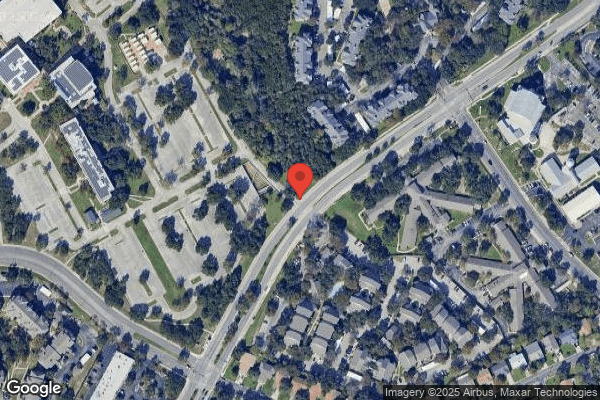
CONCERN (E)

Potential for Harm - no one hurt, but risky conditions existed

Deficiency F0943 (Tag F0943)

Could have caused harm · This affected multiple residents

Based on interview, and record review, the facility failed to provide training to their staff that at a minimum educates staff on activities that constitute abuse, neglect, exploitation, and misapprop...

Read full inspector narrative →
Based on interview, and record review, the facility failed to provide training to their staff that at a minimum educates staff on activities that constitute abuse, neglect, exploitation, and misappropriation of resident property; and procedures for reporting incidents of abuse, neglect, exploitation, or the misappropriation of resident property, for 7 of 22 staff (DS, ACT D, LVN FF, LVN GG, RN HH, LVN JJ and SW) reviewed for abuse, neglect exploitation training. The facility failed to ensure staff had completed their mandatory abuse annual training. This failure could place residents at risk of being cared for by untrained staff. The findings included: Review of DS's personnel record had a hire date of 05/22/23, with annual training in-services provided by the facility that did not include evidence of education on the prevention of abuse, neglect and exploitation of residents. Review of Act D's personnel record had a hire date of 12/02/24, with annual training in-services provided by the facility that did not include evidence of education on the prevention of abuse, neglect and exploitation of residents. Review of LVN FF's personnel record had a hire date of 11/19/21 with annual training in-services provided by the facility that did not include evidence of education on the prevention of abuse, neglect and exploitation of residents. Review of LVN GG's personnel record had a hire date of 09/16/22, with annual training in-services provided by the facility that did not include evidence of education on the prevention of abuse, neglect and exploitation of residents. Review of RN HH's personnel record had a hire date of 10/01/14, with annual training in-services provided by the facility that did not include evidence of education on the prevention of abuse, neglect and exploitation of residents. Review of LVN JJ's personnel record had a hire date of 10/08/18, with annual training in-services provided by the facility that did not include evidence of education on the prevention of abuse, neglect and exploitation of residents. Review of SW's personnel record had a hire date of 06/19/22, with annual training in-services provided by the facility that did not include evidence of education on the prevention of abuse, neglect and exploitation of residents. During a record review and interview with the HR Personnel on 02/28/25 at 9:00 am, the HR Personnel revealed she was only responsible for the initial orientation training. All other training was provided by the DON or Administrator. During an interview with the DON on 02/28/25 at 1:00 pm, she stated she does meetings or inservices weekly. The DON stated she does the trainings based on issues that needed to be addressed and there was no set curriculum or guidelines that were followed.
CONCERN (E) 📢 Someone Reported This

A family member, employee, or ombudsman was alarmed enough to file a formal complaint

Potential for Harm - no one hurt, but risky conditions existed

Deficiency F0945 (Tag F0945)

Could have caused harm · This affected multiple residents

Based on interview and record review, the facility failed to provide the mandatory training on standards, policies, and procedures for an infection prevention and control program for 7 of 16 staff (DS...

Read full inspector narrative →
Based on interview and record review, the facility failed to provide the mandatory training on standards, policies, and procedures for an infection prevention and control program for 7 of 16 staff (DS, ACT D, LVN FF, LVN GG, RN HH, LVN JJ, and SW) reviewed for training, in that: The facility failed to ensure infection prevention and control training was provided to DS, ACT D, LVN FF, LVN GG, RN HH, LVN JJ, and SW. This failure could place residents at risk of illness due to lack of staff training. The findings were: Review of DS's personnel record had a hire date of 05/22/23, with annual training in-services provided by the facility that did not include evidence of education on infection control topics. Review of Act D's personnel record had a hire date of 12/02/24, with annual training in-services provided by the facility that did not include evidence of education on infection control topics. Review of LVN FF's personnel record had a hire date of 11/19/21, with annual training in-services provided by the facility that did not include evidence of education on infection control topics. Review of LVN GG's personnel record had a hire date of 09/16/22, with annual training in-services provided by the facility that did not include evidence of education on infection control topics. Review of LVN HH's personnel record had a hire date of 10/01/14, with annual training in-services provided by the facility that did not include evidence of education on infection control topics. Review of LVN JJ's personnel record had a hire date of 10/08/18, with annual training in-services provided by the facility that did not include evidence of education on infection control topics. Review of SW's personnel record had a hire date of 06/19/22, with annual training in-services provided by the facility that did not include evidence of education on infection control topics. During a record review and interview with the HR Personnel on 02/28/25 at 9:00 am, the HR Personnel revealed she was only responsible for the initial orientation training. All other training was provided by the DON or Administrator. During an interview with the DON on 02/28/25 at 1:00 pm, she stated she does meetings or inservices weekly. The DON stated she does the trainings based on issues that needed to be addressed and there was no set curriculum or guidelines that were followed.
CONCERN (E) 📢 Someone Reported This

A family member, employee, or ombudsman was alarmed enough to file a formal complaint

Potential for Harm - no one hurt, but risky conditions existed

Deficiency F0949 (Tag F0949)

Could have caused harm · This affected multiple residents

Based on interview and record review, the facility failed to provide mandatory behavioral health training for 15 of 16 employees (MDS, CNA S, MA U, CNA V, CNA W, CNA Y, CNA Z, DS, ACT D, LVN FF, LVN G...

Read full inspector narrative →
Based on interview and record review, the facility failed to provide mandatory behavioral health training for 15 of 16 employees (MDS, CNA S, MA U, CNA V, CNA W, CNA Y, CNA Z, DS, ACT D, LVN FF, LVN GG, RN HH, RN II, LVN JJ and SW) reviewed for training, in that: The facility failed to ensure effective behavioral health training was provided to MDS, CNA S, MA U, CNA V, CNA W, CNA Y, CNA Z, DS, ACT D, LVN FF, LVN GG, RN HH, RN II, LVN JJ and SW. This failure could place residents at risk of being cared for by untrained staff. The findings included: Review of MDS's personnel record had a hire date of 12/17/21 revealed no evidence of behavioral health training. Review of CNA S's personnel record had a hire date of 06/16/15 revealed no evidence of behavioral health training. Review of MA U's personnel record had a hire date of 05/18/20, revealed no evidence of behavioral health training. Review of CNA V's personnel record had a hire date of 09/16/19 revealed no evidence of behavioral health training. Review of CNA W's personnel record had a hire date of 06/01/21 revealed no evidence of behavioral health training. Review of CNA Y's personnel record had a hire date of 11/20/23 revealed no evidence of behavioral health training. Review of CNA Z's personnel record had a hire date of 02/17/23 revealed no evidence of behavioral health training. Review of DS's personnel record had a hire date of 05/22/23 revealed no evidence of behavioral health training. Review of Act D's personnel record had a hire date of 12/02/24 revealed no evidence of behavioral health training. Review of LVN FF's personnel record had a hire date of 11/19/21 revealed no evidence of behavioral health training. Review of LVN GG's personnel record had a hire date of 09/16/22 revealed no evidence of behavioral health training. Review of RN HH's personnel record had a hire date of 10/01/14 revealed no evidence of behavioral health training. Review of RN II's personnel record had a hire date of 04/02/21 revealed no evidence of behavioral health training. Review of LVN JJ's personnel record had a hire date of 10/08/18 revealed no evidence of behavioral health training. Review of SW's personnel record had a hire date of 06/19/22 revealed no evidence of behavioral health training. During a record review and interview with the HR Personnel on 02/28/25 at 9:00 am, the HR Personnel revealed she was only responsible for the initial orientation training. All other training was provided by the DON or Administrator. During an interview with the DON on 02/28/25 at 1:00 pm, she stated she does meetings or inservices weekly. The DON stated she does the trainings based on issues that needed to be addressed and there was no set curriculum or guidelines that were followed.
CONCERN (F) 📢 Someone Reported This

A family member, employee, or ombudsman was alarmed enough to file a formal complaint

Potential for Harm - no one hurt, but risky conditions existed

Deficiency F0941 (Tag F0941)

Could have caused harm · This affected most or all residents

Based on interview and record review, the facility failed to include effective communications as mandatory training for 16 of 16 employees (MDS, CNA S, CNA T, MA U, CNA V, CNA W, CNA Y, CNA Z, DS, ACT...

Read full inspector narrative →
Based on interview and record review, the facility failed to include effective communications as mandatory training for 16 of 16 employees (MDS, CNA S, CNA T, MA U, CNA V, CNA W, CNA Y, CNA Z, DS, ACT D, LVN FF, LVN GG, RN HH, RN II, LVN JJ and SW) reviewed for training requirements. The facility failed to provided MDS, CNA S, CNA T, MA U, CNA V, CNA W, CNA Y, CNA Z, DS, ACT D, LVN FF, LVN GG, RN HH, RN II, LVN JJ AND SW with effective communications as mandatory training. This failure could place residents at risk of being cared for by untrained staff. The findings included: Review of CNA S's personnel record had a hire date of 06/16/15, with annual training in-services provided by the facility that did not include evidence of effective communications as mandatory training. Review of CNA T's personnel record had a hire date of 02/09/16, with annual training in-services provided by the facility that did not include evidence of effective communications as mandatory training. Review of MA U's personnel record had a hire date of 05/18/20, with annual training in-services provided by the facility that did not include evidence of effective communications as mandatory training. Review of CNA V's personnel record had a hire date of 09/16/19, with annual training in-services provided by the facility that did not include evidence of effective communications as mandatory training. Review of CNA W's personnel record had a hire date of 06/01/21, with annual training in-services provided by the facility that did not include evidence of effective communications as mandatory training. Review of CNA Y's personnel record had a hire date of 11/20/23, with annual training in-services provided by the facility that did not include evidence of effective communications as mandatory training. Review of CNA Z's personnel record had a hire date of 02/17/23, with annual training in-services provided by the facility that did not include evidence of effective communications as mandatory training. Review of the Food Service Supervisors (DS)'s personnel record had a hire date of 05/22/23, with annual training in-services provided by the facility that did not include evidence of effective communications as mandatory training. Review of Activity Director's personnel record had a hire date of 12/02/24, with annual training in-services provided by the facility that did not include evidence of effective communications as mandatory training. Review of LVN FF's personnel record had a hire date of 11/19/21, with annual training in-services provided by the facility that did not include evidence of effective communications as mandatory training. Review of LVN GG's personnel record had a hire date of 09/16/22, with annual training in-services provided by the facility that did not include evidence of effective communications as mandatory training. Review of RN HH's personnel record had a hire date of 10/01/14, with annual training in-services provided by the facility that did not include evidence of effective communications as mandatory training. Review of RN II's personnel record had a hire date of 04/02/21, with annual training in-services provided by the facility that did not include evidence of effective communications as mandatory training. Review of LVN JJ's personnel record had a hire date of 10/08/18, with annual training in-services provided by the facility that did not include evidence of effective communications as mandatory training. Review of MDS's personnel record had a hire date of 12/17/21, with annual training in-services provided by the facility that did not include evidence of effective communications as mandatory training. Review of SW's personnel record had a hire date of 06/19/22, with annual training in-services provided by the facility that did not include evidence of effective communications as mandatory training. During a record review and interview with the HR Personnel on 02/28/25 at 9:00 am, the HR Personnel revealed she was only responsible for the initial orientation training. All other training was provided by the DON or Administrator. During an interview with the DON on 02/28/25 at 1:00 pm, she stated she does meetings or inservices weekly. The DON stated she does the trainings based on issues that needed to be addressed and there was no set curriculum or guidelines that were followed.
CONCERN (F) 📢 Someone Reported This

A family member, employee, or ombudsman was alarmed enough to file a formal complaint

Potential for Harm - no one hurt, but risky conditions existed

Deficiency F0944 (Tag F0944)

Could have caused harm · This affected most or all residents

Based on interview and record review, the facility failed to include training on the QAPI program to outline and inform staff of the elements and goals of the facility QAPI program for 16 of 16 employ...

Read full inspector narrative →
Based on interview and record review, the facility failed to include training on the QAPI program to outline and inform staff of the elements and goals of the facility QAPI program for 16 of 16 employees (MDS, CNA S, CNA T, MA U, CNA V, CNA W, CNA Y, CNA Z, DS, ACT D, LVN FF, LVN GG, RN HH, RN II, LVN JJ and SW) reviewed for training requirements. The facility failed to provide MDS, CNA S, CNA T, MA U, CNA V, CNA W, CNA Y, CNA Z, DS, ACT D, LVN FF, LVN GG, RN HH, RN II, LVN JJ AND SW on the QAPI program as mandatory training. This failure could place residents at risk of being cared for by untrained staff. The findings included: Review of CNA S's personnel record had a hire date of 06/16/15, with annual training in-services provided by the facility that did not include evidence of the QAPI program as mandatory training. Review of CNA T's personnel record had a hire date of 02/09/16, with annual training in-services provided by the facility that did not include evidence of the QAPI program as mandatory training. Review of MA U's personnel record had a hire date of 05/18/20, with annual training in-services provided by the facility that did not include evidence of the QAPI program as mandatory training. Review of CNA V's personnel record had a hire date of 09/16/19, with annual training in-services provided by the facility that did not include evidence of the QAPI program as mandatory training. Review of CNA W's personnel record had a hire date of 06/01/21, with annual training in-services provided by the facility that did not include evidence of the QAPI program as mandatory training. Review of CNA Y's personnel record had a hire date of 11/20/23, with annual training in-services provided by the facility that did not include evidence of the QAPI program as mandatory training. Review of CNA Z's personnel record had a hire date of 02/17/23, with annual training in-services provided by the facility that did not include evidence of the QAPI program as mandatory training. Review of the Food Service Supervisors (DS)'s personnel record had a hire date of 05/22/23, with annual training in-services provided by the facility that did not include evidence of the QAPI program as mandatory training. Review of Activity Director's personnel record had a hire date of 12/02/24, with annual training in-services provided by the facility that did not include evidence of the QAPI program as mandatory training. Review of LVN FF's personnel record had a hire date of 11/19/21, with annual training in-services provided by the facility that did not include evidence of the QAPI program as mandatory training. Review of LVN GG's personnel record had a hire date of 09/16/22, with annual training in-services provided by the facility that did not include evidence of the QAPI program as mandatory training. Review of RN HH's personnel record had a hire date of 10/01/14, with annual training in-services provided by the facility that did not include evidence of the QAPI program as mandatory training. Review of RN II's personnel record had a hire date of 04/02/21, with annual training in-services provided by the facility that did not include evidence of the QAPI program as mandatory training. Review of LVN JJ's personnel record had a hire date of 10/08/18, with annual training in-services provided by the facility that did not include evidence of the QAPI program as mandatory training. Review of MDS's personnel record had a hire date of 12/17/21, with annual training in-services provided by the facility that did not include evidence of the QAPI program as mandatory training. Review of SW's personnel record had a hire date of 06/19/22, with annual training in-services provided by the facility that did not include evidence of the QAPI program as mandatory training. During a record review and interview with the HR Personnel on 02/28/25 at 9:00 am, the HR Personnel revealed she was only responsible for the initial orientation training. All other training was provided by the DON or Administrator. During an interview with the DON on 02/28/25 at 1:00 pm, she stated she does meetings or inservices weekly. The DON stated she does the trainings based on issues that needed to be addressed and there was no set curriculum or guidelines that were followed.
CONCERN (F) 📢 Someone Reported This

A family member, employee, or ombudsman was alarmed enough to file a formal complaint

Potential for Harm - no one hurt, but risky conditions existed

Deficiency F0946 (Tag F0946)

Could have caused harm · This affected most or all residents

Based on interview and record review the facility failed to communicate the compliance and ethics program's standards, policies and procedures through a training program or other practical manner whic...

Read full inspector narrative →
Based on interview and record review the facility failed to communicate the compliance and ethics program's standards, policies and procedures through a training program or other practical manner which explains the requirements for 16 of 16 employees (MDS, CNA S, CNA T, MA U, CNA V, CNA W, CNA Y, CNA Z, DS, ACT D, LVN FF, LVN GG, RN HH, RN II, LVN JJ and SW) reviewed for training requirements. The facility failed to provide MDS, CNA S, CNA T, CNA U, CNA V, CNA W, CNA Y, CNA Z, DS, ACT D, LVN FF, LVN GG, RN HH, RN II, LVN JJ AND SW on the compliance and ethics program's standards, policies and procedures through a training program or other practical manner as required. This failure could place residents at risk of being cared for by untrained staff. The findings included: Review of CNA S's personnel record had a hire date of 06/16/15, with annual training in-services provided by the facility that did not include evidence of the compliance and ethics program's standards, policies and procedures as required. Review of CNA T's personnel record had a hire date of 02/09/16, with annual training in-services provided by the facility that did not include evidence of the compliance and ethics program's standards, policies and procedures as required. Review of MA U's personnel record had a hire date of 05/18/20, with annual training in-services provided by the facility that did not include evidence of the compliance and ethics program's standards, policies and procedures as required. Review of CNA V's personnel record had a hire date of 09/16/19, with annual training in-services provided by the facility that did not include evidence of the compliance and ethics program's standards, policies and procedures as required. Review of CNA W's personnel record had a hire date of 06/01/21, with annual training in-services provided by the facility that did not include evidence of the compliance and ethics program's standards, policies and procedures as required. Review of CNA Z's personnel record had a hire date of 02/17/23, with annual training in-services provided by the facility that did not include evidence of the compliance and ethics program's standards, policies and procedures as required. Review of the Food Service Supervisors (DS)'s personnel record had a hire date of 05/22/23, with annual training in-services provided by the facility that did not include evidence of the compliance and ethics program's standards, policies and procedures as required. Review of Activity Director's personnel record had a hire date of 12/02/24, with annual training in-services provided by the facility that did not include evidence of the compliance and ethics program's standards, policies and procedures as required. Review of LVN FF's personnel record had a hire date of 11/19/21, with annual training in-services provided by the facility that did not include evidence of the compliance and ethics program's standards, policies and procedures as required. Review of LVN GG's personnel record had a hire date of 09/16/22, with annual training in-services provided by the facility that did not include evidence of the compliance and ethics program's standards, policies and procedures as required. Review of RN HH's personnel record had a hire date of 10/01/14, with annual training in-services provided by the facility that did not include evidence of the compliance and ethics program's standards, policies and procedures as required. Review of RN II's personnel record had a hire date of 04/02/21, with annual training in-services provided by the facility that did not include evidence of the compliance and ethics program's standards, policies and procedures as required. Review of LVN JJ's personnel record had a hire date of 10/08/18, with annual training in-services provided by the facility that did not include evidence of the compliance and ethics program's standards, policies and procedures as required. Review of MDS's personnel record had a hire date of 12/17/21, with annual training in-services provided by the facility that did not include evidence of the compliance and ethics program's standards, policies and procedures as required. Review of SW's personnel record had a hire date of 06/19/22, with annual training in-services provided by the facility that did not include evidence of the compliance and ethics program's standards, policies and procedures as required. During a record review and interview with the HR Personnel on 02/28/25 at 9:00 am, the HR Personnel revealed she was only responsible for the initial orientation training. All other training was provided by the DON or Administrator. During an interview with the DON on 02/28/25 at 1:00 pm, she stated she does meetings or inservices weekly. The DON stated she does the trainings based on issues that needed to be addressed and there was no set curriculum or guidelines that were followed.
Jul 2024 1 deficiency
CONCERN (E) 📢 Someone Reported This

A family member, employee, or ombudsman was alarmed enough to file a formal complaint

Potential for Harm - no one hurt, but risky conditions existed

Infection Control (Tag F0880)

Could have caused harm · This affected multiple residents

**NOTE- TERMS IN BRACKETS HAVE BEEN EDITED TO PROTECT CONFIDENTIALITY** Based on observation, interview and record review, the facility failed to maintain an infection and prevention control program t...

Read full inspector narrative →
**NOTE- TERMS IN BRACKETS HAVE BEEN EDITED TO PROTECT CONFIDENTIALITY** Based on observation, interview and record review, the facility failed to maintain an infection and prevention control program that included, at a minimum, a system for preventing and controlling infections for 2 of 6 residents (Residents #1 and Resident #2) reviewed for infection control, as indicated by: CNA A, CNA B and CNA C failed to change dirty gloves while handling clean items while providing peri care to Resident #1 and, Resident # 2. This failure could place the residents at risk of transmission of diseases and infection. Findings included: Review of Resident #1's face sheet dated [DATE] reflected, Resident #1 admitted to the facility on [DATE] She was a [AGE] year-old female diagnosed with Pain, Iron deficiency, Vitamin deficiency, Dementia, Psychotic Disturbance, Mood Disturbance, Anxiety, Insomnia, Hypertension and Age-related physical debility. Record review of Resident #1's quarterly MDS assessment dated [DATE] reflected her BIMS was 03 indicating her cognition was severely impaired. Record review of Resident #1's care plan dated [DATE] reflected she experiences bladder incontinence related to impaired mobility and relevant intervention was providing incontinence care after each incontinent episode. An observation of Resident #1's room on [DATE] at 10:20 AM. revealed her room was monitored by an electronic camera device. An obesrvation on [DATE] at 11AM of a video clip of Resident #1's room showed CNA A had not followed infection control protocol and handling clean items and surfaces with dirty gloves. CNA A accomplished her peri care tasks with one pair of gloves without changing them in the entire process. In the video CNA A entered Resident #1's room and donned a pair of gloves without washing or sanitizing her hands. CNA A open the brief of Resident#1 and checked inside by touching the inner side of it. She then without changing the gloves opened the cupboard and picked up a new brief from the cupboard. CNA A replaced the soiled one with the new brief. She did not wipe and clean the perineal and bottom of Resident #1 after the removal of the soiled brief. Once the brief was changed CNA A transferred Resident #1 from the bed to the wheelchair by holding her with the dirty gloves. After that CNA A tidied up the bed and side table with the same pair of soiled gloves. Using the same gloves, she helped resident to wear her sneakers as well. An observation of another video clip on [DATE] at 11:00AM revealed, CNA B had not changed her gloves at any point of time during the peri care on Resident #1. She entered Resident#1's room and donned a pair of gloves without washing her hands, then removed the soiled brief and wiped her perineal area and bottom. After the completion she open the cupboard and picked up a new brief with the soiled gloves and applied it on Resident #2. CNA B handled the packet containing wet wipes with same pair of gloves and stored it away in the cupboard. She then adjusted the side table and covered Resident #1 with blanket. After that, she brought a drinking beaker holding with the contaminated gloves, recapped it and arranged on the side table for Resident #1. During an interview on [DATE] at 10:00AM the FM stated the family installed a camera in Resident #1's room so that the family could closely monitor the activities in her room. She stated the video involving CNA A was recorded on [DATE] at 7:22AM and the video with CNA B was recorded on [DATE] at 7:00AM. FM stated she was devastated with the incompetency of the staff at the facility. During an interview on [DATE] at 1:30PM., CNA A stated she was in a hurry and breached the infection control protocols. She stated by doing that she contaminated everywhere by touching with soiled gloves. She continued, mistakes could happen with anyone and the best way to resolve it was learning from the mistakes. CNA A stated following infection control protocol was important to minimize spreading diseases from one resident to another. CNA A stated she received trainings on infection control last month. During an interview on [DATE] at 2:30PM., CNA B stated she started working at the facility since [DATE]. CNA B said she was not aware that she was doing anything wrong at that time. When watched the video she realized she was spreading germs all over the place by handling things with dirty gloves. She said it was important to follow infection control policies to minimize the risk of contagious diseases. She said she received in services on infection control however unable to say exactly when the training was. Review of Resident #2's face sheet, dated [DATE], reflected Resident #2 admitted to the facility on [DATE]. She was a [AGE] year-old female diagnosed with Hypertension, Hyperlipidemia, Osteoarthritis, Pain, Muscle spasm, Iron deficiency, Anemia, Hypothyroidism, Vitamin D deficiency, Age-related cognitive decline, Cough, Insomnia and Diarrhea, Record review of Resident #2's MDS assessment dated [DATE], reflected her BIMS was 07 indicating severe cognitive impairment. Record review of Resident #2's care plan dated [DATE] reflected, she was incontinent with uninhibited bowel and bladder. Potential for UTI. Potential for constipation and the relevant intervention was Provide incontinent care promptly when found wet or soiled. During an observation on [DATE] at 11:30 AM. revealed, CNA C at the beginning of peri care did not wash or sanitize her hands, also did not change the dirty gloves before handling new brief on Resident #2. CNA C donned the gloves, removed the soiled brief and wiped the front and bottom of Resident #2. CNA C then picked up a new brief with the soiled gloves and applied it on Resident#2. CNA C changed her dirty gloves after that and completed the resident care. During an interview on [DATE] at 12:00PM., CNA C stated she was nervous and forgot to follow the correct steps in doing peri care. She stated she should have washed her hands and changed gloves whenever handling new items, after handling dirty items. CNA C stated she was risking the spread of illnesses through contamination by not following infection control protocols. CNA C stated she had numerous infection control in services, almost every month. During an interview on [DATE] at 3:30 p.m., DON stated she saw both the videos and breaching of infection control by CNA A and CNA B was not acceptable, as it was evident in the video. The DON stated the facility policy provide very clear guideline about the importance of following infection control protocol. The DON said CNA A, CNA B and CNA C needed one to one education as they had very limited understanding about infection control practices. She stated her expectation was, the nursing staff follow the facility policy/procedure for handwashing / sanitization during and after peri care and also changing the gloves at the required time as suggested in the facility policy. DON added, this was essential to stop spreading transmittable diseases. Review of the in-service records from [DATE] to [DATE] reflected there were no in services conducted on peri care. Review of facility's policy titled standard precautions revised in [DATE] reflected: Standard Precautions are used in the care of all residents regardless of their diagnoses or suspected or confirmed infection status. Standard Precautions presume that all blood, body fluids, secretions, and excretions (except sweat), non-intact skin and mucous membranes may contain transmissible infectious agents. Standard Precautions apply to the care of all residents in all situations regardless of suspected or confirmed presence of infectious diseases 1. Hand hygiene Hand hygiene is performed with ABHR or soap and water: Before and after contact with the resident. After direct or indirect contact with dirt, blood, or body fluids After removing gloves . 2. Gloves Gloves (clean, non-sterile) are worn when in direct contact with blood, body fluids, mucous membranes, non-intact skin, and other potentially infected material . e. Gloves are changed as necessary, during the care of a resident to prevent cross-contamination from one body site to another (when moving from a dirty site to a clean one). g. Gloves are removed promptly after use, before touching non-contaminated items and environmental surfaces, and before going to another resident. h. After gloves arc removed, wash hands immediately to avoid transfer of microorganisms to other residents or environments .
May 2024 1 deficiency
CONCERN (D) 📢 Someone Reported This

A family member, employee, or ombudsman was alarmed enough to file a formal complaint

Potential for Harm - no one hurt, but risky conditions existed

Respiratory Care (Tag F0695)

Could have caused harm · This affected 1 resident

**NOTE- TERMS IN BRACKETS HAVE BEEN EDITED TO PROTECT CONFIDENTIALITY** Based on observations, interviews, and record reviews, the facility failed to ensure that a resident who needs respiratory care,...

Read full inspector narrative →
**NOTE- TERMS IN BRACKETS HAVE BEEN EDITED TO PROTECT CONFIDENTIALITY** Based on observations, interviews, and record reviews, the facility failed to ensure that a resident who needs respiratory care, including tracheostomy care and tracheal suctioning, is provided such care, consistent with professional standards of practice, the comprehensive person-centered care plan, the residents' goals and preferences, and 483.65 of this subpart and ensure infection control measures during implementation of care, handling, cleaning, storage and disposal of equipment, supplies, biohazardous waste and including infection control practices for mechanical ventilation/tracheostomy care including the use of humidifiers were followed by staff for 1 (Residents #1) of 5 residents reviewed for respiratory care, The facility failed to ensure Resident #1's nasal cannulas and tubing were properly stored when not in use. This deficient practice could place residents at risk of cross-contamination and illness. Findings included: Record review of Resident #1's Face Sheet, dated 05/20/24, revealed a [AGE] year-old female who was admitted to the facility on [DATE] and diagnoses including: hypertension (A condition in which the force of the blood against the artery walls is too high) and history of shortness of breath. Record review of Resident #1's Baseline Care Plan, undated, revealed nothing related to respiratory therapy and to see MAR for current medications. Record review of Resident #1's Active Orders, dated 05/20/24, revealed she had an order started on 05/17/24 for O2 at 2 liters by nasal cannula continuously and O2 saturation was to be checked every shift. Resident #1 also had an order started on 05/15/24 to change O2 tubing every Sunday night shift, clean filter, wipe machine with sanitized wipes, and check for O2 magnet outside door. Resident #1 also had an order started on 05/15/24 to check O2 saturation every shift and if O2 was less than 89% then to notify MD/NP for new orders. Resident #1 also had an order started on 05/15/24 to document post nebulizer assessment of respiratory status and record treatment in 15 minutes every 12 hours and as needed. Record review of Resident #1's MAR, May 2024, revealed staff documented administering O2 at 2 liters by nasal cannula continuously every shift from 05/14/24 through 05/20/24. There were no other orders related to Resident #1's O2 listed. Record review of Resident #1's Daily Skilled Nurse's Notes, dated 05/14/24, 05/15/24, 05/16/24, 05/17/24, 05/18/24, 05/19/24 and 05/20/24, revealed staff assessed her respiratory status and she had normal breathing. An observation of Resident #1's room on 05/19/24 at 11:10 a.m. revealed Resident #1 was lying in bed. There was a wheelchair across from Resident #1's bed with an oxygen tank attached to the back of the wheelchair. The nasal cannula and tubing was hanging over one of the two wheelchair handles. The oxygen tank was not in use. During an interview on 05/19/24 at 11:10 a.m., Resident #1 revealed she last used the oxygen tank attached to the back of her wheelchair 3-4 days ago. An observation of Resident #1's room on 05/19/24 at 11:19 a.m. revealed CNA A walked into Resident #1's room to answer Resident #1's call light. CNA A completed Resident #1's request and walked out of Resident #1's room. During an interview on 05/19/24 at 11:26 a.m., CNA A revealed she checked on residents every hour or two hours. CNA A stated she documented the care and services she provided residents in residents' charts at the end or during her work shift. CNA A also stated nurses stored nasal cannula and tubing in a bag whenever an oxygen tank or machine was not in use. CNA A stated residents' health could be affected if tubing and nasal cannula were not stored away when the oxygen was not in use because residents could catch an infection. CNA A stated she did not notice Resident #1's tubing and nasal cannula for her oxygen tank were hanging over one of the two wheelchair handles . During an interview on 05/19/24 at 11:45 a.m., CNA B revealed she checked on residents every hour. CNA B stated she documented the care and services she provided residents in residents' charts after completing the care or service. CNA B also stated nurses stored nasal cannula and tubing in a bag whenever an oxygen tank or machine was not in use. CNA B stated residents' health could be affected if tubing and nasal cannula were not stored away when the oxygen was not in use because residents could catch an infection. CNA B did not notice Resident #1's tubing and nasal cannula for her oxygen tank were hanging over one of the two wheelchair handles. During an interview on 05/19/24 at 11:49 a.m., ADM revealed nursing staff checked on residents every two hours. ADM explained CNAs documented the care and services they provided residents in residents' charts and nurses documented in assessments and nurse's notes. During an interview on 05/19/24 at 12:55 p.m., PRN Nurse C revealed she checked on residents every two hours. PRN Nurse C stated she document the care and services she provided residents in residents' charts two hours before her work shift ends and whenever she was required to communicate with the NP and MD. PRN Nurse C did not know how the tubing and nasal cannula was to be stored whenever the oxygen machine and tank were not in use. PRN Nurse C stated residents' health could be affected if tubing and nasal cannula were not stored away when the oxygen was not in use because residents could catch an infection. PRN Nurse C also stated nurses should put tubing in the residents' wheelchair pocket when oxygen was not in use. PRN Nurse C stated she worked with Resident #1 in the morning of 05/19/24. PRN Nurse C did not notice Resident #1's tubing and nasal cannula for her oxygen tank were hanging over one of the two wheelchair handles. During an interview on 05/19/24 at 1:23 p.m., PRN RN D revealed residents' oxygen tubing and nasal cannula were stored in a bag whenever the oxygen machine or tank was not in use. PRN RN D explained the bag was changed out anytime the tubing and nasal cannula were taken out of the bag and used. PRN RN D stated residents could potentially be affected if oxygen tubing and nasal cannula were not properly stored away when oxygen was not in use. During an interview on 05/19/24 at 5:22 p.m., ADM revealed she was looking for the facility's Oxygen Use and Storage policy and procedure. During an interview on 05/20/24 at 10:14 a.m., the DON revealed she in-serviced staff on oxygen storage weekly by an online program. The DON stated she reviewed oxygen procedures with staff once weekly. The DON also stated nurses were supposed to store tubing and nasal cannula in a bag to protect the tubing and nasal cannula from dust. The DON stated the CNAs can notify the nurses when an oxygen machine or tank was not in use. The DON also stated residents could be affected if tubing and nasal cannula were not properly stored when oxygen machine or tank not in use. During an interview on 05/20/24 at 10:44 a.m., ADON revealed oxygen tubing and nasal cannula were stored in a bag when not in use. The ADON stated residents' health could be affected if oxygen tubing and nasal cannula were not stored in bag when not in use because it was an infection control issue. Record review of the facility's Respiratory Therapy Prevention of Infection policy and procedure, revised November 2011, revealed the following: Purpose: The purpose of this procedure is to guide prevention of infection associated with respiratory therapy tasks and equipment, including ventilators, among residents and staff. Steps in the Procedure: Infection Control Considerations Related to Oxygen Administration: 8. Keep the oxygen cannula and tubing used PRN in a plastic bag when not in use.
May 2024 3 deficiencies 2 IJ (2 affecting multiple)
CRITICAL (K) 📢 Someone Reported This

A family member, employee, or ombudsman was alarmed enough to file a formal complaint

Immediate Jeopardy (IJ) - the most serious Medicare violation

Deficiency F0697 (Tag F0697)

Someone could have died · This affected multiple residents

**NOTE- TERMS IN BRACKETS HAVE BEEN EDITED TO PROTECT CONFIDENTIALITY** Based on observation, interview, and record review the facility failed to ensure that pain management was provided to a resident...

Read full inspector narrative →
**NOTE- TERMS IN BRACKETS HAVE BEEN EDITED TO PROTECT CONFIDENTIALITY** Based on observation, interview, and record review the facility failed to ensure that pain management was provided to a resident who required such services, consistent with professional standards of practice, the comprehensive person-centered care plan, and the residents' goals and preferences for 1 of 1 resident (Resident #1) reviewed for pain, in that: The facility failed to: Provide pain medication ordered for resident with a diagnosis of malignant cancer who suffered from chronic pain. An Immediate Jeopardy (IJ) was identified on 04/23/2024. The IJ template was provided to the facility on [DATE] at 5:57 PM. While the IJ was removed on 04/26/2024, the facility remained out of compliance at a scope of isolated and a severity of no actual harm with the potential for more than minimal harm that is not immediate jeopardy due to the facility's need to complete in-service training and evaluate the effectiveness of the corrective systems. This failure could place residents at risk for prolonged and unnecessary pain and suffering, decreased mobility, decreased quality of life, and decreased quality of care. Findings included: Review of Resident #1s undated face sheet reflected a [AGE] year-old female who was admitted to the facility on [DATE] and most current re-admission [DATE] diagnoses including malignant neoplasm of peripheral nerves and autonomic nervous system (rare cancers that start in the lining of the nerves), abrasion of lower back and pelvis, adrenocortical insufficiency (occurs when the adrenal glands don't make enough of the hormone cortisol) and pain. Review of Resident #1 's MDS dated [DATE] reflected a BIMS of 15 indicating no cognitive impairment. Further review revealed over the last 5 days she had pain or hurting, experienced pain frequently, and pain had made it difficult for her to sleep occasionally. Verbal descriptor scale of pain over the last 5 days revealed the intensity of her pain has been severe. Over the last 5 days the resident had received a scheduled pain medication. Review of Resident #1's care plan dated 08/22/2023 revealed category of special care monitor for the presence of pain/intolerance during self-care activities. Category dated 08/22/2023 ADLs Functional Status/Rehabilitation Potential Monitor/record/report for presence of pain/intolerance during transfers. Review of hospital records dated 04/09/2023 until discharge of Resident #1 to the facility on [DATE] reflected patient endorsed worsening lower left extremity pain and swelling for the last couple of weeks. She lived at a skilled nursing facility, and they ran out of her pain medication 2-3 weeks ago and she presented to the ED for uncontrolled lower left extremity pain and leg wound. She had a history of malignant neoplasm of peripheral nerves of thorax and malignant peripheral nerve sheath tumor of chest (a type of cancer that can occur in various locations of your body). Patient's cancer was locally advanced and not curable. As a result of the cancer, she experienced chronic pain for which she was on chronic opiates (including methadone). Hospital records indicate they initially thought her uncontrolled pain on presentation was due to her cancer, but X-rays revealed her femur was broken in several places. Review of Resident #1's paper chart medication orders reflected the following: *methadone schedule II 5 mg. amount to administer: 1 tab; oral twice a day pain unspecified 02/02/2024 open ended. * methadone schedule II 10 mg. amount to administer: 3 tablets; oral every 8 hours pain, unspecified, 02/08/2023 - open ended. * hydromorphone schedule II tablet 4 mg. amount to administer; 4 tabs, oral every 6 hours hold for sedation pain, unspecified, 02/08/2024 - open ended. In an interview on 04/22/2024 at 12:26 pm the DON revealed that medication administration documentation was completed in the paper chart for residents. If a medication was not given, the person who was responsible for administering the medication drew a circle around their initials indicating that the medication was not administered to the resident. The DON further stated a note was written on the back of the paper medication administration record, or sometimes both a circle and a note was written on the back of the paper medication administration indicating on the paper medication record that a resident's medication was not given. Additionally, if there was a blank in the space that should indicate the time and date a medication was scheduled to be given, the medication was not given. The DON said that if Resident#1 was not given her pain medication, it was because the medication was not available to give to her. Record review of Resident #1's February 2024 paper MAR revealed the following: Handwritten notes on reverse side of Resident #1's of the MAR for methadone schedule II 10 mg. reflected the pain medications were not available to administer on the following dates. 02/20/2024 3:00 pm Methadone 10 mg. - not available 02/21/2024 3:00 pm Methadone 10 mg. - not available 02/22/2024 3:00 pm Methadone 10 mg. - not available 02/25/2024 3:00 pm Methadone 10 mg. - not available 02/26/2023 3:00 pm Methadone 10 mg. - not available Handwritten circles were around the initials of the staff member and a blank space in a date and time box reflected methadone schedule II 10 mg. was not given to the resident, 25 times because it was not available and therefore not administered. 02/09/2024 7:00 am 02/12/2024 3:00 pm 02/14/2024 11:00 pm 02/16/2024 3:00 pm 02/20/2024 7:00 am and 11:00 pm 02/21/2024 3:00 pm and 11:00 pm 02/22/2023 11:00 pm 02/23/2024 7:00 am, 3:00 pm, and 11:00 pm 02/24/024 11:00 pm 02/25/2024 11:00 pm 02/26/2024 7:00 am and 11:00 pm 02/27/2024 7:00 am, 3:00 pm, and 11:00 pm 02/28/2024 7:00 am, 3:00 pm, and 11:00 pm 02/29/2024 7:00 am, 3:00 pm, and 11:00 pm Handwritten circles were around the initials of the staff member which reflected hydromorphone schedule II table 4 mg. was not given to the resident, 16 times because it was not available and therefore not administered. 02/17/2024 - 02/20/2024 Handwritten notes on reverse side of Resident #1's of the MAR revealed hydromorphone reflected, 02/17/2024 hydromorphone on order (nurse notified). Handwritten circles around the initials of the staff member who was responsible to administer methadone schedule II 5 mg. tab. was not given to the resident, 20 times because it was not available and therefore not administered. 03/01/2024 11:00 am and 7:00 pm 03/02/2024 11:00 am and 7:00 pm 03/03/2024 - 03/10/2024 11:00 and 7:00 pm Record review of Resident #1's March 2024 paper MAR beginning 02/08/2024 revealed the following: Handwritten circles around the initials of the staff member who was responsible to administer methadone schedule II 10 mg. reflected that the ordered medication was not given to the resident, 17 times because it was not available and therefore not administered. 03/01/2024 - 03/02/2024 03/03/2024 7:00 am 03/03/2024 3:00 pm 03/04/2024 - 03/06/2024 Handwritten note on the reverse side of the methadone schedule II 10 mg. MAR reflected, date illegible, MD Notified. Handwritten circles around the initials of the staff member who was responsible to administer hydromorphone schedule II tablet 4 mg. reflected that the ordered medication was not given to the resident, 38 times because it was not available and therefore not administered. 03/02/2024 1:00 pm 03/03/2024 1:00 pm, 7:00 am, 1:00 pm, and 7:00 pm 03/04/2024 1:00 pm, 7:00 am, 1:00 pm, and 7:00 pm 03/05/2024 1:00 pm, 7:00 am, 1:00 pm, and 7:00 pm 03/06/2024 1:00 pm, 7:00 am and 1:00 pm 03/16/2024 7:00 pm 03/17/2024 1:00 pm, 7:00 am, 1:00 pm, and 7:00 pm 03/18/2024 1:00 pm, 7:00 am, 1:00 pm, and 7:00 pm 03/19/2024 1:00 pm, 7:00 am, 1:00 pm, and 7:00 pm 03/20/2024 1:00 pm, 7:00 am, 1:00 pm, and 7:00 pm 03/21/2024 1:00 pm, 7:00 am, 1:00 pm, and 7:00 pm 03/22/2024 1:00 am Handwritten notes of reverse side of Resident #1's hydromorphone schedule II tablet 4 mg schedule II MAR reflected the following handwritten notes : 03/02/2024 awaiting pharmacy for methadone 5 mg., methadone 10 mg., and hydromorphone II, 03/16/2024 residents medication not given awaiting pharmacy see nurses notes, 03/17/2024 resident medication not given hydromorphone 4 tabs see nurses notes, and 03/19/2024 am hydromorphone 4 mg (4 tabs) not available will notify NP in AM. Record review of Resident #1's April 2024 paper MAR beginning 02/08/2024 revealed the following: Review of Resident #1's paper medication administration record for April 2024 order reflect tab. oral twice a day 02/08/2023 - open ended. The handwritten circles around the initials of the staff member who was responsible to administer methadone schedule II 5 mg. was not given to the resident, 4 times because it was not available and therefore not administered. 04/08/2024 11:00 am and 7:00 pm 04/09/2024 11:00 am and 7:00 pm Handwritten circles around the initials of the staff member who was responsible to administer methadone schedule II 10 mg. was not given to the resident, 10 times because it was not available and therefore not administered. 04/06/2024 11:00 pm 04/07/2024 7:00 am, 3:00 pm, and 11:00 pm 04/08/2024 7:00 am, 3:00 pm, and 11:00 pm 04/09/2024 7:00 am, 3:00 pm, and 11:00 pm Handwritten circles around the initials of the staff member who was responsible to administer hydromorphone schedule II tablet 4 mg. was not given to the resident, 18 times because it was not available and therefore not administered. 04/05/2024 1:00 am, 7:00 am, and 1:00 pm 04/06/2024 1:00 am, 7:00 am, and 1:00 pm 04/07/2024 1:00 am, 7:00 am, and 1:00 pm, and 7:00 pm 04/08/2024 1:00 am, 7:00 am, and 1:00 pm, and 7:00 pm 04/09/2024 1:00 am, 7:00 am, and 1:00 pm, and 7:00 pm Interview with Resident #1 on 04/22/2024 at 11:27 am revealed she was feeling better since her return from the hospital, and she was getting her pain medications. She said there have been several times she had not received her pain medications while living at the facility and it was because they have run out of them. She said occasionally they will give her Tylenol #3 when her pain medications are not available, but it does not help very much. She said she was always in pain at a constant level, on a pain level of a 6 - 7 all the time and she told the facility she was in pain. Prior to her last hospital admission on [DATE] she said she had not been given pain medications for a long time but was unsure of how long she had not been receiving them. She said she told them the pain was in her legs and that this was a different and terrible pain. She said her legs hurt very badly. The day she was admitted to the hospital she had a shower, and the pain was terrible, and she was crying from the pain and LVN A saw her crying. She called EMS herself to be taken to the hospital. Interview with LVN A on 04/24/2024 at 2:55 pm revealed Resident #1 sometimes did not get her pain medications because they could not get the prescription for the order filled. At times they would give her Tylenol #3, but it was not effective, and the hydromorphone helped her more. LVN A revealed Resident #1 was in pain every day, because of her condition, cancer. LVN A revealed Resident #1 was crying and Resident #1 told LVN A she said she was having pain and Resident #1 told LVN A the pain was too much. LVN A called the NP for Tylenol #3 on 04/09/2024 and it was administered to Resident #1, but it did not help, and you could see from Resident #1's facial expressions and Resident #1's crying that the Tylenol #3 did not help. LVN A said she had never seen her crying that way. LVN A revealed she was in pain every day and it was important for her to give Resident #1 her pain medications because she was in pain, and she was a cancer patient. Interview with the DON on 04/24/2024 at 1:14 pm and 04/26/2024 at 3:09 pm revealed Resident #1 had a diagnosis for pain because she had cancer and Resident #1 had orders for prescription pain medications and the NP and MD took care of Resident #1's pain medication and that the facility had nothing to do with Resident #1's insurance, it was with the doctors. The DON said Resident #1 was in pain all the time, but they could not get her prescription filled, so there was nothing to do. The DON revealed it was not okay for Resident #1 to even have gone a day without her pain medication and the DON understood how high Resident #1's pain level was. The DON revealed she was not aware that Resident #1 was crying because of her pain. The staff did not bring it to her attention that she was crying except the day she went to the hospital. The orders from the doctor should have been filled. Resident #1 suffered from chronic pain and the facility was aware that she suffered from chronic pain. The DON was responsible for making sure medications are ordered and that there is a process in place to make sure residents receive the medication. Interview with the Administrator on 04/26/2024 ADM at 2:50 pm revealed he was aware that there was a struggle and an issue with her Resident #1 her pain medication and it was his understanding that the pain was addressed. He thought it was addressed because they contacted the MD, and another mediation was ordered that resolved the pain and that did not happen. If a resident goes without pain medication the resident could have severe pain and suffering. He revealed Resident #1's needs were not being meet and he knew she was in pain but did not know she was crying. He revealed he was aware Resident #1 called the EMS because of her pain and was surprised to hear that Resident #1 called the EMS as opposed to a staff member. He revealed the nursing staff and facility did not meet her needs. Facility Policy Administering Medications dated 04/2019 revealed the Director of Nursing Services supervises and directs all personnel who administer medications and/or have related functions. Medications are administered in accordance with prescribed orders, including any required time frame. Medication administration times are determined by resident need and benefit, not staff convenience. Factors that are considered include: a. Enhancing optimal therapeutic effect of the medication . If a drug is withheld, refused, or given at a time other than the scheduled time, the individual administering the medication shall initial and circle the MAR space provided for that drug and dose. This was determined to be an Immediate Jeopardy (IJ) on 04/23/2024 at 5:57 pm. The Administrator and the DON were notified. The Administrator was provided with the IJ template on 04/23/2024 at 5:57 pm. The following POR was accepted on 04/25/2024 11:01 am. and included: On 4/19/2024 an abbreviated survey was initiated at [facility]. On 4/23/2024 the surveyor provided an Immediate Jeopardy (IJ) Template notification that the Regulatory Services has determined that the condition at the facility constitutes an immediate jeopardy to resident health and safety. The notification of Immediate Threat states as follows: IJ Component: F697 Pain Management Facility failed to issue prescription pain medications Hydromorphone and Methadone as ordered for [AGE] year-old female resident. Immediate Actions: 1. Resident returned to facility on 4-21-24. Upon return, pain assessment was completed by a licensed nurse and resident denied pain and was documented on 4-21-2024. 2. Resident returned to facility on 4-21-2024 with a new order to discontinue hydromorphone and methadone and start morphine. Morphine medication was filled and dispensed 4-21-2024. A licensed nurse assured medication filled and assesses pain every shift. Completed 4-21-2024. Facility Plan to ensure compliance: 1. DON/designee will re-educate pain management with emphasis on the assessing recognizing, identifying, and addressing the underlying cause of the pain as well as assuring medication is in the facility. The Regional Nurse Consultant and [NAME] President of Operations provided in-service to DON and Administrator. Staff that are on leave from the facility, as well as newly hired staff in the future will be given the pain management education by the same individuals noted above before starting their next shift. This facility does not employ the use of agency personnel. Initiated on 4/23/2024. Completed 4/24/2024. 2. Licensed nurse to perform pain assessments on all current residents and address any pain that is identified. Completed 4/23/2024 3. The Regional Consultant Nurse provided in-service to DON, ADON, and Administrator. DON/designee to re-educate licensed nurses on pain assessment, to include verbal and non-verbal signs of pain and reporting pain to provider (NP/MD). Licensed nurses will be in-serviced as needed thereafter. Licensed nurses will be in-serviced as needed thereafter. Staff that are on leave from the facility, as well as newly hired staff in the future will be given the pain education by the same individuals noted above before starting their next shift. This facility does not employ the use of agency personnel. Licensed nurses will be in-serviced as needed thereafter. Staff that are on leave from the facility, as well as newly hired staff in the future will be given the pain competency check off by the same individuals noted above before starting their next shift. This facility does not employ the use of agency personnel. Initiated on 4/23/2024. Completed 4/23/2024 4. The Medical Director was notified by Administrator on 4/23/2024 at 9:00 pm on the immediate jeopardy citation. 5. An Ad-hoc QAPI meeting was held on 4/23/2024 by the interdisciplinary team to discuss the immediate jeopardies and review the plan of removal. Monitoring: 1. DON/designee will perform medication reconciliation twice a week and ongoing to ensure pain medication is available for residents receiving pain medications. 2. DON/designee will review the 24-hour report Monday through Friday, and RN designate will review the 24 hour report every Saturday and Sunday, to ensure residents pain is being documented and controlled, MD is being notified, and changes of condition are documented and interventions are initiated for pain management. 3. The above will be reviewed in the monthly facility QA meeting for no less than 60 days or until the Administrator determines substantial compliance has been achieved and maintained. On 04/26/2024 the surveyor confirmed the facility implemented their plan of removal sufficiently to remove the IJ by: Interview on 04/26/2024 at 11:26 am with RN A revealed she worked the 6:00 am - 2:00 pm shift and she was in-serviced on pain management and pain assessment. When she goes to a patient room, she is going to ask them if they are in pain and check their vitals and see if heart is elevated if they are in pain. She revealed that if you look at a patient, you can tell if they are pain. If the patient is in pain, ask where the pain is if they know what was causing it and when it started. Interview on 04/26/2024 at 11:38 am with RN B revealed he worked either 8:00 am - 5:00 pm or 6:00 am - 2:00 pm was in-serviced in pain assessment and management. He revealed all residents should be assessed for pain. Pain depends on the individual and was based on their diagnosis and if they have chronic pain. He revealed pain was individual for every person and should be prioritized as much as anything else if not more. If a resident cannot verbally tell you, they are in pain then he needs to see if the resident was grimacing or moaning. Staff need to look at resident's pain history. Interview on 04/26/2024 at 12:11 pm with LVN B revealed she attended an in-service about pain assessment in detail. She revealed there are two ways to assess a resident's pain one was to ask them and the second is to look at them. If they cannot tell them look at their diagnoses and assess residents completely if they can't respond. Pain is different for everyone. It can depend on their tolerance and their diagnoses. Interview on 04/26/2024 at 12:46 pm with LVN A revealed she works the 2:00 pm - 10:00 pm shift and the 10:00 pm - 6:00 am shifts and was PRN and she attended an in-service about pain. She said she received a copy of a document that discussed pain assessment and management and discussed the procedures of identify pain with a resident. Interview on 04/26/2024 at 12:49 pm with LVN C revealed she was PRN she has worked all there of the facility shifts. She attended an in-service regarding pain management. She learned about different types of pain and that residents may have different symptoms that may indicate that they need something different. She revealed nurses need to evaluate the individual needs and differences of each of the residents when evaluating for pain. Interview on 04/26/2024 at 1:17 pm with LVN D revealed he works 10:00 pm - 6:00 am and was in-serviced about pain management. If a resident can speak, you can ask them and they can tell you about their pain and a resident cannot speak you need to see if they are grimacing or frowning to assess their level of pain. Interview on 04/26/2024 at 2:08 pm with LVN revealed he works the 10:00 pm - 6:00 am shift and she was in-serviced about pain management. To assess a resident for pain she can look at the face of the resident for a grimace, ask if they are hurting, ask the severity of the pain and assess for all symptoms. She revealed nurses need to check their full body for their position and vitals. She revealed she does a head-to-toe assessment. Interview on 04/26/2024 at 2:26 pm with RN C revealed he works either 6:00 am - 2:00 pm or 2:00 pm - 10:00 pm and she was in-serviced on assessing pain. To assess pain, you look at the patient and ask how they are doing and if they say they are in pain ask questions about the pain including where did it start and how long has it lasted. If someone was nonverbal you must look at their facial expressions. The resident might be moaning or crying or be depressed. You can touch them and know if they are in pain or not. Interview on 04/26/2024 at 2:36 pm with LVN F revealed he works 2:00 am - 10:00 pm and he attended some in-services about medication. He received an in-service about pain assessment and pain management, and they discussed how to assess the resident's pain for both verbal and nonverbal residents and that pain is different and unique to all residents. Interview on 04/26/2024 at 2: 05 pm with the Administrator revealed he received in-services on 4/23/24 from the RVPO about on pain management and pain and ensuring resident pain control needs are met by facility staff. He learned about symptoms of pain and making sure he understands the nurse's role for assessing for pain and to make sure the medical staff address resident pain immediately. Interview with the DON at 3:09 pm revealed she was in serviced by RNC about the maintenance of resident pain control with the understanding of pain control management and communication with her nursing staff. Reviewed the 04/23/2024 in-service given by RNC to the DON regarding pain assessment and management. Reviewed the 04/23/2024 in-service given by the RVPO to the Administrator regarding pain assessment and management. Reviewed the 04/23/2024 in-service given to the nursing staff by the DON regarding pain assessment and management. Review of staff list and in service trainings reflected 80% of staff in serviced. The Administrator was informed the Immediate Jeopardy was removed on 04/26/2024 at 3:52 pm. While the IJ was removed on 04/26/2024, the facility remained out of compliance at a scope of isolated and a severity of no actual harm with the potential for more than minimal harm that is not immediate jeopardy due to the facility's need to complete in-service training and evaluate the effectiveness of the corrective systems.
CRITICAL (K) 📢 Someone Reported This

A family member, employee, or ombudsman was alarmed enough to file a formal complaint

Immediate Jeopardy (IJ) - the most serious Medicare violation

Pharmacy Services (Tag F0755)

Someone could have died · This affected multiple residents

**NOTE- TERMS IN BRACKETS HAVE BEEN EDITED TO PROTECT CONFIDENTIALITY** Based on observation, interview, and record review, the facility failed to provide pharmaceutical services (including procedures...

Read full inspector narrative →
**NOTE- TERMS IN BRACKETS HAVE BEEN EDITED TO PROTECT CONFIDENTIALITY** Based on observation, interview, and record review, the facility failed to provide pharmaceutical services (including procedures that assure the accurate acquiring, receiving, dispensing, and administering of all drugs and biologicals) to meet the needs of each resident for 1 of 4 residents reviewed (Resident #1) for pharmacy services. The facility failed to: Provide pain medication ordered, for three consecutive months for different time frames, for resident with a diagnosis of malignant cancer who suffered from chronic pain. An Immediate Jeopardy (IJ) was identified on 04/23/2024. The IJ template was provided to the facility on [DATE] at 5:57 PM. While the IJ was removed on 04/26/2024, the facility remained out of compliance at a scope of isolated and a severity of no actual harm with the potential for more than minimal harm that is not immediate jeopardy due to the facility's need to complete in-service training and evaluate the effectiveness of the corrective systems. A second IJ was identified on 05/15/2024 at 2:54 pm in the same area of non-compliance. The Administrator and the DON were notified. The Administrator was provided with an additional IJ template on 05/15/2024 at 2:54 pm. This failure could place residents at risk of not receiving the therapeutic benefits of medications which could lead to advanced injury, increased pain, and diminished quality of life. Findings included: Review of Resident #1s undated face sheet reflected a [AGE] year-old female who was admitted to the facility on [DATE] and most current re-admission [DATE] diagnoses including malignant neoplasm of peripheral nerves and autonomic nervous system (rare cancers that start in the lining of the nerves), abrasion of lower back and pelvis, adrenocortical insufficiency (occurs when the adrenal glands don't make enough of the hormone cortisol) and pain. Review of Resident #1 's MDS dated [DATE] reflected a BIMS of 15 indicating no cognitive impairment. Review of Resident #1's Quarterly MDS dated [DATE] reflected, over the last 5 days she has had pain or hurting, over the last 5 days she experienced pain frequently, over the last 5 days pain had made it her for her to sleep occasionally. Verbal descriptor scale of pain over the last 5 days revealed the intensity of her pain has been severe. Over the last 5 days the resident had received a scheduled pain medication. Review of Resident #1's care plan dated 08/22/2023 revealed category of special care monitor for the presence of pain/intolerance during self-care activities. Category dated 08/22/2023 ADLs Functional Status/Rehabilitation Potential Monitor/record/report for presence of pain/intolerance during transfers. Review of hospital records dated 04/09/2023 until discharge of Resident #1 to the facility on [DATE] reflected patient endorsed worsening lower left extremity pain and swelling for the last couple of weeks. She lived at a skilled nursing facility, and they ran out of her pain medication 2-3 weeks ago and she presented to the ED for uncontrolled lower left extremity pain and leg wound. She had a history of malignant neoplasm of peripheral nerves of thorax and malignant peripheral nerve sheath tumor of chest (a type of cancer that can occur in various locations of your body). Patient's cancer was locally advanced and not curable. As a result of the cancer, she experienced chronic pain for which she was on chronic opiates (including methadone). Hospital records indicate they initially thought her uncontrolled pain on presentation was due to her cancer, but X-rays revealed her femur was broken in several places. Review of Resident #1's paper chart medication orders reflected methadone schedule II 5 mg. amount to administer: 1 tab; oral twice a day pain unspecified 02/02/2024 open ended. Review of Resident #1's paper chart medication orders reflected methadone schedule II 10 mg. amount to administer: 3 tablets; oral every 8 hours pain, unspecified, 02/08/2023 - open ended. Review of Resident #1's paper chart medication order reflected hydromorphone schedule II tablet 4 mg. amount to administer; 4 tabs, oral every 6 hours hold for sedation pain, unspecified, 02/08/2024 - open ended. In an interview on 04/22/2024 at 12:26 pm the DON revealed that medication administration documentation is completed in the paper chart for residents. If a medication is not given, the person who is responsible for administering the medication drew a circle around their initials indicating that the medication was not administered to the resident. DON further stated a note was written on the back of the paper medication administration record, or sometimes both a circle and a note was written on the back of the paper medication administration indicating on the paper medication record that a resident's medication was not given. Additionally, if there was a blank in the space that should indicate the time and date a medication was scheduled to be given, the medication was not given. The DON said that if R#1 was not given her pain medication, it was because the medication was not available to give to her. Review of handwritten notes on reverse side of Resident #1's paper medication admission record for February 2024 for Resident #1's order for methadone schedule II 10 mg. amount to administer: 3 tablets; oral every 8 hours pain, unspecified, 02/08/2023 - open ended reflected the pain medications were not available to administer to Resident #1. 02/20/2024 3:00 pm Methadone 10 mg. - not available 02/21/2024 3:00 pm Methadone 10 mg. - not available 02/22/2024 3:00 pm Methadone 10 mg. - not available 02/25/2024 3:00 pm Methadone 10 mg. - not available 02/26/2023 3:00 pm Methadone 10 mg. - not available Review of Resident #1's paper medication administration record for February 2024 beginning 02/08/2024 reflect methadone schedule II 10 mg. amount to administer: 3 tablets; oral every 8 hours pain, unspecified, 02/08/2023 - open ended. The handwritten circles around the initials of the staff member who was responsible to administer the medication and a blank space in a date and time box reflected that the ordered medication was not given to the resident 25 times because it was not available and therefore not administered. 02/09/2024 7:00 am 02/12/2024 3:00 pm 02/14/2024 11:00 pm 02/16/2024 3:00 pm 02/20/2024 7:00 am and 11:00 pm 02/21/2024 3:00 pm and 11:00 pm 02/22/2023 11:00 pm 02/23/2024 7:00 am, 3:00 pm, and 11:00 pm 02/24/024 11:00 pm 02/25/2024 11:00 pm 02/26/2024 7:00 am and 11:00 pm 02/27/2024 7:00 am, 3:00 pm, and 11:00 pm 02/28/2024 7:00 am, 3:00 pm, and 11:00 pm 02/29/2024 7:00 am, 3:00 pm, and 11:00 pm Review of Resident #1's paper medication administration record for February 2024 beginning 02/08/2024 reflected hydromorphone schedule II table 4 mg. amount to administer 4 tabs. oral every 6 hours hold for sedation pain unspecified 02/08/2024 - open ended. The handwritten circles around the initials of the staff member who was responsible to administer the medication reflected that the ordered medication was not given to the resident 16 times because it was not available and therefore not administered. 02/17/2024 - 02/20/2024 Review of the reverse side of Resident #1's paper medication administration record for February 2024 for hydromorphone reflected, 02/17/2024 hydromorphone on order (nurse notified). Review of Resident #1's paper medication administration record for March 2024 order beginning 02/08/2024 reflect methadone schedule II 5 mg. tab. oral twice a day 02/08/2023 - open ended. The handwritten circles around the initials of the staff member who was responsible to administer the medication reflected that the ordered medication was not given to the resident 20 times because it was not available and therefore not administered. 03/01/2024 11:00 am and 7:00 pm 03/02/2024 11:00 am and 7:00 pm 03/03/2024 - 03/10/2024 11:00 and 7:00 pm Review of Resident #1's paper administration medication for March 2024 order beginning 02/08/2024 reflected methadone schedule II 10 mg. amount to administer: 3 tablets; oral every 8 hours pain, unspecified, 02/08/2023 - open ended. The handwritten circles around the initials of the staff member who was responsible to administer the medication reflected that the ordered medication was not given to the resident 17 times because it was not available and therefore not administered. 03/01/2024 - 03/02/2024 03/03/2024 7:00 am 03/03/2024 3:00 pm 03/04/2024 - 03/06/2024 Review of reverse side of Resident #1's paper medication administration record for March 2024 for methadone schedule II 10 mg. reflected, date illegible, MD Notified. Review of Resident #1's paper medication administration record for March 2024 for order beginning 02/08/2024 reflected hydromorphone schedule II tablet 4 mg. amount to administer: 4 tabs; oral every 6 hours hold for sedation pain unspecified 02/08/24 - open ended. The handwritten circles around the initials of the staff member who was responsible to administer the medication reflected that the ordered medication was not given to the resident 38 times because it was not available and therefore not administered. 03/02/2024 1:00 pm 03/03/2024 1:00 pm, 7:00 am, 1:00 pm, and 7:00 pm 03/04/2024 1:00 pm, 7:00 am, 1:00 pm, and 7:00 pm 03/05/2024 1:00 pm, 7:00 am, 1:00 pm, and 7:00 pm 03/06/2024 1:00 pm, 7:00 am and 1:00 pm 03/16/2024 7:00 pm 03/17/2024 1:00 pm, 7:00 am, 1:00 pm, and 7:00 pm 03/18/2024 1:00 pm, 7:00 am, 1:00 pm, and 7:00 pm 03/19/2024 1:00 pm, 7:00 am, 1:00 pm, and 7:00 pm 03/20/2024 1:00 pm, 7:00 am, 1:00 pm, and 7:00 pm 03/21/2024 1:00 pm, 7:00 am, 1:00 pm, and 7:00 pm 03/22/2024 1:00 am Review of reverse side of Resident #1's paper medication administration record for March 2024 for hydromorphone schedule II tablet 4 mg schedule II reflected the following handwritten notes: 03/02/2024 awaiting pharmacy for methadone 5 mg., methadone 10 mg., and hydromorphone II, 03/16/2024 residents medication not given awaiting pharmacy see nurses notes, 03/17/2024 resident medication not given hydromorphone 4 tabs see nurses notes, and 03/19/2024 am hydromorphone 4 mg (4 tabs) not available will notify NP in AM. Review of Resident #1's paper medication administration record for April 2024 order beginning 02/08/2024 reflect methadone schedule II 5 mg. tab. oral twice a day 02/08/2023 - open ended. The handwritten circles around the initials of the staff member who was responsible to administer the medication reflected that the ordered medication was not given to the resident 4 times because it was not available and therefore not administered. 04/08/2024 11:00 am and 7:00 pm 04/09/2024 11:00 am and 7:00 pm Review of Resident #1's paper administration medication for April 2024 order beginning 02/08/2024 reflected methadone schedule II 10 mg. amount to administer: 3 tablets; oral every 8 hours pain, unspecified, 02/08/2023 - open ended. The handwritten circles around the initials of the staff member who was responsible to administer the medication reflected that the ordered medication was not given to the resident 10 times because it was not available and therefore not administered. 04/06/2024 11:00 pm 04/07/2024 7:00 am, 3:00 pm, and 11:00 pm 04/08/2024 7:00 am, 3:00 pm, and 11:00 pm 04/09/2024 7:00 am, 3:00 pm, and 11:00 pm Review of Resident #1's paper medication administration record for April 2024 for order beginning 02/08/2024 reflected hydromorphone schedule II tablet 4 mg. amount to administer: 4 tabs; oral every 6 hours hold for sedation pain unspecified 02/08/24 - open ended. The handwritten circles around the initials of the staff member who was responsible to administer the medication reflected that the ordered medication was not given to the resident 18 times because it was not available and therefore not administered. 04/05/2024 1:00 am, 7:00 am, and 1:00 pm 04/06/2024 1:00 am, 7:00 am, and 1:00 pm 04/07/2024 1:00 am, 7:00 am, and 1:00 pm, and 7:00 pm 04/08/2024 1:00 am, 7:00 am, and 1:00 pm, and 7:00 pm 04/09/2024 1:00 am, 7:00 am, and 1:00 pm, and 7:00 pm Interview with Resident #1 on 04/22/2024 at 11:27 am revealed she was feeling better since her return from the hospital, and she is getting her pain medications. She said that there have been several times she has not received her pain medications while living at the facility and it is because they have run out of them. She said occasionally they will give her Tylenol #3 when her pain medications are not available, but it does not help very much. She said she is always in pain at a constant level, on a pain level of a 6/10 - 7/10 all the time and she told the facility she was in pain. Prior to her last hospital admission on [DATE] she said she had not been given pain medications for a long time but was unsure of how long she had not been receiving them. She said she told them that the pain was in her legs and that this was a different and terrible pain. She said her legs hurt very badly. The day she was admitted to the hospital she had a shower, and the pain was terrible, and she was crying from the pain and LVN A saw her crying. She called EMS herself to be taken to the hospital. Interview with LVN A on 04/24/2024 at 2:55 pm revealed Resident #1 sometimes did not get her pain medications because they could not get the prescription for the order filled. At times they would give her Tylenol #3, but it was not effective, and the hydromorphone helped her more. LVN A revealed Resident #1 was in pain every day, because of her condition, cancer. LVN A revealed Resident #1 was crying and Resident #1 told LVN A she had pain and Resident #1 told LVN A the pain is too much. LVN A called the NP for Tylenol #3 on 04/09/2024 (the day Resident #1 went to the hospital) and it was administered to Resident #1, but it did not help, and you could see from Resident #1's facial expressions and Resident #1's crying that the Tylenol #3 did not help. LVN A said she had never seen her crying that way. LVN A revealed she was in pain every day and it was important for her to give Resident #1 her pain medications because she was in pain, and she is a cancer patient. Interview with the DON on 04/24/2024 at 1:14 pm and 04/26/2024 at 3:09 pm revealed Resident #1 had a diagnosis for pain because she had cancer and Resident #1 had orders for prescription pain medications and the NP and MD took care of Resident #1's pain medication and that the facility had nothing to do with Resident #1's insurance, it was with the doctors. The DON said Resident #1 was in pain all the time, but the pharmacy could not get Resident #1's prescription filled because of insurance and paperwork delays, so there was nothing to do. The DON said that because Resident #1's medication was Schedule II controlled narcotics, they did not have them in the e-kit. The DON revealed it was not okay for Resident #1 to have gone even one day without her pain medication and the DON understood how high Resident #1's pain level was. The DON revealed she was not aware that Resident #1 was crying because of her pain. The staff did not bring it to her attention that she was crying except the day she went to the hospital. The orders from the doctor should have been filled. Resident #1 suffered from chronic pain and the facility was aware that she suffered from chronic pain. The DON is responsible for making sure medications are ordered and that there is a process in place to make sure residents receive the medication. Interview with the Administrator on 04/26/2024 ADM at 2:50 pm revealed he was aware that there was a struggle and an issue with obtaining Resident #1's pain medication and it was his understanding that her pain was addressed. He thought it was addressed because they contacted the MD, and another mediation was ordered that resolved the pain and that did not happen. If a resident goes without pain medication the resident could have severe pain and suffering. He revealed Resident #1's needs were not being meet and he knew she was in pain but did not know she was crying. He revealed he was aware Resident #1 called the EMS because of her pain and was surprised to hear that Resident #1 called the EMS as opposed to a staff member. He revealed the nursing staff and facility did not meet her needs. Facility Policy Administering Medications dated 04/2019 revealed the Director of Nursing Services supervises and directs all personnel who administer medications and/or have related functions. Medications are administered in accordance with prescribed orders, including any required time frame. Medication administration times are determined by resident need and benefit, not staff convenience. Factors that are considered include: a. Enhancing optimal therapeutic effect of the medication; b. Preventing potential medication or food interactions; and c. Honoring resident choices and preferences, consistent with his or her care plan. If a drug is withheld, refused, or given at a time other than the scheduled time, the individual administering the medication shall initial and circle the MAR space provided for that drug and dose. This was determined to be an Immediate Jeopardy (IJ) on 04/23/2024 at 5:57 pm. The Administrator and the DON were notified. The Administrator was provided with the IJ template on 04/23/2024 at 5:57 pm. The following POR was accepted on 04/25/2024 11:01 am. PLAN OF REMOVAL On 4/19/2024 an abbreviated survey was initiated at [NAME] Woods 1 Nursing Center. On 4/23/2024 the surveyor provided an Immediate Jeopardy (IJ) Template notification that the Regulatory Services has determined that the condition at the facility constitutes an immediate jeopardy to resident health and safety. The notification of Immediate Threat states as follows: IJ Component: F 755 Pharmaceutical services Facility failed to issue prescription pain medications Hydromorphone and Methadone as ordered for [AGE] year-old female resident. Immediate Actions: 1. Resident returned to facility from the hospital on 4-21-24. Upon return, pain assessment was completed by licensed nurse, resident denied pain and was documented on 4-21-2024. 2. Resident returned to facility on 4-21-2024 with new order to discontinue hydromorphone and methadone and start morphine. Morphine medication was filled and dispensed 4-21-2024. A licensed nurse assured medication filled and assesses pain every shift. Completed 4-21-2024 Facility Plan to ensure compliance: 1. Licensed nurse to perform pain assessments on all current residents and address any pain that is identified. Completed 4/23/2024 2. DON/designee to re-educate licensed nurses in the process for unavailable medications and medications refusal to include steps to follow when medications are unavailable or refused by the resident. The Regional Nurse Consultant and [NAME] President of Operations provided in-service to DON and administrator. Staff that are on leave from the facility, as well as newly hired staff in the future will be given the pain medication education by the same individuals noted above before starting their next shift. This facility does not employ the use of agency personnel. Initiated on 4/23/2024. Completed 4/23/2024 3. DON/designee to re-educate licensed nurses on contacting physician for alternative pain medication to include obtaining a new order for an available pain medication from the E kit (facility's emergency medication kit). DON/designee to re-educate certified medication aides to notify licensed nurse when medication is not available. The Regional Nurse Consultant and [NAME] President of Operations provided in-service to DON and administrator. Staff that are on leave from the facility, as well as newly hired staff in the future will be given the pain medication education by the same individuals noted above before starting their next shift. This facility does not employ the use of agency personnel. Initiated on 4/23/2024. Completed 4/23/2024 4. The Medical Director was notified by Administrator on 4/23/2024 at 9:00 pm on the immediate jeopardy citation. 5. An Ad-hoc QAPI meeting was held on 4/23/2024 by the interdisciplinary team to discuss the immediate jeopardies and review the plan of removal. Monitoring 1. DON/designee will perform medication reconciliation twice a week and ongoing to ensure and obtain pain medication is available for residents receiving pain medications. 2. DON/designee will review the 24-hour report daily to ensure residents pain is being documented and controlled, MD is being notified, and changes of condition are documented, and interventions are initiated for pain management. This process will be ongoing. 3. The above will be reviewed in the monthly facility QA meeting for no less than 60 days or until the Administrator determines substantial compliance has been achieved and maintained. On 04/26/2024 the surveyor confirmed the facility implemented their plan of removal sufficiently to remove the IJ by: Interview on 04/26/2024 with the DON at 3:09 pm revealed she was in serviced by RN C about the maintenance of resident pain control with the understanding of pain control management and communication. Interview on 04/26/2024 11:0 am with CMA A who said she attended an in-service about medication management and how early to let the DON and nurses know they are running out of medications and what to do if a resident refuses a medication. She revealed she was to tell the nurse or DON 7 days prior to a resident running out of medication. At day 7, prior to no more medications, she is going to let the charge nurse, the nurse manager, and the DON know the resident only has 7 days of medication left. She will let the charge nurse and the DON know immediately if the resident does not have any medication available for the resident. If a resident refuses medication, she will notify the nurse who will make the notation in the resident's chart. Interview on 04/26/2024 at 11:58 am with CMA B revealed he attended an in-service about medication ordering. He must let the DON and nurse know if they run out of any medication and have none to administer to a resident. If the resident has 8 days left of a medication, he needs to notify the nurse or DON so the pharmacy can be notified, or he needs to call the pharmacy. If it is a narcotic, he needs to tell a nurse or the DON that they only have 8 days left of medication and the resident needs a refill. If a resident refuses medication, he needs to let the nurse knows so he or she can put a note in the chart. Interview on 04/26/2024 at 1:12 pm with CMA C revealed he works 6:00 pm - 2:00 pm shift and was in-serviced on medication availability. At day 7, prior to the resident running out of a medication, you must tell the charge nurse and if resident refuses medication you tell the charge nurse. If there is no medication in the facility for a resident, they will tell the nurse and he or she will try and get it from the e-kit. If there are any medication problems he will inform the DON, especially if there is no medication in the facility for the resident. Interview on 04/26/2024 at 1:29 pm with CMA D revealed he works 2:00 pm - 10:00 pm shift and was in-serviced on ordering medications specific to pain management medications. CMAs are supposed to let the charge nurse know when they are down to a 7-day supply of medications. At day 7 they will re-order or let the ADON or charge nurse reorder medications. If the facility is out of a medication he needs to get with the supervisor and the charge nurse to see if they can get it from the e-kit and he will inform the DON that the medication was not available. If the resident refuses a medication, let the nurse know. Interview on 04/26/2024 at 2:01 pm with CMA E revealed she works the 2:00 pm - 10:00 pm shift and she was in-serviced about ordering medications. If you are out of medications, you do not circle it. You notify the nurse, and she will get it from the e-kit. If you are out of a medication, you report it to the nurse and DON. At the point that a resident has only 7 days left of a medication, inform the nurse so she can request it. If the resident is complete out of a medication, the DON needs to be informed. If a resident tells you they do not want a medication, if they refuse it, let the nurse know. Interview on 04/26/2024 at 11:26 am with RN A revealed she worked the 6:00 am - 2:00 pm shift and she was in-serviced on the process for unavailable medications and how to order them and when to go to the e-kit. She will let the DON know if there are any problems with ordering medication or a resident does not have a medication. She has been educated what to do if a resident refuses a medication. Interview on 04/26/2024 at 11:38 am with RN B revealed he works either 8:00 am - 5:00 pm or 6:00 am - 2:00 pm was in-serviced in making sure that the residents have all their prescribed medication, when and how to order them and when to use the e-kit. She will inform the DON if there are any problems with resident medications. She will make a note in the resident's record if they refuse medication. Interview on 04/26/2024 at 12:11 pm with LVN B revealed she attended an in-service about the correct way to order medications and let the DON know if there are any medication issues and to put a note in the residents record if they refuse a medication. Use the e-kit to get medication if you can if and you can't make sure to notify the DON. Interview on 04/26/2024 at 12:46 pm with LVN A revealed she works the 2:00 pm - 10:00 pm shift and the 10:00 pm - 6:00 am shifts and is PRN and she attended an in-service making sure residents have their medications and how to make sure they have them. Use the e-kit and if the medication is not available, let the DON know immediately. Interview on 04/26/2024 at 12:49 pm with LVN C revealed she is PRN she has worked all three of the facility shifts. She attended an in-service regarding ordering medications and making sure the resident has the necessary medications. It is good to use the e-kit and let the DON know if there are any medications issues. Put a note in the resident record if they refuse to take one of their medications. Interview on 04/26/2024 at 1:17 pm with LVN D revealed he works 10:00 pm - 6:00 am and was in-serviced about getting resident medications to make sure beforehand there is not a problem. Use the e-kit and if any issues, let the DON know. Interview on 04/26/2024 at 2:08 pm with LVN revealed he works the 10:00 pm - 6:00 am shift and she was in-serviced about obtaining the correct medications for a resident. It is important to let the DON know about any medications that are not available to the Resident and to use the e-kit and order medications before they run out. Interview on 04/26/2024 at 2:26 pm with RN C revealed he works either 6:00 am - 2:00 pm or 2:00 pm - 10:00 pm and she was in-serviced on getting resident medications ordered and how and when to use the e-kit and to write it in the resident chart if they refuse medications. Interview on 04/26/2024 at 2:36 pm with LVN F revealed he works 2:00 am - 10:00 pm and he attended some in-services about medications. He was told to let the DON know if there are not medications for the resident in the facility and to try and use the e-kit if something is missing. Interview on 04/26/2024 at 2: 05 pm with the Administrator revealed he received in-services on 4/23/24 from the RVPO about on pain management and pain and ensuring resident pain control needs are met by facility staff. He learned about symptoms of pain and making sure he understands the nurse's role for assessing for pain and to make sure the medical staff address resident pain immediately. Interview with the DON at 3:09 pm revealed she was in serviced by RNC about the maintenance of resident pain control with the understanding of pain control management and communication with her nursing staff. Reviewed the 04/23/2024 in-service given by RNC to the DON regarding pain assessment and management. Reviewed the 04/23/2024 in-service given by the RVPO to the Administrator regarding pain assessment and management. Reviewed the 04/23/2024 in-service given to the nursing staff by the DON regarding pain assessment and management. Reviewed Resident #1's pain assessment dated [DATE] completed by a licensed nurse. Interview and observation on 04/26/2024 at 2:50 pm of Resident #1 revealed she was out of bed, in her wheelchair, out of her room, visiting another resident and she said her pain was better and she was now taking morphine. Reviewed new order dated 04/21/2024 to discontinue hydromorphone and methadone and start morphine. Reviewed 04/23/2034 pain assessments performed by a licensed nurse on all current residents. Reviewed email dated 04[TRUNCATED]
CONCERN (D) 📢 Someone Reported This

A family member, employee, or ombudsman was alarmed enough to file a formal complaint

Potential for Harm - no one hurt, but risky conditions existed

Comprehensive Care Plan (Tag F0656)

Could have caused harm · This affected 1 resident

**NOTE- TERMS IN BRACKETS HAVE BEEN EDITED TO PROTECT CONFIDENTIALITY** Based on interview and record review, the facility failed to develop and implement a comprehensive person-centered care plan tha...

Read full inspector narrative →
**NOTE- TERMS IN BRACKETS HAVE BEEN EDITED TO PROTECT CONFIDENTIALITY** Based on interview and record review, the facility failed to develop and implement a comprehensive person-centered care plan that includes measurable objectives and timeframes to meet a resident's medical, nursing, and mental and psychosocial needs that are identified in the comprehensive assessment for 1 of 4 residents reviewed (Resident #2) reviewed for care plan, in that: The care plan for Residents #2 failed to address any of the resident's need, because Resident #2 did not have a care plan. These failures could affect the resident by placing him at risk for not receiving care and services to meet his needs. Findings included: Review of Resident #1's initial MDS assessment dated [DATE] revealed Resident #1 was a [AGE] year-old male who was admitted to the facility on [DATE]. Further review of the sections revealed: C - Cognitive Patterns reflected he had a BIMS of 12 (suggesting moderately impaired cognition) with disorganized thinking, Section H - Bladder and Bowel reflected he had an Ostomy (a life-saving procedure that allows bodily waste to pass through a surgically created stoma on the abdomen into a prosthetic known as a pouch or ostomy bag on the outside of the body or internal surgically created pouch for continent diversion surgeries) and always incontinent. Section I - Active Diagnoses reflected he had a stroke Section I - Active Diagnoses reflected he had hypertension Section I - Active Diagnoses reflected he had a Seizure Disorder or Epilepsy, malnutrition, depression, and an anxiety disorder Section J - Health Conditions reflected he had one injure, a skin tear since his admission Section K - Swallowing/Nutritional Status reflected he had loss of liquids/solids from mouth when eating or drinking, coughing, or choking during meals or when swallowing medications, and complaints of difficulty or pain with swallowing and required mechanically altered diet - require change in texture of food or liquids (e.g., pureed food, thickened liquids) Section M - Skin Conditions revealed he was at risk of developing pressure ulcers/injuries, Section M - Skin Conditions revealed he requires pressure reducing device for bed, Section N - Medications revealed he was on antidepressant and an anticoagulant (blood thinner) Section V - Care Area Assessment revealed care areas triggered for cognitive loss/dementia, urinary Incontinence and Indwelling catheter, psychosocial well-being, falls and nutritional status, pressure ulcer and psychotropic drug use. Review of Resident #1's care plan on 04/26/2024 reflected that it was blank. Interview on 04/22/2024 with the Administrator at 2:15 pm revealed the care plan helped provide guidance for the resident's needs and improves resident care. It was important to the resident's safely. The care plan should include safety needs, resident transfer needs, behavior and emotional needs and any type of service that deals with quality of care. The care plan should be updated at lease quarterly and if there was a change of condition. If the care plan was incomplete, the staff would not have the guidance it needs for important issues with the resident and to prevent any issues with the resident. Interview on 04/22/2024 with the DON at 4:32 pm revealed care plans are important because they identify health care issues that require monitoring and should include anything that the facility needs for taking care of the resident. She revealed that the care plan should paint a picture of the patient needs. If the facility does not have a care clan, it can affect the resident's safety. The care plan is for making sure that the needs of the resident are met. Care Planning - Interdisciplinary Team Our facility's care planning/interdisciplinary team is responsible for the development of an individualized comprehensive care plan for each resident. Policy Interpretation and Implementation 1. A comprehensive care plan for each resident is developed within seven days of completion of the resident assessment (MDS). 2. The care plan is based on the residence comprehensive assessment and is developed by the care planning/interdisciplinary team which includes but is not necessarily limited to the following personnel: a. The residents attending physician; b. the registered nurse who has responsibility for the resident; c. the dietary manager/dietitian; d. The social services worker responsible for the resident; e. The activity director/coordinator; f. Therapists (speech, occupational, recreational, etc.; g. Consultants (as appropriate); h. The director of nursing (as applicable); i. The charge nurse responsible for resident care; j. Nursing assistants responsible for the residence care; and k. Others as appropriate or necessary to meet the needs of the resident.
Apr 2024 3 deficiencies
CONCERN (D) 📢 Someone Reported This

A family member, employee, or ombudsman was alarmed enough to file a formal complaint

Potential for Harm - no one hurt, but risky conditions existed

Resident Rights (Tag F0550)

Could have caused harm · This affected 1 resident

**NOTE- TERMS IN BRACKETS HAVE BEEN EDITED TO PROTECT CONFIDENTIALITY** Based on observation, interview, and record review, the facility failed to treat each resident with respect and dignity and care...

Read full inspector narrative →
**NOTE- TERMS IN BRACKETS HAVE BEEN EDITED TO PROTECT CONFIDENTIALITY** Based on observation, interview, and record review, the facility failed to treat each resident with respect and dignity and care for each resident in a manner and in an environment that promotes maintenance or enhancement of his or her quality of life for 2 of 16 (Resident #1, and Resident #2) residents in 1 of 1 dining room. The facility failed to promote Resident #1 and 2's dignity while dining when staff did not serve the residents their lunch tray at the same time as other residents at the same table. This failure could affect all residents who were eat in the dining room, by contributing to poor self-esteem, and unmet needs. Findings included: Review of Resident #1's Face Sheet dated 004/01/2024 revealed he was a [AGE] year-old male who was admitted to the facility on [DATE]. Resident #1's diagnoses included dementia, type 2 diabetes, high blood pressure, insomnia, heart failure, respiratory disease, depression, protein-calorie malnutrition, high levels of fat particles in the blood, psychoactive substance use, psychoactive substance induced mood disorder, constipation, nausea and vomiting, age related disability, pain, long tern use of anticoagulants, and long-term use of aspirin . Record Review of Resident #1's MDS stated his BIMS 03 severely impaired. Review of Resident #2's Face Sheet dated 03/01/2024 revealed he was a [AGE] year-old male who was admitted to the facility on [DATE]. Resident #2's diagnoses included dementia, psychotic disturbances, mood disturbance, anxiety, constipation, disturbance of salivary secretion, cough, nasal congestion, bacterial infection, heart disease, shortness of breath, pancreatitis, paralysis on left side, depressive disorder, vitamin deficiency, high blood pressure, seizures, kidney disease, prostatic cancer, convulsions, altered mental state, nervous system disorder, and slow heartbeat . Record review of Resident #2's MDS stated his BIMS was 06 severe impairment. Observation of the dining services on 04/01/2024 at 12:00PM revealed that Resident #1 and Resident #2 were sitting at the same table with one other resident. Resident #1 did not receive his meal tray until 10 minutes after his table mate received her tray. Resident #2 did not receive his meal tray until 17 minutes after his table mate received his tray . An interview with Resident #1 on 04/01/2024 at 12:11 pm was unsuccessful. Resident #1 did not respond to any questions. An interview with Resident # 2 on 04/01/2024 at 12:17 pm was unsuccessful. Resident just sighed when asked questions. An interview with CNA D on 04/01/2024 at 12:19 pm revealed the policy for dining tray pass was that all residents at the same table were to receive their meal tray before staff moved on to the next table. He stated the nurses were responsible for ensuring all residents were served at the same table. CNA D stated that by not feeding the residents at the same table at the same time could make the resident feel like he or she were forgotten and get upset. He stated that he was not sure why Resident #1 and Resident # 2 did not get their meal trays, that the kitchen had not sent the residents trays out at the same time. An interview with KS E on 04/01/2024 at 04:21 pm revealed the policy for tray pass in the dining room was they started with one table ensure all residents had their food before moving to the next table. He stated that by not giving a resident his/her tray at the same time as others at the table could result in the resident getting upset, taking food from other residents and cause a fight. KS E stated he was not sure what happened he stated the nursing staff should have told the kitchen the residents needed their trays, that was why the nursing staff was at the window. An interview with CK F on 04/01/2024 at 4:33PM revealed that he normally made sure that all residents at the same table had their food before moving to the next table. He stated he checked the tray and then the nurse and CNA was supposed to check the tray and let the cook know if a resident was missed. CK E stated a resident may feel left out or like he or she is being punished by staff or the staff do not like them because they did not get their meal tray. An interview with the DON on 04/01/2024 at 4:59 pm revealed that she did not know if there was a policy on passing trays to residents at the same table. She stated they helped residents that needed assistance. She stated that staff were to give the trays to everyone at the same table and then move to the next table. The DON stated that the nurses and CNAs were responsible for checking to ensure each resident at the table have their meal tray. She stated residents who did not get their trays at the same time as their table mate could cause the resident to be sad and may not be able to express themselves. She stated that she did not know why the residents did not get their trays at the same time as their table mate. An interview with the Nurse A on 04/01/2024 at 5:17 pm revealed the policy was staff fed all the residents at the same table before moving on to the next table. She stated the nurses were responsible for ensuring that all residents at the same table have their trays before moving on to the next table. She stated if residents did not get their food at the same time residents may take other residents' food. Nurse A stated the resident may feel ignored if they did not get their food at the same time as their table mates. She stated she was not sure why the residents had to wait for their food. Interview with the Administrator on 04/01/2024 at 5:44 pm revealed that the policy was to ensure residents were being served close to the same time. All residents at one table should be served before moving on to the next table. He stated it was a collaborated effort between dining and dietary to make sure that all residents at the same table had their meal tray before moving on to the next room. He stated that when a resident did not get their tray at the same time it could cause the resident to get frustrated and have a dignity issue. The Administrator stated that the residents did not get their trays due to poor communication between the departments. Record Review of the Dining Experience Staff Responsibility Policy dated 2013 revealed individuals at the same table would be served and assisted at the same time.
CONCERN (D) 📢 Someone Reported This

A family member, employee, or ombudsman was alarmed enough to file a formal complaint

Potential for Harm - no one hurt, but risky conditions existed

Deficiency F0583 (Tag F0583)

Could have caused harm · This affected 1 resident

**NOTE- TERMS IN BRACKETS HAVE BEEN EDITED TO PROTECT CONFIDENTIALITY** Based on observation, interview, and record review the facility failed to ensure resident rights for personal privacy for two of...

Read full inspector narrative →
**NOTE- TERMS IN BRACKETS HAVE BEEN EDITED TO PROTECT CONFIDENTIALITY** Based on observation, interview, and record review the facility failed to ensure resident rights for personal privacy for two of seven (Resident # 3, and Resident # 4) residents observed for resident rights. CNA B and CNA C did not provide privacy to Resident #4 when providing care. The facility failed to provide privacy to Resident #3 while she was lying in bed with no clothing on from the waist down. The deficient practice could affect all residents in the facility by placing them at risk for loss of dignity and privacy. Findings included: Review of Resident #3's Face Sheet dated 04/01/2024 revealed she was a [AGE] year-old female who was admitted to the facility on [DATE]. Resident #3's diagnoses included dementia, obesity, insomnia, anxiety disorder, high blood pressure, long term use of aspirin, reflux disease, constipation, muscle spasm, chest pain, pain, convulsions, and protein-calorie malnutrition . Record Review of Resident #3's MDS revealed her BIMS was a 13 cognitively intact. Resident #3 is a maximum assist with activities of daily living. Review of Resident #4's Face Sheet dated 04/01/2024 revealed he was a [AGE] year-old male who was admitted to the facility on [DATE]. Resident #4's s diagnoses included epilepsy, other symptoms and signs involving the musculoskeletal system, rash and other nonspecific skin eruption, dry skin, cough, artery disease, reflux disease, constipation, patient noncompliance with medication regimen, patient noncompliance with other medical treatment and regimen, hardening of muscle right upper arm, contractor of muscle left lower leg, paralysis on right dominate side, nausea, difficulty swallowing, an opening in the abdomen for the colon, urinary incontinence, chronic pain, stroke, hyperthyroidism, vitamin deficiency, schizoaffective disorder, and anxiety disorder . Record review of Resident #4's MDS revealed his BIMS was a 08 moderately impaired. Resident #4 was a maximum assist with activities of daily living. Observation of residents on 04/01/2024 at 12:07 pm revealed CNA B and CNA C were in Resident #4's room. CNA C was fastening the right side of the resident's brief. CNA B was standing at the foot of the bed with the door open and the privacy curtain not pulled closed. There was a shower bed in the resident's room. CNA B proceeded to come out the room after approx. two minutes leaving the resident's door open. CNA C came over to the door and closed it after CNA B walked away. Observation of residents on 04/01/2024 at 2:11 pm revealed Resident #3 was exposed from the waist down with just her brief on. Resident #3's door was open, and the privacy curtain not pulled closed. She did not have any covers, sheets or pants covering her brief. There were no staff on the hall at the time. Resident #3 was seen from the hall laying on her bed. An interview on 04/01/2024 at 2:11 pm with Resident #3 was unsuccessful. Resident #3 was asleep and did not wake up when Surveyor knocked on her door. An interview with CNA B on 04/01/2024 at 1:39 pm revealed that she had been trained on resident rights. She stated she did not communicate with CNA C and let her know that she was going to open the door. She stated she should have told CNA C so that she could pull the privacy curtain closed or cover the resident before she opened the door, that way the resident would not be exposed. She stated by not closing the door or privacy curtain when providing care, it was an invasion of the resident's privacy. An interview with CNA C on 04/01/2024 at 2:00pm revealed she has been trained on resident rights. She stated that CNA B opened the door while she was fastening the brief on the resident. She stated she did not tell her she was going to open the door so that she could cover the resident or pull the privacy curtain. She stated by not giving the resident privacy during care that could cause the resident to become insecure. An attempted interview with Resident #3 on 04/01/2024 at 2:16pm revealed the resident was asleep and did not respond to surveyor knocking on the door. An Interview with Resident #4 on 04/01/2024 at 2:18pm revealed he did not want to talk to surveyor. He stated it was none of the surveyor's business. An interview with the DON on 04/01/2024 at 4:47pm revealed that regardless of the resident's mental state staff were to provide privacy to the resident when providing care. She stated the door was to be closed and the privacy curtain should be pulled closed. She stated that it may not have affected the resident physically, but it might affect the resident's emotional state. She stated that no one wanted to be exposed. She stated that she thought that the residents were left exposed subconsciously. She stated she drilled in the staffs' head that when providing care, they needed to ensure the resident is receiving privacy by closing the door and pulling the privacy curtain. An interview with Nurse A on 04/01/2024 at 5:22pm revealed staff were to close the door or pull the privacy curtain to where the resident is not seen when providing care. She stated at no time was the door or curtain supposed to be open when providing care to a resident. She stated that by not respecting the residents right to privacy could make the resident feel like their rights are being violated. An interview with the Administrator on 04/01/2024 at 5:34pm revealed staff had been trained on resident rights. He stated staff were to ensure residents had privacy and dignity when giving care. The Administrator stated that staff were never to leave the door open when providing care to a resident. He stated that the aide failed to communicate with her colleague that she was going to open the door so that the other aid could cover the resident. Record Review of Resident Rights Guidelines for All Nursing Procedures dated October 2010 revealed staff were to close the room entrance door and provide for the resident's privacy.
CONCERN (E) 📢 Someone Reported This

A family member, employee, or ombudsman was alarmed enough to file a formal complaint

Potential for Harm - no one hurt, but risky conditions existed

Food Safety (Tag F0812)

Could have caused harm · This affected multiple residents

Based on observation, interview and record review, the facility failed to store, prepare, distribute, and serve food in accordance with professional standards for food safety in the facility's only ki...

Read full inspector narrative →
Based on observation, interview and record review, the facility failed to store, prepare, distribute, and serve food in accordance with professional standards for food safety in the facility's only kitchen. The facility failed to ensure food items in the refrigerator were dated, labeled, and sealed appropriately. These failures could affect residents who received their meals from the facility's only kitchen, by placing them at risk for food-borne illness, and food contamination. Findings included: Observations of the facility's kitchen refrigerator on 04/01/2024 at 9:22am revealed the following items were not sealed and exposed to air, labeled, or dated: Two plastic bags of cheese not dated, labeled, and sealed. One plastic bag of ham deli meat not dated, labeled, and sealed. 4 Prepped cups of orange juice not dated, labeled. Milk in a pitcher not dated and labeled. 8 Prepped cups of ketchup, ranch and thousand island dressing not dated and labeled. A container of strawberries not labeled and dated. One plastic bag of lettuce not labeled and dated. Observations of the facility's kitchen freezer on 04/01/2024 at 9:24am revealed the following items were not sealed and exposed to air, labeled, or dated: One plastic bag with mini pizza's was not labeled, dated, and sealed. One plastic bag of chicken was not label, dated, and sealed. One plastic bag of waffles was not label and dated. One box of hamburger meat was not label, dated, and sealed. One box of what appeared to be dough squares was not label, dated, and sealed. Observations of the facility's kitchen dry food storage on 04/01/2024 at 9:25am revealed the following items were not sealed and exposed to air, labeled, or dated: One container of Cheerios cereal was not label and dated. One container of Corn Flakes cereal was not label and dated. One container of Fruit Loops cereal was not label and dated. One container of what appeared to be white four was not label, dated and sealed. One container of sugar was not label, dated, and sealed. One container of rice was not label, dated, and sealed. An interview with KS E on 04/01/2024 at 4:16pm revealed all food in the refrigerator, freezer and dry storage area were to be labeled, dated, and sealed once opened. He stated everyone in the kitchen was responsible for labeling, dating, and sealing food when they put it up or open the food. He stated he did not know why the items were not labeled, dated, and sealed in the refrigerator. He said he thinks it was because the facility had been short staff in the kitchen and the staff were rushing to get everything done. KS E stated that by not label, dating and sealing items it falls under infection control and could cause residents to get sick. An interview with CK F on 04/01/2024 at 4:29pm revealed that as soon as a staff member was ready to put food that had been opened or prepped up it was to be labeled, dated, and sealed. He stated everyone in the kitchen who prep or cook food is responsible for label, dating and sealing food. He stated by not label, dating and sealing food could result in someone getting sick or serving food that has spoiled. He stated he did not know why the food was not label, dated, and sealed. An interview with the Administrator on 04/01/2024 at 5:44pm revealed stated staff are trained in the kitchen on label, dating and sealing food. He stated staff are expected to follow the policy of label and dating to ensure that the food is fresh. He stated staff are supposed to label, and date items when they are first opened, and the KS is supposed to ensure everything opened was labeled and dated. The Administrator stated that if staff do not label and date food items it could end up spoiled and cause the resident an adverse reaction. He stated that staff just failed to ensure everything was labeled and dated before putting up. Record Review of Food Storage Policy dated 2013 revealed dry storage food should be dated as it is placed on the shelves. Date marking to indicate the date or day by which a ready to eat, potentially hazardous food should be consumed, sold, or discarded will be visible on high-risk food. Record Review of Food Storage Policy dated 2013 revealed refrigerated and frozen foods should be covered, labeled, and dated. All foods will be checked to assure that foods will be consumed by their safe use by date or frozen or discarded. Record review of 2022 Food Code U.S. Food and Drug Administration revealed, Section 3-501.17 specifies ready-to-eat, time/temperature control for safety (TCS) food prepared in a food establishment and held longer than a 24-hour period shall be marked to indicate the date or day by which the food is to be consumed on the premises.
Mar 2024 1 deficiency
CONCERN (E) 📢 Someone Reported This

A family member, employee, or ombudsman was alarmed enough to file a formal complaint

Potential for Harm - no one hurt, but risky conditions existed

Free from Abuse/Neglect (Tag F0600)

Could have caused harm · This affected multiple residents

**NOTE- TERMS IN BRACKETS HAVE BEEN EDITED TO PROTECT CONFIDENTIALITY** Based on observation, interview, and record review, the facility failed to ensure each resident had the right to be free from ab...

Read full inspector narrative →
**NOTE- TERMS IN BRACKETS HAVE BEEN EDITED TO PROTECT CONFIDENTIALITY** Based on observation, interview, and record review, the facility failed to ensure each resident had the right to be free from abuse for 2 residents (Resident #1 and Resident #2) of 7 residents reviewed for abuse/neglect. CNA A called Resident #1 dumb and asked why he can't change himself when he asked for assistance on Thursday, 3/7/24 at approximately 8:30 pm. Resident #1 stated CNA A's words made him feel embarrassed and angry. Resident #3 entered the room of Resident #2 on Saturday 3-02-24, and hit Resident #2 on the foot 4 times. This failure could place residents at risk of fear and physical/psychosocial injury. Findings included: Review of the undated face sheet for Resident #1 reflected a [AGE] year-old male admitted to the facility on [DATE] with diagnoses of anemia, nutritional deficiency, meningitis (infection in spinal cord), GERD, pain, muscle spasm, unspecified convulsions/epilepsy, depression, TBI (traumatic brain injury), hydrocephalus (swelling in brain), and metabolic encephalopathy (A medical term used to describe a disease that affects brain structure or function. It causes altered mental state and confusion.). Review of the quarterly MDS assessment for Resident #1 dated 12/29/23 reflected a BIMS Score of 00/15, which reflected severe impairment in mental status. Section GG reflected Resident #1 needed maximal assistance with showers, upper and lower body dressing, and personal hygiene. Review of the care plan for Resident #1 dated 11/14/23 reflected the following: Resident #1 has a cognitive deficit related to dementia with affect to psychosocial well-being with goal that Resident #1 will initiate conversation with another without experiencing anxiety or agitation and required assistance with ADLs to maintain a sense of dignity by being clean, dry, and odor-free and well-groomed. Review of the undated face sheet for Resident #2 reflected an [AGE] year-old female admitted to the facility on [DATE] with diagnoses of Metabolic encephalopathy (A medical term used to describe a disease that affects brain structure or function. It causes altered mental state and confusion),, difficulty in walking, pain, diabetes mellitus type 2, urinary tract infection, sepsis, hypertension, hyperlipidemia (high lipids in blood). Review of the quarterly MDS assessment for Resident #2 dated 12/13/23 reflected a BIMS Score of 15/15 which reflected Resident #2 had no cognitive impairment. Review of the care plan for Resident #2 dated 12/20/23 reflected Resident #2 was at risk for falling due to poor mobility, and resident will remain free from injury, and required assistance with ADLs to maintain a sense of dignity by being clean, dry, and odor-free and well-groomed. Review of the undated face sheet for Resident #3 reflected an [AGE] year old female admitted to the facility on [DATE] with diagnoses of Metabolic encephalopathy (a medical term used to describe a disease that affects brain structure or function. It causes altered mental state and confusion), anemia, congestive heart failure, pneumonia, covid-19, hypertension, vascular dementia (moderate with other behavioral disturbances), depression and anxiety. Observation conducted on 3/19/23 at 9:55 AM., of Resident #1 was standing in his room with wheelchair nearby and near closet. Resident #1 stated he was picking out clothing. Resident #1 was clean and well-groomed, standing in room waiting for shower aide. Interview on 3/19/24 at 10:00 AM with Resident #1 revealed on 3/08/24 he had needed his pull-up changed. CNA A came into his room making fun of him. CNA A told Resident #1 when he leaves facility who is going to do all this for you and called him dumb. Resident #1 also shared when he was in the old room, he placed his mattress on the floor so he would not fall out of bed. CNA A told Resident #1 that he was stupid. Resident #1 stated this made him feel embarrassed and angry. During an interview on 3/19/24 at 12:05 PM CNA B stated she was knowledgeable about ANE and who to report to, and had received in-servicing on ANE, resident rights, and reporting of incidents and accidents on 3/01/24. CNA B stated staff were doing frequent checks on Resident #3. Observation on 3/19/24 at 3:24 PM., revealed Resident #2 was resting in bed nearest to the door. Interview on 3/19/24 at 3:25 PM., with Resident #2 revealed Resident #3 had wheeled into Resident #2's room. Resident #2 had told Resident #3 to get out of her room Resident #3 started going off verbally and stated, I'm not going to and proceeded to hit Resident #2's feet four times with her hands. Resident #2 stated she was soon to have surgery on her knees and the pain was unbearable. Resident #2 stated she felt frightened, and it took the facility 5 days to get Resident #3 moved off her hall. During an interview on 3/20/24 at 10:30 AM., Resident #4 stated she had witnessed Resident #3 come into her room and hit her roommate, Resident #2 on her foot with her hands, which caused Resident #2 a lot of pain. Resident #4 further stated the nurse came to assist Resident #2 right away, and there had been no further incident, and Resident #3 was moved to another hall a few days later. During an interview on 3/20/24 at 11:05 AM RP 1 stated it took the facility 5 days to move Resident #3. RP 1 further stated she had been in facility several times and seen Resident #3 moving about in the hallways. RP 1 stated Resident #2 was hospitalized following the incident with a UTI where her blood pressure dropped, which was unrelated Review of personnel file for CNA A was conducted, and there were no concerns. A telephone interview on 3/19/24 at 11:15 AM with CNA A reflected she worked on 3/07/24 on the 2:00pm to 10:00pm shift. CNA had asked Resident #1 to please give her 5 minutes as she was helping another aide with a resident in next room who almost fell and was incontinent. CNA A stated she then returned to Resident #1 to help change his pull-up. CNA A stated she has heart for the residents and wants to be there doing her job. During an interview on 3/20/24 at 4:00 PM ADM stated he had overheard CNA A speaking to Resident #1 and initiated an investigation immediately. ADM stated he was on the hallway and overheard when CNA A call Resident #1 dumb and asked him why he can't change himself. ADM also stated he had been notified about resident-to-resident interaction with Resident #2 and Resident #3 and began an investigation immediately. ADM stated there had not been any physical altercation between Resident #2 and Resident #3 prior to the one on 3/02/24. Resident #3 had a history of being verbally abusive to staff and had a diagnosis of vascular dementia and anxiety disorder. ADM further stated the expectation was for the residents to not have any kind of ANE occur, and for any allegations of ANE to be reported immediately and thoroughly investigated. Review of progress note dated 3/02/24 on 2:00 PM - 10:00 PM shift reflected RN A answered Resident #2's call light. Resident #2 mentioned another resident had come into her room and hit her foot 4 times with her hand. Resident #2 further stated when she got hit in her foot that reflexes her knee and her knee hurt. RN A conducted a head-to-toe assessment, applied an ice pack to both knees and administered pain medication per orders. RN A notified NP, DON, Administration, and family member. Review of facility investigation dated 3/08/24 for Intake #489144 reflected on 3/06/24 at 6:45 AM Resident #1 alleged CNA A called him dumb and asked why he can't change himself when he asked for assistance on Thursday, 3/7/24 at approximately 8:30 PM. Investigation reflected Resident #1 had an adverse effect to incident although he did not display psychological distress and had stated he felt safe and comfortable. CNA A was placed on suspension. In summary, residents who were interviewed had no complaints about staff members, including CNA A. CNA A denied calling Resident #1 dumb or that he should change himself if he wants to go home. CNA A admitted she was laughing while she was changing him, but was not serious and joking. CNA A had been employed since 2006 at the facility and had not been written up since date of hire. Physician and Resident #1's RP were notified. Based on the fact there was a witness, the facility confirmed the allegation made by Resident #1. CNA was placed on suspension, and her future employment was still being determined through further investigation. Review of facility investigation dated 3/08/24 for Intake #487786 reflected on 3/02/24 Resident #2 alleged that Resident #3 hit her in the foot 4 times, and both knees experienced pain when she reacted from Resident #3 hitting her foot four times. Resident #2 was assessed by charge nurse and reassured resident of preventative measures so she could feel safe and comfortable. A nursing assessment conducted on 3/02/24 at 2:45 PM reflected blood pressure of 142/80, pulse 82, respirations 17, temperature 97.2 and SP02 99%, no discoloration or scratches were noted. Pain medication was provided for Resident #2. Increased supervision was provided for Resident #3 to ensure no further altercations took place. Resident #3 was transferred to different unit so Resident #2 continued to feel safe. Resident #2 stated she did not converse with Resident #3 prior to entering her room and Resident #3 entered her room uninvited. Resident #2 stated to administrator, I'm nice to her. There had not been any physical altercation prior to the one on 3/02/24. Resident #3 had a history of being verbally abusive to staff and had a diagnosis of vascular dementia and anxiety disorder. Resident #3 was treated by in-house psychiatry. SW attempted to complete a BIMS evaluation for Resident #3, but resident refused. Resident #2 was alert and oriented x 3. Physician, facility psychologist, HHSC, all of Resident #2's responsible parties were notified of incident. Resident #2 was seen by psychology. Action included continued monitoring Resident #3 for aggressive behavior. Nursing monitored for any clinical issues that may come up that could cause behavior. Review of facility policy dated March 2018 and titled Abuse and Neglect - Clinical Protocol defined Abuse as the willful infliction of injury, unreasonable confinement, intimidation, or punishment with resulting physical harm, pain, or mental anguish. Abuse also includes the deprivation by an individual, including a caretaker, of goods or services that are necessary to attain or maintain physical, mental, and psychosocial well-being. Review of facility policy dated December 2016 and titled, Resident Rights - Policy Statement reflected Employees shall treat all residents with kindness, respect, and dignity and 1. Federal and state laws guarantee certain basic rights to all residents of this facility. These rights include the resident's right to be free from abuse .
Jan 2024 10 deficiencies 5 IJ (5 affecting multiple)
CRITICAL (K) 📢 Someone Reported This

A family member, employee, or ombudsman was alarmed enough to file a formal complaint

Immediate Jeopardy (IJ) - the most serious Medicare violation

Free from Abuse/Neglect (Tag F0600)

Someone could have died · This affected multiple residents

**NOTE- TERMS IN BRACKETS HAVE BEEN EDITED TO PROTECT CONFIDENTIALITY** Based on observation, interview and record review the facility failed to ensure residents were free from neglect for 3 (Resident...

Read full inspector narrative →
**NOTE- TERMS IN BRACKETS HAVE BEEN EDITED TO PROTECT CONFIDENTIALITY** Based on observation, interview and record review the facility failed to ensure residents were free from neglect for 3 (Residents # 71, 85 and 87) of 5 residents reviewed for neglect. The facility failed to ensure Resident #s 71, 85 and 87 were ordered nutritional supplements to promote wound healing based on risk factors based on standard of care. The facility failed to prevent Resident #71's, 85's and 87's wounds from getting infected. Resident #71 died in the local hospital on [DATE] due to sepsis (a serious condition resulting from the presence of harmful microorganism in the blood or other tissues and the body's response to their presence, potentially leading to the malfunctioning of various organs, shock, and death.) and infected wounds. Resident #85 was transferred to the local hospital on [DATE] and diagnosed with sepsis. Resident #87 was diagnosed with a wound infection on 01/16/2024. An Immediate Jeopardy (IJ) was identified on 01/19/2024 at 5:10 pm. The IJ template was provided to the facility on [DATE] at 5:10 pm. While the IJ was removed on 01/21/2024 at 4:35 pm the facility remained out of compliance at a scope of pattern and potential for more than minimal harm that is not immediate jeopardy, due to all staff not being trained by 01/21/2024 at 4:35 pm. These failures placed residents at risk for infections, sepsis, and a diminished quality of life and death. Findings includes: Record review of Resident #71's undated face sheet reflected she was originally admitted to the facility on [DATE] and re-admitted on [DATE] with diagnoses including history of stroke, cerebral infarction due to unspecified occlusion (blockage or closing) or stenosis (narrowing) of unspecified cerebral artery, pressure ulcer of left hip stage 3, pressure ulcer of unspecified heel unstageable, nutritional deficiency (vitamin deficiency), unspecified pain, and type 2 diabetes mellitus with unspecified complications. Record review of Resident #71's Braden scales for predicting pressure sore risk dated 05/18/2023, 05/25/2023, 06/01/2023, 06/08/2023, 09/08/2023, 11/22/2023, 12/28/23 and 01/12/2024 reflected a score of 9 (with 9 or less indicating very high risk, 10-12 high risk, 13-14 moderate risk, 15-18 at risk for developing pressure ulcer or injuries). Record review of Resident #71's weight reflected the following: 06/02/2023 weight of 160 pounds 09/01/2023 weight of 148 pounds, -5 pounds in a month 10/01/2023 weight of 143 pounds, - 17 pounds in 4 months 11/01/2023 weight of 130 pounds, -13 pounds with 9.9% within a month 12/01/2023 weight of 125 pounds, -5 pounds in 1 month 01/01/2024 weight of 118 pounds, -7 pounds in 1 month Resident had a total of 42 pounds weight loss from 06/02/2023 to 01/01/2024. Review of Resident #71's comprehensive care plan dated 11/1/2023 reflected Nutritional Status for Resident #71 was at risk for trending weight loss, edited 12/28/2023 reflected Resident #71 will not develop skin breakdown related to incontinence. Record review of Resident # 71's Dietician note dated 11/03/2023 reflected: Resident with continued weight loss; Significant weight loss -8.33% x 90 days· Add 1 ensure shake QD to aid in further meet needs. Record review of Resident #71's wound notes written by TLVN S dated 12/13/2023 reflected Resident #71's foot wound developed on 12/13/23, right lateral ankle, right heel with necrotic, hard area. Paint with betadine daily at this time. Record review of Resident #71's acute Care Plan dated 12/13/2023 revealed Resident #71 had pressure ulcer at her buttock, right lateral ankle and right knee. Record review of Resident # 71's physician orders reflected Resident #71 was not ordered any supplements for wound healing since the wound developed on 12/13/2023. Record review of Resident #71's wound care notes dated 12/22/2023 reflected: Left Ischium unstageable measuring 4.6 x 3.4 cm. Left heel diabetic wound measuring 4x4 cm x unstageable. Right heel diabetic wound measuring 4 x 2.5 x unstageable. Record review of Resident #71's wound care notes dated 12/29/2023 reflected: Left Ischium unstageable measuring 4.5 x 3.5 cm. Left heel diabetic wound measuring 3.5 x 3.5 cm x unstageable. Right heel diabetic wound measuring 4 x 1.5 x unstageable. Resident #71's wound notes also reflected an order for cipro (Antibiotics are medicines that fight bacterial infections in people and animals) 500mg PO BID X 7 days for wound infection. Record review of Resident #71's wound care notes dated 01/02/2024 reflected: Right lateral ankle diabetic wound measuring 3 x 3 cm x unstageable. Left Ischium unstageable measuring 4.5 x 3.5 cm, note indicated the wound was deteriorating. Left heel diabetic wound measuring 3 x 3 x 2 cm. Right heel diabetic wound measuring 4 x 1.2 cm x unstageable. Resident #71's wound noted also reflected an order Doxycycline (Antibiotics are medicines that fight bacterial infections in people and animals.) 100 mg PO BID X 10 days for wound infection. MAR reflected the medication was given from 01/06/2024 through 01/10/2024. Record review of Resident #71's wound care notes dated 01/09/2024 reflected: Right lateral ankle diabetic wound measuring 8 x 4.5 x unstageable. (Size is 2.6 times the previous week). note indicated the wound was deteriorating. Left Ischium unstageable measuring 4.5 x 3.5 cm, note indicated the wound was deteriorating. Left heel diabetic wound measuring 2 x 1 cm x unstageable. Right heel diabetic wound measuring 4 x 1.2 cm x unstageable, note indicated the wound was deteriorating. Resident #71's wound noted also reflected an order Bactrim DS (Antibiotics are medicines that fight bacterial infections in people and animals.) PO BID X 7 days for wound infection. Bactrim was discontinued and Keflex 500mg 1 PO X 10 days started on 01/11/2024. Review of Resident #71's physician orders reflected nutritional supplements to promote wound healing were not stated until 01/10/2024. Record review of Resident #71's Medication administration record reflected the following: Prostat 30ml to promote wound healing 1 x day dated 01/10/2024. Multivitamin with mineral 1 x day dated 01/10/2024. Vitamin C 1 x day dated 01/10/2024. Record review of Resident #71's wound care notes also reflected Bactrim DS PO BID X 7 days was discontinued on 01/11/2024 and new order for Keflex 500mg 1 tab PO every 12 hours x 10 days, wound culture to right ankle. Resident # 71's wound care notes dated 1/12/2024 reflected, patient seen by facility treatment nurse for daily wound care, left foot has deteriorated a great deal: Record review of Resident #71's progress notes written by LVN Y dated 01/12/2024 reflected Resident #71 was discharged to the local hospital ER on [DATE] at about 4:05 pm. Record review of Resident #71's nurse's notes dated 1/12/24 at approximately 3:51pm reflected per Resident #71's family's request, Resident #71 was sent to the local hospital ER 1/12/24 for further assessment of her right foot. Record review of Resident #71's hospital records, reflected Resident #71 was admitted to the local hospital on [DATE] with diagnoses including sepsis secondary to infected left buttock decubitus ulcer and right leg ulcer. Resident #71's hospital records also reflected, integumentary: Warm, Dry, multiple skin ulcers of the bilateral heels of the feet, right knee area medially. 4-inch diameter deep ulcerated wound on the left buttock, which is malodorous, with exudative drainage. minimal surrounding erythema at the wound edges . There was concern for foul-smelling exudate from the left buttock wound and internal medicine was asked to hospitalize. Records also reflected Resident #71 had status post right below-knee amputation dated 1/13/24. Record review of Resident #71's [NAME] blood Cell count (WBC) dated 01/12/2024 reflected a value of 22.0 mm (high), normal range 4.5-11.0 (White blood cells- they defend your body against infections and disease. But, when there are too many white blood cells, it usually means you have infection or inflammation in your body): Albumin level 1.7 (low) normal range is 3.4 to 5.4 g/dL (If you have a lower albumin level, you may have malnutrition. It can also mean that you have an inflammatory disease, most cases of low albumin are caused by acute and chronic inflammatory responses.) During an interview with Resident #71's family member on 1/18/24 at 10:28am, Resident #71's family revealed Resident #71 expired on 1/18/24 at approximately 4:00am. Review of Resident #71's death certificate reflected Resident #71 died on [DATE] with causes of death being cerebral vascular accident, sepsis, infected hip, and foot pressure ulcer. Resident #85 Review of Resident # 85's undated face sheet revealed a [AGE] year-old female with admission date of 12/12/2023. Her diagnoses include anemia, unspecified, fracture of shaft of left tibia (the shinbone, the larger of the two bones in the lower leg.) subsequent encounter for closed fracture with routine healing. Review of Resident # 85's admission MDS assessment dated [DATE] revealed a BIMS score of 15, indicating no impairment. It was also reflected Resident #85 was at risk of developing pressure ulcer, dependent for lower body dressing and putting on or removing footwear. Review of Resident # 85's acute Care Plan dated 12/13/2023 reflected Resident #85 had skin issue at left tibia. Record review of Resident #85's wound doctor's notes dated 12/22/2023 reflected: Wound location- Left Tibia sign of infection -none measuring 6.6 x 8.0 cm x 0.2 cm exudate: scant, serous dressing used: Calcium Alginate with Honey, Dry Dressing Record review of Resident #85's physician orders reflected an order dated 12/28/2024 for: Pro-Stat AWC (amino acids- protein hydrolys) liquid; 17-100 gram-kcal/30 ml; amt: 30 ml; oral Record review of Resident #85's wound doctor's notes dated 12/29/2023 reflected: Wound location- Left Tibia sign of infection -drainage measuring 6.1 x 8.1 x 1.3 cm. exudate: moderate, Serosanguineous, yellow Doxycycline 100mg 1 PO BID x 10 days. (Antibiotics are medicines that fight bacterial infections in people and animals.) Dressing used: Bactroban, Calcium Alginate Record review of Resident #85's wound doctor's notes dated 01/02/2024 reflected: Wound location- Left Tibia sign of infection -drainage measuring 6.1 x 8.1 cm x 2.9 cm. exudate: moderate, Serosanguineous, yellow extend Doxycycline total 14 days. (Antibiotics are medicines that fight bacterial infections in people and animals.) dressing used--Collagen, Bacitracin and Cal alginate. Record review of Resident #85's NP progress notes dated 01/03/2024 reflected: chief Complaint/Reason for this Visit: Follow up on Left lower leg surgical wound infection. Patient was started on doxycycline for surgical wound infection. Wound care following. Vitals are stable per staff. Continue to monitor. Record review of Resident #85's progress noted dated 01/08/2024 at 10:00pm written by RN I reflected: Resident complained of increased drainage and warm to touch at wound care sight, upon assessing, removed bandage, wound care sight is red, warm to touch, pus, and has an odor . resident and family requested to go to the hospital. Another note with same date and time reflected, Resident family came to the nurses' station and asked if I could assess the resident's leg. The charge nurse from the hall and I assessed the resident, odor and brownish drainage leaking from the wound. After taking dressing out, scopious pus on the wound, this nurse did the treatment as order and charge nurse informed NP and sent Resident to ER. Record review of Resident #85's local hospital records dated 01/17/2024 reflected Resident # 85 was admitted due to sepsis of left lower extremity and bacteremia (the presence of bacteria in the blood). Resident #85's hospital records also reflected left lower extremity tissue culture was positive for MRSA(Methicillin-resistant Staphylococcus aureus- infection is caused by a type of staph bacteria that's become resistant to many of the antibiotics used ), Klebsiella (infections commonly occur among sick patients in healthcare settings who are receiving treatment for other conditions) and pseudomonas on 01/09/2024. Blood culture also positive for MRSA on 01/09/2024. Status post hardware removal, washout, and external fixation on 1/10/2024, wound vac change on 1/12/2024. ORIF (Open reduction and internal fixation is a type of surgery used to stabilize and heal a broken bone) and PRS (Plastic and reconstruction surgery) closure was done 1/16/2024. Resident #87 Review of Resident # 87's undated face sheet revealed a [AGE] year-old male with admission date of 12/26/2023. His diagnoses included Unspecified open wound of left back wall of thorax without penetration into thoracic cavity, subsequent encounter, pain unspecified. Review of Resident # 87's admission MDS assessment dated [DATE] revealed a BIMS score of 15. It also reflected Resident #58 was dependent for upper and lower body dressing, at risk for developing pressure ulcer. Review of Resident # 87's acute Care Plan dated revealed Resident #87 had skin condition on his buttock, middle back and left Achilles. Review of Resident #87's comprehensive care plan dated 01/18/2024 revealed Resident #87 required assistance with ADLs, resident at risk for pressure ulcer, resident is limited in mobility all or most of the time. Review of Resident #87's wound care notes reflected wound on Resident #87 buttocks was first seen on 12/31/2023. Review of Resident #87's wound care notes dated 1/16/2024 reflected an order for Cipro 500 mg (Antibiotics are medicines that fight bacterial infections in people and animals.) PO every 12 hours x 7 days. Record review of Resident # 87's wound doctor's note dated 01/02/2024 reflected: Wound location: Bilateral Buttocks Sign of infection: None odor: None exudate: Mild, Serous measuring 8.0 x 7.1x 0.1 cm Wound location: middle back Sign of infection: None odor: None exudate: none measuring 2.5 x 0.5 cm x unstageable Record review of Resident # 87's wound doctor's note dated 01/09/2024 reflected: Wound location: Bilateral Buttocks Sign of infection: None odor: None exudate: mild, Moderate, Serous measuring 8.1 x 6.8 x 0.2 cm Wound location: middle back Sign of infection: None odor: None exudate: Mild, Moderate, Serous measuring 1.9 x 0.9 x 0.8 cm Record review of Resident # 87's clinical records revealed he was not ordered nutritional supplements until 01/12/2024. Record review of Resident #87's physician orders reflected an order dated 01/12/2024 for: Liquid Protein Fortifier (protein hydrolysate, milk) liquid; 1 gram-4 kcal/6 ml; amt: 30ml; oral Vitamin C (ascorbic acid (vitamin c)) tablet; 500 mg; amt: 1 tab; oral Twice A Day Zinc-220 (zinc sulfate) capsule; 50 mg zinc (220 mg); amt: 1 tab; oral Once A Day Record review of Resident # 87's wound doctor's note dated 01/16/2024 reflected: Wound location: Bilateral Buttocks Sign of infection: drainage odor: None exudate: moderate, serous, green measuring 8.1 x 5.1 x 0.3 Wound location: middle back Sign of infection: drainage odor: None exudate: mild moderate, serous, green measuring 2.2 x 0.6 x 0.7 cm Cipro 500mg (Antibiotics are medicines that fight bacterial infections in people and animals.) 1 PO q12 hrs. x 7 days pending culture results. During an interview on 01/19/2024 at 09:26 am, TLVN S started Resident # 71's wounds started about 2 months ago. She stated she rounded with the wound doctor 01/09/2024 and did wound care on Resident # 71 on 01/12/2024. TLVN S stated Resident #71's wound had gotten worse, the right foot was macerated (soft like soak in a liquid), and the dressing was saturated with greenish drainage (like pseudomonas) with foul odor. She Resident #71 was not on any supplements for wound healing since her foot wound started two months ago. She also stated the new DON brought to her attention that Resident #71 needed to be on protein supplement and vitamins to aid in her wound healing. TLVN S stated Residents #71, 85, and 87 were at risk for developing pressure ulcers due to her medical conditions such as immobility. TLVN S also stated Resident #s 71, 85 and 87 should have been on supplements for wound healing. During an interview on 01/19/2024 at 10:34 am, the DON stated Braden scale assessment should be done upon admission, monthly, when there was skin issues, nutritional changes to make sure the individual was not declining. The DON stated, if a Resident's Braden scale reflects high risk for pressure ulcer development, the facility should consult the dietician for recommendation for supplement due to increased need for protein. The Resident should be turned/repositioned frequently, staff should ensure the Resident was eating, labs such as albumin levels should be check for wound healing. The DON stated nutrition, turning and repositioning play a big role in wound prevention and healing. She stated when she started work at the facility sometimes after 01/08/2024, while reviewing wound care documents, she realized Residents with wounds were not on nutritional supplements for wound healing and recommended that those Residents were ordered supplements. She stated she was not sure why those residents were not on nutritional supplements. During an interview on 01/19/2024 at 1:17 pm, the RNC stated she was providing supervision for the new DON. The RNC stated the Braden Scales was used to identify resident at risk for skin breakdown, less than 12 was high risk, the lower the number the higher the risk. The RNC stated the categories of the Braden scale were, moisture, activity, mobility, nutrition, friction, and shear. She also stated, when a resident was at high risk, a look back at the category that was triggered to determine the intervention. The RNC stated Braden scale were done upon admission, quarterly and with change of condition. She stated Resident #71's Braden Scales scores were 9 throughout her stay in the facility, Resident #71 was contracted and unable to move for a long time. The RNC stated for a resident with weight loss who developed a wound, the dietician needed to be notified of the wound development, but the dietician was not made aware of Resident #71's wound development. She stated Residents with pressure ulcer required supplemented protein to promote wound healing and Resident #71 had nutritional deficit and so she needed more protein. During an interview on 01/19/2024 at 2:01 pm, the NP stated she usually do not order medications or treatments for wounds because there was a wound doctor. The NP also stated for Residents with wounds, were ordered Vitamin C, liquid protein, and zinc. The Dietitian was also made aware to ensure the resident was getting the right intake. The NP stated once the wounds were developed and identified those medications should have started. The NP stated she ordered Remeron (Appetite stimulant) to help with nutrition for Resident #71. Review of Resident #71's MAR reflected no evidence of Remeron being administered. During an interview on 01/24/2024 at 3:05 pm, the Licensed Dietitian stated she visited the facility on 12/20/23, and the wound on Resident #71's foot was identified on 12/15/23, but no one told her about it then. The LD stated she received a wound report from the facility on 12/26/23, and Resident #71's wound was not on it. The Licensed Dietitian stated If she had known Resident #71 had a wound, she would have looked at protein by adding prostat (liquid protein) during medication administration, started multivitamins and seeing if the facility was doing CBC and BMP. Review of facility's policy revised March 2018 titled Abuse and Neglect - Clinical Protocol reflected: Neglect, as defined at §483.5, means the failure of the facility, its employees or service providers to provide goods and services to a resident that are necessary to avoid physical harm, pain, mental anguish or emotional distress. Assessment and Recognition .The nurse will assess the individual and document related findings. Assessment data will include: injury assessment (bleeding, bruising deformity, swelling etc.); Pain assessment; Current behavior; Patient's age and sex; All current medications, Vital signs; Behavior over last 24 hours. All active diagnoses; and any recent labs. The nurse will report findings to the physician. As needed, the physician will assess the resident/patient to verify or clarify such findings, especially if the cause or source of the problem is unclear. .The physician and staff will help identify risk factors for abuse within the facility; significant injuries in physically dependent individuals; issues related to staff knowledge and skill; or performance that might affect resident care. .Along with staff and management, the physician will help identify situations that might constitute or could be construed as neglect; for example, inadequate prevention or care of pressure ulcers, inattention to advance directives and resident wishes, inappropriate management of problematic behavior, recurrent failure to provide incontinence care, failure to report or evaluate significant weight loss, repeated failure to check for correct application of restraints, etc. Review of facility's policy dated September 2017 titled Nutrition (Impaired)/Unplanned Weight Loss - Clinical Protocol reflected: The nursing staff will monitor and document the weight and dietary intake of residents in a format which permits comparisons over time. The staff and physician will define the individual's current nutritional status (weight, food/fluid intake, and pertinent laboratory values) and identify individuals with anorexia, weight loss or gain, and significant risk for impaired nutrition; for example, high risk residents with acute symptoms such as vomiting, diarrhea, fever and infection, or those taking medications that may be causing weight gain or increasing the risk of anorexia or weight loss. Review of facility's policy dated April 2018 titled Pressure Ulcers/Skin Breakdown - Clinical Protocol reflected: the nursing staff and practitioner will assess and document an individual's significant risk actors for developing pressure ulcers; for example, immobility, recent weight loss, and a history of pressure ulcer(s). .In addition, the nurse shall describe and document/report the following: .Full assessment of pressure sore including location, stage, length, width and depth, presence of exudates or necrotic tissue. Pain assessment; Resident's mobility status; Current treatments, including support surfaces; and All active diagnoses. .The staff and practitioner will examine the skin of newly admitted residents for evidence of existing pressure ulcers or other skin conditions. The physician will order pertinent wound treatments, including pressure reduction surfaces, wound cleansing and debridement approaches, dressings (occlusive, absorptive, etc.), and application of topical agents. .Beyond trying to maintain a stable weight and providing approximately 1.2-1.5 gm/kg protein daily, there are no routine pressure ulcer-specific nutritional measures for those with or at risk for developing a pressure ulcer. .Any nutritional supplementation should be based on realistic appraisal of an individual's current nutritional status and minimizing any medications and conditions that may be affecting appetite and weight. This was determined to be an Immediate Jeopardy (IJ) on 1/19/2024 at 5:10 pm. The Administrator was notified. The Administrator was provided with the IJ template on 10/19/2024 at 5:10 pm The following Plan of Removal submitted by the facility was accepted on 1/21/2024 at 8:33 am. PLAN OF REMOVAL F600 The following plan of action outlines immediate interventions employed by the facility to remove any further concerns surrounding the issues: Regional Director of Operations re-educated Administrator on wound prevention and care to include infection control and supplemental incorporation of interventions. 1/19/2024. RNC for facility reinforced and re-educated Director of Nursing and Assistant Director of Nursing on wound prevention and care to include infection control and supplemental incorporation of interventions.1/19/2024. Complete skin assessment of all residents performed throughout facility as well as Braden scales to ensure they match resident status. 1/19/2024 All residents found to have wounds or Braden scores falling within scope of intervention were audited for implementation of supplements, prophylactic skin measures and treatment appropriate orders for wounds or skin issues noted. 1/19/2024 One on one education of all licensed staff members began per DON/ADON and/or designees on areas of wound prevention and treatment to ensure protocols followed as put in place. 1/19/2024. Interventions and Monitoring Plan to Ensure Compliance Quickly: o The facility will ensure infection control education to include hand hygiene and wound care measures on all new hires and at minimum annually or upon audit findings. Initiated: 1/19/2024 Completion: 1/20/2024 o DON/designee will perform random audits of Braden scales for 4 residents 3x/week for 4 weeks to ensure adequate assessment and documentation with appropriate measures in place. Initiated: 1/19/2023 Completion: 1/20/2024 o All residents noted to have current wounds will be audited Q week x4 weeks by DON and/or designee to ensure all supplements, consultations and treatments are in line with standard protocols as ordered by practitioner. Initiated: 1/19/2024 Completion: 1/20/2024 o Return demonstration of understanding will be noted by post competency check for each person educated with a written post-test administered by Director of Nursing, Assistant Director of Nursing, and/or designee for any nursing staff receiving re-education or training on competencies not found to be proficient. Staff that are on leave from the facility will be given the competencies check off by the same individuals noted above before starting their next shift. This facility does not employ the use of agency personnel. Initiated: 1/19/2024 Completion: 1/20/2024. o The facility DON/ADON will act as monitoring liaison to coordinate completion of audits for accurate assessment of resident status in relation to Braden scale and skin monitoring to ensure proper care, training competency and immediate initiation of interventions and treatments are enacted for all residents requiring. This will be relayed to the Administrator during weekly CAR meetings for continuum of care to be documented through signed attendance sheet. Initiated: 1/19/2024 Completed: 1/20/2024 o The policy and procedure for infection control to be reviewed by Regional [NAME] President of Operations and RNC with any changes to policies to be implemented. Initiated: 1/19/2024 Completed: 1/20/2024 o Licensed nursing staff with direct involvement in the resident care in question during the time noted in the immediate jeopardy ruling will receive one on one education if still in employment of facility with return demonstration noted through verbal and written understanding in educational interactions and competency evaluation. Initiated: 1/19/2024 Completed: 1/20/2024 o All licensed staff not on duty during above wound prevention, intervention, and treatment education will be checked as noted above prior to returning to the floor for their next scheduled shift. Initiated: 1/19/2024 Completed: 1/20/2024 o Proper wound care treatment, interventions and prevention as well as staff training competency in wound care and immediate implementation of skin/wound needs will be reviewed by the QAPI committee x 3 months and changes to the plan will be made as needed. Initiated: 1/19/2024 Completed: 1/20/2024 o The Medical Director was notified of Immediate Jeopardy and apprised of interventions and monitoring initiated with further updates to be given during QAPI meetings. Initiated: 1/19/2024 Completed: 1/19/2024 Monitoring of the plan of removal was completed on 01/21/2024 and revealed the following: Review of the facility's POR for F600 reflected: Administrator and DON were both in-serviced by the VP for operation and RNC on prevention of pressure ulcer and infection from developing dated 01/19/2024. In-services initiated on 1/19/2024 for identification of pressure injury risk factor and interventions for risk factors. Documentation of Resident's Braden scale and Resident's skin assessments initiated on 01/19/2024. Post test was conducted on 1/20/2023 covering Infection control, identifying pressure injury risk factors and interventions, Braden Scale, abuse and neglect. During an interview on 01/21/2024 at 12:31 pm, RN I revealed she worked at the facility for five months. RN I also revealed staff have been in-serviced every day. RN I explained staff were in-serviced by the DON, ADON, MDSN, RNC, and TLVN T. RN I revealed staff were in-serviced on wound care, protocols, standing orders, chain of command, what to do when new orders were received, new skin issues, relaying communications to the nurse, nurse relating communications to all reporting parties, and infection control related to handwashing, g-tube medication administration, wound care and orders. RN I revealed staff were required to perform a return demonstration in which they took a test and were scored on performance. RN I also revealed staff took exams on abuse and neglect after given examples of abuse and neglect. RN I explained staff talked about how not catching something could affect a resident, such as nutrition affecting wound healing, not redirecting, and not educating residents. RN I further explained the body would shut down with poor nutrition. RN I also revealed staff were taught how not performing assessments or observing residents could affect the resident. RN I revealed staff were also taught the Braden scale (a scale used to determine who was at risk for developing pressure ulcers) and preparing the scale when there was a change of condition or new change of condition observed during skin assessment. RN I also revealed staff were taught how to locate standing orders for pressure ulcers. RN I revealed she performed a skin assessment on a newly admitted resident and taught a new employee how to perform the protocol. During an interview on 01/21/2024 at 12:50 pm, CNA L revealed staff have been in-serviced by the ADM, DON, and ADON about five times since the surveyors entered the facility on 01/18/2024. CNA L revealed staff were in-serviced on abuse, letting management know if observed something and did not report, skin care, skin change, reporting to nurses when residents did not eat or drink, infection control, such as making sure staff checked residents' skin during showers, immediately reporting any skin changes to the charge nurse, and making sure staff washed their hands when working from one resident to another and performing one task to another. CNA L also revealed nurses were[TRUNCATED]
CRITICAL (K) 📢 Someone Reported This

A family member, employee, or ombudsman was alarmed enough to file a formal complaint

Immediate Jeopardy (IJ) - the most serious Medicare violation

Pressure Ulcer Prevention (Tag F0686)

Someone could have died · This affected multiple residents

**NOTE- TERMS IN BRACKETS HAVE BEEN EDITED TO PROTECT CONFIDENTIALITY** Based on observations, interviews and record reviews, the facility failed to ensure based on the comprehensive assessment of a r...

Read full inspector narrative →
**NOTE- TERMS IN BRACKETS HAVE BEEN EDITED TO PROTECT CONFIDENTIALITY** Based on observations, interviews and record reviews, the facility failed to ensure based on the comprehensive assessment of a resident the resident with pressure ulcers received the necessary treatment and services, consistent with professional standards of practice, to promote healing, prevent infection and prevent new ulcers from developing for 3 (Residents # 71, 85 and 87) of 5 residents reviewed for pressure ulcer care. The facility failed to ensure Resident #s 71, 85 and 87 were ordered nutritional supplements to promote wound healing based on risk factors based on standard of care. The facility failed to prevent Resident #71's, 85's and 87's wounds from getting infected. Resident #71 died in the local hospital 01//2024 due to sepsis (a serious condition resulting from the presence of harmful microorganism in the blood or other tissues and the body's response to their presence, potentially leading to the malfunctioning of various organs, shock, and death.) and infected wounds. Resident #85 was transferred to the local hospital on 01//2024 and diagnosed with sepsis. Resident #87 was diagnosed with a wound infection on 01/16/2024. An Immediate Jeopardy (IJ) was identified on 01/19/2024 at 5:10 pm. The IJ template was provided to the facility on [DATE] at 5:10 pm. While the IJ was removed on 01/21/2024 at 4:35 pm the facility remained out of compliance at a scope of pattern and a severity of potential for more than minimal harm that is not immediate jeopardy due to all staff not being trained by 01/21/2024 at 4:35 pm. These failures placed residents at risk for infections, sepsis, and a diminished quality of life and death. Findings included: Record review of Resident #71's undated face sheet reflected she was originally admitted to the facility on [DATE] and re-admitted on [DATE] with diagnoses including history of stroke, cerebral infarction due to unspecified occlusion (blockage or closing) or stenosis (narrowing) of unspecified cerebral artery, pressure ulcer of left hip stage 3, pressure ulcer of unspecified heel unstageable, nutritional deficiency (vitamin deficiency), unspecified pain, and type 2 diabetes mellitus with unspecified complications. Record review of Resident #71's quarterly MDS, dated [DATE], reflected Resident #71 did not have any unhealed pressure ulcers/injuries and no other skin problems. Record review of Resident #71's quarterly MDS, dated [DATE], reflected Resident #71 had one unstageable pressure ulcer/injury and a diabetic foot ulcer. Staff were required to provide Resident #71 with nutrition or hydration intervention, pressure ulcer/injury care, application of nonsurgical dressings (with or without topical medications) other than to feet, applications of ointments/medications other than to feet, and application of dressings to feet (with or without topical medications). Record review of Resident #71's acute care plan, dated 12/13/2023, reflected Resident #71 had pressure ulcer at her buttock, right lateral ankle and right knee. Review of Resident #71's comprehensive care plan dated 11/1/2023 reflected Nutritional Status for Resident #71 was at risk for trending weight loss, edited 12/28/2023 reflected Resident #71 will not develop skin breakdown related to incontinence. Record review of Resident #71's Braden scales for predicting pressure sore risk, dated 05/18/2023, 05/25/2023, 06/01/2023, 06/08/2023, 09/08/2023, 11/22/2023, 12/28/23 and 01/12/2024, reflected a score of 9 (with 9 or less indicating very high risk, 10-12 high risk, 13-14 moderate risk, 15-18 at risk for developing pressure ulcer or injuries). Record review of Resident #71's weight reflected the following: 06/02/2023 weight of 160 pounds 09/01/2023 weight of 148 pounds, -5 pounds in a month 10/01/2023 weight of 143 pounds, - 17 pounds in 4 months 11/01/2023 weight of 130 pounds, -13 pounds with 9.9% within a month 12/01/2023 weight of 125 pounds, -5 pounds in 1 month 01/01/2024 weight of 118 pounds, -7 pounds in 1 month Resident had a total of 42 pounds weight loss from 06/02/2023 to 01/01/2024. Record review of Resident # 71's Dietician note, dated 11/03/2023, reflected: Resident with continued weight loss; Significant weight loss -8.33% x 90 days· Record review of Resident #71's wound notes reflected Resident #71's foot wound developed on 12/13/23. Record review of Resident #71's acute Care Plan dated 12/13/2023 revealed Resident #71 had pressure ulcer at her buttock, right lateral ankle and right knee. Record review of Resident # 71's physician orders reflected Resident #71 was not ordered any supplements for wound healing. Record review of Resident #71's wound care notes dated 12/22/2023 reflected: Left Ischium unstageable measuring 4.6 x 3.4 cm. Left heel diabetic wound measuring 4x4 cm x unstageable. Right heel diabetic wound measuring 4 x 2.5 x unstageable. Record review of Resident #71's wound care notes dated 12/29/2023 reflected: Left Ischium unstageable measuring 4.5 x 3.5 cm. Left heel diabetic wound measuring 3.5 x 3.5 cm x unstageable. Right heel diabetic wound measuring 4 x 1.5 x unstageable. Resident #71's wound notes also reflected an order for cipro (Antibiotics are medicines that fight bacterial infections in people and animals) 500mg PO BID X 7 days for wound infection. Record review of Resident #71's wound care notes dated 01/02/2024 reflected: Right lateral ankle diabetic wound measuring 3 x 3 cm x unstageable. Left Ischium unstageable measuring 4.5 x 3.5 cm, note indicated the wound was deteriorating. Left heel diabetic wound measuring 3 x 3 x 2 cm. Right heel diabetic wound measuring 4 x 1.2 cm x unstageable. Resident #71's wound noted also reflected an order Doxycycline (Antibiotics are medicines that fight bacterial infections in people and animals.) 100 mg PO BID X 10 days for wound infection. MAR reflected the medication was given from 01/06/2024 through 01/10/2024. Record review of Resident #71's wound care notes dated 01/09/2024 reflected: Right lateral ankle diabetic wound measuring 8 x 4.5 x unstageable. (Size is 2.6 times the previous week). note indicated the wound was deteriorating. Left Ischium unstageable measuring 4.5 x 3.5 cm, note indicated the wound was deteriorating. Left heel diabetic wound measuring 2 x 1 cm x unstageable. Right heel diabetic wound measuring 4 x 1.2 cm x unstageable, note indicated the wound was deteriorating. Resident #71's wound noted also reflected an order Bactrim DS (Antibiotics are medicines that fight bacterial infections in people and animals.) PO BID X 7 days for wound infection. Bactrim was discontinued and Keflex 500mg 1 PO X 10 days started on 01/11/2024. Review of Resident #71's physician orders reflected nutritional supplements to promote wound healing were not stated until 01/10/2024. Record review of Resident #71's Medication administration record reflected the following: Prostat 30ml to promote wound healing 1 x day dated 01/10/2024. Multivitamin with mineral 1 x day dated 01/10/2024. Vitamin C 1 x day dated 01/10/2024. Record review of Resident #71's wound care notes also reflected Bactrim DS (Antibiotics are medicines that fight bacterial infections in people and animals.) PO BID X 7 days was discontinued on 01/11/2024 and new order for Keflex 500mg 1 tab PO every 12 hours x 10 days, wound culture to right ankle. Resident # 71's wound care notes dated 1/12/2024 reflected, patient seen by facility treatment nurse for daily wound care, left foot has deteriorated a great deal: Record review of Resident #71's progress reflected Resident #71 was discharged to the local hospital ER on [DATE]. Record review of the Resident #71's nurse's notes dated 1/12/24 at approximately 3:51pm written by LVN Y reflected per Resident #71's family's request, Resident #71 was sent to the local hospital ER 1/12/24 for further assessment of her right foot. Record review of Resident #71's hospital records, reflected Resident #71 was admitted to the local hospital on [DATE] with diagnoses including sepsis secondary to infected left buttock decubitus ulcer and right leg ulcer. Resident #71's hospital records also reflected, integumentary: Warm, Dry, multiple skin ulcers of the bilateral heels of the feet, right knee area medially. 4-inch diameter deep ulcerated wound on the left buttock, which is malodorous, with exudative drainage. minimal surrounding erythema at the wound edges . There was concern for foul-smelling exudate from the left buttock wound and internal medicine was asked to hospitalize. Records also reflected Resident #71 had status post right below-knee amputation dated 1/13/24. Record review of Resident #71's [NAME] blood Cell count (WBC) dated 01/12/2024 reflected a value of 22.0 mm (high), normal range 4.5-11.0 (White blood cells- they defend your body against infections and disease. But, when there are too many white blood cells, it usually means you have infection or inflammation in your body): Albumin level 1.7 (low) normal range is 3.4 to 5.4 g/dL ( If you have a lower albumin level, you may have malnutrition. It can also mean that you have an inflammatory disease, most cases of low albumin are caused by acute and chronic inflammatory responses.) During an interview with Resident #71's family member on 1/18/24 at 10:28am, Resident #71's family revealed Resident #71 expired on 1/18/24 at approximately 4:00am. Review of Resident #71's death certificate reflected Resident #71 died on [DATE] with causes of death being cerebral vascular accident, sepsis, infected hip, and foot pressure ulcer. Review of Resident # 85's undated face sheet revealed a [AGE] year-old female with admission date of 12/12/2023. Diagnoses include anemia, unspecified, fracture of shaft of left tibia (the shinbone, the larger of the two bones in the lower leg.) subsequent encounter for closed fracture with routine healing. Review of Resident # 85's admission MDS assessment dated [DATE] revealed a BIMS score of 15, indicating no impairment. It was also reflected Resident #85 was at risk of developing pressure ulcer, dependent for lower body dressing and putting on or removing footwear. Review of Resident # 85's acute Care Plan revealed dated 12/13/2023 reflected Resident #85 had skin issue at left tibia. Record review of Resident #85's wound doctor's notes dated 12/22/2023 reflected: Wound location- Left Tibia sign of infection -none measuring 6.6 x 8.0 cm x 0.2 cm exudate: scant, serous dressing used: Calcium Alginate with Honey, Dry Dressing Record review of Resident #85's wound doctor's notes dated 12/29/2023 reflected: Wound location- Left Tibia sign of infection -drainage measuring 6.1 x 8.1 x 1.3 cm. exudate: moderate, Serosanguineous, yellow Doxycycline 100mg 1 PO BID x 10 days. (Antibiotics are medicines that fight bacterial infections in people and animals.) Dressing used: Bactroban, Calcium Alginate Record review of Resident #85's wound doctor's notes dated 01/02/2024 reflected: Wound location- Left Tibia sign of infection -drainage measuring 6.1 x 8.1 cm x 2.9 cm. exudate: moderate, Serosanguineous, yellow extend Doxycycline total 14 days. (Antibiotics are medicines that fight bacterial infections in people and animals.) dressing used--Collagen, Bacitracin and Cal alginate. Record review of Resident #85's NP progress notes dated 01/03/2024 reflected: chief Complaint/Reason for this Visit: Follow up on Left lower leg surgical wound infection. Patient was started on doxycycline for surgical wound infection. Wound care following. Vitals are stable per staff. Continue to monitor. Record review of Resident #85's progress notes dated 01/08/2024 at 10:00pm written by RN I reflected: Resident complained of increased drainage and warm to touch at wound care sight, upon assessing, removed bandage, wound care sight is red, warm to touch, pus, and has an odor . resident and family requested to go to the hospital. Another note with same date and time reflected, Resident family came to the nurses' station and asked if I could assess the resident's leg. The charge nurse from the hall and I assessed the resident, odor and brownish drainage leaking from the wound. After taking dressing out, scopious pus on the wound, this nurse did the treatment as order and charge nurse informed NP and sent Resident to ER. Record review of Resident #85's local hospital records dated 01/17/2024 reflected Resident # 85 was admitted due to sepsis of left lower extremity and bacteremia (the presence of bacteria in the blood). Resident #85's hospital records also reflected left lower extremity tissue culture was positive for MRSA (Methicillin-resistant Staphylococcus aureus- infection is caused by a type of staph bacteria that's become resistant to many of the antibiotics used ), Klebsiella (infections commonly occur among sick patients in healthcare settings who are receiving treatment for other conditions) and pseudomonas on 01/09/2024. Blood culture also positive for MRSA on 01/09/2024. Status post hardware removal, washout, and external fixation on 1/10/2024, wound vac change on 1/12/2024. ORIF (Open reduction and internal fixation is a type of surgery used to stabilize and heal a broken bone) and PRS (Plastic and reconstruction surgery) closure was done 1/16/2024. Review of Resident # 87's undated face sheet revealed a [AGE] year-old male with admission date of 12/26/2023. Diagnoses include Unspecified open wound of left back wall of thorax without penetration into thoracic cavity, subsequent encounter, pain unspecified. Review of Resident # 87's admission MDS assessment dated [DATE] revealed a BIMS score of 15. It also reflected Resident #58 was dependent for upper and lower body dressing, at risk for developing pressure ulcer. Review of Resident # 87's acute Care Plan dated revealed Resident #87 had skin condition on his buttock, middle back and left Achilles. Review of Resident #87's comprehensive care plan dated 01/18/2024 revealed Resident #87 required assistance with ADLs, resident at risk for pressure ulcer, resident is limited in mobility all or most of the time. Review of Resident #87's wound care notes reflected wound on Resident #87 buttocks was first seen on 12/31/2023. Review of Resident #87's wound care notes dated 1/16/2024 reflected an order for Cipro 500 mg (Antibiotics are medicines that fight bacterial infections in people and animals.) PO every 12 hours x 7 days. Record review of Resident # 87's wound doctor's note dated 01/02/2024 reflected: Wound location: Bilateral Buttocks Sign of infection: None odor: None exudate: Mild, Serous measuring 8.0 x 7.1x 0.1 cm Wound location: middle back Sign of infection: None odor: None exudate: none measuring 2.5 x 0.5 cm x unstageable Record review of Resident # 87's wound doctor's note dated 01/09/2024 reflected: Wound location: Bilateral Buttocks Sign of infection: None odor: None exudate: mild, Moderate, Serous measuring 8.1 x 6.8 x 0.2 cm Wound location: middle back Sign of infection: None odor: None exudate: Mild, Moderate, Serous measuring 1.9 x 0.9 x 0.8 cm Record review of Resident # 87's clinical records revealed he was not ordered nutritional supplements until 01/12/2024. Record review of Resident #87's physician orders reflected an order dated 01/12/2024 for: Liquid Protein Fortifier (protein hydrolysate, milk) liquid; 1 gram-4 kcal/6 ml; amt: 30ml; oral Vitamin C (ascorbic acid (vitamin c)) tablet; 500 mg; amt: 1 tab; oral Twice A Day Zinc-220 (zinc sulfate) capsule; 50 mg zinc (220 mg); amt: 1 tab; oral Once A Day Record review of Resident # 87's wound doctor's note dated 01/16/2024 reflected: Wound location: Bilateral Buttocks Sign of infection: drainage odor: None exudate: moderate, serous, green measuring 8.1 x 5.1 x 0.3 Wound location: middle back Sign of infection: drainage odor: None exudate: mild moderate, serous, green measuring 2.2 x 0.6 x 0.7 cm Cipro 500mg (Antibiotics are medicines that fight bacterial infections in people and animals.) 1 PO q12 hrs. x 7 days pending culture results. During an interview on 01/18/2024 at 10:28 am, Resident #71's family revealed Resident #71 passed away at the hospital on [DATE] at 4:00 am due to sepsis and wound infection. Resident #71's family also revealed Resident #71 had no infections when she was admitted to the facility and developed infections at the facility. Resident #71's family revealed they did not know Resident #71 had wounds on one of her feet. Resident #71's family also revealed they requested staff to send Resident #71 out to the hospital because they felt Resident #71 was in pain, TLVN S informed her that Resident #71 was crying in pain, felt Resident #71 needed pain relief, and did not want to wait for the culture test results to determine if Resident #71 needed to be sent out. Resident #71's family also revealed they observed Resident #71's foot on 01/12/2024, it was black and the tendons were exposed when hospital staff observed her foot. During an interview on 01/18/2024 at 11:06 am, TLVN S revealed she worked at the facility for five years. TLVN S also revealed she was responsible for providing daily wound care, such as changing dressings, daily cleanings, following MD's orders, providing treatment and contacting the NP and/or WCD if there was an infection. TLVN S did not know if Resident #71 had any infections when she was admitted to the facility. TLVN S revealed a nurse informed her that Resident #71 had a spot on her several weeks ago. TLVN S explained Resident #71's heel spot worsened a few days later. TLVN S revealed she tried to apply triad paste to Resident #71's heel and place Resident #71 on the WCD's rounds. TLVN S described Resident #71's wound as boggy. TLVN S revealed Resident #71's wound began to get bigger. TLVN S also revealed the WCD last rounded on Resident #71 on 01/09/2024. TLVN S also revealed she last observed Resident #71's wound when she was treating the heel and necrotic ankle on the right foot on 01/10/2024. TLVN S revealed she observed Resident #71's right foot, from ankle to the front part of the foot, turned into one big wound that was red, sloughy (yellow), boggy, and the skin was macerated white and peeled back on 01/12/2024. TLVN S revealed she did not observe black on Resident #71's wound, but she did observe black on the wound areas treated. TLVN S also revealed Resident #71's family informed her that they were sending Resident #71 out to the hospital on [DATE]. During an interview on 01/18/2024 at 11:39 am, TLVN T revealed she worked at the facility for almost three years. TLVN T also revealed she was responsible for taking care of residents' wounds, notifying residents' families, NP, WCD, and MD of any changes of condition in residents' wounds, and communicating updates with wound care. TLVN T revealed Resident #71 did not have wounds on her bilateral heel, ankle, interior ankle, and left ischium when she was admitted to the facility. TLVN T did not know if Resident #71 had any infections when she was admitted to the facility. TLVN T also did not know when she first observed those wounds. TLVN T revealed Resident #71 started off with wounds on her bilateral heel, ankle, interior ankle, and left ischium. TLVN T revealed daily wound care was given to Resident #71 according to physician's orders. TLVN T revealed she last observed Resident #71's wound on 01/02/2024, which were stable and had some necrotic tissue and slough. TLVN T revealed there were no culture tests taken to determine how Resident #71 developed wounds and infections. TLVN T revealed TLVN S informed her last week that Resident #71's wounds rapidly deteriorated. TLVN T revealed RN I, who covered for wound care nurses during their absence, took a wound culture of Resident #71's foot on 01/11/2024. TLVN T revealed the root cause for Resident #71 developing wounds was due to nutrition. TLVN T was not sure what caused Resident #71's ankle infection. During an interview on 01/18/2024 at 1:20 pm, the WCD revealed he worked for the facility for a little over one year. The WCD also revealed he was responsible for managing residents' wound care and measuring wounds. The WCD did not know if Resident #71 was admitted with wounds and infections. The WCD revealed Resident #71 was very unhealthy, morbidly obese and developed wounds on legs and buttocks. The WCD did not know he started rounding Resident #71's wounds. The WCD revealed Resident #71 had pretty bad wounds and possibly severe PAD. The WCD revealed Resident #71's wounds deteriorated. The WCD also revealed Resident #71 was not eating or drinking well. During an interview on 01/18/2024 at 3:05 pm, RN I revealed she worked at the facility for five months. RN I revealed she was responsible for monitoring and conducting wound care when the wound care nurses were absent. RN I explained TLVN S and the other floor nurses were also responsible for wound care. RN I revealed she was trained in wound care. RN I did not know when she was last in-serviced on wound care. RN I revealed she was in-serviced on dressing changes in November 2023 by TLVN T. RN I also revealed she did not observe Resident #71 had wounds when she started her employment. RN I did not know when Resident #71's wounds developed. RN I revealed Resident's left foot and bottom hip area were treated and the right ankle and right heel wounds were present the first week of January 2024. RN I revealed she observed Resident #71 did not have any odors to her wounds, the wounds were smaller, and had no drainage on either 01/06/2024 or 01/07/2024. RN I did not know who was the wound care nurse who provided care to Resident #71 on 01/04/2024. RN I also revealed she last observed Resident #71's wounds on the right heel, right foot, left ankle, possibly left heel, possibly left knee, and hip sacral area on 01/11/2024. RN I revealed Resident #71's wound had an odor, was bigger, dark colored, saggy and had lots of drainage on 01/11/2024. RN I also revealed she was informed by TLVN T that she had an order to obtain a wound culture from Resident #71's foot on 01/11/2024. RN I revealed Resident #71 had weight loss. RN I explained Resident #71 ate and had an appetite, but she sometimes did not eat because of the food. RN I explained Resident #71 was still losing weight. RN I revealed staff addressed Resident #71's weight loss with the NP, wound care nurses, and family. RN I revealed Resident #71 was given health shakes by medication aides and nurses. An observation of wound care performed by TLVN S on Resident #87 on 01/19/2024 at about 7:45 am revealed TLVN S was assisted by a CNA E. TLVN S gathered supplies outside the room. TLVN S and the CNA E walked into Resident #87's room and performed hand hygiene. Resident #87 was rolled on his right side. TLVN S donned clean gloves, removed soiled dressing from the wounds on Resident #87's middle back and buttocks respectively, and had both soiled dressings on her hand. The soiled dressings from both of Resident #87's wounds contained serosanguineous drainages and was dated 01/18/2024. TLVN S did not change her soiled gloves or perform hand hygiene. TLVN S cleaned Resident #87's wound on his middle back with normal saline and a gauze with her soiled gloved hands and then moved to Resident #87's wound at his buttocks with the same normal saline and gauze. TLVN S again did not change her gloves or perform hand hygiene, applied medication med-honey to the wound bed at Resident #87's middle back using the same soiled gloved hand fingertips, and then moved to Resident #87's wound at the buttocks with same gloved hands applying med-honey to the wound bed and back to middle of the back. TLVN S then changed her soiled gloves, did not perform hand hygiene and donned clean gloves, and applied dressings on both wounds and dated the dressings. Both staff positioned Resident #87 in his bed, performed hand hygiene, and left Resident #87's room. During an interview on 01/19/2024 at 09:26 am, TLVN S said she started about 2 months ago. She rounded with the wound doctor 01/09/2024 and did wound care on Resident #71 on 01/12/2024. TLVN S stated Resident #71's wound had gotten worse, the right foot was macerated, and the dressing was saturated with greenish drainage (like pseudomonas) with foul odor. Resident #71 was not on any supplements for wound healing since her foot wound started two months ago. She also stated the new DON brought to her attention that Resident #71 needed to be on protein supplement and vitamins to aid in her wound healing. TLVN S stated Residents #71, 85, and 87 were at risk for developing pressure ulcers due to her medical conditions such as immobility. TLVN S also stated Resident #71, 85 and 87 should have been on supplements for her wound healing. During an interview on 01/19/2024 at 10:34 am, the DON stated Braden scale assessment should be done upon admission, monthly, when there is check skin issues, nutritional changes to make sure the individual was not declining. The DON stated, if a Resident's Braden scale reflects high risk for pressure ulcer development, the facility should consult the dietician for recommendation for supplement due to increased need for protein. The Resident should be turned/repositioned frequently, staff should ensure the Resident is eating, labs such are albumin levels should be check for wound healing. The DON stated nutrition, turning and repositioning play a big role in wound prevention and healing. She stated when she started work at the facility sometimes after 01/08/2024, while reviewing wound care documents, she realized Residents with wounds were not on nutritional supplements for wound healing and recommended that those Residents be order supplements. She stated she was not sure why those residents were not on nutritional supplements. During an interview on 01/19/2024 at 1:17 pm, the RNC said she was the providing supervision for the new DON. The RNC stated the Braden Scales was used to identify resident at risk for skin breakdown, less than 12 is high risk, the lower the number the higher the risk. The RNC stated the categories of the Braden scale were, moisture, activity, mobility, nutrition, friction, and shear. She also stated, when a resident is at high risk, a look back at the category that was triggered to determine the intervention. The RNC stated Braden scale were done upon admission, quarterly and with change of condition. She stated Resident #71's Braden Scales scores were 9 throughout her stay in the facility, Resident #71 was contracted and unable to move for a long time. The RNC stated for a resident with weight loss who developed a wound, the dietician needed to be notified of the wound development, but the dietician was not made aware of Resident #71's wound development. She stated Residents with pressure ulcer required supplemented protein to promote wound healing and Resident #71 had nutritional deficit and so she needed more protein. During an interview on 01/19/2024 at 4:42 pm, TLVN T revealed she provided wound care to Resident #85. TLVN T also revealed Resident #85 was sent to the hospital on [DATE] because staff thought her wound was infected. TLVN T revealed Resident #85 did not return since being discharged to the hospital. TLVN T also revealed Resident #85 had a wound in her left leg. TLVN T did not know what interventions were implemented for Resident #85's wound care. During an interview on 01/19/2024 at 2:01 pm, the NP stated she usually do not order medications or treatments for wounds because there was a wound doctor. The NP also stated for Residents with wounds, were ordered Vitamin C, liquid protein, and zinc. The Dietitian was also made aware to ensure the resident was getting the right intake. The NP stated once the wounds were developed and identified those medications should have started. The NP stated she ordered Remeron (Appetite stimulant) to help with nutrition as well. During an interview on 01/24/2024 at 3:05 pm, the Licensed Dietitian stated she visited the facility on 12/20/23, and the wound on Resident #71's foot was identified on 12/15/23, but no one told her about it then. The LD stated she received a wound report from the facility on 12/26/23, and Resident #71's wound was not on it. The LD stated If she had known Resident #71 had a wound, she would have looked at protein by adding prostat (liquid protein) during medication administration, started multivitamins and seeing if the facility was doing CBC and BMP. Review of facility's policy dated April 2018 titled Pressure Ulcers/Skin Breakdown - Clinical Protocol reflected: the nursing staff and practitioner will assess and document an individual's significant risk factors for developing pressure ulcers; for example, immobility, recent weight loss, and a history of pressure ulcer(s). .In addition, the nurse shall describe and document/report the following: .Full assessment of pressure sore including location, stage, length, width and depth, presence of exudates or necrotic tissue. Pain assessment; Resident's mobility status; Current treatments, including support surfaces; and All active diagnoses. .The staff and practitioner will examine the skin of newly admitted residents for evidence of existing pressure ulcers or other skin conditions. The physician will order pertinent wound treatments, including pressure reduction surfaces, wound cleansing and debridement approaches, dressings (occlusive, absorptive, etc.), and application of topical agents. .Beyond trying to maintain a stable weight and providing approximately 1.2-1.5 gm/kg protein daily, there are no routine pressure ulcer-specific nutritional measures for those with or at risk for developing a pressure ulcer. .Any nutritional supplementation should be based on realistic appraisal of an individual's current nutritional status and minimizing any medications and conditions that may be affecting appetite and weight. Review of facility's policy dated April 2018 titled Prevention and Screening - Clinical Protocol reflected: Where medically indicated and accepted by the resident or a substitute decision-maker, the attending physician will identify primary, secondary, and tertiary preventive and screening measures. .The physician will order lab screening tests that are relevant to monitoring the individual's treatment regimen or identifying modifiable risks and complications. .The staff and physician will address ethical issues related to situations where residents decline, to receive, or are unlikely to benefit from screening, preventive measures, or aggressive medical interventions. Review of facility's policy dated March 2020 titled Pressure Injuries Overview reflected: The purpose of this procedure is to provide information regarding definitions and clinical features of pressure injuries. .A pressure injury will present as intact skin and may be painful. .A pressure ulcer will present as an open ulcer, the appearance of which will vary depending on the stage and may be painful. .Pressure ulcers/injuries occur as a result of intense and/or prolonged pressure or pressure in combination with shear. The tolerance of soft tissue for pressure and shear may also be affected by skin temperature and moisture, nutrition, perfusion, co-morbidities and condition of the soft tissue. Review of facility's policy dated September 2017 titled Nutrition (Impaired)/Unplanned Weight Loss - Clinical Protocol reflected: The nursing staff will monitor and document the weight and dietary intake of residents in a format which permits comparisons over time. The staff and physician will define the individual's current nutritional status (weight, food/fluid intake, and pertinent laboratory values) and identify individuals with anorexia,[TRUNCATED]
CRITICAL (K) 📢 Someone Reported This

A family member, employee, or ombudsman was alarmed enough to file a formal complaint

Immediate Jeopardy (IJ) - the most serious Medicare violation

Deficiency F0692 (Tag F0692)

Someone could have died · This affected multiple residents

**NOTE- TERMS IN BRACKETS HAVE BEEN EDITED TO PROTECT CONFIDENTIALITY** Based on interview and record review, the facility failed to ensure that residents maintained acceptable parameters of nutrition...

Read full inspector narrative →
**NOTE- TERMS IN BRACKETS HAVE BEEN EDITED TO PROTECT CONFIDENTIALITY** Based on interview and record review, the facility failed to ensure that residents maintained acceptable parameters of nutritional status, such as usual body weight or desirable body weight range and electrolyte balance for 1 of 8 residents (Resident #71) reviewed for nutrition. The facility failed to ensure dietitian interventions of increased tube feedings and speech therapy were implemented when Resident #71 had a 10% weight loss in November 2023, leading to an overall weight loss of 32% from July 2023 to January 2024. Resident #71 also developed pressure wounds on her foot and hip that worsened, and she died on [DATE]. The noncompliance was identified as PNC. The IJ began on 11/16/23 and ended on 01/17/24. The facility had corrected the noncompliance before the survey began. The failure placed residents at risk of unplanned weight loss, malnutrition, worsening of wounds, and death. Findings included: Review of the undated face sheet for Resident #71 reflected a [AGE] year-old female admitted to the facility on [DATE] with diagnoses of cerebral infarction (death of brain tissue), hemiplegia (paralysis on one side of the body), aphasia (loss of speech), dysphagia (swallowing difficulties), diabetes mellitus, and Bell's palsy (weakness or paralysis of facial muscles). Review of the quarterly MDS for Resident #71 dated 12/21/23 reflected she could not participate in the BIMS assessment. The Swallowing and Nutrition section included a trigger for 5% or more weight loss in the previous month or 10% in the previous six months. It reflected she received nutrition by feeding tube and had a mechanically altered diet. It reflected she received 25% or less of her daily nutrition by tube. The section for Skin Conditions reflected she had one unstageable pressure ulcer. Review of the care plan for Resident #71 dated 12/28/23 reflected the following: Category: Nutritional Status Resident is at risk for trending weight loss. Resident will consume 75-100% of meals over the 90-day review period. 1. Serve resident food preferences. 2. Assess resident for food preferences. 3. Monitor dietary intake. 4. Offer supplements between meals to enhance caloric intake. 5. Offer substitute if less than 50% of meal is consumed. 6. Offer oral hygiene before meals. Category: Feeding Tube Resident requires feeding tube R/T PRN use for bolus secondary to poor appetite. Resident will not exhibit signs of complications from feeding tube or enteral feeding solution. Check placement and patency of feeding tube before each feeding or medication administration. Check placement and patency of feeding tube every shift and PRN. If tube should become clogged follow protocol and notify MD. Category: Nutritional Status Resident requires a mechanically altered diet R/T dysphagia/aphasia. Resident will eat 50-75% of meal. Diet: Puree with NTL. Encourage oral intake of food and fluids. Monitor and record intake of food. Review of weights for Resident #71 reflected the following, which constituted a 32% weight loss over the six-month period: 07/01/23 156 lbs. 08/04/23 143 lbs. 09/01/23 148 lbs. 10/01/23 143 lbs. 11/01/23 130 lbs. 12/01/23 125 lbs. 01/01/24 118 lbs. Review of the LD notes for resident #71 dated 11/16/23 reflected the following: Follow up regarding significant weight loss times 30, 90, 180 days; diet: purée NTL (may have moist, minced texture with supervision upon request); has varied 50 to 100%; previously had a nocturnal feeding, but D/C due to being too full from feeding to be able to eat PO. Eats meals in main dining room, sometimes requests for mech soft when nurse present for supervision and set up help; scoop plate added 9/28/23 at all meals; Receives one can ensure daily by mouth. Weight: November weight 132 pounds, down 9 pounds X 30 days; -7.69% X 30 days, -13.16% X 90 days, -18.01 X 180 days; BMI 23.4 within normal limits; this week is down to 128 pounds 11/16/23 Labs 8/16/23 CMP reviewed glucose 115+ Plan: 1. SLP to evaluate and consult family for signing waiver for mechanical 2. Add one can Glucerna 1.2 bolus QID at p.m. between meals, regardless of meal intake. Goal: to halt, weight, loss, maintain weight; improved intake, at least 75% or more daily. Review of the LD notes for Resident #71 dated 12/20/23 reflected the following: December 8 125 pounds, down 5.3% times 30 days, -15.54% times 90 days, -21.88% times 180 days; BMI 22.1 WNL; weight loss of 23 pounds in the past three months. Glucerna 1.2 bolus QID provides 1140 kcal, 57 g PO, 768,CH20+150 CQ shift equals 1368 cc water minimum. Review of the physician orders for Resident #71 dated December 2023 reflected the following: Monitor and document meal intake, breakfast luncheon dinner three times a day after meals if less than 50% of meal eaten give one carton of Glucerna 1.2 Cal via nutrition bolus start date 11/06/23. Review of all the speech therapy notes for Resident #71 from May 2023 through January 2024 reflected she was discharged from services most recently on 07/19/23. Review of the hospital records for Resident #71 dated 01/12/24 reflected she weighed 118 lbs. at hospital admission. The records reflected she had a surgical history of insertion of feeding device into stomach and introduction of nutritional substance into upper GI started 04/27/23. Lab results from the hospital reflected an albumin level of 1.7 g/dl (reference range 3.4-5.4 g/dl), indicating malnutrition. Review of the death certificate for Resident #71 reflected she died on [DATE] in the hospital. Her cause of death was listed as due to or as a consequence of: cerebral vascular accident, sepsis, and infected hip and foot pressure ulcers. During an interview on 01/24/24 at 03:05 PM, the LD stated she had been made aware that Resident #71 had several nursing concerns related to wound care and that she went to the hospital and died. The LD stated she had been stressing with nursing department to get her recommendations to the physician so they could be ordered. The LD stated she frequently recommended interventions, but she was limited in that she could not write orders, so implementation had been a challenge. The LD stated Resident #71 triggered as having significant weight loss over several months with the first occurrence of significant weight loss in November 2023. She stated each week the clinical team met Mondays for weight meetings, and the LD was not in the facility on Mondays, so the LD met the previous Director of Nursing on a different day of the week, depending on the week. The LD said she met with the DON each week and went through everybody with her and asked questions about how her residents had been, and they talked about interventions. The LD stated she had this procedure with the previous Director of Nursing who was on probation and let go. The LD stated Resident #71 would not eat well on pureed foods, and the LD recommended Resident #71 see the SLP to evaluate for mechanical soft meals with one-to-one supervision. The LD stated Resident #71 would have eaten better on that, but she needed to be supervised, as she had some dysphagia. The LD clarified that her recommendations during that period were for Resident #71 to meet with SLP, have her diet upgraded if the family agreed, have the family sign a waiver for an upgraded diet if they need a waiver, and to make sure that regardless of her meal intake, she would get a bolus feeding between meals. The LD stated during interviews with staff, she determined that, when the bolus feedings were dependent on percentage eaten, Resident #71 was not getting them frequently. The LD stated she wanted to make sure Resident #71 received the feedings regardless of intake, because there was still weight loss. She stated she added the recommendation, and it should have become and diet order change on 11/16/23 from based on meal intake to scheduled no matter what. When the LD came back the following month, Resident #71 was still losing weight, as much as 10 lbs per month, so the LD determined Resident #71 should go back on full controlled bolus feedings four times per day. The LD stated she made this recommendation on 12/20/23. The LD stated the facility did not request any additional consults with her in December, and Resident #71 continued to lose weight. The LD stated when the current DON started on 01/08/24, she had to have done an audit immediately, because the LD was called the next day and informed her recommendations had not been implemented for Resident #71. The LD stated in turn, she performed an in-service for all management staff related to the procedure for requesting a consult and the procedure for implementing her recommendations. The LD stated she reminded them about the policy and procedure of contacting her, what issues needed contact and how urgently, and her recommendations: who would be putting them in the system and who was responsible for implementing them. She stated she felt the nursing staff were now on the right page with her. She stated the previous DON seemed burned out, and the LD would go back and check to make sure things had been implemented, and they would not have been implemented. The LD stated the responsibility for placing the orders was with the previous Director of Nursing. The LD stated when she spoke to the previous Director of Nursing and said, hey I've asked you a couple times, this hasn't gone through, the previous Director of Nursing said, don't worry we are placing it. The LD stated the SLP evaluation, and both the increases in bolus feedings for Resident #71 were not implemented when she made the recommendations. She stated she performed an audit of all her recommendations on 01/09/24, and those for Resident #71 were the only ones that had not been implemented. During an interview on 01/25/24 at 09:49 AM, the SLP stated Resident #71 had been on speech therapy from her admission to the facility in May 2023 until July 2023. The SLP stated there had not been another request for an evaluation since then. She stated she was aware from their meetings that the family was unsure whether Resident #71 should upgrade to a mechanical soft diet and finally refused to sign a waiver allowing Resident #71 to eat mechanical soft foods. She stated that was the family's decision and she would have liked the opportunity to educate the family but that did not happen. The SLP said the way she usually found out that she needed to conduct an evaluation for therapy services was that nursing would notify her. She stated no one notified her from any department that the LD had recommended an evaluation for services for Resident #71. During an interview on 01/25/24 at 10:23 AM, the MDSN stated Resident #71 did not like the purée food and wanted to eat regular food. The MDSN stated the family was educated about the risks of upgrading her diet to mechanical soft and did not want to sign a waiver. The MDSN stated they noticed the weight loss at the end of October 2023 and early November 2023. The MDSN stated after the new DON started on 01/08/24, one of the first things she looked at was weight loss in the facility, and they discovered there had been a miscommunication with who was handling the dietitian interventions. The MDSN stated, as a result of the miscommunication, Resident #71 did not receive the interventions recommended by the dietitian. The MDSN stated prior to the new DON discovering this problem, the MDSN's part was to input the weights and report to the rest of the clinical team who triggered for significant weight loss. She stated the former DON was supposed to be doing the rest, which included referring for a dietitian consult, referring to speech therapy, requesting the physician order supplements or additional tube feedings. The MDSN stated since thy discovered the problem, they had developed a plan where the MDSN handled all the communication to and from the dietitian and speech therapy. The MDSN stated the DON would take over if the MDSN was unavailable. The MDSN stated she was responsible for the entire weight loss monitoring program since 01/17/24. She stated the outcome of a failure to identify and address unplanned weight loss for residents could be infection, immunocompromise, skin breakdown, heart failure, kidney failure, or death. During an interview on 01/25/24 at 10:26 AM, the RNC stated she had started working in the facility in July 2023 and began going through several system audits. She stated she quickly discovered unplanned weight loss in the facility was higher than the national average and developed a PIP to address the weight loss. The RNC stated the former Director of Nursing at the time was responsible for the weight loss program and was struggling to maintain oversight on the program. The RNC stated after their PIP was put in place, the former Director of Nursing, who was on a probationary status, was terminated. The RNC stated when they hired the current DON, she began reviewing the systems and paid particular attention to the weight loss program, as there was already a PIP in place. The RNC stated the DON immediately discovered the issue with Resident #71, unfortunately the discovery came after the resident had already lost so much weight. The RNC stated they found dietitian recommendations from November and December 2023 that had not been implemented for Resident #71. The RNC stated when the failure was identified, the LD immediately did in-servicing, they added the failure to the PIP, and assigned the entire weight loss program to the MDSN with the DON as a backup. During an interview on 01/25/24 at 10:43 AM, the DON stated she had started in her position on 01/08/24 and had immediately looked over systems and programs and discovered that Resident #71 had several dietitian recommendations that had not been implemented. She stated after completing her audit, she did not identify any other residents who went without the LD recommendations being audited, but Resident #71 had already lost additional weight at that point. The DON stated the tube feedings for Resident #71 should have increased in November to be scheduled regardless of meal intake and instead the order remained tube feedings between meals only if Resident #71 ate less than 50% of her meal. The DON stated she did not remember exactly how much weight loss Resident #71 had, but it was a lot. The DON stated at that point, she worked with the RNC to develop a new program that had the MDSN responsible for the entire weight loss system. The DON stated the MDSN had already been responsible for inputting weights and communicating to the rest of the IDT if there was significant weight loss, but under the new plan, the MDSN would also be responsible for requesting the dietitian consults, communicating the dietitian recommendations to the physician, and ensuing the orders were entered and started after the physician approved them. She stated the system had been fully in place since 01/17/24 with all pertinent staff in-serviced. She stated she in-serviced the nursing, therapy, and kitchen staff on the new plan as well as several other related in-services such as identifying changes in skin color and turgor, wound care, abuse and neglect protocol, and resident rights. During an interview on 01/25/24 at 03:57 PM, the ADON stated she had been in-serviced on or around 01/17/24 by the LD on the dietitian communication process and by the DON on supplements, nutrition, weight loss, reporting changes, and skin conditions. During an interview on 01/25/24 at 04:01 PM, the MD stated she had been notified of the failures related to Resident #71's nutrition and had participated in creation of the PIP related to weight loss in the facility as well as the additions when it was discovered that Resident #71 did not have her dietitian recommendations ordered. She stated she had reviewed all the dietitian recommendations as part of the plan to correct the issue, and all recommendations had been ordered. She stated she could not think of any recommendations she did not agree with. She stated the plan to correct the failures was effective to the best of her ability to tell, though they would continue monitoring for effectiveness. Review of a PIP dated 10/25/23 with a revision on 01/09/24 and a target date of 02/01/24 reflected the following: Problem We have a high rate of acute weight loss for the month of September. 6.7%. Goals To decrease the rate of weight loss. Benchmark goal is less than 2%. Action 1. Monthly weights to be obtained and analyze by the fifth of each month. 2. Data that meets the significant change criteria will be addressed within variance report with documentation of interventions, notification of RP/family and position. New form created an in-service [NAME] administrative nursing staff. 3. Weekly weights will be reviewed and analyze by DON or designate timely and intervene accordingly. 4. DON or designee to hold a monthly IDT meeting by the 12th of each month. 5. DON to send monthly meeting to Regional Nurse Consultant by the 15th of each month. 6. Admin to ensure monthly meeting is being held. 7. Admin to place action plan in QPI for three months 8. Communication with RD to coordinate recommendations for November, December 9. Weight monitoring to correspond with dietitian and report Review of in-services provided by the LD on 01/25/24 reflected the following two in-services dated 01/17/24, each signed by management staff: 1. Upon completion of the report, the consultant dietitian will email a copy to the facility, staff, as well as the assessments. The report includes: -Cover sheet -Internal compliance -Recommendations -Assessments The entire report will be printed and filed in the designated facility binder under the appropriate month. A copy of the fax recommendations is to be placed in the designated physicians box to be evaluated and signed off on. After the recommendation is signed on by the physician, it is to be ordered and then placed in the resident medical chart under the dietary tab. 2. Facility nursing staff is to notify the consultant dietitian when: -There are physician orders for a dietitian consult -A resident has significant weight loss -Changes in diet or supplementation -A new admission and readmission -A resident has a new area to skin -Any other dietary comments/concerns Ways to contact: Email went not urgent and would like the consultant to review on next visit Examples: -New tube feed patient with orders -Physician order for dietitian consult -Diet or supplementation change -Monthly significant weight loss report -Monthly skin report -Dietary questions/concerns Text or phone call when Examples: -New to feed patient without orders -Family member present at facility with more urgent concern -State surveyors are present Your current consultant dietitians: (Contact information for the LD and an alternative if cannot contact primary for any reason). Review of the facility audits for significant weight loss January 2024 reflected six residents still having significant weight loss. Review of a facility audit performed on 01/10/24 for orders for all six residents still triggering for Weight Loss in January 2024 reflected all dietitian recommendations had been ordered and implemented. Review of the physician orders cross-referenced with dietitian recommendations for the six residents triggering for Weight Loss on the facility CMS-802 matrix dated 01/23/24 reflected all recommendations had been ordered. Review of a facility audit of all residents in the facility with pressure wounds conducted on 01/10/24 reflected three residents with sounds had not been ordered supplements such as protein supplement and multivitamins. Each of these three residents received new orders for supplements between 01/10/24 and 01/14/24. Review of physician orders dated 01/25/24 for all residents with pressure ulcers in the facility reflected they each had orders for protein and vitamin supplements. Review of facility policy dated September 2017 and titled Nutrition (Impaired)/Unplanned Weight Loss reflected the following: Assessment and Recognition 1. The nursing staff will monitor and document, the weight and dietary intake of residents in a format which permits comparisons overtime. 2. The staff and physician will define the individuals, current nutritional status (weight, food/fluid intake, and pertinent laboratory values) and identify individuals with anorexia, weight, loss or gain, and significant risk for impaired nutrition. 3. The physician will consider whether any assessment including additional diagnostic testing is indicated to help clarify the severity or consequences of weight loss and/or impaired nutrition. 4. The staff will report to the physician significant weight gains or losses or any abrupt or persistent change from baseline, appetite, or food intake. Treatment/Management 1. The staff and physician will identify pertinent intervention based on identified causes and overall resident condition, prognosis, and wishes. a. Treatment decisions should consider all [NAME] evidence and relevant issues. (e.g. food intake, resident/patient wishes, overall condition and prognosis, etc.) and should not be based solely on lab or diagnostic test results. 2. The physician will authorize appropriate interventions, as indicated. a. This may include tapering, stopping, or switching medications known to be associated with undesirable weight gain or anorexia or weight loss. b. The physician will document specific interventions could not be identified or not feasible. 3. The staff and physician will review and consider existing dietary restrictions and modified consistency diets. Monitoring 1. The physician and staff will monitor nutritional status, and individuals, response to interventions, and possible complications of such interventions. The Administrator was informed the of the past noncompliance at the Immediate Jeopardy level on 01/25/24 at 04:30 PM.
CRITICAL (K) 📢 Someone Reported This

A family member, employee, or ombudsman was alarmed enough to file a formal complaint

Immediate Jeopardy (IJ) - the most serious Medicare violation

Deficiency F0726 (Tag F0726)

Someone could have died · This affected multiple residents

**NOTE- TERMS IN BRACKETS HAVE BEEN EDITED TO PROTECT CONFIDENTIALITY** Based on observations, interviews and record reviews, the facility failed to ensure nursing staff had the appropriate competenci...

Read full inspector narrative →
**NOTE- TERMS IN BRACKETS HAVE BEEN EDITED TO PROTECT CONFIDENTIALITY** Based on observations, interviews and record reviews, the facility failed to ensure nursing staff had the appropriate competencies and skills sets to provide nursing and related services in accordance with professional standards of practice for 1 (Resident # 87) of 2 residents observed for wound care by 1 (Wound care nurse A) of 1 wound care nurse reviewed for competency, in that: 1) TLVN S did not perform hand hygiene and change her gloves while performing wound care on Resident #87 on 01/19/2024. TLVN S also performed wound care on Resident #87's two wounds at the same time. The facility failed to ensure TLVN S, TLVN T and RN I had skills and competencies completed to perform wound care on 01/19/2024. An IJ was identified on 01/19/2024 at 5:10 pm. The IJ template was provided to the facility on [DATE] at 5:03 pm. While the IJ was removed on 01/21/2024 at 4:35 pm, the facility remained out of compliance at a scope of pattern and a severity level of actual harm that is not immediate jeopardy due to the facility's need to evaluate the effectiveness of the corrective systems. These deficient practices placed residents at risk for infections, sepsis, a diminished quality of life and death. Findings included: Record review of Resident # 87's undated face sheet reflected a [AGE] year-old male who was admitted on [DATE] with diagnoses including unspecified open wound of left back wall of thorax without penetration into thoracic cavity, subsequent encounter, and pain unspecified. Record review of Resident # 87's admission MDS assessment, dated 01/02/2024, reflected a BIMS score of 15, which indicated Resident #87 had no cognitive impairment. Record review of Resident # 87's acute care plan reflected Resident #87 had skin condition on his buttock, middle back, and left Achilles. Record review of Resident #87's comprehensive care plan, dated 01/18/2024, reflected Resident #87 required assistance with ADLs, he was at risk for pressure ulcer, and limited in mobility all or most of the time. Record review of Resident #87's wound care notes reflected the wound on Resident #87 buttocks was first seen on 12/31/2023. Record review of Resident #87's wound care notes, dated 01/16/2024, reflected an order for Cipro 500 mg (Antibiotics are medicines that fight bacterial infections in people and animals.) PO every 12 hours x 7 days. Record review of Resident # 87's wound doctor's note, dated 01/16/2024, reflected the following: Wound location: Bilateral Buttocks Sign of infection: drainage odor: None exudate: moderate, serous, green measuring 8.1 x 5.1 x 0.3 Wound location: middle back Sign of infection: drainage odor: None exudate: mild moderate, serous, green measuring 2.2 x 0.6 x 0.7 cm Cipro 500mg (Antibiotics are medicines that fight bacterial infections in people and animals.) 1 PO q12 hrs x 7 days pending culture results. During wound care observation on 01/19/2024 at about 7:45 am by TLVN S on Resident # 87. TLVN S was assisted by CNA E. TLVN S gathered supplies outside the room, both staff walked into Resident # 87's room and performed hand hygiene. Resident # 87 was rolled on his right side. TLVN S donned (put on) clean gloves removed soiled dressing from the wounds on Resident #87's middle back and buttocks respectively and had both soiled dressing in her hand. Soiled dressings from both wounds contained serosanguineous (is a thin and watery fluid that is pink in color due to the presence of small amounts of red blood cells) drainages and dated 01/18/2024. TLVN S did not change soiled gloves or perform hand hygiene. TLVN S cleaned Resident #87's wound on his middle back with normal saline and gauze with soiled gloved hands then move to Resident # 87's wound at his buttocks with same normal saline and gauze. TLVN S again did not change gloves or perform hand hygiene, applied medication med-honey to the wound bed at Resident #87's middle back using same soiled gloved hands fingertips, then moved to Resident #87's wound at the buttocks with same gloved hands applying med-honey to wound bed and back to middle back. TLVN S then changed soiled gloves, did not perform hand hygiene and don clean gloves, and applied dressings on both wounds and dated the dressings. Both staff positioned Resident #87 in his bed, performed hand hygiene, and left Resident #87's room. During an interview on 01/19/2024 at 9:26 am, TLVN S started by saying, I know I messed up on the first wound care with Resident #87, I read my binder after we were done and know exactly where I messed up. TLVN S stated when performing wound care on a resident with multiple wounds, it should be done one at a time. TLVN S stated going back and forth from one wound to the other was cross contamination. TLVN S stated, after she took the soiled dressing from Resident #87's wounds, she was supposed to remove soiled gloves, perform hand hygiene, and don clean gloves. TLVN S stated every time you remove a gloves hand hygiene was performed because of cross contamination. TLVN S stated, I was just putting the germ back in Resident #87's wounds, I did hand hygiene at the beginning and at the end of the procedure. During an interview on 01/19/2024 at 10:34 am the DON stated hand hygiene was to be done with each resident's contact, with every glove change and when the glove was visibly soiled it should be changed and hand hygiene performed. The DON stated, for residents with multiple wounds, wound care is done one at the time. You address one wound, once you are done, you perform hand hygiene, change gloves, and get to the other wound because you do not want to contaminate the wounds. The DON stated hand hygiene id done for cross contamination prevention and stop infection introduction into the wound. She stated, once there is not one dressing, the expectation is each wound should be treated individually. During an interview on 01/19/2024 at 1:17 pm the RNC she was the providing supervision for the new DON. The RNC stated hand hygiene is done anytime a staff move from clean to dirty, prior to touching the clean, with glove changes to prevent the spread of infection. She stated, after removing the soiled dressing, remove gloves and perform hand hygiene to decrease the risk of infection, once the soiled dressing was removed, staff hands were considered dirty. The RNC stated when doing wound care with a resident with multiple wounds, each location should be treated as a separate treatment. The RNC stated moving from one wound to the other increase the risk of cross contamination. During an interview on 01/19/2024 at 2:01 pm the NP stated when performing wound care on a resident with multiple wounds, the staff should work on one wound complete it before going to the next, wound. She stated if one wound has infection, it will be transmitted to the next wound. The NP stated she expect the wound care nurse to follow the right procedure in wound. Record review of TLVN S, TLVN T and RN I 's personnel files revealed all 3 staff did not have competency skilled completed for wound care or hand hygiene. Interview on 01/19/2024 at 1:17 the RNC stated competencies skills check offs are done upon hiring and annually. She stated the DON or designee was responsible to ensure competencies were done for all staff. She stated competencies were to ensure the nurses were up to date on latest policy and procedure regarding a specific skill. The RNC stated she checked Wound care nurses A, B, and C's personnel's files and did not see competency check off for all 3 wound care nurses. Record review of facility's policy and procedure, revised May 2019, titled, Staff Development Program, reflected: All personnel must participate in initial orientation and regularly scheduled in-service training classes. Staff development is defined as initial orientation, followed by regularly scheduled in-service training. Programs. .The primary objective of our facility's Staff Development Program is to ensure that staff have the knowledge, skills and critical thinking necessary to provide excellent resident care. .All Staff Development classes attended by the employee are entered on the respective employee's Employee Training Attendance Record by the Department Director or other person(s) designated by that director. .Records are filed in the employee's personnel file or maintained by the Department Director. Record review of facility's undated competency check off, titled, Clean dressing change check off, reflected: Verify orders and assemble supplies and equipment needed. .Knock - Provide privacy and explain procedure. .Wash hands. .Set up clean and dirty areas. .Put on clean gloves. .Remove soiled dressing and discard. .Wash hands and put on clean gloves. .Clean wound using circular motion starting from the inside working outward. . Remove gloves and sanitize hands. .Put on clean gloves to continue with the dressing. .Discard used items. .Wash hands. . Sign TAR/Document observations. MUST MAINTAIN CLEAN TO CLEAN AND DIRTY TO DIRTY AREAS DURING PROCEDURE. Record review of facility's policy and procedure, dated August 2019, titled, Handwashing/Hand Hygiene, reflected: This facility considers hand hygiene the primary means to prevent the spread of infections. .All personnel shall be trained and regularly in-serviced on the importance of hand hygiene in preventing the transmission of healthcare-associated infections. .All personnel shall follow the handwashing/hand hygiene procedures to help prevent the spread of infections to other personnel, residents, and visitors . .Use an alcohol-based hand rub containing at least 62% alcohol; or, alternatively, soap (antimicrobial or non-antimicrobial) and water for the following situations: Before and after direct contact with residents; Before donning sterile gloves; Before handling clean or soiled dressings, gauze pads, etc.; Before moving from a contaminated body site to a clean body site during resident care; After contact with a resident's intact skin; After contact with blood or bodily fluids; After handling used dressings, contaminated equipment, After removing gloves; These deficient practices resulted in the identification of an IJ on 01/19/2024 at 5:10 pm. The ADM was notified and provided with the IJ template on 10/19/2024 at 5:10 pm. The following Plan of Removal submitted by the facility and accepted on 01/21/2024 at 8:33 am: PLAN OF REMOVAL F726 The following plan of action outlines immediate interventions employed by the facility to remove any further concerns surrounding the issues: Regional Director of Operations re-educated Administrator on ensuring competency of nursing staff completed 1/19/2024. Regional Nurse Consultant for facility reinforced and re-educated Director of Nursing and Assistant Director of Nursing on ensuring competency of nursing staff completed 1/19/2024. Licensed facility personnel to perform completion of competency evaluation as noted by competency skills checklist by 1/19/2024. DON/designee to have completion of competencies with emphasis on wound management on all licensed nursing personnel by 1/19/2024. Re-education of all licensed staff members began per DON/ADON and designees on areas of competencies noting concern following performance of skills checklist 1/19/2024. Interventions and Monitoring Plan to Ensure Compliance Quickly: o o The facility will have policy for competencies for nursing staff to be obtained on hire and at least annually with re-education to be performed as noted by competency check. Initiated: 1/19/2024 Completion: 1/20/2024. o o Audit of all existing and newly hired nursing staff to be performed weekly by DON and/or designee, as well as Human Resources Director to ensure completion of timely competency checks with documented competencies to be placed in employee files. Initiated: 1/19/2023 Completion: 1/20/2024. o o Any nursing staff identified through competency checks to require acute training or re-education will have education performed prior to presenting on shift until such time as competencies are adequate. Initiated: 1/19/2024 Completion: 1/20/2024. o Return demonstration of understanding will be noted by post competency check for each person educated with a written post-test administered by Director of Nursing, Assistant Director of Nursing, and/or designee for any nursing staff receiving re-education or training on competencies not found to be proficient. Staff that are on leave from the facility will be given the competencies check off by the same individuals noted above before starting their next shift. This facility does not employ the use of agency personnel. Initiated: 1/19/2024 Completion: 1/20/2024. o o The facility DON/ADON will act as monitoring liaison to coordinate completion of audits for competencies to include Administrator for continuum of care to be documented through signed attendance sheet in morning stand up. Initiated: 1/19/2024 Completed: 1/20/2024. o o Audit sheets for competencies on nursing staff to be reviewed by DON/ADON for completion at least weekly with indication of last performed check off. Initiated: 1/19/2024 Completed: 1/20/2024. o o The policy and procedure for competencies of licensed personnel to be reviewed by Regional [NAME] President of Operations and RNC with any changes to policies to be implemented. Initiated: 1/19/2024 Completed: 1/20/2024. o o Licensed nursing staff with direct involvement in the resident care in question during the time noted in the immediate jeopardy ruling will receive one on one education if still in employment of facility with return demonstration noted through verbal and written understanding in educational interactions and competency evaluation. Initiated: 1/19/2024 Completed: 1/20/2024. o o All licensed staff not on duty during competency check off will be checked as noted above prior to returning to the floor for their next scheduled shift. Initiated: 1/19/2024 Completed: 1/20/2024. o o The Medical Director was notified of Immediate Jeopardy and apprised of interventions and monitoring initiated with further updates to be given during QAPI meetings. Initiated: 1/19/2024 Completed: 1/19/2024. The survey team monitored the Plan of Removal on 01/21/2024 as followed: Record review of POR FOR 726 reflected the following: MD was notified of the IJ s on 1/19/2024. The Administrator and DON were both in-serviced by the VP for operation and Regional Nurse consultant on the competencies required of all licensed nursing staff to provide safe and proper care of residents. Re-education on proper procedure for wound care. Re-education on proper ways to prevent pressure ulcers and infections from developing. Re-education on abuse and neglect initiated on 01/19/2024. Staff competencies was initiated on 1/19/2024 for hand hygiene and wound care. Staff in-service on wound care, Wound care protocols, hand hygiene, skin and wound resources initiated on 1/19/2024. Infection control posttest initiated on 1/20/2024. During an interview on 01/21/2024 at 12:31 pm, RN I revealed she worked at the facility for five months. RN I also revealed staff were in-serviced every day by the DON, ADON, MDSN, RNC, and TLVN T about wound care, protocols, standing orders, and chain of command. RN I revealed staff were trained on what to do when they received new orders, new skin issues, relaying information to the nurse, and the nurse relaying information to all parties. RN I also revealed staff were trained on infection control concerning hand washing, wound care, and orders. RN I revealed staff also performed return demonstration and took a test that was scored. RN I also revealed staff were taught how to locate standing orders for pressure ulcers. During an interview on 01/21/2024 at 12:50 pm, CNA L revealed staff were in-serviced by the ADM, DON, and ADON about five times since the surveyors were at the facility. CNA L also revealed staff were required to be at the facility on 01/22/2024 for a meeting. CNA L revealed staff were also in-serviced on infection control and taught to wash their hands when working from one resident to another resident and when working on one task to another task. During an interview on 01/21/2024 at 1:04 pm, CNA K revealed she worked at the facility for four months. CNA K stated, We have been in-serviced on a lot of things. CNA K explained staff were in-serviced by the ADM, DON, and ADON on infection control related to keeping hands clean and washing hands with soap and water and using hand sanitizer. CNA K further explained staff had to demonstrate washing their hands while being monitored. CNA K stated, First was your hands before going to the resident and wash your hands after care. During an interview on 01/21/2024 at 1:16 pm, RN Q revealed he worked as a PRN RN for about one year. RN Q also revealed staff talked about the check offs that needed to be done. RN Q explained he completed the check off on hand washing. RN Q also revealed he was provided a handout about infection control that he had not complete yet. During an interview on 01/21/2024 at 1:28 pm, LVN O revealed she worked at the facility for about one year. LVN O also revealed she was in-serviced by the ADM on skin issues and pressure ulcers on 01/20/2024. LVN O revealed staff were also in-serviced by the DON and ADON about the new plan for skin and orders to use for skin. LVN O also revealed the DON and ADON also provided a detailed skin assessment. LVN O revealed the DON and ADON also covered infection control, hand hygiene, using hand sanitizer, washing hands when visibly soiled and using hand sanitizer when not visibly soiled. LVN O also revealed staff did a check off on wound care and hand hygiene. During an interview on 01/21/2024 at 1:40 pm, TLVN T revealed she was in-serviced by the DON and ADON on 01/20/24. TLVN T also revealed the DON and ADON talked about wound care and infection control. TLVN T revealed she also did a return demonstration on wound care and infection control protocols. TLVN T also revealed the DON and ADON also talked about the proper techniques based on the check list and a form for demonstration, wound care protocol, and orders. TLVN T revealed she sent a mass communication to all the nurses. TLVN T also revealed the DON and ADON talked about wound protocol related to nutritional status. TLVN T revealed she was working with the wound doctor to approve the protocol. TLVN T also revealed the DON and ADON reviewed the highlights where the nurses failed, reasons for not going from one wound to the other, better monitoring systems, treatments to suggest to the wound care nurses, changing gloves, hand hygiene, and cross contamination prevention. TLVN T revealed TLVN S and her were both part time wound care nurses. TLVN T also revealed the DON was new and put in place a lot. TLVN T revealed she performed a demonstration with staff on wound care, how to change gloves, when to wash hands, addressing wounds one at a time, and starting the process over when addressing each wound. During an interview on 01/21/2024 at 2:01 pm, the ADON revealed she was in-serviced by TLVN T and the DON on 01/19/2024. The ADON also revealed the DON went over with all the nurse on wound care, hand washing, and infection control. The ADON revealed staff did check offs on wound care and hand washing. The ADON also revealed staff had to also demonstrate to TLVN T on what to do. The ADON revealed staff also talked about the importance of gloving, hand hygiene, treating each wound as a separate entity due to cross contamination and the importance of changing the gloves for cross contamination. The ADON also revealed TLVN T was trained the night shift nurses and aides. The ADON revealed she had a copy of the new wound protocol, interventions and was taught to inform the WCD wounds were stageable. During an interview on 01/21/2024 at 2:18 pm, the DON revealed she was in-serviced by the RNC and trained on infection control during her hiring process and on 01/19/2024. The DON also revealed she started to in-service staff on hand hygiene, infection control, and wound care. The DON revealed hand hygiene was performed before and after resident care. The DON stated, Treat everybody's body fluid as infectious. The DON also revealed hand hygiene was performed when hands were soiled, removing barrels, and coming into contact with body fluid. The DON revealed hand hygiene was also performed before, during and after removing soiled dressings and before donning gloves during wound care. The DON also revealed staff were to use alcohol-based hand rub or soap and water before going to another resident. The DON revealed all nurses at the facility had been given wound care and infection control competency before their work shifts. An observation of 400 hall on 01/21/2024 at 3:20 pm revealed CNA P was sanitizing her hands with hand sanitizer along the hall. During an interview on 01/21/2024 at 3:20 pm, CNA P revealed she was in-serviced by the DON and ADM on 01/20/2024. CNA P explained the DON told her to notify a charge nurse if she saw anything related to skin, bruising, change of condition, or decreased PO intake. CNA P further explained the DON told her to notify the ADM or the DON if nothing is done after bringing the observations to the charge nurse's attention. CNA P revealed she was also trained on infection control and hand hygiene. CNA P stated, Protect yourself and the residents. Touch the residents with clean hands. During interviews on 01/21/2024 from 3:30 pm through 3:42 pm, two residents revealed staff performed wound care and completed a skin assessment. During an interview on 01/21/2024 at 3:59 pm, RN R revealed she worked at the facility for almost one year. RN R also revealed she completed skin assessments on shower days and was taught to inform the DON and perform skin care if she observed any skin changes. RN R revealed she was also taught how to identify residents at risk of developing skin breakdown. RN R also revealed she was taught infection control protocols, such as sanitizing her hands, washing her hands, and changing gloves before, during, and after care and whenever her gloves were soiled. RN R also revealed she was taught to treat one wound at a time to prevent the spread of infection when performing wound care on a resident with multiple wounds. RN R revealed she checked off on wound care, infection control, hand hygiene, and had to demonstrate the protocols and take a test after being in-serviced on the topics on 01/20/2024. During an interview on 01/21/2024 at 4:12 pm, the ADM revealed he was in-serviced by the VPFO and RNC on 01/19/2024 on staff competencies, infection control, pressure ulcer assessment prevention, and wound care. The ADM also revealed the DON, ADON, and TLVN T in-serviced staff on clinical topics and were trying to ensure all staff were in-serviced and trained before their work shift. The ADM revealed all residents had skin assessments and Braden Scales completed and new protocols for wound and skin care were implemented. The ADM also revealed the DON and designee would conduct the audit and he would verify daily. The ADM explained he and the DON would review weekly to make sure protocols and interventions were put in place and effective. The ADM also explained he and the DON decided to change specific treatment plans for each resident because the general care was not effective for all residents. The ADM revealed he notified the MD, and the next meeting was scheduled for 01/24/2024. The ADM was notified on 01/21/2024 at 4:35 pm that the IJ was removed. The facility remained out of compliance at a scope of pattern and a severity level of actual harm that is not immediate jeopardy, due to the facility's need to evaluate the effectiveness of the corrective systems that were put into place. The survey team returned to the facility on [DATE] to complete a full recertification survey, and the following observations, interviews, and record reviews were conducted. Review of undated Face Sheet for Resident #73 reflected she was admitted to the facility on [DATE] with diagnosis of Klebsiella pneumoniae (a type of gram-negative bacteria that can cause different types of healthcare-associated infections, including pneumonia, bloodstream infections, wound or surgical site infections, and meningitis), unspecified malignant neoplasm (history of cancer), Depression, Thrombocytosis (a disorder in which your body produces too many platelets), Nutritional deficiency, and Pressure ulcer of sacral region stage 4. Review of Resident #73's Care Plan for Pressure Ulcer/Injury dated 12/06/23 reflected Resident #73's ulcer will not exhibit signs of infection by keeping Resident #73 as clean and dry as possible and minimize skin exposure to moisture, and keep linens clean, dry, and wrinkle free. Review of the Quarterly MDS assessment for Resident #73 dated 12/06/23 reflected a BIMS Score of 12/15, which reflected moderate impairment in mental status. Resident #73 required one-person assistance for ADLs. Observation on 01/24/2024 at 9:52am revealed TLVN S helped turn the resident to the resident's right side. It was observed that resident was laying on an uncovered mattress. TLVN S performed hand hygiene and wore a pair of clean gloves and removed the previous dressing on both the upper back and on the sacrum of the resident. Both dressing was not dated and initialed. Both dressings had trace of drainage on the outer side of the dressing. TLVN S discarded the removed dressing into the trash and disposed the gloves and performed hand hygiene with the use of hand sanitizer. No barrier was placed between the resident and mattress. TLVN S wore new pair of clean gloves and cleansed the upper back wound with saline and gauze. TLVN S disposed the gauze and saline into the trash and did not remove the glove and did not perform hand hygiene and continued to place new dressing onto the upper back wound. TLVN S then disposed the gloves into the trash and did not perform hand hygiene and walked out of the resident's room to gather more supplies to dress the sacrum wound. TLVN S touched the doorknob from inside of the room and touched the treatment cart to gather the supplies. TLVN S returned to the resident's bedside and placed the supplies on the side table with all the previous supplies that was gathered by the TLVN S. TLVN S then performed hand hygiene and wore pair of clean gloves and cleansed the wound on the sacrum. TLVN S dispose the gauze and saline into the trash and removed the gloves and performed hand hygiene with use of hand sanitizer. TLVN S then wore a new pair of clean gloves and dressed the wound and initialed and dated both the dressings. TLVN S repositioned the resident back to the uncovered mattress. In an interview on 1/25/24 at 4:05 PM, TLVN S stated she had worked at the facility consecutively for 1 year. TLVN S stated she had 2 years of additional wound care experience prior to that. TLVN S stated the facility had not initially given her training on the wound care role, and that training happened later. When asked who had provided her job description and responsibilities, TLVN S stated, I am not going to give you that. TLVN S further stated that the 2 old dressings removed from Resident 73's wound did not have a date or initial. TLVN S stated that she had trained another nurse the day before and that nurse had failed to label the dressings. TLVN S refused to name the nurse she had been training. TLVN S stated that she was at the bedside with the nurse in training, but she said, neither of us had a pen on us. TLVN S stated that labeling dressings was really important to know if a dressing was done daily and for drainage amount. TLVN S stated the date would indicate the when the dressing was last changed. TLVN S was asked why she did not remove her gloves between cleaning the wound with saline and applying the new dressing. TLVN S's response was, if you say I didn't, then I didn't, and I did not realize that. When asked why she did not sanitize after removing treatment gloves to go to the supply cart, TLVN S stated she did sanitize before she went to the treatment cart to gather more supplies. TLVN S then stated that before going to the treatment cart she should have sanitized and that I did not know that I didn't. TLVN S stated it is important to complete hand hygiene, so there was no contamination. TLVN S said', you don't know if something is growing in a wound and it can contaminate every surface we touch TLVN S agreed the treatment cart may have possibly been contaminated. TLVN S stated the mattress of the resident did not have a sheet because it was a low air loss mattress. When asked why there was no barrier placed between the draining wound and the mattress, TLVN S stated, I failed to do so and further stated that if copious drainage was on the mattress it could intermingle with the new dressing. TLVN S stated she was provided enough supplies and her last infection control in-service was Friday 1/19/24 with the DON. TLVN S stated the in-service was verbal and reading training with neither observation nor return demonstration completed. TLVN S stated the DON was the infection preventionist. TLVN S stated the initials on her badge were WSOC and that indicates she has a Wound, Skin, Ostomy Care Certification. In an interview on 1/25/24 at 4:25 PM with DON revealed the policy says to provide care and do good hand hygiene. DON stated her staff should use alcohol base hand care between residents or if hands visibly soiled, you should use soap and water. DON stated her expectation was staff should provide good hand hygiene when going from dirty to clean when providing wound care, and if hand hygiene was not done by staff, the potential outcome would be infection to a wound. DON stated infection control was not just for resident but for staff who can take infections home to their family members DON stated there was no excuse not to sanitize hands, as she gives them hand sanitizer. DON stated staff were in-serviced less than a week ago and last month. Interview on 1/26/24 at 11:05 AM with ADM revealed his expectation when wound care is completed, dirty PPE items are removed properly, and hand hygiene, including handwashing or sanitization, occurs. ADM stated once the staff hands were clean and sterile, he expects that they then go to the clean side. ADM stated his expectation is for this to repeat - when going from clean to dirty, they change their PPE, hand wash, or sanitize, and repeat. ADM stated a potential negative outcome of not following this process could be infection or disease. ADM stated staff have been in-serviced previously, and re-educated recently, on wound[TRUNCATED]
CRITICAL (K) 📢 Someone Reported This

A family member, employee, or ombudsman was alarmed enough to file a formal complaint

Immediate Jeopardy (IJ) - the most serious Medicare violation

Infection Control (Tag F0880)

Someone could have died · This affected multiple residents

**NOTE- TERMS IN BRACKETS HAVE BEEN EDITED TO PROTECT CONFIDENTIALITY** Based on observation, interview and record review, the facility failed to maintain an infection and prevention control program t...

Read full inspector narrative →
**NOTE- TERMS IN BRACKETS HAVE BEEN EDITED TO PROTECT CONFIDENTIALITY** Based on observation, interview and record review, the facility failed to maintain an infection and prevention control program that included, at a minimum, a system for preventing and controlling infections for 3 (Resident #71, #85 , and #87) of 24 residents reviewed for infection control, in that: 1. The facility failed to prevent Resident #71's, 85's and 87's wounds from getting infected. Resident #71 died in the local hospital [DATE] due to sepsis (a serious condition resulting from the presence of harmful microorganism in the blood or other tissues and the body's response to their presence, potentially leading to the malfunctioning of various organs, shock, and death.) and infected wounds. Resident #85 was transferred to the local hospital on [DATE] and diagnosed with sepsis. Resident #87 was diagnosed with a wound infection on [DATE]. 2. TLVN S did not perform hand hygiene and change her gloves while performing wound care on Resident #87 and performed wound care on two wounds at the same time while performing wound care on Resident #87. 3. LVN M did not wash her hands with soap and water after picking up feces with gloves and discarding the feces and gloves on [DATE] at 9:05 am. 4. CNA C and D failed to perform hand hygiene while serving lunch on [DATE] to Resident #31, 47, 75, 12, 25, 46, 392, 391, and 393. An Immediate Jeopardy (IJ) was identified on [DATE] at 5:10 pm. The IJ template was provided to the facility on [DATE] at 5:10 pm. While the IJ was removed on [DATE] at 4:35 pm the facility remained out of compliance at a scope of pattern no actual harm that is not immediate jeopardy, due to all staff not being trained by [DATE] at 4:35 pm. These deficient practices placed residents at risk for infections, sepsis, and a diminished quality of life and death. Findings included: Record review of Resident #71's undated face sheet reflected a [AGE] year-old female who was originally admitted to the facility on [DATE], re-admitted on [DATE] with diagnoses including history of stroke, cerebral infarction due to unspecified occlusion (blockage or closing) or stenosis (narrowing) of unspecified cerebral artery, pressure ulcer of left hip stage 3, pressure ulcer of unspecified heel unstageable, nutritional deficiency (Vitamins deficiecy, unspecified pain, and type 2 diabetes mellitus with unspecified complications, and discharged on [DATE]. Record review of Resident #71's quarterly MDS, dated [DATE], reflected Resident #71 did not have any unhealed pressure ulcers/injuries and no other skin problems. Record review of Resident #71's quarterly MDS, dated [DATE], reflected Resident #71 had one unstageable pressure ulcer/injury and a diabetic foot ulcer. Staff were required to provide Resident #71 with nutrition or hydration intervention, pressure ulcer/injury care, application of nonsurgical dressings (with or without topical medications) other than to feet, applications of ointments/medications other than to feet, and application of dressings to feet (with or without topical medications). Record review of Resident #71's acute care plan, dated [DATE], reflected Resident #71 had pressure ulcer at her buttock, right lateral ankle and right knee. Record review of Resident #71's comprehensive care plan, edited [DATE], reflected Resident #71 will not develop skin breakdown related to incontinence. Record review of Resident #71's Braden scales for predicting pressure sore risk, dated [DATE], [DATE], [DATE], [DATE], [DATE], [DATE], [DATE] and [DATE], reflected a score of 9 (with 9 or less indicating very high risk, 10-12 high risk, 13-14 moderate risk, 15-18 at risk for developing pressure ulcer or injuries). Record review of Resident #71's wound notes reflected Resident #71's foot wound developed on [DATE]. Record review of Resident #71's wound care notes, dated [DATE], reflected the following: Left Ischium unstageable measuring 4.6 x 3.4 cm. Left heel diabetic wound measuring 4x4 cm x unstageable. Right heel diabetic wound measuring 4 x 2.5 x unstageable. Record review of Resident #71's wound care notes, dated [DATE], reflected the following: Left Ischium unstageable measuring 4.5 x 3.5 cm. Left heel diabetic wound measuring 3.5 x 3.5 cm x unstageable. Right heel diabetic wound measuring 4 x 1.5 x unstageable. Resident #71's wound notes also reflected an order for cipro (Antibiotics are medicines that fight bacterial infections in people and animals) 500mg PO BID X 7 days for wound infection. Record review of Resident #71's wound care notes, dated [DATE], reflected the following: Right lateral ankle diabetic wound measuring 3 x 3 cm x unstageable. Left Ischium unstageable measuring 4.5 x 3.5 cm, note indicated the wound was deteriorating. Left heel diabetic wound measuring 3 x 3 x 2 cm. Right heel diabetic wound measuring 4 x 1.2 cm x unstageable. Resident #71's wound noted also reflected an order Doxycycline (Antibiotics are medicines that fight bacterial infections in people and animals.) 100 mg PO BID X 10 days for wound infection. Record review of Resident #71's wound care notes, dated [DATE], reflected the following: Right lateral ankle diabetic wound measuring 8 x 4.5 x unstageable. (Size was 2.6 times the previous week). note indicated the wound was deteriorating. Left Ischium unstageable measuring 4.5 x 3.5 cm, note indicated the wound was deteriorating. Left heel diabetic wound measuring 2 x 1 cm x unstageable. Right heel diabetic wound measuring 4 x 1.2 cm x unstageable, note indicated the wound was deteriorating. Resident #71's wound care notes also reflected an order Bactrim DS (Antibiotics are medicines that fight bacterial infections in people and animals.) PO BID X 7 days for wound infection. Review of Resident #71's wound care notes also reflected Bactrim DS (Antibiotics are medicines that fight bacterial infections in people and animals.) PO BID X 7 days was discontinued on [DATE] and new order for Keflex 500mg 1 tab PO every 12 hours x 10 days, wound culture to right ankle. Resident # 71's wound care notes dated [DATE] reflected, patient seen by facility treatment nurse for daily wound care, left foot has deteriorated a great deal: Record review of Resident #71's progress notes reflected Resident #71 was discharged to the local hospital ER on [DATE]. Record review of the Resident #71's nurse's notes, dated [DATE] at approximately 3:51 pm, reflected per Resident #71's family's request, Resident #71 was sent to the local hospital ER on [DATE] for further assessment of her right foot. Record review of Resident #71's hospital records, reflected Resident #71 was admitted to the local hospital on [DATE] with diagnoses including sepsis secondary to infected left buttock decubitus ulcer and right leg ulcer. Resident #71's hospital records also reflected, integumentary: Warm, Dry, multiple skin ulcers of the bilateral heels of the feet, right knee area medially. 4-inch diameter deep ulcerated wound on the left buttock, which is malodorous (smelling, very unpleasant), with exudative (he slow escape of liquids from blood vessels through pores or breaks in the cell membranes) drainage. minimal surrounding erythema at the wound edges . There was concern for foul-smelling exudate from the left buttock wound and internal medicine was asked to hospitalize. Records also reflected Resident #71 had status post right below-knee amputation dated [DATE]. Record review of Resident #71's WBC, dated [DATE], reflected a value of 22.0 mm (high), normal range 4.5-11.0 (WBC- defend your body against infections and disease. But, when there are too many white blood cells, it usually means you have infection or inflammation in your body): Albumin level 1.7 (low) normal range was 3.4 to 5.4 g/dL (If you have a lower albumin level, you may have malnutrition. It can also mean that you have an inflammatory disease, most cases of low albumin are caused by acute and chronic inflammatory responses.) Record review of Resident #71's death certificate reflected Resident #71 died on [DATE] with the causes of death being cerebral vascular accident, sepsis, infected hip, and foot pressure ulcer. Record review of Resident # 85's undated face sheet reflected a [AGE] year-old female who was admitted on [DATE] with diagnoses including anemia, unspecified, fracture of shaft of left tibia (the shinbone, the larger of the two bones in the lower leg.) and subsequent encounter for closed fracture with routine healing. Record review of Resident # 85's admission MDS assessment, dated [DATE], revealed a BIMS score of 15, which indicated she had no cognitive impairment. Record review of Resident # 85's acute care plan, dated [DATE], reflected Resident #85 had skin issue at her left tibia. Record review of Resident #85's wound doctor's notes, dated [DATE], reflected the following: Wound location- Left Tibia sign of infection -none measuring 6.6 x 8.0 cm x 0.2 cm exudate: scant, serous dressing used: Calcium Alginate with Honey, Dry Dressing Record review of Resident #85's wound doctor's notes, dated [DATE], reflected the following: Wound location- Left Tibia sign of infection -drainage measuring 6.1 x 8.1 x 1.3 cm. exudate: moderate, Serosanguineous, yellow Doxycycline 100mg 1 PO BID x 10 days. (Antibiotics are medicines that fight bacterial infections in people and animals.) Dressing used: Bactroban, Calcium Alginate Record review of Resident #85's wound doctor's notes dated [DATE] reflected: Wound location- Left Tibia sign of infection -drainage measuring 6.1 x 8.1 cm x 2.9 cm. exudate: moderate, Serosanguineous, yellow extend Doxycycline total 14 days. (Antibiotics are medicines that fight bacterial infections in people and animals.) dressing used--Collagen, Bacitracin and Cal alginate. Record review of Resident #85's NP progress notes dated [DATE] reflected the following: Chief Complaint/Reason for this Visit: Follow up on Left lower leg surgical wound infection. Patient was started on doxycycline for surgical wound infection. Wound care following. Vitals are stable per staff. Continue to monitor. Record review of Resident #85's progress noted, dated [DATE] at 10:00pm, reflected the following: Resident complained of increased drainage and warm to touch at wound care sight, upon assessing, removed bandage, wound care sight is red, warm to touch, pus, and has an odor . resident and family requested to go to the hospital. Another note with same date and time reflected the following, Resident family came to the nurses' station and asked if I could assess the resident's leg. The charge nurse from the hall and I assessed the resident, odor and brownish drainage leaking from the wound. After taking dressing out, scopious pus on the wound, this nurse did the treatment as order and charge nurse informed NP and sent Resident to ER. Record review of Resident #85's local hospital records, dated [DATE], reflected Resident # 85 was admitted due to sepsis (a serious condition resulting from the presence of harmful microorganism in the blood or other tissues and the body's response to their presence, potentially leading to the malfunctioning of various organs, shock, and death.) of left lower extremity and bacteremia (the presence of bacteria in the blood). Resident #85's hospital records also reflected left lower extremity tissue culture was positive for MRSA, Klebsiella, and pseudomonas on [DATE]. Blood culture also positive for MRSA on [DATE]. Status post hardware removal, washout, and external fixation on [DATE], wound vac change on [DATE]. ORIF (Open reduction and internal fixation is a type of surgery used to stabilize and heal a broken bone) and PRS (Plastic and reconstruction surgery) closure was done [DATE]. Record review of Resident # 87's undated face sheet reflected a [AGE] year-old male who was admitted on [DATE] with diagnoses including unspecified open wound of left back wall of thorax without penetration into thoracic cavity, subsequent encounter, and pain unspecified. Record review of Resident # 87's admission MDS assessment, dated [DATE], reflected a BIMS score of 15, which indicated Resident #87 had no cognitive impairment. Record review of Resident # 87's acute care plan, dated, reflected Resident #87 had skin condition on his buttock, middle back and left Achilles. Record review of Resident #87's comprehensive care plan, dated [DATE], reflected Resident #87 required assistance with ADLs, he was at risk for pressure ulcer, and limited in mobility all or most of the time. Record review of Resident #87's wound care notes reflected the wound on Resident #87 buttocks was first noticed by staff on [DATE]. Record review of Resident #87's wound care notes, dated [DATE], reflected an order for Cipro 500 mg (Antibiotics are medicines that fight bacterial infections in people and animals.) PO every 12 hours x 7 days. Record review of Resident # 87's wound doctor's note, dated [DATE], reflected the following: Wound location: Bilateral Buttocks Sign of infection: None odor: None exudate: Mild, Serous measuring 8.0 x 7.1x 0.1 cm Wound location: middle back Sign of infection: None odor: None exudate: none measuring 2.5 x 0.5 cm x unstageable Record review of Resident # 87's wound doctor's note, dated [DATE], reflected the following: Wound location: Bilateral Buttocks Sign of infection: None odor: None exudate: mild, Moderate, Serous measuring 8.1 x 6.8 x 0.2 cm Wound location: middle back Sign of infection: None odor: None exudate: Mild, Moderate, Serous measuring 1.9 x 0.9 x 0.8 cm Record review of Resident # 87's wound doctor's note, dated [DATE], reflected the following: Wound location: Bilateral Buttocks Sign of infection: drainage odor: None exudate: moderate, serous, green measuring 8.1 x 5.1 x 0.3 Wound location: middle back Sign of infection: drainage odor: None exudate: mild moderate, serous, green measuring 2.2 x 0.6 x 0.7 cm Cipro 500mg (Antibiotics are medicines that fight bacterial infections in people and animals.) 1 PO q12 hrs x 7 days pending culture results. An observation of a photograph from Resident #71's family, taken on [DATE] at 9:07 pm, reflected Resident #71's right foot. Resident #71's right foot was black and peeled from the bottom of her heel to above the ankle. Resident #71's right ankle bone was white and yellow and peeled. During an interview on [DATE] at 10:28am, Resident #71's family revealed Resident #71 expired on [DATE] at approximately 4:00 am due to sepsis and wound infection. Resident #71's family also revealed Resident #71 developed wound infections at the facility because she had no infections when she was admitted to the facility. Resident #71's family explained staff contacted them a few months ago (they could not indicate how many months or exact date of contact) and requested permission to treat Resident #71's wounds, which they granted permission. Resident #71's family revealed they did not know Resident #71 had a would on one of her feet. Resident #71's family explained they observed Resident #71's foot in the hospital on [DATE] and described the foot was black. During an interview on [DATE] at 11:06 am, TLVN S revealed she worked at the facility for five years. TLVN S explained she was responsible for providing daily wound care and cleaning, such as dressing changes and treatment, following wound care doctor's orders, and contacting the wound doctor and/or NP if there was an infection. TLVN S revealed a nurse (whose name she did not know) informed her several weeks ago (she could not provide the exact date or how many weeks ago it was) that Resident #71 had a spot on her heel. TLVN S explained Resident #71's spot on her heel worsened a few days later (she could not provide the exact date or how many days later it was). TLVN S explained she tried to apply triad paste to Resident #71's heel and placed Resident #71 on the wound doctor's rounds. TLVN S described Resident #71's heel was boggy (she did not define boggy). TLVN S explained Resident #71's wound began to get bigger. TLVN S revealed she observed Resident #71's right foot on [DATE] and described the ankle to front part of the foot as red, sloughy (yellow), boggy, macerated white skin, and the skin peeled back since her last observation on [DATE]. TLVN S revealed she did not observe Resident #71's wound as black on [DATE]. TLVN S also revealed Resident #71's family informed her on [DATE] that they were sending Resident #71 to the hospital. TLVN S revealed she received a photo from Resident #71's family on [DATE] in which she observed Resident #71's foot was black, and the infection spread from Resident #71's foot up to Resident #71's ankle. TLVN S also revealed she learned Resident #71 was septic and sepsis could cause an infection to spread. TLVN S did not know if Resident #71 had infections when Resident #71 was admitted to the facility. TLVN S revealed she first observed Resident #71's ankle and heel last week (she did not indicate the exact date or day). During an interview on [DATE] at 11:49 am, TLVN T revealed she worked at the facility for more than two years. TLVN T also revealed she was responsible for taking care of wounds and notifying residents' families, NP, and WCD of any changes of condition in residents' wounds. TLVN T revealed Resident #71 started off with wounds on her bilateral heel, ankle, interior ankle, and left ischium and TLVN T did not know when she first observed the wounds on Resident #71. TLVN T also revealed Resident #71 did not have the wounds when she was admitted to the facility. TLVN T did not know if Resident #71 was also admitted with infections. TLVN T revealed Resident #71 received daily wound care according to the physician's orders. TLVN T also revealed she last observed Resident #71 on [DATE], in which Resident #71's wounds were stable and had some necrotic tissue and slough. TLVN T revealed TLVN S informed her last week (she did not indicate the exact date or day) that Resident #71's wounds rapidly deteriorated. TLVN T also revealed the WCD visited the facility once a week. TLVN T did not know what cause Resident #71's ankle wound infection. During an interview on [DATE] at 1:20 pm, WCD revealed he worked for the facility under a contract for over one year. WCD also revealed he was responsible for managing residents' wound care. WCD revealed Resident #71 developed wounds on her legs. WCD also revealed Resident #71's wounds deteriorated. WCD did not know if Resident #71 was admitted to the facility with wounds and infections and when he started visiting and providing wound care to Resident #71. During an interview on [DATE] at 3:05 pm, RN I revealed she worked at the facility for five months. RN I also revealed she was trained and in-serviced on wound care and changing wound dressings. RN I also revealed she was responsible for monitoring and conducting wound care. RN I revealed she last observed Resident #71 on [DATE]. RN I explained Resident #71 had a wound on her right heel, right foot, left ankle, possibly left heel, possibly left knee, and hip sacral area. RN I also revealed she did not observe Resident #71 had wounds when she began her employment. RN I revealed she observed Resident #71 wounds had an odor, were dark colored, saggy, and had lots of drainage on [DATE]. RN I also revealed Resident #71 did not have any odors to her wounds, the wounds were smaller, and had no drainage on [DATE] or [DATE]). RN I did not know who the wound care nurse was who provided wound care to Resident #71 the week before [DATE] because TLVN T was out sick. RN I revealed wound care nurse A, her, and the other floor nurses were responsible for wound care. RN also revealed when she went to get a culture from Resident #71 on [DATE], she observed Resident #71 had drainage and the wound was bigger than on [DATE] or [DATE]. RN I did not know if Resident #71 was prescribed antibiotics and when Resident #71's wound developed. RN I revealed Resident #71's left foot and bottom hip area were treated; the right ankle and right heel wound were still present the first week of [DATE]. RN I also revealed Resident #71's right heel looked bigger when comparing first week of January to [DATE]. RN I revealed the other wounds did not have a change in status or condition when comparing first week of January to [DATE]. An observation of wound care performed by TLVN S on Resident #87 on [DATE] at about 7:45 am revealed TLVN S was assisted by a CNA. TLVN S gathered supplies outside the room. TLVN S and the CNA walked into Resident #87's room and performed hand hygiene. Resident #87 was rolled on his right side. TLVN S donned clean gloves, removed soiled dressing from the wounds on Resident #87's middle back and buttocks respectively, and had both soiled dressings on her hand. The soiled dressings from both of Resident #87's wounds contained serosanguineous drainages and was dated [DATE]. TLVN S did not change her soiled gloves or perform hand hygiene. TLVN S cleaned Resident #87's wound on his middle back with normal saline and a gauze with her soiled gloved hands and then moved to Resident #87's wound at his buttocks with the same normal saline and gauze. TLVN S again did not change her gloves or perform hand hygiene, applied medication med-honey to the wound bed at Resident #87's middle back using the same soiled gloved hand fingertips, and then moved to Resident #87's wound at the buttocks with same gloved hands applying med-honey to the wound bed and back to middle of the back. TLVN S then changed her soiled gloves, did not perform hand hygiene and donned clean gloves, and applied dressings on both wounds and dated the dressings. Both staff positioned Resident #87 in his bed, performed hand hygiene, and left Resident #87's room. An observation of 200 hall on [DATE] at 9:05 am revealed LVN M observed feces on the floor. LVN M put on gloves, picked up the feces, put the feces in a bag, discarded the bag of feces, discarded her gloves, used hand sanitizer, and entered a resident's room. The surveyor stopped LVN M before LVN M made physical contact with the resident in the room. During an interview on [DATE] at 9:05 am, LVN M revealed she worked at the facility for over one year. LVN M also revealed she was trained and in-serviced on infection control by the DON and ADON last week (she did not indicate the exact date). LVN M revealed she thought the hand sanitizer was enough hand hygiene to perform after discarding the gloves and feces. LVN M also revealed she usually washed and sanitized her hands and wore gloves before and after contact with each resident. LVN M explained that typically, if the feces was solid, she would try to wash her hands before and after. LVN M revealed she picked up the feces because she observed it on the ground. LVN M also revealed CNAs were responsible for picking up feces. LVN M also revealed if a nurse did not wear gloves and picked up feces, residents' health and wellbeing could be impacted. During an interview on [DATE] at 9:21 am, TLVN S revealed she was trained and in-serviced on infection control by the DON and ADON. TLVN S also revealed she performed hand hygiene before and after contact with each resident. TLVN S revealed she would wash her hands with soap and water even if she used gloves to pick up a resident's feces and discarded the gloves and feces and used hand sanitizer before contacting another resident. TLVN S also revealed residents' health and wellbeing could be impacted, but it depended on the resident. TLVN S revealed a nurse should have washed their hands with soap and water before touching the next resident after picking up feces with gloves and discarding the feces and gloves. During an interview on [DATE] at 9:26 am, TLVN S stated, I know, I messed up on the first wound care with Resident #87. I read my binder after we were done and know exactly where I messed up. TLVN S explained when performing wound care on a resident with multiple wounds, it should be done one at a time. TLVN S further explained going back and forth from one wound to the other wound was cross contamination. TLVN S revealed after she took the soiled dressing from Resident #87's wounds, she was supposed to remove her soiled gloves, perform hand hygiene, and don clean gloves. TLVN S stated, Every time you remove gloves, hand hygiene is performed because of cross contamination. I was just putting the germ back in Resident #87's wounds, I did hand hygiene at the beginning and at the end of the procedure. TLVN S revealed she started rounding with the wound doctor on [DATE] and performed wound care on Resident #71 on [DATE]. TLVN S also revealed Resident #71's wound had gotten worst; the right foot was macerated (becomes soften by soaking in a liquid), and the dressing was saturated with a greenish drainage (like pseudomonas) with a foul odor. During an interview on [DATE] at 9:31 am, RN J revealed she worked at the facility for three years. RN J also revealed she was trained and in-serviced on infection control by the DON and ADON last week. RN J revealed she performed hand hygiene before and after contact with each resident and after resident care. RN J also revealed she would wash her hands with soap and water if she picked up feces with gloves and discarded the feces and gloves because it was feces and could go through gloves. RN J also revealed residents' health and wellbeing could be impacted if a nurse contacted them after picking up feces with gloves, discarding feces and gloves, and using hand sanitizer. During an interview on [DATE] at 9:37 am, LVN N revealed she worked at the facility for two and a half years. LVN N also revealed she was trained and in-serviced on infection control and hand hygiene by the ADON in [DATE] or [DATE]. LVN N revealed she performed hand hygiene all day and all the time. LVN N also revealed she washed her hands anytime she entered a resident's room and before and after contacting a resident. LVN N revealed she would wash her hands with soap and water if she picked up feces with gloves and discarded the feces and gloves because the feces could have gotten on the hands. LVN N also revealed residents' health and wellbeing could be impacted if a nurse picked up feces with gloves, discarded the feces and gloves, and used hand sanitizer because of the bacteria from the feces and the feces could have contaminated the nurse's hands. During an interview on [DATE] at 9:42 am, the DON revealed she had worked at the facility for 11 days. The DON also revealed she was trained on infection control and hand hygiene annually. The DON was not sure when staff were last in-serviced on hand hygiene and infection control. The DON revealed she expected staff to wash their hands before and after performing resident care and after resident care. The DON also revealed she expected staff to wash their hands with soap and water whenever their hands were soiled. The DON revealed staff were required to wash their hands with soap and water even after picking up feces with gloves, discarding the feces and gloves, and using hand sanitizer. The DON also revealed staff wore one pair of gloves when providing care to residents and were not allowed to wear two layers of gloves. The DON revealed the gloves staff used had the potential for wear and tear during use. The DON also revealed she encouraged staff to perform hand washing. The DON revealed she expected staff to wash their hands with soap and water if staff picked up feces with gloves, discarded the feces and gloves, and used hand sanitizer before entering another residents' room to provide care to another resident. During an interview on [DATE] at 9:43 am, the RNC revealed if a staff member's hands were not visibly soiled and they used gloves to pick up the feces, using alcohol-based hand rub after discarding the feces and gloves would be appropriate. The RNC also revealed staff wore one pair of gloves when providing care to residents and were not allowed to wear two layers of gloves. During an interview on [DATE] at 9:51 am, the ADM revealed he worked at the facility for over one year. The ADM revealed he was trained on infection control. The ADM also revealed he expected staff to wash their hands with soap and water when dealing with bodily fluids and fecal matter. The ADM revealed it was not proper hand hygiene for staff to pick up feces with gloves, discard the feces and gloves, and use hand sanitizer before contacting another resident. The ADM also revealed residents' health and wellbeing could be negatively impacted by a nurse contacting them after picking up feces with gloves, discarding the feces and gloves, and using hand sanitizer. The ADM revealed he expected staff to wash their hands with soap and water after picking up fecal matter. During an interview on [DATE] at 10:34 am, the DON revealed hand hygiene are to be done with each resident contact, with every glove change, and when the glove is visibly soiled, it should be changed, and hand hygiene performed. The DON stated, For residents with multiple wounds, wound care was done one at the time. You address one wound, once you were done, you perform hand hygiene, changed gloves, and get to the other wound because you do not want to contaminate the wounds. The DON revealed hand hygiene was done for cross contamination prevention and to stop infection introduction into the wound. The DON stated, Once there was not one dressing, the expectation was each wound should be treated individually. During an interview on [DATE] at 11:02 am, LVN N revealed she never performed wound care on Resident #71. LVN N did not know about Resident #71's infections. LVN N revealed Resident #71 had wounds. LVN N also revealed Resident #71 had wounds on the right heel, buttocks area, and lower legs. LVN revealed Resident #71's wounds were not deep. LVN N revealed she assessed Resident #71's dressings and made sure the dressings were dry, clean, and intact. LVN N revealed wound care nurses changed dressings and treated Resident #71's wounds. LVN N also revealed she observed Resident #71 on [DATE]. LVN N revealed she did not observe any odors in Resident #71's room on [DATE]. LVN N explained Resident #71 was sent out to the hospital because TLVN S told her that Resident #71's foot wound spread to her necrotic tissue. LVN N also revealed the WCD visited the facility once a week. LVN N revealed nurses documented any change of conditions with wounds and notified the resident's family or responsible party. LVN N also revealed TLVN S treated wounds daily. LVN N revealed she never worked with Resident #85. During an interview on [DATE] at 11:21 am, CNA E revealed she worked at the facility for four months. CNA E also revealed she was trained and in-serviced on infection control by the ADM and former DON. CNA E revealed the wound care nurses performed wound care treatment. CNA E also revealed Resident #71 had different wounds. CNA E did not know when Resident #71's wounds started. CNA E revealed she observed Resident #71 had a wound on her foot and buttocks. CNA E also revealed she last observed Resident #71's foot wound two weeks ago (she did not indicate exact date) and it looked like condition was not okay. CNA E explained Resident #71's foot wound was not healing, and the condition was worse. CNA E also revealed Resident #71's wound started smelling when she worked with Resident #71
CONCERN (D)

Potential for Harm - no one hurt, but risky conditions existed

Deficiency F0558 (Tag F0558)

Could have caused harm · This affected 1 resident

**NOTE- TERMS IN BRACKETS HAVE BEEN EDITED TO PROTECT CONFIDENTIALITY** Based on observation, interview and record review, the facility failed to ensure a resident received services with reasonable ac...

Read full inspector narrative →
**NOTE- TERMS IN BRACKETS HAVE BEEN EDITED TO PROTECT CONFIDENTIALITY** Based on observation, interview and record review, the facility failed to ensure a resident received services with reasonable accommodation of his needs 1 (Resident #68) of 9 residents reviewed for resident rights. The facility failed to ensure Resident #68 could reach his call device. This failure could place residents with upper extremity functional limitations at risk for unmet needs. Findings include: Review of Resident #68 face sheet, undated, reflected he was a [AGE] year-old male who was re-admitted on [DATE]. Review of Resident #68's quarterly MDS, dated [DATE] reflected Resident #68 had a BIMS of 15 indicating cognitive intactness. Section GG - Functional Abilities and Goals reflected that Resident #68 had impairment on both sides of his upper extremities. Review of Resident #68's care plan, last revised 12/29/23, reflected the following: Problem Start Date: 6/16/23 Category: Falls - Resident at risk for falling related to impaired mobility, edited 12/29/23 Approach: Keep call light in reach at all times, created 7/14/23 During an interview and observation on 1/23/24 at approximately 10:15 AM, Resident #68 was observed lying in bed with both hands placed on his chest and tucked under his blanket. A flat, circular call device was on top of the blanket. Resident #68 stated he was not able to use his call device but would like to be able to do so. He stated he wanted his call button right next to his hand, and if it were right next to his hand, he could use it. During an interview and observation on 01/25/24 at approximately 9:30 AM, NA H was observed feeding Resident #68. Resident #68 stated he could use his call device if his hand was on top of it. During an interview and observation on 01/25/24 at approximately 3:00 PM, Resident #68 was observed lying in bed with his call device positioned on top of his stomach; his left hand was completely under his blanket, and the fingertips of his right hand was tucked under the blanket. Resident was #68 was asked to place his right hand on top of the call device and he stated he could not because his hand was cold. He reiterated that he would prefer his call device. During an interview on 1/25/24 at 3:06 PM, the ADON stated because Resident #68 had ROM limitations, he was provided with a call pad. She stated he was able to use the button but had declined within the past couple of weeks, so she was unsure if he can still use the device. During an interview with the DON on 1/25/24 at approximately 4:45 PM, the DON stated that Resident #68 was provided with a sensitive call pad that could be activated with light pressure. She stated the expectation for call devices were that they were placed in a spot that was easily accessible to the resident. She stated Resident #68 was cognitively intact and could verbalize his needs but had upper extremity ROM limitations. She stated if his hands were tucked under his blanket, he would not have the capability to lift his arms to reach his call device if it were placed on his stomach. She stated it was important to ensure call devices were accessible to residents because it assisted in ensuring they were safe. During an interview on 1/25/24 at approximately 4:45 PM, the ADM stated Resident #68 was provided with push plates. He stated he did not recall any training provided for staff to ensure call devices were accessible by the resident. He stated it was important to ensure residents could access their call devices because it assisted in ensuring residents needs were meet. A policy was requested on 01/25/24 at 10:00 AM from the ADM regarding ensuing call devices were in reach, but not provided.
CONCERN (E)

Potential for Harm - no one hurt, but risky conditions existed

Resident Rights (Tag F0550)

Could have caused harm · This affected multiple residents

**NOTE- TERMS IN BRACKETS HAVE BEEN EDITED TO PROTECT CONFIDENTIALITY** Based on observation, interview, and record review, the facility failed to ensure residents' right to a dignified existence for ...

Read full inspector narrative →
**NOTE- TERMS IN BRACKETS HAVE BEEN EDITED TO PROTECT CONFIDENTIALITY** Based on observation, interview, and record review, the facility failed to ensure residents' right to a dignified existence for 3 of 24 residents (Residents #43, 61, and 68) reviewed for dignity. 1. The facility failed to ensure CNA E, NA F, the DON, and the ADM did not refer to Residents #43, 61, and 68 who required assistance with feeding as feeders. 2. The facility failed to ensure Resident #43 had privacy during care. This failure placed residents at risk of embarrassment and diminished quality of life. Findings included: Review of Resident #61 face sheet, undated, reflected he was a [AGE] year-old male who was re-admitted on [DATE] with diagnoses that included Cerebral Infarction (stroke), Anoxic Brain Damage (loss of oxygen flow to the brain), Hypertension (high blood pressure), GERD, and Mild Protein-Calorie Malnutrition. Review of Resident #61 admission MDS, dated [DATE], reflected Resident #61 had a BIMS of 12 indicating a moderate cognitive impairment. Section GG - Functional Abilities and Goals reflected that Resident #61 was dependent for eating. Review of Resident #61's care plan, dated 12/7/24, reflected that he required assistance of 1 person for eating. Review of Resident #68's face sheet, undated, reflected he was a [AGE] year-old male who was re-admitted on [DATE]. Review of Resident #68 quarterly MDS, dated [DATE] reflected Resident #68 had a BIMS of 15 indicating cognitive intactness. Section G - Functional Status reflected that Resident #68 was total dependence for eating. Section I - Active Diagnoses reflected that he had diagnosis' including Medically Complex Conditions (chronic diseases that involve multiple body systems), Hypertension (high blood pressure), and Malnutrition. Review of Resident #68's care plan, dated 7/14/23, reflected that he required assistance of 1 person for eating. Review of Resident #43's face sheet, undated, reflected he was a [AGE] year-old male who was admitted on [DATE] with diagnoses that included Parkinson's Disease, Depression, and Anxiety. Review of Resident #43's quarterly MDS, dated [DATE], reflected Resident #43 had a BIMS of 14 indicating an intact cognitive response. Section GG - Functional Abilities and Goals reflected that Resident #43 required partial to moderate assistance for dressing. During an interview on 01/23/24 at 12:38 PM, CNA E and NA F stated Resident #61 and Resident #68 were feeders. When asked to elaborate on this terminology, both staff stated those residents were fed by staff. Observation on 01/24/24 at 12:08 PM revealed MA B assisting Resident #43 to sit up in his bed. The door of his room was open, and his bed was equipped with a privacy curtain that was not closed around his bed area. His body was visible from the hall. Resident #43 had no clothing on his upper body and only wore boxer shorts on his lower body. The light was not on in his room. During an interview on 01/24/24 at 12:10 PM, MA A stated she had been giving Resident #43 his medication and assisting him with some range of motion exercises, because he had said he was feeling stiff. MA A stated she left the door open in the room because Resident #43 did not like the bright light of the room's light in his eyes. She stated she did not close the privacy curtain, because some of the beds were not equipped with a privacy curtain. When she saw there was a privacy curtain available to surround Resident #43's bed, she stated she had not noticed. She stated she did not know how he would feel about his body being exposed to people in the hall. MA A stated Resident #43 was cognitively impaired and probably did not care. On 01/24/24 at 12:15 PM, an interview was attempted with Resident #43. He made eye contact but did not respond to any questions. Observation on 01/25/25 at approximately 9:30 AM, reflected NA H feeding Resident #68 at his bedside. During an interview on 01/25/25 at 4:45 PM, the DON stated residents who required assistance with feeding were referred to as feeders. She stated there was not a particular training provided to staff that educated them on how to refer to this population of residents. During an interview 01/25/25 at 4:45 PM, the ADM also stated residents who required assistance with feeding were referred to as feeders. He stated he had not personally provided or recalled any training provided to staff regarding using a more dignified term to refer to this population of residents. Review of facility policy titled Quality of Life - Dignity, dated February 2020, reflected the following: Residents are treated with dignity and respect at all times. 7. Staff speak respectfully to residents at all times, including addressing the resident by his or her name of choice and not 'labeling' or referring to the resident by his or her room number, diagnosis, or care needs. 10. Staff promote, maintain and protect resident privacy, including bodily privacy during assistance with personal care, and during treatment procedures.
CONCERN (E)

Potential for Harm - no one hurt, but risky conditions existed

Safe Environment (Tag F0584)

Could have caused harm · This affected multiple residents

**NOTE- TERMS IN BRACKETS HAVE BEEN EDITED TO PROTECT CONFIDENTIALITY** Based on observation, interview, and record review, the facility failed to ensure the resident's right to a safe, clean, comfort...

Read full inspector narrative →
**NOTE- TERMS IN BRACKETS HAVE BEEN EDITED TO PROTECT CONFIDENTIALITY** Based on observation, interview, and record review, the facility failed to ensure the resident's right to a safe, clean, comfortable, and homelike environment for 3 of 24 residents (Residents #43, 34, and 38) and 1 of 4 halls (hall 300) reviewed for environment. 1. The facility failed to ensure Resident #43's toilet was secure and in place. 2. The facility failed to ensure Resident #34's sink had a drain-stopper in it so prevent bugs from crawling out from the drain. 3. The facility failed to ensure Resident #38's light above his sink, used for hygiene and grooming tasks, worked. 4. The shower room toilet in the 300 hall was not clean. These failures placed residents at risk of discomfort, infection, and diminished quality of life. Findings included: Review of Resident #43's admission MDS assessment, dated 12/6/23, reflected a [AGE] year-old male who was admitted on [DATE]. Section C - Cognitive Patterns reflected he had a BIMS of 14 indicating cognitive intactness. Section GG - Functional Abilities and Goals reflected that for toilet transfer, Resident #43 required partial/moderate assistance. Section I - Active Diagnosis reflected that he had a primary diagnosis of Progressive Neurological Conditions, and Parkinson's Disease. During an interview and observation on 1/23/24 at approximately 10:00 AM, Resident #43 stated his toilet was loose. Resident #43 placed both hands on each side of his toilet seat and rocking it left, then right. The toilet lifted at its base where it met the flooring. Resident #43 stated he would like his toilet fixed because he could fall and get injured if attempting to sit on the seat. Review of Resident #34's quarterly MDS assessment, dated 12/5/23, reflected a [AGE] year-old male who was admitted on [DATE]. Section C - Cognitive Patterns reflected he had a BIMS of 15 indicating cognitive intactness. During an interview and observation on 1/23/24 at approximately 10:10 AM, Resident #34 stated his sink did not have a drain-stopper and when he used it, for example, to brush his teeth, small bugs crawled from out of the drain. Resident #34's sink was observed without a drain stopper. Review of Resident #38's admission MDS assessment, dated 1/1/24, reflected a [AGE] year-old male who was admitted on [DATE]. Section C- Cognitive Patterns reflected he had a BIMS of 12 indicating moderate cognitive impairment. Section GG - Functional Abilities and Goals reflected that Resident #38 was independent in personal hygiene. During an interview and observation on 1/23/24 at approximately 10:20 AM, Resident #38 stated the light above his sink did not work. He stated he needed this light so that he could comfortably shave and didn't have to do so in the dark. The light switch string above Resident #38's sink was pulled, and the light did not turn on. Review of the maintenance log from July 2023 through January 2024 did not reveal documentation of any of the pending, maintenance issues. Review of the Resident Council minutes, dated 1/4/24, reflected that Resident #34 had reported bugs concerns of bugs coming from his sink. During an interview on 1/24/24 at 12:38 PM, the MAINT stated he was made aware of maintenance complaints when residents approach him in the hallways. He stated there was no formal documentation system in place to track/document reported and resolved maintenance requests. He stated when he received reports that a toilet was loose, he would go tighten the toilet, adding that this was usually caused by residents plopping down on them. He stated he was not aware of Resident #43's toilet being loose. The MAINT stated pest control came to the facility every 1st Thursday of the month. A pest control contract was requested, but not received. He stated he has received reports of sinks needing seals and stated he has placed an order for drain-stoppers. A confirmation or invoice of this order was requested and not received. The MAINT also stated he had placed an order for light bulbs but did not provide documentation of said order. The MAINT stated the ADM placed the orders for supplies needed. Observation on 01/25/24 at 09:58 AM revealed the toilet in the 300-hall shower room was filled with a cloudy, yellow liquid, and a ring of deposited grey, white, yellow, and brown material at the surface of the liquid that clung to the toilet bowl. During observation and interview on 01/25/24 at 01:45 PM, CNA D stated the housekeeping staff was responsible for cleaning the toilets. She stated she had not given a shower in that bathroom that day, but the toilet looked like it had not been cleaned for more than one day due to the cloudiness of the liquid and the deposit at the water line. She stated she was sure the substance in the toilet was urine because residents used the toilet for urinating. During an interview on 01/25/24 at 4:09 PM, the ADM stated the housekeeping department should have cleaned the shower room, and there should not have still be any substance still in the toilet. He stated he monitored for compliance with cleanliness of the shower rooms by conducting daily rounds. He stated he had not conducted daily rounds on the shower room that day. He stated the HKS was responsible for ensuring all areas of the facility were clean. During an interview and observation on 01/25/24 at 4:11 PM, the HKS stated she had three housekeepers that worked during the day, they were supposed to clean the shower rooms on the halls twice each day, and they rotated cleaning the 300-hall shower room each day. She stated she had a sign posted with the schedule of who was responsible for cleaning on the 300-hall shower room and pointed out the sign in a vestibule off the 300 hall that did not indicate who should clean the shower room but indicated which housekeepers were responsible for specific rooms on the 300 hall. She stated all the housekeepers were gone from the building at that point in the day. She stated she monitored for compliance by doing spot checks, but she had missed the dirty toilet in the 300-hall shower room. She stated a potential negative impact of the failure on residents would be infection control, and they could get sick. During an interview on 1/25/24 at approximately 4:45 PM, the ADM stated when maintenance requests were received, they were usually relayed to the MAINT via phone call or text message. He stated there were reports of toilets being loose and the MAINT responded by caulking the base of the toilet. He stated there were also reports of lights not working and recalled that the MAINT had recently replaced plastic coverings on them. He stated pest control visited the facility monthly and as needed. The ADM stated he had not received reports or requests from the MAINT regarding drain-stoppers or light bulbs. Review of facility policy dated May 2017 and titled Quality of Life - Homelike Environment reflected that residents should be provided with a safe, clean, comfortable and homelike environment .
CONCERN (E)

Potential for Harm - no one hurt, but risky conditions existed

Accident Prevention (Tag F0689)

Could have caused harm · This affected multiple residents

**NOTE- TERMS IN BRACKETS HAVE BEEN EDITED TO PROTECT CONFIDENTIALITY** Based on observation, interview, and record review, the facility failed to ensure the resident's environment was as free from ac...

Read full inspector narrative →
**NOTE- TERMS IN BRACKETS HAVE BEEN EDITED TO PROTECT CONFIDENTIALITY** Based on observation, interview, and record review, the facility failed to ensure the resident's environment was as free from accident hazards as possible for two of four halls (halls 200 and 300) reviewed for accidents. HK G left a housekeeping cart unsecured on 01/24/24 with cleaning chemicals accessible to residents. The shower room doors on the 200 and 300 halls were unlocked on 01/25/24, and there were chemicals stored in both of them. This failure placed residents at risk of accidental ingestion of dangerous chemicals. Findings included: Review of the Resident Roster for 01/23/24 through 01/25/24 reflected there were 30 residents on the 200 hall and 12 residents on the 300 hall. Observation on 01/24/24 at 12:03 PM revealed a housekeeping cart outside the door of room [ROOM NUMBER] and HK G inside the room, cleaning. The housekeeping cart was unlocked, and the door to the supply compartment as closed but not locked. Inside the compartment were two bottles of ammonium-based cleaning spray. During an interview on 01/23/24 at 12:10 PM, HK G stated she had keys to lock the cart, but she felt like she could see from the room if any residents approached the cart. She stated she was trained to keep the cart locked. Observation on 01/25/24 at 08:00 AM revealed the shower room door on the 300 hall was unsecured, with the deadbolt out and resting against the strike plate. There were no staff or residents visible in the hall. Observation on 01/25/24 at 10:00 AM revealed the 300-hall shower room was still open. Inside the shower room were two gallon-sized jugs of pink liquid soap, one on the floor, and the other in a cabinet on the wall. The soap had a label on that read the following: May cause eye irritation. Avoid contact with eyes. Keep out of reach of children. Also in the cabinet on the wall was a spray bottle of ammonium chloride disinfectant with the following printed on the label: Keep out of reach of children. The cabinet also contained a spray bottle of peri-area cleanser with the following on the label: May cause eye irritation. Avoid contact with eyes. Keep out of reach of children. The cabinet also contained a bottle of alcohol-based hand rub. During an interview on 01/25/24 at 11:47 AM, CNA E stated the shower room on the 300 hall should have been locked, but the lock was not working. She stated she had been giving showers to residents on the hall, but she had not given any showers that morning. She stated she had reported the malfunctioning lock to the MAINT. She stated residents on the 300 hall did not really wander on the hall, because they were short term residents and used to being in their rooms, but lots of residents did come down that hall towards the therapy gym. Observation on 01/25/24 at 01:45 PM revealed the shower room on the 200 hall was unlocked. Inside the shower room was a cabinet with no lock on it, and the cabinet held the same soap and disinfectant spray as had been observed in the 300-hall shower room. During an interview on 01/25/24 at 01:45 PM, CNA D stated she worked on different halls, but the shower rooms on the 200 and 300 halls had been unlocked for some time, and she was not sure how long. She stated the shower rooms should have been locked, because there were some residents who might go in and hurt themselves. She stated they did not have very many residents who wandered with dementia, but residents could decline before they realized it. During an interview and observation on 01/25/24 at 04:09 PM, the ADM stated he and the maintenance director were responsible for ensuring shower doors were locked, and he monitored by conducting rounds. He stated he knew the lock on the 200-hall shower room was not working and thought the MAINT was working on fixing it or had already fixed it. He looked at the 200-hall shower room and saw the lock was still not working. He stated his understanding was the problem was the strike plate. The ADM stated he did not have a procedure to ensure the MAINT was repairing the things that were broken in the facility. He then looked at the shower door on the 300 hall and entered a code, which armed the lock. He stated the shower doors needed to stay locked so that residents could not access hazardous chemicals without supervision. Review of facility policy dated May 2017 and titled Quality of Life - Homelike Environment reflected that residents should be provided with a safe, clean, comfortable and homelike environment .
CONCERN (E)

Potential for Harm - no one hurt, but risky conditions existed

Pharmacy Services (Tag F0755)

Could have caused harm · This affected multiple residents

**NOTE- TERMS IN BRACKETS HAVE BEEN EDITED TO PROTECT CONFIDENTIALITY** Based on observation and record review the facility failed to ensure that drugs and biologicals used in the facility were stored...

Read full inspector narrative →
**NOTE- TERMS IN BRACKETS HAVE BEEN EDITED TO PROTECT CONFIDENTIALITY** Based on observation and record review the facility failed to ensure that drugs and biologicals used in the facility were stored properly for 1 of 1 Medication storage rooms reviewed for drug storage. The facility failed to ensure expired medication administration supplies were removed from the medication storage room on [DATE] that included: 4 Dressing Change Kits 1 Intravenous (I.V.) Administration Set 1 I.V. Start Kit. These failures could place residents who needed I.V. medications at risk for receiving medications or catheter care with outdated supplies that could potentially be contaminated or non-sterile. Use of these supplies for medication administration would not meet acceptable standards of medical practice and could result in residents not receiving the intended therapeutic effects of their medications or having an increased risk of infections. Findings included: Observation of medication room on [DATE] at 2:20 pm revealed 3 Dressing Change Kits-Wolf Pak Brand expired on [DATE]. Observation of medication room on [DATE] at 2:20 pm revealed 1 Dressing Change Kit -Brand Wolf Pak expired [DATE]. Observation of medication room on [DATE] at 2:20 pm revealed 1 I.V. Administration Set - True Care Brand expired on [DATE]. Observation of medication room on [DATE] at 2:20 pm revealed. 1 I.V. Start Kit Healthcare Brand expired [DATE]. Review of facility Storage of Medications policy on page 34 of the Nursing Services Policy and Procedure Manual for Long-Term Care-2001 Med-Pass, Inc. (Revised [DATE]), reflected 5. Discontinued, outdated, or deteriorated drugs or biologicals are returned to the dispensing pharmacy or destroyed.
Dec 2023 1 deficiency
CONCERN (E) 📢 Someone Reported This

A family member, employee, or ombudsman was alarmed enough to file a formal complaint

Potential for Harm - no one hurt, but risky conditions existed

Deficiency F0698 (Tag F0698)

Could have caused harm · This affected multiple residents

**NOTE- TERMS IN BRACKETS HAVE BEEN EDITED TO PROTECT CONFIDENTIALITY** Based on interview and record review, the facility failed to ensure that a resident who requires dialysis receive such services,...

Read full inspector narrative →
**NOTE- TERMS IN BRACKETS HAVE BEEN EDITED TO PROTECT CONFIDENTIALITY** Based on interview and record review, the facility failed to ensure that a resident who requires dialysis receive such services, consistent with professional standards of practice, the comprehensive person-centered care plan, and the resident's goals and preferences for three (Resident #1, Resident #2, and Resident #3) of four residents reviewed for dialysis, in that: The facility failed to ensure current active physician's orders for the type or frequency of dialysis treatments were in place for Resident #1, Resident #2, and Resident #3 and that physician's orders were in place for monitoring the dialysis access site for Resident #1. These failures could place residents on dialysis at risk of severe blood loss, infection control complications, and hospitalization. Findings included : Review of Resident #1's undated face sheet reflected a [AGE] year-old male who was admitted to the facility on [DATE] with diagnoses including end-stage renal disease, type II diabetes, and dependence on renal dialysis (a process of purifying the blood of a person whose kidneys are not working normally). Review of Resident #1's quarterly MDS assessment, dated 11/22/23, reflected a BIMS of 15, indicating he was cognitively intact. Section O (Special Treatments, Procedures, and Programs) reflected he required hemodialysis. Review of Resident #1's quarterly care plan, dated 11/22/23, reflected he required dialysis with an intervention of monitoring lab work and assessing for fluid excess. Review of Resident #1's physician's orders, on 12/06/23, reflected no current active orders for the type or frequency for dialysis treatments or for monitoring his dialysis access site. Review of Resident #2's undated face sheet reflected a [AGE] year-old male who was admitted to the facility on [DATE] with diagnoses including type II diabetes, end-stage renal disease, and dependence on renal dialysis. Review of Resident #2's quarterly MDS, dated [DATE], reflected a BIMS of 5, indicating a severe cognitive impairment. Section O (Special Treatments, Procedures, and Programs) reflected he required hemodialysis. Review of Resident #2's quarterly care plan, dated 10/11/23, reflected he required dialysis with an intervention of monitoring and reporting signs of localized infection. Review of Resident #2's physician's orders, on 12/06/23, reflected no current active orders for the type or frequency for dialysis treatments. Review of Resident #3's undated face sheet reflected a [AGE] year-old male who was admitted to the facility on [DATE] with diagnoses including type II diabetes, chronic kidney disease, and hypertension (high blood pressure). Review of Resident #3's quarterly MDS assessment, dated 11/03/23, reflected a BIMS of 13, indicating no cognitive impairment. Section O (Special Treatments, Procedures, and Programs) reflected he required hemodialysis. Review of Resident #3's quarterly care plan, reflected he required dialysis with an intervention of monitoring and reporting signs of systemic infection. Review of Resident #3's physician's orders, on 12/06/23, reflected no current active orders for the type or frequency for dialysis treatments. During an interview on 12/06/23 at 11:02 AM, LVN A stated if a resident received dialysis treatments, she would expect to see an order in their chart that listed their dialysis days and the type of dialysis treatment they received. She stated she would also expect to see an order to monitor their access site for redness and signs of infection. During an interview on 12/06/23 at 12:18 PM, the DON stated it was the nurses' responsibility to ensure the proper physician orders were in the residents' charts. She stated if a resident received dialysis treatments, she would expect they have an order which reflected their dialysis days, obtaining weights before and after their treatment, and to not take their blood pressure on the arm with the access site . She stated she would also expect for there to be an order to monitor the access site for swelling, redness, or infection. She stated a negative outcome could be not noticing if the port was misplaced or if there were signs of infection. Review of the facility's Care of a Resident with End-Stage Renal Disease Policy, revised September 2010, reflected the following: Residents with end-stage renal disease (ESRD) will be cared for according to currently recognized standards of care. . 2. Education and training of staff includes, specifically: a. The nature and clinical management of ESRD (including infection prevention and nutritional needs. The policy did not address dialysis orders or monitoring.
Aug 2023 2 deficiencies 2 IJ
CRITICAL (J) 📢 Someone Reported This

A family member, employee, or ombudsman was alarmed enough to file a formal complaint

Immediate Jeopardy (IJ) - the most serious Medicare violation

Free from Abuse/Neglect (Tag F0600)

Someone could have died · This affected 1 resident

**NOTE- TERMS IN BRACKETS HAVE BEEN EDITED TO PROTECT CONFIDENTIALITY** Based on interview, and record review the facility failed to ensure the resident has the right to be free from abuse, neglect, m...

Read full inspector narrative →
**NOTE- TERMS IN BRACKETS HAVE BEEN EDITED TO PROTECT CONFIDENTIALITY** Based on interview, and record review the facility failed to ensure the resident has the right to be free from abuse, neglect, misappropriation of resident property, and exploitation as defined in this subpart. 1. R#1 was a resident at the facility for approximately 52 hours (08/10/2023 at 2:30 pm admission through 08/13/23 at midnight AMA) and displayed exit seeking, confused, and questionable cognitive behavior during his admission. 2. R#1 eloped two times within a 24-hr. period, and he was discharged AMA without an assessment and without consulting the facility MD or NP or obtaining an order. An (IJ) Immediate Jeopardy was identified on 08/22/2023 at 5:25 pm While the IJ was removed on 08/24/2023 at 6:30 PM, the facility remained out of compliance at a scope of isolated with no actual harm with the potential for more than minimal harm that was not immediate jeopardy, due to the facility's need to evaluate the effectiveness of the corrective systems. This failure could place all residents at risk for accidents, harm, and/or death. Findings included: Review of R#1's undated face sheet reflected R#1 was a [AGE] year-old male, admitted to the facility on [DATE] at 2:04 pm and discharged on 08/13/2023 at 12:00 am. R#1's face sheet did not list a diagnosis. Review of R#1's Baseline Care Plan reflected an admitting DX of altered mental state (Altered mental status is a change in mental function. It stems from certain illnesses, disorders and injuries affecting your brain. The change is often temporary, but can quickly become life-threatening), tachycardia (an irregular electrical signal (impulse) starting in the upper or lower chambers of the heart causes the heart to beat faster), pancytopenia (low levels of red blood cells, white blood cells and platelets), problems - falls and used an electric wheelchair. Elopement was not listed as a problem. Record review of hospital records dated 07/16/2023 reflect that R#1 was admitted on [DATE] found down at a gas station with DX of sepsis (a serious condition in which the body responds improperly to an infection) due to acute colitis (Infections caused by a virus or a parasite) and metabolic encephalopathy (a problem in the brain), homeless and unable to state where he lives. Review of hospital record dated 07/18/2023 of consultation for purposes of capacity to make medical decisions reflected that the patient was very confused, he actually believed he was in Michigan on two occasions in my interaction. He was unable to identify any kind of date time or situation. He was also very confused about events. The record reflected patient showed poor higher level of thinking as well and processing. R#1 revealed he had been having energy difficulties, concentration concerns, sleep disruption, and psychological factors that impacted his functioning. His affect was blunted, and mood appeared depressed. He was oriented to person, place, and time period with no observable signs of psychosis noted. R#1received a 11 out of 30 on PHQ - 9 (PHQ-9 Quick Depression Assessment) which placed him in mild range of depression. He received a 12 out of 30 on the MSE (mental status exam) which indicated moderate cognition. R#1 struggled with any higher-level processing or understanding of recent medical events. A quick review of his medical issues was provided to the patient; however, the patient could not remember any of these issues after a short delay of interference. Record reflected diagnostic impression of 5. delirium secondary to his general medical condition and to rule out dementia/neural cognitive defects 6. anxiety order, not otherwise specified 7. rule out adjustment disorder 8. alcohol use disorder- in full remission per patients report Treatment recommendations. 5. Followed with one-to-one psychotherapy for management of mood while hospitalized . 6. Progress will be assessed with the patient and the staff support. 7. Patient was also assessed for adherence to psychological treatment plan - the patient's mood could impact adherence and consequentially cognitive behavioral therapy will be used to address any issues with adherence 8. The patient is not showing capacity to make medical decisions at this time. Review of hospital record dated 07/24/2023 of psychotherapy one-to-one reflected patient still is as confused as the last interaction and only able to identify he was in the hospital accurately. He still believes he is in Michigan and could not identify place or any aspect time or date. He continued to be confused about why he's in the hospital and recent events. Patient still unable to do any higher-level thinking and could not remember any of the discussion about his medical care after short delay with interference. Mental Status Exam revealed appearance disheveled, oriented to self, mood depressed, affect flat, attitude inhibited, thought content non elicited, insight and judgment both limited and poor. DX assessment plan to rule out Wernicke-Korsakoff syndrome (an unusual type of memory disorder due to a lack of thiamin (vitamin B1) requiring immediate treatment. It most often happens in people with alcohol use disorder and malnutrition. While there isn't a cure, healthcare providers can recommend treatments to manage your symptoms), apparently patient had a long history of neurocognitive deficits noted at a local homeless shelter and likely patient had at least pre-existing dementia. Patient still not showing capacity make to make medical decisions. Review of hospital progress note dated 08/07/2023 reflected, remains confused. Review of hospital progress note date 08/08/2023 reflected diagnosis assessment of early dementia/anxiety likely a manifestation of B12 deficiency. Patient did not show capacity to make medical decisions, this is likely his baseline cognitive function (measures your brain function in a healthy state). Record review of 08/10/2023 2:20 pm admission nurses note by RN A reflect R#1 had a DX upon admission of altered mental status and was A&O X 3 (alert and oriented to person, place, and time). Record review of 08/10/2023 9:00 pm nurses note by RN A reflect R#1 expressed wanting to leave the facility because of a personal reason. Note reflected he said he would stay the night but would need to leave in the morning. Note reflected that management was notified of his behavior. There are no nurses notes from the facility for 08/11/2023. Interview with RN A revealed on 08/21/23 at 1:10 pm that at 9:00 pm on 08/10/2023, R#1 began to talk about eloping and started wandering and said he had to go but RN A said it was nighttime and it was unsafe for him to leave. She said she texted the ADM that R#1, on admission, did not show any signs of wanting to leave but at approximately 9:00 pm, R1 said he wanted to leave. When asked what ADM's reply was to her text, she said ADM said to redirect him and he would see R1 in the morning. RN A said she does not know if the ADM went to see R1 the next morning. RN A said it is fair to say that there were some concerns about R#1 and elopement. She revealed she did not know about his mental status, but she did try to call the hospital and obtain information, but the hospital did not return her call. When asked why his possession inventory admission sheet was blank, she said he did not have any clothes, he was admitted to the facility from the hospital in a hospital gown and had no belongings to list. Interview with LVN A on 08/12/2023 at 4:32 pm revealed she worked with R#1 on 08/12/2023 in the morning prior to his elopement at approximately 12:30 pm that day. She revealed R#1 was walking around on 400-hallway and pushed up against the bar for the door. She approached him and she said he could not go out. When asked about his mental status she said he was AX3, but he was slow and acted like he did not understand everything she told him. She did not look at his DX but said she thought that he had a DX of dementia or Alzheimer's, and she told the receptionist, who is seated in front of the main entry/exit door, to keep an eye on him. She said all the staff were aware that he was exit seeking. LVN A said she knew he seemed anxious and wanted to leave. LVN A said that when he returned from the first elopement, she texted the NP who ordered labs, to keep him hydrated, issue a WG and conduct Q 15 minutes. When asked again about his mental state, LVN A said R#1 answered all her questions correctly and knew he was in a nursing home but there was something about him that made her think he had cognition issues. Interview with CMA 1 on 08/12/2023 at 11:28 pm revealed she observed R#1 trying to find his way out and when she asked him about why he wanted to leave he said his home was in Michigan and he knew he was not in Michigan. He said that he came to the facility to use the rest room then they would not let him leave. CMA 1 said she felt that he seemed confused she told nurse (nurses name unknown). Interview on 08/25/2023 at 4:14 pm with RN 2 revealed she worked the 2:00 pm to 10:00 pm shift on 08/12/2023, after R#1's first elopement, and had an order from the NP for a WG for R#1. RN 2 revealed she asked permission from R#1 to place the WG (there was no policy in place for the resident or RP to sign for WG) on his R leg by his ankle and R#1 agreed. RN 2 revealed NP also placed an order for labs, to make sure he was hydrated, and for Q15-minute checks. RN 2 said each time she checked R#1 she said she confirmed he was wearing the WG. Interview on 08/22/23 at 11:41 am with the RNC said there was absolutely concern about R#1 eloping and he exhibited clear wandering and exit seeking behaviors. She feels the WG could have helped with his safety. She said that if he agreed to wear the WQ, it would not feel like his rights were being violated. If he eloped once, particularly because they were not sure how he eloped the first time, he could elope a second time. Interview on 08/21/2023 at 10:23 pm with ADM revealed R#1 eloped from the facility on 08/12/2023 between12:30 pm and 1:00 pm. Facility elopement policies were followed and approximately 2.5 hrs. R#1 was located about 2 miles away, in a heavy metropolis area, by a facility nurse, who was looking for him in her car. R#1 returned to the facility at approximately 3:00 pm. ADM told him that it is not okay to leave without telling someone. R#1 was assessed and was fine. ADM said they suspected R#1 followed someone out of the facility. ADM revealed that they checked the fire exit doors, and they were all working. R#1 eloped again at approximately 9:45 pm on 08/12/2023, facility elopement policies here followed, and R#1 was located approximately 1.75 hrs. later approximately 1.2 miles away in a heavy metropolis area. He was returned to the facility by the police. ADM revealed that he told R#1 if you want to leave, that's fine. R#1 signed AMA papers at midnight on 08/13/2023 and left the facility. ADM revealed that when he eloped the second time on 08/11/2023, he was not wearing a WG. ADM said that he consulted with his superiors who said that R#1 was fine to sign AMA paperwork and let him be on his way. ADM revealed he was not assessed the 2nd time he was returned by the police to the facility because he just came into the facility from outside with the police to AMA paperwork. Interview on 08/24/2023 at 9:08 pm with the ADM who revealed, when asked what could happen if a resident was improperly discharged , ADM said the resident could become injured or possibly die. When asked if ADM was aware that R#1 had a DX of altered mental status and hospital records repeatedly, over several days, revealed R#1 thought he was in the state of Michigan he said he was not very familiar with reading clinical records, so he sent them to his corporate office for review and asked for guidance from his corporate bosses. When asked who is responsible for the residents at the facility where he is the ADM, he revealed he was responsible for the safety of the residents, and he might have made some assumptions about R#1's cognition. When asked why he allowed R#1 to leave AMA, he said that he relied on the advice of his bosses at the corporate office. When asked if he called the NP or MD and asked them about R#1 leaving AMA, he said he did not. Interview on 08/23/2023 at 2:14 pm with DON revealed she said she was not informed that R#1 left AMA and she would have liked to have been given notice of the situation because she is the main care giver and wants to know what is going on with the patients. When asked to see the order from the NP or MD for the AMA as is required by facility policy, the DON revealed that is no order from either the NP or the MD because neither were consulted or informed about the AMA until after R#1 discharged AMA. Interview on 08/22/23 at 9:45 am with the ADM revealed he did not communicate with the NP or MD if it was okay for R#1 to be discharged AMA if R#1 requested, but the ADM did ask his corporate nurse. ADM said he sent all the hospital and clinical referral information to the CP asked if R#1 could be discharged AMA. He revealed that he explained to the CP that R#1 eloped and his concerns, anytime a resident went missing or eloped, was the resident's BIMS score and cognitive level. He revealed he sent the hospital and clinical records to the CP to review and evaluate because he is not familiar with hospital paperwork. When asked if ADM was aware that R#1's medical records contained the name and a location to obtain R#1's daughter's name and telephone number as an SDM information (SDM a process whereby clinicians collaboratively help patients to reach evidence-informed and value-congruent medical decisions. This process is especially relevant in screening for conditions in which there is a close trade-off between harms and benefits) ADM revealed he searched the initial few pages of R#1's admission hospital records but did not see R#1's daughter's name listed as a SDM. The ADM revealed that he notified the NP and MD after the AMA was signed and did not call either the NP or the MD to discuss R#1 and a possible AMA after R#1's elopements. The ADM revealed his is not sure why he did not notify either the NP or the MD sooner, he would have to look into that, and no response was given. When asked why no BIMS was conducted, the ADM replied, he would have to look into that, and no response was given. ADM revealed he did not either contact or notify the ombudsman about R#1's AMA discharge. Interview on 08/24/2023 at 9:08 am with the ADM revealed he does not know why there is no physical order for the WG. He revealed that he knew there was an order for the WG when the investigation began because RN 2 told him she put a WG on R#1. ADM was not aware that the NP was phoned when R#1 eloped the 1st time, but he did know that the NP should be notified if a resident elopes. ADM said he initially told staff to conduct 30-minute safety checks, but they were already doing 15-minute safety checks as ordered by the NP. ADM revealed he communicated to RN 2 that the WG was not necessary to give R#1. The ADM never personally asked R#1 if it was okay for him to get a WG. R#1 did tell the ADM that he was sad, and he wanted to go for a walk. The ADM revealed that he told R#1 that if he wanted to leave, to let someone know and he could leave. ADM revealed that R#1 was eating his lunch during this conversation and R#1 seemed content and receptive of the conversation. ADM revealed to R#1 that it was probably best if he stayed but he was welcome to leave. ADM revealed that the total amount of conversation with R#1 was probably ten minutes. ADM revealed he did not ask the staff who had cared for him what they thought about his mental capacity and did not talk to his staff about R#1's exit seeking behaviors. ADM revealed he was not aware that RN 2 asked R#1 permission to place a WG on R#1. ADM revealed that the CP and RVPO made the assumption, even though they did not speak to R#1 about a WG placement, that it was against his rights to put a AG on R#1. ADM revealed his superiors said it would be some form of resident restraint. ADM believed that R#1's cognition was the key factor regarding the WG placement. The ADM and his superiors felt that R#1's cognition was intact, and the ADM relied on the information of his superiors who had never seen or spoken to R#1 when making the judgment of a WG placement after R#1 had already eloped from the facility. ADM revealed he was not aware that he needed to talk to the MD or NP before considering a resident AMA. ADM revealed that when R#1 was told he could leave AMA, the ADM said he did not ask R#1 if he had a place to obtain his prescribed medicine or if he was homicidal or suicidal. Interview on 08/23/2023 at 12:20 pm with MD revealed he did not learn about R#1's discharge AMA until 08/23/203 from the facility NP. Interview on 08/23/2023 at 12:20 pm with NP revealed she was told at 2:20 pm that R#1 eloped, they found him, and he returned. She gave verbal orders for STAT labs, for a WG, and Q-15-minute checks. She revealed the facility did not communicate to her R#1's exit seeking behavior prior to his elopement. She revealed she would have liked to have known about R#1's exit seeking behaviors because, had she known, she might have been able to prescribe a medication to relieve R#1's anxiety or other arrangements to keep him safe. NP revealed that, of course R#1's elopement was a safety concern. When she was informed of R#1's second elopement she said she thought to herself, how did this happen again particularly because he had a WG. NP revealed she did not know about R#1's AMA discharge until Monday, 08/14/2023 when she went to the facility for her regular visit. She revealed she did not write an AMA order. She revealed that R#1's discharge was not the most safe or appropriate and should have been kept more in the loop at to what happened. NP said R#1 would be homeless with no stable housing and no knowledge or how to get his medications and because his cognitive status was unknown, R#1 was unable to understand the risks. Record review of R#1's hospital records dated 08/07/2023 revealed that R#1's daughter's name and telephone number was in the EMR records. Record review of R#1's orders reflect no NP order for the WG. Record review of R#1's orders reflect no order from the NP or MD for AMA approving R#1's release from the facility AMA. Record review of R#1's nurses notes reflect not records indicating any communication with the NP or MD involving R#1 leaving AMA. Record review of facility Accident/Incident Report for Falls, Injury, Elopement, Behaviors, Allegation dated 08/12/2023 and signed by LVN A for R#1's first elopement reflected R#1 was A&OX2 and revealed cognitive factors of memory impairment and decision making impaired. Record review of facility Accident/Incident Report for Falls, Injury, Elopement, Behaviors, Allegation dated 08/12/2023 and signed by the DON for R#1's second elopement reflected under Type of Injury other, no Head-to-Toe assessment and that physician was notified on 08/12/2020 (believe the 2020 is a type and should be 2023) at 9:45 pm. Review of Release of Responsibility for Discharge Against Medical Advice dated 08/13/2023 reflected, This is to certify that I, R#1, wish to discharge myself from this facility at my own insistence and against the advice or authority of my physician. Record review of facility Accident/Incident Report for Falls, Injury, Elopement, Behaviors, Allegation dated 08/13/2023 completed for R#1's first and second elopements and signed by the ADM reflected Head to Toe Assessment A&Ox3 and NP was notified on 08/12/2023 with no time of notification documented. Record revealed R#1 left building at around 12 pm and was found by staff member and brought back. Then at around 9:30 R#1 left again and was found. Record review of facility policy Review of Risk of Elopement/Wandering Review undated in R#1's paper file and completely blank revealed: Instructions Complete upon admission, thirty days after admission, quarterly and at significant change, or per facility policy. Review potential risk factors and resident status including is the resident cognitively impaired with poor decision-making skills, does the resident have a history of leaving the facility without informing staff, has the resident expressed a desire to go home, and admitted or readmitted and not accepting the situation. Record review of facility Discharging a Resident without a Physician's Approval dated October 2012 revealed a physician's order should be obtained for all discharges unless a resident or representative is discharging himself or herself against medical advice. The order for approved discharge must be signed and dated by a physician and recorded in the resident's medication record not later than seventy-two (72) hours after the discharge. Record review of facility Wandering, and Elopements dated March 2019 revealed Policy Statement - The facility will identify residents who are at risk of unsafe wandering and strive to prevent harm while maintaining the least restrictive environment for residents. Policy Interpretation and Implementation 1. If identified as a risk for wandering, elopement, or other safety issues, the resident's care plan will include strategies and interventions to maintain the resident's safety. If a resident is missing, initiate the elopement/missing resident emergency procedure: If the resident is not located in the building or premises notify the Attending Physician, and the DON services, the resident's legal representative, when the resident returns to the facility, the DON or charge nurse shall examine the resident for injurie, contact the attending physician and report findings and conditions of the resident, document relevant information in the resident's medical record. Review of facility admission Criteria dated March 2019 reflected Policy and Interpretation and Implementation - 1. The objectives of our admission criteria policy are to: a. Admit residents who can be cared for adequately by the facility. e. assure that the facility receives appropriate medical and financial records prior to or upon the resident's admission. 5. Prior to or at the time of admission, the resident's Attending Physician provides the facility with information needed for the immediate care of the resident, including orders covering at least: routine medical care orders to maintain or improve the resident's function until the physician and care planning team can conduct a comprehensive assessment and develop a more detailed Interdisciplinary Care Plan. 6. Residents are admitted to this facility as long as their needs can be met adequately by the facility. Review of facility Nursing Services Policy and Procedure manual for Long-Term Care Behavior, Mood, and Cognition dated April 2018 reflected all new admissions are screened for mental disorders, intellectual disabilities or delated disorders per the Medicaid Pre-admission Screening and Resident Review Process. On 8/22/2023 at 5:25 pm, the the ADM and the DON were notified of the Immediate Jeopardy (IJ) due to the above failures and the IJ template was provided at that date and time. The following Plan of Removal was submitted by the facility and was accepted on 08/24/2023 at 10:51 am: Table of Contents F 600 On 8/22/23, [NAME] Woods 1 Nursing Center failed to adequately supervise and prevent accidents for one resident. The facility inappropriately discharged R1 with notifying MD or obtaining AMA discharge order. All residents are at risk for inappropriate discharge. 1. Regional [NAME] President of Operations performed education on 8.22.23 for Administrator on discharge processes including discharging AMA and the requirements. 2. Regional Nurse Consultant performed further education on 8.22.23 for Director of Nursing on discharge processes including discharging AMA and the requirements 3. The DON/Designee immediately in-serviced licensed nurses on the discharge process on 8.22.23. Education includes to start discharge planning upon admission, the information required in the medical record including obtaining a physician's order for all discharges, and the process of discharging a resident without a physician approval. All present and newly hired licensed nurses and agency staff will complete education prior to beginning a shift. 4. DON/designee presented posttests 8/23/23 for knowledge retention after the education was presented. All staff who scored <80% will be reeducated by DON /designee. 5. DON/designee to monitor all discharges for documentation and notification of physician 3xwk for 4 wks. then 1xw for 3 months. Start 8.22.23 and end 12.12.23. Any issues with the discharge process will be immediately addressed and corrected by DON/designee. Results of the audits will be reviewed and discussed by the interdisciplinary team and medical director during QAPI and implement new interventions if needed 3 times a week for 4 weeks then once a week for 3 months which started 8/23/23 6. DON/designee will have a weekly at-risk meeting, a meeting with IDT to review fall, skin, weight, infection, and discharges, with interdisciplinary team to include review of all discharging residents. Start date is 8.22.23 and will be ongoing. Any issues with the discharge will be immediately addressed and corrected DON/designee. 7. Admin/designee will hold a QAPI meeting with the interdisciplinary team q week for 3 weeks to discuss discharge process. Any issues found within the meeting will be immediately addressed and corrected which includes further education by DON/designee. Start 8.22.23 and end on 9.12.23. 8. Electronic notification of Medical Director notification of IJ and QAPI meetings given 8/22/23 at 5:43 p.m. Medical Director attended meeting. Ad Hoc meeting held 8/23/23 at 2:00 p.m. discussing the citations received and process of POR. 9. Admin/designee will keep the discharge process in QAPI meeting with the interdisciplinary team for 3 months following the initial 3-week meetings. Start 8.22.23 and end 12.12.23. Any issues found within the meeting will be immediately addressed and corrected DON/designee which includes further education and replacement of equipment if needed. Monitoring of the plan of removal from 08/25/2023 through 08/25/2023 included the following: 1. Confirmed the Regional [NAME] President of Operations performed education on 08/22/2023 for Administrator on discharge processes including discharging AMA and the requirements. 2. Confirmed the Regional Nurse Consultant performed further education on 08/22/2023 for Director of Nursing on discharge processes including discharging AMA and the requirements. 3. Reviewed the in-service on for licensed nurses on the discharge process on 08/22/2023 with education that included to start discharge planning upon admission, the information required in the medical record including obtaining a physician's order for all discharges, and the process of discharging a resident without a physician approval and interviewed LVN and charge nurse on understanding. 4. Reviewed the staff posttests 08/23/2023 for knowledge retention after the education was presented. 5. Interviewed LVNs regarding the education received on in-services for discharges including when to start discharge planning and the information required from medical record including obtaining a physician's order for all discharges, and the process of discharging a resident without a physician approval. 6. Facility had no discharges for the start date of 08/22/2023 to document for notification of physician. 7. Reviewed QAPI meeting notes 08/22/2023 with the interdisciplinary team to discuss discharge process. The ADM and DON were informed the Immediate Jeopardy was removed on 08/24/2023 at 6:30 PM., however the facility remained out of compliance at a scope of isolated nd a severity level of no actual harm with the potential for more than minimal harm that was not immediate jeopardy, due to the facility's need to evaluate the effectiveness of the corrective systems.
CRITICAL (J) 📢 Someone Reported This

A family member, employee, or ombudsman was alarmed enough to file a formal complaint

Immediate Jeopardy (IJ) - the most serious Medicare violation

Accident Prevention (Tag F0689)

Someone could have died · This affected 1 resident

**NOTE- TERMS IN BRACKETS HAVE BEEN EDITED TO PROTECT CONFIDENTIALITY** Based on interview, and record review the facility failed to ensure adequate supervision to prevent accidents for 1 (Resident #1...

Read full inspector narrative →
**NOTE- TERMS IN BRACKETS HAVE BEEN EDITED TO PROTECT CONFIDENTIALITY** Based on interview, and record review the facility failed to ensure adequate supervision to prevent accidents for 1 (Resident #1) of 5 residents reviewed for accidents and supervision. 1. On 08/10/2023 resident was admitted by ambulance to the facility after an acute hospital stay with a diagnosis of altered mental status. 2. On 08/12/2023 at approximately 12:30 pm resident R#1 eloped from the facility. R#1 was returned by a staff member to facility on 08/12/2023 at approximately 3:00 pm. Resident was assessed, and no injuries found. 3. On 08/12/2023 at approximately 9:45 pm R#1 eloped a 2nd time from the facility. He was found by police who returned him to the facility. R#1 was not assessed for injuries, and he left AMA. An (IJ) Immediate Jeopardy was identified on An IJ was identified on 08/22/2023. While the IJ was removed on 08/25/2023 at 6:30 PM, the facility remained out of compliance at a severity level of actual harm with the potential for more than minimal harm that was not immediate jeopardy, due to the facility's need to evaluate the effectiveness of the corrective systems. This failure could place all residents at risk for accidents and harm. Findings included: Review of R#1's undated face sheet reflected R#1 was a [AGE] year-old male, admitted to the facility on [DATE] at 2:04 pm and discharged on 08/13/2023 at 12:00 am. R#'s face sheet did not list a diagnosis. Review of R#1's Baseline Care Plan reflected an admitting DX of altered mental state (Altered mental status is a change in mental function. It stems from certain illnesses, disorders and injuries affecting your brain. The change is often temporary, but can quickly become life-threatening), tachycardia (an irregular electrical signal (impulse) starting in the upper or lower chambers of the heart causes the heart to beat faster), pancytopenia (low levels of red blood cells, white blood cells and platelets), problems - falls and used an electric wheelchair. ElopementBased on interview and record review the facility failed to ensure adequate supervision to prevent accidents for 1 (Resident #1 ) of 5 residents reviewed for accidents and supervision. - On 08/12/2023 at approximately 12:30 p.m. Resident #1 (R#1) eloped from the facility. R#1 was returned by a staff member to facility on 08/12/2023 at approximately 3:00 pm. Resident #1 was assessed, and no injuries found. - On 08/12/2023 at approximately 9:45 p.m., R#1 eloped a 2nd time from the facility. He was found by police who returned him to the facility. R#1 was not assessed for injuries, and he left AMA. An (IJ) Immediate Jeopardy was identified on 08/22/2023 at 5:25 pm While the IJ was removed on 08/24/2023 at 6:30 PM, the facility remained out of compliance at a scope of isolated with no actual harm with the potential for more than minimal harm that was not immediate jeopardy, due to the facility's need to evaluate the effectiveness of the corrective systems. This failure could place all residents at risk for harm requiring hospitalization and/or death. Findings included: Review of R#1's undated face sheet reflected R#1 was a [AGE] year-old male, admitted to the facility on [DATE] at 2:04 p.m. and discharged on 08/13/2023 at 12:00 a.m. R#1's face sheet did not list a diagnosis. Review of R#1's Baseline Care Plan reflected an admitting DX of altered mental state (Altered mental status is a change in mental was not listed as a problem. Record review of hospital records dated 07/16/2023 reflected that R#1 was admitted on [DATE] found down at a gas station with DX of sepsis (a serious condition in which the body responds improperly to an infection) due to acute colitis (Infections caused by a virus or a parasite) and metabolic encephalopathy (a problem in the brain), homeless and unable to state where he lives. Review of hospital record dated 07/18/2023 of consultation for purposes of capacity to make medical decisions reflected that the patient (R#1) was very confused, he actually believed he was in Michigan on two occasions in my interaction. He was unable to identify any kind of date time or situation. He was also very confused about events. The record reflected patient showed poor higher level of thinking as well and processing. R#1 revealed he had been having energy difficulties, concentration concerns, sleep disruption, and psychological factors that impacted his functioning. His affect was blunted, and mood appeared depressed. He was oriented to person, place, and time period with no observable signs of psychosis noted. R#1received a 11 out of 30 on PHQ - 9 (PHQ-9 Quick Depression Assessment) which placed him in mild range of depression. He received a 12 out of 30 on the MSE (mental status exam) which indicated moderate cognition. R#1 struggled with any higher-level processing or understanding of recent medical events. A quick review of his medical issues was provided to the patient; however, the patient could not remember any of these issues after a short delay of interference. Record reflected diagnostic impression of 1. delirium secondary to his general medical condition and to rule out dementia/neural cognitive defects 2. anxiety order, not otherwise specified 3. rule out adjustment disorder 4. alcohol use disorder- in full remission per patients report Treatment recommendations. 1. Followed with one-to-one psychotherapy for management of mood while hospitalized . 2. Progress will be assessed with the patient and the staff support. 3. Patient was also assessed for adherence to psychological treatment plan - the patient's mood could impact adherence and consequentially cognitive behavioral therapy will be used to address any issues with adherence 4. The patient is not showing capacity to make medical decisions at this time. Review of hospital record dated 07/24/2023 of psychotherapy one-to-one reflected patient (Resident #1) still is as confused as the last interaction and only able to identify he was in the hospital accurately. He still believes he is in Michigan and could not identify place or any aspect time or date. He continued to be confused about why he's in the hospital and recent events. Patient still unable to do any higher-level thinking and could not remember any of the discussion about his medical care after short delay with interference. Mental Status Exam revealed appearance disheveled, oriented to self, mood depressed, affect flat, attitude inhibited, thought content non elicited, insight and judgment both limited and poor. DX assessment plan to rule out Wernicke-Korsakoff syndrome (an unusual type of memory disorder due to a lack of thiamin (vitamin B1) requiring immediate treatment. It most often happens in people with alcohol use disorder and malnutrition. While there isn't a cure, healthcare providers can recommend treatments to manage your symptoms), apparently patient had a long history of neurocognitive deficits noted at a local homeless shelter and likely patient had at least pre-existing dementia. Patient still not showing capacity make to make medical decisions. Review of hospital progress note dated 08/07/2023 reflected, remains confused. Review of hospital progress note dated 08/08/2023 reflected diagnosis assessment of early dementia/anxiety likely a manifestation of B12 deficiency. Patient did not show capacity to make medical decisions, this is likely his baseline cognitive function (measures your brain function in a healthy state). Record review of 08/10/2023 at 2:20 pm, admission nurses note by RN 1 reflect R#1 had a DX upon admission of altered mental status and was A&OX3 (alert and oriented to person, place, and time) and had no other concerns at that time. Record review of 08/10/2023 at 9:00 pm nurses note by RN 1 reflect R#1 expressed wanting to leave the facility. R#1 expressed he needed to leave because of a personal reason. Note reflected that R#1 was redirected back to his room and assured that there would be additional assistance in the morning. Note reflected he said he would stay the night but would need to leave in the morning. Note reflected that management was notified of his behavior. There are no nurses notes from the facility for 08/11/2023. Interview with RN 1 revealed on 08/21/23 at 1:10 pm that at 9:00 pm on 08/10/2023 R#1 began to talk about eloping and started wandering and said he had to go but RN 1 said it was nighttime and it was unsafe for him to leave. She said she texted the ADM that R#1, on admission, did not show any signs of wanting to leave but at approximately 9:00 pm, R#1 said he wanted to leave. When asked what ADM's reply was to her text, she said ADM said to redirect him and he would see R#1 in the morning. RN 1 said she does not know if the ADM went to see R#1 the next morning. She revealed she told the charge nurse for the next shift that R#1 wanted to leave and to keep an eye on him. RN 1 said it is fair to say that there were some concerns about R#1 and elopement. She revealed she did not know about his mental status, but she did try to call the hospital and obtain information, but the hospital did not return her call. When asked why his possession inventory admission sheet was blank, she said he did not have any clothes, he was admitted to the facility from the hospital in a hospital gown and had no belongings to list. Interview on 08/12/2023 at 5:05 pm with LVN 2 revealed LVN 2 observed R#1 walk the 300-hallway on the 08/11/2023 and he looked confused. LVN 2 revealed R#1 was walking the hallway and the nurses' station near the dining area and when LVN #2 last saw R#1, he was in his bed. Interview with LVN 1 on 08/12/2023 at 4:32 pm revealed she worked with R#1 on 08/12/2023 in the morning prior to his elopement at approximately 12:30 pm that day. She revealed R#1 was walking around on 400-hallway and pushed up against the bar of the front door. She approached him and she said he could not go out. When asked about his mental status she said he was AX3, but he was slow and acted like he did not understand everything she told him. She did not look at his DX but said she thought that he had a DX of dementia or Alzheimer's, and she told the receptionist, who is seated in front of the main entry/exit door, to keep an eye on him. She said all the staff were aware that he was exit seeking. LVN 1 said she knew he seemed anxious and wanted to leave. LVN 1 said that when he returned from the first elopement, she texted the NP who ordered labs, to keep him hydrated, issue a WG and conduct Q 15 minutes. When asked again about his mental state, LVN 1 said R#1 answered all her questions correctly and knew he was in a nursing home but there was something about him that made her think he had cognition issues. Interview with CMA 1 on 08/12/2023 at 11:28 pm revealed she observed R#1 trying to find his way out and when she asked him about why he wanted to leave he said his home was in Michigan and he knew he was not in Michigan. He said that he came to the facility to use the rest room then they would not let him leave. CMA 1 said she felt that he seemed confused she told nurse (nurses name unknown). Interview on 08/25/2023 at 4:14 pm with RN 2 revealed she worked the 2:00 pm to 10:00 pm shift on 08/12/2023, after R#1's first elopement, and had an order from the NP for a WG for R#1. RN 2 revealed she asked permission from R#1 to place the WG (there was no policy in place for the resident or RP to sign for wander guard placement) on his R leg by his ankle and R#1 agreed. RN 2 revealed NP also placed an order for labs, to make sure he was hydrated, and for Q15-minute checks. RN 2 said each time she checked R#1 she said she confirmed he was wearing the WG. Interview with maintenance manager on 08/24/2023 at 10:34 pm revealed that he has worked at the facility for approximately seven years and every Monday he opened the doors that are alarmed with both regular alarms and combination WG and regular alarms and confirmed that they alarmed for at least 20 seconds. He also revealed that after R#1 eloped, he checked all the door alarms and the facility windows and screens. He revealed that he thinks R#1 walked out with facility visitors because he has no clue how else R#1 eloped. Record review of facility Accident/Incident Report for Falls, Injury, Elopement, Behaviors, Allegation dated 08/12/2023 and signed by LVN 1 for R#1's first elopement reflected R#1 was A&OX2 and revealed cognitive factors of memory impairment and decision making impaired. Record review of facility Accident/Incident Report for Falls, Injury, Elopement, Behaviors, Allegation dated 08/12/2023 and signed by the DON for R#1's second elopement reflected under Type of Injury other, no Head-to-Toe assessment and that physician was notified on 08/12/2020 (believe the 2020 is a type and should be 2023) at 9:45 pm. Record review of facility Accident/Incident Report for Falls, Injury, Elopement, Behaviors, Allegation dated 08/13/2023 completed for R#1's first and second elopements and signed by the ADM reflected Head to Toe Assessment A&Ox3 and NP was notified on 08/12/2023 with no time of notification documented. Record revealed R#1 left building at around 12 pm and was found by staff member and brought back. Then at around 9:30 R#1 left again and was found. Record review of facility policy Review of Risk of Elopement/Wandering Review undated in R#1's paper file and completely blank revealed: Instructions Complete upon admission, thirty days after admission, quarterly and at significant change, or per facility policy. Review potential risk factors and resident status including is the resident cognitively impaired with poor decision-making skills, does the resident have a history of leaving the facility without informing staff, has the resident expressed a desire to go home, and admitted or readmitted and not accepting the situation. On 8/22/2023 at 5:25 pm, the the ADM and the DON were notified of the Immediate Jeopardy (IJ) due to the above failures and the IJ template was provided at that date and time. The following Plan of Removal was submitted by the facility and was accepted on 08/24/2023 at 10:51 am: Table of Contents F689 On 8/22/23, [NAME] Woods 1 Nursing Center failed to adequately supervise and prevent accidents for one resident. The facility failed to prevent R1 from eloping from the facility two times in less than a 24-hour period. All resident at risk for elopement. 1. Regional [NAME] President of Operations performed education on 8.22.23 for Administrator on accidents and hazards processes including elopement program. 2. Regional Nurse Consultant performed further education on 8.22.23 for Director of Nursing on accidents and hazards processes including elopement program. 3. The DON/Designee immediately assessed all residents for elopement risk on 8/22/23. 4 Residents who were found to be high risk for elopement and care plan and orders were updated by DON/designee. No new residents were found at risk. Elopement Assessments were dated and signed by evaluator. 4. MDS coordinator reviewed and updated Comprehensive care plan for all residents who scored yes in the Risk of Elopement/Wandering Review on 8.22.23. 5. The DON/Designee immediately in-serviced all staff on the elopement program and exit seeking behaviors on 8.22.23. If behaviors are noted, report to DON/designee. Education included licensed nurses to complete elopement risk assessment upon admission, quarterly and change of condition. All staff education on when and how to respond to door alarms and what to do if a resident leaves the facility and what to do when the resident returns. All staff not present, including agency, shall be in-serviced by DON/Designee before start of shift and new hires will be educated by DON/designee. 6. DON/designee presented post tests on 8/23/23 for knowledge retention after the education was presented. All staff who scored <80% was re-educated. 7. Administrator/designee to perform random checks of residents with wander guard bracelets, wander guard door system, and fire exit alarms via one-on-one observation 3x/week for 4 weeks and 1x/week for 3 months to assure wander guard system and doors are working properly. This shall be documented on the administration's audit sheet for wandergaurd, fire door exit alarm. Start 8.22.23 and end 12.12.23. Any issues with the system or doors will be immediately addressed and corrected Administrator/Designee. Results of the audits will be reviewed and discussed by the interdisciplinary team and medical director in QAPI and implement new interventions if needed. Results of the audits will be reviewed and discussed by the interdisciplinary team and medical director during QAPI and implement new interventions if needed 3 times a week for 4 weeks then once a week for 3 months. Started 8/22/23. 8. DON/designee will have a weekly at-risk meeting with interdisciplinary team to include review of the incident and accident reports and interventions including elopements. Start date is 8.22.23 and will be conducted 3 times a week for 4 weeks then once a week for 3 months and once a month there after. Any issues with the reports and interventions will be immediately addressed and corrected. 9. Admin/designee will hold a QAPI meeting with the interdisciplinary team q week for 3 weeks to discuss elopement program progress. Any issues found within the meeting will be immediately addressed and corrected by DON/designee which includes further education and replacement of equipment if needed. Start 8.22.23 and end on 9.12.23. 10. Electronic notification of Medical Director notification of IJ and QAPI meetings given 8/22/23 at 5:43 p.m. Medical director attended via telephone conference. 11. Admin/designee will keep the elopement system in QAPI meeting with the interdisciplinary team for 3 months following the initial 3-week meetings. Start 8.22.23 and end 12.12.23. Any issues found within the meeting will be immediately addressed and corrected which includes further education and replacement of equipment if needed. Monitoring of the plan of removal from 08/25/2023 through 08/25/2023 included the following: 1. Confirmed that the Regional [NAME] President of Operations performed education on 08/22/2023 for Administrator on accidents and hazards processes including elopement program. 2. Confirmed Regional Nurse Consultant performed further education on 08/22/2023 for Director of Nursing on accidents and hazards processes including elopement program. 3. Confirmed the DON/Designee immediately assessed all residents for elopement risk on 08/22/2023. 4. Confirmed MDS coordinator reviewed and updated Comprehensive care plan for all residents who scored yes in the Risk of Elopement/Wandering Review on 08/22/2023. 5. Reviewed in-service attendance sheet and materials dated 08/22/2023 given by the DON and ADM to staff subjects WG protocol, admission protocol, incident/accident protocol, exit searching, and discharge. 6. Reviewed in-service attendance sheet dated 08/22/2023 given by the DON and ADM on head count for residents on all shifts incoming and outgoing, check when you put your eyes on the residents, nurses check your residents when you come in from your shifts. 7. Reviewed in-service given by DON on wanderguard Use Protocol to check placement of WG, check and ensure skin integrity, and document every shift. 8. Reviewed in-service given by DON and ADM to all staff on abuse and neglect, elopement/wandering, and wanderguard. 9. Interviewed LNV, LVN nurse manager, and CMA from different shifts who stated they participated, understood, and felt comfortable with the information given regarding WG, admissions, incidents/accidents and discharge, and keeping eyes on the residents. The ADM and DON were informed the Immediate Jeopardy was removed on 08/24/2023 at 6:30 PM., however the facility remained out of compliance at a scope of isolated nd a severity level of no actual harm with the potential for more than minimal harm that was not immediate jeopardy, due to the facility's need to evaluate the effectiveness of the corrective systems.
Jul 2023 1 deficiency
CONCERN (D) 📢 Someone Reported This

A family member, employee, or ombudsman was alarmed enough to file a formal complaint

Potential for Harm - no one hurt, but risky conditions existed

Medical Records (Tag F0842)

Could have caused harm · This affected 1 resident

**NOTE- TERMS IN BRACKETS HAVE BEEN EDITED TO PROTECT CONFIDENTIALITY** Based on interview and record review, the facility failed to ensure that medical records were accurately documented for one (Res...

Read full inspector narrative →
**NOTE- TERMS IN BRACKETS HAVE BEEN EDITED TO PROTECT CONFIDENTIALITY** Based on interview and record review, the facility failed to ensure that medical records were accurately documented for one (Resident #1) of three residents reviewed for accurate medical records, in that: The facility failed to ensure Resident #1's medical chart reflected nursing documentation of his fall, subsequent hospital visit resulting in a right hip fracture, and him being transferred to a different facility for physical therapy, before being readmitted . This deficient practice could result in errors in care and treatment. Findings included: Review of Resident #1's undated face sheet reflected a [AGE] year-old male who was admitted to the facility on [DATE] with diagnoses including an unsteady gait (ambulation) and debility, major depressive disorder, and progressive multifocal leukoencephalopathy (a rare infection of the central nervous system). Review of Resident #1's quarterly MDS assessment, dated 05/15/23, reflected a BIMS of 14, indicating no cognitive impairment. Review of Resident #1's quarterly care plan, revised 05/16/23, reflected he was at risk for falling due to decreased mobility, unsteady/shuffling gait with an intervention of providing him an environment free of clutter. Review of Resident #1's accident/incident report, dated 06/29/23 and documented by LVN A, reflected the following: Resident found lying down on the floor in the bathroom. [Resident #1] stated that he fell and hit his head, he also stated that he has a lot of pain on his right side of his body. EMS called and [Resident #1] sent to the hospital. Review of nursing documentation in Resident #1's medical chart, on 07/18/23, reflected no documentation from 03/17/23 until 07/14/23. Review of nursing documentation in Resident #1's medical chart, dated 07/14/23 at 1:30 PM, reflected the following: [Resident #1] arrived to facility via stretcher in non-emergency transportation accompanied by non-emergency transporters . During an interview on 07/18/23 at 11:52 AM, the DON stated after Resident #1's fall, he was diagnosed with a hip fracture and underwent surgery. She stated he was then transferred to another SNF for therapy. She stated the day after he was admitted to the SNF, he had another fall and was sent back to the hospital. She stated he was discharged back to their facility on 07/14/23. She stated her expectations were that all that information would have been documented in his nursing progress notes. She stated any time a resident is discharged , has a fall, or goes to the hospital, it needed to be documented by the nurse in the residents' chart. She stated it was important so anyone that looked in a resident's chart knew what was going on with them . She stated if they were not thorough, care could be overlooked or missed. During a telephone interview on 07/18/23 at 11:56 AM, LVN A stated she remembered completing an incident/accident report for Resident #1 after his unwitnessed fall on 06/29/23 but could not recall if she documented in his medical chart . She stated nurses were supposed to document in the resident charts any time a resident had a fall or was sent to the hospital to ensure their chart is accurate and thorough. Review of an in-service given by the DON, dated 02/06/23, reflected education was given to all nurses regarding the transfer and discharge of residents. Review of the facility's undated Transfer/Discharge of a Resident Policy reflected the following: . 9. Complete chart and send to medical records. Be sure to include time of transfer/discharge/condition of resident, mode of transportation, destination . add other pertinent information. Review of the facility's undated Discharge Policy reflected the following: . 2. Final nurses notes include physical assessment, general mental condition, thorough skin assessment and vital signs, how transported, with whom, and account for personal effects. Review of the facility's undated Discharge Checklist reflected the following: Chart the actual discharge in the nurses' notes, include time, who accompanied, name and number of meds, resident's mental and physical condition at the time and personal belongings accompanying the resident.
Dec 2022 1 deficiency
CONCERN (E) 📢 Someone Reported This

A family member, employee, or ombudsman was alarmed enough to file a formal complaint

Potential for Harm - no one hurt, but risky conditions existed

ADL Care (Tag F0677)

Could have caused harm · This affected multiple residents

**NOTE- TERMS IN BRACKETS HAVE BEEN EDITED TO PROTECT CONFIDENTIALITY** Based on observation, interview, and record review, the facility failed to ensure residents who were unable to carry out activit...

Read full inspector narrative →
**NOTE- TERMS IN BRACKETS HAVE BEEN EDITED TO PROTECT CONFIDENTIALITY** Based on observation, interview, and record review, the facility failed to ensure residents who were unable to carry out activities of daily living received necessary services to maintain personal hygiene for three (Resident #1, Resident #2, and Resident #3) out of five residents reviewed for ADLs, in that: The facility failed to provide showers to Resident #1, Resident #2, and Resident #3 in compliance with their shower schedules . This deficient practice placed residents at risk of a decline in hygiene, at risk of skin breakdown, at risk for reduced level of satisfaction with life, and reduced feelings of self-worth. Findings included: Review of Resident #1's undated face sheet reflected a [AGE] year-old male who was admitted to the facility on [DATE] and discharged on 12/17/22 with diagnoses including depression, a traumatic brain injury, and hidradenitis suppurativa (a condition that causes small, painful lumps to form under the skin). Review of Resident #1's baseline care plan, dated 11/28/22, reflected he required assistance with bathing due to leg weakness with a goal of providing assistance with all ADL care. Review of Resident #1's admission MDS assessment, date 12/02/22, reflected a BIMS of 15, indicating no cognitive impairment. The MDS further reflected she he was totally dependent with bathing. Review of the facility's shower sheets for Resident #1, from 11/01/22 - 12/20/22 , reflected no shower sheets. During a telephone interview on 12/20/22 at 10:42 AM, Resident #1's FM stated he was at the facility for rehabilitation from 11/25/22 - 12/17/22 and not once received a shower. Resident #1's FM stated she would question the aides about a shower, and they would tell her they would get to it later. Review of Resident #2's undated face sheet reflected an [AGE] year-old female who was admitted to the facility on [DATE] with diagnoses including cerebral infarction (stroke), age-related physical debility, and muscle weakness. Review of Resident #2's quarterly care plan, revised 08/31/22, reflected she required assistance with her ADLs with an intervention of requiring a one-person physical assist with bathing. Review of Resident #2's quarterly MDS assessment, dated 11/12/22, reflected a BIMS of 15, indicating no cognitive impairment. The MDS further reflected she was totally dependent with bathing. Review of the facility's shower sheets for Resident #2, from 11/01/22 - 12/20/22 , reflected sheets from 12/08/22 and 12/10/22, indicating she received a bed bath. There were no other shower sheets for Resident #1. During an observation and interview on 12/20/22 at 1:13 PM with Resident #2, revealed her lying in bed with greasy/disheveled hair and there was a light urine odor to the room. Resident #2 stated she received baths so rarely she felt like she never got bathed. She could not remember the last time she received a bath but knew it had been over a week. She stated it made her feel terrible and extremely uncomfortable. Review of Resident #3's undated face sheet reflected a [AGE] year-old female who was admitted to the facility on [DATE] with diagnoses including history of a stroke, history of a heart attack, and age-related cognitive decline. Review of Resident #3's quarterly MDS assessment, dated 09/28/22, reflected a BIMS of 15, indicating no cognitive impairment. The MDS further reflected she needed physical support with bathing. Review of Resident #3's quarterly care plan, revised 09/29/22, reflected she required two-person physical assistance with bathing. Review of the facility's shower sheets for Resident #3, from 11/01/22 - 12/20/22 , reflected sheets from 11/10/22 and 11/29/22, indicating she received a shower. Two shower sheets, dated 12/08/22 and 12/10/22, reflected she had refused a shower. There were no other shower sheets for Resident #3. During an observation and interview on 12/20/22 at 1:24 PM, revealed Resident #3 lying in her bed with greasy hair. Resident #3 stated she hated using the shower rooms because she believed they were not sanitized well between showers. She stated she was rarely offered to be showered, or even to receive a bed bath. She stated she believed the staff just did not like her. During an interview on 12/20/22 at 1:36 PM with the WCN, she stated the aides filled out the shower sheets each time they gave a resident a shower/bed bath. The WCN stated the aides would give the shower sheets to their nurse at the end of their shifts, and the nurses would give them to her. She stated she reviewed the shower sheets to ensure there were no new skin issues but did not check them to ensure each resident whose shower day it was, was showered that day. She stated she was solely concerned with any new skin issues so she could assess the residents' skin for the possible development of wounds/skin injuries. During an interview on 12/20/22 at 1:51 PM with LVN A, she stated the aides gave her shower sheets at the end of her shift. She stated she reviewed them to ensure all scheduled showers were given that day before giving them to the WCN. She stated she did not document which resident was showered or who refused each shift. During an observation and interview on 12/20/22 at 1:56 PM with the NM, she stated it was the nurse's responsibility to ensure all scheduled showers for each shift were provided to the residents. The NM stated after the WCN reviewed the shower sheets, she brought them to her, and she put them (pointing to a plastic bin on the shelf in her office) in the box for storage. She stated it was important for residents to receive showers regularly to prevent infection, avoid skin breakdown, and to keep their bodies and skin healthy. During an interview on 12/20/22 at 3:23 PM with the ADM and DON, the DON stated it was the responsibility of the nurses to ensure the residents were showered per their shower schedule. The DON stated it was her expectation the residents were showered at least three times a week and it would be unacceptable if that was not happening. The DON there was no actual system besides the aides giving the shower sheets to their nurse, then the nurse giving them to the WCN for review. The DON stated receiving regular showers was important because the skin was the largest organ of the body and not getting showered could lead to skin breakdown and pressure injuries. Review of the facility's in-service conducted on 10/29/22, reflected the topic of ADLs, nail care, and showers. Review of the facility's undated Bath (Showers) Policy reflected the following: Policy: To cleanse and refresh the resident. Review of the facility's ADL policy, revised March of 2018, reflected the following: Residents will be provided with care, treatment, and services as appropriate to maintain or improve their ability to carry out activities of daily living (ADLs). Residents who are unable to carry out activities of daily living independently will receive the services necessary to maintain good nutrition, grooming, and personal and oral hygiene. . 2. Appropriate care and services will be provided for residents who are unable to carry out ADLs independently, with the consent of the resident and in accordance with their care plan, including appropriate support and assistance with: a. Hygiene (bathing, dressing, grooming, and oral care)
Understanding Severity Codes (click to expand)
Life-Threatening (Immediate Jeopardy)
J - Isolated K - Pattern L - Widespread
Actual Harm
G - Isolated H - Pattern I - Widespread
Potential for Harm
D - Isolated E - Pattern F - Widespread
No Harm (Minor)
A - Isolated B - Pattern C - Widespread

Questions to Ask on Your Visit

  • "What changes have you made since the serious inspection findings?"
  • "Can I speak with families of current residents?"
  • "What's your RN coverage like on weekends and overnight?"

Our Honest Assessment

Strengths
  • • Licensed and certified facility. Meets minimum state requirements.
Concerns
  • • Multiple safety concerns identified: 10 life-threatening violation(s), Special Focus Facility, $171,373 in fines. Review inspection reports carefully.
  • • 55 deficiencies on record, including 10 critical (life-threatening) violations. These warrant careful review before choosing this facility.
  • • $171,373 in fines. Extremely high, among the most fined facilities in Texas. Major compliance failures.
  • • Grade F (0/100). Below average facility with significant concerns.
Bottom line: This facility is on CMS's Special Focus list for poor performance. Consider alternatives strongly.

About This Facility

What is Gracy Woods Nursing Center's CMS Rating?

Gracy Woods Nursing Center does not currently have a CMS star rating on record.

How is Gracy Woods Nursing Center Staffed?

Staff turnover is 52%, compared to the Texas average of 46%. RN turnover specifically is 64%, which is notably high. RNs provide skilled clinical oversight, so turnover in this role can affect medical care quality.

What Have Inspectors Found at Gracy Woods Nursing Center?

State health inspectors documented 55 deficiencies at Gracy Woods Nursing Center during 2022 to 2025. These included: 10 Immediate Jeopardy (the most serious level, indicating potential for serious harm or death) and 45 with potential for harm. Immediate Jeopardy findings are rare and represent the most serious regulatory concerns. They require immediate corrective action.

Who Owns and Operates Gracy Woods Nursing Center?

Gracy Woods Nursing Center is owned by a for-profit company. For-profit facilities operate as businesses with obligations to shareholders or private owners. The facility is operated by CARING HEALTHCARE GROUP, a chain that manages multiple nursing homes. With 118 certified beds and approximately 90 residents (about 76% occupancy), it is a mid-sized facility located in Austin, Texas.

How Does Gracy Woods Nursing Center Compare to Other Texas Nursing Homes?

Compared to the 100 nursing homes in Texas, Gracy Woods Nursing Center's staff turnover (52%) is near the state average of 46%.

What Should Families Ask When Visiting Gracy Woods Nursing Center?

Based on this facility's data, families visiting should ask: "What changes have been made since the serious inspection findings, and how are you preventing similar issues?" "Can I visit during a mealtime to observe dining assistance and food quality?" "How do you handle medical emergencies, and what is your hospital transfer rate?" "Can I speak with family members of current residents about their experience?" These questions are particularly relevant given the facility's Immediate Jeopardy citations.

Is Gracy Woods Nursing Center Safe?

Based on CMS inspection data, Gracy Woods Nursing Center has documented safety concerns. Inspectors have issued 10 Immediate Jeopardy citations (the most serious violation level indicating risk of serious injury or death). The facility is currently on the Special Focus Facility watch list (a federal program monitoring the lowest-performing 1% of nursing homes nationwide). The facility has a 0-star overall rating and ranks #100 of 100 nursing homes in Texas. Families considering this facility should ask detailed questions about what corrective actions have been taken since these incidents.

Do Nurses at Gracy Woods Nursing Center Stick Around?

Gracy Woods Nursing Center has a staff turnover rate of 52%, which is 6 percentage points above the Texas average of 46%. Moderate turnover is common in nursing homes, but families should still ask about staff tenure and how the facility maintains care continuity when employees leave.

Was Gracy Woods Nursing Center Ever Fined?

Gracy Woods Nursing Center has been fined $171,373 across 3 penalty actions. This is 4.9x the Texas average of $34,793. Fines at this level are uncommon and typically indicate a pattern of serious deficiencies, repeated violations, or failure to correct problems promptly. CMS reserves penalties of this magnitude for facilities that pose significant, documented risk to resident health or safety. Families should request specific documentation of what issues led to these fines and what systemic changes have been implemented.

Is Gracy Woods Nursing Center on Any Federal Watch List?

Gracy Woods Nursing Center is currently on the Special Focus Facility (SFF) watch list. This federal program identifies the roughly 1% of nursing homes nationally with the most serious and persistent quality problems. SFF facilities receive inspections roughly twice as often as typical nursing homes. Factors in this facility's record include 10 Immediate Jeopardy findings and $171,373 in federal fines. Facilities that fail to improve face escalating consequences, potentially including termination from Medicare and Medicaid. Families considering this facility should ask for documentation of recent improvements and what specific changes have been made since the designation.