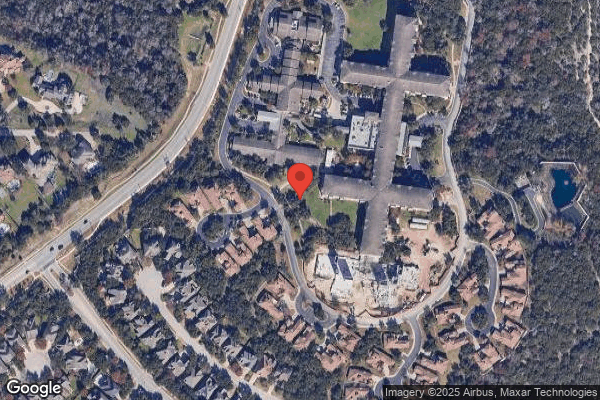
LONGHORN VILLAGE

12001 LONGHORN PARKWAY, AUSTIN, TX 78732 (512) 382-4664
Non profit - Corporation 60 Beds Independent Data: November 2025
Trust Grade
90/100
#88 of 1168 in TX
Last Inspection: March 2025

Within standard 12-15 month inspection cycle. Federal law requires annual inspections.

Overview

Longhorn Village in Austin, Texas, has received a Trust Grade of A, indicating it is considered excellent and highly recommended. It ranks #88 out of 1,168 nursing homes in Texas, placing it in the top half, and #2 out of 27 facilities in Travis County, suggesting only one local option is better. The facility is on an improving trend, with issues decreasing from five in 2024 to two in 2025, and it has no fines on record, which is a positive sign. Staffing is a strength, with a rating of 4 out of 5 stars and a turnover rate of 49%, which is below the state average. However, there are some concerns, including incidents where staff failed to maintain proper hand hygiene while serving food, and there were issues with food safety standards in the kitchen. Additionally, there was a failure to report allegations of potential abuse, which raises concerns about resident safety. Overall, while Longhorn Village has many strengths, families should be aware of these weaknesses when considering care for their loved ones.

Trust Score
A
90/100
In Texas
#88/1168
Top 7%
Safety Record
Low Risk
No red flags
Inspections
Getting Better
5 → 2 violations
Staff Stability
⚠ Watch
49% turnover. Above average. Higher turnover means staff may not know residents' routines.
Penalties
✓ Good
No fines on record. Clean compliance history, better than most Texas facilities.
Skilled Nurses
✓ Good
Each resident gets 51 minutes of Registered Nurse (RN) attention daily — more than average for Texas. RNs are trained to catch health problems early.
Violations
○ Average
7 deficiencies on record. Average for a facility this size. Mostly minor or procedural issues.
★★★★★
5.0
Overall Rating
★★★★☆
4.0
Staff Levels
★★★★☆
4.0
Care Quality
★★★★★
5.0
Inspection Score
Stable
2024: 5 issues
2025: 2 issues

The Good

  • 4-Star Staffing Rating · Above-average nurse staffing levels
  • 4-Star Quality Measures · Strong clinical quality outcomes
  • Full Sprinkler Coverage · Fire safety systems throughout facility
  • No fines on record

Facility shows strength in staffing levels, quality measures, fire safety.

The Bad

Staff Turnover: 49%

Near Texas avg (46%)

Higher turnover may affect care consistency

The Ugly 7 deficiencies on record

Mar 2025 2 deficiencies
CONCERN (D) 📢 Someone Reported This

A family member, employee, or ombudsman was alarmed enough to file a formal complaint

Potential for Harm - no one hurt, but risky conditions existed

Report Alleged Abuse (Tag F0609)

Could have caused harm · This affected 1 resident

**NOTE- TERMS IN BRACKETS HAVE BEEN EDITED TO PROTECT CONFIDENTIALITY** Based on observation, interview, and record review, the facility failed to ensure that all allegations involving abuse, neglect,...

Read full inspector narrative →
**NOTE- TERMS IN BRACKETS HAVE BEEN EDITED TO PROTECT CONFIDENTIALITY** Based on observation, interview, and record review, the facility failed to ensure that all allegations involving abuse, neglect, exploitation, or mistreatment, including injuries of unknown source, were reported immediately to the administrator of the facility and to the State Survey Agency, for one Resident (Resident #1) of three residents reviewed for abuse/neglect. The facility failed to report to the administrator of the facility and to the State Agency that Resident #1's family on 02/04/25 had alleged that a CNA had pinched and been rough with Resident #1. This failure could place residents at risk for continuation or repetition of abuse, or abuse becoming more widespread. Findings included: Review of Resident #1's MDS reflected that Resident #1 was a [AGE] year old female resident admitted to the facility on [DATE] with diagnoses in part including metabolic encephalopathy (a change in how the brain works due to an underlying condition that can result in confusion, memory loss, or loss of consciousness), heart failure (the heart doesn't pump blood as well as it should), hypertension (elevated blood pressure), dysphagia (difficulty swallowing), and pneumonia (infection in the lungs). Resident #1's BIMS score was six, indicating severe cognitive impairment. In an interview and observation on 03/04/25 at 3:05 pm, Resident #1's family stated a while back (she did not know the date), she and her mother were eating lunch in the dining room and her mother pointed at a CNA and stated that the CNA had been rough with her and had pinched her. The family reported that an unknown person in the dining room (not facility staff) told her it was true. Resident #1's family reported that she notified the DON at the time and thought the aide may have been fired. Resident #1 opened her eyes but did not respond to interview questions. In a review of the facility grievance log from December 2024 through February 2024, a grievance dated 02/04/25 and signed by the AIT stated that a family member, reported that [CNA A] has been rough with her [Resident #1], per patient. When moved to the dining room today her mother said, don't pinch me and the resident sitting across from her said she did pinch her. The action plan included to, remove the resident from the CNA's assignment and do not assign the resident to the [CNA A] permanently. A review of TULIP reflected no events reported for this allegation between 10/04/24 and 02/03/25 indicating the allegation of abuse was not reported to Health and Human Services. A review of Resident 1's progress notes for the week surrounding 02/04/25 (date of grievance) revealed no progress notes or skin or other assessments regarding the reported incident. In an interview on 03/05/25 at 9:05 am, CNA A reported that about 1.5 months ago she was informed by the DON that Resident #1's family had reported that Resident #1 had reported that she was rough with her during care and had pinched her while in the dining room. CNA A reported the DON informed her she would no longer be working with Resident #1. She denied having pinched or been rough when providing care to Resident #1. In an interview on 03/05/25 at 10:14 am, DON stated that she completed the investigation in February 2025 in which Resident #1's family mentioned to her that someone in the dining room had stated that CNA A had pinched Resident #1. She stated she interviewed CNA A who denied having pinched or been rough with Resident #1 and reported others were present in the dining room. She stated they conducted a skin assessment, she believed it should be in the electronic medical record, and Resident #1 did not have any injuries. She stated Resident #1's family did not want CNA A to work with Resident #1 anymore. She reported that the facility does not usually do progress noted on this type of incident because it was in-house. Instead, they do a grievance and that was what she did. She reported that CNA A was not suspended but was removed from Resident #1's care. The DON reported that, If there is an allegation, we talk, interview, and investigate, and if there is really an abuse, we report it. In this case we did not report it to the state because we did not find it to be abuse. If we suspect abuse, we report it to the administrator. The DON stated she reported the allegation to the administrator the next morning in report. In an interview on 03/05/25 at 10:49 am, NP B stated that about a month ago she was made aware that there was an allegation of roughness by a CNA with Resident #1. She stated she did not know what that roughness entailed or where the incident might have occurred. She stated she was never informed of any allegation that Resident #1 was pinched. She stated she was told there was no injury, and she does not remember any injuries but that she did not need to do an assessment or any documentation of the incident. In an interview on 03/05/25 at 10:57 am, the AIT stated that Resident #1's family told the DON on 02/04/24 that at lunch Resident #1 had told her that CNA A had pinched her, and she had completed a grievance report. She reported the DON did her investigation with the resident and the aid. She stated that she had just had a meeting with the administrator and now realizes the incident needed to have been reported to the state. She reported that everyone was responsible for reporting abuse but that the Director or the Administrator do the state reports. She stated the risk of not reporting an allegation of abuse is the risk of it happening again or being widespread and affecting other residents. She stated CNA A is being suspended today (03/05/25) pending investigation outcome. In an interview on 03/05/25 at 11:25 am, the ADM stated she just found out about the situation with Resident #1. She reported she was not notified of the allegation of abuse. She stated she heard within the past hour that the Resident #1's family member had reported to the AIT, that Resident #1 head told her family member that she had been pinched and in passing there was another resident that said yes, the CNA did pinch Resident #1. She stated she was told that the DON did a skin assessment and the daughter requested to not have the CNA as a caregiver. ADM reported she was upset with her team and had just educated them on abuse, what are the types, when and who to report abuse to. She stated that she contacted the Director who also stated she was not notified of the incident. She reported the team should have notified one of us. She stated if she had been notified, she would have asked if the skin assess was complete, sent CNA A home pending investigation, reinterviewed the resident, and completed a self-report for the state. ADM reported the DON told me she did the skin assessment but that she did not document it. ADM stated the risk of an allegation of abuse not being reported is that if it truly happened it could continue to happen or could happen to other residents. She stated that the alleged perpetrator, CNA A, has been placed on suspension immediately pending outcome investigation. In an interview on 03/05/25 at 11:59 am, the Director stated that today (03/05/25) was the first time that she had heard that Resident #1 was pinched, and she was currently doing a self-report. She stated she would have expected the staff to notify her at the time of the incident. She reported if she had been notified, she would have reported it within the appropriate timeframe to the state and started the internal investigation as pinching was a form of physical abuse. She reported that when there was an allegation of physical abuse a physical assessment should be documented in the electronic medical record. She stated the risk of failing to report an allegation of abuse would be potential further risk for abuse. Review of TULIP records noted this allegation was received by Health and Human Services as a facility self-report on 3/5/2025 at 12:45 PM. This allegation of abuse was investigated by this surveyor and there was not sufficient evidence to substantiate this allegation of abuse regarding pinching and/or roughness. No injury or trauma to Resident #1 was determined. The facility policy dated April 2014 and titled, 2 EXHIBIT C ABUSE PREVENTION POLICY stated that, Physical abuse is defined as hitting, slapping, pinching, kicking, etc. It also includes controlling behavior through corporal punishment and that, Any incident or allegation involving abuse, neglect, or misappropriation will result in an abuse investigation. The document notes that, Any allegations of abuse will be reported to the Administrator immediately and to the State Department of Health and the resident's representative as soon as possible within 24 hours. The policy also stated, The administrator or designee will review the report. The administrator or designee is then responsible for forwarding a final written report of the results of the investigation and of any corrective action taken to the State Department of Health within five working days of the reported incident.
CONCERN (D) 📢 Someone Reported This

A family member, employee, or ombudsman was alarmed enough to file a formal complaint

Potential for Harm - no one hurt, but risky conditions existed

Investigate Abuse (Tag F0610)

Could have caused harm · This affected 1 resident

**NOTE- TERMS IN BRACKETS HAVE BEEN EDITED TO PROTECT CONFIDENTIALITY** Based on interview and record review, in response to an allegation of abuse, the facility failed to have evidence that all alleg...

Read full inspector narrative →
**NOTE- TERMS IN BRACKETS HAVE BEEN EDITED TO PROTECT CONFIDENTIALITY** Based on interview and record review, in response to an allegation of abuse, the facility failed to have evidence that all alleged violations were thoroughly investigated, and to prevent further potential abuse while the investigation was in progress for one (Resident #1) of three residents reviewed for abuse. The facility failed to thoroughly investigate an allegation that a staff member had been rough with and pinched Resident #1 and failed to suspend the alleged perpetrator on 02/04/25. This failure could place resident's at risk for continued abuse, unidentified injuries or trauma, and the spread of abuse to other residents. Findings included: Review of Resident #1's MDS reflected that Resident #1 was a [AGE] year old female resident admitted to the facility on [DATE] with diagnoses in part including metabolic encephalopathy (a change in how the brain works due to an underlying condition that can result in confusion, memory loss, or loss of consciousness), heart failure (the heart doesn't pump blood as well as it should), hypertension (elevated blood pressure), dysphagia (difficulty swallowing), and pneumonia (infection in the lungs). Resident #1's BIMS score was six, indicating severe cognitive impairment. In an interview and observation on 03/34/25 at 3:05, Resident #1's family reported a while back (she did not know the date), she and her mother were eating lunch in the dining room and her mother pointed at a CNA and stated that the CNA had been rough with her and had pinched her. The family reported that an unknown person in the dining room (not facility staff) told her it was true. Resident #1's family reported that she notified the DON at the time and thought the aide may have been fired. Resident #1 opened her eyes but did not respond to interview questions. In a review of the facility grievance log from December 2024 through February 2024, a grievance dated 02/04/25 and signed by the Administrator in Training (AIT) stated, daughter reported that [CNA A] has been rough with her mom, per patient. When moved to the dining room today her mother said, don't pinch me and the resident sitting across from her said she did pinch her. The action plan included to, remove the resident from the CNA's assignment and do not assign the resident to the [CNA A] permanently. A review of TULIP reflected no events reported for this allegation between 10/04/24 and 02/03/25 indicating the allegation of abuse was not reported to HHS. A review of Resident 1's progress notes for the week surrounding 02/04/25 (date of grievance) revealed no progress notes regarding the reported incident. There were no injury assessments, trauma assessments, or skin assessments. These progress notes did not indicate that the nurse practitioner, the physician, or the family had been notified of the allegation. In an interview on 03/05/25 at 9:05 am, CNA A reported that about 1.5 months ago she was informed by the DON that Resident #1's family had reported that Resident #1 had reported that she was rough with her during care and had pinched her while in the dining room. CNA A reported the DON informed her she would no longer be working with Resident #1. She denied having pinched or been rough when providing care to Resident #1. In an interview on 03/05/25 at 10:14 am, DON stated that she completed the investigation in February 2025 in which Resident #1's family mentioned to her that someone in the dining room had stated that CNA A had pinched Resident #1. She stated she interviewed CNA A who denied having pinched or been rough with Resident #1 and reported others were present in the dining room. She stated they conducted a skin assessment, she believed it should be in the electronic medical record, and Resident #1 did not have any injuries. She stated Resident #1's family did not want CNA A to work with Resident #1 anymore. She reported that the facility does not usually do progress noted on this type of incident because it was in-house. Instead, they do a grievance and that was what she did. She reported that CNA A was not suspended but was removed from Resident #1's care. The DON reported that, If there is an allegation, we talk, interview, and investigate, and if there was really abuse, we report it. In this case we did not report it to the state because we did not find it to be abuse. If we suspect abuse, we report it to the administrator. The DON stated she reported the allegation to the administrator the next morning in report. In an interview on 03/05/25 at 10:49 am, NP B reported that about a month ago she was made aware that there was an allegation of roughness by a CNA with Resident #1. She stated she did not know what that roughness entailed or where the incident might have occurred. She stated she was never informed of any allegation that Resident #1 was pinched. She stated she was told there was no injury, and she does not remember any injuries but that she did not need to do an assessment or any documentation of the incident. In an interview on 03/05/25 at 10:57 am, the AIT reported that Resident #1's family told the DON on 02/04/24 that at lunch Resident #1 had told her that CNA A had pinched her, and she had completed a grievance report. She reported the DON did her investigation with the resident and the aid. She stated that she had just had a meeting with the administrator and now realizes the incident needed to have been reported to the state. She reported that everyone is responsible for reporting abuse but that the Director or the Administrator do the state reports. She stated the risk of not reporting an allegation of abuse is the risk of it happening again or being widespread and affecting other residents. She stated CNA A is being suspended today (03/05/25) pending investigation outcome. In an interview on 03/05/25 at 11:25 am, the ADM reported she just found out about the situation with #. She reported she was not notified of the allegation of abuse. She stated she heard within the past hour that the daughter reported to the AIT, that Resident #1's daughter had been pinched and in passing there was another resident that said yes, the CNA did pinch her. She stated she was told that the DON did a skin assessment and the daughter requested to not have the CNA as a caregiver. She reported she was upset with her team and had just educated them on abuse, what are the types, when and who to report abuse to. She stated that she contacted the Director who also stated she was not notified of the incident. She reported the team should have notified one of us. She stated if she had been notified, she would have asked if the skin assess was complete, sent CNA A home pending investigation, reinterviewed the resident, and completed a self-report for the state. ADM reported the DON told me she did the skin assessment but that she did not document it. She reported the risk of not completing an assessment would be that an injury might not be identified. ADM stated the risk of an allegation of abuse not being reported is that if it truly happened it could continue to happen or could happen to other residents. She stated that the AP, CNA A, has been placed on suspension immediately pending outcome investigation. In an interview on 03/05/25 at 11:59 am, the Director stated that today (03/05/25) was the first time that she had heard that Resident #1 was pinched, and she was currently doing a self-report. She stated she would have expected the staff to notify her at the time of the incident. She reported if she had been notified, she would have reported it within the appropriate timeframe to the state and started the internal investigation as pinching is a form of physical abuse. She reported that when there is an allegation of physical abuse a physical assessment should be documented in the electronic medical record and that not doing this could result in an injury being missed. She stated the family and the nurse practitioner and/or the physician should be notified. She stated the risk of failing to report an allegation of abuse would be potential further risk for abuse. Review of TULIP records noted this allegation was received by Health and Human Services as a facility self-report on 3/5/2025 at 12:45 PM. This allegation of abuse was investigated by this surveyor and there was not sufficient evidence to substantiate this allegation of abuse regarding pinching and/or roughness. No injury or trauma to Resident #1 was determined. The facility policy dated April 2014 and titled, 2 EXHIBIT C ABUSE PREVENTION POLICY stated that, Physical abuse is defined as hitting, slapping, pinching, kicking, etc. It also includes controlling behavior through corporal punishment and that, Any incident or allegation involving abuse, neglect, or misappropriation will result in an abuse investigation. The policy also stated, The administrator or designee will review the report. The administrator or designee is then responsible for forwarding a final written report of the results of the investigation and of any corrective action taken to the State Department of Health within five working days of the reported incident. The policy also stated, All incidents will be documented, whether or not abuse occurred, was alleged or suspected. This policy further stated, Employees of this community who have been accused of abuse, neglect, or mistreatment will be immediately suspended until the results of the investigation have been reviewed by the administrator or designee.
Dec 2024 1 deficiency
CONCERN (D) 📢 Someone Reported This

A family member, employee, or ombudsman was alarmed enough to file a formal complaint

Potential for Harm - no one hurt, but risky conditions existed

Abuse Prevention Policies (Tag F0607)

Could have caused harm · This affected 1 resident

Based on observation, interview. and record review, the facility failed to ensure they did not employ an individual who was found guilty of a criminal offense barring employment by a court of law for ...

Read full inspector narrative →
Based on observation, interview. and record review, the facility failed to ensure they did not employ an individual who was found guilty of a criminal offense barring employment by a court of law for 1 (MA A) of 9 employees reviewed for abuse and neglect. The facility did not ensure MA A was disqualified from working in the facility when her criminal history, searched on 04/18/24 indicated a criminal conviction (on 03/05/24) barring employment in a nursing facility. MA A worked in the facility from 04/24/24 through 07/12/24. This noncompliance was identified as PNC. The deficient practice began on 04/24/24 and ended on 07/12/24. The facility had corrected the noncompliance before the survey began. This failure could place residents at risk for possible abuse, neglect, or exploitation. Findings included: Record review of the employee file for MA A reflected she was hired on 04/24/24. Her initial criminal history check was completed on 04/18/24 and reflected a misdemeanor conviction for an offense that barred employment. During an interview on 10/07/24 at 9:56 AM, the DCS stated MA A was terminated the day after the facility was made aware that a misdemeanor conviction for the offense barred the MA from employment. She stated the facility downloaded the list of barrable offenses from the state website and all the HR staff were trained on barrable offenses and background checks. During an interview on 10/07/24 at 2:58 PM, the HRD described the hiring process. She stated once the application was completed and signed, it was forwarded to the department manager for consideration and interview. If the manager wanted to hire, HR was notified. She stated one of the HR generalists would run the background checks. The checks included the Nurse Aide Registry, the Employee Misconduct Registry, criminal background, and others. She stated they ran the background check on MA A, and she saw the conviction on the record. She stated she believed because the offense was a misdemeanor, she was eligible for employment. She stated the HR department had training and reviewed the barrable offenses on the list. She stated she learned any conviction for the listed offenses made the person not eligible to work in the facility. She stated, since the training, if there is any conviction of any kind, the generalists sent it to her for final review. She stated employee files were audited by two staff to ensure they were accurate and completed. She stated the audits were reviewed at the QAPI meetings. During an interview on 12/19/24 at 10:39 AM, the HRD stated as soon as they learned MA A's conviction was barrable, they downloaded the list of barrable offenses (State of Texas, Health & Safety Code, Chapter 250 subsection 250.006 Convictions Barring Employment). She stated the conviction was a misdemeanor and she was specifically looking for a felony. She stated it was a mistake, a misunderstanding. She stated each employee in the HR department now had a copy of the list for reference. She stated she and the other two staff in the department had training about the barrable offenses, provided by the Nurse Consultant and the DCS on 07/15/24. During an observation and interview on 12/19/24 at 10:57 AM, HRE B was seated at her desk. Posted on the wall to her left, a copy of the barrable penal code list was observed. She stated she initiated background checks on new employees. She stated if the person had not lived in the state for the last five years, there was a different background check conducted that pulled information from other states. She stated if there was any conviction on the report, she compared it with the list then it was reviewed by the HR director for final approval. She stated she had training on the barrable offense list in July of this year. During an observation and interview on 12/19/24 at 11:03 AM, HRE C was sitting at her desk. On the wall behind the desk, a copy of the barrable penal code list was observed. She stated she conducted background checks. She stated she first had to make sure the application was signed because she could not proceed without the signature. She stated if any background check came back with a conviction, she sent it to the HRD for review. During an interview on 12/19/24 at 1:30 PM the ADM, stated she was out of town when the facility learned that MA A had a barrable offense but she was notified. She stated MA A was terminated and the HR staff were trained by the Nurse Consultant and the DCS. She stated it was her expectation that any conviction on the background check was reviewed by the HR manager. She stated employee file audits are a topic at their QAPI meetings. She stated background checks must be accurate as a wrong spelling or wrong number could give information on the wrong person. Immediate Response: - DCS and administration aware. - Downloaded and printed list of barrable offenses. - MA A was terminated. - HR department was trained on background checks and barrable offenses. - Audits of employee files conducted by two staff. Actions: 07/11/24 - DCS and HRM downloaded and printed the barrable offense list. Each of the three HR staff were given a copy of the list. 07/12/24 - MA A was terminated. 07/15/24 - HRM and the two HR employees trained on background checks and barrable offenses. Conclusion: Confirmed. MA A worked at the facility from 04/24/24 through 07/12/24 with a conviction for a barrable offense. Review of 9 undated personnel files, including MA A, reflected required background checks, reference checks, and orientation training on abuse/neglect/exploitation, resident rights, and dementia care. The background checks were completed prior to the date of hire. The audit sheets reflected initials from two HR staff. Review of the facility Abuse prevention policy updated November 2016 reflected in part . This community will not knowingly employ any individual convicted of resident abuse, neglect, or misappropriation of property. The community will not knowingly employ any direct care staff convicted of any of the crimes listed in the State Criminal History of Nurse Aides an Other Unlicensed Employees, or with a finding of abuse listed on the Nurse Aide Registry or criminal history background check. Prior to a new employee starting a work schedule, this community will: 1.1 initiate a reference check from previous employers, in accordance with community policy. 1.2 Obtain a copy of the state license . 1.3 If applicant is a nursing assistant, obtain a copy of the person's state nurse aide registry report from the state department. 1.4 Obtain a limited criminal history. Review of in-services conducted reflected the HR staff were in-serviced on background checks and barrable offenses on 07/15/24. This noncompliance was identified as PNC. The deficient practice began 04/24/24 and ended on 10/12/24. The facility had corrected the noncompliance before the survey began.
Aug 2024 1 deficiency
CONCERN (E) 📢 Someone Reported This

A family member, employee, or ombudsman was alarmed enough to file a formal complaint

Potential for Harm - no one hurt, but risky conditions existed

Infection Control (Tag F0880)

Could have caused harm · This affected multiple residents

Based on observation, interview, and record review, the facility failed to maintain an infection prevention and control program designed to provide a safe, sanitary, and comfortable environment and to...

Read full inspector narrative →
Based on observation, interview, and record review, the facility failed to maintain an infection prevention and control program designed to provide a safe, sanitary, and comfortable environment and to help prevent the development and transmission of communicable diseases and infections for 3 (Server A, Server B and Dietary Manager) of 3 staff members reviewed in that: The facility failed to ensure Server A, Server B and the Dietary Manager performed hand hygiene when serving residents during lunch service. This failure placed residents at an increased risk of exposure to infections to include COVID- 19, decreased quality of life or hospitalizations. Finding include: An observation on 08/26/2024 at 12:14 PM revealed Server A, Server B exiting the dining room and serving residents. Server A was observed with gloves on while serving residents and touching door of kitchen when returning to the kitchen from the dining room. An observation on 08/26/2024 at 12:18 PM revealed the DM entering and exiting kitchen serving food to residents without performing hand hygiene. An observation on 08/26/2024 at 12:19 PM revealed Server A and Server B exit kitchen to dining room to serve residents without performing hand hygiene. An observation on 08/26/2024 at 12:20 PM revealed no hand sanitizer or hand washing sink immediately outside or inside of the kitchen. An observation on 08/26/2024 at 12:25 PM revealed Server A wearing gloves and place plate on tray and exiting kitchen to serve residents. Further observation revealed Server A returned to kitchen with the same gloves and placed other plates on tray for residents. An observation on 08/26/2024 at 12:56 PM revealed Server A replaced gloves without performing hand hygiene. Server A was observed touching door handle when exiting kitchen. Server A returned to kitchen and removed gloves, but no hand hygiene was performed before Server A provided a cup to nursing staff for resident. An observation on 08/26/2024 at 1:01 PM revealed Server A was wearing gloves in the dining room and cleaned up dirty dishes. An observation on 08/26/2024 at 1:03 PM revealed Server A removed dirty gloves and grabbed a new pair of gloves to put on without performing hand hygiene. Further observation revealed Server A put on one glove and dropped one glove on the floor and pick it up and put it on without performing hand hygiene. During an interview on 08/26/2024 at 12:56 PM, Server A stated that she was usually responsible for placing plates on trays and serving residents in the dining room. She stated that when staff entered and exited the kitchen or when they touched something they were supposed to clean their hands. She stated that before gloves were put on and when they were taken off staff were supposed to perform hand hygiene. Server A did not answer when asked why she did not perform hand hygiene when exiting and reentering the kitchen. During an interview on 08/26/2024 at 1:02 PM, Server B stated staff were supposed to wash their hands when they entered the kitchen and stated staff were supposed to wash hands in between any tasks performed. He stated he did not wash his hands when re-entering kitchen because he was busy. During an interview on 08/26/2024 at 1:05 PM, the DM she stated staff were supposed to wash their hands when they came in to dining room and when they re-entered the kitchen. The DM stated staff were also supposed to wash their hands or perform hand hygiene after they exit the kitchen and serve meals. She stated they were not supposed to wear gloves in dining room only if they are preparing food. She stated if staff are wearing gloves while serving, they were not correct. The DM stated when staff enter the kitchen, they were supposed to wash their hands at hand washing sink. During an interview on 08/26/2024 at 2:42 PM with the ADM, she stated that staff were expected to wash their hands prior to serving and any time they needed to wash their hands. She stated staff were supposed to wash their hands or perform hand hygiene when handling resident plates and put gloves on to deliver trays. The ADM stated staff were supposed to wash their hands or perform hand hygiene after they change glove. The ADM stated that If they are touching the door handle staff should have washed their hands before serving another resident. The ADM stated that it was not expected that staff wash hands in between serving residents if they did not touch anything. The ADM stated if staff got new gloves and dropped the gloves on the floor they were supposed to throw away the gloves and perform hand hygiene. Review of facility in-service dated 07/21/2024 was completed for the topic of handwashing and glove usage in food service. In-service included policy titled Handwashing and Glove Usage in Food service dated in 2016. The policy reflected hand washing was the most important way to stop the spread of infection. Food handlers were supposed to wash their hands after clearing tables or busing dirty dishes, after leaving and returning to the kitchen/prep area and after touching any other surfaces. In-service included that single-use gloves should be used when handling ready-to eat food. Further review reflected hands should be washed before putting gloves on. Review of the facility's policy titled Handwashing/Hand Hygiene policy dated October 2023 reflected staff are trained regarding the importance of hand hygiene in preventing the transmission of healthcare-associated infections. Staff are expected to adhere to hand hygiene policies and practices to help prevent the spread of infections to other personnel, resident and visitors. Further review revealed hand hygiene is indicated after touching a resident's environment. Hand hygiene should be performed before applying gloves.
Jan 2024 3 deficiencies
CONCERN (D)

Potential for Harm - no one hurt, but risky conditions existed

Deficiency F0657 (Tag F0657)

Could have caused harm · This affected 1 resident

**NOTE- TERMS IN BRACKETS HAVE BEEN EDITED TO PROTECT CONFIDENTIALITY** Based on interviews and record review the facility failed to develop and implement a comprehensive person-centered care plan tha...

Read full inspector narrative →
**NOTE- TERMS IN BRACKETS HAVE BEEN EDITED TO PROTECT CONFIDENTIALITY** Based on interviews and record review the facility failed to develop and implement a comprehensive person-centered care plan that includes measurable objectives and time frames to meet a resident's medical and nursing needs to be furnished to attain or maintain the resident's highest practicable physical, mental, and psychosocial well-being for 1 of 8 residents, Resident #8, reviewed for care plans in that: -Resident #8's care plan was not revised quarterly. This failure could place residents in the facility at risk of not being provided with the necessary care or services and having personalized plans developed to address their specific needs. The findings included: Record review of Resident #8's Face Sheet reflected an [AGE] year-old female, with an original admission date of [DATE]. Diagnoses included Dementia (Decline in cognitive abilities that impacts a person's ability to perform everyday activities), Anxiety (An unpleasant state of inner turmoil and includes feelings of dread over anticipated events), Psychotic Disturbance (a collection of symptoms that affect the mind, where there has been some loss of contact with reality) and mood disturbance (mood is distorted or inconsistent with your circumstances and interferes with your ability to function). Record review of Resident #8's MDS quarterly assessment dated [DATE] reflected a BIMS score of 00 indicating severe cognitive impairment. Record review of Resident #8's care plan initiated [DATE] indicated the next review date was [DATE]. During an Interview on [DATE] at 3:00 PM with the DON she stated the MDS coordinator and the ADON handled most care plans. The DON stated Resident #8's care plan should have been updated. The DON said they missed it. The DON stated possible negative outcomes for Resident #8 could be anything not captured in the care plan. During an interview on [DATE] at 3:10 PM with the Director of Clinical Services, she said they were very overwhelmed at the time. She said they were in the middle of an outbreak. The Director of Clinical Services said the DON, the Director of Clinical Services, the Nurse manager and the ADON all check MDS coordinator's work. She said they do not have a double check system. During a telephone interview on [DATE] at 9:00 AM with the MDS coordinator she said Resident #8's care plan was expired. She said There was a lot going on when it was due. She said they were in the middle of a covid outbreak. She stated the dietician updated her part on [DATE] and the rest of the team should have updated their parts. She stated that the care plan should be reviewed to discuss medical changes, other changes, and status. She said they had the last meeting with the resident representative on [DATE]. She stated the reason to update the care plan was to ensure they talked about significant changes. She stated if it does not happen, they could miss something. She said they do not need to go by the schedule. She stated the care plan could be updated at any time if there was a significant change. She said it depends on the resident's status and the medical status. She stated the care plan was scheduled to be updated every quarter. She said if it they do not update the care plan, they could miss something. Record review of the Care Plans Policy (Revised [DATE]); Policy Statement: A comprehensive, person-centered care plan that includes measurable objectives and timetables to meet the resident's physical, psychosocial and functional needs is developed and implemented for each resident. 11.d The interdisciplinary team reviews and updates the care plan at least quarterly, in conjunction with the required quarterly MDS assessment.
CONCERN (D)

Potential for Harm - no one hurt, but risky conditions existed

Deficiency F0806 (Tag F0806)

Could have caused harm · This affected 1 resident

**NOTE- TERMS IN BRACKETS HAVE BEEN EDITED TO PROTECT CONFIDENTIALITY** Based on observations, interviews, and record review, the facility failed to accommodate residents' food preferences for 2 of 8 ...

Read full inspector narrative →
**NOTE- TERMS IN BRACKETS HAVE BEEN EDITED TO PROTECT CONFIDENTIALITY** Based on observations, interviews, and record review, the facility failed to accommodate residents' food preferences for 2 of 8 residents (Resident #3 and #16) reviewed for food preferences. 1.The facility failed to honor Resident #3's preferences for no condiments. 2.The facility failed to honor Resident #16's preference for her dislike of mustard. This failure could result in a decrease in resident choices, diminished interest in meals, and weight loss. Findings included: 1. Record review of Resident #3's face sheet dated 01/23/24 revealed an [AGE] year-old female with diagnoses including dementia, senile degeneration of brain (reflects a long history of not understanding), abnormal weight loss, protein-calorie malnutrition, dysphagia (difficulty swallowing), and adult failure to thrive (a syndrome of global decline). Record review of Resident #3's MDS assessment dated [DATE] indicated she was rarely understood and sometimes understood simple, direct communication. Resident #3 had a BIMS score of 0 with memory problems and was cognitively severely impaired. Resident #3 had a feeding tube as well as a regular diet and required assistance with all ADL tasks. Resident #3 was on Hospice. Record Review of Resident #3's Care Plan dated 01/24/23 indicated Resident #3 required tube feeding related to her inability to meet nutrition/hydration needs through oral intake-date initiated 02/01/23 and revised 05/07/23. Resident #3's care plan also included Resident #3 had a nutritional/hydrational problem related to mental disorders, dementia, poor consumption of meals and received tube feedings daily. Resident #3 was able to feed herself in her room. She liked: hamburger plain, ice cream, cheesecake, cookies, mac and cheese, grilled cheese, and lemon-lime sodas. Record Review of Resident #3's physician orders dated 01/25/23 documented a regular diet with cut meats and (thin) regular consistency. Physician orders dated 03/03/23 documented tube feed 1 can once a day for supplement, on 02/03/23-flush g-tube with 300ml of water 3 times a day for hydration. Record review of Resident #3's family request sheet dated 02/05/23 had no condiments-plain for hotdogs and hamburger-plain-no condiments, lettuce, tomato, pickle, or anything. Record review of Resident #3's undated electronic food preferences revealed Likes: . plain hot dog, plain hamburger . Record review or Resident #3's daily menus dated 01/23/24, 01/24/24, and 01/25/24 did not indicate any preferences, likes or dislikes, nor any preferences, likes or dislikes on the Every Day menus. Observation and interview with Resident #3 on 01/23/24 at 1:49 pm revealed a hot dog with mustard & ketchup and Resident #3 stated she hated condiments and did not want the hot dog. 2.Record review of Resident #16's face sheet had an initial admission of 07/15/22 and most recent admission dated 08/28/23 revealed a [AGE] year-old female with diagnoses including heart failure, protein-calorie malnutrition, stage 3 kidney disease, cognitive communication deficit, high cholesterol, a-fib (a type of arrhythmia, or abnormal heartbeat), dementia, unsteadiness on her feet, and anxiety. Record review of Resident #16's MDS assessment dated [DATE] indicated she had no communication deficits, and her BIMS score was 14, indicating no cognitive impairment. Resident #16 required 1-2-person assistance for mobility and transfers. Resident #16 was in a wheelchair. Resident #16 was in hospice. Record Review of Resident #16's Care Plan dated 08/28/23 indicated Resident #16 Loves milk to drink, date initiated 10/13/23, moderate protein-calorie malnutrition date initiated 09/09/23, with interventions such as able to make food and fluid needs known to staff, date initiated 01/25/24, usually eats off every-day menu, date initiated 01/25/24, regular diet with cut meats and thin liquids, date initiated 09/12/23, staff helps Resident #16 fill out menus. Resident #16 usually changes her mind for lunch and dinner once food is delivered in dining room and will order off Every-Day Menu. Or if eating in room CNA will come to kitchen asking for alternate meal if she changes her mind once delivered in her room. Staff honors food preferences. Sometimes just sits in dining room not touching meal for extended time and then will eat. Sometimes just picks at food or eats very slowly. Not a big eater. Will drink Ensure at times if eats poorly. Drinking supplements date initiated 01/25/24. Record Review of Resident #16's physician orders dated 10/07/23 documented a daily supplement drink, on 09/06/23 a different supplement drink three times a day, on 08/28/23 regular diet with cut meats and (thin) regular consistency. Record review of Resident #16's undated electronic food preferences revealed mustard in her dislikes. Record review or Resident #16's daily menus dated 01/23/24, 01/24/24, and 01/25/24 did not indicate any preferences, likes or dislikes, nor any preferences, likes or dislikes on the Every-Day menus. Observation and interview on 01/23/24 at 2:28 pm, Resident #16 was observed with an uneaten hamburger on her tray in her room. She stated it had mustard all over it and she was not going to eat it because she has requested only light mayonnaise. Resident #16 stated she was quite upset because this happened all the time. Interviews with CNAs A and B on 01/24/24 at 10:40 am revealed they sometimes helped residents with their menus daily. They stated they did not refer to the resident's preference sheets nor knew where to locate them. They stated the daily menus were generic, and they circled what the resident chose from the list, or circled the always menu, that was printed on the back of the daily menus. Interview with the DM on 01/25/24 at 8:54 am provided preference cards and a diet information sheet dated 02/05/23 from the family of Resident #3. The DM stated Resident #3 had a favorite of Asian food, and when they present it, she told them she didn't want it. If they give her time, she will eat it 100%. The DM stated they address this (preferences) in the care plan. She stated she documented new admits likes and dislikes in the electronic record and the diet roster. The DM stated she did not know if the staff referred to the preference sheets in the electronic record. The DM stated she was responsible for making sure the staff and the residents were honoring the resident's preferences. The DM stated the nursing staff helped with the menus daily and the kitchen staff just goes by what was on the daily menu without comparing it to the resident's preference sheets. The DM stated she believed the nursing staff was filling in condiments and such without actually asking the residents what they preferred. Interview with the DCS on 01/25/2024 at 3:26 pm stated residents had choices of dining in their room or in the dining room and they got snacks throughout the day. The DCS stated residents had options and staff documented what they (the resident's) want, and the residents can get whatever they want. She stated, it (food preferences) was a very liberal plan here, not rigid at all. They DCS stated she did not have a clue as to how residents were getting condiments or any food they did not want. The DCS stated this was a problem. The DCS stated nutritional issues could arise with residents not eating the food they did not like. The DCS stated the resident's had a right to choose what they want and do not want to eat. Record review of the Every Day menu revealed All beef hot dog (mustard/mayo/ketchup/relish). Hamburger w fries (lettuce/tomato/onion/mustard/mayo/ketchup A facility policy on resident food preferences was requested, but not provided.
CONCERN (E)

Potential for Harm - no one hurt, but risky conditions existed

Food Safety (Tag F0812)

Could have caused harm · This affected multiple residents

Based on observations, interviews, and record review, the facility failed to store, prepare, distribute, and serve food by professional standards for food service safety for 1 of 1 kitchen reviewed. T...

Read full inspector narrative →
Based on observations, interviews, and record review, the facility failed to store, prepare, distribute, and serve food by professional standards for food service safety for 1 of 1 kitchen reviewed. There were unsealed bags containing dairy products in the refrigerator. 3 of 3 steam table wells had a whitish yellow substance in them. There was a heavily dented large metal colander. There were containers of spices open to air. This failure could place residents at serious risk for complications from food contamination. The findings were: Observation during the initial tour of the kitchen on 01/23/24 at 10:00 am revealed, 2 unsealed gallon bags in the refrigerator and open to air; one contained butter, the other cheese. The steam table wells had a whitish yellow substance caked on their bottoms, and 2 had a whitish yellow substance caked inches up the sides of 3 of 3 wells. The well in the center had what appeared to be bits of food floating in murky water. There was a heavily dented large metal colander that was being used for service according to the COOK. 10 of 29, 28oz containers of spices were open to air. Interview with the COOK on 01/23/24 at 10:15 am revealed one of the unsealed bags in the refrigerator contained a large amount of butter and the other one, a large amount of shredded cheese. The COOK stated the bags should be sealed to keep the food fresh and to keep the food from possibly becoming cross contaminated. The COOK stated the residents could get sick from cross contamination. The COOK stated the heavily dented large metal colander was being used for service. The COOK stated the dented colander, or any other heavily dented pans, should not be used for service because the dents could collect bacteria in them and make the residents sick. The COOK stated the spices should not be open to air because they could clump or go bad. Return observation visit to the kitchen on 01/25/24 at 11:45 am revealed 1 of 3 steam table wells remained crusted on the bottom and sides with a whitish substance and bits of what appeared to be food floating in murky water. There were 2 of 29, 28oz containers of spices open to air. Interview with the DM on 01/25/24 at 11:45 am stated the cleaning lists showed the steam table wells were cleaned daily. The DM stated the steam table wells did not look clean. The DM stated residents could potentially get sick. The DM stated the spices and anything in the refrigerators should not be open to air. References: Food equipment standards, Food Equipment, Certification and Classification convey that equipment certified for conformance to a recognized American National Standard by an American National Standards Institute (ANSI) accredited certification program is deemed to comply with the equipment sanitation provisions contained in Food Code Chapter 4, Parts 4-1 of the Food Code, Section 4-205.10. 4-202.11 Food-Contact Surfaces. (A) Multiuse FOOD-CONTACT SURFACES shall be: (1) Smooth; (2) Free of breaks, open seams, cracks, chips, inclusions, pits, and similar imperfections (3) Free of sharp internal angles, corners, and crevices (4) Finished to have smooth welds and joints
Understanding Severity Codes (click to expand)
Life-Threatening (Immediate Jeopardy)
J - Isolated K - Pattern L - Widespread
Actual Harm
G - Isolated H - Pattern I - Widespread
Potential for Harm
D - Isolated E - Pattern F - Widespread
No Harm (Minor)
A - Isolated B - Pattern C - Widespread

Questions to Ask on Your Visit

  • "Can I speak with families of current residents?"
  • "What's your RN coverage like on weekends and overnight?"

Our Honest Assessment

Strengths
  • • Grade A (90/100). Above average facility, better than most options in Texas.
  • • No major safety red flags. No abuse findings, life-threatening violations, or SFF status.
  • • No fines on record. Clean compliance history, better than most Texas facilities.
Concerns
  • • No significant concerns identified. This facility shows no red flags across CMS ratings, staff turnover, or federal penalties.
Bottom line: Generally positive indicators. Standard due diligence and a personal visit recommended.

About This Facility

What is Longhorn Village's CMS Rating?

CMS assigns LONGHORN VILLAGE an overall rating of 5 out of 5 stars, which is considered much above average nationally. Within Texas, this rating places the facility higher than 99% of the state's 100 nursing homes. This rating reflects solid performance across the metrics CMS uses to evaluate nursing home quality.

How is Longhorn Village Staffed?

CMS rates LONGHORN VILLAGE's staffing level at 4 out of 5 stars, which is above average compared to other nursing homes. Staff turnover is 49%, compared to the Texas average of 46%.

What Have Inspectors Found at Longhorn Village?

State health inspectors documented 7 deficiencies at LONGHORN VILLAGE during 2024 to 2025. These included: 7 with potential for harm.

Who Owns and Operates Longhorn Village?

LONGHORN VILLAGE is owned by a non-profit organization. Non-profit facilities reinvest revenue into operations rather than distributing to shareholders. The facility operates independently rather than as part of a larger chain. With 60 certified beds and approximately 31 residents (about 52% occupancy), it is a smaller facility located in AUSTIN, Texas.

How Does Longhorn Village Compare to Other Texas Nursing Homes?

Compared to the 100 nursing homes in Texas, LONGHORN VILLAGE's overall rating (5 stars) is above the state average of 2.8, staff turnover (49%) is near the state average of 46%, and health inspection rating (5 stars) is much above the national benchmark.

What Should Families Ask When Visiting Longhorn Village?

Based on this facility's data, families visiting should ask: "Can I visit during a mealtime to observe dining assistance and food quality?" "How do you handle medical emergencies, and what is your hospital transfer rate?" "Can I speak with family members of current residents about their experience?"

Is Longhorn Village Safe?

Based on CMS inspection data, LONGHORN VILLAGE has a clean safety record: no substantiated abuse findings (meaning no confirmed cases of resident harm), no Immediate Jeopardy citations (the most serious violation level indicating risk of serious injury or death), and is not on the Special Focus Facility watch list (a federal program monitoring the lowest-performing 1% of nursing homes). The facility has a 5-star overall rating and ranks #1 of 100 nursing homes in Texas. While no facility is perfect, families should still ask about staff-to-resident ratios and recent inspection results during their visit.

Do Nurses at Longhorn Village Stick Around?

LONGHORN VILLAGE has a staff turnover rate of 49%, which is about average for Texas nursing homes (state average: 46%). Moderate turnover is common in nursing homes, but families should still ask about staff tenure and how the facility maintains care continuity when employees leave.

Was Longhorn Village Ever Fined?

LONGHORN VILLAGE has no federal fines on record. CMS issues fines when nursing homes fail to meet care standards or don't correct problems found during inspections. The absence of fines suggests the facility has either maintained compliance or corrected any issues before penalties were assessed. This is a positive indicator, though families should still review recent inspection reports for the full picture.

Is Longhorn Village on Any Federal Watch List?

LONGHORN VILLAGE is not on any federal watch list. The most significant is the Special Focus Facility (SFF) program, which identifies the bottom 1% of nursing homes nationally based on persistent, serious quality problems. Not being on this list means the facility has avoided the pattern of deficiencies that triggers enhanced federal oversight. This is a positive indicator, though families should still review the facility's inspection history directly.