ONION CREEK NURSING AND REHABILITATION CENTER
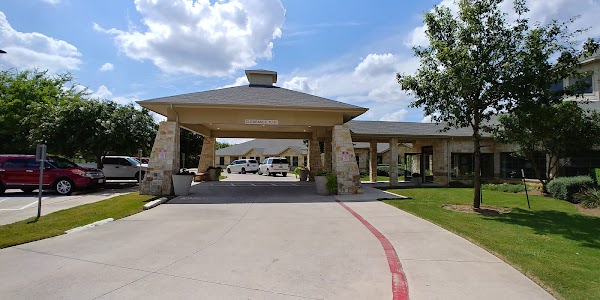
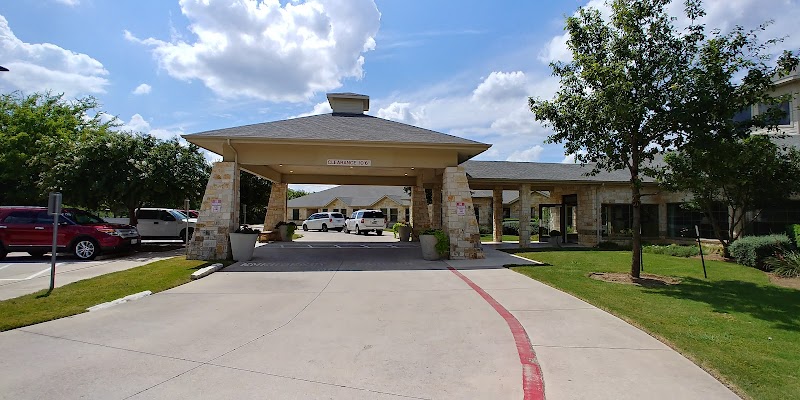
1700 ONION CREEK PKWY, AUSTIN, TX 78748 (512) 291-4900
For profit - Corporation 125 Beds THE ENSIGN GROUP Data: November 2025 2 Immediate Jeopardy citations
Trust Grade
1/100
#1061 of 1168 in TX
Last Inspection: February 2024

Within standard 12-15 month inspection cycle. Federal law requires annual inspections.

Overview

Onion Creek Nursing and Rehabilitation Center currently has a Trust Grade of F, indicating significant concerns and poor performance overall. In Texas, it ranks #1061 out of 1168 facilities, placing it in the bottom half, and #24 out of 27 in Travis County, meaning only a few local options are worse. While the facility is showing improvement, with issues decreasing from 9 in 2024 to 5 in 2025, it still faces serious problems, including critical incidents like failing to prevent pressure ulcers and not properly supervising residents, which led to a resident wandering off and being found miles away. Staffing is a weakness here, with only 1 out of 5 stars and less RN coverage than 86% of Texas facilities, although staff turnover is manageable at 50%. Additionally, the facility has had fines totaling $51,337, which is concerning and suggests ongoing compliance issues.

Trust Score
F
1/100
In Texas
#1061/1168
Bottom 10%
Safety Record
High Risk
Review needed
Inspections
Getting Better
9 → 5 violations
Staff Stability
⚠ Watch
50% turnover. Above average. Higher turnover means staff may not know residents' routines.
Penalties
⚠ Watch
$51,337 in fines. Higher than 81% of Texas facilities, suggesting repeated compliance issues.
Skilled Nurses
⚠ Watch
Each resident gets only 13 minutes of Registered Nurse (RN) attention daily — below average for Texas. Fewer RN minutes means fewer trained eyes watching for problems.
Violations
⚠ Watch
26 deficiencies on record. Higher than average. Multiple issues found across inspections.
★☆☆☆☆
1.0
Overall Rating
★☆☆☆☆
1.0
Staff Levels
★★★☆☆
3.0
Care Quality
★☆☆☆☆
1.0
Inspection Score
Stable
2024: 9 issues
2025: 5 issues

The Good

  • Full Sprinkler Coverage · Fire safety systems throughout facility
  • No fines on record

Facility shows strength in fire safety.

The Bad

1-Star Overall Rating

Below Texas average (2.8)

Significant quality concerns identified by CMS

Staff Turnover: 50%

Near Texas avg (46%)

Higher turnover may affect care consistency

Federal Fines: $51,337

Above median ($33,413)

Moderate penalties - review what triggered them

Chain: THE ENSIGN GROUP

Part of a multi-facility chain

Ask about local staffing decisions and management

The Ugly 26 deficiencies on record

2 life-threatening 1 actual harm
Jul 2025 2 deficiencies
CONCERN (D) 📢 Someone Reported This

A family member, employee, or ombudsman was alarmed enough to file a formal complaint

Potential for Harm - no one hurt, but risky conditions existed

Comprehensive Care Plan (Tag F0656)

Could have caused harm · This affected 1 resident

**NOTE- TERMS IN BRACKETS HAVE BEEN EDITED TO PROTECT CONFIDENTIALITY** Based on interview and record review, the facility failed to develop and implement a comprehensive person-centered care plan for...

Read full inspector narrative →
**NOTE- TERMS IN BRACKETS HAVE BEEN EDITED TO PROTECT CONFIDENTIALITY** Based on interview and record review, the facility failed to develop and implement a comprehensive person-centered care plan for each resident that included measurable objectives and timetables to meet a resident's medical, nursing, and mental and psychosocial needs for one (Resident #1) of five residents reviewed for care plans, in that: The facility failed to care plan Resident #1's history of refusal of care and medication from 01/02/2025 to present. This failure placed residents at risk of not receiving goals and interventions for the residents' individual needs for person-centered care. Findings included: Review of Resident #1's face sheet dated 06/30/25 reflected a [AGE] year-old female who was admitted to the facility on [DATE] and readmitted on [DATE] with diagnoses including acute on chronic combined systolic (congestive) and diastolic (congestive) heart failure (a patient has a pre-existing chronic heart failure condition that suddenly worsens due to both systolic (the pressure in your arteries when your heart contracts and pumps blood out to the body) and diastolic (the pressure in the arteries when the heart is at rest between beats) dysfunction, vascular dementia (damage to the brain's blood vessels impairs cognitive functions, leading to memory, thinking, and behavioral changes) and cognitive communication deficit (communication difficulties stemming from impairments in cognitive processes like attention, memory, and reasoning, rather than primary language or speech problems). Review of Resident #1's quarterly MDS assessment, dated 04/27/25, reflected a BIMS score of 3, indicating severe cognitive impairment. [BR1] [TN2] Review of Resident #1’s Nurse Progress Note (identity of nurse unknown) dated 1/2/2025 reflected nurse attempted to assess resident's weight; resident refused. Nurse attempted three times with no success. Review of Resident #1’s Nurse Progress Note by LVN A dated 03/30/25 eMAR Medication Administration Note reflected Resident #1 refused her medication. Review of Resident #1’s Nurse Progress Note by LVN A dated 04/03/25 eMAR Medication Administration Note reflected Resident #1 refused her medication. Review of Resident #1’s Nurse Progress Note by LVN A dated 04/05/25 eMAR Medication Administration Note reflected Resident #1 refused her medication. Review of Resident #1’s Nurse Progress Note by LVN A dated 04/09/25 eMAR Medication Administration Note reflected Resident #1 refused her medication. Review of Resident #1’s Nurse Progress Note by LVN A dated 04/10/25 eMAR Medication Administration Note reflected Resident #1 refused her medication. Review of Resident #1’s Nurse Progress Note by LVN A dated 04/11/25 eMAR Medication Administration Note reflected Resident #1 refused her medication. Review of Resident #1’s Nurse Progress Note by LVN A dated 04/15/25 eMAR Medication Administration Note reflected Resident #1 refused her medication. Review of Resident #1’s Nurse Progress Note by LVN A dated 04/16/25 eMAR Medication Administration Note reflected Resident #1 refused her medication. Review of Resident #1’s Nurse Progress Note by LVN A dated 04/16/25 eMAR Medication Administration Note reflected Resident #1 refused her medication. Review of Resident #1’s Nurse Progress Note by LVN A dated 05/03/25 eMAR Medication Administration Note reflected Resident #1 refused her medication. Review of Resident #1’s Nurse Progress Note by LVN A dated 05/04/25 eMAR Medication Administration Note reflected Resident #1 refused her medication. Review of Resident #1’s Nurse Progress Note by LVN A dated 05/05/25 eMAR Medication Administration Note reflected Resident #1 refused her medication. Review of Resident #1’s Nurse Progress Note by LVN A dated 05/09/25 eMAR Medication Administration Note reflected Resident #1 refused her medication. Review of Resident #1’s Nurse Progress Note by LVN A dated 05/10/25 eMAR Medication Administration Note reflected Resident #1 refused her medication. Review of Resident #1’s Nurse Progress Note by LVN A dated 05/15/25 eMAR Medication Administration Note reflected Resident #1 refused her medication. Review of Resident #1’s Nurse Progress Note by LVN A dated 05/21/25 eMAR Medication Administration Note reflected Resident #1 refused her medication. Review of Resident #1’s Nurse Progress Note (identity of nurse unknown) dated 05/26/25 reflected Resident #1 refused shower and bed bath this evening. Review of Resident #1’s Nurse Progress Note (identity of nurse unknown) dated 06/09/25 reflected Resident #1 refused shower when asked by CNA and nurse and refused bed bath. Review of Resident #1's care plan reflected no identified focus, goals, or interventions/tasks for her history of refusal of care and medication. Interview on 06/30/25 at 3:42 pm with the Wound Care Nurse revealed he had witnessed Resident #1 being resistant to resident care, but she had not refused care when he had offered wound care. He said a combination of people were responsible for care plans. He said the MDS Coordinator was not the only person responsible for care plans. He said the care plan was a structured plan geared to a specific outcome with intentional interventions. He said it was important to know if a resident had care refusal because it would change the approach that needed to be taken for resident care. Interview on 06/30/25 at 3:58 pm with the MDS Coordinator reflected, after she reviewed Resident #1’s care plan, that Resident #1’s care plan did not include medication or shower refusals and said the refusals should be included in the care plan. She said the MDS coordinator was ultimately responsible for the care plan, but it was a group effort because she was not a floor nurse, and she had to rely on the information that had been discussed in morning clinical meetings to update the care plan. She said she did not recall that the staff had discussed Resident #1’s history of medication or shower refusals in morning clinical meetings. She said every nurse in the building had access to the care plans and the ability to update the care plan. She said a care plan was in place for everybody to know the status of where residents were and what care they needed. She said if something was not care planned, staff would not know all aspects of a residents care. She said resident refusals for showers and medication were important because if the resident was developing sores or a rash the facility would know why and would be able to notify the MD about what was going on. She said that care plans included interventions that assisted with resident care. Interview on 06/30/25 at 5:19 pm with LVN A revealed he regularly administered Resident #1 her medications and she had a history of refusing medication at least 50% of the time and additionally, she refused showers. He said the care plan was needed for any resident issues, concerns, and solutions. The care plan was in place to prevent resident issues or have a plan to, overtime, solve resident issues. He said the DON was responsible for care plans and he thought care plans were definitely important because they were a reminder to the staff of the care that they give to the residents. He said he thought including resident refusal of medications and care were important to add to the care plan so the nurse was up to date and could keep track of if the resident improved or did not improve. He said the negative affect of not included medication and care refusals in the resident care plan was if the resident was refusing medication, health issues the resident was having were not being addressed. He said because he worked in the evenings and did not attend staff morning meetings, but he believed that the DON had been told about Resident #1 refusing medication and showers. Interview on 06/30/25 at 4:30 pm with LVN B revealed she worked with Resident #1 and Resident #1 refused showers. She said the purpose of a care plan was to know how to care for a resident step by step. She said it was a plan for care. She said that resident refusals should be care planned because it was important to know what to do when a resident refused care. She said the interventions in a care plan could help to solve a problem with a resident. She said nurses were responsible for care plans and Resident #1’s refusals of showers had been discussed in the morning clinical meetings. Interview on 07/03/25 at 4:02 pm with the Administrator revealed a care plan was an assessment that painted a picture of the resident and the MDS Coordinator was responsible for the care plans. It was the responsibility of the floor nurses to inform the MDS Coordinator about Resident #1’s shower and medication refusals at the morning clinical meeting. She said she did not know until recently that Resident #1 refused care and said refusal of care should be care planned. She said you would want refusals of shower and medications to be care planned because you would want everyone to be aware of the refusals. She said there could be possible interventions for refusals that could help. Care plans are needed because they were important to patient centered care. She said ultimately the DON was responsible for making sure the care plans were person centered and completed. Interview on 07/03/25 at 5:56 pm with the DON reflected she was not previously aware that Resident #1 had a history of refusals of showers and medications. She said a care plan was in place because it let the facility know the things that you needed to do for the resident. She said the DON and the MDS Coordinator were responsible for the care plans. She said the Resident #1’s refusals of medication and shower should have been discussed at morning clinical meeting. She said a possible negative affect of not care planning Resident #1’s refusals of medications and showers was that other staff did not know she had a history of refusing her medication and her showers. Review of facility policy Comprehensive Person-Centered Care Planning dated December 2023 reflected it was the policy of this facility that the interdisciplinary team shall develop a comprehensive person centered care plan for each resident that includes measurable objectives and time frames to meet a residents medical, nursing, mental and psychosocial needs that are identified in the comprehensive assessment. Resident goal refers to the resident’s desired outcomes and preferences for admission, which guide decision making during care planning. Interventions are actions, treatments, procedures, or activities designed to meet an objective. Measurable is the ability to be evaluated or quantified. Objective is a statement describing the results to be achieved to meet the resident’s goals. Person centered care means to focus on the resident as the locus of control and support the resident in making their own choices and having control over their daily lives.
CONCERN (D) 📢 Someone Reported This

A family member, employee, or ombudsman was alarmed enough to file a formal complaint

Potential for Harm - no one hurt, but risky conditions existed

Deficiency F0685 (Tag F0685)

Could have caused harm · This affected 1 resident

**NOTE- TERMS IN BRACKETS HAVE BEEN EDITED TO PROTECT CONFIDENTIALITY** Based on interview and record review the facility failed to ensure that residents received proper treatment to maintain vision a...

Read full inspector narrative →
**NOTE- TERMS IN BRACKETS HAVE BEEN EDITED TO PROTECT CONFIDENTIALITY** Based on interview and record review the facility failed to ensure that residents received proper treatment to maintain vision abilities by not assisting the resident in making appointments for 1 of 20 residents (Resident #1) reviewed for vision. The facility failed to address Resident #1's glasses and vision issues, first requested by Resident #1's family via email in March of 2025. Resident #1 did not corrective lenses to assist her vision. This deficient practice could affect residents who need vision and hearing services and could result in avoidable vision loss and a decreased quality of life. Findings included: Review of Resident #1's face sheet dated 06/30/25 reflected a [AGE] year-old female who was admitted to the facility on [DATE] and readmitted on [DATE] with diagnoses including acute on chronic combined systolic (congestive) and diastolic (congestive) heart failure (a patient has a pre-existing chronic heart failure condition that suddenly worsens due to both systolic (the pressure in your arteries when your heart contracts and pumps blood out to the body) and diastolic (the pressure in the arteries when the heart is at rest between beats) dysfunction, vascular dementia (damage to the brain's blood vessels impairs cognitive functions, leading to memory, thinking, and behavioral changes) and cognitive communication deficit (communication difficulties stemming from impairments in cognitive processes like attention, memory, and reasoning, rather than primary language or speech problems). Review of Resident #1's quarterly MDS assessment, dated 04/27/25, reflected a BIMS score of 3, indicating severe cognitive impairment. Review of Hearing, Speech, and Vision Section B 1000 reflected vision adequate in light (with glasses or other visual appliances) and Section B1200 Hearing, Speech, and Vision reflected corrective lenses (contacts, glasses, or magnifying glass) used, No. Review of Resident #1's care plan reflected focus dated 01/26/24 revealed the resident was at risk for impaired visual function, goal dated 01/26/24 and revised on 12/18/24. The goal reflected Resident #1 will use appropriate visual devices to promote participation in ADL’s and other activities. Interventions dated 01/26/24 reflected arrange consultation with eye care practitioner as required, remind resident to wear glasses when up. Review of an email sent to a facility staff, 1st FFE, from Resident #1’s family member dated 03/05/25 reflected, “Do you know how we would go about getting my [Resident #1’s] glasses fixed? They are very loose and need some adjusting because they keep falling off. Is there someone that comes to do this?” Review of an email sent from a facility staff member, 1st FFE, to Resident #1’s family member dated 03/06/25 reflected, “There is an optometrist that visits. I’ll call and see if they make adjustments in house or send out the glasses to a lab and get back with you.” Review of a email sent to a facility staff, 1st FFE, from Resident #1’s family member dated 03/17/25 reflected, “I was just writing to follow up regarding the glasses and when we might be able to have someone take a look at them.” Review of an email sent from Resident #1’s family member to AA dated 03/18/25 reflected, “Hi [AA] I had been in correspondence with [1st FFE] at the beginning of the month to try and get [Resident #1’s] glasses fixed and an eye exam. I sent an email to follow up yesterday and got the reply that [1st FFE] was no longer with [facility name]. I just wanted to touch base with someone to see if she was able to contact the visiting optometrist, or what the next steps would be. Unfortunately, her glasses are falling off and are in need of adjustment. “ Review of an email sent from AA to Resident #1’s family member dated 03/18/25 reflected, “I will let you know when her appointment is made.” Review of an email sent from Resident #1’s family member to AA dated 03/25/25 reflected, “I was just following up on the eye appointment for my [Resident #1] to fix her glasses and to get an exam. Has her appointment been made yet?” Review of an email sent from Resident #1’s family member to 2nd FFE and cc’d AA dated 04/07/25 reflected, “I wanted to let someone know that one of the lenses in my [Resident #1’s] glasses fell out due to one of the screws coming out. We found them on her rolling tray today, and I tried looking for the screw but had no luck finding it. Were there any updates regarding her appointment with the optometrist? We left her glasses and the lense on top of her tall dresser.” Review of an email sent from Resident #1’s family member to AA and cc’d to the facility Administrator dated 04/30/25 reflected, “I was writing again to follow up on my [Resident #1’s] optometrist/dental appointments. Her glasses have been missing since Saturday, and no one knows where they are. We searched her room and couldn’t find them.” Review of an email sent from Resident #1’s family member to SW dated 06/09/25 reflected, “I was just following up to see if the optometrist was able to see my [Resident #1] last week or if there’s a pending visit.” Review of an email sent from SW to Resident #1’s family member dated 06/09/25 reflected, “I have recently reached out to the optometrist asking if there would be a visit soon. What I have just found out is they need 20 people minimum to be seen otherwise they can’t see folks. I’ve asked them to see if they can make an exception and I’m waiting on their response. This was definitely news to me to say the least.” Review of an email sent from Resident #1’s family member to SW dated 06/17/25 reflected, “I just wanted to follow up about the optometrist appointment and if they ever got back to you.” Review of an email sent from Resident #1’s family member to SW dated 06/18/25 reflected, “I wanted to see if I could get the name of the optometrist who visits the facility. If we cannot get her seen at [facility name], then our family will need to figure out another way to get her an eye exam and a new set of glasses. We’ve been trying since the beginning of March to get her glasses fixed, and now they’re lost and need to be replaced. She has not had an eye exam or dental exam since she was admitted in November of 2023.” Review of an email sent from SW to Resident #1’s family member dated 06/19/25 reflected, “I’ve tried to escalate request to [provider name], our optometry provider as they keep saying they need 20 patients on the roster before they can come out. They came the week I started so I’m not sure what changed. I included [the Administrator] to see what options we may have as I know [Resident #1] has vision needs.” Attempted interview on 06/30/25 at 6:00 pm with Resident #1 revealed the resident was not interviewable. Interview on 07/03/25 at 4:14 pm with the SW revealed she had been working as the facility social worker for 2 months and prior to her, they did not have a social worker. The SW said Resident #1’s family had kept asking for Resident #1’s glasses issue to be addressed and it was rather urgent. The SW wore glasses and said she understood it was miserable if people did not have their glasses. She said the last time the optometry provider was at the facility was when she was hired, and the provider will not come to the facility unless there are 20 residents who need optometry assistance. She said Resident #1 was on the list to be seen when the optometry provider comes to the facility. Interview on 07/03/25 at 4:02 pm with the Administrator revealed Resident #1’s family had discussed Resident #1’s glasses situation since April of 2025. Resident #1 was currently on the list with other residents to be seen when the optometrist comes to the facility. The Administrator said the facility had not had a social worker for a while and that was who would normally handle optometry and glasses issues. Resident #1’s family member sent an email to the former AA about the glasses then the AA quit. The ADON was asked to take care of Resident #1’s glasses needs and the ADON stopped working at the facility. Sometime in the middle of May 2025 Resident #1’s glasses needs were discussed during the morning clinical meeting. The Administrator said she understood that Resident #1’s family took her glasses to be repaired because they were broken but she was not aware if the glasses were returned. She said with the staff turnover, Resident #1’s glasses issues were not addressed. She said it was the responsibility of the Administrator and the DON to make sure residents have their glasses. She said if you were already confused, Resident #1 had dementia, you would be more confused and frustrated if you did not have your glasses.
Apr 2025 1 deficiency 1 IJ (1 affecting multiple)
CRITICAL (K) 📢 Someone Reported This

A family member, employee, or ombudsman was alarmed enough to file a formal complaint

Immediate Jeopardy (IJ) - the most serious Medicare violation

Pressure Ulcer Prevention (Tag F0686)

Someone could have died · This affected multiple residents

**NOTE- TERMS IN BRACKETS HAVE BEEN EDITED TO PROTECT CONFIDENTIALITY** Based on observation, interview, and record review the facility failed to ensure residents received care, consistent with profes...

Read full inspector narrative →
**NOTE- TERMS IN BRACKETS HAVE BEEN EDITED TO PROTECT CONFIDENTIALITY** Based on observation, interview, and record review the facility failed to ensure residents received care, consistent with professional standards of practice, to prevent pressure ulcers and does not develop pressure ulcers unless the individual's clinical condition demonstrates that they were unavoidable for 1 of 14 residents at risk of pressure ulcers. The facility failed to ensure Resident #1 had interventions in place to prevent an Unstageable Pressure ulcer in the thoracic spine (thoracic spine is the middle section of your spine. It starts at the base of your neck and ends at the bottom of your ribs). From 02/28/2025 to 03/04/2025 Resident #1 did not receive wound care treatment or interventions to prevent the abrasion found at admission from developing into an Unstageable Pressure ulcer in the thoracic spine. An IJ was identified on 04/03/2025. The IJ Template was provided to the facility on [DATE] at 05:22 p.m. While the IJ was removed on 04/05/2025, the facility remained out of compliance at a scope of pattern and severity of no actual harm with potential for more than minimal harm that was not Immediate Jeopardy. This failure placed residents at risk to develop an unstageable pressure ulcer. Findings included: Review of Resident #1's face sheet reflected an 89 -year-old female admitted to the facility on [DATE] with the following diagnoses Pulmonary Hypertension (blood pressure increases in the arteries of the lungs), ADL Needs (activities of daily living), Chronic Kidney Disease (involves a gradual loss of kidney function), Venous Insufficiency (condition in which the flow of blood through the veins is blocked), Diabetes (body doesn't make enough - or any - insulin), and Myocardial Infarction (happens when a part of the heart muscle doesn't get enough blood). Review of Resident #1's Initial MDS dated [DATE] reflected no BIMS score for Resident #1. No indication of skin conditions was listed. Review of Resident #1's MDS dated [DATE] reflected BIMS score for Resident #1 at 14 indicating better cognitive function. Further review of section M revealed risk of pressure ulcer injuries. Review of Resident #1's Admission/Shift Assessment from hospital, dated and timed 02/28/2025 at 08:30 (am), revealed skin alteration as present/exits, other erythema (redness of skin), posterior back. Additional review revealed PT (patient) has kyphosis and has blanchable erythema on her (Resident #1) spine, wound surrounding tissue appearance is blanched/dull. Further review revealed wound cleansing: analgesic/crm (cream)/oint (ointment)/spray, dressing type foam. Review of Resident #1's admission assessment dated [DATE] reflected results opening/abrasion to mid back on spine. Review of Resident #1's Braden assessment dated [DATE] reflected results of 15 indicating high risk for predicting pressure sore. Review of Resident #1's Initial Care Plan dated 02/28/2025 reflected potential for pressure ulcer development, goal will have intact skin, educate resident on skin breakdown, encourage fluid intake, monitor skin changes, out of bed unless contraindicated, weekly head to toe skin at risk assessment. Review of Resident #1's EMR revealed a Skin/Pressure/Ulcer Weekly Assessment, dated 03/04/2025 revealed 12cmx2cm open area, unable to determine depth, location right side of thoracic spine. Further review revealed no Skin/Pressure/Ulcer Weekly Assessment prior to 03/04/2025. Review of Resident #1's Wound Care Physician Surgical Note dated 03/04/2025 reflected: Reason for Visit: Consultation for a wound located at the thoracic spine. Wound from sitting against wheelchair. Wound: Thoracic Spine Etiology: Pressure injury/ulcer - Wound Stage: Unstageable Pressure Injury Preoperative indications: Slough Procedure Performed: Subcutaneous tissue debridement performed by surgical excision of devitalized subcutaneous tissue. A total area of 5.04 sq cm of devitalized tissue was debrided with <5 cc estimated blood loss. The pre-op wound area was 12 cm x 2 cm x UTD cm (24 sq cm). The post-op wound area was evaluated to be 12 cm x 2.1 cm x 0.2 cm (25.2 sq cm). Wound Description: Odor: None Exudate: Scant, Serous Periwound: Stable Wound Edge: Normal Wound progress: Undetermined: first visit. Operative note: A curettage debridement technique was conducted using a 5 mm surgical steel curette. Hemostasis was managed by dry gauze. Blood loss: less than 5 cc. Honey-based Gel and Dry Dressing were applied to the wound. Review of Resident #1's Physician Orders written and initiated on 03/05/2025 revealed Thoracic Spine: cleanse with NS or wound cleanser, pat dry, apply Medi honey, cover with dry dressing. as needed for Unstageable PI. Review of Resident #1's Wound Care Physician Surgical Note dated 03/11/2025, reflected: Reason for Visit: Evaluation of a wound at the thoracic spine. Wound: Thoracic Spine Etiology: Pressure injury/ulcer - Wound Stage: Unstageable Pressure Injury Preoperative indications: Slough Procedure Performed: Subcutaneous tissue debridement performed by surgical excision of devitalized subcutaneous tissue. A total area of 4.34 sq cm of devitalized tissue was debrided with <5 cc estimated blood loss. The pre-op wound area was 3 cm x 2 cm x UTD cm (6 sq cm). The post-op wound area was 3.1 cm x 2.0 cm x 0.2 cm (6.2 sq cm). Wound Description: Odor: None Exudate: Scant, Serous Periwound: Stable Wound Edge: Normal Operative note: A curettage debridement technique was employed using a 5 mm surgical steel curette. Hemostasis was achieved using dry gauze. Blood loss was approximately less than 5 cc. Honey-based Gel and Dry Dressing were applied to the wound. Review of Resident #1's Wound Care Physician Surgical Note dated 03/18/2025, reflected: Reason for Visit: To evaluate this patient for a wound located on the thoracic spine. Wound: Thoracic Spine Etiology: Pressure injury/ulcer - Wound Stage: Unstageable Pressure Injury Preoperative indications: Slough and Devitalized tissue Procedure Performed: Subcutaneous tissue debridement performed by surgical excision of devitalized subcutaneous tissue. A total area of 2.5 sq cm of devitalized tissue was debrided with <5 cc estimated blood loss. The pre-op wound area was evaluated to be 1.8 cm x 1.3 cm x 0.1 cm (2.3 sq cm). The post-op wound area was 1.8 cm x 1.4 cm x 0.2 cm (2.5 sq cm). Wound Description: Odor: None Exudate: Mild, Serous Periwound: Stable Wound Edge: Normal Unhealthy granulated tissue identified within the wound! Operative note: A curettage debridement technique was employed using a 5 mm surgical steel curette. Hemostasis was achieved using dry gauze. Blood loss was approximately less than 5 cc. Calcium Alginate with Honey, Dry Dressing, and Skin prep peri wound were applied to the wound. Observation on 04/03/2025 at 9:00 a.m. revealed Resident #1's open wound to thoracic area, surrounding redness, slough to the wound base. Observation on 4/3/2025 at 10:36 am revealed Resident #1 sitting up in her wheelchair with a pillowed positioned between her and the back of her chair. Resident #1 was groomed well and dressed appropriately for the weather with no odors. LVN TN removed the pillow from Resident #1's back area and revealed a covered wound. LVN TN provided wound treatment while Resident #1 was sitting in her wheelchair. Interview on 04/03/2025 at 08:40 a.m. Wound Care Nurse stated he the expectations of the floor nurses are to notify him by phone during after-hours or on the weekends to initiate treatment orders. He initiated a wound care consult the day he was notified of the wound, 03/04/2025. Interview on 04/03/2025 at 12:21 p.m., Wound Care Doctor stated he visits the facility once a week, on Tuesday. He further stated he was doing his rounds on 03/04/2025, and the Wound Care Nurse notified him of Resident #'1s wounds and he confirmed Resident #1 was treated. The Wound Care Doctor stated it was misdiagnosed as it should not have been listed as an abrasion, he further stated based on history it should have been diagnosed as a wound upon admission. Interview on 04/03/2025 at 12:32 p.m., LVN Charge Nurse stated he was tasked with the admission of resident on 02/28/2025 and it was an oversight that he did not put in orders or monitoring of resident's wound and stated he was not properly educated on admission expectations with skin concerns (04/03/2025). Interview on 04/03/2025 at 11:59 a.m. DON stated that the LVN at admission described the wound inappropriately and believes it was a pressure ulcer at admission. She stated, she understands he missed all the steps in place and believes it was a good system in place if everyone follows the process it will work. DON reached out to the hospital and received clinical records on 04/03/2025 at 2:00 p.m. and confirmed in the records that Resident #1 had a wound on the thoracic region. Review of the facility's document titled, Policy/Procedure - Nursing Administration, Admission, undated revealed the following: Provide the resident with information and resources for his care and comfort, as well as federal and state requirements. Initiate any required treatments (oxygen, intravenous) necessary at time of admission per transfer orders. Do a complete assessment of body systems and complete admission assessment form and nursing notes. Include a through skin check. Review of the facility's document titled, Policy/Procedure -Nursing Administration, Wound Management dated 05/2007 revealed the following: A wound flow sheet will be started as soon as a wound is identified. The ADM was notified on 04/03/2025 at 5:22 p.m., that an IJ situation was identified due to the above failures and the IJ template was provided. The POR (Plan of Removal) was accepted on 04/04/2025 at 5:40 p.m., and included the following: On 04/02/2025 an abbreviated survey was initiated. On 04/03/2025 the surveyor provided a Template notification that the Regulatory Services has determined that the condition at the facility constitutes an Immediate Jeopardy to resident health and safety. Action: One on one in service with LVN Charge Nurse to review admission Skin Assessment/ Documentation Treatments and Notification. Overview of Resident #1 and education on expectations of interventions, notification, and documentation. LVNs knowledge and effectiveness of training by conducting quiz, chart audit and feedback given with results of audit, will continue training x4 week. LVN received counseling for insufficient assessment and documentation. Start Date: 04/04/2025 Completion Date: 04/04/2025 Responsible: Executive Director, Director of Nursing and/or designee Action: Resident #1's head-to-toe skin assessment completed. Initiated medication review by Medical Provider, Wound Care Provider review of treatment orders for appropriateness. Social Service Assessment conducted to ensure psychosocial well-being. No mental anguish or psychological distress related to delay in treatment, notification of findings communicated to medical provider and Resident #1. Start Date: 04/04/2025 Completion Date: 04/04/2025 Responsible: Executive Director, Director of Nursing and/or designee Action: In service provided to Administrator and DON by Clinical Resource on New admission Skin Assessment/ Documentation Treatments and Notification and expectation to notify Medical Provider, Responsible Party and Treatment Nurse and Treatment nurse or designee to see all new admissions. In serviced on following up on new admission with chart audits and continue education and counseling as needed by Clinical Resource. Start Date: 04/03/2025 Completion Date: 04/03/2025 Responsible: Clinical Resource Action: 100% Charge Nurse In-Service for New admission Skin Assessment/ Documentation Treatments and Notification. PRN nurses in serviced. We do not utilize agency staff. New staff will be in serviced upon hire. Nurses will not work floor until in serviced. 1. Current Protocol: Upon admission the head-to toe skin assessment was to be completed (including staples, bandages, scars, bruising, missing digits/limbs). 2. DO NOT STAGE or measure areas. Only document location, characteristic and odor. 3. Obtain a physician's order for wound care. If you are not sure ask the treatment nurse or call the on-call manager if after hours. 4. DO NOT DOCUMENT TREATMENT NURSE TO EVAL AND TREAT - as admitting nurse you must intervene and ensure orders and treatments are in place. 5. Place appropriate interventions based on Braden score and current wounds. Possible interventions: Low Air Loss Mattress, turning and repositioning program, wedges for positioning, boots for heel protection, float heels, etc. 6. Document all skin tears/skin alterations x 3 days and notify family. Please pass on the need to follow up documentation during the nurse-to-nurse shift change/24-hour report. 7. Notify treatment nurse of all new admission with wounds and any new wounds. Action: 100% Nurse Management in service for New admission Skin Assessment/ Documentation Treatments and Notification and expectation to notify Medical Provider, Responsible Party and Treatment Nurse and Treatment nurse or designee to see all new admissions. Start Date: 04/04/2025 Completion Date: 04/04/2025 Responsible: Director of Nursing and/or designee Action: Admissions, MDS, DOR, ADOR, Treatment Nurse, ADON informed of IJ, and template reviewed. Start Date: 04/04/2025 Completion Date: 04/04/2025 Responsible: Executive Director, Director of Nursing and/or designee Action: Medical Director notified of IJ. Medical Director involved in development of plan and in agreement. Start Date: 04/03/2025 Completion Date: 04/03/2025 Responsible: Executive Director, Director of Nursing and/or designee Action: An Ad hoc QA meeting will be completed. Attendees will include ED, DON, ADON, Clinical Resource, and Medical Director. Meeting will include the Plan of Removal and interventions. Start Date: 04/03/2025 Completion Date: 04/03/2025 Responsible: Executive Director, Director of Nursing and/or designee Action: Audit on current residents with pressure ulcers. In process pending completion date. Start Date: 04/03/2025 Completion Date: 04/04/2025 Responsible: Director of Nursing Services or designee. Action: Audit on new admissions without Treatment Nurse Assessment. New admission from 04/02/2025 Treatment Nurse Assessments are in place, Treatment in place when appropriate. Start Date: 04/03/2025 Completion Date: 04/04/2025 Responsible: Director of Nursing Services or designee. Action: Skin sweep on with residents with wounds and new admissions. Resulted in no new finding. Start Date: 04/03/2025 Completion Date: 04/04/2025 Responsible: Director of Nursing Services or designee. Action: RCA/QIT with IDT and Medical Director. IDT meet to discuss initial admission skin assessments that identify skin issues without treatment orders being placed initially by charge nurse and then a delay in treatment. This was often found on Friday admissions, where the treatment nurse did not see patients until the following week. All nurses being in-serviced prior to working their next shift on admission skin assessment process, implementing orders and interventions and documentation. Treatment nurse was only assessing patient's that it was communicated had wounds. Treatment nurse or designee is to complete a skin assessment on all admissions on next working day to ensure accurate assessment and treatments are appropriate. Start Date: 04/03/2025 Completion Date: 04/03/2025 Responsible: IDT Action: Treatment Nurse, Admissions Nurse and MDS Resource to conduct in service to nurses trained on New admission Skin Assessment/ Documentation Treatments and Notification and expectation. Start Date: 04/03/2025 Completion Date: 04/03/2025 Responsible: Director of Nursing Services or designee. Action: DON or designee to verify nurse knowledge on New admission Skin Assessment/ Documentation Treatments and Notification by quizzing 5 nurses weekly x3m and ongoing for nurse new hires Start Date: 04/03/2025 Completion Date: 07/03/2025 Responsible: Director of Nursing Services or designee. Action: Summary of IJ and corrective action to be reviewed by QAPI Committee monthly x3 months or until substantial compliance established. Start Date: 04/03/2025 Completion Date: 07/03/2025 Responsible: Executive Director, Director of Nursing Services, or designee. Action: Care Plan audit for all residents with pressure/skin alterations. Care Plans update for appropriate interventions. Start Date: 04/03/2025 Completion Date: 04/03/2025 Responsible: Director of Nursing Services or designee. Action: Audit new Admissions within 72 hours of admission for initial skin assessment and treatment nurse assessment, ensuring interventions and orders in place x3 months. Start Date: 04/04/2025 Completion Date: 07/04/2025 Responsible: Director of Nursing Services or designee. The Survey Team monitored the Plan of Removal from 04/04/2025, 4:00 p.m. to 9:15 p.m. and 04/05/2025, 11:00 a.m. to 1:00 p.m. revealed the following: Record review on 04/04/2025 revealed LVN A Charge Nurse received one-on-one in-service on 04/03/2025 with ADM and DON on topics of admission Skin Assessment/ Documentation Treatments and Notification. Further record review revealed LVN A completed quiz to check knowledge and effectiveness of chart audits and feedback given with successful results of audit and received counseling for insufficient assessment and documentation. Record review on 04/04/2025 revealed Resident #1's head-to-toe skin assessment completed, medication reviewed by Medical Provider, Wound Care Provider reviewed treatment orders for appropriateness. Further record review on 04/04/2025 revealed Social Service Assessment was conducted on Resident #1 to ensure psychosocial well-being status., which resulted in no mental anguish or psychological distress related to delay in treatment, notification of findings communicated to medical provider and Resident #1. Record review on 04/04/2025 revealed ADM and DON completed in-services on 4/3/2025 conducted by Clinical Resource on topics of New admission Skin Assessment, Documentation, Treatments and Notifications, Follow-up on new admissions with chart audits to ensure compliance and continued education and counseling with staff as needed. Record review on 04/04/2025 revealed 100% of Charge Nurses and PRN Nurses completed in-services 04/03/2025 and 04/04/2025 conducted by DON, CN, and Clinical Resource on topics of New admission Skin Assessment/Documentation Treatments and Notification. Record review on 04/04/2025 revealed in-services completed on 04/03/2025 and 04/04/2025 for 60 staff on topics of New admission Skin Assessment, Documentation, Treatments and Notification. Further record review revealed 38 Post-test signed and dated 4/3/2025 and 4/4/2025 confirmed completion and knowledge of new admissions. Record review on 04/04/2025 revealed Nursing Management staff received in-service training on 04/03/2025 and 04/04/2025 conducted by DON on topics of New admission Skin Assessment/ Documentation Treatments and Notification and expectation to notify Medical Provider, Responsible Party and Treatment Nurse and Treatment nurse or designee to see all new admissions. Record review on 04/04/2025 revealed ED and DON informed Admissions, MDS, DOR, ADOR, Treatment Nurse and ADON of IJ on 04/03/2025 and template was reviewed. Record review on 04/04/2025 revealed ED notified Medical Director on 4/3/2025 of IJ and he was involved in the development of plan and in agreement. Record review on 04/04/2025 revealed ADHOC QAPI meeting held on 04/03/2025 with the Physician, Administrator, Director of Nursing, Assistant Director of Nursing, Administrator 2, Administrator 3, Director of Nursing 2, Director of Nursing 3, Clinical Market Leader, and Clinical Resource. Meeting included the Plan of Removal and interventions. Record review on 04/04/0205 revealed DON completed audit on current residents with pressure ulcers on 04/04/2025. Record review on 04/04/2025 revealed DON completed audit on new admissions without Treatment Nurse Assessment and new admissions from 04/02/2025 Treatment Nurse Assessments are in place on 04/04/2025. Record review on 04/04/2025 revealed DON completed skin sweep on residents with wounds and new admissions on 04/04/2025. This skin sweep resulted in no new finding. Record review on 04/04/2025 revealed RCA/QIT with IDT and Medical Director was completed on 04/03/2025. IDT met to discuss initial admission skin assessments that identify skin issues without treatment orders, the delay in treatment, all nurses being in-serviced prior to working their next shift, and Treatment Nurse is to complete a skin assessment on all admissions on next working day to ensure accurate assessment and treatments are appropriate. Record review on 04/04/2025 revealed Corporate Nurse, RN conducted in-services on 04/03/2025 and 04/04/2025 to nurses trained on New admission Skin Assessment/ Documentation Treatments and Notification and expectation. Record Review on 04/04/2025 and 04/05/2025 revealed DON completed Care Plan audit for all residents with pressure/skin alterations and Care Plan updates for appropriate interventions for 14 residents. Phone call interview on 04/04/2025 at 4:43 p.m., CWSP stated that with the additional hospital discharge information provided for Resident #1 he believes, the hospital could have staged P1 incorrectly at the hospital. He stated that sometimes there could be slough on the wound and he doesn't know how deep it goes, and if on the wound belly he would categorize it as unstageable. He stated that a P1 can progress within a day or even in a few hours due to many different factors of the individual. He stated that a healthy-looking wound could be categorized from P1 to unstageable. He stated that based on how much slough he saw on the wound on 3/4/2025 he believes it was going to progress due to her poor health and being very skinny, and he stated he doesn't believe it could have been unavoidable. He stated that, in his opinion as the P1 was incorrectly staged progression could not have been avoided those couple of days treatment was delayed, it was going to progress either way. Interview on 04/04/2025 at 4:55 p.m., LVN W stated that with the additional factors provided to him regarding Resident #1's hospital discharge status and the discussion with the CWSP, he stated for the wound to be an unstageable, P1 was not uncommon, and where the wound was, the fat tissues, more tissue based on body size, doesn't believe it could have been avoided because she was compliant with sideline, aware of the wound, her family was also aware helping reposition her. He stated that she would have had to be completely immobile, moist, friction, other factors to have progressed to a worsening condition. LVN W stated that he has taken in-services conducted by CN and Clinical Resource on 04/03/2025 and 04/04/2025 on AM shift, on topics of new admission skin assessment, documentation, treatments, and notifications. He stated the expectation moving forward is for him to review all new admissions regardless of receiving wound referral. Interview on 04/04/2025 at 5:32 p.m., DON stated she has taken in-services conducted by Clinical Resource on 04/03/2025 at AM shift, on topics of new admission skin assessment, documentation, treatments, and notifications. DON stated she attended an ADHOC QAPI meeting addressing Plan of Removal and interventions. She stated she held a one-on-one in-service with LVN A on topics of new admission skin assessment, documentation, treatments, and notifications. She stated that LVN received counseling for insufficient assessment and documentation. DON stated that she is responsible for following up on LVNs, Charge Nurses knowledge and effectiveness of training by conducting quizzes, completing chart audits, and providing nurses with ongoing training. Interview on 04/04/2025 at 5:42 p.m., ADM stated she has taken in-services conducted by Clinical Resource on 04/03/2025 at AM shift, on topics of new admission skin assessment, documentation, treatments, and notifications. ADM stated she notified the MD of IJ and he was involved in the development of Plan of Removal and interventions and agreed. ADM stated she attended an ADHOC QAPI meeting addressing Plan of Removal and interventions. She stated she held a one-on-one in-service with LVN A on topics of new admission skin assessment, documentation, treatments, and notifications. She stated that LVN received counseling for insufficient assessment and documentation. ADM stated she was responsible for following up on new admissions with chart audits and continue education and counseling as needed by Clinical Resource. Record review and interview on 04/04/2025 at 5:53 p.m., LVN A stated that he has taken in-services on 04/03/2025 and 04/04/2025 over phone with CN and Clinical Resource on topics of new admission skin assessment, documentation, treatments, and notifications. He stated he taken one-on-one in-services on 04/03/2025 at AM shift with ADM and DON on topics of insufficient assessment and documentation. He stated that now he recalled the expectations of a charge nurse and LVN job description he received as a new hire. He stated that he now remembers why it is so important to follow the processes that are in place with new admissions and skin assessments. Post-test signed and dated 4/3/2025 and 4/4/2025 confirmed completion and knowledge of new admissions. Counseling/Disciplinary Notice signed and dated 4/3/2025 acknowledging insufficient assessment and documentation. Record review and phone call interview on 04/04/2025 at 6:53 p.m., LVN B stated that she has taken in-services on 04/03/2025 and 04/04/2025 on AM shift, on topics of new admission skin assessment, documentation, treatments, and notifications. Post-test signed and dated 4/3/2025 and 4/4/2025 confirmed completion and knowledge of new admissions. Record review and Interview on 04/04/2025 at 7:03 p.m. LVN C stated that he has taken in-services on 04/03/2025 and 04/04/2025 over phone with CN and Clinical Resource on topics of new admission skin assessment, documentation, treatments, and notifications. Post-test signed and dated 4/4/2025 confirmed completion and knowledge of new admissions. Phone call interview on 04/04/2025 at 7:06 p.m. RN A stated that she stated that he has taken in-services on 04/03/2025 over phone with CN and Clinical Resource on topics of new admission skin assessment, documentation, treatments, and notifications. Post-test signed and dated 4/3/2025 confirmed completion and knowledge of new admissions. Record review and phone call interview on 04/04/2025 at 7:15 p.m. LVN D stated that she has taken in-services on 04/03/2025 and 04/04/2025 over phone with CN and Clinical Resource on topics of new admission skin assessment, documentation, treatments, and notifications. Post-test signed and dated 4/3/2025 and 4/4/2025 confirmed completion and knowledge of new admissions. Record review and phone call interview on 04/04/2025 at 7:22 p.m. Interview with LVN E stated that he has taken in-services on 04/03/2025 and 04/04/2025 on AM shift, on topics of new admission skin assessment, documentation, treatments, and notifications. Post-test signed and dated 4/3/2025 and 4/4/2025 confirmed completion and knowledge of new admissions. Record review and phone call interview on 04/04/2025 at 7:32 p.m. LVN F stated that she has taken in-services on 04/03/2025 over phone with CN and Clinical Resource on topics of new admission skin assessment, documentation, treatments, and notifications. Post-test signed and dated 4/3/2025 confirmed completion and knowledge of new admissions. Record review and interview on 04/04/2025 at 7:46 p.m. LVN M stated that she has taken in-services on 04/03/2025 and 04/04/2025 over phone and on AM shift with CN and Clinical Resource on topics of new admission skin assessment, documentation, treatments, and notifications. Post-test signed and dated 4/4/2025 confirmed completion and knowledge of new admissions. Record review and phone call interview on 04/04/2025 at 8:15 p.m. LVN G stated that she has taken in-services on 04/03/2025 over phone with CN and Clinical Resource on topics of new admission skin assessment, documentation, treatments, and notifications. Post-test signed and dated 4/3/2025 confirmed completion and knowledge of new admissions. Phone call interview on 04/04/2025 at 8:20 p.m. ADON stated that she has taken in-services on 04/03/2025 and 04/04/2025 over phone and on AM shift with CN and Clinical Resource on topics of new admission skin assessment, documentation, treatments, and notifications. She stated that she was notified of IJ Template via phone on 4/3/2025. The ADM was notified on 04/05/2025 at 01:20 PM that the IJ had been removed. While the IJ was removed, the facility remained at a level of no actual harm at a scope of pattern that is not Immediate Jeopardy due to the facility's need to evaluate the effectiveness of the corrective systems.
Feb 2025 2 deficiencies 1 IJ
CRITICAL (J) 📢 Someone Reported This

A family member, employee, or ombudsman was alarmed enough to file a formal complaint

Immediate Jeopardy (IJ) - the most serious Medicare violation

Accident Prevention (Tag F0689)

Someone could have died · This affected 1 resident

**NOTE- TERMS IN BRACKETS HAVE BEEN EDITED TO PROTECT CONFIDENTIALITY** Based on observation, interview, and record review, the facility failed to ensure the residents environment remained as free of ...

Read full inspector narrative →
**NOTE- TERMS IN BRACKETS HAVE BEEN EDITED TO PROTECT CONFIDENTIALITY** Based on observation, interview, and record review, the facility failed to ensure the residents environment remained as free of accident hazards as is possible and ensure each resident received adequate supervision for one (Resident #1) of three residents reviewed for accidents and hazards. The facility failed to ensure Resident #1 did not leave the facility with nursing staff being aware as she was found approximately 2.5 hours later and approximately 4.2 miles away (at a store off a major highway - 65 MPH) after being contacted by an outside party 02/16/25. The temperature was approximately 58 degrees. This failure resulted in an identification of an Immediate Jeopardy (IJ) on 02/18/25 at 2:16 PM and an IJ template was given. While the IJ was removed on 02/19/25 at 4:42 PM, the facility remained out of compliance at a level of no actual harm at a scope of isolated that was not immediate jeopardy due to the facility's need to evaluate the effectiveness of the corrective systems. This failure placed residents at risk for unsafe elopements, falls, injuries, dehydration, and hospitalization. Findings included: Review of Resident #1's undated face sheet reflected a [AGE] year-old female who was admitted to the facility on [DATE] with diagnoses including psychotic disorder with delusions, generalized anxiety disorder, dementia, unsteadiness on feet, and difficulty in walking. She was not her own RP. Review of Resident #1's quarterly MDS assessment, dated 11/08/24, reflected a BIMS score of 10, indicating a moderate cognitive impairment. Section E (Behavior) reflected she had not exhibited behaviors of wandering. Section GG (Functional Abilities) reflected she utilized a walker for ambulation. Review of Resident #1's quarterly care plan, dated 01/15/25, reflected she was at risk for impaired cognitive function/dementia or impaired thought process with an intervention of needing supervision/assistance with all decision making. There was no focus area related to wandering or elopement. Review of Resident #1's quarterly Elopement/Wandering Evaluation, dated 01/10/23, reflected a score of 15, indicating she was a high-risk for elopement. Review of Resident #1's progress note, dated 01/14/25 at 1:08 AM and documented by LVN F, reflected the following: [Resident #1] found rummaging through front desk drawers. CN was advised that [Resident#1] has attempted to exit the facility prior to today's date . Review of Resident #1's MD progress note, dated 01/21/25, reflected the following: Discussed with [Resident #1] again upon request from her to talk about her taking the bus, discussed with director of nursing and administrator, that and we all agree that [Resident #1] is safe to go, as long as there is a chaperone with her . Review of Resident #1's progress note, dated 01/30/25 at 5:28 PM and documented by LVN A, reflected the following: [Resident #1] is asking all during shift if can go and take the bus to pick up income taxes. Writer redirected [Resident #1] to speak with social worker or administrator for the ok to leave facility. [Resident #1] is not allowed to leave facility without supervision from stass [sic] or family. Review of Resident #1's progress notes, dated 02/03/25 at 1:50 PM and documented by LVN B, reflected the following: Will continue to monitor for elopement, plan of care ongoing. Review of Resident #1's NP progress note, dated 02/03/25, reflected the following: Otherwise, nursing reporting [Resident #1] has been trying to leave facility . Upon discussion with nursing staff, [Resident #1] often with these behaviors intermittently . Although, [Resident #1] tells me she talked to (name) recently and is discharging tomorrow to a different facility. No discharge plans have been made. Is a wander risk. Alerted staff and DON regarding [Resident #1]'s above statement. (Psychiatric team) is following. Will have (Psychiatric team) follow up. . Mood stable today, thought with intermittent agitation and wandering behaviors . Review of Resident #1's progress notes, dated 02/16/25 at 5:24 PM and documented by LVN C, reflected the following: [Resident #1] signed herself out 2-16-25 at 11:40 am went to the (store) in (town), [Resident #1] returned around 14:00 (2:00 PM) DON aware. After returning back to facility [Resident #1] went to her room. Review of Resident #1's progress note, dated 02/16/25 at 5:49 PM and documented by the DON, reflected the following: [Resident #1] is cognitively intact (BIMS 15) and able to make decisions, although she has had a change in condition and is not making safe decisions and voicing desire to leave and attempting without a safe plan in place . Review of the Out on Pass binder at the desk in the front lobby, on 02/18/25, reflected Resident #1 signed out on 02/16/25 at 11:40 AM but there was no returned time documented. Observations made on 02/18/25 at 9:02 AM revealed an elopement binder with residents that were a high risk located at the Receptionist's desk and each nurses' station. The binders contained Resident #1's information. During a telephone interview on 02/17/25 at 3:48 PM, CNA D stated Resident #1 eloped from the facility on 02/16/25. She stated she was working that day but on another hall. She stated she (Resident #1) left sometime in the morning and was brought back to the facility around 2:00 PM. She stated no one knew how long she had been missing. She stated she did not see her in the dining room at lunch, but that was not unusual because she often ate her meals in her room. She stated the facility received a call from someone at another facility notifying them of where she was located. She stated the ADM went and picked her up and brought her back. She stated the ADM and DON talked to Resident #1's nurse, LVN C, and told her it was not an elopement since she signed herself out. She stated Resident #1 was in their high-elopement binder at the nurses' station and Resident #1 did not have the cognitive ability to sign herself out. She stated she was currently on a 1:1 due to the elopement. During an observation and interview on 02/18/25 at 8:59 AM revealed CNA E sitting in a chair next to Resident #1's bed. She stated Resident #1 was on 1:1 and she was to ensure she stayed with her. She stated she was not sure why she was on a 1:1 but thought it had to do something with an elopement. Resident #1 stated it was because of her shopping trip. She then started crying and talking about the social worker, not getting her money, and missing her family member. She was hard to redirect. During a telephone interview on 02/18/25 at 10:07 AM, LVN C stated she was working Resident #1's hall on 02/16/25. She stated no one knew Resident #1 had left the facility until LVN G received a phone call from the van driver from a facility close by and informed him she was seen at the grocery store in a town approximately five miles way. She stated everyone knew she was not allowed to sign out or leave the facility without someone knowing and going with her. She stated she attempted to leave the facility daily and constantly had to be re-directed. She stated everyone was aware she was not supposed to leave the facility. She stated she immediately called the DON to notify her of Resident #1's location and she and the ADM brought her back to the facility. She stated the DON told her it was not considered an elopement because she signed herself out, she was aware what she was doing, and her mental status was fine. She stated she did sign out at the front desk but as a nurse, she considered it an elopement because no one knew she was gone or where she was. She stated she could have gotten seriously hurt. During an interview on 02/18/25 at 10:38 AM, CNA H stated he worked Resident #1's hall on 02/16/25. He stated it was not his normal hall, so he was not that familiar with her but did know she was ambulatory and liked to sit in the lobby by the Receptionist's desk. He stated he did remember seeing her that day but did not remember what time. He stated he heard a rumor she was missing but he did not see anything. During a telephone interview on 02/18/25 at 11:25 AM, Resident #1's FM I stated she should not have been able to leave the facility on her own. He stated he was very upset she was able to walk out the front door. He stated when he took her out on pass, he had to sign out at two different locations and then get the Receptionist to put the code in to unlock the door, How did she get past all that? He stated he understood she could physically sign herself out, but she had dementia, and it was not safe at all. He stated if she walked out the door and forgot where she was at, then what? He stated she could have gotten ran over or gotten left for dead. He stated he believed the weekend Receptionist (REC J) was a new hire and probably had not been thoroughly trained. He stated the Administrator and DON were aware she had a history of eloping when she was admitted . During a telephone interview on 02/18/25 at 1:13 PM, Resident #1's NP stated it was not safe for her to leave the facility on her own. She stated her psychiatric competency was more complex than most. She stated something would happen, she would get confused, or get lost. She stated if she had signed out, it would still be considered an elopement because the staff did not know she left or her whereabouts. During a telephone interview on 02/18/25 at 1:57 PM, Resident #1's MD stated she had been asking to leave the facility for a long time. He stated they had been trying to do the right thing for her and her safety but also be respectful of her wishes and rights. He stated she was over-all pretty with it in terms of her alertness and orientation. He stated she historically needed to be redirected from the front door. He stated ideally, she would need a chaperone to go out on pass. He stated there was no real reason why she could not go out and it would be against her rights and will. He stated he did expect for there to be a process in place when a resident signed out to leave the facility, but he could not remember what theirs was. He stated generally, staff should be aware when a resident was leaving the facility. During an interview on 02/18/25 at 2:32 PM, the DON stated it was preferred that when a resident wanted to leave, they would sign out and notify their nurse. She stated sometimes residents would forget to notify their nurse. The ADM stated there was a sign out book at the nurses' station and the Receptionist's desk where the residents were supposed to sign out. She stated for a resident to go out on pass alone, it would depend on their cognitive level and their BIMS score. The ADM stated the BIMS score would need to be high - 13, 14, or 15. She stated if a resident had a BIMS score of 10, it would depend and they would need to talk to their provider about it. The ADM stated staff knew which residents were a high-elopement risk by their elopement binders located at the nurses' station and Receptionist's desk. The ADM stated on 02/16/25, REC J told her Resident #1 came to the desk and told her she was going out and signed out in the binder. She stated REC J told her she did not leave, but just sat in the lobby. She stated REC J went to lunch and when she came back Resident #1 was gone. She stated Resident #1 left at some point and was not sure how she left without the code to the door. She stated at that time she was able to be out independently at that time because of her cognitive status and high BIMS score. She stated she was able to answer all of their questions, such as where she had gone and what she had been doing. The ADM stated they did not consider it an elopement because when they found out she was not in the building, they went to the book and saw that she had signed out and, in that moment, they knew where she was. She stated when they got to her location, she was safe and knew everything she was doing. On 02/18/25 at 10:20 AM and 1:14 PM, attempts were made to interview LVN G. A returned call was not received prior to exiting. On 02/18/25 at 10:24 AM and 12:35 PM, attempts were made to interview REC J. A returned call was not received prior to exiting. Review of the facility's Elopement/Unsafe Wandering Policy, revised 12/2023, reflected the following: It is the policy of this facility to provide a safe environment, as free of accidents as possible, for all residents through appropriate assessment, interventions, and adequate supervision to prevent accidents related to unsafe wandering or elopement while maintaining the least restrictive manner for those at risk for elopement. Definition: Elopement occurs when a resident leaves the facility premises or a safe area without the facility's knowledge, authorization (i.e. an order for discharge, appointment, or leave of absence) and/or any necessary supervision to do so. The ADM and DON were notified on 02/18/25 at 2:16 PM that an IJ had been identified and an IJ template was provided. The following POR was approved on 02/19/25 at 2:39 PM: Action: 100% all staff in service on communication regarding out on pass with nursing approval and elopement process. PRN staff in serviced, we do not utilize agency staff and new staff will be in serviced upon hire. Resident was put on 1:1, psychological evaluation completed by Psychology Services (pending report), neurocognitive testing initiated due to change of condition conducted by Psychological Services (pending report), 100% audit for high-risk elopement residents completed. There were no other residents identified that may display this behavior. Previous protocol: Charge nurse is informed, resident signs out on at reception or nurse's station. Current protocol: Charge nurse to be notified of request and confirms with IDT that resident is appropriate for out on pass independently, Charge nurse completes sign out sheet with resident, informs receptionist if resident is appropriate for out on pass. RP, Resident and Provider to be notified by DON or designee with IDT determination. DON or designee responsible for ongoing compliance. Sign out book has been reviewed as of 2/19/25 and will be audited ongoing in QAPI x90 days to ensure ongoing compliance. Audit on high-risk elopement resident completed by DON and Clinical Resource on 2/18/25. Conducting 100% all staff in service on Elopements. Start Date: 02/18/2025 Completion Date: 02/19/2025 Responsible: Executive Director, Director of Nursing Services or designee. Action: Medical director notified of IJ Start Date: 02/18/2025 Completion Date: 02/18/2025 Responsible: Director of Nursing Services Action: An Ad hoc QA meeting will be completed. Attendees will include ED, DON, ADON, Clinical Resource, and Medical Director. Meeting will include the Plan of Removal and interventions. Start Date: 02/18/2025 Completion Date: 02/18/2025 Responsible: ED/DON Action: Train the trainer in-service given to ED and DON on communication for out on pass Start Date: 02/18/2025 Completion Date: 02/18/2025 Responsible: Clinical Resource Action: ED or Designee will verify staff knowledge on communication for out on pass with 10 staff weekly using the abuse and neglect knowledge checks. This will be completed weekly following the initial training and knowledge checks Knowledge check will be completed by quizzes and in services. This will continue for 90 days then ongoing for all new hires. Start Date: 02/18/2025 Completion Date: 05/18/2025 Responsible: ED/Designee Action: Summary of IJ and corrective action to be reviewed by QAPI Committee weekly x 4 weeks beginning 02/18/25 or until substantial compliance established and continue monthly for 90 days to ensure ongoing compliance. Start Date: 02/18/2025 Completion Date: 05/18/2025 Responsible: ED/DON The Surveyor monitored the POR on 02/19/25 as followed: During an interview on 02/19/25 at 2:45 PM, the ADM stated more than 90% of their staff had been in-serviced on elopement and residents leaving out on pass. She stated no one will work until they get in-serviced. She stated Resident #1 had psychiatric and neurocognitive evaluations conducted the day prior, 02/18/25, and the reports were still pending. During interviews on 02/19/25 from 2:58 PM - 4:21 PM, four LVNs, two CNAs, one MA , and REC K (weekday receptionist) from different shifts all stated they were in-serviced before their shifts on elopement and the process for residents signing out on pass. All were able to describe what the elopement binders were and where they were located. All staff knew to redirect residents to their nurse if voicing a desire to go out on pass. Each staff member was able to define elopement as a resident leaving the facility premises without the staff being aware. The nurses stated they would assess their cognitive status and orientation and would contact the DON for further approval. The nurses stated the log had to be filled out completely whether the resident was leaving with staff and/or family or if leaving independently - name, date, time, location, phone number, and estimated time of return. The nurses stated any time a resident signed out, they would then accompany them to the receptionist area, have them sign out again, and then give the Receptionist the okay to unlock the door. All staff were able to give possible signs and symptoms of residents seeking elopement - pacing to exit doors, voicing wanting to leave, agitation, or actively exit-seeking. All staff stated residents should be rounded on at least every two hours and if they were unable to locate them, the nurse should be notified immediately. Observation on 02/19/25 at 2:42 PM revealed Resident #1 ambulating in the lobby with a CNA closely behind her providing 1:1 supervision. Review of the facility's Ad Hoc QAPI agenda, dated 02/18/25, reflected the ADM, DON, AIT, DOR, ADON, MD, SW, MDSC, and other corporate officials were in attendance. Review of in-services entitled Communication Regarding Out on Pass, dated from 02/18/25 - 02/19/25, reflected nursing staff from all shifts were in-serviced. Review of Out on Pass quizzes, dated from 02/18/25 - 02/19/25, reflected nursing staff from all shifts completed the following quiz: 1. If a resident wants to go out on pass, where do they need to be directed for clearance? 2. Who can give the ok for a resident to go out on pass independently? 3. Where is the sign out binder located? 4. How does the receptionist know if a resident can go out on pass? Review of in-services entitled Elopement, dated from 02/18/25 - 02/19/25, reflected nursing staff from all shifts were in-serviced on their elopement policy. Review of Elopement Inservice quizzes, dated from 02/18/25 - 02/19/25, reflected nursing staff from all shifts completed the following quiz: Location of elopement binder What to do if possible elopement 3 patients that are located in elopement binder Review of the facility's elopement binder, on 02/19/25, reflected fifteen residents that were deemed a high risk. Three residents' EMR's were reviewed to reflect they were a high-risk of elopement. Review of Resident #1's progress note, dated 02/19/25 at 1:22 PM and documented by the SW, reflected the following: Called [FM I] for quarterly care plan meeting. Review of Psychological Evaluation, dated 02/18/25, reflected Resident #1 had a psychological evaluation conducted. The ADM and DON were notified the IJ was removed on 02/19/25 at 4:42 PM. However, the facility remained out of compliance at a level of no actual harm at a scope of isolated that was not immediate jeopardy due to the facility's need to evaluate the effectiveness of the corrective systems.
CONCERN (D) 📢 Someone Reported This

A family member, employee, or ombudsman was alarmed enough to file a formal complaint

Potential for Harm - no one hurt, but risky conditions existed

Report Alleged Abuse (Tag F0609)

Could have caused harm · This affected 1 resident

**NOTE- TERMS IN BRACKETS HAVE BEEN EDITED TO PROTECT CONFIDENTIALITY** Based on interview and record review, the facility failed to ensure all alleged violations involving abuse or neglect were repor...

Read full inspector narrative →
**NOTE- TERMS IN BRACKETS HAVE BEEN EDITED TO PROTECT CONFIDENTIALITY** Based on interview and record review, the facility failed to ensure all alleged violations involving abuse or neglect were reported immediately or no later than 24 hours for one (Resident #1) of three residents reviewed for abuse and neglect. The facility failed to report to the State Agency an incident when Resident #1 left the facility without nursing staff being aware on 02/16/25. This failure could place residents at risk of abuse or and neglect. Findings included: Review of Resident #1's undated face sheet reflected a [AGE] year-old female who was admitted to the facility on [DATE] with diagnoses including psychotic disorder with delusions, generalized anxiety disorder, dementia, unsteadiness on feet, and difficulty in walking. She was not her own RP. Review of Resident #1's quarterly MDS assessment, dated 11/08/24, reflected a BIMS score of 10, indicating a moderate cognitive impairment. Section E (Behavior) reflected she had not exhibited behaviors of wandering. Section GG (Functional Abilities) reflected she utilized a walker for ambulation. Review of Resident #1's quarterly care plan, dated 01/15/24, reflected she was at risk for impaired cognitive function/dementia or impaired thought process with an intervention of needing supervision/assistance with all decision making. There was no focus area related to wandering or elopement. Review of Resident #1's quarterly Elopement/Wandering Evaluation, dated 01/10/23, reflected a score of 15, indicating she was a high-risk for elopement. Review of Resident #1's progress note, dated 02/16/25 at 5:24 PM and documented by LVN C, reflected the following: [Resident #1] signed herself out 2-16-25 at 11:40 am went to the (store) in (town), [Resident #1] returned around 14:00 (2:00 PM) DON aware. After returning back to facility [Resident #1] went to her room. Review of Resident #1's progress note, dated 02/16/25 at 5:49 PM and documented by the DON, reflected the following: [Resident #1] is cognitively intact (BIMS 15) and able to make decisions, although she has had a change in condition and is not making safe decisions and voicing desire to leave and attempting without a safe plan in place . Review of the Out on Pass binder at the desk in the front lobby, on 02/18/25, reflected Resident #1 signed out on 02/16/25 at 11:40 AM but there was no returned time documented. During a telephone interview on 02/17/25 at 3:48 PM, CNA D stated Resident #1 eloped from the facility on 02/16/25. She stated she was working that day but on another hall. She stated she (Resident #1) left sometime in the morning and was brought back to the facility around 2:00 PM. She stated no one knew how long she had been missing. She stated she did not see her in the dining room at lunch, but that was not unusual because she often ate her meals in her room. She stated the facility received a call from someone at another facility notifying them of where she was located. She stated the ADM went and picked her up and brought her back. She stated the ADM and DON talked to Resident #1's nurse, LVN C, and told her it was not an elopement since she signed herself out. She stated Resident #1 was in their high-elopement binder at the nurses' station and Resident #1 did not have the cognitive ability to sign herself out. She stated she was currently on a 1:1 due to the elopement. She stated she believed the ADM should have reported this incident to the State. During a telephone interview on 02/18/25 at 10:07 AM, LVN C stated she was working Resident #1's hall on 02/16/25. She stated no one knew Resident #1 had left the facility until LVN G received a phone call from the van driver from a facility close by and informed him she was seen at the grocery store in a town approximately five miles way. She stated everyone knew she was not allowed to sign out or leave the facility without someone knowing and going with her. She stated she attempted to leave the facility daily and constantly had to be re-directed. She stated everyone was aware she was not supposed to leave the facility. She stated she immediately called the DON to notify her of Resident #1's location and she and the ADM brought her back to the facility. She stated the DON told her it was not considered an elopement because she signed herself out, she was aware what she was doing, and her mental status was fine. She stated she did sign out at the front desk but as a nurse, she considered it an elopement because no one knew she was gone or where she was. She stated she could have gotten seriously hurt. During an interview on 02/18/25 at 10:38 AM, CNA H stated he worked Resident #1's hall on 02/16/25. He stated it was not his normal hall, so he was not that familiar with her but did know she was ambulatory and liked to sit in the lobby by the Receptionist's desk. He stated he did remember seeing her that day but did not remember what time. He stated he heard a rumor she was missing but he did not see anything. During a telephone interview on 02/18/25 at 11:25 AM, Resident #1's FM I stated she should not have been able to leave the facility on her own. He stated he was very upset she was able to walk out the front door. He stated when he took her out on pass, he had to sign out at two different locations and then get the Receptionist to put the code in to unlock the door, How did she get past all that? He stated he understood she could physically sign herself out, but she had dementia, and it was not safe at all. He stated if she walked out the door and forgot where she was at, then what? He stated she could have gotten ran over or gotten left for dead. He stated he believed the weekend Receptionist (REC J) was a new hire and probably had not been thoroughly trained. He stated the Administrator and DON were aware she had a history of eloping when she was admitted . During an interview on 02/18/25 at 2:32 PM, the DON stated it was preferred that when a resident wanted to leave, they would sign out and notify their nurse. She stated sometimes residents would forget to notify their nurse. The ADM stated there was a sign out book at the nurses' station and the Receptionist's desk where the residents were supposed to sign out. She stated for a resident to go out on pass alone, it would depend on their cognitive level and their BIMS score. The ADM stated the BIMS score would need to be high - 13, 14, or 15. She stated if a resident had a BIMS score of 10, it would depend and they would need to talk to their provider about it. The ADM stated staff knew which residents were a high-elopement risk by their elopement binders located at the nurses' station and Receptionist's desk. The ADM stated on 02/16/25, REC J told her Resident #1 came to the desk and told her she was going out and signed out in the binder. She stated REC J told her she did not leave, but just sat in the lobby. She stated REC J went to lunch and when she came back Resident #1 was gone. She stated Resident #1 left at some point and was not sure how she left without the code to the door. She stated at that time she was able to be out independently at that time because of her cognitive status and high BIMS score. She stated she was able to answer all of their questions, such as where she had gone and what she had been doing. The ADM stated they did not consider it an elopement because when they found out she was not in the building, they went to the book and saw that she had signed out and, in that moment, they knew where she was. She stated when they got to her location, she was safe and knew everything she was doing. The ADM stated she did not report the incident to the State because they did not consider it an elopement because she had signed out. On 02/18/25 at 10:20 AM and 1:14 PM, attempts were made to interview LVN G. A returned call was not received prior to exiting. On 02/18/25 at 10:24 AM and 12:35 PM, attempts were made to interview REC J. A returned call was not received prior to exiting. Review of the facility's undated Abuse and Neglect Policy reflected nothing related to reporting to the State after a resident elopement. Review of HHSC's PL 2024-14, dated August 29,204, reflected emergency situations that pose a threat to resident health and safety should be reported to HHSC immediately, but not later than 24 hours after the incident occurs or is suspected.
Oct 2024 1 deficiency 1 Harm
SERIOUS (H) 📢 Someone Reported This

A family member, employee, or ombudsman was alarmed enough to file a formal complaint

Actual Harm - a resident was hurt due to facility failures

Quality of Care (Tag F0684)

A resident was harmed · This affected multiple residents

**NOTE- TERMS IN BRACKETS HAVE BEEN EDITED TO PROTECT CONFIDENTIALITY** Based on interview and record review, the facility failed to ensure that residents received treatment and care in accordance wit...

Read full inspector narrative →
**NOTE- TERMS IN BRACKETS HAVE BEEN EDITED TO PROTECT CONFIDENTIALITY** Based on interview and record review, the facility failed to ensure that residents received treatment and care in accordance with professional standards of practice, the comprehensive person-centered care plan, and the residents' choices for one (Resident #1) of three residents reviewed for quality of care. The facility failed to implement orders from the hospital for blood glucose monitoring four times a day and administering of a sliding scale insulin four times a day upon Resident #1's admission on [DATE]. Orders were not implemented until 10/01/24 and during that timeframe Resident #1 was worried about his diabetes, felt sick to his stomach, funny, different, and really off. This failure could place residents at risk of not receiving necessary medical care, harm, and hospitalization. Findings included: Review of Resident #1's undated face sheet reflected a [AGE] year-old male who was admitted to the hospital on [DATE] with diagnoses including respiratory failure, type II diabetes, urinary tract infection, and muscle weakness. Review of Resident #1's admission MDS assessment, dated 09/16/24, reflected a BIMS score of 7, indicating severe cognitive impairment. Section N (Medications) reflected he did not have an order for insulin. Review of Resident #1's admission care plan, dated 09/17/24, reflected he had diabetes mellitus with an intervention of administering medications as ordered by the doctor. Review of Resident #1's hospital Discharge summary, dated [DATE], reflected the following: Diabetes with hyperglycemia (elevated blood sugar) - glucose 275 - HbA1c of 7.3 (reference 4 - 5.6) - changed to medium dose sliding scale. Home/Current Medications: Insulin lispro - 0 - 6 units subcutaneous qidACbedtime Discharge Medications (to continue with no changes): Insulin lispro - Sliding Scale Subcutaneous, 4 times a day (before meals and at bedtime) Sliding Scale Correctional Scale based on POC blood glucose level: 71 - 149 = no insulin lispro; 150 - 199 = 2 units; 200 - 249 = 4 units; 250 - 299 = 6 units; 300 - 349 = 8 units; 350 - 399 = 10 units; greater than 399 = 12 units and notify provider. Last dose given: 09/16/24 at 5:17 PM Discharge Information: Treatments/Special Instructions: Blood Glucose Monitoring: 4 times a day Review of Resident #1's CBC results, dated 09/27/24, reflected a high glucose level of 234 (reference 74 - 100 mg/dL). Review of Resident #1's physician order, dated 09/18/24, reflected blood sugar checks two times a day for DM 2. Review of Resident #1's blood sugar readings in his EMR, from 09/18/24 - 10/02/24, reflected the following: 09/18/24 at 4:14 PM - 291.0 mg/dL 09/19/24 at 11:01 AM - 229.0 mg/dL 09/19/24 at 6:43 PM - 220.0 mg/dL 09/20/24 at 7:25 AM - 179.0 mg/dL 09/20/24 at 4:34 PM - 249.0 mg/dL 09/23/24 at 9:43 PM - 264.0 mg/dL 09/24/24 at 6:35 AM - 110.0 mg/dL 09/24/24 at 8:11 PM - 243.0 mg/dL 09/25/24 at 6:52 AM - 278.0 mg/dL 09/25/24 at 8:13 PM - 192.0 mg/dL 09/26/24 at 6:46 AM - 165.0 mg/dL 09/26/24 at 9:04 PM - 196.0 mg/dL 09/27/24 at 7:24 AM - 212.0 mg/dL 09/27/24 at 9:08 PM - 201.0 mg/dL 09/28/24 at 6:51 AM - 169.0 mg/dL 09/28/24 at 9:41 PM - 201.0 mg/dL 09/29/24 at 7:30 AM - 162.0 mg/dL 09/29/24 at 10:23 PM - 184.0 mg/dL 09/30/24 at 7:24 AM - 206.0 mg/dL 09/30/24 at 9:06 PM - 273.0 mg/dL 10/01/24 at 6:50 AM - 395.0 mg/dL 10/01/24 at 10:01 PM - 235.0 mg/dL 10/02/24 at 8:32 AM - 124.0 mg/dL Review of Resident #1's physician order, dated 10/01/24, reflected Novolog Solution 100 unit/ML - Inject subcutaneously three times a day for diabetes. Inject as per sliding scale: If 0 - 149 = 0 units; 150 - 299 = 2 units; 300 - 349 = 4 units; 350 - 399 = 6 units; 400 - 449 = 8 units; 450 - 999 = 10 units Review of Resident #1's TAR, October 2024, reflected insulin was not administered on 10/01/24 although his BS readings were 395 and 235. Insulin was not administered in the morning on 10/02/24 due to his BS reading falling under the parameters (124). During an interview on 10/02/24 at 10:40 AM, LVN A stated she was not sure why Resident #1 had not been on insulin prior to yesterday. She stated she did notice that his blood sugars were elevated some days. She stated she had not notified the NP because she thought she had been monitoring the levels. She stated since he was a diabetic and his blood sugars had been elevated, he should have been on insulin or Metformin (medication used to lower blood sugar) sooner. During an interview on 10/02/24 at 12:12 PM, Resident #1 stated he did not know why he had not been getting his insulin. He stated he was supposed to take it, that was just the way it was supposed to be. He stated he had been asking the nurses for it because he was worried about his diabetes, but he never got any answers. He stated since he was admitted to the facility and had not been getting insulin, he had felt funny, different, really off, and sick to his stomach. He stated he had a hard time eating because he had been so nauseous. During a telephone interview on 10/02/24 at 12:32 PM, Resident #1's NP stated she had not put Resident #1 on insulin when he was admitted to the facility because she believed he had some recent hypoglycemic episodes and was not clear what he was on at home before hospitalization. She stated she put an order for accu checks twice a day so his blood sugar could be monitored before she ordered something long-lasting. She stated a nurse contacted her the day prior (10/01/24) and told her FM B was asking why he was not getting insulin so she put in an order for a sliding scale. She stated she had not been notified by anyone that his blood sugars had been elevated (over 150) and would have been preferred to have been notified sooner. During an interview on 10/02/24 at 1:27 PM, the DON stated orders from the hospital should be implemented and followed after the NP reviewed the orders. She stated as far as she could remember, the NP wanted to monitor Resident #1's blood sugars before putting anything into place and was trying to get history prior to his hospitalization. She stated her expectations were for the nurses to have been notifying the NP that his blood sugar had been elevated because she was supposed to be reviewing and watching his blood sugar. She stated a negative outcome of not notifying the NP could result in hyperglycemia. A request was made for policies on physician notifications and new admissions/orders from the hospital but neither were provided prior to exiting.
Jul 2024 2 deficiencies
CONCERN (E) 📢 Someone Reported This

A family member, employee, or ombudsman was alarmed enough to file a formal complaint

Potential for Harm - no one hurt, but risky conditions existed

Pharmacy Services (Tag F0755)

Could have caused harm · This affected multiple residents

**NOTE- TERMS IN BRACKETS HAVE BEEN EDITED TO PROTECT CONFIDENTIALITY** Based on interview and record review, the facility failed to provide pharmaceutical services (including procedures that assured ...

Read full inspector narrative →
**NOTE- TERMS IN BRACKETS HAVE BEEN EDITED TO PROTECT CONFIDENTIALITY** Based on interview and record review, the facility failed to provide pharmaceutical services (including procedures that assured the accurate acquiring, receiving, dispensing, and administering of all drugs and biologicals) to meet the needs of each resident for two (Resident #1 and Resident #2) of four residents reviewed for pharmacy services. The facility failed to administer scheduled time-sensitive medications to Residents #1 and #2 until 2.5 - 6 hours after the ordered scheduled time from 06/24/24 - 06/27/24. This deficient practice could place residents at risk of not receiving the intended therapeutic benefit of the medications and supplements, worsening or exacerbation of chronic medical conditions, and hospitalization. Findings included : Review of Resident #1's undated face sheet reflected a [AGE] year-old female who was admitted to the facility on [DATE] with diagnoses including type II diabetes, depression , asthma (A lung disorder characterized by narrowing of the airways) with exacerbation, and fracture of left femur (thigh bone). Review of Resident #1's admission MDS assessment, dated 05/25/24 , reflected a BIMS of 14, indicating she was cognitively intact. Section N (Medications) reflected she was taking an antidepressant, a diuretic, an opioid, and hypoglycemic. Review of Resident #1's admission care plan, dated 05/22/24, reflected she was on diuretic therapy related to edema (swelling) with an intervention of administering medication as ordered. Review of Resident #1's Medication Administration Audit Report, from 06/24/24 - 06/30/24, reflected the following late medication administrations: 06/24/24 Ordered for 7:00 AM and not administered until 9:51 AM: Ranolazine (for Angina [shortness of breath]), Amlodipine (for high blood pressure), Zoloft (for depression), Gabapentin (for pain), Keppra (for seizures) Ordered for 12:00 PM and not administered until 2:26 PM: Gabapentin, Hydroxyzine (for anxiety) 06/25/24 Ordered for 12:00 PM and not administered until 2:47 PM: Gabapentin, Hydroxyzine Ordered for 4:00 PM and not administered until 8:47 PM: Gabapentin, Hydroxyzine 06/26/24 Ordered for 7:00 AM and not administered until 12:22 PM: Gabapentin, Keppra, Hydroxyzine, Zoloft, Ranolazine, Amlodipine, Abilify (for bipolar disorder) 06/27/24 Ordered for 12:00 PM and not administered until 6:19 PM: Gabapentin, Hydroxyzine During an interview on 07/01/24 at 12:17 PM, Resident #1 stated her medications were given to her late all the time, and she often went hours waiting. She stated getting her pain and anxiety medications late was what affected her the most. She stated she could feel her pain and anxiety symptoms heighten as she waited for her medications. Review of Resident #2's undated face sheet reflected a [AGE] year-old female who was admitted to the facility on [DATE] with diagnoses including hypertension (high blood pressure), scoliosis (a sideways curvature of the spine), and rheumatoid arthritis (a chronic inflammatory disease that affects the joints). Review of Resident #2's admission MDS assessment, dated 05/25/24, reflected a BIMS of 14, indicating she was cognitively intact. Section N (Medications) reflected she was taking an antidepressant and an opioid. Review of Resident #2's admission care plan, dated 04/23/24, reflected she was on an antidepressant medication related to depression and had acute/chronic pain with an intervention of giving antidepressant and analgesia (arthritic pain) medications as ordered by the physician. Review of Resident #2's Medication Administration Audit Report, from 06/24/24 - 06/30/24, reflected the following late medication administrations: 06/24/24 Ordered for 7:00 AM and not administered until 10:24 AM: Oxycodone (for pain), Meloxicam (for pain), Gabapentin (for pain) Ordered for 7:00 AM and not administered until 11:04 AM: Brovana Inhalation Nebulization Solution (for respiratory support), Budesonide Inhalation Suspension (for respiratory support) 06/26/24: Ordered for 7:00 AM and not administered until 12:18 PM: Brovana Inhalation Nebulization Solution, Budesonide Inhalation Suspension During an interview on 07/01/24 at 12:24 PM, Resident #2 stated her medications were not always given to her late. She stated sometimes her nebulizer and inhaler treatments were late but it did not affect her. During an interview on 07/01/24 at 1:15 PM, MA A stated medications should be administered within one hour before or one hour after the scheduled time. She stated she sometimes had a hard time administering all medications within that timeframe. She stated it was important for medications to be administered within the timeframe to ensure residents do not go too long without a medication or were administered the same medication too close together. During an interview on 07/01/24 at 1:54 PM, the ADM stated they utilized a liberal medication pass to make it a more homelike environment for their residents. She stated they did not follow the one-hour before or one-hour after the scheduled time for medication administration. She stated pain medications, anxiety medications, or breathing treatments going 3-6 hours past the scheduled time would not meet her expectations. She stated this could cause the residents to be in pain or experience heightened anxiety. Review of an in-service entitled Medication Administration, dated 06/21/24 and conducted by the DON, reflected staff were in-serviced on their Medication Administration policy and notifying leadership when medications were administered late. Review of the facility's Administration of Medications Policy, dated 07 of 2017, reflected the following: Policy: It is the policy of this facility, medication shall be administered as prescribed by the resident's physician, nurse practitioner, or physician's assistant. .7. Unless otherwise specified by the resident's attending physician, routine medications will be administered per the facility time ranges. This is to promote the continuance of a home like environment for our residents.
CONCERN (E) 📢 Someone Reported This

A family member, employee, or ombudsman was alarmed enough to file a formal complaint

Potential for Harm - no one hurt, but risky conditions existed

Deficiency F0760 (Tag F0760)

Could have caused harm · This affected multiple residents

**NOTE- TERMS IN BRACKETS HAVE BEEN EDITED TO PROTECT CONFIDENTIALITY** Based on interview and record review, the facility failed to ensure residents were free of any significant medication errors for...

Read full inspector narrative →
**NOTE- TERMS IN BRACKETS HAVE BEEN EDITED TO PROTECT CONFIDENTIALITY** Based on interview and record review, the facility failed to ensure residents were free of any significant medication errors for two (Resident #1 and Resident #2) of four residents reviewed for pharmacy services. The facility failed to administer scheduled time-sensitive medications to Residents #1 and #2 until 2.5 - 6 hours after the ordered scheduled time from 06/24/24 - 06/27/24. This deficient practice could place residents at risk of not receiving the intended therapeutic benefit of the medications and supplements, worsening or exacerbation of chronic medical conditions, and hospitalization. Findings included : Review of Resident #1's undated face sheet reflected a [AGE] year-old female who was admitted to the facility on [DATE] with diagnoses including type II diabetes, depression , asthma (A lung disorder characterized by narrowing of the airways) with exacerbation, and fracture of left femur (thigh bone). Review of Resident #1's admission MDS assessment, dated 05/25/24 , reflected a BIMS of 14, indicating she was cognitively intact. Section N (Medications) reflected she was taking an antidepressant, a diuretic, an opioid, and hypoglycemic. Review of Resident #1's admission care plan, dated 05/22/24, reflected she was on diuretic therapy related to edema (swelling) with an intervention of administering medication as ordered. Review of Resident #1's Medication Administration Audit Report, from 06/24/24 - 06/30/24, reflected the following late medication administrations: 06/24/24 Ordered for 7:00 AM and not administered until 9:51 AM: Ranolazine (for Angina [shortness of breath]), Amlodipine (for high blood pressure), Zoloft (for depression), Gabapentin (for pain), Keppra (for seizures) Ordered for 12:00 PM and not administered until 2:26 PM: Gabapentin, Hydroxyzine (for anxiety) 06/25/24 Ordered for 12:00 PM and not administered until 2:47 PM: Gabapentin, Hydroxyzine Ordered for 4:00 PM and not administered until 8:47 PM: Gabapentin, Hydroxyzine 06/26/24 Ordered for 7:00 AM and not administered until 12:22 PM: Gabapentin, Keppra, Hydroxyzine, Zoloft, Ranolazine, Amlodipine, Abilify (for bipolar disorder) 06/27/24 Ordered for 12:00 PM and not administered until 6:19 PM: Gabapentin, Hydroxyzine During an interview on 07/01/24 at 12:17 PM, Resident #1 stated her medications were given to her late all the time, and she often went hours waiting. She stated getting her pain and anxiety medications late was what affected her the most. She stated she could feel her pain and anxiety symptoms heighten as she waited for her medications. Review of Resident #2's undated face sheet reflected a [AGE] year-old female who was admitted to the facility on [DATE] with diagnoses including hypertension (high blood pressure), scoliosis (a sideways curvature of the spine), and rheumatoid arthritis (a chronic inflammatory disease that affects the joints). Review of Resident #2's admission MDS assessment, dated 05/25/24, reflected a BIMS of 14, indicating she was cognitively intact. Section N (Medications) reflected she was taking an antidepressant and an opioid. Review of Resident #2's admission care plan, dated 04/23/24, reflected she was on an antidepressant medication related to depression and had acute/chronic pain with an intervention of giving antidepressant and analgesia (arthritic pain) medications as ordered by the physician. Review of Resident #2's Medication Administration Audit Report, from 06/24/24 - 06/30/24, reflected the following late medication administrations: 06/24/24 Ordered for 7:00 AM and not administered until 10:24 AM: Oxycodone (for pain), Meloxicam (for pain), Gabapentin (for pain) Ordered for 7:00 AM and not administered until 11:04 AM: Brovana Inhalation Nebulization Solution (for respiratory support), Budesonide Inhalation Suspension (for respiratory support) 06/26/24: Ordered for 7:00 AM and not administered until 12:18 PM: Brovana Inhalation Nebulization Solution, Budesonide Inhalation Suspension During an interview on 07/01/24 at 12:24 PM, Resident #2 stated her medications were not always given to her late. She stated sometimes her nebulizer and inhaler treatments were late but it did not affect her. During an interview on 07/01/24 at 1:15 PM, MA A stated medications should be administered within one hour before or one hour after the scheduled time. She stated she sometimes had a hard time administering all medications within that timeframe. She stated it was important for medications to be administered within the timeframe to ensure residents do not go too long without a medication or were administered the same medication too close together. During an interview on 07/01/24 at 1:54 PM, the ADM stated they utilized a liberal medication pass to make it a more homelike environment for their residents. She stated they did not follow the one-hour before or one-hour after the scheduled time for medication administration. She stated pain medications, anxiety medications, or breathing treatments going 3-6 hours past the scheduled time would not meet her expectations. She stated this could cause the residents to be in pain or experience heightened anxiety. review of an in-service entitled Medication Administration, dated 06/21/24 and conducted by the DON, reflected staff were in-serviced on their Medication Administration policy and notifying leadership when medications were administered late. review of the facility's Administration of Medications Policy, dated 07 of 2017, reflected the following: Policy: It is the policy of this facility, medication shall be administered as prescribed by the resident's physician, nurse practitioner, or physician's assistant. .3. MEdications must be administered in accordance with the written orders of the attending physician. .7. Unless otherwise specified by the resident's attending physician, routine medications will be administered per the facility time ranges. This is to promote the continuance of a home like environment for our residents.
Feb 2024 6 deficiencies
CONCERN (D)

Potential for Harm - no one hurt, but risky conditions existed

Assessment Accuracy (Tag F0641)

Could have caused harm · This affected 1 resident

**NOTE- TERMS IN BRACKETS HAVE BEEN EDITED TO PROTECT CONFIDENTIALITY** Based on interviews and record review the facility failed to have an assessment that accurately reflected the status for 2 of 3 ...

Read full inspector narrative →
**NOTE- TERMS IN BRACKETS HAVE BEEN EDITED TO PROTECT CONFIDENTIALITY** Based on interviews and record review the facility failed to have an assessment that accurately reflected the status for 2 of 3 Residents (Resident #96 and Resident #97) reviewed for assessment accuracy in that: 1. Resident #96's discharge MDS dated [DATE] reflected she was discharged to Short Term General Hospital (acute hospital) when she was discharged home. 2. Resident #97's discharge MDS dated [DATE] reflected he was discharged home when he was discharged to Short Term General Hospital (acute hospital). This failure could place residents at risk of not receiving the proper care and services due to inaccurate records. Findings include: 1. Record review of Resident #96's Face Sheet dated 02/29/24 revealed a [AGE] year-old woman admitted to the facility on [DATE] with a diagnosis of muscle wasting and atrophy (decrease in the size of a tissue or organ due to cellular shrinkage)- not elsewhere classified- multiple sites, chronic kidney disease stage 3A (condition in which the kidneys are damaged and cannot filter blood as well as they should), epilepsy- unspecified- not intractable- without epilepticus (a disorder in which nerve cell activity in the brain is disturbed causing seizures), lymphedema- not elsewhere classified (swelling of body part caused by a lymphatic system blockage), hyperlipidemia- unspecified (condition in which there are high levels of fat particles in the blood), and dysphagia- oropharyngeal phase (difficulty swallowing). Record review of Resident #96's discharge MDS dated [DATE], Section A- Discharge Status reflected she was discharged from the facility on 12/01/2023 to Short- Term General Hospital (acute hospital). Section A of Resident #96's MDS reflected was completed by and signed for by MDS A on 12/08/23. Record review of nursing progress notes dated 12/01/23 revealed a nursing discharge note that said, Planned discharge date : [DATE]. Resident stated she wanted to leave the facility. Family member at her bedside asked charge nurse to get her medications ready because they were going to leave. Called Dr. and doctor talked on the phone with the resident and her family member. Family member stated we have already made our mind up we are going home. Doctor told charge nurse to go ahead and give them their medicines and to discharge them AMA. family member and Resident #96 signed the AMA form and left in their car approximately 8pm. left AMA 12/1/23. In an interview on 02/29/24 at 11:51 AM with Resident #96's family member, he stated that on 12/01/23 the resident decided she no longer wanted to be at the facility because she felt she was not receiving the care she needed. He stated that they made the decision to leave the same day on 12/01/23 and he took her (Resident #96) home. He stated she was not sent to the hospital from the facility upon discharge. 2. Record review of Resident #97's Face Sheet dated 02/29/24 revealed a [AGE] year-old male admitted on [DATE] with a diagnosis of flaccid neuropathic bladder- not elsewhere classified (condition where the bladder does not contract), secondary malignant neoplasm of liver and intrahepatic bile duct (cancer of the cells in the liver), hereditary and idiopathic neuropathy- unspecified ( results when nerve damage interferes with the functioning of the peripheral nervous system- and idiopathic when the cause can't be determined), hemoptysis (coughing up blood), and hypothyroidism (condition in which the thyroid gland doesn't produce enough thyroid hormone) reflecting a discharge date of 12/06/23 to Acute Care Hospital: St. David's South [NAME] Medical Center. Record review of Resident #97's discharge MDS dated [DATE] reflected section A2105 with a discharge date of 12/06/23 to home. MDS reflected section A2105 discharge status was completed and signed by MDS A 12/13/23. Record review of a nursing progress note dated 12/06/23 reflected, Call placed to family member and first contact notified of new order for paracentesis STAT and PET Scan STAT and resident will be taken to SAMC for Paracentesis, by our driver and will be transported back when procedure is complete. Will follow up with any orders or changes upon return. Record review of a nursing progress note dated 12/07/23 reflected, Spoke with family member to get updates on patient. He went out for paracentesis and ended up staying and being admitted to hospital for bronchitis and is now started on antibiotics. Family member stated she will call if she has any further updates. An interview and observation on 02/29/24 at 12:20 PM with MDS A revealed she was familiar with both Resident #96 and #97's care. She stated it is the MDS coordinators responsibility to ensure completeness and accuracy of residents MDS assessments. MDS A stated Resident #96 was discharged on 12/01/23 AMA and left with her family member and was not hospitalized . MDS A also stated Resident #97 was not discharged home and was in fact discharged to acute care hospital to St. David's [NAME] Medical Center. MDS A was then observed reviewing both Resident #96 and #97's discharge MDS assessments and relevant notes and creating a revised corrected discharge MDS for both residents. An interview on 02/29/24 at 03:00 PM with the DON revealed it is the MDS coordinators responsibility to complete the residents MDS assessments. She stated it is her expectation that they are accurate and that a potential negative outcome to an inaccurate MDS could vary depending on the section that is inaccurate but that it could affect payments as well as care plans. An interview on 02/29/24 at 03:11 PM with the Administrator revealed that it is her expectation that residents MDS assessments are completed accurately and on time. She said that it is the MDS coordinator and the DON's responsibility to verify for completeness and accuracy. The Administrator said that an inaccurate MDS assessment would mean those who have access to it would be receiving incorrect information and that a negative outcome of the MDS being inaccurate is that it could affect the residents care and quality of life. She said it could affect different things depending on what section was entered incorrectly. Record review of Resident Assessment and Associated Processes last revised 01/2022 reflected: Policy: It is the policy of this facility that residents will be assessed, and the findings documented in their clinical health record. These will be comprehensive, accurate, standardized, reproducible assessments of each resident An accurate comprehensive assessment will be made of the resident's needs, strengths, goals, life history and preferences, using RAI (Resident Assessment Instrument) and will include at least the following: - Discharge planning Each individual who completes a portion of the assessment will electronically sign and certify the accuracy of that portion of the assessment, as well as the date the data was obtained. The facility will electronically transmit encoded, accurate, and complete MDS data to the CMS system (QUIES ASAP). Transmission of the MDS data will include the following documents in addition to those mentioned above; resident's transfer, entry, reentry, discharge, and death.
CONCERN (D)

Potential for Harm - no one hurt, but risky conditions existed

Deficiency F0679 (Tag F0679)

Could have caused harm · This affected 1 resident

**NOTE- TERMS IN BRACKETS HAVE BEEN EDITED TO PROTECT CONFIDENTIALITY** Based on observation, interview and record review, the facility failed to ensure all residents were provided, based on the prefe...

Read full inspector narrative →
**NOTE- TERMS IN BRACKETS HAVE BEEN EDITED TO PROTECT CONFIDENTIALITY** Based on observation, interview and record review, the facility failed to ensure all residents were provided, based on the preferences of each resident, an ongoing program to support residents in their choice of activities, both facility-sponsored group and individual activities, designed to meet the interests and support the physical, mental, and psychosocial well-being of each resident for 1 of 8 (Resident #89) residents reviewed for activities. The facility failed to provide regular, individualized activities to Resident #89. This failure placed residents at risk of decreased physical, mental, and psychosocial well-being. Findings included: A record review of Resident #89's face sheet dated 2/29/2024 reflected a [AGE] year-old male admitted on [DATE] with diagnoses of dementia with agitation and behavioral disturbance, muscle wasting and atrophy (muscle loss), lack of coordination, and adjustment disorder with mixed anxiety and depressed mood (maladaptive response to a psychosocial stressor). A record review of Resident #89's quarterly MDS assessment dated [DATE] reflected he was unable to be assessed for a BIMS (cognition test) score due to rarely/never being understood. A review of Section D (Mood) reflected that in a lookback period of two weeks, Resident #89 exhibited the following symptoms between two to six days: had little interest or pleasure in doing things, felt or appeared down, depressed or hopeless, had trouble falling asleep, staying asleep or slept too much, and felt tired or had little energy. A record review of Resident #89's care plan last revised on 1/25/2024 reflected he had potential for psychosocial well-being problem related to anxiety. Goals for this problem reflected will identify appropriate diversional activities by the review date, will identify individual strengths by the review date and will demonstrate adjustment to nursing home placement by/through review date. Interventions reflected encourage participation from resident who depends on others to make own decisions. Resident #89's care plan reflected he had little or no activity involvement related to him not wanting to participate. Resident #89's goal for this focus area reflected will express satisfaction with type of activities and level of activity involvement when asked through the review date. Interventions reflected activities and nursing staff were to provide an activities calendar, invite Resident #89 to scheduled activities and explain to him he may leave at any time. A record review of Resident #89's Quarterly Activity Evaluation authored by the AS dated 2/02/2024 reflected the following: Resident really enjoys physical activities like balloon tennis, kickball, cornhole. Resident needs a lot of encouragement from staff to attend activities. Resident sleeps often and is sometimes hard to motivate to get up for activities. He can be bribed with chocolate to attend (his daughter/nurse are ok with it). A record review of Resident #89's progress notes dated 12/20/2023-2/29/2024 reflected no documentation of activity participation, encouragement to attend, or refusals of activities. A record review of Resident #89's progress note dated 1/16/2024 reflected Chief Complaint/ Nature of Presenting Problem: Depression and History Of Present Illness: Patient seen in bed and not a great historian. He did deny any acute confusion being tired depression or being angry. Psychiatry notes reviewed. Remeron and trazodone were added for insomnia. And they noted stable adjustment disorder. However when discussing with nursing today they state he has had intermittent worse p.o. intake and noticed that his depression symptoms have been increased for the last 1 week or more. A record review of Resident #89's progress notes dated 2/01/2024 reflected He does endorse depression and psych services is on board. His appetite has declined. Discussing with nurse they are thinking of moving him out of memory care unit I assume to help with depressive state. During an observation and interview on 2/27/2024 at 9:54 a.m., Resident #89 was observed lying in bed. Resident #89 did not voice any concerns. During an interview on 2/29/2024 at 2:07 p.m., Resident #89's family member stated she used to visit every Sunday but started visiting once every two to three weeks. Resident #89's family member stated the facility expressed concern over Resident #89 being depressed since he moved to the 300 halls but said Resident #89 had always been on the 300 hall. Resident #89's family member stated he's just kind of there when asked if she believed he was depressed. Resident #89's family member stated Resident #89 was hard to motivate but said Resident #89 used to be a mechanic and liked being out and back. Resident #89's family member explained that Resident #89 enjoyed leaving the facility from time to time. Resident #89's family member stated the facility reported they had attempted to engage Resident #89 in activities but did not say what type of activities. Resident #89's family member stated the secure unit had a porch but she had never seen anyone out there. Resident #89's family member stated Resident #89 liked to tinker with things, enjoyed talking about fixing brakes, and getting outside and walking. Resident #89's family member stated she attended Resident #89's care plan meeting approximately one week ago, the AS was there, and they discussed activities that Resident #89 would enjoy. An observation on 2/28/24 at 9:05 a.m. revealed Resident #89 was sleeping in bed and an activity calendar was posted on the wall in his room. During an interview on 2/29/2024 at 9:15 a.m., the AS stated she had worked as the activity director for one year, was familiar with Resident #89, and said he was lacking motivation at that time. The AS reported Resident #89 enjoyed physical activities but said it was hard to get him out of bed. The AS said Resident #89 enjoyed cornhole, darts, balloon volleyball, anything outside, and sweets. When asked how many physical activities the facility had, the AS stated therapy worked with him a lot and they try to do one physical activity per day. The AS stated she was trying to figure out Resident #89's background and she got most of her information from family. When asked if there were any changes to Resident #89's care plan following the meeting with family, the AS stated, he's doing better with activities and therapy so no. An observation on 2/29/2024 at 9:37 a.m. revealed a bingo activity was occurring in the dining room in the secure unit but Resident #89 was in bed sleeping. During an interview on 2/29/2024 at 9:42 a.m., LVN F reported the activity included snacks such as sandwiches and cookies. During an interview on 2/29/2024 at 10:05 a.m., the AAS stated she herself and the AS formulated the activity calendar every month and Resident #89 was most responsive to balloon volley ball. The AAS stated it seemed as though Resident #89 had declined a bit in the last few months. The AAS stated herself and the AS did one-on-one activities with Resident #89 and those were documented in their activity binder. The AAS stated Resident #89 received a one-on-one activity once per week. The AAS stated I'm not sure if staff were motivating Resident #89 to get up for activities and said personally, she had not seen staff encouraging him to get out of bed. During an interview on 2/29/2024 at 4:11 p.m., OTA O stated she worked with Resident #89 twice a week for OT and he received PT three times a week. OTA O stated Resident #89 had been self-limiting lately and lately it's been anything to get him to leave the bed. OTA O stated she had not witnessed any one-on-one activities with Resident #89 but said she was not in his room all day. During an interview on 2/29/2024 at 2:07 p.m., the DON stated the AS and the AAS provided activities to residents. The DON stated Resident #89 was still bouncing back from having pneumonia. The DON stated, it depends on the person whether six one-on-one activities in a three-month period was sufficient to meet Resident #89's needs. The DON stated participating in activities could be good for someone but for someone else they might not care and stated it was a preference. The DON stated she had never seen Resident #89 participate in group activities and we offer one-on-one activities to resident who did not participate in group activities. The DON stated therapy staff provided activities to Resident #89 as well. The DON stated she did not know what had been offered and she expected activities staff to document activities in Resident #89's chart. The DON stated it depended on the resident as far as what negative outcome could occur with lack of activities and said she did not know whether it would or would not affect Resident #89. During an interview on 2/29/2024 at 4:00 p.m., the Administrator stated the AAS, the AS, and therapy provided activities to residents. The Administrator. The Administrator stated she thought Resident #89 enjoyed exercises and being by himself. The Administrator stated she thought Resident #89 did one-on-one activities when asked how he had his activities needs met. When asked how often Resident #89 was offered activities he enjoyed, the DON stated, I would think daily. The Administrator stated It depends on the person whether six one-on-one activities were sufficient to meet Resident #89's needs. The Administrator stated, possibly that Resident #89 might participate in activities more often if he were offered activities that he enjoyed. The Administrator stated if resident were not provided activities to meet their needs, it could result in decreased quality of life and depression A record review of Resident #89's Record of One-on-One Activities reflected he had received one-on-one activities on 11/15/2023, 12/04/2023, 1/16/2-24, 2/02/2024, 2/12/2024, and 2/23/2024. A record review of the facility's policy titled Activities Program dated July 2017 reflected the following: POLICY: It is the policy of this facility to ensure each resident has daily social, recreational, or rehabilitative activities provided and available to them. PROCEDURES: 1. Activities are planned according to the residents' preferences, needs, and abilities. Every resident will be interviewed for preferences. 2. A calendar of activities is: a. Prepared at least one week in advance from the date the activity will be provided b. Conspicuously posted c. Reflects all substitutions in the activities provided d. Maintained on the premises for 12 months after the last scheduled activity 3. Equipment and supplies are available and accessible to accommodate each resident who chooses to participate in an activity. 4. Daily newspapers, current magazines, and a variety of reading materials are available and accessible to all residents in facility A record review of the facility's undated policy titled Nursing Services - ADLs reflected the following: POLICY: Nursing service staff cares for its residents in manner and in an environment that promotes maintenance or enhancement of each residents' quality of life and promotes care for residents in a manner and in an environment that maintains or enhance each resident's dignity and respect in full recognition of his or her individuality. Each resident . Chooses activities, schedules, and health care consistent with his or her interest, assessments and plans of care and makes choices about aspects of his or her life in the facility that are significant to the resident. Resident or his/her representative has the right to refuse care and treatment. Refusal of care will be documented in the clinical record with a plan to minimize or decrease functional loss. Residents may refuse or resist care due to dementia. Attempts will be made to identify cause for refusal and alternate ways to provide care as appropriate.
CONCERN (D)

Potential for Harm - no one hurt, but risky conditions existed

Deficiency F0808 (Tag F0808)

Could have caused harm · This affected 1 resident

**NOTE- TERMS IN BRACKETS HAVE BEEN EDITED TO PROTECT CONFIDENTIALITY** Based on observation, interview and record review, the facility failed to provide the physician prescribed therapeutic diet to 1...

Read full inspector narrative →
**NOTE- TERMS IN BRACKETS HAVE BEEN EDITED TO PROTECT CONFIDENTIALITY** Based on observation, interview and record review, the facility failed to provide the physician prescribed therapeutic diet to 1 of 4 residents (Resident #298) reviewed for therapeutic diets, in that: Resident #2 did not receive no salt added diet as ordered. This failure affected one resident and placed her at risk for using the salt and causing further health issues. Findings included: Resident #298 Record review of Resident #298's face-sheet revealed a [AGE] year-old female admitted to the facility on [DATE]. Her diagnoses included: Atrial fibrillation, Severe Protein-Calorie Malnutrition, Chronic Diastolic (Congestive) heart Failure, Morbid obesity due to excessive calories, Long term(current) use of anticoagulants, Generalized Edema, Reflux disease, High Blood Pressure, Dysphagia Oral Phase Record review of Resident #298's Dietary Orders revealed Resident 298 is on a regular diet: regular texture, Thin Liquids consistency NO added salt. Interview with Resident 298's POA on 02/27/2024 at 2:58pm revealed resident has history of heart problems and was put on a heart healthy diet. POA revealed that when Resident 298 was sent back to the nursing facility they have been giving her regular diet with the salt. Interview with LVN C on 02/27/2029 at 3:39pm revealed that he was not sure if Resident 298 was on a regular diet or not. He stated he could look and see in the system to see what diet is ordered. He stated that when there was a change to a diet a new slip was given to the dietary supervisor so he can change the diet. Observation of Resident 298's food tray and meal ticket on 02/28/2024 at 12:54pm revealed the ticket did not say no salt and there was a salt packet on the tray. Observation of Resident 298's breakfast tray on 02/29/2024 at 8:12am revealed she had salt on the tray. The meal ticket did not reflect no salt. Interview with LVN D on 02/29/2024 at 10:03am revealed the meal trays are check by the nurse aids and the nurses. She stated when there was a new resident a yellow dietary slip will be filled out according to the resident's orders and given to the dietary supervisor. LVN D stated if there was a change in dietary orders then the nurse practitioner will write the new order. She revealed that they check for pending orders at least twice a day because the system does not send them a notification that a new order was pending. She stated after they get the new order, they will print the order out and give to the Dietary Supervisor. LVN D stated she was not sure how the dietary order for Resident 298 was not correct. She stated the risk of the resident not getting the proper diet could cause the resident to choke, or aspirate. Interview with Dietary Supervisor on 02/29/2024 at 10:15am revealed that he would know when they are getting a new resident but does not know their diet until they bring him the yellow diet slip. He stated he would get the dietary slip within an hour of the resident's arrival. When asked about Resident 298's diet card he stated that she was on a regular diet. He stated that admissions give him the diet order he does not see the actual order. Interview with the DON on 02/29/2024 at 11:45am revealed that when there was a new resident or change the nurse petitioner does the dietary order. She stated they put on a communication slip (the yellow diet slip) and give it to the dietary supervisor. She stated there was a report that was pulled daily and if it says heart healthy it would be changed to no salt added and low sodium on the dietary slip. She stated they do not leave it as heart healthy because most do not understand what a heart healthy diet was so the language was changed to simple terms. Record Review of the dietary slip given to the Dietary Supervisor on 2/12/2024 revealed Resident #298 was a new admission. The dietary slip just stated that the resident was to have house shake at lunch and dinner. The slip did not address the no salt added diet. Record Review of Resident 298's meal ticket on her tray revealed she is on a regular diet. The ticket did not say no salt added. Record review of Resident 298's dietary orders dated 02/11/2024 revealed Resident 298 was on a regular texture thin liquid consistency, no salt added. Record Review of Dietary Services: Meals and Foods Policy dated 06/17 revealed therapeutic diets as ordered by the resident's physician are provided according to the service plan.
CONCERN (E)

Potential for Harm - no one hurt, but risky conditions existed

Deficiency F0583 (Tag F0583)

Could have caused harm · This affected multiple residents

Based on observation, interview, and record review the facility failed to ensure personal privacy for residents during care by two (Resident #298, Resident #73) of seven resident reviewed for privacy....

Read full inspector narrative →
Based on observation, interview, and record review the facility failed to ensure personal privacy for residents during care by two (Resident #298, Resident #73) of seven resident reviewed for privacy. The facility failed to ensure that MDS B, LVN C, CNA G and CNA H, CNA J knocked/announced themselves before entering Resident #298 and #73's rooms. This failure puts all residents at risk of not having their privacy respected by staff. The findings were: Observation of CNA H at 02/27/2024 at 9:00am walking in resident 73's room without knocking or announcing herself when offering the resident water. Interview with Resident #73 on 02/27/2024 at 10:20am revealed that staff treat him with respect most of the time. He did not answer questions about staff knocking on door. Interview with Resident #298 on 02/27/2024 at 10:25am revealed that staff treat her with respect most of the time. She stated she can not hear if someone knocks or not. Observation LVN C on 02/27/2024 at 3:00pm revealed LVN C walking into several resident 298's room without knocking or announcing himself to the resident. Observation of CNA J on 02/28/2024 at 12:45pm revealed CNA J walking in residents' room taking lunch trays without knocking or announcing herself. Observation of MDS B on 02/28/2024 at 2:00pm revealed MDS B walking in residents' room without knocking or announcing herself to the resident before entering the room. Observation of CNA G on 02/28/2024 at 2:45pm revealed CNA G walking in residents' rooms without knocking or announcing herself before entering. Interview with the MDS B on 02/29/2024 at 9:09am revealed that she had been trained on resident privacy. She stated when going to a resident's room staff are supposed to knock and announce themselves. She stated if staff do not knock and announce themselves residents may feel like staff do not respect them. She also stated that resident's may not feel like it was their home. MDS B revealed that the policy was to abide by the rules and treat as if it was the resident's home. She did not know why she did not knock on resident's door before going in. Interview with CNA H on 02/29/2024 at 9:14am revealed that she had been trained on resident rights and privacy. She stated that when going into a resident's room staff are supposed to knock and announce themselves. She stated she did not know what the policy was on knocking before entering a resident's room. CNA H also revealed when you do not knock on a resident's door, they do not know who ahead of time who is at the door. She stated it is important to let the resident know who is coming in. She stated that she forgot to knock before going into residents' rooms. Interview with CNA J on 02/29/2024 at 9:20am revealed that she had been trained on resident rights and privacy. She stated staff are supposed to knock on the door and announce themselves before entering. She stated that it was important to knock because if staff don't, they could scare the resident and cause a resident to fall. She stated it is their home and should knock before entering. CNA J stated she did not knock because resident verbally told her he needed help, and he was close to the door. Interview with CNA G on 02/29/2024 at 9:26am revealed she has been trained on resident rights and privacy. She stated staff are supposed to knock and tell the resident who they are. She stated that its important to knock so the resident will feel respected, and to give the resident privacy. CNA G stated she forgot to knock on the door and just wanted to check on the residents and see if they needed anything. Interview with the Administrator on 02/29/2024 at 3:06pm revealed staff are to knock on the door and announce themselves to the resident. She stated it is important because the facility is their home, and it would be like just walking into someone's house without knocking. The Administrator revealed if staff do not knock and announce themselves it could make the resident uncomfortable, could affect the quality of care and make the residents feel like staff are invading their privacy. Interview with the DON on 02/29/2024 at 3:13pm revealed staff are supposed to knock on resident's door before entering and announce themselves to the resident. She stated it is important to knock on the door, so the residents have a homelike environment. She revealed if staff are not knocking on the doors before entering and announcing themselves residents could get their feelings hurt and make them feel like the facility is not their home. Record Review of Resident Rights: Dignity and Respect Policy undated revealed staff members shall knock before entering the resident's room. (Knock is in bold).
CONCERN (E)

Potential for Harm - no one hurt, but risky conditions existed

ADL Care (Tag F0677)

Could have caused harm · This affected multiple residents

**NOTE- TERMS IN BRACKETS HAVE BEEN EDITED TO PROTECT CONFIDENTIALITY** Based on observation, interview and record review, the facility failed to ensure all residents who were unable to carry out acti...

Read full inspector narrative →
**NOTE- TERMS IN BRACKETS HAVE BEEN EDITED TO PROTECT CONFIDENTIALITY** Based on observation, interview and record review, the facility failed to ensure all residents who were unable to carry out activities of daily living received the necessary services to maintain good grooming and person hygiene for 4 of 8 (Resident #4, Resident #8, Resident #70 and Resident #83) residents reviewed for ADLs. The facility failed to ensure Resident #70's fingernails were trimmed. The facility failed to ensure Resident #8's fingernails were trimmed and cleaned. The facility failed to ensure Resident #83's toenails were trimmed. The facility failed to ensure Resident #4 received a facial shave. Findings included: 1. A record review of Resident #70's face sheet dated 2/29/2024 reflected a [AGE] year-old female admitted on [DATE] with diagnoses of progressive supranuclear ophthalmoplegia (neurodegenerative disorder), muscle wasting and atrophy (muscle loss), need for assistance with personal care and psychotic disorder with delusions due to known physiological condition (hallucinations or delusions caused by another medical disorder). A record review of Resident #70's quarterly MDS assessment dated [DATE] reflected a BIMS score of 13, which indicated minimally impaired cognition. Section GG (Functional Abilities and Goals) reflected Resident #70 required supervision or touching assistance with person hygiene. A record review of Resident #70's care plan last revised on 1/30/2024 reflected she had ADL self-care performance deficit and required supervision and a one-person assist with personal hygiene. A record review of Resident #70's POC Response History for nail care dated 2/29/2024 reflected a lookback period of 30 days with No Data Found. A record review of Resident #70's POC Response History for bathing dated 2/29/2024 reflected her last shower or bath was given by CNA I on 2/28/2024. A record review of Resident #70's progress notes dated 12/30/2023-2/29/2024 reflected no documented refusals of nail care. During an observation and interview on 2/27/2024 at 11:22 a.m., Resident #70 was observed in her room with fingernails that extended approximately 0.5 cm from her fingertips. Resident #70 stated yes she liked her fingernails to be shorter and yes she would like them trimmed. Resident #70 stated she could not remember the last time her nails were trimmed. During an observation and interview on 2/28/2024 at 9:01 a.m. revealed Resident #70 was ambulating in the secure unit and asked can I get my nails done while holding her hands up and displaying her nails. Observed Resident #70's fingernails to be the same length as before (extending approximately 0.5 cm from her fingertips) and Resident #70 said, they're too long. Observed LVN E tell Resident #70 that her nails would be done during her shower on the afternoon shift that day (2/28/2024). During an interview on 2/29/2024 at 10:18 a.m., the AAS stated she had done a nail activity the day prior (2/28/2024) in the secure unit but she had not trimmed any residents' nails, she just painted them. The AAS stated she had painted Resident #70's fingernails and I know [Resident #70] wanted her nails trimmed. The AAS stated she told Resident #70 a nurse needed to trim her nails and so she just painted them. The AAS stated she had not worked with male residents during the nail activity. 2. A record review of Resident #8's face sheet dated 2/29/2024 reflected an [AGE] year-old male readmitted on [DATE] with diagnoses of type 2 diabetes (uncontrolled blood sugar), hypertension (high blood pressure), memory deficit following cerebral infarction (stroke), chronic kidney disease and major depressive disorder (depression). A record review of Resident #8's quarterly MDS assessment dated [DATE] reflected a BIMS score of 4, which indicated severely impaired cognition. Section GG (Functional Abilities and Goals) reflected Resident #8 required partial/moderate assistance with personal hygiene. A record review of Resident #8's care plan last revised on 1/25/2024 reflected he had ADL self-care performance deficit related to dementia and required a one-person assist with person hygiene. A record review of Resident #8's POC Response History for nail care dated 2/29/2024 reflected a lookback period of 30 days with No Data Found. A record review of Resident #8's POC Response History for bathing dated 2/29/2024 reflected his last shower or bath was given by CNA I on 2/27/2024. A record review of Resident #8's progress notes dated 12/30/2023-2/29/2024 reflected no documented refusals of nail care. During an observation and interview on 2/27/2024 at 3:01 p.m., Resident #8 was observed sitting in his wheelchair in his room. Resident #8's fingernails were observed to have approximately 0.25 cm of the whites showing and there was a dark unidentifiable substance underneath them. Resident #8 stated, yes ma'am, I guess so when asked if his nails needed to be cleaned. An observation on 2/28/2/024 at 9:15 a.m. revealed Resident #8 was in his room and his fingernails were observed to be the same length as they were the day prior (approximately 0.25 cm for the whites of his nails) and with the same dark unidentifiable substance underneath. During an observation and interview on 2/29/2024 at 8:37 a.m., CNA M stated, when we see them long enough, we cut them and no there was no regular schedule for nail care. CNA M stated she had worked with Resident #70 and Resident #8 that day and most of them got their nails the day prior (2/28/2024) during the nail activity. CNA M stated she was not sure whether residents had their nails trimmed during the activity or just painted. CNA M observed Resident #70's fingernails and said they appeared long. Observed Resident #70 tell CNA M you can cut them and Resident #70 stated her fingernails were too long. During an observation and interview on 2/29/2024 at 8:41 a.m., CNA M stated Resident #8's and Resident #70's shower days were on Wednesday evenings, and she was not sure whether they received a shower (on 2/28/2024) because she worked day shift. Observed CNA M look at Resident #8's fingernails and she said they needed to be cut and were dirty. 3. A record review of Resident #83's face sheet dated 2/29/2024 reflected an [AGE] year-old female readmitted on [DATE] with diagnoses of unspecified dementia, age-related physical debility, muscle wasting and atrophy (muscle loss) and need for assistance with personal care. A record review of Resident #83's quarterly MDS assessment dated [DATE] reflected a BIMS score of 99, which indicated severely impaired cognition. Section GG (Functional Abilities and Goals) reflected Resident #83 required substantial/maximal assistance with personal hygiene. A record review of Resident #83's care plan last revised on 1/09/2024 reflected she had ADL self-care performance deficit related to humeral fracture (broken leg) and history of unsteady gait. A record review of Resident #83's POC Response History for nail care dated 2/29/2024 reflected a lookback period of 30 days with No Data Found. A record review of Resident #83's POC Response History for bathing dated 2/29/2024 reflected his last shower or bath was given by CNA L on 2/29/2024. A record review of Resident #83's progress notes dated 12/30/2023-2-29/2024 reflected no documented refusals of nail care. An observation on 2/27/2024 at 3:19 p.m. revealed Resident #83 was lying in her bed. Resident #83's toenails appeared thick, long (approximately 1 cm from tip of toes), curved and jagged. Resident #83 was non-interviewable and did not speak. CNA L was present inside Resident #83's room and stated Resident #83 had one toenail on the right foot that looked long to her and all the toenails on the left foot looked long to her. CNA L stated she did not trim Resident #83's toenails because she refused. CNA L stated she had notified Resident #83's hospice nurse but did not say whether she had notified the facility nurse. CNA L stated she did not touch residents' toes who were diabetic but said no Resident #83 was not diabetic. CNA L stated I couldn't tell you when asked if hospice provided nail care. During an observation and interview on 2/29/2024 at 9:03 a.m., Resident #83 was observed in her room. Resident #83's toenails were observed to be the same length as the day prior (extending approximately 1 cm from the tip of her toes) and appeared curved, jagged, and thick. 4. A record review of Resident #4's face sheet dated 2/29/2024 reflected a [AGE] year-old female admitted on [DATE] with diagnoses of unspecified dementia, muscle wasting and atrophy (muscle loss), age-related debility, hypertension (high blood pressure) and need for assistance with personal care. A record review of Resident #4's quarterly MDS assessment dated [DATE] reflected a BIMS score of 99, which indicated severely impaired cognition. Section GG (Functional Abilities and Goals) reflected Resident #4 required partial/moderate assistance with personal hygiene. A record review of Resident #4's care plan last revised on 1/14/2024 reflected she had ADL self-care performance deficit related to muscle weakness. A record review of Resident #4's POC Response History for bathing dated 2/29/2024 reflected her last shower or bath was given by CNA L on 2/29/2024. A record review of Resident #4's progress notes dated 12/30/2023-2/29/2024 reflected no documented refusals of care documented. An observation on 2/27/2024 at 3:23 p.m. revealed Resident #4 was ambulating in the secure unit, and she had facial hair on her chin which was approximately 0.75 cm long. Resident #4 was non-interviewable and did not speak. During an interview on 2/28/2024 at 8:20 a.m., Resident #4's family member stated he visited every two weeks. Resident #4's family member stated he had just visited a few days prior and told Resident #4 'you have a better beard than I do'. Resident #4's family member stated when she took care of herself at home, she was very much aware of facial hair and would tweeze hairs poking out when she saw them. Resident #4's family member stated I'm sure she would appreciate if staff trimmed her facial hair. During an observation and interview on 2/29/2024 at 8:57 a.m., CNA L stated nail care was done on Sundays or on shower days by CNAs. CNA L stated shaving was done on shower days by CNAs or if staff noticed it needed done, they would go ahead and do it. CNA L stated she had given a shower to Resident #4 on Tuesday 2/27/2024 and no she did not notice any facial hair on Resident #4. CNA L looked at Resident #4 closely and said she had two little whiskers that she estimated were approximately 0.5 cm long. During an interview on 2/29/2024 at 2:17 p.m., the DON stated CNAs were responsible for providing nail care and shaving care on shower days, if they see fit or if residents requested. The ODN stated if residents or family requested shaving care for female residents, the facility could do it. The DON stated, we could ask family if they didn't mind us doing that. The DON stated she had never ran across that situation. The DON stated she had not noticed facial hair on Resident #4. The DON stated she was not aware of whether any staff had consulted Resident #4's family about trimming her facial hair. The DON stated residents were monitored to ensure they received nail care, shaving and grooming by nurses, CNAs and families. The DON stated CNAs were monitored via nurses by looking at and signing off on shower sheets. The DON stated she had not seen Resident #70's or Resident #8's fingernails that week but said Resident #70 got her nails done during activities and she doesn't let you do her nails. The DON stated she had not seen Resident #83's toenails but said if they were long and curved, she expected podiatry to take care of them. When asked if staff could trim Resident #83's toenails or if she required podiatry, the DON stated she would have to look at Resident #83's toenails. The DON stated staff were trained on providing nail care and grooming to residents with dementia through skills fairs, in-services and computer-based trainings. The DON stated if residents did not receive nail care, it could cause infection. The DON stated she did not know what affect there could be if female residents had unwanted facial hair. During an interview on 2/29/2024 at 4:00 p.m., the Administrator stated she expected residents to be offered care if it were something that needed done. The Administrator stated Resident #4 did not like to be shaved but yes it was a possibility her dementia played a role. The Administrator stated she expected staff to offer three times before accepting a refusal. The Administrator stated nails should be clipped and cleaned by CNAs every time the resident had a shower. The Administrator stated CNAs were monitored by nurses and by the DON to ensure nail care and grooming was provided. The Administrator stated nurses monitored through shower sheets and by putting eyes on them. The Administrator stated staff were trained on providing nail care and shaving care to residents with dementia through computer-based trainings and yes they had all been trained. The Administrator stated if residents did no receive nail care or shaving care, it could be an infection control concern, a resident rights issues, and a dignity concern. A record review of the facility's computer-based training report dated 2/29/2024 for Alzheimer's disease-related modules reflected CNA L and CNA I had completed the coursework, but LVN E and CNA M had not. A record review of the facility's undated policy titled Nursing Services - ADLs reflected the following: POLICY: Nursing service staff cares for its residents in manner and in an environment that promotes maintenance or enhancement of each residents' quality of life and promotes care for residents in a manner and in an environment that maintains or enhance each resident's dignity and respect in full recognition of his or her individuality. Each resident . o Receives or is provided the necessary care and services enabling rum/her to attain or maintain the highest practicable physical, mental, and psychosocial well-being, in accordance with the comprehension assessment and plan of care. o Residents receive assistance as needed to manage their physical needs which includes personal hygiene grooming, dressing, toileting, transferring, ambulating and eating. o Resident or his/her representative has the right to refuse care and treatment. Refusal of care will be documented in the clinical record with a plan to minimize or decrease functional loss. Residents may refuse or resist care due to dementia. Attempts will be made to identify cause for refusal and alternate ways to provide care as appropriate.
CONCERN (F)

Potential for Harm - no one hurt, but risky conditions existed

Food Safety (Tag F0812)

Could have caused harm · This affected most or all residents

Based on observation, interview and record review, the facility failed to store, prepare, distribute, and serve food in accordance with professional standards for foods safety for 1 of 1 kitchen revie...

Read full inspector narrative →
Based on observation, interview and record review, the facility failed to store, prepare, distribute, and serve food in accordance with professional standards for foods safety for 1 of 1 kitchen reviewed for food safety and sanitation. The facility failed to ensure all food items were labeled and dated. The facility failed to ensure dishes were sanitized at the correct concentration of sanitizer (50 ppm). The facility failed to ensure employee's personal food items were stored separately from resident food items. These failures placed residents at risk of foodborne illness. Findings included: An observation of the walk-in refrigerator on 2/27/2024 at 9:14 a.m. revealed two packages of ground unidentifiable without a label or date. Both items were covered with a layer of frost. An observation of the walk-in refrigerator on 2/27/2024 at 9:16 a.m. revealed a plastic storage container labeled ham and cheese dated 2/12/2024 but the contents were five individually wrapped unidentifiable substances. An observation of the walk-in refrigerator on 2/27/2024 at 9:20 a.m. revealed two plastic sacks of unlabeled and undated food items. During an interview on 2/27/2024 at 9:20 a.m., CK K stated the two plastic sacks were employee lunches and they did not have a refrigerator for employee food items. During an observation and interview on 2/27/2024 at 9:25 a.m. revealed DA N was washing dishes using the dish machine in the dish room. Observed DA N measure the sanitizer and it read 25 ppm. The Dietary Supervisor stated the dish machine had just been serviced last week but he would call again. The Dietary Supervisor stated the test strips were new and said the sanitizer appeared to be measuring 25 ppm. An observation on 2/27/2024 at 9:30 a.m. revealed CK K measured the dish machine's sanitizer again and it was still 25 ppm. During an observation and interview on 2/27/2024 at 10:00 a.m., the Dietary Supervisor stated the technician would be arriving at the facility to look at the dish machine. Observed the Dietary Supervisor test the concentration of the sanitizer water and it again read 25 ppm. Observed staff were still using the dish machine to wash and sanitize dishes. The Dietary Supervisor stated it was his understanding that the concentration of the sanitizer needed to be between 25-50 ppm. The Dietary Supervisor stated it's not 50 but said the sanitizer was measuring between 25-50 ppm. The Dietary Supervisor stated he had called a technician and the technician would be at the facility in an hour. During observations of the process for pureeing food items on 2/27/2024 from 10:02 a.m.-10:14 a.m., CK K was observed pureeing carrots and black beans. CK K pureed carrots, DA N washed the food processor using the dish machine, and CK K used the food processor to then puree black beans. The three-compartment sink was observed to be empty and was not in use. During an interview on 2/27/2024 at 10:18 a.m., the Dietary Supervisor stated the facility did not have policies for the kitchen, but said they followed the TFER. The Dietary Supervisor stated yes the facility followed the FDA Food Code as well. During an observation and interview on 2/27/2024 at 10:22 a.m., the Dietary Supervisor stated the dish machine was a low temperature dish machine and the sanitizer needed to be between 25-50 ppm. The Dietary Supervisor stated there was a break room where staff needed to store their personal lunches. The Dietary Supervisor stated he had a discussion with dietary staff before on where to keep their lunches. The Dietary Supervisor stated usually staff stored their lunches in the walk-in cooler but said no storing them in the walk-in was not okay either. The Dietary Supervisor stated the five bags of unidentifiable substance which were in a container labeled ham and cheese were actually vegetarian soy patties. The Dietary Manager stated he did not know why it was labeled incorrectly. The Dietary Supervisor stated the two logs of unidentifiable ground meat were ground beef, and he said he told staff earlier that morning (2/27/2024) they needed to put a date on it. During an observation and interview on 2/28/2024 at 8:47 a.m., the Dietary Supervisor stated the technician had come the day prior (2/27/2024) and fixed the dish machine. The Dietary Manager stated the pipe had been clogged and he did not know whether it was the one the sanitizer flowed through. Observed the ppm was then measuring 50 ppm. The Dietary Supervisor stated staff should be checking the dish machine concentration after every meal and he had done verbal training with staff on reading the chemical concentration and temperature-he stated the last time staff were trained in that area was two weeks prior. The Dietary Supervisor stated he himself had been trained over time and through speaking with the sales representative. The Dietary Supervisor stated the guy told him it was safer to keep the dish machine at 50 ppm. Observed a placard on the dish machine which reflected the concentration of chemicals needed to be at 50 ppm and the minimum temperature needed to be 120° F. The Dietary Supervisor stated he had never noticed that placard before and then said the sanitizer should be 50 ppm. During an interview on 2/28/2024 at 2:18 p.m., the RDN stated she had been visiting the facility since July of 2023. The RND stated yes items should be labeled with what they were, and meats pulled from the freezer should be dated with a pull date. The RDN stated she had trained dietary staff on using the dish machine and yes she expected the Dietary Supervisor to ensure the chemicals were maintained at 50 ppm. The RDN stated if the sanitizer was not reaching 50 ppm, she expected dietary staff to stop using the dish machine, get maintenance and try to find out what was wrong with it. The RDN stated if the dish machine were not functioning, staff should sanitize dishes via the three-compartment sink or use paper products for serving. The RDN stated she was unsure how the Dietary Supervisor trained new staff, but they should shadow someone for a few days before being on their own. The RDN stated if she saw staff doing something wrong, she would provide demonstrative training. The RDN stated yes she had noticed some issues with the dish machine not running at the proper ppm and said maintenance had looked at it a couple times. The RDN stated she had first identified issues with the dish machine in August of September of 2023. The RDN stated the previous dietary manager would check the dish machine himself every day after the issues had been identified but said she was not sure whether the Dietary Supervisor was checking it himself daily. The RDN stated the Dietary Supervisor was fairly new. The RDN stated she had brought up the issue with the dish machine to the DON, Administrator and Dietary Supervisor by documenting the issue in her monthly sanitation audit, which was emailed out to the facility. The RND stated if food were not stored properly or if the dish machine were not functioning like it should, it could lead to bacteria and residents could get sick. During an interview on 2/29/2024 at 10:00 a.m., the Dietary Supervisor stated he did not check the dish machine every day, but he ensured dietary staff checked it. During an interview on 2/29/2024 at 3:51 p.m., the Administrator stated she expected food items to be labeled and dated properly and yes containers should be accurately labeled with what they contained. The Administrator stated she expected the Dietary Supervisor to be able to follow protocol and follow standards for the dish machine. The Administrator stated she expected staff to use paper products if the dish machine were not functioning properly. The Administrator stated dietary staff were trained on food storage and sanitization via computer-based training. The Administrator stated the RDN, Dietary Supervisor a dietary resource person monitored the kitchen for food safety. The Administrators stated if foods were no stored properly or if the dish machine were not functioning, resident could be at risk for having expired food, spoiled food, and yes foodborne illness. A record review of the facility's monthly kitchen sanitation audit dated 9/26/2023 authored by the RDN reflected no to the following sanitation items: -Personal beverages: lid on and not in food prep area -3 Compartment sink: used appropriately, ppm and temp correct A record review of the facility's monthly kitchen sanitation audit dated 9/26/2023 authored by the RDN reflected items in the refrigerator did not have open dates. There were no notes indicating the dish machine was not functioning properly. A record review of the facility's monthly kitchen sanitation audit dated 11/28/2023 authored by the RDN reflected items in the refrigerator were without open dates and the dish machine log was incomplete. There were no notes indicating the dish machine was not functioning properly. A record review of the facility's monthly kitchen sanitation audit dated 12/21/2024 authored by the RDN reflected items in the refrigerator were without opened dates. There were no notes indicating the dish machine was not functioning properly. A record review of the facility's monthly kitchen sanitation audit dated 1/31/2024 authored by the RDN reflected employee personal beverages were in the food prep area and the dish machine log was incomplete. There were no notes indicating the dish machine was not functioning properly. A record review of the facility's policy titled Dietary Services dated June 2017 reflected the following: POLICY: It is the policy of this facility to ensure dietary services are provided to our residents operating within the confines of Texas state regulations. 1. A dietary manager is responsible for the total food service of this facility 8. Food purchased, stored, and served in this facility is labeled and dated according to all applicable food service regulations 9. Food prepared for consumption by our residents is prepared according to all applicable food service regulations. A record review of the FDA's 2022 Food Code reflected the following: 4-204.113 Warewashing Machine, Data Plate Operating Specifications. The data plate provides the operator with the fundamental information needed to ensure that the machine is effectively washing, rinsing, and sanitizing equipment and utensils. The warewashing machine has been tested, and the information on the data plate represents the parameters that ensure effective operation and sanitization and that need to be monitored. 3-304.11 Food Contact with Equipment and Utensils. Pathogens can be transferred to food from utensils that have been stored on surfaces which have not been cleaned and sanitized. They may also be passed on by consumers or employees directly, or indirectly from used tableware or food containers. Some pathogenic microorganisms survive outside the body for considerable periods of time. Food that comes into contact directly or indirectly with surfaces that are not clean and sanitized is liable to such contamination. 4-302.14 Sanitizing Solutions, Testing Devices. Testing devices to measure the concentration of sanitizing solutions are required for 2 reasons: 1. The use of chemical sanitizers requires minimum concentrations of the sanitizer during the final rinse step to ensure sanitization; and 2. Too much sanitizer in the final rinse water could be toxic. 4-501.15 Warewashing Machines, Manufacturers' Operating Instructions. To ensure properly cleaned and sanitized equipment and utensils, warewashing machines must be operated properly. The manufacturer affixes a data plate to the machine providing vital, detailed instructions about the proper operation of the machine including wash, rinse, and sanitizing cycle times and temperatures which must be achieved. 7-209.11 Storage. Employee personal care items may serve as a source of contamination and may contaminate food, food equipment, and food-contact surfaces if they are not properly labeled and stored. 3-501.17 Ready-to-Eat, Time/Temperature Control for Safety Food, Date Marking. (A) Except when PACKAGING FOOD using a REDUCED OXYGEN PACKAGING method as specified under § 3-502.12, and except as specified in (E) and (F) of this section, refrigerated, READY-TO-EAT, TIME/TEMPERATURE CONTROL FOR SAFETY FOOD prepared and held in a FOOD ESTABLISHMENT for more than 24 hours shall be clearly marked to indicate the date or day by which the FOOD shall be consumed on the PREMISES, sold, or discarded when held at a temperature of 5ºC (41ºF) or less for a maximum of 7 days. The day of preparation shall be counted as Day 1.
Dec 2022 1 deficiency
CONCERN (E) 📢 Someone Reported This

A family member, employee, or ombudsman was alarmed enough to file a formal complaint

Potential for Harm - no one hurt, but risky conditions existed

Deficiency F0655 (Tag F0655)

Could have caused harm · This affected multiple residents

**NOTE- TERMS IN BRACKETS HAVE BEEN EDITED TO PROTECT CONFIDENTIALITY** Based on interview and record review, the facility failed to develop and implement a baseline care plan for each resident that i...

Read full inspector narrative →
**NOTE- TERMS IN BRACKETS HAVE BEEN EDITED TO PROTECT CONFIDENTIALITY** Based on interview and record review, the facility failed to develop and implement a baseline care plan for each resident that includes the instructions needed to provide effective and person- centered care of the residents that meets professional standards of quality of care within 48 hours of a resident's admission for three (Resident #1, Resident #2, and Resident #3) of seven reviewed for baseline care plans, in that: The facility failed to ensure a baseline care plan was developed and implemented for Resident #1, Resident #2, and Resident #3 within 48 hours of admission. This failure could place residents at risk of not having their individualized needs met in a timely manner and communicated to providers which could result in injury, a decline in physical, mental and/or psychosocial well-being. Findings included: Review of Resident #1's undated face sheet reflected an [AGE] year-old male who was admitted to the facility on [DATE] with a diagnosis of mixed hyperlipidemia. Review of Resident #1's care plan from his previous facility, revised 07/25/22, reflected he had potential for oral/dental health problems related to broken/missing teeth, he required ADL assistance with transfers, ambulation, and toileting related to behavior problems, and was at risk for falls and potential injury related to dementia, impaired cognition, and an unsteady gait. Review of Resident #1's Entry MDS assessment, dated 12/18/22, revealed it was still in progress. Review of Resident #1's EMR, on 12/22/22, reflected a baseline care plan had not been developed and implemented . Review of Resident #2's undated face sheet reflected a [AGE] year-old female who was admitted to the facility on [DATE] with diagnoses including muscle wasting and atrophy, chronic pain syndrome, difficulty in walking, and need for assistance with personal care. Review of Resident #2's admission MDS assessment, dated 12/16/22, reflected a BIMS of 15, indicating no cognitive impairment. Section G (Functional Status) reflected she required physical assistance from 1-2 people with her ADLs. Section H (Bladder and Bowel) reflected she was always continent during urination and frequently incontinent during bowel elimination. Section O (Special Treatments, Procedures, and Programs) reflected she required oxygen therapy. Review of Resident #2's EMR, on 12/22/22, reflected a baseline care plan had not been developed and implemented . Review of Resident #3's undated face sheet reflected a [AGE] year-old female who was admitted to the facility on [DATE] with diagnoses including acute respiratory failure, type II diabetes, hypertension (high blood pressure), and need for assistance with personal care. Review of Resident #3's admission MDS assessment, dated 12/17/22, reflected a BIMS of 12, indicating a mild cognitive impairment. Section B0200 (Hearing) reflected she had moderate difficulty hearing. Section B1000 (Vision) reflected her vision was impaired. Section GG (Prior Functioning) reflected she was fully dependent with toileting and required substantial/maximum assistance with showers. Review of Resident #3's EMR, on 12/22/22, reflected a baseline care plan had not been developed and implemented . During an interview on 12/22/22 at 10:58 AM with MDSC A, she stated she was one of the two MDSC's. She stated baseline care plans were done by the admitting nurse. She stated it was the responsibility of the ADON and the MDSC's to ensure the baseline care plans were being done within 48 hours of admission. MDSC A stated baseline care plans were important because they showed staff what care the resident required and the interventions needed. During an interview on 12/22/22 at 11:05 AM with the ADM, she stated her expectations were that the MDS Coordinators were ensuring the baseline care plans were being developed and implemented within 48 hours of admission. She stated the importance of baseline care plans was to give staff a good idea of why the resident was at the facility, ensure the resident wasis properly cared for and was receiving the best quality of care. The ADM stated a negative outcome of the baseline care plans not being developed and implemented within the time frame could be that a resident could not be properly cared for. Review of the facility's Comprehensive Person-Centered Care Planning Policy, revised January of 2022, reflected the following: The IDT team will also develop and implement a baseline care plan for each resident, within 48 hours of admission, that includes minimum healthcare information necessary to properly care for each resident and instructions needed to provide effective and person-centered care that meet the professional standards of quality care. Procedure: 1. Within 48 hours of the resident's admission, the facility will develop and implement a baseline care plan that includes instructions needed to provide effective and person-centered care that meet the professional standards of quality care. 2. The baseline care plan will include the minimum healthcare information necessary to properly care for a resident, including, but not limited to: a.) Initial goals based on admission orders b.) Physician orders c.) Dietary orders d.) Therapy services e.) Social services f.) PASARR recommendations, if applicable.
Dec 2022 4 deficiencies
CONCERN (D)

Potential for Harm - no one hurt, but risky conditions existed

Deficiency F0578 (Tag F0578)

Could have caused harm · This affected 1 resident

**NOTE- TERMS IN BRACKETS HAVE BEEN EDITED TO PROTECT CONFIDENTIALITY** Based on interview and record review, the facility failed to ensure the resident's right to request, refuse, and/or discontinue ...

Read full inspector narrative →
**NOTE- TERMS IN BRACKETS HAVE BEEN EDITED TO PROTECT CONFIDENTIALITY** Based on interview and record review, the facility failed to ensure the resident's right to request, refuse, and/or discontinue treatment, to participate in or refuse to participate in experimental research, and to formulate an advance directive for 2 of 18 residents (Residents #13 and #53) reviewed for advance directives. 1. The facility failed to ensure Resident #13's OOH-DNR had the attending physician's medical license number documented on the form. 2. The facility failed to ensure Resident #34's OOH-DNR form included the physician's license number, date signed, and printed name. These deficient practices could place residents at-risk of having their end of life wishes dishonored and having CPR performed against their wishes. The findings were: 1. Record review of Resident #13's face sheet, dated [DATE], revealed a [AGE] year old female admitted on [DATE] and re-admitted on [DATE] with diagnoses which included Alzheimer's disease (a brain disorder that slowly destroys memory and thinking skills, and, eventually, the ability to carry out the simplest tasks), heart disease, severe chronic kidney disease stage 4 (kidneys are moderately or severely damaged and are not working as well as they should to filter waste from the blood) and chronic pain. Record review of Resident #13's care plan, revision date [DATE] revealed the resident elected DNR status with interventions which included, Do Not Resuscitate in the event of cardiac arrest .Review advanced directives and preferences quarterly and PRN (as needed) with resident/RP (Responsible Party). Record review of Resident #13's order summary report, dated [DATE] revealed an order for DNR with order date [DATE] and no end date. Record review of Resident #13's OOH-DNR, revealed the physician's medical license number was missing from the form. 2. Record review of Resident #34's face sheet revealed a [AGE] year-old female admitted to the facility on [DATE] and had diagnoses which included Dementia (impaired ability to remember, think, or make decisions that interferes with doing everyday activities), anxiety (a normal reaction to stress an intense, excessive, and persistent worry and fear about everyday situations), major depressive disorder (A mental health disorder characterized by persistently depressed mood or loss of interest in activities, causing significant impairment in daily life), delusional disorders. Record review of Resident #34's clinical records revealed an OOH-DNR order which lacked a primary physician license number, date signed, and printed name. Record review of Resident #34's Comprehensive Care Plan, dated [DATE], revealed Yes marked under the question Resident has issued advance directives about his/ her care and treatment . In an interview on [DATE] at 1:46 PM, the Social Worker (SW) stated the admission process included educating the resident on advanced directives and how to obtain a DNR, if desired. The SW stated she was responsible for processing the DNR within 3 to 7 days and checked to ensure the DNR was filled out completely. The SW stated, if the DNR was not filled out completely, it was void and therefore went against the rights of the resident. The SW stated, Resident #13's OOH-DNR was invalid because it was missing the physician's license number on the form. The Social Worker stated she was unaware Resident #34's DNR was incomplete. The Social Worker stated she was auditing all DNRs within the facility to ensure they were adequately updated for residents and Resident #34's was slated to be evaluated within the next few weeks. The Social Worker stated the DNR was incomplete due to the previous Social Worker not evaluating the DNR properly upon reception. The Social Worker stated the facility would likely require a new DNR if the order did not include the date or physician's license number. She stated the risks associated with having an incomplete DNR would be an open liability to the facility. In an interview on [DATE] at 03:20 PM, the DON stated she could not answer whether the DNRs for Resident #13 or Resident #34 were received on admission. The DON stated she was unaware Resident #13 and Resident #34's DNRs were incomplete. The DON stated the current DNR within the clinical record for Resident #34 were incomplete based on the missing physician license and date. The DON stated risks associated with having an incomplete DNR would be the nurses would have to identify the code status during an instance of potential resuscitation and if resuscitation were to take place, then quality of life would be harmed. In an interview on [DATE] at 4:13 PM, the Admin stated she was unaware Resident #34's OOH-DNR was incomplete. The Admin stated the risk associated with having an incomplete DNR would be harm to the quality of life of the resident. Record review of the facility's undated advance directives policy, titled Advance Directive revealed once receiving the complete advance directive to notify the attending physician in order to have the ability to input physician's orders for the resident. Record review of the Texas Health and Safety Code Title 2 Health, Subtitle H Public Health Provisions, Chapter 166 Advance Directives, Section 166.002, revealed in part, Definitions. In this chapter: (12) Physician means: (A) a physician licensed by the Texas Medical Board . Record review of the Texas Health and Human Services webpage titled, Out of Hospital Do Not Resuscitate Program, updated [DATE], revealed in part, Filling out the Out-of-Hospital Do-Not-Resuscitate Form . Physician's Statement: The patient's attending physician must sign and date the form, print or type his/her name and give his/her license number.
CONCERN (D)

Potential for Harm - no one hurt, but risky conditions existed

Infection Control (Tag F0880)

Could have caused harm · This affected 1 resident

**NOTE- TERMS IN BRACKETS HAVE BEEN EDITED TO PROTECT CONFIDENTIALITY** Based on observation, interview, and record review, the facility failed to establish and maintain an infection prevention and co...

Read full inspector narrative →
**NOTE- TERMS IN BRACKETS HAVE BEEN EDITED TO PROTECT CONFIDENTIALITY** Based on observation, interview, and record review, the facility failed to establish and maintain an infection prevention and control program designed to provide a safe, sanitary, and comfortable environment and to help prevent the development and transmission of communicable disease and infections for 2 of 4 staff (CNA C and CNA D) and 1 of 2 residents (Resident #53) reviewed for infection control. 1. The facility to ensure CNA C, while assisting CNA D with perineal/incontinent care to Resident #53, did not place the clear plastic bag with incontinent supplies on the floor. 2. The facility failed to ensure CNA D changed gloves when going from dirty to clean sites when providing perineal/incontinent care to Resident #53. These deficient practices could place residents at risk for cross contamination and/or spread of infection. The findings were: Record review of Resident #53's face sheet, dated 12/2/22 revealed a [AGE] year old female admitted on [DATE] with diagnoses which included acute kidney failure (a condition in which the kidneys suddenly can't filter waste from the blood), dementia (impaired ability to remember, think, or make decisions that interferes with doing everyday activities) and need for assistance with personal care. Record review of Resident #53's admission MDS assessment, dated 10/16/22, revealed the resident was cognitively intact for daily decision-making skills, was occasionally incontinent of bladder and frequently incontinent of bowel. Record review of Resident #53's comprehensive person-centered care plan, revision date 11/9/22 revealed the resident had bowel and bladder incontinence with interventions that included, Check as required for incontinence. Wash, rinse and dry perineum. Observation on 12/1/22 at 2:02 p.m., during perineal/incontinent care, CNA C took a clear plastic bag with incontinent supplies into Resident #53's room. CNA C placed the clear plastic bag with incontinent supplies on the floor and removed a towel from the clear plastic bag and draped the towel over the bedside table. CNA C then removed disposable incontinent wipes, additional towels and gloves from the clear plastic bag and placed the items on the towel draped bedside table. Observation on 12/1/22 at 2:02 p.m., after CNA C placed the incontinent supplies on the bedside table, CNA D performed hand hygiene, put on gloves and then pulled back Resident #53's blanket, pulled up the resident's gown, unfastened the resident's incontinent brief and pulled back the brief away from the resident's groin area. CNA D, still wearing the same pair of gloves, provided perineal/incontinent care to Resident #53. CNA D, still wearing the same pair of gloves assisted the resident onto her left side, removed the soiled incontinent brief, rolled the incontinent brief into a ball and placed in the trash. CNA D, still wearing the same pair of gloves continued with perineal/incontinent care. CNA D, still wearing the same pair of gloves retrieved a clean incontinent brief and placed it on the resident's bed. CNA D assisted the resident onto her back and brought the incontinent brief over the resident's groin area and fastened the brief. CNA D, still wearing the same pair of gloves pulled down the resident's gown, pulled up the resident's blanket, placed the call light on the bed, took the bed remote to adjust the bed and placed the bed remote on the resident's bed. During an interview on 12/2/22 at 2:15 p.m., CNA D stated she worked for the facility since April 2022 and had recently completed competency training on perineal/incontinent care yesterday (12/1/22). CNA D stated she realized she did not change her gloves when she moved from a dirty area to a clean area and should have because it was considered cross contamination. CNA D stated cross contamination could result in the resident getting a bacterial infection in the private area. CNA D stated she never provided peri care/incontinent care in front of a State Surveyor and admitted she was nervous. CNA D stated she was thrown off after observing CNA C put the clear plastic bag of incontinent supplies on the floor. CNA D stated, CNA C also did cross contamination when he put the bag on the floor. During an interview on 12/2/22 at 2:27 p.m., CNA C stated the clear plastic bag with incontinent supplies should not have been placed on the floor because it was considered cross contamination. CNA C stated, I should have tossed out the supplies in the bag and started over. CNA C stated the bag with incontinent supplies placed on the floor would not have directly impacted the resident because the actual supplies never touched the floor. CNA C stated, if cross contamination had actually occurred the resident could get infected such as with a UTI (urinary tract infection.) During an interview on 12/2/22 at 10:32 p.m., the DON stated, placing the clear plastic bag with incontinent supplies was not ok because the floor is dirty. The DON stated glove changes and hand hygiene should have occurred after the aide went from a dirty area to a clean area because it was considered cross contamination. The DON stated, that is not ok, it would place the resident at risk for infection. Record review of the competency training titled, Hand Hygiene - Traditional, dated 11/15/22 revealed CNA D had satisfied the requirement for hand hygiene/sanitation. Record review of the competency training titled, Peri Care -Female, dated 12/1/22 revealed CNA C had satisfied the requirement for performing peri care. The record revealed in part, .Perform hand hygiene .Gather supplies .Put on clean gloves .Assemble supplies on clean, appropriate surface . Record review of the competency training titled, Peri Care - Female, dated 11/30/22 revealed CNA D had satisfied the requirements for performing peri care. The record revealed, in part, .Perform hand hygiene .put on clean gloves .dispose of soiled linen, remove and dispose of gloves, without contaminating self .perform hand hygiene .
CONCERN (E)

Potential for Harm - no one hurt, but risky conditions existed

Unnecessary Medications (Tag F0759)

Could have caused harm · This affected multiple residents

**NOTE- TERMS IN BRACKETS HAVE BEEN EDITED TO PROTECT CONFIDENTIALITY** Based on observation, interview, and record review the facility failed to ensure a medication error rate was not 5% or greater. ...

Read full inspector narrative →
**NOTE- TERMS IN BRACKETS HAVE BEEN EDITED TO PROTECT CONFIDENTIALITY** Based on observation, interview, and record review the facility failed to ensure a medication error rate was not 5% or greater. The facility had a medication error rate of 18%, based on 5 errors out of 27 opportunities, which involved 1 of 5 residents (Resident #56) and 1 of 4 staff (LVN B) reviewed for medication administration. The facility failed to ensure LVN B administered medications according to the physician's orders and per professional standards which resulted in an 18% medication administration error rate. This deficient practice could place residents at risk of not receiving therapeutic effects of their medications and possible adverse reactions. The findings are: Record review of Resident #56's face sheet, dated 12/1/22 revealed a [AGE] year old female admitted on [DATE] and re-admitted on [DATE] with diagnoses which included cerebral palsy (physical disability that affects movement and posture), seizures, disorders of psychological development, adult failure to thrive (a syndrome of weight loss, decreased appetite and poor nutrition, and inactivity, often accompanied by dehydration, depressive symptoms, impaired immune function, and low cholesterol), need for assistance with personal care, dysphagia (difficulty swallowing) and aphasia (a disorder that impacts speech and the ability to communicate). Record review of Resident #56's quarterly MDS assessment, dated 9/1/22 revealed the resident was rarely/never understood and utilized a feeding tube. Record review of Resident #56's person-centered comprehensive care plan, revision date 10/12/22 revealed the resident required tube feeding related to dysphagia with interventions that included Needs assistance/supervision/cueing with tube feeding and water flushes. See MD (Medical Doctor) orders for current feeding orders. Record review of Resident #56's order summary report for December 2022 revealed the following orders: -Cholecalciferol Tablet 1000 unit, give 1 tablet via PEG-tube one time a day for supplement -Loratadine Tablet 10 mg, give 1 tablet via PEG-Tube one time a day for allergies -Multiple Vitamin Tablet, give 1 tablet via PEG-Tube one time a day for supplementation -Baclofen Tablet 10 MG, give 1 tablet via PEG-Tube two times a day for Joint Stiffness -Topamax Tablet 100 MG, give 1 tablet via PEG-Tube two times a day for Seizures -Topamax Tablet 50 MG, give 1 tablet via PEG-Tube two times a day for Seizures Observation during the medication pass on 12/1/22 at 8:31 a.m., LVN B prepared Resident #56's aforementioned medications. LVN B crushed each medication separately in a pouch, except for the two Topamax tablets, and poured each medication into a separate medication cup. LVN B poured 10 cc of water into each medication cup but did not mix or stir the water into the medication. LVN B poured each medication from the cup into Resident #56's peg tube. Each medication cup, after it was poured into the peg tube, was observed with a copious amount of residual medication left in the cup. During an interview on 12/1/22 at 9:35 a.m., LVN B stated, she tried to get it (the medication) out of the cup but there was a lot of residual. LVN B stated she understood the physician's order for administering Resident #56's medications via a peg tube meant to put 10 cc of water into each medication cup before pouring the medication into the peg tube but realized she should have been flushing the peg tube with 10 cc of water after each medication. LVN B stated the excess residual of medication left in the medication cups meant Resident #56 did not really receive her medication and possibly didn't get the full dose. LVN B stated if the resident did not receive a full dose of medication, it could cause a reaction. LVN B stated Resident #56 took seizure medications and if the full dose was not administered it could lead to the resident having a seizure. During an interview on 12/1/22 at 4:28 p.m., the DON stated medication residual left in the medication cup during medication administration meant the resident did not receive a full dose of the medication. The DON stated LVN B should have put more water into the medication cup and stirred the medication to dissolve it and then try to dispense it. The DON stated Resident #56 had a seizure disorder and if she was not receiving a full dose of seizure medication the resident could have a seizure.
CONCERN (F)

Potential for Harm - no one hurt, but risky conditions existed

Food Safety (Tag F0812)

Could have caused harm · This affected most or all residents

Based on observation, interview, and record review the facility failed to store, prepare, distribute and serve food in accordance with professional standards for food service safety for 2 of 2 nourish...

Read full inspector narrative →
Based on observation, interview, and record review the facility failed to store, prepare, distribute and serve food in accordance with professional standards for food service safety for 2 of 2 nourishment refrigerators (MC Refrigerator and Refrigerator B) reviewed for food handling sanitation. 1. The facility failed to ensure temperature logs were completed and maintained. 2. The facility failed to ensure expired milk was removed from the reach-in nourishment refrigerators. 3. The facility failed to ensure foods in the memory care unit refrigerator were labeled and dated. These failures could place residents at risk for cross-contamination and foodborne illnesses. The findings include: Observation on 11/30/22 at 10:54 AM revealed The MC Refrigerator dedicated to resident use within the memory care unit without a corresponding temperature log. There were 14 units of 2% dairy milk found within the memory care refrigerator which indicated dates of expiration ranging between 11/05/2022 and 11/29/2022. There were 7 plastic food containers without an indicated of resident ownership, identification of food contents, or expiration date. Observation on 11/30/22 at 11:34 AM,the nourishment room between halls 100 and 200 revealed there was not a corresponding temperature log. Within the reach-in refrigerator B, were 6 units of 2% dairy milk with expiration dates ranging from 11/05/22 to 11/28/22. In an interview on 11/30/22 at 11:02 AM, the Dietary Manager stated the facility had two refrigerators outside of the kitchen, the memory care refrigerator and refrigerator B which are both the responsibility of the nursing staff to maintain and audit. In an interview on 11/30/22 at 11:26 AM, the DON stated the responsibility for maintaining the nourishment rooms was under nursing which included auditing the contents of the refrigerators along with maintaining a temperature log of the units. The DON stated audits of refrigerator B were assigned to be completed twice per shift but were not documented due to staff failure. The DON stated she was unsure of which staff did not complete the audit. The DON stated all food items brought by family are to be labeled and dated; the DON stated she was uncertain why the MC Refrigerator contained unlabeled and undated food containers. The DON stated the most recent audit of the refrigerator was inadequately completed by nursing staff. The DON stated the risks associated with failing to maintain food storage for residents would be a risk of foodborne illness due to expired food or malfunctioning equipment. In an interview on 12/2/22 at 4:13 PM, the Admin stated she was not aware of the nourishment room and memory care reach-in refrigerator lacked a temperature log or contained expired food. The Admin stated it was the responsibility of nursing to maintain the refrigerators within the resident areas of the facility. The Admin stated it was her expectation that expired food be removed during audits and all food not pre-packaged by labeled and dated. The Admin stated she understood the risk associated with not maintaining adequate food storage would be a risk of foodborne illness to residents. Record review of the facility dietary policy titled Food Storage, dated 08/2007, revealed The dietary manager, or his/her designee, will check refrigerators and freezers two or three times daily for proper temperatures. Records of such information are maintained by the dietary manager. Record review of the US Food Code, dated 2017, revealed EQUIPMENT is used for storage of PACKAGED or unPACKAGED FOOD such as a reach-in refrigerator and the EQUIPMENT is cleaned at a frequency necessary to preclude accumulation of soil residues. Record review of the US Food Code, dated 2017, revealed Processed reduced oxygen foods that exceed the use-by date or manufacturer's pull date cannot be used in any form and must be disposed of in a proper manner.
Nov 2022 1 deficiency
CONCERN (D) 📢 Someone Reported This

A family member, employee, or ombudsman was alarmed enough to file a formal complaint

Potential for Harm - no one hurt, but risky conditions existed

Deficiency F0552 (Tag F0552)

Could have caused harm · This affected 1 resident

**NOTE- TERMS IN BRACKETS HAVE BEEN EDITED TO PROTECT CONFIDENTIALITY** Based on observation, interview, and record review, the facility failed to ensure residents were fully informed in language that...

Read full inspector narrative →
**NOTE- TERMS IN BRACKETS HAVE BEEN EDITED TO PROTECT CONFIDENTIALITY** Based on observation, interview, and record review, the facility failed to ensure residents were fully informed in language that he or she can understand of his or her total health status, including but not limited to, his or her medical condition for one (Resident #1) of three residents reviewed, in that: The facility failed to provide an interpreter to a deaf resident (Resident #1) when updating her on a change of her Medicaid coverage. She was unable to understand the changes which caused her to be anxious and over-whelmed. This failure placed residents at risk of a lack of a dignified existence, self-determination, and quality of life. Findings included: Review of Resident #1's undated face sheet reflected a [AGE] year-old female who was admitted to the facility on [DATE] with diagnoses including major depressive disorder and congestive heart failure. There were no diagnoses of deafness documented. Review of Resident #1's NP progress note, dated 9/14/22, reflected a diagnosis of deafness. Review of Resident #1's quarterly MDS assessment, dated 08/13/22, reflected a BIMS of 15, indicating no cognitive deficit. It further reflected she had moderate difficulty with her ability to hear. Review of Resident #1's quarterly care plan, revised 10/16/22, reflected no focus areas or interventions regarding her diagnosis of deafness/difficulty in hearing. During a phone interview on 11/08/22 at 9:02 AM with Resident #1's FM, she stated Resident #1 was deaf. She stated that although Resident #1 was a great lip-reader, there were certain situations when an ASL interpreter was necessary. She stated Resident #1 was notified by BOM A that there were changes to her Medicaid coverage. She stated Resident #1 texted her and was freaking out because she did not know what was going on or if she was going to have to pay the facility to stay there. She stated she contacted the MDSC for answers, but as she is aging herself, and it was all too much for her to understand. She stated she requested that they get an ASL interpreter to explain the changes to the resident. She stated Resident #1 texted her a few days later telling her BOM A and the MDSC met with her, without an interpreter, and she still did not know what was going on. She stated she and Resident #1 were feeling lost, confused, and frustrated. She stated it was unfair for Resident #1 to be informed of changes regarding her insurance coverage, which could affect her stay the facility, without the right to have an interpreter. During an observation and interview on 11/08/22 at 9:25 AM with Resident #1, she was able to read Surveyor's lips for some of the conversation, but when asked about her coverage changes and if she understood, her brows became furrowed, her face turned worried , and she kept shaking her head and stating, I don't know, I don't know, it was all so over-whelming and I'm worried. The Surveyor wrote on a piece of paper, Would it have helped you to understand if you had an interpreter? She stated she did not know that was an option, but that it would have of course helped and would have put her at ease. During an interview on 11/08/22 at 10:35 AM with the MDSC, she stated she received a call last week from Resident #1's FM asking questions about the changes with her insurance. She stated she and BOM A (who no longer works at the facility) went and spoke about it with Resident #1. She stated an interpreter was not needed because Resident #1 could read lips and she understood what was said to her. During an interview on 11/08/22 at 10:38 AM with BOM B (the new BOM), she looked up Resident #1's insurance information. She stated there had not been a change in coverage, but Resident #1's applied income had been increased, which would not affect anything except the facility would be obtaining more money for her care. She stated Resident #1 would still be receiving her $60 a month and would not owe the facility any money. During an interview on 11/08/22 at 11:42 AM with the SW, she stated she was responsible for setting up interpreters when a resident required one. She stated she had never had to use an ASL interpreter, as all of their hard-of-hearing residents were able to converse by reading lips. She stated Resident #1 was able to read lips, but also, she made a point to take her time when conversing with her, speaking very slowly and having her repeat back to her what she said to ensure she understood. She stated it would not be appropriate for there to not have been an ASL interpreter when explaining to her the recent changes in her insurance coverage, as that was very difficult to understand. She stated she did not know that this had happened with Resident #1. She stated not having an interpreter in a situation like that could cause so many negative outcomes, such as increased anxiety and confusion which negatively affects their mental health. During an interview on 11/08/22 at 11:57 AM with the ADM, DON, and CRN, the ADM stated the SW was responsible for ensuring interpreters were available for residents where English was not their primary language or if they required an ASL interpreter. She stated she had not been made aware of the conversations with Resident #1 and BOM A and the MDSC. She stated in a situation like that one, her expectation would be that an interpreter would be involved. She stated for Resident #1 to not have understood the changes in her coverage, with it being something so complicated, she (Resident #1) could be affected mentally. She stated the resident herself (Resident #1) could also perceive that the facility was doing something that would cause her to be abused, neglected, or exploited. Review of Resident #1's MESAV, dated 11/08/22, reflected effective as of 10/01/22, her applied income increased to $1,376.00 from $843.00. Review of the facility's Resident Rights Policy, dated 10/04/16, reflected the following: As a resident of this nursing facility, you have the right to a dignified existence, self-determination, and communication with and access to persons and services inside and outside the facility . You have the right to be informed of, and participate in, your treatment, including the right to: Be fully informed, in language that you can understand, of your total health status . Receive information in a form and manner that you can access and understand, including in an alternative format . Review of the facility's undated Language Access Plan Policy, reflected the following: We take the necessary steps to ensure that communications between our staff and individuals with LEP (Limited English Proficiency) or with a disability are not impaired as a result of communication barriers. This includes reasonable and meaningful access that is provided in a timely manner and at no cost .
Sept 2021 6 deficiencies
CONCERN (D)

Potential for Harm - no one hurt, but risky conditions existed

Incontinence Care (Tag F0690)

Could have caused harm · This affected 1 resident

**NOTE- TERMS IN BRACKETS HAVE BEEN EDITED TO PROTECT CONFIDENTIALITY** . Based on observation, interview and record review the facility failed to ensure that a resident who is incontinent of bladder ...

Read full inspector narrative →
**NOTE- TERMS IN BRACKETS HAVE BEEN EDITED TO PROTECT CONFIDENTIALITY** . Based on observation, interview and record review the facility failed to ensure that a resident who is incontinent of bladder receives appropriate treatment and services to prevent urinary tract infections for 1 of 1 Resident (Resident #59) who was observed for catheter placement. Nursing staff did not ensure Resident #59's indwelling urinary catheter tubing was securely anchored to his upper thigh by applying a strap. This deficient practice could affect residents with an indwelling urinary catheter causing penile laceration from prolonged traction from the unsecured catheter and it could contribute to urinary infections. Findings included: Record review of Resident #59's face sheet dated 9/9/21 revealed he was admitted to the facility on [DATE] and readmitted on [DATE] with diagnoses which included spastic quadriplegic cerebral palsy (a subset of spastic cerebral palsy that affects both legs and arms), neuromuscular dysfunction of bladder (urinary bladder problems due to disease or injury of the central nervous system or peripheral nerves involved in the control of urination) and benign prostatic hyperplasia (enlarged prostate gland). Record review of Resident #59's electronic consolidated physician orders revealed an order for a indwelling urinary catheter for diagnosis chronic neurogenic bladder with a start date of 8/13/2018. Record review of Resident #59's electronic consolidated physician orders revealed to Secure catheter with leg strap every shift with a start date of 8/5/2018. Record review of Resident #59's MDS, a quarterly assessment dated [DATE] revealed under Section H Bladder and Bowel it was checked the resident had an indwelling urinary catheter. Record review of Resident #59's care plan for the problem area of Indwelling Urinary Catheter initiated 1/9/2019 and revised 4/14/2020 revealed under Interventions was to Secure catheter with leg strap, check q [every] shift. In an observation and interview on 9/09/21 from 2:24 p.m. to 2:46 p.m. CNA B and ADON C provide incontinent care to Resident #59 his indwelling urinary catheter tubing was not secured. ADON C confirmed Resident #59's catheter was not secured, stated it should had been and did not state what the outcome would be from the unsecured catheter. In an interview on 09/09/21 at 03:49 p.m. the DON revealed residents with indwelling urinary catheters should have the catheter tubing secured to the resident's leg. The DON stated the facility did not have a policy on securing the catheter tubing but did have policy on catheter care. During an interview on 09/09/21 at 04:02 p.m. the DON revealed the facility did not have a policy on catheter care and stated the facility followed the catheter care procedure from Lippincott Nursing Procedures Book. Record review of Lippincott Nursing Procedures Eighth Edition, published 2019, page 387, revealed Make sure the catheter is properly secured. .
CONCERN (D)

Potential for Harm - no one hurt, but risky conditions existed

Medical Records (Tag F0842)

Could have caused harm · This affected 1 resident

**NOTE- TERMS IN BRACKETS HAVE BEEN EDITED TO PROTECT CONFIDENTIALITY** Based on interview and record review the must maintain medical records on each resident that are accurately documented for 1 of ...

Read full inspector narrative →
**NOTE- TERMS IN BRACKETS HAVE BEEN EDITED TO PROTECT CONFIDENTIALITY** Based on interview and record review the must maintain medical records on each resident that are accurately documented for 1 of 7 (#21) record reviewed for resident records in that: Resident #21's code status on face sheet and care plan did not match. This failure could affect all residents at risk of documentation errors and receiving inaccurate care and services. Findings included: Record review of Resident #21's face sheet dated on 9/8/2021 revealed she was admitted on [DATE] with code status of Do Not Resuscitate. Record review of Resident #21's Significant change MDS dated [DATE] revealed in section C-cognitive patterns indicated was severely impaired and no code status found. Record review of Resident #21's care plan dated 7/8/2021 indicated she was a full code. During an interview on 9/09/2021 at 3:34 p.m. with SW H confirmed Resident #21's code status on the face sheet and care plan did not match. SW H stated she was responsible for residents advanced directives. Record review of the facility's Resident Rights to Direct Resident's own care and treatment policy dated 6/15/2021 revealed a competent resident has a right to make his or her own health care decisions in advance. A written directive helps your health care providers understand your wishes and follow them in the event you are physically or mentally unable to speak for yourself. (this was provided to me for the policy on code status)
CONCERN (E)

Potential for Harm - no one hurt, but risky conditions existed

Comprehensive Care Plan (Tag F0656)

Could have caused harm · This affected multiple residents

**NOTE- TERMS IN BRACKETS HAVE BEEN EDITED TO PROTECT CONFIDENTIALITY** Based on interview and record review the facility failed to develop and implement a comprehensive person-centered care plan for ...

Read full inspector narrative →
**NOTE- TERMS IN BRACKETS HAVE BEEN EDITED TO PROTECT CONFIDENTIALITY** Based on interview and record review the facility failed to develop and implement a comprehensive person-centered care plan for each resident, consistent with the resident rights set forth at §483.10(c)(2) and §483.10(c)(3), that includes measurable objectives and timeframes to meet a resident's medical, nursing, and mental and psychosocial needs that are identified in the comprehensive assessment. The comprehensive care plan must describe the following The services that are to be furnished to attain or maintain the resident's highest practicable physical, mental, and psychosocial well-being as required for 3 of 7 ( #4, #13, #26) reviewed for PASSAR care plans in that: 1. Resident #4's PASSAR care plan was not developed. 2. Resident #13's PASSAR care plan was not developed. 3. Resident #26's PASSAR care plan was not developed. This could affect all residents with care plans and could result in residents not provided care they need. The Findings were: 1. Record review of Resident #4's face sheet dated 9/10/2021 revealed he was admitted on [DATE] with diagnoses of dementia, schizoaffective disorders, cognitive communications, and major depressive disorder. Record review of Resident #4's PASSAR 1 dated 5/26/2021 indicated he was positive for Mental Illness. Record review of Resident #4's PASSAR Evaluation dated 6/28/21 revealed he was positive for Mental Illness. Record review of MDS G's email note dated on 9/2/2021 at 1:30 p.m. revealed the IDT scheduled email note conversation between SNF and agency read Resident #4 refused and was not feeling better and to reschedule. No meeting so no services were identified. Record review of Resident #4's Care Plan dated 9/6/21 revealed no information about PASSAR for Mental Illness. In an interview on 09/09/21 at 9:24 a.m. with MDS G stated Resident # 4 had refused to go to IDT meeting and confirmed no care plan for PASSAR positive with diagnoses of Mental Illness. In an interview on 09/09/21 at 2:48 p.m. stated he had not refused to go to a IDT meeting and could have been busy with other things at time. 2. Record review of Resident #13's face sheet dated 9/8/2021 revealed she was admitted on [DATE] with diagnosis of Alzheimer's disease, major depressive disorder and bipolar disorder. Record review of Resident #13's PASSAR 1 dated 5/29/2021 indicated she was positive for Mental Illness. Record review of Resident #13's PASSAR Evaluation dated 6/08/2021 revealed she was positive for Mental Illness. Record review of Resident #13's IDT meeting dated 7/01/2021 revealed her Medicaid was pending and was to receive services for skill training, medication training and case management. Record review of Resident #13's Care Plan dated 6/21/2021 revealed no information about PASSAR positive for Mental Illness. In an interview on 9/10/21 at 11:19 a.m. with MDS G confirmed Resident #13's care plan did not indicate PASSAR positive for Mental Illness. 3. Record review of Resident #26's face sheet dated 9/10/2021 revealed he was admitted on [DATE] with diagnoses was dementia and paranoid schizophrenia. Record review of Resident #26's PASSAR 1 dated 6/24/2021, at hospital indicated he was positive for Mental Illness. Record review of Resident #26's PASSAR Evaluation dated 7/27/2021 revealed he was positive for Mental Illness. Record Review of Resident #26's IDT meeting dated 8/6/2021 revealed the following services skill training, medication training, routine case management. Record review of Resident #26's Care Plan dated 6/29/2021 revealed no informaiton about PASSAR positive for Mental Illness. During an interview on 9/10/2021 at 11:15 a.m. with MDS G confirmed Resident #26 did not have a care plan that indicated a PASSAR positive with diagnoses of Mental Illness. MDS G stated the PASSAR representative had made a visit. During an interview on 9/10/2021 at 3:56 p.m. with the DON stated MDS staff should have input a care plan for PASSAR for residents that had a postive for PASSAR. Record review of Care Plan policy dated December 2017 indicated a comprehensive, person-centered care plan is developed and implemented for each resident to meet the resident's physical, psychosocial and functional needs. A baseline care plan for each resident is developed within 7 days of completion of the resident assessment.
CONCERN (E)

Potential for Harm - no one hurt, but risky conditions existed

Drug Regimen Review (Tag F0756)

Could have caused harm · This affected multiple residents

**NOTE- TERMS IN BRACKETS HAVE BEEN EDITED TO PROTECT CONFIDENTIALITY** . Based on interview and record review the facility failed to ensure all irregularities identified by the licensed pharmacist we...

Read full inspector narrative →
**NOTE- TERMS IN BRACKETS HAVE BEEN EDITED TO PROTECT CONFIDENTIALITY** . Based on interview and record review the facility failed to ensure all irregularities identified by the licensed pharmacist were reviewed and what, if any, action was taken to address it by the attending physician for 1 of 5 residents (Resident #86) reviewed for unnecessary medications, in that: The facility failed to ensure Resident #86's Pharmacist consultant recommendation reviews for, the necessity of continued use of as needed PRN Ativan (anti-anxiety medication), provide a stop date for the medication, and ensured a physician responded to the recommendations for 4 months. This deficient practice could affect residents who received monthly pharmacy reviews at risk of receiving unnecessary medications and dosages. Findings included: Record review of Resident #86's face sheet, dated 9/10/21 revealed he was admitted to the facility 6/7/2018 and readmitted [DATE] with diagnoses which included generalized anxiety disorder. Record review of Resident #86's MDS, a Significant Change assessment dated [DATE], revealed under Section N Medications is was coded the resident did not receive any antianxiety medication during the 7 day look back period. Record review of Resident #86's electronic Consolidated Physician Orders revealed an order for Ativan tablet 0.5 mg Give 1 tablet by mouth every 8 hours as needed for anxiety with a start date of 4/30/21 and did not have an end date. Record review of Resident #86's care plan for the problem area of Resident #86 uses anti-anxiety medications Ativan r/t [related to] Anxiety disorder with start date of 6/23/2018 and revised on 4/27/2020, revealed under Interventions was Administer anti-anxiety medications as ordered by physician. Record review of Resident #86's May 2021 MAR revealed he received a PRN dose of Ativan 0.5 mg 1 tablet once on 5/3/21. Record review of Resident #86's Consultant Pharmacist's Medication Regimen Review, dated 5/20/21, revealed CMS Mega Rule Phase II - PRN orders for Psychotropic drugs are limited to 14 days, except if the prescribing practitioner believes that it is appropriate for the PRN order to be extended beyond 14 days. Prescriber should document the rationale in the resident's medical record and indicated the duration for the PRN order. Current Medication: Ativan 0.5 mg 1 by mouth every 8 hours PRN anxiety since 4/30/21. Under Response was the option to Discontinue the above PRN order, New order, or Continue with the above PRN order for #__ days. Rationale________ for the physician to complete. Record review of Resident #86's electronic clinical record revealed there was no physician response to the Consultant Pharmacist's Medication Regimen Review dated 5/20/21. Record review of Resident #86's June, July, August and September 2021 MARs revealed he did not receive a PRN dose of Ativan 0.5 mg 1 tablet. Record review of Resident #86's Consultant Pharmacist's Medication Regimen Review, dated 6/20/21, revealed the resident continued to have an order for Ativan 0.5 mg 1 by mouth every 8 hours PRN and did not recommend a stop date for the PRN Ativan. Record review of the physician's response to Resident #86's Consultant Pharmacist's Medication Regimen Review, dated 6/20/21, revealed it was signed by the physician on 6/28/21 and did not indicate a stop for the PRN Ativan or to discontinue the PRN Ativan which had not been administered since 5/3/21. Record review of Resident #86's Consultant Pharmacist's Medication Regimen Review, dated 7/14/21, revealed CMS Mega Rule Phase II - PRN orders for Psychotropic drugs are limited to 14 days, except if the prescribing practitioner believes that it is appropriate for the PRN order to be extended beyond 14 days. Prescriber should document the rationale in the resident's medical record and indicated the duration for the PRN order. Current Medication: Ativan 0.5 mg 1 by mouth every 8 hours PRN anxiety since 4/30/21. Under Response was the option to Discontinue the above PRN order, New order, or Continue with the above PRN order for #__ days. Rationale________ for the physician to complete. Record review of Resident #86's electronic clinical record revealed there was no physician response to the Consultant Pharmacist's Medication Regimen Review dated 7/14/21. Record review of Resident #86's Consultant Pharmacist's Medication Regimen Review, dated 8/26/21, revealed CMS Mega Rule Phase II - PRN orders for Psychotropic drugs are limited to 14 days, except if the prescribing practitioner believes that it is appropriate for the PRN order to be extended beyond 14 days. Prescriber should document the rationale in the resident's medical record and indicated the duration for the PRN order. Current Medication: Ativan 0.5 mg 1 by mouth every 8 hours PRN anxiety since 4/30/21. Under Response was the option to Discontinue the above PRN order, New order, or Continue with the above PRN order for #__ days. Rationale________ for the physician to complete. Record review of Resident #86's electronic clinical record revealed there was no physician response to the Consultant Pharmacist's Medication Regimen Review dated 8/26/21. During an interview and record reveiw on 09/10/21 at 12:57 p.m., the DON reviewed Resident #86's order for Ativan tablet 0.5 mg Give 1 tablet by mouth every 8 hours as needed for anxiety with a start date of 4/30/21 and no end date, confirmed the medication was PRN and did not have an end date. The DON reviewed Resident #86's 2021 MARs for May, June, July, August and September and confirmed he received one dose of PRN Ativan 0.5 mg on 5/3/21. The DON stated Resident #86's Consultant Pharmacist's medication Regimen Reviews signed by the physician would be in the electronic clinical record under Miscellaneous and she would look for them. In an interview and record reveiw on 09/10/21 at 02:50 p.m. the DON revealed she was still looking for Resident #86's Consultant Pharmacist's Medication Regimen Review from the physician for 5/20/21 and 7/14/21. The DON revealed the pharmacist recommendations signed by the physician were sent to the pharmacist when they are uploaded into the resident's electronic clinical record. The DON reported the August 2021 Pharmacist Medication Regimen Review was still out at the physician's office. The DON provided the surveyor with a copy of Resident #86's June 2021 Consultant Pharmacist Recommendation to the physician dated 6/20/21, signed by the physician without a recommendation for an end date for the PRN Ativan 0.5 mg. The DON confirmed the physician's response did not indicate a stop date for the PRN Ativan. In an interview on 09/10/21 at 03:08 p.m. the Administrator stated when the facility received the pharmacist's recommendations, they were given to the ADON for review and then placed into a box for the physician to review and sign before they were placed in the residents' clinical record. During an interview on 09/10/21 at 03:57 p.m. the DON stated the pharmacist provided the facility the residents' monthly medication regimen review recommendations at the end of the month, which were then placed in a box in the facility for the physicians/nurse practitioners/physician assistants to review. The practitioners would give the recommendation back to by facility by sliding them under the DON or ADONs' office doors or give them straight to medical records person. The DON said the only wasy the facility tracked if the physician/nurse practitioner/physician assistant had reviewed the Consultant Pharmacist's Medication Regimen Review recommendation was when the practitioners would give them to medical records, or to the ADONs/DON. The DON revealed they could not find the physician's response to the Consultant Pharmacist's Medication Regimen Reviews dated 5/20/21 and 7/14/21 for Resident #86. The DON revealed Resident #86's Physician Assistant reviewed the 8/26/21 Consultant Pharmacist's Medication Regimen Review today (9/10/21) and gave an order to discontinue the PRN Ativan 0.5 mg. Record review of Resident #86's signed Consultant Pharmacist's Medication Regimen Review dated 8/26/21, provided by ADON B on 09/10/21 at 4:08 p.m. revealed the Physician Assistant had discontinued the order for PRN Ativan 0.5 mg 1 tablet by mouth on 9/10/21. Record review of the Facility's Consultant Pharmacy's policy titled Documentation and Communication of Consultant Pharmacist Recommendations dated 10/1/2019 revealed under Procedure was 3. Recommendations are acted upon and documented by the facility staff and/or the prescriber. If the prescriber does not respond to recommendation directed to him/her within 30 days, the Director of Nursing and/or the consultant pharmacist may contact the Medical Director. .
CONCERN (E)

Potential for Harm - no one hurt, but risky conditions existed

Medication Errors (Tag F0758)

Could have caused harm · This affected multiple residents

**NOTE- TERMS IN BRACKETS HAVE BEEN EDITED TO PROTECT CONFIDENTIALITY** . Based on interview and record review, the facility failed to ensure that PRN orders for psychotropic drugs were limited to 14 ...

Read full inspector narrative →
**NOTE- TERMS IN BRACKETS HAVE BEEN EDITED TO PROTECT CONFIDENTIALITY** . Based on interview and record review, the facility failed to ensure that PRN orders for psychotropic drugs were limited to 14 days for 1 of 5 residents (Resident #86) reviewed for psychotropic drugs, in that: Resident #86 had a PRN order for Ativan (an anti-anxiety medication) for more than 14 days without physician documentation re-evaluating the medication to continue its use and did not have a stop date for 4 months. This deficient practice could place residents who received psychotropic medications at risk of adverse drug consequences, receiving unnecessary medications, and decline in their physical and psychosocial well-being. Findings included: Record review of Resident #86's face sheet, dated 9/10/21 revealed he was admitted to the facility 6/7/2018 and readmitted [DATE] with diagnoses which included generalized anxiety disorder. Record review of Resident #86's MDS, a Significant Change assessment dated [DATE], revealed under Section N Medications is was coded the resident did not receive any antianxiety medication during the 7 day look back period. Record review of Resident #86's electronic Consolidated Physician Orders revealed an order for Ativan tablet 0.5 mg Give 1 tablet by mouth every 8 hours as needed for anxiety with a start date of 4/30/21 and did not have an end date. Record review of Resident #86's care plan for the problem area of Resident #86 uses anti-anxiety medications Ativan r/t [related to] Anxiety disorder with start date of 6/23/2018 and revised on 4/27/2020, revealed under Interventions was Administer anti-anxiety medications as ordered by physician. Record review of Resident #86's May 2021 MAR revealed he received a PRN dose of Ativan 0.5 mg 1 tablet once on 5/3/21. Record review of Resident #86's Consultant Pharmacist's Medication Regimen Review, dated 5/20/21, revealed CMS Mega Rule Phase II - PRN orders for Psychotropic drugs are limited to 14 days, except if the prescribing practitioner believes that it is appropriate for the PRN order to be extended beyond 14 days. Prescriber should document the rationale in the resident's medical record and indicated the duration for the PRN order. Current Medication: Ativan 0.5 mg 1 by mouth every 8 hours PRN anxiety since 4/30/21. Under Response was the option to Discontinue the above PRN order, New order, or Continue with the above PRN order for #__ days. Rationale________ for the physician to complete. Record review of Resident #86's electronic clinical record revealed there was no physician response to the Consultant Pharmacist's Medication Regimen Review dated 5/20/21. Record review of Resident #86's June, July, August and September 2021 MARs revealed he did not receive a PRN dose of Ativan 0.5 mg 1 tablet. Record review of Resident #86's Consultant Pharmacist's Medication Regimen Review, dated 6/20/21, revealed the resident continued to have an order for Ativan 0.5 mg 1 by mouth every 8 hours PRN and did not recommend a stop date for the PRN Ativan. Record review of the physician's response to Resident #86's Consultant Pharmacist's Medication Regimen Review, dated 6/20/21, revealed it was signed by the physician on 6/28/21 and did not indicate a stop for the PRN Ativan or to discontinue the PRN Ativan which had not been administered since 5/3/21. Record review of Resident #86's Consultant Pharmacist's Medication Regimen Review, dated 7/14/21, revealed CMS Mega Rule Phase II - PRN orders for Psychotropic drugs are limited to 14 days, except if the prescribing practitioner believes that it is appropriate for the PRN order to be extended beyond 14 days. Prescriber should document the rationale in the resident's medical record and indicated the duration for the PRN order. Current Medication: Ativan 0.5 mg 1 by mouth every 8 hours PRN anxiety since 4/30/21. Under Response was the option to Discontinue the above PRN order, New order, or Continue with the above PRN order for #__ days. Rationale________ for the physician to complete. Record review of Resident #86's electronic clinical record revealed there was no physician response to the Consultant Pharmacist's Medication Regimen Review dated 7/14/21. Record review of Resident #86's Consultant Pharmacist's Medication Regimen Review, dated 8/26/21, revealed CMS Mega Rule Phase II - PRN orders for Psychotropic drugs are limited to 14 days, except if the prescribing practitioner believes that it is appropriate for the PRN order to be extended beyond 14 days. Prescriber should document the rationale in the resident's medical record and indicated the duration for the PRN order. Current Medication: Ativan 0.5 mg 1 by mouth every 8 hours PRN anxiety since 4/30/21. Under Response was the option to Discontinue the above PRN order, New order, or Continue with the above PRN order for #__ days. Rationale________ for the physician to complete. Record review of Resident #86's electronic clinical record revealed there was no physician response to the Consultant Pharmacist's Medication Regimen Review dated 8/26/21. During an interview and record reveiw on 09/10/21 at 12:57 p.m., the DON reviewed Resident #86's order for Ativan tablet 0.5 mg Give 1 tablet by mouth every 8 hours as needed for anxiety with a start date of 4/30/21 and no end date, confirmed the medication was PRN and did not have an end date. The DON reviewed Resident #86's 2021 MARs for May, June, July, August and September and confirmed he received one dose of PRN Ativan 0.5 mg on 5/3/21. The DON stated Resident #86's Consultant Pharmacist's medication Regimen Reviews signed by the physician would be in the electronic clinical record under Miscellaneous and she would look for them. In an interview and record reveiw on 09/10/21 at 02:50 p.m. the DON revealed she was still looking for Resident #86's Consultant Pharmacist's Medication Regimen Review from the physician for 5/20/21 and 7/14/21. The DON revealed the pharmacist recommendations signed by the physician were sent to the pharmacist when they are uploaded into the resident's electronic clinical record. The DON reported the August 2021 Pharmacist Medication Regimen Review was still out at the physician's office. The DON provided the surveyor with a copy of Resident #86's June 2021 Consultant Pharmacist Recommendation to the physician dated 6/20/21, signed by the physician without a recommendation for an end date for the PRN Ativan 0.5 mg. The DON confirmed the physician's response did not indicate a stop date for the PRN Ativan. In an interview on 09/10/21 at 03:08 p.m. the Administrator stated when the facility received the pharmacist's recommendations, they were given to the ADON for review and then placed into a box for the physician to review and sign before they were placed in the residents' clinical record. During an interview on 09/10/21 at 03:57 p.m. the DON stated the pharmacist provided the facility the residents' monthly medication regimen review recommendations at the end of the month, which were then placed in a box in the facility for the physicians/nurse practitioners/physician assistants to review. The practitioners would give the recommendation back to by facility by sliding them under the DON or ADONs' office doors or give them straight to medical records person. The DON said the only wasy the facility tracked if the physician/nurse practitioner/physician assistant had reviewed the Consultant Pharmacist's Medication Regimen Review recommendation was when the practitioners would give them to medical records, or to the ADONs/DON. The DON revealed they could not find the physician's response to the Consultant Pharmacist's Medication Regimen Reviews dated 5/20/21 and 7/14/21 for Resident #86. The DON revealed Resident #86's Physician Assistant reviewed the 8/26/21 Consultant Pharmacist's Medication Regimen Review today (9/10/21) and gave an order to discontinue the PRN Ativan 0.5 mg. Record review of Resident #86's signed Consultant Pharmacist's Medication Regimen Review dated 8/26/21, provided by ADON B on 09/10/21 at 4:08 p.m. revealed the Physician Assistant had discontinued the order for PRN Ativan 0.5 mg 1 tablet by mouth on 9/10/21. Record review of the Facility's Consultant Pharmacy's policy titled Documentation and Communication of Consultant Pharmacist Recommendations dated 10/1/2019 revealed under Procedure was 3. Recommendations are acted upon and documented by the facility staff and/or the prescriber. If the prescriber does not respond to recommendation directed to him/her within 30 days, the Director of Nursing and/or the consultant pharmacist may contact the Medical Director. .
CONCERN (E)

Potential for Harm - no one hurt, but risky conditions existed

Deficiency F0761 (Tag F0761)

Could have caused harm · This affected multiple residents

**NOTE- TERMS IN BRACKETS HAVE BEEN EDITED TO PROTECT CONFIDENTIALITY** Based on observations, interviews, and record reviews the facility failed to store all drugs and biologicals in locked compartme...

Read full inspector narrative →
**NOTE- TERMS IN BRACKETS HAVE BEEN EDITED TO PROTECT CONFIDENTIALITY** Based on observations, interviews, and record reviews the facility failed to store all drugs and biologicals in locked compartments under proper temperature controls, and permit only authorized personnel to have access to the keys, for 2 of 9 medication carts reviewed and 1 of 2 residents (Resident #34) reviewed for drugs and biologicals in locked compartments, in that: 1. The medication cart on hall 100 was left unattended, unlocked, and out of sight from Medication Aide D (MA D). 2. The medication cart on hall 300 was left unattended and unlocked, and out of site from Licensed Vocational Nurse E (LVN E). 3. Resident #34 had non prescribed, unsecured, medications at the bedside. This deficient practice could place residents at risk for loss of control of prescribed medications. The findings included: 1 During an observation guided tour by the DON of the facility on 9/7/2021 at 10:14 am, a medication cart on 100-hall was observed unattended and unlocked and out of sight from MA D. The 100-hall medication cart was observed to be unattended, pushed to one side of hallway with drawers facing out. This surveyor reached out and gently pulled on randomly selected drawer to assess if the unattended medication cart was locked, upon which the drawer opened and revealed it was not locked. The right sided drawers presented with prescription and over-the-counter medications and accessible. The locking mechanism appeared to be slightly protruding, i.e., not flat with panel at this time. Further observation revealed the drawers on the left side of this medication cart on 100-hall, including the double locked narcotic drawer, did not open. During an interview on 9/7/2021 at 10:18 am the DON confirmed the cart on the 100-hall medication cart was left unattended and unlocked, and out of sight from MA D. The DON stated, I will call the pharmacy immediately to repair the lock. During an interview on 9/10/2021 at 11:50 pm MA D confirmed she was responsible for the 100-hall cart on 9/7/2021. MA D confirmed she locked the Medication cart prior to leaving it unattended. MA D stated, it had malfunctioned before and sometimes it would not lock MA D stated she had reported it to the DON. A record review of the Director of Nursing's email revealed an email dated 9/10/2021 from [the pharmacy contractor] revealed, [Director of Nursing (DON)] we received a phone call from your facility Tuesday morning about a medcart problem. We arrived that morning and fixed the issue. 2. During an Observation on 9/7/2021 at 4:50 pm of LVN E revealed she prepared and poured Resident #244's medication, when she closed the drawer on the medication cart and left the cart unattended and unsupervised, and out of her sight, when she left to administer the medication to Resident #244. The cart was observed on 300-hall with the drawers facing the hallway, unattended and unlocked and out of LVN E's line of sight. During an Interview on 9/7/2021 at 5:01 pm with LVN E confirmed she left the medication cart unlocked, unattended, and out of her line of sight when she was administering Resident #244's medication. LVN E confirmed her training was to lock the medication cart anytime the cart was left unattended and out of sight. During an interview on 9/10/2021 at 11:55 am with the DON confirmed the facility's policy was to have all medication carts locked and secured when left unattended, a copy of the facility policy was requested. The DON replied there was no specific policy from the pharmacy which addressed the security of the medication carts. A record review of the facility's policy revealed no record for securing medication carts. A record review of the CMS review of current standards of practice for long-term care pharmacy services: Long-term care pharmacy primer (2004) [Online], revealed, Medication Carts. Medication carts are most often provided by the LTCP. The carts contain locked, non-removable drawers for each resident's medications. Medications must also be stored in a locked compartment and only authorized personnel have access to these compartments. 3. A record review of resident #34's admission record revealed an admission date of 7/2/2021, with diagnoses which consisted of immunodeficiency due to drugs, diabetes type II, and hypertensive chronic kidney disease stage 5. A record review of Resident #34's Minimum Data Set (MDS) dated [DATE] revealed a section B 1000 vision, 4 severely impaired, no vision, sees only light. BIMS = 4. A record review of Resident #34's care plan dated 7/26/2021 revealed, [Resident #34] has an ADL self-care performance deficit r/t limited mobility and vision impairment. A record review of Resident #34's physician's order summary dated September 9/2021did not reveal any orders for sennosides or calcium carbonate. During an observation on 9/8/21 at 9:38 am Resident #34 was seated on his bed with an adjacent nightstand. The nightstand presented with 2 drawers opened and the 1st drawer contained the following medications; *11 blue round concave pills in a foil package labeled, Maximum strength Laxative Tablets sennosides 25mg and * A 3/4 full bottle of multi-colored tablets labeled, Calcium Carbonate Tums antacid assorted berries ultra-strength 1000 160 chewable tablets. During an interview on 9/8/2021 at 9:40 am with LVN F confirmed Resident #34 was blind and confirmed the drawer in the nightstand adjacent to his bed contained 11 pills of sennosides 25mg and a 3/4 full, bottle of tums 1000mg. Nurse F stated, his family may have brought them, I will remove them from the room and call the doctor and family for order clarifications, LVN F confirmed there was no physician orders for calcium carbonate or sennosides. During an interview on 9/10/2021 at 11:55 am with the DON confirmed the facility's policy for medication storage was to have all Residents medications prescribed by the physician and securely stored. The DON confirmed Resident #34 was not to have medications in his nightstand. A record review of the facility's policy titled ordering and receiving medications from pharmacy, medications brought in by residents dated 10/1/2019, revealed, medications brought into the facility by a resident or family member are used only upon written order by the residents attending physician .no medication may be administered to a resident or left in a resident's room by family or friends.
Understanding Severity Codes (click to expand)
Life-Threatening (Immediate Jeopardy)
J - Isolated K - Pattern L - Widespread
Actual Harm
G - Isolated H - Pattern I - Widespread
Potential for Harm
D - Isolated E - Pattern F - Widespread
No Harm (Minor)
A - Isolated B - Pattern C - Widespread

Questions to Ask on Your Visit

  • "What changes have you made since the serious inspection findings?"
  • "Can I speak with families of current residents?"
  • "What's your RN coverage like on weekends and overnight?"

Our Honest Assessment

Strengths
  • • Licensed and certified facility. Meets minimum state requirements.
Concerns
  • • Multiple safety concerns identified: 2 life-threatening violation(s), 1 harm violation(s), $51,337 in fines. Review inspection reports carefully.
  • • 26 deficiencies on record, including 2 critical (life-threatening) violations. These warrant careful review before choosing this facility.
  • • $51,337 in fines. Extremely high, among the most fined facilities in Texas. Major compliance failures.
  • • Grade F (1/100). Below average facility with significant concerns.
Bottom line: Trust Score of 1/100 indicates significant concerns. Thoroughly evaluate alternatives.

About This Facility

What is Onion Creek's CMS Rating?

CMS assigns ONION CREEK NURSING AND REHABILITATION CENTER an overall rating of 1 out of 5 stars, which is considered much below average nationally. Within Texas, this rating places the facility higher than 0% of the state's 100 nursing homes. A rating at this level reflects concerns identified through health inspections, staffing assessments, or quality measures that families should carefully consider.
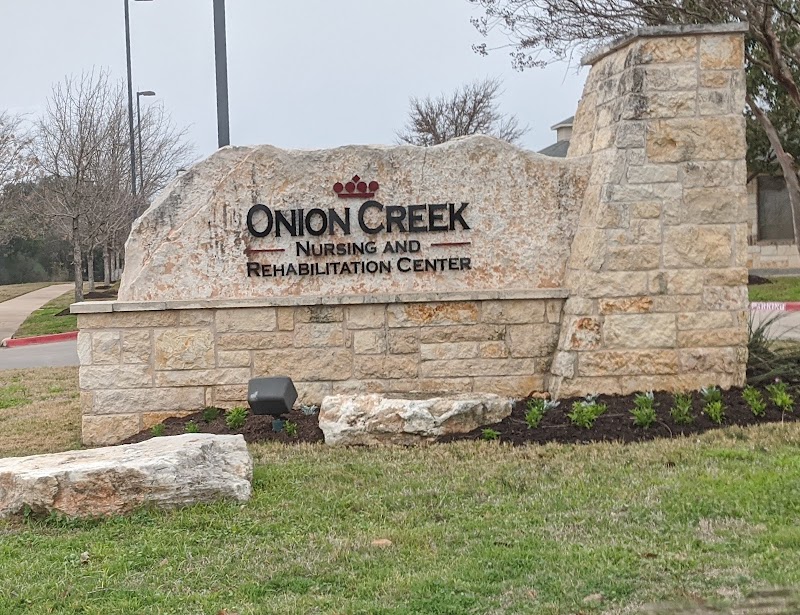
How is Onion Creek Staffed?

CMS rates ONION CREEK NURSING AND REHABILITATION CENTER's staffing level at 1 out of 5 stars, which is much below average compared to other nursing homes. Staff turnover is 50%, compared to the Texas average of 46%. RN turnover specifically is 71%, which is notably high. RNs provide skilled clinical oversight, so turnover in this role can affect medical care quality.

What Have Inspectors Found at Onion Creek?

State health inspectors documented 26 deficiencies at ONION CREEK NURSING AND REHABILITATION CENTER during 2021 to 2025. These included: 2 Immediate Jeopardy (the most serious level, indicating potential for serious harm or death), 1 that caused actual resident harm, and 23 with potential for harm. Immediate Jeopardy findings are rare and represent the most serious regulatory concerns. They require immediate corrective action.
Who Owns and Operates Onion Creek?

ONION CREEK NURSING AND REHABILITATION CENTER is owned by a for-profit company. For-profit facilities operate as businesses with obligations to shareholders or private owners. The facility is operated by THE ENSIGN GROUP, a chain that manages multiple nursing homes. With 125 certified beds and approximately 111 residents (about 89% occupancy), it is a mid-sized facility located in AUSTIN, Texas.
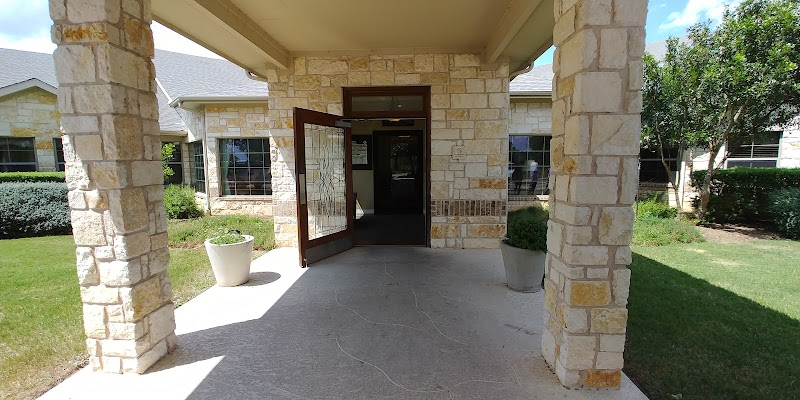
How Does Onion Creek Compare to Other Texas Nursing Homes?

Compared to the 100 nursing homes in Texas, ONION CREEK NURSING AND REHABILITATION CENTER's overall rating (1 stars) is below the state average of 2.8, staff turnover (50%) is near the state average of 46%, and health inspection rating (1 stars) is much below the national benchmark.

What Should Families Ask When Visiting Onion Creek?

Based on this facility's data, families visiting should ask: "What changes have been made since the serious inspection findings, and how are you preventing similar issues?" "Can you walk me through typical staffing levels on day, evening, and night shifts?" "Can I visit during a mealtime to observe dining assistance and food quality?" "How do you handle medical emergencies, and what is your hospital transfer rate?" These questions are particularly relevant given the facility's Immediate Jeopardy citations and the below-average staffing rating.

Is Onion Creek Safe?

Based on CMS inspection data, ONION CREEK NURSING AND REHABILITATION CENTER has documented safety concerns. Inspectors have issued 2 Immediate Jeopardy citations (the most serious violation level indicating risk of serious injury or death). The facility has a 1-star overall rating and ranks #100 of 100 nursing homes in Texas. Families considering this facility should ask detailed questions about what corrective actions have been taken since these incidents.

Do Nurses at Onion Creek Stick Around?

ONION CREEK NURSING AND REHABILITATION CENTER has a staff turnover rate of 50%, which is about average for Texas nursing homes (state average: 46%). Moderate turnover is common in nursing homes, but families should still ask about staff tenure and how the facility maintains care continuity when employees leave.

Was Onion Creek Ever Fined?

ONION CREEK NURSING AND REHABILITATION CENTER has been fined $51,337 across 2 penalty actions. This is above the Texas average of $33,592. Fines in this range indicate compliance issues significant enough for CMS to impose meaningful financial consequences. Common causes include delayed correction of deficiencies, repeat violations, or care failures affecting resident safety. Families should ask facility leadership what changes have been made since these penalties.

Is Onion Creek on Any Federal Watch List?

ONION CREEK NURSING AND REHABILITATION CENTER is not on any federal watch list. The most significant is the Special Focus Facility (SFF) program, which identifies the bottom 1% of nursing homes nationally based on persistent, serious quality problems. Not being on this list means the facility has avoided the pattern of deficiencies that triggers enhanced federal oversight. This is a positive indicator, though families should still review the facility's inspection history directly.