PARK BEND HEALTH CENTER
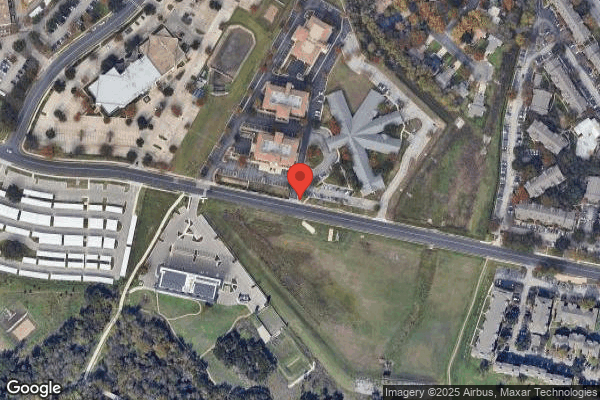
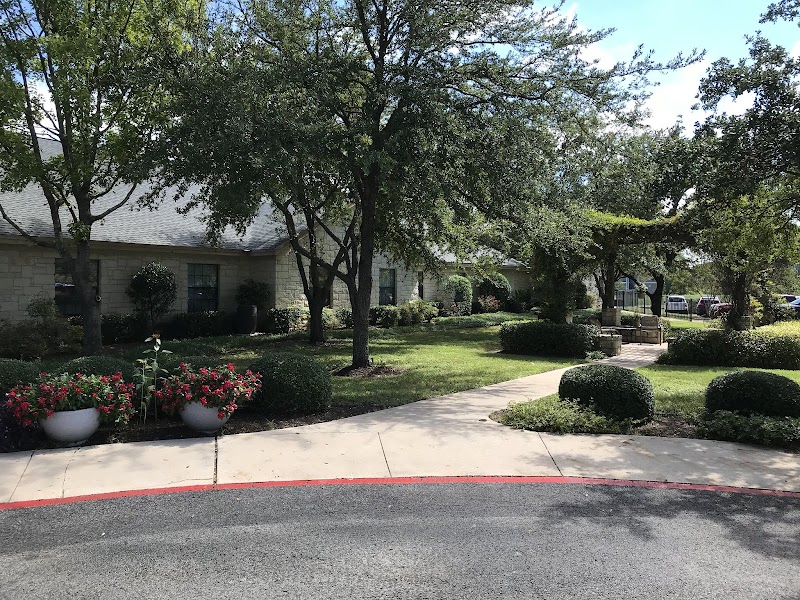
2122 PARK BEND DR, AUSTIN, TX 78758 (512) 836-9777
Government - Hospital district 124 Beds AVIR HEALTH GROUP Data: November 2025 2 Immediate Jeopardy citations
Trust Grade
6/100
#796 of 1168 in TX
Last Inspection: June 2025

Inspected within the last 6 months. Data reflects current conditions.

Overview

Park Bend Health Center has received a Trust Grade of F, indicating significant concerns about the facility's care quality. Ranking #796 out of 1168 nursing homes in Texas places it in the bottom half, and #18 out of 27 in Travis County suggests only a few local options are better. While the facility is showing improvement in its issues, down from 7 in 2024 to 5 in 2025, it still has a concerning number of deficiencies, with 20 total issues found during inspections. Staffing is rated average with a 3/5 star rating, and turnover at 45% is better than the Texas average of 50%, which means staff stability is a relative strength. However, serious incidents have been reported, including failure to provide necessary treatment for pressure ulcers and instances of staff intimidation, raising significant concerns about resident safety and care quality.

Trust Score
F
6/100
In Texas
#796/1168
Bottom 32%
Safety Record
High Risk
Review needed
Inspections
Getting Better
7 → 5 violations
Staff Stability
○ Average
45% turnover. Near Texas's 48% average. Typical for the industry.
Penalties
○ Average
$38,155 in fines. Higher than 54% of Texas facilities. Some compliance issues.
Skilled Nurses
○ Average
Each resident gets 32 minutes of Registered Nurse (RN) attention daily — about average for Texas. RNs are the most trained staff who monitor for health changes.
Violations
⚠ Watch
20 deficiencies on record. Higher than average. Multiple issues found across inspections.
★★☆☆☆
2.0
Overall Rating
★★★☆☆
3.0
Staff Levels
★★★★☆
4.0
Care Quality
★★☆☆☆
2.0
Inspection Score
Stable
2024: 7 issues
2025: 5 issues

The Good

  • 4-Star Quality Measures · Strong clinical quality outcomes
  • Full Sprinkler Coverage · Fire safety systems throughout facility
  • No fines on record
  • Staff turnover below average (45%)

    3 points below Texas average of 48%

Facility shows strength in quality measures, fire safety.

The Bad

2-Star Overall Rating

Below Texas average (2.8)

Below average - review inspection findings carefully

Staff Turnover: 45%

Near Texas avg (46%)

Typical for the industry

Federal Fines: $38,155

Above median ($33,413)

Moderate penalties - review what triggered them

Chain: AVIR HEALTH GROUP

Part of a multi-facility chain

Ask about local staffing decisions and management

The Ugly 20 deficiencies on record

2 life-threatening 1 actual harm
Jun 2025 4 deficiencies
CONCERN (D)

Potential for Harm - no one hurt, but risky conditions existed

Deficiency F0645 (Tag F0645)

Could have caused harm · This affected 1 resident

**NOTE- TERMS IN BRACKETS HAVE BEEN EDITED TO PROTECT CONFIDENTIALITY** Based on interview and record review, the facility failed to provide accurate PASRR screenings for individuals with a mental dis...

Read full inspector narrative →
**NOTE- TERMS IN BRACKETS HAVE BEEN EDITED TO PROTECT CONFIDENTIALITY** Based on interview and record review, the facility failed to provide accurate PASRR screenings for individuals with a mental disorder for 1 (Resident #72) of 6 residents reviewed for PASRR. The facility failed to complete an accurate PASRR level one screening after Resident #72 was admitted with a negative PASRR Level 1 screening but had a mental illness. This failure could place residents at risk of not receiving or benefiting from specialized therapy and equipment services they may require. Findings included: Record review of Resident #72's quarterly MDS assessment, dated May 9, 2025, reflected an [AGE] year-old female admitted to the facility on [DATE]. She had diagnoses of Paroxysmal Atrial Fibrillation (irregular heart rhythm episodes are intermittent and short-lived), Atherosclerotic Heart Disease (buildup of fats, cholesterol and other substances in and on the artery walls), Sick Sinus Syndrome (heart rhythm problems caused by a malfunctioning sinus node) and Major Depressive Disorder. Her BIMS score was a 09 which indicated moderate cognitive impairment. Record review of Resident #72's care plan dated last revised 08/13/2024 reflected resident was on an antidepressant medication due to depression. Record review of Resident #72's PASRR Level 1 screening, dated 05/20/2023 conducted by an acute care hospital, reflected Resident #72 was negative for mental illness, intellectual disability, and developmental disability. Interview on 06/12/25 at 11:15AM, with MDS Coordinator J revealed she had been the MDS coordinator for the facility for 1 year. MDSC J stated that a mental illness would result in a positive Level 1 PASRR screening. If a resident had a positive Level 1 PASRR screening, it would lead to a Level 2 PASRR screening. MDSC J stated that Resident #72's diagnosis of Major Depressive Disorder, should have resulted in a positive Level 1 PASRR. MDSC J stated this could negatively impact a resident by not being provided services that they qualify for. Interview on 06/12/25 at 11:33 AM, with MDS Coordinator K revealed she had been the MDS coordinator for the facility for 23 years. MDSC K stated that a mental illness, intellectual disability and developmental disability would result in a positive Level 1 PASRR screening. MDSC K stated a resident that had a positive Level 1 PASRR screening, would qualify for a Level 2 PASRR screening. MDSC K stated that Resident #72's diagnosis of Major Depressive Disorder should have resulted in a positive Level 1 PASRR screening. MDSC K stated this could negatively impact a resident by not being provided the services that were needed. Interview on 06/12/2025 at 12:00PM with the DON revealed that she had been the DON for the facility for 2 weeks. The DON stated that Resident #72 had a diagnosis of Major Depressive Disorder, which should indicate a Positive Level 1 PASRR screening. The DON stated Resident #72 did have a diagnosis of Dementia but it was not her primary diagnosis. The DON stated not having proper PASRR services could negatively impact residents by being at risk of rapid decline and not getting the services necessary for her diagnosis. Interview on 06/12/2025 at 1:00PM with the ADM revealed that he had been the ADM for the facility for 3 years. The ADM stated that a positive Level 1 PASRR could be from mental health issues and intellectual disabilities. The ADM stated if the Level 1 PASRR was positive, residents were to be screened for Level 2 PASRR. The ADM stated Resident #72 had a diagnosis of Major Depressive Disorder. The ADM stated this should have resulted in a positive Level 1 PASRR. The ADM stated this could negatively impact residents by missing out on the beneficial services that were available. Review of the facility's PASRR policy dated last revised 05/10/2021 revealed The intent of this guideline is to identify residents with Mental Illness, Intellectual Disability or Developmental Disability/Related Conditions and to ensure they are properly placed, whether in community or in a Nursing Facility and to ensure they receive the services they require for their MI, ID or DD. This document revealed the following: 1. In the event of a positive PL1 that indicate the individual may have ID/DD or MI. a. The MDS coordinator will review the PE , print the form and place in the medical record. 2. When it is determined that PL1 was filled out incorrectly, the MDS coordinator, Social Worker or designee will reach out to the hospital/responsible case worker and ask them to correct the form. a. If the case worker is unwilling/unable to correct the PL1 that contains a potential error, they will complete and submit a form 1012 (MI) or new PL1 (ID/DD).
CONCERN (D)

Potential for Harm - no one hurt, but risky conditions existed

Comprehensive Care Plan (Tag F0656)

Could have caused harm · This affected 1 resident

**NOTE- TERMS IN BRACKETS HAVE BEEN EDITED TO PROTECT CONFIDENTIALITY** Based on observation, interview, and record review the facility failed to develop and implement a comprehensive person-centered ...

Read full inspector narrative →
**NOTE- TERMS IN BRACKETS HAVE BEEN EDITED TO PROTECT CONFIDENTIALITY** Based on observation, interview, and record review the facility failed to develop and implement a comprehensive person-centered care plan for each resident that described the services that are to be furnished to attain or maintain the resident's highest practicable physical, mental, and psychosocial well-being for 1 of 10 (Resident #44) residents reviewed for care plans. The facility failed to update the care plan for Resident #44 to reflect how to meet the needs of the resident when a gastrointestinal tube becomes dislodged. This failure placed the resident at risk of complications with indwelling devices. Findings include: Record review of Resident #44's face sheet dated 06/12/2025 reflected Resident #44 was a [AGE] year-old female admitted to the facility on [DATE] with pertinent diagnoses of intractable epilepsy (uncontrollable seizures) , mild protein calorie malnutrition (a mild nutrient deficiency), aphasia (inability to speak), dysphasia (inability to swallow), gastronomy status (feeding via tube in the stomach), intellectual disability, anoxic brain damage (brain damage due to lack of oxygen). Record review of Resident #44's MDS dated [DATE] indicated Resident #44 had no BIMS score which indicates the BIMS was not attempted. Resident #44 is coded as a complete dependence on caregiver for all efforts related to bathing. Record review of Resident #44's care plan updated on 03/20/2025 reflected, Check for tube placement and gastric contents/residual volume. No information was included on care planning for tube removal or replacement if necessary. Record review of Resident #44's progress notes dated 03/27/2023 revealed a physician visit due to PEG tube infection after PEG tube had become dislodged a week prior. Record Review of Resident #44's progress notes dated 03/20/2024 revealed a physician visit due to PEG tube replacement due to it becoming dislodged. Record review of Resident #44's progress notes dated 12/18/2024 revealed resident was transferred to the hospital to replace PEG tube after CNA had accidentally removed PEG tube while changing resident. Observation of Resident #44 on 06/10/2025 at 1:30 pm revealed resident lying in bed. Resident #44 was able to make eye contact but was unable to answer any questions or communicate. In an interview with the RDN on 06/11/2025 at 1:31 pm, he stated he had no concerns for Resident #44. He stated her weight was stable, she had tolerated her feeds well and was healthy. He stated he had no opinion about her tube becoming dislodged because that was outside of his area of expertise. He was unaware about care plans and refused to comment. In an interview with Resident #44's RP on 06/11/25 at 01:57 PM, she stated she had no issues or concerns for her care. They communicated well and always notified her if Resident #44 had to go to the hospital. She stated she knew there were issues, but no complications this year as far as she knew. She stated she felt like Resident #44 was well taken care of. In an interview with CNA C on 06/11/2025 at 2:30 pm she stated that on 12/18/2024 she was giving the resident a bed bath when the PEG tube had become dislodged. Specifically, it was while she was putting Resident #44's shirt back on. She stated that when it happened, she ran to grab LVN A. LVN A tried to replace it, but they were instructed to send her out to the hospital. She stated that she had training on a bed bath at CNA school. She had not had any training on handling PEG tubes while working at the facility. She stated they did not provide any further education after the incident. She believed the resident was unharmed because the resident was smiling and made no noises or facial grimacing that could have been considered a painful response. She stated she thought it was important to have training and action plans for bed baths on her care plan. Interview with LVN A on 06/11/2025 at 2:45 pm revealed that she was the nurse on the hall when Resident #44's PEG tube became dislodged. She stated CNA C had immediately notified her when the tube became dislodged. The CNA reported that while pulling Resident #44's top down after a bed bath the PEG tube became dislodged. She stated the tube had come out twice before. She stated during the incident there was no bleeding, no obvious signs of pain. She cleaned the area, covered it, and prepared Resident #44 to be transferred to the hospital. She stated it would be important to have the steps to take when a tube is dislodged on the care plan because it would help guide another nurse who was unfamiliar with Resident #44. She stated the only training CNAs got was communication between the LVN and CNAs to be careful around the tube. She stated she was responsible for ensuring that the CNAs were handling the tube correctly while giving a bed bath. In an interview with the MD on 06/12/25 at 09:40 AM she stated that she had no concerns for Resident #44's care at the facility. She stated that Resident #44's feeding tube can come out and that the stoma opening had significant scar tissue around the stoma. She said the risk of infection was very low especially if staff had put in a catheter to protect the opening and cover it. She stated it was acceptable to send the resident out to the hospital to replace the PEG tube. She stated that all things related to PEG tubes should have been care planned. In an interview with the DON on 06/12/2025 at 10:26 am she stated that she had been at the facility for two weeks and was not aware of the incident with Resident #44's PEG tube being dislodged during care. She stated that the CNAs should be aware of who had indwelling devices. She stated that any sort of change of condition that required hospitalization should be on the care plan. She stated that it would have helped nurses know what to do when that did happen. This would have ensured timely care without confusion. In an interview with the ADM on 06/12/2025 at 1:45 pm, she stated that care plans were individualized. She stated that anything they needed to provide excellent care should be on the care plan. She stated the care plans should have been updated after the morning meeting. The DON or MDS nurse was responsible for updating care plans. She stated there was very little risk to the resident because the nurse acted quickly without having to look at the care plan. Care plan policy was requested on 06/12/2025 from Adm but not provided before exit.
CONCERN (D)

Potential for Harm - no one hurt, but risky conditions existed

Deficiency F0726 (Tag F0726)

Could have caused harm · This affected 1 resident

**NOTE- TERMS IN BRACKETS HAVE BEEN EDITED TO PROTECT CONFIDENTIALITY** Based on observation, interview and record review the facility failed to ensure that nurse aides were able to demonstrate compet...

Read full inspector narrative →
**NOTE- TERMS IN BRACKETS HAVE BEEN EDITED TO PROTECT CONFIDENTIALITY** Based on observation, interview and record review the facility failed to ensure that nurse aides were able to demonstrate competency in skill and techniques necessary to care for 1 of 10 resident's needs (Resident #44) related to PEG Tubes. The facility failed to ensure CNA C was appropriately trained on providing bed baths for residents with PEG tubes for Resident #44. This could lead to a risk of infection and medical complication, and a decreased quality of life. Findings included: Record review of face sheet dated 06/12/2025 reflected Resident #44 was a [AGE] year-old female admitted to the facility on [DATE] with pertinent diagnoses of intractable epilepsy (uncontrollable seizures) , mild protein calorie malnutrition (a mild nutrient deficiency), aphasia (inability to speak), dysphasia (inability to swallow), gastronomy status (feeding via tube in the stomach), intellectual disability, anoxic brain damage (brain damage due to lack of oxygen). Record review of Resident #44's MDS dated [DATE] indicated Resident #44 had no BIMS score which indicated the BIMS was not attempted. Resident #44 is coded as a complete dependence on caregiver for all efforts related to bathing. Record review of Resident #44's care plan updated on 03/20/2025 reflected, Check for tube placement and gastric contents/residual volume. Nothing in the care plan related to providing bed baths. Record review of Resident #44's progress notes dated 12/18/2024 revealed resident was transferred to the hospital to replace PEG tube after CNA had accidentally removed PEG tube while changing resident. Observation of Resident #44 on 06/10/2025 at 1:30 pm revealed resident lying in bed. Resident #44 was able to make eye contact but was unable to answer any questions or communicate. In an interview with Resident #44's RP on 06/11/25 at 01:57 PM, she stated she had no issues or concerns for her care. They communicated well and always notified her if Resident #44 had to go to the hospital. She stated she knew there had been issues, but no complications had occurred this year. She stated she felt like Resident #44 was well taken care of. In an interview with CNA C on 06/11/2025 at 2:30 pm she stated that on 12/18/2024 she was giving the resident a bed bath when the PEG tube had become dislodged. Specifically, it was while she was putting Resident #44's shirt back on. She stated that when it happened, she ran to grab LVN A. LVN A tried to replace it, but they were instructed to send her out to the hospital. She stated that she had training on a bed bath at CNA school. She had not had any training on handling PEG tubes while working at the facility. She stated they did not provide any further education after the incident. She believed the resident was unharmed because the resident was smiling and made no noises or facial grimacing that could have been considered a painful response. In an interview with CNA B on 06/11/2025 at 1:45 pm she stated that she had been working there 3 years. She stated that she was not checked off on providing bed baths. She stated it was common sense just to be careful around providing care to a resident with a PEG tube. She stated if she ever had questions she would ask the nurse. She stated that they had in-services on tube feedings, but could not remember when they had occurred. Interview with LVN A on 06/11/2025 at 2:45 pm revealed that she was the nurse on the hall when Resident #44's PEG tube became dislodged. She stated CNA C had immediately notified her when the tube became dislodged. The CNA reported that while pulling Resident #44's top down after a bed bath the PEG tube became dislodged. She stated the tube had come out twice before. She stated during the incident there was no bleeding, no obvious signs of pain. She cleaned the area, covered it, and prepared Resident #44 to be transferred to the hospital She stated the only training CNAs got was communication between the LVN and CNAs to be careful around the tube. She stated she was responsible for ensuring that the CNAs were handling the tube correctly while giving a bed bath. In an interview with the MD on 06/12/25 at 09:40 AM she stated that she had no concerns for Resident #44's care at the facility. She stated that Resident #44's feeding tube can come out and that the stoma opening had significant scar tissue around the stoma. She said the risk of infection was very low especially if staff had put in a catheter to protect the opening and cover it. She stated it was acceptable to send the resident out to the hospital to replace the PEG tube. She expected the staff to be careful around the PEG tubes and know how to provide a bed bath around the PEG tube. In an interview with the DON on 06/12/2025 at 10:26 am she stated that she had been at the facility for two weeks and was not aware of the incident with Resident #44's PEG tube being dislodged during care. She stated that the CNAs should be aware of who had indwelling devices. She stated that any sort of change of condition that required hospitalization should have required a reeducation or a 1-1 education session. She stated that education was important, but the CNA should have asked for help if bathing became too difficult. She stated that she believed the risk to the resident was low because they had done the right thing. In an interview with the ADM on 06/12/2025 at 1:45 pm, she stated that the CNAs had reeducation on bed baths after that event, but CNAs were not assessed on providing bed baths for residents with PEG tubes. She stated that education was important. She stated that it was important to get education on specific topics for specific residents. She stated the previous DON did the initial check offs, but they could not find the initial check off for CNA C. She stated that residents needed trained caregivers for their specific medical conditions to improve their quality of life. Record review of CNA C's staff file on 06/12/2025 revealed there was no assessment of bed baths or PEG tubes. Record review of in-services on 06/12/2025 revealed no in-services related to bed baths or PEG tubes.
CONCERN (E)

Potential for Harm - no one hurt, but risky conditions existed

Pharmacy Services (Tag F0755)

Could have caused harm · This affected multiple residents

**NOTE- TERMS IN BRACKETS HAVE BEEN EDITED TO PROTECT CONFIDENTIALITY** Based on observation, interview, and record review, the facility failed to provide pharmaceutical services (including procedures...

Read full inspector narrative →
**NOTE- TERMS IN BRACKETS HAVE BEEN EDITED TO PROTECT CONFIDENTIALITY** Based on observation, interview, and record review, the facility failed to provide pharmaceutical services (including procedures that assure the accurate acquiring, receiving, dispensing, and administering of all drugs and biologicals) to meet the needs of 1 (Resident #19) of 5 residents and 3 (100 Hall MC 200 Hall MC and 300 Hall MC) of 8 medication carts reviewed for pharmaceutical services. A total of 29 loose pills were observed in 100 Hall MC 200 Hall MC and 300 Hall MC A total of 3 medications were observed as expired in 100 Hall MC 200 Hall MC and 300 Hall MC These failures could place residents at risk of not receiving all their prescribed medications, which could exacerbate their illness, and expired medications could have a decrease in effectiveness or make the resident sick. Findings included: Observation on 06/12/2025 at 10:03 am revealed 6 loose pills in the drawers of the 100 hall MC . Observation on 06/12/2025 at 10:17 am revealed 21 loose pills in the drawers of the 200 hall MC . Observation on 06/12/2025 at 11:25 am revealed 2 loose pills found in the drawers of the 300 hall MC . Observation on 06/12/2025 at 11:18 am revealed 2 bottles of nystatin powder in the drawers of 100 Hall MC for Resident #19 with expiration dates of 03/24/2025 and 06/03/2025 prescribed for fungal infection on the skin. Observation on 06/12/2025 at 11:18 am revealed a foil packet patch labeled Asper creme without a resident name with an expiration date of December 2024. Record review of Resident #19's face sheet dated 06/12/25 reflected she was admitted to the facility on [DATE]. Her diagnoses included dementia, iron deficiency anemia, chronic obstructive pulmonary disease, type 2 diabetes mellitus, cerebral infarction with right sided weakness, and a history of falling. Record review of Resident #19's Quarterly MDS dated [DATE] reflected a BIMS Score of 13, which indicated no cognitive impairment. Section GG functional abilities reflected Resident #19 required substantial/maximal assistance for chair/bed to chair transfer, bed mobility, sit to lying, lying to sitting on the bed, sit to stand, and shower, and she used a wheelchair for mobility. Record review of Resident #19's Care Plan, last revised on 03/26/25, reflected she had diabetes mellitus. The goal reflected Resident #19 would have no complications related to diabetes mellitus through the review date. Relevant interventions included check all of body for breaks in skin and treat promptly as ordered by doctor, and to monitor/document/report PRN any signs and symptoms of infection to any open areas: Redness, Pain, Heat, Swelling, or Pus formation. Interview with MA F on 06/12/2025 at 10:30 am revealed that she was unaware there were loose pills in the cart. She was unable to identify the pills or what resident they came from. She was supposed to be checking daily or weekly for loose pills and expired medication. She stated she was trained on medication administration when she started at the facility. They were required to do a skills check-off sheet that demonstrated they could accurately administer medications. She stated that if she found a loose pill she was to get another staff member, crush it, and place it in the sharp's container. She stated that sometimes the medications came accidentally get popped out because the drawer was very full. She was unable to say if any risks were present for the residents because they always had extra in the medication storage room. Interview with MA G on 06/12/2025 at 11:29 am revealed that he did not know there were loose pills in his cart. He had checked his cart within the last week for expired medications and loose pills. He was trained on medication administration and was required to demonstrate the administration while someone was watching. He stated that if a loose pill was found he was supposed to crush it and place it in the sharps container. He stated the residents had not run out of medication and that there were always extra medications in the storage room. In an interview with the ADON on 06/12/2025 at 11:52 am she stated that she had been working at the facility for 24 years. She revealed the LVNs and MAs were supposed to be checking for loose and expired medications at least daily and at every shift. It was unacceptable that there were loose pills in the cart. She stated that there were very few risks to the resident because they ordered the medication refills about a week ahead of time. She stated that she was not concerned for residents accidentally ingesting the medications because they were locked up. She revealed that keeping the carts clean and free from expired medications was a part of their job duties. She stated anyone who administered medication completed a medication check off sheet that was evaluated by another nurse or herself. She stated they have done in-services recently to reeducate the medication aides on how to keep carts clean. In an interview with the DON on 06/12/25 at 10:26 AM she revealed that the medication cart should have been clean and free from any loose pills. The MAs should have been completing a full cart audit weekly to ensure that everything was clean and organized. She stated that it was her and the ADON's responsibility to ensure the MAs had completed their job correctly. The pharmacist had come to the facility and completed a few cart audits as well. She stated that to her knowledge no loose pills had been given to residents, so there was no risk to residents. She stated that the facility kept backups of all medication in the medication bank in the medication storage room. According to her, there was no risk of residents running out of medication. Interview with the ADM on 06/12/2025 at 1:46 pm, revealed that it was unacceptable to have loose pills. She stated the DON and ADON audited the MCs 1 time per month. She stated they completed an in-service in the last 6 months for medication administration. She stated that anyone who passed medication was responsible to ensure that the cart was clean, free from loose pills, and expired medication. She stated that there was no risk to residents because they had intentionally kept back up medication in the storage tower in the medication storage room for that reason. Record review of medication storage policy, undated, titled Delivery, Receipt and Storage of Medication reflected it did not contain any language related to policies about storing non-refrigerated medications. Requested cart audit records from DON on 06/12/2025, but none were provided before exit. Record review of in-services on 06/12/2025 revealed no in-services were available on medication administration in the last 6 months
Feb 2025 1 deficiency
CONCERN (D) 📢 Someone Reported This

A family member, employee, or ombudsman was alarmed enough to file a formal complaint

Potential for Harm - no one hurt, but risky conditions existed

Free from Abuse/Neglect (Tag F0600)

Could have caused harm · This affected 1 resident

**NOTE- TERMS IN BRACKETS HAVE BEEN EDITED TO PROTECT CONFIDENTIALITY** Based on observation, interview and record review the facility failed to ensure the resident had the right to a safe, comfortabl...

Read full inspector narrative →
**NOTE- TERMS IN BRACKETS HAVE BEEN EDITED TO PROTECT CONFIDENTIALITY** Based on observation, interview and record review the facility failed to ensure the resident had the right to a safe, comfortable and homelike environment, for 1 of 10 residents (Resident #1) reviewed for abuse. The facility failed to ensure CNA A did not verbally threaten Resident #1 on 08/30/24. This failure placed resident at risk of abuse. Findings include: Record review of Resident #1's, undated, face sheet reflected a [AGE] year-old male who was admitted to the facility on [DATE]. His diagnoses included dementia, major depressive disorder, generalized anxiety disorder, intracranial injury with loss of consciousness (brain injury affecting cognition and behavior), hemiplegia (paralysis on one side of the body), morbid obesity due to excess calories. Record review of Resident #1's quarterly MDS, dated [DATE], reflected a BIMS score of 11, which indicated moderately impaired cognition. It reflected he was completely dependent on staff for toileting hygiene. Record review of Resident #1's care plan, dated 03/13/24, reflected the following: [Resident #1] is/has potential to be verbally aggressive (calling out, use of profanity) secondary to diagnosis of TBI. I will demonstrate effective coping skills through the review date. Assess and anticipate resident's needs: food, thirst. toileting needs, comfort level, body positioning, pain etc . Assess resident's coping skills and support system. Assess resident's understanding of the situation. Allow time for the resident to express self and feelings towards the situation. Psychiatric/Psychogeriatric consult as indicated. Two staff care providers at all times. Record review of an automated electronic monitoring video recording , dated 08/30/24, reflected the following exchange while CNA A helped Resident #1 get dressed: CNA A: Let go to put your jeans up, please! You're being difficult today. It's too much! Resident #1: Y'all gonna put my jeans on. CNA A: Stop holding yourself like that now I can put your jeans on. Long time ago. Come on, hold your hands. Resident #1: Don't rock the jukebox! CNA A: Rock the juice box, what does that mean? Resident #1: Don't rock me! CNA A: No one is rocking you! What does rocking mean?! Resident #1: Quit pushing me CNA A: Nobody's pushing you. I'm turning you. Resident #1: Quit pulling me CNA A: Turning! It's turn! Tuuurning! Resident #1: Whatever CNA A: Why are you yelling? Resident #1: Stop it! CNA A:You stop it. Stop yelling. Resident #1: *balls up fist and points it at CNA A* CNA A: What are you gonna do with that? Hit me! Watch! Hit me if you want! You gonna see. I got a hand too I'm gonna push you back. I don't care! You don't get the right to push me or punch me. I'm not playing with you! Record review of a psych note, dated 09/03/24, reflected the following: Behavioral meeting done with staffs and visit conducted per protocol. Mood assessed and reports gotten. No depression, anxiety, insomnia, loss of appetite, psychosis mentioned or reported. There has also been no reports of suicidal ideations. Record review of a psych note, dated 01/07/25, reflected the following: Behavioral round done at facility. No changes would be made today. There are no reports of depression, loss or increased appetite, insomnia. There are still some behaviors. no changes for now. During observation and an interview on 02/05/25 at 10:07 AM, Resident #1 was lying in his bed and said he was comfortable and not in any pain. He stated everyone at the facility treated him well, but his FM was always saying things. He stated he felt safe in the facility. He stated he did not know anyone with CNA A's name. He stated he did not remember anyone being abusive to him. During an interview on 02/05/25 at 10:30 AM, A FM for Resident #1 stated they looked at the video camera back in September 2024 and saw the video of CNA A threatening Resident #1. The FM stated they had not provided the video to the ADM due to not trusting the facility to intervene, but did not think CNA A worked at the facility anymore, because the FM had complained about CNA A and was under the impression CNA A had been fired. The FM stated they saw CNA A working at the facility on 01/01/25 and was concerned that she might have access to Resident #1 . During an interview on 02/05/25 at 01:15 PM, the ADM stated she had not seen the video in which CNA A threatened Resident #1. She stated the FM for Resident #1 did show her another video in November 2024 that was poor customer service by CNA A but not threatening, intimidation, or abuse. The ADM stated they took CNA A off Resident #1's care after the video in November and in-serviced her about customer service, but the ADM was not aware of any previous or later incidents. She stated the threat in the video was not acceptable and would lead to CNA A's termination from employment. The ADM stated she wished the FM for Resident #1 had shown the video much sooner. The ADM stated Resident #1 did have a history of verbal and physical aggression toward staff, and many of her staff did not wish to work with him. The ADM stated she was the abuse coordinator and responsible for the abuse prevention program. She stated the potential negative outcome of a staff person speaking in a threatening manner to a resident was the resident might not feel safe in the community . She stated she had not seen a difference in Resident #1's behavior since the incident. During an interview on 02/05/25 at 03:07 PM, the DON stated if he had seen the video of CNA A threatening Resident #1, she would have been terminated immediately. He stated he had not seen the video and was not aware of anyone from the facility seeing the video. The DON stated the ADM was the abuse coordinator, and he (the DON) was her back up abuse coordinator. He stated the entire facility staff was responsible for preventing abuse. He stated they ensured compliance through routine in-servicing, auditing, and frequent rounding. The DON stated they also heard from the resident council to prevent abuse and neglect. The DON stated the potential negative outcome of the failure exhibited in the video was emotional harm and it could have escalated to physical harm. The DON stated he had not seen any changes or decline in Resident #1. He stated Resident #1 frequently refused care, but they could usually go back in and provide care. He stated the staff were trained to walk away if he was being aggressive with them and reapproach later or have someone else reapproach. He stated he called and terminated CNA A's employment moments before (02/05/25 prior to 03:07 PM) and took her off the schedule. An attempt was made to interview CNA A by telephone on 02/05/25 at 03:17 PM. A voicemail was left, and no contact was returned as of 02/12/25. Record review of the 2024-2025 training transcript for CNA A reflected undated trainings on Resident Abuse and Managing Behaviors in the Dementia Resident. Record review of the facility's policy, dated 08/15/22, and titled Abuse, Neglect and Exploitation reflected the following: It is the policy of this facility to provide protections for the health, welfare and rights of each resident by developing and implementing written policies and procedures that prohibit and prevent abuse, neglect, exploitation and misappropriation of resident property. The facility will implement policies and procedures to prevent and prohibit all types of abuse, neglect, misappropriation of resident property, and exploitation that achieves: B. Identifying, correcting and intervening in situations, in which abuse, neglect, exploitation, and/or misappropriation of resident property is more likely to occur with the deployment of trained and qualified, registered, licensed and certified staff on each shift, in sufficient numbers to meet the needs of the residents and assure that the staff assigned have knowledge of the individual resident's care needs, and behavioral symptoms.
Nov 2024 1 deficiency
CONCERN (D) 📢 Someone Reported This

A family member, employee, or ombudsman was alarmed enough to file a formal complaint

Potential for Harm - no one hurt, but risky conditions existed

Report Alleged Abuse (Tag F0609)

Could have caused harm · This affected 1 resident

**NOTE- TERMS IN BRACKETS HAVE BEEN EDITED TO PROTECT CONFIDENTIALITY** Based on interview and record review, the facility failed to ensure that all allegations involving abuse, neglect, or injuries o...

Read full inspector narrative →
**NOTE- TERMS IN BRACKETS HAVE BEEN EDITED TO PROTECT CONFIDENTIALITY** Based on interview and record review, the facility failed to ensure that all allegations involving abuse, neglect, or injuries of an unknown source were reported immediately but not later than 24 hours after the allegation was made for one (Resident #1) of four residents reviewed for abuse and neglect. The facility failed to report to the State Survey agency of an injury of unknown origin when Resident #1 was diagnosed with a L1 transverse process fracture (a break in one of the bony projections on the sides of the vertebrae). This deficient practice could place residents at risk of abuse and neglect. Findings included: Review of Resident #1's undated face sheet reflected a [AGE] year-old male who was admitted to the facility on [DATE] with diagnoses including unspecified dementia, hemiplegia (paralysis on one side of the body), generalized anxiety disorder, and morbid obesity. Review of Resident #1's quarterly MDS assessment, dated 10/03/24, reflected a BIMS score of 6, indicating he had a severe cognitive impairment. Review of Resident #1's quarterly care plan, dated 10/07/24, reflected he presented with cognitive impairment secondary to diagnosis of TBI and dementia with an intervention of asking yes/no questions in order to determine his needs. It further reflected he had paint r/t chronic physical disability with an intervention of anticipating his need for pain relief and responding immediately to any complaint of pain. Review of Resident #1's hospital discharge paperwork, dated 09/27/24, reflected the following: Hospital course: [Resident #1] admitted for low back pain and knee pain. Found to have L1 transverse process fracture. Review of Resident #1's progress notes, dated 09/30/24 and documented by LVN A, reflected the following: Transferred from hospital . has fx L1 and L knee contusion . During an interview on 11/26/24 at 12:30 PM, the DON stated he did not believe Resident #1's fracture was a reportable incident because they did not know when it happened, how it happened, or how long it had been there. He stated the hospital, orthopedist, and MD could not confirm when it happened. He stated he (Resident #1) had not had any recent falls at the facility. He stated he did not see it as an injury of unknown origin but more so as an injury of unknown time. The ADM stated she had heard the fracture had not been confirmed, but if she had known he had an actual fracture, she would have reported it to HHSC . The ADM stated the importance was to ensure they were addressing his pain, care, and to ensure there had not been any instances of abuse or neglect. Review of the facility's Abuse Investigation and Reporting Policy, Revised July 2017, reflected the following: All reports of resident abuse, neglect . injuries of unknown source (abuse) shall be promptly reported to local, state, and federal agencies (as defined by current regulations) and thoroughly investigated by facility management .
May 2024 4 deficiencies
CONCERN (D) 📢 Someone Reported This

A family member, employee, or ombudsman was alarmed enough to file a formal complaint

Potential for Harm - no one hurt, but risky conditions existed

Accident Prevention (Tag F0689)

Could have caused harm · This affected 1 resident

**NOTE- TERMS IN BRACKETS HAVE BEEN EDITED TO PROTECT CONFIDENTIALITY** Based on observation, interview, and record review the facility failed to ensure residents environment remained as free of accid...

Read full inspector narrative →
**NOTE- TERMS IN BRACKETS HAVE BEEN EDITED TO PROTECT CONFIDENTIALITY** Based on observation, interview, and record review the facility failed to ensure residents environment remained as free of accident hazards as possible and each resident received adequate supervision and assistance devices to prevent accidents which resulted in a mechanical lift lift falling on 1 resident for 1 of 3 (Resident #6) residents reviewed for safe transfers. The facility failed to ensure the legs of the mechanical lift lift were widened during a transfer for Resident #6. This failure could place residents who require mechanical lift lift transfers at risk for falls and/or injury. The findings include: Record Review of Resident #6's face sheet dated 05/02/2024 revealed an admission date of 02/27/2019 with diagnoses of unspecified dementia, hemiplegia (paralysis on one side of body), unspecified intracranial injury (injury to the brain), major depressive disorder, conversion disorder with seizures (condition where mental health issue disrupts how your brain works), cirrhosis of liver (liver damage leading to scarring and liver failure), morbid obesity (when weight is significantly more than ideal body weight), chronic kidney disease (condition in which the kidneys are damaged and cannot filter blood as well as they should), and chronic pain syndrome (persistent pain that lasts weeks to years). Record review of Resident #6's quarterly MDS assessment dated [DATE] reflected a BIMS score of 11 which reflects moderate cognitive impairment. Further review of MDS revealed Resident #6 was dependent for chair/bed-to-chair transfers. Record review of undated care plan reflected Resident #6 has an ADL self-care deficit and required total dependence with mechanical lift lift transfer. Record review of nurse progress note from RN A dated 02/24/2024 at 1:37 PM revealed nurse and CNA (unnamed) helped Resident #6 to transfer in wheelchair with mechanical lift lift. Record review revealed mechanical lift tilted on Resident #6 during transfer. The progress note reflected Resident #6 was assessed for injury and reflected no injury was found. Record review of nurse progress note dated 02/24/2024 at 9:46 PM reflected no change in condition related to mechanical lift lift accident for Resident #6. Review of video footage dated 02/24/2024 at 12:52 PM revealed mechanical lift fell on Resident #6 during transfer from bed to wheelchair. Further review revealed a leg of the mechanical lift lift was under the wheels of the wheelchair with the other leg of the mechanical lift lift in the front of the wheelchair and did not appear to be widened. Record review revealed in-service dated 02/24/2024 was completed with facility staff regarding mechanical lift lift use. Record review of facility's undated Mechanical Lift Skill Assessment reflected staff should open the legs of the lift to their widest position. Observation on 04/30/2024 at 9:45 AM revealed electronic monitoring posting outside of Resident #6's room. Further observation revealed electronic monitoring device in Resident #6's room. Observation on 05/01/2024 at 9:21 AM displayed CNA D and CNA E transfer Resident #24 with mechanical lift lift out of bed to wheelchair. Observation showed mechanical lift lift legs widened and placed around front of wheelchair and Resident #24 lowered into wheelchair. Observation on 05/01/2024 at 10:02 AM displayed CNA H and CNA F utilized mechanical lift lift to weigh Resident #27. Observation showed CNA H and CNA F widened mechanical lift lift legs during this lift. Observation on 05/01/2024 at 10:12 AM displayed CNA E, CNA G and ADON transfer Resident #6 with mechanical lift lift. Observation showed staff widened mechanical lift lift legs and placed them around the wheelchair to lower Resident #6. During an interview on 05/01/2024 at 11:09 AM, CNA A stated that the legs of the mechanical lift lift were always supposed to be widened during transfers. During an interview on 05/01/2024 at 11:11 AM, CNA D stated the legs of the mechanical lift lift were supposed to be opened and the wheelchair was supposed to go between the legs of the mechanical lift lift and from the front of the wheelchair. CNA D stated she could not recall the last time she received an in-service regarding mechanical lift lift transfers. During an interview on 05/01/2024 at 11:15 AM, LVN A stated the placement of the mechanical lift lift legs depended on the size of the chair. LVN A stated if it was a larger chair you may need to go through the wheelchair, but if able the legs should go around the wheelchair and were widened. During an interview on 05/01/2024 at 11:24 AM, CNA C stated that during a mechanical lift transfer legs were supposed to go around the wheels of the wheelchair and transfers were supposed to be done from the front of the wheelchair with the mechanical lift lift legs widened. During an interview on 05/02/2024 at 11:04 AM: CNA F stated the legs of the mechanical lift were supposed to be opened and go around the wheelchair so it does not tip over. During an interview on 05/01/2024 at 1:46 PM, RN A stated there was an incident (on 2/24/2024) with Resident #6 and a mechanical lift tipping over. She stated there was a CNA present during this transfer but she was unable to recall who the CNA was. RN A stated the CNA was leading the transfer and the CNA forgot to widen the mechanical lift lift legs during the transfer. When RN A was asked why she did not ask the CNA to widen the legs prior to lifting Resident #6, RN A stated she did not notice the legs of the mechanical lift lift were not opened all the way until after the mechanical lift lift tipped. RN A stated that Resident #6 was in the chair and then the mechanical lift fell over. RN A stated the mechanical lift lift did not hit Resident #6. RN A stated that initially Resident #6 was scared but Resident #6 was assessed and was not injured. RN A stated that she completed an incident report and notified the on-call NP and ADM. RN A stated that Resident #6 was assessed for 72 hours after the incident to ensure there was not injury or bruising. During an interview on 05/02/2024 at 12:54 PM, DON stated during a mechanical lift transfer two people should be present and the legs of the mechanical lift should be opened wide. The DON stated if the legs of the mechanical lift lift are not opened wide this could cause the resident to be dropped or the mechanical lift may tip over. The DON stated it is the expectation that employees should have the legs of the mechanical lift lift widened for every mechanical lift lift transfer. The DON stated the mechanical lift lift legs should go around the entire wheelchair from the front of the wheelchair. Record Review of facility policy titled Safe Lifting and Movement of Residents dated July 2017 reflected in order to protect the safety and well-being of staff and residents, and to promote quality care, this facility uses appropriate techniques and devices to lift and move residents.
CONCERN (E)

Potential for Harm - no one hurt, but risky conditions existed

Deficiency F0558 (Tag F0558)

Could have caused harm · This affected multiple residents

**NOTE- TERMS IN BRACKETS HAVE BEEN EDITED TO PROTECT CONFIDENTIALITY** Based on observation, interview and record review, the facility failed to ensure residents had the right to reside and receive s...

Read full inspector narrative →
**NOTE- TERMS IN BRACKETS HAVE BEEN EDITED TO PROTECT CONFIDENTIALITY** Based on observation, interview and record review, the facility failed to ensure residents had the right to reside and receive services in the facility with reasonable accommodation of resident needs and preferences for five of 20 residents (Residents #9, Resident #69, Resident #71, Resident #352, and Resident #6) reviewed for accommodation of needs. The facility failed to ensure Residents #9, #69, #71, #352 and #6's call-lights were within reach. This failure placed residents at risk of not being able to call for needed care and services which could result in not having their needs met or being unable to call for help in an emergency. Findings included: Review of Resident #69's Face Sheet dated 05/01/2024 revealed he was an [AGE] year-old male who was admitted to the facility on [DATE]. Resident's diagnoses included dementia, overactive bladder, heart disease, weakness, urinary tract infection, toxic brain disease, and blood clots in the veins. Review of Resident #69's Quarterly MDS assessment dated [DATE] revealed his BIMS score was zero, which means resident is severely cognitively impaired. The MDS also revealed that Resident #69 was totally dependent on staff assistance with transfers, toileting, and bed mobility. Record review of Resident #69's care plan dated 03/14/2024 revealed in part (Resident #69) is high risk for falls related to: dementia, overactive bladder and high blood pressure. Further review of above plan revealed Be sure to keep residents call light within reach and encourage the resident to use it for assistance as needed. The resident needs prompt response to all request of assistance. Observation and interview on 04/30/2024 at 11:25 AM, observation of CNA A walked out the Resident #69's room with a bag in her hand . Resident was lying in bed and his call light was on the floor. Resident #69 stated that he had just been changed and that he usually has his call light and that he uses the call light. In an observation and interview on 04/29/2024 at 11:36 AM RN A stated Resident #69 used his call light sometimes. RN A went into Resident #69's room and observed the call light on the floor. RN A picked up the call light and put it in the resident's reach. In an interview on 04/29/2024 at 11:41 AM CNA A stated Resident #69 liked to put his call light on the floor. She stated that she had just finished changing Resident #69. When asked if she forgot to put the call light back in reach of the resident she did not answer. Review of Resident #9's Face Sheet dated 05/02/2024 reflected she was an [AGE] year-old female who was admitted to the facility on [DATE]. Resident's diagnoses included diabetes, swelling in the legs, asthma, morbid obesity, cancer of pituitary gland, insomnia, sleep apnea, depression, reflux, glaucoma, heart disease, and abnormal bone growth. Review of Resident #9's Quarterly MDS assessment dated [DATE] reflected her BIMS score was fifteen, which means resident has no cognitive impairment. The MDS also revealed that Resident #9 needs maximal assistance with transfers, toileting, and bed mobility. Record review of Resident #9's care plan dated 04/07/2024 reflected in part (Resident #9) is high risk for falls related to: obesity, sleep apnea, depression, glaucoma. Further review of above plan revealed Be sure to keep residents call light within reach and encourage the resident to use it for assistance as needed. The resident needs prompt response to all request of assistance. Review of Resident #71's Face Sheet dated 05/02/2024 reflected he was an [AGE] year-old male who was admitted to the facility on [DATE]. Resident's diagnoses included dementia, lung disease, retention of water, kidney disease, anemia, absence of right leg, urine retention, reflux, heart failure, prostatic cancer, blocked arteries, and irregular heart rate. Review of Resident #71's Quarterly MDS assessment dated [DATE] reflected her BIMS score was eleven, which means resident is moderately cognitively impaired. The MDS also revealed that Resident #71 needs extensive assistance with toileting, and bed mobility. Resident #71 was totally dependent for transfers. Record review of Resident #71's care plan dated 02/29/2024 reflected in part (Resident #71) is at risk for falls related to: dementia, chronic obstructive pulmonary disease, chronic kidney disease, and congestive heart failure. Further review of above plan revealed Be sure to keep residents call light within reach and encourage the resident to use it for assistance as needed. The resident needs prompt response to all request of assistance. Observation and interview on 05/01/2024 at 9:29 AM, Resident #9 sitting in wheelchair, dressed and well groomed. Resident was sitting approximately three feet away from her bed, along the side of her bed. Resident's call-light was wrapped around the bed rail that was farthest away from the resident. Resident #9 stated she used her stick to get the call light or would wheel herself out to the hall for assistance. Observation and interview on 05/02/2024 at 8:28 AM with Resident #71 revealed Resident #71 was sitting up on the edge of his bed, in the middle of the bed. Resident was groomed and in a hospital gown. Resident #71's call light was hanging straight down from the wall on the floor in between his bed and the wall. The call light was not in the resident's reach. Resident #71 stated that staff do not answer his call light and that he did not know where it was. Record review of Resident #352's undated Face Sheet reflected he was a [AGE] year-old male who was admitted to the facility on [DATE] with diagnoses of Acute Respiratory failure with Hypoxia (condition where there is not enough oxygen in body tissues), Hemiplegia (paralysis affecting one side of body) and Hemiparesis (partial weakness) following Cerebral Infarction (brain stroke) affecting left non-dominant side and Major Depressive Disorder (mood disorder causing persistent feeling of sadness and loss of interest). Record review of Resident #352's initial MDS assessment dated [DATE] reflected a BIMS score of 14 indicating intact cognitive status. Functional abilities and goals reflected he was dependent for repositioning in bed, transferring from bed to chair and for toileting hygiene. Record review of Resident #352's Care Plan dated 05/01/2024 reflected he had a moderate risk for falls r/t weakness. Intervention: be sure the resident's call light is within reach and encourage the resident to use it for assistance as needed. The resident needs prompt response to all requests for assistance. Observation on 04/30/2024 at 10:44 AM revealed Resident # 352's call light was on the floor and under his bed. He was sleeping and not responsive to any questions. In an observation and interview on 04/30/2024 at 10:50 AM the DON stated Resident #352's call light should not have been on the floor and was not in reach if the resident needed something. The DON placed the call light back on Resident #352's bed. Record Review of Resident #6's face sheet dated 05/02/2024 revealed an admission date of 02/27/2019 with diagnoses of unspecified dementia (impaired ability to remember, think, or make decisions that interferes with doing everyday activities), hemiplegia (paralysis on one side of body), unspecified intracranial injury (injury to the brain), major depressive disorder, conversion disorder with seizures (condition where mental health issue disrupts how your brain works), cirrhosis of liver (liver damage leading to scarring and liver failure), morbid obesity (when weight is significantly more than ideal body weight), chronic kidney disease (condition in which the kidney are damaged and cannot filter blood as well as they should), and chronic pain syndrome (persistent pain that lasts weeks to years). Record review of Resident #6's quarterly MDS assessment dated [DATE] reflected a BIMS score of 11 which indicated the resident has moderate cognitve impairment. Further review revealed Resident #6 is dependent for chair/bed-to-chair transfers. Observation on 4/30/2024 at 9:47 AM revealed Resident #6's call button was on the ground and not in reach of Resident #6. During an interview on 04/30/2024 at 9:47 AM, Resident #6 stated he was not sure where his call button was. In an interview on 05/02/2024 at 11:27 AM LVN A stated that the policy was the call light should be within the resident's reach. He also stated there were several types of call lights for residents with different needs. He stated that the call lights should be answered within five minutes. He stated all care staff were responsible for answering the call lights. LVN A stated care staff and CNAs were responsible for placement of the call lights. He stated it was important the call lights were in reach of the residents so that they can call staff if they need something or in an emergency. He stated the call light should never be out of the resident's reach. He stated he was not aware of the call lights not being in reach of the residents. He stated they may have fallen but if staff noticed it should have been put back in the resident's reach. In an interview on 05/02/2024 at 11:39 AM the ADM stated the policy on the call lights were to be always in reach of the resident. She stated all staff in the facility were responsible for ensuring the call lights were in the resident's reach. She stated it was important to make sure the call light was in reach so the staff can accommodate the resident's needs or in case of an emergency. She stated Resident #71's light may have fallen. She stated that Resident #9's light was missed by staff because they may have gotten busy and were not thinking about the light. She stated they did not have a written policy. In an interview on 05/02/2024 at 11:52 AM CNA B stated everyone was responsible for answering call lights. She stated CNAs are responsible for placing the call light in the resident's reach. She stated it was important to place the call light in the resident's reach so, when the resident needs something, or needed to go to the bathroom they can call a staff member. CNA B stated the call light should be always in the resident's reach. She did not know why Resident #9's and Resident #71's call lights were not in their reach. In an interview on 05/02/2024 at 12:02 PM CNA C stated the policy was the call light needed to be next to the resident. She stated if the resident is in the chair the call light should be next to them. She also stated if the resident was in bed the call light should be on the bed with the resident. She stated any staff can answer the call light but CNAs, ma's and nurses are responsible for ensuring the call light was in the resident's reach. She stated it was important for the resident to be able to call for help when they need something. CNA C stated that the call light should be anywhere the resident is at in the room. She stated she did not know why Resident #9 and Resident #71's call lights were not within their reach. In an interview on 05/02/2024 at 12:11 PM the Director of Clinical Services stated call lights should be in reach of the resident so they can get the assistance they need. She stated if the resident's call light was not in reach, they wouldn't be able to get help and that could potentially lead to them falling. In an interview on 05/02/2024 at 1:51 PM the DON stated the policy on the call lights should be in the resident's reach and answered. He stated anyone who walks past the light or up and down the hall is responsible for answering the call light or checking the call light placement. He stated that the call light should always be in the resident's reach when the resident is in their room. He stated it is important to have it within the resident's reach so that the resident's need can be met. He stated that Resident #9 and Resident #71's call lights were not in reach of the resident because someone did not do what they were supposed to do. Record Review of Daily Care: Assigned Rounds for Excellence not dated reflected call light in reach of resident (check function). Bathroom call light functional were on the checklist.
CONCERN (E)

Potential for Harm - no one hurt, but risky conditions existed

Deficiency F0578 (Tag F0578)

Could have caused harm · This affected multiple residents

**NOTE- TERMS IN BRACKETS HAVE BEEN EDITED TO PROTECT CONFIDENTIALITY** Based on interview and record review, the facility failed to ensure the residents' right to formulate an advance directive for 3...

Read full inspector narrative →
**NOTE- TERMS IN BRACKETS HAVE BEEN EDITED TO PROTECT CONFIDENTIALITY** Based on interview and record review, the facility failed to ensure the residents' right to formulate an advance directive for 3 of 5 residents (Resident #52, Resident #62, and Resident #99) reviewed for advanced directives: The facility failed to ensure Resident #52's MPOA included all pages and was signed, dated, and witnessed or notarized to confirm it was valid. The facility failed to ensure Resident #62's OOH-DNR form has the physician's license number, date of signature and printed name in the physician's statement section which made the document invalid. The facility failed to ensure Resident #99's OOH-DNR was signed and dated by a legal guardian, agent, proxy or qualified relative and witnessed or notarized or executed by two physicians which made the document invalid. These failures could place residents at-risk of having their wishes dishonored or delay necessary medical treatment or intervention due to confusion regarding authority to make medical decisions on behalf of the resident. The findings include: Record review of Resident #52's face sheet dated [DATE] revealed an admission date of [DATE] with diagnoses of: Encephalopathy (brain disease that alters brain function) unspecified dementia, alcohol dependence, and major depressive disorder. Further review revealed Resident #52's family member was listed as responsible party and POA of care. Record review of partial MPOA for Resident #52 reflected this document only included two pages and did not include any signatures or dates therefore rendering it incomplete and invalid. The signature pages should include Resident #52's dated signature and the dated signatures of two individuals who were witnesses or a dated notary signature Record review of Resident #52's undated care plan reflected interventions to ensure resident wishes were followed as desired and to follow advance directives. Record Review of neuropsychological report dated [DATE] revealed Resident #52 had increased cognitive impairment. Record Review of letter from MD dated [DATE] reflected that Resident #52's MD suggested her MPOA make all decisions regarding health care, finances, and legal matters. Record review of The St. Louis University Mental Status (SLUMS) examination dated [DATE] indicated Resident #52 scored in the dementia range. Record review of Resident #62's face sheet dated [DATE] reflected an admission date of [DATE] and diagnoses of unspecified dementia, type 2 diabetes, unspecified glaucoma (eye disease that can cause vision loss), overactive bladder, restless legs syndrome, depression, and heart disease. Record review of Resident #62's clinical records revealed an OOH-DNR order form reflected an MD signature in section F and no signature in the physician's statement section. The physician's statement section lacked an MD's license number, date signed, printed name and signature in the physician's statement section. Record review of Resident #62's undated care plan reflected resident chose DO NOT RESUSCITATE status with intervention to ensure that Resident had a completed Texas OOH-DNR in the medical chart. Record review of Resident #62's quarterly MDS assessment dated [DATE] reflected a BIMS score of 1 and indicated severe cognitive impairment. Record review of Resident #99's face sheet dated [DATE] revealed a readmission date of [DATE] with diagnoses of acute respiratory failure with hypoxia (when oxygen is not available in sufficient amounts), schizoaffective disorder (a mental health condition which includes symptoms of schizophrenia and mood disorder), anemia (a condition when a lower amount of red blood cells are produced), type 2 diabetes, metabolic encephalopathy (an imbalance in the brain), essential hypertension (high blood pressure), pressure ulcer of sacral region (skin injury in the lower region of body near back and spine), and colostomy status (opening of large intestine through the abdomen). Record review of Resident #99's clinical record revealed an OOH-DNR order form dated [DATE] lacked both required physician's dated signatures, printed name and license numbers under section F as required for an OOH-DNR order form executed by a physician. Record review of undated care plan for Resident #99 reflected resident chose DNR status. Record review of Resident #99's MDS dated [DATE] reflected that Resident #99 expired. Record review of Resident #99's clinical records indicated he was admitted to hospice on [DATE]. In an interview on [DATE] at 12:34 PM, RN B stated when a new resident was admitted the facility received a report from the hospital and were notified of code status (resident's preferred resuscitation procedures) for the resident. RN B stated the resident was asked what their code status was when they were admitted . RN B stated that if a Resident was unable to answer what their code status was then their documents were reviewed and family members were called. RN B stated code status can be discussed during care plan meetings. RN B stated if the resident did not have DNR paperwork they were considered full code until the facility obtained paperwork. RN B stated that she was able to check if a DNR was filled out correctly and then confirmed with the social worker and updated the order in the system. RN B stated that the DNR for Resident #99 was filled out correctly. During an interview on [DATE] at 12:41 PM, LVN A stated that they determined code status by looking it up in the computer and looked to verify if there was an actual document and if the document was filled out correctly. LVN A stated that the DNR must be filled out correctly to be valid and that he was able to determine if it was filled out correctly when he reviewed it. LVN A stated that if it was found that the OOH-DNR was incorrect he would let someone know in management so it could be corrected. LVN A stated that social worker was responsible to ensure the OOH-DNR was filled out correctly. During an interview on [DATE] at 12:48 PM, the DON stated that the social worker initiated advanced directives and the physician signs and executed them. The DON stated that the social worker and family were responsible to ensure it was filled out completely and accurately and then it was reviewed by medical staff. The DON stated he should ensure that advanced directives were in PCC (point click care, the facility's electronic health record) and ensure they were filled out correctly. The DON stated if it is filled out incorrectly staff may have to initiate CPR which may not meet the residents' wishes. The DON reviewed Resident #62's OOH-DNR and stated that it was not filled out correctly. The DON reviewed Resident #52's MPOA and stated it was not considered a full MPOA and there were no signatures. The DON stated that he believes it is the social worker who reviewed the advanced directives. During an interview on [DATE] at 2:00 PM, the ADM stated that first the social worker checked advanced directives upon admission to see if the resident had any. Then, the social worker reviewed code status and what the resident wishes were and what the resident had in place. The ADM stated it is the expectation that all advanced directives are filled out accurately and complete. Record review of the facility's advance directives policy dated [DATE], titled Advance Directive revealed The resident has the right to formulate an advanced directive, including the right to accept or refuse medical or surgical treatment. Record review of Texas DSHS Instructions for Issuing an OOH-DNR Order dated [DATE] reflected the attending physician may execute the OOH-DNR Order by signing and dating it in Section F with concurrence of a second physician (signing it in Section F) who is not involved in the treatment of the person or who is a representative of the ethics or medical committee of the health care facility in which the person is a patient. Record review of health and safety code 166.151 dated [DATE] revealed the medical power of attorney must be signed by the principal in the presence of two witnesses or have the signature acknowledged by a notary public; witnesses must also sign the document.
CONCERN (E)

Potential for Harm - no one hurt, but risky conditions existed

Safe Environment (Tag F0584)

Could have caused harm · This affected multiple residents

Based on observation and, and interview, and record review the facility failed to maintain a clean, sanitary, comfortable, and homelike environment for two of two shower rooms (100-200 Hall and 300-40...

Read full inspector narrative →
Based on observation and, and interview, and record review the facility failed to maintain a clean, sanitary, comfortable, and homelike environment for two of two shower rooms (100-200 Hall and 300-400 Hall) in the facility used by the residents. The facility failed to ensure the shower curtains would close for privacy in both shower rooms used by the residents. This failure could place all residents at risk for lack of privacy, dignity, and a diminished quality of life. Findings included: In a confidential interview, an interviewee stated the shower curtains did not close all the way in the 100 and 200 hall shower room, and she did not have privacy during her showers. Observation on 05/01/2024 at 2:04 PM of the shower curtains in shower room for the 100-200 halls revealed the curtains in three shower stalls were missing hooks and did not close all of the way. Observation on 05/01/2024 at 2:10 PM of the shower curtains in the shower room for 300-400 halls revealed hooks were missing on the middle shower stall curtain and it did not close all of the way. The shower curtain closest to the 300 hall was missing hooks and did not close completely. In an interview on 05/02/2024 at 10:45 AM the Maintenance Director stated he made rounds in shower rooms but did not notice anything wrong with the curtains. He could not say when he last made rounds in the shower rooms but stated he was informed on 05/01/2024 that the curtains needed repair and he fixed them. He stated the staff were supposed to put maintenance requests into a computer application for maintenance. In an interview on 05/02/2024 at 10:49 AM CNA F stated she had worked at the facility since 2017 but did not know how to access the computer application for maintenance. She stated if she saw an issue that required maintenance she notified the nurse, and they would enter it into the computer. In an interview on 05/02/24 at 10:52 AM CNA A stated she had worked at the facility for 6 months. She stated she did not know how to enter a maintenance request. She further stated she would just tell the Maintenance Director because he spoke Spanish. Observation on 05/02/2024 at 11:00 AM revealed a posting on the wall next to a desk on 100 hall that was used by the CNAs. The posting stated, How to make a Maintenance Request. It stated the computer application was how the Maintenance Director managed his work orders and there were step by step instructions on how to enter a work order into the computer. In an interview on 05/02/2024 at 1:20 PM the ADM stated she expected the Maintenance Director to check the shower rooms weekly and to make sure everything was functioning correctly. She stated if the shower curtains did not close all the way it could affect the resident's dignity. In an interview on 05/02/2024 at 1:53 PM the Director of Clinical Services stated her expectation was to provide privacy for residents. She stated the shower curtains not closing all of the way could affect the residents' dignity. She further stated the staff made rounds daily, and shower curtains might need to be added to the checklist. In an interview on 05/02/2024 at 1:25 PM the DON stated his expectation was that bathroom doors would be closed during showers and ensure the shower curtains were in working order to preserve the resident's dignity. Record review of an undated checklist titled Daily Care: Assigned Rounds for Excellence reflected shower curtains were not listed. Record review of a facility policy and procedure titled Homelike Environment dated 2001 and revised February 2021 reflected, Residents are provided with a safe, clean, comfortable homelike environment.
Jan 2024 2 deficiencies
CONCERN (E) 📢 Someone Reported This

A family member, employee, or ombudsman was alarmed enough to file a formal complaint

Potential for Harm - no one hurt, but risky conditions existed

Pharmacy Services (Tag F0755)

Could have caused harm · This affected multiple residents

**NOTE- TERMS IN BRACKETS HAVE BEEN EDITED TO PROTECT CONFIDENTIALITY** Based on observation, interview and record review, the facility failed to provide pharmaceutical services (including procedures ...

Read full inspector narrative →
**NOTE- TERMS IN BRACKETS HAVE BEEN EDITED TO PROTECT CONFIDENTIALITY** Based on observation, interview and record review, the facility failed to provide pharmaceutical services (including procedures that assure the accurate acquiring, receiving, dispensing, and administering of all drugs and biologicals) to meet the needs of each resident. The facility failed to provide a system of medication records that enabled periodic accurate reconciliation and accounting for all controlled medications for 2 (300 Hall and 400 Hall) of 2 medication carts that were reviewed for pharmacy services. The facility failed to remove narcotic medications from medication carts once the order was discontinued. This failure could place the residents at risk for not receiving the therapeutic effects from controlled narcotics due to from controlled narcotics did not reconcile every shift. The findings included : During an observation and record review on [DATE] at 12:29 pm, an inspection of the medication cart for 300 Hall, revealed a form titled, Controlled Drugs-Count Record (Narcotic count sheet at each change of nursing shift), was missing signatures for [DATE]. On the aforementioned sheet, there was no signature present for the off-going night shift staff, nor the staff coming on for the morning shift. Further review revealed a form titled Shift Change Controlled Substance Inventory Log which revealed no signatures were present for [DATE]. The form was blank for the off-going night shift staff, and the staff coming on for the morning shift. Further review of the binder revealed that no signatures were present on the narcotic sheets for residents who had scheduled narcotics that should have been administered already on [DATE]. Resident #1 had a sheet that reflected she should get 3 hydrocodone per day, one every 8 hours, and none were documented on the sheet as administered [DATE] . Resident #2 had a sheet that reflected she should get pregabalin at 8 am and it was not signed as administered on [DATE]. In addition, she should have been given tramadol according to the sheet and it was not signed as administered either. Further review revealed that Resident #3 had a sheet for hydrocodone reflected to take 1 tab every 4 hours as needed for pain for 10 days and was written [DATE]. The sheet was still in the binder . On the same medication cart was the binder labeled 400 Hall and review of that binder revealed a form titled, Controlled Drugs-Count Record (Narcotic count sheet at each change of nursing shift), was missing signatures for [DATE]. There was no signature present for the off-going night shift staff, nor the staff coming on for the morning shift. Further review revealed a form titled Shift Change Controlled Substance Inventory Log and no signatures were present for [DATE]. The form was blank for the off-going night shift staff, and the staff coming on for the morning shift. During an interview on [DATE] at 12:37 pm with MA A, she stated that she had given the medications to Resident #1, Resident #2, and Resident #3, but she does not fill out the log (she does not fill out the count sheet for any specific controlled medication at the time she retrieves the medication) or do any paperwork until the end of her shift. She said that she hadn't got to the books yet. She further stated that when she hands off the keys to the medication cart at the beginning and end of shift, she counted all blister packets and not individual pills . She then pulled the hydrocodone and narcotic sheet for Resident #3 that was expired and pulled a morphine and the narcotic sheet for Resident #3 because it was an old prescription and no longer used. The medications and corresponding narcotic sheets were given to the DON. During an observation on [DATE] starting at 1:10 pm with MA A on the 400 Hall revealed she administered 1 alprazolam (an anxiety medication) .25 mg tablet to Resident #4 without documenting the administration in the narcotic logbook. During the same observation, MA A administered 15 mg of morphine, ordered every 8 hours, to Resident #5 without documenting the administration in the narcotic administration logbook. During an observation and record review on [DATE] at 12:45 pm of the 300 Hall Medication Cart and logbook revealed there was a narcotic sheet for Resident #6 that reflected Oxycodone 5 mg tablets, take ½ by mouth as needed and dated [DATE]. During an interview on [DATE] at 12:50 pm with RN B, she stated that Resident #6 no longer took oxycodone 5 mg. The medication and narcotic count sheet were removed from the medication cart. Record review of Resident #6's active orders list revealed no active order for oxycodone. During an interview on [DATE] at 3:00 pm with the ADM and DON they stated that the expectation was that staff would fill out the sheets in the narcotic logbook at each shift change with the out-going and on-coming staff counting the narcotics together and signing the sheets. They further stated that staff should fill out the narcotic count sheet at the time the medication was administered. Record review of the facility's policy titled, Controlled Substances, revised in 11/22, revealed, .3. nursing staff count controlled medication inventory at the end of each shift . 4. Nurse coming on duty and nurse going off duty make the count together . 13. Controlled substances remaining in the facility after the order has been discontinued are securely locked in an area with restricted access until destroyed.
CONCERN (E) 📢 Someone Reported This

A family member, employee, or ombudsman was alarmed enough to file a formal complaint

Potential for Harm - no one hurt, but risky conditions existed

Infection Control (Tag F0880)

Could have caused harm · This affected multiple residents

**NOTE- TERMS IN BRACKETS HAVE BEEN EDITED TO PROTECT CONFIDENTIALITY** Based on observation, interview and record review, the facility failed to establish and maintain an Infection Prevention and Con...

Read full inspector narrative →
**NOTE- TERMS IN BRACKETS HAVE BEEN EDITED TO PROTECT CONFIDENTIALITY** Based on observation, interview and record review, the facility failed to establish and maintain an Infection Prevention and Control Program designed to provide a safe, sanitary and comfortable environment and to help prevent the development and transmission of disease and infections for 2 of 7 residents (Residents #3, #4). The facility failed to: 1. ensure MA A & CNA C donned eye protection before entering the room of residents who were on transmission-based precautions 2. ensure CNA C performed proper hand hygiene 3. ensure MA A discarded contaminated gown and gloves inside of the room of a resident who was on transmission-based precautions These failures could affect residents by placing them at risk for communicable diseases that could lead to infection, hospitalization, and death. Findings included: Record review of Resident #4's undated face sheet revealed resident is a [AGE] year-old female admitted to the facility on [DATE] with diagnoses including anxiety disorder, polyneuropathy (damage to nerves outside of the brain), and depression . Record review of Resident #3's undated face sheet revealed resident is a [AGE] year-old ale admitted to the facility on [DATE] with diagnoses including type II diabetes (a disease that affects the body's ability to process sugar), high cholesterol, chronic pain, and dementia . During an observation on 01/11/24 starting at 1:10 pm with MA A on the 400 Hall revealed she administered medication to Resident #4 without discarding her contaminated gown and gloves in the room. She looked inside the room and outside of the room for a trash bin and ended up using the bin attached to the medication cart. In addition, she did not wear eye protection while entering the room despite an isolation sign on the door that listed required PPE as gown, gloves, N-95 and eye protection. During an observation on 01/11/24 at 12:53 pm of CNA C revealed she was in the room of Resident #3, which had an isolation sign on the door that reflected required PPE was gown, gloves, N-95, and face shield. CNA C was observed in the room without a face shield, and she picked up the lunch tray and exited the room of Resident #3 without performing hand hygiene after exiting the room she then continued down the hall picking up lunch trays No face shield was observed in the PPE container outside of the room of Resident #3. During an interview on 01/12/24 at 2:30 pm with the DON and ADM, the DON stated that Resident #3 was placed on isolation because he tested positive for Influenza A on 01/07/24 and Resident #4 was placed on isolation because her roommate was positive for COVID. In addition they stated they expected staff to adhere to posted signs related to PPE and transmission-based precautions and hand hygiene. They said failure to do so could cause spread of infectious diseases . They further stated that staff have had daily in-services and reminders on PPE and infection control during this outbreak of COVID and influenza A. Record review of the undated policy on infection prevention and covid-19 revealed source control (such as N-95 mask) should be used when contact with a patient with confirmed or suspected COVID-19 .PPE should include n-95, gown, gloves, eye protection (goggles or face shield that covers the front and sides of the face) .PPE should be donned correctly before entering the patient area .for doffing . remove the gown and gloves, dispose in trash receptacle, then exit patient room, the perform hand hygiene, then remove face shield or goggles, then remove respirator (n-95), then perform hand hygiene.
Dec 2023 2 deficiencies 1 Harm
SERIOUS (G) 📢 Someone Reported This

A family member, employee, or ombudsman was alarmed enough to file a formal complaint

Actual Harm - a resident was hurt due to facility failures

Free from Abuse/Neglect (Tag F0600)

A resident was harmed · This affected 1 resident

**NOTE- TERMS IN BRACKETS HAVE BEEN EDITED TO PROTECT CONFIDENTIALITY** Based on observation, interview, and record review, the facility failed to ensure staff did not use physical or psychological ab...

Read full inspector narrative →
**NOTE- TERMS IN BRACKETS HAVE BEEN EDITED TO PROTECT CONFIDENTIALITY** Based on observation, interview, and record review, the facility failed to ensure staff did not use physical or psychological abuse on a resident for 1 of 5 residents (Resident #1) reviewed for abuse in that: The facility failed to ensure CNA A did not raised a fist at Resident #1 stating, stop touching me and pointed her finger while stating, stop it while providing peri-care to Resident #1. This failure could place residents at risk of fear and physical/psychosocial injury. Findings included: Review of the undated face sheet for Resident #1 reflected a [AGE] year-old male admitted to the facility on [DATE] with diagnoses of Dementia with agitation, Hemiplegia affecting non-dominant side, unspecified intracranial injury, muscle wasting and atrophy, hypothyroidism, anemia, chronic kidney disease, schizophreniform disorder, depression, anxiety, and cognitive communication deficit. Review of the quarterly MDS assessment for Resident #1 dated [DATE] reflected a BIMS Score of 09/15, which reflected moderate impairment in mental status, and indicated no physical or verbal behavioral symptoms directed toward others. MDS assessment for Resident #1 dated [DATE] also reflected substantial/maximal assistance was needed to roll from lying on back to left and right side, and returning to lying on back on the bed, and transfer from bed to chair with a mechanical lift. Review of the care plan for Resident #1 dated [DATE] reflected the following: Resident #1 has an ADL self-care performance deficit r/t Dementia, Hemiplegia, Impaired balance and TBI (all aides should provide care with 2 aides) and Special Instructions: Resident #1 has a diagnosis of TBI- this makes him have inappropriate behavior- female aides please take 2 people in with care and redirect as needed. During an interview on [DATE] at 10:45 AM the complainant revealed while viewing videos for Resident #1 she watched CNA A draw back her fist like she wanted to punch Resident #1, which happened after CNA A grabbed Resident #1 very tender and paralyzed arm as he removed her hand from the arm. While CNA A did not make contact, complainant felt the inappropriate and abusive behavior could escalate very quickly. Review of a video attachment on [DATE] per intake for Resident #1 reflected the following. CNA A and Resident #1 were alone in the room and CNA A struggled to turn Resident #1 toward his right side to secure brief on left side while pulling his left arm toward his body. Resident #1 stated, Leave my left arm alone while he grabbed CNA A left arm. CNA A pulled her left arm back with a fist and stated, Stop. Resident #1 again stated, Leave my left arm alone and grabbed CNA A left arm again, who again pulled her arm away and angrily stated, Stop touching me as she raised her right index finger in Resident #1 face. Observation conducted on [DATE] at 12:05 PM of Resident #1 sitting up in his wheelchair in room. Resident #1 was calm and appeared clean and well-groomed. During an interview on [DATE] at 12:05 PM Resident #1 revealed he had no concerns about his care, and he felt safe in facility. Resident #1 did not recall any incidents of staff mistreating him, and he stated the only thing he needed was 12 tacos, a car, and a camper to live in, and to go hog hunting and deer hunting. A telephone interview was attempted on [DATE] at 2:05 PM with CNA A . She did not answer, and no return contact had been initiated as of [DATE]. During an interview on [DATE] at 2:21 PM CNA B revealed she had been in-serviced monthly on abuse/neglect/incident reporting and providing care for residents with dementia and identified abuse/neglect/reporting protocols and strategies to assist residents with dementia who were being resistant or combative. CNA B stated when she comes on, they do report/rounds and check PCC under patient Information. CNA B also revealed she had not been aware of any altercations on 300 Hall. During an interview on [DATE] at 2:32 PM CNA C revealed she had been in-serviced monthly on abuse/neglect/incident reporting and providing care for residents with dementia and identified abuse/neglect/reporting protocols and strategies to assist residents with dementia who were being resistant or combative. CNA C stated when she comes on, they do report/rounds, ask the charge nurse and also check PCC under patient Information. CNA C also revealed she had not been aware of any altercations on 300 Hall. During an interview on [DATE] at 2:45 PM CNA D revealed she had been in-serviced monthly on abuse/neglect/incident reporting and providing care for residents with dementia and identified abuse/neglect/reporting protocols and strategies to assist residents with dementia who were being resistant or combative. CNA D stated if first time working with resident ask the nurse and look in PCC at the care plan. During an interview on [DATE] at 2:55 PM CAN E revealed she had been in-serviced through Care Agency on abuse/neglect/incident reporting and providing care for residents with dementia. CNA E stated she had been coming here for a couple of years. CNA E further stated when a resident requires more help, she will pull the call light. CNA that worked before me will tell me if a resident is one or two people. CNA E stated she checked residents at beginning of the shift after getting shift report. During an interview on [DATE] at 11:30 AM ADM stated she was not aware of any abuse allegations occurring on the date of [DATE] and would have initiated an investigation immediately. ADM further stated her expectation was for the residents to not have any kind of ANE occur, and for any allegations of ANE to be reported immediately. ADM revealed the facility utilized Care staffing agency, and they are responsible for registering background checks, expired licenses, registry concerns, and they will remove those staff from shifts. CNA A had customer service concerns Our facility chose to not have CNA A come back due to customer service issues regarding communication. Review of in-services from [DATE] through [DATE] reflected an in-service on abuse and neglect conducted on [DATE]. Review of facility policy dated [DATE] and titled Abuse, Neglect and Exploitation reflected the following: It is the policy of this facility to provide protections for the health, welfare and rights of each resident by developing and implementing written policies and procedures that prohibit and prevent abuse, neglect, exploitation and misappropriation of resident property. The facility will implement policies and procedures to prevent and prohibit all types of abuse, neglect, misappropriation of resident property, and exploitation that achieves: B. Identifying, correcting and intervening in situations, in which abuse, neglect, exploitation, and/or misappropriation of resident property is more likely to occur with the deployment of trained and qualified, registered, licensed and certified staff on each shift, in sufficient numbers to meet the needs of the residents and assure that the staff assigned have knowledge of the individual resident's care needs, and behavioral symptoms.
CONCERN (D) 📢 Someone Reported This

A family member, employee, or ombudsman was alarmed enough to file a formal complaint

Potential for Harm - no one hurt, but risky conditions existed

Accident Prevention (Tag F0689)

Could have caused harm · This affected 1 resident

**NOTE- TERMS IN BRACKETS HAVE BEEN EDITED TO PROTECT CONFIDENTIALITY** Based on observation, interview, and record review, the facility failed to ensure each resident receives adequate supervision an...

Read full inspector narrative →
**NOTE- TERMS IN BRACKETS HAVE BEEN EDITED TO PROTECT CONFIDENTIALITY** Based on observation, interview, and record review, the facility failed to ensure each resident receives adequate supervision and assistance devices to prevent accidents.for 1 of 5 residents (Resident #1). The facility failed to ensure each resident receives adequate supervision and assistance devices to prevent accidents for 1 of 5 residents (Resident #1). More specifically, CNA A provided peri-care for Resident #1 without the assistance of a second staff member. This failure could place residents at risk of physical and psychosocial injury. Findings included: Review of the undated face sheet for Resident #1 reflected a [AGE] year-old male admitted to the facility on [DATE] with diagnoses of Dementia with agitation, Hemiplegia affecting non-dominant side, unspecified intracranial injury, muscle wasting and atrophy, hypothyroidism, anemia, chronic kidney disease, schizophreniform disorder, depression, anxiety, and cognitive communication deficit. Review of the quarterly MDS assessment for Resident #1 dated 11/18/23 reflected a BIMS Score of 09/15, which reflected moderate impairment in mental status, and indicated no physical or verbal behavioral symptoms directed toward others. MDS assessment for Resident #1 dated 11/18/23 also reflected substantial/maximal assistance was needed to roll from lying on back to left and right side, and returning to lying on back on the bed, and transfer from bed to chair with a mechanical lift. Review of the care plan for Resident #1 dated 11/14/23 reflected the following: Resident #1 has an ADL self-care performance deficit r/t Dementia, Hemiplegia, Impaired balance and TBI (all aides should provide care with 2 aides) and Special Instructions: Resident #1 has a diagnosis of TBI- this makes him have inappropriate behavior- female aides please take 2 people in with care and redirect as needed. During an interview on 12/07/23 at 10:45 AM the complainant revealed while viewing videos for Resident #1 she watched CNA A draw back her fist like she wanted to punch Resident #1, which happened after CNA A grabbed Resident #1 very tender and paralyzed arm as he removed her hand from the arm. While CNA A did not make contact, complainant felt the inappropriate and abusive behavior could escalate very quickly. The complainant revealed she did not report or share the video with the facility. Review of a video attachment on 11/29/23 per the intake for Resident #1 reflected the following. CNA A attempted to turn Resident #1 toward his right side to secure brief on left side and pulled his left arm toward his body. Resident #1 stated, Leave my left arm alone while he grabbed CNA A left arm. CNA A pulled her left arm back with a fist and stated, Stop. Resident #1 again stated, Leave my left arm alone and grabbed CNA A left arm again, who again pulled her arm away and stated, Stop touching me as she raised her right index finger in Resident #1 face. Observation conducted on 12/07/23 at 12:05 PM of Resident #1 sitting up in his wheelchair in room. Resident #1 was calm and appeared clean and well-groomed. During an interview on 12/07/23 at 12:05 PM Resident #1 revealed he had no concerns about his care, and he felt safe in facility. Resident #1 did not recall any incidents of staff mistreating him, and he stated the only thing he needed was 12 tacos, a car, and a camper to live in, and to go hog hunting and deer hunting. A telephone interview was attempted on 12/05/23 at 2:05 PM with CNA A. She did not answer, and no return contact had been initiated as of 12/07/23. During an interview on 12/05/23 at 2:21 PM CNA B revealed when she comes on, they do report/rounds and also check Pointclickcare under Patient Information to ensure proper technique and enough staff present when providing resident care. CNA B also revealed she had not been aware of any altercations on 300 Hall. During an interview on 12/05/23 at 2:32 PM CNA C revealed when she comes on, they do shift change report/rounds, ask the charge nurse and also check Pointclickcare under Patient Informationto ensure proper technique and enough staff present when providing resident care. CNA C also revealed she had not been aware of any altercations on 300 Hall. During an interview on 12/05/23 at 2:45 PM CNA D revealed if first time working with resident ask the nurse and look in Pointclickcare at the care planto ensure proper technique and enough staff present when providing resident care. During an interview on 12/05/23 at 2:55 PM CNA E revealed she had been in-serviced through Care Agency on providing care to residents safely. CNA E further stated when a resident requires more help, she will pull the call light. CNA that worked before me will tell me if a resident is one or two people. CNA E stated she checked residents at beginning of the shift after getting shift report to ensure proper technique and enough staff present when providing resident care. During an interview on 12/07/23 at 11:30 AM, ADM stated her expectation was for staff members to follow the physician orders and provide resident care per guidance of the most recent care plan. During an interview on 12/07/23 at 11:46 AM, DON stated her expectation was for staff members to follow orders and resident care plans. Review of an undated in-service on peri-care and infection control reflected, The purpose of this procedure is to provide cleanliness and comfort to the resident .in preparation review the resident's care plan to assess for any special needs of the resident. Review of Policy & Procedure for Perineal Care attached to undated in-service on peri-care reflected , The purpose of this procedure is to provide cleanliness and comfort to the resident .in preparation review the resident's care plan to assess for any special needs of the resident.
Aug 2023 4 deficiencies 1 IJ
CRITICAL (J) 📢 Someone Reported This

A family member, employee, or ombudsman was alarmed enough to file a formal complaint

Immediate Jeopardy (IJ) - the most serious Medicare violation

Free from Abuse/Neglect (Tag F0600)

Someone could have died · This affected 1 resident

**NOTE- TERMS IN BRACKETS HAVE BEEN EDITED TO PROTECT CONFIDENTIALITY** Based on observation and interview the facility failed to ensure 1 of (Resident #1) 4 resident was free from abuse. The facilit...

Read full inspector narrative →
**NOTE- TERMS IN BRACKETS HAVE BEEN EDITED TO PROTECT CONFIDENTIALITY** Based on observation and interview the facility failed to ensure 1 of (Resident #1) 4 resident was free from abuse. The facility failed to keep a resident free from verbal and physical abuse as staff were observed committing physical and verbal abuse to a resident. These failures could place residents at risk of injury, intimidation, punishment resulting in physical harm, pain, and mental anguish. An IJ (Immediate Jeopardy) was identified on 08/18/2023. While the IJ was removed on 08/21/2023 the facility remained out of compliance at a scope of isolated and severity level of no actual harm with potential for more than minimal harm, due to the facility's need to evaluate the effectiveness of the corrective systems. Findings included: Review of Resident #1's face sheet, dated 08/18/2023, revealed a [AGE] year-old-male, with diagnosis of dementia (a range of conditions that affect the brain's ability to think, remember and function normally), Intracranial injury, chronic kidney disease, presence of cardiac pacemaker, and cognitive communication deficit. Review of Resident #1's MDS, dated [DATE], revealed a BIMS of 07 indicating a severe cognitive impairment. Further review revealed bed mobility at extensive assistance with two plus person physical assist, transfers as total dependence with two plus person physical assist, and personal hygiene at extensive assistance with two plus person physical assist, and bathing total dependence. Review of Resident #1's specified dates of assessments: Review of Resident #1's assessments page, undated, revealed no head-to-toe assessments completed on 07/12/2023, 07/13/2023, and 08/15/2023. Observation on 08/18/2023 of Resident #1's electronic monitoring video in his assigned room that was supplied by family, revealed on 07/12/2023 at 07:44 p.m., CNA A assisting Resident #1 with Hoyer transfer: At the 01:55 mark CNA A initiated the Hoyer transfer by himself, at the 4:21 mark the CNA A place the resident down on his bed by himself with the Hoyer lift. At the 2:35 mark of the video, CNA started tapping Resident #1 in the stomach area stating that Resident #1 was his best friend, Resident #1 responded, keep your hands off of me., CNA A continued to perform the tapping motion on Resident #1's stomach area. At the 9:46 mark of the video, Resident #1 asks Where's the table?, CNA A responds in a loud tone, I Don't know!, Resident #1 stated, Well, go get it!, CNA A responds, No, I say No!. At the 9:57 mark of the video, Resident #1 stated, You're going to jail., CNA A responded, Even you., Further observations revealed Resident #1 stated to CNA A, they are going to fuck you in the ass., CNA A asked Resident #1, Who?, Resident #1 states, The inmates, CNA A responded back, They are going to fuck you too. Resident #1 states, They are going to fuck you., CNA A responded back, They are going to fuck you too., Resident #1 responded, Not me, CNA A responded, You, you're lying down, you're ready, you're ready, yah you're ready to be fucked. Observation on 08/18/2023 of Resident #1's electronic monitoring video in his assigned room that was supplied by family, revealed on 07/13/2023 at 08:56 p.m., CNA B and CNA C assisting Resident #1 with ADL care: At the 0:03 mark of the video, CNA C touched Resident #1's pants, Resident #1 yells, Don't touch me., CNA C then touched Resident #1 on his left hand. CNA C danced and clapped her hands while music played in the background. CNA B was observed with a white towel coming out of Resident #1's bathroom with a white towel. At the 2:23 mark of the video, CNA B wiped Resident #1's right leg with the white towel, then observed wiping Resident #1's right leg, CNA B was observed swinging the white towel to Resident #1, Resident #1 catches the white towel with this right hand, CNA B was observed tugging the white towel back, and was observed in a forcible motion with her right hand, grabs the white towel and proceeds to wipe Resident #1's upper portion of his body, staff are heard laughing. At the 2:34 mark of the video, Resident #1 was heard saying, Stop it lady. At the 2:49 mark of the video, CNA C was observed using intimidating language, stating We are the boss here, cooperate. At the 3:27 mark of the video, CNA B is observed wiping Resident #1's gluteal cleft (groove between the buttocks) with the white towel and then proceeds to wipe Resident #1 on his right leg with the same white towel. At the 3:36 mark of the video, CNA B is observed hitting Resident #1 in the gluteal area with the white towel, with a noticeable impact sound, CNA C is observed laughing. At the 3:43 mark of the video, CNA B is observed again hitting Resident #1 with the white towel in gluteal cleft, with a noticeable impact sound, CNA C is observed laughing. At the 4:11 mark of the video, CNA B stated, I love you (Resident #1's name)., CNA B further stated, I love you many fucker.,with Resident #1 while CNA C proceeds to laugh. At the 4:57 mark, CNA C is on the left side of Resident #1, CNA B is on the right side of Resident #1, CNAs perform turning of resident while, CNA C is fastening Resident #1's brief, while CNA B is holding Resident #1 on his side, CNA B proceeds in a forcible motion to lay Resident #1 down, Resident #1 screams, What are you doing?. At the 5:06 mark, CNA B is observed explaining that she will put Resident #1's t-shirt on, Resident #1 stated, You're a nigger you're lying., CNA A responded back, I'm a liar, nigger liar, liar nigger., CNA C is observed laughing and dancing. At the 5:37 mark of the video, CNA C is observed dancing next to Resident #1, on his right side, CNA B states, look at her bootie., while CNA C continued to dance, and perform a dancing motion with her buttocks, staff continued to laugh. CNA B is heard asking, you don't like the bootie?, staff continued to laugh. Interview on 08/19/2023 at 11:24 a.m., CNA A revealed knowledge of what abuse is, and confirmed he works the 2:00 p.m. to 10 p.m. shift. CNA A stated the last day he was at the facility was on 8/15/2023, as the ADM informed him there was an allegation for one resident related to a video related to Resident #1. CNA A stated, He swears to God, he did not curse., and added Resident #1 refuses care and curses at staff, and him. Interview on 08/19/2023 at 02:16 p.m., ADM revealed knowledge of abuse, and stated all allegations are to be reported to HHSC within two hours, any alleged perpetrators will be pulled off the halls immediately to assure resident's safety. Social worker will check on resident. ADM stated that the family did not inform her of the video until 08/15/2023, ADM stated that she was not informed of any allegation of abuse, the family brought concerns related to requesting medical records and that she explained the process. ADM stated she was informed by the family that they wanted to discuss the videos related to Resident #1. ADM stated Resident #1's family showed her the videos, although they would not supply to her fully, ADM saw it that day only. ADM confirmed the use of derogatory language, racial language, demeaning behavior, and verbal abuse used on Resident #1, reported the incident to HHSC within two hours, and suspended the alleged perpetrators. ADM reiterated, she reported the incident to HHSC on 08/15/2023, alleged perpetrators were pulled from the facility shift, safe surveys we completed, Resident #1 was seen by psych services, and ADM revealed during the meeting the family left the facility at approximately 04:00 p.m., she cannot recall the exact time she saw the video as she was emotionally affected by viewing the video, ADM stated she saw the video one hour before the family left the faciity on [DATE] at 04:00 p.m., ADM confirmed the identities of the staff in video as CNA A, CNA B, and CNA C. Interview on 08/19/2023 at 03:00 p.m., DON revealed knowledge of abuse, verbal abuse and physical abuse should not occur as it is mistreating residents. DON stated all allegations need to be reported immediately, assure resident safety. DON added that background checks are completed to check for outstanding behaviors in that certain charges are not accepted for hire. DON stated she watched the video for Resident #1 on 08/15/2023, and the incident was reported to HHSC. Interview on 08/19/2023 at 03:51 p.m., NP psychiatry revealed she visited Resident #1 on 08/15/2023 approximately at 05:30 p.m., as the social worker alleged that Resident #1 was abused. she stated Resident #1 can speak for himself, he knows a lot of things, and that she is able to converse with Resident #1. Resident #1 denied the facts of the incidents. NP psychiatry described types of abuse to Resident #1 and he denied it and stated no one is hurting him. NP psychiatry revealed that Resident #1 should be able to say if he was abused. NP psychiatry revealed when she saw Resident #1, he was calm and not in distress. Interview on 08/19/2023 at 04:13 p.m., CNA B revealed the last time she worked was on 08/15/2023, and stated Resident #1 can be aggressive to staff. CNA B stated she is aware Resident #1 has an electronic monitoring device in his rom. CNA B stated she did not mean to hit Resident #1 with the brief, as they were just playing, I just flicked him. CNA B stated she never abused Resident #1, and that Resident #1 uses racial language with staff. CNA B stated she has taken in-services related to abuse. Interview on 08/19/2023 at 04:55 p.m., DON stated that head-toe-assessments completed after allegations are made, DON stated that I did not get to do an assessment on Resident #1 after the allegation was made and brought to her attention, she just did not. Interview on 08/19/2023 at 04:55 p.m., ADM stated procedure for allegations of abuse are to investigate and report the allegations to HHSC, start in-services, social services will monitor, report it to local law enforcement. ADM stated she instructed LVN A to do an assessment on Resident #1 after the allegation was made. Interview on 08/19/2023 at 05:06 p.m., LVN A stated she does not remember that she was instructed to do a head-to-toe assessment for Resident #1 on 08/15/2023, she confirmed she did not do it. She stated that assessments are completed because we need to document anything going on with residents. LVN A stated that when nursing does an assessment, she is notified, what she recalls on Resident #1 in the past was treatment on his foot, swelling, some sloth, redness. LVN A stated that nursing is supposed to notify family about orders, and if family is not notified there is a problem because they are supposed to be informed. LVN A stated to her knowledge they did inform Resident #1's family for all orders and changes. Record review of HHSC's complaint website revealed a facility reported incident, control date 08/15/2023 at 05:01 p.m. and date received at 08/15/2023 at 05:00 p.m. Record review of the facility's daily nursing sign-in: Schedule for date 07/12/2023, revealed CNA A worked the 2:00 p.m. to 10:00 p.m. shift. Schedule for date 07/13/2023, revealed CNA B worked the 2:00 p.m. to 10:00 p.m. and 10:00 p.m. to 6:00 a.m. shifts, and CNA C worked the 2:00 p.m. to 10:00 p.m. shift. Schedule for date 07/14/2023, revealed CNA A worked the 2:00 p.m. to 10:00 p.m. shift. Schedule for date 07/15/2023, revealed CNA A worked the 2:00 p.m. to 10:00 p.m. shift. Schedule for date 07/16/2023, revealed CNA A worked the 2:00 p.m. to 10:00 p.m. shift, and CNA B worked the 2:00 p.m. to 10:00 p.m. and 10:00 p.m. to 6:00 a.m. shifts. Schedule for date 07/17/2023, revealed CNA A worked the 2:00 p.m. to 10:00 p.m. shift., and CNA B worked the 2:00 p.m. to 10:00 p.m. shift. Schedule for date 07/18/2023, revealed CNA B worked the 2:00 p.m. to 10:00 p.m. shift. Schedule for date 07/19/2023, revealed CNA B worked the 2:00 p.m. to 10:00 p.m. and 10:00 p.m. to 6:00 a.m. shifts. Schedule for date 07/20/2023, revealed CNA A worked the 2:00 p.m. to 10:00 p.m. shift. Schedule for date 07/21/2023, revealed CNA A worked the 2:00 p.m. to 10:00 p.m. shift., and CNA B worked the 2:00 p.m. to 10:00 p.m. and 10:00 p.m. to 6:00 a.m. shifts. Schedule for date 07/22/2023, revealed CNA B worked the 2:00 p.m. to 10:00 p.m. shift. Schedule for date 07/23/2023, revealed CNA A worked the 2:00 p.m. to 10:00 p.m. shift., and CNA B worked the 2:00 p.m. to 10:00 p.m. and 10:00 p.m. to 6:00 a.m. shifts. Schedule for date 07/24/2023, revealed CNA B worked the 2:00 p.m. to 10:00 p.m. and 10:00 p.m. to 6:00 a.m. shifts. Schedule for date 07/25/2023, revealed CNA A worked the 2:00 p.m. to 10:00 p.m. shift. Schedule for date 07/26/2023, revealed CNA A worked the 2:00 p.m. to 10:00 p.m. shift. Schedule for date 07/27/2023, revealed CNA B worked the 10:00 p.m. to 6:00 a.m. shift. Schedule for date 07/28/2023, revealed CNA B worked the 2:00 p.m. to 10:00 p.m. and 10:00 p.m. to 6:00 a.m. shifts. Schedule for date 07/29/2023, revealed CNA A worked the 2:00 p.m. to 10:00 p.m. shift, and CNA B worked the 2:00 p.m. to 10:00 p.m. and 10:00 p.m. to 6:00 a.m. shifts. Schedule for date 07/30/2023, revealed CNA B worked the 2:00 p.m. to 10:00 p.m. and 10:00 p.m. to 6:00 a.m. shifts. Schedule for date 07/31/2023, revealed CNA A worked the 2:00 p.m. to 10:00 p.m. shift. Schedule for date 08/01/2023, revealed CNA A worked the 2:00 p.m. to 10:00 p.m. shift, and CNA B worked the 2:00 p.m. to 10:00 p.m. and 10:00 p.m. to 6:00 a.m. shifts. Schedule for date 08/02/2023, revealed CNA A worked the 2:00 p.m. to 10:00 p.m. shift, and CNA B worked the 2:00 p.m. to 10:00 p.m. shift. Schedule for date 08/03/2023, revealed CNA B 2:00 p.m. to 10:00 p.m. and 10:00 p.m. to 6:00 a.m. shifts. Schedule for date 08/06/2023, revealed CNA A worked the 2:00 p.m. to 10:00 p.m. shift, and CNA B worked the 2:00 p.m. to 10:00 p.m. shift. Schedule for date 08/07/2023, revealed CNA A worked the 2:00 p.m. to 10:00 p.m. shift, and CNA B 2:00 p.m. to 10:00 p.m. and 10:00 p.m. to 6:00 a.m. shifts. Schedule for date 08/08/2023, revealed CNA B worked the 2:00 p.m. to 10:00 p.m. and 10:00 p.m. to 6:00 a.m. shifts. Schedule for date 08/09/2023, revealed CNA B worked the 2:00 p.m. to 10:00 p.m. and 10:00 p.m. to 6:00 a.m. shifts. Schedule for date 08/11/2023, revealed CNA A worked the 2:00 p.m. to 10:00 p.m. shift, and CNA B worked the 2:00 p.m. to 10:00 p.m. and 10:00 p.m. to 6:00 a.m. shifts. Schedule for date 08/12/2023, revealed CNA B worked the 2:00 p.m. to 10:00 p.m. Schedule for date 08/13/2023, revealed CNA A worked the 2:00 p.m. to 10:00 p.m. shift, and CNA B worked the 2:00 p.m. to 10:00 p.m. and 10:00 p.m. to 6:00 a.m. shifts. Schedule for date 08/14/2023, revealed CNA B worked the 2:00 p.m. to 10:00 p.m., and 10:00 p.m. to 6:00 a.m. shifts. Record review subsequent evaluation/management visit, encounter date 08/15/2023, revealed Resident #1 stated, I'm fine, no one hursts me or abuses me Staff report Meeting done with family, they complain that he is being abused. No significant finds. Record review of facility's Abuse, Neglect, Exploitation and Misappropriation Prevention Program, revised April 2021, revealed Resident have the right to be free from abuse, neglect, misappropriation of resident property and exploitation. This includes but is not limited to freedom from corporal punishment, involuntary seclusion, verbal, mental, sexual or physical abuse, and physical or chemical restrain not required to treat the resident's symptoms. Policy interpretation and implementation The resident abuse, neglect, and exploration prevention program consists of a facility-wide commitment and resource allocation to support the following objectives: 1. Protect residents from abuse, neglect, exploitation, or misappropriation of property by anyone including, but not necessarily limited to: a. facility staff 5. Establish and maintain a culture of compassion and caring for all residents and particularly those with behavioral, cognitive, or emotional problems. 7. Implement measures to address factors that may lead to abusive situation, for example: a. adequately prepare staff for caregiving responsibilities. b. provide staff with opportunities to express challenges related to their job and work environment without reprimand or retaliation. c. Instruct staff regarding appropriate ways to address interpersonal conflicts; and d. Help staff understand how cultural, religious and ethnic differences can lead to misunderstanding and conflicts. The plan of Removal was accepted on 08/21/2023 at 09:24 a.m., and included: Plan of Removal: Immediate Jeopardy On 08/18/2023 an abbreviated survey was initiated on 08/18/2023 the surveyor provided an Immediate Jeopardy IJ) Template notification that the Regulatory Services has determined that the condition at the facility constitutes an immediate threat to resident health and safety. Date Initiated: 08/18/2023 The notification of Immediate Threat states as follows: F600 The facility failed to ensure that the resident # 1 was free from Abuse. Statement of Deficient Practice: All residents could be at risk for potential negative affects to psychological well-being, emotional distress and fear due to abuse. Corrective Action: Upon learning of allegation Administrator immediately suspended alleged perpetrators, Reported, allegation in TULIP and began investigation. Responsible Party: Administrator Target Date/Date of Completion:08/18/2023 Follow-Up: Five-day report, 3613-A will be submitted no later than 8/22/23. Correction Action: Administrator and designee conducted resident safe surveys with residents cared for by the alleged perpetrators. Safe surveys are interviews with residents where residents are asked about abuse and neglect, if they ever experienced it in the facility and if they know who to report abuse and neglect to. Head to toe skin assessments were conducted on residents who were non-interviewable. Responsible Party: Administrator or Designee Target Date/Date of Completion:08/18/2023 Follow-Up: Safe surveys were reviewed by the Administrator and no additional concerns were voiced by residents. Department managers will interview 3 residents per week during assigned rounds for excellence to rule out abuse and neglect. Results of interviews will be reported to QAPI for 3 months and prn thereafter. Correction Action: Regional Director of Operations in-serviced Administrator on abuse and neglect. Administrator will provide in-service education for all staff, including agency, on abuse and neglect prior to next shift worked. Responsible Party: Regional Director of Operations/Administrator Target Date/Date of Completion: 08/18/2023 Follow-Up: All newly hired staff to include agency staff will be educated on abuse and neglect upon hire. The facility will provide annual and as needed abuse and neglect training to all staff. Administrator verified completion of training on 8/18/23. New hire in-services will be reviewed in QAPI for 3 months and prn thereafter. Corrective Action: Immediately upon being informed of the allegation on 8/15/23, the allegation was reported to the [NAME] Police Department. Case# 23-00386179 Responsible Party: Administrator Target Date/Date of Completion:08/18/2023 Follow-Up: Will follow up with [NAME] Police Department to obtain a copy of the report. Corrective Action: Psychiatric Nurse Practitioner met with Resident #1 to evaluate emotional well-being after incident on 8/15/23. Responsible Party: Social Worker Target Date/Date of Completion:08/18/2023 Follow-Up: Psychiatric NP will follow up with resident to re-evaluate emotional well-being on 8/21/23. Social Worker to meet with resident weekly for the next 6 weeks to evaluate emotional well-being. Social Worker to report any concerns identified during weekly evaluation, immediately to Psychiatric NP for additional follow up. Corrective Action: Social Worker met with resident # 1 to evaluate emotional well-being every day for 4 days after incident was reported. Ongoing, the facility Social Worker will conduct daily evaluation of emotional well-being for 3 days for any resident with an abuse or neglect allegation. Responsible Party: Administrator Target Date/Date of Completion:08/18/2023 Follow-Up: Social Worker to meet with resident # 1 weekly for the next 6 weeks to evaluate emotional well-being. Social Worker will report results of meeting to Administrator every week. Ongoing, Social Worker will complete emotional well-being evaluation daily for 3 days for any residents with Abuse or Neglect allegations. Corrective Action: Inservice education by [NAME] President of Clinical Services provided to Director of Nursing, Assistant Director of Nursing, Treatment Nurse and MDS Coordinator on proper assessment of residents on 8/18/23. Training of facility charge nurses, to include PRN and Agency will be conducted by DON or Designee. Education includes Use of the weekly skin observation tool, accident and incident investigation and reporting and initial and follow up assessments. Responsible Party: [NAME] President of Clinical Services Target Date/Date of Completion:08/18/2023 Follow-Up: Regional Nurse Consultant will review 5% of skin assessments and 5% of incident accidents weekly for 6 weeks and prn thereafter to monitor compliance. Corrective Action: Administrator reviewed staffing sign in sheets and assignments to determine what resident perpetrators worked with from 7/12/23 to 8/15/23. Responsible Party: Administrator Target Date/Date of Completion:08/18/2023 Follow-Up: No follow up required, item completed. This task was to identify residents who required head to toe skin assessments and interviews to rule out abuse, no additional abuse allegations were identified from skin assessments or interviews. Corrective Action: Head to toe skin assessments were completed on all residents that the perpetrators worked with from 7/12/23 to 8/15/23. Responsible Party: DON, Nurse Managers, Corporate DON and designee Target Date/Date of Completion:08/18/2023 Follow-Up: DON and designee will review skin assessments during morning meeting, 5 days a week, to assure completion. Nurse manager on call will review skin assessments on weekend and holidays to assure completion. Any issues identified with completion of skin assessments will be reviewed by the QAPI committee for 3 months and prn thereafter. Corrective Action: Inservice education provided to all licensed nurses to include agency and PRN on proper assessment of residents after an incident prior to next shift worked. Education includes Use of the weekly skin observation tool, accident and incident investigation and reporting and initial and follow up assessments. Responsible Party: DON and designee DON and all Nurse managers were provided training on 8/18/23 by the [NAME] President of Clinical Services. Target Date/Date of Completion:08/19/2023 Follow-Up: The administrator will review in-service records and compare them to nurse schedule 7 days per week to assure compliance for 100% nurses. All new hires will be educated upon hire. Results of in-service education will be reviewed by the QAPI committee for 3 months and PRN thereafter. The Survey team monitored the Plan of Removal from 08/19/2023 to 08/21/2023 as followed: Interviews on 08/19/2023 from 11:25 a.m. to 1:20 p.m., revealed four CNA , one MA, one housekeeping staff and two RN were in-serviced on abuse. Interviews on 08/19/2023 from 11:25 a.m. to 1:20 p.m., revealed two RN were in-serviced on resident assessments after an incident, to use weekly skin observation too, and follow up assessments. Interviews on 08/19/2023 from 11:25 a.m. to 1:20 p.m., four residents interviewed with no significant findings related to allegations of abuse. Record review on 08/19/2023, revealed Resident #1 skin assessment completed on 08/18/2023. Further record review revealed social service note on 08/15/2023, SW informed of situation with resident and was able to arrange psychiatry NP visit with resident. On 08/16/2023 SW checked in with resident who was attending an activity event in the dining room. Resident was smiling and denied feeling down, depressed, or scared. On 08/18/2023 SW checked in with resident who reported feeling fine. SW reminded resident of birthday event this afternoon and resident voiced wanting to attend event. Record review on 08/19/2023, revealed in-services competed on 08/15/2023 to 08/18/2023 on abuse, neglect, exploitation and misappropriation of property, resident with difficult behaviors and how to intervene with different types of behaviors, hot to protect yourself when residents have behaviors, how to deal with verbal aggression, notify charge nurse of behaviors immediately, and In-services for nurses on assessments. Interview on 08/20/2023 at 10:42 a.m., ADM revealed Regional Director of Operations in-serviced all RN case managers yesterday on resident assessments. DON in-serviced nurses on assessments yesterday and then were here at 6:00 a.m. to in-serviced the nurses coming for their shift. No nurses will work the floor until in-serviced. All staff were in-serviced on abuse and difficult residents on 8/15 and it will be on-going. Record review and observations on 08/20/2023, revealed in-services conducted. All nurses in-serviced 08/19/2023. DON got here at 6:00 a.m. to in-service nurses before they worked the floor. No nurses will work the floor until in-serviced. All staff were in-serviced on 8/15/23. Record review on 08/20/2023, revealed skin assessments for Resident #1 and other residents on his hall to ensure they were completed yesterday. Record review on 08/20/2023, revealed on 08/19/23 12:30 p.m. - Ad Hoc QAPI meeting held with ADM, DON, Regional Director, of Operations, and MD (via phone). Interviews on 08/20/2023 from 12:46 p.m. to 01:18 p.m., revealed two nurses, two CNA, one MA, and medical records were able to describe different types of abuse, report all allegations to ADM immediately. Two nurses were able to describe when to do skin assessments. Interview on 08/21/2023 from 11:32 a.m. to 1:18 p.m., revealed three nurses, to CNA, and one transportation aide were knowledgeable of different types of abuse, and to report all allegations to ADM immediately. Interview on 08/21/2023 on 12:55 p.m., ADM stated in-services are pending, they are waiting for the 2:00 p.m. to 10:00 p.m. shift to arrive, in-services are ongoing for all PRN staff and agency, nursing staff is almost completed. Record review and observations on 08/21/2023, revealed in-services conducted. All nurses in-serviced 08/19/2023. Observation at 2:10 p.m. revealed ADM in-servicing staff. Record review on 08/21/2023, revealed on 08/19/23 12:30 p.m. - Ad Hoc (when necessary or needed) QAPI meeting held with ADM, DON, Regional Director, of Operations, and MD (via phone). Record review on 08/21/2023, revealed ADM contacted local law enforcement, and was pending retrieval of report. The ADM was notified on 08/21/2023 at 02:24 p.m., that the Immediate Jeopardy was lowered, the facility remained out of compliance at a severity level of no actual harm with potential for more than minimal harm that is not immediate jeopardy with a scope of isolated due to the facility's need to evaluate the effectiveness of the corrective systems that were put into place.
CONCERN (D) 📢 Someone Reported This

A family member, employee, or ombudsman was alarmed enough to file a formal complaint

Potential for Harm - no one hurt, but risky conditions existed

Notification of Changes (Tag F0580)

Could have caused harm · This affected 1 resident

**NOTE- TERMS IN BRACKETS HAVE BEEN EDITED TO PROTECT CONFIDENTIALITY** Based on interview and record reviews, the facility failed to consult with the family regarding a change in condition for 1 of (...

Read full inspector narrative →
**NOTE- TERMS IN BRACKETS HAVE BEEN EDITED TO PROTECT CONFIDENTIALITY** Based on interview and record reviews, the facility failed to consult with the family regarding a change in condition for 1 of (Resident #1) 4 residents reviewed for resident rights. The facility did not consult with Resident #1's family regarding a new medication of antibiotic that were ordered for cellulitis on 07/24/2023 and 08/11/2023. This place residents residing in the facility at risk for not having their family or legal representative notified when a change of condition occurs. Findings included: In an interview on 08/18/2023 at 1:48, Resident #1's family stated they were not made aware of new medication ordered for Resident #1 for infection of wound on Resident #1's left foot. Family stated they found out Resident #1 was on a new medication when they called the DON days after to inquire on the status of the wound on Resident #1's foot. Resident #1's family stated they were only aware of antibiotics ordered by the cardiologist due to redness at Resident #1's pacemaker site on his upper right chest Review of Resident #'s undated face sheet revealed [AGE] year-old male with admission date of 02/27/2019 and readmission date of 02/09/2021. Diagnoses include unspecified dementia, hemiplegia (paralysis of one side of the body) affecting left nondominant dies, major depression, cardiac pacemaker. Review of Resident #1's quarterly MDS assessment dated [DATE] revealed a BIMS score of 09, indicating moderate cognitive impairment. MDS also reflected Resident #1 required total dependence of transfer with two plus persons' physical assist and the diagnosis non-traumatic brain dysfunction and traumatic brain injury, chronic pain syndrome. Resident #1's MDS also reflected Resident #1 was on antibiotic for 7-days. Review of Resident #1's revised Care Plan dated 02/23/2023 reflected Resident #1 had the potential to be verbally aggressive (calling out, use of profanity) secondary to diagnosis of traumatic brain injury, resident has an ADL self-care performance deficit r/t Dementia, Hemiplegia, Impaired balance and TBI (ALL aides should provide care with 2 aides). Review of Resident #1's physician orders reflected the following: Please call POA (name listed) before any medication changes dated 02/02/2023. Bactrim DS Oral Tablet 800-160 MG (Sulfamethoxazole- Trimethoprim) Give 1 tablet by mouth every 12 hours for cellulitis for 7 Days -Start Date- 07/24/2023 1800 (06:00 p.m.) -D/C (discharge) Date- 07/25/2023 0615 (06:15 a.m.) Bactrim DS Oral Tablet 800-160 MG (Sulfamethoxazole- Trimethoprim) Give 1 tablet by mouth every 12 hours for cellulitis for 7 Days -Start Date-07/25/2023 0700 (07:00 a.m.) -D/C Date- 07/26/2023 1108 (11:08 a.m.) Bactrim DS Oral Tablet 800-160 MG (Sulfamethoxazole- Trimethoprim) Give 1 tablet by mouth every 12 hours for Left foot cellulitis until 08/01/2023 06:59 (06:69 a.m.) -Start Date- 07/26/2023 1900 -D/C Date- 07/28/2023 1705 (05:05 p.m.) Cephalexin Capsule 500 MG Give 1 capsule by mouth four times a day for Concern for postop infection for 5 Days -Start Date- 07/28/2023 2200 (10:00 p.m.) -D/C Date- 08/02/2023 0911(09:11 a.m.) Bactrim DS tablet 800-160 mg (Sulfamethoxazole- Trimethoprim) 1 tablet by mouth every 12 hours for bacterial infection for 7 days dated 08/11/2023 and completed 08/11/2023. Review of Resident #1's wound progress notes dated 08/15/2023 reflected Resident #1 had a wound on left dorsal foot measuring 0.9 x 6.0 x 0.4 cm. Review of Resident #1's progress notes dated 07/25/2023 at 07:21 reflected, T= 97.5-Resident started an antibiotic treatment with Bactrim DS Q (Every) 12hours for 7 days for cellulitis to anterior portion of left foot. Initial dose taken from e-kit at 0700 AM. No adverse reactions noted at this time. Fluids encourage and water pitcher is on bedside table. Will continue to assess/monitor. Review of Resident #1's progress notes dated 07/25/2023 at 07:27 reflected Bactrim DS Oral Tablet 800-160MG Give 1 tablet by mouth every 12 hours for cellulitis for 7 Days' Time of order changed because it was not initiated on last evening. Review of Resident #1's progress notes dated 07/28/2023 at 05:18 pm Resident back from F/u (follow up) visit with cardiologist with new order of Keflex500mg Po (By mouth) one-tab QID (4 times a day) for 5 days related to redness @ wound site. Sister notified about the new order also notified her about the D/C (discontinued) of previous ABT (Bactrim DS) By NP, she verbalized understanding. Interview on 08/18/2023 at 03:00 p.m., The DON stated the family was concern they were not made aware of Resident #1 starting an antibiotic for cellulitis. The DON stated staff were supposed to notify the family of any changes in medications. In an interview on 08/18/2023 at 5:06 pm the ADON stated the nurses were supposed to notify Resident #'s family about new orders for antibiotics. The ADON stated, if the family were not notified, it was a problem, they are supposed to tell the family. The ADON reviewed Resident #1's records and confirms Resident #1's the RP/family was not notified when Resident #1 stated on antibiotics on 07/24/2023 and 08/11/2023. Review of facility's policy titled Resident Rights revised December 2016 reflected: Team members shall treat all residents with kindness, respect, and dignity. l. Federal and state laws guarantee certain basic rights to all residents of this facility. These rights include the resident's right to: o. be notified of his or her medical condition and of any changes in his or her condition. p. be informed of and participate in, his or her care planning and treatment.
CONCERN (D) 📢 Someone Reported This

A family member, employee, or ombudsman was alarmed enough to file a formal complaint

Potential for Harm - no one hurt, but risky conditions existed

Accident Prevention (Tag F0689)

Could have caused harm · This affected 1 resident

**NOTE- TERMS IN BRACKETS HAVE BEEN EDITED TO PROTECT CONFIDENTIALITY** Based on observation, interview and record review, the facility failed to ensure each resident received adequate supervision and...

Read full inspector narrative →
**NOTE- TERMS IN BRACKETS HAVE BEEN EDITED TO PROTECT CONFIDENTIALITY** Based on observation, interview and record review, the facility failed to ensure each resident received adequate supervision and assistance devices to prevent accidents for 1 (Residents #1) of 4 residents reviewed for activities of daily living as evidenced by: The facility failed to ensure Resident #1 was transferred from bed to wheelchair via Hoyer by 2 staff as required 2, in that CNA A was seen on video footage transferring Resident #1 independently. This failure could place residents at risk of not being transferred correctly and could lead to a fall resulting in injury to resident. Findings included: Review of Resident 1#'s undated face sheet revealed [AGE] year-old male with admission date of 02/27/2019 and readmission date of 02/09/2021. Diagnoses include unspecified dementia, hemiplegia (paralysis of one side of the body) affecting left nondominant dies, major depression, cardiac pacemaker. Review of Resident #1's quarterly MDS assessment dated [DATE] revealed a BIMS score of 09, indicating moderate cognitive impairment. MDS also reflected Resident #1 required total dependence of transfer with two plus persons' physical assist and the diagnosis non-traumatic brain dysfunction and traumatic brain injury, chronic pain syndrome. Resident #1's MDS also reflected Resident #1 was on antibiotic for 7-days. Review of Resident #1's revised Care Plan revealed dated 02/23/2023 reflected Resident #1 had the potential to be verbally aggressive (calling out, use of profanity) secondary to diagnosis of traumatic brain injury, resident has an ADL self-care performance deficit r/t Dementia, Hemiplegia, Impaired balance and TBI (ALL aides should provide care with 2 aides). BED MOBILITY: The resident requires extensive assist of 2, TRANSFER: The resident requires extensive assist of 2 With Hoyer lift transfer. Left boot on before all transfers Review of video evidence presented by Resident #1's family reflected Resident #1 was transfer via Hoyer by one staff (CNA A). Observation on 08/18/2023 of Resident #1's electronic monitoring video in his assigned room that was supplied by family, on 07/10/2023 at 02:11p.m., revealed CNA A assisting Resident #1 with Hoyer transfer: Observation on 08/18/2023 of Resident #1's electronic monitoring video in his assigned room that was supplied by family, on 07/12/2023 at 07:44 p.m., revealed CNA A assisting Resident #1 with Hoyer transfer by himself. At 01:55 mark CNA A initiated the Hoyer transfer by himself, at the 4:21 mark the CNA A place the resident down on his bed by himself with the Hoyer lift. Interview on 08/19/2023 at 03:00 p.m., DON stated she watched the videos for Resident #1 on 08/15/2023, and the incident was reported to HHSC. The DON Stated mechanical/Hoyer transfers required 2 persons. The DON stated she saw the video footage when CNA A transferred Resident #1 via Hoyer lift by himself. The DON stated she did not in-serviced staff on Hoyer transfers or mechanical lift after watching the videos because all the nursing staff were aware Hoyer transfers required 2 staff. On 08/18/2023 at about 4:45 pm the surveyors requested policies on mechanical lifts/Hoyer lift, and it was not provided by the facility prior to exit. In an interview on 08/21/2023 at about 1:20 pm, CNA A stated Hoyer (mechanical lift) transfers required 2 or more staff. CNA A also stated if one staff does Hoyer transfer the resident is at risk for fall and that is not good. CNA stated he transferred Resident #1 all by himself once or twice but could not remember when. CNA A stated he was trained by the facility on Hoyer transfers in the past and could not recall when.
CONCERN (D) 📢 Someone Reported This

A family member, employee, or ombudsman was alarmed enough to file a formal complaint

Potential for Harm - no one hurt, but risky conditions existed

Infection Control (Tag F0880)

Could have caused harm · This affected 1 resident

**NOTE- TERMS IN BRACKETS HAVE BEEN EDITED TO PROTECT CONFIDENTIALITY** Based on observation, interview and record review, the facility failed to maintain an infection and prevention control program t...

Read full inspector narrative →
**NOTE- TERMS IN BRACKETS HAVE BEEN EDITED TO PROTECT CONFIDENTIALITY** Based on observation, interview and record review, the facility failed to maintain an infection and prevention control program that included, at a minimum, a system for preventing and controlling infections for 1 of 1 resident reviewed for incontinent care (Resident #1). CNA B and C failed to change soiled towel while providing incontinent care/bed bath to Resident #1. This deficient practice placed residents who are occasionally or frequently incontinent and require bed baths at risk for cross contamination and/or spread of infection. Findings included: Review of Resident #'s undated face sheet revealed [AGE] year-old male with admission date of 02/27/2019 and readmission date of 02/09/2021. Diagnoses include unspecified dementia, hemiplegia (paralysis of one side of the body) affecting left nondominant dies, major depression, cardiac pacemaker Review of Resident #1's quarterly MDS assessment dated [DATE] revealed a BIMS score of 09, indicating moderate cognitive impairment. MDS also reflected Resident #1 required total dependence of transfer with two plus persons' physical assist and the diagnosis non-traumatic brain dysfunction and traumatic brain injury, chronic pain syndrome. Resident #1's MDS also reflected Resident #1 was on antibiotic for 7-days. Review of Resident #1's revised Care Plan revealed dated 02/23/2023 reflected Resident #1 had the potential to be verbally aggressive (calling out, use of profanity) secondary to diagnosis of traumatic brain injury, resident has an ADL self-care performance deficit r/t Dementia, Hemiplegia, Impaired balance and TBI (ALL aides should provide care with 2 aides). Observation on 08/18/2023 of electronic monitoring video, on 07/13/2023 at 08:56 p.m., revealed CNA B and CNA C assisting Resident #1 with ADL care: CNA B cleaned Resident #1's leg with white towel, with same white towel CNA B cleaned Resident #1's peri area and with same white towel, which was now soiled, CNA B proceeded to wipe face Resident #'1 face. CNA B later threw the white towel on the floor, picked the towel up from the floor and wipe Resident #1's face again. Interview on 08/19/2023 at 02:16 p.m., Administrator acknowledge watching the video of Resident #1 with CNA B & CNA C. The Administrator acknowledged CNA B and CNA C did not follow infection control did not follow infection procedures. Interview on 08/19/2023 at 03:00 p.m., DON revealed that the purpose of infection control in-services was to prevent the spread of infection. The DON stated training for infection control were done during orientation and when there was a great need to do so. The DON stated she watched the videos for Resident #1 on 08/15/2023, and the incident was reported to HHSC. The DON acknowledge how CNA A used the same towel from Resident #1's peri area that was soiled to clean his face. The DON stated incontinent care was not performed properly, there was infection control and hand hygiene issues. The DON stated she did not in-serviced staff on infection control and could not remember when staff were in-serviced on incontinent care. The DON also acknowledge another staff threw the soiled brief on the floor was infection control issue as well. Review of facility's policy titled infection control revised October 2018 reflected: Policy Statement - This facility's infection control policies and practices are intended to facilitate maintaining a safe, sanitary, and comfortable environment and to help prevent and manage transmission of diseases and infections. This facility's infection control policies and practices apply equally to all personnel, consultants, contractors, residents, visitors, volunteer workers, and the general public alike, regardless of race, color, creed, national origin, religion, age, sex, handicap, marital or veteran status, or payor source. All personnel will be trained on our infection control policies and practices upon hire and periodically thereafter, including where and how to find and use pertinent procedures and equipment related to infection control. The depth of employee training shall be approp1iate to the degree of direct resident contact and job responsibilities. Review of facility's policy titled Activities of Daily Living (ADLs), Supporting revised March 2018 reflected: Policy Statement Residents will be provided with care, treatment, and services as appropriate to maintain or improve their ability to carry out activities of daily living (AD Ls). Residents who are unable to carry out activities of daily living independently will receive the services necessary to maintain good nutrition, grooming and personal and oral hygiene. 1. Residents will be provided with care, treatment and services to ensure that their activities of daily living (ADLs) do not diminish unless the circumstances of their clinical condition(s) demonstrate that diminishing AD Ls are unavoidable. 2. Appropriate care and services will be provided for residents who are unable to carry out ADLs independently, with the consent of the resident and in accordance with the plan of care, including appropriate support and assistance with: a. Hygiene (bathing, dressing, grooming, and oral care); b. Mobility (transfer and ambulation, including walking); c. Elimination (toileting) Review of facility's policy titled peri care revised February 2018 reflected: he purposes of this procedure are to provide cleanliness and comfort to the resident, to prevent infections and skin irritation, and to observe the resident's skin condition. 1. Wash basin 2. Towels; 3. Washcloth; 4. Soap (or other authorized cleansing agent) 5?? Personal care wipes may used instea,l of items I through 4 6. Personal protective equipment (e.g., gowns, gloves, mask, etc., as needed). a. Wet washcloth and apply soap or skin cleansing agent or use personal wipes. b. Wash perinea! area starting with urethra and working outward away from the head of the penis. c. If the resident has an indwelling catheter, gently wash the juncture of the tubing from the urethra down the catheter about 3 inches. d. Retract foreskin of the uncircumcised male. Cleanse in circular motion away from urethra. After cleansing gently move foreskin in natural position. e. Continue to wash the perinea) area including the penis. scrotum and inner thighs. Cleanse penis shaft from the top of the shaft towards rectum, including the scrotum using a new wipe with each stroke. f. Thoroughly rinse perinea) area in same order, using fresh water and clean washcloth. g. If the resident has an indwelling catheter, hold the tubing to one side and support the tubing against the leg to avoid traction or unnecessary movement of the catheter. h. Gently dry perineum following same sequence. j. Rinse washcloth and apply soap or skin cleansing agent. k. Wash and rinse the rectal area thoroughly, including the area under the scrotum, the anus, and the buttocks Rinse and Dry area thoroughly. 9. Discard disposable items into designated containers. Remove gloves and discard into designated container. Wash and dry your hands thoroughly or use hand sanitizer put on clean gloves and apply protective ointment if needed and clean brief. Reposition the bed covers. Make the resident comfortable 14. Place the call light within easy reach of the resident. 15. Clean wash basin and return to designated storage area. 16. Clean the bedside stand. Wash and dry your hands thoroughly Remove soiled items from room. Review of facility's policy titled hand washing/hand hygiene revised August 2019 reflected: This facility considers hand hygiene the primary means to prevent the spread of infections. 1. All personnel shall be trained and regularly in-serviced on the importance of hand hygiene in preventing the transmission of healthcare-associated infections. 2. All personnel shall follow the handwashing/hand hygiene procedures to help prevent the spread of infections to other personnel, residents, and visitors. Use an alcohol-based hand rub containing at least 62% alcohol; or, alternatively, soap (antimicrobial or non-antimicrobial) and water for the following situations: Before and after coming on duty. Before and after direct contact with residents. Before performing any invasive procedures. Before and after handling residents' devices (e.g., urinary catheters, IV access sites); Before donning sterile gloves Before moving from a contaminated body site to a clean body site during resident care; After contact with objects (e.g., medical equipment) in the immediate vicinity of the resident Hand hygiene is the final step after removing and disposing of personal protective equipment The use of gloves does not replace hand washing/hand hygiene. integration of glove use along with routine and hygiene 1s recognized as the best practice for preventing healthcare-associated infections.
Aug 2023 1 deficiency 1 IJ
CRITICAL (J) 📢 Someone Reported This

A family member, employee, or ombudsman was alarmed enough to file a formal complaint

Immediate Jeopardy (IJ) - the most serious Medicare violation

Pressure Ulcer Prevention (Tag F0686)

Someone could have died · This affected 1 resident

**NOTE- TERMS IN BRACKETS HAVE BEEN EDITED TO PROTECT CONFIDENTIALITY** Based on interview and record review, the facility failed to ensure residents with pressure ulcers received necessary treatment ...

Read full inspector narrative →
**NOTE- TERMS IN BRACKETS HAVE BEEN EDITED TO PROTECT CONFIDENTIALITY** Based on interview and record review, the facility failed to ensure residents with pressure ulcers received necessary treatment and services, consistent with professional standards of practice, to promote wound healing, prevent infection and prevent new pressure ulcers from developing for 1 (Resident #1) of 6 residents reviewed for pressure injuries, in that: The facility failed to: 1. Ensure newly admitted residents were assessed, monitored and documented for significant risk factors for developing pressure ulcers. 2. Describe and document/report the location, stage, measurements (length, width and depth) and conditions of pressure ulcers. 3. Properly clean the resident and inspect for the development pressure ulcers. 4. Obtain orders from medical doctor for the management of pressure ulcers. An Immediate Jeopardy (IJ) existed from 07/11/2023 until 07/27/2023. The IJ was determined to be at past noncompliance as the facility had implemented actions that corrected the noncompliance prior to the beginning of the investigation. On 07/31/2023 at 4:30 pm an IJ template was given to the administrator when notifying the facility of the past noncompliance IJ. This deficient practice placed residents at risk for skin break down, multiple pressure ulcers, and a decline in quality of life. Findings included: Record review of Resident #1's face sheet dated 07/30/2023 revealed a 72 years-old-female with an admission date of 07/11/2023. Diagnoses included encounter for surgical aftercare following surgery on the nervous system (spinal cord), neuromuscular dysfunction of bladder (the nerves and muscles don't work together very well), unspecified, type 2 diabetes mellitus with diabetic polyneuropathy, and muscle (affects multiple peripheral sensory and motor nerves that branch out from the spinal cord into the arms, hands, legs and feet), and muscle weakness. Record review of Resident #1's most recent MDS assessment dated [DATE] revealed Resident #1 was admitted to the facility from an acute hospital stay. Observation of MDS was 07/27/2023, the date of Resident #1's discharge from the facility to the hospital, functional status revealed Resident #1 was Spanish speaking and required extensive assistance (resident involved in activity, staff provide weight-bearing support) for bed mobility (bed mobility (how resident moves to and from lying position, turns side to side, and positions body while in bed or alternate sleep furniture) and transfer (how resident moves between surfaces including to or from: bed, chair, wheelchair, standing position (excludes to/from bath/toilet). MDS revealed that evaluation of Resident #1's ability to walk in room and walk in corridor did not occur, Resident #1 had an Indwelling Foley catheter, Resident #1 was frequently incontinent, Resident #1 had malnutrition. MDS did not contain BIMS score or skin/pressure ulcer assessment. Review of hospital admission records dated 07/27/2023 revealed Resident #1 had four wounds: 1. Date discovered 07/27/2023 sacrum (shield-shaped bony structure that is located at the base of the lumbar vertebrae and that is connected to the pelvis) unstageable eschar/slough (advanced wound). Measurement - length 12 cm and width 9 cm depth not revealed. 2. Lumbar surgical wound would appearance yellow slough. Measurement length 11 cm, width 1.3 cm, and depth 2.3 cm. 3. Left heel unstageable (full thickness tissue loss in which actual. depth of the ulcer was completely obscured by slough (yellow, tan, gray, green, or brown) and/or eschar (tan, brown, or black) in the wound bed) length 4 cm, width 3.8 cm, depth 0.2 cm. 4. Right heel Stage 1 (injuries are not open wounds). Review of hospital admission records dated 07/27/2023 revealed Resident #1 was discharged from the hospital and transferred to the facility and at the facility developed sacral wound with pain and foul smelling and oozing pus from a surgical wound. Physical Exam notes reflected the lower lumbar surgical wound had some dehiscence (splitting or bursting), pus, tenderness to palpation. Resident #1 did not walk at nursing facility. Review of hospital records by the plastic surgeon dated 07/27/2023 revealed Resident #1's general appearance was chronically ill appearing, frail with a wound in the lumbar area and an acute pressure ulcer in the sacral region (located below the lumbar spine and above the tailbone) unstageable (the base of the wound is covered by a layer of dead tissue that may be yellow, grey, green, brown, or black and the doctor cannot see the base of the wound to determine the stage). Resident #1 not on proper support surface at the facility and would benefit from surgical debridement (when a doctor removes dead or unhealthy tissue from a wound to help a wound heal because dead tissue gives bacteria a place to grow and can cause infection). Record reflected photographic documentation that revealed extensive necrosis (the death of most or all of the cells in an organ or tissue due to disease, injury, or failure of the blood supply). Requested plastic surgery consult for wound care evaluation as wounds were extensive. Sacrum (shield-shaped bony structure that is located at the base of the lumbar vertebrae and that is connected to the pelvis) was covered with eschar (a dry, dark scab or falling away of dead skin) with tissue is mushy to palpation indicating liquifying necrosis of underlying tissues. Due to proximity of wound to the anus fecal contamination was an issue for wound healing potentially. Record review of facility's admission Evaluation dated 07/11/2023 revealed Resident #1 had a skin impairment (wounds, bruises, skin tears, etc.) listed as other - surgical incision lower back. No length, width, depth, stage indicated. Record review of Weekly Skin Observation Tool - (Licensed Nurse) dated 07/12/2023 revealed pressure ulcer heals stage N/A surgical incision midline of back. No length, width, depth indicated. Record review of Weekly Skin Observation Tool - (Licensed Nurse) dated 07/15/23 revealed pressure ulcer on the heel, stage I (observable, pressure-related alteration of intact skin with non-blanchable (no loss of skin color) redness of a localized area usually over a bony prominence (where bones are close to the surface) and other, surgical incision. No length, width, depth, or stage indicated. Record review of Weekly Skin Observation Tool - (Licensed Nurse) dated 07/22/2023 revealed right heal pressure ulcer stage I (Intact skin with non-blanchable redness of a localized area usually over a bony prominence. Darkly pigmented skin may not have visible blanching; its color may differ from the surrounding area.), left heal pressure ulcer stage II (partial-thickness skin loss involving the epidermis (the skin) and dermis (living tissue), bottom pressure ulcer stage I (Intact skin with non-blanchable redness of a localized area usually over a bony prominence. Darkly pigmented skin may not have visible blanching; its color may differ from the surrounding area.), surgical incision stage N/A. No length, width and depth of the pressure ulcers indicated. Record review of Weekly Skin Observation Tool - (Licensed Nurse) dated 07/27/2023 revealed right and left heal pressure ulcers stage II (partial-thickness skin loss involving the epidermis (the skin) and dermis (living tissue), bottom pressure ulcer unstageable ( Full thickness tissue loss in which the base of the ulcer is covered by slough (yellow, tan, gray, green or brown) and/or eschar (tan, brown or black) in the wound bed) and surgical incision stage N/A. No length, width and depth of the pressure ulcers indicated. Record review of the July 2023 MAR revealed there were no physician's orders for the management of the pressure ulcers on the right and left heels and the pressure ulcer at the bottom Record Review of Facility's Progress Note of in-person face-to-face visit at facility from APRN dated 07/27/2023 revealed Resident #1 was admitted to the facility 06/26/23 with current level of functioning toilet hygiene/shower/lower body dressing maximum assist, upper body dressing moderate assist, bed mobility maximum assist, transfers maximum assist and two person Hoyer lift with no ambulation, wheelchair mobility dependent, TLSO brace (brace used to limit motion in the back, not your neck) when up and out of bed. Progress notes revealed unstageable wound to left heel with heel protectors on BLE. Unstageable eschar to her sacrum/coccyx today. Resident #1 needed to be evaluated by Neurosurgeon for further work-up and General Surgery for possible wound debridement. Record review of Resident #1's Progress notes from 07/12/23 to 07/27/23 did not indicate that the MD was informed of the pressure ulcers on the heels and Resident # 1's bottom when these were identified respectively on 7/12/2023, 7/15/2023 and 7/22/2023. Record Review of Resident #1's point of care bathing record dated 07/30/2023 revealed Resident #1's shower schedule was Monday, Wednesday, and Friday. Her bathing record revealed: Date admitted - 07/11/2023, a Tuesday, no shower 07/12/2023 - Wednesday shower marked N/A but the ADON revealed that the Medical Administration Record access reflects staff gave Resident #1 a bed bath. 07/13/2023 - Thursday shower marked N/A 07/14/2023 - Friday agency staff marked Resident #1 had a bed bath 07/17/2023 - Monday agency staff marked Resident #1 had a bed bath 07/19/2023 - Wednesday agency staff marked Resident #1 had a bed bath 07/21/2023 - Friday shower marked NA by agency no shower or bed bath. 07/26/2023 - Wednesday shower marked NA by agency no shower or bed bath. Resident #1 was admitted to the facility on [DATE] and discharged on 07/27/2023, 16 days, and received 4 bed baths. Interview on 07/30/2023 with ADON, at 12:00 PM revealed Resident #1's shower schedule was Monday, Wednesday, and Friday and she was admitted to the facility on [DATE] and discharged [DATE]. The ADON confirmed received a total of four bed baths during her seventeen days at the facility. Interview on 07/29/2023 at 12:15 PM with hospital RN Charge Nurse revealed that for Resident #1's sacral pressure ulcer to have gotten that large, the resident must have been left without care. Interview on 07/29/2023 12:30 PM with Resident #1's hospital MD who assessed her sacral wound revealed the wound was impressive and the facility did not do what needed to be done for the patient to prevent the wound from occurring. MD stated that the facility should have been more aggressive with procedures, like bathing and repositioning the resident, to prevent pressure ulcers. He revealed that the size of her sacral wound is huge and covers the whole area of her sacrum. When asked what stage it was, he said he was unable to tell because there was so much black stuff on the wound it made the wound unstageable. Interview on 07/29/2023 with the hospital surgeon at 12: 40 PM revealed Resident #1 was obviously not turned regularly and because the wound is so large it points to neglect. The surgeon revealed he was very sure he will have to debride down to the bone and Resident #1 was not a good candidate for surgery because of her diabetes and her protein levels. Interview on 07/29/2023 with Resident #1 at 1:55 PM revealed, through a Spanish interpreter, she received 1 bed bath an no other baths when at the facility. She said described her mattress as regular and hard, she said she was never turned or repositioned. Resident said it did not matter if she used the call light, she said she would push it 50 times and no one would come. She always ate in her room, and they cleaned her body with wipes only. When asked how they changed her adult briefs, she said they would remove the two side tabs and pull the brief down and away from her, no turning her. An interview on 07/31/2023 at 10AM, RN A stated since there was no designated wound care nurse, the skin assessment was done by all the four nurses at the facility. When the investigator asked what she was looked for during the assessment she stated, she observed the wound site and at what stage the wound was and documented them in the weekly skin observation tool. RN A said the nurses were not allowed to measure the wound and document them and the measurement was done either by the wound nurse or wound doctor, who visited the facility every week. RN A stated Resident #1 was not assessed by the wound doctor until 07/25/2023. The wound doctor attend only the residents who were referred to him. When investigator asked, without knowing the measurement of the wounds every week, how the nurses decide the progress of the wound, RN A stated she decided it from the memory. RN A stated since she worked at the facility for more than 1.5 years, she was able to remember what was size, shape and condition of the wounds of all the residents she attended. RN A did not answer the question what if there was another nurse who assessed a resident in her absence. RN A stated she attended a training at the facility on 7/28/23 teaching how to measure and document wounds. An interview on 07/31/2023 at 11:00 AM NP, she stated she had assessed Resident #1 next day after the admission and there was no wound at the sacral area of Resident #1 at that time. NP stated, she observed and documented the surgical wound at the lumbar region. Resident # 1 had staged ulcers on the heels on admission. NP said on 07/25/2023 she saw a moderately large discoloration of skin at her back below the surgical incision. NP stated Resident #1 appeared malnourished and was one of the causative factors for developing skin ulcers in general. She stated there were no referrals of Resident #1 to the nutritionist until 07/27/2023 and the wound doctor saw her only on 07/25/23. NP stated the facility had issues with wound care because of the lack of wound care coordination. A telephone interview on 07/31/2023 at 12:00 PM, RD stated she received the referral on 07/27/2023. RD stated if she had received the referral earlier than 07/27/23 it would have been beneficial to the resident since she could recommend a diet that was therapeutic to Resident #1. RD stated she made the diet recommendation appropriate to Resident #1 and her condition, however the resident did not benefit from it as she was admitted to hospital by that time. A telephone interview on 07/31/2023 at 12:30 PM, MD stated he heard about the ongoing investigation related to the allegation of wound care neglect. He stated there was some element of truth in this allegation. MD said he had identified two main issues with wound care at the facility and those were, lack of proper communication among the healthcare providers and the absence of a permanent full time wound care nurse for managing, coordinating, and intervening wound care at the facility. He said the immobility of the resident and her low motivation with compliance with nursing interventions like consistent turning to alleviate pressure was also contributory to worsening the wound. An interview on 07/31/2023 at 1:00 PM ADON stated, she has worked at the facility about a year. ADON said, apart from ADON role, she did weekly skin assessment and accompanied the wound doctor during his weekly visits. When the investigator asked what she was looking for while assessing a wound, she stated, she looked for information like the location of the wound, the size, edge, drainage, and appearance. ADON stated she took measurements as well but that typically was not allowed for other nurses until the incident with Resident #1 occurred. When asked what went wrong with the wound care of Resident #1, ADON stated, it was messed up by everyone. When asked to elaborate she stated there was a failure in reporting about the wound, documentation and follow ups. An interview on 07/31/2023 at 2:30 PM the DON stated she began working at the facility in April 2023. She stated facility needed some changes with immediate effect. She said since she had identified substandard wound assessment and documentation, she was going to appoint a regular full time wound nurse and streamline the communication and documentation for effective wound care. DON said during her investigation after the incident, it was revealed that some of the wounds were not reported on time by the nursing staff including the NP. She said after this incident, the facility initiated and completed checking every resident's skin and noted findings if any issues. DON said Resident #1's physical condition also was contributory to her skin break down. She was a sick and under nourished lady who came with a surgical wound. DON stated the nutritionist did not provide her service on time. DON stated one of the CNAs noticed the wound and reported to the charge nurse however, this information was not passed on to DON, ADON or MD by that nurse, thus a communication deficit also contributed to this incident. DON stated now the facility has a system in place for correct documentation, communication, and timely intervention. She stated she makes rounds and follows up every day with nurses to ensure appropriate actions were taken place. An interview on 07/31/2023 at 4:00 PM ADM stated, there were a few ongoing issues related to wound care at the facility. She said the facility identified those issues immediately after Resident# 1 was sent to the hospital and started remedial actions. The facility had no full-time wound nurse at the facility. She said from 7/31/23 to 8/7/23 the facility had an interim full time treatment nurse and from 8/7/23 a regular permanent fulltime wound care nurse will take over the role of wound care nurse from the interim wound nurse. She said there was ineffective communication and lack of coordination among the staff regarding wound care and this issue was addressed with in-service trainings. ADM stated all staff members were trained and instructed to report any issues or concerns as soon as possible to DON, ADON, or charge nurse. She said, training on proper documentation also was included in the Inservice. Prior to the incident, the staff who did the skin/wound assessment were not allowed to size (measure) the wound however currently they were trained properly and started documenting the measurement and the wound nurse confirms the accuracy of every measurement. ADM stated, the DON and ADON supervise the activities by staff daily and ensure all the interventions were done correctly in a timely manner. An interview on 07/31/2023 at 10:30AM CNA A stated she has worked at the facility more than a year and had attended the in-services conducted at the facility on 07/28/23. When the investigator asked what she leaned, CNA A stated the facility taught them the importance of reporting any wound, including discoloration of the skin immediately to the charge nurse. If charge nurse was not available, they had to let ADON, DON, ADM, or MD available at that time. She said she learned from the training that documenting the finding also was important. An interview on 07/31/2023 at 11:30 AM MA A stated she has worked at the facility for more than 3 years and mostly works in the night. MA A stated she came into the facility on [DATE] in the daytime on request, to complete the in-service. She stated they taught her about the importance of reporting and documenting any finding related to skin, like redness, discoloration of skin or wounds. When the investigator asked who she should report, MA A stated the reporting should be done to the wound care nurse if possible. If Wound Nurse was not available charge nurse, DON or ADON should be informed. An interview on 07/31/2023 at 1:30P M LVN A stated she has worked at the facility for about two years in the afternoon shift as charge nurse. LVN A stated she attended the in-service on 07/27/2023. LVN A stated the in-service was about head-to-toe assessment, skin issues observed while showering or during weekly assessment. When investigator asked LVN A to elaborate what she had learned, she stated it was important to do weekly head to toe skin assessment and reporting to wound nurse, ADON or DON as soon as any issues found. The observations during the assessment should be documented properly as well. The resource for any questions or concerns would be treatment nurse, ADON or DON. A review of facility Pressure Ulcers/Skin Breakdown Clinical Protocol dated April 2018 revealed: Assessment and Recognition 1. The nursing team member and practitioner will assess and document an individual's significant risk factors for developing pressure ulcers; for example, immobility, recent weight loss, and a history of pressure ulcer(s). 2. In addition, the nurse shall describe and document/report the following: a. Full assessment of pressure sore including location, stage, length, width and depth, presence of exudates or necrotic tissue; b. Pain assessment; c. Resident's mobility status; d. Current treatments, including support surfaces; and e. All active diagnoses. Cause Identification 1. The physician will help identify factors contributing or predisposing residents to skin breakdown; for example, medical comorbidities such as diabetes or, overall medical instability 2. The physician will clarify the status of relevant medical issues; for example, the impact of comorbid conditions on healing an existing wound. Treatment/Management 1. The physician will order pertinent wound treatments, including pressure reduction surfaces, wound cleansing and debridement approaches, dressings (occlusive, absorptive, etc.), and application of topical agents. 2. The physician will help identify medical interventions related to wound management; for example, addressing comorbid medical conditions, managing pain related to the wound or to wound treatment, etc. a. Although poor nutritional status is associated with increased risk of pressure ulcer development, no specific nutritional interventions clearly prevent or heal pressure ulcers. b. Beyond trying to maintain a stable weight there are no routine pressure ulcer-specific nutritional measures for those with or at risk for developing a pressure ulcer. 3. The physician will help team member characterize the likelihood of wound healing, based on a review of pertinent factors; for example: Healing or Prevention Likely: The resident's underlying physical condition, prognosis, personal goals and wishes, care instructions, and ability to cooperate with the treatment plan make wound healing and subsequent wound prevention realistic. Monitoring 1. During resident visits, the physician will evaluate and document the progress of wound healing-especially for those with complicated, extensive, or poorly-healing wounds. 2. The physician will guide the care plan as appropriate, especially when wounds are not healing as anticipated or new wounds develop despite existing interventions. a. Healing may be delayed or may not occur, or additional ulcers may occur because of other factors which cannot be modified. b. Current approaches should be reviewed for whether they remain pertinent to the resident/patient's medical conditions, are affected by factors influencing wound development or healing, and the impact of specific treatment choices made by the resident/patient or a substitute decision-maker. A review of facility policy Activities of Daily Living (ADLs), Supporting dated April 2018 revealed: Residents will be provided with care, treatment, and services as appropriate to maintain or improve their ability to carry out activities of daily living (ADLs). Residents who are unable to carry out activities of daily living independently will receive the services necessary to maintain good nutrition, grooming and personal and oral hygiene. Residents will be provided with care, treatment, and services to ensure that their activities of daily living (ADLs) do not diminish. Appropriate care and services will be provided for residents who are unable to carry out ADLs independently, with the consent of the resident and in accordance with the plan of care, including appropriate support and assistance with: a. Hygiene (bathing, dressing, grooming, and oral care); b. Mobility (transfer and ambulation, including walking); c. Elimination (toileting); d. Dining (meals and snacks); and e. Communication (speech, language, and any functional communication systems). Interventions to improve or minimize a resident's functional abilities will be in accordance with the resident's assessed needs, preferences, stated goals and recognized standards of practice. The resident's response to interventions will be monitored, evaluated, and revised as appropriate. Review of facility policy Perineal Care dated February 2018 revealed: The purposes of this procedure are to provide cleanliness and comfort to the resident, to prevent infections and skin irritation, and to observe the resident's skin condition. Review the resident's care plan to assess for any special needs of the resident. Ask the resident to bend his or her knees and put his or her feet flat on the mattress. Assist as necessary. Ask the resident to turn on her side with her top leg slightly bent, if able. An Immediate Jeopardy (IJ) existed from 07/11/2023 until 07/27/2023. The IJ was determined to be at past noncompliance as the facility had implemented actions that corrected the noncompliance prior to the beginning of the investigation.
Mar 2023 1 deficiency
CONCERN (F)

Potential for Harm - no one hurt, but risky conditions existed

Deficiency F0727 (Tag F0727)

Could have caused harm · This affected most or all residents

Based on interview, and record review the facility failed to designate a registered nurse to serve as the director of nursing on a full-time basis for the entire facility reviewed for DON coverage for...

Read full inspector narrative →
Based on interview, and record review the facility failed to designate a registered nurse to serve as the director of nursing on a full-time basis for the entire facility reviewed for DON coverage for 30 days 2/13/23-3/13/23. 1. DON A did not work full time hours while working as interim DON in the facility. This failure could result in a decrease in quality care for residents. Findings included: Record review of the previous DON's employee file, DON B revealed she was hired on 11/2022 and terminated on 2/15/23. Record review of the timecard for DON B revealed she did not work at the facility after 2/10/23. Record review of the employee file for DON A revealed she was hired 12/30/19. Record review of the employee timecard for DON A revealed from 2/13/23-2/17/23 DON A worked 7.25 total hours for the week at the facility. From 2/20/23-2/24/23 DON A worked 20 total hours for the week at the facility. From 2/27/23-3/3/23 DON A worked 10.25 total hours for the week at the facility. From 3/6/23-3/10/23 DON A worked 21.25 total hours at the facility. In an interview on 3/16/23 at 3:02PMwith DON A stated she was the acting DON, but I'm not here every day. She said she split her time between this facility and other facilities owned by the company. She said she had not worked 40 hours a week since working as the interim DON for the facility. She said she was not aware of the requirement for full time coverage as a DON. She said, I don't feel not having a DON could affect the quality of care. She said the DON's primary role was management of the team. She said the DON was not involved in resident care in any way. She said the facility employed several RNs and ADONs that could manage anything a DON could. In an interview on 3/16/23 at 3:19 PM the ADON said she had been employed at the facility for 21 years and as the ADON for 14-15 years. She said when DON A was not at the facility it made things busier. She said she didn't know why an LVN couldn't be a DON. She said she had resources that she could reach out to. She said RNs on the floor never acted as the DON. She said to implement medical processes when DON A was not available the managers made a collaborative decision on what needed to be done. She said the group of managers included herself, another LVN, and the Administrator. She said she was not aware of the full time DON regulation. She said there ias not a full time RN on the management team. She said if DON A was not available, she would call her on the phone for guidance. She said she spoke to DON A daily for guidance. She said DON A was present in facility 2-3 times per week and was available by phone. In an interview on 3/16/23 at 3:23PM LVN A stated the facility had not had a full time DON in about a month. She said DON A was at the facility a couple days a week but also covered at other facilities. She said if there was a medical decision that needed to be made, they contacted the ADON for guidance. She said she was not aware the facility was required to have a full time DON. In an interview on 3/16/23 at 3:30 PM the ADMIN stated she was aware the facility was required to have a full time DON. She said she was aware DON A did not work full time hours at the facility. She said she thought it would be ok since they did have other RNs working in the facility. She said no other RN had been working as acting DON since DON B left besides DON A. Record review ofDirector of Nursing Services policy revised August 2022 revealed the director is employed full-time (40 hours per week).
Understanding Severity Codes (click to expand)
Life-Threatening (Immediate Jeopardy)
J - Isolated K - Pattern L - Widespread
Actual Harm
G - Isolated H - Pattern I - Widespread
Potential for Harm
D - Isolated E - Pattern F - Widespread
No Harm (Minor)
A - Isolated B - Pattern C - Widespread

Questions to Ask on Your Visit

  • "What changes have you made since the serious inspection findings?"
  • "What safeguards are in place to prevent abuse and neglect?"
  • "Can I speak with families of current residents?"
  • "What's your RN coverage like on weekends and overnight?"

Our Honest Assessment

Strengths
  • • 45% turnover. Below Texas's 48% average. Good staff retention means consistent care.
Concerns
  • • Multiple safety concerns identified: Federal abuse finding, 2 life-threatening violation(s), 1 harm violation(s), $38,155 in fines. Review inspection reports carefully.
  • • 20 deficiencies on record, including 2 critical (life-threatening) violations. These warrant careful review before choosing this facility.
  • • $38,155 in fines. Higher than 94% of Texas facilities, suggesting repeated compliance issues.
  • • Grade F (6/100). Below average facility with significant concerns.
Bottom line: This facility has a substantiated abuse finding. Extreme caution advised. Explore alternatives.

About This Facility

What is Park Bend's CMS Rating?

CMS assigns PARK BEND HEALTH CENTER an overall rating of 2 out of 5 stars, which is considered below average nationally. Within Texas, this rating places the facility higher than 0% of the state's 100 nursing homes. A rating at this level reflects concerns identified through health inspections, staffing assessments, or quality measures that families should carefully consider.
How is Park Bend Staffed?

CMS rates PARK BEND HEALTH CENTER's staffing level at 3 out of 5 stars, which is average compared to other nursing homes. Staff turnover is 45%, compared to the Texas average of 46%. This relatively stable workforce can support continuity of care.

What Have Inspectors Found at Park Bend?

State health inspectors documented 20 deficiencies at PARK BEND HEALTH CENTER during 2023 to 2025. These included: 2 Immediate Jeopardy (the most serious level, indicating potential for serious harm or death), 1 that caused actual resident harm, and 17 with potential for harm. Immediate Jeopardy findings are rare and represent the most serious regulatory concerns. They require immediate corrective action.
Who Owns and Operates Park Bend?

PARK BEND HEALTH CENTER is owned by a government entity. Government-operated facilities are typically run by state, county, or municipal agencies. The facility is operated by AVIR HEALTH GROUP, a chain that manages multiple nursing homes. With 124 certified beds and approximately 95 residents (about 77% occupancy), it is a mid-sized facility located in AUSTIN, Texas.
How Does Park Bend Compare to Other Texas Nursing Homes?

Compared to the 100 nursing homes in Texas, PARK BEND HEALTH CENTER's overall rating (2 stars) is below the state average of 2.8, staff turnover (45%) is near the state average of 46%, and health inspection rating (2 stars) is below the national benchmark.

What Should Families Ask When Visiting Park Bend?

Based on this facility's data, families visiting should ask: "What changes have been made since the serious inspection findings, and how are you preventing similar issues?" "What safeguards and monitoring systems are in place to protect residents from abuse or neglect?" "Can I visit during a mealtime to observe dining assistance and food quality?" "How do you handle medical emergencies, and what is your hospital transfer rate?" These questions are particularly relevant given the facility's Immediate Jeopardy citations and the substantiated abuse finding on record.

Is Park Bend Safe?

Based on CMS inspection data, PARK BEND HEALTH CENTER has documented safety concerns. The facility has 1 substantiated abuse finding (meaning confirmed case of resident harm by staff or other residents). Inspectors have issued 2 Immediate Jeopardy citations (the most serious violation level indicating risk of serious injury or death). The facility has a 2-star overall rating and ranks #100 of 100 nursing homes in Texas. Families considering this facility should ask detailed questions about what corrective actions have been taken since these incidents.

Do Nurses at Park Bend Stick Around?

PARK BEND HEALTH CENTER has a staff turnover rate of 45%, which is about average for Texas nursing homes (state average: 46%). Moderate turnover is common in nursing homes, but families should still ask about staff tenure and how the facility maintains care continuity when employees leave.

Was Park Bend Ever Fined?

PARK BEND HEALTH CENTER has been fined $38,155 across 2 penalty actions. The Texas average is $33,460. While any fine indicates a compliance issue, fines under $50,000 are relatively common and typically reflect isolated problems that were subsequently corrected. Families should ask what specific issues led to these fines and confirm they've been resolved.

Is Park Bend on Any Federal Watch List?

PARK BEND HEALTH CENTER is not on any federal watch list. The most significant is the Special Focus Facility (SFF) program, which identifies the bottom 1% of nursing homes nationally based on persistent, serious quality problems. Not being on this list means the facility has avoided the pattern of deficiencies that triggers enhanced federal oversight. This is a positive indicator, though families should still review the facility's inspection history directly.