RIVERSIDE NURSING AND REHABILITATION CENTER
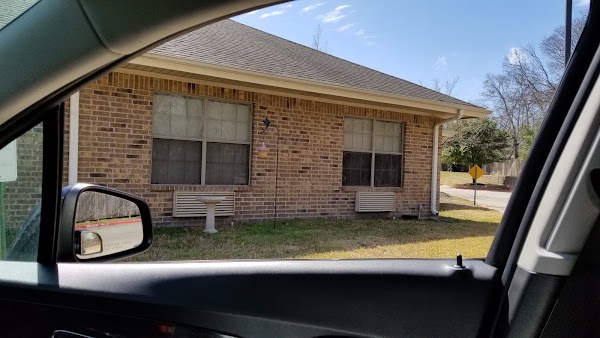
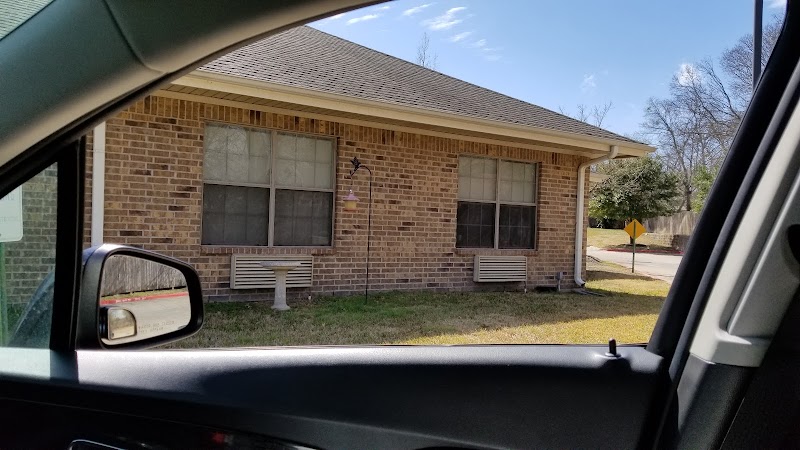
6801 E RIVERSIDE DR, AUSTIN, TX 78741 (512) 247-9000
For profit - Corporation 122 Beds HAMILTON COUNTY HOSPITAL DISTRICT Data: November 2025 2 Immediate Jeopardy citations
Trust Grade
0/100
#826 of 1168 in TX
Last Inspection: October 2024

Within standard 12-15 month inspection cycle. Federal law requires annual inspections.

Overview

Riverside Nursing and Rehabilitation Center has received a Trust Grade of F, indicating poor performance and significant concerns. Ranking #826 out of 1168 in Texas and #19 out of 27 in Travis County places it in the bottom half of facilities, suggesting limited local options for better care. Although the facility is improving with a decrease in issues from 12 in 2024 to 6 in 2025, it still has a high level of fines totaling $103,361, which is higher than 80% of Texas facilities. Staffing is average, with a turnover rate of 56%, and RN coverage is also rated average, meaning there is adequate nursing oversight, but not exceptional. Specific incidents include a resident who eloped from the facility, leading to a fall and injury, as well as a failure to properly administer medication, which caused discomfort and risked the resident's safety. Overall, while there are some strengths, serious deficiencies raise concerns about the care provided at this facility.

Trust Score
F
0/100
In Texas
#826/1168
Bottom 30%
Safety Record
High Risk
Review needed
Inspections
Getting Better
12 → 6 violations
Staff Stability
⚠ Watch
56% turnover. Above average. Higher turnover means staff may not know residents' routines.
Penalties
⚠ Watch
$103,361 in fines. Higher than 79% of Texas facilities, suggesting repeated compliance issues.
Skilled Nurses
⚠ Watch
Each resident gets only 21 minutes of Registered Nurse (RN) attention daily — below average for Texas. Fewer RN minutes means fewer trained eyes watching for problems.
Violations
⚠ Watch
41 deficiencies on record. Higher than average. Multiple issues found across inspections.
★★☆☆☆
2.0
Overall Rating
★★☆☆☆
2.0
Staff Levels
★★★☆☆
3.0
Care Quality
★★☆☆☆
2.0
Inspection Score
Stable
2024: 12 issues
2025: 6 issues

The Good

  • Full Sprinkler Coverage · Fire safety systems throughout facility
  • No fines on record

Facility shows strength in fire safety.

The Bad

2-Star Overall Rating

Below Texas average (2.8)

Below average - review inspection findings carefully

Staff Turnover: 56%

Near Texas avg (46%)

Frequent staff changes - ask about care continuity

Federal Fines: $103,361

Well above median ($33,413)

Significant penalties indicating serious issues

Chain: HAMILTON COUNTY HOSPITAL DISTRICT

Part of a multi-facility chain

Ask about local staffing decisions and management

Staff turnover is elevated (56%)

8 points above Texas average of 48%

The Ugly 41 deficiencies on record

2 life-threatening 3 actual harm
May 2025 2 deficiencies 1 Harm
SERIOUS (G) 📢 Someone Reported This

A family member, employee, or ombudsman was alarmed enough to file a formal complaint

Actual Harm - a resident was hurt due to facility failures

Pharmacy Services (Tag F0755)

A resident was harmed · This affected 1 resident

**NOTE- TERMS IN BRACKETS HAVE BEEN EDITED TO PROTECT CONFIDENTIALITY** Based on observations, interviews, and record review, the facility failed to provide pharmaceutical services (including procedur...

Read full inspector narrative →
**NOTE- TERMS IN BRACKETS HAVE BEEN EDITED TO PROTECT CONFIDENTIALITY** Based on observations, interviews, and record review, the facility failed to provide pharmaceutical services (including procedures that assure the accurate acquiring, receiving, dispensing, and administering of all drugs and biologicals) to meet the needs of each resident for 1 of 5 residents (Resident #1), reviewed for pharmaceutical services. The facility failed to ensure that Resident #1 was administered her 2 tablets of Acetaminophen 325 MG crushed due to her diagnosis of Dysphagia and difficulty swallowing. The medication administered by RN B (2 tablets of acetaminophen non-crushed) caused the resident to cough uncontrollably. This failure could place residents at risk for not receiving medications as ordered, aspiration, psychosocial harm/fear, and decreased quality of life. The findings included: Review of Resident #1's face sheet dated 05/27/25 revealed a [AGE] year old female admitted to the facility on [DATE] with diagnosis that included hemiplegia (paralysis on one side of the body) and hemiparesis (one sided muscle weakness) following cerebral infarction (stroke) affecting right dominant side, dysphagia (difficulty swallowing) following cerebral infarction (stroke), generalized anxiety disorder (condition characterized by excessive worry), and major depressive disorder-recurrent-moderate (condition characterized by persistent feeling of sadness and loss of interest). Review of Resident #1's Quarterly MDS assessment reflected a BIMS score of 10 indicating moderate cognitive impairment. Section GG for functional abilities reflected Resident #1 was dependent-helper does ALL of the effort, resident does none of the effort to complete activity or the assistance of 2 or more helpers is required for the resident to complete the activity which was marked as such for oral hygiene, toileting hygiene, shower/bathe, dressing, personal hygiene, sit to lying and lying to sit, toilet transfer, tub/shower transfer, and chair to bed transfer. Section I for active diagnosis reflected Resident #1 was identified as having a diagnosis of a stroke, non-Alzheimer's dementia, and hemiplegia/hemiparesis. Review of Resident #1's care plan last revised 05/27/25 reflected a focus area swallowing problem related to Dysphagia, coughing or choking swallowing meds, swallowing assessment results with interventions all staff to be informed of residents special dietary and safety needs: CRUSH MEDICATION. Review of Resident #1's swallow study physician consult summary dated 01/16/25 reflected: Diagnosis- dysphagia, dysphagia following cerebral infarction, dysphagia following unspecified cerebral vascular disease. Chief complaint: coughing, feeding difficulties, difficulties swallowing. Recommendations: Meal Diet: Pureed, thin liquids Strategies for pills: Choking risk- crush meds. Pertinent positive swallowing history: Current diet: Solids- Pureed, Liquids-thin. Indication for Dysphagia consultation- life limiting or threatening dysphagia disorder with: feeding difficulties, complaints of difficulty or pain when swallowing, coughing, determine safe diet, determine least restrictive diet. Modified Barium Swallow Study Results: Strategies for pills: choking risk- crush meds Pill trial not provided due to choking risk. Review of Resident #1's EMR undated face sheet special instructions capture on 05/27/25 reflected Special instructions: crush medication as well as Diet: REGULAR diet, PUREED texture, THIN LIQUIDS consistency. Review of Resident #1's EMR undated face sheet special instructions capture on 05/28/25 reflected, Special instructions: **CRUSH MEDS** as well as Diet: REGULAR diet, PUREED texture, THIN LIQUIDS consistency. Review of Resident #1's physician orders reflected an order dated 09/22/22, may crush meds prn, empty capsules & mix with applesauce or Jello as indicated/desired/needed. Review of Resident #1's physician orders reflected an order dated 05/27/25, Crush meds, empty capsules & mix w/ applesauce or pudding unless contraindicated. Review of Resident #1's physician orders reflected an order dated 04/04/24, acetaminophen tablet 325 mg- Give 2 tablets by mouth every 4 hours as needed for pain. Review of Resident #1's medication administration note dated 05/27/25 at 11:18 AM entered by RN B reflected, acetaminophen tablet 325 mg- give 2 tablets by mouth every 4 hours as needed for pain 1-10 do not exceed 3G/day. Resident was complaining of pain in her right shoulder where she has a fracture and administered acetaminophen per orders. Arm in sling for comfort. Will continue to monitor. In an observation on 05/27/25 at 11:18 AM RN B was observed providing pain medication to Resident #1 and walked in her room with a clear pill container that contained 2 tablets not crushed. RN B asked Resident #1 if she required crushed medications, Resident #1's response to RN B was not heard. RN B provided the medication to Resident #1 and then Resident #1 was heard immediately coughing forcibly and uncontrollably. RN B was heard asking Resident #1 continuously if she was ok and if she required more water, attempted to provide her more water which Resident #1 refused as she continued to cough to clear her throat. In an interview and observation on 05/27/25 at 12:11 PM with RN B, he stated he did not know if Resident #1 required crushed medication. He stated he doesn't usually work this building. RN B stated he would have to check Resident #1's chart and was then observed logging into Resident #1's chart. RN B stated that Resident #1 did require her medications to be crushed as stated in the special instructions located on top of the face sheet/ medical record which is where he said he would look to find that information. He stated the special instructions give you the important stuff as soon as you log into the residents' chart, as an alert located at the top being one of the first things you see. RN B stated the last time he worked with Resident #1 was 6 months ago. He stated the medication he gave which were 2 acetaminophen tablets are able to be crushed and should have been. RN B stated he did not look at the chart to determine if Resident #1 required crushed medications prior to the administration of the acetaminophen tablets but should have done so to verify correct administration. RN B stated a potential negative outcome of not providing crushed medications to Resident #1 is the resident has the potential to choke on the medication. In an interview on 05/27/25 at 12:40 PM with the DON, she stated that if residents require crushed medications its communicated through special instructions on the residents chart. The DON stated that if the special instruction say to crush medications its her expectation that medications are crushed when provided to the resident. The DON stated that any staff member that is here can see the special instructions and said, PRN staff members, CNAs, everyone know its there, its quick and it shows up at the top so they can see it. The DON stated that a negative outcome to not reviewing the chart prior to providing care, staff could provide something that is not part of their plan of care. She stated failing to crush medication for a resident that required it has the potential to result in the resident not being able to swallow the medication appropriately. The DON stated Resident #1 has good recall but that she did not believe Resident #1 had the cognition to answer the question appropriately if asked if her medication needed to be crushed instead of her chart being reviewed by staff. In an interview on 05/27/25 at 01:14 PM with Resident #1 she stated she preferred her medication to be crushed. Resident #1 stated that when she was administered the medication in the morning, when she started to choke and cough it made her scared. In an interview on 05/27/25 at 04:04 PM in a follow up interview again with Resident #1, she was once again asked about the morning medication administration and stated she recalled the incident. Resident #1 stated it made her feel terrible. In an interview on 05/27/25 at 04:09 PM with SW, she stated she believed Resident #1 would be able to say if she was in pain or scared. She said if Resident #1 said she was scared she would take it seriously but would question if Resident #1 fully understood what that meant. She stated given Resident #1's cognitive stance she is more likely to recall events tied to a strong emotion like fear or pain. In an interview on 05/28/25 at 11:10 AM with ST, she stated that when there are concerns with a residents ability to swallow they will do a bedside swallow test or have a swallow study done. ST stated that after the swallow study is completed if there is anything on the residents chart that needs to be updated, they will do so based on the swallow study providers recommendations which comes from the third party provider. ST stated since Resident #1 is on a pureed diet there is a risk of choking to occur so they will recommend pills to be crushed as a precaution. ST stated that they have attempted a mechanical soft diet in the past with Resident #1 such as with pleasure feedings but she requires a lot of cueing and would still cough. ST stated that she has worked with Resident #1 for a while and that even with the pureed diet she appears to cough a lot and looks like she's choking which can appear scary. ST stated that Resident #1 has not done well enough on pleasure feedings with a mechanical soft diet to be upgraded from a full pureed texture. ST stated that based on the swallow studies and their work with her crushed medications would go down easier and be safer for her. In an interview on 05/28/25 at 02:31 PM with the DON she stated she made the updates to Resident #1's chart pertaining to the order from may crush medications to crush medications unless contraindicated in order to ensure more consistent care. In an interview on 05/28/25 at 02:55 PM with the ADM, he stated it was his expectation that physician orders and special instructions in a resident's medical record were reviewed prior to the administration of medication. He stated a potential negative outcome of not reviewing the chart prior to providing medications is there could be a medication error. The ADM stated that a negative outcome of not following a providers recommendation related to the swallow study would be it would depend on the order or recommendation provided. Record Review of the undated Medication and Treatment Administration policy reflected: Residents shall be identified prior to the administration of a medication or treatment. Record review of the Resident Rights policy last revised 2023 reflected: You have a right to a safe, clean, comfortable, and homelike environment including but not limited to receiving treatment and supports for daily living safely.
CONCERN (D) 📢 Someone Reported This

A family member, employee, or ombudsman was alarmed enough to file a formal complaint

Potential for Harm - no one hurt, but risky conditions existed

Deficiency F0558 (Tag F0558)

Could have caused harm · This affected 1 resident

**NOTE- TERMS IN BRACKETS HAVE BEEN EDITED TO PROTECT CONFIDENTIALITY** Based on observations, interviews, and record review, the facility failed to accommodate the needs and preferences for one(Resid...

Read full inspector narrative →
**NOTE- TERMS IN BRACKETS HAVE BEEN EDITED TO PROTECT CONFIDENTIALITY** Based on observations, interviews, and record review, the facility failed to accommodate the needs and preferences for one(Resident #1) of five residents reviewed for accommodation of needs, in that: The facility failed to provide a working communication system, that was easily at reach, that would allow Resident #1 the ability to safely call to staff for assistance. This failure could place residents at risk of not having a means of directly contacting caregivers in an emergency or when they need support for daily living. The findings included: Review of Resident #1's face sheet dated 05/27/25 revealed a [AGE] year old female admitted to the facility on [DATE] with diagnosis that included hemiplegia (paralysis on one side of the body) and hemiparesis (one sided muscle weakness) following cerebral infarction (stroke) affecting right dominant side, dysphagia (difficulty swallowing) following cerebral infarction (stroke), generalized anxiety disorder (condition characterized by excessive worry), and major depressive disorder-recurrent-moderate (condition characterized by persistent feeling of sadness and loss of interest). Review of Resident #1's Quarterly MDS assessment reflected a BIMS score of 10 indicating moderate cognitive impairment. Section GG for functional abilities reflected Resident #1 was dependent-helper does ALL of the effort, resident does none of the effort to complete activity or the assistance of 2 or more helpers is required for the resident to complete the activity which was marked as such for oral hygiene, toileting hygiene, shower/bathe, dressing, personal hygiene, sit to lying and lying to sit, toilet transfer, tub/shower transfer, and chair to bed transfer. Section I for active diagnosis reflected Resident #1 was identified as having a diagnosis of a stroke, non-Alzheimer's dementia, and hemiplegia/hemiparesis. Review of Resident #1's care plan included a section last revised 01/04/25 with a focus on ADL self-care performance deficit related to limited mobility, hemiplegia, impaired balance, dementia, stroke with interventions that included encourage to use call bell for assistance. An additional focus area last revised 01/04/25 also included Resident #1 is at high risk for falls related to gait/balance problems, incontinence, vision/hearing problems with interventions that included be sure call light is within reach and encourage to use it to call for assistance as needed. In an observation and interview on 05/27/25 at 11:07 AM in Resident #1's room, Resident #1 was observed lying in bed and stated she had right sided pain and was not able to call staff for help because she did not know where the call light was. Resident #1's right arm was observed in a sling supporting her arm near to her chest and the call light was observed wrapped around the right bed rail and dangling off the bed close to the floor. In an observation on 05/27/25 at 11:10 AM CNA A entered the room to ask Resident #1 if she needed assistance and Resident #1 stated she was in pain. CNA A stated she would let the nurse know and was observed leaving the room without adjusting the call light (which was still near the floor) to be used by Resident #1. In an observation on 05/27/25 at 11:18 AM RN B was observed entering Resident #1's room with a medicine cup to provide Resident #1 with pain medication. After RN B completed the medication administration, he was observed leaving the room without adjusting the call light (which was still near the floor) to be used by Resident #1. In an interview on 05/27/25 at 12:11 PM with RN B, he stated it is his responsibility to ensure call lights are on the bed with the resident and in reach where it can be used before leaving a resident's room after providing care. RN B stated he just had a moment and didn't notice it. RN B stated a negative outcome of the call light not being in reach would be the resident would not be able to call for help as needed. In an interview on 05/27/25 at 12:40 PM with the DON, she stated it was her expectation that call lights are within reach of the resident. The DON stated that Resident #1 has hemiparesis to the right side as well as her sling and she would expect for staff to place the call light in reach and on the side she is able to use. In an interview on 05/28/25 at 01:26 PM with CNA A she stated that it is the expectation of the facility that staff are to ensure call lights are in reach, bed are in the lowest position, and hands are sanitized. CNA A stated that a negative outcome of residents not having call lights in reach would be they would not get the assistance they need. CNA A stated Resident #1 can only use her left side and that call lights should be placed on her left side. In an interview on 05/28/25 at 02:55 PM with the ADM, he stated it was his expectation that staff place call lights within residents' reach. He stated some call lights are specialized and can be used with their chin; he stated the call lights should be placed on the resident's usable side. The ADM stated a potential negative outcome of not placing the residents call light within reach would be the resident would not be able to get the assistance they need or communicate their needs. Review of the facility Call Light/Bell policy last revised 05/2007 revealed: It is the policy of this facility to provide the resident a means of communicating with nursing staff.
Mar 2025 1 deficiency 1 IJ
CRITICAL (J) 📢 Someone Reported This

A family member, employee, or ombudsman was alarmed enough to file a formal complaint

Immediate Jeopardy (IJ) - the most serious Medicare violation

Accident Prevention (Tag F0689)

Someone could have died · This affected 1 resident

**NOTE- TERMS IN BRACKETS HAVE BEEN EDITED TO PROTECT CONFIDENTIALITY** Based on observation, interview, and record review, the facility failed to ensure the residents environment remained as free of ...

Read full inspector narrative →
**NOTE- TERMS IN BRACKETS HAVE BEEN EDITED TO PROTECT CONFIDENTIALITY** Based on observation, interview, and record review, the facility failed to ensure the residents environment remained as free of accident hazards as is possible and ensure each resident received adequate supervision for one (Resident #1) of three residents reviewed for accidents and hazards. The facility failed to ensure Resident #1 did not elope from the facility without staff's knowledge on 03/25/25 by following a contract worker out the front door. Resident #1 self-propelled to the driveway where she rolled down into and across the street to the median where she bumped into the curb and fell out of her wheelchair. An Immediate Jeopardy (IJ) existed on 03/25/25. The IJ was determined to be at past noncompliance as the facility had implemented actions that corrected the deficient practice prior to the beginning of the investigation. This deficient practice could place residents at risk for elopements, falls, injuries, and hospitalization. Findings included: Review of Resident #1's undated face sheet reflected a [AGE] year-old female who was admitted to the facility on [DATE] with diagnoses including profound intellectual disabilities, dementia, muscle wasting and atrophy (wasting away), and cognitive communication deficit. Review of Resident #1's quarterly MDS assessment, dated 01/17/25, reflected a BIMS could not be conducted due to her rarely/never being understood. Section E (Behavior) reflected she had not exhibited wandering behaviors. Section GG (Functional Abilities and Goals) reflected she utilized a wheelchair for mobility. Section P (Restraints and Alarms) reflected she did not have a wander/elopement alarm. Review of Resident #1's quarterly care plan, revised 03/25/25, reflected was a high risk for elopement risk/wanderer related to disoriented to place, impaired safety awareness, and wandering aimlessly with an intervention of monitoring her wander guard placement on her right ankle. Review of Resident #1's Elopement/Wandering Evaluation, dated 02/25/25, reflected she was a low risk of elopement. Review of Resident #1's progress note, dated 03/25/25 at 2:50 PM and documented by LVN A, reflected the following: Reported to this nurse that staff member observed [Resident #1] at top of driveway. Staff member (HA B) followed behind her attempting to stop [Resident #1]. Staff member unable to reach resident d/t incline and momentum. [Resident #1] reached curb and fell as staff approached. Staff states resident did not strike head . Upon return to facility head to toe assessment completed by nurse, ADON, and WCN, noted with superficial abrasions to knee, pain assessment completed. No s/s of pain. Review of Resident #1's progress note, dated 03/25/25 at 9:15 PM and documented by LVN C, reflected the following: This nurse was given a verbal order by (doctor) to send [Resident #1] out to the hospital for further evaluation. [Resident #1] is alert x 1 and at baseline . Review of Resident #1's hospital records, dated 3/25/25, reflected the following: You were seen today for: FALL No obvious injury to the knees on ultrasound. Review of Resident #1's progress note, dated 03/26/25 at 12:11 AM and documented by LVN D, reflected the following: [Resident #1] arrived back to facility via (non-emergency medical transport) @ 0008 (12:08 AM). [Resident #1] transferred into bed by nursing staff. [Resident #1] is alert x 1 and at baseline. No s/s of pain or discomfort observed from resident during transfer. Review of Resident #1's Elopement/Wandering Evaluation, dated 03/25/25, reflected she was a high risk of elopement. Review of Resident #1's physician order, dated 03/25/25, reflected Monitor placement and functioning of wander guard q shift: Right ankle EXP date 1/20/28. Check skin under wander guard: Notify NP/MD if irritation occurs. Review of the facility's self-report to HHSC, dated 03/26/25 at 9:18 AM, reflected the ADM self-reported the incident with Resident #1 within the 24-hour timeframe: [Resident #1] exited the facility without staff knowledge and lost control of her wheelchair. A staff membber on the patio saw [Resident #1] and immediately went to intervene. However, she rolled down the driveway and fell out of her wheelchair before staff could reach her. Staff assisted her back into the facility. During an observation and interview on 03/26/25 at 10:24 AM revealed Resident #1 in the lobby. The ADM spoke to her in Spanish and asked if it was okay to take her to her room after the Surveyor requested to observe her knees. RN E attempted to explain to Resident #1 she was going to pull up her pant legs. RN E pulled up her left pant leg which revealed a small red abrasion. RN E began to pull up her right pant leg which revealed a wander guard on her right ankle. At that point, Resident #1 raised her arm and grunted, No!. RN E pulled down her pant leg and thanked Resident #1. RN E stated Resident #1 leaving the day before (03/25/25) was completely out of character for her. She stated she had never attempted to leave and had never even seen her at the entrance of the facility. She stated Resident #1 was unable to communicate or voice her needs but did let staff know when she did not want something or for care to be provided. She stated she was in-serviced yesterday (03/25/25) after the incident on the elopement process and abuse and neglect. She stated she was also in-serviced on the nursing staff being responsible for covering the front door after the Receptionist's shift had ended each day. During an interview on 03/26/25 at 10:34 AM, the MDSC stated she was in the conference room yesterday (03/25/25) when she heard commotion outside (front of facility). She stated she got up and saw through the window HA B moving fast towards the driveway where she saw Resident #1. She ran outside with the DON and ADON and ran after Resident #1. She stated they did not catch up to her as she rolled into the street and to the median. She stated HA B got the cars to stop. She stated when she got to the median she bumped into the curb and fell out of the wheelchair. She stated she was gotten up and was taken into the facility where she was assessed by a nurse. She stated she was in-serviced yesterday on abuse and neglect, the elopement process, which residents can leave the facility, and the elopement binders located at the Receptionist's desk and nurses' station. She stated there should always be someone manning the Receptionist's desk. During an interview on 03/26/25 at 10:39 AM, the HRD stated on 03/25/25 around 2:45 PM, she was in her office (which is close to the entrance of the facility) when she heard yelling and commotion coming from outside in the front. She stated she immediately went outside and saw everyone running so she took off running. She stated by the time she made it down the driveway, Resident #1 was already back in her wheelchair. She stated the Receptionist was their first line of defense when it came to determining if a resident should be exiting the facility or not. She stated she was supposed to ask if they were going out to smoke or going out on pass. She stated there was an elopement binder at her desk and the nurses' station that contained all residents that were a high risk for elopement. She stated they were in-serviced yesterday (03/25/25) on abuse and neglect, the elopement process and their policy. She stated if a resident was missing, they would check all rooms, all exit doors, and the perimeter of the facility. During an interview on 03/26/25 at 10:46 AM, the ADM stated he reviewed the video footage, and it revealed a contract worker exiting the facility around 2:50 PM and another resident in a powered wheelchair was able to catch the door before it closed completely. A third resident that was outside held the door and Resident #1 exited. He stated it was the Receptionist's responsibility to ask residents if they were going out on pass or if they were going outside to smoke. He stated if they were going out on pass, she would then need to verify it with the nurse and have the resident sign out. He stated because they have so many residents that were able to smoke independently, it was not unusual to have a lot of traffic at the front door. He stated after the incident, REC F quit. He stated he tried to interview her about what happened, but she did not give him a clear response. He stated since the contract worker did not utilize the keypad to exit, he assumed REC F used the remote to allow her to exit and did not verify or notice the other residents that were exiting. He stated if she needed to run an errand or go to the bathroom, his expectations were that she notified him so he could watch the door. He stated HA B exited the building approximately a minute after and saw Resident #1 self-propelling to the top of the driveway. He stated she immediately ran after her. He stated once she rolled to the bottom of the hill, the MDSC, DON, and ADON were seen running out of the facility and down to the resident. He stated once she hit the curb of the median, he was told the wheelchair bounced back and she fell out. He stated Resident #1 had no history of wandering or exit-seeking. He stated he had never seen her in the front lobby area. He stated she was sent to the ER and returned shortly after with no injuries. He stated she now had a wander guard and he and the DON completed and audit on all residents' elopement risk assessments as well as the elopement binders. He stated he ordered speed bumps that would be delivered that day (03/26/25) and would be installed across the driveway in order to assist in preventing a resident to go down it. He stated he also purchased a fish-eyed mirror to put in the foyer so the Receptionist would have an easier time seeing anyone that was near the door. He stated he began in-services the day prior (03/25/25) for all staff on abuse and neglect and their elopement policy. He stated they were also in-serviced on coverage of the front desk and that the nurses were responsible for covering who exited the facility after the Receptionist's shift had ended each day. He stated no one started their shift until they were in-serviced, and no one will be able to work going forward until they were. During an interview on 03/26/25 at 12:02 PM, REC G stated she had worked as an aide at the facility for a couple of months but was now working as the Receptionist. She stated she was trained before her shift on never using the remote to let someone out of the front door before ensuring residents were not exiting behind them. She stated she was to ask any resident that wanted to leave if they were going to smoke or going out on pass. She stated if they told her they were going out on pass, she would go verify that with their nurse and would have them sign out. She stated if she was unsure if a resident was able to exit the facility independently, she could ask a nurse or look in the elopement binder. She stated she was not to leave the front desk at any time unless she found a designee. During a telephone interview on 03/26/25 at 3:59 PM, HA B stated on 03/25/25 around 2:50 PM, she was coming outside after her lunch break and noticed Resident #1 going towards the driveway and then down the driveway. She stated she ran after her and tried to catch her, but her wheelchair kept picking up speed. She stated when she got to the bottom, she managed to get traffic to stop by waving her hands. She stated when her wheelchair hit the curb of the median, she fell out of her wheelchair onto her knees. She stated the MDSC, DON, and ADON arrived shortly after. She stated she was in-serviced that same day on abuse and neglect and their elopement policy. She stated it was the Receptionist's responsibility to ensure residents who were unable to leave the facility independently did not do so. She stated the Receptionist's desk should never be left unattended. On 03/26/25 at 11:22 AM and 1:48 PM, attempts were made to interview REC F. A returned call was not received prior to exit. Review of a Counseling/Disciplinary Notice, dated 03/10/25, reflected REC F was counseled by the ADM on the procedures and requirements of letting people out of the facility, indicating she had been trained prior to the incident with Resident #1 on 03/25/25. Review of a Counseling/Disciplinary Notice, dated 03/25/25, reflected REC F was provided education on expectations of the receptionist after [Resident #1] went out front door when receptionist should have been watching it. Review of receipts, dated 03/25/25, reflected two fish-eyed mirrors four 6-foot speed bumps had been purchased. Review of the facility's QAPI meeting minutes, dated 03/25/25, reflected the ADM, MD, DON, ADON, MDSC, BOM, SW, DM, AD, MAINTD, and DOR were in attendance. Review of the elopement binder at the front desk reflected Resident #1 and her information had been added. Three residents' information that were considered a high elopement risk were appropriately in the binder. Review of an in-service entitled Abuse and Neglect, dated 03/25/25 - 03/26/24, reflected staff from all shifts were in-serviced on the facility's Abuse and Neglect Policy. Review of an in-service entitled Receptionist, dated 03/25/25 - 03/26/25, reflected staff from all shifts were in-serviced on the following: The front desk will be covered by the receptionist or designee. The receptionist will find coverage for all breaks and not leave the desk prior to having coverage. The receptionist/designee will visualize every resident exiting facility and inquire intention. The door should be locked at all times. The receptionist will notify nursing staff when leaving for the day and the nursing staff will be responsible for managing the front door and ensuring appropriateness of residents exiting. Review of an in-service entitled Elopement, dated 03/25/25 - 03/26/24, reflected staff from all shifts were in-serviced on the facility's Elopement Policy. Review of Elopement Quizzes, dated 03/25/25 - 03/26/25, reflected all staff members took a quiz with the following questions: 1. Location of elopement binder 2. What to do if possible elopement 3. Name 3 patients that are in the elopement binder. Review of the facility's Elopement/Unsafe Wandering Policy, revised 06/2018, reflected the following: It is the policy of this facility to provide a safe environment for all residents through appropriate assessment and interventions to prevent accidents related to unsafe wandering or elopement . Elopement is when a resident leaves the facility premises or a safe area without authorization and/or any necessary supervision to do so. An Immediate Jeopardy (IJ) existed on 03/25/25. The IJ was determined to be at past noncompliance as the facility had implemented actions that corrected the deficient practice prior to the beginning of the investigation.
Jan 2025 3 deficiencies
CONCERN (D) 📢 Someone Reported This

A family member, employee, or ombudsman was alarmed enough to file a formal complaint

Potential for Harm - no one hurt, but risky conditions existed

Safe Environment (Tag F0584)

Could have caused harm · This affected 1 resident

**NOTE- TERMS IN BRACKETS HAVE BEEN EDITED TO PROTECT CONFIDENTIALITY** Based on observation, interview, and record review, the facility failed to provide safe, clean, comfortable, and homelike enviro...

Read full inspector narrative →
**NOTE- TERMS IN BRACKETS HAVE BEEN EDITED TO PROTECT CONFIDENTIALITY** Based on observation, interview, and record review, the facility failed to provide safe, clean, comfortable, and homelike environment and to exercise reasonable care for the protection of the resident's property from loss or theft for 2 of 6 residents (Resident #1 and Resident #2) reviewed for personal belongings. 1. The facility failed to ensure Resident #1 and Resident #2's clothes and belongings were reasonably protected from loss or theft. These failures placed residents at risk of diminished quality of life. Findings included: Record review of Resident #1's face sheet revealed an [AGE] year-old male admitted to the facility 11/10/17 with diagnoses that included Alzheimer's disease with late onset (neurodegenerative disease), major depressive disorder-recurrent-moderate (mood disorder that causes persistent feelings of sadness and loss of interest), age-related physical debility, and adjustment disorder with anxiety (a condition where a person experiences significant anxiety symptoms within three months of a specific life change or stressor- can involve worry, nervousness, irritability and other anxiety related symptoms). Record review of Resident #1's quarterly MDS assessment dated [DATE] revealed a BIMS score of 3 indicating severe cognitive impairment. Record review of Resident #1's medical record revealed no inventory list. Record review of Resident #2's face sheet revealed a [AGE] year-old female admitted to the facility on [DATE] with diagnoses that included malignant neoplasm of upper outer quadrant of right female breast (cancerous tumor), systemic lupus erythematosus- unspecified (autoimmune disease that causes inflammation and damage in various organs and tissues), major depressive disorder-recurrent-moderate (mood disorder that causes persistent feelings of sadness and loss of interest), and generalized anxiety disorder (fear characterized by behavioral disturbances). Record review of Resident #2's quarterly MDS dated [DATE] revealed a BIMS score of 15 indicating cognition intact. Record review of Resident #2's medical record revealed no inventory list. In an interview on 01/07/25 at 02:11 PM with Resident #1, he stated he has noticed he had less clothes and said he thought some shirts were missing but had not personally reported any. Resident #1 was not sure if facility staff took an inventory of his items when he arrived at the facility. In an interview and observation on 01/07/25 at 02:26 PM with Resident #2, she stated laundry was always losing her clothes. She stated laundry is taking too long to wash her clothing and when she gets it back, she is missing clothes or gets back items that don't belong to her. Resident #2 stated she is missing multiple pairs of panties, socks, and nightgowns. Resident #2 stated she received a bag from laundry after staff claimed to have found her stuff, but that the items they gave her were not hers. Resident #2 was observed pulling out a clear plastic bag filled with clothes that had her name written on it. She stated the handwriting on the bag was not hers and was written by someone from housekeeping she was unable to identify. From the plastic bag Resident #2 pulled out multiple oversized shirts and she stated they were not hers, 2 sets of female panties, one which was observed to have a different resident's name on it written in black permanent marker, and a pair of men's boxer briefs. Resident #2 stated the facility did not take inventory of her items, and said she is frustrated and upset at her clothes going missing and being given clothes that are not hers. In an interview on 01/07/25 at 03:05 PM with the HS, she stated that lately it was common that clothing would arrive to the laundry room with no name on it. She stated that every Thursday they would try to set up an area in the dining room with clothing to ask residents if they recognized any of it as being theirs to claim it. She stated that recently in November 2024 she implemented an audit where she would check 1 person's room in each hall to see if they had clothing missing. She said it started November 20th 2024 due to a lot of clothing coming with no names. She stated it was the CNAs responsibility to write the residents' names on the clothes and that she was also beginning to train staff on the use of the label press but that not everyone was yet trained on it. She stated that the negative outcome of not having the residents' clothes easily identified has resulted in lost items and frustration from some residents. In an interview on 01/07/25 at 04:48 PM with Resident #1's family, he stated Resident #1 has had a lot of clothing go missing. He stated he wanted Resident #1 to have nice clothing and personally went out to purchase multiple polo style shirts for him in mid November 2024 and soon realized they went missing. Resident #1's family stated that he filed a complaint with the facility which has not been resolved and stated when he asked Resident #1 where the shirts went, he was unable to say. Resident #1's family stated that to his knowledge the facility did not inventory the residents clothing and claimed when speaking to the ADM that he stated it would be addressed but hasn't been. Resident #1s family claimed that in addition to the polo style shirts, he has also had personal blankets go missing. In an interview on 01/07/25 with the ADM, he stated it was his expectation that both nursing/ direct care staff as well as laundry staff manage the inventory and labeling of resident clothing and that all items should be labeled with the resident's name. The ADM stated that due to the issues with missing laundry they have implemented a weekly audit system where the HS was to audit resident closets from each hall to ensure their names were being written on their clothes. He stated a negative outcome of not labeling or taking inventory of resident items would be they could be lost, and residents would not get them back. Record review of grievances for the month of November 2024 revealed 5 reports revealing residents missing clothing, and review of grievances for the month of December 2024 revealed 6 reports of residents with missing clothing, which included a report of Resident #1 's missing shirts. Record review of the facility 2023 Resident Rights policy revealed: Respect and dignity- you have the right to be treated with respect and dignity including the right to: - Retain and use personal possessions including furnishings, and clothing as space permits unless to do so would infringe upon the rights or health and safety of other residents. You have the right to a safe, clean, comfortable and homelike environment and use of your personal belongings to the extent possible.
CONCERN (E) 📢 Someone Reported This

A family member, employee, or ombudsman was alarmed enough to file a formal complaint

Potential for Harm - no one hurt, but risky conditions existed

Food Safety (Tag F0812)

Could have caused harm · This affected multiple residents

Based on observation, interview, and record review the facility failed to store, prepare, and distribute food in accordance with professional standards for food service safety in 1 of 1 kitchen review...

Read full inspector narrative →
Based on observation, interview, and record review the facility failed to store, prepare, and distribute food in accordance with professional standards for food service safety in 1 of 1 kitchen reviewed for kitchen and food sanitation. 1. The facility failed to label, and date food stored in the walk-in refrigerator. 2. The facility failed to label, and date food stored in the walk-in freezer. 3. The facility failed to ensure food preparation areas and appliances, including equipment such as the fryer, microwave, toaster, blender, and ice machine were maintained clean and sanitary. 4. The facility failed to ensure handwashing supplies were stocked at the kitchen handwashing station (no paper towels). These failures could place residents at risk for food contamination and foodborne illness. Findings included: During the initial tour of the kitchen on 01/07/25 at 10:30 AM the following was observed: - Upon entering and washing hands there were no paper towels observed stocked or in use at the handwashing station. A used rag from the food prep area was offered (and declined) by a dietary staff member to dry hands before the DM went out and returned to stock the handwashing station with paper towels. - In the walk-in refrigerator there was a plastic container of vegetable soup covered with plastic wrap with no label or dates as to when it was prepared and when it should be used by/ discarded. A separate plastic container containing chicken and pasta with a white sauce was observed not labeled or dated. A large clear container of tuna salad was observed not labeled or dated. In the walk-in freezer the following was observed: o 1 zip sealed bag containing breaded chicken filets not labeled or dated with the received date or use by date. o 1 zip seal bag containing raw chicken not labeled or dated with the received date or use by date. o 1 zip sealed bag containing raw beef burger patties not labeled or dated with the received date or use by date. o 1 approximately 10-pound clear tube of ground meat not labeled or dated with the received date or use by date. o 1 pie crust packed in a clear bag not labeled or dated with the received date or use by date. o 1 box containing tortilla wrapped taquitos not sealed, box was opened, and the contents exposed to open air. o 1 box containing a ripped bag of what appeared to be prepared omelets not labeled or dated with the received/ prepared date or use by date, not properly sealed and the contents exposed to open air. - The fryer was observed with a thick coat of dark grease surrounding the outside from all sides, and the inside door and bottom compartment below the temperature control. The fryer was not in use and uncovered. - The inside of the microwave was observed soiled in a yellow fluid on the round plate, and yellow/dark orange food splatters that appeared dry and stuck to the 3 inner walls, below the round rotating plate, and on the top 'ceiling' of the microwave. The microwave door was also observed covered in the dried yellow/dark orange, dried, stuck on substances. - The blender had a yellow-green residue stuck to the top element where the container sat on; it appeared dried and ran down to where the sides and buttons were located. - The toaster oven had a thick layer of oil residue and crumbs. - The inside of the ice machine was observed to be soiled. On the top plastic inner wall behind the lid just above the ice there was a slimy pink/yellow residue with smaller dark spots of an unknown substance that ran the entire length of the inner plastic above the ice. The inner back side of the lid was observed with a white powdery-like substance. - The kitchen floors were observed completely soiled. A puddle of a red juice and other dark fluids were observed in front of the drink machine which was also observed soiled in red stained and dark stained fluids. The floors in the food preparation area under the steamtable and 2 compartment sinks to the right of the steamtable were observed with sections of a dark black residue, there were cereal containers, plastic lids, packets of condiments and butter, and food that soiled the floors beneath the two areas. In an interview on 01/07/25 at 10:50 AM with the DM, he stated it was his expectation that all food items were labeled and dated with either the received or prepared date and the use by date when items are placed into the refrigerator/freezer. He stated it was his expectation that food items were always properly sealed in either a sealed container, zip seal bag, or if in a box sealed/closed and the food not exposed. He stated it was his expectation that dietary staff maintained a clean environment and said items not properly labeled or dated or an environment that was not clean could potentially result in residents getting sick. The DM stated he expected the necessary supplies to be stocked in order to follow hand hygiene guidelines . He stated it is the responsibility of anyone who notices that the paper towels are empty should replace them. In an interview on 01/07/25 at 5:45 PM with the ADM, he stated Food should be stored according to the regulation, and it needs to be followed. He stated it was his expectation that items were labeled/dated and sealed when stored in the refrigerator/freezer and if they were not sealed or closed off it could result in cross contamination or food spoilage. The ADM stated that cleaning should be done on an as needed basis and that if dietary staff see that items are soiled in between mealtimes, they should be cleaned. He stated failure to maintain a clean environment could result in cross contamination and spreading of germs. Record review of the facility Infection Prevention and Control Program last revised 10/2022 revealed: The infection prevention and control program is a facility- wide effort involving all disciplines and individuals as is an integral part of the quality assurance and performance improvement plan .it is the policy of this facility to provide the necessary supplies, education, and oversight to ensure healthcare workers perform hand hygiene based on accepted standards. - The facility will provide areas, equipment, and supplies to implement its infection control program with the goal of: o Readily available of hand cleaning supplies and paper towels at each sink. Record review of Dietary Services Meals and Food policy dated 06/2017 revealed: It is the policy of this facility to ensure dietary services are provided to our residents operating within the confines of Texas state regulations. - A dietary manager is responsible for the total food service of this facility. - Food purchased, stored, and serviced in this facility is labeled and dated according to all applicable food service regulations. - Food prepared for consumption by our residents is prepared according to all applicable food service regulations. Record review of Resident/ Personal Food Storage policy dated 06/2017 revealed: - Food storage areas shall be clean at all times. - All food stored in facility refrigerator will be labeled and discarded after being opened for three days. Review of the 2022 U.S. Food and Drug Administration Food Code revealed: 3-501.17 Ready-to-Eat, Time/Temperature Control for Safety Food, Date Marking. (A) Except when PACKAGING FOOD using a REDUCED OXYGEN PACKAGING method as specified under § 3-502.12, and except as specified in (E) and (F) of this section, refrigerated, READY-TO-EAT, TIME/TEMPERATURE CONTROL FOR SAFETY FOOD prepared and held in a FOOD ESTABLISHMENT for more than 24 hours shall be clearly marked to indicate the date or day by which the FOOD shall be consumed on the PREMISES, sold, or discarded when held at a temperature of 5ºC (41ºF) or less for a maximum of 7 days. The day of preparation shall be counted as Day 1. (B) Except as specified in (E) - (G) of this section, refrigerated, READY-TO-EAT TIME/TEMPERATURE CONTROL FOR SAFETY FOOD prepared and PACKAGED by a FOOD PROCESSING PLANT shall be clearly marked, at the time the original container is opened in a FOOD ESTABLISHMENT and if the FOOD is held for more than 24 hours, to indicate the date or day by which the FOOD shall be consumed on the PREMISES, sold, or discarded, based on the temperature and time combinations specified in (A) of this section and: P if (1) The day the original container is opened in the FOOD ESTABLISHMENT shall be counted as Day 1; Of and (2) The day or date marked by the FOOD ESTABLISHMENT may not exceed a manufacturer's use-by date if the manufacturer determined the use-by date based on FOOD safety. 3-501.18 Ready-to-Eat, Time/Temperature Control for Safety Food, Disposition. (A) A FOOD specified in 3-501.17(A) or (B) shall be discarded if it: (2) Is in a container or PACKAGE that does not bear a date or day; or 3-302.11 Packaged and Unpackaged Food - Separation, Packaging, and Segregation. FOOD shall be protected from cross contamination by: (4) Except as specified under Subparagraph 3-501.15(B)(2) and in (B) of this section, storing the food in packages, covered containers, or wrappings.
CONCERN (E) 📢 Someone Reported This

A family member, employee, or ombudsman was alarmed enough to file a formal complaint

Potential for Harm - no one hurt, but risky conditions existed

Infection Control (Tag F0880)

Could have caused harm · This affected multiple residents

Based on observation, interview, and record review the facility failed to establish and maintain an infection prevention and control program designed to provide a safe, sanitary, and comfortable envir...

Read full inspector narrative →
Based on observation, interview, and record review the facility failed to establish and maintain an infection prevention and control program designed to provide a safe, sanitary, and comfortable environment and to help prevent the transmission of communicable diseases and infections for 1 of 1 laundry facility reviewed for infection control. 1. The facility failed to ensure LS A was following handwashing and sanitation when working with soiled clothing and moving to clean clothing; and failing to keep items stocked and readily available for use in hand hygiene (paper towels). 2. The facility failed to ensure laundry staff was maintaining and cleaning the lint traps for both commercial sized tumble dryers in the clean laundry room side. This failure could place residents at risk for development of communicable diseases and infections. Findings include: During a tour of the laundry room on 01/07/25 at 02:50 PM the following was observed: - LS A was observed to be the only staff working in the laundry room at the time. She was observed working with soiled linen in the dirty or soiled linen side of the laundry area. LS A was observed rinsing her hands at the handwash station located on the wall across from the washing machines in the soiled linen side, and no soap was observed to be used. LS A was then observed moving to the clean room side as her hands dripped with water from not drying her hands, then grabbing the hand sanitizer, applying it to her dripping hands and then shaking her hands to dry. The paper towel dispenser at the handwashing station was observed empty . - The lint traps were checked on the commercial size tumble dryers which were observed with thick layers of lint. The lint cleaning log which was hanging on a wall near the dryers was reviewed and there was no documentation showing the lint trap was cleaned for any day in the month of January 2025. In an interview and observation on 01/07/25 at 03:05 PM with the HS, she stated it was her expectation that the lint traps were cleaned every time after the dryer has been used. She stated that laundry staff should also be logging each time it was cleaned on the log. The HS stated that failure to clean the lint traps posed a fire hazard and can be unsanitary. The HS was observed speaking to LS A providing education on cleaning the lint traps and LS A was observed asking questions about the cleaning log indicating that she was not aware of it and did not know how to complete it. The HS also stated that she expected that staff were washing their hands with soap and water before moving to the clean linen and completely drying their hands. She stated paper towels should be stocked and available. The HS stated that she personally provides training on the procedures and reminds staff that a negative outcome of not washing their hands would be possible contamination of cleaning clothing. In an interview on 01/07/25 at 04:20 PM with LS A, she stated that when working with soiled linen she should have been wearing gloves and washing her hands before moving to the clean linen. LS A stated that she was in-serviced that day on cleaning the lint traps on the dryers and stated that they should be cleaned after each cycle . LS A stated a negative outcome of not cleaning the lint traps was it is a fire hazard and can hold on to bacteria and stated failing to follow handwashing and sanitation could result in contamination of clean clothing. LS A stated she had been working at the facility for a month and was still learning the rules. In an interview on 01/07/25 at 05:45 PM with the ADM, he stated that handling linen in some instances would require the use of gloves, but that it was his expectation that staff were always washing their hands before moving to clean laundry after working with soiled linen. He stated it was his expectation that the handwash station remained stocked with the necessities such as soap, water, and paper towels in order to follow proper handwashing procedures. The ADM stated the lint traps should be cleaned as needed for the machines to be safe. He stated failure to keep the lint traps clean could result in improper function of the dryer. Record review of the facility Wellness Services Laundry Services policy dated 06/2017 revealed: It is the policy of this facility to ensure resident laundry is washed, dried, folded, or hung up by care staff in a way to prevent infection control issues. - Staff will empty the lint trap in each dryer as needed. Record review of the facility Infection Prevention and Control Program last revised 10/2022 revealed: The infection prevention and control program is a facility- wide effort involving all disciplines and individuals as is an integral part of the quality assurance and performance improvement plan .it is the policy of this facility to provide the necessary supplies, education, and oversight to ensure healthcare workers perform hand hygiene based on accepted standards. - Facility personnel will handle, store, process, and transport linens so as to prevent the spread of infection. - The facility will provide areas, equipment, and supplies to implement its infection control program with the goal of: o Readily available of hand cleaning supplies and paper towels at each sink.
Oct 2024 8 deficiencies
CONCERN (D)

Potential for Harm - no one hurt, but risky conditions existed

Deficiency F0557 (Tag F0557)

Could have caused harm · This affected 1 resident

**NOTE- TERMS IN BRACKETS HAVE BEEN EDITED TO PROTECT CONFIDENTIALITY** Based on observation, interview and record review, the facility failed to ensure the residents' right to be treated with respect...

Read full inspector narrative →
**NOTE- TERMS IN BRACKETS HAVE BEEN EDITED TO PROTECT CONFIDENTIALITY** Based on observation, interview and record review, the facility failed to ensure the residents' right to be treated with respect and dignity during personal care for 2 of 4 residents (Resident #408 and Resident # 21) reviewed for respect and dignity in that: The facility failed to ensure LVN E provided privacy when providing Resident #21 with wound care. The facility failed to ensure CNA F provided privacy when providing Resident #408 with incontinent care. This failure could place residents at risk of emotional distress and low self esteem Findings included: 1. Record review of Resident #21's face sheet dated 10/29/24 revealed a [AGE] year-old male who was initially admitted to the facility on [DATE] and readmitted on [DATE]. His diagnoses were COPD, Heart Failure, Obesity, Chronic Kidney Disease, Type 2 Diabetes Mellitus, Lack of coordination, Weakness, and Dementia. Record review on 10/29/24 of Resident #21's initial MDS assessment, dated 10/16/24 revealed the assessment was not completed. Record review on 10/29/24 of Resident #21's care plan dated 10/22/24 reflected the resident had a Diabetic Ulcer r/t Diabetes and related intervention was carefully drying between toes but do not apply lotion between toes. During an observation on 10/28/24 at 12:10 p.m., LVN E provided wound care to Resident #21 while he was sitting on his wheelchair. LVN E did not close the door and drew the privacy curtain of Resident #21's room during the entire process. Resident #21's wound care was visible to the hallway. During an interview on 10/28/24 at 12:55 p.m., Resident #21 stated he did not notice if the door and privacy curtain was not closed properly. He said he would be visible to others if the door and the curtain was not closed properly. He said it would not make any difference for him personally. During an interview on 10/28/24 at 1:35pm LVN E stated, by not closing the door and the curtain, the privacy and dignity of Resident #21 was compromised as anyone passed by the room could see the wound care. When asked about the training she received on resident's rights, LVN E stated she was fully aware of resident right to have privacy, dignity, and respect and received in-service on resident's rights at least once a year. 2. Record review of Resident #408's face sheet dated 10/29/24 revealed a [AGE] year-old male who was initially admitted to the facility on [DATE]. His diagnoses were Sepsis, COPD, Cellulitis of left upper limb, Infection of the skin and subcutaneous tissue, Type 2 diabetes, muscle weakness and Unsteadiness on feet. Record review on 10/16/24 of Resident #408's initial MDS assessment, dated 10/04/24 revealed a BIMS of 14 indicating intact cognition. Further review of MDS revealed Resident #408 was always incontinent with bowel. Record review on 10/29/24 of Resident #408's care plan dated 10/08/24 reflected the resident had an ADL Self Care Performance Deficit r/t weakness, cellulitis and debility and related intervention was supporting resident with his ADLs. During an observation on 10/29/24 at 10:45 a.m., CNA F provided peri care to Resident #408. Resident #408 shared the room with another resident and Resident #408's bed was next to the door. LVN F closed the door before commencing peri care however did not close the privacy curtain so that Resident #408's body was visible to anyone who tried to enter the room. During an interview on 10/29/24 at 11:05 a.m., Resident #408 stated he did not notice about the privacy curtain. When investigator asked him how he would have felt if his naked body was exposed to others Resident #408 stated, that would be very embarrassing. During an interview on 10/29/24 at 10:55 a.m., CNA F stated he forgot to close the privacy curtain of Resident #408 and did not noticed until the investigator pointed it out. He said by not closing the curtain he did not respect resident's privacy and dignity and need to be careful about it in the future. CNA F stated Resident #408's body would have been visible to anyone who entered the room as his bed was exposed to the door without the privacy curtain. During an interview 10/17/24 at 4:35 p.m., the DON stated privacy and dignity must be provided during nursing care and the door and privacy curtain to Resident #21 and Resident #408's room should have been closed completely by LVN E and CNA F. She said the trainings was ongoing process and resident rights was one of them. The DON stated the facility ensured all the new hires had gone through skill checks. Every nursing staff also had to complete an annual evaluation to ensure their nursing skills and knowledge including competency in respecting resident's rights. During an interview on 10/17/24 at 3:30 p.m., the ADM stated the residents' rights at the facility should be maintained during nursing care. He said staff was expected to respect privacy and dignity by making sure doors to rooms were closed, privacy curtains fully drawn, and the window blinds was shut properly. During the review of facility's policy Quality of Life -Dignity revised in August 2009, reflected: Staff shall promote, maintain, and protect resident privacy, including bodily privacy during assistance with personal care and during treatment procedures.
CONCERN (D)

Potential for Harm - no one hurt, but risky conditions existed

Dental Services (Tag F0791)

Could have caused harm · This affected 1 resident

**NOTE- TERMS IN BRACKETS HAVE BEEN EDITED TO PROTECT CONFIDENTIALITY** Based on observation, interviews, and record review the facility failed to assist residents in obtaining routine dental services...

Read full inspector narrative →
**NOTE- TERMS IN BRACKETS HAVE BEEN EDITED TO PROTECT CONFIDENTIALITY** Based on observation, interviews, and record review the facility failed to assist residents in obtaining routine dental services to meet the needs of 1 of 7 (Resident #15) reviewed for dental services. The facility failed to assist Resident #15 with obtaining dental services in a timely manner when her bottom dentures broke sometime after May 2024. This deficient practice could affect residents by placing them at risk of not receiving necessary care and services to maintain the highest practicable physical, mental, and psychosocial well-being which could result in decreased quality of life. Findings included: Record review of Resident #15's face sheet dated 10/29/2024 with an admission date of 7/25/2021 reflected a [AGE] year-old female with diagnoses including but not limited to rotator cuff tear or rupture of left and right shoulders (damage to the shoulder muscle), chronic obstructive pulmonary disease (an ongoing lung condition caused by damage to the lungs), dysphagia (difficulty swallowing), cognitive communication deficit (difficulty communicating), muscle weakness, lack of coordination, major depressive disorder (a mood disorder that causes persistent feelings of sadness and loss of interest), and peripheral vascular disease (disorder of the blood vessels in the legs causing decreased blood circulation). Record review of Resident #15's quarterly BIMS assessment dated [DATE] reflects a BIMS score of 15 which indicated no cognitive impairment at the time of assessment. Record review of Resident #15's quarterly MDS dated [DATE] reflected Resident #15 required setup or clean-up assistance for eating. Resident #15 was completely dependent on staff for showering, upper and lower body dressing and putting on and taking off footwear. The MDS also reflected Resident #15 required partial/moderate assistance for personal hygiene such as combing hair, washing and drying face, and washing hands. MDS reflected no weight loss of 5% in the last month or 10% or more in the last 6 months under the swallowing/nutritional status section. MDS reflected under oral/dental status, no broken or loosely fitting full or partial denture and no mouth or facial pain, discomfort, or difficulty chewing. Record review of Resident #15's orders dated 10/11/2024 reflected resident is on a regular diet with regular texture and thin liquid consistency. Record review or Resident #15's care plan dated initiated 10/7/2022 reflected Resident #15 had ADL self-care performance deficit related to impaired balance, limited ROM, OA to bilateral (both) shoulders and knees with interventions of staff assist for toilet use, bed mobility, bathing, dressing and transfers. Intervention reflected resident requires 1 staff to set up and assist with meals. Record review of Resident #15's dental visit progress noted dated 7/12/2024 indicated broken bottom dentures. Record review of dental progress note dated 8/13/2024 reflected insurance approval for repair of bottom denture and dentures sent off to lab for repair. Record review of dental progress note dated 9/26/2024 reflected Patient tells me she does not have her repaired denture, I contacted lab and they gave me tracking number from when it was delivered, shows 8/27/24 around 11am. I have spoken with receptionist, her nurse, another nurse nobody knows where it is. I have tried speaking to social worker but not available, not sure what to do at this time. Record review of emails between BSW and priority care specialist with dental office dated 10/2/2024 at 4:09 PM, stated Resident #15 turned in a pair of dentures to be fixed and asked for delivery details. Email response from dental office on 10/3/2024 at 10:17 AM provides tracking number and (wrong)date/time of delivery. Follow up email on 10/08/24 at 10:15 AM from BSW to dental office stated they were unable to locate the dentures and to set up appointment for resident to be fitted for new bottom dentures. Response from dental office to BSW on 10/08/2024 at 11:11 AM indicated resident was put on the schedule for 10/21/2024. Record review of dental progress note on 10/21/24 revealed Patient was scheduled to be treated today but was not treated. Reason: Patient was Not Due for treatment: patient doesn't have lower, I have tracking Number from ups that shows date, time and place it was left. nobody that I have spoken with seems to know, will include copy of tracking # in the fax. During observation and interview on 10/28/2024 at 12:11 PM, Resident #15 was sitting up in wheelchair with food tray on table. Food appeared untouched. Resident stated her dentures were broken and she wanted them repaired. Not having dentures make it uncomfortable to chew food. Resident also stated she is unaware of any process to find or replace her dentures at this time. Denied any communication from staff related to this issue. During interview on 10/29/2024 at 4:24 PM, with ADM stated that lost items was to go through the grievance process and if a resident stated that a package was delivered, and they did not receive it then a tracking number is needed to follow up to see when it was delivered, and cameras would be reviewed. The ADM also stated the social worker was supposed to find out what happened to the missing dentures, but stated he told the social worker if her dentures could not be found to order new ones for the resident. During interview on 10/30/2024 at 2:08 PM, the DON stated her expectation of staff for broken dentures are to notify her or the social worker to follow up. Stated having broken or missing dentures could put a resident a risk because they have no proper way to chew which could cause choking. The DON also stated not having bottom dentures could negatively affect a resident's dignity. During interview on 10/30/2024 at 3:01 PM, the BSW stated missing items were to go through the grievance process and she oversees that process. She stated the forms are outside of her door and she or any other staff can assist a resident in filling out the form as needed. The BSW stated if a missing article is not located then she works with the resident to come up with an appropriate agreement for the missing item. If a resident's dentures were reported broken to her then she schedules a dentist appointment for the resident to be seen as soon as possible. She stated that she contacted the dentist about the missing broken dentures and has gone back and forth in multiple emails since the dentures have not been located. The BSW stated Resident #15 has reported uncomfortable chewing since not having her bottom dentures. The BSW stated she would provide all emails and follow ups with the dental office related to the dentures. During interview on 10/30/2024 at 3:54 PM, the ADM revealed cameras reviewed for missing packages only go back for 30 day and he was unable to look back at when the package was delivered. He also stated if dentures were broken, he would expect for staff to document it in the resident's chart. The ADM stated he just reviewed the policy for dental care and realized he only has 3 days to start working on getting the resident seen by the dentist. Record review of facility Dental Services policy dated 1/1/2024 reflected under heading Policy: It is the policy of this facility to ensure that its residents who require dental services on a routine or emergency basis have access to such services without barrier. It is likewise the policy of the facility to repair or replace dentures of a resident except in those situations where the loss or damage directly results from the action of an alert and oriented resident who is responsible for his/her own medical decisions. Under heading Procedure: 1.In the event that a Facility resident experiences loss or damage to his/her dentures, the Facility will: o Gather the necessary facts and information in order to make a determination as to whether the loss/damage directly results from the action of an alert and oriented resident who is responsible for his/her own medical decisions. o If so, and absent some extenuating or unusual circumstance, the Facility will not be financially responsible for the repair or replacement. o If not, and absent some extenuating or unusual circumstance, the Facility will be financially responsible for the repair or replacement. o If it is determined that the Facility is responsible for the loss of or damage to the dentures, there will be no charge to the resident for the repair or replacement. Repair or replacement will be accomplished in a reasonable manner, with the goal of returning the resident to his/her dentition baseline pre-loss or damage. 2. In the event that a Facility resident requires emergency dental services, for the repair or replacement of dentures or otherwise, the Facility will: o Promptly and, in any event, no later than three (3) business days from the date of loss/damage, refer the resident for dental services. o Assist the resident in making the necessary dental appointments, when necessary or requested. o Arrange for transportation to and from the dental services appointment/location, using the lowest cost or no cost option to minimize the financial burden on the resident. 3. If a referral for dental services does not occur within three (3) business days from the date of the loss/damage, the Facility will: o Document what actions were taken to ensure the resident could eat, drink and communicate (if applicable) adequately while awaiting dental services. o Document the nature of the extenuating circumstances which led to the delay.
CONCERN (E)

Potential for Harm - no one hurt, but risky conditions existed

Safe Environment (Tag F0584)

Could have caused harm · This affected multiple residents

**NOTE- TERMS IN BRACKETS HAVE BEEN EDITED TO PROTECT CONFIDENTIALITY** Based on observation, interview, and record review, the facility failed to provide safe, clean, comfortable, and homelike enviro...

Read full inspector narrative →
**NOTE- TERMS IN BRACKETS HAVE BEEN EDITED TO PROTECT CONFIDENTIALITY** Based on observation, interview, and record review, the facility failed to provide safe, clean, comfortable, and homelike environment and to exercise reasonable care for the protection of the resident's property from loss or theft for 1 of 24 residents (Resident #76) reviewed for personal belongings and 1 of 1 smoking area reviewed for cleanliness. 1. The facility failed to ensure Resident #76's clothes and belongings were reasonably protected from loss or theft. 2. The facility failed to ensure staff and residents disposed of cigarette butts in the designated receptacle in the facility smoking area and front porch/sidewalk on 10/29/24. These failures placed residents at risk of diminished quality of life. Findings included: 1. Review of Resident #76's face sheet revealed a [AGE] year-old man admitted on [DATE] with diagnoses of schizoaffective disorder, bipolar type (a rare mental health condition that combines symptoms of schizophrenia and bipolar disorder), paranoid schizophrenia (type of schizophrenia that involves paranoia and delusions), and mild neurocognitive disorder (mild cognitive impairment). Review of Resident #76's quarterly MDS dated [DATE] revealed resident's BIMS score of 12 which indicated a mild cognitive impairment. Review of Resident #76 medical record revealed no inventory sheet listed. During an interview on 10/28/24 at 02:36 PM, Resident #76 stated that he is missing several items. Resident #76 stated he is missing several shirts and shoes. He stated he was unsure when the items were missing and that he had mentioned in passing to a staff and was unsure who. During a resident group interview on 10/29/24 at 11:00 AM, the group stated when they send clothes to the laundry, they do not always all come back. The group stated that sometimes they end up with other residents' clothes. The group stated the facility does not take inventory of new clothes, but they put their name in the clothing. The group stated they will sometimes find their clothing in other resident's rooms or see other residents' wearing their clothing. During an interview on 10/30/24 at 09:02 AM, CNA A stated that there should be a list in the resident's chart of items they [NAME] in. She stated that the CNAs and nurses were responsible for writing the information on the list. She stated that CNAs or central supply was responsible for writing the residents' name on their clothing. CNA A stated that if a resident stated they were missing clothing, the CNA would help them find their clothes in the laundry area. She stated she would also let other CNAs know what clothing the resident was missing incase it was in a different resident's room. She stated that if she could not find the clothing item she would notify the DON. During an interview on 10/30/24 at 09:23 AM, CNA B stated there is a list written down with the amount of clothing the resident has. CNA B stated they reviewed the list during orientation and she believed human resources was responsible for writing down the list. She stated that no residents are missing clothing because every piece of clothing is marked when it goes to the laundry. During an interview on 10/30/24 at 09:30 AM, RN C stated that there is an inventory sheet for when a new resident comes in and it was supposed to be completed every time there was a new resident. She stated that all items the resident had were supposed to get written down on the space. She stated that new items could also be added later. She stated that new items do not always get added. RN C stated the CNAs could write down resident's name in the clothes or the resident would. She stated normally the CNA was responsible for writing down the information on the inventory sheet. RN C stated if residents were missing clothes then they would go to the laundry room and look for it and let laundry staff know. RN C stated if they still could not find the item then they were supposed to do a grievance. RN C stated the facility may replace some items. RN C stated normally the CNAs write the information on the inventory list and the nurse would verify. RN C stated that if a resident was missing items they would sometimes be upset, but the facility tried to compensate for the missing items. During an interview on 10/30/24 at 09:38 AM, LVN D stated there was a new admission packet and an inventory sheet is in there. LVN D stated typically whoever nursing was completing the admission was responsible for writing the information on the inventory list. LVN D stated CNAs help out, but the nurse filled out the form. LVN D stated if they get new items while they are here, and was brought to the staff's attention then they could add it to the inventory. LVN D stated an inventory list was supposed to be done for every new admission to keep track of things. LVN D stated the inventory list was sent to medical records and it was filed or scanned into the resident's chart. LVN D stated if something was missing, he would notify CNA to let them look for it. LVN D stated if they could not find it, he will let DON know. LVD D stated that was as far as the nurses would go. During an interview on 10/30/24 at 11:33, the BSW stated that the CNAs were responsible for marking down items that the resident comes in with. The BSW stated that typically when items were reported missing, they would go through the grievance process which goes to the BSW. She stated once the grievance is filled out, it would go the appropriate party, such as missing clothing grievances would go to laundry. The BSW stated she got quite a few grievances on missing clothing, maybe 1-2 a week. The BSW stated she does not go and look for the inventory sheet and it would be more of searching for the item when it is reported missing. The BSW stated she generally trusted that the resident had them item since she would not check them inventory sheet. The BSW stated when residents were missing items that they may be worried about their items missing, but not overly upset and may be concerned, but it depended on the resident. Resident #76 let him know she was missing items. He has been talking about missing items for quite some time. The BSW stated that concerns from resident council were brought up to social worker and then they go through the grievance process and would get assigned to the appropriate department. During an interview on10/30/24 at 11:45 AM, HSK E she stated that nurses and CNAs were responsible for writing residents' names in their clothing. HSK E stated that there were a lot of clothes currently that do not have names on them. HSK E stated she had noticed an increase in clothing without resident names in the last few months. HSK E stated that sometimes laundry aides or CNAs would bring residents to the laundry area to look at the clothing without names if there were missing items. During an interview on 10/30/24 at 01:53 PM, the AD stated she attended every resident council meeting. The AD stated that she recorded the minutes from the meetings. AD stated that any concerns brought up during the meeting were put on a grievance form brought to morning meeting. AD stated she will hand the grievance to the responsible department. AD stated they will discuss in morning meeting the outcome or solution or how to better the concerns. The AD stated that the facility was trying to do new inventory sheets. The AD stated she believed inventory sheets will be done by marketing director, but she was unsure if CNAs or housekeeping would be responsible. The AD stated the facility does not have inventory sheets right now and stated that is how they are in the lost clothes situation. AD stated that during her four months of working here, missing clothing has been an issues during each of the resident council meetings. During an interview on 10/30/24 at 02:28 PM DON stated the activity director will go over concerns in morning meeting from resident council and then they go through grievance process. [NAME] stated sometimes resolutions were discussed in morning meetings from resident council concerns. DON stated they have discussed missing clothing concerns during morning meeting. [NAME] stated the staff discussed to ensure labeling is correct, that the labeling can be read by staff handing out clothing. DON stated missing clothes are put on a grievance form. DON stated it was a team effort for labeling clothing. DON stated the CNAs and laundry can also help with labeling. DON stated there was supposed to be an inventory sheet that is done upon admission. DON stated it was not being consistently. DON stated the inventory sheet was a part of the admission packet that the nurses completed. DON stated she was unsure who oversaw that labeling was being done. During an interview on 10/30/24 at 04:12 PM ADM stated that new admissions items brought in were supposed to be documented on the inventory sheets. ADM stated that concerns from resident council were documented on the grievance log and then given to each department to address. ADM stated that he was aware that almost monthly resident council minutes showed clothes are missing or not being return from laundry and stated that it was being addressed by upon admission writing names on clothing. ADM stated on admission, CNA, family or resident is responsible for labeling the clothing. ADM stated that inventory sheets were part of the admission process and medical records was responsible for uploading the inventory sheet as well. ADM stated that there was no facility policy regarding missing clothing or inventory. Review of facility in-services dated October 2023 to October 2024, no in-service completed on missing items, labeling items, inventory sheet. 2. Observation on 10/29/24 at 01:29 PM revealed a large white pop-up pavilion in facility parking lot in front of the building where residents smoked throughout the day in the presence of a staff member. 91 cigarette butts were observed on the sidewalk, patio, and landscaped area in front of the building and the area underneath the smoking pavilion. There were two metal ashtrays under the pavilion, both filled with cigarette butts. Three residents were under the pavilion smoking with the DSD present, supervising. During an interview on 10/29/24 at 01:29 PM, the DSD stated she did not usually supervise the smoking tent, but the regular full time smoking aide was coming in late that day. The DSD stated she did not know who was responsible for picking up cigarette butts on the ground or what process was in place to keep the grounds clean. During an interview on 10/29/24 at 02:35 PM, the ADM stated he was not sure who exactly should have ensured cigarette butts were picked up, but the residents were supposed to extinguish their own butts in the ashtray. He stated all the residents had smoking assessments and could smoke safely and independently. He stated the presence of cigarette butts on the ground outside the facility could be a quality of life for the residents. He stated he would not want to see cigarette butts all over his front porch, and the residents might feel the same way. Review of facility policy dated 2023 and titled Resident Rights reflected the following: You have the right to a safe, clean, comfortable, and homelike environment, and use of your personal belongings to the extent possible, including, but not limited to receiving treatment and supports for daily living safely.
CONCERN (E)

Potential for Harm - no one hurt, but risky conditions existed

Comprehensive Care Plan (Tag F0656)

Could have caused harm · This affected multiple residents

**NOTE- TERMS IN BRACKETS HAVE BEEN EDITED TO PROTECT CONFIDENTIALITY** Based on observation, interview, and record review, the facility failed to develop and implement a comprehensive person-centered...

Read full inspector narrative →
**NOTE- TERMS IN BRACKETS HAVE BEEN EDITED TO PROTECT CONFIDENTIALITY** Based on observation, interview, and record review, the facility failed to develop and implement a comprehensive person-centered care plan for each resident, consistent with the resident rights , that includes measurable objectives and timeframes to meet a resident's medical, nursing, and mental and psychosocial needs that are identified in the comprehensive assessment for 3 of 8 residents (Residents #100, 70, and 104) reviewed for care plans. The facility failed to ensure Residents #100, 70, and 104 had activities care plans that were person-centered and specific. This failure placed residents at risk of boredom and diminished quality of life. Findings included: 1. Review of the undated face sheet for Resident #100 reflected a [AGE] year-old male admitted to the facility on [DATE]. His diagnosis included neuromuscular dysfunction of bladder (the brain and nervous system cannot properly communicate with the bladder), pressure ulcer, polyarthritis (arthritis that affects more than five of your joints at the same time), chronic pain, acute embolism and thrombosis of deep veins of lower extremity (formation of blood clots in the blood vessels of the legs), colostomy status (surgical procedure that changes the way stool moves through the body), gastroesophageal reflux disease (chronic disease where liquid contents of the stomach reflux back into the esophagus), and congestive heart failure (a progressive disease that affects the pumping mechanism of the heart). Review of the admission MDS assessment for Resident #100 dated 09/27/24 reflected a BIMS score of 07, indicating severe cognitive impairment. The section for Activity Preferences reflected it was somewhat important to him to have books, newspapers, and magazines to read, to be around animals such as pets, do things with groups of people, and to participate in religious services or practices and very important to him to listen to music he liked, keep up with the news, and go outside to get fresh air when the weather is good. The section for ADL care reflected he was dependent on staff for all ADL care, including mobility. Review of the admission Activity assessment dated [DATE] and completed by the AD reflected Resident #100 was currently interested in games, puzzles, arts/crafts/woodworking/ceramics, knitting/crocheting, drawing/painting, music/singing, reading/writing, spiritual/religious, trips outside the facility, walking/wheeling outdoors, watching television, gardening, exercise, talking/conversing, helping others/volunteering, parties, visits with pets, and reminiscing. Review of the care plan for Resident #100 dated 09/22/24 reflected no care planning related to recreational activities. Review of activity progress notes for Resident #100 reflected no notes from admission on [DATE]. Review of activity task documentation for Resident #100 reflected no tasks documented from 09/30/24 to 10/30/24. 2. Review of the undated face sheet for Resident #70 reflected a [AGE] year-old female admitted to the facility on [DATE]. Her diagnoses included pulmonary fibrosis (a disease in which the lungs become scarred (fibrosed) and damaged causing difficulty in breathing), hemiplegia and hemiparesis following cerebral infarction (paralysis on one side of the body following death to brain tissue), cognitive communication deficit (difficulty communicating due to cognitive impairment), lack of coordination, muscle wasting and atrophy, unsteadiness on feet, dementia, adult failure to thrive, major depressive disorder, anxiety disorder, and chronic pain. Review of the admission MDS assessment for Resident #70 dated 08/23/24 reflected a BIMS score of 12, indicating moderate cognitive impairment. The section for Activity Preferences was not completed. Review of the care plan for Resident #70 dated 10/26/24 reflected the following: Dependent on staff for activities, cognitive stimulation, social interaction r/t Cognitive deficits, Immobility, Physical Limitations. Will attend/participate in activities of choice by next review date. All staff to converse with resident while providing care. o Assistance with ADLs as required during the activity. o Assure that the activities attending are: Compatible with physical and mental capabilities; Compatible with known interests and preferences; Adapted as needed (such as large print, holders if resident lacks hand strength, task segmentation), Compatible with individual needs and abilities; and Age appropriate. o Encourage ongoing family involvement. Invite family to attend special events, activities, meals. o Invite to scheduled activities. o Provide with activities calendar. Notify resident of any changes to the calendar of activities. Review of activity progress notes for Resident #70 reflected no notes from admission on [DATE]. Review of activity task documentation for Resident #70 reflected no tasks documented from 09/30/24 to 10/30/24. Observation and interview on 10/28/24 at 10:11 AM, revealed Resident #100 laying in bed in a hospital gown with his window open. He stated he liked to look out the window but had not done anything else in the facility. He stated he liked to do anything for fun. He stated he did not remember anyone inviting him to activities. Observation on 10/28/24 at 11:25 AM, 12:42 PM, 01:38 PM, and 02:50 PM, on 10/29/24 at 09:15 AM, 10:20 AM, 11:22 AM, 01:20 PM, 02:15 PM, 03:20 PM, and 04:34 PM, and 10/30/24 at 09:10 AM, 10:32 AM, 11:30 AM, 01:00 PM revealed Resident #100 was laying in his bed in a hospital gown with the window open and not engaged in any activities. There were no supplies or materials for any activity present in his room. 3. Review of the undated face sheet for Resident #104 reflected a [AGE] year-old female admitted to the facility on [DATE]. Her diagnoses included bilateral primary osteoarthritis of the carpometacarpal joints (arthritis in both wrists), muscle weakness, unsteadiness on feet, cognitive communication deficit (difficulty communicating due to cognitive impairment), need for assistance with personal care, bilateral (both sides) primary osteoarthritis of knee, spinal stenosis (spinal column narrowed and compressed the spinal cord), repeated falls, depression, low back pain, and malaise. Review of the admission MDS assessment for Resident #104 dated 09/02/24 reflected a BIMS score of 15, indicating intact cognition. The section for Activity Preferences reflected he was somewhat important to her to keep up with the news, and go outside to get fresh air when the weather is good, to be around animals such as pets, do things with groups of people, and to participate in religious services or practices and very important to her to have books, newspapers, and magazines to read, and to listen to music she liked. The section for ADL care reflected she was dependent on staff for transfers. Review of the admission Activity assessment dated [DATE] and completed by the AD reflected she was currently interested in puzzles, arts/crafts/woodworking/ceramics, drawing/painting, music/singing, and reminiscing. Review of the care plan for Resident #104 dated 10/07/24 reflected the following: Dependent on staff for activities, cognitive stimulation, social interaction r/t Cognitive deficits, Immobility. Will attend/participate in activities of choice by next review date. All staff to converse with resident while providing care. o Assistance with ADLs as required during the activity. o Encourage ongoing family involvement. Invite family to attend special events, activities, meals. o Invite to scheduled activities. o Provide with activities calendar. Notify resident of any changes to the calendar of activities. There were no care plan items describing Resident #104's specific activity interests. Review of activity progress notes for Resident #104 reflected no notes from admission on [DATE]. Review of activity task documentation for Resident #104 reflected no tasks documented from 09/30/24 to 10/30/24. Observation and interview on 10/28/24 at 11:35 AM, revealed Resident #104 was laying in bed in a hospital gown. She stated nobody from the facility had invited her to activities. There were no supplies or materials for any activity present in her room. Observation on 10/28/24 at 12:41 PM, 01:37 PM, and 02:49 PM, on 10/29/24 at 09:14 AM, 10:19 AM, 11:21 AM, 01:19 PM, 02:14 PM, 03:19 PM, and 04:33 PM, and 10/30/24 at 09:09 AM, 10:31 AM, 11:29 AM, 01:04 PM revealed Resident #104 was laying in her bed in a hospital gown and not engaged in any activities. During an interview on 10/30/24 at 10:52 AM, the MDSN stated she initiated the care plan items based on the MDS assessment, but the department heads, particularly the AD, were expected to go into the care plan and personalize it to reflect the specific needs of the resident. The MDSN stated the AD was new and might not have known she needed to update the care plans. The MDSN stated she did not know who was responsible for ensuring the AD updated the care plans to be personalized, but the ADM was the AD's direct supervisor. She stated the potential negative outcome of not having activities care plans personalized with specific resident interests was isolation. During an interview on 10/30/24 at 01:32 PM, the AD stated sat in the care plan meetings, asked if they liked activities, and took notes. She stated she had not learned how to update care plans to be personalized. She stated she did try to update the care plan if she discovered a specific activity a resident liked, but she was not aware until that day that she was fully responsible for that. She stated residents might feel forced to do something they did not like to do if their care plans weren't personalized with their specific activity preferences. During an interview on 10/30/24 at 02:27 PM, the DON stated she helped with care plans by initiating most of them, the MDSN added the care plan areas, and then some of the department heads added some specific information. She stated The AD was fairly new and was supposed to go train to learn more of her job, but the facility where she was supposed to train with that facility's activity director had HHSC enter for full book survey the day she was supposed to go there. The DON stated the care plan should have been person-centered and specific to the residents. During an interview on 10/30/24 at 03:50 PM, the ADM stated he monitored the activity program by having a one-to-one meeting with the AD each week. He stated she was responsible for making sure care plans were personalized and for making sure the activities program was compliant. He stated one one-to-one activity per month was not enough. The ADM stated he expected the AD to document resident activities, and specific resident interests should have been care planned. He stated a potential negative effect of residents not receiving activities or having their specific preferences care planned was it could diminish quality of life. Review of facility policy dated 01/2022 and titled Comprehensive Resident Centered Care Plans reflected the following: It is the policy of this facility that the interdisciplinary team shall develop a comprehensive person-centered care plan for each resident that includes measurable objectives, and time frames to meet a resident's medical, nursing, mental and psychosocial needs that are identified in the comprehensive assessment.
CONCERN (E)

Potential for Harm - no one hurt, but risky conditions existed

Deficiency F0679 (Tag F0679)

Could have caused harm · This affected multiple residents

**NOTE- TERMS IN BRACKETS HAVE BEEN EDITED TO PROTECT CONFIDENTIALITY** Based on observation, interview, and record review, the facility failed to provide, based on the comprehensive assessment and ca...

Read full inspector narrative →
**NOTE- TERMS IN BRACKETS HAVE BEEN EDITED TO PROTECT CONFIDENTIALITY** Based on observation, interview, and record review, the facility failed to provide, based on the comprehensive assessment and care plan and the preferences of each resident, an ongoing program to support residents in their choice of activities, both facility-sponsored group and individual activities and independent activities, designed to meet the interests of and support the physical, mental, and psychosocial well-being of each resident, encouraging both independence and interaction in the community for 3 of 24 residents (Residents #27, 100, and 104) reviewed for activities. The facility failed to ensure Residents #27, 100, and 104 received activities according to their preferences on their comprehensive assessments. This failure placed residents at risk of boredom and diminished quality of life. Findings included: 1. Review of Resident #27 face sheet revealed a [AGE] year-old woman admitted on [DATE] with diagnosis of senile degeneration of brain (progressive decline in cognitive functioning that can lead to memory loss, impaired thinking, and loss of independence) unspecified dementia (chronic condition that causes a decline in mental abilities such as thinking, remembering and reasoning that interferes with daily life), unspecified visual loss, unspecified sensorineural hearing loss (type of heading loss that occurs when there is no identifiable cause), absence of eye, major depressive disorder (mood disorder that causes a persistent low mood and loss of interest in activities) and anxiety disorder (mental illness that causes excessive and uncontrollable feelings of fear that can impact a person's daily life). Review of Resident #27's special instructions on her medical profile revealed she is blind, hard of hearing and enjoys listening to music or tv, religious practices, going outdoors or feeling the sun on her face. Review of Resident #27's care plan dated 12/11/2023 revealed activity preferences as relaxing to calming music with interventions to provide encouragement, reminds and transport to activities as needed. Review of Resident #27's quarterly activity assessment dated [DATE] revealed room visits were provided weekly with music therapy during meals. During an attempted interview on 10/28/2024 at 9:48 AM, Resident #27 did not respond to questions. Observation on 10/28/24 at 09:49 AM, revealed Resident #27 lying in bed. Observation on 10/28/2024 at 12:30 PM, revealed Resident #27 lying in bed. There was no music playing and the television was not on. Observation on 10/28/24 at 01:04 PM, revealed Resident #27 lying in bed. Observation on 10/28/2024 at 2:24 PM, revealed Resident #27 lying in bed. There was no music on and the television was not on. Observation on 10/29/24 at 09:23 AM, revealed Resident #27 lying in bed. Resident had no music on. Roommate's television was on, but not Resident #27's. Observation on 10/29/24 at 11:43 AM, revealed Resident #27 lying in bed. There was no music or television on. Observation on 10/29/24 at 01:02 PM, revealed Resident #27 lying in bed. There was no music or television on. Observation on 10/30/24 at 09:01 AM, revealed Resident #27 lying in bed. There was no music or television on. 2. Review of the undated face sheet for Resident #100 reflected a [AGE] year-old male admitted to the facility on [DATE]. His diagnosis included neuromuscular dysfunction of bladder (the brain and nervous system cannot properly communicate with the bladder), pressure ulcer, polyarthritis (arthritis that affects more than five of your joints at the same time), chronic pain, acute embolism and thrombosis of deep veins of lower extremity (formation of blood clots in the blood vessels of the legs), colostomy status (surgical procedure that changes the way stool moves through the body), gastroesophageal reflux disease (chronic disease where liquid contents of the stomach reflux back into the esophagus), and congestive heart failure (a progressive disease that affects the pumping mechanism of the heart). Review of the admission MDS assessment for Resident #100 dated 09/27/24 reflected a BIMS score of 07, indicating severe cognitive impairment. The section for Activity Preferences reflected it was somewhat important to him to have books, newspapers, and magazines to read, to be around animals such as pets, do things with groups of people, and to participate in religious services or practices and very important to him to listen to music he liked, keep up with the news, and go outside to get fresh air when the weather is good. The section for ADL care reflected he was dependent on staff for all ADL care, including mobility. Review of the admission Activity assessment dated [DATE] and completed by the AD reflected he was currently interested in games, puzzles, arts/crafts/woodworking/ceramics, knitting/crocheting, drawing/painting, music/singing, reading/writing, spiritual/religious, trips outside the facility, walking/wheeling outdoors, watching television, gardening, exercise, talking/conversing, helping others/volunteering, parties, visits with pets, and reminiscing. Review of the care plan for Resident #100 dated 09/22/24 reflected no care planning related to recreational activities. Review of activity progress notes for Resident #100 reflected no notes from admission on [DATE]. Review of activity task documentation for Resident #100 reflected no tasks documented from 09/30/24 to 10/30/24. Observation and interview on 10/28/24 at 10:11 AM, revealed Resident #100 laying in bed in a hospital gown with his window open. He stated he liked to look out the window but had not done anything else in the facility. He stated he liked to do anything for fun. He stated he did not remember anyone inviting him to activities. Observation on 10/28/24 at 11:25 AM, 12:42 PM, 01:38 PM, and 02:50 PM, on 10/29/24 at 09:15 AM, 10:20 AM, 11:22 AM, 01:20 PM, 02:15 PM, 03:20 PM, and 04:34 PM, and 10/30/24 at 09:10 AM, 10:32 AM, 11:30 AM, 01:00 PM revealed Resident #100 was laying in his bed in a hospital gown with the window open and not engaged in any activities. There were no supplies or materials for any activity present in his room. 3. Review of the undated face sheet for Resident #104 reflected a [AGE] year-old female admitted to the facility on [DATE]. Her diagnoses included bilateral primary osteoarthritis of the carpometacarpal joints (arthritis in both wrists), muscle weakness, unsteadiness on feet, cognitive communication deficit (difficulty communicating due to cognitive impairment), need for assistance with personal care, bilateral (both sides) primary osteoarthritis of knee, spinal stenosis (spinal column narrowed and compressed the spinal cord), repeated falls, depression, low back pain, and malaise. Review of the admission MDS assessment for Resident #104 dated 09/02/24 reflected a BIMS score of 15, indicating intact cognition. The section for Activity Preferences reflected he was somewhat important to her to keep up with the news, and go outside to get fresh air when the weather is good, to be around animals such as pets, do things with groups of people, and to participate in religious services or practices and very important to her to have books, newspapers, and magazines to read, and to listen to music she liked. The section for ADL care reflected she was dependent on staff for transfers. Review of the admission Activity assessment dated [DATE] and completed by the AD reflected she was currently interested in puzzles, arts/crafts/woodworking/ceramics, drawing/painting, music/singing, and reminiscing. Review of the care plan for Resident #104 dated 10/07/24 reflected the following: Dependent on staff for activities, cognitive stimulation, social interaction r/t Cognitive deficits, Immobility. Will attend/participate in activities of choice by next review date. All staff to converse with resident while providing care. o Assistance with ADLs as required during the activity. o Encourage ongoing family involvement. Invite family to attend special events, activities, meals. o Invite to scheduled activities. o Provide with activities calendar. Notify resident of any changes to the calendar of activities. There were no care plan items describing Resident #104's specific activity interests. Review of activity progress notes for Resident #104 reflected no notes from admission on [DATE]. Review of activity task documentation for Resident #104 reflected no tasks documented from 09/30/24 to 10/30/24. Observation and interview on 10/28/24 at 11:35 AM, revealed Resident #104 was laying in bed in a hospital gown. She stated nobody from the facility had invited her to activities. There were no supplies or materials for any activity present in her room. Observation on 10/28/24 at 12:41 PM, 01:37 PM, and 02:49 PM, on 10/29/24 at 09:14 AM, 10:19 AM, 11:21 AM, 01:19 PM, 02:14 PM, 03:19 PM, and 04:33 PM, and 10/30/24 at 09:09 AM, 10:31 AM, 11:29 AM, 01:04 PM revealed Resident #104 was laying in her bed in a hospital gown and not engaged in any activities. During an interview on 10/30/24 at 01:33 PM, the AD stated she was not very familiar with Resident #27. The AD stated that Resident #27 does not come out of her room but that she gets one to one activities. The AD stated that Resident #27 listens to music and will get massage therapy and watch tv. AD was not aware that Resident #27 had a visual and auditory impairment. AD then stated Resident #27 listens to television. AD stated that Resident #27 gets out of her room when she works with therapy, but therapy is not at the facility on the weekends so Resident #27 does not come out of her room then. AD stated she will play whatever music is on the radio for Resident #27. AD stated that Resident #27 has one to one activities done once a month. She stated when Resident #27 does not get a one-to-one activity she is not sure what she does. She stated the CNAs will usually put on country music for Resident #27 but no checks to ensure that music is put on. The AD stated Resident #100 usually stayed in bed, so his activities were more one-on-one. She stated he liked to watch the bird feeders out the window. She stated Resident #104 did not like to come out of her room, and the AD tried to go get her, but she needed to do more with Resident #104. The AD stated that sometimes Resident #88 did gardening. AD stated that on the weekends they have university students come and they will bring math, history writing activities and cup pong. AD stated Resident #88 does not participate in that activity. AD stated Resident #88 does comes out for social activities. AD stated that he has not come out this week for any activities. AD stated she was not sure why he has not come out for activities. AD stated she would not consider watching television with no volume on activity. AD stated everyone is responsible for ensuring that the television is on with something they like and volume is on. The AD stated she did not log her activities anywhere and had no documentation of specific residents participating in specific activities. She stated the one-to-one activities were completed on the weekends, and she rotated a hall each weekend, so each resident who required one-to-one activities received them once every four weeks. During an interview on 10/30/24 at 02:27 PM, the DON stated before the AD, they had someone doing the activities program who did a terrible job, and the AD is so much better. The DON stated they had seen a liveliness return to the activities program as a result of the AD being there. The DON stated one activity per month was not enough. She stated she did not know what would be enough, but she would think one one-to-one activity per week at least was the minimum. During an interview on 10/30/24 at 03:50 PM, the ADM stated he monitored the activity program by having a one-to-one meeting with the AD each week. He stated the AD was responsible for making sure care plans were personalized and for making sure the activities program was compliant. He stated one one-to-one activity per month was not enough. The ADM stated he expected the AD to document resident activities, and specific resident interests should have been care planned. He stated a potential negative effect of residents not receiving activities or having their specific preferences care planned was it could diminish quality of life. He stated there was no written policy related to activities.
CONCERN (E)

Potential for Harm - no one hurt, but risky conditions existed

Deficiency F0806 (Tag F0806)

Could have caused harm · This affected multiple residents

**NOTE- TERMS IN BRACKETS HAVE BEEN EDITED TO PROTECT CONFIDENTIALITY** Based on observation, interview, and record review, the facility failed to provide food that accommodated resident allergies, in...

Read full inspector narrative →
**NOTE- TERMS IN BRACKETS HAVE BEEN EDITED TO PROTECT CONFIDENTIALITY** Based on observation, interview, and record review, the facility failed to provide food that accommodated resident allergies, intolerances, or preferences for 1 of 9 residents (Resident #24) reviewed for meal preferences. The facility failed to cut Resident #24's meat according to her meal ticket during lunch 10/28/24, dinner 10/29/24, and lunch 10/30/24 and failed to ensure she was not served squash, which her meal ticket reflected she disliked. This failure placed residents at risk of weight loss and diminished quality of life. Findings included: Review of the undated face sheet for Resident #24 reflected a [AGE] year-old female admitted to the facility on [DATE]. Her diagnoses included essential tremor (a nervous system condition, also known as a neurological condition, that causes involuntary and rhythmic shaking), lack of coordination, muscle weakness, and need for assistance with personal care. Review of the Functional Performance Observation (Section GG of the MDS assessment) for Resident #24 dated 10/30/24 reflected she required set up or clean up assistance with eating . Review of the BIMS assessment for Resident #24 dated 09/25/24 reflected a score of 15, indicating intact cognition. Review of the care plan for Resident #24 dated 05/02/24 reflected the following: ADL Self Care Performance Deficit r/t Limited Mobility. Will safely perform Bed Mobility, Transfers, Eating, Dressing, Grooming, Toilet Use and Personal Hygiene with modified independence through the review date. EATING: resident requires set up and supervision of staff to eat. Observation and interview on 10/28/24 at 12:25 PM, revealed Resident #24 revealed an aide delivered her lunch meal of fried chicken breast with gravy, mashed potatoes, and green beans. The chicken breast was whole, and the aide did not offer to cut it. Resident #24 presented her meal ticket, which had the words, Cut all meats at all meals printed on it. It also listed her dislikes as beans, beets, Mexican food, seafood, and squash. Resident #24 stated the staff never cut her meat at meals and often sent food out on her plate that her meal ticket indicated she disliked. Resident #24 stated she was capable of cutting her own meat, but it was hard for her, because her hands shook. She stated that it also made her feel unimportant that nobody at the facility paid attention to her meal ticket. Observation on 10/29/24 at 05:23 PM, revealed an aide served Resident #24 a dinner meal with a smothered pork chop, mashed potatoes, and greens. The pork chop was not cut up, and the aide did not offer to cut it up. Resident #24 cut her own pork chop slowly and with trembling hands. Observation and interview on 10/30/24 at 12:20 PM, revealed the ADOR served Resident #24 her lunch plate which had Swiss steak, rice, and mixed vegetables including squash. The ADOR did not cut the meat for Resident #24 or note that the tray had a vegetable on it that was listed in her dislikes. The ADOR stated she did not know who was responsible for cutting meat on the resident's plate if the resident's meal ticket reflected the resident's meat should be cut. The ADOR stated she did not know who should have looked at the ticket to ensure disliked foods were not served to the residents, but she thought it might have been the dietary staff. She offered to cut Resident #24's meat for her, and Resident #24 stated it was okay, and she would do it herself at that time. The ADOR walked away, and Resident #24 stated she did not like to bother people or complain but she wished they would read the ticket. During an interview on 10/30/24 at 01:40 PM, the DM stated he added resident likes and dislikes to the meal tickets and the aides, cooks, and nurses were supposed to look at follow the meal tickets as they were preparing and serving the meals. The DM stated he had not received any complaints from Resident #24. He stated the aides went around taking meal orders from the residents, and they would strike off anything the residents did not want, but the menu item that day was called Italian vegetables and it did not say what was in them. He stated someone in the process to get the meals out- dietary aides, cooks, and nursing staff- should have noticed there was food on the tray Resident #24 did not want, and that was a three-fold failure. He stated the people responsible for cutting Resident #24's meat according to her meal ticket were the staff who brought meals to the table. He stated that was the nursing staff, usually the CNAs. The DM stated a potential negative impact of the failure was Resident #24 was dissatisfaction. During an interview on 10/30/24 at 02:27 PM, the DON stated the responsibility for cutting meat according to the meal ticket was the responsibility of whoever served it. She stated the staff were trained to check the tickets and read what was on the meal ticket. She stated she could not remember when the last training was about the topic. She stated it could be a problem for residents if they did not get their meat cut by the staff serving the food. During an interview on 10/30/24 at 03:50 PM, the ADM stated the people responsible for ensuring the meal ticket was followed if it said to cut all meats were the staff who served the meals. He stated the ADOR had said Resident #24 declined to have her meat cut when served the tray, but he was aware that the offer came after the surveyor asked about the instructions on the meal ticket and why they had not been followed. The ADM stated it could lessen the residents' quality of life if the staff serving their meal trays ignored instruction on their meal tickets. Review of facility policy dated 2023 and title Resident Rights reflected the following: Self determination. You have the right to self-determination through support of your choice, including the right to: choose activities, schedules, healthcare, and providers of healthcare services, consistent with your interests, assessments, plan of care; make choices about aspects of your life and the facility that are significant to you.
CONCERN (E)

Potential for Harm - no one hurt, but risky conditions existed

Infection Control (Tag F0880)

Could have caused harm · This affected multiple residents

**NOTE- TERMS IN BRACKETS HAVE BEEN EDITED TO PROTECT CONFIDENTIALITY** Based on observation, interview and record review, the facility failed to maintain an infection and prevention control program t...

Read full inspector narrative →
**NOTE- TERMS IN BRACKETS HAVE BEEN EDITED TO PROTECT CONFIDENTIALITY** Based on observation, interview and record review, the facility failed to maintain an infection and prevention control program that included, at a minimum, a system for preventing and controlling infections for 5 of 12 residents (Resident #7, Resident #16, Resident #47, Resident #104, and Resident #408) reviewed for infection control, as indicated by: The facility failed to ensure : 1. CNA G and CNA F performed clean practices during peri care for Resident # 104 and Resident 408 2. CNA J sanitized her hands between residents while passing meal trays to Residents in Hall #100. 3. MA I sanitized her hands before preparing medications, medical equipment after contact with Resident #7 , Resident #16 and Resident #47. These failures could place the residents at risk of transmission of diseases and infection. Findings included: 1. Record review of Resident #104's face sheet dated 10/29/24 revealed a [AGE] year-old male who was admitted to the facility on [DATE]. Her diagnoses were unsteadiness on feet, low back pain, cognitive communication deficit and need for assistance with personal care. Record review on 10/29/24 of Resident #104's initial MDS assessment, dated 09/11/24 revealed her BIMS was 15 indicating her cognition was intact. MDS indicated he needed support with ADLs. Record review on 10/29/24 of Resident #104's care plan dated 08/30/24 reflected the resident had ADL self-care performance deficit r/t pain, decreased mobility, and weakness and the relevant intervention was helping him with the ADLs. During an observation on 10/28/24 at 10:10 a.m., CNA G was performing peri care for Resident #104 with the help of CNA H. CNA G donned gloves without washing or sanitizing her hands. She then opened the brief and cleaned the fecal matters from the front and back with wet wipes that she took directly from the packet ,with her soiled gloves. After finishing the cleaning, she changed the gloves and applied the new brief . After the completion of the task, she saved the contaminated wet wipe packet with remaining wipes, on the side table; beside an incentive spirometer (A mechanical hand-held breathing device that gives the patient visual feedback on the volume of the inhalation), lotions, creams and shampoo. CNA G did not wash or sanitize her hands after the completion of the peri care. During an interview on 10/28/24 at 1:45 p.m., CNA G stated she thought she was following the infection control protocol while providing peri care., CNA G stated she should have washed her hands before and after the peri care. She stated she contaminated the wet wipe packet by handling it with gloves soiled with fecal matters. CNA G said since the wet wipe packet was contaminated , she should have thrown it away. CNA G said unhygienic practices caused contamination that eventually spread germs. CNA G said she started working at the facility about a month ago and received training on infection control during the orientation classes. 2. Record review of Resident #408's face sheet dated 10/29/24 revealed a [AGE] year-old male who was initially admitted to the facility on [DATE]. His diagnoses was Sepsis, COPD, Cellulitis (deeper bacterial skin infection) of left upper limb, Type 2 diabetes, Muscle weakness and Unsteadiness on feet. Record review on 10/16/24 of Resident #408's initial MDS assessment, dated 10/04/24 revealed a BIMS of 14 indicating intact cognition. Record review on 10/29/24 of Resident #408's care plan dated 10/08/24 reflected the resident had chemotherapy r/t leukemia (Blood cancer) and relevant intervention was keeping the environment clean as he was at the risk for contracting infections due to chemotherapy. During an observation on 10/29/24 at 10:45 a.m., CNA F provided peri care to Resident #408. CNA F put on a new pair of gloves, he did not wash or sanitize his hands before donning the gloves. CNA F removed the old brief and cleaned Resident #408's front and back with wet wipes. During this process he handled the wet wipe packet with soiled gloves. After the completion of peri care he stored the contaminated wet wipe packet on the side table and left the room without washing or sanitizing his hands and moved on to the next resident. During an interview on 10/29/24 at 11:15 a.m., CNA F requested the investigator to walk through the peri care process that he did so that he would be able identify the mistakes. After the completion he said he should not have handled the wet wipe packet with dirty gloves. He stated he knew washing hands before and after the peri care was instructed at the facility however forgot to practice it at the time of peri care. He said his wrong practices could promote spreading various diseases. Record review of the in-service records revealed since 05/01/2024 there was one in service conducted on peri care. On 10/08/24 'Check off on peri care was conducted and CNA G and CNA F had not attended the in-service 3. Record review of Resident #7's face sheet dated 10/20/2024 revealed a [AGE] year-old male admitted to the facility on [DATE] with diagnoses that included but were not limited to dementia (difficulty with thinking processes), hypertension (high blood pressure), diabetes mellitus (inability to maintain blood sugars), and paroxysmal atrial fibrillation (an abnormal heart rhythm). Record review of Resident #7's quarterly BIMS assessment dated [DATE] revealed a BIMS score of 0 which indicated severe cognitive impairment. Record review of Resident #16's face sheet dated 10/29/2024 revealed a [AGE] year-old male admitted to the facility on [DATE] with diagnoses that included but were not limited to Chronic Obstructive Pulmonary Disease (a progressive disease affecting the lungs and making it difficult to breathe), diabetes mellitus (inability to maintain blood sugars), cognitive communication deficit (difficulty communicating), and chronic kidney disease (the kidneys are not able to filter toxins as well). Record review of Resident #16's quarterly BIMS assessment dated [DATE] revealed a BIMS score of 12 which indicated mild cognitive impairment. Record review of Resident #47's face sheet dated 10/29/2024 revealed a [AGE] year-old-male admitted to the facility on [DATE] with diagnoses that included but were not limited to Diabetes Mellitus (inability to maintain blood sugars), dementia (difficulty with thinking processes), hypertension (high blood pressure), and chronic kidney disease (the kidney's inability to filter toxins in the blood). Record review of Resident #47's quarterly BIMS assessment dated [DATE] revealed a BIMS score of 6 which indicated moderate cognitive impairment. Observation on 10/28/2024 at 1:14 PM, revealed CNA J came out of a resident's room down the 100-hall with a dirty breakfast tray, set tray down on lower part of the meal cart, walked around to other side of the meal cart, pulled a lunch tray and delivered it to different room across the hall. Observation on 10/29/2024 at 7:47 AM, revealed MA I picked up wrist blood pressure cuff off top of medication cart, approached Resident #7 and checked blood pressure using wrist blood pressure cuff. MA I returned to medication cart, set the blood pressure down cuff on top of the cart (without sanitizing it or her hands), pulled keys from pocket, unlocked medication cart and proceeded to pull medication cards for Resident #7. MA I proceeded to gather scheduled medications for the resident. She returned the medication cards to the cart, locked the cart and returned to Resident #7 to administer medications (without sanitizing hands). MA I asked resident if he wanted his pain patch today. Resident stated yes. MA I returned to medication cart. Unlocked cart, pulled Lidocaine patch from cart, locked cart, then opened the package and dated the patch. MA I then put on gloves and returned to the resident to apply patch to lower back and took off gloves and threw them away. She then returned to the cart and sanitized her hand with hand sanitizer. Observation on 10/29/2024 at 7:57 AM, revealed MA I unlocked the medication cart, applied gloves, pulled out purple top sanitizing wipes from bottom drawer and sanitized the wrist blood pressure cuff, then took off gloves. MA I then approached Resident #16 and checked blood pressure. MA I then returned to medication cart and set blood pressure cuff down on top of cart (without sanitizing blood pressure cuff or hands), unlocked cart and pulled medication cards from the medication cart. MA I prepared scheduled medication then returned to Resident #16 (without sanitizing hands) to administer medication. After administering medications to Resident #16, MA I walked into the bathroom and washed hands with soap for approximately 5 seconds, hands dried and MA I returned to medication cart. Observation on 10/29/2024 at 8:07 AM, MA I applied gloves, unlocked medication cart, removed sanitizing wipes and proceeded to sanitize wrist blood pressure cuff and removed gloves, then locked cart. MA I approached resident and checked vital signs on Resident # 47. MA I returned to medication cart, set blood pressure cuff down on top of the cart, unlocked cart, took medications out of cart and prepared scheduled medications by putting tablets in a cup and a capsule in a separate cup. She then put all tablets into a pill crusher pouch and used the pill crusher to crush all tablets. The crushed tablets were poured into a plastic cup. MA I then applied gloves, opened the remaining capsule and poured it over the other crushed medications. She removed her gloves, grabbed a new container of vanilla pudding and opened it. With a new spoon she put a spoonful of pudding on top of the medications in the cup. MA I then dated the top of the pudding with a sharpie that way laying on top of the medication cart. She stirred the medications in with the pudding, locked the cart and returned to Resident # 47 and administered medications. After returning the medication cart MA I then sanitized her hands. Interview on 10/30/2024 at 12:13 PM, LVN D stated hands should be sanitized before preparing medication, before going into room to administer medications, and after administering medications. LVN D stated not doing so could cause infection or sickness. LVN D stated all medical equipment for checking vital signs should be sanitized before use and not doing so could cause cross contamination, skin infections by transferring bacteria and viruses. Phone Interview on 10/30/2024 at 3:37 PM, MA I stated hands should be sanitized between each resident and washed for a minute every third resident. She also stated that the blood pressure cuff should be sanitized prior to use. Stated that during medication pass she used hand sanitizer from her pocket but does not recall how long she washed her hands for. She stated she was unsure if blood pressure cuffs were to be sanitized after use or before use. MA I said she did not think about a cuff not being sanitized before setting on the cart could contaminate the cart and the medication does not touch the top of the cart. MA I stated not sanitizing her hands could cause contamination from resident to resident and transmit viruses and disease to others or ourself. Phone interview attempted on 10/30/2024 at 3:45 PM, with CNA J attempted, but phone number was not in service. Interview on 10/30/2024 at 2:08 PM, the DON stated she expected the staff to wash or sanitize their hands and clean the relevant surfaces before and after any nursing care like wound care, peri care, between passing food trays and when preparing and administering medications. The DON said medical equipment like the blood pressure cuff should be sanitized before and after use. She stated not sanitizing hands and equipment appropriately could cause spreading infections and diseases. Record review of Policy/Procedure named Infection Control: General Cleaning and Maintenance of Equipment dated 1/2024 stated It is the policy of this facility that all resident care equipment will be cleaned and decontaminated after use and will be prepared for reuse by the same or another resident. Equipment will be cleaned and decontaminated according to manufacturer's recommendation. Procedures: All equipment and supplies will be cleaned and decontaminated immediately after use. Record review of policy named Specific Medication Administration Procedures dated 11/13/2018 states: 1. General procedures to follow for all medications. G. Cleanse hands before handling medication and before contact with resident. Record review of Policy/Procedure: Nursing Clinical revised in January 24 reflected: It is the policy of this facility to cleanse hands to prevent transmission of possible infectious material and to provide clean, healthy environment for residents and staff.
CONCERN (E)

Potential for Harm - no one hurt, but risky conditions existed

Deficiency F0925 (Tag F0925)

Could have caused harm · This affected multiple residents

Based on observation, interview, and record review the facility failed to maintain an effective pest control program so that the facility is free of pests for 1 of 1 facility reviewed for physical env...

Read full inspector narrative →
Based on observation, interview, and record review the facility failed to maintain an effective pest control program so that the facility is free of pests for 1 of 1 facility reviewed for physical environment. The facility failed to provide an effective pest control program for flies and cockroaches in the facility. This deficient practice could place residents at risk of remaining in an environment that was not free of pests. The findings include: Observation on 10/29/2024 at 10:07 AM, in Resident #9's room of a dark brown cockroach (about the size of a quarter) crawled out from under the closet door, across the floor, and went under the bed. Interview on 10/29/2024 at 10:07 AM, with Resident #9 stated she has not seen a bug like that before in her room. Resident #9 stated she does not like the thought of having bugs in her room. During an observation and interview on 10/29/24 at 10:15 AM, in Resident #408's room there were 2 flies crawling on the side table, bed, and Resident #408's body. Resident #408 stated there were flies always in his room since his admission to the facility. He stated he complained to the staff numerous occasions however no actions taken. During an interview and observation on 10/29/24 at 10:45 AM, two flies was crawling on Resident #408. CNA F who was present in the room stated he saw the flies however did not report to anyone. He stated flies could spread diseases through contamination. Observation on 10/29/24 at 05:18 PM, in the dining room revealed a fly landed on the surveyor's leg during observations of the dinner meal. During interview on 10/30/2024 at 11:35 AM, with CNA L stated she had not seen any bugs in the facility but if she were to see one, she would inform the nurse on duty or housekeeping manager. Observation on 10/30/2024 at 12:13 PM, in 100-hall revealed a fly. The fly landed on top of the computer. During an interview on 10/30/24 at 1:30 PM, the ADM stated the pest control agency did the treatment twice a month and it was up to date. The ADM said the pest control treatment might not be fully effective since there were insect activities at the facility. The ADM stated he was committed to have a post-free facility as they were harmful to residents many ways like causing insect bites or spreading various diseases however no one reported to him about any insect activities at the facility. Record review of pest control records revealed the pest control agency visited the facility and did the treatment on 10/22/24. It was also revealed they visited the facility every 15 days for treatment. Record review of the facility's undated policy Pest Control reflected : Policy - It is the policy of this facility to utilize pesticides and rodenticides in a safe and efficient manner to control pests with at least amount of contamination to the environment . 1. Report any pest sightings and file a report using the TELS system. 2. Document problems found during inspection and the remedial actions taken 3. Advise staff on preventive measure, unsanitary conditions, etc 4. Secure services of a Pest Control company for routine and PRN services to control pests with the least amount of contamination to the environment. Pest Identification: The following guidelines for pest identification: 1. When pests are sighted, determine why the infestation is occurring and advise department on preventive measures 2. Use pesticides only after all other channels of control are exhausted 3. Use pesticides only as a preventive measure and in conjunction with proper mechanical controls 4. Report insect or pest sightings to the housekeeping/maintenance supervisor immediately. Include the following information: a. Type of problem b. Location c. Person reporting and time reported
Sept 2024 1 deficiency 1 Harm
SERIOUS (G) 📢 Someone Reported This

A family member, employee, or ombudsman was alarmed enough to file a formal complaint

Actual Harm - a resident was hurt due to facility failures

Deficiency F0563 (Tag F0563)

A resident was harmed · This affected 1 resident

**NOTE- TERMS IN BRACKETS HAVE BEEN EDITED TO PROTECT CONFIDENTIALITY** Based on interviews and record review, it was determined that the facility failed to ensure residents have the right to receive ...

Read full inspector narrative →
**NOTE- TERMS IN BRACKETS HAVE BEEN EDITED TO PROTECT CONFIDENTIALITY** Based on interviews and record review, it was determined that the facility failed to ensure residents have the right to receive visitors of his or her choosing at the time of his or her choosing for 1 (Resident #1) of 10 Residents reviewed for resident rights. The facility did not allow Resident #1 to visit with a family member. This failure could place residents at risk of isolation, decreased emotional wellbeing, and diminished quality of life. Findings included: 1. Review of Resident #1's face sheet dated 09/25/2024 reflected that Resident #1 was a [AGE] year-old male admitted on [DATE] with diagnoses of alcoholic polyneuropathy (a neurological disorder in which peripheral nerves throughout the body malfunction simultaneously), Wernicke's encephalopathy (a type of brain injury), chronic obstructive pulmonary disease (an ongoing lung condition caused by damage to the lungs), alcohol dependence (being unable to stop drinking without experiencing symptoms of withdrawal), in remission, and other psychoactive substance abuse (refers to the harmful or hazardous use of psychoactive substances, including alcohol and illicit drugs). Review of Resident #1's quarterly MDS dated [DATE] reflected the resident had a BIMs score of 15 which indicated no cognitive impairment. Review of Resident #1's care plan revised on 02/05/2024 reflected that resident had verbally abusive behaviors towards staff related to substance use disorder. Approach for this care plan included assess resident's coping skills and support system. Resident #1 was at risk for unexpected weight loss or gain related to new admission, malnutrition, diabetes, depression, and other medical conditions. Interventions included encourage snacks between meals, honor resident rights to make personal dietary choices, monitor and report to doctor as needed for any symptoms of decreased appetite or unexpected weight loss, and monthly weights if stable. Care plan did not include any information regarding visitation limitations or concerns from the facility or Resident #1. Review of Resident #1's progress notes dated 07/26/2024 through 09/26/2024 did not include any information regarding visitation limitations or concerns from the facility or Resident #1. Review of Resident #1's progress notes dated 07/26/2024 through 09/26/2024 reflected no conversations with ADM regarding visitors/visitation. Review of Resident #1's psychological services progress note dated 09/04/2024 completed by LCSW, revealed Resident #1 reported feeling depressed because he had not seen his family member in several days and was worried because the family member was homeless. Review of Resident #1's psychiatric initial assessment dated [DATE] completed by PMHNP, revealed Resident #1 endorsed depression, sadness, loss of interest, fatigue, and guilt because his family member was banned from the facility, and he did not know why. Review of Resident #1's electronic medical record did not include any information regarding visitation limitations or concerns from the facility or other residents regarding Resident #1's family member. Review of Resident #1's weight records showed stable weight with no weight loss. During an interview on 09/24/2024 at 1:20 PM, the Ombudsman stated Resident #1 was upset because his family member could not visit him. Resident #1 stated that the ADM told him they had on video that the family member brought Resident #1 drugs and alcohol. Resident #1 denied this and had asked to see the video, but that request was denied. The Ombudsman stated that she talked to the ADM on 09/06/2024, who stated that Resident #1's family member had been banned from the facility because he was bringing drugs and alcohol into the facility. The ADM further stated that the family member was homeless, and Resident #1 had allowed family member to sleep in his bed, which was not allowed. The ADM told the Ombudsman that he called the police, but the family member left, and the police did not respond and there was not a no trespass order. The Ombudsman asked the ADM for proof or documentation of disruptive behaviors or suspected drug, and none was provided. The Ombudsman stated the ADM refused to allow supervised visitation between Resident #1 and the family member. The Ombudsman stated the ADM told her Resident #1 could transfer to another facility if he wanted to visit with his family member; otherwise, the ADM would start the discharge process because Resident #1 was not following the facility rules. During an interview on 09/25/2024 at 10:05 AM, LVN A stated family members can visit at any time. LVN A stated he observed Resident #1 at the nursing station complaining about his family member not being allowed to visit. LVN A had not seen Resident #1's family member in a few weeks and did not know why. LVN A had never seen Resident #1's family member bring alcohol or drugs into the facility, be disruptive, or aggressive. LVN A stated Resident #1 would allow the family member to sleep in resident's bed during the daytime when Resident #1 was not using the bed. LVN A stated the facility had a lot of social activities and family members came often to visit and engage in these activities. LVN A stated since Resident #1's family member had not been allowed to visit, Resident #1 appeared quieter and more withdrawn. LVN A stated he was not aware Resident #1's family member had been banned from the facility. During an interview on 09/25/2024 at 10:59 AM, Resident #1 stated the facility limited his visitors and that he was unable to visit with his family. Resident #1 stated he missed his family member and would like to see him. Resident #1 stated the ADM banned his family member from the facility because he had a video of the family member giving the resident alcohol. Resident #1 stated this was not true and he asked the ADM to view the video and his request was denied. Resident #1 stated he could get his own alcohol. He denied his family member being disruptive or causing any problems. Resident #1 stated he allowed his family member to sleep in his bed, during the daytime, never at night. Resident #1 stated the ADM never offered him supervised visitation with his family member or provided him anything in writing about the family member being banned. Resident #1 stated not allowing visits from his family member went against the facility's mission statement and against his resident rights. Resident #1 stated since his family member had been banned from the facility, he had lost his appetite, and was depressed as hell. Resident #1 stated since the family member was banned, he could not visit Resident #2 either. During an interview on 09/25/2024 at 12:00 PM, LVN B stated she was Resident #1's nurse. LVN B recalled an incident with Resident #1's family member about two months ago when Resident #1's family member yelled at her, Do you have a problem with me? You have a problem with me!. LVN B reported this to the ADM and the ADM stated he would talk to the resident and family member about this. LVN B had never observed any disruptive behaviors from Resident #1's family member prior to this and never had a problem with family visiting Resident #1. LVN B stated this was an isolated incident. LVN B stated she was never told Resident #1's family member was banned from the facility, and she does not know what the ADM did to address the situation. During an interview on 09/25/2024 at 12:15 PM, the OT stated that she had seen Resident #1's family member visit Resident #1, but not recently. The OT stated that she heard Resident #1's family member was not supposed to visit, but she did not know why. The OT had not observed any disruptive behaviors from Resident #1's family member. The OT stated that residents could have family member visit, but there might be restrictions on visiting hours. During an interview on 09/25/2024 at 12:20 PM, CNA B stated he found alcohol in Resident #1's backpack in his room and thought it might have been brought into the facility by Resident #1's family member. CNA B stated Resident #1's family member was always mad and yelled at staff, but he could not give specific dates of incidents or names of staff involved. He stated Resident #1's family member would sleep in Resident #1's bed and ate the food at the facility. CNA B stated he had not seen Resident #1's family member recently. During a telephone interview on 09/27/2024 at 8:35 AM Resident #1's family member A stated her family was mourning that family member B was not allowed to visit Resident #1 and Resident #2. She believed both Resident #1 and Resident #2 benefited from visits from family member B. Family member A stated she had never observed family member B be disruptive or disrespectful. She does not believe family member B would bring in alcohol or drugs into the facility as that was not the kind of person he was. Family member A stated she talked to both Resident #1 and family member B and they both denied family member B brought alcohol or drugs into the facility or was being disruptive and she believed them. 2. Review of Resident #2's face sheet dated 09/25/2024 revealed a [AGE] year-old female admitted on [DATE] with primary diagnoses of Huntington's Disease (an inherited disorder that causes nerve cells (neurons) in parts of the brain to gradually break down and die), Alcoholic cirrhosis (liver damage caused by chronic alcohol use) of the liver with ascites (buildup of fluid in the stomach), dysarthria (a speech disorder caused by problems controlling the muscles used for speech) and anarthria (the most severe form of dysarthria where the individual in unable to speak at all). Special instructions listed the resident enjoys spending time with her family. Review of Resident #2's quarterly MDS dated [DATE] reflected Resident #2 BIMS score selection was not completed. Resident was completely dependent for all functional abilities. Resident's speech was unclear and her ability to make herself understood and understand others was marked as sometimes. The cognitive patterns section had blanks and was not scored. Most items on the MDS were not scored. Review of Resident #2's care plan revised on 06/29/2023 reflected Resident #2 was identified as being at risk for delirium and impaired cognitive function/dementia due to Huntington's disease. Resident #2 was at risk for a communication problem related to hearing deficit, dementia, and aphasia. Under Activity Preferences, it was noted that resident would maintain involvement in cognitive stimulation such as outings with family and interventions included: Resident needed 11 beside/in-room visits and activities if she was unable to attend activities out of her room. Review of Resident #2's progress notes dated 08/26/2024 to 09/26/2024 reflected no conversations or requests regarding visitors/visitation. During an observation on 09/25/2024 at 3:05 PM, Resident #2 was observed lying in bed. Resident #2 was non-verbal but did respond to the surveyor calling her name and reached her hand out to shake the surveyor's hand. During an interview on 09/25/2024 at 12:57 PM, family member C stated Resident #2 was related to family member B. She had seen family member B at the facility when she went to visit Resident #2 and had not observed any disruptive behaviors. Family member C had never heard of facility staff or other residents complaining about Resident #1's family member. Family member C stated family member B primarily visited Resident #1, but also Resident #2. Family member C stated about a month ago, the ADM called her to inform her that Resident #1's family member had been banned from the facility. Resident #1 told her that the ADM had a video of family member B taking Resident #1 to buy alcohol. Family member C stated she had no concerns with family member B visiting Resident #2 and thought it was good for Resident #2 to see familiar family faces. She also had no concerns with the family member B visiting Resident #1. During an interview on 09/25/2024 at 9:46 AM, CNA A stated family members can visit all times of the day and she was not aware of any restrictions of family visiting residents. CNA A had not observed any disruptive family members or heard any complaints from residents about family members visiting. During an interview on 09/25/2024 at 11:37 AM, the SW stated residents could have family members visit any time 24 hours a day. The SW stated a potential negative outcome of a family member not being able to visit a resident was a change to their mental health. The SW stated Resident #1's family member was a regular visitor to Resident #1 until recently. The SW stated Resident #1's family member was suspected of bringing alcohol into the facility and he made LVN B feel uncomfortable and had been banned from the facility. The SW stated she had seen Resident #1's family member visiting and had never observed any disruptive behaviors. The SW described the family member as calm. The SW had observed Resident #1's family member sleeping in Resident #1's bed or on the floor during the daytime, but never at night. The SW stated residents could not have family members sleep overnight, but she was not aware of any policy that would prohibit that during the day. The SW stated Resident #2 was also impacted by Resident #1's family member not visiting, but she had never seen this family member visit Resident #2. There was one occasion when Resident #1 was upset after a visit from his family member and said they argued, and Resident # 1 did not want his family member to visit. The facility had a sign in sheet for the visitors, but it is not used or enforced or regulated. During an interview on 09/25/2024 at 1:15 PM, the DON stated that residents could have family members visit any time with no restrictions. Potential negative outcome of a family member not being able to visit a resident was psychosocial. The DON observed Resident #1's family member yelling at staff and sleeping in Resident #1's bed. The DON stated that based on family member B's presentation of red eyes and slurred speech, she thought he was under the influence of something. The DON stated that the ADM had spoken to both Resident #1 and family member B about these concerns and the facility restricted family member B's visitation for the safety of residents and staff. The DON stated that the ADM provided verbal discussion and that this was not documented anywhere. The DON was not aware of any documentation regarding family member B being banned from the facility. During an interview on 09/25/2024 at 1:35 PM, the ADM stated residents could have visitors 24 hours a day, but they could restrict visits if a visitor was disruptive to protect the safety of residents. Potential negative outcome of a family member not being able to visit was psychosocial harm. Resident #1 was very high functioning and would sign himself out on pass daily and when he would return to the facility, he appeared intoxicated. When Resident #1's family would visit, the resident appeared more intoxicated and would yell at staff. The ADM stated there were residents at the facility that did not want family member B to visit, and he needed to protect their rights. The ADM stated family member B would yell at the nurse or demand services (such as cleaning the room). The ADM talked to Resident #1 about not having his family member bring in substances. The ADM stated family member B was homeless and came into the facility to live there by sleeping on the bed and eating the food during the day when Resident #1 was not in the facility. The ADM educated Resident #1 on visitation rights and that the services were for residents and not his family. These conversations were not documented. The ADM stated family member B brought alcohol into the facility because he heard glass bottles when family member B walked by. The ADM denied having video or other proof that family member B brought in alcohol but suspected he had brought in illegal substances. The ADM stated family member B yelled at him because of this accusation, and he called the police, but family member B left the facility, and the ADM told the police not to respond. The ADM stated they did not have a police report or file number. The ADM stated he had not made any law enforcement referrals. The ADM stated he offered Resident #1 supervised visits with his family, but Resident #1 refused. The ADM stated the facility does not have a policy about family bringing alcohol into the facility nor about family members drinking alcohol while in the facility. Residents can drink alcohol in the facility but need a doctor's order. The ADM stated Resident #1's family member was also a family member of Resident #2. Family member B stated that he would go visit Resident #2 when he was at the facility. The ADM stated Resident #2's family did not want family member B to visit Resident #2. The ADM stated Resident #1 could leave on pass to visit his family member outside of the facility. The ADM stated he banned family member B from the facility and from visiting Resident #1 and Resident #2 because of these behaviors. The ADM stated he had not put any of this in writing or documented it anywhere. The ADM did not know family member B's name. The ADM stated staff had not been trained or given notice that family member B had been banned. The ADM could not recall when family member B was banned or how long that ban would last. The ADM stated that all of this was not documented in Resident #1 or Resident #2's electronic medical record nor anywhere else, because it was a family member and not a resident. During an interview on 09/25/2024 at 2:53 PM, the local Police Department stated they did not have any incident records for Resident #1 or his family member for the last two months. They did not have any records on file. During an interview on 09/25/2024 at 3:00 PM, CMA stated Resident #2's family visits often but had not seen family member B in a while and had never seen any problems with family member B's behavior. Review of facility grievance logs dated 06/03/2024 through 09/23/2024 revealed no complaints about visitation with family members. Review of facility policy titled Resident Rights and Responsibilities, Notice of dated November 2016 and revised in December 2023 reflected, It is the policy of the facility to inform the resident both orally and in writing of their rights as a resident, as well as the rules and regulations governing the resident's conduct and responsibilities during their stay in the facility. Review of facility policy titled Residents Rights dated 07/13/2017 reflected residents had the right to receive visitors of your choosing at the time of your choosing, subject to your right to deny visitation when applicable, and in a manner that does not impose on the rights of another resident. Further review reflected residents had the right to receive notices orally (meaning spoken) and in writing (including Braille) in a format and a language you understand. Review of facility policy titled Visitation Rights of Residents dated November 2016 and revised in December 2023, reflected It is the policy of the facility to inform each resident and/or resident representative of the rights to receive visitors based on their preferences and any clinical or safety restrictions or limitations on these rights. The facility will respect the rights of a resident to consent to receive visitors of their choosing at the time of their choosing and the right to deny or withdraw consent for visitation at any time, when applicable, and in a manner that does not impose on the rights of another resident. Visitation will not be restricted, limited, or denied based on race, color, national origin, religion, sex, gender identity, sexual orientation, or disability. Further review reflected the resident had the right of immediate access to immediate family and visitation would be person-centered, consider the psychosocial well-being of the resident, and support their quality of life. Policy included The facility will ensure all visitors enjoy full and equal visitation privileges consistent with resident preferences. And Notify resident and/or their representative of the facility policy regarding visitation, to include the resident right to consent to, withdraw consent for, or deny visitors and any potential limitation or restrictions for visitation. Further review reflected, Reasonable clinical and safety restrictions include a facility's policies, procedures, or practices that protect the health and security of all residents and staff. These may include, but are not limited to: o Denying access to individuals who are inebriated or disruptive; 1. If the resident exhibits signs or symptoms or triggers of illegal substance use, ask the resident whether they possess or have used an illegal substance. 2. If the facility determines illegal substances have been brought into the facility by a visitor: Make a referral to law enforcement. The facility may need to provide additional monitoring or supervision or resident and/or visitation restrictions.
Sept 2024 1 deficiency
CONCERN (E) 📢 Someone Reported This

A family member, employee, or ombudsman was alarmed enough to file a formal complaint

Potential for Harm - no one hurt, but risky conditions existed

Deficiency F0558 (Tag F0558)

Could have caused harm · This affected multiple residents

**NOTE- TERMS IN BRACKETS HAVE BEEN EDITED TO PROTECT CONFIDENTIALITY** Based on observation, interview and record review, the facility failed to ensure that residents had the right to reside and rece...

Read full inspector narrative →
**NOTE- TERMS IN BRACKETS HAVE BEEN EDITED TO PROTECT CONFIDENTIALITY** Based on observation, interview and record review, the facility failed to ensure that residents had the right to reside and receive services in the facility with reasonable accommodation) of needs and preference for 4 of 5 (Resident #1, Resident #2, Resident #3 and Resident #4) who were reviewed for accommodation of needs. The facility failed to ensure on 09/11/2024 the call light was in place for Resident #1, Resident #2, and Resident #3. The facility failed to ensure there was an order to check functioning of Resident #3 and Resident #4's air mattresses. The facility failed to ensure the air mattress order dated 09/02/2024 was plugged in and functioning for Resident #1 on 09/11/2024. These failures could place residents at risk of being unable to obtain assistance when needed and help in the event of an emergency and at risk for malfunction of their air mattresses. Findings included: Review of Resident #1 face sheet reflected a [AGE] year-old woman admitted on [DATE] with diagnoses of cerebral palsy, autistic disorder, congenital malformation of brain. Review of physician orders for Resident #1 revealed an order dated 09/02/2024 that stated low air loss mattress with wings for skin maintenance and positioning and check placement and function. Review of Resident #1 quarterly MDS dated [DATE] revealed that resident was unable to complete the BIMS and indicated that Resident #1 was non-interviewable. Further review of quarterly MDS revealed that Resident #1 was at risk for developing pressure injuries. MDS revealed that Resident had pressure reducing device for bed. Review of Resident #1 care plan dated 11/02/2022 revealed that Resident #1 has contractures and weakness and interventions included to be sure call light is within reach and respond promptly to all requests for assistance. Further of care plan dated 11/10/2022 revealed Resident #1 has communication problem related to intellectual disability and that resident is nonverbal with intervention to ensure/provide a safe environment and have call light within reach. Care plan dated 11/10/2022 revealed that Resident #1 is a risk for falls and intervention included to ensure call light is within reach and have winged air mattress for positioning. Review of care plan dated 11/10/2022 revealed resident has potential for pressure ulcer development and intervention included that Resident #1 required pressure reliving/reducing device on bed (low air loss mattress). Observation on 09/11/2024 at 9:29 AM revealed Resident #1 asleep in bed with call light under fall mat and not within reach. Observation on 09/11/2024 at 11:37 AM revealed Resident #1 laying in bed with call light under fall mat. Further observation revealed Resident #1's air mattress appeared to be deflated. Observation revealed that the pump for the air mattress was not on. Review of Resident #2 face sheet revealed a [AGE] year-old woman admitted on [DATE] with diagnoses of unspecified dementia, contracture of right hand, muscle weakness and anxiety disorder. Review of Resident #2 quarterly MDS dated [DATE] revealed no BIMS score. MDS revealed that Resident #2 has impairment on one side for her upper and lower extremities. Review of Resident #2 care plan dated 01/24/2023 revealed resident has alteration in musculoskeletal status related to contractures to right wrist and right hand with intervention to be sure call light is within reach and respond promptly to all requests for assistance. Review of care plan dated 01/24/2023 revealed Resident #2 has communication problem with intervention to ensure/provide safe environment with call light in reach. Review of care plan dated 12/13/2022 revealed Resident #2 was a risk for falls and intervention included to be sure the call light is within reach. Observation 09/11/2024 at 9:29 AM revealed Resident #2 asleep in bed with call light cord wrapped around bed from on right side with call button laying on the floor and not within reach. Observation on 09/11/2024 at 11:37 AM revealed Resident #2 awake in bed and call light button remained on floor next to her bed out of reach. Review of Resident #3 face sheet revealed a [AGE] year-old male admitted on [DATE] with diagnoses of Parkinsonism, unspecified dementia, unspecified intellectual disabilities and muscle weakness. Review of Resident #3 quarterly MDS date 07/01/2024 revealed BIMS score of 0 which indicated severe cognitive impairment. Review of Resident #3 care plan dated 03/22/2023 revealed Resident #3 was at risk for calls with interventions to be sure the call light was within reach. Further review of care plan dated 03/22/2023 revealed Resident #3 had potential for pressure ulcer development related to impaired mobility with intervention that Resident #3 required pressure relieving device. Review of Resident #3's physician orders dated 03/21/2023 to 09/11/2024 which revealed no order for monitoring function and placement or low air loss mattress. Observation on 09/11/2024 at 9:41 AM revealed Resident #3 was lying in bed on air mattress and the overhead light cord laid on his chest. Further observation revealed Resident #3's soft touch call light cord was wrapped around the bed rail and the call light button hung down. During an interview on 09/11/2024 at 9:42 AM, Resident #3 stated that he was unable to reach his call light. Review of Resident #4's face sheet revealed a [AGE] year-old male admitted on [DATE] with diagnoses of spastic quadriplegic cerebral palsy, spinal stenosis, stiff-man syndrome and muscle weakness. Review of Resident #4's quarterly MDS dated [DATE] revealed a BIMS score of 15 which indicated he was cognitively intact. Review of Resident #4 physician orders dated 11/02/2022 to 09/11/2024 which revealed no order for monitoring function and placement or low air loss mattress. Observation of Resident #4 on 09/11/2024 at 9:40 AM revealed Resident laying in bed with air mattress. Settings observed on pump for air mattress revealed they were turned up to if Resident weighed 1000 lbs. During an interview on 09/11/2024 at 9:40 AM Resident #4 stated that his bed deflates every two hours. Observation on 09/11/2024 at 11:30 AM revealed Resident #4's air mattress was still inflated, but observed staff adjusted settings on pump of air mattress. During an interview and observation on 09/11/2024 at 11:54 AM, CNA A stated that Resident #1's bed (air mattress) was not working. CNA A was observed to pick the plug up off the ground and stated that the bed was not plugged in. CNA A plugged the air mattress. CNA A was observed exiting the room and did not check call light placement for Resident #1 or Resident #2 before exiting the room. CNA A stated that Resident #1 and Resident #2's call lights were not within in reach and stated that residents should have their call light within reach. He stated that when doing rounds or assisting residents, staff should check that air mattresses are plugged in and that call lights are within reach. During an interview on 09/11/2024 at 11:57 AM, LVN B stated that residents who had a fall risk should have their bed in lower position and call lights in place. LVN B stated that staff should have checked that the call light was in place and that the air mattress worked. She stated that it was a problem if the air mattress was unplugged. She stated that depending on the health and nutrition status of the resident it could cause a pressure injury. She stated that setting for the air mattress were usually in the order and there should be an order for the air mattress because it is specialized equipment, and it is apart of the plan of care. During an interview on 09/11/2024 at 12:13 PM, CNA C stated that when you assist a resident you check to see if they are okay, wet and safe. She stated that staff should make sure they have their call light where they can reach. CNA C stated that if they have an air mattress staff should make sure its on the right setting and ensure its plugged in. She stated that if it is unplugged you should tell a nurse. During an interview and observation on 09/11/2024 at 12:23 PM, LVN D stated it was trial and error to get the correct settings with air mattresses and that the setting depends on the resident's preferences. She stated that Resident #4 wants his air mattress at a certain setting and prefers it to be firm. She stated there should be an order for the air mattress and usually there are settings on it. She stated that Resident #3 and Resident #4 should have an order for their air mattresses. During the interview, LVN D was observed viewing orders for Resident #3 and Resident #4. LVN D stated that she did not see an order for the air mattresses for Resident #3 or Resident #4. LVN D stated that the setting should match the weight of the residents and if it is too firm it could be uncomfortable, and the pressure could stay in one place. During an interview on 09/11/2024 at 12:24 PM, LVN E stated that staff should look to see that call lights are within reach and supposed to ensure air mattresses are plugged in and working. During an interview on 09/11/2024 at 1:14 PM, LVN F stated that she was also the wound care nurse. She stated that the nurses should have checked the settings of air mattresses daily and the setting depended on what the resident wanted. She stated that nurses should have checked to ensure that air mattresses were plugged in and on the correct setting. She stated that air mattresses should have had an order to ensure that the air mattress is inflated. She stated that this was usually on the MAR so that nurses could check off that they checked the settings. She stated that it was important to have an order for air mattresses to ensure there is a need for it or if the resident had wounds or unable to reposition themselves. LVN F stated that if there was not an order for the air mattress the nurse would not be able to tell if it was functioning. LVN F stated that the potential for harm is that the would be no way to know if the resident had an air mattress in their room to see that it was functioning, and it could be misplaced or harm the resident's skin. During an interview on 09/11/2024 at 2:06 PM, LVN G stated that normally there should have been an order for an air mattress. She stated that there is an order for the resident to have the mattress and an order to check the function. LVN G stated that staff are supposed to check call light placement for residents when they go in and assist. She stated that she has completed in-services with staff on placement and it should have been within reach of residents. She stated that if it is not within reach the resident would be unable to ask for assistance. During an interview on 09/11/2024 at 2:20 PM, the DON stated that she expected that staff ensure residents are met, they have needed items within reach, that the call light was in reach and that devices are functioning. She stated that residents should have an order for an air mattress to ensure function and placement each shift. During an interview on 09/11/2024 at 2:37 PM, the ADM stated that he expects that residents are being care for properly. ADM stated that he expected call lights to be within reach of residents and that specialized equipment and adaptive equipment be functioning. He stated that he did expect air mattresses to be plugged in and that the residents should have had an order to check the functioning of the mattress. The ADM stated that there was not a facility policy regarding air mattresses. Review of in-service dated 06/04/2024 was completed regarding call light placement and that call lights should be within reach for all residents. Review of facility in-service dated 07/11/2024 with subject on call lights stated call lights should be placed in reach at all times. Review of facility policy dated 05/2007 titled Policy/Procedure - Nursing Clinical with subject of Call Light/Bell revealed It is the policy of this facility to provide a resident a means of communication with nursing staff. Further review revealed to leave the resident comfortable and place the call light device within resident's reach before leaving the room.
Sept 2024 1 deficiency
CONCERN (D) 📢 Someone Reported This

A family member, employee, or ombudsman was alarmed enough to file a formal complaint

Potential for Harm - no one hurt, but risky conditions existed

Deficiency F0655 (Tag F0655)

Could have caused harm · This affected 1 resident

**NOTE- TERMS IN BRACKETS HAVE BEEN EDITED TO PROTECT CONFIDENTIALITY** Based on interview and record review, the facility failed to develop and implement a comprehensive person-centered care plan for...

Read full inspector narrative →
**NOTE- TERMS IN BRACKETS HAVE BEEN EDITED TO PROTECT CONFIDENTIALITY** Based on interview and record review, the facility failed to develop and implement a comprehensive person-centered care plan for each resident, consistent with the resident rights, that included measurable objectives and timetables to meet a resident's medical, nursing, and mental and psychosocial needs that are identified in the comprehensive assessment for one (Resident #1) of five residents reviewed for care plans. The facility failed to develop a care plan and interventions that addressed Resident #1's high fall risk. This failure could place residents at risk of not having their individualized needs met, a delay in services, injuries, and not receiving adequate care . Findings included: Review of Resident #1's undated face sheet reflected a [AGE] year-old male who was admitted to the facility on [DATE] and readmitted on [DATE] with diagnoses including type II diabetes, adult failure to thrive, unspecified visual loss, cognitive communication deficit, and generalized muscle weakness. Review of Resident #1's admission MDS assessment dated [DATE], reflected a BIMS score of 12, indicating moderate cognitive impairment. Section J (Health Conditions) reflected he had not had any falls since admission. Review of Resident #1's admission care plan, dated 08/11/24, reflected nothing regarding being a fall risk or interventions to prevent falls. Review of Resident #1's Fall Risk Assessment, dated 08/08/24, reflected he was a high risk for falls. Review of Resident #1's progress notes, dated 08/31/24 and documented by LVN A, reflected the following: At 7:30 AM [Resident #1] was on floor between bed and wall lying on left side facing wall, stating he was asleep and fell off bed . During an interview on 09/01/24 at 3:20 PM, the DON stated she and the IDT were responsible for ensuring care plans were comprehensive. She stated if someone was a high fall risk, she would expect the care plan to reflect interventions such as the bed being in a low position, not being left alone while transferring, or ensuring the call light was in reach. She stated repeated falls and injuries could be a negative outcome for not addressing falls on a resident who was a high fall risk. Review of the facility's Comprehensive Person-Centered Care Planning policy, revised 12/2023, reflected the following: It is the policy of this facility that the interdisciplinary team (IDT) shall develop a comprehensive person-centered care plan for each resident that includes measurable objectives and timeframes to meet a resident's medical, nursing, mental and psychosocial needs that are identified in the comprehensive assessment.
Apr 2024 1 deficiency
CONCERN (E) 📢 Someone Reported This

A family member, employee, or ombudsman was alarmed enough to file a formal complaint

Potential for Harm - no one hurt, but risky conditions existed

Deficiency F0576 (Tag F0576)

Could have caused harm · This affected multiple residents

Based on observation, interview, and record review, the facility failed to ensure all residents had a private place for telephone communications without being overheard for three (CR #1, CR #2, and CR...

Read full inspector narrative →
Based on observation, interview, and record review, the facility failed to ensure all residents had a private place for telephone communications without being overheard for three (CR #1, CR #2, and CR #3) Confidential Residents out of five residents reviewed for private communications, in that: The facility failed to ensure there was an area or phone available for CR #1, CR #2, and CR #3 to have private telephone communications. This failure could place residents at risk to lose their ability to communicate privately on the telephone and could result in a decline in their psychosocial well-being and quality of life. Findings included: During a telephone interview on 04/10/24 at 8:57, the FO stated when she visited the facility the previous Friday, 04/05/24, CR #1 expressed her frustration that she could not have a phone conversation in private. She stated residents had to use the phone at the nurses' stations where everyone could hear them. She stated CR #1 was very distressed over the issue. She stated she then interviewed staff who told her the only phone for the residents to use was the one at the nurses' station (not cordless). She stated it was against resident rights to not have a way for the residents to be able to have a confidential phone call. She stated she brought the concern to the ADM's attention who seemed to not see it as a big deal. She stated after the visit she emailed the ADM the regulations where it reflected resident's right regarding private phone conversations but had not gotten a response from him. During an observation and interview on 04/10/24 at 10:45 AM, revealed LVN A showing the Surveyor the phone at the nurses' station indicating that was the only phone for residents to utilize for phone calls. She stated if a resident asked for privacy, she assumed they could use a staff members office. She stated a lot of the residents had their own cell phones, but she knew of a handful of residents that utilized the phone at the nurses' station. During an interview on 04/10/24 at 11:02 AM, CR #2 stated she often needed to utilize the phone at the nurses' station. She stated she had to talk quietly because there were always people around who could hear what she was saying. During an interview on 04/10/24 at 11:09 AM, the MDSC they recently lost their SW and were without one. She stated there were a few residents she knew of that utilized the phone at the nurses' station a lot. She stated she was familiar with resident rights and stated it was a resident's right to be able to have a confidential phone call. She stated the phone at the nurses' station would not be considered a confidential space for the residents. She stated a negative outcome of not having the right could make the residents feel bad, feel like they could not have full personal conversations, and like someone could be listening. During an interview on 04/10/24 at 11:42 AM, CR #3 stated when he wanted to make a phone call, he had to use the phone at the nurses' station. He stated it always made him uncomfortable because he knew everyone around him could hear him. During an interview on 04/10/24 at 12:31 PM with the ADM and DON, they both stated they were familiar with resident rights and the residents had the right to have private conversations on the phone. The ADM stated they had cordless phones but was not aware they were not working or that it was an issue. The ADM stated it was important for the residents to have the right to privacy and it was his responsibility to ensure it happened. Review of the FO's email to the ADM, dated 04/05/24 at 5:09, reflected the following HHSC regulations: The resident has the right to have reasonable access to the use of a telephone, including TTY and TDD services, and a place in the facility where calls can be made without being overheard. . Resident access to telephones in staff offices or nurses' station alone does not meet the provisions of this requirement. Review of the facility's Resident Rights Policy, revised 12/2023, reflected it did not address specific resident rights but focused on ensuring residents were informed of their rights at the facility.
Sept 2023 5 deficiencies
CONCERN (D)

Potential for Harm - no one hurt, but risky conditions existed

Deficiency F0558 (Tag F0558)

Could have caused harm · This affected 1 resident

**NOTE- TERMS IN BRACKETS HAVE BEEN EDITED TO PROTECT CONFIDENTIALITY** Based on observation, interview and record review, the facility failed to ensure residents received services in the facility wit...

Read full inspector narrative →
**NOTE- TERMS IN BRACKETS HAVE BEEN EDITED TO PROTECT CONFIDENTIALITY** Based on observation, interview and record review, the facility failed to ensure residents received services in the facility with reasonable accommodation of resident needs for two (Resident #48 and Resident #72) of eight residents reviewed for call light placement. The facility failed to ensure Resident #48 and Resident #72 had call lights within their reach. This failure placed residents at risk of not having their needs accommodated. Findings included: A record review of Resident #48's face sheet dated 9/11/2023 reflected a [AGE] year-old female admitted on [DATE] with diagnoses of a contracture of the right hand, hemiplegia (paralysis) and hemiparesis (weakness) following cerebral infarction (stroke) affecting right dominant side, and major depressive disorder (depression). A record review of Resident #48's MDS assessment dated [DATE] reflected BIMS was not assessed. A record review of Resident #48's care plan last revised on 8/10/2023 reflected the following: 1. Be sure the call light is within reach and encourage to use it to call for assistance as needed. 2. Anticipate and meet needs. Be sure call light is within reach and respond promptly to all requests for assistance. 3. Ensure/provide a safe environment: call light in reach, adequate low glare light, bed in lowest position and wheels locked, avoid isolation. A record review of Resident #72's face sheet dated 9/12/2023 reflected a [AGE] year-old male admitted on [DATE] with diagnoses of altered mental status, fractured right femur (leg), cognitive communication deficit, abnormal weight loss, and adult failure to thrive. A record review of Resident #72's MDS assessment dated [DATE] reflected no BIMS score. A record review of Resident #72's most recent BIMS assessment dated [DATE] 3 reflected a BIMS of 12, which indicated moderate cognitive impairment. A record review of Resident #71's care plan last revised on 8/09/2023 reflected the following: 1. Make sure call light and bedside table (needed items) are within reach on left side of bed. 2. Be sure the call light is within reach and encourage to use it to call for assistance as needed. 3. Needs a safe environment: floors free from spills and/or clutter; adequate, glare-free light; a working and reachable call light, the bed in the low position at night; side rails as ordered, handrails on walls, personal items within reach. During an observation and interview on 9/10/2023 at 12:59 p.m., Resident #48 was observed lying in bed. Resident #48's call light was on the floor and she said, I don't have no care. During an interview on 9/10/2023 at 1:07 p.m., CNA F stated Resident #48 used her call light sometimes. During an interview on 9/10/2023 at 1:10 p.m., CNA F stated the call light was on the floor because maybe when they raised the head of the bed up it fell. During an observation and interview on 9/10/2023 at 2:30 p.m., Resident #48 was observed lying in bed with her call light out of reach. Resident #48's call light was lying across her nightstand located on the righthand side of her bed. The call button was approximately three feet away from Resident #48. CNA G was in Resident #48's room and she said no Resident #48 could not reach the call light. CNA G stated, maybe the aide put it there or maybe it stayed there. CNA G then clipped the call light on the resident's bedsheet. During an observation and interview on 9/11/2023 at 10:35 a.m., Resident #72 was observed lying in bed. Resident #72's call light was hanging off the left hand side of his bed strung across the headboard. Resident #72 stated he was not sure whether he could reach it because he could not see it. Observed Resident #72 look on his left and righthand side. Resident #72 then said, go ahead and make an attempt. During an observation and interview on 9/11/2023 at 10:37 a.m., RN C was in Resident #72's room and his call light was strung across the bed board with the button facing the back wall. RN C stated no Resident #72 could not reach the call light where it was. RN C stated it was placed there when they were changing the sheets. RN C stated yes she thought the aides forgot to place it within reach. During an interview on 9/11/2023 at 11:15 a.m., RN C stated yes Resident #72 knew how to use the call button. During an interview on 9/12/2023 at 11:13 a.m., the Rehab Director stated Resident #48 was on OT and PT services. The Rehab Director stated as long as Resident #48's call light was within reach, she could use it. The Rehab Director stated Resident #48 had full use of her left hand but it would be difficult for her to reach the call light if it were located on the right side of Resident #48, on the nightstand, and with the head of the bed elevated. The Rehab Director stated Resident #72 was not on therapy services. The Rehab Director stated she had worked with him in the past, but he was not cooperative with therapy. The Rehab Director stated she was not sure whether or not Resident #72 would be able to reach the call light from behind his bed. During an interview on 9/12/2023 at 12:44 p.m., the DON stated call lights should be in reach. The DON stated each time staff came in the room, they should be checking that call lights were within reach and they should check for placement after providing care. The DON stated nursing staff were trained on call lights via in-services. The DON stated staff were just in-serviced the previous week on call lights but it was in regard to answering call lights and not placement of call lights. The DON stated nurses monitored CNAs for call light placement via rounding and nurse management monitored nurses. The DON stated if call lights were not in reach, residents might not get the care they needed or wanted. A record review of the facility's in-service records from January to September 2023 reflected no trainings on call light placement. A record review of the facility's policy titled Call Light/Bell dated May 2007 reflected the following: Policy: It is the policy of this facility to provide the resident a means of communication with nursing staff Procedures: 5. Leave the resident comfortable. Place the call device within resident's reach before leaving room. A record review of the facility's document titled FEDERAL RESIDENT RIGHTS dated 2/24/2022 reflected the following: Respect and Dignity. You have the right to be treated with respect and dignity, including the right to: Reside and receive services in the facility with reasonable accommodation of your needs and preferences except when to do so would endanger your or other residents' health or safety
CONCERN (D)

Potential for Harm - no one hurt, but risky conditions existed

Quality of Care (Tag F0684)

Could have caused harm · This affected 1 resident

**NOTE- TERMS IN BRACKETS HAVE BEEN EDITED TO PROTECT CONFIDENTIALITY** Based on observation, interview, and record review, the facility failed to ensure residents received treatment and care in accor...

Read full inspector narrative →
**NOTE- TERMS IN BRACKETS HAVE BEEN EDITED TO PROTECT CONFIDENTIALITY** Based on observation, interview, and record review, the facility failed to ensure residents received treatment and care in accordance with professional standards of practice for one (Resident #5) of eight residents reviewed for quality of care. The facility failed to ensure Resident #5 had orders in place to check for placement and function of his pacemaker device. This failure placed residents at risk of having an unmonitored pacemaker device. Findings included: A record review of Resident #5's face sheet dated 9/11/2023 reflected a [AGE] year-old male originally admitted on [DATE] with diagnoses of anxiety, chronic obstructive pulmonary disease (airway obstruction), heart failure, hypertension (high blood pressure), and presence of cardiac pacemaker. A record review of Resident #5's most recent MDS assessment reflected no BIMS score. A record review of Resident #5's care plan last revised on 9/09/2023 reflected he had a pacemaker related to atrial fibrillation (irregular heartbeat) and nursing staff were to monitor/document/report to MD PRN any s/sx of altered cardiac output of pacemaker malfunction: dizziness, syncope, difficulty breathing (dyspnea), pulse rate lower than programmed rate, lower than baseline B/P. Resident #5's care plan also reflected nursing staff were to monitor vital signs as ordered/per facility protocol and record. A record review of Resident #5's physician orders on 9/10/2023 reflected no orders in place to check for signs of pacemaker failure or pulse. A record review of Resident #5's physician orders on 9/11/2023 reflected the following: An order started on 9/11/2023 to OBSERVE PACEMAKER SITE ON: [NAME] Chest FOR ANY SIGNS AND SYMPTOMS OF INFECTION, SIGNS OF PACEMAKER FAILURE SUCH AS PULSE BELOW 60, BRADYCARDIA, SYNCOPE, PALPITATIONS, SOB, PROLONGED HICCUPS, CHEST PAIN, DIZZINESS, WEAKNESS, SWELLING, DISCOLORATION EROSION OF PACING WIRE AND ANY PAIN as. NOTIFY MD IF NOTED. An order started on 9/12/2023 to MONITOR PULSE DAILY FOR PACEMAKER USE. During an observation and interview on 9/10/2023 at 12:48 p.m., Resident #5 was observed lying in bed with a family member at bedside. Resident #5's family member stated the facility told her they did not have Resident #5's records from the heart hospital. During an interview on 9/11/2023 at 2:11 p.m., the DON stated she expected that there would be orders to monitor Resident #5's pacemaker function. The DON stated the admitting nurse was usually responsible for putting them in. The DON stated nurses received training during orientation on obtaining necessary orders and said the admitting nurse should have put in the orders for Resident #5's pacemaker. The DON stated she would have ADON B take a look at Resident #5's specific pacemaker to see how staff needed to monitor it. The DON stated she had an admission binder with a very specific checklist for nurses on how to admit a resident and you wouldn't be able to miss it. After reviewing her checklist, the DON stated pacemaker orders were not on her admission reference sheet, so she said she would update it that day (9/11/2023). The DON stated ADONs monitored nurses by reviewing residents' charts, after they were admitted , to ensure all necessary orders were in place. The DON stated not having orders in place to monitor Resident #5's pacemaker function could result in failure and malfunction of the pacemaker. The DON stated, they just put in the orders today. During an interview on 9/11/2023 at 2:51 p.m., ADON B stated she was not 100% sure how Resident #5's pacemaker worked. ADON B stated the Nurse Practitioner was responsible for putting in orders and said, the nurse confirms them. ADON B stated, we have an admission checklist with certain batch orders that we put together and said pacemaker orders were not on their checklist but she stated she was in the process of adding it. During an interview on 9/11/2023 at 4:06 p.m., the Nurse Practitioner stated she had been working with Resident #5 for about a year and did not know he had a device that hovered over his pacemaker to transmit cardiac data to the doctor. During an interview on 9/11/2023 at 4:29 p.m., when asked how important it was to have orders in place related to Resident #5's pacemaker, the Nurse Practitioner stated, probably less important because they're checking vitals. During an interview on 9/12/2023 at 9:08 a.m., the Administrator stated they did not have a general quality of care policy or a policy on obtaining and implementing physician's orders.
CONCERN (E)

Potential for Harm - no one hurt, but risky conditions existed

Deficiency F0565 (Tag F0565)

Could have caused harm · This affected multiple residents

**NOTE- TERMS IN BRACKETS HAVE BEEN EDITED TO PROTECT CONFIDENTIALITY** Based on observations, interview, and record review, the facility failed to act promptly to the grievances and recommendations o...

Read full inspector narrative →
**NOTE- TERMS IN BRACKETS HAVE BEEN EDITED TO PROTECT CONFIDENTIALITY** Based on observations, interview, and record review, the facility failed to act promptly to the grievances and recommendations of residents participating in monthly organized resident meeting for seven of ten residents (Resident #26, #28, #58, #18, #70, #76, #12) grievances related to snack provisions, return of clothing from laundry services, meal temperature/timeliness, and call light response time for seven of ten residents reviewed for grievances expressed. These failures could put residents at risk for decreased sense of self-worth, decline in quality of life, and loss of dignity. Findings included: Record review of Resident #26 face sheet revealed initial admission date of five years prior with diagnoses of cognitive communication deficit (difficulty with how someone uses language), adjustment disorder with depressed mood (feeling sad, hopeless and tired), was blind in right eye, and a history of falls in the facility. Record review of Resident #26 face sheet revealed that she was her own responsible party. Record review of Resident #26 MDS assessment (form indicating clinical assessment findings in residents receiving Medicare) dated 08/28/2023, revealed that Resident #26 was cognitively intact (had sufficient judgment, planning, organization, self-control and persistence to manage environment) and required assistance of one person to perform activities of daily living. Record review of Resident #26 Care Plan dated 08/28/2023 indicated that Resident #26 had impaired cognitive function related to depression, decreased sense of hearing and limited vision, that resident enjoyed socializing, and was at risk for malnutrition among other diagnoses. During an interview with Resident #26 on 09/10/2023 at 10:30 AM, Resident #26 stated that she had been involved in monthly organized resident meetings consistently since she arrived at the facility in 2018. Resident #26 voiced concerns regarding temperature of food when her hall tray was received at each meal; food that should be served hot is cool and food that should be served cool is warm. Resident #26 stated that when snacks are provided for residents, they are placed in an area accessible to all residents. Resident #26 that snacks are not monitored and are often lacking due to some residents that remove multiple snacks from the basket where they are placed. Resident #26 stated that call lights often go unanswered. Resident #26 stated that all of these concerns had been raised at past monthly organized resident meetings that she had attended. Resident #26 stated that the Administrator was notified of the concerns. Resident #26 stated that concerns were not addressed by administrative staff and the problems continued. Resident #26 stated that many residents have told her that they do not attend monthly organized resident meetings due to lack of answers from administrative staff. Resident #26 stated that she felt that resident issues were swept under the rug when reported to administrative staff. Resident #26 indicated that she had participated in various roles in monthly organized resident meetings. Record review of Resident #58 face sheet, dated 09/01/2023, revealed that Resident #58 had diagnoses of bilateral lower extremity amputations, was his own responsible party, and had been at the facility for more than a year. Record review of Resident #58 MDS, dated [DATE], indicated that he was cognitively intact (had sufficient judgment, planning, organization, self-control and persistence to manage the demands of his environment). Record review of Resident #58 Care Plan, dated 06/10/2023, indicated that Resident #58 was independent in activities of daily living with set up (being provided the tools to complete the task independently, such as being handed his clothing to get dressed in bed). Resident #58 was interviewed on 09/10/2023/12:20 PM, Resident #58 stated during his interview that he had participated in various roles in organized resident meeting and he attended the meetings monthly consistently. Resident #58 stated during interview of 09/10/2023 that the facility's administrative staff have not acted on the problems that are verbalized at monthly organized resident meetings. Resident #58 stated during 09/10/2023 interview that because administrative staff have not provided a good response to concerns, the same concerns have been repeat issues. Resident #58 stated, during 09/10/2023 interview, that the Activity Director had been permitted to attend organized resident monthly meetings with consent of attendees and that the Activity Director recorded resident attendance and minutes of the meeting. Record reviews of previous monthly organized resident meetings were done for May (no day of month or year documented), June (no day of month or year documented), and July 28, 2023. Record review of Grievance Resolution Form, signed on 04/20/2023, by the DON, had been generated as a result of a resident grievance expressed during monthly organized resident meeting. Record review of Grievance Resolution Form indicated that a grievance of short-staffed on the weekends, was initiated after a complaint was expressed at a recent organized monthly resident meeting. Per record review of the Grievance Resolution Form, signed/dated 04/20/2023, the DON's inclusive written response stated: will continue to eliminate agency staff that continue to be a no-call no-show as we hire our own staff. Manager on Duty to be put into place. Record review indicated there was no timeline of when this would happen, or an alternate plan to be placed until a manager could be hired, on the 04/20/2023 Grievance Resolution Form signed by DON. Record review of Grievance Resolution Form dated 04/19/2023 indicated that a Summary of Concern was generated as a result of recent organized resident monthly meeting; grievance included hall trays not being passed in a timely manner. Record review of 04/20/2023 signed and dated response by the DON was inclusive of the statement: Hall trays do not usually exit the kitchen in a timely manner but will in-service staff on passing trays in a timely manner once they arrive on the halls. Record review of the Summary of Concern dated 04/19/2023, generated as a result of monthly organized resident meeting, stated that residents clothing, sent to be laundered, had not been returned. Per record review of Grievance Resolution Form, signed and dated 04/21/2023 by the Administrator, written response was inclusive of Laundry items searched for in laundry and returned to residents. A plan to prevent recurrence was not included and laundry services department staff were not included in the response. Record review of the Summary of Concern dated 04/19/2023, generated as a result of organized monthly resident meeting, indicated that residents wanted snacks made available to them. Record review of the actions taken toward resolution were inclusive of Dietary Manager met with Nursing Manager and Operations Manager on 05/03/2023 to review alternate menu, snacks, and appetizer options; this form was signed and dated by Administrator on 04/20/2023. Record review of Grievance Resolution Form was generated as a result of a monthly organized resident meeting which indicated that no alternate menu was being provided; the response from Administrator dated 04/21/2023 was inclusive of the statement: Dietary Manager set up meeting with Operations Manager and DON to review alternate menus, appetizers, and snacks. Record review of Grievance Resolution Form dated 04/19/023 as a result of organized monthly resident meeting, indicated that residents would like to attend group outings; actions taken, as indicated by the Administrator on 04/20/2023, was inclusive of the statement: Facility van driver quit without notice.don't have an effective way to do group outing. We have a van driver position posted and will look at upcoming activity schedule. A record review of May 2023 monthly organized resident meeting indicated that seven residents were in attendance. Record review of the documented minutes of the meeting indicated that resident grievances included: short-staffed on weekends, nurse aides ignored call lights, extended laundry-return time, need for more snacks and fair distribution of snacks to residents. Record review of response on Resident Grievance Resolution Form dated 05/31/2023 indicated that the response to call lights not being answered was inclusive of the statement: Seems as agency CNA's are responsible for this. Will continue to work diligently to eliminate agency usage; response was dated 06/03/2023 and the responding party was not indicated. Record review of Grievance Resolution Form dated 05/31/2023 which indicated that weekend is short-staffed, indicated response from the Administrator, signed and dated 06/01/2023, was inclusive of the statement: Facility holds daily staffing meetings. Discussed concerns about weekends and determined call-outs are the main concern. Staffing will log repeat offenses. Record review of Laundry Services Department response to their department grievance on 6/1/2023 and actions taken stated was inclusive of: educating laundry aides to prioritize resident clothing as also doing linen tasks at timely manner to be delivered on time. Record review of Grievance Resolution Form initiated on 04/19/2023 at monthly organized resident meeting stated that there was a group concern expressed over the quantity of towels and washcloths available to residents. Administrator's reply on 04/20/2023 was inclusive of the statement that actions taken were: Laundry staff in-serviced to maintain supply of washcloths and towels. Record review of monthly organized resident meeting from June 2023 indicated that 13 residents were present and concerns brought up included weekend staffing, transportation issues for group activities, and some residents whom hoarded snacks, which made the snacks unavailable to others. There were no written responses included from Department Heads or Administration regarding how these issues would be resolved and they were not able to be provided. Record review of monthly organized resident meeting from July 28, 2023, indicated that thirteen residents attended. Counsel minutes indicated that snack supplies are needed due to resident meal sizes and that there were concerns with getting staff assistance when residents used call lights. There were no written responses from Department Heads or Administrator included for record review and they were not able to be provided. An organized resident meeting was observed on 09/12/2023 at 1:15 PM with residents' consent and without presence of facility staff. There were ten residents in attendance. Initial grievance voiced was by Resident #58 who stated that staff do not answer call lights between 9:00 PM and 10:00 PM as the staff are ready to get off work. Resident #58 stated this occurred on all of the halls and the concern had been raised with administrative staff through a Resident Grievance Form initiated at a prior organized monthly resident meeting. Resident #18, at the organized resident monthly meeting, stated that she had to wait for her call light to be answered for one hour and ten minutes at one time, due to non-responsiveness to call light. Resident #18 stated that her situation occurred during a meal-time when a nurse aide had to go to dining room to assist with a meal. Resident #26, #70, #28 agreed that this was a recurring problem expressed in organized resident monthly meeting that had been ignored by administrative staff. Five residents, Residents #18, #26, #70, 58, #75 expressed grievance of being served cold food that should be served warm, and vice versa. During observation, these five residents stated that this grievance has been reported previously and no action was taken. Resident #70 stated that he requested that the facility purchase an insulated tray cart to eliminate trays from being exposed to open air as was the current set-up. Five residents, Resident #26, #58, #70, #12, and #18 stated that they are currently missing clothing that they had brought into the facility and had never been returned from laundry; these residents stated that they had informed facility staff through a grievance expressed at an organized monthly resident meeting and that there was never a resolution. These five residents stated they were never able to have their clothing returned, clothing that was indicated by Resident #12 to have been reported missing a period of months prior, as verbalized during the meeting observation of 09/12/2023. Resident #26 indicated that she felt that she had found a way to prevent clothing from disappearing after being sent for laundering, but the facility staff would not listen to her proposal for a change in the way that laundry is currently labeled and gathered. During observation of organized monthly resident meeting of 09/12/2023, an activity regarding a trip to local discount store was inquired about as it appeared on activity calendar; three residents, Residents #76, #58, #26, stated that their concerns regarding adequate transportation for group outings were as not acted upon and that the current transportation method allowed participation of two residents at a time on outings, so they would not be able to participate. Interview with the Activity Director, on 09/12/2023 at 4:00 PM, revealed that she had taken attendance at monthly resident meetings, recorded the minutes of monthly organized resident meetings, and filled out Summary of Concern on the Grievance Resolution Forms when a grievance was brought up in the past monthly meetings. The Activity Director stated, during 09/12/2023/4:00 PM interview, that she has communicated responses from facility department heads to residents verbally at subsequent organized monthly resident meetings. Interview with the Administrator on 09/12/2023 at 9:15 AM revealed that he had been made aware of grievances from monthly organized resident meetings when the Administrator typed up the grievances and brought them to the morning meetings with Department Heads. When the Administrator was asked how grievance resolutions are conveyed to monthly organized resident meeting attendees, the Administrator stated that the resolutions should be read in monthly organized resident meetings at subsequent meetings. During 09/12/2023/09:15 AM interview, Administrator was asked how the effectiveness of the proposed resolutions are monitored; the Administrator stated that data is compared from month to month and can be addressed at a QAPI meeting. An interview with the DON son 09/11/2023 at 3:33 PM indicated that the Administrator and DON were made aware of nursing-related grievances when the Activity Director brought the written Grievance Resolution Forms, with Summary of Concern section filled out by the Activity Director, to them. During the interview of 09/11/2023/3:33 PM, the DON stated that she responded to nursing-related grievances individually and determined the best course of action for resolution; courses of action have included in-services, teaching, training, and re-training of staff to satisfy a grievance and find a solution. During the interview of 09/11/2023/3:33 PM, the DON stated that she did not know how the Administrator communicated the facility's response to a grievance generated at an organized monthly resident meeting, to the residents. Record review of facility policy, dated 07/2007, on Resident Council Meeting indicated that it is the policy of the facility to: 1. Provide a forum through which constructive suggestions, ideas, and concerns may be offered and projects initiated for the mutual benefit of the institution and the residents of the facility; 2. Provide information to the residents on action taken on recommendations made at the resident council meetings; and 3. Give residents a certain degree of self-determination, the planning of upcoming recreational evens, outings, and contributions to schedule activities. The facility policy on Grievances, dated 01/2022, stated that prompt efforts to resolve grievances will be made by the facility. The policy on Grievances, dated 01/2022, indicated that grievances may be made orally or in writing, and that resident(s) may receive a written decision regarding his/her grievance if requested, and that copies of the Grievance Resolution Forms are available from the Social Services Designee. The policy on Grievances, dated 01/2022, indicated that the concern will be evaluated and investigated and immediate action will be taken to resolve the concern. Policy for Grievances, dated 01/2022, further stated that grievances will be responded to within three working days of the initial concern to acknowledge receipt and describe steps taken toward resolution.
CONCERN (E)

Potential for Harm - no one hurt, but risky conditions existed

ADL Care (Tag F0677)

Could have caused harm · This affected multiple residents

**NOTE- TERMS IN BRACKETS HAVE BEEN EDITED TO PROTECT CONFIDENTIALITY** Based on interview, observation, and record review , the facility failed to ensure residents who were unable or required assista...

Read full inspector narrative →
**NOTE- TERMS IN BRACKETS HAVE BEEN EDITED TO PROTECT CONFIDENTIALITY** Based on interview, observation, and record review , the facility failed to ensure residents who were unable or required assistance to carry out activities of daily living (ADLs) received the necessary services to maintain good personal hygiene, for 7 of 21 residents (Resident #60, Resident #25, Resident #26, Resident #30, Resident #70, Resident #71, and Resident #237) reviewed for ADLs. The facility failed to provide showers three times a week per shower schedule for Resident #25, Resident #26, Resident #30, Resident #70, Resident #71, and Resident #237. This failure could place residents who required assistance with showering and maintaining good personal hygiene at risk for not receiving care and services to meet their needs and ADL decline. Findings for Resident #25 included: Record review of Resident #25's face sheet, dated 07/14/23, revealed a [AGE] year-old female, with an admission date of 05/23/23, and a diagnosis of Quadriplegia, Muscle wasting and atrophy, Major depressive disorder, Generalized Anxiety Disorder (feeling of fear, dread, or uneasiness), Essential Hypertension (High Blood Pressure), and Multiple Sclerosis (disease of the brain and/ or spinal cord). Record review of Resident #25's MDS, date 06/21/23 revealed, Resident #25's BIMS Score was 15, which indicated she was cognitively intact at that time. Record review of Resident 25's Care Plan, dated 08/15/23, revealed Resident #25 requiring ADLs ADL self-care performance deficit r/t limited mobility and Multiple Sclerosis. Goals were to safely perform Personal Hygiene with modified independence through the review date. Care Plan indicated the resident had an ADL self-care performance deficit. The document noted Resident #25needed assistance for bathing/showering. Record review of the facility's shower schedule, undated, revealed residents in odd numbered rooms were to receive showers on Tuesday, Thursday, and Saturday. Record review of the facility's undated resident roster revealed Resident #25 was in an odd numbered room. Record review of the facility's electronic record for showers revealed, Not Applicable for Resident #25 on 09/09/23 and 09/07/23. There was a documentation of refusing showers for Resident #25 in the facility's electronic record for 09/05/2023. In an interview on 09/12/23 at 03:14 PM, Resident #25 stated she needed a shower. She stated it had been over a week since she had a shower, and she did not feel clean. Resident #25 stated staffing is an issue at the facility and that it is hard to get good help here. Resident #25 stated CNA G was assigned to give her showers and that's the only staff she wants to work on her. Resident #25 stated that she is supposed to get 1 shower a week. In an interview on 09/12/23 at 03:45 PM, the DON stated that the facility staff were supposed to use the shower sheets to determine when residents are due for showers. She stated that Resident # 25 was documented to receive showers Tuesday, Thursday, Saturday but due to Resident #25's preference she was to be given showers on Friday. DON stated staff are supposed to input the reason why they did not provide a shower to residents and not just select NA. DON stated that the facility was not in compliance since they did not follow her schedule and document the reason for not being provided a shower the previous week. Findings for Resident #26 included: Record review of Resident #26 Care Plan dated 08/28/2023 revealed that Resident #26 had a self-care deficit and required a total dependence level of assistance for bathing/showering. Record review of shower/bathing documentation inelectronic software used for documentation in electronic medical record) revealed: from 09/01/2023 through 09/11/2023, two showers were documented as having occurred. Record review of shower/bathing documentation in EMR indicated no shower refusals for Resident #26. Record review of shower/bathing documentation in EMR indicated a code 8, which corresponded to key description on document which stated ADL activity itself did not occur or family and/or non-facility staff provided care 100% of the time appeared in two entries. Interview with Resident #26 on 09/10/2023 at 10:30 AM revealed that she had complaints about not always getting her shower when she was supposed to. Resident #26 stated that she was assigned to three shower days weekly. Resident #26 revealed that she had only had one shower in the past week . Resident #26 indicated that she had a daughter who could shower her but she did not expect her daughter to have to shower her, so she relied on the facility staff. Findings for Resident #237 included: Record review of Resident #237 face sheet dated 09/05/2023 revealed that he had been admitted on [DATE] after acute care hospitalization for a stroke. Record review of Resident #237 Care Plan dated 09/05/2023 revealed that Resident #237 had a self-care deficit which required assistance for activities of daily living, which included showering. During an interview on 09/10/2023 at 09:10 AM, Resident #237 indicated that showers are infrequent. Record review of shower documentation in EMR for time period of 09/05/2023 through 09/11/2023 revealed: Resident #237 had had one shower on 09/05/2023. There was no further documentation found in EMR to explain why showers had not occurred. Findings for Resident #71 included: Record review of Resident #71 Care Plan dated 08/31/2023 indicated an admission date of 08/30/2023. Resident #71 had a self-care deficit and required assistance of one person for activities of daily living, including showers/bathing. Level of assistance was not indicated for Bathing task in the Care Plan. Interview conducted on 09/10/2023 at 3:30 PM revealed that Resident #71 felt that she had to beg for a shower. Resident #71 stated that she did not think she was being showered because staff did not like to get her up as it was difficult for them. Resident #71 stated that she wanted to go home as she did not like being left in bed and not getting showered. Resident #71 stated that she would not be able to return home for a month as her husband was out of the country; Resident #71 stated that she relied on the facility staff to assist her. Record review of shower/bathing in EMR for time period 09/01/2023 through 09/12/2023 revealed: Resident #71 had had two showers, with the most recent shower having occurred on 09/10/2023. Entries in EMR indicated that code 8 Activity did not occur . (per code key provided on document) was documented on ten days for time period of 09/01/2023 through 09/12/2023. There was no further documentation found in EMR which indicated why showers had not occurred. Findings for Resident #70 included: Record review of Resident #70 face sheet dated 09/10/2023 revealed that he was admitted on [DATE] after a hip fracture. Record review of Resident #70 MDS dated [DATE] indicated that Resident #70 required assistance with bathing. Record review of shower/bathing documentation time period 09/01/2023 through 09/12/2023 for Resident #70 in EMR revealed: Resident #70 had had one shower. During interview with Resident #70 on 09/10/2023 at 11:25 AM, Resident #70 stated that he had not had his showers when he was supposed to. Resident #70 stated during 09/10/2023 interview that there were other residents who needed more help than he did so he did not push to get showers. Resident #70 stated during interview that he did not remember when he had his last shower but had sometimes asked the staff to bring him towels and had wiped himself down in his room. Observation of wound care which involved Resident #70 was observed on 09/11/2023 at 09:22 AM when performed by ADON A. Resident #70 required use of [NAME] boots bilaterally. [NAME] boots, for treatment of lower extremity edema (swelling), and application of a dressing to a lower extremity stasis ulcer (a wound which develops due to poor blood flow), were ordered to be changed on Monday, Wednesday, and Friday . During wound care observation, Resident #70 had his [NAME] boots removed by ADON A. During wound care observation, Resident #70 expressed to ADON A that he wanted to take a shower before the new [NAME] boots and the dressing for stasis ulcer was applied to his lower legs. ADON A stated don't you want to take a shower tomorrow? Resident #70 replied Alright. Findings for Resident #60 included: Record review of Resident #60 face sheet dated 09/12/2023 indicated initial admission date of 12/10/2021 following a stroke. Record review of Resident #60 MDS dated [DATE] indicated Total Dependence for showering. Record review of shower/bathing documentation in EMR revealed for time period of 09/01/2023 through 09/12/2023: Resident #60 had had one shower and one sponge bath; the shower had occured on 09/05/2023 ad the sponge bath had occured on 09/09/2023. There were no documented shower refusals for the period of 09/01/2023 through 09/12/2023. An interview with Resident #60 was conducted on 09/10/2023 at 3:47 PM. Resident #60 revealed that he had to get after staff in order to get a shower. Resident #60 stated showers are supposed to be three times weekly and he was last showered approximately one week prior. Separate interviews were conducted with the DON, RN, and Nurse Aides regarding showers and shower expectations on 09/12/2023 . The DON was asked about shower expectations. The DON asked interviewer Why, is there a problem with showers? The DON was then told by interviewer that some residents had stated that they had not been receiving their showers very often. The DON advised interviewer to check the documentation in EMR. DON also provided supplemental hand-written shower sheets that were used by the facility. DON stated that handwritten shower sheets were not a complete record of showers given as some sheets were missing for some days and shifts and were missing for some halls and some rooms. Interview with RN C was conducted on 09/12/2023 at 2:00 PM. RN C stated that the nurse aide informed her verbally if a resident refused a shower. RN C stated that if a resident refused a shower, she would go and speak to the resident. RN C stated that she will make sure that a resident refusal of a shower is documented in electronic medical record. Interview with CNA E was conducted on 09/12/2023 at 3:31 PM. During interview, CNA E stated that residents were offered a shower every other day. During interview, CNA E stated that if a resident refused a shower, that CNA E would ask the resident again at a later time in the day if they would like a shower. During interview, CNA E stated that if they refused a shower the second time, she would inform the primary nurse for that resident. Interview with CNA D was conducted on 09/12/2023 at 3:37 PM. During interview, CNA D stated that residents are assigned three shower days weekly. CNA D stated that if a resident refused a shower, she went back later and offered a shower again. During interview, CNA D stated that if the resident continued to refuse, she would tell the nurse. During interview, CNA D stated that the nurse would speak to the resident when a resident refused a shower. During interview, CNA D stated that showers were documented in the electronic medical record using the kiosk mounted on the wall (computer mounted on the wall which contained the EMR). Observation of Foley catheter care (a tube inserted into the opening where urine comes out on a male or female, allowing urine to be released through the tube and into a collection bag) was observed with CNA G on 09/12/2023 at 3:30 PM. Catheter care was performed on 09/12/2023 at 3:30 PM on Resident #30 by CNA G. During observation, Resident #30 was observed to have foul smelling body odor; lower body clothing and incontinent brief had been removed for catheter care prior to the observation of catheter care on 09/12/2023 at 3:30 PM. Interview with CNA G on 09/12/2023 at 3:40 PM revealed that residents were bathed three times weekly and also as needed. CNA G stated during 09/12/2023 interview that one side of the hall is done on Monday, Wednesday, and Friday, and the other side of the hall is showered on Tuesday, Thursday, and Saturday. During interview on 09/12/2023, CNA G stated that the nurse is notified if a resident refused a shower. During 09/12/2023 interview, CNA G stated that documentation of a shower is done in EMR. Record review of Bath, Shower Policy and Procedure, dated 05/2007, revealed that it was the policy of the facility to promote cleanliness, stimulate circulation, and assist in relaxation. Record review of procedure section of Bath, Shower Policy and Procedure document, dated 05/2007, revealed the equipment needed, and the duties expected to be performed, are based on ambulatory or dependent status of the resident. Record review of Nursing Services - Activities of Daily Living Policy/Procedure, dated 05/2007, indicated that each resident is to receive or is provided the necessary care and services enabling him/her to attain or maintain the highest practicable physical, mental, and psychosocial well-being and that reasonable accommodations to resident preferences would be provided. Record review of Nursing Services - Activities of Daily Living Policy/Procedure dated 05/2007 stated that residents will receive assistance as needed to manage their physical needs which includes personal hygiene and grooming.
CONCERN (F)

Potential for Harm - no one hurt, but risky conditions existed

Food Safety (Tag F0812)

Could have caused harm · This affected most or all residents

**NOTE- TERMS IN BRACKETS HAVE BEEN EDITED TO PROTECT CONFIDENTIALITY** Based on observation, interview, and record review, the facility failed to store, prepare, distribute and serve food in accordan...

Read full inspector narrative →
**NOTE- TERMS IN BRACKETS HAVE BEEN EDITED TO PROTECT CONFIDENTIALITY** Based on observation, interview, and record review, the facility failed to store, prepare, distribute and serve food in accordance with professional standards for food service safety for one of one kitchen reviewed for sanitation. 1. The facility failed to ensure all items were labeled, dated and discarded prior to their use-by date. 2. The facility failed to ensure all items were covered and stored properly. These failures placed residents at risk of foodborne illness. Findings included: Observations of the kitchen's reach-in refrigerator on 9/10/2023 from 9:15 a.m. - 9:18 a.m. revealed the following: At 9:15 a.m., the reach-in refrigerator contained a jug of iced tea, unopened, with a manufacturer's use-by date of 8/08/2022. At 9:15 a.m., the reach-in refrigerator contained a piece of sliced cake covered with plastic wrap, not labeled or dated. At 9:16 a.m., the reach-in refrigerator contained a storage container of apple sauce labeled with a preparation dated of 9/02/2023 with no use-by date. At 9:17 a.m., the reach-in refrigerator contained a container of vanilla pudding labeled with a preparation date of 8/31/2023 and a use-by date of 9/02/2023. At 9:18 a.m., the reach-in refrigerator contained a container of chocolate pudding labeled with a preparation date of 8/14 with no use-by date. The lid to the container was ajar and contents were open to air. Observations of the walk-in refrigerator on 9/10/2023 from 9:20 a.m. - 9:27 a.m. revealed the following: At 9:20 a.m., the walk-in refrigerator contained a 25 lb. round container of beef flavored base dated 5/26. There was a dark spotted substance and red sticky substance on the lid. The container had been opened but was not labeled with an opened date. At 9:21 a.m., the walk-in refrigerator contained a plastic sealable bag of sliced cheddar cheese dated 9/08/2023. The bag was not sealed and contents were open to air. At 9:22 a.m., the walk-in refrigerator contained a bag of opened shredded Monterey jack cheese. The bag was not labeled with an opened date and the bag was not sealed, leaving contents open to air. At 9:23 a.m., the walk-in refrigerator contained a container of veggie soup dated 9/03/2023 with a use-by date of 9/05/2023. At 9:24 a.m., the walk-in refrigerator contained an opened container of storebought fresh fruit without an opened date. At 9:26 a.m., the walk-in refrigerator contained a jug of salsa, opened, without an opened date. At 9:26 a.m., the walk-in refrigerator contained a bottle of honey teriyaki marinade, opened, without an opened date. At 9:27 a.m., the walk-in refrigerator contained a jug of blue cheese dressing, opened, without an opened date. An observation of the reach-in freezer on 9/10/2023 at 9:28 a.m. revealed a box of frozen pork dated 9/08/2023 was sitting on the floor of the freezer. During an interview on 9/10/2023 at 9:30 a.m., DA K stated they kept apple sauce for 3-4 days after opening. CK J stated everything needed to be labeled and dated. CK J stated the Dietary Supervisor checked that food items were labeled and dated during the week but usually the cooks checked labels and dates on the weekends. CK J stated she had not checked that morning because she was running late for work and they were behind. CK J stated yes that may have been why some items were not labeled or dated. Observed CK J remove pudding from the reach-in refrigerator as she said, they're getting ready to be thrown away. CK J stated each shift was supposed to be checking and making sure things were up to date such as making sure leftovers were discarded. CK J stated condiments should have had an opened date, a use-by date, and should be discarded after two weeks. CK J stated she had been off work the two days prior to that day (9/10/2023). During an interview on 9/10/2023 at 9:37 a.m., CK J stated the cheeses shouldn't be sitting out like that and said they should be closed, labeled and dated. CK J stated she did not know what the dark spotted substance on the container of beef base was but she thought the Dietary Supervisor had just bought it a few months ago. CK J stated she did not know why the condiments did not have opened dates. CK J stated items in the freezer needed to be stored off the floor and said that was her that put the pork on the floor. CK J stated she put it there to get something underneath it and had just not gotten around to moving it off the floor yet. During an interview on 9/10/2023 at 12:27 p.m., the Dietary Supervisor stated all food items needed to be labeled, dated and sealed but sometimes things come open. The Dietary Supervisor stated their policy on discarding leftovers was three days for refrigerated items. The Dietary Supervisor stated items should have an opened date. The Dietary Supervisor stated every Monday and Friday he checked dates of times and checked to see if items were labeled-he said he checked the dry storage, walk-in refrigerator and reach-in refrigerator. The Dietary Supervisor stated he had last checked for this on Friday 9/08/2023. When asked how dietary staff ensured food was not exposed to open air, the Dietary Supervisor stated, they know better and said they tried to keep things sealed using bags. During an observation and interview on 9/10/2023 at 12:34 p.m., the Dietary Supervisor stated the container of beef base had been there since before he started; which he stated was June 2023. Observed the Dietary Manager run the lid of the beef base through the dish machine to clean it and he stated the dark spotted substance and stickiness was likely from something that had dripped onto it in the walk-in refrigerator. When asked if beef base needed an opened date, the Dietary Supervisor said no, not this. During an interview on 9/11/2023 at 2:34 p.m., the Dietary Resource stated the facility did not have a policy on food storage more specific than what she had already provided. The Dietary Resource then handed the surveyor a blank in-service form and stated dietary staff adhered to that. The Dietary Resource also stated the facility adhered to the TFER for food storage, which followed the USDA Food Code. During an interview on 9/12/2023 at 9:00 a.m., the Administrator stated the Dietary Supervisor would round kitchen every morning at the start of his shift and the facility would start reviewing the kitchen weekly. The Administrator stated they had just completed an in-service on labeling, dating and placing opened dates on food items. The Administrator stated he was not sure how the Dietary Supervisor had trained employees, that he had been working there two months, and that staff know better. The Administrator stated the previous dietary manager did not have much knowledge in long-term care. The Administrator stated he was not 100% familiar with how foods should be covered and discarded but stated as far as labeling and dating, food needed a received date when it came in, an opened date, and a prepared date. The Administrator stated he provided oversight in the kitchen and that RDN I did monthly rounds in the kitchen which she presented in report form. The Administrator stated not storing food properly could potentially lead to mold growth, spoiled food, and could make residents sick. A record review of the facility's policy titled Food Storage dated August 2007 reflected the following: Policy: It is the policy of this facility that food storage areas shall be maintained in a clean, safe, and sanitary manner. Procedures: 1. Food storage areas shall be clean at all times. 5. All foods stored in walk-in refrigerators and freezers shall be stored above the floor on shelves, racks, dollies, or other surfaces that facilitate thorough cleaning. A record review of the facility's undated document titled Food Storage Inservice reflected the following: Outline: I. Importance of proper food storage a. Prevent spoilage b. Prevent cross contamination c. Regulations II. Proper Food Storage in the Refrigerator a. 6 from floor, 12 from ceiling b. Cover item i. Tight fitting ii. Completely covered iii. Minimizes use of foil c. Date item was cooked d. Label item i. Specific 1. tuna fish salad sandwich 2. not: sandwich ii. Legible e. Discard with in 48-72 hours (best practice) i. May leave refrigerated up to 7 days ii. Discard by use by date III. Proper Food Storage in the Freezer a. 6 from floor, 12 from ceiling b. Cover item i. Plastic storage bin ii. Zip [NAME] bags 111. Minimize foil and plastic wrap c. Date item i. When cooked if leftovers ii. When received if new d. Label item 1. Specific 1. Beef stew 2. soup ii. Legible e. Discard with in 6 months (best practice) i. May leave in freezer up to I year ii. Discard by use by date A record review of the facility's Dining Services and Sanitation Audit dated 6/12/2023 authored by RDN H reflected a total score of 40%. A record review of the facility's Dining Services and Sanitation Audit dated 7/27/2023 authored by RDN I reflected items in the fridge were not labeled. A record review of the facility's Dining Services and Sanitation Audit dated 8/30/2023 authored by RDN I reflected the following: The fridge contained cheese that was not covered and was open. There were boxes on the floor of the freezer The Sanitation Audit reflected a total score of 66% and comments/plan of correction recommendations included ensure use-by dates and open dates are being used. A record review of the 2017 FDA Food Code reflected the following: 3-501.17 Ready-to-Eat, Time/Temperature Control for Safety Food, Date Marking. (A) Except when PACKAGING FOOD using a REDUCED OXYGEN PACKAGING method as specified under § 3-502.12, and except as specified in [paragraph] (E) and (F) of this section, refrigerated, READY-TO EAT, TIME/TEMPERATURE CONTROL FOR SAFETY FOOD prepared and held in a FOOD ESTABLISHMENT for more than 24 hours shall be clearly marked to indicate the date or day by which the FOOD shall be consumed on the PREMISES, sold, or discarded when held at a temperature of 5ºC (41ºF) or less for a maximum of 7 days. The day of preparation shall be counted as Day 1. FOOD shall be protected from cross contamination by: (4) Except as specified under Subparagraph 3-501.15(B)(2) and in (B) of this section, storing the FOOD in packages, covered containers, or wrappings 3-305.11 Food Storage. (A) Except as specified in [paragraph] (B) and (C) of this section, FOOD shall be protected from contamination by storing the FOOD: (1) In a clean, dry location; (2) Where it is not exposed to splash, dust, or other contamination; and (3) At least 15 cm (6 inches) above the floor. (B) FOOD in packages and working containers may be stored less than 15 cm (6 inches) above the floor on case lot handling EQUIPMENT as specified under § 4-204.122. (C) Pressurized BEVERAGE containers, cased FOOD in waterproof containers such as bottles or cans, and milk containers in plastic crates may be stored on a floor that is clean and not exposed to floor moisture.
Sept 2023 1 deficiency 1 Harm
SERIOUS (G) 📢 Someone Reported This

A family member, employee, or ombudsman was alarmed enough to file a formal complaint

Actual Harm - a resident was hurt due to facility failures

Free from Abuse/Neglect (Tag F0600)

A resident was harmed · This affected 1 resident

**NOTE- TERMS IN BRACKETS HAVE BEEN EDITED TO PROTECT CONFIDENTIALITY** Based on interview and record review, the facility failed to ensure the residents had the right to neglect for one (Resident #1)...

Read full inspector narrative →
**NOTE- TERMS IN BRACKETS HAVE BEEN EDITED TO PROTECT CONFIDENTIALITY** Based on interview and record review, the facility failed to ensure the residents had the right to neglect for one (Resident #1) out of three residents reviewed for neglect, in that: The facility failed to pick up Resident #1 from his chemo treatment until three plus hours after his treatment had ended. Resident #1 had to wait outside while the facility was not answering his phone calls. He experienced increased frustration, humiliation, exhaustion, and harm to his psychosocial well-being. He stated he still felt frustrated and neglected. This failure placed residents at risk of experiencing humiliation, dehydration, and a decrease of self-worth. Findings included: Review of Resident #1's undated face sheet reflected a [AGE] year-old male who was admitted to the facility on [DATE] and readmitted on [DATE] with diagnoses including acute respiratory failure, chronic heart failure, type II diabetes, chronic pain, major depressive disorder, stage II pressure ulcer of sacral region, and COPD (persistent respiratory symptoms like progressive breathlessness and cough). Review of Resident #1's quarterly MDS assessment, dated 07/29/23, reflected a BIMS of 15, indicating he was cognitively intact. Section I (Active Diagnoses) reflected he had a diagnosis of cancer. Section O (Special Treatments, Procedures, and Programs) reflected he was receiving chemotherapy treatments. Review of Resident #1's quarterly care plan, revised 08/02/23, reflected he had chemotherapy related to pancreatic cancer with an intervention of giving medications and treatments as ordered. Review of Resident #1's oncology notes, dated 04/18/23, reflected the following: 1. Pancreatic Cancer - Approximately 3 x 4 cm ill-defined hypo enhancing lesion at the head of the pancreas with associated narrowing of the pancreatic duct and portal vein confluence and sub centimeter adjacent lymph nodes, highly suspicious for malignancy (cancer). Review of Resident #1's oncology notes, dated 05/01/23, reflected the following: My Diagnosis: Primary pancreatic cancer My Stage at Diagnosis: Stage IIB Current Status of Disease: Metastatic (advanced or late-stage) Therapy Goal: Cure Prognosis: guarded Recommended Treatment: Abraxane D1 (on day one), 8 (on day 8), 15 (on day 15) + Gemcitabine D1, 8, 15 Q28D (for every 28-day cycle) Expected Response: shrinkage of tumor During an interview on 09/03/23 at 9:11 AM, Resident #1 stated he arrived at his chemotherapy appointment on 08/31/23 around 8:50 AM - 9:00 AM and his appointment was scheduled for 9:30 AM. He stated the facility did not send an aide to go with him as they normally did for the past couple of months. He stated he thought the van driver was going to stay with him at the appointment, but she left and never came back. He stated his treatment was completed around 3:00 PM, and he went to the parking garage to wait to be picked up. He stated he repeatedly called the facility without getting any answer. He stated he was extremely hot, sweaty , exhausted, and increasingly frustrated that he could not get ahold of anyone. He stated around 4:30 PM, the receptionist at the facility answered but she did not know what was going on with his transportation. He stated he finally got ahold of LVN A at the nurse's station, and she too had no idea what was going on with his transportation. He stated the staff at the Oncology clinic noticed him still waiting outside around 5:20 PM and brought him inside because they felt sorry for him. He stated he finally got ahold of the van driver on her cell phone around 6:00 PM. He stated she sounded very annoyed because she had to go back to the facility to get the van and then to the clinic to pick him up. He stated he went back outside once the clinic closed at 6:00 PM. He stated he was finally picked up by the van driver around 6:30 PM and brought back to the facility. He stated the whole situation made him extremely pissed off, embarrassed, and frustrated when he could not get ahold of anyone and no one knew what was going on. He stated the situation truly felt like it caused him mental anguish . He stated he did not suffer any physical ailments, such as dehydration, from the incident. Tearfully, he stated he still felt frusterated and upset over that sitation and was fearful the neglect he endured would happen again in the future. During an interview on 09/03/23 at 9:50 AM, the ADM stated she had not been informed of anything that occurred from Resident #1's last chemotherapy appointment on 08/31/23. She stated it would depend on the resident if they sent a staff member to accompany the resident to an appointment. She stated if a resident was cognitively impaired and not able to handle the process, a staff member would be sent with to assist. She stated, to her knowledge, no one accompanied Resident #1 to his appointments because he had a BIMS of 15. During an interview on 09/03/23 at 10:28 AM, the VD stated she stayed with residents at their appointments if she was able. She stated if their appointment was over two hours and she had to get another resident to their appointment, she would not be able to stay. She stated Resident #1 had been receiving chemotherapy one time a week for a few months now. She stated Resident #1's chemotherapy treatments usually last 2.5 - 3 hours. She stated they normally utilized a contracted transportation agency to transport him to his appointments and an aide always accompanied him. She stated she transported Resident #1 to his appointment on 08/31/23 because he notified her last minute of his appointment, and she did not have time to set up transportation with their contracted agency. She stated on 08/31/23 she had multiple resident appointments, so she reached out to the ADM and asked if they could get Resident #1 a (rideshare) to pick him up from his appointment. She stated she assumed it was taken care of until she received a call from Resident #1. She stated she picked him up from his appointment around 6:30 PM on 08/31/23. During an interview on 09/03/23 at 11:25 AM, the ADM stated the VD texted him on 08/31/23 at 2:36 PM asking if a (rideshare) could be arranged for Resident #1's pick-up. He stated he responded to her at 3:05 PM stating that he was out at a meeting and could not arrange one, but someone from the facility could arrange one as long as they met the (rideshare) at the clinic to ensure Resident #1 was picked up safely. He stated he did not have any further communication with the VD. He stated it was unacceptable that Resident #1 had to wait at the clinic for that long before getting picked up. A telephone call was made to LVN A on 09/03/23 at 11:39 AM. LVN A was Resident #1's nurse on 08/30/23 from 6:00 AM to 6:00 PM. A returned telephone call was not received prior to exiting the facility. A telephone call was made to LVN B on 09/03/23 at 11:42 AM. LVN B was Resident #1's nurse from 6:00 PM on 08/30/23 to 6:00 AM on 09/01/23. A returned telephone call was not received prior to exiting the facility. A telephone call was made to the Monday - Friday Receptionist on 09/03/23 at 11:45 AM. A returned telephone call was not received prior to exiting the facility. During an interview on 09/03/23 at 1:40 PM, the DON stated it was extremely important to ensure residents were dropped off and picked up in a timely manner for appointments. Shee stated the VD was ultimately responsible for ensuring that it happened. She stated it was inexcusable that Resident #1 had to wait at the clinic for over three hours after his chemotherapy treatment. She stated it could have caused him to become dehydrated, over-heated, or he could become so weak and exhausted that he could have fallen out of his wheelchair. She stated the only policy they had related to transportation, was a policy on transportation arrangements for dialysis. Telephone calls were made to the SW at the oncology clinic on 09/03/23 at 9:37 AM and 09/05/23 at 2:59 PM. A returned telephone call was not received prior to exiting the facility. Review of the facility's invoices from their contracted transportation agency, from 06/20/23 - 09/03/23, reflected they transported Resident #1 to/from his chemotherapy appointments on the following days: 06/22/23, 06/30/23, 07/07/23, 08/17/23, and 08/24/23. Review of the facility's undated Abuse, Neglect, and Exploitation policy, reflected the following: Neglect is the failure of the Facility, its employees, or service providers to provide goods and services to a resident that are necessary to avoid physical harm, pain, mental anguish, or emotional distress.
May 2023 2 deficiencies
CONCERN (D) 📢 Someone Reported This

A family member, employee, or ombudsman was alarmed enough to file a formal complaint

Potential for Harm - no one hurt, but risky conditions existed

Deficiency F0655 (Tag F0655)

Could have caused harm · This affected 1 resident

**NOTE- TERMS IN BRACKETS HAVE BEEN EDITED TO PROTECT CONFIDENTIALITY** Based on interview and record review the facility failed to develop and implement a baseline care plan for each resident that in...

Read full inspector narrative →
**NOTE- TERMS IN BRACKETS HAVE BEEN EDITED TO PROTECT CONFIDENTIALITY** Based on interview and record review the facility failed to develop and implement a baseline care plan for each resident that included the instructions needed to provide effective and person-centered care of the resident that met professional standards of quality care within 48 hours of a resident's admission for 1 of 5 residents (Resident #1) reviewed for care plans. 1. Resident #1's baseline care plan was not developed. This deficient practice could result in residents not receiving care and services as needed. The findings were: 1. Review of Resident #1's undated Face sheet revealed she was admitted to the facility on [DATE] with diagnoses including fracture of left tibia (broken bone), chronic obstructive pulmonary disorder (lung disease), type 2 diabetes (uncontrolled blood sugar), severe obesity (weight gain) due to excess calories, obstructive sleep apnea (Short of breath while sleeping), glaucoma, low back pain and essential hypertension. Record review of Resident #1's MDS assessment dated [DATE] revealed the resident's BIMS score was 15 suggesting the patient was cognitively intact. Review of Resident #1's electronic medical record revealed a baseline care plan had not been initiated within 48 hours of Resident #1's admission. Interview on 5/17/23 at 03:00PM with the DON revealed she was responsible for developing care plans. [NAME] Stated that she is responsible for performing MDS documentation. She stated she had not had time to develop Resident #1's baseline care plan and further stated it could contribute to the resident's health decline if not started in a adequate time. Record review of the facilities policy regarding Comprehensive Person- Centered Care Planning dated and revised 01/2022 stated that within 48 hours of the residents admission, the facility will develop and implement a baseline care plan that includes instruction needed to provide effective and person-centered care.
CONCERN (D) 📢 Someone Reported This

A family member, employee, or ombudsman was alarmed enough to file a formal complaint

Potential for Harm - no one hurt, but risky conditions existed

Deficiency F0660 (Tag F0660)

Could have caused harm · This affected 1 resident

**NOTE- TERMS IN BRACKETS HAVE BEEN EDITED TO PROTECT CONFIDENTIALITY** Based on interview and record review the facility failed to develop and implement an effective discharge planning process that f...

Read full inspector narrative →
**NOTE- TERMS IN BRACKETS HAVE BEEN EDITED TO PROTECT CONFIDENTIALITY** Based on interview and record review the facility failed to develop and implement an effective discharge planning process that focused on the resident's discharge goals, the preparation of residents to be active partners and effectively transition them to post-discharge care, and the reduction of factors leading to preventable readmissions for 1 of 6 residents (Resident # 1) reviewed for discharge planning. The facility failed to: -provide discharge plans to address the resident's goals of care and treatment preferences for Resident #1. This failure could place residents at risk of not receiving care and services to meet their needs upon discharge. Findings included: Record review of Resident #1's medical record, dated 5/10/23, revealed an admission date of 05/04/2023 and discharged on 05/14/23 with diagnoses that included fracture of left tibia (broken bone), chronic obstructive pulmonary disorder (lung disease), type 2 diabetes(uncontrolled blood sugar), severe obesity(weight gain) due to excess calories, obstructive sleep apnea (Short of breath while sleeping), glaucoma, low back pain and essential hypertension. Record review of Resident #1's MDS assessment dated [DATE] revealed the resident's BIMS score was 15 suggesting the patient was cognitively intact documented having an unplanned discharge Record review of Resident #1's care plan, with a start date of 05/11/22 revealed no care plan for discharge planning. Record review of Resident #1's physicians orders dated 05/12/23 revealed an order for progressive weight bearing status as tolerated to left lower extremity use Knee immobilizer at first to start walking. Work on quad strength. Ok for full knee motion. Record Review of Resident #1's Progress note written by dated 05/14/23 at 05:30 PM revealed Resident#1 family requesting to leave AMA. On-call provider notified and advised on Pt continued noncompliance, family continues to make threats against staff and nursing licensure due to their complaintsFM#1 continues to accuse staff and was argumentative regarding medications, discharge protocol. The DON and Administrator FM#1 stated the facility did not provide her discharge papers for Resident #1. FM #1 felt dissatisfied with Resident #1 care at the facility and requested for her to be discharge. FM #1 stated she had concerns over discharge. FM #1 stated Nurse Practitioner told staff to provide discharge summary to Resident #1 but facility refused. FM #1 stated Resident #1was now at home and she would like all the medical information to be provided to her, that this has caused a lot of anxiety for Resident#1. During an interview with FM#1 on 05/17/23 at 9:05 am, states that facility did not provide her discharge papers for Resident #1. FM #1 felt dissatisfied with Resident #1 care at the facility and requested for her to be discharge. FM #1 stated she had concerns over discharge. FM #1 stated Nurse Practitioner told staff to provide discharge summary to resident #1 but facility refused. FM #1 stated Resident #1 is now at home in Corpus [NAME]. FM#1 stated she would like all the medical information to be provided to her, that this has caused a lot of anxiety for Resident#1. During an interview on 05/17/23 at 2:30 PM with the ADON, she stated that Resident #1's family were dissatisfied throughout the residents stay and wanted to discharge her with short notice the previous Sunday (05/14/23). The ADON stated Resident #1 was discharged AMA (Against Medical Advice), so no discharge summary was done. The ADON could not provide surveyor the policy for discharging residents AMA. Surveyor asked for a signed AMA discharge sheet but ADON could not provide any. During an interview on 05/17/23 at 2:40 PM with DON, she stated there were disagreements with the family members of Resident #1's family regarding her care. The DON stated the NP communicated the medical list, medical orders, and follow up appointments were supposed to be provided. The DON stated pieces of discharge plan were provided to Resident #1 but that a discharge plan was not provided to the resident since social work was not there that day. The DON stated that a discharge plan should have been completed, that staff did not follow policy for providing a discharge plan. DON stated that by Resident#1 not having a discharge plan, she may experience anxiety regarding what to do for therapy. Surveyor requested a signed AMA discharge document from resident#1 but DON was not able to provide any. During an interview on 05/17/23 at 2:55 PM with MD, stated that she called FM #1 on the following Monday after discharge 05/15/2023. She stated that NP communicated to Resident # 1 that medication, medication list, and discharge plan should have been provided to the resident. Record review of the facilities policy regarding Discharge summary dated and revised 01/2022 stated that it is the policy of the facility that a discharge summary shall be prepared when a resident is expected to be discharged .
Apr 2023 1 deficiency
CONCERN (D) 📢 Someone Reported This

A family member, employee, or ombudsman was alarmed enough to file a formal complaint

Potential for Harm - no one hurt, but risky conditions existed

Infection Control (Tag F0880)

Could have caused harm · This affected 1 resident

**NOTE- TERMS IN BRACKETS HAVE BEEN EDITED TO PROTECT CONFIDENTIALITY** Based on observation, interview, and record review, the facility failed to establish and maintain an infection prevention and co...

Read full inspector narrative →
**NOTE- TERMS IN BRACKETS HAVE BEEN EDITED TO PROTECT CONFIDENTIALITY** Based on observation, interview, and record review, the facility failed to establish and maintain an infection prevention and control program designed to provide a safe, sanitary, and comfortable environment and to help prevent the development and transmission of communicable diseases and infections for 1 of 6 residents (Resident #4) reviewed for blood sugar checks. LVN A failed to use a clean gauze to wipe the resident's finger after the blood sample was taken for a blood glucose check. This failure could result in the spread of diseases to residents which could result in decreased quality of life, illness, and hospitalization. Findings include. Review of Resident #4's face sheet dated 4/7/2023, reflected a [AGE] year-old male admitted to the facility on [DATE] with admitting diagnoses that include: Type 2 diabetes mellitus with diabetic polyneuropathy (blood sugar problems with multiple peripheral nerve damage), surgical after care following surgery on the genitourinary system, necrotizing fasciitis (flesh eating disease due to bacteria entering the body through a break in the skin), cirrhosis of the liver (chronic liver disease), asthma (respiratory condition that causes difficulty breathing), peripheral vascular disease (slow progressive circulation disorder). Review of Resident #4's MDS dated [DATE] reflected a BIMS of 13 indicating resident had no cognitive impairment. Observation on 4/7/2023 at 11:38 am, revealed LVN A checked Resident #4's blood sugar. LVN A used an alcohol prep pad to clean Resident #4's finger before using the lancet to obtain a blood sample. After pricking Resident #4's finger with the lancet device and obtaining the blood sample required, LVN A re-used the contaminated alcohol prep pad to wipe Resident #4's finger again. During an interview on 4/7/2023 at 11:45 am, LVN A stated she had received training on how to properly perform a blood sugar check and that I'm not supposed to reuse the alcohol pad. She stated she re-used the contaminated pad because she usually took two alcohol prep pads in the room with her but didn't this time and needed to blot the blood on the resident's finger. She stated that reusing an alcohol prep pad after pricking a resident's finger could cause an infection. She stated infections were a problem, especially for diabetics because they often took longer to heal from infections due to circulation issues. She further stated Resident #4 already had issues with wound healing and previous infections so it would be a concern for the resident. During an interview on 4/7/2023 at 2:45 pm, the DON was informed how LVN A had performed a blood sugar check on Resident #4, and she stated, That is not the way it is supposed to be done. She stated staff was not supposed to re-use alcohol pads due to the risk of infection and that was for sure an issue especially with diabetic residents. She stated diabetic residents tend to be more susceptible to infections and took longer to heal. She stated that did not meet her expectations and would in-service staff on blood glucose checks. Review of policy Finger Stick Glucose Measurement dated revision 10.2022 revealed the following: 9. Wipe the area (usually a finger) to be lanced with alcohol prep pad and allow to dry thoroughly. 10. Position the lancet on the finger pad and pierce skin quickly. 11. Touch a drop of blood to the reagent strip to obtain the blood sample. 12.Apply pressure as indicated to the puncture site with gauze. Review of policy IPCP Standard and Transmission-Based Precautions dated revision 10.2022 revealed: It is the policy of this facility to implement infection control measures to prevent the spread of communicable diseases and conditions. Review of policy Infection Prevention and Control Program dated revision 10.2022 revealed: The infection prevention and control program is a facility wide effort involving all disciplines and individuals and is an integral part of the quality assurance and performance management program. Further it revealed the goals were to: decrease the risk of infection to residents and personnel, recognize infection control practices while providing care, identify and correct problems related to infection control, ensure compliance with state and federal regulations related to infection control and promote individual residents' rights and wellbeing while trying to prevent and control the spread of infection.
Jan 2023 1 deficiency 1 IJ
CRITICAL (J) 📢 Someone Reported This

A family member, employee, or ombudsman was alarmed enough to file a formal complaint

Immediate Jeopardy (IJ) - the most serious Medicare violation

Accident Prevention (Tag F0689)

Someone could have died · This affected 1 resident

**NOTE- TERMS IN BRACKETS HAVE BEEN EDITED TO PROTECT CONFIDENTIALITY** Based on interview, observation and record review, the facility failed to ensure each resident received adequate supervision and...

Read full inspector narrative →
**NOTE- TERMS IN BRACKETS HAVE BEEN EDITED TO PROTECT CONFIDENTIALITY** Based on interview, observation and record review, the facility failed to ensure each resident received adequate supervision and assistance to prevent accidents for one of (Resident # 1) four residents reviewed for falls and accidents. The facility failed to ensure a safe and practical room move for Resident #1. Resident #1 was visually impaired and was moved from her room in which she was acclimated to and into a room on a different hallway. The following day she fell in the threshold of her new room resulting in a wrist fracture and a traumatic subarachnoid hemorrhage (bleeding within the subarachnoid space, which is the area between the brain and the tissue covering the brain). An Immediate Jeopardy (IJ) was identified on 11/30/2022. The IJ began on 11/30/2022 and was removed on 12/16/2022. While the IJ was removed on 12/16/2022, based on review of the facility's actions taken, the facility remained out of compliance at a scope of isolated and a severity level of actual harm with the potential for more than minimal harm that is not immediate jeopardy due to the facility's continuing to monitor the implementation and effectiveness of their Plan of Removal. This failure could place residents who are impaired at risk for accidents, falls, fractures, and a diminished quality of life. Findings included: Review of Resident#'1s face undated sheet revealed a [AGE] year-old female with an original admission date of 02/27/2021 and readmission date of 05/19/2022. Her diagnoses included anxiety disorder, acquired absence of eye, repeated falls, dementia, traumatic subarachnoid hemorrhage with loss of consciousness of unspecified duration, dysphagia following nontraumatic subarachnoid hemorrhage, unspecified fracture of the lower end of right radius, and subsequent encounter for closed fracture with routine healing. Review of Resident #1's quarterly MDS assessment dated [DATE] reflected a BIMS score of 14, indicating no cognitive impairment. It further reflected Resident #1 required no assistance with feeding and Resident #1 ambulated via walker. Resident #1's vision was severely impaired, no fall since admissions. Review of Resident #1's care plan initiated 11/19/2022 revealed Resident #1 has ADLs self-care deficit related to fall and resident is blind. It also indicated Resident #1 is at risk for falls related to blindness and history of fall as evidence by fall with significant injury on 11/15/2022. Review of Resident #1's nursing progress notes written by RN B dated 11/14/2022 at 15:51 PM (3:51 PM) reflected: Room changed to 408A. Resident is adjusting with new room and roommate. Gave orientation to each part of the room and surrounding. Resident can't see. Call light is within reach and educated to use. Continue to monitor. Review of Resident #1's nursing progress notes reflected no notes to indicate why Resident #1 was being moved to another room. Review of Resident #1's Fall Risk Evaluation, dated 11/15/22, reflected a score of 10, indicating Resident #1 was a Medium Risk for falling and had experienced no falls within the past three months. Review of Resident #1's nursing progress notes written by RN B dated 11/15/2022 at 14:07 PM (2:07PM) reflected the following: Called by the staff to see the resident lying prone on the floor, unresponsive, head positioned on the 400 hallway and rest of the body in resident's room. Noticed blood on the floor from the head. Dentures were loose. After five minutes resident started moving her body. Called 911 . Review of Resident #1's NP Progress Note completed by the NP, dated 11/15/22, reflected the following: Pt seen today after an unwitnessed fall. Called to scene, EMS was already activated. Pt was face down on floor at the threshold of her rom. Pool of blood noted under head. Pt unresponsive, no movement noted . Large laceration noted to right forehead . Of note, pt was moved from her previous room to a new room on Monday. I had recommended against moving patient as she is blind and does take a while to reacclimate to her surroundings. She has been in her same room since her readmission to [facility] 05/2022. Her roommate was very helpful and also Spanish speaking and helped to advocate for her . Recommended against the transfer . but transfer was still made. Review of Resident #1's hospital discharge paperwork, dated 11/18/22, reflected the following: Right forearm x-ray- fracture of the distal right radial metaphysis (the neck portion of a long bone between the epiphysis and the diaphysis) with moderate dorsal later displacement of the distal fracture fragment. Head CT - there is a small amount of posttraumatic subarachnoid (bleeding) blood over the anterior margin of the superior frontal gyri (frontal lobe) . There is also a small amount of blood within the right lateral ventricle (an interconnecting fluid-filled cavity within the brain. Review of Resident #1's Fall Risk Evaluation, dated 11/19/22, reflected a score of 15, indicating she was a High Risk for falling and had experienced one - two falls within the past three months. Review of Resident #1's progress notes written by the AD dated 11/21/2022 reflected the Following: [Resident #1] returned from the hospital requiring total assist with all her needs. She used to be able to hold conversation but now it seems that she does not understand what is said to her. She responds with answers that have nothing to do with the question asked. When asked if she can hear me, she says yes. When asked to repeat three words back to me, she responds, I am happy. I restated the request a couple of times, and she said the same thing each time. Review of Resident #1's quarterly care plan, initiated 11/30/22, reflected she was at risk for falls related to blindness with an intervention of needing a safe environment. It further reflected she had an ADL self-care performance deficit related to a fall and that she was blind with an intervention of requiring assistance to eat. Further review of the care plan revealed there were no interventions to address safety awareness. During an observation and interview on 11/30/22 at 11:38 AM, Resident #1 was seen laying in her bed with her eyes closed and hands clasped. When Surveyor asked questions, she repeated the question. For example, she was asked how she was doing, and she quietly replied, How are you doing? During an interview on 11/30/22 at 11:08 AM with the DON, she stated she was not sure why Resident #1 had been moved to a different room but did know the layout of the new room was identical to her previous room. She stated she had not worked at the facility long and was not familiar with Resident #1 or knew that she was blind. She stated if she had known this information at the time, there was no way she would have allowed the move to happen. During an interview on 11/30/22 at 11:42 AM with the AD, he stated Resident #1 should have absolutely not have been moved rooms. He stated before the move, she had a BIMS of 14, was walking and talking, and went to activities. The AD stated she loved getting her nails painted weekly and they had a good rapport. He stated since she had returned from the hospital, a conversation could not be held, and she stayed in bed. The AD stated Resident #1 previous roommate looked out for her and would assist Resident #1 to activities by guiding her with her arm. The AD stated he believed moving Resident #1 to a new room had been a very poor choice. During an interview on 11/30/22 at 11:56 AM with the SW, she stated that Resident #1 was moved to a new room, from 107 to 408 because Resident #2 was having problems with her (then) roommate. She stated Resident #1's psychologist believed Resident #1 and Resident #2 would be a great match, so she suggested around 10/26/22 to swap Resident #1 with the (then) roommate of her new roommate. The SW stated she thought it was a great idea and saw no issue with the fact that Resident #1 was blind because the layout of the rooms were identical. The SW stated she was not sure why it took so long to move Resident #1, as the move did not happen until 11/14/22. The SW stated it was talked about in morning meetings often. She stated she did not know if Resident #1 had signed a consent form for the move. She stated she had not thought to get one signed during the weeks prior to the move. Later, on 01/11/2023 at 11:38 AM, the SW stated the room change on 11/14/2022 was done urgently due to Resident #2 having problems with her then roommate and the roommate had to room with another resident. When asked why Resident #2 was not moved instead of Resident #1 who was visually impaired, SW stated, Resident #3 had so much stuff to be moved and had stay longer in room [ROOM NUMBER]. When asked if there were other empty rooms, if so, why was Resident #2 not moved there? The SW stated, there were empty rooms on the 200 hall but the hall was not yet opened. The SW also stated the NP had spoken to her once in the hall and the NP told her it was not a good thing to do. The SW stated she thought the NP did not want Resident #1 to move in the room with Resident #2 due to personality changes, but the NP said she told her it was not safe due to Resident #1 being blind. A telephone interview was attempted with Resident #1's Psychologist on 11/30/22 at 12:22 PM; a message was left requesting a call back. During an interview on 01/11/2023 at 12:16 pm the Psychologist stated she treated Resident #1 and Resident #2. The Psychologist stated both Residents were requesting the same thing in a roommate. The Psychologist stated she introduced both Residents on 10/26/2022 and they both connected like they were old friends. The Psychologist stated she made the recommendation to the SW and the DON. The Psychologist stated the rooms lay out were the same, Resident #1 doesn't get out of bed. When asked if that was a safe room change knowing Resident #1 was visually impaired, the Psychologist stated, It was just a recommendation, I was not involved in the mechanics or the room to be moved to. Resident #1 is in her mid-90s, before the fall she was high functioning. Her blindness did not impair her. During an interview on 11/30/22 at 12:25 PM with Resident #1's NP, NP A, she stated she believed the facility moved Resident #1 because they wanted to get a better room situation for the resident that did not like her current roommate. The NP stated she had heard that Resident #1's Psychologist believed she would be a good match for Resident #2. The NP stated she absolutely did not agree with the room move as Resident #1 was extremely vulnerable and had been comfortable in her environment - moving her was setting her up for failure. The NP stated she could only remember voicing her concerns to the SW. The NP stated before the fall, Resident #1 was more independent and could feed herself, and now she was always in bed and required more assistance. Later on 01/11/2023 at 12:40 p.m., the NP stated, Resident #1 had been in the facility previously and was re-admitted to the same room and roommate because the roommate Resident #3 would advocate for Resident #1. The NP stated she told the SW because she heard the SW talk about the room change in passing. The NP stated when the room change did not happen in October of 2022, she thought it was off the table because she had spoken to the SW. The NP stated, I was concerned about physical impairment. She takes a long time to get acclimated to her surroundings. If something is out of place it messes with her. I was not concerned about the personality issues. I think they should have moved someone to her room. She has dementia and blindness. I don't really have a say in the social aspect. I am concerned about the medical aspect; it was not a safe transfer. During a telephone interview on 11/30/22 at 2:45 PM with RN B, she stated she was Resident #1's nurse when she was relocated to room [ROOM NUMBER] on 11/14/22. She stated she acclimated Resident #1 to the new room by showing her (and having her touch) where everything was, such as the bathroom and her nightstand. During an interview on 11/30/22 at 2:51 PM with the DON, she again expressed that Resident #1 should have never been moved to another room. She stated the ADM was out sick and she had attempted to contact him to get more information on Resident #1's room move. She stated the resident that had been unhappy with her roommate should have been the one moved. She stated her expectations were that a consent to be transferred to a new room was signed by either the resident or the resident's RP. She stated Resident #1 did not have any family and there had not been a consent signed by the resident. She stated it was important to ensure all residents, especially the extra vulnerable residents, were well-acclimated to the new room and knew their way around. She stated room moves being conducted without her knowing all of the information (i.e., Resident #1 being blind) could result in resident harm or injury. She stated the facility did not have policies on room moves/transfers or physical environment. During an observation and interview on 01/11/2023 at 2:51 PM, revealed very bright light upon entering room [ROOM NUMBER]. Resident #1 was lying in bed with eyes closed, resident was in a scooped mattress. Resident #1 was nonresponsive to questions at first and later said multiple words that were unrelated to the questions and then Resident #1 was noted struggling to say the next word. She pounded her fist to the half side rail and seemed frustrated. Review of the facility's policy titled Room to Room Transfer with origin date of 11/2016 and revision date of 1/22 reflected: Where feasible, and the consent of the involved residents, the facility will make room to room transfer when requested by the resident or as may become necessary to meet the resident's physical mental, or psycho-social needs. Unless medically necessary or for the safety and well-being of the resident, a resident will be provided with advance notice of a room transfer. Prior to the transfer, the resident, his or her roommate (if any), and the resident's representative will be provided with information concerning the decision to make the room transfer. Such notice will include the reason (s) why the move is rerecommended. Unless medically necessary or for the safety and well-being of the resident. Resident will receive notice, including the reason for the change, before the resident's room or roommate in the facility is changed. .Inquires concerning room to room transfer should be referred to the Administrator or the Director of Nursing. An Immediate Jeopardy was identified on 11/30/2022 due to the above failures. Although the IJ began on 11/30/2022, after administrative review, the DON and the Clinical Resource Nurse were notified of the Immediate Jeopardy and the IJ template was provided on 1/11/2023. The DON and the Clinical Resource Nurse expressed understanding of the Immediate Jeopardy. After administrative review, the IJ was determined to be lifted on 12/16/2023 based on the following actions: -- Resident #1 was transferred to the hospital on [DATE] by Nurse Practitioner. -- Resident #1 placed on palliative care with the Nurse Practitioner on 11/21/22. -- Nurse Practitioner assessed Resident #1 on 11/30/22 and added pain medication to the treatment regimen. -- New staff and agency staff are trained as part of new hire orientation and onboarding prior to accepting assignments for patient care. -- Licensed nurse completed a chart review and room inspection of residents with impaired vision on 12/15/223 and updated interventions if needed, no other residents were found to be affected by the alleged deficient practice. -- Direct care staff re-educated on fall prevention by Operations Manager on 11/18/22. -- Direct care staff re-education on Abuse and Neglect by the Operations Manager on 11/18/22. -- DON/Designee will review falls and room changes with the Interdisciplinary team during the morning meeting to ensure appropriate intervention for 3 months beginning on 12/19/2022. -- Operations Manager will review audits weekly during morning meeting with interdisciplinary Team for 3 months beginning 12/19/2022. -- Operations Manager will review audit findings in QAPI monthly for 3 months and modify plan if indicated. First QAPI meeting following state's exit took place on 12/21/2022, where findings were reviewed. Monitoring of the actions the facility had taken was completed from 01/12/2023 through 01/13/2023. Review of Facility's QAPI committee report dated 01/11/2023 revealed the following was discussed: Plan of Removal related to Immediate Jeopardy for 689. Visually Impaired resident #1 had a fall on 11/15/2022 after being moved from her original room on 11/14/2022 and was sent to local hospital where she was diagnoses with subarachnoid hematoma and a right radius/ulna fracture. Interview with the SW, AD, ADON, MDS nurse, RN B and 2 other LVNs all reflected they were trained and in serviced on room to room changed. They all were able to state who to contact when there was a need for from change in case of emergency. In an interview on 01/13/2023 at 10:26 am, the DON stated the facility put in place the IDT process when there needs to be a room move. The DON stated we have IDT form that everyone checks off on. The DON stated we put in place that if we must move a severely impaired resident, they are acclimated to the new room for 48 hours and make sure there are no hazards. The DON stated, we have in-serviced staff, we started with the IDT team, nurses, medication aides. Review of the facility's Inservice dated 01/12/2023 reflected the following: --Review Social Worker understanding of IDT process for room transfer. --Review understanding for scope and severity of IJ. ---Reviewed understanding of the facility intervention to ----immediacy. ---Reviewed understanding of communication deficit that leads to systemic failure. The Social worker, Operation Manager and Clinical Resource RN were all signatories to this document. Review of the facility's in-service titled Room Moves/Transfer dated 01/11/2023, 1/12/2023 and 1/13/2023 reflected the following. Who makes up the IDT? IDT is a minimum of the Operations Manager, DON, and the Medical Director or designee. Other team members may include the social worker, the MDS nurse, the ADONs, the Activities Director. All potential room moves must be discussed and agreed upon, prior to any resident moving to another room. Any afterhours room moves will be placed on a short-term hold until the IDT can meet, review, and discussed the potential room move. Residents that have been moved will be oriented to the new room and 1:1 monitoring will occur x48 hours, by a member of the nursing department, for any severely visually impaired resident that is moved to a different room. See policy and procedure for room transfers. On 01/12/20/2023 at 7:54 p.m. the Operations Manager and DON were notified that the IJ was removed on 12/16/2022 based on the actions completed by the facility. However, the facility remained out of compliance at a severity level of no actual harm that is not immediate jeopardy with a scope of isolated due to the facility need to evaluate the effectiveness of the Plan of Removal.
Jul 2022 13 deficiencies
CONCERN (D)

Potential for Harm - no one hurt, but risky conditions existed

Deficiency F0582 (Tag F0582)

Could have caused harm · This affected 1 resident

Based on interviews, record review, and document review, the facility failed to issue the Skilled Nursing Facility (SNF) Advanced Beneficiary Notice (ABN) and Notice of Medicare Provider Non-Coverage ...

Read full inspector narrative →
Based on interviews, record review, and document review, the facility failed to issue the Skilled Nursing Facility (SNF) Advanced Beneficiary Notice (ABN) and Notice of Medicare Provider Non-Coverage (NOMNC) to 2 of 3 residents reviewed (Residents #67 and #127). There was no evidence the facility provided the required notices for Resident #67 or Resident #127. This deficient practice could place residents who receive skilled services at risk for being discharged prior to using up all their benefits and at risk for denial of their right to be fully informed about services covered by Medicare. Findings included: On 07/29/2022 at 11:54 AM, the Business Office Manager (BOM) was given the SNF Beneficiary Protection Notification Review forms to complete. On 07/29/2022 at 3:00 PM, the BOM returned the forms and stated she was unable to determine if the forms had ever been given to the residents, noting she completed the forms to the best of her knowledge. 1. A review of an admission Record revealed the facility admitted Resident #67 on 04/04/2022. A review of a Skilled Nursing Facility (SNF) Beneficiary Protection Notification Review form, completed by the facility Business Office Manager (BOM), indicated the resident had started Medicare Part A Skilled Services on 04/04/2022, with the last covered day of Part A Service being 06/24/2022. The document indicated the facility/provider had initiated the discharge from Medicare Part A Services when benefit days were not exhausted. The BOM wrote on the review form unable to determine in the area that asked if the SNF ABN form or the NOMNC form was provided to the resident. 2. A review of an admission Record revealed the facility admitted Resident #127 on 01/27/2022. A review of a Skilled Nursing Facility (SNF) Beneficiary Protection Notification Review form, completed by the facility Business Office Manager (BOM), indicated the resident had started Medicare Part A Skilled Services on 01/27/2022, with the last covered day of Part A Service being 02/18/2022. The document indicated the facility/provider had initiated the discharge from Medicare Part A Services when benefit days were not exhausted. The BOM wrote on the document were med Humana in the area that asked if the SNF ABN form or the NOMNC form was provided to the resident. On 07/29/2022 at 3:30 PM, the Director of Nursing and the Administrator were interviewed regarding the beneficiary notification forms and the NOMNC notification. The DON was not aware of the forms, and the Administrator reported they should have been completed.
CONCERN (D)

Potential for Harm - no one hurt, but risky conditions existed

Assessment Accuracy (Tag F0641)

Could have caused harm · This affected 1 resident

**NOTE- TERMS IN BRACKETS HAVE BEEN EDITED TO PROTECT CONFIDENTIALITY** Based on observation, interviews, record review, and review of the facility policy titled, Resident Assessment Instrument (RAI),...

Read full inspector narrative →
**NOTE- TERMS IN BRACKETS HAVE BEEN EDITED TO PROTECT CONFIDENTIALITY** Based on observation, interviews, record review, and review of the facility policy titled, Resident Assessment Instrument (RAI), the facility failed to ensure the RAI or Minimum Data Set (MDS) accurately reflected the status of one (Resident #60) of 21 sampled residents. Observations, interviews, and record review revealed Resident #60 utilized bed rails (also known as side rails); however, the MDS did not indicate the use of the bed rails. This deficient practice placed residents at risk of an undiagnosed decline in mental status and postpone needed medical treatment. Findings included: A review of the facility policy titled Resident Assessment Instrument (RAI), updated June 2019, revealed A comprehensive assessment of a resident's needs shall be made within fourteen (14) days of the resident's admission and Information derived from the comprehensive assessment helps the staff to plan care that allows the resident to reach his/her highest practicable level of functioning. A review of the admission Record for Resident #60 revealed the facility admitted the resident on 09/04/2019 with diagnoses including dementia without behavioral disturbance, cognitive communication deficit, age-related physical debility, muscle wasting and atrophy of the upper arms, and dysphagia. A review of Resident #60's quarterly MDS, dated [DATE], identified a Brief Interview for Mental Status (BIMS) score of 6, which indicated the resident had severely impaired cognition. The MDS also identified the resident required extensive assistance with bed mobility, transferring between surfaces, dressing, toilet use, personal hygiene, and locomotion. It also indicated the resident was not steady moving from a seated to standing position and was not ambulatory. Further review of the MDS revealed bed rails were not used as a physical restraint, defined on the MDS as any manual method or physical or mechanical device, material, or equipment attached or adjacent to the resident's body that the individual cannot remove easily which restricts freedom of movement or normal access to one's body. A review of Resident #60's fall risk care plan, dated 09/04/2019, revealed it was revised on 05/10/2022. The care plan revealed the resident was at risk for falls related to debility, weakness, and a personal history of falls. Under the problem of falls, the care plan contained a revision dated 07/29/2021 that indicated the resident had obtained skin tears to both arms due to bumping them on the side rails. A review of an incident report dated 04/25/2022 at 7:36 AM indicated Resident #60 was found with a skin tear on their left posterior calf. The report indicated the skin tear had occurred when Resident #60 was getting out of bed and scraped it on a side rail on the bed. A review of an incident report dated 07/11/2022 at 4:00 PM revealed Resident #60 had a large bruise to the right breast area. Resident #60 indicated the bruise had occurred due to hitting the breast against the bed rail while in bed. Observation on 07/27/2022 at 9:10 AM revealed Resident #60 was lying in their bed with bilateral side rails in the raised position. The side rails were observed along the side of the bed from the resident's shoulders to near the resident's knees. On 07/29/2022 at 9:46 AM, a corporate Resident Assessment Instrument (RAI) nurse was interviewed. The RAI nurse reported Resident #60's side rails should have been captured on the MDS. On 07/29/2022 at 12:36 PM, the Director of Nursing was interviewed regarding Resident #60's MDS being inaccurate. He reported the MDS should be correct due to the facility being paid based on MDS responses. On 07/29/2022 at 12:47 PM, the Administrator (ADM) was interviewed. The ADM stated the MDS should represent a correct reflection of the resident.
CONCERN (D)

Potential for Harm - no one hurt, but risky conditions existed

Comprehensive Care Plan (Tag F0656)

Could have caused harm · This affected 1 resident

**NOTE- TERMS IN BRACKETS HAVE BEEN EDITED TO PROTECT CONFIDENTIALITY** Based on observations, interviews, record review, and facility policy review, it was determined the facility failed to develop a...

Read full inspector narrative →
**NOTE- TERMS IN BRACKETS HAVE BEEN EDITED TO PROTECT CONFIDENTIALITY** Based on observations, interviews, record review, and facility policy review, it was determined the facility failed to develop a person-centered, comprehensive care plan for 1 (Resident #11) of 21 sampled residents whose care plans were reviewed. Specifically, the facility failed to develop a care plan to address Resident #11's nutritional/swallowing needs. The failed practice had the potential to affect 23 residents who required mechanically altered diets. Findings included: Review of a facility policy titled, Care Planning, updated December 2017, revealed, A comprehensive, person-centered care plan is developed and implemented for each resident to meet the resident's physical, psychosocial and functional needs. Review of a facility policy titled, Care Plans, Goals and Objectives, dated December 2017, revealed, Care plans shall incorporate goals and objectives that lead to the resident's highest obtainable level of independence. Review of an admission Record revealed Resident #11 had diagnoses including acute respiratory failure, kidney failure, cirrhosis of the liver, muscle wasting, and dysphagia (difficulty swallowing). Review of an Order Summary Report revealed Resident #11 had a physician's order dated 06/30/2022 for the following: - Regular, mechanical soft diet with liquids thickened to nectar consistency. - All solids chopped, with ground meats, small bites. - Slow rate of intake, pills whole in puree. - Liquids: Thin liquids free water protocol, with chin tuck (positioning the chin downward toward the neck to prevent aspiration of liquids). Nectar thick liquids with meals. Review of a Speech Therapy Progress Report, for dates of service from 07/13/2022 through 07/19/2022, revealed Resident #11 received skilled services for dysphagia. The resident was on a mechanical soft diet with nectar thickened liquids and a free water protocol with chin tuck. A review of a quarterly Minimum Data Set (MDS), dated [DATE], revealed Resident #11 had a Brief Interview for Mental Status (BIMS) score of 11, indicating moderate cognitive impairment. The MDS indicated in the resident required supervision of one person with eating, had no signs/symptoms of a swallowing disorder, and received a mechanically altered, therapeutic diet. As of 07/27/2022, review of Resident #11's care plan revealed no reference to the resident's dysphagia. No interventions were included to address the need for a mechanically altered diet, thickened liquids, or techniques to improve swallowing or prevent aspiration. Observation on 07/27/2022 at 12:29 PM revealed Resident #11 was in the dining room for lunch. The resident's tray contained mechanically altered meatloaf. Observation on 07/28/2022 at 9:39 AM revealed Resident #11 received a breakfast tray that contained mechanically altered sausage, eggs, oatmeal, and nectar-consistency orange juice. During an interview on 07/29/2022 at 9:41 AM, the Resident Assessment Instrument (RAI) Nurse confirmed a care plan was not developed related to Resident #11's need for a therapeutic diet and thickened liquids. The RAI Nurse stated there should have been a care plan in place addressing these issues. The RAI Nurse stated it was important to have this care planned, to ensure Resident #11 received the correct food texture and avoid aspiration or infection. During an interview on 07/29/2022 at 10:55 AM, the Director of Nursing (DON) confirmed no care plan was developed for Resident #11's altered texture diet and altered consistency liquid needs. The DON stated not having a care plan could lead to the resident aspirating or getting pneumonia or an infection. During an interview on 07/29/2022 at 2:30 PM, the Administrator revealed the facility had just identified problems with care plans and felt the issue was due in part to not having an MDS Nurse in the facility. The Administrator stated care plans were designed to paint a picture of the resident's goals, expectations, and needs. The Administrator confirmed there was no care plan regarding the type of food texture/liquid consistency Resident #11 required. The Administrator stated the lack of care planning could lead to harm for the resident.
CONCERN (D)

Potential for Harm - no one hurt, but risky conditions existed

Deficiency F0660 (Tag F0660)

Could have caused harm · This affected 1 resident

Based on interviews, record review, and facility policy review, the facility failed to ensure discharge planning was completed for 1 (Resident #77) of 3 residents reviewed for discharge planning. Spec...

Read full inspector narrative →
Based on interviews, record review, and facility policy review, the facility failed to ensure discharge planning was completed for 1 (Resident #77) of 3 residents reviewed for discharge planning. Specifically, Resident #77 discharged from the facility against medical advice (AMA), and there was no evidence the facility documented the resident's AMA discharge and notified the appropriate agencies. This failure could place residents at risk of not having their discharge goals and needs identified, planned for, and met. Findings included: Review of a facility policy titled, Discharging a Resident Against Medical Advice, revised December 2017, revealed, Should a resident, or his or her representative, request an immediate discharge, the resident's Attending Physician will be promptly notified. If the resident or representative insists upon being discharged without medical approval of the Attending Physician, the resident and/or representative must sign a Release of Responsibility form. Should either party refuse to sign the release, such refusal must be documented in the resident's medical record. Review of an admission Record for Resident #77 revealed the facility admitted the resident on 06/25/2022 with diagnoses including alcoholic cirrhosis of the liver, encounter for surgical aftercare following surgery on the digestive system, unsteadiness on feet, and muscle wasting and atrophy. Review of Progress Notes, dated 06/26/2022 at 3:34 AM, revealed the resident had an abdominal incision with a pressure dressing in place. A Jackson Pratt (JP) drain (a tube placed during surgery to allow fluids to drain from the surgical site) was noted below and slightly to the right of the incision. The drain contained a small amount of serosanguineous drainage. A review of Progress Notes, dated 06/28/2022 (three days after admission) at 5:00 PM, revealed Resident #77 was discharged home as requested by the resident and per an order from the Nurse Practitioner. The note indicated the resident was given information about the risk of leaving the facility against medical advice and the resident verbalized understanding but said I don't care. The notes revealed the resident was given two doses of Norco for pain during the shift, one dose around 8:00 AM and another given prior to discharge, per the resident's request for pain management. A skin assessment was completed, and the wound dressing was changed prior to discharge, with no signs or symptoms of infection noted. Also, all scheduled medications were sent home with the resident including 8 pills of Norco. There was no documentation to indicate the resident signed or refused to sign a release related to the AMA discharge. There was no information in the medical record as to where the resident was moving, nor of any contacts with any outside agencies or services to assist or monitor the resident after discharge. There was no indication the resident was provided with wound care instructions, nor of any arrangements for the resident to obtain wound care supplies. During an interview on 07/27/2022 at 3:48 PM, the Social Worker (SW) denied having knowledge that the resident had requested to discharge AMA and did not find out that Resident #77 had left the facility until after the fact. The SW stated the resident left AMA and did not sign the AMA form. The SW confirmed the resident may have left without wound care supplies. The SW stated the facility's procedure when a resident wanted to leave AMA was to encourage the resident to stay, and if the resident would not stay, they tried to get the resident to sign the AMA form. The SW stated the facility would also sometimes contact the police or Adult Protective Services (APS), depending on the circumstances. The SW did not know where the resident discharged to or with whom the resident left the facility and confirmed this information was not documented in the Progress Notes for Resident #77. During an interview on 07/29/2022 at 10:55 AM, the Director of Nursing (DON) stated discharge planning started on admission and that the SW, Minimum Data Set (MDS) Nurse, physician, and therapy were all involved in discharge planning. The DON stated Resident #77 should have signed an AMA form and confirmed there was no form in the resident's electronic medical record (EMR). The DON confirmed there was no documentation indicating who the resident left with. The DON stated APS should have been notified and that the facility missed the boat on this one. During an interview on 07/29/2022 at 2:30 PM, the Administrator stated the discharge process included getting all the supplies, services, and equipment needed for home. The Administrator stated that when a resident wanted to leave AMA, the staff tried to talk to the resident and encourage them to stay. The Administrator stated if the resident refused to sign the AMA form, two staff nurses could sign it. The Administrator stated medications should not be provided to residents leaving AMA and confirmed the resident should not have received any medications from the facility. The Administrator stated the facility contacted APS on occasion, such as if the resident was already on APS services, or if there were family concerns. The Administrator stated that many residents wanted to go to a local homeless resource center, and the facility would not notify APS if the resident discharged there. The Administrator confirmed there was no documentation in the Progress Notes for Resident #77 indicating where the resident went after discharge and with whom the resident left the facility.
CONCERN (D)

Potential for Harm - no one hurt, but risky conditions existed

Deficiency F0700 (Tag F0700)

Could have caused harm · This affected 1 resident

Based on observations, interviews, and record review, the facility failed to ensure the risks and benefits of side rail use were assessed for one (Resident #60) of three residents reviewed for acciden...

Read full inspector narrative →
Based on observations, interviews, and record review, the facility failed to ensure the risks and benefits of side rail use were assessed for one (Resident #60) of three residents reviewed for accidents. Observations of Resident #60 revealed the resident had side rails on their bed, but there was no evidence the facility reviewed the risks and benefits of use of the side rails or obtained consent for the use of the side rails. This deficient practice could affect residents who utilized bed rails by placing them at risk for unintended entrapment of the head, neck, or limbs, restraints, and injuries. Findings included: A review of an admission Record for Resident #60 revealed the facility admitted the resident with diagnoses that included dementia without behavioral disturbance, cognitive communication deficit, age-related physical debility, and muscle wasting and atrophy of the upper arms. A review of a quarterly Minimum Data Set (MDS) assessment, dated 06/17/2022, identified the resident's Brief Interview for Mental Status (BIMS) score was 6 out of 15, indicating the resident had severely impaired cognition. A review of Resident #60's care plan, dated 09/06/2019 and revised on 05/09/2022, revealed the resident was at risk for falls due to debility with weakness, a personal history of falls, and refusing to use the call light for assistance. Under the problem area of falls, the care plan indicated that Resident #60 had sustained skin tears to both arms due to bumping them on their side rails. A review of an Order Summary Report for July 2022 revealed no evidence of an order for side rails for Resident #60. Further review of Resident #60's record revealed no evidence of a consent for the use of the side rails or a side rail evaluation that included risks and benefits of the use of the side rails. On 07/27/2022 at 9:10 AM, Resident #60 was observed resting in their bed. The bed had side rails in the raised position on each side of the bed. The side rail was observed to extend from Resident #60's shoulder area to the mid-thigh to knee area. On 07/27/2022 at 1:46 PM, the resident was observed lying in their bed. Both side rails were in the raised position along both sides of the bed. Certified Nurse Aide (CNA) #3, assigned to the hall the resident resided on, was interviewed. CNA #3 reported the resident tried to get out of the bed frequently and reported they had not been educated or instructed on the use of the side rails on the resident's bed. Review of Progress Notes for Resident #60 revealed a Nurse Note dated 07/29/2021 at 1:41 AM that indicated Resident #60 had blood on the left hand and a skin tear to the left forearm. Per the note, the resident indicated they hit their hand on the side rail. A Nurse Note dated 07/11/2022 at 4:00 PM revealed the resident had a large bruise in the right breast area. Per the note, the resident reported he/she hit the breast on the side rail while in bed. On 07/28/2022 at 2:58 PM, the Director of Nursing (DON) reported the side rails on the resident's bed should be raised and in a position that allowed for assistance with self-repositioning. He further reported the facility was conducting a sweep of the building to determine the appropriateness of all side rails. A follow-up interview with the DON on 07/29/2022 at 8:48 AM revealed there was no side rail assessment or consent for the use of side rails for Resident #60. On 07/29/2022 at 12:47 PM, the Administrator was interviewed. The Administrator reported the facility was working on addressing all side rails in the facility.
CONCERN (D)

Potential for Harm - no one hurt, but risky conditions existed

Medical Records (Tag F0842)

Could have caused harm · This affected 1 resident

Based on record review and interviews, it was determined the facility failed to ensure all admission physician orders were accurately transcribed into the computer system for one (Resident #188) of si...

Read full inspector narrative →
Based on record review and interviews, it was determined the facility failed to ensure all admission physician orders were accurately transcribed into the computer system for one (Resident #188) of six new admissions. Subsequently, Resident #188 did not receive three medications for three days after admission to the facility and two medications were not administered per physician orders. This failure could place residents at risk for diminished quality of life, pain, and hospitalization. Findings included: An interview on 07/29/2022 at 10:55 AM with the Director of Nursing (DON) revealed that, upon admission to the facility, nursing staff were responsible for verifying any discharge orders from a previous facility with a nurse practitioner or physician and transcribing the orders into the facility's computer system. A review of an admission Record for Resident #188 revealed the resident had diagnoses including bilateral central corneal opacity, iron deficiency anemia, major depressive disorder, and low back pain. A review of Progress Notes dated 07/22/2022 at 10:13 PM revealed the nurse practitioner was aware of Resident #188's arrival to the facility and orders were given to continue the resident's current medications. During an interview on 07/26/2022 at 12:03 PM, Resident #188 was in the resident's room in bed. Resident #188 stated they were worried about weakness, low hemoglobin, and not getting their medications correctly. Resident #188 stated they felt they were not getting all the medications they should because they had been taking more medication at the hospital before transferring to the facility. In addition, Resident #188 stated they did not get medications for one to two days after arriving to the facility. Resident #188 stated they were not sure what date they were admitted to the facility, but remembered it was late on the previous Friday. A review of Resident #188's hospital Discharge Summary, dated 07/22/2022 at 3:00 PM, revealed the following medications were ordered: cyanocobalamin (vitamin B12 supplement) 1000 micrograms (mcg) take one by mouth daily; emollients (lotion) apply topically four times a day, and ferrous sulfate (iron supplement) 325 milligrams (mg) take one by mouth once daily. A review of Resident #188's physician Order Summary Report revealed the resident's medications were not ordered until 07/25/2022, three days after admission. Further, a review of Resident #188's Medication Administration Record (MAR) revealed the medications were not administered until 07/26/2022. Further review of Resident #188's hospital Discharge Summary, dated 07/22/2022 at 3:00 PM, and Resident #188's physician Order Summary Report revealed orders to administer hydroxyzine pamoate 25 mg, one capsule by mouth every six hours as needed for anxiety. However, a review of Resident #188's MAR revealed the order was transcribed for the medication to be administered three times daily, not as needed per the orders. According to the MAR, the facility administered hydroxyzine to the resident three times a day from 07/23/2022 at 9:00 AM through 07/25/2022 at 9:00 AM. Further review of Resident #188's Discharge Summary, dated 07/22/2022 at 3:00 PM, revealed an order for docusate-senna (stool softener) 50 mg-8.6 mg, two tablets by mouth twice a day as needed for constipation. However, a review of Resident #188's physician Order Summary Report and MAR revealed the facility administered docusate to the resident twice daily, not as needed, from 07/23/2022 at 9:00 AM through 07/26/2022 at 9:00 AM. A review of Progress Notes dated 07/26/2022 at 11:24 PM revealed Resident #188 had complaints of loose stool. The note indicated the resident's physician had stopped the laxatives/stool softener. An interview on 07/28/2022 at 8:39 AM with Nurse Practitioner (NP) #1 revealed when a resident was admitted , the facility was supposed to contact him/her about the admission, during or after which the NP approved a resident's medications. NP #1 stated he/she did not remember the facility contacting him/her about Resident #188 but stated the resident's medications should have been started immediately. During an interview on 07/29/2022 at 10:55 AM, the Director of Nursing (DON) stated the facility admitted Resident #188 late on Friday, 07/22/2022. The DON stated the resident's medications should have been ordered on admission and did not know why there was a delay in ordering Resident #188's medication. The DON stated the facility utilized an agency for staffing and night shift staff needed training on how to enter physician orders. According to the DON, after orders were verified with the nurse practitioner/physician and entered into the patient's electronic medical record, the facility checked to ensure orders were accurate the next morning. Since Resident #188 was admitted on Friday, the resident's orders were not reviewed until Monday, 07/25/2022. Further interview with the DON confirmed docusate should have been entered and administered as needed, not routinely. The DON also confirmed there was a progress note regarding the resident having diarrhea and stated the facility administering the laxative twice per day may have caused the diarrhea. Continued interview with the DON revealed there were no notes about the resident's hydroxyzine medication. According to the DON, it was important for residents to receive medications timely, and a delay could cause a resident's condition to worsen. The DON stated the facility dropped the ball on this one. During an interview on 07/29/2022 at 2:30 PM, the Administrator stated the facility should enter residents' physician orders into the computer on admission. Per the Administrator, the facility checked the orders the next day, or on the following Monday if the resident was admitted after hours on Friday. According to the Administrator, they utilized agency staff which made things harder. The Administrator confirmed Resident #188's physician orders were entered late and incorrectly, which could have caused a relapse or worse for Resident #188.
CONCERN (E)

Potential for Harm - no one hurt, but risky conditions existed

Deficiency F0578 (Tag F0578)

Could have caused harm · This affected multiple residents

**NOTE- TERMS IN BRACKETS HAVE BEEN EDITED TO PROTECT CONFIDENTIALITY** Based on interviews, record review, and policy review, the facility failed to ensure residents had the right to formulate an adv...

Read full inspector narrative →
**NOTE- TERMS IN BRACKETS HAVE BEEN EDITED TO PROTECT CONFIDENTIALITY** Based on interviews, record review, and policy review, the facility failed to ensure residents had the right to formulate an advance directive for 8 of 8 residents reviewed for advance directives (Resident #189, Resident #56, Resident #11, Resident #187, Resident #63, Resident #1, Resident #190, and Resident #58). This failure placed residents at risk for having their end of life wishes dishonored and having CPR performed against their wishes. Findings included: A review of the facility's policy, titled, Advance Directives, updated [DATE], indicated the following: Advance Directives will be respected in accordance with state law and facility policy. Upon admission, the resident will be provided with written information concerning the right to refuse or accept medical or surgical treatment and to formulate an advance directive if he or she chooses to do so. If the resident is incapacitated and unable to receive information about his or her right to formulate an advance directive, the information may be provided to the resident's legal representative. Prior to or upon admission of a resident, the Social Services Director or designee will inquire of the resident, his/her family members and/or his or her legal representative, about the existence of any written advance directives. If the resident indicates that he or she has not established advance directives, the facility will offer assistance in establishing advance directives. 1. A review of an admission Record for Resident #189 revealed the facility admitted the resident on [DATE] with diagnoses including osteomyelitis of the ankle and foot, type 2 diabetes, and chronic obstructive pulmonary disease. In an area titled Advance Directive, the admission Record indicated, Code Status: Full Code. A review of an Order Summary Report for Resident #189 revealed an order dated [DATE] that indicated, Code Status: Full Code. Further review of the record for Resident #189 revealed no evidence of an advance directive. 2. A review of an admission Record for Resident #11 revealed the facility admitted the resident on [DATE] with diagnoses including acute respiratory failure, kidney failure, cirrhosis of the liver, muscle wasting, and dysphagia (difficulty swallowing). In an area titled Advance Directive, the admission Record indicated, Code Status: Full Code. A review of a [DATE] quarterly Minimum Data Set (MDS) for Resident #11 revealed a Brief Interview for Mental Status (BIMS) score of 11, indicating moderately impaired cognition. A review of an Order Summary Report for Resident #11 revealed an order dated [DATE] that indicated, Code status: full Code. Further review of the record for Resident #11 revealed no evidence of an advance directive. During an interview on [DATE] at 11:15 AM, Resident #11 stated they did not remember anyone ever asking him/her about a do not resuscitate (DNR) order or any other type of advance directive. Resident #11 stated they did not receive any written information regarding advance directives. 3. A review of an admission Record for Resident #187 revealed the facility admitted the resident on [DATE] with diagnoses including discitis (infection of spinal disc), anxiety disorder, hypertension, and psoas muscle (muscle in the lower back) abscess. In an area titled Advance Directive, the admission Record indicated, Code Status: Full Code. A review of an Order Summary Report for Resident #187 revealed an order dated [DATE] that indicated, Code status: Full Code. Further review of the record for Resident #187 revealed no evidence of an advance directive. 4. A review of an admission Record for Resident #63 revealed the facility admitted the resident on [DATE] with diagnoses including fracture of the lower end of the right femur, chronic viral hepatitis, cocaine abuse, muscle wasting, and stenosis of the right carotid artery. In an area titled Advance Directive, the admission Record indicated, Code Status: Full Code. A review of a [DATE] quarterly Minimum Data Set (MDS) for Resident #63 revealed a Brief Interview for Mental Status (BIMS) score of 15, indicating intact cognition. Further review of the record for Resident #63 revealed no evidence of an advance directive. During an interview on [DATE] at 3:17 PM, Resident #63 stated they did not remember anyone ever discussing any type of advance directives with him/her. Resident #63 stated they did not receive any written information regarding advance directives. 5. A review of an admission Record for Resident #190 revealed the facility admitted the resident on [DATE] with diagnoses including depression, aphasia (difficulty in speaking and communicating), systemic lupus, muscle wasting, and dysphagia. In an area titled Advance Directive, the admission Record indicated, CPR [Cardiopulmonary Resuscitation] (Full Code). A review of an Order Summary Report for Resident #190 revealed an order dated [DATE] that indicated, CPR (Full Code). Further review of the record for Resident #190 revealed no evidence of an advance directive. During an interview on [DATE] at 3:36 PM, the Social Worker (SW) revealed the SW had only worked at the facility a brief time and was not aware that advance directives were not getting completed properly. The SW stated advance directives were important in the event a resident became unconscious. Per the SW, without written directions, the facility may not carry out an individual's wishes. The SW confirmed there were no advance directives in the electronic medical records (EMR) for Residents #189, #11, #187, #63, or #190. During an interview on [DATE] at 10:55 AM, The DON stated advance directives were important as they instructed the facility on resident wishes and end-of-life decisions. The DON stated advance directives should be completed on admission and confirmed there were no advance directive forms in the facility's admission packet. The DON stated there should be a signature from residents or their representatives that indicated they received information on advance directive decision-making. The DON confirmed there were no advance directives in the EMRs for Residents #189, #11, #187, #63, or #190. An interview was conducted on [DATE] at 2:30 PM with the Administrator. The Administrator confirmed advance directive forms were not in the facility admission packet. The Administrator confirmed there were no advance directives in the EMRs for Residents #189, #11, #187, #63, or #190. 6. A review of an admission Record for Resident #56 revealed the facility admitted the resident on [DATE] with diagnoses including dementia without behavioral disturbance, depression, and hypertension. In an area titled Advance Directive, the admission Record indicated, DNR (Do Not Resuscitate). Further review of Resident #56's medical record revealed no evidence of an advance directive. 7. A review of an admission Record for Resident #1 revealed the facility admitted Resident #1 on [DATE] with diagnoses including diabetes mellitus type 2 with diabetic neuropathy, chronic obstructive pulmonary disease (COPD), chronic diastolic heart failure, cerebral infarction, and atherosclerotic heart disease of the native coronary artery. In an area titled Advance Directive, the admission Record indicated, Code Status: Full Code. Further review of Resident #1's medical record revealed no evidence of an advance directive. 8. A review of an admission Record for Resident #58 revealed the facility admitted the resident on [DATE] with diagnoses including intellectual disability, seizures, and speech and language deficits following other cerebrovascular disease. In an area titled Advance Directive, the admission Record indicated, Code Status: Full Code. A review of an Order Summary Report for Resident #58 revealed an order dated [DATE] that indicated, Code Status: Full Code. Further review of Resident #58's medical record revealed no evidence of an advance directive. On [DATE] at 3:45 PM, the Social Worker (SW) was interviewed. The SW reported the facility had no signed advance directives for Residents #56, #1, or #58.
CONCERN (E)

Potential for Harm - no one hurt, but risky conditions existed

Accident Prevention (Tag F0689)

Could have caused harm · This affected multiple residents

**NOTE- TERMS IN BRACKETS HAVE BEEN EDITED TO PROTECT CONFIDENTIALITY** Based on observations, interviews, record review, and document review, the facility failed to ensure hot water temperatures were...

Read full inspector narrative →
**NOTE- TERMS IN BRACKETS HAVE BEEN EDITED TO PROTECT CONFIDENTIALITY** Based on observations, interviews, record review, and document review, the facility failed to ensure hot water temperatures were safe for resident use in three of four halls (100, 300, and 400 Halls). This deficient practice placed resident at risk for neglect, harm, pain, and emotional distress. Findings included: Review of the facility's, Water Temperatures - Daily Morning Inspection (Monday -Friday) - Test & Log document, with a Due Date of 07/30/2022, directed staff to: Test water temperatures - The dial thermometer is accurate to 1 to 2 degrees F [Fahrenheit] - however it is not precision instrument and should be calibrated on a regular basis. -Let the hot water run from the faucet for 3 to 5 [minutes]. Insert the stem into the stream of water, so that the sensor is fully immersed. Some thermometer probes have a sensor in the tip and others have it from the tip up to about 2 inches up the probe. The temperature should register in about 10 to 15 seconds. -As the temperature of the water is taken, hold your hand under the running water at about the same time as assess how the water feels on your skin. Test the water at various locations throughout your facility, with these areas being of primary focus. Further review of the document revealed it directed staff to: 1. Ensure patient room water temperatures are between 100 [degrees] and 110 [degrees] Fahrenheit (or as specified by state requirements). 2. Test temperature in shower areas 3. Test temperature at the mixing valve 4. Check resident rooms at the end of each wing on a rotating basis or per facility policy. During hot water testing by the surveyor using a calibrated thermometer on 07/26/2022 at 11:44 AM in the bathroom of room [ROOM NUMBER], a hot water temperature of 130.7 degrees Fahrenheit (F) was recorded. -At 11:46 AM in the bathroom of room [ROOM NUMBER], a hot water temperature of 133 degrees F was recorded. -At 11:48 AM, the hot water was extremely hot to the touch in room [ROOM NUMBER]. The hot water temperature measured 143.3 degrees F. -At 11:49 AM, the hot water temperature measured 135 degrees F in the 100 Hall shower room. -At 11:52 AM, the hot water temperature measured 133 degrees F in the 400 Hall shower room. -At 11:58 AM, the hot water from the bathroom sink in room [ROOM NUMBER] measured 143 degrees F. -At 11:59 AM, the hot water from the sink in the 300 Hall shower room measured 134 degrees F. During the initial pool selection process, observations and interviews conducted on 07/27/2022 at 9:40 AM revealed no concerns with excessive water temperatures on the 200 Hall. On 07/27/2022 at 1:51 PM, Certified Nurse Aide (CNA) #3 was interviewed. The CNA reported that sometimes the water in the facility got too hot and had to be adjusted. During an interview on 07/26/2022 at 11:14 AM, Resident #43 stated the water got hot very quickly in their room. During an interview on 07/26/2022 at 1:39 PM with Nurse Aide (NA) #1, she stated she was a shower assistant. Regarding her process for showering, she stated she first asked a resident how they preferred their water temperature, then she checked the water temperature with her skin before letting the resident feel the water to ensure it was not too hot. She stated a work order could be entered at the CNA kiosk at the top of the hallway if there was a problem with the shower or water, noting she would retrieve maintenance staff for any problems. Per NA #1, if the hot water was turned all the way on, it got steaming hot, but she never considered it an issue. She stated she had not received any resident complaints about the water temperature being too hot. She stated she had no concerns about the hot water being too hot for residents to use. On 07/26/2022 at 12:43 PM, Maintenance Staff Member (MSM) #1 was interviewed. MSM #1 was observed calibrating the thermometer he reported as being used to check hot water temperatures. MSM #1 placed the tip of the thermometer into a glass of ice and the thermometer measured 31.2 degrees F. MSM #1 then checked the hot water temperatures in the following areas of the facility: -At 12:45 PM, the hot water in the shower room on the 100 Hall measured 107.4 degrees F. -At 12:46 PM, the hot water in Resident #58's room measured 132 degrees F. -At 12:47 PM, the hot water in room [ROOM NUMBER] measured 132.7 degrees F. -At 12:50 PM, the hot water in the shower room on the 400 Hall measured 107.5 degrees F. -At 12:51 PM, the shower room hot water on the 300 Hall measured 115 degrees F. -At 12:54 PM, the hot water in resident room [ROOM NUMBER] measured 132.5 degrees F and the hot water in room [ROOM NUMBER] measured 130 degrees F. After leaving room [ROOM NUMBER], MSM #1 went to the hot water tanks located in the center of the building. One hot water tank was identified for Hall 300/400. The gauge above the hot water tank measured 120 degrees F. MSM #1 stuck his hand to the valve and reported it was too hot to touch. MSM #1 reported the valve was stuck and was allowing the hot water to get too hot. He reported he would call a plumber to fix the problem. MSM #1 then went to the hot water tank that heated the water for the 100/200 Halls. The gauge also read 120 degrees F. MSM #1 reported this valve was stuck also. During an interview with CNA #6 on 07/26/2022 at 1:56 PM, he stated he had been a CNA with the facility for nine years. He stated that when he assisted residents with baths, he felt the water temperature first to make sure it was not too hot or cold by using his hand, noting he then let the resident feel the water and readjusted the water temperature if requested. He stated he had never had issues with the water in the 400 Hallways being too hot, adding that it had been too cold in the past. He stated maintenance work orders were submitted on the computer and that maintenance staff fixed issues quickly. CNA #6 stated he had no concerns about unsupervised residents using the hot water in the facility. During an interview with the Plumber on 07/27/2022 at 10:00 AM, he stated the screen which filtered and mixed the hot and cold water in the pipes had calcified and was not allowing for the proper mixing of the hot and cold water. He stated he was trying to find a rebuild kit but might have to order it, noting if he found a kit, he could have the issue fixed the same day. During an interview with Registered Nurse (RN) #3 on 07/27/2022 at 1:36 PM, she stated the hot water temperature should be checked using a staff member's hand before giving a resident a shower or providing assistance at the sink. She stated if it felt too hot, staff should just turn up the cold water, and if that did not work that water source should not be used. She stated nursing staff let maintenance staff know verbally if there was a hot water issue. During an interview with the Director of Nursing (DON) on 07/29/2022 at 5:01 PM, he stated he pulled all hands on deck to fix the hot water issue. He stated no one had brought forth hot water as an issue until Tuesday (07/26/2022) and no staff had reported that the water was not cooling down since then. During an interview on 07/29/2022 at 12:47 PM, the Administrator stated the facility checked water temperatures weekly. Per the Administrator, there had been problems in the area with flooding and a valve got stuck on the hot water.
CONCERN (E)

Potential for Harm - no one hurt, but risky conditions existed

Pharmacy Services (Tag F0755)

Could have caused harm · This affected multiple residents

Based on record review and interviews, it was determined the facility failed to provide routine and emergency drugs and biologicals to its residents, or obtain them under an agreement described in 483...

Read full inspector narrative →
Based on record review and interviews, it was determined the facility failed to provide routine and emergency drugs and biologicals to its residents, or obtain them under an agreement described in 483.70(g) for one (Resident #188( of six new admissions. Resident #188 did not receive three medications for three days after admission to the facility and two medications were not administered per physician orders. This failure placed residents in danger of decreased quality of life and or illness. Findings included: An interview on 07/29/2022 at 10:55 AM with the Director of Nursing (DON) revealed that, upon admission to the facility, nursing staff were responsible for verifying any discharge orders from a previous facility with a nurse practitioner or physician and transcribing the orders into the facility's computer system. A review of an admission Record for Resident #188 revealed the resident had diagnoses including bilateral central corneal opacity, iron deficiency anemia, major depressive disorder, and low back pain. A review of Progress Notes dated 07/22/2022 at 10:13 PM revealed the nurse practitioner was aware of Resident #188's arrival to the facility and orders were given to continue the resident's current medications. During an interview on 07/26/2022 at 12:03 PM, Resident #188 was in the resident's room in bed. Resident #188 stated they were worried about weakness, low hemoglobin, and not getting their medications correctly. Resident #188 stated they felt they were not getting all the medications they should because they had been taking more medication at the hospital before transferring to the facility. In addition, Resident #188 stated they did not get medications for one to two days after arriving to the facility. Resident #188 stated they were not sure what date they were admitted to the facility, but remembered it was late on the previous Friday. A review of Resident #188's hospital Discharge Summary, dated 07/22/2022 at 3:00 PM, revealed the following medications were ordered: cyanocobalamin (vitamin B12 supplement) 1000 micrograms (mcg) take one by mouth daily; emollients (lotion) apply topically four times a day, and ferrous sulfate (iron supplement) 325 milligrams (mg) take one by mouth once daily. A review of Resident #188's physician Order Summary Report revealed the resident's medications were not ordered until 07/25/2022, three days after admission. Further, a review of Resident #188's Medication Administration Record (MAR) revealed the medications were not administered until 07/26/2022. Further review of Resident #188's hospital Discharge Summary, dated 07/22/2022 at 3:00 PM, and Resident #188's physician Order Summary Report revealed orders to administer hydroxyzine pamoate 25 mg, one capsule by mouth every six hours as needed for anxiety. However, a review of Resident #188's MAR revealed the order was transcribed for the medication to be administered three times daily, not as needed per the orders. According to the MAR, the facility administered hydroxyzine to the resident three times a day from 07/23/2022 at 9:00 AM through 07/25/2022 at 9:00 AM. Further review of Resident #188's Discharge Summary, dated 07/22/2022 at 3:00 PM, revealed an order for docusate-senna (stool softener) 50 mg-8.6 mg, two tablets by mouth twice a day as needed for constipation. However, a review of Resident #188's physician Order Summary Report and MAR revealed the facility administered docusate to the resident twice daily, not as needed, from 07/23/2022 at 9:00 AM through 07/26/2022 at 9:00 AM. A review of Progress Notes dated 07/26/2022 at 11:24 PM revealed Resident #188 had complaints of loose stool. The note indicated the resident's physician had stopped the laxatives/stool softener. An interview on 07/28/2022 at 8:39 AM with Nurse Practitioner (NP) #1 revealed when a resident was admitted , the facility was supposed to contact him/her about the admission, during or after which the NP approved a resident's medications. NP #1 stated he/she did not remember the facility contacting him/her about Resident #188 but stated the resident's medications should have been started immediately. During an interview on 07/29/2022 at 10:55 AM, the Director of Nursing (DON) stated the facility admitted Resident #188 late on Friday, 07/22/2022. The DON stated the resident's medications should have been ordered on admission and did not know why there was a delay in ordering Resident #188's medication. The DON stated the facility utilized an agency for staffing and night shift staff needed training on how to enter physician orders. According to the DON, after orders were verified with the nurse practitioner/physician and entered into the patient's electronic medical record, the facility checked to ensure orders were accurate the next morning. Since Resident #188 was admitted on Friday, the resident's orders were not reviewed until Monday, 07/25/2022. Further interview with the DON confirmed docusate should have been entered and administered as needed, not routinely. The DON also confirmed there was a progress note regarding the resident having diarrhea and stated the facility administering the laxative twice per day may have caused the diarrhea. Continued interview with the DON revealed there were no notes about the resident's hydroxyzine medication. According to the DON, it was important for residents to receive medications timely, and a delay could cause a resident's condition to worsen. The DON stated the facility dropped the ball on this one. During an interview on 07/29/2022 at 2:30 PM, the Administrator stated the facility should enter residents' physician orders into the computer on admission. Per the Administrator, the facility checked the orders the next day, or on the following Monday if the resident was admitted after hours on Friday. According to the Administrator, they utilized agency staff which made things harder. The Administrator confirmed Resident #188's physician orders were entered late and incorrectly, which could have caused a relapse or worse for Resident #188.
CONCERN (E)

Potential for Harm - no one hurt, but risky conditions existed

Deficiency F0800 (Tag F0800)

Could have caused harm · This affected multiple residents

**NOTE- TERMS IN BRACKETS HAVE BEEN EDITED TO PROTECT CONFIDENTIALITY** Based on observations, interviews, record review, document review, and review of dietary policy and procedures related to meal s...

Read full inspector narrative →
**NOTE- TERMS IN BRACKETS HAVE BEEN EDITED TO PROTECT CONFIDENTIALITY** Based on observations, interviews, record review, document review, and review of dietary policy and procedures related to meal service, the facility failed to ensure meals met the nutritional needs for two (Residents #187 and Resident #188) of four sampled residents reviewed for nutrition. Specifically, Resident #187 and Resident #188 were not served food for a matter of days after admission to the facility. This deficient practice could affect residents and place them at risk of not having their nutritional needs met. Findings included: A review of a facility policy titled, Meal Service, dated 05/10/2018, indicated the following: The FSD [Food Services Director] and nutrition consultant will monitor the residents during meal service to ensure that each resident is treated with dignity and respect, and preferences are met. 2. The nutrition consultant will conduct an informal walk through on each visit to observe the care and services provided to the residents before and during meals . m. Room service trays are delivered promptly upon reaching the floor. 1. A review of Resident #188's admission Record, dated 07/26/2022, revealed the facility admitted the resident with diagnoses including central corneal opacity, iron deficiency anemia, major depressive disorder, and low back pain. A review of a Nursing - Initial Nursing Evaluation, dated 07/22/2022, revealed Resident #188 was alert and oriented to person, place, time, and situation. A review of Resident #188's Order Summary Report, dated 07/22/2022, revealed a physician ordered a regular diet with regular texture and regular liquid consistency for the resident. During an interview on 07/26/2022 at 12:03 PM, Resident #188 stated the facility did not provide food trays and noted he/she was concerned about his/her hemoglobin (an iron-rich protein in red blood cells) running low. The resident stated he/she had not received a food tray since his/her admission to the facility on the previous Friday (07/22/2022). Resident #188 stated he/she was able to get a certified nursing assistant (CNA) to bring him/her cereal and milk on the previous Sunday (07/24/2022). An observation on 07/26/2022 at 2:01 PM revealed Resident #188 did not have a food tray in his/her room. The resident resided in the COVID warm zone unit of the facility. During an interview on 07/26/2022 at 2:01 PM, Resident #188 confirmed they had not received a lunch tray. During an interview conducted on 07/26/2022 at 2:01 PM, CNA #1 stated the residents on the COVID warm unit did not receive food trays daily, at least for lunch or breakfast. CNA #1 stated this happened over the weekend, and when CNA #1 went to the kitchen to ask for food for the residents, the kitchen refused, and CNA #1 then went into the kitchen and made lunch for the residents. CNA #1 stated she thought it was Sunday when the staff members made sandwiches and cereal for the residents and did not think the residents received any food from the kitchen except for what CNA #1 made for the residents. Observation on 07/27/2022 at 12:27 PM revealed Resident #188 had not received a lunch meal tray. A meal tray was delivered to the room at 1:54 PM. The kitchen ran out of food and brought Resident #188 a chicken breast instead of meatloaf. The facility's posted mealtime for lunch, per [Facility Name] Meal Service Times, undated, was 12:00 PM to 1:00 PM. During an interview on 07/27/2022 at 2:45 PM, CNA #1 confirmed the tray provided to Resident #188 was late and that the food served was not on the menu. CNA #1 stated the kitchen ran out of food all the time, and the residents on the COVID warm unit don't get trays. During an interview on 07/27/2022 at 3:15 PM, CNA #2 stated the residents residing on the COVID warm unit did not receive food trays and that staff had to go to the kitchen for breakfast and lunch every day. CNA #2 stated most residents kept food in the rooms, and Resident #188's family member brought meals to him/her every day. During an interview on 07/28/2022 at 8:39 AM, Resident #188 stated he/she did receive a dinner tray at 7:00 PM the previous night. Resident #188 stated he/she received broccoli and dumplings, and both were cold, but the resident was so grateful for any food. The facility's posted mealtime for dinner, per [Facility Name] Meal Service Times, undated, was 5:00 PM to 6:00 PM. An observation on 07/28/2022 at 9:04 AM revealed the 300 Hall, which included the COVID warm zone, had not received breakfast trays. The facility's posted mealtime for breakfast, per [Facility Name] Meal Service Times, undated, was 7:00 AM to 8:00 AM. An observation on 07/28/2022 at 9:20 AM revealed the breakfast trays for the 300 Hall arrived and most were delivered quickly. There were six trays still on the open cart while CNAs were observed leaving the floor and returning to the kitchen for items such as coffee and corrections on trays. Resident #188 received a breakfast tray at 9:35 AM. During an interview on 07/28/2022 at 9:35 AM, Resident #188 stated the food on the breakfast tray was cold, but the resident was happy to have food. 2. A review of an admission Record for Resident #187 revealed the facility admitted the resident with diagnoses including discitis (infection of spinal disc), anxiety disorder, hypertension, and psoas abscess. A review of an Order Summary Report, dated 07/28/2022, revealed an order dated 07/22/2022 with a start date of 07/22/2022 for Resident #187 to receive a regular diet with Regular texture, Regular Liquids consistency, for nutritional benefits. Observation on 07/26/2022 at 11:59 AM revealed Resident #187 in bed. The room had a large basket on the bedside stand with bottles of soda, crackers, chips, and other food packages. There was a large cake on the overbed table. The resident's room was located on the 300 Hall in the COVID warm zone area. An interview was conducted with Resident #187 on 07/26/2022 at 11:59 AM. The resident stated the facility did not provide food for him/her. The resident stated he/she had not received food trays since admission to the facility on [DATE] and stated a friend brought him/her food daily. An interview was conducted on 07/27/2022 at 1:37 PM with Family Member #1. Family Member #1 stated Resident #187 did not receive a food tray the previous evening and the issue had been occurring since Resident #187 was admitted to the facility. Family Member #1 stated he/she came daily and brought the resident lunch and dinner. A review of a [Facility Name] Meal Service Times document revealed breakfast occurred from 7:00 AM - 8:00 AM. An observation on 07/28/2022 at 8:57 AM revealed Resident #187 slept in bed. There was no dinner or breakfast tray in the room. An interview on 07/28/2022 at 8:57 AM with Resident #187 revealed the resident did not receive a dinner tray the previous evening and was still waiting for a breakfast tray. An observation on 07/28/2022 at 9:04 AM revealed the 300 Hall, which included the COVID warm zone, had not received breakfast trays. An observation on 07/28/2022 at 9:20 AM revealed the breakfast trays for the 300 Hall arrived and most were delivered quickly. There were six trays still on the open cart while certified nurse aides (CNAs) were observed leaving the floor and returning to the kitchen for items such as coffee and corrections on trays. Resident #187 received a tray at 9:35 AM. During an interview on 07/27/2022 at 3:15 PM, CNA #2 stated the residents residing on the COVID warm unit did not receive food trays and that staff had to go to the kitchen for breakfast and lunch every day. CNA #2 stated most residents kept food in their rooms, and that Resident #187's family member brought meals to the resident every day. During an interview on 07/27/2022 at 8:43 AM, the Corporate Assistant Administrator (CAA) stated he was unaware that the residents on the COVID warm area were not receiving food trays. The CAA stated he was assisting the facility because the Food Services Director (FSD) had tested positive for COVID on Monday, two days prior. The CAA stated the facility did not have a process in place for food service, and trays were being left and not delivered. The CAA confirmed there were ten trays for the breakfast service that had to be remade that morning and there were six trays that were delayed because the kitchen had to wait for food to be made. The CAA stated there was a breakdown in communication between the nursing department and kitchen. The CAA stated she was unaware that the residents on the COVID warm unit were not receiving trays and the issue would be fixed that day. An interview was conducted on 07/29/2022 at 2:00 PM with Registered Dietitian (RD) Manager #1 from a nutrition and food service consulting company. RD #1 stated he found a breakdown in how meal tickets were being picked up, organized, and reviewed during meal service. RD #1 stated he had educated staff on how the tray line should operate. RD #1 stated the menu count was generated by the computer system and that the system generated resident meal tickets. An interview was conducted on 07/29/2022 at 10:55 AM with the Director of Nursing (DON). The DON stated he did not realize the residents residing on the COVID warm unit were not receiving food trays. The DON stated the facility had many issues in the kitchen and the supervisor was out after testing positive for COVID on Monday, 07/25/2022. The DON stated there had been a lot of turnover in the kitchen. The DON confirmed all residents must be fed to ensure healing and improvement in strength. The DON stated that the residents not receiving nutrition could cause a delay in recovery. An interview was conducted on 07/29/2022 at 2:30 PM with the Administrator. The Administrator stated the facility had identified issues in the kitchen. The Administrator confirmed that the FSD had tested positive for COVID on 07/25/2022 and there was no leadership in the kitchen with new kitchen staff. The Administrator stated he was unaware that residents were not receiving food trays and stated the facility would be working on getting systems in place to avoid this in the future. The Administrator stated the facility used to have CNAs distribute menus to residents to allow residents to choose meals, and the facility would reinstitute that practice to decrease costs, waste, and time to receive trays. The Administrator stated that residents who did not receive food trays were at risk for dehydration, worsening conditions, and could lead to death.
CONCERN (E)

Potential for Harm - no one hurt, but risky conditions existed

Deficiency F0804 (Tag F0804)

Could have caused harm · This affected multiple residents

Based on observations, document review, facility policy review, and interviews, the facility failed to provide food and drink that is palatable, attractive, and at an appetizing temperature to residen...

Read full inspector narrative →
Based on observations, document review, facility policy review, and interviews, the facility failed to provide food and drink that is palatable, attractive, and at an appetizing temperature to residents during 1 of 1 meal observed. Eighty of 82 residents received food from the kitchen. This failure could place residents at risk of reduced quality of life, weight loss, and food-borne illness. Findings included: A review of the facility's Meal Service policy, updated 05/10/2018, revealed, The FSD [food service director] and nutrition consultant will monitor the residents during meal service to ensure that each resident is room service trays are delivered promptly upon reaching the floor. The dietary manager performs meal rounds in the dining room daily to observe for adequate temperatures. The dietary manager solicits comments from residents regarding concerns about taste, texture, temperature, food satisfaction level, and other food-related issues. During the initial interview phase of survey beginning on 07/26/2022, six residents (Residents #39, #41, #44, #53, #72, and #189) voiced food complaints regarding texture, food being cold upon delivery, not receiving enough food, and the food tasting terrible. A review of the Resident Council minutes from January 2022 through July 2022 revealed the residents had multiple food complaints. The residents reported dissatisfaction with meal service, temperature, taste, quality, and texture of their food, delivery times, portion sizes, and food preferences not being honored. These complaints consistently went unresolved. During a resident group meeting held with six cognizant residents (Residents #24, #29, #23, #72, #9, and #63) on 07/28/2022 at 9:55 AM, the residents stated the facility had not resolved the food complaints in months and the food quality was still terrible. The residents stated that food on room trays was always delivered cold. The residents stated hot and cold food items were served on the same plate and that the food was either burned, mushy, or still frozen upon receipt. A review of filed grievances revealed five grievances related to food quality between January 2022 and July 2022. These grievances concerned the taste and texture of meats, food being cold when delivered, and requested food items not being available. During observations of lunch meal service on 07/27/2022 between 11:00 AM and 1:47 PM, Registered Dietician (RD) #1 was overseeing the tray line service and that meal tickets were plated correctly. Corporate Assistant Administrator (CAA) #1 was reading out special diets as she placed the tickets on the meal trays. The lunch meal menu was meat loaf, gravy, garlic mashed potatoes, seasoned capri vegetables, roll, margarine, banana pudding, and beverages. The capri vegetables were replaced with peas and carrots. The alternate on the menu was roasted pork, but the alternate prepared was a seasoned chicken breast. On 07/27/2022 at 11:45 AM, the surveyor requested a test tray. An observation in the kitchen on 07/27/2022 at 1:23 PM, revealed the servers were running out of gravy and the remaining gravy was very thick and chunky. The gravy was pulled from the tray line, hot water was added, and it was stirred to a very thin consistency. At 1:30 PM, Kitchen #1, a cook, told RD #1 there was not going to be enough meat loaf for meal service. RD #1 stated he would go to the remaining residents and ask if residents preferred the chicken alternate meal or something else. During an interview with CAA #1 on 07/27/2022 at 1:41 PM, CAA #1 stated the certified dietary manager (CDM) was supposed to manage the training of dietary staff, and the training covered food safety infection control, meal service, and food storage. On 07/27/2022 at 1:45 PM, the meal cart for the 300 Hallway was complete and was taken to the 300 hallway by a dietary staff member and left for the certified nurse aide to distribute. At this time there were no mashed potatoes left, a small number of vegetables, and all the texturized foods were served. There were several remaining chicken breasts. On 07/27/2022 at 1:47 PM, the test tray was retrieved from the tray (after the last resident meal tray was served) and brought back to the kitchen for testing with RD #1 and his thermometer. The requested test tray consisted of two chicken breasts, a small scoop of vegetables placed directly onto the plate (during meal service the vegetables were placed into bowls), and a roll. RD took the temperature of the food on the test tray and the temperature of the chicken was 117 degrees Fahrenheit (F), and the temperature of the vegetables was 113 degrees F. The texture of the chicken was dry and hard; the chicken could not be cut with a knife. The vegetables were prepared from frozen and were palatable. The roll was sitting in the vegetable water on the plate and was slightly soggy on the bottom. During an interview with CNA #5 on 07/29/2022 at 5:51 AM, she stated residents had reported to her about receiving cold food and that the food tasted terrible. She stated the complaints varied by who was cooking in the kitchen. She stated any complaints from residents would be passed on to the charge nurse in writing so management could be made aware. A telephone interview with the CDM was attempted on 07/29/2022 at 8:28 AM. A voicemail was left, and no return call was received. During an interview with CNA #6 on 07/29/2022 at 11:16 AM, he stated he had worked for the facility as a CNA for 9 years. He stated the residents have complained to him about the food being cold and tasting bad. He stated when he got those complaints, he told the CDM or the cook and would get the resident something else to eat if they ask. During an interview with Registered Nurse (RN) #2 on 07/29/2022 at 2:24 PM, she stated that residents had complained to her many times about the food temperature and taste of the food. She stated when she received complaints from residents about the food, she passed complaints on to the CDM. During an interview with the Director of Nursing (DON) on 07/29/2022 at 5:01 PM, he stated the facility had attempted many things to maintain food temperature. He stated the facility had changed CDMs three times since December 2021 and the constant change of leadership had been challenging. He stated direct allegations of palatability could be addressed immediately if brought up at mealtimes. During an interview with the Administrator on 07/29/2022 at 5:45 PM, he stated he had started a kitchen plan of improvement the week prior. He stated he reviewed past recommendations and inspection results from the dietitians, and the complaints and issues had not been improving. He stated the dining room was only reopened on 06/15/2022, and the facility had been trying to integrate new ideas to get residents back into the dining room. He stated the dietitians' provided in-services to the dietary staff and had monthly video trainings to complete. He stated the contract included monthly training for the dietitians, but ultimately the CDM was responsible for training the dietary staff.
CONCERN (F)

Potential for Harm - no one hurt, but risky conditions existed

Food Safety (Tag F0812)

Could have caused harm · This affected most or all residents

Based on observations, facility policy review, document review, and interviews, the facility failed to store, prepare, and serve food in accordance with professional standards of food service safety f...

Read full inspector narrative →
Based on observations, facility policy review, document review, and interviews, the facility failed to store, prepare, and serve food in accordance with professional standards of food service safety for 80 of 82 residents of the facility who received food from the kitchen. Specifically, the facility failed to: 1. Ensure food items in the walk-in refrigerator and walk-in freezer were covered and labeled properly; 2. Ensure the dry storage area did not have dented food cans; 3. Maintain temperature logs for meal service foods; and 4. Ensure nourishment refrigerator was maintained. This failure could place residents in the facility at risk for food-borne illness, and food contamination. Findings included: 1. A review of the facility's Food Storage policy, updated 05/10/2018, revealed the FSD [Food Service Director] and nutrition consultant will monitor the storage of foods to ensure that all food served by the facility is of good quality and safe for consumption. All food will be stored according to state and Federal Food Codes. The policy further indicated for Dry Storage Rooms to ensure freshness, opened and bulk items are stored in tightly covered containers. All containers are labeled and dated. Furthermore, for Refrigerators the policy stated, All refrigerated foods are dated, labeled, and tightly sealed, including leftovers, using clean, nonabsorbent, covered containers that are approved for food storage. All leftovers are used within 48 hours. Items that are over 48 hours old are to be discarded. Also, Raw meats and eggs are stored on the bottom shelf to prevent contamination of other foods. To avoid cross-contamination, raw or undercooked food and produce is stored away from and below prepared or ready-to-eat food. The policy further indicated for Freezers that all foods are stored on racks or shelves off the floor. Frozen foods are stored in moisture-proof wrap or containers that are labeled and dated. Observations of the walk-in refrigerator and freezer during the initial kitchen walk-through on 07/26/2022 at 9:13 AM revealed the following: -leftover meat in gravy that was unlabeled and undated, -ham, prepared 07/15/2022, with a use-by date of 07/17/2022, -an unlabeled and undated pan of leftover macaroni and cheese loosely covered in aluminum foil. The top layer of the food was visibly dry, -chicken noodle soup, opened 07/22/2022, in an unsecure container with a use-by date of 07/24/2022, -hamburger steak in gravy, prepared 07/17/2022, with no use-by date documented, -unlabeled unknown food in a pan covered with plastic and foil, -unsecured lid on a container of chicken leftovers, prepared 07/21/2022, with a use-by date of 07/23/2022, -bread in a box labeled as brown gravy dated 07/02/2022 and use-by 07/05/2022. There was no new label for the bread, -two pies with labels that were unable to be read sitting on top of a box of raw diced pork on the second shelf from the top of the rack, -on the third shelf down below the raw diced pork was a box of raw bacon, -the box of raw bacon was above a box of premade scrambled eggs, -a box of raw beef was sitting on top of a box of premade basil pesto sauce, -an open box of hot dogs was open to the air in the fridge, not dated or sealed, -leftover pea soup dated 07/21/2022 was not covered completely by its aluminum foil and the food was exposed to the refrigerator; -another container of unknown leftovers dated 07/21/2022 and to be used by 07/22/2022. Observations of the walk-in freezer at the back of the walk-in refrigerator revealed six boxes on the floor of the freezer that looked to have fallen from the shelves; a bag of unopened ravioli had fallen from one of the toppled boxes and lay on the freezer floor; a bag of diced chicken, a bag of chicken pieces, and a package of ground beef were all unsealed, undated, and open to the air of the freezer. During an interview and observations with Registered Dietitian (RD) #2 on 07/26/2022 at 9:30 AM, she identified some of the leftovers, and upon seeing their condition and dates, she stated leftovers should be sealed, dated, and thrown out within a week of preparation. She stated she had no idea how old the macaroni and cheese was and could not identify the unknown meat in gravy, and the bread behind the undated chicken was not properly labeled. She opened the unlabeled and undated covered metal pan and revealed it was bacon. She stated the labels on the pies should have been redone and they should be stored away from the meat. She stated the premixed scrambled eggs should not be stored under the raw pork, and the raw beef should not be stored on top of the premade pesto sauce. She stated the open and exposed box of hot dogs should be sealed and an open date should be included. She observed the open pea soup leftovers and stated they should be securely covered. As soon as she opened the door to the walk-in freezer, she stated the freezer should be organized with nothing on the floor and all the food should be sealed. She stated she visited the facility weekly, and the kitchen staff and dietary manager were responsible for the cleaning and organization of the refrigerator. She stated old food and improper storage of refrigerated foods could cause illness and food waste. She stated the certified dietary manager (CDM) was out with COVID-19 and did not know who was overseeing the kitchen during their absence. During observations of the dry storage area with RD #2 at 9:40 AM, three large bins were seen at the back of the dry storage area. The bin labeled breadcrumbs was not securely sealed, with an approximate one-inch gap exposing the food inside. She attempted to close the bin lid and found it to be on backwards. She righted the lid and it closed completely. RD #2 stated the lids of all containers should seal completely for food safety. During an interview with the Corporate Assistant Administrator (CAA) #1 on 07/25/2022 at 9:55 AM, she stated the CDM was out with COVID-19, and the Administrator should be overseeing the kitchen. During an interview with the Administrator on 07/26/2022 at 10:05 AM, he stated he was aware of his struggles in the dietary department. He stated the facility just got a new CDM and had to restaff the entire department recently. He stated the new CDM tested positive for COVID-19 on Monday (07/23/2022) and would be out. He stated no one was overseeing the kitchen in the meantime. During an interview with RD #1, the dietitian manager, on 07/27/2022 at 11:05 AM, he stated he was covering the kitchen for this week but was not sure who would be covering next week. He stated the dietitians provided from the company were supposed to do an inspection of the kitchen monthly and provide their findings to the facility. He stated their inspections were like recertification surveys; they conducted observations and reviewed tray line service, checked for cleanliness and proper food storage, and interviewed residents about food satisfaction. He stated their results were provided to the CDM and the Administrator so they could act on their recommendations. He stated the CDM was supposed to interview residents for food preferences, maintain an organized and clean refrigerator, freezer, and pantry. He stated they provided some education as needed to dietary staff. During an interview with Kitchen #1, a cook, on 07/27/2022 at 11:10 AM, she stated she had been employed at the facility for a couple of months. She stated she was responsible for maintaining the walk-in refrigerator and freezer, along with the CDM. She stated all foods in the walk-in should be labeled, dated, and sealed. She stated nothing should be on the floor and that she had been off for the past week and had no idea what state the walk-ins were yesterday. She stated packages of food in the fridge and freezer should be sealed and dated and leftovers should be labeled and dated after cooling, kept only for 2-3 days, then thrown out. She stated she received no training from the facility about their kitchen, infection control, meal service, or food prep. She stated everything she knew she brought with her, and she was just thrown into the kitchen to start working. During an interview with CAA #1 on 07/27/2022 at 1:41 PM, CAA #1 stated the CDM was supposed to handle the training of dietary staff, and the training covered food safety infection control, meal service, and food storage. A telephone interview with the CDM was attempted on 07/29/2022 at 8:28 AM. A voicemail was left, and no return call was received. A follow-up interview with RD #2 was attempted on 07/29/2022 at 8:30 AM. The number provided was not in service. During an interview with the Director of Nursing (DON) on 07/29/2022 at 5:01 PM, he stated food stored in the refrigerators and freezers should have a date, label and sealed. He stated infection control measures should be followed for food storage. He stated nothing should be stored on the floor of the refrigerator or freezer and all food items should be sealed and not open to the air in the refrigerator or freezer. During an interview with the Administrator on 07/29/2022 at 5:45 PM, he stated he had started a kitchen plan of improvement the week prior. He stated the improvement plan included kitchen cleanliness, accuracy of tray tickets, timeliness of delivery, and food availability and readiness. He stated the dieticians provided in-services to the dietary staff and they had monthly video trainings to complete. He stated the contract included monthly training for the dietitians, but ultimately the CDM was responsible for training the dietary staff. He stated meat should be stored on the bottom racks, and everything should be labeled and dated. He stated the CDM lived two hours away and was not keeping up with the storage or meal service. 2. A review of the facility's Food Deliveries and Receiving policy, updated 05/10/2018, revealed, the FSD [food service director] and nutrition consultant will review the procedures for delivery and receiving of foods in the nutrition and food service department to ensure that all food prepared by the facility is safe and of good quality. The facility should follow all state and federal guidelines for receiving food. All food should be inspected upon delivery to the facility. The policy indicated, the dietary manager or designee inspects all deliveries to ensure that the food is not spoiled or adulterated and dented cans or any item with damaged packaging is separated and kept in a separate designated area. Items are returned to the supplier on next delivery and a credit is requested. During observations of the dry storage area with RD #2 on 07/26/2022 at 9:40 AM, observations of the can racks revealed: -one 6.56 pound (lb.) can of diced white potatoes that was dented, -one 6.56 lb. can of sliced pears that was dented, -one 8 pound can of grape jelly that was dented, and -one can in the can rack had no label or identification. An interview with Registered Dietician (RD) #2 during the observations on 07/26/2022 at 9:40 AM revealed no dented cans should be in the rack and should be removed to the certified dietary manager's (CDM) office for return. She stated canned good should be checked upon receipt and set aside for return at that time. She stated the food in dented cans could be spoiled and cause illness. She stated unlabeled canned goods should be pulled aside and returned as well. During an interview with Kitchen #3, a dietary aide, on 07/26/2022 at 10:05 AM, she stated she managed the dry storage area. She stated she put away the pantry deliveries and did check for dented cans upon receipt. She stated if she found any, she would pull them aside and place them in the CDM's office. She stated she checked the can rack periodically for dented cans and she had found a few dented cans that had not been separated after delivery. She stated that when she finds them, she pulls them aside and places them in the CDMs office. She stated the CDM was out with COVID-19 and was not sure who was running the kitchen in the meantime. During an interview with Kitchen #4, a dietary aide, on 07/26/2022 at 3:05 PM, she stated she had been employed at the facility for a couple of months. She stated she did assist in the pantry and checked the cans. She stated if any dented or unlabeled cans were found they should be removed and placed in the office. During an interview with the Director of Nursing (DON) on 07/29/2022 at 5:01 PM, he stated there should be no dented cans in the pantry. During an interview with the Administrator on 07/29/2022 at 5:45 PM, he stated he had started a kitchen plan of improvement the week prior. He stated the improvement plan included kitchen cleanliness, accuracy of tray tickets, timeliness of delivery, and food availability and readiness. He stated the dietitians provide in-services to the dietary staff and they have monthly video trainings to complete. He stated the CDM lived two hours away and was not keeping up with the storage or meal service. 3. A review of the facility's Food Holding and Service policy, updated 05/10/2018, revealed, the FSD and nutrition consultant will monitor the holding and service of food to ensure that all food served by the facility is of good quality and safe for consumption. All food will be held and serve according to State and Federal Food Codes. The policy further indicated, temperatures of all hot foods and cold foods are taken at the beginning, middle, and end of tray service. A review of the Daily Meal/Food Temperature Log, dated 07/03/2022 - 07/27/2022, revealed, -no dinner temperatures recorded for the week of 07/10/2022 through 07/16/2022, -no dinner temperatures recorded for the week of 07/17/2022 through 07/23/2022, -no breakfast or lunch temperatures recorded for 07/19/2022 through 07/23/2022, -no meals temperatures were recorded on 07/25/2022 for any meal service, and -no breakfast temperatures were logged on 07/26/2022. During an interview with Registered Dietician (RD) #1 on 07/27/2022 at 11:37 AM, he stated temperature logs should be filled out daily at each meal, and the facility should have provided training to the cooks about logging and taking food temperatures. During an interview with Kitchen #1, a cook, on 07/27/2022 at 11:26 AM, she stated food temperatures should be taken after the food was cooked to make sure it was cooked thoroughly and before meal service begins to make sure it was the right temperature. She stated food temperatures should be logged in the book. She stated she was not the cook last week so did not know why the temperature log was not complete. During observations of lunch meal service on 07/27/2022 between 11:00 AM and 1:47 PM, the servers ran out of the instant mashed potatoes and opened a bag of mashed potatoes with the skins in them. No temperature was taken for these mashed potatoes prior to them being served. During an interview with Corporate Assistant Administrator (CAA) #1 on 07/27/2022 at 1:41 PM, CAA #1 stated the Certified Dietary Manager (CDM) was supposed to handle the training of dietary staff, and the training covered meal service. During an interview with the Director of Nursing (DON) on 07/29/2022 at 5:01 PM, he stated the facility had attempted many things to deliver meals on time and maintain food temperatures. He stated the facility had changed CDMs three times since December 2021, and the constant change of leadership had been challenging. 4. A review of the facility's Food Storage policy, updated 05/10/2018, revealed the Food Service Director and nutrition consultant will monitor the storage of foods to ensure that all food served be the facility is of good quality and safe for consumption. All food will be stored according to state and Federal Food Codes. The policy further indicated, the temperature of all refrigerators is checked using the internal thermometer to make sure the temperature stays [less than or equal to] 41 degrees F and temperatures are recorded on a log that is kept near the refrigerator. The policy further stated, Foods brought in from the outside by residents' family members or friends or foods left over from dining out by the resident for consumption will be stored in the facility refrigerators, freezers, and dry storage areas separate from the facilities foods. All foods brought in from the outside must be labeled and dated. The facility's refrigerators, freezer units, and dry storage will be maintained at temperatures and conditions in compliance with federal, state, and local health department standards. Observation of the nourishment refrigerator at the nurses' station on 07/28/2022 at 8:25 AM revealed a blank temperature log for the month of July 2022. Inside the refrigerator, the thermometer displayed 40 degrees Fahrenheit (F) and the freezer thermometer displayed 0 degrees F. Some resident food was in the refrigerator. There was a container of mixed fruit that was labeled with a date, but no name; a bag of three peaches had no date or name and one of the peaches was very soft with juice seen inside the bag; and a bag of five plums that had no name or date. During an interview with the Housekeeping and Laundry Supervisor (HLS) on 07/28/2022 at 8:27 AM, she stated nursing staff were responsible for cleaning and maintaining the nourishment refrigerator. During an interview with Certified Nursing Assistant (CNA) #1 on 07/28/2022 at 8:30 AM, she stated housekeeping was responsible for cleaning the nourishment refrigerator and throwing out expired or unlabeled food. She stated the nurses checked the temperature. She stated all food items in the refrigerator should have a name and date on them. During an interview with Registered Nurse (RN) #1 on 07/28/2022 at 8:33 AM, she stated the night shift nurse was supposed to check and record the temperature of the nourishment refrigerator, clean it out, and make sure all items had a name and date. She stated these tasks should be completed daily. She stated food not being labeled with a name and date could cause illness, spoilage, or the item being given to the wrong resident. During observations of and interview regarding the nourishment refrigerator with Corporate Assistant Administrator (CAA) #1 on 07/28/2022 at 8:45 AM, she stated the temperature log should be filled out daily and should not be blank. She stated all food items in the refrigerator should have a name and date on them. She stated dietary was responsible for maintaining the nourishment refrigerator and checking the items inside. She stated it was important to clean out and date food items in the refrigerator, so residents did not eat bad food. During an interview with Registered Nurse (RN) #3 on 07/29/2022 5:29 AM, he stated the nourishment refrigerator was handled by dietary who checked and recorded the temperature, cleaned it, and made sure all items were labeled. During an interview with CNA #5 on 07/29/2022 at 5:51 AM, she stated the nourishment refrigerator should be checked by nurses. She stated the refrigerator held resident food and beverages either bought by the resident or brought in by their family. She stated she was not sure if housekeeping was to manage the refrigerator or if it was the responsibility of nursing staff. During an interview with Registered Dietician #1 on 07/29/2022 at 2:00 PM, he stated he was not sure who was supposed to monitor the nourishment refrigerator. He stated dietary should be checking the contents, taking the temperature, and making sure all food was labeled and dated. During an interview with the Director of Nursing (DON) on 07/29/2022 at 5:01 PM, he stated the nourishment refrigerator was the responsibility of the nurses, who should be recording the temperature, labeling and dating resident items, and cleaning it. During an interview with the Administrator on 07/29/2022 at 5:45 PM, he stated dietary staff should be filling the nourishment refrigerator, housekeeping should be cleaning it, and nurses should be monitoring it. He stated there was no current system addressing who completed these tasks and who had access to the refrigerator. He stated all items inside the refrigerator should have a name and date.
MINOR (C)

Minor Issue - procedural, no safety impact

Deficiency F0577 (Tag F0577)

Minor procedural issue · This affected most or all residents

**NOTE- TERMS IN BRACKETS HAVE BEEN EDITED TO PROTECT CONFIDENTIALITY** Based on observations, document review, and interviews, the facility failed to ensure the most recent survey results were readil...

Read full inspector narrative →
**NOTE- TERMS IN BRACKETS HAVE BEEN EDITED TO PROTECT CONFIDENTIALITY** Based on observations, document review, and interviews, the facility failed to ensure the most recent survey results were readily accessible to residents, family members and/or legal representatives. The census was 82. This failure could affect residents, potential residents, and family members by denying them information about the practices and level of regulatory compliance demonstrated by the facility. Findings included: A review of the Resident Council minutes, dated 05/17/2022, revealed that the residents mentioned a concern in a council meeting that the survey binder at the front of the facility was not up to date. A review of the 06/21/2022 Resident Council minutes revealed there was no follow-up to this concern. A review of the survey binder at the entrance to the facility on [DATE] at 8:15 AM revealed a desk review state survey report from 05/02/2022 and the last full recertification survey results from 07/28/2021. The binder did not include the complaint surveys from 03/28/2022, 03/16/2022, or 11/29/2021. Further review of the binder revealed the binder did not include the focused infection control surveys from 03/29/2022, 02/23/2022, 02/08/2022, or 08/24/2021. During a resident group meeting held with six cognizant residents (Residents #24, #29, #23, #72, #9, and #63) during survey on 07/28/2022 at 9:55 AM, they stated the results of the survey binder were not current. An interview with the Director of Nursing (DON) on 07/29/2022 at 5:01 PM revealed he was not familiar with what the contents of the survey binder were to include. He stated he and the Administrator updated the survey binder. During an interview with the Corporate Nurse on 07/29/2022 at 5:44 PM, she stated the facility had no policy regarding the survey binder and its contents. An interview with the Administrator, on 07/29/2022 at 5:45 PM, revealed he knew the most recent recertification survey information was supposed to be included.
Understanding Severity Codes (click to expand)
Life-Threatening (Immediate Jeopardy)
J - Isolated K - Pattern L - Widespread
Actual Harm
G - Isolated H - Pattern I - Widespread
Potential for Harm
D - Isolated E - Pattern F - Widespread
No Harm (Minor)
A - Isolated B - Pattern C - Widespread

Questions to Ask on Your Visit

  • "What changes have you made since the serious inspection findings?"
  • "Why is there high staff turnover? How do you retain staff?"
  • "Can I speak with families of current residents?"
  • "What's your RN coverage like on weekends and overnight?"

Our Honest Assessment

Strengths
  • • Licensed and certified facility. Meets minimum state requirements.
Concerns
  • • Multiple safety concerns identified: 2 life-threatening violation(s), 3 harm violation(s), $103,361 in fines. Review inspection reports carefully.
  • • 41 deficiencies on record, including 2 critical (life-threatening) violations. These warrant careful review before choosing this facility.
  • • $103,361 in fines. Extremely high, among the most fined facilities in Texas. Major compliance failures.
  • • Grade F (0/100). Below average facility with significant concerns.
Bottom line: Trust Score of 0/100 indicates significant concerns. Thoroughly evaluate alternatives.

About This Facility

What is Riverside's CMS Rating?

CMS assigns RIVERSIDE NURSING AND REHABILITATION CENTER an overall rating of 2 out of 5 stars, which is considered below average nationally. Within Texas, this rating places the facility higher than 0% of the state's 100 nursing homes. A rating at this level reflects concerns identified through health inspections, staffing assessments, or quality measures that families should carefully consider.

How is Riverside Staffed?

CMS rates RIVERSIDE NURSING AND REHABILITATION CENTER's staffing level at 2 out of 5 stars, which is below average compared to other nursing homes. Staff turnover is 56%, which is 10 percentage points above the Texas average of 46%. High turnover can affect care consistency as new staff learn residents' individual needs.

What Have Inspectors Found at Riverside?

State health inspectors documented 41 deficiencies at RIVERSIDE NURSING AND REHABILITATION CENTER during 2022 to 2025. These included: 2 Immediate Jeopardy (the most serious level, indicating potential for serious harm or death), 3 that caused actual resident harm, 35 with potential for harm, and 1 minor or isolated issues. Immediate Jeopardy findings are rare and represent the most serious regulatory concerns. They require immediate corrective action.

Who Owns and Operates Riverside?

RIVERSIDE NURSING AND REHABILITATION CENTER is owned by a for-profit company. For-profit facilities operate as businesses with obligations to shareholders or private owners. The facility is operated by HAMILTON COUNTY HOSPITAL DISTRICT, a chain that manages multiple nursing homes. With 122 certified beds and approximately 114 residents (about 93% occupancy), it is a mid-sized facility located in AUSTIN, Texas.

How Does Riverside Compare to Other Texas Nursing Homes?

Compared to the 100 nursing homes in Texas, RIVERSIDE NURSING AND REHABILITATION CENTER's overall rating (2 stars) is below the state average of 2.8, staff turnover (56%) is near the state average of 46%, and health inspection rating (2 stars) is below the national benchmark.

What Should Families Ask When Visiting Riverside?

Based on this facility's data, families visiting should ask: "What changes have been made since the serious inspection findings, and how are you preventing similar issues?" "How do you ensure continuity of care given staff turnover, and what is your staff retention strategy?" "Can you walk me through typical staffing levels on day, evening, and night shifts?" "Can I visit during a mealtime to observe dining assistance and food quality?" These questions are particularly relevant given the facility's Immediate Jeopardy citations, the facility's high staff turnover rate, and the below-average staffing rating.

Is Riverside Safe?

Based on CMS inspection data, RIVERSIDE NURSING AND REHABILITATION CENTER has documented safety concerns. Inspectors have issued 2 Immediate Jeopardy citations (the most serious violation level indicating risk of serious injury or death). The facility has a 2-star overall rating and ranks #100 of 100 nursing homes in Texas. Families considering this facility should ask detailed questions about what corrective actions have been taken since these incidents.

Do Nurses at Riverside Stick Around?

Staff turnover at RIVERSIDE NURSING AND REHABILITATION CENTER is high. At 56%, the facility is 10 percentage points above the Texas average of 46%. High turnover means new staff may not know residents' individual needs, medications, or preferences. It can also be disorienting for residents, especially those with dementia who rely on familiar faces. Families should ask: What is causing the turnover? What retention programs are in place? How do you ensure care continuity during staff transitions?

Was Riverside Ever Fined?

RIVERSIDE NURSING AND REHABILITATION CENTER has been fined $103,361 across 3 penalty actions. This is 3.0x the Texas average of $34,112. Fines at this level are uncommon and typically indicate a pattern of serious deficiencies, repeated violations, or failure to correct problems promptly. CMS reserves penalties of this magnitude for facilities that pose significant, documented risk to resident health or safety. Families should request specific documentation of what issues led to these fines and what systemic changes have been implemented.

Is Riverside on Any Federal Watch List?

RIVERSIDE NURSING AND REHABILITATION CENTER is not on any federal watch list. The most significant is the Special Focus Facility (SFF) program, which identifies the bottom 1% of nursing homes nationally based on persistent, serious quality problems. Not being on this list means the facility has avoided the pattern of deficiencies that triggers enhanced federal oversight. This is a positive indicator, though families should still review the facility's inspection history directly.