SOUTHPARK MEADOWS NURSING AND REHABILITATION CENTE
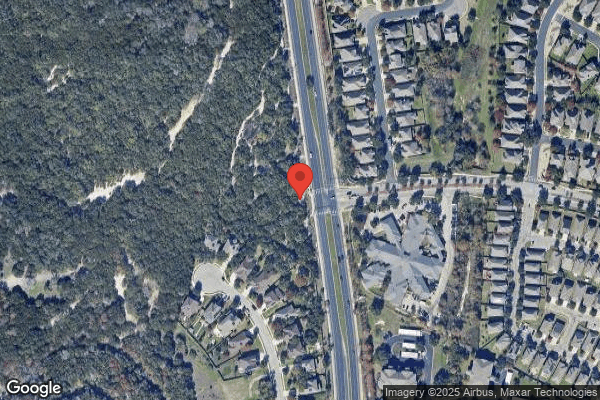

9801 S 1ST STREET, AUSTIN, TX 78748 (512) 292-3071
Government - Hospital district 120 Beds WELLSENTIAL HEALTH Data: November 2025
Trust Grade
30/100
#842 of 1168 in TX
Last Inspection: August 2024

Within standard 12-15 month inspection cycle. Federal law requires annual inspections.

Overview

Southpark Meadows Nursing and Rehabilitation Center has a Trust Grade of F, indicating significant concerns about the quality of care provided. It ranks #842 out of 1168 facilities in Texas, placing it in the bottom half statewide, and #20 out of 27 in Travis County, suggesting that there are just a few options that are better nearby. The facility is showing an improving trend, having reduced its issues from 7 in 2024 to 3 in 2025, but it still faces serious concerns, including failures to notify physicians about significant changes in residents' conditions, which can lead to serious health risks. Staffing is a weakness, with a poor rating of 1 out of 5, and while the turnover rate is around 56%, which is average, the lower RN coverage raises concerns about potential oversight in resident care. On a positive note, the facility has not incurred any fines, which is a good sign, but families should be aware of specific incidents where care standards were not met, such as a resident not receiving necessary medications after admission and another resident experiencing untreated symptoms from a serious infection.

Trust Score
F
30/100
In Texas
#842/1168
Bottom 28%
Safety Record
High Risk
Review needed
Inspections
Getting Better
7 → 3 violations
Staff Stability
⚠ Watch
56% turnover. Above average. Higher turnover means staff may not know residents' routines.
Penalties
✓ Good
No fines on record. Clean compliance history, better than most Texas facilities.
Skilled Nurses
⚠ Watch
Each resident gets only 10 minutes of Registered Nurse (RN) attention daily — below average for Texas. Fewer RN minutes means fewer trained eyes watching for problems.
Violations
⚠ Watch
21 deficiencies on record. Higher than average. Multiple issues found across inspections.
★★☆☆☆
2.0
Overall Rating
★☆☆☆☆
1.0
Staff Levels
★★★★★
5.0
Care Quality
★★☆☆☆
2.0
Inspection Score
Stable
2024: 7 issues
2025: 3 issues

The Good

  • 5-Star Quality Measures · Strong clinical quality outcomes
  • Full Sprinkler Coverage · Fire safety systems throughout facility
  • No fines on record

Facility shows strength in quality measures, fire safety.

The Bad

2-Star Overall Rating

Below Texas average (2.8)

Below average - review inspection findings carefully

Staff Turnover: 56%

Near Texas avg (46%)

Frequent staff changes - ask about care continuity

Chain: WELLSENTIAL HEALTH

Part of a multi-facility chain

Ask about local staffing decisions and management

Staff turnover is elevated (56%)

8 points above Texas average of 48%

The Ugly 21 deficiencies on record

3 actual harm
Jun 2025 2 deficiencies 2 Harm
SERIOUS (H) 📢 Someone Reported This

A family member, employee, or ombudsman was alarmed enough to file a formal complaint

Actual Harm - a resident was hurt due to facility failures

Notification of Changes (Tag F0580)

A resident was harmed · This affected multiple residents

**NOTE- TERMS IN BRACKETS HAVE BEEN EDITED TO PROTECT CONFIDENTIALITY** Based on interview and record review, the facility failed to immediately notify the resident's physician when there was a signif...

Read full inspector narrative →
**NOTE- TERMS IN BRACKETS HAVE BEEN EDITED TO PROTECT CONFIDENTIALITY** Based on interview and record review, the facility failed to immediately notify the resident's physician when there was a significant change in the resident's physical status for one (Resident #1) of three residents reviewed for resident rights. The facility failed to notify Resident #1's NP when she was diagnosed with C. diff (a bacterium that causes diarrhea and inflammation of the colon) twice in May of 2025 which caused increased diarrhea and her laxative was not discontinued. This failure placed residents at risk of excessive diarrhea, weight loss, infection, and pain. Findings included: Review of Resident #1's undated face sheet reflected an [AGE] year-old female who was admitted to the facility on [DATE] with diagnoses including multiple fractures of pelvis, dementia, urinary tract infections, and muscle wasting and atrophy (wasting away). Review of Resident #1's admission MDS assessment, dated 05/05/2025, reflected a BIMS score of 3, indicating she was severely cognitively impaired. Section H (Bladder and Bowel) reflected she was always incontinent of bowel . Review of Resident #1's admission care plan, dated 05/05/25, reflected she had a potential for fluid deficit with an intervention of notifying the physician if she had persistent symptoms of diarrhea. Review of Resident #1's lab results, dated 05/11/25, reflected she was diagnosed with C. diff. Review of Resident #1's lab results, dated 05/28/25, reflected she was diagnosed with C. diff. Review of Resident #1's physician order, dated 05/06/25, reflected Bisacodyl oral tablet delayed release - 5 MG - Give 2 tablets by mouth one time a day for constipation. Review of Resident #1's May 2025 and June 2025 MARs, reflected she was administered Bisacodyl every day of the month . During a telephone interview on 06/13/25 at 9:04 AM, Resident #1's RP stated he was aware she had been diagnosed with C. diff twice while at the facility. He stated she had increased stomach issues which caused her to dump all of the time. He stated her brief was always full of diarrhea. He stated he was not aware she was on a laxative as she had never been on one in her life. During a telephone interview on 06/13/25 at 11:55 AM, Resident #1's NP stated she was not notified of her increased diarrhea or that she was still being administered a laxative. She stated if she had been notified, she would have discontinued the laxative to ensure she did not experience weight loss or an electrolyte imbalance. During an interview on 06/13/25 at 12:48 PM, CNA A stated he remembered Resident #1 having huge amounts of diarrhea every day and it got progressively worse. He stated it was so much that it would come out of her brief and drip down her wheelchair to the floor. He stated the staff were constantly changing her brief. He stated he knew the nurse was aware. During an interview on 06/13/25 at 1:01 PM, MA B stated Bisacodyl was for constipation. She stated she knew Resident #1 was having diarrhea, but she administered it to her because it was on her MAR. She stated she told LVN C about her concern, but she did not remember what she said about it specifically. She stated she thought LVN C would have reached out to the NP. During an interview on 06/13/25 at 1:27 PM, LVN C stated she was aware of Resident #1's increased diarrhea and that she was on a laxative. She stated she was admitted with the order for the laxative and did not think to notify the NP when her diarrhea increased, and she believed it was okay for her to be on a laxative with diarrhea since she had C. diff. During an interview on 06/13/25 at 1:45 PM, the DON stated she would expect the nurses to notify the NP immediately if a resident was experiencing excessive diarrhea. She stated the NP should have also known she was still being administered a laxative. She stated the NP could have adjusted Resident #1's treatment/medication plans accordingly. She stated a negative outcome of not notifying the NP was she (NP) not being involved of all aspects of a resident's care and possibly developing dehydration and/or malnutrition. Review of the facility's Notification of Changes Policy, dated 10/24/22, reflected the following : The purpose of this policy is to ensure the facility promptly informs the resident, consults with the resident's physician when there is a change requiring notification. Definition: Need to alter treatment significantly means a need to stop a form of treatment because of adverse consequences.
SERIOUS (H) 📢 Someone Reported This

A family member, employee, or ombudsman was alarmed enough to file a formal complaint

Actual Harm - a resident was hurt due to facility failures

Quality of Care (Tag F0684)

A resident was harmed · This affected multiple residents

**NOTE- TERMS IN BRACKETS HAVE BEEN EDITED TO PROTECT CONFIDENTIALITY** Based on interview and record review, the facility failed to ensure that residents received treatment and care in accordance wit...

Read full inspector narrative →
**NOTE- TERMS IN BRACKETS HAVE BEEN EDITED TO PROTECT CONFIDENTIALITY** Based on interview and record review, the facility failed to ensure that residents received treatment and care in accordance with professional standards of practice, the comprehensive person-centered care plan, and the residents' choices for one (Resident #1) of three residents reviewed for quality of care. The facility failed to discontinue Resident #1's laxative when she was diagnosed with C. diff (a bacterium that causes diarrhea and inflammation of the colon) twice in May of 2025 which caused increased diarrhea, dehydration, elevated troponin (a protein that indicates heart damage or injury), and a weight loss of 25 pounds (27.8% weight loss) from 04/30/25 - 06/11/25. This failure placed residents at risk of an increased quality of life, weight loss, pain, and hospitalization. Findings included: Review of Resident #1's undated face sheet reflected an [AGE] year-old female who was admitted to the facility on [DATE] with diagnoses including multiple fractures of pelvis, dementia, urinary tract infections, and muscle wasting and atrophy (wasting away). Review of Resident #1's admission MDS assessment, dated 05/05/25, reflected a BIMS score of 3, indicating she was severely cognitively impaired. Section H (Bladder and Bowel) reflected she was always incontinent of bowel. Review of Resident #1's admission care plan, dated 05/05/25, reflected she had a potential for fluid deficit with an intervention of notifying the physician if she had persistent symptoms of diarrhea. Review of Resident #1's lab results, dated 05/11/25, reflected she was diagnosed with C. diff. Review of Resident #1's lab results, dated 05/28/25, reflected she was diagnosed with C. diff. Review of Resident #1's physician order, dated 05/06/25, reflected Bisacodyl oral tablet delayed release - 5 MG - Give 2 tablets by mouth one time a day for constipation. Review of Resident #1's May 20205 and June 2025 MARs, reflected she was administered Bisacodyl every day of the month. Review of Resident #1's weights reflected the following: 04/27/25 - 109.7 lbs (at hospital) 05/01/25 - 107.8 lbs 05/05/25 - 108.0 lbs 05/22/25 - 103.0 lbs 06/06/25 - 100.4 lbs 06/11/25 - 84.7 lbs (at hospital) Review of Resident #1's hospital records, dated 06/11/25, reflected an onset date of 06/11/25 for diagnoses of an AKI, dehydration, uremia, and a UTI. - Troponin levels were elevated at .94 ng/ML (reference range: <=0.04 ng/mL). Likely result of demand ischemia from volume depletion - Recent C Diff infection - Elevated Creatinine - 2.3 mg/dL (reference range: .59 - 1.04 mg/dL) Likely prerenal due to volume depletion. Resident #1 presented with profound hypotension that corrected after 1 L fluid bolus. - Acute Kidney Injury - Prerenal, secondary to dehydration. Improved with IV fluids. - BMI - 16.53 kg/m2 (reference range: 18.5 - 24.9) During a telephone interview on 06/13/25 at 9:04 AM, Resident #1's RP stated he was aware she had been diagnosed with C. diff twice while at the facility. He stated she had increased stomach issues which caused her to dump all of the time. He stated her brief was always full of diarrhea. He stated he took her home on [DATE] and later that day her blood pressure dropped so he took her to the ER where she was diagnosed with a UTI and dehydration. He stated Resident #1 lost a lot of weight and he was not sure if it was due to her not liking the facility's food or the increased diarrhea. He stated he did not know she was on a laxative or why they would continue administering it to her when she was having diarrhea. During an interview on 06/13/25 at 11:38 AM, the SC stated she conducted the weekly weights for the residents. She stated she gave the weights to the ADONs, she did not notify the NP of any weight loss herself. She stated if a resident lost eight pounds in a month, that would be a lot. She stated anything over three pounds in a month she would consider to be too much. During a telephone interview on 06/13/25 at 11:55 AM, Resident #1's NP D stated she was not notified of her increased diarrhea or that she was still being administered a laxative. She stated if she had been notified, she would have discontinued the laxative to ensure she did not experience weight loss or an electrolyte imbalance. She stated in the geriatric population, she would consider losing 8-10 pounds in a month to be a lot and would expect to be notified by the facility within a month. She stated if a resident lost over 20 pounds in a month, her first thought would be, we need to re-weight them. She stated that would be a very significant weight loss but knew that scales were not always accurate. She stated a negative outcome of losing that amount of weight so quickly could cause dehydration, a decline in health, or organ failure. She stated Resident #1 had diarrhea and lot of fluid loss coupled with poor nutrition so she could understand if she had lost weight. She stated losing that kind of weight that fast even from diarrhea could cause troponin levels to elevate. During an interview on 06/13/25 at 12:48 PM, CNA A stated he remembered Resident #1 having huge amounts of diarrhea every day and it got progressively worse. He stated it was so much that it would come out of her brief and drip down her wheelchair to the floor. He stated the staff were constantly changing her brief. He stated he knew the nurse was aware. During an interview on 06/13/25 at 1:01 PM, MA B stated Bisacodyl was for constipation. She stated she knew Resident #1 was having diarrhea, but she administered it to her because it was on her MAR. She stated she told LVN C about her concern, but she did not remember what she said about it specifically. She stated she thought LVN C would have reached out to the NP. During a telephone interview on 06/13/25 at 1:08 PM, NP E stated she was covering for NP D while she was on vacation. She stated if a resident had C. diff/diarrhea for a month, she stated that could definitely cause a 20-plus pound weight loss. She stated she would want to check for dehydration their electrolyte level. She stated losing that much weight in such a short timeframe could cause troponin levels to be elevated because it was an inflammatory response. During an interview on 06/13/25 at 1:27 PM, LVN C stated she was aware of Resident #1's increased diarrhea and that she was on a laxative. She stated she was admitted with the order for the laxative and did not think to notify the NP when her diarrhea increased, and she believed it was okay for her to be on a laxative with diarrhea since she had C. diff and that was normal. She stated she was not aware Resident #1 was losing weight. She stated if a resident lost between 3-5 pounds in a week, she would notify the NP. During an interview on 06/13/25 at 1:45 PM, the DON stated she would expect the nurses to notify the NP immediately if a resident was experiencing excessive diarrhea or weight loss. She stated the NP should have also known she was still being administered a laxative. She stated the NP could have adjusted Resident #1's treatment/medication plans accordingly. She stated a negative outcome of not notifying the NP was she not being involved of all aspects of a resident's care and possibly developing dehydration and/or malnutrition. She stated if she would have known Resident #1 was on a laxative while she had C. diff, she would contacted the NP to get it discontinued as it could cause more diarrhea which could put a resident a risk of dehydration or weight loss. She stated she was not aware of her weight loss but could see her weight fluctuating due to the diarrhea she had been experiencing. During a telephone interview on 06/17/25 at 9:15 AM, Resident #1's PCP stated the laxative may have contributed but it was not the cause of all of her ER diagnoses. He stated it had not been a negligence situation on the facility's part. He stated she had a history of IBS with diarrhea and constipation and was on a long-term laxative to manage those symptoms. He stated the laxative should have been stopped, but it was not the cause of what was already going on with her. Review of the facility's Notification of Changes Policy, dated 10/24/22, reflected the following: The purpose of this policy is to ensure the facility promptly informs the resident, consults with the resident's physician when there is a change requiring notification. Definition: Need to alter treatment significantly means a need to stop a form of treatment because of adverse consequences. Review of the facility's undated Weight Monitoring Policy reflected the facility will ensure that all residents maintain acceptable parameters of nutritional status, such as usual body weight or desirable body weight range and electrolyte balance.
Jun 2025 1 deficiency
CONCERN (D) 📢 Someone Reported This

A family member, employee, or ombudsman was alarmed enough to file a formal complaint

Potential for Harm - no one hurt, but risky conditions existed

Comprehensive Care Plan (Tag F0656)

Could have caused harm · This affected 1 resident

**NOTE- TERMS IN BRACKETS HAVE BEEN EDITED TO PROTECT CONFIDENTIALITY** Based on interview and record review, the facility failed to develop and implement a comprehensive person-centered care plan for...

Read full inspector narrative →
**NOTE- TERMS IN BRACKETS HAVE BEEN EDITED TO PROTECT CONFIDENTIALITY** Based on interview and record review, the facility failed to develop and implement a comprehensive person-centered care plan for each resident that included measurable objectives and timetables to meet a resident's medical, nursing, and mental and psychosocial needs for one (Resident #1) of five residents reviewed for care plans, in that: 1. The facility failed to care plan for Resident #1's 05/11/25 orthopedic ordered left arm sling prescribed for comfort, no discontinue date. 2 The facility failed to care plan Resident #1's history of refusal of care and medication from 12/07/2024 and 05/09/25. This failure placed residents at risk of not receiving the benefit of prescribed orthopedic equipment, risk of pain and discomfort and a lack of goals and interventions for the residents' individual needs for person-centered care. Findings included: Review of Resident #1's face sheet dated 06/06/25 reflected a [AGE] year-old male who was admitted to the facility on [DATE] and readmitted on [DATE] with diagnoses including hemiplegia (paralysis of one side of the body), cerebral infarction due to unspecified occlusion or stenosis of unspecified cerebral artery (a type of stroke caused by reduced or blocked blood flow to the brain), and other cerebral infarction due to occlusion or stenosis of small artery ( ischemic strokes, caused by the blockage or narrowing of smaller arteries within the brain). Review of Resident #1's quarterly MDS assessment, dated 05/12/25, reflected a BIMS score of 13, indicating no cognitive impairment. Section GG (Functional Abilities) reflected he was impaired on one side of both upper and lower extremities. Review of Resident #1's care plan reflected no identified problems, goals, or interventions for his prescribed left arm sling or his history of refusal of care and medication. Record review on 06/06/25 of Nurses Progress Note by LVN A dated 12/07/2024 reflected, notified by CNA staff was in room to adjust pt in bed and to be check and change if needed pt refuse c/not [sic] right now maybe later Record review on 06/06/25 of Nurses Progress Note by LVN A dated 12/08/2024 reflected, Enoxaparin Sodium Injection Solution Prefilled Syringe (prefilled syringe is a medication used to prevent and treat blood clots) 30 MG/0.3ML Inject 1 dose subcutaneously (under the skin) every 12 hours for anticoagulant (medications that prevent blood clots from forming) [Resident #1] refuse c/o too much medication has been given and will make him sick Record review on 06/06/25 of Nurses Progress Note by LVN A dated 01/05/25 reflected, give 12 grams by mouth two times a day constipation Mix with 4-8 oz of liquid resident refuse Record review on 06/06/25 of Nurses Progress Note by LVN A dated 01/21/25 reflected Np on call notified resident refuse 10 units of Lantus (insulin) this am Record review on 06/06/25 of Nurses Progress Note by LVN A dated 03/28/25 reflected, resident refuse dinner wife @ bedside alternate taken to room (steak fingers) refuse yelling @ nurse, 'I don't want that' Record review on 06/06/25 of Nurses Progress Note by LVN A dated 04/10/25 reflected pain medication was offered to Resident #1 and he stated, I don't want noting. I don't want anything from you. i don't want anything from anybody I'm fine. Record review on 06/06/25 of Nurses Progress Note by LVN A dated 05/09/25 reflected Resident #1 refusal for staff to assist pt back in bed. Record review on 06/06/25 of Nurses Note by the DON dated 05/09/25 reflected, Apply left arm sling for comfort as tolerated. one time a day for Left arm healing Record review on 06/06/25 of Resident #1's order dated 05/11/25, entered by the DO reflected Apply left arm sling for comfort as tolerated. one time a day for Left arm healing. Record review on 06/06/15 of Nurses Note by LVN A dated 05/25/25 reflected, Apply left arm sling for comfort as tolerated. one time a day for Left arm healing. Interview on 06/06/25 at 12:24 pm with Resident #1 reflected he had a sling for his left arm, but they did not put it on him. He said they used to, but they did not put it on him anymore he said his left arm hurt a lot. Interview on 06/06/25 at 4:05 with LVN B reflected she put Resident #1's left arm sling on him daily if he wanted her to. She said, at times, he would agree to wear it, and the next time she entered his room, he would have removed it. She said he was, not a very big fan for it. She said that he had two or three left arm slings, and there is one he liked better than the other. She said the one he liked was blue and soft and in the neck area there was some padding, and that was the one he would be more compliant to wear. She said there had been times when Resident #1 had refused to wear the left arm sling. She said he would say, maybe later or that thing just does not work. She said she attended facility daily staff morning meetings, and they discussed Resident #1 and his left arm sling. She said Resident #1's left arm sling was discussed more when it was first introduced and not very much after, maybe because he was not wearing it as much. LVN B said the care plan contained the interventions for the residents to be at their best functioning. She said she did not look at care plans every day, but she found them helpful. She said that if a resident had an order for equipment, it should be included in the care plan. She said she did not think Resident #1's left arm sling was helping him, and because it was not helping him, it did not need to be included in the care plan. She said the social worker, the MDS Coordinator and the DON were responsible for the care plans. She said care plans were not the responsibility of the floor nurses. She said that resident noncompliance should be included in the care plan and Resident #1's noncompliance with his left arm sling should have been included in the care plan. She said, in the past, Resident #1 had refused to take his medications and had a history to telling the staff No to care. Interview on 06/06/25 at 3:10 pm with LVN/MDSC revealed she was responsible for care plans and the updating of care plans, and stated that resident diagnoses, resident behaviors, and resident orthotics should be care planned. She said she was not a floor nurse, but she got information for care planning during the facility daily staff morning meetings. She said floor nurses would provide updates regarding behaviors from the previous day that needed to be added to the care plan. She said she relied on the floor nurses, the nurse manager, the DON, and the ADONs to help with the information to update care plans. She said a care plan was a tool used to determine a problem and it has a set of goals and interventions for the resident needs. She said the floor staff knew best know how to care for a resident. She said a care plan was necessary because it let the team know what the residents' needs were. She said if someone had a sling, it should be included in the care plan. She said the possible negative outcome, if care plans were not updated, was that certain care might not be provided to the resident, or the nurses might not know how to manage a problem. She said Resident #1's refusal to wear the sling should definitely be care planned. She said the sling was prescribed for comfort and to hopefully minimize some of Resident #1's pain. Interview on 06/06/25 at 4:52 pm with the Administrator reflected a care plan was the comprehensive tool used to direct specific resident centered care. He stated the MDS nurses are responsible for the care plans. He said the MDS Coordinators were not floor nurses, and they received the information to updated residents' care plans from information received from resident care reports facility daily staff morning meetings, and talking to the floor nurses. The Administrator revealed that Resident #1's left arm sling should have been included in the care plan. He said it was the responsibility of the MDS Coordinators to make sure residents have everything in the care plan. It was the responsibility of the DON or the regional care management specialist to make sure the care plan was accurate. The negative effects of not having a complete care plan were that the resident could receive inadequate care. Interview on 06/06/25 at 1:29 pm with the DON reflected Resident #1 had a specific sling that he liked to use when he allowed staff to put his left arm sling on for him. The DON said that more than 50% of the time, Resident #1 did not allow staff to put the sling on Resident #1. The DON said that during the facility daily morning staff meetings, it had been discussed that Resident #1 either refused to wear the left arm sling or removed the left arm sling, and it ended up on the floor. The DON stated that Resident #1's prescribed arm sling should be care planned. The possible outcome of Resident #1 not wearing his sling was discomfort and improper healing. She stated that it was upsetting and bothersome that Resident #1's left arm sling is not care planned, and that his refusal to wear his sling was not care planned. The DON said the importance of a care plan was that it set forth the care for the resident that included a resident's medical and behavioral orders how orders should be followed. She stated that if Resident #1 choses the use of one specific left arm sling over another left arm sling, this information should have been in the care plan. The DON said Resident #1 preferred the sling that had the pad on the strap towards the back, but that was not the sling that was in his room. She said the care plan was the responsibility of the MDS Coordinator, and the MDS Coordinator was not a floor nurse but Resident #1's non-compliance with his sling usage was discussed in the facility morning meetings when the MDS coordinator was present. The DON said Resident #1's other non-compliant behaviors were discussed in the facility morning meetings when the MDS Coordinator was present. She said she believed Resident #1's non-compliance with his left arm sling was discussed about 3 times during morning meeting, and his other non-compliance behaviors were discussed pretty frequent. She said it was the responsibility of the DON to follow up and make sure resident care plans were complete with information that was discussed during morning meetings. The DON said that if a care plan was not updated, resident care could be neglected and not carried out for both the resident's mental and physical needs. Interview on 06/06/25 at 3:51 pm with the NP revealed Resident #1 had an old fracture to his left elbow and the issue with his left arm sling was Resident #1's lack of compliance. She said the nurses would put the sling on him and Resident #1 would remove it and shove it in a drawer. She said that he had told her that no one was giving him his left arm sling to wear. She said the order for the left arm sling was given to Resident #1 by the by the orthopedic doctor for comfort. Review of the facility's policy, Comprehensive Care Plans dated 10/24/22, reflected it was the policy of the facility to develop and implement a comprehensive person-centered care plan for each resident, consistent, with resident rights that includes measurable objectives and time frames to meet a resident's medical, nursing, and mental and psychosocial needs that are identified in the resident's comprehensive assessment. Person centered means to focus on the resident as the locus of control and support the resident in making their own choices and having control over their daily lives. The comprehensive care plan will include measurable objectives and time frames to meet the residents needs as identified in the residents' comprehensive assessment. The objectives will be utilized to monitor the residents' progress. Alternative interventions will be documented, as needed.
Aug 2024 6 deficiencies
CONCERN (D)

Potential for Harm - no one hurt, but risky conditions existed

Incontinence Care (Tag F0690)

Could have caused harm · This affected 1 resident

**NOTE- TERMS IN BRACKETS HAVE BEEN EDITED TO PROTECT CONFIDENTIALITY** Based on observation, interview, and record review, the facility failed to ensure residents who entered the facility with indwel...

Read full inspector narrative →
**NOTE- TERMS IN BRACKETS HAVE BEEN EDITED TO PROTECT CONFIDENTIALITY** Based on observation, interview, and record review, the facility failed to ensure residents who entered the facility with indwelling catheters received appropriate treatment and services to prevent urinary tract infections and to restore continence to the extent possible for 1 of 3 residents (Resident #203) reviewed for catheter. The facility failed to ensure orders were entered related to Resident #203's Foley catheter at his admission on [DATE]. This failure placed residents at risk of UTI and other catheter-related complications. Findings included: Review of the undated face sheet for Resident #203 reflected a [AGE] year-old male admitted to the facility on [DATE]. His diagnoses included urinary tract infection (UTI) and sepsis ( a serious condition in which the body responds improperly to an infection). Review of of the MDS assessments for Resident #203 reflected none had been completed for Resident #203. Review of the baseline care plan for Resident #203 dated 08/15/24 and completed by LVN D reflected he had an indwelling catheter. It reflected the following care planning options related to his indwelling catheter, each with buttons next to them that indicated they could be checked/triggered, but none of them were checked: Problem: The resident has (SPECIFY: Condom/Intermittent/Indwelling Suprapubic) Catheter: Goal: The resident will be/remain free from catheter-related trauma through review date. Goal: The resident will show no s/sx of Urinary infection through review date. Intervention: CATHETER: last changed: (SPECIFY Date). Change catheter (FREQ). (SPECIFY Size) (SPECIFY Type) Intervention: CATHETER: The resident has (SPECIFY Size) (SPECIFY Type of Catheter). Position catheter bag and tubing below the level of the bladder and away from entrance room door. Intervention: Check tubing for kinks [# TIMES] each shift. Intervention: Monitor and document intake and output as ordered Intervention: Monitor for s/sx of discomfort on urination and frequency. Intervention: Monitor/document for pain/discomfort due to catheter. Intervention: Monitor/record/report to MD for s/sx UTI: pain, burning, blood tinged urine, cloudiness, no output, deepening of urine color, increased pulse, increased temp, Urinary frequency, foul smelling urine, fever, chills, altered mental status, change in behavior, change in eating patterns. Problem: The resident has (SPECIFY: Condom/Intermittent/Indwelling Suprapubic) Catheter. Review of the physician's order summary for Resident #203 pulled from the EMR on 08/22/24 at 12:55 PM reflected no orders related to an indwelling catheter. Observation on 08/22/24 at 10:02 AM revealed Resident #203 had a foley catheter tube emerging from his penis and connected to a plastic bag partially filled with yellow liquid. He did not respond to any efforts to converse with him. During an interview on 08/22/24 at 01:05 PM, LVN D stated she had been the nurse on duty when Resident #203 was admitted to the facility and had entered his orders and processed his admission paperwork on 08/15/24. She stated she knew Resident #203 had a catheter, and if he did not have orders for the catheter entered into the MAR, it was probably because she had made a mistake. She stated, as the admitting nurse, entering the orders for Resident #203 had been her responsibility. LVN D stated it was important to have orders related to catheters because a lack of orders in the system could cause new staff not to know he had a catheter. She stated if the catheter was not monitored for placement, patency, and quality of the urine. During an interview on 08/22/24 at 02:34 PM, the DON stated when a new resident admitted , the admitting nurse should have entered orders right then and there. She stated the orders should have been entered immediately, and if they were not, the team looked at the admission the next day in morning meeting and caught the omission. The DON stated she did not know why the missing catheter orders for Resident #203 were not caught in the morning meeting. She stated there had been no negative impact, because she had assessed him when they learned the orders had not been entered, and his urine was clear and yellow, not cloudy or tinged, and placement of the catheter was good. The DON stated the admitting nurse was responsible for entering the orders, and she and her ADONs were responsible for following up to ensure it was done. During an interview on 08/22/24 at 03:15 PM, the ADM stated there needed to be orders related to a resident's catheter. He stated it was the responsibility of the charge nurse for the resident and nurse management to ensure those orders were in place. He stated a resident could have negative outcomes without catheter orders, but he did not elaborate. A policy on catheters was requested from the ADM on 08/22/24 at 03:34 PM but not provided by the time of exit.
CONCERN (D)

Potential for Harm - no one hurt, but risky conditions existed

Pharmacy Services (Tag F0755)

Could have caused harm · This affected 1 resident

**NOTE- TERMS IN BRACKETS HAVE BEEN EDITED TO PROTECT CONFIDENTIALITY** Based on observation, interview, and record review, the facility failed to provide routine and emergency drugs to its residents ...

Read full inspector narrative →
**NOTE- TERMS IN BRACKETS HAVE BEEN EDITED TO PROTECT CONFIDENTIALITY** Based on observation, interview, and record review, the facility failed to provide routine and emergency drugs to its residents for 1 of 8 residents (Resident #206) reviewed for administration of medication. The facility failed to ensure Resident #206's medication orders were entered immediately upon his admission, and he did not receive his temazepam for insomnia his first night in the facility, 08/19/24. This failure placed residents at risk of insomnia and discomfort. Findings included: Review of the undated face sheet for Resident #206 reflected a [AGE] year-old male admitted to the facility on [DATE]. His diagnoses included muscle wasting and atrophy, hypertension (high blood pressure), hyperlipidemia (high cholesterol), type two diabetes mellitus(high blood sugar), obstructive sleep apnea (sleep-related breathing disorder), atrial fibrillation (irregular and often very rapid heartbeat), and insomnia. Review of the MDS assessments for Resident #206 reflected he did not have any complete assessments. Review of the physician's order summary for Resident #206 reflected an order dated 08/19/24 for Temazepam Oral Capsule 15 MG (Temazepam) Give 1 capsule by mouth at bedtime for INSOMNIA with a start date of 08/20/24. Observation and interview on 08/20/24 at 09:00 AM, revealed Resident #206 was seated in a chair next to his bed, awake and alert. He stated he was alright except that his medications did not come in the night before, and he had gone without the medicine he took to help him sleep. He stated it was not a very welcoming experience. He stated he had asked the nurse, whose name he did not know, for his temazepam, but she told him the pharmacy had not delivered it. He stated he had arrived at the facility at 06:00 PM the night before, on 08/19/24, and he did not understand why there was not communication between the hospital and the nursing facility to ensure he got his night medications. He stated the sleep medication was the only medication he took at night. He stated he did not sleep well after not receiving his medication, but he was not in very much distress about it. During an interview on 08/22/24 at 12:04 PM, LVN E stated she had admitted Resident #206 on the night of 08/19/24. She stated when she had an admission in the evening, she first did everything on her hall for her residents before she sat down and did the admission in the computer. She stated she finished all her work the night of Resident #206's admission and then sat down and began entering his information into the computer, including orders. She stated when she finished the admission, she went to visit him and offered him a temazepam from the emergency kit. She stated she did that because she saw he had a nighttime medication and the aides said he had been asking the aides for it. She stated he declined the medication from the emergency kit and said he would start the medication the following day. She stated it was 01:00 AM or 02:00 AM at that point. LVN E stated she had not documented anywhere that it was that late in the night, but she agreed it might be too late for someone to feel comfortable taking a sleeping medication. She stated it might have affected his night of sleep and might have made his first night in the facility unpleasant. During an interview on 08/22/24 at 02:46 PM, the DON stated the procedure should have been the admitting charge nurse for a new resident placed medication orders immediately in the EMR as soon as they were obtained by the referral and the resident arrived. She stated if the admission was after 05:00 PM, they would not have been able to receive the medications by their 08:00 PM pharmacy delivery, but if the orders were entered, the resident could have received the medication form the emergency kit. The DON stated her expectation was the nurse who admitted a resident entered medication orders immediately and not after completing all the work on their hall. The DON stated LVN E should have prioritized putting the medication orders in for Resident #206. She stated Resident #206 should have received his medication for sleep the night of his admission on [DATE]. She stated she thought his experience was not very favorable if he did not receive his sleeping medication. She stated it was the admitting nurse's responsibility to ensure medication orders were entered immediately upon resident admission, and it was nurse management's During an interview on 08/22/24 at 03:15 PM, the ADM stated medication orders should have been entered at admission to avoid residents missing medications. The ADM stated it was primarily the admitting nurse's responsibility to ensure the medication orders were entered, but nurse management oversaw the system for compliance. He stated a potential negative impact of not receiving his nighttime medications for Resident #206 was poor sleep. A policy on Entering/Following Physician Orders was requested from the ADM on 08/22/24 at 03:34 PM but was not provided by the time of exit.
CONCERN (E)

Potential for Harm - no one hurt, but risky conditions existed

Deficiency F0558 (Tag F0558)

Could have caused harm · This affected multiple residents

**NOTE- TERMS IN BRACKETS HAVE BEEN EDITED TO PROTECT CONFIDENTIALITY** Based on observations, interviews, and record review the facility failed to ensure residents received services in the facility w...

Read full inspector narrative →
**NOTE- TERMS IN BRACKETS HAVE BEEN EDITED TO PROTECT CONFIDENTIALITY** Based on observations, interviews, and record review the facility failed to ensure residents received services in the facility with reasonable accommodations of resident's needs and preferences except when to do so would endanger the health and safety of the resident or other residents for 8 of 8 residents (Resident #8, Resident #11, Resident #18, Resident #38, Resident #52, Resident #62, Resident #76, and Resident #80) reviewed for resident rights. The facility failed to ensure Resident #8, Resident #11, Resident #18, Resident #38, Resident # 52, Resident #62, Resident #76 and Resident #80's call lights was within reach on 08/20/2024. This failure could place residents at risk of needs not being met. Findings included: Record review of Resident #8's admission Record dated 08/21/24 revealed a [AGE] year-old male admitted to the facility on [DATE] with diagnoses that included frontotemporal neurocognitive disorder (type of memory), severe protein calorie malnutrition, thalassemia (inherited blood disorder), dementia (memory, thinking, difficulty), dysphagia (difficulty swallowing), type 2 diabetes mellitus without complications (high blood sugar), hyperlipidemia (high cholesterol), constipation, hypertension (high blood pressure), muscle wasting, unsteadiness on feet, lack of coordination, anxiety order, and adjustment disorder. Record review of Resident #8's Quarterly MDS dated [DATE] revealed that resident is rarely/never understood. Resident #8 did not have a BIMS score due to not being able to complete assessment. The MDS also revealed that the resident is dependent on toileting, and bathing. Resident #8 was also substantial/maximal assistance. Record Review of Resident #8's care plan dated 08/12/2024 revealed that staff were to encourage resident to use bell to call for assistance. Record review of Resident #11's admission Record dated 08/20/24 revealed a [AGE] year-old male admitted to the facility on [DATE] with diagnoses that included Parkinson's disease (a progressive disorder that affects the nervous system), type 2 diabetes mellitus with diabetic kidney disease (kidney damage due to diabetes), hypertension (high blood pressure), osteoarthritis (joint disease), heart failure, heart disease, hyperlipidemia (high cholesterol), schizophrenia (mental disorder), type 2 diabetes mellitus with diabetic neuropathy (nerve damage due to diabetes), muscle wasting, unsteadiness on feet, lack of coordination, migraines, Presbyopia (gradual loss of eye focus), malaise (feeling of general discomfort), cognitive communication deficit (problems with communication), bipolar (extreme mood swings), and dementia (memory, thinking, difficulty). Record review of Resident #11's Quarterly MDS dated [DATE] revealed Resident #11 had a BIMS score of 13, indicating that the resident could understand and make self-understood. The MDS also revealed that needed supervision or touching assistance with toileting. Record Review of Resident #11's care plan dated 07/12/2024 revealed the resident needs a safe environment, a working and reachable call light. Be sure the resident's call light is within reach and encourage the resident to use it for assistance as needed. The resident needs prompt response to all requests for assistance. Record review of Resident #18's admission Record dated 08/21/24 revealed a [AGE] year-old female admitted to the facility on [DATE] with diagnoses that included dementia (memory, thinking, difficulty), type 2 diabetes mellitus without complications (high blood sugar), hypertension (high blood pressure), hyperlipidemia (high cholesterol), atrial fibrillation(abnormal heart rhythm), depressive episodes, anxiety, pain, malignant neoplasm of brain (cancer of the brain), osteoarthritis (joint disease), hypermetropia (near objects are blurry in the eyes), missing organs, history of falling, muscle wasting, unsteadiness on feet, weakness, lack of coordination, adjustment disorder, insomnia (difficulty sleeping), edema (swelling), and age related physical debility. Record review of Resident #18's Quarterly MDS dated [DATE] revealed Resident #18 had a BIMS score of 1, indicating the resident rarely understood and rarely made self-understood. The MDS also revealed that Resident #18 was dependent with eating, toileting, and bed mobility. Record Review of Resident #18's care plan dated 07/26/2024 revealed encourage the resident to use bell to call for assistance. Record review of Resident #38's admission Record dated 08/22/24 revealed a [AGE] year-old male admitted to the facility on [DATE] with diagnoses that included heart failure, heart disease, atrial fibrillation(abnormal heart rhythm), pulmonary embolism (blood clot in the lungs), hyperlipidemia (high cholesterol), hyperthyroidism (excessive production of thyroid hormones), muscle weakness, intellectual disabilities, schizoaffective disorder depressive type (mental disorder), unsteadiness on feet, lack of coordination, muscle weakness, chronic bladder pain, dysphagia (difficulty swallowing), and cognitive communication deficit (problems with communication). Record review of Resident #38's Quarterly MDS dated [DATE] revealed Resident #38 had a BIMS score of 10, indicating the resident could understand and made self-understood. The MDS also revealed that Resident #38 was substantial/maximal assistance with toileting, bed mobility and transfers. Record Review of Resident #38's care plan dated 06/20/2024 revealed encourage the resident to use bell to call for assistance. Record review of Resident #52's admission Record dated 08/20/24 revealed a [AGE] year-old female admitted to the facility on [DATE] with diagnoses that included type 2 diabetes mellitus with hyperglycemia (high blood sugar), Parkinson's disease (a progressive disorder that affects the nervous system), hypertension (high blood pressure), muscle wasting, difficulty walking, unsteadiness on feet, lack of coordination, cognitive communication deficit (problems with communication), dysphagia (difficulty swallowing), long term use of insulin, and muscle wasting. Record review of Resident #52's Quarterly MDS dated [DATE] revealed Resident #52 had a BIMS score of 08, indicating the resident could understand and made self-understood. The MDS also revealed that Resident #52 was substantial/maximal assistance with toileting, bed mobility and transfers. Record Review of Resident #52's care plan dated 08/04/2024 revealed encourage the resident to use bell to call for assistance. Record review of Resident #62's admission Record dated 08/21/24 revealed a [AGE] year-old female admitted to the facility on [DATE] with diagnoses that included dementia (memory, thinking, difficulty), anemia (not enough healthy red blood cells), convulsions, hypertension (high blood pressure), chronic pain, hyperthyroidism (excessive production of thyroid hormones), dysphagia (difficulty swallowing), pain in right arm, history of falling, anxiety, muscle wasting, unsteadiness on feet, lack of coordination, aphasia (unable to comprehend due to damage to the brain), morbid obesity, kidney failure, adjustment disorder, reduced mobility, post-traumatic stress disorder, major depressive disorder, and malaise (feeling of general discomfort). Record review of Resident #62's Quarterly MDS dated [DATE] revealed Resident #62 had a BIMS score of 06, indicating the resident could understand and made self-understood at times. The MDS also revealed that Resident #62 was substantial/maximal assistance with toileting, bed mobility and transfers. Record Review of Resident #62's care plan dated 08/04/2024 revealed encourage the resident to use bell to call for assistance. Record review of Resident #76's admission Record dated 08/20/24 revealed a [AGE] year-old male admitted to the facility on [DATE] with diagnoses that included Parkinson's disease (a progressive disorder that affects the nervous system), kidney disease, ulcerative colitis (swelling in the bowels), lack of coordination, muscle wasting, repeated falls, weakness, unsteadiness on feet, cognitive communication deficit (problems with communication), dysphagia (difficulty swallowing), and dementia (memory, thinking, difficulty). Record review of Resident #76's Quarterly MDS dated [DATE] revealed Resident #76 had a BIMS score of 12, indicating the resident could understand and made self-understood. The MDS also revealed that Resident #76 was substantial/maximal assistance with toileting. Resident #76 was partial/moderate assistance for bed mobility and transfers. Record Review of Resident #76's care plan dated 06/21/2024 revealed be sure the resident's call light is within reach and encourage the resident to use it for assistance as needed. The resident needs prompt response to all requests for assistance. A working and reachable call light. Record review of Resident #80's admission Record dated 08/20/24 revealed an [AGE] year-old female admitted to the facility on [DATE] with diagnoses that included cerebral atherosclerosis (arteries in the brain become thick, hard and narrowing), heart failure, atrial fibrillation(abnormal heart rhythm), protein calorie malnutrition, cardiomegaly (enlarged heart), heart disease, muscle wasting, malaise (feeling of general discomfort), lack of coordination, dysphagia (difficulty swallowing), cognitive communication deficit (problems with communication), pain due to trauma, and oxygen. Record review of Resident #80's Quarterly MDS dated [DATE] revealed Resident #80 had a BIMS score of 3, indicating the resident could not understand and could not make self-understood. The MDS also revealed that Resident #80 was substantial/maximal assistance with toileting, transfer and bed mobility. Record Review of Resident #80's care plan dated 07/12/2024 revealed encourage the resident to use bell to call for assistance. An observation of Resident #76's room on 08/20/2024 at 7:41am revealed the resident's call light was hanging on the privacy curtain approx. 3 feet from the resident. An interview with Resident #76 on 08/20/2024 at 7:41am revealed that the call light was not in the reach of the resident most of the time. An observation of Resident #38's call device on 08/20/2024 at 7:54am revealed that his call light was sitting on the table approx. 3 feet from him where he could not reach the call light. A interview with Resident #38 on 08/20/2024 at 7:54am revealed that most of the time he has his call light. He stated that there are times that he must look for his call light. A observation of Resident #52's call device on 08/20/2024 at 8:36am revealed that her call light was wrapped around the bedrail that is lowered to the down position. The resident could not reach the call light. A interview with Resident #52 on 08/20/2024 at 8:36am revealed she normally does have her call light in reach but there were times that staff would not give the call light to her. An observation of Resident #80's call device on 08/20/2024 at 8:41am revealed Resident #80's call light was clipped to the privacy curtain that was against the wall. Resident #80 could not reach the call light while she was sitting in her wheelchair. A interview with Resident #80 on 08/20/2024 at 8:41am revealed she could not reach her call light. She stated that most of the time it is not in reach. An observation of Resident #11's call device on 08/20/2024 at 8:44am revealed that the resident's call light was wrapped around his bed rail that was in the down position. The resident was sitting at the end of the bed. An interview with Resident #11 on 08/20/2024 at 8:44am revealed that he did not know where his call light was. He said that he rarely used his call light. An observation of Resident #8 on 08/21/2024 at 9:07am revealed that the resident was approx. 2 feet from the call light. Resident #8 could not reach the call light to call for help. The resident was yelling for help. An observation of Resident #18's call light on 08/21/2024 at 9:51am revealed that the call light was hanging on the back of the wheelchair down to the floor. The resident could not reach the call light. An interview with LVN A on 08/22/2024 at 11:27am revealed that she had been trained on resident rights. She stated that the call light should always be within the resident's reach. She said that all staff are responsible for ensuring that the call light was in the resident's reach. She said that the call light should be in the residents always in reach because that is how they let staff know when they need help. She said that if the call light were not in the resident's reach the resident would not be able to get ahold of staff if they need something. She stated she did not know why the call lights were not in reach of the residents. An interview with the DON on 08/22/2024 at 11:32am revealed she had been trained on resident rights. She stated the call lights were to be always in the reach of the resident. She said that the call light should be next to the resident or clipped to their clothes. She said that CNAs were responsible for ensuring that the call lights were in the resident's reach. She said the call light needed to be in the reach of the resident so that the resident could get their needs met. She said if the call light were not in reach the resident could not get their needs met and the resident may fall. She stated she did not know why the call lights were not in reach of the residents. She also said that it could have been the student aides could be forgetting. An interview with CNA F on 08/22/2024 at 11:38am revealed she had been trained on resident rights. She stated the call light had to be always in the reach of the resident. She also said that if a resident is weaker on one side the call light was supposed to go on the resident's stronger side. She said CNAs were responsible for ensuring that the call lights were always in reach of the residents. She said that the call light is important because that was how residents called staff if they needed them or in case of an emergency. She also said if the call light were not in reach of the resident it could be detrimental to the resident. She said the resident could have a life threating issue and not be able to call for help. She also said she did not know why the call lights were not in reach of the resident. An interview with ADM on 08/22/2024 at 11:44am revealed staff has been trained on resident rights. He stated call lights should be placed in the resident's reach when the resident was in the room. He said all staff were responsible for answering and call light placement. He said it was important for the call light to be in the resident's reach so that the resident could get his or her needs meet. He also said if the call light was not in the reach of the resident, their needs cannot be met. He stated he did not know why the call lights were not in the reach of the residents. He also said that the facility does a lot of CNA training, and the students could just be forgetting to put them in the reach of the residents. Record Review of Call Lights: Accessibility and Timely Response Policy dated 10/13/2022 revealed staff was to ensure the call light was within reach of the resident and secured as needed. They call system will be accessible to the residents while in their bed or other sleeping accommodations within the resident's room.
CONCERN (E)

Potential for Harm - no one hurt, but risky conditions existed

Deficiency F0583 (Tag F0583)

Could have caused harm · This affected multiple residents

**NOTE- TERMS IN BRACKETS HAVE BEEN EDITED TO PROTECT CONFIDENTIALITY** Based on observation, interview and record review, the facility failed to ensure the residents' right to privacy including leavi...

Read full inspector narrative →
**NOTE- TERMS IN BRACKETS HAVE BEEN EDITED TO PROTECT CONFIDENTIALITY** Based on observation, interview and record review, the facility failed to ensure the residents' right to privacy including leaving electronic medical records out for public view for 1 (Resident #4) of 4 residents reviewed for privacy and protected HIPPA information. 1) The facility failed to ensure nursing staff locked the computer screen when it was unattended, which had displayed Resident #4's personal medical information during medication administration while RN C was away from the computer administering medication to Resident #4 at 07:56 AM on 8/16/2024. 2) On 08/20/24 at 08:13 AM RN C once again left Medication Cart A unattended and Resident #4's personal medical information open on computer screen. These failures could allow residents' protected HIPPA information to be shared with individuals who do not have a need or right to know, resulting in facility staff not honoring the resident's privacy, including during visits, treatment, or leaving medical records out for public view. The findings include: Record review of Resident #4's undated admission record revealed an [AGE] year-old female admitted to the facility on [DATE] and readmitted on [DATE] with diagnoses that included, but were not limited to Cerebral infarction (Stroke), Flaccid hemiplegia affecting right dominant side (weakness or paralysis on one side of the body), Need for assistance with personal care, Hypertension, Lack of coordination, Vascular dementia, Pain in joints right hand, Major depressive disorder, Epileptic seizures, Chronic pain syndrome, and Cognitive communication deficit. Record review of Resident #4's Annual MDS dated [DATE] and a Discharge MDS dated [DATE] revealed her BIMS assessment was not completed. Record review of Resident #4's Care Plan dated 08/14/24 reflected the resident had impaired cognitive function/dementia or impaired thought processes related to dementia, impaired decision making, long-term memory loss, short-term memory loss and CVA (Stroke), and the relevant interventions were: 1. Administer medications as ordered. Monitor/document for side effects and effectiveness. 2. Ask yes/no questions in order to determine resident's needs. 3. Communication - use the resident's preferred name. Identify yourself at each interaction. Face the resident when speaking and make eye contact. 4. Cue, reorient and supervise as needed. 5. Review medications and record possible causes of cognitive deficit: new medications or dosage increases; anticholinergics, opioids, benzodiazepines, recent discontinuation, omission or decrease in dose of benzodiazepines, drug interactions, errors or adverse drug reactions, drug toxicity. 6. The resident needs assistance with all decision making. Observation on 08/20/24 at 07:56 AM revealed RN C walked away from medication cart and went into Resident #4's room. RN C left Resident #4's medical information up on screen. RN C then returned to the medication cart and retrieved a sanitizing wipe and sanitized the blood pressure cuff. RN C then walked back into the Resident #4's room to check her oxygenation level with a pulse oximeter and left Resident #4's information visible on the screen. Observation on 08/20/24 08:13 AM revealed RN C had again left Resident #4's medical information visible on the screen. Interview on 08/20/24 at 08:11 AM with RN C revealed he had worked at the facility for 2 months in PRN status. RN C stated he should have turned Resident #4's privacy screen off when he stepped away from the medication cart to administer Resident #4's medications. RN C further stated leaving a resident's medical information visible to other residents and visitors was a HIPPA violation. During an observation and interview on 08/20/24 at 08:21 AM revealed Resident #4 was sitting in her bed and was awake and alert. She was sharing her room with another resident. Resident #4 resided to the left side of the room when facing her from the entrance door. Her roommate who resided at the right side of the room, was not in the room during medication administration. RN C was the designated nurse providing medications to Resident #4 on this day. During an attempted interaction by the investigator, Resident #4 was not able to answer questions about her right to have privacy. Interview on 08/22/24 at 02:26 PM with the DON who revealed protecting resident information was very important, as someone could steal their information. The DON stated this was the first and last time RN A would work as a medication aide and probably would no longer be utilized. The DON also stated her expectation was for all nurses and medication aides to keep the screen secured at all times. The DON stated she had started in-servicing her staff on locking the resident's privacy screen on 08/20/24. Interview on 08/22/24 at 03:30 PM with the ADM revealed the privacy screen not on Resident #4's electronic health record and keys left on top of the cart should not have happened and was a HIPPA violation. Record review of the facility's undated policy titled Resident Rights reflected: The resident has the right to exercise his or her rights as a resident of the facility and as a citizen or resident of the United States . . The resident has a right to be treated with respect and dignity .
CONCERN (E)

Potential for Harm - no one hurt, but risky conditions existed

Deficiency F0761 (Tag F0761)

Could have caused harm · This affected multiple residents

**NOTE- TERMS IN BRACKETS HAVE BEEN EDITED TO PROTECT CONFIDENTIALITY** Based on observation, interview and record review, the facility failed to assure that medications were secured and inaccessible ...

Read full inspector narrative →
**NOTE- TERMS IN BRACKETS HAVE BEEN EDITED TO PROTECT CONFIDENTIALITY** Based on observation, interview and record review, the facility failed to assure that medications were secured and inaccessible to unauthorized staff and residents for 1 of 8 medication carts (Medication Cart A), and that supplies in the medication room were not expired for medication storage and labeling. 1) Facility staff failed to ensure Medication Cart A was locked while administering medications to Resident #4 at 8:13 AM on 8/16/2024. 2) On 08/20/24 at 08:13 AM staff left Medication Cart A unlocked again and left a set of keys on top of the cart. 3) Observation on 08/21/24 at 01:45 PM in the medication room revealed 12 IV Start Kits with an expiration date of 05/19/24. 4) A resident (Resident #151) had prescription medications in his room sitting on the windowsill. These failures could lead to others accessing and ingesting medications that could cause clinically significant adverse consequences necessitating hospitalization to stabilize the resident and/or drug diversion. The findings included: Record review of Resident #4's undated admission record revealed an [AGE] year-old female admitted to the facility on [DATE] and readmitted on [DATE] with diagnoses that included, but were not limited to Cerebral infarction (Stroke), Flaccid hemiplegia affecting right dominant side (weakness or paralysis on one side of the body), Need for assistance with personal care, Hypertension, Lack of coordination, Vascular dementia, Pain in joints right hand, Major depressive disorder, Epileptic seizures, Chronic pain syndrome, and Cognitive communication deficit. Record review of Resident #4's Annual MDS dated [DATE] and a Discharge MDS dated [DATE] revealed her BIMS assessment was not completed. Record review of Resident #4's Care Plan dated 08/14/24 reflected the resident had impaired cognitive function/dementia or impaired thought processes related to dementia, impaired decision making, long-term memory loss, short-term memory loss and CVA (Stroke), and the relevant interventions were: 1. Administer medications as ordered. Monitor/document for side effects and effectiveness. 2. Ask yes/no questions in order to determine resident's needs. 3. Communication - use the resident's preferred name. Identify yourself at each interaction. Face the resident when speaking and make eye contact. 4. Cue, reorient and supervise as needed. 5. Review medications and record possible causes of cognitive deficit: new medications or dosage increases; anticholinergics, opioids, benzodiazepines, recent discontinuation, omission or decrease in dose of benzodiazepines, drug interactions, errors or adverse drug reactions, drug toxicity. 6. The resident needs assistance with all decision making. Record review of Resident #151's undated admission record revealed an [AGE] year-old male was recently admitted to the facility on [DATE] with diagnoses that included, but were not limited to Anxiety disorder, depression, Hypertension, Hypokalemia (low serum potassium), Urinary tract infection, and Benign prostatic hypertrophy with urinary tract symptoms ( enlarged prostate gland with urinary tract symptoms). Record review of Resident #151's Comprehensive MDS dated [DATE] revealed his BIMS assessment had not been completed. Record review of Resident #151's Care Plan dated 08/14/24 reflected the resident was a smoker. Goal - the resident will not smoke without supervision through the review date and the resident will not suffer injury from unsafe smoking practices through the review date. Instruct the resident about smoking risks and hazards and about smoking cessation aids that are available and observe clothing and skin for signs of cigarette burns. Observation on 08/20/24 at 07:56 AM revealed RN A walked away from Medication Cart A and went into Resident #4's room. RN A left Medication Cart A unlocked . RN A did not press the lock button on Medication Cart A when he went into Resident #4's room. RN A then returned to Medication Cart A and retrieved a sanitizing wipe and sanitized the blood pressure cuff. RN A then walked back into the Resident #4's room to check her oxygenation level and Medication Cart A was still left unlocked, and a set of keys were sitting on top of Medication Cart A. Observation on 08/20/24 08:13 AM revealed RN A had again left Medication Cart A unlocked, and a set of keys were left on top of the cart. Interview on 08/20/24 at 08:11 AM with RN A revealed he had worked at the facility for 2 months in PRN status. RN A stated he should have locked Medication Cart A when he walked away from Medication Cart A to administer Resident #4's medications. RN A further stated leaving Medication Cart A unlocked put residents at risk of someone taking their medications. Observation of the medication room on 08/21/24 at 01:45 PM revealed 12 IV Start Kits with PVP Prep Pad with an expiration date of 05/19/24 in the bottom drawer of a 3-drawer plastic bin. Observation on 08/21/24 at 03:28 PM revealed there were 3 prescription medications sitting on Resident #151's windowsill. Resident #151 was not in the room at the time. The medications had Resident #151's name on them, and the label on each bottle reflected a prescription for Escitalopram 10mg, Chlordiazepoxide 5mg, and Fluticasone Propionate nasal spray 50mcg. Resident #151's roommate was bedbound and required a mechanical lift transfer to get up to his wheelchair. Interview on 08/21/24 at 4:26 PM with LVN A revealed she had not noticed Resident #151 had medications sitting on his windowsill, and she had worked the past weekend. LVN A further stated had she seen the medications she would have confiscated them and ensured they were locked up. Interview on 08/22/24 at 9:28 AM with Resident #151 revealed he had asked his friend to bring the medications that were on his windowsill and some clothing to him so he could talk to the NP at the facility about them. Resident #151 further stated he did not intend any harm and had not thought about the possibility of another resident getting his medications and wanted to cooperate with the facility rules. Resident #151 stated the facility had taken the medications and locked them up. Interview on 08/22/24 at 02:26 PM with the DON revealed she was responsible for overlooking the expired IV start kits when she checked the medication room. The DON stated she was responsible for rotating the items in medication room and removing expired medications and supplies. The DON stated the medication carts should always be locked when staff step away, to prevent anyone from going into the medication cart and grabbing things from it. The DON stated her expectation was to keep medication carts locked at all times when unattended. The DON further stated she did go around and check the carts, at least twice per week, and when a medication cart was found unlocked, she would lock the cart in her office. The DON stated Resident #151 had a visitor who he had asked to bring clothing and the medications to review with the NP. The DON stated she would expect the charge nurse to notice the medications. The DON further stated the charge nurse had been a nervous wreck during state observation of g-tube care for Resident #151's roommate and had not seen the meds in the window. The DON stated the medications on the windowsill should have been confiscated by the charge nurse and locked up. Interview on 08/22/24 at 03:30 PM with the ADM revealed he had gone to look in Resident #151's room in the afternoon of 08/21/24 and found medications on his windowsill. The ADM further stated they had confiscated the medications after Resident #151 was present and communicated to Resident #151 the medications had to be locked up. The ADM stated Resident #151 had felt badly about the medication incident, and he had wanted to talk with the NP about them. The ADM stated the potential impact of a resident having access to medications the facility was not aware of could cause an undesirable interaction for the resident, and also the possibility of another resident taking the medications. The ADM stated the expired IV start kits found in the medication room and medication cart left unattended, and keys left on top of the cart should not have happened. The ADM stated the nurse and nurse management were responsible for ensuring resident medications were secured, and that all medications and IV tubing in the medication room were removed if expired. The ADM further stated no medications should be at bedside unless approved by a physician and the resident was self-administering their medications. Review of facility Policy and Procedure titled, Expiration Dating and Expired Medications: dated 10/01/19 reflected, The facility is to strictly adhere to the expiration dating and It is the responsibility of all nurses who administer medications to monitor the expiration dates of the medications. Expired medications will not be administered in the facility. All expired medications will be disposed of per Facility policy.
CONCERN (E)

Potential for Harm - no one hurt, but risky conditions existed

Medical Records (Tag F0842)

Could have caused harm · This affected multiple residents

**NOTE- TERMS IN BRACKETS HAVE BEEN EDITED TO PROTECT CONFIDENTIALITY** Based on interview and record review, the facility failed to maintain medical records on each resident that were complete and ac...

Read full inspector narrative →
**NOTE- TERMS IN BRACKETS HAVE BEEN EDITED TO PROTECT CONFIDENTIALITY** Based on interview and record review, the facility failed to maintain medical records on each resident that were complete and accurately documented for 4 of 32 residents (Residents #8, #81, #206, and #217) reviewed for clinical records. 1. The facility failed to ensure a legal MPOA was in the clinical record for Resident #8. 2. The facility failed to ensure a legal OOH-DNR was in the clinical record for Resident #81. 3. The facility failed to ensure the code status for Resident #206 was evident in the clinical record. 4. he facility failed to ensure medical documents for Resident #217 were filed in the correct clinical record. This failure placed residents at risk of having their confidentiality and their rights violated. Findings included: 1. Review of the undated face sheet for Resident #8 reflected a [AGE] year-old male admitted to the facility on [DATE]. His diagnoses included frontotemporal neurocognitive disorder (type of memory), severe protein calorie malnutrition, thalassemia (inherited blood disorder), dementia (memory, thinking, difficulty), dysphagia (difficulty swallowing), type 2 diabetes mellitus without complications (high blood sugar), hyperlipidemia (high cholesterol), constipation, hypertension (high blood pressure), muscle wasting, unsteadiness on feet, lack of coordination, anxiety order, and adjustment disorder. Review of Resident #8's quarterly MDS assessment dated [DATE] reflected the resident was rarely/never understood. Resident #8 did not have a BIMS score due to not being able to complete assessment. Review of the miscellaneous documents section for Resident #8 reflected the MPOA that had been uploaded had no date, signature, or notary seal. 2. Review of the undated face sheet for Resident #81 reflected a [AGE] year-old female admitted to the facility on [DATE]. Her diagnoses included fracture of neck of right femur (broken thigh bone), anemia (low blood iron), hypertension (high blood pressure), weakness, arthritis, history of breast cancer, urinary tract infection, muscle wasting and atrophy, unsteadiness on feet, lack of coordination, cognitive communication deficit (difficulty communication due to cognitive impairment), and cerebral aneurysm (bulge or ballooning in a blood vessel in the brain that can rupture and cause a brain bleed). Review of Resident #8's admission MDS assessment dated [DATE] reflected a BIMS score of 02, indicating severely impaired cognition. Review of the profile information for Resident #81, which included the date of admission, code status, and primary diagnosis and appeared at the top of every section of the EMR, reflected a code status of DNR. Review of the physician's order summary for Resident #81 reflected the following order dated 07/23/24: DNR (Do Not Resuscitate). Review of the miscellaneous documents section for Resident #81 reflected no OOO-DNR form present. During an interview on 08/22/24 at 01:17 PM, the SW stated she thought Resident #8's family member sent the wrong MPOA form, and somebody uploaded the form by accident. She stated the BOM was the person who uploaded the MPOA for Resident #8 into the clinical record, and she was out on leave. She stated she did not know if she was responsible for uploading the OOH-DNR for Resident #81, but usually it was tied to the code status order being placed in the order list at admission. The SW stated she could not enter orders, as she was not a nurse or a nurse practitioner. She stated a potential negative impact of the failures related to the MPOA and the OOH-DNR was residents might not receive the care they wanted. An attempt was made on 08/22/24 at 03:04 PM to interview the BOM but she did not answer her phone or return contact. 3. Review of the undated face sheet for Resident #206 reflected a [AGE] year-old male admitted to the facility on [DATE]. His diagnoses included muscle wasting and atrophy, hypertension (high blood pressure), hyperlipidemia (high cholesterol), type two diabetes mellitus(high blood sugar), obstructive sleep apnea (sleep-related breathing disorder), atrial fibrillation (irregular and often very rapid heartbeat), and insomnia. Review of the MDS assessments for Resident #206 reflected he did not have any complete assessments. Review of the physician's order summary for Resident #206 reflected an order dated 08/19/24 for code status to be full code. Review of the profile information for Resident #206 reflected his code status was not present in the heading at the top of the page. This profile information included the date of admission and primary diagnosis and appeared at the top of every section of the EMR, but the area reserved for code status did not clarify a code status. During an interview on 08/22/24 at 12:04 PM, LVN E stated she had admitted Resident #206 and should have entered his code status so that it could be seen at the top of the page in his clinical record in the EMR. She stated she was very busy that night and must have forgotten. She stated it was her responsibility. She stated she did not think it would have a negative impact, because he had a full code status, and they would always treat a resident as a full code if there was a question about their code status. 4. Review of the undated face sheet for Resident #217 reflected a [AGE] year-old male admitted to the facility on [DATE] and discharged on 08/08/24. His diagnoses included urinary tract infection, cellulitis of right, lower limb, methicillin susceptible staphylococcus aureus infection (infection caused by bacteria commonly found on the skin), emphysema (destructive disease of the lung), obstructive and reflux uropathy (when urine can't flow through the ureter, bladder, or urethra due to some type of obstruction), anemia, anxiety disorder, acute kidney failure, chronic kidney disease stage four, and hyperkalemia (high blood potassium). Review on 08/21/24 of the miscellaneous documents section of the clinical record for Anonymous Resident #1 reflected Resident #217's hospital records from 07/29/24 had been uploaded to Anonymous Resident #1's clinical record. Review on 08/22/24 of the miscellaneous documents section of the clinical record for Anonymous Resident #2 reflected Resident #217's hospital records from 07/13/24 had been uploaded to Anonymous Resident #2's clinical record. Both Anonymous Residents #1 and #2 were currently residing in the facility during the time Resident #217's records were found in their charts. During an interview on 08/22/24 at 12:54 PM, the MR stated she was responsible for uploading documents to the EMR and had uploaded the two hospital documents for Resident #417 into the wrong clinical records. She stated she was not sure why the documents were filed incorrectly, but it might have been because they were sent to other departments to view, sent back to her, and were stacked with a different resident. She stated a potential impact of the document being uploaded in the wrong record was a provider who was looking might also have missed the name and thought they were looking at clinical information about the patient they were treating and give them the wrong care, or it could have been a violation of HIPAA. During an interview on 08/22/24 03:15 PM, the ADM stated he had determined there were three aspects of the same clinical records issue. He stated with Resident #8, the BOM had been assisting the family with getting him on Medicaid, and the MPOA document that was provided by the MPOA was the one that was uploaded and sent to Medicaid. The ADM stated Medicaid was approved, so the person who reviewed the Medicaid application obviously did not check closely the MPOA, either. He stated in that situation, the BOM was responsible for uploading the correct, legal document in the chart. The ADM stated the issue with Resident #217's documents being placed in the wrong clinical records was because of the high number of admissions they had at the facility, as they admitted and discharged many short-term skilled residents each week. He stated the stacks of information coming from all the disciplines were so many documents, that the MR simply misfiled a couple. Related to the issue of Resident #206 not having his code status clearly printed in his chart at the top of his profile information, he stated that was because there was a drop-down menu nurses had to use to enter a code status after they entered orders, and the admitting nurse must have forgotten. He stated the oversight could have resulted in Resident #206 not receiving emergency treatment as quickly as possible as the staff would have to dig into the record to find the information. He stated the records being filed under the wrong resident chart could have had the impact of violating HIPAA or of clinicians not getting the correct clinical information about the patient they were looking up. He stated a potential impact of a resident not having a legal MPOA was that it could have been a rights violation if the person claiming MPOA did not have a full and legal designation. He stated a potential impact of not having a legal OOH-DNR in the clinical record was the resident might not have had her wishes observed. He stated the SW should have been responsible for checking the legal documents and ensuring they were available, and the MR was responsible for ensuring they went into the correct chart. He stated the nurses and nurse management were responsible for ensuring the code status was entered into the EMR profile. Review of a document provided by the ADM on 08/21/24 reflected a legal MPOA dated 01/24/24 for Resident #8 delegating his FM as his MPOA. Review of a document provided by the ADM on 08/21/24 reflected a legal OOH-DNR for Resident #81 dated 07/23/24. Review of the facility policy dated 10/24/22 and titled Documentation in the Clinical Record reflected the following: Each resident's medical record should contain accurate representation of the actual experiences of the resident and include enough information to provide a picture of the resident's progress through complete, accurate, and timely documentation. Review of facility policy dated 10/24/22 and titled Residents' Rights Regarding Treatment and Advance Directives reflected the following: It is our policy of this facility to support and facilitate a resident's right to request, refuse and/or discontinue medical or surgical treatment and formulate an advanced directive. 3. Upon admission, should the resident have an advanced directive, copies will be made and placed on the chart as well as communicated to the staff.
May 2024 1 deficiency 1 Harm
SERIOUS (H) 📢 Someone Reported This

A family member, employee, or ombudsman was alarmed enough to file a formal complaint

Actual Harm - a resident was hurt due to facility failures

Pharmacy Services (Tag F0755)

A resident was harmed · This affected multiple residents

**NOTE- TERMS IN BRACKETS HAVE BEEN EDITED TO PROTECT CONFIDENTIALITY** Based on observation, interview, and record review, the facility did not provide pharmaceutical services to meet the needs of ea...

Read full inspector narrative →
**NOTE- TERMS IN BRACKETS HAVE BEEN EDITED TO PROTECT CONFIDENTIALITY** Based on observation, interview, and record review, the facility did not provide pharmaceutical services to meet the needs of each resident for one (Resident #1) of four residents reviewed for pharmaceutical services, in that: The facility failed to ensure Resident #1 was administered her prescribed Clonazepam (for anxiety), Duloxetine (for depression), Zyprexa (for agitation), and Melatonin (for insomnia) for four days after admission on [DATE]. This caused her symptoms of confusion and agitation to exacerbate causing distress. This deficient practice could place residents at risk of not receiving the intended therapeutic benefit of the medications and supplements or could result in worsening or exacerbation of chronic medical conditions. Findings included: Review of Resident #1's undated face sheet reflected a [AGE] year-old female who was admitted to the facility on [DATE] with diagnoses including agitation, anxiety disorder, depression, stroke, and cognitive communication deficit. Review of Resident #1's EMR, on 05/26/24, reflected her 5-day MDS assessment had not been completed. Review of Resident #1's BIMS, dated 05/23/24, reflected a BIMS of 11, indicating a moderate cognitive impairment. Review of Resident #1's admission care plan, dated 05/22/24, reflected it had nothing related to her diagnoses or behaviors. Review of Resident #1's hospital records, dated 05/18/24, reflected the following: Called by RN as [Resident #1] was throwing food, water, meds . security called . Zyprexa 2.5 mg IV ordered . AMS/Agitation . Zyprexa BID, E sitter ordered . Review of Resident #1's hospital records, dated 05/19/24, reflected the following: [Resident #1] with waxing/waning MS . change Zyprexa to 2.5 mg PO Q6 hours PRN . has E sitter (cannot go to SNF with E sitter) . Disposition - to SNF once MS improved . Review of Resident #1's hospital records, dated 05/20/24, reflected the following: Remove sitter at 3 PM if [Resident #1] is oriented and alert . PT/OT - resume therapy today . Review of Resident #1's hospital records, dated 05/21/24, reflected the following: Stop sitter at 3 PM today . less confused . Anticipate SNF discharge tomorrow afternoon. Review of Resident #1's discharge medications in her hospital records, dated 05/22/24, reflected the following: Clonazepam - 0.5 mg - po BID Duloxetine - 20 mg - po BID Zyprexa - 2.5 mg - po qhs Melatonin - 10mg - po qhs Review of Resident #1's MAR, May of 2024 on 05/26/24, reflected she received her first dose of Clonazepam and Duloxetine on the morning of 05/26/24. She had not received any doses of Melatonin or Zyprexa since she was admitted on [DATE]. From 05/23/24 - 05/25/24, LVN D marked 9, which was defined as Other/See Progress Notes. Review of Resident #1's progress notes, from 05/23/24 - 05/25/24, reflected no progress notes documented by LVN D related to medications. Review of Resident #1's progress notes in her EMR, dated 05/25/24 at 6:27 PM and documented by RN A, reflected the following: Day shift nurse reports [Resident #1] refused all three meals today but did accept a health shake. Review of Resident #1's progress notes in her EMR, dated 05/25/24 at 7:22 PM and documented by RN A, reflected the following: . [Resident #1] began using racial slurs, throwing items in her room . Review of Resident #1's progress notes in her EMR, dated 05/26/24 at 4:30 AM and documented by RN A, reflected the following: Staff reports that [Resident #1] was cursing and shoving furniture in her room and throwing items. Review of Resident #1's progress notes in her EMR, dated 05/26/24 at 5:31 AM and documented by RN A, reflected the following: [Resident #1] near the nurse's station uses her cell phone to call (city) police department. Reports someone stole her phone charger and she believes she is being mistreated. During an observation and interview on 05/26/24 at 9:47 AM revealed Resident #1 ambulating with her walker slowly around the nurses' station. She was agitated and distressed and stated she had not slept in two days and she had no idea what was going on. She repeatedly laid her head on the desk of the nurses' station, moaning that she was so tired. LVN B redirected Resident #1 towards her room and stated they had been waiting on some of her medications to arrive and she had gone without several medications and that was why she had been anxious, agitated, and not sleeping well. During an interview on 05/26/24 at 10:40 AM, RN A stated Resident #1 had not slept last night and was more agitated than usual. She stated she was throwing furniture and yelling at staff. She stated she had not worked in a few days and it looked like her medications were still pending delivery from the pharmacy but she utilized the e-kit for her morning medications. She stated she had already called the pharmacy to try and get an update. During an interview on 05/26/24 at 10:47 AM, CNA C stated Resident #1 had been more confused and agitated since she was admitted . She stated she was restless and anxious all night and did not sleep. During an interview on 05/26/24 at 11:11 AM, the ADON stated the nurse management team was responsible for ensuring medications were in house and readily available upon residents' admission. He stated if there were not medications available for a resident, he would it was the nurse's responsibility to contact the DON and NP or call the pharmacy for a stat delivery. He stated their pharmacy makes deliveries twice a day and it would be unacceptable for any resident to go multiple days without their scheduled medications. He stated if a resident went days without medications such as Duloxetine, Zyprexa, and Clonazepam, it could cause increased anxiety and could affect all aspects of their mental health. He stated he was not aware Resident #1 had gone multiple days without these medications. He stated he was not sure if those particular medications (Duloxetine, Clonazepam, Zyprexa, and Melatonin) were in their emergency medication kit. On 05/26/24 multiple telephone calls were made to LVN D. A returned phone call was not received prior to exiting. Review of the facility's Medication Orders Policy, revised 10/01/19, reflected the following: Medications are administered only upon the clear, complete, and signed order of a person lawfully authorized to prescribe. Verbal orders are received only by the licensed nurses or pharmacists and confirmed in writing by the prescriber within 48 hours. . C. Emergency Medication Order: (Medication NOT contained in emergency medication supply) An emergency order is placed with the provider pharmacy, and the medication is scheduled to be given as negotiated with the pharmacy and based on logistics and applicable regulations. Stat orders always require direct communication between a nurse and a pharmacist to adequately assess the situation and define a resolution.
Jun 2023 7 deficiencies
CONCERN (D)

Potential for Harm - no one hurt, but risky conditions existed

Deficiency F0700 (Tag F0700)

Could have caused harm · This affected 1 resident

**NOTE- TERMS IN BRACKETS HAVE BEEN EDITED TO PROTECT CONFIDENTIALITY** Based on observation, interview, and record review the facility failed to ensure residents with bed rails were assessed for the ...

Read full inspector narrative →
**NOTE- TERMS IN BRACKETS HAVE BEEN EDITED TO PROTECT CONFIDENTIALITY** Based on observation, interview, and record review the facility failed to ensure residents with bed rails were assessed for the resident for risk of entrapment from bed rails, failed to provide ongoing monitoring for the use of side rails, and failed to have an order for side rails for 1 of 5 residents (Resident #7). Resident # 7 had half side rails without medical justification and a developed care plan with measurable goals benefits and risks related to side rail use. This failure could affect residents by putting them at an increased and unnecessary risk of harm, entrapment, and injury. Findings included: Review of Resident #7's admission Record, dated 6/14/23, revealed she was a [AGE] year-old female admitted to the facility on [DATE] with diagnoses which included Gastrostomy, intellectual disabilities, seizures, physical debility, and unspecified convulsions. Review of Resident #7's quarterly MDS Assessment, dated 5/23/23, revealed: She was unable to make herself understood or understand others. She had long and short-term memory impairment with severely impaired cognitive skills for decision making. She had physical behaviors directed towards other 1 - 3 days in the previous seven. She was totally dependent on two staff for ADL care Bed rail use was not indicated. Review of Resident #7's Care Plan, revised on 10/28/21, revealed: Problem: Resident #7 had an ADL self-care performance deficit related to confusion, impaired balance, limited mobility, limited range of motion due to unspecified intellectual disabilities, and poor trunk control. Goal: Resident #7 will maintain current level of function through the review date. Interventions included: Bed Mobility - the resident is totally dependent on 1 - 2 staff for repositioning and turning Review of Resident #7's Care Plan, revised 5/3/23, revealed: Problem: Resident #7 was high risk for falls related to confusion, deconditioning, gait/ balance problems, incontinence, poor communication/ comprehension, unaware of safety needs, bilateral (both sides) lower extremity contractures (permanent tightening of the muscles, tendons, skin, and nearby tissues that cause the joints to shorten and become very stiff) due to intellectual disabilities, and psychosis. Goal: Resident #7 will not sustain serious injury through the review date. Interventions included: ¼ side rails for positioning (implemented 11/8/18); Bolster mattress to prevent resident from rolling out of bed secondary to uncontrolled boy movements (implemented 9/21/21) . Review of Resident #7's Order Summary Report, dated 6/14/23, revealed an order for: Bolster mattress to prevent resident rom rolling out of bed secondary to uncontrolled body movements dated 9/21/21. There was no order for the side rails. Observation on 6/13/23 at 9:59 a.m. revealed Resident #7 was in bed. She had a low bed with a bolster mattress (mattress with raised sides as part of the mattress) and half-rails on both sides at the top of the bed in place. Resident #7 was not interviewable due to her cognitive status. Observation on 6/13/23 at 3:53 PM revealed Resident #7 still in bed with a bolster mattress and half rails in place. Interview on 06/14/23 at 11:37 AM the DON described Resident #7 as total assistance with ADL care. The DON said Resident #7 was tube fed, had a history of disruptive behaviors, and had spastic abnormal body movement. The DON said Resident #7 had the scoop mattress so Resident #7 would not throw herself out of the bed. The DON explained the side rails met criteria for use by therapy. The DON confirmed Resident #7 had seizures. The DON said Resident #7 needed both the scoop mattress and the side rails at the same time so Resident #7 could reposition herself. When asked if Resident #7 was able to reposition herself the DON said no. After reviewing the Physician's Orders, she said she did not find an order for the side rails, but there was an order for the bolster mattress dated 9/21/21. Interview on 6/14/23 at 12:08 PM the DON reported that therapy did an assessment for side rails on Resident #7 and said she did not meet criteria for use. The DON stated the side rails were being removed. The DON stated it looked like Resident #7 had both the side rails and the bolster mattress since 2019. The DON said she did not know why the use of both had been missed as she only became DON 11/2022. The DON stated the facility's side rail policy was to get consent and a therapy evaluation. The DON said Resident #7 was not on therapy services which was probably why it was missed. The DON said ongoing monitoring for use was an expectation and she expected her ADONs to do assessments quarterly. The DON said she could not find where the quarterly evaluations were done. She stated that the ADON had been working the night shift due to lack of coverage recently and was not available for interview at that time. In an interview on 6/15/23 at 10:00 AM the Administrator stated that the facility did not have a written policy regarding side rails.
CONCERN (D)

Potential for Harm - no one hurt, but risky conditions existed

Medication Errors (Tag F0758)

Could have caused harm · This affected 1 resident

**NOTE- TERMS IN BRACKETS HAVE BEEN EDITED TO PROTECT CONFIDENTIALITY** Based on interview and record review the facility failed to ensure that each resident's drug regimen was free from psychotropic ...

Read full inspector narrative →
**NOTE- TERMS IN BRACKETS HAVE BEEN EDITED TO PROTECT CONFIDENTIALITY** Based on interview and record review the facility failed to ensure that each resident's drug regimen was free from psychotropic drugs unless the medication was necessary to treat a specific condition as diagnosed and documented in the clinical record for one (Resident #100) of 5 residents reviewed for unnecessary medications. Resident #100 was prescribed an antipsychotic medication Seroquel (Quetiapine Fumarate) without a diagnosis requiring antipsychotic medication. The Facility failed to monitor Resident #100 for adverse effects of Seroquel (Quetiapine Fumarate). These failure put residents at risk of medication adverse effects as a result of being administered unnecessary antipsychotic medications. Findings include: Record review of Resident #100's face sheet, dated 6/14/23, revealed an [AGE] year-old male who was admitted to the facility on [DATE] with diagnoses which included Chronic Obstructive Pulmonary Disease (a group of lung diseases that block airflow and make it difficult to breathe), atherosclerosis (a buildup of fats, cholesterol plaque in the walls of arteries), dementia (a group of conditions that impairs memory and judgement), atrial fibrillation (irregular heart rate that causes poor blood flow), and muscle wasting (decreased muscle tissue). Review of Resident #100's MDS section of their chart revealed her admission MDS was not completed yet. Review of Resident #100's Order Summary Report, dated 06/06/23, revealed orders: Seroquel (Quetiapine Fumarate) 25 mg, give 1 tablet by mouth two times a day for (no diagnosis given). Record review of Resident #100's MAR since admission, dated 06/15/2023 reflected he received 25 mg Seroquel (Quetiapine Fumarate) two times a day, daily from 06/06/2023 to 06/15/2023. Record review of Resident #100's pharmacy recommendation to the attending physician dated 06/12/2023 reflected a recommendation that the physician clarify the order for Seroquel (Quetiapine Fumarate) and update the diagnosis as appropriate. The recommendation reflected that dementia was not a valid diagnosis for Seroquel (Quetiapine Fumarate). There was no response from the physician to date. In an interview on 06/15/2023 at 2:15 pm with the DON and Administrator, when asked the indication for use of psychotropic medications, the DON stated that it would depend on the class of medication, insomnia, hallucinations, depression, and behaviors. The DON stated that the three diagnoses appropriate for antipsychotic medications were Huntington's disease (an inherited condition in which nerve cells in the brain break down over time), schizophrenia disorder and Tourette's syndrome. The DON stated that most physicians would prefer psychoactive medications handled by the psychiatrist, and the psychiatrist would round in 2 weeks. When asked why Resident #100 did not have appropriate diagnosis, the DON stated that the resident was admitted from the hospital with the antipsychotic medication and she failed to catch it. When asked if the resident was being monitored for adverse effects of Seroquel (Quetiapine Fumarate), the DON stated it should be charted in the treatment administration record. Upon review of the residents treatment administration record, monitoring of adverse effects of any medications was not found. The Administrator stated that since there was not a diagnosis attached to the order for Seroquel (Quetiapine Fumarate), the usual order set was not triggered by the system, therefore no orders came up to monitor for adverse effects. He stated that it would be fixed immediately. Record review of the policy Psychotropic Medication dated 08/15/2022 reflected in part: Residents are not given psychotropic drugs unless the medication is necessary to treat a specific condition, as diagnosed and documented in the clinical record, and the medication is beneficial to the resident, as demonstrated by monitoring and documentation of the resident's response to the medication. Policy Explanation and Compliance Guidelines: 1. A psychotropic drug is any drug that affects brain activities associated with mental processes and behavior. Psychotropic drugs include, but are not limited to the following categories : antipsychotics, antidepressants, anti-anxiety, and hypnotics. 2. The indications for initiating, withdrawing, or withholding medications, as well as the use of non-pharmacological approaches, will be determined by: a. assessing the residents underlying condition, current signs, symptoms, expressions, and preferences and goals for treatment. b. Identification of underlying causes. 3. The attending physician will assume leadership in medication management by developing, monitoring, and modifying the medication regimen in collaboration with residents, their families and representatives, other professionals, and the interdisciplinary team. 4. The indications for use of any psychotropic drug will be documented in the medical record. a. Pre-admission screening and other pre-admission data shall be utilized for determining indications for use of medications ordered upon admission to the facility. b. For psychotropic medications shall be initiated after admission to the facility, documentation shall include the specific condition as diagnosed by the physician. i.psychotropic medications shall be initiated only after medical, physical, functional, psychosocial, and environmental causes have been identified and addressed. ii.non-pharmacological interventions that have been attempted, and the target symptoms for monitoring shall be included in the documentation. 5. Residents shall be educated on the risks and benefits of psychotropic drug use, as well as alternative treatment. 6. The effects of the psychotropic medications on a residents physical, mental, and psychosocial well being will be evaluated on an ongoing basis. 7. The residents response to the medication, including progress towards goals and presence/absence of adverse consequences, shall be documented in the residents medical record. Record review of the website www.Drugs.com accessed on 06/15/2023 reflected that Quetiapine may cause serious side effects, including risk of death in the elderly with dementia. This medication is not for treating psychosis in the elderly with dementia. https://www.drugs.com/sfx/quetiapine-side-effects.html
CONCERN (E)

Potential for Harm - no one hurt, but risky conditions existed

Resident Rights (Tag F0550)

Could have caused harm · This affected multiple residents

**NOTE- TERMS IN BRACKETS HAVE BEEN EDITED TO PROTECT CONFIDENTIALITY** Based on observation, interview, and record review the facility failed to treat residents with respect, dignity and care for eac...

Read full inspector narrative →
**NOTE- TERMS IN BRACKETS HAVE BEEN EDITED TO PROTECT CONFIDENTIALITY** Based on observation, interview, and record review the facility failed to treat residents with respect, dignity and care for each resident in a manner that promotes maintenance or enhancement of his or her quality of life for 9 of 9 residents in the confidential group interview, and one individual resident (Resident #27). Staff used cell phones in residents' presence causing residents to feel disrespected. (Resident #27 and 9 residents in the Resident Council Meeting) This failure resulted in a diminished quality of life for the identified residents and could affect additional residents by causing a loss of self-esteem and increased isolation. The findings included: Observation on 6/13/23 at 10:10 a.m. revealed the medication cart was in the hall and the MA was standing in the doorway of room [ROOM NUMBER], with her back facing into the room and her arms stretched out onto the medication cart, texting. When the MA saw the Surveyor, she immediately put the phone in her pocket. Resident #18 was in the room at the time of this observation but was not interviewed. Review of Resident #27's admission Record, dated 6/14/23, revealed she was [AGE] year-old female admitted to the facility on [DATE] with diagnoses including stroke and paralysis of the right side. Review of Resident #27's quarterly MDS Assessment, dated 4/24/23, revealed she had long and short-term memory impairment Interview on 6/13/23 at 11:33 AM Resident #27 said the nurses were not nice to her. When asked for details, Resident #27 made a gesture like holding a phone to her ear. The Surveyor asked if that meant the staff used their cell phones when providing care for her, Resident #27 nodded her head yes. Resident #27 pointed at the A side of bedroom, and the Surveyor asked if Resident #27 meant the staff were hiding on the A-side of the room on the phone and Resident #27 nodded her head yes. The Surveyor asked how it made her feel and Resident #27 made a fist and shook it at the A side. The Surveyor confirmed that meant it made Resident #27 angry and Resident #27 nodded her head yes. Interview on 6/14/23 at 9:52 AM during the confidential Resident Council meeting, nine residents said staff were on their cell phones while providing care to residents. The residents explained staff were on their cell phones while passing pills, feeding residents, or in the shower. One resident said they wished the staff would not pass pills while on the phone because divided attention is no attention. The residents said sometimes the phone calls were long, especially while feeding the residents. One resident shared that while they did not need assistance with being fed, the roommate did and when that happened all the roommate could do was scream in the dining room. Interview on 6/15/23 at 9:13 AM the Administrator said the facility had done several in-services on cell phone use. He said he would feel less than attended to if staff were on their phone while providing care which would not feel good. He was informed of the Surveyor's observations and interviews with individual residents as well as the Resident Council. He stated Resident #27 was with it enough to communicate what was going on. The Administrator stated that cell phone use was an ongoing issue in the facility. He stated that the management staff had addressed it on several occasions through in-services and would continue to do so. Interview on 6/15/23 at 11:38 AM the DON said she would be ticked off if staff were on their phone while taking care of her. Review of the facility's in-services, dated 5/24/23 and 1/2/23, revealed: Cell phones are not to be used while working, no cell phones are allowed while in hallways or resident rooms. In case of emergency let your charge nurse know and step into break room. Employee handbook F-4 - Employees are not permitted to use their personal cell phones while on work duty, including during the care of residents, except in emergency situations.
CONCERN (E)

Potential for Harm - no one hurt, but risky conditions existed

Deficiency F0655 (Tag F0655)

Could have caused harm · This affected multiple residents

**NOTE- TERMS IN BRACKETS HAVE BEEN EDITED TO PROTECT CONFIDENTIALITY** Based on, interview, and record review the facility failed to develop and implement a baseline care plan for each resident that ...

Read full inspector narrative →
**NOTE- TERMS IN BRACKETS HAVE BEEN EDITED TO PROTECT CONFIDENTIALITY** Based on, interview, and record review the facility failed to develop and implement a baseline care plan for each resident that included the instructions needed to provide effective and person-centered care of the resident that met professional standards of quality care and the facility failed to ensure the baseline care plan was developed within 48 hours of a resident's admission for 4 of 8 residents (Residents #100, #262, #265, #267) reviewed for baseline care plan. The facility failed to ensure Resident #100 had a baseline care plan that addressed his ADL status, cognitive ability, urinary incontinence, pain management, falls or breathing treatments. The facility failed to ensure Resident #262 had a baseline care plan that addressed his PEG tube (feeding tube), diabetes mellitus, pneumonitis, ADL decline, falls, and pain. The facility failed to ensure Resident #265 had a baseline care plan that addressed his wound care, osteomyelitis, and pain. The facility failed to ensure Resident #267 had a baseline care plan that addressed his end stage renal failure, intravenous antibiotic therapy, dialysis and shunt (a catheter that aids the connection from dialysis access to a major artery) care, and fluid restriction. This failure could place residents at risk of not receiving the care and services and continuity of care. Findings include: Record review of Resident #100's face sheet, dated 6/14/23, revealed an [AGE] year-old male who was admitted to the facility on [DATE] with diagnoses which included Chronic Obstructive Pulmonary Disease (a group of lung diseases that block airflow and make it difficult to breathe), atherosclerosis (a buildup of fats, cholesterol plaque in the walls of arteries), dementia (a group of conditions that impairs memory and judgement), atrial fibrillation (irregular heart rate that causes poor blood flow), and muscle wasting (decreased muscle tissue). Review of Resident #100's MDS section of the chart, reflected her admission MDS was not completed yet. Review of Resident #100's Order Summary Report, dated 06/06/23, revealed orders: Tramadol 50 MG, give 1 tablet by mouth every 8 hours as needed for pain. Rosuvastatin Calcium 5 mg tablet, give 1 tablet by mouth at bedtime for HDL cholesterol. Ipratropium 0.5 mg inhale orally via nebulizer four times a day for shortness of breath. Lidocaine Patch 4 %, apply 1 patch transdermally one time a day for pain. Quetiapine Fumarate (used to treat schizophrenia, bipolar disorder) 25 mg, give 1 tablet by mouth two times a day for (no diagnosis given). Review of Resident #100's undated care plan reflected no baseline care plan for ADL status, cognitive ability, urinary incontinence, pain management, falls, breathing treatments. Review of Resident 100's admission notes, revealed that resident was incontinent, was at risk for falls, needed assistance with pain management and ADL's. Record review of Resident #262's face sheet, dated 6/14/23, revealed a [AGE] year-old male who was admitted to the facility on [DATE] with diagnoses which included pneumonitis (inflammation of lung tissue), cancer, gastrectomy (removal of all or part of stomach), diabetes mellitus, hypertension, severe protein calorie malnutrition, muscle wasting and difficulty walking. Review of Resident #262's MDS section of their chart reflected her admission MDS was not completed yet. Review of Resident #262's Order Summary Report, dated 06/10/23, revealed orders: Hydrocodone-Acetaminophen tablet 10-325 mg via PEG-tube, give as needed for pain. Hydromorphone Oral Tablet 2mg, give1 tablet via PEG-tube for pain. Insulin Aspart Injection ,100 UNIT/ml, Inject as per sliding scale for diabetes mellitus. Enteral Feed, one time a day Jevity 1.2 via PEG-tube. Review of Resident #262's undated care plan revealed no baseline care plan for PEG tube, diabetes mellitus, pneumonitis, ADL decline, falls, and pain. Review of Resident 262's admission notes, revealed that resident was admitted with a diagnosis of pneumonitis, diabetes mellitus, was at risk for falls, needed assistance with pain management, ADL's and a PEG tube. Record review of Resident #265's face sheet, dated 6/14/23, revealed a [AGE] year-old male who was admitted to the facility on [DATE] with diagnoses which included osteomyelitis of vertebra (bone infection of vertebra), stimulant drug abuse, and neuropathy (disease of peripheral nerves, causing numbness). Review of Resident #265's MDS section of their chart revealed her admission MDS was not completed yet. Review of Resident #265's Order Summary Report, dated 06/06/23, revealed orders: Oxycodone 5 mg, give 1 tablet by mouth every 4 hours as needed for pain. Nafcillin Sodium, give12 gram intravenously one time a day for osteomyelitis. Wound care: Clean area with normal saline, pat dry, apply anasept gel, apply collagen, cover with xeroform ABD, secure with Kerlix daily. Review of Resident #265's undated care plan revealed no baseline care plan for wound care, osteomyelitis, and pain. Review of Resident 265's admission notes, revealed that resident was admitted with osteomyelitis of vertebra, needed assistance with pain management and wound care. Record review of Resident #267's face sheet, dated 6/14/23, revealed a [AGE] year-old male who was admitted to the facility on [DATE] with diagnoses which included end stage renal disease (kidney function has ceased), and acute respiratory failure with hypoxia (not enough oxygen in tissues). Review of Resident #267's MDS section of their chart revealed her admission MDS was not completed yet. Review of Resident #267's Order Summary Report, dated 06/08/23, revealed orders: Tramadol 50 mg tablet, give 1 tablet by mouth every 4 hours as needed for moderate to severe pain. Sevelamer Carbonate 800 mg, give 3 tablets by mouth with meals for end stage renal failure. Dialysis: check shunt for signs/symptoms of infection or bleeding every shift. A/V shunt restrictions: no heavy lifting, no blood pressure, and no blood draws to arm, every shift. Renal diet, regular texture, regular liquids, fluid restriction of 1500 ml's. Cefazolin Sodium, give 2 grams antibiotic intravenously in the evening every Monday and Wednesday Review of Resident #267's undated care plan revealed no baseline care plan for end stage renal failure, intravenous antibiotic therapy, dialysis and shunt care, fluid restriction. Review of Resident 267's admission notes, revealed that resident was admitted with a diagnosis of end stage renal failure. Review of Residents 267's orders revealed resident was on intravenous antibiotic therapy, required dialysis, shunt care, and fluid restriction. Interview on 6/15/23 at 12:00 PM, the DON stated that currently the process was that the admitting nurse was responsible for ensuring the baseline care plan was initiated on admission. If the admitting nurse was unable to initiate, then the MDS nurse would be next in line to initiate the baseline care plan. If neither one was able to initiate the baseline care plan, then the ADON would step in. DON stated that it was her responsibility to review new admission charts to ensure that baseline care plans were initiated. The DON stated that she failed review these charts and therefore failed to initiate the baseline care plan for these residents. Record review of the facility's, Care Plans- Baseline policy, dated 10/22/22 revealed: The facility will develop and implement a baseline care plan for each resident that includes the instructions needed to provide effective and person-centered care of the resident that meet professional standards of quality care. 1.The baseline care plan will: a. be developed within 48 hours of a resident admission. b. include the minimum healthcare information necessary to properly care for a resident, including but not limited to: i. Initial goals based on admission orders. ii. Physician orders. iii. Dietary orders. iv. Therapy services. v. Social services. vi. PASARR recommendations. 2. The admitting nurse, or supervising nurse on duty, shall gather information from admission physical assessment, hospital transfer information, physician orders, and discussion with the resident and resident representative, if applicable. a. Once gathered, initial goals shall be established that reflect the residents stated goals and objectives. b. Interventions shall be initiated that address the residents current needs including: i. Any health and safety concerns to prevent decline or injury, such as elopement, fall, or pressure injury risk. ii. Any identified needs for supervision, behavioral interventions, and assistance with activities of daily living. iii. Any special needs such as for IV therapy, dialysis, or wound care. 3. A supervising nurse shall verify within 48 hours that a baseline care plan has been developed. 4. A written summary of the baseline care plan shall be provided to the resident and representative in a language that the resident/representative can understand. The summary shall include, at a minimum, the following: a. The initial goals of the resident. b. A summary of the residents medications and dietary instructions. c. Any services and treatments to be administered by the facility and personnel acting on behalf of the facility.
CONCERN (E)

Potential for Harm - no one hurt, but risky conditions existed

Incontinence Care (Tag F0690)

Could have caused harm · This affected multiple residents

**NOTE- TERMS IN BRACKETS HAVE BEEN EDITED TO PROTECT CONFIDENTIALITY** Based on observations, interviews, and record reviews, the facility failed to ensure a residents who was incontinent of bladder ...

Read full inspector narrative →
**NOTE- TERMS IN BRACKETS HAVE BEEN EDITED TO PROTECT CONFIDENTIALITY** Based on observations, interviews, and record reviews, the facility failed to ensure a residents who was incontinent of bladder received appropriate treatment and services to prevent urinary tract infections and to restore continence to the extent possible for 2 of 3 (Residents #13 and#87) reviewed for indwelling catheters. The facility failed to ensure Resident #13 and Resident #87 indwelling urinary catheters were secured to prevent pulling or tugging. The failure could place residents at risk for discomfort, urethral trauma and urinary tract infections. Findings included: Record review of Resident #13's admission record dated 06/14/23, indicated she was admitted to the facility on [DATE] with diagnosis of retention of urine. She was [AGE] years of age. Record review of Resident #13's order summary report dated 06/13/2023 indicated in part: Check urinary catheter every shift for placement every shift for placement may use leg strap to secure foley in place. Order status active. Order date 12/09/2021. Start date 12/09/2021. Record review of Resident #13's care plan dated 04/28/2022 indicated in part: Problem: The resident has Catheter: Neurogenic bladder patient is at increased urinary infection. The resident will be/remain free from catheter-related trauma through review date. Monitor/document for pain/discomfort due to catheter. Record review of Resident #13's MDS dated [DATE] indicated in part: BIMS = 6 meaning severe impairment. Urinary incontinence = not rated, resident has a catheter. During an observation and interview on 06/13/23 at 03:02 PM Resident #13 was in bed awake and alert. Observed the resident's urinary catheter with CNA A present. The resident's catheter was not secured to the resident's leg. Resident #13 said the catheter tubing would at times pull on her and it would hurt. CNA A said she did not know why the resident's catheter tubing was not secured to the resident's leg. CNA A said the resident usually had it secured but she did not usually work on that hall. During an interview on 06/13/23 at 03:06 PM LVN B said Resident #13 usually had her urinary catheter secured. LVN B said hospice would usually bring the items to secure the catheter but that she would get one to secure it. LVN B said sometimes the resident would be showered by hospice staff and they would not place the strap back on or fail to report it to them that the resident needed another strap. Record review of Resident #87's admission record dated 06/14/23, indicated she was admitted to the facility on [DATE] with diagnosis of pressure ulcer to sacral (butt area) region. She was [AGE] years of age. Record review of Resident #87's order summary report dated 06/14/2023 indicated in part: Change catheter foley as needed. Catheter in place to progress wound healing. Order status active. Order date 12/09/2021. Start date 04/22/2023. Record review of Resident #87's MDS dated [DATE] indicated in part: Urinary incontinence = not rated, resident has a catheter. Record review of Resident #87's care plan dated 06/05/2023 indicated in part: Problem: o The resident has urinary Catheter due to stage 4 Pressure Ulcer of the sacrum-butt area. At risk for infection and other complications. Goal: o The resident will be/remain free from catheter-related trauma through review date. Monitor/document for pain/discomfort due to catheter. During an observation and interview on 06/13/23 at 09:54 AM Resident #87 was in bed in resting awake and alert. Observed urinary catheter hanging on side of the bed, the resident said she was not sure why she had a catheter, the resident pulled up her gown and the catheter tubing was not secured or anchored to her leg. The resident said she had not noticed that the catheter was tugging on her. During an observation and interview on 06/15/23 at 08:47 AM Resident #87 was in bed in resting awake and alert. Observed urinary catheter and it was secured to the resident's leg. The resident said the staff had just place the strap on her leg and that it worked well to keep the catheter tubing from tugging on her. During an interview on 06/15/2023 at 09:00 AM LVN C said Resident #87 should have a strap on her urinary catheter so that it would not pull out and help kept in place. The LVN said sometimes after the resident was showered the strap would fall off and they would forget to put another one. During an interview on 06/15/23 at 10:00 AM the DON said the residents' catheter tubing should have been secured with the leg strap. The DON said her expectations were for the nurse to check and see that the catheter is secured to the resident. The DON said if the catheter was not secured, the catheter could become dislodged and cause pain to the resident. The DON said she was not sure why that occurred and it could have been because the strap fell and no one reported it. During an interview on 06/15/23 11:54 AM the Administrator said the catheters were supposed to be secured. The Administrator said he was aware of the residents not having the catheter secured and that probably happened because the staff failed to check and see if the residents had their catheters secured. Record review of the facility's undated policy titled Indwelling urinary catheter care and removal indicated in part: Make sure the catheter is properly secured. Assess the securement device daily and change it when clinically indicated and as recommended by the manufacturer. If a new securement device is needed, connect it to the catheter before applying the device to the skin. Provide enough slack before securing the catheter to prevent tension on the tubing which could injure the urethral lumen and bladder wall.
CONCERN (E)

Potential for Harm - no one hurt, but risky conditions existed

Food Safety (Tag F0812)

Could have caused harm · This affected multiple residents

Based on observation and interview and record review the facility failed to store, prepare, distribute, and serve food in accordance with professional standards for food service safety in 1 of 1 kitch...

Read full inspector narrative →
Based on observation and interview and record review the facility failed to store, prepare, distribute, and serve food in accordance with professional standards for food service safety in 1 of 1 kitchen reviewed for kitchen sanitation. 1. The facility failed to ensure stored foods were properly labeled and dated. 2. The facility failed to ensure that expired foods were discarded. 3. The facility failed to ensure the dishwasher dispensed the correct amount of chlorine to properly sanitize dishes. 4. The facility failed to ensure the freezer was free from leaks. 5. The facility failed to ensure the coffee machine was in good working condition. These failures could affect residents who received meals prepared from the kitchen at risk for food borne illness and cross-contamination. The findings included: Observation on 06/13/23 at 09:00 AM during the initial walkthrough of the kitchen revealed: the coffee maker spout/spigot was leaking. There was aa serving tray under the front feet of machine with towels and a metal bowl directly under the spout to catch the dripping coffee and the towels were wet from coffee. The large 2-door freezer had a 2-inch-deep baking pan sitting on top of boxes of food. The baking pan was on the top shelf with a layer, approximately 0.5 to 0.75 inch thick, of ice in it that appeared to be from a leak at the top of the freezer at a 2-inch metal bracket which also had a small amount of ice collection noted. In an interview on 06/13/23 at 09:15 AM Dietary Aid D stated the coffee pot in the kitchen had been leaking since she started working at the facility and it had been serviced several times by the contract company. She stated that the maintenance man said it was fixed but it kept leaking from the spout, so they left the bowl under it to catch the dripping coffee and emptied it when it got full. She stated the freezer was leaking a while ago, she couldn't remember how long, and the maintenance man worked on it, but they had put the pan on the top shelf to catch the leaking water and decided to leave it there in case it started to leak again. Observation and interview on 06/13/23 at 09:25 AM of small refrigerator revealed: 1, 19.5-ounce bottle of caramel flavored dessert topping with a best by date of 3/24/23 and opened on date of 4/4/23 written on the bottle 1, 19.25-ounce bottle of raspberry flavored dessert topping with a best by date of 2/16/23 and opened on date of 4/6/23 written on the bottle 1, 10-ounce bottle of squeeze ginger with a use by date of 7/21/22 1, 19.5-ounce bottle of vanilla flavored dessert topping with a best by date of 3/31/23 and opened date of 12/12/22 written on the bottle The items were shown to Dietary Aid D, and she stated that those were the last of the flavored dessert topping bottles the facility had and immediately disposed of them in the trash can. She stated she had never seen the squeeze ginger before and did not know what it was used for. Dietary Aid D then disposed of the bottle of squeeze ginger in the trash can. She was unable to give an explanation as to why the expired bottles were in the refrigerator and still in use by kitchen staff. She stated that is not good. Observation on 06/13/23 at 09:35 AM revealed that after Dietary Aid E had run a cycle on the dishwasher, the water was tested with a chlorine strip and the strip reflected 10 ppm chlorine. The reading was verified with Dietary Aid E and [NAME] F. Review of the June 2023 Daily Dish Machine Temperature and Sanitizer Log hanging on the wall opposite the dishwasher revealed that all chlorine levels were 50 ppm, and were checked at breakfast, lunch, and dinner. Observation and interview on 06/13/23 at 09:40 AM with Dietary Aid E and [NAME] F, revealed Dietary Aid E ran the dishwasher again with no dishes and used test strips on the outside water where sanitizer mixed into the machine and inside the dishwasher and both strips reflected 10 ppm chlorine. Verified the strip reading with Dietary Aid E and [NAME] F. Dietary Aid E stated when she ran the test that morning the strip reflected at 50 ppm but she agreed that the current strip did not look the same. [NAME] F stated they thought there was an issue with the pipe or hose that connected the sanitizers to the machine coming loose or not being secured and the machine had been serviced recently. [NAME] F stated they had not had any issues with the readings in the past that she was aware of. Dietary Aid E stated before she logged the reading every morning, she had to run two cycles to let the sanitizer get to the right mixture, but after that she never had a problem with the readings. Dietary Aid E went to the sanitizer hose connection and attempted to push the hose back into place more securely. Another cycle was ran without dishes in the machine and the test strip was dipped in the water inside the dishwasher and continued to reflect 10 ppm. The strips were then shown to the Food Service Manager and the situation was explained to her. The Food Service Manager stated she would look into when the last time the machine was serviced was and find out exactly what was done to the machine at that time. The Food Service Manager also confirmed the strips were showing 10 ppm chlorine and that was below the acceptable level for sanitizing dishes. Observation on 06/13/23 at 09:50 AM of the kitchen's dry storage revealed: 6, 36-ounce boxes of rice pilaf with a receive date of 4/26/23 and no expiration date 2, 36-ounce boxes of Spanish rice with a receive date of 6/9/23 and no expiration date 1, 85-ounce bag of white corn tortillas with a receive date of 4/23 and no expiration date 2, 5-pound bags of devil's food cake mix with a receive date of 12/17/22 and no expiration date 1, 5-pound bag of yellow cake mix with a receive date of 5/12/23 and no expiration date 6, 5-pound bags of brownie mix with a receive date of 6/6/23 and no expiration date 3, 4-pound bags of cheesecake mix with a received date of 1/10/23 and no expiration date 1, 4-pound open bag (approximately 2 pounds remaining) of cheesecake mix with a receive date of 1/10/23 and no expiration date 20 boxes of individually wrapped oatmeal cream pies with no expiration date 7, 11.3-ounce bags pork roast gravy mix with a receive date of 6/5/23 and no expiration date 2, 14-ounce bags of chicken gravy mix with no receive date and no expiration date 3, 11.3-ounce bags of turkey gravy mix with a receive date of 12/20/22 and no expiration date 4, 24-ounce bags of peppered biscuit gravy mix with a receive date of 6/6/23 and no expiration date 18, 4-ounce containers of nectar thickened orange juice with an expiration date of 4/2023 48, 4-ounce containers of nectar thickened orange juice with an expiration date of 6/10/23 In an interview on 06/13/23 at 09:55 AM with the Food Service Supervisor, she stated she was not aware that food companies were not legally required to put expiration or use by/best by dates on food items, so she did not look for them on all foods. She stated that most of the food items she had in the kitchen she believed had best by dates on the packaging, so she was surprised to see how many did not. She stated that was alarming, especially with items such as cake mixes that contained eggs, because if the items were to expire it could cause the residents to get sick. She stated that knowing that not all foods would come with expiration dates would make her more aware and change her process for storage and labeling. She stated she did use stickers from the facility's supplier that had receive on and use by dates for some food items, so the staff knew when to throw things out. She stated she had only been at the facility for a little over a month and she was still working on getting everything in working order for herself, but she had a lot of new staff, and she was still short a cook, so she had not had as much time to do the administrative things she wanted to do in the kitchen. Observation on 06/13/23 at 10:00 AM the Food Service Manager ran the dishwasher without dishes and dipped a test strip in the water inside the machine and the strip reflected 10 ppm chlorine. Observation and interview on 06/13/23 at 10:40 AM the Food Service Manager ran the dishwasher without dishes and tested the water inside machine and outside the machine where sanitizer mixed and the strip reflected 10 ppm chlorine. The Food Service Manager stated she had already contacted the company that serviced the dishwasher to come check it out and they would be there that day. She stated that the chlorine content in the dishwasher was a sanitization issue and if the dishes, pots, pans and utensils were not sanitized correctly residents could get sick, so the machine needed to be fixed immediately. In an interview on 06/13/23 05:50 PM with the Administrator, he stated the company who serviced the dishwasher had been notified of the sanitizer not mixing correctly and they would send a technician to check on it that day if they had not already done so. When he was informed of the leak in the coffee machine and leak in the freezer, he stated the coffee pot had been fixed in the past due to what sounded like the same issue. He was unaware there had been a leak in the freezer, but he stated that he would have the Maintenance Supervisor investigate it that day. He was not aware that food items were not required by law to have expiration dates, but he stated he did not like the idea of not knowing when food was no longer okay to eat. He stated there was too much risk of residents contracting a food-borne illness from expired food if the staff was not aware of the expiration date. He stated he would work with the Food Service Supervisor to come up with a solution to the lack of expiration or use by dates on food items. In an interview on 06/15/23 at 09:37 AM with the Maintenance Supervisor, he stated the leak in the freezer was from the condenser hose that ran from the inside of the unit to a drain pan in the back of the unit. He stated the leak started 8 months to a year ago when the hose separated from the drain connection inside the freezer. He stated when the leak started, he reattached the hose and the leak had stopped. The Maintenance Supervisor stated that as far as he was aware it had been working without any leaks. He was made aware of the leak by the Administrator the previous day (6/14/23). He stated he was able to secure the hose with a bracket and it should not leak again. He stated the coffee maker in the kitchen had also been repaired previously. He stated that in March 2022 the handle on the spout broke and began leaking due to the spring wearing out from use. He stated it was a very simple thing to fix if he was made aware of it. He stated the part had already been ordered and it would be fixed by the end of the week. He stated the facility used a computer program to put in work orders for him to know when something is broken so he could order parts or call someone to do work. He stated he never received a work order about the coffee pot or the freezer, but the Food Service Manager was new, so she did not know how to put the work order in the system. He stated he did not do any work on the dishwasher and that it was all done by the contract company. The Maintenance Supervisor was able to provide invoices from the contract company for the dishwasher to show it had been serviced 1/25/23, 4/19/23 and 6/14/23. Review of the facility policy Food Storage revised June 1, 2019, revealed, in part: Policy: To ensure that all food served by the facility is of good quality and safe for consumption, all food will be stored according to the state, federal and US Food Codes and HACCP guidelines. Use the first-in, first-out (FIFO) rotation method. Date packages and place new items behind existing supplies so that the older items are used first.
CONCERN (F)

Potential for Harm - no one hurt, but risky conditions existed

Room Equipment (Tag F0908)

Could have caused harm · This affected most or all residents

Based on observation, interview, and record review the facility failed to maintain all mechanical, electrical, and patient care equipment, in safe operating condition, for 1 of kitchen reviewed for es...

Read full inspector narrative →
Based on observation, interview, and record review the facility failed to maintain all mechanical, electrical, and patient care equipment, in safe operating condition, for 1 of kitchen reviewed for essential equipment. 1. The facility failed to ensure that the dishwasher dispensed the correct amount of chlorine to properly sanitize dishes. 2. The facility failed to ensure the freezer was free from leaks. 3. The facility failed to ensure the coffee machine was in good working condition. This failure could place residents at risk of being exposed to food-borne illnesses from equipment that does not function properly. The findings included: Observation on 06/13/23 at 09:00 AM during initial walkthrough of the kitchen revealed: Coffee maker spout/spigot leaking - had serving tray under front feet of machine with towels and a metal bowl directly under the spout to catch the dripping coffee and the towels were wet with coffee. The large 2-door freezer had a 2-inch-deep baking pan sitting on top of boxes of food. The baking pan was on the top shelf with a layer, approximately 0.5 to 0.75 inch thick, of ice in it that appeared to be from a leak at the top of the freezer at a 2-inch metal bracket which also had a small amount of ice collection noted. In an interview on 06/13/23 at 09:15 AM Dietary Aid D stated that the coffee pot in the kitchen had been leaking since she started working here and it had been serviced several times by the contract company. She stated that the maintenance man said it was fixed but it kept leaking from the spout, so they left the bowl under it to catch the dripping coffee and emptied it when it got full. She stated that the freezer was leaking a while ago, she couldn't remember how long, and the maintenance man worked on it, but they had put the pan on the top shelf to catch the leaking water and decided to leave it there in case it started to leak again. Observation on 06/13/23 at 09:35 AM revealed that after Dietary Aid E had run a cycle on the dishwasher, the water was tested with a chlorine strip and the strip read 10 ppm chlorine. The reading was verified with Dietary Aid E and [NAME] F. Review of the June 2023 Daily Dish Machine Temperature and Sanitizer Log hanging on the wall opposite the dishwasher revealed that all chlorine levels were 50 ppm, and were checked at breakfast, lunch, and dinner. Observation and interview on 06/13/23 at 09:40 AM with Dietary Aid E and [NAME] F, Dietary Aid E ran the dishwasher again with no dishes and used test strips on outside water where sanitizer mixes into machine and inside the dishwasher and both strips read at 10 ppm chlorine. Verified the strip reading with Dietary Aid E and [NAME] F. Dietary Aid E stated that when she ran that test that morning the strip read at 50 ppm but she agreed that the current strip did not look the same. [NAME] F stated that they thought there was an issue with the pipe or hose that connected the sanitizers to the machine coming loose or not being secure and that the machine had been serviced recently. [NAME] F stated they had not had any issues with the reading in the past that she was aware of. Dietary Aid E stated that before she logged the reading every morning, she had to run two cycles to let the sanitizer get to the right mixture, but after that she never had a problem with the readings. Dietary Aid E went to the connection and attempted to push it back into place more securely. Another cycle was run without dishes in the machine and the test strip was dipped in the water inside the dishwasher and continued to read at 10 ppm. The strips were then shown to the Food Service Manager and the situation was explained to her. The Food Service Manager stated that she would look into when that last time the machine was serviced was and find out exactly what was done to the machine at that time. The Food Service Manager also confirmed that the strips were showing 10 ppm chlorine and that was below that acceptable level for sanitizing dishes. Observation on 06/13/23 at 10:00 AM the Food Service Manager ran the dishwasher without dishes and dipped a test strip in the water inside the machine and the strip read at 10 ppm chlorine. Observation and interview on 06/13/23 at 10:40 AM the Food Service Manager and surveyor ran dishwasher without dishes and tested water inside machine and outside machine where sanitizer mixes and strip read at 10 ppm chlorine. The Food Service Manager stated that she had already contacted the company that services the dishwasher to come check it out and they would be there that day. She stated that the chlorine content in the dishwasher was a sanitization issue and if the dishes, pots, pans and utensils were not sanitized correctly residents could get sick, so the machine needed to be fixed immediately. In an interview on 06/13/23 05:50 PM with the Administrator, he stated that company who serviced the dishwasher had been notified of sanitizer not mixing correctly and they would send a technician to check on it that day if they had not already done so. When he was informed of the leaking coffee machine and leaking freezer, he stated that the coffee pot had been fixed in the past due to what sounded like the same issue. He was unaware that there had been a leak in the freezer, but he would have the maintenance supervisor investigate it that day. In an interview on 06/15/23 at 09:37 AM with the Maintenance Supervisor, he stated the leak in the freezer was from the condenser hose that ran from the inside of the unit to a drain pan in the back of the unit. He stated the leak started 8 months to a year ago when the hose separated from the drain connection inside the freezer. He stated when the leak started, he reattached the hose and the leak had stopped. The Maintenance Supervisor stated that as far as he was aware it had been working without any leaks. He was made aware of the leak by the Administrator the previous day (6/14/23). He stated he was able to secure the hose with a bracket and it should not leak again. He stated the coffee maker in the kitchen had also been repaired previously. He stated that in March 2022 the handle on the spout broke and began leaking due to the spring wearing out from use. He stated it was a very simple thing to fix if he was made aware of it. He stated the part had already been ordered and it would be fixed by the end of the week. He stated the facility used a computer program to put in work orders for him to know when something is broken so he could order parts or call someone to do work. He stated he never received a work order about the coffee pot or the freezer, but the Food Service Manager was new, so she did not know how to put the work order in the system. He stated he did not do any work on the dishwasher and that it was all done by the contract company. The Maintenance Supervisor was able to provide invoices from the contract company for the dishwasher to show it had been serviced 1/25/23, 4/19/23 and 6/14/23. In an interview on 06/15/23 at 10:00 AM the Administrator stated that the facility did not have a written policy on essential equipment.
Apr 2022 4 deficiencies
CONCERN (D)

Potential for Harm - no one hurt, but risky conditions existed

Comprehensive Care Plan (Tag F0656)

Could have caused harm · This affected 1 resident

**NOTE- TERMS IN BRACKETS HAVE BEEN EDITED TO PROTECT CONFIDENTIALITY** Based on observation, interview and record review, the facility failed to develop and implement a person-centered care plan to m...

Read full inspector narrative →
**NOTE- TERMS IN BRACKETS HAVE BEEN EDITED TO PROTECT CONFIDENTIALITY** Based on observation, interview and record review, the facility failed to develop and implement a person-centered care plan to maintain a resident's practicable wellbeing for one of eight residents (Resident # 63) reviewed for care plans int that: Resident #63's advance directives, communication problem related to hearing deficit, diabetes, were not reflected in her comprehensive person-centered care plan. This deficient practice could affect residents who required care and could result in missed or inappropriate care. The findings were: 1)Record review of Resident #63's admission Record dated 04/17/22 indicated Resident #63 was a [AGE] year-old female who was admitted to the facility on [DATE]. Resident #63 was re-admitted on [DATE] and her diagnoses included diabetes, cognitive communication deficit, dementia without behavioral disturbance and advance directives was full code. Record review of Resident #63's admission MDS dated [DATE] indicated Resident #63: -ability to hear was minimal difficulty (difficult in some environments) -cognitive status was severely impaired. -required extensive assistance with one person for bed mobility, transfers, dressing, toilet use, and personal hygiene. Record review of Resident #63s care plans dated 03/18/22 indicated a care plan for activities. resident expressed she likes to do what she wants at the time, cognitive impairment, needs time to complete thoughts, verbal/physical cues, hearing poor both ears, vision eyes glasses. Interventions included compliment on all efforts, give time to finish thoughts, invite to parties, date initiated 03/18/22. Record review of Resident #63's care plans last revised on 03/18/22 indicated no care plans developed to address advance directives, communication problem related to hearing deficit or diagnosis of diabetes were not reflected in her comprehensive care plans. Observation of Resident #63 on 04/26/22 at 2:11 pm revealed resident in her bed with eyes closed. Observation and interview with Resident #63 on 04/27/22 at 8:57 am revealed she was in her wheelchair in her room. Resident #63 said she had just had breakfast and liked to attend activities. During interview, Resident #63 was noted to be very hard of hearing and was not wearing a hearing aid. Interview on 04/27/22 at 9:24 am with MDS B revealed she was the MDS Coordinator for Resident #63. She said she had missed developing a care plan for focus areas of cognitive communication deficit, advance directives and diagnosis of diabetes. Interview on 04/28/22 at 1:20 pm with MDS B revealed the comprehensive care plan for Resident #63 should have been developed and completed seven days after the MDS assessment dated [DATE]. Resident #63's care plan should have been completed by 04/01/22. MDS B said the baseline care plan had been completed. MDS B said she missed developing the care plan for Resident #63. The care plans gave instructions to staff for care to be provided to residents. MDS B said the comprehensive care plan was based on the MDS assessment and was a combination of resident's goals, timelines to achieve those goals and interventions to help meet those goals. Interview on 04/28/22 at 2:16 pm with Social Worker revealed she was responsible for developing the comprehensive care plan for advance directives for Resident #63. The Social Worker said she had missed developing the care plan for advance directives. The care plans gave staff instructions on providing care according to interventions. If this care plan is not developed, staff had the potential to not provide the proper care regarding advance directives. Observation on 04/28/22 2:39 pm of Resident #63 revealed resident in her wheelchair at nurse's station, alert and in good spirits. Interview on 04/28/22 2:48 pm with LVN E revealed she referred to the physician orders and the MARS to verify what care the resident required. MDS B said she met with the IDT in their morning meetings and did not remember reviewing Resident #63's care plans. During morning meetings with CNAs, she would verbally explain to CNAs precautions (interventions) to provide care to residents. All direct care staff would look in their ADLs instructions in computer. MDS B said she didn't think CNAs had access to care plan. If there is no care plan developed, it would be her duty to let Administration that there is no care plan or to clarify. MDS B said she had not noticed Resident #63's care plans were not complete. Interview on 04/28/22 at 3:28 pm with CNA H revealed Resident #63 was sometimes confused and voiced some situations that were not facts. CNA H said she did not know if Resident #63 was diabetic. CNA H said she would get communication from her charge nurse on care required for residents on daily meetings. CNA H said she knew that a care plan described care was needed. CNA H said she did not have access to care plans on the computer. Interview on 04/29/22 at 9:15 am with the DON revealed Resident #63's comprehensive care plans were not developed by MDS staff as required. The DON said MDS B was responsible to develop the comprehensive care plans for Resident #63. The DON said the comprehensive care plan provided information for staff for continuous care. If a comprehensive care plan is not developed, it places this resident at risk of not receiving appropriate care for her specific care areas. Record review of the facility policy titled Care Planning; updated December 2017 indicated: A comprehensive, person centered care plan is developed and implemented for each resident to meet the resident's physical, psychosocial and functional needs. A comprehensive care plan for each resident is developed within seven (7) days of completion of the resident assessment. The care plan is based on the resident's comprehensive assessment and is developed by a Care Planning/Interdisciplinary Team.
CONCERN (D)

Potential for Harm - no one hurt, but risky conditions existed

Deficiency F0657 (Tag F0657)

Could have caused harm · This affected 1 resident

**NOTE- TERMS IN BRACKETS HAVE BEEN EDITED TO PROTECT CONFIDENTIALITY** Based on observation, interviews and record reviews, the facility failed to review and revise by the interdisciplinary team afte...

Read full inspector narrative →
**NOTE- TERMS IN BRACKETS HAVE BEEN EDITED TO PROTECT CONFIDENTIALITY** Based on observation, interviews and record reviews, the facility failed to review and revise by the interdisciplinary team after each assessment, including both the comprehensive and quarterly review assessments for 2(Resident #30 and #60) of 12 residents reviewed for care plan revisions in that: 1. Resident #30's bowel status was not revised to reflect on her comprehensive person-centered care plan that she was always incontinent of bowel. 2. Resident #60 put on and took off her own oxygen nasal cannula and changed the rate of her oxygen on the concentrator and her comprehensive person-centered care plan was not revised to reflect these behaviors. This deficient practice could affect residents who have changes in care and result in lack of or inaccurate care. The findings were: 1. Review of Resident #30's electronic face sheet dated 4/27/22 revealed she was admitted to the facility on [DATE] with diagnoses of unspecified atrial fibrillation (heart dysrhythmia), tachycardia (fast heart rate), anemia (low iron in blood), cognitive communication deficit (lapse in memory) and dysphagia (difficulty swallowing). Review of Resident #30's quarterly MDS assessment with an ARD of 2/19/22 revealed under section H- Bowel and Bladder that she was coded a 3 which indicated she was always incontinent of bowel and bladder. She scored an 11/15 on her BIMS which indicated she was moderately cognitively impaired. Review of Resident #30's comprehensive person-centered care plan initiated on 2/19/22 and revised on 4/13/22 revealed has MIXED bladder incontinence but did not reflect she was always incontinent of bowel. Observation on 4/29/22 at 08:20 a.m. revealed Resident #30 had her brief changed after an episode of incontinence. Interview on 4/29/22 at 08:30 a.m. with Resident #30 revealed she was incontinent of bowel and bladder and hadn't used the toilet for quite a while. Interview on 4/29/22 at 09:30 a.m. with MDS C revealed that Resident #30's comprehensive person-centered care plan should have been revised after her quarterly review to reflect her bowel status. She stated that it was important for staff to be aware of the type of care Resident #30 required. She stated it was her mistake and she missed it somehow. Interview on 4/27/22 at 3:00 p.m. with the DON revealed that Resident #30's comprehensive person-centered care plan needed to reflect her incontinence of bowel because it was important for staff to know what type of care the resident required. 2. Review of Resident #60's electronic face sheet dated 4/26/22 revealed she was admitted to the facility on [DATE] with diagnoses of chronic obstructive pulmonary disease (lung disorder that affects breathing), diabetes mellitus (blood sugar disorder), hypertension (high blood pressure) and dependence on oxygen (required supplemental oxygen). Review of Resident #60's quarterly MDS assessment with an ARD of 3/24/22 revealed under Section O -Special Treatments and Programs, she had oxygen therapy checked off while a resident. She scored an 11/15 on her BIMS which indicated she was moderately cognitively impaired. She was able to understand and to be understood. She required supervision and oversight with her ADL's. Review of Resident #60's comprehensive care-plan initiated on 7/6/21 and revised on 7/26/21 revealed .has COPD-OXYGEN DEPENDENT r/t h/o smoking. Her orders are for 2L/NC continuous. Review of Resident #60's Order Summary Report dated 4/26/22 revealed Oxygen at 2 LPM via NC every shift for COPD Prescriber Written Active 06/25/2021 06/25/2021. Review of Resident #60's nurse MAR dated April 2022 revealed Oxygen at 2 LPM via NC every shift for COPD-Start Date-06/25/2021. Observation on 4/26/22 at 10:45 a.m. of Resident #60 revealed she was sitting on the side of her bed; oxygen was set at 3 Liters on her concentrator. She had her nasal cannula on the floor. Observation on 4/27/22 at 08:30 a.m. of Resident #60 revealed she was sitting in her room on her bed eating breakfast. Her oxygen cannister was set to deliver 3 L/min. Interview on 4/27/22 at 08:40 a.m. with Resident #60, when asked if she took her nasal cannula off and put it on herself, she stated yes and when asked if she changed the rate of her oxygen on the concentrator, she stated no that the nurses did that. Observation on 4/27/22 at 09:00 a.m. with the DON of Resident #60's oxygen setting on her concentrator revealed it was set at 3 Liters. The DON stated that Resident #60 changed the settings on her oxygen. Interview on 4/27/22 at 09:30 a.m. with LVN A, the charge nurse she stated she did not check the oxygen rate on the cannister and knew that she should have. She stated it was important to make sure the resident was on the correct oxygen rate because of their ability to breath and have enough saturation of oxygen in the blood. She stated that Resident #60 took off and put on her nasal cannula and sometimes it was on the floor. Interview on 4/28/22 at 1:20 p.m. with MDS B revealed that Resident #60's comprehensive person-centered care plan should have been revised after her quarterly MDS assessment to reflect that she took off and put on her nasal cannula and adjusted her rate of oxygen on the concentrator to make staff aware of her behaviors and to monitor for changes. She stated she missed the update to reflect Resident #60's behaviors related to her oxygen therapy. Interview on 4/27/22 at 3:00 p.m. with the DON revealed that the nurses needed to follow the physician's orders and check the oxygen rate on the concentrators because too much or too little oxygen could be detrimental for the resident. She stated that Resident #60 changed her oxygen rate however the nurses needed to check it each shift. She stated she was accountable and checked on the nurses as needed. She stated Resident #60's comprehensive person-centered care plan needed to reflect her behaviors related to her oxygen therapy because then staff would check more often to ensure she had the right oxygen rate being delivered. Review of CMS's RAI Version 3.0 Manual CH 4: CAA Process and Care Planning October 2017 Page 4-10 assessment, effective clinical decision making, and is compatible with current standards of clinical practice can provide a strong basis for optimal approaches to quality of care and quality of life needs of individual residents . A well developed and executed assessment and care plan: o Looks at each resident as a whole human being with unique characteristics and strengths; o Views the resident in distinct functional areas for the purpose of gaining knowledge about the resident's functional status (MDS); o Gives the IDT a common understanding of the resident; o Re-groups the information gathered to identify possible issues and/or conditions that the resident may have (i.e., triggers); o Provides additional clarity of potential issues and/or conditions by looking at possible causes and risks (CAA process); o Develops and implements an interdisciplinary care plan based on the assessment information gathered throughout the RAI process, with necessary monitoring and follow up; o Reflects the resident's/resident representative's input, goals, and desired outcomes; o Provides information regarding how the causes and risks associated with issues and/or conditions can be addressed to provide for a resident's highest practicable level of wellbeing (care planning); o Re-evaluates the resident's status at prescribed intervals (i.e., quarterly, annually, or if a significant change in status occurs) using the RAI and then modifies the individualized care plan as appropriate and necessary. Following the decision to address a triggered condition on the care plan, key staff or the IDT should subsequently: o Review and revise the current care plan, as needed.
CONCERN (D)

Potential for Harm - no one hurt, but risky conditions existed

Respiratory Care (Tag F0695)

Could have caused harm · This affected 1 resident

**NOTE- TERMS IN BRACKETS HAVE BEEN EDITED TO PROTECT CONFIDENTIALITY** Based on observations, interviews and record reviews, the facility failed to ensure that a resident who needs respiratory care a...

Read full inspector narrative →
**NOTE- TERMS IN BRACKETS HAVE BEEN EDITED TO PROTECT CONFIDENTIALITY** Based on observations, interviews and record reviews, the facility failed to ensure that a resident who needs respiratory care and tracheal suctioning, is provided such care, consistent with professional standards of practice and the comprehensive person-centered care plan for 2 (Residents #37 and #60) of 3 residents observed for oxygen management in that: 1. Resident #37's oxygen concentrator was set on 3 L/min and he did not have a physician's order for his oxygen. 2. Resident #60's oxygen concentrator was set on 3 L/min and her physician orders were for 2L/min via NC. This deficient practice could affect residents on oxygen therapy and could result in too much or too little oxygen administered and result in respiratory distress. The findings were: 1. Review of Resident #37's electronic face sheet dated 4/27/22 revealed he was admitted to the facility on [DATE] with diagnoses of dementia (cognitive dysfunction related to brain), schizophrenia (psychiatric mood disorder), hypotension (low blood pressure), COPD (lung disease) with exacerbation, and contracture of muscle, multiple sites (permanent tightening of muscles, tendon and skin). Review of Resident #37's quarterly MDS assessment with an ARD of 3/1/22 revealed he was not on oxygen therapy. He scored a 10/15 on his BIMS which indicated he was moderately cognitively impaired. He required extensive assistance with his ADL's. Review of Resident #37's comprehensive person-centered care plan initiated 4/22/22 revealed The resident has altered respiratory status/difficulty breathing AEB worsening dyspnea on exertion, 02 sats <85%, mild productive cough/rales and respiratory wheezing. NON-COMPLIANT WITH OXYGEN. No rate was specified. Review of Resident #37's Order Summary Report dated April 2022 did not reflect an order for oxygen, he was ordered breathing treatments every 6 hours for 14 days on 4/14/22. Review of Resident #37's progress notes dated 4/16/22 revealed Resident #37 was on oxygen at 2L/NC and on 4/22/22 he had a change in condition and his oxygen saturation dropped into the 80's and he was placed on oxygen. Review of Resident #37's progress notes from 4/23/22 revealed on 4 L/M via NC. Observation on 4/27/22 at 2:29 p.m. while observing a breathing treatment, Resident #37's oxygen rate on his concentrator was set at 3 L/min. Interview on 4/27/22 at 2:30 p.m. with LVN A revealed Resident #37's oxygen rate is 3 L/min. Interview on 4/27/22 at 2:40 p.m. with LVN A, the charge nurse she stated she did not check the orders for Resident #37 and knew she should have. She stated it was important to make sure the resident was on the correct oxygen rate because of their ability to breath and have enough saturation of oxygen in the blood, and that Resident #37 had just had a change in condition and was on nebulizer treatment for one more day. LVN A stated she was not aware that Resident #37 did not have an oxygen order and she stated that oxygen was considered a medication and needed to have an order. Interview on 4/27/22 at 3:00 p.m. with the DON revealed that the nurses needed to follow the physician's orders and check the oxygen rate on the concentrators because too much or too little oxygen could be detrimental for the resident. She stated that Resident #37 was placed on oxygen when he was short of breath and his oxygen saturations dropped, however, if he remained on oxygen which he did, he needed an order and the nursing staff know that. She stated she did not know why one had not been obtained. 2. Review of Resident #60's electronic face sheet dated 4/26/22 revealed she was admitted to the facility on [DATE] with diagnoses of chronic obstructive pulmonary disease (lung disorder that affects breathing), diabetes mellitus (blood sugar disorder), hypertension (high blood pressure) and dependence on oxygen (required supplemental oxygen). Review of Resident #60's quarterly MDS assessment with an ARD of 3/24/22 revealed under Section O -Special Treatments and Programs, she had oxygen therapy checked off while a resident. She scored an 11/15 on her BIMS which indicated she was moderately cognitively impaired. She was able to understand and to be understood. She required supervision and oversight with her ADL's. Review of Resident #60's comprehensive care-plan initiated on 7/6/21 and revised on 7/26/21 revealed .has COPD-OXYGEN DEPENDENT r/t h/o smoking. Her orders are for 2L/NC continuous. Review of Resident #60's Order Summary Report dated 4/26/22 revealed Oxygen at 2 LPM via NC every shift for COPD Prescriber Written Active 06/25/2021 06/25/2021. Review of Resident #60's nurse MAR dated April 2022 revealed Oxygen at 2 LPM via NC every shift for COPD-Start Date-06/25/2021. Observation on 4/26/22 at 10:45 a.m. of Resident #60 revealed she was sitting on the side of her bed; oxygen was set at 3 Liters on her concentrator. Observation on 4/27/22 at 08:30 a.m. of Resident #60 revealed she was sitting in her room on her bed eating breakfast. Her oxygen concentrator was set at 3 L/min. Interview on 4/27/22 at 08:40 a.m. with Resident #60, when asked if she took her nasal cannula off and put it on herself, she stated yes and when asked if she changed the rate of her oxygen on the concentrator, she stated no that the nurses did that. Observation on 4/27/22 at 09:00 a.m. with the DON of Resident #60's oxygen setting on her concentrator revealed it was set at 3 Liters. Interview on 4/27/22 at 09:30 a.m. with LVN A, the charge nurse she stated she did not check the oxygen rate on the cannister and knew that she should have. She stated it was important to make sure the resident was on the correct oxygen rate because of their ability to breath and have enough saturation of oxygen in the blood. She stated that Resident #60 sometimes took off and put on her nasal cannula. She admitted that nothing was done to address this. Interview on 4/27/22 at 3:00 p.m. with the DON revealed that the nurses needed to follow the physician's orders and check the oxygen rate on the concentrators because too much or too little oxygen could be detrimental for the resident. She stated that Resident #60 changed her oxygen rate however the nurses needed to check it each shift. When asked if the facility had a policy or procedure for oxygen management, she stated it did not.
CONCERN (D)

Potential for Harm - no one hurt, but risky conditions existed

Safe Environment (Tag F0921)

Could have caused harm · This affected 1 resident

**NOTE- TERMS IN BRACKETS HAVE BEEN EDITED TO PROTECT CONFIDENTIALITY** Based on observation, interview, and record review the facility failed to provide a safe, functional, sanitary, and comfortable ...

Read full inspector narrative →
**NOTE- TERMS IN BRACKETS HAVE BEEN EDITED TO PROTECT CONFIDENTIALITY** Based on observation, interview, and record review the facility failed to provide a safe, functional, sanitary, and comfortable environment for residents, staff, and the public for one (Resident #3) of eight residents in the facility that were observed. Resident #3's room refrigerator was dirty with grime, food containers undated and leaking melted water from the freezer compartment in the upper section of fridge. These failures could place residents at risk of a diminished quality of life due to exposure to an environment that is unpleasant and non-homelike. Findings Included: Record review of Resident #3's admission Record dated 04/28/22 indicated Resident #3 was a [AGE] year-old female who was admitted to the facility on [DATE]. Resident #3 was re-admitted on [DATE] and her diagnoses included vascular dementia (problems with reasoning, memory, and other thought processes), hemiplegia and hemiparesis (spinal cord injury), chronic kidney disease stage 3 (loss of kidney function), diabetes and lack of coordination. Record review of Resident #3's quarterly MDS dated [DATE] indicated Resident #3: -cognitive status was independent. -required extensive assistance with two persons for bed mobility, dressing, and bathing. -required limited assistance (resident highly involved in activity, staff provide guided maneuvering of limbs), and personal hygiene. -had impairment on both sides of lower extremity (hip, knee, ankle, foot). Record review of Resident #3's care plans dated 10/29/20 indicated. -had diabetes, at risk for hyper/hypoglycemia. Interventions included to take all medications as ordered by doctor and educate resident regarding medications, revised 02/09/21. -had altered chronic endocrine status adrenal insufficiency due to chronic kidney disease stage 3, revised 02/09/21. swallowing difficulty as related to dementia and dysphagia, revised on 08/13/19. Interventions included administer meds as ordered, fasting serum blood sugar as ordered by doctor, revised on 02/09/21. Observation and interview on 04/26/22 at 11:27 am with Resident #3 revealed she was in her wheelchair in her room, waiting for her meal. Resident #3 said she kept foods in her refrigerator that were brought from home. The refrigerator contained leftovers in containers, bottles of dressing for salads, flavored syrups, tomato catsup, mustard, supplemental drinks, etc. Resident #3 said she had to clean her own refrigerator and it needed cleaning today. Resident #3 said she would ask staff to help her clean it out, but no one came to help her clean the refrigerator. The thermostat inside the refrigerator read 45 degrees while the door was been opened for inspection by surveyor and staff. The refrigerator had dirt and dark stains in the walls and shelves of refrigerator. Interview on 04/28/22 at 10:30 am with CNA D revealed she thought Resident #3's refrigerator looked disgusting and dirty. CNA D said she did not know who should be cleaning the resident's refrigerator, but it did need cleaning because it was dirty and had the risk to cause food illnesses for the resident. CNA D said the refrigerator had dirty, dark stains in the walls, shelves of refrigerator. Interview on 04/28/22 at 10:35 am with the DON revealed housekeeping staff should be cleaning the refrigerators in resident's rooms. The DON said there had been a lot of housekeeping staff turnover and staff had not been cleaning the refrigerator as required. The DON said she was not aware the refrigerator for Resident #3 was not been cleaned out and the freezer section was leaking melted water. Interview on 04/28/22 at 11:08 am with LVN E revealed she did not know who was supposed to clean out the refrigerators. LVN E said the refrigerator looked very dirty with grime and dark stains. LVN E said Resident #3 was very alert and she family bringing her food items that resident kept in her refrigerator. LVN E said the thermostat in refrigerator was reading 45 degrees and melted water was leaking from freezer compartment. Interview on 04/28/22 at 10:37 am with Housekeeping F revealed it was housekeeping staff's duty to maintain the refrigerators in resident rooms' clean. There was no schedule, but when housekeeping was done in each room daily, staff were supposed to be checking the refrigerator to see if they needed cleaning. Housekeeping F said she had never cleaned Resident #3's refrigerator and it was very dirty with dark stains. Interview on 04/28/22 at 10:50 am with Housekeeping G revealed she had not been instructed to clean resident's refrigerators in their rooms. Interview on 04/28/22 at 3:30 pm with the facility Administrator revealed she did not have a policy or schedule to clean out personal items in resident rooms such refrigerators. Housekeeping staff was responsible to clean out refrigerators in the resident's rooms. No one had been assigned to oversee this task. On 04/29/22 at 9:52 am the DON said there were staff who are designated as angels to do rounds for each resident. That designated staff should be checking the areas of concern like the cleaning of refrigerators in resident's rooms. The DON said if the refrigerator is not maintained clean or sanitary, there was the potential for bacteria to grow and storing foods that were expired and not keeping foods at proper temperatures.
Understanding Severity Codes (click to expand)
Life-Threatening (Immediate Jeopardy)
J - Isolated K - Pattern L - Widespread
Actual Harm
G - Isolated H - Pattern I - Widespread
Potential for Harm
D - Isolated E - Pattern F - Widespread
No Harm (Minor)
A - Isolated B - Pattern C - Widespread

Questions to Ask on Your Visit

  • "Why is there high staff turnover? How do you retain staff?"
  • "Can I speak with families of current residents?"
  • "What's your RN coverage like on weekends and overnight?"

Our Honest Assessment

Strengths
  • • No fines on record. Clean compliance history, better than most Texas facilities.
Concerns
  • • Multiple safety concerns identified: 3 harm violation(s). Review inspection reports carefully.
  • • 21 deficiencies on record, including 3 serious (caused harm) violations. Ask about corrective actions taken.
  • • Grade F (30/100). Below average facility with significant concerns.
  • • 56% turnover. Above average. Higher turnover means staff may not know residents' routines.
Bottom line: Trust Score of 30/100 indicates significant concerns. Thoroughly evaluate alternatives.

About This Facility

What is Southpark Meadows Nursing And Rehabilitation Cente's CMS Rating?

CMS assigns SOUTHPARK MEADOWS NURSING AND REHABILITATION CENTE an overall rating of 2 out of 5 stars, which is considered below average nationally. Within Texas, this rating places the facility higher than 0% of the state's 100 nursing homes. A rating at this level reflects concerns identified through health inspections, staffing assessments, or quality measures that families should carefully consider.
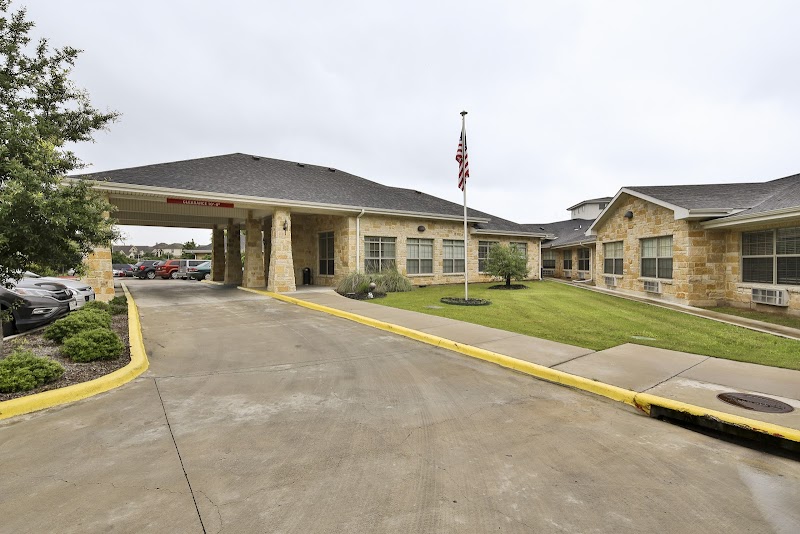
How is Southpark Meadows Nursing And Rehabilitation Cente Staffed?

CMS rates SOUTHPARK MEADOWS NURSING AND REHABILITATION CENTE's staffing level at 1 out of 5 stars, which is much below average compared to other nursing homes. Staff turnover is 56%, which is 10 percentage points above the Texas average of 46%. High turnover can affect care consistency as new staff learn residents' individual needs. RN turnover specifically is 60%, which is notably high. RNs provide skilled clinical oversight, so turnover in this role can affect medical care quality.

What Have Inspectors Found at Southpark Meadows Nursing And Rehabilitation Cente?

State health inspectors documented 21 deficiencies at SOUTHPARK MEADOWS NURSING AND REHABILITATION CENTE during 2022 to 2025. These included: 3 that caused actual resident harm and 18 with potential for harm. Deficiencies causing actual harm indicate documented cases where residents experienced negative health consequences.
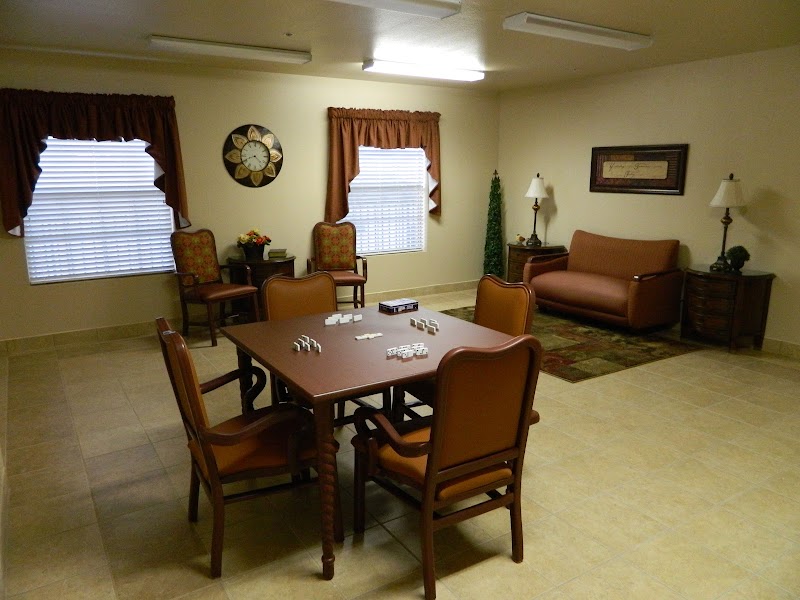
Who Owns and Operates Southpark Meadows Nursing And Rehabilitation Cente?

SOUTHPARK MEADOWS NURSING AND REHABILITATION CENTE is owned by a government entity. Government-operated facilities are typically run by state, county, or municipal agencies. The facility is operated by WELLSENTIAL HEALTH, a chain that manages multiple nursing homes. With 120 certified beds and approximately 109 residents (about 91% occupancy), it is a mid-sized facility located in AUSTIN, Texas.
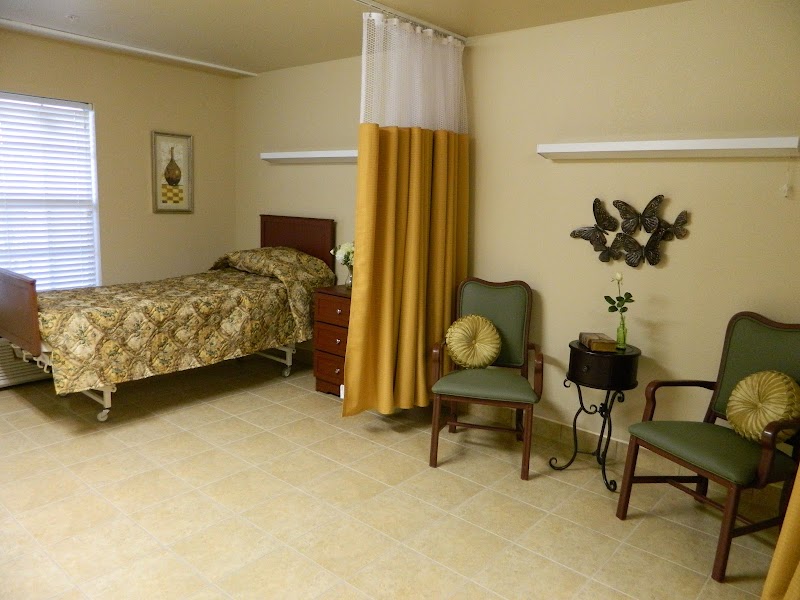
How Does Southpark Meadows Nursing And Rehabilitation Cente Compare to Other Texas Nursing Homes?

Compared to the 100 nursing homes in Texas, SOUTHPARK MEADOWS NURSING AND REHABILITATION CENTE's overall rating (2 stars) is below the state average of 2.8, staff turnover (56%) is near the state average of 46%, and health inspection rating (2 stars) is below the national benchmark.

What Should Families Ask When Visiting Southpark Meadows Nursing And Rehabilitation Cente?

Based on this facility's data, families visiting should ask: "How do you ensure continuity of care given staff turnover, and what is your staff retention strategy?" "Can you walk me through typical staffing levels on day, evening, and night shifts?" "Can I visit during a mealtime to observe dining assistance and food quality?" "How do you handle medical emergencies, and what is your hospital transfer rate?" These questions are particularly relevant given the facility's high staff turnover rate and the below-average staffing rating.

Is Southpark Meadows Nursing And Rehabilitation Cente Safe?

Based on CMS inspection data, SOUTHPARK MEADOWS NURSING AND REHABILITATION CENTE has a clean safety record: no substantiated abuse findings (meaning no confirmed cases of resident harm), no Immediate Jeopardy citations (the most serious violation level indicating risk of serious injury or death), and is not on the Special Focus Facility watch list (a federal program monitoring the lowest-performing 1% of nursing homes). The facility has a 2-star overall rating and ranks #100 of 100 nursing homes in Texas. While no facility is perfect, families should still ask about staff-to-resident ratios and recent inspection results during their visit.

Do Nurses at Southpark Meadows Nursing And Rehabilitation Cente Stick Around?

Staff turnover at SOUTHPARK MEADOWS NURSING AND REHABILITATION CENTE is high. At 56%, the facility is 10 percentage points above the Texas average of 46%. Registered Nurse turnover is particularly concerning at 60%. RNs handle complex medical decisions and coordinate care — frequent RN changes can directly impact care quality. High turnover means new staff may not know residents' individual needs, medications, or preferences. It can also be disorienting for residents, especially those with dementia who rely on familiar faces. Families should ask: What is causing the turnover? What retention programs are in place? How do you ensure care continuity during staff transitions?

Was Southpark Meadows Nursing And Rehabilitation Cente Ever Fined?

SOUTHPARK MEADOWS NURSING AND REHABILITATION CENTE has no federal fines on record. CMS issues fines when nursing homes fail to meet care standards or don't correct problems found during inspections. The absence of fines suggests the facility has either maintained compliance or corrected any issues before penalties were assessed. This is a positive indicator, though families should still review recent inspection reports for the full picture.

Is Southpark Meadows Nursing And Rehabilitation Cente on Any Federal Watch List?

SOUTHPARK MEADOWS NURSING AND REHABILITATION CENTE is not on any federal watch list. The most significant is the Special Focus Facility (SFF) program, which identifies the bottom 1% of nursing homes nationally based on persistent, serious quality problems. Not being on this list means the facility has avoided the pattern of deficiencies that triggers enhanced federal oversight. This is a positive indicator, though families should still review the facility's inspection history directly.