WEST OAKS NURSING AND REHABILITATION CENTER
3200 W. SLAUGHTER LANE, AUSTIN, TX 78748 (512) 282-0141
Government - Hospital district 125 Beds THE ENSIGN GROUP Data: November 2025 4 Immediate Jeopardy citations
Trust Grade
0/100
#1152 of 1168 in TX
Last Inspection: November 2024

Within standard 12-15 month inspection cycle. Federal law requires annual inspections.

Overview

West Oaks Nursing and Rehabilitation Center has received a Trust Grade of F, indicating significant concerns and a poor reputation. It ranks #1152 out of 1168 facilities in Texas, placing it in the bottom half, and is the lowest-ranked nursing home in Travis County. While the facility is showing some improvement, having reduced its issues from 12 in 2024 to 1 in 2025, there are still serious concerns. Staffing is a relative strength, with a 3/5 rating and a turnover rate of 37%, which is better than the state average. However, the facility has faced $114,696 in fines, which is concerning and suggests ongoing compliance issues. Specific incidents from recent inspections highlight critical failures, such as a resident not receiving proper medication management after hospital discharge, resulting in immediate jeopardy. Additionally, there have been serious lapses in ensuring resident safety, including a high-elopement risk resident being allowed to leave the facility unsupervised, which poses significant safety risks. While there are strengths, such as more RN coverage than 87% of Texas facilities, the overall picture remains troubling and requires careful consideration for families exploring options for their loved ones.

Trust Score
F
0/100
In Texas
#1152/1168
Bottom 2%
Safety Record
High Risk
Review needed
Inspections
Getting Better
12 → 1 violations
Staff Stability
○ Average
37% turnover. Near Texas's 48% average. Typical for the industry.
Penalties
○ Average
$114,696 in fines. Higher than 69% of Texas facilities. Some compliance issues.
Skilled Nurses
○ Average
Each resident gets 34 minutes of Registered Nurse (RN) attention daily — about average for Texas. RNs are the most trained staff who monitor for health changes.
Violations
⚠ Watch
31 deficiencies on record. Higher than average. Multiple issues found across inspections.
★☆☆☆☆
1.0
Overall Rating
★★★☆☆
3.0
Staff Levels
★★★★☆
4.0
Care Quality
★☆☆☆☆
1.0
Inspection Score
Stable
2024: 12 issues
2025: 1 issues

The Good

  • 4-Star Quality Measures · Strong clinical quality outcomes
  • Full Sprinkler Coverage · Fire safety systems throughout facility
  • No fines on record
  • Staff turnover below average (37%)

    11 points below Texas average of 48%

Facility shows strength in quality measures, fire safety.

The Bad

1-Star Overall Rating

Below Texas average (2.8)

Significant quality concerns identified by CMS

Staff Turnover: 37%

Near Texas avg (46%)

Typical for the industry

Federal Fines: $114,696

Well above median ($33,413)

Significant penalties indicating serious issues

Chain: THE ENSIGN GROUP

Part of a multi-facility chain

Ask about local staffing decisions and management

The Ugly 31 deficiencies on record

4 life-threatening 2 actual harm
Feb 2025 1 deficiency 1 IJ (1 affecting multiple)
CRITICAL (K) 📢 Someone Reported This

A family member, employee, or ombudsman was alarmed enough to file a formal complaint

Immediate Jeopardy (IJ) - the most serious Medicare violation

Deficiency F0760 (Tag F0760)

Someone could have died · This affected multiple residents

**NOTE- TERMS IN BRACKETS HAVE BEEN EDITED TO PROTECT CONFIDENTIALITY** Based on interview and record review, the facility failed to provide pharmaceutical services including procedures that assure th...

Read full inspector narrative →
**NOTE- TERMS IN BRACKETS HAVE BEEN EDITED TO PROTECT CONFIDENTIALITY** Based on interview and record review, the facility failed to provide pharmaceutical services including procedures that assure the accurate acquiring, receiving, dispensing and administering of all routine and emergency drugs and biologicals for 1 of 5 residents (Resident #1) reviewed for pharmacy services. The facility failed to ensure that Resident #1's hospital discharge orders were followed to prevent rehospitalization due to hypoglycemia. 1. The facility failed to discontinue Resident #1's metformin and glyburide medications. 2. The facility failed to implement blood sugar monitoring for Resident #1. 3. The facility failed to start Resident #1 on the appetite stimulant (Mirtazapine) as ordered. This failure resulted in an identification of an Immediate Jeopardy (IJ) on 02/10/2025 at 5:06 PM and an IJ template was given. While the IJ was removed on 02/11/2025 at 3:45 PM, the facility remained out of compliance at no actual harm at a scope of pattern that was not immediate jeopardy due to the facility's need to evaluate the effectiveness of the corrective systems. These failures could place residents at risk of exacerbation and/or deterioration of their health conditions which could result in rehospitalization and/or death. Review of Resident #1's face sheet reflected a [AGE] year-old woman re-admitted on [DATE] with initial admission date of 01/16/2025 with diagnoses of end stage renal disease (a medical condition where the kidneys have permanently lost their ability to function adequately), type 2 diabetes mellitus with unspecified complications (a diagnosis of type 2 diabetes where the specific complications are not detailed or identified), dysphagia (difficulty swallowing), dependence on renal dialysis (a condition where a person's kidneys have permanently lost their ability to adequately filter waste products from the blood, requiring regular treatments to remove these toxins and maintain life), cognitive communication deficit (a difficulty with communication caused by an impairment in cognitive processes), and other speech and language deficits following cerebral infarction (a range of communication impairments that can occur after a stroke). Review of Resident #1 MDS assessment dated [DATE] reflected a BIMS score of 13 and had an active diagnosis of diabetes mellitus. Review of Resident #1 active orders as of 1/27/2025 reflected resident had order for hemodialysis three times a week with an order date of 01/17/2025. Further review reflected an order for glyburide one time a day for diabetes mellitus and metformin tablet two times a day for diabetes mellitus with a start date of 01/17/2025. Review of Resident #1 progress note dated 01/22/2025 by the DON reflected dialysis center called to notify facility Resident #1 was sent to ER after treatment due to lower blood sugar of 27. Review of Resident #1 progress note dated 01/23/2025 by LVN A reflected Resident #1 returned to facility via ambulance. Progress note reflected Resident has no medications changes, no wounds. Review of Resident #1 progress note dated 01/25/2025 by RN B reflected Resident #1 refused to eat lunch and breakfast, and blood sugar obtained at 112 with no signs or symptoms of hypo/hyperglycemia. Review of Resident #1 hospital discharge instructions with date of 01/23/2025 reflected special instructions to follow up hospitalization for hypoglycemia (condition where the blood glucose level falls below normal) after discharge to SNF. Additional instructions reflected all diabetes medications now discontinued. Monitor blood sugar. Patient started on appetite stimulant. Discharge instructions included discharge medications which reflected metformin and glyburide were not included and mirtazapine was started on 01/22/2025. Review of Resident #1 orders active as of 01/27/2025 reflected no order for blood glucose checks or orders for appetite stimulant. Review of Resident #1 active orders at of 02/10/2025 reflected blood sugar checks before meals and at bedtime with a start date of 02/04/2025 and mirtazapine (appetite stimulant) by mouth at bedtime with a start date of 02/04/2025. Review of Resident #1 MAR reflected glyburide was administered on 1/24/2025, 01/25/2025 and 01/26/2025. Further review reflected metformin was administered once on 01/23/2025, twice on 01/24/2025, and twice on 01/26/2025. Review of Resident #1 change of condition evaluation dated 01/27/2025 reflected Resident #1 displayed altered mental status, abnormal vitals signs and signs of stroke. Resident #1 had a resting heart rate of 48 and blood glucose of 24 mg/dL. Review reflected change of condition was reported to the NP recommended to administer glucagon. Review of Resident #1's hospital notes dated 01/27/2025 reflected Resident #1's metformin and glyburide were discontinued and she was discharged back to the facility. Review reflected that, Resident #1 was found minimally responsive and blood sugar was 24 and did not improve after doses of glucagon. Review of hospital notes also reflected, Resident #1 had continued to receive metformin and glyburide. Review reflected Resident presented back with hypoglycemia, severe lactic acidosis and hyperkalemia. Further review reflected Resident #1 was seen in ICU. Review of Resident #1 hospital notes dated 02/01/2025 with admission date of 01/27/2025 reflected Resident #1 was readmitted to hospital on [DATE] with hypoglycemia which was corrected, and she was stopped on metformin and glyburide. Resident #1 was readmitted on [DATE] with hypoglycemia as she was restarted on her metformin and glyburide at the SNF. Further review reflected lactic acidosis (condition where the body builds up too much lactic acid) was felt secondary to metformin. During an interview on 02/10/2025 at 1:24 PM, RN C stated that he was familiar with Resident #1. RN C stated Resident #1 could be forgetful and may not recall everything. RN C stated that Resident #1 does get her blood sugar taken and that the nurse is responsible for taking blood sugar. He stated that her blood sugar that morning (02/10/2025) was 100 and that was within normal range. RN C stated that when residents get readmitted , the facility received a medication list from the hospital, and they call the medications into the on-call service to [NAME] the orders with the NP or MD or if the NP is in the facility, they could review it then. RN C stated if an order was discontinued, a resident should not have received the medication unless it was approved by the NP. RN C stated that the harm of receiving a discontinued medication depended on the type of medication that was received, and that if glyburide or metformin was given, it may lower the resident's blood sugar and could cause hypoglycemia. During a telephonic interview on 02/10/2025 at 1:55 PM, RN D stated she was familiar with Resident #1. RN D stated she was aware that Resident #1 went to the hospital two times, and she was the nurse that sent Resident #1 to the hospital the second time. RN D stated that she could not recall the date that Resident #1 went to the hospital. RN D stated that Resident #1 was unresponsive, and her blood sugar was really low. RN D stated she followed protocol and gave Resident #1 a shot of glucagon IM. RN D stated that she waited with Resident #1 for 15-20 minutes and when Resident #1's blood sugar did not go up, she called 911. RN D stated that when Resident #1 was being evaluated by EMS, her face started to droop. RN D stated that when a resident returns from the hospital, the facility received discharge orders and then they are verified with the NP. RN D stated that NP would clarify whether or not to keep or discontinue the medication. RN D stated she was not sure if Resident #1 received medication that was discontinued. RN D stated that there is not anyone else that verified orders received from the hospital. During a telephonic interview on 02/10/2025 at 2:11 PM, LVN A stated she was familiar with Resident #1. LVN A stated she readmitted Resident #1 on 01/23/2025. LVN A stated she could not recall if there were any medication changes for Resident #1. LVN A stated that at one point Resident #1 came back to the facility from the hospital and did not have any paperwork. LVN A stated she remembered she tried calling the hospital, and was left on hold and the line got disconnected. LVN A stated she went through some of Resident #1's paperwork in her room and looked for medication changes. LVN A stated she asked Resident #1 if they made any changes at the hospital and Resident #1 answered there were no changes. LVN A clarified that Resident #1 did not come back with any paperwork and EMS did not provide LVN A with any paperwork. LVN A stated that normally EMS gave her paperwork. LVN A stated that she asked EMS if there were any changes, and she was told no. LVN A stated she looked and found an envelope in Resident #1's closet and looked through it and did not see that there were any medication changes compared to the list the facility had. LVN A stated she did not recall the title of the paperwork because there were a lot of residents and a lot of things going on. LVN A stated, normally, the facility received paperwork from the paramedics and they would get a brief report and check a medication list that was brought in. LVN A stated that she would then call on-call and let them know a resident was readmitted and would provide medication names and doses. She stated if there were a discrepancy, she would call the hospital and get clarification. LVN A stated that Resident #1 could be forgetful. LVN A stated she left the paperwork with Resident #1 and did not take it with her. LVN A stated that she looked through Resident #1's paperwork because she could be forgetful and she wanted to double check if there were any changes. During an interview on 02/10/2025 at 2:47 PM, the NP stated she was a little familiar with Resident #1 as she was usually out to dialysis. NP stated she received something that there were no changes with Resident #1's medication and that the hospital did not send paperwork back and she resumed her medications. NP stated that Resident #1 then went out to the hospital again and they caught that there was an order to discontinue medication and that they were not discontinued. NP stated she saw Resident #1 when she admitted . NP stated she did not see Resident #1 when she returned from the hospital because she was not at the facility on Fridays and Resident #1 returned on 1/23/2025. NP stated if a resident returns during business hours staff will call her and let her know and they would review the medications. NP stated if a resident return in the evening, the facility staff would have called the on-call person and reviewed medications to the on-call staff. NP stated if a resident returned without a medication list or discharge instructions, she could usually call the doctor because he works at the hospital as well and get the doctor to send the medications. NP stated when she received a call about a resident that was readmitted to the facility, she would ask the facility staff if there were changes to previous medications and the nurse would clarify to resume or not. NP stated she would normally check the resident's admission the following day. NP stated she missed seeing Resident #1 because Resident #1 was either at dialysis or in the hospital. NP stated that Resident #1 was not a good historian and she did have some cognitive deficits. NP stated that glyburide and metformin were long-acting diabetic pills and were meant to lower blood sugar. She stated that if a resident was on an oral medication to control blood sugar, then blood sugar was not checked. NP stated it may be checked the first few days to get a trend and from there it would be checked every three months or if the Resident was symptomatic. NP stated that if Resident #1 was not eating, and with dialysis filtering her blood, it could contribute to her blood sugar lowering. NP stated that she was notified that the facility did not receive paperwork from the hospital and NP was not going to stop all medications just because the paperwork was not received. NP stated that normally, the following day, she would see the resident and reconcile medications, but she was not at the facility on 1/24/2025, and the MD saw her and they are unable to see a resident on the same day. During an interview on 2/10/2025 at 3:12 PM, RN E stated that Resident #1 was sent out from dialysis on 1/22/2025 due to low blood sugar. She stated Resident #1 was sent around 11:13 AM. RN E stated her blood sugar was 42 and did not increase after she was provided glucose gel. During an interview on 2/10/2025 at 3:35 PM, the ED stated that the admission assessment packet was the policy used for readmissions and medication reconciliation during readmissions. During an interview on 2/10/2025 at 3:36 PM, the DON stated the facility was not aware when Resident #1 returned without paperwork from the hospital. She stated LVN A said whoever brought Resident #1 back to the facility stated there were no changes to her medication, and Resident #1 stated she had no paperwork. DON stated LVN A tried to call the hospital because the hospital did not call for report. DON stated after Resident #1 was readmitted , the doctor called and said the medications should have been discontinued. DON stated she spoke with LVN A, and LVN A stated there was no paperwork. DON stated if a resident returned from the hospital with no paperwork, the nurse was supposed to call the ER and try to get a medication list. DON stated LVN A tried to get ahold of the hospital, but she was not able to get through. DON stated that Resident #1 was alert and orientated, and she said there were no changes. DON stated that it was the facility's responsibility to ensure there were no changes. DON stated she would have expected LVN A to document her attempts to try and get the medication list from the hospital, and any information she received that there were no changes. DON stated LVN A took EMS' word because nothing was sent with Resident #1 and assumed nothing had changed. DON stated Resident #1 went out to the hospital again on 1/27/2025 because her blood sugar had dropped again, and the nurse thought she was having a stroke because her heart rate was high and other symptoms. DON stated, initially, Resident #1 went to the hospital from dialysis. DON stated the admission packet was used for new admissions and readmissions after a 72-hour hospital stay. During an interview on 2/10/2025 at 3:51 PM, Resident #1 stated she had returned from dialysis and stated she was tired. Resident #1 stated she had been to the hospital a few times because her blood glucose dropped. Resident #1 stated when that happened, she felt dizzy. Resident #1 was unable to remember if she had paperwork when she returned from the hospital or the nurse that was working. Review of undated admission assessment packet reflected no guidance on medication reconciliation. Review of the facility's policy titled Medication Administration dated June 2022 reflected it is the policy of this facility that medications shall be administered as prescribed by the attending physician. The ED and DON were notified on 2/10/2025 at 5:00 PM that an IJ had been identified. An IJ template was provided and a POR was required. The following POR was approved on 02/11/2025 at 1:09 PM and indicated: Immediate Plan of Removal The facility submits this Plan of Removal to address the Immediate Jeopardy identified, on 2/10/2025. Identification of Others Affected by Alleged Deficient Practice: All admissions and re-admissions have the potential to be affected by this alleged deficient practice. Summary: On 2/10/2025 an abbreviated survey was initiated at [facility]. On 2/10/2025 the surveyor provided an Immediate Jeopardy (IJ) that the Regulatory Services has determined that the condition at the facility constitutes an immediate threat to resident health and safety. The notification of Immediate Jeopardy (IJ) states as follows: F755- The facility failed to ensure pharmaceutical services including procedures that assure the accurate acquiring, receiving, dispensing, and administering of all routine and emergency drugs and biologicals. The facility failed to ensure that Resident #1's hospital discharge orders were followed to prevent rehospitalization due to hypoglycemia. Action: Medical Director notification Start Date: 2/10/25 Completion Date: 2/10/25 Responsible: Executive Director Action: Audit all admissions/readmissions from 1/23/25 to present to ensure all medications were correctly verified. Start Date: 2/10/25 Completion Date: 2/10/25 Responsible: DON/Designee/Clinical Resource Action: Inservice DON on admission requirements to verify orders. If the sending facility (hospital, SNF, etc.) does not provide discharge summaries or orders: a. The admitting nurse will call the hospital and/or facility resident is returning from to obtain discharge orders. b. In the event orders are unable to be obtained, the NP/DON/ADON/MD will be notified by the admitting nurse to assist in retrieving discharge summaries/orders. c. These steps will remain in the permanent admission/readmission protocol. Start Date: 2/10/25 Completion Date: 2/10/25 Responsible: Clinical Resource Action: Inservice Nursing and Nursing Leadership staff on admission requirements to verify orders. If the sending facility (hospital, SNF, etc.) does not provide discharge summaries or orders: a. The admitting nurse will call the hospital and/or facility resident is returning from to obtain discharge orders. b. In the event orders are unable to be obtained, the NP/DON/ADON/MD will be notified by the admitting nurse to assist in retrieving discharge summaries/orders. c. These steps will remain in the permanent admission/readmission protocol. Start Date: 2/10/25 Completion Date: 2/11/25 Responsible: DON/Designee Action: Ad hoc QA1 meeting. Attendees will include ED, DON, Clinical Resource, Cluster Partners, Medical Director. Meeting will include the Plan of Removal and inventions. Start Date: 2/10/25 Completion Date: 2/10/25 Responsible: Executive Director Action: Admissions Coordinator inservice on notification of pharmacy consultant of all admissions/readmissions for medication review. Start Date: 2/11/25 Completion Date: 2/11/25 Responsible: DON Systemic Change to Prevent Re-Occurrence: DON/Designee will ensure admitting nursing staff verify admission/readmission orders. If the sending facility (hospital, SNF, etc.) does not provide discharge summaries or orders: d. The admitting nurse will call the hospital and/or facility resident is returning from to obtain discharge orders. e. In the event orders are unable to be obtained, the NP/DON/ADON/MD will be notified by the admitting nurse to assist in retrieving discharge summaries/orders. f. These steps will remain in the permanent admission/readmission protocol. Monitoring to Ensure Ongoing Compliance: DON/ Designee will audit order listing report daily to include admissions and readmissions. Will include trends of verification of orders upon admissions during QAPI meeting x 90 days. Surveyor monitored the POR on 2/11/2025 as followed: Review of the facility's in-service training report dated 02/10/2025 and titled admission process verification of medication on admission and readmission reflected it was provided to the DON by Clinical resource. Review of facility in-service titled notification of pharmacy consultant of all admission and readmission for medication review dated 02/11/2025 reflected in-service was provided to admission coordinator. Review of facility in-service dated 02/10/2025 titled Admission/Verification of Meds reflected it was completed with 25 nurses. Review reflected any admission will have medication verification against discharge orders. If a resident did not bring orders, hospital needed to be called and attempts needed to be made to get orders. If unable to do so, documentation needed to be noted in the resident's charge. Notification to DON/ADON/NP was to be made to attempt to get discharge orders and staff should pass along on the 24-hour report. Review of admission medication orders audit for admissions on 1/23/2025 included 23 residents. No discrepancies were listed. Review of QAPI sign-in sheet dated 02/10/2025 reflected a meeting was conducted and included the ADM, DON, NP, and Medical Director. During interviews on 02/11/2025 between 2:27 PM and 3:30 PM, with 2 RNs and 4 LVNs, it was revealed that staff received an in-service either 2/10/2025 or prior to their shift on 2/11/2025 by the DON or Clinical resource. Staff stated that the in-service included to ensure orders were received for any new admission and if the resident did not come with paperwork then the staff should try to contact the hospital and if they are unable to get through then they should notify the DON/ADON. Staff stated this information should be written on the 24-hour report and document all that was done and who was notified in management and attempts made to get the orders. Staff stated the NP should also be called and notified that a patient was sent with no orders. Staff stated if a resident was still at the hospital at midnight then they would be considered a new admission and all orders should have been discontinued and all new orders would be put in as if they were a new patient. Staff stated that if a resident was sent out with low blood sugar, they would want to check the resident's blood sugar when they returned and may ask the NP if they wanted to initial blood sugar checks and felt that was standard nursing care. During an interview on 02/11/2025 at 3:36 PM, the DON stated in-service was provided to her on 02/10/2025 by clinical resource. DON stated nurses were in-serviced prior to beginning their shift of if they were present yesterday (02/10/2025). DON stated the process was updated and for any admission staff was to ensure they received discharge orders. If they were not received, then they should call the sending facility that discharged the residents. DON stated if staff could not get ahold of the facility, then it should be communicated with the DON/ADON/NP and with the oncoming shift. DON/ADON would then attempt to get ahold of the MD to get discharge orders. DON stated if the resident was not back in the facility by midnight, then their medications should be discontinued, and the medications would have to be entered again like a new admission. DON stated that ADONs would pull an order listing from the report daily and cross reference the information with discharge paperwork and what is in PCC. DON stated order listing report will also be discussed during QAPI and during IDT meetings. The ED was notified on 02/11/2025 at 3:45 PM that the IJ had been removed. While the IJ was removed, the facility remained out of compliance at a level of no actual harm that was not immediate jeopardy at a scope of pattern due to the facility's need to evaluate the effectiveness of the corrective systems.
Nov 2024 6 deficiencies
CONCERN (D)

Potential for Harm - no one hurt, but risky conditions existed

Resident Rights (Tag F0550)

Could have caused harm · This affected 1 resident

**NOTE- TERMS IN BRACKETS HAVE BEEN EDITED TO PROTECT CONFIDENTIALITY** Based on observation, interview, and record review, the facility failed to treat each resident (resident #93)with respect and di...

Read full inspector narrative →
**NOTE- TERMS IN BRACKETS HAVE BEEN EDITED TO PROTECT CONFIDENTIALITY** Based on observation, interview, and record review, the facility failed to treat each resident (resident #93)with respect and dignity and care for each resident in a manner and in an environment that promotes maintenance or enhancement of his or her quality of life for 1 of 6 residents reviewed for dignity. 1. The facility failed to ensure Resident #93 received her lunch meal on 11/24/2024 in an adequate timeframe. This failure could place residents at risk of diminished dignity and affect their quality of life. Findings included: Review of Resident #93's face sheet reflected an [AGE] year-old female who was admitted to the facility on [DATE] and 08/13/2024 with diagnoses of fracture of T11-T12 Vertebra (a fracture of the spine), Subdural Hemorrhage (a brain bleed), and mild neurocognitive disorder (a change in processing people, speech, and events in real time). Review of Resident #93's Quarterly MDS assessment, dated 11/16/2024 reflected a BIMS score of 14 indicating intact cognition . MDS further reflected resident had a diagnosis of depression. Review of Resident #93's care plan, dated 09/04/2024, reflected resident was at risk for nutritional problems due to neurocognitive disorder. Observation on 11/24/24 at 12:30 PM revealed Resident #93 sitting at a table in the dining room without a meal tray. Observation on 11/24/24 at 12:58 PM revealed Resident #93's table mates received their food. Observation on 11/24/24 at 1:19 PM revealed Resident #93 received a tray of food, but it was sent back immediately. Observation on 11/24/24 at 1:25 PM revealed Resident #93's table mates had finished eating. Observation on 11/24/24 at 1:30 PM revealed Resident 93 left the dining room looking upset. Observation on 11/24/24 at 1:38 PM revealed Resident #93 in her room with a meal of 2 slices of pizza. In an interview on 11/24/24 at 1:17 PM, RN B stated Resident #93 did not get her tray because the staff had lost her meal ticket. In an interview on 11/24/24 at 1:25 PM, Resident #93 said she sent her tray back because she did not like fish. In an interview on 11/24/24 at 1:38 pm Resident #93 said she was happy with her pizza. In an interview on 11/24/24 at 2:35 PM, RN A stated that she was responsible for ensuring people at the same table received their tickets. She stated that table mates should have waited less than a minute for their food. She stated she would have talked to the kitchen directly. She stated it could make the resident's feel neglected if they did not receive their food on-time. In an interview on 11/25/24 at 1:34 PM, the DM stated that residents should be served together and relied on dining room staff to communicate who had not received their trays yet. She stated it would make residents feel bad and frustrated if they had not received their meal with the others. In an interview on 11/26/2024 at 1:30 PM, the ADM stated all trays needed to be distributed within an hour of starting meal service. Resident 93's tray was late because they printed the wrong ticket, and it took too long to get it reprinted. Review of the facility's policy titled, Resident Rights- Dignity and Respect, dated 07/23 revealed, 1) the staff shall display respect for residents when speaking with caring for or talking about them as constant affirmation of their individually [NAME] and dignity as human beings. 2) residence individual preferences regarding things such as menus, clothing, religious activities, friendships, activity programs, and entertainment are elicited and respected by the facility.
CONCERN (D)

Potential for Harm - no one hurt, but risky conditions existed

Accident Prevention (Tag F0689)

Could have caused harm · This affected 1 resident

**NOTE- TERMS IN BRACKETS HAVE BEEN EDITED TO PROTECT CONFIDENTIALITY** Based on observation, interview, and record review, the facility failed to ensure residents received adequate supervision to pre...

Read full inspector narrative →
**NOTE- TERMS IN BRACKETS HAVE BEEN EDITED TO PROTECT CONFIDENTIALITY** Based on observation, interview, and record review, the facility failed to ensure residents received adequate supervision to prevent accidents for 1 of 4 residents (Resident #69) reviewed for accidents and supervision. The facility failed to ensure Resident #69 was supervised while eating ice chips according to physician orders. This failure placed resident at risk for choking or aspiration due to lack of supervision. Findings included: Record review of Resident #69's undated face sheet reflected a [AGE] year-old male who was admitted to the facility on [DATE] with diagnoses including Dysphagia (difficulty swallowing), flaccid hemiplegia (one side of the body being completely and permanently paralyzed), gastroesophageal reflux disease (a condition in which stomach acid repeatedly flows back up into the esophagus) and gastrostomy status (feeding tube insertion). Record review of Resident #69's quarterly MDS assessment, dated 11/10/2024, reflected a BIMS of 07, indicating severe cognitive impairment. Section GG (Functional Abilities) reflected he was dependent on assistance for eating, (helper does all the effort, resident does none of the effort to complete the activity). Section K (Swallowing/Nutritional Status) reflected the resident did not have a swallowing disorder, received a mechanically altered diet, and had a feeding tube. Review of Resident #69's care plan, revised 11/08/2024, reflected he had a potential nutritional problem due to being fed through a tube and dysphagia. He was to follow the diet as ordered by the physician and have a mechanical soft texture and thin liquids. The goal was the resident would be free of aspiration. Review of Resident #69's physician order , dated 11/06/2024, reflected May have ice chips. Do not leave alone with patient or at bedside d/t risk of aspiration. Every 2 hours as needed for dry mouth. Review of Resident #69's swallow study dated 11/7/2024, reflected based on the swallow test, the following strategies are recommended: small bites/sips, feed slowly and carefully, alternate bites/sips, precautions during PO feeding: small bites/sips, cueing for strategies, allow extra time, minimize distractions. Patient is currently NPO and transitioning to oral feeds. SLP will be performing skilled trials to train strategies before advancement to meals. During an observation and interview on 11/25/2024 at 9:46 AM, Resident #69 was lying in bed after receiving care from LVN F. When the state surveyor asked him how everything was going, he whispered the word ice. It was observed that Resident #69 had a quarter cup of melted ice on his bedside table. LVN F re-entered Resident #69's room with a fresh cup of ice, sat it on Resident 69's bedside table and left the room. During an interview on 11/25/2204 at 2:00 PM, LVN F stated she was not aware Resident #69 had an active physician's order that stated resident was not to be left alone with ice chips. When asked how she would know if a resident was allowed to have certain food or drink items, she stated it would be listed in their chart on the computer. When asked what the risks of leaving an NPO resident alone with ice, could be, she stated aspiration pneumonia and choking. During an interview on 11/25/2024 at 2:05 PM, the MDSN stated that the physician order for supervision with ice was supposed to have been discontinued by the SLP after Resident #69's swallow study on 11/07/2024. During an interview on 11/25/2024 at 3:00 PM, the ADT revealed a swallow study was done on 11/07/2024 for Resident #69 and it had been determined he could be removed from NPO and put on mechanical soft diet. This meant that the ice chip order should have been discontinued in PCC. When asked what the dangers were of residents on an NPO diet order given ice without supervision, she stated that a resident could get aspiration pneumonia or choke. She stated all LVNs should be checking the computer for residents' orders. During an interview on 11/26/2024 at 1:40 PM, the DON was asked what the expectation was for uploading documents into PCC or making changes to care plans, physician's orders, she stated that within 24 hours of a new edit, those things should be uploaded, unless records have not been received. She stated the process for CNAs and other direct care staff to know if residents are allowed certain foods or drinks was to check the binder located in the dining room, check their diets in the system, and/or check with a nurse to see if the resident's diet needed to be changed. When asked what the risks of a resident being left alone with ice chips if they are said to be on an NPO diet, she stated there could be a risk of aspiration or choking. Review of the facility's Documentation and Charting Policy, dated reviewed 7/2022, reflected the following: It is the policy of this facility to provide: 1. A complete account of the resident's care, treatment, response to the care, signs, symptoms, etc., as well as the progress of the resident's care. 2. Guidance to the physician in prescribing appropriate medications and treatments. 4. Nursing service personnel with a record of the physical and mental status of the resident. 5. Assistant in the development of a Plan of Care for each resident.
CONCERN (D)

Potential for Harm - no one hurt, but risky conditions existed

Infection Control (Tag F0880)

Could have caused harm · This affected 1 resident

**NOTE- TERMS IN BRACKETS HAVE BEEN EDITED TO PROTECT CONFIDENTIALITY** Based on observation, interview, and record review, the facility failed to establish and maintain an infection prevention and co...

Read full inspector narrative →
**NOTE- TERMS IN BRACKETS HAVE BEEN EDITED TO PROTECT CONFIDENTIALITY** Based on observation, interview, and record review, the facility failed to establish and maintain an infection prevention and control program designed to provide a safe, sanitary, and comfortable environment and to help prevent the development and transmission of communicable diseases and infections for 1 of 2 residents (Resident #46) reviewed for indwelling catheter care. CNA G did not remove soiled gloves and conduct hand hygiene after cleansing Resident #46's perineal area, and cleansed the suprapubic catheter with a wipe x 2 during incontinent care. This failure could place residents at risk of the spread of diseases, a decreased quality of life, illness, and hospitalization. Findings included: Review of Resident #46's face sheet dated 11/26/24, reflected a [AGE] year-old male admitted to the facility on [DATE] with admitting diagnoses that include: Dementia, cognitive communication deficit, chronic obstructive pulmonary disease, bradycardia (slower than normal heart rate), chronic pain syndrome, hypertension (elevated blood pressure), obstructive and reflux uropathy (a blockage in one or both ureters), neuromuscular dysfunction of bladder (damage to nerves that control the bladder), and need for personal assistance. Review of Resident #46's MDS assessment dated [DATE] reflected a BIMS score of 8, indicating resident had moderate cognitive impairment. The MDS also reflected in Section H - Bowel and Bladder, Resident #46 had an indwelling catheter, and more specifically, a suprapubic catheter (a device that drains urine from the bladder through the belly button). Review of Resident #46's Care Plan dated 08/29/24 reflected he had a suprapubic foley catheter, and he returned from the hospital on [DATE] with a UTI related to the catheter. The goal was for Resident #46 to remain free from catheter-related trauma. There were no relevant interventions related to cleansing the catheter tubing reflected in the Care Plan. Observation on 11/25/24 at 03:34 PM of the suprapubic catheter care and peri-care for Resident #46 with CNA G revealed she did not remove soiled gloves or conduct hand hygiene after cleansing Resident #46's perineal area before moving to Resident #46's suprapubic catheter site. CNA G then cleansed the suprapubic catheter site with a wipe and the catheter tubing with a wipe x 2. Interview on 11/25/24 03:53 PM with CNA G who stated she had forgotten to conduct hand hygiene and change her gloves between conducting peri-care and suprapubic catheter care. CNA G then stated not conducting hand hygiene or a glove change when going from peri-care to conducting suprapubic catheter care, could lead to cross-contamination. CNA G stated she had received training on infection control, hand hygiene, and catheter care when she was hired, and could not recall when she had received training since then. Interview on 11/25/24 at 4:11 PM with LVN D revealed the removal of soiled gloves, conducting hand hygiene, and donning clean gloves when going from dirty to clean during resident care was to prevent cross-contamination. LVN D stated she received a recent in-servicing on infection control and hand hygiene, and had also been trained throughout the past year. Interview on 11/26/24 at 11:01 AM with the DON revealed she currently was the ICPC for the facility, as the Infection Preventionist had left facility about one month ago. The DON stated her expectation was for staff to make sure they were following all the steps in preventing the spread of infection when providing care to the residents. The DON further stated she expected her staff to practice hand hygiene and glove changes when going from clean to dirty during all resident care. The DON stated it was important to practice good hand hygiene and follow infection control protocols to prevent residents from getting infections and cross-contamination, and she would be conducting in-services on these topics with her staff. Interview on 11/26/24 at 01:34 PM with the ADM revealed the DON was responsible for infection control oversight. The ADM stated they were in the process of hiring another ADON, as the ADON with ICPC qualifications had left the position recently. The ADM stated not conducting good hand hygiene when providing resident care, could ultimately lead to an infectious situation that could lead to bigger medical issues for the residents, as well as staff contaminating themselves and other staff members. The ADM further stated his expectations were for all staff to follow the appropriate protocols for infection control to reduce the spread of infection, and he stated the facility regularly conducted a skills fair and required every nurse and aide to participate and pass to provide resident care. Review of In-Service Training Report dated 09/13/24 on Sanitizing Hands - Hands need to be sanitized before patient care and when coming out of a room, was signed by CNA G. Review of policy Hand Hygiene dated revision 10.2022 revealed the following relevant information: 1. Wash hands with soap and water when hands are visibly soiled (e.g., blood, body fluids). 2. Use an alcohol-based hand rub containing at least 62% alcohol; or, alternatively, soap (antimicrobial or non- antimicrobial) and water for the following situations: e. Before and after handling an invasive device (e.g., urinary catheters, IV access sites), h. before moving from a contaminated body site to a clean body site during resident care, and m. after removing gloves. Review of policy IPCP Standard and Transmission-Based Precautions dated revision 10.2022 revealed: It is the policy of this facility to implement infection control measures to prevent the spread of communicable diseases and conditions. Review of policy Infection Prevention and Control Program dated revision 10.2022 revealed: The infection prevention and control program are a facility wide effort involving all disciplines and individuals and is an integral part of the quality assurance and performance management program. Further it revealed the goals were to: decrease the risk of infection to residents and personnel, recognize infection control practices while providing care, identify and correct problems related to infection control, ensure compliance with state and federal regulations related to infection control and promote individual residents' rights and wellbeing while trying to prevent and control the spread of infection.
CONCERN (E)

Potential for Harm - no one hurt, but risky conditions existed

Deficiency F0583 (Tag F0583)

Could have caused harm · This affected multiple residents

**NOTE- TERMS IN BRACKETS HAVE BEEN EDITED TO PROTECT CONFIDENTIALITY** Based on observation, interview, and record review, the facility failed to ensure resident rights for personal privacy for 4 of ...

Read full inspector narrative →
**NOTE- TERMS IN BRACKETS HAVE BEEN EDITED TO PROTECT CONFIDENTIALITY** Based on observation, interview, and record review, the facility failed to ensure resident rights for personal privacy for 4 of 15 residents (Resident #23, Resident #52, Resident #78 and Resident #93) residents reviewed for personal privacy. The facility failed to knock on Resident #23, Resident #52, Resident #78 and Resident #93's room when going into the residents' rooms. The deficient practice could place residents at risk of feeling like their privacy is being invaded or the facility is not their home. Findings included: Review of Resident #23 Face Sheet dated 11/26/2024 revealed she was an [AGE] year-old female who was admitted to the facility on [DATE]. Resident #23's diagnoses included dementia (memory, thinking, difficulty), morbid obesity, insomnia (difficulty sleeping), hypertension (high blood pressure), major depressive disorder, cognitive communication deficit (problems with communication), muscle wasting, heart failure, muscle weakness, gout (swollen arthritis), and need for assistance with personal care. Record review of Resident #23's Quarterly MDS assessment dated [DATE] revealed that Resident #23's BIMS score was 14 which means resident was cognitively intact. Review of Resident #52 Face Sheet dated 11/26/2024 revealed he was a [AGE] year-old male who was admitted to the facility on [DATE]. Resident #52's diagnoses included heart disease, hyperlipidemia (high cholesterol), hypertension (high blood pressure), cognitive communication deficit (problems with communication), repeated falls, abnormalities of gait and mobility, unsteadiness on feet, muscle weakness, hyperthyroidism (excessive production of thyroid hormones), dysphagia oropharyngeal phase (inability to empty from the throat to the esophagus), and age-related physical debility. Record review of Resident #52's Quarterly MDS dated [DATE] revealed that Resident #52's BIMS score was 12 which means resident was moderately cognitively impaired. Review of Resident #78 Face Sheet dated 11/26/2024 revealed he was a [AGE] year-old male who was admitted to the facility on [DATE]. Resident #52's diagnoses included dementia (memory, thinking, difficulty), hypertension (high blood pressure), depression, difficulty walking, unsteadiness on feet, Parkinson's disease (a progressive disorder that affects the nervous system), Schizophrenia (mental disorder), cognitive communication deficit (problems with communication), muscle weakness, anemia (not enough healthy red blood cells), and anxiety disorder. Record review of Resident #78's Quarterly MDS dated [DATE] revealed that Resident #78's BIMS score was 15 which means resident was cognitively intact. Review of Resident #93 Face Sheet dated 11/26/2024 revealed she was an [AGE] year-old female who was admitted to the facility on [DATE]. Resident #93's diagnoses included cognitive communication deficit (problems with communication), repeated falls, abnormalities of gait and mobility, unsteadiness on feet, muscle weakness, major depressive disorder, insomnia, acute pain due to trauma, hypertension (high blood pressure), hyperlipidemia (high cholesterol and need for assistance with personal care. Record review of Resident #93's Quarterly MDS dated [DATE] revealed that Resident #93's BIMS score was 14 which means resident was cognitively intact. Observation on the 100 hall on 11/24/2024 at 11:10 am revealed that LVN D walked into Resident #23, Resident #52 and Resident #78's room without knocking. Observation on the 300 hall on 11/24/2024 at 01:05 pm revealed that CNA E walked into Resident #93's room without knocking. An interview with Resident #23 on 11/24/2024 at 10:27am revealed that staff do not always knock on her door before entering. She said it did not bother her that staff do not knock. She said she would like staff to knock before entering her room, so she knows someone is coming in. An interview with Resident #78 on 11/24/2024 at 11:10am revealed that staff do not always knock on his door before entering. He said it bothered him at times when staff did not knock on his door. He said he would like staff to knock all the time. An interview with Resident #52 on 11/24/2024 at 11:12am revealed that staff do not always knock on his door before entering. He said it did not bother him that staff does not knock, but he said that he would like staff to knock because he might be changing or something. An interview with LVN D on 11/24/2024 at 2:29 pm revealed she had been trained on resident rights. She stated that staff were supposed to knock on the door before going into the room. She said if staff did not hear anything, they were supposed to knock again. She said staff are supposed to knock always before entering a resident's room even if their door is open. She said that some residents may not be familiar with staff and maybe uncomfortable if staff did not knock. She stated she should have knocked but did not know why she did not knock. An interview with CNA E on 11/26/2024 at 11:12 am revealed that she had been trained on resident rights. She stated that staff were supposed to knock on the resident's door and wait a bit or wait for the resident to tell them to come in. She said staff should even knock on the resident's door when their call light was on. She said residents may not like it if staff just walk in without knocking. She said it was just like someone being at home and not knocking before coming into your house. She said she did not know why she did not knock on the resident's door before entering. An interview with the ADM on 11/26/2024 at 11:26 am revealed he had been trained on resident rights. He stated staff were supposed to knock on the resident's door anytime they were entering a resident's room to get permission to enter. He said that if staff are not knocking the resident may feel like they were losing their privacy and being treated like a patient. He said if staff were not knocking it does not create a homelike environment for the resident. He stated staff may not have knocked due to urgency or being relaxed. An interview with the DON on 11/26/2024 at 11:49 am revealed she had been trained on resident rights. She stated that staff should knock before entering and see if it was okay for them to enter. She said staff should be knocking on the door any time they wanted to enter the resident's room. She said if staff did not knock on the door before entering, the resident may get upset or not like staff just coming in. She said she did not know why staff were not knocking on the door. Record Review of Resident Rights Policy dated 10/04/2016 revealed residents of the nursing facility had the right to a dignified existence and had the right to exercise their rights. The residents also have the right to personal privacy.
CONCERN (E)

Potential for Harm - no one hurt, but risky conditions existed

Deficiency F0761 (Tag F0761)

Could have caused harm · This affected multiple residents

Based on observation, interview, and record review, the facility failed to provide pharmaceutical services to assure the accurate acquiring, receiving, dispensing, and administrating of all drugs and ...

Read full inspector narrative →
Based on observation, interview, and record review, the facility failed to provide pharmaceutical services to assure the accurate acquiring, receiving, dispensing, and administrating of all drugs and biologicals in accordance with currently accepted practices for 1 of 4 (Cart #1,) medication carts reviewed for pharmacy services in that: Medication Cart #1 for the 100 hall was left unattended with the keys in the lock and was not locked. This deficient practice could affect residents and result in a drug diversion causing an allergic reaction or a resident taking medication not prescribed for them due to medications not being properly secured. The findings were: Observation on 11/24/2024 at 10:37 am revealed that LVN D walked away from Cart #1 on the 100 hall and left the keys in the lock and the cart unlocked. Observation on 11/24/2024 at 11:04 a.m. of Medication Cart #1 for the 100 revealed it was not locked and had the keys hanging out the lock when LVN D went into a resident's room to administer medication. Observation on 11/24/2024 at 11:06 a.m. revealed LVN D walked away from Cart #1 and left the keys hanging in the lock and left unlocked when she went down the hall to a resident's room to check on her. The medications were not in sight of LVN D's view. An interview with LVN D on 11/24/2024 at 2:36 pm revealed that she had been trained on medication storage. She said that the medication cart was to always be locked. She also said that all staff were responsible for ensuring the medication carts were locked. She stated if the medication carts were left unlocked, someone could take the medications from it. She stated that she would have to take her cart with her everywhere because she does not recall leaving the keys in the cart and the cart unlocked. An interview with the ADM on 11/26/2024 at 11:30 pm revealed that he and staff had been trained on medication storage . He stated the medication carts were supposed to be locked if staff did not have a hundred percent visibility. He stated the nurses and medication aides were responsible for ensuring the medication carts were always locked. He said that if the carts were left unlocked, it could cause a medication diversion, a resident could come by and take the medications, and someone could use the medication for their personal gain. He said that he thought that LVN D may have thought she was close enough to the medication cart or she was not paying attention. An interview with the DON on 11/26/2024 at 11:52 am revealed she and staff had been trained on medication storage . She stated that the medication carts were supposed to be locked every time staff walk away from it. She stated the charge nurse or whoever was working the cart was responsible for ensuring that the cart was locked. She said if the staff walk away from the cart and leave it unlocked someone could open the cart and take the medications. She said her and the ADM were responsible for ensuring the carts were locked. She said that she would walk around and take the keys if they were left in the cart. She said she did not know why LVN D left the cart unlocked three times. Record Review of Medication Administration: Medication and Treatment Cart Policy revised on May 2007 revealed do not leave the medication or treatment cart unlocked or unattended in the resident care area. The cart must remain in your line of sight when it is not locked.
CONCERN (E)

Potential for Harm - no one hurt, but risky conditions existed

Food Safety (Tag F0812)

Could have caused harm · This affected multiple residents

Based on observation, interviews, and record reviews, the facility failed to store, prepare, distribute, and serve food in accordance with professional standards for food service safety for one of one...

Read full inspector narrative →
Based on observation, interviews, and record reviews, the facility failed to store, prepare, distribute, and serve food in accordance with professional standards for food service safety for one of one kitchen and one of one nourishment room and one of one activities room reviewed for sanitation. 1. The facility failed to properly label and date perishable foods. 2. The facility failed to ensure the nourishment room was properly cleaned and items were correctly labeled and dated. 3. The facility failed to ensure employees did not wear jewelry and had removed false nails to best food service standards. 4. The facility failed to ensure employees were practicing proper hand hygiene while cooking and serving foods. 5. The facility failed to ensure meat was properly thawed under cold running water. 6. The facility failed to ensure dishwasher temperature was within standard range for disinfection. 7. The facility failed to ensure the microwave, ice machine, and ice scoop holder were cleaned. 8. The facility failed to ensure the microwave in the nourishment room was cleaned. 9. The facility failed to ensure margarine was kept at the appropriate temperature outside of refrigeration. These failures could place residents who were served from the kitchen at risk for consuming hazardous expired food, developing foodborne illnesses, and a diminished quality of life. Findings included: Observation in the kitchen walk-in refrigerator on 11/25/24 at 9:04 AM revealed the following items were undated. A bag of bacon A bag of solid block cheese A container of peaches A container of applesauce A box of sandwich bread A bag of shredded lettuce that emitted a foul odor and looked wilted. Observation in the kitchen walk-in refrigerator on 11/25/24 at 09:04 AM the following expired items: A container labeled Italian pasta salad with the label 11/03/24. A large pan labeled orange Jello dated 11/12/24. A bottle of mayo labeled 10/07/24. A bag of raw sausage labeled 11/10/24. An opened container of whipped topping with a label of 11/11/24. Observation on 11/24/24 at 9:05 am a large container with ground beef thawing under hot running water in a sink next to dirty dishes. Observation on 11/24/24 at 9:05 am dented cans on the can holding cart with non-damaged cans. Observation on 11/24/24 at 9:07 am an employee's personal sized soda bottle inside the reach in refrigerator containing food for the next meal. Observation on 11/24/24 at 9:07 am the low temperature dishwasher temperature was at 110 degrees with a stem thermometer in the bottom of the dishwasher. Observation on 11/24/24 at 9:07 am a black slime substance inside the ice machine near the internal dispenser. Observation on 11/24/24 at 9:10 am a pink substance splattered inside the walls of the microwave in the kitchen. Observation on 11/24/24 at 9:11 am a brown liquid at the bottom of the holder for the ice machine scoop. Observation on 11/24/24 at 10:51 AM a pan with margarine sitting out on stove; not obtaining direct heat. The temperature was 114 F when measured by a stem thermometer by the dietary manager. Observation in the nourishment room on 11/24/24 at 9:15 am revealed the following items: Dirty dishes were in the sink with clean dishes and a used napkin. The microwave had a red substance splattered inside. The freezer had visible dirt on the bottom and contained ice cream that was unlabeled and undated. Personal cups without names were on top of the refrigerator. Observation in the refrigerator of the activities room on 11/24/24 at 9:30 am revealed the following items: Bins of drinks containing different sodas and hydration drinks unlabeled and undated. Popsicles in the freezer unlabeled or dated. Observation on 11/24/24 at 9:59 am revealed the following while the staff making pureed foods. The DM failed to wash her hands before assisting [NAME] J in removing the cover of the food processor. Cook J failed to wash her hands before starting her tasks. She donned gloves and did not change the gloves when she wiped her station or when she washed the food processor bowls and blades. Cook J failed to take the temperature of the meatloaf that had just finished cooking and used it for her meals. Cook J had long (around 2 inches) false nails and was wearing large hoop earrings before beginning purees. Observation on 11/24/24 at 12:13 pm revealed RN B touch his face while he yawned and then grab a plate holder and the meal slip. He did not sanitize his hands. Observation on 11/24/24 at 12:20 pm RN B scratch his back under his shirt, then touched a resident's tray, and failed to sanitize his hands . In an interview with [NAME] J on 11/24/24 at 2:17 pm, she stated that she was only supposed to wear small hoops and was allowed to keep her false nails if she had a scrub brush. She stated that she carries her own scrub brush for her nails. She stated that she needs to wash and sanitize her hands every time she walked away from her prep station, and she should have changed her gloves. She thought they had done a hand hygiene in-service about a month ago. She stated that she did not keep any left-over foods, any food needed to be thrown away after 10 days, and it was a team effort to clean out expired foods. In an interview with RN B on 11/24/24 at 2:28 pm, he stated that he started a month ago and only had hand hygiene training upon orientation. He had not received training from dietary or nursing staff on how to pass trays. He did not believe it was wrong to touch his face and then touch items on the resident's tray. He did believe cross contamination can happen while passing trays. He stated he was not responsible for ensuring residents receive their same trays. He was responsible for ensuring the accuracy of the trays. In an interview with the DM on 11/25/24 at 1:34 pm, she stated that their rules follow the Texas Food Establishment Rules (TFER). They did not follow a specific diet manual. She stated the cooks were allowed to have on small hoops and a plain wedding band. She stated the cook should not have had on long false nails. She did not believe there was nail brushes around. She stated that the employees are required to place personal foods in her office and no personal food or cups were allowed in the nourishment room or in the refrigerators. She stated nursing staff was responsible for cleaning out the nourishment room. She stated that the cook was responsible for cleaning the microwave, sweeping, and mopping. She stated she cleaned the ice machine is cleaned monthly and was unsure as to why it was still dirty. She stated that the dishwasher was out of temperature and the correct temperature should have been 120 degrees . She stated the margarine on the stove should have been at 145 degrees or changed every 3 hours. In an interview with the Dietitian on 11/25/2024 at 2:35 pm. she stated that she came that month and came every two weeks . She stated she recently did an in-service on labeling and dating and following alternative diet textures. She stated that they followed the TFER for their storage and handling policies. She stated that she did quality assurance rounds and tried to observe two meals at her last visit. She left notes with the dietary manager for recommended improvements. During an interview with the ADM on 11/26/24 at 2:35 pm, he stated that the dietary manager was responsible for the cleaning of the entire kitchen expired foods. The dietary manager was to follow the Texas Food Establishment Regulations for food service policies. He believed a hand hygiene in-service was done recently but did not remember the details. He stated the kitchen staff should have been wearing a hair and beard net, no long and loose clothing was allowed, but did not know the policy for jewelry or nails. Review of 2022 Food Code states: 2-201.16 States: (A) FOOD EMPLOYEES shall keep their fingernails trimmed, filed, and maintained so the edges and surfaces are cleanable and not rough. (B) Unless wearing intact gloves in good repair, a FOOD EMPLOYEE may not wear fingernail polish or artificial fingernails when working with exposed FOOD. 2-301.14 States: FOOD EMPLOYEES shall clean their hands and exposed portions of their arms as specified under § 2-301.12 immediately before engaging in FOOD preparation including working with exposed FOOD, clean EQUIPMENT and UTENSILS, and unwrapped SINGLE-SERVICE and SINGLE-USE ARTICLES and: (E) After handling soiled EQUIPMENT or UTENSILS. (F) During FOOD preparation, as often as necessary to remove soil and contamination and to prevent cross contamination when changing tasks. (G) When switching between working with raw FOOD and working with READY-TO-EAT FOOD. (H) Before donning gloves to initiate a task that involves working with FOOD; and 3-304.15 states: (A) If used, single-use gloves shall be used for only one task such as working with ready-to-eat food or with raw animal food, used for no other purpose, and discarded when damaged or soiled, or when interruptions occur in the operation. 3-501.13 states: Except as specified in (D) of this section, TIME/TEMPERATURE CONTROL FOR SAFETY FOOD shall be thawed: (B) Completely submerged under running water (1) At a water temperature of 21C (70F) or below 3-501.16 states: (A) Except during preparation, cooking, or cooling, or when time is used as the public health control as specified under §3-501.19, and except as specified under (B) and in (C) of this section, TIME/TEMPERATURE CONTROL FOR SAFETY FOOD shall be maintained: (1) At 57°C (135°F) or above, except that roasts cooked to a temperature and for a time specified in 3-401.11(B) or reheated as specified in 3-403.11(E) may be held at a temperature of 54oC (130oF) or above; P or (2) At 5°C (41°F) or less.
May 2024 1 deficiency
CONCERN (D) 📢 Someone Reported This

A family member, employee, or ombudsman was alarmed enough to file a formal complaint

Potential for Harm - no one hurt, but risky conditions existed

Comprehensive Care Plan (Tag F0656)

Could have caused harm · This affected 1 resident

**NOTE- TERMS IN BRACKETS HAVE BEEN EDITED TO PROTECT CONFIDENTIALITY** Based on observation, interviews, and record reviews, the facility failed to implement a comprehensive person-centered care plan...

Read full inspector narrative →
**NOTE- TERMS IN BRACKETS HAVE BEEN EDITED TO PROTECT CONFIDENTIALITY** Based on observation, interviews, and record reviews, the facility failed to implement a comprehensive person-centered care plan for each resident, consistent with the resident rights that includes measurable objectives and timeframes to meet a resident's medical, nursing, and mental and psychosocial needs that are identified in the comprehensive assessment for 1 (Resident #1) of 6 residents reviewed for comprehensive care plans. The facility failed to have a fall mat at Resident #1's bedside while he was lying in his bed. This deficient practice could place residents at risk of not receiving the care and services noted in their care plans. Findings include: Record review of Resident #1's admission Record, dated 05/09/24, revealed he was initially admitted on [DATE], readmitted [DATE], was his own RP, and diagnosed with diffuse traumatic brain injury without loss of consciousness, conversion disorder with seizures or convulsions, unspecified bipolar disorder, need for assistance with personal care, cognitive communication deficit, repeated falls, and generalized muscle weakness. Record review of Resident #1's Comprehensive MDS Assessment, dated 03/22/24, revealed he had a BIMS score of 00, which indicated he had severe cognitive impairment. Resident #1 had no fall history since admission or readmission. Resident #1 was dependent on staff for assistance with toileting, bed mobility, and transfers. Record review of Resident #1's Care Plan revealed the following note, [Resident #1] had an actual fall 03/30/24 - Resident noted on floor beside bed, 2 red areas to left FH. Resident #1 had one of the following interventions assigned to nursing staff, 3/30/24-Floor mat at bedside. Record review of Resident #1's Fall Risk Evaluation, dated 05/07/24 at 2:01 p.m., revealed he was at high risk for falls because he was disoriented, regularly incontinent, had 3 or more falls in the past 3 months, poor vision, balance problem while standing/walking, 1-2 predisposing conditions, and took 1-2 high risk medications and/or within the last 7 days. An observation and interview on 05/09/24 at 10:00 a.m., revealed Resident #1 was lying in his bed. Resident #1's fall mat was not at bedside. The fall mat was on the ground and across from Resident #1's bed. During an interview, Resident #1 stated the fall mat had been left in the position the surveyor observed, he did not know how long the fall mat been in the position the surveyor observed, he did not know why the fall mat was in the position the surveyor observed, he knew the fall mat was supposed to be at bedside, and he did not notify staff about the fall mat position. Resident #1 also stated he fell daily, and staff would leave him on the ground and not help him. Resident #1 did not elaborate on occurrences in which staff left him on the ground and did not help him. An observation on 05/09/24 at 10:08 a.m., revealed Resident #1 pressed his call light. An observation on 05/09/24 at 10:11 a.m., revealed CNA A answered Resident #1's call light. CNA A repositioned Resident #1's fall mat to his bedside. During an interview on 05/09/24 at 10:12 a.m., CNA A revealed she checked on residents every one or two hours and fall risk residents every two hours. CNA A stated she documented completing all her rounds at the end of her shift in residents' POC. CNA A stated she was responsible for checking on residents who resided in rooms in the first half of the hallway in which Resident #1 resided on. CNA A stated she last checked on Resident #1 at 9:00 a.m. CNA A stated she did not know Resident #1's fall mat was away from his bed. CNA A explained Therapy staff put Resident #1 in bed after his therapy session. CNA A stated she was trained and in-serviced on falls. CNA A stated she was trained on falls last week by one of the two ADONs, which she learned how to respond when a resident falls and ensuring fall mats were next to residents' beds when residents were lying in bed. CNA A stated residents' health and safety could be affected if residents were at risk of falling, lying in bed and did not have a fall mat next to their bed. During an interview on 05/09/24 at 10:24 a.m., CNA B revealed she checked on residents every two hours and constantly and fall risk residents every hour. CNA B stated she documented completing all her rounds throughout her shift in residents' POC. CNA B stated she was responsible for checking on residents who resided in rooms in the second half of the hallway in which Resident #1 resided on. CNA B stated she last checked on residents at 9:30 a.m. CNA B stated she did not check on Resident #1 because she did not work on the first half of the hallway in which Resident #1 resided on. CNA B stated she was trained and in-serviced on falls. CNA B stated residents' health and safety could be affected if residents were at risk of falling, lying in bed and did not have a fall mat next to their bed because they could hurt themselves. During an interview on 05/09/24 at 10:44 a.m., RN C revealed she checked on residents and fall risk residents every hour. RN C stated she worked on two hallways, one of which was the hallway Resident #1 resided on. RN C stated she documented assessments she completed on residents throughout her shift. RN C stated residents' health and safety could be affected if residents were at risk of falling, lying in bed and did not have a fall mat next to their bed. RN C stated nurse staff were responsible for ensuring fall risk residents' fall mats were next to residents' beds if residents were lying down. RN C stated she did not know Resident #1's fall mat was away from his bed. RN C stated she last checked on residents at 9:00 a.m. RN C stated she was trained and in-serviced on falls. During an interview on 05/09/24 at 12:24 p.m., PT D revealed Resident #1 had physical therapy on 05/09/24 between 9:00 a.m. through 10:00 a.m. PT D stated when therapy staff brought Resident #1 back into his room, Resident #1's fall mat was next to his bed. During an interview on 05/09/24 at 12:40 p.m., ADON E revealed she, ADON F, and the DON in-serviced staff on falls. ADON E stated staff were in-serviced weekly. ADON E stated staff were in-serviced on falls within last week, which specifically discussed lowering beds and fall mat placement. ADON E stated residents' fall mats should be next to the bed if residents were lying in their beds. ADON E stated she expected staff to check and ensure residents' fall mats were next to their beds. ADON E stated residents' health and safety could be affected if residents were at risk of falling, lying in bed and did not have a fall mat next to their bed. ADON E stated staff checked on residents every two hours. ADON E stated CNAs documented checking on residents in POC and nurses documented in the administration record and nurse's notes. ADON E stated she was responsible for two halls, one of which was a hall that Resident #1 resided on. ADON E stated she did not know Resident #1's fall mat was not next to his bed because she recently changed to being responsible for two halls in which Resident #1 did not reside on. ADON E stated ADON F worked with Resident #1 a lot. During an interview on 05/09/24 at 2:10 p.m., ADON F revealed she trained and in-serviced staff on falls. ADON F stated staff were in-serviced on falls two weeks ago, which covered fall mat placement on floor and repositioning. ADON F stated she expected staff to check on residents every two hours. ADON F stated CNAs documented checking on residents in POC and nurses documented in POC and nurse's notes. ADON F stated she expected staff to check and ensure residents' fall preventative devices were properly placed on the floor. ADON F stated residents' fall mats should be next to their beds when residents were lying in their beds. Residents' health and safety could be affected if residents were at risk of falling, lying in bed and did not have a fall mat next to their bed. During an interview on 05/09/24 at 2:40 p.m., DON revealed she trained and in-serviced staff on falls. DON stated she expected nursing staff to check on residents throughout their shifts and every two hours, which was best practice. DON stated nursing staff documented in POC whenever they provided a care or service to a resident. DON stated she expected staff to ensure fall risk residents' beds were low and fall mats were placed at bedside. DON stated residents' fall mats should be at bedside if they were lying in bed. DON stated residents' health and safety could be affected if residents were at risk of falling, lying in bed and did not have a fall mat next to their bed. During an interview on 05/09/24 at 3:55 p.m., ADON F revealed there was no policy and procedure for rounding on residents. During an interview on 05/09/24 at 3:56 p.m., MDS G revealed she was trained and in-serviced on falls. MDS G stated residents' health and safety could be affected if residents were at risk of falling, lying in bed and did not have a fall mat next to their bed according to their care plan, which was not following the care plan. During an interview on 05/09/24 at 4:33 p.m., ADM revealed he expected residents who were at risk for falls and lying in bed to have floor mats on the ground next to their beds. During an interview on 05/13/24 at 1:53 p.m., LVN H revealed she checked on residents every hour. LVN H stated residents' fall mats should be next to their beds if residents were lying in their beds. LVN H stated residents' health and safety could be affected if residents were at risk of falling, lying in bed and did not have a fall mat next to their bed. Record review of Resident #1's [NAME] Report, dated 05/09/24, revealed staff were required to place floor mat at bedside as of 03/30/24 for Resident #1's safety. Record review of the facility's Incident Log, dated 05/09/24, revealed Resident #1 had a fall on 03/30/24 at 7:07 a.m., 04/09/24 at 12:55 p.m., 04/18/24 at 5:35 p.m., 04/24/24 at 10:02 a.m., and 04/26/24 at 2:46 a.m. Record review of the facility's In-Services Training Reports, from 04/01/24 through 05/13/24 revealed staff did not have any trainings related to implementing care plan interventions and falls. Record review of the facility's Comprehensive Person-Centered Care Planning Policy and Procedure, revised 12/2023, revealed the following, The facility IDT will develop and implement a comprehensive person-centered, culturally-competent, and trauma-informed care plan for each resident within seven days of completion of the MDS and will include resident's needs identified in the comprehensive assessment, any specialized services as a result of PASARR recommendation, and resident's goals and desired outcomes, preferences for future discharge and discharge plan. Record review of the facility's Nursing Services - ADLs Policy and Procedure, revised 05/2007, revealed the following, Each resident receives or is provided the necessary care and services enabling him/her to attain or maintain the highest practicable physical, mental, and psychosocial well-being, in accordance with the comprehension assessment and plan of care. Each resident receives adequate supervision and assistive devices as needed.
Apr 2024 3 deficiencies 2 Harm
SERIOUS (H) 📢 Someone Reported This

A family member, employee, or ombudsman was alarmed enough to file a formal complaint

Actual Harm - a resident was hurt due to facility failures

Deficiency F0697 (Tag F0697)

A resident was harmed · This affected multiple residents

**NOTE- TERMS IN BRACKETS HAVE BEEN EDITED TO PROTECT CONFIDENTIALITY** Based on observation, interview, and record review the facility failed to ensure that pain management was provided to residents ...

Read full inspector narrative →
**NOTE- TERMS IN BRACKETS HAVE BEEN EDITED TO PROTECT CONFIDENTIALITY** Based on observation, interview, and record review the facility failed to ensure that pain management was provided to residents who required such services, consistent with professional standards of practice, the comprehensive person-centered care plan, and the residents' goals and preferences for 1 of 4 residents (Resident #3 reviewed for pain management. The facility failed to ensure Resident #3 received his 08:00 AM scheduled Norco on time for 7 of 10 days between 04/01/24 and 04/10/24. This failure placed residents at risk of increased pain and decreased quality of life. Findings included: Review of the undated face sheet for Resident #3 reflected a [AGE] year-old male admitted to the facility on [DATE]. His diagnoses included multiple sclerosis , chronic pain syndrome, muscle weakness, stage 4 pressure ulcer of left buttock, major depressive disorder, and high blood pressure. Review of the quarterly MDS assessment for Resident #3, dated 03/05/24, reflected a BIMS score of 15, indicating intact cognition. It also reflected Resident # 1 was completely dependent on a helper to execute all ADLs, including bed mobility, transfer, dressing, eating, ambulation, bathing, and personal hygiene. It reflected that he received a scheduled regimen for pain, received non-pharmacological interventions for pain, had experienced pain in the five days leading up to the assessment, and was taking an opioid medication for pain. Review of the care plan for Resident #3, dated 02/08/24, reflected the following: is at risk for pain r/t disease process. Will voice a level of comfort of through the review date. Able to: call for assistance when in pain, reposition self, ask for medication, tell you how much pain is experienced, tell you what increase or alleviates pain) . Follow pain scale to medicate as ordered. Pain assessment every shift. Therapy evaluation and treatment per physician orders. Review of physician orders for Resident #3 on 04/10/24 reflected the following: Norco Oral Tablet 10-325 MG (Hydrocodone-Acetaminophen ) Give 1 tablet by mouth four times a day for chronic pain related to MULTIPLE SCLEROSIS with a start date of 02/01/24. Administration times were listed as 12:00 AM (midnight), 04:00 AM, 08:00 AM, 12:00 PM (noon), 04:00 PM, and 08:00 PM. Baclofen Oral Tablet (Baclofen) Give 20 mg by mouth five times a day for muscle relaxant related to MULTIPLE SCLEROSIS with a start date of 02/01/24 and administration times of 04:00 AM, 08:00 AM, 12:00 PM (noon), 04:00 PM, and 08:00 PM. Review of the April 2024 MAR for Resident #3 reflected the following administration times: 04/01/24 Norco administered at 09:32 AM; Baclofen administered at 09:39 AM 04/04/24 Norco administered at 09:13 AM; Baclofen administered at 09:12 AM 04/05/24 Norco administered at 09:42 AM; Baclofen administered at 09:42 AM 04/06/24 Norco administered at 09:59 AM; Baclofen administered at 09:59 AM 04/07/24 Norco administered at 09:36 AM; Baclofen administered at 09:35 AM 04/08/24 Norco administered at 09:23 AM; Baclofen administered at 09:23 AM 04/10/24 Norco administered at 09:25 AM; Baclofen administered at 09:24 AM Review of pain assessments (0-10 scale, with zero being the least amount of pain and 10 the most) for Resident #3 reflected 0 for each day shift from 04/01/24 to 04/07/24 and 04/09/24 and a level 6 on 04/08/24. Observation and interview on 04/10/24 at 11:53 AM revealed Resident #3 lying flat in his bed with his overbed table pushed up over his chest and a flosser he placed his teeth and used to press television remote buttons . Resident #3 stated he was scared to death that the facility would take his medications away from him, and every morning when he waited for his morning dose of Norco, he became even more scared. Resident #3 stated he took Norco every four hours, and he stayed up at night, because he was afraid if he went to sleep, he would not get his morning Norco on time. Resident #3 stated his 08:00 AM administration was late every day, and that was why he was scared. He stated he always had pain even with his Norco, but he needed his medication on time to stay on top of the worst of the pain. During an interview on 04/10/24 at 02:33 PM, MA B stated she passed medications to Resident #3 five days a week. She stated she had been slower than usual, and she did not know exactly why. MA B stated the documentation times in the MAR audit were correct, and she did give the morning meds to Resident #3 late often. MA B stated she was trained to pass medications one hour before or one hour after their administration times. MA B stated she was used to passing medications to a lot of residents and had come from a different facility that had more residents, so the problem was not that she had too much work to do to get it all done. She stated she was occasionally asked to help with things other than passing medications, like getting water, changing the television channel, or putting a blanket over a resident. MA B stated Resident #3 had not complained to her about getting his medication late. MA B stated Resident #3 was always awake in the morning when his medications were due, but he had not said anything about it. She stated he was sometimes in some pain throughout the day, but she did not think it was because his medications were given late, and she had never seen him in a lot of pain. During an interview on 04/10/24 at 02:58 PM, the DON stated the entire nurse management team was responsible for overseeing the medication administration system to ensure that medications were given on time. She stated she had not looked at the medication audit sheet for Resident #3 since the surveyor requested to view it, so she was not aware of any late administrations for him. She stated Resident #3 was very aware of when he should have received his medication, especially his Norco. She stated he usually woke up to get each of his doses even when he was sleeping. The DON stated the policy on how late a scheduled medication could be administered was one hour before to one hour after it was scheduled. The DON stated she would have to investigate why the medication aides were administering the 08:00 AM doses so late. The DON stated Resident #3 should not have gone so long without his morning dose of Norco. She stated he was able to voice if he was in pain, so the potential outcome of intolerable pain was unlikely. The DON stated she was not aware of any grievances filed by Resident #3 or complaints about getting his morning Norco late. The DON stated they obviously had to put a system into place to ensure the medications were not administered late. During an interview on 04/10/24 at 04:04 PM, the ADM stated the DON was the ultimate person responsible for ensuring medications are administered on time according to policy and regulations. He stated she delegated some of those tasks to ADONs, but he was not sure exactly what the details were. The ADM stated he knew they did audits on the MARs and TAR s, and he had been privy to the DON pulling the reports and talking through things on occasion and had participated in conversations after the fact but had not participated in the actual auditing process. The ADM stated Resident #3 had multiple grievances, but none of them were about medication, and the ADM was not aware of any issue with pain management. The ADM stated a potential negative outcome of not receiving scheduled pain medication in a timely manner was not only the possibility of breakthrough pain, but just generally having a poor experience in the facility. The ADM said the failure could also bring about other health conditions due to the stress and anxiety of not receiving his medication on time. Review of facility policy, dated 07/17, and titled Recognition and Management of Pain reflected the following: It is the policy of this facility to ensure that pain management is provided to residents who require such services, consistent with professional standards of practice, the comprehensive person-centered care plan, and the resident's goals and preferences.
SERIOUS (H) 📢 Someone Reported This

A family member, employee, or ombudsman was alarmed enough to file a formal complaint

Actual Harm - a resident was hurt due to facility failures

Pharmacy Services (Tag F0755)

A resident was harmed · This affected multiple residents

**NOTE- TERMS IN BRACKETS HAVE BEEN EDITED TO PROTECT CONFIDENTIALITY** Based on observation, interview, and record review the facility failed to provide pharmaceutical services (including procedures ...

Read full inspector narrative →
**NOTE- TERMS IN BRACKETS HAVE BEEN EDITED TO PROTECT CONFIDENTIALITY** Based on observation, interview, and record review the facility failed to provide pharmaceutical services (including procedures that assure the accurate acquiring, receiving, dispensing, and administering of all drugs and biologicals) to meet the needs of each resident for 1 of 4 residents (Resident #3 reviewed for medication administration. The facility failed to ensure Resident #3 received his 08:00 AM medications (Norco, Baclofen, Cozaar, and Cipro) on time for 7 of 10 days between 04/01/24 and 04/10/24. This failure placed residents at risk of not receiving the therapeutic benefit of their medications. Findings included : Review of the undated face sheet for Resident #3 reflected a [AGE] year-old male admitted to the facility on [DATE]. His diagnoses included multiple sclerosis, chronic pain syndrome, muscle weakness, stage 4 pressure ulcer of left buttock, major depressive disorder, and high blood pressure. Review of the quarterly MDS assessment for Resident #3, dated 03/05/24, reflected a BIMS score of 15, indicating intact cognition. It also reflected Resident # 1 was completely dependent on a helper to execute all ADLs, including bed mobility, transfer, dressing, eating, ambulation, bathing, and personal hygiene. It reflected that he received a scheduled regimen for pain, received non-pharmacological interventions for pain, had experienced pain in the five days leading up to the assessment, and was taking an opioid medication for pain. Review of the care plan for Resident #3, dated 02/08/24, reflected the following: is at risk for pain r/t disease process. Will voice a level of comfort of through the review date. Able to: call for assistance when in pain, reposition self, ask for medication, tell you how much pain is experienced, tell you what increase or alleviates pain). Follow pain scale to medicate as ordered. Pain assessment every shift. Therapy evaluation and treatment per physician orders. Review of physician orders for Resident #3 on 04/10/24 reflected the following: Norco Oral Tablet 10-325 MG (Hydrocodone-Acetaminophen) Give 1 tablet by mouth four times a day for chronic pain related to MULTIPLE SCLEROSIS (G35) with a start date of 02/01/24. Administration times were listed as 12:00 AM (midnight), 04:00 AM, 08:00 AM, 12:00 PM (noon), 04:00 PM, and 08:00 PM. Cozaar Oral Tablet 50 MG (Losartan Potassium) Give 1 tablet by mouth one time a day for HTN hold for SBP <110 or HR <60 bpm with a start date of 02/02/24 and administration time 08:00 AM Baclofen Oral Tablet (Baclofen) Give 20 mg by mouth five times a day for muscle relaxant related to MULTIPLE SCLEROSIS (G35) with a start date of 02/01/24 and administration times of 04:00 AM, 08:00 AM, 12:00 PM (noon), 04:00 PM, and 08:00 PM. Cipro Oral Tablet 500 MG (Ciprofloxacin HCl) Give 1 tablet by mouth two times a day for infection for 7 Days with a start date 04/05/2024 and administration times at 08:00 AM and 02:00 PM Review of the April 2024 MAR for Resident #3 reflected the following administration times: 04/01/24 Norco administered at 09:32 AM; Baclofen administered at 09:39 AM; Cozaar administered at 09:39 AM 04/04/24 Norco administered at 09:13 AM; Baclofen administered at 09:12 AM; Cozaar administered at 09:12 AM 04/05/24 Norco administered at 09:42 AM; Baclofen administered at 09:42 AM; Cozaar administered at 09:42 AM 04/06/24 Norco administered at 09:59 AM; Baclofen administered at 09:59 AM; Cozaar administered at 09:59 AM; Cipro administered at 11:53 AM 04/07/24 Norco administered at 09:36 AM; Baclofen administered at 09:35 AM; Cozaar administered at 09:36 AM; Cipro administered at 09:35 AM 04/08/24 Norco administered at 09:23 AM; Baclofen administered at 09:23 AM; Cozaar administered at 09:27 AM; Cipro administered at 09:23 AM 04/10/24 Norco administered at 09:25 AM; Baclofen administered at 09:24 AM; Cozaar administered at 09:25 AM; Cipro administered at 09:25 AM Observation and interview on 04/10/24 at 11:53 AM revealed Resident #3 lying flat in his bed with his overbed table pushed up over his chest and a flosser he placed his teeth and used to press television remote buttons. Resident #1 stated he was scared to death that the facility would take his medications away from him, and every morning when he waited for his morning dose of Norco, he became even more scared. Resident #3 stated he took Norco every four hours, and he stayed up at night, because he was afraid if he went to sleep, he would not get his morning Norco on time. Resident #3 stated his 08:00 AM administration was late every day, and that was why he was scared. He stated he always had pain even with his Norco, but he needed his medication on time to stay on top of the worst of the pain. Resident #3 stated all his morning medications were late, not just the pain medications. During an interview on 04/10/24 at 02:33 PM, MA B stated she passed medications to Resident #3 five days a week. She stated she had been slower than usual, and she did not know exactly why. MA B stated the documentation times in the MAR audit were correct, and she did give the morning meds to Resident #3 late often. MA B stated she was trained to pass medications one hour before or one hour after their administration times. MA B stated she was used to passing medications to a lot of residents and had come from a different facility that had more residents, so the problem was not that she had too much work to do to get it all done. She stated she was occasionally asked to help with things other than passing medications, like getting water, changing the television channel, or putting a blanket over a resident. MA B stated Resident #3 had not complained to her about getting his medication late. MA B stated Resident #1 was always awake in the morning when his medications were due, but he had not said anything about it. During an interview on 04/10/24 at 02:58 PM, the DON stated the entire nurse management team was responsible for overseeing the medication administration system to ensure that medications were given on time. She stated she had not looked at the medication audit sheet for Resident #3 since the surveyor requested to view it, so she was not aware of any late administrations for him. She stated Resident #3 was very aware of when he should have received his medication, especially his Norco. She stated he usually woke up to get each of his doses even when he was sleeping. The DON stated the policy on how late a scheduled medication could be administered was one hour before to one hour after it was scheduled. The DON stated she would have to investigate why the medication aides were administering the 08:00 AM doses so late. The DON stated Resident #1 should not have gone so long without his morning dose of Norco. She stated he was able to voice if he was in pain, so the potential outcome of intolerable pain was unlikely. The DON stated she was not aware of any grievances filed by Resident #1 or complaints about getting his morning medications late. The DON stated they obviously had to put a system into place to ensure the medications were administered on time. During an interview on 04/10/24 at 04:04 PM, the ADM stated the DON was the ultimate person responsible for ensuring medications are administered on time according to policy and regulations. He stated she delegated some of those tasks to ADONs, but he was not sure exactly what the details were. The ADM stated he knew they did audits on the MARs and TARs, and he had been privy to the DON pulling the reports and talking through things on occasion and had participated in conversations after the fact but had not participated in the actual auditing process. The ADM stated Resident #3 had multiple grievances, but none of them were about medication, and the ADM was not aware of any issue with pain management. The ADM stated a potential negative outcome of not receiving scheduled pain medication in a timely manner was not only the possibility of breakthrough pain, but just generally having a poor experience in the facility. The ADM the failure could also bring about other health conditions due to the stress and anxiety of not receiving his medication on time. A policy on medication administration times was requested from the ADM but not provided prior to exit.
CONCERN (D) 📢 Someone Reported This

A family member, employee, or ombudsman was alarmed enough to file a formal complaint

Potential for Harm - no one hurt, but risky conditions existed

Resident Rights (Tag F0550)

Could have caused harm · This affected 1 resident

**NOTE- TERMS IN BRACKETS HAVE BEEN EDITED TO PROTECT CONFIDENTIALITY** Based on observation, interview, and record review, the facility failed to ensure the residents' right to a dignified existence ...

Read full inspector narrative →
**NOTE- TERMS IN BRACKETS HAVE BEEN EDITED TO PROTECT CONFIDENTIALITY** Based on observation, interview, and record review, the facility failed to ensure the residents' right to a dignified existence for 2 of 11 residents reviewed for dignity. 1. The facility failed to ensure that PTA A maintained Resident #1's dignity when speaking with her in a public area. 2. The facility failed to ensure Resident #2's back and incontinence brief area were not exposed in a public area while she waited for a shower. This failure placed residents at risk of embarrassment and diminished quality of life. Findings included: 1. Review of the undated face sheet for Resident #1 reflected a [AGE] year-old female admitted to the facility on [DATE]. Her diagnoses included cerebral infarction (brain damage due to lack of blood and/or oxygen), cognitive communication deficit (difficulty communicating that is caused by a problem with thinking), aphasia (speech difficulties) following cerebral infarction, age-related physical debility, and need for assistance with personal care. Review of the quarterly MDS assessment for Resident #1, dated 02/13/24, reflected a BIMS score of 00, indicating severe cognitive impairment. Review of the care plan for Resident #1, dated 11/17/22, reflected the following: [Resident #1] is at risk for impaired thought process r/t CVA. Will be able to communicate basic needs on a daily basis through the review date. COMMUNICATION: Identify yourself at each interaction. Face when speaking and make eye contact. Reduce any distractions- turn off TV, radio, close door etc. Use simple, directive sentences. Provide with necessary cues- stop and return if agitated. [Resident #1] has a communication problem r/t CVA and hearing deficit. Will be able to make basic needs known on a daily basis through the review date. Use communication techniques which enhance interaction: Allow adequate time to respond, Repeat as necessary, Do not rush, Request feedback/clarification from the resident to ensure understanding,Turn off TV/radio as needed to reduce environmental noise, Ask yes/no questions if appropriate, Use simple, brief, consistent words/cues, Use alternative communication tools as needed, such as communication book/board, writing pad, gestures, signs, and picture. The care plan also reflected the following item: [Resident #1] is taking medication, Chlorophyllin for controlling odor. Nullo is a dietary supplement which customers have found to be effective to reduce personal odors related to body odor, perspiration, incontinence, fecal odor, and adult diaper odor. Observation on 04/10/24 at 11:02 AM revealed PTA A in the 100 hall speaking loudly enough to be heard from another room on the hall. PTA A stated, Do you need some more pull ups? You know, like a diaper that goes on a baby? Do you need more of those? Don't you usually wear those? Upon exiting the other room on the hall, the surveyor observed PTA A was speaking to Resident #1 out in the hallway two doors down from Resident #1's room. During observation and interview on 04/10/24 at 11:25 AM, Resident #1 was in her bathroom tying up a used incontinence brief in a wastebasket bag and tidying her bathroom. She made eye contact and smiled when addressed but did not respond verbally and did not indicate she understood any questions being asked of her. 2. Review of the undated face sheet for Resident #2 reflected a [AGE] year-old female admitted to the facility on [DATE]. Her diagnoses included left-sided hemiplegia and hemiparesis (paralysis of one side of the body), chronic pain syndrome, attention and concentration deficit following cerebral infarction (brain damage due to lack of blood and/or oxygen), need for assistance with personal care, aphasia (speech difficulties) following cerebral infarction, reduced mobility, cognitive communication deficit (difficulty communicating that is caused by a problem with thinking), age-related physical debility, anxiety disorder, and bipolar disorder (a serious mental illness characterized by extreme mood swings). Review of the quarterly MDS assessment for Resident #2, dated 02/22/24, reflected a BIMS score of 10, indicating moderate cognitive impairment. It also reflected Resident #2 required partial/moderate assistance in the activity of bathing and she was independent with ambulation in her wheelchair. Review of the care plan for Resident #2, dated 01/10/23, reflected the following: [Resident #2] has an ADL Self Care Performance Deficit r/t left sided Hemiparesis, debility, and weakness secondary to CVA history. Will maintain current level of function in ADLs through the review date. BATHING: Is able to: wash chest area and prefers to wash part of her hair with her right hand as able, requires total assist to complete bathing of body and washing of hair. DRESSING: Requires extensive staff participation to dress. Observation on 04/10/24 at 11:04 AM revealed Resident #2 in her wheelchair in front of the shower room in a hospital gown leaning forward to touch something in a shower caddy which was sitting in front of her. PTA A came up behind Resident #2, greeted her, and walked away. Resident #2 leaned forward again to move items in her shower caddy, and her hospital gown was completely open in the back, revealing her naked back, sacral area, and the upper portion of her incontinence brief. During an interview on 04/10/24 at 11:15 AM Resident #2 stated the staff did this to her all the time. She stated she wore the hospital gown to bed, and she would get into clean clothes after her shower, but they often left her sitting in front of the shower room for a long time while she waited to be showered. Resident #2 stated she went to the shower room door herself, but none of the staff cared what state she was in while she sat and waited. Resident #2 stated she did not want the whole hallway of residents and visitors to see her exposed back and brief, but they did not care. During an interview on 04/10/24 at 01:00 PM, PTA A stated she had worked at the facility for a year and had not received any training from the facility specifically about speaking to residents in a way that maintained their dignity. PTA A stated she saw Resident #1 looking in the linen cart the CNAs used and had been trying to figure out if Resident #1 needed a pull-up. PTA A stated Resident #1 had a hard time communicating and was hard of hearing, so sometimes it was difficult to ascertain what she wanted. PTA A stated she had come down the hall to invite residents to a group exercise activity, and she saw Resident #1 out of her room, not using her wheelchair, and was trying to intervene. PTA A stated Resident #1 had a wheelchair but was often noncompliant with it. PTA A stated a possible negative outcome of speaking to a resident the way she did to Resident #1 in a public was the resident might be embarrassed, but PTA A was trying to help Resident #1. PTA A stated Resident #2 was always anxious about her showers and often waited outside the shower room on those days. PTA A stated she had just stopped to say hello to Resident #2 and did not really notice she was exposed. During an interview on 04/10/24 at 02:58 PM, the DON stated they included the therapy staff in in-services about some topics, and she thought the therapists would have participated in trainings about Resident Rights. The DON stated she was not sure who was responsible for ensuring the therapists and therapy assistants spoke to residents in a way that maintained their dignity. The DON stated she would not like to be spoken to the way PTA A spoke to Resident #1 in the hall, and it also may have been a HIPAA violation. The DON stated she would not like everyone to know she wore a brief or a pull up. The DON stated Resident #2 often waited outside the shower room because she felt like she would not get a shower and she took a whole hour for her shower. The DON stated Resident #2 usually wore a hospital gown while sitting outside the shower room, and that was her choice. The DON stated she did not know if that had been care planned. The DON stated they had talked to Resident #2 about her back and brief being exposed, but Resident #2 did not like to be told anything. The DON stated the staff could have offered to cover her up. During an interview on 04/10/24 at 04:04 PM, the ADM stated he monitored to ensure that residents are treated with dignity by having weekly huddles and talking about customer service. He stated facility staff needed to treat residents like they were valued people who had earned the right to be respected at this point in their lives. The ADM stated PTA A told the DOR what had happened with Resident #1, but he had not heard she said anything about wearing diapers like a baby. He stated that was not the way they should have ever spoken to residents. He stated if they needed to be that direct with residents about incontinence, it needed to happen privately, inside the resident's room. The ADM stated Resident #2 was adamant about her shower time and was willing to come and wait by the shower door for a long time. The ADM stated he had not witnessed her sitting in an open gown and hoped someone would have covered her back for her. He stated he did not want her to have to be exposed in the hall, and they would need to find a solution. A policy on Resident Rights was requested from the ADM, but the policy provided was for Notice of Resident Rights and Responsibilities and did not contain any information pertinent to the above failure.
Mar 2024 2 deficiencies 1 IJ
CRITICAL (J) 📢 Someone Reported This

A family member, employee, or ombudsman was alarmed enough to file a formal complaint

Immediate Jeopardy (IJ) - the most serious Medicare violation

Accident Prevention (Tag F0689)

Someone could have died · This affected 1 resident

**NOTE- TERMS IN BRACKETS HAVE BEEN EDITED TO PROTECT CONFIDENTIALITY** Based on observation, interview, and record review, the facility failed to ensure the residents environment remained as free of ...

Read full inspector narrative →
**NOTE- TERMS IN BRACKETS HAVE BEEN EDITED TO PROTECT CONFIDENTIALITY** Based on observation, interview, and record review, the facility failed to ensure the residents environment remained as free of accident hazards as is possible and ensure each resident received adequate supervision for one (Resident #2) of three residents reviewed for accidents and hazards, in that: The facility failed to ensure Resident #2 (who was a high-elopement risk) did not elope from the facility on 03/26/24 at 12:50 PM when the Receptionist used her remote-control door opener to unlock the front door. He was located over 24 hours later at a bus stop approximately 12 miles from the facility. The noncompliance was identified as PNC. The IJ began on 03/26/24 and ended on 03/27/24. The facility had corrected the noncompliance before the survey began. This deficient practice placed residents at risk for unsafe elopements, falls, injuries, dehydration, and hospitalization. Findings included: Review of Resident #2's undated face sheet reflected a [AGE] year-old male who was admitted to the facility on [DATE] with diagnoses including cerebral infarction (stroke), hypertension (high blood pressure), type II diabetes, and frontal lobe and executive function deficit following cerebral infarction. Review of Resident #2's admission MDS assessment, dated 03/06/24, reflected a BIMS of 11, indicating a moderate cognitive impairment. Section GG (Functional Abilities and Goals) reflected he ambulated independently. Section P (Restraints and Alarms) reflected he required no physical restraints or alarms. Review of Resident #2's admission care plan, dated 02/26/24, reflected he was an elopement risk/wanderer related to impaired safety awareness with an intervention of providing structured activities. Review of Resident #2's Elopement/Wandering Evaluation, dated 02/27/24, reflected he was a high risk for elopement. Review of Resident #2's nursing progress notes, dated 03/26/24 at 7:35 PM and documented by LVN C, reflected the following : [Resident #2] reported missing to charge nurse around 5PM charge nurse was on 200 hall. [Resident #2] is aox2-3 and has a hx of attempting to elope. [Resident #2] usually goes to smoke break at regular intervals. Informed DON, ADMIN, ADON. All staff began searching entire facility for [Resident #2] . police called. Review of Resident #2's nursing progress notes, dated 03/27/24 at 9:50 PM and documented by LVN C, reflected the following : [Resident #2] brought back to facility via private vehicle with staff member. No new orders given from hospital . Sitter at bedside. During an interview on 03/28/24 at 9:32 AM with the ADM and DON, the ADM stated around 5:00 PM on 03/26/24, a MA notified the charge nurse that he could not find Resident #2 when he went to administer his medication. The ADM stated upon review of the video footage, Resident #2 attempted to push the front door open around 12:50 PM and the alarm went off. The ADM stated the Receptionist looked up and immediately pressed the button that turns the alarm off and unlocks the door. The ADM stated Resident #2 then pushed open the door and walked out. He stated his expectations were that all staff, including the Receptionist, were to verify residents before allowing them to exit the facility. The ADM stated the Receptionist was fully aware Resident #2 was an elopement risk and he was even in the elopement binder that was kept at the Receptionist's desk and the nurses' station. The ADM stated all residents that were a high risk of wandering/eloping had their picture in the binder, along with their face sheet, and the elopement process. The ADM stated the Receptionist had been suspended and would not be returning. The ADM stated they had more than 20 people searching for Resident 32 around the clock and he was found at a bus station around 4:22 PM on 03/27/24 by a sister facility's ADM. The ADM stated they took him to the hospital for an evaluation and other than mild dehydration, he had a good bill of health and was taken back to the facility. The ADM stated he did not remember what he did the day before but was now on 1:1 around-the-clock until they found alternate placement. On 03/28/24 at 10:40 AM, a telephone call was made to the Receptionist. A return call was not received prior to exiting. During an observation and interview on 03/28/24 at 11:53 AM, revealed Resident #2 was in his bed sleeping. HSK B was sitting in his room. She stated she worked in the housekeeping department but today was sitting with Resident #2 due to his elopement incident. She stated he had not exhibited any exit-seeking behaviors and when she asked him what he did yesterday (03/27/24), he stated he went to the store for groceries. She stated before her shift she was in-serviced on the elopement policy, exit-seeking behaviors, and about verifying residents in the elopement binders at the front desk and nurses' station before every letting a resident leave. During an interview on 03/28/24 at 11:59 AM, LVN C stated she was in-serviced before working her shift on elopements, the elopement binders, checking the binders if a resident was trying to leave, and ensuring you put eyes on each of their residents at the beginning of their shift, frequently, and end of their shift. During an interview on 03/28/24 at 12:08 PM, the MDSC stated she had been in-serviced the day Resident #2 eloped. She stated the in-services included their elopement policy, the elopement binders, and exit-seeking behaviors. She stated at every morning meeting she was told if someone was a high-elopement risk she was responsible for ensuring their care plan had interventions in place. During an interview on 03/28/24 at 12:59 PM, the SC stated she had been in-serviced on the elopement binders, if a resident was a high-risk of elopement and wanted to go outside, to go out with them and ensure to bring them back inside. She stated she was also in-serviced on redirecting residents that wandered. During an interview on 03/28/24 at 1:06 PM, CNA A stated she was in-serviced before her shift the day before, 03/27/24. She stated the in-services were about elopements, the elopement binder, knowing residents that were a high-risk of eloping, who to notify, and to check on the residents every two hours and ensure you lay eyes on them. During a telephone interview on 03/28/24 at 1:18 PM, CNA D stated she worked on Resident #2's hall on the day he eloped. She stated when she made her initial rounds at 2:00 PM, he was not in his room, but that was not unusual for him because he was rarely in his room as he liked to walk around the facility and sit in the dining room or living room area. She stated she knew she had made a mistake. She stated she had been in-serviced on ensuring they lay your eyes on your residents at the start of each shift and every two hours. She stated there were elopement binders at the front desk and the nurses' stations which identified residents that were high risk. Observation on 03/28/24 from 1:57 PM - 2:04 PM revealed three staff members getting in-serviced by the DON and taking a written elopement quiz in the front lobby before clocking in for their shifts. During an interview on 03/28/24 at 2:08 PM, the new Receptionist stated if a resident wanted to leave the facility, she would first check the elopement binder to ensure they were not a high elopement risk. Review of the facility's Suspension document, dated 03/26/24, reflected the Receptionist was suspended pending the full investigation. Review of the facility's Elopement Timeline for Resident #2, from 03/26/24 - 03/27/24, reflected the following: [Resident #2] (Elopement) 3/26/24 Timeline: 5:15 PM- Med Aide, looked to provide meds to resident and saw they were not in their room. Resident often would sit in other resident's rooms or be in other places of the building, but upon looking for him, it was determined resident may be missing. 5:45 PM- ED and DON were notified that resident was not able to be found after staff had searched the facility and other resident rooms. Immediate code was called to search for the resident. Reviewed Cameras: 12:45 PM- It was observed that [Resident #2] left his room and per his roommate's statement was going to go and purchase or find some cigarettes. 12:50 PM- [Resident #2] approached front door and attempted to open the door. The door alarm sounded, and the resident pulled back from the door. Receptionist looked and noticed someone wanting to exit and pushed the button to release the door alarm and [Resident #2] was able to leave the facility. 6:28 PM- Notified cluster and market to create search party in the local area- reaching out to hospitals, potential places resident may have gone to, metro bus routes were contacted, reached out to point of contacts. POC on file has not had any contact with him and asked that we stop reaching out as he does not want involvement with the resident. 7:10 PM- Police were called after initial search and resident not returned. Case #240861143- Officer [name] #8755. 7:00 PM-11:00 PM- Search parties drove surrounding neighborhoods, called hospitals every couple hours, spoke with local patrons of convenient stores/gas stations/stores providing pictures of the resident. 3/27/24 6:30 AM- Searching began again: 6:30 AM- Local Hospitals called. 7:22 AM- All bus stops from (street) to (street) 7:27 AM- (homeless shelter) searched 7:32 AM- (two major retailers), 2 Homeless [NAME] near (major highway) 8:04 AM- Parks and Churches in area around facility 8:27 AM- Gas stations from (street) to (street) 8:27 AM- (fast-food restaurant) on (intersection) stated they would review their cameras for us this morning 8:34 AM- (apartment complex) just west of the facility 8:38 AM- (neighborhood) east of facility 8:58 AM- (neighborhood) cleared 9:00 AM- (DON from sister facility) contacted (bus) company to ask for any sign on bus routes. From 4PM 3/26 to 4 AM 3/27, there were not sightings of the resident. 9:13 AM- (public park) cleared 9:17 AM- (fast-food restaurant) stated they would review cameras for us and get back to us later 9:47 AM- (neighborhood) 10:20 AM- (grocery store) 10:24 AM- (ED from sister facility) spoke with police department to see if they can trace bank information, they are unable to do that due to time to do that and not being next of kin, but did identify a [family member] that we can try and contact but did not have contact information 11:33 AM- Calls to hospitals and transits again 11:54 AM- (fast-food restaurant) staff member saw the silver alert and would look out 12:07 PM- (transit company) searched as well as (nearby church) 12:15 PM- (grocery store) at (intersection) searched again 12:22 PM- (fast-food restaurant) confirmed they did not see him on Camera 12:23 PM- two gas stations searched 12:35 PM- (three retailers) 12:55 PM- All hospitals called again 1:09 PM- Flyer created based on silver alert to provide to vendors, stations, community 2:00 PM- Huddle with staff- in-serviced staff on Elopement Risk, Elopement Policy, Resident Monitoring and Residents walking along driveway 2:30 PM- Regrouped- Mapped out more regions and sent teams to additional grids of [city name]- some interviewed current residents to see if they would have additional insight to where he may go- one resident made recommendations more into downtown [city name] 3:50 PM- Security company across from facility shared that they had video of resident from prior day heading east towards (major highway) 4:22 PM- [Resident #2] was found at a bus stop- was willing to go with (two EDs from sister facilities), who took him to (hospital) evaluation 4:48 PM- Called Police Department to give update on resident being located 5:23 PM- Submitted Self Report to HHSC 5:30 PM- QAPI Meeting completed with IDT and Medical Director regarding elopement risk, root cause and interventions and next steps 6:00 PM- Present- Continue inservicing staff Review of an in-service entitled Elopement Process, from 03/26/24 - 03/27/24, reflected staff from all shifts were in-serviced on the following: Where are the elopement binders? Who is in the binders? Elopement Policy and Procedure Review of the facility's Interdisciplinary Committee Meeting (QAPI) agenda, dated 03/27/24, reflected the MD, DON, ADM, MDSC, SW, SC, BOM, and other corporate individuals were in attendance. The problem areas discussed reflected the following: Ad hoc QAPI meeting discussing elopement, process and procedure during an elopement, RCA and training going forward. Searches and grids were created and were searched in a 5-mile radius. [Resident #2] mentioned to roommate the was wanting some cigarettes. Searching places triggered gas stations. Different people were assigned in searching on 3/26 and this morning. [Resident #2] was found. Interventions: elopement risk assessments completed at 100%, in-serviced started on #1 elopement assessments, #2 notifying leadership team when someone is noted leaving the facility, #3 monitoring of residents upon start of shift, #4 no one is to be outside unsupervised if they are in the elopement binder. Elopement drill completed. Self-report submitted this afternoon. Care plan for elopements interviewed [sic]. We will continue to monitor for completion of in-services. Review of the elopement binder at the Receptionist's desk, on 03/28/24, reflected residents with a high-elopement risk had a face sheet and picture in the binder. Resident #2's information was included in the binder. Review of the facility's Elopement/Unsafe Wandering Policy, revised 12/2023, reflected the following: It is the policy of this facility to provide a safe environment, as free of accidents as possible, for all residents through appropriate assessment, interventions, and adequate supervision to prevent accidents related to unsafe wandering or elopement while maintain the least restrictive manner for those at risk of elopement.
CONCERN (D) 📢 Someone Reported This

A family member, employee, or ombudsman was alarmed enough to file a formal complaint

Potential for Harm - no one hurt, but risky conditions existed

ADL Care (Tag F0677)

Could have caused harm · This affected 1 resident

**NOTE- TERMS IN BRACKETS HAVE BEEN EDITED TO PROTECT CONFIDENTIALITY** Based on observation, interview, and record review, the facility failed to ensure residents who were unable to carry out activit...

Read full inspector narrative →
**NOTE- TERMS IN BRACKETS HAVE BEEN EDITED TO PROTECT CONFIDENTIALITY** Based on observation, interview, and record review, the facility failed to ensure residents who were unable to carry out activities of daily living received necessary services to maintain personal hygiene for one (Resident #1) out of three residents reviewed for ADLs, in that: The facility failed to provide showers to Resident #1 in compliance with his shower schedules. This deficient practice placed residents at risk of a decline in hygiene, at risk of skin breakdown, level of satisfaction with life, and feelings of self-worth. Findings included: Review of Resident #1's undated face sheet reflected a [AGE] year-old male who was admitted to the facility on [DATE] with diagnoses including pressure ulcer of left buttock, major depressive disorder, multiple sclerosis (a potentially disabling disease of the brain and spinal cord) and need for assistance with personal care. Review of Resident #1's quarterly MDS assessment, dated 03/05/24, reflected a BIMS of 15, indicating he had no cognitive impairment. Section GG (Functional Abilities and Goals) reflected he was dependent for showering/bathing. Review of Resident #1's quarterly care plan, dated 02/08/24, reflected he had an ADL self-care performance deficit related to quadriplegia (a form of paralysis that affects all four limbs) with an intervention of requiring assistance (x1) with bathing/showering three days a week and as necessary. Review of Resident #1's shower tasks in his EMR, from 03/01/24 - 03/28/24, reflected he received three showers - 03/15/24, 03/21/24, and 03/26/24. Review of Resident #1's shower sheets, for the month of March 2024, reflected he received a shower on 03/26/24. During an observation and interview on 03/28/24 at 8:42 AM, revealed Resident #1 was lying in his bed watching television. His face was covered in scruffy facial hair. He stated he did receive a shower the previous Tuesday, 03/26/24, but before that he had only gotten two showers that month. He stated on 03/26/24, the aide (could not remember her name) told him she was too busy to shave his face. He stated he hated having hair on his face. He stated he had to basically beg staff to shower him and he constantly felt grimy and gross. During an interview on 03/28/24 at 12:27 PM, the DON stated they had some shower techs that strictly did showers, but if they called in to work, the aides would have to complete the showers. She stated the residents should be showered according to their shower schedule, three times a week. She stated the aides filled out shower sheets and gave them to the SC who ensured showers got done. She stated she was not sure if she had some kind of log to ensure all showers got done on the days they were scheduled. She stated she would expect all shaving needs to be completed along with a shower. She stated a negative outcome of not receiving regular showers could be skin breakdown or open areas. During an interview on 03/28/24 at 12:59 PM, the SC stated she followed-up with the aides throughout the day to see which residents had gotten showers or if any residents had refused. She stated she collected the shower sheets and would put them in the ADON's office. She stated residents should be showered at least three times a week. She stated she was not aware Resident #1 was not getting bathed according to his shower schedule. During an interview on 03/28/24 at 1:06 PM, CNA A stated she was one of the shower aides, but she had been on light duty for a while due to an injury. She stated light duty consisted of answering call lights and passing out meal trays. She stated residents were to be showered at least three times a week. She stated the aides documented showers on shower sheets and in the POC. She stated the aides would give the shower sheets to their nurse at the end of their shift . Review of the facility's CNA Job Description, dated 12/17/21, reflected the following: Position summary: The primary purpose of your job position is to provide each of your assigned residents with routine daily nursing care and services in accordance with the resident's assessment and care plan, and as may be directed by your supervisors. Essential Job Duties and Responsibilities: . Assist residents with bath functions (i.e., bed bath, tub, or shower bath, etc.) as directed. Review of an in-service entitled Shower Schedule conducted by the DON, dated 03/06/24, reflected the CNAs were reeducated on the following: Showers need to be given based on shower schedule . Schedule is on both shower rooms and at nurses' station binder . If a shower was not done, please communicate to [SC]. A beds are in AM B beds are in PM Review of the facility's Nursing Services (ADLs) Policy, revised 05/2007, reflected the following: Nursing services staff cares for its residents in a manner and in an environment that promotes maintenance or enhancement of each residents' quality of life . . Residents receive assistance as needed to manage their physical needs which includes personal hygiene, grooming, dressing, toileting, transferring, ambulating, and eating.
Nov 2023 1 deficiency
CONCERN (E) 📢 Someone Reported This

A family member, employee, or ombudsman was alarmed enough to file a formal complaint

Potential for Harm - no one hurt, but risky conditions existed

Deficiency F0661 (Tag F0661)

Could have caused harm · This affected multiple residents

**NOTE- TERMS IN BRACKETS HAVE BEEN EDITED TO PROTECT CONFIDENTIALITY** Based on interview and record review, the facility failed to complete a discharge summary for three (Resident #1, Resident #2, a...

Read full inspector narrative →
**NOTE- TERMS IN BRACKETS HAVE BEEN EDITED TO PROTECT CONFIDENTIALITY** Based on interview and record review, the facility failed to complete a discharge summary for three (Resident #1, Resident #2, and Resident #3) of five residents reviewed for transfer and discharge rights, in that: The facility failed to make arrangements for safe and orderly discharge through care planning completing a discharge summary for Resident #1, Resident #2, and Resident #3. This failure placed residents at risk of not receiving care and services to meet their needs upon discharge. Findings Included: Review of Resident #1's undated face sheet reflected a [AGE] year-old female who was admitted to the facility on [DATE] with diagnoses including congestive heart failure, hypertension (high blood pressure), type II diabetes, muscle wasting and atrophy (wasting away), dysphagia (difficulty with swallowing), and anxiety disorder. She was discharged from the facility on 11/01/23. Review of Resident #1's admission MDS assessment, dated 09/03/23, reflected a BIMS of 14, indicating no cognitive impairment. Review of Resident #1's admission care plan, dated 09/03/23, reflected she wished to return/be discharged to her private home with care takers with an intervention of establishing a pre-discharge plan with the resident, family/caregivers and evaluate progress and revise plan as needed. Review of Resident #1's Discharge summary, dated [DATE], reflected it had not been completed. There was documentation regarding her final summary of her status or her post discharge plan of care. Review of Resident #2's undated face sheet reflected an [AGE] year-old male who was admitted to the facility on [DATE] and readmitted on [DATE] with diagnoses including personal history of traumatic brain injury, lower back pain, and pulmonary fibrosis (lung disease). He was discharged from the facility on 11/05/23. Review of Resident #2's census report in his EMR , on 11/13/23, reflected he had multiple respite (short) stays at the facility: 12/19/22 - 12/24/22, 05/17/23 - 05/21/23, 09/19/23 - 09/25/23, and 10/30/23 - 11/05/23. Review of Resident #2's admission MDS assessment, dated 10/30/23, reflected a BIMS had not been completed. Review of Resident #2's admission care plan, dated 10/31/23, reflected he wished to return/be discharged home with an intervention of establishing a pre-discharge plan with the resident, family/caregivers and evaluate progress and revise plan as needed. Review of Resident #2's Discharge Summary, reflected it was from his previous respite stay, dated 09/25/23. Review of Resident #3's undated face sheet reflected a [AGE] year-old male who was admitted to the facility on 09/13/23 with diagnoses including type II diabetes, dysphagia, traumatic brain injury with loss of consciousness, bipolar disorder, and anxiety disorder. He was discharged from the facility on 10/15/23. Review of Resident #3's admission MDS assessment, dated 09/18/23, reflected a BIMS of 12, indicating a moderate cognitive impairment. Review of Resident #3's admission care plan, dated 09/14/23, reflected he wished to return/be discharged to her private home with care takers with an intervention of establishing a pre-discharge plan with the resident, family/caregivers and evaluate progress and revise plan as needed. Review of Resident #3's Discharge summary, dated [DATE], reflected no documentation regarding his final summary of his status or his post discharge plan of care. During an interview on 11/13/23 at 10:55 AM, the SW stated she just started working at the facility two weeks prior. She stated she was not sure who completed discharge summaries and assumed that they would eventually be her responsibility. During an interview on 11/13/23 at 1:46 PM, the DON stated discharge summaries were completed as a team, everyone had to add their input (social work, therapy, nursing, etc.). She stated the discharge summaries should be completed before discharge so a copy could be given to the resident. She stated the importance of discharge summaries was so the resident knew what services they would be receiving, when to follow up with their doctor, and to overall show the continuity of care. She stated all residents who are discharged , whether they were long-term or here for respite, should have a completed discharge summary. She stated she was ultimately responsible for ensuring they were done upon discharge. Review of the facility's Discharge Planning Process, revised 01/2022, reflected the following: It is the policy of this Facility that the discharge planning process focuses on the resident's discharge goals, involving the residents as active partners. The discharge process should effectively transition them to post-discharge care . 1. The Facility's discharge planning process shall: a. Provide and document sufficient preparation and orientation to residents, in a form and manner the resident can understand, to ensure safe and orderly transfer or discharge from the Facility. b. Ensure that the discharge needs of each resident are identified on admission, and that a discharge plan for each resident is developed and implemented in a timely manner. . d. Involved the interdisciplinary team (IDT) in the ongoing process of developing the discharge plan. The IDT shall include: the resident's attending physician, a registered nurse and nurse's aide with responsibility for the resident, a staff member from food and nutrition services . and/or other appropriate professionals as determined by the resident's needs.
Sept 2023 8 deficiencies 1 IJ
CRITICAL (J)

Immediate Jeopardy (IJ) - the most serious Medicare violation

Accident Prevention (Tag F0689)

Someone could have died · This affected 1 resident

**NOTE- TERMS IN BRACKETS HAVE BEEN EDITED TO PROTECT CONFIDENTIALITY** Based on observations, interviews, and record reviews the facility failed to ensure the resident(s) environment remained as free...

Read full inspector narrative →
**NOTE- TERMS IN BRACKETS HAVE BEEN EDITED TO PROTECT CONFIDENTIALITY** Based on observations, interviews, and record reviews the facility failed to ensure the resident(s) environment remained as free of accident hazards as is possible and each resident received adequate supervision and assistance devices to prevent accidents, for 1 of 4 residents (Resident #72) reviewed for accident hazards and supervision, in that; 1.Resident #72 had 2 unauthorized, unchaperoned elopement events on 10/03/2022 and 01/03/2023, without the facility providing adequate safety interventions to prevent further elopement risks. An IJ was identified on 09/01/2023. The IJ template was provided to the facility on [DATE] at 05:30 PM. While the IJ was removed on 09/03/2023, the facility remained out of compliance at a scope of isolated and a severity level of no actual harm with the potential for more than minimal harm that is not immediate jeopardy because all staff had not been trained on elopement risk residents. The findings included: A record review of Resident #72's admission record, dated 08/31/2023, revealed an admission date of 12/10/2021 with diagnoses which included Alzheimer's disease [a progressive disease beginning with mild memory loss and possibly leading to loss of the ability to carry on a conversation and respond to the environment] and cognitive communication deficit [a difficulty with thinking and how someone uses language]. A record review of Resident #72's quarterly MDS, dated [DATE], revealed Resident #72 was a [AGE] year-old female admitted for long term care. Further review revealed Resident #72 needed supervision and or touching assistance while walking outdoors., Functional Abilities and Goals .mobility .Walking 10 feet on uneven surfaces: The ability to walk 10 feet on uneven or sloping surfaces (indoor or outdoor), such as turf or gravel .1 step (curb): The ability to go up and down a curb and/or up and down one step .Supervision or touching assistance - Helper provides verbal cues and/or touching/steadying and/or contact guard assistance as Resident completes activity. Assistance may be provided throughout the activity or intermittently. A record review of Resident #72's IDT-BIMS assessment, dated 10/04/2022, revealed a score of 04 out of a possible 15, which indicated severe cognitive impairment. A record review of Resident #72's care plan dated 08/31/2023, revealed Resident #72 had eloped on 10/03/2022, at risk for elopement related to her independence in mobility and her dementia .[Resident #72] will be safe while ambulating about the facility and around the facility . reorient her to the facility and the surroundings .encourage her to tell staff when she is going for a walk . continue with stop alarm at exit doors . continue to have door alarm on at all times . complete elopement assessment . assess for any changes . activity program set up through speech therapy and activities to go on assisted walks. A record review of Resident #72's nursing progress note dated 10/03/2022 authored by LVN H at 06:07 PM, revealed Resident #72 was seen walking 0.7 miles away down a busy 5 lane road by a person who was familiar with Resident #72. The note reflected, pt [Resident #72] noted wandering off of the property. pt [Resident #72] was noted walking down the highway towards [named] grocery store. nurse and cna left property and noted pt [Resident #72] walking back toward property. pt [Resident #72] stated that she just wanted to go for a walk and see the people. pt's [Resident #72] [family member] has been notified. MD .has been notified. pt [Resident #72] has been fully assessed and has no s/s of distress no c/o pain no injuries noted. 135/82/118-20-98.2-96% room air. pt [Resident #72] is in dining area at this time ax0 2-3 eating dinner. A record review of Resident #72's nursing progress note dated 01/03/2023 authored by LVN I at 02:34 AM, revealed Resident #72 eloped and was returned to the facility by a kind stranger, around 06:00 PM, who discovered Resident #72 0.8 miles away at a convenience store. The note reflected At 1839 [06:38 PM], resident [#72] was returned to facility. The gentleman that brought resident back to facility states she was at [named] corner store. DON and NP aware of elopement. DON attempted to call [family member] X2 and left message, no return call this noc [nocturnal / night]. Q 1hr checks per order. Labs ordered. WCTM. A record review of the google maps website, https://www.google.com/maps/place/3200+W+Slaughter+Ln,+Austin,+TX+78748/@30.1828935,7.8431987,17z/data=!3m1!4b1!4m6!3m5!1s0x865b4c68be837171:0x9764e07399760efb!8m2!3d30.1828889!4d-97.8406238!16s%2Fg%2F11bw3ybj_j?entry=ttu , accessed August 31, 2023, revealed the facility had a 1000-foot driveway from the 5 lane road where the facility was located. Further review revealed a convenience store 0.8 miles away from the facility accessed only by crossing the 5-lane road. Further review revealed the grocery store was located 0.7 miles away from the facility. During multiple observations from 08/29/2023 through 09/03/2023 of the route from the facility to the convenience store and the grocery store revealed the facility had a 1000-foot driveway before reaching the road, several isolated wooded areas, numerous commercial businesses, and an apartment complex. The route was adjacent to a 5-6 lane road with a 45 mile an hour speed limit. During an interview on 08/31/2023 at 10:02 AM LVN H stated she was on working the evening on October 03, 2022, and was responsible for Resident #72's care when she received a telephone call, around 06:00 PM, from a person who was familiar with Resident #72 and the facility. The person stated Resident #72 was seen walking to the local grocery store along the busy road. LVN H stated she immediately alerted the staff to the elopement and initiated the elopement protocol. LVN H stated she and a fellow CNA went in their vehicles and searched for Resident #72. LVN H stated she had observed Resident #72 walking back to the facility. LVN H stated she had assessed the resident without any injuries, alerted the previous DON, reported the elopement to the doctor, and made a nursing note . During an interview on 08/31/2023 at 05:32 PM the facility's Community Liason [CL] stated she, by chance, had been outside of the facility's front door on 08/30/2023 when she observed Resident #72 walking out of the front door behind a visitor who was exiting the facility. The CL stated she redirected Resident #72 back into the facility. The CL stated she recognized Resident #72 maybe should not be outdoors due to her own experience and had not received any training to identify residents who were elopement risks. During an interview on 9/1/2023 at 10:37 AM the Administrator stated he began as the Administrator in January of 2023 and had not received a report from the previous Administrator and/or the previous DON [CSC RN] of any elopement events for any residents. The Administrator stated Resident #72 had eloped on 01/03/2023 however he believed the elopement was the first elopement and without any previous history of elopements. The Administrator stated had he known that was her second elopement he may have explored a discharge for Resident #72 to a facility which had more infrastructure for residents who were elopement risks. The Administrator stated the IDT met in January 2023 and implemented elopement risk interventions for Resident #72, to include staff to monitor Resident #72's elopement seeking, documentation of elopement seeking, and interventions for Resident #72 to have the opportunity to walk outside with staff and family. The Administrator stated Resident #72 had several attempts for elopement and has been redirected back into the facility due to staff monitoring Resident #72. During an interview on 09/01/2023 at 11:46 AM the DON stated she had been the DON since December 2022 and had not received any report for elopements for any residents. The DON stated she had received a report from the facility nurses on 01/03/2023 that Resident #72 had eloped and was returned to the facility by a person who discovered her at the convenience store down the road from the facility. The DON stated she had no clear idea how long Resident #72 was gone or how she eloped. The DON stated she had reported the elopement to the Administrator and the elopement resulted in an IDT meeting where the elopement was reviewed. The DON stated Resident #72 had since been redirected from elopement seeking by staff who utilized the facility's all alarmed doors secured by access codes and electromagnetic locks. The DON stated the risk to Resident #72's elopement could have been severe injury. The DON stated if she had been aware that the elopement had been the second time the interventions could have been more intense to include a discharge to a facility which could meet her needs for elopement risk. The DON stated the facility was not equipped for wander guards used for residents who were elopement risks. During an interview on 09/01/2023 at 04:38 PM the CSC RN stated she was the previous DON from October 2022 up to December 2022 when the current DON accepted the position. The CSC RN stated she recalled Resident #72 had a practice of safely ambulating outside of the facility unsupervised and unchaperoned and in early October 2022 she was discovered to have eloped. The CSC RN stated at the time she did not recognize the event as an elopement due to her regular practice of walking outdoors around the facility to include her walks to the store. The CSC RN stated staff were still learning the residents since the facility recently accepted ownership of the facility. The Surveyor reminded the CSC RN Resident #72's BIMS was a 4 at the time of the elopement in October 2022, the facility's driveway was 1000 feet long, the main road at the end of the driveway leading to the grocery store was a 5-6 lane busy road. The Surveyor asked again if the CSC RN still believed the event was not an elopement and the CSC RN stated Resident #72 had that practice and she had not recognized the event as an elopement . A record review of the facility's Elopement / Unsafe Wandering policy, dated June 2018, revealed, It is the policy of this facility to provide a safe environment for all residents through appropriate assessment and interventions to prevent accidents related to unsafe wandering or elopement. Wandering is defined as random or repetitive locomotion and can be either goal directed or non-goal directed/aimless. Elopement is when a resident leaves the facility premises or a safe area without authorization; an order for discharge or leave of absence, and or any necessary supervision to do so. This was determined to be an Immediate Jeopardy (IJ) on 09/01/2023 at 05:30 PM. The Administrator was notified. The Administrator was provided with the IJ template on 09/01/2023. The following Plan of Removal verification was accepted on 09/03/2023 at 01:17 PM. Removal of Immediacy Plan: Wandering and Elopement Date/Time presented to Surveyors: 09/01/23, 08:00 PM Identified here are the steps and immediate actions [The Facility] will take to address the non-compliance and provide residents with proper assessments to meet resident needs and safety concerns. IMMEDIATE ACTION The Medical Director was notified of immediate jeopardy. 1. Resident #72 a. On 9/1/23, Resident #72 was assessed by a nurse with head-to-toe assessment for injury. b. On 8/30/23 at 10 am Resident #72 was placed on one-on-one line-of-sight supervision. Supervision will continue until [a] safe transition to a secure healthcare facility. c. On 09/01/23 Family/RP and physician were notified of elopement and elopement risk. 2. All other Residents a. On 9/1/23, elopement assessments [were] completed on all Residents. b. By 09/02/23, all Residents at high risk of elopement will be reviewed by [the] IDT to ensure a safe environment. Care plans will be updated to reflect elopement risk and person-centered care interventions. c. On 9/1/23, DON or designee placed all high-risk Residents in an elopement binder. 3. In-servicing/audits a. DON or designee will in-service licensed nurses on completing elopement assessments accurately. In-servicing started on 9/1/23 of [with] licensed nursing staff on completing the elopement assessment at admission, quarterly, and at change of condition. Staff re-educated to notify DON or designee when a Resident triggers high risk for elopement. All nurses will receive this in-servicing prior to next shift worked at the facility. DON or designee will check weekly to ensure assessments are being completed. b. In-servicing started on 9/1/23 of all staff on elopement policy and procedure. In-services to be completed for each staff prior to the next shift worked. c. On 9/1/23 all exit doors checked for integrity + proper functionality. 4. The abuse coordinator will provide a summary of elopement incidents and Residents at high risk for elopement to monthly QAPI meeting. Submitted by: The Administrator Plan of Removal Verification Plan of Removal Verification 09/02/2023 Removal of Immediacy Plan: Wandering and Elopement Date/Time presented to Surveyors: 09/01/23, 08:00 PM Identified here are the steps and immediate actions [The Facility] will take to address the non-compliance and provide residents with proper assessments to meet resident needs and safety concerns. IMMEDIATE ACTION The Medical Director was notified of immediate jeopardy. Interview: A phone interview with the Medical Director on 09/2/2023, at 12:15 PM, revealed he was notified of immediate jeopardy on 09/01/23 at 05:00 PM. Record review of the facility POR binder dated 09/01/23 revealed that the medical director was notified of IJ elopement on 09/01/23 and 4 residents were assessed as at a high risk for elopement (Resident #72, Resident #80, Resident #34, and Resident #141.) 1. Resident #72 a. On 9/1/23, Resident #72 was assessed by a nurse with head-to-toe assessment for injury. i. Record review of resident #72's electronic medical record revealed a progress noted dated 09/02/23 revealed a head to assessment was completed on 09/01/2023 with no injuries noted. b. On 8/30/23 at 10 am Resident #72 was placed on one-on-one line-of-sight supervision. Supervision will continue until [a] safe transition to a secure healthcare facility. i. Observation on 09/02/23 at 12:22 p.m. of resident #72 at the entrance of 300 hall revealed she was sitting next to her family member, reminiscing about how they met. ii. Interview on 09/02/2023 at 12:28 p.m. with Staffing Coordinator A assigned to 1:1 with Resident #72. She stated she was assigned to 1:1 and hanging out with resident, ensuring she did not elope. Staffing coordinator A confirmed she was in-serviced on elopement this morning prior to starting her shift. c. On 09/01/23 Family/RP and physician were notified of elopement and elopement risk. i. Record review of Resident #72's electronic medical record dated 09/01/23 at 4:11 p.m. revealed that the family member was made aware that resident #72 was an elopement risk, and he agreed to seek placement due to safety. ii. During an interview on 09/02/2023 at 12:15 PM the Medical Director stated that the Interdisciplinary committee recommended Resident #72 be discharged to a facility that could meet her needs. 2. All other Residents a. On 9/1/23, elopement assessments [were] completed on all residents. i. During an interview on 09/02/2023 at 10:29 a.m., the DON stated all elopement risk assessments were completed by nurses assigned to corresponding residents on 09/01/2023. ii. All census, 97 residents, were reviewed for elopement risk assessments. Record review of all 97 residents electronic medical records on 09/02/23 revealed elopement risk assessments had been completed on 09/01/23. iii. A sample of 10 were selected for the document record review. iv. Record review of Resident #76; revealed an elopement risk assessment was completed on 09/01/23. v. Record review of Resident #65; revealed an elopement risk assessment was completed on 09/01/23. vi. Record review of Resident #75; revealed an elopement risk assessment was completed on 09/01/23. vii. Record review of Resident #32; revealed an elopement risk assessment was completed on 09/01/23. viii. Record review of Resident #87; revealed an elopement risk assessment was completed on 09/01/23. ix. Record review of Resident #84; revealed an elopement risk assessment was completed on 09/01/23. x. Record review of Resident #72; revealed an elopement risk assessment was completed on 09/01/23. xi. Record review of Resident #37; revealed an elopement risk assessment was completed on 09/01/23. xii. Record review of Resident #61; revealed an elopement risk assessment was completed on 09/01/23. xiii. Record review of Resident #49; revealed an elopement risk was completed on 09/01/23. b. By 09/02/23, all residents at high risk of elopement would be reviewed by [the] IDT to ensure a safe environment. Care plans would be updated to reflect elopement risk and person-centered care interventions. i. During an interview on 09/02/2023 at 10:29 AM, the DON stated all residents who were assessed as a high risk of elopement had been reviewed by IDT to ensure a safe environment. Care plans were updated to reflect elopement risks and person-centered care interventions. ii. The facility identified four residents (Residents #72, #34, #80 and #141) as elopement risks. iii. Record review of Resident #72's care plan, dated 08/31/2023, revealed an intervention see elopement binder at the nurse's station, dated 08/31/2023 iv. Record review of Resident #34's care plan dated 09/01/2023 revealed an intervention: 09/01/23 IDT team met MDS resource, CNA, DON, Clinical resource, ED, on residents' high risk for elopement. currently resident wanders around facility aimlessly but is not exit seeking. v. Record review of Resident #80's care plan dated 09/01/2023 revealed an intervention: 09/01/23 IDT team met MDS resource, CNA, DON, Clinical resource, ED, on residents' high risk for elopement. currently resident wanders around facility aimlessly but is not exit seeking. vi. Record review of Resident #141's care plan dated 09/01/2023 revealed an intervention: 09/01/23 IDT team met MDS resource, CNA, DON, Clinical resource, ED, on residents' high risk for elopement. currently resident wanders around facility aimlessly but is not exit seeking. c. On 9/1/23, DON or designee placed all high-risk Residents in an elopement binder. i. Record review of the facility's elopement binder, located at the nurse's station on 09/02/2023 revealed the elopement policy, pictures and face sheets for the four residents (Residents #72, #80, # 34, and #141) identified as high risk for elopement. 3. In-servicing/audits a. The DON or designee will in-service licensed nurses on completing elopement assessments accurately. In-servicing started on 9/1/23 of [with] licensed nursing staff on completing the elopement assessment at admission, quarterly, and at change of condition. Staff re-educated to notify the DON or designee when a resident triggers high risk for elopement. All nurses will receive this in-servicing prior to next shift worked at the facility. The DON or designee will check weekly to ensure assessments are being completed. i. A record review of the facility's nursing roster dated 09/01/2023 revealed 1 DON and 1 ADON and an additional 18 nurses and 44 CNA's. As of 09/03/2023 the DON and the ADON and 13 of the 18 nurses and 34 of the 44 CNA's were interviewed. ii. A record review of the facility's elopement in-service records dated 09/01/2023 and 09/02/2023 revealed the DON, the ADON and the additional 18 nurses received the elopement in-service training. Further review of the training records revealed 30 of the 44 CNA's received the elopement in-service training. iii. During an interview on 09/03/2023 at 11:30 AM the Administrator stated the DON and himself would monitor all shifts and ensure any staff member that had not received the in-service training would not be allowed to accept CNA duties prior to receiving the elopement in-service with a return demonstration of the understanding of the training. iv. A record review of the facility's in-service, Elopement and Unsafe Wandering dated 09/01/2023, revealed, the regional clinical RN and the DON provided the training. The in-service revealed, It is the policy of this facility to provide a safe environment for all residents through appropriate assessment and interventions to prevent accidents related to unsafe wandering or elopement. Wandering is defined as random or repetitive locomotion and can be either goal directed, or non-goal directed or angle. Elopement is when a resident leaves the facility premises or a safe area without and or any necessary supervision to do so . procedures . residents with high risk factors identified on an elopement wandering evaluation are considered at risk and will have an individualized care plan developed that includes measurable objectives and time frames . staff shall promptly report any resident who is trying to leave the premises or suspected of being missing to the charge nurse or supervisor to elevate the need for further interventions. If a resident is missing it is a facility wide emergency. The missing resident procedures will be initiated . if the resident is unaccounted for after a thorough search of the building and grounds immediately notify, the Administrator . v. During an interview on 09/02/2023 at 04:09 PM RN C stated her shift was the 06:00 AM to 02:00 PM shift. RN C stated on 09/01/2023 and again on 09/02/2023, received in person and computer training to reflect residents who have been assessed as elopement risks, elopement prevention and elopement safety protocols. RN C stated she had received her training from the DON. vi. Record review of the facility's elopement assessment in-service dated 09/01/2023, and computerized elopement prevention and safety protocol training dated 09/02/2023, revealed RN C had received the elopement assessment and prevention training and completed the computerized elopement prevention and safety protocol training. vii. During an interview on 09/02/2023 at 05:28 PM CNA D stated her shift was the 06:00 AM to 02:00 PM shift. CNA D stated she received an in-person and computerized training. CNA D stated the training included the implementation of an Elopement Binder which she could refer to, to identify residents who were a high risk for elopement. She stated the binder was kept at the nurse's station. CNA D stated she had received the training from the DON. viii. Record review of the facility's elopement assessment in-service dated 09/01/2023, revealed CNA D had received the elopement assessment and prevention training. ix. During an interview on 09/02/2023 at 05:25 PM CNA E stated her shift was the 06:00 AM to 02:00 PM shift. CNA D stated she received an in-person and computerized training. CNA D stated the training included the implementation of an Elopement Binder which she could refer to, to identify residents who were a high risk for elopement. She stated the binder was kept at the nurse's station. x. Record review of the facility's elopement assessment in-service dated 09/01/2023, revealed CNA E had received the elopement assessment and prevention training and prevention training and completed the computerized elopement prevention and safety protocol training. xi. During an interview on 09/02/2023 at 05:38 PM LVN J stated her shift was the 06:00 AM to 06:00 PM shift. LVN J stated on 09/01/2023 and again on 09/02/2023, she received in person and computer training to reflect residents who have been assessed as elopement risks, elopement prevention and elopement safety protocols. LVN J stated she had received her training from the DON. xii. Record review of the facility's elopement assessment in-service dated 09/01/2023, and computerized elopement prevention and safety protocol training dated 09/02/2023, revealed LVN J had received the elopement assessment and prevention training and completed the computerized elopement prevention and safety protocol training. xiii. During an interview on 09/02/2023 at 01:58 PM LVN E stated her shift was the 02:00 PM to 10:00 PM shift. LVN E stated on 09/01/2023 and again on 09/02/2023, she received in person and computer training to reflect residents who have been assessed as elopement risks, elopement prevention and elopement safety protocols. LVN E stated an Elopement Safety binder was implemented to assist staff to recognize residents who were assessed an elopement risk and had a need for safety. LVN E stated she had received her training from the DON. xiv. Record review of the facility's elopement assessment in-service dated 09/01/2023, and computerized elopement prevention and safety protocol training dated 09/02/2023, revealed LVN E had received the elopement assessment and prevention training and completed the computerized elopement prevention and safety protocol training. xv. During an interview on 09/02/2023 at 02:38 PM CNA K stated her shift was the 02:00 PM to 10:00 PM shift. CNA K stated on 09/01/2023 and again on 09/02/2023, she received in person and computer training to reflect residents who have been assessed as elopement risks, elopement prevention and elopement safety protocols. CNA K stated an Elopement Safety binder was implemented to assist staff to recognize residents who were assessed as an elopement risk and had a need for safety. CNA K stated she had received her training from the DON. xvi. Record review of the facility's elopement assessment in-service dated 09/01/2023, and computerized elopement prevention and safety protocol training dated 09/02/2023, revealed CNA K had received the elopement assessment and prevention training and completed the computerized elopement prevention and safety protocol training. xvii. During an interview on 09/02/2023 at 02:13 PM CNA L stated his shift was the 02:00 PM to 10:00 PM shift. CNA L stated on 09/01/2023 and again on 09/02/2023, he received in person and computer training to reflect residents who have been assessed as elopement risks, elopement prevention and elopement safety protocols. CNA L stated an Elopement Safety binder was implemented to assist staff to recognize residents who were assessed aa an elopement risk and had a need for safety. CNA L stated he had received his training from the DON. xviii. Record review of the facility's elopement assessment in-service dated 09/01/2023, and computerized elopement prevention and safety protocol training dated 09/02/2023, revealed CNA L had received the elopement assessment and prevention training and completed the computerized elopement prevention and safety protocol training. xix. During an interview on 09/02/2023 at 05:27 PM LVN M stated her shift was the 06:00 PM to 06:00 AM shift. LVN M stated on 09/01/2023 and again on 09/02/2023, she received in person and computer training to reflect residents who have been assessed as elopement risks, elopement prevention and elopement safety protocols. LVN M stated an Elopement Safety binder was implemented to assist staff to recognize residents who were assessed as an elopement risk and had a need for safety. LVN M stated she had received her training from the DON. xx. Record review of the facility's elopement assessment in-service dated 09/01/2023, and computerized elopement prevention and safety protocol training dated 09/02/2023, revealed LVN M had received the elopement assessment and prevention training and completed the computerized elopement prevention and safety protocol training. xxi. During an interview on 09/02/2023 at 04:19 PM LVN N stated her shift was the 06:00 PM to 06:00 AM shift. LVN J stated on 09/01/2023 and again on 09/02/2023, she received in person and computer training to reflect residents who have been assessed as elopement risks, elopement prevention and elopement safety protocols. LVN N stated an Elopement Safety binder was implemented to assist staff to recognize residents who were assessed as an elopement risk and had a need for safety. LVN N stated she had received her training from the DON. xxii. Record review of the facility's elopement assessment in-service dated 09/01/2023, and computerized elopement prevention and safety protocol training dated 09/02/2023, revealed LVN N had received the elopement assessment and prevention training and completed the computerized elopement prevention and safety protocol training. xxiii. During an interview on 09/02/2023 at 05:26 PM CNA O stated her shift was the 06:00 PM to 06:00 AM shift. CNA O stated on 09/01/2023 and again on 09/02/2023, she received in person and computer training to reflect residents who had been assessed as elopement risks, elopement prevention and elopement safety protocols. CNA O stated an Elopement Safety binder was implemented to assist staff recognize residents who were assessed a elopement risk and had a need for safety. CNA O stated she had received her training from the DON. xxiv. Record review of the facility's elopement assessment in-service dated 09/01/2023, and computerized elopement prevention and safety protocol training dated 09/02/2023, revealed CNA O had received the elopement assessment and prevention training and completed the computerized elopement prevention and safety protocol training. xxv. During an interview on 09/02/2023 at 04:46[TRUNCATED]
CONCERN (D)

Potential for Harm - no one hurt, but risky conditions existed

Deficiency F0558 (Tag F0558)

Could have caused harm · This affected 1 resident

**NOTE- TERMS IN BRACKETS HAVE BEEN EDITED TO PROTECT CONFIDENTIALITY** Based on observation, interview, and record review, the facility failed to provide reasonable accommodation of resident needs fo...

Read full inspector narrative →
**NOTE- TERMS IN BRACKETS HAVE BEEN EDITED TO PROTECT CONFIDENTIALITY** Based on observation, interview, and record review, the facility failed to provide reasonable accommodation of resident needs for 1 of 15 residents reviewed for call light: Resident #75 's call light was not placed within reach. This failure could place residents who used call lights for assistance at risk in maintaining and/or achieving independent functioning, dignity, and well-being. Findings included: Record review of Resident's # 75 face sheet dated, 9/1/23, revealed a [AGE] year-old male, admitted to the facility on [DATE] with diagnosis that included: [Parkinson's disease]is a brain disorder that causes unintended or uncontrollable movements, such as shaking, stiffness, and difficulty with balance and coordination. [Cervicalgia], - neck pain, and [Dysarthria] difficulty speaking because the muscles you use for speech are weak Review of Resident # 75's' quarterly MDS dated 08/2/2023 revealed a BIMS score of 13, which indicated the resident was cognitively intact. Under section G, G0300, balance during transitions, option # 2 was selected, indicating the patient is unsteady on their feet and required assistance X 1 for Activvites of daily living . Record review of Resident #75's care plan dated 10/10/2022 revealed the focus area Falls intervention: keep call light within reach of resident . Observation and interview on 8/31/2023 at 11:58 a.m. in Resident #75's room revealed the resident was sitting up in a chair and the the call light was not visible. Further observation revealed that Resident #75's call light was tied to the bed out of reach. Resident #75 stated that he did not have a call light or know where his call light was. Resident # 75 stated he used call light when it was with in reach . During an interview on 08/31/2023 at 12:15 p.m. with RN A, she stated that Resident #75's call light was tied to the bed and out of the resident's reach. RN A stated that staff sometimes tied call lights to bed rails to prevent them from falling on the floor. RN A stated Resident #75 used call light at times to call for assitnace . RN A noted that the lack of accessibility of a call light could negatively affect Resident # 75 if they needed assistance since he was a high fall risk. During an interview on 08/31/2023 at 12:20 p.m. with CNA B, she stated she was the assigned nursing assistant for Resident #75 and she had assited him to sit in chair this [NAME] . CNA B stated that the call light was out of reach for Resident # 75 as he was sitting on a chair, and the call light was tied on the bed rail out of resident's reach. CNA A stated that Resident # 75 risked being unable to call staff if he needed something. During an interview on 08/31/22 at 12:30 p.m. with the DON, she stated the facility had a call light policy and staff has been in-serviced many times to keep call lights within residents reach. The DON also confirmed that Resident # 75's care plan addressed the need for a call light to be within reach. She said she did not know why it was not within Resident #75's reach but would ensure all staff were in-serviced on this process again. The DON stated that the lack of call lights within reach risked Resident # 75 needing something and being unable to call for assistance. Record review of facility policy. Call Light / Bell, dated 05 / 2007, revealed, Place call light is within easy reach.
CONCERN (D)

Potential for Harm - no one hurt, but risky conditions existed

Deficiency F0645 (Tag F0645)

Could have caused harm · This affected 1 resident

**NOTE- TERMS IN BRACKETS HAVE BEEN EDITED TO PROTECT CONFIDENTIALITY** Based on interviews and record reviews, the facility failed ensure the resident admitted to the facility had an accurate pre-adm...

Read full inspector narrative →
**NOTE- TERMS IN BRACKETS HAVE BEEN EDITED TO PROTECT CONFIDENTIALITY** Based on interviews and record reviews, the facility failed ensure the resident admitted to the facility had an accurate pre-admission PASRR Level I screening before admission and to incorporate the recommendations and submit a complete and accurate request for nursing facility specialized services in LTC Online Portal for 1 of 5 (Resident #87) residents reviewed for Pre-admission Screening and Resident Review (PASRR) in that: 1. Resident #87 did not have an accurate PASRR Level I completed prior to admission. 2. Resident #87's IDT meeting was not completed as required. 3. Resident 87's PASRR Level II was not completed and sent to LMHA (Local Mental Health Authority) within the 20 business days as required. 4. Resident # 87's PASRR Level I per the MDS Coordinator and the diagnoses did not accurately reflect how long it took for the facility to identify the incorrect PASRR Level i. This failure could place residents identified with mental illness (MI) at risk for not receiving specialized services and equipment to meet their needs. The findings included: Record review of Resident #87's electronic Face sheet dated 08/31/2023 revealed Resident #87 was admitted to the facility on [DATE] with diagnoses which included closed fracture of the left femur, schizoaffective disorder, bipolar type, disorganized schizophrenia, major depression disorder, recurrent, high blood pressure, and chronic hepatitis. Review of Resident #87's admission MDS assessment dated [DATE] revealed Resident #87 was documented as NO in Section A1500, Preadmission Screening and Resident Review (PASRR) stating in part: the resident currently by the state level II PASRR process to have a serious mental illness or a related condition? Review of Resident #87's Baseline Care Plan dated 07/21/2023 revealed no care plan addressing Resident #87's mental illness. Review of Resident #87's Comprehensive Care Plan dated 08/29/23 revealed no documentation addressing PASRR. Further review of Resident #87's electronic medical record revealed there was no evidence found indicating the negative admission PASRR Level I screening was entered into the portal to alert LMHA to do a PASRR Level II when the resident remained in the facility past midnight on the 30 th day. Interview on 08/31/2023 at with the MDS Coordinator 7 stated Resident #87 came from the hospital, and they had documented on the resident's PASRR I with no diagnosis of mental illness. Resident #87 is PASRR positive so, the revised PASRR I was sent for signature by the physician. We are still waiting on that. MDS Coordinator 7 further stated Resident #87 came in on a 30 day exemption and after 20 days with Medicare the resident's son talked her into staying here in the facility. So we did another one (PASRR I) and we are waiting for the doctor to sign. This surveyor asked, at this point Resident #87 does not have a PASRR I or a PASRR II completed? The MDS Coordinator 7 stated that is correct. Resident #87 at the time of exit from the facility had been 18 days in the facility without having been assessed by the LMHA. Interview on 09/01/23 at 2:45 p.m. with MDS Coordinator 7 revealed she did not remember when she looked at Resident #87's diagnoses and realized the PASRR I presented by the hospital was wrong. She also stated when asked about what can happen if the PASRR II was not submitted. The MDS Coordinator stated, we would not be following the PASRR process and Resident #87 could miss out on services. Interview on 09/01/23 at 6:25 p.m. with the DON revealed when asked about the PASRR on Resident #87, she sated, I knew the resident came in with the wrong PASRR but, did not know PASRR I and PASRR II had not been completed. When asked what can happen if the PASRR's are not completed the DON stated, the resident is not getting services and Resident #87 could have been entitled to. Review of the Facility PASRR Policy and Procedure dated 01/2022 stated in part: Policy: If the facility serves a resident with a positive PASRR Level I Screening the facility MUST have obtained a PASRR Level II evaluation from the Local Authority or have documented attempts to follow up with the Local Authority to obtain the PASRR Level II evaluation. C. Coordinate with the local authority to ensure the individual is properly assessed for any specialized services recommended in the Level II evaluation as being needed when a determination of MI is made. D. Convene the IDT meeting within 14 days. E. Provide nursing facility specialized services agreed to in the IDT meeting within 30 days after IDT meeting.
CONCERN (D)

Potential for Harm - no one hurt, but risky conditions existed

Medical Records (Tag F0842)

Could have caused harm · This affected 1 resident

**NOTE- TERMS IN BRACKETS HAVE BEEN EDITED TO PROTECT CONFIDENTIALITY** Based on observation and record review, the facility failed to maintain medical records that were complete and accurately docume...

Read full inspector narrative →
**NOTE- TERMS IN BRACKETS HAVE BEEN EDITED TO PROTECT CONFIDENTIALITY** Based on observation and record review, the facility failed to maintain medical records that were complete and accurately documented for 1 of 15 (Resident #65) residents reviewed, in that: 1 . Resident #65's Foley catheter was removed on 7/10/2023, and the order for catheter care was not discontinued This failure could result in inadequate care due to incomplete and inaccurate medical records. The findings were: Record review of Resident #65's face sheet dated 8/31/2023 revealed a [AGE] year-old male admitted to the facility on [DATE] with diagnoses including: [encephalopathy] any disturbance of the brain's functioning that leads to problems like confusion and memory loss. [Dysphagia] difficulty swallowing and [hyperlipidemia] too many fats in your blood. Record review of Resident #65's Quarterly MDS, dated [DATE], revealed a BIMS score of 10, which indicated cognition is moderately impaired Record review of Resident #65''s progress note for 7/10/2023 revealed that the Foley catheter was removed, and the resident was voiding. Record review of Residentst # 65's Physicans orders dated 8/31/23 revealed Cathater care each shift . During an interview and observation with resident # 65 on 8/31/2023 at 10:40 a.m., no Foley catheter was observed on resident # 65; the resident stated that the Foley catheter was removed about one month ago. During an interview with RN A on 8/31/23 at 11 a.m., she stated that she was the assigned nurse for resident # 65, and he no longer had a Foley catheter, and she did not know why the order for care had not been discontinued. RN A stated that orders that were not discontinued. risked possible confusion when providing care to resident # 65. During an interview with the DON on 08/31/2023 at 11:10 a.m , the DON stated that all resident clinical records, including the face sheet, should be complete and accurate. DON did not know why Resident # 65's orders for Foley catheter care had not been discontinued, but she would investigate the issue. DON stated that by orders not being discontinued, staff risked confusion as to what care to perform to residents. Record review of the facility policy, Significant change in condition dated 1/2022 revealed the nurse will perform and document an assessment.
CONCERN (E)

Potential for Harm - no one hurt, but risky conditions existed

Deficiency F0657 (Tag F0657)

Could have caused harm · This affected multiple residents

**NOTE- TERMS IN BRACKETS HAVE BEEN EDITED TO PROTECT CONFIDENTIALITY** Based on interviews and record reviews the facility failed to develop, within 7 days after completion of the comprehensive asses...

Read full inspector narrative →
**NOTE- TERMS IN BRACKETS HAVE BEEN EDITED TO PROTECT CONFIDENTIALITY** Based on interviews and record reviews the facility failed to develop, within 7 days after completion of the comprehensive assessment, a comprehensive care plan, prepared by an interdisciplinary team, that includes but is not limited to; The attending physician, A registered nurse with responsibility for the Resident, a nurse aide with responsibility for the resident, a member of food and nutrition services staff, the participation of the resident and the resident's representative(s), and other appropriate staff or professionals in disciplines as determined by the resident's needs or as requested by the resident. The care plan must be reviewed and revised by the interdisciplinary team after each assessment, including both the comprehensive and quarterly review assessments, for 1 of 8 residents (Resident #84) reviewed for care plans, in that: The facility failed to complete a quarterly comprehensive care plan for Resident #84's needs. This failure could place residents at risk for harm by not supporting their needs. The findings included: A record review of Resident #84's admission record dated 09/02/2023, revealed an admission date of 05/06/2023 with diagnoses which included diffuse traumatic brain injury with loss of consciousness, cerebral infarction [stroke], and cognitive communication deficit. A record review of Resident #84's quarterly MDS, dated [DATE], revealed Resident #84 was a [AGE] year-old male admitted for long term care related to activities of daily life declines and supports for those declines. Further review revealed Resident #84 was assessed with a BIMS score of 4 out of 15 indicating severe mental cognitive impairment. A record review of Resident #84's medical records for 2023 revealed the most recent care plan meeting was held on 05/06/2023 for Resident #84's initial review. Further review revealed no care plan meeting was documented after the initial review upon admission. A record review of Resident #84's physician orders dated 08/30/2023 revealed Resident #84 was ordered as a full code and to receive CPR upon unresponsiveness. During an interview on 08/30/2023 at 11:53 AM Resident #84's representative stated she was concerned for Resident #84's health decline and was frustrated with the facility and their care for Resident #84. Resident #84's representative stated Resident #84 had declined where he no longer could make his needs known and could no longer walk or stand. Resident #84's representative stated he could no longer eat by mouth and had a need for enteral feeding and medications. Resident #84's representative stated Resident #84 was admitted with a wish to receive CPR if needed, however, Resident #84 had previously expressed to her his wishes to be not resuscitated if he should no longer be able to have a quality of life where he did not have personal cognition and/or the ability to assist in care for himself. Resident #84's representative stated the time for Resident #84 to refuse CPR had come. Resident #84's representative stated she also had concerns for Resident #84 hygiene needs to include baths and dental hygiene. Resident #84's representative stated she had not been invited to a care plan meeting and was concerned a meeting should have taken place since Resident #84's admission in May 2023. Resident #84's representative stated she believed the facility should have a care plan meeting every 3 months and a care plan meeting was overdue. Resident #84's representative stated when the facility invites her to the care plan meeting she would discuss all her concerns. During a joint interview on 08/31/2023 at 05:17 PM LVN G and LVN M stated they were the facility's MDS coordinators and coordinated with the facility's Admissions Manager [AM] to organize care plan meetings to include residents and their representatives. LVN G stated a record review of Resident #84's medical records revealed no documentation for a care plan meeting. LVN G stated the last meeting was 05/06/2023 and a care plan meeting was due no later than 90 days afterward, by 08/05/2023. LVN M stated the meeting was now overdue. Neither LVN G and or LVN M could account for the oversight. LVN M stated she had not coordinated with the AM to set up a care plan meeting. The MDS nurses LVN G and LVN M stated the DON had oversight to ensure care plan meetings at a minimum occurred every quarter for residents. During an interview on 09/01/2023 the DON stated Resident #84 should have had a care plan meeting quarterly and was overdue for a care plan meeting. The DON stated she and her ADON's had oversight to care plan meeting and had not recognized Resident #84 was due for a care plan meeting. The DON stated Residents who did not receive care plan meetings were at risk for not having their needs reviewed and/or supported. A record review of the facility's Care Plans, Comprehensive Person Centered dated December 2016, revealed, The interdisciplinary team in conjunction with the Resident, and his or her family, or legal representative, develops and implements a comprehensive person-centered care plan for each Resident . the interdisciplinary team must review and update the care plan: . at least quarterly, in conjunction with the required quarterly MSDS assessment.
CONCERN (E)

Potential for Harm - no one hurt, but risky conditions existed

Incontinence Care (Tag F0690)

Could have caused harm · This affected multiple residents

**NOTE- TERMS IN BRACKETS HAVE BEEN EDITED TO PROTECT CONFIDENTIALITY** Based on observations, interviews, and record reviews, the facility failed to ensure A resident who is incontinent of bladder re...

Read full inspector narrative →
**NOTE- TERMS IN BRACKETS HAVE BEEN EDITED TO PROTECT CONFIDENTIALITY** Based on observations, interviews, and record reviews, the facility failed to ensure A resident who is incontinent of bladder receives appropriate treatment and services to prevent urinary tract infections and to restore continence to the extent possible , for 2 out of 15 residents (Resident #32 and Resident #51) reviewed for indwelling catheters, in that; 1. The facility failed to ensure that Resident #32's indwelling catheter was secured to prevent pulling and/or tugging to the urethra. 2. Resident #51's catheter urine collection bag was held above the bladder during a transfer contrary to professional standards to prevent Catheter Associated Urinary Tract Infections [CAUTI]. These failures could place residents at risk for discomfort, urethral trauma (injury to the duct in which urine is transported out of the body from the bladder), and urinary tract infections. The findings included: 1. Record review of Resident's #32's face sheet dated 09/01/2023 revealed a [AGE] year-old male admitted to the facility on [DATE] with the diagnoses of [Left hemiplegia] paralysis of limbs on the left side of the body. [Vascular dementia] changes to memory, thinking, and behavior resulting from conditions that affect the blood vessels in the brain and [hypertension] when the pressure in your blood vessels is too high. Record review of Resident #32's quarterly MDS, dated [DATE], revealed a BIMS score of 10, suggesting moderately impaired cognition. Record review of residents' # 32 orders dated 09/01/2023 revealed orders to secure the catheter with a leg strap to minimize catheter-related injury. Observation on 09/01/2023 at 02:20 PM revealed that Resident #32's indwelling catheter leg strap was not in place. In an interview with CNA C, on 09/01/2023 at 02:10 PM, she stated she was the assigned CNA for Resident #32, and when asked if Resident #32 wore a leg strap, she stated she did not understand the question and directed the surveyor to charge nurse. In an interview on 09/01/2023 at 02:30 PM, LVN E stated she was the charge nurse for Resident #32 and that licensed nurses were responsible for putting a Foley leg strap on the resident as sometimes the resident could lie on it, get coiled, or get pulled without one . The Foley catheter leg strap should be on to stabilize the Foley and prevent tugging ; if the balloon came out, it would be painful for the resident. LVN E stated the CNA's were expected to tell nurses when a new leg strap was needed. She stated she had not gotten a chance to see Resident#32 this afternoon. She said she had just gotten the report and had not had a chance to round on her residents . In an interview on 09/01/23 at 02:45 PM, the DON stated that all residents with an indwelling urinary catheter needed a leg strap or securing device so the catheter tubing was not pulled, which could irritate the urethra. The DON said the charge nurse should have secured the urinary catheter tubing to the resident's leg. She did not know why it was not done but would investigate the issue. Record review of facility policy Catheter Care, dated 12/2009, revealed secure catheter to thigh. 2. A record review of Resident #51's admission record dated 09/01/2023 revealed an admission date of 01/10/2023 with diagnoses which included need for assistance with personal care, neuromuscular dysfunction of bladder [a loss of bladder control due to a brain, spinal cord, or nerve condition], and obstructive and reflux uropathy [a blockage in your urinary tract]. A record review of Resident #51's quarterly MDS dated [DATE] revealed Resident #51 was a [AGE] year-old male admitted for long term care and supports with urinary incontinence. A record review of Resident #51's physician's orders dated 08/31/2023 revealed Resident #51 was to have an indwelling suprapubic urinary catheter [a catheter is inserted through a hole in your abdomen and then directly into your bladder]. A record review of Resident #51's care plan dated 09/01/2023, revealed, [Resident #51] has a suprapubic foley catheter .position catheter bag and tubing below the level of the bladder During an observation and interview on 09/01/2023 at 04:00 PM revealed Resident #51 was in a Hoyer lift [a device used to transfer patients that have limited degrees of mobility from one place to another] suspended above his wheelchair. CNA R and ADON Q were assisting Resident #51 from his wheelchair to his bed. Further observation revealed Resident #51's urinary collection bag was suspended above Resident #51 and was attached to the lift. The surveyor asked CNA R what the bag was and pointed to the bag. CNA R stated it was Resident #51's [urine collection] bag. The surveyor asked if the bag was supposed to be above Resident #51's bladder and CNA R stated he did not know. The surveyor asked ADON Q the same question and ADON Q stated No, it should be below the bladder . During an interview on 09/02/2023 at 10:29 AM the DON stated residents who required urinary catheters with urine collection bags should have their urine collection bag secured below their bladder. The DON stated residents who had a urinary collection bags above their bladder were at risk for harm by urinary tract infections. A policy was requested and provided; however, the policy did not address the DON's expectations to have the urinary collection bag below the bladder. A record review of the CDC's website, https://www.cdc.gov/infectioncontrol/guidelines/cauti/recommendations.html#I , accessed 09/07/2023, Guideline for Prevention of Catheter-Associated Urinary Tract Infections (2009) revealed, Proper Techniques for Urinary Catheter Insertion .Properly secure indwelling catheters after insertion to prevent movement and urethral traction .Proper Techniques for Urinary Catheter Maintenance .Maintain unobstructed urine flow .Keep the collecting bag below the level of the bladder at all times.
CONCERN (E)

Potential for Harm - no one hurt, but risky conditions existed

Social Worker (Tag F0850)

Could have caused harm · This affected multiple residents

Based on record review and interview the facility with more than 120 beds, failed to employ a qualified social worker on a full-time basis, for 1 of 1 social services staff reviewed, in that: The faci...

Read full inspector narrative →
Based on record review and interview the facility with more than 120 beds, failed to employ a qualified social worker on a full-time basis, for 1 of 1 social services staff reviewed, in that: The facility, licensed for 125 beds, did not employ a full-time social worker. This failure could place residents at risk of social service and psychosocial needs not being met. The findings were: Record review of Facility Summary Report, undated, revealed the facility had a total licensed capacity for 125 beds. Record review of the staff roster, provided by the facility, undated, revealed no staff listed as a Social Worker. In an interview with the Administrator on 09/02/2023 at 1:45 p.m., the Administrator revealed the facility did not have a full-time SW. The Administrator stated the last SW left approximately 3 months ago and the facility had been advertising for a new SW since that time. The Administrator further revealed all social service tasks had been divided up amongst other staff members and a contract social worker was available eight hours per week to oversee services provided. Record review of a job description provided by the facility, Licensed Social Worker, dated 11/2021, revealed Position Summary: The primary purpose of your job position is to assist in planning , organizing, implementing, evaluating, and directing the overall operation of the Social Services Department in accordance with current federal, state and local standards, guidelines, and regulations, our established policies and procedures, or as may be directed by the Administrator, to assure that the medically related emotional and social needs of the resident are met/maintained on an individual basis. Qualifications: Education and/or Experience: Must have, as a minimum, a bachelor's degree in a social work or a bachelor's degree in a human services field including but not limited to sociology, special education, rehabilitation counseling, and psychology. Must have, as a minimum, one year of experience as a Social Worker, preferably in a hospital, long-term care facility, or other related health care facility. Hold current license through the state board as a LSW or a higher-level license.
CONCERN (F)

Potential for Harm - no one hurt, but risky conditions existed

Deficiency F0838 (Tag F0838)

Could have caused harm · This affected most or all residents

**NOTE- TERMS IN BRACKETS HAVE BEEN EDITED TO PROTECT CONFIDENTIALITY** Based on record reviews and interviews the facility failed to review and update their facility-wide assessment, as necessary, an...

Read full inspector narrative →
**NOTE- TERMS IN BRACKETS HAVE BEEN EDITED TO PROTECT CONFIDENTIALITY** Based on record reviews and interviews the facility failed to review and update their facility-wide assessment, as necessary, and at least annually. The facility assessment must address or include: The facility's resident population, including, but not limited to, both the number of residents and the facility's resident capacity and the care required by the resident population considering the types of diseases, conditions, physical and cognitive disabilities, overall acuity, and other pertinent facts that are present within that population for 4 of 4 (Resident #72, Resident #34, Resident #80, and Resident #141) residents and 1 of 1 facility's reviewed for elopement risks, in that; The facility assessment did not include any assessments for elopement care for the residents who were assessed as elopement risks. This failure could place residents at risk for not having their needs for safety met. The findings included: A record review of Resident #72's admission record, dated 08/31/2023, revealed an admission date of 12/10/2021 with diagnoses which included Alzheimer's disease [a progressive disease beginning with mild memory loss and possibly leading to loss of the ability to carry on a conversation and respond to the environment] and cognitive communication deficit [a difficulty with thinking and how someone uses language]. A record review of Resident #72's quarterly MDS, dated [DATE], revealed Resident #72 was a [AGE] year-old female admitted for long term care. Further review revealed Resident #72 needed supervision and or touching assistance while walking outdoors, Functional Abilities and Goals .mobility .Walking 10 feet on uneven surfaces: The ability to walk 10 feet on uneven or sloping surfaces (indoor or outdoor), such as turf or gravel .1 step (curb): The ability to go up and down a curb and/or up and down one step .Supervision or touching assistance - Helper provides verbal cues and/or touching/steadying and/or contact guard assistance as Resident completes activity. Assistance may be provided throughout the activity or intermittently. A record review of Resident #72's IDT-BIMS assessment, dated 10/04/2022, revealed a score of 04 out of a possible 15, which indicated severe cognitive impairment. A record review of Resident #72's care plan dated 08/31/2023, revealed Resident #72 had eloped on 10/03/2022, at risk for elopement related to her independence in mobility and her dementia .Resident #72 will be safe while ambulating about the facility and around the facility . reorient her to the facility and the surroundings .encourage her to tell staff when she is going for a walk . continue with stop alarm at exit doors . continue to have door alarm on at all times . complete elopement assessment . assess for any changes . activity program set up through speech therapy and activities to go on assisted walks. A record review of Resident #34's admission record, dated 08/30/2023 revealed an admission date of 07/29/2016 with diagnoses which included Parkinson's disease and cognitive communication deficit. A record review of resident #34's care plan dated 09/01/2023 revealed an intervention: 09/01/23 IDT team met MDS resource, CNA, DON, Clinical Resource, ED, on residents' high risk for elopement. Currently resident wanders around facility aimlessly but is not exit seeking. A record review of Resident #80's admission record, dated 08/30/2023 revealed an admission date of 01/29/2023 with diagnoses which included dementia and cognitive communication deficit. A record review of Resident #80's admission record, dated 08/30/2023 revealed an admission date of 01/29/2023 with diagnoses which included dementia, and cognitive communication deficit. A record review of resident #80's care plan dated 09/01/2023 revealed an intervention: 09/01/23 IDT team met MDS resource, CNA, DON, Clinical resource, ED, on residents' high risk for elopement. currently resident wanders around facility aimlessly but is not exit seeking. A record review of Resident #141's admission record, dated 09/30/2023 revealed an admission date of 08/01/2023 with diagnoses which included dementia and cognitive communication deficit. A record review of resident #141's care plan dated 09/01/2023 revealed an intervention: 09/01/23 IDT team met MDS resource, CNA, DON, Clinical resource, ED, on residents' high risk for elopement. currently resident wanders around facility aimlessly but is not exit seeking. A record review of the facility's Facility Assessment Tool dated July 25, 2023, revealed no assessments for residents who have safety needs related to elopement risks. During an interview on 08/31/2021 at 10:47 AM the Administrator stated the facility had completed their facility assessment on 07/25/2023 without recognizing residents needs for elopement risk safety. The Administrator stated the facility assessment had recently been updated to reflect residents needs for elopement risk safety.
Aug 2023 1 deficiency
CONCERN (D) 📢 Someone Reported This

A family member, employee, or ombudsman was alarmed enough to file a formal complaint

Potential for Harm - no one hurt, but risky conditions existed

Incontinence Care (Tag F0690)

Could have caused harm · This affected 1 resident

**NOTE- TERMS IN BRACKETS HAVE BEEN EDITED TO PROTECT CONFIDENTIALITY** Based on observation, interview and record review the facility failed to ensure all residents who were incontinent of bladder re...

Read full inspector narrative →
**NOTE- TERMS IN BRACKETS HAVE BEEN EDITED TO PROTECT CONFIDENTIALITY** Based on observation, interview and record review the facility failed to ensure all residents who were incontinent of bladder received appropriate treatment and services to prevent urinary tract infections and to restore continence to the extent possible for two (Resident #1 and Resident #2) of four residents reviewed for catheter care. The facility failed to ensure orders were in place for routine catheter care for Resident #1 and Resident #2. This failure could place residents at risk of not receiving regular catheter care, discomfort and UTIs. Findings include: 1. A record review of Resident #1's face sheet, dated 8/24/2023, reflected a [AGE] year-old female who was admitted to the facility on [DATE]. Resident #1 had diagnoses which included unspecified dementia (cognitive decline), spina bifida (birth defect in which spine and spinal cord do not form properly), neuromuscular dysfunction of bladder (bladder issues), hereditary spastic paraplegia (progressive neurological disorder affecting mobility), and vesticovaginal fistula (connection between bladder and vagina causing urine to drain through into vagina). A record review of Resident #1's quarterly MDS assessment, dated 7/10/2023, reflected a BIMS score of 14, which indicated no cognitive impairment. A record review of Resident #1's care plan, last revised on 8/24/2023, reflected Resident #1 had an indwelling catheter. Interventions reflected nursing staff were to measure urinary output, change catheter bag and tubing as ordered, monitor/document for pain/discomfort, and monitor/record s/sx of UTI. A record review of Resident #1's physician orders reflected a PRN order, dated 10/07/2022, for foley catheter care per facility protocol and a PRN order, dated 6/26/2023, to change foley catheter and bag as needed for wound healing. A record review of Resident #1's TAR, dated August 2023, reflected no documented catheter care, symptoms, urine description, output or bag/tubing change. A record review of Resident #1's progress notes, dated 7/25/2023 - 8/24/2023, reflected no documented catheter care. A record review of Resident #1's electronic medical record on 8/24/2023 reflected the tasks tab did not contain a task for documenting catheter care. A record review of Resident #1's task titled Bladder Continence, dated 7/26/2023 - 8/24/2023, reflected her continence was described as both incontinent and continence not rated due to indwelling catheter. This task did not reflect whether or not catheter care was provided. A record review on 8/24/2023 of Resident #1's task titled Fluid Output with a look back period of 30 days reflected No Data Found. During an observation and interview on 8/24/2023 at 9:39 a.m., Resident #1 was observed lying in bed with a catheter bag hanging on her left side. Resident #1 stated she was not in pain . Resident #1 did not state whether or not she had been receiving regular catheter care. 2. A record review of Resident #2's face sheet, dated 8/24/2023, reflected an [AGE] year-old female who was admitted to the facility on [DATE] with diagnoses of cerebral infarction (stroke), neuromuscular dysfunction of bladder (bladder issues), and urine retention. A record review of Resident #2's BIMS assessment , dated 8/07/2023, reflected a BIMS of score of 2, which indicated severely impaired cognition. A record review of Resident #2's care plan, last revised on 8/08/2023, reflected she had ADL self-care performance deficit. A record review of Resident #2's physician orders reflected no orders for routine catheter care. A record review of Resident #2's TAR, dated August 2023, reflected no documented catheter care. A record review of Resident #2's progress notes, dated 8/04/2023 - 8/23/2023, reflected no documented catheter care. A record review of Resident #2's electronic medical record, on 8/24/2023, reflected the tasks tab did not contain a task for documenting catheter care. A record review of Resident #2's task titled Bladder Continence, dated 8/04/2023 - 8/24/2023, reflected her continence was described as incontinent, continent, and continence not rated due to indwelling catheter. This task did not reflect whether or not catheter care was provided. A record review on 8/24/2023 of Resident #2's task titled Fluid Output with a look back period of 30 days reflected No Data Found. During an observation and interview on 8/24/2023 at 10:37 a.m., Resident #2 was observed in her room with a catheter bag hanging at her side. Resident #2 stated she did not have any issues with her catheter leaking . During an interview on 8/24/2023 at 1:08 p.m., the DON stated there should be an order for catheter care . During an interview on 8/24/2023 at 1:36 p.m., the DON stated CNAs provided catheter care with incontinent care. The DON stated CNAs documented this in the tasks tab on the electronic medical records system when they provided bladder care once a shift. The DON stated CNAs should be checking the urine in residents foley bag and that looking at urine output was part of the incontinent care process provided by CNAs. The DON stated if CNAs noticed decreased output, they should notify the nurse but stated she did not think their policy dictated staff needed to document an exact amount. The DON stated yes nurses should be looking for placement of the foley catheter, redness and urine output. The DON stated the charge nurse admitting the resident was responsible for entering in orders for catheter care . The DON stated nurses were trained for three days upon hire and part of the training included the admission process and entering in orders. The DON stated she did not expect nursing staff to document catheter care because catheter care was provided by CNAs during incontinent care. The DON stated CNAs should notify nursing staff of any discomfort, variation in urine color, decreased output, cloudy urine or if the catheter was out of the bladder. The DON stated there should be an order to monitor catheter care was happening. The DON stated when CNAs checked off on a resident's bladder task, that was an indication catheter care was completed. When asked what a potential negative outcome was if orders were not in place for routine catheter care, the DON stated there could be infection . During an interview on 8/24/2923 at 2:07 p.m., CNA A stated she completed catheter care for Resident #1 and other residents she worked with once a shift-CNA A stated this consisted of changing the brief and cleaning the peri (waist) area. CNA A stated she measured urine output once a shift and stated she documented it in the electronic medical record system. However, when CNA A demonstrated how this was documented, she simply pulled up the bladder task on the electronic medical record system and checked off incontinent and stated that was how she documented urine output. During an interview on 8/24/2023 at 2:21 p.m., the Nurse Practitioner stated there should be orders in place for catheter care. The Nurse Practitioner stated residents with catheters should be assessed by CNAs and nurses every shift for leakage, swelling, rash, and redness. When asked how the facility would know whether these assessments were being completed, the Nurse Practitioner stated she did not follow the nurses. During an interview on 8/24/2023 at 3:00 p.m., the Administrator stated he thought catheter care was happening and the orders may have not been transferred over with the change of companies last year (2022). The Administrator stated it was best practice to have orders in place for catheter care . A record review of the facility's policy titled Indwelling Urinary Catheter Care, revised January 2022, reflected the following: Policy It is the policy of this facility that each resident with an indwelling catheter will receive catheter care daily and as needed (PRN) for soiling. Purpose To promote hygiene, comfort, and decrease the risk of infection for a resident with an indwelling urinary catheter. Procedure . 17. Document procedure.
Jul 2023 1 deficiency
CONCERN (D) 📢 Someone Reported This

A family member, employee, or ombudsman was alarmed enough to file a formal complaint

Potential for Harm - no one hurt, but risky conditions existed

Deficiency F0567 (Tag F0567)

Could have caused harm · This affected 1 resident

**NOTE- TERMS IN BRACKETS HAVE BEEN EDITED TO PROTECT CONFIDENTIALITY** Based on observation, interview, and records review, the facility failed to allow residents to manage his or her financial affai...

Read full inspector narrative →
**NOTE- TERMS IN BRACKETS HAVE BEEN EDITED TO PROTECT CONFIDENTIALITY** Based on observation, interview, and records review, the facility failed to allow residents to manage his or her financial affairs for one (Resident #1) of three residents reviewed for financial management, in that: The facility failed to notify Resident #1 when they applied and became his representative payee. This failure placed residents at risk of a loss of dignity and self-worth. Findings included: Review of Resident #1's undated face sheet reflected a [AGE] year-old male who was admitted to the facility on [DATE] and readmitted on [DATE] with diagnoses including morbid obesity, type II diabetes, chronic pain syndrome, muscle wasting and atrophy (wasting away), and major depressive disorder. It reflected he was his own responsible party. Review of Resident #1's quarterly MDS assessment, dated 03/27/23, reflected a BIMS of 14, indicating he was cognitively intact. Review of Resident #1's quarterly care plan, dated 03/15/23, reflected he used an antidepressant medication related to depression with an intervention of monitoring ongoing signs and symptoms of depression unaltered by depression meds. Review of Resident #1's SSA Representative Payee application, on 07/05/23, reflected the circumstance for the application was: Claimant currently resides at facility. Owes facility ($1,327.48) and will owe facility future balances. The area on the application reserved for the applicant signature and date had been signed by the administrator on 03/21/23, and there was no indication that Resident #1 participated in the application. During an observation and interview on 07/05/23 at 8:37 AM, Resident #1 showed a snapshot on his cell phone reflecting (facility) was his representative payee over his Social Security benefits. He stated he was never informed that this had been done, he had not signed anything, nor was he part of the process. He stated he felt his rights felt violated and did not understand why he no longer oversaw his own finances. During an interview on 07/05/23 at 12:02 PM, the BOM stated she applied to be a resident's RP when the resident could no longer cognitively manage their funds. She stated the NP would complete a part of the SSA application with her determination of the resident needing an RP. She stated they applied for to be Resident #1's RP because he owed the facility money. She stated when she applied for the facility to be a resident's RP, she did not notify the resident or the resident's responsible party because it was not up for them to make that decision, but for Social Security to make the decision once they received the application. During an interview on 07/05/23 at 12:37 PM, the ADM stated a resident or resident's responsible party should be notified if their representative payee was changing. He stated if the resident could not cognitively understand, their responsible party would need to give permission. He stated the facility did not have a policy on notification of change in representative payees, but his expectations were that the resident and/or responsible party be notified as it was the residents' right.
Mar 2023 1 deficiency
CONCERN (E) 📢 Someone Reported This

A family member, employee, or ombudsman was alarmed enough to file a formal complaint

Potential for Harm - no one hurt, but risky conditions existed

Pharmacy Services (Tag F0755)

Could have caused harm · This affected multiple residents

**NOTE- TERMS IN BRACKETS HAVE BEEN EDITED TO PROTECT CONFIDENTIALITY** Based on observation, interview, and record review the facility failed to provide pharmaceutical services (including procedures ...

Read full inspector narrative →
**NOTE- TERMS IN BRACKETS HAVE BEEN EDITED TO PROTECT CONFIDENTIALITY** Based on observation, interview, and record review the facility failed to provide pharmaceutical services (including procedures that assure the accurate acquiring, receiving, dispensing, and administering of all drugs and biologicals) to meet the needs of two (Resident #1 and Resident #2) of five residents reviewed for medication administration, in that: The facility failed to supervise medication administration and left medications sitting out in Resident #1 and Resident #2's rooms. This deficient practice placed residents at risk for drug diversion or ingestion of medications leading to harm. Findings included: Review of Resident #1's undated face sheet reflected a [AGE] year-old female who was admitted to the facility on [DATE] with diagnoses including unspecified dementia, history of TIA (heart attack), cognitive communication deficit, and adjustment disorder with mixed anxiety and depressed mood. Review of Resident #1's quarterly care plan, revised 02/04/23, reflected she was at risk for impaired cognitive function/dementia or impaired thought process related to dementia with an intervention of therapy evaluation and treatment per physician orders. She also was at risk for generalized pain related to age and debility with an intervention of following pain scale to medicate as ordered. There was no documentation reflecting she had the ability to self-medicate. Review of Resident #1's quarterly MDS assessment, dated 02/15/23 reflected a BIMS of 13, indicating no cognitive impairment. Section N (Medications) reflected she had orders for antidepressants. Review of Resident #1's physician order, dated 07/18/22, reflected Oxcarbazepine (anticonvulsant) Tablet 300 MG - Give one tablet by mouth every 12 hours as need for Trigeminal Neuralgia (a long-term pain disorder that affected the trigeminal nerve, the nerve responsible for sensation in the face and motor functions such as biting and chewing). The order was not for self-administration. Review of Resident #1's physician order, dated 05/22/22, reflected Guaifenesin (expectorant) Liquid - Give 10 ml by mouth every 4 hours as needed for cough/congestion. The order was not for self-administration. Review of Resident #1's MAR, on 03/29/23, reflected she had not been administered Oxcarbazepine or Guaifenesin Liquid since the evening shift on 03/28/23. Observation on 03/29/23 at 8:32 AM revealed a medication cup with a white pill and a mediation cup filled with an orange liquid on Resident #1's nightstand. She was not in her room. During an observation and interview on 03/29/23 at 8:47 AM, Resident #1 was observed ambulating into her room and taking a seat on her bed. She stated the pill was a muscle relaxer for pain in her jaw and the liquid was cough medication as she was struggling with allergies. She stated the staff often left her medication with her. She stated the medications were administered to her the night before (03/28/23). Review of Resident #2's undated face sheet reflected a [AGE] year-old female who was admitted to the facility on [DATE] with diagnoses including cognitive communication deficit, age-related physical debility (weakness), depressive disorder, and generalized anxiety disorder. Review of Resident #2's quarterly MDS assessment, dated 01/12/23, reflected a BIMS of 14, indicating no cognitive impairment. Section N (Medications) reflected she had orders for antianxiety, antidepressant, and diuretic medication. Review of Resident #2's quarterly care plan, revised 01/13/23, reflected she was on psychotropic medication use related to agitation with an intervention of administering medications as ordered. There was no documentation reflecting she had the ability to self-medicate. During an observation and interview on 03/29/23 at 11:36 AM, Resident #2 was lying in bed, barely waking up. There was a medication cup with a small white pill. Her speech was inaudible, and she was unable to explain what the pill was or what it was for. During an interview on 03/29/23 at 11:30 AM, LVN A (Resident #1 and Resident #2's nurse) was asked if it was normal practice to leave medications in resident rooms for them to self-medicate. She stated she often did it for Resident #2, although she knew it was not right, she still did it because Resident #2 liked to take them when she wanted to and liked to mix them with pudding. She stated she had not thought about mixing the medication in pudding for her. She stated she had given Resident #1 her cough syrup earlier that morning and she was told she would take it right away. She stated she was surprised it was seen in there. She stated she had not administered the pain/muscle relaxer to Resident #1, rather MA C had. During an interview on 03/29/23 at 12:19 PM, MA C stated she had not administered Resident #1 her muscle relaxer/pain medication. She was not allowed to administer those types of medications, MA's administered over-the-counter medication. She stated there must have been miscommunication with LVN A. She stated she would never leave medications in resident rooms. During an interview on 03/29/23 at 11:42 AM, LVN B stated if a resident was competent and had an order to self-administer medication, she assumed it would be okay to leave medications in their rooms. She stated, however, she personally would never leave medications in a resident's room, she always waited in the room for the resident to ingest their medications. She stated there could be many negative outcomes such as a roommate or another resident walking in the room and ingesting the medication. During an interview on 03/29/23 at 12:02 PM, the ADM and DON stated it was their expectations that no medications were to be left in resident rooms for any reason. The ADM stated it could cause all kinds of problems such as a resident not taking a prescribed medication, or another resident taking the medication. The ADM stated they did not have a policy on medications being left in rooms or the supervision of medication administration, as it was not permissible, regardless of the resident having the capacity or not. The DON stated she had already begun in-servicing nurses and MA's.
Dec 2022 2 deficiencies 1 IJ
CRITICAL (J) 📢 Someone Reported This

A family member, employee, or ombudsman was alarmed enough to file a formal complaint

Immediate Jeopardy (IJ) - the most serious Medicare violation

Free from Abuse/Neglect (Tag F0600)

Someone could have died · This affected 1 resident

**NOTE- TERMS IN BRACKETS HAVE BEEN EDITED TO PROTECT CONFIDENTIALITY** Based on observation, interview, and record review, the facility failed to ensure residents were free from abuse for one (Reside...

Read full inspector narrative →
**NOTE- TERMS IN BRACKETS HAVE BEEN EDITED TO PROTECT CONFIDENTIALITY** Based on observation, interview, and record review, the facility failed to ensure residents were free from abuse for one (Resident #1) of 15 residents reviewed for resident-to-resident abuse. The facility failed to prevent Resident #2, who had a history of hypersexual behaviors, from touching Resident #1 in a sexually inappropriate manner on 12/04/2022. LVN B failed to identify Resident #2's unwanted touching of Resident #1's breast area as sexual abuse. The facility failed to protect Resident #1, who had a history of sexual assault as a child, from being sexually abused by Resident #2. These failures placed Resident #1 at serious risk of reliving trauma, mental anguish, decreased psychosocial well-being and mental health, and increased anxiety. On 12/09/2022 at 5:40 p.m. an Immediate Jeopardy (IJ) was identified. While the IJ was removed on 12/11/2022, the facility remained out of compliance at a severity level of actual harm that was not an Immediate Jeopardy with a scope of isolated due to the facility continuing to monitor the implementation and effectiveness of their Plan of Removal. Findings included: A record review of the facility's abuse and neglect prohibition policy dated 7/10/2019 and provided on 12/08/2022 at 10:01 a.m. reflected the following: Long-Term Care Regulatory Provider Letter Number: PL 19-17 (Replaces PL 17-18) Title: Abuse, Neglect, Exploitation, Misappropriation of Resident Property and Other Incidents that a Nursing Facility (NF) Must Report to the Health and Human Services Commission (HHSC) Provider Types: Nursing Facility (NF) Date Issued: July 10, 2019 1.0 Subject and Purpose This letter provides guidance for reporting incidents to HHSC and: o Adds Attachment 1, describing reporting requirements and providing examples to help determine what constitutes a reportable incident. o Adds Attachment 2, a flow chart to assist in decisions about making reports. o Deletes guidance on resident-resident sexual activity and incorporates that guidance into the flow chart in Attachment 2. 2.0 Policy Details & Provider Responsibilities 2.1 Incidents that a NF Must Report to HHSC and the Time Frames for Reporting A NF must report to HHSC the following types of incidents, in accordance with applicable state and federal requirements: o Abuse A review of PL 19-17 reflected abuse (with or without serious bodily injury) was a type of incident that needed to be reported immediately, but not later than two hours after the incident occurred or was suspected. Attachment 1 of PL 19-17 reflected what HHSC rules defined abuse as, which reflected sexual abuse, including involuntary or nonconsensual sexual conduct that would constitute an offense under Penal Code §21.08 (indecent exposure) or [NAME] Code Chapter 22 (assaultive offenses), sexual harassment, sexual coercion, or sexual assault. Attachment 1 of PL 19-17 reflected CMS's definition of abuse which reflected that instances of abuse of all residents, irrespective of any mental or physical condition, caused physical harm, pain or mental anguish. Attachment 2 of PL 19-17 reflected a flowchart with guidance on reporting resident-resident sexual activity. The flowchart reflected the following: The facility becomes aware of, or receives, and allegation of suspected abuse, neglect, exploitation or another reportable incident --> Does it involve resident-to-resident sexual activity? --> YES --> Take immediate action to prevent further potential ANE pending investigation --> Can all residents involved in the sexual activity consent to participation? --> NO --> Report the incident within two hours --> Complete an internal investigation of the incident --> Take appropriate corrective action --> Report the investigation findings within 5 working days from the initial report to HHSC on Form 3613-A --> Maintain evidence demonstrating results of all incidents for no less than three years after the reported allegation A record review of the facility's policy on abuse and neglect prohibition dated 11/28/2016 and provided on 12/10/2022 at 4:22 p.m. reflected the following: Policy: It is the policy of this facility that each resident has the right to be free from abuse, neglect, misappropriation of resident property, and exploitation. Residents must not be subjected to abuse by anyone, including, but not limited to, facility staff, other residents, consultants or volunteers, staff of other agencies serving the resident, resident representative, families, friends, or other individuals. Prevention - The employees of our facility will take action to protect and prevent abuse and neglect from occurring within the facility by: Staff has knowledge of the individual residents' care needs Supervision of staff to identify inappropriate behaviors (i.e., derogatory language, rough handling, ignoring residents while giving care. Etc.) Assess, care plan, and monitor residents with history of aggressive behaviors, behaviors such as entering other residents'' rooms, self-injurious behavior, communication disorders, totally dependent on staff Identification of Abuse - Identify events, such as but not limited to, suspicious bruising of residents, occurrences, patterns, and trends that may constitute abuse; and to determine the direction for the investigation. 2. Episodes of resident to resident altercation, willful or accidental, with or without injury. 3. Occurrences, patterns and trends will be assessed by Licensed staff and/or Interdisciplinary Team to determine the direction of the investigation. Protection - If a resident incident is reported, discovered or suspected, where the health, welfare or safety of the residents is involved, this facility will take the following steps to prevent further potential abuse while the investigation is in progress; 1. If the suspected perpetrator is another resident: a. Separate the residents so they do not interact with each other until circumstances of the reported incident can be determined b. If a room change is appropriate, advise residents'' families of the change and room location Reporting/Response - All alleged violations will be reported via phone or in writing within 24 hours to the State Licensing Agency. The facility shall follow-up to the State Licensing Agency in writing the findings and results of the completion of the investigation within 5 days. The facility will analyze occurrences and determine what change are needed, if any, to the policies and procedures to prevent further occurrences. Definitions - 483.13(b) and (c) To assist the facility's staff members in recognizing incidents of abuse, the following definitions are provided o Abuse - willful infliction of injury, unreasonable confinement, intimidation, or punishment with resulting physical harm, pain, or mental anguish. Instances of abuse of all residents, irrespective of any mental or physical condition, cause physical harm, pain or mental anguish. It includes verbal abuse, sexual abuse, physical abuse, and mental abuse including abuse facilitated or enabled through the use of technology. Sexual abuse - is non-consensual sexual contact of any type with a resident. A record review of Resident #1's undated face sheet reflected an [AGE] year-old female admitted on [DATE] with diagnoses of Alzheimer's disease (brain disorder that causes problems with memory, thinking and behavior), hypertension (high blood pressure), peripheral vascular disease (condition affecting blood vessels), hyperlipidemia (high cholesterol), generalized anxiety disorder, recurrent depressive disorders (depression), and unspecified dementia. A record review of Resident #1's care plan last revised on 12/06/2022 reflected Resident #1 had impaired thought process related to Alzheimer's Disease and had potential for psychosocial well-being problem related to recent resident to resident interaction. Interventions included that staff were to allow the resident time to express feelings and emotions as needed, anticipate and meeting her needs and redirect as necessary, assess for any changes in behavior, encourage residing to sit in common areas and socialize with her peers as able, and provide comfort and reassurance. Resident #1's care plan did not reflect any history of sexual assault or trauma. Resident #1's care plan reflected a diagnosis of anxiety, however, this was not listed as a focus area no interventions for anxiety were reflected. A record review of Resident #1's MDS assessment dated [DATE] reflected a BIMS score of 00, which indicated severe cognitive impairment. A review of Section G (Functional Status) reflected Resident #1 required extensive assistance and one person physical assist with bed mobility and transfers. Section G also reflected Resident #1 required a wheelchair and was only able to stabilize with staff assistance when moving from seated to standing, moving on and off toilet, and transferring from bed to wheelchair. Resident #1's face sheet reflected she resided in room [ROOM NUMBER]-A. A record review of Resident #2's undated face sheet reflected an [AGE] year-old male admitted on [DATE] with diagnoses of unspecified dementia, type 2 diabetes (uncontrolled blood sugar), hypertension (high blood pressure), chronic obstructive pulmonary disease (trouble breathing). Resident #2's face sheet reflected he resided in room [ROOM NUMBER]-A. A record review of Resident #2's care plan created by MDS Resource and revised on 10/11/2022 reflected he had a behavior problem including hypersexual tendencies related to cognitive impairment. Interventions for this behavior reflected that staff were to educate family and/or caregivers on successful coping and interaction strategies, administer medications as ordered, discuss resident's behavior and explain/reinforce why behavior was inappropriate and/or unacceptable to the resident, stop and talk with resident when passing by, and intervene as necessary to protect the rights and safety of others. A record review of Resident #2's MDS assessment dated [DATE] reflected a BIMS score of 6, which indicated severe cognitive impairment. A review of Section G (Functional Status) reflected Resident #1 required only supervision and set up help with bed mobility and transfers. Section G also reflected Resident #1 required a wheelchair but could stabilize without staff assistance when moving from seated to standing, moving on and off toilet, and transferring from bed to wheelchair. This indicated Resident #2 had higher functional ability than Resident #1. A record review of Resident #3's undated face sheet reflected a [AGE] year-old female admitted on [DATE] with diagnoses of major depressive disorder (depression), hyperlipidemia (high cholesterol), cognitive communication deficit (difficulties with communication), dementia, and anxiety. Resident #3's face sheet reflected she resided in room [ROOM NUMBER]-B. A record review of Resident #3's care plan revised on 11/08/2022 reflected she was at risk for psychosocial well-being related to the pandemic. A record review of Resident #3's MDS assessment dated [DATE] reflected a BIMS score of 3, which indicated severe cognitive impairment. During an observation on 12/08/2022 at 10:58 a.m., Resident #1 was observed in her wheelchair rolling down the 400-hall saying, I am so confused. During an observation and interview translated by and HHSC employee on 12/08/2022 beginning at 11:21 a.m., Resident #2 was observed sitting in a wheelchair in his room. When asked if he had touched Resident #1, Resident #2 stated I have not touched her anymore. Resident #2 stated one of the ladies at the front of the facility told him not to touch Resident #1. Resident #2 stated the ladies asked him to come over there but he would not do that anymore. Upon exiting Resident #2's room, Resident #2 pointed to HK A and stated, she knows. In an interview on 12/08/2022 at 11:37 a.m., DON stated HK A saw Resident #1 with a napkin on her chest and saw Resident #2 take the napkin off and put his hand back on her chest. In an interview translated by an HHSC employee on 12/08/2022 at 11:47 a.m., HK A stated she was working in the 400 hall when she observed Resident #1 in her room with Resident #2. HK A stated Resident #1 was wearing a clothing protector and Resident #2 took off Resident #1's clothing protector and started touching Resident #1 under over and under her shirt. HK A stated the incident between Resident #1 and Resident #2 had occurred the weekend prior just before 2:00 p.m. HK A stated she reported the incident to LVN B. HK A stated that Resident #2 had touched a different female resident, Resident #3, about one or two months ago in the dining room. HK A stated Resident #3 was not cognitively intact. HK A stated the previous company did not do anything to prevent incidents like that from happening but stated since the incident on 12/04/2022, staff had been keeping an eye on Resident #2. In a confidential resident interview, a cognitively intact female resident stated Resident #2 went for women that wanted a lot of attention. When asked if women he went for understood what he was going for, the resident stated no. The resident stated Resident #2 had been going for her roommate and she had seen Resident #2 touching her roommate's arm but never her breast area. The resident stated Resident #2 thought he was god's gift to women, preyed on weak and older women, and stated she did not trust him at all. In an interview on 12/09/2022 at 9:26 a.m., Resident #2's family stated the facility notified her of the incident between Resident #2 and Resident #1. Resident #2's family stated Resident #2 had never done anything indecent prior to being admitted but that was the second time someone at the facility had seen him sticking his hand in another lady's shirt. In an interview on 12/09/2022 at 10:03 a.m., DON stated Resident #2 came to the DON's office after Resident #2's psychologist appointment on 12/06/2022 and they discussed the plan for him to not go into ladies' rooms and touch them. The DON stated an incident like that had never happened before. The DON stated Resident #2 took Depakote for behaviors. In an interview on 12/09/2022 at 10:45 a.m., Resident #1's family stated DON had called her to explain what had happened. Resident #1's family stated DON stated to her that Resident #1 went back to her room with a napkin and Resident #2 pulled it off and put his hand down Resident #1's shirt. Resident #1's family stated DON told her Resident #2 had dementia, but not to Resident #1's extent. Resident #1's family stated DON told her the facility would do a full investigation. Resident #1's family stated DON did not tell her how they planned to keep Resident #1 and other residents safe. Resident #1's family stated she could not recall DON saying they planned to move either Resident #1 or Resident #2 to a different room in order to keep them separated. Resident #1's family member stated Resident #1 had a history of sexual assault as a child, stating Resident #1 told her that Resident #1's uncle used to touch Resident #1 all the time down there and do things when Resident #1 was five years old. After this, Resident #1's family stated Resident #1 did not speak for an entire year after the assault. Resident #1's family stated she learned about this when Resident #1's dementia came out, stating she was blown away and had no idea Resident #1 had PTSD. Resident #1's family stated it all made sense since Resident #1 was always a worrier, always stressed, and had so much anxiety about that. In an interview on 12/09/2022 at 11:05 a.m., when asked why she had revised Resident #2's care plan to reflect hypersexual behaviors, the MDS Resource stated honestly I don't remember. It would have been something communicated to me from nursing staff. The MDS Resource stated information in the care plan comes from the MDS assessment or from nursing, and if nurses were busy she would enter information for them. The MDS Resource stated she did not remember which nurse had communicated to her the hypersexual behaviors and she just typed up care plans using information from nursing. In interviews on 12/09/2022 from 10:56 a.m.-11:30 a.m., LVN B stated HK A had made a remark to her on 12/04/2022, stating she had seen Resident #2 touching Resident #1 inappropriately by putting his hand down Resident #1's shirt. LVN B stated at that point, she went down the 400 hall and saw both residents in their own room. LVN B stated she looked down Resident#1's blouse and did not see anything so she came back to the nurses station because she did not see any evidence that Resident #2 had been close to Resident #1. When asked if there was anyone she reported this incident to on that Sunday, LVN B stated, that day, I did not. LVN B stated it was reported to DON Monday. When asked if she had reported it to DON, LVN B stated no. When asked what the facility's policy was on reporting alleged abuse, LVN B stated, we have to report it immediately to someone in charge. When asked if in that instance, she reported it immediately, LVN B stated, I did not. In that instance I did not see anything I felt was abuse. When asked about Resident #2's hypersexual behaviors, LVN B stated LVN C had reported to her a prior incident in which Resident #2 had touched another female resident on the 300 hall. LVN B stated she did not remember when this was. In an interview on 12/09/2022 at 12:00 p.m., LVN C stated there was a previous incident reported to her by two CNAs on her hall who saw Resident #2 touching Resident #3 inappropriately. LVN C stated the incident was sometime before October of 2022 and that she had reported it to the prior administrator. LVN C stated the new company took over the facility on 10/01/2022. In an interview on 12/09/2022 at 12:40 p.m., DON stated the incident between Resident #1 and Resident #2 was reported to her Monday morning (12/05/2022) by the Housekeeping Supervisor. In an interview on 12/09/2022 at 12:06 p.m., Resident #1's other family member stated, I want to make sure that this person is not near my mother again. Resident #1's other family member stated she hoped Resident #1 and Resident #2 were not still on the same hallway. In an interview on 12/09/2022 at 12:41 p.m., the Housekeeping Supervisor stated HK A had told her she witnessed Resident #2 removing a napkin or clothing protector from Resident #1 and at first HK A thought Resident #2 was trying to help Resident #1 but then HK A saw Resident #2 put his hand inside Resident #1's shirt. The Housekeeping Supervisor stated that since the incident occurred on 12/04/2022, and DON did not become aware of it until 12/05/2022, she thought that meant LVN B had not reported it to the DON. The Housekeeping Supervisor stated that nurses were supposed to check with residents, ensure they were not in danger, and ensure they were not being abused. When asked what LVN B did as a result of HK A reporting the incident to her on 12/04/2022, the Housekeeping Supervisor stated she heard that LVN B did an incident report. In an interview on 12/09/2022 at 1:50 p.m., when asked how the facility would ensure continuity of care during changes in the facility's leadership, DON stated some staff were from the previous company including the MDS nurses, and when she started at the facility in October 2022 she received a report from the previous DON with residents' care plans and a summary of what was going on with residents. DON stated she was not aware of any other residents with hypersexual behaviors. DON stated the facility would protect Resident #1 by ensuring staff were aware of Resident #1 and Resident #2, were observant of them, and knew to redirect them when seen together. DON stated this was communicated to staff one on one and in the nurses shift change report. DON clarified that this was a verbal training in which staff were instructed to redirect Resident #1 and Resident #2. When asked if this training was documented, DON referred to an in-service, with no written text and only signatures from staff, dated 12/06/2022 and titled care of resident in room [ROOM NUMBER]A. When asked if these interventions were documented in PCC, DON stated interventions would be documented in residents' care plans. When asked if this was documented in either Resident #1's or Resident #2's care plans, DON stated, I believe so because we had a discussion as a team. DON stated it can be anyone's responsibility to document in care plans. When asked how staff knew who they needed to protect and who they needed to monitor, DON stated to me, I believe it is documented in the care plan and in Kardex. In his chart it is documented and we are observant. Resident #2's care plan was pulled up and DON observed it had not been revised since the incident on 12/04/2022. DON then stated upon reviewing his care plan earlier that week, she believed Resident #2's current interventions were appropriate and thus, his care plan did not need to be revised. DON stated Resident #1 and Resident #2's care plans were reviewed during morning meetings and during the facility's high risk meeting earlier that week on Monday or Tuesday but could not specify an exact date or who participated in the care plan review. Resident #1's care plan was pulled up and DON pointed out that her care plan had been updated on 12/06/2022 to include potential for a psychosocial well-being problem related to recent resident to resident interaction. When asked how the facility would ensure residents were protected int eh future with changes in management, DON stated, we have care plans and Kardex where it is documented and this is used by staff and CNAs. In an interview on 12/09/2022 at 4:19 p.m., DON stated she reviewed the facility's incidents/accidents for the past six months and did not see any reportable event involving Resident #2 and Resident #3. DON stated they had no record of any previous incident involving Resident #2. In an interview on 12/09/2022 at 2:45 p.m., CNA G stated she had received an in-service training that week about Resident #2 but did not recall that it addressed Resident #1. In an interview on 12/09/2022 at 2:46 p.m., LVN E stated she received training that week on abuse, inappropriate behavior, and redirecting residents who looked confused and were about to go in other residents' rooms. LVN E did not recall whether the in-service pertained to Resident #2 or not. In an interview on 12/09/2022 at 4:46 p.m., DON stated the facility had no record of any previous incidents of inappropriate behavior involving Resident #2. DON stated that after reviewing their incidents and accident log for the past six months, she did not see any reportable event involving Resident #2 and Resident #3. DON stated the facility's incident reports were QA protected and could not be shared. In an interview on 12/09/2022 at 5:06 p.m., DON stated the facility prevented abuse by educating staff and completing background checks on staff. DON stated this process was monitored via rounding with residents and completing safe surveys after an incident had occurred. When asked if and how the facility prevented abuse proactively rather than reactively, DON stated through rounding with residents and talking to staff. DON stated Resident #1 was protected by ensuring staff redirected patients and made sure Resident #2 was not going into Resident #1's room. DON stated she discussed with Resident #2 about his behavior being unacceptable. When asked if there was any potential for a negative resident outcome if residents were not protected from abuse, the DON stated, I don't understand what you're asking because I think residents were protected. In an interview on 12/09/2022 at 5:24 p.m., the Administrator stated the facility's policy on protecting residents from abuse included monitoring patients, in-servicing staff, doing rounds, interdisciplinary meetings, and high risk meetings. The Administrator stated herself, DON, and charge nurses monitored this as a team but it was mostly herself and DON who monitored this policy. The Administrator stated incidents were put onto Kardex to ensure staff monitored and all staff had been in-serviced on Kardex. When asked if staff had been trained on preventing abuse, the Administrator stated, if we see it starting to happen, we intervene to prevent it from happening and redirect. The Administrator stated staff had been in-serviced on that process. The Administrator stated there was monitoring after the event between Resident #1 and Resident #2 so there was not harm and she did not see that Resident #1 was at risk. In an interview on 12/10/2022 at 1:42 p.m., LVN D stated the facility's Kardex system told staff about ADLs and other particular things about residents. Observed LVN D pull up Resident #2's Kardex on his computer. When asked if he could find where Resident #2's Kardex had been updated on 12/05/2022, as the facility's PIR for the incident reflected it had been, LVN D could not find any update on that day. In an interview and record review on 12/10/2022 at 2:00 p.m., the Administrator stated the facility had a paper Kardex system which was just an Excel spreadsheet that got updated daily as needed. The Administrator stated the updates in Kardex were not dated. The Administrator provided a paper copy of an undated document titled C.N.A 400 Hall Kardex which reflected Resident #2 had special care needs that included redirecting him if found in another room. In an interview on 12/10/2022 at 4:18 p.m., RN I stated she had checked the previous company's QAPI binder and did not find anything regarding a prior incident of inappropriate touching with Resident #2. In an interview on 12/11/2022 at 12:24 p.m., Resident #2's Psychologist stated she had met with Resident #2 that day and made it clear to him that he was not to go into other residents' rooms. The Psychologist's meeting with Resident #2 was translated by RN H, the facility's DON in training. The Psychologist stated Resident #2 seemed more stressed during this meeting as compared to last week's meeting and was concerned that they were going to meet again. The Psychologist stated Resident #2 had denied any inappropriate behavior and stated cultural norms about touching and personal space were different for him. The Psychologist stated she acknowledged his cultural outlook but reiterated to Resident #2 that he was not to touch other residents. During an observation and interview on 12/11/2022 beginning at 1:07 p.m., Resident #3 was observed walking to her room. Resident #3 appeared very confused, stated she was going home, and was not able to answer whether or not she had been inappropriately touched in the past. An interview with Resident #3's family was attempted on 12/12/2022 at 12:12 p.m. but Resident #3's family did not answer the phone so a voicemail message was left. In an interview on 12/12/2022 at 11:44 a.m., Resident #1's family stated she had mentioned to the facility many times the fact that Resident #1 had a history of sexual assault. Resident #1's family stated they had brought it up at the beginning, when Resident #1 was admitted , because of Resident #1's anxiety. Resident #1's family stated they made the facility aware of this through care plan meetings, discussions with the psych NP, and through one-on-one meetings with facility staff. Resident #1's family stated her other family member and herself had made it really known during care plan meetings that that was why Resident #1 had anxiety. Resident #1's family could not recall exactly when she notified the psych NP of this history or the names of staff members she notified. Resident #1's family stated, if there is no documentation about that, that is absolutely crazy to me, stating Resident #1 had terrible anxiety and that was their biggest concern. In an interview on 12/12/2022 at 11:49 a.m., Resident #1's other family member stated they had communicated Resident #1's history of sexual assault several times, and it was discussed during care plan meetings. Resident #1's other family member could not recall the names of staff she spoke to about this. In an interview on 12/12/2022 at 12:15 p.m., DON stated Resident #1's history of sexual assault was never mentioned to her and she was not aware. When asked what would be put in place to protect residents with a history of sexual assault, DON stated, in general, we would have a care plan for the patient and we would make sure staff were aware of whether the resident needed female only caregivers or whatever their needs were. If they were not cognitive we would contact family. The DON stated it depend on what the circumstance weas but the care plan would reflect any history of sexual assault. DON stated interventions would include monitoring, educating staff, and redirecting. In an interview on 12/12/2022 at 12:26 p.m., DON stated she did not see any record in Resident #1's chart that reflected a history of assault. DON stated yes, if the facility knew there was a history, then it should be in Resident #1's chart. In an interview on 12/12/2022 at 12:36 p.m., LVN F stated she had worked in the facility for ten years and was not aware of Resident #1's history of sexual assault. LVN F stated the reason why psych services were initiated for Resident #2 was because someone had observed him in the dining room touching Resident #3. LVN F stated that was in September of 2022. LVN F stated she was not part of the investigation, did not know how the facility investigated the incident, and that she was just asked to do a psych referral and update Resident #2's care plan. LVN F stated she would think the facility would have an interdisciplinary meeting to discuss Resident #1 and decide whether her history of sexual assault needed to be care planned or not. LVN F stated things that were active issues were included in the care plan, stating you would potentially not care plan this because it was not an active issue for which interventions and monitoring would need to be in place. LVN F stated sexual assault was part of the big picture but she did not think it was an active issue since Resident #1's memory was impaired. LVN F stated she had never heard Resident #1 voice distress about past issues and never heard she had behaviors related to that. LVN F stated to her knowledge, Resident #1's family had not communicated to the facility that Resident #1 had behaviors related to trauma. LVN F stated whoever was present during discussions with family regarding history of sexual assault or trauma should have notated it in the care plan. LVN F stated if it were a CNA who received that message, it should be reported to their charge nurse, ADON, or DON. When asked how effective she thought Resident #2's interventions were for hypersexual behaviors, LVN F stated she thought they were effective with Resident #3. When asked if she felt Resident #2's interventions for hypersexual behaviors were effective in preventing future incidents, LVN F stated, we did not know whether it happens so I feel like the interventions were still good even though now we have more in place. LVN F stated she had not participated in Resident #1's care plan meetings but stated if staff were aware of any history of trauma or sexual assault, that she expected it to be care planned. LVN F stated the facility did not have a Social Worker at that time but if they did, the Social Worker would document any communications from family. LVN F stated the Social Worker took notes during all care plan meetings but she quit three weeks ago. LVN F stated she did not have access to old care plan meeting minutes but the facility should have those notes. In an interview
CONCERN (D) 📢 Someone Reported This

A family member, employee, or ombudsman was alarmed enough to file a formal complaint

Potential for Harm - no one hurt, but risky conditions existed

Report Alleged Abuse (Tag F0609)

Could have caused harm · This affected 1 resident

**NOTE- TERMS IN BRACKETS HAVE BEEN EDITED TO PROTECT CONFIDENTIALITY** Based on observation, interview, and record review, the facility failed to ensure an allegation of abuse was reported to the adm...

Read full inspector narrative →
**NOTE- TERMS IN BRACKETS HAVE BEEN EDITED TO PROTECT CONFIDENTIALITY** Based on observation, interview, and record review, the facility failed to ensure an allegation of abuse was reported to the administrator of the facility and the State Survey Agency no later than 2 hours after the allegation was made for one of one incidents of alleged abuse reviewed. HK A and LVN B failed to report an incident occurring on 12/04/2022 of witnessed unwanted sexual touching between Resident #1 and Resident #2 to the Administrator within two hours of the incident occurring. The Administrator failed to report an allegation of resident-resident sexual abuse to the State Survey Agency on 12/05/2022 within two hours of learning about the allegation. These failures placed Resident #1 at risk of subsequent incidents of unreported abuse. Findings included: A record review of the facility's abuse and neglect prohibition policy dated 7/10/2019 and provided on 12/08/2022 at 10:01 a.m. reflected the following: Long-Term Care Regulatory Provider Letter Number: PL 19-17 (Replaces PL 17-18) Title: Abuse, Neglect, Exploitation, Misappropriation of Resident Property and Other Incidents that a Nursing Facility (NF) Must Report to the Health and Human Services Commission (HHSC) Provider Types: Nursing Facility (NF) Date Issued: July 10, 2019 1.0 Subject and Purpose This letter provides guidance for reporting incidents to HHSC and: -Adds Attachment 1, describing reporting requirements and providing examples to help determine what constitutes a reportable incident. -Adds Attachment 2, a flow chart to assist in decisions about making reports. -Deletes guidance on resident-resident sexual activity and incorporates that guidance into the flow chart in Attachment 2. 2.0 Policy Details & Provider Responsibilities 2.1 Incidents that a NF Must Report to HHSC and the Time Frames for Reporting A NF must report to HHSC the following types of incidents, in accordance with applicable state and federal requirements: -Abuse A review of PL 19-17 reflected abuse (with or without serious bodily injury) was a type of incident that needed to be reported immediately, but not later than two hours after the incident occurred or was suspected. Attachment 1 of PL 19-17 reflected what HHSC rules defined abuse as, which reflected sexual abuse, including involuntary or nonconsensual sexual conduct that would constitute an offense under Penal Code §21.08 (indecent exposure) or [NAME] Code Chapter 22 (assaultive offenses), sexual harassment, sexual coercion, or sexual assault. Attachment 1 of PL 19-17 reflected CMS's definition of abuse which reflected that instances of abuse of all residents, irrespective of any mental or physical condition, caused physical harm, pain or mental anguish. Attachment 2 of PL 19-17 reflected a flowchart with guidance on reporting resident-resident sexual activity. The flowchart reflected the following: The facility becomes aware of, or receives, and allegation of suspected abuse, neglect, exploitation or another reportable incident --> Does it involve resident-to-resident sexual activity? --> YES --> Take immediate action to prevent further potential ANE pending investigation --> Can all residents involved in the sexual activity consent to participation? --> NO --> Report the incident within two hours --> Complete an internal investigation of the incident --> Take appropriate corrective action --> Report the investigation findings within 5 working days from the initial report to HHSC on Form 3613-A --> Maintain evidence demonstrating results of all incidents for no less than three years after the reported allegation A record review of the facility's policy on abuse and neglect prohibition dated 11/28/2016 and provided on 12/10/2022 at 4:22 p.m. reflected the following: Policy: Residents must not be subjected to abuse by anyone, including, but not limited to, facility staff, other residents, consultants or volunteers, staff of other agencies serving the resident, resident representative, families, friends, or other individuals. Reporting/Response - All alleged violations will be reported via phone or in writing within 24 hours to the State Licensing Agency. The facility shall follow-up to the State Licensing Agency in writing the findings and results of the completion of the investigation within 5 days. The facility will analyze occurrences and determine what change are needed, if any, to the policies and procedures to prevent further occurrences. Definitions - 483.13(b) and (c) To assist the facility's staff members in recognizing incidents of abuse, the following definitions are provided Abuse - willful infliction of injury, unreasonable confinement, intimidation, or punishment with resulting physical harm, pain, or mental anguish. Instances of abuse of all residents, irrespective of any mental or physical condition, cause physical harm, pain or mental anguish. It includes verbal abuse, sexual abuse, physical abuse, and mental abuse including abuse facilitated or enabled through the use of technology. Sexual abuse - is non-consensual sexual contact of any type with a resident. A record review of Resident #1's undated face sheet reflected an [AGE] year-old female admitted on [DATE] with diagnoses of Alzheimer's disease (brain disorder that causes problems with memory, thinking and behavior), hypertension (high blood pressure), peripheral vascular disease (condition affecting blood vessels), hyperlipidemia (high cholesterol), generalized anxiety disorder, recurrent depressive disorders (depression), and unspecified dementia. A record review of Resident #1's care plan last revised on 12/06/2022 reflected Resident #1 had impaired thought process related to Alzheimer's Disease and had potential for psychosocial well-being problem related to recent resident to resident interaction. Interventions included that staff were to allow the resident time to express feelings and emotions as needed, anticipate and meeting her needs and redirect as necessary, assess for any changes in behavior, encourage residing to sit in common areas and socialize with her peers as able, and provide comfort and reassurance. A record review of Resident #1's MDS assessment dated [DATE] reflected a BIMS score of 00, which indicated severe cognitive impairment. A record review of Resident #2's undated face sheet reflected an [AGE] year-old male admitted on [DATE] with diagnoses of unspecified dementia, type 2 diabetes (uncontrolled blood sugar), hypertension (high blood pressure), chronic obstructive pulmonary disease (trouble breathing). A record review of Resident #2's care plan last revised on 10/11/2022 reflected he had a behavior problem including hypersexual tendencies related to cognitive impairment. A record review of Resident #2's MDS assessment dated [DATE] reflected a BIMS score of 6, which indicated severe cognitive impairment. During an observation on 12/08/2022 at 10:58 a.m., Resident #1 was observed sitting in a wheelchair. Resident #1 was non-interviewable and stated, I'm so confused. During an observation and interview translated by and HHSC employee on 12/08/2022 beginning at 11:21 a.m., Resident #2 was observed sitting in a wheelchair in his room. When asked if he had touched Resident #1, Resident #2 stated I have not touched her anymore. Resident #2 stated one of the ladies at the front of the facility told him not to touch Resident #1. Resident #2 stated the ladies asked him to come over there but he would not do that anymore. Upon exiting Resident #2's room, Resident #2 pointed to HK A and stated, she knows. In an interview on 12/08/2022 at 11:37 a.m., the DON stated HK A saw Resident #1 with a napkin on her chest and saw Resident #2 take the napkin off and put his hand back on her chest. In an interview translated by an HHSC employee on 12/08/2022 at 11:47 a.m., HK A stated she was working in the 400 hall and was in the hallway when she observed Resident #1 in her room wearing a clothing protector. HK A stated she saw Resident #2 in Resident #1's room. HK A stated Resident #2 took off Resident #1's clothing protector and started touching Resident #1 under over and under her shirt. HK A stated this incident had occurred the weekend prior just before 2:00 p.m. HK A stated she reported the incident to LVN B. In an interview on 12/09/2022 from 10:56 a.m.-11:30 a.m., LVN B stated a housekeeper had made a remark about the incident between Resident #1 and Resident #2 on Sunday 12/11/2022. When asked if it was HK A, LVN B stated, yes, I think that was her. LVN B stated HK A had reported it to her on Sunday around or just before 2:00 p.m. LVN B stated HK A had stated to her that Resident #2 was down there trying to touch Resident #1 inappropriately by putting his hand down Resident #1's shirt. LVN B stated at that point, she went down the hall and both residents were in their rooms. LVN B stated she looked down Resident#1's blouse and did not see anything so she came back to the nurses station. LVN B stated she did not see any evidence that Resident #2 had been close to Resident #1. When asked if there was anyone she reported this incident to on that Sunday, LVN B stated, that day, I did not. LVN B stated it was reported to the DON Monday. When asked if she had reported it to the DON, LVN B stated no. When asked what the facility's policy was on reporting alleged abuse, LVN B stated, we have to report it immediately to someone in charge. When asked if in that instance, she reported it immediately, LVN B stated, I did not; in that instance I did not see anything I felt was abuse. In an interview on 12/09/2022 at 12:40 p.m., the DON stated the incident between Resident #1 and Resident #2 was reported to her Monday morning by the Housekeeping Supervisor. In an interview on 12/09/2022 at 12:41 p.m., the Housekeeping Supervisor stated she first heard about the incident around 7:00 a.m. on Monday morning (12/05/2022). The Housekeeping Supervisor stated HK A went to her Monday morning and said she needed to tell her about something that had happened over the weekend. The Housekeeping Supervisor stated HK A had told her she witnessed Resident #2 removing a napkin or clothing protector from Resident #1 and at first HK A thought Resident #2 was trying to help Resident #1 but then HK A saw Resident #2 put his hand inside Resident #1's shirt. The Housekeeping Supervisor stated she reported it to the Administrator and the DON during the morning meeting on Monday 12/05/2022. The Housekeeping Supervisor stated everyone had been trained on reporting abuse and neglect through computer-based trainings. The Housekeeping Supervisor stated the policy was to report abuse to the Administrator or to the DON if the Administrator were not present. When asked if she believed Monday morning during the meeting was the first time the DON and the Administrator learned of the allegation, the Housekeeping Supervisor stated yes. When asked if she thought that meant LVN B did not report it to them prior, the Housekeeping Supervisor stated yes. In an interview on 12/09/2022 at 5:06 p.m., when asked what the facility's policy was on reporting allegations of abuse, the DON stated, as soon as we get the information we identify whether it is a reportable incident. The DON stated the incident between Resident #1 and Resident #2 was resident to resident inappropriate behavior which needed to be reported within 24 hours. When asked how soon employees should report allegations of abuse, the DON stated the facility asked employees to report it right away to the Administrator or to herself but usually to the Administrator. The DON stated in the case of LVN B, she believed in her mind that it was inappropriate behavior. When asked who monitored the process of reporting allegations to ensure compliance, the DON stated herself and the Administrator. When asked how the facility monitored for compliance of this policy, the DON stated through the facility's system of reporting, daily meetings, 24 hour reports and patient rounds. The DON stated the expectation is for staff to report allegations of abuse. The DON stated staff were trained on reporting allegations of abuse via in-services and staff had been trained on this topic. When asked if there was any potential negative resident outcome of failing to report allegations of abuse in a timely manner, the DON stated, there could be but we have implemented what we need to protect patients. In an interview on 12/09/2022 at 5:24 p.m., the Administrator stated the facility's policy on reporting allegation of abuse included staff notifying herself or the DON. The Administrator stated the facility would then pull PL 19-17 and see if it were abuse with bodily injury to determine whether it needed to be reported within two hours or 24 hours. When asked who monitored this process, the Administrator stated herself. When aske how the process of reporting was monitored, the Administrator stated through in-service trainings and computer-based trainings. When asked if staff had been trained on reporting allegations of abuse, the Administrator stated yes. When asked how residents would be affected if the facility's policy on reporting allegations of abuse were not followed, the Administrator stated it was case by case so it depended on the case. A record review of TULIP reflected the incident between Resident #1 and Resident #2 was reported by the DON and received by the States Survey Agency on Tuesday 12/06/2022 at 11:39 a.m. A record review of written in-services from October - December 2022 reflected no in-services on identifying and reporting allegations of abuse and neglect. A record review of the facility's computer-based training log for staff titled Course Completion History dated 12/09/2022 reflected the following: On 10/21/2022 HK A completed a training course titled Obligation to Report Abuse Letter for Staff. On 10/22/2022 HK A completed a course titled Understanding Abuse and Neglect. On 10/09/2022 LVN B completed a training course titled Obligation to Report Abuse Letter for Staff. On 8/05/2022 LVN B completed a course titled Preventing, Recognizing, and Reporting Abuse. On 10/22/2022 LVN B completed a course titled Understanding Abuse and Neglect Self-Paced.
Jul 2022 4 deficiencies
CONCERN (D)

Potential for Harm - no one hurt, but risky conditions existed

Accident Prevention (Tag F0689)

Could have caused harm · This affected 1 resident

**NOTE- TERMS IN BRACKETS HAVE BEEN EDITED TO PROTECT CONFIDENTIALITY** Based on observation, interviews, and record reviews the facility failed to ensure the resident environment remained free of acc...

Read full inspector narrative →
**NOTE- TERMS IN BRACKETS HAVE BEEN EDITED TO PROTECT CONFIDENTIALITY** Based on observation, interviews, and record reviews the facility failed to ensure the resident environment remained free of accidents and hazards as possible for one of six (Resident # 6) residents and one of two housekeepers (HK K) reviewed for accidents and hazards. The facility failed to ensure HK K locked the compartment door which contained chemicals and left the housekeeping cart unattended, and Resident #6 had access to it. This failure could place residents at risk of injuries, illness, and hospitalization. Findings included: Review of Resident #6's Face Sheet reflected a [AGE] year-old female admitted to the facility on [DATE] and readmitted on [DATE] with a diagnoses unspecified dementia without behavioral disturbance (a mental disorder in which a person loses the ability to think, remember, learn, make decisions, and solve problems), cognitive communication deficit ( an impaired in organization/ thought organization, sequencing, attention, memory, planning, problem-solving, and safety awareness), chronic kidney disease (involves gradual loss of kidney function), essential hypertension (high blood pressure) and unspecified atrial fibrillation (an irregular and often rapid heart rhythm that can lead to blood clots in the heart). Review of Resident #6's Quarterly MDS dated [DATE] reflected resident had a BIMS score of 6 indicating severe impaired cognition. Resident was assessed to be feeling down, depressed, or hopeless and trouble falling asleep or sleeping too much. She required assistance with her ADL's. Resident was assessed to use wheelchair as her mobility and required supervision (oversight, encouragement, or cueing). Review of Resident #6's Comprehensive Care Plan dated 06/10/2022 reflected resident was able to feed self with supervision and set up. Resident had impaired cognitive/ function/ impaired thought processes related to difficulty making decisions, impaired decision making, short term memory loss and dementia. Review of Resident # 5's Face Sheet reflected a [AGE] year-old female admitted to the facility on [DATE] with a diagnoses paraplegia (paralysis of the legs and lower body, typically caused by spinal injury or disease), muscle wasting and atrophy (thinning or loss of muscle tissue) and type II diabetes (a disease that occurs when your blood glucose, also called blood sugar, is too high). Review of Resident #5's Quarterly MDS dated [DATE] reflected resident had a BIMS score of 15 indication her cognition was intact. Resident did not have any mood or behavior problems. Resident was assessed to require assistance with ADLs. Review of Resident #5's Comprehensive Care Plan revised date of 07/07/2022 reflected resident required assistance with ADLs. Resident had diabetes mellitus. Resident had generalized pain. Observation on 07/13/2022 at 11:29 AM revealed Resident #6 sitting in front of the section of the housekeeping cart where the compartment of the chemicals was stored and was taking a bottle of peroxide multi-purpose cleaner and a bottle of disinfectant out of the cart and had both bottles in her hand. When approached Resident #6 she placed the bottles in the compartment of the housekeeping cart. The compartment where chemicals were stored also had a large pair of scissors, odor eliminator and multi surface cleaner disinfectant. There was a large plastic bottle of hand soap on the bottom shelf of the housekeeping cart. In an interview on 07/13/2022 at 11:30 AM Resident #6 stated she was looking for something to eat and drink. She did not respond to any other questions and propelled self away from the housekeeping cart. In an interview on 07/13/2022 at 11:40 AM HK K stated she was in room [ROOM NUMBER] and was mopping in the bathroom at 11:29 AM She stated she could not view the housekeeping cart from the bathroom in room [ROOM NUMBER]. She stated she knew the cart was to be locked and she forgot to lock it when she entered room [ROOM NUMBER]. She also stated if a resident swallowed some chemicals the resident could die or poison themselves and require hospitalization. In an interview on 07/13/2022 at 12:55 PM CNA E stated Resident #6 had a tendency of attempting to pick up things in the hall off the linen cart. She stated Resident #6 would be looking for something to drink. CNA E also stated the resident was easily redirected when assisted away from the linen cart and given something to drink. In an interview on 07/13/2022 at 3:00 PM Resident #5 stated her roommate, Resident #6, sometimes would rummage through her personal items in her chest of drawers. Resident #5 stated she would be looking for something to eat or drink. She stated her roommate would look through her personal items sometimes. She also stated approximately 1-2 times per month her roommate would rummage through her personal items. In an interview on 07/14/2022 at 11:56 AM CNA F stated Resident #6 attempted to look in the linen cart and sometimes would grab towels. She stated Resident #6 would be looking for something to eat or drink. She also stated she was easily re-directed when she was given something to drink. She stated this type of behavior with Resident #6 did not occur very often- approximately 1-3 times per month. In an interview on 07/14/2022 at 7:50 AM the Housekeeper Supervisor stated all chemicals were to be locked in the chemical compartment on the housekeeping cart when the housekeeper was not standing at the cart. She also stated scissors was not part of the items needed on a housekeeping cart. She stated it was her responsibility to monitor the housekeeping carts to ensure they were locked, and chemicals are secured on the cart. She stated the housekeepers had been in serviced on items needed on the housekeeping cart and to lock the compartment where chemicals were stored . She stated she would randomly make rounds and check the housekeeping carts. She stated if a resident swallowed chemical, the resident had potential of becoming physically ill and may require hospitalization. She stated it could burn the residents throat and cause stomach issues and if a resident spilled certain chemicals on their skin this had potential to cause burns or rashes. She stated she would bring in services to be reviewed. In an interview on 07/14/2022 at 9:15 AM the Administrator stated all chemicals were to be locked in the housekeeping cart. If a housekeeper was away from the cart, the chemicals were expected to be locked. He also stated it was the housekeeping supervisor's responsibility to ensure the housekeeping carts were locked and monitor all housekeeping equipment. He also stated if a Resident ingested certain chemicals there was a possibility a resident could be affected by the chemical such as burning throat and stomach. He also stated resident had potential to become seriously ill and be hospitalized after ingested the chemical. Record Review of Safety Data Sheet of multi surface cleaner and disinfectant dated 07/14/2020 reflected if swallowed get medical attention immediately. If inhaled: remove to fresh air. Get medical attention immediately. Harmful if swallowed or in contact with skin. Causes severe skin burns and eye damage. Toxic if inhaled. Record Review of Safety Data Sheet of foaming hand soap dated 02/24/2020 reflected warning: serious eye damage/ eye irritation. Get medical attention. If inhaled remove to fresh air. Record Review of facilities stocking a cart guideline dated 09/05/2017 reflected store chemicals in lockbox when not using them. Disinfectant bottles must be labeled with the appropriate OSHA approved label and must be locked up when not in use. In an interview on 07/14/2022 at 7:50 AM the Housekeeper Supervisor stated she would provide in-services on locking chemicals in the housekeeping cart. This was not provided prior to exit.
CONCERN (E)

Potential for Harm - no one hurt, but risky conditions existed

ADL Care (Tag F0677)

Could have caused harm · This affected multiple residents

**NOTE- TERMS IN BRACKETS HAVE BEEN EDITED TO PROTECT CONFIDENTIALITY** Based on observations, interviews and record reviews, the facility failed to provide the necessary services to maintain good per...

Read full inspector narrative →
**NOTE- TERMS IN BRACKETS HAVE BEEN EDITED TO PROTECT CONFIDENTIALITY** Based on observations, interviews and record reviews, the facility failed to provide the necessary services to maintain good personal hygiene for 5 out of 24 total residents (Residents #4, #13, #16, #45, and #56) reviewed for ADL care, in that: 1. Residents #4, #13, #16, #45, and #56 had long, dirty, and/or jagged fingernails between 7/12/2022 and 7/14/2022. 2. Resident #16 had a full chin of whiskers between 7/12/2022 and 7/14/2022. This failure placed residents at risk of not receiving appropriate ADL care and diminished psychosocial well-being. Findings included: Review of the undated face sheet for Resident #4 reflected an [AGE] year-old male admitted to the facility on [DATE] with diagnoses of Alzheimer's disease, lack of coordination, altered mental status, reduced mobility, muscle weakness, delusional disorders, adjustment disorder with mixed anxiety and depressed mood, major depressive disorder, malaise (general feeling of discomfort, illness, or fatigue that has no clearly identifiable cause), and muscle wasting and atrophy. Review of the quarterly MDS for Resident #4 dated 4/12/2022 reflected that the resident could not participate in the assessment. Review of Section G Functional Status in Activities of Daily Living reflected that he was totally dependent on the assistance of one person in activities of personal hygiene. Review of the care plan for Resident #4 dated 6/22/2020 reflected the following: (Resident #4) has an ADL self-care performance deficit r/t generalized muscle weakness, Alzheimer's disease. (Resident #4) will maintain current level of function in ADL performance through the review date. PERSONAL HYGIENE: (Resident #4) requires total assist by 1 staff with personal hygiene and oral care. Observation of Resident #4 on 7/12/2022 at 10:10 a.m., 7/13/2022 at 2:15 p.m., and 7/14/2022 at 9:30 a.m. revealed that his fingernails were long and dirty. Review of the undated face sheet for Resident #13 reflected a [AGE] year-old male admitted to the facility on [DATE] with diagnoses of diffuse traumatic brain injury with loss of consciousness (a head injury causing damage to the brain by external force or mechanism), intellectual disabilities (a learning disability characterized by below average intelligence), disorder of psychological development (psychiatric condition originating in childhood that involve serious impairment), contracture of muscle (muscles to become tight and difficult to move and stretch), depression, lack of coordination, muscle wasting and atrophy, and impulse disorder (a condition in which a person has trouble controlling emotions or behaviors). Review of the quarterly MDS for Resident #13 dated 4/22/2022 reflected a BIMS score of 2, indicating a severe cognitive impairment. Review of Section G Functional Status in Activities of Daily Living reflected that he was totally dependent on the assistance of one person in activities of personal hygiene. Review of the care plan for Resident #13 dated 11/24/2021 reflected the following: (Resident #13) has an ADL self-care performance deficit r/t developmental delay, muscle wasting, and contracture. The resident will maintain current level of function in ADLs through the review date. PERSONAL HYGIENE/ORAL CARE: The resident requires extensive assist of 1 staff. Observation on 7/12/2022 at 10:04 a.m., 7/13/2022 at 3:55 p.m., and 7/14/2022 at 9:32 a.m. revealed Resident #13's fingernails were long, jagged, and had a brown substance underneath. Review of the undated face sheet for Resident #16 reflected an [AGE] year-old female admitted to the facility on [DATE] with diagnoses of dementia, anemia, lack of coordination, need for assistance with personal care, muscle wasting and atrophy, reduce mobility, symbolic dysfunction (a speech and language disorder), rheumatoid arthritis (chronic inflammatory disease that affects the joints), and age-related physical debility. Review of the quarterly MDS for Resident #16 dated 4/28/2022 reflected a BIMS score of 4, indicating a severe cognitive impairment. Review of Section G Functional Status in Activities of Daily Living reflected that she required extensive assistance of one person during activities of personal hygiene. Review of the care plan item for Resident #16 dated 4/30/2021 reflected the following: (Resident #16) has an ADL self-care performance deficit r/t weakness, debility, RA. The resident will maintain current level of function in ADLs through the review date. Encourage the resident to participate to the fullest extent possible with each interaction. Observation on 7/13/2022 at 10:26 a.m. and 7/14/2022 at 10:12 a.m. revealed Resident #16's fingernails were long, had chipped nail polish on them, and several of them were jagged. During an interview at this time, she stated she did her own fingernails and had tools in her room. When asked to show her nail care tools in her room, she could not say where they were. No nail care tools were observed in her room. Review of the undated face sheet for Resident #45 reflected a [AGE] year-old female admitted to the facility on [DATE] with diagnoses of Dementia, muscle weakness, type two diabetes mellitus, spina bifida (A birth defect that occurs when the spine and the spinal cord do not develop completely), lack of coordination, major depressive disorder, symbolic dysfunctions (a speech and language disorder), need for assistance with personal care, reduced mobility, muscle wasting and atrophy, adult failure to thrive, ulcerative colitis (A condition where inflammation and ulceration of the colon and rectum is observed), Alzheimer's disease, hereditary spastic paraplegia (progressive spasticity and weakness in the lower limbs), and generalized anxiety disorder. Review of the significant change MDS for Resident #45 dated 5/24/2022 reflected a BIMS score of 9, indicating a moderate cognitive impairment. It also reflected that she required extensive assistance of one person for her activities of personal hygiene. Observation on 7/13/2022 at 2:20 p.m. and 7/14/2022 at 8:18 a.m. revealed Resident #45 lying in her bed. Her fingernails were long, very jagged, and had very small spots of chipped, pale pink nail polish. Her fingernails on her right hand were dirty with a light brown substance underneath them. During an interview at this time, she stated that she had received a shower from her hospice aide the evening before, on 7/13/2022 but the aide had not provided nail care. She stated she liked to have her nails look nice, but she could not do it herself. She stated the hospice aide had done it at some point in the past, but it had been a long time. She stated the aides at the facility had not provided any nail care. Review of the undated face sheet for Resident #56 reflected a [AGE] year-old female admitted to the facility on [DATE] with diagnoses of dementia, repeated falls, cognitive communication deficit, muscle wasting and atrophy, pain in left upper arm, malaise (general feeling of discomfort, illness, or fatigue that has no clearly identifiable cause), age-related physical debility, and reduced mobility. Review of the annual MDS for Resident #56 dated 6/2/2022 reflected a BIMS score of 00, indicating that her cognition was too impaired to participate in the assessment. Review of Section G reflected that she required limited assistance of one person during activities of personal hygiene. Review of the care plan for Resident #56 dated reflected the following: (Resident #56) has an ADL self-care performance deficit r/t debility, dementia, and CVA history. The resident will maintain or improve current level of function in bathing, bed mobility, dressing, eating, hygiene, and transfers through the review date. PERSONAL HYGIENE/ORAL CARE: The resident is totally dependent on 1 staff for personal hygiene and oral care. Observation of Resident #56 on 7/12/2022 at 1:25 p.m., 7/13/2022 at 2:14 p.m., and 7/14/2022 at 9:30 a.m. revealed that her fingernails were long, jagged, and dirty with brown and yellow substance underneath. She did not reply to efforts to ask her about her fingernails. During an interview on 7/14/2022 at 8:42 a.m. CNA G stated she works for a staffing agency but had been working in the facility for about four months. She stated they had a shower aide who did most of the nail care. CNA G stated she did sometimes perform nail care and saw some resident's fingernails. She stated if she cared for a resident who had long and dirty nails, she cleaned them. She stated if the resident was diabetic, she notified the nurse. She stated Resident #13 scratched a lot, and she had seen his long, dirty nails. She stated Resident #56 was very difficult during care, yelled a lot, and it was hard to get hold of her. She stated Resident #45 was on Hospice and she believed Hospice did her showers and nails. She stated Resident #4 had very fast-growing nails, and she had cut his before, but they grow right back. She stated his nails were long right now, and she knew they were long. She stated the facility determined who takes care of fingernails by each aide being assigned to certain resident rooms . She stated she could not see how it would impact a resident to have long, dirty, or jagged fingernails. She stated she did not get any training on nail care or the nail care process. She stated she did not know of any nail care schedule. During an interview on 7/14/2022 at 8:50 a.m., MA B stated resident showers are divided up among the staff. She stated the shower aide did most of the showers, and she did most of the nail care, too. She stated the shower aide was responsible for the shaving and nails of any non-diabetics. She stated she often saw long fingernails on residents. She stated they did get nail care training, but she could not remember when they were last trained. She stated there was not a particular schedule. During an interview on 7/14/2022 at 8:55 a.m., CNA H stated she assisted with showers every now and then if the shower aide was not there. She stated they usually tried to do the nails on Sundays since there were no showers scheduled for that day. She stated they cleaned nails using the wooden sticks, and they got those on the supplies cart. She stated they had a few residents who need nail cleaning more often, and Resident #13 was one of them. She stated they were trained on how far to go, what to use to clean them, and if they must soak them first. She stated if the resident had contraction in their hands, the nurses did them. She stated there was nowhere in their point of care system to document nail care. She stated she did not think there would be a way to see who performed nail care on what resident and when. She stated the resident could get infections if they had long, dirty, jagged nails. She stated they rubbed their eyes, might put their hands in their mouths, and they could get sick. During an interview on 7/14/2022 at 9:03 a.m. SA C stated she performed 15-20 showers a day. She stated she shaved residents during showers. She stated she assisted Resident #16 with showering but did not recall any whiskers on her face. SA C stated she did nail care when she did showers. She stated she was trained how to properly cut their fingernails, cleaning with the little stick, and soaking their nails to get the stuff from underneath. She stated she did not do nail care every single time. She stated if it was really needed, she did the nail care. She stated the last time she cut Resident #13's fingernails was around two weeks ago. She stated it was hard to give Resident #4 nail care, because he was so easily startled. She stated Resident #56 was a fighter. She stated she did not provide Resident #45 with nail care, because Hospice was responsible for that. She stated there was nowhere to document nail care in the CNA documentation tool. She stated nail care was supposed to be done every Sunday, but she had been told that nail care was her responsibility, so she was not completely sure what should happen. She stated she notified the nurse if she was not able to get the nail care done or if someone refused. During an interview on 7/14/2022 at 1:25 p.m., LVN A stated he had worked at the facility 13 or 14 years. He stated nail care should have been done in the shower as part of their shower care. He stated he did not know if there was anywhere to document nail care. He stated he never heard from the CNAs or SA C that they could not complete the task and needed his help. He stated he had seen some jagged, dirty, and long fingernails. He stated he typically maintained a checklist and went up and down his halls making sure everything was done, but he had dropped the ball on that this month. He stated if residents' nails were allowed to remain long, jagged, or dirty, they could get food poisoning around here with what goes on. When asked for clarification, he stated some of the residents have psychiatric issues and get their hands soiled badly. He stated they clean the surface, but if there was something underneath the nails, and they eat a finger food or otherwise put their fingers in their mouths, that could cause an illness. He stated there were also self-inflicted wounds to be concerned about. He stated it was important for their dignity, as well. He stated he had not gotten any training or in-servicing from the facility on nail care. During an interview on 7/14/2022 at 2:11 pm, the DON stated she had been at the facility for two months. She stated her expectation for nail care was nails needed to be checked daily to make sure they were clean and trimmed. She stated CNAs and other nursing staff were responsible for nail care. She stated the CNAs assigned to the particular resident should know to check for whether nail care was needed. She stated if they saw nails that were long, jagged, or dirty, they were to trim them. She stated the nurses should also have been checking nails with their skin assessments. She stated she checked every day to make sure the skin assessments were being done. She stated the treatment nurse checked, too. She stated her process for monitoring was to go around and visually inspect the residents . She stated she went up and down the halls every day checking on residents to make sure they were okay. She stated they also had an ambassador program, so a certain management staff was assigned each hall and was to check in with the residents on that hall. She stated the failure to perform nail care could result in skin tears for thin frail skin. During an interview on 7/14/2022 at 3:11 p.m., the ADM stated his expectation for nail care was they needed to be cleaned. He stated he did not know the specific procedure, because that was covered by the nursing department, but it should have been checked every day. He stated he monitored for quality through room rounds, some of which he did, and others were done by other managers. He stated he rotated the halls he checked each day. He stated he was not certain whether there was a place in the point of care terminal to document nail care. He stated the DON was the person responsible for monitoring that process, and he was not sure what training had been done on the subject. He stated poor hygiene could have a negative outcome such as soiled hands when the resident ate or performed ADLs, such as dirty hands on food or toothbrush. He stated there was no written facility policy on Nail Care, ADLs, or Quality of Life.
CONCERN (E)

Potential for Harm - no one hurt, but risky conditions existed

Deficiency F0679 (Tag F0679)

Could have caused harm · This affected multiple residents

**NOTE- TERMS IN BRACKETS HAVE BEEN EDITED TO PROTECT CONFIDENTIALITY** Based on observation, interview, and record review, the facility failed to provide an ongoing program of activities in accordanc...

Read full inspector narrative →
**NOTE- TERMS IN BRACKETS HAVE BEEN EDITED TO PROTECT CONFIDENTIALITY** Based on observation, interview, and record review, the facility failed to provide an ongoing program of activities in accordance with the comprehensive assessment to meet the interests and the physical, mental, and psychosocial well-being of 11 of 24 (Residents #4, #5, #12, #13, #16, #18, #30, #45, #56, #64 and #78) residents reviewed for activities. 1. The facility did not provide Resident #4, #5, #12, #13, #16, #18, #30, #45, #56, #64 and #78 with individual or group activities. 2. The facility did not ensure there was an activity program designed to meet the needs of residents with Alzheimer's or dementia. These failures placed residents at risk for a decline in their physical, mental, and psychosocial well-being due to a lack of ongoing activities. Findings included: Review of the July 2022 Activity Calendar for the week of 7/11/2022-7/15/2022 reflected the following: Sunday 7/10/2022 Self-Initiated Activities Daily Chronicle Monday 7/11/2022 10:00 a.m. Walking Club 10:30 a.m. Refreshments 11:00 a.m. Trivia 3:00 p.m. BINGO 4:00 p.m. Cards, Games, Daily Chronicle Tuesday 7/12/2022 10:00 a.m. Exercise 10:30 a.m. Refreshments 11:00 a.m. Daily Chronicle 2:30 p.m. Cooking Club 4:00 p.m. Cards, Games, Puzzles Wednesday 7/13/2022 10:00 a.m. Exercise 10:30 a.m. Refreshments 11:00 a.m. Daily Chronicle 3:00 p.m. Garden Club 4:00 p.m. BINGO Thursday 7/14/2022 Self-Initiated Activities Daily Chronicle Friday 7/15/2022 10:00 a.m. Walking Club 10:30 a.m. Refreshments/Daily Chronicle 2:30 p.m. Happy Hour 3:00 p.m. Flip Bo 3:30 p.m. Music Saturday 7/16/2022 Self-Initiated Activities Daily Chronicle Review of the undated face sheet for Resident #4 reflected an [AGE] year-old male admitted to the facility on [DATE] with diagnoses of Alzheimer's disease, lack of coordination, altered mental status, reduced mobility, muscle weakness, delusional disorders, adjustment disorder with mixed anxiety and depressed mood, major depressive disorder, malaise (general feeling of discomfort, illness, or fatigue that has no clearly identifiable cause), and muscle wasting and atrophy. Review of the annual MDS for Resident #4 dated 3/25/2022 reflected a BIMS score of 00, indicating that his cognition was too impaired to participate in the assessment. Review of Section F: Preferences for Customary Routine and Activities reflected the following: How important is it to you to have books, magazines, or newspapers to read? Somewhat important How important is it to you to listen to music that you like? Somewhat important How important is it to you to be around animals such as pets? Somewhat important How important is it to you to keep up with the news? Somewhat important How important is it to you to do things with groups of people? Somewhat important How important is it to you to do your favorite activities? Somewhat important How important is it to you to go outside to get fresh air when the weather is good? Somewhat important How important is it to you to participate in religious services or practices? Somewhat important. Review of the care plan for Resident #4 dated 6/22/2020 reflected the following: (Resident #4) has little or no activity involvement r/t Depression, Disinterest, Physical Limitations, contact/droplet precautions. likes to be called (R4 name), will express satisfaction with type of activities and level of activity involvement when asked through the review date. (Resident #4) loves one on one talks, music, cooking club. Establish and record (Resident #4) prior level of activity involvement and interests by talking with (Resident #4), caregivers, and family on admission and as necessary. Review of progress notes for Resident #4 reflected no activity-related notes after 2020. Observation of Resident #4 on 7/12/2022 at 8:05 a.m., 8:42 a.m., 10:10 a.m., 11:37 a.m., 1:12 p.m., 2:08 p.m., 2:50 p.m., and 3:20 p.m. revealed that he was lying in a reclining manual wheelchair in the dining room with no sustained staff interaction. He did not respond in any way to efforts to interview him. Observation on 7/12/2022 at 9:05 a.m. and 12:30 p.m., 7/13/2022 at 8:13 a.m. and 12:05 p.m., and 7/14/2022 at 12:12 p.m. revealed that he was in the dining room being assisted by staff with eating. Observation of Resident #4 on 7/12/2022 at 10:10 a.m., 1:12 p.m., 2:08 p.m., 2:50 p.m., and 3:20 p.m., 7/13/2022 at 10:07 a.m. and 2:15 p.m., and 7/14/2022 from 9:30 a.m. to 10:45 a.m. revealed he was lying in a reclining manual wheelchair in the 400 hall with no sustained staff interaction. He did not respond in any way to efforts to interview him. Review of face sheet for Resident #12 reflected an [AGE] year-old-male admitted on [DATE] and readmitted on [DATE] with the following diagnoses: fusion of spine, cervical region ( surgery that joins two or more of the vertebrae in your neck), hemiplegia and hemiparesis following cerebral infarction affecting left non-dominant side ( hemiparesis a mild or partial weakness or loss of strength on one side of body, hemiplegia is a severe or complete loss of strength or paralysis on one side of the body. The difference between the two conditions primarily lies in severity) and spinal stenosis (narrowing of the spaces within your spine, which can put pressure on the nerves that travel through the spine). Review of Resident #12's admission MDS dated [DATE] reflected resident had a BIMS score of 12 indicated his cognition was mildly impaired. Resident felt down, depressed, or hopeless and felt tired or had little energy. Review of section F of the MDS for preferences for customary routine and activities reflected the resident was interviewed for the assessment and included the following: How important is it to you to have books, magazines, or newspapers to read? Somewhat important How important is it to you to listen to music that you like? Somewhat important How important is it to you to be around animals such as pets? Somewhat important How important is it to you to keep up with the news? Somewhat important How important is it to you to do things with groups of people? Somewhat important How important is it to you to do your favorite activities? Somewhat important How important is it to you to go outside to get fresh air when the weather is good? Somewhat important How important is it to you to participate in religious services or practices? Somewhat important. Resident was further assessed to require assist with all ADLs. Review of Resident #12's 5-day Medicare MDS dated [DATE] reflected resident had a BIMS score of 13 indicating he was cognitively intact. Resident felt down, depressed, or hopeless. He felt tired or had little energy. He had trouble concentrating on things such as reading the newspaper or watching television. Review of Resident #12's Comprehensive Care Plan dated 3/12/2022 and revised on 6/11/2022 reflected resident had little or no activity involvement- immobility. Resident would express satisfaction with type of activities and level of activity involvement when asked through the review date of 6/9/2022. Modify daily schedule, treatment plan PRN to accommodate activity participation as requested by the resident. Monitor /document for impact of medical problems on activity level. Remind the resident that the resident may leave activities at any time and was not required to stay for the entire activity. The resident preferred to socialize with staff, one -on-one visits with activities. Review of progress notes for Resident #12 reflected no activity-related notes. Review of Resident #12's electronic medical record reflected the Activity Director did not document on resident except on his initial MDS dated [DATE] and on his care plan. Observation on 7/12/2022 at 10:00 a.m. Resident #12 was in bed and he was not smiling and had a worried/ sad expression on his face. His lip corners pulled downwards, inner corner of the eyebrows pulled up and together and upper eyelids dropped and eyes looking down when entered the room. Resident stated he was sad and bored. His television was turned off and he was rubbing his hands. In an interview on 7/12/2022 at 10:00 a.m. Resident #12 stated he would prefer to have someone come to his room and talk to him for an activity. He stated he did not know when the last time he saw the Activity Director. He stated he did not see her but maybe one time since he had been in the facility. He stated he would like to be offered music or something else to do other than television. He also stated watching television sometimes becomes old and wanted something else to do. Review of the undated face sheet for Resident #13 reflected a [AGE] year-old male admitted to the facility on [DATE] with diagnoses of diffuse traumatic brain injury with loss of consciousness, intellectual disabilities, disorder of psychological development, contracture of muscle, depression, lack of coordination, muscle wasting and atrophy, and impulse disorder. Review of the annual MDS for Resident #13 dated 11/4/2021 reflected a BIMS score of 2, indicating a severe cognitive impairment. Review of Section F: Preferences for Customary Routine and Activities reflected the following: How important is it to you to have books, magazines, or newspapers to read? Somewhat important How important is it to you to listen to music that you like? Somewhat important How important is it to you to be around animals such as pets? Somewhat important How important is it to you to keep up with the news? Somewhat important How important is it to you to do things with groups of people? Somewhat important How important is it to you to do your favorite activities? Somewhat important How important is it to you to go outside to get fresh air when the weather is good? Somewhat important How important is it to you to participate in religious services or practices? Somewhat important. Review of the care plan for Resident #13 dated 12/7/2021 reflected the following: He is up daily and out of his room, he loves to play Bingo, Flip Bo, arts and crafts, we will continue to involve in daily activities of his choice over the next 90 days. The resident will express satisfaction with type of activities and level of activity involvement when asked through the review date. Explain to the resident the importance of social interaction, leisure activity time. Encourage the resident's participation by next review. Remind the resident that the resident may leave activities at any time and is not required to stay for entire activity. The resident is able to: speak English and Spanish, play games like bingo and flip bo, the resident prefers the following TV channels: cartoons. Review of progress notes for Resident #13 reflected no activity-related notes after November 2021. Observation on 7/12/2022 at 8:10 a.m., 10:04 a.m., 1:30 p.m., 2:38 p.m., and 3:20 p.m., 7/13/2022 at 9:40 a.m. and 3:55 p.m., and 7/14/2022 from 9:30 a.m. to 10:45 a.m. revealed Resident #13 was seated near the nurse's station in his wheelchair or a facility armchair, with no sustained staff interaction. His only activity during these observations was smelling his own hand. Observation on 7/12/2022 from 10:05 a.m. to 1:30 p.m. revealed Resident #13 was lying in his bed awake with cartoons on the television in his room. No observations were made of Resident #13 involved in any group or one-to-one activities. Review of the undated face sheet for Resident #16 reflected an [AGE] year-old female admitted to the facility on [DATE] with diagnoses of dementia, anemia, lack of coordination, need for assistance with personal care, muscle wasting and atrophy, reduce mobility, symbolic dysfunction (a type of speech deficit), rheumatoid arthritis, and age-related physical debility. Review of the annual MDS for Resident #16 dated 1/31/2022 reflected a BIMS score of 6, indicating a significantly cognitive impairment. Review of Section F: Preferences for Customary Routine and Activities reflected the following: How important is it to you to have books, magazines, or newspapers to read? Somewhat important How important is it to you to listen to music that you like? Somewhat important How important is it to you to be around animals such as pets? Somewhat important How important is it to you to keep up with the news? Somewhat important How important is it to you to do things with groups of people? Somewhat important How important is it to you to do your favorite activities? Somewhat important How important is it to you to go outside to get fresh air when the weather is good? Somewhat important How important is it to you to participate in religious services or practices? Somewhat important. Review of the care plan item for Resident #16 dated 5/4/2021 reflected the following: (Resident #16) is often confused during activities. She will ask what are we doing again? or what do I so with this? (Resident #16) will ask for repeat instructions less (1-2 times during activity) after giving her a detailed demonstration of the activity at task. (Resident #16) will be given instructions more often during activities she may have trouble remembering directions for. Review of care plan item dated 4/30/2021 reflected the following: (Resident #16) is dependent on staff for meeting emotional, intellectual, physical, and social needs r/t Immobility. The resident will attend/participate in activities of choice 3-5 times weekly by next review date. The resident will maintain involvement in cognitive stimulation, social activities as desired through review date. Assist with arranging community activities. Arrange transportation. Ensure that the activities the resident is attending are: Compatible with physical and mental capabilities; Compatible with known interests and preferences; Adapted as needed (such as large print, holders if resident lacks hand strength, task segmentation), Compatible with individual needs and abilities; and Age appropriate. Invite the resident to scheduled activities. Modify daily schedule, treatment plan PRN to accommodate activity participation as requested by the resident. Provide a program of activities that is of interest and empowers the resident by encouraging/allowing choice, self-expression, and responsibility. Provide with activities calendar. Notify resident of any changes to the calendar of activities. The resident needs 1:1 bedside/in-room visits and activities if unable to attend out of room events. The resident needs assistance/escort to activity functions. The resident's preferred activities are: Bingo, Gardening, Coloring, And Mexican Bingo. Review of progress notes for Resident #16 reflected no activity-related notes. Observation on 7/13/2022 from 10:26 a.m. to 12:00 p.m. and 7/14/2022 from 10:12 a.m. to 11:49 a.m. and from 1:40 p.m. to 3:00 p.m. revealed Resident #16 was self-ambulating around the facility and having no sustained interactions with any staff. During an interview on 7/13/2022 at 10:26 a.m., Resident #16 stated she had to get home and do her activities there. She stated she had a beautiful garden at her home, and she was in charge of that. She stated she had not done any gardening at the facility. Review of the undated face sheet for Resident #18 reflected a [AGE] year-old female admitted to the facility on [DATE] with diagnoses of dementia, anxiety disorder, major depressive disorder, cognitive communication deficit, muscle wasting and atrophy. Review of the annual MDS for Resident #18 dated 12/22/2021 reflected a BIMS score of 2, indicating a severe cognitive impairment. Review of Section F: Preferences for Customary Routine and Activities reflected the following: How important is it to you to have books, magazines, or newspapers to read? Not important at all How important is it to you to listen to music that you like? Not important at all How important is it to you to be around animals such as pets? Not important at all How important is it to you to keep up with the news? Not important at all How important is it to you to do things with groups of people? Not important at all How important is it to you to do your favorite activities? Not important at all How important is it to you to go outside to get fresh air when the weather is good? Not important at all How important is it to you to participate in religious services or practices? Not important at all. Review of the care plan for Resident #18 dated 8/30/2021 reflected the following: (Resident #18) is dependent on staff for meeting emotional, intellectual, and social needs. Secondary to Cognitive deficits this impacts resident's attendance to activities and requires Max prompting, redirection, and reminders for attendance. The resident will maintain involvement in cognitive stimulation, social activities as desired through review date. The resident will attend/participate in activities of choice 3-5 times weekly by next review date. Resident will attend 3-5 social groups/ activities on a weekly basis by next review date. Encourage ongoing family involvement. Invite the resident's family to attend special events, activities, meals. Ensure that the activities the resident is attending are: Compatible with physical and mental capabilities; Compatible with known interests and preferences; Adapted as needed (such as large print, holders if resident lacks hand strength, task segmentation), Compatible with individual needs and abilities; and Age appropriate. Establish and record the resident's prior level of activity involvement and interests by talking with the resident, caregivers, and family on admission and as necessary. Introduce the resident to residents with similar background, interests, and encourage/facilitate interaction. Invite the resident to scheduled activities. Provide a program of activities that is of interest and empowers the resident by encouraging/allowing choice, self-expression, and responsibility. Review resident's activation needs with the family/representative. Thank resident for attendance at activity function. The resident needs assistance/escort to activity functions. The resident prefers the following radio stations: 50s music, [NAME] Straight and [NAME]. The resident prefers to socialize with: family, friends, peers, and staff. The resident's preferred activities are: going outdoors, socializing/ joking with peers and staff, dancing, assisting others and reading. Review of progress notes for Resident #18 reflected no activity-related notes after 2020. Observation on 7/12/2022, 7/13/2022, and 7/14/2022 from 8:05 a.m. to 12:00 p.m. and 12:45 p.m. to 3:30 p.m. revealed Resident #18 sitting or standing in the bistro which was an annex adjacent to the dining room that had a few tables and a few sofas and a television, and talking to herself or to another, male resident. No sustained staff interaction was observed. She was chatty but not able to participate meaningfully in an interview. Review of the undated face sheet for Resident #30 reflected an [AGE] year-old female admitted to the facility on [DATE] with diagnoses of dementia, type two diabetes mellitus, and depression. Review of the admission MDS for Resident #30 dated 11/8/2021 reflected a BIMS score of 9, indicating a moderate cognitive impairment. Review of Section F: Preferences for Customary Routine and Activities reflected the following: How important is it to you to have books, magazines, or newspapers to read? Somewhat important How important is it to you to listen to music that you like? Somewhat important How important is it to you to be around animals such as pets? Somewhat important How important is it to you to keep up with the news? Somewhat important How important is it to you to do things with groups of people? Somewhat important How important is it to you to do your favorite activities? Somewhat important How important is it to you to go outside to get fresh air when the weather is good? Somewhat important How important is it to you to participate in religious services or practices? Somewhat important. Review of the care plan for Resident #30 dated 11/26/2021 reflected the following: The resident has little or no activity involvement Immobility, I do daily one on one visits in her room, she loves to watch TV, talk about cats, I will continue to involve in daily activities of her choice over the next 90 days. The resident will express satisfaction with type of activities and level of activity involvement when asked through the review date. Establish and record the resident's prior level of activity involvement and interests by talking with the resident, caregivers, and family on admission and as necessary. Invite/encourage the resident's family members to attend activities with resident in order to support participation. Modify daily schedule, treatment plan PRN to accommodate activity participation as requested by the resident. Monitor/document for impact of medical problems on activity level. Remind the resident that the resident may leave activities at any time and is not required to stay for entire activity. The resident needs assistance/escort to activity functions. Review of progress notes for Resident #30 reflected no activity-related notes after November 2021. Observation and interview on 7/13/2022 at 3:00 p.m. revealed Resident #30 was lying in bed and looking out the window. Her television was not on, and she had no other diversion available. She stated she did not enjoy group activities. She stated she liked to read but had no books available. She stated she could not remember the AD, who she knew by name, visiting her in her room. She stated it would be nice to have a visit from the AD. Review of the undated face sheet for Resident #56 reflected a [AGE] year-old female admitted to the facility on [DATE] with diagnoses of dementia, repeated falls, cognitive communication deficit, muscle wasting and atrophy, pain in left upper arm, malaise, age-related physical debility, and reduced mobility. Review of the annual MDS for Resident #56 dated 6/2/2022 reflected a BIMS score of 00, indicating that her cognition was too impaired to participate in the assessment. Review of Section F: Preferences for Customary Routine and Activities reflected the following: How important is it to you to have books, magazines, or newspapers to read? Somewhat important How important is it to you to listen to music that you like? Somewhat important How important is it to you to be around animals such as pets? Somewhat important How important is it to you to keep up with the news? Somewhat important How important is it to you to do things with groups of people? Somewhat important How important is it to you to do your favorite activities? Somewhat important How important is it to you to go outside to get fresh air when the weather is good? Somewhat important How important is it to you to participate in religious services or practices? Somewhat important. Review of the care plan for Resident #56 dated 8/4/2021 reflected the following: The resident has little or no activity involvement, resident wishes not to participate, Will involve in daily activities of choice over the next 90 days and one on one visit. The resident will attend/participate in activities of choice 3/5 times weekly by next review date. All staff to converse with resident while providing care. Invite the resident to scheduled activities. The resident needs assistance/escort to activity functions. The resident prefers to socialize with: Activities one on one and she loves the therapy dog will visit 3/4 times a week. Review of progress notes for Resident #56 reflected no activity-related notes. Observation of and interview with Resident #56 on 7/12/2022 at 1:25 p.m., 2:09 p.m., 2:49 p.m., and 3:13 p.m., 7/13/2022 at 10:08 a.m. and 2:14 p.m., and 7/14/2022 from 9:30 a.m. to 10:45 a.m. revealed that she was self-ambulating around the nurse's station and up and down the halls of the facility. Staff occasionally stopped to speak to her, but there was no sustained or designated one-to-one activity involved. She mumbled in reply to efforts to interview her but did not engage in a meaningful conversation . Review of Resident #64's face sheet reflected a [AGE] year-old female admitted to the facility on [DATE] with the following diagnoses depression unspecified (symptoms of depression cause significant distress or impairment in social, occupational, or other important areas functioning but do not meet the full criteria for any of the depressive disorder diagnoses), age-related physical debility ( a self-reported inability to walk due to impairments, limited mobility, dexterity or stamina, decreased strength in lower extremities), atherosclerotic heart disease of native coronary artery without angina pectoris ( can slowly narrow the arteries, can create life-threatening blockages), presence of cardiac pacemaker ( an electronic device that is implanted in the body to monitor heart rate and rhythm) and colostomy status ( a surgical operation in which a piece of the colon is diverted to an artificial opening in the abdominal wall so as to bypass a damaged part of the colon). Review of Resident #64's admission MDS dated [DATE] reflected she was assessed to have a BIMS score of 15 indicating she was cognitively intact. Review of section F of the MDS for preferences for customary routine and activities reflected the resident was interviewed for the assessment and included the following: How important is it to you to have books, magazines, or newspapers to read? Somewhat important How important is it to you to listen to music that you like? Somewhat important How important is it to you to be around animals such as pets? Somewhat important How important is it to you to keep up with the news? Somewhat important How important is it to you to do things with groups of people? Somewhat important How important is it to you to do your favorite activities? Somewhat important How important is it to you to go outside to get fresh air when the weather is good? Somewhat important How important is it to you to participate in religious services or practices? Somewhat important. Resident was further assessed to require limited assistance with ADLs with one person assist except for eating, and she required supervision. Review of Resident #64's Comprehensive Care Plan dated 6/20/2022 and revised on 7/5/2022 and 7/7/2022 reflected resident had colostomy and had an ADL self-care performance deficit. Resident activity plan was not addressed on the Comprehensive Care plan. Review of progress notes for Resident #64 reflected no activity-related notes. Review of Resident #64's Electronic Medical Record reflected there was not any further information about resident's activity goals or what she wanted to do for her activity interests in the next quarter. Observation on 7/12/2022 at 2:36 PM Resident #64 was in bed. She did not have her television on and was looking at her phone. She was not as cheerful as she was during an earlier visit with her on 7/12/2022 in AM. In an interview on 7/12/2022 at 2:36 PM, Resident #64 stated she was bored and did not have anything to do. She stated she had not seen anyone from activity department. She also asked if there were activities in the facility. Resident stated she wished someone would come to her room and sit and talk with her. She stated her FM was in the hospital and she was worried about him. She also stated it would help her if someone came to her room and she could talk and loved to share her jokes. She stated laughing would keep her from becoming depressed about her FM. Record Review of Resident #78's face sheet reflected a [AGE] year-old male admitted to the facility on [DATE] and readmitted on [DATE] with the following diagnoses vascular dementia without behavioral disturbance ( problems with reasoning, planning, judgement, memory and other thought processes caused by brain damage from impaired flow to your brain), chronic pain syndrome (continually fighting pain exhausts your body because pain makes it hard to rest completely), epilepsy, not intractable without the status epilepticus (a neurological disorder marked by sudden recurrent episodes of sensory disturbance, loss of consciousness, associated with abnormal electrical activity in the brain) and depression (mood disorder that causes a persistent feeling of sadness). Review of Resident # 78's Significant Change MDS dated [DATE] reflected resident had unclear speech. He was rarely/never understood when staff attempted to complete section C- Cognitive Patterns. The staff assessed Resident #78 had poor short- and long-term memory recall. His decision-making ability was severely impaired. He did not have any memory recall ability. Review of section F of the MDS for preferences for customary routine and activities reflected the resident was interviewed for the assessment and included the following: How important is it to you to have books, magazines, or newspapers to read? Somewhat important How important is it to you to listen to music that you like? Somewhat important How important is it to you to be around animals such as pets? Somewhat important How important is it to you to keep up with the news? Somewhat important How important is it to you to do things with groups of people? Somewhat important How important is it to you to do your favorite activities? Somewhat important How important is it to you to go outside to get fresh air when the weather is good? Somewhat important How important is it to you to participate in religious services or practices? Somewhat important. Resident was further assessed to require total dependence on staff for bed mobility, dressing, toileting, and personal hygiene. The following ADLs occurred one or two times: transfers, locomotion on unit and locomotion off unit. Review of Resident #78's Comprehensive Care Plan reflected a focus area activity with a start date of 11/22/2021 and revised on 06/01/2022, resident had little, or no activity involvement resident wished not to participate. Resident would participate in activities of choice one on one visits 2/3 times per week. Explain to the resident the importance of social interaction, leisure activity time. Encourage the resident's participation 2/3 times a week. Remind the resident that the resident may leave activities at any time and was not required to stay for entire activity. Resident had cognitive/ dementia/ impaired thought processes related to dementia and impaired decision making. The care plan also reflected the resident had impairment to communicate and had depression. He had a terminal prognosis related to end stage cranial hemorrhage (brain bleed). Review of Resident #78's progress notes reflected two activity notes documented by the Activity Director. First activity note was dated on 11/22/2021 and reflected the following: The resident loves to visit with me and the therapy dog (name), loves to talk. One on one and loves to watch television, I will continue to involve in daily activities of choice over the next 90 days. The second activity note dated 3/9/2022 reflected resident was up daily had a smile every day, loved to go outside to sit in the sun, loved visits with (name) the therapy dog, watch tv, Activity Director would continue to involve in daily activities of his choice over the next 90 days. Observation on 7/12/2022 at 10:01 a.m. Resident #78 door was closed to his room. The lights were off in his room, and the
CONCERN (F)

Potential for Harm - no one hurt, but risky conditions existed

Food Safety (Tag F0812)

Could have caused harm · This affected most or all residents

Based on observation, interviews, and record reviews the facility failed to store, prepare, distribute, and serve food under sanitary conditions in the facility's kitchen. A. The facility failed to p...

Read full inspector narrative →
Based on observation, interviews, and record reviews the facility failed to store, prepare, distribute, and serve food under sanitary conditions in the facility's kitchen. A. The facility failed to properly store and label food in the facility's walk in refrigerator and freezer B. The facility failed to ensure CK I and DA J used proper hand sanitation during food preparation. These failures placed residents who were served from the kitchen at risk for health complications and foodborne illnesses. The findings included: A. Observation on 07/12/2022 beginning at 8:35 AM of the walk-in refrigerator revealed: - shrimp not in the original package not labeled or dated. - An uncovered container of thick yellow liquid with boiled eggs not labeled or dated - Three large bags of lettuce half opened and not in the original package without a label or date. One of the bags of lettuce was wilting and had brownish color on the edges of the lettuce. - One plastic open bag of wilted cabbage not in its original package not dated or labeled. - Large pan of rolls stored next to the fan and pipe. The cellophane on top of the rolls was touching the pipe. The rolls were not in the original package and was not dated or labeled. The pipe had a brownish / blackish substance at the curve of the pipe touching the rolls. - Roast Beef not in its original package being defrosted in the refrigerator without a label or date. - Leftover hamburger patties covered with hard white grease in a silver container (used on the steam table) not labeled or dated. - Two large trays of strawberries in small bowls (approximately 15 per tray) not covered, labeled or dated - One large tray of uncovered pudding and jello in bowls (approximately 15) not labeled or dated. - Three bowls of prepared salads on a tray not covered, labeled, or dated. - Bread and cheese on a tray (approximately 12 slices of bread and cheese) not covered and label dated use by 07/11 Observation on 07/12/22 beginning at 8:50 AM of the walk-in freezer revealed - Left over muffins not in the original package stored next to the fan without a label and not dated. - Iced carrot cake in the original package touching pipe on top of the freezer. The pipe had a brownish/ blackish substance on it. - Two pie shells not in its original package not labeled or dated touching the pipe on top of the freezer. One of the pie shells clear package was torn and the pie shell touching the pipe. - An opened clear plastic bag with left over chicken breast not labeled or dated. B. Observation on 07/13/2022 at 10:45 AM revealed CK I pureed the green beans, he exited the kitchen and entered the dishwasher room. He touched his apron and his shirt. He also touched a dirty rag laying by the dishwasher. CK I did not wash or sanitize his hands prior to exiting the dishwasher room and after he entered the kitchen and the food prep table. CK I donned gloves and did not wash his hands prior to donning gloves. He removed his gloves after he prepared chicken to be pureed. When he removed his gloves, he donned oven mitts to remove chicken from the oven. He touched his clothes and apron. He began to place the chicken in the container to puree it and three of his fingers (middle, finger next to thumb and finger next to his pinkie) touched the inside of the container and the chicken. He did not wash or sanitize hands the entire time of this observation. After he pureed the chicken, he placed the chicken inside a silver container. His fingers on his right hand touched the chicken as he was placing the container on the steam table. Observation on 07/13/2022 at 11:15 AM revealed DA J in the dry storage room placing a can on the shelf. DA J had one glove on and was holding the other glove in his right hand. He touched his clothes prior to donning the glove while in the dry storage room to his right hand without sanitizing/ washing hands. He exited the dry storage area and entered the kitchen where he continued to preparing peanut butter sandwiches. In an interview on 07/13/2022 at 11:05 AM the CK I stated he did not sanitize or wash his hands prior to placing gloves on his hands and after he removed the gloves. He stated he did touch his clothes/ apron without sanitizing/ washing his hands before he began to prepare food for puree. He also stated he touched the inside of the silver container and possibly touched the pureed food with his fingers without washing his hands. He stated he did place his right hand in the oven mitt and other staff had worn the same oven mitt. He stated the inside of the oven mitt would not be considered sanitized. He stated he needed to wash his hands and place a glove on his right hand prior to using the oven mitt. He stated the entire time he was preparing pureed food he never washed or sanitized his hands. He stated if his hands were not washed it was a possibility, he could contaminate the food with germs on his hands. He stated if he did contaminate the food there were a possibility a resident could have sometime of illness or virus and could cause the residents to be nauseated and possibility of hospitalization. CK I stated he had been in serviced on hand hygiene and infection control within the past month . He stated he forgot to wash his hands. In an interview on 07/13/2022 at 11:25 AM DA J stated he was in the dry storage area placing a can on the shelf. He stated he had to stop preparing peanut butter sandwiches to get something for nursing. He stated he did remove his glove in the dry storage area and touched his clothes without thinking about it. He stated he did place glove on his right hand without washing his hands. He also stated he forgot to wash his hands. DA J stated he had been in serviced on hand hygiene and infection control within the past 6 weeks. In an interview on 07/14/2022 at 8:15 AM the DS stated all foods are to be labeled and dated in the refrigerator, freezer, and dry storage area. She stated there were no exceptions for foods not to be labeled, dated, and sealed correctly. She also stated all foods are not to be prepared after the use by date including bread and cheese. DS stated no foods are to be stored next to fan or pipes in the refrigerator or freezer. She stated there was not enough room for circulation and the food could be contaminated by the substance on the pipes or and fan. She also stated all staff were expected to sanitize hands between each task and prior to wearing gloves. She stated it if hands were contaminated by their clothes or anything and touched inside of containers where prepared food would be placed and if the staff did touch food without sanitizing their hands, a resident could become physically ill with a possible virus or foodborne illness. She stated it was possible for a resident to be hospitalized . She stated it was her responsibility to monitor staff with following the infection control guidelines and food safety while preparing meals or snacks. She stated it was her responsibility to monitor the storage and labeling of foods. In an interview on 07/14/2022 at 9:15 AM the ADM stated all foods in the refrigerator and freezer were to be labeled, dated, and sealed. He stated hand hygiene was expected to be followed in the kitchen. He also stated all dietary staff were to wash hands prior to any preparation of food and prior to donning gloves. He stated it was the DS responsibility to ensure the dietary staff was following proper hand hygiene. He stated if dietary staff was not following proper hand hygiene when preparing food for the residents, it was a possibility a resident could become ill with some type of food borne illness. Record Review of the facility's policy on Food Storage dated 10/01/2018 reflected do not overstock the refrigerator/freezer and leave space between items to further improve air circulation. Date, label and tightly seal all refrigerated foods. Use all leftovers within 72 hours. Discard items that are over 72 hours old. Store frozen foods in a moisture-proof wrap or containers that are labeled and dated. Record Review of the facility's policy on Nutritious Lifestyles Hand Washing Policy dated 12/01/2011 reflected hands are washed after touching clothing or aprons and after touching un-sanitized equipment, work surfaces, or wash cloths.
Understanding Severity Codes (click to expand)
Life-Threatening (Immediate Jeopardy)
J - Isolated K - Pattern L - Widespread
Actual Harm
G - Isolated H - Pattern I - Widespread
Potential for Harm
D - Isolated E - Pattern F - Widespread
No Harm (Minor)
A - Isolated B - Pattern C - Widespread

Questions to Ask on Your Visit

  • "What changes have you made since the serious inspection findings?"
  • "Can I speak with families of current residents?"
  • "What's your RN coverage like on weekends and overnight?"

Our Honest Assessment

Strengths
  • • 37% turnover. Below Texas's 48% average. Good staff retention means consistent care.
Concerns
  • • Multiple safety concerns identified: 4 life-threatening violation(s), 2 harm violation(s), $114,696 in fines. Review inspection reports carefully.
  • • 31 deficiencies on record, including 4 critical (life-threatening) violations. These warrant careful review before choosing this facility.
  • • $114,696 in fines. Extremely high, among the most fined facilities in Texas. Major compliance failures.
  • • Grade F (0/100). Below average facility with significant concerns.
Bottom line: This facility has 4 Immediate Jeopardy findings. Serious concerns require careful evaluation.

About This Facility

What is West Oaks's CMS Rating?

CMS assigns WEST OAKS NURSING AND REHABILITATION CENTER an overall rating of 1 out of 5 stars, which is considered much below average nationally. Within Texas, this rating places the facility higher than 0% of the state's 100 nursing homes. A rating at this level reflects concerns identified through health inspections, staffing assessments, or quality measures that families should carefully consider.
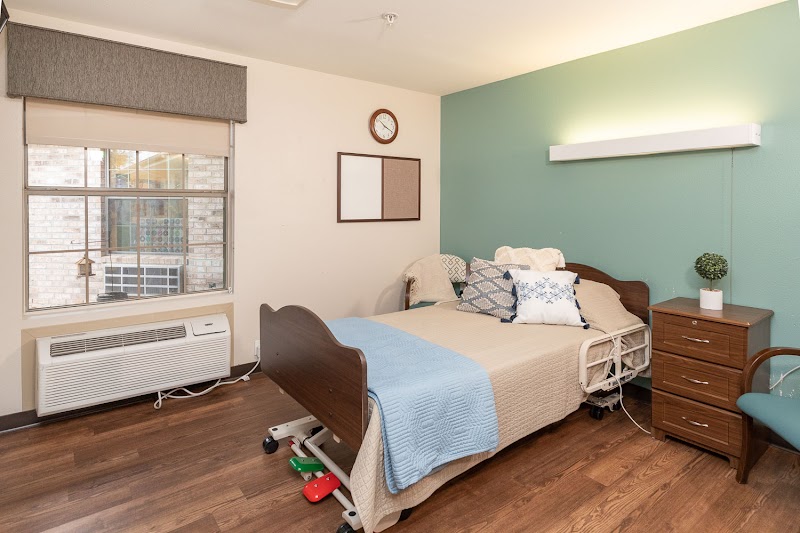
How is West Oaks Staffed?

CMS rates WEST OAKS NURSING AND REHABILITATION CENTER's staffing level at 3 out of 5 stars, which is average compared to other nursing homes. Staff turnover is 37%, compared to the Texas average of 46%. This relatively stable workforce can support continuity of care.

What Have Inspectors Found at West Oaks?

State health inspectors documented 31 deficiencies at WEST OAKS NURSING AND REHABILITATION CENTER during 2022 to 2025. These included: 4 Immediate Jeopardy (the most serious level, indicating potential for serious harm or death), 2 that caused actual resident harm, and 25 with potential for harm. Immediate Jeopardy findings are rare and represent the most serious regulatory concerns. They require immediate corrective action.
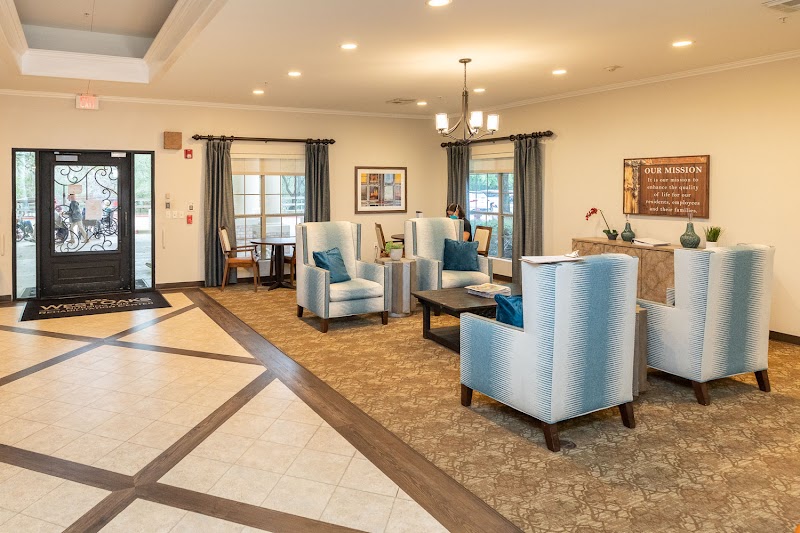
Who Owns and Operates West Oaks?

WEST OAKS NURSING AND REHABILITATION CENTER is owned by a government entity. Government-operated facilities are typically run by state, county, or municipal agencies. The facility is operated by THE ENSIGN GROUP, a chain that manages multiple nursing homes. With 125 certified beds and approximately 106 residents (about 85% occupancy), it is a mid-sized facility located in AUSTIN, Texas.
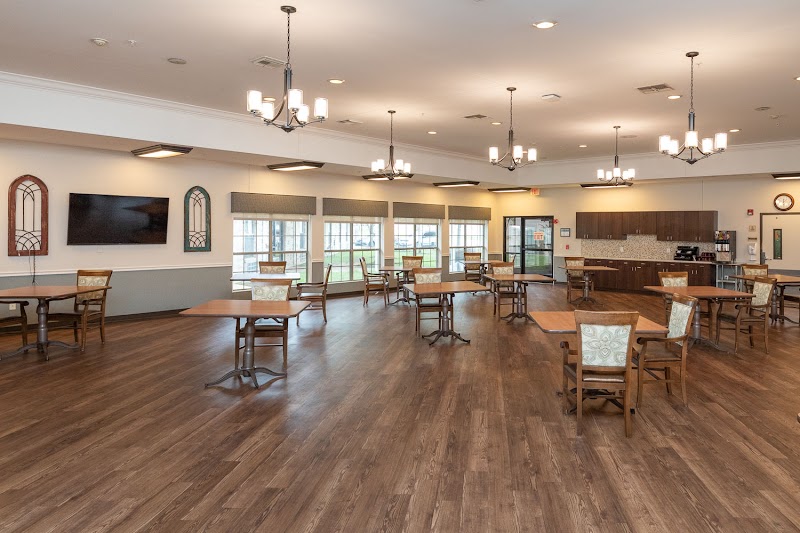
How Does West Oaks Compare to Other Texas Nursing Homes?

Compared to the 100 nursing homes in Texas, WEST OAKS NURSING AND REHABILITATION CENTER's overall rating (1 stars) is below the state average of 2.8, staff turnover (37%) is near the state average of 46%, and health inspection rating (1 stars) is much below the national benchmark.

What Should Families Ask When Visiting West Oaks?

Based on this facility's data, families visiting should ask: "What changes have been made since the serious inspection findings, and how are you preventing similar issues?" "Can I visit during a mealtime to observe dining assistance and food quality?" "How do you handle medical emergencies, and what is your hospital transfer rate?" "Can I speak with family members of current residents about their experience?" These questions are particularly relevant given the facility's Immediate Jeopardy citations.

Is West Oaks Safe?

Based on CMS inspection data, WEST OAKS NURSING AND REHABILITATION CENTER has documented safety concerns. Inspectors have issued 4 Immediate Jeopardy citations (the most serious violation level indicating risk of serious injury or death). The facility has a 1-star overall rating and ranks #100 of 100 nursing homes in Texas. Families considering this facility should ask detailed questions about what corrective actions have been taken since these incidents.

Do Nurses at West Oaks Stick Around?

WEST OAKS NURSING AND REHABILITATION CENTER has a staff turnover rate of 37%, which is about average for Texas nursing homes (state average: 46%). Moderate turnover is common in nursing homes, but families should still ask about staff tenure and how the facility maintains care continuity when employees leave.

Was West Oaks Ever Fined?

WEST OAKS NURSING AND REHABILITATION CENTER has been fined $114,696 across 3 penalty actions. This is 3.4x the Texas average of $34,226. Fines at this level are uncommon and typically indicate a pattern of serious deficiencies, repeated violations, or failure to correct problems promptly. CMS reserves penalties of this magnitude for facilities that pose significant, documented risk to resident health or safety. Families should request specific documentation of what issues led to these fines and what systemic changes have been implemented.

Is West Oaks on Any Federal Watch List?

WEST OAKS NURSING AND REHABILITATION CENTER is not on any federal watch list. The most significant is the Special Focus Facility (SFF) program, which identifies the bottom 1% of nursing homes nationally based on persistent, serious quality problems. Not being on this list means the facility has avoided the pattern of deficiencies that triggers enhanced federal oversight. This is a positive indicator, though families should still review the facility's inspection history directly.