WINDSOR NURSING AND REHABILITATION CENTER OF DUVAL
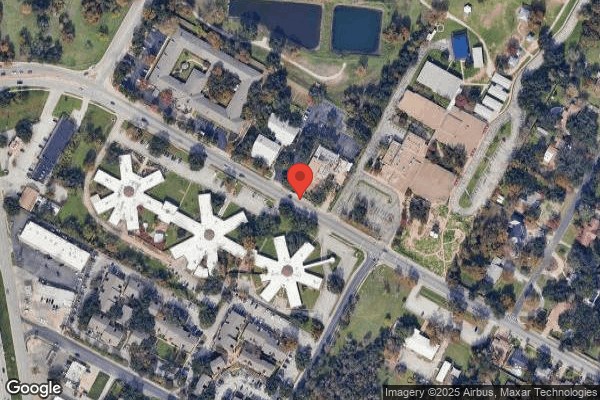

5301 W DUVAL RD, AUSTIN, TX 78727 (512) 345-1805
Government - Hospital district 206 Beds WELLSENTIAL HEALTH Data: November 2025 1 Immediate Jeopardy citation
Trust Grade
31/100
#900 of 1168 in TX
Last Inspection: April 2025

Within standard 12-15 month inspection cycle. Federal law requires annual inspections.

Overview

Windsor Nursing and Rehabilitation Center of Duval has received a Trust Grade of F, indicating significant concerns about the quality of care provided. They rank #900 out of 1168 facilities in Texas, placing them in the bottom half, and #22 out of 27 in Travis County, meaning there are only a few local options that are better. The facility is currently showing an improving trend, with the number of issues decreasing from 13 in 2024 to 9 in 2025. Staffing is a notable strength, with a turnover rate of 36%, which is lower than the Texas average of 50%. However, there are serious concerns, including a critical incident where oxygen cylinders were not stored safely, which posed a risk of fire, and a serious finding where a resident was physically assaulted by staff. Additionally, there were issues with respecting residents' privacy, as staff did not knock before entering rooms.

Trust Score
F
31/100
In Texas
#900/1168
Bottom 23%
Safety Record
High Risk
Review needed
Inspections
Getting Better
13 → 9 violations
Staff Stability
○ Average
36% turnover. Near Texas's 48% average. Typical for the industry.
Penalties
○ Average
$23,341 in fines. Higher than 60% of Texas facilities. Some compliance issues.
Skilled Nurses
⚠ Watch
Each resident gets only 24 minutes of Registered Nurse (RN) attention daily — below average for Texas. Fewer RN minutes means fewer trained eyes watching for problems.
Violations
⚠ Watch
31 deficiencies on record. Higher than average. Multiple issues found across inspections.
★★☆☆☆
2.0
Overall Rating
★★☆☆☆
2.0
Staff Levels
★★★★☆
4.0
Care Quality
★★☆☆☆
2.0
Inspection Score
Stable
2024: 13 issues
2025: 9 issues

The Good

  • 4-Star Quality Measures · Strong clinical quality outcomes
  • Full Sprinkler Coverage · Fire safety systems throughout facility
  • No fines on record
  • Staff turnover below average (36%)

    12 points below Texas average of 48%

Facility shows strength in quality measures, fire safety.

The Bad

2-Star Overall Rating

Below Texas average (2.8)

Below average - review inspection findings carefully

Staff Turnover: 36%

10pts below Texas avg (46%)

Typical for the industry

Federal Fines: $23,341

Below median ($33,413)

Minor penalties assessed

Chain: WELLSENTIAL HEALTH

Part of a multi-facility chain

Ask about local staffing decisions and management

The Ugly 31 deficiencies on record

1 life-threatening 1 actual harm
Jun 2025 1 deficiency
CONCERN (D) 📢 Someone Reported This

A family member, employee, or ombudsman was alarmed enough to file a formal complaint

Potential for Harm - no one hurt, but risky conditions existed

Report Alleged Abuse (Tag F0609)

Could have caused harm · This affected 1 resident

**NOTE- TERMS IN BRACKETS HAVE BEEN EDITED TO PROTECT CONFIDENTIALITY** Based on observation, interview and record review the facility failed to ensure that all alleged violations involving abuse, neg...

Read full inspector narrative →
**NOTE- TERMS IN BRACKETS HAVE BEEN EDITED TO PROTECT CONFIDENTIALITY** Based on observation, interview and record review the facility failed to ensure that all alleged violations involving abuse, neglect, exploitation, or mistreatment, including injuries of unknown source and misappropriation of resident property, were reported immediately, but not later than 2 hours after the allegation was made, if the events that caused the allegation involved abuse or resulted in serious bodily injury, to the administrator of the facility and to other officials, including to the State Survey Agency in accordance with State law through established procedures for two of eight residents (Resident #1 and Resident #2) reviewed for abuse and neglect . The facility failed to report to Health and Human Services alleged abuse that occurred when Resident #1 threw a cold coffee at Resident #2 and Resident #2 hit Resident #1 which resulted in Resident #1 sustaining a bruise beneath her right eye, a scratch on her right arm, anger and pain . This failure could place residents at risk of abuse, neglect, pain, and diminished quality of life. Findings include: 1. Record review of Resident #1's face sheet, dated 06/27/25, reflected a [AGE] year-old female with an original admission date of 07/29/2021 and readmission [DATE]. Resident #1 had diagnoses which included Parkinson's Disease (a progressive neurological [anything related to the nervous system, which includes the brain, spinal cord, and nerves] disorder that primarily affects movement, causing symptoms like tremors, stiffness, and difficulty with balance and coordination) without dyskinesia, without mention of fluctuations (diagnosis of Parkinson's disease where the individual does not experience dyskinesia [involuntary, jerky movements] and there is no indication or mention of the motor fluctuations), schizoaffective disorder, depressive type (a mental health condition characterized by symptoms of both schizophrenia [a chronic brain disorder that significantly affects how a person thinks, feel and behaves]), mood disorder, specifically major depressive disorder (a serious mental illness characterized by persistent feelings of sadness, loss of interest in activities, and significant changes in mood and behavior that interfere with daily life),bipolar disorder (a mental illness characterized by extreme shifts in mood, energy, and activity levels, ranging from periods of elevated mood to periods of depression), current episode manic severe with psychotic features (indicates a serious manifestation of bipolar disorder, involving extreme mood swings, elevated energy levels, and potentially delusional or hallucinatory experiences.) Record review of Resident #1's MDS , dated 04/17/25, reflected a BIMS score of 15, which indicated no cognitive impairment. Record review of Resident #1's care plan, revised dated 08/26/21, reflected Resident #1 was identified as having PASRR positive status related to a severe mental illness: schizoaffective disorder, depressive type. 2. Record review of Resident #2's face sheet dated 06/27/25, reflected a [AGE] year-old male original admission date of 03/06/2021 with diagnoses of unspecified dementia (a general term for a decline in mental ability severe enough to interfere with daily life), unspecified severity, with other behavioral disturbance (exhibits symptoms of dementia where the severity is not specified and also experiences behavioral disturbances beyond agitation and atherosclerotic heart disease of native coronary artery without angina pectoris (the coronary arteries (blood vessels supplying the heart) are narrowed due to atherosclerosis (plaque buildup) but the patient does not experience chest pain). Record review of Resident #2's MDS , dated 05/27/25, reflected a BIMS score of 7, which indicated severe cognitive impairment. Record review of Resident #2's care plan, revised dated 12/10/21, reflected Resident #2 was physically aggressive with staff at times related to dementia. Record review of Resident #1's nursing progress notes by RN A, dated 06/23/2025, reflected staff notified RN A that Resident #1 had a physical altercation with Resident #2 in the smoking area, Resident #2 punched Resident #1 in the face and Resident #1 threw coffee on Resident #2 (coffee was cold). Resident #1 stated, I requested him to move from the way, the other resident got agitated and punched in my face which made me upset that's why I threw coffee on him. Action taken - staff immediately separated the two residents and ensured their safety and residents assessed for immediate medical or psychological needs, skin evaluation completed, bruise noted to below left eye and left cheek and scratch to left arm. Pain assessment done, PRN Tylenol administered, assessed coffee cup, coffee noted cold., neuro checks initiated and were in progress, administrator, NP made aware, called POA to notify, unable to reach and left a message, resident is own RP, observed closely for any change in behaviors, response: Resident #1 alert and responded verbally, she was resting in bed with no s/s of distress/discomfort noted at this time. Record review of nursing progress notes, by LVN A, dated 06/23/25, reflected Resident #2 was assessed from head to toe three different times, no burn noted during assessment. Resident #2 did not sustain any burn in any area of his body, and he denied any pain or discomfort, will continue monitoring . Observation on 06/27/25 at 12:27 PM of Resident #1 revealed swollen a crescent shaped bruise approximately 1 inch wide and 1.5 inches in length approximately .5 inches below Resident #1's left eye and 5 red indentions scattered in a line approximately 4 inches long about 6 inches below the residents left elbow and about 4 inches above the wrist. Interview on 06/27/25 at 12:27 PM with Resident #1 revealed, she remembered the incident and said she was mad when it happened and was mad now and her face still hurt but her arm no longer hurt. Interview on 06/27/25 at 5:10 PM with Resident #2 revealed he remembered the incident with Resident #1, but he was no longer upset with Resident #1, and everything was good . Interview on 06/27/25 at 1:41 PM with RN A revealed she did not witness the altercation between Resident #1 and Resident #2. She assessed Resident #1 after the AD/BOM and HRC reported the incident to her. Her understanding was Resident #1 poured coffee on Resident #2, and Resident #2 punched Resident #1 in the face, but the coffee poured on Resident #2 was not hot. RN A said at the time of her assessment or Resident #1, Resident #1 had a bruise below the left eye and a scratch to her left arm. She said she would consider the bruise to Resident #1's face, an injury because it was in the area of the brain . She said she considered the altercation a resident-to-resident altercation and a form of abuse. She said she was trained in ANE, and the administrator was the abuse and neglect coordinator, and all incidents of abuse and neglect should be reported to the administrator. RN A said she did not find any changes to Resident #1's mental status or vital signs when she conducted her assessment and Resident #1 was at her normal baseline. RN A said she called the NP, and the NP told her to monitor Resident #1 and report if Resident #1 had any change of condition, and Resident #1 did not have a change in condition. Interview on 06/27/25 at 2:04 PM with LVN B revealed she assessed Resident #2 after his altercation with Resident #1. She said she did not witness the altercation between the two residents, but it was reported to her by the AD/BOM who told LVN B Resident #1 poured coffee on Resident #2. LVN B assessed him for burns. She said she assessed him three separate times by the end of her shift and found no injury. She said she was trained in ANE when she was hired at the facility. She said because the residents engaged in a physical altercation, it was abuse and the incident was reported to the administrator directly after it occurred. She felt Resident #1 received minor injury in the altercation and because there was injury to her face, they started neuro checks, because the neuro checks would reveal if there was a major injury. Interview on 06/27/25 at 2:14 PM with the AD/BOM revealed she heard yelling from her office and went outside. She said a resident was yelling at Resident #2 because he was mad Resident #2 hit Resident #1. The AD/BOM said she separated both residents and asked what happened. They reported to her they were lined up waiting to smoke and Resident #2 was standing in front of Resident #1. Resident #1 wanted to get in front of Resident #2. Resident #1 asked to get in front of Resident #2 and Resident #2 told her No so Resident #1 threw coffee on Resident #2. When Resident #1 threw the coffee at him, Resident #2 hit Resident #1. The AD/BOM said neither resident was scared, and Resident #1 wanted to get her cigarettes so she could smoke. She stated she was trained in the different types of abuse when she was hired. She stated when one resident hit another resident it was a form of abuse and staff were to report it to the Administrator regardless of the level of injury. She said residents cussing or yelling at each other was a form of abuse. She said the Administrator was the ANE coordinator and the incident was reported to the Administrator. Interview on 06/27/25 at 4:27 PM with the Administrator revealed he did not report the incident between Resident #1 and Resident #2 to the state survey agency because a lot of their cases were unique. When he spoke with Resident #1 about the incident, she said she was not in pain or hurting. Resident #1 she initiated the contact with Resident #2, and she understood he was a man who had difficulty controlling his impulses. He said he did not report the incident because it did not require first aide. He said when he spoke with Resident #1 about it, she repeatedly said she just wanted to go out and smoke her cigarettes. He said Resident #1 was not crying or upset about the incident when he spoke with her, and he did not feel like she was abused or neglected. The Administrator said the facility followed the Long-Term Care Regulation Provider Letter to guide them for reporting incidents to HHSC. Record review of the Long-Term Care Regulation Provider Letter Title Abuse, Neglect Exploitation, Misappropriation of Resident Property and Other Incidents that a Nursing Facility Must Report to the Health and Human Services Commission reflected: Type of Incident to Report Abuse (with or without serious bodily injury) When to report: Immediately, but not later than two hours after the incident occurs or is suspected
Apr 2025 8 deficiencies
CONCERN (D)

Potential for Harm - no one hurt, but risky conditions existed

Deficiency F0657 (Tag F0657)

Could have caused harm · This affected 1 resident

**NOTE- TERMS IN BRACKETS HAVE BEEN EDITED TO PROTECT CONFIDENTIALITY** Based on observation, interview, and record review the facility failed to revise the care plan for 1 of 10 (Resident #92) reside...

Read full inspector narrative →
**NOTE- TERMS IN BRACKETS HAVE BEEN EDITED TO PROTECT CONFIDENTIALITY** Based on observation, interview, and record review the facility failed to revise the care plan for 1 of 10 (Resident #92) residents reviewed for care plans. The facility failed to update the care plan to reflect the use of bed rails as an assistive aid for Resident #92. This failure placed the resident at risk of losing mobility, becoming entrapped, and receiving improper care. Findings include: Resident #92 Record review of Resident # 92's face sheet was a [AGE] year-old female admitted to the facility on [DATE] with pertinent diagnoses of unspecified dementia without behavioral disturbances (a degenerative brain disease that does not cause behavioral issues), Muscle wasting and atrophy (a generalized condition of muscle deterioration), unsteadiness on feet, and cognitive communication deficit (the inability to communicate effectively). Record review of Resident#92's MDS dated [DATE] indicated Resident #92 has a BIMS score of 13 which indicated cognition was intact and limited assistance to only supervision with activities of daily living. Record Review of Resident #92's care plan updated on 03/31/25 reveals, Resident #92 has an ADL self-care performance deficit r/t Confusion, Impaired balance. Interventions include. SIT TO LYING: supervision or touching assistance. LYING TO SITTING ON SIDE OF BED: supervision or touching assistance. SIT TO STAND: supervision or touching assistance. CHAIR/BED-TO-CHAIR TRANSFER: supervision or touching assistance. Care plan has no mention of assistive bed rails. Record Review indicates no bedrail assessment in the medical records. Observation and Interview with Resident #92 lying in bed on 04/01/25 at 01:45 PM with bed rails up. She stated that her bed is old, and the bed rails came with it. She likes the bed rails because they help her adjust her body in the bed. She stated that they do not hinder her ability to get out of bed. She stated that they do not make her feel restricted and that she could put them down if she wanted to. She demonstrated how she utilized the bed rails to get out of bed and walk over the bathroom. In an interview with RN E 04/02/25 at 11:06 AM she stated she was aware that Resident #92 had bedrails but was not aware that it was not on her care plan. She stated that when someone gets bed rails the DON had trained them to do a bedrail assessment. She stated that bed rails should be care planned and have doctor's orders. She stated that someone could use them inappropriately and cause her to lose mobility if they are not used in the proper way. Interview with the DON on 04/02/25 at 03:34 PM he stated that care plans ensure the best delivery of care. That the care plans should have your dietary needs, code status, any behaviors, ADL's and a plan for assistance with ADL's. The care plan was supposed to project the picture on how to provide the best care possible. He stated bedrails should be on there. He stated that they did a bed rail assessment for all resident's last month and he was surprised that Resident #92 was not identified as having a bed rail. He stated that he trained the nurses to do a physical devices assessment. He stated that the nurses, the care managers, or he would do the physical device assessment and update the care plans. He stated the facility would ensure they have proper consents for the side rails. If the side rails were not care planned and were used inappropriately, she could, theoretically, become trapped in her bed. Interview with ADMIN on 04/02/25 4:00 PM he stated that care plans are used to provide feedback to the facility and make sure the facility is meeting the resident's expectation. He stated that the expectation was for bed rails to be care planned if they are used as assistive devices. He stated they did an audit and was unsure why Resident #92 did not show up on the audits. He stated that she was completely ambulatory and was able to pull the bedrails up when she needed. He stated if she is using the bed rails, they should be in the care plan. Record review of Care Plan policy dated 10/24/22 states, It is the policy of this facility to develop and implement a comprehensive person-centered care plan for each resident, consistent with resident rights, that includes measurable objectives and timeframe's to meet a resident's medical, nursing, and mental and psychosocial needs that are identified in the resident's comprehensive assessment. e. Resident specific interventions that reflect the resident's needs and preferences.
CONCERN (D)

Potential for Harm - no one hurt, but risky conditions existed

Respiratory Care (Tag F0695)

Could have caused harm · This affected 1 resident

**NOTE- TERMS IN BRACKETS HAVE BEEN EDITED TO PROTECT CONFIDENTIALITY** Based on observation, interview, and record review, the facility failed to ensure that residents received treatment and care in ...

Read full inspector narrative →
**NOTE- TERMS IN BRACKETS HAVE BEEN EDITED TO PROTECT CONFIDENTIALITY** Based on observation, interview, and record review, the facility failed to ensure that residents received treatment and care in accordance with professional standards of practice, the comprehensive person-centered care plan, and the residents' choices for one (Resident #461) of three residents reviewed for quality of care. The facility failed to respond to and assess Resident #461's malfunctioning beeping oxygen concentrator with a red-light indicating malfunction for approximately 45 minutes. This failure could place residents at risk of an oxygen delivery problem, not receiving necessary medical care, harm, and hospitalization. Findings included: Review of Resident #461's face sheet dated 04/01/24 reflected an [AGE] year-old male who was admitted to the facility on [DATE] and readmitted on [DATE] with diagnoses including Parkinson's disease (a progressive neurodegenerative disorder primarily affecting movement, causing symptoms like tremors, slowness of movement, and stiffness, often due to a decline in dopamine-producing brain cells) and dementia. Review of Resident #461's admission MDS assessment, dated 03/26/24, reflected no BIMS score . Resident #461's care plan dated 03/18/25 reflected resident had a diagnosis of Parkinson's disease with an intervention dated 03/18/25 of give medications as ordered by the physician. Resident #461's care plan reflected he was followed by hospice with an intervention dated 03/06/25 keep the environment quiet and calm. Review of Resident #461's order dated 03/31/25 reflected resident may have oxygen for shortness of breath as needed. Observation on 03/31/25 at 8:47 am when walking down facility hallway 900 of hearing a loud beeping noise coming from room [ROOM NUMBER]. After entering the room surveyor observed the noise came from Resident #461's oxygen concentrator. The devise was operating, and surveyor observed Resident #461's nasal cannula (flexible tube with two prongs that are inserted into the nostrils to deliver supplemental oxygen or increased airflow to a patient in need of respiratory support) in place. A red light was lit on the concentrator. The concentrator was wrapped in plastic. Surveyor alerted nurse who was at the central nurses' station located at the end of the 900 hallway . Observation and interview on 03/31/25 with LVN C at 8:49 am revealed when LVN C came into Resident #461's room after being alerted to the noise by the surveyor, LVN C confirmed that the concentrator was beeping, and a red light was on indicating the concentrator was not working. LVN C stated that Resident #461 was getting oxygen, but it was at a concentration level of 1 and the concentration level should have been at 2. LVN C said she was getting him another concentrator because, this one seems not to be working. LVN C removed the plastic that was wrapped around the concentrator and remarked that the concentrator was, superhot and it was overheating because the plastic wrapped around the vents of the concentration had not been removed before the concentrator was activated. LVN C said that when equipment was beeping and a red light was activated, it indicated that there was a problem with the equipment that needed to be addressed. LVN C said she did not hear the beeping and no staff informed her of the beeping sound coming from Resident #461's room LVN C unplugged the concentrator and said she would replace it. Interview on 03/31/25 with MA D at 8:55 am reflected she arrived on the 900 hallway at about 8:15 am but did not notice the beeping coming from Resident #461's room. Interview on 03/31/25 with Resident #27 at 9:00 am reflected the beeping sound from Resident #461's had been going on for about 45 minutes to an hour. Resident #27 said CNAs were walking up and down the hallway serving breakfast and the beeping sound continued from Resident #461's room and she did not hear anyone make any statements about alerting a nurse to figure out the noise in Resident #461's room. Resident #27's room was number 908. She stated she had been in her room and on the 900 hallway all morning. Review of Resident #27's MDS dated [DATE] reflected a BIMS score of 14 indicating intact cognition. Interview on 04/01/25 with the ADON at 7:54 am revealed that when there was a noise or beeping sound coming from a resident's room staff need to check it out quickly because there could be a problem with any equipment that might be in the room. It is not good quality of care to allow a beeping noise from a resident's room to continue and not respond, it should be addressed. When the ADON was told that plastic was observed wrapped about the oxygen concentrator in Resident #461's room, the ADON said the plastic should have been removed prior to the concentrator being operated and even if there was nothing wrong with the equipment, the beeping noise can be annoying to the resident. Interview on 04/02/25 with the DON at 3:22 pm reflected it would be a concern if there was beeping noise coming from a resident's room because it would suggest that something was not functioning with the equipment, and it needed to be looked at. The negative impact of not responding to beeping machinery would be that the resident would not receive the benefit of what the machinery was to provide. The ADM was requested to provide the facility quality of care policy and provided the facility Quality Assessment and Assurance Committee policy, not applicable to this citation. There is no facility policy for this citation.
CONCERN (D)

Potential for Harm - no one hurt, but risky conditions existed

Infection Control (Tag F0880)

Could have caused harm · This affected 1 resident

**NOTE- TERMS IN BRACKETS HAVE BEEN EDITED TO PROTECT CONFIDENTIALITY** Based on observation, interview and record review the facility failed to establish and maintain an infection prevention and cont...

Read full inspector narrative →
**NOTE- TERMS IN BRACKETS HAVE BEEN EDITED TO PROTECT CONFIDENTIALITY** Based on observation, interview and record review the facility failed to establish and maintain an infection prevention and control program designed to provide a safe, sanitary and comfortable environment and to help prevent the development and transmission of communicable diseases and infections for 3 of 7 residents (Resident #114, Resident #460, and Resident #461) reviewed for infection control. 1. The facility failed to ensure the TN H sanitized her hands and changed gloves prior to applying wound treatment and clean dressing to Resident #114's left heel wound. 2. The facility failed to post Enhanced Barrier Protection signage on Resident #460 and Resident #461's doors when they admitted to the facility with a wound and a suprapubic catheter. 3. The facility failed to ensure Enhanced Barrier Protection was worn when providing resident care for Resident #461's suprapubic catheter. These failures could place residents at risk of transmission of disease and infection. Findings included: Record review of Resident #114's undated face sheet reflected an [AGE] year-old female who was admitted to the facility on [DATE]. Resident #114 had diagnoses which included dementia, dysphagia (difficulty swallowing), repeated falls, diabetes mellitus type 2, metabolic encephalopathy, and history of venous thrombosis and embolism (blood clots). Record review of Resident #114's Quarterly MDS dated [DATE] reflected Resident #114 needed the assistance of two or more helpers for her activities of daily living and used a mechanical lift with two people assisting for transfers, and a wheelchair for mobility. She had one unstageable deep tissue pressure injury to her left heel. Record review of Resident #114's Care Plan, last revised on 02/07/25, reflected a focus on an alteration in skin integrity related to the presence of an unstageable pressure ulcer/injury to her left heel. The goals were for Resident #114 to remain free from additional pressure ulcers/injuries and for the current pressure ulcer/injury to show signs of healing as evidenced by a decrease in size/measurements, and to remain free from signs and symptoms of complications such as infections. Interventions included applying treatment as ordered, and assessing for complications, including signs and symptoms of infection. Review of Resident #460's face sheet dated 04/01/25 reflected a [AGE] year-old female who was admitted to the facility on [DATE] with diagnoses including encephalopathy (affects the brain's function, leading to changes in mental state and cognitive abilities), bipolar disorder (treatable mental disorder marked by extreme changes in mood, thought, energy and behavior) and chronic kidney disease, stage 3. Review of Resident #460's admission MDS assessment, dated 03/27/25, reflected no BIMS score . Resident #460's care plan initialed on 03/27/25 and revised on 03/31/25 reflected she had a stage 3 pressure ulcer (involves full-thickness skin loss, exposing subcutaneous fat, but not bone, tendon, or muscle) on her buttocks and an unstageable pressure ulcer (a full-thickness skin and tissue loss where the true depth of the ulcer is obscured by slough (yellow, tan, gray, green, or brown) or eschar (tan, brown, or black) in the wound bed, making it impossible to determine the stage) on her lower extremity. Review of Resident #460's order dated 03/31/25 reflected use gown and gloves for high contact resident care activities for those with known to be colonized or infected with a CDC (Centers for Disease Control) targeted MDRO (multidrug-resistant organism) as well as those with increased risk of MDR (Multidrug-resistant), residents with wounds or indwelling medical devices. Review of Resident #461's face sheet dated 04/01/25 reflected an [AGE] year-old male who was admitted to the facility on [DATE] and readmitted on [DATE] with diagnoses including Parkinson's disease (a progressive neurodegenerative disorder primarily affecting movement, causing symptoms like tremors, slowness of movement, and stiffness, often due to a decline in dopamine-producing brain cells) and dementia. Review of Resident #461's admission MDS assessment, dated 03/26/25, reflected no BIMS score . Resident 461#'s care plan dated 03/18/25 reflected resident had a diagnosis of Parkinson's disease with an intervention dated 03/18/25 of give medications as ordered by the physician. Resident #461's care plan reflected he was followed by hospice with an intervention dated 03/06/25 keep the environment quiet and calm. Resident #461 care plan revised on 03/19/25 reflected he had a suprapubic catheter (a thin, flexible tube inserted into the bladder through a small incision in the lower abdomen (pubic area) to drain urine) related to neurogenic bladder (a condition where the nerves that control bladder function are damaged, leading to abnormal bladder control). Review of Resident #461 order dated 03/31/25 reflected use gown and gloves for high contact resident care activities for those with known to be colonized or infected with a CDC (Centers for Disease Control) targeted MDRO (multidrug-resistant organism) as well as those with increased risk of MDR (Multidrug-resistant), residents with wounds or indwelling medical devices. Observation on 03/31/25 at 11:45 AM was conducted of wound care for Resident #114 with the TN H. Resident #114's wound was documented in physicians' orders as pressure wound located the left heel. The TN H did not change gloves or conduct hand hygiene after cleansing Resident #114's left heel wound and before applying wound treatment and clean dressing. Interview on 03/31/25 at 12:15 PM with the TN H revealed she did not change her gloves or conduct hand hygiene after cleansing the wound and before applying wound treatment and clean dressing. The TN H further stated she should have conducted handwashing and glove change after cleaning the wound. She stated not conducting hand hygiene and a glove change after cleaning a wound could lead to cross contamination to the resident. She stated she had received training on hand hygiene during wound care, but do not remember when. Interview on 04/02/25 at 02:43 PM with the DON revealed he had worked in the facility for 14 years. He stated the policy for conducting hand hygiene during wound care included preparing the field, hand hygiene, donning gloves and gown, removing the old dressing, and when going from cleaning wound to applying clean dressing do hand hygiene and change gloves. The DON stated he was responsible for ensuring staff are conducting hand hygiene when providing resident care, and their IP program mandated hand hygiene training every month for 10 staff. Not conducting hand hygiene and changing gloves during wound care had the potential of nursing care being provided with unclean hands, and the possibility of spreading microorganisms to the resident. Interview on 04/02/25 at 03:53 PM with the ADM revealed he had been with the facility for 13 years. He stated the policy for conducting hand hygiene during wound care was all staff were responsible for conducting hand hygiene before and after providing care to a resident, and to conduct hand hygiene during care when going from contaminated to clean areas. The ADM stated the DON, himself, and all Infection Preventionists were responsible for ensuring all staff were conducting hand hygiene when providing resident care. The ADM further stated all staff were to follow all universal precautions when providing resident care, and not doing so could put the residents at risk of infections and negative outcomes. A review of the CDC Long Term Care Facilities reflected when implementing Contact Precautions or Enhanced Barrier Precautions, it is critical to ensure that staff have awareness of the facility's expectations about hand hygiene and gown/glove use, initial and refresher training, and access to appropriate supplies. To accomplish this: Post clear signage on the door or wall outside of the resident room indicating the type of Precautions and required PPE (e.g. gown and gloves) For Enhanced Barrier Precautions, signage should also clearly indicate the high-contact resident care activities that require the use of gown and gloves. Review of Enhanced Barrier Precautions, signage observed at the facility posted on the doors of other resident rooms, not posted on Residents #460 and #461's doors reflected: Enhanced Barrier Precautions: Providers and staff must: wear gloves and a gown for the following High-Contact Resident Care Activities. Do not wear the same gown and gloves for the care of more than one person. Providers and staff must also: Dressing Bathing/Showering Transferring Changing Linens Providing Hygiene Changing briefs or assisting with toileting Device care or use: central line, urinary catheter, feeding tube, tracheostomy Wound Care: any skin opening requiring a dressing. Observation on 03/31/25 at 9:48 am of the door of Resident #460's room, #806, reflected no EBP signage. Observation and interview on 03/31/25 of LVN C at 10:41 am who exited Resident #461's room with no gown. When asked if the LVN C provided resident care, she said yes, she provided care for resident's suprapubic catheter. LVN C was observed not wearing a PPE (personal protective equipment) gown and there was no enhanced barrier precaution sign on Resident #461's door informing staff providing care for high-contact resident care activities of device care or use of urinary catheter must wear gloves and a gown. Interview on 04/01/25 with LVN C at 8:29 am reflected she performed suprapubic catheter care for Resident #461 on 03/31/25 of at 10:41 am and did not wear a gown and the resident did not have the facility required EBP signage on his door. LVN C stated that the EBP requirements involved wearing a gown when resident care was provided for a suprapubic catheter for infection control reasons. LVN C said that if staff did not wear the barrier controls of the gown required for EBP residents when providing resident care, residents could get an infection and become sick. Interview on 04/01/25 with the ADON at 7:45 am reflected nurses needed to wear a gown when attending to a resident's suprapubic catheter and for wound care. When a resident admits to the facility with a wound or a suprapubic catheter EBP signage should be immediately posted on the resident's door to notify staff of the necessary infection control precautions needed when providing care for that resident. The EBP PPE is necessary to protect the resident from infection. Interview on 04/01/25 with ICS at 3:36 pm revealed if a resident had wounds and if a resident had an indwelling medical device, a suprapubic catheter, EBP would be required when caring for these residents. EBP signage should be posted on every resident's door as soon as they are admitted to the facility if the resident requires EBP. The EBP signage informs the staff of the infection control needs of the resident and that they need to wear PPE when providing resident care. Residents #460 and #461 should both have had EBP signs on their doors as soon as they were admitted to the facility and LVN C should have worn a gown when she provided care to Resident #461 for his suprapubic catheter. LVN C said the negative effect of not having the EBP signage in place as soon as the residents are admitted is that staff are not informed about the infection needs of the resident and they might assist the resident without the proper EBP, and residents could become infected. LVN C said that a possible negative effect of LVN C not wearing a gown when providing care involving Resident #461's suprapubic catheter is that the resident could get an infection because the proper EBP PPE was not worn. Interview on 04/02/25 with the DON at 3:22 pm reflected Residents #460 and #461 should have had EBP signage posted on their doors as soon as they admitted to the facility and the nurse providing suprapubic catheter care for Resident #461 should have worn the proper PPE. If you do not have the EBP signage posted on resident doors for residents who required EBPs staff providing care could expose residents to infection and if staff are not wearing the appropriate PPE, staff could expose residents to infection. The DON said staff was trained in EBP and infection control procedures, including posting proper EBP signage and wearing PPE to reduce the potential for the spread of infection. Review of Policy & Procedure on Hand Hygiene dated January 2018 reflected: This facility considers hand hygiene the primary means to prevent the spread of infections. All personnel shall be trained and regularly in-serviced on the importance of hand hygiene in preventing the transmission of healthcare-associated infections. All personnel shall follow the handwashing/hand hygiene procedures to help prevent the spread of infections to other personnel, residents, and visitors. Use an alcohol-based hand rub containing at least 62% alcohol; or, alternatively, soap (antimicrobial or non-antimicrobial) and water for the following situations: h. Before moving from a contaminated body site to a clean body site during resident care. j. After contact with blood or bodily fluids k. After handling used dressings, contaminated equipment. Review of Policy & Procedure on Infection Prevention and Control Program dated 05/13/23 reflected: This facility has established and maintains an infection prevention and control program designed to provide a safe, sanitary, and comfortable environment and to help prevent the development and transmission of communicable diseases and infections as per accepted national standards and guidelines. Policy Explanation and Compliance Guidelines: 2. All staff are responsible for following all policies and procedures related to the program. 4. Standard Precautions: a. All staff shall assume that all residents are potentially infected or colonized with an organism that could be transmitted during providing resident care services. b. Hand hygiene shall be performed in accordance with our facility's established hand hygiene procedures. Review of facility Enhanced Barrier Precautions policy dated 04/05/24 reflected it is the policy of the facility to implement enhanced barrier precautions for the prevention of transmission of multidrug-resistant organisms. Definitions: Enhanced barrier precautions (EBP) refers to an infection control intervention designed to reduce transmission of multidrug-resistant organisms that employs targeted gown and gloves use during high contact resident care activities. Policy Explanation and Compliance Guidelines: All staff receive training on enhanced barrier precautions upon hire and at least annually and are expected to comply with all designated precautions. All staff receive training on high-risk activities and common organisms that require enhanced barrier precautions. An order for enhanced barrier precautions will be obtained for residents with any of the following: i. Wounds (e.g., chronic wounds such as pressure ulcers, diabetic foot ulcers, unhealed surgical wounds, and chronic venous stasis ulcers) and/or indwelling medical devices (e.g., central lines, urinary catheters, feeding tubes, tracheostomy/ventilator tubes) even if the resident is not known to be infected or colonized with a MDRO (multidrug-resistant organisms). Implementation of Enhanced Barrier Precautions: Make gowns and gloves available immediately near or outside of the resident's room. PPE for enhanced barrier precautions is only necessary when performing high-contact care activities and may not need to be donned prior to entering the resident's room. High-contact resident care activities include. a. Dressing b. Bathing c. Transferring d. Providing hygiene. e. Changing linens. f. Changing briefs or assisting with toileting. g. Device care or use: central lines, urinary catheters, feeding tubes, tracheostomy/ventilator tubes. h. Wound care: any skin opening requiring a dressing .
CONCERN (E)

Potential for Harm - no one hurt, but risky conditions existed

Resident Rights (Tag F0550)

Could have caused harm · This affected multiple residents

**NOTE- TERMS IN BRACKETS HAVE BEEN EDITED TO PROTECT CONFIDENTIALITY** Based on observation, interview, and record review, the facility failed to treat each resident with respect and dignity and care...

Read full inspector narrative →
**NOTE- TERMS IN BRACKETS HAVE BEEN EDITED TO PROTECT CONFIDENTIALITY** Based on observation, interview, and record review, the facility failed to treat each resident with respect and dignity and care for each resident in a manner and in an environment that promotes maintenance or enhancement of his or her quality of life for 3 of 10 residents (Resident #61, Resident #84, and Resident #131) reviewed for rights. The facility failed to ensure CNA A and LVN B knocked on Resident #61's, Resident #84's, and Resident #131's door when going into the residents' rooms. The deficient practice could place residents at risk of feeling like their privacy was being invaded or the facility was not their home. Findings included: Review of Resident #61's Face Sheet dated 04/02/2025 revealed he was a [AGE] year-old male who was admitted to the facility on [DATE]. Resident #61's diagnoses included pneumonia (infection in the lungs), type 2 diabetes mellitus with diabetic peripheral angiopathy (damage to the blood vessels in the legs and feet due to diabetes), obstructive pulmonary disease (chronic progressive lung disease), muscle wasting, lack of coordination, dysphagia (difficulty swallowing), cognitive communication deficit (problems with communication), chronic kidney disease, hypertension (high blood pressure), hyperlipidemia (high cholesterol), and end stage renal disease (kidney failure). Record review of Resident #61's Quarterly MDS dated [DATE] revealed Resident #61 had a BIMS score of 11 indicating moderate impairment. Review of Resident #84's Face Sheet dated 04/02/2025 revealed she was a [AGE] year-old female who was admitted to the facility on [DATE]. Resident #84's diagnoses included type 2 diabetes mellitus without complications (high blood sugar), hypertensive heart disease with heart failure (damage to heart and heart failure due to chronic high blood pressure), low back pain, abnormalities of gait and mobility, muscle wasting, lack of coordination, chronic obstructive pulmonary disease (chronic progressive lung disease), anxiety (feeling of uneasiness or worry), heart failure, unsteadiness on feet, insomnia (difficulty sleeping) and malaise (feeling of general discomfort). Record review of Resident #84's Quarterly MDS dated [DATE] revealed Resident #84 had a BIMS score of 15 indicating intact cognitive response. Review of Resident #131's Face Sheet dated 04/02/2025 revealed she was a [AGE] year-old female who was admitted to the facility on [DATE]. Resident #131's diagnoses included chronic pain, type 2 diabetes mellitus without complications (high blood sugar), hypertensive heart disease without heart failure (damage to heart due to chronic high blood pressure), lack of coordination, anxiety (feeling of uneasiness or worry), hyperthyroidism (excessive production of thyroid hormones), and epilepsy (seizure disorder). Record review of Resident #131's Quarterly MDS dated [DATE] revealed Resident #131 had a BIMS score of 0 indicating severe impairment. Observation of 700 hall on 03/31/2025 at 08:31 a.m., revealed CNA A did not knock on Resident #61's door before entering. Observation of 100 hall on 04/01/2025 at 8:52 a.m., revealed LVN B walked into Resident #84 and Resident #131's room without knocking. During an interview attempted with Resident #131 on 03/31/2025 at 9:31 a.m., revealed that she would not want to talk to the surveyor. During an interview with Resident #84 on 03/31/2025 at 2:55 p.m., she said that staff do not knock on her door. She said that she would like for staff to knock all the time. She said she gets upset when staff just walk into her room . During an interview with CNA A on 04/02/2025 at 12:37 p.m., she said that she had been trained on resident rights. She said the policy for knocking was that staff were supposed to knock, introduce themselves. She said staff were to knock anytime they wanted to enter a resident's room. She also said that it was important to knock on the resident's door because it was their right to have privacy. She said if staff do not knock it would be bad for the resident. She also said that staff needed to respect the resident and his/her privacy. She said that nurses monitor to ensure staff are knocking on the resident's doors by observation. She said she did not realize she did not knock on Resident #61's door. During an interview with LVN B on 04/02/2025 at 01:29 p.m., she said that she had been trained on resident rights. She said that staff were supposed to knock on all residents' doors before entering. She also said that it was the resident's right to refuse someone entry into their room. She said the only time staff did not need to knock was in an emergency. She said by staff not knocking the resident may not know what the staff want and get upset and think that the staff were not considerate of him or her. She said the whole staff monitored to ensure staff were knocking on the residents doors. She said that the staff would tell someone to make sure and knock if they saw them not knocking. She also said management does observations and remind staff to knock on the resident's door. She said that she did not knock on Resident #84 and Resident 131's door because she forgot, or the door was open. She said even if the door was open, she still should have knocked. During an interview with the DON on 04/02/2025 at 2:44 p.m., he said he and staff had been trained on resident rights. He said the policy was that staff were to knock on the door, introduce themselves, and wait for the resident to answer. He said that all staff were to always knock except in an emergency. He said that if staff did not knock the resident may get the impression that the staff are invading their privacy. He said that all management was responsible for monitoring to ensure staff are knocking. He said that management monitored to ensure staff were knocking by doing rounds. He said that he did not know why staff were not knocking. He said staff were trained and it would have been a shock if they were not knocking. During an interview with the ADM on 04/02/2025 at 03:56 p.m., he said that he and staff had been trained on resident rights and knocking on residents' doors. He said the policy was to knock on the door and wait for a response from the resident. he said all staff were supposed to knock before entering the resident's room. He said that it was important for staff to knock on the resident's door for their privacy. He said the resident may get startled or scare the resident. He said that all managers should be monitoring that staff are knocking on the door. She said management monitors it by observation. He said he did not know why staff were not knocking on resident's doors before entering. Record Review of Promoting/Maintaining Resident Dignity Policy dated 01/13/2023 revealed that All staff members are involved in providing care to residents to promote and maintain resident dignity and respect resident rights. Maintain resident privacy.
CONCERN (E)

Potential for Harm - no one hurt, but risky conditions existed

Menu Adequacy (Tag F0803)

Could have caused harm · This affected multiple residents

Based on observations, interviews, and record review, the facility failed to ensure the meals served reflected the nutritional needs of residents in accordance with established national guidelines for...

Read full inspector narrative →
Based on observations, interviews, and record review, the facility failed to ensure the meals served reflected the nutritional needs of residents in accordance with established national guidelines for all residents when the facility failed to ensure menus were followed for all residents for 2 of 2 meals observed. The facility failed to follow the posted menus for two meal services served at the facility on Monday, 03/31/25 and Tuesday 04/01/25. These failures could place residents that eat food from the kitchen at risk of poor intake, chemical imbalance, and/or weight loss. Findings included: Observation of posted menus on 03/31/25 at 11:53 AM revealed menu items for lunch meal service to be chicken piccata, orzo, parmesan tomato half, wheat bread, baked peach slices, coffee or tea and garnish parsley sprig. Observation of lunch meal service on 03/31/25 at 12:35 PM revealed resident meal trays being served with two fried chicken patties, orzo, parmesan tomato half and a slice of bread. Observation of posted dinner menus on 04/01/25 at 4:11 pm revealed menu items for dinner to be maple glazed ham, sweet potatoes, season beans, wheat roll and apple cranberry crisp. Observation of dinner meal service on 04/01/25 at 5:35 PM revealed resident meal trays being served with plain ham, white potatoes covered in cheese, seasoned beans, a piece of wheat bread and apple cranberry crisp. In an interview on 04/01/25 at 2:15 pm with the FSS , he stated that he frequently changes the menu from the corporate company to accommodate the resident's needs. He stated he will post a daily menu and then initiate the individual menu item changes without updating the posted daily menu. He did not see the need to change the actual menu that was posted for the residents. He stated the residents do not complain about the changes. He stated he would have heard complaints from the residents because he is present on the floors for most meals. He stated that residents get bored of the meals because they are on a cycle. He stated it could cause potentially confusion to the residents if they read the menus but those who read the menus do not complain. The facility does approve the menu with the corporate company. They do not adjust the menus for the next menu cycle because it is impossible to tell exactly what his residents will like. He stated he goes to the resident council meetings to see what his resident's like but does not keep a record other than what is on their meal tray ticket likes and dislikes section. In an interview on 04/02/25 at 3:00 pm with the DON stated that the menus that are posted should have been accurate for what is served on the plate. It is the facility expectation that he follows the facility policy for substitutions. In an interview on 04/02/25 at 4:00 pm the ADM stated menus being followed was essential, so the resident was aware of the foods being offered. He stated all changes need to be signed off by the dietitian. He stated that flavor of the food is the biggest complaint, so they make changes. He stated that they should be adjusting the menus from the corporate company to the resident's needs and desires . Review of substitution log revealed that only one substitution had been documented on 03/31/25 which was white potatoes with cheese in place of sweet potatoes. Record review of substitution policy dated 05/10/2018 stated, The FSD and the nutrition consultant will ensure that documentation of the meals served, and substitutions made is maintained to ensure compliance with the menus as planned. 1. The nutrition consultant will initial and date the substitution list and ensure that an approved copy is placed with the weekly menu.
CONCERN (E)

Potential for Harm - no one hurt, but risky conditions existed

Deficiency F0804 (Tag F0804)

Could have caused harm · This affected multiple residents

**NOTE- TERMS IN BRACKETS HAVE BEEN EDITED TO PROTECT CONFIDENTIALITY** Based on observation, interview, and record review, the facility failed to ensure each resident received and the facility provid...

Read full inspector narrative →
**NOTE- TERMS IN BRACKETS HAVE BEEN EDITED TO PROTECT CONFIDENTIALITY** Based on observation, interview, and record review, the facility failed to ensure each resident received and the facility provided food prepared by methods that conserve nutritive value, flavor, and appearance. The meal test tray's on 03/31/2025, 04/01/2025, and 04/02/2025 were not at appropriate homelike meal temperature, had an unappetizing off-putting appearance (no seasoning observed, and food colliding together), not cooked well (overcooked), and lacked palatable seasoning including flavor. The facility failed to provide palatable food that was attractive or appetizing to residents' who complained the food did not look or taste good. This failure could place residents at risk of decreased food intake, hunger, unwanted weight loss, and diminished quality of life. Findings include: Record review of Resident #130's Face Sheet dated 04/02/2025 reflected a [AGE] year-old male admitted to the facility on [DATE] with a diagnosis that included Schizoaffective Disorder (mental health condition such as, mood disorders, hallucinations, and delusions), Bipolar (mental illness characterized by extreme mood swings), Traumatic Brain Injury With Loss of Consciousness (concussion), Muscle Weakness (lack of muscle strength), Intellectual Disabilities (neurodevelopmental disorder characterized by significantly impaired intellectual and adaptive functioning) , Epilepsy (brain condition that causes recurring seizures), and Heart Disease (conditions that affect the heart). Record review of Resident #130's quarterly Minimum Data Set, dated [DATE] reflected a Brief Interview for Mental Status Score of 05, which indicated cognitive severe impairment. Record review of Resident #130's Care Plan dated 01/25/2025 reflected Resident #130 requires supervision with eating and with setup assistance at times by 1 staff. Monitor Resident #130's change in eating patterns and habits. Record review of resident #68's Face Sheet dated 04/02/2025 reflected a [AGE] year-old male admitted to the facility on [DATE] with a diagnosis that included Cerebral Infarction (stroke that affects the blood flow to the brain), Muscle Wasting and Atrophy (loss of muscle mass and strength), Lack of Coordination (difficulty controlling voluntary muscle movements), Intellectual Disabilities (neurodevelopmental disorder characterized by significantly impaired intellectual and adaptive functioning), Respiratory Failure (condition that occurs when the lungs cannot remove all of the carbon dioxide the body produces), Anemia (condition in which you do not have enough healthy red blood cells or hemoglobin to carry adequate oxygen), and Depression (mood disorder, the individual experiences persistent symptoms of lower state of mind and mood, sadness, and a loss of interest in daily activities). Record review of resident #68's quarterly Minimum Data Set, dated [DATE] reflected a Brief Interview for Mental Status Score of 12, which indicated moderate cognitive impairment. Record review of resident #68's Care Plan dated 10/12/2024 reflected Resident #68 requires supervision during eating and with setup assistance. Monitor Resident #68's change in eating patterns. Record review of resident #30's Face Sheet dated 04/02/2025 reflected a [AGE] year-old male admitted to the facility on [DATE] with a diagnosis that included Cerebrovascular Disease (a group of disorders that affect blood flow to the brain), Major Depressive Disorder (individual experiences extensive symptoms of lower state of mind and mood, sadness, and a loss of interest in daily activities), Lack of Coordination (difficulty controlling voluntary muscle movements), Muscle Wasting and Atrophy (loss of muscle mass and strength), Epilepsy (brain condition that causes recurring seizures), and Cerebral Infarction (stroke that affects the blood flow to the brain). Record review of resident #30's quarterly Minimum Data Set, dated [DATE] reflected a Brief Interview for Mental Status Score of 15, which indicated intact cognitive response. Record review of resident #30's Care Plan dated 01/19/2025 reflected Resident #30 can feed self with supervision to limited assist and setup by staff. In an interview on 03/31/2025 at 7:48 AM conducted with FSS , he stated staff make the sauce and residents do not like the sauce. FSS stated he posted chicken picata on the menu for today and then served chicken tenders. Food Service Supervisor stated anyone who comes to him with a complaint put it on the grievances. Food Service Supervisor stated the plate warmers work and the food goes out hot. FSS stated the plate warmers should hold temperature for 20 minutes, but the kitchen relies on Nursing staff to pass the trays out when leaving the kitchen. In an interview on 03/31/2025 at 9:54 AM conducted with Resident #130, he stated the following: He receives meals and drinks, but the meal at this facility is not what he wants, and it is not good. The food is cold. The food alternatives are all right, but not things he really wants. In an interview on 03/31/2025 at 10:49 AM conducted with Resident #68, he stated he receives meals and drinks, but the staff are stingy on the coffee. Resident #68 stated the food has not been good during each mealtime and dislikes the quality. In an interview on 03/31/2025 at 10:50 AM conducted with Resident #30, he stated the following: he receives his meals and drinks at the facility, but the food is not the best. Resident #30 feels they must eat what they get, and the food is not great overall. Observation on 03/31/25 at 12:15 PM revealed a plate of food with two fried chicken patties, a scoop of orzo that was hardened around the edges, and a tomato slice with melted cheese. The orzo was flavorless and was hard to chew. The tomato with cheese was bland. Additional observation revealed a puree plate with all the items running together. It contained chicken, green beans, bread, and orzo. The chicken was thick and flavorless, and the orzo was tacky and hard to swallow. In an observation on 03/31/2025 at 1:08 PM of Resident #14 during mealtime, it was observed there were snacks and extra food provided that was not on meal ticket. Record review of Resident Council notes/ Grievances were conducted, there were consistent notes of complaints in terms of the food within the last 3 months. January 2025 stated, Too much spaghetti and pasta, dislikes the milk and orange juice being served, no more eggs and want potatoes, and resident is lactose intolerant and still receives dairy products. February 2025 stated, resident requesting Dietary to change the breakfast. March 2025 stated, resident doesn't get the correct diet, resident who don't want pork still gets pork, resident receiving cold cereal and not hot cereal, and resident's not receiving food that's been requested. In a confidential residential meeting on 04/01/2025 at 2:00 PM, the majority of 7 of 7 residents in the meeting stated the following: lunch and dinner are late. The kitchen changes up what is on the menu sometimes if kitchen staff make something from scratch, or it will take them a longer time. The food quality depends on the day and what it is they are serving that will determine if its good or not. Residents think the food brands are not the best and effects the quality of taste. Residents have made recommendations at times, but there have been times staff will say that is not their job if they do not work directly in the kitchen. Residents have issues with food on the menu not matching. The food served is too cold. Sometimes the food will sit out in the halls for 10 to 15 minutes in which the food will be cold or slightly warm, not hot given the facility have 4 different dining rooms and residents who eat in their rooms. The residents stated it makes them feel frustrated or at times they do not want to eat. Residents understand food is expensive, but they have not seen grapes or other fruit and vegetables that are fresh. Observation on 04/01/25 at 5:10 PM revealed a plate of beans, ham, and potatoes with cheese on top. The ham was hardened on the edges, the beans were not served separately and were colliding with the other items on the plate. The potatoes had very little cheese and did not taste of any other seasoning added. Observation on 04/02/25 at 12:45 PM revealed a plate of pulled pork, hot potato salad and broccoli. The vinegar taste from the hot potato salad had transferred to the broccoli and the broccoli was overcooked and mushy. In an interview on 04/02/2025 at 1:00 PM conducted with CNA G, she stated the following: The policy for resident rights when it comes to food is to read the meal ticket, and diet. Residents can have food within their assigned diet and right to refuse food. The hall tray process is, a Nurse checks meal tickets and CNA G double check meal trays and give it to residents while sanitizing in between. Staff are supposed to pass out meal trays to residents as soon as possible, a team of staff helps, so it can be handed out warm to residents. Staff make sure resident's meals are at appropriate temperatures when receiving meals, they do not check with a thermometer and just feel the plate to see if it is warm. If the resident does not like the meal provided, alternative is offered. If residents are served food that is not in their diet or non-preferred, staff make sure that the resident gets the right food and alternative or speak with staff in the kitchen to fix it. If a resident does not like the food and does not eat it, staff will offer milkshakes. The resident could potentially lose weight nor gain nutrients . The Dietician oversees making sure residents are satisfied with their meals. Staff will try to help encourage residents to eat the food, but it can affect the residents quality of life if they are not receiving good food for them to be well fed. In an interview on 04/02/2025 at 1:10 PM conducted with FSS, he stated the following: he was aware of the food arriving cold, and when people complained he would be out in the hallways ensuring the staff was passing out trays in a timely manner. FSS stated that the food will stay warm for 20 minutes when it leaves the kitchen. FSS stated when he gets a grievance, he goes over the grievance with the Nursing staff and the individual. FSS stated that he does not go to the corporate Dietitian to change the menus. The corporate Dietician set the menus for 6 months in advanced. Food Service Supervisor stated that the residents consistently complain about the menu. FSS stated that he does taste test the food but any issues with the food is because the menus are bland. FSS stated he does add cranberry juice to the bread to give it more flavor. FSS stated he posts the big menus and makes the posted daily menu's match the corporate menus. FSS stated he makes substitutions on the daily menu because of resident preferences. FSS stated he does not have proof that there were resident preferences for removing menu items. In an interview on 04/02/2025 at 1:30 PM conducted with RN F, she stated the following: The policy for resident rights when it comes to food, is staff can provide alternatives or residents have the right to say no, but staff try to encourage residents to eat. The hall tray process is, the food comes out of the kitchen and goes to dining room or resident's bedrooms, Nurses check diets and food, when it is ready to serve the Certified Nurse Aide check then serve the food to residents. Staff sanitize in between providing meal trays. Staff are supposed to pass out trays to residents, it is usually quick, and staff try not waste time, so residents can get warm food. Staff make sure resident's meals are at appropriate temperatures when receiving meals, staff can feel if the food is warm by the touch of the hand on meal plate. If a resident does not like the meal provided, alternatives or preferred snacks are offered. The steps made if a resident is served food that is not in their diet or non-preferred is, they take the food to the kitchen and notify the kitchen staff, so it can be corrected. If a resident does not like the food and does not eat it, staff attempt to encourage the resident to eat food or offer shakes, it can affect the resident's weight and they will let the Nurse Practitioner and Dietician know, so that way they can make meal adjustments. The kitchen staff and FSS oversees making sure residents are satisfied with their meals. It can affect the resident's quality of life if the resident does not eat such as, make the resident weaker, have no energy, and lose nutrients. In an interview on 04/02/2025 at 2:45 PM conducted with DON, he stated the following: The policy for resident rights when it comes to food, refers to Dietitian Manager, make sure diet is followed, make sure the food is provided to the resident timely, and right to refuse food. The hall tray process is, released from the kitchen to the dining room and hall, the nursing staff check the diets. If a resident complains about the food, they will provide an alternative and tell the Dietician. If the food does not taste good per the resident, they will inform the Dietary Manager and visit with the resident to meet their needs. Staff sanitize in between providing meal trays. Staff are supposed to pass out trays to residents, he does not have a specific timeframe but as fast as possible. Staff make sure resident's meals are at appropriate temperatures when receiving meals, the residents will let them know and they can warm up the food for the residents in a microwave for whoever may need it warmer, and for a resident who is non-verbal, the staff observe the resident's facial expressions or ask if it's hot or cold to see if a resident gives them behavioral cues to let staff know. If a resident does not like the meal provided, alternatives or preferred food are offered. The facility has a big budget when it comes to food. They try to accommodate resident preferences. They can transport residents to get certain food from a store. What steps are made if a resident is served food that is not in their diet or non-preferred, they make reasonable offers or they will review the diet. If a resident does not like the food and does not eat it, staff attempt to encourage resident to eat food or provide medication from a Physician to see if that will help with food intake and assist with maintaining residents' weights. The Administrator, Director of Nursing, and Food Service Supervisor as well as all staff oversees making sure residents are satisfied with their meals. It can affect the resident's quality of life in term of their weight. In an interview on 4/02/2025 at 4:05 PM conducted with the ADM he stated menus should match what is on the plate. Administrator stated staff should keep track of meals matching the menu. Administrator stated his expectation if staff are not presenting options, is for them to present options, and try to address that situation. Administrator stated the facility make sure the menu meets the nutritional value for residents and they can tweak the menu. Administrator stated he is responsible for the kitchen staff, and everyone has an individual diet including individual palette. Administrator stated negative outcomes is bad food coming out of the kitchen, and flavor of the food is the number one complaint at the facility. Record review of Meal Service and Nursing Responsibilities policy revised on 11/2007 stated: Policy: It is the policy of this facility that Nursing Services will cooperate with the Dietary Department to ensure that each resident is served according to regulations. Purpose: To insure accurate and safe meal service. Procedures: Trays will be passed in a timely manner. Food must remain covered while being distributed through the hallways and tray cards should remain with trays throughout meal service (unless there is a dual card system). Offer substitute food of equal nutritive value to a resident if the resident refuses a menu item. Record review of Meal Services and Between Meal Feedings policy revised on 05/2007 stated: Policy: It is the policy for this facility that the Nursing Department is responsible for ensuring that the residents receive their meals and nourishments. Purpose: To ensure that residents receive meals and nourishments in a timely, courteous, and helpful manner. Procedures: 1. The Nursing Department is responsible for the delivery of food and ensuring that all efforts are made to assist residents during meal and nourishment times. 2. Specific mealtime responsibilities are: The deliver of food/meal trays to the residents in a timely manner. Encourage residents to eat all the food they were served. Order equivalent substitutes for food if less than 75% is accepted (check the daily menu for pre-planned vegetables and entrée substitutes). Review tray identification cards for special needs. Based on observation, interview, and record review, the facility failed to ensure each resident received and the facility provided food prepared by methods that conserve nutritive value, flavor, and appearance. The meal test tray's on 03/31/2025, 04/01/2025, and 04/02/2025 were not at appropriate homelike meal temperature, had an unappetizing off-putting appearance (no seasoning observed, and food colliding together), not cooked well (overcooked), and lacked palatable seasoning including flavor. The facility failed to provide palatable food that was attractive or appetizing to residents' who complained the food did not look or taste good. This failure could place residents at risk of decreased food intake, hunger, unwanted weight loss, and diminished quality of life. Findings include: Record review of Resident #130's Face Sheet dated 04/02/2025 reflected a [AGE] year-old male admitted to the facility on [DATE] with a diagnosis that included Schizoaffective Disorder (mental health condition such as, mood disorders, hallucinations, and delusions), Bipolar (mental illness characterized by extreme mood swings), Traumatic Brain Injury With Loss of Consciousness (concussion), Muscle Weakness (lack of muscle strength), Intellectual Disabilities (neurodevelopmental disorder characterized by significantly impaired intellectual and adaptive functioning) , Epilepsy (brain condition that causes recurring seizures), and Heart Disease (conditions that affect the heart). Record review of Resident #130's quarterly Minimum Data Set, dated [DATE] reflected a Brief Interview for Mental Status Score of 05, which indicated cognitive severe impairment. Record review of Resident #130's Care Plan dated 01/25/2025 reflected Resident #130 requires supervision with eating and with setup assistance at times by 1 staff. Monitor Resident #130's change in eating patterns and habits. Record review of resident #68's Face Sheet dated 04/02/2025 reflected a [AGE] year-old male admitted to the facility on [DATE] with a diagnosis that included Cerebral Infarction (stroke that affects the blood flow to the brain), Muscle Wasting and Atrophy (loss of muscle mass and strength), Lack of Coordination (difficulty controlling voluntary muscle movements), Intellectual Disabilities (neurodevelopmental disorder characterized by significantly impaired intellectual and adaptive functioning), Respiratory Failure (condition that occurs when the lungs cannot remove all of the carbon dioxide the body produces), Anemia (condition in which you do not have enough healthy red blood cells or hemoglobin to carry adequate oxygen), and Depression (mood disorder, the individual experiences persistent symptoms of lower state of mind and mood, sadness, and a loss of interest in daily activities). Record review of resident #68's quarterly Minimum Data Set, dated [DATE] reflected a Brief Interview for Mental Status Score of 12, which indicated moderate cognitive impairment. Record review of resident #68's Care Plan dated 10/12/2024 reflected Resident #68 requires supervision during eating and with setup assistance. Monitor Resident #68's change in eating patterns. Record review of resident #30's Face Sheet dated 04/02/2025 reflected a [AGE] year-old male admitted to the facility on [DATE] with a diagnosis that included Cerebrovascular Disease (a group of disorders that affect blood flow to the brain), Major Depressive Disorder (individual experiences extensive symptoms of lower state of mind and mood, sadness, and a loss of interest in daily activities), Lack of Coordination (difficulty controlling voluntary muscle movements), Muscle Wasting and Atrophy (loss of muscle mass and strength), Epilepsy (brain condition that causes recurring seizures), and Cerebral Infarction (stroke that affects the blood flow to the brain). Record review of resident #30's quarterly Minimum Data Set, dated [DATE] reflected a Brief Interview for Mental Status Score of 15, which indicated intact cognitive response. Record review of resident #30's Care Plan dated 01/19/2025 reflected Resident #30 can feed self with supervision to limited assist and setup by staff. In an interview on 03/31/2025 at 7:48 AM conducted with FSS, he stated staff make the sauce and residents do not like the sauce. FSS stated he posted chicken picata on the menu for today and then served chicken tenders. Food Service Supervisor stated anyone who comes to him with a complaint put it on the grievances. Food Service Supervisor stated the plate warmers work and the food goes out hot. FSS stated the plate warmers should hold temperature for 20 minutes, but the kitchen relies on Nursing staff to pass the trays out when leaving the kitchen. In an interview on 03/31/2025 at 9:54 AM conducted with Resident #130, he stated the following: He receives meals and drinks, but the meal at this facility is not what he wants, and it is not good. The food is cold. The food alternatives are all right, but not things he really wants. In an interview on 03/31/2025 at 10:49 AM conducted with Resident #68, he stated he receives meals and drinks, but the staff are stingy on the coffee. Resident #68 stated the food has not been good during each mealtime and dislikes the quality. In an interview on 03/31/2025 at 10:50 AM conducted with Resident #30, he stated the following: he receives his meals and drinks at the facility, but the food is not the best. Resident #30 feels they must eat what they get, and the food is not great overall. Observation on 03/31/25 at 12:15 PM revealed a plate of food with two fried chicken patties, a scoop of orzo that was hardened around the edges, and a tomato slice with melted cheese. The orzo was flavorless and was hard to chew. The tomato with cheese was bland. Additional observation revealed a puree plate with all the items running together. It contained chicken, green beans, bread, and orzo. The chicken was thick and flavorless, and the orzo was tacky and hard to swallow. In an observation on 03/31/2025 at 1:08 PM of Resident #14 during mealtime, it was observed there were snacks and extra food provided that was not on meal ticket. Record review of Resident Council notes/ Grievances were conducted, there were consistent notes of complaints in terms of the food within the last 3 months. January 2025 stated, Too much spaghetti and pasta, dislikes the milk and orange juice being served, no more eggs and want potatoes, and resident is lactose intolerant and still receives dairy products. February 2025 stated, resident requesting Dietary to change the breakfast. March 2025 stated, resident doesn't get the correct diet, resident who don't want pork still gets pork, resident receiving cold cereal and not hot cereal, and resident's not receiving food that's been requested. In a confidential residential meeting on 04/01/2025 at 2:00 PM, the majority of 7 of 7 residents in the meeting stated the following: lunch and dinner are late. The kitchen changes up what is on the menu sometimes if kitchen staff make something from scratch, or it will take them a longer time. The food quality depends on the day and what it is they are serving that will determine if its good or not. Residents think the food brands are not the best and effects the quality of taste. Residents have made recommendations at times, but there have been times staff will say that is not their job if they do not work directly in the kitchen. Residents have issues with food on the menu not matching. The food served is too cold. Sometimes the food will sit out in the halls for 10 to 15 minutes in which the food will be cold or slightly warm, not hot given the facility have 4 different dining rooms and residents who eat in their rooms. The residents stated it makes them feel frustrated or at times they do not want to eat. Residents understand food is expensive, but they have not seen grapes or other fruit and vegetables that are fresh. Observation on 04/01/25 at 5:10 PM revealed a plate of beans, ham, and potatoes with cheese on top. The ham was hardened on the edges, the beans were not served separately and were colliding with the other items on the plate. The potatoes had very little cheese and did not taste of any other seasoning added. Observation on 04/02/25 at 12:45 PM revealed a plate of pulled pork, hot potato salad and broccoli. The vinegar taste from the hot potato salad had transferred to the broccoli and the broccoli was overcooked and mushy. In an interview on 04/02/2025 at 1:00 PM conducted with CNA G, she stated the following: The policy for resident rights when it comes to food is to read the meal ticket, and diet. Residents can have food within their assigned diet and right to refuse food. The hall tray process is, a Nurse checks meal tickets and CNA G double check meal trays and give it to residents while sanitizing in between. Staff are supposed to pass out meal trays to residents as soon as possible, a team of staff helps, so it can be handed out warm to residents. Staff make sure resident's meals are at appropriate temperatures when receiving meals, they do not check with a thermometer and just feel the plate to see if it is warm. If the resident does not like the meal provided, alternative is offered. If residents are served food that is not in their diet or non-preferred, staff make sure that the resident gets the right food and alternative or speak with staff in the kitchen to fix it. If a resident does not like the food and does not eat it, staff will offer milkshakes. The resident could potentially lose weight nor gain nutrients. The Dietician oversees making sure residents are satisfied with their meals. Staff will try to help encourage residents to eat the food, but it can affect the residents quality of life if they are not receiving good food for them to be well fed. In an interview on 04/02/2025 at 1:10 PM conducted with FSS, he stated the following: he was aware of the food arriving cold, and when people complained he would be out in the hallways ensuring the staff was passing out trays in a timely manner. FSS stated that the food will stay warm for 20 minutes when it leaves the kitchen. FSS stated when he gets a grievance, he goes over the grievance with the Nursing staff and the individual. FSS stated that he does not go to the corporate Dietitian to change the menus. The corporate Dietician set the menus for 6 months in advanced. Food Service Supervisor stated that the residents consistently complain about the menu. FSS stated that he does taste test the food but any issues with the food is because the menus are bland. FSS stated he does add cranberry juice to the bread to give it more flavor. FSS stated he posts the big menus and makes the posted daily menu's match the corporate menus. FSS stated he makes substitutions on the daily menu because of resident preferences. FSS stated he does not have proof that there were resident preferences for removing menu items. In an interview on 04/02/2025 at 1:30 PM conducted with RN F, she stated the following: The policy for resident rights when it comes to food, is staff can provide alternatives or residents have the right to say no, but staff try to encourage residents to eat. The hall tray process is, the food comes out of the kitchen and goes to dining room or resident's bedrooms, Nurses check diets and food, when it is ready to serve the Certified Nurse Aide check then serve the food to residents. Staff sanitize in between providing meal trays. Staff are supposed to pass out trays to residents, it is usually quick, and staff try not waste time, so residents can get warm food. Staff make sure resident's meals are at appropriate temperatures when receiving meals, staff can feel if the food is warm by the touch of the hand on meal plate. If a resident does not like the meal provided, alternatives or preferred snacks are offered. The steps made if a resident is served food that is not in their diet or non-preferred is, they take the food to the kitchen and notify the kitchen staff, so it can be corrected. If a resident does not like the food and does not eat it, staff attempt to encourage the resident to eat food or offer shakes, it can affect the resident's weight and they will let the Nurse Practitioner and Dietician know, so that way they can make meal adjustments. The kitchen staff and FSS oversees making sure residents are satisfied with their meals. It can affect the resident's quality of life if the resident does not eat such as, make the resident weaker, have no energy, and lose nutrients. In an interview on 04/02/2025 at 2:45 PM conducted with DON, he stated the following: The policy for resident rights when it comes to food, refers to Dietitian Manager, make sure diet is followed, make sure the food is provided to the resident timely, and right to refuse food. The hall tray process is, released from the kitchen to the dining room and hall, the nursing staff check the diets. If a resident complains about the food, they will provide an alternative and tell the Dietician. If the food does not taste good per the resident, they will inform the Dietary Manager and visit with the resident to meet their needs. Staff sanitize in between providing meal trays. Staff are supposed to pass out trays to residents, he does not have a specific timeframe but as fast as possible. Staff make sure resident's meals are at appropriate temperatures when receiving meals, the residents will let them know and they can warm up the food for the residents in a microwave for whoever may need it warmer, and for a resident who is non-verbal, the staff observe the resident's facial expressions or ask if it's hot or cold to see if a resident gives them behavioral ques to let staff know. If a resident does not like the meal provided, alternatives or preferred food are offered. The facility has a big budget when it comes to food. They try to accommodate resident preferences. They can transport residents to get certain food from a store. What steps are made if a resident is served food that is not in their diet or non-preferred, they make reasonable offers or they will review the diet. If a resident does not like the food and does not eat it, staff attempt to encourage resident to eat food or provide medication from a Physician to see if that will help with food intake and assist with maintaining residents' weights. The Administrator, Director of Nursing, and Food Service Supervisor as well as all staff oversees making sure residents are satisfied with their meals. It can affect the resident's quality of life in term of their weight. In an interview on 4/02/2025 at 4:05 PM conducted with the ADM he stated menus should match what is on the plate. Administrator stated staff should keep track of meals matching the menu. Administrator stated his expectation if staff are not presenting options, is for them to present options, and try to address that situation. Administrator stated the facility make sure the menu meets the nutritional value for residents and they can tweak the menu. Administrator stated he is responsible for the kitchen staff, and everyone has an individual diet including individual palette. Administrator stated negative outcomes is bad food coming out of the kitchen, and flavor of the food is the number one complaint at t[TRUNCATED]
CONCERN (E)

Potential for Harm - no one hurt, but risky conditions existed

Food Safety (Tag F0812)

Could have caused harm · This affected multiple residents

Based on observation, interviews, and record reviews, the facility failed to store, prepare, distribute, and serve food in accordance with professional standards for food service safety for one of one...

Read full inspector narrative →
Based on observation, interviews, and record reviews, the facility failed to store, prepare, distribute, and serve food in accordance with professional standards for food service safety for one of one kitchen reviewed for sanitation. 1. The facility failed to ensure DA I ate food outside of the kitchen production area. 2. The facility failed to ensure the dishwasher's hot water was at the appropriate temperature. 3. The facility failed to ensure areas behind the oven and stove were clean. 4. The facility failed to ensure shelves were functional and did not require additional supports for the shelves to stay upright. 5. The facility failed to ensure the items in the walk-in fridge were free from liquid from other food products. 6. The facility failed to ensure the floors in the kitchen, walk-in fridge, and storage room were swept clean and free of trash. 7. The facility failed to keep the microwave clean. These failures could place residents who were served from the kitchen at risk for consuming hazardous expired food and developing foodborne illnesses. Findings Included: Observation on 03/31/25 at 7:15 am in the dry storage pantry revealed unknown food items on the ground out of packages. Observation on 03/31/25 at 7:15 am in the walk-in fridge revealed dust and dirt on the ground along with plastic bags and scraps of cardboard. Observation on 03/31/25 at 7:15 am revealed a box labeled Butcher Box Pork with a red liquid on top. Observation on 03/31/25 at 7:18 am revealed the microwave with red splatters on the interior walls. Observation on 03/31/25 at 7:18 am revealed 3 shelving units in the walk-in fridge with rust over the entire surface and wood blocks supporting the shelves to keep them level. Observation on 03/31/25 at 7:19 am revealed food and cooking oil debris on the floor, behind the stove and ovens, and on the gas, lines leading to the equipment. Observation on 03/31/25 at 7:30 am revealed the dishwasher reaching a final temperature of 112 degrees Fahrenheit throughout the entire cycle. During an interview on 03/31/25 at 7:45 am DA J stated that she was not sure how to do the time and temperature checks on the machine . She stated she does not normally run the dishwasher. She stated she saw the dishes needed to be done so she jumped in a started washing dishes. Observation on 04/01/25 at 5:15 pm revealed DA I standing in the doorway between the dishwashing room and the production area eating a cucumber while watching the staff serve dinner. During an interview on 03/31/25 at 11:45 am CK K revealed that the shelves in the pantry had been broken for a while and that she did not know when they were going to be replaced. She stated that the dirty floors should have been cleaned by the dishwasher or night shift from the previous day. She stated she did not see the red liquid, but a cook should have thrown that out. She stated she was trained on kitchen cleaning procedures when she was hired and the FSS has a cleaning schedule for everyone. During an interview on 04/01/25 at 2:15 pm with the FSS revealed that he was not sure why they did not replace the shelves. He stated it was an old building and old equipment. He stated they have been replacing equipment slowly but had not replaced the shelves yet. He stated his cooks should have removed the contaminated box and labeled and dated the content and put it in a pan. He stated that it was hard to clean behind the ovens because maintenance must help them unplug the machines. He stated he has a cleaning schedule and they deep clean once a month and last time they cleaned behind the machines was when they received the new equipment months ago. The expectation was that staff clean the floors and the workstations after their shift and to adhere to the cleaning schedule even when he is not on shift. He stated his employees were to eat off the clock in the employee breakroom and not in the kitchen. If the food were not prepared properly the residents could get sick. During an interview on 04/02/25 at 3:05 pm with the DON he stated that he refers to the dietary manager to follow all food regulations and that he expected the FSS to enforce all food safety and sanitation regulations. During an interview on 04/02/25 at 4:00 pm with the ADM he stated that he expects the FSS to ensure the employees are following all policies and regulations. He stated the FSS is responsible for the kitchen at all times and all shifts. Record review of facility policy entitled Dietary, Sanitation revised 10/2007 revealed. It is the policy of this facility that the food service area shall be maintained in a clean and sanitary manner. 1. All kitchens, kitchen areas, and dining areas shall be kept clean, free from litter. 2. All utensils, counters, shelves and equipment shall be kept clean, maintained in good repair and shall be free from breaks, corrosions, open seams, cracks, and chipped areas.
CONCERN (E)

Potential for Harm - no one hurt, but risky conditions existed

Deficiency F0919 (Tag F0919)

Could have caused harm · This affected multiple residents

**NOTE- TERMS IN BRACKETS HAVE BEEN EDITED TO PROTECT CONFIDENTIALITY** Based on observation, interview and record review the facility failed to ensure each resident's bedside, toilet and bathing faci...

Read full inspector narrative →
**NOTE- TERMS IN BRACKETS HAVE BEEN EDITED TO PROTECT CONFIDENTIALITY** Based on observation, interview and record review the facility failed to ensure each resident's bedside, toilet and bathing facilities were adequately equipped to allow all residents to call for staff assistance through a communication system that would relay the call directly to a staff member or a centralized staff work area for 3 of 10 residents (Resident #13, Resident #34, and Resident #124 ) reviewed for resident call system . The facility failed to provide a working communication system, which was easily at reach, which would allow Resident #13, Resident #34, and Resident #124 the ability to safely call for staff for assistance. This failure could place residents at risk of not having a means of directly contacting caregivers in an emergency or when they needed support for daily living. Findings include: Record review of Resident #13's undated face sheet reflected a [AGE] year-old male who was admitted to the facility on [DATE]. Resident #13 had diagnoses which included a cerebral infarction (a stroke), vascular dementia (brain damage caused by multiple strokes), need for assistance with personal care, unsteadiness on feet, major depressive disorder, anxiety (feeling of uneasiness or worry), personal history of benign neoplasm of the brain (brain cancer), and personal history of non-Hodgkin lymphoma (cancer that affects part of the immune system). Record review of Resident #13's Quarterly MDS dated [DATE] reflected Resident #13 had a BIMS Score of 13, which indicated intact cognitive response. The MDS further reflected Resident #13 needed the assistance of two or more helpers for his activities of daily living, bed mobility, and transfers, and he used a wheelchair for mobility. Record review of Resident #13's Care Plan, last revised on 03/07/25, ensure Resident #13's call light was within reach and encourage the resident to use it for assistance as needed. Resident #13 needed prompt response to all requests for assistance. A working and reachable call light. Review of Resident #34's Face Sheet dated 04/02/2025 revealed he was a [AGE] year-old male who was admitted to the facility on [DATE]. Resident #34's diagnoses included adult failure to thrive, muscle wasting, lack of coordination, muscle weakness, unsteadiness on feet, dementia (memory, thinking, difficulty), Parkinson's disease (a progressive disorder that affects the nervous system), dysarthria, and anarthria (severe speech sound disorder), and dysarthria (speech sound disorder). Record review of Resident #34's Quarterly MDS dated [DATE] reflected Resident #34 had a BIMS Score of 12, which indicated moderate cognitive impairment. The MDS further reflected Resident #34 was dependent on staff for his activities of daily living, bed mobility, and transfers, and he used a wheelchair for mobility. Record review of Resident #34's Care Plan, last revised on 01/27/25, encourage Resident #34 to us bell to call for assistance. Call light was within reach and encourage the resident to use it for assistance as needed. Resident #34 needed prompt response to all requests for assistance. Review of Resident #124's Face Sheet dated 04/02/2025 revealed he was a [AGE] year-old male who was admitted to the facility on [DATE]. Resident #124's diagnoses included muscle wasting, lack of coordination, muscle weakness, unsteadiness on feet, severe intellectual disability, anxiety (feeling of uneasiness or worry), depressive disorder, seizures, respiratory failure and reflux. Record review of Resident #124's Quarterly MDS dated [DATE] reflected Resident #124 had a BIMS Score of 0, which indicated severe cognitive impairment. The MDS further reflected Resident #124 was dependent on staff for his activities of daily living, bed mobility, and transfers, and he used a wheelchair for mobility. Record review of Resident #124's Care Plan, last revised on 03/06/25, Be sure Resident #124's call light was within reach and encourage the resident to use it for assistance as needed. Resident #124 needed prompt response to all requests for assistance. Observation of Resident #13's call light on 03/31/25 at 07:24 AM revealed the call light was at the foot of Resident #13's bed on the floor. Observation of Resident #124's call light on 03/31/2025 at 9:37am revealed that his call light was not within reach of the resident. Resident #124's call light was on his roommate's bedside table. Observation of Resident #34's call light on 03/31/2025 at 10:04am revealed that his call light was clipped onto the light in the resident's room. The call light was about 40 feet above the resident out of reach as the resident could not get out of bed on his own. During an interview on 03/31/25 07:23AM with Resident #13 revealed earlier in the morning at 06:35 AM he was trying to get help with his call light because it had fallen between the bed and the wall. Resident #13 stated the CNA threw the call light and tossed it across the room when he assisted him up to the wheelchair. Resident #13 stated he had been trying to get someone to help get him changed. During an interview with Resident #124 on 03/31/2025 at 9:37am revealed he would not talk to the surveyor. During an interview with Resident #34 on 03/31/2025 at 10:04am revealed that staff do not answer his call light. He said his call light was not always within his reach and he cannot get help. During an interview with CNA A on 04/02/2025 at 12:32pm revealed she had been trained on resident rights. She said the policy was the call light had to be always within the resident's reach. She said the call light should be within reach any time the resident was in bed or in their room. She said if the call light was not in the resident's reach the resident would not be able to get the help they need. She said that the CNA's were responsible for ensuring the call light was within reach. She said that when the CNA's did their rounds, they were supposed to check the call light and make sure it was in the resident's reach. She said she did not know why the residents' call lights were not in reach. During an interview with LVN B on 04/02/2025 at 1:22pm revealed that she had been trained on resident rights. She said that the call light was supposed to be where the resident could reach it. She also said that if the resident was paralyzed the call light should be placed on the side that was not paralyzed. She said all staff were responsible for ensuring the call light was within reach. She said if the call light was not within the resident's reach that the resident could fall or hurt. She also said that the nurses and CNA's were responsible for ensuring the call lights were within the resident's reach. She said the CNA's and nurses monitor the call lights by doing rounds and will put the call light in the resident's reach if it was not in their reach. She said that the staff did not pay attention to the call lights and that was why the call lights were not in reach. During an interview with the DON on 04/02/2025 at 2:52pm revealed that he and staff had been trained on resident rights. He said that the call light was supposed to be within the resident's reach. He also said that if anyone saw the call light not in reach the staff member was responsible for putting it within the resident's reach. He said if the call light were not within the resident's reach that the resident could not let staff know what they needed or communicate with the staff. He also said that all staff were responsible for ensuring the call lights were within the resident's reach. He said call lights were monitored by doing rounds. He said he did not know why the call light was not in reach. He said it would be magic if he could tell me why the call lights were not in reach. During an interview with the ADM on 04/02/2025 at 3:52pm revealed that he and staff had been trained on resident rights. He said that the call light was supposed to be within the resident's reach. He also said that primarily the care giver was responsible for putting the call light within the resident's reach. He said if the call light were not within the resident's reach that the resident could not call for help when they needed it. He also said that care givers and management were responsible for ensuring the call lights were within the resident's reach. He said call lights were monitored by doing rounds. He said he did not know why the call light was not in reach. Record Review of Call Lights: Accessibility and Timely Response Policy dated 10/12/2022 revealed staff will ensure the call light is within reach of resident and secured, as needed. The call system will be accessible to residents while in their bed or other sleeping accommodations within the resident's room.
Sept 2024 1 deficiency
CONCERN (D) 📢 Someone Reported This

A family member, employee, or ombudsman was alarmed enough to file a formal complaint

Potential for Harm - no one hurt, but risky conditions existed

Drug Regimen Review (Tag F0756)

Could have caused harm · This affected 1 resident

**NOTE- TERMS IN BRACKETS HAVE BEEN EDITED TO PROTECT CONFIDENTIALITY** Based on interviews and record review the facility failed to act upon the pharmacist's drug regimen review irregularity reports ...

Read full inspector narrative →
**NOTE- TERMS IN BRACKETS HAVE BEEN EDITED TO PROTECT CONFIDENTIALITY** Based on interviews and record review the facility failed to act upon the pharmacist's drug regimen review irregularity reports for two of (Residents #1 and #2) of seven residents reviewed for medication consents. 1. The facility failed to respond to the pharmacist's notification that Resident #1's Trazodone (an antidepressant and sedative medication used to treat depression and may also be used for other conditions) consent was missing and needed to be obtained and uploaded. The facility had an unsigned written consent from Resident #1's RP before administering Trazodone. 2. The facility failed to respond to the pharmacist's notification that Resident #2's Lorazepam (a medication used to treat anxiety) consent was missing and needed to be obtained and uploaded. The facility had an unsigned written consent from Resident #2's RP before administering Lorazepam. This failure could place residents at risk of not having their preferred RP represent them in medical and care decisions, their preferred RP being unaware of the care, treatment, and treatment alternatives they are being provided, and not having pharmacist's notifications and recommendations for their medications and treatments followed. Findings included: Resident #1 Review of Resident #1's admission record, dated 09/19/24, reflected a [AGE] year-old female who was admitted to the facility on [DATE], had a POA/RP , and with diagnoses including burns involving 20-29% of body surface with 0%-9% third degree burns, bipolar disorder current episode depressed mild or moderate severity unspecified, generalized anxiety disorder, and cognitive communication deficit. Review of Resident #1's quarterly MDS, dated [DATE], reflected a BIMS score of 3, indicating she had severe cognitive impairment. Section N (Medications) reflected Resident #1 was receiving an antipsychotic and antidepressant. Review of Resident #1's quarterly care plan, dated 08/19/24, reflected she had a mood problem related to bipolar disorder, anxiety, and history of alcohol abuse with an intervention to monitor, record, and/or report to MD as needed any signs or symptoms of depression, anxiety, or sad mood. Resident #1's care plan also reflected she used antipsychotic medications (Seroquel) related to bipolar disorder with an intervention to monitor/document/report as needed any adverse reactions of antipsychotic medications, such as insomnia. Review of Resident #1's order summary report, dated 09/19/24, reflected an active order started on 06/10/24 for the following: Trazodone HCI Oral Tablet 50 MG (Trazodone HCI) Give 0.5 tablet by mouth at bedtime for insomnia (give 25mg). Review of Resident #1's electronic health records, as of 09/19/24, reflected there was no consent form for her Trazodone HCI Oral Tablet 50 MG (Trazodone HCI) order. Review of Resident #1's MAR schedule for August and September 2024 reflected she received the Trazodone order from 08/01/24 through 09/18/24 . Resident #2 Review of Resident #2's admission record, dated 09/19/24, reflected a [AGE] year-old female who was admitted to the facility on [DATE], had an RP, and with diagnoses including paranoid schizophrenia and unspecified dementia. Review of Resident #2's quarterly MDS, dated [DATE], reflected no BIMS score indicated. Section N (Medications) reflected Resident #1 was receiving an antidepressant. Review of Resident #2's quarterly care plan, dated 08/27/24, reflected she had the potential to be verbally aggressive related to dementia and mental/emotional illness. Review of Resident #2's order summary report, dated 09/19/24, reflected she completed the following order started on 08/22/24 and ended on 09/05/24: Lorazepam (Ativan) 0.5MG/ML GEL 0.5 mg/1ml MG/ML (Lorazepam) Apply 0.5 mg transdermally every 8 hours as needed for anxiety/agitation for 14 Days. Review of Resident #2's Informed Consent for Psychoactive Medications, undated, reflected an order for Lorazepam Gel for acute agitation and anxiety. Resident #2 printed her name on the consent 08/22/24 and did not sign. RP printed their name on 08/22/24 and did not sign. Facility representative who provided information and completed the consent form signed on 08/22/24 . Review of Resident #2's MAR schedule for August and September 2024 reflected she did not receive the Lorazepam order from 08/01/24 through 09/18/24 . Review of the facility's Pharmacist Review from June through August 2024 reflected the Pharmacist initiated a medication regimen review on 06/17/24 and indicated Resident #1's Trazodone consent was unable to be located and recommended staff to obtain and scan consent into the chart. The Pharmacist also initiated a medication regimen review on 08/26/24 and indicated Resident #2's Lorazepam consent was unable to be located and recommended staff to obtain and scan consent into the chart. During an interview on 09/19/24 at 1:23 p.m., the NP stated consents must be signed by residents' POAs . During an interview on 09/19/24 at 2:39 p.m., the ADON stated her expectations for psychological consents were that they were to be signed right away from pen to paper. The ADON stated consents must be signed by the resident or the resident's RP. The ADON stated it was important to have consents signed so staff had consent to treat the resident using medications. The ADON stated the receiving nurse was responsible for getting residents' consents signed. The ADON stated her, and the DON's job were to oversee and make sure residents' consents were completed . Review of the facility's Notification of Changes policy and procedure, implemented 10/24/22, reflected the following: The facility must inform the resident, consult with the resident's physician and /or notify the resident's family member or legal representative when there is a change requiring such notification. Circumstances requiring notification include: 3. Circumstances that require a need to alter treatment. This may include: a. New treatment. Additional considerations: 2. Residents incapable of making decisions: a. The representative would make any decisions that have to be made. b. The resident should still be told what is happening go him or her.
Sept 2024 1 deficiency 1 Harm
SERIOUS (G) 📢 Someone Reported This

A family member, employee, or ombudsman was alarmed enough to file a formal complaint

Actual Harm - a resident was hurt due to facility failures

Free from Abuse/Neglect (Tag F0600)

A resident was harmed · This affected 1 resident

**NOTE- TERMS IN BRACKETS HAVE BEEN EDITED TO PROTECT CONFIDENTIALITY** Based on interview and record review, the facility failed to keep residents free from abuse for 1 (Resident # 1) of 9 residents ...

Read full inspector narrative →
**NOTE- TERMS IN BRACKETS HAVE BEEN EDITED TO PROTECT CONFIDENTIALITY** Based on interview and record review, the facility failed to keep residents free from abuse for 1 (Resident # 1) of 9 residents reviewed for abuse. The facility failed to ensure Resident # 1 was not physically assaulted by Hospitality Aide A. The noncompliance was identified as PNC. The IJ began on 08/02/2024 and ended on 08/06/2024. The facility had corrected the noncompliance before the survey began. This failure could place residents at risk of physical harm, mental anguish, or emotional distress. The findings included: Record review of Resident # 1's admission face sheet dated 9/9/24, revealed Resident # 1 was a [AGE] year-old female who admitted to the facility on [DATE] with diagnoses of schizoaffective disorder bipolar type (A rare mental health condition that combines symptoms of schizophrenia and bipolar disorder), profound intellectual disabilities, epilepsy (Seizure disorder) , age-related physical debility, muscle wasting and atrophy, lack of coordination, adjustment disorder with mixed anxiety and depressed mood, hyperlipidemia (High levels of fat particles in the blood), history of sudden cardiac arrest, chronic pain syndrome, disturbance of salivary secretion, hypothyroidism (Overactive thyroid), type 2 diabetes, hypertensive heart disease without heart failure, atrial fibrillation (An irregular often rapid heart rate), depression, anxiety disorder, elevated white blood cell count, and bipolar disorder current episode hypomanic (A disorder associated with episodes of mood swings ranging from depressive lows to manic highs). Record review of Resident #1's quarterly MDS assessment dated [DATE], revealed Resident # 1 had unclear speech but was usually understood by staff. The MDS revealed Resident # 1 understood others. The MDS revealed Resident # 1 did not have a BIMS score recorded. The MDS reflected Resident # 1 had no behaviors or refusal of care. Record review of Resident #1's care plan, initiated on 12/29/21 and revised on 7/25/22, revealed Resident # 1 had, an ADL self-care performance deficit related to impaired balance, limited mobility with bilateral extremity contractures. Interventions included Resident # 1 requires extensive to total assistance by 1-2 staff with bathing/showering, bed mobility, toileting, and transfers. Resident # 1 is noncompliant with medical regiment and resistive to care related to adjustment to nursing home. Interventions stated to allow the resident to make decisions about treatment regimen, to provide a sense of control. It also stated to give a clear explanation of all care activities prior to an as they occur during each contact, to provide consistency in care to promote comfort with ADLs, and to maintain consistency in timing of ADLs, caregivers, and routine, as much as possible. Record review of witness statement dated 8/2/24 revealed Scheduler CNA A reflected Scheduler CNA A was at the nurse station when she heard a slapping noise and a resident crying. Scheduler CNA A went to go check where the crying was coming from. Scheduler CNA A found Resident # 1 in room [ROOM NUMBER] A crying and Hospitality Aide A coming from the closet gathering clothes for Resident #1. Scheduler CNA A asked Hospitality Aide A why Resident # 1 was crying. Hospitality Aide A said she did not know. Scheduler CNA A went to check Resident # 1 and found a red mark on Resident #1 right thigh. Hospitality Aide A stated that Resident # 1 hit her very hard. Scheduler CNA A told Hospitality Aide A to remove themselves from Resident # 1's room. Scheduler CNA A told Hospitality Aide A that they could no longer provide care to Resident # 1. Scheduler CNA A made sure Resident # 1 was safe and called the abuse coordinator and reported the incident to him and the charge nurse also. Record review of Resident #1's nursing progress note dated 8/2/24 at 8:17 am revealed staff member reported to charge nurse Resident # 1's increased agitation during incontinence care early that morning; likely the result of being awakened to provide care. Resisting nursing care following an incontinence episode Resident # 1 experienced. The Charge nurse completed observation, skin, and pain assessments of Resident # 1. Her demeanor was evaluated as well. Around 7 am, further assessment was completed by the DON of the incident that occurred during charge nurse shift. Primary physician notified of incident. RP unable to be reached for notification purposes of incident. Resident # 1 in bed excited at her usual demeanor without sign of distress. Record review of Resident #1's nursing progress note dated 8/2/24 at 8:32 am revealed Resident # 1 still declined to be assisted this morning despite encouragement by 2 nursing staff. The staff will revisit her to prevent the occurrence of what happened earlier in the day. Record review of Resident #1's weekly nursing skin evaluation dated 8/2/24 revealed Resident # 1 had resolving dermatitis. No skin tears, bruises, pressure ulcers, or non-pressure wounds. Record review of Resident #1's pain evaluation dated 8/2/24 at 8:36 am revealed no complaint of pain in last 5 days, normal breathing, no negative vocalization, relaxed body language, smiling facial expression, no need to console, pain score of a 2 out of 10. Record review of photo evidence from the Administrator of Resident # 1 revealed Resident # 1 had a red imprint of an entire handprint on her upper right outer thigh. Observation and interview on 9/9/24 at 12:20 pm of Resident # 1 revealed Resident # 1 was in bed. Resident # 1's bed was in lowest position up against the wall with fall mat on floor next to the bed. Resident # 1 shook her head yes when asked if she was ok and shook her head no when asked if she needed anything. Resident # 1 shook her head no when asked if she had any concerns. Resident # 1 appeared clean and well groomed. Resident # 1's room appeared neat, clean, and homelike. An interview on 9/9/24 at 2:00 pm with the DON reflected that he said he had been called by the Administrator to inform him of the incident. DON said when he arrived at the facility he completed a pain evaluation and skin evaluation on Resident # 1. DON said he then performed a counseling with Hospitality Aide A and placed them on suspension pending investigation. An interview on 9/9/24 at 2:50 pm with the Administrator reflected he said, about the incident involving Resident # 1 and Hospitality Aide A, that he received a phone call from Scheduler CNA A about the incident. Administrator said Scheduler CNA A explained the series of events to him and told him that she had also gave the charge nurse the details of the incident. The Administrator said Hospitality Aide A never admitted to him of slapping Resident # 1 on the thigh. The Administrator said the DON arrived at the facility shortly after the incident occurred and went and completed a skin and pain assessment of Resident # 1. An interview was attempted on 9/9/24 at 4:45 pm with Scheduler CNA A. The call was not answered; voicemail left. An interview on 9/9/24 at 5:11 pm with Administrator reflected he said it was their expectation of the staff to report all suspected abuse to him since he was the abuse coordinator. The administrator further said it was his and the DON's responsibility to educate the staff on ANE, watch for techniques for staff to practice prohibiting ANE, and to watch staff for burnout and exhaustion. The administrator said a negative impact of resident abuse would be a sense of hopelessness for the resident and that the resident could become scared to rely on staff to take care of them. Record review of Hospitality Aide A personnel file reflected a hire date of 3/5/24. Employee counseling/ suspension report dated 8/2/24. Employee termination record dated 8/6/24. No record of training was in the employee personnel file. Record review of in-service logs reflected the following Abuse, Neglect, and Exploitation training was completed: undated with 16 staff signatures of attendance, 8/3/24 with 59 staff signatures of attendance, 8/5/24 with 9 staff signatures of attendance, and 9/3/24 with 7 staff signatures of attendance. Record review of Resident behavior training completed 8/1/24 with 11 staff signatures of attendance, 8/3/24 with 60 staff signatures of attendance, and 8/5/24 with 9 staff signatures of attendance. Record review of Resident resisting care training completed 8/2/24 with 24 staff signatures of attendance. Record review of facility's Abuse, Neglect, and Exploitation policy dated 8/15/22 reflected under policy heading It is the policy of the facility to provide protections for the health, welfare, and rights of each resident by developing and implementing written policies and procedures that prohibit and prevent abuse, neglect, exploitation, and misappropriation of resident property. Under heading Policy Explanation and Compliance Guidelines 3. The facility will provide ongoing oversight and supervision of staff to assure that its policies are implemented as written. Under heading Employee Training A. New employees will be educated on abuse, neglect, exploitation, and misappropriation of resident property during initial orientation. B. Existing staff will receive annual education through planned in-services as needed. Under heading Prevention of Abuse, Neglect, and Exploitation B. Identifying, correcting, and intervening in situations in which abuse, neglect, exploitation , and/or misappropriation of resident property is more likely to occur with the deployment of trained and qualified, registered, licensed, and certified staff on each shift in sufficient numbers to meet the needs of the residents, and assure that the staff assigned have knowledge of individual residents care needs and behavioral symptoms. D. The identification, ongoing assessment, care planning for appropriate interventions, and monitoring of residents with needs and behaviors which might lead to conflict or neglect. The noncompliance was identified as PNC. The IJ began on 08/02/2024 and ended on 08/06/2024. The facility had corrected the noncompliance before the survey began.
May 2024 1 deficiency
CONCERN (D) 📢 Someone Reported This

A family member, employee, or ombudsman was alarmed enough to file a formal complaint

Potential for Harm - no one hurt, but risky conditions existed

Report Alleged Abuse (Tag F0609)

Could have caused harm · This affected 1 resident

**NOTE- TERMS IN BRACKETS HAVE BEEN EDITED TO PROTECT CONFIDENTIALITY** Based on interviews and record reviews, the facility failed to ensure that all alleged violations involving abuse, neglect, expl...

Read full inspector narrative →
**NOTE- TERMS IN BRACKETS HAVE BEEN EDITED TO PROTECT CONFIDENTIALITY** Based on interviews and record reviews, the facility failed to ensure that all alleged violations involving abuse, neglect, exploitation or mistreatment, including injuries of unknown source and misappropriation of resident property, are reported immediately, but not later than 2 hours after the allegation is made, if the events that cause the allegation involve abuse or result in serious bodily injury, to the administrator of the facility and to other officials for 1 (Resident #1) of 6 residents reviewed for abuse, in that: The facility failed to report Resident #1's abuse allegation to the State Agency. On 04/15/24, Resident #1 informed staff that he was hit by Resident #2 in the dining room during meal service. This deficient practice could place residents at risk of abuse and revictimization. Findings included: 1.Record review of Resident #1's admission Record, dated 05/18/24, revealed he was a [AGE] year-old male who was admitted to the facility on [DATE], readmitted on [DATE], and had an RP and POA. Resident #1 had the following diagnoses: unspecified dementia, other lack of coordination, unsteadiness on feet, unspecified anxiety disorder, need for assistance with personal care, and bipolar disorder. Record review of Resident #1's Quarterly MDS Assessment, dated 03/30/24, revealed he had an 11 BIMS, which indicated he was moderately impaired with decision making. Resident #1 required supervision or touching assistance with eating. Resident #1 also took antidepressant medication in the last 7 days or since admission/entry/reentry. Record review of Resident #1's Care Plan, dated 04/05/24, revealed he had the potential to be physically aggressive with staff, impaired cognitive function, and an ADL self-care performance deficit related to his dementia. Record review of Resident #1's Progress Notes revealed the following: -ADON created a nurse note on 04/15/24 at 4:35 p.m. that stated, [4:05 p.m.] I was called to the dining area for assistance. Prior to getting to dining room another resident [Resident #2] standing in hallway so I assisted him to his room. I then went to dining room when it was reported that [Resident 1] was hit by [Resident #2]. [Resident #1] is alert and oriented x2. [Resident #1] is upset stating he was just assaulted by [Resident #2]. [Resident #1] bleeding from skin tears to right forearm and Right upper arm. Says he (Resident #1) was hit in face and head. no bleeding or discoloration noted to face/head. [4:07 p.m.] [ADM] notified and [TX Nurse] notified, dressing applied to skin tears on arm. Vitals were 179/83-93-20 98% on room air. Hall nurse present to perform head to toe skin assessment post resident to resident incident. -LVN A created a nurse note on 04/15/24 at 11:46 p.m. that stated, Nurse assistance was called to the dining room. When ADON arrived, she assisted a resident (Resident #2) back to his room. Upon returning to the dining room, she was then informed by [Resident #1] that he was hit by another resident (Resident #2). The other resident being the person that was assisted back to his room by the ADON. [Resident #1] Right forearm and bicep were bleeding. No discoloration face, no bruising, bleeding or deformities to head were observed or palpated. [Resident #1] is alert and oriented x 2. [Resident #1] states that he was struck in the face/head by another resident (Resident #2). [Resident #1] states his right arm was grabbed by the other resident (Resident #2). He (Resident #1) states the other resident (Resident #2) dug his nails into him. [Resident #1] complained of pain 5/10 to arm. PRN Tramadol administered. Head to toe assessment completed. Active ROM intact. Pain assessment completed. Skin evaluation completed. Neurological check initiated and ongoing. Treatment nurse evaluation and treatment initiated and completed. [ADM], [NP] and [RP] notified. Staff continues with attempts to assist [Resident #1]. [Resident #1] has refused all attempts of care with verbally abusing staff using speech against staff ethnicity and gender. It is to be noted that resident accepted pain medication and the snacks offered. Record review of Resident #1's Weekly Skin Evaluation, dated 04/15/24 at 11:21 p.m., revealed he had abnormal skin areas, was a new wound since last skin assessment, and located on the right forearm and right upper arm. Record review of Resident #1's Pain Evaluation, dated 04/15/24 at 4:38 p.m., revealed he complained of pain in the last five days, interventions were effective, had pain to his right forearm and right upper arm, pain was 5/10, staff administered Tramadol 50 milligrams one tab administered at 4:21 p.m., pain began on 04/15/24, and was acute due to skin tear. 2.Record review of Resident #2's admission Record, dated 05/18/24, revealed he was a [AGE] year-old male who was admitted to the facility on [DATE], readmitted [DATE], and had an RP and POA. Resident #2 had the following diagnoses: unspecified dementia, personal history of traumatic brain injury, generalized muscle weakness, other lack of coordination, unsteadiness on feet, delusional disorders, mood disorder, major depressive disorder, violent behavior, adjustment disorder, and low vision in one unspecified eye. Record review of Resident #2's Quarterly MDS Assessment, dated 04/01/24, revealed no BIMS score indicated. Resident #2 required partial/moderate assistance with eating. Resident #2 also took antipsychotic, antianxiety, and hypnotic medications in the last 7 days or since admission/entry/reentry. Resident #2 also had inattention and disorganized thinking and no physical or verbal behaviors toward others exhibited at the time of the assessment. Record review of Resident #2's BIMS Assessment, dated 03/29/24, revealed he could not have a BIMS conducted, staff had to assess Resident #2 for mental status, Resident #2 had short- and long-term memory problems and severely impaired with his daily decision making. Record review of Resident #2's Care Plan, dated 04/02/24, revealed he was confused and demonstrated poor adjustment with roommate, verbally and physically aggressive, had potential to be physically aggressive (aggressive, agitated, anxious, chasing everybody, shouting, yelling, trying to hit staff/residents, biting staff, combative), and had potential to be verbally aggressive with staff and other residents related to dementia with behaviors. Record review of Resident #2's Progress Notes revealed there were no notes related to Resident #1's alleged incident on 04/15/24. Record review of Resident #2'a progress noted created by LVN B on 04/16/24 at 4:03 p.m. that stated, Res (Resident #2) on follow-up for agitation/aggression towards another resident (Resident #1) during the 2-10 p.m. shift. Res (Resident #2) is calm and in bed resting with eyes closed. no signs or symptoms of pain or discomfort. Record review of Resident #2's Physician's Progress Note, dated 04/22/24, revealed he was seen at bedside, awake, confused (Baseline), vitals were stable, aggressive behaviors intermittently per staff, recently had altercation with another resident, psychological services following, and continued to be monitored. An observation of Resident #2 and interview on 05/18/24 at 9:52 a.m. revealed he was standing in the doorway of his room. An attempt to interview Resident #2 was made, but Resident #2's responses were not understandable and Resident #2 could not concentrate when asked several different questions pertaining to Resident #1's allegation. During an interview on 05/18/24 at 10:19 a.m., Resident #3 revealed he witnessed Resident #2 hit Resident #1 in the dining room. Resident #3 could not recall what day Residents #1's and #2's incident happened. Resident #3 did not know if Resident #1's incident was reported to the ADM. Resident #3 stated the ADM was the abuse and neglect coordinator. During an observation and interview of Resident #1 on 05/18/24 at 10:26 a.m., Resident #1 had a circular purple bruise on his right bicep that was the size of a ping pong ball. Resident #1 also had several small scabs on his right forearm. Resident #1 revealed on 04/15/24, he was sitting in the dining room and waiting to eat his dinner. Resident #1 stated Resident #2 walked behind him, blasted his head, pulled his arm to where he believed Resident #2 was trying to pull him out his wheelchair. Resident #1 also stated there were no staff around when Resident #2 hit him. Resident #1 stated he was bleeding all over his arm at the time of the incident (04/15/24). Resident #1 also stated Residents #3, #4, and #5 witnessed the incident and told Resident #2 to back up. Resident #1 stated Resident #2 walked away after Residents #3, #4, and #5 said to back up. Resident #1 also stated he spoke with the ADM about the incident and told the ADM that he wanted to notify the police and State Agency. Resident #1 explained the ADM told him that he would help him tomorrow (04/16/24) and never followed-up with him on 04/16/24. Resident #1 stated the ADM was the abuse and neglect coordinator. During an interview on 05/18/24 at 10:59 a.m., Resident #5 revealed he observed Resident #2 attack Resident #1. Resident #5 explained he was sitting at a dinner table with Resident #1, #3, and #4. Resident #5 went on to explain that Resident #2 snuck behind Resident #1 and tried to pull Resident #1 out of his wheelchair. Resident #5 explained a female staff member, who he could not remember the name of, pulled Resident #2 off of Resident #1. Resident #5 did not know who the abuse and neglect coordinator was. Resident #5 stated he did not report Resident #1's and #2's incident. During an interview on 05/18/24 at 11:11 a.m., Resident #4 revealed he was not there when Resident #2 hit Resident #1. Resident #4 stated Resident #1 called the ADM about the alleged incident. Resident #4 did not know who the abuse and neglect coordinator was. During an interview on 05/18/24 at 1:28 p.m., the ADM revealed he recalled an incident involving Residents #1 and #2. The ADM explained Resident #1 was upset because of a quarrel between himself and Resident #2. The ADM stated there were other residents in the dining area at the time of Residents #1 and #2 incident. The ADM also stated he spoke and followed-up with Resident #1, who told him that he was no longer upset with the incident and to let it go. The ADM stated Resident #1 never followed-up wanting other action to be done about Resident #2's incident. An attempt to contact ADON was made on 05/18/24 at 3:43 p.m. A voicemail and call back number was left. ADON did not return the call. During an interview on 05/18/24 at 3:48 p.m., LVN A revealed Resident #1 told her that Resident #2 hit him. LVN A stated she did not see anything happen when she arrived in the dining area. LVN A also stated she did not observe Resident #1 hit Resident #2 because she was not in the dining area at the time of Resident #1's alleged incident. LVN A stated she remembered Resident #1 having a skin tear on 04/15/24, but she could not recall if Resident #1's skin tear was fresh or happened prior to his alleged incident. LVN A also stated the bleeding she observed on Resident #1's arm was described, As if he (Resident #1) cut his hand underneath a table. LVN A stated she notified the ADM about Resident #1's allegation. Record review of the facility's Resident Council Meeting Notes, dated 05/09/24, revealed the ADM, Assistant ADM, and DON reviewed abuse reporting procedures with the attendees. Record review of the facility's In-Service Training Reports, from 04/01/24 through 05/18/24, revealed staff were trained on the following: -Abuse/Reporting Procedures 03/18/24 and 05/08/24 -Documentation of Incidents 04/16/24 -Responding to Complaints 04/19/24 -Resident Rights 04/22/24, 04/23/24, 04/24/24, 04/29/24, and 04/30/24 -Documentation 05/06/24 Record review of the facility's Reporting Abuse to State Agencies and Other Entities Policy and Procedure, dated November 2016, revealed the following: Policy Statement: All suspected violations and all substantiated incidents of abuse will be immediately reported to appropriate state agencies and other entities or individuals as may be required by law. Policy Interpretation and Implementation: 1. Should a suspected violation or substantiated incident of neglect, injuries of an unknown source, or abuse (including resident to resident abuse) be reported, the facility Administrator, or his/her designee, will promptly notify the following persons or agencies (verbally and written) of such incident: a. The State licensing/certification agency responsible for surveying/licensing the facility. 3. Should a suspected crime resulting in serious bodily injury, the employee shall report the suspicion immediately, but not later than 2 hours after forming the suspicion.
Jan 2024 10 deficiencies 1 IJ (1 facility-wide)
CRITICAL (L) 📢 Someone Reported This

A family member, employee, or ombudsman was alarmed enough to file a formal complaint

Immediate Jeopardy (IJ) - the most serious Medicare violation

Safe Environment (Tag F0921)

Someone could have died · This affected most or all residents

⚠️ Facility-wide issue

Based on observations, interviews, and record reviews, the facility failed to ensure that the resident environment remains as free of accident hazards as is possible for 1 of 1 facility reviewed for p...

Read full inspector narrative →
Based on observations, interviews, and record reviews, the facility failed to ensure that the resident environment remains as free of accident hazards as is possible for 1 of 1 facility reviewed for physical environment, in that: The facility failed to ensure no open flames are near oxygen cylinders, store cylinders in the upright position, and secure the cylinders from residents and the public. An Immediate Jeopardy (IJ) was identified on 01/26/24 at 10:25 AM While the IJ was removed on 01/27/24 at 10:27 AM, the facility remained out of compliance at a scope of widespread and a severity level of no actual harm with potential for more than minimal harm that is not immediate jeopardy because the facility needed to monitor their corrective actions. These failures could place residents at risk of injury or death due to improper or unsafe smoking. The findings included: Observation on 01/23/24 at 01:47 PM revealed that 2 of 2 outdoor storage spaces for oxygen cylinders, enclosed with chain link fencing, had unlocked doors. 1 outdoor storage space was located more than 10 feet away from the main dining room and right outside of the kitchen. The other outdoor storage space was located more than 10 feet away from the therapy room. The outdoor storage space near the main dining room and kitchen included about 10 empty oxygen cylinders and about 30 full oxygen cylinders. There was 1 empty oxygen cylinder stored upside down and 1 empty oxygen cylinder laying sideways under other empty oxygen cylinders. There was debris stuck in between cylinders, including 3 pieces of paper and some leaves. During an interview on 01/24/24 at 02:49 PM, the DON stated the extent of what the nursing staff knew was where the oxygen tanks were and to bring the oxygen cylinders when the oxygen ran out. The DON stated the oxygen cylinders should be stored upright. The DON stated the public did technically have access to the oxygen tanks as someone could walk behind the building and even cut the chain linked fence to access the oxygen cylinders. During an interview and observation on 01/24/24 at 01:54 PM, CNA B was smoking a cigarette in the no smoking area that surrounded the outside oxygen storage area, about 9 feet away from the full oxygen cylinders. CNA B stated she was smoking a cigarette and the staff smoked here when the weather was bad. During an interview and observation on 01/24/24 at 01:57 PM, the Floor Tech confirmed there were 2 CNAs who were smoking cigarettes there and they should not be smoking there. The Floor Tech further stated the 2 CNAs may be new and not know that they should not be smoking near the oxygen tanks. Only 1 CNA was observed smoking. The other CNA was not present at this time. During an interview on 01/24/24 at 02:56 PM, the Administrator stated there should be no smoking around the oxygen storage area outside and the staff are trained on this. During an interview and observation on 01/24/24 at 04:13 PM, the FSS confirmed there were 10 cigarette butts on the floor in the no smoking area that was near full oxygen cylinders. One cigarette butt was only ¾ of the way done and found in a cardboard box that was 9 feet away from full oxygen cylinders. The FSS further stated staff had smoked in this area when the weather was bad but had been told to stop smoking in this area. During an interview and observation on 01/24/24 at 04:18 PM, ADON A revealed there was an oxygen cylinder that was stored upside down and one that was laying on its side on the ground. ADON A stated this was not how the oxygen cylinders should be stored. ADON A confirmed there were cigarette butts on the floor in the no smoking area that was near full oxygen cylinders and should not be here. She revealed she had not seen these cigarette butts before or had seen anyone smoking in this area before. During an interview on 01/25/24 at 10:23 AM, the Administrator stated, no one should be smoking near the oxygen cylinders, if that's what you saw. During an interview on 01/25/24 at 10:28 AM, LSC revealed the following: Oxygen storage can present specific risks in the context of a fire emergency or explosion. If there is an explosion in a facility where oxygen is stored, whether it's a medical facility, industrial site, or any other location, several additional hazards can arise: 1. Increased Fire Intensity: o Oxygen supports combustion, and if stored oxygen is involved in a fire or explosion, it can significantly increase the intensity and spread of the fire. This is because oxygen can act as an oxidizer, accelerating the combustion of other materials. 2. Pressure Vessel Rupture: o Oxygen is often stored under pressure in tanks or cylinders. In the event of an explosion, the pressure vessels containing the stored oxygen may rupture, leading to the release of high-pressure gas. This can cause additional hazards, including flying debris and potential injuries. 3. Oxygen Enrichment: o The release of oxygen can lead to oxygen enrichment in the surrounding air. While oxygen is essential for human respiration, elevated oxygen levels can increase the risk of fires and make materials more combustible. This can create an environment where fires are easier to ignite and more challenging to control. 4. Risk of Flash Fires: o If oxygen is released rapidly in a confined space, it can create conditions for flash fires. A flash fire is a sudden and intense fire that occurs when a flammable substance comes into contact with a source of ignition in the presence of an oxidizer like oxygen. 5. Potential for Explosions: o If there are other flammable materials present, the combination of oxygen and these materials can create explosive mixtures, increasing the risk of secondary explosions. 6. Inhalation Hazards: o In the aftermath of an explosion involving oxygen storage, there may be a risk of inhaling high concentrations of oxygen, which can lead to respiratory issues and other health concerns. 7. Specialized Firefighting Challenges: o Fires involving oxygen storage require specialized firefighting techniques. Traditional water-based firefighting methods may not be effective, and in some cases, they can exacerbate the situation. Firefighters may need to use specialized extinguishing agents to control the fire. Given these risks, it's essential for facilities storing oxygen to adhere to strict safety protocols, including proper storage, handling, and emergency response procedures. Staff should be well-trained in the safe management of oxygen, and facilities should have appropriate safety measures in place, such as fire suppression systems, ventilation, and the use of flame-resistant materials. During an interview with the National Director of Sales for [company who supplied the facility's oxygen storage] on 01/26/24 at 09:25 AM and 09:45AM, he stated empty oxygen cylinders should not be stored upside down because this could damage the valve of the empty oxygen cylinder. He further revealed that the empty oxygen cylinders were refilled and a damaged valve increased the chance of a full oxygen cylinder to, shoot off like a rocket, because it made the full oxygen cylinder unstable. He further stated people had been killed by oxygen cylinders. The National Director of Sales further revealed if a fire started next to full oxygen cylinders, these oxygen cylinders, can turn into missiles, and move in any direction. During an interview on 01/26/24 at 11:30 AM, a confidential staff member stated when staff smoked cigarettes near the storage of oxygen cylinders, they were told to stop. The confidential staff member stated that they had reported this to the Administrator before. They further stated that residents did not have access to the oxygen cylinder storage area. The confidential staff member also revealed that they do fire drills monthly and they were taught to not go through the exit door that is near the oxygen cylinder storage area. They further revealed that if there was a fire in this area that spread to the kitchen, the fire could get bigger due to grease and ovens. Follow up call for further questions for the National Director of Sales for [company who supplied the facility's oxygen storage] was made on 01/26/24 at 04:15 PM with no answer nor response back. Record Review of USA Food Code 2022 revealed, 4-301.14 Ventilation Hood Systems, Adequacy. The accumulation of grease and condensate mat contaminate food and food-contact surfaces as well as present a possible fire hazard. Record Review of Health Care Facilities Code, 2012 Edition, revealed Smoking, open flames, electric heating elements, and other sources of ignition shall be prohibited within storage locations and within 20ft of outside storage locations. The Administrator revealed that they used this policy, and the facility did not have their own policy for the outside oxygen storage. Record review of the product label for Oxygen, Compressed USP UN1072, produced by Air Liquefaction, undated, indicated DANGER: MAY CAUSE OR INTENSIFY FIRE: OXIDIZER. CONTAINS GAS UNDER PRESSURE: MAY EXPLODE IF HEATED . Do not smoke . Keep/store away from clothing and other combustible materials. This was determined to be an Immediate Jeopardy (IJ) and the Administrator was notified on 01/26/24 at 10:25 AM, an IJ Template was presented to the Administrator, and a Plan of Removal was requested to lift the immediacy. The following Plan of Removal submitted by the facility was accepted on 01/26/24 at 03:52 PM. January 26, 2024 [Facility] LETTER OF CREDIBLE ALLEGATION FOR REMOVAL OF IMMEDIATE JEOPARDY Attention Sir or Madam: On January 26, 2024, the facility was notified by the surveyor, that an immediate jeopardy had been called and the facility needed to submit a letter of credible allegation. The Facility respectfully submits this Letter for Plan of Removal pursuant to Federal and State regulatory requirements. Submission of the Letter of Credible Allegation does not constitute an admission or agreement of the facts alleged or the conclusions set forth in the verbal and written notice of immediate jeopardy and/or any subsequent Statement of Deficiencies. The alleged immediate jeopardy allegations are as follows: Issue: [Citation Number and Title] No residents were identified as smoking in that area. No staff are identified, other than by CNA B. 1) As of 1/26/24, oxygen cylinders are secured with chain link fencing. Full and empty oxygen cylinders are stored upright. Debris and paper have been removed from the oxygen storage area. Oxygen storage areas were cleaned of cigarette butts by Maintenance Director and/ or designee. 2) To identify any other related oxygen storage concerns, the Maintenance Director and/ or designee made rounds to ensure all oxygen cylinders storage areas and oxygen used in resident care areas are properly stored. 3) An Oxygen Safety policy was developed on 1/26/24 and will be used for staff education on the below topics regarding oxygen. 4) On 1/26/24, All staff will be reeducated by the Administrator / designee on the following topics: Abuse and Neglect Oxygen Storage No smoking in oxygen storage area Designated smoking areas Proper method to extinguish and discard smoking paraphernalia 5) The Maintenance Director and/ or designee will observe the oxygen storage areas daily to ensure the oxygen is stored upright and secured daily during rounds. The Director of Nursing and/ or designee will observe oxygen cylinders in resident care areas to ensure that oxygen is stored upright and secured properly daily during rounds. 6) The housekeeper / designee will monitor and clean the outside oxygen storage area daily and as needed. The Administrator / designee will monitor outside oxygen storage areas daily on various shifts and as needed rounding to ensure there are no people smoking in that area. The Administrator and/ or designee will monitor compliance that staff are rounding daily on various shifts to ensure oxygen is stored upright and secured and free of debris. An Ad Hoc QAPI meeting was completed on 1/26/24 to discuss the root cause and plan to correct attended by the Administrator, Director of Nursing, Maintenance Director, and the Medical Director. We respectfully submit this action plan for removal of Immediate Jeopardy. Sincerely, [The Administrator] POR Verification 1) Verified via Observation on 01/26/2024 at 5:18 p.m. Verified via Interview on 01/26/2024 at 5:20 p.m. with the Maintenance Director who stated he personally secured the oxygen cylinder area, added a sign which read Replace Lock After Removing Oxygen, personally ensured oxygen cylinders were in the upright position, removed debris from the cylinder storage area, and removed the cigarette butts. 2) Verified via Interview on 01/26/2024 at 5:20 p.m. with the Maintenance Director who stated he personally performed rounds throughout the facility to ensure all oxygen cylinders storage areas and oxygen used in resident care areas were properly stored. 3) Verified via Record Review of Oxygen Safety Policy Interview with the Administrator on 01/26/2024 at 4:15 p.m. revealed he assisted with the creation of the Oxygen Safety policy. Interview with DON on 01/26/2024 at 4:12 p.m. revealed he assisted with the creation of the Oxygen Safety policy. 4) Completion date of re-education of all staff will be 1/26/24, in person or via telephone. Those that are PRN, Agency and/ or out on FMLA/ LOA will have the education completed prior to accepting assignment for their next scheduled shift. Any staff member not re-educated in person or via phone today (1/26/24), will be removed from the schedule until re-education is provided. Verification of 100% of staff re-education will be verified by the Administrator / designee. Interview with Administrator on 01/26/2024 at 4:15 p.m., the Administrator stated staff work a four-days on and 2 days off schedule so that there was no distinction between weekday and weekend staff. The Administrator further stated that he and 5 additional designees divided the list of staff members and educated each staff member present in the building in person. The Administrator further stated that he and his 5 designees called all staff members who were not present to share the Oxygen Safety Policy and documented each conversation on an individual One-on-One In-Service form. The Administrator identified designees as: HR L, HR M, the Admissions Director, and the DON Joint Interview with: HR L, HR M, the Admissions Director, and the DON on 01/26/2024 at 4:20 pm revealed they assisted the Administrator to educate the staff regarding the Oxygen Safety Policy o Verification via in person interviews with 9 staff members from 2 pm to 10 pm shift, telephone interviews with 7 staff members from 6 am to 2 pm shift, and telephone interviews with 6 members of 10 pm to 6 am shift. all staff listed below confirmed they received and understood the Oxygen Safety Policy to include keeping cigarettes and other open flames away from oxygen cylinders, storing cylinder in the upright position, and ensuring the oxygen storage area is locked at all times. o In-Person Interviews (2 pm to 10 pm shift) Activity Aide N 4:22 p.m. RN O 4:26 p.m. Cook P 4:28 p.m. CNA Q 4:30 p.m. CNA R 4:32 p.m. ADON G 4:34 p.m. Medication Aide S 4:36 p.m. CNA T 4:39 p.m. CNA U 4:42 p.m. Telephone Interviews (6 am to 2 pm shift): RN V 4:45 p.m. Receptionist W 5:26 p.m. CNA X 5:09 p.m. LVN Y 5:12 p.m. CNA Z 5:28 p.m. Cook AA 4:43 p.m. LVN BB 5:30 p.m. o Telephone Interviews (10 pm to 6 am shift): Medication Aide CC 5:24 p.m. CNA DD 5:00 p.m. CNA EE 5:16 p.m. LVN FF 5:03 p.m. CNA GG 4:49 p.m. CNA HH 4:53 p.m. Record review of 183 individual One-on-One In-Service forms revealed the in-service included: o Only smoke in designated areas (NOT near oxygen cylinders) o Oxygen cylinders should only be stored in the upright position o Oxygen storage should secure behind locked gate at all times 5) Verified via Interview on 01/26/2024 at 5:20 p.m. with the Maintenance Director. The Maintenance Director revealed that he would check the oxygen storage areas daily. He further revealed that he would check that the fence surrounding the oxygen storage was locked, the Empty and Full signs are posted appropriately, the No Smoking signs are posted, the oxygen cylinders were upright, and that the areas was clean and free from debris. Record review of the Housekeeping/Maintenance Log, dated 01/27/2024, revealed regular checks have been performed. 6) Verified via in person interview with the Housekeeper on 01/26/2024 at 4:37 p.m. who stated she and all the Housekeeping Staff had been instructed to monitor and clean the outside oxygen storage area on a daily basis and more often as needed o Interview on 01/26/2024 at 5:20 p.m., the Maintenance Director revealed that he would make sure that the outside oxygen storage area was clean and free from debris daily. Record review of the Housekeeping/Maintenance Log, dated 01/27/2024, revealed regular checks have been performed. Verified via Interview with the Administrator on 01/26/2024 at 4:15 p.m. who stated he will perform rounds on a daily basis, across all shifts to ensure no one is smoking in the oxygen storage area Additional Interview with the Administrator on 01/27/2024 at 8:39 a.m. revealed he and the MOD during weekends perform rounds to check oxygen storage and record checks in Managers' Log. Record Review of Managers' Log, dated 01/27/2024, revealed regular checks have been performed. Verified via Interview with the Administrator on 01/26/2024 at 4:15 p.m. who stated he will perform rounds on a daily basis, across all shifts to ensure oxygen cylinders are stored in the upright position, the storage area is locked, and free of debris Verified via Interview with the Administrator on 01/26/2024 at 4:15 p.m. who confirmed a meeting was held and that he attended along with the Director of Nursing, the Maintenance Director, and the Medical Director. Verified via Interview on 01/26/2024 at 5:20 p.m. with the Maintenance Director who confirmed a meeting was held and that he attended along with the Director of Nursing, the Administrator, and the Medical Director. Interview with DON on 01/26/2024 at 4:12 p.m. who confirmed a meeting was held and that he attended along with the Administrator, the Maintenance Director, and the Medical Director. Record Review of Ad Hoc QAPI Sign-In Sheet which listed the Administrator, the Director of Nursing, the Maintenance Director, and the Medical Director as attendees An Immediate Jeopardy (IJ) was identified on 01/26/24 at 10:25 AM While the IJ was removed on 01/27/24 at 10:27 AM, the facility remained out of compliance at a scope of widespread and a severity level of no actual harm with potential for more than minimal harm that is not immediate jeopardy because the facility needed to monitor their corrective actions.
CONCERN (D) 📢 Someone Reported This

A family member, employee, or ombudsman was alarmed enough to file a formal complaint

Potential for Harm - no one hurt, but risky conditions existed

Deficiency F0578 (Tag F0578)

Could have caused harm · This affected 1 resident

**NOTE- TERMS IN BRACKETS HAVE BEEN EDITED TO PROTECT CONFIDENTIALITY** Based on interview and record review, the facility failed to ensure the resident's right to request, refuse, and/or discontinue ...

Read full inspector narrative →
**NOTE- TERMS IN BRACKETS HAVE BEEN EDITED TO PROTECT CONFIDENTIALITY** Based on interview and record review, the facility failed to ensure the resident's right to request, refuse, and/or discontinue treatment, and to formulate an advance directive for 1 (Resident #68) of 35 residents reviewed for clinical records, in that: Resident #68's clinical record contained two OOH-DNR forms, both of which were invalid. This deficient practice could place residents at-risk of having their end of life wishes dishonored, and of having CPR performed against their wishes. The findings were: Record review of Resident #68's face sheet, dated [DATE], revealed the resident was admitted to the facility on [DATE] with diagnoses including: Unspecified Dementia, Chronic Obstructive Pulmonary Disease, and Type 2 Diabetes Mellitus. Record review of Resident #68's Quarterly MDS assessment, dated [DATE], revealed a BIMS score of 5, which indicated severe cognitive impairment. Record review of Resident #68's care plan, revised [DATE], revealed [Resident #68] is a DNR, facility will cooperate with [Resident #68]/family wishes, Ensure signed DNR is in medical record. If resident has a cardiac arrest, do not call 911 or initiate CPR. Notify MD/RP and follow instructions after notification. Keep resident as comfortable as possible at all times. [NAME] chart and all pertinent documents with DNR status. Send copy of DNR paperwork upon transfer from facility. Social services consult if resident/family want to change code status. Record review of Resident #68's OOH-DNR dated [DATE] revealed the executor's signature was illegible and he or she had not printed his or her name. Additionally, the executor had not signed a second time. Finally, the copy of the form was missing a portion of the bottom section which resulted in the witnesses' signatures only partially seen. Record review of Resident #68's OOH-DNR dated [DATE] revealed the physician's signature was illegible and he or she had not printed his or her name nor added his or her license number. During an interview with the Social Worker on [DATE] at 10:27 a.m., the Social Worker confirmed that both OOH-DNR forms in Resident #68's clinical record were invalid due to missing or illegible information. During an interview with the Social Worker on [DATE] at 10:47 p.m., the Social Worker stated that Resident #68's OOH-DNR dated [DATE] was in a paper file and had been completely filled in correctly, and confirmed the paper and electronic copies of the OOH-DNR did not match. Record review of the Texas Health and Human Services webpage titled, Out of Hospital Do Not Resuscitate Program, updated [DATE], revealed, Frequently Asked Questions for DNR: What happens if the form is not filled out correctly or EMS has doubts about any of the information? Health professionals can refuse to honor a DNR if they think: The form is not signed twice by all who need to sign it or is filled out incorrectly. A facility policy regarding Advance Directives was requested but not received by the time of exit.
CONCERN (D) 📢 Someone Reported This

A family member, employee, or ombudsman was alarmed enough to file a formal complaint

Potential for Harm - no one hurt, but risky conditions existed

Deficiency F0655 (Tag F0655)

Could have caused harm · This affected 1 resident

**NOTE- TERMS IN BRACKETS HAVE BEEN EDITED TO PROTECT CONFIDENTIALITY** Based on interview and record review, the facility failed to develop and implement a baseline care plan for each resident that i...

Read full inspector narrative →
**NOTE- TERMS IN BRACKETS HAVE BEEN EDITED TO PROTECT CONFIDENTIALITY** Based on interview and record review, the facility failed to develop and implement a baseline care plan for each resident that includes the instructions needed to provide effective and person-centered care of the resident that meet professional standards of quality care for 2 of 21 residents (Residents #396 and #190) reviewed for baseline care plan, in that: 1. The facility failed to ensure Resident #396's baseline care plan included information related to his foley catheter ( tube that helps drain urine from bladder). 2. The facility failed to initiate a baseline care plan within 48hours of admission date 1/8/2024 for resident #190 to include physical therapy for strengthening. These failures could affect newly admitted residents and place them at risk of not receiving continuity of care and communication among nursing home staff to ensure their immediate care needs are met. The findings are: 1. Record review of Resident #396's face sheet revealed was a [AGE] year-old male admitted on [DATE] with a diagnoses that included: [Dysuria] means you feel pain or a burning sensation when you pee, [Insomnia] is a sleep disorder that can make it hard to fall asleep or stay asleep, and [ Hypertension] is a condition in which the blood vessels have persistently raised pressure. Record review of Resident #396's Nursing home comprehensive MDS assessment dated [DATE] revealed a BIMS score of 15 suggesting cognition was intact, and under section H, Bowel and Bladder section A was selected, indicating the resident had an indwelling catheter. Record review of Resident #396's physicans orders for January 2024, revealed an order for Foley catheter. Record review of Resident #396's Baseline care plan, dated 1/19/24, did not reveal a focus area or instructions for the resident's use of an indwelling urinary catheter. Observation and interview on 01/24/24 at 10:38 AM revealed Resident #396's foley catheter tubing was attached to movable part of the bed frame with a dignity bag present. Resident #396 stated, I have a foley because sometimes I have problems emptying my bladder. During the interview on 01/25/24 at 9:45 AM, the MDS nurse stated Resident #396 had a Foley catheter. The MDS nurse stated she was responsible for care plans and has yet to have an opportunity to complete the baseline care plan but would by the end of day. She stated staff risked not being on the same page with care if something is not care planned. During an interview on 1/24/24 at 11:02 AM with ADON A , she stated that Resident #396 had been admitted on [DATE] with a condom catheter and then transitioned to a Foley catheter due to urinary retention. She believes that this transition from condom catheter to foley catheter is what might have caused the delay in the updated care plan. It was her expectation that the MDS nurses follow the 48-hour policy for baseline care plans in order for licensed nurses to be on the same page in regard to patient care. The ADON also stated that resident #396 risked the possibility of nursing staff needing to be on the same page when addressing care to resident #396. During an interview with the DON on 01/25/2024 at 8:25 AM, the DON confirmed that Resident #396 needs should have been addressed on his baseline care plans. He did not know why the Foley catheter was unplanned by the MDS nurse but would ensure it was moving forward. He stated the resident risked not receiving the care needed if it was not care planned. 2. Record review of Resident #190's face sheet 1/26/2024 at 3:10PM revealed the resident was a [AGE] year old female, admitted [DATE], with diagnoses of diastolic hypertension (elevated blood pressure of the bottom number), hypothyroidism (under active thyroid that does not produce enough thyroid hormone that controls body temperature, heart rate, and all aspects of metabolism), status asthmaticus (chronic obstructive airway preventing the regular exchange of oxygen and carbon dioxide that can also be fatal) -revealed there was no baseline care plan for this resident within 48 hours of admission. In an interview with the DON on 1/26/2024 at 3:30 PM, the DON confirmed the baseline care plan for Residents #396 and #190 were not done within 48 hours of admission. He stated he understood the error and it should have been done in a timely manner. Record review of the facility's policy titled, Base Line Care Plan, dated 10/22/22 and revised 10/5/23, revealed, The base line care plan will be developed with in 48 hours of a resident admission.
CONCERN (D) 📢 Someone Reported This

A family member, employee, or ombudsman was alarmed enough to file a formal complaint

Potential for Harm - no one hurt, but risky conditions existed

Respiratory Care (Tag F0695)

Could have caused harm · This affected 1 resident

**NOTE- TERMS IN BRACKETS HAVE BEEN EDITED TO PROTECT CONFIDENTIALITY** Based on observations, interviews, and record reviews the facility failed to ensure that a resident who needs respiratory care f...

Read full inspector narrative →
**NOTE- TERMS IN BRACKETS HAVE BEEN EDITED TO PROTECT CONFIDENTIALITY** Based on observations, interviews, and record reviews the facility failed to ensure that a resident who needs respiratory care for 2 of 26 residents (Residents #2 and #53) reviewed for care consistent with professional standards, in that: 1. The facility failed to post signage for the room of Resident #53 while oxygen was in use. 2. The facility failed to clean the oxygen concentrator filter for Resident #2 while the oxygen was in use. These failures could place residents at risk for improper respiratory care. The findings included: 1. Record review of Resident #53's face sheet, dated 1/26/24, revealed the [AGE] year old resident was admitted to the facility on [DATE] with diagnoses including: unspecified dementia (a condition of progressive loss of memory and intellectual functioning), unspecified osteoarthritis (a condition in which the bones become brittle with age), and major depressive disorder (a condition of persistent mood impairment). Record review of Resident #53's MDS, dated [DATE], revealed a BIMS score of 0, indicating severe cognitive impairment. Record review of Resident #53's Physician's orders, dated 01/26/24, revealed an order for palliative care effective 1/19/24. During an observation of Resident #53 in her room on 1/23/24 at 1:30 PM revealed that she was using oxygen while laying in bed and there was no oxygen signage placed for the room. During an interview on 1/23/24 at 1:35 PM with ADON G stated Resident #53 had been using oxygen for several days and that oxygen signage should have been posted for her room to notify staff of the potential hazard intervention. 2. Record review of Resident #2's face sheet dated 1/26/24, revealed the [AGE] year old resident was admitted to the facility on [DATE] with diagnoses of chronic obstructive disease (a condition involving constriction of the airways causing difficulty in breathing), congestive heart failure (a chronic condition in which the heart does not pump blood as well as it should), and spondylosis (a condition of the age-related wear of the spinal disks). Record review of Resident # 2's MDS dated [DATE] revealed a BIMS score of 0, indicating severe cognitive impairment. Record review of Resident #2's Physician's orders, dated 1/26/24, revealed an order for oxygen use effective 8/19/20. During an observation of Resident #2 in her room on 1/24/24 at 4:10 PM noted that the resident's oxygen concentrator was in operation and that she had a filter attached to the back of the concentrator that was dated 1/12/21. During an interview with the DON on 1/24/24 at 4:15 PM, the DON stated the oxygen filter for Resident #2 should have been changed and immediately removed the concentrator from the room. During an interview with the DON on 1/25/24 at 9:55 AM, DON stated that oxygen signage should be placed on any room in which oxygen is in use to alert staff to the resident's needs. The DON stated the concentrator filter in use for Resident #2 should have been replaced by nursing staff. He stated that an unclean filter could contribute to a resident having a respiratory infection. Record review of the Oxygen Concentrator Supplies Shop informational sheet dated 5/3/22 stated an annual filter change was recommended for the Oxygen concentrator. Record review of the facility policy titled Oxygen Administration, revised on 07/2015, revealed, T-1 that an Oxygen in Use signage should be placed on the outside of the room entrance door. The policy stated that oxygen filters should be changed or cleaned on a regular basis.
CONCERN (D) 📢 Someone Reported This

A family member, employee, or ombudsman was alarmed enough to file a formal complaint

Potential for Harm - no one hurt, but risky conditions existed

Unnecessary Medications (Tag F0759)

Could have caused harm · This affected 1 resident

**NOTE- TERMS IN BRACKETS HAVE BEEN EDITED TO PROTECT CONFIDENTIALITY** Based on observations, interviews, and record review, the facility failed to ensure a medication error rate was not 5% or greate...

Read full inspector narrative →
**NOTE- TERMS IN BRACKETS HAVE BEEN EDITED TO PROTECT CONFIDENTIALITY** Based on observations, interviews, and record review, the facility failed to ensure a medication error rate was not 5% or greater. The facility had a medication error rate of 12%, based on 3 errors out of 25 opportunities, which involved (Residents #61 and #165) and 1 of 2 staff (MA J ) reviewed for medication administration, in that: The facility failed to ensure MA J administered medications according to the physician's orders and per professional standards for Residents #61 and #165, which resulted in a 12% medication administration error rate. This deficient practice could place residents at risk of not receiving the therapeutic effects of their medications and possible adverse reactions. The findings were: 1. Record review of Resident #61's face sheet, dated 1/25/24, revealed a [AGE] year-old female admitted to the facility on [DATE] with the diagnoses that included: [dementia] a general term for loss of memory, language, problem-solving, and other thinking abilities that are severe enough to interfere with daily life, [Hypothyroidism] occurs when the thyroid gland does not make enough thyroid hormone, and [Paranoid schizophrenia] a pattern of behavior where a person feels distrustful and suspicious of other people and acts accordingly. Record review of Resident #61's Quarterly MDS assessment, dated 10/24/23, revealed a BIMS score 03 indicating severe cognitive impairment. Record review of Resident #61's order summary report for January 2024 revealed the following orders at 6:00 a.m.: - Levothyroxine Sodium 125 mcg, give one tablet daily by mouth at 0600 for hypothyroid. 2. Record review of Resident #165's face sheet dated 1/25/24 revealed a [AGE] year-old female admitted to the facility on [DATE] with the diagnoses that included: [dementia] a general term for loss of memory, language, problem-solving, and other thinking abilities that are severe enough to interfere with daily life, [muscle atrophy] loss of muscle tissue, and [Anemia] is a condition that develops when a person's blood produces a lower-than-normal amount of healthy red blood cells. Record review of Resident #165's Quarterly MDS assessment, dated 10/19/23, revealed a BIMS score of 11 indicating moderate cognitive impairment. Record review of Residents 165's order summary report for January 2024 revealed the following orders at 6:00 a.m.: -Tylenol 500 mg, give two tablets by mouth every 6 hours (0000, 0600, 1200, 1800) for general pain. During an observation and interview of medication pass on 1/25/24 at 7:25 a.m. MA J was asked by the surveyor why the screen was red for Residents #61 and #165. MA J stated they were red because medications were late and scheduled at 6:00 a.m. and should be administered one hour before 6:00 a.m. or one hour after 6:00 a.m. MA J stated she forgot to give the medications at the start of her shift today and residents risked absorption issues by the medication not being offered at the time ordered by the physician. During an interview with the DON on 01/26/24 at 10:48 a.m., the DON stated that it was his expectation for nursing staff to adhere to the medication administration policy one hour before the scheduled time or one hour after. The DON stated he did not know why MA J did not administer the medications to Residents #61 and #165 as ordered by the physician. The DON stated Residents #61 and #165 risked possible medication interactions if the physician's ordered times were not followed. Record review of the facility's policy titled, Medication Administration, dated 10/24/22, revealed, Administer medications within 60 minutes prior to on or after scheduled time.
CONCERN (D) 📢 Someone Reported This

A family member, employee, or ombudsman was alarmed enough to file a formal complaint

Potential for Harm - no one hurt, but risky conditions existed

Deficiency F0806 (Tag F0806)

Could have caused harm · This affected 1 resident

**NOTE- TERMS IN BRACKETS HAVE BEEN EDITED TO PROTECT CONFIDENTIALITY** Based on observations, interviews, and record reviews, the facility failed to accommodate residents' food preferences for 1 of 8...

Read full inspector narrative →
**NOTE- TERMS IN BRACKETS HAVE BEEN EDITED TO PROTECT CONFIDENTIALITY** Based on observations, interviews, and record reviews, the facility failed to accommodate residents' food preferences for 1 of 8 (Resident #11) residents reviewed for food preferences, in that: 1. The facility failed to ensure that Resident #79's lunch meal on 01/23/24 did not include pepper per her dislike and allergy to pepper. 2. The facility failed to ensure that Resident #37's lunch meal on 01/24/24 included soup as was reflected on her lunch meal tray ticket. These failures could affect residents with food preferences and could result in a decrease in resident choices and diminished interest in meals. The findings included: 1. Record review of Resident #79's admission Record, dated 01/23/24, revealed the resident was 61-years old resident, re-admitted to the facility on [DATE], with diagnoses to include: dementia (a group of symptoms affecting memory, thinking, and social abilities), age related physical debility (physical weakness), anxiety (a group of conditions characterized by two brain functions such as memory loss and judgement, and intense, excessive, and persistent worry), and post-traumatic stress disorder (a mental health condition that develops following a traumatic event characterized by intrusive thoughts about the incident, recurrent distress/anxiety, flash back and avoidance of similar situations). Record review of Resident #79's MDS Quarterly Assessment, dated 11/26/23, revealed the resident had a BIMS score of 12 out of 15, which indicated moderate cognitive impairment. Record review of Resident #79's care plan revealed the resident had a, Disturbed thought process ., with an intervention of, Show empathy regarding the residents feelings; reassure the resident of your presence and acceptance, which was initiated on 03/09/21. During an interview and observation on 01/23/24 at 12:55 PM, revealed Resident #79's lunch meal tray ticket for 01/23/24 read, Dislikes: Condiments (NO PEPPER). During an interview with CNA R on 01/23/24 at 12:58 PM, CNA R confirmed Resident #79's lunch meal ticket had, no pepper, on the resident's ticket, and CNA R stated she had not realized this when she passed the lunch meal trays out. She further revealed Resident #79 would let her know if there was any problem with her meal trays. During an interview with Resident #79 on 01/26/24 at 11:43 AM, Resident #79 stated she broke out in rash when she had black pepper, and further stated she still asked for black pepper knowing this. 2. Record review of Resident #37's admission Record, dated 01/24/24, revealed the resident was 79-years old, re-admitted to the facility on [DATE], with diagnoses to include: dementia (a group of symptoms affecting memory, thinking, and social abilities), age related physical debility (physical weakness), muscle wasting and atrophy, and need for assistance with personal care. Record review of Resident #37's MDS Quarterly Assessment, dated 11/26/23, revealed the resident was a BIMS score of 12 out of 15, which indicated moderate cognitive impairment. Record review of Resident #37's care plan revealed, [Resident #37] is at risk for imbalanced nutrition ., with interventions to include, Give the resident supplements as ordered. Alert nurse/dietitian if not consuming on a routine basis, initiated on 11/11/21. During an interview and observation on 01/24/24 at 12:32 PM, CNA J confirmed Resident #37 did not have soup on her 01/26/24 lunch meal tray and CNA J further confirmed the resident's lunch meal tray ticket should have had a soup. During an interview with the FSS on 01/24/24 at 12:35 PM, the FSS stated soup was not given to Resident #37 for the resident's lunch. The FSS further stated nurses should check the residents' meal tray tickets before they gave the resident their meals. During an interview with the FSS on 01/26/24 at 10:54 AM, the FSS stated Resident #37's lunch meal tray ticket read, ADD SOUP LUNCH/DINNER. The FSS stated following residents' allergies and preferences were important for quality of life and the residents could feel like they could make choices, and further stated adding foods or supplements could help prevent weight loss of the residents. During an interview with [NAME] P on 01/26/24 at 11:47 AM, [NAME] P stated she was trained to follow tray tickets for allergies and preferences and if the kitchen staff forgot something on the tray ticket, then the nursing staff would come back to the kitchen to adjust accordingly. Record review of the facility's policy titled, Diet Order, revised 05/2007, revealed, The Dietary Department shall prepare the tray identification card to correspond to the diet transmittal/order. The tray care is to be individualized as needed to assist food service personnel in serving the diet accurately.
CONCERN (D) 📢 Someone Reported This

A family member, employee, or ombudsman was alarmed enough to file a formal complaint

Potential for Harm - no one hurt, but risky conditions existed

Smoking Policies (Tag F0926)

Could have caused harm · This affected 1 resident

**NOTE- TERMS IN BRACKETS HAVE BEEN EDITED TO PROTECT CONFIDENTIALITY** Based on observations, interviews, and record reviews, the facility failed to ensure it formulated, adopted, and enforced polici...

Read full inspector narrative →
**NOTE- TERMS IN BRACKETS HAVE BEEN EDITED TO PROTECT CONFIDENTIALITY** Based on observations, interviews, and record reviews, the facility failed to ensure it formulated, adopted, and enforced policies regarding smoking, smoking areas, and smoking safety that also take into account non-smoking residents for 3 of 40 residents (Residents #19 and #102) reviewed so smoking, in that: The facility failed to follow the Smoking/Tobacco Policy to ensure Residents #19 and #102 remained safe while smoking. These failures could place residents at risk of injury or death due to improper or unsafe smoking. The findings included: 1. Record review of Resident #19's admission Record, dated 01/26/24, reflected a [AGE] year-old resident admitted [DATE] with diagnosis to include dementia (a group of symptoms affecting memory, thinking, and social abilities), age related physical debility (physical weakness), major depressive disorder, anxiety (a group of conditions characterized by two brain functions such as memory loss and judgement, and intense, excessive, and persistent worry), and post-traumatic stress disorder (a mental health condition that develops following a traumatic event characterized by intrusive thoughts about the incident, recurrent distress/anxiety, flash back and avoidance of similar situations). Record review of Resident #19's MDS Quarterly Assessment, dated 11/16/23, reflected a BIMS score of 11 out of 15, which indicated moderate cognitive impairment. Record Review of Resident #19's care plan reflected [Resident #19] is a cigarette and E-cigarette smoker. with an intervention of Instruct resident about the facility policy on smoking: locations, times, safety concerns., initiated 10/21/22. 2. Record review of Resident #102's admission Record, dated 01/25/24, reflected a [AGE] year-old resident recently re-admitted [DATE] with diagnosis to include quadriplegia, post-traumatic stress disorder (a mental health condition that develops following a traumatic event characterized by intrusive thoughts about the incident, recurrent distress/anxiety, flash back and avoidance of similar situations), age related physical debility (physical weakness), lack of coordination, anxiety (a group of conditions characterized by two brain functions such as memory loss and judgement, and intense, excessive, and persistent worry), and major depressive disorder. Record review of Resident #102's MDS Quarterly Assessment, dated 12/08/23, reflected a BIMS score of 7 out of 15, which indicated severe cognitive impairment. Record Review of Resident #102's care plan reflected [Resident #102] is a cigarette and E-cigarette smoker. with an intervention of Instruct resident about the facility policy on smoking: locations, times, safety concerns., initiated 08/19/21. During an interview on 01/25/24 at 03:46 PM, the Administrator stated that smoking assessments for residents should be done upon admission, annually, and with change in conditions. He revealed smoking assessments are important for resident safety because a resident could drop their cigarette and burn themselves. He was not aware of any burns by cigarettes. The Administrator further revealed that smoking assessments could be found as NURSING-Smoking Safety Screen assessment. If they were not located here, then the resident did not have one. Record Review for the NURSING-Smoking Safety Screen assessment revealed the last assessment for Resident #19 was 10/20/22 and the last assessment for Resident #102 was 06/05/22. Record Review of the facility's policy Smoking/Tobacco Policy, rev 09/14, reflected Smoking/Tobacco Evaluation, Plan of Care and Summary to be completed upon admission, quarterly, annual, and for change of condition assessments.
CONCERN (E) 📢 Someone Reported This

A family member, employee, or ombudsman was alarmed enough to file a formal complaint

Potential for Harm - no one hurt, but risky conditions existed

Resident Rights (Tag F0550)

Could have caused harm · This affected multiple residents

**NOTE- TERMS IN BRACKETS HAVE BEEN EDITED TO PROTECT CONFIDENTIALITY** Based on observation, interview, and record review, the facility failed to treat each resident with respect and dignity and care...

Read full inspector narrative →
**NOTE- TERMS IN BRACKETS HAVE BEEN EDITED TO PROTECT CONFIDENTIALITY** Based on observation, interview, and record review, the facility failed to treat each resident with respect and dignity and care in a manner and in an environment that promoted maintenance or enhancement of his or her quality of life, for 3 of 40 residents (Residents #19, #102, #153) reviewed for resident rights, in that: 1. Resident #19 was not served her meal timely with respect to Resident #153 sitting at the same table and was served at least 16 minutes later than him. 2. Resident #102 was not fed his meal timely with respect to his roommate. This failure could place residents needing assistance at risk for diminished quality of life, loss of dignity, and self-worth. The findings included: 1. Record review of Resident #19's admission Record, dated 01/26/24, reflected a [AGE] year-old resident admitted [DATE] with diagnoses to include dementia (a group of symptoms affecting memory, thinking, and social abilities), age related physical debility (physical weakness), major depressive disorder, anxiety (a group of conditions characterized by two brain functions such as memory loss and judgement, and intense, excessive, and persistent worry), and post-traumatic stress disorder (a mental health condition that develops following a traumatic event characterized by intrusive thoughts about the incident, recurrent distress/anxiety, flash back and avoidance of similar situations). Record review of Resident #19's MDS Quarterly Assessment, dated 11/16/23, reflected a BIMS score of 11 out of 15, which indicated moderate cognitive impairment. Record Review of Resident #19's care plan reflected [Resident #19] is dependent on staff for meeting emotional, intellectual, physical, and social needs with interventions to include All staff to converse with resident while providing care, initiated 10/26/22. [Resident #153] has an ADL self-care performance deficit . with interventions to include EATING: The resident requires (supervision/set up assistance) by staff to eat., revised 11/11/22. Record review of Resident #153's admission Record, dated 01/24/24, reflected a [AGE] year-old resident admitted [DATE] with diagnosis to include dementia (a group of symptoms affecting memory, thinking, and social abilities), age related physical debility (physical weakness), and major depressive disorder. Record review of Resident #153's MDS Quarterly Assessment, dated 12/22/23, reflected a BIMS score of 8 out of 15, which indicated moderate cognitive impairment. Record Review of Resident #153's care plan reflected [Resident #153] is dependent on staff for meeting emotional, intellectual, physical, and social needs with interventions to include All staff to converse with resident while providing care, initiated 10/26/22. [Resident #153] has an ADL self-care performance deficit . with interventions to include EATING: The resident requires (supervision/set up assistance) by (1) staff to eat., revised 11/07/22. Record Review of the weights for Resident #19, Resident #153, and the other 2 residents at their table for 01/23/24 lunch did not have any recent weight loss for the last 3 months. During an interview and observation on 01/23/24 at 12:27 PM, Resident #153 was the only resident at a table of 4 that had his meal while lunch meal trays were being passed to other tables at the same time. Resident #153 was waiting to eat until Resident #19 received her meal. They shared that they were engaged and enjoyed eating together. Resident #19 told Resident #153 to eat his lunch so his food would not get cold. Resident #153 revealed that he felt bad for eating without Resident #19. Resident #153 and Resident #19 both revealed that this does occur often. At 12:43 PM (16 minutes after the start of this interview), Resident #19 continued to state, it breaks my heart and she got worried about the other residents at her table when they received their meals late. The other residents at her current table were unable to interview. During an interview and observation on 01/25/24 at 12:39 PM in the main dining room, CNAs were not serving one table at a time. There were 11 tables with about 33 residents and 8 CNAs passing out lunch meal trays. The FSS revealed that all the residents at each table should have received their plates before moving to the next table. The FSS revealed that he organized the trays so that they can be passed out to one table at a time. The FSS noted that this procedure was not happening at 01/25/24 lunch meal service and told ADON G to serve every resident at each table before moving on to the next table. During an interview on 01/26/24 at 03:42 PM, LVN II revealed all residents at each table are served their meal trays before moving to the next table. She stated that this was important because the residents wanted to eat at the same time to enjoy the meal together. 2. Record review of Resident #102's admission Record, dated 01/25/24, reflected a [AGE] year-old resident recently re-admitted [DATE] with diagnoses to include quadriplegia, post-traumatic stress disorder (a mental health condition that develops following a traumatic event characterized by intrusive thoughts about the incident, recurrent distress/anxiety, flash back and avoidance of similar situations), age related physical debility (physical weakness), lack of coordination, anxiety (a group of conditions characterized by two brain functions such as memory loss and judgement, and intense, excessive, and persistent worry), and major depressive disorder. Record review of Resident #102's MDS Quarterly Assessment, dated 12/08/23, reflected a BIMS score of 7 out of 15, which indicated severe cognitive impairment. Record Review of Resident #102's care plan reflected [Resident #102] has an ADL self-care performance deficit . with interventions to include All staff to converse with resident while providing care, initiated 10/26/22. [Resident #102] has an ADL self-care performance deficit . with interventions to include EATING: The resident total assist by staff to eat., revised 05/20/21. Record Review of Resident #102's weight history revealed no recent weight loss for the last 6 months. During an interview and observation on 01/23/24 at 01:08 PM, Resident #102 was lying in bed with his 01/23/24 lunch meal tray to his side, untouched. Resident #102 had revealed that he had not eaten yet and had been waiting to be fed. He further revealed that he needed to be fed by a CNA. Resident #102's roommate, Resident #50, was able to request and was served more dessert from the FSS because he was done with his 01/23/24 lunch meal. Resident #102 said I need someone to come feed me. The FSS gave Resident #50 dessert and told Resident #102 that he would find someone to help him eat his lunch. Resident #50 revealed that sometimes he will finish his meal and Resident #102 would not be fed still. Resident #50 was a smoker and revealed that at times he would even go out to smoke after eating lunch and Resident #102 would still not be fed. Resident #50 revealed that he felt bad when his roommate was not fed. During an interview on 01/24/24 at 11:57 AM, Resident #102 revealed that it made him feel bad when he was fed late, after his roommate has eaten and the food was cold. During an interview on 01/26/24 at 11:37 AM, the FSS revealed that Resident #102's roommate, Resident #50, had reported a few times (not able to quantify) to the FSS when Resident #102 had not been fed. Resident #102's roommate would ask the FSS to get a CNA to help Resident #102 eat. The FSS revealed that since he was made aware of Resident #102 not being fed timely, he saved Resident #102's meal tray to be passed out last in his hall to prevent Resident #102's meal to be cold. During an interview on 01/26/24 at 03:42 PM, LVN II revealed that Resident #102 was the only resident on his hall that needed total assistance so the CNAs would be able to get to him after the meals were passed out to the other residents in the hall. She further revealed she had not heard about any problems with the CNAs feeding Resident #102, except that he would refuse breakfast at times. On 1/26/24 at 03:42 PM, the DON stated the facility did not have a policy regarding dignity.
CONCERN (E) 📢 Someone Reported This

A family member, employee, or ombudsman was alarmed enough to file a formal complaint

Potential for Harm - no one hurt, but risky conditions existed

Drug Regimen Review (Tag F0756)

Could have caused harm · This affected multiple residents

**NOTE- TERMS IN BRACKETS HAVE BEEN EDITED TO PROTECT CONFIDENTIALITY** Based on interview and record review, the facility failed to ensure the drug regimen of 2 out of 40 residents (Resident #37 and ...

Read full inspector narrative →
**NOTE- TERMS IN BRACKETS HAVE BEEN EDITED TO PROTECT CONFIDENTIALITY** Based on interview and record review, the facility failed to ensure the drug regimen of 2 out of 40 residents (Resident #37 and Resident #102) were reviewed at least once a month by a licensed pharmacist, in that: 1. Resident #37 was missing monthly medication reviews documented for the months of October 2023 and July 2023. 2. Resident #102 was missing monthly medication reviews documented for the months from August 2023 to December 2023. These deficient practices could place residents at risk from harm related to unnecessary medications or dosages, could place them at risk for adverse consequences related to medication therapy, and impact residents' ability to achieve or maintain their highest practicable level of physical, mental, and psychosocial well-being. The findings included: 1. Record review of Resident #37's admission Record, dated 01/24/24, revealed the resident was a [AGE] year-old resident, re-admitted on [DATE], with diagnoses to include: dementia (a group of symptoms affecting memory, thinking, and social abilities), age related physical debility (physical weakness), muscle wasting and atrophy, and need for assistance with personal care. Record review of Resident #37's MDS Quarterly Assessment, dated 11/26/23, revealed the resident had a BIMS score of 12 out of 15, which indicated moderate cognitive impairment. Record Review of Resident #37's Active Orders as of 01/24/24 revealed, Orders will be reviewed and renewed every 45 days., order date 08/21/23. 2. Record review of Resident #102's admission Record, dated 01/25/24, revealed the resident was a [AGE] year-old resident, re-admitted on [DATE], with diagnoses to include: quadriplegia, post-traumatic stress disorder (a mental health condition that develops following a traumatic event characterized by intrusive thoughts about the incident, recurrent distress/anxiety, flash back and avoidance of similar situations), age related physical debility (physical weakness), lack of coordination, anxiety (a group of conditions characterized by two brain functions such as memory loss and judgement, and intense, excessive, and persistent worry), and major depressive disorder. Record review of Resident #102's MDS Quarterly Assessment, dated 12/08/23, revealed the resident had a BIMS score of 7 out of 15, which indicated severe cognitive impairment. Record Review of Resident #102's Active Orders as of 01/25/24 revealed, Orders will be reviewed and renewed every 45 days., order date 01/29/21. During an interview with the DON on 01/26/24 at 2:36 PM, the DON stated the best practice for medication regimen reviews would be for them to occur once a month to ensure resident safety. The DON brought the medication regimen reviews the facility had for the past 6 months for Residents #37 and #102. Record review of the medication regimen reviews revealed the facility was missing a medication regimen review for July 2023 and October 2023 for Resident #37, and was missing a medication regimen review for each month from August 2023 to December 2023 for Resident #102. The Pharmacist was called on 01/26/24 at 06:29 PM with no answer and no call back. Record review of the facility's policy titled, Medication Management, dated 10/01/19, revealed, In order to optimize the therapeutic benefit of medication therapy and minimize or prevent potential adverse consequences, facility staff, the attending physician/prescriber, and the consultant pharmacist perform ongoing monitoring for appropriate, effective, and safe medication use.
CONCERN (E) 📢 Someone Reported This

A family member, employee, or ombudsman was alarmed enough to file a formal complaint

Potential for Harm - no one hurt, but risky conditions existed

Deficiency F0925 (Tag F0925)

Could have caused harm · This affected multiple residents

Based on observations, interviews, and record reviews, the facility failed to maintain an effective pest control program within 1 of 1 facility reviewed for pest control revealed: Live and dead pests...

Read full inspector narrative →
Based on observations, interviews, and record reviews, the facility failed to maintain an effective pest control program within 1 of 1 facility reviewed for pest control revealed: Live and dead pests were observed in the facility. This deficient practice could lead to contamination and/or infection due to an unsanitary environment. The findings were: Observation on 01/24/2024 at 3:00 p.m. in Resident #64's room revealed a pool noodle had been fitted around the bottom of the bathroom door. During an interview with Resident #64 on 01/24/2024 at 3:00 p.m., at the same time as the observation, Resident #64 stated his room had seen small, black roaches at night entering his room from under the bathroom door. During an interview with Health Aide E on 01/25/2024 at 9:38 a.m., Health Aide E had not seen roaches in residents' rooms but had seen them in the resident showers. During an interview with Student CNA H on 01/25/2024 at 10:58 a.m., Student CNA H stated he had seen a roach crawling on a pillow while a resident was sleeping and moving towards the resident's face, so he woke the resident up and changed the pillowcase. Student CNA H said he had not seen anyone exterminating. He said he had seen roaches in the ice room and in the dining room. Observation on 01/25/2024 at 3:28 p.m. revealed a live roach on a medication cart. During an interview with Medication Aide D on 01/25/2024 at 3:28 p.m., at the same time as the observation, Medication Aide D stated she had seen roaches elsewhere in the facility, but never on a medication cart. During an interview with Resident #95 on 01/26/2024 at 1:30 p.m., Resident #95 stated he had found a live roach in his nightstand and killed it. Resident #95 showed the dead roach to the state Surveyor. Record review of the facility pest sighting log, dated 09/12/2023 to 01/19/2024, revealed twenty-two entries noting the presence of roaches in locations throughout the facility.
Dec 2023 1 deficiency
CONCERN (E) 📢 Someone Reported This

A family member, employee, or ombudsman was alarmed enough to file a formal complaint

Potential for Harm - no one hurt, but risky conditions existed

Infection Control (Tag F0880)

Could have caused harm · This affected multiple residents

**NOTE- TERMS IN BRACKETS HAVE BEEN EDITED TO PROTECT CONFIDENTIALITY** Based on observation, interview, and record review the facility failed to maintain an infection and prevention control program, ...

Read full inspector narrative →
**NOTE- TERMS IN BRACKETS HAVE BEEN EDITED TO PROTECT CONFIDENTIALITY** Based on observation, interview, and record review the facility failed to maintain an infection and prevention control program, designed to provide a safe, sanitary, and comfortable environment to help prevent the development and transmission of communicable diseases and infections for 4 (Residents #1, #2, #3 and #4) of 6 residents reviewed for infection control, as indicated by: MA A and MA B observed not cleaning and disinfecting the wrist blood pressure monitor while using it on Resident #1, #2, #3, and #4. This failure could place the residents at the facility at risk of transmission of disease and infection. Findings included: Review of Resident #1's face sheet dated 12/01/23, reflected Resident #1 admitted to the facility on [DATE]. She was a [AGE] year-old female diagnosed with Pain, Major Depressive Disorder, Anxiety Disorders, Anemia (low level of red blood cells), Insomnia (lack of sleep), Hypertension, Chronic pain, Schizoaffective Disorder- bipolar type (a type of mental illness), Lack of coordination, Unsteadiness on feet, Vitamin D deficiency, Muscle weakness, and Abnormalities of gait and mobility. Record review on 12/01/23 of Resident #1's quarterly MDS assessment, dated 11/23/23, revealed a BIMS score of 10 indicating moderately impaired cognition. Review of Resident #1's care plan, dated 9/13/23, reflected Resident#1 has Coronary Artery Disease (CAD) related to hypercholesterolemia (high level of fat in the blood) and the relevant intervention was administering all cardiac meds as ordered by the physician, monitor, and document side effects and report adverse reactions to MD PRN. Record review on 12/01/23 of physician's order dated 09/14/23 reflected: Carvedilol Tablet 6.25 MG Give 1 tablet by mouth two times a day related to essential (primary) hypertension, hold if SBP<110 <60. Review of Resident #2's face sheet, dated 12/01/23, reflected Resident #2 admitted to the facility on [DATE]. She was an [AGE] year-old female diagnosed with Hypothyroidism (Low level of thyroid hormones), Vitamin D deficiency, Type 2 Diabetes Mellitus, Muscle wasting and atrophy, Depressive Episodes, Lack of coordination, Unsteadiness on feet, Fracture of unspecified part of neck of left femur (Thigh bone), Hypertensive heart disease, Anemia (low level of red blood cells), Psychotic disorder with mood disorder, Dysphagia (difficult to swallow), and Vascular dementia, Record review on 12/01/23 of Resident #2's initial MDS assessment dated [DATE], revealed that the BIMS score in Section C- Cognitive patterns, was not completed. Review of Resident #2's care plan, dated 9/13/23, reflected that Resident#2 had hypertension and the relevant intervention was measuring BP. Record review on 12/01/23 of physician's order dated 12/20/2022 reflected: Lisinopril Tablet 20 MG Give 1 tablet by mouth one time a day for HTN, hold if pulse less than 60, and SBP less than 110. During an observation on 12/01/23 beginning at 9:30 AM, MA A was administering medications to the residents. MA A took the blood pressure of Resident #1 with a wrist blood pressure monitor and then administered the ordered medications. Once the medication administration to Resident#1 was completed, MA A moved on to Resident #2 who resides in the same hall and used the same blood pressure monitor on Resident #2 without sanitizing it. After the blood pressure was taken, she stored the blood pressure monitor on the medication cart. MA A failed to sanitize the wrist blood pressure monitor before and after using it on Resident #1 and before and after using it on Resident #2. During an interview on 10/24/23 at 11:45AM, MA A stated she was aware that the blood pressure monitor should be sanitized in between the residents. MA A said she simply forgot to sanitize it and then, she looked for the sanitizer at the bottom of the drawer. Since it was not available on that cart, she picked up one from another cart and sanitized the blood pressure cuff. MA A stated there was a danger of transmitting diseases from one resident to another if the equipment was not sanitized properly. MA A stated she had not received in-service on disinfection of medical equipment, in the recent past. Review of Resident #3's face sheet, dated 12/01/23, reflected Resident #3 admitted to the facility on [DATE]. He was a [AGE] year-old male diagnosed with Rheumatoid Arthritis of right knee (type of degenerative disorder), osteoarthritis of knee(Brittle bones), Muscle wasting, Chronic Obstructive Pulmonary Disease (difficult to breath due to a type of lung disease), Anemia (low level of red blood cells), Protein-calorie malnutrition, Hypertensive Heart Disease without heart failure, Age-related physical debility, Localized edema (Swelling), unsteadiness on feet , schizophrenia (a type of mental illness), and Lack of coordination. Record review on 12/01/23 of Resident #3's initial MDS assessment dated [DATE] revealed, a BIMS score of 09 indicating moderately impaired cognition. Review of Resident #3's care plan dated 10/05/23, had not reflected his diagnosis of hypertensive heart disease. Record review on 12/01/23 of physician's order dated 10/06/23 reflected: Amlodipine Besylate Oral Tablet 10 MG (Amlodipine Besylate) Give 1 tablet by mouth one time a day for HTN Hold for SBP<100 OR DBP<60 OR HR<60. Hydrochlorothiazide Oral Tablet 25 MG (Hydrochlorothiazide) Give 1 tablet by mouth one time a day for HTN Hold for SBP<110. Review of Resident #4's face sheet, dated 12/01/23, reflected Resident #4 admitted to the facility on [DATE]. He was a [AGE] year-old male diagnosed with Hypertension, Impulse disorders, Hyperlipidemia( High fat level in blood), Unsteadiness on feet, Bipolar disorder, Type 2 diabetes mellitus, Lack of coordination, Age-related physical debility, Major depressive disorder, Muscle wasting, Dysphagia (Difficulty to swallow), Vitamin D deficiency, Anemia (low level of red blood cells), Schizoaffective Disorder- bipolar type ( a type of mental illness), and Dementia. Record review on 12/01/23 of Resident #4's quarterly MDS assessment, dated 10/11/23, revealed a BIMS score of 13 indicating his cognition was intact. Review of Resident #4's care plan, dated 10/20/23, reflected he had hypertension (HTN), the risk for abnormal blood pressure, and the relevant intervention was obtain blood pressure readings as indicated. Record review on 12/01/23 of physician's order dated 09/07/22 reflected: Lisinopril Tablet 2.5 MG Give 1 tablet by mouth one time a day for renal issue, hold if systolic blood pressure less than 110. During an observation on 12/01/23 beginning at 10:00 AM, MA B was administering medications to the residents. MA B took the blood pressure of Resident #3 with a wrist blood pressure monitor and then administered the ordered medications. Once the medication administration to Resident#3 was completed, MA B moved on to Resident #4 and used the same blood pressure monitor on Resident #4 without sanitizing it. After the blood pressure was taken, she stored the blood pressure monitor on the top of the med cart. MA B failed to sanitize the wrist blood pressure monitor before and after using it on Resident #3 and before and after using it on Resident #4. During an interview on 10/24/23 at 11:45AM, MA B stated everything that she did related to medication administration was correct. When investigator pointed out that she did not sanitize the blood pressure cuff every time she used it on residents, MA B stated she was aware that the blood pressure monitor should be sanitized in between the residents. MA B stated she forgot as she was in a hurry. Then she looked for the sanitizer and picked up a packet from the bottom drawer of the med cart and sanitized the blood pressure cuff. MA B stated sanitizing medical equipment like blood pressure cuff minimizes the transmission of various diseases from one resident to another. MA A stated she worked at the facility for many years and had received an in-service on disinfecting medical equipment, but was unsure of the exact time period. During an interview on 12/01/23 at 3:00 PM, the DON stated his expectation was that the nursing staff must follow facility policy/procedure for handwashing and sanitization of medical equipment. That includes sanitizing blood pressure monitor, every time after the use on residents was essential to stop spreading transmittable diseases. When asked about how the facility identified deficient practice by nursing staff, he stated the DON and the ADON observe and/or participate in nursing care with the nurses, MAs, and CNAs. The DON stated the facility conducted in -services on standard precautions and other infection control policies and protocol, but not specifically on sanitizing medical equipment at the facility. Record review on 12/01/23 of facility in-services from 06/01/23 revealed there were no in-services on disinfecting medical equipment. Review on 12/01/23 of facility policy Infection prevention and control program dated 05/13/23 reflected: 4.standard precautions: a. All staff shall assume that all residents are potentially infected or colonized with an organism that could be transmitted during the course of providing resident care services 10. Equipment Protocol: a. All reusable items and equipment requiring special cleaning, disinfection or sterilization shall be cleaned in accordance with our current procedures governing the cleaning and sterilization of soiled or contaminated equipment .
Oct 2023 1 deficiency
CONCERN (E) 📢 Someone Reported This

A family member, employee, or ombudsman was alarmed enough to file a formal complaint

Potential for Harm - no one hurt, but risky conditions existed

Food Safety (Tag F0812)

Could have caused harm · This affected multiple residents

Based on observation interview and record review the facility failed to store, prepare, distribute, and serve food in accordance with professional standards for food safety in the facility's only kitc...

Read full inspector narrative →
Based on observation interview and record review the facility failed to store, prepare, distribute, and serve food in accordance with professional standards for food safety in the facility's only kitchen. The facility failed to ensure: The food items in the walk-in refrigerator in the kitchen were labeled and dated. The food items in the freezer were not stored on the floor. These failures could place residents at risk for food-borne illness, and food contamination. Findings included: Interview and observation of the walk-in refrigerator in the kitchen on 10/04/23 beginning at 10:30AM revealed the following items had no name and/or prepared and 'use by' dates on them: 1. One plastic bag which contained slices of cheese. 2. One plastic bag which contained shredded cheese 3. One tray with two packets of yellow pasty substance. The packet was immersed in a pool of yellow liquid. The DM identified it as whipped raw egg removed from the freezer for thawing. 4. One large box of bacon. 5. One container of dark brown substance. The DM identified it as jelly. Observation of the walk-in freezer in the kitchen on 10/04/23 beginning at 10:30AM revealed a box of food items stored on the floor. During an interview on 10/04/23 at 11:15 AM, the DM stated all the food items stored in the refrigerator should have been labeled and dated appropriately. Every item needed to have the name of the food, the date they removed from the freezer for thawing or date of preparation and 'use by date' on the packet/container. He stated the staff working in the kitchen were instructed to follow the facility policy for food storage and preparation, however someone did not do the job correctly. He stated he did random inspection in the kitchen storage for compliance as he was responsible for ensuring compliance. He added, the Registered Dietitian inspected the storage every week during her weekly visit at the facility. Her visit was due at the facility on that day and was expected anytime. The DM said the staff were trained and retrained constantly on safe food handling, and that included facility policy and protocol of food preparation and storage. The DM stated inappropriate storage of food items might promote the growth of microorganisms. Review of the facility in-service records on 10/04/23 revealed there were no in- services (training) on safe storage of food products since 01/01/2023. During an interview on 10/04/23 at 3:00PM the ADM said, the observations by the investigator on food handling were deficiencies. The ADM stated DM was committed to ensure food safety in the kitchen and working on to eliminate such deficiencies in the future. Review of the facility policy dated 12/01/2011 titled Food Storage reflected: Policy: The consultant dietitian will monitor the storage of foods to ensure that all food served by the facility is of good quality and safe for consumption. All food will be stored according to the state and Federal Food Codes. The following guidelines should be followed . . 2. Refrigerators a.All refrigerated foods are stored per state and federal guidelines. .e. All refrigerated foods are dated, labeled and tightly sealed, including leftovers, using clean, nonabsorbent, covered containers that are approved for food storage. All leftovers are used within 48 hours. Items that are over 48 hours old are discarded. Record review of the 2017 FDA Food Code on 10/13/23 reflected : .Preventing Contamination from the Premises: 3-305.11 Food Storage. (A) Except as specified in (B) and (C) of this section, FOOD shall be protected from contamination by storing the FOOD: (1) In a clean, dry location; (2) Where it is not exposed to splash, dust, or other contamination; and (3) At least 15 cm (6 inches) above the floor. (B) FOOD in packages and working containers may be stored less than 15 cm (6 inches) above the floor on case lot handling EQUIPMENT as specified under § 4-204.122 .
May 2023 1 deficiency
CONCERN (D) 📢 Someone Reported This

A family member, employee, or ombudsman was alarmed enough to file a formal complaint

Potential for Harm - no one hurt, but risky conditions existed

Report Alleged Abuse (Tag F0609)

Could have caused harm · This affected 1 resident

**NOTE- TERMS IN BRACKETS HAVE BEEN EDITED TO PROTECT CONFIDENTIALITY** Based on interview and record review, the facility failed to ensure that all alleged violations involving abuse and neglect were...

Read full inspector narrative →
**NOTE- TERMS IN BRACKETS HAVE BEEN EDITED TO PROTECT CONFIDENTIALITY** Based on interview and record review, the facility failed to ensure that all alleged violations involving abuse and neglect were reported immediately, but not later than 2 hours after the allegation was made, if the events that cause the allegation involved abuse or resulted in serious bodily injury for one (Resident #1) of four residents reviewed for abuse and neglect reporting, in that: The facility failed to report to the State survey agency within two hours of Resident #1 attempting to commit suicide by utilizing his call light wire and hanging himself in his closet. This deficient practice placed residents at risk for a decreased quality of life and neglect. Findings included: Review of Resident #1's undated face sheet reflected a [AGE] year-old male who was admitted to the facility on [DATE] with diagnoses including traumatic brain injury, stroke, recent falls, dementia, and altered mental status. Review of Resident #1's admission MDS assessment, dated 05/26/23, reflected a BIMS of 10, indicating a moderate cognitive impairment. Section D (Mood) reflected in the past two weeks he had been feeling down and depressed but did not have any suicidal ideations. Review of Resident #1's initial care plan, dated 05/22/23, reflected he used antipsychotic medications related to behaviors with an intervention of monitoring any adverse reactions such as fatigue, social isolation, and behavior symptoms not usual to [Resident #1]. Review of Resident #1's progress notes in his EMR, dated 05/28/23 at 7:05 PM, documented by RN A, reflected the following: At about 3:45 PM when this nurse was answering residents' call lights and providing care for residents in the hall, this nurse went into [Resident #1]'s room, noticed feet visible from the closet, called to [Resident #1] and moved closer, found [Resident #1 with a cord around his neck, partially sitting on his walker, drooling saliva, warm to touch and looking pale and unresponsive . [Resident #1] resuscitated with 30 chest compressions, two breaths, and shock intermittently as analyzed and prompted by the AED for about 3 minutes . transported to ER. Review of the facility's self-report to HHSC, on 05/31/23, reflected CII received the intake on 05/30/23 at 11:31 AM. During an interview on 05/31/23 at 9:21 AM, the ADM stated the incident with Resident #1 should have been self-reported immediately and absolutely within two hours. He stated he received a call from LVN A on 05/28/23 the full situation must have not gotten related to him. He stated he was not aware of the full details until 05/30/23 and he immediately self-reported it to HHSC. He stated it was his expectation that the AA or DON report such instances in his absence. During a telephone interview on 05/31/23 at 11:12 AM, RN A stated after finding Resident #1 after his alleged suicide attempt, she notified Resident #1's FM, NP, DON, ADM, and the AA who was the manager on-call that day. During an interview on 05/31/23 at 11:48 AM, the DON stated he was notified by RN A on 05/28/23 around 4:30 PM of the incident regarding Resident #1. He stated at that time, he did not believe it was a reportable incident to HHSC. He stated on Tuesday, 05/30/23, when the ADM returned from the holiday weekend, he (DON) and the AA briefed him on the incident with Resident #1. He stated the ADM immediately showed them HHSC's provider letter on self-reporting unusual instances and told them it should have been reported immediately. He stated it was then that the ADM made a report to the State. During an interview on 05/31/23 at 2:08 PM, the AA stated the incident regarding Resident #1 should have been reported by her within two hours of learning of it, and it must have just slipped through the cracks. She stated it was her responsibility to self-report to the State when the ADM was not available. She stated the importance of self-reporting such incidents was to ensure the facility did a thorough investigation, to maintain safety of the residents, and to rule out neglect by the facility. Review of recent in-services conducted for all staff members regarding the facility's Abuse Prevention Program Policy reflected they had been conducted by the DON on 04/02/23, 04/16/23, and 05/08/23. Review of the facility's Abuse Prevention Program Policy, updated September of 2018, reflected the following: Policy Interpretation and Implementation: . 2. The Administrator has the authority to delegate coordination and implementation of various components of these policies and procedures to other individuals within the facility. These may include: a. the Director of Nursing . e. Other employees as determined by the Administrator f. Neglect is defined as failure to provide goods and services necessary to avoid physical harm, mental anguish, or mental illness. Review of HHSC's PL 19-17, issued July 10, 2019, reflected the following: Neglect, exploitation, or mistreatment, including injuries of unknown source, that result in serious bodily injury should be reported immediately, but no later than two hours after the incident occurs or is suspected.
Mar 2023 1 deficiency
CONCERN (E) 📢 Someone Reported This

A family member, employee, or ombudsman was alarmed enough to file a formal complaint

Potential for Harm - no one hurt, but risky conditions existed

Deficiency F0692 (Tag F0692)

Could have caused harm · This affected multiple residents

**NOTE- TERMS IN BRACKETS HAVE BEEN EDITED TO PROTECT CONFIDENTIALITY** Based on observation, interview, and record review, the facility failed to offer sufficient fluid intake to maintain proper hydr...

Read full inspector narrative →
**NOTE- TERMS IN BRACKETS HAVE BEEN EDITED TO PROTECT CONFIDENTIALITY** Based on observation, interview, and record review, the facility failed to offer sufficient fluid intake to maintain proper hydration and health for three (Resident #1, Resident #2, and Resident #3) of seven residents reviewed for hydration, in that: The facility failed to offer/serve any fluid to Resident #1, Resident #2, and Resident #3 until 11:15 AM on 03/01/23. This deficient practice placed residents at risk of dehydration, dry skin, UTI's, and a decreased quality of life. Findings included: Review of Resident #1's undated face sheet reflected a [AGE] year-old male who was admitted to the facility on [DATE] and readmitted on [DATE] with diagnoses including type II diabetes, absence of left leg below the knee, age-related physical debility, and muscle wasting and atrophy. Review of Resident #1's physician orders, on 03/01/23, reflected he did not have a physician's order for fluid restrictions. Review of Resident #1's quarterly MDS assessment, dated 12/10/22, reflected a BIMS of 9, indicating a moderate cognitive impairment. Review of Resident #1's quarterly care plan, revised 01/15/23, reflected he had peripheral vascular disease (a condition that affects the blood vessels outside the heart and brain) related to diabetes with an intervention of encouraging good nutrition and hydration. Review of Resident #1's documented fluid intake in his EMR, on 03/01/23 at 11:00 AM, reflected he had not received any fluids that day. Observation and interview on 03/01/23 at 9:52 AM revealed Resident #1 in his room playing on his cell phone. There was no visible water pitcher or hydration noted. He pointed to a large pack of bottled water on the floor. He stated he purchased his own water and just used the facility's ice. He stated he had not received any ice yet hat morning and he was thirsty. He stated that waiting for ice was an on-going issue, and he did not like room-temperature water. His hands and arms were dry and flakey. Review of Resident #2's undated face sheet reflected a [AGE] year-old male who was admitted to the facility on [DATE] and readmitted on [DATE] with diagnoses including unspecified dementia, age-related osteoporosis (a condition when bone strength weakens and is susceptible to fracture), and age-related physical debility Review of Resident #1's physician orders, on 03/01/23, reflected he did not have a physician's order for fluid restrictions. Review of Resident #2's quarterly MDS, dated [DATE], reflected a BIMS of 7, indicating a severe cognitive impairment. Review of Resident #2's quarterly care plan, revised 01/27/23, reflected he was at risk for unplanned/unexpected weight loss related to dementia with an intervention of monitoring and recording food and fluid intake at each meal. Review of Resident #2's documented fluid intake in his EMR, on 03/01/23 at 11:00 AM, reflected he had not received any fluids that day. Review of Resident #3's undated face sheet reflected a [AGE] year-old female who was admitted to the facility on [DATE] with diagnoses including unspecified dementia, migraines, osteoarthritis (inflammation of joints), and muscle wasting and atrophy. Review of Resident #1's physician orders, on 03/01/23, reflected she did not have a physician's order for fluid restrictions. Review of Resident #3's annual MDS assessment, dated 12/17/22, reflected a BIMS of 8, indicating a moderate cognitive impairment. Review of Resident #3's quarterly care plan, revised 01/26/23, reflected she had orthostatic hypotension (a medical condition wherein a person's blood pressure drops when standing up or sitting down) with an intervention of encouraging adequate fluid intake. Review of Resident #3's documented fluid intake in her EMR, on 03/01/23 at 11:00 AM, reflected she had not received any fluids that day. Observation and interview on 03/01/23 at 9:59 AM, Resident #2 and Resident #3 were in their room laying in their beds and talking. There was no visible water pitcher or hydration noted. Resident #3 pointed to her dry lips and tongue and stated, We are dying of thirst! We never get water unless we go seek it out for ourselves. We have not gotten any water or anything to drink yet today, besides orange juice at breakfast. Resident #2 agreed and stated it was a huge problem. Observations made on 03/01/23 from 9:48 AM - 11:15 AM revealed no fresh water in any of the rooms on the 500 hall (the hall Resident #1, Resident #2, and Resident #3 resided on). During an interview on 03/01/23 at 10:25 AM, CNA A was working on the 400 hall. She stated the aides filled the residents' water pitchers after breakfast, after lunch, and after dinner. During an interview on 03/01/23 at 10:36 AM, HA B was standing in the 500 hall. She stated she worked morning shifts (6:00 AM - 2:00 PM) and was responsible for filling the residents' water pitchers. This Surveyor asked why the residents had not received fresh water yet. She stated she had just moved over to the 500 hall - she had started her shift working on another hall and was the only aide/HA working on the 500 hall. Observation on 03/01/23 at 11:15 revealed HA B beginning to fill resident water pitchers for the 500 hall at the nurses station where an ice cooler full of ice and a large water jug was located. During an interview on 03/01/23 at 11:27 AM, the DON stated it was the aides' responsibility to filler residents' water pitchers every shift. He stated it was the charge nurses' responsibility to ensure it was getting done. He stated ice and water was always readily available, and he had not heard any complaints from residents regarding not receiving water. He stated negative outcomes of not getting enough fluids could be depletion, dehydration, and a slew of other complications. During an interview on 03/01/23 at 12:09 PM, the ADM stated it was unacceptable that residents residing on the 500 had hall had just recently received fresh water in their water pitchers. He stated his expectations were for water pitchers to be filled each shift, if not more, as hydration was extremely important. He stated negative outcomes of not receiving enough fluids could be dehydration or skin issues. Review of Resident Council Minutes, from 01/12/23, reflected the following concern was made: Resident stated CNA's aren't filling the ice cups. There was not a follow-up response to the concern made. Review of the facility's Drinking Water Policy, revised May of 2007, reflected the following: It is the policy of this facility to replenish the resident's drinking water and to encourage an adequate fluid intake. 1. Fill clean water pitchers with ice and water, unless plain water is indicated. 2. Distribute a filled pitcher and drinking glass to each resident. Offer resident a drink to encourage fluid intake . The policy did not reflect how often water/ice should be passed.
Dec 2022 1 deficiency
CONCERN (D) 📢 Someone Reported This

A family member, employee, or ombudsman was alarmed enough to file a formal complaint

Potential for Harm - no one hurt, but risky conditions existed

Deficiency F0790 (Tag F0790)

Could have caused harm · This affected 1 resident

**NOTE- TERMS IN BRACKETS HAVE BEEN EDITED TO PROTECT CONFIDENTIALITY** Based on observation, interview, and record review, the facility failed to assist residents in obtaining routine dental services...

Read full inspector narrative →
**NOTE- TERMS IN BRACKETS HAVE BEEN EDITED TO PROTECT CONFIDENTIALITY** Based on observation, interview, and record review, the facility failed to assist residents in obtaining routine dental services to meet the needs of one of one (Resident #55) resident reviewed for dental services. The facility failed to assist Resident #55 for dental services since her admission to the facility to assess for dental care needs. This deficient practice could affect all residents by placing them at risk of not receiving needed dental care, which could result in decreased quality of life. Findings included: Record review of Resident #55's face sheet dated 12/07/22 reflected a [AGE] year-old female who was admitted to the facility on [DATE] with diagnosis of blindness, hypertension (high blood pressure), paranoid schizophrenia (experience of paranoia that feeds into delusion and hallucinations), dysphagia (difficulty swallowing), and anorexia nervosa (eating disorder by restriction of food intake). Record review of the admission MDS dated [DATE] for Resident #55 in the section of Functional Status reflected she needs extensive assistance of one person assist for personal hygiene such as brushing her teeth. The MDS section of Swallowing/Nutritional Status reflected Resident #55 had no signs and symptoms of possible swallowing disorder. The MDS section of Oral/Dental status reflected Resident #55 had none of the problems at the time of the assessment. The MDS also reflected Resident #55 has BIMS score of 7 which indicates severe cognitive impairment. Record review of care plan dated 10/24/22 for Resident #55 reflected she has an ADL self-care performance deficit related to confusion and impaired balance with intervention that requires limited to extensive assistance by one to two staff assist. Record review of Resident #55's current physician orders reflected she was on regular texture diet at the time of the admission to the facility until 10/26/22 when the diet was changed into regular mechanical soft diet. Record review of progress notes dated 10/25/22 reflected a ST evaluation was conducted on Resident #55 and it was recommended to downgrade to a mechanical soft texture diet with thin liquid. Record review of progress notes dated 11/02/22 reflected a care plan meeting was held and Resident #55's RP had requested for Resident #55 to be seen by the dentist. Progress notes also reflected that the SW and RN will work on addressing the request and will follow up with the RP. Observation and interview on 12/07/22 at 3:20pm, Resident #55 stated she does not have oral pain and stated her concern of not having her teeth brushed daily. Resident #55 stated it has been months since her teeth were brushed and she did not have a toothbrush or toothpaste in her room or bathroom. Resident #55 opened her mouth and showed there were no top teeth and only a few bottom teeth. Resident #55 stated she would like to get partials and prefers to have them over dentures and stated she has not seen a dentist for a very long time. Resident #55 could not state how long it has been since she was last seen by a dentist. Interview on 12/07/22 at 3:20pm, Resident #55's roommate had interrupted while conducting interview with Resident #55 and stated No one helps her brush her teeth. She needs help. I look out for her you know. They do not do anything for her. Interview on 12/08/22 at 8:45am, the RP stated she has never been informed or received any update from the facility. The RP stated it is very important to have Resident #55 be seen by dental service as Resident #55 has missing teeth. Interview on 12/8/22 at 10:42am, the ST stated Resident #55 was evaluated upon request by nursing staff due to the resident having difficulty swallowing. The ST stated Resident #55's evaluation revealed she was swallowing food whole without chewing it into small pieces and was eating at a faster rate. The ST stated Resident #55 was evaluated on a regular diet and it was recommended to downgrade to a mechanical soft texture diet due to not chewing the food and showing signs of aspiration. The ST had nine therapy sessions with Resident #55 after the diet was downgraded and stated Resident #55 tolerated the diet. The ST stated Resident #55 did ask the ST why her food was chopped up and not a regular texture and the ST explained to her the rationale. Interviews on 12/8/22 at 10:18am and 12:27pm, the SW stated she did not attend Resident #55's care plan meeting and it was another social worker who attended who is not employed with the facility any longer. The SW stated she was not aware of a dental service request from Resident #55's RP until now. The SW stated she is responsible for sending out referrals for the in-house dentist. The in-house dentist will email the SW the list of residents they will see on their visit to the facility. The SW ensures all the residents that needed to be seen are on that list. The SW stated this process was not done for Resident #55 until today because the SW was not aware of her needs to be seen by the dentist. The SW stated the referral to the in-house dentist had been made this morning (12/8/22) and Resident #55 has been added to the list to be seen next week. The SW stated Resident #55 had no payment source and so the facility will pay for the service that will be provided. Interview on 12/8/22 at 12:05pm, the DON stated Resident #55 was admitted from a sister facility and upon admission assessment it was clear to the facility that she needed dental care. The DON stated the facility reached out to the sister facility to find out what services were done to prevent duplication of services and learned at that time Resident #55 did not have financial resources to meet the service. The DON stated due to Resident #55's financial status the facility must pay for the services provided to Resident #55. The DON stated the process had started and the SW initiates the process, but the DON does not know when the process had started. The DON stated Resident #55 is on the list to be seen by the in-house dentist. Interview on 12/8/22 at 12:48pm, the ADM A stated she was not aware Resident #55 needed to be seen by the dentist. The ADM A stated she attends care plan meeting on occasions but did not attend Resident #55's care plan meeting. The ADM A stated an in-house dental company comes monthly to see residents in the facility. The ADM A stated the process starts with a list of residents who need to be seen gets sent out to the dental company by the SW at the facility. The dental company then sends out a list of which residents they will see on their next visit. The ADM A stated Resident #55 had a full vendor do not treat on her file which means the resident does not have sufficient funds to pay for services, from the previous facility. The ADM A does not know if Resident #55's RP was notified about dental services. The ADM A stated the adverse effect of not having Resident #55 seen by dental services could be a delay of services that needs to be done. Record review of facility's undated policy titled Dental Services reflected, Routine and emergency dental services are available to meet the resident's oral health services in accordance with the resident's assessment and plan of care.
Nov 2022 4 deficiencies
CONCERN (D)

Potential for Harm - no one hurt, but risky conditions existed

Resident Rights (Tag F0550)

Could have caused harm · This affected 1 resident

**NOTE- TERMS IN BRACKETS HAVE BEEN EDITED TO PROTECT CONFIDENTIALITY** Based on observation, interview and record review, the facility failed to treat each resident with respect and dignity and care ...

Read full inspector narrative →
**NOTE- TERMS IN BRACKETS HAVE BEEN EDITED TO PROTECT CONFIDENTIALITY** Based on observation, interview and record review, the facility failed to treat each resident with respect and dignity and care for each resident in a manner that promotes maintenance or enhancement of his quality of life, recognizing each resident's individuality for 2 of 2 residents (Resident #194, Resident #159) reviewed for dignity. Resident # 194 was dressed in Resident #135's shirt that had the name written in large letters on the back of the shirt. Resident #159 wearing Resident #194's shirt with the name written in large black letters on the back of the shirt. This failure could place all residents who require assistance with activities of daily living at risk for embarrassment, and psychosocial harm. Findings include: Review of the undated face sheet for Resident #194 reflected he was a [AGE] year-old male admitted to the facility on [DATE] with diagnoses of Unspecified Dementia, Hyperlipidemia (high level of fats in blood), Mixed Anxiety Disorder, Anemia (low level red blood cells), Adjustment Disorder (emotional or behavioral reaction to a stressful event or change in a person's life) with mixed anxiety and depressed mood and Unspecified Psychosis (mental disorder characterized by a disconnection from reality). Review of the quarterly MDS for Resident #194 dated 08/05/2022 reflected he had a BIMS score of 6 indicating severe cognitive impairment. His functional status reflected he required extensive one-person assist for dressing. Review of the care plan for Resident #194 dated 04/26/2022 and revised on 04/30/2022 reflected he had an ADL self-care performance deficit related to Dementia and required assistance to choose clothing and dress. Observation on 11/15/2022 at 9:49 AM of Resident #194 wearing Resident #135's shirt with the name written in large black letters on the back of the shirt. Review of the undated face sheet for Resident #159 reflected he was a [AGE] year-old male admitted to the facility on [DATE] with diagnoses of Unspecified Dementia with behavioral disturbance, Hypertensive emergency, (sudden, severe increase in blood pressure), Acute kidney failure (condition in which kidneys suddenly can't filter waste from the blood), Hypothyroidism (thyroid gland doesn't produce enough thyroid hormone, disrupting vital bodily functions), Hyperlipidemia (high level of fats in blood), other recurrent depressive disorders and Cognitive communication deficit (difficulty thinking and with how someone uses language). Review of the quarterly MDS for Resident #159 dated 10/26/2022 reflected he had a BIMS score of 5 indicating severe cognitive impairment. His functional status reflected he required extensive one-person assist for dressing. Review of the care plan for Resident #159 dated 04/26/2022 and revised on 04/30/2022 reflected he had an ADL self-care performance deficit related to confusion from Dementia and required extensive assist by staff to dress. Observation on 11/15/2022 at 9:54 AM of Resident #159 wearing Resident #194's shirt with the name written in large black letters on the back of the shirt. Interview on 11/17/2022 at 10:38 AM with ADON B who stated, That's a dignity issue if their names are labeled on their clothing that don't belong to them. Interview on 11/17/2022 1:57 PM with the SW who stated Without a doubt it would be a dignity issue if residents are wearing other people's clothes. Aides may have put the wrong clothes on the residents. Interview on 11/17/2022 at 3:23 PM with the ADM who stated, We provide a lot of clothes to residents. We label the clothing with their names. They shouldn't have other people's clothes on. We should be tossing stuff out when they have the big names in marker on it. Review of an undated facility document Statement of Resident Rights reflected, You, the resident, do not give up any rights when you enter a nursing facility. If anyone violates your dignity you have a right to file a complaint with the facility administrator. You have a right to wear your own clothing.
CONCERN (D)

Potential for Harm - no one hurt, but risky conditions existed

Comprehensive Care Plan (Tag F0656)

Could have caused harm · This affected 1 resident

**NOTE- TERMS IN BRACKETS HAVE BEEN EDITED TO PROTECT CONFIDENTIALITY** Based on observation, interview, and record review, the facility failed to develop and implement a comprehensive person-centered...

Read full inspector narrative →
**NOTE- TERMS IN BRACKETS HAVE BEEN EDITED TO PROTECT CONFIDENTIALITY** Based on observation, interview, and record review, the facility failed to develop and implement a comprehensive person-centered care plan that includes measurable objectives and timeframes to meet a resident's medical and nursing needs for two (Residents #75 and #62) of 16 residents reviewed for person-centered care plans: 1. The facility failed to ensure Resident #75's care plan was revised after Resident #75 had multiple falls and a fall on 11/09/22 resulting in a left ankle fracture. 2. The facility failed to develop a care plan with measurable objectives and timeframes to address Resident #62's recurring urinary tract infection. These failures could place the residents at risk for possible adverse side effects, adverse consequences, and decreased quality of life and care. Findings included: 1. Review of Resident #75's face sheet dated 11/17/22 reflected a [AGE] year-old male admitted on [DATE] with the following diagnoses Alzheimer's Disease, bipolar disorder, hypertension, and congestive heart failure. Review of Resident #75's Quarterly MDS dated [DATE] reflected Resident #75 was assessed to have a BIMS score of 9 indicating moderate cognitive impairment. Resident #75's was further assessed to require extensive assist with ADLs. Resident #75 was assessed to not have falls. Review of Resident #75's comprehensive care plan reflected a problem dated 08/23/2019 and revised on 06/14/22 Resident #75 is at risk for falls related to poor gait and visual deficit, poor balance, impulsivity, non-compliance with medical regimes. Review of Resident #75's interventions reflected the interventions were last revised on 05/12/20 to include ensure that the resident is wearing appropriate footwear when ambulating. Further review of Resident #75's care plan reflected a problem dated 07/06/21 Resident #75 had an actual fall related to poor balance, unsteady gait. Interventions included environmental assessment; medication review during notification of MD/NP, monitor/document/ report PRN x 72hrs for signs and symptoms of pain .; pain assessment and PT consult for strength and mobility. Resident #75's care plan reflected no further updates. Observation and interview on 11/15/22 at 9:00 AM revealed Resident #75 in bed that was lowered to the floor (no fall matt was noted). Resident #75 stated he was not doing well and stated his ankle hurt and it was broken. No brace or cast was observed to be on left lower extremity. Review of Resident #75's incident report dated 11/05/22 reflected Resident #75 was found on floor in his bedroom next to his bed and was oriented to person only. No injuries were documented. The incident report indicated there were no witnesses to the incident. Review of Resident #75's incident report dated 11/09/22 reflected Resident #75 fell in room while trying to walk and hit his head on the wall while rolling into the side table on his back side. Review of Resident #75's incident report dated 11/14/22 reflected Resident #75 resident was observed on the floor in lying position next to the right side of his bed. Observation on 11/16/22 at 2:15 PM Resident #75 was in room hanging off the low bed with his head at the foot of the bed and one leg on the floor and the other on the bed a walking boot was noted to left foot resident stated he needed to go to bathroom. In an interview on 11/16/22 at 2:25 PM RN E stated Resident #75 did not have a splint until he came back from the doctor on 11/15/22 she stated she got the x-ray results on the 10th that stated he had an ankle fracture. She stated he had an order for routine Ibuprofen and Tylenol. RN E stated she thinks there was an order for ice to the ankle but was not aware of any orders for treatment until today. RN E was not aware of any change to his plan of care related to his repeated falls. In an interview on11/16/22 at 2:30 PM CNA L and CNA M both stated they had no idea that Resident #75's ankle was broken but assumed something happened to it because it now had a brace on it. Both CNAs stated they had no idea before they came to work today that something had happened to Resident #75's leg and nobody had told them of any changes to his care. In an interview on 11/17/22 at 11:12 AM the MDS Coordinator stated it was the facility's procedure to update the resident care plans with new interventions, at risk or actual falls. She stated 11/16/22 she updated Resident #75's care plan and added noncompliance with fall risk and management as a care plan item. She stated they change the comprehensive care plan only if there are interventions when they come up for MDS. If there was a new change, a change in meds, ADLs, they update the comprehensive. The MDS Coordinator did not remember if she previously made any recent changes to Resident #75's care plan. She stated they have 200 residents, and she does not keep track of everything. The MDS Coordinator stated that by not updating the resident's care plan after falls could impact the resident with his overall care. She stated Resident #75 was noncompliant with ambulation, and he would not use the walker. He has visual problems. He also has psychological issues that could be spurred on by increase in pain, decrease in appetite, mobility. The MDS Coordinator stated they had a 14-day window from the initial window to update the comprehensive care plan. The policy for updating the care plans is when they try new things and add new things, if there is a change in the interventions it would go on the care plan. Review of the policy Care Planning dated Revised December 2017 reflected; A comprehensive, person-centered care plan was developed and implemented for each resident to meet the resident's physical, psychosocial and functional needs. The care plan was based on the resident's comprehensive assessment and was developed by a care planning/interdisciplinary team. 2. Record review of Resident #62's face sheet, dated 09/16/22, reflected a [AGE] year-old female admitted to the facility on [DATE]. Her past medical history included ovarian cancer currently in remission, cerebrovascular accident (stroke), debility, asthma, hyperlipidemia (high cholesterol). Record Review of Resident #62's MDS dated [DATE] indicated an active diagnosis which included personal history of malignant neoplasm of female genital organ. The record review also listed that resident did not have an indwelling catheter and was currently continent. Review of Resident #62's Care Plan revealed no comprehensive care plan had been completed for complications related to ovarian cancer such as UTIs since Resident # 62's admission to the facility. In an interview with Resident #62 on 11/16/22 at 11:15 AM. stated she was in extreme pain a few days ago and had frequent urination. Within the prior months she had multiple episodes of UTIs and thinks this might be the case. Prior to admission she had hysterectomy due to ovarian cancer. Resident has been in remission since 2017 but was told by doctor that she could relapse and to monitor for reoccurring UTIs to prevent the cancer from coming back. Resident notified NP about overactive bladder. Resident was given medicine but is worried that something serious may be occurring. She would like to see her oncologist. Last time she spoke with oncologist, she was advised that if another UTI or painful urination occurs to let him know. Resident would like facility to set her up with her oncologist but feels that staff does not think her condition is critical for that approach to be taken yet. Resident stated that she has had 5-6 UTIs in the past couple months, also that all the facility has done was refer her to urology which she quoted done absolutely nothing about her concerns. Resident stated that she had 10/10 pain a couple nights ago and is unsure whether NPs med orders are helping or not. She continues that NP is good, but different method of approach needs to be done treating residents in Texas, I am from New York and health care there is more progressive, they get things done right away. I don't think its NP's fault, I think the system here in the state is to blame. Resident concluded that she spoke with RN C about the matter to get NP to orchestrate her an appointment to see the oncologist. Record Review of NP nursing progress notes for Resident #62 dated 11/1/2022 at 12:00 AM stated No significant weight loss noted on medical record. Patient continues to see pain management for joint injections in her lower back. Pt complains of urinary urgency, frequency, cloudy urine with strong odor. She just recently got treated for a UTI. Was referred to Urology for frequent UTIs. No new orders from Urology. Pt continues to complain of dysuria. UA with C/S has been ordered. she reports she wants to see her oncologist for cervical pain. She does not have a cervix and already has an appointment to follow up with oncologist in July 2023. She wants to go in sooner. Oncologist office has been contacted to see if they can see her sooner. In an interview with Resident # 62 on 11/17/22 at 10:15 AM. stated that she communicated to staff about scheduling appointment with oncologist and they are setting up the appointment. Record Review: on 11/09/2022 NP ordered medication for resident as followed: -Order received and confirmed of Myrbetriq Tablet Extended Release 24 Hour 25 MG (Mirabegron ER) Give 1 tablet by mouth one time a day for overactive bladder. In an interview with RN C on 11/17/22 11:29 AM revealed Resident #62 complained about radiating back pain, that currently resident was getting a lot of medication for the pain. Also, that NP set an appointment with oncologist. RN C stated that the facility was managing resident condition by always ensuring urine was frequently checked for so signs of UTI. RN C stated that residents were eligible for catheter when they can't pee on their own. She also continued that resident had been urinating. Stating that She hasn't complained to me about urinating, I spoke to her today RN C stated that when updating care plans facility had a care plan manager, and they worked with residents to address it in a timely manner. RN C continued that NP came Monday-Friday and did rounds with residents to see if there needed to be an update to the resident's care plan. RN C stated since resident had no symptoms that could probably be why it was not addressed in care plan. RN C also reported that usually when residents' urine is tested, she would have UTI, but the last one was clear. NP was aware of the issue and had been ordering oncologist appointment. Observations and interview on 11/17/22 at 11:29 AM revealed RN C looked at care plan on facilities EMR. RN C agreed that there was nothing in the care plan regarding residents' ovarian cancer or how the reoccurrences of UTIs should be addressed. In an interview with NP on 11/17/22 11:41 AM NP stated they were not aware issue was not in the care plan, but it's in their notes and it will be addressed. NP continues that resident had been having frequent UTI, so was sent to urology. Culture showed E. coli 9/24 - gave her full coarse of antibiotics, resident still had symptoms, so she was sent to urology. NP prescribed resident Myrbetriq. Stated that she could have overactive bladder so to try for 30 days to see if it makes any difference. She had a surgery that takes out cervix, which makes it more likely to pee all the time. She did not feel that resident would be at risk of infection with medication. In an Interview with LVN G on 11/17/22 02:17 PM she stated that ovarian cancer is not an active diagnosis, but after reading face sheet realized that it was part of the past medical history. Also, she stated that she seen on the admission record that resident #68 was worried about getting reinfection. LVN G agreed that this should have been added on the care plan. In an Interview with ADM on 11/17/22 02:29 PM stated there is always possibility of areas to improve the care plan process. Also, that important things such as serious diagnosis, , like HIV, or chronic diseases should be added to the care plan. Admin also admitted that disease like ovarian cancer was something that should probably be added to the care plan. ADM continued that if it affected resident care, or issue started becoming symptomatic then cancer should be included. He concluded that facility took a layered approach when communicating what adjustment needed to be made to care plan through communicating up of chain of command from nurse staff, to charge nurse then ADM and DON if serious issues occurred.
CONCERN (E)

Potential for Harm - no one hurt, but risky conditions existed

ADL Care (Tag F0677)

Could have caused harm · This affected multiple residents

**NOTE- TERMS IN BRACKETS HAVE BEEN EDITED TO PROTECT CONFIDENTIALITY** Based on observation, interview and record review the facility failed to ensure residents unable to carry out activities of dail...

Read full inspector narrative →
**NOTE- TERMS IN BRACKETS HAVE BEEN EDITED TO PROTECT CONFIDENTIALITY** Based on observation, interview and record review the facility failed to ensure residents unable to carry out activities of daily living received the necessary services to maintain good grooming and personal hygiene for 7 of 7 residents (Residents #183, #151, #503, #174,#135, #58 and #115.) reviewed for ADLs. 1. The facility failed to ensure Residents #183, #151, #503, #174 and #135 were provided personal hygiene as documented in their plan of care and MDS including nail care, hair care, and shaving assistance. 2. Resident # 58 was not provided showers according to his preferences. 3. The facility did not provide Resident #115 with timely incontinent care. Resident #115 was incontinent of urine and had a soaked adult brief with a foul odor. This failure could place residents at risk of rashes, infections, discomfort, skin breakdown, scratches, infection, embarrassment, and poor self-esteem. Findings included: 1. Review of the undated face sheet for Resident #183 reflected he was a [AGE] year-old male admitted to the facility on [DATE] with diagnoses of Metabolic Encephalopathy (dysfunction of brain in absence of structural brain disease), Residual Schizophrenia (one episode of delusions, hallucinations, disorganized speech, or behavior without reoccurrence), Anxiety Disorder, Unspecified Dementia, and age-related physical debility (state of general weakness). Review of the annual MDS for Resident #183 dated 11/06/22 reflected he had a BIMS score of 8 indicating moderate cognitive impairment. His functional status reflected he required extensive one-person assist for personal hygiene. Review of the care plan for Resident #183 dated 05/23/22 reflected he had an ADL self-care performance deficit related to confusion and disease process. (Metabolic Encephalopathy). Check nail length and trim and clean on bath day and as necessary. Observation on 11/15/22 at 09:00 AM of Resident #183 in the secure unit with long, unkempt hair and ¾ to 1-inch-long fingernails with brown debris underneath. Review of the undated face sheet for Resident #151 reflected she was a [AGE] year-old female admitted to the facility on [DATE] with diagnoses of Unspecified Dementia, Hyperlipidemia (high level of fats in blood), Essential Hypertension (high blood pressure), Anemia, (low red blood cells), and Major Depressive Disorder. Review of the quarterly MDS for Resident #151 dated 08/09/22 reflected she was unable to have a BIMS score completed as she was rarely or never understood. Her functional status reflected she required extensive two-person assist for personal hygiene. Review of the care plan for Resident #151 dated 09/18/22 and revised on 09/21/2022 reflected she had an ADL self-care performance related to Alzheimer's (dementia) and required extensive assistance by staff with personal hygiene. Observation on 11/15/22 at 9:31 AM of Resident #151 sitting in the main living/dining area of the secure unit with disheveled, greasy hair, and long, jagged fingernails with brown debris underneath. Review of the undated face sheet for Resident #503 reflected she was a [AGE] year-old female admitted to the facility on [DATE] with diagnoses of Unspecified Dementia, mild intellectual disabilities, Anemia, Hypothyroidism, Anxiety Disorder, muscle wasting and atrophy (due to lack of use) and other lack of coordination. Review of the quarterly MDS for Resident #503 dated 08/26/22 reflected she had a BIMS score of 6 indicating severe cognitive impairment. Her functional status reflected she required extensive one-person assist for personal hygiene. Review of the care plan for Resident #503 dated 07/12/21 reflected she had an ADL self-care performance deficit related to Dementia and limited mobility. The resident requires extensive assistance by staff with personal hygiene. Observation on 11/15/22 at 9:46 AM of Resident #503 sitting in the main living/dining area of the secure unit with a short, stubbly beard and mustache. Review of the undated face sheet for Resident #174 reflected he was a [AGE] year-old male admitted to the facility on [DATE] with diagnoses of Atherosclerotic Heart Disease of Coronary Artery (buildup of fats, cholesterol and other substances in arteries supplying oxygen to the heart), Vascular Dementia (brain damage caused by multiple strokes resulting in memory loss), Anxiety Disorder, Hypertensive Heart Disease (high blood pressure damaging and weakening the blood vessels of heart), and Cognitive Communication deficit (difficulty communicating). Review of the quarterly MDS for Resident #174 dated 10/13/22 reflected a BIMS score was not completed due to him being rarely or never understood. His functional status reflected he required extensive two-person assist for personal hygiene. Review of the care plan for Resident #174 dated 07/29/21 and revised on 08/29/22 reflected he had an ADL self-care performance deficit related to confusion and age-related debility. The resident requires limited to extensive assist by staff with personal hygiene. Observation on 11/15/22 at 9:56 AM of Resident #174 in the main living/dining area of the secure unit with ¾ to 1-inch-long fingernails with brown debris underneath. Review of the undated face sheet for Resident #135 reflected he was an [AGE] year-old male admitted to the facility on [DATE] with diagnoses of Unspecified Dementia with behavioral disturbance, Essential (Primary) Hypertension (high blood pressure), muscle wasting and atrophy (muscles shrinking and becoming weak from disuse), Hallucinations (seeing or hearing things that are not real), abnormalities of gait and mobility, and Transient Cerebral Ischemic Attack (small brain strokes with symptoms lasting a short time). Review of the quarterly MDS for Resident #135 dated 08/27/22 reflected a BIMS score of 6 indicating severe cognitive impairment. His functional status reflected he required extensive one-person assist for personal hygiene. Review of the care plan for Resident #135 dated 07/29/21 and revised on 08/29/22 reflected he had an ADL self-care performance deficit related to impaired cognition due to dDementia. The resident requires extensive assist by one staff with personal hygiene. Observation and interview on 11/15/22 at 10:15 AM of Resident #135 who was sitting in his room with long, disheveled hair. I need a haircut, but I can't get a haircut in here. Interview on 11/17/22 at 10:38 AM with ADON B stated Nail care should be given on an as needed basis, and hair care should be done routinely. Women should be shaved. That's something that just should be done. Interview on 11/17/22 at 1:20 PM with CNA K stated she had been here 30 years. We do nail care on shower days, that's part of the bathing. There was not a place to document nail care in PCC. It's the charge nurse's responsibility to make sure aides are doing their jobs. The ADMIN and DON do walking rounds and look at residents and team managers also make rounds. Interview on 11/17/22 at 1:44 PM with ADON A stated When it comes to personal hygiene some of the residents refuse care, and they have to reassure them and redirect them. The aides have an orientation on providing personal hygiene when they get hired. We could create a place to document it. If we had a mark that said nails were done or split the responsibility, there would be more accountability. Interview on 11/17/22 at 1:57 PM with the Social Worker who stated team managers do morning rounds and look to see if residents are groomed. We look at personal hygiene. I look at ladies' hair and whiskers. Sometimes I do look at nails. Interview on 11/17/22 at 3:23 PM with the Administrator who stated, We do frequent rounding and have managers , and charge nurses check on residents (for ADLS). I'm sad to hear that (there are residents with long, dirty nails). I believe there may be something in (EMR) where they can document nails under general care. We should do a little bit better about making sure CNAs are completing those tasks. 2. Review of Resident #58 quarterly MDS dated [DATE] stated that Resident was dependent on staff for showers and self-care. Interview with Resident #58 on 11/15/22 at 01:10 PM stated that resident sometimes had hard time of getting out of the wheelchair. Facility used a sling and a Hoyer to transfers him. Felt safe with them transferring him. Resident continued that he was set up to have a shower every MWF per care plan. Facility was not following up on this. Stated that he had not gotten a shower since last week. Interview with Resident #58 on 11/16/22 at 01:10 PM revealed he had not yet received showers. Resident family member was present and stated resident not only needed showers but also to be groomed. Family member stated she would like staff to staff give Resident #58 a haircut as well. Observation of Resident #58 on 11/17/22 at 11:01 AM revealed a strong stench in the room. From 4-5 feet away from resident, a body odor could be detected. Interview on 11/17/22 at 11:01 AM stated Resident #58 claims no shower yet. He was supposed to be scheduled MWF, has not had a shower since last Friday. Resident #58continued that he felt irritated that facility had not given him his shower when requested. Stated he may have had a bed bath but preferred showers. Interview on 11/17/22 at 11:05 AM stated that SW she did not notice a stench when entering Resident #58's room. SW stated that resident are usually scheduled on a MWF or T, TH, S for shower and that Resident #58 should be on either of the two schedules. SW will follow up with the nursing staff. Interview on 11/17/22 at 11:10 AM NA Q said she was familiar with Resident #58. Since resident had been at the facility there had not been any issues with his care. NA Q did not noticed anything out of ordinary when he entered the room. NA Q stated that he had not worked at facility in a few days, so was unaware of the residents' concerns. NA Q also stated that there were too many shift changes that when it is time for him to rotate back to the floor he was unaware of what was going on. Communication with staff was an issue between shifts. Interview on 11/17/22 at 12:51 AM RN D said she worked at the facility Monday 11/14/22. She had no idea Resident #58 had not been taking showers that usually family member make sure resident was always cleaned. RN D noticed a smell when entering Resident #58 room. RN D said that the matter will be addressed. The family member had been taking care of things and did not know why staff did not say anything to her. RN went into the room. RN D also stated that sometimes residents at the facility may refuse showers and get bed baths that this could be the reason, but she did not know for sure. All she knew was that NA P did give Resident #58 a bed bath on Tuesday 11/15/22. Record Review dated 11/17/22 at 2:00 PM under point of care related task for bathing, revealed that Resident #58 last received a shower on 11/05/22 at 11:52 AM. Not applicable was listed for 11/8/22, 11/10/22, 11/12/2022, 11/15/2022. 3. Review of Resident #115's face sheet dated 11/17/22 reflected a [AGE] year-old female admitted to the facility on [DATE] and readmitted on [DATE] with the following diagnoses Dementia, Hypertension, Hemiplegia (paralysis on one side of body) and Wernicke's Encephalopathy (progressive brain disorder from low vitamin b1). Review of Resident #115's Annual MDS dated [DATE] reflected Resident #115 was assessed to have a BIMS score of 7 indicating severe cognitive impairment. Resident #115 was further assessed to require extensive assist with ADLs and to always be incontinent of urine. Review of Resident #115's Comprehensive Care plan reflected a problem dated 09/19/22 has mixed bladder incontinence and bowel incontinence . Interventions included to check frequently for incontinence, wash rinse and dry perineum. Change clothing PRN after incontinence episodes. Observation on 11/16/22 at 1:00 PM revealed Resident #115 in the dining room/ activity room. Resident #115 was observed to have wet pants. Observation on 11/16/22 at 3:53 PM revealed Resident #115 wheeling down the hallway in her wheelchair with saturated wet paints. Observation of incontinent care for Resident #115 revealed a very saturated brief with a strong foul urine odor. In an interview on 11/16/22 at 3:55 PM CNA L stated that yes Resident #115 was really wet and further stated she must not have been changed for a while by the previous shift. Review of facility policy Activities of Daily Living dated 10/24/22 reflected, A resident who was unable to carry out activities of daily living will receive the necessary services to maintain grooming and personal hygiene. 3. Record Review dated 11/17/22 at 2:00 PM under point of care related task for bathing, revealed that Resident #58 last received a shower on 11/05/22 at 11:52 AM. Not applicable was listed for 11/8/22, 11/10/22, 11/12/2022, 11/15/2022. Review of Resident #115's face sheet dated 11/17/22 reflected a [AGE] year-old female admitted to the facility on [DATE] and readmitted on [DATE] with the following diagnoses Dementia, Hypertension, Hemiplegia (paralysis of one side of the body) and Wernicke's Encephalopathy (a neurological disorder caused by thiamine deficiency, typically from chronic alcoholism or persistent vomiting, and marked by mental confusion, abnormal eye movements, and unsteady gait). Review of Resident #115's Annual MDS dated [DATE] reflected Resident #115 was assessed to have a BIMS score of 7 indicating severe cognitive impairment. Resident #115 was further assessed to require extensive assist with ADLs and to always be incontinent of urine. Review of Resident #115's Comprehensive Care plan reflected a problem dated 09/19/22 has mixed bladder incontinence and bowel incontinence . Interventions included to check frequently for incontinence, wash rinse and dry perineum. Change clothing PRN after incontinence episodes. Observation on 11/16/22 at 10:00 AM revealed Resident #115 in the dining room/ activity room. Resident #115 was observed to have wet pants. Observation on 11/16/22 at 1:53 PM revealed Resident #115 wheeling down the hallway in her wheelchair with saturated wet paints. Observation of incontinent care for Resident #115 on 11/16/22 at 2:45 PM revealed a very saturated brief with a strong foul urine odor. In an interview on 11/16/22 at 3:55 PM CNA L stated that yes Resident #115 was really wet and further stated she must not have been changed for a while by the previous shift. Review of facility policy Activities of Daily Living dated 10/24/22 reflected, A resident who was unable to carry out activities of daily living will receive the necessary services to maintain grooming and personal hygiene.
CONCERN (E)

Potential for Harm - no one hurt, but risky conditions existed

Accident Prevention (Tag F0689)

Could have caused harm · This affected multiple residents

**NOTE- TERMS IN BRACKETS HAVE BEEN EDITED TO PROTECT CONFIDENTIALITY** Based on observation, interview and record review, the facility failed to ensure each resident received adequate supervision and...

Read full inspector narrative →
**NOTE- TERMS IN BRACKETS HAVE BEEN EDITED TO PROTECT CONFIDENTIALITY** Based on observation, interview and record review, the facility failed to ensure each resident received adequate supervision and assistive devices to prevent accidents for one of 40 Residents (Residents #75) reviewed for falls and 2 of 2 residents (Residents #25 and #159) reviewed for accident hazards 1. The facility failed to develop and implement individualized interventions for Resident #75 after Resident #75 had an unwitnessed fall on 11/05/22 and witnessed fall on 11/09/22 and 11/14/22 with the fall on 11/09/22 resulting in a left ankle fracture. 2. The facility failed to ensure fabric freshener and barrier cream were kept out of the reach of Residents ##25 and #159. These failures placed residents with falls at risk of injury, pain, bruises, fractures, dislocation of joints, and/or significant changes in condition. They also placed residents at risk for accidental ingestion of chemicals with potential gastrointestinal illness or eye irritation Findings include: 1. Review of Resident #75's face sheet dated 11/17/22 reflected a [AGE] year-old male admitted on [DATE] with the following diagnoses Alzheimer's Disease, Bipolar disorder, hypertension, and congestive heart failure. Review of Resident #75's Quarterly MDS dated [DATE] reflected Resident #75 was assessed to have a BIMS score of 9 indicating moderate cognitive impairment. Resident #75's was further assessed to require extensive assist with ADLs. Resident was assessed to not have falls. Review of Resident #75's comprehensive care plan reflected a problem dated 08/23/19 and revised on 06/14/22 Resident #75 is at risk for falls related to poor gait and visual deficit, poor balance, impulsivity, non-compliance with medical regimes. Review of Resident #75's interventions last revised on 05/12/20 to include ensure that the resident was wearing appropriate footwear when ambulating. Further review of Resident #75's care plan reflected a problem dated 07/06/21 Resident #75 had an actual fall related to poor balance, unsteady gait. Interventions included environmental assessment; medication review during notification of MD/NP, monitor/document/ report PRN x 72hrs for signs and symptoms of pain .; pain assessment and PT consult for strength and mobility. Resident #75's care plan reflected no further updates. Observation and interview on 11/15/22 at 9:00 AM revealed Resident #75 in bed that was lowered to the floor (no fall matt was noted). Resident #75 stated he was not doing well and stated his ankle hurt and it was broken. When resident was asked what happened he stated he did not know that they told him it was broken. No brace or cast was observed to be on left lower extremity. Review of Resident #75's nursing progress notes reflected an entry dated 11/05/22 Resident noted on the floor in lying position next to his bed .Resident is oriented x 1 at his base line stated I was trying to transfer from bed to wheelchair and lost balance . Review of Resident #75's incident report dated 11/05/22 reflected Resident #75 was found on floor in his bedroom next to his bed and was oriented to person only. No injuries were documented. The incident report indicated there were no witnesses to the incident. No interventions to prevent further falls were documented. Review of Resident #75's nursing progress notes reflected an entry dated 11/09/22 CNA notified this nurse resident was trying to walk and fell in his room. He hit his head on wall while rolling onto the side table on his back side . Review of Resident #75's incident report dated 11/09/22 reflected Resident #75 fell in room while trying to walk and hit his head on the wall while rolling into the side table on his back side. No interventions to prevent further falls were documented. Review of Resident #75's nursing progress notes dated 11/10/22 reflected Resident #75's left ankle was swelling with pain and the NP was notified and ordered an x-ray of the left ankle. Review of Resident #75's ankle x-ray dated 11/10/22 reflected nondisplaced fracture involving the medical malleolus. Soft tissue swelling. Impression: acute fracture. Review of Resident #75's NP progress notes dated 11/14/22 reflected Resident #75 had a nondisplaced fracture involving the medial malleolus and the fracture was classified as acute. Resident #75's NP documented a Plan to start Tylenol 650 mg and ibuprofen 400 mg twice daily alternating doses. For resident to be non-weight bearing to left ankle, to apply ice to affected areas every shift for 5-days and refer to orthopedics. Review of Resident #75's nursing progress notes reflected an entry on 11/14/22 CNA notified to this nurse that resident was observed on the floor .resident stated that I do not know how I fell . Review of Resident #75's Orthopedic Consult report dated 11/15/22 reflected male presents after an unknown injury that was presumed to be a mechanical fall, injury happened unknown days ago. Patient unable to recall what or how he injured his ankle .none of this information was sent with the patient from the nursing home .left extremity was not in a splint or walking boot .There was a nondisplaced fracture of the lateral malleolus . Observation on 11/16/22 at 2:15 PM Resident #75 was in room hanging off the low bed with his head at the foot of the bed and one leg on the floor and the other on the bed a walking boot was noted to left foot resident stating needed to go to bathroom. In an interview on 11/16/22 at 2:25 PM RN E stated Resident #75 did not have a splint until he came back from the doctor on 11/15/22 she stated she got the x-ray results on the 10th that stated he had an ankle fracture. She stated he had an order for routine Ibuprofen and Tylenol. RN E stated she thinks there was an order for ice to the ankle but was not aware of any orders for treatment until today. RN E was not aware of any change to his plan of care related to his repeated falls. In an interview on 11/16/22 at 2:30 PM CNA L and CNA M both stated they had no idea that Resident #75's ankle was broken but assumed something happened to it because it now had a brace on it. Both CNAs stated they had no idea before they came on today that something had happened to Resident #75's leg and nobody had told them of any changes to his care. They stated they had transferred him shortly before the interview by assisting him into a standing position that included bearing weight on his ankles. In an interview on 11/17/22 at 11:55 AM the DON stated when asked how they communicate things to their floor staff and update the plan of care, he said the nurse will first intervene immediately, and then review the following day as part of their stand-up meeting. As far as a timeline for updating the care plans, things might go from we need to do something right now, to we need to contact this specialist. Within five to ten days, they will have something implemented. He stated on the 10th they were speaking to the NP ; they were still working on what the interventions would be. He said he could not say why the CNAs claimed not to know that he had a fracture. He stated it was impossible for the nurse to have come on duty and not shared that information with the CNAs. He does not see an RN not sharing that information. What the CNA said to bail themselves out, he cannot account for. He said something in the system did not work if the CNAs did not know or adhere to the non-weight bearing status. 2. Review of the undated face sheet for Resident #25 reflected he was a [AGE] year-old male admitted to the facility on [DATE] with diagnoses of Unspecified Dementia, Schizophrenia (delusions, hallucinations, disorganized speech, or behavior), Major Depressive Disorder (persistently depressed mood or loss of interest in activities causing significant impairment in daily life), and Cognitive Communication Deficit (difficulty with thinking and how someone uses language). Review of the annual MDS for Resident #25 dated 10/19/22 reflected he had a BIMS score of 6 indicating severe cognitive impairment. Review of the undated face sheet for Resident #159 reflected he was a [AGE] year-old male admitted to the facility on [DATE] with diagnoses of Unspecified Dementia with behavioral disturbance, Hypertensive emergency, (sudden, severe increase in blood pressure), Acute kidney failure (condition in which kidneys suddenly can't filter waste from the blood), Hypothyroidism (thyroid gland doesn't produce enough thyroid hormone, disrupting vital bodily functions), Hyperlipidemia (high level of fats in blood), other recurrent depressive disorders and Cognitive communication deficit (difficulty thinking and with how someone uses language). Review of the quarterly MDS for Resident #159 dated 10/26/22 reflected he had a BIMS score of 5 indicating severe cognitive impairment. Observation on 11/15/22 at 10:47 AM in the room assigned to Residents #25 and #159 revealed a cart with adult briefs, cleansing cloths, fabric refresher in a large 33 oz spray bottle and a box of individual size barrier cream ointment packets. Interview on 11/15/22 at 10:48 AM with CNA I with CNA AA translating from Spanish to English, It (spray) should be in a closet. The barrier cream I will put in the closet. Observation on 11/15/22 at 10:50 AM of the label on the bottle of generic fabric refresher revealed it was extra strength, formulated to remove odors from all types of fabrics. Caution: avoid eye contact. Ventilate closed areas during use. First aid: In case of eye contact: Immediately rinse eyes with plenty of water. If breathing was affected, move to fresh air. Keep out of reach of children. Observation on 11/15/22 at 10:52 AM of the label on the barrier cream packets revealed, For external use only. When using this product, do not get into eyes. Keep out of reach of children. If swallowed, get medical help or contact the Poison Control Center right away. Interview on 11/17/22 at 10:34 AM with the EVS , No (spray) freshener should be in the residents room. Ours was locked in our cart. I'm sure that it would upset their stomach for sure if they drank it. We definitely don't want to let the resident get it. Interview on11/17/22 at 10:38 AM with ADON B, Aides shouldn't have their own (spray) freshener on the home. The risk was they (residents) can drink it or eat it. There is a poison risk for freshener and barrier cream. Interview on 11/17/22 at 2:39 PM with DON, Risk (of fabric freshener being left in residents' room) was they might try to use the spray. I do not have anybody who would try to ingest it (barrier cream or fabric freshener). The potential was always there. They may want to taste and it's possible to make them sick. Interview on 11/17/22 at 3:23 PM with ADM, I did not find a chemicals policy and procedure. They should not be stored in a resident's room. They should be in a secure location. (Regarding potential risk) I would imagine they could get sick or burn their eyes or throat. Review of the facility's policy Fall Risk dated June 2019 reflected Based on previous evaluations and current data, the staff will identify interventions related to the resident's specific risks and causes to try to prevent the resident from falling and to try to minimize complications from falling. The staff will identify appropriate interventions to reduce the risk of falls. If falling recurs despite initial interventions, staff will implement additional or different interventions, or indicate why the current approach remains relevant, if underlying causes cannot be readily identified or corrected, staff will try various interventions, based on assessment of the nature or category of falling.
Understanding Severity Codes (click to expand)
Life-Threatening (Immediate Jeopardy)
J - Isolated K - Pattern L - Widespread
Actual Harm
G - Isolated H - Pattern I - Widespread
Potential for Harm
D - Isolated E - Pattern F - Widespread
No Harm (Minor)
A - Isolated B - Pattern C - Widespread

Questions to Ask on Your Visit

  • "What changes have you made since the serious inspection findings?"
  • "Can I speak with families of current residents?"
  • "What's your RN coverage like on weekends and overnight?"

Our Honest Assessment

Strengths
  • • 36% turnover. Below Texas's 48% average. Good staff retention means consistent care.
Concerns
  • • Multiple safety concerns identified: 1 life-threatening violation(s), 1 harm violation(s). Review inspection reports carefully.
  • • 31 deficiencies on record, including 1 critical (life-threatening) violation. These warrant careful review before choosing this facility.
  • • $23,341 in fines. Higher than 94% of Texas facilities, suggesting repeated compliance issues.
  • • Grade F (31/100). Below average facility with significant concerns.
Bottom line: Trust Score of 31/100 indicates significant concerns. Thoroughly evaluate alternatives.

About This Facility

What is Windsor Of Duval's CMS Rating?

CMS assigns WINDSOR NURSING AND REHABILITATION CENTER OF DUVAL an overall rating of 2 out of 5 stars, which is considered below average nationally. Within Texas, this rating places the facility higher than 0% of the state's 100 nursing homes. A rating at this level reflects concerns identified through health inspections, staffing assessments, or quality measures that families should carefully consider.
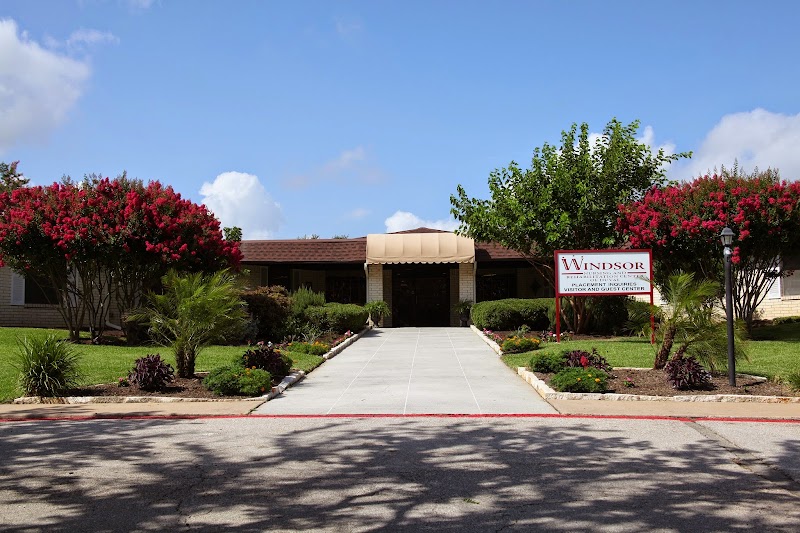
How is Windsor Of Duval Staffed?

CMS rates WINDSOR NURSING AND REHABILITATION CENTER OF DUVAL's staffing level at 2 out of 5 stars, which is below average compared to other nursing homes. Staff turnover is 36%, compared to the Texas average of 46%. This relatively stable workforce can support continuity of care.

What Have Inspectors Found at Windsor Of Duval?

State health inspectors documented 31 deficiencies at WINDSOR NURSING AND REHABILITATION CENTER OF DUVAL during 2022 to 2025. These included: 1 Immediate Jeopardy (the most serious level, indicating potential for serious harm or death), 1 that caused actual resident harm, and 29 with potential for harm. Immediate Jeopardy findings are rare and represent the most serious regulatory concerns. They require immediate corrective action.
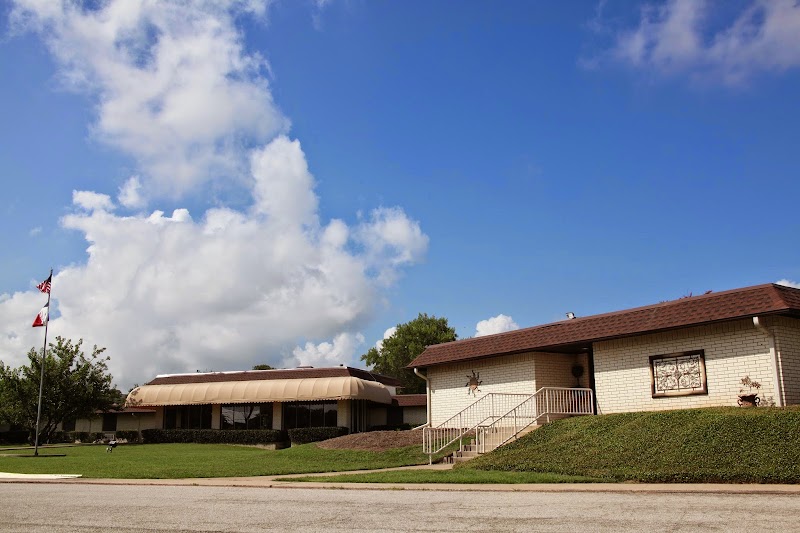
Who Owns and Operates Windsor Of Duval?

WINDSOR NURSING AND REHABILITATION CENTER OF DUVAL is owned by a government entity. Government-operated facilities are typically run by state, county, or municipal agencies. The facility is operated by WELLSENTIAL HEALTH, a chain that manages multiple nursing homes. With 206 certified beds and approximately 204 residents (about 99% occupancy), it is a large facility located in AUSTIN, Texas.
How Does Windsor Of Duval Compare to Other Texas Nursing Homes?

Compared to the 100 nursing homes in Texas, WINDSOR NURSING AND REHABILITATION CENTER OF DUVAL's overall rating (2 stars) is below the state average of 2.8, staff turnover (36%) is significantly lower than the state average of 46%, and health inspection rating (2 stars) is below the national benchmark.

What Should Families Ask When Visiting Windsor Of Duval?

Based on this facility's data, families visiting should ask: "What changes have been made since the serious inspection findings, and how are you preventing similar issues?" "Can you walk me through typical staffing levels on day, evening, and night shifts?" "Can I visit during a mealtime to observe dining assistance and food quality?" "How do you handle medical emergencies, and what is your hospital transfer rate?" These questions are particularly relevant given the facility's Immediate Jeopardy citations and the below-average staffing rating.

Is Windsor Of Duval Safe?

Based on CMS inspection data, WINDSOR NURSING AND REHABILITATION CENTER OF DUVAL has documented safety concerns. Inspectors have issued 1 Immediate Jeopardy citation (the most serious violation level indicating risk of serious injury or death). The facility has a 2-star overall rating and ranks #100 of 100 nursing homes in Texas. Families considering this facility should ask detailed questions about what corrective actions have been taken since these incidents.

Do Nurses at Windsor Of Duval Stick Around?

WINDSOR NURSING AND REHABILITATION CENTER OF DUVAL has a staff turnover rate of 36%, which is about average for Texas nursing homes (state average: 46%). Moderate turnover is common in nursing homes, but families should still ask about staff tenure and how the facility maintains care continuity when employees leave.

Was Windsor Of Duval Ever Fined?

WINDSOR NURSING AND REHABILITATION CENTER OF DUVAL has been fined $23,341 across 2 penalty actions. This is below the Texas average of $33,312. While any fine indicates a compliance issue, fines under $50,000 are relatively common and typically reflect isolated problems that were subsequently corrected. Families should ask what specific issues led to these fines and confirm they've been resolved.

Is Windsor Of Duval on Any Federal Watch List?

WINDSOR NURSING AND REHABILITATION CENTER OF DUVAL is not on any federal watch list. The most significant is the Special Focus Facility (SFF) program, which identifies the bottom 1% of nursing homes nationally based on persistent, serious quality problems. Not being on this list means the facility has avoided the pattern of deficiencies that triggers enhanced federal oversight. This is a positive indicator, though families should still review the facility's inspection history directly.