HOMESTEAD NURSING AND REHABILITATION OF BAIRD
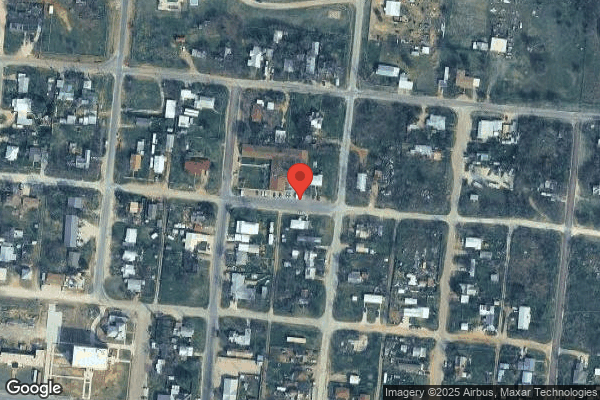
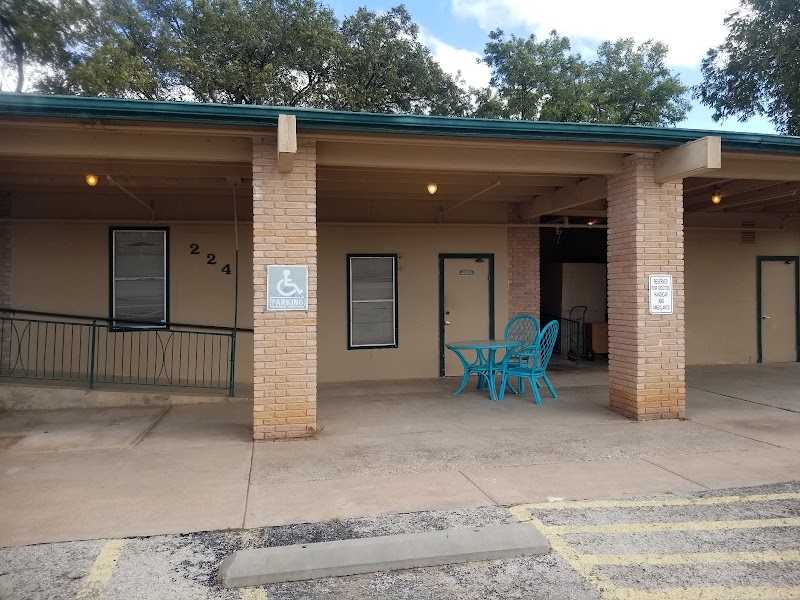
224 E 6TH ST, BAIRD, TX 79504 (325) 854-1429
For profit - Corporation 74 Beds AVIR HEALTH GROUP Data: November 2025
Trust Grade
75/100
#69 of 1168 in TX
Last Inspection: May 2025

Inspected within the last 6 months. Data reflects current conditions.

Overview

Homestead Nursing and Rehabilitation of Baird has a Trust Grade of B, indicating it is a good choice among nursing homes. It ranks #69 out of 1,168 facilities in Texas, placing it in the top half, but is #2 out of 2 in Callahan County, meaning there is only one other local option. The facility is improving, having reduced its issues from six in 2024 to three in 2025, though it still has some concerns regarding staffing with a turnover rate of 75%, significantly higher than the Texas average of 50%. While there have been no fines, which is a positive sign, specific incidents include the failure to provide adequate Registered Nurse coverage for at least eight consecutive hours daily, which could compromise residents' healthcare needs. Overall, the facility has strengths in its quality measures and health inspections, but the staffing issues raise important concerns for families considering this home.

Trust Score
B
75/100
In Texas
#69/1168
Top 5%
Safety Record
Low Risk
No red flags
Inspections
Getting Better
6 → 3 violations
Staff Stability
⚠ Watch
75% turnover. Very high, 27 points above average. Constant new faces learning your loved one's needs.
Penalties
✓ Good
No fines on record. Clean compliance history, better than most Texas facilities.
Skilled Nurses
○ Average
Each resident gets 40 minutes of Registered Nurse (RN) attention daily — about average for Texas. RNs are the most trained staff who monitor for health changes.
Violations
⚠ Watch
13 deficiencies on record. Higher than average. Multiple issues found across inspections.
★★★★★
5.0
Overall Rating
★★☆☆☆
2.0
Staff Levels
★★★★★
5.0
Care Quality
★★★★☆
4.0
Inspection Score
Stable
2024: 6 issues
2025: 3 issues

The Good

  • 5-Star Quality Measures · Strong clinical quality outcomes
  • Full Sprinkler Coverage · Fire safety systems throughout facility
  • No fines on record

Facility shows strength in quality measures, fire safety.

The Bad

Staff Turnover: 75%

29pts above Texas avg (46%)

Frequent staff changes - ask about care continuity

Chain: AVIR HEALTH GROUP

Part of a multi-facility chain

Ask about local staffing decisions and management

Staff turnover is very high (75%)

27 points above Texas average of 48%

The Ugly 13 deficiencies on record

May 2025 3 deficiencies
CONCERN (D)

Potential for Harm - no one hurt, but risky conditions existed

Assessment Accuracy (Tag F0641)

Could have caused harm · This affected 1 resident

**NOTE- TERMS IN BRACKETS HAVE BEEN EDITED TO PROTECT CONFIDENTIALITY** Based on observation, interview and record review, the facility failed to ensure the comprehensive assessment accurately reflect...

Read full inspector narrative →
**NOTE- TERMS IN BRACKETS HAVE BEEN EDITED TO PROTECT CONFIDENTIALITY** Based on observation, interview and record review, the facility failed to ensure the comprehensive assessment accurately reflected the resident's status for 2 (Resident # 1 and Resident # 11) of 12 Residents reviewed for accuracy of assessments. The facility failed to ensure MDS dated [DATE] reflected the use of a right and left leg brace for Resident #1. The facility failed to ensure MDS date 05/07/2025 reflected the use of antibiotics for Resident #11. This failure could place residents at risk of inaccurate assessments and not receiving appropriate care according to their status. Findings include: Resident #1 Review of Resident #1's electronic face sheet revealed a [AGE] year-old female who was admitted to the facility on [DATE] with diagnosis to include: diabetes, muscle wasting, and unsteadiness on feet. Review of Resident #1's MDS dated [DATE] revealed: BIMS of 10 which indicated moderate cognitive impairment. Review of Section O revealed no Splint or brace assistance. Review of Resident #1's Comprehensive Care Plan, last revised 11/18/2024, revealed no evidence of right and left leg braces. Review of Resident #1's electronic physicians orders revealed no evidence of an order to right and left leg braces. Observation on 05/19/25 at 10:18 AM, Resident #1 up in wheelchair with right and left leg braces in place. Observation and interview on 05/20/25 at 02:44 PM, Resident #1 resting in bed with braces sitting in wheelchair. She stated she had to wear her braces anytime that she was out of bed because her feet turn inward. Resident #11 Review of Resident #11's electronic face sheet revealed a [AGE] year-old female who was admitted to the facility on [DATE] with diagnosis to include: heart failure, infection of the heart, and kidney failure. Review of Resident #11's MDS dated [DATE] revealed BIMS of 11 which indicated moderate cognitive impairment. Review of Section M revealed no antibiotics during the last 7 days. Review of Resident #11's Comprehensive Care Plan, last revised 03/20/2025, revealed no evidence of IV antibiotic therapy of infection. Review of Resident #11's electronic physicians orders revealed: Daptomycin-sodium Chloride Intravenous Solution Use 700 mg intravenously at bedtime for infection until 06/27/2025, start date 05/01/2025 and Rifampin Oral Capsule 300 mg give 1 tablet by mouth for infection until 06/27/2025, start date 05/01/2025. During an interview on 05/21/25 at 10:55 AM, ADON stated residents' leg braces and antibiotics should have been claimed on the MDS. She stated she was responsible for MDS, and she must have just missed it. She stated this did not have any negative effect on the residents. During an interview on 05/21/25 at 11:01 AM, the DON stated the ADON was responsible for MDS, and it was just missed. She stated that the leg braces and the antibiotic should have been claimed in the MDS. DON stated the facility does not have a policy for MDS. She stated the facility follows the RAI.
CONCERN (E)

Potential for Harm - no one hurt, but risky conditions existed

Comprehensive Care Plan (Tag F0656)

Could have caused harm · This affected multiple residents

**NOTE- TERMS IN BRACKETS HAVE BEEN EDITED TO PROTECT CONFIDENTIALITY** Based on observation, interviews and record reviews, the facility failed to develop and implement a comprehensive person-centere...

Read full inspector narrative →
**NOTE- TERMS IN BRACKETS HAVE BEEN EDITED TO PROTECT CONFIDENTIALITY** Based on observation, interviews and record reviews, the facility failed to develop and implement a comprehensive person-centered care plan with measurable objectives to meet resident's highest practicable physical, mental, and psychosocial well-being for 3(Resident #1, Resident #11, and Resident #31) of 12 residents reviewed for comprehensive person-centered care plans. The facility failed to develop care plans based on the assessed needs with measurable objectives and timeframes in area of leg braces for Resident #1. The facility failed to develop care plans based on the assessed needs with measurable objectives and timeframes in area of intravenous antibiotics and infection for Resident #11. The facility failed to develop care plans based on the assessed needs with measurable objectives and timeframes in area of feeding tube for Resident #31. This failure could place the residents at risk for decreased quality of life and not having their needs met. Findings include: Resident #1 Review of Resident #1's electronic face sheet revealed a [AGE] year-old female who was admitted to the facility on [DATE] with diagnosis to include: diabetes, muscle wasting, unsteadiness on feet. Review of Resident #1's MDS dated [DATE] revealed: BIMS of 10 which indicated moderate cognitive impairment. Review of O revealed no Splint or brace assistance. Review of Resident #1's Comprehensive Care Plan, last revised 11/18/2024, revealed no evidence of right and left leg braces. Review of Resident #1's electronic physicians revealed no evidence of an order to right and left leg braces. Observation on 05/19/25 at 10:18 AM, Resident #1 up in wheelchair with right and left leg braces in place. Observation and interview on 05/20/25 at 02:44 PM, Resident #1 resting in bed with braces sitting in wheelchair. She stated she had to wear her braces anytime that she was out of bed because her feet turn inward. Resident #11 Review of Resident #11's electronic face sheet revealed a [AGE] year-old female who was admitted to the facility on [DATE] with diagnosis to include: heart failure, infection of the heart, and kidney failure. Review of Resident #11's MDS dated [DATE] revealed BIMS of 11 which indicated moderate cognitive impairment. Review of Section M revealed no antibiotics during the last 7 days. Review of Resident #11's Comprehensive Care Plan, last revised 03/20/2025, revealed no evidence of IV antibiotic therapy of infection. Review of Resident #11's electronic physicians orders revealed: Daptomycin-sodium Chloride Intravenous Solution Use 700 mg intravenously at bedtime for infection until 06/27/2025, start date 05/01/2025 and Rifampin Oral Capsule 300 mg give 1 tablet by mouth for infection until 06/27/2025, start date 05/01/2025. Resident #31 Review of Resident #31's electronic face sheet revealed a [AGE] year-old male who was admitted to the facility on [DATE] with diagnosis to include: diabetes, high blood pressure, and depression. Review of Resident #31's MDS dated [DATE] revealed: BIMS of 13 which indicated no cognitive impairment. Review of Section: K revealed resident had a feeding tube. Review of Resident #31's Comprehensive Care Plan, initiated 04/24/2025, revealed no evidence of feeding tube. Review of Resident #31's electronic physicians revealed: Enteral Feed Order every day shift complete enteral site care every shift cleanse stoma with wound cleanser pat dry apply split gauze every day as needed, start date 05/21/2025 and Enteral Feed Order every shift flush feeding tube with 10 cc water between each medication and 30 cc water before and after med administration, start date 05/21/2025. During an interview on 05/21/25 at 10:55 AM, the ADON stated that's leg braces, feeding tube, and antibiotics should be care planned. She stated the DON was currently responsible for updating the care plans. During an interview with on 05/21/25 at 11:01 AM, the DON stated she was responsible for updating the care plans and the leg braces, feeding tube, and antibiotics should have been care planned. She stated she must have just missed them with the new charting system change. Review of facility's policy Care Plans, Comprehensive Person-Centered revised December 2020 revealed: The comprehensive, person-centered care plan will: A. include measurable objectives and time frames; B. describe the services that are to be furnished to attain or maintain the resident's highest practicable physical, mental, and psychosocial well-being; C. Describe services that would otherwise be provided for the above, but are not provided due to the resident exercising his or her rights, including the right to refuse treatment; . E. Include the resident's stated goals upon admission and desired outcomes G. Incorporate identified problem areas; H. Incorporate risk factors associated with identified problems . Reflect treatment goals, timetables and objective in measurable outcomes; L. Identify the professional services that are responsible for each element of care; M. Aid in preventing or reducing decline in the residents functional status and or functional ; N. Enhance the optimal functioning of the resident by focusing on a rehabilitative program, and O. Reflect current recognized standards of practice for problem areas and conditions . Care plan interventions are chosen only after careful data gathering, proper sequence of events, careful consideration of the relationship between the resident's problem areas and their causes, and relevant clinical decision making.
CONCERN (E)

Potential for Harm - no one hurt, but risky conditions existed

Deficiency F0727 (Tag F0727)

Could have caused harm · This affected multiple residents

Based on interviews and records review, the facility failed to provide the services of a registered nurse for at least 8 consecutive hours a day, 7 days a week for 5 (10/19/24, 10/20/24, 11/16/24, 11/...

Read full inspector narrative →
Based on interviews and records review, the facility failed to provide the services of a registered nurse for at least 8 consecutive hours a day, 7 days a week for 5 (10/19/24, 10/20/24, 11/16/24, 11/17/24, 12/27/24) of 201 days reviewed. There was no RN coverage on the following dates: 10/19/24, 10/20/24, 11/16/24, 11/17/24, 12/27/24. This failure could place residents at risk for injury, decline or death during a situation requiring the advanced knowledge and skills of an RN to intervene and supervision of the direct care staff. Findings included: Review of the Payroll Based Journal Staffing Data Report from CMS dated FY Quarter 1 (October 1 to December 31) accessed on 05/15/25 revealed the facility failed to report RN hours on 10/19/24 (SA); 10/20/24 (SU); 11/16/24 (SA); 11/17/24 (SU) and 12/27/24 (FR). During an interview on 05/21/25 at 08:49 AM, the Administrator stated there was no RN coverage on 10/19/24 and 10/20/24. He stated the weekend RN scheduled quit without notice. The Administrator stated the DON covered on 11/16/25 and 11/17/25 and there was RN coverage on 12/27/24 but he was unable to produce documentation of the coverage. The Administrator stated there were no RN's available for coverage on 10/19/24 and 10/20/24. The Administrator stated he could not think of consequences for the residents due to no RN weekend coverage because the DON and a regional nurse was available by phone. He explained the issue had been resolved by hiring 3 RN's. During an interview on 05/21/25 at 10:22 AM, the ADON, responsible for nursing staff scheduling, stated she could recall not having RN coverage one weekend in October 2024. She explained the RN scheduled quit without notice. The ADON stated she could not state adverse effects on residents for failing to have an RN in the facility because there was always at least one LVN on duty. She stated the situation had been resolved by hiring 3 RN's and the DON would cover a shift if needed. During an interview on 05/21/25 at 10:27 AM, The DON stated she started in the DON position in March 2025. She stated the reason for the failure to provide RN coverage on weekends may have been because it was difficult to attract and hire RNs in a rural area. The DON stated consequences of failing to have an RN on site may be a condition change would be missed, signs and/or symptoms of a disease process such as a developing infection would be identified by an RN. She explained the situation was fixed when the facility hired 3 RNs. Review of facility policy titled Staffing, Sufficient and Competent Nursing, revised August 2022, Policy Interpretation and Implementation, Sufficient Staff, item 3. A registered nurse provides services at least eight (8) consecutive hours every 24 hours, seven (7) days a week.
Apr 2024 6 deficiencies
CONCERN (D)

Potential for Harm - no one hurt, but risky conditions existed

MDS Data Transmission (Tag F0640)

Could have caused harm · This affected 1 resident

**NOTE- TERMS IN BRACKETS HAVE BEEN EDITED TO PROTECT CONFIDENTIALITY** Based on interviews and record reviews, the facility failed to ensure a Minimum Data Set (MDS) assessment was electronically com...

Read full inspector narrative →
**NOTE- TERMS IN BRACKETS HAVE BEEN EDITED TO PROTECT CONFIDENTIALITY** Based on interviews and record reviews, the facility failed to ensure a Minimum Data Set (MDS) assessment was electronically completed and transmitted to the CMS System within 14 days after completion for 1 of 3 residents (Resident #16) reviewed for MDS information. The facility failed to encode, complete, and submit a discharge MDS for Resident #16. This failure could place residents at risk of facilities have provided resident specific information for payment and quality measure purposes. Findings included: Closed record review of Resident #16's face sheet dated 04/03/2024 revealed a [AGE] year-old male that admitted into facility on 10/03/2023 and discharged on 10/07/2023. Closed record review of Resident #16's care plan dated 10/08/2023 revealed I will have access to necessary services to promote adjustment to my new living environment and or post discharge from facility. Closed record review of Resident #16's MDS assessment completion list did not reveal a Discharge MDS had been completed. During an interview on 04/03/2024 at 2:14 p.m., the ADON stated she was responsible for performing MDS assessments. She stated there should have been a discharge MDS assessment performed when a resident was discharged from facility. She stated she was unsure why the discharge MDS assessment was not performed. She stated corporate regional MDS consultant monitored assessments performed as the DON working during that time no longer worked for the corporation. During a phone interview on 04/03/2024 at 3:23 p.m., the [NAME] MDS Consultant stated discharge MDS assessments were to be performed with either return anticipated or return not anticipated when a resident was discharged . She stated discharge MDS assessment should be performed within 14 days of census change. She stated she did not know why discharge MDS assessment had not been performed. She did not state any negative effect not performing a MDS discharge assessment could have on the resident. Record review of facility policy titled Resident Assessment Instrument revised in September 2010 revealed: 1. The Assessment Coordinator is responsible for ensuring that the Interdisciplinary Assessment Team conduct timely resident assessments and reviews according to the following schedule: a. Within fourteen (14) days of the resident's admission to the facility; b. When there has been a significant change in the resident's condition; c. At least quarterly; and d. Once every twelve (12) months. 2. The Interdisciplinary Assessment Team must use the MDS form currently mandated by Federal and State regulations to conduct the resident assessment. Other assessment forms may be used in addition to the MDS form. 3. The purpose of the assessment is to describe the resident's capability to perform daily life functions and to identify significant impairments in functional capacity. 4. Information derived from the comprehensive assessment helps the staff to plan care that allows the resident to reach his/her highest practicable level of functioning. 5. Residents and/or their representatives (sponsors) will be encouraged to participate in the initial, quarterly and annual assessments. The Assessment Coordinator or designee will notify the resident and/or sponsor in advance of the scheduled assessment or review. 6. Within seven (7) days of the completion of the resident assessment, a comprehensive care plan will be developed. 7. All persons who have completed any portion of the MDS Resident Assessment Form MUST sign such document attesting to the accuracy of such information.
CONCERN (D)

Potential for Harm - no one hurt, but risky conditions existed

Deficiency F0657 (Tag F0657)

Could have caused harm · This affected 1 resident

**NOTE- TERMS IN BRACKETS HAVE BEEN EDITED TO PROTECT CONFIDENTIALITY** Based on interview, and record review the facility failed to ensure each resident's person-centered comprehensive care plan was ...

Read full inspector narrative →
**NOTE- TERMS IN BRACKETS HAVE BEEN EDITED TO PROTECT CONFIDENTIALITY** Based on interview, and record review the facility failed to ensure each resident's person-centered comprehensive care plan was reviewed and revised by the interdisciplinary team after each assessment for 2 (Resident #9, and Resident #185) of 7 residents reviewed for care plans. -The facility failed to ensure Resident #9's care plan accurately addressed intravenous antibiotic therapy. -The facility failed to ensure Resident #185's care plan addressed an accurate smoking status. These failures could affect residents of the facility by not accurately addressing their physical, mental, and psychosocial needs for each to attain or maintain their highest practicable physical, mental, and psychosocial outcome. Findings included: Review of Resident #9's electronic face sheet revealed a [AGE] year-old male admitted to the facility on [DATE] with medical diagnoses of Type 2 diabetes, difficulty walking, Pseudomonas (type pf bacteria), dementia, epilepsy (seizure disorder), heart failure, respiratory disease, weakness, arthritis, atrial fibrillation (irregular heart rate), and chronic pain. Review of Resident #9's Brief Interview of Mental Status evaluation dated 02/18/2024, revealed Resident #9 scored 15 out of 15 indicating intact cognition. Review of Resident #9's Comprehensive Care Plan reviewed/revised 02/19/2024 revealed Problem Start Date: 02/19/2024 I must have trough blood levels to be checked every 4 days while on IV [antibiotic]. Goal: Long Term Goal Target Date: 05/19/2024 Trough levels to be within normal range. Approach: Approach Start Date: 02/19/2024 Trough levels to be within normal range. Record review of Resident #9 physician's orders since admission revealed no order for intravenous antibiotic therapy. Review of Resident #185's electronic face sheet revealed a [AGE] year-old female admitted to the facility on [DATE] with medical diagnoses of Type 2 diabetes, depression, low blood potassium, low thyroid function, weakness, constipation, difficulty walking, and difficulty communicating. Review of Resident #185's admission MDS dated [DATE] Section C Cognitive Patterns C0500 BIMS Score Summary revealed Resident #9 scored 10 out of 15 indicating moderate impaired cognition. Review of Resident #185's Smoking assessment dated [DATE] revealed a Smoking Risk Score of 2 out of 27 indicating Safe Smoker - Follow Facility Policy. Plan of Care: Indicate Plan of Care action take: Initiate Plan of Care was selected. Review of Resident #185's comprehensive care plan reviewed/revised 03/26/2024 revealed her smoking status was not addressed. During an interview on 04/04/2024 at 11:11 AM, the ADON stated comprehensive care plans were done with the MDS Coordinator and should be done by 21st day after admission. She stated care plans were updated when there was a medication change, an incident such as a fall, if the resident was a smoker, and if there were any behaviors. She stated the DON reviewed the care plans and the RNC monitored the DON. The ADON stated she thought she had updated the care plans for residents who smoke. She stated smoking should be care planned. The ADON stated she did not know why Resident #185's smoking status was not care planned. She stated she was not sure how this could affect the resident except the nurses who look at care plan might not know that she smoked. During an interview on 04/04/24 at 1:11 PM, LVN A stated a possible explanation for the intravenous antibiotic on Resident #9's care plan without a physician's order or notation in the progress notes occurred due to a clerical data entry error. She stated the consequence to resident may receive medications without a physician's order and that medication could be contraindicated with other meds ordered. During an interview on 04/04/2024 at 1:15 PM, the DON stated care plans should be resident focused, applied to each resident and implemented as stated in the care plan. She stated smoking should be care planned for all smokers with safety first. She stated the facility had a list of smokers. The DON stated she was not sure why it was not care planned. The DON stated she reviewed care plans and RNC reviewed them as well. She states she was unaware of any resident that smoked had not been able to smoke regardless of the care plan. During an interview on 04/04/2024 at 2:00 PM, the Regional Nurse Consultant and DON did not have an explanation as to why Resident #9 had intravenous antibiotic therapy on his care plan without a physician's order. The Regional Nurse Consultant stated it was entered incorrectly. She stated on-going training starting with nursing leadership was planned to cover care plans. The Regional Nurse Consultant and DON stated their expectations were for care plans to be created to accurately reflect the needs of each resident. Review of the facility policy titled Comprehensive Care Plans dated September 2010 revealed the policy statement An individualized comprehensive care plan that includes measurable objectives and timetables to meet the resident's medical, nursing, mental and psychological needs is developed for each resident. The Policy Interpretation and Implementation section revealed 8. Assessments of residents are ongoing and care plans are revised as information about the resident and the resident's condition change.
CONCERN (D)

Potential for Harm - no one hurt, but risky conditions existed

Deficiency F0661 (Tag F0661)

Could have caused harm · This affected 1 resident

**NOTE- TERMS IN BRACKETS HAVE BEEN EDITED TO PROTECT CONFIDENTIALITY** Based on record reviews and interviews, the facility failed to complete discharge summaries that included a recapitulation of th...

Read full inspector narrative →
**NOTE- TERMS IN BRACKETS HAVE BEEN EDITED TO PROTECT CONFIDENTIALITY** Based on record reviews and interviews, the facility failed to complete discharge summaries that included a recapitulation of the resident's stay including, but not limited to, diagnoses, course of illness/treatment or therapy, and pertinent lab, radiology, and consultation results for 1 of 3 residents (Resident #16) reviewed for discharge. The facility failed to provide Resident #16 with discharge summary when discharged from facility. This failure places residents at risk for incomplete and cohesive care after discharge from the facility. Findings included: Closed record review of Resident #16's face sheet dated 04/03/2024 revealed a [AGE] year-old male that admitted into facility on 10/03/2023 and discharged on 10/07/2023 with diagnoses that included: personal history of transient ischemic attack (mini stroke), cerebral infarction without residual deficits (stroke without deficits), hypertension (high blood pressure), and chronic obstructive pulmonary disease (chronic lung disease interfering with airflow). Closed record review of Resident #16's admission MDS dated [DATE] revealed resident had a BIMS score of 5 meaning severe cognitive impairment. Closed record review of Resident #16's electronic MAR (medication administration record) dated for October 2023 revealed: Code Status: DNR .If resident has not had a BM in 3 days, initiate bowel protocol .O2 at 2 liters per minute to keep O2 saturations above 92% .offer snack between meals and at night .albuterol sulfate (medication to help open airways) inhaler 90 mcg/actuation 2 puffs PRN four times a day for chronic obstructive pulmonary disease .amlodipine (blood pressure medication) tablet 10mg administer 1 tablet at 9:00 a.m .aspirin tablet 325mg administer 1 chewable tablet at 9:00 a.m .atorvastatin (medication to lower cholesterol) tablet 20mg administer 1 tablet at 8:00 p.m .bisacodyl (medication for constipation) suppository 10mg administer 1 rectally PRN once a day for constipation .ipratropium-albuterol (medication to help open airways) solution for nebulization 0.5mg-3mg / 3ml administer 3ml inhalation every 4 hours PRN chronic obstructive pulmonary disease .lactulose solution (medication for constipation) 20 gram / 30 ml administer 30ml orally twice a day .morphine (pain for shortness of breath) solution 10mg / 5ml administer 5mg every 1 hour PRN chronic obstructive pulmonary disease .omeprazole (medication to help lower acid production in stomach) tablet 20mg administer 40mg orally one a day .prednisone (medication to help reduce inflammation) tablet 10mg administer 1 tablet once a day orally .senna (laxative) tablet 8.6mg administer 1 table orally once a day. Closed record review of Resident #16's file revealed no evidence that a discharge summary was completed. During an interview on 04/03/2024 at 2:08 p.m., the Regional Nurse Consultant stated discharge summaries should be completed and signed by resident or resident representative when a resident was discharged . She stated charge nurses or nurse managers were responsible for having discharge summaries completed. During an interview on 04/03/2024 at 2:12 p.m., the ADON stated Resident #16 was discharged on a weekend. She stated her expectation would be for the charge nurse to call her and she could perform the discharge summary and have charge nurse get the summary signed at the time of discharge. She stated she felt Resident #16's discharge summary might have been missed because he was an unplanned discharge and had unexpected issues related to the discharge . She stated she would look in medical records to see if his discharge summary was documented on a paper and was not uploaded into chart. During an interview on 04/04/2024 at 9:03 a.m., the Regional Nurse Consultant stated no discharge summary was found at that time. She stated she felt no negative effect occurred from the failure. She stated it could potentially place another resident at risk to not have information about follow up appointments and medication effecting coordination of care when discharged . Record review of facility policy titled Discharge Summary and Plan revised in September 2012 revealed: 1. When the facility anticipates a resident's discharge to a private residence, another nursing care facility, a discharge summary and a post-discharge plan will be developed which will assist the resident to adjust to his or her new living environment. 2. The discharge summary will include a recapitulation of the resident's stay at this facility and a final summary of the resident's status at the time of the discharge in accordance with established regulations governing release of resident information and as permitted by the resident. The discharge summary shall include a description of the resident's: Medically defined condition and prior medical history (medical history before entering the facility and current medical diagnoses, including any history of mental retardation and current mental illness); Medical status measurement (objective measurements of a resident's physical and mental abilities including, but not limited to, information on vital signs, clinical laboratory values, or diagnostic tests); Physical and mental functional status (ability to perform activities of daily living including bathing, dressing and grooming, transferring and ambulating, toilet use, eating, and using speech, language, and other communication systems. Includes determining the resident's need for staff assistance and assistive devices or equipment to maintain or improve functional abilities and the resident's ability to form relationships, make decisions including health care decisions, and participate (to the extent physically able) in the day-to-day activities of the facility); Sensory and physical impairments (neurological, or muscular deficits; for example, a decrease in vision and hearing, paralysis, and bladder incontinence); Nutritional status and requirements (weight, height, hematological and biochemical assessment, clinical observations of nutrition, nutritional intake, resident eating habits and preferences, and dietary restrictions); Special treatments or procedures (treatments and procedures that are not part of basic services provided; for example, treatment for pressure sores, naso-gastric feedings, specialized rehabilitation services, and respiratory care); Mental and psychosocial status (the resident's ability to deal with life, interpersonal relationships and goals, make health care decisions, and indicators of resident behavior and mood); Discharge potential (the expectation of discharging the resident from the facility within the next three months); Dental condition (the condition of the teeth, gums, and other structures of the oral cavity that may affect a resident's nutritional status, communications abilities, quality of life, and the need for and use of dentures or other dental appliances); Activities potential (the resident's ability and desire to take part in activity pursuits which maintain or improve physical, mental, and psychosocial well-being. Activity pursuits refer to any activity outside of ADLs which a person pursues in order to obtain a sense of well-being. Includes activities which provide benefits in the areas of self-esteem, pleasure, comfort, health education, creativity, success, and financial or emotional independence, and the resident's normal everyday routines and lifetime preferences); Rehabilitation potential (the ability to improve independence in functional status through restorative care programs); Cognitive status (the resident's ability to problem solve, decide, remember, and be aware of and respond to safety hazards); and Drug therapy (all prescription and over-the-counter medications taken by the resident including dosage, frequency of administration, and recognition of significant side effects that would be most likely to occur in the resident). 3. The post-discharge plan will be developed by the Care Planning/Interdisciplinary Team with the assistance of the resident and his or her family and will contain, as a minimum: 1. A description of the resident's and family's preferences for care; A description of how the resident and family will access such services; A description of how the care should be coordinated if continuing treatment involves multiple caregivers; The identity of specific resident needs after discharge (i.e., personal care, sterile dressings, physical therapy, etc.); and A description of how the resident and family need to prepare for the discharge. 4. The resident or representative (sponsor) should provide the facility with a minimum of a seventy-two (72) hour notice of a discharge to assure that an adequate discharge plan can be developed. 5. The Social Services Department will review the plan with the resident and family twenty-four (24) hours before the discharge is to take place. 6. A copy of the post-discharge plan and summary will be provided to the resident and receiving facility and a copy will be filed in the resident's medical records.
CONCERN (E)

Potential for Harm - no one hurt, but risky conditions existed

Comprehensive Care Plan (Tag F0656)

Could have caused harm · This affected multiple residents

**NOTE- TERMS IN BRACKETS HAVE BEEN EDITED TO PROTECT CONFIDENTIALITY** Based on interview and record review, the facility failed to develop and implement a person-centered, comprehensive care plan fo...

Read full inspector narrative →
**NOTE- TERMS IN BRACKETS HAVE BEEN EDITED TO PROTECT CONFIDENTIALITY** Based on interview and record review, the facility failed to develop and implement a person-centered, comprehensive care plan for each resident, consistent with resident rights, that included measurable objectives and timeframes to meet residents medical, nursing, mental and psychosocial needs that were identified in the comprehensive assessment for 5 (Resident #8, Resident #9, Resident #19, Resident #26, and Resident #31) of 5 residents reviewed for care plans. The facility failed to develop care plans based on assessed needs with measurable objectives in areas such as pain management, weight loss or gain, urinary control, psychotropic medications, difficulty sleeping, implanted pacemaker, high blood pressure medications, blood thinning medications, and seasonal allergies for Resident #8. The facility failed to develop care plans based on assessed needs with measurable objectives in areas such as infection control, behaviors, compliance with physician's orders, pain management, risk for malnutrition, mobility, and functional abilities for Resident #9. The facility failed to develop care plans based on assessed needs with measurable objectives in areas such as meal choices, activities of daily living, laboratory testing, dementia care, post-traumatic stress disorder, chronic pain, and vision impairment for Resident #19. The facility failed to develop care plans based on assessed needs with measurable objectives in areas such infection control, weight loss or gain, dementia care, pain management, and participation in activities for Resident #26. The facility failed to develop care plans based on assessed needs with measurable objectives in areas such as weight loss or gain, pain management, therapy services, mobility, allergies, and participation in activities for Resident #31. These failures could place residents at risk for not receiving care and services individualized to meet their specific physical, mental, and/or emotional needs. Findings included: Review of Resident #8's electronic face sheet revealed a [AGE] year-old male admitted to the facility on [DATE] with medical diagnoses of heart failure, difficulty communicating, difficulty walking, heart burn, constipation, swelling, heart pacemaker, kidney disease, obesity, high blood pressure and atrial fibrillation (an abnormal heart rhythm). Review of Resident #8's Brief Interview of Mental Status evaluation dated 02/21/2024, revealed Resident #8 scored 14 out of 15 indicating intact cognition. Review of Resident #8's Comprehensive Care Plan reviewed/revised 02/21/2024 revealed the following problem care areas with objectives that were not measurable: Problem: [Resident] is at risk for alteration in comfort and or pain R/T: obesity Residents specific pain goal is: resident requires verbal numeric pain scale with in objective of resident will be able to verbalize pain and or discomfort at an acceptable level ., Problem: I have the Potential for weight fluctuations, loss and gain, related to resident having multiple comorbidities with an objective of Weight will either remain in a therapeutic range or reach a therapeutic range .:, Problem: Urge urinary incontinence R/T diuretics with an objective of Resident will establish a routine for urinary elimination, Problem: [Resident] receives a psychotropic medication for: X other with an objective of resident will receive the lowest possible dose to achieve/maintain the therapeutic benefits, maintain safety and quality of life, function and well being and will have side effects and interactions kept to a minimum ., Problem: I have Insomnia with an objective of Will have adequate sleep patterns aeb: reporting restful sleep at HS, no excessive daytime sleepiness ., Problem: [Resident] has a pacemaker/defibrillator and may be at risk for decreased cardiac output and irregular pulse; and potential for pacemaker/defibrillator malfunction, with an objective of Resident pulse will remain within baseline limits and cardiac output will remain within normal limits ., Problem: Potential for complications, s/sx related to diagnosis of hypertension. Resident receives anti hypertensive and is at risk for side effects with an objective of resident's blood pressure will remain within their normal limits ., Problem: [Resident] has episodes of edema and is at risk for fluctuating weights, injury and a decrease in adls with an objective of Resident will be able to maintain current ADLs ., Problem: Myself, or my representative, expresses a desire for long term placement at this facility Related to: Advanced Disease process/condition with an objective of I will demonstrate understanding of long term placement plans ., Problem: I HAVE THE Potential for alteration in bleeding r/t the use of anticoagulants/antiplatelets therapy for diagnosis of: AFIB with an objective of Current medical regime will be effective in management of disease process with no altered bleeding tendencies ., and Problem: Allergic rhinitis (swelling of the lining in the nose)/seasonal allergies/allergic conjunctivitis (swelling of the lining of the eyelids) with an objective of signs and symptoms of allergic rhinitis/seasonal allergies/allergic conjunctivitis will be assessed and effectively treated through medical regimen and MD orders . Review of Resident #9's electronic face sheet revealed a [AGE] year-old male admitted to the facility on [DATE] with medical diagnoses of Type 2 diabetes, difficulty walking, Pseudomonas (type pf bacteria), dementia, epilepsy (seizure disorder), heart failure, respiratory disease, weakness, arthritis, atrial fibrillation (irregular heart rate), and chronic pain. Review of Resident #9's Brief Interview of Mental Status evaluation dated 02/18/2024, revealed Resident #9 scored 15 out of 15 indicating intact cognition. Review of Resident #9's Comprehensive Care Plan reviewed/revised 02/19/2024 revealed the following problem care areas with objectives that were not measurable: Problem: Enhanced Barrier Precautions due to wound care with an objective of To maintain the possible spread of infection, Problem: I sometimes make false accusations towards staff and the facility with an objective of I will have my needs met, emotionally and physically, Problem: [Resident] is non compliant with: Taking a shower X md order- O2 is ordered for 2 LLPM and he changes it himself X Other- describe- [Resident] has the potential for negative impact on health r/t failure to follow recommended treatment with an objective of resident will have knowledge of potential for harm related to refusal to follow recommended treatments/md orders and will have wishes respected ., Problem: Resident has complaints of chronic pain R/T diabetic ulcer to right foot with an objective of Resident will verbalize reduction of pain, Problem: Resident is at risk for malnutrition R/T no natural teeth or dentures (edentulous). With an objective of Weight will be maintained within acceptable parameters, Problem: I have a history of inappropriate behavior with an objective of Educate resident on appropriate behavior, Problem: Behavior problem related to other residents wandering into his room. AEB: he obsesses with residents that wanders into room with an objective of Will have behavior identified so that staff may intervene quickly with listed interventions ., Problem: I am limited in mobility/functional status and requires the use of CAM boot to my left foot with an objective of I will safely walk in room, walk in corridor, locomote on unit, locomote off unit, dress, toilet, with use of CAM boot, Problem: I am at risk for alteration in comfort and or pain with an objective of Resident will have pain/discomfort expressed at an acceptable level of pain, Problem: I desire to improve in functional abilities, I have set goals to be preforming and plans to return to previous residence with an objective of Resident will be assisted, encouraged to achieve functional goals and return to living situation of choice within their physical ability, maintaining pain at a tolerable level and with dignity intact ., and Problem: I a am a new admission with discharge potential. Stay projected to be short duration, and resident plans to D/C to home/assisted living with an objective of Will improve self-care ability to be ready for discharge to home/ assisted living . Review of Resident #19's electronic face sheet revealed a [AGE] year-old male admitted to the facility on [DATE] with medical diagnoses of high blood pressure, long term use of blood thinners, obesity, history of falls, weakness, heart failure, difficulty in walking, chronic pain, chronic blood clots, difficulty sleeping, respiratory disease, dementia, post-traumatic stress disorder, heart burn, and high cholesterol. Review of Resident #19's Brief Interview of Mental Status evaluation dated 02/18/2024, revealed Resident #19 scored 15 out of 15 indicating intact cognition. Review of Resident #19's Comprehensive Care Plan reviewed/revised 02/26/2024 revealed the following problem care areas with objectives that were not measurable: Problem: [Resident] is requesting to not eat breakfast. I only wish to have beverages in the mornings with an objective of For resident to maintain adequate BMI, Problem: I have difficulty with making my bed with an objective of Assist with bed making, Problem: I am at risk of increased health issues related to labs not being able to be monitored due to my blood cannot be accessed from my veins with an objective of My health concerns can be addressed by other types of monitoring ., Problem: I may benefit from Therapy services with an objective of I will not decline or show improvement in physical abilities ., Problem: I have Dementia and an alteration in thought processes. I have poor decision-making skills with an objective of I will maintain current level of cognitive function ., Problem: I have Post trauma stress disorder, chronic with an objective of I will not exhibit signs of post-traumatic syndrome, Problem: I am at risk for alteration in comfort and or pain R/T: Dx of chronic pain with an objective of I will be able to verbalize pain and or discomfort at an acceptable level ., and Problem: I have vision impairment with an objective of I will maintain optimal quality of life within limitations. Review of Resident #26's electronic face sheet revealed a [AGE] year-old female admitted to the facility on [DATE] with medical diagnoses of cancer, atrial fibrillation, anemia, malnutrition, pressure ulcers, Rheumatoid arthritis, dementia, constipation, and hardening of the arteries. Review of Resident #26's Brief Interview of Mental Status evaluation dated 01/31/2024, revealed Resident #26 scored 15 out of 15 indicating intact cognition. Review of Resident #26's Comprehensive Care Plan reviewed/revised 02/22/2024 revealed the following problem care areas with objectives that were not measurable: Problem Enhanced Barrier Precautions due to wound care with an objective of To prevent the spread of possible infection, Problem: Monthly weights only due to chronic pain with movement. I am bed bound, with an objective of I will have my wishes honored, Problem: I have dementia. I have impaired decision making, short and/ or long term memory loss due to Dementia with an objective of Will maintain current level of cognitive function aeb: . Problem: I am at is at risk for alteration in comfort and/or pain related to Cancer diagnosis, lack of mobility. with an objective of I will be able to verbalize pain and/or discomfort at an acceptable level ., Problem: I have a potential for complications (weakness/fatigue/weight loss/malnutrition/increased pain/ depression and ineffective coping related to diagnosis of cancer. with an objective of Current medical regimen will be effective in management of disease process with no ill effects, needs will be met. I will be kept comfortable and emotional support will be given ., and Problem: I require one to one activity due to being bedbound and I am at risk for social isolation with an objective of I will respond to bedside activities and will not have feelings of social isolation . Review of Resident #31's electronic face sheet revealed a [AGE] year-old female admitted to the facility on [DATE] with medical diagnoses of high blood pressure, difficulty walking, hemorrhoids, chronic pain, heart attack, difficulty communicating, dementia, Type 2 diabetes, asthma, heart burn, chronic fatigue, high cholesterol, Vitamin A deficiency, low thyroid function, and major depression. Review of Resident #31's Brief Interview of Mental Status evaluation dated 02/16/2024, revealed Resident #31 scored 10 out of 15 indicating moderate impaired cognition. Review of Resident #31's Comprehensive Care Plan reviewed/revised 02/19/2024 revealed the following problem care areas with objectives that were not measurable: Problem: Potential for weight fluctuations, loss and gain, related to having multiple comorbidities with an objective of Weight will either remain in a therapeutic range or reach a therapeutic range ., Problem: I have a nerve stimulator implanted in my back with an objective of I will have reduction of pain, Problem: Resident may benefit from PT/OT/ST services with an objective of Resident will not decline or show improvement in physical abilities ., Problem: Limited physical mobility related to: weakness and fatigue with an objective of Will maintain current level of mobility ., Problem: I have potential for injury related to medication allergies, resident is allergic to: with an objective of Resident will have no harm related to medication allergies ., Problem: I have episodes of anxiety and is at risk or fluctuations in moods with an objective of Resident anxiety will be maintained t level tolerable to resident and will demonstrate reduced anxiety AEB response to proper medication ., and Problem: Encourage resident to attend activities of choice ., with an objective of Resident will enjoy activities . During an interview on 04/04/2024 at 1:11 PM, LVN A stated the ADON created the care plans and the DON monitored. Changes were communicated to staff via face-to-face conversation with the DON. She stated care plans goals should be measurable. LVN A stated resident goals or objectives must be specific to the resident. She explained if the goals were not measurable, there would not be a way to determine if interventions were successful or needed to be revised. During an interview on 04/04/2024 at 1:55 PM, the DON stated the ADON created the care plans. She stated she was responsible for oversight of the care plans. During an interview on 04/04/2024 at 2:00 PM, the Regional Nurse Consultant stated ideally the MDS Coordinator should be creating the care plans with input from IDT. She stated the DON was responsible for monitoring the care plans. Stated nursing staff was educated on locating care plans during orientation but admitted few refer to the care plans regularly. The RNC acknowledged the examples of objectives from current care plans were not measurable. Examples provided were current medical regimen will be effective in management of disease process with no ill effects and maintain adequate BMI. Stated that a goal that cannot be measured also cannot give guidance on if interventions were effective or needed to be reviewed or revised. Review of the facility policy titled Comprehensive Care Plans dated September 2010 revealed the policy statement An individualized comprehensive care plan that includes measurable objectives and timetables to meet the resident's medical, nursing, mental and psychological needs is developed for each resident. Policy Interpretation and Implementation section revealed 3. Each resident's comprehensive care plan is designed to: e. Reflect treatment goals, timetables and objectives in measurable outcomes
CONCERN (E)

Potential for Harm - no one hurt, but risky conditions existed

Food Safety (Tag F0812)

Could have caused harm · This affected multiple residents

Based on observations, interviews, and record reviews the facility failed to properly store, prepare, distribute, and serve food in accordance with professional standards for food service safety for 1...

Read full inspector narrative →
Based on observations, interviews, and record reviews the facility failed to properly store, prepare, distribute, and serve food in accordance with professional standards for food service safety for 1 of 1 kitchen reviewed for kitchen sanitation. The facility failed to ensure foods were sealed and/or labeled properly in dry food storage and freezers. The facility failed to properly thaw frozen meats to prevent unsafe temperature. These failures could place residents that eat out of the kitchen at risk for food borne illnesses. Findings included: An observation of kitchen on 04/02/2024 between 8:31 a.m. and 8:48 a.m. revealed: Sink #1 Clear plastic bag of what appeared to be chicken thighs sitting in sink not surrounded by water. Tap water running over top and down the side of clear plastic bag. Freezer #1 Unsealed package of circular frozen meat patties sitting in box. Freezer #2 Unsealed package of circular frozen pastry that was not labeled or dated. Dry Storage Unsealed clear plastic bag or what appeared to be curly pasta. Unsealed bag labeled alfredo sauce mix. An observation of kitchen on 04/02/2024 between 11:40 a.m. and 12:45 p.m. revealed: Sink #1 Clear plastic bag of what appeared to be pork loin sitting in sink not surrounded by water. Tap water running over top and down the side of clear plastic bag. During an interview on 04/02/2024 at 12:45 p.m., the DM stated she was unsure what the facility policy stated on how to defrost meat. She stated she would prefer to defrost meat in refrigerator but that it would take several days to perform. She stated she places next days meat in the refrigerator the night before then completes defrosting in the sink with water running over it. The DM stated not defrosting food properly could cause bacteria to grow and residents to become sick. The DM stated foods stored in pantry and freezer should be in a sealed container. She did not know why food was stored unsecured. She stated not sealing the container could lead to residents becoming sick. During an interview on 04/03/2024 at 11:47 a.m., the ADMN stated it was his expectation that frozen meats should be defrosted in the refrigerator if possible. He stated if meat was to be defrosted in sink, he expected it to be surrounded with cold circulating water. He felt that education was the reason meats were not defrosted to his expectations. He stated the DM was responsible for monitoring meats were defrosted appropriately and he monitored the DM. The ADMN stated incorrectly defrosting meat could cause residents to become ill from food poisoning. The ADMN stated he expected all foods to be stored in a sealed container or bags to be zip tied. He stated he felt education was the reason foods were not stored in sealed containers. He stated that both the DM and he were responsible for monitoring foods were stored correctly. He stated the effect that could have would be illness to the residents. Review of facility policy titled Food Preparation and Service revised in July of 2014 revealed: Thawing Frozen Food 1. Foods will not be thawed at room temperature. Thawing procedures include: a. Thawing in the refrigerator in a drip-proof container; b. Submerging the item in cold running water (70? or below); c. Thawing in a microwave oven and then cooking and serving immediately; or d. Thawing as part of a continuous cooking process. Review of facility policy titled Food Receiving and Storage revised on July 2014 revealed: Dry foods that are stored in bins will be removed from original packaging, labeled and dated (use by date). Such foods will be rotated using a first in - first out system .The freezer must keep frozen foods frozen solid. Wrappers of frozen foods must stay intact until thawing.
CONCERN (F)

Potential for Harm - no one hurt, but risky conditions existed

Deficiency F0727 (Tag F0727)

Could have caused harm · This affected most or all residents

Based on interview and record review, the facility failed to utilize the services of a Registered Nurse for at least 8 consecutive hours a day, seven days a week for 75 of 183 days reviewed for RN Cov...

Read full inspector narrative →
Based on interview and record review, the facility failed to utilize the services of a Registered Nurse for at least 8 consecutive hours a day, seven days a week for 75 of 183 days reviewed for RN Coverage. The facility failed to provide evidence a Registered Nurse (RN) worked 8 consecutive hours a day, seven days a week for 65 days out of 92 days in Fiscal Year (FY) Quarter 1 2024 (October 1 - December 31) and 10 out of 91 days from January 1, 2024 to March 31, 2024. This failure could place residents at risk for altered physical, mental, and psychological well-being due to decisions that would have required an RN to make in the management of the residents' healthcare needs and in managing and monitoring the direct care staff. Findings included: Record review of the facility's Payroll Based Journal Staffing Data Report for Fiscal Year Quarter 4 (October 1 - December 31) revealed no RN coverage on October 1, 7, 8, 14, 15, 21, 22, 28, 29, 30, and 31, 2023, November 1, 3, 4, 5, 6, 8, 9, 10, 11, 12, 13, 14, 15, 16, 17, 20, 21, 22, 23, 24, 25, 26, 27, 29 and 30, 2023, and December 2, 3, 4, 5, 6, 7, 8, 9, 10, 11, 12, 13, 14, 15, 16 17, 18, 19, 21, 22, 23, 24, 25, 26, 27, 28, 29, 30 and 31, 2023. On 04/04/2024 at 1:28 PM, documentation of RN coverage was requested from the Business Office Manager. The facility was unable to provide documentation of RN coverage on the dates listed above. Record review of RN Time Sheets for 2024 revealed no RN coverage on January 6, 7, 13, 14, 27, and 28, 2024, February 10 and 11, 2024, and March 2 and 3, 2024. During an interview on 04/04/2024 at 01:11 PM, LVN A stated an RN should be in the building at least 8 hours a day. She stated the DON would notify the staff if a scheduled RN was not going to work. LVN A stated consequences of failing to have an RN in the building for 8 hours a day, 7 days a week might be if a resident had an event that required the knowledge and skills within an RN's scope of practice, the resident might needlessly suffer. She explained if a situation occurred requiring an RN, she would call the DON to come in. During an interview on 04/04/2024 at 2:00 PM, the Regional Nurse Consultant stated the facility had difficulty attracting RN applicants due to the rural location and reluctance of RN's to work in long-term care. She stated RN staffing improved when the new DON and Administrator were hired. She stated her expectation was to have 8 hours of RN coverage daily. Leadership plays a crucial role in attracting new employees. She stated they have been persistent with recruiting. The DON stated she was responsible for ensuring the facility had RN coverage. She stated if an RN was unable to work a scheduled shift, she would cover it. The DON stated not having an RN in the building could impact resident's negatively and gave an example of a thorough RN assessment. Review of facility policy titled Hours of Work revised December 2009 did not address an RN in the building for eight (8) consecutive hours a day, seven (7) days a week. The facility did not provide a policy specific to the RN hours requirement.
May 2023 2 deficiencies
CONCERN (F) 📢 Someone Reported This

A family member, employee, or ombudsman was alarmed enough to file a formal complaint

Potential for Harm - no one hurt, but risky conditions existed

Deficiency F0727 (Tag F0727)

Could have caused harm · This affected most or all residents

Based on interviews and record reviews, the facility failed to utilize the services of an RN for 8 consecutive hours 7 days a week and did not designate an RN as a Director of Nurses on a full-time ba...

Read full inspector narrative →
Based on interviews and record reviews, the facility failed to utilize the services of an RN for 8 consecutive hours 7 days a week and did not designate an RN as a Director of Nurses on a full-time basis. The facility failed to have an RN for 8 consecutive hours 7 days a week. The facility failed to designate an RN as a Director of Nurses on a full-time basis. These failures could place all residents at risk for their clinical needs not being met. Findings included: During an interview on 05/27/23 at 10:31 AM with the BOM, she said the facility did not have a DON. She stated a DON had been hired and was scheduled to start working on Monday, May 29, 2023. The BOM stated the facility had not had a DON or weekend RN for quite some time. During an interview on 05/28/23 at 11:08 AM, the BOM stated the ADON was responsible for creating the nursing staff schedules and completing the daily staffing form. The BOM acknowledged the daily staffing form had not been posted since the ADON left week before last. The BOM stated the ADON left without notice. The BOM stated she had been trying to locate the daily staffing postings. During an interview on 05/28/23 at 12:31 PM, the Regional Director of Operations, stated the facility was advertising for a weekend RN on a job search web site. She stated the facility had recently hired a DON. The RDO explained with a small facility in a small town close to a city with a large hospital, it was difficult to attract nurses, especially RNs. During an interview on 05/28/23 at 12:31 PM, the RDO stated the facility was advertising for an RN on a job search web site. The RDO stated she would prefer to hire an RN to fill the ADON position and schedule the RN for Saturday & Sunday with time off during the work week so 2 issues were resolved at once. The RDO located nursing schedules for April and May 2023 but stated she was still looking for March 2023. During an interview on 05/28/23 at 1:28 PM, the RDO explained the facility's plan to resolve staffing shortage was to keep trying. The RDO and RNC were not able to provide an explanation of the effect on residents when an RN was not on site 7 days a week. Review of Facility's Nursing Staff schedules from January 2023 to May 2023 revealed no evidence of RN coverage. Review of Facility's Daily Staffing Data from January 2023 to February 2023 revealed no evidence of RN coverage on 01/15/2023, 01/29/2023, 02/01/2023, 02/02/2023, 02/03/2023, and 02/04/2023. Facility was not able to provide Facility's Daily Staffing Data for March 2023, April 2023, and May 2023. Review of facility policy labeled Departmental Supervision revised August 2006 revealed: The nursing services department shall be under the direct supervision of a RN or LVN at all times. 1. A Registered or Licensed Practical/Vocational Nurse (RN/LPN, LVN) is on duty twenty-four hours per day, seven days per week, to supervise the nursing services activities in accordance with physician orders and facility policy. 2. A Registered Nurse (RN) is employed as the Director of Nursing Services (DNS). The DNS is on duty during the day shift Monday through Friday. During the absence of the DNS, a Nurse Supervisor/Charge Nurse is responsible for the supervision of all nursing department activities including the supervision of direct care staff.
MINOR (C) 📢 Someone Reported This

A family member, employee, or ombudsman was alarmed enough to file a formal complaint

Minor Issue - procedural, no safety impact

Staffing Information (Tag F0732)

Minor procedural issue · This affected most or all residents

Based on observation, interview, and record review the facility failed to post on a daily basis information that included the facility name, current date, total number and actual hours worked by regis...

Read full inspector narrative →
Based on observation, interview, and record review the facility failed to post on a daily basis information that included the facility name, current date, total number and actual hours worked by registered nurses, licensed practical or licensed vocational nurses, certified nurse aides directly responsible for resident care per shift and the resident census. The facility did not post the required nurse staffing information on 05/27/2023 and 05/28/2023. This failure could place all residents, their families, and facility visitors at risk of not having access to information regarding staffing data and the facility census. Findings included: Observation on 05/27/2023 at 9:30 AM and on 05/28/2023 at 7:15 AM, revealed the daily nurse staffing information could not be located at the main entrance, nurses' station, or hallway bulletin board. During an interview on 05/28/23 at 1:28 PM, the RDO stated the expectation of posting daily nursing staffing data was that it gets done. The RDO stated the ADON was responsible for posting and filing the completed daily nurse staffing data forms. The RDO stated the completed daily nursing staffing data forms that were to be posted daily should have been in the ADON's office, but RDO could only locate completed nursing staffing data forms for 01/15/2023, 01/29/2023, 02/01/2023, 02/02/2023, 02/03/2023, and 02/04/2023. Review of facility policy titled Posting Direct Care Daily Staffing Numbers revised August 2006 revealed Policy Statement: Our facility will post on a daily basis for each shift, the number of nursing personnel responsible for providing direct care to residents. Policy Interpretation and Implementation item 1. Within two (2) hours of the beginning of each shift, the number of Licensed Nurses (RNs, LPNs, and LVNs) and the number of unlicensed nursing personnel (CNAs) directly responsible for resident care will be posted in a prominent location (accessible to residents and visitors) and in a clear and readable format. Item 3. Shift staffing information shall be recorded on the Nursing Staff Directly Responsible for Resident Care form for each shift. The information recorded on the form shall include a. The name of the facility. b. The date for which the information is posted. c. The resident census at the beginning of the shift for which the information is posted. d. Twenty-four (24)-hour shift scheduled operated by the facility. e. The shift for which the information is posted. f. Type (RN, LPN, LVN, or CNA) and category (licensed or non-licensed) of nursing staff working during that shift. g. Actual time worked during that shift for each category and type of nursing staff. h, Total number of licensed and non-licensed nursing staff working for the posted shift.
Jan 2023 2 deficiencies
CONCERN (F)

Potential for Harm - no one hurt, but risky conditions existed

Deficiency F0727 (Tag F0727)

Could have caused harm · This affected most or all residents

Based on interviews and record reviews, the facility failed to utilize the services of a RN for 8 consecutive hours 7 days a week and did not designate a RN as a DON on a full-time basis. The facility...

Read full inspector narrative →
Based on interviews and record reviews, the facility failed to utilize the services of a RN for 8 consecutive hours 7 days a week and did not designate a RN as a DON on a full-time basis. The facility failed to have a RN for 8 consecutive hours 7 days a week. The facility failed to designate a RN as a DON on a full-time basis. These failures placed all residents at risk for their clinical needs not being met. Findings included: During an interview on 01/23/23 at 9:15AM with the interim ADM, he said when he began working on 12/05/22, the facility did not have a DON and a DON had been hired afterwards but only worked from 01/02/23 to 01/06/23. ADM said the facility routinely did not have a RN to work weekends for a long time. He said he was aware that the facility had federal citations written for not having RN coverage over the last few years and that it ran a risk for the residents' safety by not having a RN on staff. ADM said that the Covid-19 pandemic, the traveling nurse wages, and the facility's rural location made it difficult to hire and maintain RN staff. He said the corporate RN has been coming to the facility on a Monday through Friday basis since mid-December, but that she did not come to the facility on the weekends. During an interview on 01/23/23 at 4:15PM with BOM, she said the corporation did the RN tracking and PBJ submissions for the facility. She said the DON would be salary, so they would not clock in or out and she would only have that a DON was set for 8 hours a day, 5 days a week. BOM said she did not track hours for RN coverage. Record review of Attendance Calendar for 2022 revealed: RN/DON hired 9/6/21 and last date worked as 10/21/22. ADON/RN hired 05/02/22 and last date worked 05/18/22. MDS/RN hired 5/24/22 and last date worked 12/15/22. MDS/RN worked 4 hours daily on Monday through Friday basis. 01/01/22-01/31/22 had 6 days with no RN for 8 consecutive hours. 02/01/22-02/28/22 had 8 days with no RN for 8 consecutive hours. 03/01/22-03/31/22 had 8 days with no RN for 8 consecutive hours. 04/01/22-04/30/22 had 8 days with no RN for 8 consecutive hours. 05/01/22-05/31/22 had 4 days with no RN for 8 consecutive hours. 06/01/22-06/30/22 had 13 days with no RN for 8 consecutive hours. 07/01/22-07/31/22 had 5 days with no RN for 8 consecutive hours. 08/01/22-08/31/22 had 8 days with no RN for 8 consecutive hours. 09/01/22-09/30/22 had 6 days with no RN for 8 consecutive hours. 10/01/22-01/31/22 had 12 days with no RN for 8 consecutive hours. 11/01/22-11/30/22 had 30 days of no RN for 8 consecutive hours. 12/01/22-12/31/22 had 31 days of no RN for 8 consecutive hours. As per the calendar there were 139 out of 365 days that the facility did not have 8 consecutive hours RN coverage. The facility had 73 out of 365 days that did not have a full-time DON. Record review of facility Job Description Registered Nurse undated revealed: The primary purpose of your job position is to provide direct nursing care to the residents and to supervise the day-to-day nursing activities of your assigned unit. Such supervision must be in accordance with current federal, state, and local standards, guidelines and regulations that govern the long-term care facility, as well as our established policies and procedures, and as may be directed by the director of nursing services, to ensure that the highest degree of quality care is maintained at all times. As a charge nurse you are delegated the administrative authority, responsibility, and accountability necessary to carry out your assigned duties . Periodically review the resident's written care plan. Participate in the updating of this plan as necessary. Admission, transfer and discharge residents as required. Complete accident/incident reports as necessary. Assume the authority, responsibility and accountability of the directing of the unit assigned. Make necessary written and oral reports/recommendations to the Director of Nursing as required concerning personnel. Inspect storage rooms, work rooms, utility closets, medicine rooms, patient rooms, etc. for upkeep and supply control and report any deficiencies immediately. Assist the infection control committee in identifying routine and job-related maintenance functions to ensure that universal precaution tasks are properly taken. Meet with personnel on a regular basis concerning the operation of your assigned area. Assist in identifying and correcting problem areas, and/or the improvement of services . Assure that an adequate number of appropriately trained personnel are on duty at all times to meet the needs of your assigned area by developing work assignments and assisting staff in completing and performing such tasks. Assure that facility personnel, residents, visitors, etc. follow established safety regulations, to include fire protection/prevention, smoking regulations, infection control. Correct all unsafe and hazardous conditions and equipment immediately. Be prepared to handle emergencies as they come up and assuring that all such situations are handled in a timely manner . Participate in the development, implementation and maintenance of the infection control and universal precautions to assure that a sanitary environment is maintained at all times and the aseptic and isolation techniques are followed by personnel. Monitor nursing care to assure that residents are treated fairly, with kindness, dignity and respect . Make daily resident visits to observe and evaluate the resident's physical and emotional status. Monitor medication passes and treatment schedules to assure that medications are being administered as ordered and the treatments are provided as scheduled. Provide direct nursing care as necessary and assist and instruct staff. Report problem areas to the DON. Assist in developing and implementing corrective action. Keep the DON informed of the status of residents and other related matters through written reports. Meet with residents and or family members as necessary repeat report problem areas to the DON. Consult with the residents' position in planning resident care, treatment, rehabilitation etc. Notify the residence position and responsible party when there is a change in a residence condition or unusual incident. Make independent decisions concerning nursing care. Start IV's, obtain sputum, urine and other lab tests as ordered. Take vital signs as necessary. Admit, transfer and discharge residence as necessary. Assist the LVN in monitoring seriously ill residents. Inform family members of resident's death when physician is not available or is unable to reach them in a timely manner. Participate in comprehensive assessment of nursing needs of each resident in your assigned area. Participate in the development of care plan. Review the resident's care plan for appropriate resident goals, problems, approaches and revisions based on nursing needs. Ensure that all personnel involved in providing care to the resident are aware of the care plan and that the care plans are used in administering daily care to the resident. Document in the nurses notes appropriate information to indicate that the plan of care is being followed. Must possess a working knowledge of long-term care operational standards as set forth in the Federal Register Cortana conditions of participation and state regulations. Must be knowledgeable of nursing and medical practices and procedures, as well as laws, regulations, and guidelines that pertain two long term care. Must possess leadership and supervisory ability and the willingness to work harmoniously with professional and non-professional personnel. Record review of facility Job Description Director of Nursing undated revealed: The primary purpose of your job position is to plan, develop, organize and direct the day-to-day functions of the nursing services department in accordance with current federal, state and local standards. Also, maintain compliance with our own policies and procedures. Ensure that the highest degree of quality care is maintained at all times. As DON, you are delegated the administrative authority, responsibility, accountability necessary to carry out your assigned duties. In the absence of the administrator, you are charged with carrying out the policies established by this facility. Maintain rights of residents as set forth by the Texas Department of health laws and regulation. Assist in developing and implementing appropriate plans of action to ensure the quality of life and care defined by the resident's comprehensive assessment and care plan. Ensure that all nursing personnel are following their respective job descriptions. Perform administrative requirements such as completion of necessary medical forms, report, evaluations, studies, charting, etc. as required. Attend staff meetings. Maintain a reference library of nursing material that will assist the nursing department in meeting the needs of the residents. Participate in ongoing quality assurance program for the nursing department. Make daily rounds of the nursing services department to ensure that all nursing service personnel are performing their work assignments in accordance with acceptable nursing standards. Assist in assuring that an adequate number of appropriately trained professional are on duty at all times to meet the needs of the residents, by developing work assignments, adjusting scheduled staff and approving extra shifts. Audit charts to ensure that they are informative and descriptive of the nursing care provided and that they reflect the resident's response to nursing care. Report problem areas to the director of nursing administration. Develop and implement corrective actions. Serve on various committees of the facility: infection control, quality assurance, utilization review, etc. Monitor for safety issues during daily rounds. Report any unsafe conditions to the appropriate department. Report all incidents and accidents immediately. Participate in the infection control program by monitoring staff for compliance to procedures. Monitor handling of linen, dressing changes, isolation techniques, hand washing, and medication pass at least monthly. Ensure that personnel involved in providing care to the resident is aware of the care plan and that the care plans are used in administering daily care to the residents. Monitor to ensure that all nursing care is provided in privacy and that all nursing service personnel knocked before entering the resident's rooms. Monitor nursing care to assure that all residents are treated fairly, with kindness, dignity and respect. Assist with reviewing complaints and grievances made by the resident and make a written report indicating what actions were taken to resolve the complaint or grievance. Participate in nursing on call rotation. Monitor weekly skin assessments and bath sheets. Complete weekly wound report. Must be a registered nurse. Must have a minimum of one year experience in a supervisory capacity in a hospital, a skilled nursing facility or other related health care program. Must possess a working knowledge of long-term care operational standards as set forth in Federal Register, conditions of participation and state regulation. Record review of facility policy labeled Director of Nursing revised August 2006 revealed: The nursing services department is under the direct supervision of a registered nurse. The nursing services is managed by the director of nursing services. The director is a registered nurse, licensed by this state, and has experience in nursing service administration, rehabilitative and geriatric nursing. The director is employed at full-time 40 hours per week and is responsible for, but is not necessarily limited to developing and periodically updating the nursing services objectives and statements of philosophy. Developing standards of nursing practices. Developing and maintaining nursing policy and procedure manuals. Developing and maintaining written job descriptions for each level of nursing personnel. Scheduling of daily rounds to visit residents. Developing methods for coordination of nursing services with other resident services. Recruiting and retaining the number and level of nursing personnel necessary to meet the nursing care needs of each resident. Developing staff training programs for nursing service personnel. Participating in the planning and budgeting for nursing services. Ensuring that all health services notes are informative and descriptive of the supervision and care rendered including the resident's response to his or her care. Assessing the nursing requirements for each resident admitted and assisting the attending physician in planning for the resident's care. Participating in the development and implementation of the resident assessment (MDS) and comprehensive care plan. Establishing resident selection criteria for determining which residents may be fed by paid feeding assistance. Assuring that nursing care personnel are administering care and services in accordance with the resident's assessment and care plan. Record review of facility policy labeled Departmental Supervision revised August 2006 revealed: The nursing services department shall be under the direct supervision of a RN or LVN at all times. A RN/LVN is on 24 hours per day 7 days per week. Supervise the nursing services activity in accordance with physician orders and facility policy. A RN is employed as the Director of Nursing Services (DON). The DON is on duty during the day shift Monday through Friday. During the absence of the DON a nurse supervisor/charge nurse is responsible for the supervision of all nursing department activities including the supervision of direct care staff. The nurse supervisors/charge nurses are RN, or LVN, and are duly licensed by this state. The DON and/or the nurse supervisor/charge nurse, as a minimum, is responsible for: Making daily resident visits to observe evaluation the residents physical and emotional status. Reviewing medication cards for completeness of information, accuracy in the transcription of physician orders, and adherence to stop order policies. Reviewing individual resident care plans for appropriate goals, problems, approaches, and revisions based on nursing needs. Assuring that the resident's plan of care is being followed. Arranging schedule to allow time for supervision and evaluation of performance of nursing personnel and paid feeding assistants. Informing attending physicians and resident families of changes in the resident's medical condition. Charting and documenting medical records as necessary. Keeping nursing service personnel informed of the status of residents and other related matters through written reports and verbal communications. Assigning work schedules and staffing to meet the needs of residents. Providing direct resident care as necessary or appropriate.
CONCERN (F)

Potential for Harm - no one hurt, but risky conditions existed

Food Safety (Tag F0812)

Could have caused harm · This affected most or all residents

Based on observation, interview and record review, the facility failed to store, prepare, distribute and serve food in accordance with professional standards for food service safety in the facility's ...

Read full inspector narrative →
Based on observation, interview and record review, the facility failed to store, prepare, distribute and serve food in accordance with professional standards for food service safety in the facility's only kitchen. The facility failed to appropriately label, date, seal and/or close items stored in on shelves in the food preparation area, refrigerator, freezers, and dry storage area; The facility failed to discard expired food items; The facility failed to ensure appliance interior surfaces were clean; The facility failed to ensure shelves were clean and maintained in a manner that was able to be sanitized. This deficient practice could affect residents who receive meals prepared from the kitchen by putting them at risk for food borne illness due to cross contamination. Findings included: Observations on 01/23/23 from 09:30 AM to 10:55 AM of the kitchen revealed the following items not properly labeled, dated, sealed and/or closed: A shelf in the food preparation area: One open bag of chips. No date opened or use by date. One open squeeze bottle of chocolate syrup. No date opened, use by date, or legible expiration date. Individual packets of creamer in a clear plastic bag with no use by date or expiration date. Individual servings of jelly without a use by date or expiration date. One 1-gallon size clear plastic bag containing individual sugar packets without a use by date or expiration date. Individual mayonnaise packets without a use by or expiration date. Individual mustard packets without a use by or expiration date. One ½ full box of individual packets of mayonnaise dated 05/27/21. A shelf to the left of the stove contained the following: One 10 lb. can of baking powder dated 08/13/20 and a manufacturer's expiration date of 06/27/22. One open jar of ground ginger dated 10/09/20 without an opened date, a use by date, or legible expiration date. One open jar of all spice dated 01/05/20 without an opened date, a use by date, or legible expiration date. One open jar of garden seasoning without an opened date, a use by date, or legible expiration date. One open jar of meat tenderizer dated 09/10/20 without an opened date, a use by date, or legible expiration date. One open jar of chili powder dated 05/06/21 without an opened date, a use by date, or legible expiration date. One open jar of rubbed sage dated 03/04/21 without a legible expiration date. One 2.5-oz jar of chicken seasoning without an opened date, a use by date, or legible expiration date. One 0.95-oz jar of basil leaves without an opened date, a use by date, or legible expiration date. One 1.76-oz crushed red pepper without an opened date, a use by date, or legible expiration date. One 16-oz jar of parsley flakes dated 04/22/21 with no legible expiration date. One 5 lb. jar of baking soda dated 10/09/20 with a date of June 20 remainder of year was not legible. One bucket labeled BBQ contained rice with no opened date, use by date or expiration date. One 23-oz jar labeled lemon pepper dated 2/20 with no expiration date. The refrigerator contained the following: One 1-gallon size clear plastic bag containing bacon dated 12/29/22. One 1-gallon jug labeled Italian dressing dated 11/10/22 with no expiration date. Twelve 6-oz clear plastic cups with lids dated 01/21 without a label indicating contents. One 16-oz margarine open with no date opened, no use by date, or expiration date. One white foam cup containing liquid with incomplete date of 01/19/2 and without a label indicating contents Two 8-oz clear plastic cups containing dark red liquid and covered with clear plastic wrap without a date prepared, no use by date and without a label indicating contents. One 10-oz bottle of soy sauce with no date opened, no use by date, or expiration date. The freezers contained the following: Three clear plastic bags containing 12 waffles each with no use by date, or expiration date One 1-gallon clear plastic bag containing 8 frozen waffles with no date opened, no use by date, or expiration date. One frozen food item wrapped in clear plastic and labeled turkey was dated 10/18/22. Significant frost build-up between the food and plastic wrap. Five frozen food items in clear plastic and labeled pork ribblets dated 11/19/22. Significant frost build-up between the food and plastic wrap. One frozen ham wrapped in plastic had no legible date, and significant frost build-up between the food and plastic wrap. One clear plastic bag of individual, rectangle shaped items unknown contents, had no use by date, and significant frost build-up between the food and plastic bag. One clear plastic bag labeled pepperoni did not have a legible date and had significant frost build-up between the food and plastic bag. Two - 2 lb. bags labeled tamales dated 3/17/22 and had significant frost build-up between the food and plastic bags. One clear plastic bag labeled fish patties dated 12/29/22 had significant frost build-up between the food and plastic bag. One frozen item wrapped in clear plastic labeled Italian sausage dated 10/21/21, had significant frost build-up between the food and plastic wrap. One clear plastic bag labeled fish fillets dated 12/21/22, had significant frost build-up between the food and plastic bag. One clear plastic bag with unknown contents, with square shaped breaded items, dated 12/19. One clear plastic bag labeled burritos dated 07/28/22, had significant frost build-up between the food and plastic bag. One 22.5 lb. box half full containing a clear plastic bag labeled cheesy garlic breadsticks not closed or sealed One 30.4 lb. half full box containing a clear plastic bag labeled biscuit dough not closed or sealed Observation of the surfaces in the kitchen revealed: A yellow, gritty substance stuck to the floor of the freezer. The clear plastic bin containing 8 wrapped silverware bundles had a dried black substance along the bottom edges. The counter mounted can opener had a dried black substance on the blade and base. The can opener was sticky to touch. The spice shelf to the left of the stove had a gritty, yellow substance stuck to it. Observation of the dry storage area revealed the following: Two 28-oz cans labeled diced red pimiento peppers was dented. One 50-oz can labeled cream of chicken soup was dented. One 102-oz can labeled diced tomatoes was dented. One 6 lb., 10-oz can labeled whole kernel corn was dented. One 100-oz can labeled mixed vegetables was dented. Three 24-oz bags labeled lime gelatin mix dated 09/24/20 did not have expiration dates. One clear plastic bag containing a silver bag twisted closed with masking tape, labeled croutons, was dated 02/15/22. One clear plastic bag containing an open silver bag labeled croutons was dated 05/21/21. One 20 lb. box labeled pinto beans had a best by date of 07/21/21. One clear plastic bag containing rigid pasta noodles was dated 12/01/21. The bag was not labeled to indicate contents. One 66.5-oz can labeled tuna was dented. One 10-oz can labeled chicken soup was dented. One open box containing fourteen taco shells was open to air, no date opened, use by date, or expiration date. During an interview on 01/24/2023 at 11:15 AM the DM stated she started in her current position one week ago. She stated she was being trained by a former dietary manager and the facility administrator. The DM acknowledged that she was responsible for ensuring the inventory was dated when opened, and the inventory was rotated with each delivery. The DM explained she was not able to find a cleaning schedule but was in the process of creating daily, weekly, and monthly cleaning schedules. The DM stated the staff scheduled for the evening meal was responsible for checking expiration dates and disposing of expired stock. She said the dented cans should have been removed from inventory. She explained tasks were not getting done because she only had 3 staff members to work in the kitchen. The DM stated failure to date and rotate the inventory could cause spoiled food to be served to the residents which could make the residents sick. She stated she was learning what chemicals can be used on which pieces of equipment to clean and sanitize items in the kitchen. The DM acknowledged she was responsible for training and monitoring the dietary staff to ensure regulations were followed. During an interview on 01/24/2023 at 3:40 PM, the Administrator acknowledged the condition of the dietary department was not up to regulations. He stated he was responsible for assisting with training the new DM, monitoring progress of improvements, and making sure policy and procedures were followed. The administrator stated his expectations were that the dietary staff was trained to maintain a safe, sanitary kitchen. The administrator stated the failures occurred due to not enough staff and a new DM in training. Review of the facility policy titled Food Receiving and Storage revised December 2008 revealed 1. Food Services, or other designated staff, will maintain clean food storage areas at all times. 7. All foods stored in the refrigerator or freezer will be covered, labeled and dated (use by date). 9. Refrigerated foods will be stored in such a way that promotes adequate air circulation around food storage containers. Refrigerators/walk-ins will not be overcrowded. 10. The freezer must keep frozen foods frozen solid. Wrappers of frozen foods must stay intact until thawing. A record review of the FDA's 2017 Food Code reflected the following: 3-501.17 Ready-to-Eat, Time/Temperature Control for Safety Food, Date Marking. (A) Except when PACKAGING FOOD using a REDUCED OXYGEN PACKAGING method as specified under § 3-502.12, and except as specified in (E) and (F) of this section, refrigerated, READY-TO EAT, TIME/TEMPERATURE CONTROL FOR SAFETY FOOD prepared and held in a FOOD ESTABLISHMENT for more than 24 hours shall be clearly marked to indicate the date or day by which the FOOD shall be consumed on the PREMISES, sold, or discarded when held at a temperature of 5ºC (41ºF) or less for a maximum of 7 days. The day of preparation shall be counted as Day 1. (B) .refrigerated, ready-to-eat time/temperature controlled for safety food prepared and packaged by a food processing plant shall be clearly marked, at the time the original container is opened in a food establishment and if the food is held for more than 24-hours, to indicate the date or day by which the food shall be consumed on the premises, sold, or discarded, based on the temperature and time combinations (2) The day or date marked by the food establishment ay not exceed a manufacturer's used-by date if the manufacturer determined the use-by date based on food safety. FOOD shall be protected from cross contamination by: (4) Except as specified under Subparagraph 3-501.15(B)(2) and in (B) of this section, storing the FOOD in packages, covered containers, or wrappings
Understanding Severity Codes (click to expand)
Life-Threatening (Immediate Jeopardy)
J - Isolated K - Pattern L - Widespread
Actual Harm
G - Isolated H - Pattern I - Widespread
Potential for Harm
D - Isolated E - Pattern F - Widespread
No Harm (Minor)
A - Isolated B - Pattern C - Widespread

Questions to Ask on Your Visit

  • "Why is there high staff turnover? How do you retain staff?"
  • "Can I speak with families of current residents?"
  • "What's your RN coverage like on weekends and overnight?"

Our Honest Assessment

Strengths
  • • No major safety red flags. No abuse findings, life-threatening violations, or SFF status.
  • • No fines on record. Clean compliance history, better than most Texas facilities.
Concerns
  • • 13 deficiencies on record. Higher than average. Multiple issues found across inspections.
  • • 75% turnover. Very high, 27 points above average. Constant new faces learning your loved one's needs.
Bottom line: Generally positive indicators. Standard due diligence and a personal visit recommended.

About This Facility

What is Homestead Nursing And Rehabilitation Of Baird's CMS Rating?

CMS assigns HOMESTEAD NURSING AND REHABILITATION OF BAIRD an overall rating of 5 out of 5 stars, which is considered much above average nationally. Within Texas, this rating places the facility higher than 99% of the state's 100 nursing homes. This rating reflects solid performance across the metrics CMS uses to evaluate nursing home quality.
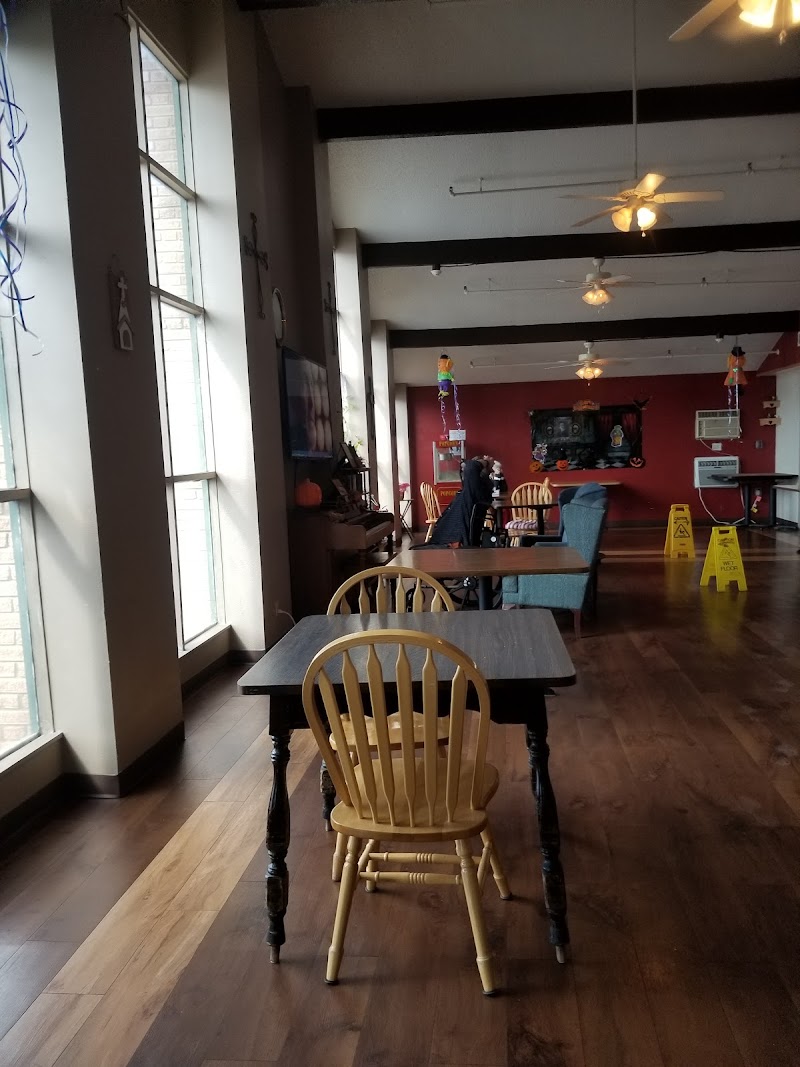
How is Homestead Nursing And Rehabilitation Of Baird Staffed?

CMS rates HOMESTEAD NURSING AND REHABILITATION OF BAIRD's staffing level at 2 out of 5 stars, which is below average compared to other nursing homes. Staff turnover is 75%, which is 29 percentage points above the Texas average of 46%. High turnover can affect care consistency as new staff learn residents' individual needs.

What Have Inspectors Found at Homestead Nursing And Rehabilitation Of Baird?

State health inspectors documented 13 deficiencies at HOMESTEAD NURSING AND REHABILITATION OF BAIRD during 2023 to 2025. These included: 12 with potential for harm and 1 minor or isolated issues.
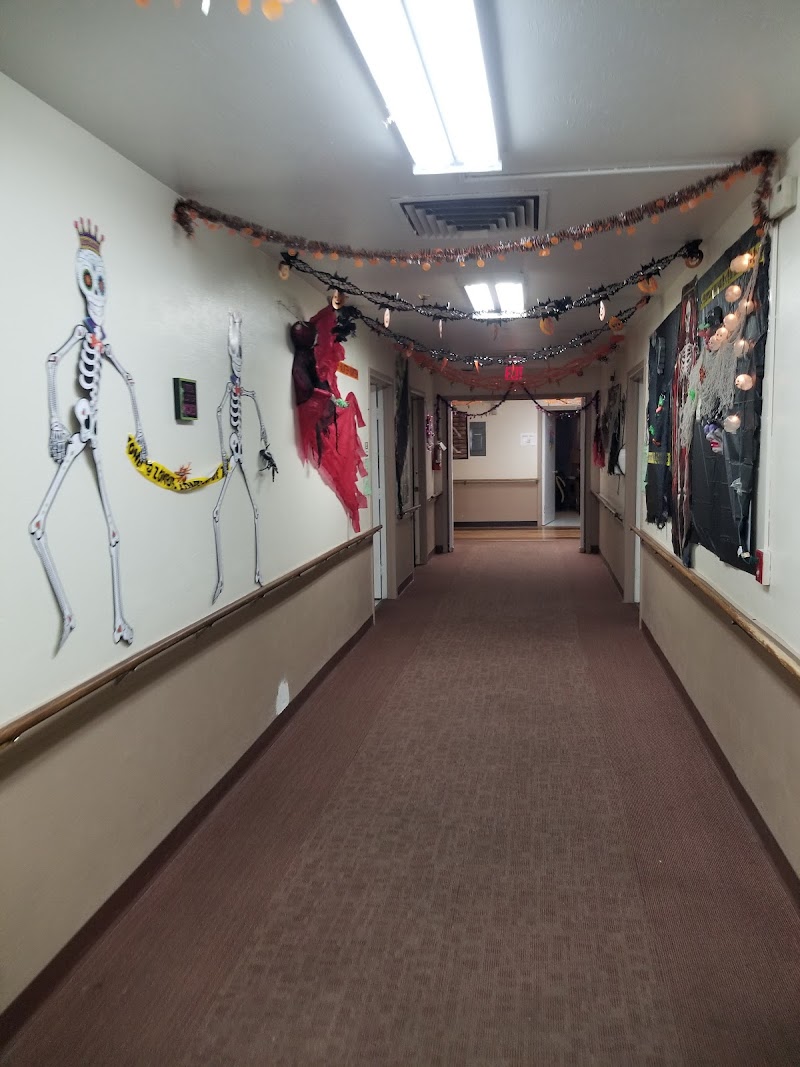
Who Owns and Operates Homestead Nursing And Rehabilitation Of Baird?

HOMESTEAD NURSING AND REHABILITATION OF BAIRD is owned by a for-profit company. For-profit facilities operate as businesses with obligations to shareholders or private owners. The facility is operated by AVIR HEALTH GROUP, a chain that manages multiple nursing homes. With 74 certified beds and approximately 30 residents (about 41% occupancy), it is a smaller facility located in BAIRD, Texas.
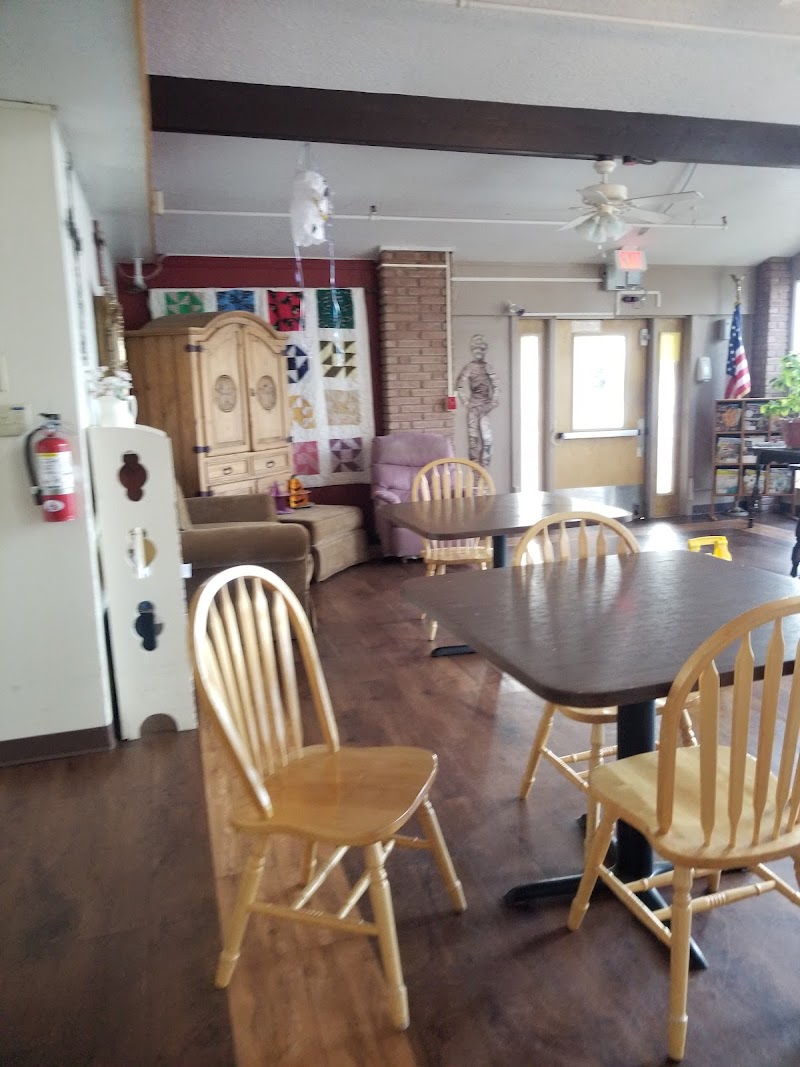
How Does Homestead Nursing And Rehabilitation Of Baird Compare to Other Texas Nursing Homes?

Compared to the 100 nursing homes in Texas, HOMESTEAD NURSING AND REHABILITATION OF BAIRD's overall rating (5 stars) is above the state average of 2.8, staff turnover (75%) is significantly higher than the state average of 46%, and health inspection rating (4 stars) is above the national benchmark.

What Should Families Ask When Visiting Homestead Nursing And Rehabilitation Of Baird?

Based on this facility's data, families visiting should ask: "How do you ensure continuity of care given staff turnover, and what is your staff retention strategy?" "Can you walk me through typical staffing levels on day, evening, and night shifts?" "Can I visit during a mealtime to observe dining assistance and food quality?" "How do you handle medical emergencies, and what is your hospital transfer rate?" These questions are particularly relevant given the facility's high staff turnover rate and the below-average staffing rating.

Is Homestead Nursing And Rehabilitation Of Baird Safe?

Based on CMS inspection data, HOMESTEAD NURSING AND REHABILITATION OF BAIRD has a clean safety record: no substantiated abuse findings (meaning no confirmed cases of resident harm), no Immediate Jeopardy citations (the most serious violation level indicating risk of serious injury or death), and is not on the Special Focus Facility watch list (a federal program monitoring the lowest-performing 1% of nursing homes). The facility has a 5-star overall rating and ranks #1 of 100 nursing homes in Texas. While no facility is perfect, families should still ask about staff-to-resident ratios and recent inspection results during their visit.

Do Nurses at Homestead Nursing And Rehabilitation Of Baird Stick Around?

Staff turnover at HOMESTEAD NURSING AND REHABILITATION OF BAIRD is high. At 75%, the facility is 29 percentage points above the Texas average of 46%. High turnover means new staff may not know residents' individual needs, medications, or preferences. It can also be disorienting for residents, especially those with dementia who rely on familiar faces. Families should ask: What is causing the turnover? What retention programs are in place? How do you ensure care continuity during staff transitions?

Was Homestead Nursing And Rehabilitation Of Baird Ever Fined?

HOMESTEAD NURSING AND REHABILITATION OF BAIRD has no federal fines on record. CMS issues fines when nursing homes fail to meet care standards or don't correct problems found during inspections. The absence of fines suggests the facility has either maintained compliance or corrected any issues before penalties were assessed. This is a positive indicator, though families should still review recent inspection reports for the full picture.

Is Homestead Nursing And Rehabilitation Of Baird on Any Federal Watch List?

HOMESTEAD NURSING AND REHABILITATION OF BAIRD is not on any federal watch list. The most significant is the Special Focus Facility (SFF) program, which identifies the bottom 1% of nursing homes nationally based on persistent, serious quality problems. Not being on this list means the facility has avoided the pattern of deficiencies that triggers enhanced federal oversight. This is a positive indicator, though families should still review the facility's inspection history directly.