CENTRAL TEXAS NURSING & REHABILITATION

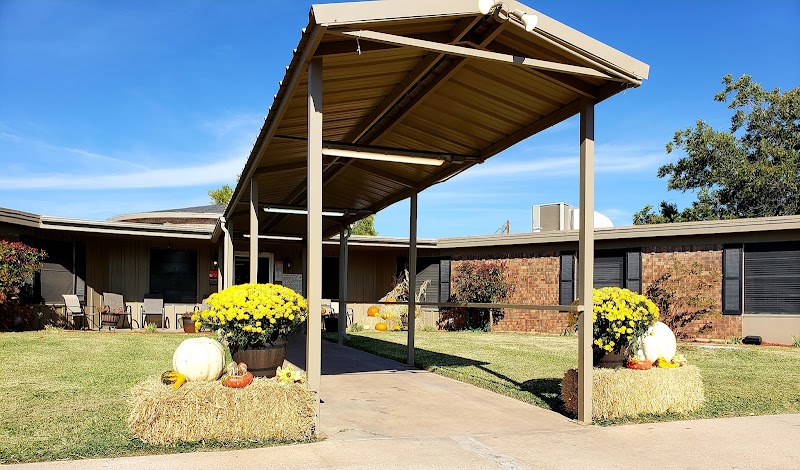
1800 N BROADWAY ST, BALLINGER, TX 76821 (325) 365-2538
For profit - Limited Liability company 118 Beds CREATIVE SOLUTIONS IN HEALTHCARE Data: November 2025 1 Immediate Jeopardy citation
Trust Grade
61/100
#209 of 1168 in TX
Last Inspection: May 2025

Inspected within the last 6 months. Data reflects current conditions.

Overview

Central Texas Nursing & Rehabilitation in Ballinger, Texas has a Trust Grade of C+, indicating a decent rating that is slightly above average. It ranks #209 out of 1,168 facilities in Texas, placing it in the top half of the state, but it is the second and last facility in Runnels County. The facility is improving, with the number of reported issues decreasing from 7 in 2024 to 4 in 2025. Staffing is average with a rating of 3 out of 5 stars and a turnover rate of 58%, which is on par with the Texas average. However, they have a good level of RN coverage, exceeding 84% of other Texas facilities, which helps in identifying potential issues that may be overlooked by less experienced staff. While there are strengths, the facility has faced some significant concerns. A critical incident involved a resident who eloped despite being identified as high risk, highlighting potential safety issues. Additionally, there were concerns regarding medication storage, as some opened medications were not properly labeled, which can lead to adverse reactions. There were also lapses in infection control practices, with staff failing to change gloves after contamination, which could increase the risk of infection spread among residents. Overall, families should weigh these strengths and weaknesses when considering this facility for their loved ones.

Trust Score
C+
61/100
In Texas
#209/1168
Top 17%
Safety Record
High Risk
Review needed
Inspections
Getting Better
7 → 4 violations
Staff Stability
⚠ Watch
58% turnover. Above average. Higher turnover means staff may not know residents' routines.
Penalties
✓ Good
$24,351 in fines. Lower than most Texas facilities. Relatively clean record.
Skilled Nurses
○ Average
Each resident gets 32 minutes of Registered Nurse (RN) attention daily — about average for Texas. RNs are the most trained staff who monitor for health changes.
Violations
⚠ Watch
12 deficiencies on record. Higher than average. Multiple issues found across inspections.
★★★★☆
4.0
Overall Rating
★★★☆☆
3.0
Staff Levels
★★★★☆
4.0
Care Quality
★★★★☆
4.0
Inspection Score
Stable
2024: 7 issues
2025: 4 issues

The Good

  • 4-Star Quality Measures · Strong clinical quality outcomes
  • Full Sprinkler Coverage · Fire safety systems throughout facility
  • No fines on record

Facility shows strength in quality measures, fire safety.

The Bad

Staff Turnover: 58%

11pts above Texas avg (46%)

Frequent staff changes - ask about care continuity

Federal Fines: $24,351

Below median ($33,413)

Minor penalties assessed

Chain: CREATIVE SOLUTIONS IN HEALTHCARE

Part of a multi-facility chain

Ask about local staffing decisions and management

Staff turnover is elevated (58%)

10 points above Texas average of 48%

The Ugly 12 deficiencies on record

1 life-threatening
May 2025 4 deficiencies
CONCERN (D) 📢 Someone Reported This

A family member, employee, or ombudsman was alarmed enough to file a formal complaint

Potential for Harm - no one hurt, but risky conditions existed

Deficiency F0552 (Tag F0552)

Could have caused harm · This affected 1 resident

**NOTE- TERMS IN BRACKETS HAVE BEEN EDITED TO PROTECT CONFIDENTIALITY** Based on interviews and record reviews the facility failed to ensure the residents had the right to participate in his or her tr...

Read full inspector narrative →
**NOTE- TERMS IN BRACKETS HAVE BEEN EDITED TO PROTECT CONFIDENTIALITY** Based on interviews and record reviews the facility failed to ensure the residents had the right to participate in his or her treatment which included the right to be informed in advance, by the physician or other practitioner or professional, of the risks and benefits of proposed care of treatment and treatment alternatives or treatment options and to choose the alternative or option he or she preferred, for 1 of 5 residents (Resident #14) reviewed. The facility failed to obtain a signed informed consent based on information of the benefits, risks, and options available for Resident #14 prior to administering increased dose of Seroquel, a psychotropic medication, (a psychoactive drug taken to exert an effect on the chemical make-up of the brain and nervous system). This failure could place residents at risk of receiving medications without their prior knowledge or consent, or that of their responsible party or being aware of the benefits and risks of the medications prescribed. Findings included: Record review of Resident #14's face sheet, dated 01/22/2025, revealed a [AGE] year-old-female who was admitted to the facility on [DATE] with diagnoses to include psychotic disorders with delusions due to known physiological condition (a mental disorder characterized by a significant cognitive departure from reality), psychotic disorder with hallucinations due to a known physiological condition (refers to hallucinations and perceptual disturbances), depression (a mood disorder that causes a persistent feeling of sadness and loss of interest), muscle weakness, Alzheimer's (a chronic neurodegenerative condition that primarily affects memory, thinking, and behavior), dysuria (painful or difficult urination), and atrial fibrillation (irregular heart rhythm). Record review of quarterly MDS assessment (Minimum Data Set) dated 5/6/2024 revealed Resident #14 was understood and understands others. The MDS revealed Resident #14 had a Brief Interview for Mental Status (BIMS) score of 3 out of 15 which indicated the resident's cognition was severely impaired. Record Review of Section N0415 indicated Resident #14 was taking antidepressants, antipsychotics, and anticonvulsant medications. Record review of a care plan for Resident #14 dated 3/26/2025 revealed a focus area of Psychotropic Drug Use: Resident requires use of antipsychotic. Goal section of care plan revealed that Resident #14 will be free of drug related complications including movement disorder, discomfort, hypotension, gait disturbance, constipation cognitive behavioral impairment. Approach section of care plan stated observe target behaviors, notify physician of adverse reactions, educate resident/family/caregivers about risks, benefits, and side effects. Review of Resident #14's Medication Administration Record revealed resident was receiving increased dosage of Seroquel 75mg beginning on 05/18/2025-05/29/2025. Prior to this date the order was 50mg. Record review of Resident #14's order summary report dated 5/29/2025 revealed the following orders: Seroquel 50 mg give 1 tablet by mouth twice a day related to psychotic disorder with delusions. Seroquel 25mg give 1 tablet by mouth twice daily related to psychotic disorder with delusions beginning on 5/17/2025. Record review of Resident #14's electronic medical record revealed no consent for Seroquel at this dosage. A gradual dose reduction was completed on 4/7/2025 to Seroquel 50 mg twice daily. On 5/17/2025 Seroquel 25mg twice daily was added to 50mg dosage with no new consent obtained. No record of HHS (Health and Human Services) form 3713 for increased dosage was found. During an interview on 05/29/2025 at 1:00 PM, the DON (Director of Nursing) stated that the facility did not have a signed consent form for Resident #14's Seroquel dosage change. She stated that the primary physician must have added the order without her knowledge. The DON stated that a possible negative outcome for not having a consent for psychotropic medications could be that a wrong medication could be given. Also stated a potential negative outcome to the resident was the resident could have side effects, there could be behaviors and the family would not know. She stated the consent should have been obtained prior to increase in dosage. Record review of facility policy titled Psychotropic Medications - dated 2/12/2025 revealed in part . 1. A psychotropic drug is any drug that affects brain activities associate with mental processes and behavior. These drugs include, but are not limited to, drugs in the following categories: a. Anti-psychotic b. Anti-depressant c. Anti-anxiety and d. Hypnotic 2. Residents have the right to be informed of and participate in their treatment. Prior to initiating or increasing a psychotropic medication, the resident, family, and/or resident representative will be informed of the benefits, risks, and alternatives for the medication, including and black box warnings for antipsychotic medications, in advance of such initiation or increase. The resident/resident's representative has the right to accept or decline the initiation or increase of a psychotropic medication. The resident's medical record will include documentation that the resident or resident representative was informed in advance of the risks and benefits of the proposed care, the treatment alternatives or other options and was able to choose the option he or she preferred. A written consent form may serve as evidence of a resident's consent to psychotropic medications.
CONCERN (D) 📢 Someone Reported This

A family member, employee, or ombudsman was alarmed enough to file a formal complaint

Potential for Harm - no one hurt, but risky conditions existed

Comprehensive Care Plan (Tag F0656)

Could have caused harm · This affected 1 resident

**NOTE- TERMS IN BRACKETS HAVE BEEN EDITED TO PROTECT CONFIDENTIALITY** Based on interviews and record reviews, the facility failed to develop and implement a comprehensive person-centered care plan b...

Read full inspector narrative →
**NOTE- TERMS IN BRACKETS HAVE BEEN EDITED TO PROTECT CONFIDENTIALITY** Based on interviews and record reviews, the facility failed to develop and implement a comprehensive person-centered care plan based on assessed needs with measurable objectives that could be evaluated or quantified to attain or maintain the resident's highest practicable physical, mental, and psychosocial well-being for 1 (Resident #1) of 5 residents reviewed for comprehensive person-centered care plans. The facility failed to develop care plans based on the assessed needs with measurable objectives and timeframes for hospice services for Resident #1. This failure could place the residents at risk for decreased quality of life and not having their needs met. Findings include: Record review of Resident #1's electronic face sheet 05/29/2025 revealed [AGE] year-old female admitted [DATE] and diagnoses included Congestive heart failure (CHF), (condition where the heart is unable to pump blood effectively), Dementia (a group of symptoms affecting memory, thinking, and social abilities that interfere with daily life), Atrial fibrillation (irregular heartbeat), Depression (mood disorder). Record review of Resident #1's Physician Orders dated 01/30/24 revealed: admit to hospice with diagnosis of senile degeneration of the brain (mental deterioration associated with old age), adult failure to thrive (substantial decline in overall health and functional abilities), CHF. Record review of Resident #1's Quarterly MDS dated [DATE] revealed Cognitive Patterns, Resident #1's BIMS (Brief Interview of Mental status) score 14 (intact cognitive response), Special Treatments, Procedures, and Programs-Hospice care. Record review of Resident #1's Care Plan dated 04/1/2025 revealed no documented Focus, Goal, or Interventions for hospice care for Resident #1. During an interview on 05/29/2025 at 01:26 PM with MDS Coordinator stated she was responsible for participating in care plan development. The MDS Coordinator stated she did not know how the failure occurred for resident to not have complete comprehensive care plans because Resident #1 has been on hospice over a year. The MDS coordinator stated she usually updates changes on the care plan to reflect residents' condition within 3 days. The MDS Coordinator stated this failure could impact the resident's quality of life by staff not recognizing that Resident #1 was on hospice services. During an interview on 05/29/2025 at 2:00 PM the DON stated the MDS coordinator updates all care plans including acute and comprehensive. The DON stated MDS Coordinator was responsible for initiating care plans. The DON stated she was responsible for checking care plans quarterly and when a resident had a change in condition that required additional interventions on care plan. Record review of facility's policy titled Comprehensive Care Planning (not dated) revealed: The facility will develop and implement a comprehensive person-centered care plan for each resident, consistent with the residents' rights that includes measurable objectives, and timeframes to meet a resident's medical, nursing, and mental and psychosocial needs that are identified in the comprehensive assessment. The comprehensive care plan will describe the following--- The services that are to be furnished to attain or maintain the resident's highest practicable physical, mental, psychosocial well-being. Each resident will have a person-centered comprehensive care plan developed and implemented to meet his other preferences and goals, and addresses the resident's medical, physical, mental and psychosocial needs. The comprehensive care plan will be developed within 7 days after the completion of the comprehensive assessment. The facility will ensure that services provided or arranged are delivered by individuals who have the skills, experience, and knowledge to do a particular task or activity. This includes proper licensure or certification if required.
CONCERN (E) 📢 Someone Reported This

A family member, employee, or ombudsman was alarmed enough to file a formal complaint

Potential for Harm - no one hurt, but risky conditions existed

Deficiency F0761 (Tag F0761)

Could have caused harm · This affected multiple residents

Based on observation, interview, and record review, the facility failed to ensure drugs and biologicals used in the facility were labeled with currently accepted professional principles, and included ...

Read full inspector narrative →
Based on observation, interview, and record review, the facility failed to ensure drugs and biologicals used in the facility were labeled with currently accepted professional principles, and included the appropriate accessory and cautionary instructions, and the expiration date when applicable for and 1 of 3 medication carts (Hall 400 nurse medication cart) reviewed for medication storage. The facility failed to ensure the nurses cart #1 for the 400 Hall did not contain nebulizers and inhalers that were opened and not labeled with the open date. This failure could place residents at risk of adverse medication reactions. Findings included: Observation on 05/28/25 at 11:30 AM revealed the nurse's medication cart #1 for the 400 Hall had the following opened medications with no open date labeled: 1. Advair diskus inhaler 2. Advair HFA 3. Albuterol Sulfate HFA 4. 2 boxes Ipratropium Bromide and albuterol sulfate inhalation solution Interview on 05/28/25 at 11:31 AM with RN B, she said once inhalers, nasal spray, and nebulizers are opened they need to be dated with open dates. She said it was the responsibility for all nurses to check carts for labelling and dating every shift, but she did not check the whole cart that morning. She stated insulins are good for 28 days and inhalers are also good for 30 days. She stated the risk of not having an opening date was they would not be able to know when they expire, and they will not be effective. Interview on 05/28/25 at 1:36 PM with the DON revealed she said inhalers, insulin, and nasal spray when opened should be dated. She stated it was the responsibility of nursing management to check and audit the carts after the nurses. The DON said the nurses were responsible for dating the medication when opened. She stated insulin was good for 28 days, and the inhalers and nebulizer should be dated once the box was opened. Record review of the Recommended Medication Storage policy, dated 7/2012, reflected the following: 1. Medications that require an open date as directed by the manufacturer should be dated when opened in a manner that it is clear when the medication was opened.
CONCERN (E) 📢 Someone Reported This

A family member, employee, or ombudsman was alarmed enough to file a formal complaint

Potential for Harm - no one hurt, but risky conditions existed

Infection Control (Tag F0880)

Could have caused harm · This affected multiple residents

**NOTE- TERMS IN BRACKETS HAVE BEEN EDITED TO PROTECT CONFIDENTIALITY** Based on observation, interview, and record review, the facility failed to maintain an infection prevention and control program ...

Read full inspector narrative →
**NOTE- TERMS IN BRACKETS HAVE BEEN EDITED TO PROTECT CONFIDENTIALITY** Based on observation, interview, and record review, the facility failed to maintain an infection prevention and control program designed to provide a safe, sanitary, and comfortable environment to help prevent the development and transmission of communicable diseases and infections for 2 of 2 residents (Resident #52, Resident #161) reviewed for incontinent care. CNA A failed to change her gloves after they became contaminated during incontinent care while assisting Resident #52 and Resident #161. CNA A failed to follow Enhanced Barrier Precautions (EBP) while performing incontinent care for Resident #161. These failures could place residents at risk for cross contamination and the spread of infection. Finding included: Resident #52 Record review of Resident #52's facility face sheet, dated May 29th, 2025, revealed Resident #52 was a [AGE] year-old female admitted to the facility on [DATE]. Medical diagnoses included Huntington's Disease (disease affects a person's movements, thinking ability and mental health) lack of coordination, and unsteadiness on feet. Record review of Resident #52's admission MDS (Minimum Data Set) assessment, dated March 14th, 2025, revealed resident needed Partial/moderate assistance. Record review of Resident #52's care plan, dated 3/19/2025, revealed a focus that Resident #52 had an Activities of Daily living/Self Care/Performance Deficit that required x1 staff assistance. Resident #161 Record review of Resident #161's facility face sheet, dated May 29th, 2025, revealed Resident #161 was a [AGE] year-old male admitted to the facility on [DATE]. Medical diagnoses included dementia, type II diabetes and hypertension (high blood pressure ). Record review of Resident #161's care plan, dated 05/22/2025, revealed in part areas of focus that included: Resident #161 had a surgical site to left foot, Resident #161 has an ADL Self Care Performance Deficit, Resident #161 has Indwelling Catheter, Resident #161 resides in the Secure Care Unit, related to diagnosis of dementia and risk for elopement. Record review of Resident #161's physician order summary report dated May 29, 2025 revealed several orders related to wound care. Observation on 5/28/25 at 4:09 PM of in-continent care for Resident #52 revealed CNA A failed to sanitize their hands between glove changes. Observation on 5/28/25 at 5:45 PM of in-continent care for Resident #161revealed CNA A failed to don a gown for enhanced barrier precautions and failed to sanitize their hands between glove changes. During an interview on 5/28/2025 at approximately 6:10 PM CNA A stated that she did know that she should be sanitizing between glove changes, but she was not provided with hand sanitizer. CNA A stated that she did not know she needed to have a gown on for incontinent care for Resident #161. CNA A stated she thought that only the wound care needed the gown since the wounds would be uncovered. During an interview on 05/29/25 at 1:45 PM with the DON, the DON stated that she expected her staff to sanitize their hands before care, between glove changes, and wash their hands after caring for a resident. DON stated that the staff should wear gowns and gloves to follow enhanced barrier precautions. The DON stated that residents with wounds, foley catheters, feeding tubes should be on enhanced barrier precautions. The DON stated that staff should wear gowns and gloves while performing high contact activities with the resident's such as incontinent care, toileting, and transfers. Record review of the facility's undated policy titled Fundamentals of Infection Control Precautions reads in part Hand hygiene continues to be the primary means of preventing the transmission of infection. The following is a list of some situations that require hand hygiene. after removing gloves or aprons. Record review of the facility's policy titled Enhanced Barrier Precautions date 4/1/24 reads in part EBP are indicated for residents with any of the following: . wounds and/or indwelling medical devises even if the resident is not known to be infected or colonized with a multidrug-resistant organism, and personal protective equipment for enhanced barrier precautions is only necessary when performing high-contact care activities.
Apr 2024 5 deficiencies
CONCERN (D)

Potential for Harm - no one hurt, but risky conditions existed

Deficiency F0604 (Tag F0604)

Could have caused harm · This affected 1 resident

**NOTE- TERMS IN BRACKETS HAVE BEEN EDITED TO PROTECT CONFIDENTIALITY** Based on observation, interview and record review the facility failed to ensure residents had the right to be free from any phys...

Read full inspector narrative →
**NOTE- TERMS IN BRACKETS HAVE BEEN EDITED TO PROTECT CONFIDENTIALITY** Based on observation, interview and record review the facility failed to ensure residents had the right to be free from any physical or chemical restraints imposed for purposes of discipline or convenience, and not required to treat the resident's medical symptoms for 1 of 1 resident (Resident #2) reviewed for restraints. The facility failed to ensure Resident #2 had documented, ongoing monitoring of her lap belt use and that she used her lap belt for the least amount of time possible. This failure could place the resident at risk of unnecessarily inhibiting the resident's freedom of movement, and the possibility of skin breakdown if not released from the lap belt at regular intervals. The findings included: Review of Resident #2's admission Record dated 4/17/24 revealed she was [AGE] year-old female originally admitted to the facility on [DATE] with a most recent admission date of 8/1/20. She had diagnoses which included cerebral palsy (congenital disorder of movement, muscle tone, or posture), generalized muscle weakness, muscle wasting and atrophy (decrease in size), dementia, intellectual disabilities, and convulsions. Review of Resident #2's EHR revealed a letter dated 7/10/24 which stated, It is my medical opinion that 'Resident #2' may utilize a wheelchair self-release, restraint free soft belt for patient safety to prevent sliding/falling out of wheelchair. The letter was signed by a Nurse Practitioner who provided care for Resident #2 as proof of medical necessity for the lap belt used by the resident. Review of Resident #2's Annual MDS assessment dated [DATE] revealed she was unable to complete the BIMS interview process due to sever cognitive impairment, she had short and long term memory problems, she was able to recall staff faces, she had some behaviors not directed at others reported during the look back period, she had limited range of motion in her upper and lower extremities, she used a wheelchair for mobility in the facility, she required maximum assistance or was totally dependent on staff for all ADLs, she was always incontinent of bowel and bladder, she had a PEG (percutaneous endoscopic gastrostomy) tube for nutrition, and she used a trunk restraint daily. Review of Resident #2's care plan, most recent review date 3/12/24, revealed the following: Focus: Resident #2 uses soft belt related to seizure disorder and spastic movements. She was unable to stand, so the belt does not prevent rising. She has spastic upper body movements related to cerebral palsy and was at risk for throwing herself out of the chair and injuring herself. She liked her teddy bear tucked into her soft belt. Date Initiated: 12/19/12 Goals: Resident #2 will remain free of complications related to soft belt use, including contractures, skin breakdown, mental status, isolation, or withdrawal through review date. Target Date: 6/10/24 Interventions: Ensure Resident #2was positioned correctly with proper body alignment while soft belt was in use. Resident needs to have soft belt applied while in chair and removed while in bed. Resident needs to have the belt released and to be checked for incontinent episodes, repositioned every 2 hours and PRN. Revision Date: 6/14/17 Review of Resident #2's Order Summary Report, dated 4/17/24, revealed the following: Soft Belt while in wheelchair; two times a day (Order Date: 4/25/2023) Observation on 4/17/24 at 1:30 PM revealed Resident #2 in her wheelchair with lap belt on. Resident #2 was sitting in lobby/dayroom with group of residents and Activity Director. Resident #2 appeared to be watching television while the other residents participated in the activity that was happening. She did not appear to be in any distress or uncomfortable during this observation. In an interview on 4/18/24 at 3:02 PM with the DON, she stated that Resident #2 was up in her chair for 3-4 hours at a time in her wheelchair using the lap belt. She stated the resident was always under direct supervision when she was in her chair wearing the lap belt. She stated that staff did release the belt more often than every 2 hours for transfers to perform care, but it was not documented as a restraint release. She stated they should be able to add restraint release to the task list for staff in the charting system. The DON stated the nursing staff perform the restraint assessments as per the facility policy, but that since the facility had the letter of medical necessity from the provider, they believed they were not required to do the same monitoring. In an interview on 4/18/24 at 4:08 PM with the Administrator, he stated that Resident #2 did spend several hours a day in her wheelchair wearing the lap belt. He stated he knew that staff stayed with her at all times while she was in her chair, and she was frequently repositioned and removed from the chair to be checked for incontinent episodes. He acknowledged the absence of documentation of restraint monitoring and release times and stated that the issue would be fixed immediately. Review of facility policy titled Restraints revision date February 1, 2017, revealed, in part: Restraint usage shall be limited to circumstances in which the resident has medical symptoms that warrant the use of restraints .Restraints will only be applied after it has been determined that a medical symptom requiring restraint usage exist, and only after other alternatives have been tried unsuccessfully. A physician's order shall be necessary to begin a restraint assessment/evaluation for the resident. The restraint committee shall meet to assess the necessity of restraints for a resident by completing a APre-Restraining Assessment worksheet. Facility staff will develop a care plan for the alternate method identified and/or the restraint usage. Restraints will only be used with informed consent from the resident and/or the resident's representative or responsible party and physician. Restrained residents must be repositioned at least every two hours and each shift. The policy did not address the need for documentation of restraint release or repositioning of the resident in restraints
CONCERN (D)

Potential for Harm - no one hurt, but risky conditions existed

Pharmacy Services (Tag F0755)

Could have caused harm · This affected 1 resident

Based on observation, interview and record review the facility failed to provide pharmaceutical services, including procedures that ensure the accurate administering of all drugs to meet the needs of ...

Read full inspector narrative →
Based on observation, interview and record review the facility failed to provide pharmaceutical services, including procedures that ensure the accurate administering of all drugs to meet the needs of the residents, for 1 (medication cart in secure unit) of 3 medication carts reviewed for pharmacy services, in that: The medication cart used for the secure unit had an insulin pen that had expired as indicated by the manufacturers recommendations. This failure could place residents at risk of receiving medications that were expired and not produce the desired effect. The findings were: During an observation and interview on 04/16/24 at 11:44 AM the medication cart in the secure unit was inspected with LVN A present. In the top drawer of the medication cart was one insulin pen that was dated 03/06/24. LVN A said the insulin pen was good for 28 days once they were opened. LVN A said she believed it was the night shift staff that were supposed to monitor the medication cart and inspect for expired or undated medications. LVN A said if a resident received an expired insulin, it might not be as effective or produce the desired effect. LVN A said she would dispose of the expired insulin and had not noticed that the insulin had expired. During an interview on 04/18/24 at 10:30 AM the DON said it was her expectation for staff to label and date the insulin pens with the expiration dates when first opened and dispose of the expired ones. The DON said she encouraged nurses to monitor the medication carts and disposed of expired medications. The DON said the ADON was delegated to check the medication carts to see if there were any expired medications and also that they were labeled and dated. The DON said if a resident received an expired medication it could lead to an adverse reaction or not receive the desired effect. During an interview on 04/18/24 at 10:52 AM the Administrator said his expectation was for staff to date medications when opened and discard them when expired. The Administrator said the ADON was delegated to check the carts for expired medications and also their pharmacist would conduct medication checks when they came by the facility. The Administrator said if a resident received expired medication, it could not be as effective. During an interview on 04/18/24 at 10:58 AM the ADON said he would check the medication carts every two weeks. He said he would check for expired medications and that he must have missed that one insulin that was expired. He said if a resident received an expired medication, they might not receive the desired effect. Record review of the facility's policy dated 2003 and titled Medications that must be dated when opened or storage conditions changed indicated in part: All the medications below should have the date opened written on the medication and/or container it arrived in. Insulins (Vials, cartridge, Pens) Keep refrigerated until needed for use. Expiration is based on manufactures recommendations after opening and/or stored at room temperature. Record review of the facility's in-service dated 04/16/24 and titled Medication expiration dates indicated in part: When insulin or new meds are opened nursing must document an expiration date of 28 days from open date. Any medications that are expired must be removed from the med cart and discarded per policy.
CONCERN (D)

Potential for Harm - no one hurt, but risky conditions existed

Deficiency F0761 (Tag F0761)

Could have caused harm · This affected 1 resident

Based on observation, interview, and record review, the facility failed to ensure all controlled drugs and biologicals were stored in separately locked and permanently affixed compartments for the fac...

Read full inspector narrative →
Based on observation, interview, and record review, the facility failed to ensure all controlled drugs and biologicals were stored in separately locked and permanently affixed compartments for the facilities only medication room reviewed for labeling/storage of drugs and biologicals. The facility failed to provide separately locked, permanently affixed compartments for the storage of controlled drugs. These failures could place the facility at risk of drug diversion and access to medications. Findings included: Observation of the facility medication room with LVN B on 04/16/2024 at 03:32 pm revealed a narcotic lock box in the locked medication refrigerator. The Narcotic lock box was not secured to the fridge. The box contained four boxes of lorazepam 2mg/ml. An interview with LVN B on 04/16/2024 at 03:34 pm, stated the lock box was normally glued to the bottom of the fridge but it had gotten dislodged at some point. LVN B was unsure how long the box had been loose in the fridge. LVN B states she was off for a week and when she last worked the box was affixed to the fridge. An interview with the DON and Administrator on 04/16/24 at 10:32 am the DON stated that the narcotic box should be permanently affixed and locked to prevent controlled drug diversion. The DON had no reason the lock box would not be properly locked or affixed. The DON was unaware the box was not affixed. The administrator stated he was informed by maintenance they are trying to obtain a chain for the lock box but needs approval from the pharmacy company to be able to alter the lock box. Unable to provide any documentation of conversation. A review of the facility policy titled Storage and Documentation of Schedule II Controlled Medications, provided by the DON, reads, in part, All Schedule II controlled medications will be stored under double lock and checked for accountability at each change of shift . With a date of 2003.
CONCERN (E)

Potential for Harm - no one hurt, but risky conditions existed

Deficiency F0552 (Tag F0552)

Could have caused harm · This affected multiple residents

**NOTE- TERMS IN BRACKETS HAVE BEEN EDITED TO PROTECT CONFIDENTIALITY** Based on interviews and record reviews the facility failed to ensure the resident's had the right to be informed of the risks, a...

Read full inspector narrative →
**NOTE- TERMS IN BRACKETS HAVE BEEN EDITED TO PROTECT CONFIDENTIALITY** Based on interviews and record reviews the facility failed to ensure the resident's had the right to be informed of the risks, and participate in, his or her treatment which included the right to be informed in advance, by the physician or other practitioner or professional, of the risks and benefits of proposed care, of treatment and treatment alternatives or treatment options and to choose the alternative or option he or she preferred, for 2 of 15 residents (Resident #22 and Resident #31) reviewed for resident rights . The facility failed to obtain informed consent based on information of the benefits, risks, and options available from Resident #22 prior to administering Buspirone, an anxiolytic (antianxiety medication) used to treat anxiety. The facility failed to obtain informed consent based on information of the benefits, risks, and options available from Resident #31 prior to administering Aripiprazole, an antipsychotic medication used to treat psychosis. This failure could place residents at risk of receiving medications without their prior knowledge or consent, or that of their responsible party. The findings included: Resident #22 Review of Resident #22's admission Record dated 4/18/24 revealed she was an [AGE] year-old female originally admitted to the facility on [DATE] with a most recent admission date of 1/9/24. She diagnoses which included psychotic disorder with hallucinations, dementia, and anxiety disorder. Review of Resident #22's Annual MDS assessment dated [DATE] revealed she had a BIMS (Brief Interview for Mental Status) score of 8 indicating moderate cognitive impairment, she had no reported behaviors during the look back period, she used a wheelchair for mobility in the facility and required maximum assistance for all ADLs, she was receiving an antipsychotic and an antianxiety medication, and the CAA for psychotropic drug use was triggered and checked for care planning decision. Review of Resident #22's care plan, most recent revision date 3/18/24, revealed no care plan in place for the use of antipsychotic medication or antianxiety medication. Review of Resident #22's Order Summary Report dated 4/18/24 revealed the following: Buspirone HCl Oral Tablet 5 MG (Buspirone HCl) - Give 2.5 mg by mouth three times a day related to unspecified dementia and anxiety disorder (Order Date: 2/15/24) Zyprexa Oral Tablet 5 MG (Olanzapine) - Give 2.5 mg by mouth one time a day for Agitation related to psychotic disorder with delusions (Order Date: 2/26/24) Review of Resident #22's chart revealed no consent for the use of buspirone. Resident #31 Review of Resident #31's admission Record dated 4/18/24 revealed he was an [AGE] year-old male originally admitted to the facility on [DATE] with a most recent admission date of 1/4/23. He had diagnoses which included dementia, psychosis, major depressive disorder, Alzheimer's disease, visual hallucinations, psychotic disorder with delusions, and mood disorder. Review of Resident #31's Quarterly MDS assessment dated [DATE] revealed he had a BIMS score of 7 indicating severe cognitive impairment, he had no reported behaviors during the look back period, he required moderate to maximum assistance for all ADLs and used a wheelchair for mobility in the facility, and he was receiving an antipsychotic and antianxiety medication. Review of Resident #31's care plan last review date of 3/12/24 revealed: Focus: Resident requires antipsychotic medication for diagnosis of psychotic disorder with delusions - resident's medication aides with his history of hallucinations. Goal: The resident will be/remain free of drug related complications, including movement disorder, discomfort, hypotension, gait disturbance, constipation/impaction, or cognitive/behavioral impairment through review date. The resident will reduce the use of psychoactive medication through the review date. Interventions: Administer medications as ordered. Monitor/document for side effects and effectiveness. Consult with pharmacy, MD to consider dosage reduction when clinically appropriate. Discuss with MD, family regarding ongoing need for use of medication. Educate the resident/family/caregivers about risks, benefits, and side effects. Monitor/document occurrence of target behavior symptoms. Monitor/record/report to MD prn side effects and adverse reactions of psychoactive medications. Focus: Resident requires antidepressant medication for diagnosis of major depressive disorder. Goal: The resident will be free from discomfort or adverse reactions related to antidepressant therapy through the review date. The resident will show decreased episodes of signs and symptoms of depression through the review date. Interventions: Educate the resident/family/caregivers about risks, benefits, and the side effects and/or toxic symptoms. Give antidepressant medications as ordered by physician. Monitor/document side effects and effectiveness. Monitor/document/report to MD prn ongoing signs and symptoms of depression unaltered by antidepressant medications. Review of Resident #31's Order Summary Report dated 4/18/24 revealed the following: Aripiprazole Oral Tablet 15 MG - Give 15 mg by mouth one time a day for hallucinations (Order Date: 8/11/23) Escitalopram Oxalate Oral Tablet 5 MG - Give 2 tablet by mouth one time a day related to major depressive disorder (Can change to 10 mg tabs, once daily) (Order Date: 1/26/24) Review of Resident #31's chart revealed no consent for the use of aripiprazole. In an interview on 4/18/24 at 3:02 PM with the DON, she stated that consents for psychotropic medications were her responsibility. She stated the DON was responsible for making sure they were obtained and placed in the chart and the failure was her fault. She stated that on admission, psychotropic medications were flagged in the system as needing consents and ultimately it was up to her to finalize the admission process which included the consents. She stated the psych doctors email consents to her when they are signed outside of the facility. The DON stated that any staff nurse can get a consent signed but that she should be the one ensuring that the consent was part of the medical record. Review of facility policy titled Resident Rights and Consent to Receive Psychotropic Medications revision date February 1, 2007, revealed, in part: Psychoactive medications may not be administered without the consent of residents or their legal representative, except in an emergency .Consent must be obtained before the medication may be started. If a resident is being admitted and is currently receiving a psychoactive medication, the facility will have one week (7 days) to obtain consent. The attempt to obtain this consent must be documented. The facility staff will start a tracking form for monitoring behaviors for antipsychotics and antianxiety medication and side effects for all psychotropic medications.
CONCERN (E)

Potential for Harm - no one hurt, but risky conditions existed

Comprehensive Care Plan (Tag F0656)

Could have caused harm · This affected multiple residents

**NOTE- TERMS IN BRACKETS HAVE BEEN EDITED TO PROTECT CONFIDENTIALITY** Based on interview and record review the facility failed to develop and implement a comprehensive, person-centered care plan for...

Read full inspector narrative →
**NOTE- TERMS IN BRACKETS HAVE BEEN EDITED TO PROTECT CONFIDENTIALITY** Based on interview and record review the facility failed to develop and implement a comprehensive, person-centered care plan for each resident that included measurable objectives and time frames to meet, attain, and/or maintain the resident's highest practicable physical, mental, and psychosocial well-being for 2 of 15 residents (Residents #22 and Resident #56) reviewed for care plans. The facility failed to ensure that Resident #22 had a care plan in place for the use of psychotropic medications. The facility failed to ensure that Resident #56 had a care plan in place for his orthotic flexion gloves (therapy gloves used to help the resident curl his fingers into a fist) or his PEG tube (percutaneous endoscopic gastrostomy - tube inserted into the stomach used for nutrition due to swallowing difficulties). These failures could affect residents by placing them at risk of not receiving individualized care and services to meet their needs. The findings included: Resident #22 Review of Resident #22's admission Record dated 4/18/24 revealed she was an [AGE] year-old female originally admitted to the facility on [DATE] with a most recent admission date of 1/9/24. She diagnoses which included psychotic disorder with hallucinations, dementia, and anxiety disorder. Review of Resident #22's Annual MDS assessment dated [DATE] revealed she had a BIMS (Brief Interview for Mental Status) score of 8 indicating moderate cognitive impairment, she had no reported behaviors during the look back period, she used a wheelchair for mobility in the facility and required maximum assistance for all ADLs, she was receiving an antipsychotic and an antianxiety medication, and the CAA for psychotropic drug use was triggered and checked for care planning decision. Review of Resident #22's care plan, most recent revision date 3/18/24, revealed no care plan in place for the use of antipsychotic medication or antianxiety medication. Review of Resident #22's Order Summary Report dated 4/18/24 revealed the following: Buspirone HCl Oral Tablet 5 MG (Buspirone HCl) - Give 2.5 mg by mouth three times a day related to unspecified dementia and anxiety disorder (Order Date: 2/15/24) Resident #56 Review of Resident #56's admission Record dated 4/17/24 revealed he was a [AGE] year-old male originally admitted to the facility on [DATE] with a most recent admission date of 7/14/23. He had diagnoses which included injury at C1 level of cervical spinal cord, stroke, cervical spondylosis with myelopathy (neurologic degenerative changes of the spine at the neck resulting in compression of the spinal cord and nearby structures), and dysphagia (difficulty swallowing. Review of Resident #56's Annual MDS assessment dated [DATE] revealed he had a BIMS score of 3 indicating severe cognitive impairment, he had no reported behaviors, he required maximum to total assistance for all ADLs and used a wheelchair for mobility in the facility, he received enteral feeding via PEG tube, and the CAA for feeding tube was triggered and checked for care planning decision. Review of Resident #56's Order Summary Report dated 4/17/24 revealed the following: Gloves to be worn as tolerated for hand training/movement (making a fist) per therapy q shift - two times a day for hand movement (Order Date: 2/21/24) Enteral Feed - every shift Head of bed up at least 30 degrees during administration of enteral formula or water (Order Date: 7/14/23) Enteral Feed - two times a day for Hold Feeding if residual is over 100ml Check residual before medications and feedings; return contents after each check (Order Date: 7/14/23) Enteral Feed - one time a day Cleanse g-tube site (Order Date: 7/14/23) Enteral Feed - every shift Check placement prior to feeding and medication administration (Order Date: 7/14/23) Enteral Feed - every night shift Change syringe Q 24 hours (Order Date: 7/14/23) Enteral Feed - as needed Change tubing with each enteral feeding set-up (Order Date: 7/15/23) Enteral Feed - every shift Flush with at least 5mls of water between each medication (Order Date: 7/14/23) Enteral Feed - five times a day for via peg tube Isosource 1.5; Tube feeding Bolus: 237ml; Flush Water 30ml before and after feeding (Order Date: 7/18/23, Revision Date: 8/31/23) Enteral Feed - every shift Flush with 50 cc of water before and after feedings (Order Date: 7/25/23) Enteral Feed - every shift Flush with 250 cc of water twice a day (Order Date: 7/25/23) Review of Resident #56's care plan, most recent review date 4/16/24, revealed no care plan in place for his PEG tube or his orthotic flexion gloves. In an interview on 04/18/24 at 10:10 AM with the DOR (Director of Rehab), she stated she did not put anything in the care plan. She stated she attended the care plan meetings and nursing staff, either the DON, ADON or MDS nurse, documented while they were meeting about what needed to be on each resident's care plan regarding the therapy department. The DOR stated without a care plan for the gloves, she stated there was no way the nursing staff would know, and she would have to in-service them. In an interview on 4/18/24 at 2:30 PM with the MDS nurse, she stated that a care plan should be person centered - it should outline what level of care needs to be provided regarding ADLs, the resident's likes and dislikes, potential behaviors and how to resolve them, diet, all medications and why the resident was taking the medication, any special treatments like physical therapy/occupational therapy/speech therapy/dialysis, any skin concerns or wound care so that all staff would know about potential or existing issues. She stated that the entire IDT team was able to contribute to what was added to the care plan, including the family. Regarding whom was able to access and put items into the care plan in the computer, she stated that she (MDS nurse), the social worker, the DON, the ADON, the Dietary Manager, the Activity Director, and the DOR all had the ability to add information to the care plan. She stated she thought the floor nurses could add information, but she was not certain how much access they had. The MDS nurse stated she did not know why Resident #22's care plan did not include her psychotropic medication use and that it was just an oversight and would be corrected immediately. She stated that she thought that Resident #56 had a care plan for his orthotic gloves and when she opened his care plan it showed that after being interviewed by this surveyor, the DOR put a care plan in detailing the glove use. The MDS nurse also stated that she thought that because Resident #56 had a care plan in place for his NPO status that mentioned his PEG tube that was sufficient. In an interview on 4/18/24 at 3:02 PM with the DON, she stated that a care plan should reflect everything a person would need to know to take care of a resident in the sense of all the medical diagnoses and related medications, ADLs, diet, activity preferences, and behaviors. She stated that she (the DON), the ADON, the MDS nurse, the social worker, the Dietary Manager, the Activity Director, and the DOR could enter care plans into the chart. She stated she did do care plan audits as needed, but she did not have a formal process for the audits. The DON stated that Resident #22's psychotropic medications should have been care planned as well as Resident #56's PEG tube and orthotic gloves. Review of undated facility policy titled Comprehensive Care Planning revealed, in part: Each resident will have a person-centered comprehensive care plan developed and implemented to meet his other preferences and goals, and address the resident's medical, physical, mental and psychosocial needs. When developing the comprehensive care plan, facility staff will, at a minimum, use the Minimum Data Set (MDS) to assess the resident's clinical condition, cognitive and functional status, and use of services.
Feb 2024 2 deficiencies 1 IJ
CRITICAL (J) 📢 Someone Reported This

A family member, employee, or ombudsman was alarmed enough to file a formal complaint

Immediate Jeopardy (IJ) - the most serious Medicare violation

Accident Prevention (Tag F0689)

Someone could have died · This affected 1 resident

**NOTE- TERMS IN BRACKETS HAVE BEEN EDITED TO PROTECT CONFIDENTIALITY** Based on observations, interviews, and record reviews, the facility failed to ensure the resident environment remained free of a...

Read full inspector narrative →
**NOTE- TERMS IN BRACKETS HAVE BEEN EDITED TO PROTECT CONFIDENTIALITY** Based on observations, interviews, and record reviews, the facility failed to ensure the resident environment remained free of accident hazards as was possible and that each resident received adequate supervision and assistive devices to prevent accidents for 1 (Resident #3) of 7 residents who were reviewed for accidents and supervision in that: The facility failed to ensure Resident #3 did not elope after she was identified to be of high risk for elopement based on pre-admission documentation received from Resident #3's previous nursing home placement that was submitted prior to Resident #3's admission on [DATE]. Resident #3 eloped on 12/23/2023 around 12:33 p.m., and was found on 12/23/2023 around 2:00 p.m. The noncompliance was identified as Past Noncompliance. The Immediate Jeopardy (IJ) began on 12/18/2023 and ended 01/10/2024. The facility had corrected the noncompliance before the survey began. The deficient practice could place residents at risk and could result in harm and serious injury. The findings included: Record review of Resident #3's Face Sheet, dated 01/23/2024, revealed Resident #3 was a [AGE] year-old female who was admitted into the nursing facility on 11/28/2023. Resident #3's diagnoses included Huntington's Disease (an inherited condition that stops parts of the brain from working properly over time), Major Depressive Disorder (a mental health disorder characterized by persistently depressed mood or loss of interest in activities, causing significant impairment in daily life), Anxiety Disorder, unspecified (a type of mental disorder where you may respond to certain things or situations with fear or dread and may experience physical signs of heart pounding and sweating, but does not meet the exact criteria for any other anxiety disorder but significant enough to be distressing and disruptive), and Dysphagia (swallowing difficulties), unspecified. Record review of Resident #3's admission MDS assessment, dated 12/10/2023, revealed a BIMS score of 10, which indicated moderate impairment. Section B0100 revealed Resident #3 had adequate hearing with no difficulty in normal conversation. Section B0600 revealed Resident #3 had clear speech and was usually understood. B1000 revealed adequate vision without corrective lenses. Section E0900 of the assessment revealed Resident #3 did not exhibit the behavior of wandering. Record review of Resident #3's admission Nurse Note, dated 11/28/2023, revealed RN B completed the admission process with Resident #3 and completed the physical assessment on 11/28/2023 at 4:26 p.m., when Resident #3 arrived. Resident #3 arrived at the nursing facility by the facility's van and was transported in via wheelchair. The document revealed RN B recorded Resident #3 was oriented to person and time, was able to walk independently without the use of aides and had a history of wandering. The admission Nurse Note revealed Resident #3 would require a secure unit. Record review of Resident #3's Elopement Risk Assessment, dated 11/28/2023, completed by LVN D, revealed Resident #3 was an elopement risk. Further review revealed Resident #3 could ambulate independently, recognized stop lights and signs, knew precautions when crossing streets, could recognize her own physical needs, and knew her name. The assessment revealed Resident #3 had made statements to leave her previous facility within the last month. Record review of Resident #3's SecureCare Environment Screening Tool, dated 11/28/2023, revealed Resident #3 did not continue to display exit seeking behaviors, was dependent on staff for mobility, and had a history of exit seeking. Record review of Resident #3's electronic Care Plan clinical records on 01/24/2024 revealed Resident #3 did not have a Baseline Care Plan. Record review of Resident #3's Care Plan, dated 12/26/2023, revealed Resident #3's plan was updated to identify Resident #3 was a risk for Elopement and a history of elopement by climbing out her window, to include interventions on 12/26/2023. The plan identified interventions to include, - distract resident from wandering by offering pleasant diversions, structured activities, food, conversation, television, book. Resident #3 was reevaluated and found to be appropriate for the secured unit, was moved to the secured unit where the windows do not open all the way to prevent exiting the facility that way. Family to be notified of attempts to leave the facility. Identify patterns of wandering: Is wandering purposeful, aimless, or escapist? Is resident looking for something? Does it indicate the need for more exercise? Intervene as appropriate. If the resident is exit-seeking, stay with the resident and notify the charge nurse by calling out, sending another staff member, call system, etc. Monitor for fatigue and weight loss. PCP was notified when Resident #3 was feeling sad and wanted to go see her family member, antidepressants added to help her. Provide structured activities: toileting, walking inside and outside, reorientation strategies including signs, pictures, and memory boxes. Record review of Resident #3's Progress Notes, dated 11/30/2023 at 9:08 a.m., revealed Resident #3 went into the front unsecure unit of the facility to attend church services and returned to the secure memory care unit at 9:50 a.m., with no exit seeking behavior observed. Record review of Resident #3's Progress Notes, dated 12/05/2023 at 10:03 a.m., revealed Resident #3 went into the front unsecure unit of the facility to attend bible study, with no exit seeking behavior observed. Record review of Resident #3's Progress Notes, dated 12/08/2023 at 1:26 p.m., revealed Resident #3 went into the front unsecure unit of the facility to watch a movie and have popcorn, with no exit seeking behavior observed. Record review of Resident #3's Progress Notes, dated 12/18/2023 at 10:41 a.m., revealed DON C document Resident #3 was being transferred to the front unsecure unit of the facility for a trial period and permission was received by Resident #3's family member. Record review of the Nursing 24-hour Report, dated 12/18/2023, revealed Resident #3 would participate in a trial transfer to front from back, continue medication with move, can ambulate, and monitor for exit behaviors. Record review of Resident #3's Care Plan Risk for Elopement, dated 12/18/2023, revealed staff would monitor Resident #3 to ensure she would not elope from the facility every hour for 24-hours and every 4-hours for 72 hours (3 days). Record review of the document revealed there was no other interventions documented or put in place to prevent Resident #3 from leaving the facility unattended other than monitoring. Record review of a documentation sent by cell phone text, dated 12/18/2023 at 4:47 p.m., revealed DON C sent a text to all employees of the facility and confirmed that 37 employees read the text that stated, Reminder: Please keep an eye on Resident #3. She eloped at her previous facility, but she was on COVID isolation and was physically attacked by another resident. Record review of Resident #3's monitoring documentation, dated 12/18/2023, revealed staff documented Resident #3 from 11:00 a.m. through 7:00 p.m. with hourly documented location; 8:00 p.m. through 5:00 a.m. with a line marked, which indicated Resident #3 was in her room; and 6:00 a.m. through 11:00 a.m. with hourly documented location. Review of the 4-hour monitoring documentation revealed staff documented Resident #3 from 12/19/2023 at 11:00 a.m. through 12/21/23 at 11:00 a.m. with documented location noted every 4-hours. Record review of Resident #3's Event Nurses' Note, dated 12/23/2023 at 5:07 p.m., completed by DON C, revealed Resident #3 was found walking down the road by another resident's family who called the facility, and the nurse on duty went to pick her up. Resident #3's window was found open, and footprints were outside on the ground. DON C documented the facility camera did not show evidence Resident #3 went out the front door. During an interview on 01/24/2024 at 9:40 a.m., Resident #3 said she left the facility by herself because it was Christmas time and she wanted to see her family. Resident #3 said she would not try to escape out of her window again and knew she was wrong for leaving the facility. Resident #3 said her family member moved her to be closer to where she lived, and Resident #3 said she wished her family member would come to visit her more often. Resident #3 said she should not have left the facility alone without telling anyone but Resident #3 said she was frustrated and wanted to see her family. Resident #3 said she was mad at her family member for not picking her up. During an interview on 01/24/2024 at 10:20 a.m., LVN A said Resident #3 had not attempted to leave the facility by herself during the period she was admitted to the nursing home on [DATE] and moved to the front, unsecured section the facility on 12/18/2023, for a trial period to live in a least restrictive environment. LVN A said Resident #3 returned to the memory care secure unit on 12/23/2023. LVN A said Resident #3 had not displayed exit-seeking or negative behaviors when she resided on the secure memory care unit. LVN A said Resident #3 acted content and happy by her facial expressions and interactions with other residents and nursing staff. LVN A said when he heard that Resident #3 had left the facility, he was shocked, as Resident #3 had never demonstrated exit-seeking behavior while on the secure unit. During an interview on 01/24/2024 at 12:16 p.m., Resident #3's Family Member said she was contacted by the nursing facility when Resident #3 left the facility unaccompanied on 12/23/2023. Resident #3's Family Member said Resident #3 told her the reason she left the nursing home by herself was she wanted to come see her for Christmas and was frustrated. Resident #3's Family Member said she told Resident #3 that she could not leave by herself, and Resident #3 was apologetic and told her she would not leave the facility again. Resident #3's Family Member said she was contacted by the facility and had agreed for Resident #3 to move to the front, unsecured area of the facility for a trial period. Resident #3's Family Member said Resident #3 had told her she felt safe at the new facility and did not complain like she did when she was residing at the previous facility. Resident #3's Family Member said she was surprised that Resident #3 left unaccompanied. During an interview on 01/24/2024 at 12:37 p.m., Resident #5's Family Member said she had departed the facility on 12/23/2023, but could not remember the time, and drove approximately a half mile from the facility when she saw Resident #3 as she walked on the side of the road. Resident #5's Family Member said Resident #3 carried a paper bag with the same name of the convenience store that was located approximately 0.6 miles from the facility and Resident #3 was walking in the direction away from the store. Resident #5's Family Member said Resident #3 walked in a safe manner and looked like she was fine, but Resident #5's Family Member said she was startled to see Resident #3 by herself. Resident #5's Family Member said she stopped her car to check on Resident #3 and called the facility to notify the nurse that Resident #3 was away from the facility. Resident #5's Family Member said when she rolled down her window and asked Resident #3 if she remembered her and Resident #3 responded yes. Resident #5's Family Member said Resident #3 told her she wanted to see her family in San [NAME]. Resident #5's Family Member said Resident #3 said she knew San [NAME] was too far to walk but she was mad at her family and went to the store to get a coke and a snack. Resident #5's Family Member said the nurse from the facility and police arrived and talked to Resident #3 in a respectful manner. Resident #5's Family Member said Resident #3 was transported back to the facility. During an interview on 01/24/2024 at 1:50 p.m., DON C said Resident #3 was new to the facility and she was placed in the memory care secure unit due to her history of leaving the facility without notifying staff at the previous facility Resident #3 resided in. DON C said Resident #3 was admitted on [DATE] and then moved to the unsecure part of the nursing facility for a trial period 12/18/2023 because Resident #3 had not attempted to leave the facility since she was admitted . DON C said the decision to transfer Resident #3 was discussed in the administration stand-up morning meeting and documented in the facility 24-hour report. DON C said the nursing staff would have been notified by reading the 24-hour report that Resident #3 had a history of elopement, and the information would be shared with the nursing staff verbally. During an interview on 01/24/2024 at 3:06 p.m., LVN D said she had been at the facility since 2019 and was familiar with Resident #3. LVN D said she worked on the floor when Resident #3 moved to the front, unsecure part of the nursing facility for a trial period and Resident #3 did well. LVN D said Resident #3 would sit in the same chair in the front common area. LVN D said she was aware Resident #3 was at risk for elopement and monitored Resident #3 during the first three to four days of her trial period. LVN D said Resident #3 would walk to her room and then back to the common area and sit in the same chair. LVN D said Resident #3 never left the area unless she went to activities, such as bingo or listened to live music. LVN D said she never witnessed Resident #3 demonstrate exit seeking behaviors and when LVN D heard Resident #3 had left the facility, LVN D said she was shocked. During an interview on 01/24/2024 at 3:59 p.m., LVN E said she received a phone call from Resident #5's Family Member who reported she had witnessed Resident #3 outside the facility on the side of the road near a convenience store. LVN E said she left the facility and went to pick up Resident #3. LVN E said Resident #3 told her she wanted to go see her family and was frustrated that she was not with her family for Christmas. LVN E said when she arrived, Resident #3 did not want to return to the facility, so LVN E called the police. LVN E said when the police arrived, Resident #3 calmly complied and returned to the facility. LVN E said she attended the in-service on 12/27/2023 that covered elopements and how to respond when a resident eloped. During an interview on 01/24/2024 at 4:16 p.m., CNA F said she had worked at the facility for 14 months and was familiar with Resident #3. CNA F said she was on duty in the memory care secure unit the day Resident #3 left the facility by herself. CNA F said when the staff became aware Resident #3 was not at the facility, an all-staff alert was made, and all staff began searching the facility and surrounding area outside (this was at the same time that LVN E received the phone call from Resident #5's family member). CNA F said staff became aware Resident #3 was not in the building at the same time LVN E had received the phone call from Resident #5's Family Member and had left the facility to pick up Resident #3. CNA F said LVN E had not reported Resident #3 had eloped to all employees on duty in the facility, so an all-staff alert went out and everyone began searching for Resident #3 in the facility and outside grounds. CNA F said LVN E reported to the other nurse on duty Resident #3 had been seen away from the facility and left the building without notification to all staff. During an interview on 01/29/2024 at 10:59 a.m., MDS Case Manager G said she had been at the facility for three (3) years. MDS Case Manager G said she knew in advance if a new residence was going to be admitted and the DON would print out the preadmission paperwork. MDS Case Manager G said the charge nurse on duty would pass the information to the nursing staff coming on duty by use of the 24-hour report and verbally. MDS Case Manager G said the information that Resident #3 was elopement risk on 01/18/2023, when she was moved to the front, unsecure part of the nursing facility for a trial period would have been provided by verbal report from the nurse on duty to the on-coming staff and by use of the 24-hour report. MDS Case Manager G said when Resident #3 transferred into the unsecure part of the facility, interventions should have been in her care plan. During an interview on 01/29/2024 at 1:48 p.m., the Administrator said he had agreed to move Resident #3 to the front, unsecured area of the facility on 12/18/2023 for a trial period to determine the least restrictive environment. The Administrator said Resident #3 had not demonstrated or voiced any intentions of leaving the facility by herself and he felt a trial period was appropriate. The Administrator said the staff monitored Resident #3 appropriately during the early time period of the move and Resident #3 made no attempts to leave the facility. The Administrator said when Resident #3 eloped, the facility immediately put measures in place to ensure her safety. The Administrator said the facility held an ad hoc IDT meeting and contacted the physician and transferred Resident #3 to the secure memory care unit of the facility where the windows would not open wide enough to allow Resident #3 to crawl through. The Administrator said an elopement risk assessment was completed for Resident #3 and 15-minute monitor was initiated and completed for Resident #3 on 12/23/2023 through 12/26/2023. During an observation on 02/12/2024 at 1:15 p.m., observed the window in a resident room on Hall 1. Observed the large window had a screen and observed approximately six to eight inches above the top windowpane, a small silver metal box was attached to the window frame. Observed the box was approximately 1 inch by 1 inch in size and located on the left side of the window frame. Opened the window and observed the window only opened about six inches and did not provide enough space for a person to crawl through. During an interview on 02/12/2024 at 2:15 p.m., DON C said she informed staff that Resident #3 would be transferred to the front, unsecured part of the nursing facility on 12/18/2023 and provided the information that Resident #3 had a history of elopement. DON C said she informed staff verbally and through the facility's messaging system. DON C said the facility used a cellular application that communicated with all staff who had the application on their phone. DON C said she had the text message and the documentation of 37 employees who read the text message that informed staff Resident #3 must be monitored for elopement due to leaving the facility she previously resided in. During an interview on 02/12/2024 at 1:40 p.m., Maintenance Supervisor I said the facility had installed window limiters and placed them in all the windows within the facility. Maintenance Supervisor I said the facility completed the task based on a precaution after a resident eloped from the facility by kicking out her screen and exiting out the window. Maintenance Supervisor I said on 12/27/2023, he went to the local hardware store and bought all the window limiter locks that was in stock and ordered the number the facility would need to install in all windows. Maintenance Supervisor I said the supply was shipped and arrived approximately one week later. Maintenance Supervisor I said he placed the locks on the resident rooms, lobby, offices, kitchen/dining room, and every window in the facility within a few days after the locks arrived. Maintenance Supervisor I said when he looked at the receipt, the window limiters arrived on 01/05/2024, so he had all the devices installed by 01/10/2024. Maintenance Supervisor I said prior to the installation of the window limiter locks, the memory care unit had a screw like barrier to prevent the window from opening no further 6 to 8 inches. Maintenance Supervisor I said the facility changed the code on the keypad every month as a precaution as well. Maintenance Supervisor I said he had been in-serviced on elopements and how to respond when a resident eloped on 12/27/2023. During a phone interview on 02/12/2024 at 3:28 p.m., CNA J said she was on duty when Resident #3 eloped on 12/23/2023 and was assigned to Hall 1. CNA J said she had walked with Resident #3 to her room from the dining room after lunch at approximately 12:00 p.m., or 12:05 p.m. CNA J said she remembered Resident #3 had said she wanted to take a nap. CNA J said she walked into Resident #3's room and observed as she laid down on her bed. CNA J said she knew Resident #3 had a history of leaving the facility unaccompanied. CNA J said she had been in-serviced on elopements and how to respond when a resident eloped or was not located in the facility on 12/27/2023. CNA J said she had been trained on the elopement policy and what action she should take if a resident was missing from the facility. CNA J said she attended the in-service on how to prevent elopement episodes and elopement response on 12/27/2024. During an interview on 02/12/2024 at 3:54 p.m., the Administrator said he had reviewed [NAME] footage on 12/23/2023 from Hall 1 and had observed Resident #3 enter her room at 12:33 p.m. and did not observe Resident #3 exit during the time up to 2:20 p.m., when the facility was notified she was observed away from the facility. During an interview on 02/13/2024 at 11:00 a.m., DON C said the Care Plan Risk Assessment for Elopement was completed for Resident #3 on 12/18/2023. DON C said when Resident #3 moved to the unsecure, front unit of the facility, the move was considered a transfer and the policy was implemented. DON C said the policy gave specific details on how the transfer would be made based on case-by-case basis according to the need of the resident. DON C said Resident #3 could independently ambulate and walk without assistance. During an interview on 02/14/2024 at 10:46 a.m., the Administrator said he arrived at the facility on 12/23/2023 immediately after he was informed Resident #3 had eloped. The Administrator said an Ad Hoc QA Meeting with the IDT team was held and the Elopement Risk Assessments were discussed. The Administrator said the physician, family, and staff were involved in the meeting and agreed Resident #3 would be safer in the secure memory care unit. The Administrator said Resident #3 was moved after the physician gave orders and the Care Plan was updated with interventions to prevent further elopement. The Administrator said the Maintenance Director had gone to the local hardware store on 12/27/2023 and purchased all the window limiters in stock and installed them in the windows in the front unsecure part of the facility. The Administrator said an Ad Hoc QAPI meeting was held on 12/27/2023 to further address incident of elopement. The Administrator said all staff were in-serviced on elopements and what actions to take if a resident was missing. During an interview on 02/14/2024 at 4:31 p.m., Physician K said he was familiar with Resident #3 and was aware Resident #3 left the faciity on [DATE]. Physician K said Resident #3 was in no danger when she left the facility unsupervised. Physician K said Resident #3 had no history of falls, was alert and had a steady gait. Physician K said Resident #3 had mild symptoms of her diagnosis and was in no physical or mental danger when Resident #3 left the faciity on [DATE]. Record review of receipts for the local hardware store revealed window limiters were purchased on 12/27/2023 and additional locks were ordered. Review revealed the window limiters were delivered to the facility on [DATE]. Record review of the Ad Hoc QAPI, dated 12/27/2023, revealed the content of the meeting resulted in the need for elopement risk assessments to be completed before moving out of the Memory Care Unit. Additionally, the Secure Care Unit Decision Tree would be utilized before a resident was transferred out of the Memory Care Unit. Record review of the Provider Investigation Report, dated 12/29/2023, revealed the Administrator reviewed [NAME] footage during the investigation after Resident #3 had eloped and observed Resident #3 had entered her room at 12:33 p.m., on 12/23/2023 and was not observed to come out during the timeframe when she was found missing. At 2:20pm, LVN E had received a call from Resident #5's Family Member had observed Resident #3 approximately half a mile from the facility. On 02/15/2024 at 10:05 a.m., extended the sample and randomly reviewed records for completion of elopement assessments. Record review of Resident #6's Elopement Assessment, dated 12/23/2023 revealed the facility completed the action of completing assessments on all residents. Record review of Resident #7's Elopement Assessment, dated 12/24/2023 revealed the facility completed the action of completing assessments on all residents. Record review of Resident #8's Elopement Assessment, dated 12/23/2023 revealed the facility completed the action of completing assessments on all residents. Record review of Resident #9's Elopement Assessment, dated 12/23/2023 revealed the facility completed the action of completing assessments on all residents. The Administrator was notified of an Immediate Jeopardy (IJ) on 02/15/2024 at 12:14 p.m. and was given a copy of the IJ Template. Explained a plan of removal would not be required due to the fact that all interventions were corrected prior to on-site entrance date of 01/23/2024. It was determined these failures placed Resident #3 in an Immediate Jeopardy (IJ) situation from 12/18/2023 through 12/23/2023. The facility took the following actions to correct the non-compliance and to prevent elopements from the facility, following the incident, to include: 1. QAPI completed 12/27/2023 - IDT Team - Regarding Elopement Incident. 2. Resident #3's care plans were revised on 12/24/23 to include goals and interventions, related to Elopement. 3. Resident #3 was placed on the secured unit on 12/23/23 with documented monitoring. 4. 12/23/23 - 12/26/23: Elopement Risk Assessments were completed for all residents in the facility. Care Plans were reviewed and updated, if needed, for all individuals that met the criteria for high risk. 5. All staff were trained on elopement on 12/27/2023. 6. The facility ordered window restrictors on 12/27/2023 and placed them on every window in the facility, approximately 1 week later once they were received. Record review of the facility's policy, Elopement Prevention, dated 10/07/2010, revealed every effort would be made to prevent elopement episodes while maintaining the least restrictive environment for residents who were at risk for elopement. During an observation on 02/15/2024 at 1:03 p.m., to complete random window observations, observed the front window located by the front entrance door and observed a small silver metal box was attached to the window frame. Observed the box was approximately 1 inch by 1 inch in size and located on the left side of the window frame. Observed the window limiter lock prevented the window from opening more than 6 inches. During an observation on 02/15/2024 at 1:05 p.m., observed the window in the office of the Administrator and observed a small silver metal box was attached to the window frame. Observed the box was approximately 1 inch by 1 inch in size and located on the left side of the window frame. Observed the window limiter lock prevented the window from opening more than 6 inches.
CONCERN (D) 📢 Someone Reported This

A family member, employee, or ombudsman was alarmed enough to file a formal complaint

Potential for Harm - no one hurt, but risky conditions existed

Deficiency F0655 (Tag F0655)

Could have caused harm · This affected 1 resident

**NOTE- TERMS IN BRACKETS HAVE BEEN EDITED TO PROTECT CONFIDENTIALITY** Based on interviews and records reviews, the facility failed to develop and implement a baseline care plan for each resident tha...

Read full inspector narrative →
**NOTE- TERMS IN BRACKETS HAVE BEEN EDITED TO PROTECT CONFIDENTIALITY** Based on interviews and records reviews, the facility failed to develop and implement a baseline care plan for each resident that included the instructions needed to provide effective and person-centered care of the resident that meet professional standards of quality of care for 1 (Resident #3) of 5 residents reviewed for base-line care plans. The facility failed to ensure Resident #3 had a baseline care plan developed within 48-hours after admission with goals and interventions. The non-compliance was identified as PNC. The noncompliance began on 11/30/2023 and ended on 12/26/2023 when the comprehensive care plan was developed. The facility had corrected the noncompliance before the survey began. This failure could place newly admitted residents at risk of not receiving individualized care and continuity of services. Findings included: Record review of Resident #3's Face Sheet, dated 01/23/2024, revealed Resident #3 was a [AGE] year-old female who was admitted into the nursing facility on 11/28/2023. Resident #3's diagnoses included Huntington's Disease (an inherited condition that stops parts of the brain from working properly over time), Major Depressive Disorder (a mental health disorder characterized by persistently depressed mood or loss of interest in activities, causing significant impairment in daily life), Anxiety Disorder, unspecified (a type of mental disorder where you may respond to certain things or situations with fear or dread and may experience physical signs of heart pounding and sweating, but does not meet the exact criteria for any other anxiety disorder but significant enough to be distressing and disruptive), and Dysphagia (swallowing difficulties), unspecified. Record review of Resident #3's admission MDS assessment, dated 12/10/2023, revealed a BIMS score of 10, which indicated moderate cognitive impairment. Section B0100 revealed Resident #3 had adequate hearing with no difficulty in normal conversation. Section B0600 revealed Resident #3 had clear speech and was usually understood. B1000 revealed adequate vision without corrective lenses. Section E0900 of the assessment revealed Resident #3 did not exhibit the behavior of wandering. Record review of Resident #3's admission Nurse Note, dated 11/28/2023, revealed RN B completed the physical assessment on the day Resident #3 was admitted into the nursing facility, which was on 11/28/2023 at 4:26 p.m., when Resident #3 arrived at the nursing facility. Record review of Resident #3's electronic Care Plan clinical records on 01/24/2024 revealed Resident #3 did not have a Baseline Care Plan. Record review of Resident #3's Comprehensive Care Plan, dated 12/26/2023, revealed the plan was developed and implemented on 12/26/2023 and contained goals and interventions to address Resident #3's services and needs. During an interview on 01/24/2024 at 1:50 p.m., DON C said the facility focused on the documentation provided by Resident #3 when placed into the memory care secure unit upon admission on [DATE]. DON C said the documentation revealed Resident #3 had a history of elopement of elopement while residing in the nursing facility Resident #3 transferred from. DON C said the interventions that would have been in the base-line care plan were already in place in the secure unit. DON C said the base-line care plan was important because the staff needed to know information about Resident #3 to ensure she was safe. During an interview on 01/24/2024 at 3:06 p.m., LVN D said she had been at the facility since 2019 and was familiar with Resident #3. LVN D said she completed Resident #3's admission paperwork. LVN D said she read through the information and documentation that the nursing facility Resident #3 resided at prior to admission and determined what Resident #3 needs were. LVN D said she entered some of the information from the preadmission records into the electronic platform for the facility's clinical records. LVN D said the nurse who completed the physical assessment on the day the resident was admitted would enter the diagnoses and medication that would generate into the Baseline Care Plan. LVN D confirmed a Baseline Care Plan was not completed for Resident #3. During an interview on 01/29/2024 at 9:44 a.m., MDS Case Manager G said she had been at the facility for three (3) years. MDS Case Manager G said the administration staff would receive the referral and review the pre-admission documentation prior to the admission of a new resident. MDS Case Manager G said once the admission was approved, a copy of the pre-admission paperwork would be provided to the nursing staff working on the floor prior to admission that would include diagnoses, doctor orders, medication, and pertinent history about the new resident. MDS Case Manager G said the day the new resident was admitted , a nurse would complete a head-to-toe physical assessment. MDS Case Manager G said all the admission information would be entered into the facility's electronic platform for clinical records and the information would flag and the electronic platform would transfer information into the baseline care plan. MDS Case Manager G said she entered the data into the electronic clinical records but was not sure why the baseline care plan was not developed for Resident #3. MDS Case Manager G said either DON C or herself were responsible for the development of the Baseline Care Plan after all the information was put in the electronic platform clinical record. MDS Case Manager G said for Resident #3, she or DON C were responsible to ensure the base-line care plan was developed. During an interview on 01/29/2024 at 10:59 a.m., MDS Case Manager G said she looked in the electronic platform for the facility's clinical records and could not locate a base-line care plan for Resident #3. MDS Case Manager G said she contacted the facility's regional compliance nurse, who searched the electronic medical records for Resident #3 several ways and agreed the base-line care plan for Resident #3 was not triggered or developed within 48-hours from admission or at all. MDS Case Manager G said without a baseline care plan, the staff would not be able to determine if a resident declined mentally or physically from the day of admission going forward or made improvement or had a change in condition once admitted into the facility. During an interview on 01/29/2024 at 1:48 p.m., the Administrator said he knew the importance of the baseline care plan was to provide nursing staff with information and interventions about residents so the staff could provide appropriate care and services. The Administrator said he was not sure what happened in the case of Resident #3 as all the appropriate information, including diagnoses and medication, was entered into electronic platform. There was no evidence the information was pulled together electronically to develop the baseline care plan. The Administrator agreed the Baseline Care Plan for Resident #3 was not developed within the required timeframes. Record review of the facility's policy, Base Line Care Plans, not dated, revealed completion and implementation of the baseline care plan within 48-hours of a resident's admission was intended to promote continuity of care and communication among nursing home staff, increase resident safety, and safeguard against adverse events that are most likely to occur right after admission. The baseline care plan would reflect the resident's stated goals and objectives and include interventions that address his or her current needs.
Feb 2023 1 deficiency
CONCERN (E)

Potential for Harm - no one hurt, but risky conditions existed

Infection Control (Tag F0880)

Could have caused harm · This affected multiple residents

**NOTE- TERMS IN BRACKETS HAVE BEEN EDITED TO PROTECT CONFIDENTIALITY** Based on observation, interview, and record review, the facility failed to maintain an infection prevention and control program ...

Read full inspector narrative →
**NOTE- TERMS IN BRACKETS HAVE BEEN EDITED TO PROTECT CONFIDENTIALITY** Based on observation, interview, and record review, the facility failed to maintain an infection prevention and control program designed to provide a safe, sanitary, and comfortable environment to help prevent the development and transmission of communicable diseases and infections for four (Resident #2, Resident #12, Resident #39, and Resident # 44) of 23 residents reviewed for infection control. 1. The facility failed to ensure CNA A changed her gloves after they became contaminated during incontinent care while assisting Resident #44 and Resident #39. 2. The facility failed to ensure CNA B changed her gloves after they became contaminated during incontinent care while assisting Resident #12. 3. The facility failed to ensure CNA C changed her gloves after they became contaminated during incontinent care while assisting Resident #12. 4. The facility failed to ensure CNA D changed her gloves after they became contaminated during incontinent care while assisting Resident #2. 5. The facility failed to ensure CNA E changed her gloves after they became contaminated during incontinent care while assisting Resident #2. These failures could place residents' risk for cross contamination and the spread of infection. Finding include: Record review of Resident #2's admission record dated 02/16/2023 indicated she was admitted to the facility on [DATE] with diagnoses which included Cerebral Palsy (a condition marked by impaired muscle coordination and paralysis), reduced mobility, general muscle weakness, muscle wasting and atrophy (the thinning or loss of muscle tissue), dementia (a condition characterized by persistent loss of intellectual functioning with impairment of memory and abstract thinking), incontinence without sensory awareness (lack of voluntary control over urination or defecation), intellectual disabilities and anxiety disorders. She was [AGE] years of age. Record review of Resident #2's MDS assessment dated [DATE] indicated in part: Bladder and Bowel: Urinary Continence =. 3.Always incontinent. Bowel Continence = 3. Always incontinent. Record review of Resident #2's care plan dated 01/11/23 indicated in part: Problem: Resident has potential for impairment to skin integrity related to incontinence. Goal: Resident will have no complications related to skin integrity. Interventions/tasks: Provide peri care after each incontinent episode. Record review of Resident #12's admission record dated 02/16/2023 indicated she was admitted to the facility on [DATE] with diagnoses which included Multiple Sclerosis (progressive disease involving damage to nerve cells in the brain and spinal cord causing numbness impairment of speech muscular coordination), muscle wasting and atrophy (the thinning or loss of muscle tissue), dysphagia (the impairment in the production of speech), morbid obesity. She was [AGE] years of age. Record review of Resident #12's MDS dated [DATE] indicated in part: Bladder and Bowel: Urinary Continence =. 3.Always incontinent. Bowel Continence = 3. Always incontinent. Record review of Resident #12's care plan dated 01/30/23 indicated in part: Problem: Resident has bladder incontinence related to physical limitations. Goal: Resident will remain free from skin breakdown due to incontinence and brief use. Interventions/tasks: Change brief every 2 hours, wash, rinse, and dry perineum after incontinent episode. Problem: Resident has bowel incontinence related to physical limitations. Goal: Resident will remain free of complications related to bowel incontinence. Interventions/tasks: Change brief every 2 hours and provide peri care after every incontinent episode. Record review of Resident #39's admission record dated 02/16/2023 indicated he was admitted to the facility on [DATE] with diagnoses which included Hemiplegia affecting right side (paralysis on right side of body), muscle weakness, dysphagia (the impairment in the production of speech), bipolar disorder (disorder associated with episodes of mood swings ranging from depressive lows to manic highs). He was [AGE] years of age. Record review of Resident #39's MDS dated [DATE] indicated in part: Bladder and Bowel: Urinary Continence =. 3.Always incontinent. Bowel Continence = 3. Always incontinent. Record review of Resident #39's care plan dated 11/24/22 indicated in part: Problem: Resident has bowel and bladder incontinence related to lack of perception and mobility. Goal: Resident will remain free from skin breakdown due to incontinence and brief use. Interventions/tasks: Incontinent care at least every 2 hours and PRN and after each incontinent episode. Record review of Resident #44's admission record dated 02/16/2023 indicated she was admitted to the facility on [DATE] with diagnoses which included Major Depressive Disorder (mental condition characterized by persistently depressed mood), Abnormality of gait and mobility, dementia (a condition characterized by persistent loss of intellectual functioning with impairment of memory and abstract thinking), dysphagia (the impairment in the production of speech). She was [AGE] years of age. Record review of Resident #44's MDS dated [DATE] indicated in part: Bladder and Bowel: Urinary Continence =. 3.Always incontinent. Bowel Continence = 3. Always incontinent. Record review of Resident #44's care plan dated 01/16/23 indicated in part: Problem: Resident has ADL selfcare performance deficit. Goal: Resident will improve level of function for toileting. Interventions/tasks: provide assistance after toileting. During an observation on 02/14/23 at 10:30 AM CNA A performed incontinent care for Resident #39. CNA A entered the resident's room and did not wash her hands but donned clean gloves. Resident #39 was laying in his bed awake and alert. CNA A explained she would be performing incontinent care and closed the door and pulled the curtain. CNA A pulled down the front of the brief and wiped the peri area with wipes from clean to dirty. CNA A tucked the soiled brief in on itself and under the resident. Resident rolled himself to the left side, CNA A took some wet wipes and wiped the resident's bottom from clean to dirty. CNA A removed the soiled brief and threw it in the trashcan, then proceeded to place a clean brief under the resident. Resident rolled himself to his back. CNA A adjusted and secured the brief, while still wearing the same gloves. CNA A then doffed gloves but failed to wash hands. During an observation on 02/15/23 at 4:55PM CNA A performed incontinent care for Resident #44. CNA A entered resident #44's room and did not wash her hands but donned clean gloves. Resident #44 was in bed, awake with eyes closed. CNA A explained that she would be performing incontinent care and closed the door and pulled the curtain. Resident rolled herself to her back and CNA A pulled down the front of the soiled brief and wiped the peri area with wipes from clean to dirty and tucked the brief in on itself and tucked under resident. Resident rolled herself to her left side and CNA A wiped her bottom with wet wipe and folded it in half and wiped her again. CNA A then removed soiled brief and placed clean brief under resident. Resident rolled herself to her back and CNA A secured the brief. CNA A then pulled the residents pants on with the same gloves. CNA A then doffed gloves and covered resident with her blanket. During an observation on 02/16/23 at 9:19AM CNA B performed incontinent care for Resident #12. CNA B and CNA C entered resident #12's room and explained that they would be performing incontinent care and washed their hands in residents' restroom. The CNA's set up their supplies and a change of clothing for the resident. CNA B pulled the front of the brief down and tucked it under resident, then proceeded to wipe the residents' peri area from clean to dirty. CNA B doffed her dirty gloves but failed to wash hands. CNA C assisted resident to roll to her left side and wiped the residents' peri area from clean to dirty and removed the soiled brief. CNA C doffed her soiled gloves but did not wash her hands and placed a clean brief under the resident with her bare hands. CNA C then donned clean gloves and assisted the resident to roll to her right side and adjusted the brief. CNA B donned clean gloves and applied barrier cream to the residents' peri area and secured the brief. Both CNA's doffed their soiled gloves but failed to wash their hands and dressed the resident with their bare hands. During an observation on 02/16/23 at 9:35AM CNA D performed incontinent care for Resident #2. CNA D and CNA E entered Resident #2's room and explained that they would be performing incontinent care and donned gloves, failing to wash their hands prior. CNA D pulled the resident's pants down, then pulled the soiled brief off completely. CNA D wiped the residents peri area, then CNA E turned the resident to left side. CNA D wiped residents bottom with wipes and placed clean brief under resident. CNA E rolled resident to her back and left bedside with soiled gloves, to retrieve clothes from closet. CNA D donned clean gloves, failing to wash her hands and dresses resident. During an interview on 02/16/23 at 10:35 AM Surveyor asked CNA D to describe the steps of incontinent care. CNA D described the entire process of incontinent care but failed to mention hand washing, hand sanitizing or changing of gloves. When prompted by the surveyor to include hand washing and hand sanitizing, CNA D stated that she forgot to wash her hands prior to starting incontinent care on Resident #2. CNA D then stated that she was unsure how many times she should be changing her gloves. During an interview on 02/16/23 at 10:45 AM Surveyor asked CNA E to describe the steps of incontinent care. CNA E described the process of incontinent care correctly. When asked why she did not wash her hand during resident #2's incontinent care, CNA E stated that she washed her hands prior to entering resident's room. CNA E stated that she forgot to use hand sanitizer after doffing gloves because she did not have any with her. CNA E stated that she usually carries hand sanitizer with her and stated that she was aware of the facilities policy. During an interview on 02/16/23 at 11:00 AM with CNA B and CNA C, CNA C stated that they were sometimes rushed to do cares and steps get skipped. She stated that she knew better, she was aware of the risk of infection to the residents when handwashing was skipped. CNA B stated that she did not have any hand sanitizer and there was none readily available in the room. CNA B stated that she will do better moving forward. During an interview on 02/16/23 at 11:15 AM, the DON was made aware of the observations of incontinent care performed by CNA A, CNA B (agency), CNA C (agency), CNA D (agency) and CNA E. He stated that all CNAs received training on CNA duties in CNA school and his expectations are that they should be proficient in those skills. DON stated that he expects CNA's to know proper hand washing and proper incontinent care practices. He stated that they are basic skills that all healthcare staff should know how to do. The DON stated that all facility staff gets in-services routinely, but he is unsure what training agency staff gets. Record review of the facility's policy titled Perineal Care and dated 5/11/2022 indicated in part: The purpose of this procedure aims to maintain the resident's dignity and self-worth and reduce embarrassment by providing cleanliness and comfort to the resident, preventing infections and skin irritation, and observing the residents skin condition. Preparation: perform hand hygiene, don gloves, gently perform perennial care wiping from clean to dirty to avoid contaminating the urethral area. Female: working from front to back, wipe one side of the labia majora, continue perennial care to the inner thigh. Then wipe the other side. Use a clean pre moistened cleansing wipe for each stroke. Male: pull back the foreskin on uncircumcised males. Hold penis by the shaft wash in the circular motion from tip down to base, continue perennial care to the scrotum and inner thigh. Reposition foreskin of uncircumcised males. Use pre moistened cleansing wipe for each stroke. Reposition the resident to the side and gently perform care to the buttocks and anal area working from front to back without contaminating the perennial area. Note skin changes and apply moisture barrier cream as directed. Doff gloves and perform hand hygiene.
Understanding Severity Codes (click to expand)
Life-Threatening (Immediate Jeopardy)
J - Isolated K - Pattern L - Widespread
Actual Harm
G - Isolated H - Pattern I - Widespread
Potential for Harm
D - Isolated E - Pattern F - Widespread
No Harm (Minor)
A - Isolated B - Pattern C - Widespread

Questions to Ask on Your Visit

  • "What changes have you made since the serious inspection findings?"
  • "Why is there high staff turnover? How do you retain staff?"
  • "Can I speak with families of current residents?"
  • "What's your RN coverage like on weekends and overnight?"

Our Honest Assessment

Strengths
  • • Licensed and certified facility. Meets minimum state requirements.
Concerns
  • • Multiple safety concerns identified: 1 life-threatening violation(s). Review inspection reports carefully.
  • • 12 deficiencies on record, including 1 critical (life-threatening) violation. These warrant careful review before choosing this facility.
  • • $24,351 in fines. Higher than 94% of Texas facilities, suggesting repeated compliance issues.
  • • 58% turnover. Above average. Higher turnover means staff may not know residents' routines.
Bottom line: Mixed indicators with Trust Score of 61/100. Visit in person and ask pointed questions.

About This Facility

What is Central Texas Nursing & Rehabilitation's CMS Rating?

CMS assigns CENTRAL TEXAS NURSING & REHABILITATION an overall rating of 4 out of 5 stars, which is considered above average nationally. Within Texas, this rating places the facility higher than 99% of the state's 100 nursing homes. This rating reflects solid performance across the metrics CMS uses to evaluate nursing home quality.
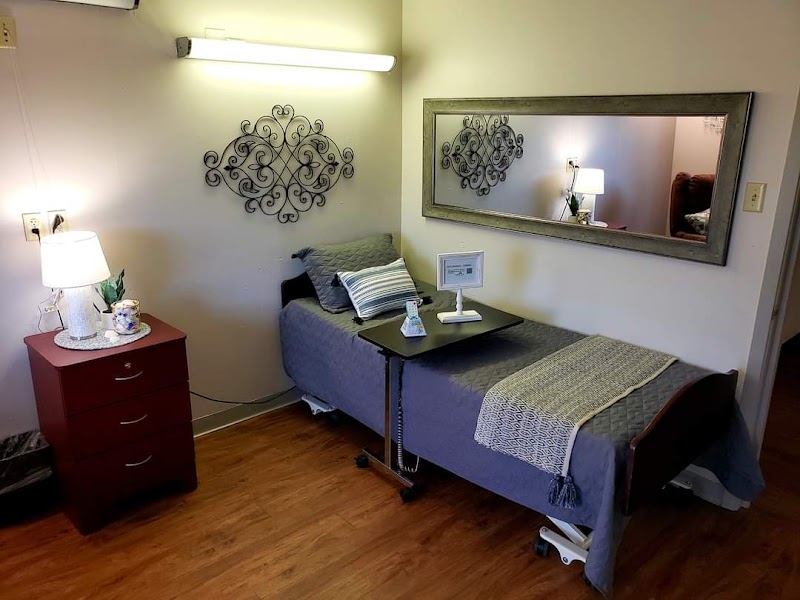
How is Central Texas Nursing & Rehabilitation Staffed?

CMS rates CENTRAL TEXAS NURSING & REHABILITATION's staffing level at 3 out of 5 stars, which is average compared to other nursing homes. Staff turnover is 58%, which is 11 percentage points above the Texas average of 46%. High turnover can affect care consistency as new staff learn residents' individual needs.

What Have Inspectors Found at Central Texas Nursing & Rehabilitation?

State health inspectors documented 12 deficiencies at CENTRAL TEXAS NURSING & REHABILITATION during 2023 to 2025. These included: 1 Immediate Jeopardy (the most serious level, indicating potential for serious harm or death) and 11 with potential for harm. Immediate Jeopardy findings are rare and represent the most serious regulatory concerns. They require immediate corrective action.
Who Owns and Operates Central Texas Nursing & Rehabilitation?

CENTRAL TEXAS NURSING & REHABILITATION is owned by a for-profit company. For-profit facilities operate as businesses with obligations to shareholders or private owners. The facility is operated by CREATIVE SOLUTIONS IN HEALTHCARE, a chain that manages multiple nursing homes. With 118 certified beds and approximately 59 residents (about 50% occupancy), it is a mid-sized facility located in BALLINGER, Texas.
How Does Central Texas Nursing & Rehabilitation Compare to Other Texas Nursing Homes?

Compared to the 100 nursing homes in Texas, CENTRAL TEXAS NURSING & REHABILITATION's overall rating (4 stars) is above the state average of 2.8, staff turnover (58%) is significantly higher than the state average of 46%, and health inspection rating (4 stars) is above the national benchmark.

What Should Families Ask When Visiting Central Texas Nursing & Rehabilitation?

Based on this facility's data, families visiting should ask: "What changes have been made since the serious inspection findings, and how are you preventing similar issues?" "How do you ensure continuity of care given staff turnover, and what is your staff retention strategy?" "Can I visit during a mealtime to observe dining assistance and food quality?" "How do you handle medical emergencies, and what is your hospital transfer rate?" These questions are particularly relevant given the facility's Immediate Jeopardy citations and the facility's high staff turnover rate.

Is Central Texas Nursing & Rehabilitation Safe?

Based on CMS inspection data, CENTRAL TEXAS NURSING & REHABILITATION has documented safety concerns. Inspectors have issued 1 Immediate Jeopardy citation (the most serious violation level indicating risk of serious injury or death). The facility has a 4-star overall rating and ranks #1 of 100 nursing homes in Texas. Families considering this facility should ask detailed questions about what corrective actions have been taken since these incidents.

Do Nurses at Central Texas Nursing & Rehabilitation Stick Around?

Staff turnover at CENTRAL TEXAS NURSING & REHABILITATION is high. At 58%, the facility is 11 percentage points above the Texas average of 46%. High turnover means new staff may not know residents' individual needs, medications, or preferences. It can also be disorienting for residents, especially those with dementia who rely on familiar faces. Families should ask: What is causing the turnover? What retention programs are in place? How do you ensure care continuity during staff transitions?

Was Central Texas Nursing & Rehabilitation Ever Fined?

CENTRAL TEXAS NURSING & REHABILITATION has been fined $24,351 across 2 penalty actions. This is below the Texas average of $33,322. While any fine indicates a compliance issue, fines under $50,000 are relatively common and typically reflect isolated problems that were subsequently corrected. Families should ask what specific issues led to these fines and confirm they've been resolved.

Is Central Texas Nursing & Rehabilitation on Any Federal Watch List?

CENTRAL TEXAS NURSING & REHABILITATION is not on any federal watch list. The most significant is the Special Focus Facility (SFF) program, which identifies the bottom 1% of nursing homes nationally based on persistent, serious quality problems. Not being on this list means the facility has avoided the pattern of deficiencies that triggers enhanced federal oversight. This is a positive indicator, though families should still review the facility's inspection history directly.