BANDERA NURSING & REHABILITATION
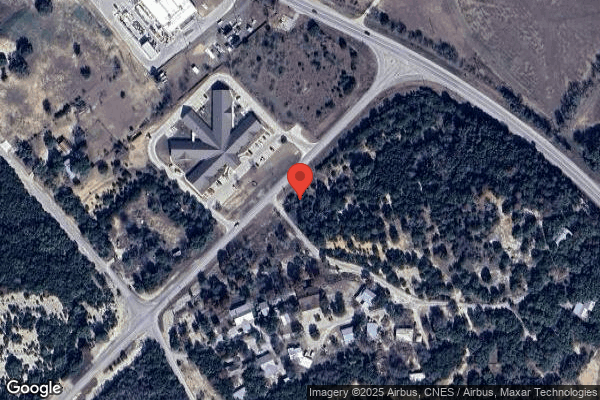

222 FM 1077, BANDERA, TX 78003 (830) 796-4077
For profit - Partnership 118 Beds TOUCHSTONE COMMUNITIES Data: November 2025 2 Immediate Jeopardy citations
Trust Grade
16/100
#411 of 1168 in TX
Last Inspection: March 2025

Within standard 12-15 month inspection cycle. Federal law requires annual inspections.

Overview

Bandera Nursing & Rehabilitation has received a Trust Grade of F, indicating significant concerns about the facility. Ranking #411 out of 1,168 in Texas means they are in the top half, but being #1 of 2 in Bandera County suggests there is only one other option locally. Unfortunately, the facility is worsening, with issues increasing from 4 in 2024 to 7 in 2025. Staffing is a weakness, with a 2 out of 5-star rating and a high turnover rate of 76%, significantly above the state average of 50%. Additionally, the facility has concerning fines amounting to $146,839, which is higher than 86% of Texas facilities, reflecting repeated compliance problems. On a positive note, there is good RN coverage, better than 76% of state facilities, which helps catch issues that CNAs might miss. However, specific incidents are alarming; for example, a resident with a history of urinary tract infections did not receive appropriate treatment, leading to critical health risks. Another incident involved a resident who eloped and was found injured after not receiving adequate supervision, raising serious safety concerns. Additionally, 22 residents were not seen by a physician within the required timeframe, which could lead to declines in their health and quality of life. Overall, while there are some strengths, the facility has significant weaknesses that families should carefully consider.

Trust Score
F
16/100
In Texas
#411/1168
Top 35%
Safety Record
High Risk
Review needed
Inspections
Getting Worse
4 → 7 violations
Staff Stability
⚠ Watch
76% turnover. Very high, 28 points above average. Constant new faces learning your loved one's needs.
Penalties
⚠ Watch
$146,839 in fines. Higher than 78% of Texas facilities, suggesting repeated compliance issues.
Skilled Nurses
⚠ Watch
Each resident gets only 24 minutes of Registered Nurse (RN) attention daily — below average for Texas. Fewer RN minutes means fewer trained eyes watching for problems.
Violations
⚠ Watch
15 deficiencies on record. Higher than average. Multiple issues found across inspections.
★★★☆☆
3.0
Overall Rating
★★☆☆☆
2.0
Staff Levels
★★★★★
5.0
Care Quality
★★☆☆☆
2.0
Inspection Score
Stable
2024: 4 issues
2025: 7 issues

The Good

  • 5-Star Quality Measures · Strong clinical quality outcomes
  • Full Sprinkler Coverage · Fire safety systems throughout facility
  • No fines on record

Facility shows strength in quality measures, fire safety.

The Bad

3-Star Overall Rating

Near Texas average (2.8)

Meets federal standards, typical of most facilities

Staff Turnover: 76%

30pts above Texas avg (46%)

Frequent staff changes - ask about care continuity

Federal Fines: $146,839

Well above median ($33,413)

Significant penalties indicating serious issues

Chain: TOUCHSTONE COMMUNITIES

Part of a multi-facility chain

Ask about local staffing decisions and management

Staff turnover is very high (76%)

28 points above Texas average of 48%

The Ugly 15 deficiencies on record

2 life-threatening
Apr 2025 2 deficiencies 1 IJ (1 affecting multiple)
CRITICAL (K) 📢 Someone Reported This

A family member, employee, or ombudsman was alarmed enough to file a formal complaint

Immediate Jeopardy (IJ) - the most serious Medicare violation

Incontinence Care (Tag F0690)

Someone could have died · This affected multiple residents

**NOTE- TERMS IN BRACKETS HAVE BEEN EDITED TO PROTECT CONFIDENTIALITY** Based on observation, interview, and record review, the facility failed to ensure that a resident who is incontinent of bladder ...

Read full inspector narrative →
**NOTE- TERMS IN BRACKETS HAVE BEEN EDITED TO PROTECT CONFIDENTIALITY** Based on observation, interview, and record review, the facility failed to ensure that a resident who is incontinent of bladder receives appropriate treatment and services to prevent urinary tract infections to the extent possible for one (Resident #1) of three residents reviewed for indwelling urinary catheters. The facility failed to identify a change in condition or recognize symptoms of a UTI when Resident #1, who required a catheter and had a history of UTIs, began experiencing increased bladder spasms and dysuria (painful urination) from 03/13/25 - 03/21/25. These failures resulted in an identification of an Immediate Jeopardy (IJ) on 04/04/25 at 1:07 PM and an IJ template was given. While the IJ was removed on 04/05/25 at 1:35 PM, the facility remained out of compliance at a level of no actual harm at a scope of pattern that was not immediate jeopardy due to the facility's need to evaluate the effectiveness of the corrective systems. This failure could place residents with indwelling urinary catheters at risk of pain, renal failure, urinary tract infections, and sepsis. Findings Included: Review of Resident #1's undated face sheet reflected a [AGE] year-old female who was admitted to the facility on [DATE] with diagnoses including adult failure to thrive, obesity, overactive bladder, and personal history of urinary tract infections (an infection in any part of a urinary system, including kidneys, bladder, ureters, and urethra). Review of Resident #1's quarterly MDS assessment, dated 01/01/25, reflected a BIMS score of 14, indicating she had no cognitive impairment. Section H (Bladder and Bowel) reflected she had an indwelling catheter. Review of Resident #1's quarterly care plan, dated 03/10/25, reflected she required an indwelling catheter related to obstructive and reflux uropathy (blockage in urinary tract) with an intervention of monitoring for signs and symptoms of infection. Review of Resident #1's physician order, dated 01/06/25, reflected oxybutynin chloride oral tablet 2.5 MG - Give 1 tablet by mouth every 4 hours as needed for bladder spasms. Review of Resident #1's MAR, February 2025, reflected she was administered oxybutynin chloride on 02/01/25, 02/03/25, twice on 02/05/25, 02/10/25, and 02/11/25. Review of Resident #1's physician order, dated 02/10/25, reflected an order for a urinalysis. Review of Resident #1's UA results, reported 02/12/25, reflected she was positive for a UTI. Review of Resident #1's physician order, dated 02/13/25, reflected Amoxicillin Oral Tablet 500 MG - Give 1 tablet by mouth three times a day for UTI for five days. Review of Resident #1's MAR, March 2025, reflected she was administered oxybutynin chloride (for bladder spasms) on 03/02/25, 03/06/25, 03/08/25, 03/10/25, 03/13/25, twice on 03/14/25, once from 03/15/25 - 03/17/25, twice from 03/18/25 - 03/21/25, and once on 03/22/25. Review of Resident #1's physician order, dated 01/06/25, reflected phenazopyridine HCl oral tablet 200 MG - Give 1 tablet by mouth every 4 hours as needed for dysuria/pain. Review of Resident #1's MAR, March 2025, reflected she was administered phenazopyridine HCl twice on 03/14/25, once from 03/15/25 - 03/18/25, once on 03/20/25, and twice on 03/21/25. Review of Resident #1's progress note, dated 03/22/25 at 3:41 PM and documented by LVN A, reflected the following: Called to room per [FM D]. [Resident #1] very lethargic she will open eyes when name is called. O2 nasal cannula was not on [Resident #1] checked o2 sats 78. Placed nasal cannula on [Resident #1] and rechecked o2 sat fluxuating [sic] between 88 and 90 at this time. She is mouth breathing and encouraged to use her nose to breath [sic] . Review of Resident #1's progress note, dated 03/22/25 at 3:58 PM and documented by LVN A, reflected the following: [Resident #1] is not responding to verbal stimuli. She remains lethargic. O2 sats are 88 to 90. Family members her [sic] requests to go to hospital . Called for ambulance. Review of Resident #1's EMS records, dated 03/22/25, reflected yellow puss was noted to be present in her foley catheter bag. Review of Resident #1's hospital records, dated 03/22/25, reflected the following: Reason for visit: Septic Shock . Assessment/Plan: Septic shock: [Resident #1] reportedly has been off for the past 3 days and became obtunded late this afternoon at her nursing home. Was found to be tachycardic to 120, febrile to 103, tachypneic, WBC of 16, lactate of 3.66. With history of recurrent UTIs and positive urinalysis positive. [Resident #1] given total of 2 L IV fluid bolus . Given initial dose of ceftriaxone (antibiotic) in ED . UTI (Urinary Tract Infection): [Resident #1] presents with acute encephalopathy without focal deficits, able to answer her name. [Resident #1]'s urinalysis positive for leukocyte esterase . Plan: ICU . HPI [FM B] said UTI and put [sic] coming out of catheter. This is an ongoing issue, has happened numerous times. Severe abdominal pain and bladder spasms, three days. Review of Resident #1's hospital discharge paperwork, dated 03/29/25, reflected her diagnosis was septic shock due to UTI and a suprapubic catheter (a tube that drains urine from the bladder through a small incision in the abdomen) had been surgically placed. During a telephone interview on 03/27/25 at 11:15 AM, Resident #1's FM C stated FM D visited Resident #1 every day. She stated FM C told her Resident #1 had been complaining of increased bladder pain and had been drowsy at least three days before hospitalization (03/22/25). She stated FM D was at the facility on 03/22/25 and FM C told her it looked like Resident #1 had a stroke and asked the nurse to check on her. She stated the nurse found her to be non-responsive and she was sent to the hospital and diagnosed with septic shock and a UTI. During a telephone interview on 03/27/25 at 11:40 AM, Resident #1's NP stated if Resident #1 had been having increased bladder pain, she would have expected to be notified and for a UA to be conducted. She stated when she saw her the previous month (February 2025), she was having similar symptoms (increased pain/burning), so she ordered a UA, and she was diagnosed with a UTI. During an interview on 03/27/25 at 12:38 PM, LVN E stated she worked with Resident #1 sometimes but was not sure if she had the week before she went to the hospital. She stated Resident #1 had been having a lot more bladder spasms over the last few months. This Surveyor showed her the MAR from March (2025) and she stated it definitely did like she had been in more pain before her hospitalization. She stated her needing an increase in pain medication could indicate an obstruction, sediment build-up, which could lead to bladder retention, which could lead to a UTI or sepsis. She stated she believed at that point, the nurses should have requested a UA from the NP. During an interview on 03/27/25 at 12:48 PM, LVN A stated she only worked one time a week, but she worked on Resident #1's hall and she was the one that had sent her to the hospital on [DATE]. She stated she did seem to be in a little more pain than usual, but when she had a change in condition, and she called 911. She did not observe any puss in her drainage bag. This Surveyor showed her Resident #1's March (2025) MAR and LVN A stated the doctor should have been made aware of her increased pain. She stated especially with the bladder problems Resident #1 had a history of, if she had increased pain, there could be a complication. She stated the catheter could have been plugged or she could have a UTI. During a telephone interview on 03/27/25 at 1:03 PM, LVN F stated she worked with Resident #1 regularly (her initials were on the MAR regularly for the pain medications during the time Resident #1 was having increased pain). She stated she had been requesting more pain medication during that time, but she believed they were effective in managing her pain. She stated she did not think that would be a reason to request a UA because of her history of bladder spasms. During an interview on 03/27/25 at 1:42 PM, the DON stated Resident #1 had chronic pain. She stated her expectations were that she be notified if she had been experiencing higher pain than normal or requesting in increase in pain medications. She stated she had not heard anything about an increase in pain. A negative outcome could be a missed infection or not having her pain controlled. She stated Resident #1's increase of requesting more pain medication could be an indication of a UTI. During a telephone interview on 03/27/25 at 4:45 PM, Resident #1's FM D stated he visited her every day. He stated for about four or five days or so before her hospitalization, her spasms and pain had been much worse. He stated he had mentioned to the nurses (could not give names) several times that it must be a UTI if she was having spasms as much as she was. He stated on 03/22/25 around 5:00 PM he could not get her to respond so he asked for her to be sent to the ER. He stated she was in the ICU for several days but now was back in a regular room. Observation on 04/04/25 at 11:20 AM revealed two CNAs performing catheter care on Resident #1's suprapubic catheter that had a dressing dated 04/04/25. Resident #1 expressed no pain, and the care was provided appropriately with no infection control issues. During an interview on 04/04/25 at 12:34 PM, Resident #1 was sitting up in her bed with her lunch tray in front of her. She stated she had recently returned from the hospital. She stated for a few days before she went to the hospital on [DATE], she was in excruciating pain. She stated she had to ask the nurses for pain medications all the time. She stated pain and bladder spasms were typical in the past when she had a UTI, but she had never felt that kind of pain before. She stated she would just lay in her bed and sob. She stated she was happy when she was sent to the hospital because she did not think she was going to make it. She stated if she had not made it, it would have been okay because at least she would not have been in pain anymore. Review of the facility's Quality of Care Policy, revised January 2023, reflected the following: Quality of care is a fundamental principle that applies to all treatment and care provided to community residents. Based on the comprehensive assessment of a resident, the community will ensure residents receive treatment and care in accordance with professional standards of practice, the comprehensive person-centered care plan, the resident's choices. . A resident who is incontinent of bladder receives appropriate treatment and services to prevent urinary tract infections . Review of the facility's Incontinence and Catheterization Assessment and Evaluation Policy, revised January 2023, reflected the following: The community's protocols include policies and procedures that monitor the risk, prevention, and detection of urinary tract infections. The community notifies the physician of the resident's condition or changes in the resident's continence status or development of symptoms that may represent a symptomatic UTI. Review of an online article from Web MD entitled Bladder Spasms, dated 08/13/24, reflected the following: A bladder spasm, or detrusor contraction, occurs when the bladder muscle squeezes suddenly without warning, causing an urgent need to release urine . People who have had such spasms describe them as a cramping pain and sometimes as a burning sensation. Some women with severe bladder spasms compared the muscle contractions to severe menstrual cramps and even labor pains experienced during childbirth. However, you are more likely to have bladder spasms with urine leakage if you: Are elderly or have a urinary tract infection. Some common causes of bladder spasms are: Urinary tract infection (UTI): Bladder pain and burning are a common symptom of a UTI. The ADM and DON were notified on 04/04/25 at 1:07 PM that an IJ had been identified and an IJ template was provided. The following POR was approved on 04/05/25 at 11:30 AM: F690 - The facility must ensure that a resident who is continent of bladder and bowel on admission receives services and assistance to maintain continence unless his or her clinical condition is or becomes such that continence is not possible to maintain. Date: 4-4-25 Corrective Action: Resident was being treated for a pain/discomfort with PRN medications prescribed to treat chronic pain/bladder spasms. Was being monitored by licensed nurse. Resident was sent to hospital for evaluation & treatment. Regional Nurse provided in-service to DNS/Admin/Admin in- training /ADNS regarding the following areas: 1. The process for ensuring that changes in conditions have been identified, and reported to the medical provider, notify PCP of abnormal labs, also orders provided bb PCP nurse should be implemented as ordered and nursing should document in the electronic health record the notification of the change in condition to the MD/NP/PA as well as any prescribed orders and notification to Resident's family or representative. 2. Nurse conducting a proper assessment and documenting in the Electronic Health Record (E.H.R.) 3. Notifying medical provider of the change in condition (increased pain). 4. Adhering to physician's orders and recommendations. 5. Communicating pertinent information regarding the status of resident's condition to ensure the well-being of our residents during the nurse / shift change report. 6. Documentation of the resident's status and delivery of care provided according to the plan of care. 7. If the nurse is unable to reach the medical provider, they will place a call to Medical Director to ensure timely notification to the Medical Doctor, Nurse Practitioner, or Physician's assistant (MD/NP/PA.) 8. Nurses should conduct on-going monitoring of resident r/t the change in condition and to ensure that the nurse is communicating the resident's status during change of shift and to ensure proper follow up and necessary interventions are in place and properly documenting findings, interventions and response to care provided within the Electronic Health Record (E.H.R). 9. Nurses will conduct on-going monitoring of residents and specifically monitor residents with bowel/bladder issues, and indwelling catheters to identify and recognize sign/symptoms of UTI: such as flank discomfort, urinary frequency, discomfort upon urination, increased confusion, changes in mental status, changes in urine odor, color, amount of urine and hematuria. 10. Nurse/Interdisciplinary team (IDT) to review the plan of care and/or updating the plan of care accordingly. 11. Abuse and Neglect (ANE_- Identifying Prevention and Reporting). Comprehension of the training was verified through return demonstration and/or follow up questioning. Questions to include: What is a change in condition and examples, Who do you report change in condition to, What do you do when a resident is experiencing more and bladder and bowel pain. Administrator and Director of Nursing conducted an AdHoc Quality Assurance Performance Improvement (QAPI) meeting with the Medical Director on _4/4/2025____ to review plan of removal / immediate corrective action plan implemented. Date Completed: 4/4/2025 Risk Identification: All residents who have experienced a significant change in condition may be at risk. Director of Nursing/Assistant Director of Nursing conducted 100% audit/assessment/evaluation of all current/active residents; to include but not limited to residents with bladder and bowel issues, incontinence and indwelling catheters, to identify any signs or symptoms (s/s) of a change in condition and validated that the medical provider has reported to the PCP for physician's review and to ensure appropriate plan of care is in place. This includes residents with bladder and bowel issues. Outcome: Change in condition on 4/4/25 on 2 residents :outcome: MD and family notified. We were provided with new orders that were implemented. Date Completed: 4/4/2025 Director of Nursing/Assistant Director of Nursing conducted an audit of all residents to identify any changes in conditions to ensure proper notification of the Medical Doctor (MD) and family representatives and to ensure appropriate interventions were in place. Outcome: There were no negative outcomes identified. Date Completed: Systematic Changes: Director of Nursing/Assistant Director of Nursing conducted in-service training to all licensed nurses prior to the nurse working his/her next scheduled shift: Comprehension verified through follow up questions. Questions to include: What is a change in condition and examples, Who do you report change in condition to, What do you do when a resident is experiencing more and bladder and bowel pain. 1. The process for ensuring that changes in conditions have been identified, and reported to the medical provider, also orders provided bb PCP nurse should be implemented as ordered and nursing should document in the electronic health record the notification of the significant change in condition to the MD/NP/PA as well as any prescribed orders and notification to Resident's family or representative. 2. Nurse conducting a proper assessment and documenting in the E.H.R. 3. Adhering to physician's orders and recommendations. 4. Communicating pertinent information regarding the status of resident's condition to ensure the well-being of our residents during the nursing shift change report process. 5. Documentation of the resident's status and delivery of care provided according to the plan of care. 6. If the nurse is unable to reach the medical provider, they will place a call to Medical Director to ensure timely notification to the Medical Doctor, Nurse Practitioner, or Physician's assistant (MD/NP/PA.) 7. Nurses will conduct on-going monitoring of the resident r/t the change in condition and to ensure that the nurse is communicating the resident's status during change of shift and to ensure proper follow up and necessary interventions are in place and properly documenting findings, interventions and response to care provided within the Electronic Health Record (E.H.R). 8. Nurse/Interdisciplinary team (IDT) to review the plan of care and/or updating the plan of care accordingly. 9. Nurses will conduct on-going monitoring of residents and specifically monitor residents with bowel/bladder issues, and indwelling catheters to identify and recognize sign/symptoms of UTI: such as flank discomfort, urinary frequency, discomfort upon urination, increased confusion, changes in mental status, changes in urine odor, color, amount of urine and hematuria. 10. Abuse & Neglect (ANE)- Identifying Prevention and Reporting 11. Director of Nursing / Assist. Director of Nursing will conduct at least daily rounds (5-7 days per week) to identify any resident with a change in condition and will ensure appropriate documentation, notifications and appropriate interventions are in place and documented with in the electronic health record. 12. Director of Nursing / Assist. Director of Nursing will conduct at least daily rounds (5-7 days per week) to identify any resident with a change in condition and will ensure appropriate documentation, notifications and appropriate interventions are in place and documented with in the electronic health record. 13. Director of Nursing / Assist. Director of Nursing will conduct at least daily rounds (5-7 days per week) to identify any resident with a change in condition and will ensure appropriate documentation, notifications and appropriate interventions are in place and documented with in the electronic health record. Director of Nursing / Designee will ensure all licensed nursing staff will be educated to include nurses on leave/agency/Part time staff (PRN staff) -Nurses will be in serviced prior to working their next shift. DNS/ Designee will ensure administrative nursing staff in the community will provide in-service/education prior to team members working their assigned shift. The trainings will also be conducted with new hires. Monitoring: Director of Nursing / Assist. Director of Nursing will review nursing 24hr reports, progress notes and SBARS/change in condition and abnormal labs during the morning clinical review meeting (5-7 days per week) and to ensure that appropriate interventions are in place, proper follow up and notifications to MD/NP/PA has been made in order to ensure patient care needs are met, and documentation is noted within the medical record. The Director of Nursing / Assist. Director of Nursing will maintain a monitoring log of the interviews in order to identify compliance or need for additional training is necessary. The monitoring logs will be retained in the Administrator's survey binder. Director of Nursing / Assist. Director of Nursing will conduct at least daily rounds (5-7 days per week) to identify any resident with a change in condition and will ensure appropriate documentation, notifications and appropriate interventions are in place and documented with in the electronic health record (EHR). Director of Nursing / Assist. Director of Nursing will conduct at least 3 times per week random audits of documentation of progress notes, Medication Administration Record (MARS) (pain meds) as well as staff interviews to identify any Signs and symptoms (s/s) of a resident with a change in condition and will ensure appropriate documentation, notifications and appropriate interventions are in place and documented with in the electronic health record (EHR). The Director of Nursing / Assist. Director of Nursing will maintain a monitoring log of the interviews in order to identify compliance or need for additional training is necessary. The monitoring logs will be retained in the Administrator's survey binder. Director of Nursing / Assist. Director of Nursing will conduct at least 3 times per week random interviews with the nursing team members to identify competency/comprehension of the following: Identifying signs and symptoms (s/s) of a urinary tract infection, increased pain, and other signs of a change in condition as well as the process for reporting the identified change in condition to the license nurse, the process for the nurse to conduct an assessment, will ensure appropriate documentation, MD and family notifications as well as ensuring appropriate interventions are in place and documented with in the electronic health record (EHR). The Director of Nursing / Assist. Director of Nursing will maintain a monitoring log of the interviews in order to identify compliance or need for additional training is necessary. The monitoring logs will be retained in the Administrator's survey binder. The facility will conduct a monthly Quality Assurance Performance Improvement (QAPI) meeting to review the status and compliance notification to Medical Doctor, Nurse practitioner, or physician's assistant (MD/NP/PA) ensuring appropriate intervention and orders are implemented as ordered and appropriate documentation is in noted within the Electronic Health Record (E.H.R.) Findings of audits and status of compliance will be reviewed to the Administrator and the Quality Assurance Performance Improvement (QAPI) committee during the monthly meetings for the next 2 months. The Director of Nursing / Assist. Director of Nursing will maintain a monitoring log of the interviews in order to identify compliance or need for additional training is necessary. The monitoring logs will be retained in the Administrator's survey binder. The Surveyor monitored the POR on 04/05/25 as followed: Observations were made on 04/05/25 from 1:04 PM - 1:10 PM of three residents' catheter tubing and bags. All three had clear drainage with no sediment noted. During interviews on 04/05/25 from 11:32 AM - 1:28 PM, three RNs, three LVNs, one MA, and five CNAs from different shifts all stated they were in-serviced before working their shift on catheter care, communication during shifts, change in conditions, and signs and symptoms of a UTI. All stated a change in condition could be increased pain, altered mental status, or anything that is out of the resident's baseline. All staff stated that any change in condition should be relayed to the NP because it could indicate a bigger issue that could be occurring that needed to be addressed. They all gave signs and symptoms of a UTI such as altered mental status, burning during urination, dark urine, or increased pain. The aides and MA stated if they noticed any of those signs and symptoms, they would notify a nurse immediately. All stated a negative outcome of not getting orders for a suspected UTI could be sepsis or hospitalization. The nurses stated during shift changes, instances of new skin integrity issues, new orders, or any change in condition with residents should be communicated to the oncoming nurse. During an interview on 04/05/25 at 12:20 PM, the ADM stated he was in-serviced by the RNC and was aware of the process for ensuring changes in conditions were identified and relayed to the MD/NP. He stated all staff were being in-serviced before working their shifts. Review of the facility's Ad Hoc Meeting agenda, dated 04/04/25, reflected the ADM, MD, DON, and AIT were in attendance. Review of an in-service conducted by the RNC, dated 04/04/25 reflected the ADM, DON, and ADON were in-serviced on the following: 1. The process for ensuring that changes in conditions have been identified, and reported to the medical provider, notify PCP of abnormal labs, also orders provided bb PCP nurse should be implemented as ordered and nursing should document in the electronic health record the notification of the change in condition to the MD/NP/PA as well as any prescribed orders and notification to Resident's family or representative. 2. Nurse conducting a proper assessment and documenting in the Electronic Health Record (E.H.R.) 3. Notifying medical provider of the change in condition (increased pain). 4. Adhering to physician's orders and recommendations. 5. Communicating pertinent information regarding the status of resident's condition to ensure the well-being of our residents during the nurse / shift change report. 6. Documentation of the resident's status and delivery of care provided according to the plan of care. 7. If the nurse is unable to reach the medical provider, they will place a call to Medical Director to ensure timely notification to the Medical Doctor, Nurse Practitioner, or Physician's assistant (MD/NP/PA.) 8. Nurses should conduct on-going monitoring of resident r/t the change in condition and to ensure that the nurse is communicating the resident's status during change of shift and to ensure proper follow up and necessary interventions are in place and properly documenting findings, interventions and response to care provided within the Electronic Health Record (E.H.R). 9. Nurses will conduct on-going monitoring of residents and specifically monitor residents with bowel/bladder issues, and indwelling catheters to identify and recognize sign/symptoms of UTI: such as flank discomfort, urinary frequency, discomfort upon urination, increased confusion, changes in mental status, changes in urine odor, color, amount of urine and hematuria. 10. Nurse/Interdisciplinary team (IDT) to review the plan of care and/or updating the plan of care accordingly. 11. Abuse and Neglect (ANE_- Identifying Prevention and Reporting). Review of and in-service entitled Bowel and Bladder, dated 04/04/25 - 04/05/25 and conducted by the ADM and DON, reflected all nursing staff were in-serviced on identifying bowel and bladder issues and recognizing changes in residents - increased use of PRN pain medications or increased pain with urination, and notifying the NP of those changes. Review of and in-service entitled Peri Care/Catheter Care dated 04/04/25 - 04/05/25 and conducted by the DON, reflected all nursing staff were in-serviced on the peri care audit tool and peri care steps to decrease the risk of infection. Review of assessments, dated 04/04/25, reflected all residents were assessed for pain, discomfort, or a change in condition by the DON and ADON. Two residents were determined to have a change in condition, the MD was notified, and new orders were put in place. Review of the facility's Monitoring Tool to review the 24-hour report, progress notes, SBAR/CIC, and labs daily, on 04/05/25, reflected it had been signed off as completed and they were in compliance on 04/04/25 and 04/05/25. The ADM and DON were notified on 04/05/25 1:35 PM that the IJ had been removed. While the IJ was removed, the facility remained at a level of no actual harm at a scope of pattern that is not immediate jeopardy due to the facility's need to evaluate the effectiveness of the corrective systems.
CONCERN (D) 📢 Someone Reported This

A family member, employee, or ombudsman was alarmed enough to file a formal complaint

Potential for Harm - no one hurt, but risky conditions existed

Notification of Changes (Tag F0580)

Could have caused harm · This affected 1 resident

**NOTE- TERMS IN BRACKETS HAVE BEEN EDITED TO PROTECT CONFIDENTIALITY** Based on interview and record review, the facility failed to immediately notify the resident's physician when there was a signif...

Read full inspector narrative →
**NOTE- TERMS IN BRACKETS HAVE BEEN EDITED TO PROTECT CONFIDENTIALITY** Based on interview and record review, the facility failed to immediately notify the resident's physician when there was a significant change in the resident's physical status for one (Resident #1) of three residents reviewed for resident rights. The facility failed to ensure Resident #1's NP was notified when she, who required a catheter and had a history of UTIs, began experiencing signs and symptoms such as increased bladder spasms and dysuria (painful urination) from 03/13/25 - 03/21/25. This failure placed residents at risk of medical diagnoses not getting treated and a decreased quality of life. Findings included: Review of Resident #1's undated face sheet reflected a [AGE] year-old female who was admitted to the facility on [DATE] with diagnoses including adult failure to thrive, obesity, overactive bladder, and personal history of urinary tract infections (an infection in any part of a urinary system, including kidneys, bladder, ureters, and urethra). Review of Resident #1's quarterly MDS assessment, dated 01/01/25, reflected a BIMS score of 14, indicating she had no cognitive impairment. Section H (Bladder and Bowel) reflected she had an indwelling catheter. Review of Resident #1's quarterly care plan, dated 03/10/25, reflected she required an indwelling catheter related to obstructive and reflux uropathy (blockage in urinary tract) with an intervention of monitoring for signs and symptoms of infection. Review of Resident #1's physician order, dated 01/06/25, reflected oxybutynin chloride oral tablet 2.5 MG - Give 1 tablet by mouth every 4 hours as needed for bladder spasms. Review of Resident #1's MAR for, March 2025, reflected she was administered oxybutynin chloride (for bladder spasms) on 03/02/25, 03/06/25, 03/08/25, 03/10/25, 03/13/25, twice on 03/14/25, once from 03/15/25 - 03/17/25, twice from 03/18/25 - 03/32/25, and once on 03/22/25. Review of Resident #1's physician order, dated 01/06/25, reflected phenazopyridine HCl oral tablet 200 MG - Give 1 tablet by mouth every 4 hours as needed for dysuria/pain. Review of Resident #1's MAR for, March 2025, reflected she was administered phenazopyridine HCl twice on 03/14/25, once from 03/15/25 - 03/18/25, once on 03/20/25, and twice on 03/21/25. During a telephone interview on 03/27/25 at 11:40 AM, Resident #1's NP stated if Resident #1 had been having increased bladder pain, she would have expected to be notified and for a UA to be conducted. She stated when she saw her the previous month (February 2025), she was having similar symptoms (increased pain/burning), so she ordered a UA, and she was diagnosed with a UTI. She stated she had not been notified recently of an increase in pain for Resident #1. During an interview on 03/27/25 at 12:38 PM, LVN E stated she worked with Resident #1 sometimes but not during the week before she went to the hospital. She stated Resident #1 had been having a lot more bladder spasms over the last few months. This Surveyor showed her the MAR from March (2025) and she stated it definitely did look like she had been in more pain before her hospitalization. She stated her needing an increase in pain medication could indicate an obstruction, sediment build-up, which could lead to bladder retention, which could lead to a UTI or sepsis. She stated she believed at that point, she would have requested a UA from the NP. She stated the NP should have been notified as she should be notified any time there was a change in condition. During an interview on 03/27/25 at 12:48 PM, LVN A stated she only worked one time a week, but she worked on Resident #1's hall and she was the one that had sent her to the hospital on [DATE]. She stated she did not seem to be in more pain than usual until she had a change in condition, and she called 911. This Surveyor showed her Resident #1's March (2025) MAR and she stated the doctor should have been made aware of her increased pain. She stated especially with the bladder problems Resident #1 had a history of, if she had increased pain, there could be a complication. She stated the catheter could have been plugged or she could have a UTI. She stated the NP should have been notified because if there was a complication they could order labs or be sent to the ER. She stated the NP should be notified anytime there was a change in condition. During an interview on 03/27/25 at 1:42 PM, the DON stated Resident #1 had chronic pain. She stated her expectations were that she be notified if she had been experiencing higher pain than normal or requesting in increase in pain medications. She stated she had not heard anything about an increase in pain. A negative outcome could be a missed infection or not having her pain controlled. She stated Resident #1's increase of requesting more pain medication could be an indication of a UTI. She stated she would have expected for the nursing staff to have notified the NP of the increase in pain and bladder spasms as she should be notified any time there was a difference from their baseline or a significant change. She stated a negative outcome could be a missed infection or not having their pain controlled. During an interview on 04/04/25 at 12:34 PM, Resident #1 was sitting up in her bed with her lunch tray in front of her. She stated she had recently returned from the hospital. She stated for a few days before she went to the hospital on [DATE], she was in excruciating pain. She stated she had to ask the nurses for pain medications all the time. She stated pain and bladder spasms were typical in the past when she had a UTI, but she had never felt that kind of pain before. She stated she would just lay in her bed and sob. She stated she was happy when she was sent to the hospital because she did not think she was going to make it. She stated if she had not made it, it would have been okay because at least she would not have been in pain anymore. Review of the facility's Changes in Resident Condition Policy, revised January 2023, reflected the following: The resident, attending physician, and resident representative or designated family member should be notified when changes in condition or certain events occur. Review of the facility's Incontinence and Catheterization Assessment and Evaluation Policy, revised January 2023, reflected the following: The community notifies the physician of the resident's condition or changes in the resident's continence status or development of symptoms that may represent a symptomatic UTI.
Mar 2025 4 deficiencies
CONCERN (D)

Potential for Harm - no one hurt, but risky conditions existed

ADL Care (Tag F0677)

Could have caused harm · This affected 1 resident

**NOTE- TERMS IN BRACKETS HAVE BEEN EDITED TO PROTECT CONFIDENTIALITY** Based on interview and record review, the facility failed to ensure residents who were unable to carry out activities of daily l...

Read full inspector narrative →
**NOTE- TERMS IN BRACKETS HAVE BEEN EDITED TO PROTECT CONFIDENTIALITY** Based on interview and record review, the facility failed to ensure residents who were unable to carry out activities of daily living received the necessary services to maintain good nutrition, grooming, and personal and oral hygiene for 1 of 6 residents (Resident #37) reviewed for personal hygiene. The facility failed to provide Resident #37, 4 of 20 scheduled showers between 02/03/2025 and 03/20/2025. This failure could place residents who require assistance from staff for personal hygiene at risk of not receiving care and services contributing to overall poor hygiene, risk of experiencing a diminished quality of life, and possible skin infections. The findings included: Record review of Resident #37's admission Record, dated 03/21/2025, reflected a [AGE] year-old female resident with an initial admission date of 08/24/2023. MD J was identified as Resident #37's Primary Physician. Resident #37 had diagnosis that included acute chronic diastolic (congestive) heart failure (a condition in which your heart's main pumping chamber becomes stiff and unable to fill properly), cardiac arrhythmia (an abnormal heartbeat), and essential (primary) hypertension (high blood pressure). Record review of Resident #37's Quarterly MDS Assessment, signed and completed on 12/30/2024, reflected Resident #37 had a BIMS score of 11, indicating the resident was moderately cognitively impaired. Resident #37's MDS assessment indicated that Resident #37 needed substantial/maximal assistance (helper does more than half the effort) for showering/bathing. Record review of Resident #37's Comprehensive Person-Centered Care Plan, dated as last review completed 02/14/2025, reflected interventions stating the resident had an ADL self-care performance deficit related to impaired mobility, spinal stenosis, polyarthritis, and generalized weakness with interventions such as x2 person assist on hygiene, dressing, and grooming. Record review of Resident #37's Hospice Physician Order, dated 02/04/2025, reflected, HHA will help PT bathe on Tuesdays and Thursdays, with facility nurse bathing PT on Saturday. Record review of Resident #37's Hospice Client Calendar Report, dated 03/20/2025, reflected that the hospice aide visited Resident #37 every Tuesday and Thursday since beginning on hospice on 02/02/2025, and had provided her a shower each day. Record review of Resident #37's tasks in her electronic health record reflected that the resident's shower days were Tuesday, Thursday, and Saturday. Further review revealed Resident #28 did not receive 4 of the 6 showers scheduled on Saturdays since beginning hospice care on 02/02/2025. The Saturdays in which showers were missed are as follows: 02/08/2025, 02/15/2025, 02/22/2025, and 03/15/2025. Interview on 10/21/2025 at 10:21 AM, the DON stated she was not aware Resident #37 was not receiving showers and that while it was likely she did receive a shower, they did not have documentation apart from what was provided to show that Resident #37 was provided a shower on 02/08/2025, 02/15/2025, 02/22/2025, or 03/15/2025. Record review of facility policy, dated revised January 2023, titled, Routine Resident Care reflected Showers, tub baths, and/or shampoos should be scheduled at least twice weekly and more often as needed or per residents' preference. Shower schedule should be geared to resident preference and scheduled as such.
CONCERN (E)

Potential for Harm - no one hurt, but risky conditions existed

Comprehensive Care Plan (Tag F0656)

Could have caused harm · This affected multiple residents

**NOTE- TERMS IN BRACKETS HAVE BEEN EDITED TO PROTECT CONFIDENTIALITY** Based on observations, interviews, and record reviews the facility failed to develop and implement a comprehensive person-center...

Read full inspector narrative →
**NOTE- TERMS IN BRACKETS HAVE BEEN EDITED TO PROTECT CONFIDENTIALITY** Based on observations, interviews, and record reviews the facility failed to develop and implement a comprehensive person-centered care plan which described the services that were to be furnished to attain or maintain the resident's highest practicable physical, mental, and psychosocial well-being, to include the resident's preference and potential for future discharge; for 2 of 8 residents (Residents #43 and #84) reviewed for care plan development. 1. The facility failed to care plan Resident #43's wishes to discharge from the facility. 2. The facility failed to develop care plan interventions for Resident #84's implanted defibrillator / pacemaker and accompanying cellular monitor. These failures could place residents at risk for psychosocial and physical harm. The findings included: A record review of Resident #43' admission record dated 3/20/2025, revealed an admission date of 8/30/2024 with diagnoses which included dementia, generalized anxiety disorder, and depressive episodes. A record review of Resident #43's quarterly MDS assessment dated [DATE] revealed Resident #43 was an [AGE] year-old widowed female admitted for long term care related to a history of stroke. Resident #43 was assessed with a BIMS score of 14 out of a possible 15 which indicated intact cognition. Resident #43 was assessed as literate with adequate vision, hearing, with the ability to understand others and could make herself understood. Resident #43 was assessed with nearly every day feeling down, depressed, or hopeless and Little interest or pleasure in doing things. Resident #43 was assessed with partial moderate assistance - helper does less than half the effort for oral hygiene, toileting hygiene, bathing, and dressing. Resident #43 was assessed with setup or clean up assistance - helper sets up or cleans up; Resident completes activity . for sitting to lying, sit to stand, chair bed transfer, toilet transfer shower transfer, and walking up to 150 feet. In reference to the question Do you want to talk to someone about the possibility of leaving this facility and returning to live and receive services in the community? the facility documented Resident #43 had requested only to be asked during comprehensive assessments. Further review revealed a referral to the local contact agency was not made related to Resident #43 refusal. A record review of Resident #43's nursing admission assessment dated [DATE] revealed no documentation for Resident #43's Discharge Planning without any goals and interventions for discharge planning. A record review of Resident #43's care plan meeting documents dated 9/2/2024 and 3/6/2025 revealed Resident #43 attended along with the MDS nurse, and the Social Worker Assistant (SSA). Further review revealed the MDS nurse documented Resident #43's discharge election was for Resident #43 to transition to Medicaid pending LTC (long term care). Record reviews of Resident #43's care plan dated 8/31/2024 and 12/19/2024 revealed, interview Resident regarding . discharge plans. Communicate with IDT as indicated. During an interview on 3/18/2025 at 4:10 PM, Resident #43 stated she was frustrated with the lack of information regarding her discharge home. Resident #43 stated she was admitted to the facility in August 2024 for care after a hospitalization for a stroke. Resident #43 stated she has had therapy since and has improved with her ability to care for herself and wished to return home. Resident #43 stated she did have difficulty thinking and ability to recall since her stroke. Resident #43 stated no one had gotten Back to her with information for her discharge. Resident #43 stated she had a place to stay and just needed a little assistance. During an interview on 3/20/2025 at 3:20 PM, APS stated she was Resident #43's adult protective services case worker in the past. APS stated Resident #43 had a closed adult protective service case and stated Resident #43 had family who wished not to participate in Resident #43's life. APS stated Resident #43 had been living in the community and had a history of strokes with hospitalizations and was living in nursing homes due to not being able to afford safe independent living with private home health care, She has nowhere to go and no family that wants to assist her, she is not safe by herself. During an interview on 3/19/2025 at 1:45 PM, the MDS nurse stated Resident #43 had little financial means and was in the facility for long term care. During an interview on 3/20/2025 at 5:20 PM, the Administrator stated Resident #43 had no financial means, no home, and or family to assist Resident #43 to transition to the community. The administrator stated the facility had assisted Resident #43 and applied to the state Medicaid program for financial assistance which was pending approval. During a joint interview on 3/21/2024 at 5:00 PM, the Administrator and the DON stated discharge planning began upon admission and should be in the resident's care plan which would have had direct input from residents' wishes. The DON stated the risk was for inaccurate care plans and residents not receiving care and or being supported with their needs. 2. A record review of Resident #84's admission record dated 3/21/2025 revealed an admission date of 8/16/2024 with diagnoses which included presence of automatic cardiac defibrillator (a small battery-powered device placed in the chest. It detects and stops irregular heartbeats. It constantly checks the heartbeat. It delivers electric shocks, when needed, to restore a regular heartbeat) and chronic atrial fibrillation (AFib - an irregular and often very rapid heart rhythm, can lead to blood clots in the heart. Also increases the risk of stroke, heart failure and other heart-related complications.) A record review of Resident #84's quarterly MDS assessment dated [DATE] revealed he was a [AGE] year-old male admitted for long term care and assessed with a BIMS score of 15, which indicated intact cognition. A record review of Resident #84's physicians orders dated 3/21/2025 revealed resident had an implanted pacemaker defibrillator, ICD/Defibrillator: Left ant sic(anterior) chest: Manufacture Type: (name brand implanted) Serial# (number) Model#DTMA1D1 Procedure Date: 02/08/2023 Cardiologist & Contact Information: (name of cardiologist). A record review of Resident #84's care plan dated 3/20/2025 revealed Resident #84 had a focus for his ICD pacemaker without details for use, care, or monitoring, I have an implanted device r/t: Defibrillator Date Initiated: 08/19/2024 . I will not experience complications associated with my implanted device through my next review date. During an observation and interview on 3/19/2025 at 11:10 AM, Resident #84 was observed in his room seated in his wheelchair. Resident #84 stated he had a history of irregular heartbeats which had made him weak and limited in his lifestyle. Resident #84 stated he could no longer have endurance for simple everyday tasks like walking due to shortness of breaths. Resident #84 stated he had an implanted pacemaker in his chest which could deliver shocks to his heart if it needed it. Resident #84 stated he was aware of the devices inability to work if he encountered any strong magnates, microwaves, and or radio signals. Resident #84 stated he had a box which sent messages to the doctor and demonstrated an electronic device kept by his bedside. An observation of the device revealed a manufactures label which identified the device as a cardiac monitor for Resident #84's implanted pacemaker. Further observation revealed Resident #84 had a cellular phone. Resident #84 stated he had a cellular phone and used it seldomly. Resident #84 stated he had no information regarding his cell phone and his pacemaker. During an interview on 3/19/2025 at 11:50 AM, CNA B stated she was unaware of Resident #84's pacemaker and or monitoring for his pacemaker and suggested for information to ask the Director of Clinical Education. During an interview on 3/19/2025 at 11:54 AM, the Director of Clinical Education stated she was aware Resident #84 had a pacemaker and a monitoring device and stated her expectation was for CNAs to ensure the monitoring device was to be plugged into the electrical receptacle and kept by Resident #84's bedside. The Director of Clinical Education stated she was unaware if the care plan reflected her expectations for Resident #84's pacemaker's care. During an interview on 3/19/2025 at 11:56 AM, the MDS nurse stated she was the MDS nurse who assessed Resident #84 with an implanted pacemaker and assisted the IDT to develop a care plan for Resident #84 pacemaker. The MDS nurse stated Resident #84 care plan did not have any interventions for specific care and or directions for Resident #84 pacemaker and or monitor. During a joint interview on 3/21/2024 at 5:05 PM, the Administrator and the DON stated residents who had implanted pacemakers and monitoring devices should have specific nursing interventions for care and monitoring in the care plan. The DON stated the risk was for lack of care and monitoring for residents' pacemakers. A record review of Resident #84's pacemakers' manufactures website: https://www.medtronic.com/content/dam/emanuals/crdm/CONTRIB_228434.pdf titled MRI Heart Failure Pacemaker with Defibrillation patient manual accessed 3/20/2025, revealed instructions for patients not to handle cellular phones close to the implanted device, To avoid any possible interference between mobile phones and your heart device, keep all mobile phones at least 6 inches (15 centimeters) away from your heart device. When using a mobile phone, hold it to the ear that is farthest away from your heart device. Also, do not carry a mobile phone close to your heart device, such as in a shirt pocket. A record review of Resident #84's cardiac bedside monitor's manufactures website: https://www.medtronic.com/en-us/l/patients/treatments-therapies/remote-monitoring/mycarelink-monitor/setup-instructions.html accessed 3/20/2025 titled set up guide revealed instructions for the first time set up for the device to cellularly communicate with the cardiologists' office, Monitor setup guide Wireless devices: Information is sent automatically, usually while you sleep, after you send information manually the first time. Your monitor should be set up within 6-10 feet (2-3 meters) of where you sleep, preferably on a nightstand. The monitor should receive adequate cellular signal. Make sure your monitor is always on and plugged into a power outlet. Sending information the first time: Follow the steps above to send your first (manual) transmission. Ongoing use: Your device will automatically wake up and send your data on your scheduled transmission dates. Sometimes your clinic may ask you to send a manual transmission. If this happens, follow the steps above to send a manual transmission. A record review of the facility's Care Plan policy dated January 2023 revealed, The care plan in conjunction with the plan of care throughout the medical record is developed and or recommended to attain or maintain the resident's highest practicable physical, mental, and psychosocial well-being. Whenever there is a conflict between a resident's right and the resident's health or safety, the community has an obligation to accommodate the resident's rights and the resident's health by exploring alternatives.
CONCERN (E)

Potential for Harm - no one hurt, but risky conditions existed

Deficiency F0679 (Tag F0679)

Could have caused harm · This affected multiple residents

**NOTE- TERMS IN BRACKETS HAVE BEEN EDITED TO PROTECT CONFIDENTIALITY** Based on observations, interviews, and record reviews, the facility failed to provide, based on the comprehensive assessment and...

Read full inspector narrative →
**NOTE- TERMS IN BRACKETS HAVE BEEN EDITED TO PROTECT CONFIDENTIALITY** Based on observations, interviews, and record reviews, the facility failed to provide, based on the comprehensive assessment and care plan and the preferences of each resident, an ongoing program to support residents in their choice of activities for 3 (Residents #34, #40, and #48) of 8 residents reviewed for activities. 1. The facility failed to provide residents in the memory care unit, including Resident #40, with activities designed to meet their interests and promote physical, mental, and psychosocial well-being. 2. The facility failed to provide in-room activities for Resident #34, Resident #48 reviewed for activity interventions. This failure could place residents at risk for decline in mental acuity and increase in negative behaviors due to a lack of stimulation, boredom, and depression. The findings included: 1. Record review of Resident #40's admission Record, dated 03/21/2025, reflected a [AGE] year-old female resident initially admitted to the facility on [DATE], with diagnosis of dementia, anxiety, and mood disorder. Record review of Resident #40's Quarterly MDS Assessment, signed and completed on 01/28/2025, reflected a BIMS score of 0, indicating the resident was severely cognitively impaired. Record review of Resident #40's Comprehensive Person-Centered Care Plan, dated as last review completed 03/20/2025, reflected that Resident #40 was able to participate in activities of her choice, with interventions such as, Provide me with an activity calendar, and Remind & Assist me to the planned activities as scheduled. Observation and interview on 03/18/2025 at 11:08 AM, CNA G stated that many times CNA's are left in the memory care alone and while they attempt to occupy the residents, there are too many to adequately host activities. CNA G stated that they have a new activities director and he will sometimes come and do a little thing with a ball for the residents. CNA G stated that is the only activity she has ever seen done and that it is not daily. Observation did not reveal an activities calendar available in the memory care unit. CNA G stated that activities, or even going outside, would be beneficial for residents especially in the memory care to assist with mitigating anxious behaviors. No nurse was observed in the memory care. 2. Record review of Resident #34's face sheet revealed a [AGE] year-old female admitted [DATE] and readmitted [DATE]. Record review of Resident #34's most recent physician's progress noted dated 3/5/25 revealed diagnosis CHF (Congestive Heart Failure, a chronic condition in which the heart does not pump blood as well as it should), HTN (Hypertension, a condition in which the force of the blood against the artery walls is too high), Afib (Atrial fibrillation, an irregular, often rapid heart rate that commonly causes poor blood flow), COPD (Chronic Obstructive Pulmonary Disease, a group of lung diseases that block airflow and make it difficult to breathe), emphysema (a chronic lung disease that permanently damages the lungs' air sacs, making it difficult to breath). Record review of Resident #34 activity participation log on 3/20/25 revealed no data regarding in-room activity participation program. Record review of Resident #48's face sheet revealed an [AGE] year-old female admitted [DATE] and re-admitted [DATE]. Record review of Resident #48's most recent physician's progress noted dated 2/24/25 revealed diagnosis CHF (Congestive Heart Failure, a chronic condition in which the heart does not pump blood as well as it should), encephalopathy (a broad term for any brain disease that alters brain function or structure), PVD (Peripheral Vascular Disease, a condition that affects the blood vessels outside the heart and brain, typically in the legs), respiratory failure, anemia (a condition in which the blood doesn't have enough health red blood cells and hemoglobin to carry oxygen all through the body), Afib (Atrial fibrillation, an irregular, often rapid heart rate that commonly causes poor blood flow), CVA (Cerebrovascular Accident (stroke), a medical condition where blood flow to the brain is disrupted), hypothyroidism (a condition in which the thyroid gland doesn't produce enough thyroid hormone). Record review of Resident #48 activity assessments and participation log revealed no data regarding in-room activity participation program. Record review of Resident #48 Care Plan dated 3/10/25 revealed no data for activity interventions addressed. In an interview on 3/20/25 at 1:15 PM, ACT stated he has not started in-room activities at this time. Stated he was recently hired two weeks ago and Administrator advises him on what to do. In an interview on 3/20/25 at 2:10 PM, ACT 2 stated that documentation for activity interventions for each resident could be found under activity assessments. In an interview on 3/21/25 at 3:00 PM, ADM stated that he is working with the new activity director to focus on community resources that will increase activity events for the facility by offering a variant of activities. Administrator stated he is ultimately responsible for ensuring the health and well-being of all residents. Observation and record review of March 2025 Activities Calendar revealed that there were no activities scheduled for residents between 03/01/2025 and 03/07/2025, with one activity scheduled on 03/08/2025. Record review of Facility Policy, dated revised 01/2023, titled, Activities Program, reflected, The community provides an ongoing, organized program of activities designed, in accordance with the comprehensive assessment, to meet the interests and to maintain the physical, mental, and psychosocial well-being of each resident.
CONCERN (E)

Potential for Harm - no one hurt, but risky conditions existed

Quality of Care (Tag F0684)

Could have caused harm · This affected multiple residents

**NOTE- TERMS IN BRACKETS HAVE BEEN EDITED TO PROTECT CONFIDENTIALITY** Based on interview and record review, the facility failed to ensure that residents received treatment and care in accordance wit...

Read full inspector narrative →
**NOTE- TERMS IN BRACKETS HAVE BEEN EDITED TO PROTECT CONFIDENTIALITY** Based on interview and record review, the facility failed to ensure that residents received treatment and care in accordance with professional standards of practice, the comprehensive person-centered care plan, and the residents' choices for 4 (Residents #1, #34, #37, and #79) of 16 residents reviewed for quality of care. 1. The facility failed to take blood pressure on Resident #37 prior to providing a blood pressure medication, amlodipine, as ordered by the resident's physician. 2. Facility failed to monitor for signs and symptoms of heart failure for Residents #1, #34, and #79 while being treated with diuretic medications furosemide (Resident #1) and spironolactone (Resident #34 and #79). This failure could place residents at risk for not receiving appropriate care and treatment and/or a decline in their health. The findings included: 1. Record review of Resident #37's admission Record, dated 03/21/2025, reflected a [AGE] year-old female resident with an initial admission date of 08/24/2023. MD J was identified as Resident #37's Primary Physician. Resident #37 had diagnosis that included acute chronic diastolic (congestive) heart failure (a condition in which your heart's main pumping chamber becomes stiff and unable to fill properly), cardiac arrhythmia (an abnormal heartbeat), and essential (primary) hypertension (high blood pressure). Record review of Resident #37's Quarterly MDS Assessment, signed and completed on 12/30/2024, reflected Resident #37 had a BIMS score of 11, indicating the resident was moderately cognitively impaired. Resident #37 is documented as having an active diagnosis of hypertension. Record review of Resident #37's Comprehensive Person-Centered Care Plan, dated as last review completed 02/14/2025, reflected that the resident had a diagnosis of heart disease with an intervention, dated 09/30/2022, to monitor vital signs as indicated. Record review of Resident #37's Order Audit Report, dated 03/21/2025, reflected an order for AmLODIPine Besylate Oral Tablet 5 MG (Amlodipine Besylate) Give 1 tablet by mouth in the evening for HTN hold if Systolic B/P<100 with an order date of 02/03/2025, ordered by MD J. Record review of Resident #37's Blood Pressure Summary Report, dated 03/20/2025, reflected the following blood pressures obtained for March of 2025: 3/9/2025 16:34 149/72 mmHg 3/12/2025 05:00 101/45 mmHg 3/12/2025 05:15 110/52 mmHg 3/12/2025 05:30 116/50 mmHg 3/12/2025 06:00 126/67 mmHg 3/12/2025 06:24 123/58 mmHg Record review of Resident #37's Progress Notes, dated 03/20/2025, reflected EMAR progress notes that detail Resident #37's blood pressure taken on the following dates: 03/01/2025: 134/72 mmHg 03/04/2025: 135/60 mmHg 03/06/2025: 134/71 mmHg 03/11/2025: 131/59 mmHg 03/16/2025: 120/71 mmHg Record review of Resident #37's March 2025 Medication Administration Report reflected that amlodipine Besylate Oral Tablet 5 MG was provided every day from 03/01/2025 to 03/19/2025, apart from 03/10/2025 in which Resident #37's blood pressure was too high. There are no blood pressure vitals documented on Resident #37's Medication Administration Report. Based on the combination of these record review's, it was determined that on the following dates, Resident #37 was provided amlodipine besylate without blood pressure vital signs being checked or documented in accordance with parameters set by MD J. The dates are as follows: 03/02/2025, 03/03/2025, 03/05/2025, 03/07/2025, 03/08/2025, 03/13/2025, 03/14/2025, 03/15/2025, 03/17/2025, 03/18/2025, and 03/19/2025. Therefore, between March 1, 2025, and March 19, 2025, Resident #37 was provided Amlodipine Besylate without following orders on physician parameters 10 of 19 instances in which the resident received the medication. During an interview on 03/20/2025 at 4:50 PM, the DON stated that most residents have parameters related to blood pressure medication, so their blood pressure is generally at least taken once daily, or as ordered on the medication. During an interview on 03/21/2025 at 10:21 AM, the DON stated that their Medical Director, MD F, had changed the order the evening of 03/20/2025 after the surveyor brought the discrepancies to their attention, as he did not prefer residents to have parameters on blood pressure medication. The DON stated that the blood pressure vitals on the resident were likely taken as they were held one day. 2. Record review of Resident #1's face sheet revealed a [AGE] year-oldRR reveals a [AGE] year-old female admitted to this facility on 4/29/22 and readmitted on [DATE]. Record review of Resident #1's most recent physician's progress note dated 2/17/25 revealed diagnosis of chronic right sided chest pain, Afib (an irregular, often rapid heart rate that commonly causes poor blood flow), chronic lower extremity edema (excess fluid buildup in the body's tissues), fibromyalgia, left lower extremity cellulitis (bacterial skin infection), left lower extremity hemiplegia, and heart failure. Record review of Resident #1's Quarterly MDS dated [DATE] revealed resident required set up assistance with self-feeding, moderate assistance in oral care and wheelchair mobility; maximum assistance in upper body dressing and was totally dependent in peri-care, bathing, lower body dressing, and transfers. Record review of Resident #1's physician's orders revealed an order dated 9/21/24 for Furosemide tablet 20mg (a medication used to treat fluid retention (edema) and swelling that is caused by congestive heart failure and belongs to the group of loop diuretics (water pills); Give 1 tablet by mouth one time a day related to Heart Failure. Record review of Resident #1's Care Plan problem dated 6/7/22 identifies risk for complications such as chest pain, SOB, fatigue, dizziness, poor endurance/activity intolerance and edema due to CHF/Heart Failure. Record review of Resident #1's weight record revealed current weight March 2025 of 182.2lbs, with the following weight fluctuations: 1/6/25 175.5lbs, 2/3/25 181.7 lbs = weight loss of 6.2lbs in 1 month (3.4%) and, 10/10/24 162.9lbs, 11/4/24 173.6 lbs = weight gain of 10.7lbs in 1 month (7.2%). Record review of Resident #34's face sheet revealed a [AGE] year-old female admitted [DATE] and readmitted [DATE]. Record review of Resident #34's most recent physician's progress noted dated 3/5/25 revealed diagnosis CHF (Congestive Heart Failure, a chronic condition in which the heart does not pump blood as well as it should), HTN (Hypertension, a condition in which the force of the blood against the artery walls is too high), Afib (Atrial fibrillation, an irregular, often rapid heart rate that commonly causes poor blood flow), COPD (Chronic Obstructive Pulmonary Disease, a group of lung diseases that block airflow and make it difficult to breathe), emphysema (a chronic lung disease that permanently damages the lungs' air sacs, making it difficult to breath). Record review of Resident #34's Quarterly MDS dated [DATE] revealed resident required set-up assistance in self-feeding; moderate assistance in bathing, upper body dressing and wheelchair mobility; maximum assistance in peri-care, lower body dressing, and bed mobility. toilet hygiene and lower body dressing. No gait. Record review of Resident #34's physician's orders revealed an order dated 9/24/24 for spironolactone tablet 100mg (a medication used to treat build-up of fluid in your body caused by heart failure); Give 1 tablet by mouth one time a day related to congestive and diastolic heart failure and an order dated 9/24/24 for torsemide 20mg (a medication used to treat fluid retention and swelling that is caused by congestive heart failure and belongs to the group of loop diuretics (water pills); Give 4 tablet by mouth one time a day related to congestive and diastolic heart failure. Record review of Resident #34's care plan problem revised 5/4/24 identifies focus problem that resident has heart disease and is at risk for associated cardiac complications such as chest pain, SOB, fatigue, dizziness, poor endurance/activity intolerance and edema. Record review of Resident #34's weight record revealed current weight March 2025 131lbs. with the following weight fluctuations: 8/1/24-12/11/24 a loss of 31.5 lbs. Record review of Resident #79's face sheet revealed a [AGE] year-old female admitted [DATE]. Record review of Resident #79's most recent physician's progress note dated 3/19/25 revealed diagnoses include CVA (stands for cardiovascular accident, commonly known as a stroke. It refers to a medical condition where blood flow to the brain is interrupted, causing brain tissue damage), dysphagia (difficulty swallowing), Afib (Atrial fibrillation, an irregular, often rapid heart rate that commonly causes poor blood flow), DMII (Diabetes Type II (a long term condition in which the body has trouble controlling blood sugar), depression, history of breast cancer with mastectomy (surgical procedure to remove all or part of a breast), ASHD (Arteriosclerotic Heart Disease, a condition where the arteries that supply blood to the heart become narrowed or blocked due to buildup of plaque), heart failure. Record review of Resident #79's physician's orders revealed an order for spironolactone 25mg (a medication used to treat build-up of fluid in your body caused by heart failure); Give 1 tablet by mouth in the morning related to HTN (Hypertension, a condition in which the force of the blood against the artery walls is too high). Record review of Resident #79's care plan revealed dated 3/19/25 identifies focus problem that resident has heart disease and is at risk for associated cardiac complications such as chest pain, SOB, fatigue, dizziness, poor endurance/activity intolerance and edema. Record review of Resident #79's weight record revealed current weight March 2025 143lbs with noted increased of 17lbs over 6 months and triggered 9.7% loss x 90 days and insidious weight loss x 30 days. During observation attempt of Resident #1 on 3/17/25 at 2:07 PM, resident was lying in bed with blanket. Declined further surveyor observation. During observation of Resident #34 on 3/17/24 at 1:59 PM, revealed no signs of exacerbation of congestive heart failure. During observation of Resident #79 on 3/17/25 at 2:45 PM, revealed no signs of exacerbation of heart failure. During interview on 3/20/25 at 2:15 PM, LVN D stated that she does monitor residents with heart failure or diuretic use for pitting edema, SOB, respiratory distress. Stated indications to monitor are not noted on the MAR or in the progress notes. During an interview on 3/20/25 at 2:40 PM, MDS Nurse stated residents on diuretics usually have weekly weights in the TAR. During an interview on 3/20/25 at 5:55 PM, RN E stated that it is standard nursing measures to assess residents on diuretics. Stated that they do not document effectiveness of medications and chart by exception. During interview on 3/20/25 at 12:07 PM, ADON stated protocol for residents on diuretics with weight fluctuations will be re-weighed to verify weight, and verification that resident is taking the medication will be completed. Stated that residents with cardiac medical conditions and residents at risk for fluid loss due to diuretic use would be monitored. Stated that all new admission residents will be weight x 3 weeks to obtain a baseline weight and IDT members would determine additional monitoring for diuretic use. During an interview on 3/20/25 at 12:30 PM, the DON stated that Resident #1 is non-compliant with her dietary restrictions, and she believes identified weight gain is related to food intake. DON stated she would do more research on this concern. During an interview on 3/21/25 at 12:29 PM, NP C stated she believes the facility does monitor the blood pressure, weights, and edema every shift. Stated she believes the nursing assessments are done every shift and she feels good about the facility actions and assessments on the residents who receive diuretics and does not feel it is necessary to add additional criteria or orders as the nursing measures are being done. During interview on 3/21/25 at 3:15 PM, DON stated that adverse effects of not monitoring residents for the effects of diuretic use could result in delay in treatment for residents, physical and functional decline, and possible hospitalization or death. DON stated she is responsible for ensuring the nursing staff are appropriately monitoring the effects of medications to include use of diuretics according to professional standards. During an interview on 3/21/25 at 3:20 PM, Administrator stated that the nursing department is ultimately responsible for monitoring the medical status of all the residents and assessing the effects of medications. Record review of facility policy, titled, Medication Administration with a revision date of January 2024 reflected, If applicable and/or prescribed, take vital signs or tests prior to administration of the dose. Review of Quality of Care policy (revised January 2023) revealed, Based on the comprehensive assessment of a resident, the community will ensure residents receive treatment and care in accordance with professional standards of practice, the comprehensive person centered care plan .
Feb 2025 1 deficiency
CONCERN (D) 📢 Someone Reported This

A family member, employee, or ombudsman was alarmed enough to file a formal complaint

Potential for Harm - no one hurt, but risky conditions existed

Medical Records (Tag F0842)

Could have caused harm · This affected 1 resident

**NOTE- TERMS IN BRACKETS HAVE BEEN EDITED TO PROTECT CONFIDENTIALITY** Based on interviews and record review, the facility failed to maintain clinical records in accordance with accepted professional...

Read full inspector narrative →
**NOTE- TERMS IN BRACKETS HAVE BEEN EDITED TO PROTECT CONFIDENTIALITY** Based on interviews and record review, the facility failed to maintain clinical records in accordance with accepted professional standards and practices that were complete and accurately documented for 1 of 5 residents (Resident #1) reviewed for accuracy of records, in that: The facility failed to ensure the medication administration record (MAR) for Resident #1 accurately reflected urine sample was not collected on the January 2024 MAR on the 3rd, 4th, and 5th. The facility failed to document or provide a rationale from a medical provider in January of 2024 when the order for collection of a urine sample for a urinalysis for Resident #1 was canceled on January 11th of 2024 by the DON. This failure could put residents at risk of an untreated urinary tract infection due to inaccurate documentation and lead to missed or delayed diagnosis and treatment. The findings were: Record review of Resident #1's admission Record (face sheet), dated 02/20/2025, revealed an [AGE] year-old female resident was admitted to the facility on [DATE] with diagnoses which included nontraumatic subarachnoid hemorrhage (condition where blood leaks into the subarachnoid space, which is the area between the brain and the membranes that cover it), aphasia following cerebral infarction (Language disorder that affects your ability to communicate. It's most often caused by strokes in the left side of the brain that control speech and language.), contracture of right hand (condition that causes one or more fingers to bend toward the palm of the hand), vascular dementia (problems with reasoning, planning, judgment, memory and other thought processes caused by brain damage from impaired blood flow to your brain), cognitive communication deficit, and hemiplegia and hemiparesis (weakness or loss of strength of one side of the body) of right side. A diagnosis of urinary tract infection was not documented on the admission record. Record review of Resident #1's MDS, a Quarterly assessment dated [DATE], revealed her cognition was severely impaired; and she was always incontinent of bowel and bladder. Record review of Resident #1's care plan, dated 02/20/2025, for infection or recurrent/chronic infection related to compromised medical condition: UTI, revealed under interventions was to 1. Report changes in condition to MD as clinically indicated. 2. Administer medication and/or antibiotic as clinically indicated. 3. Monitor vital signs as indicated. with a start date of 11/11/23. Educated RP that frequent bladder catheterization for UA as requested potentially allows bacteria to enter your body. This can cause an infection in the urethra, bladder, or the kidneys, initiated on 11/11/2023, and revised 03/19/2024. Record review of Resident #1's care plan, dated 02/20/2025, revealed to obtain urinalysis via in and out catheter every 3 months due to history of chronic UTIs created on 03/19/2024 and revised on 08/29/2024. Record review of Resident #1's new order form, dated 09/29/2022, revealed the urologist ordered a urinalysis reflex to culture (a process where the laboratory performs a chemical urinalysis (UA) to detect abnormalities such as blood, protein, glucose, and indicators of bacterial infection) if positive on the 1st of each month for UTI. Record review of Resident #1's urology clinical notes, dated 10/26/2023, revealed the resident was seen for multiple UTIs, a diagnosis for urinary tract infection debilitated, in a facility. Monthly UAs due to hx decomp events. Record review of Resident #1's Physician's Order Listing Report, dated 02/20/2025, revealed the following orders: -May obtain urinalysis via in and out cath every 3 months for urinalysis and culture if indicated with a start date of 03/19/2024, reflected as active, and a no end date. -Urinalysis with culture on 1st of each month Dx: UTI reoccurrence with a start date of 09/30/2022 and discontinued 11/11/2023. -Urinalysis with culture on 1st of each month Dx: UTI reoccurrence every night shift starting on the 1st and ending on the 5th every month collect per in and cath for lab pick with a start date of 06/15/2023 and a discontinue date of 01/11/2024. Record review of a document titled Discontinued Order for Resident #1, dated 01/11/2024 revealed an order summary for Urinalysis with culture on 1st of each month Dx: UTI reoccurrence every night shift starting on the 1st and ending on the 5th every month COLLECT PER IN AND CATH FOR LAB PICK was created on 01/11/2024 by the DON at 9:34 a.m. and discontinued at 9:43 a.m., and was signed by NP D on 02/06/2024 at 10:52 a.m. The reason for the order being discontinued was blank. The order was not reflected in Resident #1's physician orders listing report dated 02/20/2025. Record review of Resident #1's January 2024 MAR revealed a urinalysis with culture on the 1st of each month starting on the 1st and ending on the 5th was documented as refused on 01/01/2024 by LVN A; documented as refused on 01/02/2024 by LVN A; documented as administered on 01/03/2024 by LVN B; documented as administered on 01/04/2024 by LVN B; and blank on 01/05/2024. Record review of document titled 1/11/2024 Report, revealed .HAS MONTHLY UA BEEN COLLECTED??? Reinstated order for p/u on Friday morning (1-12-24) Was cancelled on 1-3/24 per lab receipts .MONTHLY ORDER DISCONTINUED DO NOT COLLECT . Record review of Resident #1's lab results report dated 02/20/2025 revealed there were no lab results collected in January of 2024 for a urinalysis. Record review of Resident #1's progress notes dated 02/20/25, revealed: -12/05/2023 at 7:47 p.m. by NP D reflected follow-up urine from 12/01/2023 ua is negative .plan: . Will fax monthly urine culture to nephrologist whom ordered lab for management. Will follow up with recommendations. Exam stable . -01/02/2024 at 5:29 a.m. LVN A reflected attempted to perform I/O cath, resident refused. Will try again tomorrow night. At 5:30 a.m. Urinalysis with culture on 1st of each month Dx: UTI reoccurrence every night shift starting on the 1st and ending on the 5th every month COLLECT PER IN AND CATH FOR LAB PICK will attempt again on night shift 1/2/2024 -01/03/2024 at 4:51 a.m. by LVN A reflected Urinalysis with culture on 1st of each month Dx: UTI reoccurrence every night shift starting on the 1st and ending on the 5th every month COLLECT PER IN AND CATH FOR LAB PICK resident refused, became very combative. will try again on Thursday evening. -01/11/2024 at 3:51 p.m. by LVN C reflected Received in bed responsive to verbal stimuli. Family visits often and are very supportive of her care.UA to be collected tonight. -01/22/2024 at 6:18 p.m. by NP D reflected follow-up monthly regulatory assessment. no acute issues noted. medications and labs reviewed . -02/29/2024 at 8:43 a.m. by NP D reflected follow-up, continues with aphasia (a disorder that results from damage to the parts of the brain responsible for language, typically affecting the left hemisphere. It can impact a person's ability to communicate, including difficulties in speaking, understanding speech, reading, and writing.), no new issues, called and spoke with [family member] in regards to no medical reason for continued ua's, will monitor q 3 months and prn . -03/14/2024 at 3:00 p.m. by the DON reflected This nurse called [Urologist] office to verify if [Urologist] will be managing the urinalysis reflux to culture and sensitivity when positive every monthly for 12 months per prescription dated 3/5/24. Staff stated will return call after verifying with [Urologist]. -03/14/2024 at 3:16 p.m. by LVN E reflected [Staff] from [Urologist] office called regarding resident's recent UA C&S and requested the results be sent to his office (once sensitivity is available) wherein which [Staff] informed this nurse that she would be calling resident's RP thereafter to inform her that [Urologist] office will not be recommending a monthly UA. In an interview on 02/20/25 at 5:30 p.m. LVN C stated the resident was known to be uncooperative with UA collections and she would chart the resident refused in the MAR and add a progress note. LVN C stated on 1/11/24 she notated they planned to collect a UA from Resident #1 on the night shift because there was an order. LVN C stated she would have noted if there was an order to cancel the UA. In an interview on 02/20/25 at 4:25 p.m. the DON stated most resident orders were in the EMR. The DON stated if an order was not in the EMR it was because it was a brand-new order, or the resident had just returned from a medical appointment, and it had not been entered yet. The DON stated if there was an order to discontinue an order, she would DC in the EMR. The DON stated sometimes the nurses would add a note as to why and the provider would sign the order. The DON stated in January of 2024 she recalled having a phone conversation with NP D to discontinue to monthly UA order because the family member of Resident #1 wanted it done monthly but the facility doctor wanted it done every 3 months. The DON stated the rationale was not documented in January 2024 in the EMR however she provided an order to discontinue the monthly UA, signed by NP D on 02/06/2024. The DON stated she was unsure which the medical provider originally ordered a monthly UA or if the order came from the urologist. The DON stated the urologist stopped practicing in 2024 and was not treating Resident #1 any longer. The DON stated she needed a doctor's order to DC an order. The DON stated she was not a doctor and did not know why they ordered a monthly UA on Resident #1. The DON stated the UA was ordered monthly at the time of the January 2024 MAR and they gave staff opportunities on the 1st-5th to collect the urine sample because the resident would refuse often. The DON stated staff should document if the resident refused, let the provider know, and use the code in the EMR for refused. The DON stated the check marks on the MAR meant the UA order was done which was improper documentation. The DON stated if staff had collected the urine sample for the UA they should have discontinued the order for the rest of that month or document it was already collected. When asked if there was a risk to the resident when staff incorrectly documented a sample was collected, the DON stated staff would document in the 24-hour report they had already collected the sample so other staff would not try to collect the sample again. Record review of the facility's policy Medical Records, dated 02/2017, revised January 2023, stated Compliance Guidelines: A medical record is maintained for every person admitted to a community in accordance with accepted professional standards and practices. The administrator has ultimate responsibility for the maintenance of medical records but may delegate this responsibility to another team member. The medical record consists of but not limited to the following: o information to identify the resident o a record of the resident's assessments o the plan of care and services provided o the results of any preadmission screening conducted by the state and progress notes .
Jun 2024 1 deficiency 1 IJ
CRITICAL (J) 📢 Someone Reported This

A family member, employee, or ombudsman was alarmed enough to file a formal complaint

Immediate Jeopardy (IJ) - the most serious Medicare violation

Accident Prevention (Tag F0689)

Someone could have died · This affected 1 resident

**NOTE- TERMS IN BRACKETS HAVE BEEN EDITED TO PROTECT CONFIDENTIALITY** Based on observation, interview, and record review, the facility failed to provide adequate supervision to prevent accidents for...

Read full inspector narrative →
**NOTE- TERMS IN BRACKETS HAVE BEEN EDITED TO PROTECT CONFIDENTIALITY** Based on observation, interview, and record review, the facility failed to provide adequate supervision to prevent accidents for 1 (Resident #1) of 3 residents reviewed for elopement risk. Resident #1 was found lying in the grass beside his wheelchair on the opposite side of a two-lane road after he had eloped from an exit door of the facility, resulting in a laceration to his right eye and facial bruising. The noncompliance was identified as PNC. The IJ began on 06/4/2024 and ended on 06/05/2024. The facility had corrected the noncompliance before the survey began. This failure could place all 3 residents who used a wander guard at risk for serious injuries. The findings were: Record review of Resident #1's face sheet, undated, revealed Resident #1 was an [AGE] year-old male who admitted to the facility on [DATE] with diagnoses that included multiple sclerosis (a disease that affects the central nervous system and makes it difficult for the brain to send signals to the rest of the body) and dementia (a general term for impaired ability to remember, think, or make decisions). Record review of Resident #1's significant change MDS assessment, dated 05/20/2024, revealed a BIMS score of 04, indicating severe cognitive impairment. Record review of Resident #1's significant change MDS assessment, dated 05/20/2024, revealed Resident #1 had exhibited wandering behavior four to six days over a seven day look back time period. The MDS revealed, Resident #1 was at significant risk of getting into a potentially dangerous place (e.g., stairs, outside of the facility). Record review of Resident #1's June 2024 physician orders revealed an order check functionality and visualization of wander guard bracelet on LLE every shift with a start date 02/14/2023 and end date 06/05/2024. In addition, there was an order check functionality and visualization of wander guard every shift with a start date 06/05/2024. All dates and shifts in June 2024 were initialed as completed. Record review of Resident #1's care plan revealed a care plan, initiated 03/06/2023 and revised on 06/11/2024, I am exit seeking. I am at risk for elopement and/or wandering with unsafe boundaries r/t: History of attempts to leave community or home setting unattended, poor safety awareness r/t cognitive impairment. The care plan goal, initiated on 03/06/2023 with a target date 06/11/2024, stated my safety will be maintained, and I will demonstrate a well adjusted and content demeanor with my daily routine through my next review date. The care plan inventions included: Care plan with family regarding exit seeking behaviors, dated initiated 06/05/2024; Close monitoring in place for exit seeking behaviors, date initiated 06/05/2024; Distract me from exit seeking by offering pleasant diversions, structured activities, food, conversation, television, book. I prefer the following: sitting in recliner in room, dated initiated 03/06/2023; I wear a wander guard device; confirm functioning of device and change device as indicated, date initiated 03/06/2023; Identify a pattern of exit seeking: intervene as appropriate in efforts to minimize behavior, date initiated 03/06/2023; Med review per NP and psych NP, and labs ordered, date initiated 06/06/2024; Room change closer to nurses' station, date initiated 05/06/2024. Record review of Resident #1's progress notes, 03/06/2024 at 7:26pm, revealed this resident attempted to elope from this facility. Resident had pushed open the emergency door exit on the 100-hall unit and set off the alarms. This nurse along with another nurse found this resident being assisted back to the building by the facility administrator. Resident did have eyes on him during the attempted elopement. Record review of Resident #1's progress notes, 04/13/2024 at 3:29pm, revealed resident wandering to door, causing alarm to sound. Pulled resident back and encouraged him to go to another area of the building. Resident wandered down hall 100 and caused the alarm to sound. Before intervention could take place, resident was halfway out the door. Resident was holding onto door frame and his hand had to be pride (s/p) off the door frame to bring him back into the building. Record review of Resident #1's progress notes, 05/05/2024 at 3:55pm, revealed resident was noted to be sitting in wheelchair on sidewalk by med nurse. Redirected resident inside without difficulty. Record review of document titled Nrsg: Exit Seeking Risk Tool TSC-v3, dated 05/06/2024 and signed by the DON, revealed Resident #1 had on one or more occasions attempted to exit or has exited the facility in effort to wander away and Resident #1 was physically able to exit on foot or by wheelchair. Record review of an in-service, dated 05/05/2024, stated the subject was checking door alarms and listed the steps to check door alarms as check which hall the alarm(s) is/are going off on, make sure that hall does not have any residents at its exit door, ensure there are no residents outside the door of the hall the alarm(s) are sounding from, visually see and count every resident that belongs on that hall and once all steps above are completed the staff may turn off the alarm. The in-service was signed by 33 employees including RN A. Record review of the facility's PIR, dated 06/12/2024, revealed on 06/04/2024 at approximately 6:45pm during change of shift report, RN A was alerted by a family member that Resident #1 was outside lying in the grass in supine (lying on back) position next to his wheelchair. RN A assessed the resident and provided first aide and out of abundance of caution, Resident #1 was sent to the emergency room for evaluation. The investigation stated Resident #1 had previously been identified as exit seeking at times and the IDT determined that a wander guard device should be used, and Resident #1 was wearing the wander guard at the time of the incident. The investigation revealed, at approximately 6:35pm, RN A indicated she heard the door alarm sounding, she proceeded to the alarm area, did not identify anything unusual and silenced the alarm. At approximately 6:40pm-6:45pm CNA D identified Resident #1 was no longer in his room and staff immediately initiated a room search and notified RN A at approximately 6:45pm. Around 6:45pm to 6:50pm, staff was notified that Resident #1 was located outside b a visitor. Resident #1 was sent to the hospital and returned to the facility around 10:22pm with a minor laceration/skin tear to forehead and no other significant injuries identified by the ER staff. The conclusion of the PIR stated it was determined, after a thorough investigation, RN A re-set the sounding alarm prior to staff confirming that all residents were accounted for. The PIR stated RN A acknowledged prematurely resetting the sounding alarm before confirming all residents were accounted for and RN A failed to adhere to the facility's elopement response policy. As a result, RN A was terminated effective 06/12/2024. Record review of Resident #1's incident report, dated 06/04/2024, revealed nurses were alerted that a resident was outside and observed lying supine in the grass next to his wheelchair. 911 was called, he was assessed for injury and tried to make resident as comfortable as possible without lifting him, to wait for EMS. The incident reported stated EMS arrived at 7:00pm to transport Resident #1 to the ER and revealed Resident #1's family member, physician, DON, ADON and Administrator were notified of the incident. Injuries observed at the time of the incident were listed as skin tear on the face. Mental status revealed Resident #1 was oriented to person and listed his mobility as wheelchair bound. Predisposing physiological factors included impaired memory, lower extremity weakness and confusion. Predisposing situation factors included active exit seeker. Record review of facility document SNF/NF to Hospital Transfer Form dated 06/04/2024, revealed Resident #1 was sent to the hospital and listed fall as the reason for the transfer. Review of the document revealed Resident #1's family member and physician were notified of the hospital transfer. Record review of weatherspark.com revealed the temperature in the city in which the facility was located on 06/04/2024 at 5:54pm was 102 degrees Fahrenheit and 100 degrees Fahrenheit at 6:54pm with mostly clear skies. Record review of Resident #1's hospital records revealed Resident #1 had a CT scan on 06/04/2024 and the findings revealed no acute intracranial abnormality. Record review of Resident #1's document titled PCC Skin & Wound-Total Body Skin Assessment, dated 06/04/2024 at 10:45pm, revealed Resident #1 had normal skin temperature and one new wound. Observation of the facility grounds, 06/19/2024 at 8:30am, revealed the facility was located along side and facing a two-lane farm to market road. Observation upon approaching the facility revealed the front door to be locked and a keypad present without an access code posted. Surveyor rang the doorbell and was let inside by the Receptionist. The front door was observed and had a delayed egress bar, keypad and a wander guard system. Observations of the facility, 06/19/2024 at 8:47am, revealed exit doors at the end of each of the 4 hallways had a delayed egress bar, STOP alarm box in the armed position and a code alert box. Exit door alarms sounded when the surveyor pressed on the delayed egress bars at all exit doors. A framed sign by the code alert alarm box, located on the wall by the nurse's station, read When door alarm sounds and ready to clear: 1. Push 1234 on keypad 1. Push green button at nurses' station. 3. Push 1234 on the keypad again. 4. Check if red light is back on all keypads. When memory alarm sounds: 1. Push 1234. 2. Push red button on wall twice. 3. Push green button once. 4. Check if red light is back on all keypads. 5. Check outside gate and doors in memory unit. Observation of the facility grounds and route Resident #1 traveled to exit the facility to the location he was found, 06/19/2024 at 9:15a.m., revealed Resident #1 propelled himself approximately 100 yards from the 300 hall exit door, through the parking lot and across the road where he was found lying in the grass. Observation of Resident #1, 06/19/2024 at 9:20am, revealed Resident #1 sitting up in a recliner in his room with a blanket covering his legs and torso. Resident #1 was watching television and was not exhibiting any signs of pain or distress. Observation revealed an approximate one-inch laceration/skin tear above Resident #1's right eye and faded brown bruising to the right side of his right eye. A wander guard was observed on Resident #1's left ankle. Resident #1 had a walker and a transport wheelchair in his room. During an interview with Resident #1, 06/19/2024 at 9:20am, Resident #1 was pleasant and was able to answer simple yes or no questions. Resident #1 denied being in pain, falling or being outside at any time. When asked how he got the laceration above his eye he said I fell and hurt my eyeball but was unable to find the correct words to give a description of how he fell. Resident #1 said he used a wheelchair to move around the room and facility. Resident #1 denied any additional injuries. During an interview with CNA A, 06/19/2024 at 9:50am, CNA A stated she was assigned to 300 hall and had provided care to Resident #1 for over a month. CNA A revealed Resident #1 was an elopement risk, was exit seeking and wandering in the facility daily and had multiple elopement attempts prior to 06/04/2024. During an interview with Resident #1's family member, 06/19/2024 at 10:52am, Resident #1's family member said she received a call from RN A around 7pm on 06/04/2024. Resident #1's family member said RN A informed her that Resident #1 got out of the facility, went across the road, fell out of his wheelchair, hit his head on the ground and was sent to the ER with a cut above his eye. Resident #1's family member stated she went up to the facility the next day, found the Administrator and told him they needed to have a meeting. Resident #1's family member said during the meeting, the Administrator told her two people driving by the facility saw Resident #1 lying by the road and one of the people went in the facility and notified the staff that Resident #1 was across the road. Resident #1's family member said the Administrator told her the facility was investigating the incident and RN A had been placed on suspension. Resident #1's family member said Resident #1 had tried to exit the facility in the past and proceeded to say when she was in the meeting with the facility staff, the Administrator told her Resident #1 was trying to get out of the facility three or four times a day and that his wander guard only works for the front door. Resident #1's family member said she was aware he was exit seeking but had no idea it was three or four times a day, that seems excessive. Resident #1's family member said she was aware Resident #1 exited the facility through a hallway exit door last month but a staff member saw him go out the door and brought him back in. Resident #1's family member said the facility had recently moved him last month to a different hall prior to the elopement on 6/4/2024 but stated she did not feel like the facility was doing enough to keep Resident #1 safe. Resident #1's family member stated the facility had not issued Resident #1 a discharge notice but had discussed Resident #1 moving to a male secured unit for safety. Resident #1's family member stated she had been touring other facilities and had found a facility she was interested in moving Resident #1 which is in a nearby town. Resident #1's family member stated, in her opinion the incident should have never happened and stated she did not think the staff were watching him appropriately. Resident #1's family member said when she went to visit Resident #1 on 06/05/2024 she observed large red and purple bruising to his cheek and right side of his eye along with a laceration above his right eye. During an interview with LVN A, 06/19/2024, LVN A stated Resident #1 had a history of exit seeking behavior. LVN A stated Resident #1 eloped out of the door on 100 hall on 05/05/2024 while she was passing medications. LVN A stated she heard the door alarm going off at the end of 400 hall and stated she finished giving a medication and then went to the 100-hall door and observed Resident #1 in the parking lot about 15 feet away from the facility. LVN A said she did not see him exit the 100 hall door. LVN A said she went outside and redirected him back into the facility through the front door and stated Resident #1 said he was looking for his family member. LVN A stated Resident #1 was moved to 300 halls after that incident. LVN A explained that the 300 halls exit door is not visible at the end of the hall like it is on 100 and 200 halls. The 300-hall door is around a corner by the therapy gym so the staff thought if Resident #1 could not see the door, it might prevent him from trying to exit. LVN A stated before the 06/04/2024 elopement, people's normal reaction was not to really react to the alarms. Record review of an undated statement, provided by the Administrator and signed by LVN A, stated On 5/5/24 [name redacted] was noted exiting the 100-hall door. This nurse was out the door in 45 seconds saw the resident at all times. Redirected back into building via front door within 5 mins. During an interview with the Administrator, 06/19/2024 at 3:59 p.m., The Administrator said was notified on the evening of 06/04/2024 before 8p.m., Resident #1 was found outside of the facility lying across the road in the grass and was being sent to the hospital. The Administrator said he immediately began an investigation into the incident and identified RN A silenced the sounding alarm at the nurse's station. The Administrator said RN A said she heard the alarm sounding, identified the alarm code to be Zone 6 which was labeled 300 hall exit door, looked down the hall and did not see anything unusual and silenced the alarm. The Administrator stated the expectation when a door alarm goes off is for staff to look at the alarm keypad and identify which exit door has been opened, go to that door and complete a search inside and outside of the facility and complete a resident head count before the alarm is deactivated. The Administrator stated a head count of all residents was conducted when the facility became aware of the incident. All staff received education on responding to door alarms, elopement and exit seeking prevention and abuse/neglect training. The Administrator stated Resident #1's family member and physician were notified of the incident, Resident #1 was placed on 15-minute checks when he returned to the facility, self-report was completed to HHSC, Resident #1's plan of care was updated, a care plan meeting was held on 06/05/2024 with Resident #1's family member, and an Ad Hoc QAPI meeting was held on 06/05/2024 with the Medical Director. The administrator also stated the facility completed 100% audit of all residents by completing a new exit seeking tool on each resident and updated plans of care based on the outcome of the assessments. The Administrator stated the facility began random elopement drills on each shift to validate staff competency. The Administrator revealed there were 3 residents (Resident #1, #3 and #4) who were at risk for elopement and wore wander guard bracelets. During an interview with RN A, 06/19/2024 at 7:12 p.m., RN A stated on the evening of 06/04/2024 she was giving report to an oncoming nurse when she heard the alarm go off. RN A said no one else knew how to respond to the alarm because they were all with the staffing agency. RN A said she looked down the hallway and did hear the door alarm from the end of the hall, so she went over to the alarm keypad and silenced the alarm. RN A said, I was going to finish my medication count and then I was going to go down to the door and check it. RN A said, about that time a family member came in from outside and said Resident #1 was outside. I called 911 and ran outside and observed him lying in the grass in a supine position on the opposite side of the road. RN A said once Resident #1 left with EMS, RN A returned to the facility and completed a head count of all the other residents. RN A stated she had received training on exit seeking residents and responding to door alarms prior to the 06/04/2024 elopement and confirmed she was terminated from her position at the facility. During an interview with CNA D, 06/19/2024 at 7:34 p.m., CNA D stated she was assigned to Resident #1 on the evening of 06/04/2024. CNA D said around 6:30 p.m., after dinner, CNA D placed Resident #1 in his room between his bed and the recliner, locked his wheelchair brakes, turned on the television and placed his call light within reach. CNA D said she worked for a staffing agency but was familiar with Resident #1 and had worked with him many times over the past month. CNA D said she was in another room talking to a family member for about five minutes and when she walked back by Resident #1's room, he was not there. CNA D said she went to the 300 hall exit door and did not see anyone outside and said she touched the delayed egress bar and the alarm sounded. CNA D then went to the nurse's station to tell RN A she could not find Resident #1 and at that time, a family member came in and said Resident #1 was outside. CNA D stated this all occurred in approximately 11 minutes. During an interview with the facility Maintenance Director, 06/20/2024 at 10:56a.m., the Maintenance Director said the door alarms were checked weekly to validate they were functioning properly. The Maintenance Director stated the last time 300 hall door was tested for functionality was 05/30/2024 and no issues were identified. The Maintenance Director stated the door alarm was triggered when a person presses on the delayed egress bar. The alarm at the door would sound for 15 seconds and then the door would open and the alarm would stop sounding. This alarm also triggers an alarm at the nurse's station that is coded by zones to identify which exit door has been opened. In addition, there is a red stop alarm on the door that is triggered when the door opens. This alarm will sound for 15 seconds. The Maintenance Director said the alarm at the nurse's station will continue to sound until the alarm is silenced or reset. The Maintenance Director stated he provided door alarm training during orientation and the training included identifying the exit door on the keypad when the alarm sounds, going to the exit door and conducting a search inside and outside of the door and completing a head count prior to deactivating the alarm. Record review of a facility document titled Work History Report listed a task doors, locks & alarms: Corridor -Doors. The task completion was marked down on time by Maintenance Director on 05/30/2024. During an interview with a facility family member, 06/20/2024 at 1:20p.m., the family member stated she was leaving the facility around 6:45p.m. on the night of 06/04/2024. When the family member was pulling out of the parking lot, she saw a man lying on the grass on the opposite side of the road tangled up in his wheelchair. The family member said she stopped her car and ran to Resident #1 and got his wheelchair off him. The family member said another person passing by stopped to help so the family member ran across the street and notified the facility staff that Resident #1 was lying out by the road. The family member said approximately five people ran out to help and said, It was like 103 degrees outside that day, who know what would of happened to him if I didn't see him. The family member also said she went to the store and bought bottled water for the staff because it was so hot outside at the time of the incident. Record Review of a facility policy titled Elopement Response & Exit Seeking Management, date implemented 2019 and date reviewed/revised January 2023, revealed if a resident is unable to be located or the alarms have sounded, immediately initiate a search of the entire community both inside and outside the premises. The facility course of action prior to surveyor entrance included: Record review of the Administrator's PIR, dated 06/12/2024, revealed an investigation was initiated on 06/04/2024 and all required notifications were made which included the Medical Director, responsible party, and physician. Record review of a facility document titled [Facility] Elopement Response, initiated date 06/04/2024, revealed the following actions: Director of Nursing/Designee will educate current team members and new hires and agency personnel prior to working the floor regarding: missing person response and elopement/exit seeking risk and proper response to missing resident/resident elopement protocol and preventing, identifying, and reporting abuse and neglect. Administrator/DNS/Designee conducted an elopement drill to ensure that team members understand and carry out an appropriate elopement response. Resident # 1 placed on close monitoring and to ensure maintain safety. Nursing notified MD and family representative of incident and resident status. The following was initiated on 06/05/2024: VP of Clinical Operations and VP of Operations conducted in-service training to the identified, Director of Nursing and Administrator regarding: missing person and elopement/exit seeking response. Addition education provided reviewed the process for reviewing the TXHHSC PL for reporting criteria of missing resident/elopement in order to ensure compliance with state and federal regulations: preventing, identifying and reporting abuse and neglect, facility process for identifying potential risks for elopement; implementing appropriate interventions and updating the plan of care as indicated. Director of Nursing/Designee will conduct an audit of all recent new admissions and readmission, reviewing the exit seeking assessment in order to identify any concerns with exit seeking or elopement risks and the IDT will review and/or will update the plan of care as indicated. Administrator/Social Worker/Director of Nursing/Designee will conduct staff and resident interviews to identify any concerns of exit seeking/elopement behaviors. If identified the IDT will review the plan of care and/or will update the plan of care as indicated in order to ensure it appropriately reflects potential exit seeking/elopement risk noted. Director of Nursing/Designee to conduct retraining for all team members as well as agency staffers (nurses/CNAs) prior to assuming next shift. DNS/Designee will ensure that all newly hired team members receive the training as part of the onboarding. Ad Hoc QAPI held with Administrator, Director of Nursing and Medical Director to review the concerns and plan of removal implemented. Admin/DNS/SW/Designee will conduct random weekly audits of 1-3 new admission and/or readmission initial care plans and comprehensive care plans in order to validate the accuracy of the care plan by ensuring identified elopement risk are noted in the plan of care and appropriate interventions are in place. Director of Nursing/Designee will audit and review progress notes, changes in conditions, risk management reports and the nursing 24 hr. report daily 5-7 days per week during the morning clinical meeting in order to validate appropriate follow up and necessary interventions are in place. Administrator/Director Nursing/Designee will conduct elopement/missing person response drill on random shifts to identify competency of TMs or to identify additional education needs. Drills will be conducted 2-4 times per month for the next 1-2 months. This plan will remain in place for the next 2 months and findings will be reported to the QAPI committee during monthly meeting for the next 2 months. The QAPI committee will then determine compliance or identify a need for additional training. Record review of facility document titled Conduct and Workplace Expectation Notice revealed RN A was suspended on 06/05/2024 during the investigation and was terminated by phone from employment on 06/12/2024. The document was signed by the Administrator and DON. Record review of Resident #1's chart revealed an exit seeking risk tool assessment, completed 06/02/2024 at 10:30p.m., and skin assessment, completed 06/04/2024 at 10:45p.m., when Resident #1 returned from the hospital. Record review revealed Resident #1's care plan had been updated on 06/05/2024 to include a care plan meeting with Resident #1's family regarding exit seeking behaviors, close monitoring in place for exit seeking behaviors, medication review per NP and psych NP and labs as ordered. Record review of a facility staff roster, undated, revealed 57 employee signatures. Record review of an in-service titled Abuse and Neglect, dated 06/05/2024, with the facility abuse and neglect policy attached, revealed 62 employee names. Record Review of an in-service titled Door Alarms, dated 06/05/2024, revealed the following guidance with bullet points: Check which hall the alarm(s) is/are going off on the panel, make sure that hall does not have any residents at its exit door, ensure there are no residents outside the door of the hall the alarm(s) are sounding, visually verify and count each resident that resides on that hall and once all steps above are completed the staff may turn off the alarm. The in-service has 63 employee signatures. Record review of an in-service titled Elopement Response and Exit Seeking Management, dated 06/05/2024, revealed 61 employee signatures. Record review of an in-service titled Missing Person and Elopement/Exit Seeking Response, dated 06/05/2024 and conducted by VP of Clinical Operations and VP of Operations, was signed by the Administrator and DON. The in-service read Missing person and elopement/exit seeking response. Additional education provided reviewed the process for reviewing the TXHHSC PL for reporting criteria of missing resident/elopement in order to ensure compliance with state and federal regulations: Preventing, identifying and reporting abuse and neglect, Facility's process for identifying potential risk of elopement; implementing appropriate interventions and updating the plan of care as indicated. Record review of an Ad Hoc QAPI Meeting, dated 06/05/2024 at 10:15a.m., revealed 6 signatures, including the Administrator, DON and Medical Director. Record review of a facility document titled IDT: Care Plan Conference & Advanced Care Planning Review-V4, dated 06/05/2024 at 12:45p.m., revealed a care plan meeting with Resident #1's resident representative, Administrator, DON and ADON. The care plan meeting was held to discuss Resident #1's exit seeking behavior and a potential discharge to a male memory care unit. Record review of 5 resident charts revealed new elopement risk assessments completed on 06/05/2024. Record review revealed elopement drills were conducted on 06/05/2024 at 6:15p.m., 06/06/2024 at 10:10a.m., 06/07/2024 at 5:00a.m., 06/07/2024 at 5:15p.m., 06/07/2024 at 6:15p.m., 06/08/2024 at 6p.m. - 6a.m., 06/08/2024 at 8:00 a.m., 06/09/2024 at 10:15a.m., 06/09/2024 at 6p.m. - 6a.m., 06/10/2024 at 6:10p.m., 06/10/2024 at 11:35a.m. Record review of maintenance work history report revealed door locks and alarms were marked as completed on 06/04/2024, 06/13/2024 and 06/20/2024. Record review of Resident #3's face sheet revealed Resident #3 was an [AGE] year-old female who admitted to the facility on [DATE] with diagnoses that included Dementia (a general term for impaired ability to remember, think, or make decisions). Record review of Resident #3's quarterly MDS assessment, dated 04/15/2024, revealed Resident #3 had a BIMS of 04, indicating severe cognitive impairment. In addition, the MDS revealed Resident #3 had no exhibited wandering behavior during the 7 day look back period. Record review of Resident #3 June 2024 physician orders revealed Resident #3 had an order to check functionality and visualization of wander guard/exit management system through wand or alarmed door, start date 09/26/2023. Record review of Resident #3's exit seeking tool, dated 06/05/2024 revealed Resident #3 was wandering and exit seeking, had verbalized the need or desire to go home or to another location, had sundown syndrome (resident experiences increased confusion, occurring specifically at dusk) and was physically able to exit on foot or by wheelchair. Record review of Resident #3's care plan revealed Resident #3 had an exit seeking care plan, initiated 06/20/2022 and revised 09/26/2023. Observation of Resident #3, 06/20/2024 at 11:00a.m., revealed Resident #3 sitting in a stationary chair in her room reading a magazine. A wander guard bracelet was observed on Resident #3's left arm. Observation of Resident #1, 06/20/2024 at 11:08a.m., revealed Resident #1 lying in his bed watching television. Resident #1 had his call light in reach and wander guard on his left leg. Resident #1 was pleasant and did not appear to be in any pain or distress. Record review of Resident #4's face sheet revealed Resident #4 is an [AGE] year old male who admitted to the facility on [DATE] with diagnoses that included Dementia (a general term for impaired ability to remember, think, or make decisions). Record review of Resident #4's quarterly MDS assessment, dated 05/13/2024, revealed a BIMS score of 01, indicating severe cognitive impairment. In addition, the MDS revealed Resident #4 had exhibited wandering beh[TRUNCATED]
Jan 2024 3 deficiencies
CONCERN (E)

Potential for Harm - no one hurt, but risky conditions existed

ADL Care (Tag F0677)

Could have caused harm · This affected multiple residents

**NOTE- TERMS IN BRACKETS HAVE BEEN EDITED TO PROTECT CONFIDENTIALITY** Based on record review and interview, the facility failed to ensure residents who were unable to carry out activities of daily l...

Read full inspector narrative →
**NOTE- TERMS IN BRACKETS HAVE BEEN EDITED TO PROTECT CONFIDENTIALITY** Based on record review and interview, the facility failed to ensure residents who were unable to carry out activities of daily living were provided with the necessary services to maintain good personal hygiene for 8 of 8 (Resident #4, #5, #45, #51, #57, #64, #78) in that: 1. The facility failed to prevent Resident #5 from missing 6 of 10 scheduled showers between 1/1/2024 and 1/25/2024. 2. The facility failed to prevent Resident #45 from missing 9 of 11 scheduled showers between 1/1/2024 and 1/25/2024. 3. The facility failed to prevent Resident #51 from missing 10 of 11 scheduled showers between 1/1/2024 and 1/25/2024. 4. The facility failed to prevent Resident #57 from missing 5 of 11 scheduled showers between 1/1/2024 and 1/25/2024. 5. The facility failed to prevent Resident #64 from missing 7 of 11 scheduled showers between 1/1/2024 and 1/25/2024. 6. The facility failed to prevent Resident #78 from missing 10 of 11 scheduled showers between 1/1/2024 and 1/25/2024. These failures could place residents who require assistance from staff for personal hygiene at risk of not receiving care and services contributing to overall poor hygiene, risk of experiencing a diminished quality of life, and possible skin infections. The findings were: Record review of Resident #5's face sheet, dated 1/26/2024, reflected a [AGE] year-old resident initially admitted on [DATE] with diagnosis including acute pancreatitis without necrosis or infection, unspecified (a condition where the pancreas becomes inflamed over a short period of time), dysphagia (difficulty or discomfort in swallowing), and fibromyalgia (a chronic disorder characterized by widespread pain). Record review of Resident #5's MDS, dated [DATE] reflected the resident was noted as Dependent under Section GG, in the evaluation of resident's ability to shower or bathe themselves. Record review of Resident #5's Care Plan, dated 12/28/2023, reflected interventions stating the resident required assistance of staff while bathing/showering. Record review of the facility shower schedule, dated 1/26/2024, revealed that Resident #5 was scheduled to shower every week on Tuesday, Thursday, and Saturday during the 2:00 PM to 10:00 PM shift. Record review of Resident #5's Shower Documentation Report, dated 1/26/2024, reflected Resident #5 received 4 of 10 scheduled showers between 1/1/2024 and 1/25/2024. Resident #5's Shower Documentation Report reflected Yes for resident bathing on dates 1/4/2024, 1/9/2024, 1/16/2024, and 1/23/2024. There is no documentation to indicate that the resident was showered or bathed on the scheduled shower dates: 1/2/2024, 1/6/2024, 1/11/2024, 1/13/2024, 1/18/2024, and 1/20/2024. This is 19 of 25 days in January 2024 without a shower. Record review of Resident #45's face sheet, dated 1/26/2024, reflected an [AGE] year-old resident initially admitted on [DATE] with diagnosis including dementia (A group of thinking and social symptoms that interferes with daily functioning), and Chronic Systolic (Congestive) Heart Failure (occurs when your left ventricle can't pump blood efficiently). Record review of Resident #45's MDS, dated [DATE], reflected the resident was noted as requiring Substantial/maximal assistance under Section GG in the evaluation of the resident's ability to shower or bathe themselves. Record review of the facility shower schedule, dated 1/26/2024, revealed that Resident #45 was scheduled to shower every week on Monday, Wednesday, and Friday during the 2:00 PM to 10:00 PM shift. Record review of Resident #45's Shower Documentation Report, dated 1/26/2024, reflected Resident #45 received 2 of 11 scheduled showers between 1/1/2024 and 1/25/2024. Resident #45's Shower Documentation Report reflected Yes for resident bathing on scheduled shower dates 1/5/2024 and 1/12/2024. There was no documentation to indicate that the resident was showered or bathed on the scheduled shower dates: 1/1/2024, 1/3/2024, 1/8/2024, 1/10/2024, 1/15/2024, 1/17/2024, 1/19/2024, 1/22/2024, and 1/24/2024. Record review of Resident #51's face sheet, dated 1/26/2024, reflected a [AGE] year-old resident initially admitted on [DATE] with diagnosis including non-Hodgkin lymphoma (cancer that starts in the lymphatic system), and type 2 diabetes (a condition that affects the body's ability to process blood sugar). Record review of Resident #51's MDS, dated [DATE], reflected the resident was noted as requiring Setup or clean-up assistance under Section GG in the evaluation of the resident's ability to shower or bathe themselves. Record review of Resident #51's care plan, dated 12/28/2023, reflected interventions that the resident preferred to be showered 2-3 times weekly and required supervision assistance with showering. Record review of the facility shower schedule, dated 1/26/2024, revealed that Resident #51 was scheduled to shower every week on Monday, Wednesday, and Friday during the 6:00 AM to 2:00 PM shift. Record review of Resident #51's Shower Documentation Report, dated 1/26/2024, reflected resident #51 received 2 of 12 scheduled showers between 1/1/2024 and 1/26/2024. Resident #51's Shower Documentation Report reflected Yes for resident bathing on scheduled shower dates 1/10/2024 and 1/26/2024. There is no documentation to indicate that the resident was showered or bathed on the scheduled shower dates: 1/1/2024, 1/3/2024, 1/5/2024, 1/8/2024, 1/12/2024, 1/15/2024, 1/17/2024, 1/19/2024, 1/22/2024, and indication the resident refused a shower on 1/24/2024. Record review of Resident #57's face sheet, dated 1/26/2024, reflected a [AGE] year-old resident initially admitted on [DATE] with diagnosis including chronic obstructive pulmonary disease (group of lung diseases that block airflow and make it difficult to breathe), and dementia (group of thinking and social symptoms that interferes with daily functioning). Record review of Resident #57's MDS, dated [DATE], reflected the resident was noted as requiring Setup or clean-up assistance under Section GG in the evaluation of the resident's ability to shower or bathe themselves. Record review of the facility shower schedule, dated 1/26/2024, reflected that Resident #57 was scheduled to shower every week on Monday, Wednesday, and Friday during the 2:00 PM to 10:00 PM shift. Record review of Resident #57's Shower Documentation Report, dated 1/26/2024, reflected resident #57 received 6 of 11 scheduled showers between 1/1/2024 and 1/26/2024. Resident #57's Shower Documentation Report reflected Yes for resident bathing on scheduled shower dates 1/1/2024, 1/8/2024, 1/15/2024, 1/17/2024, 1/19/2024, and 1/24/2024. There was no documentation to indicate that the resident was showered or bathed on the scheduled shower dates: 1/3/2024, 1/5/2024, 1/10/2024, 1/12/2024, 1/22/2024. Record review of Resident #64's face sheet, dated 1/26/2024, reflected a [AGE] year-old resident with diagnosis including severe protein-calorie malnutrition and hypoxemia (an abnormally low concentration of oxygen in the blood). Record review of Resident #64's MDS, dated [DATE], reflected the resident was noted as requiring Supervision or touching assistance under Section GG in the evaluation of the resident's ability to shower or bathe themselves. Record review of Resident #64's care plan, dated 1/2/2024, reflected interventions that the resident had a self-care deficit and preferred to be showered 2-3 times weekly. Record review of the facility shower schedule, dated 1/26/2024, reflected that Resident #64 was scheduled to shower every week on Tuesday, Thursday, and Saturday during the 6:00 AM to 2:00 PM shift. Record review of Resident #64's Shower Documentation Report, dated 1/26/2024, reflected resident #64 received 4 of 11 scheduled showers between 1/1/2024 and 1/26/2024. Resident #64's Shower Documentation Report reflected Yes for resident bathing on scheduled shower dates 1/4/2024, 1/11/2024, 1/13/2024, and 1/23/2024. There was no documentation to indicate that the resident was showered or bathed on the scheduled shower dates: 1/2/2024, 1/6/2024, 1/9/2024, 1/16/2024, 1/18/2024, 1/20/2024, and indication that the resident refused a shower on 1/25/2024. Record review of Resident #78's face sheet, dated 1/26/2024, reflected a [AGE] year-old resident with diagnosis including type 2 diabetes (a condition that affects the body's ability to process blood sugar). Record review of Resident #78's MDS, dated [DATE], reflected the resident was noted as requiring Substantial/maximal assistance under Section GG in the evaluation of the resident's ability to shower or bathe themselves. Record review of Resident #78's care plan, dated 1/5/2024, reflected the resident required staff assistance while showering and preferred to be showered 2-3 times weekly. Record review of the facility shower schedule, dated 1/26/2024, reflected that Resident #78 was scheduled to shower every week on Tuesday, Thursday, and Saturday during the 2:00 PM to 10:00 PM shift. Record review of Resident #78's Shower Documentation Report, dated 1/26/2024, reflected resident #78 received 1 of 11 scheduled showers between 1/1/2024 and 1/26/2024. Resident #78's Shower Documentation Report reflected Yes for resident bathing on scheduled shower dates 1/9/2024. There was no documentation to indicate that the resident was showered or bathed on the scheduled shower dates: 1/2/2024, 1/4/2024, 1/6/2024, 1/11/2024, 1/13/2024, 1/16/2024, 1/18/2024, 1/20/2024, 1/23/2024, and 1/25/2024. On 1/24/2024 at 2:45 PM, during confidential interviews, 3 of 4 residents interviewed stated they are not showered on their scheduled days and if a shower was requested on a Sunday, they are told that showers are not performed on Sundays. Interview on 1/26/2024 at 11:45 AM, the Administrator stated that they are confident residents are showered but were not aware why it was not documented. Interview on 1/26/2024 at 12:15 PM, the DON stated that she was confident that residents are showered, but that CNA's do not have time to document residents' showers at times. In an interview on 1/26/2024 at 12:40 PM, CNA C stated that she was frequently tasked with providing showers to residents. CNA C stated she provided the showers to residents on their schedule day when she was working. CNA C stated she does not always have time to document that she provided a shower to a resident. CNA C stated she did not know if she had missed providing a shower to a resident. In an interview on 1/26/2024 at 12:44 PM, the DON stated that there was some risk that documentation was not done, but she was confident the care was being provided. The DON stated the nurse managers should be spot checking showers are given and documented. The DON stated nurse managers include the ADONs and her as the DON. The DON stated she does not think anyone has been checking for bathing documentation. The DON stated that the nurse managers can tell by looking at the residents, that they are being bathed as needed. Record review of Facility Policy titled Activities of Daily Living, dated February 2017, reflected each resident's ability to perform activities of daily living will not diminish unless the individuals clinical condition demonstrates that diminution was unavoidable, including personal hygiene. Record review of Facility Policy titled Routine Resident Care, revised January 2023, reflected, showers, tub baths and/or shampoos should be scheduled at least twice weekly and more often as needed or per residents' preference. Shower schedules should be geared to resident preference and scheduled as such.
CONCERN (F) 📢 Someone Reported This

A family member, employee, or ombudsman was alarmed enough to file a formal complaint

Potential for Harm - no one hurt, but risky conditions existed

Deficiency F0712 (Tag F0712)

Could have caused harm · This affected most or all residents

**NOTE- TERMS IN BRACKETS HAVE BEEN EDITED TO PROTECT CONFIDENTIALITY** Based on interview and record review, the facility failed to ensure residents were seen by a physician at least once every 30 da...

Read full inspector narrative →
**NOTE- TERMS IN BRACKETS HAVE BEEN EDITED TO PROTECT CONFIDENTIALITY** Based on interview and record review, the facility failed to ensure residents were seen by a physician at least once every 30 days for the first 90 days after admission for 22 (Residents #53, #901, #88, #7, #50, #27, #39,, #41, #47, #141, #902, #903, #17, #63, #34, #1, #62, #904, #905, #84, #20, and #906,) of 43 residents reviewed for physician services. The facility failed to ensure PCP A made physician visits since he started on or about 10/01/2023. The facility failed to ensure 22 of 43 residents (Residents #53, #901, #88, #7, #50, #27, #39, #41, #47, #141, #902, #903, #17, #63, #34, #1, #62, #904, #905, #84, #20, and #906) were seen by a Physician within 30 days of admission to the facility. This failure could place residents at an increased risk of not receiving appropriate, adequate medical care in a timely manner resulting in a decline in health status or diminished quality of life. The findings included: Record review of the EHR revealed a lack of physician documentation for newly admitted residents, after 10/1/2023, wherein PCP A documented a review of the resident's total program of care, including the resident's current condition, progress and problems in maintaining or improving their physical, mental and psychosocial well-being and decisions about the continued appropriateness of the resident's current regimen. There were no physician progress notes written, signed and dated by PCP A for newly admitted residents after 10/1/2023. Record review of Admission/Discharge Report dated 1/27/2024, indicated there were 43 residents admitted [DATE] to 1/23/2024. Of those 43 residents, there was no documentation of required physician visits available in the EHR for 22 residents. Record review of admission record revealed Resident #53 was a resident admitted on [DATE] with dementia [general term for the impaired ability to remember, think, or make decisions that interferes with doing everyday activities] as a diagnosis. Record review of admission record revealed Resident #901 was a resident admitted on [DATE] with osteomyelitis [infection of the bone] as a diagnosis. Record review of admission record revealed Resident #88 was a resident admitted on [DATE] with Parkinson's disease [progressive disorder that affects the nervous system and the parts of the body controlled by the nerves] as a diagnosis. Record review of admission record revealed Resident #7 was a resident admitted on [DATE] with chronic obstructive pulmonary disease [chronic inflammatory lung disease that causes obstructed airflow from the lungs] as a diagnosis. Record review of admission record revealed Resident #50 was a resident admitted on [DATE] with severe chronic kidney disease, stage IV [severe loss of kidney function for 3 months or more] as a diagnosis. Record review of admission record revealed Resident #27 was a resident admitted on [DATE] with acute respiratory failure as a diagnosis. Record review of admission record revealed Resident #39 was a resident admitted on [DATE] with weakness as a diagnosis. Record review of admission record revealed Resident #41 was a resident admitted on [DATE] with hypertensive heart and chronic kidney disease state V [also known as end-stage kidney disease] as a diagnosis. Record review of admission record revealed Resident #47 was a resident admitted on [DATE] with respiratory syncytial virus [common respiratory virus that usually causes mile, cold-like symptoms, but can be severe symptoms in older adults and infants] as a diagnosis. Record review of admission record revealed Resident #141 was a resident admitted on [DATE] with repeated falls as a diagnosis. Record review of admission record revealed Resident #902 was a resident admitted on [DATE] with acute respiratory failure as a diagnosis. Record review of admission record revealed Resident #903 was a resident admitted on [DATE] with orthopedic surgery aftercare as a diagnosis. Record review of admission record revealed Resident #17 was a resident admitted on [DATE] with ataxic cerebral palsy [developmental disorder that affects motor function such as balance and coordination] as a diagnosis. Record review of admission record revealed Resident #63 was a resident admitted on [DATE] with disorientation as a diagnosis. Record review of admission record revealed Resident #34 was a resident admitted on [DATE] with urinary tract infection as a diagnosis. Record review of admission record revealed Resident #1 was a resident admitted on [DATE] with chronic obstructive pulmonary disease as a diagnosis. Record review of admission record revealed Resident #62 was a resident admitted on [DATE] with syncope [fainting] and collapse as a diagnosis. Record review of admission record revealed Resident #904 was a resident admitted on [DATE] with systemic inflammatory response syndrome [exaggerated defense response from the body to a harmful stressor] as a diagnosis. Record review of admission record revealed Resident #905 was a resident admitted on 12/202023 with dehydration [occurs as a result of abnormal water loss from the body, or not taking in enough fluids] as a diagnosis. Record review of admission record revealed Resident #84 was a resident admitted on [DATE] with encephalopathy [any diffuse disease of the brain that alters brain function or structures, results in altered mental state] as a diagnosis. Record review of admission record revealed Resident #20 was a resident admitted on [DATE] with falls as a diagnosis. Record review of admission record revealed Resident #906 was a resident admitted on [DATE] with alcohol dependence as a diagnosis. Record review of the EHR, between 1/24/2024 and 1/25/2024, produced no electronic documentation of physician visits for Residents #53, #901, #88, #7, #50, #27, #39,, #41, #47, #141, #902, #903, #17, #63, #34, #1, #62, #904, #905, #84, #20, or #906. In a confidential interview on 1/24/2024 at 2:45 PM, 2 of 5 residents stated they had not seen their doctor in a while and wanted to see him/her more often. These residents could not recall the name of their new doctor or the last time they saw him. In an interview on 1/25/2024 at 4:13 PM, the ADM stated the MD stepped down as providing PCP services, and PCP A took over the PCP role about 10/01/2023. The ADM stated PCP A was at the facility multiple times per week and saw many residents each time he was in the building. The ADM stated most of his communication with PCP A was via messages or over the telephone. The ADM stated PCP A usually conducted his visits to the facility outside of normal business hours of Monday to Friday 8:00 AM to 5:00 PM, so it was not often that the ADM saw PCP A. The ADM stated he did not have a list of residents the PCP A or NP B had seen as a required physician visit once every 30 days during the first 90 days, and every 60 days thereafter. The ADM stated the facility did not keep track of which residents were seen and when. In a joint interview on 1/25/2024 at 5:00 PM, the DON and the ADM stated the MD would be adding a quality assurance check for the monitoring of physician visits for PCP A and NP B. The ADM stated when PCP A started, he knew there was a learning curve for using the facility's EHR. The ADM stated he had only just learned today [1/25/2024] that PCP A had not entered any physician notes. The ADM stated, it was his understanding that PCP A would be working on immediately transcribing and uploading his notes into the EHR system. The ADM stated it was his sincere belief that all residents' medical concerns had been attended to promptly. The DON stated she did not believe any resident health care concerns had been missed, and all necessary treatments had received valid orders in a timely manner and that facility staff had executed those orders appropriately. The ADM stated he would run an audit report [Admission/Discharge Report] and indicate which residents were missing documentation of required physician visits. In an interview on 1/26/2024 at 12:44 PM, the DON stated that there was some risk that documentation was not done, but she was confident the care was being provided. The DON stated she felt the level of communication between the facility, NP B and PCP A was intact and therefore adequate for provision of care to the residents. The DON stated she felt that all the residents' medical needs were being attended to and appropriate care was provided. In an interview on 1/26/2024 at 3:30 PM, the MD stated he had been medical director at this facility since it opened, approximately 15 or 20 years now. The MD stated it had never come up on a facility meeting agenda for the medical director to track timely physician visits. The MD stated that he was the medical director for over 50 nursing facilities in the area. The MD stated he assumed each nursing home was tracking when each resident needed to be seen for a physician visit versus a medically necessary visit. The MD stated he did not know if residents were seen by a physician every 60 days or if newly admitted residents were seen by a physician once every 30 days for their first 90 days after admission. The MD stated, the residents at the facility could elect to see him in his clinic, but he would not be considered the primary care physician because he did not see patients at the nursing home. In an interview on 1/26/2024 at 4:10 PM, NP B stated he had covered this facility since October 2023. NP B stated he visited the facility 2 or 3 times per week depending on acuity. NP B stated at each facility visit he saw between 10 and 15 residents. NP B stated that he believed the rules for nurse practitioner visits were that new residents needed to be seen within the first 7 to 10 days after arrival at the facility, and every 60 days thereafter for long term residents as a follow up, and of course PRN for medically necessary occurrences, along with annual visits. NP B stated he prioritized which residents would be seen based on the after hours on-call notifications, a review of new laboratory and imaging results, consults with on-site nursing staff regarding any issues for residents. NP B stated there was a communication binder in which the on-site nurses would document any concerns they wanted him to address via orders. NP B stated these were typically non-acute or routine issues that needed orders to be filled. NP B stated he did not feel that any medical or nursing concern had been missed. NP B stated there is a lot of communication occurring between facility staff and the medical team to address any issues. NP B stated he did not have a list of which residents were seen on particular dates he visited the facility. NP B stated he did not have a list of which residents were seen for a medically necessary visit versus a required physician visit delegated to the NP role. In an interview on 1/27/2024 at 10:45 AM, the ADM stated, the MD saw all the residents on or about 9/25/2023, when the MD was stepping down from dual role of PCP and MD and would be assuming the role of MD only. The ADM stated that the residents would have next had a required visit on or about 11/25/2023 that could be an alternate visit conducted by NP B. The ADM stated that with the 10-day slippage, or grace period, there was still enough time for the required physician visits scheduled for 1/25/2024 to occur. The ADM stated that prior to that 10-day slippage, or grace period being up, all residents would be seen by either PCP A or the MD for the required physician visit every 30 days in the first 90 days and every 60 days thereafter visit. The ADM stated this would include a review of each resident's total program of care, current condition, progress or problems with health and well being maintenance. The ADM stated going forward, it would be a specific visit to meet the regulatory requirements. A telephone interviews with PCP A were attempt and unsuccessful on the following days: *1/25/2024 at 3:30 PM, * 1/26/2024 at 3:15 PM, and *1/27/2024 at 11:15 AM. Record review of Physician Services and Medical Director policy, implemented 2/2017, revealed, under the subheading Physician responsibilities, .physician is responsible for reviewing and approving the resident's total program of care. Under the subheading of Frequency of physician visits, residents are seen at least once every 30 days for the first 90 days after admission and at least once every 60 days thereafter. Record review of Medical Records policy, revised 1/2023, did not address accuracy or timely updates to the medical records.
CONCERN (F)

Potential for Harm - no one hurt, but risky conditions existed

Medical Records (Tag F0842)

Could have caused harm · This affected most or all residents

**NOTE- TERMS IN BRACKETS HAVE BEEN EDITED TO PROTECT CONFIDENTIALITY** Based on interviews and record reviews, the facility failed to maintain medical records on each resident that are accurately doc...

Read full inspector narrative →
**NOTE- TERMS IN BRACKETS HAVE BEEN EDITED TO PROTECT CONFIDENTIALITY** Based on interviews and record reviews, the facility failed to maintain medical records on each resident that are accurately documented for 24 (Residents #53, #901, #88, #7, #50, #27, #39,, #41, #47, #141, #902, #903, #17, #63, #34, #1, #62, #904, #905, #84, #20, and #906,) of 24 residents reviewed for accurate medical records in that: The facility failed to ensure PCP A documented physician notes in the EHR since he started on or about 10/01/2023. This deficient practice could place all residents at an increased risk of not having their total program of care and condition reviewed, decisions about the continued appropriateness of the resident's current medical regimen documented, which could result in a decline in health and well-being. The findings included: Record review of the EHR revealed a lack of physician documentation for newly admitted residents, after 10/1/2023, wherein PCP A documented a review of the resident's total program of care, including the resident's current condition, progress and problems in maintaining or improving their physical, mental and psychosocial well-being and decisions about the continued appropriateness of the resident's current regimen. There were no physician progress notes written, signed and dated by PCP A for newly admitted residents after 10/1/2023. Record review of Admission/Discharge Report dated 1/27/2024, indicated there were 43 residents admitted [DATE] to 1/23/2024. Of those 43 residents, there was no documentation of required physician visits available in the EHR for 22 residents. Record review of admission record revealed Resident #53 was a resident admitted on [DATE] with dementia [general term for the impaired ability to remember, think, or make decisions that interferes with doing everyday activities] as a diagnosis. Record review of admission record revealed Resident #901 was a resident admitted on [DATE] with osteomyelitis [infection of the bone] as a diagnosis. Record review of admission record revealed Resident #88 was a resident admitted on [DATE] with Parkinson's disease [progressive disorder that affects the nervous system and the parts of the body controlled by the nerves] as a diagnosis. Record review of admission record revealed Resident #7 was a resident admitted on [DATE] with chronic obstructive pulmonary disease [chronic inflammatory lung disease that causes obstructed airflow from the lungs] as a diagnosis. Record review of admission record revealed Resident #50 was a resident admitted on [DATE] with severe chronic kidney disease, stage IV [severe loss of kidney function for 3 months or more] as a diagnosis. Record review of admission record revealed Resident #27 was a resident admitted on [DATE] with acute respiratory failure as a diagnosis. Record review of admission record revealed Resident #39 was a resident admitted on [DATE] with weakness as a diagnosis. Record review of admission record revealed Resident #41 was a resident admitted on [DATE] with hypertensive heart and chronic kidney disease state V [also known as end-stage kidney disease] as a diagnosis. Record review of admission record revealed Resident #47 was a resident admitted on [DATE] with respiratory syncytial virus [common respiratory virus that usually causes mile, cold-like symptoms, but can be severe symptoms in older adults and infants] as a diagnosis. Record review of admission record revealed Resident #141 was a resident admitted on [DATE] with repeated falls as a diagnosis. Record review of admission record revealed Resident #902 was a resident admitted on [DATE] with acute respiratory failure as a diagnosis. Record review of admission record revealed Resident #903 was a resident admitted on [DATE] with orthopedic surgery aftercare as a diagnosis. Record review of admission record revealed Resident #17 was a resident admitted on [DATE] with ataxic cerebral palsy [developmental disorder that affects motor function such as balance and coordination] as a diagnosis. Record review of admission record revealed Resident #63 was a resident admitted on [DATE] with disorientation as a diagnosis. Record review of admission record revealed Resident #34 was a resident admitted on [DATE] with urinary tract infection as a diagnosis. Record review of admission record revealed Resident #1 was a resident admitted on [DATE] with chronic obstructive pulmonary disease as a diagnosis. Record review of admission record revealed Resident #62 was a resident admitted on [DATE] with syncope [fainting] and collapse as a diagnosis. Record review of admission record revealed Resident #904 was a resident admitted on [DATE] with systemic inflammatory response syndrome [exaggerated defense response from the body to a harmful stressor] as a diagnosis. Record review of admission record revealed Resident #905 was a resident admitted on 12/202023 with dehydration [occurs as a result of abnormal water loss from the body, or not taking in enough fluids] as a diagnosis. Record review of admission record revealed Resident #84 was a resident admitted on [DATE] with encephalopathy [any diffuse disease of the brain that alters brain function or structures, results in altered mental state] as a diagnosis. Record review of admission record revealed Resident #20 was a resident admitted on [DATE] with falls as a diagnosis. Record review of admission record revealed Resident #906 was a resident admitted on [DATE] with alcohol dependence as a diagnosis. Record review of the EHR, between 1/24/2024 and 1/25/2024, produced no electronic documentation of physician visits for Residents #53, #901, #88, #7, #50, #27, #39,, #41, #47, #141, #902, #903, #17, #63, #34, #1, #62, #904, #905, #84, #20, or #906. In a confidential interview on 1/24/2024 at 2:45 PM, 4 of 5 residents stated they had not seen their doctor in a while and wanted to see him/her more often. These residents stated that they could not recall the name of their new doctor or the last time they saw him. In an interview on 1/25/2024 at 4:13 PM, the ADM stated the MD stepped down as providing PCP services, and PCP A took over the PCP role about 10/01/2023. The ADM stated PCP A was at the facility multiple times per week and saw many residents each time he was in the building. The ADM stated most of his communication with PCP A was via messages or over the telephone. The ADM stated PCP A usually conducted his visits to the facility outside of normal business hours of Monday to Friday 8:00 AM to 5:00 PM, so it was not often that the ADM saw PCP A. The ADM stated he did not have a list of residents the PCP A or NP B had seen as a required physician visit once every 30 days during the first 90 days, and every 60 days thereafter. The ADM stated the facility did not keep track of which residents were seen and when. In a joint interview on 1/25/2024 at 5:00 PM, the DON and the ADM stated the MD would be adding a quality assurance check for the monitoring of physician visits for PCP A and NP B. The ADM stated when PCP A started, he knew there was a learning curve for using the facility's EHR. The ADM stated he had only just learned today [1/25/2024] that PCP A had not entered any physician notes. The ADM stated, it was his understanding that PCP A would be working on immediately transcribing and uploading his notes into the EHR system. The ADM stated it was his sincere belief that all residents' medical concerns had been attended to promptly. The DON stated she did not believe any resident health care concerns had been missed, and all necessary treatments had received valid orders in a timely manner and that facility staff had executed those orders appropriately. The ADM stated he would run an audit report [Admission/Discharge Report] and indicate which residents were missing documentation of required physician visits. In an interview on 1/26/2024 at 12:44 PM, the DON stated that there was some risk that documentation was not done, but she was confident the care was being provided. The DON stated she felt the level of communication between the facility, NP B and PCP A was intact and therefore adequate for provision of care to the residents. The DON stated she felt that all the residents' medical needs were being attended to and appropriate care was provided. In an interview on 1/26/2024 at 3:30 PM, the MD stated he had been medical director at this facility since it opened, approximately 15 or 20 years now. The MD stated it had never come up on a facility meeting agenda for the medical director to track timely physician visits. The MD stated that he was the medical director for over 50 nursing facilities in the area. The MD stated he assumed each nursing home was tracking when each resident needed to be seen for a physician visit versus a medically necessary visit. The MD stated he did not know if residents were seen by a physician every 60 days or if newly admitted residents were seen by a physician once every 30 days for their first 90 days after admission. The MD stated, the residents at the facility could elect to see him in his clinic, but he would not be considered the primary care physician because he did not see patients at the nursing home. In an interview on 1/26/2024 at 4:10 PM, NP B stated he had covered this facility since October 2023. NP B stated he visited the facility 2 or 3 times per week depending on acuity. NP B stated at each facility visit he saw between 10 and 15 residents. NP B stated that he believed the rules for nurse practitioner visits were that new residents needed to be seen within the first 7 to 10 days after arrival at the facility, and every 60 days thereafter for long term residents as a follow up, and of course PRN for medically necessary occurrences, along with annual visits. NP B stated he prioritized which residents would be seen based on the after hours on-call notifications, a review of new laboratory and imaging results, consults with on-site nursing staff regarding any issues for residents. NP B stated there was a communication binder in which the on-site nurses would document any concerns they wanted him to address via orders. NP B stated these were typically non-acute or routine issues that needed orders to be filled. NP B stated he did not feel that any medical or nursing concern had been missed. NP B stated there is a lot of communication occurring between facility staff and the medical team to address any issues. NP B stated he did not have a list of which residents were seen on particular dates he visited the facility. NP B stated he did not have a list of which residents were seen for a medically necessary visit versus a required physician visit delegated to the NP role. In an interview on 1/27/2024 at 10:45 AM, the ADM stated, the MD saw all the residents on or about 9/25/2023, when the MD was stepping down from dual role of PCP and MD and would be assuming the role of MD only. The ADM stated that the residents would have next had a required visit on or about 11/25/2023 that could be an alternate visit conducted by NP B. The ADM stated that with the 10-day slippage, or grace period, there was still enough time for the required physician visits scheduled for 1/25/2024 to occur. The ADM stated that prior to that 10-day slippage, or grace period being up, all residents would be seen by either PCP A or the MD for the required physician visit every 30 days in the first 90 days and every 60 days thereafter visit. The ADM stated this would include a review of each resident's total program of care, current condition, progress or problems with health and well being maintenance. The ADM stated going forward, it would be a specific visit to meet the regulatory requirements. A telephone interviews with PCP A were attempt and unsuccessful on the following days: *1/25/2024 at 3:30 PM, * 1/26/2024 at 3:15 PM, and *1/27/2024 at 11:15 AM. Record review of Physician Services and Medical Director policy, implemented 2/2017, revealed, under the subheading Physician responsibilities, .physician is responsible for reviewing and approving the resident's total program of care. Under the subheading of Frequency of physician visits, residents are seen at least once every 30 days for the first 90 days after admission and at least once every 60 days thereafter. Record review of Medical Records policy, revised 1/2023, did not address accuracy or timely updates to the medical records.
Nov 2022 4 deficiencies
CONCERN (D)

Potential for Harm - no one hurt, but risky conditions existed

PASARR Coordination (Tag F0644)

Could have caused harm · This affected 1 resident

**NOTE- TERMS IN BRACKETS HAVE BEEN EDITED TO PROTECT CONFIDENTIALITY** Based on interview and record review the facility failed to ensure preadmission Screening for individuals with a mental disorder...

Read full inspector narrative →
**NOTE- TERMS IN BRACKETS HAVE BEEN EDITED TO PROTECT CONFIDENTIALITY** Based on interview and record review the facility failed to ensure preadmission Screening for individuals with a mental disorder for 1 of 1 (Resident #18) residents in that: The MDS/Care Plan Nurse did not screen Resident #18 with diagnoses of mental illness (major depressive disorder (2/7/2020) and psychosis (3/6/2020). Making Resident #18 a positive PASRR. This could affect all residents with mental illness and could result in a lower quality of care. The Findings were: Record review of Resident #18's face sheet dated 11/10/2022 was admitted to the facility on [DATE] and re-admitted on [DATE], with diagnosis of major depressive disorder (2/7/2020) and psychosis (3/6/2020). Resident #18's age is 90. Record review of Resident #18's Quarterly MDS dated [DATE] revealed for Section I Active Diagnoses- Depression, manic depression (bipolar disease). Record review of PASRR level 1 screening dated -2/5/2020 and 9/2/2021, section C0100 Mental illness was marked as no (negative). Interview on 11/10/22 at 3:54 PM the MDS/care plan nurse stated she was not aware that residents needed to check yes, for Resident #18's diagnoses of mental illness on the PL 1. The MDS/care plan nurse was responsible for all the resident PASARR forms. Record review of Comprehensive Assessments dated February 2017 revealed, The community will conduct the following types for assessments during its relationship with the resident Pre-admission screening determines whether the community can provide the level and scope of services required by the resident's medical and mental condition. Pre-admission screening and resident review (PASRR) screen i required of all individuals with mental Illness (MI).
CONCERN (D)

Potential for Harm - no one hurt, but risky conditions existed

Comprehensive Care Plan (Tag F0656)

Could have caused harm · This affected 1 resident

**NOTE- TERMS IN BRACKETS HAVE BEEN EDITED TO PROTECT CONFIDENTIALITY** Based on interviews, and record reviews the facility failed to develop and implement a comprehensive person-centered care plan f...

Read full inspector narrative →
**NOTE- TERMS IN BRACKETS HAVE BEEN EDITED TO PROTECT CONFIDENTIALITY** Based on interviews, and record reviews the facility failed to develop and implement a comprehensive person-centered care plan for each resident, consistent with the resident rights, that included measurable objectives and timeframes to meet a resident's medical needs for 1 of 8 residents (Resident #57) reviewed for care plans in that: Resident #57 care plan for her tube feeding formula did not match the orders. Resident was receiving bolus feeding if Resident #57 did not eat percentage of food and the care plan was documented for her to receive continuous tube feedings. This could affect all residents with tube feedings and could result in decrease of quality of care. The findings were: Record review of Resident #57's face sheet dated 11/8/2022 with an admission date of 2/10/2022 and re-admitted on [DATE] with diagnoses of protein calorie malnutrition, adult failure to thrive, cognitive communications deficit, and dysphagia (swallowing difficulties). Record review of Resident #57's consolidated physician's orders for November 2022 revealed an order for three times a day Isosource 1.5 - If resident eats less than 50% of breakfast, lunch or dinner then administer per tube: Isosource 1.5: 500cc (2 cartons) = 750kcal/500cc formula) & flush with 150cc water pre and post each bolus (a single dose of a drug or other medicinal preparation given all at once.) of formula. Record review of Resident #57's admission MDS dated 2/18//2022 revealed for section K Swallowing/Nutritional Status- Feeding Tube. Record review of Resident #57's care plan dated 8/19/2022 revealed the resident requires a feeding tube related to Failure to thrive, Malnutrition Enteral Nutrition: Isosource 1.5 @ 65ml/hr x12 on:(7p-7a) with free water flushes 150ml q3hr from (7p-7a) which provides: 1170 kcal, 53g protein and 1149ml total water (594 water from formula and 600ml water from flushes. The care plan was continual feedings, instead of bolus feedings. Interview 11/10/22 10:52 AM the MDS/care plan Nurse stated Resident #57's care plan was wrong and the physician's order was correct. The MDS/care plan nurse stated she assisted feeding Resident #57 during meals in the dining area. THE MDS/care plan nurse stated she was responsible for resident MDS's, and she had not updated to match the order, mistake. Interview on 11/10/22 at 10:47 AM Dietician stated Resident #57 received Isosource formula as a backup for her weight decrease in past, now her weight was stable and was assisted by staff in feeding during meals. Interview on at 11/10/22 at 12:05 PM the DON stated the resident care plans was the responsibility of the IDT, TEAM, to include the MDS/care plan nurse, ADON, and DON all review resident care plans. The potential risk would be resident not receive the accurate order and a decrease in quality of care for resident. Record review of policy Care Plans dated February 2017 revealed, The community develops a comprehensive care plan for each resident that includes measurable objectives and timetables to meet a residents' medical nursing, and mental and psychosocial needs that are identified in the comprehensive assessment.
CONCERN (E)

Potential for Harm - no one hurt, but risky conditions existed

Deficiency F0800 (Tag F0800)

Could have caused harm · This affected multiple residents

Based on observations, interviews, and record reviews the facility failed to provide each resident with a nourishing, palatable, well-balanced diet that meets his or her daily nutritional and special ...

Read full inspector narrative →
Based on observations, interviews, and record reviews the facility failed to provide each resident with a nourishing, palatable, well-balanced diet that meets his or her daily nutritional and special dietary needs for 2 of 2 residents (Residents #20 and #25) reviewed for receiving meals as prescribed, in that: 1. Residents #20 and #25 did not receive their ice cream at meals as prescribed by their physician. This deficient practice could place residents at risk of not receiving their meal to meet their needs for allergy aversions, unwanted weight loss, and meal textures and/or consistencies. The findings include: Resident #20 A record review of Resident #20's admission record revealed an admission date of 10/25/2020, with diagnoses which included protein-calorie malnutrition [deficient nutrition intake], Alzheimer's disease [a brain disorder that slowly destroys memory and thinking skills and, eventually, the ability to carry out the simplest tasks], and celiac disease [a digestive problem that hurts your small intestine. It stops your body from taking in nutrients from food]. A record review of Resident #20's physician's orders dated 11/08/2022 revealed a physician's order for Resident #20 to receive protein fortified ice cream with lunch and dinner. Resident #25 A record review of Resident #25's admission record revealed an admission date of 10/30/2019, with diagnoses which included protein-calorie malnutrition [deficient nutrition intake], Alzheimer's disease [a brain disorder that slowly destroys memory and thinking skills and, eventually, the ability to carry out the simplest tasks], and muscle wasting and atrophy [muscle loss], and cognitive communication deficit [difficulty communicating]. A record review of Resident #25's physician's orders dated 11/08/2022 revealed a physician's order for Resident #25 to receive protein fortified ice cream with lunch and dinner. During an observation on 11/7/2022 at 12:46 PM revealed the ADON in the dining room to handle the 400-hall meal cart as it left the kitchen. The ADON briefly overviewed the cart and passed the meal cart to CNA F. CNA F pushed the cart to the 400-hall. During an observation on 11/7/2022 at 12:48 PM revealed the meals for the secured 400-hall were delivered to the unit. Continued observation revealed MA E and CNA F were removing meals from the meal cart and serving the meals. Further observation revealed Residents #20 and #25 were seated at the dining room table and Residents #20 and #25 were served the noon meal without the ice cream their physician had prescribed. A record review of Residents #20 and #25's undated noon meal tickets revealed standing orders: ½ C Ice Cream. During an interview on 11/7/2022 at 1:01 PM MA E stated she did not review the meal tickets for accuracy prior to serving the meals due to the nurse in the dining room checked the meal trays for accuracy. MA E reviewed Residents #20 and #25's meals and meal ticket and concluded they were not served their ice cream as ordered. During an interview on 11/7/2022 at 1:14 PM the ADON stated he had not fully reviewed all the meals designated for the 400-hall residents against their meal tickets. The ADON stated he was responsible for reviewing all the meals against their meal tickets for accuracy prior to the meals being serve to the residents. The ADON stated residents could have been at risk for not receiving their meals as prescribed by the physician or their preferences. During an interview on 11/10/2022 at 3:50 PM the DON stated the facility's policy and training was for nurses to check all meals for accuracy against meal tickets for all residents prior to the meal being served. The DON stated the failure on 11/7/2022 was due to the ADON not checking all the meals for accuracy prior to serving the meal. the DON stated the residents could have been placed at risk for harm by not receiving their meals as prescribed or per their preferences. A record review of the facility's dietary services policy dated February 2017, revealed, the community provides each resident with a nourishing, palatable, well-balanced diet that meets the daily nutritional and special dietary needs of each resident . residents receive and consume foods in the appropriate form and appropriate nutritive content as prescribed by a physician.
CONCERN (E)

Potential for Harm - no one hurt, but risky conditions existed

Medical Records (Tag F0842)

Could have caused harm · This affected multiple residents

Based on interviews and record reviews, in accordance with accepted professional standards and practices, the facility failed to maintain medical records on each resident that are complete and accurat...

Read full inspector narrative →
Based on interviews and record reviews, in accordance with accepted professional standards and practices, the facility failed to maintain medical records on each resident that are complete and accurately documented for 3 of 3 residents (Residents #12, #65, and #136) reviewed for insulin administration, in that: 1. Residents #12, #65, and #136 were administered insulin and the administration was not promptly documented. This failure could have placed residents at risk for harm by inaccurate insulin medication administration. The findings include: Resident #65 A record review of Resident #65's admission record, dated 11/08/2022, revealed an admission date of 12/21/2021 with diagnosis which included type II diabetes (a person's body doesn't use insulin well and can't keep blood sugar at normal levels). During an interview on 11/08/22 04:02 PM Resident #65 stated he had been receiving his insulin late specifically from agency temporary nurses on the weekends. Resident #65 stated he received his insulin during his meals and after his meals, just this weekend this happened, by nurses I did not recognize. Resident #65 stated he had not reported the incident to any staff for concerns of not wanting to cause any trouble but had a change of heart considering there might be other residents who had similar experiences. During a record review of Resident #65's physician's orders revealed an insulin order dated 10/10/2022 for Resident #65 to receive Novolog (a rapid acting insulin to rapidly lower excess sugar in the body) before meals . During a record review of Resident #65's medication administration record, dated 11/09/2022, revealed LVN A documented she administrated an injection of NovoLog to Resident #65 on 10/02/2022 at 11:01 AM but the scheduled time for the administration was 07:00 AM. LVN A documented she administrated an injection of NovoLog to Resident #65 on 10/02/2022 at 01:26 PM but the scheduled time for the administration was 11:30 AM. LVN D documented she administrated an injection of NovoLog to Resident #65 on 10/03/2022 at 01:11 PM but the scheduled time for the administration was 11:30 AM. LVN C documented she administrated an injection of NovoLog to Resident #65 on 10/24/2022 at 10:00 AM but the scheduled time for the administration was 07:00 AM. LVN D documented she administrated an injection of NovoLog to Resident #65 on 10/29/2022 at 08:58 AM but the scheduled time for the administration was 07:00 AM. During an interview on 11/9/2022 at 10:02 AM the FSM stated she trains her staff to prepare and serve a hot nutritious meal for all residents three times a day on time. The FSM stated on time meant the breakfast meal should be served to the last Resident by 08:00 AM, the noon meal by 01:00 PM, and the evening meal by 6:00 PM. During an interview on 11/10/2022 at 12:53 PM LVN D stated, she had administered Resident #65's NovoLog on 10/03/2022, prior to his noon meal but did not document the administration until 01:11 PM due to her workload of caring for 30 plus residents on 100 and 400-hall. LVN D stated insulin injections are ordered to be administered prior to meals. LVN D stated she had not alerted any staff of her concerns and stated she had a dilemma, either administer the insulins and document as she provided care and run late with administrations or document late and provide insulin injections prior to meals. During an interview on 11/10/2022 at 02:38 PM LVN C stated she had administered Resident #65's NovoLog insulin injection on 10/24/2022 at 7:00 AM but did not document the administration until 10:00 AM due to her large caseload. LVN C stated she was assigned to the 100 and 400-halls which comprised of 30-35 residents and used a handwritten note pad to document her care as she provided care for residents. LVN C stated she would need to go down the hall and administer the residents' insulins as the meals arrived from the kitchen. LVN C stated if she documented in the electronic record as she administered the injections, she would not have enough time to provide the insulin injections for her residents before their meals. During an interview on 11/10/2022 at 4:10 PM LVN A stated she did administer an injection of NovoLog to Resident #65 on 10/02/2022 at 11:30 AM but did not document the injection until 01:26 PM. LVN A stated she began her employment at the facility in May 2022 as a temporary agency nurse and routinely worked 100-hall and 400-hall, on the weekends and weekdays whenever the facility needed nurses. LVN A stated the facility grouped the work assignments for nurses by hallways and the 100-hall and 400-hall were always bundled together and assigned to 1 nurse. LVN A stated 100-hall was a memory care secured unit with 20 residents and was staffed by 1 dedicated CNA who never left the unit unless she was temporarily relieved by a fellow CNA or a nurse like herself. LVN A stated the 400-hall was a new admissions hallway and usually had 15 to 20 residents. LVN A stated due to her caseload of 35 to 40 residents to care for of which included residents with needs blood sugar checks and insulin administrations she would not document insulin administrations until after she could stop her care for residents and document her work, i.e., insulin injections. LVN A stated she would have a handwritten worksheet and would quickly write down her insulin injections details as she worked and then later in the day, she would use the notes to document the administrations. LVN A stated she would check residents blood sugars before meals and would then wait to administer insulins until she saw the meal trays being delivered by the dietary staff, if I documented the administrations as I gave the insulin injections, I would not have enough time to administer all the insulin injections on time. LVN A stated she had not officially reported the incidents to her supervisor but did state, They [Leadership] know, they make the schedule, work assignments, and they know the census. Resident #12 A record review of Resident #12's admission record, dated 11/08/2022, revealed an admission date of 3/16/2022 with a diagnosis which included type II diabetes (a person's body doesn't use insulin well and can't keep blood sugar at normal levels.) During an interview on 11/09/2022 8:31 AM Resident #12 stated she had received her insulin late on several occasions and at times she had received her insulin during her meals or after her meals. A record review of Resident #12's physician's orders, dated 11/09/2022, revealed Resident #12 was to be administered an injection of 5 units of Humalog before meals and an injection of insulin glargine before meals. During a record review of Resident #12's medication administration record, dated 11/09/2022, revealed LVN D documented she administrated an injection of Humalog to Resident #12 on 10/11/2022 at 03:35 PM but the scheduled time for the administration was 11:30 AM. LVN B documented she administrated an injection of Humalog to Resident #12 on 10/22/2022 at 10:19 AM but the scheduled time for the administration was 07:30 AM. LVN D documented she administrated an injection of insulin Glargine to Resident #12 on 10/23/2022 at 09:26 AM but the scheduled time for the administration was 07:00 AM. LVN B documented she administrated an injection of Humalog to Resident #12 on 10/23/2022 at 02:01 PM but the scheduled time for the administration was 11:30 AM. During an interview on 11/10/2022 at 02:17 PM LVN B stated she did administer an injection of Humalog to Resident #65 on 10/23/2022 at 11:30 AM but did not document the injection until 02:01 PM, and possibly other dates and times. LVN B stated she was not a temporary agency nurse and had worked at the facility longer than a year. LVN B stated she regularly worked the 100 and 400-halls. LVN B stated the 100 and 400-halls were grouped together and assigned 30 to 40 residents to 1 nurse. LVN B stated she was responsible for diabetic residents on her hall and due to her increased workload with time constrains, she checked residents' blood sugars prior to the residents eating but would not administer their insulin injections until the meal trays were coming down the halls. LVN B stated she had never given insulin injections after a resident's meal but had documented the insulin administration later in the day stating, I write down blood sugars and insulin injections on my worksheet as I go and then later in my shift, when I have time, I will document [in the electronic record] the administration with the info from my notes. LVN B stated, I understand, my mistake of not documenting it at that exact moment, but I go in I make sure, like you know, she gets her [insulin] .truthfully it just gets very chaotic Resident #136 A record review of Resident #136's admission record, dated 11/08/2022, revealed an admission date of 11/01/2022 with diagnoses which included type II diabetes (a person's body doesn't use insulin well and can't keep blood sugar at normal levels.) During an interview on 11/09/2022 09:18 AM Resident #136 stated she had received her insulin late on several occasions and at times she had received her insulin during her meals or after her meals. During a record review of Resident #136's physician's orders revealed an insulin order dated 10/10/2022 for Resident #136 to receive Novolog (a rapid acting insulin to rapidly lower excess sugar in the body) before meals . During a record review of Resident #136's medication administration record, dated 11/09/2022, revealed LVN B documented she administrated an injection of NovoLog to Resident #136 on 11/03/2022 at 12:22 PM but the scheduled time for the administration was 11:30 AM. During an interview on 11/10/2022 at 04:31 PM the DON stated nursing staff were trained to safely administer medications and to immediately document the administration of the medication prior to caring for another resident. The DON stated the Administrator informed her of Resident #65's allegation of neglect where he did not receive his insulin prior to his meals. The DON investigated the allegation and discovered the nurses were administering insulins to residents #12, #65, and #136 and then not documenting the administration until much later. The DON stated this practice was intolerable and was not in line with the facility's policy and training. The DON identified LVN A, LVN B, LVN C, and LVN D had administered insulin on time, before meals, but then did not document the administration until they felt they could take time to document the administration. The DON stated the nurses would receive further training for medication administration and documentation prior to continuing to care for residents. The DON stated she would continue the investigation to include the evolving information where nurses did not report their personal assessments for safe medication administrations. A policy request for medication administration was requested on 11/9/2022 from the Administrator and in response the facility provided a medical records policy which did not specifically address documentation of medication administration as the medication was administered. A record review of the Institute for Safe Medication Practice's website, https://www.ismp.org/guidelines/timely-administration-scheduled-medications-acute , Guidelines for Timely Administration of Scheduled Medications, accessed 11/18/2022, revealed, The guidelines are intended to be used as a resource when acute care organizations develop, or revise policies and procedures related to timely administration of scheduled medications. MAR [medication administration record] documentation: Require staff who administer medications to document the exact time the drug was administered, rather than just initialing the MAR entry, to provide nurses with the information they need to evaluate the actual dosing interval before administering medications early or late. If a medication was administered early or late, or has been omit- ted, require staff to document the reason. Ensure electronic and paper MARs provide sufficient space and prompts for this documentation.
Understanding Severity Codes (click to expand)
Life-Threatening (Immediate Jeopardy)
J - Isolated K - Pattern L - Widespread
Actual Harm
G - Isolated H - Pattern I - Widespread
Potential for Harm
D - Isolated E - Pattern F - Widespread
No Harm (Minor)
A - Isolated B - Pattern C - Widespread

Questions to Ask on Your Visit

  • "What changes have you made since the serious inspection findings?"
  • "Why is there high staff turnover? How do you retain staff?"
  • "Can I speak with families of current residents?"
  • "What's your RN coverage like on weekends and overnight?"

Our Honest Assessment

Strengths
  • • Licensed and certified facility. Meets minimum state requirements.
Concerns
  • • Multiple safety concerns identified: 2 life-threatening violation(s), $146,839 in fines. Review inspection reports carefully.
  • • 15 deficiencies on record, including 2 critical (life-threatening) violations. These warrant careful review before choosing this facility.
  • • $146,839 in fines. Extremely high, among the most fined facilities in Texas. Major compliance failures.
  • • Grade F (16/100). Below average facility with significant concerns.
Bottom line: Trust Score of 16/100 indicates significant concerns. Thoroughly evaluate alternatives.

About This Facility

What is Bandera Nursing & Rehabilitation's CMS Rating?

CMS assigns BANDERA NURSING & REHABILITATION an overall rating of 3 out of 5 stars, which is considered average nationally. Within Texas, this rating places the facility higher than 99% of the state's 100 nursing homes. This mid-range rating indicates the facility meets federal standards but may have areas for improvement.

How is Bandera Nursing & Rehabilitation Staffed?

CMS rates BANDERA NURSING & REHABILITATION's staffing level at 2 out of 5 stars, which is below average compared to other nursing homes. Staff turnover is 76%, which is 30 percentage points above the Texas average of 46%. High turnover can affect care consistency as new staff learn residents' individual needs.

What Have Inspectors Found at Bandera Nursing & Rehabilitation?

State health inspectors documented 15 deficiencies at BANDERA NURSING & REHABILITATION during 2022 to 2025. These included: 2 Immediate Jeopardy (the most serious level, indicating potential for serious harm or death) and 13 with potential for harm. Immediate Jeopardy findings are rare and represent the most serious regulatory concerns. They require immediate corrective action.

Who Owns and Operates Bandera Nursing & Rehabilitation?

BANDERA NURSING & REHABILITATION is owned by a for-profit company. For-profit facilities operate as businesses with obligations to shareholders or private owners. The facility is operated by TOUCHSTONE COMMUNITIES, a chain that manages multiple nursing homes. With 118 certified beds and approximately 81 residents (about 69% occupancy), it is a mid-sized facility located in BANDERA, Texas.

How Does Bandera Nursing & Rehabilitation Compare to Other Texas Nursing Homes?

Compared to the 100 nursing homes in Texas, BANDERA NURSING & REHABILITATION's overall rating (3 stars) is above the state average of 2.8, staff turnover (76%) is significantly higher than the state average of 46%, and health inspection rating (2 stars) is below the national benchmark.

What Should Families Ask When Visiting Bandera Nursing & Rehabilitation?

Based on this facility's data, families visiting should ask: "What changes have been made since the serious inspection findings, and how are you preventing similar issues?" "How do you ensure continuity of care given staff turnover, and what is your staff retention strategy?" "Can you walk me through typical staffing levels on day, evening, and night shifts?" "Can I visit during a mealtime to observe dining assistance and food quality?" These questions are particularly relevant given the facility's Immediate Jeopardy citations, the facility's high staff turnover rate, and the below-average staffing rating.

Is Bandera Nursing & Rehabilitation Safe?

Based on CMS inspection data, BANDERA NURSING & REHABILITATION has documented safety concerns. Inspectors have issued 2 Immediate Jeopardy citations (the most serious violation level indicating risk of serious injury or death). The facility has a 3-star overall rating and ranks #1 of 100 nursing homes in Texas. Families considering this facility should ask detailed questions about what corrective actions have been taken since these incidents.

Do Nurses at Bandera Nursing & Rehabilitation Stick Around?

Staff turnover at BANDERA NURSING & REHABILITATION is high. At 76%, the facility is 30 percentage points above the Texas average of 46%. High turnover means new staff may not know residents' individual needs, medications, or preferences. It can also be disorienting for residents, especially those with dementia who rely on familiar faces. Families should ask: What is causing the turnover? What retention programs are in place? How do you ensure care continuity during staff transitions?

Was Bandera Nursing & Rehabilitation Ever Fined?

BANDERA NURSING & REHABILITATION has been fined $146,839 across 2 penalty actions. This is 4.3x the Texas average of $34,547. Fines at this level are uncommon and typically indicate a pattern of serious deficiencies, repeated violations, or failure to correct problems promptly. CMS reserves penalties of this magnitude for facilities that pose significant, documented risk to resident health or safety. Families should request specific documentation of what issues led to these fines and what systemic changes have been implemented.

Is Bandera Nursing & Rehabilitation on Any Federal Watch List?

BANDERA NURSING & REHABILITATION is not on any federal watch list. The most significant is the Special Focus Facility (SFF) program, which identifies the bottom 1% of nursing homes nationally based on persistent, serious quality problems. Not being on this list means the facility has avoided the pattern of deficiencies that triggers enhanced federal oversight. This is a positive indicator, though families should still review the facility's inspection history directly.