CEDAR CREEK NURSING AND REHABILITATION CENTER

159 MONTAGUE AVE, BANDERA, TX 78003 (830) 460-3767
For profit - Limited Liability company 62 Beds CREATIVE SOLUTIONS IN HEALTHCARE Data: November 2025
Trust Grade
45/100
#667 of 1168 in TX
Last Inspection: March 2025

Within standard 12-15 month inspection cycle. Federal law requires annual inspections.

Overview

Cedar Creek Nursing and Rehabilitation Center received a Trust Grade of D, indicating below-average care with several concerns. They rank #667 out of 1168 facilities in Texas, placing them in the bottom half, and #2 out of 2 in Bandera County, meaning there is only one local option that is better. The facility's trend is worsening, with issues increasing from 8 in 2024 to 18 in 2025. Staffing is average with a rating of 3 out of 5 stars and a turnover rate of 55%, which is around the Texas average. Although they have not incurred any fines, there are significant concerns about the quality of food served, as residents have reported it being cold and unappetizing, and there are issues with pest control that could affect resident health.

Trust Score
D
45/100
In Texas
#667/1168
Bottom 43%
Safety Record
Low Risk
No red flags
Inspections
Getting Worse
8 → 18 violations
Staff Stability
⚠ Watch
55% turnover. Above average. Higher turnover means staff may not know residents' routines.
Penalties
✓ Good
No fines on record. Clean compliance history, better than most Texas facilities.
Skilled Nurses
⚠ Watch
Each resident gets only 26 minutes of Registered Nurse (RN) attention daily — below average for Texas. Fewer RN minutes means fewer trained eyes watching for problems.
Violations
⚠ Watch
29 deficiencies on record. Higher than average. Multiple issues found across inspections.
★★☆☆☆
2.0
Overall Rating
★★★☆☆
3.0
Staff Levels
★★☆☆☆
2.0
Care Quality
★★☆☆☆
2.0
Inspection Score
Stable
2024: 8 issues
2025: 18 issues

The Good

  • Full Sprinkler Coverage · Fire safety systems throughout facility
  • No fines on record

Facility shows strength in fire safety.

The Bad

2-Star Overall Rating

Below Texas average (2.8)

Below average - review inspection findings carefully

Staff Turnover: 55%

Near Texas avg (46%)

Frequent staff changes - ask about care continuity

Chain: CREATIVE SOLUTIONS IN HEALTHCARE

Part of a multi-facility chain

Ask about local staffing decisions and management

Staff turnover is elevated (55%)

7 points above Texas average of 48%

The Ugly 29 deficiencies on record

Mar 2025 11 deficiencies
CONCERN (D)

Potential for Harm - no one hurt, but risky conditions existed

Resident Rights (Tag F0550)

Could have caused harm · This affected 1 resident

**NOTE- TERMS IN BRACKETS HAVE BEEN EDITED TO PROTECT CONFIDENTIALITY** Based on observation, interview and record review, the facility failed to treat each resident with respect and dignity and care ...

Read full inspector narrative →
**NOTE- TERMS IN BRACKETS HAVE BEEN EDITED TO PROTECT CONFIDENTIALITY** Based on observation, interview and record review, the facility failed to treat each resident with respect and dignity and care for each resident in a manner and in an environment that promotes maintenance or enhancement of his or her quality of life, recognizing each resident's individuality for 2 of 2 resident units/halls (The Short Hall and Long Hall) reviewed for dignity. 1. The facility failed to ensure Resident #11 was provided privacy when she was administered insulin. 2. The facility failed to ensure Resident #27 was provided privacy when she was administered insulin. This failure could place residents at risk for diminished quality of life, loss of dignity and self-worth. The findings included: 1. Record review of Resident #11's face sheet dated 5/5/25 revealed a [AGE] year-old female admitted to the facility on [DATE] and re-admitted [DATE] and 1/1/25 with diagnoses that included type 2 diabetes with ketoacidosis (complication of diabetes that occurs when the body starts breaking down fat too quickly due to a lack of insulin) and need for assistance with personal care. Record review of Resident #11's most recent annual MDS assessment dated [DATE] revealed the resident was moderately cognitively impaired for daily decision-making skills and received insulin injections. Record review of Resident #11's comprehensive care plan with revision date 12/12/24 revealed the resident had a diagnosis of diabetes with interventions that included to administer diabetes medications as ordered by the doctor. Record review of Resident #11's Order Summary Report dated 3/5/25 revealed the following: - Apidra Injection Solution 100 UNIT/ML, Inject as per sliding scale subcutaneously at breakfast, lunch, and supper related to TYPE 2 DIABETES MELLITUS WITH HYPERGLYCEMIA with order date 1/17/25 and no end date Observation on 3/4/25 at 11:30 a.m. revealed LVN A entered Resident #11's bedroom on the Short Hall while the resident was seen eating lunch from the tray that was placed in front of her on the bedside table. Resident #11 could be seen in full view from the hallway. LVN A, while Resident #11 was eating, instructed Resident #11 to pull up her top to expose the resident's abdomen and injected Resident #11 with the insulin. LVN A did not close the bedroom door or pull the privacy curtain to provide privacy and the resident could be seen in full view from the hallway. During an interview on 3/4/25 at 11:34 a.m., LVN A stated she had given Resident #11 an insulin injection and had not closed the bedroom door or pulled the privacy curtain to provide privacy because she had forgotten. LVN A stated she should have provided privacy so others don't notice, it's kind of a dignity thing. During an interview on 3/4/25 at 11:42 a.m., Resident #11 stated, it did not bother her LVN A did not use the privacy curtain to provide privacy. 2. Record review of Resident #27's face sheet dated 3/7/25 revealed a [AGE] year-old female admitted to the facility on [DATE] with diagnoses that included type 2 diabetes with hyperglycemia (condition in which a person has excessively high blood sugar levels), bipolar disorder (mental health condition characterized by extreme mood swings that include emotional highs and lows), anxiety and depression. Record review of Resident #27's most recent quarterly MDS assessment, dated 12/25/24 revealed the resident was moderately cognitively impaired for daily decision-making skills, and received insulin injections. Record review of Resident #27's comprehensive care plan with revision date 11/19/24 revealed the resident had diabetes with interventions that included to administer diabetes medications as ordered by the physician. Record review of Resident #27's Order Summary Report dated 3/7/25 revealed the following: - Novolog FlexPen Subcutaneous Solution Pen Injector 100 UNIT/ML, Inject 12 units subcutaneously three times a day related to TYPE 2 DIABETES MELLITUS WITH HYPERGLYCEMIA, hold for glucose less than 100, with order date 6/14/24 and no end date Observation on 3/6/25 at 4:23 p.m. revealed LVN B took supplies into Resident #27's room on the Long Hall and obtained the resident's blood sample via a finger stick to check her glucose level. Resident #27's bedroom door was left open, and the privacy curtain was not utilized as LVN B obtained the blood sample in full view of the hallway. LVN B then left the resident's bedside, prepared the insulin pen to inject Resident #27 with insulin and returned to the resident's bedside. LVN B instructed Resident #27 to lift her top and expose the resident's upper abdomen, where LVN B injected the resident with insulin. LVN B did not provide privacy and left the bedroom door open and did not utilize the privacy curtain leaving the resident exposed in full view of the hallway. During an interview on 3/6/25 at 4:29 p.m., LVN B stated, since Resident #27 did not have a roommate, it would be ok not to close the bedroom door. LVN B further stated, but at least I should have drawn the privacy curtain, for privacy. I wouldn't have any trouble pulling up my shirt to expose my stomach, but I understand. LVN B then stated, I know this resident (Resident #27) and I know she would not mind; she's had stuff done out in the open. She doesn't mind if no one else is around. During an interview on 3/6/25 at 4:33 p.m., Resident #27 stated, they (Nursing Staff) do it all the time, sometimes in the hallway. Resident #27 further stated it did not bother her because that's how they always do it. During an interview on 3/6/25 at 10:29 a.m., the DON stated it was her expectation for the nursing staff, when providing care, to provide privacy and should pull the privacy curtain at a bare minimum and should have closed the door. The DON stated, it is an invasion of privacy, and it is their home, I would not expect you to have the front door open. A policy and procedure was requested in reference to privacy and dignity but was not provided at exit.
CONCERN (D)

Potential for Harm - no one hurt, but risky conditions existed

Comprehensive Care Plan (Tag F0656)

Could have caused harm · This affected 1 resident

**NOTE- TERMS IN BRACKETS HAVE BEEN EDITED TO PROTECT CONFIDENTIALITY** Based on interview and record review, the facility failed to develop and implement a comprehensive person-centered care plan for...

Read full inspector narrative →
**NOTE- TERMS IN BRACKETS HAVE BEEN EDITED TO PROTECT CONFIDENTIALITY** Based on interview and record review, the facility failed to develop and implement a comprehensive person-centered care plan for each resident, consistent with the resident rights, that includes measurable objective and timeframes to meet a resident's medical, nursing, and mental and psychosocial needs that are identified in the comprehensive assessment for 1 of 12 residents (Resident #4) reviewed for care plans: The facility failed to develop a person-centered care plan with interventions that addressed Resident #4's physician orders for the use of oxygen therapy. This failure could place residents at risk for not having their needs and preferences met. The findings included: Record review of Resident #4's face sheet dated 5/5/25 revealed a [AGE] year-old female admitted to the facility on [DATE] and re-admitted on [DATE] with diagnoses that included dementia, heart failure, pneumonia, and shortness of breath. Record review of Resident #4's most recent significant change MDS assessment dated [DATE] revealed the resident was severely cognitively impaired for daily decision-making skills and required oxygen therapy. Record review of Resident #4's Order Summary Report dated 5/5/25 revealed the following: - Check O2 sat every shift and as needed with order date 12/6/24 and no end date - May use oxygen at 2 l/m via nasal canula or mask every shift related to SHORTNESS OF BREATH, with order date 12/12/24 and no end date -Oxygen may be used at 2 liters for O2 sats below 90 percent on RA and shortness of breath every 8 hours as needed for Sats below 90 percent on RA and SOB, with order date 2/6/23 and no end date Record review of Resident #4's comprehensive care plan with revision date 2/11/25 revealed the resident was on oxygen therapy with interventions that included: OXYGEN SETTINGS: (Specify: The resident has, O2 via nasal prongs/mask @ (X) L continuously/(FREQ). Humidified (Specify). Observation on 3/4/25 at 10:43 a.m. revealed Resident #4 sleeping in bed and the oxygen concentrator was operating via a nasal cannula at 3 liters. During an interview on 3/7/25 at 8:28 a.m., the MDS Coordinator stated the development of an MDS, and the comprehensive care plan was a team effort. The MDS Coordinator stated the comprehensive care plan offered a picture of the resident and how to take care of them. The MDS Coordinator stated, Resident #4's comprehensive care plan should have been specific to the resident's use of oxygen and should have been updated when the resident's order for use of oxygen was changed, which was back in December. During an interview on 3/7/25 at 10:35 a.m., the DON stated the purpose of the comprehensive care plan was so that everybody would be aware of how to care for the resident and to catch any risks the resident may have and mitigate and prevent them from occurring. The DON stated, Resident #4's use of oxygen should have been specific to the resident, but it was not. The DON stated, Resident #4's comprehensive care plan did not provide specifics regarding the resident's use of oxygen and should have included the amount of oxygen used, and the duration and/or frequency the oxygen was used. Record review of the policy and procedure titled Comprehensive Care Planning undated revealed in part, .The facility will develop and implement a comprehensive person-centered care plan for each resident, consistent with the resident rights that includes measurable objectives and timeframes to meet a resident's medical, nursing, and mental and psychosocial needs that are identified in the comprehensive assessment .The comprehensive care plan will describe the following .The services that are to be furnished to attain or maintain the resident's highest practicable physical, mental, and psychosocial well-being .
CONCERN (D)

Potential for Harm - no one hurt, but risky conditions existed

Accident Prevention (Tag F0689)

Could have caused harm · This affected 1 resident

**NOTE- TERMS IN BRACKETS HAVE BEEN EDITED TO PROTECT CONFIDENTIALITY** Based on the observation, interview, and record review the facility failed to ensure that the resident's environment remained fr...

Read full inspector narrative →
**NOTE- TERMS IN BRACKETS HAVE BEEN EDITED TO PROTECT CONFIDENTIALITY** Based on the observation, interview, and record review the facility failed to ensure that the resident's environment remained free of accidents and hazards as was possible and each resident received adequate supervision to prevent accidents for 1 of 6 residents (Resident #4) reviewed for accidents. The facility failed to ensure Resident #4's fall mat was utilized per physician's orders. This failure could place residents at risk for accidents and injuries related to risk for falls. The findings included: Record review of Resident #4's face sheet dated 3/5/25 revealed a [AGE] year-old female admitted to the facility on [DATE] and re-admitted on [DATE] with diagnoses that included dementia, abnormalities of gait and mobility, muscle wasting, muscle weakness and lack of coordination. Record review of Resident #4's most recent significant change MDS assessment dated [DATE] revealed the resident was severely cognitively impaired for daily decision-making skills and was dependent on staff for bed mobility and transfers. Record review of Resident #4's Order Summary Report dated 3/5/25 revealed the following: - fall mat in place while in bed every shift related to OTHER LACK OF COORDINATION, with order date 1/10/25 and no stop date Record review of Resident #4's comprehensive care plan with revision date 2/11/25 revealed the resident was at risk for falls related to confusion, vision and hearing problems and decline in health, with interventions that included: floor mat on the floor beside bed. During an observation on 3/6/25 at 9:59 a.m., Resident #4 was seen lying in bed, and the fall mat was folded up and leaning against the wall at the foot of the bed. During an observation and interview on 3/6/25 at 10:14 a.m., Resident #4 was seen lying on the bed, and the fall mat was folded up and leaning against the wall at the foot of the bed. A female staff who identified herself as the Hospice Aide stated she was about to provide the resident with a bed bath. CNA C observed Resident #4 in the bed and the fall mat folded up and leaning against the wall at the foot of the bed. CNA C stated she made initial rounds at the beginning of the shift, which began at 6:00 a.m., and rounds included checking for fall mat use. CNA C, while the Hospice Aide was in the resident room believed the Hospice Aide may have removed the fall mat. The Hospice Aide stated the fall mat was folded up against the wall before she entered Resident #4's room. CNA C stated it was the responsibility of the CNA's and the nurses to ensure the fall mat was on the floor to prevent the resident from injury related to falls. During an interview on 3/6/25 at 11:02 a.m., the DON stated, the whole point of the fall mat was that when the resident was in the bed, the fall mat should be on the floor next to the bed to prevent injury from falls. The DON stated, the CNA staff, nursing staff and all staff in general were responsible for ensuring the fall mats were used, but ultimately the responsibility fell on the DON. A policy and procedure was requested from the DON regarding accidents and hazards but was not provided at the time of exit.
CONCERN (D)

Potential for Harm - no one hurt, but risky conditions existed

Respiratory Care (Tag F0695)

Could have caused harm · This affected 1 resident

**NOTE- TERMS IN BRACKETS HAVE BEEN EDITED TO PROTECT CONFIDENTIALITY** Based on observation, interview, and record review the facility failed to ensure a resident who needed respiratory care, was pro...

Read full inspector narrative →
**NOTE- TERMS IN BRACKETS HAVE BEEN EDITED TO PROTECT CONFIDENTIALITY** Based on observation, interview, and record review the facility failed to ensure a resident who needed respiratory care, was provided such care, consistent with professional standards of practice, the comprehensive person-centered care plan, the residents' goals, and preferences for 1 of 1 resident (Resident #4), reviewed for quality of care. Resident #4's oxygen nasal cannula was not covered or protected from the elements when not in use. This failure could place residents who received respiratory care at risk of developing respiratory complications and a decreased quality of care. The findings included: Record review of Resident #4's face sheet dated 3/5/25 revealed a [AGE] year-old female admitted to the facility on [DATE] and re-admitted on [DATE] with diagnoses that included dementia, hypertension (high blood pressure), heart failure, and shortness of breath. Record review of Resident #4's most recent significant change MDS dated [DATE] revealed the resident was severely cognitively impaired for daily decision-making skills and required oxygen therapy. Record review of Resident #4's Order Summary Report dated 3/5/25 revealed the following: - Administer oxygen as needed for oxygen level less than 92 percent with order date 7/20/24 and no end date. - Change nasal or mask canula (used on the oxygen concentrator) as needed with order date 12/13/24 and no end date. Record review of Resident #4's comprehensive care plan with revision date 2/11/25 revealed the resident used oxygen therapy with interventions that included to provide extension tubing or portable oxygen apparatus for those residents who were ambulatory. Observation on 3/4/25 at 10:43 a.m. revealed Resident #4 was on the bed sleeping and the oxygen concentrator was operating via the nasal cannula. Further observation revealed the tubing attached to the oxygen concentrator with the nasal canula was dated 3/3/25. Observation on 3/5/25 at 8:13 a.m. revealed Resident #4 was not in the bedroom and the oxygen concentrator was operating with the tubing to the nasal cannula attached to the oxygen concentrator on the floor next to the bed. The oxygen concentrator tubing was dated 3/3/25. Observation on 3/5/25 at 2:59 p.m. revealed Resident #4 was sleeping on the bed and the oxygen concentrator was not operating at the time. The tubing attached to the oxygen concentrator with the nasal cannula dated 3/3/2025 was observed stored in a clear plastic bag next to the resident's bed. Observation on 3/6/25 at 8:15 a.m., during the medication pass, revealed Resident #4 was on the bed and the oxygen concentrator was operating with the tubing to the nasal cannula dated 3/3/2025 attached to the oxygen concentrator, and the part of the cannula that attaches to the resident's nostrils were inside the top open drawer of the resident's nightstand on the right side of the bed. During an observation and interview on 3/6/25 at 8:46 a.m., the ADON, who was providing medications to Resident #4 noticed the nasal cannula was not being worn by the resident and stated, we have to put the oxygen on you, it's gonna go in your nose, it's your oxygen. The ADON was observed taking the nasal cannula that was inside the top drawer of the resident's nightstand and placed it on the resident's nares. During an interview on 3/6/25 at 9:15 a.m., the ADON acknowledged Resident #4's nasal canula attached to the oxygen concentrator was seen on the top open drawer of Resident #4's nightstand and not stored in a bag. The ADON acknowledged the tubing on the nasal canula was dated 3/3/25. The ADON stated, the oxygen concentrator tubing should have been replaced after it was found on the nightstand and not stored in a bag. The ADON stated the oxygen tubing with the tubing and nasal canula were supposed to be changed weekly and as needed. The ADON stated she made rounds and part of that task was to ensure the oxygen concentrators and tubing were connected and operating according to the prescribed physician's orders and ensure the tubing is off the floor and when not in use, stored in a bag. The ADON stated she needed to change the oxygen tubing with the canula and replace it with a new one. During an interview on 3/6/25 at 10:59 a.m., the DON stated, it was her expectation, the tubing to the nasal canula used on the oxygen concentrator was supposed to be stored in a bag when not in use. The DON further stated, the tubing to the nasal canula was to remain clean and if it was not stored properly could result in the resident getting an infection, or particles of dirt could get into the lungs and result in a respiratory illness. The DON stated, all staff should be looking for proper storage and use of the tubing to the nasal canula when making rounds, but stated it was ultimately her, the DON's responsibility it was being done. Record review of the facility policy and procedure titled, Oxygen Administration with revision date 3/21/23 revealed in part, .Oxygen therapy includes the administration of oxygen (O2) in liters/minute (l/min) by cannula or face mask to treat hypoxemic conditions caused by pulmonary or cardiac diseases .The administration, monitoring of responses, and safety precautions associated with it are performed by the nurse .Attach the tubing to the regulator and the delivery device to be used .Change the tubing (including any nasal prongs or mask) that is in use on one patient when it malfunctions or becomes visibly contaminated .
CONCERN (D)

Potential for Harm - no one hurt, but risky conditions existed

Deficiency F0761 (Tag F0761)

Could have caused harm · This affected 1 resident

**NOTE- TERMS IN BRACKETS HAVE BEEN EDITED TO PROTECT CONFIDENTIALITY** Based on observation, interview and record review, the facility failed to ensure all drugs and biologicals were stored in accord...

Read full inspector narrative →
**NOTE- TERMS IN BRACKETS HAVE BEEN EDITED TO PROTECT CONFIDENTIALITY** Based on observation, interview and record review, the facility failed to ensure all drugs and biologicals were stored in accordance with currently accepted professional principles for 1 of 2 resident units/halls (The Long Hall), and 1 of 3 medication carts reviewed for storage of drugs and biologicals. 1. The facility failed to ensure Resident #22 did not have a jar of mentholated ointment (a topical analgesic and decongestant) at the bedside. 2. The facility failed to ensure the medication cart on The Long Hall was locked and secured. These deficient practices could place residents at risk of medication misuse or drug diversion. The findings included: 1. Record review of Resident #22's face sheet dated 3/6/25 revealed a [AGE] year old female admitted to the facility on [DATE] with diagnoses that included dementia, anxiety disorder (a mental health condition characterized by excessive fear, worry, or nervousness that is persistent and interferes with daily life), acute upper respiratory infection (sudden infection affecting the respiratory system, including the nose, throat, airways, and lungs), chronic pain, and allergic rhinitis (an allergic reaction that causes inflammation of the nasal passages and symptoms like sneezing, runny or stuffy nose). Record review of Resident #22's most recent quarterly MDS assessment dated [DATE] revealed the resident was moderately cognitively impaired for daily decision-making skills. Record review of Resident #22's Order Summary Report dated 3/6/25 revealed the following: - Fluticasone Propionate Nasal Suspension 50 MCG/ACT, 2 spray in both nostrils one time a day related to ALLERGIC RHINITIS, with order date 6/7/23 and no end date - Loratadine Tablet 10 MG, Give 10 mg by mouth one time a day related to ALLERGIC RHINITIS, with order date 11/20/23 and no end date - Ocean Nasal Spray Nasal Solution (Saline), 1 spray in both nostrils one time a day for flush with ocean spray prior to Flonase related to ALLERGIC RHINITIS, with order date 11/20/23 and no end date Record review of Resident #22's comprehensive care plan with revision date 1/22/25 revealed the resident had COPD (Chronic Obstructive Pulmonary Disease; a chronic inflammatory lung disease that causes obstruction of airflow to the lungs with symptoms that include shortness of breath, chronic cough, wheezing and excess mucus production). Further review of Resident #22's comprehensive care plan revealed interventions that included to give medications as ordered by the physician. Observation on 3/4/25 at 10:46 a.m., during initial tour revealed Resident #22, who was not in the bedroom, was observed with a small jar of mentholated ointment in plain view on the resident's nightstand to the left of the bed. During an observation and interview on 3/4/25 at 11:46 a.m., Resident #22 stated she received all her medications from the nurses and was not allowed to administer any medications to herself. The mentholated jar of ointment continued in plain site on Resident #22's nightstand to the left of the bed. Resident #22 could not or would not elaborate on why the mentholated jar of ointment was on the nightstand. Observation on 3/6/25 at 11:27 a.m., revealed Resident #22, who was not in the bedroom, was observed with the same small jar of mentholated ointment in plain view on the resident's nightstand to the left of the bed. During an interview on 3/6/25 at 11:31 a.m., the DON stated there were no residents residing in the facility who were able to self-medicate. The DON further stated, residents were not supposed to have medications at the bedside because they could be taken inappropriately, or used in excess by the residents or other residents could gain access to the medication. The DON stated the facility had residents who wandered. The DON stated it was the responsibility of the nursing staff, the CNA's and anybody making rounds to ensure medications were not left at the bedside. 2. Observation and interview on 3/6/25 at 4:21 p.m. during the medication pass, revealed LVN B notified the State Surveyor she was ready to be observed administering an insulin injection. LVN B was followed from The Short Hall where the State Surveyor was sitting in a room, to the other side of the building to The Long Hall where LVN B's medication cart was parked. As the State Surveyor and LVN B came to the medication cart, the cart could be seen unlocked. LVN B acknowledged the medication cart was unlocked and unattended and stated, any resident might be able to open it and access things; anybody, not just a resident. During an interview on 3/6/25 at 4:36 p.m., the DON stated, she expected the medication carts to remain locked and secured because it was a risk for a wandering resident to take a medication inappropriately. Record review of the facility policy and procedure titled, Storage of Medication, dated 2003 revealed in part, .Medications and biologicals are stored safely, securely, and properly following manufacturer's recommendations or those of the supplier. The medication supply is accessible only to licensed nursing personnel, pharmacy personnel, or staff members lawfully authorized to administer medications .Medication rooms, carts, and medication supplies are locked and attended by person with authorized access .
CONCERN (D)

Potential for Harm - no one hurt, but risky conditions existed

Medical Records (Tag F0842)

Could have caused harm · This affected 1 resident

**NOTE- TERMS IN BRACKETS HAVE BEEN EDITED TO PROTECT CONFIDENTIALITY** Based on observation , interview and record review, the facility failed to maintain medical records on each resident that were c...

Read full inspector narrative →
**NOTE- TERMS IN BRACKETS HAVE BEEN EDITED TO PROTECT CONFIDENTIALITY** Based on observation , interview and record review, the facility failed to maintain medical records on each resident that were complete and accurately documented for 1 of 1 (Residents #3) residents reviewed for medical records. The facility failed to ensure Resident #3's Letters of Guardianship were maintained current. This deficient practice could place residents at risk of improper care due to inaccurate medical records and lack of authority to provide consent for services. The findings were: Record review of Resident #3's admission Record dated 03/07/25 documented an [AGE] year-old male most recently admitted to facility on 10/31/23 with an original admission date of 05/18/18. Resident #3's diagnoses included unspecified dementia (a decline in cognitive function that does not meet the diagnostic criteria for a specific type of dementia), unspecified psychosis not due to a substance or known physiological condition (a mental state characterized by a loss of touch with reality and may involve hallucinations, delusions, disordered thinking and behavioral changes), major depressive disorder (a mental health condition characterized by persistent feelings of sadness, hopelessness, and loss of interest), anxiety disorder (mental health condition characterized by excessive and persistent worry, fear, and anxiety that significantly interfere with daily life), dysphagia, oropharyngeal phase (a condition characterized by difficulty swallowing during the oropharyngeal phase, which is the second stage of swallowing), and atherosclerotic heart disease of native coronary artery without angina pectoris (a heart disease where the coronary arteries become narrowed or blocked due to plaque buildup - angina pectoris is chest pain that occurs when the heart muscle does not receive enough oxygen-rich blood). The admission Record also noted that the only emergency contact and responsible party for Resident #3 was a guardian. Record review of Resident #3's Quarterly MDS assessment dated [DATE] documented a BIMS score of 5 which indicates severe cognitive impairment. Record review of Resident #3's Care Plan with most recent revisions dated 02/25/25 documented he requires total assistance with ADLs, is a 2 person transfer, and is receiving a supplement to address weight loss. The care plan also addresses the need for one to one activities as well as encouragement to attend social activities, however, the Focus statement indicates he does not interact well in a group setting and angers easily. Observations of Resident #3 throughout the course of this survey from 03/04/2025 though 03/07/2025 revealed resident ambulating via wheelchair and frequently yelling for no apparent reason. Resident #3 was not interviewable due to cognitive issues. Record review of Guardianship paperwork revealed the last updated guardianship indicated an expiration date of 01/11/25 unless renewed. No renewal was located in the medical record. During an interview with the Administrator on 03/07/25 at 10:00 am, the importance of keeping the guardianship paperwork up to date was discussed. Since only the guardian could give consent for treatment, without a valid guardianship the validity of the consent could be questioned. The Administrator stated he depended on the social services worker to keep this paperwork up to date. During a phone interview with the part time social services worker on 03/07/25 at 10:10 am, SW indicated that it was her responsibility to ensure that guardianship paperwork was maintained current. SW stated she knew that it had been renewed last December and will contact the guardian to send the new document to the facility.
CONCERN (D)

Potential for Harm - no one hurt, but risky conditions existed

Deficiency F0925 (Tag F0925)

Could have caused harm · This affected 1 resident

Based on observations, interviews, and record reviews, the facility failed to maintain effective pest control for 1 of 1 kitchen reviewed for pests. The facility failed to have pest control effectivel...

Read full inspector narrative →
Based on observations, interviews, and record reviews, the facility failed to maintain effective pest control for 1 of 1 kitchen reviewed for pests. The facility failed to have pest control effectively treat the kitchen for roaches. This deficient practice could place residents at risk of exposure to pests, diseases, infections, and diminished quality of life. The findings include: An observation and interview on 03/06/25 at 12:12 pm, revealed a live roach crawling on the wall near the oven which was next to the steam table. This observation was pointed out to the Dietary Supervisor who immediately caught the roach with a paper towel and removed it from the kitchen. The DS then went to tell the ADM to call the pest control company. The DS stated pest control had come out recently to treat for roaches and other insects. Record review of Pest Control log revealed that the pest control company had come out on 02/12/25 to treat for roaches and other pests and rodents. The Comments section of the report noted: Heavy German Cockroach activity found in kitchen. Highly recommend after hours targeted service of kitchen equipment. There was no documentation that this service was provided. Record review of the policy for Insect and Rodent Control dated 2012 documented: The facility will maintain an effective pest control program in order to provide an insect and vermin free food service department. Procedure: 1. Arrangements are made with a reputable company for regular spraying for insects which includes rodent control when required. 2. Facility will maintain appropriate screens, close fitting doors, properly sealed water/sewer pipes, structurally maintained walls, baseboards, etc. to prevent entrance access of insects and rodents. 3. Sanitation of facility will be maintained per other stated sanitation policies to prevent food sources, breeding places, etc. for insects or rodents.
CONCERN (E)

Potential for Harm - no one hurt, but risky conditions existed

Deficiency F0804 (Tag F0804)

Could have caused harm · This affected multiple residents

Based on observations, interviews, and record review, the facility failed to provide food and drink that was palatable, attractive, and at a safe and appetizing temperature for one of one kitchen. The...

Read full inspector narrative →
Based on observations, interviews, and record review, the facility failed to provide food and drink that was palatable, attractive, and at a safe and appetizing temperature for one of one kitchen. The facility failed to provide palatable food on the sampled foods on test tray: Green beans were cold Turkey was lukewarm Tater tots were overcooked, hard and had no soft potato inside This failure could place residents at risk of not being satisfied with their food or encouraged to increase their personal food intake with an outcome of weight loss and a diminished quality of life. The findings included: During the initial tour on 03/04/25 between 9:15 am and 11:30 am, Residents #11 and #24 complained about the food saying it was usually cold and lacked flavor. Resident #24 complained that the food was not restaurant quality. Confidential interviews during the Resident Meeting confirmed that the food was frequently cold and lacked taste. Several residents at this meeting noted that the meals were frequently late and often the trays sat on the hall in the carts for over 15 minutes before being handed out. The trays that go to the dining room were also delivered on a cart. One resident noted that the carts were the open type, so no insulation was provided for the plates other than the dome covers. During an observation of meal service on 03/06/25, the cook had to reheat several items of food to bring them up to the required temperature on the steam table. The last cart went out at 12:33 pm which was over an hour later than the scheduled meal service time. The cart was observed on the hall. The Administrator was observed checking each plate to ensure the correct diet was present, so the cover of the plate was removed and then placed back on the plate allowing heat to escape. A test tray had been requested for the lunch meal on 03/06/25 and had been placed on the observed cart and was delivered to the state survey room after the other trays had been delivered to the residents which was finished at 12:58 pm. The Dietary Supervisor and the Administrator were present when the food was tasted. The green beans were noted to be cold, and the turkey was lukewarm. The tater tots were noted by one state surveyor to be totally dried out and crumbled when touched with no soft potato inside. The Dietary Supervisor and the Administrator discussed ways they could improve the temperature of the food and stated they will work on this. The Administrator and Dietary Supervisor acknowledged residents could experience weight loss and a diminished quality of life if food was served cold and not palatable thereby making mealtime a less enjoyable experience. The policy titled Daily Food Temperature Control dated 2012 documented We will assure that food is served at a safe temperature. Temperatures of all hot and cold food shall be taken prior to every meal service and recorded on the Temperature Log. This is done to help ensure that food is safe and is served within acceptable rages.
CONCERN (E)

Potential for Harm - no one hurt, but risky conditions existed

Deficiency F0809 (Tag F0809)

Could have caused harm · This affected multiple residents

**NOTE- TERMS IN BRACKETS HAVE BEEN EDITED TO PROTECT CONFIDENTIALITY** Based on interview and observation, the facility failed to ensure that residents had suitable, nourishing meals and snacks outsi...

Read full inspector narrative →
**NOTE- TERMS IN BRACKETS HAVE BEEN EDITED TO PROTECT CONFIDENTIALITY** Based on interview and observation, the facility failed to ensure that residents had suitable, nourishing meals and snacks outside of scheduled meal service times. The facility failed to ensure residents were offered snacks at bedtimes. This failure could affect all residents who received meals served from the facility's only kitchen by placing residents at risk for, unplanned weight loss, and side effects from medication given without food, and diminished quality of life. Confidential interviews during the Resident Meeting on 03/05/25 revealed the facility did not offer snacks at bedtime unless the resident specifically asks for a certain snack. 3 of the 7 residents who attended the meeting and who were diabetic stated they did not receive any snacks with their names on them any time during the day to indicate they needed a snack due to diabetes. During an interview with the Dietary Supervisor (DS) on 03/06/25 at 12:59 pm, the DS stated they do provide snacks which are kept in the resident refrigerator located in the employee breakroom. The DS showed this refrigerator to the surveyor. Observation of the contents of the refrigerator revealed 1 sandwich with no date, 2 cups of milk dated 03/02/25, undated containers of what appeared to be mustard and ketchup, and a carton of sour cream with a Best By date of 10 [DATE]. There were also 6 bottles of salad dressing, a half jar of pickles and a plastic bottle of mustard with a resident's name on them along with several other items containing residents' names. The DS threw the undated sandwich and cups of milk away and stated he would have to check to see how long the sour cream should be kept past its Best By date. The refrigerator freezer at the top of the refrigerator had no door on the freezer and was noted to have a couple of inches of ice coating the bottom and sides of the freezer. The shelves of the refrigerator had white circles on them from previously stored foods. When asked who was responsible for cleaning the refrigerator and throwing out expired food, the DS stated he wasn't sure but assumed that since nursing passed out the food, they would be responsible. The DS stated he thought the Maintenance Director would be responsible for defrosting the freezer. An interview with the Maintenance Director on 03/06/25 at 1:11 pm revealed he thought that nursing was responsible for maintaining the refrigerator. During an interview with the Administrator on 03/06/25 at 1:12 pm, he stated that Housekeeping should be responsible for maintaining the refrigerator. The ADM stated they had new Housekeeping Supervisor as of 03/03/25 and would ensure he knew about the refrigerator. The ADM was also informed about the Resident Meeting concerns that snacks were not offered at night. The ADM stated that nursing was responsible for offering snacks but he was not aware of any snacks specifically labeled for diabetic residents or any type of list so staff would know who wanted and/or received a snack. During an interview on 03/06/25 at 5:30 pm, the DON stated that the nurses and CNAs pass the snacks. She stated that some would have names on them if they had been ordered by the physician. A couple of unidentified staff were present during this interview and stated they knew the residents so well, they really didn't need a list since some residents get the same snack every evening such as R #11 and R #28. On 03/07/25 at 8:12 am, an observation and interview with ADM revealed snacks in the resident refrigerator. There were several sandwiches and cups of yogurt with blueberries viewed in the refrigerator. The ADM stated the snacks are distributed per request but he would go ahead and offer diabetic residents the snacks but could not speak for what the nursing/CNA staff did. During an interview and observation with the DS on 03/07/25 at 8:16 am, the DS stated Yesterday I asked the new ADON to give me a list of all the diabetics that we have in the building and I do have two residents with weight loss. I have the list in the kitchen. Last night I had the staff make whole sandwiches for all the people on the list, saltine crackers, graham crackers and any extra desserts left from dinner. The residents who are being monitored for weight loss are Resident #3 and Resident #21. The list was provided to the surveyor and then the resident refrigerator was observed. Observation of this refrigerator revealed 12 sandwiches, 6 cups of desserts, and 3 cups of milk. Resident #11 was served her bowl of cereal and Resident #28 was served his peanut butter and jelly (PB and J) sandwich. The DS stated, The diets are liberalized so they all get the same snack except for Resident #11 who always asks for cereal and Resident #28 who always requests a PB and J sandwich. The DS stated that staff should be offering the snacks. The DS also stated that one of his dietary aides works as a C.N.A. on the 10-6 shift and she has said that most people on the list are already asleep early when snacks are being offered. The DS said he thought the best protocol would be to offer the snack and not just wait for the resident to ask. He also stated that once the snacks are delivered, dietary staff does not go back to see if the snacks were given out or check the refrigerator. The DS stated that Housekeeping was in charge of cleaning out the refrigerator. During an interview with DS on 03/07/25 at 9:20 am, the DS stated that he was aware the refrigerator was still full of sandwiches this morning. The DS stated they are going to make a check-off list to determine who is actually accepting the snacks. A policy on Cleaning the Refrigerator dated 2012 was provided that stated Refrigerators are maintained in a clean, sanitary condition free of offensive odors. Cleaning of the reach in refrigerator will be done on a daily or as needed basis. Procedure: Interior 1. Remove all leftover food from the shelves. Check with the Dietary Service Manager and sort out and throw away all that is not usable. Store food that will be saved in another refrigeration unit until refrigerator is cleaned and ready to be re-loaded. A policy for snacks was not provided.
CONCERN (E)

Potential for Harm - no one hurt, but risky conditions existed

Food Safety (Tag F0812)

Could have caused harm · This affected multiple residents

Based on observation, interview, and record review, the facility failed to store, prepare, distribute, and serve food in accordance with professional standards for food service safety. 1. The facilit...

Read full inspector narrative →
Based on observation, interview, and record review, the facility failed to store, prepare, distribute, and serve food in accordance with professional standards for food service safety. 1. The facility dietary staff failed to wash their hands between tasks and before handling food. 2. The cook used his bare hands, which had not been washed prior to meal service, take rolls from the cooking sheet pan and put them on the plates as he served lunch. These failures could place residents at risk for food borne illness. The findings included: 1. The lunch meal service was observed on 03/06/25 beginning at 11:15 am. The cook was observed taking the food temperatures using a different thermometer for each item of food. Some of the items were below the required temperature so he had to place them back in the oven. While he was waiting for items to reheat, he was observed writing some notes on some of the tickets, flipping through pages of information from a folder, gathering serving utensils and washing the thermometers with water to be used to test the temperatures again. At no time during this process, was he observed washing his hands. The evening cook (EC) who was serving as a dietary aide for lunch, was observed preparing dessert items to go on the trays and was covering bowls with plastic wrap. She moved about doing several tasks involving food preparation of the food trays without washing her hands. 2. During an observation on 03/06/25 at 12: 25 pm, the cook was observed taking a roll off the cooking sheet pan and placing it on the plate with his bare hands. An interview with the DS on 03/06/25 at 12:25 pm revealed the facility had a no-glove policy on the steam table. The DS stated the cook should have used tongs to pick up each roll rather than his bare hands. Record review of undated Dietary Department Glove Standard Protocol documented: 1. Per the Texas Food Establishment Rules, there will be no bare hand-to-food contact in the kitchen. Use of tongs, spoons, spatulas, or deli tissue paper will be used whenever possible to avoid touching a ready-to-eat food item with a bare hand. If a glove much be used, such as for sandwich assembly, hands will be washed prior to putting on the glove and immediately after removing it. 4. Gloves will not be worn on tray line. Instead, as much pre-assembly and/or prep work will be completed before meal service to minimize the potential for cross-contamination during service. Record review of the Hand Washing policy dated 2012 documented: We will ensure proper hand washing procedures are utilized. Employees are to frequently perform hand washing as outlined below. Procedure: 1. Hand Washing occurs in sinks provided for that purpose; sink areas provide hot/cold running water, soap in dispensers, and paper towels, and should have a sign posted conspicuously near or above wash basin
CONCERN (E)

Potential for Harm - no one hurt, but risky conditions existed

Infection Control (Tag F0880)

Could have caused harm · This affected multiple residents

**NOTE- TERMS IN BRACKETS HAVE BEEN EDITED TO PROTECT CONFIDENTIALITY** Based on observation, interview, and record review, the facility failed to maintain an infection prevention and control program ...

Read full inspector narrative →
**NOTE- TERMS IN BRACKETS HAVE BEEN EDITED TO PROTECT CONFIDENTIALITY** Based on observation, interview, and record review, the facility failed to maintain an infection prevention and control program designed to provide a safe, sanitary, and comfortable environment to help prevent the development and transmission of infections for 3 of 12 residents (Residents #27, #4 and #24) reviewed for infection control. 1. The facility failed to ensure proper hand hygiene was performed and the blood pressure cuff and pulse oximeter were sanitized between resident use. 2. The facility failed to ensure proper hand hygiene was performed, going from a clean area to a dirty area, and the scissors used to provide wound care were sanitized prior to use. These deficient practices could place residents who received medications and wound care at-risk for infections. The findings included: 1. a. Record review of Resident #27's face sheet dated 3/7/25 revealed a [AGE] year-old female admitted to the facility on [DATE] with diagnoses that included diabetes with hyperglycemia (condition in which blood sugar levels are consistently higher than normal due to the body's inability to properly produce or use insulin), hyperlipidemia (condition characterized by abnormally high levels of fats in the blood), hypertension (high blood pressure), and other specified symptoms and signs involving the circulatory and respiratory systems. b. Record review of Resident #4's face sheet dated 3/5/25 revealed a [AGE] year-old female admitted to the facility on [DATE] and re-admitted on [DATE] with diagnoses that included dementia, hypertension (high blood pressure), heart failure, and shortness of breath. Observation on 3/6/25 at 8:06 a.m., revealed the ADON was seen entering a resident's room in The Long Hall to administer medications and took the digital wrist b/p (blood pressure) cuff with her. The ADON was then observed exiting the room and placed the digital wrist b/p cuff on the medication cart counter. The ADON did not practice proper hygiene and did not sanitize the digital wrist b/p cuff after use. The ADON then prepared medications for Resident #27 and obtained the resident's blood pressure with the same digital wrist b/p cuff without sanitizing it and obtained the resident's oxygen and pulse reading with a digital pulse oximeter. The ADON then returned to the medication cart and placed the digital wrist b/p cuff, and the pulse oximeter on the medication cart counter without sanitizing it and did not perform proper hand hygiene after administering medications to Resident #27. The ADON then prepared medications for Resident #4 and obtained the resident's blood pressure with the same digital wrist b/p cuff and the resident's oxygen and pulse reading with the same pulse oximeter without sanitizing it prior to use. During an interview on 3/6/25 at 9:15 a.m., the ADON stated she had forgotten to sanitize the digital wrist b/p cuff and the pulse oximeter but realized it was important because it was part of infection control. The ADON stated, a break in infection control to result in residents possibly getting an infection and transmission was always a possibility. The ADON further stated she had also forgotten to wash or sanitize her hands and it was also considered a break in infection control. 2. Record review of Resident #24's face sheet dated 3/5/25 revealed a [AGE] year-old male admitted to the facility on [DATE] with diagnoses that included pressure ulcer of sacral region stage 4 (wound with full thickness skin and tissue loss located over the lower back near the tailbone), pressure ulcer of left buttock stage 2 (wound partial thickness skin loss), and cervical spina bifida with hydrocephalus (a neural tube defect where the spine does not close properly in the cervical (neck) region during fetal development; hydrocephalus refers to abnormal buildup of cerebrospinal fluid in the brain leading to increased pressure.) Observation on 3/5/25 at 10:38 a.m. revealed LVN A did not perform proper hand hygiene prior to entering Resident #24's room. LVN A was observed placing the treatment cart in Resident #24's room, searched in her pocket for the keys to the medication cart, opened the cart and placed wax paper on top of the medication cart counter. LVN A then, without performing proper hand hygiene and with ungloved hands, took several gloves from a box, the supplies needed for wound care including dry gauze, two tongue depressors, an adhesive bandage and a tube of ointment and placed them on top of the wax paper. LVN A then took a pair of scissors out of her pant pocket and placed it on top of the wax paper without sanitizing it. Resident #24 was observed standing from the wheelchair and used the walker for assistance. LVN A then put on gloves, did not perform proper hand hygiene, pulled Resident #24's wheelchair back with her gloved hands and unfastened the resident's brief to expose his buttock area. LVN A then removed her gloves, did not perform proper hand hygiene and put on a new pair of gloves. LVN A then began wound care and during the care removed and put on new gloves at least 6 times without performing proper hand hygiene. LVN A took the scissors and cut a medicated gauze and placed on the resident's wound. LVN A then was observed removing her gloves, did not perform proper hand hygiene and placed the adhesive bandage over the wound with her ungloved hand. LVN A then put on a new pair of gloves, did not perform proper hand hygiene and disposed of the resident's brief in the trash can. LVN A then moved to the resident's dresser, wearing the same soiled gloves and removed a clean brief from the dresser. LVN A, observed wearing the same soiled gloves, placed the clean brief over the resident, pushed the resident's wheelchair closer to the resident and pulled the walker away from the resident so the resident could sit back down on the wheelchair. LVN A then removed her gloves and gown and placed them in the trash can. LVN A then took the supplies used during care and placed them in the trash can. LVN A then moved the resident's bedside table to the right of the resident's bed and exited the resident's room without performing proper hand hygiene. During an interview on 3/5/25 at 11:01 a.m., LVN A stated she had worked for the facility back in 2020 but then returned in September 2024. LVN A stated she usually washed her hands before care but didn't do it. LVN A stated she had learned to change her gloves as I went, but not trained about washing or sanitizing her hands between glove changes. LVN A stated she had received competency training on infection control last month from the former DON. LVN A stated she had sanitized the scissors used during wound care prior to the State Surveyor observation, but acknowledged placing the scissors back in her pocket after sanitizing it probably would not have kept the scissors clean. LVN A acknowledged she had gone from a dirty area to a clean area wearing the same soiled gloves and should have at the least changed her gloves. LVN A stated, the reason she removed her gloves when applying the adhesive bandage to Resident #24's wound was because the adhesive sticks to the glove and that was the reason I didn't use gloves. LVN A stated, Resident #24 was on enhanced barrier precautions and I know I should have used gloves, but since I only touched the outside of the bandage it was not contaminated. LVN A acknowledged, a break in infection control could result in the resident developing an infection due to cross contamination. During an interview on 3/6/25 at 10:38 a.m., the DON stated it was her expectation for the nursing staff to perform proper hand hygiene between glove changes. The DON further stated, unless the gloves were visibly soiled, then proper hand hygiene would include washing the hands with soap and water. The DON stated, when in doubt sanitize. The DON stated improper hand hygiene could result in an infection, the spread of bacteria, cross contamination, and spread of infection passed on to the next resident. The DON stated, LVN A should not have removed her gloves to apply the adhesive bandage to Resident #24's wound because the bandage has a border specifically made so that it would not stick to the gloves. A competency training was requested on hand hygiene, and infection control for the ADON and LVN A but was not provided at the time of exit on 3/7/25 at 3:00 p.m. Record review of the facility policy and procedure titled, Hand Hygiene, undated revealed in part, .Hand hygiene continues to be the primary means of preventing the transmission of infection. When to perform hand hygiene .Upon and after coming in contact with a resident's intact skin (when taking a pulse or blood pressure) . Record review of the facility policy and procedure titled, Infection Control Plan: Overview, updated 3/2023 revealed in part, .The facility will establish and maintain an Infection Control Program designed to provide a safe, sanitary and comfortable environment and to help prevent the development and transmission of disease and infection .The intent of this policy is to assure that the facility develops, implements, and maintains an Infection Prevention and Control Program in order to prevent, recognize, and control, to the extend possible, the onset and spread of infection within the facility .A variety of infection control measures are used for decreasing the risk of transmission of microorganisms in the facility. These measures make up the fundamentals of infection control precautions .Gloving .gloves must be changed between resident contacts, and hands washed after gloves are removed .Wearing gloves does not replace the need for hand washing because gloves may have small inapparent defects or be torn during use, and hands can become contaminated during removal of gloves .Hand Hygiene .When hands are visibly soiled .Before and after direct resident contact .Before and after changing a dressing .After handling soiled equipment .After removing gloves .After completing duty .Resident care equipment and articles. Non-invasive resident care equipment is cleaned daily or as need(ed) between use .
Feb 2025 6 deficiencies
CONCERN (D) 📢 Someone Reported This

A family member, employee, or ombudsman was alarmed enough to file a formal complaint

Potential for Harm - no one hurt, but risky conditions existed

Deficiency F0583 (Tag F0583)

Could have caused harm · This affected 1 resident

**NOTE- TERMS IN BRACKETS HAVE BEEN EDITED TO PROTECT CONFIDENTIALITY** Based on observations, interview and record review the facility failed to ensure Privacy and Confidentiality. The resident has a...

Read full inspector narrative →
**NOTE- TERMS IN BRACKETS HAVE BEEN EDITED TO PROTECT CONFIDENTIALITY** Based on observations, interview and record review the facility failed to ensure Privacy and Confidentiality. The resident has a right to personal privacy and confidentiality of his or her personal and medical records and a right to secure and confidential personal and medical records for 3 of 9 (room [ROOM NUMBER], #47 and resident #76) reviewed for privacy and confidentiality, in that: 1. LVN J did not knock on rooms #55 and #47 before entering rooms. 2. LVN Z left her computer open in the hallway, with people passing by, with resident #76's personal information. This could affect and result in resident privacy being violated. The Findings were: 1. a. Observation on 1/26/2025 at 10:33 AM LVN J went into room [ROOM NUMBER] and did not knock on the door before entering room. b. Observation on 1/26/25 at 10:00 AM LVN J went into room [ROOM NUMBER] and did not knock on the door before entering room. Interview on 1/26/25 at 10:38 AM with LVN J confirmed she did not knock on the 2 doors, and she should have knocked before she entered and will do better. 2. Observation on 1/26/2025 at 12:11 PM to 12:19 PM revealed LVN Z had her computer screen open/on in the hallway, with people passing by, with Resident #76's personal information. Interview on 1/26/2025 at 1:48 PM LVN Z stated she forgot to turn the monitor screen off and got busy. LVN stated she was busy checking resident lunch trays, so she attended to the resident. Interview on 1/28/2025 at 12:04 PM with ADM and DON, did discuss and stated they will educate staff on the concerns with knocking on the door, and staff leaving the computer screen open to residents' personal information. No further response from ADM/DON. Record review of policy, Dignity dated February 2021 Each resident shall be cared for in a manner that promotes and enhances his or her sense of well-being, level of satisfaction with life, and feelings of self-worth and self-esteem. 1. Residents are treated with dignity and respect at all times . 7. Staff are expected to knock and request permission before entering resident's rooms. Record review of policy, Confidentiality of Information and Personal Privacy dated October 2017 was documented Our Facility will protect and safeguard resident confidentiality and personal privacy. 1. The facility will safeguard the persona privacy and confidentiality of all resident personal and medical records . 4. access to resident personal and medical records will be limited to authorized staff and business associates.
CONCERN (D) 📢 Someone Reported This

A family member, employee, or ombudsman was alarmed enough to file a formal complaint

Potential for Harm - no one hurt, but risky conditions existed

Comprehensive Care Plan (Tag F0656)

Could have caused harm · This affected 1 resident

**NOTE- TERMS IN BRACKETS HAVE BEEN EDITED TO PROTECT CONFIDENTIALITY** Based on observations, interviews and record reviews the facility failed to ensure comprehensive person-centered care plans were...

Read full inspector narrative →
**NOTE- TERMS IN BRACKETS HAVE BEEN EDITED TO PROTECT CONFIDENTIALITY** Based on observations, interviews and record reviews the facility failed to ensure comprehensive person-centered care plans were developed and implemented for each resident to meet medical, nursing, and mental and psychosocial needs that are identified in the comprehensive assessment as required for 1 of 1 (Resident #1) resident reviewed for care plans in that: Resident #1's care plan did not have interventions for his left hand contracture to maintain or improve mobility on hand. This could affect all resident with contractures and could result in a decrease in mobility. The Finding were: Record review of Resident's #1's admission Record dated 2/12/2025 was documented he was admitted on [DATE], re-admitted on [DATE] with applied income. Record review of Resident #1 had diagnoses of cerebral infarction, epilepsy, pain, anxiety, restlessness and agitation, cognitive communication deficit, hemiplegia and hemiparesis following cerebral infarction affecting left non-dominant side and abnormal gait and mobility. Record review of Resident #1's admission Nurse note dated 9/7/2023 was documented most recent admission, he had hypertension, seizure disorder, oriented x 4, resident had hemiplegia/hemiparesis left upper extremities, he used a wheelchair to mobilize, had contractures or limited range of motion, impairment on one side, with 1 person assistance with mobility/transfer, dressing/hygiene, bathing, and toileting. Record review of Resident's #1's consolidated orders for February 20025 was documented diagnosis of epilepsy, hypertension, pain, hemiplegia and hemiparesis following cerebral infarction affecting left non-dominant side, abnormalities of gait and mobility and cognitive communication deficit. Late entry for 01/31/2024; OT Clarification Order: Occupational Therapy to eval and treat 4 x week for 4 weeks for therapy exercises, therapy active, gait treatment, w/c mobility, modalities prn, pain management, manual therapy, group therapy and discharge planning. Phone Active 02/01/2024; Late entry for 1/2/24: PT Clarification Order: Physical Therapy to eval and treat 5 x week for 4 weeks for therapy exercises, therapy active, gait treatment, w/c mobility, modalities prn, pain management, manual therapy, group therapy and discharge planning. Phone Active 01/19/2024; PT Clarification Order: Physical Therapy to eval and treat 3 x week for 4 weeks for therapy exercises, therapy active, gait treatment, w/c mobility, modalities prn, pain management, manual therapy, group therapy and discharge planning. Phone Active 02/26/2024. no order for device for left hand contracture. Record review of Resident's #1's Quarterly MDS dated [DATE] was documented for BIMS score was 12 out of 15 (cognitively intact), he was impaired on one side, for upper/lower extremity (section for functional limitation in range of motion), he required a wheelchair to mobilize, he had a stroke, hypertension, cerebral infarction, pain, abnormal gait and mobility, lack of coordination, end date of occupational therapy was 3/6/2024, and physical therapy was started on 1/3/2025, no end date. Resident #1 had no restorative nursing program marked. Record review of Resident's #1's Care Plan dated 1/16/2025 was documented, Resident #1 had a cerebral vascular accident (stoke) with left sided hemiplegia related to hypertension; Resident #1 will be free from contracture of CVA (stoke), contracture through review date. Resident #1 has a potential for uncontrolled pain secondary to CVA with left sided hemiparesis with contracture and headaches. The interventions were the following: Give medications as ordered by physician. Monitor/document side effects and effectiveness; Monitor/document /report to MD PRN s/sx of depression. Encourage resident to talk about feelings and deficits. Obtain mental health consult if indicated; Monitor/document communication skills. Document baseline. If resident is presenting problems with cognitive function and communication, obtain order for Speech Therapy consult to evaluate and treat; Vital signs as ordered/facility protocol. Document and advise physician of abnormal findings; Administer analgesia as per orders. Give 1/2 hour before treatments or care; Anticipate resident's need for pain relief and respond immediately to any complaint of pain; Monitor/document for side effects of pain medication. Observe for constipation; new onset or increased agitation, restlessness, confusion, hallucinations, dysphoria; nausea; vomiting; dizziness and falls. Report occurrences to the physician. Monitor/record/report to nurse loss of appetite, refusal to eat and weight loss. Monitor/record/report to Nurse resident complaints of pain or requests for pain treatment. Notify physician if interventions are unsuccessful or if current complaint is a significant change from residents past experience of pain. No care plan interventions for left hand contracture. Observation on 2/12/2025 at 10:22 AM in Resident #1's room revealed he had a left-hand contracture with no towel or device to keep from fingernails from going into skin. Interview on 2/12/2025 at 10:23 AM with Resident #1, stated his left hand would not open all the way and his left leg was not able to move because of stroke. Resident #1 stated staff do not place something in hand, to keep his fingernails from going into his skin. During the interview with Resident #1, stated the staff do not work on his hand for therapy. Interview on at 2/12/2025 at 10:47 AM with CNA B stated Resident #1's left hand was contracted, and he could not move his left leg on his own. Interview with CNA B stated Resident #1 needs help putting socks on, she has not seen device for left hand. CNA B stated there was nothing on her computer task for Resident #1's left hand. Interview on 2/12/2025 at 10:58 AM with LVN D stated Resident #1 had left side paralyzed, and stated he was not therapy at this time, due to maybe money. Interview on 2/12/2025 at 11:13 AM with PT stated Resident #1 had a contracted left hand, and leg. PT stated they did not have restorative aides at the facility. PT stated Resident #1 does not have the finances for therapy but try to evaluate him every quarter. The facility paid for his therapy since he does not have funds to pay for therapy. PT stated Resident #1 received therapy for 5 days of services, at a time (Pro bono). PT stated Resident #1 was last seen 11th of January 2025 and he never had a splint/device for left hand contracture. Interview on 2/12/25 at 11:24 AM with MDS stated Resident #1 had a left-hand contraction and was care planned for a CVA and contractors. Interview with MDS stated Resident #1 did not get therapy, GDT-goal directive therapy because he did not have insurance, only Medicaid. Interview with MDS stated Medicaid told her it's an old contracture for Resident #1. Interview with MDS stated the ADM pays for therapy for Resident #1 at times. Interview with MDS stated CNA I used to be the restorative aide at the facility, but since COVID the facility no longer had the restorative program. Interview with MDS stated there was nothing in the care plan for restorative services for Resident #1. Interview on 2/12/2025 at 11:51 AM, BOM stated she was Resident #1's payee for SSI, and he received $30 to spend. The BOM was not sure about his left sided hand contracture and usually the nurses would tell her. BOM stated Resident #1 had $1923.09 in his trust fund. Interview on 2/12/2025 at 12:03 PM with ADM stated Resident #1 confirmed he had a left-hand contracture and he had not observed any devices for his left hand. No other response was given. Asked ADM for polices on restorative/mobility. Not provided before exit. Interview on 2/12/2025 at 1:23 PM with CNA I stated she used to be the restorative aid, but not anymore. CNA I stated she stretched and does exercise on hands when he lets you, once a week or every 2 weeks. CNA I stated Resident #1 goes to therapy, but was not sure if they do anything with his left hand. Record review of Email dated on 2/21/2025 at 1:52 PM to ADM asked for the following policies: restorative/mobility. Record review of policy, Comprehensive Care Planning (no date) was documented The facility will develop and implements a comprehensive person-centered care plan for each resident, consistent with the residents' rights that included measurable objectives and timeframes to meet a resident's medical, nursing, and mental and psychological needs that are identified in the comprehensive assessment. Each resident will have a person -centered comprehensive care plan developed and implemented to meet his other preferences and goals, and address the resident's needs medical, physical, mental and psychological needs. The comprehensive care plan will reflect interventions to enable each resident to meet his/her objectives. Interventions are the specific care and services that will be implemented.
CONCERN (D) 📢 Someone Reported This

A family member, employee, or ombudsman was alarmed enough to file a formal complaint

Potential for Harm - no one hurt, but risky conditions existed

Deficiency F0688 (Tag F0688)

Could have caused harm · This affected 1 resident

**NOTE- TERMS IN BRACKETS HAVE BEEN EDITED TO PROTECT CONFIDENTIALITY** Based on observations, interviews and record review the facility failed to ensure a resident with limited mobility receives appr...

Read full inspector narrative →
**NOTE- TERMS IN BRACKETS HAVE BEEN EDITED TO PROTECT CONFIDENTIALITY** Based on observations, interviews and record review the facility failed to ensure a resident with limited mobility receives appropriate services, equipment, and assistance to maintain or improve mobility with the maximum practicable independence unless a reduction in mobility is demonstrably unavoidable for 1 of 1 (Resident #1) residents in that: Resident #1 had a left sided hand contracture with no devices to maintain or improve mobility on hand. This could affect resident with contractures and could result in a decrease in mobility. The Finding were: Record review of Resident's #1's admission Record dated 2/12/2025 was documented he was admitted on [DATE], re-admitted on [DATE] with applied income. Record review of Resident #1 had diagnoses of cerebral infarction, epilepsy, pain, anxiety, restlessness and agitation, cognitive communication deficit, hemiplegia and hemiparesis following cerebral infarction affecting left non-dominant side and abnormal gait and mobility. Record review of Resident #1's admission Nurse note dated 9/7/2023 was documented most recent admission, he had hypertension, seizure disorder, oriented x 4, resident had hemiplegia/hemiparesis left upper extremities, he used a wheelchair to mobilize, had contractures or limited range of motion, impairment on one side, with 1 person assistance with mobility/transfer, dressing/hygiene, bathing, and toileting. Record review of Resident's #1's consolidated orders for February 20025 was documented diagnosis of epilepsy, hypertension, pain, hemiplegia and hemiparesis following cerebral infarction affecting left non-dominant side, abnormalities of gait and mobility and cognitive communication deficit. Late entry for 01/31/2024; OT Clarification Order: Occupational Therapy to eval and treat 4 x week for 4 weeks for therapy exercises, therapy active, gait treatment, w/c mobility, modalities prn, pain management, manual therapy, group therapy and discharge planning. Phone Active 02/01/2024; Late entry for 1/2/24: PT Clarification Order: Physical Therapy to eval and treat 5 x week for 4 weeks for therapy exercises, therapy active, gait treatment, w/c mobility, modalities prn, pain management, manual therapy, group therapy and discharge planning. Phone Active 01/19/2024; PT Clarification Order: Physical Therapy to eval and treat 3 x week for 4 weeks for therapy exercises, therapy active, gait treatment, w/c mobility, modalities prn, pain management, manual therapy, group therapy and discharge planning. Phone Active 02/26/2024. no order for device for left hand contracture. Record review of Resident's #1's Quarterly MDS dated [DATE] was documented for BIMS score was 12 out of 15 (cognitively intact), he was impaired on one side, for upper/lower extremity (section for functional limitation in range of motion), he required a wheelchair to mobilize, he had a stroke, hypertension, cerebral infarction, pain, abnormal gait and mobility, lack of coordination, end date of occupational therapy was 3/6/2024, and physical therapy was started on 1/3/2025, no end date. Resident #1 had no restorative nursing program marked. Record review of Resident's #1's Care Plan dated 1/16/2025 was documented, Resident #1 had a cerebral vascular accident (stoke) with left sided hemiplegia related to hypertension; Resident #1 will be free from contracture of CVA (stoke), contracture through review date. Resident #1 has a potential for uncontrolled pain secondary to CVA with left sided hemiparesis with contracture and headaches. The interventions were the following: Give medications as ordered by physician. Monitor/document side effects and effectiveness; Monitor/document /report to MD PRN s/sx of depression. Encourage resident to talk about feelings and deficits. Obtain mental health consult if indicated; Monitor/document communication skills. Document baseline. If resident is presenting problems with cognitive function and communication, obtain order for Speech Therapy consult to evaluate and treat; Vital signs as ordered/facility protocol. Document and advise physician of abnormal findings; Administer analgesia as per orders. Give 1/2 hour before treatments or care; Anticipate resident's need for pain relief and respond immediately to any complaint of pain; Monitor/document for side effects of pain medication. Observe for constipation; new onset or increased agitation, restlessness, confusion, hallucinations, dysphoria; nausea; vomiting; dizziness and falls. Report occurrences to the physician. Monitor/record/report to nurse loss of appetite, refusal to eat and weight loss. Monitor/record/report to Nurse resident complaints of pain or requests for pain treatment. Notify physician if interventions are unsuccessful or if current complaint is a significant change from residents past experience of pain. No care plan interventions for left hand contracture. Observation on 2/12/2025 at 10:22 AM in Resident #1 room revealed he had a left-hand contracture with no towel or device to keep fingernails from going into skin. Interview on 2/12/2025 at 10:23 AM with Resident #1 stated his left hand would not open all the way and his left leg was not able to move because of stroke. Resident #1 stated staff do not place something in hand, to keep his fingernailsfrom going into his skin. Interview with Resident #1 stated the staff do not work on his hand for therapy. Interview on 2/12/2025 at 10:47 AM with CNA B stated Resident #1's left hand was contracted, and he could not move his left leg on his own. Interview with CNA B stated Resident #1 needs help putting socks on, she has not seen device for left hand. CNA B stated there was nothing on her computer task for Resident #1's left hand. Interview on 2/12/2025 at 10:58 AM with LVN D stated Resident #1 had left side paralyzed, and stated he was not therapy at this time, due to maybe money. Interview on 2/12/2025 at 11:13 AM with PT stated Resident #1 had a contracted left hand, and leg. PT stated they did not have restorative aides at the facility. PT stated Resident #1 does not have the finances for therapy but try to evaluate him every quarter. The facility paid for his therapy since he does not have funds to pay for therapy. PT stated Resident #1 received therapy for 5 days of services, at a time (Pro bono). PT stated Resident #1 was last seen 11th of January 2025 and he never had a splint/device for left hand contracture. Interview on 2/12/25 at 11:24 AM with MDS stated Resident #1 had a left-hand contraction and was care planned for a CVA and contractors. Interview with MDS stated Resident #1 did not he get therapy, GDT-goal directive therapy because he did not have insurance, only Medicaid. Interview with MDS stated Medicaid told her it's an old contracture for Resident #1. Interview with MDS stated the ADM pays for therapy for Resident #1 at times. Interview with MDS stated CNA I used to be the restorative aide at the facility, but since COVID the faciltity no longer had the restorative program. Interview with MDS stated their was nothing in the care plan for restorative services for Resident #1. Interview on 2/12/2025 at 11:51 AM, BOM stated she was Resident #1's payee for SSI, and he received $30 to spend. The BOM was not sure about his left sided hand contracture and usually the nurses would tell her. BOM stated Resident #1 had $1923.09 in his trust fund. Interview on 2/12/2025 at 12:03 PM with ADM stated Resident #1 confirmed he had a left-hand contracture and he had not observed any devices for his left hand. No other response was given. Asked ADM for polices on restorative/mobility. Not provided before exit. Interview on 2/12/2025 at 1:23 PM with CNA I stated she used to be the restorative aid, but not anymore. CNA I stated she stretched and does exercise on hands when he lets you, once a week or every 2 weeks. CNA I stated Resident #1 goes to therapy, but was not sure if they do anything with his left hand. Record review of Email dated on 2/21/2025 at 1:52 PM to ADM asked for the following policies: restorative/mobility. Record review of policy, Comprehensive Care Planning (no date) was documented The facility will develop and implements a comprehensive person-centered care plan for each resident, consistent with the residents' rights that included measurable objectives and timeframes to meet a resident's medical, nursing, and mental and psychological needs that are identified in the comprehensive assessment. Each resident will have a person -centered comprehensive care plan developed and implemented to meet his other preferences and goals, and address the resident's needs medical, physical, mental and psychological needs. The comprehensive care plan will reflect interventions to enable each resident to meet his/her objectives. Interventions are the specific care and services that will be implemented.
CONCERN (E) 📢 Someone Reported This

A family member, employee, or ombudsman was alarmed enough to file a formal complaint

Potential for Harm - no one hurt, but risky conditions existed

Report Alleged Abuse (Tag F0609)

Could have caused harm · This affected multiple residents

**NOTE- TERMS IN BRACKETS HAVE BEEN EDITED TO PROTECT CONFIDENTIALITY** Based on interviews and record reviews the facility failed to ensure that all alleged violations involving abuse, neglect, inclu...

Read full inspector narrative →
**NOTE- TERMS IN BRACKETS HAVE BEEN EDITED TO PROTECT CONFIDENTIALITY** Based on interviews and record reviews the facility failed to ensure that all alleged violations involving abuse, neglect, including injuries of unknown source were reported immediately, but not later than 2 hours after the allegation was made, if the event caused serious bodily injury for 1 of 11 residents (Resident #3) whose records were reviewed for abuse and neglect: Confidential Staff Members A, B, and H failed to report to the administrator about an allegation of neglect of Resident #3 by RN J. These deficient practices could affect residents by contributing to further abuse and neglect. The findings included: Record review of Resident #3's admission record reflected a male initially admitted [DATE] with diagnoses to include unsteadiness on feet, muscle wasting and atrophy, lack of coordination, weakness, age-related physical debility, cognitive communication deficit, and abnormalities in gait and mobility. Record review of Resident #3's quarterly MDS assessment, dated 10/30/24, reflected the resident had a BIMS score of 11 out of 15, indicating moderate cognitive impairment. It was reflected Resident #3 used a walker and wheelchair. It reflected Resident #3 needed supervision or touching assistance from sit to stand and chair/bed to chair transfer. It reflected Resident #3 had occasional pain that limited day to day activities. Record review of Resident #3's care plan, undated, reflected the following: Resident has a communication problem r/t requiring extra time to find words and slow thinking with memory loss . with interventions to include Anticipate and meet needs., initiated 09/11/18, and Assist with ADLs as needed., initiated 09/11/18. I have had numerous actual falls. I continue to practice independence and fail to ask for assistance, this causes me to have falls and I may sustain an injury. Staff cue me r/t safety measures and educate me to ask for assistance . with interventions to include . staff helps with transferring/ambulation, revised 10/18/21, and no interventions about leaving the resident on the floor to pick himself up off the floor by himself. Resident has potential to demonstrate putting himself on the floor due to anger, poor impulse control, revised 10/11/22 with no intervention about leaving the resident on the floor to pick himself off the floor by himself. Interview with Confidential Staff Member A and Confidential Staff Member B revealed Resident #3 was alert and oriented and was able to tell staff if he fell or not. They revealed RN J started upsetting them because RN J told them she would leave Resident #3 on the floor after his falls, and he would have to get up to his bed on his own. They revealed if Resident #3 fell with them, they would need to get him up off the floor as he was not able to do so by himself. They revealed they reported RN J not helping Resident #3 off the floor (date and time unknown) to DON E and thought it was going to be handled. Interview with Confidential Staff Member H revealed RN J was not a very good nurse. They revealed they reported residents needing care to RN J and RN J would not help with resident care sometime in April of 2024. Confidential Staff Member H revealed they called this type of care neglect and they reported this to the DON during this time in April of 2024. Confidential Staff Member H revealed they thought the DON was going to handle this allegation of neglect and report this to the Administrator. Confidential Staff Member H revealed if this happened again, she now knew to report immediately to the Administrator. Interview on 02/10/25 at 04:10 PM, Resident #3 revealed RN J was normally a good nurse to him, but it was only one incident where RN J had left him on the floor and did not help him when he asked for help, in front of 2 staff members. Resident #3 could not recall these staff members nor the exact time this incident occurred. Interview on 02/11/25 at 12:11 PM, RN J revealed she left Resident #3 on the floor after falls and did not put him back into his bed because this was what he requested. RN J further revealed she would ask Resident #3 if he needed help getting up into bed and he would decline help. Interview on 02/11/25 at 12:44 PM, DON E revealed various CNAs had issues with RN J. DON E revealed she had heard CNAs mention RN J did not help Resident #3 off the floor after a fall, however, she found Resident #3 never fell at the time. DON E could not recall the exact date and time of this incident. DON E revealed she never reported this to the administrator because the fall never happened so there was no neglect that occurred. DON E revealed if Resident #3 had fallen, a staff member would need to help him up to get back to bed because he was unable to do so by himself. DON E further revealed if he declined help, DON E would have to circle back and help him up when he was ready. DON E revealed RN J was a good nurse and DON E never heard of any allegations of abuse, neglect, or exploitation against RN J. DON E revealed they would have reported any allegations of abuse, neglect, or exploitation to the Administrator. Interview on 02/12/25 at 12:30 PM, the Administrator revealed he expected nursing staff to report to him when they heard of any allegations of abuse, neglect, or exploitation. He revealed if nursing staff reported these allegations to the DON, this would have been before he was the administrator at this facility because when he started working at this facility, he had trained the facility staff to report any allegations of abuse, neglect, and exploitation to him. Record review of facility's policy Abuse/Neglect, undated, reflected When a suspected abused, neglected, exploited, mistreated or potential victim of misappropriation of property comes to the attention of any employee, that employee will make an immediate verbal report to the Abuse Preventionist or designee. If the discovery occurs outside of normal business hours, the Abuse Preventionist and/or designee will be called.
CONCERN (E) 📢 Someone Reported This

A family member, employee, or ombudsman was alarmed enough to file a formal complaint

Potential for Harm - no one hurt, but risky conditions existed

ADL Care (Tag F0677)

Could have caused harm · This affected multiple residents

**NOTE- TERMS IN BRACKETS HAVE BEEN EDITED TO PROTECT CONFIDENTIALITY** Based on interview and record review the facility failed to ensure A resident who is unable to carry out activities of daily liv...

Read full inspector narrative →
**NOTE- TERMS IN BRACKETS HAVE BEEN EDITED TO PROTECT CONFIDENTIALITY** Based on interview and record review the facility failed to ensure A resident who is unable to carry out activities of daily living receives the necessary services to maintain grooming, and personal for 3 of 3 (#1, #4, #5) residents reviewed for ADL care, in that: The showers were not completed due to 1 CNA on the 2-10pm shift on Monday (2/10/2025). 1. Resident #1 did take a shower, after continuous asking of staff. 2. Resident # 4 did not take a shower for the month of January 2025 according to the POC task for CNA's. 3. Resident # 5 did not take a shower for the month of January 2025 according to the POC task for CNA's. This failure could affect residents and result in residents not receiving assistance when needed for daily care. The Findings were: Record review of the shower schedule for Resident #1, #4 and #5 was Monday, Wednesday and Friday in the evening shift (2-10 PM shift). 1.Record review of Resident's #1's admission Record dated 2/12/2025 documented he was admitted on [DATE], re-admitted on [DATE] with applied income. Record review of Resident #1 and diagnoses of cerebral infarction)(a condition where blood flow to the brain is interrupted, leading to tissue death , epilepsy (a neurological condition involving the brain that makes people more susceptible to having recurrent unprovoked seizures) , pain, anxiety, restlessness and agitation, cognitive communication deficit, hemiplegia and hemiparesis (Hemiplegia refers to complete paralysis on one side of the body, while hemiparesis means weakness on one side of the body) following cerebral infarction affecting left non-dominant side and abnormal gait and mobility. Record review of Resident #1's admission Nurse note dated 9/7/2023 documented most recent admission, he had hypertension, seizure disorder, oriented x 4, resident had hemiplegia/hemiparesis left upper extremities, he used a wheelchair to mobilize, had contractures or limited range of motion, impairment on one side, with 1 person assistance with mobility/transfer, dressing/hygiene, bathing, and toileting. Record review of Resident's #1's Quarterly MDS dated [DATE] documented for BIMS score was 12 out of 15 (cognitively intact), he was impaired on one side, for upper/lower extremity (section for functional limitation in range of motion), he required a wheelchair to mobilize, he had a stroke, hypertension, cerebral infarction, pain, abnormal gait and mobility, lack of coordination, required supervision or touching assistance with shower/bath. Record review of Resident's #1's Care Plan dated 1/16/2025 revealed, Resident #1 has an ADL Self-Care Performance Deficit secondary to stroke with left side hemiplegia. Interventions was Bathing, resident required extensive assist with staff participation with bathing. Interview on 2/12/2025 at 10:23 AM with Resident #1 stated he did take a shower on Monday. Resident #1 stated he had to beg the staff for a shower, it burns him up, and he should not have to worry about that, not knowing if he will get a shower. 2.Record review of Resident #4's admission Record dated 2/12/2025 documented she was admitted on [DATE], readmitted on [DATE] with diagnoses of diabetes II, abnormalities of gait and mobility, cognitive communications deficit, age-related physical debility, need for assistance with personal care and muscle weakness. Record review of Resident #4's Annual MDS dated [DATE] documented she had a BIMs score of 12 out of 15 (cognitively intact), required the use of manual wheelchair, and required supervision or touching assistance with shower/bathe. Record review of Resident #4's Care Plan dated 12/12/2024 documented Resident #4 had an ADL Self- Care Performance Deficit. Interventions was Bathing requires staff 1 person assistance. Provide the resident with a sponge bath when a full bath or shower cannot be tolerated. Record review of Resident #4's POC task documented Bathing for the month of February 2025, these dates were marked, 2/1/2025 and 2/8/2025 was documented as activity did not occur. The rest of the month was blank. Interview on 2/11/2025 at 4:25 PM Resident #4 stated she did not take a shower on Monday, by staff. 3.Record review of Resident #5's admission Record dated 2/12/2025 documented she was admitted on [DATE] with diagnoses of dementia, acute respiratory failure shortness of breath, unsteadiness on feet, muscle weakness, and cognitive communication deficit. Record review of Resident #5's Quarterly MDS dated [DATE] documented a BIMS score of 11 out of 15 (cognitively intact), she had impairment on one side for lower extremity, she used a walker/wheelchair, and required set up or clean up assistance. Record review of Resident #5's Care Plan dated 12/18/2024 documented Resident #5 had an ADL Self-Care Performance Deficit related to pain. Intervention was Bathing: supervise as needed. Record review of Resident #5's POC task documented Bathing for the month of February 2025, the month was blank. Interview on 2/11/2025 at 4:50 PM Resident #5 stated she did not take a shower on Monday, by staff. Interview on 2/11/2025 at 4 PM with Confidential Staff Member H stated she worked the 2-10 PM shift on Monday, and she could not get to resident baths. The residents included #1, #4 and #5. Interview on 2/12/2025 at 10:58 AM with LVN D stated she was aware of residents not being provided showers on the 2-10pm shift, because they only had 1 CNA at times. LVN D stated the confidential staff H had told her no she will not do any resident showers. LVN D stated she notified the ADM and this had been going on since December 2024 LVN D stated she had let the confidential staff know she could watch the halls. Interview on 2/12/2025 at 12:03 PM with the ADM stated the concerns with the resident showers was brought up to him , and he was working on hiring more staff. The ADM stated that confidential staff had gotten a verbal disciplinary action. Record review of Policy Bath/Tub Shower dated 2023, was documented Bathing by tub or shower is done to remove soil, dead cells, microorganisms from the skin, and the body order to promote comfort, cleanliness, circulation and relaxation. Although a daily baht or shower is preferred and necessary for some, the adding skin can be maintained by bathing every two days or with partial bathing as needed. Goal: The resident will be free from soil, odor, dryness. Record review of Job Description Certified Nurse Aide dated 2010 was documented The following is a non-exhaustive criteria that relates to the job of a Certified Nursing Assistant, and it is consistent with the business needs of the facility. These are legitimate measures of the qualifications for a Certified Nursing Assistant and are related to the functions that are essential to the job of a Certified Nursing Assistant. Knowledge Base: Accountable for personal care (bathing) .
CONCERN (F) 📢 Someone Reported This

A family member, employee, or ombudsman was alarmed enough to file a formal complaint

Potential for Harm - no one hurt, but risky conditions existed

Deficiency F0925 (Tag F0925)

Could have caused harm · This affected most or all residents

Based on interviews and record reviews, the facility failed to provide a resident environment that was free of pests and rodents for 1 of 1 facility reviewed for effective pest control in that: The fa...

Read full inspector narrative →
Based on interviews and record reviews, the facility failed to provide a resident environment that was free of pests and rodents for 1 of 1 facility reviewed for effective pest control in that: The facility failed to provide a resident environment that was free of pests This deficient practice could place residents at risk of remaining in an environment that was not free of pests and rodents. The findings included: Record review of grievance log for the past year revealed no grievances about pest control. Record review of pest control log for the past 6 months revealed no mention of cockroaches. Interview on 02/10/25 at 01:33 PM, Complainant C revealed she was at the facility this week, exact date unknown, and there were German cockroaches. She revealed she was aware of what German cockroaches looked like because she has experienced an infestation before and stated if you see one then that means there were more. She revealed their dropping can cause respiratory issues and nasal infections. Interview on 02/10/24 at 01:44 PM, CNA A and CNA B revealed they have a lot of roaches in the facility, but it may be because it was an old facility. They further revealed there have been roaches for about a year. Interview on 02/10/25 at 02:19 PM, LVN D revealed she had seen live roaches. She further revealed she killed roaches and let the Maintenance Director know about the roaches. Interview on 02/11/25 at 12:44 PM, DON E revealed there was an incident where there were mice and they got pest control involved and cleaned out everything in the kitchen storage room. She revealed this family always brought snacks so they had put his food away because he would have his food out. Housekeeping had to keep resident's food in Tupperware. Interview on 02/11/25 at 04:25 PM, Resident #2 revealed his family member saw a roach the other day and was concerned for him. He revealed maybe his family member saw roaches in other parts of the facility too but was unsure. Interview on 02/12/25 at 02:10 PM, the CDM revealed when Pest Control came in there was a roach that was present in the kitchen. He further revealed the pest control found more roaches in the walls and was going to come back to treat the area after hours. Interview on 02/12/25 at 02:25 PM, the ADM revealed the pest control staff member found a roach in the kitchen that came in from the outside. The ADM revealed the cockroaches were in the walls of the facility due to moisture and the recent weather. The ADM revealed he expected staff to document in the pest control log any time they see a pest, but he thought someone may have seen a pest in the kitchen and did not write this in the pest control log so the Maintenance Director was unable to address this issue. He revealed they reviewed the pest control log in the morning meetings so they can address any issues at that time with the maintenance director. Record review of Pest Control's Service Inspection Report, dated 02/12/25, reflected Spoke with Dietary with concerns of German Cockroaches in the kitchen . Kitchen: Heavy German Cockroach activity found in kitchen. Highly recommend after hours targeted service of kitchen equipment . Structural: Kitchen has large gap near entry door. Recommend sealing to prevent access by unwanted pests . Record review of the facility's policy Insect and Rodent Control, dated 2012, reflected The facility will maintain an effective pest control program in order to provide an insect and vermin free food service department . 2. Facility will maintain appropriate screens, close fitting doors, proper sealed water/sewer pipes, structurally maintained walls, baseboards, etc. to prevent entrance access of insects and rodents .
Feb 2025 1 deficiency
CONCERN (D) 📢 Someone Reported This

A family member, employee, or ombudsman was alarmed enough to file a formal complaint

Potential for Harm - no one hurt, but risky conditions existed

Comprehensive Care Plan (Tag F0656)

Could have caused harm · This affected 1 resident

**NOTE- TERMS IN BRACKETS HAVE BEEN EDITED TO PROTECT CONFIDENTIALITY** Based on observation, interview, and record review the facility failed to develop and implement a comprehensive person-centered ...

Read full inspector narrative →
**NOTE- TERMS IN BRACKETS HAVE BEEN EDITED TO PROTECT CONFIDENTIALITY** Based on observation, interview, and record review the facility failed to develop and implement a comprehensive person-centered care plan that includes measurable objectives and time frames to meet a resident's medical and nursing needs to be furnished to attain or maintain the resident's highest practicable physical, mental, and psychosocial well-being for 1 of 4 residents (Residents #1) reviewed for comprehensive care plans in that: The facility failed to develop a plan of care to address Resident #1's multiple wounds. This failure could place residents at risk of not being provided with the necessary care or services and having personalized plans developed to address their specific needs. The findings included: Record review of Resident #1's face sheet dated 2/5/25 revealed an admission date of 1/2/25 and discharge date of 1/29/25 (transfer to hospital on 1/28/25) with admission diagnoses that included: sepsis (infection in the blood), type 2 diabetes with neuropathy (nerve damage), and peripheral vascular disease (poor blood circulation) especially to the right foot. Resident was a female; age [AGE]. RP was listed as: self. Record review of Resident#1's admission MDS dated [DATE], revealed: the BIMS score was 14 (cognitively intact). In the area of transfer and mobility the resident required total assistance. As for toileting, the resident was incontinent of bowel and bladder. Record review of Resident #1's baseline Care Plan dated 1/3/25, revealed, the goals and interventions included: fall prevention, perform wound care for lacerations and skin tears, and diabetes management. The care plan did not address the presenting diagnosis of peripheral vascular disease especially to the resident's right foot and no interventions were listed for wound care. Record review of Resident#1's hospital record, dated 1/1/25, revealed: severe PAD (peripheral artery disease) status post Angio gram to both legs; lower extremity ulcer with cellulitis with MRSA; dual duodenal ulcers with GI bleed; acute blood loss anemia. Recommendation made for follow-up with a vascular clinic. Record review of email sent on 2/6/25 at 5:00 PM from the vascular clinic confirmed that Resident #1 had a vascular clinic follow-up 3 months after discharged from the hospital for an arterial duplex of lower extremities. Record review of Resident #1's skin assessment dated [DATE] read in reference to the right leg: Right top foot: 6x7x 0.2 open area .right outer ankle: 2.5x1 open area w/ slough .right toe 1x1 black .right 3rd toe 1x1scab .right outer foot:1.5x1.5 open area w/slough . right heel:6x2 boggy . right distal foot:1x1 scab .right anterior foot:0.5 x 0.5 open area. Record review of Resident #1's skin assessment dated [DATE] read in reference to the right leg: Pressure, venous, arterial, or diabetic ulcer present: Yes; see ulcer assessments for details .Other skin findings present: No . Yes, to arterial issues. Record review of Resident#1 's TAR dated January 2025, revealed, the resident received treatment for arterial wounds as ordered by the physician. Treatment included: cleansing, patting, gel, and wrapping one time a day related to non-pressure chronic ulcer of other part of right foot with fat layer exposed. Record review of Resident #1's Nurse Note dated 1/27/25 authored by LVN A, read: Right foot swelling to affected area; readiness to area; dressing intact. Diabetic foot ulcer. Open lesion and infection to foot. Record review of Resident #1's Nurse Note dated 1/28/25 authored by LVN B: MD notified: tenderness to affected and right big toe turning black. [MD (wound specialist) was present in the facility making rounds with LVN B].[Resident was transferred to the ER]. Record review of Resident #1's ER report dated 1/28/25 reflected resident was admitted for evaluation of right foot due to history of peripheral vascular disease. Resident had undergone angios of the lower extremity in mid-December and had sepsis. The ER report further read: .CT angio demonstrates occlusion of the right mid femoral artery with minimal right constitution of flow in the popliteral artery with inability to evaluate right trifurcation (three) vasculature (blood vessels).likely require AKA (above knee amputation) . The discharge diagnosis was Peripheral vascular occlusive (blockage) disease. Record review of Resident #1's electronic record did not contain a comprehensive patient centered care plan that addressed the resident's peripheral vascular disease and wound care. Observation and interview on 2/6/25 at 9:30 AM, Resident #1 was in a hospital bed, alert and oriented to person, place, and time, and eating her breakfast. Resident #1 was sitting on a chair with a Right BKA (below the knee amputation). The resident stated: she received wound care at the NF and was followed weekly by the wound physician. Resident #1 stated that she was admitted to the NF with a chronic history of arterial vascular disease. Resident #1 stated, prior to admission to the facility she had undergone treatments (angiogram) for poor blood circulation to her right foot. Resident #1 stated that at the time of admission to the NF (1/12025) admission to the facility she had a blockage to her right foot. The resident stated that one week prior to 1/28/25, the wound doctor had seen her and had no major concerns about the condition of her right foot. On 1/28/25, the wound doctor saw her again and ordered that she be sent to the ER because the toe had gotten black; she underwent right foot BKA. The resident stated that on 1/27/25 at 11:PM RN C provided wound care. The resident stated that she agreed with the doctor that she suffered an acute arterial vascular issue between 1/27/25 and 1/28/25. During an interview on 2/5/25 at 2:55 PM, LVN B stated that the purpose of the comprehensive patient-centered CP was to tell the staff the goals and interventions involving Resident #1 especially around the presenting problem of peripheral vascular disease. LVN B stated she was not assigned to Resident #1 and no need to check the comprehensive patient-centered CP. LVN B repeated, the comprehensive patient-centered CP would help a nurse know the treatment interventions for a resident. During interview on 2/5/25 at 3:18 PM, the Administrator stated the comprehensive patient-centered CP served to communicate goals and interventions for a resident. The Administrator stated that the comprehensive patient-centered CP, when a resident is admitted from a hospital, needed to capture the discharge instructions and recommendations for a resident. The Administrator stated that he had no explanation why Resident #1's comprehensive patient-centered CP was not completed and did not capture wound care interventions for the resident's arterial vascular disease. The Administrator stated that the comprehensive patient-centered CP was developed by the MDS Nurse from assessments by the interdisciplinary team and was updated quarterly and when any change of condition occurred. The Administrator stated the responsible staff for checking on the comprehensive patient-centered CP was the DON. During interview on 2/5/25 at 4:16 PM, LVN B {MDS Nurse] stated that Resident #1 had severe arterial vascular issues and sepsis and MRSA at admissions on 1/1/25. LVN B stated that there was no comprehensive patient-centered CP in the resident's electronic medical records and did not capture the MD's order for wound care. LVN B states,. I did not get around to do it . LVN B stated that the process for the development of the comprehensive patient-centered CP was the development of a: base line CP done at admissions which was good for 20 days; after admissions the comprehensive CP was done 27 days later. LVN B stated that the 27th day for Resident #1 was 1/27/25 and the comprehensive centered-care plan was not done. LVN B stated that by the 27th day the comprehensive patient centered CP for Resident #1 should have captured interventions for wound care. LVN B stated that the interdisciplinary team does assessments and contributes to the comprehensive patient centered CP done by the MDS nurse. During telephone interview on 2/5/25 at 4:43 PM, LVN A stated the purpose of the comprehensive patient-centered CP was to list the interventions requiring wound care for Resident #1. LVN A stated she was not aware that the comprehensive patient -centered CP had not been completed especially in the area wound treatment. LVN A stated the comprehensive patient-centered CP should have listed the interventions for Resident #1's peripheral vascular disease. During a telephone interview on 2/5/25 at 4:57 PM, RN C (former DON) stated the purpose of the CP was to establish goals and interventions for a resident. RN C stated the comprehensive patient- centered CP served as a means for communications with the interdisciplinary team. RN C stated, the MDS nurse developed the baseline CP and comprehensive patient-centered CP was developed after 20 days of admissions. RN A stated she was responsible to check on the goals and interventions around wound care for Resident #1 and the existence of the comprehensive patient-centered CP. RN A stated, I have no excuse [absence of the comprehensive patient-centered CP for Resident #1] .I tried to keep up as a DON and floor nurse. Record review of the facility's Comprehensive Care Planning, undated, read: The facility will develop and implement a comprehensive person-centered care plan for each resident .Developed within 7 days after completion of the comprehensive assessment.
Feb 2024 8 deficiencies
CONCERN (D)

Potential for Harm - no one hurt, but risky conditions existed

Comprehensive Care Plan (Tag F0656)

Could have caused harm · This affected 1 resident

**NOTE- TERMS IN BRACKETS HAVE BEEN EDITED TO PROTECT CONFIDENTIALITY** Based on interviews and record reviews the facility failed to develop and implement a comprehensive person-centered care plan fo...

Read full inspector narrative →
**NOTE- TERMS IN BRACKETS HAVE BEEN EDITED TO PROTECT CONFIDENTIALITY** Based on interviews and record reviews the facility failed to develop and implement a comprehensive person-centered care plan for each resident, that includes measurable objectives and timeframes to meet a resident's medical, nursing, and mental and psychosocial needs that are identified in the comprehensive assessment for 1 of 8 residents (Residents #27) reviewed for care plans. 1. The facility failed to support Resident #27's needs for post-traumatic stress disorder (PTSD). These failures could have placed residents at risk for not having their needs met. The findings included: A record review of Resident #27's admission record, dated 02/05/2024, revealed an admission date of 09/15/2023 with diagnoses which included PTSD. A record review of Resident #27's entry MDS assessment dated [DATE] revealed Resident #27 was a [AGE] year-old male admitted for long term care and assessed with a BIMS score of 10 out of 15 which indicated moderate cognitive impairment. Further review of Resident #27's MDS revealed, Psychiatric / Mood Disorder: Post Traumatic Stress Disorder .Anxiety Disorder. A record review of Resident #27's physician's orders summary dated 02/06/2024 revealed Resident #27 was ordered sertraline 25mg daily for anxiety related to anxiety disorder. A record review of Resident #27's care plan dated 02/06/2024 revealed no interventions and / or support for Resident #27's diagnosed PTSD. During an interview on 02/05/2024 at 10:20 AM Resident #27 declined to be interviewed for his diagnosed PTSD and redirected the interview. During an interview on 02/06/2024 at 12:07 PM, the DON stated a record review of Resident #27's MDS revealed Resident #27 was diagnosed with PTSD and a record review of Resident #27's care plan revealed no interventions for PTSD. The DON stated Resident #27's diagnosis of PTSD was from a previous assessment and would need to be researched. A record review of the facility's undated Comprehensive Care Planning policy revealed, The facility will develop and implement a comprehensive person centered care plan for each resident, consistent with the residents rights that includes measurable objectives and time frames to meet a residence medical, nursing, mental, and psychosocial needs that are identified in the comprehensive assessment . when developing the comprehensive care plan, facility staff will, at a minimum, use the minimum data set to assess the residents clinical condition, cognitive and functional status, and use of services
CONCERN (D)

Potential for Harm - no one hurt, but risky conditions existed

Deficiency F0657 (Tag F0657)

Could have caused harm · This affected 1 resident

**NOTE- TERMS IN BRACKETS HAVE BEEN EDITED TO PROTECT CONFIDENTIALITY** Based on interviews and record review the facility's interdisciplinary team failed to review and revise the care plan after each...

Read full inspector narrative →
**NOTE- TERMS IN BRACKETS HAVE BEEN EDITED TO PROTECT CONFIDENTIALITY** Based on interviews and record review the facility's interdisciplinary team failed to review and revise the care plan after each assessment, including both the comprehensive and quarterly review assessments for 1 of 8 (Resident #12) residents reviewed for revised care plans. The facility failed to revise Resident #12's care plan to remove conflicting plans for Resident #12's diet texture needs. This failure could place residents at risk for harm with conflicting care plans. The findings included: A record review of Resident #12's admission record, dated 02/05/2024, revealed an admission date of 08/19/2023 with diagnoses which included dysphagia following cerebral infarction (difficulty swallowing after a stroke). A record review of Resident #12's quarterly MDS assessment dated [DATE] revealed Resident #12 was a [AGE] year-old female admitted for long term care and could not participate in a BIMS score assessment. A record review of Resident #12's physician's orders summary dated 02/06/2024 revealed on 11/29/2023 Resident #12 was ordered a diet texture upgrade with regular diet / mechanical soft texture / regular-thin consistency. A record review of Resident #12's care plan dated 02/06/2024 revealed Resident #12 had a swallowing problem related to spillage of food and fluids from her mouth while eating and pocketing food with meals, Interventions: .LIQUIDS: Nectar thickened liquids Date Initiated: 08/21/2019 . Pureed diet with Nectar thickened liquids Date Initiated: 11/14/2017 Revision on: 11/11/2022 During an interview on 02/06/2024 at 12:07 PM, the DON stated Resident #12 was ordered a regular mechanical soft diet with thin liquids and a record review of Resident #12's current care plan revealed conflicting care interventions for Resident #12's diet textures. The DON stated the care plan should have been revised to reflect Resident #12's upgraded diet texture from pureed and thickened liquids to mechanical soft foods with thin liquids. The DON stated the risk for residents with conflicting care plans could be inconsistent care. A record review of the facility's undated Comprehensive Care Planning policy revealed, The facility will develop and implement a comprehensive person centered care plan for each resident, consistent with the residents rights that includes measurable objectives and time frames to meet a residence medical, nursing, mental, and psychosocial needs that are identified in the comprehensive assessment . when developing the comprehensive care plan, facility staff will, at a minimum, use the minimum data set to assess the residents clinical condition, cognitive and functional status, and use of services . the residents care plan will be reviewed after each admission, quarterly, annual, and/or significant change . and revised based on changing goals, preferences, needs of the resident, and in response to current interventions
CONCERN (D)

Potential for Harm - no one hurt, but risky conditions existed

Accident Prevention (Tag F0689)

Could have caused harm · This affected 1 resident

**NOTE- TERMS IN BRACKETS HAVE BEEN EDITED TO PROTECT CONFIDENTIALITY** Based on observations, interviews, and record review the facility failed to ensure that the resident environment remains as free...

Read full inspector narrative →
**NOTE- TERMS IN BRACKETS HAVE BEEN EDITED TO PROTECT CONFIDENTIALITY** Based on observations, interviews, and record review the facility failed to ensure that the resident environment remains as free of accident hazards as was possible for 1 (Resident #14) of 6 smokers. Resident #14 had a personal lighter that was in her purse. This could affect all residents and could result in a fire. The findings were: Record review of Resident #14's admission record dated 2/7/2024 revealed she was admitted on [DATE], re-admitted on [DATE], and she was her own responsible party. Record review of Resident #14's admission record revealed her diagnoses were dementia without behaviors, major depressive disorder, anxiety, protein calorie malnutrition, chronic obstructive pulmonary disease (a chronic inflammatory lung disease that causes obstructed airflow from the lungs), and pain. Record review of Resident #14's Quarterly MDS assessment dated [DATE] revealed her BIMS score was 11/15 (moderately impaired), she had no behaviors, she used a wheelchair to mobilize, she was independent for hygiene, toileting, upper/lower body dressing, putting on/taking off footwear, and personal hygiene. Record review of Resident #14's Care plan dated 11/23/2023 revealed she was a smoker. Interventions were to perform smoking assessments according to facility policy, explain/show where designated smoking areas were and smoking times, monitor as needed when smoking to assure resident safety, and keep smoking material at nurse's station. Record review of Resident #14's Safe Smoking assessment dated [DATE] revealed summary: this resident requires direct supervision while smoking, all smoking materials will be kept at the nurse's station, and the care plan up to date or updated. In an interview on 2/04/2024 at 3:18 PM with Resident #14 , she stated she kept her lighter in her purse, all staff knew she had a lighter. Resident #14 stated she knew she was not supposed to have a lighter because of fire safety. Resident #14 stated the lighter the case was in was a gift from her late husband. Interview on 2/04/2024 at 4:42 PM with Administrator and DON revealed that they were not aware that Resident # 14 had her own lighter. The Administrator and the DON stated the residents were not allowed to have their own lighters and all were supervised by staff that had the lighters. The Administrator stated he did confiscate the lighter from Residents #14, reviewed the smoking policy with her. The Administrator stated he in-serviced the staff on the smoking policy and how they were to supervise residents during smoke breaks. Record review of the Smoking policy dated 4/26/2022 revealed Smoking policies must be formulated and adopted by the facility. The policies must comply with all applicable codes, regulations, and standard, including local ordinances. The facility is responsible for informing residents, Staff, visitors, another affected parties of smoking policies through distribution and/or posting. The facility is responsible for enforcement of smoking policies which must include at least the following provisions: 1 .lighters or other ignitions sources for smoking are not permitted to be kept or stored in a resident's room.
CONCERN (D)

Potential for Harm - no one hurt, but risky conditions existed

Deficiency F0761 (Tag F0761)

Could have caused harm · This affected 1 resident

Based on observations, interviews, and record review the facility failed to store all drugs and biologicals in locked compartments under proper temperature controls, and permit only authorized personn...

Read full inspector narrative →
Based on observations, interviews, and record review the facility failed to store all drugs and biologicals in locked compartments under proper temperature controls, and permit only authorized personnel to have access, for 1 of 1 medication cart, reviewed for security. The facility failed to attend and secure the short-hall medication cart. This failure could place residents at risk for harm by misappropriation of property and not receiving the therapeutic effects of their medications. The findings included: During an observation on 02/04/2024 at 08:56 AM, revealed the facility's short-hall medication cart was stationed by the nurse station at the beginning of the facility's 2 halls, the short-hall and the long-hall. Further observation revealed the medication cart unattended, and unlocked. The medication cart was observed to have the lock button unengaged and unlocked. Observations from 02/04/2024 from 08:56 to 09:09 AM revealed LVN B was attending residents at the end of the long-hall and residents were ambulating nearby the unattended unsecured medication cart. RN A and LVN H passed by the unattended unsecured medication cart without recognizing the medication cart was unlocked. During an observation and interview on 02/04/2024 at 09:10 LVN H was alerted by the state surveyor that the medication cart was unattended and unlocked. LVN H approached the medication cart and locked the cart. LVN H stated the medication cart was designated for the short-hall and was supposed to be locked. LVN H stated the cart was assigned to LVN B who was attending both halls and was currently attending residents down the long-hall. During an interview on 02/04/2024 at 09:15 AM LVN B stated she was the facility's nurse and the cart she had charge of was the short-hall medication cart. LVN B received a report from the state surveyor that the medication cart was left unlocked and unattended while LVN B was observed down the hall attending to an unidentified resident. LVN B stated she had gone down the hall to attend to a resident and she had left the medication cart unattended and unlocked. LVN B stated she should have locked the cart and did not. During an interview on 02/06/2024 at 12:07 PM, the DON stated the training and expectations were for nursing staff to secure the medication carts when the cart would not be in use. The DON stated the risk to residents who did not have their medications secured would be for their medications to be mishandled. During an interview on 02/06/2024 at 12:28 PM, the Administrator stated the DON had reported LVN B had left the short-hall medication cart unattended and unsecured. The Administrator stated the facility's expectation was for the medication carts to be locked whenever the medication cart was not attended and or not in use. A record review of the facility's Medication Administration Procedures dated 2003, revealed, . After the medication administration process is completed, the medication cart must be completely locked, or otherwise secured
CONCERN (E)

Potential for Harm - no one hurt, but risky conditions existed

Unnecessary Medications (Tag F0759)

Could have caused harm · This affected multiple residents

**NOTE- TERMS IN BRACKETS HAVE BEEN EDITED TO PROTECT CONFIDENTIALITY** Based on observation, interviews, and record review the facility failed to ensure its medication error rates were not 5% or grea...

Read full inspector narrative →
**NOTE- TERMS IN BRACKETS HAVE BEEN EDITED TO PROTECT CONFIDENTIALITY** Based on observation, interviews, and record review the facility failed to ensure its medication error rates were not 5% or greater. The facility had a medication error rate of 8%, based on 2 errors out of 25 opportunities which involved 1 of 6 residents (Resident #21) observed during medication administration reviewed for medication errors . 1. LVN C failed to administer Resident #21's losartan and fluticasone nasal spray at the prescribed times. These deficient practices could place residents at risk for not receiving therapeutic effects of their medications and possible adverse reactions. The findings included: A record review of Resident #21's admission record, dated 02/06/2024, revealed an admission date of 09/08/2023 with diagnoses which included chronic obstructive pulmonary disease (a group of diseases that cause airflow blockage and breathing-related problems). A record review of Resident #21's admission MDS assessment, dated 11/22/2023, revealed Resident #21 was a [AGE] year-old female admitted to the facility for short term care and assessed with a BIMS score of 12 out of a possible 15, which moderate cognitive impairment. A record review of Resident #21's care plan, dated 02/06/2024, revealed resident has a diagnosis of chronic obstructive pulmonary disease related to smoking . give aerosol or bronchodilators (airway medications) as ordered . resident has hypertension (high blood pressure) . give anti-hypertensive medications as ordered A record review of Resident #21's physicians' orders, dated 02/06/2024, revealed Resident #21 was to receive losartan (a medication to lower blood pressure) 50mg by mouth one time a day, in the evening, related to essential hypertension. Further review revealed Resident #21 was to receive fluticasone nasal spray once a day at 08:00 PM for allergies. During an observation on 02/06/2024 at 09:24 AM revealed LVN C Prepared medications for Resident #21 which included 1 pill of losartan 50mg and 1 spray bottle of fluticasone and entered Resident #21's room and administered the losartan and the fluticasone spray at 09:33 AM. During an interview on 02/06/2024 at 10:02 AM LVN C stated upon review of the medication administration record she had administered Resident #21's losartan and fluticasone at the wrong time. LVN C stated she made a mistake and recognized the medications should have been administered in the evening. LVN C stated she had made a medication administration error and would assess Resident #21, report to the physician, and report the errors to the DON. During an interview on 02/06/2024 at 12:07 PM, the DON stated the training and expectations were for nursing staff to administer medications on time as prescribed. If it was not possible then for staff to immediately report to their supervisors, which included herself (the DON), and intervention measures could be employed to ensure residents received their medications as prescribed. The DON stated the risk to residents who did not receive their medications as prescribed could be under dosing and or overdosing. During an interview on 02/06/2024 at 12:28 PM, the Administrator stated the DON had reported Resident #21 received some of their medications too early and could place residents at risk for not receiving their medications as prescribed. A record review of the facility's Medication Administration Procedures dated 2003, revealed, .the 10 rights of medication (administration) should always be adhered to: 1. Right patient; 2. Right medication; 3. Right dose; 4. Right route; 5. Right time; 6. Right patient education; 7. Right documentation; 8. Right to refuse; 9. Right assessment; 10. Right evaluation
CONCERN (E)

Potential for Harm - no one hurt, but risky conditions existed

Deficiency F0760 (Tag F0760)

Could have caused harm · This affected multiple residents

**NOTE- TERMS IN BRACKETS HAVE BEEN EDITED TO PROTECT CONFIDENTIALITY** Based on interviews, and record reviews the facility failed to ensure residents were free of any significant medication errors, ...

Read full inspector narrative →
**NOTE- TERMS IN BRACKETS HAVE BEEN EDITED TO PROTECT CONFIDENTIALITY** Based on interviews, and record reviews the facility failed to ensure residents were free of any significant medication errors, for 1 of 7 residents (Residents #6) reviewed for significant medication errors. 1. The facility failed to administer to Resident #6, lisinopril (a medication which lowers blood pressure) according to the physician's orders. Resident #6 was administered lisinopril while Resident #6 had low blood pressure. 2. The facility failed to administer to Resident #6, hydrochlorothiazide (a medication which lowers blood pressure) according to the physician's orders. Resident #6 was administered lisinopril while Resident #6 had low blood pressure. These failures could place residents at risk for not receiving the therapeutic effects of the medications prescribed. The findings included: A record review of Resident #6's admission record, dated 02/04/2024, revealed an admission date of 12/02/2021 with diagnoses which included hypertension (high blood pressure). A record review of Resident #6's admission MDS assessment, dated 12/22/2023, revealed Resident #6 was a [AGE] year-old female admitted to the facility for long term care and assessed with a BIMS score of 11 out of a possible 15, which indicated moderate cognitive impairment. A record review of Resident #6's care plan, dated 02/06/2024, revealed resident has a diagnosis of chronic obstructive pulmonary disease related to smoking . give aerosol or bronchodilators (airway medications) as ordered . resident has hypertension (high blood pressure) . give anti-hypertensive medications as ordered A record review of Resident #6's physicians' orders, dated 02/06/2024, revealed Resident #6 was to receive lisinopril 10mg (a medication to lower blood pressure) by mouth one time a day, in the morning, related to hypertension and was not to be given if Resident #6 was experiencing low blood pressure, hold if SBP (systolic blood pressure) is less than 110 and/or DBP (diastole blood pressure) is less than 60 or pulse is less than 60. A record review of Resident #6's February's medication administration record revealed Resident #6 was administered lisinopril 10mg on 02/03/2024 while her blood pressure was lower than the 110 prescribed by the physician, 99/62 BP; 62 pulse by LVN B. 2. A record review of Resident #6's physicians' orders, dated 02/06/2024, revealed Resident #6 was to receive hydrochlorothiazide 25mg (a medication to lower blood pressure) by mouth one time a day, in the morning, related to hypertension and was not to be given if Resident #6 was experiencing low blood pressure, hold if SBP (systolic blood pressure) is less than 110 and/or DBP (diastole blood pressure) is less than 60 or pulse is less than 60. A record review of Resident #6's February's medication administration record revealed Resident #6 was administered hydrochlorothiazide 25mg on 02/03/2024 while her blood pressure was lower than the 110 prescribed by the physician, 99/62 BP; 62 pulse by LVN B. During an interview on 02/06/2024 at 11:50 AM LVN B stated she could not recall the details of the medication administration on the morning of 02/03/2024. LVN B stated on 02/03/2024 she administered medications and documented on the resident's medication administration record. LVN B stated she reviewed the medication administration record for 02/03/2024 for Resident #6 and recognized she documented low blood pressure for Resident #6 and administered lisinopril and hydrochlorothiazide, both drugs which lower blood pressure while Resident #6 was assessed with low blood pressure 99/62, 60 pulse. LVN B stated she should have not administered the medications. During an interview on 02/06/2024 at 12:07 PM, the DON stated the training and expectations were for nursing staff to administer medications on time as prescribed. If it was not possible then for staff to immediately report to their supervisors, which included herself (the DON), and intervention measures could be employed to ensure residents received their medications as prescribed. The DON stated the risk to residents who did not receive their medications as prescribed could be under dosing and or overdosing. The DON stated the risk for Resident #6 was lowered blood pressure and dizziness. During an interview on 02/06/2024 at 12:28 PM, the Administrator stated the DON had reported Resident #6 received some of their medications too early and could place residents at risk for not receiving their medications as prescribed. A record review of the facility's Medication Administration Procedures dated 2003, revealed, .the 10 rights of medication (administration) should always be adhered to: 1. Right patient; 2. Right medication; 3. Right dose; 4. Right route; 5. Right time; 6. Right patient education; 7. Right documentation; 8. Right to refuse; 9. Right assessment; 10. Right evaluation
CONCERN (E)

Potential for Harm - no one hurt, but risky conditions existed

Food Safety (Tag F0812)

Could have caused harm · This affected multiple residents

Based on observations, interviews, and record review the facility failed to store, prepare, distribute, and serve food in accordance with professional standards for food service safety for 1 of 1 kitc...

Read full inspector narrative →
Based on observations, interviews, and record review the facility failed to store, prepare, distribute, and serve food in accordance with professional standards for food service safety for 1 of 1 kitchen. 1. Cut onions, cut lettuce, and parmesan cheese were in zip lock bags and did not have a used by date, in the refrigerator. 2. The dish machine temperature/chemical log for February 2024 was missing. 3. The DM did not write on the substitute log the meal for Saturday, 2/3/2024. 4. The facility prepared and stored 9 peanut butter and jelly sandwiches in the resident's snack pantry refrigerator without any indicators to identify when the sandwiches were prepared or when the sandwiches were to be thrown out for food safety. This could affect residents and could result in residents not getting fresh foods, dishes that are not sanitized and cause harm. The Findings were: 1. In an observation on 2/04/2024 at 9:40 AM in the kitchen with [NAME] F in Refrigerator #2, there were cut onions in a zip lock bag that had an open date of 1/31/2024 and no use by date. There was also cut lettuce in a zip lock bag that had an open date of 1/27/2024 and had no use by date. In Refrigerator #1 there was a zip lock bag of parmesan cheese with an open date of 10/3/2023 and had no use by date. In an interview on 2/04/2024 at 9:45 AM with [NAME] F, she stated the cut food items in the zip lock bags were to have a use by date for 7 days. 2. In an observation on 2/04/2024 at 9:20 AM in the kitchen, the dishwasher area had a temperature/chemical log for January 2024 that was filled out. There was no February 2024 temperature/chemical log for the dish machine. The temperature/chemical for the dish machine was correct on Sunday, 2/4/2024. In an interview on 2/04/2024 at 9:20 AM with Dietary Aide G, he stated he had not done the dish machine temperature/chemical log when he worked due to no temperature/chemical log for February 2024. Dietary Aide G stated he was not sure if he reported that the temperature/chemical log for February 2024 was missing. In an interview on 2/06/2024 at 10:52 AM with [NAME] F, she stated she did not know about the dish machine/Chemical log. [NAME] F stated they were to keep a chemical log daily to make sure the residents don't get sick. In an interview on 2/06/2024 at 10:38 AM with DM, she stated she forgot to get a temperature/chemical log and place it on the dish machine. She stated she was in the kitchen Friday, Saturday, and Sunday and forgot to put the temperature/chemical log for February 2024 out for staff to use. Record review of Temperature/Chemical log for February 2024 was filled out 2/6/2024. 3. In an observation of the kitchen revealed, there was a menu substitutions log posted, it had no substitutions for 2/3/2024 on the list. Record review on 2/3/2024 for Menu-Lunch meal was shake n bake pork chop, black eyed peas, sauteed cabbage, cornbread, and lemon buttermilk cobbler. The substitute lunch meal for 2/3/2024 was peanut butter and jelly sandwich, Frito chips, and apricots with cream. In an interview on 2/05/2024 at 11:08 AM with DM, she stated the food items in the refrigerator should have a use by date and she stated she called the dietitian but forgot to log it in the Menu substitution log. The state surveyor asked the DM for related policies. Record review of the Food Code, U.S. Public Health Service, U.S. FDA, 2022 U.S. Department of H&HS, revealed 3-501.17 Ready-to-Eat/Time Temperature Control for Safety Food, Date Marking. (A) Except as specified in (E) -(G) of this section, refrigerated, ready-to-eat, time/temperature control for safety food prepared held in a food establishment for more than 24 hours shall be clearly marked to indicate the date or day by which the food shall be consumed on the premises, sold, or discarded when held at a temperature of 5ºC (41ºF) or less for a maximum of 7 days. The day of preparation shall be counted as Day 1. Record review of FOOD CODE - Commercially prepared food (B) Except as specified in (E) -(G) of this section, refrigerated, ready-to-eat, time/temperature control for safety food prepared and packaged by a food processing plant shall be clearly marked, at the time the original container is opened in a food establishment and if the food is held for more than 24 hours, to indicate the date or day by which the food shall be consumed on the premises, sold, or discarded, based on the temperature and time combinations specified in (A) of this section and: (1) The day the original container is opened in the food establishment shall be counted as Day 1; and (2) The day or date marked by the food establishment may not exceed a manufacturer's use-by date if the manufacturer determined the use-by date based on food safety. Record review of policy food Storage and Supplies (no date) revealed all facility storage will be maintained in an orderly manner that preserves the condition of food. and supplies. We will ensure storage areas are clean, organized, dry, and protected from vermin, and insects. 6. When items are received from the vendor, they should be first examined for expiration date, and if an expiration date is present, it is beneficial to mark it by circling it, so it is readily visible and noticeable. It is important to distinguish between an expiration date and a production date, or a best by or use by date. Production dates indicate when the product was manufactured, not when it expires, and should not be interpreted as a best by or use by date. Best by or use by dates indicate when a product will have best flavor or quality and are not an indicator of the product's safety. As the quality may deteriorate after the date passes, the dietary manager should closely inspect any products that are past the best by date to determine if they are still good quality. Record review of Temperature/Chemical log (no date) 1. Dietary Services Manager will be the person responsible for making sure the Temperature/Chemical log is completed daily. 4. During an observation and interview on 02/06/2024 at 07:31 PM revealed CNA E demonstrated the residents pantry refrigerator where residents evening snacks were stored. The refrigerator revealed 9 peanut butter and jelly sandwiches individually stored in clear plastic bags. Further observation revealed the sandwiches did not have any indicators, labels, or dates to indicate when the sandwiches were made or when the sandwiches should not be served to residents to prevent food borne illnesses. CNA E stated the sandwiches should have had a date when the sandwiches were made, and the sandwiches would be safe to serve for 2 days after the date they were made. CNA E stated the sandwiches could not be served since the sandwiches could not be determined to be safe. During an interview on 02/06/2024 at 07:40 PM [NAME] D stated the sandwiches would not be served and thrown out since the food safety of the sandwiches could not be certain. [NAME] D stated the sandwiches should have been labeled with the date the sandwiches were made and could be safe to serve for 2 days while the sandwiches were kept cold in the refrigerator. Review of the Food Code, U.S. Public Health Service, U.S. FDA, 2022, U.S. Department of H&HS, 2-401.11, revealed, On-premises preparation Prepare and hold cold 3-501.17 Ready-to-Eat, Time/Temperature Control for Safety Food, Date Marking. (A) Except when PACKAGING FOOD using a REDUCED OXYGEN PACKAGING method as specified under § 3-502.12, and except as specified in (E) and (F) of this section, refrigerated, READY-TO-EAT, TIME/TEMPERATURE CONTROL FOR SAFETY FOOD prepared and held in a FOOD ESTABLISHMENT for more than 24 hours shall be clearly marked to indicate the date or day by which the FOOD shall be consumed on the PREMISES, sold, or discarded when held at a temperature of 5ºC (41ºF) or less for a maximum of 7 days. The day of preparation shall be counted as Day 1
CONCERN (E)

Potential for Harm - no one hurt, but risky conditions existed

Room Equipment (Tag F0908)

Could have caused harm · This affected multiple residents

Based on observations, interviews, and record review the facility failed to maintain all mechanical, electrical, and patient care equipment in safe operating condition for 1 of 1 kitchen. In the kitch...

Read full inspector narrative →
Based on observations, interviews, and record review the facility failed to maintain all mechanical, electrical, and patient care equipment in safe operating condition for 1 of 1 kitchen. In the kitchen 1 (left side) of the 2 ovens on the range were not fully functional. This could affect all residents that eat meals from the kitchen and could result in residents not getting warm food cooked in the oven. The findings were: In an observation and interview on 2/04/2024 at 09:40 AM [NAME] F stated, the oven worked off and on and sometimes would not fully cook the meal. [NAME] F stated she was not sure how long. In an interview with Resident #14 stated she had a peanut butter and jelly sandwich, chips, and dessert on Saturday (2/3/2024). She stated she was told the oven did not work by the staff. In an interview on 2/04/2024 at 4:46 PM the Dietary Manager (DM) stated, the left oven was not working well and would go off and on. The DM stated Friday it was working well and then on Saturday it did not work well. She stated the menu was substituted and she had asked the warranty company to come and fix the oven. The DM stated she did notify the Maintenance Supervisor and the Administrator that the oven was not working. In an interview on 2/6/2024 at 2:51 PM with the Maintenance Supervisor, he stated he did receive a call from the Kitchen and the Administrator about the stove not working. The Maintenance Supervisor stated the oven range had been working off and on, since the beginning of 2023. The Maintenance Supervisor stated he went to the facility to check on the stove and called the warranty company to come and fix the oven range. The Maintenance Supervisor could only find work orders for 1/13/2023, 1/27/2023, and 2/6/2024. On 2/6/2024 work order the warranty representative came out to look at oven range on 2/5/2024. The Maintenance Supervisor stated he would find the other times the warranty representative came out to fix the oven range. The state surveyor exited before the Maintenance Supervisor could find the related work orders. In an interview on 2/6/2024 at 5:36 PM with the Administrator, he stated he was aware of the stove not working on Saturday and asked his staff to call the warranty company for the oven range and fix it. The Administrator confirmed the warranty company was called and they arrived to fix the stove on 2/5/2024, after the state surveyor entrance. The Administrator was not sure when the oven range would be fixed and was waiting for his corporate company and the warranty service technician to come out and fix the oven on the range in the kitchen. no policy
Dec 2023 3 deficiencies
CONCERN (D) 📢 Someone Reported This

A family member, employee, or ombudsman was alarmed enough to file a formal complaint

Potential for Harm - no one hurt, but risky conditions existed

Abuse Prevention Policies (Tag F0607)

Could have caused harm · This affected 1 resident

**NOTE- TERMS IN BRACKETS HAVE BEEN EDITED TO PROTECT CONFIDENTIALITY** Based on record reviews and interviews the facility failed to develop and implement written policies and procedures that: Prohib...

Read full inspector narrative →
**NOTE- TERMS IN BRACKETS HAVE BEEN EDITED TO PROTECT CONFIDENTIALITY** Based on record reviews and interviews the facility failed to develop and implement written policies and procedures that: Prohibit and prevent abuse, neglect, and exploitation of residents and misappropriation of resident property, and Establish policies and procedures to investigate any such allegations, for 1 of 30 residents (Resident #1) reviewed for investigating injuries of unknown origin, in that. Resident #1 was discovered on 6/16/2023 by LVN A with an injury of unknown origin and did not report the injury to the Administrator or the DON. This deficiency could have placed resident at risk for harm by abuse, neglect, and or mistreatment. The findings included: A record review of Resident #1's admission record dated 11/07/2023, revealed an admission date of 04/18/2022, a discharge date of 06/19/2023, with diagnoses which included downs syndrome and osteoporosis. A record review of Resident #1's quarterly MDS assessment dated [DATE] revealed Resident #1 was a [AGE] year-old mentally disabled female admitted for long term care and assessed with a BIMS score of 04 out of a possible 15, which indicated severe cognitive impairment. A record review of Resident #1's care plan dated 11/7/2023 revealed, I am at risk for falls r/t but not limited to HX [history] of Falls, cognitive impairment and FX [fractures] of Left Hip with surgical intervention. Date Initiated: 05/03/2022, [Resident #1] will be free of falls through the review date . Interventions; Anticipate and meet resident's needs. Be sure resident's call light is within reach and encourage the resident to use it for assistance as needed. Pt evaluate and treat as ordered or PRN .Review information on past falls and attempt to determine cause of falls. Record possible root causes A record review of Resident #1's Incident Report dated 06/16/2023 revealed, person preparing report: [ LVN A] .Nursing description: Resident was in bed and evidently tried to get up and fell to the floor hitting her head. The bed was down to the floor. She was noticed on the floor sitting on her bottom .Resident description: Resident unable to give description .description: this nurse assessed patient for injuries and took a set of vital signs. No lacerations noted. Only a knot to her forehead above the eyebrow on the right .witnesses: no witness found. During an interview on 11/08/2023 at 12:44 PM the previous DON stated she was the interim DON during June, July, and August 2023. The previous DON stated LVN A had not reported Resident #1 had an unwitnessed fall which resulted in an injury. The previous DON stated if she was unaware of resident #1's head injury and had she known she would have begun an investigation and reported the injury of unknown origin to the state agency. During an interview on 11/08/2023 at 01:02 PM the DON stated she was on staff since September 2023. The DON stated the expectation was for all staff to report injuries of unknown origin to leadership to which included the abuse, neglect, and exploitation prevention coordinator which was the Administrator. During an interview on 11/8/2023 at 4:30 PM the Administrator stated he was not the Administrator in June 2023 when the fall for Resident #1 occurred. The Administrator stated an unwitnessed fall which resulted in an injury and could not be explained by the resident was an injury of unknown origin and needed to be investigated and reported to the state agency. The Administrator stated failure to investigate and report could place residents at risk for harm. A record review of the facility's Abuse/Neglect policy dated 03/29/2018, revealed, .Reporting . facility employees must report all allegations of abuse, neglect, exploitation, mistreatment of residents, misappropriation of resident property, or injury of unknown source to the facility Administrator. The facility administrator or designee will report to HHSC all incidents that meet the criteria of provider letter 19-17 dated 07/10/2019. If the allegations involve abuse or result in serious bodily injury the report is to be made within two hours of the allegation.
CONCERN (D) 📢 Someone Reported This

A family member, employee, or ombudsman was alarmed enough to file a formal complaint

Potential for Harm - no one hurt, but risky conditions existed

Report Alleged Abuse (Tag F0609)

Could have caused harm · This affected 1 resident

**NOTE- TERMS IN BRACKETS HAVE BEEN EDITED TO PROTECT CONFIDENTIALITY** Based on record reviews and interviews the facility failed to ensure that all alleged violations involving abuse, neglect, explo...

Read full inspector narrative →
**NOTE- TERMS IN BRACKETS HAVE BEEN EDITED TO PROTECT CONFIDENTIALITY** Based on record reviews and interviews the facility failed to ensure that all alleged violations involving abuse, neglect, exploitation or mistreatment, including injuries of unknown source and misappropriation of resident property, are reported immediately, but not later than 2 hours after the allegation is made, if the events that cause the allegation involve abuse or result in serious bodily injury, or not later than 24 hours to the administrator of the facility and to other officials (including to the State Survey Agency) in accordance with State law through established procedures for 1 of 30 residents (Resident #1) reviewed for reporting injuries of unknown origin, in that. Resident #1 was discovered on 6/16/2023 by LVN A with an injury of unknown origin and did not report the injury to the Administrator or the DON. This deficiency could have placed resident at risk for harm by abuse, neglect, and or mistreatment. The findings included: A record review of Resident #1's admission record dated 11/07/2023, revealed an admission date of 04/18/2022, a discharge date of 06/19/2023, with diagnoses which included downs syndrome and osteoporosis. A record review of Resident #1's quarterly MDS assessment dated [DATE] revealed Resident #1 was a [AGE] year-old mentally disabled female admitted for long term care and assessed with a BIMS score of 04 out of a possible 15, which indicated severe cognitive impairment. A record review of Resident #1's care plan dated 11/7/2023 revealed, I am at risk for falls r/t but not limited to HX [history] of Falls, cognitive impairment and FX [fractures] of Left Hip with surgical intervention. Date Initiated: 05/03/2022, [Resident #1] will be free of falls through the review date . Interventions; Anticipate and meet resident's needs. Be sure resident's call light is within reach and encourage the resident to use it for assistance as needed. Pt evaluate and treat as ordered or PRN .Review information on past falls and attempt to determine cause of falls. Record possible root causes A record review of Resident #1's Incident Report dated 06/16/2023 revealed, person preparing report: [ LVN A] .Nursing description: Resident was in bed and evidently tried to get up and fell to the floor hitting her head. The bed was down to the floor. She was noticed on the floor sitting on her bottom .Resident description: Resident unable to give description .description: this nurse assessed patient for injuries and took a set of vital signs. No lacerations noted. Only a knot to her forehead above the eyebrow on the right .witnesses: no witness found. During an interview on 11/08/2023 at 12:44 PM the previous DON stated she was the interim DON during June, July, and August 2023. The previous DON stated LVN A had not reported Resident #1 had an unwitnessed fall which resulted in an injury. The previous DON stated if she was unaware of resident #1's head injury and had she known she would have begun an investigation and reported the injury of unknown origin to the state agency. During an interview on 11/08/2023 at 01:02 PM the DON stated she was on staff since September 2023. The DON stated the expectation was for all staff to report injuries of unknown origin to leadership to which included the abuse, neglect, and exploitation prevention coordinator which was the Administrator. During an interview on 11/8/2023 at 4:30 PM the Administrator stated he was not the Administrator in June 2023 when the fall for Resident #1 occurred. The Administrator stated an unwitnessed fall which resulted in an injury and could not be explained by the resident was an injury of unknown origin and needed to be investigated and reported to the state agency. The Administrator stated failure to investigate and report could place residents at risk for harm. A record review of the facility's Abuse/Neglect policy dated 03/29/2018, revealed, .Reporting . facility employees must report all allegations of abuse, neglect, exploitation, mistreatment of residents, misappropriation of resident property, or injury of unknown source to the facility Administrator. The facility administrator or designee will report to HHSC all incidents that meet the criteria of provider letter 19-17 dated 07/10/2019. If the allegations involve abuse or result in serious bodily injury the report is to be made within two hours of the allegation.
CONCERN (D) 📢 Someone Reported This

A family member, employee, or ombudsman was alarmed enough to file a formal complaint

Potential for Harm - no one hurt, but risky conditions existed

Food Safety (Tag F0812)

Could have caused harm · This affected 1 resident

Based on observations, interviews the facility failed to store, prepare, distribute, and serve food in accordance with professional standards for food service safety for 1 of 1 kitchen reviewed for pr...

Read full inspector narrative →
Based on observations, interviews the facility failed to store, prepare, distribute, and serve food in accordance with professional standards for food service safety for 1 of 1 kitchen reviewed for professional standards for food service safety, in that: The facility failed to keep personal items and keys out of the food preparation areas. This failure could place residents at risk for food borne illness. The findings included: During an observation and interview on 11/8/2023 at 11:00 AM of the kitchen revealed a food preparation table with 2 pills, one oval blue capsule and 1 oval white pill, in a small clear zip top bag, next to a half full clear 500ml water bottle, which was next to a similar sized multicolored drink tumbler. Further observation revealed a set of keys on a nylon fob atop of another food preparation table. The facility's [NAME] stated the counter where the pills were and the drinks were had a food puree machine, a bread toaster, a blender, and a coffee dispenser. The cook stated the pills and drinks were hers. The [NAME] stated the keys on the other food prep table were used to unlock the food pantry. The [NAME] was asked what her expectations were for the keys, pills, and drinks to which the [NAME] did not verbally respond and used body language and appeared to be thinking. During an interview on 11/08/2023 at 11:08 AM the FSM stated the food pantry keys, the personal pills, and drinks should not have been on the food prep counters. The FSM stated the keys had a hook where they were supposed to be kept, and the personal pills and drinks should not be in the food prep areas and could have been better stored in the employee lockers. The FSM stated the practice could have placed residents at risk for food borne illness due to cross contamination from personal items and improperly placed keys. The FSM stated the staff had received training for cross contamination in the kitchen and the responsibility was with each staff member and the FSM's responsibility for oversight. During an interview on 11/08/2023 at 11:50 AM the DON stated the food pantry keys, the personal pills, and the personal drinks which were on the food prep areas in the kitchen could have placed residents at risk for food borne illnesses. The DON stated personal items should not be around residents' food preparation areas. A record request was made to the DON and the Administrator on 11/07/2023 at 02:50 PM for a policy regarding the personal items on the food preparation areas and as of exit on 11/09/2023 at 10:00 AM no policies were provided. A record review of the Federal Government Food and Drug Administrations Food Code 2022 revealed, Epidemiological outbreak data repeatedly identify five major risk factors related to employee behaviors and preparation practices in retail and food service establishments as contributing to foodborne illness: .Contaminated equipment, .Poor personal hygiene. The Food Code addresses controls for risk factors and further establishes 5 key public health interventions to protect consumer health .these interventions are: demonstration of knowledge, employee health controls, controlling hands as a vehicle of contamination . Public Health and Consumer Expectations It is a shared responsibility of the food industry and the government to ensure that food provided to the consumer is safe and does not become a vehicle in a disease outbreak or in the transmission of communicable disease. This shared responsibility extends to ensuring that consumer expectations are met and that food is .prepared in a clean environment, and honestly presented. 2-401 Food Contamination Prevention 2-401.11 Eating, Drinking, or Using TOBACCO PRODUCTS. (A) Except as specified in (B) of this section, an EMPLOYEE shall eat, drink, or use any form of TOBACCO PRODUCTS only in designated areas where the contamination of exposed FOOD; clean EQUIPMENT, UTENSILS, and LINENS; unwrapped SINGLE-SERVICE and SINGLE-USE ARTICLES; or other items needing protection can not result.
Understanding Severity Codes (click to expand)
Life-Threatening (Immediate Jeopardy)
J - Isolated K - Pattern L - Widespread
Actual Harm
G - Isolated H - Pattern I - Widespread
Potential for Harm
D - Isolated E - Pattern F - Widespread
No Harm (Minor)
A - Isolated B - Pattern C - Widespread

Questions to Ask on Your Visit

  • "Why is there high staff turnover? How do you retain staff?"
  • "Can I speak with families of current residents?"
  • "What's your RN coverage like on weekends and overnight?"

Our Honest Assessment

Strengths
  • • No major safety red flags. No abuse findings, life-threatening violations, or SFF status.
  • • No fines on record. Clean compliance history, better than most Texas facilities.
Concerns
  • • 29 deficiencies on record. Higher than average. Multiple issues found across inspections.
  • • Grade D (45/100). Below average facility with significant concerns.
  • • 55% turnover. Above average. Higher turnover means staff may not know residents' routines.
Bottom line: Trust Score of 45/100 indicates significant concerns. Thoroughly evaluate alternatives.

About This Facility

What is Cedar Creek's CMS Rating?

CMS assigns CEDAR CREEK NURSING AND REHABILITATION CENTER an overall rating of 2 out of 5 stars, which is considered below average nationally. Within Texas, this rating places the facility higher than 0% of the state's 100 nursing homes. A rating at this level reflects concerns identified through health inspections, staffing assessments, or quality measures that families should carefully consider.
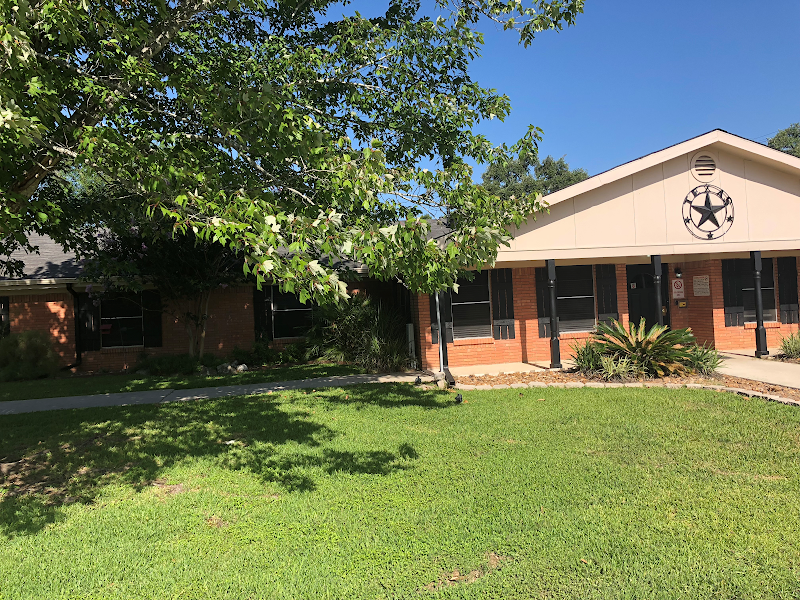
How is Cedar Creek Staffed?

CMS rates CEDAR CREEK NURSING AND REHABILITATION CENTER's staffing level at 3 out of 5 stars, which is average compared to other nursing homes. Staff turnover is 55%, which is 9 percentage points above the Texas average of 46%. High turnover can affect care consistency as new staff learn residents' individual needs.

What Have Inspectors Found at Cedar Creek?

State health inspectors documented 29 deficiencies at CEDAR CREEK NURSING AND REHABILITATION CENTER during 2023 to 2025. These included: 29 with potential for harm.
Who Owns and Operates Cedar Creek?

CEDAR CREEK NURSING AND REHABILITATION CENTER is owned by a for-profit company. For-profit facilities operate as businesses with obligations to shareholders or private owners. The facility is operated by CREATIVE SOLUTIONS IN HEALTHCARE, a chain that manages multiple nursing homes. With 62 certified beds and approximately 33 residents (about 53% occupancy), it is a smaller facility located in BANDERA, Texas.

How Does Cedar Creek Compare to Other Texas Nursing Homes?

Compared to the 100 nursing homes in Texas, CEDAR CREEK NURSING AND REHABILITATION CENTER's overall rating (2 stars) is below the state average of 2.8, staff turnover (55%) is near the state average of 46%, and health inspection rating (2 stars) is below the national benchmark.

What Should Families Ask When Visiting Cedar Creek?

Based on this facility's data, families visiting should ask: "How do you ensure continuity of care given staff turnover, and what is your staff retention strategy?" "Can I visit during a mealtime to observe dining assistance and food quality?" "How do you handle medical emergencies, and what is your hospital transfer rate?" "Can I speak with family members of current residents about their experience?" These questions are particularly relevant given the facility's high staff turnover rate.

Is Cedar Creek Safe?

Based on CMS inspection data, CEDAR CREEK NURSING AND REHABILITATION CENTER has a clean safety record: no substantiated abuse findings (meaning no confirmed cases of resident harm), no Immediate Jeopardy citations (the most serious violation level indicating risk of serious injury or death), and is not on the Special Focus Facility watch list (a federal program monitoring the lowest-performing 1% of nursing homes). The facility has a 2-star overall rating and ranks #100 of 100 nursing homes in Texas. While no facility is perfect, families should still ask about staff-to-resident ratios and recent inspection results during their visit.

Do Nurses at Cedar Creek Stick Around?

Staff turnover at CEDAR CREEK NURSING AND REHABILITATION CENTER is high. At 55%, the facility is 9 percentage points above the Texas average of 46%. High turnover means new staff may not know residents' individual needs, medications, or preferences. It can also be disorienting for residents, especially those with dementia who rely on familiar faces. Families should ask: What is causing the turnover? What retention programs are in place? How do you ensure care continuity during staff transitions?

Was Cedar Creek Ever Fined?

CEDAR CREEK NURSING AND REHABILITATION CENTER has no federal fines on record. CMS issues fines when nursing homes fail to meet care standards or don't correct problems found during inspections. The absence of fines suggests the facility has either maintained compliance or corrected any issues before penalties were assessed. This is a positive indicator, though families should still review recent inspection reports for the full picture.

Is Cedar Creek on Any Federal Watch List?

CEDAR CREEK NURSING AND REHABILITATION CENTER is not on any federal watch list. The most significant is the Special Focus Facility (SFF) program, which identifies the bottom 1% of nursing homes nationally based on persistent, serious quality problems. Not being on this list means the facility has avoided the pattern of deficiencies that triggers enhanced federal oversight. This is a positive indicator, though families should still review the facility's inspection history directly.