
WILL-O-BELL

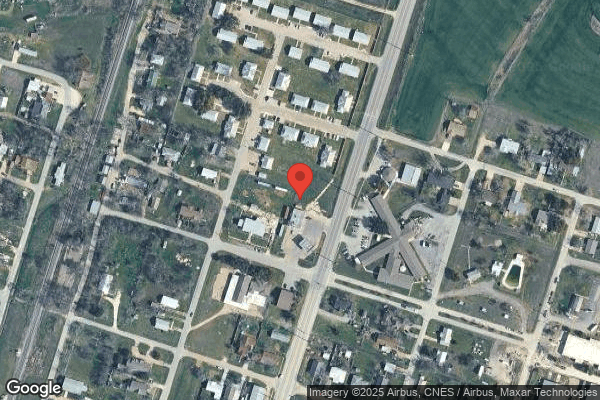
412 N DALTON, BARTLETT, TX 76511 (254) 527-3371
Government - Hospital district 90 Beds CHAMBERS COUNTY PUBLIC HOSPITAL DISTRICT NO. 1 Data: November 2025 1 Immediate Jeopardy citation
Trust Grade
26/100
#615 of 1168 in TX
Last Inspection: March 2025

Within standard 12-15 month inspection cycle. Federal law requires annual inspections.

Overview

Will-O-Bell nursing home in Bartlett, Texas has received a Trust Grade of F, indicating significant concerns about its care standards. It ranks #615 out of 1168 facilities in Texas, placing it in the bottom half, and #7 out of 16 in Bell County, meaning only six local options are worse. Although the facility's overall number of issues has improved from 18 to 5 over the past year, it still faced 28 deficiencies, including a critical incident where a resident started a fire due to inadequate supervision while smoking. Staffing is below average with a rating of 2 out of 5 stars and a turnover rate of 47%, which is slightly better than the state average. Additionally, RN coverage is concerning, as it is lower than 86% of Texas facilities, potentially affecting the quality of care.

Trust Score
F
26/100
In Texas
#615/1168
Bottom 48%
Safety Record
High Risk
Review needed
Inspections
Getting Better
18 → 5 violations
Staff Stability
⚠ Watch
47% turnover. Above average. Higher turnover means staff may not know residents' routines.
Penalties
○ Average
$22,410 in fines. Higher than 64% of Texas facilities. Some compliance issues.
Skilled Nurses
⚠ Watch
Each resident gets only 14 minutes of Registered Nurse (RN) attention daily — below average for Texas. Fewer RN minutes means fewer trained eyes watching for problems.
Violations
⚠ Watch
28 deficiencies on record. Higher than average. Multiple issues found across inspections.
★★★☆☆
3.0
Overall Rating
★★☆☆☆
2.0
Staff Levels
★★★★☆
4.0
Care Quality
★★★☆☆
3.0
Inspection Score
Stable
2024: 18 issues
2025: 5 issues

The Good

  • 4-Star Quality Measures · Strong clinical quality outcomes
  • Full Sprinkler Coverage · Fire safety systems throughout facility
  • No fines on record

Facility shows strength in quality measures, fire safety.

The Bad

3-Star Overall Rating

Near Texas average (2.8)

Meets federal standards, typical of most facilities

Staff Turnover: 47%

Near Texas avg (46%)

Higher turnover may affect care consistency

Federal Fines: $22,410

Below median ($33,413)

Minor penalties assessed

Chain: CHAMBERS COUNTY PUBLIC HOSPITAL DIS

Part of a multi-facility chain

Ask about local staffing decisions and management

The Ugly 28 deficiencies on record

1 life-threatening 4 actual harm
Jul 2025 1 deficiency
CONCERN (D) 📢 Someone Reported This

A family member, employee, or ombudsman was alarmed enough to file a formal complaint

Potential for Harm - no one hurt, but risky conditions existed

Infection Control (Tag F0880)

Could have caused harm · This affected 1 resident

**NOTE- TERMS IN BRACKETS HAVE BEEN EDITED TO PROTECT CONFIDENTIALITY** Based on observation, interview and record review the facility failed to establish and maintain an infection prevention and cont...

Read full inspector narrative →
**NOTE- TERMS IN BRACKETS HAVE BEEN EDITED TO PROTECT CONFIDENTIALITY** Based on observation, interview and record review the facility failed to establish and maintain an infection prevention and control program designed to provide a safe, sanitary, and comfortable environment and to help prevent the development and transmission of communicable diseases and infections for 1 of 6 residents (Resident #1) reviewed for infection control.CNA A failed to properly dispose of Resident #1's soiled brief after incontinent are. CNA A failed to change gloves and perform hand hygiene after handling soiled brief.This failure could place residents at risk for infection and hospitalization. Findings include: Record review of Resident #1’s, undated, face sheet reflected a [AGE] year-old male who was admitted to the facility on [DATE]. His diagnoses included dementia (a general term for a decline in cognitive function that interferes with daily life) in other disease classified elsewhere, severe, with psychotic disturbance and agitation, muscle weakness, major depressive disorder (is a mental health condition that significantly affects how you feel, think, and behave). Record review of Resident #1’s quarterly MDS assessment, dated 06/17/2025, reflected a BIMS score of 7, which indicated severe cognitive impairment. It reflected he required maximum assistance with toileting hygiene. Record review of Resident #1’s care plan, initiated 01/03/2025, reflected the following: [Resident #1] has ADL Self Care Performance Deficit relating to dementia, impaired balance and limited mobility. Interventions included: The resident requires extensive assistance by 1 staff for toileting. Observation on 07/03/2025 at 11:23 AM, revealed CNA A walked with Resident #1 with gloved hands. CNA A turned around after the State Surveyors passed her and hurriedly ran to pick up a soiled brief that was left on the floor on the hall. CNA A used gloved hands, picked up the soiled brief and put in the barrel that was about 3 feet away. CNA A then went back to continue walking Resident #1 with the same gloved hands. During an interview on 07/03/2025 at 12:27 PM, CNA A stated when she was seen on the hall, she had just changed Resident #1’s soiled brief and was trying to get Resident #1 back to the day room quickly so she put the soiled brief on the floor to get back to it. CNA A stated she knew she was not supposed to put the soiled brief on the floor because it was not sanitary, she should have put the soiled brief in a bag and transported it to the barrel. CNA A stated she was not supposed to wear gloves while walking down the hall, but usually wore gloves to hold residents’ hands. CNA A stated holding Resident #1 with the same soiled gloved hands could cause infection. CNA A stated, “I was in a rush, I messed up.” During an interview on 07/03/2025 at 1:19 PM, the Infection Control Preventionist stated soiled briefs were supposed to be placed in a bag and the bag placed in the soiled brief barrel in a room on each hall. The Infection Control Preventionist stated it was not okay to put soiled briefs on the floor, because it could spread germs (microorganism that causes disease) . The Infection Control Preventionist stated it was not okay to walk around with gloves on, because they did not know where those gloves came from. The Infection Control Preventionist stated staff were educated to take the gloves off after care and while on the halls. The Infection Control Preventionist stated it was not okay to touch the resident with a soiled gloved hand, because it could spread of germs, the resident might touch their eyes, and their eye could get infected. During an interview on 07/03/2025 at 2:53 PM, the DON stated it was not okay to put the soiled brief on the floor due to infection control. The DON stated CNA A was not supposed to walk around with gloves on while in the hall. The DON stated if CNA A touched the soiled brief, CNA A was supposed to remove the soiled gloves, wash her hands before touching Resident #1. Record review of the facility's policy titled Infection Briefs/Underpads, revised January 2024, reflected: “Purpose The purpose of this procedure is to provide guidelines for changing a soiled brief and underpad… 13. Remove underpad from resident by rolling the underpad toward the inside soiled area. Place the underpad in the nearby receptacle/container. Steps in the Procedure 14. Remove gloves, sanitize hands and replace with clean gloves… 19. Discard disposable equipment and supplies in designated containers. 20. Remove gloves and perform hand hygiene.” Record review of the facility's policy titled infection Standard Precautions, revised September 2022, reflected: “Policy Statement Standard precautions are used in the care of all residents regardless of their diagnoses or suspected or confirmed infection status. Standard precautions presume that all blood, body fluids, secretions, and excretions (except sweat), non-intact skin and mucous membranes may contain transmissible infectious agents. Policy Interpretation and Implementation 1. Standard precautions apply to the care of all residents in all situations regardless of suspected or confirmed presence of infectious diseases. 2. Personnel are trained in the various aspects of standard precautions to ensure appropriate decision-making in various clinical situation. Standard precautions include the following practices: 1. Hand Hygiene b. Hand hygiene is performed with ABHR or soap and water: (1) before and after contact with the resident. (4) after contact with items in the resident's room; and (5) after removing gloves. 2. Gloves Gloves are not to be reused. Gloves are removed promptly after use, before touching non-contaminated items and environmental surfaces, and before going to another resident. After gloves are removed, hands are washed immediately to avoid transfer of microorganisms to other residents or environments.” Record review of the facility's policy titled Handwashing / Hand Hygiene, revised October 2023, reflected: Policy: This facility considers hand hygiene the primary means to prevent the spread of healthcare-associated infections. Administrative Practices to Promote Hand Hygiene 1. All personnel are trained and regularly in-serviced on the importance of hand hygiene in preventing the transmission of healthcare-associated infections. 2. All personnel are expected to adhere to hand hygiene policies and practices to help prevent the spread of infections to other personnel, residents, and visitor. Indications for Hand Hygiene 1. Hand hygiene is indicated: a. immediately before touching a resident. b. before performing an aseptic task (for example, placing an indwelling device or handling an invasive medical device); c. after contact with blood, body fluids, or contaminated surfaces. d. after touching a resident. e. after touching the resident's environment. f. before moving from work on a soiled body site to a clean body site on the same resident; and g. immediately after glove removal.”
Mar 2025 4 deficiencies
CONCERN (D) 📢 Someone Reported This

A family member, employee, or ombudsman was alarmed enough to file a formal complaint

Potential for Harm - no one hurt, but risky conditions existed

PASARR Coordination (Tag F0644)

Could have caused harm · This affected 1 resident

**NOTE- TERMS IN BRACKETS HAVE BEEN EDITED TO PROTECT CONFIDENTIALITY** Based on interview and record review, the facility failed to submit a complete and accurate request for nursing facility special...

Read full inspector narrative →
**NOTE- TERMS IN BRACKETS HAVE BEEN EDITED TO PROTECT CONFIDENTIALITY** Based on interview and record review, the facility failed to submit a complete and accurate request for nursing facility specialized services in the LTC Online Portal within 20 business days after the date of the Interdisciplinary Team meeting for one of one resident reviewed. The facility failed to submit a NFSS form request by the specific deadline for Resident #2 for a pressure reducing mattress and a motorized wheelchair. This failure could place residents at risk of not receiving or benefiting from specialized equipment they may require. Findings included: Record review of Resident #2's Face Sheet reflected the resident was a [AGE] year-old female admitted to the facility on [DATE]. Her diagnoses included Muscle weakness (generalized), Muscle wasting and Atrophy, and Unsteadiness on feet. Record review of the MDS dated [DATE] revealed that Resident #2 was PASARR positive, and her Cognitive status was rated with a BIMS of 2. The MDS also revealed recommendation for the resident to be provided with a pressure reducing device for the bed due to her risk for developing pressure ulcers. Record review of Resident #2's Baseline Care Plan of 07/01/2024 revealed she needed assistance with mobility and had the risk for the development of pressure ulcers. In an interview with the ADM on 03/26/2025 at 3:08PM she confirmed that the request for the medical equipment should be submitted by the 20th day after the Interdisciplinary Team meeting in which the resident's needs were identified. In an interview with the MDS Coordinator on 03/27/2025 at 11:27AM, the MDS Coordinator stated the process for implementing the recommendations from the IDT was as follows: once a determination of need was made, the DOTS was to contact the DME. The DME was then responsible for getting any measurements needed and estimating a price. Once the information was received, the DOTS was to enter the information in the PASARR portal. She stated failure to enter the information in a timely manner could result in the resident not receiving the approved medical equipment. In an interview with the DOTS on 03/27/2025 at 11:45 AM he stated he did notify the DME of the recommended medical equipment; however, he did not keep any written documentation of the contacts. He also stated he was aware that he did not enter the required request for the equipment in a timely manner. He stated the failure could result in the resident not receiving the optimal equipment in a timely manner.
CONCERN (D)

Potential for Harm - no one hurt, but risky conditions existed

Deficiency F0645 (Tag F0645)

Could have caused harm · This affected 1 resident

**NOTE- TERMS IN BRACKETS HAVE BEEN EDITED TO PROTECT CONFIDENTIALITY** Based on interview and record review, the facility failed to ensure individuals with mental health disorders were provided an ac...

Read full inspector narrative →
**NOTE- TERMS IN BRACKETS HAVE BEEN EDITED TO PROTECT CONFIDENTIALITY** Based on interview and record review, the facility failed to ensure individuals with mental health disorders were provided an accurate PASARR for 1 of 2 residents (Residents #38) reviewed for PASARR Level 1 screenings. The facility failed to notify the local authority of the PASARR I screen for Residents #38. This failure could affect residents with mental illness placing them at risk for a diminished quality of life and not receiving necessary care and services in accordance with individually assessed needs. Findings included: Record review of a Face Sheet dated 03/25/25 for Resident #38 revealed a [AGE] year-old male admitted to the facility on [DATE]. His diagnoses included major depressive disorder (a mental health condition that causes a persistently low or depressed mood and a loss of interest in activities that once brought joy); anoxic brain damage non else classified (a catastrophic and potentially fatal injury characterized by the brain's complete deprivation of oxygen. It distinguishes from hypoxic brain injuries, where oxygen flow to the brain is reduced); other psychoactive substance abuse with psychoactive substance induced psychoactive disorder unspecified (is characterized by hallucinations and/or delusions due to the direct effects of substance or withdrawal from substance in the absence or delirium); type 1 diabetes mellitus with ketoacidosis without coma (a serious complication of diabetes that occurs when the body can't produce enough insulin). Record review of Resident #38's diagnosis report revealed that he was diagnosed with alcohol abuse, in remission on 3/28/18 and psychoactive substance abuse with psychoactive substance induced psychoactive disorder unspecified on 04/19/18. Record review of Resident #38's Quarterly MDS dated [DATE] revealed a BIMS score of 00 which indicated a severe impairment in section C. Record review of Resident 38's care plan dated 03/01/2023 revealed a focus that Resident #38 had a behavior problem if kicking and shouting r/t brain damage: anxiety disorder, depression and psychotic disorder (with a goal to have fewer episodes of kicking and shouting by the review date. Interventions in place were to anticipate and meet the resident's needs. Caregivers to provide opportunity for positive interaction, attention. Stop and talk with him/her as passing by. Record review of Resident #38's PASARR Level 1 Screening dated 06/19/21 indicated the resident did have a Mental Illness, Intellectual Disability, or Developmental Disability in section C. During an interview with the MDS Coordinator on 03/27/2025 at 11:27AM, she stated failure to enter the PASARR request in a timely manner could result in the resident not receiving the services needed to have a productive life. During an interview with the DOTS on 03/27/2025 at 11:45 AM he stated not submitting the PASARR in a timely manner to the local authorities, this failure could result in the resident not receiving services. During an interview with the Administrator on 03/26/2025 at 3:08 PM she confirmed that the request should be submitted by the 20th day after the Interdisciplinary Team meeting in which the resident needs were identified. If the request is not submitted, it can cause the resident not to receive the services they need. The facility stated they did not have a PASARR policy as they follow the policy and procedure per Health and Human Services Commissioner website.
CONCERN (E)

Potential for Harm - no one hurt, but risky conditions existed

Deficiency F0761 (Tag F0761)

Could have caused harm · This affected multiple residents

Based on observation, interview, and record review, it was determined the facility failed to ensure drugs and biological's were stored under proper temperature in the Front Medication Room and the Bac...

Read full inspector narrative →
Based on observation, interview, and record review, it was determined the facility failed to ensure drugs and biological's were stored under proper temperature in the Front Medication Room and the Back Medication Room reviewed for medication storage. The facility's failures could place residents receiving medication at risk for lack of drug efficacy. Findings included: During an observation on 03/26/2025 at 09:55 AM of the back medication room revealed that the refrigerator temperature log for the medications was out of range 25 of 26 days of March 2025. The log reflected the temperatures ranged from 28 degrees Fahrenheit to 32 degrees Fahrenheit. On 03/26/2025 the temperature was observed in the fridge at 28 degrees when visually checked. At the time of the observation, the fridge contained insulin pens. During an observation on 03/26/2025 at 11:55 AM of the front medication room revealed that the refrigerator temperature log for the medications was out of range 24 of 24 days of March 2025. The log reflected the temperatures ranged from 28 degrees Fahrenheit to 31 degrees Fahrenheit. On 03/26/2025 the temperature was observed in the refrigerator at 28 degrees when visually checked. At the time of the observation, the refrigerator contained insulin pens. During an interview on 03/26/25 at 11:55 AM DON stated that it was the night nurse's responsibility to check the carts and the temperatures of the medication refrigerators. She also stated they had recently implemented a Performance Improvement Project to ensure the refrigerators' temperatures were consistently monitored. The DON stated that the negative outcome for having medications stored below their recommended storage temps could lead to the medications being compromised and losing their efficacy. During an interview with the Pharmacist on 03/26/2025 at 4:30 PM he stated the refrigerator/freezer combos tended to be harder to control and tended to run colder. When the refrigerators were thawed, they tend to get colder. He had not ever seen anything in there frozen during his monthly inspections. He stated his first recommendation would be to replace the thermometers to ensure accurate readings. Additionally, he stated he believed the med's in the refrigerators were still safe and the integrity of med's was intact. Record review of the facility policy titled, Storage and Expiration Dating of Medications and Biological's revealed the following: 16. Facility should ensure medications and biological are stored at their appropriate temperature according to the United States Pharmacopeia guidelines for temperature ranges and manufacturer guidance. 16.2 Refrigeration: 36-46 [degrees] F or 2-8 [degrees] C.
CONCERN (E)

Potential for Harm - no one hurt, but risky conditions existed

Food Safety (Tag F0812)

Could have caused harm · This affected multiple residents

Based on observation, interviews, and record review, the facility failed to store, prepare, distribute, and serve food following professional standards for food service safety for 1 of 1 kitchen revie...

Read full inspector narrative →
Based on observation, interviews, and record review, the facility failed to store, prepare, distribute, and serve food following professional standards for food service safety for 1 of 1 kitchen reviewed for kitchen sanitation in that: - Food items were not labeled and/or dated. - Moldy and rotten food was present during inspection of the walk-in refrigerator. These failures could place all residents who received meals from the main kitchen at risk for food-borne illness. Findings include: Observation on 3/25/2025 at 9:15 am of the walk-in refrigerator reflected the following: - Potatoes that were dated 3-9-25 had green sprouts growing from the potato. - The lunch meat dated 3-8-25 was expired. - Diced chicken was dated 3-24-25 with no discard date. - 15 Sandwiches dated 3-25-25 had no discard date. - Ranch dressing was not in the original container, dated 3-8-25, with no discard date. - Grated cheese was not in the original container, dated 3-21-25, with no discard date. - Grated cheese was not in the original container, dated 3-21-2028, with no discard date. - Tomato soup was not in the original container, dated 3-21-2028, with no discard date. - Was an unknown drink in the refrigerator with a name and no date. An observation of the pantry on 3/25/2025 at 9:25 am reflected the following: - A loaf of bread on the shelf that had no open date or discard date on the bag. During an interview on 3/28/2025 at 10:25 AM, the KC said a sheet in the kitchen told them how long an item could be kept in the refrigerator before it must be thrown out. The KC said prepared food should not be kept in the fridge for more than 7 days and should have an expiration date. The KC said the refrigerator was checked regularly for moldy food. The KC said that if expired food was used, residents could get sick. Interview on 3/28/2025 at 10:35 AM, KC said that when food is received, it will have an expiration date on the package. The KC said that outdated food should be thrown away immediately. Prepared food cannot stay in the fridge for more than 5-7 days before it must be thrown out. The KC said that if residents were to eat expired food, they could get sick. Interview on 3/28/2025 at 10:45 AM, the DM said that prepared food in the fridge should have an open date and an expiration date on the container. The DM said out-of-date food should be thrown out. The DM said all the food in the kitchen should be dated. The DM said that food in the refrigerator should be checked daily for out-of-date products. The DM said that residents can get sick if outdated food is used to feed the residents. Interview on 3/28/2025 at 1:15 PM the ADM said that all food in the kitchen should be dated. The ADM said that prepared food in the refrigerator should be labeled with an expiration date. Food that has expired should be thrown in the trash. If the residents are served outdated or moldy food, they could get sick. Record Review Will O Bell Policy & Procedure Manual on 3/28/2025 at 2:20 PM. Will O Bell Food Storage Policy Statement: Storage facilities will be provided to keep foods safe, wholesome, and appetizing. Food will be stored in an area that is clean, dry, and free of contaminants. Food will be stored, at appropriate temperatures and by methods designed to prevent contamination or cross contamination. 12. Leftover food should be stored in covered containers or wrapped carefully and securely and clearly labeled and dated before being refrigerated. Leftover food must be used within 7 days or discarded as per the 2017 Federal Food Code. 13 f. All foods should be covered, labeled, dated, and routinely monitored to assure that foods, including leftovers, will be consumed by their safe use by dates, or frozen (where applicable), or discarded.
Aug 2024 1 deficiency
CONCERN (E) 📢 Someone Reported This

A family member, employee, or ombudsman was alarmed enough to file a formal complaint

Potential for Harm - no one hurt, but risky conditions existed

Quality of Care (Tag F0684)

Could have caused harm · This affected multiple residents

**NOTE- TERMS IN BRACKETS HAVE BEEN EDITED TO PROTECT CONFIDENTIALITY** Based on observations, interviews, and record review, the facility failed to ensure that residents received treatment and care i...

Read full inspector narrative →
**NOTE- TERMS IN BRACKETS HAVE BEEN EDITED TO PROTECT CONFIDENTIALITY** Based on observations, interviews, and record review, the facility failed to ensure that residents received treatment and care in accordance with professional standards of practice, the comprehensive person-centered care plan, and the residents' choices for two (Resident #1 and Resident #2) of four residents reviewed for quality of care. The facility failed to: - Ensure Resident #1 was not sitting in his bed with linens covered in feces and his pants saturated with urine. The staff failed to complete accurate skin assessments to be able to provide appropriate treatment to MASD on his buttocks. - Ensure Resident #2 was getting barrier cream applied to a rash on her buttocks and failed to complete accurate skin assessments. These failures placed residents at risk of improper wound management, the development of new pressure injuries, deterioration in existing pressure injuries, infection, and a decreased quality of life. Findings included: Resident #1 Review of resident #1's face sheet dated 08/01/24 reflected an [AGE] year-old male who was admitted to the facility on [DATE], readmitted on [DATE], and readmitted on [DATE] with a with diagnoses that included chronic kidney disease stage 3, cognitive communication deficit, and hereditary and idiopathic neuropathy (when the causes of the nerve damage interferes with the functioning of the peripheral nervous system can't be determined) Review of Resident #1's most recent MDS assessment, dated 07/16/2024 for add new record, reflected a BIMS score of 05, indicating he was severally cognitively impaired. Section GG (Functional Abilities and Goals) were left blank. Section M (Skin Conditions) reflected he was at risk of developing pressure ulcers/injuries and had a pressure reducing device for his bed and chair. Review of Resident #1's care plan focus dated 02/24/21, reflected Resident #1 had an ADL self-care performance deficit r/t impaired balance, weakness, hypotension, debility, spinal stenosis (the space inside the backbone is too small with interventions dated 02/24/21 that resident required extensive assistance by 1 staff for toileting, encouraged the resident to use bell to call for assistance, monitor/document/report PRN any changes, any potential for improvement, reasons for self-care deficit, expected course, and declines in function. Review of care plan focus dated 06/22/23 reflected the resident has had a fall (unintentional change in plane) with minor injury r/t poor balance and unsteady gait with interventions dated 02/24/21. That resident required extensive assistance by 1 staff with personal hygiene, the resident required skin inspection Q shower day, and PRN to observe for redness, open areas, scratches, cuts, bruises, and report changes to the nurse. The resident required extensive assistance by 1 staff for toileting, the resident required extensive assist by 1 staff with bathing/showering Q Mon, Wed, Fri 2p-10p, and as necessary. Review of Resident #1's quarterly care plan, dated 06/07/24, reflected he required assistance with ADLs with an intervention of assisting with ADLs as needed. Review of Resident #1's Skin Observation Tool dated 07/11/24 reflected skin warm, dry, and intact. No skin issues noted. Review of Resident #1's Skin Observation Tool dated 07/17/24 reflected skin warm, dry, and intact. No skin issues noted. Review of Resident #1's Skin Observation Tool dated 7/31/24 reflected skin warm, dry, and intact. No skin issues noted. Review of Resident #1's shower sheets dated 07/03/24 reflected no skin concerns, clean linens, and shaved, 07/05/24 reflected clean shaved, changed linen, no skin comment, 07/10/24 reflected no comments, 07/12/24 reflected showered, hair washed, resident shaved, linen changed, no skin issues, 07/15/24 reflected shower, no comments, 07/17/24 reflected showered no skin issues, sheets changed, 07/24/2024 reflected showered, no skin comment, 07/26/24 reflected showered no additional comments, and 07/31/24 reflected showered no additional comments. Review of Resident #1's shower sheets dated 07/16/24 reflected showered, no skin comment, 07/18/24 reflected showered, no skin comment, 07/23/24 reflected, everything look good, 07/25/24 reflected showered everything look good, and 08/01/24 reflected showered, no skin issues. Review of Braden Scale for Predicting Pressure Sore Risk, dated 07/09/24, revealed a score of 21 indicating Resident #1 was a very high risk for pressure sores. Observation on 08/01/24 at 1:18 pm of Resident #1 revealed he was in his room seated on his bed close to the end of the bed. Observed sheets unmade and bunched around Resident #1. Bottom sheet towards the middle of the bed revealed a brown colored circular stain approximately 6 inches in diameter. Resident #1 was Spanish speaking, limited in his English but able to communicate with basic English and gestures. The State Surveyor pointed at his sheets and asked, can I look and Resident #1 nodded. Upon lifting the bunched top flat sheet from the bottom fitted sheet the state surveyor observed, on the bottom fitted sheet, a square shaped brown stain approximately 6 inches in length and 4 inches in width. The flat top sheet was lifted from the fitted lower sheet and revealed a square shaped brown stain approximately 4 inches in length and 2 inches wide. The State Surveyor, with no objection from Resident #1, separated the bunched top flat sheet from the lower fitted sheet to reveal a lump of feces on the lower flat sheet, firm with a stain that secreted around the upper top flat sheet, and the lower fitted sheet. The State Surveyor observed the sweatpants worn by Resident #1 were saturated with urine. Observation on 08/01/24 of a photograph provided by a family member of Resident #1's posterior taken 07/14/24 revealed Resident #1s buttock to be red approximately 6 inches from the bottom of his buttock to the top of his buttock to 3 inches below his buttock on his thighs. The State Nurse investigator traveled to the facility on [DATE] and 08/03/24 for Resident #1's skin assessment but he was on leave with his family and an observation was not conducted but the redness appeared to be MASD. Interview on 08/02/24 at 2:29 pm with LVN revealed Resident #1 needed to be rounded on every hour or every two hours because he needed bathroom assistance. He needed to be constantly looked on because his sheets would be dirty. LVN revealed he could not use the call light and he needed to be checked on to see if he needed help. Attempted interview on 08/01/24 at 2:00 pm with Resident #1, Spanish speaking, through interpreter service was unsuccessful. Resident #1 revealed he could not hear or understand the interpreter, although the resident was on the speaker and the interpreter was asked to speak loudly because of resident hearing issues. Resident #2 Review of Resident #2's undated face sheet reflected a [AGE] year-old female who was admitted to the facility on [DATE] and readmitted on [DATE] with diagnoses including unspecified urinary incontinence, need for assistance with personal care, obesity, and unspecified dementia. Review of Resident #2's quarterly MDS assessment, dated 05/01/24, reflected a BIMS score of 8, indicating a severe cognitive impairment. Section GG (Functional Abilities and Goals) reflected she was dependent for toileting hygiene. Section M (Skin Conditions) reflected she was at risk of developing pressure ulcers/injuries and had a pressure reducing device for her bed. Review of Resident #2's quarterly care plan, dated 01/05/24, reflected she had potential for pressure ulcer development related to limited mobility and weakness with an intervention of educating the resident/family/caregivers as to causes of skin breakdown, including: transfer/positioning requirements, importance of taking care during ambulating/mobility, and good nutrition and frequent repositioning. It further reflected she had an ADL self-care performance deficit related to dementia with an intervention of requiring limited assistance by 1 staff for toileting an Q 2-hour checks. Review of Resident #2's Skin Observation Tool, dated 07/25/24, reflected her skin was warm, dry, and intact. No issues noted. Review of Resident #2's Skin Observation Tool, dated 07/31/24, reflected her skin was warm, dry, and intact. No issues noted. Interview on 08/01/24 at 4:08 PM, Resident #2 stated she was often left for long periods of time in a soiled, wet brief. Observation and assessment on 08/02/24 at 10:28 am by the State Nurse Investigator revealed Resident #2 gave her permission to observe her skin while CNA A turned her, lifted her clothing, and unfastened her brief. Resident #2's skin was observed head to toe. Observed Resident's skin was clear except for slight rash under bilateral breasts and red area across buttocks which appeared to be irritation from sitting in urine, possibly even the start of Moisture Associated Skin Damage (MASD). Observed Resident #2 was sitting in a urine-soaked brief. No evidence of cream on Resident #2's buttock area. CNA A stated there should have been cream applied to her buttock area. Interview on 08/02/24 at 10:28 am by the State Nurse Investigator with CNA A revealed when they find skin issues, they go tell the nurse, and if the nurse says to, they will put cream on the skin area. Interview on 08/05/24 at 12:51 pm with the DON, when shown the photos of the stains and feces in Resident #1's bed she said it looked like the feces had been there a bit, but she could not tell how long. It was unacceptable. She stated that the Administrator has had conversations with Resident #1's family members about Resident #1 being found with feces on him and in his bed. If residents have feces in their bed or on their bodies, it was a dignity issue, it was an infection control issue, and residents could get sick. She stated that if residents were left in soiled or wet briefs and clothing, they could have skin breakdown. She said she did not know what the issue was with her staff that they did not check on him. When shown the photograph provided by a family member of Resident #1's posterior taken 07/14/24 that revealed Resident #1s buttock, she said that there should have been treatment in place for is skin issues on 07/14/24. Review of facility policy routine resident checks dated 07/2013 reflected staff shall make routine resident checks to maintain resident safety and well-being. Routine resident checks involve entering the residents' room and/or identifying the resident elsewhere on the unit to determine if the resident's needs are being met, identify any change in the resident's condition, identify whether the resident has any concerns, and see if the resident is sleeping, and needs toileting assistance, etcetera. Review of facility bath/tub policy dated 02/2018 reflected the purpose of this procedure are to promote cleanliness, provide comfort to the resident, and to observe the condition of the resident's skin.
Apr 2024 1 deficiency
CONCERN (D) 📢 Someone Reported This

A family member, employee, or ombudsman was alarmed enough to file a formal complaint

Potential for Harm - no one hurt, but risky conditions existed

Pharmacy Services (Tag F0755)

Could have caused harm · This affected 1 resident

**NOTE- TERMS IN BRACKETS HAVE BEEN EDITED TO PROTECT CONFIDENTIALITY** Based on observation, interview, and record review, the facility failed to provide pharmaceutical services (including procedures...

Read full inspector narrative →
**NOTE- TERMS IN BRACKETS HAVE BEEN EDITED TO PROTECT CONFIDENTIALITY** Based on observation, interview, and record review, the facility failed to provide pharmaceutical services (including procedures that assure the accurate acquiring, receiving, dispensing, and administering of all drugs and biologicals) to meet the needs of each resident for two (Resident #1 and Resident #2) of four residents reviewed for medications. The facility failed to ensure Resident #1 was discharged home without two of Resident #2's medications (Trazadone and Tegretol). This deficiency put residents at risk of consuming unprescribed medications, harm, and hospitalization. Findings included: Review of Resident #1's undated face sheet reflected a [AGE] year-old male who was admitted to the facility on [DATE] with diagnoses including chronic myelomonocytic leukemia (cancer of the blood-forming cells of the bone marrow), acute pulmonary edema (buildup of fluid in the lungs), and hypertension (high blood pressure). Review of Resident #1's quarterly MDS assessment, dated 01/24/24, reflected a BIMS of 9, indicating a moderate cognitive impairment. Section N (Medications) reflected he was taking an antidepressant. Review of Resident #1's quarterly care plan, dated 01/25/24, reflected he had impaired immunity related to cancer with an intervention of monitoring/documenting/reporting PRN any s/sx of infection. Review of Resident #1's physician orders, on 04/23/24, reflected he did not have an order for Tegretol or Trazodone. Review of Resident #1's Discharge summary, dated [DATE] and completed by RN B, reflected his admission diagnoses, disposition (where he went), condition on discharge, discharge diagnoses, and prognosis. No medications were documented. Review of Resident #2's undated face sheet reflected a [AGE] year-old male who was admitted to the facility on [DATE] with diagnoses including major depressive disorder, insomnia (trouble sleeping), stroke, vascular dementia (a condition caused by the lack of blood that carries oxygen and nutrients to a part of the brain), and unspecified convulsions. Review of Resident #2's quarterly MDS assessment, dated 04/15/24, reflected a BIMS of 7, indicate a moderate cognitive impairment. Section N (Medications) reflected he was taking an antidepressant. Review of Resident #2's quarterly care plan, dated 02/08/24, reflected he used antidepressant medication related to depression and insomnia and had a seizure disorder related to a stroke with interventions of giving medications as ordered. Review of Resident #2's physician order, dated 11/04/21, reflected Tegretol 200 MG - give 1 tablet by mouth two times a day related to unspecified convulsions. Review of Resident #2's physician order, dated 09/13/23, reflected Trazodone HCl Oral Tablet - give 75 mg by mouth at bedtime related to major depressive disorder. During a telephone interview on 04/23/24 at 10:58 AM, Resident #1's FM A stated he was discharged home on [DATE] in the late afternoon. She stated when they were leaving, RN B handed her a plastic bag of his medication. She stated once she got home, she realized she knew nothing about the medications or when he was supposed to be administered them, so she went back to the facility. She stated RN B wrote either AM or PM on the blister packs and verbally told her what the medications were. She stated she did not write anything down for her. She stated while going through the medications at home, FR C noticed that Resident #2's name was on two of the medications. She stated she was appalled she had been given someone else's medication and was happy she had not given any to Resident #1. She stated she immediately called the facility and RN B came and picked up the two blister packs. Observation of pictures provided by FM A, on 04/23/24 at 11:15 AM, revealed two blister packs of medication, Trazadone and Tegretol, with Resident #2's name on the top. During an interview on 04/23/24 at 11:34 AM, the DON stated her expectation of nurses upon a resident discharge was they reviewed their medications with them and their RP. She stated the nurses should hand-write all medications and when they were to be administered. She stated the resident and/or RP and the nurse should sign the medication list and a copy should be given to the resident and/or RP. The DON was asked if she was aware of the incident that occurred on 03/07/24 with Resident #1 regarding medications. She stated she had not. Once informed she stated she was extremely shocked and stated she would have expected RN B to have notified her immediately. She stated a resident receiving/administering medication that was not prescribed to them could lead to some very serious outcomes. She stated she was going to start in-servicing nursing staff right away. During an interview on 04/23/24 at 11:48 AM, RN B stated she remember it being a very chaotic evening on 03/07/24. She stated she remembered going over with Resident #1's FM A the medications, doses, and times, but must have missed verifying the name on the medications. She stated not long after they left the facility, FM A came back and wanted her to explain the medications for her, in which she did. She stated she provided her with a list of the medications. She stated about 30 minutes later, FM A called and told her there were two medications that did not belong to Resident #1 mixed in with his medications. She stated she could not believe it, but when she got to Resident #1's home, there were two medication cards that belonged to Resident #2. She stated she should have notified the DON but she just forgot. She stated she felt awful because someone could take the wrong medications, somebody could go without their prescribed medications, or someone could have been hurt. During an interview on 04/23/24 at 1:29 PM, the NP stated she expected nurses to reconcile medications with their orders before sending them home with residents. She stated it was only common sense to verify what was on their MAR versus what was in your hand. She stated negative outcomes of receiving/taking the wrong mediation could be altered mental status, passing out, falling, sedation, or death. Review of the facility's in-service, dated 04/23/24 and conducted by the DON, reflected nursing staff were in-serviced on the facility's policy for discharge mediations. Review of the facility's Discharge Medications Policy, revised March of 2022, reflected the following: Unless otherwise specified by facility policy, or contrary to current law or regulation, medications shall be sent with the resident upon discharge. Controlled substances may not be released to the resident upon discharge. . 5. The nurse shall review medication instructions with the resident, family member or representative before the resident leaves the facility. 6. The nurse shall complete the medication disposition record, including: a. the resident's name .
Feb 2024 16 deficiencies
CONCERN (D)

Potential for Harm - no one hurt, but risky conditions existed

Report Alleged Abuse (Tag F0609)

Could have caused harm · This affected 1 resident

**NOTE- TERMS IN BRACKETS HAVE BEEN EDITED TO PROTECT CONFIDENTIALITY** Based on observations, interview and record review, the facility failed to ensure that all allegations involving abuse, neglect,...

Read full inspector narrative →
**NOTE- TERMS IN BRACKETS HAVE BEEN EDITED TO PROTECT CONFIDENTIALITY** Based on observations, interview and record review, the facility failed to ensure that all allegations involving abuse, neglect, and misappropriation were reported immediately, but no later than 2 hours after the allegation was made to the State Survey Agency for 1 of 10 residents (Resident #35) reviewed for abuse and neglect. The facility did not report to the State Survey Agency (HHSC) an incident in which Resident #36 was inappropriately touching Resident #35. This failure could place residents at risk for abuse/neglect and could lead to a diminished quality of life and psychosocial harm. The findings included: 1. Record review of Resident #35's face sheet, dated 2/7/24 revealed a [AGE] year-old female admitted to the facility on [DATE] and re-admitted on [DATE] with diagnoses that included dementia, intellectual disabilities, need for assistance with personal care, anxiety disorder (a normal reaction to stress in an intense, excessive, and persistent worry and fear about everyday situations), impulse disorder (characterized by urges and behaviors that are excessive and/or harmful to oneself or others and cause significant impairment in social and occupational functioning) and Alzheimer's disease (a progressive disease that destroys memory and other important mental functions). Record review of Resident #35's most recent quarterly MDS assessment, dated 11/4/23 revealed the resident was severely cognitively impaired for daily decision-making skills. Record review of Resident #35's comprehensive care plan, dated 1/28/24 revealed the resident was touched inappropriately by another elder (Resident) with interventions that included, Nursing is attempting to keep elder separated from male elder at this time and Elder is not able to give description of incident as she has IDD (Intellectual and Developmental Disabilities). Elder does not demonstrate any distress over incident. 2. Record review of Resident #36's face sheet, dated 2/7/24 revealed an [AGE] year-old male admitted to the facility on [DATE] with diagnoses that included attention and concentration deficit, and Alzheimer's disease with late onset. Record review of Resident #36's most recent quarterly MDS assessment, dated 1/5/24 revealed the resident was severely cognitively impaired for daily decision-making skills. Record review of Resident #36's comprehensive care plan, dated 1/28/24 revealed the resident had a behavior problem of touching another elder (resident) inappropriately, with interventions that included, elder remains separated from other female residents at this time. Elder denies touching any other elders. Care Partners (staff) in-serviced on what to do and who to inform when an incident occurs. Record review of the late entry incident note dated 1/28/24 at 1:35 p.m. and authored by RN E revealed, Summoned to room [ROOM NUMBER]B by housekeeping (Housekeeper F). Resident #36 sitting in wheelchair patting Resident #35 on the lower portion of her breast as she held her blouse out of the way. Resident #36 stated doing nothing [sic]. I am sorry. Elders separated. Elders educated on unacceptable behavior; Resident #36 is not to be on hall 4, not in the lady's [sic] rooms and not in the living room with Resident #35 .Inservice given on new procedures regarding incident . Record review of the incident note dated 1/28/24 at 10:09 p.m. and authored by LVN G for Resident #36 revealed, Follow up note for incident that occurred .regarding inappropriate behavior from another resident (Resident #35) on Hall 2. All parties notified .No other incidents have occurred since initial encounter. No signs or symptoms of distress or discomfort. Elder (Resident #36) is resting in bed at this time with call light in reach . Record review of the In-Service Training Reports, dated 1/28/24 revealed the following: - Resident #36 and Resident #35 are no to be in living room together. Resident #36 is not to follow staff down Hall 4. The In-Service Training Report did not have the staff name or signature of who conducted the in-service. - Men should not be in women room and women should not be in men room without approval. The In-Service Training Report for the in-service was conducted by the DON. - Any sexual behavior between two demented or not cognitively intact elders is not ok, please separate if you witness this. The In-Service Training Report for the in-service was conducted by the DON. Observation on 2/7/24 at 5:24 p.m. revealed Resident #35 sitting in the living room holding a doll to her chest. During a telephone interview on 2/8/24 at 2:35 p.m., Housekeeper F stated she had observed Resident #36 self-propelling in the wheelchair up and down the hallway and when she passed Resident #35's room she observed Resident #36 touching Resident #35's waist down her legs. Housekeeper F stated she reported the incident to RN E, who was at the nurse's station and stated RN E took Resident #36 out of the room. Housekeeper F stated shortly thereafter she signed an in-service regarding the incident which included to ensure to report to the nurse if Resident #36 was seen entering Resident #35's room. An attempt at a telephone interview on 2/8/24 at 2:45 p.m. with RN E was unsuccessful. During an interview on 2/8/24 at 2:46 p.m., Hydration Aide H stated she had been in-serviced by RN E about not allowing Resident #36 to enter Resident #35's room and for these residents not to be sitting in the tv room together. Hydration Aide H stated she considered the incident between Resident #35 and Resident #36 as inappropriate. During an observation and interview on 2/8/24 at 3:07 p.m., Resident #35 was seen in her room, laying in bed. This surveyor knocked on Resident #35's bedroom door and asked if I could enter. Resident #35 stated, no, get out. During an observation and interview on 2/8/24 at 3:11 p.m., Resident #36 was seen laying in bed, awake and alert. Resident #35 was asked how long he had lived in the facility and answered, que?, meaning what? in Spanish. Resident #36 was then asked in Spanish how long he had been living in the facility and answered, what?. During an interview on 2/9/24 at 8:09 a.m., CNA A revealed he had signed an in-service given by RN E regarding an incident in which Resident #36 had been caught in Resident #35's room and touching her inappropriately. CNA A further revealed the in-service highlighted keeping Resident #36 from entering Resident #35's room and to keep an extra eye on these two residents because they both liked to hang out in the tv room. CNA A stated Resident #36 had been known to be verbally inappropriate, such as making derogatory comments to other residents in Spanish but otherwise was hospitable. During an interview on 2/9/24 at 8:46 a.m., Med Aide I revealed he had been in-serviced approximately 2 to 3 weeks ago by the DON and the Administrator that highlighted abuse/neglect and ensuring Resident #35 and Resident #36 could not be in each other's room. Med Aide I stated he believed the incident between Resident #35 and Resident #36 was reported to the state (HHSC) because what if Resident #35 had a bruise or Resident #36 actually touched Resident #35 inappropriately?. During an interview on 2/9/24 at 10:03 a.m., LVN J revealed she had been in-serviced by the DON, maybe last week regarding an incident that occurred between Resident #35 and Resident #36. LVN J stated, Resident #36 was found in Resident #35's room and Resident #36 was touching Resident #35's breast or something. LVN J stated the in-service provided highlighted keeping Resident #35 and Resident #36 apart and abuse/neglect. LVN J revealed she was not certain if the facility reported the incident to the state (HHSC). LVN J stated, Resident #35 was demented and did not have the intellectual ability to say she would not want to be touched in a certain way. LVN J stated, Resident #36 was alert and oriented but probably unable to tell the time of day or year but could express what he wanted. During an interview on 2/9/24 at 10:18 a.m., the Administrator revealed Resident #35 had IDD and could not make decisions. The Administrator further revealed she believed Resident #36 did not have mental capacity either and believed the resident had dementia. The Administrator stated, both Resident #35 and Resident #36 lacked mental capacity and could not give consent. The Administrator stated, the facility followed the diagram from the HHSC Provider Letter 19-17 and believed the incident did not fall under the criteria highlighted on the Provider Letter and therefore the incident was not reportable to HHSC. The Administrator revealed she had been notified by phone by RN E that Resident #35 was holding her top up and Resident #36 was touching Resident #35's breast. The Administrator stated she instructed RN E to interview both residents, notify the family and educate. The Administrator further stated mental status and care planning were also discussed. After reviewing the HHSC Provider Letter 19-17 with the state surveyor, the Administrator stated, It makes sense now. Should have been reported only because the residents involved could not consent. Record review of the facility's policy and procedure titled, Abuse Investigations, revision date December 2009 revealed in part, .All reports of resident abuse, neglect and injuries of unknown source shall be promptly and thoroughly investigated by facility management .The Administrator will provide a written report of the results of all abuse investigations and appropriate action taken to the state survey and certification agency, the local police department, the ombudsman, and others as may be required by state or local laws, within five (5) working days of the reported incident . Record review of the HHSC Long-Term Care Regulatory Provider Letter, Number PL 19-17, date issued 7/10/19 and titled Abuse, Neglect, Exploitation, Misappropriation of Resident Property and Other Incidents that a Nursing Facility (NF) Must Report to the Health and Human Services Commission (HHSC), revealed in part, .This letter provides guidance for reporting incidents to HHSC .A NF must report to HHSC the following types of incidents, in accordance with applicable state and federal requirements .Abuse .Neglect .The following table describes required reporting timeframes for each incident type .abuse (with or without serious bodily injury); or neglect, exploitation or mistreatment .that result in serious bodily injury .Immediately, but not later than two hours after the incident occurs or is suspected .An incident that does not result in serious bodily injury and involves .neglect .exploitation .Immediately, but not later than 24 hours after the incident occurs or is suspected .Attachment 2: How to Report Abuse, Neglect, Exploitation (ANE), other incidents, and Sexual Activity .The facility becomes aware of, or receives an allegation of suspected abuse, neglect, exploitation or another reportable accident .Can all residents involved in the sexual activity consent to participation .No .Report the incident within two hours .
CONCERN (D)

Potential for Harm - no one hurt, but risky conditions existed

Respiratory Care (Tag F0695)

Could have caused harm · This affected 1 resident

**NOTE- TERMS IN BRACKETS HAVE BEEN EDITED TO PROTECT CONFIDENTIALITY** Based on observation, interviews, and record review the facility failed to ensure that a resident who needs respiratory care, in...

Read full inspector narrative →
**NOTE- TERMS IN BRACKETS HAVE BEEN EDITED TO PROTECT CONFIDENTIALITY** Based on observation, interviews, and record review the facility failed to ensure that a resident who needs respiratory care, including tracheostomy care and tracheal suctioning, is provided such care, consistent with professional standards of practice, the comprehensive person-centered care plan, the resident's goals, and preferences for 1 of 3 residents (Resident #17) reviewed for oxygen therapy in that: Resident #17's oxygen concentrator filter was covered in a thick white substance. This failure could affect residents who received respiratory therapy and put them at risk for inadequate or inappropriate amounts of oxygen delivery. The findings included: Record review of Resident #17's face sheet, dated 2/8/24 revealed a [AGE] year old female admitted to the facility on [DATE] and re-admitted on [DATE] with diagnoses that included hypertension (high blood pressure), presence of cardiac pacemaker, heart failure, history of pulmonary embolism (condition in which one or more arteries in the lungs become blocked by a blood clot) and pleural effusion (a buildup of fluid between the tissues that line the lungs and the chest). Record review of Resident #17's most recent quarterly MDS assessment dated [DATE] revealed the resident was moderately cognitively impaired for daily decision-making skills. Record review of Resident #17's comprehensive care plan, with revision date 9/28/23 revealed the resident used oxygen therapy related to shortness of breath and congestive heart failure with a goal for the resident not to have signs or symptoms of poor oxygen absorption with interventions that included to administer oxygen and breathing treatments as ordered. Record review of Resident #17's Order Summary Report, dated 2/8/24 revealed the following orders: -Oxygen at 2 liters per minute by nasal canula for shortness of breath related to acute chronic diastolic (congestive) heart failure and acute and chronic respiratory failure with hypoxia (lack of oxygen in the tissues to sustain bodily functions) with order date 8/15/23 and no end date. Observation and interview on 2/6/24 at 10:53 a.m., during initial rounds revealed Resident #17 sitting up in a recliner and the resident was wearing the nasal canula. Resident #17 had the oxygen concentrator behind the recliner but was not turned on. Resident #17 stated they put that on me today, referring to the oxygen concentrator. Further observation revealed the oxygen concentrator had a filter at the back of the unit and it was covered in a thick white substance. Observation on 2/7/24 at 5:26 p.m. revealed Resident #17 sitting up in the recliner wearing the nasal canula and the oxygen concentrator was operating. Resident #17's oxygen concentrator was observed with the filter on the back of the unit covered in a thick white substance. During an observation and interview on 2/7/24 at 5:53 p.m., LVN B revealed Resident #17 used the oxygen concentrator with the nasal canula as needed. LVN B revealed Resident #17 was able to remove the canula at will but was not able to reach the concentrator that was behind the resident's recliner. LVN B revealed his shift started at 2:00 p.m. and Resident #17's concentrator was already operating. LVN B stated, the night shift nursing staff took care of changing out the oxygen concentrator tubing/canula and labeling the tube with a date. LVN B revealed he would check the oxygen concentrator periodically during the shift to ensure it was operating properly and at the right oxygen setting. LVN B pulled the oxygen concentrator filter from behind Resident #17's oxygen concentrator and stated, it's nasty. LVN B revealed the oxygen concentrator filter appeared to be covered in lint and dust. LVN B stated the oxygen concentrator filter was not supposed to be covered in lint and dust because it could keep the machine from working properly and could alter the amount of oxygen Resident #17 was supposed to receive. LVN B stated, I would not want to breath it. During an interview on 2/8/24 at 11:56 a.m., the DON stated it was the nursing staff's responsibility for maintaining the oxygen concentrators including changing out the oxygen tubing/canula and making sure the oxygen concentrator filters were clean. The DON stated LVN B had shown her Resident #17's oxygen concentrator filter and stated, it looked like it (the filter) had never been cleaned. The DON stated the oxygen concentrator filter appeared to be covered in dust and lint. The DON revealed, the dirty oxygen concentrator filter could affect proper oxygen therapy and could result in the resident developing a respiratory infection or result in lower oxygen levels. Record review of the facility policy and procedure titled, Oxygen Administration, revision date October 2010 revealed in part, .The purpose of this procedure is to provide guidelines for safe oxygen administration .Check the mask, tank, humidifying jar, etc., to be sure they are in good working order and are securely fastened .Observe the resident set up and periodically thereafter .
CONCERN (D)

Potential for Harm - no one hurt, but risky conditions existed

Pharmacy Services (Tag F0755)

Could have caused harm · This affected 1 resident

**NOTE- TERMS IN BRACKETS HAVE BEEN EDITED TO PROTECT CONFIDENTIALITY** Based on observation, interview, and record review the facility failed to provide pharmaceutical services (including procedures ...

Read full inspector narrative →
**NOTE- TERMS IN BRACKETS HAVE BEEN EDITED TO PROTECT CONFIDENTIALITY** Based on observation, interview, and record review the facility failed to provide pharmaceutical services (including procedures that assure the accurate acquiring, receiving, dispensing, and administering of all drugs and biologicals) to meet the needs of each resident, for 2 of 2 Residents (Resident #3 and #31) reviewed for medication administration in that: LVN D administered insulin to Residents #3 and #31 without priming the insulin pen prior to injection. These deficient practices could affect residents who received medication and place them at risk of not receiving the appropriate amount of medication and could result in an adverse reaction or a decline in health. The findings included: 1. Record review of Resident #3's face sheet, dated 2/8/24 revealed an [AGE] year-old female admitted to the facility on [DATE] and re-admitted on [DATE] with diagnoses that included type 2 diabetes (a chronic, long-lasting health condition that affects how your body turns food into energy), chronic kidney disease state 3 (kidneys are damaged and can't filter blood the way they should), peripheral vascular disease (a slow and progressive circulation disorder. Narrowing, blockage, or spasms in a blood vessel), and Alzheimer's disease (a progressive disease that destroys memory and other important mental functions). Record review of Resident #3's most recent annual MDS assessment, dated 12/15/23 revealed the resident was severely cognitively impaired for daily decision-making skills and received insulin injections. Record review of Resident #3's comprehensive care plan, revision date 1/8/24 revealed the resident had diabetes with interventions that included to administer diabetes medication as ordered by the doctor and to monitor and document for side effects and effectiveness. Record review of Resident #3's Order Summary Report, dated 2/8/24 revealed the following order: -Novolog PenFill Solution Cartridge 100 unit/ML, inject 3 units subcutaneously before meals for type 2 diabetes, with order date 1/5/23 and no end date Observation on 2/7/24 at 11:05 a.m., during the medication pass revealed LVN D took Resident #3's Novolog PenFill Solution Cartridge insulin pen and set the insulin pen dial to 3 units but did not prime the pen prior to injecting Resident #3 with the insulin. 2. Record review of Resident #31's face sheet, dated 2/8/24 revealed a [AGE] year-old female admitted to the facility on [DATE] with diagnoses that included disorder of kidney and ureter, impaired fasting glucose, morbid (severe) obesity, long term care of oral hypoglycemic (low blood sugar) drugs, type 2 diabetes (a chronic, long-lasting health condition that affects how your body turns food into energy), and hyperlipidemia (high cholesterol). Record review of Resident #31's most recent quarterly MDS assessment, dated 1/8/24 revealed the resident was moderately cognitively impaired for daily decision-making skills and received insulin injections. Record review of Resident #31's comprehensive care plan, revision date 7/17/23 revealed the resident had type 2 diabetes with interventions that included to administer diabetes medication as ordered by the doctor and to monitor and document for side effects and effectiveness. Record review of Resident #31's Order Summary Report, dated 2/8/24 revealed the following order: -Novolog PenFill Subcutaneous Solution Cartridge 100 UNIT/ML, inject as per sliding scale subcutaneously four times a day related to type 2 diabetes, with order date 12/8/23 and no end date. Observation on 2/7/24 at 11:17 a.m., during the medication pass revealed LVN D took Resident #31's Novolog PenFill Subcutaneous Solution Cartridge insulin pen and set the insulin pen dial to 10 units but did not prime the pen prior to injecting Resident #31 with the insulin. During an interview on 2/7/24 at 11:27 a.m., LVN D revealed, prior to injecting a resident with insulin from an insulin pen, the rubber stopper had to be disinfected with an alcohol wipe and then the dial should be set to the dosage prescribed by the doctor and administered to the resident. LVN D revealed he was not aware about priming the insulin pen to Resident #3 and Resident #31. LVN D stated he was not aware what it meant to prime the insulin pen. LVN D revealed, after it was explained what the concept was behind priming the insulin pen and stated, he understood it was to ensure the resident receiving the insulin was getting the intended amount of insulin as prescribed by the physician. LVN D stated, if a resident did not get enough insulin it would result in the resident's sugar continuing to increase and if the resident received too much insulin it could results in the resident's sugar dropping too much. During an interview on 2/8/24 at 11:37 a.m., the DON stated, insulin pens must be primed prior to injection to ensure there was no air in the pen and the resident received the correct dose. The DON further stated, if the insulin pen was not primed, the resident could get the wrong dose and if too much insulin was received it could result in the blood sugar dropping too low and if not enough insulin was given, the resident's sugar could continue to elevate. Record review of the facility policy and procedure titled, How to Use an Insulin Pen in 15 Easy Steps, dated 11/1/23 revealed in part, .Prepare your insulin pen .dial up 1 to 2 units .Press the injection button to let out any air bubbles (called priming) .if you see a small drop of insulin come out the tip of the pen, it's ready to use .
CONCERN (D)

Potential for Harm - no one hurt, but risky conditions existed

Deficiency F0761 (Tag F0761)

Could have caused harm · This affected 1 resident

**NOTE- TERMS IN BRACKETS HAVE BEEN EDITED TO PROTECT CONFIDENTIALITY** Based on observation, interview, and record review the facility failed to ensure the drugs and biologicals used in the facility ...

Read full inspector narrative →
**NOTE- TERMS IN BRACKETS HAVE BEEN EDITED TO PROTECT CONFIDENTIALITY** Based on observation, interview, and record review the facility failed to ensure the drugs and biologicals used in the facility must be labeled and stored in accordance with currently accepted professional principles, and include the appropriate accessory and cautionary instructions and the expiration date when applicable for 1 of 5 medication carts, (Treatment Cart), and in 1 of 6 resident rooms ( Resident #27's room) in that: 1. The facility failed to ensure the Treatment Cart was not left unattended and unlocked. 2. The facility failed to ensure a container of refresh eyedrops and an albuterol inhaler were stored properly in the facility. This deficient practice could affect residents who receive medications for treatments and could result in less potent or an adverse effects and drug diversion. The findings included: 1. Observation on 2/8/24 at 9:34 p.m. revealed the Treatment Cart was left unattended and unlocked on the 100 Hall next to room [ROOM NUMBER] and facing the hallway. During an interview on 2/8/24 at 9:37 a.m., LVN C confirmed the Treatment Cart on the 100 Hall next to room [ROOM NUMBER] and facing the hallway had been left unattended and unlocked. LVN C stated the Treatment Cart should have been locked when unattended because a resident could get into the cart and take a topical medication and it could make them sick. LVN C revealed the Treatment Cart belonged to the Treatment Nurse and asked this surveyor if the Treatment Nurse was on the 100 Hall. The Treatment Nurse was not seen on the 100 Hall at the time of the observation. During an interview on 2/8/24 at 11:52 a.m., the DON revealed it was her expectation that all medication carts, including the Treatment Cart were to be locked when left unattended. The DON stated, the medication carts, including the Treatment Cart, if left unlocked could result in a resident using a medication incorrectly or ingesting a medication that was supposed to be used topically. The DON revealed, all medication carts including the Treatment Cart were supposed to be locked at all times. 2. Observation on 02/07/24 09:41 a.m., Resident #27 with a container of eye drops and an albuterol inhaler in front of the resident on the bedside table. During an interview on 02/07/24 at 9:44 a.m. Resident #27 stated the eye drops were left by staff in the room when they used them yesterday, the resident went on to explain the feeling of not being sure the albuterol inhaler should be in the room and did not elaborate further about where it came from. During an interview on 02/07/2024 at 10:08 a.m. with LVN ZZ , while reviewing Resident #27's electronic health record, stated, I did not know Resident #27 had those medications by the bedside, they should not be there, the resident has not been assessed to self administer those medications; the resident and the staff both know that, I will call the doctor know and take care of the issue. During an interview on 02/08/24 at 3:32 p.m. the DON stated, I was told about Resident #27 having the eye drops and the inhaler at bedside, those medications should not have been there because we are supposed to know about all medications in the facility; when and how they are administered to ensure the residents needs are met as they should be. DON went on to say, I think the Resident brought the medications from home as she does go on pass in the community. Record review of the facility policy and procedure titled, Security of Medication Cart, revision date April 2007 revealed in part, .The medication cart shall be secured during medication passes .The nurse must secure the medication cart during the medication pass to prevent unauthorized entry .The cart doors and drawers should be facing the resident's room .Medication carts must be securely locked at all times when out of the nurse's view .When the medication cart is not being used, it must be locked and parked at the nurse's station or inside the medication room .
CONCERN (E)

Potential for Harm - no one hurt, but risky conditions existed

Incontinence Care (Tag F0690)

Could have caused harm · This affected multiple residents

**NOTE- TERMS IN BRACKETS HAVE BEEN EDITED TO PROTECT CONFIDENTIALITY** Based on observation, interview, and record review, the facility failed to ensure a resident who was incontinent of bladder rece...

Read full inspector narrative →
**NOTE- TERMS IN BRACKETS HAVE BEEN EDITED TO PROTECT CONFIDENTIALITY** Based on observation, interview, and record review, the facility failed to ensure a resident who was incontinent of bladder receives appropriate treatment and services to prevent urinary tract infections and to restore continence to the extent possible for 3 of 5 residents (Resident #7, #46, and #13) reviewed for indwelling urinary catheter care, in that: 1. Resident #7's indwelling urinary catheter drainage bag was on the floor. 2. Resident #46's indwelling urinary catheter drainage bag was on the floor. 3. Resident #13's indwelling urinary catheter drainage bag was on the floor. These failures could place the residents with indwelling urinary catheter devices at risk for the development of new or worsening urinary tract infections. The findings included: 1. Record review of Resident #7's face sheet, dated 2/9/24 revealed a [AGE] year-old male admitted to the facility on [DATE] with diagnoses that included urinary tract infection, abnormalities of gait and mobility, hydronephrosis (condition characterized by excess fluid in a kidney due to a backup of urine), and retention of urine. Record review of Resident #7's most recent quarterly MDS assessment, dated 1/1/24 revealed the resident was moderately cognitively impaired for daily decision-making skills and required an indwelling urinary catheter. Record review of Resident #7's comprehensive care plan, revision date 8/30/23 revealed the resident had an indwelling urinary catheter related to urinary retention with a goal for the resident to remain free from catheter-related trauma and interventions that included to provide catheter care as ordered. Record review of Resident #7's Order Summary Report, dated 2/9/24 revealed the following orders: -replace foley (indwelling urinary) bag every night shift every Sunday for infection control with order date 7/22/21 and no end date. -foley care every shift for foley catheter with order date 7/4/21 and no end date. -Insert 16 French foley catheter, 10 cc balloon by aseptic technique into urethral meatus as needed related to retention of urine with order date 7/22/21 and no end date. Observation on 2/9/24 at 8:00 a.m. revealed Resident #7's indwelling urinary catheter drainage bag was on the floor on the left side of the bed in full view of the hallway. 2. Record review of Resident #46's face sheet, dated 2/9/23 revealed a [AGE] year-old male admitted to the facility on [DATE] with diagnoses that included metabolic encephalopathy (an alteration in consciousness caused by diffuse or global brain dysfunction), gastrointestinal hemorrhage (bleeding of the digestive tract), acute kidney failure (a condition in which the kidneys suddenly can't filter waste from the blood), and Alzheimer's disease (a progressive disease that destroys memory and other important mental functions). Record review of Resident #46's most recent quarterly MDS assessment, dated 1/21/24 revealed the resident was severely cognitively impaired for daily decision-making skills and required an indwelling urinary catheter. Record review of Resident #46's comprehensive care plan, revision date 3/6/23 revealed the resident had an indwelling urinary catheter related to urinary retention with a goal the resident would be free from catheter related trauma and interventions that included to monitor and document for pain/discomfort due to catheter and provide catheter care as ordered. Record review of Resident #46's Order Summary Report, dated 2/9/24 revealed the following order: -Change foley bag every Sunday for infection control every night shift with order date 2/27/23 and no end date. -Change foley catheter, 16 French every month, every day shift for urinary retention with order date 2/27/23 and no end date. Observation on 2/9/24 at 8:00 a.m. revealed Resident #46 in bed and the indwelling urinary catheter drainage bag was on the floor on the right side of the bed in full view of the hallway. 3. Record review of Resident #13's face sheet, dated 02/09/24 revealed a [AGE] year old female admitted to the facility 03/20/23 with diagnoses that included urinary tract infection, acute cystitis with hematuria (bladder inflammation with bleeding), neuromuscular dysfunction of bladder (lack of bladder control due to brain, spinal cord or nerve problem), major depressive disorder (mood disorder), Type 2 Diabetes Mellitus (chronic health condition that affects how body turns food into energy) without complications and multiple sclerosis (a disease that impacts the brain, spinal cord and optic nerves, which make up the central nervous system and controls everything). Record review of Resident #13's Care Plan with date initiated on 03/28/23, revealed resident has a suprapubic catheter due to neurogenic bladder. The interventions included change suprapubic catheter as ordered, measure output q (every) shift, and monitor for s/sx (signs/symptoms) of discomfort on urination and frequency. Record review of Resident #13's MDS assessment dated [DATE] revealed a BIMS score of 9 indicating moderate cognitive impairment. On 02/06/24 at 11:22 am, Resident #13 was observed from the hallway asleep in her bed. Her catheter bag was observed to be hooked on her low bed and touching the floor. The catheter bag was not in a privacy bag. An observation and interview on 02/07/24 at 11:30 AM revealed Resident #13's catheter bag on the floor with a privacy bag. LVN D, who was working just outside Resident #13's room, was asked to observe the catheter on the floor and was interviewed. LVN D said the catheter should not be touching the floor due to the potential for an infection control issue. LVN D was asked what could be done to prevent the catheter bag from touching the floor since the bed needed to be in the low position. LVN D then obtained a small plastic basin and placed the catheter bag in it to prevent it from coming in contact with the floor. During an observation an interview on 2/9/24 at 8:02 a.m., CNA A stated Resident #7 and Resident #46's indwelling urinary catheter drainage bag should not have been on the floor due to a sanitary issue. CNA A further stated the indwelling urinary catheter drainage bag could result in the bag being snagged on something or leak and again stated it was just not sanitary. CNA A revealed the CNA staff were responsible for ensuring the indwelling urinary catheter drainage bag was placed in a dignity bag, off the floor and draining by gravity. During an interview on 2/9/24 at 8:34 a.m., the DON revealed it was the expectation of the facility to ensure the indwelling urinary catheter drainage bags should not be on the floor, even when placed in a dignity bag, because the resident could get a urinary tract infection and if the indwelling urinary catheter drainage bag was on the floor it was also an infection control issue. The DON stated it was everybody's responsibility to ensure the indwelling urinary catheter drainage bags were kept off the floor. Record review of the facility policy and procedure titled, Catheter Care, Urinary, revision date August 2022 revealed in part, .The purpose of this procedure is to prevent urinary catheter-associated complications, including urinary tract infections .Be sure the catheter tubing and drainage bag are kept off the floor .
CONCERN (E)

Potential for Harm - no one hurt, but risky conditions existed

Deficiency F0802 (Tag F0802)

Could have caused harm · This affected multiple residents

Based on interview and record review, the facility failed to employ staff with the appropriate competencies and skills sets to carry out the functions of the food and nutrition service for 4 of 5 of t...

Read full inspector narrative →
Based on interview and record review, the facility failed to employ staff with the appropriate competencies and skills sets to carry out the functions of the food and nutrition service for 4 of 5 of the food and nutrition service staff reviewed for competency training in that: The facility did not ensure the DM, [NAME] W, [NAME] X, DA Y or DA Z had current food handlers training. The DM's food handler's certificate had an expiration date of 10/12/2023 with a start date of 05/21/2007. Cook W's food handler's certificate had an expiration date of 10/13/2023 with at start date of 06/17/2013. Cook X's food handler's certificate had an expiration date of 10/14/2023 with a start date of 08/17/2007. DA Z's food handler's certificate had an expiration date of 10/15/2023 with a date of 10/27/2008. The deficient practice could place residents who consumed food prepared from the kitchen at-risk of foodborne illness or nutritional deficiencies. The finding included: Interview on 02/08/2024 at 12:05 p.m. with the DM, the DM stated all of the kitchen's staff training was expired, their training should have already been completed but it was not and mine is expired too. No other state inspector looks at the stuff you look at, I have been here for years and no one has ever asked me for these certificates. DM also stated there are other staff in the kitchen that only wash dishes and are not required to have the food handlers course, I only gave you the ones that should have the training. Interview on 02/08/24 at 4:27 p.m. the ADMN stated, I am aware of all but one of the kitchen staff's food handler's certificate was expired. The ADMN went on to say the expectation was for all kitchen staff to have the required trainings and it should have been up to date, each individual should keep up with when their training was due and make sure it was done. Then the ADMN explained there should be a system, the individual should first make sure their training was current, the DM should be checking, HR should be reviewing that and the facility pays a dietician and consultant that was supposed to be monitoring that as well. Interview with HR on 02/08/2024 at 6:02 p.m. said, I was not taking care of making sure that the Dietary Department was up to date with their training, the DM usually does those, but I will probably be keeping up with that from now on after all of this happened. We do not have a policy and procedure for how to monitor dietary staff training. Record review of USDA Food Code 2022, Chapter 8 Compliance and enforcement reflected the following: By the time of the preoperational inspection, operating procedures for training should include definitive practices and expectations of how the management of the proposed food establishment plans to comply with paragraph 2-103.11(N) of this Code which requires the person in charge to assure that food employees are properly trained in food safety as it relates to their assigned duties.
CONCERN (E)

Potential for Harm - no one hurt, but risky conditions existed

Food Safety (Tag F0812)

Could have caused harm · This affected multiple residents

Based on observation, interview, and record review, the facility failed to store, prepare, distribute, and serve food in accordance with professional standards for food service safety for 1 of 1 kitch...

Read full inspector narrative →
Based on observation, interview, and record review, the facility failed to store, prepare, distribute, and serve food in accordance with professional standards for food service safety for 1 of 1 kitchen areas in that: There were items in the kitchen that were not dated, not labeled with a date, not labeled with a name, ingredients or contents of packaging, and damaged kitchen spatulas. In addition there were only unpasteurized eggs in the kitchen that had been reportedly served with runny middles to residents. A cook failed to ensure eggs served soft fried with runny middle were pasteurized for 2 residents. These failures could place residents at risk for foodborne illness. The findings included: Observation in the kitchen on 02/06/2024 at 9:26 a.m. revealed: One large bag of cheese cubes opened exposing the contents of the bag to other odors in the refrigerator. One large approximately 5-gallon container of a white substance identified by [NAME] X as thickener with no label or date and opened, in the kitchen under a preparation table. One large bag of a substance later identified as processed chicken in the freezer with no label or date of any type anywhere on the clear manufacture's bag. During an interview with [NAME] X on 02/06/2024 at approximately 10:00 a.m, [NAME] X said she should not have served unpasteurized eggs with runny middles to any of the residents and she knew this, but she did not want the residents to get upset and wanted them to have the eggs the way they wanted them. [NAME] X said she did know if eggs were going to be served with runny middles she was supposed to use pasteurized eggs, but the facility didn't have any and it would probably be several days before they got anymore. [NAME] X said all the items observed should have been labeled and dated, she did not know why they were not and explained the training says they are supposed to be labeled. [NAME] X said the rubber spatulas should not be used because they could get bad stuff in the cracks and make someone sick, and then took them down from the hanging area. During a follow up interview with the DM on 02/06/2024 at 11:15 a.m., the DM said all items in the kitchen should be labeled and dated in some way and damaged tools (the rubber spatulas) shouldn't be used if they have cracks in them because stuff can get stuck in the cracks or bacteria can grow in them and that would not be good. When asked about the use of unpasteurized versus pasteurized eggs when serving eggs not cooked until solid, the DM stated Cook X knows better and she said she told you that, I have no idea why she did that we can go to the store and get some if we need them, there is just no excuse for that at all. Policy provided prior to facility exit titled, Food Storage chapter 3 not dated revealed the following: Sufficient storage facilities will be provided to keep foods safe, wholesome and appetizing. Food will be stored in an area that is clean, dry, and free from contaminants. Food will be stored at appropriate temperatures and by methods designed to prevent contamination or cross contamination. 8. Plastic containers with tight -fitting covers or sealable plastic bags must be used for storing grain products, sugar, dried vegetables and broken lots of bulk food or opened packages. All containers or storage bags must be legible and accurately labeled and dated.
CONCERN (E)

Potential for Harm - no one hurt, but risky conditions existed

Infection Control (Tag F0880)

Could have caused harm · This affected multiple residents

**NOTE- TERMS IN BRACKETS HAVE BEEN EDITED TO PROTECT CONFIDENTIALITY** Based on observation, interview, and record review, the facility failed to establish and maintain an infection prevention and co...

Read full inspector narrative →
**NOTE- TERMS IN BRACKETS HAVE BEEN EDITED TO PROTECT CONFIDENTIALITY** Based on observation, interview, and record review, the facility failed to establish and maintain an infection prevention and control program designed to provide a safe, sanitary and comfortable environment and to help prevent the development and transmission of communicable diseases and infections for 3 of 8 residents (Resident #3, #30 and #57) reviewed for infection control practices, in that: 1. LVN D did not utilize appropriate hand hygiene during the medication pass to Resident #3 2. Med Aide T did not sanitize the blood pressure cuff used between Resident #30 and Resident #57 These failures could place residents at risk of infection, transmission of communicable diseases and a decline in health. The findings included: 1. Record review of Resident #3's face sheet, dated 2/8/24 revealed an [AGE] year-old female admitted to the facility on [DATE] and re-admitted on [DATE] with diagnoses that included type 2 diabetes (a chronic, long-lasting health condition that affects how your body turns food into energy), chronic kidney disease state 3 (kidneys are damaged and can't filter blood the way they should), peripheral vascular disease (a slow and progressive circulation disorder. Narrowing, blockage, or spasms in a blood vessel), and Alzheimer's disease (a progressive disease that destroys memory and other important mental functions). Record review of Resident #3's most recent annual MDS assessment, dated 12/15/23 revealed the resident was severely cognitively impaired for daily decision-making skills. Record review of Resident #3's comprehensive care plan, revision date 1/8/24 revealed the resident had diabetes with interventions that included to monitor for hyperglycemia (increased blood sugar levels) and hypoglycemia (low blood sugar levels). Observation on 2/7/24 at 11:05 a.m., during the medication pass, revealed LVN D grabbed Resident #3's wheelchair and assisted the resident from the dining room to the resident's bedroom. LVN D then returned to the medication cart and obtained the glucometer (a test device used to obtain a rapid assessment of blood glucose concentration results) to prepare to take a blood sample. LVN D took a sanitizing wipe and cleaned the glucometer. LVN D then put on a pair of gloves, did not utilize appropriate hand hygiene and obtained a small blood sample from Resident #3's second finger with a small lancet. LVN D was not successful in obtaining a blood sample from Resident #3 and returned to the medication cart for another test strip. LVN D continued to wear the same gloves, returned to the bedside and obtained a second blood sample from Resident #3. During an interview on 2/7/24 at 11:27 a.m., LVN D revealed he was nervous and realized he did not utilize appropriate hand hygiene prior to obtaining the small blood sample from Resident #3. LVN D stated he should have been washing or sanitizing his hands before putting on gloves because it was considered cross contamination and the resident could get sick. During an interview on 2/8/24 at 11:37 a.m., the DON stated, after Resident #3 was assisted to her room, LVN D should have been sanitizing his hands prior to getting the supplies and should have been sanitizing his hands prior to putting on gloves. The DON stated the reason for washing or sanitizing the hands before putting on gloves was to stop the spread of infection and was considered an infection control issue. The DON stated, not utilizing proper hand hygiene could result in the resident getting an infection. 2.a. Record review of Resident #30's face sheet, dated 2/8/24 revealed a [AGE] year-old female admitted to the facility on [DATE] and re-admitted on [DATE] with diagnoses that included respiratory failure, heart failure, shortness of breath and hyperlipidemia (high cholesterol). Record review of Resident #30's most recent quarterly MDS assessment dated [DATE] revealed the resident was cognitively intact for daily decision-making skills. Record review of Resident #30's comprehensive care plan, revision date 9/16/23 revealed the resident had coronary artery disease with interventions that included to monitor blood pressure and notify the physician of any abnormal readings. b. Record review of Resident #57's face sheet, dated 2/8/24 revealed an [AGE] year-old female admitted to the facility on [DATE] with diagnoses that included atrial fibrillation (an irregular and often very rapid heart rhythm that can lead to blood clots in the heart), hypertension (high blood pressure) and hyperlipidemia (high cholesterol). Record review of Resident #57's most recent quarterly MDS assessment, dated 1/12/24 revealed the resident was moderately cognitively intact for daily decision-making skills. Record review of Resident #57's comprehensive care plan, revision date 4/25/23 revealed the resident had coronary artery disease with interventions that included to give medications for hypertension and document response to medication and any side effects. Observation on 2/8/24 at 8:49 a.m., during the medication pass revealed Med Aide T took the wrist blood pressure cuff from the medication cart and obtained Resident #30's blood pressure but did not sanitize the blood pressure cuff prior to use. Med Aide T, after obtaining Resident #30's blood pressure, returned to the medication cart and placed the wrist blood pressure cuff on the medication counter without sanitizing it. Med Aide T then used the same wrist blood pressure cuff used on Resident #30 and obtained Resident #57's blood pressure. During an interview on 2/8/24 at 9:15 a.m., Med Aide T revealed the wrist blood pressure cuff used on Resident #30 and Resident #57 was not provided by the facility and was her own personal equipment. Med Aide T confirmed she had not sanitized the wrist blood pressure cuff prior to using it on Resident #30 or before using it on Resident #57. Med Aide T stated the wrist blood pressure cuff should have been sanitized/disinfected prior to use on a resident because it would mean potentially spreading germs from one resident to the other and was cross contamination. Med Aide T further stated an example of cross contamination would be using the wrist blood pressure cuff on a resident with COVID-19 and if not sanitized could spread COVID-19 (a severe acute respiratory syndrome also known as SARS-COV-2) to another resident. During an interview on 2/8/24 at 11:37 a.m., the DON revealed it was her expectation when a blood pressure cuff was used on a resident it should be sanitized prior to use to prevent the spread of infection. The DON further revealed, cross contamination could result in a resident getting sick or getting an infection. Record review of the facility policy and procedure titled, Handwashing/Hand Hygiene, revision date April 2012 revealed in part, .This facility considers hand hygiene the primary means to prevent the spread of infection .When to use Alcohol-Based Hand Rub .before donning sterile gloves .before preparing or handling medications .after contact with objects in the immediate vicinity of the resident and after removing gloves . Record review of the facility policy and procedure titled, Cleaning and Disinfection of Resident-Care Items and Equipment, revision date September 2022 revealed in part, .Resident-care equipment, including reusable items and durable medical equipment will be cleaned and disinfected according to current CDC recommendations for disinfection and the OSHA Bloodborne Pathogens Standard .Non-critical items are those that come in contact with intact skin but not mucous membranes .include .blood pressure cuffs .Reusable resident care equipment is decontaminated and/or sterilized between residents .
CONCERN (E)

Potential for Harm - no one hurt, but risky conditions existed

Safe Environment (Tag F0921)

Could have caused harm · This affected multiple residents

**NOTE- TERMS IN BRACKETS HAVE BEEN EDITED TO PROTECT CONFIDENTIALITY** Based on observation and interview the facility failed to provide a safe, functional, sanitary and comfortable environment for r...

Read full inspector narrative →
**NOTE- TERMS IN BRACKETS HAVE BEEN EDITED TO PROTECT CONFIDENTIALITY** Based on observation and interview the facility failed to provide a safe, functional, sanitary and comfortable environment for residents, staff and the public for 2 of 4 Halls (Hall #2 and Hall #3) reviewed for environment in that: 1. The bedroom door to Resident room [ROOM NUMBER] on Hall #2 had splintered edges and had several pieces of wood missing and the bedroom door to Resident room [ROOM NUMBER] on Hall #2 had splintered edges and was partially covered in black duct tape. 2. The bedroom door to Resident room [ROOM NUMBER] on Hall #3 had splintered edges and had several pieces of wood missing. The bedroom door to Resident room [ROOM NUMBER] on Hall #3 had splintered edges and had several pieces of wood missing. The bedroom door to Resident room [ROOM NUMBER] on Hall #3 had splintered edges and was partially covered in black duct tape. The bedroom door to Resident room [ROOM NUMBER] on Hall #3 had splintered edges and was partially covered in black duct tape. This deficient practice could place residents at risk of a diminished quality of life due to an unsafe environment. The findings included: During a joint observation and interview on 2/9/24 at 4:07 p.m. with the MD (Maintenance Director) and the Administrator revealed Resident room [ROOM NUMBER] on Hall #2 could have resulted in the bedroom door having splintered edges and several pieces of wood missing from the resident's bed having been moved a couple of weeks ago. The MD stated the facility was built in 1963 and the bedroom door seen in Resident room [ROOM NUMBER] was the same door. The MD and the Administrator acknowledged the splinters could cause injury to a resident if their body came in contact with the splinters. The MD stated the purpose of the duct tape seen on Resident room [ROOM NUMBER]'s door on Hall #2, Resident room [ROOM NUMBER] and Resident room [ROOM NUMBER] on Hall #3 was to keep splinters from sticking out and if the splinters were sticking out they could poke a resident. The door on room [ROOM NUMBER] had been repaired with a metal strip along the side of the door where it had been frayed. The MD further stated, the doors needed to be fixed and had been addressed but then we got COVID, and it went on the wayside. The Administrator stated, I feel we need to do something, it's not a decent environment. The Administrator further stated the facility used an electronic notification maintenance system, but staff were not reporting the situation anymore because the doors had been that way for a while. The Administrator acknowledged the doors were not conducive to a homelike environment.
CONCERN (E)

Potential for Harm - no one hurt, but risky conditions existed

Deficiency F0941 (Tag F0941)

Could have caused harm · This affected multiple residents

Based on interview and record review, the facility failed to include effective communications as mandatory training for 14 of 14 employees (CNA A, LVN B, LVN D, CNA K, CNA L, CNA M, MA N, CNA O, CNA P...

Read full inspector narrative →
Based on interview and record review, the facility failed to include effective communications as mandatory training for 14 of 14 employees (CNA A, LVN B, LVN D, CNA K, CNA L, CNA M, MA N, CNA O, CNA P, CNA Q, LVN R, LVN S, FSS, and AD). The facility failed to provide CNA A, LVN B, LVN D, CNA K, CNA L, CNA M, MA N, CNA O, CNA P, CNA Q, LVN R, LVN S, FSS, and AD with effective communications as mandatory training. This failure could place residents at risk of being cared for by untrained staff. The findings included: Review of CNA A's personnel record had a hire date of 09/27/23, with annual training in-services provided by the facility that did not include evidence of effective communications as mandatory training. Review of LVN B's personnel record had a hire date of 08/24/22, with annual training in-services provided by the facility that did not include evidence of effective communications as mandatory training. Review of LVN D's personnel record had a hire date of 09/29/22, with annual training in-services provided by the facility that did not include evidence of effective communications as mandatory training. Review of CNA K's personnel record had a hire date of 04/24/14, with annual training in-services provided by the facility that did not include evidence of effective communications as mandatory training. Review of CNA L's personnel record had a hire date of 03/14/19, with annual training in-services provided by the facility that did not include evidence of effective communications as mandatory training. Review of CNA M's personnel record had a hire date of 07/15/22, with annual training in-services provided by the facility that did not include evidence of effective communications as mandatory training. Review of MA N's personnel record had a hire date of 02/07/23, with annual training in-services provided by the facility that did not include evidence of effective communications as mandatory training. Review of CNA O's personnel record had a hire date of 11/30/20, with annual training in-services provided by the facility that did not include evidence of effective communications as mandatory training. Review of CNA P's personnel record had a hire date of 01/01/22, with annual training in-services provided by the facility that did not include evidence of effective communications as mandatory training. Review of CNA Q's personnel record had a hire date of 04/08/22, with annual training in-services provided by the facility that did not include evidence of effective communications as mandatory training. Review of LVN R's personnel record had a hire date of 20/20/23, with annual training in-services provided by the facility that did not include evidence of effective communications as mandatory training. Review of LVN S's personnel record had a hire date of 08/22/22, with annual training in-services provided by the facility that did not include evidence of effective communications as mandatory training. Review of FSS's personnel record had a hire date of 05/21/07, with annual training in-services provided by the facility that did not include evidence of effective communications as mandatory training. Review of AD's personnel record had a hire date of 04/28/23, with annual training in-services provided by the facility that did not include evidence of effective communications as mandatory training. During the record review and interview with HR personnel on 02/09/24 at 4:30 pm, HR presented a spreadsheet with 22 inservices conducted over the past year forming columns at the top and a list of employees, forming the rows, listed on the first column. An X mark was placed in the column underneath each inservice that an employee attended. HR stated the ADM and DON presented various topics they felt were needed for the facility. HR stated she was not aware of all the required inservice topics but the facility would ensure these were completed in the future.
CONCERN (E)

Potential for Harm - no one hurt, but risky conditions existed

Deficiency F0942 (Tag F0942)

Could have caused harm · This affected multiple residents

Based on interview and record review, the facility failed to provide required education on the rights of the resident and the responsibilities of a facility to properly care for its residents for 7 of...

Read full inspector narrative →
Based on interview and record review, the facility failed to provide required education on the rights of the resident and the responsibilities of a facility to properly care for its residents for 7 of 14 employees (CNA A, LVN B, CNA L, CNA O, CNA Q, LVN R and AD). The facility failed to ensure education on the rights of the resident and the responsibilities of a facility to properly care for its residents was provided to CNA A, LVN B, CNA L, CNA O, CNA Q, LVN R and AD. This failure could place residents at risk of being cared for by untrained staff. The findings included: Review of CNA A's personnel record had a hire date of 09/27/23, with annual training in-services provided by the facility that did not include evidence of resident rights training. Review of LVN B's personnel record had a hire date of 08/24/22, with annual training in-services provided by the facility that did not include evidence of resident rights training. Review of CNA L's personnel record had a hire date of 03/14/19, with annual training in-services provided by the facility that did not include evidence of resident rights training. Review of CNA O's personnel record had a hire date of 11/30/20, with annual training in-services provided by the facility that did not include evidence of resident rights training. Review of CNA Q's personnel record had a hire date of 04/08/22, with annual training in-services provided by the facility that did not include evidence of resident rights training. Review of LVN R's personnel record had a hire date of 20/20/23, with annual training in-services provided by the facility that did not include evidence of resident rights training. Review of AD's personnel record had a hire date of 04/28/23, with annual training in-services provided by the facility that did not include evidence of resident rights training. During the record review and interview with HR personnel on 02/09/24 at 4:30 pm, HR presented a spreadsheet with 22 inservices conducted over the past year forming columns at the top and a list of employees, forming the rows, listed on the first column. An X mark was placed in the column underneath each inservice that an employee attended. HR stated the ADM and DON presented various topics they felt were needed for the facility. HR stated she was not aware of all the required inservice topics but the facility would ensure these were completed in the future.
CONCERN (E)

Potential for Harm - no one hurt, but risky conditions existed

Deficiency F0943 (Tag F0943)

Could have caused harm · This affected multiple residents

Based on interview, and record review, the facility failed to provide resident abuse prevention training to 4 of 18 staff reviewed including CNA K, CNA L, CNA O, and CNA Q. The facility failed to ensu...

Read full inspector narrative →
Based on interview, and record review, the facility failed to provide resident abuse prevention training to 4 of 18 staff reviewed including CNA K, CNA L, CNA O, and CNA Q. The facility failed to ensure that 4 of 18 staff reviewed had completed their mandatory abuse annual training. This failure could place residents at risk of being cared for by untrained staff. The findings included: Review of CNA K's personnel record had a hire date of 04/24/14, with annual training in-services provided by the facility that did not include evidence of abuse prevention mandatory training. Review of CNA L's personnel record had a hire date of 03/14/19, with annual training in-services provided by the facility that did not include evidence of abuse prevention mandatory training. Review of CNA O's personnel record had a hire date of 11/30/20, with annual training in-services provided by the facility that did not include evidence of abuse prevention mandatory training. Review of CNA Q's personnel record had a hire date of 04/08/22, with annual training in-services provided by the facility that did not include evidence of abuse prevention mandatory training. During the record review and interview with HR personnel on 02/09/24 at 4:30 pm, HR presented a spreadsheet with 22 inservices conducted over the past year forming columns at the top and a list of employees, forming the rows, listed on the first column. An X mark was placed in the column underneath each inservice that an employee attended. HR stated the ADM and DON presented various topics they felt were needed for the facility. HR stated that abuse prevention training was included in the initial orientation training for new staff as well as during the year.
CONCERN (E)

Potential for Harm - no one hurt, but risky conditions existed

Deficiency F0944 (Tag F0944)

Could have caused harm · This affected multiple residents

Based on interviews and record reviews, the facility failed to ensure Quality Assurance and Performance Improvement (QAPI) training that outlines and informs staff of the elements and goals of the fac...

Read full inspector narrative →
Based on interviews and record reviews, the facility failed to ensure Quality Assurance and Performance Improvement (QAPI) training that outlines and informs staff of the elements and goals of the facility's QAPI program for 14 of 14 employees (CNA A, LVN B, LVN D, CNA K, CNA L, CNA M, MA N, CNA O, CNA P, CNA Q, LVN R, LVN S, FSS, and AD). The facility failed to ensure that quality assurance and performance improvement training was provided to CNA A, LVN B, LVN D, CNA K, CNA L, CNA M, MA N, CNA O, CNA P, CNA Q, LVN R, LVN S, FSS, and AD. This deficient practice could place residents at risk for not receiving safe and appropriate care by adequately informed staff regarding goals for care as identified by the QAPI committee and could result in a decline in health and well-being. The findings included: Review of CNA A's personnel record had a hire date of 09/27/23, with annual training in-services provided by the facility that did not include evidence of QAPI training. Review of LVN B's personnel record had a hire date of 08/24/22, with annual training in-services provided by the facility that did not include evidence of QAPI training. Review of LVN D's personnel record had a hire date of 09/29/22, with annual training in-services provided by the facility that did not include evidence of QAPI training. Review of CNA K's personnel record had a hire date of 04/24/14, with annual training in-services provided by the facility that did not include evidence of QAPI training. Review of CNA L's personnel record had a hire date of 03/14/19, with annual training in-services provided by the facility that did not include evidence of QAPI training. Review of CNA M's personnel record had a hire date of 07/15/22, with annual training in-services provided by the facility that did not include evidence of QAPI training. Review of MA N's personnel record had a hire date of 02/07/23, with annual training in-services provided by the facility that did not include evidence of QAPI training. Review of CNA O's personnel record had a hire date of 11/30/20, with annual training in-services provided by the facility that did not include evidence of QAPI training. Review of CNA P's personnel record had a hire date of 01/01/22, with annual training in-services provided by the facility that did not include evidence of QAPI training. Review of CNA Q's personnel record had a hire date of 04/08/22, with annual training in-services provided by the facility that did not include evidence of QAPI training. Review of LVN R's personnel record had a hire date of 20/20/23, with annual training in-services provided by the facility that did not include evidence of QAPI training. Review of LVN S's personnel record had a hire date of 08/22/22, with annual training in-services provided by the facility that did not include evidence of QAPI training. Review of FSS's personnel record had a hire date of 05/21/07, with annual training in-services provided by the facility that did not include evidence of QAPI training. Review of AD's personnel record had a hire date of 04/28/23, with annual training in-services provided by the facility that did not include evidence of QAPI training. During the record review and interview with HR personnel on 02/09/24 at 4:30 pm, HR presented a spreadsheet with 22 inservices conducted over the past year forming columns at the top and a list of employees, forming the rows, listed on the first column. An X mark was placed in the column underneath each inservice that an employee attended. HR stated the ADM and DON presented various topics they felt were needed for the facility. The list did not include QAPI training.
CONCERN (E)

Potential for Harm - no one hurt, but risky conditions existed

Deficiency F0945 (Tag F0945)

Could have caused harm · This affected multiple residents

Based on interview and record review, the facility failed to provide the mandatory training on standards, policies, and procedures for an infection prevention and control program for 9 of 14 staff (CN...

Read full inspector narrative →
Based on interview and record review, the facility failed to provide the mandatory training on standards, policies, and procedures for an infection prevention and control program for 9 of 14 staff (CNA A, LVN B, LVN D, CNA K, CNA L, MA N, CNA O, LVN S and AD) reviewed for training, in that: The facility failed to ensure infection prevention and control training was provided to CNA A, LVN B, LVN D, CNA K, CNA L, MA N, CNA O, LVN S and AD. This failure could place residents at risk of illness due to lack of staff training. The findings included: Review of CNA A's personnel record had a hire date of 09/27/23, with annual training in-services provided by the facility that did not include evidence of infection prevention and control training. Review of LVN B's personnel record had a hire date of 08/24/22, with annual training in-services provided by the facility that did not include evidence of infection prevention and control training. Review of LVN D's personnel record had a hire date of 09/29/22, with annual training in-services provided by the facility that did not include evidence of infection prevention and control training. Review of CNA K's personnel record had a hire date of 04/24/14, with annual training in-services provided by the facility that did not include evidence of infection prevention and control training. Review of CNA L's personnel record had a hire date of 03/14/19, with annual training in-services provided by the facility that did not include evidence of infection prevention and control training. Review of MA N's personnel record had a hire date of 02/07/23, with annual training in-services provided by the facility that did not include evidence of infection prevention and control training. Review of CNA O's personnel record had a hire date of 11/30/20, with annual training in-services provided by the facility that did not include evidence of infection prevention and control training. Review of LVN S's personnel record had a hire date of 08/22/22, with annual training in-services provided by the facility that did not include evidence of infection prevention and control training. Review of AD's personnel record had a hire date of 04/28/23, with annual training in-services provided by the facility that did not include evidence of infection prevention and control training. During the record review and interview with HR personnel on 02/09/24 at 4:30 pm, HR presented a spreadsheet with 22 inservices conducted over the past year forming columns at the top and a list of employees, forming the rows, listed on the first column. An X mark was placed in the column underneath each inservice that an employee attended. HR stated the ADM and DON presented various topics they felt were needed for the facility. The list included 2 opportunities for training for infection prevention and control but the staff listed above did not attend either one.
CONCERN (E)

Potential for Harm - no one hurt, but risky conditions existed

Deficiency F0946 (Tag F0946)

Could have caused harm · This affected multiple residents

Based on interview and record review the facility failed to communicate the compliance and ethics program's standards, policies and procedures through a training program or other practical manner whic...

Read full inspector narrative →
Based on interview and record review the facility failed to communicate the compliance and ethics program's standards, policies and procedures through a training program or other practical manner which explains the requirements for 8 of 14 employees (CNA A, LVN B, CNA L, CNA O, CNA Q, LVN R, LVN S and AD) reviewed for training, in that: The facility failed to ensure that compliance and ethics training was provided to CNA A, LVN B, CNA L, CNA O, CNA Q, LVN R, LVN S and AD. This failure could place residents at risk for improper care due to a lack of training. The findings included: Review of LVN B's personnel record had a hire date of 08/24/22, with annual training in-services provided by the facility that did not include evidence of compliance and ethics training. Review of CNA L's personnel record had a hire date of 03/14/19, with annual training in-services provided by the facility that did not include evidence of compliance and ethics training. Review of CNA O's personnel record had a hire date of 11/30/20, with annual training in-services provided by the facility that did not include evidence of compliance and ethics training. Review of CNA Q's personnel record had a hire date of 04/08/22, with annual training in-services provided by the facility that did not include evidence of compliance and ethics training. Review of LVN R's personnel record had a hire date of 02/20/23, with annual training in-services provided by the facility that did not include evidence of compliance and ethics training. Review of LVN S's personnel record had a hire date of 08/22/22, with annual training in-services provided by the facility that did not include evidence of compliance and ethics training. Review of AD's personnel record had a hire date of 04/28/23, with annual training in-services provided by the facility that did not include evidence of compliance and ethics training. During the record review and interview with HR personnel on 02/09/24 at 4:30 pm, HR presented a spreadsheet with 22 inservices conducted over the past year forming columns at the top and a list of employees, forming the rows, listed on the first column. An X mark was placed in the column underneath each inservice that an employee attended. HR stated the ADM and DON presented various topics they felt were needed for the facility. Ethics was offered during 2 inservices but the staff listed above did not attend either one.
CONCERN (E)

Potential for Harm - no one hurt, but risky conditions existed

Deficiency F0947 (Tag F0947)

Could have caused harm · This affected multiple residents

Based on interview and record review, the facility failed to maintain the required minimum of 12 hours annual in-service records for 6 out of 7 CNAs employed for longer than one year reviewed for trai...

Read full inspector narrative →
Based on interview and record review, the facility failed to maintain the required minimum of 12 hours annual in-service records for 6 out of 7 CNAs employed for longer than one year reviewed for training (CNA K, CNA L, MA N, CNA O, CNA P and CNA Q). The facility failed to provide CNA K, CNA L, CNA M, MA N, CNA O, CNA P and CNA Q with 12 hours of in-service training per year. This failure could place residents at risk of being care for by untrained staff. The findings included: During the record review and interview with HR personnel on 02/09/24 at 4:30 pm, HR presented a spreadsheet with 22 inservices conducted over the past year forming columns at the top and a list of employees, forming the rows, listed on the first column. An X mark was placed in the column underneath each inservice that an employee attended. HR stated the ADM and DON presented various topics they felt were needed for the facility. HR stated that none of the CNAs had attended the required 12 hours of inservices and that many of the required training topics were not provided to staff. The training that was offered did not indicate the length of the inservice so that hours attended could be calculated for each staff member. Record review of training for CNA K, CNA L, CNA M, MA N, CNA O, CNA P and CNA Q revealed: Review of CNA K's personnel record revealed a hire date of 04/24/14 and showed she only attended one in-service training on ethics and HIPAA. There was no evidence of attendance for any other required training including communication, abuse, infection control, resident rights, QAPI, HIV, falls, restraints, or dementia Review of CNA L's personnel record revealed a hire date of 03/14/19 and indicated she had only attended in-services for hand washing, phone use, oral care and emergency preparedness/fire safety. There was no evidence of attendance for any other required training including communication, abuse, infection control, ethics, resident rights, QAPI, HIV, falls, restraints, or dementia. Review of CNA M's personnel record revealed a hire date of 07/15/22 and that she had attended 16 out of the 22 in-services offered but did not receive training for communication, resident rights, QAPI, HIV, falls and restraints. Review of MA N's personnel record revealed a hire date of 02/07/23 and that she had attended 11 out of the 22 in-services offered but did not receive training for communication, resident rights, QAPI, HIV, falls and restraints. Review of CNA O's personnel record revealed a hire date of 11/30/20 and that she had only attended in-services for hand washing, infection control, abuse and mental disorders. There was no evidence of attendance for any other required training including resident rights, QAPI, HIV, falls, restraints, or dementia. Review of CNA P's personnel record revealed a hire date of 01/01/22 with no evidence of training for resident rights, QAPI, HIV, falls, restraints, or dementia. Review of CNA Q's personnel record revealed a hire date of 04/08/22 with no evidence of training for communication, resident rights, dementia, QAPI, ethics, HIV, falls, or restraints.
Oct 2023 3 deficiencies 3 Harm
SERIOUS (G) 📢 Someone Reported This

A family member, employee, or ombudsman was alarmed enough to file a formal complaint

Actual Harm - a resident was hurt due to facility failures

Notification of Changes (Tag F0580)

A resident was harmed · This affected 1 resident

**NOTE- TERMS IN BRACKETS HAVE BEEN EDITED TO PROTECT CONFIDENTIALITY** Based on interview and record review, the facility nursing staff failed to immediately notify the physician of a significant cha...

Read full inspector narrative →
**NOTE- TERMS IN BRACKETS HAVE BEEN EDITED TO PROTECT CONFIDENTIALITY** Based on interview and record review, the facility nursing staff failed to immediately notify the physician of a significant change in the resident's physical status for 1 of 2 residents reviewed for an unknown injury (Resident #2) LVN B and RN A failed to immediately notify Residents' Physician when a large bruise was discovered on his ankle, which was discovered to be a fracture. This failure may have resulted in Resident #2 experiencing pain from a fracture for 4-5 days. Findings included: Review of the face sheet for Resident #2's revealed he was a [AGE] year-old male initially admitted on [DATE], latest readmission on [DATE]. Resident #2 diagnoses include osteoporosis (fragile bones), repeated falls, cerebral palsy (impaired muscle coordination), and cognitive communication deficit. Review of the Annual Minimum Data Set (MDS) for Resident #2's, dated 7/12/23, revealed a Brief Interview for Mental Status (BIMS) score was not assessed due to Resident #2 being rarely/never understood. Review of Resident #2's Care Plan, initiated 6/8/2019, revealed the following focus: The resident has a Hx (history) of bone fracture to lower end of R (right) femur and has an old Fx (fracture) to R tibia (lower leg bone) r/t (related to) Osteoporosis. The focus was last updated on 10/07/2020. The interventions listed for the focus area include monitoring, documenting, and reporting as needed for edema, bruising/discoloration of skin, skin temperature changes and loss of sensation below fracture. Review of a Skin Observation Tools for Resident #2 dated 9/30/23, revealed the treatment nurse (RN A) documented a bruise to the right ankle. Continued review of the tool revealed the sections designated to size measurement were blank. Review of the Facility Incident Reports from 7/1/2023 through 10/7/2023 revealed on 10/4/23 a report written by LVN A indicated that Resident #2 had approached the nurse after breakfast at 0800, pointing to his right lower extremity (RLE) (Resident is nonverbal). Upon inspection, nurse noticed bruise to Tib/Fib area. When asked if he was experiencing pain? Resident #2 shook his head no. When asked by LVN A if he had fallen? Patient shook his head no. Resident #2's RP and NP were notified. STAT x-ray was ordered by nurse. Review of a Radiology Report dated 10/4/23. Reason for exam Contusion of right ankle, initial encounter, contusion of right lower leg. Results: There is diffused bone demineralization. There is an impacted fracture deformity involving the medial malleolus (ankle) without callus (healing tissue around fracture). Distal fibula ( 2nd lower leg bone) appears grossly intact as visualized on this limited positioned exam. Review of Resident #2's Nursing Notes from 9/29/23 thru 10/7/23 revealed no mention of a bruise to Resident #2's ankle until 10/4/23. LVN A documented at 9:57 am the following: Resident approached nurse after breakfast at 0800, pointing at his RLE (Resident nonverbal). Upon inspection, nurse noticed bruise to Tib/Fib area. When patient was asked if he was experiencing pain? Patient shook his head no. When asked by nurse if he had fallen? Patient shook his head no. V/S 128/54, 62, 17, 97.2. RP, NP notified. STAT x-ray was ordered by nurse. Review of Resident #2's hospital records revealed an Attestation by MD on 10/6/2023 at 7:12am. Impression Right minimally displaced distal tibia/fibula fracture in non-ambulator. Plan: No surgery indicated. The fracture will be treated in a closed manner. X ray imaging results noted a evaluation is significantly limited due to severe osteopenia (reduced bone mass). Review of Resident #2's Treatment Administration Record for the month of September 2023 revealed there is no mention of bruise to ankle. Continued review of October 2023 TAR revealed an order dated 9/30/2023 to, Monitor bruising to right ankle for any changes until resolved every day shift. On 10/1 through 10/4 there are initials of RN A indicating monitoring took place. Interview on 10/7/23 at 12:46pm Resident #2's Responsible Party (RP) stated he was informed by the facility of the injury. He did not know how it happened but realized that the day before he had been notified of the fracture, he had visited Resident #2 to feed him lunch. The RP stated during that visit Resident #2 kept pointing to his right leg. The RP stated Resident #2 does do pointing frequently, so that does not always indicate an injury, but he wonders how long the injury was there before they found it. The RP stated that Resident #2 did not act like he was in pain during his visit, but he usually does not indicate pain. The RP stated there is a history of fractures as Resident #2 has weak bones. Interview on 10/7/23 at 11:07 am with LVN A revealed that on 10/4/23 he noticed that Resident #2 pointed to his right leg while he was talking to him. LVN A stated he lifted Resident #2's pant leg and noticed a bruise that he had not been aware of. LVN A stated he is aware that Resident #2 has a history of brittle bones and fractures, so he notified the NP got orders for a STAT X-ray and notified Resident #2's RP. LVN A stated the bruise was purple and reddish, so it was not an old bruise. The X-rays showed a fracture and Resident #2 had sent to the hospital and is still there. Interview on 10/7/23 at 4:20pm with LVN B revealed she was the Charge Nurse on 9/30/23 when a CNA asked her if she knew about a bruise on Resident #2 . LVN B stated at the same time she was walking in Resident #2's room RN A, who is the Treatment Nurse was coming into the same room. LVN B stated that RN A told her she would assess the bruise. LVN B stated she asked Resident #2 if he was in pain, and he said no. She noticed an approximately one-inch bruise on the side of Resident #2's foot but was not able to remember all the details about it because she left it to RN A to assess. LVN B stated RN A told her she had added monitoring to the Treatment Administration Record to occur daily . LVN B stated she had not asked RN A if she notified the doctor of the injury. Interview on 10/9/23 at 9:30am with RN A Treatment Facility Nurse, revealed on 9/30 she had put in a standing order to monitor Resident #2's bruise. RN A stated she saw the bruise on Friday the 29th of September. RN A stated on that Friday, the charge nurse (LVN B) called me over and asked if I had seen the bruise on Resident #2's ankle. RN A stated she had not seen the bruise before LVN B pointed it out. RN A stated she did not measure the bruise but did make a Skin Tool note on 9/30/23, the day after seeing the bruise and put an order in to monitor. RN A confirmed she did not know the cause of the bruise . RN A confirmed she had not notified the Nurse Practitioner (NP) or Doctor of the bruise. RN A stated she had received counseling from the DON and realizes she should have measured and described the bruise, made an IR, called the doctor and RP. RN A stated she had assumed at the time that LVN B was notifying the doctor and documenting in the progress notes. She stated she should not have made that assumption. When asked if she could estimate the size or show with her hands, RN A placed her hands fingertip to fingertip and held her hands apart to make a circular shape. She stated it was right over Resident #2's right ankle. When asked if the area she was making with her hands was about 4-5 inches she confirmed it was. RN A stated it was a significant injury. She stated she does not know if the bruise was related to the fracture but at the time she saw it, she asked Resident #2 if he was in pain, and he indicated he was not. RN A stated the area was not swollen. Interview on 10/7/23 at 10:58 am CNA C revealed she has worked at the facility for 4 years. She stated she works with Resident #2 frequently. CNA C revealed he is a two person transfer but there are times that he will get out of his low bed by himself because he wants to play by with his toys. CNA C stated Resident #2 is nonverbal, but he can make is needs known with pointing and grunting. She stated she became aware of the fracture on 10/4/23, when x-rays were taken and that prior to that Resident #2 had not complained of pain. Interview on 10/7/23 at 11:55 am with CNA D, she stated she has worked with Resident #2 for a little over a year. CNA D stated that she has not worked on Resident #2's hall in a while but she does still see him in the halls. CNA D stated the day before the fracture was found Resident #2 had passed her as he was going to an activity. CNA D stated Resident #2 was pointing to his right leg area, so she touched his foot and said here? Resident #2 shook his head yes and she thought he wanted her to scratch him because of itching like he usually does she stated she scratched his foot and asked him all better and he said yes. CNA D stated he did not indicate he was in pain; she did not see a bruise and that in the past he has indicated pain by making an ow ow sound, but he had not done that. Interview on 10/7/23 at 3:40 pm, the Facility DON revealed she had thought Resident #2's injury was first recognized on 10/4/23 when the LVN A discovered it and got orders for an x-ray. She stated she asked several staff to write out statements for an investigation into the injury of unknown origins. RN A who is the Facility Treatment Nurse, wrote that she had seen a bruise on 9/29/23 after the Charge Nurse (LVN B) had pointed it out to her. The DON stated that neither RN A or LVN B reported the injury to her, the Doctor or the NP as was expected. The DON confirmed that there also was no size of the bruise documented as it should have been on 9/29/23 . The DON stated that the statement by RN A was written on 10/6/23 and that is when she found out it was either the same bruise where the fracture is or another. On 10/9/23 at 9:15am the DON reported that she had written disciplinary actions for LVN B and RN A due to their failure to report the bruise to the NP or Doctor. She stated that she had spoken to both and the verbal descriptions, although described in different but similar areas on Resident #2, by the two different nurses, indicate a significant injury which is supposed to be reported. Interview on 10/9/23 at 11:08am with the Facility NP revealed she had been notified for the first time of Resident #2's injury/bruise on 10/4/23 when LVN A reported the need for x-rays. The NP stated that she should have been notified of the bruise that was found on 9/29/23 or 9/30 but was not. She stated Resident #2 has osteoporosis, so his bones are dry. Review of the Facilities Policies and Procedures revealed a policy titled Change in Resident's Condition or Status, revised 2/2021, includes on pg 1, #1. The nurse will notify the resident's attending physician or physician on call when there has been a(an): a. accident or incident involving the resident; b. discovery of injuries of unknown source. Continued review revealed an Abuse policy, revised 12/2009, contained a section titled Investigating Unexplained Injuries, which includes a policy statement: An investigation of all unexplained injuries (including bruises, abrasions and injuries of unknown source) will be conducted by the Director of Nursing Services, and/or other individual appointed by the Administrator, to ensure that the safety of our residents has not been jeopardized. Policy Interpretation and Implementation, #1. includes the Nurse Supervisor on duty must complete an accident/incident form and record such information into the resident's clinical record.
SERIOUS (G) 📢 Someone Reported This

A family member, employee, or ombudsman was alarmed enough to file a formal complaint

Actual Harm - a resident was hurt due to facility failures

Abuse Prevention Policies (Tag F0607)

A resident was harmed · This affected 1 resident

**NOTE- TERMS IN BRACKETS HAVE BEEN EDITED TO PROTECT CONFIDENTIALITY** Based on interview and record review, the facility staff failed to report to the administrator and/or designee, physician, and f...

Read full inspector narrative →
**NOTE- TERMS IN BRACKETS HAVE BEEN EDITED TO PROTECT CONFIDENTIALITY** Based on interview and record review, the facility staff failed to report to the administrator and/or designee, physician, and failed to investigate an injury of unknown source for 1 of 2 (Resident #2) reviewed for incident reporting. LVN B and RN A failed to reported an injury of unknown origins on Resident #2 to the Nurse Practitioner or Doctor, to receive orders of care. This failure could place residents at risk of a delay in needed treatment. Findings included: Review of the face sheet for Resident #2's revealed he was a [AGE] year-old male initially admitted on [DATE], latest readmission on [DATE]. Resident #2 diagnoses include osteoporosis (fragile bones), repeated falls, cerebral palsy (impaired muscle coordination), and cognitive communication deficit. Review of the Annual Minimum Data Set (MDS) for Resident #2's, dated 7/12/23, revealed a Brief Interview for Mental Status (BIMS) score was not assessed due to Resident #2 being rarely/never understood. Review of Resident #2's Care Plan, initiated 6/8/2019, revealed the following focus: The resident has a Hx (history) of bone fracture to lower end of R (right) femur and has an old Fx (fracture) to R tibia (lower leg bone) r/t (related to) Osteoporosis. The focus was last updated on 10/07/2020. The interventions listed for the focus area include monitoring, documenting, and reporting as needed for edema, bruising/discoloration of skin, skin temperature changes and loss of sensation below fracture. Review of a Skin Observation Tools for Resident #2 dated 9/30/23, revealed the treatment nurse (RN A) documented a bruise to the right ankle. Continued review of the tool revealed the sections designated to size measurement were blank. Review of the Facility Incident Reports from 7/1/2023 through 10/7/2023 revealed on 10/4/23 a report written by LVN A indicated that Resident #2 had approached the nurse after breakfast at 0800, pointing to his right lower extremity (RLE) (Resident is nonverbal). Upon inspection, nurse noticed bruise to Tib/Fib area. When asked if he was experiencing pain? Resident #2 shook his head no. When asked by LVN A if he had fallen? Patient shook his head no. Resident #2's RP and NP were notified. STAT x-ray was ordered by nurse. Review of a Radiology Report dated 10/4/23. Reason for exam Contusion of right ankle, initial encounter, contusion of right lower leg. Results: There is diffused bone demineralization. There is an impacted fracture deformity involving the medial malleolus (ankle) without callus (healing tissue around fracture). Distal fibula ( 2nd lower leg bone) appears grossly intact as visualized on this limited positioned exam. Review of Resident #2's Nursing Notes from 9/29/23 thru 10/7/23 revealed no mention of a bruise to Resident #2's ankle until 10/4/23. LVN A documented at 9:57 am the following: Resident approached nurse after breakfast at 0800, pointing at his RLE (Resident nonverbal). Upon inspection, nurse noticed bruise to Tib/Fib area. When patient was asked if he was experiencing pain? Patient shook his head no. When asked by nurse if he had fallen? Patient shook his head no. V/S 128/54, 62, 17, 97.2. RP, NP notified. STAT x-ray was ordered by nurse. Review of Resident #2's hospital records revealed an Attestation by MD on 10/6/2023 at 7:12am. Impression Right minimally displaced distal tibia/fibula fracture in non-ambulator. Plan: No surgery indicated. The fracture will be treated in a closed manner. X ray imaging results noted a evaluation is significantly limited due to severe osteopenia (reduced bone mass). Review of Resident #2's Treatment Administration Record for the month of September 2023 revealed there is no mention of bruise to ankle. Continued review of October 2023 TAR revealed an order dated 9/30/2023 to, Monitor bruising to right ankle for any changes until resolved every day shift. On 10/1 through 10/4 there are initials of RN A indicating monitoring took place. Interview on 10/7/23 at 12:46pm Resident #2's Responsible Party (RP) stated he was informed by the facility of the injury. He did not know how it happened but realized that the day before he had been notified of the fracture, he had visited Resident #2 to feed him lunch. The RP stated during that visit Resident #2 kept pointing to his right leg. The RP stated Resident #2 does do pointing frequently, so that does not always indicate an injury, but he wonders how long the injury was there before they found it. The RP stated that Resident #2 did not act like he was in pain during his visit, but he usually does not indicate pain. The RP stated there is a history of fractures as Resident #2 has weak bones. Interview on 10/7/23 at 11:07 am with LVN A revealed that on 10/4/23 he noticed that Resident #2 pointed to his right leg while he was talking to him. LVN A stated he lifted Resident #2's pant leg and noticed a bruise that he had not been aware of. LVN A stated he is aware that Resident #2 has a history of brittle bones and fractures, so he notified the NP got orders for a STAT X-ray and notified Resident #2's RP. LVN A stated the bruise was purple and reddish, so it was not an old bruise. The X-rays showed a fracture and Resident #2 had sent to the hospital and is still there. Interview on 10/7/23 at 4:20pm with LVN B revealed she was the Charge Nurse on 9/30/23 when a CNA asked her if she knew about a bruise on Resident #2 . LVN B stated at the same time she was walking in Resident #2's room RN A, who is the Treatment Nurse was coming into the same room. LVN B stated that RN A told her she would assess the bruise. LVN B stated she asked Resident #2 if he was in pain, and he said no. She noticed an approximately one-inch bruise on the side of Resident #2's foot but was not able to remember all the details about it because she left it to RN A to assess. LVN B stated RN A told her she had added monitoring to the Treatment Administration Record to occur daily . LVN B stated she had not asked RN A if she notified the doctor of the injury. Interview on 10/9/23 at 9:30am with RN A Treatment Facility Nurse, revealed on 9/30 she had put in a standing order to monitor Resident #2's bruise. RN A stated she saw the bruise on Friday the 29th of September. RN A stated on that Friday, the charge nurse (LVN B) called me over and asked if I had seen the bruise on Resident #2's ankle. RN A stated she had not seen the bruise before LVN B pointed it out. RN A stated she did not measure the bruise but did make a Skin Tool note on 9/30/23, the day after seeing the bruise and put an order in to monitor. RN A confirmed she did not know the cause of the bruise . RN A confirmed she had not notified the Nurse Practitioner (NP) or Doctor of the bruise. RN A stated she had received counseling from the DON and realizes she should have measured and described the bruise, made an IR, called the doctor and RP. RN A stated she had assumed at the time that LVN B was notifying the doctor and documenting in the progress notes. She stated she should not have made that assumption. When asked if she could estimate the size or show with her hands, RN A placed her hands fingertip to fingertip and held her hands apart to make a circular shape. She stated it was right over Resident #2's right ankle. When asked if the area she was making with her hands was about 4-5 inches she confirmed it was. RN A stated it was a significant injury. She stated she does not know if the bruise was related to the fracture but at the time she saw it, she asked Resident #2 if he was in pain, and he indicated he was not. RN A stated the area was not swollen. Interview on 10/7/23 at 10:58 am CNA C revealed she has worked at the facility for 4 years. She stated she works with Resident #2 frequently. CNA C revealed he is a two person transfer but there are times that he will get out of his low bed by himself because he wants to play by with his toys. CNA C stated Resident #2 is nonverbal, but he can make is needs known with pointing and grunting. She stated she became aware of the fracture on 10/4/23, when x-rays were taken and that prior to that Resident #2 had not complained of pain. Interview on 10/7/23 at 11:55 am with CNA D, she stated she has worked with Resident #2 for a little over a year. CNA D stated that she has not worked on Resident #2's hall in a while but she does still see him in the halls. CNA D stated the day before the fracture was found Resident #2 had passed her as he was going to an activity. CNA D stated Resident #2 was pointing to his right leg area, so she touched his foot and said here? Resident #2 shook his head yes and she thought he wanted her to scratch him because of itching like he usually does she stated she scratched his foot and asked him all better and he said yes. CNA D stated he did not indicate he was in pain; she did not see a bruise and that in the past he has indicated pain by making an ow ow sound, but he had not done that. Interview on 10/7/23 at 3:40 pm, the Facility DON revealed she had thought Resident #2's injury was first recognized on 10/4/23 when the LVN A discovered it and got orders for an x-ray. She stated she asked several staff to write out statements for an investigation into the injury of unknown origins. RN A who is the Facility Treatment Nurse, wrote that she had seen a bruise on 9/29/23 after the Charge Nurse (LVN B) had pointed it out to her. The DON stated that neither RN A or LVN B reported the injury to her, the Doctor or the NP as was expected. The DON confirmed that there also was no size of the bruise documented as it should have been on 9/29/23 . The DON stated that the statement by RN A was written on 10/6/23 and that is when she found out it was either the same bruise where the fracture is or another. On 10/9/23 at 9:15am the DON reported that she had written disciplinary actions for LVN B and RN A due to their failure to report the bruise to the NP or Doctor. She stated that she had spoken to both and the verbal descriptions, although described in different but similar areas on Resident #2, by the two different nurses, indicate a significant injury which is supposed to be reported. Interview on 10/9/23 at 11:08am with the Facility NP revealed she had been notified for the first time of Resident #2's injury/bruise on 10/4/23 when LVN A reported the need for x-rays. The NP stated that she should have been notified of the bruise that was found on 9/29/23 or 9/30 but was not. She stated Resident #2 has osteoporosis, so his bones are dry. Review of the Facilities Policies and Procedures revealed a policy titled Change in Resident's Condition or Status, revised 2/2021, includes on pg 1, #1. The nurse will notify the resident's attending physician or physician on call when there has been a(an): a. accident or incident involving the resident; b. discovery of injuries of unknown source. Continued review revealed an Abuse policy, revised 12/2009, contained a section titled Investigating Unexplained Injuries, which includes a policy statement: An investigation of all unexplained injuries (including bruises, abrasions and injuries of unknown source) will be conducted by the Director of Nursing Services, and/or other individual appointed by the Administrator, to ensure that the safety of our residents has not been jeopardized. Policy Interpretation and Implementation, #1. includes the Nurse Supervisor on duty must complete an accident/incident form and record such information into the resident's clinical record. #2. Injury of unknown source is defined as an injury that meets both of the following conditions: a. The source of injury was not observed by any person or the source of the injury could not be explained by the resident; and b. The injury is suspicious because of: (1) the extent of the injury; or (2) the location of the injury (e.g., the injury is located in an area not generally vulnerable to trauma); or (3) the number of injuries observed at one particular point in time; or (4.) the incident of injuries over time. # 3. Documentation shall include information relevant to the risk factors and conditions that could cause or predispose someone to similar signs and symptoms (e.g., receiving anticoagulants, having osteoporosis, having a movement disorder that results in thrashing movement, etc ) Any descriptions in the medical record shall be objective and sufficiently detailed (e.g., size and location of bruises), and should not speculate about causes. #4 The nursing staff shall discuss the situation with the attending Physician or Medical Director to consider whether medical conditions or other risks factors could account for the findings . Continued review revealed a section titled Reporting Abuse to Facility Management, which includes; it is the responsibility of our employees, facility consultants, Attending Physicians, family members, visitors etc., to promptly report any incident or suspected incident of neglect or resident abuse, including injuries of unknown source and theft or misappropriation of resident property to facility management.
SERIOUS (G) 📢 Someone Reported This

A family member, employee, or ombudsman was alarmed enough to file a formal complaint

Actual Harm - a resident was hurt due to facility failures

Report Alleged Abuse (Tag F0609)

A resident was harmed · This affected 1 resident

**NOTE- TERMS IN BRACKETS HAVE BEEN EDITED TO PROTECT CONFIDENTIALITY** Based on interview and record review, facility staff failed to immediately, or within 2 hours, report injuries of unknown source...

Read full inspector narrative →
**NOTE- TERMS IN BRACKETS HAVE BEEN EDITED TO PROTECT CONFIDENTIALITY** Based on interview and record review, facility staff failed to immediately, or within 2 hours, report injuries of unknown source to the administrator and/or designee and to other officials for 1 of 2 residents reviewed for an injury of unknown origins (Resident #2) LVN B and RN A did not report an injury of unknown origins on Resident #2 to the Nurse Practitioner or Doctor, to receive orders of care. This failure could place residents at risk of a delay in needed treatment. Findings included: Review of the face sheet for Resident #2's revealed he was a [AGE] year-old male initially admitted on [DATE], latest readmission on [DATE]. Resident #2 diagnoses include osteoporosis (fragile bones), repeated falls, cerebral palsy (impaired muscle coordination), and cognitive communication deficit. Review of the Annual Minimum Data Set (MDS) for Resident #2's, dated 7/12/23, revealed a Brief Interview for Mental Status (BIMS) score was not assessed due to Resident #2 being rarely/never understood. Review of Resident #2's Care Plan, initiated 6/8/2019, revealed the following focus: The resident has a Hx (history) of bone fracture to lower end of R (right) femur and has an old Fx (fracture) to R tibia (lower leg bone) r/t (related to) Osteoporosis. The focus was last updated on 10/07/2020. The interventions listed for the focus area include monitoring, documenting, and reporting as needed for edema, bruising/discoloration of skin, skin temperature changes and loss of sensation below fracture. Review of a Skin Observation Tools for Resident #2 dated 9/30/23, revealed the treatment nurse (RN A) documented a bruise to the right ankle. Continued review of the tool revealed the sections designated to size measurement were blank. Review of the Facility Incident Reports from 7/1/2023 through 10/7/2023 revealed on 10/4/23 a report written by LVN A indicated that Resident #2 had approached the nurse after breakfast at 0800, pointing to his right lower extremity (RLE) (Resident is nonverbal). Upon inspection, nurse noticed bruise to Tib/Fib area. When asked if he was experiencing pain? Resident #2 shook his head no. When asked by LVN A if he had fallen? Patient shook his head no. Resident #2's RP and NP were notified. STAT x-ray was ordered by nurse. Review of a Radiology Report dated 10/4/23. Reason for exam Contusion of right ankle, initial encounter, contusion of right lower leg. Results: There is diffused bone demineralization. There is an impacted fracture deformity involving the medial malleolus (ankle) without callus (healing tissue around fracture). Distal fibula ( 2nd lower leg bone) appears grossly intact as visualized on this limited positioned exam. Review of Resident #2's Nursing Notes from 9/29/23 thru 10/7/23 revealed no mention of a bruise to Resident #2's ankle until 10/4/23. LVN A documented at 9:57 am the following: Resident approached nurse after breakfast at 0800, pointing at his RLE (Resident nonverbal). Upon inspection, nurse noticed bruise to Tib/Fib area. When patient was asked if he was experiencing pain? Patient shook his head no. When asked by nurse if he had fallen? Patient shook his head no. V/S 128/54, 62, 17, 97.2. RP, NP notified. STAT x-ray was ordered by nurse. Review of Resident #2's hospital records revealed an Attestation by MD on 10/6/2023 at 7:12am. Impression Right minimally displaced distal tibia/fibula fracture in non-ambulator. Plan: No surgery indicated. The fracture will be treated in a closed manner. X ray imaging results noted a evaluation is significantly limited due to severe osteopenia (reduced bone mass). Review of Resident #2's Treatment Administration Record for the month of September 2023 revealed there is no mention of bruise to ankle. Continued review of October 2023 TAR revealed an order dated 9/30/2023 to, Monitor bruising to right ankle for any changes until resolved every day shift. On 10/1 through 10/4 there are initials of RN A indicating monitoring took place. Interview on 10/7/23 at 12:46pm Resident #2's Responsible Party (RP) stated he was informed by the facility of the injury. He did not know how it happened but realized that the day before he had been notified of the fracture, he had visited Resident #2 to feed him lunch. The RP stated during that visit Resident #2 kept pointing to his right leg. The RP stated Resident #2 does do pointing frequently, so that does not always indicate an injury, but he wonders how long the injury was there before they found it. The RP stated that Resident #2 did not act like he was in pain during his visit, but he usually does not indicate pain. The RP stated there is a history of fractures as Resident #2 has weak bones. Interview on 10/7/23 at 11:07 am with LVN A revealed that on 10/4/23 he noticed that Resident #2 pointed to his right leg while he was talking to him. LVN A stated he lifted Resident #2's pant leg and noticed a bruise that he had not been aware of. LVN A stated he is aware that Resident #2 has a history of brittle bones and fractures, so he notified the NP got orders for a STAT X-ray and notified Resident #2's RP. LVN A stated the bruise was purple and reddish, so it was not an old bruise. The X-rays showed a fracture and Resident #2 had sent to the hospital and is still there. Interview on 10/7/23 at 4:20pm with LVN B revealed she was the Charge Nurse on 9/30/23 when a CNA asked her if she knew about a bruise on Resident #2 . LVN B stated at the same time she was walking in Resident #2's room RN A, who is the Treatment Nurse was coming into the same room. LVN B stated that RN A told her she would assess the bruise. LVN B stated she asked Resident #2 if he was in pain, and he said no. She noticed an approximately one-inch bruise on the side of Resident #2's foot but was not able to remember all the details about it because she left it to RN A to assess. LVN B stated RN A told her she had added monitoring to the Treatment Administration Record to occur daily . LVN B stated she had not asked RN A if she notified the doctor of the injury. Interview on 10/9/23 at 9:30am with RN A Treatment Facility Nurse, revealed on 9/30 she had put in a standing order to monitor Resident #2's bruise. RN A stated she saw the bruise on Friday the 29th of September. RN A stated on that Friday, the charge nurse (LVN B) called me over and asked if I had seen the bruise on Resident #2's ankle. RN A stated she had not seen the bruise before LVN B pointed it out. RN A stated she did not measure the bruise but did make a Skin Tool note on 9/30/23, the day after seeing the bruise and put an order in to monitor. RN A confirmed she did not know the cause of the bruise . RN A confirmed she had not notified the Nurse Practitioner (NP) or Doctor of the bruise. RN A stated she had received counseling from the DON and realizes she should have measured and described the bruise, made an IR, called the doctor and RP. RN A stated she had assumed at the time that LVN B was notifying the doctor and documenting in the progress notes. She stated she should not have made that assumption. When asked if she could estimate the size or show with her hands, RN A placed her hands fingertip to fingertip and held her hands apart to make a circular shape. She stated it was right over Resident #2's right ankle. When asked if the area she was making with her hands was about 4-5 inches she confirmed it was. RN A stated it was a significant injury. She stated she does not know if the bruise was related to the fracture but at the time she saw it, she asked Resident #2 if he was in pain, and he indicated he was not. RN A stated the area was not swollen. Interview on 10/7/23 at 10:58 am CNA C revealed she has worked at the facility for 4 years. She stated she works with Resident #2 frequently. CNA C revealed he is a two person transfer but there are times that he will get out of his low bed by himself because he wants to play by with his toys. CNA C stated Resident #2 is nonverbal, but he can make is needs known with pointing and grunting. She stated she became aware of the fracture on 10/4/23, when x-rays were taken and that prior to that Resident #2 had not complained of pain. Interview on 10/7/23 at 11:55 am with CNA D, she stated she has worked with Resident #2 for a little over a year. CNA D stated that she has not worked on Resident #2's hall in a while but she does still see him in the halls. CNA D stated the day before the fracture was found Resident #2 had passed her as he was going to an activity. CNA D stated Resident #2 was pointing to his right leg area, so she touched his foot and said here? Resident #2 shook his head yes and she thought he wanted her to scratch him because of itching like he usually does she stated she scratched his foot and asked him all better and he said yes. CNA D stated he did not indicate he was in pain; she did not see a bruise and that in the past he has indicated pain by making an ow ow sound, but he had not done that. Interview on 10/7/23 at 3:40 pm, the Facility DON revealed she had thought Resident #2's injury was first recognized on 10/4/23 when the LVN A discovered it and got orders for an x-ray. She stated she asked several staff to write out statements for an investigation into the injury of unknown origins. RN A who is the Facility Treatment Nurse, wrote that she had seen a bruise on 9/29/23 after the Charge Nurse (LVN B) had pointed it out to her. The DON stated that neither RN A or LVN B reported the injury to her, the Doctor or the NP as was expected. The DON confirmed that there also was no size of the bruise documented as it should have been on 9/29/23 . The DON stated that the statement by RN A was written on 10/6/23 and that is when she found out it was either the same bruise where the fracture is or another. On 10/9/23 at 9:15am the DON reported that she had written disciplinary actions for LVN B and RN A due to their failure to report the bruise to the NP or Doctor. She stated that she had spoken to both and the verbal descriptions, although described in different but similar areas on Resident #2, by the two different nurses, indicate a significant injury which is supposed to be reported. Interview on 10/9/23 at 11:08am with the Facility NP revealed she had been notified for the first time of Resident #2's injury/bruise on 10/4/23 when LVN A reported the need for x-rays. The NP stated that she should have been notified of the bruise that was found on 9/29/23 or 9/30 but was not. She stated Resident #2 has osteoporosis, so his bones are dry. Review of the Facilities Policies and Procedures revealed a policy titled Change in Resident's Condition or Status, revised 2/2021, includes on pg 1, #1. The nurse will notify the resident's attending physician or physician on call when there has been a(an): a. accident or incident involving the resident; b. discovery of injuries of unknown source. Continued review revealed an Abuse policy, revised 12/2009, contained a section titled Investigating Unexplained Injuries, which includes a policy statement: An investigation of all unexplained injuries (including bruises, abrasions and injuries of unknown source) will be conducted by the Director of Nursing Services, and/or other individual appointed by the Administrator, to ensure that the safety of our residents has not been jeopardized. Policy Interpretation and Implementation, #1. includes the Nurse Supervisor on duty must complete an accident/incident form and record such information into the resident's clinical record.
Jul 2023 1 deficiency 1 Harm
SERIOUS (G) 📢 Someone Reported This

A family member, employee, or ombudsman was alarmed enough to file a formal complaint

Actual Harm - a resident was hurt due to facility failures

Accident Prevention (Tag F0689)

A resident was harmed · This affected 1 resident

**NOTE- TERMS IN BRACKETS HAVE BEEN EDITED TO PROTECT CONFIDENTIALITY** Based on interview, and record review, the facility failed to ensure a resident's environment remained as free of accident hazar...

Read full inspector narrative →
**NOTE- TERMS IN BRACKETS HAVE BEEN EDITED TO PROTECT CONFIDENTIALITY** Based on interview, and record review, the facility failed to ensure a resident's environment remained as free of accident hazards for (Resident #1) one resident reviewed for transfers. The staff failed to ensure Resident #1 was transferred without a Hoyer lift, resulting in an anterior right shoulder dislocation with associated comminuted fracture. This failure put the residents at risk for falls and injury. Review of Resident #1's face sheet, dated 07/10/2023, revealed a [AGE] year-old-female admitted to the facility on [DATE] with diagnoses of hypertension, anemia, kidney disease, and dementia. Review of Resident #1's quarterly MDS, dated [DATE], revealed a BIMS of 04 indicating a severe cognitive impairment. Further review of the MDS revealed a bed mobility of extensive assistance with two plus person set up, and a transfer of total dependence with two plus persons set up. Review of Resident #1's care plan, undated, revealed a focus Resident #1 has an ADL self-care performance deficit, with a goal to maintain current level of function in ADLS, and intervention for transfers revealing Resident #1 required total dependence by 2 staff using Hoyer lift for all CNA transfers to move between surfaces as necessary. Review of Resident #1's ADL plan of care in the ADL flowsheet, dated 06/08/2023, revealed transfers: total dependence x 2 person assist (using Hoyer lift). Review of Resident #1's progress notes, dated 06/23/2023, revealed Resident #1 noted her arm was hurting a little bit on 23:15 (11:15 p.m.) staff assessed and treated Resident #1. Further review revealed a stat order for mobile x-ray to be performed. The progress notes revealed the x-ray report indicated Resident #1 has a dislocation of right anterior shoulder, the doctor was notified, and orders were obtained to give Resident #1 Tramadol 100 mg. Resident #1 was sent to the hospital for further treatment. Review of Resident #1's medical records, dated 06/28/2023, revealed an x-ray to the shoulder, result 1. Acute anterior right shoulder dislocation with associated comminuted fracture through the surgical neck and greater tuberosity. Review of the facility reported incident investigation's interviews, dated 06/26/2023, revealed CNA A's statement in that she was working with CNA B on Resident #1, CNA B arrived to assist CNA A to get Resident #1 out of the chair, CNA B did not state she needed a Hoyer lift. CNA A stated this was her first time working at the facility, and she was following CNA B's lead as CNA B stated she was working there for a while. Review of the facility reported incident investigation's interviews, dated 06/26/2023, revealed CNA B's statement, on 06/23/2023 CNA B and CNA A assisted Resident #1 to her bed, stating they slid her on the bed. CNA B revealed that she did not know Resident #1 required a Hoyer lift. CNA B stated, I hate this happened to Resident #1 we were only trying to help transfer her back into bed. Interview on 07/10/2023 at 09:40 a.m., the DON revealed CNA A and CNA B were agency staff. The DON revealed during the facility's investigation CNA B admitted she transferred Resident #1 without a Hoyer lift. The DON revealed all agency staff are oriented to the facility with an agency staff checklist. The DON revealed agency staff are oriented by the off going CNA including a tour of the facility and are walked to assigned hall and briefly review any concerns or appointments with residents. The DON stated the outgoing CNA was to orient the agency CNA to the ADL flowsheet. DON added there is more than likely a chance that the injury occurred during the transfer, as the CNA admitted that they did not use a Hoyer lift and the resident afterwards complained of pain. DON added that CNA A and CNA B were called to the facility to complete in-services after the incident, they did not show, this is one of the reasons why they were listed as DNR (do not return) to the agency company. Interview on 07/10/2023 at 10:11 a.m., the ADM revealed CNA B did a transfer without a Hoyer lift, the ADM revealed that during the investigation the Hoyer lift was in Resident #1's room, ADL flowsheets instructing Resident #1 was a 2 plus person assist with a Hoyer lift, and CNA A and CNA B have both been oriented to the facility. The ADM revealed CNA A and CNA B are in do not return DNR to the facility status. Interview on 07/10/2023 at 10:37 a.m., CNA C stated that there is an agency book that is located at the nurse's station for agency staff to sign, this is used to familiarize the agency staff to our residents and their needs, all agency staff must sign and the CNA that is that is informing the agency staff must report and acknowledge agency staff have been informed. CNA C stated she is aware that Hoyer transfer are always needing 2 or more staff members and should never be done alone. CNA C stated that the ADL books for residents are located at every hallway, it is in a binder on the wall. Interview on 07/10/2023 at 10:43 a.m., LVN A stated Resident #1 needs a Hoyer lift requiring 2 plus persons. LVN A stated she was not here at the time of the incident with Resident #1. LVN A stated that agency staff are to check in and sign the agency checklist, the outgoing CNA will do a standard walkaround with incoming CNAs to give information on residents that staff are assigned to, they are to discuss continuation of care, whether it would be showers, check and change, meals, and how residents are to be transferred. LVN A stated that all staff, including agency, are informed to ask any and all questions about residents. LVN A stated that all staff should be aware to not do transfers alone, LVN A states she always tells her staff to call whenever needed, and she will always be available if there is need for assistance, and to always use a Hoyer lift for all residents. Observation on 07/10/2023 at 10:57 a.m., revealed location of agency staff checklist for facility at nurses station, and further observations on each hallway revealed ADL flowseet binder for residents in all hallways. Further observation reveled Resident #1's ADL plan of care in the ADL flowsheet, dated 06/08/2023, revealed transfers: total dependence x 2 person assist (using Hoyer lift). Observation on 07/10/2023 at 11:28 a.m., was made on CNA D and CNA E for a resident transfer using a Hoyer lift. The Hoyer lift was in good working condition. CNA D and CNA E followed procedure for a two person assist for using a Hoyer lift. Observations confirmed a successful transfer. Interview on 07/10/2023 at 11:39 a.m., CNA D and CNA E stated that they are familiar with which residents require a Hoyer lift but they always have to confirm with the ADL sheet for residents, if staff are not aware, or if they are new, there is an ADL flowsheet folder located in every hallway for all residents. CNA D and CNA E displayed knowledge of location, and identified area for ADL Flowsheet, staff added that Hoyer transfers are always completed with 2 plus persons, no matter what, CNA D stated that there are many risks, such as dropping a resident or hurting a resident during a transfer. CNA E added that if a Hoyer lift is not used, this can hurt the resident and even hurt the employee, such as hurting their back by lifting. CNA D and CNA E both stated that all agency staff are to acknowledge and sign the agency staff checklist, and the outgoing CNA is required to orient the incoming CNA with resident rounds on the hallway. CNA D added that this is how we communicate to staff what needs to be done and how procedures are to be done. Observation on 07/10/2023 at 01:38 p.m., was made on CNA F and CNA G for a resident transfer using a Hoyer lift. The Hoyer lift was in good working condition. CNA D and CNA E followed procedure for a two person assist for using a Hoyer lift. Observations confirmed a successful transfer. Interview on 07/10/2023 at 2:07 p.m., CNA F stated that all Hoyer transfer are done by two staff, CNA F added there are no exceptions, and If you are alone do no attempt a transfer by yourself and to always ask for help, CNA F stated you can ask another CNA or a nurse to help. CNA F stated that regular staff are familiar with residents and their needs, but we must always check the ADL sheet for residents which is located in a binder on every hallway for our residents. CNA F added that the sheet has all the information for a resident, such as how to transfer, feeding information, showers days, and any preference of the residents. CNA F stated she recalls informing CNA A on how to transfer Resident #1 as she was the staff leaving, CNA F added she informed CNA A of where the Hoyer lift was located at, and did a demonstration how to use it, she added that she informed CNA A on all the residents in the hallway, informing CNA A on the details needed to care for the residents. Attempted interview on 07/10/2023 at 2:33 p.m. to CNA B, the line was answered, after introduction there was no response from the receiving end, the call then ended in the receiver's side. At 2:35 p.m. a second attempt was made to call CNA B, there was no answer, an option was given to leave a voice message and a message was left for a return phone call. Attempted interview on 07/10/2023 at 2:37 p.m. to CNA A, there was no answer, an option was given to leave a voice message and a message was left for a return phone call. At 2:40 p.m. a second attempt was made to call CNA A, there was no answer, an option was given to leave a voice message and a second message was left for a return phone call. Review of the facility reported incident investigations correspondence with agency, dated 06/28/2023, revealed CNA A status was do not return, description failure to follow plan of care/ADL flowsheet for elder. Review of the facility reported incident investigations correspondence with agency, dated 06/28/2023, revealed CNA B status was do not return, description failure to follow plan of care/ADL flowsheet for elder. Review of the facility's agency staff checklist, dated 05/18/2022, revealed CNA B signed and acknowledge to: screen at kiosk at front door, sign in at front nurses station and report to front charge nurse, PCC (point click care) log in info, front charge nurse will escort to assigned call and introduce to offgoing CNA, off going CNA will orient agency CNA to facility including a brief tour of facility (show agency location of both nurses stations, activity room, dining room, bathrooms, supply rooms, linen carts and linen room break room), offgoing CNA is to walk assigned hall with agency and briefly review any concerns or appointments with elders, offgoing CNA is to orient agency CNA to ADL flowsheet and activity calendar. Further verbiage states to turn in the form to charge nurse at end of shift. Review of facility's policy lifting machine, using a mechanical, revised July 2017, revealed general guidance 1. At least two nursing assistants are needed to safely move a resident with a mechanical lift.
Jun 2023 1 deficiency 1 IJ
CRITICAL (J) 📢 Someone Reported This

A family member, employee, or ombudsman was alarmed enough to file a formal complaint

Immediate Jeopardy (IJ) - the most serious Medicare violation

Accident Prevention (Tag F0689)

Someone could have died · This affected 1 resident

**NOTE- TERMS IN BRACKETS HAVE BEEN EDITED TO PROTECT CONFIDENTIALITY** Based on observation, interview and record review the facility failed to ensure the resident environment remained as free of acc...

Read full inspector narrative →
**NOTE- TERMS IN BRACKETS HAVE BEEN EDITED TO PROTECT CONFIDENTIALITY** Based on observation, interview and record review the facility failed to ensure the resident environment remained as free of accident hazards as was possible and failed to ensure each resident received adequate supervision and assistance devices to prevent accidents for 1 of 2 resident (Resident #1) reviewed for accidents and supervision. The facility failed to ensure the resident was assessed upon admission to the facility to determine if he was safe to smoke independently. The resident started a fire in his room. The facility failed to follow interventions to keep resident staff by supervising resident while he was smoking. An Immediate Jeopardy (IJ) situation was identified on 06/07/2023. While the IJ was removed on 06/12/2023 at 11:30 AM, the facility remained out of compliance at a scope of isolated with no actual harm with the potential for more than minimal harm that was not immediate jeopardy, due to the facility's need to evaluate the effectiveness of the corrective systems. This deficient practice placed residents at risk of smoke inhalation, burns, loss of property and could affect residents by placing them at risk of serious injury when residents were not supervised when smoking. The findings were: Record review of Resident #1's face sheet, dated 06/07/2023, reflected an [AGE] year-old male who was admitted to the facility on [DATE] with diagnoses which included acute on chronic systolic (congestive) heart failure, chronic obstructive pulmonary disease with (acute) exacerbation, mood disorder due to known physiological condition with depressive features, and persistent mood [affective] disorder, unspecified. Record review of the admission MDS for Resident #1, dated 04/26/2023, reflected a BIMS score of 8 which indicated moderate cognitive impairment. Record review of the care plan for Resident #1, dated 03/01/2023, reflected the following: The resident was a smoker. Resident #1 started a fire in his room r/t violating the smoking policy. Resident #1's care plan goal was resident would not suffer injury from unsafe smoking practices. Resident was informed that supervised smoking was now mandatory and to notify the charge nurse if unsafe smoking techniques were present. Observation on 06/07/2023 at 11:00 AM of Resident #1 outside of the facility alone, with no residents or staff member, smoking and in possession of a lighter. Observation on 06/07/2023 at 11:00 AM revealed HA approached Resident #1 in the company of the State Surveyor and HA took the lighter from Resident #1 and returned it to the building leaving the State Surveyor with the resident who was smoking alone with no facility staff supervision. In an interview on 6/12/2023 at 9:59 AM with CNA A revealed on 03/01/2023 she was alerted by a housekeeper, who looked anxious and said fuego (fire) and pointed to Resident #1's room. When CNA A got to Resident #1's room, Resident #1 was holding a pillow that was ignited. CNA A revealed she grabbed the pillow and threw it to the floor, grabbed a cup that contained water from the bedside table and threw the water on the pillow, ran to get the fire extinguisher from the wall in the hallway and when she returned, the fire had smoldered out. A lighter was found on Resident #1's bed. CNA A stated she was absolutely sure Resident #1 lit the pillow on fire and he was the only one in the room. CNA A revealed Resident #1 did not have a roommate. In an interview on 06/12/2023 at 11:00 AM with Resident #1, he revealed he did not light a pillow on fire and the incident did not happen. When asked if he was alone outside smoking, he said there was a staff member with him, but the staff member went inside and had not come out yet and did not know if she was going to come back out. Resident #1 said it was not unusual for him to be outside smoking without a staff member. Resident #1 stated he lit his cigarette with his lighter. An interview on 06/12/2023 at 2:25 PM with the ADM revealed the facility had not had any fire drills for the year 2023 and on 06/07/2023 LSC issued the facility a citation for not having fire drills. Record review of Resident#1's care plan reflected no smoking safety assessment completed for Resident #1 upon admission. Record review of Resident #1's Smoking - Safety Screen, dated 03/01/2023, revealed Resident #1 started a fire in his room on 03/01/2023 due to cognition issues. Resident #1 was noted to have had cigarettes and ashes in his room on two different occasions. Record review of Resident #1's Smoking - Safety Screen, dated 06/01/2023, revealed Resident #1 was not safe to smoke independently at this time. Record review of the facility's, undated, policy Record of Drills revealed the facility shall maintain a record of all drills that it conducts. Record review of the facility Smoking Policy, dated 08/2022, revealed any smoking-related privileges, restrictions, and concerns (for example, need for close monitoring) are noted on the care plan, and all personnel caring for the resident shall be alerted to these issues. The facility may impose smoking restrictions on a resident at any time if it is determined that the resident cannot smoke safely with the available levels of support and supervision. Any resident with smoking privileges requiring monitoring shall have the direct supervision of a staff member, family member, visitor, or volunteer worker at all times while smoking. This was determined to be an Immediate Jeopardy (IJ) on 06/07/2023 at 11:46 AM and the ADM and DON were provided notified and provided the IJ Template. The following Plan of Removal submitted by the facility was accepted on 06/09/2023 at 11:46 AM: Statement F689 The facility failed to have adequate supervision to prevent potential accidents. The notification of the immediate jeopardy states as follows: On June 7, 2023, around 8am, an abbreviated survey was initiated at (facility). On June 7, 2023, at 7:45pm the surveyor provided an Immediate Jeopardy (IJ) Template notification that the Regulatory Services has determined that the condition at the facility constitutes an immediate threat to resident health and safety. The notification of Immediate Jeopardy states as follows: The facility failed to have adequate supervision to prevent potential accidents. Action: Root Cause Analysis: Elder does not remember, Family and Friends bring in cigarettes and lighters, Elder is from this town and has extended family and friends that might not be informed of rules. The investigation revealed that the Elder reported that his nephew brought the cigarettes, and his sister left the lighter the last time she visited. At a careplan meeting on June 8, 2023, the Responsible Party who is the Elder's son, stated he has informed the nephew and the sisters, and known visitors to NOT bring any smoking materials at all to the Elder. The facility policy of no smoking materials in the Elders' room is part of the admission Packet and a notice of this policy is placed on the front door and front nurses' station for Elder, Visitors and Carepartners to view. Start Date: 06/07/2023 Completion Date: 06/08/2023 Responsible: Administrator Action: To prevent the Elder from smoking alone or having smoking material on his person, we notified the Elder and family and friends and Inserviced carepartners of the smoking policy. Informing all that Elder is now a scheduled supervised smoker. Elder should not be outside smoking without supervision of staff. Elder is not allowed to have smoking materials in his room per policy. To prevent Elder from smoking alone or in his room, all smoking materials are kept in the locked medication room. Start Date: 06/07/2023 Completion Date: 06/08/2023 Responsible: Director of Nursing Action: When we first learned that Elder was smoking outside unsupervised, we checked with the Nurses and Medaides who had access to his cigarettes to identify who gave him smoking materials and allowed him to go out and smoke unsupervised. No staff provided any smoking materials. So, then the Social Worker Assistant called the Ombudsman to get them involved to protect the Elder's rights and left two messages on 6/7/2023 and another on 6/8/2023. Since the Ombudsman did not return our call, we sent a copy of the Discharge Notice to the Ombudsman via fax on 6/8/2023. Next, we called the son and informed him that the Elder was currently outside smoking with smoking materials that were not checked out at the nurse's station and that we needed to search the Elder's side of the room to see if there were any smoking materials. The son who is the responsible party gave permission. When the Elder returned from smoking, we asked if we could search his room and he gave verbal approval. The roommate and the Elder then went to lunch while the room was cleaned. The smoking material found in the room was confiscated and will be returned to the responsible party per the smoking policy. The social worker visited with the Elder and the roommate to inform both that the room will be checked on a daily basis to look for smoking materials and obtained written permission from both. Start Date: 06/07/2023. Completion Date: 06/08/2023 Responsible: Activity Assistant and Housekeeping Supervisor Action: Fire Drills were performed on all shifts, 2p-10p, 6a-2p, and 10p-6a starting on 6/7/23 thru 6/8/23. Fire Drills will be repeated again next week on all 3 shifts, then monthly on all 3 shifts until the QA committee reviews in September of 2023. The Fire Drills are recorded on HHSC Form #4719. Start Date: 06/07/2023 Completion Date: 06/08/2023 Responsible: Administrator and Maintenance Supervisor Action: Visual safety checks of the Elder will be performed by nursing staff and documented every 15 minutes to ensure the Elder is safe and not violating the smoking policy. The Charge Nurse is responsible for checking the room daily until resolved. This plan will be reviewed weekly to determine if anything needs to be adjusted. All carepartners have been inserviced on the visual safety checks and the daily room checks. Start Date: 06/07/2023 Completion Date: 06/09/2023 Responsible: Nursing Action: Careplan with Family and Elder to discuss concerns and safety and discharge: Note Text: Care plan meeting held at this time, elder attended and son, via phone conference), DON, Administrator, SW, SWA, and this nurse attended, concerns addressed r/t elder smoking against policy guidelines, elder is supervised smoker- now is scheduled supervised smoking from 9am to 9pm, approximately every 2 hours to be supervised by the Charge Nurse or the person he/she designates. Elder states that he chooses not to follow a smoking schedule- Elder asked to discharge to another facility. And the social worker will assist Elder in finding safe placement, son is in agreement on elder discharging due to elder not agreeing to follow a safe smoking schedule, elder is to be on supervised smoking schedule which is posted in his room and at the nurse's station from 9am to 9pm, approximately every 2 hours, to be supervised by the charge nurse or his/her designee until discharge to another facility and all smoking apparatuses to be kept at nurses station and son is informed not to bring elder any smoking supplies and son states that he will inform friends and family to do the same, continues with Q 15 min visual safety checks, SW to refer elder to another facility. The Supervised Smoking schedule is posted in the Elders room. The smoking schedule is approximately every 2 hours between 9am and 9pm. The Carepartners, Elder, family, and friends have been educated on the policy. Staff were inserviced on paper by the Director of Nursing and electronically by the Administrator of the supervised smoking schedule. The charge nurse or his/her designee is responsible for making sure it gets done. Resident #1 discharged on 06/09/2023 at his request. Start Date: 06/07/2023 Completion Date: 06/08/2023 Responsible: MDS Nurse, DON, Administrator, SW and Assistant, Elder and Responsible Party Action: Because the Elder refused to comply with the safety plan, the QAPI Team agreed to issue a 30-day discharge notice to the Elder, with copies to the medical director, Texas Department of Aging Ombudsman, and Regional Director of Operations. A 30-Day Discharge Notice has been provided to the Elder, Responsible Party, and Ombudsman. The Social Worker is working with the Elder to discharge to the place of his choice or to the home of the responsible party within 30 days. His Right to Appeal is included in the Discharge Notice. Elder is planning to move on 6/9/2023. Start Date: 06/08/2023 Completion Date: 06/09/2023 Responsible: Administrator Monitoring of the Plan of Removal from 06/07/2023 - 06/12/2023 included the following: Interview on 06/08/2023 at 12:50 PM with Resident #1 who revealed he wanted to leave the facility because they would not allow him to smoke as much as he would like to. Interview on 06/09/2023 11:38 am with Resident #1's son and responsible party who revealed his father wanted to go another facility. In interviews from 06/09/2023 through 06/12/2023 with one HA, one medication nurse, one CMA, one LVN, one housekeeper, and two CNAs stated they participated in in-service fire drills, felt comfortable that they understood the fire drill procedures and the different responsibilities assigned to staff in different areas and were able to describe what action should be taken during the event of a fire to protect the residents. Record review of discharge notice, dated 06/08/2023, to Resident #1 notified him of his right to appeal, included ombudsman contact information, and a carbon copy sent to resident's physician, resident's responsible party, and the ombudsman. Record review of the in-service dated 06/07/2023, for all personnel revealed Resident #1 was a supervised smoker and should not be outside smoking without supervision and to report to the charge nurse if staff saw Resident #1 outside smoking or found Resident #1 with cigarettes or lighter. Record review of the in-service dated 06/08/2023, for all personnel revealed Resident #1's lighter was to be kept locked in the medication room at the nurse's station and cigarettes and lighters were to be returned to charge nurse at front nurses' station. Record review of 15-minute lighter check for Resident #1, dated 07/07/2023, beginning at 7:45 PM and ending at 11:45 PM. Record review of 15-minute lighter check for Resident #1, dated 06/08/2023, beginning at 6:15 AM and ending at 11:45 PM. Record review of 15-minute lighter check for Resident #1, dated 06/09/2023, beginning at 12:00 AM and ending at 1:15 PM. Record review of the Fire Drill Report dated 06/07/2023 at 8:15 PM, for shift 2:00 PM - 10:00 PM. Record review of the Fire Drill Report dated 06/08/2023 at 9:08 AM, for shift 6:00 AM - 2:00 PM. Record review of the Fire Drill Report dated 06/08/2023 at 10:45 PM, for shift 10:00 PM - 6:00 AM. Record review of the Fire Drill Report dated 06/10/2023 at 10:37 AM, for shift 6:00 AM - 2:00 PM. Record review of the Fire Drill Report dated 06/10/2023 at 2:33 PM, for shift 2:00 PM - 10:00 PM. Record review of the in-service training dated 06/09/2023 for all personnel revealed if time did not allow for a Hoyer lift transfer, all beds in facility fit through the residents' doors and resident should be moved out of room in bed. Record review of the in-service training, dated 06/09/2023 for all personnel, written in Spanish and English, revealed if time did not allow for a Hoyer lift transfer, all beds in facility fit through the residents' doors and resident should be moved out of room in bed. The ADM and DON were informed the Immediate Jeopardy was removed on 06/12/2023 at 11:30 AM. The facility remained out of compliance at a severity level of no actual harm with potential for more than minimal harm that is not immediate jeopardy identified and a scope of isolated due to the facility's need to evaluate the effectiveness of the corrective systems that were put into place.
Understanding Severity Codes (click to expand)
Life-Threatening (Immediate Jeopardy)
J - Isolated K - Pattern L - Widespread
Actual Harm
G - Isolated H - Pattern I - Widespread
Potential for Harm
D - Isolated E - Pattern F - Widespread
No Harm (Minor)
A - Isolated B - Pattern C - Widespread

Questions to Ask on Your Visit

  • "What changes have you made since the serious inspection findings?"
  • "Can I speak with families of current residents?"
  • "What's your RN coverage like on weekends and overnight?"

Our Honest Assessment

Strengths
  • • Licensed and certified facility. Meets minimum state requirements.
Concerns
  • • Multiple safety concerns identified: 1 life-threatening violation(s), 4 harm violation(s). Review inspection reports carefully.
  • • 28 deficiencies on record, including 1 critical (life-threatening) violation. These warrant careful review before choosing this facility.
  • • $22,410 in fines. Higher than 94% of Texas facilities, suggesting repeated compliance issues.
  • • Grade F (26/100). Below average facility with significant concerns.
Bottom line: Trust Score of 26/100 indicates significant concerns. Thoroughly evaluate alternatives.

About This Facility

What is Will-O-Bell's CMS Rating?

CMS assigns WILL-O-BELL an overall rating of 3 out of 5 stars, which is considered average nationally. Within Texas, this rating places the facility higher than 99% of the state's 100 nursing homes. This mid-range rating indicates the facility meets federal standards but may have areas for improvement.

How is Will-O-Bell Staffed?

CMS rates WILL-O-BELL's staffing level at 2 out of 5 stars, which is below average compared to other nursing homes. Staff turnover is 47%, compared to the Texas average of 46%.

What Have Inspectors Found at Will-O-Bell?

State health inspectors documented 28 deficiencies at WILL-O-BELL during 2023 to 2025. These included: 1 Immediate Jeopardy (the most serious level, indicating potential for serious harm or death), 4 that caused actual resident harm, and 23 with potential for harm. Immediate Jeopardy findings are rare and represent the most serious regulatory concerns. They require immediate corrective action.

Who Owns and Operates Will-O-Bell?

WILL-O-BELL is owned by a government entity. Government-operated facilities are typically run by state, county, or municipal agencies. The facility is operated by CHAMBERS COUNTY PUBLIC HOSPITAL DISTRICT NO. 1, a chain that manages multiple nursing homes. With 90 certified beds and approximately 68 residents (about 76% occupancy), it is a smaller facility located in BARTLETT, Texas.

How Does Will-O-Bell Compare to Other Texas Nursing Homes?

Compared to the 100 nursing homes in Texas, WILL-O-BELL's overall rating (3 stars) is above the state average of 2.8, staff turnover (47%) is near the state average of 46%, and health inspection rating (3 stars) is at the national benchmark.

What Should Families Ask When Visiting Will-O-Bell?

Based on this facility's data, families visiting should ask: "What changes have been made since the serious inspection findings, and how are you preventing similar issues?" "Can you walk me through typical staffing levels on day, evening, and night shifts?" "Can I visit during a mealtime to observe dining assistance and food quality?" "How do you handle medical emergencies, and what is your hospital transfer rate?" These questions are particularly relevant given the facility's Immediate Jeopardy citations and the below-average staffing rating.

Is Will-O-Bell Safe?

Based on CMS inspection data, WILL-O-BELL has documented safety concerns. Inspectors have issued 1 Immediate Jeopardy citation (the most serious violation level indicating risk of serious injury or death). The facility has a 3-star overall rating and ranks #1 of 100 nursing homes in Texas. Families considering this facility should ask detailed questions about what corrective actions have been taken since these incidents.

Do Nurses at Will-O-Bell Stick Around?

WILL-O-BELL has a staff turnover rate of 47%, which is about average for Texas nursing homes (state average: 46%). Moderate turnover is common in nursing homes, but families should still ask about staff tenure and how the facility maintains care continuity when employees leave.

Was Will-O-Bell Ever Fined?

WILL-O-BELL has been fined $22,410 across 4 penalty actions. This is below the Texas average of $33,303. While any fine indicates a compliance issue, fines under $50,000 are relatively common and typically reflect isolated problems that were subsequently corrected. Families should ask what specific issues led to these fines and confirm they've been resolved.

Is Will-O-Bell on Any Federal Watch List?

WILL-O-BELL is not on any federal watch list. The most significant is the Special Focus Facility (SFF) program, which identifies the bottom 1% of nursing homes nationally based on persistent, serious quality problems. Not being on this list means the facility has avoided the pattern of deficiencies that triggers enhanced federal oversight. This is a positive indicator, though families should still review the facility's inspection history directly.