WINDSOR NURSING AND REHABILITATION CENTER OF BASTR


400 OLD AUSTIN HWY, BASTROP, TX 78602 (512) 321-2529
Government - Hospital district 96 Beds WELLSENTIAL HEALTH Data: November 2025
Trust Grade
90/100
#172 of 1168 in TX
Last Inspection: July 2025

Inspected within the last 6 months. Data reflects current conditions.

Overview

Windsor Nursing and Rehabilitation Center of Bastrop has received a Trust Grade of A, which indicates it is considered excellent and highly recommended. It ranks #172 out of 1,168 facilities in Texas, placing it in the top half, and is the best option among the five nursing homes in Bastrop County. The facility is improving, with a decrease in issues from six in 2024 to four in 2025. However, it has a poor staffing rating of 1 out of 5 stars, with a 49% turnover rate, which is slightly below the Texas average. While there are no fines on record, which is a positive sign, the facility has faced concerns regarding food safety practices and cleanliness; for instance, there were instances of food debris and improper food storage in the kitchen, as well as unkempt resident rooms and dining areas, which could affect residents' quality of life.

Trust Score
A
90/100
In Texas
#172/1168
Top 14%
Safety Record
Low Risk
No red flags
Inspections
Getting Better
6 → 4 violations
Staff Stability
⚠ Watch
49% turnover. Above average. Higher turnover means staff may not know residents' routines.
Penalties
✓ Good
No fines on record. Clean compliance history, better than most Texas facilities.
Skilled Nurses
⚠ Watch
Each resident gets only 27 minutes of Registered Nurse (RN) attention daily — below average for Texas. Fewer RN minutes means fewer trained eyes watching for problems.
Violations
⚠ Watch
12 deficiencies on record. Higher than average. Multiple issues found across inspections.
★★★★★
5.0
Overall Rating
★☆☆☆☆
1.0
Staff Levels
★★★★★
5.0
Care Quality
★★★★★
5.0
Inspection Score
Stable
2024: 6 issues
2025: 4 issues

The Good

  • 5-Star Quality Measures · Strong clinical quality outcomes
  • Full Sprinkler Coverage · Fire safety systems throughout facility
  • No fines on record

Facility shows strength in quality measures, fire safety.

The Bad

Staff Turnover: 49%

Near Texas avg (46%)

Higher turnover may affect care consistency

Chain: WELLSENTIAL HEALTH

Part of a multi-facility chain

Ask about local staffing decisions and management

The Ugly 12 deficiencies on record

Jul 2025 3 deficiencies
CONCERN (D)

Potential for Harm - no one hurt, but risky conditions existed

Deficiency F0804 (Tag F0804)

Could have caused harm · This affected 1 resident

**NOTE- TERMS IN BRACKETS HAVE BEEN EDITED TO PROTECT CONFIDENTIALITY** Based on observations, interviews, and record review, the facility failed to serve foods that were palatable and attractive and ...

Read full inspector narrative →
**NOTE- TERMS IN BRACKETS HAVE BEEN EDITED TO PROTECT CONFIDENTIALITY** Based on observations, interviews, and record review, the facility failed to serve foods that were palatable and attractive and prepare food by methods that conserve nutritive value, flavor, and appearance for 1 of 1 kitchen observed. 1.The Regular diet kitchen test tray of the lunch meal foods were unappealing and lacked flavor. The regular diet lunch test tray revealed a tray with a Resident's adaptive aide ( spoon and fork) provided, and the food item of Arroz Con [NAME] which tasted mushy in texture, and salty in taste . The main ingredients in the dish could not be identified visually as it was formed in in round / ball shape on the plate. The plate provided was a divided plate with Arroz Con [NAME], broccoli and corn; however, the corn and broccoli was mixed together . The test tray did not have a dessert or a beverage. These failures could place residents at risk of decreased food intake, hunger, unwanted weight loss, and diminished quality of life. Findings included: Observation on 7/16/25 at 12:20 PM revealed a lunch menu of Arroz Con [NAME], corn, seasoned broccoli, wheat roll, margarine, chilled pears , tea and coffee. The alternative meal was choice sandwich with chips and salad. The regular diet lunch test tray revealed a tray with a Resident's adaptive aide ( spoon and fork) provided, and the food item of Arroz Con [NAME] which tasted mushy in texture, and salty in taste . The main ingredients in the dish could not be identified visually as it was formed in in round / ball shape on the plate. The plate provided was a divided plate with Arroz Con [NAME], broccoli and corn; however, the corn and broccoli was mixed together . The test tray did not have a dessert or a beverage. During an observation and interview on 07/16/2025 at 12:30PM with Resident # 40 , her lunch tray was sitting by on her bedside table and the Arroz Con [NAME] had not been ate. She stated the food was not good and too salty and she did not know what it was. She stated she could have gotten an alternative meal (a sandwich), but it was always the same alternative meal. She stated she only ate her vegetables and desert. Resident #40 had not made a complaint and stated her family brought her snacks, it she was hungry. During an Interview on 07/17/25 at 11:00 AM with the Dietitian Consultant she stated she was new to the facility .She stated the cook is to follow the recipe, which tells them how to make each food item. She reviewed the food item (Arroz Con [NAME]) and stated the presentation did not look like it should. She stated if residents did not want the item on the menu, they are able to have an alternative meal (soup and salad . She stated she was new to the facility. The Dietitian Consultant stated a negative outcome of meals not being palatable and attractive was a Resident can have nutrition inadequacy. During an Interview on 07/17/2025 at 11:05 AM with the Dietary Manager she reflected awareness of lunch on 07/16/2025 not being attractive. She stated she would help the cook by giving her opinion and provide training; however, they should follow the recipe. She stated a negative impact to food not being attractive would-be Residents not eating and weight loss. During an interview on 07/17/2025 at 11:08 AM with the [NAME] she stated she was told to use shredded chicken instead of chicken cubes by her Dietary Manager. She stated she did follow the recipe, and she figured I did not turn out right because of the shredded chicken. She stated she understood if food was not appealing how, it could affect a Resident, and they would not eat and possible loss weight. During an interview on 07/17/2025 at 11:11AM with the Administrator, he stated his expectations was for meals to be appealing. He stated he was not pleased with the food (Arroz Con [NAME]) presentation. He stated all food served is to be palatable to ensure Residents are getting a nutritionist meal. Record review of facility test tray policy dated October 1, 20218 reflected, The facility recognizes the importance of routine quality assurance monitoring to ensure that its residents are provided food that is appealing, palatable and served at the correct temperatures. Routine test trays will be evaluated by the Nutrition & Foodservice Manager or designated employee.
CONCERN (D)

Potential for Harm - no one hurt, but risky conditions existed

Infection Control (Tag F0880)

Could have caused harm · This affected 1 resident

**NOTE- TERMS IN BRACKETS HAVE BEEN EDITED TO PROTECT CONFIDENTIALITY** Based on observation, interview, and record review the facility failed to establish and maintain an infection prevention and con...

Read full inspector narrative →
**NOTE- TERMS IN BRACKETS HAVE BEEN EDITED TO PROTECT CONFIDENTIALITY** Based on observation, interview, and record review the facility failed to establish and maintain an infection prevention and control program designed to provide a safe, sanitary, and comfortable environment and to help prevent the development and transmission of communicable diseases and infections and follow accepted national standards for one of five residents (Resident #48). reviewed for infection control practices. The facility failed to ensure that staff wore a gown during medication administration via g-tube (a tube inserted into the stomach) for Resident #48. This failure could place the resident at risk for cross contamination.Findings Included: Review of Resident #48's Face sheet reflected a [AGE] year-old female, admitted on [DATE]. Diagnoses included Huntington's Disease (a genetic condition affecting the brain's nerve cells, causing gradual loss of function and cell death), dysphagia (difficulty swallowing), aphasia (difficulty using or comprehending language), and Alzheimer's disease (dementia that damages the brain). Review of Resident #48's Annual MDS dated [DATE] reflected the resident is rarely or never understood. The Functional Abilities section reflected she is dependent for all care. For section K0520 Nutritional Approaches, it indicated she used a feeding tube only for nutrition at the time of the assessment. Review of Resident #48's Orders reflected at order dated 04/16/2025 for Place on Enhanced Barrier Protection. Review of Resident #48's Care Plan reflected a Problem initiated on 05/28/2024 stating, [Resident #48] has the need for Enhanced Barrier Precautions due to: g-tube. Is at risk for infection, depression, feelings of isolation, and decline in physical activity. The Interventions dated 05/28/2024 included, Place on Enhanced Barrier Precautions, ensure a sign is placed on the door to notify staff and visitors of the precautionary measures: Gown and gloves only for high-contact resident care activities (dressing, bathing/showering, personal hygiene, changing linens, assisting with toileting, perineal/incontinent care, medical device care or use, wound care). Observation of medication administration with LVN A on 07/16/2025 at 08:40AM, revealed LVN A did not wear a gown while administering medications via G-tube for Resident #48. In an interview with LVN A on 07/16/2025 at 08:54AM, she stated that she should have worn a gown to administer medications via g-tube for Resident #48. She stated that potential impact to the resident of not wearing a gown while administering medications via g-tube could be the potential spread of infection to the resident. In an interview with IP on 07/17/2025 at 11:32AM, she stated that she was the Infection Preventionist for the facility. She stated it was her responsibility to monitor and educate staff regarding EBP (Enhanced Barrier Precautions). She stated that it was her expectation that staff wear gowns and gloves when providing care to residents with PEG (type of g-tube) tubes, during wound care, and during medication administration. She stated that not wearing a gown and gloves during g-tube medication administration would put the resident at potential risk for infection. In an interview on 07/17/2025 at 12:56PM with the DON, she stated that staff are supposed to wear and gown and gloves during medication administration with a g-tube. She stated that the risk to the resident of not wearing a gown and gloves during medication administration with a g-tube is the potential to cause infection for the resident. In an interview on 07/17/2025 at 12:58PM with ADMIN, he stated it was his expectation that staff follow precautions per the signage on the door. He stated he would defer to nursing regarding the specific cares that require the precautions. He stated that not following EBP when indicated would increase the risk of infection for the resident receiving care. Review of facility Infection Control Program policy dated 05/13/2023 reflected, Policy: This facility has established and maintains an infection prevention and control program designed to provide a safe, sanitary, and comfortable environment and to help prevent the development and transmission of communicable diseases and infections as per accepted national standards and guidelines.5. Isolation Protocol (Transmission-Based Precautions):a. A resident with an infection or communicable disease shall be placed on transmission-based precautions as recommended by current CDC guidelines. Review of the CDC guidelines for Enhanced Barrier Precautions in Nursing Homes dated 05/20/2024 reflected, EBP are indicated for residents with any of the following: Wounds and/or indwelling medical devices even if the resident is not known to be infected or colonized with a MDRO.Indwelling medical device examples include central lines, urinary catheters, feeding tubes, and tracheostomies. A peripheral intravenous line (not a peripherally inserted central catheter) is not considered an indwelling medical device for the purpose of EBP.EBP should be used for any residents who meet the above criteria, wherever they reside in the facility.
CONCERN (E)

Potential for Harm - no one hurt, but risky conditions existed

Food Safety (Tag F0812)

Could have caused harm · This affected multiple residents

Based on observations, interviews and record review the facility failed to store, prepare, distribute, and serve food in accordance with professional standards for food service safety in 1 of 1 kitche...

Read full inspector narrative →
Based on observations, interviews and record review the facility failed to store, prepare, distribute, and serve food in accordance with professional standards for food service safety in 1 of 1 kitchen reviewed for storage, preparation and sanitation.The facility failed to ensure the kitchen dry pantry shelves were clean. The facility failed to ensure frozen foods were properly labeled and dated. These failures could place residents who received prepared meals from the kitchen at risk for food borne illness and cross-contamination.Findings included: Kitchen Observation on 07/15/2025 beginning at 10:12 AM revealed the following items in freezer were not dated, labeled or sealed : *4 bags of French toast stick, not labeled and dated;*2 bags of waffles, not labeled and dated;*1 opened bag of waffles, not labeled, dated and sealed Observation on 07/15/2025 at 10:10:17 AM in the facility kitchen revealed there was food debris on the dry storage shelf .Observation on 07/15/2025 at 10:12AM revealed cooked biscuits in a plastic bag, sitting on top of the can goods. During an interview on 07/18/2025 at 11:00 AM, [NAME] A, said she was in-serviced to label and date desserts and drinks before they were placed in the refrigerator or dry storage. He said all food items and drinks in the kitchen should be labeled and dated on the date the items were opened. She stated she began an in-service with her staff on labeling and dating. The risk of not labeling and dating items could have led to staff giving expired food to residents, and the residents could have gotten sick.During an interview on 07/18/2025 at 11:05AM, the Dietary Manager said the expectation was for all foods to be labeled, dated and all food items that had been opened should be labeled and dated. She stated it was every dietary staff responsibility to ensure food items was labeled. She stated on 07/16/2025 she had completed an in-service regarding all labeling and dating food items in the kitchen. She said the risk of storing unlabeled items could have led to food-borne illnesses in residents. During an interview on 07/18/2025 11:11AM, the administrator said his expectation was for all food items to be dated and labeled . He said the risks associated with unlabeled and undated food items in the refrigerator or the dry storage area could have led to infection and illness in residents.Record review of a facility policy and procedure dated 2018 and titled General Kitchen Sanitation reflected The facility recognizes that food borne illness has the potential to harm elderly and frail residents. All Nutrition and Food service employees will maintain clean, sanitary kitchen facilities in accordance with the state and US Food Codes in order to minimize the risk of infection and food borne illness. Procedure 1. Clean and sanitize all food preparation areas, food contact surfaces, dining facilities and equipment. After each use, clean and sanitize all tableware, kitchenware and food contact surfaces of equipment, except cooking surfaces of equipment and pot and pans that are not used to hold or store food and are used solely for cooking purposes. 6. Clean nonfood contact surfaces of equipment at intervals as necessary to keep them free of dust, dirt, food particles and otherwise in a clean and sanitary condition. Record review of a facility policy and procedure dated 2018 and titled Food Storage reflected Policy: To ensure all food served by the facility is of good quality and safe for consumption, all food will be stored according to the state, federal and US Food Codes and HACCP guidelines. Procedure: 1. Dry storage rooms. i. Do not use or store cleaning materials where they might contaminate foods. Store in locked area away from any food products. 2. Refrigerators a. Keep fresh meat, in the refrigerator at an internal temperature of 41 degrees F or less. d. Date, label and tightly seal all refrigerated foods. 3. Freezers i. Once frozen food has been thawed, it must be maintained at 41 degrees F or less prior to cooking.Record review of FDA Code dated 2022 revealed the following: Pathogens can contaminate and/or grow in food that is not stored properly.
Mar 2025 1 deficiency
CONCERN (D) 📢 Someone Reported This

A family member, employee, or ombudsman was alarmed enough to file a formal complaint

Potential for Harm - no one hurt, but risky conditions existed

Comprehensive Care Plan (Tag F0656)

Could have caused harm · This affected 1 resident

**NOTE- TERMS IN BRACKETS HAVE BEEN EDITED TO PROTECT CONFIDENTIALITY** Based on interviews and record review the facility failed to develop and implement a comprehensive person-centered care plan for...

Read full inspector narrative →
**NOTE- TERMS IN BRACKETS HAVE BEEN EDITED TO PROTECT CONFIDENTIALITY** Based on interviews and record review the facility failed to develop and implement a comprehensive person-centered care plan for each resident, consistent with the resident rights, that included measurable objectives and timeframes to meet a resident's medical, nursing, and mental and psychosocial needs that were identified in the comprehensive assessment for one(Resident #1) of 5 residents reviewed for care plans. The facility failed to revise Resident #1's care plan to reflect the most recent fall on 03/25/2025. This failure could affect residents by placing them at risk of not receiving appropriate interventions to meet their current needs. Findings Included: Review of Resident #1's face sheet dated 03/28/2025 reflected a [AGE] year-old female who was admitted to the facility on [DATE] with diagnoses which included essential primary hypertension(a condition characterized by persistently elevated blood pressure without an identifiable underlying cause), major depressive disorder (a common mental health condition characterized by persistent low mood, loss of interest or pleasure, and other symptoms that significantly interfere with daily functioning), delirium (a sudden change in mental state characterized by confusion, disorientation, and difficulty focusing), and anxiety (intense, excessive, and persistent worry and fear about everyday situations). Review of Resident #1's quarterly MDS, dated [DATE], reflected a BIMS score of 15, indicated she was moderate cognitive intact. Review of Resident #1 's care plan dated 03/28/2025, reflected date initiated 09/19/2024 and revised on 09/19/2024 Resident # 1 had an actual fall on 09/18/2024. Review of Resident #1's incident report dated 03/25/2025, reflected that Resident # 1 had slipped off the bed and it was unwitnessed. During an interview with the ADM on 03/30/2025 at 3:20 PM, the ADM stated that the MDS Coordinator was responsible for updating the care plans. The ADM stated it was expected for the MDS Coordinator to update the care plan so the needs of Resident # 1 would be met. During an interview with the MDS Coordinator on 03/30/2025 at 3:26 PM, the MDS Coordinator stated she was responsible for updating care plans. The MDS Coordinator stated she did not update the date of the most recent fall and only added Resident #1's intervention on 03/25/2025 of nonskid tape. MDS Coordinator stated when the care plan was not updated the resident's needs would not have been met. Review of the facility policy Care Plans Revisions Upon Status Change dated 10/24/2022 reflected The purpose of this procedure is to provide a consistent process for reviewing and revising the car plan for those experiencing a status change. The comprehensive care plan will be reviewed, and revised as necessary, when a resident experiences a status change.
Jun 2024 6 deficiencies
CONCERN (D)

Potential for Harm - no one hurt, but risky conditions existed

Medication Errors (Tag F0758)

Could have caused harm · This affected 1 resident

**NOTE- TERMS IN BRACKETS HAVE BEEN EDITED TO PROTECT CONFIDENTIALITY** Based on interview and record review, the facility failed to ensure PRN orders for psychotropic drugs are limited to 14 days unl...

Read full inspector narrative →
**NOTE- TERMS IN BRACKETS HAVE BEEN EDITED TO PROTECT CONFIDENTIALITY** Based on interview and record review, the facility failed to ensure PRN orders for psychotropic drugs are limited to 14 days unless the attending physician or prescribing practitioner believes that it is appropriate for the PRN order to be extended beyond 14 days, he or she should document their rationale in the resident's medical record and indicate the duration for the PRN order for 1 (Resident #23) 10 residents reviewed for pharmacy services. The facility failed to ensure Resident #23 had a stop date for PRN Ativan (a medicine used to treat the symptoms of anxiety). This failure could place residents at risk of being overmedicated or receiving unnecessary medications. Findings included: Review of Resident #23's annual MDS assessment, dated 04/03/24, Section A (Identification Information) reflected an [AGE] year-old female initially admitted to the facility on [DATE]. Section I (Active Diagnoses) reflected diagnoses that included Alzheimer's Disease (a type of dementia), cerebrovascular accident (stroke), arthritis (swelling and tenderness of joints), anxiety disorder (intense and excessive worry and fear), and depression (a mood disorder with persistent feeling of sadness and loss of interest). Section C (Cognitive Patterns) reflected a BIMS score of 00 indicating severely impaired cognition. Review of Resident #23's comprehensive care plan, revised 04/19/24, reflected the use of anti-anxiety medications and interventions to monitor for side effects. The care plan reflected the problem, [Resident #23] is at risk for digestive/bowel problems, headaches/migraines, rapid heartbeat, infections, substance misuse, insomnia, heart disease, isolation, frustration, and constant fear secondary to diagnosis of anxiety. Interventions included Administer medications as ordered. Behavioral health consults as needed. Monitor/record/report to MD prn mood patterns, signs and symptoms of depression, anxiety, sad mood . Review of Resident #23's physician's order dated 06/01/24 reflected, Ativan Oral Tablet 1 Mg (Lorazepam) Give 1 tablet by mouth every 4 hours as needed for anxiety related to anxiety disorder. The order had no end date. Review of Resident #23's Medication Administration Record for June 2024, reflected Ativan 1 mg was administered on both 06/09/24 and 06/10/24. During an interview on 06/11/24 at 9:50 AM, the DON stated all their PRN psychotropic medication orders were limited to 14 days. She stated they did not use PRN antipsychotic medications. She stated it did not meet her expectations that there was a PRN Ativan order without an end or stop date. She stated she was responsible for monitoring psychotropic medications and she was responsible for ensuring follow up on the pharmacist's recommendations. During an interview on 06/11/24 at 3:06 PM, the ADON stated PRN psychotropic medications should be limited to 14 days to ensure the medications was still necessary. Review of the facility policy, Psychotropic Medication, dated 08/15/22, reflected in part, 9. PRN orders for all psychotropic drugs shall be used only when the medication is necessary to treat a diagnosed specific condition that is documented in the clinical record, and for a limited duration (i.e., 14 days). a. If the attending physician or prescribing practitioner believes that it is appropriate for the PRN order to be extended beyond 14 days, he or she shall document their rationale in the resident's medical record and indicate the duration for the PRN order
CONCERN (D)

Potential for Harm - no one hurt, but risky conditions existed

Infection Control (Tag F0880)

Could have caused harm · This affected 1 resident

**NOTE- TERMS IN BRACKETS HAVE BEEN EDITED TO PROTECT CONFIDENTIALITY** Based on observation, interview, and record review, the facility failed to maintain an infection prevention and control program ...

Read full inspector narrative →
**NOTE- TERMS IN BRACKETS HAVE BEEN EDITED TO PROTECT CONFIDENTIALITY** Based on observation, interview, and record review, the facility failed to maintain an infection prevention and control program designed to provide a safe, sanitary, and comfortable environment to help prevent the development and transmission of communicable diseases and infections for 1 (Resident #37) of 14 residents reviewed for infection control. LVN A failed to perform hand hygiene after removing her gloves and before putting on clean gloves while performing wound care to Resident #37 on 06/11/24. This failure could place residents at risk for cross contamination and the spread of infection. Findings included: Review of Resident #37's Significant change in status MDS assessment, dated 04/24/24, Section A (Identification Information) reflected a [AGE] year-old female initially admitted to the facility on [DATE]. Section I (Active Diagnoses) reflected diagnoses including cerebral infarction due to embolism (obstructed blood flow to the brain due to a clot causing brain tissue damage), hypertension (high blood pressure), peripheral arterial disease (narrowing of arteries which results in reduced blood flow to the legs), hemiplegia (paralysis of one side of the body), dysphagia (difficulty swallowing), schizophrenia (a mental health disorder characterized by delusions, hallucinations, and disorganized thoughts), legal blindness, and muscle wasting/atrophy( degeneration or shrinkage of muscle). Section C (Cognitive Patterns) reflected a BIMS score of 3 indicating severely impaired cognition. Review of Resident #37's comprehensive care plan, revised 06/09/24, reflected, The resident has actual impairment to skin integrity of right heel related to PAD . Resident's opening to her right heel will show signs of healing . Apply treatment per medical practitioner's orders . Another problem reflected, Resident has actual impairment to skin integrity of the left buttock . opening to left buttock will show signs of healing . assist with turning and repositioning every 2 hours and as needed . Subsequent problems reflected skin impairment to right buttock and coccyx. During an observation on 06/11/24 at 11:23 AM to 11:47 AM, revealed LVN A performed wound care on Resident #37. The ADON was present in the room and recorded the wound measurements. LVN A washed her hands and donned gloves. With the brief already removed and the buttocks exposed, she measured the wounds on the left buttock. She doffed the gloves and, without performing hand hygiene, donned a new pair of gloves. She measured the wound on the coccyx. She doffed the gloves and, without performing hand hygiene, donned a new pair of gloves. She measured the wound on the right buttock, doffed the gloves then washed her hands. She donned gloves and measured an area on the resident's knee. She removed the gloves and washed her hands. She donned gloves and cleansed the left buttock. She doffed the gloves, and without performing hand hygiene, donned new gloves. She used gauze to pat dry the area. She doffed her gloves and without performing hand hygiene, she donned new gloves. She applied ointment to the wound then doffed her gloves and, without hand hygiene donned new gloves. The same process continued for the wound on the coccyx and the wound on the left buttock. LVN A washed her hands then donned new gloves. She measured the wound on the right heel. LVN A doffed her gloves, and without performing hand hygiene, donned new gloves. She cleansed the heel wound. LVN A doffed her gloves, and without performing hand hygiene donned new gloves and used gauze to pat the wound dry. LVN A opened a package of a medicated gauze and placed the wrapper in the red trash bag (biohazard waste) touching the inside of the bag with her gloved hands. She proceeded to apply the dressing to the wound without changing her gloves. LVN A was observed changing her gloves 20 times throughout wound care process. LVN A was observed washing her hands 6 times throughout the process. During an interview on 06/11/24 at 1:52 PM, LVN A stated she had received training on wound care, hand hygiene, and infection control. LVN A stated she was supposed to change gloves when moving from one field to another. When asked if she was familiar with the facility policy on hand hygiene she stated, I am now because they just showed me. She stated she did not perform hand hygiene each time she changed gloves, but it should have been performed before donning gloves, at every glove change, and when doffing gloves. She stated not performing hand hygiene increased the potential for contamination. During an interview on 06/11/24 at 3:06 PM, the ADON stated hand hygiene should be completed with each glove change. She stated during her observation earlier of wound care, LVN A changed her gloves about 30 times during wound care but did not perform hand hygiene every time. She stated not performing hand hygiene when changing gloves increased the potential for infection. During an interview on 06/11/24 at 3:10 PM, the acting ADM stated had hygiene should be performed when hands or gloves are visibly soiled, when starting a new procedure, after toileting, and multiple other times. He stated LVN A had counted 20 glove changes but did not perform hand hygiene with each glove change. He stated not performing hand hygiene with each glove change had the potential to increase the risk of contamination or infection. Review of the facility policy, Hand Hygiene, implemented 10/24/22, reflected in part, Hand Hygiene is a general term for cleaning your hands by handwashing with soap and water, or the use of an antiseptic had rub, also known as alcohol-based hand rub . 6. a. The use of gloves does not replace hand hygiene. If your task requires gloves, perform hand hygiene prior to donning gloves, and immediately after removing gloves
CONCERN (E)

Potential for Harm - no one hurt, but risky conditions existed

Safe Environment (Tag F0584)

Could have caused harm · This affected multiple residents

**NOTE- TERMS IN BRACKETS HAVE BEEN EDITED TO PROTECT CONFIDENTIALITY** Based on observation, interview and record review, the facility failed to provide a comfortable and homelike environment for 1 o...

Read full inspector narrative →
**NOTE- TERMS IN BRACKETS HAVE BEEN EDITED TO PROTECT CONFIDENTIALITY** Based on observation, interview and record review, the facility failed to provide a comfortable and homelike environment for 1 of 151 resident rooms (Resident # 38), and 1 of 1 dining rooms whose environment was reviewed. A) The facility failed to ensure Resident # 38's room was free of trash and debris on the floor on 06/09/2024 at 10:12 AM. B) The facility failed to ensure the dining room floor was free of dead and dying insects during the meal service on 06/09/2024 at 12:03 PM. These failures could place residents at risk of living in an unsanitary, uncomfortable environment, and lead to a diminished quality of life. Findings included: A) Record review of the undated Face Sheet for Resident #38 reflected he was a [AGE] year-old male admitted to the facility on [DATE] with a diagnosis of Chronic Systolic (Congestive) Heart Failure (lifelong condition left ventricle of the heart becomes weak and cannot contract normally. This prevents the heart from pumping enough blood with enough force to circulate throughout the body). Record review of the MDS OSA dated 05/13/2024 for Resident #38 reflected he had a BIMS score of 11 indicating moderate cognitive impairment. Observation on 06/09/2024 at 10:12 AM in Resident # 38's room revealed there was loose trash and debris on the floor beside his bed. The floor appeared dingy and unclean. Resident # 38 was sleeping and not available for an interview . B) Observation on 06/09/2024 at 12:03 PM in the facility dining room during lunch service revealed one dead roach and another roach that was wiggling near the back of the dining room, in plain view of residents who were starting to receive their lunches. There were two dead crickets on the dining room floor. In an interview on 06/11/2024 at 1:35 PM LVN A stated she would expect dead bugs to be swept up in the dining room. In an interview on 06/11/2024 at 1:50 PM the DON stated her expectation was for there to be no pests in the facility and for the rooms to be clean. In an interview on 06/11/2024 at 3:50 PM the ADM in training stated his expectation was for the facility to maintain livable conditions and there should be daily rounds to ensure cleanliness. He stated roaches and other insects on the dining room floor could affect the dignity of the residents. Record review of an undated facility Policy and procedure titled General Housekeeping Policies : The facility provided sufficient housekeeping and maintenance personnel, equipment and supplies to maintain the interior and exterior of the facility in a safe, clean, orderly, and attractive manner. All housekeeping personnel utilize the accepted practices and procedures to keep the facility free form offensive odors, accumulation of dirt, rubbish, dust, and hazards as well as participate in ongoing education and training to maintain their competency.
CONCERN (F)

Potential for Harm - no one hurt, but risky conditions existed

Food Safety (Tag F0812)

Could have caused harm · This affected most or all residents

Based on observations, interviews and record review the facility failed to store, prepare, distribute, and serve food in accordance with professional standards for food service safety in 1 of 1 kitche...

Read full inspector narrative →
Based on observations, interviews and record review the facility failed to store, prepare, distribute, and serve food in accordance with professional standards for food service safety in 1 of 1 kitchen reviewed for kitchen sanitation. The facility failed to ensure the kitchen floors, food preparation surfaces, pantry shelves and refrigerator shelves were clean. The facility failed to ensure frozen meat was thawed and stored properly prior to preparation. The facility failed to ensure stored foods were properly stored, labeled, and dated. These failures could place residents who received prepared meals from the kitchen at risk for food borne illness and cross-contamination. Findings included: Observation on 06/09/2024 at 9:00 AM in the facility kitchen revealed there were spilled liquids and food debris on all areas of the kitchen floor. All of the food preparation countertops had food spills and food debris. The shelves under the area containing the hot food serving trays had food spills and debris on them. A lid to a hot food serving tray had food debris on it and was sitting on top of a dirty box under the counter. The dry pantry floor had loose food debris on it and one of the shelves had pieces of dry cereal on it. A mop head in a plastic bag was on located on top of the canned goods. Observation on 06/09/2024 at 9:05 AM revealed a 10-pound roll of hamburger meat sitting on the countertop. The meat was soft and warm at one end and cooler toward the other end. It did not feel frozen. Observation on 06/09/2024 at 9:08 AM revealed the refrigerator in the kitchen contained an undated box of moldy green peppers with holes in them. The refrigerator shelves had food debris on them. There was a large container of undated cooked rice. There was a quart size container of liquid egg whites that was opened and not dated with an open date. A bottle of ranch dressing was opened, and the opened date was illegible. In an interview on 06/09/2024 at 9:10 AM the [NAME] stated she had worked at the facility for one year. She stated the hamburger meat was frozen when she got it out at 5 am that morning and she had put it on the counter to make a meatloaf for later. She stated it should not be sitting out on the counter and it had to be at a specific temperature, but she did not know what that was. She removed the hamburger meat from the counter and placed it in a container in the sink under cold running water. She stated the mop head should not have been on top of the canned goods and she removed the bag containing it. She further stated she had been off of work for two days. She stated she only had one worker on the 1-8 PM shift and her manager would come in on the night shift to clean the floors. She further stated the facility maintenance person was supposed to power wash the floors, but the facility maintenance person had only been employed for three days. In an interview on 06/11/2024 at 2:03 PM the Dietary Manager stated he had worked at the facility for four months. He stated he expected routine cleaning in the kitchen. He stated the kitchen was a little understaffed and they were missing two dietary aides. He stated he worked the morning shift for breakfast and assisted with lunch shift. He stated he would take a break and then return to the facility to work as a dietary aide in the evenings. He stated they had ads out to hire more staff but getting staff to stay had been an issue. He stated cleaning the kitchen would fall on everyone employed there and if a staff member saw something they should do something about it. He stated he tried to in-service and educate the staff. He stated food should be dated with the opened date and the date should be legible. He stated spoiled food should have been discarded. He stated when staff arrived in the morning or left for the night kitchen cleanliness and food labeling should have been checked. He stated there was no checklist or way to ensure accountability, but he would have to implement a checklist or duty sheet. He stated the moldy peppers in the refrigerator should have been discarded. He stated if closing duties had been implemented they would have caught the issues noted in the morning. He stated the 10-pound roll of hamburger meat should not have been left out on the countertop. He stated the potential risk to the residents was being served spoiled food or hamburger meat then there could be a food poisoning, or a food borne illness. In an interview on 06/11/2024 at 3:45 PM the ADM in training stated the facility should ensure all food are was prepped in a safe and sanitary way. He stated all foods in the refrigerator should have been labeled and dated and all raw foods should have been handled per guidelines, either by being kept in the freezer, refrigerator or under cold running water. He further stated the potential risk was spoiled food could adversely affect the resident's health and lead to a food borne illness. Record review of a facility policy and procedure dated 2018 and titled General Kitchen Sanitation reflected The facility recognizes that food borne illness has the potential to harm elderly and frail residents. All Nutrition and Food service employees will maintain clean, sanitary kitchen facilities in accordance with the state and US Food Codes in order to minimize the risk of infection and food borne illness. Procedure 1. Clean and sanitize all food preparation areas, food contact surfaces, dining facilities and equipment. After each use, clean and sanitize all tableware, kitchenware and food contact surfaces of equipment, except cooking surfaces of equipment and pot and pans that are not used to hold or store food and are used solely for cooking purposes. 6. Clean nonfood contact surfaces of equipment at intervals as necessary to keep them free of dust, dirt, food particles and otherwise in a clean and sanitary condition. Record review of a facility policy and procedure dated 2018 and titled Food Storage reflected Policy: To ensure all food served by the facility is of good quality and safe for consumption, all food will be stored according to the state, federal and US Food Codes and HACCP guidelines. Procedure: 1. Dry storage rooms. i. Do not use or store cleaning materials where they might contaminate foods. Store in locked area away from any food products. 2. Refrigerators a. Keep fresh meat, in the refrigerator at an internal temperature of 41 degrees F or less. d. Date, label and tightly seal all refrigerated foods. 3. Freezers i. Once frozen food has been thawed, it must be maintained at 41 degrees F or less prior to cooking. Record review of fda.gov, FDA Food Code 2022, dated 2022 reflected: 3-501.13 Thawing. Except as specified in (D) of this section, TIME/TEMPERATURE CONTROL FOR SAFETY FOOD shall be thawed: (A) Under refrigeration that maintains the FOOD temperature at 5 degrees C (41degrees F) or less Pf; or (B) Completely submerged under running water: (1) At a water temperature of 21degrees C (70degrees F) or below Pf, (2) With sufficient water velocity to agitate and float off loose particles in an overflow Pf, and (3) For a period of time that does not allow thawed portions of READY-TO-EAT FOOD to rise above 5degrees C (41degrees F) Pf, or (4) For a period of time that does not allow thawed portions of a raw animal FOOD requiring cooking as specified under 3-401.11(A) or (B) to be above 5oC (41degrees F), for more than 4 hours including: (a) The time the FOOD is exposed to the running water and the time needed for preparation for cooking Pf, or (b) The time it takes under refrigeration to lower the FOOD temperature to 5degrees C (41degrees F) Pf; 4-602.13 Nonfood-Contact Surfaces. Nonfood-CONTACT SURFACES of EQUIPMENT shall be cleaned at a frequency necessary to preclude accumulation of soil residues.
MINOR (C)

Minor Issue - procedural, no safety impact

Staffing Information (Tag F0732)

Minor procedural issue · This affected most or all residents

Based on observation, interview, and record review, the facility failed to post required nurse staffing information in a prominent place readily accessible to resident and visitors. The facility fail...

Read full inspector narrative →
Based on observation, interview, and record review, the facility failed to post required nurse staffing information in a prominent place readily accessible to resident and visitors. The facility failed to ensure nurse staffing information was posted on 06/08/24 and 06/09/24. This failure could put residents, resident representatives, and visitors at risk of being unaware of actual staffing levels and available staff. Findings included: An observation on 06/09/24 at 10:29 AM revealed the posted staffing information was dated 06/07/24. During an interview on 06/11/24 at 9:50 AM, the DON stated the staffing information was to be posted daily and that she was responsible to post the papers. She stated the weekend charge nurse was responsible to ensure the posting was updated. She stated it did not meet her expectations that on 06/09/24, the document was dated 06/07/24. She stated there was no risk to the resident for not posting; the only risk was that the surveyor would cite them. Review of the facility policy, Nurse Staffing Posting Information, dated 10/24/22, reflected in part, It is the policy of this facility to make nurse staffing information readily available in a readable format to residents and visitors at any given time . 2. The facility will post the Nurse Staffing Sheet at the beginning of each shift.
MINOR (C)

Minor Issue - procedural, no safety impact

Deficiency F0912 (Tag F0912)

Minor procedural issue · This affected most or all residents

Based on interview, and record review the facility failed to ensure the required 80 square feet per resident for 47 of 47 rooms licensed for double occupancy. The facility failed to ensure resident ro...

Read full inspector narrative →
Based on interview, and record review the facility failed to ensure the required 80 square feet per resident for 47 of 47 rooms licensed for double occupancy. The facility failed to ensure resident rooms had the required 80 square feet per resident. This deficient practice placed residents at risk for having a diminished quality of life. Findings included: In an interview on 06/11/2024 at 10:53 AM the acting ADM stated all of the facility's double occupancy rooms measured less than 80 square feet per resident. He said the facility was not planning on changing anything as there was no possible way to make any changes. He stated a waiver was requested when the facility submitted the plan of correction from last year's citation and the plan of correction was accepted. He stated he wished to continue the room waiver and the health and safety of the residents would not be affected. He stated there was no room waiver policy. Record review of the facility map (undated) reflected 47 rooms did not have 80 square feet per resident. were of the smaller size . Record review of the Bed Classification form dated 06/10/2024 and signed by the acting ADM revealed all the resident rooms were licensed for double occupancy. Record review of the Room Size Waiver for Facilities form dated 06/10/2024 and signed by the acting ADM reflected the facility met all four criteria for a waiver including 1. The minimum square footage allowed for a waiver is 72 square feet per resident in multiple-use rooms. 2. Residents are ambulatory and have sufficient space to meet their needs and/or residents with physical disabilities have adequate space to meet accessibility standards. 3. The health and safety of the residents will not be adversely affected. 4. There is not impediment to the resident attaining the highest practicable well-being.
Apr 2023 2 deficiencies
CONCERN (E)

Potential for Harm - no one hurt, but risky conditions existed

Menu Adequacy (Tag F0803)

Could have caused harm · This affected multiple residents

**NOTE- TERMS IN BRACKETS HAVE BEEN EDITED TO PROTECT CONFIDENTIALITY** Based on observation, interview and record review, the facility failed to follow the menu for four (Resident #12, Resident #25, ...

Read full inspector narrative →
**NOTE- TERMS IN BRACKETS HAVE BEEN EDITED TO PROTECT CONFIDENTIALITY** Based on observation, interview and record review, the facility failed to follow the menu for four (Resident #12, Resident #25, Resident #97, and Resident #9) of eight residents reviewed for menu accuracy. 1. The FSD failed to ensure the pureed recipe was accurately followed for Residents #12, #25, #97, and #9. 2. The [NAME] failed to use the correct scoop size to serve residents. This failure placed residents at risk of decreased intake and weight loss. Findings included: A record review of Resident #12's face sheet dated 4/27/2023 reflected an [AGE] year-old male admitted on [DATE] with diagnoses of unspecified dementia (mental disorder), muscle wasting and atrophy (muscle loss), muscle weakness, dysphagia (difficulty swallowing), gastro-esophageal reflux disease (acid reflux), protein-calorie malnutrition (undernutrition), vitamin deficiency, and hypertension (high blood pressure). A record review of Resident #12's MDS assessment dated [DATE] reflected a BIMS score of 99, which indicated he was unable to complete the interview. A record review of Resident #12's care plan last revised on 4/13/2023 reflected he was at risk for imbalanced nutrition, unintended weight loss, and received a pureed diet. A record review of Resident #12's physician order dated 3/11/2023 reflected he required a pureed diet. A record review of Resident #25's face sheet dated 4/27/2023 reflected a [AGE] year-old male admitted on [DATE] with diagnoses of dementia (mental disorder), muscle weakness, history of traumatic brain injury, dysphagia (difficulty swallowing), gastro-esophageal reflux disease (acid reflux), and hypertension (high blood pressure). A record review of Resident #25's MDS assessment dated [DATE] reflected no BIMS score, which indicated the resident was not assessed for cognition. A record review of Resident #25's care plan last revised on 4/27/2023 reflected he was at risk for imbalanced nutrition, unintended weight loss secondary to CVA, and received a pureed diet. Resident #25's care plan reflected he received hospice services and was at risk for decline in nutritional status. A record review of Resident #25's physician order dated 11/23/2022 reflected he required a pureed diet. Resident #25's physician order dated 1/26/2023 reflected DC all weekly and monthly weights. Activity is too taxing for resident. A record review of Resident #97's face sheet dated 4/27/2023 reflected an [AGE] year-old female admitted on [DATE] with diagnoses of urinary tract infection, hypertension (high blood pressure), atherosclerotic heart disease (narrowed arteries), and chronic obstructive pulmonary disease (lung disease). A record review of Resident #97's MDS assessment dated [DATE] did not reflect a BIMS score. A record review of Resident #97's BIMS assessment dated [DATE] reflected a score of 2, which indicated severely impaired cognition. A record review of Resident #97 care plan last revised on 4/26/2023 reflected she was at risk for imbalanced nutrition, unintended weight loss, and received a pureed diet. A record review of Resident #97's physician order dated 4/25/2023 reflected she required a pureed diet. A record review of Resident #9's face sheet dated 4/27/2023 reflected a [AGE] year-old female admitted on [DATE] with diagnoses of Alzheimer's disease (brain disorder), dysphagia (difficulty swallowing), muscle wasting and atrophy (muscle loss), obsessive-compulsive disorder (mental and behavioral disorder), gastro-esophageal reflux disorder (acid reflux), cerebral infarction (stroke), major depressive disorder (depression), hyperlipidemia (high cholesterol), deficiency of other vitamins and hypertension (high blood pressure). A record review of Resident #9's MDS assessment dated [DATE] reflected a BIMS score of 3, which indicated severely impaired cognition. A record review of Resident #9's care plan last revised on 4/27/2023 reflected she was at risk for imbalanced nutrition, unintended weight loss, and received a pureed diet. A record review of Resident #9's physician order dated 4/06/2022 reflected she required a pureed diet. Observations on 4/25/2023 at 12:48 p.m. revealed Resident #12 and Resident #25 were in the dining room being fed pureed food by caregivers. Resident #25 had finished eating most of his food. Both Resident #12 and Resident #25 were non-interviewable. During an observation and interview on 4/26/2023 at 10:57 a.m., the FSD was pureeing lunch items for residents on a pureed diet. The FSD measured 15 scoops of turkey [NAME] using the grey (4 ounce) scoop and pureed it. The FSD stated there were 11 residents on a pureed diet and that she was preparing 15 servings. The recipe for turkey [NAME] was on the kitchen counter and it reflected instructions for pureeing the turkey [NAME] in increments of 5. It reflected that for 15 servings, 15- 8 ounce servings needed to be pureed. During an interview on 4/26/2023 at 11:25 a.m., the FSD stated she was finished with pureeing the food items for lunch. During an interview on 4/26/2023 at 11:28 a.m., when asked how she knew how much to puree for the turkey [NAME] dish, the FSD stated the recipe called for 15 grey (4 ounce) scoops and she pointed to the recipe which reflected it called for 15- 8 ounce portions to be pureed. The FSD stated the grey scoop (4 ounces) contained 8 ounces. When asked how she knew the grey scoop (4 ounces) contained 8 ounces, the FSD pointed to a chart posted on the refrigerator which reflected each scoop, its color, its size number, and the ounces it contained. The chart reflected the grey scoop held 4 ounces, not 8 ounces. When asked how many ounces a half cup (4 ounces) was, the FSD stated 8. When asked how she knew a half cup (4 ounces) was 8 ounces, the FSD consulted with the RDN, who was standing in the kitchen. An observation on 4/26/2023 at 11:30 a.m. revealed the RDN checked the diet spreadsheet, discovered the FSD had not pureed enough turkey [NAME], and instructed the FSD to puree 15 more grey (4 ounce) scoops of turkey [NAME]. The FSD then began pureeing additional servings of turkey [NAME]. An observation on 4/26/2023 at 11:56 a.m. revealed the [NAME] was serving lunch in the kitchen. As the [NAME] served pureed turkey [NAME] using a 4 ounce scoop, the FSD instructed the [NAME] by stating, remember it's two scoops of the 8 ounce. This indicated the FSD did not know how many ounces the scoop contained. Observations of the kitchen on 4/26/2023 at 12:04 p.m. revealed a portion control chart was posted on the refrigerator. This chart reflected different scoops, their color, size, and capacity. Menu extensions were available in a binder, however, they were not posted or dated. During an interview on 4/26/2023 at 12:06 p.m., the FSD stated she had completed in-services with staff on portion control and preparing puree food items. The FSD stated she received video trainings on those topics from the dietitians, including the RDN. During an observation and interview on 4/26/2023 at 1:45 p.m., the FSD stated the scoops had the number of ounces they contained written on the inside of the scoop. Observed the interior of the grey scoop (scoop #8/4 ounces) and it contained a #8 engraved on the inside of the scoop. FSD stated this was how many ounce it contained. An observation of the kitchen on 4/27/2023 at 11:33 a.m. revealed the service line was set up in preparation for lunch and scoops were in their respective steam pans. There were two steam pans of mashed potatoes-one larger one with a grey (4 ounce) scoop and one smaller one with a blue (2 ounce) scoop. The FSD stated both were mashed potatoes, both were the same, and that she had placed the smaller pan next to the pureed items for convenience of serving. During an interview on 4/27/2023 at 11:41 a.m., when asked why a blue (2 ounce) scoop was used to serve mashed potatoes to residents on a pureed diet whereas residents on a regular diet were to be served using a grey (4 ounce) scoop, the FSD stated they got a smaller scoop because that was what was on the diet spreadsheet. When asked why those residents received a smaller portion than other residents, the FSD stated she did not know but she would find out by asking the FSD, who was standing in the kitchen. An observation on 4/27/2023 at 11:42 a.m. revealed the [NAME] began serving lunch. The [NAME] did not check the diet spreadsheet prior to serving. The FSD was present in the kitchen and had not verified that scoop sizes were correct prior to the start of service. The [NAME] used a blue (2 ounce) scoop to serve mashed potatoes to a resident on a pureed diet. Observed the RDN check the diet spreadsheet and communicate to the FSD that the wrong scoop size had been used. The FSD then instructed the [NAME] to replace the blue (2 ounce) scoop with the grey (4 ounce) scoop. During an interview on 4/27/2023 at 12:17 p.m. the RDN stated he was covering at that facility because they had recently switched dietitians. The RDN stated his first time in the facility was the day prior (on 4/26/2023). When asked how the facility ensured residents on a pureed diet received enough to eat, the RDN stated they're supposed to follow the standardized recipes and when they use the recipes, they're supposed to refer to the dietary spreadsheet for the meal that day. When asked how the facility ensured kitchen staff used the correct scoop sizes, the RDN stated typically the cook will go through it and the FSD will go through the serving line and check. The RDN stated the [NAME] had been getting nervous all day with so many people in the kitchen and that caused her to get confused with the scoops at lunch that day so that was why she used the blue scoop for the mashed potatoes. When asked how staff had been trained on which scoop sizes to use, the RDN stated we do a roll out of in-services with dietary managers and stated the dietitians would review the new menus and diet spreadsheets with dietary managers. The RDN stated the FSD then shared this information with kitchen staff. The RDN stated the dietitians could provide further education if needed. When asked how kitchen staff had been trained on knowing the scoop numbers, colors, and how much each held, the RDN stated the cooks reviewed the menu extensions with the portions and stated they had a cheat sheet on the refrigerator so they knew which color matched the scoop # and how many ounces it held. When asked if kitchen staff had been trained on reading the diet spreadsheet, the RDN stated, I can't verify the names but stated the FSD had a sign in sheet for an in-service she completed with staff on portion sizes. The RDN stated the FSD as well as himself were responsible for training staff. The RDN stated he trained the FSD and the FSD trained kitchen staff. The RDN stated that since the FSD was in the facility every day, she was responsible for monitoring the kitchen to ensure staff used the correct scoops. When asked how staff were monitored to ensure compliance of the menu, the RDN stated the FSD reviewed the menu with cooks before they cooked the meal. The RDN stated when the cooks set up their service line, the FSD checked the service line. The FSD stated that day (4/27/2023), the FSD had a deadline to submit her food order so she went into the kitchen late. The FSD stated that without intervention, he was not sure whether the FSD would have caught that the [NAME] used the wrong scoop to serve mashed potatoes. When asked if he had observed the FSD checking the service line before meal service that day (4/27/2023), the RDN stated, no. The FSD stated he did not observe the FSD checking the service line prior to service the day before (4/26/2023) either but he stated he thought that she did. The RDN stated that after lunch on 4/26/2023, he reviewed the recipes with the FSD to see where the miscommunication was because there was a casserole (turkey [NAME]) that needed to be 8 ounces. The RDN stated it seemed as if the FSD did not see the number 2 in front of the scoop number listed as the portion size on the recipe for pureed turkey [NAME]. The RDN stated the FSD monitored portion sizes every month by completing a tray line check. When asked what a potential negative resident outcome could be if residents on a pureed diet received less food than they were supposed to, the RDN stated, they could slowly lose weight depending on the resident and depending on which serving it was and how many calories the resident needed, there could be a slow weight loss. An observation on 4/27/2023 at 12:10 p.m. revealed Resident #97 was eating a plate of pureed food in the dining room. Resident #97 was talking with family and unavailable for an interview. An observation on 4/27/2023 at 12:11 p.m. reveal Resident #9 was eating pureed food in the dining room. Resident #9 said the food was good. During an interview on 4/27/2023 at 2:27 p.m., when asked how the facility ensured residents got enough to eat, the ADM stated, we have the diets that we follow and the RDN checks off. The ADM stated she went into the kitchen to do random rounds. The ADM stated the majority of residents had gained weight since they had been in the facility and if residents had lost weight, they had medical issues. When asked what the facility's policy was on following menus, the ADM stated, they follow the recipes because it says on there what they're supposed to utilize. The ADM stated the FSD and the RDN were responsible for ensuring compliance of that policy. When asked how the RSD and RDN monitored, the ADM stated, I know they're in there watching and looking at recipes. When asked how staff were trained on using the correct scoop sizes, the ADM stated she believed there was visual training with the scoop chart posted on the refrigerator as a visual cue. The ADM stated the recipes reflected which scoops to use. The ADM stated kitchen staff had been trained on scoops sizes by the FSD and the RDN. When asked if the FSD was checking the service line before each meal, the ADM stated, she should be checking it. When asked what a potential negative resident impact could include if residents did not receive adequate portions, the ADM stated, I feel comfortable with the weight system and I think this was an isolated thing and she was nervous. The ADM stated she would make sure there was additional education and monitoring. A record review of the facility's Monthly Weight Report dated 4/25/2023 reflected the following: Resident #25 lost 7.8% of his body weight from October 2022 - January 2023, which is considered severe weight loss. Resident #25 had no recorded weights for February, March, or April of 2023. Resident #9 and Resident #12 had gained weight from January 2023 - April 2023. Resident #97 had no recorded weights. A record review of the facility's recipe for pureed turkey [NAME] reflected Portion Size: 2 #8 SCOOPS. A record review of the facility's recipe for pureed mashed potatoes reflected Portion Size: #8 SCOOP. A record review of the facility's Diet Spreadsheet reflected residents on a pureed diet were to receive 2 #8 scoops of turkey [NAME] for lunch on 4/26/2023. A record review of the facility's Diet Spreadsheet reflected residents on a pureed diet were to receive a #8 scoop of mashed potatoes for lunch on 4/27/2023. A record review of the facility's in-service dated 1/09/2023 reflected the FSD trained dietary staff on portion size breakdown and the recipes book. The [NAME] was listed on the sign in sheet. A record review of the facility's in-service dated 1/24/2023 reflected the FSD trained dietary cooks on following portion sizes. The [NAME] was listed on the sign in sheet. A record review of the facility's in-service dated 3/09/2023, 3/17/2023, 3/23/2023, 3/30/23 reflected the FSD was trained by the RDN on the Spring-Summer 2023 menu, menu extensions, texture instructions on recipes, menu guide textures and menu guide. A record review of the facility's in-service dated 3/17/2023 reflected dietary staff were trained on pureed diets. The [NAME] was listed on the sign in sheet. A record review of the facility's in-service dated 4/14/2023 reflected the FSD trained dietary staff on scoop sizes and chart reading breakdown to use the right size. A record review of the facility's policy titled Menu planning dated 6/01/2019 reflected the following: Policy: The facility believes that nutrition is an important part of maintaining the well-being and health of its residents and is committed to providing a menu that is well-balanced, nutritious and meets the preferences of the resident population. A standardized menu which meets the nutritional recommendations of the residents in accordance with the recommended dietary allowances of the Food and Nutrition Board of the National Research Council, Nationals Academy of Sciences will be used. Modification for resident population and preferences may be made as appropriate. Procedure: 1. Menus will be prepared for each facility by their food vendor. Menus are updated twice each year with Spring-Summer and Fall-Winter cycles and are updated intermittently based on resident preferences. The menus will be for a five-week cycle and will include a week-at-a-glance menu, alternates, diet extensions for all diets offered for each day, nutritional analysis, standardized recipes, a production guide and an order guide. Menus are available in paper form and web-based. A record review of the facility's policy titled Portion Control dated 10/01/2018 reflected the following: Policy: The facility will use standard portion control procedures and utensils to ensure that adequate portions are served to residents. Procedure: 1. Standardized recipes should be used to prevent over-production. Recipes should be adjusted as needed to provide the amount of servings required. Amounts may vary when various serving methods and menus are utilized. 2. A dated copy of the daily menu extensions with portion sizes should be posted in the kitchen near the preparation and serving areas. 3. Portions for each food item should follow the specific portion sizes listed on the menus. 4. Food items should be served using standard size ladles, scoops, spoodles and spoons. Standard scoop and ladle sizes are listed in the following tables: A record review of the facility's policy titled Portion Control dated 10/01/2018 reflected a table for scoop sizes. The following was reflected: A #8 scoop was ½ cup and 4 oz. A #10 scoop was 3/8 cup and 3-3 ½ oz. A #12 scoop was 1/3 cup and 2 ½ - 3 oz. A #16 scoop was ¼ cup and 2-2 ½ oz.
MINOR (C)

Minor Issue - procedural, no safety impact

Deficiency F0912 (Tag F0912)

Minor procedural issue · This affected most or all residents

Based on observation, interview, and record review the facility failed to ensure the required 80 square feet per resident for 48 of 48 rooms licensed for double occupancy. The facility failed to ensur...

Read full inspector narrative →
Based on observation, interview, and record review the facility failed to ensure the required 80 square feet per resident for 48 of 48 rooms licensed for double occupancy. The facility failed to ensure resident rooms had the required 80 square feet per resident. This deficient practice placed residents at risk for having a diminished quality of life. Findings included: Observations on 04/26/23 at 10:15 AM revealed two residents were in a room that did not have 80 square feet per resident . In an interview on 04/27/2023 at 10:53 AM the ADM stated all of the facility's double occupancy rooms measured less than 80 square feet per resident. She said the maintenance man told her the rooms measured approximately 158 square feet each. She said the facility was not planning on changing anything and there was no possible way to make any changes. She stated a waiver was requested when the facility submitted the plan of correction from last year's citation and the plan of correction was accepted. She stated this was the way she had always requested a room size waiver. She stated she wished to continue the room waiver and there was no room waiver policy. She stated she did not feel that there was any possibility for potential harm to residents. Record review of the facility map (undated) reflected 48 rooms were of the smaller size. Record review of the Bed Classification form dated 04/27/23 revealed all the resident rooms were licensed for double occupancy.
Understanding Severity Codes (click to expand)
Life-Threatening (Immediate Jeopardy)
J - Isolated K - Pattern L - Widespread
Actual Harm
G - Isolated H - Pattern I - Widespread
Potential for Harm
D - Isolated E - Pattern F - Widespread
No Harm (Minor)
A - Isolated B - Pattern C - Widespread

Questions to Ask on Your Visit

  • "Can I speak with families of current residents?"
  • "What's your RN coverage like on weekends and overnight?"

Our Honest Assessment

Strengths
  • • Grade A (90/100). Above average facility, better than most options in Texas.
  • • No major safety red flags. No abuse findings, life-threatening violations, or SFF status.
  • • No fines on record. Clean compliance history, better than most Texas facilities.
Concerns
  • • 12 deficiencies on record. Higher than average. Multiple issues found across inspections.
Bottom line: Generally positive indicators. Standard due diligence and a personal visit recommended.

About This Facility

What is Windsor Of Bastr's CMS Rating?

CMS assigns WINDSOR NURSING AND REHABILITATION CENTER OF BASTR an overall rating of 5 out of 5 stars, which is considered much above average nationally. Within Texas, this rating places the facility higher than 99% of the state's 100 nursing homes. This rating reflects solid performance across the metrics CMS uses to evaluate nursing home quality.
How is Windsor Of Bastr Staffed?

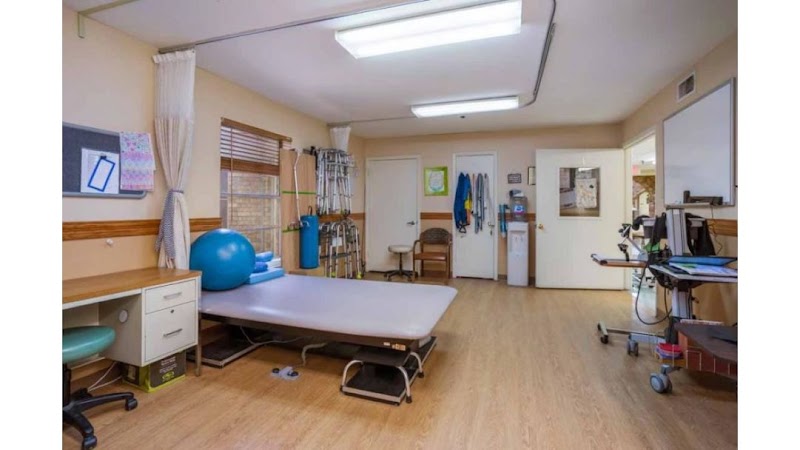
CMS rates WINDSOR NURSING AND REHABILITATION CENTER OF BASTR's staffing level at 1 out of 5 stars, which is much below average compared to other nursing homes. Staff turnover is 49%, compared to the Texas average of 46%.

What Have Inspectors Found at Windsor Of Bastr?

State health inspectors documented 12 deficiencies at WINDSOR NURSING AND REHABILITATION CENTER OF BASTR during 2023 to 2025. These included: 9 with potential for harm and 3 minor or isolated issues.
Who Owns and Operates Windsor Of Bastr?

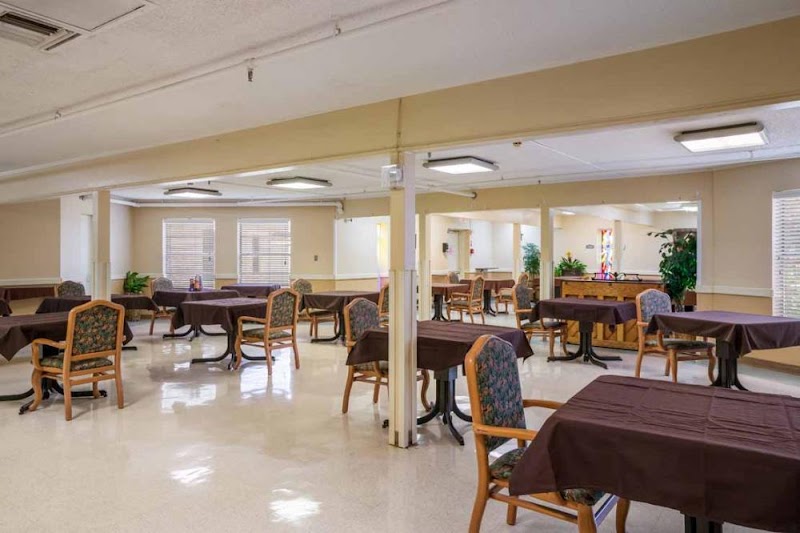
WINDSOR NURSING AND REHABILITATION CENTER OF BASTR is owned by a government entity. Government-operated facilities are typically run by state, county, or municipal agencies. The facility is operated by WELLSENTIAL HEALTH, a chain that manages multiple nursing homes. With 96 certified beds and approximately 52 residents (about 54% occupancy), it is a smaller facility located in BASTROP, Texas.

How Does Windsor Of Bastr Compare to Other Texas Nursing Homes?

Compared to the 100 nursing homes in Texas, WINDSOR NURSING AND REHABILITATION CENTER OF BASTR's overall rating (5 stars) is above the state average of 2.8, staff turnover (49%) is near the state average of 46%, and health inspection rating (5 stars) is much above the national benchmark.

What Should Families Ask When Visiting Windsor Of Bastr?

Based on this facility's data, families visiting should ask: "Can you walk me through typical staffing levels on day, evening, and night shifts?" "Can I visit during a mealtime to observe dining assistance and food quality?" "How do you handle medical emergencies, and what is your hospital transfer rate?" "Can I speak with family members of current residents about their experience?" These questions are particularly relevant given the below-average staffing rating.

Is Windsor Of Bastr Safe?

Based on CMS inspection data, WINDSOR NURSING AND REHABILITATION CENTER OF BASTR has a clean safety record: no substantiated abuse findings (meaning no confirmed cases of resident harm), no Immediate Jeopardy citations (the most serious violation level indicating risk of serious injury or death), and is not on the Special Focus Facility watch list (a federal program monitoring the lowest-performing 1% of nursing homes). The facility has a 5-star overall rating and ranks #1 of 100 nursing homes in Texas. While no facility is perfect, families should still ask about staff-to-resident ratios and recent inspection results during their visit.

Do Nurses at Windsor Of Bastr Stick Around?

WINDSOR NURSING AND REHABILITATION CENTER OF BASTR has a staff turnover rate of 49%, which is about average for Texas nursing homes (state average: 46%). Moderate turnover is common in nursing homes, but families should still ask about staff tenure and how the facility maintains care continuity when employees leave.

Was Windsor Of Bastr Ever Fined?

WINDSOR NURSING AND REHABILITATION CENTER OF BASTR has no federal fines on record. CMS issues fines when nursing homes fail to meet care standards or don't correct problems found during inspections. The absence of fines suggests the facility has either maintained compliance or corrected any issues before penalties were assessed. This is a positive indicator, though families should still review recent inspection reports for the full picture.

Is Windsor Of Bastr on Any Federal Watch List?

WINDSOR NURSING AND REHABILITATION CENTER OF BASTR is not on any federal watch list. The most significant is the Special Focus Facility (SFF) program, which identifies the bottom 1% of nursing homes nationally based on persistent, serious quality problems. Not being on this list means the facility has avoided the pattern of deficiencies that triggers enhanced federal oversight. This is a positive indicator, though families should still review the facility's inspection history directly.