
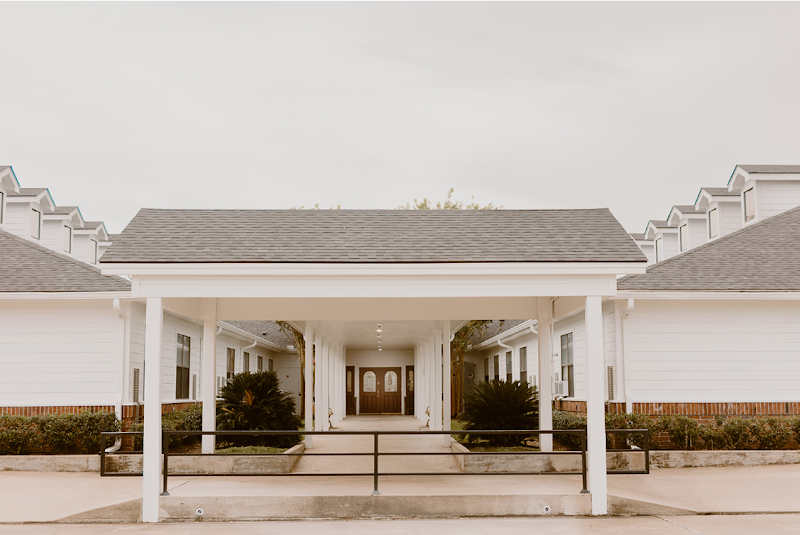
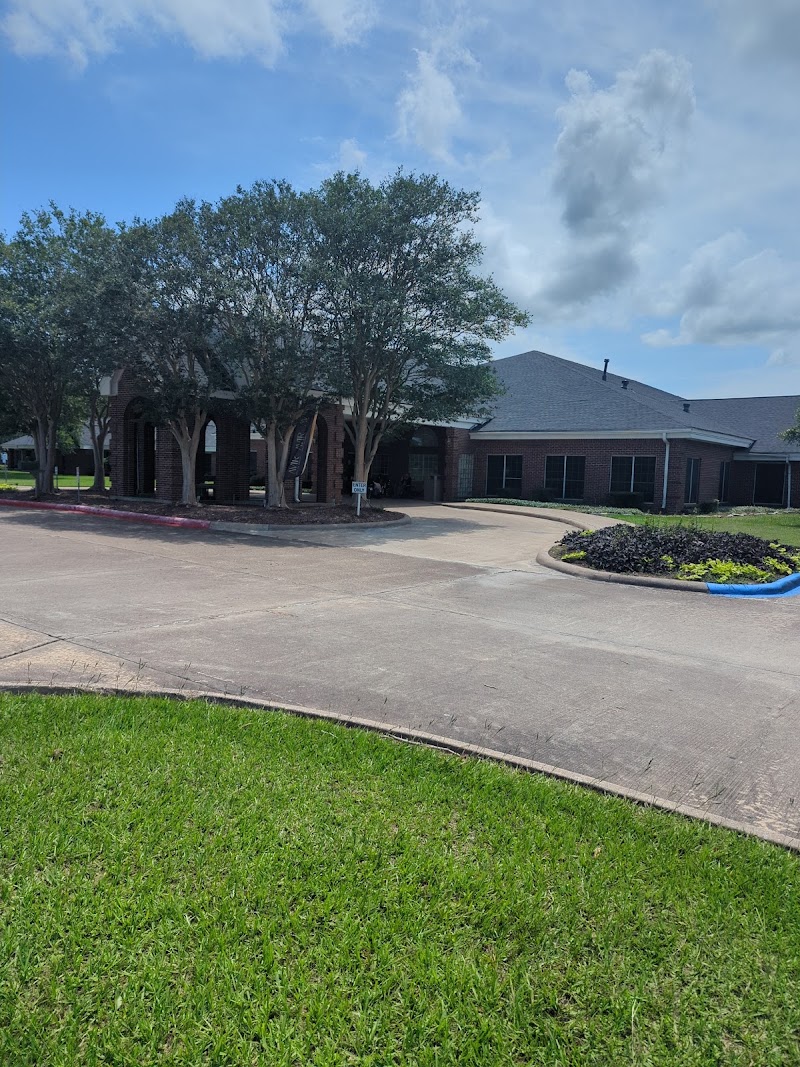

AVIR AT BAY CITY

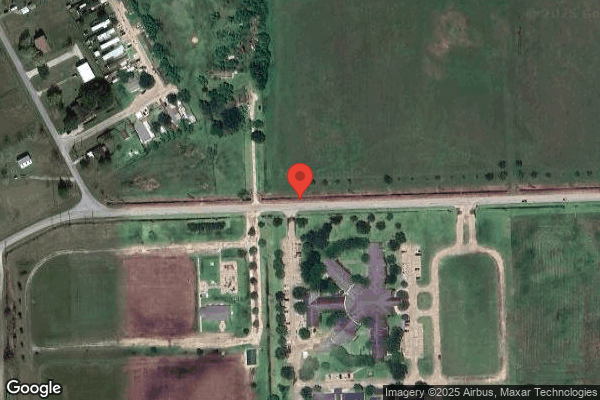
700 12TH ST, BAY CITY, TX 77414 (979) 245-7800
For profit - Corporation 120 Beds AVIR HEALTH GROUP Data: November 2025 2 Immediate Jeopardy citations
Trust Grade
29/100
#398 of 1168 in TX
Last Inspection: December 2024

Within standard 12-15 month inspection cycle. Federal law requires annual inspections.

Overview

Avir at Bay City has a Trust Grade of F, indicating significant concerns about the quality of care provided. They rank #398 out of 1168 facilities in Texas, placing them in the top half, but their county rank of #1 out of 3 suggests they are the best option in Matagorda County. Although the facility is improving, having reduced issues from 17 in 2023 to 9 in 2024, there are still serious staffing concerns with a poor rating of 1 out of 5 and a high turnover rate of 62%. The home has received fines totaling $23,689, which is average for the area, but it also has less RN coverage than 93% of Texas facilities, raising concerns about nursing oversight. Specific incidents include failure to properly assess a resident after a fall, leading to injuries, and issues with discharge planning that left residents without necessary care summaries, highlighting both the facility’s strengths and weaknesses.

Trust Score
F
29/100
In Texas
#398/1168
Top 34%
Safety Record
High Risk
Review needed
Inspections
Getting Better
17 → 9 violations
Staff Stability
⚠ Watch
62% turnover. Above average. Higher turnover means staff may not know residents' routines.
Penalties
✓ Good
$23,689 in fines. Lower than most Texas facilities. Relatively clean record.
Skilled Nurses
⚠ Watch
Each resident gets only 11 minutes of Registered Nurse (RN) attention daily — below average for Texas. Fewer RN minutes means fewer trained eyes watching for problems.
Violations
⚠ Watch
33 deficiencies on record. Higher than average. Multiple issues found across inspections.
★★★☆☆
3.0
Overall Rating
★☆☆☆☆
1.0
Staff Levels
★★★★★
5.0
Care Quality
★★★☆☆
3.0
Inspection Score
Stable
2023: 17 issues
2024: 9 issues

The Good

  • 5-Star Quality Measures · Strong clinical quality outcomes
  • Full Sprinkler Coverage · Fire safety systems throughout facility
  • No fines on record

Facility shows strength in quality measures, fire safety.

The Bad

3-Star Overall Rating

Near Texas average (2.8)

Meets federal standards, typical of most facilities

Staff Turnover: 62%

16pts above Texas avg (46%)

Frequent staff changes - ask about care continuity

Federal Fines: $23,689

Below median ($33,413)

Minor penalties assessed

Chain: AVIR HEALTH GROUP

Part of a multi-facility chain

Ask about local staffing decisions and management

Staff turnover is elevated (62%)

14 points above Texas average of 48%

The Ugly 33 deficiencies on record

2 life-threatening
Dec 2024 6 deficiencies
CONCERN (D)

Potential for Harm - no one hurt, but risky conditions existed

Deficiency F0645 (Tag F0645)

Could have caused harm · This affected 1 resident

**NOTE- TERMS IN BRACKETS HAVE BEEN EDITED TO PROTECT CONFIDENTIALITY** Based on observation, interview and record review, the facility failed to ensure the coordination of assessments with the Pre-ad...

Read full inspector narrative →
**NOTE- TERMS IN BRACKETS HAVE BEEN EDITED TO PROTECT CONFIDENTIALITY** Based on observation, interview and record review, the facility failed to ensure the coordination of assessments with the Pre-admission Screening and Resident Review (PASRR) program was provided for 1 of 4 residents reviewed for PASRR screenings (Resident #49). The facility did not correctly identify Resident #49 as having mental illness in his PASRR Level 1 Screening. This failure could place residents with documented mental illness diagnoses at risk of not receiving needed care and services in the appropriate setting. Findings included: Record review of Resident #49's face sheet, not dated revealed a [AGE] year-old male admitted to the facility on [DATE] with diagnoses of Parkinson's disease (a disorder of the central nervous system that affects movement), psychosis (a mental disorder characterized by a disconnection from reality), scabies (a contagious skin condition caused by microscopic mites), muscle weakness, Dementia (a group of thinking and social symptoms that interferes with daily functioning), traumatic brain injury, chronic kidney disease, Rheumatoid arthritis (a chronic inflammatory disorder usually affecting small joints in the hands and feet) and anemia. Record review of physician orders dated 3/21/24 indicated Resident #49 was prescribed Sertraline 100 mg once daily and Trazadone 50 mg once daily for depression. Record review of quarterly MDS dated [DATE] indicated Resident #49 had a BIMS of 2 which indicated severe cognitive impairment. Resident #49 had active diagnoses of depression and psychotic disorder and was taking an antidepressant. Record review of Resident #49's care plan dated 9/13/24 indicated Resident #49 received antidepressant medication r/t dx depression. Approaches included: assess/record effectiveness of drug treatment, monitor and report signs of sedation, hypotension, or anticholinergic symptoms, and pharmacy consultant review. Record review of the PASRR level1 screening from the hospital dated 3/20/2024 indicated Resident #49 was negative for mental illness, intellectual disability, and developmental disability. Record review of the PASRR level 1 screening dated 12/5/24 indicated Resident #49 was negative for mental illness, intellectual disability, and developmental disability. Observation and interview with Resident #49 on 12/3/24 at 10:15 am, he was sitting on a chair in the activity room, watching an aide pass out jig saw puzzles to other residents. This surveyor asked how he was, Resident #49 said he was fine. He did not answer any more questions, he sat at the chair observing other residents. Interview with the MDS Coordinator on 12/5/24 at 11:41 am, she said the PASRR Level 1 form for Resident #49 was copied from the PASRR form that came from the hospital . The MDS Coordinator said the process for PASRR assessments was to look at the clinicals from where the resident came from and use the diagnoses from the resident's face sheet. She said she was solely responsible for PASRR assessments. She said the risk to the resident when not assessed correctly would be they could miss out on services provided by the state. Interview with the Regional Reimbursement Consultant on 12/5/24 at 3:10 pm, she said when a new resident comes into the facility, the PASRR assessment should be conducted that first day. She said staff should look at the referral packet and supporting diagnoses as well. If the resident triggered a positive PASRR this would get submitted to the appropriate agency. She said the risk to the resident would be they would not qualify for services they may need. The Regional Reimbursement Consultant said MDS Coordinator is responsible for the PASRR assessments, and the Administrator looks behind the MDS Coordinator for completed assessments. A policy for Resident Assessments was requested from the Administrator on 12/5/24 at 10:05 am but was not provided.
CONCERN (D)

Potential for Harm - no one hurt, but risky conditions existed

Unnecessary Medications (Tag F0759)

Could have caused harm · This affected 1 resident

**NOTE- TERMS IN BRACKETS HAVE BEEN EDITED TO PROTECT CONFIDENTIALITY** Based on observation, interview and record review the facility failed to ensure that the medication error rate was not five perc...

Read full inspector narrative →
**NOTE- TERMS IN BRACKETS HAVE BEEN EDITED TO PROTECT CONFIDENTIALITY** Based on observation, interview and record review the facility failed to ensure that the medication error rate was not five percent (%) or greater. The facility had a medication error rate of 7% based on 2 errors out of 28 opportunities, which involved 1 of 4 residents (Residents #45) reviewed for medication errors. 1. The facility failed to ensure MA A administered the correct dose of Clonazepam to Resident #45. 2. The MA failed to administer Methimazole to Resident #45 according to physician orders and administered the medication after meal instead of before meal. These failures could place residents at risk of not receiving the intended therapeutic benefits of prescribed medications. Findings include: Record review of Resident #45's face sheet, dated 12/05/24, reflected a [AGE] year-old female who was admitted to the facility on [DATE]. Her diagnoses included Alzheimer's disease (a brain disorder that gradually destroys memory and thinking skills, and eventually the ability to carry out daily tasks:), Hypothyroidism (when the thyroid gland doesn't make enough thyroid hormones to meet your body's needs.) Generalized anxiety disorder, and major depressive disorder. Record review of Resident #45's quarterly MDS assessment, dated 11/14/24, reflected a BIMS score of 10 out of 15, which indicated moderate cognitive impairment. The resident was independent and required set-up assistance from staff with ADL care. Record review of Resident #45's, care plan dated 06/12/24, indicated she had a history of anxiety and on antianxiety medication. Her interventions were to Monitor for drug use effectiveness and adverse consequences, and monitor resident's mood and response to medication. Record review of Resident #45's Physician Orders starting 11/15/24 reflected an active order for clonazepam tablet; 0.5 mg; amount: 1/2 TABLET; oral [DX: Generalized anxiety disorder] Twice A Day. There was also an active order with a start date of 12/03/24 for Methimazole tablet; 5 mg; amount: 1 Tablet; oral with special instructions to administer 1 hour before meals. Record review of Resident #45's MAR starting 11/15/24 reflected the Clonazepam 0.5 mg; amount: 1/2 TABLET; oral administered twice a day. Record review of Resident #45's MAR starting 12/03/24 reflected methimazole tablet; 5 mg; 1 Tablet; oral; administered twice a day 1 hour before meals. During medication pass observation on 12/05/24 at 8:39 AM, MA A administered Clonazepam 0.5 mg tablet and Methimazole 5mg tablet. Resident was observed with breakfast tray on bedside table with 75% of her breakfast eaten. MA proceeded to administer her medication to include the Clonazepam 0.5 tab. Interview on 12/05/24 at 9:31 AM, MA A said she had been working at the facility since 2021. She said she did on-boarding training and medication competences during that time but had not had any recent training on medication administration. She said Clonazepam was administered to Resident #45 for anxiety. She said she was unaware she was supposed to administer Clonazepam .25 mg instead of the Clonazepam 0.5 mg tablet because the tablet was already scored. She said she should have clarified the order with the nurses before administration. She said the risk of too much Clonazepam could cause side effects, including lethargy and dizziness. MA A said she should have administered the Methimazole as ordered. She said all medications should be administered as ordered by the physician. She said the purpose of this medication was to maintain appropriate thyroid levels and said the risk of not administering the medication before meals could lead to the medication not working properly. Interview on 12/05/24 at 9:49 AM with LVN A, who said MA A informed her today that she was administering the incorrect dosage for the Clonazepam. She said she would contact the attending physician to clarify the orders and make the corrections on the MAR and with the Pharmacy. She also said that she was informed that Methimazole was not being administered before meals as ordered. She said thyroid medications should be administered as ordered due to metabolism of the medication. She said it can interfere with absorption and not work properly, which could ultimately lead to a thyroid storm and/or hospitalization. Telephone Interview with the NP on 12/05/24 at 10:23 AM regarding the administration of Methimazole after meals. She said it does not really matter if the medication was administered before meals, like levothyroxine. However, the order said to take 60 mins before meals, and it should be administered as directed. Regarding the Clonazepam 0.5mg PO give 1/2 tab, it also should be administered as ordered. Interview on 12/05/24 at 12:37 PM with ADON A, who said her expectation of the staff was reading the MAR and clarifying orders with the ADON or DON before administering medication. She said the Methimazole should be administered as ordered to achieve the greatness effectiveness of the medication. She said she was unaware of the MA's quarterly or annual re-education. She said administering medications not as ordered can cause the resident not to receive a therapeutic dose, but it can also cause a resident to overdose and increase side effects such as drowsiness, confusion, dizziness and possible falls. Interview on 12/05/24 at 12:41 PM with the DON, who has been at the facility for 3 months. She said her expectation was to administer medications as ordered. She said the staff should check the MARs against the order and clarify the order. She said Clonazepam can cause increase drowsiness, and increase dizziness, and hallucinations, which can cause falls. Record review of the facility's Administering Medications policy, revised dated December 2012, read in part . Policy Interpretation and Implementation 20. As required or indicated for a medication, the individual administering the medication will record in the resident's medical record: a. The date and time the medication was administered; b. The dosage; c. The route of administration; d. The injection site (if applicable); e. Any complaints or symptoms for which the drug was administered, f. Any results achieved and when those results were observed, g. The signature and title of the person administering the drug .
CONCERN (D) 📢 Someone Reported This

A family member, employee, or ombudsman was alarmed enough to file a formal complaint

Potential for Harm - no one hurt, but risky conditions existed

Infection Control (Tag F0880)

Could have caused harm · This affected 1 resident

**NOTE- TERMS IN BRACKETS HAVE BEEN EDITED TO PROTECT CONFIDENTIALITY** Based on observation, interview, and record review, the facility failed to maintain an infection control program designed to pro...

Read full inspector narrative →
**NOTE- TERMS IN BRACKETS HAVE BEEN EDITED TO PROTECT CONFIDENTIALITY** Based on observation, interview, and record review, the facility failed to maintain an infection control program designed to provide a safe, sanitary, and comfortable environment and to help prevent the development and transmission of disease and infection for 1 (Resident #69) of 5 resident reviewed for infection control. The facility failed to ensure that CNA A, used appropriate PPE during urinary catheter care to Resident #69. These failures could place residents at-risk for infection due to improper care practices. Findings Included: Record review of Resident #36's face sheet dated 12/03/2024 revealed resident was admitted to the facility on [DATE], age [AGE] years old. Resident #69 had a diagnosis of Malignant neoplasm of liver (a cancerous tumor that can start in the liver or spread to the liver from another part of the body). Record review of Resident #69 doctor's order dated 11/19/2024 revealed that Resident was ordered Enhanced Barrier Precautions for Foley Catheter. Enhanced Barrier Precautions for a Foley urinary catheter means that healthcare workers should wear a gown and gloves when performing any high-contact care activities related to the catheter, such as changing the drainage bag or manipulating the catheter itself, as the presence of an indwelling catheter puts a patient at higher risk of acquiring or transmitting multidrug-resistant organisms (MDROs) and requires extra precaution to prevent infection. Observation on 12/05/2024 at 12:00pm, of urinary catheter care provided to Resident #69 by CNA A who did not implement Enhanced Barrier Precautions for urinary catheter care of Resident #69 while providing urinary catheter care the resident. After entering Resident #69's room, CNA A donned gloves but failed to donn (put on) a gown prior to providing urinary catheter care. CNA A provided urinary catheter care, by cleaning the urinary catheter, handling the bag, and emptying urine from the drainage bag without implementing the recommended Enhanced Barrier Precautions of wearing a gown. Interview on 12/05/2024 at 12:20pm, CNA A confirmed that Enhanced Barrier Precautions should be maintained for Resident #69. CNA A stated Resident #69 was on Enhanced Barrier Precautions for urinary catheter. CNA A stated that she was knowledgeable and had been trained on the facility's infection control policy. CNA A was able to articulate knowledge related to what PPE (gown and gloves) should be used when providing care for residents who are on Enhanced Barrier Precaution. CNA A stated that when the donning of PPE is not implemented infection could spread to other residents and staff. Interview with the DON on 12/05/2024 at 1:10pm, who stated that she did not know why CNA A did not implement Enhanced Barrier Precautions and donn proper PPE when providing care to Resident #69. The DON stated that Resident #69 was on Enhanced Barrier Precautions for urinary catheter. The DON stated that CNA A should have donned PPE (gown and gloves) prior to entering the resident's room and when she provided urinary catheter care. The DON stated that staff had been trained on infection control and transmission-based precautions. The DON stated that when the donning of PPE is not implemented infection could spread to other residents and staff. The DON stated that all staff are responsible for ensuring that transmission-based precautions are implemented. Interview on 12/05/2024 at 1:45pm, with the Infection Preventionist, who stated that staff had been trained on infection control and transmission-based precautions. The Infection Preventionist stated that Resident #69 was on Enhanced Barrier Precautions for urinary catheter. The Infection Preventionist, stated that CNA should have donned PPE (gown and gloves) prior to entering the resident's room and when she provided care. The Infection Preventionist stated that when the donning of PPE is not implemented infection could spread to other residents. The surveyor requested the facility policy related to Infection Control and Transmission Based Precautions. The Infection Preventionist stated all staff are responsible for ensuring that transmission-based precautions are implemented. The Infection Preventionist stated additional training would be provided. The Infection Preventionist stated that all staff are offered refresher training courses and in services to ensure that staff are continually reminded of policies and procedures. Record review of staff trainings revealed that staff was on Infection Prevention and Enhanced Barrier Precautions on 10/15/2024 and 11/20/2024. Record review of the facility's provided policy, titled Enhanced Barrier Precautions, dated 03/2024, indicated . Enhanced barrier precautions (EBPs) are utilized to reduce the transmission of multi-drug resistant organisms (MDROs) to residents .Enhanced barrier precautions (EBPs) are used as an infection prevention and control intervention to reduce the transmission of multi-drug resistant organisms (MDROs) to residents .EBPs employ targeted gown and glove use in addition to standard precautions during high contact resident care activities when contact precautions do not otherwise apply .Gloves and gown are applied prior to performing the high contact resident care activity (as opposed to before entering the room) .Examples of high-contact resident care activities requiring the use of gown and gloves for EBPs include device care or use (central line, urinary catheter, feeding tube, tracheostomy/ventilator, etc.).
CONCERN (E)

Potential for Harm - no one hurt, but risky conditions existed

Deficiency F0727 (Tag F0727)

Could have caused harm · This affected multiple residents

Based on interview and record review, the facility failed to use the services of a registered nurse for at least 8 consecutive hours 7 days a week reviewed for RN coverage for 5 of 30 days reviewed fo...

Read full inspector narrative →
Based on interview and record review, the facility failed to use the services of a registered nurse for at least 8 consecutive hours 7 days a week reviewed for RN coverage for 5 of 30 days reviewed for nursing services. (11/9/24, 11/10/24, 11/23/24, 11/24/24 and 11/30/24). The facility failed to have an RN for 8 consecutive hours 7 days a week for 5 days from November 9, 2024, through November 10, 2024, November 23, 2024, through November 24, 2024, and November 30, 2024. This failure could place residents at risk of lack of nursing oversight and a higher level of care. Findings included: Record review of a Detailed Calculated Time form from 11/1/24 through 11/30/24 indicating RN hours worked indicated no RN hours for 11/9/24, 11/10/24, 11/23/24, and 11/24/24. The report indicated less than 8 hours a day worked on 11/30/24- 2.25 hours. Further review of the report indicated the DON did not work any hours on 11/9/24, 11/10/24, 11/23/24, 11/24/24, and 11/30/2024. Record Review of the facility's Civil Rights form (3761) (Texas Health and Human Services form that list the facility staff to ensure the facility is not violating the Civil Rights of staff hired) not dated, indicated the following: 4 RNs 9 LVNs 34 Direct Care Staff 14 Dietary 11 Housekeeping & Laundry 12 All Others Interview with ADON A on 12/5/24 at 3:30 PM she said if there was a last minute call-in, the facility will call their own staff first and if their on-call staff cannot come in, they would call an agency for nurses. Interview with DON on 12/5/24 at 4:50 pm, she said the facility has one full-time RN and a PRN RN that works nights. The DON said she would come in and assist if there was no RN on duty. The DON said the facility also used an agency for RN staff if needed. The DON said she did not think there was a risk to the resident if a nurse was not on duty. She said some of their LVNs were better workers than their RNs. A policy for RN coverage was requested on 12/5/24 at 4:27 PM, the Administrator stated in an email the facility does not have a policy on RN staffing, they followed the state rules and regulations. Record review of Centers for Medicare & Medicaid Services. State Operations Manual, Appendix PP Guidance to Surveyors for Long Term Care Facilities (February 2023 Revision). F727: RN 8 Hrs./7days/Wk., Full Time DON . Policy read in part . Except when waived . the facility must use the services of a registered nurse for at least 8 consecutive hours a day, 7 days a week .
CONCERN (E) 📢 Someone Reported This

A family member, employee, or ombudsman was alarmed enough to file a formal complaint

Potential for Harm - no one hurt, but risky conditions existed

Pharmacy Services (Tag F0755)

Could have caused harm · This affected multiple residents

**NOTE- TERMS IN BRACKETS HAVE BEEN EDITED TO PROTECT CONFIDENTIALITY** Based on interview, and record review, the facility failed to provide pharmaceutical services (including procedures that assure ...

Read full inspector narrative →
**NOTE- TERMS IN BRACKETS HAVE BEEN EDITED TO PROTECT CONFIDENTIALITY** Based on interview, and record review, the facility failed to provide pharmaceutical services (including procedures that assure the accurate acquiring, receiving, dispensing, and administering of all drugs and biologicals) to meet the needs of each resident for 2 (Resident #11 and Resident #45) of 25 residents reviewed for pharmacy services. The facility failed to ensure Resident #11's medications were reordered timely to prevent the medications being unavailable for administration to the resident. The facility failed to administer two doses of Hydrocodone-acetaminophen- Schedule II tablet; 10-325 mg; oral on 12/04/2024 at 1 AM and 7 AM for Resident #11. The facility failed to monitor the blood pressure and pulse before administering Diltiazem (a blood pressure (BP) medication given to control high blood pressure and chest pain) and Amiodarone (prevents fast or irregular heartbeat) to Resident #45 as ordered by the physician. The facility failed to monitor the blood pressure and pulse before administering Losartan (a blood pressure (BP) medication given to control high blood pressure and chest pain) and Metoprolol (prevents fast or irregular heartbeat and relax blood vessels) to Resident #11 as ordered by the physician. These failures could place residents at risk for adverse effects of pain, discomfort, increase side effects, not receiving the therapeutic effects of the medication, and a decline in health. The findings were: Record review of Resident #11's admission Record revealed Resident #11 was a [AGE] year-old female who was admitted to the facility on [DATE]. Resident #11 had diagnoses of Pain in left shoulder,and Other chronic pain, Hypertensive heart disease with heart failure (high blood pressure), Paroxysmal atrial fibrillation (a type of irregular heartbeat, or arrhythmia, that occurs in brief episodes that last less than seven days), and Heart failure (a serious condition that occurs when the heart is unable to pump enough blood to meet the body's needs), Record review of Resident #11's Medication Administration Record (MAR) read in part . The resident had a scheduled medication of Hydrocodone-acetaminophen- Schedule II tablet; 10-325 mg; 1 tablet; oral. The MAR noted under Scheduled Start Date/Time, 12/04/2024 at 01:00, Not Administered: Drug/Item Unavailable Comment: MD ordered but med has not arrived from pharmacy- LVN B and on 12/04/2024 at 07:00, Not Administered: Other Comment: pending delivery. CN aware of unavailability- CMA A . Record review of Resident #11's MDS dated [DATE] noted the resident had a BIMS score of 12 indicating some cognitive impairment and had Other Chronic Pain. Resident #11 received scheduled pain medication regimen. The MDS did not indicate a frequency of the pain. Record review of Resident #11's Care Plan, undated read in part . Problem: Resident has Dx /Hx of chronic pain with potential for breakthrough issues. Goal: Resident will verbalize reduction of pain. Approach: Administer medications as ordered. Monitor and record effectiveness. Report adverse side effects. Resident is at risk for deterioration in ADLs RT Chronic pain . Record review of Physician Order Report dated 11/05/2024 - 12/05/2024 read in part . Prescription 12/19/2023 - Open Ended. hydrocodone-acetaminophen - Schedule II tablet; 10-325 mg; amt: 1 tablet; oral Special Instructions: FOR PAIN. [DX: Sciatica (A severe pain that radiates from the back into the hip and outer side of the leg caused by compression of the sciatic nerve), unspecified side]. Every 6 Hours; 01:00, 07:00, 13:00, 19:00 . Ordered by MD B. Record review of secure text dated 11/30/2024 at 2:30 PM sent by CMA A to NP noted that Resident #11 needed a refill on their Hydrocodone-acetaminophen. The NP acknowledged the text with a thumbs up emoji at 2:55 PM. Record review of secure text dated 12/01/2024 at 7:47 AM sent by CMA A to NP. The NP replied at 3:25 PM that she had sent the prescription refill to MD A yesterday. Interview on 12/05/2024 at 12:53 PM with Charge Nurse/LVN A. She said Medication Aides ordered medications for the medication cart. The medications have a reorder sticker and a date to reorder them by. She said the nurses also reorder medications. She said for controlled substances, the facility used a system called Signal to text the doctor or Nurse Practitioner. She said when reordering medications, you put the patient's name, dose and frequency and let the NP/doctor know the resident needs more medications, and the doctor sent the order to the pharmacy. She said she reviewed the medications cart weekly and looked at the dates on all medications. She said on her days off, on 12/02, staff messaged the doctor that the facility needed more of the resident's medication. She said the CMA A did not order the medication within seven days of the medication running out. She said the morning of 12/04/2024 when she came into work, CMA A notified her that Resident #11 was out of their Hydrocodone-acetaminophen. Charge Nurse/LVN A called MD A and notified her of needing more Hydrocodone-acetaminophen. She said the Hydrocodone-acetaminophen arrived at 1 PM on 12/04/2024. She said the resident received their Hydrocodone-acetaminophen on their next dose at 1 PM on 12/04/2024. She said the resident never stated she was in pain. She said she ordered medications and restocked her medication cart weekly. She said it was a few months ago since she was trained on ordering medications and following physician's orders. She said the DON, ADON, Administrator, and her as a charge nurse were responsible for oversight to ensure staff followed physician's orders. She said she oversaw the Medication Aides. She said the risk to residents when protocol or policy regarding following physician's orders were not followed could be physical harm, and or mental harm. Interview on 12/05/2024 at 1:25 PM with CMA- A. She said on the blister pack there was a sticker that had an order after date. If a medication needed to be refilled, then she placed that reorder sticker on a medication refill sheet and sent the order to the pharmacy. Then if she worked the next day, she followed up with the night nurse to determine if the medication arrived because deliveries were at night. She said she ordered the Hydrocodone-acetaminophen for Resident #11. She said she followed up on the medication ordered with the NP. She said last week she worked the weekend 11/30- 12/01/2024 and she told the NP after 6pm on 12/01/2024 that the resident needed a refill on Resident #11's Hydrocodone-acetaminophen. She said if a resident needed a narcotic refilled, she had to ask NP for a refill. She said the NP told her ok on 11/30/2024 then she waited for the medication to arrive to the facility. She said she followed up with the NP on 12/01/2024. She said she was off on 12/02/2024 and 12/03/2024. She said she also notified the charge nurse on 12/03/2024. She said she administered medications to Resident #11. She did not recall when she last had training on orderings meds and following physician's orders. She said the DON was responsible for ensuring policy was followed for ordering meds and following physician's orders. She said if she saw medications were getting short then she would report to the charge nurse and if the charge nurse did not want to listen then she went to the DON. She said the risk to residents if staff did not follow physician's orders was the residents did not get their medications and then the residents could get sick, or the residents could be in pain. Interview on 12/05/2024 at 1:37 PM with DON. When reordering medications, she said if a resident's medication was a controlled substance, then the Medication Aide informed the nurse, and the nurse informed the doctor. The doctor then sent a written prescription into the pharmacy, then the facility waited for the medication to come in. She said the facility had e-kits, but Hydrocodone-acetaminophen not included. She said the resident's Hydrocodone-acetaminophen ran out on 12/03/202 and the Medication Aide should have contacted ADON B, then notified the NP on 12/02/2024 to reorder the Hydrocodone-acetaminophen. The medication had not arrived at the facility by 12/03/2024. Charge Nurse/LVN A and the NP sent the script to the pharmacy on 12/03/2024. She said she thought the failure occurred because NP did not send the script to the pharmacy in time to get the medication for Resident #11. She said she was responsible for oversight to ensure staff followed all clinical protocol and policy. She said the risk to residents of not following physician's orders depended on the situation. She said with medications, the resident could be in pain and the worst thing that could happen to the resident was pain for the resident. Interview on 12/05/2024 at 1:45 with CMA A, Charge Nurse/LVN A, and the DON. CMA A said she text the NP on 11/30 about reordering medications and followed up on 12/01/2024. The DON said ADON B followed up with the NP on 12/02/2024. Interview on 12/05/2024 at 2:16 PM ADON B. She said the Medication Aides and nurses reordered medications. She said for controlled substance there were no refills, the Medication Aides notified the nurse, to then notify the doctor to renew the prescription. She said she notified MD A who worked with MD B. Interview on 12/05/2024 at 2:41 PM with CMA A. She said Resident #11 had 4 or 5 tablets of Hydrocodone-acetaminophen left when she notified MD A on 11/30/2024. She said her procedure was to notify NP and at that time MD A had an emergency. She said normally she notified MD A when a controlled medication needed to be refilled. She said she did not have the number for MD B and NP. She said the nurse had MD B's number. She said there was no restriction from her getting MD B's number. She said she would not normally contact MD B and it was easier to get a hold of MD A. Record review of Resident #11's Physician Orders, dated 10/06/23 with an open-end date; Metoprolol Tartrate tablet; 25 mg; amount: 0.5 tab; oral. Special Instructions: give 25mg 1/2 tab to equal 12.5 mg total dose. Hold for SBP <110 OR HR <60. Give at noon. Record review of Resident #11's Physician Orders, dated 03/14/2024 with an open-end date, reflected losartan tablet; 50 mg; amount: 1 tablet; oral. Special Instructions: Hold for SBP <110; Once A Day at 18:00. Record review of Resident #11's Medication Administration Record (MAR) dated 11/5/2024 - 12/5/2024 reflected, the resident was administered Metoprolol and Losartan by MA C with the same blood pressure and pulse reading for both medication administration times on the following days: November 8th: 12:00 PM & 6:00 PM B/P -148/63 and Pulse-66 November 10th: 12:00 PM & 6:00 PM B/P - 132/64 and Pulse-67 November 23rd: 12:00 PM & 6:00 PM B/P- 137/62 and Pulse- 78 November 27th: 12:00 PM & 6:00 PM B/P-133/88 and Pulse-63 November 28th: 12:00 PM & 6:00 PM B/P-146/63 and Pulse-67 December 2nd: 12:00 PM & 6:00 PM B/P-147/60 and Pulsie-67 December 3rd: 12:00 PM & 6:00 PM B/P-136/64 and Pulse-69 Record review of Resident #45's face sheet, dated 12/05/24, reflected a [AGE] year-old female who was admitted to the facility on [DATE]. Her diagnoses included Alzheimer's disease (a brain disorder that gradually destroys memory and thinking skills, and eventually the ability to carry out daily tasks:), Hypothyroidism (when the thyroid gland doesn't make enough thyroid hormones to meet your body's needs.) Generalized anxiety disorder, and major depressive disorder. Record review of Resident #45's quarterly MDS assessment, dated 11/14/24, reflected a BIMS score of 10 out of 15, which indicated moderate cognitive impairment. The resident was independent and required set-up assistance from staff with ADL care. Record review of Resident #45's care plan with a revision date of 09/19/2024 reflected a potential for complications, signs and symptoms related to diagnosis of hypertension. Resident receives anti-hypertensive and is at risk for side effects. Approach: Administer medications as ordered and monitor; Monitor and report BP as ordered. Notify MD of significant abnormalities. Record review of Resident #45's Physician Orders, dated 11/14/2024, revealed, Diltiazem HCl tablet; 60 mg; amount: 1 Tab; oral; three times a day with Special Instructions: Hold for systolic Blood Pressure <100 and apical pulse is <60 Record review of Resident #45's Physician Orders, dated 11/14/2024, Amiodarone tablet; 200 mg; 1 TABLET; oral; twice a day; Special Instructions: HOLD for PULSE < 60. Record review of Resident #45's Medication Administration Record (MAR) dated 11/5/2024 - 12/5/2024 reflected, the resident was administered Diltiazem and Amiodarone by MA C with the same blood pressure (B/P) and pulse reading for 2 of 3 medication administration times on the following days: November 8th: 7:00AM & 3:00 PM B/P -164/98 and Pulse-93 November 10th: 7:00AM & 3:00 PM B/P - 136/77 and Pulse-74 November 18th: 7:00AM & 3:00 PM B/P -148/76 and Pulse-82 & (3:00 PM) Pulse-66 November 23rd: 7:00AM & 3:00 PM B/P- 133/61 and Pulse- 86 November 27th: 7:00AM & 3:00 PM B/P-133/88 and Pulse-77 November 28th: 7:00AM & 3:00 PM B/P-140/77 and Pulse-82 December 2nd: 7:00AM & 3:00 PM B/P-137/68 and Pulsie-63 December 3rd: 7:00AM & 3:00 PM B/P-114/67 and Pulse-70 Attempted telephone interview on 12/05/24 at 1:16 PM MA C regarding vital signs prior to administration of anti-hypertensive and cardiac medication administration. No response. left Voice mail message. Interview 12/05/24 at 1:57 PM with LVN A. She said the expectation was for the MA's to take vital signs (Blood pressure (B/P's) and pulse) prior to medication administration as ordered by the physician. She said if they do not check a resident B/P and pulse and a parameter was required for medication administration, it can drop the resident's B/P too low due to the initial dose given. The risk of them administering the med could include weakness, dizziness, or passing out. The worst thing that could happen is the blood pressure dropping too low and the resident could die. Interview 12/05/24 at 2:00 PM with ADON B, who has been at the facility for 1 week. She said the staff should perform vital signs (v/s) prior to admin of B/P meds due to parameters. She said you should not use the same v/s from the initial dose. She said not doing v/s prior could cause the resident to be overmedicated. She said the worst thing that could happen would be the B/P was so low that a resident could code. Interview on 12/05/24 at 2:09 PM with DON regarding B/P prior to Hypertension medication. She said that the B/P should be done prior to administration if there are parameters. She said the risk of not doing vital signs would be bottoming out which means the resident can become hypotensive. Interview on 12/05/24 at 2:16 PM with Regional Nurse, who said the staff should follow orders as written by the physician. She said the staff would not know the parameters if B/P was not taken. She said the risk was a lower B/P and the resident may become lethargic or have a lower B/P than desired and the resident could lead the resident to be transferred out of the facility to the hospital. Interview on 12/05/24 at 2:21 PM with Interim Administrator, who said her expectation was for the nursing staff to check V/S as indicated on the orders. She said possible contraindications would be the resident could become lethargic and their v/s could be lower than normal levels. She said she was unsure as the worse that could happen. Record review of the facility's Administering Medications policy, revised dated December 2012, read in part . Policy Interpretation and Implementation. 8, The following information must be checked/verified for each resident prior to administering medications: a. Allergies to medications; and b. Vital signs, if necessary .
CONCERN (E) 📢 Someone Reported This

A family member, employee, or ombudsman was alarmed enough to file a formal complaint

Potential for Harm - no one hurt, but risky conditions existed

Food Safety (Tag F0812)

Could have caused harm · This affected multiple residents

Based on observation, interview, and record review, the facility failed to store, prepare, distribute, and serve food in accordance with professional standards for food service safety for the kitchen....

Read full inspector narrative →
Based on observation, interview, and record review, the facility failed to store, prepare, distribute, and serve food in accordance with professional standards for food service safety for the kitchen. The facility failed to ensure on 12/03/2024 at 8:15 AM that a container of bacon grease, chicken noodle soup and French toast were labeled and dated with the preparation date and expiration date. The facility failed to ensure a bag of open tortillas was sealed. The facility failed to ensure the label on the ground beef in the freezer was legible. These failures had the potential to place residents at risk of serious complications from foodborne illness because of their compromised health status. Record review of Food Receiving and Storage policy dated November 2022 read in part . Foods shall be received and stored in a manner that complies with safe food handling practices. 1. All foods stored in the refrigerator or freezer are covered, labeled, and dated (use by date). 7. Refrigerated foods are labeled, dated, and monitored so they are used by their use-by date, frozen, or discarded . Findings include: Interviews and observations on 12/03/2024 beginning at 8:15 AM with the Dietary Manager. The refrigerator had a container of what the Dietary Manager identified as bacon grease, chicken noodle soup and French toast did not reflect the preparation and expiration dates During the walkthrough of the freezer, a bag of tortillas was observed unsealed. The Dietary Manager identified ground beef that had a label but was illegible. Interview on 12/04/2024 at 2:48 PM with the Dietary Manager. She said the policy or procedure for prepared food was it needed to be labeled and dated with the preparation date and expiration date, and ensure the foods were sealed with a lid. She said what happened this survey was an employee forgot or was distracted. She said she in-serviced the kitchen staff on labeling and storing foods. She said she was last in-serviced on food storage and labeling 30 days ago. She said kitchen staff were in-serviced monthly. She said she was responsible for oversight to ensure staff followed protocol. She said the risk to the residents if policy or protocol was not followed was a possibility of contamination. She said the worst thing that could happen to residents when proper protocols are not practiced was diarrhea or stomach issues. U.S. Food and Drug Administration Food Code dated 2022 read in part . 3-305.11 (A) Except as specified in (B) and (C) of this section, FOOD shall be protected from contamination by storing the FOOD: (1) In a clean, dry location; (2) Where it is not exposed to splash, dust, or other contamination . TAC Ch. 228 Subchapter A read in part . (a) The purpose of this chapter is to implement Texas Health and Safety Code, Chapter 437, Regulation of Food Service Establishments, Retail Food Stores, Mobile Food Units, and Roadside Food Vendors. (b) The department adopts by reference the U.S. Food and Drug Administration (FDA) Food Code 2017 (Food Code) and the Supplement to the 2017 Food Code. (c) The department does not adopt by reference the following sections, paragraphs, and subparagraph of the FDA Food Code, 3-202.13, 3-202.14(C), 3-202.18(A), 5-102.11, 5-102.13, 5-102.14, 5-104.11(B)(1), 6-101.11(B), 6-202.18, 8-201.11, 8-202.10, 8-203.10, 8-302.11-14, 8-303.10-30, 8-304.10, 8-304.20, 8-401.10, 8-401.20, 8-402.10, 8-402.20-40, 8-403.40, and 8-501.10-40, and the definitions for accredited program, drinking water, food establishment, game animal, general use pesticide, public water system, regulatory authority, safe material, service animal, and vending machine location. (d) In the event of a conflict, Texas law and rules in this chapter prevail over the adopted Food Code .
Sept 2024 2 deficiencies
CONCERN (E) 📢 Someone Reported This

A family member, employee, or ombudsman was alarmed enough to file a formal complaint

Potential for Harm - no one hurt, but risky conditions existed

Comprehensive Care Plan (Tag F0656)

Could have caused harm · This affected multiple residents

**NOTE- TERMS IN BRACKETS HAVE BEEN EDITED TO PROTECT CONFIDENTIALITY** Based on interview and record review, the facility failed to develop and implement a comprehensive person-centered care plan for...

Read full inspector narrative →
**NOTE- TERMS IN BRACKETS HAVE BEEN EDITED TO PROTECT CONFIDENTIALITY** Based on interview and record review, the facility failed to develop and implement a comprehensive person-centered care plan for each resident that includes measurable objectives and timeframes to meet the resident's medical, nursing, mental, and psychosocial needs and describes the services to be furnished to attain or maintain the resident's highest practicable physical, mental, and psychosocial well-being for 1 of 6 residents (Resident #1) reviewed for comprehensive care plans. The facility failed to develop a comprehensive person-centered care plan for Resident #1 as identified in the Care Area Assessment of the admission MDS assessment. This failure could place residents at risk of not having personalized plans developed to address their specific care needs. Findings included: Record review of Resident 1#'s undated face sheet revealed an [AGE] year-old male admitted on [DATE] with a readmission on [DATE] and primary diagnosis of Chronic diastolic congestive heart failure (a condition that occurs when the left ventricle of the heart becomes stiff and can't relax properly between heartbeats.) Record review of Resident 1's admission MDS assessment, dated 06/21/2024, reflected the resident was assessed in section C with a BIMS score of 05 that indicated severe cognitive impairment. Section V for CAA summary reflected additional care areas of cognitive loss/dementia, visual function, communication, ADL Functional/Rehabilitation Potential, Urinary Incontinence, Falls, Nutritional Status, Pressure Ulcer, Psychotropic Drug Use, and Pain. Record review of Resident #1's undated Care Plan reflected a plan of care only for the category Nutritional Status: Problem Start Date: 06/19/2024 Resident is at risk for weight loss due to new admit to facility. Resident is currently on Dys (Dysphagia) advanced diet, thin liquids. Created: 06/19/2024 Long Term Goal Target Date: 09/16/2024 Resident weight will be stable through the next review date Created: 06/19/2024 Approach Start Date: 06/19/2024 Honor Resident's food preferences to the best of our ability. Notify MD, RD and RP of any significant weight changes. Honor Resident's diet as ordered. RD will assess resident quarterly or as needed. Created: 06/19/2024 In an interview and observation on 09/12/2024 at 1:20 pm, of Resident#1 in his room at the facility. He said that he did not have any care concerns. In an interview on 09/12/2024 at 2:25 p.m. with the MDS Coordinator, she said that she was an LVN, and started at the facility in May of 2021. She said that she was tasked to complete all MDS assessments and comprehensive care plans for the facility. She said that the comprehensive care plan is due within 21 days of admission and the care plan was based on what is triggered on the CAAs of the MDS. She said that anything that is on the CAAs summary should be on the comprehensive care plan. She said that the purpose of the comprehensive person-centered care plan was to have a plan of care for the resident with goals and interventions based on the care areas. She said that if a resident does not have a comprehensive person centered care plan there could be an issue treating the resident, and care could be missed by nursing staff. She said that no one reviews her work to ensure that care plans are completed with accuracy. She said that on 09/11/2024 the administrator told her to update the care plan of Resident #1 as instructed by the facility's corporate nurse (RNC). She said that she completed the admission MDS and comprehensive care plan for Resident #1. She said that when she went to review the care plan there was only a focus for nutritional status. She said that the IDT participants are the DON, ADON, Activities, Dietary Manager, Director of Rehabilitation and Social Worker. She said that the focus of each department is addressed during the IDT, and she is responsible for putting the information provided from each department in the care plan. She said that she did not complete the careplan for Resident #1 and it was an oversight. She said that the DON is oversight for the care plans, and the DON at the time of Resident #1's admission was the corporate nurse (RNC). She said that it was no one's job but hers, and it was on her that Resident #1 did not have a comprehensive care plan after the MDS was completed on 06/21/2024. In an interview on 09/12/2024 at 3:07pm with the Administrator, he said that he started on 08/26/2024. He said that the MDS Coordinator completes all comprehensive care plans for the facility. He said that Resident #1 did not have a care plan as of yesterday (9/11/24) that was comprehensive and person centered and it was an oversight. He said that it was brought to his attention by RNC who told him to have the MDS Coordinator update the care plan. He said that the DON has oversight for care plans, and at the time of Resident #1's admission it would have been RNC. He said that he was not the Administrator at the time that Resident #1 admitted to the facility. He said that he was the Administrator when Resident #1 discharged to the hospital from [DATE]-[DATE]. He said that if a resident has a change of condition or goes out to the hospital the care plan should be updated and reviewed in the morning stand up meeting attended by each department head upon readmission. He said that Resident #1 had a readmission and the error should have been caught during the clinical review of the records of Resident #1 at the time of his re-admission that Resident#1 did not have a comprehensive careplan completed after the admission MDS was finalized. He said that the purpose of a comprehensive, person-centered care plan is to ensure measurable objectives and timetables to meet the resident's physical, psychosocial and functional needs are developed and implemented for each resident. He said that the risk to a resident without a comprehensive person-centered care plan is that the resident may not receive care that is tailored to their needs. Interview on 09/12/2024 at 3:09pm with the RNC, who said that she was a registered nurse and has worked for the facility's corporate entity for 9 years. She was the interim DON until the current DON started on 09/10/2024. She said that she noticed that Resident #1 did not have comprehensive care plan on 09/11/2024, that addressed all his care areas. She said that she told the MDS Coordinator to complete it, and it was an oversight. She said that she was the oversight to ensure that the MDS Coordinator was completing the care plans, she should have been auditing the care plans, and she would start auditing. She said that the error with the care plan of Resident #1 should have been corrected when reviewed at the weekly quality of care meeting with all department heads present. She said that the purpose of a comprehensive person-centered care plan was to provide accurate care to the resident. She said that the risk to the resident would be that the nurses would not have a readily accessible plan of care for the resident's care areas but there would not be a delay in care. Record review of the Policies and Procedures titled, Care Plans, Comprehensive Person-Centered dated March 2022 read in part .Policy Statement .A comprehensive, person-centered care plan that includes measurable objectives and timetables to meet the resident's physical, psychosocial and functional needs is developed and implemented for each resident. Policy Interpretation and Implementation 1. The interdisciplinary team (IDT), in conjunction with the resident and his/her family or legal representative, develops and implements a comprehensive, person-centered care plan for each resident 2. The comprehensive, person-centered care plan is developed within seven (7) days of the completion of the required MDS assessment (Admission, Annual or Significant Change in Status), and no more than 21days after admission. 7. The comprehensive, person-centered care plan: a. includes measurable objectives and timeframes; b. describes the services that are to be furnished to attain or maintain the resident's highest practicable physical, mental, and psychosocial well-being, 12. The interdisciplinary team reviews and updates the care plan: a. when there has been a significant change in the resident's condition; .c. when the resident has been readmitted to the facility from a hospital stay; .
CONCERN (E) 📢 Someone Reported This

A family member, employee, or ombudsman was alarmed enough to file a formal complaint

Potential for Harm - no one hurt, but risky conditions existed

Deficiency F0657 (Tag F0657)

Could have caused harm · This affected multiple residents

**NOTE- TERMS IN BRACKETS HAVE BEEN EDITED TO PROTECT CONFIDENTIALITY** Based on interview, observation, and record review, the facility failed to develop a comprehensive care plan within seven days a...

Read full inspector narrative →
**NOTE- TERMS IN BRACKETS HAVE BEEN EDITED TO PROTECT CONFIDENTIALITY** Based on interview, observation, and record review, the facility failed to develop a comprehensive care plan within seven days after completion of the comprehensive assessment, for 1 of 6 residents (Resident #1) reviewed for comprehensive care plans. The facility failed to develop a comprehensive person-centered care plan for Resident #1 within 7 days of the completed admission MDS assessment and no more than 21 days after admission. This failure could place residents at risk for not receiving the required person-centered care. The findings were: In an interview and observation on 09/12/2024 at 1:20 pm, of Resident#1 in his room at the facility. He said that he did not have any care concerns. In an interview on 09/12/2024 at 2:25 p.m. with the MDS Coordinator, she said that she was an LVN, and started at the facility in May of 2021. She said that she was tasked to complete all MDS assessments and comprehensive care plans for the facility. She said that the comprehensive care plan is due within 21 days of admission. She said that the purpose of the comprehensive person-centered care plan was to have a plan of care for the resident with goals and interventions based on the care areas. She said that if a resident does not have a comprehensive person centered care plan there could be an issue treating the resident, and care could be missed by nursing staff. She said that no one reviews her work to ensure that care plans are completed with accuracy. She said that on 09/11/2024 the administrator told her to update the care plan of Resident #1 as instructed by the facility's corporate nurse (RNC). She said that she completed the admission MDS and comprehensive care plan for Resident #1. She said that Resident#1 admitted on [DATE], the admission MDS was completed on 6/21/2024, and she did not complete the careplan until 09/11/2024 to include all the areas from the CAA. She said that she did not complete the careplan for Resident #1 and it was an oversight. She said that the DON is oversight for the care plans, and the DON at the time of Resident #1's admission was the corporate nurse (RNC). She said that it was no one's job but hers, and it was on her that Resident #1 did not have a comprehensive care plan after the MDS was completed on 06/21/2024. In an interview on 09/12/2024 at 3:07pm with the Administrator, he said that he started on 08/26/2024. He said that the MDS Coordinator completes all comprehensive care plans for the facility. He said that Resident #1 did not have a care plan as of yesterday (9/11/24) that was comprehensive and person centered and it was an oversight. He said that it was brought to his attention by RNC who told him to have the MDS Coordinator update the care plan. He said that the DON has oversight for care plans, and at the time of Resident #1's admission it would have been RNC. He said that he was not the Administrator at the time that Resident #1 admitted to the facility. He said that he was the Administrator when Resident #1 discharged to the hospital from [DATE]-[DATE]. He said that if a resident has a change of condition or goes out to the hospital the care plan should be updated and reviewed in the morning stand up meeting attended by each department head upon readmission. He said that Resident #1 had a readmission and the error should have been caught during the clinical review of the records of Resident #1 at the time of his re-admission that Resident#1 did not have a comprehensive careplan completed after the admission MDS was finalized. He said that he was unsure of when the comprehensive care plan should be completed after a resident is admitted to the facility but it should be done according to the policy. He said that the risk to a resident without a comprehensive person-centered care plan is that the resident may not receive care that is tailored to their needs. Interview on 09/12/2024 at 3:09pm with the RNC, who said that she was a registered nurse and has worked for the facility's corporate entity for 9 years. She was the interim DON until the current DON started on 09/10/2024. She said that she noticed that Resident #1 did not have comprehensive care plan on 09/11/2024, she told the MDS Coordinator to complete it, and it was an oversight. She said that she was the oversight to ensure that the MDS Coordinator was completing the care plans, she should have been auditing the care plans, and she would start auditing. She said that the comprehensive care plan should be completed within 21 days. She said that the error with the care plan of Resident #1 should have been corrected when reviewed at the weekly quality of care meeting with all department heads present. She said that the purpose of a comprehensive person-centered care plan was to provide accurate care to the resident. She said that the risk to the resident would be that the nurses would not have a readily accessible plan of care for the resident's care areas but there would not be a delay in care. Record review of the Policies and Procedures titled, Care Plans, Comprehensive Person-Centered dated March 2022 read in part .Policy Statement .A comprehensive, person-centered care plan that includes measurable objectives and timetables to meet the resident's physical, psychosocial and functional needs is developed and implemented for each resident. Policy Interpretation and Implementation .2. The comprehensive, person-centered care plan is developed within seven (7) days of the completion of the required MDS assessment (Admission, Annual or Significant Change in Status), and no more than 21days after admission.
Feb 2024 1 deficiency 1 IJ
CRITICAL (J) 📢 Someone Reported This

A family member, employee, or ombudsman was alarmed enough to file a formal complaint

Immediate Jeopardy (IJ) - the most serious Medicare violation

Quality of Care (Tag F0684)

Someone could have died · This affected 1 resident

**NOTE- TERMS IN BRACKETS HAVE BEEN EDITED TO PROTECT CONFIDENTIALITY** Based on observation, interview, and record review, the facility staff failed to ensure residents received treatment and care in...

Read full inspector narrative →
**NOTE- TERMS IN BRACKETS HAVE BEEN EDITED TO PROTECT CONFIDENTIALITY** Based on observation, interview, and record review, the facility staff failed to ensure residents received treatment and care in accordance with professional standards of practice, the comprehensive care plan, and the residents' choices for 1 resident of 17 residents (Resident #1) reviewed for quality of care. The facility failed to assess Resident #1, who was prescribed daily anticoagulant medication, before lifting her up off the floor when she had an unwitnessed fall and sustained facial injuries and a bleeding hematoma to the back of her head. An Immediate Jeopardy (IJ) was identified on 02/22/2024. The IJ template was provided to the facility on [DATE] at 3:22 p.m. While the IJ was removed on 02/24/2024, the facility remained out of compliance at a scope of isolated with the potential for more than minimal harm that is not immediate jeopardy, due to the facility's need to evaluate the effectiveness of the corrective. These failures placed residents who experience falls with injuries at risk of further injury, pain and delayed medical treatment. Findings include: Record review of Resident#1 face sheet on 02/22/24 revealed that she was an [AGE] year-old white female that was originally admitted to the facility 10/01/22. She has the diagnoses of Alzheimer (A progressive disease that destroys memory and other important mental functions), Pneumothorax, unspecified (A condition when air leaks into the space between the lungs and chest wall), Acute kidney failure (A condition in which the kidneys suddenly can't filter waste from the blood), Hypokalemia (A blood level that is below normal in potassium), and bipolar disorder(A disorder associated with episodes of mood swings ranging from depressive lows to manic highs). Record review of Resident#1's Quarterly MDS, dated [DATE] revealed Resident #1 BIMS score was determined to be three due to cognitive impairment. MDS completed by staff, which indicated Resident#1 had memory problems and was severely impaired cognitively. Resident#1 did exhibit behavioral symptoms of wandering and required supervision and one-person physical assist for ADLs. Record review of Resident #1's care plan dated 01/10/24 indicated she had impaired communication, evidenced by: resident having difficulty making herself understood and understanding others. Also, Resident #1 was care planned for bleeding because she was prescribed Plavix. Interventions include administer medications as ordered, engage the resident in simple structured activities that avoid overly demanding tasks, watch for bleeding, blood in urine, and blood in stool. Record review of Resident#1 physician's orders dated 10/19/22 revealed that she was prescribed blood thinner Plavix 75mg per day and she should be monitored for bleeding, blood in urine, and blood in stool. Observation of video pertaining to Resident#1's fall dated 2/5/24 revealed that she was on the floor and CNA-B came into the room and lifted Resident#1 off the floor before she had been assessed by a Nurse. In an interview with LVN-A on 02/21/24 at 6:51pm she stated CNA B notified her that Resident#1 was in the room of another resident on the floor. LVN-A stated before she was able to get to the memory care unit, Resident#1 had been lifted from the floor of the other resident's room and placed in her own bed, which was next door. LVN-A stated during the assessment of Resident#1 she discovered that Resident#1 had a bump and laceration to the back of her head and the right side of her head, and she had a bump and laceration to her right cheek and right side of her eye with bruising. LVN-A stated the facility protocol was not followed regarding this incident. She stated that CNA-B should not have lifted Resident#1 off the floor before she was assessed. LVN-A said lifting a resident off the floor before they are properly assessed puts the resident in danger of more severe injuries because you don't know the extent of their injuries due to the fall. In an interview with CNA-B on 02/22/24 at 9:58 am she stated that she was doing her rounds when she saw Resident#1 in the room of another resident. She said that Resident#1 was on the floor at the foot of a bed. She said she sent LVN A, who was also responsible for caring for resident on another hall, a text message, letting her know what happened. CNA-B stated that Resident#1 was trying to get up off the floor. She said she left the room to check on other residents and when she returned to Resident #1, she was still trying to get off the floor. She said she was afraid that Resident#1 would fall again so she lifted Resident#1 off the floor and took her back to her room and laid her in the bed. CNA-B stated she noticed that Resident#1 had blood coming from the back of her head. In an interview with the facilities' DON on 02/22/24 at 11:51am she stated that facility policy states that when there is an unwitnessed fall that a resident must be assessed before they are lifted from the floor. She said that the reason that a resident must be assessed is because the extent of their injuries is unknown and that by lifting them from the floor could cause more severe injuries. She said she was aware CNA-B lifted Resident #1 off the floor prior to a nursing assessment because she saw the incident on video. She said she conducted an in-service on falls after the incident, but CNA-B did not attend. In an interview with LVN-B on 02/22/24 at 11:45am she stated that she had reported to the Administrator and DON that more staff were needed on the Memory Care Unit, because having one staff assigned to Memory Care Unit was not safe for the residents and was not fair to staff. LVN-B also said that during the night shift there are more falls and because of that, more staff was needed. In an interview with the facilities' DON on 02/22/24 at 11:51am she stated that having one staff assigned to the Memory Care Unit during the hours of 6:00pm to 6:00am with eighteen residents was sufficient. The DON stated staff had complained that more staff was needed in the memory care unit on the night shift. The DON stated she did not go to the Memory Care Unit during the night shift to validate staff complaints, however, specific resident's psychotropic medications were adjusted. Record review of Resident#1's nurses note dated 02/05/2024 written by LVN A read in part, Resident#1 was found on the floor in another resident's room by CNA B. She had a bump and laceration to the back of her head. She also had a bump and laceration to her right check and right eye. She is being sent to the ED because she is on blood thinners. The provider, responsible party and DON were notified. have sustained a small gash or laceration to her right upper brow. She was awake and alert. In an interview on 2/21/24 at 6:30pm LVN A said she was notified by CNA B that Resident #1 was in the room of another resident on the floor. LVN A said that CNA B told her that she had lifted Resident#1 off the floor and placed her in her bed and that Resident#1 had two bumps to her head that were bleeding. LVN A was asked if it was proper protocol for a resident to be lifted off the floor before being assessed by a Nurse and she said no it's not proper protocol to move a resident before they are assessed. LVN A was asked what the risk is of moving a resident before they are accurately assessed. She stated that the resident may have a fracture, dislocation, or other more serious injuries. LVN A stated that she examined Resident #1 and called the facility Doctor, DON, and Responsible party. LVN A said that she was given orders by the facility Doctor to send Resident#1 to the Hospital. This was determined to be an Immediate Jeopardy (IJ) on 02/22/2024 at 3:22 p.m. The VP of Operations, the DON, and the Regional Reimbursement Consultant were notified. The VP of Operations was provided with the IJ template on 02/22/2024 at 3:22 p.m. A Plan of Removal was requested at that time. The following Plan of Removal submitted by the facility was accepted on 02/23/2024 at 6:06 p.m.: The Plan of Removal was accepted on 02/23/24. An Immediate Jeopardy (IJ) was identified on 02/22/2024. The IJ template was provided to the facility on [DATE] at 3:22 p.m. While the IJ was removed on 02/24/2024, the facility remained out of compliance at a scope of isolated with the potential for more than minimal harm that is not immediate jeopardy, due to the facility's need to evaluate the effectiveness of the corrective. Facility Plan to ensure compliance: Plan to remove immediate jeopardy. The facility failed to ensure residents received treatment and care in accordance with professional standards of practice, the comprehensive care plan, and the residents' choices for Resident#1 who was found in the room of another resident on the floor bleeding from her head on 02/05/24. The facility failed to assess Resident #1 before she was lifted from the floor. F684 On 2/22/24, the director of nursing/designee completed an assessment of resident #1 for changes in condition, no concerns were identified. Resident #1 fall assessment and care plan were reviewed. The director of nursing/designee completed assessments on all residents on secure unit for any changes in condition, no concerns identified. The director of nursing/designee reviewed falls for the last thirty (30) days to determine timely notifications and that facility policy was followed, no concerns were noted. Fall assessments and care plans for residents with a previous history of falls and at risk of falls from wandering were reviewed and updated as needed. This was completed on 2/22/24. The VP-Regional Director in-serviced C.N.A. 1:1 on fall management/changes in condition, and notification to a licensed nurse to assess a resident before moving resident. It was completed on 2/22/2024. Current nurse staffing ratios are sufficient to cover the facility and will be reviewed during the QAPI meeting to revise depending on current facility census. The current staffing ration has been determined sufficient to meet the needs of every resident in the facility and will be reviewed in QAPI meeting for any changes. Medical Director was notified by Vice-President, Regional Director on 2/22/24 of Immediate Jeopardy and plan of removal. Starting on 2/22/24, the Director of Nursing and the Vice-President, Regional Director, initiated in-service with facility staff on adequate supervision and the policy regarding a change in condition specifically related to the fall policy. Included in the training was not moving a resident before a licensed nurse assessed the resident. Staff were also educated at this time on the facility protocol of having two (2) staff members on the Secured Unit. The staff will first call out for a licensed nurse, if no response they will call via phone, if no response, a staff member will stay with the resident while another staff member goes to notify the licensed nurse that help is needed. The in-services will be by DON/Designee, including PRN staff, agency, and weekends staff. On 2/23/24, the Regional Nurse Consultant in-serviced the Director of Nursing and nursing management on completing the post-fall observation after a resident fall in the morning clinical meeting to determine new interventions and update the care plan. The staff nurses are completing and have been trained on post fall assessment to include immediate interventions by the DON on 2/22/24. An Ad-Hoc QAPI meeting was held 2/22/24, with the Medical Director, VP and Regional Director, and the Director of Nursing to review the alleged deficiency, policy and procedure, and the plan for removal of immediacy. On 2/22/24, the Director of Nursing/Designee will interview at least 5 staff members on compliance with the education. The VP-Regional Director will be responsible for ensuring this plan is completed on 2/22/2024. Monitoring: Observation of the facility on 02/24/2024 from 12:50 a.m. until 2:45 a.m. revealed there were always two staff members inside the locked memory care unit. Before LVN E left the unit for any reason, he called another staff to go to the unit and stay until he returned. Record review of facility document, Quality Assessment and Performance Improvement Plan dated 02/22/2024 at 5:14 p.m. revealed the facility's management team met with their medical director regarding in-services, assessments, and audits necessary to remove immediacy. Record review of 'In-service Training Report dated 02/22/2024 revealed CNA B was educated by the VP of Operations regarding falls, the locked unit, and changes in resident conditions. The document read in part, When a resident is found on the floor (fallen), go to the resident, stay with the resident. Do not move the resident. Activate the call light (if in the room), call (yell) for help; use your cellular phone to call the facility or 911. Once the LVN/RN arrives at the scene, she takes charge. Wait for further directions. The secure unit will be always staffed with two staff members. If one staff comes off the unit, that staff must be replaced until they return to the unit . Record review of 'In-service Training Report dated 02/22/2024 revealed LVN A was educated by the VP of Operations regarding falls, the locked unit, and changes in resident conditions. The document read in part, When a resident is found on the floor (fallen), go to the resident, stay with the resident. Do not move the resident. Activate the call light (if in the room), call (yell) for help; use your cellular phone to call the facility or 911. Once the LVN/RN arrives at the scene, they take charge. Wait for further directions. Do not move the resident until the nurse gives direction. Record review of 'In-service Training Report dated 02/22/2024 revealed all facility staff were educated by the DON regarding falls management and changes in resident conditions. Record review of 'In-service Training Report dated 02/22/2024 revealed all facility staff were educated by the Regional Reimbursement Consultant regarding secure unit staffing. The document read in part, The secure unit will be always staffed with two staff members. If one staff member needs to exit the unit, they must have another staff member relieve them, until they return to the unit. Record review of 'In-service Training Report dated 02/23/2024 revealed all facility nurses were educated by the DON regarding post fall assessments. The documents read in part, The charge nurse is to complete the Post Fall Assessment as soon as practical, by the end of shift, along with progress note. The charge nurse is to implement the doctor recommendations and to include the immediate intervention with the DON. Record review of 'In-service Training Report dated 02/23/2024 revealed all facility nurses were educated by the DON regarding post fall assessments. The documents read in part, The events will be reviewed in the morning meeting every business day of the week to identify a fall. The director of nursing or nurse management will then open the post fall observation and complete the fall history, validate doctor and responsible party notifications, and develop an intervention for the fall and update the care plan. The IDT should participate in developing new interventions. The care plan will be updated during the meetings by nursing management. Record review of -service: Post-Fall Assessment to Director of Nursing and Nursing Management dated 02/23/2024 revealed the nursing managers, including the DON, ADON, and the MDS LVN were educated by the Regional Nurse Consultant regarding post-fall assessments. Record review of facility documents titled; Wound Location Chart dated 02/22/2024 revealed all memory care residents (18), including Resident #1, were assessed from head to toe with all skin injuries/variances noted. There were no necessary changes to any of the residents' care plans. Record review of an audit of all recent facility falls (01/23/2024 - 02/23/2024) revealed 7 of the 18 falls during the that time occurred in the locked memory care unit on varied shifts (4 were during the night shift). There were no necessary changes to any of the residents' care plans. Record review of Compliance Interviews F-684 dated 02/22/2024 revealed the DON tested five staff regarding recent in-services. All five staff answered the questions correctly with no concerns. Interviews were conducted on 02/24/2024 from 12:50 a.m. until 1:00 p.m. with staff on both shifts (6:00 a.m. - 6:00 p.m. and 6:00 p.m. - 6:00 a.m.) including the VP of Operations, the Regional Reimbursement Consultant, DON, LVN A (night shift), CNA B (night shift), LVN C (day shift), LVN D (night shift), LVN E (night shift), CNA F (night shift), LVN G (night shift), CNA H (night shift), CNA I (night shift), CNA J (day shift), CNA K (day shift), CNA L (day shift), Housekeeper M (day shift), and LVN N (day shift) to verify the in-services were conducted and to validate the staff understanding of the information presented to them. No concerns were found regarding understanding of requirements, training material and expectations. The VP of Operations, the Regional Reimbursement Consultant, DON, LVN A, CNA B, LVN C, LVN D, LVN E, CNA F, LVN G, CNA H, CNA I, CNA J, CNA K , CNA L, Housekeeper M, and LVN N were able to explain the importance of assessing residents for injuries and other complications before moving them after they experience falls, staying with the resident after they experience falls, requesting assistance from a nurse or other staff by utilizing the call light system, yelling for help, or using personal cellular phone devices, and ensuring there is adequate staffing (at least two staff) in the locked memory care unit at all times during the night shift. The VP of Operations and the Regional Reimbursement Consultant were informed the Immediate Jeopardy was removed on 02/24/2024 at 1:10 p.m. The facility remained out of compliance at a severity level of no actual harm with the potential for more than minimal harm that is not immediate jeopardy and a scope of isolated due to the facility's need to evaluate the effectiveness of the corrective systems that were put into place.
Dec 2023 2 deficiencies
CONCERN (D) 📢 Someone Reported This

A family member, employee, or ombudsman was alarmed enough to file a formal complaint

Potential for Harm - no one hurt, but risky conditions existed

Quality of Care (Tag F0684)

Could have caused harm · This affected 1 resident

**NOTE- TERMS IN BRACKETS HAVE BEEN EDITED TO PROTECT CONFIDENTIALITY** Based on observation, interview, and record review, the facility failed to ensure one resident (Resident #2) of five residents r...

Read full inspector narrative →
**NOTE- TERMS IN BRACKETS HAVE BEEN EDITED TO PROTECT CONFIDENTIALITY** Based on observation, interview, and record review, the facility failed to ensure one resident (Resident #2) of five residents reviewed for physician orders received treatment and care in accordance with professional standards of practice, the comprehensive person-centered care plan, and the resident's choices. -Resident #2 was given supplements for colonoscopy preparation but had no order for them. -The colonoscopy preparation supplement had been ordered for a different resident. The deficient practice could place residents at risk of ingesting medications not prescribed resulting in severe abdominal distress and diarrhea. Findings include: Record review of the Face Sheet (printed 11/22/2023) for Resident #2 revealed she was [AGE] years old, and was originally admitted to the facility on [DATE]. Diagnoses included, but were not limited to, unspecified psychosis, dysphagia (difficulty swallowing), and dementia. Record review of the quarterly MDS assessment dated [DATE] revealed Resident #2 was rarely understood, and rarely understood others. The MDS reflected the resident exhibited severely impaired cognitive skills for daily living. Record review of the Care Plan (edited 10/17/2023) for Resident #2 revealed the resident was at risk for nutritional deficit and weight loss related to having severe dementia. An 'approach' read, in part, .diet and supplements as ordered by MD. In an interview via telephone on 11/21/2023 at 9:21 a.m., a family member of Resident #2 said the resident was prepped for a colonoscopy, but she did not have one scheduled. The family member said she received an email from the facility asking what time the colonoscopy appointment was. She said Resident #2 was drained and agitated. Observation on 11/21/2023 at 11:50 a.m. revealed Resident #2 was in her room. She was not interviewable. Her sitter was in the room with her. In an interview on 11/21/2023 at 11:50 a.m., Resident #2's sitter said the next morning the resident had low strength and had diarrhea. In an interview on 11/21/2023 at 2:49 p.m. LVN A said Resident #2 received a bowel prep about a week earlier. She said Resident #2 returned from a doctor's appointment on 10/23/2023 with instructions for bowel prep. She said she taped the instructions onto the 24-hour report. She said the night nurse gave the bowel prep at midnight. She said the facility staff was not able to locate the instructions later that day. She said she looked on the computer for the time of the transport but did not see it. She then called the family member, and the family member was unaware of any colonoscopy appointment. When the hospital was called, they confirmed there was no colonoscopy appointment. Record review of the NN dated 11/10/2023 at five minutes past midnight for Resident #2 revealed LVN B administered the bowel prep. The NN dated 11/10/2023 at 1:11 a.m. for Resident #2 read in part, .Res tol [Resident tolerating] bowl [sic] prep well. cont [continue] to prep for colonoscopy. It was signed by LVN B. The NN dated 11/10/2023 at 2:00 a.m. read in part, .Bowl [sic] prep completed. Res had multiple BM. It was signed by LVN B. LVN B was not available for interview. In an interview on 11/22/2023 at 2:00 p.m., the DON said Resident #2 and Resident #3 had both went to GI doctor appointments on the same day. When they returned to the facility, the paperwork instructions got mixed up. She said there was no name and no date on the instruction sheet for bowel preparation. The DON said an order was not transcribed into the chart. She said the night nurse (LVN B) saw the paperwork in Resident #2's chart and gave the bowel prep with Resident #2's medications. The DON said the next morning Resident #2's family member called, and it was discovered Resident #2 had been given the bowel prep. The physician was notified, and the resident was provided with Pedialyte to rehydrate her. The DON said Resident #2 had diarrhea as if she was going to have the colonoscopy. Resident #3 was not given the bowel prep but did not have the colonoscopy due to waiting for cardiology clearance. As of exit, the bowel preparation instruction sheet was not provided by the facility. The facility policy entitled Medication and Treatment Orders (revised February 2014) read in part, .Orders for medications and treatments will be consistent with principals of safe and effective order writing .3. Drug and biologicals must be recorded on the Physician's Order Sheet in the resident's chart.
CONCERN (D) 📢 Someone Reported This

A family member, employee, or ombudsman was alarmed enough to file a formal complaint

Potential for Harm - no one hurt, but risky conditions existed

Accident Prevention (Tag F0689)

Could have caused harm · This affected 1 resident

**NOTE- TERMS IN BRACKETS HAVE BEEN EDITED TO PROTECT CONFIDENTIALITY** Based on observation, interview, and record review, the facility failed to ensure the resident environment remained as free of a...

Read full inspector narrative →
**NOTE- TERMS IN BRACKETS HAVE BEEN EDITED TO PROTECT CONFIDENTIALITY** Based on observation, interview, and record review, the facility failed to ensure the resident environment remained as free of accident hazards as possible for one (Resident #1) of five residents reviewed on the secured unit for adequate supervision to prevent accidents. The facility failed to ensure resident safety, as evidenced by: -The door of the nurses' office on the secured unit was open and accessible to residents. -Resident #1, a confused resident, was in close proximity to a bag of medications on the nurses' desk, with no staff within line of sight of the nurses' office. The deficient practice placed residents at risk for ingesting medications that could be detrimental to his or her health, resulting in illness or hospitalization. Findings included: Record review of the Face Sheet for Resident #1 (printed 11/22/23) revealed she was [AGE] years old,and was originally admitted to the facility on [DATE]. She resided on the secured unit. Diagnoses included, but were not limited to, paranoid schizophrenia, bipolar disorder, and mood disorder. Record review of the annual MDS assessment dated [DATE] revealed Resident #1 scored 1 of 15 on the BIMS, indicative of severe cognitive impairment. The MDS reflected the resident exhibited inattention and disorganized thinking. The MDS reflected Resident #1 was able to propel her wheelchair with limited assist from one person. Resident #1 did not have functional limited range of motion of any extremities. Record review of the Care Plan for Resident #1 (edited 10/17/2023) revealed the resident could propel her wheelchair short distances without the assist of staff. The Care Plan reflected Resident #1 had a memory/recall deficit, and was disoriented to date/time, and had short-term memory loss. The 'Goal' read, in part, .Resident will non sustain serious injury due to memory/recall deficit. The 'Approach' read, in part, .Ensure resident's areas are free of hazards. Observation on 11/21/2023 at 2:31 p.m., revealed the door of the nurses' station on the 300 Hall (secured unit) was open. A plastic bag of medications was observed to be on the chair just inside the doorway. Resident #1 was observed in the hallway in her wheelchair. She was independently propelling her wheelchair. There was no staff within visibility of the nurses' station or Resident #1. The surveyor monitored the medications and resident. Observation on 11/21/2023 at 2:39 p.m., revealed staff was visible in the dining room, at the opposite end of the hallway from the nurses' station. Observation on 11/21/2023 at 2:41 p.m., revealed the Administrator was in the main area of the facility, visible through the window of the door of the secured unit. The surveyor asked him to come to the unit. The Administrator entered the secured unit. He acknowledged the bag of medications was unattended in the nurses' station. He locked the door and exited the unit. Observation and interview on 11/21/2023 at 2:42 p.m. revealed the Administrator returned to the secured unit with LVN A. LVN A said she usually kept the nurses' station door closed, but she had been called to a meeting. When asked what could have happened, LVN A replied that the resident may or may not have entered the room and may or may not have ingested the medications. Observation on 11/21/2023 at 2:43 p.m. revealed LVN A took inventory of the medications, which were not prescribed for Resident #1 included the following: Resident #1 included the following: -19 Hydrochlorothiozide (HCTZ) 25 mg (diuretic) tablets, -24 Gabapentin 400 mg (anticonvulsant) tablets, -18 Zoloft 50 mg (antidepressant) tabs, -10 Losartan Potassium 10 mg (for treating high blood pressure) tablets, -21 Risperdal 1 mg (antipsychotic) tablets, -30 Atorvastatin 10 mg (reduces Cholesterol) tablets, -13 Amlodipine 10 mg (to treat chest pain) tablets, -13 Protonix 40 mg (to treat reflux) tablets, -28 Latuda 40 mg (antipsychotic) tablets, -19 Topiramate 50 mg (anticonvulsant) tablets, -21 Naproxen 250 mg (treats pain and inflammation) tablets, -27 Depakote 250 mg (preventative medication for seizures) tablets, and -1 Fluconazole spray (antifungal). Interview on 11/22/2023 at 2:00 p.m., the DON revealed she said the door of the secured unit nurses' station should have been locked. She said the resident could have ingested the medications and had side effects. The facility policy entitled Storage of Medications (revised April 2007) read, in part, .The facility shall store all drugs and biologicals in a safe, secure and orderly manner .2. The nursing staff shall be responsible for maintaining medication storage AND preparation areas in a clean, safe, and sanitary manner .7. Compartments (including, but not limited to, drawers, cabinets, rooms, refrigerators, carts, and boxes.) containing drugs and biologicals shall be locked when not in use .
Oct 2023 5 deficiencies
CONCERN (D) 📢 Someone Reported This

A family member, employee, or ombudsman was alarmed enough to file a formal complaint

Potential for Harm - no one hurt, but risky conditions existed

Deficiency F0726 (Tag F0726)

Could have caused harm · This affected 1 resident

**NOTE- TERMS IN BRACKETS HAVE BEEN EDITED TO PROTECT CONFIDENTIALITY** Based on interview, and record review, the facility failed to ensure that licensed nursing staff have the appropriate competenci...

Read full inspector narrative →
**NOTE- TERMS IN BRACKETS HAVE BEEN EDITED TO PROTECT CONFIDENTIALITY** Based on interview, and record review, the facility failed to ensure that licensed nursing staff have the appropriate competencies and skills sets to provide nursing and related services to assure resident safety and attain or maintain the highest practicable physical, mental, and psychosocial well-being of each resident, as determined by resident assessments and individual plans of care for 1 of 18 residents (Resident #52) reviewed for nursing competency, in that: -The facility failed to ensure LVN C was competent in medication administration skills by failing to perform pre and post treatment vital signs, observing resident while administering Handheld nebulizer treatment, and documenting that the medication was administered and completed. These failures could put residents at risk for inadequate care, result in ineffective treatment, worsening of symptoms and/or medical complications. Findings included: Record review of Resident #52's electronic medical record revealed a [AGE] year-old male who was admitted to the facility on [DATE]. Resident #52's diagnoses included Chronic obstructive pulmonary disease (Chronic obstructive pulmonary disease (COPD) is a chronic inflammatory lung disease that causes obstructed airflow from the lungs. Symptoms include breathing difficulty, cough, mucus (sputum) production and wheezing, Cerebral infarction (Also called ischemic stroke, a cerebral infarction occurs as a result of disrupted blood flow to the brain due to problems with the blood vessels that supply it.), Chronic systolic congestive heart failure (Systolic heart failure is a specific type of heart failure that occurs in the heart's left ventricle.). Record review of Resident #52's Order Summary Report dated 09/13/23 revealed he was to receive Ipratropium-Albuterol Solution 0.5-2.5 mg in 3 ml inhalation every four hours as needed for shortness of breath via Handheld nebulizer (HHN), with HHN tubing change every Sunday. Record review of Resident #52's TAR dated 10/01/23-10/25/23 revealed the nursing staff had not documented breathing treatments of Ipratropium-Albuterol Solution by HHN, and there was no tubing change by a nurse during this period (10/01/23-10/25/23). His Pre and post vitals were also not documented on the TAR per policy. LVN C was the nurse for the 10/25/23 night shift. In an interview 10/25/23 at 11:07 a.m., the DON stated that she has been working at the facility for three weeks. The DON stated that if medication was left in the chamber overnight, it could cause the resident to have an adverse reaction to the medication, and the resident would potentially not get what they need, which could cause a decline in health. The DON reviewed the record, and confirmed there was no documentation of vital signs on the MAR/TAR at the time LVN C stated that she gave Resident #52 his HHN treatment. The DON stated the facility will implement an Inservice on HHN administration this week. In a phone interview with LVN C (night shift nurse 6 p.m.-6a.m.) on 10/26/23 at 10:09 a.m., who has worked at the facility for 15 months revealed that the clear solution in the nebulizer chamber was Ipratropium-Albuterol Solution 0.5-2.5 mg in 3 ml. LVN C stated, I usually give him his nebulizer at night around 9:00 p.m. before he goes to bed. LVN C stated, I leave it for him to take it, because that is how I was taught. LVN C stated that she didn't return to the resident's room to see if he had completed the treatment because he wasn't in distress and was asleep. LVN C stated that she never received an in-service on how to administer HHN treatments at this facility but was taught previously. LVN C stated that if she doesn't provide Resident #52 with his HHN treatment that he can become short of breath. In an interview 10/26/23 at 10:27 a.m. the ADON stated that a nurse should stay in the room when a resident was using the inhaler. Vital signs should be done before and after treatment, and the nurse should clean and dry the nebulizer after each treatment and returned to proper storage. The ADON stated, If the nurse doesn't document on the MAR/TAR that the HHN tubing was changed or the medication was administered, then it was not done. She also stated that if a resident doesn't get medication as ordered, it can cause an exacerbation. Review of the facility''s Handheld nebulizer policy titled Administering Medication through a Small Volume (Handheld) Nebulizer indicated the purpose of this procedure is to safely and aseptically administer aerosolized particles of medication into the resident's airway. Steps in procedure: 17. Remains with resident for treatment. 18. Approximately five minutes after treatment begins (or sooner if clinical judgement indicates) obtain resident's pulse. 23. Administer therapy until medication is gone. 26. Obtain post-treatment pulse, respiratory rate, and lung sounds. 30. Change equipment and tubing every seven days, or accordance to facility protocol. The facility''s Medication Administration policy showed . Medication Administration 2. Obtain and record any vital signs as necessary prior to medication administration. 4. Medications are to be administered at the time they are prepared. Documentation: 1. The individual who administers the medication dose, records the administration on the resident's MAR immediately following the medication being given. In no case should the individual who administered the medication report off-duty without first recording the administration of any medication. 4. The resident's MAR/TAR is initialed by the person administering the medication, in the space provided under the date, and on the line for that specific medication dose administration and time. Initial on each MAR/TAR are verified with a full signature in the space provided or on the nursing care center's master employee signature log. 5. When PRN medication is administered, the following documentation is provided: a. Date and time of administration, dose, route of administration (if other than oral), and, if applicable, the injection site. b. Complaint or symptoms for which the medication was given. c. Results achieved from giving the dose and the time results were noted. d. Signature or initial of person recording administration and signature or initials of person recording effects. 6. Once removed from package/container, unused medication doses shall be disposed of according to the nursing care center policy.
CONCERN (D) 📢 Someone Reported This

A family member, employee, or ombudsman was alarmed enough to file a formal complaint

Potential for Harm - no one hurt, but risky conditions existed

Pharmacy Services (Tag F0755)

Could have caused harm · This affected 1 resident

**NOTE- TERMS IN BRACKETS HAVE BEEN EDITED TO PROTECT CONFIDENTIALITY** Based on observation, interview, and record review the facility failed to provide pharmaceutical services to include administeri...

Read full inspector narrative →
**NOTE- TERMS IN BRACKETS HAVE BEEN EDITED TO PROTECT CONFIDENTIALITY** Based on observation, interview, and record review the facility failed to provide pharmaceutical services to include administering of medications to meet the needs of 1 resident (Resident #52) of 18 residents reviewed for pharmacy handheld nebulizer treatments, in that: -Resident #52's scheduled medication was not administered timely and according to facility policy. -The facility failed to change Resident #52's HHN equipment weekly per policy. This deficit practice could affect the resident by not receiving a therapeutic dose and could prevent the resident from receiving the highest possible benefit from their medication. Findings included: Record review of the Face Sheet dated 10/25/23 reflected Resident #52 was a [AGE] year-old male admitted [DATE] with diagnoses of (Chronic obstructive pulmonary disease (COPD) is a chronic inflammatory lung disease that causes obstructed airflow from the lungs. Symptoms include breathing difficulty, cough, mucus (sputum) production and wheezing, Cerebral infarction (Also called ischemic stroke, a cerebral infarction occurs as a result of disrupted blood flow to the brain due to problems with the blood vessels that supply it.), Chronic systolic congestive heart failure (Systolic heart failure is a specific type of heart failure that occurs in the heart's left ventricle.). Observation on 10/25/23 at 8:25 a.m., revealed Resident #52 was receiving a Hand-Held Nebulizer (HHN) treatment. LVN B was in the room and removed the nebulizer treatment. LVN B asked, Where did you get this from? Resident stated that it was from last night. LVN B threw the HHN tubing and mask in the trash. 2-3 mls of clear solution were noted in chamber. Resident #52 stated I have been on the machine for the last 15 minutes. An interview and observation with Resident #52 10/25/23 at 8:32 a.m., revealed he was having shortness of breath (SOB) last light and asked for his breathing treatment. He stated that he got his treatment nightly. He stated that he asks for his nebulizer treatment, because it's hard to breath because I have a mass on my lungs. He stated that he has an upcoming appointment with his lung doctor to check his lungs. LVN B was in the room with Resident #52. He stated that he had been using his nebulizer for 15 minutes. LVN B asked Resident #52 if he had any complaints of SOB or respiratory distress. Resident #52 denied SOB. Respirations were unlabored, and Oxygen saturation (O2 sats) were at 97% and pulse was 68 beats per min. In an interview on 10/25/23 at 9:17 a.m., LVN B said she was an agency nurse that started working at the facility on 10/09/2023. She stated that she didn't give Resident #52 the nebulizer treatment this morning, and that the nebulizer treatment was from the night nurse. LVN B stated that nebulizer wasn't working properly and at its peak, if the resident was using the HHN for 15 mins and medication was still in the chamber. LVN B stated, if you keep refilling and a combining new medication with the old medication, it may cause toxicity. LVN B was also asked if the tubing was recently changed, and if she saw a date on the tubing. LVN B stated that she could not read the date on the tubing to verify the date it was changed, and if there was a date on the tubing, but it should be changed weekly. Observation on 10/25/23 at 9:18 a.m., revealed the DON in Resident #52's room. She was also unable to verify date on the HHN tubing. In an interview with the DON on 10/25/2023 at 9:19 a.m., she stated that it looks like it has been wiped off and I can't tell the date. She stated, it's not our policy to date the tubing. The DON stated that the documentation of the weekly tubing change and medication administration should be initialed on the MAR/TAR. In an interview on 10/25/23 at 11:07 a.m. the DON stated that she has been working at the facility for three weeks. The DON stated that if medication was left in the chamber overnight, it could cause he resident to have an adverse reaction to the medication, and the resident was potentially not getting what they need, which can cause a decline in health. DON stated the facility will implement an in-service on HHN this week. In a phone interview with LVN C (night shift nurse 6 p.m.-6a.m.) on 10/26/23 at 10:09 a.m., who has worked at the facility for 15 months, revealed that the clear solution in the nebulizer chamber was Ipratropium-Albuterol Solution 0.5-2.5 mg in 3 ml. LVN C stated I usually give him his nebulizer at night around 9:00 p.m. before he goes to bed. LVN C stated, I leave it for him to take it, because that is how I was taught. LVN C stated that she didn't return to the resident's room to see if he had completed the treatment because he wasn't in distress and was asleep. LVN C stated that she never received an in-service on how to administer HHN treatments at this facility but was taught previously. An interview 10/26/23 at 10:27 a.m. ADON stated that a nurse should stay in the room when a resident was using the nebulizer. Vital signs should be done before and after treatment, and the nurse should clean and dry the nebulizer after each treatment and returned to proper storage. The ADON stated that if a resident doesn't get medication as ordered, it can cause an exacerbation. Record review of Resident #52's Order Summary Report dated 09/13/23 revealed he was to receive Ipratropium-Albuterol Solution 0.5-2.5 mg in 3 ml inhalation every four hours as needed for shortness of breath via Handheld nebulizer (HHN). Record review of Resident #52's TAR dated 10/01/23-10/25/23 revealed the nursing staff had not documented breathing treatments of Ipratropium-Albuterol Solution by HHN, and there was no tubing change by a nurse during this period (10/01/23-10/25/23). Review of the facility's respiratory policy titled Administering Medication through a Small Volume (Handheld) Nebulizer indicated the purpose of this procedure is to safely and aseptically administer aerosolized particles of medication into the resident's airway. Steps in procedure: 17. Remains with resident for treatment. 18. Approximately five minutes after treatment begins (or sooner if clinical judgement indicates) obtain resident's pulse. 23. Administer therapy until medication is gone. 26. Obtain post-treatment pulse, respiratory rate, and lung sounds. 30. Change equipment and tubing every seven days, or accordance to facility protocol. The facility's Medication Administration policy showed . Medication Administration 2. Obtain and record any vital signs as necessary prior to medication administration. 4. Medications are to be administered at the time they are prepared. Documentation: 2. The individual who administers the medication dose, records the administration on the resident's MAR immediately following the medication being given. In no case should the individual who administered the medication report off-duty without first recording the administration of any medication. 7. The resident's MAR/TAR is initialed by the person administering the medication, in the space provided under the date, and on the line for that specific medication dose administration and time. Initial on each MAR/TAR are verified with a full signature in the space provided or on the nursing care center's master employee signature log. 8. When PRN medication is administered, the following documentation is provided: a. Date and time of administration, dose, route of administration (if other than oral), and, if applicable, the injection site. b. Complaint or symptoms for which the medication was given. c. Results achieved from giving the dose and the time results were noted. d. Signature or initial of person recording administration and signature or initials of person recording effects. 9. Once removed from package/container, unused medication doses shall be disposed of according to the nursing care center policy.
CONCERN (D)

Potential for Harm - no one hurt, but risky conditions existed

Deficiency F0761 (Tag F0761)

Could have caused harm · This affected 1 resident

**NOTE- TERMS IN BRACKETS HAVE BEEN EDITED TO PROTECT CONFIDENTIALITY** Based on observation, interview, and record review, the facility failed to ensure in accordance with State and Federal laws, all...

Read full inspector narrative →
**NOTE- TERMS IN BRACKETS HAVE BEEN EDITED TO PROTECT CONFIDENTIALITY** Based on observation, interview, and record review, the facility failed to ensure in accordance with State and Federal laws, all drugs and biologicals were stored securely in locked compartments for one (Nurse medication cart 500 Hall) of 7 medication carts observed for storage of medications. The facility failed to ensure the nurse 500 hall medication cart was secured when unattended. This failure could place residents at risk for loss of medications, resident's safety, and drug diversion. Findings included: An observation on the 500 hall on 10/24/2023 at 4:16 PM, revealed LVN D at the nurse medication cart for 500 hall. The medication cart was parked in the hall in front of room [ROOM NUMBER]. As the observation continued LVN D walked into room [ROOM NUMBER]. LVN D closed the room door. The medication cart was observed unlocked and unattended. There were no residents, visitors, or staff in the hall at this time. An observation and interview on 10/24/2023 at 4:19 PM, revealed LVN D returned to the medication cart. LVN D stated she expected to come right back to the medication cart. LVN D stated she was going to lock the medication cart when she returned. LVN D stated the nurse working on the medication cart was responsible for making sure it was locked before leaving it. The LVN stated the risk of the cart not being locked was that anyone could take something out of the medication cart. The LVN stated next time she needed to make sure the medication cart was locked before leaving. Inventory on 10/24/2023 at 4:20 PM, of the Nurse Medication Cart 500 Hall accompanied by LVN D revealed: -First Drawer: Insulin syringes Glucagon (emergency treatment for low blood glucose) Injection Lovenox (anticoagulant medication) injection Insulin (medication to lower high blood glucose) -Second drawer: Colace (stool softener for constipation) Nystatin (treats fungal and yeast infections) oral solution. Mylanta (antacid) Individual Resident medication containers Locked Narcotic Drawer with three controlled medications: 1) Hydrocodone with Tylenol (narcotic pain medication), 2) Clonazepam (controlled medication for seizures, panic disorders and anxiety), 3) Tramadol (controlled medication for moderate to severe pain) -Third drawer: Wound care supplies Creams and ointments -Fourth drawer: Medication and dressing supplies During an interview on 10/25/2023 at 8:42 AM, the DON stated she expected all medication carts to be locked when left unattended. The DON stated the medication carts were monitored by nurses and nursing administration daily by doing random rounds. The DON stated the risk was a resident could get a medication out of the cart they should not have. The DON stated the nurse working on the medication cart was responsible for making sure the medication cart was locked before leaving it. The DON stated to prevent this again we will educate. During an interview on 10/25/2023 at 8:59 AM, the Administrator stated he expected the medication carts to be locked when the staff was not working at the cart. The Administrator stated the risk was someone could remove something. The Administrator stated monitoring the medication cart was done randomly by the nurses and nursing administration. The Administrator stated the nurse working on the medication cart was responsible for making sure the medication cart was locked. The Administrator stated they will inservice the staff to prevent this again. The Administrator stated when the nurse closed the door the medication cart was out of site. During an interview on 10/26/2023 at 10:28 AM, the facility pharmacy nurse consultant stated the medication carts were to be locked when not in use and out of site. The pharmacy nurse consultant stated the risk was someone could take something out of the cart. As the interview continued, she stated the goal of locking the medication cart was to prevent someone from getting into the medication carts who should not have access. Record review of the facility's policy, Security of Medication Cart. Revised Dated April 2007 read in part Policy Statement The medication cart shall be secured during medication passes. Policy Interpretation and Implementation 1. The nurse must secure the medication cart during the medication pass to prevent unauthorized entry.4. Medication carts must be securely locked at all times when out of the nurse's view .
CONCERN (D) 📢 Someone Reported This

A family member, employee, or ombudsman was alarmed enough to file a formal complaint

Potential for Harm - no one hurt, but risky conditions existed

Medical Records (Tag F0842)

Could have caused harm · This affected 1 resident

**NOTE- TERMS IN BRACKETS HAVE BEEN EDITED TO PROTECT CONFIDENTIALITY** Based on interview and record review, the facility failed to maintain accurate and complete medical records in accordance with a...

Read full inspector narrative →
**NOTE- TERMS IN BRACKETS HAVE BEEN EDITED TO PROTECT CONFIDENTIALITY** Based on interview and record review, the facility failed to maintain accurate and complete medical records in accordance with accepted professional standards of practice. The facility did not maintain medical records that were accurately documented for 1 of 3 (Resident #6) residents reviewed for DNR status, in that: -The facility failed to ensure Resident #6's electronic records were correctly updated and complete with a Full Code/DNR status. -The facility failed to ensure Resident #6s DNR/Full Code status was correctly verified based on the order in the electronic medical record (EMR). This failure could place residents at risk for inaccurate clinical records regarding effective Full Code and/or DNR status. The findings included: Record review of Resident #6's face sheet dated 10/27/2023 revealed: Resident # 6 was a [AGE] year-old Female, with an original admit date to the facility of 01/14/2020, and most recently admitted [DATE]. Diagnoses included Type 2 Diabetes Mellitus (Type 2 diabetes is a condition that happens because of a problem in the way the body regulates and uses sugar as a fuel.), Congestive Heart failure (Heart failure occurs when the heart muscle doesn't pump blood as well as it should. When this happens, blood often backs up and fluid can build up in the lungs, causing shortness of breath.), Primary hypertension, Malignant Neoplasm (Malignant Neoplasm are cancerous tumors. They develop when cells grow and divide more than they should. Malignant Neoplasms can spread to nearby tissues and to distant parts of your body.) and End stage renal disease (End-stage renal disease (ESRD), also called end-stage kidney disease or kidney failure, occurs when chronic kidney disease - the gradual loss of kidney function - reaches an advanced state. In end-stage renal disease, your kidneys no longer work as they should to meet your body's needs.). Record review of Resident #6's MDS, Section C under Cognitive Patterns revealed a BIMS score of 10 (Moderately Impaired). Record review of Resident #6's Physician Orders dated 10/12/2023 revealed Resident #6's DNR status was uploaded into Resident #6's Electronic Medical Records. Record review of Resident # 6's EMR revealed no signed consent from family or doctor in the chart. Resident #6's paper chart, care-plan, and profile in the EMR showed Full Code. During an interview on 10/27/23 at 9:29 a.m., the DON stated Resident #6 was s a full code status even though there was an order for DNR status in her chart. The DON stated that it was her responsibility to follow up and update the status in the EMR. She stated the negative impact to residents were, the staff would not know whether a resident is a full code or DNR. The DON stated someone could have mistaken resident that is a Full Code status as being a DNR status or vice versa. This could upset the family members and resident if the code status was not followed. The DON stated she will follow-up with family and physician and will do an in-service with the staff on code status. During an interview on 10/27/2023 at 12:01 p.m., the Regional Nurse stated the DNR status was to be reviewed on admission or readmission and was to be documented on the face sheet, orders and care plans. The only person that should change the code status should be the DON or Administration. She stated that they run a report in the morning with the code status of all residents. She stated that she audited the chart this weekend and noticed that the order and profile, and care plan was different but didn't follow-up. She stated, there was no signed consent, no care plan, face sheet, or out of hospital DNR, making the resident a full code. In an interview with the Regional Nurse followed-up on 10/27/2023 at 1:08 p.m., regarding the code status, she stated that she contacted the family about the DNR, and they will come in on Monday to sign the DNR paperwork .
CONCERN (E)

Potential for Harm - no one hurt, but risky conditions existed

Deficiency F0727 (Tag F0727)

Could have caused harm · This affected multiple residents

Based on interview and record review the facility failed to ensure the services of a registered nurse for at least eight consecutive hours a day, seven days a week for 10 days in April 2023 and two da...

Read full inspector narrative →
Based on interview and record review the facility failed to ensure the services of a registered nurse for at least eight consecutive hours a day, seven days a week for 10 days in April 2023 and two days in May 2023 of 60 days reviewed for RN coverage. The facility failed to ensure RN coverage for all Saturdays and Sundays in April 2023 and one Saturday and one Sunday in May 2023. This failure placed the residents at risk for not having decisions made that would have required an RN to make in the management of the residents' healthcare needs and in managing and monitoring of the direct care staff. Findings included: Record review of CMS' PBJ Staffing Data Report, (payroll-based journal nurse staffing and non-nurse staffing datasets provide information submitted by nursing homes including rehabilitation services on a quarterly basis) FY Quarter 3, 2023, run date 10/20/2023 revealed RN coverage was triggered (four or more days within the quarter were with no RN coverage). Record review of the monthly staffing schedule dated April 2023 revealed no RN coverage on the following dates: Saturday April 1, 2023; Sunday April 2, 2023; Saturday April 8, 2023; Sunday April 9, 2023; Saturday April 15, 2023 Sunday April 16, 2023; Saturday April 22, 2023; Sunday April 23,2023; Saturday April 29, 2023; and Sunday April 30, 2023. Record review of the monthly staffing schedule dated May 2023 revealed no RN coverage on the following dates: Saturday May 13, 2023 and Sunday May 14, 2023. Record review of the facility daily staffing sheet for April 2023 revealed no RN coverage on Saturdays and Sundays. Record review of the facility daily staffing sheet for May 2023 revealed no RN coverage on Saturday May 13, 2023, and Sunday May 14, 2023. In an interview on 10/26/2023 at 3:05 PM, the DON stated there were no RN's scheduled on the weekends in April. In an interview and record review on 10/27/2023 at 9:30 AM, the DON reviewed the monthly and daily staffing schedule for April and May. The DON stated the schedules did not have any RN coverage in April on the weekends. The DON stated there was one weekend May 13 and 14 they did not have an RN to work. The DON stated it was hard to find an RN to work on the weekend. The DON stated they posted and were actively looking for RN's. The DON stated she will meet with the administrator and corporate to ensure weekend RN coverage. The DON stated the importance of having the RN was the RN provided the needed resident care, supervision, assessments. The DON stated the RN needed to be available for resident changes in condition. The DON stated the risk of no RN was the LVN could not provide the care the RN could. During the interview the DON stated the facility did not have a staffing or RN coverage policy. The DON stated the facility followed the guidelines for staffing. In an interview on 10/27/2023 at 10:25 AM, the Regional Nurse Consultant stated we have PRN (as needed) RNs. The Regional Nurse Consultant stated the PRN RNs did not want to work weekends. As the interview continued, she stated the importance of an RN was for oversight needed on the shift. The nurse consultant stated the risk of no RN was there would be no RN available if needed for resident care. The nurse consultant stated the administrator was responsible for staffing. In an interview on 10/27/2023 at 10:48 AM, CNA E stated she worked as the staffing coordinator. CNA E stated the RN was needed to be available for resident emergencies. CNA E stated the RN may be needed to make emergency decisions the LVN could not. CNA E stated when a staff member called out sick the administrator and the DON were notified to find the coverage to replace them. CNA E stated the administrator was responsible for the RN coverage. In an interview on 10/27/2023 at 11:08 AM, the administrator stated they hired RN's. The administrator stated they will continue to recruit and retain the staff. The administrator stated the importance of the RN on site was for clinical oversight. As the interview continued the administrator stated the risk was a negative outcome for the resident. The administrator stated he was responsible for ensuring sufficient RN staffing. No staffing policy was provided prior to exit.
Aug 2023 8 deficiencies 1 IJ
CRITICAL (J) 📢 Someone Reported This

A family member, employee, or ombudsman was alarmed enough to file a formal complaint

Immediate Jeopardy (IJ) - the most serious Medicare violation

Deficiency F0661 (Tag F0661)

Someone could have died · This affected 1 resident

**NOTE- TERMS IN BRACKETS HAVE BEEN EDITED TO PROTECT CONFIDENTIALITY** The facility failed to ensure all residents were provided with a discharge summary for an anticipated discharge for two (CR #1 a...

Read full inspector narrative →
**NOTE- TERMS IN BRACKETS HAVE BEEN EDITED TO PROTECT CONFIDENTIALITY** The facility failed to ensure all residents were provided with a discharge summary for an anticipated discharge for two (CR #1 and CR #3) of six residents reviewed for discharge requirements. -CR #1 was discharged on 8/16/23 to a hotel and facility failed to provide CR#1 with Post-Discharge Plan of Care. -CR #3 was discharged on 8/23/2023 with no documentation of any pre-discharge planning, discharge summary, and an incomplete plan. On 8/25/2023 at 2:17 PM an Immediate Jeopardy (IJ) was identified for discharges. While the IJ was lowered on 8/29/2023 at 10:29 AM, the facility remained out of compliance at a severity level of actual harm and a scope of isolated due to the facility continuing to monitor the implementation and effectiveness of their Plan of Removal. This failure could place residents at risk of further unsafe discharge and potential physical, mental, and/or psychosocial harm. Findings include: CR #1 On 08/24/23 at 12:05 p.m. CR# 1 was observed asleep in a local hospital room. He had an IV antibiotic hanging that appeared to be finished. Interview on 8/24/2023 at 12:45 PM CR #1 said he did not remember getting a letter from the nursing home. He said he thought he was going to an appointment. He said the facility staff did not tell him where he was going to stay. He said the facility told him he had to leave because he had not paid. He said he had his friend pick him up. He said the facility staff told him if he and his friend did not leave, they would call the police and have him arrested for trespassing, so they left, and his friend took him to a hotel. Record review of CR #1's face sheet revealed an [AGE] year-old man who was admitted on [DATE] and discharged on 8/16/2023. The face sheet documented his diagnoses included moderate protein-calorie malnutrition (a state of nutrition in which an imbalance of energy, protein, and/or other nutrients cause measurable adverse effects on the body), anemia (lack of healthy red blood cells or hemoglobin), dysphagia (difficulty and/or discomfort in swallowing), mild cognitive impairment (an early stage of memory loss or other cognitive ability loss), muscle wasting (loss of muscle leading to shrinkage) and atrophy (progressive and degenerative shrinkage of muscle), and Methicillin-Resistant Staphylococcus Aureus (MRSA-a type of staph bacteria that's become resistant to many of the antibiotics used to treat ordinary staph infections.) Record review of CR #1's Quarterly MDS dated [DATE] revealed his BIMS score was 10, indicating cognitive impairment. The MDS documented he had no potential indicators of psychosis, behaviors affecting others, rejection of care, or wandering and/or elopement behaviors. Per the MDS, CR #1 required one-person supervision with bed mobility, transfers, locomotion, and eating. The MDS revealed he required one person assistance with walking, but he rarely walked in his room, and did not walk in the corridors. The MDS documented he required extensive one-person assistance with dressing, toileting, and personal hygiene. Per the MDS, CR #1 was frequently incontinent of bladder and bowel, but was not on a toileting program. The MDS revealed he was on a mechanically altered diet. The MDS documented he was at risk for pressure ulcer/injury but did not have any. Per the MDS, he received diuretic medications four of the seven days prior to the assessment. The MDS revealed he had received speech therapy for 157 minutes over five days during of the seven days prior to the assessment. Record review of CR #1's care plan dated 6/28/2023 included a focus on his hearing loss with interventions including ensuring the staff had his attention prior to speaking, repetition of phrases as needed, and clear speaking. The care plan documented a focus on his resistance to care, specifically bathing, with interventions including consistent care, provision of control, avoidance of power struggles, and allowing options. The care plan included a focus on his falls including injury with interventions including provision of toileting, monitoring when out of bed, ensuring the floor was clean, ensuring the bed was in the lowest position, provision of a mobility device, reminding CR #1 to not ambulate without assistance, and analyzing causes of his falls. The care plan revealed a focus on his memory recall problems with interventions including ensuring his area was free of hazard, ensuring his assistive devices were in good condition, redirect the residents when in unsafe areas, and ensuring he wore proper footwear. The care plan included a focus on his ADL decline with interventions including use of a wheelchair and instruction on its use. Record review of CR #1's medication review dated 8/28/2023 revealed he was prescribed acetaminophen extra strength 500mg tablet, one tablet every six hours as needed for pain, aspirin delayed release tablet 81mg tablet once tablet once daily at 9:00 AM, atorvastatin (antihyperlipidemic used to lower cholesterol) 40mg tablet one tablet once daily at 7:00 PM, furosemide (diuretic used to decrease excess water in the body to lower blood pressure) 40mg tablet one tablet once daily, metoprolol tartrate (beta blocker used to treat high blood pressure) 25mg tablet one tablet twice daily at 9:00 AM and again at 5:00 PM, and potassium chloride (used to treat and prevent low blood potassium levels) 10mEq one tablet twice daily at 9:00 AM and again at 5:00 PM. Record review of CR #1's medical records revealed an order dated 5/1/2023 that he may have his medications altered by crushing, opening, or administering in fluid or foods unless contraindicated. The facility was unable to provide a completed post-discharge plan of summary for CR #1. CR#1's signed and dated (5/20/22) admission packet noted the facility would assist CR #1 in making arrangements for discharge. Record review of CR #1's progress note dated 8/16/2023 noted his PCP was at the facility to assess and discharge him. Per the note, CR #1 nodded his understanding of the discharge. The note revealed LVN C assisted CR #1 to a friend's car and CR #1 left. Record review of CR #1's progress note dated 8/17/2023 revealed a late entry for 8/16/2023. The note documented on 8/16/2023 CR #1's discharge order would be at his PCP's office in one week's time. PCP informed LVN C that CR #1 was leaving with a friend. The PCP spoke with the facility's administration to ensure CR #1's safety at discharge. The note revealed the PCP spoke with CR #1's friend who reported he would take CR #1 with him. The note documented the PCP requested CR #1's friend to call the PCP with any concerns for CR #1's health. Record of CR #1's financial note dated 8/24/2023 revealed a note on 7/15/2023 which documented the facility's former BOM had discussions about past due payments and was taken to the bank for a withdrawal. The notes documented a note on 8/3/2023 that a thirty-day notice follow-up was conducted by the Administrator. Per a note dated 8/4/2023 the former BOM contacted 211 and was informed the Medicaid application would not be processed until 8/31/2023. CR #3 Record review of CR #3's face sheet dated 8/26/2023 revealed an [AGE] year-old man admitted on [DATE] and discharged on 8/23/2023. The face sheet documented his diagnoses included hemiplegia (one-sided paralysis) and hemiparesis (weakness on one side of the body) following cerebral infarction (a loss of blood flow to part of the brain), hypertension (high blood pressure), atherosclerotic hear disease (condition causing arteries to narrow), chronic systolic heart failure (condition in which the left ventricle of the heart is weak), and benign prostatic hyperplasia (condition in which the flow of urine is blocked due to the enlargement of prostate gland). Record review of CR #3's MDS revealed admission MDS dated [DATE] revealed a BIMS score of 10 indicating some cognitive impairment. The MDS documented he had no potential indicators of psychosis, behaviors affecting others, rejection of care, or wandering and/or elopement behaviors. Per the MDS, CR #3 required one or more person assistance with bed mobility, transfers, locomotion, dressing, toileting, and personal hygiene. The MDS revealed he did not walk. The MDS documented CR #3 was always incontinent of bladder and bowel, but he was not on a toileting program. Per the MDS he received OT and PT. Record review of CR #3's care plan dated 8/4/2023 revealed a focus on his ADL deficit with interventions including allowing him extra time to complete ADL's and monitoring for pain when he was completing ADL's. The care plan documented a focus on his potential bleeding because of anticoagulant therapy with interventions including medication administration, monitoring for signs or symptoms of bleeding and/or pulmonary embolism, reviewing and monitoring lab reports, and notification of change. The care plan included a focus on CR #3's potential to fall with interventions including analyzation of falls for possible causes, ensuring his bed was in the lowest position, and provision of proper footwear. Record review of CR #3's physician's order report dated 8/26/2023 revealed orders including PT and OT, a regular diet with thin liquids, monitoring for signs or symptoms of side effects of medications, and weekly skin assessments. The report documented prescriptions including atorvastatin (antihyperlipidemic used to lower cholesterol) 40mg tablet one tablet at 7:00 PM, finasteride (prostatic hypertrophy agent type II 5-alpha reductase inhibitor used to shrink and enlarged prostate) 5mg tablet one tablet at 9:00 AM, venlafaxine (antidepressant used to treat depression) 75mg tablet one tablet every eight hours, Xarelto (direct factor Xa inhibitor used to prevent blood clots from forming) 20mg tablet one tablet at dinner, and carvedilol (alpha-beta blocker used to treat high blood pressure) 6.25mg tablet one tablet twice daily at 9:00 AM and 5:00 PM. Record review of CR #3's discharge plan of care dated 8/26/2023 revealed the discharge assessment occurred on 8/21/2023 at 2:07 PM. The plan of care documented it was completed by the MDS LVN. Per the plan of care, CR #3 was discharged to the facility. The plan of care revealed a note that he was discharged to the assisted living facility by wheelchair, denied any discomfort, and was awake and alert at discharge. The plan of care included sections for the following: Observation details; Discharge Equipment Needs; Home Health Services/Referrals; Medication Upon Discharge; Nutritional Needs Upon Discharge; Post-discharge Appointments/Follow-up Visits; Post-discharge Wound Care/Treatments; ADL's; Special Instructions Upon Discharge; and Documents Given Upon Discharge. None of those sections were completed. Interview on 08/23/23 at 3:40 p.m. a family member said they would check on CR #1 at the hotel. The family member said if CR #1 required medical attention they would take him to the hospital. Interview on 8/23/2023 at 4:50 PM the Admin said the resident owed $50k. He said CR#1 did not pay and would not provide information for the insurance application. He said the physician assessed him and said he was okay to discharge. He said there was an order from the Physician to discharge CR #1. Interview on 08/24/23 at 11:35 a.m. with CNA A revealed the resident was sometimes incontinent and needed assist with changing his brief. Interview on 08/24/23 at 11:40 a.m. with MA B revealed the resident told her They put him out. She said his medications were in the medication room after he discharged . The hospital Charge Nurse said CR# 1 was admitted the previous day (8/23/23), via ER. She said CR# 1 knew his name and DOB but did not know time of day. He was admitted with altered level of consciousness and pneumonia. She said a friend brought him from his hotel. Interview on 08/24/23 via telephone with LVN C revealed there was no paperwork sent with CR #1 when he discharged . He was not provided with medications. LVN C said CR #1 did not sign anything at the time of his discharge. Interview on 08/24/23 at 1:57 p.m. with the Administrator revealed he said there was an order from the PCP to discharge CR #1. He said the PCP assessed him. The Admin said the facility did not send medications with residents upon discharge. He said the PC would call the pharmacy with prescriptions. The Admin was not sure if the PCP called in the prescriptions. Interview on 8/24/2023 at 2:56 PM with the CNC, she said the facility attempted to provide CR #1 his medications but he refused to take them. Regional Nurse said the facility failed to document his refusal to take the medications. Regional Nurse said CR #1 often refused to take his medications. Interview on 8/24/2023 at 5:11 PM with The PCP, she said she had been called by the facility administrator at 4:45 PM on 8/16/2023 and informed that CR #1 was discharging that day. The PCP said she asked the administrator if the discharge would be safe because of CR #1's previous history. The PCP said she asked where CR #1 was being discharged to. The PCP said she was informed by the administrator that the discharge would be safe and CR #1 would be checking into a motel. The PCP said she then came to the facility and found CR #1 sitting with a friend. The PCP said CR #1 was upset, and he told The PCP that he had to leave the facility because he was trespassing. The PCP said she was told by CR #1's friend that if he and CR #1 did not leave the administrator was going to call the police on CR #1 for trespassing. The PCP said she was upset by this. The PCP said she told CR #1 the police would not arrest him because he had done nothing wrong and had lived at the facility for a long time. The PCP said she told CR #1 he had not committed any crimes. The PCP said CR #1's friend said he and CR #1 were just going to leave and go to a motel. The PCP said she asked what they would do after the motel. The PCP said CR #1's friend said they would take him to another nursing facility. The PCP said she informed them that getting CR #1 admitted to another nursing facility would be difficult. The PCP said she informed them that they did not have CR #1's paperwork and records. The PCP said she asked them to leave a bag of CR #1's belongings in case he wanted to return to the facility. The PCP said the following morning, 8/17/2023, she reviewed the facility's EMR and found no numbers to contact CR #1 or his friend. The PCP said she was concerned because she could not contact them to ensure his safety. The PCP said on 8/18/2023 CR #1 and his friend came to her office and told her CR #1 wanted to return to the facility. The PCP said she contacted the administrator and was informed CR #1 could return as long as he had the correct information for Medicaid. The PCP said she informed CR #1 and his friend of this and she thought CR #1's friend understood, but was not sure if CR #1 did. The PCP said CR #1 has dementia. The PCP said on 8/23/2023 CR #1's friend returned to the facility and again said CR #1 wanted to return to the facility. The PCP said she contacted the facility's admissions coordinator to assist in obtaining the needed paperwork for CR #1's return. The PCP said later on 8/23/2023 she went to the hospital and found CR #1 in the emergency room. The PCP said CR #1 did not appear as he did on 8/18/2023. The PCP said CR #1 appeared to look confused and drawn out. The PCP said she called the facility admitting personnel today and again asked if he could return to the facility. The PCP said the admission personnel said as long as the Medicaid information was correct, CR #1 could return. The PCP said she saw CR #1 at the hospital again on 8/24/2023. The PCP said he appeared to have better cognition in the morning, but was sedated in the afternoon. The PCP said an MRI had been ordered and CR #1 refused. The PCP said she ordered Xanax for CR #1 and he still refused the MRI. The PCP said CR #1's current low sodium may be related to his discharge because he may not have received the nutrients he would have at the hospital. The PCP said she did not think the pneumonia was caused by a lack of medication. Interview on 8/25/2023 at 7:45 AM with The CNC, she said the facility does not have a standardized training for discharging residents. Interview on 8/26/2023 at 8:37 AM with the DON, she said she had been employed by the facility since 4/20/2023. The DON said her training consisted of one-to-one training with corporate staff reviewing the DON manual. The DON Said the discharge team typically consisted of the administrator, the business office, and the MDS nurse. The DON said the nurses are responsible for creating the discharge plan of care and the discharge summary. The DON said the discharge plan of care documents who picked the resident up, what mode of transportation the used to resident leave the facility, who accompanied the resident, medications, orders for post-discharge medical appointments, dietary orders, and what assistance is needed in ADL's. The DON said if a resident was not provided a discharge plan of care, he/she/they may not have the information he/she/they required, including information related to the resident's post-discharge care, medications, and post-discharge medical appointments. The DON said if a resident did not receive the discharge plan of care the resident's continuation of care could be interrupted. The DON said if a resident was discharged without a plan of care, to a hotel, and that resident required assistance with eating and medications, that would be concerning. The DON said it would be concerning because that resident may not have their medications or have the means to take the medications. Interview on 8/26/2023 at 10:18 AM with the Admin, revealed he had been employed by the facility since 11/2022. The Admin said CR #1's discharge had been an ongoing concern. The Admin said the facility had been working on CR #1's payment status for some time. The Admin said CR #1 kept saying he would pay his outstanding balance. The Admin said the payment situation went on for months. The Admin said the facility ultimately could no longer allow CR #1 to remain without payment and he was given notice. The Admin said CR #1 continued to say he would provide the past-due payments needed. The Admin said CR #1 would change his plan from paying the past-due balance and leaving. The Admin said during the thirty days after CR #1 was given a thirty-day notice he failed to provide the facility with all the information needed to obtain payment, or repayment of the past-due balance. The Admin said after the thirty days CR #1's friend was contacted. The Admin said the friend was aware CR #1 either had to provide the information needed to obtain insurance payment or pay the past-due amount, or CR #1 would have to leave the facility. The Admin said CR #1 said he was going to his house. The Admin said CR #1's friend said he would take CR #1 to his home. The Admin said on the day of the discharge the plan changed, and CR #1 decided he and his friend said would stay go to a motel, and CR #1's friend would stay with him at the motel. The Admin said the plan was for CR #1 to stay at a hotel for one night then go to another nursing facility. The Admin said prior to the discharge The PCP was notified. The Admin said The PCP wanted to complete an in-person discharge assessment. The Admin said the PCP came to the facility, CR #1 informed her that he would be going to a motel for one night, then admitting to another nursing facility. The Admin said the PCP completed a discharge order with instructions to come for a follow-up appointment the following week. The Admin said the PCP wrote CR #1 one prescription when he discharged . The Admin said the following day CR #1 went to another nursing facility and refused to provide them the information to obtain insurance payment and did not admit. The Admin said The PCP saw CR #1 in her office, and he said he would be coming to the scheduled follow-up appointment with the information needed to readmit to the facility. The Admin said the facility's back-up plan during the time after the thirty-day notice was given was for CR #1 to leave and go home. The Admin said CR #1's friend reported CR #1's home was not livable, but CR #1 could live with the friend. The Admin said on the day of the discharge that plan changed to going to a hotel for one night and then admitting to another nursing facility. The Admin said prior to discharging, CR #1 received all of his medications for that day. The Admin said CR #1's friend reported he would be able to assist CR #1 with his crushed medications and altered diet if needed. The Admin said CR #1 and the friend were instructed to call The PCP with any concerns of any kind. The Admin said the facility was never informed of CR #1 having any concerns or issues with his crushed medications or altered diet. The Admin said CR #1's discharge was safe because there was an order for discharge and instructions to reach out to The PCP for any concerns, even though CR #1 had no means to crush his medications or alter his diet's texture. Interview on 8/26/2023 at 11:35 AM with the CNC revealed the facility did not complete the discharge plan, or discharge planning documentation for CR #3. Record review of the facility's Discharge Summary and Plan policy dated December 2012 revealed a policy statement which read When a resident's discharge is anticipated, a discharge summary and post-discharge plan will be developed to assist the resident to adjust to his/her new living environment. The policy included information related to the discharge summary and plan, the post-discharge plan, and the notice of discharge. The policy documented that the discharge summary would include a recapitulation of the resident's stay at the facility and final summary of the resident's status at the time of discharge. The discharge summary for the resident included the following: medical conditions; medical status; mental and physical status; sensory and/or physical impairments; special treatments; mental and psychosocial status; discharge potential; and dental condition. The post discharge plan for the resident required the following: a description of the resident's and the family's preferences for care; description of how the resident and family will access such services; description of how the care should be coordinated; the identity of the specific resident needs after discharge; and a description of how the resident and family need to prepare for the discharge. Per the policy, the resident or representative should provide the facility with a minimum of 72 hours' notice of discharge to ensure an adequate discharge plan is created. This was determined to be an Immediate Jeopardy (IJ) on 8/25/2023 at 2:17 PM. The Administrator , DON, and CNC were notified. The Administrator was provided the Immediate Jeopardy template on 07/29/23 at 2:22 PM. The following Plan of removal submitted by the facility was accepted on 8/27/2023 at 2:37 PM: FACILITY: Colonial Living and Rehabilitation Bay City Facility ID Number: SURVEY TYPE: Complaint Survey SURVEY DATE: 8/25/23 Plan for REMOVAL Plan to remove immediate jeopardy. The facility failed to provide one resident with a discharge summary for an anticipated discharge. F661 On 8/25/2023 the Administrator notifies Medical Director of immediate jeopardy. On 8/25/2023 Director of Nursing/Designee contacted Hospital, where he is currently, to ensure that resident is currently safe. On 8/25/2023 Director of Nursing/Designee assessed all residents in the facility who have a plan to discharge in the next 30 days, including residents returning to the Assisted Living Facility to ensure that they have been given reasonable and appropriate notice. No concerns were noted with the residents who have a plan to discharge in the next 30 days. Resident records were reviewed who discharged to the community in the last 30 days to ensure they received a discharge summary, if not follow up was completed to ensure resident is safe, they have medications, and a follow-up has been done with a physician or an appointment was scheduled. This will be completed 8/26/2023. On 8/25/2023 RNC (Regional Nurse Consultant) will complete in-service with Director of Nursing, and Administrator on discharge planning process, including ensuring resident receives a discharge summary to include taking medications and support services are provided if indicated before discharge and that all residents have reasonable and appropriate notice before discharge. Discharge planning will include notifying the physician to receive an order for discharge and all of the needs are anticipated for the resident with interventions put in place before discharge. This was completed 8/25/2023. On 8/25/2023 DON/Designee reviewed all residents in the facility who may wish to discharge from the facility. IDT will review all residents requesting to discharge from the facility to ensure residents have reasonable and appropriate notice, discharge summary, discharge orders, discharge assessment and care plan is updated for the discharge. This was completed 8/25/2023. Starting on 8/25/2023 the Director of Nursing/Designee will initiate in-service with nurses, including new hires, PRN, and agency staff on adequate discharge planning and preparation to include discharge summary, discharge assessment, safe discharge location, discharge medication, reasonable notice and that they have received an order from the MD and will train staff before returning to work. This was completed 8/25/2023. Ad-Hoc QAPI meeting was held on 8/25/2023, with the Medical Director, NHA (Nursing Home Administrator), Director of Nursing, Regional Nurse Consultant, and MDS Coordinator to review the deficiency and the plan for removal of immediacy. The Administrator will be responsible for ensuring this plan is completed on 8/25/2023. The RDO will provide oversight of Administrator to ensure that the items on the plan of removal are reviewed and completed. Monitoring: Record review on of the POR binder for Discharge IJ revealed audits completed for all planned discharges completed, discharges planned to be completed, and review of discharges to the community in the previous month. The audits were updated on 8/27, 8/28, and 8/29/2023. Interview on 8/28/2023 at 12:41 PM with ALVN J, she said had recently received in-service training at the facility on infection control and discharge planning. ALVN J said she had been instructed during in-service training related to discharge planning that the nurse completing a discharge must ensure the resident's PCP had provided discharge orders and the resident is stable for discharge. ALVN J said the training also enforced that the discharging nurse must ensure the resident, resident's family, and/or RP is provided with the discharge summary, medications, treatments, and/or supplies for any treatments at discharge. ALVN J said the training required the discharging nurse to make notifications to the DON and PCP that the resident was discharging. ALVN J said when the resident discharged , the discharging nurse would review the summary, follow-up appointments, treatments, and medications with the resident and/or resident's RP. ALVN J said following this, she would obtain signatures from the resident and/or RP. ALVN J said if the discharge was unsafe, she would notify the DON and PCP immediately, then she would wait for further orders regarding the discharge. ALVN J said a discharge could be unsafe if the resident did not have a place to discharge to, did not know he/she/they were leaving or who he/she/they were leaving with, did not have supplies, follow-up care was missing, and/or there was a lack of continuity of care. Interview on 8/28/2023 at 1:01 PM with LVN S revealed she had been employed by the facility for a little less than one year. LVN S said she had spent one week shadowing another charge nurse prior to working on the floor independently. LVN S said the facility staff assist her in any way she needs. LVN S said her primary duties as an LVN were to ensure resident safety, providing wound care, medication administration, and ensuring residents were fed when needed. LVN S said she had recently had an in-service training related to discharge planning. LVN S said the training instructed the nurses to complete the discharge summary and plan of care prior to the resident's discharge, including all areas of the discharge summary and plan of care. LVN S said the training instructed the nurses to ensure the residents were leaving in a safe manner, print the discharge summary and plan of care, review those with the resident and/or RP. LVN S said prior to any discharge, the PCP must provide discharge orders for that resident. LVN S said a discharge could be unsafe if the resident was being discharged to a verbally abusive person, a person who was obviously under the influence of alcohol or other substance, and/or the resident was being discharged to an unsafe environment. LVN S said if she felt the discharge was unsafe, she would not discharge the resident, but she would contact the DON and PCP to discuss further options. Interview on 8/28/2023 at 1:17 PM with ALVN E revealed she worked at the facility quite frequently. ALVN E said her primary duties at the facility included supervising the CNA's and MA's, ensuring medications were administered appropriately, ensuring residents' ADL's were performed, and resident safety. ALVN E said she recently received in-service training at the facility related to infection control, cigarettes, and discharge planning. ALVN E said she was informed during the discharge planning in-service that the nurse responsible for discharging a resident must complete the discharge summary and plan of care, including the resident's vitals and ensuring a safe discharge. ALVN E said prior to any discharge, the resident's PCP must provide a physician's order for the discharge. ALVN E said when a resident is discharged , he/she/they must be provided their medications, belongings, and/or notification of follow-up appointments which had been scheduled. ALVN E said she would ask questions of the resident and/or RP to determine if the discharge was safe. ALVN E said a discharge could be unsafe because the resident had no where to discharge to or was discharging to an unsafe environment, the resident did not have medications, the resident had no assistance for ADL's or medication administration, and/or the resident had no assistance of any kind where they were discharging to. ALVN E said if a resident's discharge was unsafe, she would call the PCP and DON and wait for further instructions. ALVN E said if a resident insisted on discharging to an unsafe placement, the resident would be discharging AMA. ALVN E said care plans ensured the residents received the services and treatments required for their care. ALVN
CONCERN (D) 📢 Someone Reported This

A family member, employee, or ombudsman was alarmed enough to file a formal complaint

Potential for Harm - no one hurt, but risky conditions existed

Comprehensive Care Plan (Tag F0656)

Could have caused harm · This affected 1 resident

**NOTE- TERMS IN BRACKETS HAVE BEEN EDITED TO PROTECT CONFIDENTIALITY** Based on observation, interview, and record review the facility failed to develop and implement a comprehensive person-centered ...

Read full inspector narrative →
**NOTE- TERMS IN BRACKETS HAVE BEEN EDITED TO PROTECT CONFIDENTIALITY** Based on observation, interview, and record review the facility failed to develop and implement a comprehensive person-centered care plan for each resident, consistent with the resident rights, and including measurable objectives and timeframes to meet the residents' medical, nursing, and mental an psychosocial needs identified in the comprehensive assessment for one (CR #2) of six residents reviewed for care plans. CR #2 had no care plan created while in care. This failure could lead to declining health or negative outcomes due to staff not having an understanding of the resident's care needs. Findings include: Record review of CR #2's face sheet dated 8/26/2023 revealed an [AGE] year-old woman admitted on [DATE] and discharged on 8/10/2023. The face sheet documented her diagnoses included metabolic encephalopathy (a brain disorder caused by various diseases or toxins that affect the body's chemistry and disrupt the brain's function), cerebral atherosclerosis (build-up of plaque in the blood vessels of the brain), atherosclerosis of the aorta (arteries become narrowed and hardened due to buildup of plaque in the artery wall), muscle wasting (loss of muscle leading to its shrinking and weakening) and atrophy (progressive and degeneration or shrinkage of muscles or nerve tissues), dementia (group of symptoms that affects memory, thinking and interferes with daily life), syphilis (highly contagious sexually transmitted bacterial infection characterized by painless sore on the genitals, rectum or mouth), and TIA (brief stroke-like attack wherein symptoms resolve within 24 hours). Record review of CR #2's admission MDS dated [DATE] revealed a BIMS score of 6, indicating significant cognitive impairment. The MDS documented she had no potential indicators of psychosis, behaviors affecting others, rejection of care, or wandering and/or elopement behaviors. Per the MDS, CR #2 required one-person supervision and/or assistance with bed mobility, transfers, walking, locomotion, dressing, toileting, and personal hygiene. The MDS revealed she was frequently incontinent of bladder and bowel, but she was not on a toileting program. The MDS revealed she received OT and PT. Record review of the facility's EMR revealed there was no documentation of a comprehensive care plan for CR #2 . Record review of CR #2's order report dated 8/26/2023 revealed she had physician's orders active at her discharge which included a regular diet with thin liquids, no salt added, no greasy foods, and no fried foods, crushed medications, PT and OT, ADL assistance, supplement use if she ate less than 50% of a meal, and weekly skin assessments. The orders also included prescriptions including amlodipine 10mg tablet one tablet once daily at 9:00 AM, atorvastatin 80mg tablet one tablet once daily at 7:00 PM, and doxycycline hyclate 100mg capsule one capsule twice daily at 9:00 AM and 7:00 PM. Record review of CR #2's discharge plan of care dated 8/10/2023 revealed she was discharged home with home health care assistance on 8/10/2023. Interview on 8/26/2023 at 11:35 AM with CNC revealed the facility did not create a comprehensive plan of care for CR #2. CNC said the facility should have CR #2 was present at the facility more than seven days after the MDS assessment was completed on 7/25/2023. Interview on 8/28/2023 at 10:41 AM with the DON, she said the care plan ensures the IDT was on the same page related to resident care. The DON said the MDS leads to the care plan. The DON said the MDS nurse was the MDS coordinator and responsible for both the MDS and care plan. The DON said if a resident did not have a care plan, the staff would not have the required information to provide appropriate care. Interview on 8/28/2023 at 10:03 AM with MDS LVN revealed she had been employed by the facility for approximately one and a half years. MDS LVN said her primary duties as the MDS coordinator was to ensure the MDS were completed timely, approving admissions to the facility, ensuring comprehensive care plans were completed timely, and scheduling care conferences. MDS LVN said the MDS was due within fourteen days of a resident's admission to the facility. MDS LVN said when the facility was fully staffed and included ADON's, the ADON's would be responsible for completing sections of the MDS. MDS LVN said because the facility was not fully staffed, and there were no ADON's, she was responsible for ensuring the completion of the MDS. MDS LVN said a comprehensive care plan was due within fourteen days of the start of the MDS assessment. MDS LVN said the initial comprehensive care plan was due within nine days of the completion of the MDS assessment's completion. MDS LVN said the facility had policy and procedure for MDS assessments and care planning. MDS LVN said she was trained by the previous MDS coordinator for her current position. MDS LVN said she was trained for approximately two months in the MDS coordinator position. MDS LVN said if a resident did not have a care plan completed, the facility would not know how to meet the residents needs or plan of care. Interview on 8/28/2023 at 1:17 PM with ALVN E revealed she worked at the facility quite frequently. ALVN E said her primary duties at the facility included supervising the CNA's and MA's, ensuring medications were administered appropriately, ensuring residents' ADL's were performed, and resident safety. ALVN E said care plans ensured the residents received the services and treatments required for their care. ALVN E said the MDS coordinator was responsible for ensuring a care plan was created. ALVN E said if she determined a resident did not have a care plan she would inform the DON. ALVN E said if a resident did not have a care plan, that resident could have negative outcomes including death. ALVN E said a resident may receive the wrong diet and choke on un-pureed foods or aspirate on thin liquids Interview on 8/28/2023 at 7:14 PM with LVN K revealed she had been employed by the facility for thirteen months as an LVN for the 6:oo PM to 6:00 AM shift. LVN K said her primary duties included ensuring medication administration was completed accurately, gastronomy tube feedings and medication administration was completed, wound care was completed, residents ADL's were completed, and residents were repositioned to mitigate pressure wounds. LVN K said care plans were important because they documented a resident's goals in care and the interventions to achieve those goals. LVN K said the care plans aid in ensuring the resident's status doesn't decline unnecessarily. LVN K said the IDT was responsible for creation of and updating residents' care plans. LVN K said if she found out a resident did not have a care plan in place, she would investigate to determine why it did not exist. LVN K said if a resident did not have a care plan, that resident's health and/or psychosocial well-being could decline. LVN K said a resident' may receive the wrong diet without a care plan, and if a resident received the wrong diet, he/she could choke on wrong-textured foods or aspirate on wrong-textured liquids, or the resident could lose weight. LVN K said if the care plan was missing, a resident could receive the wrong medications or wrong dosages. Interview on 8/28/2023 at 7:38 PM with LVN D revealed she had been employed by the facility for a little over one year. LVN D said her duties as an LVN included providing all forms of resident care, supervision of the MA's and CNA's, medication administration, assisting with ADL's when needed, and checking on the residents. LVN D said care plans aided staff in caring for residents. LVN D said the care plans provide the plans, including goals and interventions to reach those goals, for the residents in care. LVN D said the RN and IDT are responsible for creating and updating care plans. LVN D said if a resident did not have a care plan, the resident would not receive the care required to ensure his/her goals were met. Interview on 8/29/2023 at 10:16 AM with the DON, she said a resident's care plan was used to ensure he/she received the care required for his/her physical and psychosocial well-being. The DON said the care plan also ensures the IDT and floor staff was aware of a resident's needs. The DON said if she determined a resident did not have a care plan in place, she would first go to the MDS coordinator and determine why there was no care plan, and she would then notify the administrator. The DON said if a resident did not have a care plan in place, the facility staff could not know how to properly care for that resident. Interview on 8/29/2023 at 10:20 with the Admin, he said the care plan informs the facility staff about a resident. The Admin said if a resident did not have a care plan; the resident could suffer negative outcomes. The Admin said the staff responsible for care planning were the MDS coordinator, nursing administration, and the IDT. The Admin said the IDT reviews the care plans and meets with resident and families to discuss the care plans implementation. Record review of the facility's Care Area Assessments policy dated December 2011 revealed a policy statement which read Care Area Assessments (CAAs) will be used to help analyze data obtained from the MDS to develop individualized care plans. CAAs are the link between assessment and care planning. The policy documented that triggered CAAs would be evaluated by the IDT. Per the policy CAA's included the following: identification of areas of concern triggered by the MDS assessment; review of the CAA's for resident specific assessment; determining care planning for the identified CAA's; and documenting the care plan. Record review of the facility's Care Plans-Comprehensive policy dated October 2010 revealed a policy statement which read An individualized comprehensive care plan that includes measurable objectives and timetables to meet the resident's medical, nursing, mental and psychological needs is developed for each resident. The policy documented the comprehensive care plan would be completed by the IDT, the resident, and/or the resident's RP. Per the policy, the care plan is based on, but not limited to, the MDS assessment. The policy revealed the care plans were to be designed for to do the following: incorporate identified problem areas, and risk areas associated with those problem areas; reflect the resident and/or RP's expressed wishes, treatment goals, timetables, and objectives; identify professional services needed; aid in the prevention of decline; enhance the resident's optimal functional levels; and reflect the current standards of practice. The policy documented the care plan would include identified CAAs. Per the policy, the interventions would be designed with consideration for the resident's problem areas and their causes. The policy revealed the following: The resident's comprehensive care plan is developed within seven (7) days of the completion of the resident's comprehensive assessment (MDS).
CONCERN (D) 📢 Someone Reported This

A family member, employee, or ombudsman was alarmed enough to file a formal complaint

Potential for Harm - no one hurt, but risky conditions existed

ADL Care (Tag F0677)

Could have caused harm · This affected 1 resident

**NOTE- TERMS IN BRACKETS HAVE BEEN EDITED TO PROTECT CONFIDENTIALITY** Based on observation, interview, and record review the facility failed to ensure a resident who was unable to carry out activiti...

Read full inspector narrative →
**NOTE- TERMS IN BRACKETS HAVE BEEN EDITED TO PROTECT CONFIDENTIALITY** Based on observation, interview, and record review the facility failed to ensure a resident who was unable to carry out activities of daily living (ADLs) received the necessary services to maintain nutrition, grooming and personal and oral hygiene for 2 of 4 residents (CR #24, and, Resident #23) reviewed for ADLs. -The facility failed to ensure Resident #24 was provided incontinent care in a timely caused her pants to be wet from front to back. -The facility failed to ensure Resident #23 was provided grooming (shaving) This failure could place residents at risk for discomfort, and dignity issues. Findings include: Resident #24 Record review of Resident #24's face sheet revealed a [AGE] year-old female admitted to the facility on [DATE] and readmitted om 05/19/23. Resident #24 had diagnoses which included diabetes mellitus (body does not produce enough or respond normally to insulin, causing blood sugar(glucose)levels to be abnormally high) hypertension (a condition in which the blood vessels have persistently raised pressure), heart failure (the heart is unable to pump blood around the body properly) and atrial fibrillation(the top chambers of the heart (the atria) quiver or twitch). Record review of Resident #24's quarterly MDS, dated [DATE], revealed a BIMS score of 15 out of 15, which indicated the resident's cognition was intact. Resident #24's functional status revealed she needed extensive assistance with one staff assistance for bed mobility, transfer, dressing, and personal hygiene. Resident #24 was incontinent of bladder and bowel. Record review of Resident #24's care plan problem start date 06/14/22 and edited 03/14/23, revealed: Resident #24 had bladder/bowel incontinence related to mobility deficit being bed fast, and obesity. Interventions: check for incontinent episode on rounds, provide incontinent care after each incontinent episode. Interview on 08/23/23 at 9:50 a.m., Resident #24 said the night aide changed her a few minutes before 6:00 a.m., and none of the aides from the morning shift had checked on her. She said she was wet, and Resident #24 also thought she had a bowel movement. She said she felt unclean and not cared for by the staff. She said sometimes she would not remember to call for help. Observation and Interview on 08/23/23 at 10:01 a.m., CNA M said she came in and turned off the call light. She said she came to work at 6:00 a.m., had not checked on Resident #24, and had not changed her incontinent brief. She asked the resident if CNA H had changed her today, and Resident #24 said CNA H had not changed her today, and she said she would call her aide so they could change her. Observation on 08/23/23 at 10:22 a.m. revealed the following when CNA H opened Resident # 24's incontinent brief: the brief was saturated with urine and bowel movement from front to back, and bowel movement, which looked semi-dry, showed it had been in the brief for some hours. The wet line indicators were dark blue, and they appeared smashed. Interview on 08/23/23 at 10:51 a.m., CNA A H said she was Resident #24 aide for today, and she came to work at 6:00 a.m., and she had not checked or changed the resident until now when she pulled her call light. She said the resident incontinent brief was soaked with urine and bowel movement from front to back, and the wet indicator line was fading and dark blue. She said the resident had a bowel movement in her peri area. She stated the aides are supposed to make rounds every two hours for incontinent care. She said if Resident #24 was left in an incontinent brief, wet with urine and bowel movement, the resident might develop redness and skin breakdown or infection. She said she had skills - checkoffs and in-service on ADL, which included incontinent care. She said the charge nurse and staff coordinator monitor the aides by making random rounds. Interview on 08/23/23 at 11:10 a.m., CNAM said Resident #24's incontinent care brief was saturated with urine and bowel movement from front to back, and the resident had a bowel movement in her peri area. She said the bowel movement appeared slightly dry, which could mean it had been in the brief for some time. She said if Resident #24 was left in a wet incontinent brief for an extended period, CNA M stated Resident #24 could have a skin breakdown and infection. Interview on 08/23/23 at 12:20 p.m., the DON said CNA M and CNA H should make frequent rounds, and she does not like to say every two hours because they may not be able to get to the resident every two hours. She said if Resident #24 was left in a wet incontinent brief for an extended time, the resident could develop MASD (moist associated skin damage), redness, and an infection. She said the staffing coordinator monitors the aides to make sure the aides are providing care for residents by doing random rounds. Resident #23 Record review of Resident #23's face sheet revealed a [AGE] year-old female admitted to the facility on [DATE] and readmitted om 05/03/23. Resident #23 had diagnoses which included diabetes mellitus (body does not produce enough or respond normally to insulin, causing blood sugar(glucose)levels to be abnormally high) hypertension (a condition in which the blood vessels have persistently raised pressure), peripheral autonomic neuropathy(damage to the nerves that control automatic body functions ) and bipolar disorder(a mental illness that cause unusual shifts in a person's mood energy, activity levels, and concentration). Record review of Resident #23's annual MDS, dated [DATE], revealed a BIMS score of 01 out of 15, which indicated the resident's cognition was severely impaired. Resident #23's functional status revealed she needed extensive assistance with one staff assistance for bed mobility, transfer, dressing, and personal hygiene. Resident #23 was incontinent of bladder and had colostomy. Record review of Resident #23 's care plan target date 07/12/23, revealed: Resident #23 needs extensive assist of staff for personal hygiene. Goal: resident will be assisted to keep clean, dry, odor free. Observation and Interview on 08/25/23 at 10:55 a.m., revealed that Resident #23 had white and black facial hair on her chin, and Resident #23 said she wanted to be shaved. Interview on 08/25/23 at 11:25 a.m., NA R said Resident #23 was a night shower, and they usually do not shower her, and she does her best to shower the resident. She said she saw Resident #23 had black and white facial hair on her chin, and she did not shave or plug it. NA R said Resident #23 should be shaved by the aide on shower days and as needed. She said if Resident #23 wanted to be shaved and she was not shaved, she would feel unkempt, which was also a dignity issue. She said she had in service on ADL, and it included shaving. She said the charge monitored aides by making random checks on the residents. Interview on 08/25/23 at 11:49 a.m., LVN I said Resident #23 had white and black facial hair on her chin, and she did not notice the facial hair when she made rounds this morning until it was pointed out to her by the surveyor. She said the aides should shave or pluck Resident #23, depending on the resident's choice, during the shower and as needed. She said the floor nurses monitored the aides by making rounds, and the nurse managers monitored the nurses by making random rounds on the residents. She said it would be a dignity issue if Resident #23 wanted to be shaved and she was not shaved. She said Resident #23 said she wanted to be shaved. Interview on 08/25/23 at 12:13 p.m., the DON said NA R should have shaved Resident #23 when she showered today. She said residents are shaved on shower days and as needed. She said if a female resident wanted to be shaved and she was not shaved, it was a dignity issue, and it could affect how the resident felt. She said she could only find one shower sheet for resident #23 for August 2023. She stated the resident should be showered at least three times a week. Record review of Resident #23 's skin site identification form dated 08/07/23 revealed Resident #27 was not shaved. Record review of the facility policy on Perineal care 2001 MED - PASS, Inc (Revised October 2010) read in part . the purpose of this procedure is to provide cleanliness and comfort to the resident, to prevent infection and skin irritation . Record review of the facility policy on shaving 2001 MED - PASS, Inc (Revised October 2010 read in part . the purpose of this procedure is to promote cleanliness and to provide skin care . .
CONCERN (D) 📢 Someone Reported This

A family member, employee, or ombudsman was alarmed enough to file a formal complaint

Potential for Harm - no one hurt, but risky conditions existed

Incontinence Care (Tag F0690)

Could have caused harm · This affected 1 resident

**NOTE- TERMS IN BRACKETS HAVE BEEN EDITED TO PROTECT CONFIDENTIALITY** Based on observation, interview, and record review the facility failed to ensure residents who were incontinent of bladder recei...

Read full inspector narrative →
**NOTE- TERMS IN BRACKETS HAVE BEEN EDITED TO PROTECT CONFIDENTIALITY** Based on observation, interview, and record review the facility failed to ensure residents who were incontinent of bladder received appropriate treatment and services to prevent urinary tract infections and to restore continence to the extent possible for 1 of 4 residents (Resident #24) reviewed for incontinent care. - The facility failed to ensure CNA H and CNA M followed proper infection control procedures and did not completely clean Resident #24 during incontinent care. This failure could place residents at risk for pain, infection, injury, and hospitalization. Findings include: Record review of Resident #24's face sheet revealed a [AGE] year-old female admitted to the facility on [DATE] and readmitted om 05/19/23. Resident #213 had diagnoses which included diabetes mellitus (body does not produce enough or respond normally to insulin, causing blood sugar(glucose)levels to be abnormally high) hypertension (a condition in which the blood vessels have persistently raised pressure), heart failure (the heart is unable to pump blood around the body properly) and atrial fibrillation (the top chambers of the heart (the atria) quiver or twitch). Record review of Resident #24's quarterly MDS, dated [DATE], revealed a BIMS score of 15 out of 15, which indicated the resident's cognition was intact. Resident #24's functional status revealed she needed extensive assistance with one staff assistance for bed mobility, transfer, dressing, and personal hygiene. Resident #24 was incontinent of bladder and bowel. Record review of Resident #24's care plan problem start date 06/14/22 and edited 03/14/23, revealed: Resident #24 had bladder/bowel incontinence related to mobility deficit being bed fast, and obesity. Interventions: check for incontinent episode on rounds, provide incontinent care after each incontinent episode. During an Observation on 08/23/23 at 10:22 a.m., CNA M placed incontinent care items on Resident #24's bedside table. They did not remove the resident personal items, such as her drink cup with exposed straw, snacks, chips, and cookies, before CNA M the incontinent supplies were placed on the table and used during incontinent care. During an observation and interview on 08/23/23 at 10:22 a.m. revealed, CNA H and CNA M provided incontinent care for resident #24. CNA H cleaned Resident #24's peri during incontinent care without separating the labia. She cleaned out bowel movements from the peri area three times, and there was a substantial amount of bowel movement each time. CNA H turned the resident to her right side, and CNA M cleaned her buttocks without separating her buttocks, and she did not clean the resident's butt checks. Both aides did not wash or sanitize their hands when they changed gloves four times each because the gloves hand bowel movement each time. The surveyor intervened when CNA M was about to apply a clean incontinent brief on the resident. CNA M wiped Resident #24 butt checks twice, and there was a bowel movement. When CAN H separated the resident labia and cleaned the area twice, there was a substantial amount of bowel movement on the wipes, and on the fourth wipe, it was clean. During an interview on 08/23/23 at 10:56 a.m., CNA H said she forgot to separate Resident #24's labia during peri care, and if she did not clean the resident's peri area and vagina well, the resident could develop infection and rashes. She said she had in-service on perineal care and skill check-off on incontinent care. She said the charge nurse checked the aide when she made random rounds on the resident to ensure the aide was providing care for the residents. CNA H said she forgot to wash or sanitize her hands when she changed gloves, but she should because the gloves may have tiny holes, and there were bowel movements on the gloves. She said it was an infection control issue when she did not separate the labia and did not sanitize her hands when she changed the gloves, which were soiled with bowel movements. During an interview on 08/23/23 at 11:07 a.m., CNA M said she did not separate Resident #24 buttocks when she cleaned the resident. CNA M stated she did not clean the resident properly because there was still bowel movement on the resident's buttocks when she had to clean it again. She said if she did not clean the resident thoroughly, the resident could develop skin rashes, skin breakdown, or even infection. She said it was cross-contamination when she placed the bag with the peri-care items on the resident's bedside table with Resident #24 Items. She said she could have contaminated the drinking cup with a straw, chips, and cookies which could make the resident sick. She said it was an infection control issue when she did not wash or sanitize her hands when she changed her gloves, even when they were soiled with bowel movements. She said she had skills checks off on incontinent care, and the floor nurse made random rounds on residents to make sure the aides were providing care for the residents. During an interview on 08/23/23 at 12:30 p.m., the DON said CNA H was supposed to separate Resident #24's labia and made sure she cleaned both sides and the middle properly to prevent rash and UTI (urinary tract infection). During an interview on 08/23/23 at 12:32 p.m., the DON said CNA H and CNA M should wash or sanitize their hands when they change their gloves during incontinent care for Resident #24. She said the gloves may have tiny openings because they were going from dirty to clean (to prevent the spread of germs). During an interview on 8/23/23 at 12:39 p.m., the DON said CNA M should have disinfected the bedside table and placed a barrier on the bedside table. She then stated the aide should move Resident #24's items away from the bedside to prevent cross-contamination, and the CNA M should disinfect the bedside table after she returned before Resident #24 personal items to the table. She said Resident #24 personal items could be contaminated when CMA M left Resident #24 water cup and snacks on the table. Record review of the facility policy on Perineal care 2001 MED - PASS, Inc. (Revised October 2010) read in part . the purpose of this procedure is to provide cleanliness and comfort to the resident, to prevent infection and skin irritation . steps and procedure #9b1 . separate labia and wash area .#94c . wash the rectal area thoroughly . Record review of CNA H's skills checklist - peri care revealed CNA H signed it on 06/23/23. Record review of CNA M's skills checklist - peri care revealed CNA M signed it on 06/23/23. .
CONCERN (D) 📢 Someone Reported This

A family member, employee, or ombudsman was alarmed enough to file a formal complaint

Potential for Harm - no one hurt, but risky conditions existed

Deficiency F0761 (Tag F0761)

Could have caused harm · This affected 1 resident

**NOTE- TERMS IN BRACKETS HAVE BEEN EDITED TO PROTECT CONFIDENTIALITY** Based on observation, interview and record review the facility failed to ensure drugs and biologicals used in the facility were ...

Read full inspector narrative →
**NOTE- TERMS IN BRACKETS HAVE BEEN EDITED TO PROTECT CONFIDENTIALITY** Based on observation, interview and record review the facility failed to ensure drugs and biologicals used in the facility were labeled in accordance with professional principles, and included the appropriate accessory and cautionary instructions, and the expiration date when applicable for 1 out of 2 medication carts (medication aide cart for 200 and 500 hall cart), reviewed for medication storage. - The facility failed to ensure MA W did not leave discontinued control medication in the 200/500 hall medication cart, and one of the tablets was punched out and taped back to the blister packet. This failure could place residents at risk of getting discontinued medication and drug diversion. Findings Include: Record review of Resident #25's face sheet revealed a [AGE] year-old male admitted to the facility on [DATE] and readmitted om 08/12/23. Resident #25 had diagnoses which included diabetes mellitus (body does not produce enough or respond normally to insulin, causing blood sugar(glucose)levels to be abnormally high) hypertension (a condition in which the blood vessels have persistently raised pressure), and diabetic neuropathy (a type of nerve damage that occur with diabetes). Record review of Resident # 25' s physician order report dated for August 2023 revealed Pregabalin 75 mg (schedule 5 controlled substance: 1 capsule by mouth two times a day was discontinued on 08/15/23. Observation on 08/23/23 at 5:30 p.m., the control box in the 200 and 500 medication cart revealed Resident #25 had Pregabalin 75 mg, which was discontinued on 08/15/23 and was still in the cart and had three capsules. One of the capsules was punched and placed back in the blister packet, taped with clear tape. It also revealed it was signed off twice and scratched off twice after being discontinued. Interview on 08/23/23 at 6:04 p.m., MA W said when the doctor stopped Resident #25's medication, she should have taken the drug out of the cart right away to prevent administering the wrong medication and diversion. She said once a staff popped a pill, and the staff should not place the medicine back with a tap but destroy it with a nurse and make the count corrections. Interview on 08/23/23 at 6:07 p.m., RN R said when the doctor discontinued Resident # 25's control medication, MA W should have removed it from the medication cart. RN R stated that that would prevent medication errors and drug diversion. She said MA W should not have placed the popped medication in the blister packet with tape but destroyed it with a nurse. Interview on 08/24/23 at 3:13 p.m., the DON said if any staff pushed out a medication, it should not be placed back with a tape but destroyed by two staff, a nurse, and a medication aide. She said when any medication, even control medication, was discontinued, the medication aide should remove the medicine from the cart and place it in the destruction box in the medication room, and MA W should give the control medication to the DON who would lock it up until medication destruction with the pharmacist. She said this included Resident #25's discontinued medication. She said this would prevent medication errors and drug diversion. Record review of the facility policy on storage of medications 2001 MED - PASS, Inc. (Revised April 2007) read in part . policy interpretation and implementation #4 . the facility shall not use discontinued . Record review of the facility policy on controlled medication storage dated 2007 PharMerica Corp read in part . procedures #7a . control medications remain in the nursing care center after the order has been discontinued . in a securely double locked area restricted access until destroyed as outlined by state regulation . .
CONCERN (E) 📢 Someone Reported This

A family member, employee, or ombudsman was alarmed enough to file a formal complaint

Potential for Harm - no one hurt, but risky conditions existed

Pharmacy Services (Tag F0755)

Could have caused harm · This affected multiple residents

**NOTE- TERMS IN BRACKETS HAVE BEEN EDITED TO PROTECT CONFIDENTIALITY** Based on observation, interview, and record review the facility failed to provide pharmaceutical services including procedures t...

Read full inspector narrative →
**NOTE- TERMS IN BRACKETS HAVE BEEN EDITED TO PROTECT CONFIDENTIALITY** Based on observation, interview, and record review the facility failed to provide pharmaceutical services including procedures that assure the accurate acquiring, receiving, dispensing, and administering of all drugs and biologicals and a system of medication records that enables periodic accurate reconciliation and accounting of all controlled medications to meet the needs of 3 of 10 residents (Residents #27, Resident #22 and Resident #26) reviewed for pharmacy services, in that: -The facility failed to ensure MA W did not sign off on control medication before the administration time for Resident #27, Resident #22, and Resident #26. This failure could place residents at risk of not receiving their medication and drug diversion. Findings include: Resident #27 Record review of Resident #27's face sheet revealed an [AGE] year-old female admitted to the facility on [DATE] and readmitted om 01/23/21. Resident #27 had diagnoses which included mononeuropathy (damage that happens to a single nerve) heart failure (when heart muscle does not pump blood as well as it should), and dementia (impaired ability to remember, think or make decisions that interferes with doing everyday activities). Record review of Resident #27's physician order report dated for August 2023 revealed zolpidem 10 mg (schedule 4 controlled substance): 1 tablet by mouth at bedtime. During an observation on 08/23/23 at 5:30 p.m., of the medication cart for 200 and 500 hall with MA W and RN R revealed, Resident #27's Zolpidem tartrate 10mg had 20 tables in the blister packet, but the count sheet had 19 tables. Resident #22 Record review of Resident #22's face sheet revealed an [AGE] year-old female admitted to the facility on [DATE] and readmitted om 01/23/21. Resident #22 had diagnoses which included hypertension (a condition in which the blood vessels have persistently raised pressure), heart failure (when heart muscle does not pump blood as well as it should), and atrial fibrillation (irregular heartbeat rhythm that begins in the upper part of heart). Record review of Resident #22's physician order report dated for August 2023 revealed clonazepam 0.25 mg (schedule 4 controlled substance): 1 tablet by mouth at bedtime. During an observation on 08/23/23 at 5:30 p.m., of the medication cart for 200 and 500 hall, with MA W and RN R, revealed Resident #22's Clonazepam 0.5 mg: give half tablet had 28 tablets in the blister packet, but the count sheet had 27 tablets. Resident #26 Record review of Resident #26's face sheet revealed an [AGE] year-old female admitted to the facility on [DATE]. Resident #26 had diagnoses which included hypertension (a condition in which the blood vessels have persistently raised pressure), dementia (impaired ability to remember, think or make decisions that interferes with doing everyday activities), and polyneuropathy (malfunction of many peripheral nerves throughout the body). Record review of Resident #26's physician order report dated for August 2023 revealed pregabalin 75 mg (schedule 5 controlled substance): 1 tablet by mouth three times a day: 7:00, 15:00, and 19:00. During an observation on 08/23/23 at 5:30 p.m., the medication cart for 200 and 500 hall cart with MA W and RN R revealed Resident #26's Pregabalin 75mg capsule had 7 capsules in the blister packet, but the count sheet read 6 capsules. During an interview on 08/23/23 at 6:02 p.m., MA W said she signed off on the medication sheets for the following residents: Resident # 22, Resident #27, and Resident #26 without popping the medication because she knew she would administer the drug later. She said the medicines were due by 7:00 p.m. and signed off on them around 5:15 p.m. She said she was not following the facility protocol on control medication administration because you pop the medication before you sign off on the count sheet. She said she signed off medication sheets but did not pop the pill, and it could appeared as drug diversion. She said she had a skills check on medication administration, including drug diversion. She stated that the nurse managers make random rounds during medication administration. During an interview on 08/23/23 at 6:06 p.m., RN R said MA W should not have signed off on the medication sheets before she popped the medication for Resident #22, Resident#27, and Resident #26. She said medication should not be signed off hours before the medication is due. She should follow the six medication rights to prevent missed pills and drug deviation. During an interview on 08/24/23 at 3:15 p.m., the DON said MA W should not have signed off on the control medication sheets before the medication was punched for Resident #22, Resident #27, and Resident # 26 to prevent drug diversion. She said medication should be punched at the scheduled time when MA W was about to administer the medication and signed after she popped it. Record review of the facility policy on controlled medication storage 2007 PharMerica Corp read in part . medication included in the drug enforcement administration classification as controlled substances are subject to subject to special handing, storage, disposal and record keeping in the nursing care center . .
CONCERN (E) 📢 Someone Reported This

A family member, employee, or ombudsman was alarmed enough to file a formal complaint

Potential for Harm - no one hurt, but risky conditions existed

Deficiency F0849 (Tag F0849)

Could have caused harm · This affected multiple residents

**NOTE- TERMS IN BRACKETS HAVE BEEN EDITED TO PROTECT CONFIDENTIALITY** Based on observation interview and record review the facility failed to honor residents' preferences in choosing hospice care in...

Read full inspector narrative →
**NOTE- TERMS IN BRACKETS HAVE BEEN EDITED TO PROTECT CONFIDENTIALITY** Based on observation interview and record review the facility failed to honor residents' preferences in choosing hospice care in 2 (Resident #30 and Resident #32) of 5 residents reviewed for hospice care. The facility failed to allow Residents #30 and Resident #32 choose their own hospice provider. The facility took Resident #30 off hospice services against family wishes and Resident #30 expired within 6 months. These failures could place other residents at risk for not receiving hospice services of their choice and not receiving appropriate end of life care. Findings include: Record review of Resident #30's Face Sheet revealed a [AGE] year-old female who was admitted [DATE] with diagnoses of Heart Failure (Inadequate pumping of the heart), Anxiety Disorder (Excessive Worry), Urinary Tract Infection (Infection in urine drainage tract), Pressure Ulcer of Sacral Region Stage 3 (Skin breakdown below spine), Dementia (Memory loss). Status: Expired. discharged [DATE]. Record review of Resident #30's quarterly MDS dated [DATE] revealed a BIMS of 3 out if 15 indicating the resident was severely cognitively impaired. Resident #30 required extensive assistance with bed mobility and dressing. Resident was a two person assist with bed mobility, transfers, dressing and toilet use. Walking in room or corridor did not occur. Section O noted Hospice Care. Record review of Resident #30's Care Plan dated [DATE] read in part . (problem start date [DATE] .Resident was on hospice R/T Terminal condition .hospice service had been discontinued but now reinstated [DATE] .as of [DATE] rt terminal condition .Approach start date [DATE] .coordinate with hospice services on POC .Approach start date [DATE] Involve resident in care and decision making to maximal potential. Record review of Resident #30's Physician Orders dated [DATE] read in part . Revoke Hospice, Signed by Nurse Practitioner and Physician #1. Section O noted Hospice Care. Record review of Resident #32's Face Sheet revealed a [AGE] year-old female who was admitted [DATE] with a diagnosis of Cerebral Infarction (Disrupted Blood Flow to the Brain), Urinary Tract Infection (Infection in Urine Drainage Tract), Post Viral Fatigue Syndrome (Extreme Tiredness After a Viral Illness). Status: Expired. discharge date : [DATE]. Record review of Resident #'32s quarterly MDS dated [DATE] revealed a Cognitive Skills for Daily Decision Making of 3 indicating the resident was severely impaired. Resident #32 required total assistance with bed mobility, dressing, eating, toilet use and personal hygiene. Walking in room and locomotion in corridor did not occur. Record review of Resident #32's Care Plan dated [DATE] read in part . Problem start date: [DATE] .Resident requires hospice R/T CHF and malnutrition .on Hospice #1 XXX[DATE] changed to Hospice #3 . In an interview on [DATE] at 9:08 a.m., the Patient Care Manager with Hospice #1 she said their Medical Director, Physician #2 was a physician at the nursing facility along with some other physicians. She said due to some issue between him and the facility, the facility decided he was being paid too much and he resigned. She said he stayed on as the medical director of their hospice company, Hospice #1. She said the two other physicians in the building were associated with another company, Hospice #2. She said Hospice #2 went into Resident #30's room who had been on their service (Hospice #1) for several weeks and tried to write discharge orders and then tried to put Resident #30 on their hospice service (Hospice #2). She said Physician #1 never called and told them they wrote orders on their patient. She said the family called the administrator and tried to discuss this with him and were told those physicians could write orders on them if they wanted to. She said their hospice agreed to write discharge orders if the resident decided to go with the new hospice. She said the family did not want to change hospice services over to a new company. She said they were providing Resident #30 with wound care, baths and had provided an air mattress and the residents family did not want to change services. She said from the meeting with Resident #30 the administrator banned Hospice #1 from the facility and their patients were discharged . She said the administrator told them if their nurse came to the facility, he would call the police. She said prior to this there was no wrongdoing with the hospice care, and this had transpired strictly due to Physician #2 leaving the facility. In an interview on [DATE] at 9:20 a.m., with Resident Representative #31 she said Resident #30 passed away on [DATE]. She said she would have loved for Resident#30 to stay on hospice services. She said Resident #30 showed a significant decline in [DATE]. She said she had heard of Hospice #1 and inquired about them. She said Resident #30 was placed under their services. She said hospice services lasted [DATE] and [DATE]. She said she was told by the facility administrator Hospice #1 was no longer allowed on the property. She said she was never told anything was going on and was then told her mother was not allowed to have their services. She said she never gave permission to terminate hospice services. She said she was told Resident #30 was no longer on hospice services by LVN A. She said she was never called or involved in the decision-making process. She said she was told by the Nurse Practitioner who worked for the new Medical Director, Physician #1 her mother no longer qualified for hospice services. She said she pushed the new hospice the new Medical Director was affiliated with and saw her on social functions with them on their website. She said on [DATE], the administrator called her and said Resident #30 would no longer be under hospice care. She said on [DATE], Resident #30 had an incident at the facility, and they found her unresponsive. She said she was told they gently massaged her chest. She said Resident #30 continued to decline in February 2023, [DATE] and [DATE] and started hallucinating and could not get out of bed. She said she had a bedsore. She said by the time Resident #30 got to the hospital the week of [DATE], the wound on her sacrum was a stage 4 and she had a UTI. She said the physician at the hospital recommended hospice and she went with Hospice #3. She said Resident #30 returned to the facility and a week later she was found on the floor with a broken tibia. She said Resident #30 died with only two weeks of hospice services. In an interview on [DATE] at 11:45 a.m., LVN A said she had worked at the facility since October of 2021. She said there was a discrepancy between the facility and Hospice #1, and they decided to no longer use Hospice #1. She said the facility had a problem with financial issues with Physician #2 and they decided to cut ties and got rid of Hospice #1. She said when the new physician, Physician #1 took over Resident #1's care they cancelled her hospice. She said Hospice #2 and Hospice #3 are the only two hospice companies allowed in the building. She said since ties were cut between the physician and the facility, they fired the hospice company also. She said the residents no longer had the option of staying with Hospice #1. In an interview on [DATE] at 11:50 a.m., the Administrator said Physician #2 decided he no longer wanted to be their Medical Director. He said Physician #2 gave notice to his residents in November and signed them over to another physician. He said Physician #2 did not want to be Medical Director or be an attending physician at the facility. He said he was not administrator at the facility when this initially happened. He said the new company took over the facility and decided not to renew services with Hospice #1. He said residents can choose hospice services with any company they choose. He said one hospice company is the same as the other hospice company and one hospice nurse is the same as another hospice nurse. He said it does not matter what hospice company you have. He said residents were told if they wanted to keep Hospice #1, they could move to another nursing facility that took them. He said when Physician #2 decided to leave, they decided not to renew his hospice company as his contract was expired even though they knew he had residents at the facility under their care. He said one nurse is the same as another and they are alike. He said there is no difference between hospice companies. In an interview on [DATE] at 12:11 p.m., with Resident Representative #33 she said the nursing home forced them to change hospice services and they booted Hospice #1 out. She said they did that with everyone in the nursing home and there were a lot of people on Hospice #1. She said she had no options and had to go with it because her mother, Resident #32 had to have care and she passed away a month later. In an interview on [DATE] at 1:02 p.m., the Executive Director of Hospice #1, she said they had started business with the previous company three years before but there was a buyout with a new company and had and they had contract. She said they reinstated the contract with the new company. She said the nursing facility and Hospice #1 had the same medical director Physician #2. She said the facility had two medical directors Physician #2 and Physician #3. She said the facility was trying to cut costs and only wanted one Medical Director in the building and had Physician #2 step down from that role. She said they had never had any issues in the past three years. She said when they had a new administrator and new company then the hospice got backlash when Physician #2 decided to only see hospice patients. She said the facility administrator refused to let Hospice #1 in the building and had the facility physician order to discharge their hospice services. She said the families were not aware of the changes and the hospice had three active patients at the facility at that time. She said the owner of the nursing facility told them they had a forged contract and that was the reason for not allowing them to have a contract in the building anymore. She said the facility went behind the backs of the residents and the hospice. She said they had to do live discharges on all their patients. Record review of facilities Nursing Facility Services Agreement dated [DATE] read in part .is responsible for the palliation and management of a Hospice Patients terminal illness and related conditions .Hospice assumes responsibility for determining the appropriate course of hospice care, including the determination to change the level of services provided .this agreement shall commence on the effective date and shall continue, unless sooner terminated for cause for a period of one year. Record review of facilities policy titled, Resident Rights Guidelines for all Nursing Procedures, dated 2013 read in part . Resident notification of rights, services and health/medical condition . Resident freedom of choice. .
CONCERN (E) 📢 Someone Reported This

A family member, employee, or ombudsman was alarmed enough to file a formal complaint

Potential for Harm - no one hurt, but risky conditions existed

Infection Control (Tag F0880)

Could have caused harm · This affected multiple residents

**NOTE- TERMS IN BRACKETS HAVE BEEN EDITED TO PROTECT CONFIDENTIALITY** Based on observation, interview, and record review, the facility did not maintain an infection prevention program designed to pr...

Read full inspector narrative →
**NOTE- TERMS IN BRACKETS HAVE BEEN EDITED TO PROTECT CONFIDENTIALITY** Based on observation, interview, and record review, the facility did not maintain an infection prevention program designed to provide a safe, sanitary, and comfortable environment to help prevent the development and transmission of communicable diseases and infections for 4 of 5 Staff (CNA H, CNA M, NA R, and Laundry aide J) reviewed for infection control. - The facility failed to ensure CNA H and CNA M followed proper infection control procedures and did not completely clean Resident #24 during incontinent care. - The facility failed to ensure outside contractors(podiatrist) followed proper infection control while providing care (toenail care) to residents. - The facility failed to ensure NA R followed proper infection control and PPE procedures while walking on the hallway and making a resident's bed. - The facility failed to ensure laundry aide J followed proper infection control procedures while picking up dirty laundry from different halls. These deficient practices could affect residents and place them at risk for infection, and reinfection. Findings include: Record review of Resident #24's face sheet revealed a [AGE] year-old female admitted to the facility on [DATE] and readmitted om 05/19/23. Resident #24 had diagnoses which included diabetes mellitus (body does not produce enough or respond normally to insulin, causing blood sugar(glucose)levels to be abnormally high) hypertension (a condition in which the blood vessels have persistently raised pressure), heart failure (the heart is unable to pump blood around the body properly) and atrial fibrillation (the top chambers of the heart (the atria) quiver or twitch). Record review of Resident #24's quarterly MDS, dated [DATE], revealed a BIMS score of 15 out of 15, which indicated the resident's cognition was intact. Resident #24's functional status revealed she needed extensive assistance with one staff assistance for bed mobility, transfer, dressing, and personal hygiene. Resident #24 was incontinent of bladder and bowel. Record review of Resident #24's care plan problem start date 06/14/22 and edited 03/14/23, revealed: Resident #24 had bladder/bowel incontinence related to mobility deficit being bed fast, and obesity. Interventions: check for incontinent episode on rounds, provide incontinent care after each incontinent episode. Observation on 08/23/23 at 10:22 a.m., CNA M placed incontinent care items on Resident #24's bedside table. They did not remove the resident personal items, such as her drink cup with exposed straw, snacks, chips, and cookies, before CNA M the incontinent supplies were placed on the table and used during incontinent care. Observation and Interview on 08/23/23 at 10:22 a.m. revealed, CNA H and CNA M provided incontinent care for Resident #24. CNA H cleaned Resident #24's peri during incontinent care without separating the labia. She cleaned out bowel movements from the peri area three times, and there was a substantial amount of bowel movement each time. CNA H turned the resident to her right side, and CNA M cleaned her buttocks without separating her buttocks, and she did not clean the resident's butt checks. Both aides did not wash or sanitize their hands when they changed gloves four times each because the gloves hand bowel movement each time. The surveyor intervened when CNA M was about to apply a clean incontinent brief on the resident. CNA M wiped Resident #24 butt checks twice, and there was a bowel movement. When CAN H separated the resident labia and cleaned the area twice, there was a substantial amount of bowel movement on the wipes, and on the fourth wipe, it was clean. Interview on 08/23/23 at 10:56 a.m., CNA H said she forgot to separate Resident #24's labia during peri care, and if she did not clean the resident's peri area and vagina well, the resident could develop infection and rashes. She said she had in-service on perineal care and skill check-off on incontinent care. She said the charge nurse checked the aide when she made random rounds on the resident to ensure the aide was providing care for the residents. CNA H said she forgot to wash or sanitize her hands when she changed gloves, but she should because the gloves may have tiny holes, and there were bowel movements on the gloves. She said it was an infection control issue when she did not separate the labia and did not sanitize her hands when she changed the gloves, which were soiled with bowel movements. Interview on 08/23/23 at 11:07 a.m., CNA M said she did not separate Resident #24 buttocks when she cleaned the resident. CNA M stated she did not clean the resident properly because there was still bowel movement on the resident's buttocks when she had to clean it again. She said if she did not clean the resident thoroughly, the resident could develop skin rashes, skin breakdown, or even infection. She said it was cross-contamination when she placed the bag with the peri-care items on the resident's bedside table with Resident #24 Items. She said she could have contaminated the drinking cup with a straw, chips, and cookies which could make the resident sick. She said it was an infection control issue when she did not wash or sanitize her hands when she changed her gloves, even when they were soiled with bowel movements. She said she had skills checks off on incontinent care, and the floor nurse made random rounds on residents to make sure the aides were providing care for the residents. Interview on 08/23/23 at 12:30 p.m., the DON said CNA H was supposed to separate Resident #24's labia and made sure she cleaned both sides and the middle properly to prevent rash and UTI (urinary tract infection). Interview on 08/23/23 at 12:32 p.m., the DON said CNA H and CNA M should wash or sanitize their hands when they change their gloves during incontinent care for Resident #24. She said the gloves may have tiny openings because they were going from dirty to clean (to prevent the spread of germs). Interview on 8/23/23 at 12:39 p.m., the DON said CNA M should have disinfected the bedside table and placed a barrier on the bedside table. She then stated the aide should move Resident #24's items away from the bedside to prevent cross-contamination, and CNA M should disinfect the bedside table after she returned before Resident #24's personal items to the table. She said Resident #24's personal items could be contaminated when CMA M left Resident #24 water cup and snacks on the table. Observation on 08/23/23 at 10:54 a.m., revealed CNA M used the same paper towel she dried her hands and turned off the water faucet. Interview on 08/23/23 at 11:02 a.m., CNA M said she turned off the water faucet with the wet paper she dried her hands, but she should have used a dry paper to prevent cross contamination which could lead to the spread of germ and resident could become sick if the resident was exposed to the germs. Interview on 08/23/23 at 12:35 p.m., the DON said CNA M should have discarded the wet paper towel used dry paper towel to prevent of cross contamination. Observation on 08/25/23 at 10:51 a.m., revealed the podiatrists cut the residents' toenails on the bare floor in the private dining room and walked away with the same gloves they wore during toenails care from the dining room to the memory care hall. Observation on 08/25/23 at 11:00 a.m., revealed one of the podiatrists came out of room [ROOM NUMBER], where they were cutting a resident's toenails. She went out of the resident's room with the same gloves she was attending to the resident and went into room [ROOM NUMBER]. She removed the resident's socks, ran her hand through her toes, and checked her toenails. Then she came out of the room still wearing the same gloves and returned to the first room (309). She came back and continued assisting the other podiatrist. Interview on 08/25/23 at 12:05 p.m., the corporate nurse, the DON, and the administrator said they needed clarification on whether they signed the facility policy on infection control. The corporate nurse said they should observe the facility's infection control protocol. She stated the podiatrist should have had a barrier on the floor in the private dining room where they cut toenails, or any treatment residue would fall into instead on the floor to prevent the spread of germs. She said the podiatrist knew better than to wear used gloves on the hall from the dining room to the memory care hall and from one resident to another because they are doctors. Interview on 08/25/23 at 12:11 p.m., the DON said the podiatrists should not have worn gloves in the hallway or go from one resident room to another because they could spread germs from one resident to another and could cause fungi infection on resident toes. Observation on 08/25/23 at 10:41 a.m., revealed NA R took gloves from her uniform pocket and donned them in the hallway. She entered room [ROOM NUMBER] and assisted a resident with her clothes. Then she left the room still wearing the same pair of gloves. Then she pulled the clean linen in one hand and the dirty cart linen in the other to room [ROOM NUMBER]. She entered the room with the same dirty gloves, striped the A bed linen, came out of the room, and placed the dirty linen inside the dirty linen cart. She opened the clean linen cart, went through three shelves, took clean linen and pillowcases from the cart, went back into the room, and started to make up the resident's bed, still wearing the same dirty gloves. Interview on 08/25/23 at 10:45 a.m., NA R said she should not have worn the gloves from her uniform pocket because the gloves had her germs, and gloves are not worn in hallways. She said she should have changed her gloves and washed her hands before she left the resident's room. NA R said she should not pull the clean and dirty linen cart at the same time and touch the clean linen with dirty gloves. NA R also said she should not have gone into another resident or gone into the clean linen care with dirty gloves because she had contaminated the clean carts and linen and could have transferred germs from her to the resident, and it could have made the residents sick. She said she had in service on infection control, hand washing, and PPE. Interview on 08/25/23 at 12:13 p.m., the DON said the NA R should not have donned gloves from her uniform pocket and attended to any resident, and she should not have worn used gloves out of a resident's room to prevent the spread of germs. She said NA R should not have touched the clean linen cart or touched the linens in the cart because she had contaminated the clean linens when she opened it and took clean from the cart with the dirty gloves. She said the gloves from her uniform pocket had her germs, which NA R could have transferred to the resident, which could have caused the resident to be sick. Observation and Interview on 08/23/2 at 11:45 a.m., it revealed Laundry aide J was entering the memory care unit with gloves on, and she was pushing the dirty linen cart. She said she had been picking dirty linen from one hall to another. She said she wore the same gloves. Laundry aide J said she forgot to take the dirty gloves off after she picked the dirty laundry from each hall, and it was an infection control issue because she could be spreading germs from one hall to another and on the keypad. She said if the residents came in contact with the germs, they could become sick. She said she had in-service on hand washing, infection control, and PPE. Interview on 08/25/23 at 12:15 p.m., the Administrator said once Laundry aide J picked the dirty linen from one hall, and she should remove the dirty gloves and wash or sanitize their hands to prevent the transfer of germs from one area to another because it was infection control. Interview on 08/25/23 at 1:05 p.m., the laundry supervisor said laundry aide J should not have worn dirty gloves in the hallway or gone from one dirty linen closet to another soiled linen closet from one hall to prevent the spread of germs, which could have caused the resident to become sick. She said laundry aide J should have removed the dirty glove and washed or sanitized her hand after picking dirty linen from one closet before going to another in a different hall. Record review of the facility policy on handwashing/hand hygiene 2001 MED - PASS, I NC (Revised April 2012) read in part .the facility considers hand hygiene the primary means to prevent the spread of infection . when to wash hands #5b . when hands are visibly solid with . #5l . upon and after coming in contact with a resident intact skin . hand washing procedure #4 . dry hands thoroughly with paper towels and then turn off faucets with clean, dry paper towel . Record review of CNA M handwashing competency revealed CNA M signed it on 08/23/23. Record review of CNA H handwashing competency revealed CNA H signed it on 12/14/22. Record review of the facility in service on picking up laundry dated 03/04/23 read in part . when picking up dirty laundry remove your gloves before heading back on the hall. Always sanitize your hands between halls . Record review of the facility policy on Perineal care 2001 MED - PASS, I NC (Revised October 2010) read in part . the purpose of this procedure is to provide cleanliness and comfort to the resident, to prevent infection and skin irritation . steps and procedure #9b1 . separate labia and wash area .#94c . wash the rectal area thoroughly . Record review of CNA H's skills checklist - peri care revealed CNA H signed it on 06/23/23. Record review of CNA M's skills checklist - peri care revealed CNA M signed it on 06/23/23. .
Apr 2023 2 deficiencies
CONCERN (D) 📢 Someone Reported This

A family member, employee, or ombudsman was alarmed enough to file a formal complaint

Potential for Harm - no one hurt, but risky conditions existed

Investigate Abuse (Tag F0610)

Could have caused harm · This affected 1 resident

**NOTE- TERMS IN BRACKETS HAVE BEEN EDITED TO PROTECT CONFIDENTIALITY** Based on observation, interview, and record review, the facility failed to have evidence that all alleged violations were thorou...

Read full inspector narrative →
**NOTE- TERMS IN BRACKETS HAVE BEEN EDITED TO PROTECT CONFIDENTIALITY** Based on observation, interview, and record review, the facility failed to have evidence that all alleged violations were thoroughly investigated, to prevent further potential abuse or mistreatment while the investigation was in progress, and report the result of all investigations to other officials in accordance with State law, including to the State Survey Agency within 5 working days of the incident for 2 of 11 residents (Resident #1 and Resident #2) reviewed for abuse. The facility failed to thoroughly investigate an allegation of abuse when Resident #1 sustained bruises and scratches to her face and fingers and redness to her hands, wrists, and chest after Resident #2 was found standing over her on his bed and pinning her wrists down to the bed in the facility's locked memory care unit on 11/26/2022. The facility failed to evaluate and revise Resident #1's and Resident #2's care plans and implement interventions to ensure residents were safe and prevent further resident-to-resident abuse. The facility failed to accurately report the results of all investigations to HHSC when Resident #2 was found pinning down Resident #1 on his bed in the memory care unit on 11/26/2022. The facility failed to accurately report the details of the abuse incident between Resident #1 and Resident #2 to their physicians. These failures placed residents involved in abuse incidents at risk of continued abuse, further injury, pain, and physical and emotional distress. Findings include: Resident #1 Record review of Resident #1's face sheet revealed she was an [AGE] year-old female who was admitted to the facility on [DATE]. She was diagnosed with dementia (a group of thinking and social symptoms that interfere with daily functioning), psychotic disturbance (severe mental disorder that causes abnormal thinking and perceptions), anxiety (intense, excessive, and persistent worry and fear about everyday situations), protein-calorie malnutrition (the state of inadequate intake of food), abnormal weight loss, and mild cognitive impairment (an early stage of memory loss or other cognitive ability loss). Resident #1 resided in the facility's locked memory care unit. Record review of Resident #1's MDS dated [DATE] revealed she was sometimes able to express ideas and wants (ability was limited to making concrete requests); she rarely/never understood others; she was rarely/never understood, so no BIMS was conducted; her cognitive skills for daily decision making were severely impaired; she wandered daily; she required limited assistance from one staff member for bed mobility and transfers; she required extensive assistance from one staff for dressing and personal hygiene; she required total assistance from one staff for toilet use and bathing; she was independently ambulatory; and she was always incontinent of bowel and bladder. Record review of Resident #1's care plan updated on 03/29/2023 revealed the following care areas: *The resident had difficulty making self-understood due to severe cognitive loss and was unable to understand more than simple, basic, direct communication. Her speech was mumbled and mostly non-essential to conversation. The goal was for Resident's needs to be met as evidenced by resident being kept clean, dry, and odor free. The approaches were for staff to explain simple directions to task, observe for non-verbal signs of distress, turn/reposition, communicate, provide peri care, assess for pain, provide liquids/food as needed, and to anticipate needs. *The residents also experienced wandering (moves with no rational purpose, seemingly oblivious to needs or safety) A Goal was the Resident would wander safely within specified boundaries. The Approaches were to assure resident has proper fitting and appropriate foot attire; maintain a calm environment and approach to the resident; place resident in a specially designed therapeutic locked dementia unit; and remove resident from other resident's rooms and unsafe situations. Further review of Resident #1's care plan updated 03/29/2023 revealed no documentation regarding the alleged physical abuse incident with Resident #2, her injuries, or any safety plan initiated to keep her safe while Resident #2 still resided in the memory care unit after the incident on 11/26/2022. Observation and interview with Resident #1 on 04/21/2022 at 12:26 p.m. revealed she was in bed eating lunch. Resident #1 briefly looked up and smiled, but she did not respond to any questions. She continued to eat her lunch and only responded at the end of the interview and said, Bye. In an interview with the Administrator on 04/21/2023 at 12:40 p.m., he stated the facility changed management companies on 01/01/2023, so all progress notes in the computer system prior to 01/01/2023 had to be imported from the old management company's computer system. He said any notes imported from the old system would not indicate who authored the notes. He said the only way he could possibly identity the writer for each progress note would be to contact the computer program company to see of they could retrieve that information. Record review of Resident #1's Progress Notes for November 2022 and December 2022 revealed: On 11/27/2022 at 3:16 a.m., an unidentified nurse (the note indicated the writer's discipline was nursing) wrote, Resident is fine, walking around the unit as usual. She does have a small bruise on her left temple and a few scratches on her face. I have checked on her every hour through the shift and she has been sleeping well. I spoke to her family member when she called to check on her about 7 p.m. and assured her she was acting like herself, and that I was checking on her frequently and would do so the rest of the night. On 11/28/2022 at 12:40 p.m., and unidentified nurse wrote, Late documentation for 11-26-22 at 12:40 (p.m.). Resident was ambulating the halls of the unit and in the dining room. Noted that she was fine with no injuries. I had observed Resident #2's light on and he never has put his light on. So, I opened the door, Resident #1 was lying on the (bed) and Resident #2 was over her with his hands on top of hers. He jumped up and said WHAT. I pulled Resident #1 off the bed and took her to her room. We (no other person was identified) noted a scratch on her lip and some small scratches on both hands. Took her to the room. I did a complete exam. Her face was red and skin on her chest was red. Did not notice any other injuries at this time. She showed no pain or discomfort. She was taken to the dining area, and she was watched by staff. She acted the same as she usually does. On 11/29/2022 at 6:23 a.m., an unidentified nurse wrote, 11/28/22 6pm-6am Resident resting well in bed this shift. At the beginning of the shift resident alert and oriented x1, self, laying in bed smiling and talking with this nurse (confused conversation, resident normal). Noted scant amount of greenish/yellow bruising to left temple and left side of lower mouth . On 12/05/2022 at 10:42 a.m., the NP wrote, . Chief Complaint: Bruise to head after encounter with another resident. History of Present Illness: . It was reported by the nurse the patient was found in what seemed to be possible physical encounter from another resident in the facility. The nurse reports they did not see the physical encounter occur, but the patients were found together in a room. Resident #1 did not previously have a bruise to her head. It was reported upon finding the patient she had a new bruise after the encounter. The nurse states she reported the incident to the physician and DON . Superficial bruising of head and neck region, contusion of unspecified part of neck . Additional notes: Spoke with Medical Director. Medical Director updated NP later in the evening, CT negative . On 12/05/2022 at 3:24 p.m., the Medical Director wrote, Commented in the chart by the nurse which happened with Resident #1 and another resident, I came to see the patient. I had been called by the (Former) DON to order a CT scan for her as well which we did, however when I came to see the patient, she was at CT scan, and I could not see her. I was later called by the reports of the CT scan which were negative for any intracranial bleed or other findings consistent with a bruise on her head, she had superficial injury findings on the CT . Record review of a hand-written note by LVN A revealed, . Saturday 11/26/22 . As I was walking up the hallway, I noticed that Resident #2's light was on. I figured that was very awkward because he never put his light on. Before I opened the door, I thought about Resident #1. Because she was always going in that room. She had been in the room about a week or so before standing in front of Resident #2 while he sat on his bed. So that is when I just opened the door. I saw Resident #2 holding her (Resident #1) down on the bed. When I opened the door, he jumped off of her and I helped her to get out of the room. I put her (Resident #1) in her room and got someone to watch him (Resident #2). He was cursing, fuck you, and getting angry I took her (Resident #1). I went and got the (Former) DON. I went to her (Resident #1) room and she had a scratch on her lip and small scratch on both hands. They both still had their clothes on . After checking her all out, we took her to the dining area so someone could watch her. I called Resident #1's family member. Explained what happened, she was concerned but not angry. Just wanted to know what we were going to do. Sunday, 11/27/22. Resident #1's [family member] came in to see how Resident #1 was. She was upset that Resident #2 was not out of the building. She told me if it would be possible to press charges. I told her I did not know if that would work. They (unknown who they were) talked to Resident #2's doctor and decided to send him to ER for psych evaluation. Ambulance picked him up and I called his family member. Record review of Resident #1's radiology report dated 11/28/2022 revealed she was taken to a local acute care hospital for a CT scan without intravenous contrast on 11/28/2022 for assault/trauma to the head. Findings included age-related atrophy and was negative for acute findings. Resident #2 Record review of Resident #2's face sheet revealed he was a [AGE] year-old male who was admitted to the facility on [DATE]. He was diagnosed with unspecified focal traumatic brain injury with loss of consciousness (a traumatic injury to the brain that occurs in a single location), altered mental status (a change in metal function), restlessness and agitation, anxiety disorder (a mental health disorder characterized by feelings of worry, anxiety, or fear that are strong enough to interfere with one's daily activities), brief psychotic disorder (sudden onset of psychotic behavior that lasts less than one month followed by complete remission with possible future relapses), recurrent depressive disorder (at least two depressive episodes), and oppositional defiant disorder (a frequent and ongoing pattern of anger, irritability, arguing, and defiance). Resident #2 resided in the facility's locked memory care unit until 11/28/2022. Record review of Resident #2's MDS dated [DATE] revealed he was able to make himself understood and he understood other; he had a BIMS score of 5 (severe cognitive impairment); he exhibited verbal behavioral symptoms directed towards others 1 to 3 days but did not exhibit physical behavioral symptoms directed toward others; he wandered 1 to 3 days; he required supervision and set-up help only for all activities of daily living; he was independently ambulatory; and he was always continent of bowel and bladder. Record review of Resident #2's care plan updated on 03/13/2023 revealed the following care areas: *The resident was not at ease in joining other residents in activities. A Goal was for the Resident to express satisfaction with activity involvement. The approaches were 1:1 visitation and interview the resident to determine reason for feelings of uneasiness. *The resident experiences wandering (moves with no rational purpose, seemingly oblivious to needs or safety) resident use to reside on locked dementia unit. On 11/28/2022 moved off locked unit with wander guard placed. A Goal was for the resident to wander safely within specified boundaries. Approaches were to have a wander guard placed with check per facility policy; 11/28/2022 moved outside locked unit with wander guard placed with to continue to assess resident; Assure resident has proper fitting and appropriate foot attire; Avoid over-stimulation [noise, crowding, other physically aggressive resident]; and Maintain calm environment and approach to the resident). *Resident was at risk for adverse consequence due to receiving antipsychotic medication of Seroquel - routine, as well as PRN use of Olanzapine (Zyprexa- an antipsychotic) and Haldol (an antipsychotic) A goal was for the resident to not exhibit signs of drug related side effects or adverse drug reaction. The Approaches were: Assess if resident's behavioral symptoms present a danger to the resident and/or others; Intervene as needed; Attempt a gradual dose reduction [if not contraindicated]; and Quantitatively and objectively document the resident's behavior. *Resident has a memory/recall problem due to traumatic brain injury with deficit to date/time and shot term loss A goal was the resident will not sustain serious injury due to memory/recall deficit. The approaches were to ensure proper footwear, ensure resident's areas are free of hazards, and Redirect resident when entering unsafe areas. *Resident has verbal behavioral symptoms directed toward other (threatening others, yelling at others, cursing at others, inappropriate verbal comments both sexual and racial) due to diagnosis of brain injury with psychosis. A goal was the resident will not threaten, scream at, or curse at other residents, visitors, and/or staff while being redirected from inappropriate verbal comments. The Approaches were to Administer medications as ordered; Monitor and record effectiveness; Report adverse side effects; Avoid over-stimulation; Avoid power struggles with residents; Convey and attitude of acceptance toward the resident; Maintain a calm environment and approach to the resident; Obtain a psych consult/psychosocial therapy; Refocus conversation when resident becomes verbally abusive; Set expectations and limits for resident; When resident becomes verbally abusive, stop and try the task later; and Do not force the resident to do task. Further review of Resident #2's care plan revealed no documentation of his physical aggression on 11/26/2022 and no interventions regarding his physical aggression. Observation and interview of Resident #2 on 04/19/2023 at 12:40 p.m. revealed he was independently ambulatory. Resident #2 spoke every word very loud and aggressively. He answered several questions and then he began to yell curse words and appeared to be agitated. The interview was terminated at that time. No questions were asked regarding the abuse incident with Resident #2. Record review of Resident #2's Progress Notes for October 2022 and November 2022 revealed the following: On 10/26/2022 at 5:42 p.m., an unidentified nurse wrote, Resident very agitated this am, using verbally abusive language toward staff for trying to redirect him telling him to allow staff to finish serving all the residents before he wants to drink 5 or more cups of coffee before they finish serving and there are times for no apparent reason he uses verbally abusive language (towards) staff, residents, also uses inappropriate language with staff, asking a staff (would) they marry (him) and when she responded no, he asked if he could have sex with her, staff is very uncomfortable with resident, telephone contact with his family members informing them of his behavior, also informed them of a new order for Haldol Q 12 hours PRN (this order was changed to Haldol every 12 hours on 11/17/2022). Have their permission for staff to medicate him if needed with Haldol . On 10/27/2022 at 10:43 a.m., an unidentified nurse wrote, Resident had aggressive behavior this am for no apparent reason, after telling resident here is his medication, he started using abusive language, after taking his medication, he slammed the water cup on my cart spilling water on the cart and the floor, then started asking what you gonna do? As he walked away from the cart, he continued to use abusive language and threatening behavior towards other residents and staff. Other residents started coming out of their rooms telling him to stop. He then started calling them names and cursing at them, also walking towards them in a threatening way. Resident is out of control, unable to redirect him or calm him down. Seems to have a lot of anger. He later went into his room and slammed the door. (Former) DON made aware of resident's behavior. Will continue to monitor resident behavior and follow up as needed. On 11/10/2022 at 1:05 p.m., an unidentified nurse wrote, Resident was very angry and upset at everyone this am for no apparent reason. Yelling out very loudly and rude toward other residents and staff. Using very abusive, foul Language, slamming the door to his room several times. On one occasion, he grabbed the arm of one of the residents for no apparent reason and staff had to intervene . On 11/18/2022 at 2:05 p.m., an unidentified nurse wrote, Resident became upset when one of the female residents' family members was taking her out to smoke on an unscheduled smoke break, and he (Resident #2) wanted to go. When told that smoke break was at 4:00 p.m., started stating he wanted to go now. Not going now caused him to start calling staff and other residents bitches and niggers. Behavior was aggressive at times walking up to staff with his finger in a gesture of the FU sign. At that time, staff walked away, and he continued with the name calling and gesture with the finger. He went to his room and slammed the door so hard it set off the defibrillator box on side of the wall. He walked towards one of the staff who was walking away from him asking her what was the matter, you are scared . Resident is getting very aggressive at times, out of control. Unable to redirect/even talk to him when he is in a rage . Staff and other residents are very uncomfortable when resident is around. His behavior is unpredictable . On 11/21/2022 at 7:31 a.m., an unidentified nurse wrote, 11/20/2022 6P - 6A Approximately 7:53 p.m. this nurse knocked on Resident closed room door, announced, nursing, and entered the room. Observed resident sitting on the side of his bed with female dementia resident facing him and standing directly in front of him. This nurse reached for female resident's hand and directed her towards me. This resident became very loud, hostile, and verbally aggressive towards this nurse and yelled, WHAT! WHAT! WHAT! He stood up from the bed and continued to approach this nurse and resident. This nurse stood in front of female resident. Handed evening medications to this resident (Haldol, Seroquel, Depakote). Resident snatched medicine cup from this nurse, took medications by mouth and tossed medication cup at me. The cup fell onto the floor. As this nurse redirected female resident further down the hallway, resident aggression continues to escalate. This resident continues loud, hostile behavior following behind this (nurse) shouting, WHAT! WHAT! You can't talk? Resident began pacing hallway. Resident returned to his room and slammed the door so hard that the AED alarm sounded off. 7:57 p.m. This resident walked to day room where a male dementia resident is sitting in Geri chair talking to self and asking for help. This resident becomes confrontational/hostile/verbally aggressive and began cursing/yelling loudly at male resident. Redirection and verbal cues non effective and resident continued behavior for approximately 1 minute . On 11/26/2022 at 2:30 p.m., an unidentified nurse wrote, Was coming up the hall from taking dirty linen to the linen basket when I observed this residents light on which is very unusual. As I got to the door, I thought of Resident #1, that liked to go into that room. I rushed and opened the door, and I observed this resident bending over the top of Resident #1. He (Resident #2) just jumped away from her, both of them still had there. I removed Resident #1 from the room. Resident #2 no pain no injuries no adverse effects. On 11/26/2022 at 5:14 p.m., and unidentified nurse wrote, Notified Resident #2's family member of incident that occurred today. Informed family member that resident would be sent out to behavioral health facility as soon as a room becomes available . On 11/27/2022 at 3:11 a.m., an unidentified nurse wrote, Resident paced the halls for a while after I came on shift, then went to his room. I gave him his night medications at 8:30 p.m., with an extra dose of Haloperidol per provider orders. He did verbally abuse the CNA staff as he wanted to go out for a cigarette and when told no, he told them FU several times and went to his room and slammed the door. He has not come out of room the rest of the night so far and I did a bed check, and he was asleep. On 11/27/2022 at 12:16 p.m., an unidentified nurse wrote, Attempt to contact Resident #1's family member to request that she take resident to ER for behavioral issues, no answer, message left. On 11/27/2022 at 1:35 p.m., an unidentified nurse wrote, Spoke with (Former) DON, per Resident #2's doctor and Medical Director, send to ED evaluation for sexual, physical, and verbally aggressive behaviors. Notified to transport and staff member will accompany. LVN A notified of current status and orders for transfer, she will notify resident's family member. On 11/27/2022 at 3:00 p.m., an unidentified nurse wrote, EMS arrived, resident cursing staff and EMS but cooperative with getting on stretcher for transport. Clinical records given to EMS by LVN A. On 11/28/2022 at 2:56 p.m., an unidentified nurse wrote, Resident was evaluated at a behavioral health facility and ER provider, and they wanted to send him back. (Former) DON contacted the family member to come sit with him due to his aggressive behavior and the incident that he cannot be left unattended. Resident #2 was brought back by BCPD at 1:00 a.m. I fed him, gave him his nighttime medications and he went to bed. His family member arrived about 1:45 a.m., she is sitting with him at this time (there was no documentation to show what time the family member left the facility), he has yet to fall asleep. On 11/28/2022 at 5:08 p.m., an unidentified nurse wrote, Plans to move resident to 500 hall with wander guard, attempt to notify family member with message left on voicemail. Record review of Provider Investigation Report dated 12/05/2022 and signed by the Administrator revealed the following: Incident Category: Injury of unknown origin . Unknown Injury. Incident Date: 11/28/2022. Time: 8:30 a.m. Individual(s)/Resident(s) Involved, Including Alleged Victim(s) or Alleged Aggressor(s): Resident #1. Alleged Perpetrator(s): N/A. Did investigation reveal the presence of a witness? No. Description of the Allegation: On 11/28/2022 Resident #1 was noted to have bruising to the left side of head and left side of lower mouth. Assessment: 11/28/2022 at 8:30 a.m. Description of Assessment: Resident was assessed by charge nurse, no other injuries noted, no signs or symptoms of pain, no signs or symptoms of distress, no other adverse effects. Provider Response: Facility notified physician, responsible party, and ombudsman. Resident sent to local acute care hospital for CT scan, results were negative. Investigation Summary: Resident #1 was unable to state or recall what caused the bruises to the left side of the head and the lower mouth. Resident #1 had a history of wandering throughout the facility and is able to transfer herself without assistance . Staff was in serviced on abuse and neglect. Based on the evidence gathered, the facility unfounded any abuse or neglect caused the bruising. Further review of the investigation report revealed there was no documentation of the incident between Resident #1 and Resident #2 on 11/26/2022 and no documentation of a possible perpetrator or witness. In a telephone interview with LVN A on 04/19/2023 at 11:50 a.m., she said she did not work at the facility anymore. She said when she did work at the facility, she was mostly stationed in the locked memory care unit. She said she did feel intimidated by the Administrator because of how he talked to her and because of the way he wanted her to document an incident when he did not like the way she wrote what she saw. She said Resident #2 was placed in the locked unit because they (she did not say who they were) were scared he would walk off. LVN A said Resident #2's room was the first room on the hall. She said she was going to provide care for the resident in the second room on the hall when she noticed Resident #2 had his light on. She said she thought this was strange because Resident #2 never used his light. She said she knocked on the closed door once and caught Resident #2 standing over Resident #1 with his hands around her wrists (above Resident #1's head) on the bed and she (Resident #1) was struggling and tried to fight Resident #2 off. She said Resident #1 was laying on the side of Resident #2's bed with her feet on the floor. She said she grabbed Resident #1 and took her out of Resident #2's room. She said she asked an aide to go get the Former DON. LVN A said Resident #1 wandered, so she probably went into Resident #2's room. She said after the incident, Resident #2 kept walking back and forth constantly watching Resident #1 for a day and a half. LVN A said she made sure to watch Resident #1 at all times. LVN A said Resident #2 was infatuated by Resident #1 because she was very attractive for her age (she did not provide any other statements to substantiate this). She said Resident #1's family member told them (she did not say who them was) they better get Resident #2 off the unit. She said Resident #2 was taken out for evaluation, then brought back to the unit. LVN A said days later, Resident #1's family member wanted her taken to the hospital to assess the bruise over her eye. LVN A said Resident #1's hands and wrists were red. LVN A said she wrote everything she saw in her progress notes and called the residents' families. She said in her notes, she wrote both residents were clothed. LVN A said had she not intervened, she felt like the incident would have gone further into a sexual abuse incident. LVN A said days after the incident (she could not recall the exact date), the Administrator called her into the Former DON's office to talk about the incident. She said the Administrator, the Former DON, and ADON B were present during this conversation. LVN A said she demonstrated to the Administrator how Resident #2 had Resident #1's wrists pinned down to the bed. She said the Administrator told her he needed her to document the incident another way because she made it sound too sexual. LVN A said she told them (everyone in the room) she wrote what she saw. LVN A said she was intimidated by the Administrator and ADON B into changing her statement and she began to cry. LVN A said the Former DON kept telling the Administrator that she (LVN A) had written what she saw. LVN A said the Administrator stood over her and instructed her on what words to remove and replace. LVN A said the Former DON was so upset that she walked out of the room. LVN A said she was crying so hard that the Administrator told her she could leave and ADON B would complete the note for her. LVN A said she saw it as a sexual incident when she walked into the room. She said the Former DON told her to make sure to write that they were both fully clothed, he was over her with hands bound to the bed, and that she was struggling to get up. She said the Administrator and ADON B wanted her to take out that they were fully clothed. LVN A said neither Resident #1 nor Resident #2 were talking when she walked into the room. She said she thought the call light was on because it may have fallen to the floor during the struggle (while Resident #1 struggled to get Resident #2 off of her). She said Resident #1 was found in Resident #2's room with him several days before the incident, so she thought of Resident #1 when she saw Resident #2's (call) light on. LVN A stated because of the incident, she felt like her license (nursing license) was not safe at the facility, so she had to resign. In an interview with ADON B on 04/19/2023 at 12:50 p.m., she stated Resident #2 had traumatic brain injury from a motor vehicle accident. She said Resident #2 talked rough all the time, but he had never been aggressive. She said Resident #2 had never shown an interest in any females in building. She said Resident #2 was moved out of the locked unit because it was too restrictive and there was not enough room for him to walk around. ADON B said she recalled they had a wanderer, Resident #1, who was very mobile and went into Resident #2's room. ADON B said she could not recall what was said other than Resident #1 was not wearing a bra, and she was not sure why that was said. ADON B said she thought the progress note regarding the incident said Resident #2 was over Resident #1, not on her. ADON B said the nurses did an assessment and they were trying to send Resident #2 out to a psychiatric center, but nobody wanted to accept him with a brain injury. She said Resident #2's family member would not take responsibility or go to the facility. ADON B said they never found anything during their internal investigation, but they did separate him from the locked unit because of the incident. She said she could not recall who the person was who observed the incident, but in their mind, they thought the incident was sexual. ADON B said if you looked at the facts, they did not read in a sexual way. ADON B said she did not think the reporter was asked to change anything in their report. She said the reporter may have missed some documentation in the incident report and was coached, but not asked to change anything. ADON B said maybe the reporter forgot a section of the report because there are several steps to filling out the report. ADON B said she did not think the reporter made an allegation of sexual abuse. She said did not recall if Resident #1 went to the hospital and there were no injuries that she could recall. In an interview with the Administrator on 04/19/2023 at 1:30 p.m., he stated shortly after he started in November 2022, Resident #1 was found in Resident #2's room. He said Resident #1 had previously wandered into Resident #2's room before. The Administrator said somebody walked in and found Resident #2 laying over Resident #1 with her on the bed. He said both residents were clothed, and no touching was witnessed. He said Resident #1 had bruising to her fingertips, but she was unable to recall what happened. He said Resident #1 also had bruises to the left side of her head and lower mouth. The Administrator said he called the incident in to state. He said there was nothing sexual about the incident and his investigation was unsubstantiated. He said Resident #1 had unknown injuries, so reported the incident as injury of unknown origin. He said they moved Resident #2 off the unit after that and he had been fine since then. The Administrator said nobody observed Resident #2 touching Resident #1, he was just standing over her. The Administrator said Resident #2's name was not mentioned in the self-report because nobody reported seeing him pinning Resident #1 down to the bed and they could not say her injuries were caused by Resident #2. The Administrator said perhaps[TRUNCATED]
CONCERN (D) 📢 Someone Reported This

A family member, employee, or ombudsman was alarmed enough to file a formal complaint

Potential for Harm - no one hurt, but risky conditions existed

Administration (Tag F0835)

Could have caused harm · This affected 1 resident

**NOTE- TERMS IN BRACKETS HAVE BEEN EDITED TO PROTECT CONFIDENTIALITY** Based on observations, interviews, and record reviews, the facility failed to be administered in a manner that enables it to use...

Read full inspector narrative →
**NOTE- TERMS IN BRACKETS HAVE BEEN EDITED TO PROTECT CONFIDENTIALITY** Based on observations, interviews, and record reviews, the facility failed to be administered in a manner that enables it to use its resources effectively and efficiently to attain or maintain highest practicable physical, mental, and psychosocial well-being of each resident for 2 of 11 residents (Resident #1 and Resident #2) reviewed for administration. The Administrator, who was the facility's abuse coordinator and was responsible for investigating and reporting abuse incidents, failed to thoroughly investigate and accurately report an allegation of resident-to-resident abuse in the facility's locked memory care unit when Resident #1 sustained bruises and scratches to her face and fingers and redness to her hands, wrists, and chest after Resident #2 was found standing over her on his bed and pinning her wrists down to the bed and reported the incident to HHSC as an injury of unknown origin with no witnesses or perpetrator. The Administrator failed to ensure Resident #1's and Resident #2's care plans were evaluated/revised and interventions were implemented to ensure residents were safe after an alleged resident-to-resident abuse incident occurred on 11/26/2022. The facility's administration requested LVN A to remove language from LVN's witness statement referencing any sexual contact between Resident #2 and Resident #1 during an incident that occurred on 11/26/2022 causing an inaccurate facility document and delayed interventions to prevent Resident #2 from further occurrences. These failures placed residents involved in abuse incidents at risk of continued abuse, further injury, pain, and physical and emotional distress. Findings include: Resident #1 Record review of Resident #1's face sheet revealed she was an [AGE] year-old female who was admitted to the facility on [DATE]. She was diagnosed with dementia (a group of thinking and social symptoms that interfere with daily functioning), psychotic disturbance (severe mental disorder that causes abnormal thinking and perceptions), anxiety (intense, excessive, and persistent worry and fear about everyday situations), protein-calorie malnutrition (the state of inadequate intake of food), abnormal weight loss, and mild cognitive impairment (an early stage of memory loss or other cognitive ability loss). Resident #1 resided in the facility's locked memory care unit. Record review of Resident #1's MDS dated [DATE] revealed she was sometimes able to express ideas and wants (ability was limited to making concrete requests); she rarely/never understood others; she was rarely/never understood, so no BIMS was conducted; her cognitive skills for daily decision making were severely impaired; she wandered daily; she required limited assistance from one staff member for bed mobility and transfers; she required extensive assistance from one staff for dressing and personal hygiene; she required total assistance from one staff for toilet use and bathing; she was independently ambulatory; and she was always incontinent of bowel and bladder. Record review of Resident #1's care plan updated on 03/29/2023 revealed the following care areas: *The resident had difficulty making self-understood due to severe cognitive loss and was unable to understand more than simple, basic, direct communication. Her speech was mumbled and mostly non-essential to conversation. The goal was for Resident's needs to be met as evidenced by resident being kept clean, dry, and odor free. The approaches were for staff to explain simple directions to task, observe for non-verbal signs of distress, turn/reposition, communicate, provide peri care, assess for pain, provide liquids/food as needed, and to anticipate needs. *The residents also experienced wandering (moves with no rational purpose, seemingly oblivious to needs or safety) A Goal was the Resident would wander safely within specified boundaries. The Approaches were to assure resident has proper fitting and appropriate foot attire; maintain a calm environment and approach to the resident; place resident in a specially designed therapeutic locked dementia unit; and remove resident from other resident's rooms and unsafe situations. Further review of Resident #1's care plan revealed no documentation regarding the alleged physical abuse incident with Resident #2, her injuries, or any safety plan initiated to keep her safe while Resident #2 still resided in the memory care unit after the incident on 11/26/2022. Observation and interview with Resident #1 on 04/21/2022 at 12:26 p.m. revealed she was in bed eating lunch. Resident #1 briefly looked up and smiled, but she did not respond to any questions. She continued to eat her lunch and only responded at the end of the interview and said, Bye. In an interview with the Administrator on 04/21/2023 at 12:40 p.m., he stated the facility changed management companies on 01/01/2023, so all progress notes in the computer system prior to 01/01/2023 had to be imported from the old management company's computer system. He said any notes imported from the old system would not indicate who the writer was. He said the only way he could possibly identity the writer for each progress note would be to contact the computer program company to see of they could retrieve that information. Record review of Resident #1's Progress Notes for November 2022 and December 2022 revealed: On 11/27/2022 at 3:16 a.m., an unidentified nurse (the note indicated the writer's discipline was nursing) wrote, Resident is fine, walking around the unit as usual. She does have a small bruise on her left temple and a few scratches on her face. I have checked on her every hour through the shift and she has been sleeping well. I spoke to her family member when she called to check on her about 7 p.m. and assured her she was acting like herself, and that I was checking on her frequently and would do so the rest of the night. On 11/28/2022 at 12:40 p.m., and unidentified nurse wrote, Late documentation for 11-26-22 at 12:40 (p.m.). Resident was ambulating the halls of the unit and in the dining room. Noted that she was fine with no injuries. I had observed Resident #2's light on and he never has put his light on. So, I opened the door, Resident #1 was lying on the (bed) and Resident #2 was over her with his hands on top of hers. He jumped up and said WHAT. I pulled Resident #1 off the bed and took her to her room. We (no other person was identified) noted a scratch on her lip and some small scratches on both hands. Took her to the room. I did a complete exam. Her face was red and skin on her chest was red. Did not notice any other injuries at this time. She showed no pain or discomfort. She was taken to the dining area, and she was watched by staff. She acted the same as she usually does. On 11/29/2022 at 6:23 a.m., an unidentified nurse wrote, 11/28/22 6pm-6am Resident resting well in bed this shift. At the beginning of the shift resident alert and oriented x1, self, lying in bed smiling and talking with this nurse (confused conversation, resident normal). Noted scant amount of greenish/yellow bruising to left temple and left side of lower mouth . On 12/05/2022 at 10:42 a.m., the NP wrote, . Chief Complaint: Bruise to head after encounter with another resident. History of Present Illness: . It was reported by the nurse the patient was found in what seemed to be possible physical encounter from another resident in the facility. The nurse reports they did not see the physical encounter occur, but the patients were found together in a room. Resident #1 did not previously have a bruise to her head. It was reported upon finding the patient she had a new bruise after the encounter. The nurse states she reported the incident to the physician and DON . Superficial bruising of head and neck region, contusion of unspecified part of neck . Additional notes: Spoke with Medical Director. Medical Director updated NP later in the evening, CT negative . On 12/05/2022 at 3:24 p.m., the Medical Director wrote, Commented in the chart by the nurse which happened with Resident #1 and another resident, I came to see the patient. I had been called by the (Former) DON to order a CT scan for her as well which we did, however when I came to see the patient, she was at CT scan, and I could not see her. I was later called by the reports of the CT scan which were negative for any intracranial bleed or other findings consistent with a bruise on her head, she had superficial injury findings on the CT . Record review of a hand-written note by LVN A revealed, . Saturday 11/26/22 . As I was walking up the hallway, I noticed that Resident #2's light was on. I figured that was very awkward because he never put his light on. Before I opened the door, I thought about Resident #1. Because she was always going in that room. She had been in the room about a week or so before standing in front of Resident #2 while he sat on his bed. So that is when I just opened the door. I saw Resident #2 holding her (Resident #1) down on the bed. When I opened the door, he jumped off of her and I helped her to get out of the room. I put her (Resident #1) in her room and got someone to watch him (Resident #2). He was cursing, fuck you, and getting angry I took her (Resident #1). I wet and got the (Former) DON. I went to her (Resident #1) room and she had a scratch on her lip and small scratch on both hands. They both still had their clothes on . After checking her all out, we took her to the dining area so someone could watch her. I called Resident #1's family member. Explained what happened, she was concerned but not angry. Just wanted to know what we were going to do. Sunday, 11/27/22. Resident #1's family member came in to see how Resident #1 was. She was upset that Resident #2 was not out of the building. She told me if it would be possible to press charges. I told her I did not know if that would work. They (unknown who they were) talked to Resident #2's doctor and decided to send him to ER for psych evaluation. Ambulance picked him up and I called his family member. Record review of Resident #1's radiology report dated 11/28/2022 revealed she was taken to a local acute care hospital for CT scan without intravenous contrast on 11/28/2022 for assault/trauma to the head. Findings included age-related atrophy and was negative for acute findings. Resident #2 Record review of Resident #2's face sheet revealed he was a [AGE] year-old male who was admitted to the facility on [DATE]. He was diagnosed with unspecified focal traumatic brain injury with loss of consciousness (a traumatic injury to the brain that occurs in a single location), altered mental status (a change in metal function), restlessness and agitation, anxiety disorder (a mental health disorder characterized by feelings of worry, anxiety, or fear that are strong enough to interfere with one's daily activities), brief psychotic disorder (sudden onset of psychotic behavior that lasts less than one month followed by complete remission with possible future relapses), recurrent depressive disorder (at least two depressive episodes), and oppositional defiant disorder (a frequent and ongoing pattern of anger, irritability, arguing, and defiance). Resident #2 resided in the facility's locked memory care unit until 11/28/2022. Record review of Resident #2's MDS dated [DATE] revealed he was able to make himself understood and he understood other; he had a BIMS score of 5 (severe cognitive impairment); he exhibited verbal behavioral symptoms directed towards others 1 to 3 days but did not exhibit physical behavioral symptoms directed toward others; he wandered 1 to 3 days; he required supervision and set-up help only for all activities of daily living; he was independently ambulatory; and he was always continent of bowel and bladder. Record review of Resident #2's care plan updated on 03/13/2023 revealed the following care areas: *The resident was not at ease in joining other residents in activities. A Goal was for the Resident to express satisfaction with activity involvement. The approaches were 1:1 visitation and interview the resident to determine reason for feelings of uneasiness. *The resident experiences wandering (moves with no rational purpose, seemingly oblivious to needs or safety) resident use to reside on locked dementia unit. On 11/28/2022 moved off locked unit with wander guard placed. A Goal was for the resident to wander safely within specified boundaries. Approaches were to have a wander guard placed with check per facility policy; 11/28/2022 moved outside locked unit with wander guard placed with to continue to assess resident; Assure resident has proper fitting and appropriate foot attire; Avoid over-stimulation [noise, crowding, other physically aggressive resident]; and Maintain calm environment and approach to the resident). *Resident was at risk for adverse consequence due to receiving antipsychotic medication of Seroquel - routine, as well as PRN use of Olanzapine (Zyprexa- an antipsychotic) and Haldol (an antipsychotic) A goal was for the resident to not exhibit signs of drug related side effects or adverse drug reaction. The Approaches were: Assess if resident's behavioral symptoms present a danger to the resident and/or others; Intervene as needed; Attempt a gradual dose reduction [if not contraindicated]; and Quantitatively and objectively document the resident's behavior. *Resident has a memory/recall problem due to traumatic brain injury with deficit to date/time and shot term loss A goal was the resident will not sustain serious injury due to memory/recall deficit. The approaches were to ensure proper footwear, ensure resident's areas are free of hazards, and Redirect resident when entering unsafe areas. *Resident has verbal behavioral symptoms directed toward other (threatening others, yelling at others, cursing at others, inappropriate verbal comments both sexual and racial) due to diagnosis of brain injury with psychosis. A goal was the resident will not threaten, scream at, or curse at other residents, visitors, and/or staff while being redirected from inappropriate verbal comments. The Approaches were to Administer medications as ordered; Monitor and record effectiveness; Report adverse side effects; Avoid over-stimulation; Avoid power struggles with residents; Convey and attitude of acceptance toward the resident; Maintain a calm environment and approach to the resident; Obtain a psych consult/psychosocial therapy; Refocus conversation when resident becomes verbally abusive; Set expectations and limits for resident; When resident becomes verbally abusive, stop and try the task later; and Do not force the resident to do task. Further review of Resident #2's care plan revealed no documentation of his physical aggression on 11/26/2022 and no interventions regarding his physical aggression. Observation and interview of Resident #2 on 04/19/2023 at 12:40 p.m. revealed he was independently ambulatory. Resident #2 spoke every word very loud and aggressively. He answered several questions and then he began to yell curse words and appeared to be agitated. The interview was terminated at that time. No questions were asked regarding the abuse incident with Resident #2. Record review of Resident #2's Progress Notes for October 2022 and November 2022 revealed: On 10/26/2022 at 5:42 p.m., an unidentified nurse wrote, Resident very agitated this am, using verbally abusive language toward staff for trying to redirect him telling him to allow staff to finish serving all the residents before he wants to drink 5 or more cups of coffee before they finish serving and there are times for no apparent reason he uses verbally abusive language (towards) staff, residents, also uses inappropriate language with staff, asking a staff (would) they marry (him) and when she responded no, he asked if he could have sex with her, staff is very uncomfortable with resident, telephone contact with his family members informing them of his behavior, also informed them of a new order for Haldol Q 12 hours PRN (this order was changed to Haldol every 12 hours on 11/17/2022). Have their permission for staff to medicate him if needed with Haldol . On 10/27/2022 at 10:43 a.m., an unidentified nurse wrote, Resident had aggressive behavior this am for no apparent reason, after telling resident here is his medication, he started using abusive language, after taking his medication, he slammed the water cup on my cart spilling water on the cart and the floor, then started asking what you gonna do? As he walked away from the cart, he continued to use abusive language and threatening behavior towards other residents and staff. Other residents started coming out of their rooms telling him to stop. He then started calling them names and cursing at them, also walking towards them in a threatening way. Resident is out of control, unable to redirect him or calm him down. Seems to have a lot of anger. He later went into his room and slammed the door. (Former) DON made aware of resident's behavior. Will continue to monitor resident behavior and follow up as needed. On 11/10/2022 at 1:05 p.m., an unidentified nurse wrote, Resident was very angry and upset at everyone this am for no apparent reason. Yelling out very loudly and rude toward other residents and staff. Using very abusive, foul Language, slamming the door to his room several times. On one occasion, he grabbed the arm of one of the residents for no apparent reason and staff had to intervene . On 11/18/2022 at 2:05 p.m., an unidentified nurse wrote, Resident became upset when one of the female residents' family members was taking her out to smoke on an unscheduled smoke break, and he (Resident #2) wanted to go. When told that smoke break was at 4:00 p.m., started stating he wanted to go now. Not going now caused him to start calling staff and other residents bitches and niggers. Behavior was aggressive at times walking up to staff with his finger in a gesture of the FU sign. At that time, staff walked away, and he continued with the name calling and gesture with the finger. He went to his room and slammed the door so hard it set off the defibrillator box on side of the wall. He walked towards one of the staff who was walking away from him asking her what was the matter, you are scared . Resident is getting very aggressive at times, out of control. Unable to redirect/even talk to him when he is in a rage . Staff and other residents are very uncomfortable when resident is around. His behavior is unpredictable . On 11/21/2022 at 7:31 a.m., an unidentified nurse wrote, 11/20/2022 6P - 6A Approximately 7:53 p.m. this nurse knocked on Resident closed room door, announced, nursing, and entered the room. Observed resident sitting on the side of his bed with female dementia resident facing him and standing directly in front of him. This nurse reached for female resident's hand and directed her towards me. This resident became very loud, hostile, and verbally aggressive towards this nurse and yelled, WHAT! WHAT! WHAT! He stood up from the bed and continued to approach this nurse and resident. This nurse stood in front of female resident. Handed evening medications to this resident (Haldol, Seroquel, Depakote). Resident snatched medicine cup from this nurse, took medications by mouth and tossed medication cup at me. The cup fell onto the floor. As this nurse redirected female resident further down the hallway, resident aggression continues to escalate. This resident continues loud, hostile behavior following behind this (nurse) shouting, WHAT! WHAT! You can't talk? Resident began pacing hallway. Resident returned to his room and slammed the door so hard that the AED alarm sounded off. 7:57 p.m. This resident walked to day room where a male dementia resident is sitting in Geri chair talking to self and asking for help. This resident becomes confrontational/hostile/verbally aggressive and began cursing/yelling loudly at male resident. Redirection and verbal cues non effective and resident continued behavior for approximately 1 minute . On 11/26/2022 at 2:30 p.m., an unidentified nurse wrote, Was coming up the hall from taking dirty linen to the linen basket when I observed this residents light on which is very unusual. As I got to the door, I thought of Resident #1, that liked to go into that room. I rushed and opened the door, and I observed this resident bending over the top of Resident #1. He (Resident #2) just jumped away from her, both of them still had there. I removed Resident #1 from the room. Resident #2 no pain no injuries no adverse effects. On 11/26/2022 at 5:14 p.m., and unidentified nurse wrote, Notified Resident #2's family member of incident that occurred today. Informed family member that resident would be sent out to behavioral health facility as soon as a room becomes available . On 11/27/2022 at 3:11 a.m., an unidentified nurse wrote, Resident paced the halls for a while after I came on shift, then went to his room. I gave him his night medications at 8:30 p.m., with an extra dose of Haloperidol per provider orders. He did verbally abuse the CNA staff as he wanted to go out for a cigarette and when told no, he told them FU several times and went to his room and slammed the door. He has not come out of room the rest of the night so far and I did a bed check, and he was asleep. On 11/27/2022 at 12:16 p.m., an unidentified nurse wrote, Attempt to contact Resident #2's family member to request that she take resident to ER for behavioral issues, no answer, message left. On 11/27/2022 at 1:35 p.m., an unidentified nurse wrote, Spoke with (Former) DON, per Resident #2's doctor and Medical Director, send to ED evaluation for sexual, physical, and verbally aggressive behaviors. Notified to transport and staff member will accompany. LVN A notified of current status and orders for transfer, she will notify resident's family member. On 11/27/2022 at 3:00 p.m., an unidentified nurse wrote, EMS arrived, resident cursing staff and EMS but cooperative with getting on stretcher for transport. Clinical records given to EMS by LVN A. On 11/28/2022 at 2:56 p.m., an unidentified nurse wrote, Resident was evaluated at a behavioral health facility and ER provider, and they wanted to send him back. (Former) DON contacted the family member to come sit with him due to his aggressive behavior and the incident that he cannot be left unattended. Resident #2 was brought back by BCPD at 1:00 a.m. I fed him, gave him his nighttime medications and he went to bed. His family member arrived about 1:45 a.m., she is sitting with him at this time (there was no documentation to show what time the family member left the facility), he has yet to fall asleep. On 11/28/2022 at 5:08 p.m., an unidentified nurse wrote, Plans to move resident to 500 hall with wander guard, attempt to notify family member with message left on voicemail. Record review of Provider Investigation Report dated 12/05/2022 and signed by the Administrator revealed, Incident Category: Injury of unknown origin . Unknown Injury. Incident Date: 11/28/2022. Time: 8:30 a.m. Individual(s)/Resident(s) Involved, Including Alleged Victim(s) or Alleged Aggressor(s): Resident #1. Alleged Perpetrator(s): N/A. Did investigation reveal the presence of a witness? No. Description of the Allegation: On 11/28/2022 Resident #1 was noted to have bruising to the left side of head and left side of lower mouth. Assessment: 11/28/2022 at 8:30 a.m. Description of Assessment: Resident was assessed by charge nurse, no other injuries noted, no signs or symptoms of pain, no signs or symptoms of distress, no other adverse effects. Provider Response: Facility notified physician, responsible party, and ombudsman. Resident sent to local acute care hospital for CT scan, results were negative. Investigation Summary: Resident #1 was unable to state or recall what caused the bruises to the left side of the head and the lower mouth. Resident #1 was a history of wandering throughout the facility and is able to transfer herself without assistance . Staff was in serviced on abuse and neglect. Based on the evidence gathered, the facility unfounded any abuse or neglect caused the bruising. Further review of the investigation report revealed no documentation of the incident between Resident #1 and Resident #2 on 11/26/2022 and no documentation of a possible perpetrator or witness. In a telephone interview with LVN A on 04/19/2023 at 11:50 a.m., she said she did not work at the facility anymore. She said when she did work at the facility, she was mostly stationed in the locked memory care unit. She said she did feel intimidated by the Administrator because of how he talked to her and because of the way he wanted her to document an incident when he did not like the way she wrote what she saw. She said Resident #2 was placed in the locked unit because they (she did not say who they were) were scared he would walk off. LVN A said Resident #2's room was the first room on the hall. She said she was going to provide care for the resident in the second room on the hall when she noticed Resident #2 had his light on. She said she thought this was strange because Resident #2 never used his light. She said she knocked on the closed door once and caught Resident #2 standing over Resident #1 with his hands around her wrists (above Resident #1's head) on the bed and she (Resident #1) was struggling and tried to fight Resident #2 off. She said Resident #1 was laying on the side of Resident #2's bed with her feet on the floor. She said she grabbed Resident #1 and took her out of Resident #2's room. She said she asked an aide to go get the Former DON. LVN A said Resident #1 wandered, so she probably went into Resident #2's room. She said after the incident, Resident #2 kept walking back and forth constantly watching Resident #1 for a day and a half. LVN A said she made sure to watch Resident #1 at all times. LVN A said Resident #2 was infatuated by Resident #1 because she was very attractive for her age (she did not provide any other statements to substantiate this). She said Resident #1's family member told them (she did not say who them was) they better get Resident #2 off the unit. She said Resident #2 was taken out for evaluation, then brought back to the unit. LVN A said days later, Resident #1's family member wanted her taken to the hospital to assess the bruise over her eye. LVN A said Resident #1's hands and wrists were red. LVN A said she wrote everything she saw in her progress notes and called the residents' families. She said in her notes, she wrote both residents were clothed. LVN A said had she not intervened, she felt like the incident would have gone further into a sexual abuse incident. LVN A said days after the incident (she could not recall the exact date), the Administrator called her into the Former DON's office to talk about the incident. She said the Administrator, the Former DON, and ADON B were present during this conversation. LVN A said she demonstrated to the Administrator how Resident #2 had Resident #1's wrists pinned down to the bed. She said the Administrator told her he needed her to document the incident another way because she made it sound too sexual. LVN A said she told them (everyone in the room) she wrote what she saw. LVN A said she was intimidated by the Administrator and ADON B into changing her statement and she began to cry. LVN A said the Former DON kept telling the Administrator that she (LVN A) had written what she saw. LVN A said the Administrator stood over her and instructed her on what words to remove and replace. LVN A said the Former DON was so upset that she walked out of the room. LVN A said she was crying so hard that the Administrator told her she could leave and ADON B would complete the note for her. LVN A said she saw it as a sexual incident when she walked into the room. She said the Former DON told her to make sure to write that they were both fully clothed, he was over her with hands bound to the bed, and that she was struggling to get up. She said the Administrator and ADON B wanted her to take out that they were fully clothed. LVN A said neither Resident #1 nor Resident #2 were talking when she walked into the room. She said she thought the call light was on because it may have fallen to the floor during the struggle. She said Resident #1 was found in Resident #2's room with him several days before the incident, so she thought of Resident #1 when she saw Resident #2's light on. LVN A stated because of the incident, she felt like her license (nursing license) was not safe at the facility, so she had to resign. In an interview with ADON B on 04/19/2023 at 12:50 p.m., she stated Resident #2 had traumatic brain injury from a motor vehicle accident. She said Resident #2 talked rough all the time, but he had never been aggressive. She said Resident #2 had never shown an interest in any females in building. She said Resident #2 was moved out of the locked unit because it was too restrictive and there was not enough room for him to walk around. ADON B said she recalled they had a wanderer, Resident #1, who was very mobile and went into Resident #2's room. ADON B said she could not recall what was said other than Resident #1 was not wearing a bra, and she was not sure why that was said. ADON B said she thought the progress note regarding the incident said Resident #2 was over Resident #1, not on her. ADON B said the nurses did an assessment and they were trying to send Resident #2 out to a psychiatric center, but nobody wanted to accept him with a brain injury. She said Resident #2's family member would not take responsibility or go to the facility. ADON B said they never found anything during their internal investigation, but they did separate him from the locked unit because of the incident. She said she could not recall who the person was who observed the incident, but in their mind, they thought the incident was sexual. ADON B said if you looked at the facts, they did not read in a sexual way. ADON B said she did not think the reporter was asked to change anything in their report. She said the reporter may have missed some documentation in the incident report and was coached, but not asked to change anything. ADON B said maybe the reporter forgot a section of the report because there are several steps to filling out the report. ADON B said she did not think the reporter made an allegation of sexual abuse. She said did not recall if Resident #1 went to the hospital and there were no injuries that she could recall. In an interview with the Administrator on 04/19/2023 at 1:30 p.m., he stated suddenly recalled the incident. He said shortly after he started in November 2022, Resident #1 was found in Resident #2's room. He said Resident #1 had previously wandered into Resident #2's room before. The Administrator said somebody walked in and found Resident #2 laying over Resident #1 with her on the bed. He said both residents were clothed, and no touching was witnessed. He said Resident #1 had bruising to her fingertips, but she was unable to recall what happened. He said Resident #1 also had bruises to the left side of her head and lower mouth. The Administrator said he called the incident in to state. He said there was nothing sexual about the incident and his investigation was unsubstantiated. He said Resident #1 had unknown injuries, so reported the incident as injury of unknown origin. He said they moved Resident #2 off the unit after that and he had been fine since then. The Administrator said nobody observed Resident #2 touching Resident #1, he was just standing over her. The Administrator said Resident #2's name was not mentioned in the self-report because nobody reported seeing him pinning Resident #1 down to the bed and they could not say her injuries were caus[TRUNCATED]
Jul 2022 7 deficiencies
CONCERN (D)

Potential for Harm - no one hurt, but risky conditions existed

Comprehensive Care Plan (Tag F0656)

Could have caused harm · This affected 1 resident

**NOTE- TERMS IN BRACKETS HAVE BEEN EDITED TO PROTECT CONFIDENTIALITY** Based on interview, and record review the facility failed to develop and implement a comprehensive person-centered care plan for...

Read full inspector narrative →
**NOTE- TERMS IN BRACKETS HAVE BEEN EDITED TO PROTECT CONFIDENTIALITY** Based on interview, and record review the facility failed to develop and implement a comprehensive person-centered care plan for each resident, consistent with the resident rights, that includes measurable objectives and timeframes to meet a resident's medical, nursing, and mental and psychosocial needs that are identified in the comprehensive assessment for 1 of 18 residents reviewed for professional standards. (Resident #42) The facility failed to complete a care plan for Resident #42 that addressed her PASARR positive status. This deficient practice could place residents at risk of not receiving services resulting in a diminished quality of life. The findings were: Record review of Resident #42's face sheet revealed she was a [AGE] year old female that was admitted to the facility on [DATE] with a diagnosis of congestive heart failure, muscle wasting atrophy, chronic kidney disease, lack of coordination, malaise, vitamin deficiency, magnesium deficiency, hyperlipidemia, hyperkalemia, insomnia, hypertension, type 2 diabetes, chronic pulmonary edema, gastro-esophageal reflux disease, constipation, glaucoma, legal blindness, schizophrenia disorder, major depressive disorder, and anxiety disorder. Record review of Resident #42's MDS dated [DATE] revealed she had a BIMS of 15 which meant she had no cognitive impairment. Resident #42 was diagnosed with schizophrenia. Record review of Resident #42's PASARR I dated 07/18/2018 revealed documented evidence of mental illness. Record review of Resident #42's PASARR II revealed Resident #42 was PASARR positive for mental illness. Record review of Resident #42's care plan dated 06/26/22 revealed she was not care planned for PASARR Level II status. In an interview on 7/28/22 at 12:44 p.m., with the DON, she said PASARR positive residents had to be care planned. When asked who was responsible for updating the care plan she said, I would have to defer that to the Social Worker. In an interview on 7/28/22 at 12:53 p.m., with the Administrator and the DON, the Administrator said the MDS Nurse and the Social Worker were responsible for updating the care plan to include PASARR positive residents. She said the MDS Nurse was out today. She said it was important to care plan a resident's PASARR positive status to know which resident was PASARR positive in the building and services they required. In an interview on 7/28/22 at 2:11 p.m., with the Social Worker, she said she was responsible for updating the care plan to include behaviors and long term placement. She said since the new company took over in April 2022 the MDS Nurse was responsible for creating/updating the care plan. In an interview on 7/29/22 at 10:51 a.m., with the Administrator, she said the MDS Nurse was out today as well. She said in the absence of MDS Nurse, the nurses and the DON were responsible for updating the care plans. Record review of the facility policy Care Plans, Comprehensive Person-Centered dated December 2016 revealed A comprehensive, person-centered care plan that includes measurable objectives and timetables to meet the resident's physical, psychosocial and functional needs is developed and implemented for each resident 2. The care plan interventions are derived from a thorough analysis of the information gathered as part of the comprehensive assessment 11. Care Plan interventions are chosen only after careful data gathering, proper sequencing of events, careful consideration of the relationship between the resident's problem areas and their causes, and relevant clinical decision making. .
CONCERN (D)

Potential for Harm - no one hurt, but risky conditions existed

Deficiency F0685 (Tag F0685)

Could have caused harm · This affected 1 resident

**NOTE- TERMS IN BRACKETS HAVE BEEN EDITED TO PROTECT CONFIDENTIALITY** Based on interview, and record review the facility failed to ensure residents received proper treatment and assistive devices to...

Read full inspector narrative →
**NOTE- TERMS IN BRACKETS HAVE BEEN EDITED TO PROTECT CONFIDENTIALITY** Based on interview, and record review the facility failed to ensure residents received proper treatment and assistive devices to maintain vision for 1 of 5 residents (Resident #57) reviewed for vision services. -Resident #57's physician's order to consult Ophthalmology and new orders for eye drops were not followed. This failure could place residents at risk for decline in vision status and quality of life. Findings include: Record review of Resident #57's face sheet revealed she was a [AGE] year old female that was admitted to the facility on [DATE] with a diagnosis of Chronic obstructive pulmonary disease (a type of lung disease marked by permanent damage to tissues in the lungs, making it hard to breathe), Peripheral vascular disease (a slow and progressive circulation disorder), Type 2 diabetes mellitus with unspecified complications (an impairment in the way the body regulates and uses sugar (glucose) as a fuel), Shortness of breath (an intense tightening in the chest, air hunger, difficulty breathing, breathlessness or a feeling of suffocation), Dry eye syndrome of unspecified lacrimal gland (condition that occurs when tears cannot properly lubricate the eyes). Record review of Resident #57's Quarterly MDS dated [DATE] revealed she had a BIMS of 15 indicating intact cognitively. Further review of Section B1200-Corrective lenses (contacts, glasses, or magnifying glass) used in completing B1000, Vision coded -yes. Record review of Resident #57's Care plan initiated 1/3/2019 and revised on 6/13/22 did not address the resident's vision problems. Record review of Resident #57's physician's order dated 4/15/22 revealed an order reflecting may see Podiatrist, Dentist, Optometrist/Ophthalmologist, Mental health professional as indicated/needed. Record review of Resident #57's eye exam date 4/6/22 read in part: . PLAN: 1. Continue present eye medications. Monitor; follow-up: 1-2 months; educate on SE of Xildra, cont. art tears, wait 5 mins between gtts. New Medication order: Xlidra 5% oph, solution, apply 1 drop, both eyes, twice daily for indefinitely. 2. Recommend YAG laser posterior capsulotomy; follow up 1-2 months; Referral: Ophthalmology consult. ACTION REQUIRED BY NURSING HOME STAFF: Recommended new orders: Yes (see plan above). Recall: 1-2 months; referral . This document was printed on 04/09/2022. In an interview on 7/27/22 at 12:01 p.m., Resident #57 said she last saw the eye doctor in the facility sometime in April 2022. She said, I am seeing blurry. I need new glasses. Resident #57 said she had brought it to several nurses' attention that she needed new glasses, but there was no continuity of care. She said she was getting artificle tears eye drops daily. In an interview on 7/27/22 at 12:19 p.m., the Social Worker said she had not been made aware of Resident #57's need for eyeglasses. Interview and record review of Resident 57's medical chart on 7/27/22 at 1:22 p.m., with the MDS Nurse, the MDS Nurse said she would have to ask the Social Worker when the last time Resident #57 was seen by an eye doctor. She said the SW scheduled vision/hearing appointments every 3 months. She said the doctor came to the facility to see the residents mentioned on the list prepared by the SW. She said she would let SW know the resident wanted new glasses for blurry vision. In an interview on 7/28/22 at 12:32 p.m., with the SW, she said the MDS Nurse brought it to her attention yesterday (7/27/22) that Resident #57 needed to see an eye doctor. She said she was trying to find someone in network with her insurance. She said eye doctors generally came to the facility every 3 to 4 months. She said [company name] would send an email to her with a projected date and she was responsible for providing them with a list of new resident/room change/medical records. She said within 24 to 48 hours after the doctor saw the residents, she received the paperwork from the doctor which she then printed and placed in medical records box to file. She said nurses could then go look in resident's chart for any new orders or the doctor could give new orders directly to the nurses. In an interview and record view on 7/28/22 at 1:02 p.m. of Resident #57's 4/6/22 eye exam with the SW, she said she printed the document as it came in her email. She said she did not review the document. She said she printed it and placed in medical records to file. She said she was not a nurse and did not know what to do with new orders received on this document. In an interview on 7/28/22 at 1:13 p.m., with Medical Records, she said she thinned charts every time she filed, at least once a week. She said the SW printed wound care consults and other consults for her to file in the resident's chart. She said, Whatever is put in my box I have to file. She said consults stayed in the residents' charts for 6 months to a year. She said she was not a nurse, so she did not review consults/orders before filing. In an interview on 7/28/22 at 1:22 p.m., with the DON, she said she remembered an eye doctor came to the facility and ordered eye drops for Resident #57 but I am not sure if it was initial/follow up visit. Will get back to you. Interview and record review on 7/28/22 at 2:10 p.m. of Resident #57's 4/6/22 eye exam with LVN A, she said the eye doctor came every 3 months to the facility. She said the SW was responsible for scheduling appointments. She said if the eye doctor wrote an order for eye drops/gel, the doctor would leave it at the nurse's station for nurses to transcribe into residents medical record. She said if the eye doctor requested a consult, then the SW was responsible for scheduling that appointment. At this time LVN A reviewed Resident #57's physician's orders with the Surveyor. LVN A said Resident #57 was receiving artificial tears twice a day and prn for dry eyes. She said she did not see an order for Systane Gel or the Xildra drops in resident's record. In an interview on 7/29/22 at 10:02 a.m., the DON said she was not aware Resident #57 had an order for an Ophthalmology consult. She said there was no follow up with the eye doctor. She said the chart was thinned and the eye exam document (dated 4/6/22) was removed. The DON said her expectations were for the residents to be assisted to obtained prescription eyeglasses/consult in a timely manner. She said in general, once the order was received for a consult, she believed two weeks was a good enough time to schedule/follow up with resident's request. She said she would not want resident to wait too long. She said Resident #57's eye drops orders were transcribed yesterday and the eye drops were received from the pharmacy last night. Record review of Resident #57's physician's order dated 7/28/22 Systane Gel (peg 400-propylene glycol) [OTC] drops, gel; 0.4-0.3 %; amt: 1 drop; ophthalmic (eye)Three Times A Day 11:00, 17:00, and 23:00. Record review of Resident #57's physician's order dated 7/29/22 Xildra (lifitegrast) dropperette; 5 %; amt: 1 drop; ophthalmic (eye) Special Instructions: apply to each eye indefinitely Twice A Day 07:00, 15:00. In an interview on 7/29/22 at 12:10 p.m., with the Administrator, she said the facility did not have a policy on vision services but in their admission packet it mentioned routine optometry services. Record review of facility's admission packet (undated) read in part: . Coverage of Services: Routine Optometry Services .
CONCERN (D)

Potential for Harm - no one hurt, but risky conditions existed

Respiratory Care (Tag F0695)

Could have caused harm · This affected 1 resident

**NOTE- TERMS IN BRACKETS HAVE BEEN EDITED TO PROTECT CONFIDENTIALITY** Based on observation, interview, and record review, the facility failed to ensure residents who needed respiratory care were pro...

Read full inspector narrative →
**NOTE- TERMS IN BRACKETS HAVE BEEN EDITED TO PROTECT CONFIDENTIALITY** Based on observation, interview, and record review, the facility failed to ensure residents who needed respiratory care were provided such care, consistent with professional standards of practice for 2 of 5 residents (Residents #57 and #127) reviewed for respiratory care in that: -The facility failed to ensure Resident #57 was receiving oxygen therapy as prescribed by her doctor. -The facility staff failed to change Resident #57 and #127's oxygen equipment per policy. -Resident #127's humidifier canister was empty of distilled water and the canister was not changed per policy. These failures could affect all residents using supplemental oxygen and place them at risk of receiving incorrect or inadequate oxygen support and could result in a decline in health. Findings include: Resident #57 Record review of Resident #57's face sheet revealed she was a [AGE] year old female that was admitted to the facility on [DATE] with a diagnosis of Chronic obstructive pulmonary disease (a type of lung disease marked by permanent damage to tissues in the lungs, making it hard to breathe), and Shortness of breath (an intense tightening in the chest, air hunger, difficulty breathing, breathlessness or a feeling of suffocation). Record review of Resident #57's Quarterly MDS dated [DATE] revealed she had a BIMS of 15 indicating intact cognitively. Further review of Section 0100-Special Treatments, Procedures, and Programs resident was coded for receiving oxygen therapy. Record review of Resident #57's care plan initiated 1/3/2019 and revised on 6/13/22 revealed the following: Problem: Resident has periods of SOB related to respiratory disease -COPD. Resident has Bipap while sleeping at night with O2 at 2L per NC while not on Bipap continuous in the daytime. She reports SOB when flat needing to keep her HOB elevated while at rest and with sleep plus reports SOB with exertion- dressing /transferring. Goal- Resident will not exhibit signs of respiratory distress. Interventions-Administer oxygen at 2L via NC. Observe oxygen precautions. Record review of Resident #57's physician's order dated 4/15/22 revealed an order to administer 02 AT 2 liters per minute per nasal cannula Every Shift Days, Nights. Record review of Resident #57's physician's order dated 4/15/22 revealed an order to Clean Oxygen Concentrator filter every week on Sunday Every Shift on Sunday Nights. Observation on 7/27/22 at 10:13 a.m., of Resident #57 revealed she was lying in her bed. She had a nasal cannula in place and an oxygen concentrator at her bedside. The concentrator was on and set to deliver 3 LPM (liters per minute). The oxygen tubing was dated 7/17/22 (Sunday). Observation and interview with MDS Nurse on 7/27/22 at 1:11p.m., the MDS Nurse confirmed Resident #57's concentrator was on and set to deliver 3 LPM (liters per minute). The oxygen tubing was dated 7/17/22. She said the tubing was changed every Sunday and as needed. She said that the importance of changing the tubing was to prevent infection. She said she was going to change the tubing for Resident #57 now. She said another Surveyor brought it to her attention earlier this morning so, she was going to change tubing for the residents receiving oxygen therapy on her assigned hall. In an interview and record review on 7/27/22 at 1:22p.m., with the MDS Nurse, the MDS Nurse reviewed Resident #57's physician's orders with the Surveyor. MDS nurse said Resident #57 was ordered to receive 2 Liters via NC. She said she would go and change the setting. She said she was the MDS Nurse. She said the floor nurse called in sick, so she had to work the floor this morning. She said she had seen the resident this morning but did not check O2 setting with the physician's orders. The MDS nurse said the O2 was already set up when she took over the hall/floor this morning. She said it was important to follow the physician's order so the resident would get the right O2 as ordered. In an interview on 7/28/22 at 12:44 p.m., with the DON, she said the doctor's orders needed to be followed. She said Resident #57 had a recent death in the family so, she was going in and out of the facility/hospital for support/comfort. She said in that process nurses might have set the wrong liters on the concentrator. She said but the nurses should be checking if the resident was receiving oxygen per physician's order each shift. She said the oxygen tubing was changed every week to prevent infections. She said any nurse could change it when they made their rounds and saw tubing needed to be changed. Resident #127 Record review of Resident #127's face sheet revealed she was a [AGE] year-old female that was admitted to the facility on [DATE] with a diagnosis of heart failure, allergic rhinitis, constipation, dry eye syndrome, pulmonary embolism, epigastric pain, type 2 diabetes, hyperlipidemia, hypokalemia, pain, nutritional deficiency, cough, anxiety disorder, post viral fatigue, morbid obesity, lack of coordination, and muscle wasting atrophy. Record review of Resident #127's MDS dated [DATE] revealed she had a BIMS of 12. The MDS reflected Resident #127 received Oxygen Therapy documented under respirator treatments. Record review of Resident #127's care plan dated 06/13/22 revealed Resident #127 received oxygen therapy related to congestive heart failure with shortness of breath on exertion. Staff were to administer oxygen at 3 liters via nasal cannula. Staff were to explain the importance of keeping oxygen on, monitor, report signs of hypoxia, monitor oxygen saturation as ordered, and position resident in upright position for optimal breathing. Record review of Resident #127's physician's orders dated July 2022 revealed O2 at 3 liters per minute every shift; Day, Nights start date 04/13/22. Observation and interview on 07/27/22 at 10:15 a.m. revealed Resident #127 was sitting in wheelchair, nasal cannula in nose, resident had 3 liters of O2, nasal cannula tubbing dated 7/17/22. The resident's humidifier water bottle was empty. Resident #127 stated she was supposed to get her tubing changed on Sunday. She stated she did it herself if they give her the material. In an interview on 07/27/22 at 12:40 p.m. the MDS Nurse stated the tubing was supposed to be changed weekly. She stated she was not sure why the tubing was not changed. The MDS Nurse stated the water bottle was changed weekly as well. She was not sure why the water bottle was not changed. In an interview on 07/27/22 at 1:25 p.m. the MDS Nurse stated she got to work at 8:10 a.m. today. She stated she got a text message at 6:50 a.m. asking her to work the floor because someone called in. She stated she had not had a chance to do rounds today and she was working on two hallways. In a telephone interview on 07/28/22 at 1:56 p.m. LVN C stated she was very busy on Sunday (7/24/22) and worked 17 hours. LVN C stated the previous night she worked 18 hours. LVN C stated the facility had been short due to staff getting sick. LVN C stated she forgot to change the humidifiers and tubing on the 200 hallway. LVN C stated she documented on the TAR that she changed them but that was her mistake. She stated she called on Monday (7/25/22) to let someone know that the humidifiers and tubing needed to be changed but it looked like it was not done. LVN C stated it was important to change the humidifier and O2 tubing to prevent resident infections. LVN C stated the resident's breath through the tubing. She stated she realized she did not change the tubing and her documentation was false, but she did not get a chance to go back and revise the TAR. She stated she understood that was false documentation, but she just made a mistake. LVN C stated it was important to document properly so the next nurse knew what treatments were completed for the residents. Record review of Resident #127's MAR/TAR dated 07/2022 revealed Change O2 humidifier, tubing & cannula weekly Every shift on Sunday, LVN C documented that she completed treatment for Resident #127's on 07/24/22. In an interview on 07/28/22 at 1:20 p.m. the DON stated the nurses are supposed to change the O2 water bottle and tubing weekly on the night shift. The DON stated if the water was low the humidifier water bottle should be changed. The DON stated that could also cause the resident to have breathing issues. The DON stated that could also cause the resident to have infections. The DON stated the facility did not have a physician's order, it was the facility's policy to change them. In an interview on 7/29/22 at 11:33 a.m., with the Administrator, she said the facility's oxygen administration policy did not include change/or date oxygen equipment. Record review of facility's Oxygen Administration policy revised October 2010 reflected in part: .The purpose of this procedure is to provide guidelines for safe oxygen administration. Preparation: 1. Verify that there is a physician order for this procedure. Review the physician's orders or facility protocol for oxygen administration .12. Check the mask, tank, humidifying jar, etc., to be sure they are in good working order and are securely fastened. Be sure there is water in teh humidifying jar and that the water level is high enough that the water bubbles as oxygen flows through .14. Periodically re-check water level in humidifying jar.
CONCERN (D)

Potential for Harm - no one hurt, but risky conditions existed

Drug Regimen Review (Tag F0756)

Could have caused harm · This affected 1 resident

**NOTE- TERMS IN BRACKETS HAVE BEEN EDITED TO PROTECT CONFIDENTIALITY** Based on interview and record review, the facility failed to ensure that any irregularities noted by the pharmacist and document...

Read full inspector narrative →
**NOTE- TERMS IN BRACKETS HAVE BEEN EDITED TO PROTECT CONFIDENTIALITY** Based on interview and record review, the facility failed to ensure that any irregularities noted by the pharmacist and documented on a separate written report to the physician was reviewed by the physican and additional orders obtained for services to meet the needs of 1 (Resident #57) of 5 residents reviewed for pharmacist review, in that: -The facility did not follow up on Resident #57's digoxin level lab recommended by the consultant pharmacist on 6/28/22. This failure could place residents at risk for a delay in identifying or diagnosing a problem, adjusting medications, and ensuring treatment needs were identified and addressed. Findings included: Record review of Resident #57's face sheet revealed she was a [AGE] year old female that was admitted to the facility on [DATE] with a diagnosis of Chronic obstructive pulmonary disease (a type of lung disease marked by permanent damage to tissues in the lungs, making it hard to breathe), Peripheral vascular disease (a slow and progressive circulation disorder), Type 2 diabetes mellitus with unspecified complications (an impairment in the way the body regulates and uses sugar (glucose) as a fuel), Shortness of breath (an intense tightening in the chest, air hunger, difficulty breathing, breathlessness or a feeling of suffocation), and Dry eye syndrome of unspecified lacrimal gland (condition that occurs when tears cannot properly lubricate the eyes). Record review of Resident #57's Quarterly MDS dated [DATE] revealed she had a BIMS of 15 indicating intact cognitively. Further review of Section 0100-Special Treatments, Procedures, and Programs resident was coded for receiving oxygen therapy. Record review of Resident #57's Care plan initiated 1/3/2019 and revised on 6/13/22 revealed the following: . Problem: Resident has periods of SOB related to respiratory disease -COPD. Resident has Bipap while sleeping at night with O2 at 2L per NC while not on Bipap continuous in the daytime. She reports SOB when flat needing to keep her HOB elevated while at rest and with sleep plus reports SOB with exertion- dressing /transferring. Goal- Resident will not exhibit signs of respiratory distress. Interventions-Administer oxygen at 2L via NC. Observe oxygen precautions. Record review of Resident #57's physician's order dated 4/15/22 revealed an order for Digoxin tablet; 125mcg (0.125mg); amount to Administer: 1; oral once a day. Hold for pulse less than 60 for cardiac arrhythmia. Record review of Medication Regimen Review Note to Attending Physician/Prescriber dated 6/28/22 for Resident #57 by the Consultant Pharmacist read in part: . This resident is receiving digoxin without current lab work on the chart. Please consider ordering a digoxin level on the next lab day and repeat every 6 months to monitor therapy Record review of Resident #57's medical chart labs revealed there were no current digoxin level labs. In an interview on 7/28/22 at 2:48 p.m., with the DON, she said the pharmacist came once a month to the facility and the NP came 2 to 3 times a week to the facility. She said she printed the consultant pharmacist summary/Medication Regimen Review dated 6/28/22 and had the NP sign those in her office on 7/14/22. She said the NP ordered digoxin levels as recommended by the pharmacist. She said ADON A was out with COVID-19 and she was responsible for follow up with doctor/NP to sign pharmacist recommendations and update records. The ADON was to put the order in the chart and/or order the lab from the lab provider. In an interview on 7/29/22 at 9:53 a.m., with the DON, she said she found Resident #57's digoxin lab results dated August 2021. The DON said they did a stat digoxin level lab on Resident #57 yesterday (7/28/22). When asked how often the digoxin levels were checked she said it depended on when the doctor wanted the resident's digoxin levels drawn. She said in the nursing home it was done quarterly. She said it would be important to check the levels of the medication to make sure it was therapeutic for the resident. When asked if the ADON was out at that time, who was to review the MRR recommendations and follow up. The DON said she was responsible to follow up. In an interview on 7/29/22 at 12:28 p.m, with ADON A, she said she took over the pharmacy Medication Regimen Review at the beginning of July 2022 while she had other responsibilities and had to work the floor due to short staffing. She said, [Resident #57's] digoxin lab was missed. She said she was expected to get the doctor/NP to sign the pharmacist recommendations as soon as possible, in a timely manner. She said the pharmacist came to the facility sometime in June 2022. She said a stat digoxin lab was done yesterday (7/28/22) and they received the results today. She said the nurses did not have access to the labs. She said the lab faxed the results. She said if the nurse did not get the results back within 24 to 48 hours nurse needed to call and find out. The ADON said she was not working when the NP/doctor signed the pharmacist recommendations 7/14/22. In an interview on 7/29/22 at 1:11 p.m., with LVN A, she said she was unable to locate the digoxin level labs for Resident #57 in the paper chart. She said the process was when the new lab order was received the nurse would contact the lab to schedule the lab which was usually set up for the following day that it was received. She said nurses would follow the orders and document in the lab logbook and the 24-hour shift report for the next shift nurse to follow up in the next 24 hours if the lab results were not received via fax. She said by not monitoring levels of whether a medication was too high or too low the facility would not be able to ensure the medication was therapeutic to the resident. In an interview on 7/29/22 at 1:34 p.m., with the DON, she said the NP came to the facility on 7/14/22 and ordered the digoxin levels labs. She said, It fell though the crack. She said the pharmacist emailed her the pharmacy recommendations in June 2022. She said, I thought we were working on it. But all management staff were on the floor. Had short staffing due to COVID outbreak. Record review of facility's Lab and Diagnostic Test Results-Clinical Protocol policy (Revised September 2012) read in part: . Assessment and Recognition: 1. The physician will identify, and order diagnostic and lab testing based on diagnostic and monitoring needs. 2. The staff will process test requisitions and arrange for tests. Review by Nursing Staff: 1. A nurse will review all results .
CONCERN (D)

Potential for Harm - no one hurt, but risky conditions existed

Medical Records (Tag F0842)

Could have caused harm · This affected 1 resident

**NOTE- TERMS IN BRACKETS HAVE BEEN EDITED TO PROTECT CONFIDENTIALITY** Based on observation, interview, and record review, the facility failed to maintain clinical records in accordance with accepted...

Read full inspector narrative →
**NOTE- TERMS IN BRACKETS HAVE BEEN EDITED TO PROTECT CONFIDENTIALITY** Based on observation, interview, and record review, the facility failed to maintain clinical records in accordance with accepted professional standards and practices that were accurately documented for 1 of 18 residents (Residents #127) reviewed for medical records, in that: LVN C documented she provided a treatment for Resident #127 that was not completed. This deficient practice could place residents at risk for improper care due to inaccurate records. The findings were: Record review of Resident #127's face sheet revealed she was a [AGE] year old female that was admitted to the facility on [DATE] with a diagnosis of heart failure, allergic rhinitis, constipation, dry eye syndrome, pulmonary embolism, epigastric pain, type 2 diabetes, hyperlipidemia, hypokalemia, pain, nutritional deficiency, cough, anxiety disorder, post viral fatigue, morbid obesity, lack of coordination, and muscle wasting atrophy. Record review of Resident #127's MDS dated [DATE] revealed she had a BIMS of 12 which meant she had limited cognitive impairment. Resident #127 received Oxygen Therapy documented under respirator treatments. Record review of Resident #127's physician orders dated 07/2022 revealed O2 at 3 liters per minute every shift; Day, Nights start date 04/13/22. Record review of Resident #127's care plan dated 06/13/22 revealed Resident #127 received oxygen therapy related to congestive heart failure with shortness of breath on exertion. Staff are to administer oxygen at 3 liters via nasal cannula. Staff are to explain the importance of keeping oxygen on, monitor, report signs of hypoxia, monitor oxygen saturation as ordered, and position resident in upright position for optimal breathing. Observation and interview on 07/27/22 at 10:15 AM revealed Resident #127 was sitting in wheelchair, nasal cannula in nose, resident had 3 liters of O2, nasal cannula tubbing dated 7/17/22, Resident humidifier water bottle was empty. Resident #127 stated she was supposed to get her tubing changed on Sunday. She did it herself if they give her the material. In an interview on 07/27/22 at 12:40 PM the MDS Nurse stated the tubing was supposed to be changed weekly. She was not sure why the tubing was not changed. The water bottle was changed weekly as well. She was not sure why the water bottle was not changed. In an interview on 07/27/22 at 1:25 PM the MDS Nurse stated she got to work at 8:10 AM today. She got a text at 6:50 AM asking her to work the floor because someone called in. She had not got a chance to do rounds today, she is working on two hallways. In an interview on 07/28/22 at 1:56 PM LVN C stated she was very busy on Sunday (7/24/22) and worked 17 hours. The previous night she worked 18 hours. The facility had been short due to staff getting sick. She forgot to change the humidifiers and tubing on the 200 hallway. She documented on the TAR that she changed them but that was her mistake. She called on Monday to let someone know that the humidifiers and tubing needed to be changed but it looks like it was not done. It was important to change the humidifier and O2 tubing to prevent resident infections. The resident's breath through the tubing. She realized she did not change the tubing and her documentation was false, but she did not get a chance to go back and revise the TAR. She understood that was false documentation, but she just made a mistake. It was important to document properly so the next nurse knows what treatments were completed for the residents. Record review of Resident #127's MAR/TAR dated 07/2022 revealed Change O2 humidifier, tubing & cannula weekly Every shift on Sunday LVN C documented that she completed treatment for Resident #127's on 07/24/22. In an interview on 07/28/22 at 1:20 PM the DON stated the nurses are supposed to change the water bottle and tubing weekly on the night shift. If the water was low the humidifier water bottle should be changed. This could also cause the resident to have breathing issues. This could also cause the resident to have infections. The facility did not have a physician order it was the facility policy to change them. Record review of the facility policy Charting and Documentation dated April 2008 revealed All services provided to the resident, or any changes in the resident's medical or mental condition, shall be documented in the resident's medical record 2. Entries may only be recorded in the resident's clinical record by licensed personnel (e.g., RN, LPN/LVN, physicians, therapists, etc.) in accordance with state law and facility policy. Certified Nursing Assistants may only make entries in the resident's medical chart as permitted by facility policy
CONCERN (D)

Potential for Harm - no one hurt, but risky conditions existed

Infection Control (Tag F0880)

Could have caused harm · This affected 1 resident

Based on observation, interview and record review the facility failed to establish and maintain an infection prevention and control program that included, at a minimum, a system for preventing and con...

Read full inspector narrative →
Based on observation, interview and record review the facility failed to establish and maintain an infection prevention and control program that included, at a minimum, a system for preventing and controlling infections for 3 (Surveyors A, B, C) of 3 visitors reviewed for daily screening for COVID-19, in that: The facility failed to screen visitors for temperature, signs and symptoms of COVID-19 before allowing them into the facility. This failure could place residents at risk for COVID-19 exposure and/or infection. Findings included: Observation on 7/27/22 at 9:03 a.m., revealed upon entry into the facility Surveyors A, B and C's temperatures were not taken and they were not asked any screening questions related to COVID-19. In an interview on 7/27/22 at 1:17 p.m., with the Receptionist, she said every visitor that entered the facility needed to be scanned for temperature and if the temperature was okay (less than 99.5(f)) and if no sign and symptoms of COVID-19 were present they could enter the facility. She said, Surveyors caught me off guard. I had to get the Administrator. When I came back to my desk the phone was ringing so I had to answer the phone. She said she had received training on infection control. She said it was important to screen the visitors because we have COVID in the building and the residents were suspectable to COVID. In an interview on 7/27/22 at 2:03 p.m., the DON said all visitors were to be screened for COVID-19 upon entering the facility, including temperature checks and screening questions for signs and symptoms of COVID-19. The DON said it was important to screen employees and visitors for the safety of the residents. She said the Receptionist had received training on infection control. Record review of facility's COVID-19 response plan dated July 2022 reflected in part: .Screening visitors, staff and others infection prevention and control guidelines: A staff member will screen the front entrance when alerted by the doorbell of visitors wishing to enter the facility. The staff will complete the sign-in sheet for all visitors. The staff will maintain a safe distance (at least 6 feet) from the visitor while conducting the interview. The staff will read the interview and if the person answers yes to any of the questions, they will not enter the facility. After completing the interview, the staff will check the visitor's temperature. If the person's temperature is over 99.5(f), the person will not be allowed to enter the facility. If the visitor's temperature is 99.5(f) of less, the person will use alcohol-based sanitizer or wash their hands per protocol, and they are allowed to enter the facility
MINOR (B)

Minor Issue - procedural, no safety impact

Garbage Disposal (Tag F0814)

Minor procedural issue · This affected multiple residents

Based on observation, interviews, and record review, the facility failed to dispose of garbage and refuse properly for 1 of 2 dumpsters (Dumpster #1) reviewed for garbage disposal. The facility failed...

Read full inspector narrative →
Based on observation, interviews, and record review, the facility failed to dispose of garbage and refuse properly for 1 of 2 dumpsters (Dumpster #1) reviewed for garbage disposal. The facility failed to ensure the dumpster lids and doors were secured. This failure could place residents at risk of infection from improperly disposed garbage. Findings include: Observation of the dumpster area on 7/28/22 at 10:52 a.m. revealed 2 blue commercial size dumpsters. Dumpster #1 was ½ full of garbage and the lids were opened, the gate door to the dumpster area was left open. The gate door had a sign posted that reflected, Please keep gate doors closed & trash containers shut. During an interview on 7/28/22 at 11:00 a.m.am, the Dietary Manager stated the dumpster lids and doors should be closed at all times to keep vermin, and insects away from the facility. She stated the dumpster was closed when she went outside earlier today. She stated she trained all kitchen staff on closing the dumpster gate and closing the lid. She stated it was every staff's responsibility to ensure that the dumpster gate was closed, and the lid closed. During an interview on 7/28/22 at 11:11 a.m. the Dietary Manager stated she had shut the dumpster lid and closed the gate doors of the dumpster. She stated Dumpster #1 was used by the housekeeping department, and the Housekeeping Department was responsible for leaving Dumpster #1's lids opened. She stated Dumpster #2 was used by the kitchen. During an interview on 7/28/22 at 12:20 p.m. the Housekeeping Manager stated the kitchen and housekeeping shared the facility dumpsters. She stated there was no assigned dumpster for the housekeeping department. She stated the dumpster lids and doors should be closed at all times to keep vermin, and insects away from the facility. She stated it was everyone's responsibility to ensure the dumpster lids and gate doors were closed and shut. She stated the Floor Tech was the only housekeeping staff that took all the housekeeping trash to the dumpster. During an interview and observation on 7/28/22 at 12:25 p.m. revealed the Floor Tech stated the kitchen and housekeeping used the same dumpsters. He stated he was responsible for taking all of housekeeping trash to the dumpster. He stated housekeeping staff placed their trash in a yellow cart, and he took the cart to the dumpster when full. He stated he had not been to the dumpster today (7/28/22). He stated it was everyone's responsibility to ensure that the dumpster lids and gate doors were closed and shut always. The yellow cart was observed ¾ full of trash. During an interview on 7/28/22 at 12:50 p.m. the Dietary Consultant stated she visited the facility periodically. She stated during her visits she always did a kitchen walk through to check on dietary staff practices including checking the dumpster to make sure the lids and doors were closed at all times. She stated whenever she found something not right, she performed in- services for the staff. She stated it was the responsibility of everyone that used the dumpster to ensure that the doors and lids were closed at all times. Record review of facility policy titled Environment (HCSG policy 031) dated May 2014 revealed: .The Food Services Director will ensure that all trash is contained in covered leak proof containers that prevent cross contamination. The Food Services Director will ensure that all trash is properly disposed in external receptacles (dumpsters) and that the area is free of debris. A record review of the August 2021 version of the TFER reflected the following: (b) The department adopts by reference the U.S. Food and Drug Administration (FDA) Food Code 2017 (Food Code) and the Supplement to the 2017 Food Code. Record review of the Food Code, U.S. Public Health Services, U.S. FDA, 2017, U.S. Department of H&HS, 5-501.110 Storing Refuse, Recyclables, and Returnables, revealed Refuse, recyclables, and returnables shall be stored in receptacles or waste handling units so that they are inaccessible to insects and rodents.
Understanding Severity Codes (click to expand)
Life-Threatening (Immediate Jeopardy)
J - Isolated K - Pattern L - Widespread
Actual Harm
G - Isolated H - Pattern I - Widespread
Potential for Harm
D - Isolated E - Pattern F - Widespread
No Harm (Minor)
A - Isolated B - Pattern C - Widespread

Questions to Ask on Your Visit

  • "What changes have you made since the serious inspection findings?"
  • "Why is there high staff turnover? How do you retain staff?"
  • "Can I speak with families of current residents?"
  • "What's your RN coverage like on weekends and overnight?"

Our Honest Assessment

Strengths
  • • Licensed and certified facility. Meets minimum state requirements.
Concerns
  • • Multiple safety concerns identified: 2 life-threatening violation(s). Review inspection reports carefully.
  • • 33 deficiencies on record, including 2 critical (life-threatening) violations. These warrant careful review before choosing this facility.
  • • $23,689 in fines. Higher than 94% of Texas facilities, suggesting repeated compliance issues.
  • • Grade F (29/100). Below average facility with significant concerns.
Bottom line: Trust Score of 29/100 indicates significant concerns. Thoroughly evaluate alternatives.

About This Facility

What is Avir At Bay City's CMS Rating?

CMS assigns AVIR AT BAY CITY an overall rating of 3 out of 5 stars, which is considered average nationally. Within Texas, this rating places the facility higher than 99% of the state's 100 nursing homes. This mid-range rating indicates the facility meets federal standards but may have areas for improvement.

How is Avir At Bay City Staffed?

CMS rates AVIR AT BAY CITY's staffing level at 1 out of 5 stars, which is much below average compared to other nursing homes. Staff turnover is 62%, which is 16 percentage points above the Texas average of 46%. High turnover can affect care consistency as new staff learn residents' individual needs.

What Have Inspectors Found at Avir At Bay City?

State health inspectors documented 33 deficiencies at AVIR AT BAY CITY during 2022 to 2024. These included: 2 Immediate Jeopardy (the most serious level, indicating potential for serious harm or death), 30 with potential for harm, and 1 minor or isolated issues. Immediate Jeopardy findings are rare and represent the most serious regulatory concerns. They require immediate corrective action.

Who Owns and Operates Avir At Bay City?

AVIR AT BAY CITY is owned by a for-profit company. For-profit facilities operate as businesses with obligations to shareholders or private owners. The facility is operated by AVIR HEALTH GROUP, a chain that manages multiple nursing homes. With 120 certified beds and approximately 78 residents (about 65% occupancy), it is a mid-sized facility located in BAY CITY, Texas.

How Does Avir At Bay City Compare to Other Texas Nursing Homes?

Compared to the 100 nursing homes in Texas, AVIR AT BAY CITY's overall rating (3 stars) is above the state average of 2.8, staff turnover (62%) is significantly higher than the state average of 46%, and health inspection rating (3 stars) is at the national benchmark.

What Should Families Ask When Visiting Avir At Bay City?

Based on this facility's data, families visiting should ask: "What changes have been made since the serious inspection findings, and how are you preventing similar issues?" "How do you ensure continuity of care given staff turnover, and what is your staff retention strategy?" "Can you walk me through typical staffing levels on day, evening, and night shifts?" "Can I visit during a mealtime to observe dining assistance and food quality?" These questions are particularly relevant given the facility's Immediate Jeopardy citations, the facility's high staff turnover rate, and the below-average staffing rating.

Is Avir At Bay City Safe?

Based on CMS inspection data, AVIR AT BAY CITY has documented safety concerns. Inspectors have issued 2 Immediate Jeopardy citations (the most serious violation level indicating risk of serious injury or death). The facility has a 3-star overall rating and ranks #1 of 100 nursing homes in Texas. Families considering this facility should ask detailed questions about what corrective actions have been taken since these incidents.

Do Nurses at Avir At Bay City Stick Around?

Staff turnover at AVIR AT BAY CITY is high. At 62%, the facility is 16 percentage points above the Texas average of 46%. High turnover means new staff may not know residents' individual needs, medications, or preferences. It can also be disorienting for residents, especially those with dementia who rely on familiar faces. Families should ask: What is causing the turnover? What retention programs are in place? How do you ensure care continuity during staff transitions?

Was Avir At Bay City Ever Fined?

AVIR AT BAY CITY has been fined $23,689 across 2 penalty actions. This is below the Texas average of $33,316. While any fine indicates a compliance issue, fines under $50,000 are relatively common and typically reflect isolated problems that were subsequently corrected. Families should ask what specific issues led to these fines and confirm they've been resolved.

Is Avir At Bay City on Any Federal Watch List?

AVIR AT BAY CITY is not on any federal watch list. The most significant is the Special Focus Facility (SFF) program, which identifies the bottom 1% of nursing homes nationally based on persistent, serious quality problems. Not being on this list means the facility has avoided the pattern of deficiencies that triggers enhanced federal oversight. This is a positive indicator, though families should still review the facility's inspection history directly.