MATAGORDA NURSING & REHABILITATION CENTER

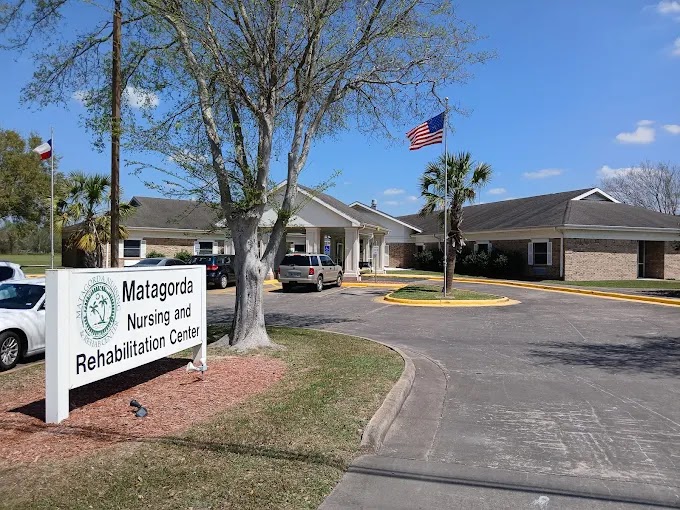
4521 AVE F, BAY CITY, TX 77414 (979) 245-7369
For profit - Corporation 100 Beds CREATIVE SOLUTIONS IN HEALTHCARE Data: November 2025
Trust Grade
65/100
#518 of 1168 in TX
Last Inspection: May 2025

Inspected within the last 6 months. Data reflects current conditions.

Overview

Matagorda Nursing & Rehabilitation Center has a trust grade of C+, indicating it is slightly above average among nursing homes. It ranks #518 out of 1168 facilities in Texas, placing it in the top half, and #2 out of 3 in Matagorda County, meaning only one nearby option is rated higher. The facility is stable with no significant trend changes in its issues over the past few years. However, staffing is a weak point, with a poor rating of 1 out of 5 stars and a high turnover rate of 65%, which is concerning compared to the state average of 50%. Although there have been no fines reported, the facility has faced multiple food safety concerns, including mold in the ice machine and dented cans being stored improperly, which could pose health risks to residents. Overall, while there are strengths in its ranking and absence of fines, the high staff turnover and significant food safety issues are important factors for families to consider.

Trust Score
C+
65/100
In Texas
#518/1168
Top 44%
Safety Record
Low Risk
No red flags
Inspections
Holding Steady
2 → 2 violations
Staff Stability
⚠ Watch
65% turnover. Above average. Higher turnover means staff may not know residents' routines.
Penalties
✓ Good
No fines on record. Clean compliance history, better than most Texas facilities.
Skilled Nurses
⚠ Watch
Each resident gets only 22 minutes of Registered Nurse (RN) attention daily — below average for Texas. Fewer RN minutes means fewer trained eyes watching for problems.
Violations
⚠ Watch
11 deficiencies on record. Higher than average. Multiple issues found across inspections.
★★★☆☆
3.0
Overall Rating
★☆☆☆☆
1.0
Staff Levels
★★★★☆
4.0
Care Quality
★★★★☆
4.0
Inspection Score
Stable
2024: 2 issues
2025: 2 issues

The Good

  • 4-Star Quality Measures · Strong clinical quality outcomes
  • Full Sprinkler Coverage · Fire safety systems throughout facility
  • No fines on record

Facility shows strength in quality measures, fire safety.

The Bad

3-Star Overall Rating

Near Texas average (2.8)

Meets federal standards, typical of most facilities

Staff Turnover: 65%

19pts above Texas avg (46%)

Frequent staff changes - ask about care continuity

Chain: CREATIVE SOLUTIONS IN HEALTHCARE

Part of a multi-facility chain

Ask about local staffing decisions and management

Staff turnover is elevated (65%)

17 points above Texas average of 48%

The Ugly 11 deficiencies on record

May 2025 2 deficiencies
CONCERN (D)

Potential for Harm - no one hurt, but risky conditions existed

Deficiency F0645 (Tag F0645)

Could have caused harm · This affected 1 resident

**NOTE- TERMS IN BRACKETS HAVE BEEN EDITED TO PROTECT CONFIDENTIALITY** Based on interview and record review, the facility failed to ensure the Pre-admission Screening and Resident Review (PASARR) Lev...

Read full inspector narrative →
**NOTE- TERMS IN BRACKETS HAVE BEEN EDITED TO PROTECT CONFIDENTIALITY** Based on interview and record review, the facility failed to ensure the Pre-admission Screening and Resident Review (PASARR) Level I assessment accurately reflected the resident's status for 1 of 5 residents (Resident #13) reviewed for PASARR Level I screenings. 1. The facility failed to ensure the accuracy of the PASARR Level 1 screening for Resident #13. The PASARR Level 1 screening did not indicate a diagnosis of mental illness, although the diagnosis (bipolar disorder with an onset date of 02/25/25) was present upon Resident #13's admission date on 02/26/25. This failure could place residents who had a mental illness at risk of not receiving a needed assessment (PASARR Evaluation), individualized care, or specialized services to meet their needs. Findings included: Record review of Resident #13's face sheet, dated 05/28/25, reflected she was a [AGE] year-old female, admitted to the facility on [DATE]. Her diagnoses included bipolar disorder (a mental disorder characterized by periods of depression and periods of abnormally elevated mood that each last from days to weeks), anxiety (intense, excessive, and persistent worry and fear about everyday situations), dysphagia (difficulty in swallowing), chronic obstructive pulmonary disease (COPD) (a lung disease characterized by chronic respiratory symptoms and airflow limitation), and chronic respiratory failure (a condition in which the lungs are unable to adequately exchange oxygen and carbon dioxide over an extended period). Resident #13's face sheet reflected Resident #13's diagnosis of Bi-Polar had an on-set date of 02/25/2025. Record review of Resident #13's quarterly MDS assessment, dated 03/09/25, reflected she had a BIMS score of 00, which indicated resident's cognition was severely impaired. Resident #13 also took an antianxiety medication during the assessment window. The MDS assessment reflected Resident #13 was dependent on staff for toileting and bathing and required substantial/maximal assistance with personal hygiene. Record review of Resident #13's PASARR Level 1 Screening, dated 02/25/25, reflected that Section C Mental Illness was marked as no, which indicated Resident #13 did not have a mental illness. Record review of Resident #13's care plan dated 03/07/25 reflected Resident #13 had a mood problem r/t to diagnosis of bipolar and anxiety disorder. Goal: Resident will have improved mood state happier, calmer appearance, no s/sx of depression, anxiety or sadness through the review date. Interventions included Monitor/record/report to MD prn mood patterns s/sx of depression, anxiety, sad mood as per facility behavior monitoring protocols. Observe for signs and symptoms of mania or hypomania racing thoughts or euphoria; increased irritability; frequent mood changes; pressured speech; flight of ideas; marked change in need for sleep; agitation or hyperactivity. In an interview on 05/29/25 at 11:28 AM, Resident #13 shook her head yes when asked if staff treated her good and took good care of her. She stated she had not really needed to use her call light and she could get up on her own when she wanted to. She stated the staff checked on her frequently and she had no concerns. In an interview on 05/28/25 at 01:58 PM, the MDS nurse stated Resident # 13's PASARR came from the hospital, and it should have been corrected due to it being incorrect. She stated she would have asked for the hospital to correct a PASARR if she received it, and it was wrong, but Resident #13's PASARR had not been corrected. She stated she did not know if anyone at the facility requested that the hospital correct the PASARR. She stated she just started working in the facility 2 weeks ago and she was not aware of the incorrect PASARR. She stated there should have been a form 1012 done for the PASARR to be corrected. She stated she has been trained on completing PASARRs accurately and ensuring the completed PASARRs were completed correctly. She stated if a PASARR was not completed correctly the facility could be fined by the state and the resident could have not received the services that could have possibly been provided to them. In an interview on 05/29/25 at 10:06 AM, the DON stated the MDS nurse was responsible for ensuring the accuracy of PASARRs. She stated the MDS nurse had been trained on checking for the accuracy of PASARRs and the MDS nurse had previously worked for the facility and left for about a month and came back. She stated the MDS nurse should have been checking the PASARRs and making sure they were completed correctly. She stated if the PASARR was not completed correctly, the MDS nurse should have made sure the PASARRs were corrected. She stated if a PASARR was not completed correctly, it could affect the resident by them not being able to receive services that could have been provided to them. In an interview on 05/29/25 at 10:24 AM, the ADM stated the MDS nurse was responsible for the ensuring the PASARRs were completed correctly. He stated he was not sure if the MDS nurse had received training on ensuring the PASSARs were completed correctly but that she had worked there before and left for a while to work at a sister facility and had just recently returned. He stated the MDS nurse should have been checking the PASARRs for accuracy. He stated if a PASARR was completed incorrectly the MDS nurse would have needed to have the PASARR corrected, and it could have affected any services the residents could have possibly received. Record review of the facility's policy, PASRR Nursing Facility Specialized Services Policy and Procedure revised 03/06/19 reflected: Policy: It is the policy of Creative Solutions in Healthcare facilities to ensure NFSS Forms are submitted timely and accurately .
CONCERN (F)

Potential for Harm - no one hurt, but risky conditions existed

Food Safety (Tag F0812)

Could have caused harm · This affected most or all residents

Based on observation, interviews, and record review, the facility failed to store, prepare, distribute, and serve food in accordance with professional standards for food service safety for 1 of 1 kitc...

Read full inspector narrative →
Based on observation, interviews, and record review, the facility failed to store, prepare, distribute, and serve food in accordance with professional standards for food service safety for 1 of 1 kitchen reviewed. 1. The facility failed to ensure the kitchen's ice machine's internal components were cleaned and sanitized, and free from mold, mildew, and soiling. This failure placed residents at risk of food contamination and foodborne illness. Findings included: Observation of the exterior of the kitchen ice machine on May 27, 2025, at 9:14 AM, revealed a printed event log adhered to the outside of the ice machine. The event title on the form read Ice Machine. The form contained a table in which kitchen staff log events related to the ice machine. The form listed one event, logged by DM, dated 2/3/25, which stated, Cleaned ice machine. Observation of the kitchen's ice machine on May 27, 2025, at 9:15 AM, revealed the presence of black dots with fuzzy, raised appearance, known to be mold, within and in the internal components of the ice machine. Review of the kitchen's daily, weekly, and monthly cleaning schedules on May 27, 2025, at 9:21 AM, revealed the ice machine was to be sanitized monthly, with the last (and only cleaning of 2025) logged on Feb. 2025. In an interview on May 27, 2025, at 9:26 AM, DM stated that she has been employed with the facility for over 10 years, but she has been in her current position for the last 2 years. In an interview on May 27, 2025, at 11:53 AM, DC stated that cleaning logs were to be completed when the cleaning occurred. DC acknowledged that the logs indicated that the ice machine has not been cleaned recently and not monthly. DC said the staff may have forgotten to write down the dates the ice machine was cleaned. In an interview and observation conducted on May 27, 2025, at 11:55 AM, DM stated that their ice machine had just been cleaned. The ice machine cleaning log showed the machine had not been cleaned since Feb. 2025. When this was pointed out to DM, DM she said staff forget to log the cleaning of the machine. DM was shown the black, fuzzy raised dots, known to be mold, under the lid of the ice machine. No contamination of the ice in the machine was observed. DM agreed to clean the ice machine and sanitize its components immediately and update the cleaning log. Review of the of the kitchen's updated daily, weekly and monthly cleaning schedules and logs on May 29, 2025, at 1:10 PM, revealed the ice machine had been cleaned and sanitized by DM on 5/27/25. Observation of the kitchen's ice machine on May 29, 2025, at 1:10 PM, revealed the ice machine and its components had been effectively cleaned and sanitized and the concerning areas of black, fuzzy raised dots, known to be mold mold, were no longer present. In an interview on May 29, 2025, at 1:10 PM, DM stated that all kitchen staff were in-serviced and re-educated on the kitchen's mandatory daily, weekly, and monthly cleaning schedules. DM stated that the schedules, logs, and procedures were printed and posted within the kitchen where they can be easily seen and completed. DM said she will oversee the completion of the required cleaning and designate the tasks to kitchen staff. She will also assist in cleaning. DM stated the importance of doing so is to keep the environment and equipment sanitary for the health and benefit of the residents, staff, and visitors. Review of the facility's In-Service Training Attendance Roster regarding the topic Cleaning Schedules conducted on May 27, 2025, revealed all kitchen staff attended. In an interview on May 29, 2025, at 1:12 PM, DM confirmed she was provided with an in-service and education regarding the cleaning schedules of the kitchen. DM said it is important that surfaces and equipment be cleaned to make sure the kitchen is sanitary and that no harm comes to the residents. DM said it is everyone's responsibility to clean. In an interview on May 29, 2025, at 1:13 PM, DC confirmed she was provided with an in-service and education regarding the cleaning schedules of the kitchen. DC stated the sanitation and cleaning of the kitchen and equipment is necessary in order to ensure residents don't get sick. In an interview on May 29, 2025, at 1:15PM, ADM stated that it is his expectation that the DM will oversee the daily, weekly, and monthly cleaning schedules. ADM said he expects that DM will assign these tasks or complete them herself. ADM stated that he plans to conduct audits to ensure the cleaning schedules are maintained. He said this is important because a clean and sanitary environment prevents residents, staff, visitors and others from getting sick. Review of the facility's Dietary Services Policy & Procedure Manual 2012, Cleaning Schedules policy revealed the following: The dietary department and all equipment in the dietary department will be cleaned on a regular scheduled basis. Procedure: 1. It is the responsibility of the Dietary Service Manager to prepare the daily, weekly, and monthly cleaning schedules. 2. Cleaning schedules are posted at the beginning of each month in the kitchen. 3. It is the responsibility of all employees to follow the cleaning schedule, and to initial by their assignments when completed. 4. See cleaning schedule forms in the appendix. 5. Cleaning schedules are to be individualized to the facility, and it is the responsibility of the DSM to ensure that the assigned tasks are completed when assigned, and in a thorough manner. The cleaning schedules should be updated routinely to include areas that are notes dto need additional cleaning by the white glove inspection checklist, the RD sanitation check, DSM or administrator walk-through inspections, as well as the CMS kitchen observation audit form that is performed monthly by the dietary manager.
Apr 2024 2 deficiencies
CONCERN (D)

Potential for Harm - no one hurt, but risky conditions existed

Pharmacy Services (Tag F0755)

Could have caused harm · This affected 1 resident

**NOTE- TERMS IN BRACKETS HAVE BEEN EDITED TO PROTECT CONFIDENTIALITY** Based on observations, interviews, and record review the facility failed to provide pharmaceutical services (including procedure...

Read full inspector narrative →
**NOTE- TERMS IN BRACKETS HAVE BEEN EDITED TO PROTECT CONFIDENTIALITY** Based on observations, interviews, and record review the facility failed to provide pharmaceutical services (including procedures that assure the accurate acquiring, receiving, dispensing, and administering of all drugs and biologicals) to meet the needs of 1 of 30 residents reviewed for pharmaceutical services The facility failed to administer Resident (#2) scheduled medication (Prednisone 40 mg ) with the correct dosage according to physician orders. This failure could affect the resident by not receiving a therapeutic dose and could prevent the resident from receiving the highest possible benefit from their medication. Findings included: Record review of [AGE] year-old male resident with history of hemiplegia (paralysis that affects only one side of your body) of right side, altered mental status (comprises a group of clinical symptoms rather than a specific diagnosis, and includes cognitive disorders, attention disorders, arousal disorders, and decreased level of consciousness), and traumatic brain injury (an injury that affects how the brain works) with recent diagnosis of Pneumonia (an infection that inflames the air sacs in one or both lungs) on 04/13/24. His most recent MDS 03/01/24 revealed BIMS summary score of a 0 (severe impairment), and he was non-interviewable. Record review of Physician Orders on 04/17/24, revealed: Prednisone give 20 milligrams (2 tabs =40mg) by mouth one time a day for Pneumonia for 5 Days. The eMAR read to administer Prednisone 40mg by mouth one time a day for 5 Days. Give 2 tabs (40mg) tab. After the state surveyor interview with the MA, the order was changed to Prednisone oral tab 20mg: Give 1 tablet by mouth two times a day related to Pneumonia. Observation and interview on 04/17/24 at 2:37 p.m. with MA A revealed only (1) Prednisone 20 mg tablet missing from the blister pack while doing medication cart check. The instructions on blister pack read to administer Prednisone (2) 20 mg tablets by mouth one time a day. MA A said, she should have administered both prednisone 20 mg tablets to equal a total of Prednisone 40 mg, instead of just (1) 20 mg tab. She said, the risk of not getting his full dosage is that it was not meeting the requirements that was ordered by the physician. In an interview on 04/18/24 at 10:50 a.m., the DON said, MA A didn't fully read the entire order and only administered (1) Prednisone 20mg tab. She said, we spoke with the physician yesterday, and the order was changed to Prednisone 20 mg BID. The risk of not receiving their full medication dosage was that the medication would not be effective. The DON said, the staff was in-serviced annually and during onboarding on medication administration. The State Surveyor asked if MA B had competencies and a skilled checklist on medication administration. However, the DON stated she was unable to find the employees onboarding competencies and/or medication checklist. Record review of the facility's Medication Administration Procedures policy (revised 10/25/17) read in part, . (14. A specific order must be obtained from the Physician to change the dosage form of a resident's medication. 15. Medication errors and adverse drug reactions are immediately reported to the resident's physician. In addition, the Director of nurses and/or designee should be notified of any medication errors. Any medication error will require a medication error report that includes the error and actions to prevent reoccurrence. 20. The 10 rights of medication should always be adhered to 1. Right patient, 2. Right medication 3. Right dose 4. Right route 5. Right time 6. Right patient education 7. Right documentation 8. Right to refuse 9. Right assessment 10. Right evaluation .
CONCERN (E)

Potential for Harm - no one hurt, but risky conditions existed

Food Safety (Tag F0812)

Could have caused harm · This affected multiple residents

Based on observations, interviews, and record review, the facility failed to store, prepare, distribute, and serve food in accordance with professional standards for food service safety for 1 of 1 kit...

Read full inspector narrative →
Based on observations, interviews, and record review, the facility failed to store, prepare, distribute, and serve food in accordance with professional standards for food service safety for 1 of 1 kitchen. Three dented cans were on the can rack located in the dry storage room. This deficient practice could place 49 residents who received meals from the main kitchen at risk for food borne illness. Findings included: Observation on 4/16/24 at 8:45 am of the dry storage room revealed the following: -One 108 oz can of yams with a small dent in the middle of the can -One 66.5 oz can of tuna with a large dent at the top of the seam -One 104 oz can of fruit cocktail with a small dent at the top of the seam Interview with the Dietary Manager on 4/16/24 at 8:48 am confirmed the dented cans should have been stored away from the dry storage with the other dented cans. Interview with the Dietary Manager on 4/17/24 at 1:40 pm she said she conducted an in-service with the dietary staff on dented cans. She said the risk to the resident would be exposure to botulism. She said the dietary staff should check for dented cans when the groceries were received on Thursdays, and she went behind staff and checked the cans. Interview on 4/17/24 at 2:07 pm with Dietary Aide A, she said she had worked for the facility for over a year. She said she was in-serviced on dented cans and the in-service was conducted by the Dietary Manager. She said the dented cans in the pantry were overlooked. She said the risk to the resident could cause botulism. Interview on 4/17/24 at 2:09 pm with Dietary Aide B, she had worked at the facility for 10 years. She said the in-service was on dented cans. She said dietary staff were not supposed to use dented cans because the resident could get botulism. Interview on 4/17/24 at 2:11 PM with Dietary Cook, she had worked at the facility for 4 months. She said the in-service was on dented cans. She said the dented cans had to be stored away from the dry storage. She said the Dietary Manager is supposed to double check the cans. She said the risk to the resident could expose them to botulism. Record review of the Dietary Services Policy & Procedure Manual dated 2012 under section Food Safety read in part . dented or otherwise damaged cans will not be used unless inspected by the dietary service manager and found not to be dented on the top or seam, and not perforated . dented cans will be stored in a separate location and returned to the food vendor for credit .
Mar 2023 7 deficiencies
CONCERN (D) 📢 Someone Reported This

A family member, employee, or ombudsman was alarmed enough to file a formal complaint

Potential for Harm - no one hurt, but risky conditions existed

Assessment Accuracy (Tag F0641)

Could have caused harm · This affected 1 resident

**NOTE- TERMS IN BRACKETS HAVE BEEN EDITED TO PROTECT CONFIDENTIALITY** Based on observation, interview, and record review the facility failed to have assessments that accurately reflect the status of...

Read full inspector narrative →
**NOTE- TERMS IN BRACKETS HAVE BEEN EDITED TO PROTECT CONFIDENTIALITY** Based on observation, interview, and record review the facility failed to have assessments that accurately reflect the status of 1one of 15 residents (Resident # 29) reviewed for resident assessments in that:. -Resident #29's Significant Change MDS did not accurately reflect her bowel and bladder incontinent. This failure could affect residents at risk of a decreased quality of care and not having their individualized needs met or communicated accurately to staff. Findings included: Resident #29 Record review of Resident #29's face-sheet revealed a [AGE] year-old female, who was admitted to facility on 01/15/2018 and readmitted [DATE]. Her diagnoses included sepsis (infection), pneumonia (infection that affect the lungs), overactive bladder (frequent or sudden urge to urinate), anemia (lack of healthy red blood cells), bilateral primary osteoarthritis, hypertensive heart disease, anemia pulmonary hypertension(high blood pressure), hyperlipidemia (high levels of fat in the blood), edema, cerebrovascular disease (a condition that affect blood flow to the brain), atrophy of vulva (a condition where the lining of the vagina gets drier and thinner), atrial fibrillation (irregular or rapid heartbeat), gastro-esophageal reflux disease (heart burn)and peripheral vascular disease (is a slow and progressive circulation disorder). Record review of Resident #29's Significant Change MDS dated [DATE] revealed a BIMS score of 15, indicating that the resident was cognitively independent for decision making. Further record review of the MDS revealed the Resident #29 was coded of Functional Status: Activities of Daily Living (ADL) Assistance: For Bed Mobility she was coded as Extensive Assistance with one-person physical assist. For transfer, walk in room, corridor, locomotion on and off the unit she was coded as Supervision with set up help only. For dressing, toilet use, personal hygiene and bathing she was coded as extensive assistance with one-person physical assist. For Bladder and Bowel incontinent Resident #29 was coded as: Occasionally incontinent of bladder and always incontinent of bowel. Record review of Resident #29's Care Plan revised 4/26/2022 revealed Resident continent of both bowel and bladder during waking hours and sleeping hours incontinent of bladder and at times bowel. The goal was to ensure the Resident #29 maintain current continent status. Observation on 03/01/2023 at 9:00 AM revealed Resident #29 was in her room brushing her hair at the sink. She was clean and well-groomed, and no offensive odor detected. She was alert and oriented and could make her needs known. Observation and Interview on 03/01/2023 at 2:20 PM, revealed Resident #29 was observed in bed. She was alert and oriented. Interview at that time Resident #29 said she was able to go to the bathroom by herself. She said she wore a brief because sometimes she dribbles but she does not go in her brief. She said she goes to the bathroom when she needs to defecate (bowel movement). She said a couple weeks ago she was really sick and was in the hospital and when she got back, she was incontinent for about two days and after that she was going to the bathroom by herself. She said she does not go on herself. Interview on 3/1/2023 at 2:30 PM with the MDS Coordinator, she said Resident #29 was not always incontinent of Bowel. She said the resident goes to the bathroom. At that time, she looked at the MDS and said that the coding was incorrect, and she was going to correct the MDS. Record review of Minimum Data Set (MDS) Policy for MDS assessment Data Accuracy read in part . Purpose/Policy . The purpose of the MDS policy is to ensure each Resident receives an accurate assessment by qualified staff to address the needs of the resident who are familiar with his/her physical, mental and psychosocial well-being . Federal regulations at 42 CFR 483.20 require that: 1. The assessment accurately reflects the resident status . ,
CONCERN (D) 📢 Someone Reported This

A family member, employee, or ombudsman was alarmed enough to file a formal complaint

Potential for Harm - no one hurt, but risky conditions existed

Comprehensive Care Plan (Tag F0656)

Could have caused harm · This affected 1 resident

**NOTE- TERMS IN BRACKETS HAVE BEEN EDITED TO PROTECT CONFIDENTIALITY** Based on observation, interview, and record review, the facility failed to develop and implement a comprehensive person-centered...

Read full inspector narrative →
**NOTE- TERMS IN BRACKETS HAVE BEEN EDITED TO PROTECT CONFIDENTIALITY** Based on observation, interview, and record review, the facility failed to develop and implement a comprehensive person-centered care plan for each resident, consistent with resident rights, that included measurable objectives and time frames to meet a resident's physical, mental and psychosocial needs for 1 of 6 residents (Resident #9) reviewed for care plans. -The facility failed to implement a comprehensive person-centered care plan to address Resident #9's use of indwelling catheter. This deficient practice could place residents at risk of being inappropriately provided care. Findings include: Record review of Resident #9's face sheet, dated 04/19/2018, revealed the resident was readmitted to the facility on [DATE] with diagnoses which included: cerebrovascular disease (stroke), muscle weakness (generalized), assistance with personal care, behavioral disturbance, psychotic disturbance, mood, gastrostomy status, hematuria and obstructive and reflux uropathy (a condition in which the kidneys are damaged by the backward flow of urine into the kidney) and aphasia. Record review of Resident 9's MDS (quarterly), dated 01/26/2023, revealed the resident's BIMS score was 11 out of 15, which indicated the resident had moderately impaired cognition, and did not address indwelling catheter, (section H - bladder and bowel and was always incontinent). Record review of Resident # 9 eMAR-Administration Note, dated 02/18/2023 and 03/01/2023, revealed Foley catheter care every shift. Record review of Resident #9 hospital discharge instructions on 1/15/23 read in part . You have been discharged with an indwelling urinary catheter . Record review of Resident #9 physician's order on 2/18/23 revealed Order Summary: Foley catheter care every shift .Change Foley Catheter using 16 fr 10ml bulb as needed . Record review of Resident #9's Care Plan dated 04/20/2018 and target date for goals 03/15/2023 revealed resident was incontinent of both bowel and bladder. Read in part . Resident will be clean, dry, odor free and will be from sign and symptom of urinary tract infection through next review . There was no care plan to address the resident's catheter. Observation on 02/28/23 on 8:00 a.m. and throughout the survey, Resident #9 was lying in bed with indwelling catheter with yellow urine in bed side drainage bag. Interview on 03/02/2023 at 10:03 a.m., Resident #9 stated He had indwelling catheter when he came back from the hospital. Interview on 03/02/2023 at 10:45 AM with MDS Coordinator, she checked current Care plan and stated I drop the ball and I forgot to care plan for the F/C. I will care plan it now. Interview on 03/02/2023 at 11:36 a.m., the DON stated she believed the facility would care plan for use of indwelling catheter and it was the MDS coordinators responsibility for completing the care plans. Interview on 03/02/2023 at 1:41 p.m., with the MDS coordinator who reviewed the care plan and said she should have care planned Resident #9's F/C. However, he was not able to find the care plan for catheter care in Resident #9s EMR. The MDS coordinator further said the reason for care planning F/C was to ensure interventions were effective and she was ultimately responsible for the care plan. Record review of the facility's Nursing Policy and Procedure Manual policy , titled Comprehensive Care Planning, read in part . The facility will develop and implement a comprehensive person-centered care plan for each resident consistent with the resident rights that includes measurable objectives and time frames to meet a resident's medical, nursing and mental and psychosocial needs Each resident will have a person-centered care plan developed and implemented to meet his other preferences and goals, and address the resident's medical, physical, mental and psychosocial needs . .
CONCERN (D) 📢 Someone Reported This

A family member, employee, or ombudsman was alarmed enough to file a formal complaint

Potential for Harm - no one hurt, but risky conditions existed

Unnecessary Medications (Tag F0759)

Could have caused harm · This affected 1 resident

**NOTE- TERMS IN BRACKETS HAVE BEEN EDITED TO PROTECT CONFIDENTIALITY** Based on observation, interview, and record review the facility failed to ensure that the medication error rate was not five per...

Read full inspector narrative →
**NOTE- TERMS IN BRACKETS HAVE BEEN EDITED TO PROTECT CONFIDENTIALITY** Based on observation, interview, and record review the facility failed to ensure that the medication error rate was not five percent or greater. The facility had a medication error rate of 5%, based on 6 errors out of 54 opportunities, which involved 3 of 8 residents (Resident's #2, and #33) and 1 of 2 staff (MA A) and ADON, LVN ) observed during medication administration reviewed for medication error, in that: -MA A did not to administer Eliquis tab (apixaban= is a direct -acting oral anticoagulant used to prevent and treat certain types of blood clots), to Resident #33 as prescribed by the physician. -ADON, LVN did not administer Acetaminophen (medication used for pain) and Docusate liquid (medication used for constipation) to Resident #2 as ordered by the physician. These failures could place residents at risk for not receiving adequate therapeutic outcomes, increased negative side effects, and a decline in health. Findings Include: Resident #33 Record review of Resident #33's face sheet revealed a [AGE] year old male admitted to facility on 1/20/2020 and re admitted on [DATE]. His diagnoses included multiple sclerosis (a condition that affects your brain and spinal cord) acute embolism and thrombosis (blood clot) of deep veins of right upper extremity, hyperlipidemia (high lipid/fat), dysthymic disorder, acute kidney failure, and elevation of levels of liver transaminase levels (high liver enzymes). Record review of Resident #33's quarterly MDS dated [DATE] revealed his BIMS was 10 out of 15 indicating he was moderately impaired. Record review of Resident #33's Physician order summary report on 02/28/23 had Active Orders as of: 09/19/2020 read in part .Eliquis Tablet 5 MG (Apixaban)Give 1 tablet by mouth two times a day related to ACUTE EMBOLISM AND THROMBOSIS OF DEEP VEINS OF RIGHT UPPER EXTREMITY. Do not crush . Record review of Resident #33's MAR on 02/28/23 at 8:00 AM and dates 02/1/2023-02/28/2023 revealed the Eliquis tablet 5 mg (apixaban) give 1 tablet by mouth. two times daily. Do not crush was scheduled for administration at 8:00 AM and 5:00 PM. Observation of medication administration on 2/28/23 at 5: 32 PM revealed, MA A picked up blister packet punched Eliquis tab 5 mg 1 tablet and other medications, crushed it, then put it in chocolate pudding before administering by mouth to Resident #33 (Resident #33's blister pack for Eliquis had Do not crush). Interview with MA A on 2/28/23 at 6:00 PM regarding Resident #33's Eliquis, medication administration, she said Resident liked his medication crushed. Interview with Resident #33 on 3/1/23 regarding medications being crushed stated, the staff always crush my medication, I do not have a problem swallowing. Interview via telephone with MA A on 3/2/23 at 10:17 AM, she said she had been the medication aide for the facility for 3 years and she had training then. MA A said she did not have recent training and she knew to check Resident medication and blister packet and compare it with the computer. She said she was not aware that Eliquis should not be crushed. She said she would be very careful. Resident #2 Record review of Resident # 2's admission record revealed he was a [AGE] year-old male who was admitted [DATE] and was readmitted on [DATE]. His diagnoses included other sequelae of other cerebrovascular disease (Stroke), sepsis, urinary tract infection, gastrostomy, major depressive disorder, single episode, dysphasia (difficulty swallowing) following unspecified cerebrovascular disease, type 2 diabetes mellitus, bacteremia, acute kidney failure, metabolic encephalopathy, abnormality of albumin, contracture of muscle, dysarthria and anarthria, multiple sclerosis, atherosclerotic heart disease of native coronary artery without angina pectoris, and convulsions. Record review of Resident #2's quarterly MDS dated [DATE] revealed his BIMS was scored 00 indicating he was severely impaired. Record review of physician's order for Resident #2 dated 2/26/23 revealed an order for Acetaminophen Oral Tablet 325 MG (Acetaminophen) Give 2 tablet via G-Tube two times a day for Pain. On 8/14/2020 Docusate Sodium Liquid 50 MG/5MLGive 5 ml via G-Tube two times a day for Constipation. Record review of Resident #2's MAR on 03/01/23 at 8:00 AM revealed Acetaminophen Oral Tablet 325 MG (Acetaminophen) Give 2 tablet via G-Tube two times a day for Pain. On 8/14/2020 Docusate Sodium Liquid 50 MG/5ML, Give 5 ml via G-Tube two times a day for Constipation. Observation on 3/1/2023 at 8:30 AM of medications administered via G Tube by ADON, LVN, to Resident #2. She placed Acetaminophen 500 mg 2 tabs in a pouch, crushed and dissolved in water, then poured Docusate liquid 7.5 cc in medication cup and administered all medications via Resident #2's G Tube. Interview with ADON, LVN on 3/1/23 at 12:33 PM regarding medication not given via G Tube as ordered by the physician, ADON, LVN stated I was trying to do it fast and she thought she saw Acetaminophen 500 mg on the MAR Screen and she was working too fast. Interview with the DON on 03/01/23 at 1:44 PM, she said her expectation was for the staff to make sure they administered the medications according to the orders and followed physician orders. The DON stated MA A should be following the 5 rights of medication administration. Interview with the Administrator on 03/01/23 at 2:10 PM, he said he expects the nurses to give medication as ordered by the doctor. Record review of the facility's policy for Administrating Oral Medications (revised date October 2003) revealed in part . Steps in the Procedure . 4. Check the medication dose. Re-check to confirm the proper dose . Record review of the facility's Pharmacy Services/Procedures/Pharmacist/Records dated 11/28/17 read in part, . Objective: to provide the appropriate pharmacy services and safe and effective medication use for each resident admitted to the facility . Policy: . The facility must provide pharmaceutical services (including procedures that assure the accurate acquiring, receiving, dispensing, and administering of all drugs and biologicals) to meet the needs of each resident . .
CONCERN (D) 📢 Someone Reported This

A family member, employee, or ombudsman was alarmed enough to file a formal complaint

Potential for Harm - no one hurt, but risky conditions existed

Deficiency F0760 (Tag F0760)

Could have caused harm · This affected 1 resident

**NOTE- TERMS IN BRACKETS HAVE BEEN EDITED TO PROTECT CONFIDENTIALITY** Based on observations, interviews and record review, the facility failed to ensure residents were free from significant medicati...

Read full inspector narrative →
**NOTE- TERMS IN BRACKETS HAVE BEEN EDITED TO PROTECT CONFIDENTIALITY** Based on observations, interviews and record review, the facility failed to ensure residents were free from significant medication errors for 1 of 5 residents (Resident #6) reviewed for significant medication errors. -The facility failed to ensure that Resident #6's blood pressure medications were administered as ordered by his physician. This failure could affect all residents who received blood pressure medications placing them at risk of not receiving the therapeutic effect of the mediations and could result in declining health status. Findings included: Record review of Resident #6 's admission face sheet dated 03/01/2023 revealed she was a [AGE] year-old female who was admitted to the facility on [DATE] and was readmitted on [DATE]. Her diagnoses included atherosclerotic heart disease of native coronary artery without angina pectoris, unspecified atrial fibrillation, spondylolisthesis, lumbar region, type 2 diabetes mellitus with unspecified diabetic retinopathy without macular edema, paranoid schizophrenia dementia, unspecified severity, without behavioral disturbance, psychotic disturbance, mood disturbance, and anxiety Record review of Resident #6's quarterly MDS dated [DATE] revealed his BIMS was 14 out of 15 indicating she was cognitively intact. The resident required extensive assistance of one staff for bed mobility, transfers, and personal hygiene. She was always incontinent of bladder and bowel. Record review of Resident #6's consolidated physician's orders dated 12/20/2021, revealed orders for the following medication: -Cardizem Tablet 60 MG (Diltiazem HCl) Give 1 tablet by mouth two times a day, related to HYPERTENSIVE HEART DISEASE WITHOUT HEART FAILURE if SBP less than 100 DBP less than 60 or HR (heart rate) less than 60 hold and call M.D. if SBP (Systolic BP = Contracture of the heart) greater than 160, DBP (diastolic BP = heart relaxation) greater than 110 or HR (heart rate) greater than 110 call M.D (Medical Doctor). Observation of medication administration on 3/1/23 at 7:58 AM revealed MA B took Resident #6's blood pressure (BP was 144/106, Pulse =117). MA B punched the Cardizem Tablet 60 MG (Diltiazem HCl) 1 tablet and administered by mouth with other medication. MA B did not notify the nurse or the M.D about the pulse 117. Interview with MA B on 3/1/23 at 12:42 PM, she said she did not tell anyone about the increased pulse . She said she would be letting the nurse know. MA B said she did not know the consequences of high heart rate and she had medication in-services about one year ago, not recent. Interview on 03/01/2023 at 5:30 p.m. the DON stated she expected the nursing staff to take blood pressure before blood pressure, pulse and medications were given. She said if blood pressures and pulse were not within the range of what the physician order, that the medications should be held. She would not have given the medications but would hold the medication and report it to the her or the nurse. If the blood pressure was within normal range, she would give the medications. The DON said MAs had not had recent in-service on medication administration. She said she will have to in-service MA's and she could not remember when the last in-service was done. Interview with the Administrator on 3/2/23 at 10:30AM, she said she expects the nurses to administer medication as ordered by the doctor and follow the 5 rights of medications administration. Record review of the facility policy titled Medication Administration Procedures revised 2003, Read in part . Step 13: Administering the Medication Pass . When ordered or indicated, include specific item (s) to monitor ( e.g., blood pressure, pulse, blood sugar, weight), frequency( e.g. , weekly, daily), timing (e.g., before or after administering the medication), and parameters for notifying the prescriber . .
CONCERN (D) 📢 Someone Reported This

A family member, employee, or ombudsman was alarmed enough to file a formal complaint

Potential for Harm - no one hurt, but risky conditions existed

Deficiency F0761 (Tag F0761)

Could have caused harm · This affected 1 resident

**NOTE- TERMS IN BRACKETS HAVE BEEN EDITED TO PROTECT CONFIDENTIALITY** Based on observation, interview and record review the facility failed to label drugs and biologicals used in the facility in acc...

Read full inspector narrative →
**NOTE- TERMS IN BRACKETS HAVE BEEN EDITED TO PROTECT CONFIDENTIALITY** Based on observation, interview and record review the facility failed to label drugs and biologicals used in the facility in accordance with currently accepted professional principles, and include the appropriate accessory and cautionary instructions, and the expiration date when applicable for one of two medication carts (1 medication carts ) reviewed for drug labeling and storage, in that: -Medication cart for nurses had 2 Fluticasone propionate nasal spray USP 50 mcg open and 2 Hibiclean 4% Chlorhexidine gluconate Solution open with no date. This failure could place residents at risk of not receiving the therapeutic benefit of medications or adverse reactions to medications. Findings included: Observation of the nurse's medication cart on [DATE] at 12:55 PM revealed there were 2 bottles of Fluticasone propionate nasal spray USP 50 mcg open with no date and 2 bottles of Hibiclean solution (used for wound cleaning) open not dated Interview with the ADON, LVN on [DATE] at 1:10 PM, she said she was not sure when the 2 Fluticasone propionate nasal spray USP 50 mcg and Hibiclean solution was open and she was going to find out when the medication was open. She said she was not sure how often she was supposed to check the medication cart and was not sure when was the last time she had medication training on labeling was done. Interview with the DON on [DATE] at 3:09 PM, she said the nurses were responsible for dating medications when open for expired medication. The DON said she will be checking the medication cart and do a lot of in-services. Record review of the facility's policy titled recommended medication Storage (Revised 7/2012) revealed in part . Medications that require an open date as directed by the manufacturer should be dated when opened in a manner that it is clear when the medication was opened . .
CONCERN (D) 📢 Someone Reported This

A family member, employee, or ombudsman was alarmed enough to file a formal complaint

Potential for Harm - no one hurt, but risky conditions existed

Deficiency F0882 (Tag F0882)

Could have caused harm · This affected 1 resident

Based on interview and record review, the facility failed to ensure a person was designated as the infection preventionist had completed specialized training in infection prevention and control for th...

Read full inspector narrative →
Based on interview and record review, the facility failed to ensure a person was designated as the infection preventionist had completed specialized training in infection prevention and control for the facility in that: -The facility Infection Control Nurse was not certified. -The facility Infection Control Nurse was not experienced in infection control and did not have the knowledge to perform the role. This failure could have placed the residents at risk for infectious outbreaks as the Infection Preventionist did not have the knowledge necessary to prevent infections from occurring. Findings included: On 3/1/2023 at 1:56 pm the Surveyor presented the ADON who was the designated infection control nurse with a copy of the facility's Antimicrobial Stewardship which contained the protocols for Urinary Tract Infections, Suspected Skin and Soft Tissue Infection, Suspected Lower Respiratory Tract Infection and Fever with Unknown Focus of Infection. The ADON said she did not recognize the protocols nor the facility Antimicrobial Stewardship. Interview with the ADON on 3/1/2023 at 1:57pm, she said she had been doing Infection Control since December. She said the CDC has 20 modules to get certified. About 20 hours. She said she was taking the course and was about halfway through the course. Interview with the DON on 3/1/2023 at 14:00 she said the ADON was doing infection control and it was discussed in the mornings when they had new antibiotics. She said they have hired some new people and were waiting for onboarding as corporate would like for them to be doing their duties. She said they would prefer them doing just their jobs as DON and ADON. She said the expectation for the ADON position was infection control, staffing, monitoring documentation, and perform in-serviced. Interview on with the Administrator on 3/1/2023 at 2:11pm, she said the job responsibilities of the ADON were, infection control and assistant for the DON. She said she was also support for the charge nurses, so they report to her. Interview with the Administrator on 3/2/2023 at 08:52am, she said when someone who takes the role as infection control nurse and was not certified you can have an outbreak and have a very bad outcome with infections with the residents. Interview with the Regional Nurse on 3/2/2023 at 09:10am, he said if an infection control nurse was not certified they could have an outbreak of infections at the facility and this can have an adverse effect on the residents. Record review of the facility's job description titled, Assistant Director of Nursing, dated 2014, read in part . participation in Infection Control. Record review of the facility's infection control policy titled, Antimicrobial Stewardship, dated 2019, read in part licensed nursing staff will receive training related to antibiotic stewardship, the facilities criteria for initiating antibiotics .this training will occur as part of the nurses orientation. Record review of the facility's infection control plan titled, Infection Control Plan: Overview, dated 2019, read in part The facility will establish and maintain an Infection Control Program designed to .help prevent the development and transmission of disease and infection .
CONCERN (E) 📢 Someone Reported This

A family member, employee, or ombudsman was alarmed enough to file a formal complaint

Potential for Harm - no one hurt, but risky conditions existed

Food Safety (Tag F0812)

Could have caused harm · This affected multiple residents

Based on observation, interview and record review, the facility failed to Store, prepare, distribute, and serve food in accordance with professional standards for food service safety in 1 of 1 kitchen...

Read full inspector narrative →
Based on observation, interview and record review, the facility failed to Store, prepare, distribute, and serve food in accordance with professional standards for food service safety in 1 of 1 kitchen, in that: -The oil in the deep fat fryer was black. -Dented cans were stored with undented cans. -Foods that are open and not sealed/dated. -Equipment was not cleaned. -There were flies in the Kitchen. These failures could place the residents who ate from the kitchen at risk of risk serious complications from foodborne illness as a result of their compromised health status. Findings Included: Observation of the kitchen on 02/28/23 between 09:15 AM - 10:00 AM revealed the following: 1. In the walk-in-freezer was an open box with sausage patties in an open box not sealed. 2. In the Dry storage room were dented cans of applesauce and Mexican chili beans stored with undented cans. 3. The sliver looking metal racks in the ovens were black. 4. The deep fryer in the kitchen had dirty black looking grease with brown or dark gray substance around it. 5. The baseboard next to the walk-in-cooler and the baseboard at entrance to the dining room from the kitchen at the service area was off the wall. Interview and Observation with the Dietary Manager on 2/28/2023 at 10:00 am, she said the deep fat fryer was scheduled to be cleaned on Thursdays. She than said she was going to get the fryer cleaned in the afternoon. She said at that point, she sealed the sausage patties and discarded the dented cans. She said the Dry storage room should be checked daily to ensure dented cans were not stored with undented cans. She said that the repairs were brought to maintenance, and they were waiting for approval from cooperate. Observation of lunch service on 03/01/2023 at 12:30PM, revealed flies to the back of the kitchen near the dry storage room. Interview on 3/2/2023 at 12:40PM with the Dietary Manager, she said the flies must have gotten in the kitchen by the staff leaving the back door open. She said the pest control company usually comes to the facility monthly and as needed to treat insects. She said there was fly trap at the door but was removed when the new company took over. She said she was going to call the pest control company to come and treat the flies and ensure the back door was always closed. Record review of the Dietary Services Policies & Procedure Manual dated 2012 read in part . Food Safety: .We will ensure all food purchase shall be wholesome and manufactured, processed, and prepared in compliance with all State, Federal and local laws, and regulations. Food shall be handled in a safe manner . 2. Food is to be wrapped or sealed and covered in clean containers. Opened food shall be labeled, dated, and stored properly . 7. Dented or otherwise damaged cans will not be used, unless inspected by the dietary service manager and found not to be dented on the top or seam, and not perforated. Dented cans will be stored in a separate location and return to the vendor for credit . .
Understanding Severity Codes (click to expand)
Life-Threatening (Immediate Jeopardy)
J - Isolated K - Pattern L - Widespread
Actual Harm
G - Isolated H - Pattern I - Widespread
Potential for Harm
D - Isolated E - Pattern F - Widespread
No Harm (Minor)
A - Isolated B - Pattern C - Widespread

Questions to Ask on Your Visit

  • "Why is there high staff turnover? How do you retain staff?"
  • "Can I speak with families of current residents?"
  • "What's your RN coverage like on weekends and overnight?"

Our Honest Assessment

Strengths
  • • No major safety red flags. No abuse findings, life-threatening violations, or SFF status.
  • • No fines on record. Clean compliance history, better than most Texas facilities.
Concerns
  • • 11 deficiencies on record. Higher than average. Multiple issues found across inspections.
  • • 65% turnover. Above average. Higher turnover means staff may not know residents' routines.
Bottom line: Mixed indicators with Trust Score of 65/100. Visit in person and ask pointed questions.

About This Facility

What is Matagorda Nursing & Rehabilitation Center's CMS Rating?

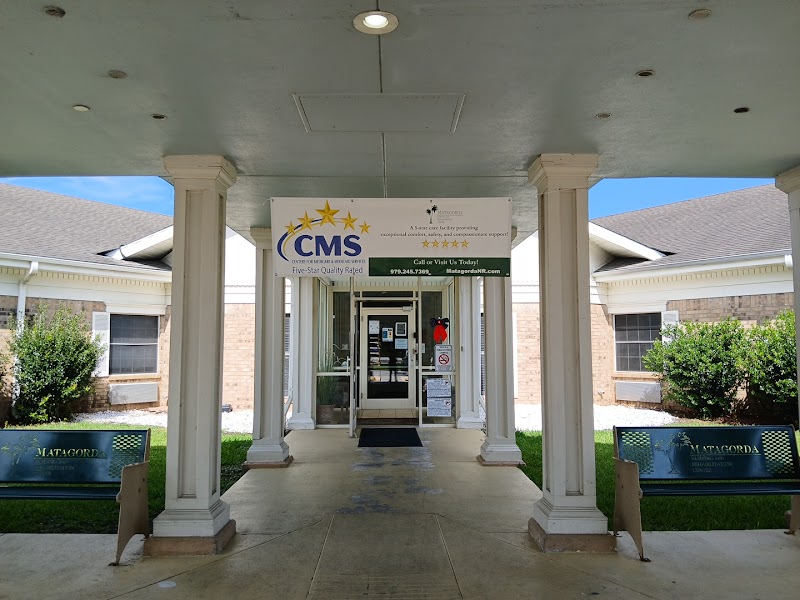
CMS assigns MATAGORDA NURSING & REHABILITATION CENTER an overall rating of 3 out of 5 stars, which is considered average nationally. Within Texas, this rating places the facility higher than 99% of the state's 100 nursing homes. This mid-range rating indicates the facility meets federal standards but may have areas for improvement.

How is Matagorda Nursing & Rehabilitation Center Staffed?

CMS rates MATAGORDA NURSING & REHABILITATION CENTER's staffing level at 1 out of 5 stars, which is much below average compared to other nursing homes. Staff turnover is 65%, which is 19 percentage points above the Texas average of 46%. High turnover can affect care consistency as new staff learn residents' individual needs. RN turnover specifically is 83%, which is notably high. RNs provide skilled clinical oversight, so turnover in this role can affect medical care quality.

What Have Inspectors Found at Matagorda Nursing & Rehabilitation Center?

State health inspectors documented 11 deficiencies at MATAGORDA NURSING & REHABILITATION CENTER during 2023 to 2025. These included: 11 with potential for harm.
Who Owns and Operates Matagorda Nursing & Rehabilitation Center?

MATAGORDA NURSING & REHABILITATION CENTER is owned by a for-profit company. For-profit facilities operate as businesses with obligations to shareholders or private owners. The facility is operated by CREATIVE SOLUTIONS IN HEALTHCARE, a chain that manages multiple nursing homes. With 100 certified beds and approximately 57 residents (about 57% occupancy), it is a mid-sized facility located in BAY CITY, Texas.

How Does Matagorda Nursing & Rehabilitation Center Compare to Other Texas Nursing Homes?

Compared to the 100 nursing homes in Texas, MATAGORDA NURSING & REHABILITATION CENTER's overall rating (3 stars) is above the state average of 2.8, staff turnover (65%) is significantly higher than the state average of 46%, and health inspection rating (4 stars) is above the national benchmark.

What Should Families Ask When Visiting Matagorda Nursing & Rehabilitation Center?

Based on this facility's data, families visiting should ask: "How do you ensure continuity of care given staff turnover, and what is your staff retention strategy?" "Can you walk me through typical staffing levels on day, evening, and night shifts?" "Can I visit during a mealtime to observe dining assistance and food quality?" "How do you handle medical emergencies, and what is your hospital transfer rate?" These questions are particularly relevant given the facility's high staff turnover rate and the below-average staffing rating.

Is Matagorda Nursing & Rehabilitation Center Safe?

Based on CMS inspection data, MATAGORDA NURSING & REHABILITATION CENTER has a clean safety record: no substantiated abuse findings (meaning no confirmed cases of resident harm), no Immediate Jeopardy citations (the most serious violation level indicating risk of serious injury or death), and is not on the Special Focus Facility watch list (a federal program monitoring the lowest-performing 1% of nursing homes). The facility has a 3-star overall rating and ranks #1 of 100 nursing homes in Texas. While no facility is perfect, families should still ask about staff-to-resident ratios and recent inspection results during their visit.

Do Nurses at Matagorda Nursing & Rehabilitation Center Stick Around?

Staff turnover at MATAGORDA NURSING & REHABILITATION CENTER is high. At 65%, the facility is 19 percentage points above the Texas average of 46%. Registered Nurse turnover is particularly concerning at 83%. RNs handle complex medical decisions and coordinate care — frequent RN changes can directly impact care quality. High turnover means new staff may not know residents' individual needs, medications, or preferences. It can also be disorienting for residents, especially those with dementia who rely on familiar faces. Families should ask: What is causing the turnover? What retention programs are in place? How do you ensure care continuity during staff transitions?

Was Matagorda Nursing & Rehabilitation Center Ever Fined?

MATAGORDA NURSING & REHABILITATION CENTER has no federal fines on record. CMS issues fines when nursing homes fail to meet care standards or don't correct problems found during inspections. The absence of fines suggests the facility has either maintained compliance or corrected any issues before penalties were assessed. This is a positive indicator, though families should still review recent inspection reports for the full picture.

Is Matagorda Nursing & Rehabilitation Center on Any Federal Watch List?

MATAGORDA NURSING & REHABILITATION CENTER is not on any federal watch list. The most significant is the Special Focus Facility (SFF) program, which identifies the bottom 1% of nursing homes nationally based on persistent, serious quality problems. Not being on this list means the facility has avoided the pattern of deficiencies that triggers enhanced federal oversight. This is a positive indicator, though families should still review the facility's inspection history directly.