PARADIGM AT BAY CITY
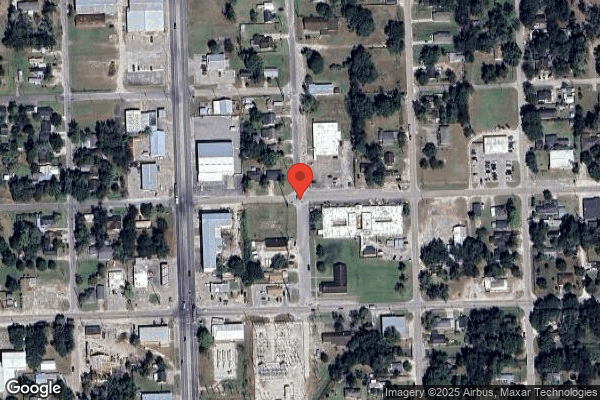
1800 13TH ST, BAY CITY, TX 77414 (979) 245-6327
For profit - Limited Liability company 105 Beds PARADIGM HEALTHCARE Data: November 2025 3 Immediate Jeopardy citations
Trust Grade
17/100
#536 of 1168 in TX
Last Inspection: May 2025

Inspected within the last 6 months. Data reflects current conditions.

Overview

Paradigm at Bay City has received a Trust Grade of F, indicating significant concerns about the facility's performance and care quality. It ranks #536 out of 1,168 nursing homes in Texas, placing it in the top half, but it is the lowest-ranked facility in Matagorda County. Although the facility is improving, reducing its issues from 10 in 2024 to 4 in 2025, it has a concerning history, including $65,359 in fines, which is higher than 75% of Texas facilities. Staffing is a relative strength with a rating of 4/5 stars and a turnover rate of 25%, well below the state average, indicating experienced staff. However, recent inspections revealed critical issues, such as failing to notify a physician about a resident's significant condition change and neglecting to provide proper care during transfers, highlighting serious gaps in resident safety and care quality.

Trust Score
F
17/100
In Texas
#536/1168
Top 45%
Safety Record
High Risk
Review needed
Inspections
Getting Better
10 → 4 violations
Staff Stability
✓ Good
25% annual turnover. Excellent stability, 23 points below Texas's 48% average. Staff who stay learn residents' needs.
Penalties
✓ Good
$65,359 in fines. Lower than most Texas facilities. Relatively clean record.
Skilled Nurses
✓ Good
Each resident gets 46 minutes of Registered Nurse (RN) attention daily — more than average for Texas. RNs are trained to catch health problems early.
Violations
⚠ Watch
25 deficiencies on record. Higher than average. Multiple issues found across inspections.
★★★☆☆
3.0
Overall Rating
★★★★☆
4.0
Staff Levels
★★★★★
5.0
Care Quality
★★☆☆☆
2.0
Inspection Score
Stable
2024: 10 issues
2025: 4 issues

The Good

  • 4-Star Staffing Rating · Above-average nurse staffing levels
  • 5-Star Quality Measures · Strong clinical quality outcomes
  • Low Staff Turnover (25%) · Staff stability means consistent care
  • Full Sprinkler Coverage · Fire safety systems throughout facility
  • No fines on record
  • Staff turnover is low (25%)

    23 points below Texas average of 48%

Facility shows strength in staffing levels, quality measures, staff retention, fire safety.

The Bad

3-Star Overall Rating

Near Texas average (2.8)

Meets federal standards, typical of most facilities

Federal Fines: $65,359

Above median ($33,413)

Moderate penalties - review what triggered them

Chain: PARADIGM HEALTHCARE

Part of a multi-facility chain

Ask about local staffing decisions and management

The Ugly 25 deficiencies on record

3 life-threatening
May 2025 4 deficiencies
CONCERN (D) 📢 Someone Reported This

A family member, employee, or ombudsman was alarmed enough to file a formal complaint

Potential for Harm - no one hurt, but risky conditions existed

Medical Records (Tag F0842)

Could have caused harm · This affected 1 resident

**NOTE- TERMS IN BRACKETS HAVE BEEN EDITED TO PROTECT CONFIDENTIALITY** Based on record review and interview, the facility failed to maintain medical records on each resident that are in accordance wi...

Read full inspector narrative →
**NOTE- TERMS IN BRACKETS HAVE BEEN EDITED TO PROTECT CONFIDENTIALITY** Based on record review and interview, the facility failed to maintain medical records on each resident that are in accordance with accepted professional standards and practices and that are accurately documented for 2 (Residents #55 and #89) of 10 residents reviewed for medical chart documentation. -Resident #89's hospital records were not in her medical chart and was in Resident #55's medical chart. This failure could put residents at risk of privacy issues with their personal health information not being uploaded to the correct chart and health decisions made based off another resident's information. Findings included: Record review of Resident #55's face sheet dated 05/29/2025, she was a [AGE] year-old female originally admitted on [DATE] and last re-admitted on [DATE]. She was discharged on 08/29/2025. Her medical diagnoses included acute kidney failure, hypertension (high blood pressure), bipolar disorder (mental health condition characterized by extreme mood swings), Type 2 Diabetes Mellitus, and Obstructive Sleep Apnea, Record review of Resident #89's face sheet dated 05/28/2025, she was an [AGE] year-old female originally admitted on [DATE] and last re-admitted on [DATE]. Her medical diagnoses included Generalized Anxiety Disorder, Cauda Equina Syndrome (nerve roots at the end of your spinal cord become compressed), Hyperlipidemia (high fat in the blood), Hypertension (high blood pressure) and spinal stenosis (narrowing of the spinal cord). Record review of Resident #55's medical chart on 05/28/2025 at 11:23 am, revealed Resident #89's hospitalization dated 08/15/2024, prior to admission, was attached. Resident #89 did not have her hospitalization from 08/15/2024 uploaded to her medical chart. Interview with the DON on 5/29/2025 at 10:45 am, she said the survey team told her that Resident #89's hospital records were uploaded to Resident #55's medical chart. She said that it was a HIPAA violation (meaning it could violate the federal law protecting sensitive patient information from being disclosed with their consent), and that each resident's chart should only contain their records. Interview with the MDS Nurse on 5/29/2025 at 11:41 am, she said Corporate, the ADON, DON, Administrator, and MDS could upload files. She said a risk of a resident's health information being uploaded to another resident's medical chart would be that nursing got the wrong information and staff should be checking resident names when uploading. If the MDS Nurse uploaded a document to the wrong resident's medical chart, she would let the Administrator know right away and then they would inform Corporate so they can go in right away to delete it. Interview with the RSC on 5/29/2025 at 1:00 pm, she said that any staff could upload documents and the scanned documents would show up with the name of the person in the resident's file. The RSC said that nursing staff were told to upload resident records as they received them to decrease the risk of the wrong upload. She said that if one resident's documents were in another resident's medical chart, it would be a privacy issue, but only those staff members with access to medical charts could see the documents. Record review of the facility's Electronic Protected Health Information Security policy, last revised June 1, 2019, read in part, Purpose: To ensure the security and integrity of medical records of residents at the Facility . Residents' medical records will be maintained in the computerized system in a manner that protects the Electronic Protected Health Information) from unauthorized use, access .
CONCERN (D)

Potential for Harm - no one hurt, but risky conditions existed

Infection Control (Tag F0880)

Could have caused harm · This affected 1 resident

**NOTE- TERMS IN BRACKETS HAVE BEEN EDITED TO PROTECT CONFIDENTIALITY** Based on observation, interviews, and record reviews, the facility failed to maintain an infection prevention and control progra...

Read full inspector narrative →
**NOTE- TERMS IN BRACKETS HAVE BEEN EDITED TO PROTECT CONFIDENTIALITY** Based on observation, interviews, and record reviews, the facility failed to maintain an infection prevention and control program designed to provide a safe, sanitary, and comfortable environment and to help prevent the development and transmission of communicable disease and infection for 1 of 5 residents (Resident #30) reviewed for infection control, in that: - LVN A failed to wear PPE for EBP, when giving Resident #30 his g-tube (tube into stomach for nutrition) medications. This deficient practice could place residents at-risk for infection due to improper care practices. Findings included: Record review of Resident #30's undated face sheet revealed he was a [AGE] year-old male with an admission date of 4/26/22, and a readmission date of 1/12/24. He had diagnoses which included: fracture of the right humerus (fracture of the right upper arm), hemoperitoneum (bleeding in the abdomen), aphonia (unable to speak due to damage to the voice box), aphasia (unable to process language), traumatic brain injury, and foreign body in respiratory tract causing asphyxiation (suffocation). Record review of Resident #30's annual MDS assessment, dated 1/1/2025, revealed a BIMS score could not be completed due to his medical condition. The MDS revealed he had severely impaired cognitive skills for daily decision making. The resident was dependent on staff with all ADLs. According to the MDS, the resident was using a feeding tube for all of his nutritional and fluid intake. Record review of Resident #30's care plan dated 5/11/25 had a Focus: The resident was receiving total nutrition/hydration through his feeding tube (Initiated: 8/4/23). The goal was to remain nourished and without aspiration (getting into the lungs) or dehydration (Initiated: 8/4/23, Revised: 5/11/25, Target: 8/11/25). Interventions included assessing the abdomen prior to feeding/flushing, checking placement of the tube, giving all feedings/water flushes via the feeding tube, and keeping his head of bed elevated at least 30 degrees. Focus: The resident required EBP's d/t his PEG tube (Initiated: 4/2/24). The goal was to not have any adverse effects r/t EBP's (Initiated: 4/30/24, Revised: 5/11/25, Target: 8/11/25). Interventions included PPE: gown/gloves during high contact resident care like dressing, bathing/showering, transferring, providing hygiene, changing briefs, assisting with toileting, device care, and wound care. Record review of Resident #30's Physician Orders revealed the following orders from MD L: - Enhanced Barrier Precautions (EBP): PPE Required- Hand hygiene, Gown, Gloves. Ordered on 4/2/24 at 10:30am. - Enteral Feeding- Order Jevity 1.5 (type of feeding) @ (60ml/hr) with (40ml/hr) free water flush via G-tube continuously x 22 hours. Ordered on 1/23/25 at 9:06pm. - Wound Care Abdominal Abrasion- Cleanse with Dakins (type of wound cleanser) and apply Mupirocin (antibiotic) and Calcium Alginate (wound dressing) and cover with dry dressing, every day. Ordered on 4/28/25 at 9:39am. Record review of Resident #30's Progress Note from 5/19/25 by NP O revealed the resident had an abdominal wound and a g-tube due to dysphagia (trouble swallowing). Record review of Resident #30's Wound Care note from 5/28/25 by NP B, revealed he had a midline, abdominal, surgical wound that was 6.4cm x 0.55cm x 0.2cm. The wound was acquired on 12/10/24 and was being treated by the Wound Care team. In an observation and interview on 5/29/25 at 10:00am, Resident #30 was observed lying in bed with his tube feeding running. LVN A paused the resident's feeding and gave him his morning medications through his g-tube. LVN A was wearing gloves but was not wearing a gown when she gave the resident his medications. She said EBP was like standard precautions which meant every resident was the same and they only wore gloves with them. LVN A said she had only been working at the facility for 2 weeks and had come from the hospital setting where they did not use EBP. She said she was going to find out for sure what EBP meant and get back with the Surveyor. In an interview on 5/29/25 at 10:17am, LVN A said EBP was for any resident that had a g-tube, foley (tube into bladder to drain urine), or open wound. She said she had to wear a gown and gloves for close contact, like giving g-tube meds and it was to prevent infection. In an interview with the DON on 5/29/25 at 2:00pm, she said EBP was for any resident with open wounds, IVs, foleys, or g-tubes. She said a gown and gloves should be worn when providing care. She said she expected staff to wear the proper PPE with every resident who was on EBP, and LVN A should have worn the PPE while she gave the g-tube meds to Resident #30. She said the EBP was to protect the residents and the staff from infection. Record review of the facility's policy and procedure on Enhanced Barrier Precautions (Revised March 2024) read in part: Enhanced Barrier Precautions is an infection control intervention designed to reduce the transmission of multidrug-resistant organisms [MDROs] and employs targeted gown and glove use during high-contact resident care activities for targeted residents. Enhanced Barrier Precautions (EBP) are used in conjunction with standard precautions and expands the use of PPE to donning of gown and gloves during high-contact resident care activities that provide opportunities for transfer of MDROs to staff hands and clothing. EBP are indicated for residents with any of the following: .Wounds and/or indwelling medical devices even if the resident is not known to be infected or colonized with MDRO .Examples of indwelling medical devices: central lines [flexible tube inserted into a large vein], urinary catheters, feeding tubes, and tracheostomies [opening into the windpipe for an airway] .When EBP are indicated, EBP should be employed for the following high-contact resident care activities: Dressing, bathing/showering, transferring, providing hygiene, changing briefs, assisting with toileting, device care, and wound care .
CONCERN (E)

Potential for Harm - no one hurt, but risky conditions existed

ADL Care (Tag F0677)

Could have caused harm · This affected multiple residents

**NOTE- TERMS IN BRACKETS HAVE BEEN EDITED TO PROTECT CONFIDENTIALITY** Based on observation, interview, and record review, the facility failed to provide the necessary services to maintain grooming a...

Read full inspector narrative →
**NOTE- TERMS IN BRACKETS HAVE BEEN EDITED TO PROTECT CONFIDENTIALITY** Based on observation, interview, and record review, the facility failed to provide the necessary services to maintain grooming and personal care for 3 (Resident #32 Resident #19 and Resident #16) of 12 residents reviewed for ADL care, in that: - The facility failed to ensure Resident #32 was provided personal grooming (dry patches and flaky skin) by facility staff on 5/28/2025. - Resident #19 was not provided nail care. Resident #19's nails were long past the tips of his fingers with a dark substance on top and underneath his nail tips on 5/28/2025. - Resident #16 was not provided nail care. Resident #16's nails were long past the tips of her fingers with a dark substance underneath and dried substance on top the nails on 5/28/2025. This failure placed residents who were dependent on staff for ADL care at risk for loss of dignity, risk for infections, and a decreased quality of life. Findings included: Resident #32 Record review of Resident #32's face sheet dated 5/29/2025 revealed a [AGE] year-old male was admitted to the facility on [DATE]. Resident #32 had diagnoses included: Gastroenteritis and colitis (inflammation of the digestive tract), hemiplegia (weakness of one side of the body) and hemiparesis (one-sided weakness or inability to move) following cerebral infarction (blood vessel blockage in the brain) affecting left non dominant side, anxiety disorder, and glaucoma (damage the optic nerve). Record review of Resident #32's non-descript MDS assessment dated [DATE] revealed Resident BIMS score was 15 which indicated he was cognitively intact. Resident #32 depended on staff with ADL assistance with one staff for partial/moderate assistance. Record review of Resident #32's care plan revised on 1/10/2025 revealed Resident #32 had ADL self-care performance deficit and was at risk for further decline in ADL functioning and injury d/t functional impairments. Interventions: provide extensive assistance of 1 staff hygiene/grooming. Record review of Resident #32's personal hygiene history from POC dated 5/16/2025 - 5/29/2025 revealed the following was completed: Personal hygiene: The ability to maintain personal hygiene, including coming hair, shaving .washing/drying face and hands . Dependent - Helper does all of the effort. Resident does none of the effort to complete the activity or the assistance of 2 or more helpers is required for the resident to complete the activity. Record review of partially completed resident shower sheets undated revealed it was unable to determine who provided the personal hygiene (grooming, shaving, nail care) to the residents. During an observation on 5/28/2025 at 10:25 a.m., Resident #32 had dry patches and flaky skin on his forehead and sides of his face without facial hair. Also observed was a full beard (facial hair was approximately 1 ½ inches). During an observation and interview on 5/25/2025 at 12:42 a.m., Resident #32 said his face had not been washed that morning and he did not like his facial hair. He said he was not able to open the twist-off top on the toothpaste because of his paralysis. He said he had not told the staff he needed to be shaved and the staff had not asked if he needed assistance. He said he never liked facial hair. He said his face was itchy with the facial hair and he said, I can't stand it. Resident #32 had dried patches and flaky skin on his forehead and sides of his face without facial hair. Resident #32 had an unkept beard (2-3 inches - full beard). RESIDENT #19 Record review of Resident #19's face sheet dated 5/29/2025 revealed a [AGE] year-old male admitted to the facility originally on 10/15/2021 and current admission was on 2/15/2025. Resident diagnoses included: malignant neoplasm of prostate (prostate cancer), COPD (lung disease), heart failure, and mild cognitive impairment, Record review of Resident #19's quarterly MDS dated [DATE] reflected a BIMS score of 15 indicating that resident was cognitively intact. Further review section GG Functional Abilities reflected that resident required partial/moderate assistance from staff with showers. Record review of Resident #19's Comprehensive Care Plan date last reviewed 3/27/2025 reflected Resident #19 reflected the following: ADL self-care performance deficit: Resident #19 has ADL self care deficits and is a risk for further decline in ADL functioning and injury .Interventions: Anticipate needs - provide prompt assistance .Provide supervision assistance of 1 staff for personal hygiene/grooming . Observation and interview on 03/05/25 at 10:10 a.m. revealed Resident #19 in his room and his nails were long past the tips of her fingers with a dark substance underneath and on top the nails on both hands. Resident #19 said it had been a while since his nails were trimmed. He said he had not been offered to clean his hands. He said he was not sure why they were dirty. Observation and interview on 3/28/2024 at 12:10 p.m. revealed Resident #19 went to the dining room. He was sitting and breaking up saltine crackers into his bowl of chili. He continued to have the same dark substance underneath his nails and dried substance on top. Resident #19 said the staff did not offer him to wash or sanitize his hands before he ate. Resident #16 Record review of Resident #16's face sheet dated 5/29/2025 revealed a [AGE] year-old female admitted to the facility on [DATE]. Resident diagnoses included: Type 2 diabetes mellitus with diabetic neuropathy (nerve damage caused by high blood sugar levels), major depressive disorder, post-viral fatigue syndrome, and generalized anxiety disorder. Record review of Resident #16's quarterly MDS dated [DATE] reflected a BIMS score of 99 indicating the resident could not complete the interview. Further review section GG Functional Abilities reflected that resident required partial/moderate assistance from staff with personal hygiene. Record review of Resident #16's Comprehensive Care Plan date last revised 5/14/2025 reflected Resident #16 reflected the following: ADL self-care performance deficit: Resident #16 has ADL self care deficits and is a risk for further decline in ADL functioning and injury .Interventions: Anticipate needs - provide prompt assistance .Provide extensive assistance of 1 staff for hygiene/grooming . Observation and interview on 5/28/2025 at 12:17 p.m. revealed Resident #16 was eating her food in her room. She was feeding herself and her fingernails were long past her tip. She was trying to grip the fork and it was slipping from her grip held by the fingernail tips. Resident #16 said she would like her fingernails to be trimmed down. She said the nails made it difficult to eat. Interview on 5/28/2025 at 12:58 p.m., LVN A said Resident #32 should be shaved during morning care or during his bath. She said a residents' face should be washed in the morning. She looked at Resident #32 and said his face had dry flaky skin and his beard was scruffy (not trimmed and overgrown). She said CNAs were responsible for shaving resident faces and cleaning residents' faces. She said Resident #32 could had suffered discomfort and skin irritation. LVN A said staff should shave residents upon request or ask residents if they wanted to be shaved. LVN A said we (staff) had to catch [Resident #19] in a good mood for him to accept nail care. She said she was not sure if he was offered nail care or if his hands had been washed. She said his hands should have been washed or sanitized before he ate his food to prevent cross-contamination. LVN A said nail care should have been offered to Resident #16. LVN A said Resident #16's nails were dirty underneath and the nails needed to be trimmed down. She said the resident's overgrown and dirty nails could have led to infection and the length could have been a barrier from Resident #16 holding her fork properly. She said CNAs and Nurses were responsible for nail care and ensuring resident's nails and hands were clean. She said the CNAs for the hall were currently on break. She said Resident #16's nails should have been cleaned before she ate to prevent cross-contamination. Interview on 5/28/2025 at 1:30 p.m., the DON said the resident's nails should have been cleaned daily or as needed. The DON said resident should be shaved upon request or offered during showers to provide dignity. She said CNAs should have documented on the shower sheets or in the POC. She said the shower sheets did not have dates and some did not have CNA names, so it could not be determined who assisted residents with grooming/personal hygiene. She said resident hands and nails should be cleaned and trimmed on shower days and cleaned or sanitized before meals. The DON said the nurses were supposed to make sure that the CNAs assisted residents with grooming and personal hygiene. Record review of the facility policy on AM Care (revised 6/2019) revealed the following: Policy: It is the policy of this facility that the nursing staff will assist the resident with their hygiene and self-care needs to prepare resident for morning activities and to observe resident's general condition . 17. Give resident moist cloth and towel for cleaning hands and face, assisting if necessary. Record review of the facility policy on Shaving (revised 6/2019) revealed the following: Subject: Shaving Policy: It is the policy of this facility that the facility staff will assist the residents with shaving to maintain appearance and self-esteem . Record review of the facility policy on Nail Care (not dated) revealed the following: Subject: Nail Care Policy: It is the policy of this facility that the facility staff will assist the residents with nail care as needed. Residents who are unable to care for their own finger or toe-nails require staff assistance in keeping nails clean and trimmed. Procedure: Before staff cares for any resident's nails, check with the nurse to be sure that cutting nails is within the scope of duties for a nurse's aide . (Note: Before you begin nail care, staff wash their hands and put gloves on. Ensure equipment such as scissors or trimmers are clean to prevent passing on infection Proper nail care can reduce the transmission of disease because the hands and feet are often exposed to many microorganisms which can grow quickly in the nail beds. This procedure will also help the patient to remain comfortable and allow facility staff to look for signs of infection that can lead to complications .)
CONCERN (E)

Potential for Harm - no one hurt, but risky conditions existed

Deficiency F0761 (Tag F0761)

Could have caused harm · This affected multiple residents

Based on observation, interviews, and record reviews the facility failed to label drugs and biologicals used in the facility in accordance with currently accepted professional principles, and include ...

Read full inspector narrative →
Based on observation, interviews, and record reviews the facility failed to label drugs and biologicals used in the facility in accordance with currently accepted professional principles, and include the appropriate accessory and cautionary instructions, and the expiration date when applicable for 1 of 1 medication storage rooms and 1 of 1 supply closets, reviewed for drug labeling and storage, in that: - The Medication Storage room had an inhaler that was open and in use, with no open date. It also had a TB vaccine vial and a Hepatitis B vaccine vial that was open with no opening date. - The Medication Supply closet had 4 expired bottles of liquid iron. These failures place residents at risk for receiving biologicals and medications which are ineffective and/or not safe. Findings included: In an observation and interview on 5/29/25 at 1:00pm with LVN A, an inhaler was found in the Medication Storage room behind the nurse's station, that did not have an open date on it. There was also a TB vaccine vial and a Hepatitis B vaccine vial found in the mini fridge that were open but did not have an open date on them. LVN A said the inhaler would not be as effective if it was old. She said the ADON handled the vaccines. In an interview with the ADON on 5/29/25 at 1:30pm, she said she was the one who gave the vaccines to new employees. She said she had not given any vaccines recently and did not know why the tops were removed from the TB and Hepatitis vials. She said she would have to throw them away because she did not know when they were opened and if they were still effective. In an observation and interview on 5/29/25 at 1:45pm with LVN A, 4 bottles of liquid iron were found in the Medication Supply closet by the front entrance. LVN A said there was a supply person who stocked the room, and she was the one who kept up with the expiration dates on the meds. She said expired medications would not be as effective. In an interview with the DON on 5/29/25 at 2:05pm, she said she expected staff to write the open date on any medication as soon as they opened it. She said an inhaler was good for 30 days after it was opened and then it would be less effective after that. The DON said the vaccines would be less effective if they were opened for longer than they should have been and there was no way of knowing since there was no open date on the bottle. She said the Supply closet (by the entrance) was run by a supply person, and she had not been trained yet on how to look for the expired meds, and it was her fault for not training her yet. She said she expected staff to check the med carts daily for expired medications since they worked with them all the time, but she did a check of all the carts once a month. Record review of the facility's policy and procedure on Storage of Medications (Revised August 2020) read in part: Medications and biologicals are stored safely, securely, and properly, following manufacturer's recommendations or those of the supplier. The medication supply is accessible only to licensed nursing personnel, pharmacy personnel, or staff members lawfully authorized to administer medications .Outdated, contaminated, or deteriorated medications and those in containers that are cracked, soiled, or without secure closures are immediately removed from inventory, disposed of according to procedures for medication disposal, and reordered from the pharmacy if a current order exists .Certain medications or package types, such as IV solutions, multiple dose injectable vials, ophthalmics [eye drops], nitroglycerin tablets [for chest pain], and blood sugar testing solutions and strips require an expiration date shorter than the manufacturer's expiration date once opened to ensure medication purity and potency .When the original seal of a manufacturer's container or vial is initially broken, the container or vial will be dated. The nurse shall place a date opened sticker on the medication and record the date opened and the new date of expiration. The expiration date of the vial or container will be 30 days from opening, unless the manufacturer recommends another date or regulations/guidelines require different dating .All expired medications will be removed from the active supply and destroyed in accordance with facility policy, regardless of amount remaining .
May 2024 2 deficiencies
CONCERN (D) 📢 Someone Reported This

A family member, employee, or ombudsman was alarmed enough to file a formal complaint

Potential for Harm - no one hurt, but risky conditions existed

Deficiency F0583 (Tag F0583)

Could have caused harm · This affected 1 resident

**NOTE- TERMS IN BRACKETS HAVE BEEN EDITED TO PROTECT CONFIDENTIALITY** Based on observation interview and record review, the facility failed to ensure that each resident had a right to secure and con...

Read full inspector narrative →
**NOTE- TERMS IN BRACKETS HAVE BEEN EDITED TO PROTECT CONFIDENTIALITY** Based on observation interview and record review, the facility failed to ensure that each resident had a right to secure and confidential personal and medical records for two (Resident #3 and Resident #4) of five residents reviewed for privacy. 1. RN A walked away and left Resident #3's personal information unattended and in display in the resident data portal. 2. Resident #4's MAR was left unlocked and unattended on a laptop at the nurses station. This failure could place 55 residents who's personal information is stored in the resident data portal at risk of personal information being exposed to unauthorized individuals. Findings Included: Record review of Resident #3's face sheet revealed a sixty-eight-year-old man who was initially admitted on [DATE]. His admitting diagnoses were Type 2 Diabetes (chronic condition that happens when you have persistently high blood sugar levels), heart failure, chronic kidney disease (involves a gradual loss of kidney function), and gout (a type of inflammatory arthritis that causes pain and swelling in your joints). Record review of Resident #4's face sheet revealed a seventy-eight-year-old woman who was initially admitted on [DATE]. Her admitting diagnoses were cerebral infraction (occurs as a result of disrupted blood flow to the brain due to problems with the blood vessels that supply it), dementia (memory loss), hypertension (high blood pressure), gout (a type of inflammatory arthritis that causes pain and swelling in your joints), and sepsis (occurs when chemicals released in the bloodstream to fight an infection trigger inflammation throughout the body). In an interview on 05/15/24 at 11:53 am with RN A, she stated that she had been working at the facility since July 2023. She explained that as a nurse she did g- tubes, tracheostomy care, wound care, and change in conditions in patients. RN A was asked to pull up Resident #3's chart in the facility data portal. During the interview, a resident's call light went off at 11:54 am. She excused herself to answer the call light and returned to the interview at 11:57am. RN A and the investigator walked around inside the nurse's station and the computer screen was left unlocked and the face sheet for a Resident #3 was left exposed. She proceeded to go into Resident #3's profile. In a continued interview on 05/15/24 at 12:12 pm, The investigator began to walk away from the nurse's station to the dining room to observe residents during lunch. RN A also began to walk with the investigator to the dining room because she stated she was headed that way to help assist residents with lunch. In an observation on 05/15/24 at 12:15 pm, the investigator walked back to the nurse's station and observed the laptop had been left up and unlocked again on Resident #3's face sheet. Across from RN A's desk, there was another laptop that was folded down, but not closed. There was a blue light reflecting on the keyboard and when the investigator pulled the laptop screen up, it was observed that the laptop was left unlocked and was open on the page of Resident #4's MAR. In an interview on 05/19/24 at 12:19 pm with RN A, she is asked should the laptops be locked when the nurses are not at the station. She said that the laptops did not have to be locked when no one was at the nurse's station, but they did have to be flipped down, but not closed. She said that if there was no personal information on the screen and no one came behind the nurses station it would be ok. During an interview on 05/15/24 at 12:19 am with RN A, the DON walked up, and she was asked if it was appropriate for staff to have laptops unlocked with the MAR in view. She replied It was left like that? No, that is not acceptable. I will have to do a reeducation tomorrow. In an interview on 05/20/24 at 2:56 pm with the DON, she stated that the harm in leaving resident information exposed was a HIPAA violation (used to make sure that Personally Identifiable Information gathered in healthcare and insurance companies are protected against fraud and theft, and cannot be disclosed without consent). She explained that she completed an in-service on that incident and she reeducated RN A. Record review of the facility's policy and procedure titled Electronic Protected Health Information Security HIPAA Manual dated June 2019 stated: A. Physical Safeguards a. The facility will work to locate terminal for access to ePHI in secure locations to prevent unauthorized access. i. Computers or other electronic devices will be located in areas that limit access by residents and visitors. ii. When possible, monitors should face away from public view.
CONCERN (D) 📢 Someone Reported This

A family member, employee, or ombudsman was alarmed enough to file a formal complaint

Potential for Harm - no one hurt, but risky conditions existed

Accident Prevention (Tag F0689)

Could have caused harm · This affected 1 resident

**NOTE- TERMS IN BRACKETS HAVE BEEN EDITED TO PROTECT CONFIDENTIALITY** Based on observations, interviews, and record review, the facility failed to ensure that each resident received adequate supervi...

Read full inspector narrative →
**NOTE- TERMS IN BRACKETS HAVE BEEN EDITED TO PROTECT CONFIDENTIALITY** Based on observations, interviews, and record review, the facility failed to ensure that each resident received adequate supervision and assistance devices to prevent accidents for 2 of 5 residents (Resident #1 and Resident #2) whose care was reviewed for accidents and supervision. 1. Resident #1 was smoking unsupervised and housed his cigarettes inside of his room. 2. Resident #2 was observed taking a cigarette out of his room before he went outside during the designated smoking hour. These deficient practices could affect residents at the facility who smoked by contributing to burns or serious injuries. Findings Included: 1.Record review of Resident #1's face sheet revealed a sixty-seven-year-old man was admitted to the facility on [DATE]. An admitting diagnosis was acute B chronic obstructive pulmonary disease (COPD, lung disease),. Record review of Resident #1's care plan on 05/20/24 revealed he was a smoker and had the potential for injury related to smoking. Intervention dated on 03/04/24 stated that he was a supervised smoker and an intervention initiated on 04/25/23 (date listed) stated that smoking material was to be maintained by staff. Review of his ADL's dated 04/10/23 revealed he had an ADL self-care deficits and was at risk for further decline in ADL functioning and injury related to impaired cognition, weakness. Record review of Resident #1's MDS dated [DATE] Section C Cognitive patterns revealed a score 11 out of 15 (moderately impaired). 2.Record review of Resident #2's face sheet revealed a fifty-seven-year-old man who was originally admitted to the facility on [DATE]. His admitting diagnoses were acute kidney failure, atherosclerotic heart disease (the buildup of fats, cholesterol, and other substances in and on the artery walls), chronic obstructive pulmonary disease (COPD, lung disease), hypertension (high blood pressure), and Type 2 diabetes (chronic condition that happens when you have persistently high blood sugar levels). Record review of Resident #2's care plan on 05/20/24 revealed he was a smoker and had the potential for injury related to smoking. Intervention dated on 03/04/24 stated that he was a supervised smoker and that he was to be informed of the facility's smoking policy and potential consequences of noncompliance (dated 08/04/23). Review of his ADL's dated 08/03/23 revealed he an ADL self-care deficit and was at risk for further decline in ADL functioning and injury related to impaired cognition, Record review of Resident #1's MDS dated [DATE] Section C Cognitive patterns revealed a blank score (score was not accurately completed). In an observation on 05/20/24 at 11:00 am, Resident #1 was outside in the designated smoking area smoking a cigarette. There were no other residents outside with him and there were no staff supervising him. In an observation on 05/20/24 at 11:23 am, Resident #2 walked into his room and came out with a cigarette in his left hand. Resident #2 then used his walker to guide himself down the hall and out the door to the designated smoking area. In an observation on 05/20/24 at 11:30 am, Resident #1, Resident #2, and four other residents were observed smoking outside in the designated smoking area. Resident #1 left the smoking area and began to make his way down the hall using his walker back to his room. In an interview on 05/20/24 at 11:32 am with Resident #1, he walked into his room and grabbed his pack of cigarettes and placed one inside of his pocket. He stated that the facility does not let him keep his cigarettes on him, but they do not take them from him either. On the wall inside him room, the smoking times were listed on the wall and displayed that smoking was allowed at 11am, 3pm, and 7pm. When asked if he was supervised when smoking, he stated that he usually goes by himself, and he has never hurt himself while smoking. An interview was attempted in 05/20/24 at 2:16 pm with Resident #2. He was seen in the bed sleeping quietly. In an interview on 05/20/24 at 2:24 pm with CNA B, she stated that residents were not allowed to have cigarettes inside of their rooms. After residents were done smoking, a specified staff member from nursing, housekeeping, or maintenance would collect cigarettes and lighters and place them in a box. This box was secured inside of the nursing closet. She stated that residents were also not allowed to smoke by themselves, and they must be supervised at all times. In an interview on 05/20/24 at 2:56 pm with the DON, she stated she was not aware residents had access to cigarettes in their rooms. She was not sure where they were getting them from because the policy was to collect cigarettes and supplies after every smoke break. She suggested Resident #1 and Resident #2 may have gotten their cigarettes from pass (approved time to leave the facility). She stated staff have educated residents, preformed smoking assessments, and they discussed smoking policies during resident council. She explained that the harm in residents keeping their own cigarettes was a safety concern. Record review of the facilities Policies and Procedures subsection Safe Smoking, dated 03/24 stated: a. Staff members maintain all smoking materials as appropriate for the resident. Staff members will distribute smoking materials to residents at designated smoking times in the designated smoking area. b. Residents who require supervision while smoking will be supervised by an employee throughout the designated smoke break.
Mar 2024 6 deficiencies
CONCERN (D) 📢 Someone Reported This

A family member, employee, or ombudsman was alarmed enough to file a formal complaint

Potential for Harm - no one hurt, but risky conditions existed

Incontinence Care (Tag F0690)

Could have caused harm · This affected 1 resident

**NOTE- TERMS IN BRACKETS HAVE BEEN EDITED TO PROTECT CONFIDENTIALITY** Based on observation, interview, and record review the facility failed to ensure residents who were incontinent of bladder recei...

Read full inspector narrative →
**NOTE- TERMS IN BRACKETS HAVE BEEN EDITED TO PROTECT CONFIDENTIALITY** Based on observation, interview, and record review the facility failed to ensure residents who were incontinent of bladder received appropriate treatment and services to prevent urinary tract infections and to restore continence to the extent possible for 1 of 5 resident (Resident #24) reviewed for incontinent care. -The facility failed to ensure CNA JJ and CNA RR properly cleaned Resident #24 during incontinent care. This failure could place residents at risk for urinary tract infections (UTI), urethral erosions, discomfort, skin breakdown, and a decreased quality of life. Findings include: Record review of the admission sheet (undated) for Resident #24 revealed an [AGE] year old female admitted to the facility on [DATE] and re-admitted on [DATE] with diagnoses which included pneumonia (Infection that inflames air sacs in one or both lungs, which may fill with fluid), congestive heart failure (a chronic condition in which the heart doesn't pump blood as well as it should) and dysphagia (difficulty swallowing foods or liquids, arising from the throat or esophagus, ranging from mild difficulty to complete and painful blockage). Record review of Resident #24's Quarterly MDS, dated [DATE], revealed the BIMS score was 14 out of 15, which indicated she was intact cognitively. The MDS revealed she was dependent from staff with toileting hygiene, shower/bathe self, lower body dressing, putting on/taking off footwear and personal hygiene. The MDS revealed in section H0300: Urinary Incontinence was coded (3) always incontinent. section H0400: Bowel Incontinence was coded (3) always incontinent. Record review of Resident #24's care plan, initiated 05/21/2021 and revised on 09/01/2023 revealed the following: Focus: Resident#24 has bowel and bladder incontinence and is at risk for skin break down AEB cognitive impairment. Goal: Resident#24 will remain clean, dry, odor free and no occurrence of skin breakdown will occur over the next 90 days. Interventions: Change promptly and apply a protective skin barrier to the skin as needed. Observation on 03/27/24 at 2:33p.m., revealed CNA RR and CNA JJ provided Resident #24 with incontinence care. CNA JJ removed Resident #24's brief and tucked it under the resident's buttocks. CNA JJ did not spread Resident #24's labia to thoroughly clean the area and the resident's urinary meatus. In an interview on 03/27/24 at 2:44p.m., with CNA JJ, she said she had been working at the facility for the last 7 years as a full-time employee. CNA JJ said she did not spread Resident's labia and clean the resident's meatus during incontinent care because I was nervous. She said the failure placed the resident at risk for infections. In an interview on 03/28/24 at 1:24 p.m., with the DON, she said she expected staff to make sure they provided complete and proper incontinent care. She said CNAs were provided training and competency check offs quarterly and as needed. At this time policy on perineal care was requested. No policy on Perineal Care was provided on exit. Record review of CNA JJ's Peri Care Competency Check off dated 01/26/23 and 01/8/24 revealed read in part: .FEMALE considerations: Helps to flex knees and spread legs apart. Observe limitations in positioning. Utilize bath towels or washcloths as indicated. Separate the labia, cleanse front to back with a disposable wipe using downward strokes. Discard soiled gloves, wash hands, and DON clean gloves. Apply barrier cream. Apply clean undergarment/brief as necessary. Remove gloves, wash hands, and dispose of linen properly .
CONCERN (D)

Potential for Harm - no one hurt, but risky conditions existed

Pharmacy Services (Tag F0755)

Could have caused harm · This affected 1 resident

**NOTE- TERMS IN BRACKETS HAVE BEEN EDITED TO PROTECT CONFIDENTIALITY** Based on observation, interview, and record review, the facility failed to provide pharmaceutical services (including procedures...

Read full inspector narrative →
**NOTE- TERMS IN BRACKETS HAVE BEEN EDITED TO PROTECT CONFIDENTIALITY** Based on observation, interview, and record review, the facility failed to provide pharmaceutical services (including procedures that assure the accurate acquiring, receiving, dispensing, and administering of all drugs and biologicals, and disposing of expired medications) to meet the needs of each of resident for 1 (resident #27) of 5 residents reviewed for gastrostomy (G-tube) medication administration in that: LVN A's cart contained an insulin Glargine injection pen100 units/ML prefilled expired 03/26/24, and LVN B's Enoxaparin 40mg/.4ml prefilled syringes expired on 03/27/24. LVN A's cart contained expired low control glucose control solutions. expired 12/23 and the high control expired 01/24. These failures could place residents with G-tubes (Gastrostomy tube) at risk of g-tube replacement, medical complications, or a decline in health due to inappropriate G-tube care, management, and not following appropriate procedures. Findings Include: Observation on 3/27/24 at 9:30 a.m. of medication administration via g-tube , one (MiraLAX) medication cup with condensation noted and two additional medication cups for G-tube medication administration at bedside. LVN checked residual as ordered and administered 30 milliliters (mls) of water initial [NAME] via gravity but used plunger to initiate the 30mls of water flow. She removed the plunger and administered liquid medications with water flush in between each medication. The cup was noted to still be cool to touch after medication administration. In an interview 03/27/24 at 9:40 a.m. with the LVN A, she said, the cup was cold but has been sitting out for a while to do his g-tube medication. She said the risk of using the plunger and using cold fluids for g-tube was that the resident may feel discomfort . She said, I know I'm not supposed to use it, but it was going in too slow. Observation on 3/27/24 at 10:43 a.m. revealed an insulin Glargine injection pen100 units/ML prefilled with an opened date of 02/27/24; expired located inside of LVN A's cart. Observation on 3/27/24 at 10:44 a.m. revealed high and low glucose control solutions (used to perform Glucose Meter quality checks) expired inside the cart. The low control expired 12/23 and the high control expired 01/24. During an interview on 3/27/24 at 10:45 a.m. LVN A confirmed the insulin Glargine injection 100 units/ML prefilled pen had an expiration date of 3/27/24. She said, it should have been discarded. She said, the risk of having expired insulin was that the resident may not receive the correct amount needed. LVN A said, the evening shift checks controls for the blood glucose meters, and the risk of using expired control solutions to test the blood glucose meters was getting the incorrect reading. Observation and interview on 03/28/24 at 12:30 p.m. with the ADON, she accompanied this surveyor to LVN B's cart, and she confirmed there were three Enoxaparin 40mg/.4ml syringes with expiration date of 03/27/24. She said, the medications should have been removed from the cart as soon as they were expired, especially since the resident had not returned to the facility after his appointment. Record review of Resident # 27's face sheet revealed a [AGE] year-old male admitted on [DATE] with diagnoses of Displaced fracture of the right humerus (upper arm fracture), aphasia (a language disorder that makes it hard for you to read, write, and say what you mean to say), and aphonia (a loss of voice such as partial hoarseness or complete whisper). Record review of the MDS dated [DATE], revealed Resident #27 had no BIMS score documented. Record review of nurse notes dated 03/27/24 indicated the resident had a change of conditioned on 03/26/24 due to a weak g-tube after several attempts to unstop g-tube. Resident had a new 18 French g-tube exchanged by the physician on 03/26/24 at 1:46 p.m. Observation and interview on 03/28/24 at 12:30 p.m. with the ADON, she accompanied this surveyor to LVN B's cart, and she confirmed there were three Enoxaparin 40mg/.4ml syringes with expiration date of 03/27/24. She said, the medications should have been removed from the cart as soon as they were expired, especially since the resident had not returned to the facility after his appointment. Record review of the facility's policy and procedure titled, Storage of Medications, not dated, read in part . Medication and biologicals are stored safely, securely, and properly, following manufacturer's recommendations are those of the suppliers. The medication supply is accessible only to licensed nursing personnel, pharmacy personnel, our staff members lawfully authorized to administer medication. Procedures:2. Only licensed nurses, pharmacy personnel, and those lawfully authorized to administer medications are permitted to excess medications. Medication rooms, carts, and medication supplies are locked when not attended by persons with authorized access. Expiration dating (Beyond-use dating):7. No expired medication will be administered to a resident. 8. All expired medications will be removed from the active supply and destroyed in the facility, regardless of amount remaining. The medication will be destroyed in the usual manner
CONCERN (D) 📢 Someone Reported This

A family member, employee, or ombudsman was alarmed enough to file a formal complaint

Potential for Harm - no one hurt, but risky conditions existed

Deficiency F0761 (Tag F0761)

Could have caused harm · This affected 1 resident

Based on observation, interview and record review, the facility failed to ensure drugs and biologicals were secured properly for 1 of 5 medication carts reviewed for pharmacy services in that: The fac...

Read full inspector narrative →
Based on observation, interview and record review, the facility failed to ensure drugs and biologicals were secured properly for 1 of 5 medication carts reviewed for pharmacy services in that: The facility failed to ensure LVN A did not leave 1 optic medication on top of the medication cart unsupervised. This failure placed residents at risk for unauthorized access to the medication cart and consumption of harmful medications, misappropriation, and drug diversion. Findings included: Observation on 3/27/24 at 10:42 a.m. revealed LVN A's med cart unattended with optic (eye drops) medication located on top of medication cart. During an interview on 3/27/24 at 10:45 a.m. with LVN A, she said, all medications should be locked inside the carts. She said, the risk of leaving eye drops out, was that another resident could pick it up and start using it or drinking it. Record review of the facility's policy and procedure titled, Storage of Medications, not dated, read in part . Procedures: 2. Only licensed nurses, pharmacy personnel, and those lawfully authorized to administer medications are permitted to excess medications. Medication rooms, carts, and medication supplies are locked when not attended by persons with authorized access. Expiration dating (Beyond-use dating) .
CONCERN (D) 📢 Someone Reported This

A family member, employee, or ombudsman was alarmed enough to file a formal complaint

Potential for Harm - no one hurt, but risky conditions existed

Garbage Disposal (Tag F0814)

Could have caused harm · This affected 1 resident

Based on observation, interview and record review, the facility must dispose of garbage and refuse properly for 1 of 1 dumpster reviewed for garbage disposal. -The facility failed to ensure the dumpst...

Read full inspector narrative →
Based on observation, interview and record review, the facility must dispose of garbage and refuse properly for 1 of 1 dumpster reviewed for garbage disposal. -The facility failed to ensure the dumpster lids and doors were secured. This failure could place residents at risk of infection from improperly disposed garbage. Findings included: Observation on 03/26/24 at 8:41 a.m., revealed the facility's dumpster area, which was in the lot on back side of the facility had a commercial size with top lid completely open. Interview on 03/26/24 at 8:45 a.m., with the Dietary Manager, she stated it was the dietary responsibility that the dumpster doors always must be closed to keep insects and trash out of the dumpster and from entering the facility. She stated housekeeping might have left it open because they throw night's trash out in the morning. In an interview on 03/26/2024 at 3:03p.m., with the Administrator and the DON, the Administrator said she expected the dumpster to be completely closed, and if it was found open, then it should be closed. She said failure to close the lid could cause trash coming out and infection control issue. The DON said the facility would re-educate and monitor that it stayed closed. Record review of the facility's waste Disposal policy (Revised 6-2019) revealed read in part: .Policy: Waste will be disposed of in a manner to prevent transmission of disease, nuisance or breeding place for insects and feeding places for rodents and other mammals. PROCEDURES: 5. Cover waste containers and close dumpsters at all times .
CONCERN (D)

Potential for Harm - no one hurt, but risky conditions existed

Medical Records (Tag F0842)

Could have caused harm · This affected 1 resident

**NOTE- TERMS IN BRACKETS HAVE BEEN EDITED TO PROTECT CONFIDENTIALITY** Based on interviews, and record review the facility failed to ensure clinical records were maintained in accordance with accepte...

Read full inspector narrative →
**NOTE- TERMS IN BRACKETS HAVE BEEN EDITED TO PROTECT CONFIDENTIALITY** Based on interviews, and record review the facility failed to ensure clinical records were maintained in accordance with accepted professional standards and practices, were complete, and accurately documented for 1 (Resident #13) of 5 residents reviewed for clinical records. LVN B failed to document Insulin administration on the eMAR on 03/04/24, 03/11/24, 03/15/24,03/19/24, 03/20/24 and 03/27/24. This failure could place residents at risk inappropriate and inadequate medication administration and a decline in health status. Findings included: Review of Resident #13's revised face sheet dated 03/27/24 reflected a [AGE] year-old male who was initially admitted to the facility on [DATE] with diagnoses including, type 2 diabetes mellitus with unspecified complications (high blood sugar), essential (primary) hypertension (high blood pressure), and cerebral infarction (disrupted blood flow to brain). Record review of Resident# 103's MDS assessment, dated 02/01/24, revealed that his BIMS score was a 09 (Moderate cognitive impairment). Record review of Resident #13's Physician's orders dated on 8/22/23 for Novolog Injection solution 100 unit/ml revealed, Inject sliding scale: if 150-200=3 units; 201-250=5 units; 251-300= 7 units; 301-350 =10 units; 351-400=12 units; If Blood sugar greater than 400, give 12 units and call MD immediately. Record review of Resident #13's March 2024 eMAR and eTAR revealed the following blood sugars without documented nursing interventions (medication administration and/or contact made to physician): 3/04/2024 at 0800: 463 mg/dl 3/04/2024 at 1600: 444 mg/dl 3/11/2024 at 1600: 463 mg/dl 3/15/2024 at 1600: 444 mg/dl 3/19/2024 at 1600: 440 mg/dL 3/20/2024 at 1600: 427 mg/dL 3/27/2024 at 0800: 540 mg/dl During an interview with the DON and the Regional nurse on 3/27/24 at 1:05 p.m., the DON and Regional Nurse were not aware of the elevated Blood glucose for Resident #13. They said that the expectation was to contact the MD immediately if the resident's blood glucose levels were outside the sliding scale parameters as ordered. The Regional nurse said, there was no risk because the nurse administered the 12 units of insulin and contacted the doctor; however, she just did not document her interventions . The DON stated that the risk of not documenting any interventions was that other nurses were not aware of what was going on with the resident and the need for proper follow-up by the staff. During an interview on 3/27/24 at 2:46 p.m. with LVN B, she stated, she checked the Sliding scale order for Resident #13 based on the eMAR, and the resident had a BS of 540 mg/dl which was on her personal notepad . She said she called the doctor and administered 12 units of Insulin but does not know the exact time. She said, if the resident's blood sugar reading was too high or too low, the system would not allow her to add the medication on the eMAR, and the progress notes would populate. LVN B said, she contacted the NP today and left a voicemail message. She rechecked resident A's blood sugar around 11:00 a.m. and it was down to 449 mg/dl. She said, she contacted the doctor because the NP had not called back. She said, when the MD called, he gave a new order for 15 units of Levemir between 1:45pm-200pm. LVN said, she should have documented in the nurse's notes that she contacted the physician and documented on the MAR that 12 units of insulin was administered. She said, if it isn't documented, it means that it wasn't done. LVN B said, the risk of not documenting was that someone else could have administered more medications because they would not have known that it was administered based on the MAR. During an interview on 3/28/24 at 2:46 p.m. with the Nurse Practitioner, she said that the initial contact with LVN B was on 03/27/24 at 1:11p.m. LVN B texted the resident's 540 mg/dl blood sugar reading. She stated the text was followed by a call at 1:40 p.m. and a new order was given for regular insulin and a nightly order for Levemir 15 Units. Requested policy for Medication administration from DON, and the policy had not been received by exit.
CONCERN (D) 📢 Someone Reported This

A family member, employee, or ombudsman was alarmed enough to file a formal complaint

Potential for Harm - no one hurt, but risky conditions existed

Infection Control (Tag F0880)

Could have caused harm · This affected 1 resident

**NOTE- TERMS IN BRACKETS HAVE BEEN EDITED TO PROTECT CONFIDENTIALITY** Based on observation, interview, and record review the facility failed to establish and maintain an infection prevention and con...

Read full inspector narrative →
**NOTE- TERMS IN BRACKETS HAVE BEEN EDITED TO PROTECT CONFIDENTIALITY** Based on observation, interview, and record review the facility failed to establish and maintain an infection prevention and control program designed to provide a safe, sanitary, and comfortable environment and to help prevent the development and transmission of communicable diseases and infection for 1 of 4 residents (Resident #24) reviewed for infection. -The facility failed to ensure CNA JJ and CNA RR performed hand hygiene during incontinent care on Resident #24. This failure could lead to the spread of infection to residents, resident illness, and/or resident distress. Finding include: Record review of the admission sheet (undated) for Resident #24 revealed an [AGE] year old female admitted to the facility on [DATE] and re-admitted on [DATE] with diagnoses which included pneumonia (Infection that inflames air sacs in one or both lungs, which may fill with fluid), congestive heart failure (a chronic condition in which the heart doesn't pump blood as well as it should) and dysphagia (difficulty swallowing foods or liquids, arising from the throat or esophagus, ranging from mild difficulty to complete and painful blockage). Record review of Resident #24's Quarterly MDS, dated [DATE], revealed the BIMS score was 14 out of 15, which indicated she was intact cognitively. The MDS revealed she was dependent from staff with toileting hygiene, shower/bathe self, lower body dressing, putting on/taking off footwear and personal hygiene. The MDS revealed in section H0300: Urinary Incontinence was coded (3) always incontinent. section H0400: Bowel Incontinence was coded (3) always incontinent. Record review of Resident #24's care plan, initiated 05/21/2021 and revised on 09/01/2023 revealed the following: Focus: Resident#24 has bowel and bladder incontinence and is at risk for skin break down AEB cognitive impairment. Goal: Resident#24 will remain clean, dry, odor free and no occurrence of skin breakdown will occur over the next 90 days. Interventions: Change promptly and apply a protective skin barrier to the skin as needed. Observation on 03/27/24 at 2:33p.m., revealed CNA RR and CNA JJ provided Resident #24 with incontinence care. CNA JJ removed Resident #24's brief and tucked it under the resident's buttocks. CNA JJ did not spread Resident #24's labia to thoroughly clean the area and the resident's urinary meatus. CNA RR assisted Resident #24 to turn her onto her left side in order to clean her buttocks. Resident had a large bowel movement. CNA JJ without removing her soiled gloves, tucked the clean brief under the resident's buttocks. At this time CNA ZZ knocked on Resisdent#24's door. CNA JJ asked CNA ZZ for the barrier cream and gloves. CNA ZZ handed CNA JJ barrier cream packets and a pair of gloves. CNA JJ placed gloves in her pocket, closed the door and without sanitizing her hands placed gloves from her pocket and applied barrier cream on the resident's buttocks. CNA RR and CNA JJ completed perineal care and with the same soiled gloves on, touched the Resident's clean shirt, brief, sheet, and blanket. Both CNA JJ and CNA RR left the room without sanitizing or washing their hands. In an interview on 03/27/24 at 2:42p.m., with CNA RR, she said she did good assisting CNA JJ. She said CNA JJ should have changed her gloves, washed her hands, or used hand sanitizer before placing clean brief on. She said the failure placed the resident at risk for infections. In an interview on 03/27/24 at 2:44p.m., with CNA JJ, she said she had been working at the facility for the last 7 years as a full-time employee. CNA JJ said she did not spread Resident's labia and clean the resident's meatus during incontinent care because I was nervous. She said the failure placed the resident at risk for infections. She said she did not recall doing CNA competency checks for incontinent care. CNA JJ said she had performed hand hygiene during the delivery of incontinent care to Resident#24. CNA JJ said, I went across Resident#24's room and used the hand sanitizer that was sitting on the med cart. At this time the Surveyor shared her observation from earlier that the Surveyor did not observe her step out of Resident#24's room and observed CNA ZZ hand her packets of barrier cream and gloves. CNA JJ said her actions in not performing hand hygiene while changing gloves could result in cross contamination. She said she had completed in-service on infection control last month and could not recall the exact date. In an interview on 03/27/24 at 2:48p.m., with CNA ZZ, she said she handed CNA JJ a pair of gloves and barrier cream packets when she came to check if CNA JJ and RR needed her assistance during incontinent care. In an interview on 03/28/24 at 1:24 p.m., with the DON, she said she expected staff to make sure they provided complete and proper incontinent care. She said CNAs should have either washed or sanitized their hands after touching a dirty area prior to moving to a clean area when performing incontinent care. She said these failures were risk for infection control. She said staff received training/in-service on infection control often. She said CNAs were provided training and competency check offs quarterly and as needed. At this time policy on perineal care was requested. Record review of the facility's Hand Hygiene policy (Revised 6/2019) revealed read in part: .It is the policy of this facility that proper hand hygiene/hand washing technique will be accomplished at all times that handwashing is indicated. Hand Hygiene/Hand washing is the most important component for preventing the spread of infection. Procedure: After: After removal of medical/surgical or utility gloves. NOTE: Wash hands at end of procedures where glove changes are not required. For procedures in which change of gloves, e.g., clean gloves to sterile gloves, is indicated follow the specific standard of practice. However, hand washing may not be necessary until completion of the procedure. If glove hands become contaminated as gloves are changed hands can be washed. Contact with a patient's/resident's intact skin (e.g. taking a pulse or blood pressure, performing physical examinations, lifting the patient/resident inn bed . Record review of the Infection Control Program (Revised 2/2022) revealed read in part: .Policy: Evidence-based policies and procedures are the foundation of a facility's infection control and prevention program. Goals: A Decrease the risk of infections and communicable diseases to residents, employees, volunteers, and visitors .
Jan 2024 2 deficiencies
CONCERN (E) 📢 Someone Reported This

A family member, employee, or ombudsman was alarmed enough to file a formal complaint

Potential for Harm - no one hurt, but risky conditions existed

Comprehensive Care Plan (Tag F0656)

Could have caused harm · This affected multiple residents

**NOTE- TERMS IN BRACKETS HAVE BEEN EDITED TO PROTECT CONFIDENTIALITY** Based on observation, interview, and record review the facility failed to develop and implement a comprehensive person-centered ...

Read full inspector narrative →
**NOTE- TERMS IN BRACKETS HAVE BEEN EDITED TO PROTECT CONFIDENTIALITY** Based on observation, interview, and record review the facility failed to develop and implement a comprehensive person-centered care plan for each resident that included measurable objectives and timetables to meet a resident's medical and nursing needs for one (Resident #1) of four residents reviewed for care plans, in that: The facility failed to develop a care plan for Resident #1's foley catheter, recent severe dehydration and fecal impaction diagnoses, and his history of dehydration and constipation upon readmission to the facility after hospitalization. This failure could place residents at risk for not having their individual care needs met, errors in providing care, and poor/worsening condition. Findings Included: Record review of Resident #1's face sheet dated 01/11/24 revealed a [AGE] year-old male initially admitted to the facility on [DATE] and readmitted on [DATE]. Resident #1 had diagnoses which included Displaced Fracture of Greater Tuberosity of Right Humerus (occurs due to trauma or shoulder dislocation, a boney disruption to the rotator cuff tendons around the shoulder); Cognitive Communication Deficit (difficulty with thinking and how a person uses language); Unspecified Foreign Body in other parts Respiratory Tract causing Asphyxiation (foreign bodies in the airway causing choking); Aphasia (loss of ability to understand or express speech, caused by brain damage); and, Traumatic Brain Injury without loss of consciousness (injury to the brain caused, at the moment of impact, by a blow or jolt to the head from blunt or penetrating trauma). Record Review of Resident #1's Care Plan, revised on 11/26/23, indicated the resident was on IV hydration therapy with a goal of no dehydration; at risk of dehydration related to Traumatic Brain injury and cognitive impairment and received total nutrition/hydration via feeding tube; he had a history of constipation and was at risk of impaction and bowel obstruction due to being bedbound. After three days without a bowel movement, a bowel assessment was to be performed and abnormal findings reported to the resident's doctor. Nurse's (LVNs and RNs) were to monitor the resident's bowel movements for amount and consistency. Record review of Resident #1's Quarterly MDS assessment dated [DATE], indicated the resident rarely/never had the ability to express ideas and wants. The resident rarely/never understood verbal content, as a result the Brief Interview for Mental Status was skipped; the resident was dependent or required the assistance of two or more persons to complete all functional abilities and goals; He was always urinary and bowel incontinent and not on a current toileting program to manage bowel continence. Record review of Resident #1's December 2023 Bowel and Bladder Elimination Record revealed the following: Bowel Elimination: 6 AM-6 PM - The resident was noted not to have a bowel movement on 12/1/23, 12/13/23 and 12/18/23; resident's bowel movement was constipated/hard/putty-like consistency noted on 12/2/23, 12/19/23 and 12/23/23; all other dates the resident was noted to have a normal bowel movement. Further review of the Bowel Elimination Record revealed, bowel elimination for Resident #1 was not documented 6 PM-6 AM on 12/5/23, 12/13, 12/15, 12/18, 12/20, and 12/22/23. The resident was noted not to have a bowel movement on 12/4/23, 12/6, 12/10, 12/11, 12/14, 12/19, 12/21 and 12/24/23; resident's bowel movement was constipated/hard/putty-like consistency noted on 12/8/23 and 12/9/23; resident was noted to have a normal bowel movements 12/1-12/3/23, 12/7/23, 12/12/23, 12/16-12/17/23 and 12/23/23. Record review of Resident #1's electronic health record indicated, the resident's MD was notified around 7:00 PM on 12/23/23, the resident was non-responsive to verbal touch or painful stimuli and had a temperature of 101.8 and O2 stats at 84%. The MD ordered for the resident to be sent to the hospital via emergency services. Further review of electronic record revealed an SBAR (Change in Condition Assessment) was documented, and the responsible party and DON were notified. Record review of Resident #1's electronic health record revealed the hospital faxed a 69-page clinical update on Resident #1 to the facility, on 12/25/23, after he was admitted to the hospital on [DATE]. Further review of the clinical update revealed the following: Emergency Department Provider Documentation, dated 12/24/23 at 10:51 indicated, At 4:33 AM, Resident #1's vital signs were as follows: Temperature: 102.1, Pulse: 94, Resp.: 45, B/P: 134/91, Pulse Ox., 93, with oxygen delivery via nasal cannula .The Emergency Department Documentation revealed the following scheduled medications: .Valproic Acid 250 Mg/5 (Depakene Syrup*), 5 ML PO BID; Docusate Liquid, 10 MG PEG BID. Scheduled PRN: Acetaminophen, 1,000 MG PO Q8H PRN for pain; Docusate Liquid 100 MG/10 ML LIQ No Conflict Check, 100 MG PEG BID for Constipation, #100 M/L 0 Refills *Valproic Acid 250 MG/5 ML (Depakene Syrup)* 250 Mg/5 MI Solution, 5 ML PO, BID for Mood Stabilization . .History & Physical indicated, Resident #1 was intubated (insertion of tub to open the trachea for air) upon arrival due to respiratory rate. Labs showed elevated levels of sodium in the blood, elevated creatinine, decreased kidney function, and elevated lactic acid. Chest x-ray showed right perihilar airspace disease (Acute or chronic condition of alveolar airspaces filled by fluid, pus, blood, cells, or other material present consolidated opacity on chest imaging) in the right upper lobe, and mild left lower lobe atelectasis (mild collapse of the left lower part of the lung). The resident had a new or unexplained change in mental status. Sepsis (life threatening infection) without shock indicated by elevated white blood cell count, increased lactic acid, and white blood cell count on arrival to the ER, and new diagnosis of pneumonia; due to severe hypernatremia (sodium in the blood due to insufficient drinking of water) resident was started on D5W NS 100 ml/hr. Hyperosmolar Hyperglycemia State (life-threatening diabetic complication when blood glucose levels are too high for a long period, leading to severe dehydration and confusion) related to elevated blood sugar level (500) on arrival; the resident had no history of diabetes in the past. Hypernatremia (electrolyte problem caused by a decrease in total body water due to high levels of sodium in the blood) could be due to dehydration; Resident #1 had a water deficit around 7 liters; had past history of Hypernatremia probably related to TBI and placement, resident may not have been getting enough fluid. Acute Kidney Injury (sudden and often irreversible reduction in kidney function) likely due to dehydration; the resident's creatinine level was 2.14 and his baseline level was 1; and ordered to continue on D5W due to the hypernatremia diagnosis. The Treatments & Prophylaxis indicated, Resident #1 had a foley catheter inserted on 12/24/23. The History of Present Illness revealed, Resident #1 arrived in respiratory distress and was placed on a mechanical ventilator in the ER. He was noted to have severe electrolyte abnormalities including Hypernatremia and Acute Kidney Injury and was admitted to ICU for critical care management. Resident #1's MD consultation on 12/24/23 at 11:51 further revealed, History of Chief Complaint: .His sodium is extremely elevated with a reading at about 167 in the setting of his glucose being in the 500 range. Corrected sodium level is even further elevated perhaps close to 180 .D5W (Dextrose 5% in water is injected into a vein through an IV to replace lost fluids and provide carbohydrates to the body) at 100 mL an hour and repeat lab work in the afternoon. Patient seems very dehydrated .Assessment and Plan .acute hypoxic respiratory failure in the setting of pneumonia and severe hydration. Once patient is improved and discharged back, would need aggressive proper hydration given his traumatic brain injury. May not be able to get water or ask for water on a regular basis and this may need to be monitored with periodic BNP (blood test to measure the levels of a protein in the bloodstream) as well. A Radiology Report for Resident #1, dated 12/24/23 at 11:18, indicated the following: CT scan of the chest, abdomen, and pelvis was performed without contrast .Findings: .Gastrointestinal: Enteric tube (support device placed for feeding patients who cannot swallow or decompressing the GI tract) terminates in the stomach. Well-positioned percutaneous gastronomy tube (feeding tube often called PEG tube or G tube). Small catheter in the rectum. Very large amount of fecal material in the distal sigmoid colon and rectum (Fecal impaction or Fecaloma - A mass of hardened feces that remains in the colon or rectum; contractions that normally move feces along are not able to eject the hardened mass). Small to moderate amount throughout the rest of the colon. No evidence of small bowel obstruction or perienteric inflammation .Bladder/Reproductive: The urinary blader is decompressed by a balloon catheter .Impression: 2. Very large amount of fecal material in the distal sigmoid colon and rectum. Small to moderate amount throughout the rest of the colon. Correlate for constipation and potential fecal impaction. Record review of Resident #1's electronic health record revealed the hospital faxed a 66-page clinical update on Resident #1 to the facility, on 12/31/23, after he was transferred from one hospital, and admitted to another hospital on [DATE]. Further review of the clinical update revealed, Resident #1 was .transfer from hospital with a diagnosis of fecal impaction with possible bowel obstruction with dilated sigmoid colon up to roughly 10 cm .He was extubated (removing endotracheal tube used for breathing) and now currently on room air. Also treated for Sepsis, hypernatremia due to severe dehydration with associated Acute Kidney Injury which has resolved .Physical Exam: . Gastrointestinal: slightly tender, distended, hypoactive bowel sounds, PEG tube capped. Further review of the Clinical Update revealed Recommendations, dated 12/28/23 as follows: .Transferred to hospital as there was a concern for an obstruction, severe impaction .likely has chronic fecal impaction .BID enemas ordered .Once complete should be able to resume tube feeds and Miralax BID .Chronic constipation and impaction. Low concern for stercoral ulcer at this point. However, need to prevent one from occurring. No need to repeat a CT abdomen/pelvis at this time. An MD Consultation, dated 12/29/23, revealed the resident's abdomen was soft and distended. Further review of the MD Consultation indicated, Assessment and Plan: 1 .Start patient on D5W at 125 cc/hour (cubic centimeters per hour)for water deficit of 3.3 L .2 .Continue IV fluid hydration. 3. Fecal impaction with suspected bowel obstruction. Surgery was consulted. Placed on enemas followed by General Surgery .5. Nutrition. Enteral tube feeds are currently on hold due to bowel obstruction . An MD Consultation, dated 12/30/23, revealed the resident had multiple stools overnight, was restarted on enteral tube feeds, and his abdomen was soft, nontender and mildly distended. Further review of the MD Consultation indicated, Assessment and Plan: 1 .Remains on D5W 125 mL/hour. We will start free water flushed 200 q.2 3. Fecal impaction with suspected bowel obstruction. Surgery was consulted. Treated with enemas and laxatives, improved. 4. Recent respiratory failure .Remains on antibiotic therapy. Further review of the clinical update revealed the following: Special Instructions, dated 12/31/23 at 4:17 PM indicated, .Discharge to SNF: Special Instructions: ok to d/c to SNF; meds per list; resume tube feed diet/aspiration precautions; PT/OT/ST: continue regular bowel regimen; follow up snf pcp; follow up nephrology and GI as per them. Discharge Medications: New medications to start taking Amoxicillin-potassium clavulanate oral tablet 875-125 mg - Take 1 EA orally twice daily; Ipratropium-Albuterol 0.5-2.5 Nebulization solution 0.5-2.5(3) mg/3ml - Take inhalation every 4 hours as needed for shortness of breath. Last dose given: 12/31/23 at 2:00 PM; Mineral Oil Oral - Take 30 ml tube once a day as needed for constipation. Last dose given: 12/31/23 at 3:17 AM .All medications must be taken as directed. Contact your physician before stopping medications. Record review of Resident #1's orders, dated as of 01/11/24, did not reveal orders to address the resident's foley catheter; past history of dehydration and recent diagnosis of severe dehydration; or monitoring/observations related the resident's past history of constipation and recent diagnosis of fecal impaction. Further review of Resident #1's electronic health records record revealed, the following orders, dated as of 01/11/24: Order Date: 1/04/24, Mineral Oil Give 30 ml via G-Tube every 24 hours as needed for Bowel Management Order Date: 1/04/24, MiraLax Oral Packet 17 GM (Polyethylene Glycol 3350) Give 1 packet via G-Tube every 24 hours as needed for Bowel Management Order Date: 1/04/24, Fleet Enema Rectal Enema (Sodium Phosphates) Insert 1 applicator rectally every 24 hours as needed for Bowel Management Order Date: 1/04/24, Ipratropium-Albuterol Inhalation Solution 0.5-2.5 (3) MG/3ML (Ipratropium-Albuterol) 3 ml inhale orally every 4 hours as needed for Wheezing Order Date: 1/04/24, *Enteral Feeding Site Care* every night shift for observations Cleanse with Normal saline, pat dry, apply fenestrated dressing daily and as needed. Order Date: 1/05/24, Valproic Acid Oral Solution 250 MG/5ML (Valproate Sodium) Give 5 ml via G-Tube two times a day related to UNSPECIFIED PSYCHOSIS NOT DUE TO A SUBSTANCE OR KNOWN PHYSIOLOGICAL CONDITION give 5ml to equal 250mg Order Date: 1/05/24, Amoxicillin-Pot Clavulanate Tablet 875-125 MG Give 1 tablet via G-Tube two times a day for bacterial infection for 7 Days. Order Date: 1/05/24, Docusate Sodium Liquid 50 MG/5ML Give 10 ml by mouth two times a day for Constipation give 10mg to equal 100mg Order Date: 1/05/24, Lexapro Oral Tablet 5 MG (Escitalopram Oxalate) Give 1 tablet via G-Tube one time a day related to MAJOR DEPRESSIVE DISORDER, RECURRENT, UNSPECIFIED Order Date: 1/09/24, NPO (Nothing by Mouth) diet NPO texture, NPO consistency Order Date: 1/09/24, *Enteral Order*- Monitor resident for signs/symptoms of misplacement of enteral tube: Difficulty with medication/feeding/water Order Date: 1/10/24, License nurse to monitor: *ABDOMINAL WOUND* for any abnormalities or changes to surrounding skin for s/s of infection, pain associated with site. Document plus (+) sign for no observed changes and a minus (-) sign for any observed changes, notify MD, and document findings in a progress note. every shift for observations. Record Review of Resident #1's Baseline Care Plan, dated 01/04/24, did not reveal goals or interventions to address the resident's foley catheter; history of dehydration and recent diagnosis of severe dehydration; or monitoring/observations related the resident's past history of constipation and recent diagnosis of fecal impaction. Further review of the baseline Care Plan indicated, Resident #1 required one-person physical assist for all ADLs; was to receive Physical and Occupational Therapy; always urinary and bowel incontinent, and had an indwelling catheter; and had a diet order for nothing by mouth, and Jevity 1.5 via his PEG tube. In an interview with LVN B on 01/11/24 at 4:52 PM, she said she worked at the facility for about 3 years and had worked all over the facility at different times. She said when she was assigned to her regular hall, she was the nurse responsible for providing care to Resident #1. She said Resident #1 was nonverbal, was good as long as he was kept dry and had a PEG tube. She said Resident #1 did not have a history of constipation, nor did he have a history of dehydration. LVN B said he did not have a history of dehydration because he received nutrition and fluids through his feeding tube. LVN B said she could not recall the last time she reviewed Resident #1's care plan. She said she did not know who was responsible for reviewing or updating a resident's care plan. She said she imagined it was the charge nurse or the DON's responsibility. She said she provided care to residents, based on the orders in the electronic health record. LVN B said she received updates on resident changes during report from nurses during shift change. LVN B said she was aware Resident #1 had been in the hospital and returned to the facility a few days ago. LVN B said she heard Resident #1 was hospitalized for an abscess, but LVN A was not sure who told her about the abscess. She said she was not aware Resident #1 was diagnosed with severe dehydration and fecal impaction. LVN B said Resident #1's recent diagnoses would not have changed the care the resident was currently receiving because it was standard to monitor Resident #1 for signs and symptoms of dehydration and constipation related to his PEG-tube. She said Resident #1 did not have a catheter before he went to the hospital but did have one in place now. She said the resident had orders in place for his catheter but did not know what diagnosis resulted in the catheter. She said now that Resident #1 had a catheter, it made it easier to track his urinary output. She said bowel movements and urinary output was documented in Resident #1's electronic health record by CNA's. She said she did not know who was responsible for reviewing Resident #1's bowel movements or urinary output. She said the CNA's were very good about verbally communicating with the nurses about issues with the residents. She said the CNA's were aware they were to notify a nurse when a resident went 48 hours without a bowel movement. She said she was not aware Resident #1 ever had orders for nurses to monitor his bowel movements. She said she had not reviewed Resident #1's bowel and bladder elimination records before, or since he had returned from the hospital. She said she was responsible for making sure residents with PEG-tubes did not aspirate and checked for residual air to make sure their stomachs were not full. LVN B said she performed those tasks for every resident that had a g-tube before LVN B administered every medication dose. She said all this information was documented on the resident's MAR. She said when completing the MAR for a resident with a PEG-tube, certain yes/no questions like did you assess bowel sounds, and did you assess lung sounds, were triggered and had to be answered before being allowed to move forward on the MAR. LVN B said if a resident went a full 8 hour shift without urinating, she would complete an assessment on the resident and notify the resident's MD. She said if a resident went two days without a bowel movement, they would also need to be assessed. LVN B said she would check for bowel distention and then contact the doctor to see if a catheter needed to be put in, or if x-rays needed to be ordered for the resident. She said she would check the resident's vital signs and ask the resident how much they had to eat or drink. She said she would also check with the CNA's and ask about their consumption. She said failure to document, assess or review Resident #1's changes in both urinary and bowel output put the resident at risk of bladder eruption, bowel obstruction, and pain and discomfort at the very least. She said information about residents like this and signs and symptoms to look out for were verbally discussed all throughout the shift with the necessary staff and during shift change. She said she would instruct CNA's to be mindful of the color, amount, or any odor related to urinary output. She said the CNA's knew to report issues like this to the nurse immediately. She said the CNA's know they could also report to the DON. She said all nurses could assist in the care of any resident and had access to review and document on any resident's electronic health record. An observation of Resident #1 on 01/11/24 at 6:28 PM revealed the following: The resident wore a gown that tied at the back of his neck. His face was clean in appearance, his lips were slightly chapped. The resident curled his body into a slight fetal position as LVN A removed the sheet that covered his body and raised his gown and exposed the resident's abdomen. He wore what appeared to be gown that tied at the back of his neck. He was clean in appearance; his lips were slightly chapped, and the resident wore a brief underneath the gown. Resident #1's PEG-tube site was clean and appeared to be operating appropriately. LVN A pulled the resident's gown down and placed the sheet back over his body. Plastic tubing containing what appeared to be urine, could be seen on the lower left side of the resident's bed after the sheet was placed back. In an interview with LVN A on 01/11/24 at 6:28 PM, she said she had worked for the facility for a few months and was typically the nurse on Resident #1's hall during the 6:00 PM to 6:00 AM shift, unless she was assigned to work a different hall. She said even though the resident was nonverbal, he still communicated with LVN A in his own way. LVN A said when she did her first round on Resident #1, she always asked him if he was doing okay, and he would usually give her a thumbs up. She said she had heard mention of the resident whispering words, but she never observed it for herself. LVN A said the resident had returned from the hospital a few days ago and had not fully returned to behaving like himself. She said the resident seemed as if he had even more of a cognitive decline since going to the hospital. LVN A said nothing had changed nor had she been made aware of changes or updates to the care or treatment for Resident #1. She said the resident was readmitted to the facility with a foley catheter in place. LVN A said she was not sure what diagnosis the resident returned with to have a catheter. She said she did not know whether Resident #1 had orders or care planned interventions for the foley catheter. She said it was standard for all residents with catheters to have their urinary intake and output monitored. LVN A said CNA's were responsible for documenting both urinary and bowel movements in the resident's electronic health record. She said the only time she would monitor or assess the resident for issues with the catheter or bowel movements, was if during her interaction with the resident, she noticed a problem or if a CNA notified her of an issue. She said the CNA's were very good about notifying the nurses of resident issues. LVN A said all the CNA's knew if a resident went longer than 3 days without having a bowel movement that a nurse needed to be notified. She said she did not specifically review the resident's Urinary and Bowel Elimination Record because that was something the CNA's documented. LVN A said as far as she knew, Resident #1 did not have a history of dehydration because he received fluids and nutrition via his PEG-tube. She said she did not know Resident #1 to have a history of constipation either. LVN A said she did not know Resident #1 was treated for severe dehydration or fecal impaction during his recent hospital stay. LVN A said the only update she received on Resident #1 when he returned to the facility, was report from the nurse she relieved the next time she cared for Resident #1 after he was readmitted . LVN A said she was the nurse in charge of Resident #1's care when he was sent out to the hospital in December. She said she never observed Resident #1 exhibiting signs or symptoms of dehydration, constipation or fecal impaction. She said if the resident was impacted, he would have had a distended stomach and likely expressed discomfort. She said she was never notified of any constipation issues either. LVN A said listening for bowel sounds was part of providing treatment to Resident #1 via PEG-tube before he went to the hospital. She said if she had noticed signs or symptoms of constipation or a distended stomach, she would have performed an assessment, completed an SBAR in the resident's electronic health record, notified the MD and followed any orders or directives, and notified the DON. In an interview with the DON on 01/11/24 at 7:41 PM, she said she worked at the facility since the week of Thanksgiving 2023. She said Resident #1 returned to the facility from the hospital on either 01/04/24 or 01/05/24. She said she could not recall off the top of her head the resident's medical history, or his recent diagnoses from the hospital. She said there were no changes or updates made to the care Resident #1 was receiving from staff. She said she was aware Resident #1 was readmitted to the facility with a foley catheter in place. She said she could not recall off the top of her head what diagnosis Resident #1 had been given for the insertion of the catheter. She said she would have to look at the resident's chart. She said she was waiting on an order from Resident #1's doctor to d/c his foley catheter. She said the nurses on duty at the time residents returned to the facility were responsible for completing readmission assessments and developing baseline care plans. She said she did not know who completed either when Resident #1 returned to the facility. She said she reviewed the resident's readmission assessment and baseline care plan but could not recall specifics of either. She said the only thing she remembered was Resident #1's readmission assessment did not include the resident's foley catheter. She said the resident's baseline care plan did include Resident #1's catheter She said she addressed the error on the readmission assessment with the staff to be corrected but did not document anything specific on the error or the conversation she had with the staff. She said other than the placement of the catheter, nothing had changed in the care and treatment Resident #1 was receiving since being readmitted to the facility. She said the facility was still within their timeframe for completing Resident #1's assessments and finalizing his care plan since being readmitted . She said she did not know off the top of her head what the facility's policy was on assessments or care plans, but that was what the facility was following. She said the ADON was typically responsible for reviewing readmission assessments and baseline care plans. She said the ADON's last day was 01/02/24, so ultimately, it was her responsibility to review assessments and care plans. She said she did not see an issue with the Resident #1's baseline care plan explicitly including his recent diagnoses of severe dehydration and bowel impaction because these are all things still being monitored by the staff. She said urinary output and bowel movements were being monitored for the resident. She said the only major change for Resident #1 was that he returned with a catheter and reiterated that nothing had changed in the care he was currently receiving. She said she did not know Resident #1 had a documented history of dehydration and constipation. She said she did not know prior to going to the hospital, Resident #1 was care planned for IV hydration therapy and for nurses to monitor his bowel movements. She said Resident #1's recent diagnoses of impaction and severe dehydration should have been care planned. She said the resident was put at risk of further impaction if his bowel movements were not appropriately monitored. She said Resident #1 was also at risk for constipation, impaction and Sepsis by not having his recent impaction care planned. She said the resident was at risk of further dehydration by not having his recent severe dehydration diagnosis care planned. In an interview with the DON on 01/12/24 at 11:10 AM, she said the third row of Resident #1's December 2023 Bowel and Bladder Elimination Record was not necessary for CNA's to complete, unless the resident had experienced additional urinary output or bowel movement after the initial one documented during a shift. She said the blank spaces that appeared within the first two rows of both the bowel and bladder record were times Resident #1's bowel or bladder elimination were not documented by staff in his electronic health record. In an interview with LVN C on 01/12/24 at 11:32 AM, she said she worked at the facility for four months and was promoted to the position of treatment nurse two weeks ago. She said prior to two weeks ago, she was regularly assigned to provide care to Resident #1. She said she was not completely familiar with Resident #1's care plan. She said she probably had, but could not say with 100% certainty that she had seen a resident care plan. She said she knew Resident #1 received tube feedings, needed a lot of mouth care, and that his lips got really dry. She said she was not sure, but believed Resident #1 did have a history of constipation. She said she did not ever review Resident #1's bowel movement records in his electronic health record because the CNA's took care of that. She said she did not know if the information entered by the CNA's was reviewed by nurses. She said for any resident, she relied on the CNA's to give her information about their bowel movements. She said the CNA's were very good about monitoring resident bowel movements and notifying nurses of any issues. She said she did not know of Resident #1 having a history of dehydration. She said she believed nurses were supposed to review resident care plans, but she was still learning how to navigate the electronic health records. She said she did not know the reason for Resident #1's recent hospitalization or if any changes had been made to the care he was currently receiving because she only handled wound treatments. She said Resident #1 was currently being monitored for a wound discovered prior to recent hospitalization. She said she did not know Resident #1 had been recently diagnosed with severe dehydration or constipation. She said dehydration could have affected an individual with wounds. She said the treatment nurse position was new and something the facility had just created. She said she did not know what risk Resident #1 could have been put at by not having dehydration appropriately care planned and monitored. She said no one gave nurses new information or updates on changes with residents. She said she relied on verbal communication with other nurses and CNA's, and doing her best to review resident electronic health records to stay up to date on the care she was to provide to residents. In an interview with CNA B on 01/12/24 at 1:28 PM, she said she worked at the facility for almost three years. She said CNA's were responsible for documenting bowel movements and bladder function for every resident. She said all the CNA's knew their residents well. Resident #1 had a bowel movement every day. She said sometimes his bowel movements were runny, sometimes formed, soft, but never hard. She said she did not know Resident #1 to have a history of constipation. She said the resident had a bowel movement every time she worked with him. She said the resident did not have a history of dehydration because he received hydration through his feeding tube. She said Resident #1 did receive a lot of mouth care. She said she would not let a resident go more than two days without having a bowel movement and letting a nurse know. She said she did not know if the nurses reviewed residents bowel and bladder information in their electronic health records. In an interview with the MD on 01/12/24 at 1:42 PM, he said he was Resident #1's primary care physician. He said he was aware Resident #1 had recently been hospitalized . He said he did not have access to previously entered information and could only see active orders for the resident. He said from what he could recall, prior to going to the hospital, Resident #1 should have been on an IV hydration therapy program. He said he was notified Resident #1 was returned to facility but did not remember the exact date. He said Resident #1 currently had an order for mineral oil every 24 hours and Miralax every 24 hours as needed for bowel management. He said[TRUNCATED]
CONCERN (E) 📢 Someone Reported This

A family member, employee, or ombudsman was alarmed enough to file a formal complaint

Potential for Harm - no one hurt, but risky conditions existed

Quality of Care (Tag F0684)

Could have caused harm · This affected multiple residents

**NOTE- TERMS IN BRACKETS HAVE BEEN EDITED TO PROTECT CONFIDENTIALITY** Based on observations, interview and record review, the facility failed to ensure that residents received treatment and care in ...

Read full inspector narrative →
**NOTE- TERMS IN BRACKETS HAVE BEEN EDITED TO PROTECT CONFIDENTIALITY** Based on observations, interview and record review, the facility failed to ensure that residents received treatment and care in accordance with professional standards of practice and the comprehensive person-centered care plan for 1 of 4 residents (Resident #1) reviewed for quality of care. The facility failed to accurately modify interventions for Resident #1 when he was readmitted to the facility on [DATE] with a foley catheter, was recently hospitalized due to severe dehydration and fecal impaction, and a history of dehydration and constipation. These failures placed residents at risk for new development or worsening of existing infection, pain, and decreased quality of life. Findings included: Record review of Resident #1's face sheet dated 01/11/24 revealed a [AGE] year-old male initially admitted to the facility on [DATE] and readmitted on [DATE]. Resident #1 had diagnoses which included Displaced Fracture of Greater Tuberosity of Right Humerus (occurs due to trauma or shoulder dislocation, a boney disruption to the rotator cuff tendons around the shoulder); Cognitive Communication Deficit (difficulty with thinking and how a person uses language); Unspecified Foreign Body in other parts Respiratory Tract causing Asphyxiation (foreign bodies in the airway causing choking); Aphasia (loss of ability to understand or express speech, caused by brain damage); and, Traumatic Brain Injury without loss of consciousness (injury to the brain caused, at the moment of impact, by a blow or jolt to the head from blunt or penetrating trauma). Record review of Resident #1's Quarterly MDS assessment dated [DATE], indicated the resident rarely/never had the ability to express ideas and wants. The resident rarely/never understood verbal content, as a result the Brief Interview for Mental Status was skipped; the resident was dependent or required the assistance of two or more persons to complete all functional abilities and goals; He was always urinary and bowel incontinent and not on a current toileting program to manage bowel continence. Further review of the MDS did not reveal the resident had a foley catheter. Record Review of Resident #1's Care Plan, revised on 11/26/23, indicated the resident was on IV hydration therapy with a goal of no dehydration; at risk of dehydration related to Traumatic Brain injury and cognitive impairment and received total nutrition/hydration via feeding tube; he had a history of constipation and was at risk of impaction and bowel obstruction due to being bedbound. After three days without a bowel movement, a bowel assessment was to be performed and abnormal findings reported to the resident's doctor. Nurse's (LVNs and RNs) were to monitor the resident's bowel movements for amount and consistency. Record review of Resident #1's electronic health record indicated, the resident's MD was notified around 7:00 PM on 12/23/23, the resident was non-responsive to verbal touch or painful stimuli and had a temperature of 101.8 and O2 stats at 84%. The MD ordered for the resident to be sent to the hospital via emergency services. Further review of electronic record revealed an SBAR (Change in Condition Assessment) was documented, and the responsible party and DON were notified. Record review of Resident #1's electronic health record revealed the hospital faxed a 69-page clinical update on Resident #1 to the facility, on 12/25/23, after he was admitted to the hospital on [DATE]. Further review of the clinical update revealed the following: Emergency Department Provider Documentation, dated 12/24/23 at 10:51 indicated, At 4:33 AM, Resident #1's vital signs were as follows: Temperature: 102.1, Pulse: 94, Resp.: 45, B/P: 134/91, Pulse Ox., 93, with oxygen delivery via nasal cannula .The Emergency Department Documentation revealed the following scheduled medications: .Valproic Acid 250 Mg/5 MI (Depakene Syrup*), 5 ML PO BID; Docusate Liquid, 10 MG PEG BID. Scheduled PRN: Acetaminophen, 1,000 MG PO Q8H PRN for pain; Docusate Liquid 100 MG/10 ML LIQ No Conflict Check, 100 MG PEG BID for Constipation, #100 M/L 0 Refills, Provider FNP-C 5/4/22; .*Valproic Acid 250 MG/5 ML (Depakene Syrup)* 250 Mg/5 MI Solution, 5 ML PO, BID for Mood Stabilization . .History & Physical indicated, Resident #1 was intubated upon arrival due to respiratory rate. Labs showed elevated levels of sodium in the blood, elevated creatinine, decreased kidney function, and elevated lactic acid. Chest x-ray showed right perihilar airspace disease (Acute or chronic condition of alveolar airspaces filled by fluid, pus, blood, cells, or other material present consolidated opacity on chest imaging) in the right upper lobe, and mild left lower lobe atelectasis (mild collapse of the left lower part of the lung). The resident had a new or unexplained change in mental status. The Diagnosis, Assessment & Treatment Plan of the clinical update, revealed the following: Resident #1 was diagnosed with Acute Hypoxic Respiratory Failure (air sacs of the lungs cannot release enough oxygen into the blood, likely due to conditions that affect lung function) due to pneumonia; intubated in the ER due to respiratory failure; Resident #1's elevated lactic acid level, white blood cell count and fever met sepsis criteria; he received 2 NS bolus in the ER; and, Critical Care was consulted. Sepsis without shock indicated by elevated white blood cell count, increased lactic acid, and white blood cell count on arrival to the ER, and new diagnosis of pneumonia; due to severe hypernatremia resident was started on D5W NS 100 ml/hr. Hyperosmolar Hyperglycemia State (life-threatening diabetic complication when blood glucose levels are too high for a long period, leading to severe dehydration and confusion) related to elevated blood sugar level (500) on arrival; the resident had no history of diabetes in the past. Hypernatremia (electrolyte problem caused by a decrease in total body water due to high levels of sodium in the blood) could be due to dehydration; Resident #1 had a water deficit around 7 liters; had past history of Hypernatremia probably related to TBI and placement, resident may not have been getting enough fluid. Acute Kidney Injury (sudden and often irreversible reduction in kidney function) likely due to dehydration; the resident's creatinine level was 2.14 and his baseline level was 1; and ordered to continue on D5W due to the hypernatremia diagnosis. Elevated Trops (signs of heart damage) likely due to type 2 NSTEMI (acute imbalance in the body's oxygen supply and demand, not related to an otherwise unstable coronary artery); cardiology was consulted. The Treatments & Prophylaxis indicated, Resident #1 had a foley catheter inserted on 12/24/23. The History of Present Illness revealed, Resident #1 arrived in respiratory distress and was placed on a mechanical ventilator in the ER. He was noted to have severe electrolyte abnormalities including Hypernatremia and Acute Kidney Injury and was admitted to ICU for critical care management. Resident #1's MD consultation on 12/24/23 at 11:51 further revealed, History of Chief Complaint: .His sodium is extremely elevated with a reading at about 167 in the setting of his glucose being in the 500 range. Corrected sodium level is even further elevated perhaps close to 180 .D5W (Dextrose 5% in water is injected into a vein through an IV to replace lost fluids and provide carbohydrates to the body) at 100 mL an hour and repeat lab work in the afternoon. Patient seems very dehydrated .Assessment and Plan .acute hypoxic respiratory failure in the setting of pneumonia and severe hydration. Once patient is improved and discharged back, would need aggressive proper hydration given his traumatic brain injury. May not be able to get water or ask for water on a regular basis and this may need to be monitored with periodic BNP (blood test to measure the levels of a protein in the bloodstream) as well. A Radiology Report for Resident #1, dated 12/24/23 at 11:18, indicated the following: CT scan of the chest, abdomen, and pelvis was performed without contrast .Findings: .Gastrointestinal: Enteric tube (support device placed for feeding patients who cannot swallow or decompressing the GI tract) terminates in the stomach. Well-positioned percutaneous gastronomy tube (feeding tube often called PEG tube or G tube). Small catheter in the rectum. Very large amount of fecal material in the distal sigmoid colon and rectum (Fecal impaction or Fecaloma - A mass of hardened feces that remains in the colon or rectum; contractions that normally move feces along are not able to eject the hardened mass). Small to moderate amount throughout the rest of the colon. No evidence of small bowel obstruction or perienteric inflammation .Bladder/Reproductive: The urinary blader is decompressed by a balloon catheter .Impression: 2. Very large amount of fecal material in the distal sigmoid colon and rectum. Small to moderate amount throughout the rest of the colon. Correlate for constipation and potential fecal impaction. Record review of Resident #1's electronic health record revealed, on 12/31/23, the hospital faxed a 66-page clinical update on Resident #1 to the facility after he was transferred from one hospital, and admitted to another hospital on [DATE]. Further review of the clinical update revealed, Resident #1 was .transfer from hospital with a diagnosis of fecal impaction with possible bowel obstruction with dilated sigmoid colon up to roughly 10 cm .He was extubated and now currently on room air with Spo2 98%. Also treated for Sepsis, hypernatremia due to severe dehydration with associated Acute Kidney Injury which has resolved .Physical Exam: . Gastrointestinal: slightly tender, distended, hypoactive bowel sounds, PEG tube capped. Further review of the Clinical Update revealed Recommendations, dated 12/28/23 as follows: .Transferred to hospital as there was a concern for an obstruction, severe impaction .likely has chronic fecal impaction .BID enemas ordered .Once complete should be able to resume tube feeds and Miralax BID .Chronic constipation and impaction. Low concern for stercoral ulcer at this point. However, need to prevent one from occurring. No need to repeat a CT abdomen/pelvis at this time. An MD Consultation, dated 12/29/23, revealed the resident's abdomen was soft and distended. Further review of the MD Consultation indicated, Assessment and Plan: 1 .Start patient on D5W at 125 cc/hour for water deficit of 3.3 L .2 .Continue IV fluid hydration. 3. Fecal impaction with suspected bowel obstruction. Surgery was consulted. Placed on enemas followed by General Surgery .5. Nutrition. Enteral tube feeds are currently on hold due to bowel obstruction . An MD Consultation, dated 12/30/23, revealed the resident had multiple stools overnight, was restarted on enteral tube feeds, and his abdomen was soft, nontender and mildly distended. Further review of the MD Consultation indicated, Assessment and Plan: 1 .Remains on D5W 125 mL/hour. We will start free water flushed 200 q.2 3. Fecal impaction with suspected bowel obstruction. Surgery was consulted. Treated with enemas and laxatives, improved. 4. Recent respiratory failure .Remains on antibiotic therapy. Further review of the clinical update revealed the following: Special Instructions, dated 12/31/23 at 4:17 PM indicated, .Discharge to SNF: Special Instructions: ok to d/c to SNF; meds per list; resume tube feed diet/aspiration precautions; PT/OT/ST: continue regular bowel regimen; follow up snf pcp; follow up nephrology and GI as per them. Discharge Medications: New medications to start taking Amoxicillin-potassium clavulanate oral tablet 875-125 mg - Take 1 EA orally twice daily; Ipratropium-Albuterol 0.5-2.5 Nebulization solution 0.5-2.5(3) mg/3ml - Take inhalation every 4 hours as needed for shortness of breath. Last dose given: 12/31/23 at 2:00 PM; Mineral Oil Oral - Take 30 ml tube once a day as needed for constipation. Last dose given: 12/31/23 at 3:17 AM .All medications must be taken as directed. Contact your physician before stopping medications. Record Review of Resident #1's Baseline Care Plan, dated 01/04/24, revealed, Resident #1 required one-person physical assist for all ADLs; was to receive Physical and Occupational Therapy; always urinary and bowel incontinent, and had an indwelling catheter; and had a diet order for nothing by mouth, and Jevity 1.5 via his PEG tube. Further review of the care plan did not reveal goals or interventions to address the resident's foley catheter; past history of dehydration and recent diagnosis of severe dehydration; or monitoring/observations related the resident's past history of constipation and recent diagnosis of fecal impaction. Record review of Resident #1's orders, dated as of 01/11/24, did not reveal orders to address the resident's foley catheter; past history of dehydration and recent diagnosis of severe dehydration; or monitoring/observations related the resident's past history of constipation and recent diagnosis of fecal impaction. Further review of Resident #1's electronic health records record revealed, the following orders, dated as of 01/11/24: Order Date: 1/04/24, Mineral Oil Give 30 ml via G-Tube every 24 hours as needed for Bowel Management Order Date: 1/04/24, MiraLax Oral Packet 17 GM (Polyethylene Glycol 3350) Give 1 packet via G-Tube every 24 hours as needed for Bowel Management Order Date: 1/04/24, Fleet Enema Rectal Enema (Sodium Phosphates) Insert 1 applicator rectally every 24 hours as needed for Bowel Management Order Date: 1/04/24, Ipratropium-Albuterol Inhalation Solution 0.5-2.5 (3) MG/3ML (Ipratropium-Albuterol) 3 ml inhale orally every 4 hours as needed for Wheezing Order Date: 1/04/24, *Enteral Feeding Site Care* every night shift for observations Cleanse with Normal saline, pat dry, apply fenestrated dressing daily and as needed. Order Date: 1/05/24, Valproic Acid Oral Solution 250 MG/5ML (Valproate Sodium) Give 5 ml via G-Tube two times a day related to UNSPECIFIED PSYCHOSIS NOT DUE TO A SUBSTANCE OR KNOWN PHYSIOLOGICAL CONDITION give 5ml to equal 250mg Order Date: 1/05/24, Amoxicillin-Pot Clavulanate Tablet 875-125 MG Give 1 tablet via G-Tube two times a day for bacterial infection for 7 Days. Order Date: 1/05/24, Docusate Sodium Liquid 50 MG/5ML Give 10 ml by mouth two times a day for Constipation give 10mg to equal 100mg Order Date: 1/05/24, Lexapro Oral Tablet 5 MG (Escitalopram Oxalate) Give 1 tablet via G-Tube one time a day related to MAJOR DEPRESSIVE DISORDER, RECURRENT, UNSPECIFIED Order Date: 1/09/24, NPO (Nothing by Mouth) diet NPO texture, NPO consistency Order Date: 1/09/24, *Enteral Order*- Monitor resident for signs/symptoms of misplacement of enteral tube: Difficulty with medication/feeding/water Order Date: 1/10/24, License nurse to monitor: *ABDOMINAL WOUND* for any abnormalities or changes to surrounding skin for s/s of infection, pain associated with site. Document plus (+) sign for no observed changes and a minus (-) sign for any observed changes, notify MD, and document findings in a progress note. every shift for observations. In an interview with CNA A on 01/11/24 at 2:32 PM, she said she worked at the facility for about two years and mainly worked on Resident #1's hall during the 2:00 PM to 10:00 PM shift. She said sometimes she was assigned to work other halls. CNA A said she assisted residents with hygiene, incontinence care, and if they wanted water, she provided it. CNA A said Resident #1 did not talk, had a feeding tube, was bedbound and required total assistance. She said he only got fed through his feeding tube. CNA A said the resident required a lot of lip care due to g-tube feeding. She said she felt like the position of his mouth, due to metal plates put in after a car accident, was also why the resident's lip could have been dry and why he needed a lot of oral care. She said no changes had been made to the care Resident #1 received since he returned from the hospital. CNA A said the only difference was now the resident has a catheter. She said Resident #1 had issues with constipation in the past but did not recall when. She said even though he had issues with constipation, Resident #1 experienced way more issues with diarrhea. CNA A said she could not remember the last time the resident was constipated. CNA A said she got all the information she needed about her residents by accessing their electronic health records. She said she can find out things like the level of assistance residents required and the type of diet they were on in the electronic health record. CNA A said if a resident's bowel movements needed to be monitored, the nurses would let the CNA's know. She said Resident #1's bowel movements were documented by CNA's in his electronic health record. CNA A said the form asked for details like diarrhea, constipated, soft, small, medium large. She said the same form also had a place to complete when residents did not have bowel movements. She said she did not know if the nurses reviewed bowel movements documented in Resident #1's electronic health record. CNA A said she was not sure of the exact number of days a resident could go without having a bowel movement. She said if she noticed a resident did not have a bowel movement after 48 hours, she would let the nurse know. CNA A said she would notify a nurse about a possible issue with Resident #1's catheter if she noticed a different color urine, blood in his brief, or if she noticed a scratch or swelling and redness. In an interview with Med Aide A on 01/11/24 at 2:55 PM, she said she worked at the facility for a little over two years. She said she was a Med Aide but picked up extra shifts filling in as a CNA. Med Aide A said she was working as a CNA today. She said she was familiar with Resident #1 and had provided care to him as a CNA several times before he went to the hospital. Med Aide A said she had also cared for the resident since he was readmitted a few days ago. She said Resident #1 was a total care resident and needed help with everything. She said the resident was on a PEG tube and had a foley catheter now. Med Aide A said he did not talk, and she never knew the resident to be constipated. She said the resident's bowel movements were always pretty putty like. In an interview with LVN B on 01/11/24 at 4:52 PM, she said she worked at the facility for about 3 years and had worked all over the facility at different times. She said when she was assigned to her regular hall, she was the nurse responsible for providing care to Resident #1. She said Resident #1 was nonverbal, was good as long as he was kept dry and had a PEG tube. She said Resident #1 did not have a history of constipation, nor did he have a history of dehydration. LVN B said he did not have a history of dehydration because he received nutrition and fluids through his feeding tube. LVN B said she could not recall the last time she reviewed Resident #1's care plan. She said she did not know who responsible for reviewing or updating a resident's care plan. She said she imagined it was the charge nurse or the DON's responsibility. She said she provided care to residents, based on the orders in the electronic health record. LVN B said she received updates on resident changes during report from nurses during shift change. LVN B said she was aware Resident #1 had been in the hospital and returned to the facility a few days ago. LVN B said she heard Resident #1 was hospitalized for an abscess, but LVN A was not sure who told her about the abscess. She said she was not aware Resident #1 was diagnosed with severe hydration and fecal impaction. LVN B said Resident #1's recent diagnoses would not have changed the care the resident was currently receiving because it was standard to monitor Resident #1 for signs and symptoms of dehydration and constipation related to his PEG-tube. She said Resident #1 did not have a catheter before he went to the hospital but did have one in place now. She said the resident had orders in place for his catheter but did not know what diagnosis resulted in the catheter. She said now that Resident #1 had a catheter, it made it easier to track his urinary output. She said bowel movements and urinary output was documented in Resident #1's electronic health record by CNA's. She said she did not know who was responsible for reviewing Resident #1's bowel movements or urinary output. She said the CNA's were very good about verbally communicating with the nurses about issues with the residents. She said the CNA's were aware they were to notify a nurse when a resident went 48 hours without a bowel movement. She said she was not aware Resident #1 ever had orders for nurses to monitor his bowel movements. She said she had not reviewed Resident #1's bowel and bladder elimination records before, or since he had returned from the hospital. She said she was responsible for making sure residents with PEG-tubes did not aspirate and checked for residual air to make sure their stomachs were not full. LVN B said she performed those tasks for every resident that had a g-tube before LVN B administered every medication dose. She said all this information was documented on the resident's MAR. She said when completing the MAR for a resident with a PEG-tube, certain yes/no questions like did you assess bowel sounds, and did you assess lung sounds, were triggered and had to be answered before being allowed to move forward on the MAR. LVN B said if a resident went a full 8 hour shift without urinating, she would complete an assessment on the resident and notify the resident's MD. She said if a resident went two days without a bowel movement, they would also need to be assessed. LVN B said she would check for bowel distention and then contact the doctor to see if a catheter needed to be put in, or if x-rays needed to be ordered for the resident. She said she would check the resident's vital signs and ask the resident how much they had to eat or drink. She said she would also check with the CNA's and ask about their consumption. LVN B said all this information would be documented in a progress note or a change of condition in the resident's electronic health record. She said there was no distinction between a progress note and completing a change in condition assessment in a resident's electronic health record. She said completing a change in condition assessment in the electronic health record also triggered a progress note to appear with the change of condition information. She said she would notify the DON, the doctor and the family or responsible party. All this information should be documented in a progress note. LVN B said she checked if a tube feeding was not flowing freely; if LVN B could not hear placement of the tube; observed a distended abdomen; and, if the skin and site of the tube, itself appeared unhealthy. She said any of those scenarios with a resident who received tube feedings would be things to document on a change of condition assessment, notify the MD, family, and DON. She said if a resident was aspirating, she would contact emergency services and then make the necessary notifications. She said failure to document, assess or review Resident #1's changes in both urinary and bowel output put the resident at risk of bladder eruption, bowel obstruction, and pain and discomfort at the very least. She said information about residents like this and signs and symptoms to look out for were verbally discussed all throughout the shift with the necessary staff and during shift change. She said she would instruct CNA's to be mindful of the color, amount, or any odor related to urinary output. She said the CNA's knew to report issues like this to the nurse immediately. She said the CNAs know they could also report to the DON. She said all nurses could assist in the care of any resident and had access to review and document on any resident's electronic health record. In an interview with the DON on 01/11/24 at 7:41 PM, she said she worked at the facility since the week of Thanksgiving 2023. She said Resident #1 returned to the facility from the hospital on either 01/04/24 or 01/05/24. She said she could not recall off the top of her head Resident #1's medical history, or his recent diagnoses from the hospital. She said there were no changes or updates made to the care Resident #1 was receiving from staff. She said she was aware Resident #1 was readmitted to the facility with a foley catheter in place. She said she could not recall off the top of her head what diagnosis Resident #1 had been given for the insertion of the catheter. She said she would have to look at the resident's chart. She said she was waiting on an order from Resident #1's doctor to d/c his foley catheter. She said the nurses on duty at the time residents returned to the facility were responsible for completing readmission assessments and developing baseline care plans. She said she did not know who completed either when Resident #1 returned to the facility. She said she reviewed the resident's readmission assessment and baseline care plan but could not recall specifics of either. She said the only thing she remembered was Resident #1's readmission assessment did not include the resident's foley catheter. She said the resident's baseline care plan did include Resident #1's catheter. She said could not recall the staff that completed the readmission assessment or the baseline care plan. She said she addressed the error on the readmission assessment with the staff to be corrected but did not document anything specific on the error or the conversation she had with the staff. She said other than the placement of the catheter, nothing had changed in the care and treatment Resident #1 was receiving since being readmitted to the facility. She said the facility was still within their timeframe for completing Resident #1's assessments and finalizing his care plan since being readmitted . She said she did not know off the top of her head what the facility's policy was on assessments or care plans, but that was what the facility was following. She said the ADON was typically responsible for reviewing readmission assessments and baseline care plans. She said the ADON's last day was 01/02/24, so ultimately, it was her responsibility to review assessments and care plans. She said she did not see an issue with Resident #1's baseline care plan not explicitly including his recent diagnoses of severe dehydration and bowel impaction because these are all things still being monitored by the staff. She said urinary output and bowel movements were being monitored for the resident. She said the only major change for Resident #1 was that he returned with a catheter and reiterated that nothing had changed in the care he was currently receiving. She said she did not know Resident #1 had a documented history of dehydration and constipation. She said she did not know prior to going to the hospital, Resident #1 was care planned for IV hydration therapy and for nurses to monitor his bowel movements. She said Resident #1's recent diagnoses of impaction and severe dehydration should have been care planned. She said the resident was put at risk of further impaction if his bowel movements were not appropriately monitored. She said Resident #1 was also at risk for constipation, impaction, and Sepsis by not having his recent impaction care planned. She said the resident was at risk of further dehydration by not having his recent severe dehydration diagnosis care planned. An observation of Resident #1 on 01/11/24 at 6:28 PM revealed the following: The resident wore a gown that tied at the back of his neck. His face was clean in appearance, his lips were slightly chapped. The resident curled his body into a slight fetal position as LVN A removed the sheet that covered his body and raised his gown and exposed the resident's abdomen. He wore what appeared to be gown that tied at the back of his neck. He was clean in appearance; his lips were slightly chapped, and the resident wore a brief underneath the gown. Resident #1's PEG-tube sight was clean and appeared to be operating appropriately. LVN A pulled the resident's gown down and placed the sheet back over his body. Plastic tubing containing what appeared to be urine, could be seen on the lower left side of the resident's bed after the sheet was placed back. In an interview with LVN A on 01/11/24 at 6:28 PM, she said she had worked for the facility for a few months and was typically the nurse on Resident #1's hall during the 6:00 PM to 6:00 AM shift, unless she was assigned to work a different hall. She said even though the resident was nonverbal, he still communicated with LVN A in his own way. LVN A said when she did her first round on Resident #1, she always asked him if he was doing okay, and he would usually give her a thumbs up. She said she had heard mention of the resident whispering words, but she never observed it for herself. LVN A said the resident had returned from the hospital a few days ago and had not fully returned to behaving like himself. She said the resident seemed as if he had even more of a cognitive decline since going to the hospital. LVN A said nothing had changed nor had she been made aware of changes or updates to the care or treatment for Resident #1. She said the resident was readmitted to the facility with a foley catheter in place. LVN A said she was not sure what diagnosis the resident returned with to have a catheter. She said she did not know whether Resident #1 had orders or care planned interventions for the foley catheter. She said it was standard for all residents with catheters to have their urinary intake and output monitored. LVN A said CNA's were responsible for documenting both urinary and bowel movements in the resident's electronic health record. She said the only time she would monitor or assess the resident for issues with the catheter or bowel movements, was if during her interaction with the resident, she noticed a problem or if a CNA notified her of an issue. She said the CNA's were very good about notifying the nurses of resident issues. LVN A said all the CNA's knew if a resident went longer than 3 days without having a bowel movement that a nurse needed to be notified. She said she did not specifically review the resident's Urinary and Bowel Elimination Record because that was something the CNA's documented. LVN A said as far as she knew, Resident #1 did not have a history of dehydration because he received fluids and nutrition via his PEG-tube. She said she did not know Resident #1 to have a history of constipation either. LVN A said she did not know Resident #1 was treated for severe dehydration or fecal impaction during his recent hospital stay. LVN A said the only update she received on Resident #1 when he returned to the facility, was report from the nurse she relieved the next time she cared for Resident #1 after he was readmitted . LVN A said she was the nurse in charge of Resident #1's care when he was sent out to the hospital in December. She said she never observed Resident #1 exhibiting signs or symptoms of dehydration, constipation, or fecal impaction. She said if the resident was impacted, he would have had a distended stomach and likely expressed discomfort. She said she was never notified of any constipation issues either. LVN A said listening for bowel sounds was part of providing treatment to Resident #1 via PEG-tube before he went to the hospital. She said if she had noticed signs or symptoms of constipation or a distended stomach, she would have performed an assessment, completed an SBAR in the resident's electronic health record, notified the MD and followed any orders or directives, and notified the DON. In an interview with the DON on 01/12/24 at 11:10 AM, she said the third row of Resident #1's December 2023 Bowel and Bladder Elimination Record was not necessary for CNA's to complete, unless the resident had experienced additional urinary output or bowel movement after the initial one documented during a shift. She said the blank spaces that appeared within the first two rows of both the bowel and
Aug 2023 4 deficiencies 3 IJ (3 affecting multiple)
CRITICAL (K) 📢 Someone Reported This

A family member, employee, or ombudsman was alarmed enough to file a formal complaint

Immediate Jeopardy (IJ) - the most serious Medicare violation

Notification of Changes (Tag F0580)

Someone could have died · This affected multiple residents

**NOTE- TERMS IN BRACKETS HAVE BEEN EDITED TO PROTECT CONFIDENTIALITY** Based on observation, interview, and record review, the facility failed to notify the physician when there was a significant cha...

Read full inspector narrative →
**NOTE- TERMS IN BRACKETS HAVE BEEN EDITED TO PROTECT CONFIDENTIALITY** Based on observation, interview, and record review, the facility failed to notify the physician when there was a significant change of condition for one of four residents (CR #1) reviewed for notification of changes. -The facility failed to notify CR #1's physician when he was found with a bruise on his left arm. CR #1 was bed-bound and depended on staff for care when he was sent to the hospital for issues unrelated to the bruise, revealing CR#1 sustained a left humeral fracture and acute rib fractures. An IJ was identified on 7/29/23. The IJ template was provided to the facility on 7/29/23 at 6:16 p.m. While the IJ was removed on 8/3/23, the facility remained out of compliance at a scope of isolated and a severity level of actual harm because all staff had not been trained on reporting and assessing for changes of condition. These failures could place residents at risk for not receiving care and services to meet their needs. Findings include: Record review of CR #1's admission face sheet revealed an [AGE] year-old male who was admitted to the facility on [DATE] and readmitted on [DATE]. His diagnoses included dementia (loss of memory, language, problem -solving and other thinking ability), quadriplegia (paralysis below the neck that affect all of a person's limbs), sepsis (the body's extreme response to an infection), and acute respiratory failure with hypoxia (a serious condition that makes it difficult to breath on your own and a condition where you do not have enough oxygen in the tissues in the body). Record review of CR #1's quarterly MDS assessment, dated 05/12/23, revealed the BIMS score was 00, which indicated severely impaired cognition. Further review of the MDS revealed he was always incontinent of bowel and bladder and required extensive assistance with two staff assist with bed mobility, transfers and toileting. Record review of CR #1's care plan initiated on 08/26/16 and revised on 10/04/22 revealed CR #1 required total assist by 2 staff for bed mobility and required total assistance of 1 staff for toileting. Record review of CR # 1's medication review report for July 2023 did not reflect any order for a x -ray. Record review of CR #1's skin observation reports dated from 06/15/23 to 07/06/23 did not reveal CR #1 had any bruises on his skin. Record review of CR #1's patient information sheet from a local hospital dated 7/10/23 revealed he was admitted on [DATE] at 10:03p.m. Record review of XR chest 1 view from a local hospital dated 07/10/23 read comminuted impacted left humeral fracture. Record review of the XR Chest 1VW portable from a local hospital dated 07/11/23 revealed acute fracture left humeral neck, acute right third - fifth rib fractures, and acute left fourth - sixth rib fractures. Interview on 07/12/23 at 10:59 a.m. with the ADON said she was not aware CR#1 had bruises on his left arm until the hospital called and asked her if she was aware CR#1 had bruises, fractured left humeral neck, and multiple ribs fracture. Interview on 07/12/23 at 11:12 a.m. 11:12 a.m. with the DON said she was unaware of CR #1 had any bruises on his left arm until the hospital called and notified the ADON on 07/11/23. Interview on 07/12/23 at 11:43 a.m. with the ADON said none of the nurses or aides told her CR #1 had bruises on his left arm or was in pain. She said she would have reported it to the administrator, resident doctor, and family member, initiated the incident report, documented it on the progress report, and followed the doctor's order. She said CR #1's injury of unknown origin was not assessed, reported, or treated. She said CR #1 would have been in pain, and care was not provided for CR #1. Observation and Interview on 07/13/23 at 9:25 a.m., CR #1 was lying on his back in a hospital bed. He responded to his name. CR #1's left arm was swollen around the elbow, and he had bruised left arm, which was dark purple with some yellow discoloration, and the inner arm was purple and red and had bruised areas on his left chest. The CR #1 nurse from the hospital was in the room when the surveyor asked him what had happened to his arm, and he said he had fallen. When asked how he fell, the surveyor could not understand what he was saying. Interview on 07/13/23 at 9:32 a.m. with HHSC Interpreter (6023), CR #1 told the interpreter that he fell from his chair, and when the interpreter asked him how he fell, the interpreter said he could not understand what CR #1 was saying. Interview on 07/13/23 at 12:24 p.m. with CNA A said she worked with CR #1 in the past, and CR #1 required assistance of two-staff with mechanical lift with transfers and required two-staff assistance bed mobility and during incontinent care. She said CR #1 could not do anything for himself; the staff had to do everything for CR #1. She said CR #1 had a bruise on his left arm for about four days before he went to the hospital. Interview on 07/13/23 at 1:42 p.m. with RN I, she said she was the MDS coordinator and she heard CR #1 threw up, aspirated, had spiked a fever, was having respiratory problems, and he was sent to the hospital. She said CR #1 was very stiff and could not turn himself even if he wiggled, he could not hurt himself on the side rails. During a telephone interview on 07/13/23 at 1:59 p.m., CNA E said she noticed the bruise on CR #1 left arm on 7/10/23, which was purple, and had some green to it, and it was on the inside of his left arm too. She said the bruised area was from the elbow to just below the shoulder, and the elbow area was swollen. She said she asked CNA S who was training her about the bruises, and CNA S said the Nurse was aware of the bruises and she left it at that. Interview on 07/13/23 at 2:21 p.m. with the Administrator , she said she was unaware of bruises on CR #1's left arm. The Administrator said none of the staff mentioned it during the morning meetings. Interview on 07/13/23 at 2:41 p.m. with CNA S, she said she saw the bruises on CR #1's left arm on 07/10/23. She said CNA E (the aide she was training) asked about the bruises on CR #1's left arm from below the shoulder to the elbow; his elbow was swollen, purple, and some of the area was yellow. She told CNA E that LVN D was aware of it because that was what the Nurse that told her. She said CNA E went and told LVN D again. She said they saw the bruise around 3:30 p.m., and that was when it was reported to LVN D. Interview on 07/13/23 at 3:09 p.m., the DON said the aide should let the Nurse know of any injury, and Nurses should report it directly to her, fill out the incident report, document it in CR #1's progress note, notified the physician, and provided care per the Physician's order. She said there was no documentation showing the doctor was notified, which meant care was not provided for the bruise on his left arm before he was sent to the hospital. The DON said the CR #1 doctor came in today and wrote on his progress report that an x-ray was done on 07/10/23 at the hospital, showing signs comparable with osteoporosis due to multiple morbid conditions, contractures, and complete immobility. She also said she had reports from an old x-ray showing CR #1 may have osteoporosis or osteopenia. When asked why the resident did not have the diagnosis, she said she was not a doctor. She did not respond when asked if any intervention was implemented since she knew that CR #1 may have osteoporosis or osteopenia. During a telephone interview on 07/13/23 at 4:36 p.m. LVN D said she worked with CR #1, and he had no health issues; he ate in the dining room, was doing fine, and was in his wheelchair. She said she noticed the bruises on his right arm, and if she was not mistaken, and it was on the upper arm. She said the bruised area was from his elbow up to just below his shoulder, but she did not assess the resident to see if it was on the inside of his arm. She said she asked the resident what happened, and he did not reply. She asked CNA R, and she said it may have happened the Friday or Thursday before this Monday (07/10/23), and she said it might have been already reported to LVN W. She said she asked the ADON about the bruise on CR #1, and the ADON said she would follow up on it. She said she did not document the bruise or follow up with it or called CR #1 doctor because it did not happen on her shift. During a telephone interview on 07/13/23 at 5:23 p.m., CNA R said she reported to LVN N on 07/05/23 that CR #1 had bruises on his left arm, and he said his arm was hurting. CNA R said when LVN D (07/06/23) came to work after 7:00 a.m., she reported that CR #1 was also complaining his left arm was hurting, which was bruised, and the Nurse said to leave him in bed, and she would call the x-ray company later. She said she left work at 2:30 p.m., and the x-ray company had not come. She said the color of the bruise was a big purple bruise and some green and yellow, and she said the bruise was from the elbow close to the shoulder, and she did not touch the arm because he said it was hurting in Spanish. Record review of the facility's policy on accident and incident - investigating and reporting created 09/19/21 read in part . all accidents or incidents involving residents . occurring on our premises shall be investigated and reported . policy interpretation and implementation . #1 . the charge nurse and /or the department director or supervisor shall promptly initiate and document investigation of the incident . #2g. the time the injured person's attending physician was notified as well as the time the physician responded and his instructions . This was determined to be an Immediate Jeopardy (IJ) on 7/29/23 at 6:16p.m. The ADON and Administrator were notified. The ADON was provide with the IJ template on 7/29/23 at 6:16p.m. The following Plan of Removal submitted by the facility was accepted on 8/1/23 at 9:48am: Plan of Removal CR # 1 was sent to the ER on [DATE] and did not return to the facility. The Medical Director was notified by the Administrator on 7/29/23 of the Immediate Jeopardy situation. Ad Hoc QAPI was held on 7/29/23 with the Administrator, Director of Nursing, and Medical Director to review the IJ template and Plan of removal. MDS Coordinator conducted a 100% audit of ADL care plans on 7/29/23 to ensure it depicts the appropriate level of care the resident requires. Education The Director of Nursing initiated education with all staff on 7/13/23 on Reporting Changes in Resident Condition with a focus on following up on reports and notifying Administrator and DON if no interventions have been implemented, and reporting injuries of unknown origin. The Director of Nursing initiated education with all staff on 7/27/23 on Resident Rights; topics included- introducing self when entering resident's rooms, asking permission before providing care, and the resident's right to refuse care. The Director of Nursing initiated education with Licensed Nurses and CNAs on 7/29/23 with the following topics: reviewing the resident's [NAME] prior to performing ADL care to provide the correct level of assistance. The Director of Nursing initiated education with CNAs on 7/29/23 with the following topics: reporting changes of condition to include any bruising/swelling/injuries to the charge nurse, notifying the DON/ADON if the CNA feels that the charge nurse does not address a concern that is brought to their attention, and reviewing the resident's [NAME] prior to performing ADL care to provide the correct amount of assistance. Education will be completed by 7/30/23. Any staff member who did not receive the education will not be allowed to work their next shift until completed. Educational Packets/Training will be added to facility orientation. The facility does not currently utilize agency staff. Policy Review Change of Condition, Abuse/Neglect/Exploitation policy and procedure reviewed on 7/29/23 and required no changes. Monitoring The DON and ADON conducted grand rounds on 7/29/23 and 7/30/23 to ensure staff was providing the appropriate level of care, following the resident's [NAME], and compliant with observing resident's rights. Between 7/30/23 and 8/3/23, the surveyor confirmed the plan of removal had been implemented sufficiently to remove the IJ by the following: Interviews conducted on 7/30/23 with 4 staff revealed they had recently received training on abuse, change of condition, reporting of resident injuries, contacting supervisors, resident physicians, resident responsible parties, and completing documentation. They said if they were still concerned about the resident, they would talk to the Administrator or DON. Interviews and observations conducted on 7/30/23 with 4 residents revealed they were dressed, groomed, in their rooms which were clean and a comfortable temperature. They indicated that the staff were respectful, gentle with care, and provide care in a reasonable time. They had no concerns about their medications or treatments. Interviews conducted on 7/31/23 with 3 staff revealed they had recently received training on incontinence care, abuse/neglect, mechanical lifts, customer service, informing supervisors of resident condition concerns, and documentation. Interviews and observations conducted on 7/31/23 with 3 residents revealed they were dressed, groomed, in their rooms which were clean and a comfortable temperature. They indicated that the staff were respectful, gentle with care, and provide care in a reasonable time. They had no concerns about their medications or treatments. Interview on 8/3/23 at 10:55 a.m. with the Administrator, she said she was responsible for every operation in the facility. She said she had been at the facility since 2/23. She said when she was notified of the 3 IJs, she immediately began working on the PORs. She said once she got them approved, the facility began in-servicing on 7/11/23 and again on 7/13 for all staff for education on communication, reporting change of condition, injuries of unknown origin, who to report to, the important of reporting, bruising, swelling, injuries, policy (change in condition and ANE) and nursing staff on 7/29/23. She said the DON also in-serviced nursing staff on 7/29/23 for reviewing the clinical database prior to performing ADLs so they knew what services to provide to each resident. She said on 7/29/23, all staff were trained for Resident Rights. She said it was important to train all staff to ensure residents were protected. She said staff was trained to communicate with residents, informed them of care as they provide services, and the right to be free from abuse and neglect. She said all nursing staff on mechanical lift were trained on 7/29/23. The Administrator said nursing staff that worked closely with CR#1 were included in the mechanical lift training. She said all nursing staff from all three shifts were trained on in-services and the training was conducted by the Rehab Director. She said the DON conducted the other mentioned trainings. She said the DON continue to ensure the training were effective through frequent monitoring. She said the DON conducted competency testing and return demonstration to ensure staff had understanding. The Administrator said she shared the finding with the QAPI on 7/29/23. She said she notified CR#1's Physician and the Medical Director directly after being notified of the IJs. Interview on 8/3/23 at 11:25 am with the DON, she said she conducted 100% skin audits and there were no adverse findings on 7/13/23. She said on 7/29/23 in response to the IJ, she conducted a second 100% audit with ADON, and the MDS Nurse. She said the Medical Director was notified by the Administrator on 7/29/23 of the Immediate Jeopardy situation. She said she in-serviced all staff on Abuse and Neglect on 7/29/23. She said she also in-serviced nursing staff on reporting changes in resident condition with a focus on following up on reports of conditions to include any bruising/swelling/injuries to the charge nurse, notifying the DON/ADON if the CNA felt the charge nurse did not address a concern that was brought to their attention. She said staff were instructed to notify the Administrator and DON if no interventions had been implemented, and reporting injuries of unknown origin. Interview on 8/3/23 at 11:44 am with the RN I, she said she was responsible for MDS assessments for all resident in the facility. She said she updated care plans and coordinated drip drive (IV hydration/nutrition therapy). She said she had been at the facility about 7 years. She said she conducted 100% audit of the ADL care plans on 7/29/23 to ensure the appropriate level of care for each resident was accurate. She said it was a great experience for her because she was able to update about 3 or 4 care plans that required re-evaluation and the appropriate updates were made. She said communication improved between therapy staff and MDS Coordinator to ensure continuum of care was not interrupted. She said she completed all resident reviews by 8/2/23. Observation and Interview on 8/3/23 at 11:50 am with Resident #1 revealed a female resident that was well-groomed and well-dressed, playing a game on her iPad. She said a staff member (she could not recall who), had asked her if anyone had been rough with her during care and if she had ever been scared when nursing staff provided care. She said no one had ever been rough with her and she was not scared. She said she knew to tell the Administrator if someone ever mistreated her. Observation and Interview on 8/3/23 at 11:55 am with Resident #2 revealed a male resident, well-groomed and well-dressed conversing with his roommate while they both watch TV. He said a staff member (ADON) asked him if anyone had been rough with his during care and if he had any ever been scared when nursing staff provided care. He said no one had ever been rough with him and he was not scared. He said she knew to tell the Administrator if someone ever mistreated him. Observation and Interview on 8/3/23 at 12:05 pm with Resident #3 revealed a male resident, well-groomed and well-dressed having a conversation with his roommate. He said a staff member (ADON) asked him if anyone had been rough with him during care and if he had ever been scared when nursing staff provided care. He said no one had ever been rough with him and he was not scared. He said he knew to tell the Administrator if someone ever mistreated him. Observation and Interview on 8/3/23 at 12:15 pm with Resident #4 revealed a male resident, well-groomed and dressed in shorts and a t-shirt. He said a staff member (ADON) asked him if anyone had been rough with him during care and if he had ever been scared when nursing staff provided care. He said no one had ever been rough with him and he was not scared. He said he did not speak with the Administrator because she would tell him that she would return to speak with him but never would return. He said the Business Service Manager made rounds every morning to see how residents were doing. He said he would tell the Business Service Manager if anyone mistreated him. Observation and Interview on 8/3/23 at 12:20 pm with Resident #5 revealed a male resident, well-groomed and well-dressed watching TV. He said a staff member (ADON) asked him if anyone had been rough with his during care and if he had ever been scared when nursing staff provided care. He said no one had ever been rough with him and he was not scared. He said he knew to tell the Administrator if someone ever mistreated him. Interview on 8/3/23 at 1:11 pm with Med Tech A, she said she worked the morning shift (6am to 2pm). She said the DON trained all nursing staff on 7/29/23 with the following topics: reporting changes of condition to include any bruising/swelling/injuries to the charge nurse, notifying the DON/ADON if the CNA felt that the charge nurse did not address a concern that was brought to their attention, and reviewing the resident's clinical database prior to performing ADL care so they knew to provide residents with the appropriate level of care/services. She said she was also trained on the use and transfer with the Hoyer lift. Interview on 8/3/23 at 1:11 pm with LVN C, she said she worked the morning shift (6am to 2pm). She said the DON trained all nursing staff on 7/29/23 with the following topics: reporting changes of condition to include any bruising/swelling/injuries to the charge nurse, notifying the DON/ADON if the CNA felt that the charge nurse did not address a concern that was brought to their attention, and reviewing the resident's clinical database prior to performing ADL care so they knew to provide residents with the appropriate level of care/services. She said she was also trained on the use and transfer with the Hoyer lift. Interview on 8/3/23 at 1:11 pm with Restorative Aide A, she said she worked the morning shift (6am to 2pm). She said the DON trained all nursing staff on 7/29/23 with the following topics: reporting changes of condition to include any bruising/swelling/injuries to the charge nurse, notifying the DON/ADON if the CNA felt that the charge nurse did not address a concern that was brought to their attention, and reviewing the resident's clinical database prior to performing ADL care so they knew to provide residents with the appropriate level of care/services. She said she was also trained on the use and transfer with the mechanical lift. Interview on 8/3/23 at 1:11 pm with CNA B, she said she worked the morning shift (6 a.m. to 2 p.m.). She said she provided care to CR#1. She said he required 2 persons assist for transfers with a Hoyer lift. She said he had a high level of care because he was dependent on assistance for all ADL's. She said she was trained due to the failure of reporting a change in condition for CR#1, so she was re-trained. She said the DON trained all nursing staff on 7/29/23 with the following topics: reporting changes of condition to include any bruising/swelling/injuries to the charge nurse, notifying the DON/ADON if the CNA felt that the charge nurse did not address a concern that was brought to their attention, and reviewing the resident's clinical database prior to performing ADL care so they knew to provide residents with the appropriate level of care/services. She said she was also trained on the use and transfer with the mechanical lift. The Administrator was informed the Immediate Jeopardy was removed on 8/3/23 at 1:50pm. The facility remained out of compliance at a scope of isolated and a severity level of actual harm due to the facility's need to evaluate the effectiveness of the corrective systems that were put into place.
CRITICAL (K) 📢 Someone Reported This

A family member, employee, or ombudsman was alarmed enough to file a formal complaint

Immediate Jeopardy (IJ) - the most serious Medicare violation

Free from Abuse/Neglect (Tag F0600)

Someone could have died · This affected multiple residents

**NOTE- TERMS IN BRACKETS HAVE BEEN EDITED TO PROTECT CONFIDENTIALITY** Based on observation, interview, and record review, the facility failed to ensure the residents had the right to be free from ne...

Read full inspector narrative →
**NOTE- TERMS IN BRACKETS HAVE BEEN EDITED TO PROTECT CONFIDENTIALITY** Based on observation, interview, and record review, the facility failed to ensure the residents had the right to be free from neglect for one (CR #1) of four residents reviewed for neglect. -The facility staff (LVN N and LVN D) failed to assess and treat CR #1, who was dependent on staff for all care, when he was discovered with injury of unknown origin that included a bruise on his arm. CR #1 was admitted to the hospital on [DATE] with a left humeral fracture and acute rib fractures. -facility failed to ensure CNA E did not provide incontinent care to CR #1 by herself when care required two staff. An IJ was identified on 7/29/23. The IJ template was provided to the facility on 7/29/23 at 6:16 p.m. While the IJ was removed on 8/3/23, the facility remained out of compliance at a scope of isolated and a severity level of actual harm because all staff had not been trained on reporting and assessing changes of condition. These failures could place residents at risk of neglect from facility staff. Findings include: Record review of CR #1's admission face sheet revealed an [AGE] year-old male who was admitted to the facility on [DATE] and readmitted on [DATE]. His diagnoses included dementia ( loss of memory, language, problem -solving and other thinking ability), quadriplegia (paralysis below the neck that affect all of a person's limbs), sepsis (the body's extreme response to an infection), and acute respiratory failure with hypoxia (a serious condition that makes it difficult to breath on your own and a condition where you do not have enough oxygen in the tissues in the body). Record review of CR #1's quarterly MDS assessment, dated 05/12/23, revealed the BIMS score was 00, which indicated severely impaired cognition. Further review of the MDS revealed he was always incontinent of bowel and bladder and required extensive assistance with two staff assist with bed mobility, transfers and toileting. Record review of CR #1's care plan initiated on 08/26/16 and revised on 10/04/22 revealed CR #1 required total assist by 2 staff for bed mobility and required total assistance of 1 staff for toileting. Record review of CR # 1's medication review report for July 2023 did not reflect any order for x - ray. Record review of CR #1's skin observation report dated from 06/15/23 to 07/06/23 did not reveal CR #1 had any bruises on his skin. Record review of CR #1's patient information sheet from a local hospital dated 7/10/23 revealed he was admitted on [DATE] at 10:03p.m. Record review of CR #1's XR chest 1 view from a local hospital dated 07/10/23 read comminuted impacted left humeral fracture. Record review of CR # 1's XR Chest 1VW portable from a local hospital dated 07/11/23 revealed acute fracture left humeral neck, acute right third - fifth rib fractures, and acute left fourth - sixth rib fractures. Interview on 07/12/23 at 10:59 a.m., the ADON said she was not aware CR#1 had bruises on his left arm until the hospital called on 07/11/23 and asked her if she was aware CR#1 had bruises, fractured left humeral neck, and multiple ribs fracture. Interview on 07/12/23 at 11:12 a.m., the DON said she was unaware CR #1 had any bruises on his left arm until the hospital called and notified the ADON on 07/11/23. Interview on 07/12/23 at 11:43 a.m., the ADON said none of the nurses or aides told her CR #1 had bruises on his left arm or was in pain. She said she would have reported it to the administrator, resident doctor, and family member, initiated the incident report, documented it on the progress report, and followed the doctor's order. She said CR #1's injury of unknown origin was not assessed, reported, or treated. She said CR #1 would have been in pain, and care was not provided for CR #1. She said the floor nurse does weekly skin assessment and document if there were any issues with skin and report to her and the DON. Observation and Interview on 07/13/23 at 9:25 a.m., CR #1 was lying on his back in a hospital bed. He responded to his name. CR #1's left arm was swollen around the elbow, and he had bruise on his left arm, which was dark purple with some yellow discoloration. The inner arm was purple and red and had bruised areas on his left chest. When the surveyor asked him what had happened to his arm, he said he had fallen. When asked how he fell, the surveyor could not understand what he was saying. Surveyor conducted an interview with CR #1 using HHSC interpreter (6023) on 07/13/23 at 9:32 a.m. CR #1 told the interpreter in Spanish that he fell from his chair, and when the interpreter asked him how he fell, the interpreter said he could not understand what CR #1 was saying. Interview on 07/13/23 at 12:24 p.m., CNA A said she worked with CR #1 in the past. She said CR #1 required the assistance of two staff with a mechanical lift for transfers, and required the assistance of two staff for bed mobility and incontinent care. She said CR #1 could not do anything for himself; the staff had to do everything for him. She said CR #1 had a bruise on his left arm for about four days before he went to the hospital. She said she did not report the bruise on CR#1's arm because she was told it had been reported to LVN D. During a telephone interview on 07/13/23 at 1:07 p.m., LVN W said CNA E called and told her CR #1 was having a breathing problem on 07/10/23 at about 8:00p.m. When she saw CR #1, he was breathing shallow, and she checked his O2 sat, it was 85%, and she called 911 to take the resident to the hospital. She said the aide had just finished changing the resident by herself, but the resident required two-person assistance, and she did not tell her if the resident fell or hit any part of his body on the bed. She said she did not assess the resident's skin because the aide had cleaned him up, and he was good to go, and she sent him out and did not notice any bruise on his arm. She said she was concerned about his breathing, which was why she did not assess the resident. She said the resident does not speak too well, and you cannot really understand him, but he did not say anything about being in pain. Interview on 07/13/23 at 1:42 p.m., RN I said CR #1 was very stiff and could not turn himself even if he wiggled himself; he could not hurt himself on the side rails. She said the resident needed two people to assist with incontinent care in bed and for transfers. She said if one aide provided the care, she did not follow CR #1's plan of care which could cause an injury to CR #1. She said CR #1 went to the hospital on 7/10/23 because he threw up, aspirated, had spiked a fever, and was having respiratory problems. She said the administrator was the abuse coordinator and abuse/neglect should be reported immediately. She said the administrator and the DON does in service on abuse/neglect and she had in-service about two weeks ago. During a telephone interview on 07/13/23 at 1:59 p.m., CNA E said she went into CR #1's room, and he was not looking right (difficulty breathing) on 07/10/23 about 8:00 p.m. She called LVN W, and the nurse checked his oxygen, which was 85%. She said she provided incontinent care for CR #1 by herself because that was her first day of orientation on the floor, and she did not know he required two-person assistance. She said she transferred the resident to bed with CNA S earlier, around 3:30 p.m., because the resident vomited. CNA E said she noticed the bruise on CR #1 left arm, which was purple, and had some green to it, and it was on the inside of his left arm too. She said the bruised area was from the elbow to just below the shoulder, and the elbow area was swollen. She stated she asked CNA S who was training her about the bruises, and CNA S said the nurse was aware of the bruise and she left it at that. Interview on 07/13/23 at 2:21 p.m., the Administrator said she was unaware of bruises on CR #1's left arm. The administrator said none of the staff mentioned it during the morning meetings. Interview on 07/13/23 at 2:41 p.m. CNA S said she saw the bruise on CR #1's left arm on 07/10/23. She said CNA E (the aide she was training) asked about the bruise on CR #1's left arm from below the shoulder to the elbow; his elbow was swollen, purple, and some of the area was yellow. She told CNA E that LVN D was aware of it because that was what the person that told her said. She said CNA E went and told LVN D again. She said they saw the bruise around 3:30 p.m., and that was when it was reported to LVN D. CNA S said CNA E went and changed CR #1 by herself, but CR#1 needed two staff assistance. CNA S said she forgot to tell CNA E that CR #1 needed two-person assistance for incontinent care, and CNA E did not tell her she was going to provide incontinent for CR #1. She said CR #1 could get hurt if one person provided care. Interview on 07/13/23 at 3:05 p.m., the Administrator said she was the abuse coordinator for the facility, and her expectation was for the staff to notify her immediately if there was any incident. Still, they had to follow the chain of command. The Administrator said, she and the DON conducts in service on abuse/neglect and the staff were told to report to their immediate supervisor who would then report to her. She said if a resident had an injury and the staff did not report it to her, it was a deficient practice because she would only report if she were made aware of the incident. Interview on 07/13/23 at 3:09 p.m., the DON said the aide should let the nurse know of any injury, and nurses should report it directly to her, fill out the incident report, and document it in CR #1's progress note and notify the physician and provide care per his order. She said there was no documentation showing the doctor was notified, which meant care was not provided for the bruise on his left arm before he was sent to the hospital. The DON said the CR #1's doctor came in today and wrote on his progress report that an x-ray was done on 07/10/23 at the hospital, showing signs comparable with osteoporosis (decrease in the amount and thickness of bone tissue) due to multiple morbid conditions, contractures, and complete immobility. She also said she had reports from an old x-ray showing CR #1 may have osteoporosis or osteopenia (a loss of bone density that weakens the bones). When asked why the resident did not have the diagnosis, she said she was not a doctor. She did not respond when asked if any intervention was implemented since she knew that CR #1 may have osteoporosis or osteopenia. The DON said CR #1 needed two-person assistance with transfer and bed mobility, and two staff should have provided the incontinent care if it was care planned for two staff. During a telephone interview on 07/13/23 at 4:36 p.m. LVN D said she worked with CR #1, and he had no health issues; She said she noticed the bruises on his right arm, and if she was not mistaken, it was on the upper arm. She said the bruised area was from his elbow up to just below his shoulder, but she did not assess the resident to see if it was on the inside of his arm. She said she asked the resident what happened, and he did not reply. She asked CNA R, and she said it may have happened the Friday or Thursday (07/06/23 or 07/07/23) before this Monday (07/10/23), and she said it might have been reported to LVN W. She said she asked the ADON about the bruise on CR #1, and the ADON said she would follow up on it. She said she did not document the bruise or follow up with it or call CR #1's doctor because it did not happen on her shift. During a telephone interview on 07/13/23 at 5:23 p.m., CNA R said she reported to LVN N, the night nurse, on 07/05/23 that CR #1 had bruises on his left arm, and he stated his arm was hurting. CNA R said when her morning nurse LVN D (07/06/23) came to work after 7:00 a.m., she reported that CR #1 was also complaining his left arm which was bruised, was hurting, , and she said to leave him in bed, and she would call the x-ray company later. She said she left work at 2:30 p.m., and the x-ray company had not come. She said CR #1 said the bald white man pulled his arm hard to put his shirt on, which was painful. She said the color of the bruise was a big purple bruise and some green and yellow. She said the bruise was from the elbow close to the shoulder. She said she did not touch the arm because he said it was hurting in Spanish. She also said CR #1 said the aide with long nails and a big butt was rough when she transferred him to the bed last night (07/05/23), and she did not understand clearly if he meant she gave him a bear hug when she transferred him to bed. Interview on 07/13/23 at 5:50 p.m., the Administrator said she could not believe she was in the building on 07/04/23 and an incident (CR #1 bruise) happened, and she was not told about it. She said she could not believe the staff would not own up if they did something wrong (CR #1 bruise) instead, they would be calling other staff names. She said since the incident was not reported, CR #1 was not treated for the injury, and she did not report the incident until 07/11/23 after the hospital called and notified the facility about the injury. Record review of the facility's policy on accident and incident - investigating and reporting created 09/19/21 read in part . all accidents or incidents involving residents . occurring on our premises shall be investigated and reported . policy interpretation and implementation . #1 . the charge nurse and /or the department director or supervisor shall promptly initiate and document investigation of the incident . #2g. the time the injured person's attending physician was notified as well as the time the physician responded and his instructions . Record review of the facility policy on abuse/neglect revised 6/2019 read in part . it is the policy of this facility to provide professional care and services in an environment that is free from any type of . Neglect . definition of neglect . failure to react to a situation which may be harmful . neglect may be or may not be intentional . signs and symptoms of suspected abuse/neglect . #1 . prolonged interval between trauma/illness and seeking medical attention . This was determined to be an Immediate Jeopardy (IJ) on 7/29/23 at 6:16p.m. The ADON and Administrator were notified. The ADON was provide with the IJ template on 7/29/23 at 6:16p.m. The following Plan of Removal submitted by the facility was accepted on 8/1/23 at 9:48am: Facility Plan of Removal CR # 1 was sent to the ER on [DATE] and did not return to the facility. The Facility Self-Reported CR #1s fractures on 7/11/23 with subsequent investigation. The investigation was inconclusive with discrepancies in the origin and location of resident fractures. The Director of Nursing conducted 1:1 training with staff members who were identified as failing to report changes in condition in CR #1 and were completed by 7/21/23. The Director of Nursing conducted a sample of resident questionnaires screening for abuse or neglect on 7/11/23 with no adverse findings. The Medical Director was notified by the Administrator on 7/29/23 of the Immediate Jeopardy situation. Ad Hoc QAPI was held on 7/14/23 with the Administrator, DON, and Medical Director with the following topics: Incident Reporting Process, Changes of Condition, Reporting Incidents and Accidents appropriately. Ad Hoc QAPI was held on 7/29/23 with the Administrator, Director of Nursing, and Medical Director to review the IJ template and Plan of removal. A 100% skin audit was completed 7/13/23 by the MDS Nurse and Charge Nurse. No adverse findings were noted. A 100% skin audit was repeated by the DON, ADON, and MDS Nurse on 7/29/23 in response to the IJ. Audits were conducted to ensure there was no bruising or injuries of unknown origin. No adverse findings were noted. DON reviewed Incidents and Accidents x 30 days to ensure any Injuries of Unknown Origin were communicated with the Physician, orders obtained, and Reported to HHSC as necessary. No adverse findings were noted. Education The Director of Nursing initiated education on 7/11/23 on Abuse and Neglect with all facility staff. The Director of Nursing initiated education with all staff on 7/13/23 on Reporting Changes in Resident Condition with a focus on following up on reports and notifying Administrator and DON if no interventions have been implemented, and reporting injuries of unknown origin. The Director of Nursing initiated education with Licensed Nurses on 7/29/23 with the following topics: Reporting changes of condition to include any injuries of unknown origin/bruising/swelling to the Physician, Changes of Condition Policy and Procedure, and Abuse/Neglect/Exploitation. The Director of Nursing initiated education with CNAs on 7/29/23 with the following topics: reporting changes of condition to include any bruising/swelling/injuries to the charge nurse, notifying the DON/ADON if the CNA feels that the charge nurse does not address a concern that is brought to their attention. Education will be completed by 7/30/23. Any staff member who did not receive the education will not be allowed to work their next shift until completed. Educational Packets/Training will be added to facility orientation. The facility does not currently utilize agency staff. Policy Review Change of Condition, Abuse/Neglect/Exploitation policy and procedure reviewed on 7/29/23 and required no changes. Between 7/30/23 and 8/3/23, the surveyor confirmed the plan of removal had been implemented sufficiently to remove the IJ by the following: Interviews conducted on 7/30/23 with 4 staff revealed they had recently received training on abuse, change of condition, reporting of resident injuries, contacting supervisors, resident physicians, resident responsible parties, and completing documentation. They said if they were still concerned about the resident, they would talk to the Administrator or DON. Interviews and observations conducted on 7/30/23 with 4 residents revealed they were dressed, groomed, in their rooms which were clean and a comfortable temperature. They indicated that the staff were respectful, gentle with care, and provide care in a reasonable time. They had no concerns about their medications or treatments. Interviews conducted on 7/31/23 with 3 staff revealed they had recently received training on incontinence care, abuse/neglect, mechanical lifts, customer service, informing supervisors of resident condition concerns, and documentation. Interviews and observations conducted on 7/31/23 with 3 residents revealed they were dressed, groomed, in their rooms which were clean and a comfortable temperature. They indicated that the staff were respectful, gentle with care, and provide care in a reasonable time. They had no concerns about their medications or treatments. Interview on 8/3/23 at 10:55 a.m. with the Administrator, she said she was responsible for every operation in the facility. She said she had been at the facility since 2/23. She said when she was notified of the immediate jeopardies, she immediately began working on the PORs. She said once she got them approved, the facility began in-servicing on 7/11/23 and again on 7/13 for all staff for education on communication, reporting change of condition, injuries of unknown origin, who to report to, the important of reporting, bruising, swelling, injuries, policy (change in condition and ANE) and nursing staff on 7/29/23. She said the DON also in-serviced nursing staff on 7/29/23 for reviewing the clinical database prior to performing ADLs so they knew what services to provide to each resident. She said on 7/29/23, all staff were trained for Resident Rights. She said it was important to train all staff to ensure residents were protected. She said staff was trained to communicate with residents, informed them of care as they provide services, and the right to be free from abuse and neglect. She said all nursing staff on mechanical lift were trained on 7/29/23. The Administrator said nursing staff that worked closely with CR#1 were included in the mechanical lift training. She said all nursing staff from all three shifts were trained on in-services and the training was conducted by the Rehab Director. She said the DON conducted the other mentioned trainings. She said the DON continue to ensure the training were effective through frequent monitoring. She said the DON conducted competency testing and return demonstration to ensure staff had understanding. The Administrator said she shared the finding with the QAPI on 7/29/23. She said she notified CR#1's Physician and the Medical Director directly after being notified of the IJs. Interview on 8/3/23 at 11:25 am with the DON, she said she conducted 100% skin audits and there were no adverse findings on 7/13/23. She said on 7/29/23 in response to the IJ, she conducted a second 100% audit with ADON, and the MDS Nurse. She said the Medical Director was notified by the Administrator on 7/29/23 of the Immediate Jeopardy situation. She said she in-serviced all staff on Abuse and Neglect on 7/29/23. She said she also in-serviced nursing staff on reporting changes in resident condition with a focus on following up on reports of conditions to include any bruising/swelling/injuries to the charge nurse, notifying the DON/ADON if the CNA felt the charge nurse did not address a concern that was brought to their attention. She said staff were instructed to notify the Administrator and DON if no interventions had been implemented, and reporting injuries of unknown origin. Interview on 8/3/23 at 11:44 am with the RN I, she said she was responsible for MDS assessments for all resident in the facility. She said she updated care plans and coordinated drip drive (IV hydration/nutrition therapy). She said she had been at the facility about 7 years. She said she conducted 100% audit of the ADL care plans on 7/29/23 to ensure the appropriate level of care for each resident was accurate. She said it was a great experience for her because she was able to update about 3 or 4 care plans that required re-evaluation and the appropriate updates were made. She said communication improved between therapy staff and MDS Coordinator to ensure continuum of care was not interrupted. She said she completed all resident reviews by 8/2/23. Observation and Interview on 8/3/23 at 11:50 am with Resident #1 revealed a female resident that was well-groomed and well-dressed, playing a game on her iPad. She said a staff member (she could not recall who), had asked her if anyone had been rough with her during care and if she had ever been scared when nursing staff provided care. She said no one had ever been rough with her and she was not scared. She said she knew to tell the Administrator if someone ever mistreated her. Observation and Interview on 8/3/23 at 11:55 am with Resident #2 revealed a male resident, well-groomed and well-dressed conversing with his roommate while they both watch TV. He said a staff member (ADON) asked him if anyone had been rough with his during care and if he had any ever been scared when nursing staff provided care. He said no one had ever been rough with him and he was not scared. He said she knew to tell the Administrator if someone ever mistreated him. Observation and Interview on 8/3/23 at 12:05 pm with Resident #3 revealed a male resident, well-groomed and well-dressed having a conversation with his roommate. He said a staff member (ADON) asked him if anyone had been rough with him during care and if he had ever been scared when nursing staff provided care. He said no one had ever been rough with him and he was not scared. He said he knew to tell the Administrator if someone ever mistreated him. Observation and Interview on 8/3/23 at 12:15 pm with Resident #4 revealed a male resident, well-groomed and dressed in shorts and a t-shirt. He said a staff member (ADON) asked him if anyone had been rough with him during care and if he had ever been scared when nursing staff provided care. He said no one had ever been rough with him and he was not scared. He said he did not speak with the Administrator because she would tell him that she would return to speak with him but never would return. He said the Business Service Manager made rounds every morning to see how residents were doing. He said he would tell the Business Service Manager if anyone mistreated him. Observation and Interview on 8/3/23 at 12:20 pm with Resident #5 revealed a male resident, well-groomed and well-dressed watching TV. He said a staff member (ADON) asked him if anyone had been rough with his during care and if he had ever been scared when nursing staff provided care. He said no one had ever been rough with him and he was not scared. He said he knew to tell the Administrator if someone ever mistreated him. Interview on 8/3/23 at 1:11 pm with Med Tech A, she said she worked the morning shift (6am to 2pm). She said the DON trained all nursing staff on 7/29/23 with the following topics: reporting changes of condition to include any bruising/swelling/injuries to the charge nurse, notifying the DON/ADON if the CNA felt that the charge nurse did not address a concern that was brought to their attention, and reviewing the resident's clinical database prior to performing ADL care so they knew to provide residents with the appropriate level of care/services. She said she was also trained on the use and transfer with the Hoyer lift. Interview on 8/3/23 at 1:11 pm with LVN C, she said she worked the morning shift (6am to 2pm). She said the DON trained all nursing staff on 7/29/23 with the following topics: reporting changes of condition to include any bruising/swelling/injuries to the charge nurse, notifying the DON/ADON if the CNA felt that the charge nurse did not address a concern that was brought to their attention, and reviewing the resident's clinical database prior to performing ADL care so they knew to provide residents with the appropriate level of care/services. She said she was also trained on the use and transfer with the Hoyer lift. Interview on 8/3/23 at 1:11 pm with Restorative Aide A, she said she worked the morning shift (6am to 2pm). She said the DON trained all nursing staff on 7/29/23 with the following topics: reporting changes of condition to include any bruising/swelling/injuries to the charge nurse, notifying the DON/ADON if the CNA felt that the charge nurse did not address a concern that was brought to their attention, and reviewing the resident's clinical database prior to performing ADL care so they knew to provide residents with the appropriate level of care/services. She said she was also trained on the use and transfer with the mechanical lift. Interview on 8/3/23 at 1:11 pm with CNA B, she said she worked the morning shift (6 a.m. to 2 p.m.). She said she provided care to CR#1. She said he required 2 persons assist for transfers with a Hoyer lift. She said he had a high level of care because he was dependent on assistance for all ADL's. She said she was trained due to the failure of reporting a change in condition for CR#1, so she was re-trained. She said the DON trained all nursing staff on 7/29/23 with the following topics: reporting changes of condition to include any bruising/swelling/injuries to the charge nurse, notifying the DON/ADON if the CNA felt that the charge nurse did not address a concern that was brought to their attention, and reviewing the resident's clinical database prior to performing ADL care so they knew to provide residents with the appropriate level of care/services. She said she was also trained on the use and transfer with the mechanical lift. The Administrator was informed the Immediate Jeopardy was removed on 8/3/23 at 1:50pm. The facility remained out of compliance at a scope of isolated and a severity level of actual harm due to the facility's need to evaluate the effectiveness of the corrective systems that were put into place.
CRITICAL (K) 📢 Someone Reported This

A family member, employee, or ombudsman was alarmed enough to file a formal complaint

Immediate Jeopardy (IJ) - the most serious Medicare violation

Quality of Care (Tag F0684)

Someone could have died · This affected multiple residents

**NOTE- TERMS IN BRACKETS HAVE BEEN EDITED TO PROTECT CONFIDENTIALITY** Based on observation, interview and record review the facility failed, based on the comprehensive assessment, to ensure resident...

Read full inspector narrative →
**NOTE- TERMS IN BRACKETS HAVE BEEN EDITED TO PROTECT CONFIDENTIALITY** Based on observation, interview and record review the facility failed, based on the comprehensive assessment, to ensure residents received the care and services in accordance with professional standards of practice for one of four residents (CR #1) reviewed for quality of care. -The facility failed to ensure nursing staff assessed and treated CR #1 when LVN D identified a bruise on his left arm. CR #1 was bed-bound and depended on staff for care when he sent to the hospital for issues unrelated to the bruise, revealing CR#1 sustained a left humeral fracture and multiple acute bilateral rib fractures. An IJ was identified on 7/29/23. The IJ template was provided to the facility on 7/29/23 at 6:16 p.m. While the IJ was removed on 8/3/23, the facility remained out of compliance at a scope of isolated and a severity level of actual harm because all staff had not been trained on reporting and assessing for changes of condition. This failure placed residents at risk of a delay in care and worsening of their medical condition. Findings include: Record review of CR #1's admission face sheet revealed an [AGE] year-old male who was admitted to the facility on [DATE] and readmitted on [DATE]. His diagnoses included dementia( loss of memory, language, problem -solving and other thinking ability), quadriplegia(paralysis below the neck that affect all of a person's limbs), sepsis(the body's extreme response to an infection), and acute respiratory failure with hypoxia(a serious condition that makes it difficult to breath on your own and a condition where you do not have enough oxygen in the tissues in the body). Record review of CR #1's quarterly MDS assessment, dated 05/12/23, revealed the BIMS score was 00, which indicated severely impaired cognition. Further review of the MDS revealed he was always incontinent of bowel and bladder and required extensive assistance with two staff assist with bed mobility, transfers and toileting. Record review of CR #1's care plan initiated on 08/26/16 and revised on 10/04/22 revealed CR #1 required total assist by 2 staff for bed mobility and required total assistance of 1 staff for toileting. Record review of CR # 1's medication review report for July 2023 did not reflect any order for a x -ray. Record review of CR #1's skin observation reports dated from 06/15/23 to 07/06/23 did not reveal CR #1 had any bruises on his skin. Record review of CR #1's patient information sheet from a local hospital dated 7/10/23 revealed he was admitted on [DATE] at 10:03p.m. Record review of XR chest 1 view from a local hospital dated 07/10/23 read comminuted impacted left humeral fracture. Record review of the XR Chest 1VW portable from a local hospital dated 07/11/23 revealed acute fracture left humeral neck, acute right third - fifth rib fractures, and acute left fourth - sixth rib fractures. Interview on 07/12/23 at 10:59 a.m. with the ADON said she was not aware CR#1 had bruises on his left arm until the hospital called and asked her if she was aware CR#1 had bruises, fractured left humeral neck, and multiple ribs fracture. Interview on 07/12/23 at 11:12 a.m. 11:12 a.m. with the DON said she was unaware of CR #1 had any bruises on his left arm until the hospital called and notified the ADON on 07/11/23. Interview on 07/12/23 at 11:43 a.m. with the ADON said none of the nurses or aides told her CR #1 had bruises on his left arm or was in pain. She said she would have reported it to the administrator, resident doctor, and family member, initiated the incident report, documented it on the progress report, and followed the doctor's order. She said CR #1's injury of unknown origin was not assessed, reported, or treated. She said CR #1 would have been in pain, and care was not provided for CR #1. Observation and Interview on 07/13/23 at 9:25 a.m., CR #1 was lying on his back in a hospital bed. He responded to his name. CR #1's left arm was swollen around the elbow, and he had bruised left arm, which was dark purple with some yellow discoloration, and the inner arm was purple and red and had bruised areas on his left chest. The CR #1 nurse from the hospital was in the room when the surveyor asked him what had happened to his arm, and he said he had fallen. When asked how he fell, the surveyor could not understand what he was saying. Interview on 07/13/23 at 9:32 a.m. with HHSC Interpreter (6023), CR #1 told the interpreter that he fell from his chair, and when the interpreter asked him how he fell, the interpreter said he could not understand what CR #1 was saying. Interview on 07/13/23 at 12:24 p.m. with CNA A said she worked with CR #1 in the past, and CR #1 required assistance of two-staff with mechanical lift with transfers and required two-staff assistance bed mobility and during incontinent care. She said CR #1 could not do anything for himself; the staff had to do everything for CR #1. She said CR #1 had a bruise on his left arm for about four days before he went to the hospital. During a telephone interview on 07/13/23 at 1:07 p.m. with LVN W said CNA E called and told her CR #1 was having a breathing problem, and when she saw CR #1, he was breathing shallow, and she checked his O2 sat, it was 85%, and she called 911 to take the resident to the hospital. She said CNA E had just finished changing the resident by herself, and she did not tell her if the resident fell or hit any part of his body on the bed. She said she did not do any skin assessment on the resident because the CNA E had cleaned him up, and he was good to go to the hospital. She sent him out and did not notice any bruises on his arm. She said she was concerned about his breathing, which was why she did not assess the resident. She said the resident does not speak too well, you really cannot understand him, but he did not say anything about being in pain. Interview on 07/13/23 at 1:42 p.m. with RN I, she said she was the MDS coordinator and she heard CR #1 threw up, aspirated, had spiked a fever, was having respiratory problems, and he was sent to the hospital. She said CR #1 was very stiff and could not turn himself even if he wiggled, he could not hurt himself on the side rails. During a telephone interview on 07/13/23 at 1:59 p.m., CNA E revealed she went into CR #1's room, and he was not looking right. She called LVN W, and the nurse checked his oxygen, which was 85%. She said she provided incontinent care for CR #1 by herself because that was her first day of orientation on the floor, and she did not know he was two persons assist. She said she transferred the resident to bed with CNA S earlier, around 3:30 p.m., because the resident vomited. CNA E said she noticed the bruise on CR #1 left arm, which was purple, and had some green to it, and it was on the inside of his left arm too. She said the bruised area was from the elbow to just below the shoulder, and the elbow area was swollen. She said she asked CNA S who was training her about the bruises, and CNA S said the Nurse was aware of the bruises and she left it at that. Interview on 07/13/23 at 2:21 p.m. with the Administrator , she said she was unaware of bruises on CR #1's left arm. The Administrator said none of the staff mentioned it during the morning meetings. Interview on 07/13/23 at 2:41 p.m. with CNA S, she said she saw the bruises on CR #1's left arm on 07/10/23. She said CNA E (the aide she was training) asked about the bruises on CR #1's left arm from below the shoulder to the elbow; his elbow was swollen, purple, and some of the area was yellow. She told CNA E that LVN D was aware of it because that was what the Nurse that told her. She said CNA E went and told LVN D again. She said they saw the bruise around 3:30 p.m., and that was when it was reported to LVN D. CNA S said CNA E went and changed CR #1 by herself, but CR #1 needed two staff assistance. Interview on 07/13/23 at 3:05 p.m. with the Administrator, she said she was the Abuse Coordinator for the facility, and her expectation was for the staff to notify her immediately if there was any incident. She continued - still, they have to follow the chain of command. She said if a resident had an injury and the staff did not report it to her, it was a deficient practice because she would only report if she were made aware of the incident. Interview on 07/13/23 at 3:09 p.m., the DON said the aide should let the Nurse know of any injury, and Nurses should report it directly to her, fill out the incident report, document it in CR #1's progress note, notified the physician, and provided care per the Physician's order. She said there was no documentation showing the doctor was notified, which meant care was not provided for the bruise on his left arm before he was sent to the hospital. The DON said the CR #1 doctor came in today and wrote on his progress report that an x-ray was done on 07/10/23 at the hospital, showing signs comparable with osteoporosis due to multiple morbid conditions, contractures, and complete immobility. She also said she had reports from an old x-ray showing CR #1 may have osteoporosis or osteopenia. When asked why the resident did not have the diagnosis, she said she was not a doctor. She did not respond when asked if any intervention was implemented since she knew that CR #1 may have osteoporosis or osteopenia. The DON said CR #1 needed two-person assistance with transfer and bed mobility, and two staff should have provided the incontinent care if it was care planned for two staff. During a telephone interview on 07/13/23 at 4:36 p.m. LVN D said she worked with CR #1, and he had no health issues; he ate in the dining room, was doing fine, and was in his wheelchair. She said she noticed the bruises on his right arm, and if she was not mistaken, and it was on the upper arm. She said the bruised area was from his elbow up to just below his shoulder, but she did not assess the resident to see if it was on the inside of his arm. She said she asked the resident what happened, and he did not reply. She asked CNA R, and she said it may have happened the Friday or Thursday before this Monday (07/10/23), and she said it might have been already reported to LVN W. She said she asked the ADON about the bruise on CR #1, and the ADON said she would follow up on it. She said she did not document the bruise or follow up with it or called CR #1 doctor because it did not happen on her shift. During a telephone interview on 07/13/23 at 5:23 p.m., CNA R said she reported to LVN N on 07/05/23 that CR #1 had bruises on his left arm, and he said his arm was hurting. CNA R said when LVN D (07/06/23) came to work after 7:00 a.m., she reported that CR #1 was also complaining his left arm was hurting, which was bruised, and the Nurse said to leave him in bed, and she would call the x-ray company later. She said she left work at 2:30 p.m., and the x-ray company had not come. She said CR #1 told her, the bald white man pulled his arm hard to put his shirt on, which was painful. She said the color of the bruise was a big purple bruise and some green and yellow, and she said the bruise was from the elbow close to the shoulder, and she did not touch the arm because he said it was hurting in Spanish. She also said CR #1 said the aide with long nails and a big butt was rough when she put him in bed last night (07/05/23), and she did not understand clearly if he meant she gave him a bear hug when she transferred him to bed. Interview on 07/13/23 at 5:50 p.m. with the Administrator who said she could not believe she was in the building on 07/04/23 and had an incident and was not told about it. Instead, they would go and tell the people in the community. She also said she could not believe the staff would not own up if they did something wrong instead, they would be calling other staff names. Record review of the facility's policy on accident and incident - investigating and reporting created 09/19/21 read in part . all accidents or incidents involving residents . occurring on our premises shall be investigated and reported . policy interpretation and implementation . #1 . the charge nurse and /or the department director or supervisor shall promptly initiate and document investigation of the incident . #2g. the time the injured person's attending physician was notified as well as the time the physician responded and his instructions . This was determined to be an Immediate Jeopardy (IJ) on 7/29/23 at 6:16p.m. The ADON and Administrator were notified. The ADON was provide with the IJ template on 7/29/23 at 6:16p.m. The following Plan of Removal submitted by the facility was accepted on 8/1/23 at 9:48am: Plan of Removal CR # 1 was sent to the ER on [DATE] and did not return to the facility. The Medical Director was notified by the Administrator on 7/29/23 of the Immediate Jeopardy situation. Ad Hoc QAPI was held on 7/29/23 with the Administrator, Director of Nursing, and Medical Director to review the IJ template and Plan of removal. MDS Coordinator conducted a 100% audit of ADL care plans on 7/29/23 to ensure it depicts the appropriate level of care the resident requires. Education The Director of Nursing initiated education with all staff on 7/13/23 on Reporting Changes in Resident Condition with a focus on following up on reports and notifying Administrator and DON if no interventions have been implemented, and reporting injuries of unknown origin. The Director of Nursing initiated education with all staff on 7/27/23 on Resident Rights; topics included- introducing self when entering resident's rooms, asking permission before providing care, and the resident's right to refuse care. The Director of Nursing initiated education with Licensed Nurses and CNAs on 7/29/23 with the following topics: reviewing the resident's [NAME] prior to performing ADL care to provide the correct level of assistance. The Director of Nursing initiated education with CNAs on 7/29/23 with the following topics: reporting changes of condition to include any bruising/swelling/injuries to the charge nurse, notifying the DON/ADON if the CNA feels that the charge nurse does not address a concern that is brought to their attention, and reviewing the resident's [NAME] prior to performing ADL care to provide the correct amount of assistance. Education will be completed by 7/30/23. Any staff member who did not receive the education will not be allowed to work their next shift until completed. Educational Packets/Training will be added to facility orientation. The facility does not currently utilize agency staff. Policy Review Change of Condition, Abuse/Neglect/Exploitation policy and procedure reviewed on 7/29/23 and required no changes. Monitoring The DON and ADON conducted grand rounds on 7/29/23 and 7/30/23 to ensure staff was providing the appropriate level of care, following the resident's [NAME], and compliant with observing resident's rights. On 7/30/23, the surveyor confirmed the plan of removal had been implemented sufficiently to remove the IJ by the following: Interviews conducted on 7/30/23 with 4 staff revealed they had recently received training on abuse, change of condition, reporting of resident injuries, contacting supervisors, resident physicians, resident responsible parties, and completing documentation. They said if they were still concerned about the resident, they would talk to the Administrator or DON. Interviews and observations conducted on 7/30/23 with 4 residents revealed they were dressed, groomed, in their rooms which were clean and a comfortable temperature. They indicated that the staff were respectful, gentle with care, and provide care in a reasonable time. They had no concerns about their medications or treatments. Interviews conducted on 7/31/23 with 3 staff revealed they had recently received training on incontinence care, abuse/neglect, mechanical lifts, customer service, informing supervisors of resident condition concerns, and documentation. Interviews and observations conducted on 7/31/23 with 3 residents revealed they were dressed, groomed, in their rooms which were clean and a comfortable temperature. They indicated that the staff were respectful, gentle with care, and provide care in a reasonable time. They had no concerns about their medications or treatments. Interview on 8/3/23 at 10:55 a.m. with the Administrator, she said she was responsible for every operation in the facility. She said she had been at the facility since 2/23. She said when she was notified of the 3 IJs, she immediately began working on the PORs. She said once she got them approved, the facility began in-servicing on 7/11/23 and again on 7/13 for all staff for education on communication, reporting change of condition, injuries of unknown origin, who to report to, the important of reporting, bruising, swelling, injuries, policy (change in condition and ANE) and nursing staff on 7/29/23. She said the DON also in-serviced nursing staff on 7/29/23 for reviewing the clinical database prior to performing ADLs so they knew what services to provide to each resident. She said on 7/29/23, all staff were trained for Resident Rights. She said it was important to train all staff to ensure residents were protected. She said staff was trained to communicate with residents, informed them of care as they provide services, and the right to be free from abuse and neglect. She said all nursing staff on mechanical lift were trained on 7/29/23. The Administrator said nursing staff that worked closely with CR#1 were included in the mechanical lift training. She said all nursing staff from all three shifts were trained on in-services and the training was conducted by the Rehab Director. She said the DON conducted the other mentioned trainings. She said the DON continue to ensure the training were effective through frequent monitoring. She said the DON conducted competency testing and return demonstration to ensure staff had understanding. The Administrator said she shared the finding with the QAPI on 7/29/23. She said she notified CR#1's Physician and the Medical Director directly after being notified of the IJs. Interview on 8/3/23 at 11:25 am with the DON, she said she conducted 100% skin audits and there were no adverse findings on 7/13/23. She said on 7/29/23 in response to the IJ, she conducted a second 100% audit with ADON, and the MDS Nurse. She said the Medical Director was notified by the Administrator on 7/29/23 of the Immediate Jeopardy situation. She said she in-serviced all staff on Abuse and Neglect on 7/29/23. She said she also in-serviced nursing staff on reporting changes in resident condition with a focus on following up on reports of conditions to include any bruising/swelling/injuries to the charge nurse, notifying the DON/ADON if the CNA felt the charge nurse did not address a concern that was brought to their attention. She said staff were instructed to notify the Administrator and DON if no interventions had been implemented, and reporting injuries of unknown origin. Interview on 8/3/23 at 11:44 am with the RN I, she said she was responsible for MDS assessments for all resident in the facility. She said she updated care plans and coordinated drip drive (IV hydration/nutrition therapy). She said she had been at the facility about 7 years. She said she conducted 100% audit of the ADL care plans on 7/29/23 to ensure the appropriate level of care for each resident was accurate. She said it was a great experience for her because she was able to update about 3 or 4 care plans that required re-evaluation and the appropriate updates were made. She said communication improved between therapy staff and MDS Coordinator to ensure continuum of care was not interrupted. She said she completed all resident reviews by 8/2/23. Observation and Interview on 8/3/23 at 11:50 am with Resident #1 revealed a female resident that was well-groomed and well-dressed, playing a game on her iPad. She said a staff member (she could not recall who), had asked her if anyone had been rough with her during care and if she had ever been scared when nursing staff provided care. She said no one had ever been rough with her and she was not scared. She said she knew to tell the Administrator if someone ever mistreated her. Observation and Interview on 8/3/23 at 11:55 am with Resident #2 revealed a male resident, well-groomed and well-dressed conversing with his roommate while they both watch TV. He said a staff member (ADON) asked him if anyone had been rough with his during care and if he had any ever been scared when nursing staff provided care. He said no one had ever been rough with him and he was not scared. He said she knew to tell the Administrator if someone ever mistreated him. Observation and Interview on 8/3/23 at 12:05 pm with Resident #3 revealed a male resident, well-groomed and well-dressed having a conversation with his roommate. He said a staff member (ADON) asked him if anyone had been rough with him during care and if he had ever been scared when nursing staff provided care. He said no one had ever been rough with him and he was not scared. He said he knew to tell the Administrator if someone ever mistreated him. Observation and Interview on 8/3/23 at 12:15 pm with Resident #4 revealed a male resident, well-groomed and dressed in shorts and a t-shirt. He said a staff member (ADON) asked him if anyone had been rough with him during care and if he had ever been scared when nursing staff provided care. He said no one had ever been rough with him and he was not scared. He said he did not speak with the Administrator because she would tell him that she would return to speak with him but never would return. He said the Business Service Manager made rounds every morning to see how residents were doing. He said he would tell the Business Service Manager if anyone mistreated him. Observation and Interview on 8/3/23 at 12:20 pm with Resident #5 revealed a male resident, well-groomed and well-dressed watching TV. He said a staff member (ADON) asked him if anyone had been rough with his during care and if he had ever been scared when nursing staff provided care. He said no one had ever been rough with him and he was not scared. He said he knew to tell the Administrator if someone ever mistreated him. Interview on 8/3/23 at 1:11 pm with Med Tech A, she said she worked the morning shift (6am to 2pm). She said the DON trained all nursing staff on 7/29/23 with the following topics: reporting changes of condition to include any bruising/swelling/injuries to the charge nurse, notifying the DON/ADON if the CNA felt that the charge nurse did not address a concern that was brought to their attention, and reviewing the resident's clinical database prior to performing ADL care so they knew to provide residents with the appropriate level of care/services. She said she was also trained on the use and transfer with the Hoyer lift. Interview on 8/3/23 at 1:11 pm with LVN C, she said she worked the morning shift (6am to 2pm). She said the DON trained all nursing staff on 7/29/23 with the following topics: reporting changes of condition to include any bruising/swelling/injuries to the charge nurse, notifying the DON/ADON if the CNA felt that the charge nurse did not address a concern that was brought to their attention, and reviewing the resident's clinical database prior to performing ADL care so they knew to provide residents with the appropriate level of care/services. She said she was also trained on the use and transfer with the Hoyer lift. Interview on 8/3/23 at 1:11 pm with Restorative Aide A, she said she worked the morning shift (6am to 2pm). She said the DON trained all nursing staff on 7/29/23 with the following topics: reporting changes of condition to include any bruising/swelling/injuries to the charge nurse, notifying the DON/ADON if the CNA felt that the charge nurse did not address a concern that was brought to their attention, and reviewing the resident's clinical database prior to performing ADL care so they knew to provide residents with the appropriate level of care/services. She said she was also trained on the use and transfer with the mechanical lift. Interview on 8/3/23 at 1:11 pm with CNA B, she said she worked the morning shift (6 a.m. to 2 p.m.). She said she provided care to CR#1. She said he required 2 persons assist for transfers with a Hoyer lift. She said he had a high level of care because he was dependent on assistance for all ADL's. She said she was trained due to the failure of reporting a change in condition for CR#1, so she was re-trained. She said the DON trained all nursing staff on 7/29/23 with the following topics: reporting changes of condition to include any bruising/swelling/injuries to the charge nurse, notifying the DON/ADON if the CNA felt that the charge nurse did not address a concern that was brought to their attention, and reviewing the resident's clinical database prior to performing ADL care so they knew to provide residents with the appropriate level of care/services. She said she was also trained on the use and transfer with the mechanical lift. The Administrator was informed the Immediate Jeopardy was removed on 8/3/23 at 1:50pm. The facility remained out of compliance at a scope of isolated and a severity level of actual harm due to the facility's need to evaluate the effectiveness of the corrective systems that were put into place.
CONCERN (D) 📢 Someone Reported This

A family member, employee, or ombudsman was alarmed enough to file a formal complaint

Potential for Harm - no one hurt, but risky conditions existed

Accident Prevention (Tag F0689)

Could have caused harm · This affected 1 resident

**NOTE- TERMS IN BRACKETS HAVE BEEN EDITED TO PROTECT CONFIDENTIALITY** Based on observation, interview, and record review the facility failed to ensure each resident receives adequate supervision and...

Read full inspector narrative →
**NOTE- TERMS IN BRACKETS HAVE BEEN EDITED TO PROTECT CONFIDENTIALITY** Based on observation, interview, and record review the facility failed to ensure each resident receives adequate supervision and assistance devices to prevent accidents for one (CR #1) of four residents reviewed for accidents, hazards, and supervision. -The facility failed to ensure CNA E did not provide incontinent for CR #1 by herself when care required two staff. These failures can place residents at risk of injury due to not being supervised properly. Findings include: Record review of CR #1's admission face sheet revealed an [AGE] year-old male who was admitted to the facility on [DATE] and readmitted on [DATE]. His diagnoses included dementia (loss of memory, language, problem -solving and other thinking ability), quadriplegia (paralysis below the neck that affect all of a person's limbs), sepsis (the body's extreme response to an infection), and acute respiratory failure with hypoxia (a serious condition that makes it difficult to breath on your own and a condition where you do not have enough oxygen in the tissues in the body). Record review of CR #1's quarterly MDS assessment, dated 05/12/23, revealed the BIMS score was 00, which indicated severely impaired cognition. Further review of the MDS revealed he was always incontinent of bowel and bladder and required extensive assistance with two staff assist with bed mobility, transfers and toileting. Record review of CR #1's care plan initiated on 08/26/16 and revised on 10/04/22 revealed CR #1 required total assist by 2 staff for bed mobility and required total assistance of 1 staff for toileting. Observation and Interview on 07/13/23 at 9:25 a.m., CR #1 was lying on his back in a hospital bed. He responded to his name. CR #1's left arm was swollen around the elbow, and he had a bruised left arm, which was dark purple with some yellow discoloration, and the inner arm was purple and red and had bruised areas on his left chest. CR #1's nurse from the hospital was in the room when the surveyor asked him what had happened to his arm, and he said he had fallen. When asked how he fell, the surveyor could not understand what he was saying. Interview on 07/13/23 at 9:32 a.m. with HHSC interpreter (6023) because CR#1 spoke Spanish. CR #1 told the interpreter in Spanish that he fell from his chair, and when the interpreter asked him how he fell, the interpreter said he could not understand what CR #1 was saying. Interview on 07/13/23 at 12:24 p.m., CNA A said she worked with CR #1 in the past, and CR #1 was a two-person with mechanical lift and bed mobility and during incontinent care. She said CR #1 could not do anything for himself; the staff had to do everything for CR #1. During a telephone interview on 07/13/23 at 1:07 p.m., LVN W said CNA E called and told her CR #1 was having a breathing problem on 07/10/23 at about 8:00p.m., and when she saw CR #1, he was breathing shallow, and she checked his O2 sat, it was 85%, and she called 911 to take the resident to the hospital. She said the aide had just finished changing the resident by herself, but the resident required two-person assistance, and she did not tell her if the resident fell or hit any part of his body on the bed. She said she did not do any skin assessment on the resident because the aide had cleaned him up, and he was good to go, and she sent him out. Interview on 07/13/23 at 1:42 p.m., RN I said CR #1 was very stiff and could not turn himself even if he wiggled himself; he could not hurt himself on the side rails. She said the resident needed two people to assist with incontinent care in bed and for transfers. She said if one aide provided the care, she did not follow the CR #1 plan of care which could cause an injury to CR #1 During a telephone interview on 07/13/23 at 1:59 p.m., CNA E said she went into CR #1's room, and he was not looking right on 07/10/23 bout 8:00 p.m. She called LVN W, and the nurse checked his oxygen, which was 85%. She said she provided incontinent care for CR #1 by herself because that was her first day of orientation on the floor, and she did not know he was two persons assist. Interview on 07/13/23 at 2:41 p.m. CNA S said CNA E went and changed CR #1 by herself, but CR#1 needed two staff assistance. CNA S said forgot to tell CNA O that CR #1 needed to person assistance for incontinent care and CNA O did not tell her she was going to provide incontinent for CR #1. She said CR #1 could get hurt if one person provided care. Interview on 07/13/23 at 3:09 p.m., the DON said CR #1 needed two-person assistance with transfer and bed mobility, and two staff should have provided the incontinent care if it was care planned for two staff. Record review of the facility policy on accident and incident - investigating and reporting created 09/19/21 read in part . all accidents or incidents involving residents . occurring on our premises shall be investigated and reported . policy interpretation and implementation . #1 . the charge nurse and /or the department director or supervisor shall promptly initiate and document investigation of the incident . #2g. the time the injured person's attending physician was notified as well as the time the physician responded and his instructions .
Feb 2023 7 deficiencies
CONCERN (D) 📢 Someone Reported This

A family member, employee, or ombudsman was alarmed enough to file a formal complaint

Potential for Harm - no one hurt, but risky conditions existed

Report Alleged Abuse (Tag F0609)

Could have caused harm · This affected 1 resident

**NOTE- TERMS IN BRACKETS HAVE BEEN EDITED TO PROTECT CONFIDENTIALITY** Based on interview, and record review, the facility failed to ensure that all alleged violations involving abuse, neglect, explo...

Read full inspector narrative →
**NOTE- TERMS IN BRACKETS HAVE BEEN EDITED TO PROTECT CONFIDENTIALITY** Based on interview, and record review, the facility failed to ensure that all alleged violations involving abuse, neglect, exploitation or mistreatment, including injuries of unknown source, were reported immediately to the State Survey Agency, for one closed record resident (CR #99) of 16 reviewed for abuse and neglect. The facility failed to report to the state agency when an incident with CR #99 was found on the floor unresponsive. This failure affected one closed record resident and placed an additional 42 residents who reside at the facility at increased risk for abuse and neglect and unreported injuries. The findings included: CR #99 Record review of CR #99's face sheet revealed he was a [AGE] year-old male admitted on [DATE] and readmitted on [DATE]. CR #99 was discharged from the facility on [DATE] to the funeral home. His diagnoses included: chronic systolic heart failure (heart can not pump blood efficiently, chronic kidney disease, stage 3 (kidney damage and does not filter blood as well as it should), nonischemic myocardial injury (an acute or chronic heart injury), hyperlipidemia (elevated cholesterol), cirrhosis of the liver (liver is scared and permanently damaged),hypoxemia (low oxygen level), hypertension (high blood pressure), type 2 diabetes mellitus, aortic aneurysm (balloon-like bulge in the heart), ventricular tachycardia (abnormal heart rhythm) and nonrheumatic tricuspid insufficiency (heart valve disease). Record review of CR #99's Baseline Care Plan dated [DATE] revealed .B. Communication: resident could easily communicate with staff and the resident understood staff. E. Advanced Directives/ Code Status/ admission and D/C Goals: Full code status. Discharge goal was to return to the community. Functional Abilities and Goals- Mobility: One-person physical assist with bed mobility and transfers. Set up help for walking in the room. Health Conditions A. Oxygen therapy while a resident. CR #99 Cognition: Alert and cognitively intact. Safety Risks: Identified no history of falls. CR required dialysis. Record review of CR #99's Order Summary Report active as of [DATE] revealed orders for: -Advanced directives: full code -Discharge potential: fair -Required a skilled nursing facility. Interview on [DATE] at 2:15 p.m. with the Administrator said CR #99 death was not called into the state agency because he had multiple health conditions and his death was expected. He said that CR's incident was talked about in the morning meeting with the IDT and it was concluded because of his health conditions it was not necessary to notify the state entity. The Administrator said he calls in the facility reportable incidents into the state. He said he also ensures that the investigation was completed in a timely manner, Record review of CR #99's electronic Progress Note by LVN C dated [DATE] at 3:41 p.m. revealed Nursing staff was alerted to the room by RCS (Residential Care Support) with reports that the patient was found on the floor. Patient was found face down on the floor and responsive. During transfer, patient appeared to not be breathing. Patient is a full code. CPR was initiated. EMS notified. EMS ruled TOD (time of death) at 11:31 a.m. Resident's family member sister and MD have been notified. The funeral home has been called to receive the patient body. Interview on [DATE] at 3:10 p.m. with the DON and Administrator. The DON said she spoke with LVN C earlier that day ([DATE]) and the LVN C said the progress note finding for CR #99 on the floor responsive should have been unresponsive. The DON explained that LVN C had told her it was a typo. The DON said the LVN said she accidently wrote responsive instead of unresponsive. She said an incident report was completed with the accurate note by LVN C. She said LVN C followed the fall protocol assessment which would include a neuro assessment and vital signs and that's when she identified the resident was not responsive. She said the incident with CR #99 was not unexpected even though he was full code status because he was noncompliant with his care, and he had several major health problems. She said he had recently been in and out of the hospital and the nursing facility because of his health status and noncompliance. She said the facility discussed the incident but did not call it into the state because it did not meet the state requirements. The DON said a root cause was not completed due to the incident with CR #99. The administrator said the nursing facility follows the state policy and procedure guidelines when to report possible allegations of abuse or neglect. A record review of an untitled document dated [DATE] at 11:03 a.m. for CR #99 written by LVN C read in part . Incident description: Nursing staff was alerted to the room by the staff with reports that the patient was found on the floor. Upon assessment , patient was not breathing and no pulse noted. CPR was initiated. EMS notified. EMS ruled time of death at Record review of assessment completed on 11:31 a.m. Resident unable to give description. Immediate action taken was resident was assessed by nurse. CPR with AED initiated. EMS called. Once EMS arrived. EMS led CPR. EMS ruled TOD at 11:31 a.m. No injuries observed at the time of the incident . Resident noncompliant with care, history of heart failure . No witnesses found . Unsigned and undated. In a telephone interview on [DATE] at 10:13 a.m. with CNA B said on the day of the incident, on [DATE] around 10ish she was in CR #99's room around to help him get ready before he had left for dialysis . She said she assisted him with getting dressed and helped him sit up on the side of the bed. She said she left the resident sitting on the side of the bed. CNA B said nothing seemed different that day for CR #99. She said he was alert and orientated and was able to talk with her while getting him ready. The CNA said she was making rounds around 11:00 a.m. and saw the resident lying face down on the floor unresponsive. She said there was no one else in the room when she found him. She said she stayed with CR #99 and called out into the hallway for staff/ nurse assistance. CNA B said LVN C came and started CPR quickly. She said she could not remember for sure who were the other staff that assisted but the AED and 911 was called quickly. She said she left the room when EMS arrived. In a telephone interview on [DATE] at 10:20 a.m. with LVN C said on [DATE] that morning she heard a staff call out for assistance. She said she stopped what she was doing and went immediately down the hallway to CR #99 room. She said she saw CR #99 unresponsive lying on his side with his nasal canula oxygen still in his nose and on. LVN C said CR #9 had a faint pulse so she called for assistance and then turned him on his back because he was not breathing. She said another LVN assisted by calling 911 and had brought the AED. She said she assisted with the CPR until EMS arrived. Surveyor questioned the LVN about the Progress Note she wrote on [DATE] at 3:41 p.m., she said it was a mistake on her part she said when she went into the resident room and found the resident on the floor he was unresponsive already. She said the resident was in poor health, he had been refusing care including dialysis. She said when she seen saw him earlier that day CR #99 was agitated but unsure of the cause because there was no concerns. LVN C said she notified the sister after the incident. She said it was a difficult time notifying the family because his death was unexpected and she had to make a decision on where to send the resident's body. A record review of facility policy named Fall Management dated 1/ 2019 read in part .It is the policy of this facility to evaluate extent of injury after a fall, prevent complications and to provide emergency care. Each resident will be evaluated upon admission, quarterly, after a fall and as needed by the licensed nurse to evaluate his/her individual level of risk. The interdisciplinary team will review the fall risk evaluation completed by the nursing department and if appropriate, a fall prevention protocol will be initiated . Note: If condition from fall is life threatening, the nurse shall initiate EMS stat and then place a call to physician, hospice, and family/ responsible party . Unless there is evidence suggesting otherwise, when a resident is found on the floor, a fall is considered to have occurred . A record review of facility policy titled State Reporting and PCE guidelines: Ensuring Compliance undated read in part . Refer to Texas Department of Aging and Disability Services for Texas state reporting guidelines The purpos of the notification is to ensure that the issue is reviewed from all angles and ensure the root cause of the issue is identified and proper intervention is put into place prior to report if possible . In most cases the facility Administrator, DON and support team should discuss incidents to determine if it meets reporting criteria prior to the report being made. Record review of Texas Health and Human Services titled Abuse, Neglect, Exploitation, Misappropriation of Resident Property and Other incidents that a Nursing Facility must report to the Health and Human Services Commission dated [DATE] revealed the nursing facility must report to HHSC the following types of incidents, in accordance with applicable . .
CONCERN (D) 📢 Someone Reported This

A family member, employee, or ombudsman was alarmed enough to file a formal complaint

Potential for Harm - no one hurt, but risky conditions existed

Incontinence Care (Tag F0690)

Could have caused harm · This affected 1 resident

**NOTE- TERMS IN BRACKETS HAVE BEEN EDITED TO PROTECT CONFIDENTIALITY** Based on observations, interviews, and record reviews, the facility failed to ensure a resident who was incontinent of bladder r...

Read full inspector narrative →
**NOTE- TERMS IN BRACKETS HAVE BEEN EDITED TO PROTECT CONFIDENTIALITY** Based on observations, interviews, and record reviews, the facility failed to ensure a resident who was incontinent of bladder received appropriate treatment and services to prevent urinary tract infections for 1 of 4 residents (Residents #95) reviewed for indwelling catheters. -The facility failed to ensure Resident #95 Foley catheter (F/C) (tubing inserted into the bladder to drain urine) was secured to her leg to prevent stress or pulling on the catheter site. -The drainage urine bag was placed on resident's bed area instead of below bladder to prevent urine from flowing back into the bladder. The drainage bag was about 300 cc ( cubic centimeter) full, pulling on the catheter tube. These failures could place residents at risk for discomfort, urethral trauma, and urinary tract infections. Findings include: Review of Resident #95's face sheet dated 12/09/22, revealed a [AGE] year-old male admitted to the facility on [DATE] with diagnosis of malignant neoplasm(cancer) of esophagus, malignant neoplasm of part of bronchus or lung, chronic obstructive pulmonary disease, muscle wasting and atrophy, abnormalities of gait and mobility, urinary tract infection, dysphagia (difficulty swallowing), gastro-esophageal reflux disease ( gastric reflux) without esophagitis, vitamin deficiency, retention of urine and covid-19. Record review of Resident #95's admission MDS, dated [DATE], revealed a BIMS score of 15 out of 15, which indicated the resident's cognition was not impaired. Resident #95's functional status revealed she required extensive assistance with bed mobility, transfer, dressing, and personal hygiene. Resident #95 was always of incontinent of bowel and continent of bladder using an indwelling catheter. Record review of physician order dated 12/13/2022 revealed use catheter securing device to reduce excessive tension on the tubing and facilitate urine flow. Rotate site of securement daily and as needed every shift. Review of Resident #95's care plan initiated 12/22/22 revealed plan for presence or care for Foley catheter on Resident #95. Record review of Resident #95's care plan, dated 12/22/2022, revealed: -Focus: Resident #95 admitted with an indwelling foley catheter due to obstructive uropathy. -Goal: The resident will be and remain free from catheter-related trauma through the review date . -Interventions: Check tubing for kinks and ensure that collection bag was not touching the floor upon routine rounds, Monitor and document for pain or discomfort due to the catheter . Observation on 2/7/2023 at 6:30 AM during catheter care for Resident #95 by CNA A revealed his Foley catheter tubing over his right leg not secured in place with a leg strap. Observation of Resident #95 for incontinent and indwelling catheter care on 02/08/23 at 9:20 AM performed by C.NA CNA A. revealed Resident #95 was lying in bed with large bowel movement. Resident #95 had a Foley catheter that was not secured to the resident's leg. CNA A placed the Foley bag on the bed with 300 cc of urine, then opened Resident #95's brief with large bowel movement with catheter tubing stained with fecal matter. C.CNA A using wet wipes, cleaned Resident #95's indwelling catheter, CNA A using the wet wipes cleaned the F/C ( Foley Catheter) from outward tubing to insertion site. Interview with CNA A on 02/08/23 at 11:30 AM, regarding incontinent and F/C care, she said she did a good job and for indwelling catheter not secured, she said it was the nurses that secured the catheter and she was going to let the nurse know. CNA A stated the urine bag on the bed can flowed back to Resident #95's bladder because the Foley bag was at the same level as the bladder and could cause infection. CNA A said I messed up Interview with RN E on 02/08/23 at 5:15 PM, she said she was responsible for Resident #95 during the morning shift. She was not aware that Resident #95's Foley catheter was not secured to his leg. She stated it was the facility protocol that the Foley catheter be strapped to the resident's leg. RN E said the loose Foley tubing could cause physical trauma to Resident #95. RN E said she has not check Resident #95's catheter, C.NA A brought it to her attention. Interview with the DON on 02/08/23 at 5:30 PM she said she was not aware of the issues regarding Resident #95 Foley catheter. The DON explained it was the facility policy and protocol to strap the Foley catheter. She said she did not know why the C.NA A placed indwelling catheter on Resident #95's bed while performing incontinent care. DON said she and the ADON was responsible for staffs training. She stated the nurse was also responsible for ensuring the catheter was strap. The Plan was to in-service to make sure the CNA know they can also replace the leg strap on the indwelling catheter. Interview on 02/09/2023 at 8:33 AM the Administrator stated his expectation was that the catheters were secured in place. The Administrator stated he did not know why this occurred; the staff was normally very good about making sure the catheter straps were on. He continued and stated the risk of not securing the tube was it could result in infection or trauma. Record review of CNA A in-services dated 11/1/22 revealed skilled check done for peri-care and catheter care-urinary .14. (Using a clean washcloth, clean catheter tubing using one cloth per stroke, in a circular motion. Clean from the most proximal (closest to the body) to the most distal (farthest for the body). Continue cleaning in this manner until tubing is clean. Skilled check done 11/1/22 for peri-care and catheter care-urinary revealed C.NA A passed . Review of Lippincott Manual of Nursing Practice 9th Edition 2009, page 783 indicated the following regarding securing a urinary catheter: General Considerations: .Secure the indwelling catheter to patient's thigh using tape, strap, adhesive anchor, or other securement device. Where should the urinary drainage bag Foley bag be kept? Always keep your urine bag below your bladder, which is at the level of your waist. This will prevent urine from flowing back into your bladder from the tubing and urine bag, which could cause an infection. Review of the facility's policy on Foley catheter dated 06/2019 reflected the following: Indwelling catheter evaluation and management Procedure . 10: Observe urethral meatus and surrounding tissues for inflammation, swelling and discharge. Ask resident if he/she is experiencing any pain or discomfort in the area . 12. Cleanse area well at catheter insertion, taking care not to pull on catheter or advance further into urethra 13. Using a clean cloth, clean Foley tubing using one stroke per cloth in a circular motion and cleaning from closet to the body outward. Continue to wipe until clean . Bladder incontinence data collection/evaluation . 2) Document care plans goals and interventions 3) Anchor the catheter to prevent excessive tension and facilitate flow of urine . .
CONCERN (D) 📢 Someone Reported This

A family member, employee, or ombudsman was alarmed enough to file a formal complaint

Potential for Harm - no one hurt, but risky conditions existed

Tube Feeding (Tag F0693)

Could have caused harm · This affected 1 resident

**NOTE- TERMS IN BRACKETS HAVE BEEN EDITED TO PROTECT CONFIDENTIALITY** Based on observation, interview, and record review the facility failed to ensure residents who are fed by enteral means received...

Read full inspector narrative →
**NOTE- TERMS IN BRACKETS HAVE BEEN EDITED TO PROTECT CONFIDENTIALITY** Based on observation, interview, and record review the facility failed to ensure residents who are fed by enteral means received the appropriate treatment and services to prevent complications of enteral feeding for 1 of 2 residents (Resident #37) reviewed for gastrostomy tube management. The facility failed to ensure Resident #37's head of bed was elevated at a minimum of 30-degree angle during enteral feeding ( a way to deliver food directly to the stomach) via gastrostomy tube (G-tube) (A tube directly inserted through the skin to the stomach to deliver nutrition). RN B failed to administer Resident #37's G-tube water flush and medications via gravity flow through the piston. This failure could place residents who receive enteral feedings by G-tube at risk for injury, aspiration into the lungs ( fluid or food enter the lungs accidently), decreased quality of life, hospitalization and decline in health. Findings include: Record review of Resident #37's face sheet dated 2/9/23 revealed a 56- year-old-male admitted to the facility on [DATE] and readmitted on [DATE]. His diagnoses included motor vehicle accident, cognitive communication deficit, traumatic brain injury (an injury to the brain or brain tissue), and aphasia (a brain disorder causing trouble with speaking or understanding other people speaking) . Record review of Resident #37's Comprehensive MDS dated [DATE] revealed the resident's BIMS score was unable to be scored. Cognitive skills for daily decision making identified Resident #37 as severely impaired. Nutritional Status section identified use of a feeding tube. Record review of Resident #37's Care Plan undated revealed : Focus: Resident #37 requires PEG tube feeding related to aphonia. Intervention: Check for tube placement and gastric contents/ residual volume per facility protocol and record. Elevate head of bed 30-45 degrees (semi-Fowler's position) during feedings and at least 1 hour after feeding to prevent aspiration pneumonia (pneumonia that is caused by something other than air being inhaled into respiratory tract.). Focus: Resident #37 has the potential for nutritional problem related to nothing by mouth diet restrictions. Feedings via PEG tube. Interventions: Administer Jevity 1.5 at 60ml/ hour for 22 hours per day (may allow 2 hours off for ADL's). Water flushes 300ml 4 times a day. Administer medications as ordered. Record review of Resident #37's February 2023 Physician Order Summary dated 02/09/2023, revealed Enteral Feeding- head of bed every shift encourage resident to keep head of bed elevated at 30 degrees or higher with active feeing administration. Enteral feeding- flush every shift with 5-30ml of free water before and after each intermittent feeding, medication administration, when feeding is interrupted and at least every shift. Resident #37 had an order for Docusate Sodium liquid 10mg/ 10ml, give 10ml enterally two times a day for bowel management. Observation on 2/8/2023 at 4:01 p.m., accompanied by RN B Resident #37 was observed in bed with the head of bed (HOB) slightly elevated, he was awake but nonverbal. Resident #37's tube feeding was on hold per pump. Surveyor measured Resident's #37 head of bed by the iPhone clinometer (precise slope measurement tool for iPhone) identified the resident's head of bed was elevated to 23 degrees. Interview and observation on 2/8/23 at 4:01 p.m. with RN B stated Resident #37's HOB was elevated but she was unsure of the degree of elevation. She said the resident had an order to have his head of bed elevated to at least 30 degrees while on his feeding and taking medications. She said she had not measured the resident's head of bed because the beds did not have an angle finder like the hospital beds. The nurse said she did not know how to measure the resident's bed. RN B stated the nurses were responsible for making sure the resident was in the correct position and the HOB elevated when making rounds. The risk to the resident was he could aspirate (fluid or food enter into the lungs). RN B said she just stopped the feeding pump before preparing the resident's medications. She said she reviewed the MAR to ensure the resident received the correct medications. An observation by the revealed RN B used the g-tube plunger and pushed the water flush and medication with the plunger verses allowing the flush and medication to go in via gravity. After the medication and water flush RN B was asked how she was supposed to administer water flushes and medications. The nurse said she did not know that water and medications were supposed to be delivered via gravity . She said her last training on G-tube feedings was in nursing school about 20 years ago. She said she had been working at the facility for approximately 7 months. Interview on 2/8/23 at 4:35 p.m. with LVN A said that the facility policy for water flushes and medication administration through a plunger is via gravity. She said the protocol was not to force fluids or medications through the G-tube to prevent aspiration. Interview on 2/8/2023 at 2:25 pm. with the DON said residents who have a G-tube should have their head of bed elevated to at least 30 degrees when enteral tube was being flushed or medications was given through the pistol. She said the nurse should also be giving medications via gravity through the pistol to minimize the risk of aspiration . She said training for G-tube care and use is provided annual during competency trainings by the DON or the ADON. She said that her and the ADON will do audits with the staff including nursing to make sure the physician orders are being followed. She said a resident who has medications forced into a G-tube or improper position could cause aspiration pneumonia. Record review of the facility policy titled Enteral Tube Medication Administration effective date 9/2018 read in part .11. Elevate the head of the bed to 30-45 degrees and leave the bed in this position for at least 30 minutes after administration of medications . 15. Remove the plunger from the 60 ml syringe and connect the syringe to the clamped tubing using the appropriate port. 16. Administer each medication separately and flush the tubing between each medication. A.) Place 15ml or the prescribed amount of water in the syringe and flush the tubing using gravity flow. B.) Pour dissolved/diluted medication in the syringe and unclamp tubing, allowing medication to flow by gravity . .
CONCERN (D) 📢 Someone Reported This

A family member, employee, or ombudsman was alarmed enough to file a formal complaint

Potential for Harm - no one hurt, but risky conditions existed

Pharmacy Services (Tag F0755)

Could have caused harm · This affected 1 resident

**NOTE- TERMS IN BRACKETS HAVE BEEN EDITED TO PROTECT CONFIDENTIALITY** Based on observation, interview and record review, the facility failed to provide pharmaceutical services, including procedures ...

Read full inspector narrative →
**NOTE- TERMS IN BRACKETS HAVE BEEN EDITED TO PROTECT CONFIDENTIALITY** Based on observation, interview and record review, the facility failed to provide pharmaceutical services, including procedures that assured accurate administering of all drugs to meet the needs of the residents, for two (Residents #34 and #21) of 4 residents reviewed for pharmacy services, in that: medication regimen. MA A administered the wrong formulation of Aspirin to Resident #34 and 21's as ordered by the physician. The facility failed to have Resident #21's Psyllium Packet and Omeprazole available for administration. These failures could place residents at risk of not being provided medications as ordered. Findings included: Resident #34 Review of Resident #34's Face Sheet, dated 02/08/2023, revealed he was a [AGE] year-old male admitted to the facility on [DATE] and readmitted on [DATE]. Resident #34's diagnoses included type 2 diabetes, end stage renal disease (kidney damage and does not filter blood as well as it should), dependence on renal dialysis (removes excess fluid from the body) and hyperlipidemia (elevated cholesterol levels). ia. Review of Resident #34''s consolidated Physician Orders for February 2023 revealed an order for Aspirin EC tablet delayed release 81mg, give 1 tablet by mouth one time a day for blood thinner. Record review of Resident #34's electronic MAR (Medication Administration Record) revealed on 2/7/23 at 12:37 p.m., MA A signed off Aspirin EC tablet delayed release 81mg, give 1 tablet by mouth one time a day for blood thinner. During a medication pass observation on 2/7/23 at 9:23 a.m. with MA A. She pulled out the facility stock supply bottle of Adult Low Dose Chewable Aspirin 81mg and dispensed the medication to Resident #34. Record review of Resident #34's electronic MAR (Medication Administration Record) revealed on 2/7/23 at 12:37 p.m., MA A signed off Aspirin EC tablet delayed release 81mg, give 1 tablet by mouth one time a day for blood thinner. During an interview with MA A on 2/8/23 at 12:18 p.m. said the difference between Aspirin EC and Aspirin chewable was the medication is the same but chewable could be crushed and EC could not be crushed. MA A said the reason she gave a chewable Aspirin to Resident #34 was because Aspirin EC was unavailable, and she did not notify the assigned floor nurse of the unavailability of medication . She said she did not notify the nurse that she gave the wrong formulation of Aspirin as ordered by the physician, but she should have talked with the nurse before administering the medication to Resident #34. She said the EC and chewable Aspirin medications were the same medication but how they were prepared and given. She said she did not think there was any potential risk to the resident because of the different formula of the Aspirin. Resident #21 Review of Resident #21's Face Sheet, dated 02/08/2023, revealed he was a [AGE] year-old male admitted to the facility on [DATE] and readmitted on [DATE]. Resident #21's diagnoses included type 2 diabetes, depression, hypertension (high blood pressure) and hyperlipidemia (high cholesterol). Review of Resident #21''s consolidated Physician Orders for February 2023 revealed an order for: 1.Aspirin EC tablet delayed release 81mg, give 1 tablet by mouth one time a day for blood thinner. 2. Psyllium Packet Give 3.4grams by mouth one time a day for laxative. 3. Omeprazole 20mg Capsule delayed release give 1 capsule by mouth in the morning for GERD. Record review of Resident #21's electronic MAR (Medication Administration Record) revealed on 2/7/23 at 12:53 p.m., MA A signed off Aspirin EC tablet delayed release 81mg, give 1 tablet by mouth one time a day for blood thinner, Psyllium Packet Give 3.4 grams by mouth one time a day for laxative and Omeprazole 20mg Capsule delayed release give capsule by mouth in the morning for GERD. During a medication pass observation on 2/7/23 at 9:29 a.m. with MA A. She pulled out the facility stock supply bottle of Adult Low Dose Chewable Aspirin 81mg and dispensed the medication to Resident #21. MA A did not dispense the Psyllium packet or the Omeprazole. Record review of Resident #21's MAR and progress notes on 2/7/23 at 1:00 p.m. revealed no documentation of the physician notified of medications not given on 2/7/23 at 9:29 a.m. Record review of the MAR revealed the medications were given on 2/6/23 in the a.m. During an interview with MA A on 2/8/23 at 12:18 p.m. said the difference between Aspirin EC and Aspirin chewable was the medication is the same but chewable could be crushed and EC could not be crushed. MA A said the reason she gave a chewable Aspirin to Resident #21 because Aspirin EC unavailable and she did not notify the assigned floor nurse of the unavailability of medication. She said she did not notify the nurse that she gave the wrong formulation of Aspirin as ordered by the physician, but she should have talked with the nurse before administering the medication to Resident #21. MA A admitted that Psyllium packet and Omeprazole capsule was not given to Resident #21. She said the stock supply for Psyllium and Omeprazole was not available, but she notified the DON on 2/7/23 after the medication pass thatof t the medications were not available during the medication observation. She said the DON notified the physician was notified and Resident #21 was given his the medication was given later that day. e. Observation and on 2/9/23 at 11:30 a.m. of MA A medication cart identified stock Psyllium Packets and Omeprazole capsules available on the cart. Resident #21 also had a blister pack of Omeprazole capsule prescription, missing 3 tablets out of a 30-tablet blister pack . An interview with MA A said she did not see the blister back of Omeprazole for Resident #21 and did not know when it was reordered . Interview on 2/8/23 at 2:25 p.m. with the DON said MA A should have notified the nurse that the medications were not available immediately. The DON said the med aide also did not tell nursing that she substituted the Aspirin formula because it was not available. She said MA A did notify her after the med pass that the stock supply for Omeprazole and Psyllium Packets were not available and those medications were reordered and given later per physician's orders. The DON said if a resident only has a couple days left of medications that they should reorder the medications through the pharmacy. She said it was all nursing staff and medication aides to reorder medications that are not available. She said if medications are not given to residents or not available to give to residents could cause a possible adverse effect. Record review of facility policy Administration of Drugs revised date 6/2019 read in part . 2. If a Certified Mediation Aide is administering medications they must do so according to the Texas Administrative code . and organizations policies and procedures . 3. Medications must be administered in accordance with the written orders of the ordering/prescribing physician . 9. Unless otherwise specified by the resident's ordering/prescribing physician, routine medications should be administered as scheduled . .
CONCERN (D) 📢 Someone Reported This

A family member, employee, or ombudsman was alarmed enough to file a formal complaint

Potential for Harm - no one hurt, but risky conditions existed

Deficiency F0761 (Tag F0761)

Could have caused harm · This affected 1 resident

Based on observation, interview, and record review, the facility failed to store drugs and biologicals used in the facility in accordance with currently accepted professional principles and assure tha...

Read full inspector narrative →
Based on observation, interview, and record review, the facility failed to store drugs and biologicals used in the facility in accordance with currently accepted professional principles and assure that medications were secure and inaccessible to unauthorized staff and residents for 1 of 1 medication room (station 3) reviewed for storage. The medication room was left unlocked and unattended in the common area by the nurse's station. This failure could place residents at risk of ingestion of medications and/or lead to possible harm or drug diversion and could place residents at risk of not receiving the therapeutic benefits of the medications. The findings included: During the medication storage room observation and interview on 02/8/23 at 9:30 a.m. LVN C pulled the medication room open without unlocking it with the keypad or using a key. The door to the room was sticking on the door frame and did not shut behind the surveyor or LVN C when entering the room. When exiting the door was stuck on the door frame. Surveyor asked if the door locked and LVN C was observed pushing the door shut and said the door shuts if it is pushed closed. She explained that the keypad was placed on the door to make sure it would lock. An observation on 2/8/23 at 9:34 a.m. MA A exited the med room and walked away without pushing the door shut and ensuring it was locked. There was no staff near the unlocked medication room and the surveyor was able to open the door. An observation and interview on 2/8/23 at 9:38 a.m. RN B returned to the nurses' station that was next to the medication storage room. She said she the door should be always locked. She said the door locks but she had to give it a good shove to close it all the way. She said she did not know who was in the medication room last, but they should have made sure that the door was locked. RN B said the door was sticking to the door frame and it just needed to be pushed shut. She did not know if the DON or administrator were aware of the door. She said she did not know if a work order had been completed related to the door sticking. An observation and interview on 2/8/23 begininng at 10:12 a.m. revealed the medication room door had a slight gap between the door and the frame and was able to be opened and no staff were visibly near the room. RN B shortly returned shortly to the nurses station and she was observed her to push close and lock the medication room. She said she did not know who was in the medication room last or how it became unlocked. She said she reported to the administrator and DON that the medication room door was sticking and not shutting all the way. Interview with the Administrator on 2/8/23 at 10:25 a.m. asking for the maintenance logs for the last month related to the medication room door was requested. The Administrator said he did not know that the medication room door was not shutting all the way. In a later interview with the Administrator, he said the maintenance man only worked as needed, but he called the maintenance man to come in shortly and fix the medication storage room door. He said it was the nursing staff who were responsible to notify the Administrator or the DON to get the issue fixed. He said the medication room door should be always locked. Interview on 02/08/23 at 10:31 a.m. the ADON said medication carts and the medication room are to be locked at all times. She said she was unaware if there was a work order for the medication room door sticking and not shutting all the way unless pushed closed. AM LVN A revealed that she knew all the residents and she was familiar with their medications and would not mix up residents' medication. LVN A stated the three medication packages she put back in the cart belonged to two residents that were sent out to the hospital and the other resident wanted her medication right before dialysis. LVN A stated she knew what she was doing was not correct protocol. LVN A stated anyone could get into the medications and take medications. Interview with the DON on 2/8/23 at 2:25 p.m. said the maintenance man had come and fixed the medication room door. She said the medication room door should be locked at all times and she was not notified that the door would stick and not lock. She said the nurses never reported the door as a concern. She said the risk of the medication room door not locked could be possible resident enter the room and obtain medications that they are not supposed to have access to. Record review of the facility's policy titled Storage of Medications effective date 9-2018 read in part .2. Only licensed nurses, pharmacy personnel, and those lawfully authorized to administer medications such as medication aides) are permitted to access medications. Medication rooms, carts, and medication supplies are locked when they are not attended by persons with authorized access .
CONCERN (D) 📢 Someone Reported This

A family member, employee, or ombudsman was alarmed enough to file a formal complaint

Potential for Harm - no one hurt, but risky conditions existed

Infection Control (Tag F0880)

Could have caused harm · This affected 1 resident

**NOTE- TERMS IN BRACKETS HAVE BEEN EDITED TO PROTECT CONFIDENTIALITY** Based on observation, interview and record review the facility failed to maintain an infection prevention and control program de...

Read full inspector narrative →
**NOTE- TERMS IN BRACKETS HAVE BEEN EDITED TO PROTECT CONFIDENTIALITY** Based on observation, interview and record review the facility failed to maintain an infection prevention and control program designed to provide a safe, sanitary and comfortable environment and to help prevent the development and transmission of communicable diseases and infections for one of 3 residents reviewed for infection control (Resident #95) in that -CNA A failed to demonstrate acceptable hand sanitizing and changing of gloves when providing incontinent care for Resident #95. These failures affected one resident placing him at risk for urinary tract infections. Could affect residents and place them at risk for exposure to infections. Findings include: Resident #95 Review of Resident #1's face sheet dated 12/09/22, revealed a [AGE] year-old male admitted to the facility on [DATE] with diagnosis of malignant neoplasm(cancer) of esophagus, malignant neoplasm of part of bronchus or lung, chronic obstructive pulmonary disease, muscle wasting and atrophy, abnormalities of gait and mobility, urinary tract infection, dysphagia (difficulty swallowing), gastro-esophageal reflux disease (gastric reflux) without esophagitis, vitamin deficiency, retention of urine and covid-19. Record review of Resident #95's admission MDS, dated [DATE], revealed a BIMS score of 15 out of 15, which indicated the resident's cognition was not impaired. Resident #95's functional status revealed she required extensive assistance with bed mobility, transfer, dressing, and personal hygiene. Resident #95 was always of incontinent of bowel and continent of bladder using indwelling catheter. Observation of Resident #95 for incontinent care on 02/08/23 at 9:20 AM performed by C.CNA A. revealed Resident #95 was lying in bed with large bowel movement. Resident # 95 have fecal matter all over his peri-area, buttock, back, beddings. C.NA A washed hands and don ( put on ) cleaned gloves, using the wet wipes cleaned the peri area with fecal matter on the gloves, C.CNA A changed gloves without washing hands or using hand sanitizer. C.CNA A changed soiled gloves with fecal matter ten times and she only used hand sanitizer twice after changing soiled gloves, CNA A then changed gloves for the eleventh time and placed a clean set of gloves on without washing or sanitizing hands. CNA A then picked up a clean brief and placed it on Resident #95. Interview on 02/08/23 at 11:35 AM with CNA A she said she had been working at the facility for approximately 1 year. CNA A said she thought she did a great job. CNA A confirmed changing gloves without washing hands or using sanitizer. CNA A said she did receive training for hand washing and she mess up. C.NA A said changing gloves without washing hands or using hand sanitizer could lead to UTI (urinary tract infection). Interview on 2/8/2023 at 3:16 PM with the DON, she said she expected staff to provide appropriate care to residents based on their needs. She said CNA A should have either washed or sanitized her hands after touching a dirty area prior to moving to a clean area when performing incontinent care. She said staff were in-serviced on infection control / hand hygiene upon hire, annually and as needed. DON said training was done in a group and not on individual staff. Interview on 02/08/ 23 at 2:15 PM with ADON A she said she had done any in-services for hand hygiene last year. She would have to look for the skilled checks. The ADON said she would expect the CNA to change gloves and wash her hand or used hand sanitizer with each soiled gloves change to prevent infection. ADON said she was responsible for the infection control. Interview on 02/09/23 at 9:00 AM, ADON A said she did not find the skilled checks on hand hygiene in-services she did last year . Record review of hand hygiene/ hand washing in-services done on 2/8/23, revealed: Brief outline or content . Please be sure to wash your hands or sanitize hands between glove changes. Record review of facility's policy and procedure dated 6/2019 for perineal care revealed in part: . 2. Wash hands properly before and after procedure. May use hand sanitizer in between glove changes if hands are not visibly soiled . .
CONCERN (F) 📢 Someone Reported This

A family member, employee, or ombudsman was alarmed enough to file a formal complaint

Potential for Harm - no one hurt, but risky conditions existed

Food Safety (Tag F0812)

Could have caused harm · This affected most or all residents

Based on observation, interview, and record review the facility failed to store, prepare, distribute and serve food in accordance with professional standards for food service safety for 1 of 1 kitchen...

Read full inspector narrative →
Based on observation, interview, and record review the facility failed to store, prepare, distribute and serve food in accordance with professional standards for food service safety for 1 of 1 kitchen reviewed for kitchen sanitation in that: The facility failed to ensure: - There were crumbs and food debris on the surfaces of the stove top and the burners, - The burners had food pieces of food stuck to them, - The griddle had food debris, grease splatters and burned on grime on the top surface, - The oven racks had an accumulation of burnt food particles and grease on them, and - There were rust stained in the clean plates holder/warmer by the steam table. - The oven baking pans and pots had burned on grime on the surface, and - Steam tablet with whitish substance on bottom. - No consistence cleaning schedule log These failures could affect residents who receive meals from the kitchen and place them at risk for foodborne illness. Findings Include: Observation of the kitchen on 02 /07/2023 beginning at7:22 AM, revealed the following: - There were crumbs and food debris on the surfaces of the stove top and the burners, - The burners had food pieces of food stuck to them, - The griddle had food debris, grease splatters and burned on grime on the top surface, - The oven racks had an accumulation of burnt food particles and grease on them, and - There was rust stained in the clean plates holder/warmer by the steam table,. - The oven baking pans, and pots had burned on grime on the surface, and - Steam tablet with whitish substance on bottom. Interview with Food Service Manager (FSM) on 02/08/23 at 12:00 PM, she said she started working for the facility about 2 years. She was asked when the oven was last cleaned. FSM said she did not have any cleaning log February 2023. FSM said the staff were supposed to clean the oven every two days and as needed. FSM said she had staffing problem and could not do the deep cleaning. The FSM said she was responsible for training the staff on cleaning the oven, she did not have enough staff and she planning to throw away oven baking pans and pot and pans and replaced them with new pots and pans, but she has been very busy. The FSM said she knew an important reason to clean and sanitize was is to prevent the spread of pathogens to food. The FSM said most staff left with the old company. Interview on 02/08/23 at 12:39 PM, the Administrator said, the kitchen lost some/ alot of staffs. They were hiring more people and changed with new pay raise, and she would recommend the stove to be cleaned and all kitchen staff to follow the cleaning and sanitizing schedule. Interview with the DON on 02/08/23 at 1:30 PM regarding expectation of the kitchen for cleaning and sanitation, she said the most important reason to clean and sanitize is to prevent the spread of pathogens to food. The DON said they have lost of staffing in the kitchen. Record review of current cleaning log sanitation and food safety dated 1/1/23 revealed oven was last cleaned on 01/27/2023. Record review of the Nutrition Services Policies and Procedures - Subject: Sanitation & Food Safety in Food Service dated revised 6-2019: The Nutrition/Culinary Services Director (NSD) will assume responsibility for the food safety and sanitation of the Nutrition Culinary Department. Procedures: .7. The NSD provides written cleaning instructions for each area and piece of equipment in the kitchen. The instructions specify which chemical is used for each task . .
Understanding Severity Codes (click to expand)
Life-Threatening (Immediate Jeopardy)
J - Isolated K - Pattern L - Widespread
Actual Harm
G - Isolated H - Pattern I - Widespread
Potential for Harm
D - Isolated E - Pattern F - Widespread
No Harm (Minor)
A - Isolated B - Pattern C - Widespread

Questions to Ask on Your Visit

  • "What changes have you made since the serious inspection findings?"
  • "Can I speak with families of current residents?"
  • "What's your RN coverage like on weekends and overnight?"

Our Honest Assessment

Strengths
  • • 25% annual turnover. Excellent stability, 23 points below Texas's 48% average. Staff who stay learn residents' needs.
Concerns
  • • Multiple safety concerns identified: 3 life-threatening violation(s), $65,359 in fines. Review inspection reports carefully.
  • • 25 deficiencies on record, including 3 critical (life-threatening) violations. These warrant careful review before choosing this facility.
  • • $65,359 in fines. Extremely high, among the most fined facilities in Texas. Major compliance failures.
  • • Grade F (17/100). Below average facility with significant concerns.
Bottom line: This facility has 3 Immediate Jeopardy findings. Serious concerns require careful evaluation.

About This Facility

What is Paradigm At Bay City's CMS Rating?

CMS assigns PARADIGM AT BAY CITY an overall rating of 3 out of 5 stars, which is considered average nationally. Within Texas, this rating places the facility higher than 99% of the state's 100 nursing homes. This mid-range rating indicates the facility meets federal standards but may have areas for improvement.
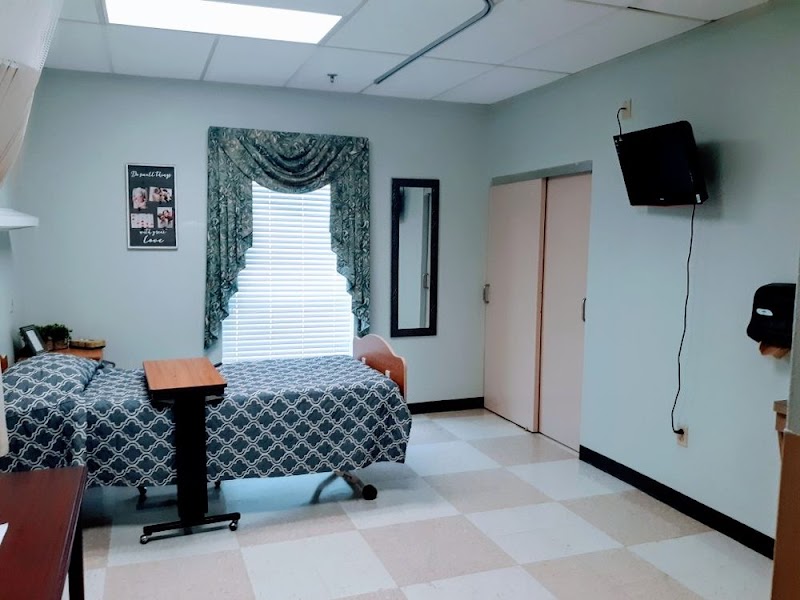
How is Paradigm At Bay City Staffed?

CMS rates PARADIGM AT BAY CITY's staffing level at 4 out of 5 stars, which is above average compared to other nursing homes. Staff turnover is 25%, compared to the Texas average of 46%. This relatively stable workforce can support continuity of care.

What Have Inspectors Found at Paradigm At Bay City?

State health inspectors documented 25 deficiencies at PARADIGM AT BAY CITY during 2023 to 2025. These included: 3 Immediate Jeopardy (the most serious level, indicating potential for serious harm or death) and 22 with potential for harm. Immediate Jeopardy findings are rare and represent the most serious regulatory concerns. They require immediate corrective action.
Who Owns and Operates Paradigm At Bay City?

PARADIGM AT BAY CITY is owned by a for-profit company. For-profit facilities operate as businesses with obligations to shareholders or private owners. The facility is operated by PARADIGM HEALTHCARE, a chain that manages multiple nursing homes. With 105 certified beds and approximately 40 residents (about 38% occupancy), it is a mid-sized facility located in BAY CITY, Texas.
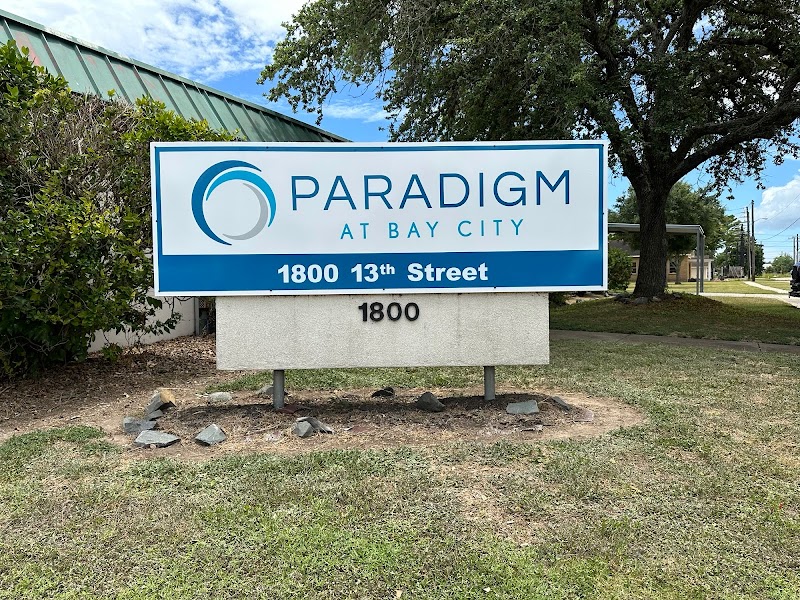
How Does Paradigm At Bay City Compare to Other Texas Nursing Homes?

Compared to the 100 nursing homes in Texas, PARADIGM AT BAY CITY's overall rating (3 stars) is above the state average of 2.8, staff turnover (25%) is significantly lower than the state average of 46%, and health inspection rating (2 stars) is below the national benchmark.

What Should Families Ask When Visiting Paradigm At Bay City?

Based on this facility's data, families visiting should ask: "What changes have been made since the serious inspection findings, and how are you preventing similar issues?" "Can I visit during a mealtime to observe dining assistance and food quality?" "How do you handle medical emergencies, and what is your hospital transfer rate?" "Can I speak with family members of current residents about their experience?" These questions are particularly relevant given the facility's Immediate Jeopardy citations.

Is Paradigm At Bay City Safe?

Based on CMS inspection data, PARADIGM AT BAY CITY has documented safety concerns. Inspectors have issued 3 Immediate Jeopardy citations (the most serious violation level indicating risk of serious injury or death). The facility has a 3-star overall rating and ranks #1 of 100 nursing homes in Texas. Families considering this facility should ask detailed questions about what corrective actions have been taken since these incidents.

Do Nurses at Paradigm At Bay City Stick Around?

Staff at PARADIGM AT BAY CITY tend to stick around. With a turnover rate of 25%, the facility is 21 percentage points below the Texas average of 46%. Low turnover is a positive sign. It means caregivers have time to learn each resident's needs, medications, and personal preferences. Consistent staff also notice subtle changes in a resident's condition more quickly.

Was Paradigm At Bay City Ever Fined?

PARADIGM AT BAY CITY has been fined $65,359 across 2 penalty actions. This is above the Texas average of $33,732. Fines in this range indicate compliance issues significant enough for CMS to impose meaningful financial consequences. Common causes include delayed correction of deficiencies, repeat violations, or care failures affecting resident safety. Families should ask facility leadership what changes have been made since these penalties.

Is Paradigm At Bay City on Any Federal Watch List?

PARADIGM AT BAY CITY is not on any federal watch list. The most significant is the Special Focus Facility (SFF) program, which identifies the bottom 1% of nursing homes nationally based on persistent, serious quality problems. Not being on this list means the facility has avoided the pattern of deficiencies that triggers enhanced federal oversight. This is a positive indicator, though families should still review the facility's inspection history directly.