Focused Care at Allenbrook
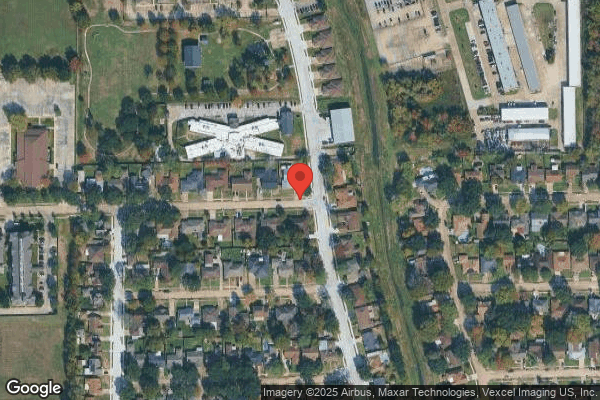
4109 Allenbrook Dr, Baytown, TX 77521 (281) 422-3546
For profit - Limited Liability company 120 Beds FOCUSED POST ACUTE CARE PARTNERS Data: November 2025 1 Immediate Jeopardy citation
Trust Grade
58/100
#236 of 1168 in TX
Last Inspection: December 2024

Within standard 12-15 month inspection cycle. Federal law requires annual inspections.

Overview

Focused Care at Allenbrook has a Trust Grade of C, which means it is average compared to other nursing homes, placing it in the middle of the pack. It ranks #236 out of 1,168 facilities in Texas, indicating it is in the top half of facilities statewide, and #23 out of 95 in Harris County, suggesting only a few local options are better. The facility shows an improving trend, with a decrease in issues from five in 2024 to one in 2025. Staffing is a concern, rated at 2 out of 5 stars, with a turnover rate of 48%, which is above the state average but still implies staff instability. Despite having no fines on record, there are notable areas of concern, including a serious incident where a resident with a history of wandering was able to elope from the facility, and another where the staff failed to follow a physician's order for protective gear, resulting in multiple unwitnessed falls among residents. Overall, while there are strengths in certain areas, such as the quality measures rating 5 out of 5, there are significant weaknesses in supervision and safety that families should consider.

Trust Score
C
58/100
In Texas
#236/1168
Top 20%
Safety Record
High Risk
Review needed
Inspections
Getting Better
5 → 1 violations
Staff Stability
⚠ Watch
48% turnover. Above average. Higher turnover means staff may not know residents' routines.
Penalties
✓ Good
No fines on record. Clean compliance history, better than most Texas facilities.
Skilled Nurses
⚠ Watch
Each resident gets only 9 minutes of Registered Nurse (RN) attention daily — below average for Texas. Fewer RN minutes means fewer trained eyes watching for problems.
Violations
⚠ Watch
15 deficiencies on record. Higher than average. Multiple issues found across inspections.
★★★★☆
4.0
Overall Rating
★★☆☆☆
2.0
Staff Levels
★★★★★
5.0
Care Quality
★★★☆☆
3.0
Inspection Score
Stable
2024: 5 issues
2025: 1 issues

The Good

  • 5-Star Quality Measures · Strong clinical quality outcomes
  • Full Sprinkler Coverage · Fire safety systems throughout facility
  • No fines on record

Facility shows strength in quality measures, fire safety.

The Bad

Staff Turnover: 48%

Near Texas avg (46%)

Higher turnover may affect care consistency

Chain: FOCUSED POST ACUTE CARE PARTNERS

Part of a multi-facility chain

Ask about local staffing decisions and management

The Ugly 15 deficiencies on record

1 life-threatening 1 actual harm
Sept 2025 1 deficiency 1 IJ
CRITICAL (J) 📢 Someone Reported This

A family member, employee, or ombudsman was alarmed enough to file a formal complaint

Immediate Jeopardy (IJ) - the most serious Medicare violation

Accident Prevention (Tag F0689)

Someone could have died · This affected 1 resident

**NOTE- TERMS IN BRACKETS HAVE BEEN EDITED TO PROTECT CONFIDENTIALITY** Based on observation, interview and record review, the facility failed to ensure the environment remained as free from accidents...

Read full inspector narrative →
**NOTE- TERMS IN BRACKETS HAVE BEEN EDITED TO PROTECT CONFIDENTIALITY** Based on observation, interview and record review, the facility failed to ensure the environment remained as free from accidents as possible and that each resident received adequate supervision and assistance to prevent accidents for 1 of 30 residents (Resident #2) reviewed for adequate supervision.The facility failed to provide adequate supervision and put measures in place to prevent residents from eloping. Resident #2 had a history of exit seeking behaviors and wandering from his previous facility and eloped from this facility in 1/7/25. He was found by a good Samaritan in his wheelchair across the street from the facility.This noncompliance was identified as Past Non-Compliance. The IJ began on 1/7/2025 and ended on 1/8/2025. The facility corrected the noncompliance by conducting elopement assessments, updating care plans, providing in-services to staff on elopement, conducting elopement drills, and changing the door code for the secure unit. ---the facility failed to provide adequate supervision and put measures in place to prevent residents from eloping. Resident #2 had a history of exit seeking behaviors and wandering from his previous facility and eloped from this facility in 1/7/25. He was found by a good Samaritan in his wheelchair across the street from the facility. This noncompliance was identified as Past Non-Compliance. The IJ began on 1/7/2025 and ended on 1/8/2025. The facility corrected the noncompliance by conducting elopement assessments, updating care plans, providing in-services to staff on elopement, conducting elopement drills, and changing the door code for the secure unit. Findings include: Record review of Resident #2's face sheet revealed admission date 12/19/24 with diagnoses including encephalopathy (dysfunction of the brain), intracranial injury with loss of consciousness (temporary or permanent loss of awareness or response from a traumatic brain injury), muscle weakness (decreased muscle strength), paranoid schizophrenia (by persistent delusions and hallucinations), recurrent depressive disorders (persistent loss of interest in activities of daily life), cerebral infarction (interruption of blood flow to the brain), anxiety disorder (excessive worry and fear). Record review of Resident #2's admission MDS dated [DATE] revealed adequate hearing, speech, and vision; BIMS score of 10, indicating moderately impaired cognitive skills; limitation in range of motion in upper and lower extremities; moderate assistance required for personal hygiene; maximal assistance required for toileting, showering, and dressing; and occasionally incontinent of bladder and bowel. Record review of Resident #2's baseline care plan dated 12/19/24 revealed resident was an elopement risk, with special concerns to be in secure unit. Record review of Resident#2's admission elopement assessment dated [DATE] with a score of 9 indicated cognitive impairment, history of elopement, history of leaving without informing staff at sister facility. Interventions included secure unit, frequent monitoring, staff aware of wandering behavior. Recommendations included: if resident has exit seeking behaviors, increase supervision and consider electronic device. Record review of Resident #2's elopement assessment dated [DATE] with a score of 15 indicated cognitive impairment, expressions of a desire to go home to his mother's house, history of elopement, wandering aimlessly, with interventions including secured unit, frequent monitoring, use of a check in/out log, recreational activities, music, staff aware of wander risk. Recommendations included if resident has exit seeking behaviors, increase supervision and consider electronic device. Record review of Resident #2's most recent physician orders dated 6/2/25 revealed: may admit to Secured Unit for safety/security due to elopement risk . Record review of Resident #2's care plan dated 1/8/25 revealed: resident eloped from the unit and facility and was down the street at a Dr. office-was brought back to facility/unit without incident. (Resident got the code to the unit and let himself out). Intervention included wander guard bracelet to alert staff, monitor daily, 1/7/25- code to unit door changed, staff in-service to be more observant when residents by the door of the unit; structured activities- toileting, walking inside and outside, reorientation, signs, pictures, memory boxes. Record review of the incident report for Elopement, dated 1/7/25 at 4:44pm, revealed predisposing factors of the event were resident confused, impaired memory, active exit seeker and wanderer. Incident note: 3:00pm: “Good Samaritan called this facility to inform us that there is a resident that was coming from out direction, and he is sitting on his wheelchair with a cap on and is asking to be taken to his mother house. Good Samaritan wheeled patient to safety at the doctor's office across the street from this facility until staff can go verify if the patient is ours. Resident is confused and unable to give statement, staff [NAME] resident back into this facility, skin assessment done, no changes, vitals stable, RP made aware and MD, no new orders, no signs of distress noted. Staff in-service to be more observant when entering lock down unit when residents are sitting near the exit door, secure unit pass code changed, will continue to closely monitor.” Record review of the 24-hour report dated 1/7/25 to 1/8/25 revealed Resident Summary for Resident #2 including the above Incident Note at 4:44pm, a Social Service Note at 3:30pm, weekly skin assessment at 3:40pm and elopement assessment at 3:44pm, with a score of 15. Record review of the Provider Investigation Report dated 1/8/25 revealed the facility immediate action was staff brought the resident back to the facility, skin assessment was done with no changes, vital signs were stable, RP, MD, Ombudsman, Admin , DON, HHSC notified, in-services with staff on elopement and vigilance when entering the secure unit, pass code to secure unit changed, closely monitoring Resident #2 and all residents, in-services on elopement, elopement drills, rounding every 2 hours. Record review of the Incident/Accident report for 12/24 to 9/25 revealed no other elopements since the time of this incident on 1/7/25. Record review of in-services with all staff were as follows: 1/7/25: Resident Elopement, Elopement Policy; 1/8/25: Resident Rounding- Nurses and CNA's to make alternating resident rounds every 2 hours during shift. Observation of resident #2 on 9/3/25 and 9/4/25 revealed he was in the secure unit, with wander guard in place. Interview with ADON on 9/4/25 at 10am revealed the nurses check the wander guards to make sure they are working. She said there are 7 residents who have wander guards, and nurse check them daily to make sure they are working correctly. In a telephone interview with CNA A on 9/4/25 at 11:40am revealed she was working on the secure unit when Resident #2 eloped. She said she was watching residents in the back of the hall in the lounge area, and another aide was showering a resident at that time. She said they do watch out for residents who are close to the door, and do not enter the code if a resident is near the door. She said they do have elopement in-services, and the last one was after this incident with Resident #2. In a telephone interview with CNA B on 9/4/25 at 11:50am revealed she was at work on the secure unit when Resident 32 eloped, she was giving a shower to another resident. She said they have elopement in-services and the most recent was after Resident #2 left the facility. She said the staff on the secure unit always watch that no resident is si near the door when they put the code in to open the door. In a telephone interview with CNA E on 9/4/25 at 12:15pm revealed she works the 6 – 2 shift in the secure unit, so was not working when Resident #2 eloped. She said she used to work on the B Hall, and just started working in the secure unit recently. She said they do have in-services on abuse/neglect and elopement. In an interview with CNA C, in the secure unit, on 9/4/25 at 10am, she said she works the morning shift, so she was not here when Resident #2 eloped. She said they have in-services on elopement, just recently, and also on abuse/neglect. She said they watch to make sure there are no residents by the door when they enter the code to open the door. In an interview with CNA D, in the secure unit, on 9/4/25 at 10:15am, she said she was not working when Resident #2 eloped, and they do have elopement in-services. She said she will re-direct anybody near the door, and make sure the door is completely closed when she leaves the secure unit. In an interview with the Assistant Director of Clinical Operations on 9/4/25 at 11:05 am, she said Resident #2 was new in the facility, and came here from a sister facility, where he had a history of elopement and wandering. In this incident, he was taken to a dentist office across the street and brought back here by staff. He was assessed and had no injuries and was monitored. She said they have elopement drills, and take someone out of the facility, and go through the whole process of elopement investigation and follow-up. She said they have elopement and abuse/neglect in-services. In an interview with LVN A on 9/4/25 at 10:35am, she said they do have elopement drills, where they practice the entire elopement process. She said the staff will watch for anyone leaving the facility to ensure they are allowed. There is a sign-out book on the table by the door, for anyone to sign if they are leaving the facility In an interview with Director of Environmental Services on 9/4/25 at 4:00pm, she said they do have elopement in-services and elopement drills regularly. In an interview with LVN B on 9/4/25 at 4:05 pm, she said they do have in-services on elopement, including elopement drills every 3 months. The DON was provided the PNC IJ template on 9/3/25 at 5:31 pm. A Plan of Removal was not requested. The non-compliance began on 1/7/25 and ended on 1/8/25. The facility had corrected the non-compliance before the investigation began. The following interventions were implemented prior to surveyor entrance and surveyor confirmed the Past Noncompliance. 1. Resident # 2 was immediately assessed 2. Resident # 2 was placed on 1:1 supervision 3. Resident #2's care plan was updated for elopement risk 4. Facility notified RP, MD, Administrator, DON, Ombudsman, HHSC 5. In-services on elopement, abuse/neglect, including staff and management recognizing and reporting abuse/neglect and elopement. 6. In-services with staff (nurses & CNAs on alternate resident rounding every 2 hours). An ad-Hoc QAPI meeting was held on 1/7/25 with the following addressed: 1. Incident/accidents-elopement reviewed 2. Secure unit code changed 3. Alternating rounds every 2 hours 4. Elopement drill 5. In-services on alternating rounding during shift for CNAs 6. In-services on alternating rounding during shift for nurses. There have been no elopement since this incident. Record review of the facility Elopement, effective 11/1/2019, revealed, in part: “a prompt investigation and search will be conducted if a patient/resident is considered missing. Elopement drill will be held quarterly…” Findings include: Record review of Resident #2's face sheet revealed admission date 12/19/24 with diagnoses including encephalopathy (dysfunction of the brain), intracranial injury with loss of consciousness (temporary or permanent loss of awareness or response from a traumatic brain injury), muscle weakness (decreased muscle strength), paranoid schizophrenia (by persistent delusions and hallucinations), recurrent depressive disorders (persistent loss of interest in activities of daily life), cerebral infarction (interruption of blood flow to the brain), anxiety disorder (excessive worry and fear). Record review of Resident #2's admission MDS dated [DATE] revealed adequate hearing, speech, and vision; BIMS score of 10, indicating moderately impaired cognitive skills; limitation in range of motion in upper and lower extremities; moderate assistance required for personal hygiene; maximal assistance required for toileting, showering, and dressing; and occasionally incontinent of bladder and bowel. Record review of Resident #2's baseline care plan dated 12/19/24 revealed resident was an elopement risk, with special concerns to be in secure unit. Record review of Resident#2's admission elopement assessment dated [DATE] with a score of 9 indicated cognitive impairment, history of elopement, history of leaving without informing staff at sister facility. Interventions included secure unit, frequent monitoring, staff aware of wandering behavior. Recommendations included: if resident has exit seeking behaviors, increase supervision and consider electronic device. Record review of Resident #2's elopement assessment dated [DATE] with a score of 15 indicated cognitive impairment, expressions of a desire to go home to his mother's house, history of elopement, wandering aimlessly, with interventions including secured unit, frequent monitoring, use of a check in/out log, recreational activities, music, staff aware of wander risk. Recommendations included if resident has exit seeking behaviors, increase supervision and consider electronic device. Record review of Resident #2's most recent physician orders dated 6/2/25 revealed: may admit to Secured Unit for safety/security due to elopement risk . Record review of Resident #2's care plan dated 1/8/25 revealed: resident eloped from the unit and facility and was down the street at a Dr. office-was brought back to facility/unit without incident. (Resident got the code to the unit and let himself out). Intervention included wander guard bracelet to alert staff, monitor daily, 1/7/25- code to unit door changed, staff in-service to be more observant when residents by the door of the unit; structured activities- toileting, walking inside and outside, reorientation, signs, pictures, memory boxes. Record review of the incident report for Elopement, dated 1/7/25 at 4:44pm, revealed predisposing factors of the event were resident confused, impaired memory, active exit seeker and wanderer. Incident note: 3:00pm: “Good Samaritan called this facility to inform us that there is a resident that was coming from out direction, and he is sitting on his wheelchair with a cap on and is asking to be taken to his mother house. Good Samaritan wheeled patient to safety at the doctor's office across the street from this facility until staff can go verify if the patient is ours. Resident is confused and unable to give statement, staff [NAME] resident back into this facility, skin assessment done, no changes, vitals stable, RP made aware and MD, no new orders, no signs of distress noted. Staff in-service to be more observant when entering lock down unit when residents are sitting near the exit door, secure unit pass code changed, will continue to closely monitor.” Record review of the 24-hour report dated 1/7/25 to 1/8/25 revealed Resident Summary for Resident #2 including the above Incident Note at 4:44pm, a Social Service Note at 3:30pm, weekly skin assessment at 3:40pm and elopement assessment at 3:44pm, with a score of 15. Record review of the Provider Investigation Report dated 1/8/25 revealed the facility immediate action was staff brought the resident back to the facility, skin assessment was done with no changes, vital signs were stable, RP, MD, Ombudsman, Admin , DON, HHSC notified, in-services with staff on elopement and vigilance when entering the secure unit, pass code to secure unit changed, closely monitoring Resident #2 and all residents, in-services on elopement, elopement drills, rounding every 2 hours. Record review of the Incident/Accident report for 12/24 to 9/25 revealed no other elopements since the time of this incident on 1/7/25. Record review of in-services with all staff were as follows: 1/7/25: Resident Elopement, Elopement Policy; 1/8/25: Resident Rounding- Nurses and CNA's to make alternating resident rounds every 2 hours during shift. Observation of resident #2 on 9/3/25 and 9/4/25 revealed he was in the secure unit, with wander guard in place. Interview with ADON on 9/4/25 at 10am revealed the nurses check the wander guards to make sure they are working. She said there are 7 residents who have wander guards, and nurse check them daily to make sure they are working correctly. In a telephone interview with CNA A on 9/4/25 at 11:40am revealed she was working on the secure unit when Resident #2 eloped. She said she was watching residents in the back of the hall in the lounge area, and another aide was showering a resident at that time. She said they do watch out for residents who are close to the door, and do not enter the code if a resident is near the door. She said they do have elopement in-services, and the last one was after this incident with Resident #2. In a telephone interview with CNA B on 9/4/25 at 11:50am revealed she was at work on the secure unit when Resident 32 eloped, she was giving a shower to another resident. She said they have elopement in-services and the most recent was after Resident #2 left the facility. She said the staff on the secure unit always watch that no resident is si near the door when they put the code in to open the door. In a telephone interview with CNA E on 9/4/25 at 12:15pm revealed she works the 6 – 2 shift in the secure unit, so was not working when Resident #2 eloped. She said she used to work on the B Hall, and just started working in the secure unit recently. She said they do have in-services on abuse/neglect and elopement. In an interview with CNA C, in the secure unit, on 9/4/25 at 10am, she said she works the morning shift, so she was not here when Resident #2 eloped. She said they have in-services on elopement, just recently, and also on abuse/neglect. She said they watch to make sure there are no residents by the door when they enter the code to open the door. In an interview with CNA D, in the secure unit, on 9/4/25 at 10:15am, she said she was not working when Resident #2 eloped, and they do have elopement in-services. She said she will re-direct anybody near the door, and make sure the door is completely closed when she leaves the secure unit. In an interview with the Assistant Director of Clinical Operations on 9/4/25 at 11:05 am, she said Resident #2 was new in the facility, and came here from a sister facility, where he had a history of elopement and wandering. In this incident, he was taken to a dentist office across the street and brought back here by staff. He was assessed and had no injuries and was monitored. She said they have elopement drills, and take someone out of the facility, and go through the whole process of elopement investigation and follow-up. She said they have elopement and abuse/neglect in-services. In an interview with LVN A on 9/4/25 at 10:35am, she said they do have elopement drills, where they practice the entire elopement process. She said the staff will watch for anyone leaving the facility to ensure they are allowed. There is a sign-out book on the table by the door, for anyone to sign if they are leaving the facility In an interview with Director of Environmental Services on 9/4/25 at 4:00pm, she said they do have elopement in-services and elopement drills regularly. In an interview with LVN B on 9/4/25 at 4:05 pm, she said they do have in-services on elopement, including elopement drills every 3 months. The DON was provided the PNC IJ template on 9/3/25 at 5:31 pm. A Plan of Removal was not requested. The non-compliance began on 1/7/25 and ended on 1/8/25. The facility had corrected the non-compliance before the investigation began. The following interventions were implemented prior to surveyor entrance and surveyor confirmed the Past Noncompliance. 1. Resident # 2 was immediately assessed 2. Resident # 2 was placed on 1:1 supervision 3. Resident #2's care plan was updated for elopement risk 4. Facility notified RP, MD, Administrator, DON, Ombudsman, HHSC 5. In-services on elopement, abuse/neglect, including staff and management recognizing and reporting abuse/neglect and elopement. 6. In-services with staff (nurses & CNAs on alternate resident rounding every 2 hours). An ad-Hoc QAPI meeting was held on 1/7/25 with the following addressed: 1. Incident/accidents-elopement reviewed 2. Secure unit code changed 3. Alternating rounds every 2 hours 4. Elopement drill 5. In-services on alternating rounding during shift for CNAs 6. In-services on alternating rounding during shift for nurses. There have been no elopement since this incident. Record review of the facility Elopement, effective 11/1/2019, revealed, in part: “a prompt investigation and search will be conducted if a patient/resident is considered missing. Elopement drill will be held quarterly…”
Dec 2024 4 deficiencies
CONCERN (D)

Potential for Harm - no one hurt, but risky conditions existed

Comprehensive Assessments (Tag F0636)

Could have caused harm · This affected 1 resident

**NOTE- TERMS IN BRACKETS HAVE BEEN EDITED TO PROTECT CONFIDENTIALITY** Based on interview and record review the facility failed to conduct a comprehensive assessment of a resident in accordance with ...

Read full inspector narrative →
**NOTE- TERMS IN BRACKETS HAVE BEEN EDITED TO PROTECT CONFIDENTIALITY** Based on interview and record review the facility failed to conduct a comprehensive assessment of a resident in accordance with the timeframes, within 14 calendar days after admission, excluding readmission in which there is no significant change in the resident's physical or mental condition and not less than once every 12 months for 1 of 18 residents (Resident #47) reviewed for comprehensive annual assessments. The facility failed to ensure Resident #47's Annual MDS Assessment was completed within 14 days of the ARD. This failure could place residents at-risk of not having their assessments completed timely, which could result in denial of services and or payment for services. The findings include: Record review of Resident #47's admission Record, dated 12/11/2024, revealed a [AGE] year-old male who was admitted to the facility on [DATE] and readmitted on [DATE]. Resident #47 had diagnoses which included fracture of right femur (broken thigh bone), dysphagia (difficulty swallowing), repeated falls, major depressive disorder (persistently depressed mood), alcohol dependence, insomnia (persistent problem falling or staying asleep), mood disorder (different psychiatric conditions that cause changes in a person's emotional state), psychosis (a psychiatric condition that causes a person to lose touch with reality), adjustment disorder with depressed mood (mental health condition when someone has difficulty coping with major stressors or changes in life), quadriplegia (partial or total paralysis in all four limbs and the torso), and alcohol dependence with alcohol induced persisting dementia (a condition that results from chronic alcohol consumption and the resulting brain damage). Record review of Resident #47's Annual MDS with an ARD of 05/20/2024, revealed Section Z of the MDS, Z0500. Signature of RN Assessment Coordinator Verifying Assessment Completion revealed sections A, B, C, D, E, F, GG, H, I, J, K, L, M, N, O were signed as completed by MDS Coordinator A on 06/06/2024. Requested a copy of Resident #47's Annual MDS from MDS Coordinator A prior to exit and was provided a copy that only included sections A-I, instead of A-Z. Record review of screen shot of Annual MDS revealed it was signed on 06/06/2024 and highlighted red. Interview on 12/11/24 at 11:14 AM with MDS Coordinator A, who said she was not aware the annual MDS, dated [DATE], for Resident #47 was late and could not account for why it was late. She looked at the EMR and said the date 6/6/24 was highlighted in red because it was late. She said it was possible she was out on leave or PTO or the DON may have signed the MDS late. She said the DON signed all the facility MDS' for completion and the MDS should be completed within 14 days of the ARD date so if the ARD was 5/20/24 and the MDS was not completed until 6/6/24 it was actually 17 days and late. MDS Coordinator A said she was responsible for ensuring MDS assessments were submitted on time. She said she used the RAI manual as her policy and procedure for completing the MDS. Interview with the DON on 12/11/24 at 11:29 AM, who said he signed the MDS' for the facility for completion. He said he did not know why or how Resident #47's Annual MDS, dated [DATE], had been completed late. He said in his absence corporate may sign and review or audit MDS'. He said PASRR forms were the sole responsibility of MDS Coordinator A. Record review of CMS's RAI Version 3.0 Manual CH 2: Assessments for the RAI October 2019 Page 2-22 Assessment Management Requirements and Tips for Annual Assessments: o The MDS completion date (item Z0500B) must be no later than 14 days after the ARD (ARD + 14 calendar days). This date may be earlier than or the same as the CAA(s) completion date, but not later than.
CONCERN (D)

Potential for Harm - no one hurt, but risky conditions existed

Assessment Accuracy (Tag F0641)

Could have caused harm · This affected 1 resident

**NOTE- TERMS IN BRACKETS HAVE BEEN EDITED TO PROTECT CONFIDENTIALITY** Based on interview and record review, the facility failed to ensure the assessments accurately reflect the resident's status for...

Read full inspector narrative →
**NOTE- TERMS IN BRACKETS HAVE BEEN EDITED TO PROTECT CONFIDENTIALITY** Based on interview and record review, the facility failed to ensure the assessments accurately reflect the resident's status for 1 of 5 residents (Resident #24) reviewed for accurate assessments. The facility failed to ensure Resident #24's MDS accurately reflected the resident's falls. This failure could place residents at risk for not receiving needed services or receiving improper or incorrect care and services necessary for their physical, mental and psychosocial well-being. The findings include: Record review of Resident #24's face sheet reflected a [AGE] year-old male with an admission date of 8/15/2024. Resident #24 had diagnoses which included Displaced Intertrochanteric Fracture of Left Femur (Broken Hip), Unspecified Dementia (decline in mental abilities that affects daily life), Schizophrenia (chronic mental illness that affects how one thinks, feels, and behaves), Muscle Weakness, Difficulty in Walking, Unspecified Lack of Coordination, and Repeated Falls. Record review of Resident #24's Quarterly MDS, dated [DATE], reflected a BIMS score of 11, which indicated moderate cognitive impairment. Resident #24's fall on 9/20/2024 was not reflected in section J, Health Conditions in the MDS. Section J1800 which asked Has the resident had any falls since admission/entry or reentry or the prior assessment on the quarterly comprehensive assessment, dated 11/12/2024, did not reflect any falls. Record review of Resident #24's nurse progress notes reflected documentation of a fall on 9/20/2024. It was documented that the nurse went into Resident's #24's room around 7 a.m. to administer as needed pain medication. Resident #24 reported to the nurse that he fell out of bed onto the floor about 30 minutes prior. Resident #24 reported he hit the right side of his head. Resident #24 also reported pain to his right hand and hip. The nurse assessed Resident #24 for injuries, and none were noted. Resident #24 was sent to the hospital for evaluation. Record review of Resident #24's incident report, dated 9/20/2024, reflected a fall was documented,. on 9/20/2024 Resident #24 informed a nurse he fell out of bed onto the floor about 30 minutes prior to notifying the nurse at 7 a.m., when she went to administer requested pain medication. Resident #24 stated he hit his head, and his right hand and hip hurt. The nurse assessed the resident for injuries, but none were noted . During an interview on 12/10/24 at 8:33 a.m., the DON said Resident #24 had a fall which occurred on 9/20/24 . During an interview on 12/11/24 at 3:00 p.m., the Clinical Reimbursement Coordinator stated she completed the MDS assessments. The Clinical Reimbursement Coordinator said falls were noted in section J of the MDS and if there was a fall with no significant change then it would be noted on the next MDS. This should be completed . During an interview on 12/11/24 at 3:03 p.m., the DON named the MDS Coordinator who was the same as the Clinical Reimbursement Coordinator as the person who completed the MDS assessments. The DON said he signed the MDS after being notified it was completed. Record review of the facility policy, MDS Completion Accuracy and Timeliness, reflected the facility must follow most updated MDS RAI rules and regulations for completing each MDS accurately and timely. Also, that each facility must also utilize most updated Texas TAC rules for MDS accuracy.
CONCERN (D)

Potential for Harm - no one hurt, but risky conditions existed

PASARR Coordination (Tag F0644)

Could have caused harm · This affected 1 resident

**NOTE- TERMS IN BRACKETS HAVE BEEN EDITED TO PROTECT CONFIDENTIALITY** Based on interviews and record review, the facility failed to were provided an accurate Preadmission Screening and Resident Revi...

Read full inspector narrative →
**NOTE- TERMS IN BRACKETS HAVE BEEN EDITED TO PROTECT CONFIDENTIALITY** Based on interviews and record review, the facility failed to were provided an accurate Preadmission Screening and Resident Review (PASRR) Screening Based on interview and record review, the facility failed to refer a resident with newly evident or possible serious mental disorder, intellectual disability, or a related condition for level II resident review for reviewed for 2 of 3 residents (Resident #47 and Resident #25) reviewed for resident assessments. The facility failed to update the PASRR Level 1 forms for Resident #47 and Resident #25 to indicate mental health illness. This failure could place residents at risk of not having their special needs assessed and met by the facility. Findings included: 1. Record review of Resident #47's admission Record, dated 12/11/2024, revealed a [AGE] year-old male who was admitted to the facility on [DATE] and readmitted on [DATE]. Resident #47 had with diagnoses which included fracture of right femur (broken thigh bone), dysphagia (difficulty swallowing), repeated falls, major depressive disorder (persistently depressed mood), alcohol dependence, insomnia (persistent problem falling or staying asleep), mood disorder (different psychiatric conditions that cause changes in a person's emotional state), psychosis (a psychiatric condition that causes a person to lose touch with reality), adjustment disorder with depressed mood (mental health condition when someone has difficulty coping with major stressors or changes in life), quadriplegia (partial or total paralysis in all four limbs and the torso), and alcohol dependence with alcohol induced persisting dementia, (a condition that results from chronic alcohol consumption and the resulting brain damage). Continued record review revealed Resident #47's diagnosis of psychosis was dated from his admission 3/28/22. Record review of Resident #47's PASRR Level 1, dated 2/21/22,-section C0100 Mental illness Is there evidence or indication this is an individual that has a Mental Illness? and the answer was documented as No. Record review of Resident #47's Annual MDS, dated [DATE], Section I Active Diagnoses read in part: 15950. Psychotic Disorder (other than schizophrenia). 2. Record review of Resident #25's admission Record, dated 12/11/24, revealed a [AGE] year old male who admitted to the facility on [DATE] and readmitted on [DATE]. Resident #25 had diagnoses which included: delusional disorder (psychotic condition characterized by persistent false beliefs), obsessive-compulsive disorder (excessive thoughts that lead to repetitive behaviors), adjustment disorder with mixed anxiety and depressed mood (mental health condition that involves experiencing both symptoms of anxiety and depression), and major depressive disorder recurrent severe with psychotic symptoms (a serious mental illness that involves both depression and psychosis or loss of touch with reality). There was no diagnosis of dementia. Record review of Resident #25's PASRR Level 1 Screening, dated 8/19/2020, indicated .Mental illness .Is there evidence or an indicator this is an individual that has a Mental Illness .No Record review of Resident #25's Annual MDS, dated [DATE], Section I Active Diagnoses read in part: 15900. Bipolar Disorder. 15950. Psychotic Disorder (other than schizophrenia). During an interview on 12/11/24 at 11:14 AM, with MDS Coordinator A who said she was not aware of Resident #25 and Resident #47's mental illness diagnoses from admission did not have primary diagnoses of dementia. She said she had worked at the facility for the last 4 years but had not ever completed any audits of previous PASSR Level 1 evaluations for accuracy, because she did not know she had to. MDS Coordinator A had not really used the 1012 form for Mental Illness before and did not know of any sister facilities that had completed them or used them. MDS Coordinator A said both Resident #25 and Resident #47 had potentially qualifying MI diagnoses and she would look at each of their PL-1's and complete a 1012 form for each of them. MDS Coordinator A said she used the RAI manual to complete MDS's and PASRR requirements as the policy and procedure she followed. Follow up interview with MDS Coordinator A on 12/11/24 at 11:53 AM, she said the potential risk to a resident for not having the corrected referral submitted to identify mental health illness, would be the resident would not receive the necessary services they may qualified for. She provided copies of undated 1012 forms For Mental Illness/Dementia Resident Review for Resident #25 and Resident #47 . The MDS Coordinator A said she was unsure if Resident #25 and Resident #47 should have had an updated PASRR or if a form 1012 should have been completed for each of them. The MDS Coordinator A said that she was ultimately responsible for any PASRR updates. Interview with the Administrator on 12/11/24 at 1:08 PM, he said there was a Corporate MDS Coordinator who could provide oversight for MDS Coordinator A, but he was unsure what her name was and said he would provide her contact information. The Administrator said he would do some in-service education with MDS Coordinator A. The Administrator said he was unsure who conducted audits of PL-1's but he said he knew what a form 1012 was and when it should be used ,which was when a resident was later discovered to have a potentially qualifying MI diagnosis. The State Surveyor requested information for the Corporate MDS Coordinator but did not receive it prior to exit. Record review of the Texas Health and Human Services Commission Purpose of form 1012, read in part: When to Prepare: Form 1012 assists nursing facilities (NF ) in determining whether a resident with a negative Preadmission Screening and Resident Review (PASRR) Level I (PL1 ) Screening form submitted into the Long-Term Care (LTC) Portal, needs further evaluation for Mental Illness (MI). This form is used to determine whether the individual has a primary dementia diagnosis or if the individual has a mental illness diagnosis. This form also serves as the NF's documentation for the individual's medical record as to why further evaluation was or was not completed .
CONCERN (E)

Potential for Harm - no one hurt, but risky conditions existed

Food Safety (Tag F0812)

Could have caused harm · This affected multiple residents

Based on observation, interview, and record review, the facility failed to store, prepare, distribute, and serve food in accordance with professional standards for food service safety in 1 of 1 kitche...

Read full inspector narrative →
Based on observation, interview, and record review, the facility failed to store, prepare, distribute, and serve food in accordance with professional standards for food service safety in 1 of 1 kitchen reviewed for dietary services. -The facility failed to label, and date left over food items stored in the walk-in cooler. -The facility failed to ensure dented cans were not stored together with undented cans. These failures could place residents at risk for food contamination and foodborne illness due to cross contamination. The findings included: Initial kitchen observation on 12/09/24 at 8:40 AM revealed the following - (All food items were identified by the Dietary Manager) observation of the walk-in freezer in the kitchen revealed. -an open bag of chicken parties which was unlabeled and undated, -a half bag of chicken strips was un-labeled and undated. -3 full bags of chicken parties were unlabeled and undated. -chicken parties in a plastic bag were not sealed, were unlabeled and undated Observation of the dry goods storage revealed one 6 Ibs dented can of sliced apple and one 6.2 Ibs. of dented fancy tree beans. In an interview with the Dietary Manager, on 12/09/24 at 9:00 AM, she said the dented cans were supposed to be kept in her in her office for credit. She said she was sick and today 12/09/24 was her first day back. She said she expected all food items out of the original box\containers to be labeled and dated with a used by date. She said inappropriate food storage could lead to cross contamination and food poisoning. Record review of the facility's policy, dated May 2020, entitled Labeling and Dating Foods. Policy statement read in part- Guideline: All foods stored will be properly labeled according to the following guidelines. Procedure: Date marking for refrigerated storage food items. -Unopened cases of refrigerated food items will be dated with the date the item was received into the facility and will be stored using the first in - first out method of rotation. -Once a case is opened, the individual, refrigerated food items are dated with the date the item was received into the facility and placed in/on the proper storage location utilizing the first in - first out method of rotation. -Once opened, all ready to eat, potentially hazardous food will be re-dated with a use by date according to current safe food storage guidelines or by the manufacturer's expiration date.
Sept 2024 1 deficiency
CONCERN (D) 📢 Someone Reported This

A family member, employee, or ombudsman was alarmed enough to file a formal complaint

Potential for Harm - no one hurt, but risky conditions existed

Quality of Care (Tag F0684)

Could have caused harm · This affected 1 resident

**NOTE- TERMS IN BRACKETS HAVE BEEN EDITED TO PROTECT CONFIDENTIALITY** Based on interviews, and record reviews the facility failed to ensure that resident received treatment and care in accordance wi...

Read full inspector narrative →
**NOTE- TERMS IN BRACKETS HAVE BEEN EDITED TO PROTECT CONFIDENTIALITY** Based on interviews, and record reviews the facility failed to ensure that resident received treatment and care in accordance with professional standards of practice for CR#1 reviewed for quality of care. The facility failed to monitor and ensured CR#1 received proper dressing changes on the Intra right jugular Vein (Central Line) on CR#1's neck. The facility failed monitor and ensured CR#1 received proper dressing changes on CR#1's Cholecystectomy tube. This deficient practice could affect residents by diminishing their quality of care. Findings Included: Record review of CR #1's undated Face Sheet reflected she was admitted to the facility on [DATE] and readmitted on [DATE]. She was a [AGE] year-old female with the following diagnoses: heart failure (heart fails to pump blood to give body a normal supply), hypertension (high blood pressure), peripheral vascular disease (poor circulation in blood vessels), gastroesophageal reflux disease (stomach acid repeatedly flows back up into the tube connecting the mouth and stomach called the esophagus) , viral hepatitis (liver infection), diabetes (too much sugar in the blood stream) , stroke (blood to brain is blocked), pneumonitis (lung swelling) due to inhalation of food and vomit, IV tube feeding for medication, nutrition and fluids. Record Review of the Quarterly MDS dated [DATE] revealed a BIMS score of 11, which suggest cognitive skills are moderate impaired; receives more than 51% of calories through IV tube feeding for medication, nutrition and fluids. Record Review of CR#1's CPCP (Document that summarizes health conditions, treatments and other important information) dated 8/2/2024 (Revision 8/6/2024) revealed, CR#1 had a potential for dehydration r/t diuretics/NPO (nothing by mouth) status. Administer medications as ordered. Monitor/document for side effects and effectiveness; Has a swallowing problem r/t aspiration and all staff to be informed of resident's special dietary and safety need; resident is totally dependent on staff for ADL; an altered endocrine status R/T gallbladder disease, which required monitoring the JP drainage (an opening into the stomach from the abdominal wall and a tube is inserted to allow air and fluid to leave the stomach and can be used to give drugs and liquids, including liquid food to the patient). Record review of admission Summary progress note dated 8/2/2024 at 7:55pm by LVN A revealed, Resident AxOx3 (Alert and Oriented, times 3) Dx: asp pna arrived at facility via stretcher from Houston Methodist hospital accompanied by 2 EMT staff, returned with orders that was verified by MD via Celo and ok to continue per MD, obtain vitals 128/72 68 97.9 20 N/C @2L, resident returned NPO with peg tube to left mid-abdomen and order for Diabetic source but will use Glucerna Carbsteady 1.2 @55ml/hr water flush @50ml/Q12hr until original feeding is available, all medication administered via peg tube, gall bladder drain at right abdomen replaced while at hospital stay no drainage at this time, 02 @2L n/c no acute distress noted, denies pain or discomfort noted respiration even and labored, resident has order for Meropene (antibiotic used to treat bacterial infections) lg q8hr X 6days r/t asp pna vial IJ triple lumen to right side of neck, accuchecks (blood glucose monitoring) monitoring d/t enteral feeding, notified RP of resident's arrival, continue to provide care Record review of Resident#1's physician's order dated 8/2/2024 revealed cleanse site around Cholecystectomy tube ( A catheter that drains excess bile and fluids from the gallbladder) every night and PRN every night shift and monitor output every shift; Cleanse stoma site with NS or wound cleanser pat dry, apply split dressing between skin & disk every night shift; Glycolax Powder - Give 17 gram via G-Tube one time a day for constipation; Famotidine Give 1 tablet via G-Tube one time a day for acid reducer; Intra right jugular Vein IV site clean every week and PRN if needed. One time a day every Sat for change weekly; Eternal Feed Order every shift auto water flush 100ML Q 6 hrs; Perform weekly skin assessment every day shift every 7-day(s) document C for Clear and A for Abnormal (D/C 8/3/2024); Monitor PICC Line for S/S of infection every shift (every shift for 6 days); Normal Saline Flush Solution. Use 10 ml intravenously every 8 hours for aspiration pneumonia PICC LINE-Flush with 10 Normal Saline every 8 hours if not used with the same frequency for medication administration; Cleanse site around Cholecystectomy tube every night and PRN as needed. Record review of progress note dated 8/12/2024 at 1:19pm revealed resident has completed IV abx and has central line to right IJ catheter is stitched in place per DON and stated resident may have to send to ER to remove, notified MD via CELO, awaiting MD response. Record review of Hospital ER notes dated 6/3/2024 at 8:41pm revealed CR#1 was transported to hospital, via ambulance, and admitted [DATE] at 1:14am. CR#1 had an admittance diagnosis of Pyelonephritis [N12]. The primary diagnosis was aspiration pneumonia of right lung, which included chronic airway obstruction, palliative care. On 6/14/2024 an open drain right; upper abdomen was placed in the abdomen (stomach) which the dressing last changed 4 days prior, 6/12/2024 a CVC triple Lumen Non-tunneled right internal jugular vein, which the last dressing changed 3 days prior. On 6/15/2024 at 12:06pm, CR#1 was discharged from hospital and the instructions were Cholecystostomy tube must remain in place for a minimum of 6 weeks or until cholecystectomy is performed; Tube should be exchanged every 8-12 weeks; tube should be flushed twice daily with 10cc normal saline; tube should remain to gravity bag drainage at all times; and consider placing patient on ursodiol. Record review of facility's Quality of Care policy dated 02/2017 and revised 01/2023 revealed, Quality of care is a fundamental principle that applies to all treatment and care provided to community residents. *Colostomy, Urostomy, or ileostomy care. The community will ensure residents who require colostomy, urostomy, or ileostomy services, received such care consistent with professional standards of practice, the comprehensive person-centered care plan, and the residents' goals and preferences. Record review of LVN A progress note on 6/3/2024 at 10:04 revealed, revealed resident was observed lying in bed with eyes closed not easily to arouse verbally but slowly awaken with sternal rub, resident lethargic did not eat breakfast or drink fluids with assistance this am, obtained vitals 122/93 92 97.7 20 93% @3L n/c, resident is not her usual self, notified MD via Celo (Communication line with medical doctors) sent recent labs via Celo for MD to review as well, [NAME] gave order for meropenem lg iv q 8hr x 7 days, called and spoke with RP-FM he gave verbal consent for PICC insertion, cont. to provide care. Record Review of the Skilled Charting forms dated between the dates of 8/2/2024 and 8/9/2024, revealed the nurses on all shifts completed assessments; however, failed to address the PICC line, which was not assessed for any condition. Review of text message and video texted from FM A revealed a photo time stamped 7/9/2024 at 8:25am showing the tube in a body area of a resident and a bandage with the date of 6/14; Second photo time stamped 8/12/2024 showing what appeared to be a bandage dated 7/30/2024 and a blue tab and the dressing dirty and coming up off the residents' body. During a telephone interview with FM A on 9/10/2024 at 9:48am it was revealed on 6/4/2024, he was notified by the facility that CR#1 was rushed to the Hospital ER. FM was informed by the Hospital ER that CR#1 had severe pneumonia, bilateral kidney infection, a gallbladder infection, and a UTI. After 3 weeks in the hospital, she was discharged with a gallbladder drain tube. FM A provided additional instances of concerns. o FM A stated on 7/9/2024, he visited CR#1 and noticed the dressing on her gallbladder drain tube had not been changed since 6/14/2024, which was the day prior to being released from the hospital during her 6/4/2024 visit. Furthermore, the dressing that was supposed to be around the gallbladder drain tube; however, was visibly off CR#1's body and the tube that was inserted in the stomach was coming out. FM spoke with CNA B who went to get the charge nurse. o FM A revealed CR#1 had another hospital ER visit on 7/29/2024, and while she was in the hospital, a Central Line (PICC line) was placed in her neck area for medications and along with the G-tube inserted for feeding and hydration, to help mitigate the risk of aspiration. CR#1 returned to the facility 7/30/2024. o FM A stated during another visit at the facility on 8/6/2024, at 8:30 AM. CR#1 began complaining of something biting her and itching. FM A called CNA A to come to the room to look at the mattress. CNA A rolled CR#1 on her side to see what was going on in the area his mom was lying. The bed was covered with live ants. FM stated CNA A went to get Maint. and another staff member for assistance. Both staff members assisted in getting CR#1 out of bed, cleaned up, and our of the room while the Maint. Sprayed the room with disinfectant which may have caused breathing issues. o FM A stated during another visit on 8/12/2024 it was observed that CR#1's Central Line (PICC) had not been changed since she returned to the facility on July 7/30/2024 from the hospital visit on 7/29/2024, which was 14 days prior. It was noted that the dressing was in an extremely unsanitary condition. o FM A stated on 8/21/2024 CR#1was again sent to the Hospital ER with breathing difficulties and diagnosed with sepsis (the body responds improper to the bacteria infection that affect the immune system) and a MRSA (a germ resistant to antibiotics and causes infection in different parts of the body. It is contagious) infection in her bloodstream. Her condition had significantly worsened due to, in FM A's opinion, the lack of proper care at the facility. On 9/10/2024 at 2:55pm during a telephone interview with RA witnessed ants CR#1's bed on 8/6/2024 . RA stated she reported this incident to Maint and LVN A. She stated she and another aide (Can't remember the name) got the resident out of bed and cleaned her up fast along with sanitizing the mattress and putting new bedding on. RA further confirmed the conversation with FM A regarding the unsanitary condition of CR#1's Central Line and that it had not been changed in 14 days. RA stated she did not look at the area; however, immediately went and got LVN A who accompanied her to CR#1's room. On 9/10/2024 at 3:11pm during an interview with LVN B it was revealed she had she been aware of report that the FM A had found ants in CR#1's bed by LVN A during shift change where staff exchange information regarding what issues, if any, occurred on their shift. LVN B stated CR#1 should have immediately been assessed to ensure there weren't any bites or other conditions; ensured the Maint was called and moved the bed from the window area if necessary and finally a notation would and should have been reported in PCC. Regarding the Central PICC, LVN B stated she was aware CR#1 had a Central PICC line on the right side of her neck and should have been flushed each shift. She further stated there is a kit in the medication room, which provide items to remove dressing, and re-apply adhesive around the outer side to prevent infection. LVN B stated this should be completed once weekly. She stated the dressing change on the PICC line was according to the order, to be changed on the weekends (Saturday). LVN B stated she did not clean or flush the PICC line because the order was for every Saturday and CR#1 never complained about the area. On 9/10/2024 at 4:30pm during an Interview with Maint revealed he was called to CR#1's room by the RA during the morning shift because there were ants in the bed. Maint witnessed about 3 ants (sugar ants according to Maint) and there were some cookie crumbs in the bed. At that time, CNA's helped the resident out of bed, stripped the bed, the resident was cleaned and placed in her wheelchair in the hall while he sprayed the room. The ants were also seen on the windowsill in the room. Maint stated there are no concerns of sugar ants and they come in the facility when it rains. He stated pest control comes monthly to spray but could not give an indication of all areas of applications other than internal applications. On 9/10/2024 at 5:00pm during an interview with LVN A stated she was aware of the gallbladder tube in CR#1's stomach and orders were to monitor drainage and tube base to make sure it's clean or dry. She confirmed she changed the dressing of the resident when FM brought it to her attention that the dressing was unsanitary and hadn't been changed. She stated CR#1's dressing should have been changed every 7 days. LVN A stated she completed on-going assessments of CR#1's gallbladder tubing area but did not notice the date nor change the dressing until it was brought to her attention . LVN A stated when dressing isn't changed it could cause infection and create a problem with the functioning of the tube. LVN A stated she was working on 8/12/2024 and was aware the resident had a Central Line but does not remember FM A informing her about the condition of the dressing (unsanitary and dirty). She stated she flushed the line and ensured the medication was flowing like it was supposed to. With the line being in an unsanitary condition, it could cause the resident to have a risk of serious infection. LVN A stated when CR#1 returned from the hospital on or around the 7/30/24 she completed a head-to-toe assessment , noted orders from the hospital, took vital signs, reconciled medications with doctor for approval and completed documentation in PCC. The PICC line was not checked, and she stated she thought she had checked it. She stated when she failed to check the PICC line it did not populate in the orders and therefore nursing staff was unaware of the requirements for checking the PICC line area daily. LVN A stated she was never notified about ants in the resident's bed and was never notified of this fact. If she had been notified, she would have completed a head-to-toe assessment on CR#1for ant bites. On 9/11/2024 at 11:00am during an interview with DON who stated CR#1 returned to the facility on 8/2/2024 with a Central Line (PICC). She was not considered a Skilled Charting (An assessment of a high-risk resident on each shift for a period of time) resident , which would require a head-to-toe assessment each shift, which would have noted the nursing staff addressed the PICC line. The DON stated CR#1 was not considered a Skilled Charting resident and was unable to explain the reason other than residents on a Skill Charting level is determined by the business office. He further stated residents stay on Skill Charting only a certain number of times. The DON was unable to give an exact date resident was on Skill Charting or removed. The DON stated the nursing staff requirement for tube care for a resident who has a Central Line (PICC), colostomy bag, cholecystectomy tube or any type IV insertion, the area must be checked for any drainage amount and check for s/s of infection and continue to monitor that the tube stays intact. The DON stated failure to ensure the tube was intact could result in the tube leaking inside resident, which could very well cause sepsis. It was further stated the dressing around the area should not be dirty and the nurses are expected to keep that area clean. However, if the gallbladder dressing isn't dirty or draining there is no reason to bother it regardless of how long it's been there. She also stated it was not a problem if the dressing appeared to come off the tube; it just showed it needed to be changed. The DON stated the PICC line dressing should be changed every 7 days and it is unacceptable if it wasn' t. The DON stated the risk is the resident would get an infection. The DON reiterated that each Saturday the dressing should have been changed during day shift (6am - 2pm); however, the order went in on August 2nd at 8:20pm and since the resident came in with a PICC line from the hospital the dressing is clean and the nurses would not have change it. On 9/10/2024 at 3:11pm during an interview with LVN B Nurse stated she was informed during shift change by LVN A that FM found ants in CR#1's bed. LVN B stated CR#1 should have immediately received a head-to-toe assessment . LVN B stated she was aware of CR#1's Central PICC line on the right side of her neck and should be flushed each shift. However, the only order for the PICC line was to be cleaned and dressing changed on weekends (Saturday). LVN B stated when the resident returned to facility from the hospital, if the PICC line had been checked, it would have populated the cleaning along with the weekly dressing change for all shifts. On 9/11/2024 at 3:55pm during an Interview with Admin revealed he assumed the nursing staff were changing the dressing on the gallbladder and the dressing on the Central PICC line for CR#1. He stated the nursing staff should have completed and on-going monitoring of the two areas to ensure there were no signs or symptoms of infection. He stated he will ensure staff received in-service training and education on skin assessments, environmental. In reference to the ants, he stated an assessment of CR#1 should have been completed. He stated there is an ongoing pest control application. There was an application on 8/5/2024. He stated to his knowledge there isn't an ant problem. On 9/27/24 at 7:24am during a telephone interview with MD - revealed CR#1 had a central line (PICC) at some point in the past, but what CR#1 had at the facility was a CVC (used for short-term access. A needle puncture to the vein in the neck, groin or upper chest) used to administer drugs, and fluids. MD stated CR#1 is still his patient even at her current facility. MD stated in June CR#1 went to the hospital for gallbladder issue, but the risk of surgery was to high based on her physical condition. MD stated that CR#1 has had several PICC lines in the past. However, the PICC lines can't stay in too long because of her historical health. MD stated this facility is a good community that continues to communicate with him regarding all his patients, especially CR#1. MD stated the facility calls often regarding concerns with CR#1's condition. MD stated he has had no problem with the care the facility gave CR#1. MD stated the correlation between Mrsa and the bandage is with mrsa there would have been a large abscess in the area if the bandages had infected the resident. MD stated CR#1 had colonization on her skin and changing the bandage too often would have created a secondary cross-contamination, which is what medical personnel wanted to avoid. MD stated that the bandage being dirty was not an issue at this time for CR#1, unless it was saturated with blood that was visible, had a foul odor and/or was really wet, which was not the case with her. MD stated the facility monitored CR#1 very closely and he was aware of her conditions and/or changes immediately. MD stated CR#1 has an enormous amount of risk factors for infection. MD stated CR#1 was recently released from the hospital to her current nursing facility and has had to be returned to the hospital for other medical issues. MD stated CR#1 will always have infections and other health issues and go back and forth to the hospital due to her medical condition. MD reiterated he had no concerns with her treatment at the facility and was always aware of CR#1 health issues when they occurred.
Dec 2023 1 deficiency 1 Harm
SERIOUS (H) 📢 Someone Reported This

A family member, employee, or ombudsman was alarmed enough to file a formal complaint

Actual Harm - a resident was hurt due to facility failures

Accident Prevention (Tag F0689)

A resident was harmed · This affected multiple residents

**NOTE- TERMS IN BRACKETS HAVE BEEN EDITED TO PROTECT CONFIDENTIALITY** Based on interview and record review the facility failed to ensure each resident receives adequate supervision and assistance de...

Read full inspector narrative →
**NOTE- TERMS IN BRACKETS HAVE BEEN EDITED TO PROTECT CONFIDENTIALITY** Based on interview and record review the facility failed to ensure each resident receives adequate supervision and assistance devices to prevent falls for 1 (Resident #1) of six residents reviewed for accidents, hazards, and supervision. The facility interventions did not prevent 18 unwitnessed falls and 16 witnessed falls with multiple injuries and hospitalization. The facility failed to implement the physician order for a use of a helmet to prevent injuries from falls. Facility staff, the NP and the Rehab Director were unaware of this physician order. These failures placed residents who are dependent on staff for activities of daily living, supervision, and bed mobility at risk of not being adequately supervised, no adequate intervention, not putting appropriate devices in place, worsening of existing wounds, decline in quality of care, and experiencing pain. Findings include: Record review of Resident #1's face sheet dated 11/29/23 revealed original admission date to facility was 5/9/23 and was re-admitted on [DATE]. Resident was diagnosed with dementia with other behavioral disturbance, Urinary Tract infection, bilateral cataract, fracture of right pubis, osteoporosis (bone disease that develops when bone mineral density and bone mass decreases), intertrochanteric fracture of left femur, mood disorder, history of falling, type 2 diabetes (high blood sugar), insomnia, dysphagia (swallowing difficulty), fracture of unspecified part of neck of right femur, anxiety, lack of coordination, repeated falls, disorientation, abnormalities of gait and mobility and pain in right hip. Record review of Resident #1's Quarterly MDS signed on 11/28/23 revealed the resident was rarely/never understood and had severe cognitive impairment and she was dependent on staff and the helper does all of the effort for toileting hygiene, and putting on/taking off footwear, and sit to stand and tub/shower transfer. Resident #1's bed mobility, transfer, walking, dressing, eating and/or swallowing score was 0 for the number of days restorative programs were performed. Resident #1 was not rated on mobility. Record review of Resident #1's undated care plan revealed resident was at risk for falls and fractures as evidence by: History of Falls, Cognitive Impairment Interventions: 04/21/2023 - Per MD .it was determined that despite all attempted interventions, due to Resident's overestimation of abilities, noncompliance, and advancement of disease processes, Resident's incidences of falls is unavoidable and anticipate needs, provide prompt assistance. Date Initiated: 11/21/2022. Assure lighting is adequate and areas are free of clutter, Encourage resident to ask for assistance of staff, Encourage socialization and activity attendance as tolerated, Ensure call light is in reach and answer promptly, Therapy to evaluate and treat per orders, Resident #1 was identified again for falls: High risk for increased falls and fractures as evidence by: Confusion, Deconditioning, Unaware of safety needs 10/25/2022 - Hit by door when roommate's spouse tried to open the door . Interventions: 10/25/2022 - Move Resident away from door and move Resident's roommate and roommate's spouse to larger area, fall mat beside bed, bed in lowest position , Anticipate and meet The resident's needs, Be sure The resident's call light is within reach and encourage the resident to use it for assistance as needed. The resident needs prompt response to all requests for assistance, Follow facility fall protocol, Pt evaluate and treat as ordered or PRN, the resident uses a scoop mattress. Ensure the device is in place as needed. Focus: 8/6/22-I have had an actual fall with no injury r/t Poor Balance, Poor communication/comprehension. 9/14/22- witnessed fall with no injury, transferring self 9/24/22- self report of a fall with bump to back of head 11/4/22- unwitnessed fall with injury returning from bathroom 1/4/2022 unwitnessed fall w/no injury 11/5/22- witnessed fall w no injury 11/17/22 - witnessed fall w no new injury 11/21/22- witnessed fall w injury to head 12/5/22- witnessed fall w skin tear(lost balance while standing unassisted) 2/12/23- witnessed fall w skin tear to elbow 2/27/23-unwitnessed fall w no injury 2/27/23- unwitnessed fall w no injury 3/13/23- witnessed fall w no injury-slid out of w/c 3/15/23- UNWITNESSED slid out of chair no injury 4/27/23- witnessed fall with major injury 5/16/23 fall with a skin tear 5/25/23- unwitnessed fall with no injury 7/15/23-witnessed fall with no injury Date Initiated: 10/20/2022 Revision on: 07/17/2023 Interventions: 02/12/2023 - PT to eval/treat; remind to call for assistance; staff to monitor/encourage resident to call for assistance; Tx performed r/t s/t; Resident continues to refuse to wear helmet r/t falls; Resident pushing w/c instead of using w/c to ambulate Date Initiated: 02/14/2023 Revision on: 04/27/2023. 11/17/2022 - Remind Resident to call for assist with transfer; mat to remain at bedside; Ensure non-skid socks are in place 11/21/22- sent to ER for eval Date Initiated: 11/21/2022. 11/4/22-Sent to ER to eval & treat Date Initiated: 11/04/2022 Revision on: 04/04/2023. 11/5/22-PT to eval/treat; Remind & encourage Resident to use assistive device Date Initiated: 11/05/2022 Revision on: 04/04/2023. 12/5/22-Helmet Date Initiated: 12/07/2022 Revision on: 04/04/2023. 2/27/23-PT to eval/treat; remind to call for assistance; staff to monitor/encourage resident to call for assistance; Resident continues to refuse to wear helmet r/t falls; Resident continues to push w/c instead of using w/c to ambulate Date Initiated: 02/28/2023 Revision on: 04/27/2023. 3/13/23-PT to eval/treat; Resident continues to refuse to wear helmet r/t falls; Resident continues to push w/c instead of using w/c to ambulate; pharmacy medication review Date Initiated: 03/14/2023 Revision on: 04/27/2023. 3/15/2023 Check me for range of motion; Resident continues to refuse to wear helmet r/t falls; Resident continues to push w/c instead of using w/c to ambulate; Resident being considered for unavoidable falls Date Initiated: 10/20/2022 Revision on: 04/27/2023. 4/27/23- sent to ER for eval (Hip FX). Initiated: 04/27/2023 Revision on: 04/28/2023. 5/16/23- Resident has high incidence of falls and refuses to wear helmet to provide protection for falls. PT to evaluate and treat as indicated, and staff to encourage, remind, and monitor for Resident to call for assistance. Date Initiated: 05/16/2023 Revision on: 11/22/2023. 7/15/23- ensure needed items are in reach Date Initiated: 07/17/2023. 9/14/22- remind to ask for assist with transfers Date Initiated: 10/20/2022 Revision on: 10/20/2022. 9/24/22-Neuros and head/skull X-rays ordered; PT to eval/treat; Resident reminded to call for assistance as needed; staff to monitor/encourage resident to call for assistance when completing ADL tasks, Monitor/document /report PRN x 72h to MD for s/sx: Pain, bruises, Change in mental status, New onset: confusion, sleepiness, inability to maintain posture, agitation, Neuro-checks x 72 hrs., Provide activities that promote exercise and strength building where possible. Provide 1:1 activities if bedbound, PT consult for strength and mobility, Focus: 8/3/23-I have had an actual unwitnessed fall with no injury r/t Poor Balance, Unsteady gait 8/20/23- witnessed fall no injury 9/3/23- witnessed fall with no injury 9/3/23- unwitnessed fall with injury-s/t to eyebrow 9/17/23- unwitnessed fall 9/29/23- unwitnessed fall with no injury 10/1/23- fall with no injury 10/10/23- unwitnessed fall with no injury 10/24/23- unwitnessed fall with skin tare and bump to head Date Initiated: 08/03/2023 Revision on: 10/24/2023. Interventions: 10/24/23-PT eval and treat for safety awareness and gait training. Maintain ½ siderail and bed lowest position when in bed and x1 mat Date Initiated: 10/24/2023 Revision on: 11/22/2023. 8/3/23- remind to ask for assistance when needing to get up Date Initiated: 08/04/2023. 9/17/23-Continue safety measures such as, low bed, floor mat and dycem in wheelchair. Date Initiated: 09/22/2023 Revision on: 09/22/2023. 9/29/23- continue current safety measures perimeter top to his mattress Date Initiated: 10/03/2023 Revision on: 10/05/2023. 9/3/23-resident educated on the importance of sitting properly in her chair so that she won't fall to the floor and cause injury to self. note resident states prefers to scoot down in her chair. it's comfortable to me. note medi-non slip padding was in use. 9/3/23-Continue safety measures such as, low bed, floor mat and dycem in wheelchair Date Initiated: 09/05/2023 Revision on: 09/22/2023. Check range of motion Date Initiated: 08/03/2023 Revision on: 08/03/2023. Monitor/document /report PRN x 72h to MD for s/sx: Pain, bruises, Change in mental status, New onset: confusion, sleepiness, inability to maintain posture, agitation. Date Initiated: 08/03/2023 Neuro-checks x's 72 hrs. Date Initiated: 08/03/2023 Revision on: 08/03/2023 PT consult for strength and mobility. Date Initiated: 08/03/2023. Focus: 11/19/23- I have had an actual unwitnessed fall with injury (cut to forehead L) r/t Poor Balance, Unsteady gait, will get up unassisted repeatedly. 11/28/23- fall with injury, propelling self leaning forward and fell, -Intervention: pt transferred to Methodist ER for eval/management s/p fall W/injury per in house MD Record Date Initiated: 11/22/2023. 11/28/23- Sent to ER for evaluation, Check range of motion Date Initiated: 11/20/2023 Revision on: 11/20/2023 Monitor/document /report PRN x 72h to MD for s/sx: Pain, bruises, Change in mental status, New onset: confusion, sleepiness, inability to maintain posture, agitation. Neuro-checks x 72 hrs., PT consult for strength and mobility, Focus: Resident #1 is an elopement risk/wanderer and is at risk for possible injury r/t impaired safety awareness and diagnosis of dementia. 10/2/22- Has made multiple attempts to go out front door, frequent redirection and when redirected she lashes out at any and all staff within reach, Interventions: Assess for fall risk, distract resident from wandering by offering pleasant diversions, structured activities, food, conversation, television or books, Provide structured activities: Toileting, walking inside and outside, reorientation strategies, including signs, pictures and memory boxes, Wander guard placed for resident's safety, bracelet will alert staff if and when resident attempts to exit doors of facility. Staff to monitor daily. Record review of Resident #1's Physician Orders dated 11/29/23 revealed: -May have bedside mat for safety date 11/4/22 -May have Helmet to head as needed for safety dated 10/25/2023 -Send pt to [local hospital] ER for Eval s/p fall with injury dated 11/28/2023 -Signal device (Wander guard) in place due to (reason) for safety awareness dated 07/28/2023 Record review of Resident #1's Incidents dated 11/29/23 at 12:28 p.m. with date range 5/1/22 to 11/29/23 revealed: -16 Witnessed Fall Incidents 7/25/22 at 7:30 a.m. Closed fracture of right hip 9/14/22 at 4:24 p.m. 11/4/22 at 2:30 p.m. 11/17/22 at 2:26 p.m. 12/5/22 at 11:30 a.m. 2/12/23 at 9 a.m. 3/13/23 at 10:20 a.m. 4/27/23 at 9:50 a.m. pain to back of head and left hip 911/Left femur fracture 7/15/23 at 8 p.m. Fracture of right pubis 8/20/23 at 2:02 p.m. 9/3/23 at 3:22 a.m. 9/3/23 at 10:30 a.m. 9/17/23 at 1:50 p.m. 9/29/23 at 6:29 p.m. 10/1/23 at 8 p.m. 11/28/23 at 12:38 p.m. -18 Unwitnessed Fall Incidents 5/16/22 at 1 p.m. 8/6/22 at 11 a.m. 9/24/22 at 2:44 a.m. 11/4/22 at 2:01 a.m. 11/5/22 at 11:28 a.m. 2/27/2 at 11:31 a.m. 2/27/23 at 2:02 p.m. 3/15/23 at 12:30 p.m. 5/16/23 at 5:43 a.m. 5/26/23 at 11:30 a.m. (pain to right knee) 8/3/23 at 12:30 a.m. 8/5/23 at 10:15 p.m. 8/25/23 at 8:30 a.m. Record review of incidents and accidents did not include Resident #1's unwitnessed falls on 11/19/23 and 11/28/23 where Resident #1 was taken to the hospital, and she did obtain hematoma to head on 11/19/23 and reinjured the same forehead hematoma on 11/28/23. Record review of Resident #1's Nurses notes dated 4/27/23 at 9:59 a.m. revealed Called into locked unit by aides. Resident [Resident #1] was being assessed by opposite nurse and vital signs taken by opposite nurse while walking into unit. Resident [Resident #1] had fell on floor laying flat on back. witnessed by hospitality aide. Resident [Resident #1] had no complaints or pain noted at this time. Some redness noted to back of head no hematoma. Hospitality aide communicated that resident had hit back of head on floor. Assisted resident back into w/c and resident able to maneuver w/c without complications. Record review of Resident #1's SBAR Summary written by LPN A dated 4/27/23 at 10:25 a.m. revealed Situation : The Change In Condition/s reported on this Evaluation are/were: Falls. Resident did have pain, other neurological symptoms, recommendations were to send resident out to hospital for evaluation. Record review of Resident #1's Local Hospital records dated 5/1/23 revealed principal diagnosis: left femur fracture and transferred by ambulance. Resident #1's mental status was disoriented and she was partial weight bearing and skin integrity type was incision on left hip. [AGE] year-old female with Progressive macular hypo melanosis of dementia (skin disorder- non-scaly spots on the trunk), hypothyroidism (abnormally low activity of the thyroid), Diabetes Mellitus, recurrent falls, dementia, right hip fracture s/p intramuscular injection nailing (installing medications into the depth of the muscles) 7/2022, seizure, HTN (hypertension) .presents to ER with left hip pain s/p mechanical fall. Patient with history of dementia .No family at bedside at this time. Per report, Resident #1's family member noted patient unable to move left leg and c/o left hip pain while visiting her at the nursing home today. Apparently patient lost her balance twisted her left hip and fell. Reports left hip pain, severe, achy pain with movement since yesterday, no pain at rest. Who had her right hip nailing last year on July low dose with a past medical history .Imaging Procedure lower extremity without contrast left collected 4/27/23 at 2:26 p.m. Clinical history: Fracture femur Impression: 1. Acute comminuted intertrochanteric fracture of the left hip with various angulation. Significant communication of the greater trochanter. Displaced lesser trochanter fragment. The lateral wall of the proximal femoral shaft intact. Record review of Resident #1's SBAR for Change in Condition written by LPN B dated 5/16/23 at 6:43 a.m. revealed: The Change in Condition/s reported on this Evaluation are/were: Falls. Record review revealed no documentation of injury. Record review of Resident #1's progress notes dated 5/26/23 at 11:35 a.m., written by LPN A revealed: Called into locked unit by hospitality aide that resident had fallen. Went into locked unit, found resident in bed. resident was in bed in lowest position with head and knees raised to create a cradled position. assessed resident for any skin alterations, none noted at this moment. resident communicated pain to right knee. assessed legs and no alterations noted. Knee had no swelling or redness to area. Administered PRN Norco and adjusted resident in bed to comfortably eat lunch. Notified MD about situation and no new orders made. Notified family about situation. Plan of care continues. Record review of Resident #1's local Inpatient Physician Progress note dated 11/8/23 revealed, Chief Complaint Anxiety/agitation, 80 y/o female with past medical history of hypertension (high blood pressure), hyperlipidemia (high cholesterol), hypothyroidism (thyroid gland does not make enough thyroid hormones), presented to the hospital with right hip pain post mechanical fall , computed tomography scan of the pelvis revealed a nondisplaced inferior pubic ramus fracture. Seen and evaluated by ortho, no surgical intervention needed, advised extensive physical therapy in a rehab .transferred to SNF for continuation of skilled services and further rehab. Doing well discussed with nursing has had evaluation with PT and OT tolerating medications routine labs ordered for monitoring and wound care assessment screening is done, reviewed medications to limit falls in facility. Will closely monitor. Record review of Resident #1's Local Hospital Record dated 11/20/23 and date of admission [DATE] revealed physical examination .skin: contusions (bruises) along forehead and face . Record review of Resident #1's Morse Fall Scale dated 11/21/23 at 9:58 p.m. revealed: Resident #1 has fallen before, ambulatory aids were none/bedrest/wheelchair/nurse assist .overestimates or forgets limits . Record review of Resident #1's Nurse notes dated 11/28/23 at 12:03 p.m. written by the ADON revealed, This nurse was called down to C hall by housekeeping staff, noted resident lying on the floor in the hallway on her back with her wheelchair beside her, existing abrasion from previous fall noted bleeding this nurse applied pressure to site, and charge nurse obtained vital signs . and Range of Motion performed without any abnormalities. Per housekeeper resident fell straight forward out of her wheelchair head first to the floor. Resident [Resident #1] stated that her head was hurting, MD notified and 911 called for resident to be taken to hospital for further evaluation. This nurse and charge nurse assisted resident [Resident #1] to her wheelchair then to her room and laid her in bed. Stayed with resident and continued to apply pressure to site, once bleeding stopped 2 steri-strips was applied to site 911 arrived at 12:10 pm. Resident left alert without any sign of distress. Record review of Resident #1's Nurse note dated 11/28/23 at 12:15 p.m. written by the ADON revealed, Notified RP that resident had fell and reopened the abrasion to forehead and that she was sent out 911 for further evaluation. Record review of Resident #1's Local Hospital Record dated 11/28/23 at 12:32 p.m. revealed: Previous Emergency Department Visits: 11/19/23 Fall, 6/15/23 Arm Pain-Superficial bruising of arm, left, initial encounter, 4/27/23 Fall-closed displaced intertrochanteric fracture of left femur, 11/21/22 Wound Assessment- scalp hematoma, 11/21/22 Fall- Hematoma of scalp, 11/4/22 Fall- Fall .7/4/22 Hip pain- closed fracture of right hip, 6/11/22 Pain- intractable pain. Chief Complaint: Fall- patient from [facility], fell approximately 12 p.m. today from wheelchair with laceration to forehead. Per EMS patient had a fall approximately 1 week ago also and hit same spot on head. Emergency Department final diagnosis Fall, initial encounter- contusion of face. Record review of Resident #1's SBAR Summary dated 11/28/23 at 12:55 p.m. written by DON revealed: Situation : The Change In Condition/s reported on this Evaluation are/were: Falls, Mental Status Evaluation: Altered level of consciousness (hyperalert, drowsy but easily aroused, difficult to arouse) Increased confusion (disorientation) Memory loss (new or worsening), Functional Status Evaluation: Fall, Primary Care Provider recommendations were to send to ER. Observation and attempted interview on 11/22/23 at 1:40 p.m. with Resident #1 revealed both eyes were purple underneath, with a green bruise under her chin. Observation revealed there was a raised open sore in the middle of her forehead by Resident #1's scalp. Further observation revealed bruises on Resident #1's hands. Resident #1's bed was positioned on the wall by the window and she had a bolster mattress on bed and a fall mat on the other side of the bed on the floor. Observation revealed pillows all around Resident #1's bed and on the side by the floor mat Resident #1 had 2 pillows under the sheet to attempt to bolster resident from falling. Resident #1 was attempted to be interviewed but continued falling back to sleep. Observations did not reveal a helmet or wander guard on Resident #1. In an interview with Resident #1's family member on 11/22/23 at 1:47 p.m. she stated she came to see Resident #1 daily. She stated on Sunday night, 11/19/23 she received a call saying Resident #1 had fallen and no one saw her. The Family member stated the facility called 911 and they just got back at 9pm on 11/21/23. She stated the phone call (Unknown staff) said Resident #1 was at the nurses station in the front and Resident #1 fell and no one saw it. Resident #1's Family member stated on 11/19/23 under Resident #1's left eye was really swollen, black and blue and the right eye popped up after. She stated Resident #1's forehead was still bleeding. The Family member stated the fall was on 11/19/23 at around 12:15 p.m. when she was called. In an interview on 11/22/23 at 2:00 p.m. with LVN C she stated Resident #1 was on B hall and she was passing her meds and the RN supervisor calling her from the Nurse Station and LVN C stated the RN Supervisor saw Resident #1 on the floor lying on her left side. The RN supervisor said she did not see what happened, but she saw Resident #1 on the floor. She stated there was a big bump on Resident #1's head and she was bleeding, and the RN Supervisor let the Doctor know and the family and Resident #1 went by 911 10 min later to the hospital. LVN C stated Resident #1 tried to get up and walk from her chair. In an interview on 11/29/23 at 10:30 a.m. with Resident #1 she shook her head saying she was okay. Observation revealed Resident #1 had bruises under both eyes, a raised bruise on the forehead covered with a white strip bandage. Observation revealed Resident #1 was not wearing a helmet and did not have wander guard. Observation revealed Resident #1 moving her legs up and down exercising. Observation revealed a pillow under the sheet on the side of the bed to keep her from rolling out. Observation revealed low bed. In an interview on 11/29/23 at 10:45 a.m., Resident #1's roommate stated Resident #1 keeps falling and 911 people come to get her. Resident #1's roommate stated the facility never offer Resident #1 a helmet that she ever hears of. She stated Resident #1 never wore a helmet since she has been her roommate for at least 3 months. She stated more recently the facility staff have been keeping Resident #1 on a low bed and it made more sense. In an observation and interview on 11/29/23 at 11:00 a.m. with CNA A she stated she assisted Resident #1. CNA A stated Resident #1 was a fall risk and she was going to check on Resident #1 again. CNA A stated Resident #1 was a fall risk and cannot stay still. She stated Resident #1 was in Memory Care because she was always a fall risk and moved a lot. CNA A stated she did not know if Resident #1 had dementia. CNA A stated Resident #1 slides in her wheelchair, so they do not want to put Resident #1 in the wheelchair anymore. CNA A stated Resident #1 leans back and slides off of the wheelchair. She stated the facility had Resident #1 in a low bed. She stated the facility used pillows, and the fall mat for Resident #1. CNA A stated Resident #1 did not have a helmet and observation revealed Resident #1 did not have a helmet on. She stated she was wondering if they would ever use a helmet with Resident #1. CNA A stated in Resident #1's bed she tried to slide down, but they position Resident #1 at a 30 degree angle in the bed sometimes. CNA A stated Resident #1's family member did not want Resident #1 in the bed, she wanted her to be in the wheelchair. She stated they keep telling Resident #1's family member that if they put her in the wheelchair Resident #1 would keep falling. CNA A stated most of Resident #1's falls have been when she was in the wheelchair. She stated Resident #1 had been on C hall for since August 2023. CNA A stated she talked to the Nurses and the Therapist and they tell her what Resident #1 needed when asked about having access to Resident #1's care plan. CNA A stated Resident #1 was a 1 person assist, but when it comes to keeping her on the wheelchair there has to be 2 people watching Resident #1. Observation with CNA A revealed Resident #1 did not have wander guard. In an interview and record review of Resident #1's Nurse notes on 11/29/23 at 11:37 a.m. with LVN D she stated Resident #1 liked to move herself around in the facility. LVN D stated Resident #1 sometimes tried to get up and she forgot she cannot walk. LVN D stated Resident #1 will say yes but other than that she does not answer your questions. LVN D stated Resident #1 tried to get out of bed herself and she was really active and alert. LVN D stated Resident #1 had fall mats, bed in lowest position, call light in reach, they get Resident #1 up for meals so they can watch her in the dining room. She stated when Resident #1 was out in the community sometimes she got away and tried to get up and there goes the falls. LVN D stated on 11/28/23, Resident #1 fell at around this time when staff were busy checking blood sugars and CNA's were getting residents to the dining room. She stated the facility could not keep an eye on her 24/7. She stated she did not know what could be done unless Resident #1 had one on one supervision. LVN D stated sometimes they did short term one on one when there were things going on with residents. LVN D stated Resident #1's family member came to check on Resident #1 daily in the evenings mostly. LVN D stated Resident #1 had a helmet and Resident #1 takes it off and does not want to wear it. LVN D stated Resident #1 did have a wander guard and was in the memory care unit a couple months ago but they took her out of the secure unit. LVN D stated Resident #1 still had the wander guard on and so if she went to the front door, it would go off. LVN D stated the wander guard was on Resident #1's legs. LVN D stated record review of Resident #1's physician orders say check wander guard placement, but the wander guard was on one of her ankles. In an interview on 11/29/23 at 11:46 a.m. with CNA A she stated Resident #1 did not have any wander guards on. She stated Resident #1 used to have a wander guard but she did not know what they did with it. CNA A stated since she has been working with Resident #1 she had not had a wander guard. She stated since she had been working with Resident #1 she had not had a wander guard or a helmet. CNA A stated she had been working at the facility since July 2023, but not always with Resident #1 but they move the CNA's around. CNA A stated when she had Resident #1 on A hall she had wander guard on her right ankle. CNA A stated she did see that Resident #1 needed a helmet and the wander guard to make the alarm. In an interview on 11/29/23 at 11:54 a.m. with the NP she stated Resident #1 was a long-term resident and she has been seeing patients here since February 2023. The NP stated she had dementia. She stated recently Resident #1 had fallen and was confused. The NP stated Resident #1 got in her wheelchair and had a recent fall from the wheelchair, hit her face and had to go to the hospital. The NP stated since Resident #1 has come back from hospital the facility had monitoring in place. She stated Resident #1 had a UTI and was receiving antibiotics for that. The NP stated they are monitoring Resident #1, making sure the bruises go away and they are holding blood thinners right now. She stated there were a few NP's that come to the facility so she does not always see all the residents. The NP stated one of Resident #1's bruises opened when she fell and the nurses need to make rounds, fall mat on the ground, neuro checks every 4 hours, make sure she was not agitated and trying to get up. The NP stated Resident #1 should have wander guard but she is not 100% sure. The NP stated she was not aware Resident #1 had orders for a helmet right now because there were a few NP's that see the residents. The NP stated Resident #1 should have the helmet on when out of bed and even when sitting in a chair. In an interview on 11/29/23 at 12:01 p.m. with Hospitality Aide A he stated Resident #1 was a busy body, does not like to stay still, was constantly trying to walk and kept hurting herself. Hospitality Aide A stated Resident #1 stuck to herself. He stated Resident #1 had falls when she was in A Hall in Memory Care also. Hospitality Aide A stated Resident #1 tried to stand and walk. He stated Resident #1 did not have a wander guard that he knew of and she never wore a helmet that he knew of. Hospitality Aide A stated he had been working at the facility for 2 ½ to 3 years. In an interview on 11/29/22 at 12:05 p.m. with CNA B she stated she remembered helping Resident #1 around the building. CNA B stated Resident #1 did not have a wander guard when she was on A hall in Memory Care. CNA B stated she did not remember if Resident #1 wore a helmet. In an interview and record review on 11/29/23 at 12:19 p.m. with the ADON she stated Resident #1's Clinical record shows that she had 16 witnessed falls and 18 unwitnessed falls at the facility. The ADON stated on November 4, 2022 Resident #1 had an unwitnessed fall and Resident #1's progress notes say that a CNA (unknown name) came to RN (unknown name) at 2 a.m. and said Resident #1 was on the floor. Resident #1 was noted with walker and was laying by bathroom door wearing non skid socks, and the intervention was to go to the ER for evaluation because Resident #1 had a hematoma to the back of the head. The ADON stated the facility had to order the helmet back in December 2022 but Resident #1 kept taking it off. The ADON stated they care planned the helmet and she continued taking the helmet off. The ADON stated the facility care planed that Resident #1 was unavoidable for falls and she just wheels herself around the facility because that was what Resident #1 liked to do. She stated Resident #1 had body strength, a dycem on her wheelchair (non-slip material placed in wheelchair to prevent sliding out), bolster mattress, low bed, floor mats. The ADON stated the facility took Resident #1's wander guard off when they sent her to the hospital. She stated the facility had Resident #1 on one on one when she was having the falls, they asked the family to help with one on ones but they could not do it all the time. The ADON stated if Resident #1 would keep the helmet on that would be good because she keeps hitting her head. She stated the CNA's should know about the helmet. In an interview on 11/29/23 at 12:43 p.m. with the Rehab Director she stated Resident #1 was on PT and they worked on strengthening her muscles and mobility with transferring and getting in and out the wheelchair. The Rehab Director stated there was a dycem on Resident #1's wheelchair seat and it was a non-slip material to decrease her slipping out the chair. She stated there was also anti-tilt to prevent Resident #1 from titling back and the chair was tilted to prevent her from falling out the wheelchair. The Rehab Director stated she was not aware of the helmet being an intervention. In an interview on 11/29/23 at 12:50 p.m. with the Administrator he stated Resident #1 had a low bed, fall mat, no staffing issues, the ratio was perfect, and Resident #1's supervision was where it needed to be. The Administrator stated they put the wheels on Resident #1's wheelchair so it could not tip over, and they have all the therapeutic devices in place. He stated the facility did not have one on one supervision capability in this facility. In an interview on 11/29/23 at 1:04 p.m. with the DON she stated Resident #1 had falls when she was at home and that was why she came to the facility. The DON stated with Resident #1's dementia advancing she was around the 6th to 7th stage of dementia. The DON stated they were trying to get Resident #1 out of bed daily. The DON stated Resident #1 had a fall on 11/28/23. She stated Resident #1's bed was in the lowest position, and on her bed window frame they have little transparent stuff that spins to help to distract Resident #1. She stated there was a period that falls were frequent and they put it there to distract[TRUNCATED]
Nov 2023 4 deficiencies
CONCERN (D)

Potential for Harm - no one hurt, but risky conditions existed

Comprehensive Care Plan (Tag F0656)

Could have caused harm · This affected 1 resident

**NOTE- TERMS IN BRACKETS HAVE BEEN EDITED TO PROTECT CONFIDENTIALITY** Based on interview, observation and record review the facility failed to revise the comprehensive care plan for 1 of 6 residents...

Read full inspector narrative →
**NOTE- TERMS IN BRACKETS HAVE BEEN EDITED TO PROTECT CONFIDENTIALITY** Based on interview, observation and record review the facility failed to revise the comprehensive care plan for 1 of 6 residents (Resident #62) reviewed for care plans in that: Facility failed to revise Resident #62's care plan to have assistance with feeding during each meal. This failure could place all residents at risk of not having their individually needs met and place them at risk of not receiving proper nutrition. Findings include: Record review of Resident #62's admission sheet revealed she was an [AGE] year-old female who was admitted to the facility on [DATE]. Her diagnoses included muscle weakness, unspecified abnormalities of gait and mobility (a change to your walking pattern), depression, dementia (a group of thinking and social symptoms that interferes with daily functioning), and type 2 diabetes. Record review of Resident #62's quarterly MDS assessment dated [DATE] revealed she had a BIMS score 06 out of 15 indicating severely impaired. Record review of Resident #62's Comprehensive Care Plan revealed resident is able to feed self with set up supervision and cueing. Date initiated 10/20/2022, revision on 10/20/2022. Record review of Resident #62's MDS revealed in section GG regarding eating, number 05 which said, set up or clean up assistance: Helper sets up or clean up; resident completes activity. Helper assists only prior to or following the activity. Eating, the ability to use suitable utensils to bring food and or/or liquid to the mouth and swallow food and/or liquid once the meal is placed before the resident. Observation on 11/1/2023 at 12:10p.m., CNA D brought Resident #62 her tray. She adjusted Resident #62's bed. CNA D asked Resident #62 how she wanted her bed positioned but she did not respond. CNA D placed bed tray over Resident #62 with food on a plate. Resident #62 grabbed the cup off the tray and drank it. She did not touch the food. The food was not in reach of Resident #62, and she was lying flat on her back. Observation and on 11/1/2023 at 12:15p.m., revealed Resident #62 lying low and not high enough to eat her meal properly. Her tray was out of reach and there were no staff member present in the room and no staff member assisted her to eat. Resident #62 was able to reach her corn bread that was sitting close to her on the bed tray. Resident #62 was not able to push her tray close to her. Observation on 11/1/2023 at 12:30p.m., revealed the Resident #62 took her foot attempting to push the tray out of her way. There was no CNA or staff member present to assist Resident #62. During an interview on 11/1/2023 at 12:13p.m. with CNA D said she Resident #62 is usually fed during her meals because she is supposed to have assistance with feeding, but sometimes she will not allow it to happen. She said she did not ask Resident #62 if she would like to feed herself because Resident #62 grabbed the spoon, and she believed she wanted to eat on her own. During an interview on 11/1/2023 at 12:00p.m. with the DOR said she saw Resident #62 for SOC (start of care) because she was pocketing food. She said a family member brought it to the nursing staff's attention that Resident #62 was pocketing food. She said they have had morning meetings and care plan meetings with Resident 62's family member. She said a family member brought food to the resident and sometimes it was a matter of if the resident was going to eat the food. She said staff should be feeding her in the room or the dining room. She said the speech therapist put in the percentage of how much Resident #62 ate. She said she was not sure of the time frame from when the resident had a one on one to assist here with feeding. She Resident #62 was on a mechanical soft diet and thin liquids. During a follow-up interview on 11/1/2023 at 12:35p.m. CNA D said she documented the meals how much the residents eat. She said if Resident #62 ate everything she will document 100 percent. She said if it was most of her food but not all of it, she will document 75 percent. She said it depends on the amount of food the Resident #62 ate. During a follow-up interview on 11/1/2023 with the DOR at 1:30p.m., said to make changes regarding Resident #62 meals, they can probably have a morning meeting, update the care plan to make sure someone was consistently helping Resident #62 whether it was in the dining room or her bedroom. She said they would work on educating staff and have in-services completed. During an interview on 11/2/2023 at 4:26p.m. CNA E, said she has assisted Resident #62 in eating and sometimes her family member assisted her with eating. She said usually she stayed with Resident #62 to watch her eat. She said she ate regular diets. She said sometimes Resident #62 received milkshakes or magic cups. She said the milkshake did not come with every meal. She said sometimes it did not have the shake or the magic cup, but you can go to the kitchen and ask. She said Resident #62 would eat by herself. She said she would sit her up and she fed herself. She said Resident #62 would eat in her chair, in the room or sometimes she would eat on her bed. She said she received in-service on feeding when she first became a CNA. Record Review of an in-service training report dated 11/1/2023 revealed, Employee: CNA D. Topic: Melas, trays, assistance with feeding. The contents or summary session: When a resident requires assistance with feedings, you do not leave the tray in the room. You do not put tray in the room until you are ready to assist that resident with feeding. Explain what you are about to do, make sure residents are properly positioned with head of bed. Record Review of an in-service training report dated 11/1/2023 revealed, Employe: Nurses, CNAs, CMAs. Topic Meals, trays, assistance with feeding. Contents or summary: You are to put a tray in the room with a resident requiring assistance with feeding until you are ready to assist them. Record Review of the facility's policy for care plan was not available.
CONCERN (D)

Potential for Harm - no one hurt, but risky conditions existed

Deficiency F0661 (Tag F0661)

Could have caused harm · This affected 1 resident

**NOTE- TERMS IN BRACKETS HAVE BEEN EDITED TO PROTECT CONFIDENTIALITY** Based on interview and record review the facility failed to ensure a post-discharge plan of care was developed with the particip...

Read full inspector narrative →
**NOTE- TERMS IN BRACKETS HAVE BEEN EDITED TO PROTECT CONFIDENTIALITY** Based on interview and record review the facility failed to ensure a post-discharge plan of care was developed with the participation of the resident and, with the resident's consent, the resident representative(s), which will assist the resident to adjust to his or her new living environment and the post-discharge plan of care must indicate where the individual plans to reside, any arrangements that have been made for the resident's follow up care and any post-discharge medical and non-medical services for 1 of 4 residents (CR # 1) reviewed for an effective discharge process. The facility failed to complete a discharge summary prior to and after CR#1's discharge. This failure could place residents at risk for incorrect, incomplete, or misleading information recorded regarding discharged residents and failures in the continuity of care for residents. Findings include: Record review of the undated admission sheet for CR # 1 revealed a [AGE] year-old female who was admitted to the facility on [DATE], readmitted on [DATE] and discharged on 10/18/23. Her diagnoses included type 2 diabetes mellitus (a chronic condition that affects the way the body processes blood sugar), stage 4 pressure ulcer (an injury to skin and underlying tissue resulting from prolonged pressure on the skin , staged 1-4 with 4 being the most extensive), hypotension (low blood pressure) pressure ulcer of the sacral region stage 2 (injury to the skin and underlying tissue located in or around the large heavy bone at the base of spine and buttock), pain (an unpleasant sensory sensation that can range from mild, localized discomfort to agony and has both physical and emotional components) and adult failure to thrive (a state of decline that is multifactorial and may be caused by chronic concurrent diseases and functional impairments). Record review of CR#1's EMR on 10/31/23 at 10:00 AM under the census heading revealed CR #1 discharged on 10/18/23. There was no discharge order. Record review of CR#1's EMR on 10/31/23 at 10:02 am revealed there was no discharge summary. Record review of CR#1's EMR on 10/31/23 at 10:03 am revealed in there was no discharge note on 10/18/23, indicating what time CR#1 left the facility, how CR #1 left the facility, the location CR#1 discharged to, or the condition CR #1 was in when she left the facility. Record review of CR#1's EMR on 10/31/23 at 10:04 am revealed the discharge Minimum Data Set (MDS) dated [DATE] revealed it was coded as a Discharge-return anticipated. Record review of CR#1's EMR revealed social worker note dated: 10/18/2023 at 3:08 SW spoke to staff member with Facility B. Stated that CR#1 contacted them about a possible transfer. Spoke with CR#'1's family member who confirmed they want to see if facility will accept and transfer her. SW notified medical records to send clinicals for review. Record review of CR#1's EMR revealed nurses progress note dated 10/19/2023 at 5:50pm CR#1's family member here to pick up CR#1's belongings. Author: LVN C-LVN. (e-Signed). Interview on 11/2/23 at 3:08pm with CR#1's family member who said that they communicated with Former Administrator that CR#1 was discharging from the facility after care complaints. CR#1's family member said that CR#1 went to the hospital on [DATE] for a central line removal and they had the hospital case managers request CR#1's paperwork to forward to another facility and that CR#1 was accepted and admitted to the other facility from the hospital. CR#1's family member said they never received any discharge paperwork from the facility and never heard back from anyone at the facility about CR#1's discharge. The family member said they went to the facility the next day, to collect CR#1's belongings and no facility member said anything to him or had him sign anything and no one asked what happened to CR#1 or where she went. Interview with the MDS Coordinator who said they did not know why CR#1 had no discharge summary and did not know who was responsible for completing a discharge summary. Interview with SW on 11/1/23 at 11:30 am the SW said that she knew CR#1 was going to the hospital for a procedure but did not know when or exactly what time the resident left the facility. The SW said she did receive a call from another facility requesting medical records for transfer and she believed CR#1 transferred to that other facility. She said the IDT meets daily and discusses admissions and discharges. The SW said she was unsure if or when CR#1 was discussed but believed the IDT had discussed it. The SW said she did not know who was responsible for the discharge summary. Interview and record review on 11/1/23 at 11:32am with the DON she said there should have been a nursing progress note on 10/18/23 when CR#1 left the facility. She said there was no discharge summary because CR#1 left the facility to go to the hospital to have her Central Line (Central venous catheter used by doctors to give medicines, fluids, blood and or nutrition) removed. The DON said that the IDT meets daily in the morning to discuss resident changes, including admissions and discharges. She said that the nurses should have documented where CR#1 went and if she was not returning to the facility. She said she was working at the facility as the DON on 10/18/23 when CR#1 was discharged . She said that there was a note dated in September that referenced CR#1's 10/18/23 discharge to the hospital. Record review in CR#1's EMR: 10/9/2023 1:09 Nurses Note. Note Text: This writer followed up with the radiology dept at Hospital A regarding an appt for the resident to get her central line removed. Appt is on 10/18/23 at 1pm. Transport is set up with Transportation Company A with a pickup time at 1245PM. The DON said she did not know why the nurses did not write a discharge note or any note regarding CR#1's discharge to the hospital or why CR#1 did not return. Telephone interview with Regional Director of Reimbursement Services on 11/1/23 at 11:48 AM she said that any resident who was discharged from the facility, should have a discharge note indicating when the resident discharged and where the resident discharged to. Interview with DON on 11/1/23 at 5:00pm she said that CR#1 should have had a discharge note and discharge summary and that she did not know why they had not been completed. The DON said that she had only been working at the facility for a few weeks and did know who was previously assigned as being responsible for the completion of the discharge summary. She said the charge nurses were responsible for completing the discharge progress notes and discharge summary. There was no discharge summary for CR#1 provided prior to survey exit. Record review of facility provided policy and procedure dated as revised December 2016 and titled: Transfer or Discharge, Preparing a Resident for read in part: Residents will be prepared in advance for transfer. 3. Nursing services is responsible for: a. Obtaining orders for discharge or transfer . b. Preparing the discharge summary .d. Providing the resident or representative (sponsor) with required documents (i.e., Discharge Summary and Plan). h. Completing discharge note in the medical record.
CONCERN (E)

Potential for Harm - no one hurt, but risky conditions existed

Deficiency F0692 (Tag F0692)

Could have caused harm · This affected multiple residents

**NOTE- TERMS IN BRACKETS HAVE BEEN EDITED TO PROTECT CONFIDENTIALITY** Based on observation, interview, and record review, the facility failed to ensure the resident maintained acceptable nutritional...

Read full inspector narrative →
**NOTE- TERMS IN BRACKETS HAVE BEEN EDITED TO PROTECT CONFIDENTIALITY** Based on observation, interview, and record review, the facility failed to ensure the resident maintained acceptable nutritional status, such as usual body weight or desirable body weight, unless the resident clinical condition demonstrated this was not possible, for 1 of 6 residents (Resident #62) reviewed for nutritional status, in that; Resident #62 who admitted to the facility with poor nutrition was not provided prompt intervention to prevent severe weight loss of -16.85 pounds in 6 months. This failure could affect all residents in the facility with weight loss at increased risk of weight loss. Findings included: Record review of Resident #62's admission sheet revealed she was an [AGE] year-old female who was admitted to the facility on [DATE]. Her diagnoses included muscle weakness, unspecified abnormalities of gait and mobility (a change to your walking pattern), depression, dementia (a group of thinking and social symptoms that interferes with daily functioning), and type 2 diabetes. Record review of Resident #62's quarterly MDS assessment dated [DATE] revealed she had a BIMS score 06 indicating severely impaired. Record review of Resident #62's Care Plan dated under focus revealed weight loss as evidence by 10.0 % change over 180 days. Resident #62 is refusing eat at times 8/10/2022, current weight is 125. Weight loss noted while in the hospital. 8/3/22 119.5 lbs., 9/2/2022 118.3 lbs. -5.36%/30dyas, 10/19/2022-readmit weight of 114.0 lbs., 1/9/2022 113.2 1bs., 4/10/2023 99.2 lbs., 5/8/2023 106.2 lbs., 7/21/2023 92.2 lbs. 7.5 % change comparison weight 5/8/2023 106.2 lbs., 9/9/203-9 lbs. Goal: Resident will stay within 3-5 1lbs of baseline weight over the 90 days. Resident will be encouraged to eat 50%-100% of her meals over the next 90 days. Target date 1/25/2024. Interventions: Assess resident for food preferences, serve resident food preferences. Record review of Resident #62's comprehensive care plan date 5/1/2023, did not address any plan of care for her nutrition regarding supplements until 4/10/23 and the weight loss and poor diet was first noticed on 8/10/2022. Appetite stimulant was not added until 6/5/2023. Record Review of Resident #62's Diet Type Report revealed, her diet type was carb controlled/no added salt, diet texture was mechanical soft, and her fluid consistency was regular. Dietary - Supplements was a health shake, administer one (1) health shake two (2) times a day with lunch and dinner. Record Review of Resident #62's Monthly Weight Report revealed, in April 99.7 Lbs., May 106.2 Lbs., June 89.0 Lbs., July 92.5 Lbs., August 90.0 Lbs., September 90.5 Lbs., and October 86.2 Lbs . Record Review for Weight Variance Report for September 2023 revealed, 30 days (+0.56%), 90 days (+1.69%) and 180 days 15.66%. Record Review for Weight Variance Report for October 2023 revealed, 30 days (4.75%), 90 days ((6.81%), and 180 days 13.54%. Observation on 11/1/2023 at 12:10p.m., revealed CNA D bringing Resident #62 her tray. She adjusted Resident #62's bed. CNA D asked Resident #62 how she wanted her bed positioned but she did not respond. CNA D placed bed tray over Resident #62 with food on a plate. Resident #62 grabbed the cup off the tray and drank it. She did not touch the food. The food was not in reach of Resident #62, and she was lying flat on her back. Observation and on 11/1/2023 at 12:15p.m., revealed the Resident #62 lying low. Her tray was out of reach and there was no one assisting her to eat. Resident #62 was able to reach her cornbread that was sitting close to her on the bed tray. Resident #62 was not able to push her tray close to her. The health shake was not present on the tray. Observation on 11/1/2023 at 12:30p.m., revealed the Resident #62 taking her foot attempting to push the tray out of her way. There was no CNA present to assist Resident #62. During an interview on 11/1/2023 at 12:13p.m. with CNA D said she usually fed Resident #62 because she was supposed to have assistance with feeding, but sometimes she will not allow it to happen. She said she did not ask Resident #62 if she would like to feed herself because Resident #62 grabbed the spoon, and she believed she wanted to eat on her own. During an interview on 11/1/2023 at 12:00p.m. with the DOR said she saw Resident #62 for SOC (start of care) because she was pocketing food. She said a family member brought it to the nursing staff's attention that Resident #62 was pocketing food. She said they have had morning meetings and care plan meetings with Resident 62's family member. She said a family member brought food to the resident and sometimes it was a matter of if the resident was going to eat the food. She said staff should be feeding her in the room or the dining room. She said the speech therapist put in the percentage of how much Resident #62 ate. She said she was not sure of the time frame from when the resident had a one on one to assist here with feeding. She Resident #62 was on a mechanical soft diet and thin liquids. During a follow-up interview on 11/1/2023 at 12:35p.m. with CNA D said she documented the meals how much the residents eat. She said if Resident #62 eats everything she will document100 percent. She said if it is most of her food but not all of it, she will document 75 percent. She said it depends on the amount of food the Resident #62 eats. During a follow-up interview on 11/1/2023 with the DOR at 1:30p.m., said to make changes regarding Resident #62 meals, they can probably have a morning meeting, update the care plan to make sure someone was consistently helping Resident #62 whether it is in the dining room or her bedroom. She said they would work on educating staff and have in-services completed. During an interview on 11/1/2023 at 3:14p.m., with the dietician, he said he checked for residents weights every 30 days, 90 days, and 180 days to see the weight differential. He said Resident #62's weight for the 180 days in April to October triggered. He said the 30 day was 4.75, the 90 day was 6.81 and the 180 day was 13.5 and it triggered just for that day. He said Resident #62's weight loss had slowed down. He said he ordered a health shake with meals for breakfast, lunch, and dinner. He said he would come to the facility once a week. He said he would make a recommendation if something triggered for him, to the ADON, DON, and the Administrator. He said he does a follow-up to make sure residents have received what he recommended. He said Resident #62 was getting the health shake BID. He said he does not physically see what was on the Resident #62's tray every day. He said he weighed the resident every month. During an interview on 11/2/2023 at 3:33p.m., with the DON, said 4 weeks ago she put Resident #62 on weight variance. She said she viewed her diagnosis and ordered a stat lab. She said she wanted to increase her medication, but her daughter said no. She said the SBAR was completed on October 23rd. She said Resident #62 was holding food in her mouth. During a follow-up interview on 11/2/2023 at 4:04p.m., the DON, said she would notify the doctor and the doctor will know when Resident #62 has not been receiving supplement. She said she can notify the doctor and inform him Resident #62 doctor supplement might need to be increased. She said she followed up with kitchen to find out why it was not provided. She said also talked to nurses and CNAs. She said the resident could have electrolyte imbalance. She said Resident #62 had compromised health complications, skin breakdown, because the shake has protein in it. She said if residents have issues with weight, she will go by the weight loss list. She said they discuss weight loss in the morning meetings. She said it should be care planned because if they lose weight you have to care plan to show what you are doing for the resident and if it is working. She said when she checked the facility systems Resident #62's weight because it triggered in the system. She said she checks the weight on a weekly basis. She said she started working at the facility on 10/9/23 and ordered a lab and chest x-ray. She said she decided to have a care conversation with Resident #62's family member. She said she told staff to get Resident #62 out of bed because she is high risk for aspiration. She said the nurses are supposed to make sure the interventions are being followed. She said the nurses should be able to notice the decline with the residents. She said no one did anything regarding Resident #62's weight for a while because she was told the resident went to the hospital, and she had COVID. She said she will have to look into it and find out what the policy says regarding weight loss. During an interview on 11/2/2023 at 4:26p.m., with CNA E, said she has assisted Resident #62 in eating and sometimes her sister assisted her with eating. She said usually she stayed with Resident #62 to watch her eat. She said she ate regular diets. She said sometimes Resident #62 received milkshakes or magic cups. She said the milkshake did not come with every meal. She said sometimes it did not have the shake or the magic cup, but you can go to the kitchen and ask. She said Resident #62 would eat by herself. She said she would sit her up and she feed herself. She said the Resident #62 would eat in her chair, in the room or sometimes she would eat on her bed. She said she accepted to in the dining room. She said she received in-service on feeding when she first became a CNA. During an interview on 11/2/2023 at 4:33pm the ADON she said she has been working at the facility since 2010. She said the dietician comes and weighted the residents monthly. She said it is done weekly when they first enter the facility. She said if someone wants to add a supplement. She said the nurses can request it. She said the DON is over the weight system. She said Nurse can ask doctor if they notice a weight issue with the resident. She said [NAME] does monthly and weekly weights and report it to the DON. She said Resident #62 did not trigger for weight loss back in April. She said Resident #62 was on the health shake April or May twice a day and was recently increased to 3 times a day. She was put on Remeron for appetite simulate. She said supplement may be a change in intake or not taking meals. She said they check the tray card and the nurse check the tray as well. She said they could continue to lose weight if they we're not receiving the supplements. Record Review of the facility's policy titled Nutrition Management revised on 06/2018 read in part . The purpose of this policy is to establish facility guidelines on how and when the facility obtains and documents residents weights. This policy is also to ensure that residents with significant weight loss or weight gain are rapidly identified to ensure that the resident maintains the highest quality of life and wellness in the facility. Based on a resident's comprehensive assessment, the facility must ensure that a resident maintains acceptable parameters of nutritional status, such as body weight and protein levels, unless the resident's clinical demonstrates that this is not possible; and receives a therapeutic diet when there is a nutritional problem. It is best practice to use the same scale each time to weight the residents. Ensure the resident is weighed, if possible, during the same time of day. The following percentages of weight loss are considered significant: 5% in 30 days or less, 7.5% in 90 days, and 10% in 180 days. Any resident who experiences a significant weight loss or gain must be placed on the Weight Surveillance program .
CONCERN (F)

Potential for Harm - no one hurt, but risky conditions existed

Food Safety (Tag F0812)

Could have caused harm · This affected most or all residents

Based on observation, interview and record review, the facility failed to store, prepare, and serve food under sanitary conditions in 1 of 1 kitchen: -The facility failed to ensure that the kitchen fl...

Read full inspector narrative →
Based on observation, interview and record review, the facility failed to store, prepare, and serve food under sanitary conditions in 1 of 1 kitchen: -The facility failed to ensure that the kitchen floors were clean and free of food particles. -The facility failed to ensure that food preparation equipment was clean and free of grease build up. -The facility failed to ensure food items in the refrigerator\freezer were dated, labeled, and appropriately sealed. These failures placed all residents who ate food served by the kitchen at risk of food-borne illness. Findings included: Observation on 10/31/23 from 9:15AM to 9:30AM, revealed the following: *the kitchen floor was dirty with food particles and grease around the cooking area and behind the stove. *One of two cooking stoves had grease built up inside and around outer part of the stove. * one of one commercial can opener in the kitchen revealed had grease and dark looking substance around the cutting blade and the blade holder. * freezer #1 revealed the floor of the freezer had food particles and the door had grease build up. Inside the freezer were open half bag of French fries, a half bag of frozen biscuit, left over hot dog meat in a plastic bag, left over pork sausage. All food items were unlabeled and undated. All food items were identified by the Dietary Manager. * freezer #2 revealed left over hamburger meat, chicken party, and chicken parts all in plastic bags undated and unlabeled. During an interview on 10/31/23 at 10:10Am, the dietary Manager said all food out of their original packet should be labeled and dated with used by date. She said the kitchen should be clean daily after meal preparation and at the end of the day. She said preparing food in an unclean environment can lead to food born illness and violations of food establishment codes. She said she would have an in-service and have the kitchen cleaned. Record review of the facility's policy entitled Food Storage, Food Safety in Display and Service Policy dated 1/20/2018, revised 04/11/2022, read in part- documented: The receiving date is written on the top of all food cases or containers. All food in its original containers, will have the expiration date written on it. All food purchased will be wholesome, manufactured, processed, and prepared in compliance with all State, Federal, and local laws, and regulations. Food will be handled in a safe and sanitary method to prevent contamination and food-borne illness. #9 Opened package or leftover food is to be tightly wrapped or covered in airtight, clean containers. It should be labeled, dated with the opened or use by date. Do not keep leftovers in the refrigerator for more than 7 days. The policy did not address kitchen cleaniness
Aug 2022 4 deficiencies
CONCERN (D)

Potential for Harm - no one hurt, but risky conditions existed

Safe Transfer (Tag F0626)

Could have caused harm · This affected 1 resident

**NOTE- TERMS IN BRACKETS HAVE BEEN EDITED TO PROTECT CONFIDENTIALITY** Intake ID # 366502 Based on interview and record review the facility failed to permit one of three (CR #!) residents to return t...

Read full inspector narrative →
**NOTE- TERMS IN BRACKETS HAVE BEEN EDITED TO PROTECT CONFIDENTIALITY** Intake ID # 366502 Based on interview and record review the facility failed to permit one of three (CR #!) residents to return to facility after being hospitalized . The facility failed to permit CR #1 to return to the facility after hospitalization. This failure could place residents at risk of being denied readmission. Findings include: Record review of CR #1's face sheet revealed an [AGE] year-old male admitted to the facility on [DATE], discharged with return anticipated on 07/14/22. His diagnoses included Cerebral brain infraction (lack of adequate blood supply to brain cells), Insomnia (lack of sleep) Lack of coordination, Dementia with behavior. Record review of CR #1's discharge MDS dated [DATE] revealed a discharge date of 07/14/22 to a psychiatric hospital. Returned anticipated. Record review of CR#1's quarterly MDS assessment dated [DATE]revealed a BIMs score of 2 indicating he was severely impaired cognitively. Section on mood was coded as 00 meaning the facility was unable to complete CR #1's mood. Section on behavior was coded as 2 which indicated behavior occurrences multiple times. Record review of CR #1's care plan dated 05/12/20 with multiple revision dates revealed - 5/12/20- has potential to be physically aggressive (hitting) r/t Dementia, Poor impulse control-Physical aggression towards another resident after other resident threw a soiled brief at him. 12/20/20- Physical aggression towards another resident because the other resident was in his bed. 7/30/21- Physical behavior towards staff with no injury 8/25/21- Physical aggression towards another resident with no injury (pushed another resident) 9/1/21- Physical aggression towards another resident. He was hit with a spoon and this resident punched her in the eye 12/18/21- Behavior of stacking dressers on top each other, picking up chairs and threating to throw them. 1/25/22- physical behavior- hit another resident in back. 6/25/22-physical aggression towards another resident. 07/13/2022 - Physical aggression toward another Resident. 07/13/2022 - Physical aggression toward of resident rejecting care and being agitated. Interventions: Resident placed on 1:1 supervision with family member until transfer to behavioral hospital for further evaluation. Date Initiated: 7/13/2022 - Resident placed on 1:1 supervision with family member until transfer to behavioral hospital for further evaluation. When the resident becomes agitated: Intervene before agitation escalates; Guide away from source of distress; Engage calmly in conversation; If response is aggressive, staff to walk calmly away, and approach later. Record review of CR#1's nurse's documentation, reflect in parts - 7/22/2022 12:10 AM: The SW spoke with the hospital about discharge concerns. CR #1 was physically aggressive with multiple residents and staff. At this time, it was not safe for him to return to the secured unit for the safety of all residents and staff . Record review of Social Worker's note dated 07/22/22 reflect in part-The SW also spoke with the RP about safety concerns. The RP was informed that due to CR #1's aggressive behavior, the IDT has recommended that CR #1 should not return to the secured unit and a long-term Geri-psych unit may be best for his current needs. The RP was working with the hospital to find long term placement for CR #1. 7 /13/2022 9:18PM: Family member at the resident's' side. No aggression was noted at this time. 7 /14/2022 12:25 AM EMS arrived at facility to transport the resident to local psychiatric hospital, resident was transported via stretcher. The DON/Administrator/family member were notified about transfer. In an interview with the DON on 08/23/22 at 1:28 PM, she said, she started working at the facility in February of 2022. She said CR #1 had become physically aggressive with other residents and the frequency of incidents was increasing. She said CR #1 was sent out twice to a local psychiatric hospital in July of 2022, and the 2nd time CR #1 was not allowed to return to the facility due to the safety of other residents During an interview with the facility Administrator and the DON on 08/25/22 at 1:30PM, the Administrator said the facility did not re-admit CR #1 back, due to the safety of other residents at the facility. The Administrator said there was no policy on permitting residents back into the facility. The DON said CR #1 was not assessed and re-evaluated, but he was directed and re-directed according to his care plan. Record review of the facility's admission packet did not address readmitting resident back to the facility after admission to psychiatric hospital.
CONCERN (D)

Potential for Harm - no one hurt, but risky conditions existed

Medication Errors (Tag F0758)

Could have caused harm · This affected 1 resident

**NOTE- TERMS IN BRACKETS HAVE BEEN EDITED TO PROTECT CONFIDENTIALITY** Based on interview and record review, the facility failed to ensure residents who use antipsychotic drugs receive gradual dose r...

Read full inspector narrative →
**NOTE- TERMS IN BRACKETS HAVE BEEN EDITED TO PROTECT CONFIDENTIALITY** Based on interview and record review, the facility failed to ensure residents who use antipsychotic drugs receive gradual dose reduction, and behavioral interventions, unless clinically necessary contraindicated, in an effort to discontinue these drugs for 1 of 14 residents ( Residents #15) reviewed for unnecessary psychotropic meds. The facility administered an antipsychotic medication without adequate indications for use and did not obtain a rationale for continuing the concurrent use of the psychotropic for Residents #15. This failure could place any resident on psychoactive medications and those with a diagnosis of dementia administered with antipsychotic meds, at risk for receiving unnecessary drugs and adverse reactions. Findings included: Record review of Resident #15's clinical record revealed an [AGE] year old male admitted to the facility on [DATE] with diagnoses of dementia without behavioral disturbance, anxiety disorder, insomnia, conductive hearing loss, bilateral and HTN. Record review of Resident #15's quarterly MDS assessment, dated 6/10/22 revealed Active Diagnoses did not have a check by the disorders Depression, Bipolar, Psychotic disorder or Schizophrenia. Mood interview with total severity score=0. No hallucination or delusion. Resident with severely impaired cognition. He required 1 staff supervision most ADLs. Further noted he sometimes understood, and sometimes understands. Record review of undated Resident #15's care plan, revealed he had impaired thought processes related to dementia, and taking psychotropic meds related to anxiety. The resident was at risk of experiencing adverse consequences and to monitor for side effects and effectiveness from psychotropic drug use. Ask yes/no questions in order to determine resident's needs. Anticipate and meet needs. Record review of Resident #15's Physician's Orders dated August 2022, revealed give Risperdal (Risperidone) 1 mg 1 tab po at bedtime, for severe mood disorder, start date 8/02/22.; and Risperdal (Risperidone) 0.5 mg tab po q day, for severe mood disorder, start date 8/02/22. Further noted, reflected dx: Unspecified mood affective disorder. Record review of Resident #15's MAR dated August 2022 revealed Resident received Risperdal (Risperidone) 1 mg 1 tab po at bedtime, for severe mood disorder, start date 8/02/22 and Risperdal (Risperidone) 0.5 mg tab po q day, for severe mood disorder, start date 8/02/22. Further note reflected dx: Unspecified mood affective disorder; Antipsychotic/ Antimanic. Record review of Resident #15's, Behavior Monitoring, dated August 2022, revealed no behaviors noted. Monitoring for behaviors of yelling, screaming, cursing, hallucinations. dx severe mood disorder with psychotic symptoms. Episodes: zero. No documentation of hallucinations or delusions. During interview on 8/23/22 at 2:00 p.m. CNA E stated that Resident #15 was pleasantly confused and redirectable most of the time. She stated she had not seen him with any verbal aggression but was a sundowner (state of confusion occurring in the late p.m). During interview on 8/23/22 at 2:30 p.m. the DON stated Resident #15 had an attempted elopement behavior, a day after he tested Covid-19 (+) 7/23/22 and which could be related to increased confusion with the room change. She further stated the ADON was responsible for overseeing psych meds and ensuring with appropriate indication for its use or proper dx. During interview on 8/25/22 at 10:00 a.m. the ADON stated Resident #15 received the anti-psychotic Risperdal for dx of unspecified mood affective disorder; Antipsychotic/ Antimanic. She stated she would re-educate the staff, that antipsychotic/antimanic was a medication classification and not the dx. The ADON stated she was responsible to follow-up on psychotropic meds, and she would continue monitoring them. The ADON stated the new psychological services or group just started on 8/01/22, and psych consult was called yesterday 8/24/22, to review Resident #15's psychotropic meds. During interview on 8/25/22 at 2:30 p.m. LVN C stated the psychiatry NP consult was called and the NP ordered today to discontinue Resident #15's Risperdal and would be starting him on Trileptal (mood stabilizer) medication for dx. of mood disorder. In an interview on 8/25/22 at 3:00 p.m. the Administrator stated they would follow-up all issues on medications with QAPI. Record review of the facility's policy titled, Antipsychotic Medication Use for Residents with Dementia dated 11/01/219 reflected in part, Residents receiving antipsychotic meds for [NAME] fide psychiatry dx will be evaluated regularly according to regulation. Facility will have processes in place to monitor specific behavioral symptoms and are encouraged to use tools that enable the facility to identify changes to the specific behaviors overtime as the person with Dementia progresses in his/her disability and or situation.
CONCERN (E)

Potential for Harm - no one hurt, but risky conditions existed

Pharmacy Services (Tag F0755)

Could have caused harm · This affected multiple residents

**NOTE- TERMS IN BRACKETS HAVE BEEN EDITED TO PROTECT CONFIDENTIALITY** Based on observation, interview and record review, the facility failed to provide pharmaceutical services (including procedures ...

Read full inspector narrative →
**NOTE- TERMS IN BRACKETS HAVE BEEN EDITED TO PROTECT CONFIDENTIALITY** Based on observation, interview and record review, the facility failed to provide pharmaceutical services (including procedures that assure the accurate dispensing and administration of all drugs or biologicals) to meet the needs of each resident and ensure expired and discontinued drugs or biologicals were not available for use in 1of 2 nurses med cart (LVN B) and one of one medication room, reviewed for pharmacy services. The facility failed to ensure an opened Lidocaine 1% multi-dose vial partially used, and without an open date or resident name, was removed from the nurse's med cart (LVN B). The facility failed to ensure discontinued meds were not stored next to mixed supplies of foley catheter, wound care supplies, suture removal and foley anchor kits, and a 30 pack of beer cans, in the one Med Rm. The facility failed to ensure the intravenous (IV) emergency kit was sealed and secured, and the Med Room sink without rust stains and clean. These failures could place all residents at risk of not receiving the intended therapeutic benefit of their medications, and the potential to facilitate drug diversions. Findings included: During observation on [DATE] at 1:35 p.m. of LVN B's med cart revealed an opened Lidocaine 1% multi-dose injectable vial, partially used and without an open date. Observed no resident name on the accessed multi-dose vial. During observation on [DATE] at 1:45 p.m. of the Med Room revealed 2 medium sized containers of discontinued meds were stored next to a 30 pack beer cans and 3 medium sized cardboard boxes with mixed supplies of suture removal kits, wound care supplies, foley catheter and foley anchor kits. Further observation on [DATE] at 1:45 p.m. of the Med Room revealed an unsealed IV emergency-kit and an unsealed clear plastic container labeled emergency-kit with contents of a box of insect wipes and 5 syringes. The Med room sink was observed to have rust stains and was dirty with dust. During an interview on [DATE] at 1:55 p.m. LVN B confirmed the lidocaine 1% multidose vial was opened and accessed, but she did not know which resident it was used on. She stated the multidose vial was partially used, with no open date or resident name on it. LVN B stated that nurses were responsible to dispose of unlabeled, opened multidose vials and to ensure meds labeled properly. She stated she knew it should have been removed from the med cart. During an interview on [DATE] at 1:55 p.m. LVN B stated that the unsealed clear plastic container was not an E-kit although labeled emergency kit. She stated however the IV emergency-kit should have been sealed and she knew the process. She stated that we have the NYXIS (automated dispensing) for meds, which required a password from nurses. During an interview on [DATE] at 2:00 pm LVN C stated the 30 pack of beer cans found was ordered for a resident, therefore it was in the Med room. She stated she would remove the plastic container labeled emergency kit, which was not an E-kit. She stated that she did not know who placed a box of insect wipes, with the syringes on it, and she will remove the excessive boxes with mixed supllies next to discontinued meds. During an interview on [DATE] at 10:00 a.m. the ADON stated the opened Lidocaine 1% multidose vial could be from a discharged resident on completed antibiotic, but she did not know which resident it was used on. The ADON stated an opened or accessed multidose vial should have an open date and must have a resident name if entered and used in resident's room. She stated she would in-service staff including topics on E-kit proper procedures and notifying the pharmacy. During an interview on [DATE] at 2:30 p.m. ADON stated CS staff was in the process of removing the excessive boxes in the Med room. She stated the CS staff started re-organizing the Med room and labeling the shelves. She stated we have not used the sink, maintenance cleaned the rusts around the sink and were working on replacing it. During an interview on [DATE] at 3:00 p.m. the Administrator stated moving forward we would follow up all issues on meds and the Medication room with QAPI. Record review of facility provided policy titled, Storage of Medications dated [DATE] reflected in part, medications and biologicals are stored safely, securely, and properly, following manufacturer's recommendations or those of the supplier. Medication storage areas are kept clean, well lit, and free of clutter and extreme temperatures. Once opened, these products will be acceptable to use until the manufacturer's expiration date is reached unless the medication is in a multi-dose injectable vial.
CONCERN (E)

Potential for Harm - no one hurt, but risky conditions existed

Infection Control (Tag F0880)

Could have caused harm · This affected multiple residents

**NOTE- TERMS IN BRACKETS HAVE BEEN EDITED TO PROTECT CONFIDENTIALITY** Based on observation, interview, and record review, the facility failed to maintain an infection prevention and control program ...

Read full inspector narrative →
**NOTE- TERMS IN BRACKETS HAVE BEEN EDITED TO PROTECT CONFIDENTIALITY** Based on observation, interview, and record review, the facility failed to maintain an infection prevention and control program designed to provide safe and sanitary environment and to help prevent the development and transmission of diseases and infections for 4 (Residents #1, #2, #46, #49) out of 4 residents reviewed for infection control. In that: 1. MA B failed to sanitize blood pressure machine being used for multiple residents. 2. Facility failed to ensure Resident #46's nephrostomy catheter bag was kept in a safe and sanitary place away from the trash. These failures could place residents at risk of cross contamination and infection. Findings include: 1. Resident #46 Review of Resident #46's face sheet reflected the resident was a [AGE] year old male admitted to the facility on [DATE]. Resident' #46'sdiagnoses included Acute cystitis, obstructive and reflux uropathy, retention of urine, left buttock wound, immobility syndrome, and multiple sclerosis. On 08/23/2022 at 10:07 AM the surveyor observed Resident #46 in bed in his room. He had a nephrostomy with catheter bag. The Surveyor observed the catheter bag was placed in the trash container where there was trash. Resident #46 stated he dropped the catheter bag in the trash can because it was leaking. De stated he did not want it to mess up his bed. Review of Resident #46's skin assessment reflected he currently had a hip wound which had been previously infected. On 08/23/2022 at 10:10 AM the Surveyor called the nurse on the floor LVN C who stated the resident had been told not to place the bag in the trash but he refused and still wanted to do it his own way. She said the resident would always drop the catheter in the trash can. LVN C said she worked the floor regularly but never heard the catheter bag was leaking. She stated she would provide another clean container for the patient to place the catheter bag so it would be away from the trash. LVN C stated the deficient practice could place the resident at risk for infection. On 08/25/2022 at 1:55 PM during an interview with the DON, she stated the deficient practice increased risk for infection for the resident. The DON said she was going to do in-service on the deficient practice. 2. Resident #2 Review of Resident's face sheet reflected resident was a [AGE] year-old female who was admitted to the facility on [DATE]. Resident #2'ss diagnoses included essential hypertension, chronic pain, blood clot, and constipation. On 08/24/2022 at 11:07 AM, MA B was observed with three different blood pressure machines on the medication cart, each machine had a different cuff size (wrist cuff, upper arm medium cuff and upper arm large cuff). MA B was observed using the wrist-size cuff for Resident #2 after which he dropped the blood pressure machine on the medication cart among two other blood pressure machines. MA B failed to sanitize the equipment before and after using it on the resident. 3. Resident #1 Review of Resident #1's face sheet reflected the resident was a [AGE] year-old female admitted to the facility on [DATE]. Her diagnoses included hypertension, gastro-esophageal reflux disease, generalized edema and constipation. On 08/24/2022 at 11:18 AM, MA B was observed using medium-size cuff machine to measure Resident #1's blood pressure, after which he dropped it on the medication cart among two other two blood pressure machines. MA B failed to sanitize the equipment before and after using it on Resident #1. 4. Resident #49 Review of Resident #49's face sheet reflected the resident was a [AGE] year-old male admitted to the facility on [DATE]. His diagnoses included hypertension, anemia, constipation, and seizures. On 08/24/2022 at 11:28 AM, MA B was observed entering Resident #49's room to check his blood pressure using a large-size cuff machine. MA B removed the cuff from the resident and stated probably that was too big. MA B came out of resident's room and placed the cuff on the medication cart with the others. He then took the medium-size blood pressure cuff (same cuff he used for Resident #1 and used it for Resident #49, after which he placed it on the medication cart among two other blood pressure machines. MA B, failed to sanitize the equipment before and after using it on the resident. On 08/24/2022 at 11:47 AM during an interview with MA B, he stated he understood the deficient practice could place residents at risk for cross contamination because germs could have been transferred from one resident to another through the blood pressure machine he failed to sanitize. MA B stated he had been working with the facility for many years and had received trainings about prevention of infection. He also stated they had infection control training couple of times every month. On 08/25/2022 at 1:55 PM during an interview with the DON, she stated the residents were placed at risk for infection. She also stated they usually trained all their staff and they were also constantly having in-services on infection control and prevention. The DON said she was going to do an in-service related to infection control. On 08/24/2022 at 1:55 PM during interview with the Administrator, she stated they did not have policy that addressed sanitization of blood pressure cuff, she stated they were only following the best practice which was to sanitize equipment used for multiple residents.
Understanding Severity Codes (click to expand)
Life-Threatening (Immediate Jeopardy)
J - Isolated K - Pattern L - Widespread
Actual Harm
G - Isolated H - Pattern I - Widespread
Potential for Harm
D - Isolated E - Pattern F - Widespread
No Harm (Minor)
A - Isolated B - Pattern C - Widespread

Questions to Ask on Your Visit

  • "What changes have you made since the serious inspection findings?"
  • "Can I speak with families of current residents?"
  • "What's your RN coverage like on weekends and overnight?"

Our Honest Assessment

Strengths
  • • No fines on record. Clean compliance history, better than most Texas facilities.
Concerns
  • • Multiple safety concerns identified: 1 life-threatening violation(s), 1 harm violation(s). Review inspection reports carefully.
  • • 15 deficiencies on record, including 1 critical (life-threatening) violation. These warrant careful review before choosing this facility.
  • • Grade C (58/100). Below average facility with significant concerns.
Bottom line: Mixed indicators with Trust Score of 58/100. Visit in person and ask pointed questions.

About This Facility

What is Focused Care At Allenbrook's CMS Rating?

CMS assigns Focused Care at Allenbrook an overall rating of 4 out of 5 stars, which is considered above average nationally. Within Texas, this rating places the facility higher than 99% of the state's 100 nursing homes. This rating reflects solid performance across the metrics CMS uses to evaluate nursing home quality.

How is Focused Care At Allenbrook Staffed?

CMS rates Focused Care at Allenbrook's staffing level at 2 out of 5 stars, which is below average compared to other nursing homes. Staff turnover is 48%, compared to the Texas average of 46%.

What Have Inspectors Found at Focused Care At Allenbrook?

State health inspectors documented 15 deficiencies at Focused Care at Allenbrook during 2022 to 2025. These included: 1 Immediate Jeopardy (the most serious level, indicating potential for serious harm or death), 1 that caused actual resident harm, and 13 with potential for harm. Immediate Jeopardy findings are rare and represent the most serious regulatory concerns. They require immediate corrective action.

Who Owns and Operates Focused Care At Allenbrook?

Focused Care at Allenbrook is owned by a for-profit company. For-profit facilities operate as businesses with obligations to shareholders or private owners. The facility is operated by FOCUSED POST ACUTE CARE PARTNERS, a chain that manages multiple nursing homes. With 120 certified beds and approximately 73 residents (about 61% occupancy), it is a mid-sized facility located in Baytown, Texas.

How Does Focused Care At Allenbrook Compare to Other Texas Nursing Homes?

Compared to the 100 nursing homes in Texas, Focused Care at Allenbrook's overall rating (4 stars) is above the state average of 2.8, staff turnover (48%) is near the state average of 46%, and health inspection rating (3 stars) is at the national benchmark.

What Should Families Ask When Visiting Focused Care At Allenbrook?

Based on this facility's data, families visiting should ask: "What changes have been made since the serious inspection findings, and how are you preventing similar issues?" "Can you walk me through typical staffing levels on day, evening, and night shifts?" "Can I visit during a mealtime to observe dining assistance and food quality?" "How do you handle medical emergencies, and what is your hospital transfer rate?" These questions are particularly relevant given the facility's Immediate Jeopardy citations and the below-average staffing rating.

Is Focused Care At Allenbrook Safe?

Based on CMS inspection data, Focused Care at Allenbrook has documented safety concerns. Inspectors have issued 1 Immediate Jeopardy citation (the most serious violation level indicating risk of serious injury or death). The facility has a 4-star overall rating and ranks #1 of 100 nursing homes in Texas. Families considering this facility should ask detailed questions about what corrective actions have been taken since these incidents.

Do Nurses at Focused Care At Allenbrook Stick Around?

Focused Care at Allenbrook has a staff turnover rate of 48%, which is about average for Texas nursing homes (state average: 46%). Moderate turnover is common in nursing homes, but families should still ask about staff tenure and how the facility maintains care continuity when employees leave.

Was Focused Care At Allenbrook Ever Fined?

Focused Care at Allenbrook has no federal fines on record. CMS issues fines when nursing homes fail to meet care standards or don't correct problems found during inspections. The absence of fines suggests the facility has either maintained compliance or corrected any issues before penalties were assessed. This is a positive indicator, though families should still review recent inspection reports for the full picture.

Is Focused Care At Allenbrook on Any Federal Watch List?

Focused Care at Allenbrook is not on any federal watch list. The most significant is the Special Focus Facility (SFF) program, which identifies the bottom 1% of nursing homes nationally based on persistent, serious quality problems. Not being on this list means the facility has avoided the pattern of deficiencies that triggers enhanced federal oversight. This is a positive indicator, though families should still review the facility's inspection history directly.