FOCUSED CARE AT BURNET BAY
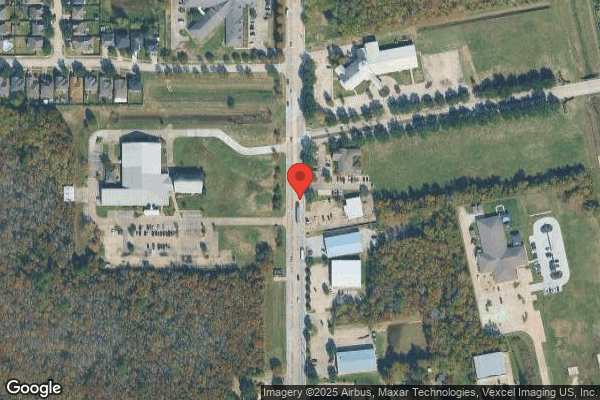
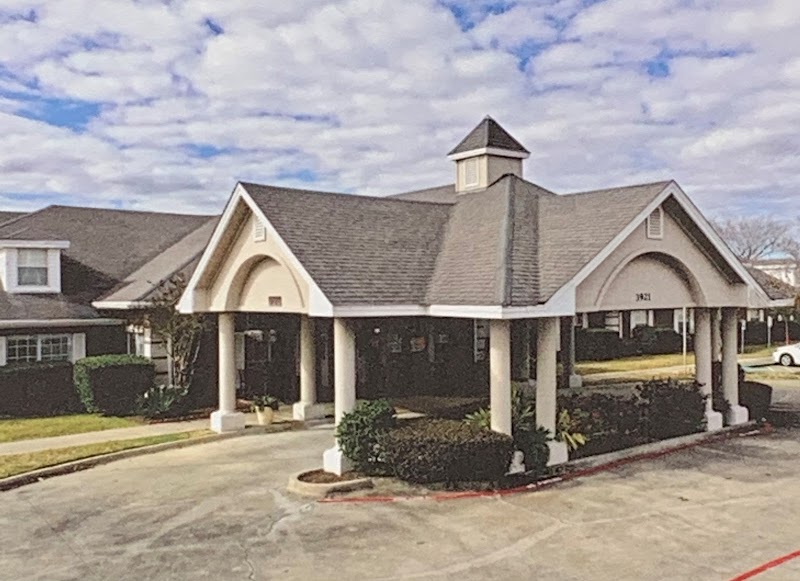
3921 N MAIN, BAYTOWN, TX 77521 (281) 422-9541
For profit - Corporation 120 Beds FOCUSED POST ACUTE CARE PARTNERS Data: November 2025 5 Immediate Jeopardy citations
Trust Grade
0/100
#706 of 1168 in TX
Last Inspection: March 2025

Within standard 12-15 month inspection cycle. Federal law requires annual inspections.

Overview

Focused Care at Burnet Bay has received a Trust Grade of F, indicating significant concerns about the quality of care provided. Ranked #706 out of 1168 facilities in Texas, they are in the bottom half, and at #59 of 95 in Harris County, only a few local options are worse. The facility is worsening, with issues increasing from 3 in 2024 to 7 in 2025, and has a troubling record of 29 deficiencies, including five critical incidents that could jeopardize resident safety. Staffing is a weakness, with a poor rating of 1 out of 5 stars and a turnover rate of 52%, which is average but can affect continuity of care. Specific incidents include failing to ensure residents had necessary physician orders upon admission and not properly training staff to use crucial medical devices, leading to serious risks during medical emergencies.

Trust Score
F
0/100
In Texas
#706/1168
Bottom 40%
Safety Record
High Risk
Review needed
Inspections
Getting Worse
3 → 7 violations
Staff Stability
⚠ Watch
52% turnover. Above average. Higher turnover means staff may not know residents' routines.
Penalties
○ Average
$12,893 in fines. Higher than 53% of Texas facilities. Some compliance issues.
Skilled Nurses
⚠ Watch
Each resident gets only 22 minutes of Registered Nurse (RN) attention daily — below average for Texas. Fewer RN minutes means fewer trained eyes watching for problems.
Violations
⚠ Watch
29 deficiencies on record. Higher than average. Multiple issues found across inspections.
★★☆☆☆
2.0
Overall Rating
★☆☆☆☆
1.0
Staff Levels
★★★★★
5.0
Care Quality
★★☆☆☆
2.0
Inspection Score
Stable
2024: 3 issues
2025: 7 issues

The Good

  • 5-Star Quality Measures · Strong clinical quality outcomes
  • Full Sprinkler Coverage · Fire safety systems throughout facility
  • No fines on record

Facility shows strength in quality measures, fire safety.

The Bad

2-Star Overall Rating

Below Texas average (2.8)

Below average - review inspection findings carefully

Staff Turnover: 52%

Near Texas avg (46%)

Higher turnover may affect care consistency

Federal Fines: $12,893

Below median ($33,413)

Minor penalties assessed

Chain: FOCUSED POST ACUTE CARE PARTNERS

Part of a multi-facility chain

Ask about local staffing decisions and management

The Ugly 29 deficiencies on record

5 life-threatening
Mar 2025 7 deficiencies
CONCERN (D)

Potential for Harm - no one hurt, but risky conditions existed

PASARR Coordination (Tag F0644)

Could have caused harm · This affected 1 resident

**NOTE- TERMS IN BRACKETS HAVE BEEN EDITED TO PROTECT CONFIDENTIALITY** Based on interview and record review the facility failed to refer all level II residents and all residents with newly evident or...

Read full inspector narrative →
**NOTE- TERMS IN BRACKETS HAVE BEEN EDITED TO PROTECT CONFIDENTIALITY** Based on interview and record review the facility failed to refer all level II residents and all residents with newly evident or possible serious mental disorder, intellectual disability, or a related condition for level II resident review upon a significant change in status assessment for 1 of 6 residents (Resident #35) reviewed for PASRR (Preadmission Screening and Resident Review Services). The facility failed to ensure Resident #35 had a new level 1 PASRR screening completed with a new diagnosis of major depressive disorder and delusional disorders which were added on 4/2/24. This failure could place residents at risk of not receiving the needed PASRR services to meet their individual needs and could result in a decreased quality of life. The findings were: Record review of Resident #35's admission record, dated 3/5/25, revealed a [AGE] year-old male who was admitted to the facility on [DATE]. His diagnosis included metabolic encephalopathy, principal diagnosis (brain dysfunction caused by an underlying condition that affects your metabolism), delusional disorder - onset 4/2/24, major depressive disorder severe with psychotic features - onset 4/2/24, alcoholic cirrhosis of liver with ascites (a type of liver disease where scarring has led to permanent damage to the liver), hepatic (liver) failure, and dementia. Record review of Resident #35's PASRR Level 1 Screening, dated 10/25/21, indicated there was no evidence or indicator that the resident had mental illness, intellectual disability, or developmental disability. There were no other PASRR screenings provided. Record review of Resident #35's annual MDS Assessment, dated 12/13/24, revealed a BIMS score of 11 out of 15, which indicated moderate cognitive impairment. The Preadmission Screening and Resident Review was marked No to the question: Is the resident currently considered by the state level II PASRR process to have serious mental illness and/or intellectual disability or a related condition. His primary medical condition was other neurological conditions, he had non-Alzheimer's dementia, depressions, and psychotic disorder. In an interview on 3/5/25 at 3:40 p.m., the CRC nurse said major depressive disorder could be a diagnosis that would trigger a positive screening. She said a Form 1012 needed to be completed for Resident #35 and she would document his diagnosis and notify the doctor. She said she inputted the major depressive diagnosis for Resident #35 (in April) but did not realize it triggered the need for another PASRR level 1 screening. She said there was nothing in the system to alert them a resident needed a form 1012 completed. She said the form 1012 was completed if a resident developed a diagnosis from (psych company) that they did not have on admission. She said there was no risk to the resident for not completing a new PASRR level 1. She said the purpose of the screening was to identify positive residents to see if they could receive certain services. In an interview on 3/6/25 at 4:12 p.m., the Administrator said she informed the CRC nurse to check any resident who could possibly require a 1012 back in December 2024. She said the CRC nurse should review the diagnoses on admission and during the care plan review. She said there was nothing to alert the staff on a repeat PASRR screening, but she educated them on reviewing diagnoses. Record review of the facility's PASRR policy, revised 11/15/23, read in part, .the purpose of this policy is to ensure PASRRs are being obtained and completed timely and accurately . 2. PL1s are put into Simple LTC by the facility CRC within 72 hours of resident admitting to facility .6. Follow Texas PASRR policy for all mandatory meetings and care coordination including any changes that may require a change in resident's PASRR status.
CONCERN (D)

Potential for Harm - no one hurt, but risky conditions existed

Respiratory Care (Tag F0695)

Could have caused harm · This affected 1 resident

**NOTE- TERMS IN BRACKETS HAVE BEEN EDITED TO PROTECT CONFIDENTIALITY** Based on observation, interview and record review the facility failed to ensure that a resident who needed respiratory care was ...

Read full inspector narrative →
**NOTE- TERMS IN BRACKETS HAVE BEEN EDITED TO PROTECT CONFIDENTIALITY** Based on observation, interview and record review the facility failed to ensure that a resident who needed respiratory care was provided such care, consistent with professional standards of practice, the comprehensive person-centered care plan, and the residents' goals and preferences for 1 of 5 residents (Resident #14) reviewed for respiratory care. The facility failed to ensure Resident #14's oxygen was not administered at 5 liters per minute on 3/4/25 and 3/6/25 instead of 2-4 liters per minute as ordered by the physician. This failure could place residents at risk of not receiving medications and treatments as ordered by the physician. The findings include: 1. Record review of Resident #14's admission record, dated 3/6/25, revealed a [AGE] year-old female who was admitted to the facility on [DATE]. Her diagnosis included cerebral infarction (stroke), dementia (a decline in cognitive functions such as memory, reasoning, and communication, significantly affecting daily life), congestive heart failure (a long-term condition in which your heart can't pump blood well enough to meet your body's needs), anemia (a problem of not having enough healthy red blood cells or hemoglobin to carry oxygen to the body's tissues), and atrial fibrillation (an irregular and often very rapid heart rhythm). Record review of Resident #14's quarterly MDS assessment, dated 2/4/25, revealed a BIMS score of 13 out of 15, which indicated her cognition was intact. She required assistance from staff with ADL care and was on oxygen therapy. Record review of Resident #14's, undated, care plan revealed she was on oxygen therapy related to respiratory illness; date initiated 8/23/21. Interventions were to give medications as ordered by the physician and oxygen settings: O2 2 liters/minute per nasal cannula, date initiated 8/23/21. Record review of Resident #14's Physician orders, dated 3/6/25, revealed an order for O2 at 2-4 L/min via nasal cannula PRN to maintain O2 sats > 90% as needed. Document each shift that oxygen was used, the resident's O2 sat, and notify MD for changes in condition, order date 9/13/24. Record review of Resident #14's Nursing note dated 1/22/25 written by RN P read in part, Upon entering in the room resident stated that I have breathing difficulty Resident head is already in up position and on O2 5L via NC. PRN breathing tx given. Vitals at this time . SPO2 - 97% on 5L O2 via NC. No RS destress [sic] noted. Resident is alert and oriented x 4. Notified to [sic] NP (name) is here in facility. Record review of Resident #14's Medication Administration Record for March 2025 revealed no documentation of O2 given or O2 saturations. Record review of Resident #14's, undated, O2 Sats Summary revealed the last recorded O2 saturation on the summary sheet was 96% on 12/28/24. In an observation on 3/4/25 at 10:17 a.m. revealed Resident #14 was lying in bed with her nasal cannula in place. The oxygen was on 5 L. In an observation on 3/6/25 at 11:08 a.m. revealed Resident #14 was lying in bed with her nasal cannula in place and oxygen running at 5 L. The resident said her oxygen was ok. In an interview on 3/6/25 at 11:12 a.m., LVN M said Resident #14's oxygen should be between 2-4 L. She said she had not checked the rate this morning yet. In an interview on 3/6/25 at 11:49 a.m., LVN M said Resident #14's oxygen was running at 5 L but was on 4 L when she checked it yesterday morning, 3/5/25. She said there was a risk of having to titrate her down off the oxygen. In an interview on 3/6/25 at 11:56 a.m., Resident #14 said she sometimes had to have the oxygen rate turned up because she wheezed a lot. She said she would notify the nurse that she could not breathe well and LVN M or another nurse (unknown) would come in and fix it. She said she sometimes had to have the oxygen turned up to 6 or 7 liters per minute. She said the oxygen was ok now. In an interview on 3/6/25 at 3:24 p.m., the DON said if the rate was not on the correct level staff would not be following MD orders. She said there was no risk to the patient for being on more oxygen. In an interview on 3/6/25 at 4:12 p.m., the Administrator said she expected staff to follow MD orders and to document any changes. Record review of the facility's oxygen therapy policy, dated 4/2021, read in part, .it is the policy of this community to ensure all oxygen administration is conducted in a safe manner . Procedure: 1. Verify there is an order for oxygen administration to include: a. method of delivery b. flow rate, c. oxygen saturation parameters if indicated .3. Assess resident's respiratory status . 6. Start oxygen flow of rate as ordered. 7. Document resident's response to prn oxygen therapy: a. date and time of oxygen administration b. type of delivery c. oxygen rate d. assessment of resident's respiratory status to include oxygen saturation via pulse oximetry (a quick, noninvasive test that measures the oxygen saturation levels in the blood)
CONCERN (D)

Potential for Harm - no one hurt, but risky conditions existed

Deficiency F0761 (Tag F0761)

Could have caused harm · This affected 1 resident

Based on observation, interview and record review the facility failed ensure, in accordance with State and Federal laws, all drugs and biologicals were stored in locked compartments under proper tempe...

Read full inspector narrative →
Based on observation, interview and record review the facility failed ensure, in accordance with State and Federal laws, all drugs and biologicals were stored in locked compartments under proper temperature controls, and permitted only authorized personnel to have access to the keys for 1 (medication room refrigerator) of 1 medication refrigerators reviewed for pharmacy storage. The facility failed to maintain the medication refrigerator in the medication room between 36-46 degrees Fahrenheit per facility policy. This failure could place residents at risk of not receiving the desired therapeutic effect from their medications. The findings include: Record review of the Med Room Refrigerator Log, dated March (no year), revealed on 3/1 the morning and evening temperature was 20 degrees Fahrenheit. From 3/2 - 3/4 the morning and evening temperature was 31 degrees Fahrenheit. From 3/5 - 3/6 the morning and evening temperature was 30 degrees Fahrenheit. The bottom of the log read, Maintain refrigerator temperature within the following range: 36 - 46 F. Temperatures were documented by MA A from 3/2 - 3/6. In an observation on 3/6/25 at 1:35 p.m. of the white refrigerator in the medication room revealed the thermometer read 30 degrees F. There were multiple medications in there which included: Influenza Vaccine Flucelvax, box read to store between 36 - 46 degrees F; Lantus Solostar insulin pens; 4 boxes of Trulicity injection, box indicated to refrigerate at 36 - 46 degrees F; and Humira, box read to store in refrigerator at 36 - 46 degrees F. No medication appeared frozen. In an interview on 3/6/25 at 2:25 p.m. MA A said any temperature reading less than 30 degrees F indicated the refrigerator was not working per the DON. She said if the thermometer read 21 degrees F it was out. She said she checked the refrigerator in the morning at 6 a.m. and again at 2 p.m. She said the temperature was between 30- and 31-degree F and it may need a new thermometer. She said the DON was aware the thermometer read 30 degrees F and if the medications froze it would be no good. In an interview on 3/6/25 at 3:19 p.m., the DON said the medication refrigerator temperature should be between 38 - 41 degrees F. She said 30 degrees F was below freezing and nothing in the refrigeration was frozen. She said staff should notify her of the temperature readings to either get a new refrigerator and/or thermometer. She said staff informed her about the readings approximately one week ago and she replaced an old thermometer, but staff did not report readings to her again. She said certain temperatures could destroy the medication making them non-effective. She said medications should be stored properly. In an interview on 3/6/25 at 4:12 p.m., the Administrator said staff should check the medication refrigerator daily to ensure medication were stored at the proper temperature. Record review of the facility's Storage of Medications policy, revised 8/2024, read in part, Medications and biologicals are stored safely, securely, and properly, following manufacturer's recommendations or those of the supplier. The medication supply is accessible only to licensed nursing personnel, pharmacy personnel, or staff members lawfully authorized to administer medications . II. Temperature 1. All medications are maintained within the temperature ranges noticed in the United States Pharmacopeia (USP) and by the Centers for Disease Control (CDC) . c. refrigerated: 36F to 46F with a thermometer to allow temperature monitoring .2. Medications and biologicals are stored at their appropriate temperatures and humidity according to the USP guidelines for temperature ranges .4. Medications requiring refrigeration are kept in a refrigerator at temperatures between 36F and 46F with a thermometer to allow temperature monitoring
CONCERN (D)

Potential for Harm - no one hurt, but risky conditions existed

Menu Adequacy (Tag F0803)

Could have caused harm · This affected 1 resident

Based on observation, interview and record review the facility failed to ensure the menu was followed for one of one meal (lunch on 03/06/2025) reviewed for food and nutrition services. The facility ...

Read full inspector narrative →
Based on observation, interview and record review the facility failed to ensure the menu was followed for one of one meal (lunch on 03/06/2025) reviewed for food and nutrition services. The facility failed to ensure the menu was followed for the lunch meal by leaving out the winter fruit cup, egg roll, or water for all diet types on 03/06/2025. This deficient practice could place residents at risk of dissatisfaction, poor intake, and/or weight loss. Findings include: Observation on 03/06/2025 at 11:52 AM, in the main dining area revealed trays were passed with a total of 18 residents in the dining room with 1 nurse. Upon observation, residents did not receive an egg roll, winter fruit cup, or water. Observation and record review on 03/06/2025 at 12:07 PM of the kitchen, revealed the food was already being put away and there was no food left on the steam tables. At that time, a test tray was requested, and the menu was reviewed. The menu displayed for 03/06/2025, reflected egg roll, mandarin chicken, steamed rice, seas broccoli florets, winter fruit cup, iced tea, and water. The test tray was received in the conference room for the state survey team at 12:23 PM. There were no egg rolls or bread, fruit cup, or water were observed, and there was observation of trays being sent to resident halls, who did not have the substitution of egg roll for bread, fruit cup, or water. Interview on 03/06/2025 at 12:36 PM with the Dietary Manager revealed the egg rolls were not served because there was a substitution for the day, which should have been bread. The Dietary Manager said everyone should have received bread, because there weren't enough egg rolls for all residents. The Dietary Manager also stated at time, the egg rolls were fried, which could make them hard for the residents to chew. The Dietary Manager stated each resident should get water with their meal and tickets were checked for each tray before it was given to a resident. The Dietary Manager stated orders for the following week were placed on Friday and delivered by Tuesday of the next week. If a substitution was made, there was a form completed by the Dietary Manager with why the meal option was being substituted and with what meal item. A record review of the meal substitution from March 1, 2025, to March 6, 2025, revealed there were 5 menu changes, due to not having the menu items that were displayed to residents. The Dietary Manager stated for the winter fruit cup, they did not have any fruit, and it was substituted with donut holes, regardless of special diets. Interview on 03/06/2025 at 4:11 PM, the Administrator stated her expectations of the food, was to be served as it was at a restaurant. The Administrator continued to say she expected the food to be palatable and at the proper temperature for the residents, but she knew sometimes that was not the case. The Administrator stated she checked tickets when she was assisting with serving the residents to ensure they were receiving everything on the ticket. It was to the Administrators understanding the reason why they had food complaints was regarding the menu not being resident focused, as they followed a corporate dietary menu for all residents. The Administrator stated she did the best she could with speaking to the Dietary Manager regarding the menu and how they could make changes to include all diets, while keeping the meal palatable. The Administrator stated they were going to try and add additional flavorful seasoning packets to each tray, as the seasoning did not contain salt. The Administrator stated for items that were to be substituted, but not placed on the resident's tray, she was not sure why that was happening. The Administrator stated the Dietary Manager was good at making sure all items were placed on each tray, according to the ticket of each resident. Record review of the facility's menu, dated 03/06/2025, reflected for Thursday (03/06/2025) the following: Lunch-Mandarin Chicken, Steamed Rice, Seas Broccoli Florets, Egg Roll, Winter Fruit Cup, Iced Tea, and Water.
CONCERN (D)

Potential for Harm - no one hurt, but risky conditions existed

Infection Control (Tag F0880)

Could have caused harm · This affected 1 resident

**NOTE- TERMS IN BRACKETS HAVE BEEN EDITED TO PROTECT CONFIDENTIALITY** Based on observation, interview and record review the facility failed to establish and maintain an infection prevention and cont...

Read full inspector narrative →
**NOTE- TERMS IN BRACKETS HAVE BEEN EDITED TO PROTECT CONFIDENTIALITY** Based on observation, interview and record review the facility failed to establish and maintain an infection prevention and control program designed to provide a safe, sanitary, and comfortable environment and to help prevent the development and transmission of communicable diseases and infections for 1 of 16 residents (Resident #16) reviewed for infection control. The facility failed to ensure RN M wore appropriate PPE when administering IV medication to Resident #16 on 3/5/25, who was on enhanced barrier precautions (an infection control intervention designed to reduce transmission of multidrug-resistant organisms in nursing homes). This failure could place residents at risk of infectious diseases due to improper infection control practices. Findings include: Record review of Resident #16's face sheet, dated 3/6/25, revealed a [AGE] year-old male who was admitted to the facility on [DATE]. Resident #16 had diagnoses which included spontaneous bacterial peritonitis (an infection of the peritoneum, the thin membrane lining the inner abdominal wall), pancytopenia (all of the types of blood cells are low), and human immunodeficiency virus (a virus that attacks cells that help the body fight infection, making a person more vulnerable to other infections and diseases). Record review of Resident #16's admission MDS assessment, dated 2/10/25, revealed a BIMS score of 12 out of 15, which indicated moderate cognitive impairment. Resident #16 had central IV access and received IV antibiotics. Record review of Resident #16's Physician Orders for March 2025 revealed the following orders: Normal Saline Flush use 10 ml intravenously every shift for infection PICC line - flush with 10 ml normal saline prior to medication administration, order date 2/8/25, Vancomycin intravenous 750 mg/150 ml use 750 mg intravenously every 12 hours for infection, order date 3/4/25. In an observation on 3/6/25 at 9:20 a.m. revealed RN M prepared Resident #16's IV medication for administration. She entered his room, washed her hands, put on gloves but did not put on a gown. There was an orange enhanced barrier precautions sign posted behind his bed that read, STOP . providers and staff must also wear gloves and gown for the following high-contact resident care activities . device care or use: central line There were two individually wrapped gowns on top of the resident's dresser, there were no gowns in a plastic bin near the doorway. RN M flushed his PICC lumen (a smaller tube that splits from a PICC line outside the body) with normal saline and hung his IV Vancomycin. In an interview on 3/6/25 at 9:45 a.m., RN M said Resident #16 was on enhanced barrier precautions and she should gown up. She said she did not gown up because the PPE cart in the resident's room was empty. She said enhanced barrier precautions was used for infection control and there could be a risk of transferring germs from resident to staff and/or staff to resident. She said Resident #16 was on IV Vancomycin for a peritoneal infection. In an interview on 3/6/25 at 2:32 p.m. the DON, who was also the Infection Preventionist, said she educated staff that enhanced barrier precautions were to provide extra protection for the residents and staff. She said staff should wear nonsterile gowns and gloves when providing direct care or if staff would be around the resident more than 5 minutes. She said enhanced barrier precautions were used for residents who had any opening that was not natural such as a central and PICC line, g-tube, foley catheter, and wound. She said the nurse should wear gown and gloves if giving an IV medication. She said the box at the door was an indicator to staff that a resident was on EBP. She said there was a greater risk for transmission of infection if proper PPE was not worn. In an interview on 3/6/25 at 4:12 p.m., the Administrator said she expected staff to follow guidelines and protocol regarding enhanced barrier precautions. She said there were signs up for enhanced barrier precautions and staff should don a gown, gloves, and mask when entering the resident's room. She said they went over EBP for months and staff should know exactly what to do. She said the DCO and ADCO were responsible to ensure EBP protocol was in place. Record review of the facility's Enhanced Barrier Precautions policy, dated 4/1/24, read in part, .Enhanced Barrier Precautions are a CDC guidance to reduce the transmission of multi-drug resistant organisms (MDRO) in health care settings, including nursing homes. EBP require team members to wear a gown and gloves while performing high-contact care activities with residents who are infected or colonized with a targeted MDRO, or who have open wound or indwelling medical device . Procedure .2. Determine if any of the following indwelling medical devices are in use: . central lines . EBP will be implemented if any of the above wounds or invasive medical devices are present. 3. Place signage on resident's closet door, maintain PPE in residents' room and assure all team members aware of resident status and need for EBP during high contact care. 4. High contact resident care activities . device care or use: central line
CONCERN (E) 📢 Someone Reported This

A family member, employee, or ombudsman was alarmed enough to file a formal complaint

Potential for Harm - no one hurt, but risky conditions existed

Free from Abuse/Neglect (Tag F0600)

Could have caused harm · This affected multiple residents

**NOTE- TERMS IN BRACKETS HAVE BEEN EDITED TO PROTECT CONFIDENTIALITY** Based on observation, interview and record review the facility failed to ensure the resident had the right to be free from abuse...

Read full inspector narrative →
**NOTE- TERMS IN BRACKETS HAVE BEEN EDITED TO PROTECT CONFIDENTIALITY** Based on observation, interview and record review the facility failed to ensure the resident had the right to be free from abuse, neglect, misappropriation of resident property, and exploitation for 3 of 5 residents (Resident #39, #23, and CR #1) reviewed for abuse. 1. The facility failed to ensure Resident #39 was free from abuse when CR #1 hit her and made her cry on 3/7/24. 2. The facility failed to ensure Resident #23 was free from abuse when CR #1 screamed at her and made her cry on 1/16/24. These failures could place residents at risk for physical, mental, and psychosocial harm. The findings include: 1. Record review of Resident #39's face sheet, dated 3/14/24, revealed an [AGE] year-old female who was admitted to the facility on [DATE]. Her diagnosis included dementia, need for assistance with personal care, anxiety, recurrent depressive disorders, hypertension (high blood pressure) and peripheral vascular disease (a common condition in which narrowed arteries reduce blood flow to the arms or legs). Record review of Resident #39's incident report, dated 3/8/24, read in part, .nursing description: stated by another resident, that victim was on 200 hall and said assailant was passing and swung her arm and hit victim around chest and arm area No injuries observed at time of incident 2. Record review of CR #1's face sheet, dated 3/6/25, revealed an [AGE] year-old female who was admitted to the facility on [DATE] and discharged to a psychiatric hospital on 3/8/24. Her diagnosis included cognitive communication deficit, bipolar disorder (a serious mental illness characterized by extreme mood swings), and atrial fibrillation (an irregular and often very rapid heart rhythm). Record review of CR #1's discharge-return anticipated MDS assessment, dated 3/8/24, revealed her cognitive skills for daily decision making was modified independence. The assessment indicated physical and verbal behavioral symptoms toward others were not exhibited. She was independent with eating and oral hygiene and required assistance from staff with toileting, dressing, and personal hygiene. Record review of CR #1's care plan, dated 2/1/24, revealed she had the potential to be physically and verbally aggressive towards staff and residents related to anger. Interventions were to administer medications as ordered, assess and anticipate resident's needs, provide physical and verbal cues to alleviate anxiety, monitor every shift and document observed behavior, monitor/document/report as needed any s/sx of resident posing danger to self and others, psychiatric/psychogeriatric consult as indicated, and intervene before agitation escalates. Record review of CR #1's nursing note, dated 1/10/24 at 4:42 p.m., written by LVN R, read in part, Resident aggressive and hollering at another resident, telling her to shut up. ADCO and DCO made several attempts to redirect resident, but resident continued to display aggressive behavior. The DCO removed resident away from the other resident but while in route resident punched DCO in the face on the right side Record review of CR #1's nursing note, dated 1/10/24 at 9:45 p.m., written by LVN J, revealed the resident was discharged from the facility. No signs of distress noted at time of departure. Record review of CR #1's nursing note, dated 1/15/24 at 9:50 a.m., written by LVN M, read in part, Resident arrived via wheelchair by ambulance for (local hospital) for long term care Record review of CR #1's nursing note, dated 1/15/24 at 11:07 p.m., written by LVN C, read in part, Resident could be heard screaming, when walked in room she was screaming at her roommate, roommate was not doing anthing [sic] other than laying in bed, she was standing over her screaming to turn off tv, her tv was not even on, it was her tv that was on, redirected resident to stop acting like that because she was scaring her she stated 'I don't give a dam, now get your black (expletive)(expletive) out of my room' . she continued to physically get out of bed and go over to roommate side and turn off her overhead light. [Resident #23] came out of room, I went back to room to turn light on and told her she cannot touch roommates things, she layed [sic] down and shut eyes, [Resident #23] went back to bed Record review of CR #1's nursing note, dated 1/16/24 at 12:45 a.m., written by LVN C, read in part, .while doing continuous checks on resident and her roommate she became aggitated [sic] that staff was in her room and started screaming more racial hate comments toward staff, then proceeded to chase CNA out of room running after her and hit her with cane, res finally went back to room and I went to room and removed [sic], RP called and message left, DON and Administrator notified Record review of CR #1's nursing note, dated 1/16/24 at 8:03 p.m., written by LVN R, read in part, Resident screaming and hollering at roommate telling her to shut her mouth. Resident then pulled TV cord out of the electric outlet. This narrator informed resident that room is for both of them and she cannot touch roommate's belongings. Resident called this narrator a witch and [expletive]. This narrator observed roommate crying and upset. Narrator attempted calmed [sic] roommate down while resident continues to scream and holler Record review of CR #1's nursing note, dated 1/17/24 at 11:59 a.m., written by the Social Worker, read in part, contacted (name and number) to inform of room change to (room number). Record review of CR #1's nursing note, dated 1/31/24 at 3:08 p.m., written by the previous Activities Director, read in part, .on 1/30/24 at 2:30 p.m. resident was in the dinning [sic] room with other residents and she was snatching items from the residents and one of the dietary staff came and tried to separate the two residents once I noticed the commotion, I quickly went and tried to defuse the situation, once (CR #1) became non-complanate [sic] I proceeded to get her nurse once she came into the dining room she tried to get (CR #1) out of the dining room and she started to resist. I started to explain to the nurse what had just transpired and (CR #1) started to exit out of the dinning room trying to go to her room, and once she passed the nurse & I she stated get out of my way then she proceeded to punch me in my stomach. I the activities director told the ADON, DON and the Admin as well as the nurse who also witnessed it. No incident report was done nor asked to be done Record review of CR #1's nursing note, dated 2/1/24, written by LVN J, read in part, Screaming heard on hall, upon reaching room, roommate reported to nurse that resident kicked her leg. Roommate transferred to another room. No further incidents by end of shift. Record review of CR #1's nursing note, dated 2/1/24, written by the Social Worker, read in part, Resident was observed rolling toward another resident's wheelchair hitting that resident's wheelchair in the dining hall and cursing at that resident. Resident was redirected by (staff); onset of repeated verbal aggression. Resident yelled out You lying (expletive)! Resident redirected again. Record review of CR #1's incident report, dated 3/8/24, read in part, .stated by another resident, Resident approached another resident hit her in the around chest area. Removed immediately from another resident and placed on 1:1 Record review of an, undated, witness statement for Staff Member H read in part, .the incident happened on 3/7/24 stated it happened coming out on [sic] the dining room when [CR #1] hit [Resident #39]. She [Staff Member H] reported it to staff on 3/8/24. Record review of CR #1's nursing note, dated 3/8/24, written by the Social Worker read in part, .Another resident notified DRSS that resident hit another resident. While attempting to redirect resident, resident stated 'that [expletive] hit me first' and 'that [expletive] had it coming!' Redirected again, and resident rolled her eyes, and stormed off in the dining room area. Other resident was observed crying Record review of CR #1's nursing note, dated 3/8/24, written by LVN J, read in part, Transportation set up with [EMS company] to transfer resident to [Behavioral hospital] in [city] Record review of CR #1's nursing note, dated 3/12/24 at 9:23 a.m., written by the DON, read in part, . Late entry for 3/8/24 Resident was accused by another hit another [sic] resident in the dining room. Resident placed on 1:1 immediately and (hospital) notified of needed behavioral management with the expectation of not be able [sic] to return as I am unable to meet needs and keep other residents safe. In an observation on 3/4/25 at 10:03 a.m. revealed Resident #39 was lying in bed. She did not respond completely to the state surveyor's questions. There was no distress noted. In an interview on 3/6/25 at 3:33 p.m., the DON said in the event of a resident-to-resident altercation staff were instructed to separate residents immediately, assess both residents and obtain statements from witnesses. Notification should be made to the MD, family, psych services and an incident report should be done. She said Resident #39's family visited her every other day and there was no more abuse to the resident. In an interview on 3/6/25 at 5:53 p.m., the Administrator said the facility sent CR #1 out to the behavioral hospital when it got bad. She said CR #1 mainly wanted to go home and was triggered by certain family members. She said she was on psych services, was quite alert, and had previously lived by herself. She said the facility kept the residents isolated from her and CR #1's behavior was not an everyday thing. She said CR #1 was not being abusive to residents but then said it was abusive to the resident but a lot of it was because of anger. She said she was pretty sure the facility care planned her behaviors. In an interview on 3/6/25 at 6:12 p.m., the DON said she could not recall all of the interventions she put in place with CR #1 but she had psych services on board, medication, and was sure she made referrals. She said CR #1 was not abusive to the residents but had incidents of containable aggression where she lashed out. She said examples of abuse were mental, physical, emotional and misappropriation. She said physical abuse included hitting and kicking someone. She said CR #1 kicked someone but could not say if she knew what she was doing because she had cognition issues. She said verbal abuse included calling someone out of their name and insulting them. She said abuse was subjective. She said she was positive she protected the residents from abuse because that was her main goal. In an interview on 3/6/25 at approximately 6:45 p.m. Resident #23 was sitting in the living area near the front entrance with no distress noted. She said she did not have any problems from her previous roommates. Record review of the facility's Abuse policy, last revised 1/1/23, read in part, .the purpose of this policy is to ensure that each resident has the right to be free from any type of abuse, neglect, intimidation, involuntary seclusion/confinement, and or misappropriation of property. The facility staff will adhere to the policies and procedures and will follow the guidelines in the written policy and procedure. The facility administrator is the appointed Abuse Coordinator, and in his/her absence a designee will be appointed . Residents will not be subjected to abuse by anyone, including, but not limited to community staff, other residents, consultants, volunteers, staff of other agencies serving the residents, family members or legal guardians, care taker, friends, or other individuals. This includes physical, verbal, sexual, physical /chemical restraint . In the event of resident-to-resident abuse, the facility will immediately protect the resident being abused and all other residents in the facility. If the initial determination is that the perpetrator is a threat to the health and safety of the residents in the facility, as determined by the attending physician/or other physician, the resident will be discharged as soon as possible. During the time that the perpetrator has not been discharged , the facility will monitor this resident one-on-one to protect all other residents. The Director of Nursing will coordinate this and set up monitoring. If a threat does not exist then an assessment will be completed, and behavior will be care planned to meet resident's needs and protect others .
CONCERN (E)

Potential for Harm - no one hurt, but risky conditions existed

Unnecessary Medications (Tag F0759)

Could have caused harm · This affected multiple residents

**NOTE- TERMS IN BRACKETS HAVE BEEN EDITED TO PROTECT CONFIDENTIALITY** Based on observation, interview and record review the facility failed to ensure that the medication error rate was not five perc...

Read full inspector narrative →
**NOTE- TERMS IN BRACKETS HAVE BEEN EDITED TO PROTECT CONFIDENTIALITY** Based on observation, interview and record review the facility failed to ensure that the medication error rate was not five percent or greater. The facility had a medication error rate of 28% based on 7 errors out of 25 opportunities which involved 3 of 8 residents (Residents #20, #44 and #16) and 2 of 5 staff (MA A and RN M) reviewed for medication administration. 1. The facility failed to ensure MA A did not crush and administer Potassium CL micro 10 mEQ ER (an extended-release medication, that should not be crushed, used to prevent or to treat low blood levels of potassium) and failed to ensure MA A administered the full dose of Clearlax 3350 (used to treat occasional constipation) to Resident #20 on 3/5/25. 2. The facility failed to ensure MA A did not administer Ciprofloxacin 3% eye drops (antibiotic eye drop) and Dexamethasone 0.1 % eye drops (a steroid medicine used to treat eye inflammation) to Resident #44 on 3/5/25, without a Physicians order. 3. The facility failed to ensure MA A provided sufficient time for absorption between eye medications when she administered Bromfenac 0.09% along with other eye medications to Resident #44 on 3/5/25. 4. The facility failed to ensure MA A did not administer Refresh tears eye drops (lubricates and moisturizes the eyes) instead of Lacri-lube ointment (used to relieve dry, irritated eyes) to Resident #44 on 3/5/25 according to Physician orders. 5. The facility failed to ensure RN M set Resident #16's IV Vancomycin (an antibiotic used to treat or prevent bacterial infections that are resistant to other drugs) to the correct flow rate according to the pharmacy label on 3/6/25. These failures could place residents at risk of incomplete therapeutic outcomes, increased negative side effects and decline in health. Findings include: 1. Record review of Resident #20's face sheet, dated 3/6/25, revealed a [AGE] year-old male who was admitted to the facility on [DATE]. His diagnosis included dementia (a decline in cognitive functions such as memory, reasoning, and communication, significantly affecting daily life), chronic kidney disease (a condition characterized by a gradual loss of kidney function), and spondylosis (age-related condition where the joints and cartilage lined discs of the neck are affected). Record review of Resident #20's quarterly MDS assessment, dated 2/18/25, revealed a BIMS score of 3 out of 15, which indicated severe cognitive impairment. He required assistance from staff with ADL care. Record review of Resident #20's Physician orders for March 2025 revealed orders for: Potassium chloride Crys ER 10 mEQ give 1 tablet by mouth one time a day for hypokalemia (low potassium) give with 8 oz of water. Do not crush and may dissolve in water, order date 10/8/24, Miralax oral powder 17 gm/scoop give 1 scoop by mouth one time a day for constipation, order date 7/11/24. May alter medications by crushing, opening capsules or administration in food or fluid (only open or crush medications if manufacture allows), order date 7/11/24. In an observation on 3/5/25 at 9:14 a.m. revealed MA A prepared Resident #20's medication for administration. She prepared 11 pills which included Potassium CL micro 10 mEQ ER. The pharmacy label on the Potassium read do not crush, may dissolve in water. MA A crushed the Potassium ER along with the other medications and administered it to Resident #20. MA A prepared Resident #20's Clearlax 3350. Observation of the inside of the Clearlax measuring top revealed there was the number 17 and an up arrow that pointed to the top of a white area. MA A poured Clearlax powder into the top but stopped below the 17-gram line. She mixed the powder with water and administered it to Resident #20. In an interview on 3/5/25 at 10:20 a.m., MA A said she crushed the potassium along with the other medications but should have put Potassium in the water and allowed it to dissolve. She said she crushed it instead of allowing it to dissolve in water because Resident #20 said sometimes the medication was too gritty. She said she administered approximately 15 - 16 grams of the Clearlax because the powder was underneath the 17-gram line. She said she was supposed to cover up the 17-gm line and she normally had a measuring cup. She said the resident did not receive the full dosage and there was a risk of him not having a bowel movement. She said she was trained to pay attention and limit distractions. In an interview on 3/6/25 at 2:57 p.m., the DON said the pharmacy label should be reviewed while preparing medications. She said the MA could not crush Potassium ER but was unsure why. She said Miralax (another name for Clearlax) was for constipation and staff should pour the powder to the dosage line. She said if the resident did not get the full amount, it could cause them not to have a bowel movement. 2. Record review of Resident #44's face sheet, dated 3/5/25, revealed an [AGE] year-old male who was admitted to the facility on [DATE]. His diagnosis included Alzheimer's disease (a type of brain disorder that causes problems with memory, thinking and behavior), age-related cataract, right eye (a condition affecting the eye that causes clouding of the lens), optic atrophy, left eye (damage to your optic nerve), myopia, left eye (a condition in which one can see near objects but cannot see far objects clearly), and presence of intraocular lens (clear, artificial lenses that replace your eye's natural ones). Record review of Resident #44's quarterly MDS assessment, dated 2/26/25, revealed a BIMS score of 9 out of 15, which indicated moderate cognitive impairment. He was independent with eating, oral hygiene, toileting hygiene, and personal hygiene and required assistance from staff with showers and dressing. Record review of Resident #44's Physician orders for March 2025 revealed orders for: Dexamethasone ophthalmic solution 0.1% instill 1 drop in right eye drop one time a day for eye surgery for 1 week, order date 2/6/25, Refresh Lacri-Lube ointment (artificial tear ointment) instill 1 strip in both eyes three times a day for dry eyes, order date 6/20/23, There were no active orders for Ciprofloxacin 3% and Bromfenac 0.09%. Record review of Resident #44's Order Audit Report, dated 3/5/25, revealed Bromfenac 0.09% had an end date of 3/4/25. Record review of Resident #44's Order Audit Report, dated 3/6/25, revealed Ciprofloxacin 0.3% had an end date of 2/25/25. In an observation on 3/5/25 at 9:35 a.m., MA A prepared 4 eye medications for Resident #44 which included Refresh tears eye drops, Dexamethasone 0.1% eye drops, Bromfenac 0.09% eye drops, and Ciprofloxacin 3% eye drops. At 9:43 a.m., she administered two drops of Refresh tears to both of Resident #44's eyes, at 9:45 a.m. she administered one drop of Dexamethasone 0.1% to his right eye, at 9:46 a.m. she administered one drop of Bromfenac 0.09% to his right eye, and at 9:47 a.m. she administered one drop of Ciprofloxacin 3% to his right eye. The Bromfenac 0.09%, Ciprofloxacin 3%, and Dexamethasone 0.1% pharmacy label read wait at least 5 min between eye meds. In an interview on 3/5/25 at 10:05 a.m., MA A said she administered a total of 4 eye medications to Resident #44. She said she administered 2 drops of Refresh tears to each of Resident #44's eyes because he used to take two in both eyes. MA A said the MAR provided instructions. She reviewed the MAR and noted the order was for Lacri-lube ointment instead of the eye drops. She said she did not realize the order was for the ointment and thought he was prescribed 2 drops. She said she reviewed the MAR and thought the other eye medications were also on there, but said he completed them yesterday and it was a medication error. She said discontinued medications should be removed from the cart and put in the discontinued bin in the medication room to prevent errors. She said she gave the wrong medication and did not check for the correct patient, direction, time, and dose. She said it could affect his eyes. She said she should wait 2-3 minutes between eye medications to ensure the medication did not wash out or interfere with one another. She looked at the pharmacy label and said it instructed to wait 5 minutes between eye medications. In an interview on 3/6/25 at 2:57 p.m., the DON said the Medication aide should verify the correct resident, review the eMAR, and compare the eMAR to the medication. She said the MA should wait approximately 5 minutes between eye medications because of the absorption rate and drug interactions. She said discontinued medication should be removed from the cart and put in the discontinued pile. She said if the medication was not on the eMAR, there was no order. She said going past the duration time set forth by the MD could cause the resident to take too much antibiotic. 3. Record review of Resident #16's face sheet, dated 3/6/25, revealed a [AGE] year-old male who was admitted to the facility on [DATE]. Resident #16 had diagnoses which included spontaneous bacterial peritonitis (an infection of the peritoneum, the thin membrane lining the inner abdominal wall), pancytopenia (all of the types of blood cells are low), and human immunodeficiency virus (a virus that attacks cells that help the body fight infection, making a person more vulnerable to other infections and diseases). Record review of Resident #16's admission MDS assessment, dated 2/10/25, revealed a BIMS score of 12 out of 15, which indicated moderate cognitive impairment. The MDS revealed he had central IV access and received IV antibiotics. Record review of Resident #16's Physician Orders for February 2025 revealed the following orders: Vancomycin intravenous 750 mg/150 ml use 750 mg intravenously every 12 hours for infection, order date 3/4/25. In an observation and interview on 3/6/25 at 9:20 a.m., RN M flushed Resident #16's PICC lumens and hung the Vancomycin. She selected Vancomycin 750 mg/150 mL premix in the machine, and it set the rate to 120 mL/hr. Observation of the vancomycin bag and pharmacy label revealed it was Vancomycin 750 mg/250 mL. The pharmacy label read, Activate and mix immediately prior to use vancomycin 750 mg in 250 mL 0.9% sodium chloride infuse intravenously at 166 mL/hr over 90 minutes: every 12 hours . This State Surveyor inquired about the rate and RN M said the machine had presets and she selected the closest premix and would ask the DON to have the machine calibrated. RN M reset the machine and updated the rate to 166 mL/hr to reflect the pharmacy label. She said she previously did not know she could adjust the rate on the machine. She said Vancomycin was a rough medication and the medication would run for a longer time now but was set to match the pharmacy label. In an interview on 3/6/25 at 2:57 p.m., the DON said the Consultant Pharmacist previously made rounds with the medication aide and nurse and conducted skills checks. She said she expected nursing staff to verify the right medication, patient, route, time, dose, and pain level. She said the pharmacy provided the IV rate. She said the rate was located on the packing and the machine and if the two did not match, staff should follow the rate on the packaging. She said the Vancomycin rate was important because of the therapeutic level. She said staff should ensure it did not infuse too fast or too slow. In an interview on 3/6/25 at 4:12 p.m., the Administrator said she expected nursing staff to follow the guidelines per facility policy and to review the MARs prior to medication administration. She said staff should verify the right dosage and ensure the MAR matched. Record review of the facility's Administration Procedures for All Medications, revised 8/2020, read in part, .Medications will be administered in a safe and effective manner. The guidelines in this policy apply to all medications . Procedures . III. 5 Rights (at a minimum) at a minimum, review the 5 rights at each of the following steps of medication administration. 1. Prior to removing the medication package/container from the cart/drawer: a. check the MAR/TAR for the order . c. if unfamiliar with the medication, consult a drug reference, manufacturer package insert, or pharmacist for more information . 2. Prior to removing the medication from the container: a. Check the label against the order on the MAR. b. Note any supplemental labeling that applies
Apr 2024 3 deficiencies 3 IJ
CRITICAL (J) 📢 Someone Reported This

A family member, employee, or ombudsman was alarmed enough to file a formal complaint

Immediate Jeopardy (IJ) - the most serious Medicare violation

Deficiency F0635 (Tag F0635)

Someone could have died · This affected 1 resident

**NOTE- TERMS IN BRACKETS HAVE BEEN EDITED TO PROTECT CONFIDENTIALITY** Based on interviews and records reviewed, the facility failed to ensure at the time each resident was admitted , they had physic...

Read full inspector narrative →
**NOTE- TERMS IN BRACKETS HAVE BEEN EDITED TO PROTECT CONFIDENTIALITY** Based on interviews and records reviewed, the facility failed to ensure at the time each resident was admitted , they had physician orders for immediate care for 1 (CR #1) of 5 residents reviewed for admission orders. -The facility failed to have physician orders for the use of a magnet device used when CR #1 was in respiratory distress on [DATE] and passed away at the facility. An Immediate Jeopardy (IJ) was identified on [DATE]. The IJ template was provided to the facility on [DATE]. While the IJ was removed on [DATE], the facility remained out of compliance at a scope of isolated and a severity level of no actual harm with potential for more than minimal harm due to the facility continuing to monitor the implementation and effectiveness of their Plan of Removal. This failure could place residents at risk of not receiving appropriate care and treatment services resulting in serious harm and/or risk of death. The findings included: Record review of CR #1's admission Record, dated [DATE], revealed a [AGE] year-old male who was admitted to the facility on [DATE]. The resident's diagnoses included sepsis (infection of the blood stream), UTI (an infection that affects a part of the urinary tract), Marfan syndrome (genetic disorder that affects the connective tissue), and epilepsy (seizures). Record review of CR #1's orders revealed there was no order for a magnet device. Record review of CR #1's Quarterly MDS assessment, dated [DATE], revealed a BIMS score of 10, indicating moderate cognitive impairment. Further review revealed he required substantial/maximal assistance with toileting, bathing, and dressing. Section I-Active Diagnoses, Neurological, revealed I5400. Seizure Disorder or Epilepsy was checked. Record review of CR #1's undated care plan revealed it was opened but not initiated. Record review of CR #1's Baseline Care Plan, dated [DATE], read in part .D. Nursing Summary, Input from Care Givers: a. Concerns/needs .Full code status .magnet in chest (diastatin); neurostimulant . Record review of CR #1's hospital admission paperwork read in part .seizures - magnetic device noted . In an interview on [DATE] at 9:01 a.m., Nurse A said the CNA (could not remember her name) got her around noon. She said the CNA told her she was trying to get CR #1 fed, but he was making a gurgling sound. She said she assessed him, that he only responded to painful stimuli, was still making the gurgling sound, and had a pulse. She said she could not get an O2 sat or BP reading. She said she put the non-rebreather on him and within 2 to 3 minutes he had no pulse, was not making the gurgling sound, and said she started CPR at approximately 12:04 p.m. She said she saw him the morning of [DATE]. She said he was a little drowsy, would open his eyes, and was heavily sedated, but around 10ish in the morning he started to become more aroused. She said he was heavily sedated because the ER gave him Ativan for a seizure he had at the ER the day before, [DATE]. In an interview on [DATE] at 11:21 a.m., CNA B said she was assigned to CR #1 on [DATE]. She said she first saw him at approximately 6:05 a.m. and he was asleep. She said she woke him up for breakfast around 7:10 a.m. and he was very sleepy. She said he was eating slowly and was not in distress. She said he did not finish his breakfast and later on, about an hour or two, he asked for water. She said when she went back to give the water to him it sounded like he had a lot of mucus when he was breathing. She said she could hear it in his lungs, and his breathing did not sound normal. She said she got Nurse A and Nurse A said it looked like he was seizing. She said Nurse A said the resident's family member gave the facility a device to pass along his chest to stop his seizures. She said Nurse A passed the device across his chest, but he did not respond. She said Nurse A started screaming out CR #1's name and tapping his chest, but he still did not respond. She said Nurse A directed her to get Nurse C and to tell her to call 911 and go to his room. She said Nurse A started CPR and was not doing it for long because EMS showed up and took over. She said EMS worked on him for 20 minutes and pronounced him deceased at 12:21 p.m. In a follow-up interview on [DATE] at 12:05 p.m., Nurse A said CR #1's family member gave them a device (she said did not know what it was) and said that when he had a seizure to pass it over his heart area. She said the resident had a magnet over his heart area that was a round raised area. She said she was not sure if he was having a seizure but said she passed the device over his chest because he may have been having a possible seizure. She said the resident had a seizure the previous day, [DATE], at the hospital after he was sent out and thought it could have been a seizure. She said it did not look like he was having a seizure, but she did not know what his seizure activity looked like because he was so new to the facility. She said she was not sure if the doctor was aware of the device. She said there was no change in his condition when it was passed over chest and that he still had a gurgle. She said she was not sure what the name of the device was. In an interview on [DATE] at 12:18 p.m., the family member said CR #1 had a nerve stimulator and a magnet that got passed across his chest for seizure activity. In an interview on [DATE] at 12:51 p.m., the Doctor said he was not aware CR #1 had a device over his heart area or a magnet device. He said there should always be an order for anything used on a patient. In an interview on [DATE] at 2:23 p.m., Nurse C said she could feel what was like a wire that ran down from behind CR #1's ear and down his neck and could see it because he was thin. She said the device the was a vagus nerve stimulant magnet. She said there was not an order in the order summary and there should be an order for everything used or given. She said her understanding was that the resident's family member brought it from home. She said she was not sure if there was enough time to get an order due to his condition, because he was fragile. She said she was not sure if the family member provided an order or if they were supposed to get it. In an interview on [DATE] at 2:40 p.m., the DON said CR #1's family member brought the magnet device to the facility and that it did not come with him from the hospital. She said the charge nurse would have been the one to notify the doctor about the device. She said CR #1 went to the hospital 1 time within a 24-hour period, and it was for respiratory distress and not a seizure. She said both instances were for respiratory distress and not a seizure. She said they did not have him long enough to know what his seizure activity looked like. She said the resident's family member brought the device to the facility on [DATE] when he was at the ER. She said she did not know if there was an order for the device. She said she did not think it was a device since it was a magnet. She said on [DATE], Nurse A called her down to the resident's room and said he had shallow breathing and was in respiratory distress again. She said she assessed the resident and CPR was initiated with absence of breathing. She said Nurse A and B performed CPR. She said 2-3 rounds of CPR was given before EMS arrived and took over. She said she could not recall if Nurse A said the device was used. In a follow-up telephone interview on [DATE] at 5:03 p.m., Nurse A said she had not personally requested doctor's orders for the magnet device. She said she thinks CR #1's family member brought the device on [DATE] when he was still at the hospital. She said all she knew was that the resident was in respiratory distress, and she started CPR after no pulse was detected. She said if there was an order it would be in the system. In a follow-up telephone interview on [DATE] at 12:01 p.m., the Doctor said a vagus nerve stimulator activated the vagus nerve to parasympathetic (part of the automatic nervous system that counterbalances the action of the sympathetic nerves. It consists of nerves arising from the brain and the lower end of the spinal cord and supplying the internal organs, blood vessels, and glands) activity. He said it helped relax the body, lower heart rate, and made one more relaxed. He said it could help with depression and seizures. He said when he saw CR #1, he performed a full physical, but was not sure he saw the vagus nerve stimulant at the time. He said it would be hard to say if using the magnet would accelerate anything as CR #1 was having acute respiratory failure. Record review of the facility's policy titled admission Criteria, dated 04/2021, read in part . 5. Prior to or at the time of admission, the resident's Attending Physician must provide the community with information needed for the immediate are of the resident, including orders covering at least .c. Routine care orders to maintain or improve the resident's function until the physician and care planning team can conduct a comprehensive assessment and develop a more detailed Interdisciplinary Care Plan . This was determined to be an Immediate Jeopardy (IJ) and the Administrator was notified on [DATE] at 10:48 a.m. The IJ template was presented to the facility and the POR was requested at this time. The following Plan of Removal submitted by the facility was accepted on [DATE] at 9:01 a.m. and included: Name of Facility: [] Date: [DATE] Immediate action: Plan of Removal F635: admission Physician Orders for Immediate Care: The facility failed to obtain orders upon CR# 1's admission for the use of his magnet device. CR # 1's had a medical emergency on [DATE] and passed away at the facility. Status of resident is deceased . * The Regional Director of Clinical Operations initiated Inservice on [DATE] with Licensed nurses on Obtaining Physician orders for Adaptive devices prior to utilizing device for resident care. All Licensed Nurses will receive in-service prior to starting their next shift. Completion Date [DATE] * The Regional Director of Clinical Operations initiated Inservice on [DATE] with Licensed Nurses on how to properly assess residents for Change in Condition to include signs and symptoms of Seizure activity and signs and symptoms of Respiratory Distress. All Licensed Nurses will receive Inservice prior to starting their next shift. Completion Date [DATE] * The Director of Clinical Operations and/or designee will complete an audit of all residents who have adaptive devices to ensure there is a Physician Order for Device and Staff have received adequate training on device. The audit was conducted and completed on [DATE]. No issues identified and No residents found with adaptive devices. * The Director of Clinical Operations and/or Designee will review all admission Orders during the daily clinical meeting to ensure any Adaptive Devices are on a proper Physician order and Licensed Staff has prior training for using the device for resident care and any devices received after admissions. Not a new policy. * ALL newly hired licensed nursing staff will be trained in adaptative devices during orientation prior to taking care of residents. DCO and/ or designee will review hospital records on new residents prior to admissions. Once admission is confirmed, in-service and training will be conducted, and care plan will be completed 48-72 hours after admission. DCO and/or designee will train after hours and weekend staff on adaptive devices. Nursing Staff will use the 24-hr report to identify residents with adaptive devices. * The Medical Director notified of alleged facility noncompliance with admission Physicians Orders for Immediate Care and Competent Nursing Staff on [DATE]. * In-service was done for Executive Director of Operations and Director of Clinical Operations (Via phone [DATE] and will sign when she returns on [DATE]) by Regional Director of Operations Inservice covered *admission is to be reviewed in morning clinical meeting, any adaptive devices must have physicians order and licensed nurses must have training on devices prior to utilizing device for resident care. Monitoring of the POR included: Interviews on [DATE], between 10:09 a.m. and 3:46 p.m., with staff from all shifts, revealed the following licensed nurses were able to verbalize an understanding on obtaining physician orders for adaptive devices prior to utilizing the device for resident care and how to properly assess residents for change in condition to include signs and symptoms of seizure activity and signs and symptoms of respiratory distress: MDS Coordinator, DON, Nurse A, B, C, D, E and F. Interviews on [DATE] at 11:34 a.m. with the Administrator and at 1:46 p.m. with the DON, revealed they were able to verbalize an understanding of reviewing admission orders for adaptive devices and proper physician orders and that all licensed nursing staff receives training prior to the use of the device or any device for resident care. Record review of in-service sign in sheet, dated [DATE], for Assessing: Knowing the difference between a seizure and respiratory distress a change in condition, revealed 12 signatures. Record review of in-service sign in sheet, dated [DATE], for MD Orders for Resident Care, revealed 12 signatures. Record review of audit findings revealed one was completed on [DATE] by the MDS Coordinator and no residents were found to have external adaptive devices. The Administrator was informed the Immediate Jeopardy was removed on [DATE], at 4:03 p.m. The facility remained out of compliance at a scope of isolated and severity of no actual harm with potential for more than minimal harm due to the facility's need to evaluate the effectiveness of the corrective systems/plan of correction.
CRITICAL (J) 📢 Someone Reported This

A family member, employee, or ombudsman was alarmed enough to file a formal complaint

Immediate Jeopardy (IJ) - the most serious Medicare violation

Quality of Care (Tag F0684)

Someone could have died · This affected 1 resident

**NOTE- TERMS IN BRACKETS HAVE BEEN EDITED TO PROTECT CONFIDENTIALITY** Based on interview, and record review, the facility failed to provide treatment and care in accordance with the comprehensive pe...

Read full inspector narrative →
**NOTE- TERMS IN BRACKETS HAVE BEEN EDITED TO PROTECT CONFIDENTIALITY** Based on interview, and record review, the facility failed to provide treatment and care in accordance with the comprehensive person-centered care plan and in accordance with professional standards of practice for 1 (CR #1) of 5 residents reviewed for quality of care. -The facility failed to assess and provide treatment for CR #1's vagus nerve stimulator. On [DATE], facility staff used a magnet device when CR #1 was in respiratory distress and he passed away at the facility. An Immediate Jeopardy (IJ) was identified on [DATE]. The IJ template was provided to the facility on [DATE]. While the IJ was removed on [DATE], the facility remained out of compliance at a scope of isolated and a severity level of no actual harm with potential for more than minimal harm due to the facility continuing to monitor the implementation and effectiveness of their Plan of Removal. This failure could place residents at risk of not receiving appropriate care and treatment services resulting in serious harm and/or risk of death. The findings included: Record review of CR #1's admission Record, dated [DATE], revealed a [AGE] year-old male who was admitted to the facility on [DATE]. The resident's diagnoses included sepsis (infection of the blood stream), UTI (an infection that affects a part of the urinary tract), Marfan syndrome (genetic disorder that affects the connective tissue), and epilepsy (seizures). Record review of CR #1's orders revealed there was no order for a magnet device. Record review of CR #1's Quarterly MDS assessment, dated [DATE], revealed a BIMS score of 10, indicating moderate cognitive impairment. Further review revealed he required substantial/maximal assistance with toileting, bathing, and dressing. Section I-Active Diagnoses, Neurological, revealed I5400. Seizure Disorder or Epilepsy was checked. Record review of CR #1's undated care plan revealed it was opened but not initiated. Record review of CR #1's Baseline Care Plan, dated [DATE], read in part .D. Nursing Summary, Input from Care Givers: a. Concerns/needs .Full code status .magnet in chest (diastatin); neurostimulant . Record review of CR #1's hospital admission paperwork read in part .seizures - magnetic device noted . In an interview on [DATE] at 9:01 a.m., Nurse A said the CNA (could not remember her name) got her around noon. She said the CNA told her she was trying to get CR #1 fed, but he was making a gurgling sound. She said she assessed him, that he only responded to painful stimuli, was still making the gurgling sound, and had a pulse. She said she could not get an O2 sat or BP reading. She said she put the non-rebreather on him and within 2 to 3 minutes he had no pulse, was not making the gurgling sound, and said she started CPR at approximately 12:04 p.m. She said she saw him the morning of [DATE]. She said he was a little drowsy, would open his eyes, and was heavily sedated, but around 10ish in the morning he started to become more aroused. She said he was heavily sedated because the ER gave him Ativan for a seizure he had at the ER the day before, [DATE]. In an interview on [DATE] at 11:21 a.m., CNA B said she was assigned to CR #1 on [DATE]. She said she first saw him at approximately 6:05 a.m. and he was asleep. She said she woke him up for breakfast around 7:10 a.m. and he was very sleepy. She said he was eating slowly and was not in distress. She said he did not finish his breakfast and later on, about an hour or two, he asked for water. She said when she went back to give the water to him it sounded like he had a lot of mucus when he was breathing. She said she could hear it in his lungs, and his breathing did not sound normal. She said she got Nurse A and Nurse A said it looked like he was seizing. She said Nurse A said the resident's family member gave the facility a device to pass along his chest to stop his seizures. She said Nurse A passed the device across his chest, but he did not respond. She said Nurse A started screaming out CR #1's name and tapping his chest, but he still did not respond. She said Nurse A directed her to get Nurse C and to tell her to call 911 and go to his room. She said Nurse A started CPR and was not doing it for long because EMS showed up and took over. She said EMS worked on him for 20 minutes and pronounced him deceased at 12:21 p.m. In a follow-up interview on [DATE] at 12:05 p.m., Nurse A said CR #1's family member gave them a device (she said did not know what it was) and said that when he had a seizure to pass it over his heart area. She said the resident had a magnet over his heart area that was a round raised area. She said she was not sure if he was having a seizure but said she passed the device over his chest because he may have been having a possible seizure. She said the resident had a seizure the previous day, [DATE], at the hospital after he was sent out and thought it could have been a seizure. She said it did not look like he was having a seizure, but she did not know what his seizure activity looked like because he was so new to the facility. She said she was not sure if the doctor was aware of the device. She said there was no change in his condition when it was passed over chest and that he still had a gurgle. She said she was not sure what the name of the device was. In an interview on [DATE] at 12:18 p.m., the family member said CR #1 had a nerve stimulator and a magnet that got passed across his chest for seizure activity. In an interview on [DATE] at 12:51 p.m., the Doctor said he was not aware CR #1 had a device over his heart area or a magnet device. He said there should always be an order for anything used on a patient. In an interview on [DATE] at 2:23 p.m., Nurse C said she could feel what was like a wire that ran down from behind CR #1's ear and down his neck and could see it because he was thin. She said the device the was a vagus nerve stimulant magnet. She said there was not an order in the order summary and there should be an order for everything used or given. She said her understanding was that the resident's family member brought it from home. She said she was not sure if there was enough time to get an order due to his condition, because he was fragile. She said she was not sure if the family member provided an order or if they were supposed to get it. In an interview on [DATE] at 2:40 p.m., the DON said CR #1's family member brought the magnet device to the facility and that it did not come with him from the hospital. She said the charge nurse would have been the one to notify the doctor about the device. She said CR #1 went to the hospital 1 time within a 24-hour period, and it was for respiratory distress and not a seizure. She said both instances were for respiratory distress and not a seizure. She said they did not have him long enough to know what his seizure activity looked like. She said the resident's family member brought the device to the facility on [DATE] when he was at the ER. She said she did not know if there was an order for the device. She said she did not think it was a device since it was a magnet. She said on [DATE], Nurse A called her down to the resident's room and said he had shallow breathing and was in respiratory distress again. She said she assessed the resident and CPR was initiated with absence of breathing. She said Nurse A and B performed CPR. She said 2-3 rounds of CPR was given before EMS arrived and took over. She said she could not recall if Nurse A said the device was used. In a follow-up telephone interview on [DATE] at 5:03 p.m., Nurse A said she had not personally requested doctor's orders for the magnet device. She said she thinks CR #1's family member brought the device on [DATE] when he was still at the hospital. She said all she knew was that the resident was in respiratory distress, and she started CPR after no pulse was detected. She said if there was an order it would be in the system. In a follow-up telephone interview on [DATE] at 12:01 p.m., the Doctor said a vagus nerve stimulator activated the vagus nerve to parasympathetic (part of the automatic nervous system that counterbalances the action of the sympathetic nerves. It consists of nerves arising from the brain and the lower end of the spinal cord and supplying the internal organs, blood vessels, and glands) activity. He said it helped relax the body, lower heart rate, and made one more relaxed. He said it could help with depression and seizures. He said when he saw CR #1, he performed a full physical, but was not sure he saw the vagus nerve stimulant at the time. He said it would be hard to say if using the magnet would accelerate anything as CR #1 was having acute respiratory failure. Record review of the facility's policy titled admission Criteria, dated 04/2021, read in part . 5. Prior to or at the time of admission, the resident's Attending Physician must provide the community with information needed for the immediate are of the resident, including orders covering at least .c. Routine care orders to maintain or improve the resident's function until the physician and care planning team can conduct a comprehensive assessment and develop a more detailed Interdisciplinary Care Plan . This was determined to be an Immediate Jeopardy (IJ) and the Administrator was notified on [DATE] at 10:48 a.m. The IJ template was presented to the facility and the POR was requested at this time. The following Plan of Removal submitted by the facility was accepted on [DATE] at 9:01 a.m. and included: Name of Facility: [] Date: [DATE] Immediate action: Plan of Removal Status of resident is deceased . * The Regional Director of Clinical Operations initiated Inservice on [DATE] with Licensed nurses on Obtaining Physician orders for Adaptive devices prior to utilizing device for resident care. All Licensed Nurses will receive in-service prior to starting their next shift. Completion Date [DATE] * The Regional Director of Clinical Operations initiated Inservice on [DATE] with Licensed Nurses on how to properly assess residents for Change in Condition to include signs and symptoms of Seizure activity and signs and symptoms of Respiratory Distress. All Licensed Nurses will receive Inservice prior to starting their next shift. Completion Date [DATE] * The Director of Clinical Operations and/or designee will complete an audit of all residents who have adaptive devices to ensure there is a Physician Order for Device and Staff have received adequate training on device. The audit was conducted and completed on [DATE]. No issues identified and No residents found with adaptive devices. * The Director of Clinical Operations and/or Designee will review all admission Orders during the daily clinical meeting to ensure any Adaptive Devices are on a proper Physician order and Licensed Staff has prior training for using the device for resident care and any devices received after admissions. Not a new policy. * ALL newly hired licensed nursing staff will be trained in adaptative devices during orientation prior to taking care of residents. DCO and/ or designee will review hospital records on new residents prior to admissions. Once admission is confirmed, in-service and training will be conducted, and care plan will be completed 48-72 hours after admission. DCO and/or designee will train after hours and weekend staff on adaptive devices. Nursing Staff will use the 24-hr report to identify residents with adaptive devices. * The Medical Director notified of alleged facility noncompliance with admission Physicians Orders for Immediate Care and Competent Nursing Staff on [DATE]. * In-service was done for Executive Director of Operations and Director of Clinical Operations (Via phone [DATE] and will sign when she returns on [DATE]) by Regional Director of Operations Inservice covered *admission is to be reviewed in morning clinical meeting, any adaptive devices must have physicians order and licensed nurses must have training on devices prior to utilizing device for resident care. Monitoring of the POR included: Interviews on [DATE], between 10:09 a.m. and 3:46 p.m., with staff from all shifts, revealed the following licensed nurses were able to verbalize an understanding on obtaining physician orders for adaptive devices prior to utilizing the device for resident care and how to properly assess residents for change in condition to include signs and symptoms of seizure activity and signs and symptoms of respiratory distress: MDS Coordinator, DON, Nurse A, B, C, D, E and F. Interviews on [DATE] at 11:34 a.m. with the Administrator and at 1:46 p.m. with the DON, revealed they were able to verbalize an understanding of reviewing admission orders for adaptive devices and proper physician orders and that all licensed nursing staff receives training prior to the use of the device or any device for resident care. Record review of in-service sign in sheet, dated [DATE], for Assessing: Knowing the difference between a seizure and respiratory distress a change in condition, revealed 12 signatures. Record review of in-service sign in sheet, dated [DATE], for MD Orders for Resident Care, revealed 12 signatures. Record review of audit findings revealed one was completed on [DATE] by the MDS Coordinator and no residents were found to have external adaptive devices. The Administrator was informed the Immediate Jeopardy was removed on [DATE], at 4:03 p.m. The facility remained out of compliance at a scope of isolated and severity of no actual harm with potential for more than minimal harm due to the facility's need to evaluate the effectiveness of the corrective systems/plan of correction. .
CRITICAL (J) 📢 Someone Reported This

A family member, employee, or ombudsman was alarmed enough to file a formal complaint

Immediate Jeopardy (IJ) - the most serious Medicare violation

Deficiency F0726 (Tag F0726)

Someone could have died · This affected 1 resident

**NOTE- TERMS IN BRACKETS HAVE BEEN EDITED TO PROTECT CONFIDENTIALITY** Based on interviews and records reviewed, the facility failed to ensure that licensed nurses had the specific competencies and s...

Read full inspector narrative →
**NOTE- TERMS IN BRACKETS HAVE BEEN EDITED TO PROTECT CONFIDENTIALITY** Based on interviews and records reviewed, the facility failed to ensure that licensed nurses had the specific competencies and skill sets necessary to care for residents' needs, as identified through resident assessments, and described in the plan of care for 1 (CR #1) of 5 residents reviewed for nursing services. -The facility failed to train nursing staff on how to use CR #1's magnet device. The magnet device was used on [DATE] when CR #1 was in respiratory distress and passed away at the facility. An IJ was identified on [DATE]. The IJ template was provided to the facility on [DATE]. While the IJ was removed on [DATE], the facility remained out of compliance at a severity level of no actual harm with potential for more than minimal harm and a scope of isolated due to the facility continuing to monitor the implementation and effectiveness of their Plan of Removal. This failure could place residents at risk of being cared for by insufficiently trained staff during a medical emergency resulting in serious injury and risk of death. The findings included: Record review of CR #1's admission Record, dated [DATE], revealed a [AGE] year-old male who was admitted to the facility on [DATE]. The resident's diagnoses included sepsis (infection of the blood stream), UTI (an infection that affects a part of the urinary tract), Marfan syndrome (genetic disorder that affects the connective tissue), and epilepsy (seizures). Record review of CR #1's orders revealed there was no order for magnet device. Record review of CR #1's Quarterly MDS assessment, dated [DATE], revealed a BIMS score of 10, indicating moderate cognitive impairment. Further review revealed he required substantial/maximal assistance with toileting, bathing, and dressing. Section I-Active Diagnoses, Neurological, revealed I5400. Seizure Disorder or Epilepsy was checked. Record review of CR #1's undated care plan revealed it was opened but not initiated. Record review of CR #1's Baseline Care Plan, dated [DATE], read in part .D. Nursing Summary, Input from Care Givers: a. Concerns/needs .Full code status .magnet in chest (diastatin); neurostimulant . Record review of CR #1's hospital admission paperwork read in part .seizures - magnetic device noted . In an interview on [DATE] at 9:01 a.m., Nurse A said the CNA (could not remember her name) got her around noon. She said the CNA told her she was trying to get CR #1 fed, but he was making a gurgling sound. She said she assessed him, that he only responded to painful stimuli, was still making the gurgling sound, and had a pulse. She said she could not get an O2 sat or BP reading. She said she put the non-rebreather on him and within 2 to 3 minutes he had no pulse, was not making the gurgling sound, and said she started CPR at approximately 12:04 p.m. She said she saw him the morning of [DATE]. She said he was a little drowsy, would open his eyes, and was heavily sedated, but around 10ish in the morning he started to become more aroused. She said he was heavily sedated because the ER gave him Ativan for a seizure he had at the ER the day before, [DATE]. In an interview on [DATE] at 11:21 a.m., CNA B said she was assigned to CR #1 on [DATE]. She said she first saw him at approximately 6:05 a.m. and he was asleep. She said she woke him up for breakfast around 7:10 a.m. and he was very sleepy. She said he was eating slowly and was not in distress. She said he did not finish his breakfast and later on, about an hour or two, he asked for water. She said when she went back to give the water to him it sounded like he had a lot of mucus when he was breathing. She said she could hear it in his lungs, and his breathing did not sound normal. She said she got Nurse A. She said Nurse A said it looked like he was seizing. She said Nurse A said the resident's family member gave the facility a device to pass along his chest to stop his seizures. She said Nurse A passed the device across his chest, but he did not respond. She said Nurse A started screaming out CR #1's name and tapping his chest, but he still did not respond. She said Nurse A directed her to get Nurse C and to tell her to call 911 and go to his room. She said Nurse A started CPR and was not doing it for long because EMS showed up and took over. She said EMS worked on him for 20 minutes and pronounced him deceased at 12:21 p.m. In a follow-up interview on [DATE] at 12:05 p.m., Nurse A said CR #1's family member gave them a device (she said did not know what it was) and said that when he had a seizure to pass it over his heart area. She said the resident had a magnet over his heart area that was a round raised area. She said she was not sure if he was having a seizure but said she passed the device over his chest because he may have been having a possible seizure. She said the resident had a seizure the previous day at the hospital after he was sent out and thought it could have been a seizure. She said it did not look like he was having a seizure but did not know what his seizure activity looked like because he was so new to the facility. She said she was not sure if the doctor was aware of the device. She said there was no change in his condition when it was passed over chest and that he still had a gurgle. She said she was not sure what the name of the device was. In an interview on [DATE] at 12:18 p.m., the family member said CR #1 had a nerve stimulator and a magnet that got passed across his chest for seizure activity. In an interview on [DATE] at 12:51 p.m., the Doctor said he was not aware CR #1 had a device over his heart area or a magnet device. In an interview on [DATE] at 2:23 p.m., Nurse C said the device the was a vagus nerve stimulant magnet. In an interview on [DATE] at 2:40 p.m., the DON said CR #1's family member brought the magnet device to the facility and that it did not come with him from the hospital. She said the charge nurse would have been the one to notify the doctor about the device. She said CR #1 went to the hospital 1 time within a 24-hour period, and it was for respiratory distress and not a seizure. She said both instances were for respiratory distress and not a seizure. She said they did not have him long enough to know what his seizure activity looked like. She said the resident's family member brought the device to the facility on [DATE] when he was at the ER. She said she did not know if there was an order for the device. She said she did not think it was a device since it was a magnet. She said on [DATE], Nurse A called her down to the resident's room and said he had shallow breathing and was in respiratory distress again. She said she assessed the resident and CPR was initiated with absence of breathing. She said Nurse A and B performed CPR. She said 2-3 rounds of CPR was given before EMS arrived and took over. She said she could not recall if Nurse A said the device was used. In a follow-up interview on [DATE] at 11:07, Nurse A said after she assessed CR #1 and once CNA B returned to the room, she left the room to get the magnet device prior to the crash cart. She said she was aware that he had a magnet in his chest. She said his family member came to the facility on [DATE] when he was still in the ER and left the magnet device. She said no one told her what signs/symptoms to look for and only that it was for seizure activity and that was what the family member said. She said she did not recall if the family member said how many times to swipe the magnet device over the magnet in CR #1's chest. She said she did not know if the magnet in his chest he had was new or how long he had it. She said she was not that familiar with the resident. In an interview on [DATE] at 12:52 p.m., Nurse B said she was aware CR #1 had the magnet over his chest area because the family member brought a magnet device in a Ziplock bag. She said the family member gave it to the DON and was telling the DON that they were supposed to pass the magnetic device when he was having a seizure. She said she did not see if the magnet was used by the Nurse A, but Nurse A told her she passed it over his chest and that it did not change anything. She said Nurse A did not mention how many times it was passed over. In an interview on [DATE] at 1:15 p.m., Nurse C said when she initially assessed him on the morning of [DATE], she thought CR #1 had a shunt but when she started touching his neck it felt like there were wires and felt a clamp further down and then wires and something where the wires went to (left side, not far below the clavicle). She said he was combative when she did his skin assessment, so she did not antagonize him. She said he was admitted the night of [DATE]. She said she does not recall anyone ever mentioning that he had a magnet implanted. She said she did not know how long he had the implant. She said she did not know if he was seeing a doctor for the implant. She said she did not recall seeing who was following him for magnet. She said CR #1 was not at the facility long enough for her to be educated on his implant. She said she did not know if his care plan had any interventions or mentioned the magnet in chest. In a follow-up interview on [DATE] at 10:15 a.m., Nurse C said she did not receive training on how to use the magnet device. She said the first time she saw it was on [DATE]. In a follow-up interview on [DATE] at 10:24 a.m., Nurse B said she did not receive training on how to use the magnet device. In an interview on [DATE] at 11:24 a.m., the Administrator said the facility did not have a policy on competent nursing staff. In a follow-up interview on [DATE] at 11:35 a.m., LVN A said she did not receive training on the magnet device or on how to use from the facility. This was determined to be an Immediate Jeopardy (IJ) and the Administrator was notified on [DATE] at 10:48 a.m. The IJ template was presented to the facility and the POR was requested at this time. The following Plan of Removal submitted by the facility was accepted on [DATE] at 9:01 a.m. and included: Name of Facility: [] Date: [DATE] Immediate action: Plan of Removal F726: Competent Nursing Staff: The Facility Failed to train nursing staff on how to use CR # 1's magnet device. CR # 1 had a medical emergency on [DATE] and passed away at the facility. Status of the resident is deceased . * The Regional Director of Clinical Operations initiated Inservice on [DATE] with Licensed nurses on Obtaining Physician orders for Adaptive devices prior to utilizing devices for resident care. All Licensed Nurses will receive in-service prior to starting their next shift. Completion Date [DATE] * The Regional Director of Clinical Operations initiated Inservice on [DATE] with Licensed Nurses on how to properly assess residents for Change in Condition to include signs and symptoms of Seizure activity and signs and symptoms of Respiratory Distress. All Licensed Nurses will receive Inservice prior to starting their next shift. [DATE] * The Director of Clinical Operations or Designee will review all admission Orders during the daily clinical meeting to ensure that any needed Adaptive Devices are on the orders and Licensed Nursing Staff has training prior to using the device for resident care. DON and/or designee with in-services weekend and after hour shifts on adaptive devices. * The Director of Clinical Operations will do skills a check off on adaptive devices for licensed nursing staff. * In-service was done for Executive Director of Operations and Director of Clinical Operations (Via phone [DATE] and will sign when she returns on [DATE]) by Regional Director of Operations. Inservice covered admission is to be reviewed in morning clinical meeting, any adaptive devices must have physicians order and licensed nurses must have training on devices prior to utilizing device for resident care. * Medical Director notified of alleged facility noncompliance with admission Physicians Orders for Immediate Care and Competent Nursing Staff on [DATE]. Monitoring of the POR included: Interviews on [DATE], between 10:09 a.m. and 3:46 p.m., with staff from all shifts, revealed the following licensed nurses were able to verbalize an understanding on obtaining physician orders for adaptive devices prior to utilizing the device for resident care and how to properly assess residents for change in condition to include signs and symptoms of seizure activity and signs and symptoms of respiratory distress: MDS Coordinator, DON, Nurse A, B, C, D, E and F. Interviews on [DATE] at 11:34 a.m. with the Administrator and at 1:46 p.m. with the DON, revealed they were able to verbalize an understanding of reviewing admission orders for adaptive devices and proper physician orders and that all licensed nursing staff receives training prior to the use of the device or any device for resident care. Record review of in-service sign in sheet, dated [DATE], for Assessing: Knowing the difference between a seizure and respiratory distress a change in condition, revealed 12 signatures. Record review of in-service sign in sheet, dated [DATE], for MD Orders for Resident Care, revealed 12 signatures. The Administrator was informed the Immediate Jeopardy was removed on [DATE], at 4:03 p.m. The facility remained out of compliance at a scope of isolated and severity of no actual harm with potential for more than minimal harm due to the facility's need to evaluate the effectiveness of the corrective systems/plan of correction.
Dec 2023 11 deficiencies
CONCERN (D) 📢 Someone Reported This

A family member, employee, or ombudsman was alarmed enough to file a formal complaint

Potential for Harm - no one hurt, but risky conditions existed

Assessment Accuracy (Tag F0641)

Could have caused harm · This affected 1 resident

**NOTE- TERMS IN BRACKETS HAVE BEEN EDITED TO PROTECT CONFIDENTIALITY** Based on interview, and record review, the facility failed to ensure assessments accurately reflected the resident status for 1 ...

Read full inspector narrative →
**NOTE- TERMS IN BRACKETS HAVE BEEN EDITED TO PROTECT CONFIDENTIALITY** Based on interview, and record review, the facility failed to ensure assessments accurately reflected the resident status for 1 of 12 residents (Resident #40) reviewed for MDS assessment accuracy. -The facility did not accurately document Resident #40's hospice services on the quarterly MDS dated [DATE]. This failure could place residents at risk of not receiving care and services to meet their needs. Findings include: Record review of Resident #40's face sheet dated 12/12/2023 indicated Resident #40 was an [AGE] year-old female admitted to the facility on [DATE] with diagnosis of dementia. Record review of Resident #40's consolidated orders indicated an order dated 05/25/2021 for hospice services. Record review of Resident #40's quarterly MDS dated [DATE] did not indicate resident was receiving hospice services. Record review of Resident #40's comprehensive care plan indicated Resident #40 had a terminal prognosis and was receiving hospice services. Interview on 12/12/23 at 8:33 am, with the MDS Coordinator, she said she had been completing MDS for one year. She stated she had received training on MDS data collection and submission of resident assessments. She said Resident #40 had been receiving hospice services for some time and she was not sure how hospice care was missed on her quarterly MDS in September 2023. She said she reviewed each residents progress notes, orders and completed interviews before completing the MDS. She said by not accurately reflecting resident care on the MDS it could affect the resident plan of care and care provided. Interview on 12/13/2023 at 10:05 am, with the DON who said the MDS Coordinator was responsible for accurately reporting resident assessments and she signed the MDS after completion. She said the MDS, and care plans were reviewed and was not sure how Resident #40's hospice care was missed. She said by not accurately assessing a resident it could cause incomplete care and she expected all resident assessments were accurate and complete. Interview on 12/13/2023 at 10:07 am, with the Administrator who said the MDS Coordinator and DON were responsible for accurately assessing and reporting resident conditions through the MDS. She said the corporate MDS nurse also reviewed the MDS, and she was not sure how Resident #40's hospice care was missed. She stated by not accurately assessing residents for the MDS it could cause missed information for the resident and expected that all MDS were accurate. Record review of facility policy titled Resident assessment dated 11/2023 indicated, .each facility must follow most updated MDS RAI rules and regulations for completing each MDS accurately and timely . .
CONCERN (D) 📢 Someone Reported This

A family member, employee, or ombudsman was alarmed enough to file a formal complaint

Potential for Harm - no one hurt, but risky conditions existed

Pharmacy Services (Tag F0755)

Could have caused harm · This affected 1 resident

**NOTE- TERMS IN BRACKETS HAVE BEEN EDITED TO PROTECT CONFIDENTIALITY** Based on observation, interview, and record review, the facility failed to ensure drugs and biologicals used in the facility wer...

Read full inspector narrative →
**NOTE- TERMS IN BRACKETS HAVE BEEN EDITED TO PROTECT CONFIDENTIALITY** Based on observation, interview, and record review, the facility failed to ensure drugs and biologicals used in the facility were labeled in accordance with currently accepted professional principles and to establish an accurate reconciliation of controlled drugs in sufficient detail for 1 of 5 residents (Resident #1) and 1 of 5 medication carts (nurse cart for hall 100) reviewed for pharmacy services, in that: The facility failed to verify the amount of lorazepam for Resident #1 in the refrigerated lock box. The facility failed to discard an insulin pen for Resident #39 that had an open date of 11/5/2023. These failures could place residents at risk for misappropriation, drug diversion and the unsafe administrator of medications and not receiving the intended therapeutic benefit of medications. Findings include: 1.Record review of an admission Record dated 12/12/2023 for Resident # 1 indicated he admitted to the facility on [DATE] and was [AGE] years old with diagnoses of epilepsy (seizure disorder), idiopathic peripheral autonomic neuropathy (damage to the nerves that control automatic body functions), atherosclerotic heart disease (a buildup of fats and cholesterol that clog the arteries), and Alzheimer's disease (a progressive disease that involves parts of the brain that control thought, memory and language). Record review of a care plan dated 4/25/2022 for Resident #1 indicated he was at risk for injury secondary to seizure disorder with interventions of lorazepam injection prn monitor/document side effects and effectiveness. Record review of a Quarterly MDS assessment dated [DATE] for Resident #1 indicated he had moderate impairment in thinking with a BIMS score of 10. No injections of any type were received during the 7 day look back period. Record review of a physician order summary report dated 12/12/2023 for Resident #1 indicated an order for lorazepam solution 2 mg/ml inject 1 mg intramuscularly every 4 hours as needed for seizures dated 9/21/2023. Record review of a narcotic record for Resident #1, undated, indicated amount received from the pharmacy of five vials for Lorazepam 2 mg/ml. Narcotic record sheet did not have any signatures of staff administering medications to Resident #1. During an observation and interview on 12/11/2023 at 3:03 PM, LVN A was assigned the nurse medication cart for hall 100. A narcotic count was conducted with LVN A and during the count, LVN A indicated that Resident #1 had five vials of lorazepam in the lock box in the refrigerator in the medication room. The narcotic sheet indicated that Resident #1 had five vials, and none had been given. LVN A obtained the lorazepam for Resident #1 from the refrigerator in the medication room and the plastic bag had five vials of lorazepam present. Three vials had the tops still on them, two had tops inside of the plastic bag at the bottom. One vial appeared to be a full and the other was partially full. LVN A said she would notify the DON and the DON came into the medication room and said she would contact the Pharmacy Consultant. LVN A said she was not aware that the vials were not accurate and did not notice the tops were not on the two vials. Interview on 12/11/2023 at 3:08 PM, with the DON who said she had the Pharmacy Consultant on the phone who said that the lorazepam vial top could have come off and the contents spilled inside of the bag. The DON said she could not explain how or why the nurse staff did not recognize the vial was not full or that the tops were off of the vials. Interview on 12/12/2023 at 8:14 AM, with LVN B she said she had been employed at the facility for 4 months and worked days on the 6am-2pm shift. She said before the nurses accept the cart, they count the narcotics with the off going nurse and verify the counts were correct. She said it depended on if the narcotic count was correct, if it was not then they were to contact the DON. She said there was a lock box in the refrigerator in the medication room and they had to go in and count the medications that were there as well. She said she was assigned to work with Resident #1 yesterday morning 12/11/2023. She said she counted with the nurse on 10pm-6am and physically counted the medications. She said they just picked up the bag and saw that there were five vials inside and placed them back. She said that it could be detrimental if they did not verify the counts were accurate or a medication diversion could occur. Interview on 12/12/2023 at 8:21 AM, the DON said she had been employed at the facility since April 2023. She said the nurse that was coming on shift and the nurse that was going off, should be counting, and verifying at the beginning of the shift, if any discrepancies, they should contact her immediately. She said she would then notify the pharmacy, physician and trace down the drug diversion or if an education moment I would be needed if only a signature was missing. She said the pharmacist visited the facility monthly and performed audits of the carts and the medication room. She said residents could be at risk of missing medications, staff could be taking meds, and residents could be missing out on medications. She said she started an in-service yesterday 12/11/2023 on verifying counts and accuracy in vials. Interview on 12/12/2023 at 11:15 AM, LVN C said she had been employed at the facility for 5 years on the 6am-2pm shift. She said with the oncoming nurse they verify the narcotic counts and check the amounts of both and would go into the medication room to verify if the medication had to be refrigerated. She said if any counts were off, they would notify the DON immediately and the DON would back track and trace if someone forgot to sign out for the medication or not. She said the nurse must verify the correct amount that was in the vials. She said staff could be reprimanded if counts were off and not reconciled. She said they had an in-service on yesterday 12/11/2023 to count and verify narcotics. 2. Record review of an admission Record dated 12/12/2023 for Resident #39 indicated he admitted to the facility on [DATE] and was [AGE] years old with diagnoses of vascular dementia (a problem caused by brain damage from impaired blood flow to the brain), bipolar disorder (a mental illness that causes shifts in mood), type 2 diabetes (the body either doesn't produce enough insulin or it resists insulin) and myasthenia gravis (causes muscles under your voluntary control to feel weak and get tired quickly). Record review of a physician order summary report dated 12/12/2023 for Resident #39 indicated he did not have an order for an insulin Basaglar Kwik pen. Record review of a Quarterly MDS dated [DATE] for Resident #39 indicated he did not have any impairment in thinking with a BIMS score of 15. No injections were given during the last 7 days of the look back period. Record review of a care plan dated 4/1/2021 for Resident #39 had diabetes and was at risk for complications with interventions to educate regarding medications and importance of compliance. During an observation on 12/11/2023 at 2:33 PM of the nurse cart for hall 200, LVN A was present. Resident #39 had an insulin Basaglar Kwik pen with an open date of 11/5/2023. LVN A said the pen should have been discarded within 28 days of the open date. She said Resident #39 had been refusing to take the insulin and did not know why it had not been discarded. She said the medication carts should be checked daily for medications that needed to be discarded or that were expired. Interview on 12/12/2023 at 8:21 AM, with the DON said she had been employed at the facility since April 2023. She said the nurse that was coming on shift and the nurse that was going off were responsible for counting and verifying the cart at the beginning of the shift, if any discrepancies, the DON should be contacted immediately. She said insulin should be discarded within 28 days of the open date. She said she started an in-service with nursing staff on yesterday 12/11/2023 that included insulin dates and expirations. She said Resident #39 had been refusing to take his insulin and did not know why the insulin was still on the medication cart. Interview on 12/12/2023 at 11:33 AM, with the Pharmacy Consultant said she visited the facility monthly and conducted cart audits, medication room checks, medication pass and drug destruction. She said her last visit at the facility was on 12/4/2023 and did not have any concerns at that time. She said insulin should be discarded within 28 days from the open date and if a resident was refusing, then the physician should be notified to discontinue the medication. She said going forward the DON or ADON would do weekly checks on medications for accuracy and medication carts. She said residents could be at risk for their blood sugar not being controlled, giving a false reading of blood sugars, or the potency of the medication could not be good anymore. Interview on 12/12/2023 at 11:33 AM, with the Pharmacy Consultant said she visited the facility monthly and conducted cart audits, medication room checks, medication pass and drug destruction. She said she was contacted by the DON on yesterday 12/11/2023 about some lorazepam vials that were not signed off on the narcotic sheet for Resident #1 and (2) of the five vial tops were off. She said when she visited the facilities, she did not go into the lock boxes in the refrigerators, and it was generally no need to check off and verify if there had not been any doses given. She said every shift the nurses should be checking for accuracy, verifying the count, and checking for any missing volume of liquid medications. She said Resident #1's lorazepam was used for an emergency seizure disorder. She said her last visit at the facility was on 12/4/2023 and she did not have any concerns at that time. She said going forward the DON or ADON would do weekly checks on medications for accuracy and medication carts. She said insulin should be discarded within 28 days from the open date and if a resident was refusing, then the physician should be notified to discontinue the reading of blood sugars, or the potence of the medication could not be good anymore. Interview on 12/13/2023 at 9:40 AM, with the Administrator said she had been employed at the facility since September 18, 2023. She said the medication aides, ADON's, Nurses and Pharmacy Consultant were responsible for checking the medication carts and fridges. She said she was made aware of the discrepancy with the lorazepam vials. She said going forward the nurses would be checking the refrigerator lock box daily and would sign a sheet daily to ensure the lock box had been checked. She said the medication carts would be checked every shift. She said residents could be at risk for reactions to receiving expired medications. Record review of an in-service training report dated 12/11/2023 conducted by the DON indicated a training on verifying count and correct amount in vial along with insulin dates and discontinue expiration was conducted. Record review of a facility policy titled Storage of Medications with a revision date of 8/2020 read in part, . Medications and biologicals are stored safely, securely, and properly, following manufacturer's recommendations of the supplier. 5. When the original seal of a manufacturer's container or vial is initially broken, the container or vial will be dated. a. The nurse shall place a date opened sticker on the medication and record the date opened and the new date of expiration. The expiration date of the vial or container will be 30 days from opening, unless the manufacture recommends another date or regulations/guidelines require different dating. b. If a vial or container is found without stated date opened, the date opened will automatically default to the date dispensed and the expiration date will be calculated accordingly, unless otherwise indicated in a facility specific policy. 8. All expired medication will be removed from the active supply and destroyed in accordance with facility policy, regardless of amount remaining .
CONCERN (D) 📢 Someone Reported This

A family member, employee, or ombudsman was alarmed enough to file a formal complaint

Potential for Harm - no one hurt, but risky conditions existed

Deficiency F0813 (Tag F0813)

Could have caused harm · This affected 1 resident

**NOTE- TERMS IN BRACKETS HAVE BEEN EDITED TO PROTECT CONFIDENTIALITY** Based on observation, interview, and record review, the facility failed to maintain and ensure safe and sanitary storage of resi...

Read full inspector narrative →
**NOTE- TERMS IN BRACKETS HAVE BEEN EDITED TO PROTECT CONFIDENTIALITY** Based on observation, interview, and record review, the facility failed to maintain and ensure safe and sanitary storage of residents' food items, per facility policy, for 2 of 6 resident's (Resident #16 and 18) personal refrigerators reviewed for food safety -The facility failed to ensure the refrigerator for Resident #16 did not contain a cup of peach cobbler with mold present. -The facility failed to ensure the refrigerator for Resident #18 did not contain jello, vanilla pudding and salad dressing that were expired. These failures could place residents at risk for food borne illnesses. Findings include: Record review of a facility policy titled Food from Outside Sources with a revised date of 3/2021 read in part, . Residents may have outside sources of food brought in. The community will ensure that proper steps are taken so that the food remains safe. 2. Community personnel will be responsible for the managing of appropriate temperatures and food stored in resident refrigerator . Resident #16 Record review of an admission Record dated 12/12/2023 for Resident #16 indicated she admitted to the facility on [DATE] and was [AGE] years old with diagnoses of chronic congestive heart failure (the heart's inability to pump effectively), chronic kidney disease stage 3 (mild to moderate kidney damage), obesity and diabetes mellitus (too much sugar in the blood). Record review of a Quarterly MDS assessment dated [DATE] for Resident #16 indicated she had mild impairment in thinking with a BIMS score of 12. She required set up assistance with eating. During an observation and interview on 12/11/2023 at 10:15 AM, Resident #16's personal refrigerator had a cup of peach cobbler with clear, plastic wrap that had mold on top of the crust. Resident #6 said she ate foods that were in her refrigerator and staff checked it daily. Interview on 12/11/2023 at 3:09 PM, with RA, she said she had been employed at the facility for 2 years and started in the position of RA about 2 months ago. She said she was responsible for checking the personal refrigerators for expired foods. She said she checked the refrigerators daily except for the weekends when she did not work. She said sometimes she would forget to check them if she was busy. During an observation and interview on 12/11/2023 at 3:12 PM, RA was in the room of Resident #6. RA observed the refrigerator and said it looked like the cobbler had mold on top of it and placed it in the trash. She said she did not check her refrigerator that morning and residents could get sick if they ate foods that had mold or was eaten past the expiration dates. Resident #18 Record review of an admission Record dated 12/12/2023 for Resident #18 indicated she admitted to the facility on [DATE] and was [AGE] years old with diagnoses of bipolar (a mental illness that causes shifts in mood), major depressive disorder (persistent feeling of sadness or loss of interest), atherosclerotic heart disease (buildup of fats and cholesterol that clogs the arteries) and GERD (acid reflux). Record review of an Annual MDS assessment dated [DATE] for Resident #18 indicated she did not have any impairment in thinking with a BIMS score of 15. She was independent in eating. During an observation and interview on 12/11/2023 at 10:42 AM, Resident #18 was present and said she ate foods out of her personal refrigerator. Her personal refrigerator had multiple four packs of jello that expired May 31, 2023, September 21, 2203, and October 15, 2023. It also had three packs of vanilla pudding that expired May 15, 2023, May 31, 2023, and June 23, 2023. It had a bottle of salad dressing dated January 5, 2023. She said staff checked the refrigerators daily. During an observation and interview on 12/11/2023 at 3:18 PM, RA observed the refrigerator of Resident #18 and multiple items that included jello and pudding were removed and placed in the trash. She said the items were expired. She said residents could get sick if they ate foods that were eaten past the expiration dates. Interview on 9/13/2023 at 9:40 AM, with the Administrator, she said she had been employed at the facility since September 18, 2023. She said the department heads and families were supposed to check the personal refrigerators and no one person was assigned to check them. She said going forward the department heads would be responsible for checking the personal refrigerators daily along with the RA. She said residents could get sick if they ate items out of their refrigerators that were past the expiration dates or if mold was present. .
CONCERN (D) 📢 Someone Reported This

A family member, employee, or ombudsman was alarmed enough to file a formal complaint

Potential for Harm - no one hurt, but risky conditions existed

Deficiency F0925 (Tag F0925)

Could have caused harm · This affected 1 resident

**NOTE- TERMS IN BRACKETS HAVE BEEN EDITED TO PROTECT CONFIDENTIALITY** Based on observation, interview and record review the facility failed to maintain an effective pest control program so that the ...

Read full inspector narrative →
**NOTE- TERMS IN BRACKETS HAVE BEEN EDITED TO PROTECT CONFIDENTIALITY** Based on observation, interview and record review the facility failed to maintain an effective pest control program so that the facility was free of pests for 2 of 16 (room [ROOM NUMBER] and room [ROOM NUMBER]) rooms reviewed for pest control. -The facility failed to ensure room [ROOM NUMBER] and room [ROOM NUMBER] did not contain live roaches. This failure could place residents at risk of a diminished quality of life due to an unsafe environment. Findings include: During an observation on 12/11/23 at 9:57 am, one live roach was observed crawling around the toilet in room [ROOM NUMBER]. During an observation on 12/11/23 at 10:16 am, one live roach was observed crawling under the bed in room [ROOM NUMBER]. During an interview on 12/11/23 at 10:37 am, HSK E stated she had been in housekeeping for 10 years. She stated there had been roaches in the rooms and building on and off and she would kill them, clean the area and report to the administrator and maintenance director. She stated pest control was in the facility about 1-2 weeks ago and sprayed but the families bring in items that have roaches. During an interview on 12/11/23 at 10:40 am, CNA F stated she had worked as needed at the facility for two years. She stated she had not seen any roaches in any rooms, but this was the first time she had worked 200 hall in 4 months. She stated if she were to see any pest like roaches she would report to the administrator and maintenance director. During an attempted interview on 12/11/23 10:45 am, Maintenance director was on leave and unavailable for interview. During an interview on 12/11/23 at 11:47 am, the administrator stated she was aware of the roaches on 200 hall and pest control had been treating the rooms. She stated pest control comes monthly and did an emergent visit a few weeks ago for roaches in room [ROOM NUMBER]. She stated families bring in items and the facility frequently monitored and notified pest control of any issues. She stated the facility had not put in place a food storage system for resident rooms. She stated she thought the roaches were gone on 200 hall and would contact pest control again. During an interview on 12/12/23 at 11:09 am, the pest control service manager stated they had been servicing the facility monthly and as needed for active pest. He stated the facility had an oncoming issue with roaches, but they had been treating them and controlling the situation. He stated German roaches were brought in by visitors and were difficult to eradicate. He stated they were now inspecting all rooms monthly for signs of pest and treating rooms as needed. He stated the technician treated the rooms on 200 hall on 11/28/2023 and again 12/12/2023. He stated the pest control plan was appropriate and the facility did not require a change at this time. During an interview on 12/13/2023 at 10:10 am, the administrator stated pest control came again 12/12/2023 and sprayed rooms [ROOM NUMBERS]. She stated the residents in those rooms had been relocated until after the rooms were treated. She stated by not having an effective pest control program it could lead to infection from pest. She stated she would implement a new program for food storage in the rooms and expected for the facility to be pest free. Record review of monthly pest control service report from 05/01/2023 to 11/01/2023 revealed the facility had roaches and required regular treatment. The roaches were reported in the kitchen and on 200 hall during those times. On 11/28/2023 an emergent visit was made for live roaches in room [ROOM NUMBER]. Record Review of policy titled Pest Control dated May 2008 indicated, .this facility maintains an ongoing pest control program to ensure that the building is kept free of insects and rodents . .
CONCERN (D)

Potential for Harm - no one hurt, but risky conditions existed

Deficiency F0940 (Tag F0940)

Could have caused harm · This affected 1 resident

Based on interview and record review, the facility failed to develop, implement, and maintain an effective training program for 2 of 15 employees (LVN H and CNA K) new and existing staff reviewed for ...

Read full inspector narrative →
Based on interview and record review, the facility failed to develop, implement, and maintain an effective training program for 2 of 15 employees (LVN H and CNA K) new and existing staff reviewed for training. -The facility failed to ensure LVN H was trained on HIV, fall prevention, dementia, and restraint reduction annually and completed 2-hour quarterly trainings annually. -The facility failed to ensure CNA K was trained annually for restraint reduction. This failure could place residents at risk of not receiving care to attain or maintain their highest practicable physical, mental, and psychosocial well-being due to lack of staff training. Findings include: Record review of LVN H personnel file indicated LVN H was hired on 08/02/2022 and had not completed annual training on HIV, fall prevention, dementia care, restraint reduction and completed two hours of quarterly training. Record review of CNA K's personnel filed revealed CNA K was hired on 8/08/2017 and had not completed annual training on restraint reduction. Interview on 12/13/2023 at 2:15 pm, with the DON, she said she had been employed as the DON since April 2023. She said she and the ADON were responsible for overseeing the on hire and annual trainings and was not aware LVN H had not completed her annual trainings on HIV, fall prevention, dementia care, restraint reduction and required 2-hour quarterly trainings and CNA K had not completed training annually for restraint reduction. She said there was no monitoring system to ensure trainings were completed and each employee was aware of their required trainings in the online system. She said if staff are not properly trained it could affect resident care. Interview on 12/13/2023 at 2:49 pm, with the Administrator, she said she was ultimately responsible for oversight all trainings. She said trainings were assigned in the online training system and each employee was responsible for completing the required trainings. She said staff that were not trained could affect resident care and expected all staff to complete required regulated trainings annually and on hire. She said the facility did not have a policy on staff development or training education. .
CONCERN (D)

Potential for Harm - no one hurt, but risky conditions existed

Deficiency F0941 (Tag F0941)

Could have caused harm · This affected 1 resident

Based on interview and record review, the facility failed to provide effective communications mandatory training for 2 of 15 employees (LVN H and CNA J) reviewed for training, in that: -The facility f...

Read full inspector narrative →
Based on interview and record review, the facility failed to provide effective communications mandatory training for 2 of 15 employees (LVN H and CNA J) reviewed for training, in that: -The facility failed to ensure effective communication training was provided to LVN H annually. -The facility failed to ensure effective communication training was provided to CNA J on hire. This failure could place residents at risk of miscommunication and social isolation due to lack of staff training. Findings include: Record review of LVN H's personnel file revealed LVN H was hired on 08/02/2022 and had not completed annual training on effective communication. Record review of CNA J's personnel filed revealed CNA J was hired on 8/29/2023 and had not completed on hire training on effective communication. Interview on 12/13/2023 at 2:15 pm, with the DON, she said she had been employed as the DON since April 2023. She said she and the ADON were responsible for overseeing the on hire and annual trainings and was not aware LVN H had not completed her annual trainings effective communication and CNA J had not completed training on hire for effective communication. She said there was no monitoring system to ensure trainings were completed and each employee was aware of their required trainings in the online system. She said if staff are not properly trained it could affect resident care. Interview on 12/13/2023 at 2:49 pm, with the Administrator, she said she was ultimately responsible for oversight all trainings. She said trainings were assigned in the online training system and each employee was responsible for completing the required trainings. She said staff that were not trained could affect resident care and expected all staff to complete required regulated trainings annually and on hire. She said the facility did not have a policy on staff development or training education. .
CONCERN (D)

Potential for Harm - no one hurt, but risky conditions existed

Deficiency F0942 (Tag F0942)

Could have caused harm · This affected 1 resident

Based on interview and record review, the facility failed to provide the required education on the rights of the resident and the responsibilities of a facility to properly care for its residents for ...

Read full inspector narrative →
Based on interview and record review, the facility failed to provide the required education on the rights of the resident and the responsibilities of a facility to properly care for its residents for 1 of 15 employees (LVN H) reviewed for training, in that: -The facility failed to ensure required education was provided on the rights of the resident and responsibilities of a facility to properly care for its residents was conducted by LVN H annually. This failure could affect residents and place them at risk of being uninformed due to lack of staff training. Findings include: Record review of LVN H's personnel file revealed LVN H was hired on 08/02/2022 and had not completed annual training on rights of the resident and responsibilities of a facility to properly care for its residents. Interview on 12/13/2023 at 2:15 pm, with the DON, she said she had been employed as the DON since April 2023. She said she and the ADON were responsible for overseeing the on hire and annual trainings and was not aware LVN H had not completed her annual training on rights of the resident. She said there was no monitoring system to ensure trainings were completed and each employee was aware of their required trainings in the online system. She said if staff are not properly trained it could affect resident care. Interview on 12/13/2023 at 2:49 pm, with the Administrator, she said she was ultimately responsible for oversight all trainings. She said trainings were assigned in the online training system and each employee was responsible for completing the required trainings. She said staff that were not trained could affect resident care and expected all staff to complete required regulated trainings annually and on hire. She said the facility did not have a policy on staff development or training education. .
CONCERN (D)

Potential for Harm - no one hurt, but risky conditions existed

Deficiency F0943 (Tag F0943)

Could have caused harm · This affected 1 resident

Based on interview and record review, the facility failed to provide the required annual or new hire Abuse training including all activities that constitute abuse, neglect, exploitation, and misapprop...

Read full inspector narrative →
Based on interview and record review, the facility failed to provide the required annual or new hire Abuse training including all activities that constitute abuse, neglect, exploitation, and misappropriation of resident property, procedures for reporting incidents of abuse, neglect, exploitation, or the misappropriation of resident property, dementia management and resident abuse prevention for 1 of 15 employees (LVN H) reviewed for training. -The facility failed to ensure abuse training including activities that constitute abuse, neglect, exploitation, and misappropriation of resident property, procedures for reporting incidents of abuse, neglect, exploitation, or the misappropriation of resident property, Dementia management and resident abuse prevention was provided to the LVN H annually. This failure could affect residents and place them at risk abuse due to lack of staff training. Findings include: Record review of LVN H's personnel file revealed LVN H was hired on 08/02/2022 and had not completed annual training on abuse. Interview on 12/13/2023 at 2:15 pm, with the DON, she said she had been employed as the DON since April 2023. She stated she and the ADON were responsible for overseeing the on hire and annual trainings and was not aware LVN H had not completed her annual trainings on abuse. She stated there was no monitoring system to ensure trainings were completed and each employee was aware of their required trainings in the online system. She stated if staff are not properly trained it could affect resident care. Interview on 12/13/2023 at 2:49 pm, with the Administrator, she said she was ultimately responsible for oversight all trainings. She said trainings were assigned in the online training system and each employee was responsible for completing the required trainings. She said staff that were not trained could affect resident care and expected all staff to complete required regulated trainings annually and on hire. She said the facility did not have a policy on staff development or training education. .
CONCERN (D)

Potential for Harm - no one hurt, but risky conditions existed

Deficiency F0949 (Tag F0949)

Could have caused harm · This affected 1 resident

Based on interview and record review, the facility failed to provide mandatory effective behavioral health training for 1 of 15 employees (FSS) reviewed for training, in that: The facility failed to ...

Read full inspector narrative →
Based on interview and record review, the facility failed to provide mandatory effective behavioral health training for 1 of 15 employees (FSS) reviewed for training, in that: The facility failed to ensure effective behavioral health training was provided to the FSS on hire. This failure could place residents with behaviors at risk of not receiving care to attain or maintain their highest practicable physical, mental, and psychosocial well-being due to lack of staff training. Findings: Record review of FSS's personnel file revealed the FSS was hired on 11/28/2023 and had not completed on hire behavioral health training. During an interview on 12/13/2023 at 2:15 pm, the DON stated she had been employed as the DON since April 2023. She stated she and the ADON were responsible for overseeing the on hire and annual trainings for nursing staff and non-nursing staff were the responsibility of the administrator. She stated there was no monitoring system to ensure trainings were completed and each employee was aware of their required trainings in the online system. She stated if staff are not properly trained it could affect resident care. During an interview on 12/13/2023 at 2:49 pm, the administrator stated she was ultimately responsible for oversight all trainings. She stated trainings were assigned in the online training system and each employee was responsible for completing the required trainings. She stated she was not aware the FSS had not completed behavioral health training on hire. She stated staff that were not trained could affect resident care and expected all staff to complete required regulated trainings annually and on hire. She stated the facility did not have a policy on staff development or training education.
CONCERN (E)

Potential for Harm - no one hurt, but risky conditions existed

Deficiency F0944 (Tag F0944)

Could have caused harm · This affected multiple residents

Based on interviews and record reviews, the facility failed to ensure Quality Assurance and Performance Improvement (QAPI) training that outlines and informs staff of the elements and goals of the fac...

Read full inspector narrative →
Based on interviews and record reviews, the facility failed to ensure Quality Assurance and Performance Improvement (QAPI) training that outlines and informs staff of the elements and goals of the facility's QAPI program for 7 of 15 employees (LVN G, LVN H, CNA J, CNA K, CNA L, FSS, and Rehab Director) reviewed for training, in that: The facility failed to ensure that quality assurance and performance improvement training was provided to LVN G, LVN H, CNA J, CNA K, CNA L, FSS, and Rehab Director. This failure could place staff and residents at risk for not being aware of facility programs, implementation, and monitoring. Findings: Record review of LVN G's personnel file revealed LVN G was hired on 9/19/2023 and had not completed on hire QAPI training. Record review of LVN H's personnel file revealed LVN H was hired on 08/02/2022 and had not completed annual training on QAPI. Record review of CNA J's personnel filed revealed CNA J was hired on 8/29/2023 and had not completed on hire QAPI training. Record review of CNA K's personnel file revealed CNA K was hired on 8/08/2017 and had not completed annual training on QAPI. Record review of CNA L's personnel file revealed CNA L was hired on 9/12/2023 and had not completed on hire QAPI training. Record review of FSS's personnel file revealed the FSS was hired on 11/28/2023 and had not completed on hire QAPI training. Record review of the rehab director's personnel file revealed the rehab director was hired on 10/26/2020 and not completed annual training on QAPI. During an interview on 12/13/2023 at 2:15 pm, the DON stated she had been employed as the DON since April 2023. She stated she and the ADON were responsible for overseeing the on hire and annual trainings and was not aware of the required QAPI training for all employees. She stated there was no monitoring system to ensure trainings were completed and each employee was aware of their required trainings in the online system. She stated if staff are not properly trained it could affect resident care. During an interview on 12/13/2023 at 2:49 pm, the administrator stated she was ultimately responsible for oversight all trainings. She stated trainings were assigned in the online training system and each employee was responsible for completing the required trainings. She stated she was not aware that all employees required QAPI training but would see that the training was assigned to every employee. She stated staff that were not trained could affect resident care and expected all staff to complete required regulated trainings annually and on hire. She stated the facility did not have a policy on staff development or training education. .
CONCERN (F) 📢 Someone Reported This

A family member, employee, or ombudsman was alarmed enough to file a formal complaint

Potential for Harm - no one hurt, but risky conditions existed

Staffing Data (Tag F0851)

Could have caused harm · This affected most or all residents

Based on interview and record review, the facility failed to electronically submit to CMS (Centers for Medicare & Medicaid Services) complete and accurate direct care staffing information, including i...

Read full inspector narrative →
Based on interview and record review, the facility failed to electronically submit to CMS (Centers for Medicare & Medicaid Services) complete and accurate direct care staffing information, including information for agency and contract staff, based on payroll and other verifiable and auditable data in a uniform format according to specifications established by CMS for 1 of 4 quarters (Fiscal year 2023 for the third quarter April 01, 2023 to June 30, 2023) reviewed for administration. -The facility failed to submit accurate registered nurse hours for the following dates: 04/01/2023, 04/02/2023, 04/08/2023, 05/13/2023, 05/14/2023, 05/20/2023, and 06/25/2023. This failure could place residents at risk for personal needs not being identified and met. Findings include: Record review of PBJ reporting for Quarter 3 (April 01, 2023 to June 30, 2023) indicated no RN hours for 04/01/2023, 04/02/2023, 04/08/2023, 05/13/2023, 05/14/2023, 05/20/2023, and 06/25/2023. Record Review of timecard editor for 04/01/2023, 04/02/2023, 04/08/2023, 05/13/2023, 05/14/2023, 05/20/2023, and 06/25/2023 revealed an RN was onsite for at least 8 consecutive hours on those days. The facility did not report those RN hours to PBJ for quarter 3 reporting cycle. During an interview on 12/11/2023 at 2:15 pm, the staffing coordinator stated that she was responsible for scheduling the nurses and aides. She stated there was an RN present on those days and provided timecard for RN D revealing RN D had worked on those days for 8 consecutive hours. During an interview on 12/11/2023 at 3:00 pm, the administrator stated she had started in September 2023 and the PBJ report and hours were completed at the corporate level. She stated she was not sure why there were no RN hours reported for those days. During an interview on 12/12/2023 at 9:44 am, the VP of program management stated the staffing hours were pulled from the clock in and out system. She stated there had been an issue with the system and was not aware and those RN hours could have gotten missed during that time. She stated the facility was to monitor hours onsite and she only submitted the hours that were in the system. She stated there was no system to check that the staffing hours were accurate and submitted what information was on the time spreadsheet. During an interview on 12/12/2023 at 2:22 pm, the administrator stated she was not aware that accurate RN hours were not being submitted to the PBJ. She stated she reviewed the RN hours for the missing days and there was an RN present. She stated that the RN working was a shared employee, and a report had to be sent to corporate payroll for shared hour employees. She stated those hours must have gotten missed. She stated she did not see any risk to inaccurate reporting of RN hours but would review the hours more closely before submitting to the corporate payroll. Record review of policy manual for Electronic Staffing Data Submission Payroll-Based Journal dated June 2022 indicated, .accuracy: staffing information is required to be accurate and complete submission of a facility's staffing records. Hours: facility must submit the number of hours each staff member is paid to deliver services for each day worked .
Sept 2023 2 deficiencies 2 IJ
CRITICAL (J) 📢 Someone Reported This

A family member, employee, or ombudsman was alarmed enough to file a formal complaint

Immediate Jeopardy (IJ) - the most serious Medicare violation

Deficiency F0655 (Tag F0655)

Someone could have died · This affected 1 resident

**NOTE- TERMS IN BRACKETS HAVE BEEN EDITED TO PROTECT CONFIDENTIALITY** Based on interview and record review, the facility failed to develop and implement a baseline care plan for each resident that i...

Read full inspector narrative →
**NOTE- TERMS IN BRACKETS HAVE BEEN EDITED TO PROTECT CONFIDENTIALITY** Based on interview and record review, the facility failed to develop and implement a baseline care plan for each resident that includes the instructions needed to provide effective and person-centered care of the resident that meet professional standards of quality of care for 1 (CR #1) of 5 residents reviewed for baseline care plans. -The facility failed to care plan and implement interventions to address CR #1's history of hallucinations, need for supervision, and behavioral interventions which resulted in CR #1 attempting suicide on 09/16/2023. An Immediate Jeopardy (IJ) was identified on 09/20/2023 at 5:15 p.m. While the IJ was removed on 09/23/2023 at 1:19 p.m., the facility remained out of compliance at a scope of isolated and a severity level of actual harm that is not immediate due to the facility's need to evaluate the effectiveness of the corrective systems. This failure place residents at risk of not having their needs met, serious physical harm, injury, and/or death. The findings included: Record review of CR #1's admission Record, dated 09/19/2023, revealed a [AGE] year-old male who was admitted to the facility on [DATE] and discharged on 09/16/2023 to the hospital. Resident's diagnoses included cardiac arrest (cessation of normal circulation of blood due to failure of the heart to pump effectively), cognitive communication deficit (difficulties with thinking and how someone uses language), muscle weakness, abnormalities of gait and mobility (walking), lack of coordination, need for assistance with personal care, Hodgkin lymphoma (type of cancer that affects the lymphatic system), and type 2 diabetes mellitus (high blood sugar) with hypoglycemia (low blood sugar) without coma. Record review of CR #1's hospital admission paperwork, dated 08/11/2023, revealed CR #1's medical problems included visual hallucinations. Further review revealed discharged medications, dated 09/12/2023, included Mirtazapine 30 mg daily and Quetiapine 50 mg, take 1 tablet by mouth once daily in the morning for 90 days. Record review of CR #1's admission MDS assessment, dated 09/15/2023, revealed Section C, Cognitive Patterns, C0500, BIMS Summary Score was in progress. Further review revealed Section E, Behavior, E0100, Potential Indicators of Psychosis, A. Hallucinations, was checked. Resident required one-person physical assist with bed mobility, dressing, and toileting. Resident required two-person physical assist with transferring. Record review of CR #1's orders, dated 09/19/2023, reflected in part .behavior monitoring for: depression medication: Remeron, Order Date 09/12/2023 . Mirtazapine Tablet 30 mg, Give 1 tablet by mouth one time a day for depression, Order Date 09/12/2023 . Quetiapine Fumarate 25 mg Tablet, Give 1 tablet by mouth two times a day for antipsychotic, Order Date 09/13/2023 .and Seroquel XR Oral Tablet Extended Release 24 Hour 50 mg (Quetiapine Fumarate), Give 1 tablet by mouth one time a day for antipsychotic . Record review of CR #1's Baseline Care Plan, dated 09/13/2023, revealed it did not reflect CR #1's history of hallucinations, history of depression, need for behavior monitoring for depression medication, and/or behavioral interventions to prevent suicidal attempts. Further review revealed Section 4., Social Services, Section C., was incomplete. Section C. included mental health needs, behavioral concerns, intervention suggestions to de-escalate situations, and depression screening. Record review of CR #1's Care Plan, dated 09/14/2023, revealed it did not reflect CR #1's needs for use of an antidepressant medication, behavior monitoring r/t antidepressant medication for depression, use of an antipsychotic medication, history of hallucinations, and/or history of depression. Record review of CR #1's Care Conference Summary notes, dated 09/14/2023, read in part .resident had history of anti-depressants .history of hallucinations .level of confusion is higher . Record review of CR #1's Progress Notes, effective date 09/16/2023, read in part Called to [CR #1's] room by charge nurse .[CR #1] lying in bed .blood covered over body and left arm .skin and fatty tissue hanging from left arm .Found in [CR #1's] right hand holing glass from picture frame in which [CR #1] stated he cut his wrist .Left forearm noted large laceration with tissue and skin cut out to left forearm and wrist area. Tendon and bone exposed to forearm approximately 12 x 9 x 0.7 cm . [CR #1] stated that the staff was trying to kill him, and he was trying to kill himself first before the staff did. [CR #1] was experiencing visual hallucinations but able to respond to questions appropriately . [CR #1] .kept stating they trying to kill me during the time with patient until EMS arrived . [CR #1] transported to [hospital]. In an interview on 09/19/2023 at 11:58 a.m., the Director of Clinical Operations/Director of Nursing (DCO/DON) said she had been working at the facility approximately since April 2023. She said CR #1 was at the facility for approximately 3-4 days. She said different team members from different departments (nursing, social services, activities, and dietary) were responsible for completing their section of the baseline care plan. She said each team member signed off on their section and once signed, the RN signed. She said CR #1 did not have any mental health diagnoses at the time of his admission and his PASRR did not indicate a mental illness. She said the resident was admitted from the hospital with orders for an antidepressant (Mirtazapine) and antipsychotic (Seroquel). She said baseline care plans were to be completed within 48-hours of admission. She said the facility also had 48-72 hours to complete medication diagnosis and list of disease processes. She said in-house behavior monitoring orders for depression medication were put into place for residents who were on an antidepressant. She said she was not aware CR #1 had a history of hallucinations until after his suicidal attempt and investigation. She said she learned about the hallucinations from the Director of Resident Support Services/Social Worker (DRSS/SW). She said CR #1 did not display any alarming behaviors prior to the incident. In an interview on 09/19/2023 at 2:27 p.m., the DRSS/SW said she had been working at the facility approximately since April 2022. She said it took her time to complete the baseline care plan because it took her a period to obtain the full scope of the resident's needs. She said she met with CR #1's family member on 09/11/2023. She said she asked the family member twice if CR #1 had any suicidal ideations and the family member told her no. She said the family member told her the resident had a history of hallucinations. She said she asked about CR #1's hallucinations, but the family member did not give her any details. She said she attempted to meet with the resident on the day he was admitted , but he was in therapy. She said CR #1 showed no signs of hallucinations and/or homicidal or suicidal ideations. She said the resident's Care Conference was held on 09/14/2023 with the IDT and two of CR #1's family members. In a follow-up interview on 09/20/2023 at 1:33 p.m., DRSS/SW she said she was not sure when her part of the baseline care plan should be completed. She said she received training on baseline care plans but did not recall by whom. She said the purpose of a baseline care plan was for it to include purposeful information about the resident, and it helped create a plan of care. She said she did not complete the Social Services section of the baseline care plan. She said the depression screening was not completed. She said the baseline care plan was opened but she was unable to complete her section because she had other facility duties (talking to families, talking to residents, giving updates to the families to address any questions, resolving concerns with other residents and families, NOMNCS, meetings, and discharges) that limited her from being able to complete her portion. She said to her knowledge, the history of the resident's hallucinations was relayed to the DCO/DON and nursing staff. She said the MDS Nurse communicated the information to the nursing staff. In a follow-up interview on 09/20/2023 at 12:29 p.m., the DRSS/SW said she had never known her not completing her section of the baseline care plan could affect a resident while she had been in her role as a DRSS/SW. She said she was not sure how it would affect the resident if it were not completed timely and/or if it was completed inaccurately. Record review of the facility's policy titled Comprehensive Care Plan, effective and revised 01/20/2021, read in part . Policy Every resident will have an individualized interdisciplinary plan of care in place. A baseline plan of care to meet the resident's immediate needs shall be developed for each resident within forty-eight (48) hours of admission . The Administrator was notified on 09/20/2023 at 5:15 p.m. that an Immediate Jeopardy (IJ) was identified due to the above failures. The IJ template was presented to the facility at this time. The facility's Plan of Removal was accepted on 09/21/2023 at 4:41 p.m. and included: PLAN OF REMOVAL Name of facility: [] Date: Sept. 20th, 2023 Immediate action: F655 -Director of Clinical Operations initiated in service on Baseline care plans per facility policy on 9/20/23 with the Interdisciplinary team. In-service covered completion of baseline care plan within 48 of admission, ensuring all disciplines complete their sections, and ensure interventions are in place for any behaviors, mental health, or psychosocial issues are identified. Inservice to be complete by 9/21/23. -The Director of Clinical Operations completed an audit on baseline care plans. Random selection of baseline care plans was checked for accuracy and completion. Random selection was based off residents admitted within the last 30 days because comprehensive care plans are due by 21st day of admission. Audit of baseline care plans completed on 9/20/23 identified baseline care plan meetings occur within the 48 hours timeframe according to policy and procedure or a comprehensive care plan was in place for residents residing in community longer than 14 days. -Inservice RNs on ensuring that baseline care plan was complete prior to signing and locking; DCO initiated by 9/20/23 and completed by 9/21/23. -Director of Clinical Operations in serviced all Interdisciplinary Team on completion of Baseline Care plans within 48 hours of admission on [DATE]. -All new Admissions will be reviewed during morning standup meeting to ensure the baseline care plan are completed within 48 hours of admission and signed by all members of the inter disciplinary team. -Medical Director notified of alleged facility noncompliance with completion of baseline care plans on 9/20/23. -Resident #1 was discharged to the hospital on 9/16/2023 and has not returned to the facility and no updates since discharge. Discharge MDS indicates return is anticipated. Following the acceptance of the facility's Plan of Removal (POR), the facility was monitored from 09/22/2023 through 09/23/2023. Monitoring of the POR included: In an interview on 09/22/2023 at 2:50 p.m., the Administrator said she received baseline care plan in-service training. She said she made sure the baseline care plan was completed within 48-hours of admission and that all sections were completed so they could be closed in a timely manner. She said the IDT were to bring their computers to the morning meeting the day after a resident admits. She said if a resident admits to the facility late Friday through Sunday, the baseline care plan was completed no later than Monday morning at 11 a.m. In a follow-up interview on 09/22/2023 at 3:21 p.m., the Administrator said she and the DCO/DON completed the baseline care plan audit for last 30 days of admission. She said once the audit was completed, she got with the MDS Nurse to make sure those residents that had incomplete baseline care plans had a completed comprehensive care plan in the system. In an interview on 09/22/2023 at 2:26 p.m., the DCO/DON said the in-service training she provided covered the importance of completing the baseline care plan, timeline for completion, and the inclusion of accurate information. She said IDT were to bring their computers to the daily morning meetings to facilitate the signatures being completed before the morning meeting ended. She said the baseline care plan had to be completed along with signatures within 24-hours. She said every discipline must complete their section of the baseline care plan. She said interventions needed to meet the needs of the residents and had to be followed through. She said it was determined that residents who were at the facility for longer than 14 days had their comprehensive care plans completed. She said RNs were trained to open the baseline care plans upon admission and to leave it open until all information and signatures were entered, but no later than 48-hours. She said the medical director was notified of the alleged noncompliance. In an interview on 09/22/2023 at 3:33 p.m., the Assistant Director of Clinical Operations/Assistant Director of Nursing (ADCO/ADON) said she received in-service training. She said the training covered baseline care plans. She said they talked about completing the baseline care plans within 48-hours of a resident's admission. She said if the resident was residing in the facility for more than 14-days, they needed to have a comprehensive care plan completed. She said all disciplines must be completed and interventions such as mental health, psychosocial, and any behaviors had to be documented on the baseline care plan and the comprehensive care plan. In an interview on 09/23/2023 at 5:44 a.m., Nurse C said he had been working at the facility for 19 years. He said he worked the 10:00 p.m. to 6:00 a.m. Shift. He said he received in-service training. He said they discussed baseline care plans, and the time frame to complete them. He said they had to be completed within 48-hours. He said the baseline care plan was started by the nurse who started the resident's admission and other parts were completed by the other designated departments. In an interview on 09/23/2023 at 12:48 p.m., the DRSS/SW said she received in-service training. She said the plan put into place was for them to bring their laptops to the morning meetings so they could review the baseline care plans to ensure they were able to review and complete the plan. She said if a resident were to admit late Friday through Sunday, the goal was to have the baseline care plans completed by Monday morning by 11:00 a.m. She said the timeframe to have the baseline care plan completed was 48-hours within admission. In a follow-up interview on 09/23/2023 at 1:12 p.m., Nurse A said she worked the 2:00 p.m. to 10 p.m. shift. She said she received in-service training over baseline care plans. She said baseline care plans had to be initiated and completed within 48-hours of admission. She said nursing staff was responsible for completing some of the sections. Record review of the facility's audit findings for comprehensive care plans for admissions in the past 30 days revealed there were 11 new admits, all who had comprehensive care plans completed. Record review of the facility's in-service training records related to baseline care plans and behavior monitoring, dated 09/20/2023 and 09/21/2023, confirmed a total of 61 staff members were trained over behavior monitoring and/or baseline care plans. An Immediate Jeopardy (IJ) was identified on 09/20/2023 at 5:15 p.m. While the IJ was removed on 09/23/2023 at 1:19 p.m., the facility remained out of compliance at a scope of isolated and a severity level of actual harm that is not immediate due to the facility's need to evaluate the effectiveness of the corrective systems.
CRITICAL (J) 📢 Someone Reported This

A family member, employee, or ombudsman was alarmed enough to file a formal complaint

Immediate Jeopardy (IJ) - the most serious Medicare violation

Accident Prevention (Tag F0689)

Someone could have died · This affected 1 resident

**NOTE- TERMS IN BRACKETS HAVE BEEN EDITED TO PROTECT CONFIDENTIALITY** Based on interviews and records reviewed, the facility failed to ensure resident environment remains as free of accident hazards...

Read full inspector narrative →
**NOTE- TERMS IN BRACKETS HAVE BEEN EDITED TO PROTECT CONFIDENTIALITY** Based on interviews and records reviewed, the facility failed to ensure resident environment remains as free of accident hazards as is possible; and each resident receives adequate supervision and assistance devices to prevent accidents for 1 (CR #1) of 5 residents reviewed for accident hazards and supervision. -The facility failed to provide adequate supervision for CR #1 to prevent harm from suicidal ideations and self-injurious behaviors that resulted in him cutting his arm and wrist with broken glass and being hospitalized . -The facility failed to care plan and put interventions in place for CR#1 when he admitted to the facility with history of hallucinations, need for behavioral monitoring for depression, and behavioral interventions to prevent suicidal attempts resulting in CR#1 cutting his arm and wrist. An Immediate Jeopardy (IJ) was identified on 09/20/2023 at 5:15 p.m. While the IJ was removed on 09/23/2023 at 1:19 p.m., the facility remained out of compliance at a scope of isolated and a severity level of actual harm that is not immediate due to the facility's need to evaluate the effectiveness of the corrective systems. This failure place residents at risk of not having their needs met, serious physical harm, injury, and/or death. The findings included: Record review of CR #1's admission Record, dated 09/19/2023, revealed a [AGE] year-old male who was admitted to the facility on [DATE] and discharged on 09/16/2023 to the hospital. Resident's diagnoses included cardiac arrest (cessation of normal circulation of blood due to failure of the heart to pump effectively), cognitive communication deficit (difficulties with thinking and how someone uses language), muscle weakness, abnormalities of gait and mobility (walking), lack of coordination, need for assistance with personal care, Hodgkin lymphoma (type of cancer that affects the lymphatic system), and type 2 diabetes mellitus (high blood sugar) with hypoglycemia (low blood sugar) without coma. Record review of CR #1's hospital admission paperwork, dated 08/11/2023, revealed CR #1's medical problems included visual hallucinations. Further review revealed discharged medications, dated 09/12/2023, included Mirtazapine 30 mg daily and Quetiapine 50 mg, take 1 tablet by mouth once daily in the morning for 90 days Record review of CR #1's admission MDS assessment, dated 09/15/2023, revealed Section C, Cognitive Patterns, C0500, BIMS Summary Score was in progress. Further review revealed Section E, Behavior, E0100, Potential Indicators of Psychosis, A. Hallucinations, was checked. Resident required one-person physical assist with bed mobility, dressing, and toileting. Resident required two-person physical assist with transferring. Record review of CR #1's orders, dated 09/19/2023, reflected in part .behavior monitoring for: depression medication: Remeron, Order Date 09/12/2023 . Mirtazapine Tablet 30 mg, Give 1 tablet by mouth one time a day for depression, Order Date 09/12/2023 . Quetiapine Fumarate 25 mg Tablet, Give 1 tablet by mouth two times a day for antipsychotic, Order Date 09/13/2023 .and Seroquel XR Oral Tablet Extended Release 24 Hour 50 mg (Quetiapine Fumarate), Give 1 tablet by mouth one time a day for antipsychotic . Record review of CR #1's Baseline Care Plan, dated 09/13/2023, revealed it did not reflect CR #1's history of hallucinations, history of depression, need for behavior monitoring for depression medication, and/or behavioral interventions to prevent suicidal attempts. Further review revealed Section 4., Social Services, Section C., was incomplete. Section C. included mental health needs, behavioral concerns, intervention suggestions to de-escalate situations, and depression screening. Record review of CR #1's Care Plan, dated 09/14/2023, revealed it did not reflect CR #1's needs for use of an antidepressant medication, behavior monitoring r/t antidepressant medication for depression, use of an antipsychotic medication, history of hallucinations, and/or history of depression. Record review of CR #1's Care Conference Summary notes, dated 09/14/2023, read in part .resident had history of anti-depressants .history of hallucinations .level of confusion is higher . Record review of CR #1's Progress Notes, effective date 09/16/2023, read in part Called to [CR #1's] room by charge nurse .[CR #1] lying in bed .blood covered over body and left arm .skin and fatty tissue hanging from left arm .Found in [CR #1's] right hand holing glass from picture frame in which [CR #1] stated he cut his wrist .Left forearm noted large laceration with tissue and skin cut out to left forearm and wrist area. Tendon and bone exposed to forearm approximately 12 x 9 x 0.7 cm . [CR #1] stated that the staff was trying to kill him, and he was trying to kill himself first before the staff did. [CR #1] was experiencing visual hallucinations but able to respond to questions appropriately . [CR #1] .kept stating they trying to kill me during the time with patient until EMS arrived . [CR #1] transported to [hospital]. In a telephone interview on 09/19/2023 at 3:05 p.m., CNA A said she had been working at the facility for approximately 1 year and 5 months. She said she worked the 6:00 a.m. to 6:00 p.m. shift the day of resident CR #1's incidents on 09/16/2023. She said the resident was kind of mobile. She said he could stand-up but needed one-person assistance. She said he was responsive to incontinence care. She said that was the first time she had worked with the resident. She said prior to the resident's 2nd incident, the resident was lying in bed and appeared to be sleeping. She said the resident did not appear to be depressed and did not display any suicidal ideations. She said she was passing out lunch trays when he cut himself. She said she observed the wound care nurse applying pressure to his arm. She said CR #1 kept saying y'all are not going to kill me. She said she did not know who he was referring to. In a telephone interview on 09/19/2023 at 3:17 p.m., CNA B said she had been working at the facility for approximately 1 year. She said she worked the 6:00 a.m. to 6:00 p.m. shift the day of CR #1's incidents on 09/16/2023. She said she had not worked with the resident prior to 09/16/2023. She said she was working in hall 300 when she heard a boom, like books falling. She said when she went inside CR #1's room, she found him on the floor, leaning up against the wall, in a sitting position, on the side of the bed that was located beside the window. She said she called out to Nurse A, and they helped the resident off the floor and moved him to bed A. She said when they were helping him up from the floor and back onto the other bed, he said they were trying to kill him. She said Nurse A assessed the resident, put his bed in the lowest position, covered him up, and everyone left the room. She said incident #1, when CR #1 was found on his bedroom floor, happened approximately 15 to 20 minutes before CR #1 cut himself. In a telephone interview on 09/19/2023 at 3:47 p.m., Nurse B said she had been working at the facility for approximately 11 months. She said she worked the 6:00 a.m. to 6:00 p.m. shift the day of CR #1's incident. She said she worked hall 300. She said it was the first time she worked with the resident. She said she saw CR #1 approximately 2 or more times during her rounds. She said when she first saw the resident, he was asleep in his bed and during another round he was lying in bed with his eyes open. She said throughout the day, the resident was calm and did not express that he wanted to hurt himself. She said he did not show signs of hallucinations or suicidal ideations. She said she was the one who found the resident when he cut his arm and wrist. She said the resident was lying in bed and was cutting himself with glass from a broken picture frame. She said CR #1 said staff were trying to kill him with medications, but he was going to kill himself first. In a telephone interview on 09/19/2023 at 4:41 p.m., Nurse A said she was headed toward the lounge when CNAs B and A were passing by CR #1's room and called her. She said she was assigned to a different hall that day but was the closest nurse at that time. She said when she got to the resident's room, he was sitting on the floor by his bed, on the side that was near the window. She said she assessed the resident and asked him what happened. She said the resident told her that he sat too close to the edge of the bed and slid down to the floor. She said CNAs B, A, and herself helped the resident to bed B and then moved him to bed A because bed B still had some movement to it when it was in the locked position. She said the resident told her one time that someone was trying to kill him. She said she sat on the bed with him, told him no one was trying to kill him, and talked with him for a little while. She said the CNAs left the room to pass meal trays and she left to go report the incident. She said when she was on her way to report the incident to Nurse B, she got called away to hall 400. She said by the time she finished in hall 400, CR #1 had already cut himself. She said she did not complete an incident report for the unwitnessed fall or report the resident's hallucinations to the DCO/DON and/or ADCO/ADON because she got busy doing something else. She said per the facility's policy, she should have completed an incident report. In a follow-up telephone interview on 09/19/2023 at 5:30 p.m., CNA A said CR #1 had an unwitnessed fall prior to cutting himself. She said CNA B found him in his room approximately 20 minutes before he cut himself. She said CNA B came down the hallway and told her and Nurse A that she heard a bang in another resident's room. She said CNA B told them she found CR #1 on the floor, in a sitting position, closest to the window that was near the left of the air conditioner. She said Nurse A, CNA B, and she picked CR #1 up, laid him on his bed and Nurse A assessed him and took his vitals. CNA A said CR #1 was moved to A bed because something was wrong with his bed (B bed). She said when CR #1 was on the floor he said once that y'all trying to kill me. CNA A said she did not mention what CR #1 said to anyone. She said after the incident, the resident was put back into bed, and she left and passed out lunch trays. In a follow-up interview on 09/19/2023 at 4:59 p.m., the DCO/DON said CR #1 had a fall and Nurse A forgot to complete an incident report. In a follow-up interview on 09/20/2023 at 2:33 p.m., the DCO/DON, said she was not aware of CR #1's history of hallucinations until the incident occurred. In a follow-up telephone interview on 09/20/2023 at 2:59 p.m., CNA B she said she did not remember if she asked CR #1 any follow-up questions. She said the resident was not upset, crying, or in distress after his fall. She said he only made the comment once. She said she was never told that the resident had a history of hallucinations. She said the resident was not hers. In a follow-up telephone interview on 09/20/2023 at 3:04 p.m., CNA A said she did not ask CR #1 any follow-up questions. She said the resident showed no emotion and was his regular self. She said he was quiet and only made the one comment. She said she was never told about his history of hallucinations. She said he showed no signs of suicidal ideations. She said CR #1 was not her regular resident. In a follow-up interview on 09/20/2023 at 3:50 p.m., the MDS Nurse said the CNAs knew what behaviors to monitor because it was in the residents' Point of Care located under Monitor-Behavior Symptoms in their computer system. She said the Charge Nurses told the CNAs about any behavior problems with residents. She said CNAs also gave reports to the oncoming shift CNAs. In a follow-up interview on 09/20/2023 at 4:15 p.m., Nurse A said she asked CR #1 who was trying to kill him, and he said staff. She said when she asked him what staff, he did not answer. She said the resident did not show any signs of distress. She said the resident was not crying or upset. She said she was never told he had a history of hallucinations. She said he did not show any signs of homicidal or suicidal ideations. She said incident reports should be documented in the computer system under risk management. She said she was not exactly sure what the policy said but incidents should be documented within an hour. Record review of the facility's policy titled Incident and Accident effective 03/01/2017, read in part . Policy Accidents or incidents involving residents shall be investigated and reported to the Executive Director of Operations. Procedure 1. Licensed nurse will complete an incident and accident report when staff is aware that an incident occurred . 2. Incident reports are located in the electronic health record and are completed electronically. 3. Licensed nurse will complete a fall investigation report after every fall . 4. Licensed nurse will .and update resident's care plan after each fall. 5. Director of Clinical Operations will request a medication review by the pharmacist if new meds have been started . 6. Social Services will assess resident for any psycho-social changes related to the Incident or Accident . The Administrator was notified on 09/20/2023 at 5:15 p.m. that an Immediate Jeopardy (IJ) was identified due to the above failures. The IJ template was presented to the facility at that time. The facility's Plan of Removal was accepted on 09/21/2023 at 4:41 p.m. and included: PLAN OF REMOVAL Name of facility: [] Date: Sept. 20th, 2023 Immediate action: F689- -The Director of Nurses completed Inservice initiated Inservice on 9/20/23 with nursing staff. The in service covered assessing residents for behaviors, completion of behavior monitoring sheet on residents with psychotropic medications requiring monitoring and assuring interventions are identified. In-service reads behavior monitoring, hallucinations, aggressive behavior, verbal aggression notify DCO, Charge Nurse, and/or Administrator. Assessment and properly assessing residents, act on assessment and notify management immediately, initiate 1:1 with the notification of delusion and hallucination. Staff are to follow the interactive care path for symptoms of acute mental status change. Director of Clinical Service's in service will be completed by 9/21/23. Revisions to care plan for Resident # 1 cannot be made due to resident being transferred to the hospital after incident occurred. -The Director of Clinical Operations completed an audit of all residents' antipsychotic, Psychotropic medications to ensure behavior monitoring sheets and interventions are in place. The audit was conducted and completed on 9/20/23. -The Director of Clinical Operations and Designee Assessed all residents currently on antipsychotic, psychotropic medication with no notable signs of abnormal behavior on 9/20/2023. -Nurse A was in serviced on 9/20/2023 by Regional Director of Operations on timely completing I/A [incident/accident] documentation and to ensure monitoring and interventions are put in place and residents are place on monitoring and/or 1:1 if resident displaying signs of behavioral or psychosis with suicidal ideation until psychologist or psychiatrist can assess for safety. Employee must follow interact care path for symptoms of acute mental status change. -Medical Director notified of alleged facility noncompliance with completion of behavior monitoring with interventions on 9/20/23. -Staff to include Social Worker was in-serviced on 9/20/2023 by Regional Director of Resident Support on obtaining order and initiating psychological services for any resident displaying signs or having history of psychosis to include hallucinations. Following the acceptance of the facility's Plan of Removal (POR), the facility was monitored from 09/22/2023 through 09/23/2023. Monitoring of the POR included: In an interview on 09/22/2023 at 1:35 p.m., the DCO/DON, said she initiated and completed in-service training with staff from department heads all the way to dietary. She said the in-service for behavior monitoring, baseline care plans, assessing the residents for behaviors, and the directions on how to follow the care path symptoms of acute mental status change (tool used by RN's and LVN's that outlined what to do if a changed in a residents' mental status was identified) was reviewed and discussed. She said the in-service covered hallucinations, delusions, suicidal ideations, including if a resident reported that someone wanted to kill them or if the resident wanted to kill themselves, and verbal and physical aggression. She said staff were told to report any of those behaviors to the Charge Nurses, DCO/DON, and the Administrator. She said she told nursing staff to assess the resident immediately for any of the above-mentioned behaviors. She said Nurses were to follow the Care Path Symptoms of Acute Mental Status Change assessment tool. She said it gave a clinical path to initiate for a resident, ex. 1:1 supervision if suicidal ideations were voiced by the resident during the assessment and gave directions to notify the resident's MD, DCO/DON, and the Administrator. In the same interview, the DCO/DON said if a resident voiced suicidal ideations, hallucinations, delusions, verbal and/or physical aggressive behaviors to a CNA, the CNA was to implement behavior monitoring which included 1:1 supervision, were not to leave the resident alone, were to simultaneously notify the charge nurse over the assignment of the resident, DCO/DON, and the Administrator. She said the CNAs were to take the resident with them and/or use their cell phone to call the nurse and/or the Administrator for help. She said an audit was completed on 09/20/2023 of all residents' clinical records who were on an antipsychotic and/or psychotropic medication. She said the audit yielded that 100% of the residents that had a behavior monitoring in place listed behavior monitoring and the outcome of the monitoring in place. She said the behaviors listed to monitor for antidepressants included looking for behaviors such as crying, sadness, and tearfulness. She said they looked for antidepressants, antipsychotics, hypnotics, and antianxiety medications which warranted monitoring for listed exhibited behaviors. She said monitoring for the listed exhibited behaviors would be recorded on their online system under the LMAR behavior monitoring sheet. She said there were questions that were prompted for the charge nurses, LVNs and/or RNs, to monitor residents for behaviors that included antidepressants, antipsychotics, and hypnotics. She said there was an action to relieve the behavior that was being exhibited and an outcome to note if the action was effective. She said the ADCO/ADON completed the behavior monitoring audit on 09/20/2023. She said an audit for psychotropic medications was also completed by the ADCO/ADON and herself. She said the ADCO/ADON, and she also completed verbal assessments on all residents at the facility, including those that were taking antipsychotics and psychotropic medications. She said the ADCO/ADON, and she made rounds throughout the facility and asked those residents how they were doing. She said they asked the residents how they felt and whether they felt safe. In an interview on 09/22/2023 at 2:50 p.m., the Administrator said she received in-service training over the behavior monitoring process, mental status pathway (care path for mental health) and initiating psychiatric consults when a resident said anything that was out of the norm. In the same interview, she said she received training over the behavior monitoring process for resident's identified with behavior concerns. She said residents who displayed behavior concerns were not to be left alone. She said if the resident was bedridden, the staff member was to stay with them and was to use their cell phone to call the nurse on duty, the DCO/DON, ADCO/ADON, and/or herself. She said If the resident was wheelchair bound and/or ambulatory, staff were to assist the resident to the nurse/nurse's station so the nurse could complete an assessment. She said in case the CNAs heard the resident make any comments or display any behaviors such as saying they wanted to kill themselves, cause harm to others, or displayed any aggressive behaviors, including verbal and physical aggression, and/or any type of hallucinations, she said the assessment process included the nurse taking vitals, notifying the residents' physician, the medical director, and starting a psychiatric services consultation. She said the in-service training also covered the care path assessment tool. She said when these types of behaviors were displayed, the tool gave nurses a guide on how to respond as far as documentation, who to notify, and covered the different steps to take. She said the assessment tool was an additional resource for the nurses to use. She said their Medical Director was notified of the alleged non-compliance on 09/20/2023 by telephone and text message. She said the Regional Director of Resident Support and the RVP were emailed. She said the email included what the in-service needed to cover with the Director of Resident Support Services. She said the in-service covered if a resident displayed psychiatric issues, when family members reported any psychiatric issues, and when to refer residents to psychiatric services. She said some examples and reasons to refer to psychiatric services were also included. In an interview on 09/22/2023 at 3:33 p.m., the ADCO/ADON said she received in-service training. She said assessments on all residents were conducted verbally. She said the DOC/DON and she went to each residents' rooms and talked to them. She said they made sure their needs were being met, asked them if they felt safe, and asked them if they were experiencing hallucinations. She said they had an interactive care path tool that they followed/used. She said if the residents showed signs/symptoms of any acute mental health status changes they were to notify the DCO/DON. She said the interactive care path provided guidance and gave them a path on what to do based on what behaviors the resident was displaying. In a follow-up interview on 9/22/2023 at 3:48 p.m., the ADCO/ADON said the DCO/DON and she took the team lead and assisted with the audit on psychotropic medications. She said she found that the residents who were on those medications had their behavior monitoring orders in place. She said she helped complete in person rounds on the residents. She said she received training on how to complete the behavior monitoring sheet (LMAR) in their computer system. She said the behavior monitoring sheets were completed upon a resident's admission. She said during admission, residents were assessed, and medications were reviewed for antidepressants. She said residents that took psychotropic medications were flagged and the order(s) would be entered into the facility's computer system. She said the nurses completed the behavior monitoring sheets. She said 1:1 would be initiated, the DCO/DON would be notified and/or the Administrator if behavior concerns arose. In an interview on 09/22/2023 at 4:02 p.m., Nurse D said she worked the 3:00 p.m. to 10:00 p.m. shift. She said she received in-service training that talked about behavior monitoring and residents that had different ideations such as if someone wanted to kill them and/or if the resident planned and/or talked about wanting to harm themselves. She said she would inform the DCO/DON, Administrator, and doctor. She said she would put behavior monitoring in place. She said she would have someone sit with the resident or have them sit by the nurse's station where everyone could see them. She said there was guidance that could be used if there was a change in condition. She said the assessment tool included checking the resident's vitals to see if anything was abnormal and reporting to the doctor. She said she would consider the resident's baseline and would look for anything that deviated from their baseline. She said she would also look at their medication orders to see if it was a contributing factor to their behavior change. In an interview on 09/22/2023 at 4:21 p.m., CNA C said she had been working at the facility approximately since 2021. She said she worked the 6:00 a.m. to 6:00 p.m. shift. She said she received in-service training over behavior monitoring. She said if she noticed any behavior concerns, she had to document them in the computer system and would tell the Nurse, DCO/DON, and/or the Administrator. She said if the resident was suicidal, she would stay with the resident, provide 1:1 monitoring, and would call the Nurse, DCO/DON, and/or Administrator. She said anytime a resident had signs of hallucinations they must take the above steps because it was a serious matter. She said behavior problems should be documented on the resident's POC (Point of Care). She said the nurses assessed the residents if there was a change in the residents' mental status. In an interview on 09/23/2023 at 12:48 p.m., the DRSS/SW said she received in-service training. She said they discussed the different reasons to refer residents to psychiatric services, such as trauma, if their sleep pattern changed, if they had agitation, were anxious, or experienced isolation. She said residents who were prescribed psychotropic medications was also a reason to refer for services. She said they talked about steps moving forward such as what to do to minimize the likelihood of this happening again. She said she also received training over the care path assessment tool. She said if a resident had any mental health status changes and/or symptoms, the tool outlined what steps to take. She said it was an interact care path that was ultimately a map to be followed if a resident were to have any new mental status changes. She said it would guide staff step by step if a behavior was being displayed and what next steps were to be taken. In an interview on 09/23/2023 at 5:44 a.m., Nurse C said he had been working at the facility for 19 years. He said he worked the 10:00 p.m. to 6:00 a.m. Shift. He said he received the behavior monitoring training and received the Care Path assessment sheet that covered what to do and how to assess the resident for behavior abnormalities. He said the tool covered who to notify, such as the facility's DCO/DON, MD, Administrator, and ultimately the resident's family. He said they discussed aggressive behaviors such as if a resident wanted to kill themselves, falls, depression, and altered mental status such as hallucinations and suicidal ideations. He said anytime residents took antipsychotic medications, they put behavior monitors in the computer system and every day they checked off whether any behaviors were present such as yelling, hollering, crying, and/or aggression. He said residents with suicidal ideations had to be monitored, could not be left alone, and must be placed on 1:1 supervision. In an interview on 09/23/2023 at 5:55 a.m., CNA D said she had been working at the facility for approximately 1 month. She said she worked the 6:00 p.m. to 6:00 a.m. shift. She said she received in-service training regarding behavior monitoring. She said if a resident was acting suicidal or threatening, she would let the Nurse, DCO/DON, and Administrator know. She said residents were not to be left alone. She said if the resident was unable to leave the room, she would stay with them and use her telephone to call for help. She said they must also document the behavior in their online computer system. In an interview on 09/23/2023 at 6:38 a.m., CNA E said she worked the 6:00 a.m. to 6:00 p.m. shift. She said she received training over behavior monitoring. She said residents who displayed any type of behavior concerns needed to be reported to the Nurse, DCO/DON, and the Administrator immediately. She said the training covered behaviors such as hallucinations, yelling, kicking, screaming, and suicidal ideations. She said once those behaviors occurred, they should not be brushed aside. She said they were to provide 1:1 monitoring, stay with the resident, never leave them alone, and call for help. She said the types of behaviors listed above must also be recorded in their online computer system under behavior symptoms. She said the system also asked if the displayed behaviors were new or ongoing. She said if she was not sure about something and/or a procedure, she would report to the nurse. In an interview on 09/23/2023 at 6:52 a.m., CMA A said she had been working at the facility for approximately 1 year. She said she worked the 6:00 a.m. to 2:00 p.m. shift. She said she received training over behavior monitoring. She said if a resident had behavior concerns or expressed that they were going to kill themselves or someone, the CNAs needed to report it to the charge nurse, DCO/DON, and/or Administrator. She said if the resident showed signs of suicidal ideations, the resident was to not be left alone. She said the resident was to be taken to the nurse's station. She said if the resident was bedridden and unable to be taken to the nurse's station, she would stay in the room with the resident to provide 1:1 monitoring and would call for help using her cellular phone. She said the in-service training also covered when residents showed signs of hallucinations. She said she was a medication aide and would notify the charge nurse, DCO/DON, and administration. She said the CNAs would need to document the occurrence in the computer system, but in her case, she would notify administration who would be responsible for documenting. In a follow-up interview on 09/23/2023 at 1:12 p.m., Nurse A said she worked the 2:00 p.m. to 10:00 p.m. shift on the weekends. She said she received in-service training over behavior monitoring and assessing the residents for change in mental status, and documenting changes in their behavior in their computer system. She said the behavior monitoring training covered behaviors such as aggression, physical, verbal and what to do when a resident showed signs of suicidal ideations. She said residents who indicated they wanted to hurt themselves or others were never to be left alone. She said the DCO/DON, Administrator and resident's physician were all to be notified immediately if residents displayed those behaviors. She said psychiatric services should also be notified. She said they went over the Care Path tool to use for guidance when such behaviors were being displayed and a handout was provided. She said the tool provided steps to take when a mental status change was detected in a resident. She said it included taking vital signs and notifying all required personnel and their family immediately. She said the in-service training went over assessing residents' mental status. She said residents who took antipsychotic medications are monitored for behaviors and was documented in their online computer system to track any changes to their baseline status. Record review of the facility's behavior monitoring audit findings were reviewed. The findings revealed the audits for behavior monitoring, comprehensive care plans, and medication class were completed and were entered in the facility's computer system. Record review of the Care Path assessment sheet/tool was completed. The assessment/tool was a flow chart that separated the ordered steps to take when a resident displayed new symptoms of an acute mental status change. Ordered steps included: noting an acute status change in the resident, taking vitals, evaluating symptoms and signs, and evaluating results; considering contacting the physician for further evaluation and management, ordering and evaluating test results, managing the resident's behavior in the facility, and/or monitoring the resident's response. Record review of the facility's in-service training records related to the Care Path assessment/tool, dated 09/20/2023, confirmed 61 facility staff members received training over behavior[TRUNCATED]
Oct 2022 6 deficiencies
CONCERN (D)

Potential for Harm - no one hurt, but risky conditions existed

Respiratory Care (Tag F0695)

Could have caused harm · This affected 1 resident

**NOTE- TERMS IN BRACKETS HAVE BEEN EDITED TO PROTECT CONFIDENTIALITY** Based on observations, interviews and record reviews, the facility failed to ensure that respiratory care was provided consisten...

Read full inspector narrative →
**NOTE- TERMS IN BRACKETS HAVE BEEN EDITED TO PROTECT CONFIDENTIALITY** Based on observations, interviews and record reviews, the facility failed to ensure that respiratory care was provided consistent with professional standards of practice for 1 of 2 residents (Resident #44) observed for respiratory care and services. Resident #44 with oxygen in use, did not have a physician's order for oxygen use and had a Handheld Nebulizer (HHN) machine with the mask dated 9/5/22 in room and with no orders for Handheld Nebulizers. This deficient practice could place residents who receive respiratory care and services, at risk of developing respiratory infections and complications. The findings were: Clinical record review of Resident #44's face sheet dated 10/03/22 indicated resident #44 was a [AGE] year-old female admitted to the facility on [DATE] with Shortness of Breath, Hypoxemia (low oxygen level in the blood) and weakness. Clinical record review of Resident #44's MDS dated [DATE] indicated Resident #44 was cognitively intact with diagnoses of Respiratory Failure (inability to maintain adequate oxygenation), Pneumonia (Infection in the lungs) and Heart Failure (inability of the heart to pump). Section J of the MDS listed None of the above for Shortness of breath. Resident #44 required extensive assist of one person for bed mobility and personal Hygiene/Transfers/Dressing/Toilet use. During an observation and interview on 10/03/22 at12:56 PM with Resident #44, in a private room, revealed she is lying in bed and had oxygen per nasal cannula at 3 liters via the concentrator. A handheld nebulizer machine was observed running on the opposite side of the room on an empty bed with the HHN mask inside a plastic bag which is warm to touch, and bag is dated 9/5/22. When Resident #44 was asked if she turned the hand held nebulizer machine on, Resident #44 stated no. Resident #44 said she has been on oxygen therapy since her last hospitalization. Resident #44 said she also sleeps with a continuous positive pressure mask (CPAP) every night. Resident #44 said the staff takes care of cleaning and changing out her oxygen tubing. During an observation on 10/03/122 at 4:00 PM of Resident #44 revealed she was lying in bed and had oxygen via nasal cannula at 3 L/min via the concentrator. The oxygen tubing and the humidifier bottle were labeled with date 10/03/22. The HHN Machine and mask were not seen in the room. Clinical record review of Resident #44's admission care plan dated 08/22/22 indicated Resident #44 had no orders or interventions for oxygen therapy or nebulizer treatments. Clinical record review of Resident #44's Physician's Order Summary for October 2022 indicated Resident #44 had no orders for oxygen therapy or nebulizer treatments. During an interview on 10/03/22 at 12:56 PM with LVN O, she said she had not given a HHN treatment today to resident #44 and resident #44 probably turned the handheld nebulizer machine on herself. LVN O said she was not sure if resident #44 received nebulizer treatments. During an interview and record review of MD Orders, MAR and TAR for resident #44 on 10/03/22 at 4:00 PM with the Area Nurse Consultant, she said there is no order on Resident #44 MAR for Oxygen at 3 liters per nasal cannula, no order to change out tubing or monitor for problems associated with oxygen administration. The area nurse consultant said she would verify with Physician and correct the problem. During an interview on 10/04/2022 at 2:00 PM the DON said she had worked at the facility for approximately one month. She said her expectation is for the staff to obtain and transcribe orders when given. She stated she was not at the facility when resident #44 was admitted but she knows she has been on O2 at 3 liters since admission to the facility on [DATE]. The DON said it is required by policy to have an order for oxygen therapy and specific perimeters for delivery, to ensure consistent oxygenation of the resident and prevent adverse events from incorrect dosage or delivery methods. She said it is the DON's responsibility to enforce that policy. Review of policy dated April 2021 Policy Titled: Nebulizer Treatments. The purpose of this procedure is to administer aerosolized particles of medication safely and aseptically into the resident's airway. 14. Replace nebulizer tubing weekly. Review of policy dated April 2021 Policy Titled: Oxygen Therapy It is the policy of this community to ensure all oxygen administration is conducted in a safe manner. 1. Verify there is an order for oxygen administration to include: a. Method of delivery b. Flow rate c. Oxygen saturation parameters if indicated.
CONCERN (D)

Potential for Harm - no one hurt, but risky conditions existed

Room Equipment (Tag F0908)

Could have caused harm · This affected 1 resident

**NOTE- TERMS IN BRACKETS HAVE BEEN EDITED TO PROTECT CONFIDENTIALITY** Based on observation, interview, and record review the facility failed to maintain all mechanical, electrical, and patient care ...

Read full inspector narrative →
**NOTE- TERMS IN BRACKETS HAVE BEEN EDITED TO PROTECT CONFIDENTIALITY** Based on observation, interview, and record review the facility failed to maintain all mechanical, electrical, and patient care equipment, in safe operating condition, for 1 of 1 stove in the kitchen reviewed for food service. The facility did not ensure the gas stove was in working order. Two of six gas stove burners did not light automatically, when the knob was turned, leaving a gas smell. This failure could place residents who eat out of the kitchen at risk for injury and under cooked food. Findings Include: During an observation in the kitchen on 10/03/22 at 11:48 a.m., the director of food services, turned the knobs on the gas stove, and the back left and back middle burners did not light, leaving a gas smell. The director of food services then had to use a striker to light the burners. During an interview on 10/03/22 at 11:49 a.m., the director of food services said when the vent a hood was on, it would blow out the pilot lights. She said she didn't know the last time the stove had been serviced. When asked if she had reported the stove to maintenance, she said she had, but nothing was done. During an interview on 10/03/22 at 12:00 p.m., the DPO said they had taken the stove apart and cleaned it and it didn't help. He said the called [NAME] Company, Food Service Equipment Parts and Service to come service the stove. During an interview on 10/05/22 at 12:30 P.m., the Administrator said the DPO said the stove wasn't written in the maintenance book, and that he was unaware the burners wouldn't light. The Administrator said her expectations for the kitchen were for all equipment in the kitchen to work properly. During the survey on 10/03/22, 10/04/22 and 10/05/22, multiple request were made for a policy on essential equipment, but the facility was unable to provide a policy.
CONCERN (E)

Potential for Harm - no one hurt, but risky conditions existed

Pharmacy Services (Tag F0755)

Could have caused harm · This affected multiple residents

**NOTE- TERMS IN BRACKETS HAVE BEEN EDITED TO PROTECT CONFIDENTIALITY** Based on observation, interview and record review the facility failed to provide pharmaceutical services to ensure expired medic...

Read full inspector narrative →
**NOTE- TERMS IN BRACKETS HAVE BEEN EDITED TO PROTECT CONFIDENTIALITY** Based on observation, interview and record review the facility failed to provide pharmaceutical services to ensure expired medications were not available for use in 1 of 3 medication carts reviewed for pharmaceutical services. The facility did not dispose of expired medications from the 200/300 hall nurse cart. The facility did not dispose of expired medications from the 200/300 hall nurse cart as required by policy. These failures could place residents who receive medications at risk of not receiving the intended therapeutic benefit of the medications, decreased quality of life, and hospitalization. Findings included: Record review of the physician's orders dated October 2022 indicated Resident #16 was a [AGE] year-old male admitted on [DATE] His diagnosis included type 2 diabetes. Resident #16 had a current order for Novolog Pen fill Solution Inject per sliding scale dated 09/07/2022 and Basaglar Kwik Pen solution 100unit/ml Inject 42 Units at bedtime for diabetes. Resident #16's medication review report dated 10/05/22 indicated the Glargine Adelog insulin pen and Insulin Glarine Solostar had been discontinued. During an observation and interview on 10/05/22 at 1:00 p.m. of the 200/300 nurse cart with LVN B the following was found: * Resident #16 had a Glargine Admelog insulin pen opened 8/5/2022 and a Insulin Glarine Solostar RX filled 8/3/22 opened 8/3/22 on the cart. LVN B said most insulins were to be replaced 28 days after opening. She said all insulins should have an open date on them since they were only good for so many days after opening. She said the number of days depended on the insulin. She said the undated or expired medications should be removed from the cart. During an interview on 10/05/22 at 12:00 p.m., the DON said nurses were expected to check their carts at least weekly for expired drugs. The DON said this could be done by any shift. She said she just checked the 200/300 nurse cart last week. She said she also reviewed the pharmacy consultant's report to see if they reported any expired medications on the carts. She said nurses were to put an open date on the insulins because they were only good for so many days after opening depending on the manufacturer. The DON said her expectation is for all Insulin vials and glucometer strips to be dated when opened and discarded within the manufacturers use by date. The DON said if a medication is discontinued, it should be removed from the cart for destruction. The DON stated that the insulin could lose its potency if used beyond the recommended date. Record review of the package insert for Admelog insulin accessed at https://products.sanofi.us/admelog/admelog.pdf on 10/05/22 indicated unopened and stored at room temperature was good for 28 days; unopened and refrigerated was good until the expiration date; and opened was good for 28 days. Record review of a Storage of Medications policy dated September 2018 revealed: Medications and biologicals are stored safely, securely and properly, following manufacturers recommendations or those of the supplier. 3. Certain medications or package types, such as IV solutions and strips require an expiration date shorter that the manufacturer's date once opened to ensure medication purity and potency. Policy: Medications and biologicals are stored safely, securely and properly, following manufacturer's recommendations or those of the supplier. b. Drugs dispensed in the manufacturers original container will carry the manufacturer's original expiration date. Once opened, these products will be acceptable to use until the manufacturer's expiration date is reached and unless the medication is: i. In a multi dose vial. 5. When the original seal of a manufacturers container or vial in initially broken the container or vial will be dated. a. The nurse shall place a date opened sticker on the medication and record the date opened and the new date of expiration. The expiration date of the vial or container will be 30 days from opening, unless the manufacturer recommends another date or regulations/guidelines require a different dating.
CONCERN (E)

Potential for Harm - no one hurt, but risky conditions existed

Drug Regimen Review (Tag F0756)

Could have caused harm · This affected multiple residents

**NOTE- TERMS IN BRACKETS HAVE BEEN EDITED TO PROTECT CONFIDENTIALITY** Based on interview and record review, the facility failed to ensure the drug regimen review recommendation from the pharmacy con...

Read full inspector narrative →
**NOTE- TERMS IN BRACKETS HAVE BEEN EDITED TO PROTECT CONFIDENTIALITY** Based on interview and record review, the facility failed to ensure the drug regimen review recommendation from the pharmacy consultant were acted upon for 2 of 6 residents reviewed for drug regimen review. (Residents #9 and #38) -The facility did not follow up on the pharmacy consultant's recommendations dated 8/04/22 with the physician for Residents #9 and #38 until 10/04/22. -The facility did not develop policies and procedures to address the timelines of the MRR. These failure could place residents being at risk for medication errors, unnecessary medications and incorrect administration. Findings included: 1. Review of Resident #38's admission Face sheet dated 10/05/22 indicated Resident #38 was [AGE] year-old female, admitted on [DATE] with diagnoses including Type two diabetes and intellectual disabilities. Review of the most recent MDS dated [DATE] indicated Resident #38 was cognitively intact. During a record review of the monthly pharmacy consultant medication regimen review and recommendation dated 08/04/22, the review indicated: A recommendation based on A1C of 12.3 on 06/24/22 please consider initiating the following medication: Trulicity 0.75 mg every week for four weeks then Trulicity 1.5mg every week. The Physician response was returned signed and undated in agreement to proceed with the new order. A review of physician's orders and an order audit report dated 10/05/22 indicated revised order dated 10/05/2022 at 07:06 p.m. for Trulicity Solution Pen-injector 0.75 mg/0.5ml (Dulaglutide) inject one time a week on Wednesday for 4 weeks then inject 1.5mg subcutaneously one time a week every Thursday for Diabetes. The order was completed two months after the original Pharmacist's recommendation. The facility did not input the order until 10/05/22. 2. Review of Resident #9's admission face sheet dated 10/05/22 indicated Resident #9 was admitted [DATE] an [AGE] year-old female, with a diagnosis Psychotic disturbance and mood disorder. Review of the most recent MDS dated [DATE] indicated Resident #9 had severe cognitive impairment. During a record review of the monthly pharmacy consultant medication regimen review and recommendation dated 08/04/22, the review indicated: A recommendation: Patient has the following Psychoactive Medications that are due for review per CMS regulations. Per regulation, dose reduction trials must be requested by Pharmacist to help establish the lowest effective dose or to discontinue unnecessary medications. Please review and consider proposed changes: Current order: Trazadone 75 mg every HS since 02/01/22 Proposed change Trazadone 50mg every HS During a review of the MRR dated 8/04/22 the Physician response was returned signed and undated in agreement to proceed with the dose reduction. A review of physician's orders and an order audit report dated 10/05/22 indicated revised order dated 10/04/2022 at 13:50 p.m. for Trazodone- give 50mg by mouth at bedtime for antidepressant, completed two months after the original Pharmacist's recommendation. The facility did not input the order until 10/04/2022. During an interview on 10/05/22 at 08:49 AM, the DON said she had worked at the facility for a month and is responsible for obtaining the completed pharmacy reviews. She stated, This is the only policy we have; we have reached out to corporate, and this is the only policy we have at this time. The DON said not following up on recommendations timely could cause a delay in needed medication changes or other requested interventions and the recommendations for August 2022 were followed up after the surveyor requested the completed MRR for the past year. During an interview on 10/05/22 08:51 AM the Administrator stated, This is the only policy we have. We have reached out to our corporate office and are waiting for a policy. The Administrator said we have no policy with a timeline for each of the steps/actions to be taken. The Administrator said the DON is responsible for completion of the MMR Process. Review of a policy dated August 2020 revealed: Documentation of Consultant Pharmacist Recommendations Procedures: 2.Comments and recommendations concerning medication therapy are communicated in a timely fashion. The timing of these recommendations should enable a response prior to the next medication review. In the event of a problem requiring the immediate attention of the prescriber, the responsible prescriber or physician designee is contacted by the consultant pharmacist or the facility 3. Recommendations are acted upon and documented by the facility staff and/or the prescriber. If the prescriber does not respond to a recommendation within 30 days, the Director of Nursing and/ or the consultant pharmacist may contact the Medical Director.
CONCERN (E)

Potential for Harm - no one hurt, but risky conditions existed

Deficiency F0761 (Tag F0761)

Could have caused harm · This affected multiple residents

**NOTE- TERMS IN BRACKETS HAVE BEEN EDITED TO PROTECT CONFIDENTIALITY** Based on observation, interview and record review the facility failed to ensure drugs and biological's used in the facility wer...

Read full inspector narrative →
**NOTE- TERMS IN BRACKETS HAVE BEEN EDITED TO PROTECT CONFIDENTIALITY** Based on observation, interview and record review the facility failed to ensure drugs and biological's used in the facility were labeled in accordance with currently accepted professional principles, and include the appropriate accessory and cautionary instructions for 1 of 2 residents #34 and #42 The facility did not ensure insulin pens and glucometer strips on the 200/300 hall nurse cart were labeled with an open date as required by policy. These failures could place residents who receive medications at risk of not receiving the intended therapeutic benefit of the medications, decreased quality of life, and hospitalization. Findings included: Record review of the physician's orders dated October 2022 indicated Resident #34 was a [AGE] year-old female admitted on [DATE]. Her diagnosis included type 2 diabetes. An order dated 09/20/22 indicated Resident #34 was to have Lantus SoloStar Solution 100 unit/ml (Insulin Aspart) Inject 34 units subcutaneously at bedtime. Record review of the physician's orders dated October 2022 indicated Resident #42 was an [AGE] year-old male admitted on [DATE] his diagnosis included type 2 diabetes. An order dated 09/20/22 indicated Resident #42 was to receive Basaglar KwikPen Solution Pen Injector Inject 42 Units U 100 solution subcutaneously one time at bedtime. During an observation and interview on 10/05/22 at 1:00 p.m. of the 200/300 nurse cart with LVN B the following was found: * Resident #34 had a Lantus Solostar Pen with no open date and expiration date of 9/23/22. * Resident #42 had a Basaglar Insulin Kwickpen 9/2/22 date of RX filled, no open date and 1/2 used. * Glucometer strips- Even Care, opened with no date x 5 vials LVN B said most insulins were to be replaced 28 days after opening. She said all insulins should have an open date on them since they were only good for so many days after opening. She said the number of days depended on the insulin. She said the undated or expired medications should be removed from the cart. During an interview on 10/05/22 at 12:00 p.m., the DON said nurses were expected to check their carts at least weekly for expired drugs. The DON said this could be done by any shift. She said she just checked the 200/300 nurse cart last week. She said she also reviewed the pharmacy consultant's report to see if they reported any expired medications on the carts. She said nurses were to put an open date on the insulins because they were only good for so many days after opening depending on the manufacturer. The DON said her expectation is for all Insulin vials and glucometer strips to be dated when opened and discarded within the manufacturers use by date. The DON said if a medication is discontinued, it should be removed from the cart for destruction. The DON stated that the insulin could lose its potency if used beyond the recommended date. Record review of the package insert for Lantus Solostar Pen 3 ml pen (insulin aspart) accessed at https://www.sanofis.us on 10/05/22 indicated unopened and stored at room temperature was good for 28 days; unopened and refrigerated was good until the expiration date; and opened was good for 28 days. Record review of the package insert for Admelog insulin accessed at https://products.sanofi.us/admelog/admelog.pdf on 10/05/22 indicated unopened and stored at room temperature was good for 28 days; unopened and refrigerated was good until the expiration date; and opened was good for 28 days. Record review of the package insert for Lilly Basaglar insulin Quick pen, Insulin glargine accessed at www.basaglar.com on 10/05/22 indicated after first use of the Quick pen, the pen can be stored for 28 days at controlled room temperature (59°F to 86°F; 15°C to 30°C) or in a refrigerator (36°F to 46°F; 2°C to 8°C) Record review of a Storage of Medications policy dated September 2018 revealed: Medications and biologicals are stored safely, securely and properly, following manufacturers recommendations or those of the supplier. 3. Certain medications or package types, such as IV solutions and strips require an expiration date shorter that the manufacturer's date once opened to ensure medication purity and potency. Policy: Medications and biologicals are stored safely, securely and properly, following manufacturer's recommendations or those of the supplier. b. Drugs dispensed in the manufacturers original container will carry the manufacturer's original expiration date. Once opened, these products will be acceptable to use until the manufacturer's expiration date is reached and unless the medication is: i. In a multi dose vial. 5. When the original seal of a manufacturers container or vial in initially broken the container or vial will be dated. a. The nurse shall place a date opened sticker on the medication and record the date opened and the new date of expiration. The expiration date of the vial or container will be 30 days from opening, unless the manufacturer recommends another date or regulations/guidelines require a different dating.
CONCERN (E)

Potential for Harm - no one hurt, but risky conditions existed

Food Safety (Tag F0812)

Could have caused harm · This affected multiple residents

Based on observation, interview, and record review, the facility failed to ensure food was stored, prepared, and distributed under sanitary conditions in one of one kitchen. The grease in the deep fry...

Read full inspector narrative →
Based on observation, interview, and record review, the facility failed to ensure food was stored, prepared, and distributed under sanitary conditions in one of one kitchen. The grease in the deep fryer was dirty. This failure could place residents who consumed food prepared from the kitchen at risk of food-borne illness. Findings Include: During an observation on 10/03/22 at 11:44 a.m., the grease in the deep fryer was black and had food debris in it. During an interview on 10/03/22 at 11:48 a.m., with the Director of food services, she said the grease should have been changed on Friday 09/30/22 when they fried fish, but the cook was busy because there was a mix up with the tickets, and it was crazy. During a record review of the kitchen cleaning schedule, (undated), there were no dates, or initials to indicating the work was being done. The cleaning schedule indicated the grease should have been changed on Sunday. The cleaning schedule indicated: Deep Fryer: Drain the grease, spray with degreaser, scrub deep fryer and rinse with water. Make sure all food particles have been removed before putting in fresh oil. During an interview on 10/05/22 at 11:50 a.m., with the Administrator, she said her expectations for the kitchen was for the grease to be changed according to the schedule. She said it was the Director's responsibility to make sure it was done. During an interview on 10/05/22 at 1:00 p.m., with the director of food services, she said it was her responsibility to make sure the grease is changed as scheduled. She said her expectations for the kitchen is for the cleaning schedule to be followed. Review of the facility's Sanitization Policy, revised October 2008, indicated: The Food Services Manager will be responsible for scheduling staff for regular cleaning of kitchen and dining area. Food service staff will be trained to maintain cleanliness throughout their work areas during all task, and clean after each task before proceeding to the next assignment. Over the course of the survey on 10/03/22, 10/04/22, and 10/05/22, multiple request for additional policies were requested, and the facility was unable to provide them.
Understanding Severity Codes (click to expand)
Life-Threatening (Immediate Jeopardy)
J - Isolated K - Pattern L - Widespread
Actual Harm
G - Isolated H - Pattern I - Widespread
Potential for Harm
D - Isolated E - Pattern F - Widespread
No Harm (Minor)
A - Isolated B - Pattern C - Widespread

Questions to Ask on Your Visit

  • "What changes have you made since the serious inspection findings?"
  • "Can I speak with families of current residents?"
  • "What's your RN coverage like on weekends and overnight?"

Our Honest Assessment

Strengths
  • • Licensed and certified facility. Meets minimum state requirements.
Concerns
  • • Multiple safety concerns identified: 5 life-threatening violation(s). Review inspection reports carefully.
  • • 29 deficiencies on record, including 5 critical (life-threatening) violations. These warrant careful review before choosing this facility.
  • • $12,893 in fines. Above average for Texas. Some compliance problems on record.
  • • Grade F (0/100). Below average facility with significant concerns.
Bottom line: This facility has 5 Immediate Jeopardy findings. Serious concerns require careful evaluation.

About This Facility

What is Focused Care At Burnet Bay's CMS Rating?

CMS assigns FOCUSED CARE AT BURNET BAY an overall rating of 2 out of 5 stars, which is considered below average nationally. Within Texas, this rating places the facility higher than 0% of the state's 100 nursing homes. A rating at this level reflects concerns identified through health inspections, staffing assessments, or quality measures that families should carefully consider.

How is Focused Care At Burnet Bay Staffed?

CMS rates FOCUSED CARE AT BURNET BAY's staffing level at 1 out of 5 stars, which is much below average compared to other nursing homes. Staff turnover is 52%, compared to the Texas average of 46%.

What Have Inspectors Found at Focused Care At Burnet Bay?

State health inspectors documented 29 deficiencies at FOCUSED CARE AT BURNET BAY during 2022 to 2025. These included: 5 Immediate Jeopardy (the most serious level, indicating potential for serious harm or death) and 24 with potential for harm. Immediate Jeopardy findings are rare and represent the most serious regulatory concerns. They require immediate corrective action.

Who Owns and Operates Focused Care At Burnet Bay?

FOCUSED CARE AT BURNET BAY is owned by a for-profit company. For-profit facilities operate as businesses with obligations to shareholders or private owners. The facility is operated by FOCUSED POST ACUTE CARE PARTNERS, a chain that manages multiple nursing homes. With 120 certified beds and approximately 67 residents (about 56% occupancy), it is a mid-sized facility located in BAYTOWN, Texas.

How Does Focused Care At Burnet Bay Compare to Other Texas Nursing Homes?

Compared to the 100 nursing homes in Texas, FOCUSED CARE AT BURNET BAY's overall rating (2 stars) is below the state average of 2.8, staff turnover (52%) is near the state average of 46%, and health inspection rating (2 stars) is below the national benchmark.

What Should Families Ask When Visiting Focused Care At Burnet Bay?

Based on this facility's data, families visiting should ask: "What changes have been made since the serious inspection findings, and how are you preventing similar issues?" "Can you walk me through typical staffing levels on day, evening, and night shifts?" "Can I visit during a mealtime to observe dining assistance and food quality?" "How do you handle medical emergencies, and what is your hospital transfer rate?" These questions are particularly relevant given the facility's Immediate Jeopardy citations and the below-average staffing rating.

Is Focused Care At Burnet Bay Safe?

Based on CMS inspection data, FOCUSED CARE AT BURNET BAY has documented safety concerns. Inspectors have issued 5 Immediate Jeopardy citations (the most serious violation level indicating risk of serious injury or death). The facility has a 2-star overall rating and ranks #100 of 100 nursing homes in Texas. Families considering this facility should ask detailed questions about what corrective actions have been taken since these incidents.

Do Nurses at Focused Care At Burnet Bay Stick Around?

FOCUSED CARE AT BURNET BAY has a staff turnover rate of 52%, which is 6 percentage points above the Texas average of 46%. Moderate turnover is common in nursing homes, but families should still ask about staff tenure and how the facility maintains care continuity when employees leave.

Was Focused Care At Burnet Bay Ever Fined?

FOCUSED CARE AT BURNET BAY has been fined $12,893 across 1 penalty action. This is below the Texas average of $33,208. While any fine indicates a compliance issue, fines under $50,000 are relatively common and typically reflect isolated problems that were subsequently corrected. Families should ask what specific issues led to these fines and confirm they've been resolved.

Is Focused Care At Burnet Bay on Any Federal Watch List?

FOCUSED CARE AT BURNET BAY is not on any federal watch list. The most significant is the Special Focus Facility (SFF) program, which identifies the bottom 1% of nursing homes nationally based on persistent, serious quality problems. Not being on this list means the facility has avoided the pattern of deficiencies that triggers enhanced federal oversight. This is a positive indicator, though families should still review the facility's inspection history directly.